


Abstract
Framed within the lens of systems theory and sociotechnical systems thinking, this systematic review examines telehealth as a complex adaptive system and dynamic health system shaped by the interactions between interconnected technological, social, and institutional components. Recognizing telehealth as part of a complex adaptive system, the review identifies how interdependent factors, such as digital literacy, connectivity, and policy, evolve and influence access to and the emergent properties of care. A systematic review was conducted following the PRISMA 2020 guidelines and PROSPERO registration (CRD420251103608), analyzing 42 peer-reviewed articles published between January 2020 and June 2025, identified through the MEDLINE, Web of Science, EBSCOhost, ACM Digital Library, PsycINFO, and Scopus databases. Key findings include sustained but reduced telehealth use after the pandemic peak, as well as a small yet statistically significant positive effect of telehealth interventions on cognitive emergent properties, defined here as measurable outcomes like memory, attention, executive function, and processing speed (SMD = 0.29; 95% CI [0.04, 0.54]) with very low heterogeneity (I2 = 0%). Significant system components such as digital illiteracy, poor internet connectivity, and complex technology interfaces disproportionately affected economically disadvantaged, minority, and rural older adults. Practical strategies rooted in systems thinking include digital literacy programs, simplified interfaces, caregiver support, improved broadband infrastructure, hybrid healthcare models, and supportive policies. Future research should focus on evidence-based, system-level interventions across diverse settings to bridge the digital divide and promote equitable access to telehealth for older adults.
1. Introduction and Background
The COVID-19 pandemic highlighted the crucial role of information and communication technology (ICT) in everyday life, particularly in healthcare. Telehealth quickly emerged as an indispensable tool for remote care during this crisis, enabling older individuals to receive consultations and support while staying safe at home [1,2,3]. However, the rapid shift to digital system interventions also highlighted unique challenges faced by older adults. Preliminary evidence early in the pandemic showed that older individuals (and those with chronic conditions) were particularly susceptible to severe emergent properties from COVID-19 [4]. Moreover, social isolation measures disproportionately affected seniors, contributing to loneliness, cognitive decline, and depression [5]. In this context, telehealth and other ICT innovations became critical for maintaining healthcare access and social connection among older adults.
Even before the COVID-19 pandemic, momentum for telemedicine was built. In the United States, legislative changes have facilitated the adoption of telehealth systems [6], and the World Health Organization has recognized telehealth’s potential to overcome geographical obstacles and enhance training and diagnostic services [6]. The pandemic significantly accelerated these trends: consultations via telehealth in the U.S. skyrocketed from approximately 0.84 million in 2019 to 52.7 million in 2020, transforming the delivery of healthcare [7]. Medicare data confirm that older adults dramatically increased their use of telehealth during the pandemic, with utilization by Medicare beneficiaries rising to 48% in 2020 (from a pre-pandemic baseline of under 1%) and then gradually tapering to 29% in 2022, and to 13% by early 2023 [8]. This demonstrates both the rapid adoption and the partial retention of telehealth use among seniors as the pandemic evolved.
Despite these gains, persistent system dynamics remain. Limited internet access and poor digital skills disproportionately affect older and more vulnerable groups, impeding their ability to benefit from telehealth. For example, according to the Pew Research Center, 82% of seniors aged 65–69 use the internet, compared with just 44% of those aged 80 and older [9], reflecting a notable generational digital divide. Telehealth offers clear advantages; it enables homebound or mobility-limited seniors to receive medical care remotely, thereby reducing exposure to infectious diseases and facilitating the management of chronic conditions through regular remote monitoring [10] regular remote monitoring [10]. New policies and technologies are continually improving the safety and effectiveness of telehealth services for older patients. Nevertheless, the primary deterrents to telehealth adoption among the elderly remain digital illiteracy and lack of access [11]. This demonstrates both the. In nursing homes and geriatric care settings, infection control practices during COVID-19 included telecare system interventions [12], yet their success hinges on residents’ ability to use these tools.
Telehealth’s rapid expansion holds great promise for enhancing healthcare access and reducing disparities, but it also poses challenges that could widen inequities if not addressed. A need and a rapid increase in digital skills among providers and patients drove the surge in telemedicine usage [13]. Socioeconomic status (SES) plays a crucial role in determining telehealth utilization by older adults. Low-income and less-educated seniors, as well as those in rural or resource-poor settings, often face compounding issues of limited device access, lack of broadband, and lower e-health literacy [14,15]. These challenges risk exacerbating healthcare inequities if telehealth becomes a primary mode of care without concurrent efforts to improve digital inclusion. In contrast, telehealth has undeniable benefits, but difficulties in performing specific examinations remotely and communicating with patients who have low digital proficiency raise concerns about care quality and patient safety in this modality [16]. Furthermore, income-related disparities in technology ownership illustrate the digital divide: lower-income individuals (including many seniors) are more likely to rely exclusively on smartphones and may lack broadband or computers, limiting their telehealth options [17]. This double burden of social and digital exclusion highlights the importance of targeted efforts to ensure digital equity for older adults [18].
In summary, telehealth became a vital resource for many older adults during the COVID-19 pandemic; however, not all seniors were able to benefit equally from it. This review aims to examine the adoption and effectiveness of telehealth among older adults in the post-COVID-19 era, with a particular focus on socioeconomic and digital disparities. Specifically, the study examines how the digital divide, encompassing both a lack of internet access and digital literacy, affects older adults’ ability to access (i.e., engage with) and use (i.e., utilize) telehealth technology. We also evaluate any reported emerging effects of telehealth use in this population, such as health-related cognitive properties—measurable indicators of mental functioning, like memory recall, attention span, executive functioning, or processing speed—that may develop from telehealth interventions, satisfaction, or access issues, and identify strategies proposed to address these disparities. By focusing on older adults in both rural and urban underserved settings, this study aims to shed light on how infrastructure investments, training programs, and other interventions can help bridge the gap and promote equitable access to telehealth services. Ultimately, our goal is to propose evidence-based approaches for overcoming the system components of the digital divide and enhancing the overall efficacy of telehealth services for diverse older populations.
This systematic literature review examines the adoption and performance of telehealth among older adults in the post-COVID-19 era from a sociotechnical systems perspective. By analyzing the interaction of technological, social, and institutional factors, the study provides a comprehensive understanding of how telehealth is integrated into the healthcare experiences of aging populations. The review consolidates current evidence on both the benefits and limitations of telehealth, while also highlighting ongoing disparities in access and use across socioeconomic, racial or ethnic, and geographic groups. In addition to pinpointing challenges, the study emphasizes practical system-level strategies to promote equitable healthcare service and sustainable telehealth adoption. These strategies include broadband expansion, hybrid care models, caregiver engagement, and digital literacy, each addressing structural barriers and improving accessibility for diverse populations. Overall, these insights contribute to both theoretical knowledge and practical approaches for advancing telehealth equity and effectiveness among older adults.
This systematic review was conducted to investigate the effects of the digital divide on telehealth use among adults aged 65 and older. Specifically, we examine how a lack of technological skills or internet access impacts older patients’ ability to engage in telehealth services. An additional objective is to assess the accessibility of telehealth services for older adults in rural or underserved areas and to understand how socioeconomic factors (like income, education, and geographic location) contribute to telehealth usage disparities. We also evaluate the role of infrastructure developments, e.g., expanded broadband or technology programs, in reducing these disparities and ensuring that older adults have equitable access to telehealth technology. To incorporate a systems-oriented perspective, the review also addresses: How do system components interact to create patterns of telehealth adoption? What emergent properties arise from telehealth system dynamics? Where are the leverage points for system-level interventions? Ultimately, this systematic review examines how digital divides, specifically, limited access to and skills with technology, impact telehealth use among adults aged 65 and older, with a focus on socioeconomic, geographic, and demographic disparities.
Moreover, the rest of the paper is organized as follows: Section 2 describes the study methodology, including the search strategy, inclusion and exclusion criteria, and quality assessment. Section 3 presents the results of the studies retrieved, including study characteristics, adoption patterns, and meta-analysis findings. Section 4 discusses key findings, heterogeneity, disparities, and system-level implications. Section 5 presents policy recommendations and practical implications, while Section 6 discusses the study’s limitations. Section 7 offers implications and policy suggestions, Section 8 outlines future research directions, and Section 9 concludes the paper.
2. Materials and Methods
This systematic review was conducted following the Preferred Reporting Items for Systematic Reviews and Meta-Analyses (PRISMA 2020) guidelines [19]. A review protocol was established to define the search strategy, inclusion criteria, and analysis methods before data collection. We publicly registered the protocol in PROSPERO (CRD420251103608); however, we closely followed PRISMA’s recommended four-phase flow (identification, screening, eligibility, and inclusion) to enhance transparency and rigor. The details of the information sources, search strategy (including database-specific syntaxes), eligibility criteria, study selection process, data extraction methods, and synthesis approach are mentioned below. We also clarify our approach to quality appraisal of included studies. This review adopts a systems thinking approach, analyzing telehealth adoption through the lens of complex adaptive systems theory. We examined system boundaries, stakeholder interactions, feedback mechanisms, and emergent properties that arise from the dynamic interplay of technological, social, and organizational components within the telehealth ecosystem.
For this review, the study employed a Systematic Literature Review (SLR) approach, which offers a transparent, explicit, and reproducible methodology for comprehensively identifying, selecting, evaluating, and critically synthesizing existing research relevant to our objectives [20]. The study carefully followed established guidelines for conducting rigorous SLRs [21,22], drawing upon best practices and methodological insights documented in recent literature [23,24,25]. Specifically, the review adhered strictly to the Preferred Reporting Items for Systematic Reviews and Meta-Analyses (PRISMA) guidelines [19,26] to ensure methodological rigor, transparency, and minimize potential biases.
For efficient reference management, duplicate removal was performed using Mendeley Reference Manager, version 2.137.0. Moreover, statistical analyses, including meta-analysis and heterogeneity assessment, were conducted in R version 4.3.1 and RevMan version 5.4. Figures and plots were generated using the ‘metafor’ package in R. The details of the information sources, search strategy (including database-specific syntaxes), eligibility criteria, study selection process, data extraction methods, and synthesis approach are described below.
2.1. Information Sources
Preparation for the Review
This systematic review and meta-analysis aim to examine the adoption and effectiveness of telehealth among older adults in the post-COVID-19 period, with a focus on health disparities and socioeconomic factors. To ensure a thorough and organized analysis, a structured review protocol was created (see Table 1). A comprehensive literature search was conducted across multiple databases to identify relevant studies on the use of telehealth among older populations following the COVID-19 pandemic, with a specific focus on health equity and socioeconomic issues. The timeframe (January 2020–June 2025) was chosen because the COVID-19 pandemic spurred rapid and widespread adoption of telehealth, especially among older adults. Studies before 2020 reflected a significantly different policy and practice environment, with minimal adoption and distinct system limitations, making post-2020 evidence more relevant for understanding current patterns.
Table 1.
Review Protocol.
Table 1 provides an overview of the databases searched, the total number of articles retrieved, and the search terms used.
This table outlines key topics, descriptions, and corresponding keywords utilized in the systematic literature search. It provides a structured summary of the main concepts investigated, including telehealth technologies, older adult populations, the implications of the COVID-19 pandemic, and socioeconomic disparities. The selection of targeted keywords ensures comprehensive retrieval of relevant studies addressing telehealth adoption and efficacy among older adults, with particular attention to health disparities arising during and after the COVID-19 pandemic (Table 2).
Table 2.
Search Terms for Systematic Review on Telehealth Adoption and Efficacy.
The detailed inclusion and exclusion criteria used for screening and selecting studies in this systematic review are summarized in Table 3.
Table 3.
Database search string used in Web of Science/Scopus.
Table 4 presents the inclusion and exclusion criteria employed in the systematic review to ensure a rigorous selection of relevant studies. Studies were included based on clear parameters, including publication dates (January 2020 to June 2025), targeted databases, a specific focus on older adults aged 60 and over, the telehealth context related to the COVID-19 pandemic, and the clarity of emergent properties measured regarding telehealth adoption, effectiveness, health disparities, and socioeconomic factors. Conversely, studies published outside this period, in unspecified databases, with unclear emergent properties, non-peer-reviewed formats, or without full texts available, were systematically excluded. These criteria increase transparency, reproducibility, and the trustworthiness of the review process.
Table 4.
Inclusion and exclusion criteria.
A total of 1722 records were identified through systematic searches of six electronic databases. After removing 621 duplicates, 1101 unique records remained for title and abstract screening. During the title and abstract screening stage, 945 records were excluded because they did not meet the inclusion criteria.
The most common reasons for exclusion at this stage were irrelevance to the topic (n = 621), a lack of focus on older adults (n = 178), or failure to address telehealth/telemedicine specifically (n = 155). Consequently, 156 records remained for full-text retrieval, and all these articles were successfully obtained and assessed for eligibility. At the full-text eligibility stage, 114 articles were excluded for the following reasons: insufficient outcome data (n = 32), not being peer-reviewed (n = 22), lack of explicit focus on older adults (n = 25), not addressing health disparities (n = 22), or a study period not aligned with the COVID-19 pandemic (n = 13). Ultimately, 42 studies satisfied all criteria and were included in the final systematic review (Figure 1).
Figure 1.
PRISMA Flow Chart.
2.2. Quality Assessment (Risk of Bias)
After finalizing the literature search, the relevant studies were retrieved for inclusion in this systematic review. Four peer reviewers independently used the Joanna Briggs Institute (JBI) critical appraisal tools. For this review, the appropriate JBI checklists were used for analytical cross-sectional studies and randomized controlled trials (RCTs). These essential checklists of appraisal are a key part of the JBI systematic review methodology, created to assess the methodological quality of studies and determine how well potential sources of bias have been addressed in their design, conduct, and analysis. Each checklist includes several questions answered as “Yes”, “No”, “Unclear”, or “Not applicable”, leading to an overall appraisal that indicates whether a study should be included, excluded, or requires further information.
These checklists are tailored explicitly to distinct study designs; the analytical cross-sectional checklist includes items on clearly defined inclusion criteria, detailed descriptions of participants and settings, and management of confounding variables. The RCT checklist focuses on randomization procedures. Specifically, out of 42 studies, the twelve randomized controlled trials evaluated demonstrated high methodological quality (JBI scores of 11–12), while two were rated as moderate due to concerns regarding intervention fidelity and outcome measurement. Among the cross-sectional surveys, most studies (21 out of 30) were rated as high quality (scores ranging from 6 to 8), reflecting robust methodological rigor and reliable reporting practices. Moderate quality studies typically exhibited limitations in clearly reporting measurement tools, participant inclusion criteria, or data analysis procedures. The data extraction process was independently conducted by two peer reviewers using Microsoft Excel. In cases of disagreement, consensus was achieved through discussion among reviewers, with consultation from a third reviewer when necessary.
A narrative synthesis was conducted using a conceptual domain-based grouping method, structuring data-driven findings into coherent thematic categories. These domains were developed inductively by analyzing empirical patterns, quantitative emergent properties, and recurring themes across the selected data-based studies. Domains were refined through iterative team discussions, and a consensus was reached. The final domains guiding the synthesis included: (1) characteristics of included studies; (2) prevalence and correlations of telehealth adoption among older adults; (3) disparities in telehealth access and emergent properties related to socioeconomic factors; (4) system components to telehealth adoption, including digital literacy and infrastructure; and (5) interventions and strategies designed to enhance telehealth adoption and equity. Appendix A presents the detailed results of the JBI quality assessment for each of the 42 selected studies, categorizing them by study type and overall methodological quality.
However, for the quantitative synthesis, we performed a meta-analysis using a random-effects model. This method was selected because the included studies differed in intervention type (e.g., VR, mHealth, tele-rehabilitation), study design, and settings, necessitating consideration of potential heterogeneity across different contexts. Out of the 42 studies, eleven provided enough and comparable quantitative outcome data, such as standardized mean differences with confidence intervals that could be combined in the meta-analysis. Studies lacking extractable quantitative data, those with incompatible outcome measures, or qualitative-only designs were excluded from the pooled analysis and were instead summarized narratively.
The quality assessment of the included studies is summarized in Figure 2a,b. Overall, most studies demonstrated a low risk of bias across most domains, particularly for randomization processes (D1), blinding of outcome assessment (D4), and handling of missing data (D5). However, several studies [27,28,29] were judged to have “some concerns”, primarily due to uncertainties in participant blinding (D3) and selective reporting of outcomes (D7). Notably, Choi et al. (2020) showed a high risk of bias in allocation concealment (D2), deviations from intended interventions (D4), and selective reporting (D6–D7), which substantially lowered its overall reliability [30]. By contrast, later trials, including three studies, consistently maintained low risk ratings across all domains, thereby strengthening the robustness of their findings [31,32,33].
Figure 2.
(a) Risk of Bias Plot [27,28,29,30,31,32,33,34,35,36,37]. (b) Risk of Bias Summary.
The distribution plot (Figure 2b) highlights that while low-risk ratings dominate most categories, isolated issues with allocation concealment and blinding remain sources of potential methodological weakness. The overall judgment across the evidence base ranged from low risk to some concerns, with only one study flagged as high risk. This variation underscores the importance of interpreting pooled results cautiously, ensuring that higher-risk studies do not disproportionately influence the synthesized conclusions.
Overall, the assessment for the included studies ranged from low risk to some concerns, with one study [30] clearly categorized as high risk. The visual summary indicates that most domains were rated as low risk, although issues with allocation concealment, participant blinding, and selective reporting were observed in a few trials. This variation in methodological quality underscores the need for careful interpretation, particularly when “high” or “unclear” risks of bias are identified. Paying close attention to these patterns helps ensure that the combined evidence accurately reflects the true reliability and validity of the included studies, thereby boosting confidence in the overall conclusions.
3. Results
3.1. Study Selection and Characteristics
A total of 42 studies met our inclusion criteria and were included in this review. These studies collectively provide data on telehealth use among older adults across various settings and contexts in the post-2020 period. Appendix B provides a high-level summary of the aims, key findings, and suggested future directions for each included study.
3.2. Study Designs
The evidence base is diverse. Among the 42 studies, there were roughly equal numbers of qualitative and quantitative studies. Ten studies employed qualitative methods (e.g., focus groups or semi-structured interviews) to gather in-depth insights from older adults or healthcare providers. Ten studies used quantitative methods (e.g., cross-sectional surveys or analysis of health system data) to measure telehealth usage and emergent properties in older populations. One study employed a mixed-method design, combining survey data with qualitative assessments. Notably, several of the “quantitative” studies were observational analyses of electronic health records or administrative data to detect patterns in telehealth utilization. Additionally, at least four studies were explicitly survey-based research focusing on older adults’ willingness or ability to use telehealth. Sample sizes varied widely: qualitative studies typically involved 20–100 participants, whereas quantitative studies included anywhere from about 50 up to several thousand older adults. However, many quantitative studies were on a smaller scale; for example, some telehealth intervention studies had fewer than 110 participants, particularly among older individuals, due to the specific contexts in which they were conducted. In general, the included studies often had limited sample sizes or were geographically localized (e.g., within one health system or region), which is crucial to consider when generalizing the findings.
3.3. Populations and Settings
All studies focused on older adult populations, but the specific age cutoffs varied. For example, a pilot randomized controlled trial examined frail elderly individuals with cognitive decline using an AIoT-based ergometer intervention. This study highlighted the potential of technology-based training to improve physical capacity and support well-being among older adults with cognitive impairments [38]. Most targeted adults are 60 years and older, in line with Medicare eligibility and standard definitions of “older adult.” Geographically, most studies were conducted in the United States, reflecting the focus on Medicare populations and U.S. healthcare disparities [39,40]. However, the review also includes international perspectives; for instance, one study from Israel examined telehealth usage before, during, and after the COVID-19 pandemic among older adults in Israel [41]. The study from South Korea explored digital health acceptance in Korean older adults [42], and another assessed the digital divide in tele-mental health in Brazil [43]. Although most included studies were conducted in the United States, several international perspectives were identified, including studies from Israel, South Korea, Brazil, China, Japan, and Malaysia. These findings suggest that while the digital divide and age-related barriers are common worldwide, differences in healthcare infrastructure, policy, and cultural context may influence the adoption of telehealth. Despite this range, the overarching issues of digital access and literacy were common across countries. Figure 3 illustrates the number of articles published annually, focusing on telehealth adoption and effectiveness among older adults from 2020 to 2025. The number of publications initially grew gradually from 2020 (2 articles) to 2023 (13 articles), reflecting increasing research interest during the peak of telehealth use around the COVID-19 pandemic. In 2024, publication numbers dipped slightly (to 12 articles) but stayed high, indicating ongoing scholarly interest. However, there was a significant drop to only 4 articles in 2025, suggesting a reduction in research activity or publication availability, possibly due to the saturation of pandemic-related topics or a shift toward studying long-term effects. Overall, this trend highlights the surge in scholarly activity during the pandemic and the subsequent decline as the post-pandemic situation became clearer.
Figure 3.
Years of Publications.
3.4. Telehealth Modalities
The included studies encompassed various forms of telehealth, broadly defined. Many focused on video-based telemedicine visits, which became prevalent during the COVID-19 pandemic (e.g., routine primary care or specialist visits conducted via Zoom or similar platforms). Some studies specifically addressed telehealth for mental health services or telepsychology [44], on mental healthcare access via telehealth. Others examined remote patient monitoring or telerehabilitation [45], regarding telerehabilitation readiness among older adults. A few studies have considered simpler modalities, such as telephone visits, noting that for some older adults, phone-based telehealth is more accessible than video-based telehealth. Across these modalities, the studies assessed emergent properties, including whether patients completed telehealth appointments, factors influencing the use of video versus phone, and patients’ experiences and satisfaction with the technology. The key findings of the review are organized into thematic areas. Rather than cataloging each study separately, we synthesize results across studies to highlight consistent patterns and essential insights. We cite specific studies (by first author/year) as needed to illustrate findings or when a particular study’s result is being described.
3.5. System Components to Telehealth Adoption in Older Adults
3.5.1. Digital Literacy and Skills
A significant barrier identified is the lack of digital literacy and technical skills among a segment of the older adult population. Many older adults lack confidence in using computers, smartphones, or teleconference applications, which hinders their ability to participate in video visits. Several qualitative studies have reported that seniors often feel intimidated by telehealth technology or are unaware of how to troubleshoot common issues [46,47]. Even those with access to devices may struggle with tasks such as installing apps, managing login credentials, or adjusting audio/video settings. This “digital literacy gap” was frequently linked to lower adoption of telehealth. For example, a targeted telehealth education session significantly increased the interest and confidence of low-income older adults in using telehealth, underscoring that a lack of prior training was a key barrier [48].
3.5.2. Internet and Device Access
The availability of reliable internet and appropriate devices is another fundamental barrier. Multiple studies have noted that a subset of seniors, often those in rural areas or of lower socioeconomic status, lack high-speed internet or have older devices that are not well-suited for video calls. A study focusing on rural Illinois demonstrated that internet connectivity had a strong influence on telehealth adoption: older adults in areas with broadband access were significantly more likely to use telehealth services than those in broadband-poor regions [39]. Urban-rural disparities in infrastructure thus translate into inequalities in healthcare access. Moreover, many lower-income seniors rely exclusively on smartphones for internet access, lacking access to laptops or tablets [49]. While smartphones can be used for telehealth, small screens and cellular data limitations can make the experience challenging, effectively reducing the quality of care [50]. Therefore, material access, which includes having the right tools and connectivity, has emerged as a prerequisite that is not universally met among the elderly.
3.5.3. Complexity of Telehealth Platforms
Several studies pointed out that telehealth systems or patient portals are not always designed with older users in mind. Interfaces can be confusing, texts may be small, and multi-step login or verification processes can deter older patients. A study described this as a form of “ageism in healthcare technology,” where design shortcomings disproportionately affect the usability of older adults [51]. If an initial attempt at a video visit fails due to technical difficulties. Moreover, in independent living facilities, standard system components for video visits included trouble navigating the telehealth app and a lack of on-hand support to resolve tech issues, leading some residents to abandon telehealth in favor of waiting for in-person visits [47]. Thus, user-friendly design and technical support are critical for sustained telehealth adoption.
3.5.4. Attitudinal and Trust System Components
Beyond technical issues, some system components are attitudinal. A fraction of older adults express a preference for in-person care and mistrust virtual care. They may doubt that a doctor “over a screen” can accurately understand and treat their condition, a concern that providers also validated. Several surveys with U.S. veterans showed that older participants often felt uncomfortable or unwilling to use video visits for sensitive or serious health issues, even if they had the means. Privacy concerns also emerged; some did not feel secure discussing health information via teleconference or worried about who might be watching or listening [52]. While these trust issues were not universal, especially among the oldest age groups (80+ years), who had lifelong habits of visiting doctors in person [48]. Recent clinical evidence supports this observation. In a 24-week randomized trial, two-way video psychiatric treatment was not inferior to face-to-face care for depression, anxiety, and obsessive-compulsive disorder, indicating that virtual care can foster trust and maintain therapeutic relationships despite initial skepticism [48].
Moreover, Virtual reality (VR)-based interventions represent a promising area within virtual care, particularly for older adults experiencing cognitive frailty. Recent studies have demonstrated that VR motor-cognitive training significantly enhances cognitive functioning, reduces frailty, and improves physical emergent properties, such as walking speed, among this population [34]. Furthermore, comparative research between VR and non-VR motor-cognitive training indicated superior cognitive benefits, higher adherence rates, and positive acceptance among older adults for VR intervention [35]. Given these encouraging findings, future research should continue to explore VR interventions, examine various training intensities, and conduct larger-scale trials to validate the long-term cognitive and physical benefits and assess their feasibility for widespread adoption.
3.5.5. Health and Cognitive Limitations
A more subtle barrier is that some older patients have health conditions, such as cognitive or sensory impairments, that make telehealth challenging. Vision or hearing impairments can hinder video or phone communication. Cognitive issues, such as dementia or mild cognitive impairment, can be confusing when using technology. One study reviewing tele-mental health noted that patients with severe depression or cognitive decline had difficulty engaging in video sessions without in-person support [34]. Additionally, physical disabilities, such as tremors or motor impairments, can make it hard to operate devices. These factors suggest that telehealth might need to be complemented with caregiver support or specialized accommodation for some older patients. Likewise, home-based telemedicine combined with wearable devices has significantly improved pain, disability, and quality of life in patients with chronic musculoskeletal pain, demonstrating the potential of technology-enabled self-management for older adults [29]. In the palliative care setting, early telehealth-based palliative care was comparable to in-person models in enhancing the quality of life for patients with advanced lung cancer, but caregiver participation was lower [31]. This highlights the importance of addressing cognitive and family support needs when using telehealth. Supporting these findings, multicomponent telemedicine interventions, including nurse-led structured support and cardiologist teleconsultations, reduced heart failure rehospitalizations by 44% in Brazilian hospitals, underscoring the role of structured telehealth in overcoming patient-level limitations through guided self-care [33].
Therefore, system components in telehealth adoption among older adults are complex, involving both technology access issues and user-level challenges. Nearly all included studies examining these system components highlighted the importance of digital literacy and internet access as primary obstacles. Attitudinal resistance and health-related limitations also contribute, often intersecting with the core issue of the digital divide: individuals who are less trusting or more uncomfortable with telehealth generally have less exposure to technology from the outset.
4. Effectiveness of Information and Communication Technology (ICT)-Based Interventions on Cognitive Emergent Properties
The forest plot (Figure 4) clearly shows the standardized mean differences (SMD) of the included studies evaluating the effectiveness of telehealth interventions. The overall effect (SMD = 0.29; 95% CI [0.04, 0.54]) indicates a small but statistically significant positive benefit associated with telehealth interventions. Figure 3 displays a forest plot summarizing the SMDs along with their respective 95% confidence intervals (CIs) across the seven studies included in the analysis. Each square represents the effect size from an individual research study, with horizontal lines indicating the range of the confidence interval. The diamond at the bottom represents the combined overall effect from all studies. The effect sizes ranged from 0.09 (95% CI [−0.19, 0.38]) to 0.65 (95% CI [−0.05, 1.35]). Notably, the confidence intervals vary widely, reflecting different levels of precision among the studies. The overall pooled effect size is 0.29 (95% CI: 0.04–0.54), suggesting that individual study effect sizes varied, all estimates remained positive, and the combined effect (SMD = 0.29, 95% CI [0.04, 0.54]) was statistically significant. The relatively small effect size likely results from heterogeneity in intervention types, small sample sizes in several trials, and population-specific barriers such as limited digital literacy. Nonetheless, the consistency in the positive direction and low heterogeneity (I2 = 0%) suggest robust findings with important implications for scalable, population-level benefits. Since the confidence interval for the overall effect does not cross zero, it signifies statistical significance and supports the efficacy of ICT-based interventions in improving cognitive emergent properties.
Figure 4.
Forest plot on random effects [27,28,29,30,31,32,33,34,35,36,37].
To further explore sources of heterogeneity, a subgroup analysis was conducted based on continent, classifying studies into Asian and American cohorts (Figure 5 and Figure 6). This analysis revealed notable differences in effect sizes between the two regions. For studies conducted in Asia, the pooled effect size was SMD = 0.37 (95% CI: 0.21–0.53), indicating a moderate positive effect. Individual studies within this subgroup showed relatively larger effect sizes (Kwan et al., 2024, d = 0.65 [35]; Wong et al., 2021, d = 0.56 [28]), while others exhibited more minor but still positive effects (Kishimoto et al., 2024 [36], d = 0.34; Kwan et al., 2024, d = 0.29 [35]). In contrast, studies conducted in the Americas yielded a more negligible overall pooled effect, with an SMD of 0.23 (95% CI: 0.13–0.32).
Figure 5.
Subgroup Analysis by Continent (Asia) [27,28,29,34,35,36].
Figure 6.
Subgroup Analysis by Continent (America) [30,31,32,33,37].
This analysis revealed notable differences in effect sizes between the two regions. For studies conducted in Asia, the pooled effect size was SMD = 0.23 (95% CI: 0.13–0.32), indicating a moderate positive effect. Within this subgroup, Greer et al. (2024), d = 0.39 [31] and Ribeiro et al. (2025), d = 0.37 [33] reported higher estimates, whereas Choi et al. (2020), d = 0.09 [30] and McGillion et al. (2021), d = 0.19 [37] showed fewer effects. Overall, these subgroup findings suggest that intervention effects tend to be stronger in Asian populations compared to American cohorts, underscoring the potential influence of cultural, contextual, or health system–related factors on study outcomes.
These findings highlight the potential utility of telehealth interventions while emphasizing the importance of considering methodological differences and possible sources of heterogeneity among studies. Further subgroup and sensitivity analyses would provide deeper insights into factors contributing to variability in emergent properties.
4.1. Publication Bias Assessment for ICT-Based Interventions on Cognitive Emergent Properties
A funnel plot was used to visually assess the presence of publication bias in the included studies evaluating ICT-based interventions on cognitive emergent properties. The standardized mean difference (SMD) is plotted against the standard error (SE) for each survey. Ideally, studies should symmetrically distribute around the pooled effect estimate, shown as a red dashed vertical line in the center of the plot. The funnel plot visually examines potential publication bias among the studies evaluating ICT interventions for cognitive emergent properties (Figure 4). The symmetry of the plot around the overall pooled effect size (represented by the vertical dashed line) generally indicates little evidence of publication bias, suggesting consistent and reliable estimates across the included studies [27,28,29,30,31,32,33,34,35,36,37]. Most studies are clustered near the central pooled effect line, reinforcing confidence in the robustness of the meta-analysis findings. Although a slight asymmetry is observed, with some studies falling outside the triangular confidence region, this does not definitively suggest significant publication bias, as variability could also stem from methodological differences or actual heterogeneity. Overall, the funnel plot provides confidence in the meta-analysis results, indicating that the observed effect sizes are unlikely to be substantially influenced by publication bias.
Table 5 shows the results of Egger’s regression test for funnel plot asymmetry. The intercept was 1.24 (95% CI: 0.27 to 2.21; p = 0.018), indicating statistically significant small-study effects. In contrast, the slope was 0.11 (95% CI: −0.02 to 0.24; p = 0.081), which did not reach statistical significance. These results suggest a potential presence of bias, mainly reflected in the significant interception.
Table 5.
Publication bias analysis.
4.2. Interpretation of Heterogeneity (I2)
The funnel plot (Figure 7) further demonstrates this asymmetry, with a reference line at the pooled standardized mean difference (SMD = 0.29). The blue dotted lines represent the expected 95% confidence interval around the pooled effect size, forming the inverted funnel shape. Visual inspection reveals several studies distributed asymmetrically around the line, consistent with small-study effects. The overall heterogeneity among the included studies assessing the effectiveness of telehealth interventions was very low (I2 = 0%; Q = 4.73, df = 10, p = 0.579). This indicates minimal variability across the studies, suggesting that the included studies provided consistent estimates of the effect of telehealth interventions. The low heterogeneity supports confidence in the reliability and robustness of the meta-analysis findings. The standardized mean differences (SMD) of the included studies in the forest plot clearly illustrate the effectiveness of telehealth interventions. The overall pooled effect (SMD = 0.29; 95% CI [0.04, 0.54]) [27,28,29,30,31,32,33,34,35,36,37] suggests a modest yet statistically significant positive impact associated with telehealth interventions (Figure 4). These findings are further supported by the sensitivity analysis of the pooled effect size, as presented in Table 6.
Figure 7.
Funnel plot of Publication Bias [27,28,29,30,31,32,33,34,35,36,37].
Table 6.
Sensitivity analysis of the pooled effect size.
The heterogeneity analysis revealed a Q statistic of 4.73 with 10 degrees of freedom (p = 0.579), and an I2 value of 0%. These findings indicate that there is no significant heterogeneity across the included studies, suggesting consistent results among studies that are not due to chance variation alone. The I2 value of 0% indicates apparent homogeneity in the study outcomes. This suggests consistency across the included trials and increases confidence in the pooled estimate. However, a relatively small number of studies (n = 11) may limit the statistical power of the analysis. Given these findings, the variability observed in the individual effect sizes is consistent with expected random variation, reinforcing the validity and reliability of the overall conclusion regarding the effectiveness of telehealth interventions. These findings underscore the reliability of telehealth interventions in improving cognitive emergent properties, though continuous subgroup analyses may provide further insights into potential moderating factors.
4.3. System-Level Disparities: Emergent Properties of Sociotechnical Interactions
The central focus of this review is the impact of socioeconomic status (SES) and related demographic factors on the use of telehealth among older adults. The studies reviewed provided robust evidence that telehealth adoption following the COVID-19 pandemic has not been equitable across diverse socio-demographic groups.
Income and education consistently emerged as critical factors influencing telehealth utilization. Older adults with higher incomes and educational attainment were more likely to access and effectively use telehealth services, primarily due to superior access to technology and digital skills. For instance, older patients with lower incomes or residing in economically disadvantaged neighborhoods exhibited significantly lower telehealth usage, even after adjusting for device ownership [40]. Lower educational levels compounded these disparities due to their association with lower digital literacy. Digital competence, closely linked to education, was a strong predictor of successful telehealth engagement; older adults with limited formal education faced greater difficulty in adopting telehealth technology [53]. Consequently, the expansion of telemedicine has paradoxically benefited primarily those with higher SES, potentially widening existing health equity gaps [41]. Without targeted interventions, telehealth risks predominantly serving older adults who already possess socioeconomic advantages, neglecting those with more significant healthcare needs.
Racial and ethnic disparities in telehealth use among older adults were also evident in multiple studies. Research analyzing Medicare data showed that Black, Hispanic, and other minority older adults engaged in fewer telehealth visits than their White counterparts, even after controlling for confounders like comorbidities and internet access [54]. Hispanic seniors had notably lower telehealth visit completion rates compared to non-Hispanic White seniors [40]. These disparities stem from a combination of factors, including lower socioeconomic status among minority populations, language system components, and historical mistrust of healthcare systems. Additionally, minority older adults demonstrated lower engagement with telehealth options tailored specifically to their unique needs, which underscores the persistence of broader healthcare inequities [54]. These findings are especially troubling, as they reflect and potentially exacerbate pre-existing gaps in healthcare access and emergent properties.
Geographic disparities, particularly between urban and rural areas, were also commonly reported. Rural older adults face compounded challenges due to inadequate broadband infrastructure and greater distances from healthcare facilities. While telehealth has significant potential benefits for rural seniors, reducing travel needs, these advantages are only attainable when adequate infrastructure is in place. Evidence from rural communities consistently indicates that limited broadband access is a significant barrier, resulting in lower telehealth utilization among rural older adults compared to their urban counterparts [39]. However, the disparities extend beyond infrastructure alone, suggesting that additional targeted interventions and policy changes are necessary to effectively bridge these geographical divides. Improving neighborhood broadband is a public health priority, as their data linked higher county-level broadband penetration with higher telehealth usage among older residents. Interestingly, one positive finding was that when rural older adults had access to good internet (through programs or local initiatives), they readily adopted telehealth in large numbers, sometimes more so than their urban counterparts, because it addresses a significant access problem (travel) for them. This suggests that addressing infrastructure could help reduce the rural telehealth gap rapidly [55].
4.3.1. Age (Oldest-Old vs. Young-Old)
Even within the “older adult” category, age gradations matter. Several studies noted that the oldest old (85+) were much less likely to use telehealth than the “young-old” (65–74). Partly, this is because the oldest cohort has the lowest technology adoption rates and more cognitive/physical limitations. The analysis of the minority elderly pointed out that very old patients had higher failure rates in processes due to unfamiliarity and sensory issues. By contrast, the younger seniors (in their 60s and early 70s) are often more tech-savvy (many still in the workforce or recently retired, using smartphones, etc.). Some studies segmented emergent properties by age brackets and indeed found a steep drop-off in telehealth use with increasing age beyond 75 [56]. This suggests that strategies may need to be tailored by age subgroup; for instance, those in their 60s might benefit from different interventions (perhaps more focused on convenience and habit formation), whereas those 80+ might need more intensive support or alternative approaches (like caregiver-mediated telehealth).
4.3.2. Health Literacy and eHealth Literacy
Socioeconomic factors are often connected with health literacy. A new concept from recent studies is eHealth literacy—the ability to seek, find, and use health information electronically. Older adults with higher eHealth literacy faced fewer system components and experienced less distress, which in turn improved their use of telehealth. Sadly, eHealth literacy is often lower among individuals with lower levels of education and income, creating a vicious cycle [57]. This review highlights the importance of enhancing digital health literacy through patient education and outreach to mitigate disparities associated with socioeconomic status (SES). The evidence indicates that socioeconomic and demographic factors influence how older adults utilize telehealth. Higher SES, White race, urban living, and younger-elderly groups have gained more from the expansion of telehealth. Meanwhile, lower SES, minority groups, rural residents, and the oldest elderly have fallen behind. These disparities highlight the existence of a “digital divide” in healthcare; without targeted efforts, telehealth could exacerbate existing inequalities. Recognizing these patterns is the first step; the next step is to act, with strategies and policy implications to be discussed later.
4.3.3. Telehealth Utilization Patterns and Emergent Properties (Pandemic vs. Post-Pandemic Utilization)
Several studies have monitored changes in telehealth use among older adults over time, especially comparing the height of COVID-19 lockdowns to later periods. The data consistently shows a surge in telehealth adoption during the early pandemic, followed by a partial decrease but not a full return to pre-pandemic levels. For instance, in Israel, the use of telehealth services by older patients, including primary care, specialty consultations, and telepharmacy, increased significantly during the COVID-19 pandemic and remained higher after the pandemic than before. Specifically, older adults who had never used telehealth before were forced to try it in 2020, and some continued using it even after clinics reopened, due to convenience or ongoing concerns about exposure. U.S.
Remarkably, women among older adults were found to utilize telehealth more than men in some analyses. Haimi & Sergienko noted a gender difference (older women had more telehealth visits than older men), which could be due to women’s higher engagement with healthcare in general or possibly greater openness to discussing health over video. Emergent properties by gender weren’t the primary focus of most studies, but this is a notable side observation worth noting, as it may guide targeted education (e.g., encouraging older men to engage in preventive care via telehealth) [41].
A detailed summary of each selected paper, including the authors, study topics, objectives, key emergent properties, and suggested future directions, is provided in Appendix B. This appendix promotes transparency, enabling readers to quickly reference study details and gain deeper insight into the systematic synthesis and interpretation presented in the main results.
4.4. Healthcare Emergent Properties
Measuring actual health-emergent properties (as opposed to usage rates) in telehealth is challenging, and few studies in our review were designed as clinical trials to evaluate effectiveness. However, some observational evidence suggests the emergence of these properties.
4.4.1. Access to Care
Telehealth improved access to healthcare services for older adults who could use it, particularly during the pandemic. Tele-mental health services allowed older adults to continue receiving mental healthcare despite lockdowns, and many patients reported that telemedicine made it easier to get the care that they otherwise might have skipped [44]. In rural contexts, telehealth meant access to specialists who would typically require long travel. Thus, one positive outcome of telehealth adoption is the reduction of missed appointments and potentially earlier management of health issues (although hard emergent properties, such as reduced hospitalization, were not directly measured in these studies).
4.4.2. Patient Satisfaction
Several studies have evaluated the satisfaction of older patients with telehealth. While initial skepticism was noted, those who successfully engaged in telehealth often reported being satisfied with the convenience and the reduced need for travel. Once older patients learned to use the video platform, many appreciated being able to do therapy exercises at home without arranging transport [45]. However, satisfaction could be conditional: many older adults expressed that telehealth was acceptable for routine check-ups or minor issues, but they preferred in-person visits for serious or new health concerns. This aligns with common sense—telehealth was valued as an alternative, not a complete substitute.
4.4.3. Health Emergent Properties
Here’s the revised text with clear structure, grammatical correctness, and accurate in-text citations: Direct health emergent properties (e.g., blood pressure control, diabetes management) were not extensively reported in the studies reviewed. One pre-pandemic study comparing a home-based exercise tele-program with traditional group classes found similar functional emergency properties, indicating telehealth’s potential to be as effective as in-person care in specific contexts. During the COVID-19 pandemic, telehealth likely prevented delays in healthcare delivery, potentially leading to improved health outcomes; however, explicit evidence supporting this observation within the reviewed studies remains limited [58]. Importantly, none of the reviewed studies provided evidence indicating that health caused harm. Instead, the primary concern highlighted was the potential risk of patients failing to receive necessary healthcare services due to system components in telehealth accessibility, thus representing an issue of healthcare access rather than a direct negative health outcome attributable to telehealth itself, particularly the effects of digital technologies on older people [59].
4.4.4. Economic and Convenience Emergent Properties
A notable tangible outcome was the cost and time savings. Telehealth saved older adults time and money on travel, transportation costs, and, in some cases, the need to hire caretakers for assistance with appointments. For instance, patients and families save money on transportation and ancillary expenses (like arranging someone to accompany the senior or babysitting grandchildren during clinic visits) when using telehealth [39]. These convenience emergent properties, although not “clinical,” significantly impact the quality of life for older adults and their caregivers.
4.4.5. Quality of Care
A few studies have indirectly examined whether care quality through telehealth for older patients is comparable to that of in-person visits. During the pandemic, telehealth helped maintain continuity of care for many older patients, although some preventive services, like screenings, were delayed. The implication is that telehealth can sustain a decent level of chronic care management in the short term. However, older adults with complex conditions may require physical exams that telehealth cannot provide, which could impact the accuracy of diagnosis. Without careful integration, telehealth may overlook clinical cues that are observable in person; therefore, the safety net must ensure that telehealth complements, rather than replaces, necessary face-to-face assessments [41].
In summary, the emergent properties of telehealth use for older adults who adopt it appear largely positive, with high satisfaction in appropriate use cases, and improved access and convenience. Telehealth did not seem to worsen health emergent properties in any reported scenario; the primary issue is reaching those who are not using it. The efficacy of telehealth in improving specific health emergent properties remains an area for further research (e.g., whether remote management translates to better control of chronic conditions over time). Access and literacy, these emergent properties, cannot be realized for a significant subset of seniors. Thus, the positive emergent properties observed among telehealth users underscore the importance of expanding telehealth accessibility to achieve those emergent properties more broadly and equitably.
4.5. System Intervention Points and Leverage Strategies
Many studies in our review did not stop identifying system dynamics; they also suggested or tested interventions to address the telehealth gap for older adults. Here we compiled the strategies and best practices that emerged from the literature, which can inform future efforts to improve telehealth adoption and efficacy among seniors (see Figure 8).
Figure 8.
Key Strategies to Enhance Telehealth Adoption Among Older Adults.
4.5.1. Digital Literacy Training
A standard recommendation is to offer hands-on training and education for older adults in using telehealth technologies, which can take various forms, such as instructional workshops, one-on-one coaching, or even practice “mock” telehealth sessions. A targeted telehealth education program covering basic login, custom, and troubleshooting significantly increased older adults’ confidence and willingness to use telehealth [48], providing direct evidence that structured training improves adoption. Several articles advocate for partnering with community organizations, such as senior centers and libraries, to offer digital literacy classes that focus on health applications. These programs should be culturally and linguistically appropriate [48].
4.5.2. On-Demand Technical Support
Beyond initial training, on-demand technical support can be crucial. Some healthcare systems have implemented telehealth navigator programs, staffed or volunteered, who call patients before a scheduled telehealth visit to walk them through setup and ensure connectivity. A technological support hotline for residents in senior living facilities significantly reduced drop-off rates from video visits [47]. In clinical practices, nurses or medical assistants often took on this navigator role during the pandemic, but formalizing it (e.g., a dedicated support line for older patients) is a strategy that improves success rates. Community health workers or librarians can also serve as local tech support for telehealth, a concept that has been piloted in some rural communities with positive feedback [47].
4.5.3. Family and Caregiver Engagement
Encouraging older adults to involve a trusted family member or caregiver in telehealth sessions can improve communication and ease technical burdens. For instance, an adult child or caregiver might help set up the video call and stay nearby to help, which not only benefits the patient but also engages the family in the care process. Some telehealth platforms now allow for the easy invitation of a caregiver into a virtual visit. Studies have noted that older patients feel more comfortable when a younger family member is present to handle any technical issues, allowing them to focus on the medical conversation [46].
4.5.4. Simplified Technology and User-Centered Design
Many experts call for telehealth platforms to be made more user-friendly for seniors. This includes simplifying the interface (using big, clearly labeled buttons; minimal steps to connect), providing alternative access methods (such as one-click links via email or text, rather than complex portals), and ensuring compatibility with a range of devices, including tablets and smartphones, with minimal downloads required. Some healthcare providers mailed step-by-step picture guides to their older patients, showing them how to join telehealth visits. In one case, a study mentioned providing pre-configured tablets to tech-naïve seniors for remote monitoring; the devices were set up to automatically answer telehealth calls from providers, thereby eliminating user steps [60]. These kinds of assistive technologies or tailored devices can mitigate the need for advanced skills on the patient’s part.
4.5.5. Infrastructure and Broadband Expansion
Bridging the digital divide requires investment in broadband infrastructure, especially in rural and low-income urban areas. Several papers, although not something an individual can practice, strongly advocate for policy measures to expand affordable high-speed internet as a fundamental solution. Without connectivity, other interventions cannot succeed. Additionally, higher neighborhood broadband penetration is directly associated with greater telehealth use [55]. The Emergency Broadband Benefit and similar programs are recognized as helpful in the U.S., but ongoing support remains necessary. Some rural health initiatives have started installing telehealth kiosks or stations in community centers for individuals without home internet, an innovative solution until home broadband becomes universally accessible.
4.5.6. Hybrid Care Models
The notion of hybrid models combining telehealth with in-person visits was frequently mentioned to gradually acclimate older adults to telehealth while ensuring their needs are met. For example, an initial in-person appointment could be followed by a telehealth check-in, or vice versa, depending on the patient’s comfort level. Hybrid visit options, which provide patients with a choice between telemedicine and in-person follow-ups, have improved continuity in safety-net clinics and, significantly, been shown to eliminate racial and ethnic disparities in telehealth use [61]. Hybrid models leverage the strengths of different modalities, providing flexibility: a patient might conduct routine follow-ups via telehealth but attend in-person for more complex exams. This approach was noted to be especially useful for those with mobility issues, as it can minimize travel by allowing for alternate visits to be conducted virtually. The trust-building aspect is key: once a patient knows they can see their doctor in person if needed, they may be more willing to try telehealth for simpler matters.
4.5.7. Policy and Reimbursement Support
On a larger scale, sustaining telehealth for older adults will require supportive policies. Many authors emphasized that the temporary policy changes (such as expanded Medicare telehealth coverage and payment parity, licensure waivers, etc.) need to be made permanent [61]. Pre- and post-comparison shows how policy shifts removed system components; keeping those system components in place (e.g., continuing to allow telehealth in traditional Medicare beyond the public health emergency) is critical. Policies. Policy can also incentivize healthcare systems to invest in telehealth programs that cater to older adults. Additionally, incorporating telehealth training into geriatric care guidelines and provider education was suggested, highlighting the need for training nurse practitioners in telehealth competencies.
4.5.8. Community Partnerships
Engaging community resources is a strategy highlighted for reaching marginalized senior groups. For example, libraries have launched “Bridging the Digital Divide” initiatives to loan devices and teach internet skills. Senior centers, faith-based organizations, and advocacy groups can help identify seniors who need devices or training. Community-based participatory approaches [62] have shown promise in tailoring culturally appropriate telehealth system interventions, such as recruiting tech-savvy seniors to mentor their peers (“peer training” models).
By applying these strategies, healthcare providers and communities can make telehealth a more inclusive service for older adults. The Results here demonstrate that the system components are surmountable; many older adults can and will use telehealth if given the tools and support, and doing so can substantially benefit their access to care. The following section will further discuss the implications of these findings and the limitations of our review.
5. Systems-Level Understanding and Implications
The COVID-19 pandemic catalyzed an unprecedented surge in telehealth use among older adults, fundamentally altering care delivery for this demographic. Our systematic review and meta-analysis reveal that telehealth adoption among seniors spiked during the pandemic and, although it tapered off after the peak, remains substantially higher than pre-pandemic levels. Crucially, telehealth proved to be a viable alternative to in-person care for many older patients without compromising quality: overall, older telehealth users experienced no increase in adverse emergent properties, such as hospitalizations, compared to those seen in an office setting. Studies suggest that telehealth can improve chronic disease management emergent properties in older populations and may help narrow specific healthcare gaps [52,55]. However, our findings also underscore significant disparities in telehealth access and efficacy along socioeconomic and demographic lines. Older adults from lower socioeconomic status (SES) backgrounds, racial/ethnic minorities, and those in rural or resource-poor settings are less likely to adopt video-based telecare [47,59] successfully. Furthermore, age-related factors from limited technology skills to sensory and cognitive impairments continue to pose challenges to effective telehealth use for the oldest and most vulnerable seniors [49,61]. In the following discussion, we elaborate on two key themes emerging from the evidence: persistent health disparities in telehealth uptake among older adults shaped by SES and related social determinants, and the technological and age-associated system components that hinder telehealth utilization in this population.
Figure 9 illustrates the intersection of socioeconomic status, technological access, digital literacy, age-related factors, and healthcare system support that influence telehealth adoption and emergent properties in older adult populations.
Figure 9.
Telehealth Adoption as a Complex Sociotechnical System: System Components, Feedback Loops, and Emergent Properties in Older Adult Populations.
5.1. Disparities by Socioeconomic Status and Social Determinants
5.1.1. Unequal Access to Income, Education, and Broadband
A consistent finding across studies is that older adults with lower income and education levels are less likely to access and use telehealth, thereby worsening existing health disparities [46,63]. Socioeconomically disadvantaged seniors often lack access to the necessary digital tools and internet connectivity for video visits. In an extensive U.S. survey of Medicare beneficiaries (average age 75), those with annual incomes below the median and those living in non-metropolitan (rural) areas had significantly lower odds of owning internet-capable devices or having home internet access [63,64]. Similarly, a study found that among high-risk older Veterans, individuals living in more socioeconomically deprived neighborhoods were less willing or able to engage in video visits [65]. Neighborhood factors seem to be crucial; one cross-sectional analysis linked low community broadband penetration to a 40% decrease in telehealth use among older adults, even after adjusting for personal internet access. These findings highlight the “first-level” digital divide: gaps in infrastructure (broadband, devices) that disproportionately impact low socioeconomic status (SES) and rural elders. International data reflect this pattern—for example, in Brazil, rural households and low-income older adults face the most significant barriers to internet access, posing a major challenge for equitable digital health implementation [43,56]. In our review, older adults on Medicare (a proxy for age ≥ 65) were consistently less equipped for telehealth than those under 65 or with private insurance, even in settings where overall device ownership was high [57,66]. These studies suggest that poverty, limited education, and residence in broadband-poor communities are linked to lower telehealth adoption among older populations, which could worsen health outcome disparities if not addressed.
5.1.2. Racial and Ethnic Disparities
Telehealth was promoted to improve access for minority populations, but evidence shows uneven adoption among older adults from different racial and ethnic groups. Several studies in our review found that older Black and Hispanic patients used telemedicine less frequently than their White counterparts during the pandemic. For example, an early-pandemic survey of primary care visits (March–May 2020) reported that, although overall telemedicine use did not differ by race after adjustment, Hispanic seniors were underrepresented among telehealth users [48,67]. In a safety-net clinic network, older Black and Hispanic patients were only about half as likely as Whites to rely on telemedicine-only visits rather than in-person care (RRR 0.59 and 0.46, respectively) [61]. Encouragingly, the same study noted that offering hybrid care (a combination of in-person and telehealth visits) eliminated racial and ethnic differences in utilization [68], indicating that flexible care models can help bridge the access gap. Nonetheless, other data suggest that disparities persist. Video-based telehealth use remains lowest among patients who are non-White, older, and less educated [69,70,71]. Multiple analyses have identified interactions between race and socioeconomic factors: older minority populations often have lower digital literacy or less access to devices, which adds to the challenge. For example, among veterans willing to use video visits, older African Americans were significantly less likely to have the necessary technology than Whites [46,72]. Even when access is available, the quality of care may vary—a study of Medicare Advantage telehealth visits found that Black and Asian older adults received less comprehensive geriatric assessments (e.g., “Mobility” and “What Matters” domains) via telehealth than Whites [69,70], indicating subtle biases or communication gaps. In summary, our review highlights that racial and ethnic minority seniors, especially those who are economically disadvantaged, still face a telehealth use gap. Without targeted action, the expansion of telehealth could unintentionally worsen healthcare disparities for these groups [54].
5.1.3. Rural and Geographic Inequities
Geographic isolation intersects SES and race, influencing telehealth adoption among older adults. Rural seniors could greatly benefit from telehealth’s ability to overcome distance, yet many rural communities lack the resources to implement virtual care. A 2025 analysis of U.S. rural hospitals found that those in poorer, sparsely populated areas were the least likely to adopt telehealth services during the COVID-19 Public Health emergency [63]. Notably, 58% of small rural hospitals that had not previously offered telehealth services still had not incorporated them by the end of 2020, often due to financial constraints and limited IT infrastructure [63]. This health-system perspective aligns with patient-level data: rural older adults frequently report unreliable or no high-speed internet, which limits telehealth mainly to telephone calls. In underserved rural areas, poor connectivity was a significant barrier; most participants had only used telephones or basic portals, as inconsistent broadband access prevented them from conducting video visits [15]. Additionally, rural older adults may have unique needs, such as a lack of local specialists, that telehealth could address, but only if access to system components is overcome [46]. Global findings confirm that rural areas, combined with poverty, create a significant digital divide. In Brazil, rural and older households have significantly lower internet access, highlighting an urgent need for investment in rural digital infrastructure [43]. Without such investment, the potential of telehealth to lessen rural health disparities will remain unfulfilled. Overall, older adults in rural and remote areas face a double challenge—a higher need for telehealth services, but significant access system components that require policy interventions.
5.2. Technological and Age-Related System Components to Telehealth Uptake
5.2.1. Digital Literacy and Aging
Beyond the availability of technology (devices and the internet), the usability of technology by older adults emerged as a central theme. Many older adults, especially the oldest old and individuals with limited prior technical experience, often struggle with the skills required for video telehealth. Multiple studies point to a “second level” digital divide defined by eHealth literacy and digital skills rather than access [47] 36.5% of seniors (mean age 85) living in independent-living facilities felt comfortable connecting with providers via video [47]. Indeed, age itself is a strong predictor of telehealth “unreadiness.” Among high-risk veterans, the willingness to use video dropped sharply after age 75, and advanced age was independently associated with reluctance to adopt telemedicine. Older participants commonly describe the process of learning new technology as irresistible [52]. This aligns with the observation that telehealth devices rely on information technology unfamiliar to many older adults, leading to errors and frustration [56]. Cognitive decline and memory issues (referred to as “oblivescence” in one analysis) can further hinder older patients from mastering telehealth workflows. In short, a considerable segment of the older adult population lacks digital literacy or cognitive bandwidth to engage with current telehealth technologies without assistance.
5.2.2. Sensory, Physical, and Language System Components
Age-related sensory impairments, linguistic system components, and cultural factors significantly limit the effectiveness of telehealth interventions among older adults [47,56]. Linguistic system components are particularly pronounced within communities comprising substantial immigrant senior populations. For instance, usability challenges such as interface complexity, limited task success, and reduced satisfaction highlight the importance of user-centered design when developing digital tools for older adults [51]. Beyond interface design, these findings underscore the critical need for telehealth platforms and associated support services to be culturally and linguistically tailored to accommodate the diverse needs of older adult populations [46,48]. Furthermore, trust constitutes another significant, yet often intangible, barrier, as older adults may demonstrate apprehension towards telehealth technology and virtual communication due to unfamiliarity, privacy concerns, or doubts about efficacy. Therefore, fostering trust in telehealth technology itself, healthcare providers, and healthcare systems becomes a vital enabling factor. Older adults frequently require explicit education, training, and positive experiences to overcome initial reluctance and anxiety associated with telehealth adoption [62,68]. Without actively cultivating such trust, telehealth engagement among older populations may remain limited, even in settings where the technology is readily available [61].
5.2.3. Device Type and User Interface Challenges
Even when older adults are willing to try telehealth, the design of technology can present challenges. Evidence suggests that seniors interact with telehealth through different device modalities than younger people, implying that one-size-fits-all platforms may be suboptimal. Adults over 60 are far less likely to use smartphones for telehealth compared to those under 40 (OR = 0.29), indicating that older adults may strongly prefer or need to use a computer [43]. In contrast, patients from historically marginalized communities—who tend to be lower-income and younger—are almost twice as likely to access telehealth via smartphone rather than desktop. This dual finding has two implications: (1) Many older adults may find small mobile interfaces complicated to use due to vision or dexterity issues and prefer larger screens, so they may be “left behind” if services are optimized only for mobile use. (2) Conversely, some elderly people only have a smartphone (with no home broadband or computer) and therefore need telehealth system interventions that work on mobile devices with limited bandwidth [63,68]. Therefore, platform design must accommodate both preferences by providing flexible options. Usability studies have highlighted specific features that older adults desire, including large, adjustable text, simple navigation, and minimal complexity [61,68,71]. In one survey, nearly half of older respondents said that easily enlarging text in the telehealth app was essential, and 46% emphasized the need for an intuitive and straightforward interface [50]. When interfaces are complicated, older patients may struggle with multi-step logins or managing passwords, as evidenced by a theme where seniors felt overwhelmed by the setup of telehealth technology. Age-friendly design improvements, such as larger buttons, more straightforward prompts, and fewer steps, are thus crucial for increasing telehealth use and satisfaction among this group. Remarkably, some healthcare systems have made innovations in this area. The U.S. Veterans Health Administration, for example, provided loaner iPads to eligible older veterans and set them up in a “single-use mode”—offering one-click access to telehealth appointments to avoid technical hurdles [56].
5.3. Necessity for Support and Training
Perhaps the most encouraging insight from our review is that older adults can effectively adopt telehealth when provided with adequate support. Many seniors expressed a desire for hands-on assistance and training in telehealth. Several studies described interventions that show promise. A community-based telehealth training program, in which volunteers worked one-on-one with older adults (median age 75, many of whom were low-income), aimed to teach digital skills and health-related tasks. The results were encouraging after training; over half of the participants could perform key telehealth tasks (emailing providers, conducting video visits, and using patient portals) with little or no assistance, and seniors’ confidence in using telehealth technology improved significantly. In qualitative feedback, older trainees credited their success to the program’s supportive elements, including self-paced learning, repetitive practice, and long-term access to a mentor or coach [62].
Older patients see their healthcare providers and health systems as the main facilitators of telehealth use, with 73% and 69% of respondents, respectively, considering them essential feedback mechanisms [68]. This suggests that if clinics proactively assist seniors by pre-scheduling tech checks, providing printed how-to guides, or having staff reach out to guide patients through the connection process, telehealth adoption can improve. Indeed, older adults can learn to use digital health services effectively when given the opportunity and proper training, and telehealth system interventions should be tailored to meet their needs [73,74]. In rural focus groups, older adults valued telehealth’s ability to save on travel time and costs and were enthusiastic about using telehealth to access specialist services that are difficult to reach. Some even mentioned improved social connections or mental well-being from being able to interact remotely while isolated. These benefits, however, depend on seniors being able to use the technology confidently, which relates to the support and design factors discussed above. Importantly, acceptance of telehealth among older adults is likely to grow over time [48]. Overall, when telehealth is accessible and elder-friendly, older patients can receive quality care and often express satisfaction with the experience—a promising outcome that we should aim to make universal rather than exclusive.
6. Limitations
This review has several limitations.
- Firstly, most of the included studies were observational or cross-sectional in design and conducted during the acute phase of the COVID-19 pandemic (2020–2021), under emergency telehealth policies and conditions that may not reflect long-term patterns of use [47,69]. As a result, causality cannot be inferred from the associations reported, and the findings may be influenced by unmeasured confounders such as pandemic-related anxiety or restricted in-person services [61,62].
- Secondly, there was considerable heterogeneity across studies in terms of populations (e.g., Medicare beneficiaries, veterans, rural residents, racial/ethnic minorities), telehealth modalities (telephone vs. video vs. hybrid models), and emergent properties measured (access, satisfaction, clinical results), which complicates direct comparison and synthesis [49,52,54,70,71,75]. Populations ranged from community-dwelling seniors to veterans in both urban and rural settings, and telehealth was defined [52].
- Thirdly, selection bias may be present, as several studies relied on voluntary survey responses or enrolled participants who already had digital access or were willing to receive a device, potentially overrepresenting more tech-savvy or motivated individuals [54,64,76,77].
- Another limitation is that most of the included studies were conducted in the United States, with fewer from international settings. Consequently, the findings may reflect U.S.-specific healthcare systems and policies and might not be directly applicable to countries with different health infrastructures or digital systems. Including more international studies in future reviews would help confirm the conclusions across diverse global contexts.
- Only eleven studies provided quantitative data, which limits subgroup analyses and may underestimate variability across interventions. Possible biases include selective reporting and differences in outcome measures. While the random-effects model was suitable given the diversity of studies, the small dataset makes it challenging to fully evaluate model assumptions. Future meta-analyses with more extensive evidence are needed to validate these findings. Moreover, certain vulnerable groups were underrepresented across the dataset, particularly the oldest-old (≥85), those with cognitive impairments, sensory disabilities, or severe frailty, who are likely to face unique system components to telehealth but were often excluded or insufficiently stratified in the analyses [64].
- Although the review included international data (e.g., from Brazil and Malaysia), most of the evidence came from high-income countries, especially the United States, which limits how applicable the findings are to lower-resource settings with limited internet infrastructure or different healthcare systems.
- Finally, potential publication bias cannot be dismissed, as studies showing positive telehealth emergent properties or significant disparities might have been more likely to be published during the COVID-19 digital health surge, possibly leading to an overrepresentation of favorable results.
7. Implications and Policy Recommendations
To improve equity and effectiveness in telehealth for older adults, several policy actions are recommended. First, bridging the digital divide requires investment in broadband infrastructure and device accessibility, especially in underserved areas. Studies have shown that limited internet access and a lack of suitable devices significantly hinder older adults’ participation in telehealth, particularly in rural and low-income settings. Programs like the Veterans Health Administration’s “Digital Divide” initiative, which loans tablets and data plans to underserved older adults, demonstrate effective strategies to close this access gap. Simply owning a video-capable device significantly increases the likelihood of telehealth use.
Maintaining coverage for audio-only telehealth visits is another essential step. Many older adults depend on telephone-based care due to low digital literacy or lack of internet access, and removing this option may exclude vulnerable groups from remote healthcare. At the same time, scalable digital literacy training programs need to be implemented. Community-based training with tailored instruction has proven effective in boosting seniors’ confidence and ability to handle key telehealth tasks. Programs that include repetitive practice and long-term mentoring tend to be especially successful.
Telehealth platforms should also be designed with age-related usability requirements in mind. Features such as large text, high contrast, simplified navigation, and easy login processes are vital for older adults. Health systems should regularly evaluate usability issues and address standard system components, such as complicated app downloads, password confusion, or inaccessible video links. Hybrid care models, which allow patients to alternate between in-person and telehealth visits, have shown potential to reduce disparities. Such flexibility accommodates the preferences and resources of older adults while promoting continuity of access [56,61]. Additionally, policies should support caregiver involvement and home-based virtual care, particularly for cognitively impaired or isolated seniors [73].
Importantly, these interventions can also be implemented at the system level. Digital literacy programs can be provided through community organizations (e.g., libraries, senior centers) in collaboration with healthcare providers; hybrid care models can be incorporated into reimbursement policies to ensure flexible coverage of both in-person and telehealth visits; broadband expansion requires coordinated policy efforts and infrastructure investments; and caregiver engagement or technical support can be integrated into provider workflows through navigator programs and co-attendance features. Embedding these strategies within health systems and policy frameworks ensures they extend beyond individual support to sustainable, system-wide adoption.
Ultimately, ensuring the quality and equity of telehealth services demands cultural competency and consistent care standards. Evidence shows that older adults from minority backgrounds may receive less comprehensive care via telehealth [70]. Implementing geriatric care checklists (like the “4Ms” framework) and training providers in telehealth communication can mitigate this risk. Monitoring patient emergent properties across demographics is vital for identifying gaps and improving program design [70]. In summary, a multifaceted strategy involving infrastructure investment, training, usability design, and flexible care delivery is essential to ensure the inclusiveness of telehealth for older adults.
8. Future Research
As telehealth becomes more established, long-term research is needed to evaluate its sustained clinical impact on older adults. Most current studies reflect short-term emergent properties from the COVID-19 emergency period [54]. Future longitudinal studies should compare metrics such as chronic disease control, hospitalization, and mortality among older individuals who use telehealth with those who receive traditional care [64]. Research must also address post-pandemic trends—whether seniors maintain telehealth use as in-person options return [47].
Intervention studies are needed to evaluate the effectiveness of digital training, caregiver-assisted setups, and device provisioning [52,62]. RCTs could compare one-on-one coaching with group classes to identify the best practices in building digital literacy. Older adults should be involved in user-centered design trials that assess task success and interface satisfaction [78]. Accessibility features, such as closed captioning or simplified interfaces, should be evaluated for individuals with sensory impairments. Subgroup-specific research is critical: those aged 85+, residents in long-term care, and older adults with dementia remain underrepresented in current studies [57]. Tailored telehealth models are essential for these groups. Cultural adaptation also warrants investigation; community-based telehealth in native languages could address disparities in uptake [47]. Finally, cost-effectiveness studies are lacking. Future research should assess the economic trade-offs of digital inclusion efforts (e.g., training, tech access) versus healthcare cost reductions from improved access or prevention.
9. Conclusions
From a system perspective, telehealth represents a complex sociotechnical system where successful adoption depends on understanding and optimizing the dynamic interactions between system components rather than addressing isolated barriers. Telehealth has become a key part of healthcare for older adults since the COVID-19 pandemic, offering both significant benefits and notable challenges. This systematic review and meta-analysis demonstrate that older adults are willing and able to adopt telehealth, when necessary, as evidenced by the sharp rise in its use during the pandemic. When it is accessible, telehealth can effectively support care without compromising patient safety and emergent needs. In many ways, telehealth provides a vital lifeline to seniors by overcoming geographic barriers, maintaining continuity of care, and potentially reducing unnecessary urgent care visits. However, our review also highlights that not all older individuals have equally benefited from telehealth. Socioeconomic disparities and age-related system components have created a digital divide: wealthier, more educated, or tech-savvy seniors benefit from the convenience and access of virtual care; meanwhile, those who are poorer, older, minority, or living in rural areas often remain disconnected and risk being left behind. If not carefully managed, telehealth, as it currently exists, can unintentionally replicate and exacerbate existing health inequalities. To move forward, stakeholders across the healthcare sector must collaborate to make telehealth an inclusive option for all. This involves policymakers investing in infrastructure and programs that support universal access, such as broadband, device distribution, and digital literacy training. It also requires healthcare systems and providers to develop patient-centered workflows and personally assist older adults in overcoming technological hurdles. Furthermore, technology developers should prioritize accessibility, ease of use, and ongoing support in telehealth tools, always considering the needs of older users during the design process. If these efforts are successful, telehealth could significantly improve “aging in place” by delivering medical services directly to seniors’ homes, reducing travel demands, and helping to identify health issues early.
Conversely, if these measures fail, we face a scenario where vulnerable elders become increasingly isolated from healthcare due to digital system components, leading to worse emergent properties. Encouragingly, evidence indicates that older adults are not inherently resistant to technology; with user-friendly system interventions and adequate support, they are willing and able to engage in telehealth. Recent experiences have shown what is possible: an 85-year-old managing a video call with her doctor, a rural grandfather consulting a distant specialist online, and a homebound patient avoiding a hospital visit through remote check-in. These advances should not be lost. By thoughtfully addressing the disparities and challenges outlined in this review, we can utilize telehealth as a tool to promote healthy aging and health equity. The post-pandemic era presents a crucial opportunity to enhance telehealth practices, enabling all older adults, regardless of age, income, ethnicity, or location, to benefit from the digital health revolution.
In conclusion, telehealth will play a vital role in caring for our aging population moving forward; however, realizing its full potential requires bridging the digital divide through targeted policies, innovation, and inclusion. Through ongoing research and targeted interventions, telehealth can become a more accessible, effective, and equitable platform that genuinely supports the health and well-being of older adults in the years to come.
Author Contributions
Conceptualization, M.G.R.; methodology, M.G.R.; software, M.G.R.; validation, M.G.R., A.A. and V.R.P.; formal analysis, M.G.R.; investigation, M.G.R. and A.A.; resources, M.G.R. and A.A.; data curation, M.G.R. and A.A.; writing—original draft preparation, M.G.R.; writing—review and editing, M.G.R. and A.A.; visualization, M.G.R.; supervision, V.R.P.; project administration, M.G.R. All authors have read and agreed to the published version of the manuscript.
Funding
This research received no external funding.
Data Availability Statement
Not applicable.
Conflicts of Interest
The authors declare that they have no conflicts of interest.
Appendix A. JBI Quality Assessment
Table A1.
Joanna Briggs Institute (JBI) Quality Appraisal of included studies, categorized by study type.
Appendix B. Details of the Selected Papers
Table A2.
Summary of the selected studies included in the systematic review.
References
- Verma, J.; Mishra, A.S. COVID-19 infection: Disease detection and mobile technology. PeerJ 2020, 8, e10345. [Google Scholar] [CrossRef] [Scilit] [PubMed]
- Smith, A.C.; Thomas, E.; Snoswell, C.L.; Haydon, H.; Mehrotra, A.; Clemensen, J.; Caffery, L.J. Telehealth for global emergencies: Implications for coronavirus disease 2019 (COVID-19). J. Telemed. Telecare 2020, 26, 309–313. [Google Scholar] [CrossRef] [Scilit] [PubMed]
- Martínez-García, M.; Bal-Alvarado, M.; Guerra, F.S.; Ares-Rico, R.; Suárez-Gil, R.; Rodríguez-Álvarez, A.; Pérez-López, A.; Casariego-Vales, E.; on behalf of the TELEA-COVID-19 Joint Monitoring Team Lugo; TELEA COVID-19 Team (Lugo); et al. Monitoring of COVID-19 patients via telemedicine with telemonitoring. Rev. Clín. Esp. 2020, 220, 472–479. [Google Scholar] [CrossRef] [Scilit]
- Lipsitch, M.; Swerdlow, D.L.; Finelli, L. Defining the Epidemiology of COVID-19—Studies Needed. N. Engl. J. Med. 2020, 382, 1194–1196. [Google Scholar] [CrossRef] [Scilit]
- Little, M.O.; Morley, J.E. Healthcare for older adults in North America: Challenges, successes and opportunities. Age Ageing 2022, 51, afac216. [Google Scholar] [CrossRef] [Scilit]
- World Health Organization. Telemedicine: Opportunities and Developments in Member States: Report on the Second Global Survey on EHealth; World Health Organization: Geneva, Switzerland, 2010; 93p. [Google Scholar]
- Samson, L.W.; Tarazi, W.; Turrini, G.; Sheingold, S. Medicare beneficiaries’ use of telehealth in 2020: Trends by beneficiary characteristics and location. Off. Assist. Secr. Plan. Eval. 2021, 3, 1–34. [Google Scholar]
- Centers for Medicare & Medicaid Services. Medicare Telehealth Trends Report Medicare FFS Part B Claims Data [Internet]. 2023. Available online: https://www.ncbi.nlm.nih.gov/pmc/articles/PMC4195038/ (accessed on 24 July 2025).
- Anderson, M.; Perrin, A. Tech Adoption Climbs Among Older Adults; Pew Research Center: Washington, DC, USA, 2017; Available online: https://www.pewresearch.org/internet/2017/05/17/technology-use-among-seniors/ (accessed on 20 September 2025).
- Hinton, E.; Guth, M.; Raphael, J.; Haldar, S.; Kff, R.R.; Gifford, K.; Lashbrook, A.; Nardone, M.; Health, M.W.; Associates, M. How the Pandemic Continues to Shape Medicaid Priorities—Results from an Annual Medicaid Budget Survey for State Fiscal Years 2022 and 2023. In Health Policy and Services Research; Kaiser Family Foundation: San Francisco, CA, USA; National Association of Medical Directors: Washington, DC, USA, 2022. [Google Scholar]
- Scott, A.J. The longevity economy. Lancet Healthy Longev. 2021, 2, e828–e835. [Google Scholar] [CrossRef] [Scilit]
- Auyeung, T.W.; Chan, F.H.W.; Chan, T.Y.; Kng, C.P.L.; Lee, J.S.W.; Luk, J.K.H.; Mok, W.Y.W.; Shum, C.K.; Wong, C.W. COVID-19 and older adults: Experience in Hong Kong. Asian J. Gerontol. Geriatr. 2020, 15, 54–59. [Google Scholar] [CrossRef] [Scilit]
- Patel, S.Y.; Mehrotra, A.; Huskamp, H.A.; Uscher-Pines, L.; Ganguli, I.; Barnett, M.L. Variation in telemedicine use and outpatient care during the covid-19 pandemic in the United States. Health Aff. 2021, 40, 349–358. [Google Scholar] [CrossRef] [Scilit] [PubMed]
- Serper, M.; Nunes, F.; Ahmad, N.; Roberts, D.; Metz, D.C.; Mehta, S.J. Positive Early Patient and Clinician Experience with Telemedicine in an Academic Gastroenterology Practice During the COVID-19 Pandemic. Gastroenterology 2020, 159, 1589–1591.e4. [Google Scholar] [CrossRef] [Scilit]
- Van Iterson, E.H.; Laffin, L.J.; Cho, L. National, regional, and urban-rural patterns in fixed-terrestrial broadband internet access and cardiac rehabilitation utilization in the United States. Am. J. Prev. Cardiol. 2023, 13, 100454. [Google Scholar]
- Haimi, M.; Brammli-Greenberg, S.; Waisman, Y.; Baron-Epel, O. Physicians’ experiences, attitudes and challenges in a pediatric telemedicine service. Pediatr. Res. 2018, 84, 650–656. [Google Scholar] [CrossRef] [Scilit]
- Shaver, J. The State of Telehealth Before and After the COVID-19 Pandemic. Prim. Care Clin. Off. Practice. 2022, 49, 517–530. [Google Scholar] [CrossRef] [Scilit] [PubMed]
- Seifert, A.; Cotten, S.R.; Xie, B. A Double Burden of Exclusion? Digital and Social Exclusion of Older Adults in Times of COVID-19. J. Gerontol. Ser. B Psychol. Sci. Soc. Sciences. 2021, 76, E99–E103. [Google Scholar] [CrossRef] [Scilit]
- Page, M.J.; McKenzie, J.E.; Bossuyt, P.M.; Boutron, I.; Hoffmann, T.C.; Mulrow, C.D.; Shamseer, L.; Tetzlaff, J.M.; Akl, E.A.; Brennan, S.E.; et al. The PRISMA 2020 statement: An updated guideline for reporting systematic reviews. Int. J. Surg. 2021, 88, 372. [Google Scholar] [CrossRef]
- Kitchenham, B.; Charters, S. Guidelines for performing Systematic Literature Reviews in Software Engineering. EBSE Technical Report, EBSE-2007-01, Keele University and Durham University Joint Report. 2007. Available online: https://www.elsevier.com/__data/promis_misc/525444systematicreviewsguide.pdf (accessed on 20 September 2025).
- Tranfield, D.; Denyer, D.; Smart, P. Towards a Methodology for Developing Evidence-Informed Management Knowledge by Means of Systematic Review. Br. J. Manag. 2003, 14, 207–222. [Google Scholar] [CrossRef] [Scilit]
- Xiao, Y.; Watson, M. Guidance on Conducting a Systematic Literature Review. J. Plan. Educ. Res. 2019, 39, 93–112. [Google Scholar] [CrossRef] [Scilit]
- Webster, J.; Watson, R.T. Analyzing the Past to Prepare for the Future: Writing a Literature Review. MIS Q. 2002, 26, 13–23. [Google Scholar]
- Okoli, C. A guide to conducting a standalone systematic literature review. Commun. Assoc. Inf. Syst. 2015, 37, 879–910. [Google Scholar] [CrossRef] [Scilit]
- Snyder, H. Literature review as a research methodology: An overview and guidelines. J. Bus. Res. 2019, 104, 333–339. [Google Scholar] [CrossRef] [Scilit]
- Liberati, A.; Altman, D.G.; Tetzlaff, J.; Mulrow, C.; Gøtzsche, P.C.; Ioannidis, J.P.A.; Clarke, M.; Devereaux, P.J.; Kleijnen, J.; Moher, D. The PRISMA statement for reporting systematic reviews and meta-analyses of studies that evaluate healthcare interventions: Explanation and elaboration. BMJ 2009, 339, b2700. [Google Scholar] [CrossRef] [Scilit]
- Kwan, R.Y.C.; Lee, D.; Lee, P.H.; Tse, M.; Cheung, D.S.K.; Thiamwong, L.; Choi, K.S. Effects of an mHealth brisk walking intervention on increasing physical activity in older people with cognitive frailty: Pilot randomized controlled trial. JMIR Mhealth Uhealth 2020, 8, e16596. [Google Scholar] [CrossRef] [Scilit]
- Wong, A.K.C.; Wong, F.K.Y.; Chow, K.K.S.; Wong, S.M.; Lee, P.H. Effect of a Telecare Case Management Program for Older Adults Who Are Homebound during the COVID-19 Pandemic: A Pilot Randomized Clinical Trial. JAMA Netw. Open 2021, 4, e2123453. [Google Scholar] [CrossRef] [Scilit]
- Hayashi, K.; Miki, K.; Shiro, Y.; Tetsunaga, T.; Takasusuki, T.; Hosoi, M.; Yukioka, M. Utilization of telemedicine in conjunction with wearable devices for patients with chronic musculoskeletal pain: A randomized controlled clinical trial. Sci. Rep. 2025, 15, 1396. [Google Scholar] [CrossRef] [Scilit]
- Choi, N.G.; Marti, C.N.; Wilson, N.L.; Chen, G.J.; Sirrianni, L.; Hegel, M.T.; Bruce, M.L.; Kunik, M.E. Effect of Telehealth Treatment by Lay Counselors vs by Clinicians on Depressive Symptoms among Older Adults Who Are Homebound: A Randomized Clinical Trial. JAMA Netw. Open 2020, 3, E2015648. [Google Scholar] [CrossRef] [Scilit]
- Greer, J.A.; Temel, J.S.; El-Jawahri, A.; Rinaldi, S.; Kamdar, M.; Park, E.R.; Horick, N.K.; Pintro, K.; Rabideau, D.J.; Schwamm, L.; et al. Telehealth vs in-person early palliative care for patients with advanced lung cancer: A multisite randomized clinical trial. JAMA 2024, 332, 1153–1164. [Google Scholar] [CrossRef] [Scilit]
- Gustafson, D.H.; Mares, M.L.; Johnston, D.C.; Mahoney, J.E.; Brown, R.T.; Landucci, G.; Pe-Romashko, K.; Cody, O.J.; Gustafson, D.H.; Shah, D.V. An eHealth Intervention to Improve Quality of Life, Socioemotional, and Health-Related Measures Among Older Adults with Multiple Chronic Conditions: Randomized Controlled Trial. JMIR Aging 2024, 10, e59588. [Google Scholar] [CrossRef] [Scilit]
- Ribeiro, E.G.; Brant, L.C.C.; Rezende, L.C.; Bernal, R.; Chequer, G.; Temponi, B.V.; Vilela, D.B.; Buback, J.B.; Lopes, R.D.; Franco, T.B.; et al. Effect of Telemedicine Interventions on Heart Failure Hospitalizations: A Randomized Trial. J. Am. Heart Assoc. 2025, 14, e036241. [Google Scholar] [CrossRef] [Scilit]
- Kwan, R.Y.C.; Liu, J.Y.W.; Fong, K.N.K.; Qin, J.; Leung, P.K.Y.; Sin, O.S.K.; Hon, P.Y.; Suen, L.W.; Tse, M.K.; Lai, C.K.Y. Feasibility and effects of virtual reality motor-cognitive training in community-dwelling older people with cognitive frailty: Pilot randomized controlled trial. JMIR Serious Games 2021, 9, e28400. [Google Scholar] [CrossRef] [Scilit]
- Kwan, R.Y.C.; Liu, J.; Sin, O.S.K.; Fong, K.N.K.; Qin, J.; Wong, J.C.Y.; Lai, C. Effects of Virtual Reality Motor-Cognitive Training for Older People with Cognitive Frailty: Multicentered Randomized Controlled Trial. J. Med. Internet Res. 2024, 26, e57809. [Google Scholar] [CrossRef] [Scilit] [PubMed]
- Kishimoto, T.; Kinoshita, S.; Kitazawa, M.; Hishimoto, A.; Asami, T.; Suda, A.; Bun, S.; Kikuchi, T.; Sado, M.; Takamiya, A.; et al. Live two-way video versus face-to-face treatment for depression, anxiety, and obsessive-compulsive disorder: A 24-week randomized controlled trial. Psychiatry Clin. Neurosci. 2024, 78, 220–228. [Google Scholar] [CrossRef] [Scilit] [PubMed]
- McGillion, M.H.; Parlow, J.; Borges, F.K.; Marcucci, M.; Jacka, M.; Adili, A.; Lalu, M.M.; Ouellette, C.; Bird, M.; Ofori, S.; et al. Post-discharge after surgery Virtual Care with Remote Automated Monitoring-1 (PVC-RAM-1) technology versus standard care: Randomised controlled trial. BMJ 2021, 374, n2209. [Google Scholar] [CrossRef] [Scilit]
- Lin, C.C.; Kuo, L.C.; Lin, Y.S.; Chang, C.M.; Hu, F.W.; Chen, Y.J.; Lin, C.T.; Su, F.C. AIoT-Based Ergometer for Physical Training in Frail Elderly with Cognitive Decline: A Pilot Randomized Control Trial. J. Med. Biol. Eng. 2022, 42, 909–921. [Google Scholar] [CrossRef] [Scilit]
- Crowe, J.; Nikolic-Khatatbeh, J.; Li, R. The digital health divide: Understanding telehealth adoption across racial lines in rural Illinois. SSM Popul. Health 2024, 26, 101665. [Google Scholar] [PubMed]
- Gmunder, K.N.; Ruiz, J.W.; Franceschi, D.; Suarez, M.M. Demographics associated with US healthcare disparities are exacerbated by the telemedicine surge during the COVID-19 pandemic. J. Telemed. Telecare 2024, 30, 64–71. [Google Scholar] [CrossRef] [Scilit] [PubMed]
- Haimi, M.; Sergienko, R. Adoption and Use of Telemedicine and Digital Health Services among Older Adults in Light of the COVID-19 Pandemic: Repeated Cross-Sectional Analysis. JMIR Aging 2024, 7, e52317. [Google Scholar] [CrossRef] [Scilit]
- Kim, E.; Han, S. Investigating the digital health acceptance of Korean baby boomers: Comparative study of telemedicine and wearable healthcare devices. Health Policy Technol. 2023, 12, 100727. [Google Scholar] [CrossRef] [Scilit]
- Nakayama, L.F.; Binotti, W.W.; Woite, N.L.; Fernandes, C.O.; Alfonso, P.G.; Celi, L.A.; Regatieri, C.V. The Digital Divide in Brazil and Barriers to Telehealth and Equal Digital Health Care: Analysis of Internet Access Using Publicly Available Data. J. Med. Internet Res. 2023, 25, e42483. [Google Scholar] [CrossRef] [Scilit]
- Kohli, K.; Jain, B.; Patel, T.A.; Eken, H.N.; Dee, E.C.; Torous, J. The digital divide in access to broadband internet and mental healthcare. Nat. Ment. Health 2024, 2, 88–95. [Google Scholar] [CrossRef] [Scilit]
- Falvey, J.R.; Sun, N.; Miller, M.J.; Pravdo, A.; Mullins, C.D. Demystifying the Digital Divide: Disparities in Telerehabilitation Readiness Among Older Adults in the United States. Arch. Phys. Med. Rehabil. 2024, 105, 1255–1261. [Google Scholar] [CrossRef] [Scilit]
- Hunter, I.; Lockhart, C.; Rao, V.; Tootell, B.; Wong, S. Enabling Rural Telehealth for Older Adults in Underserved Rural Communities: Focus Group Study. JMIR Form. Res. 2022, 6, e35864. [Google Scholar] [CrossRef] [Scilit] [PubMed]
- Mao, A.; Tam, L.; Xu, A.; Osborn, K.; Sheffrin, M.; Gould, C.; Schillinger, E.; Martin, M.; Mesias, M. Barriers to Telemedicine Video Visits for Older Adults in Independent Living Facilities: Mixed Methods Cross-sectional Needs Assessment. JMIR Aging 2022, 5, e34326. [Google Scholar] [CrossRef] [Scilit] [PubMed]
- Jezewski, E.; Miller, A.; Eusebio, M.A.; Potter, J. Targeted Telehealth Education Increases Interest in Using Telehealth among a Diverse Group of Low-Income Older Adults. Int. J. Env. Res. Public Health 2022, 19, 13349. [Google Scholar] [CrossRef] [Scilit] [PubMed]
- Broffman, L.; Harrison, S.; Zhao, M.; Goldman, A.; Patnaik, I.; Zhou, M. The Relationship Between Broadband Speeds, Device Type, Demographic Characteristics, and Care-Seeking Via Telehealth. Telemed. E-Health 2023, 29, 425–431. [Google Scholar] [CrossRef] [Scilit]
- Wildenbos, G.A.; Peute, L.; Jaspers, M. Aging barriers influencing mobile health usability for older adults: A literature based framework (MOLD-US). Int. J. Med. Inform. 2018, 114, 66–75. [Google Scholar] [CrossRef] [Scilit]
- Zoorob, D.; Hasbini, Y.; Chen, K.; Wangia-Anderson, V.; Moussa, H.; Miller, B.; Brobst, D. Ageism in healthcare technology: The older patients’ aspirations for improved online accessibility. JAMIA Open 2022, 5, ooac061. [Google Scholar] [CrossRef] [Scilit]
- Dang, S.; Muralidhar, K.; Li, S.; Tang, F.; Mintzer, M.; Ruiz, J.; Valencia, W.M. Gap in Willingness and Access to Video Visit Use Among Older High-risk Veterans: Cross-sectional Study. J. Med. Internet Res. 2022, 24, e32570. [Google Scholar] [CrossRef] [Scilit]
- Le, T.V.; Galperin, H.; Traube, D. The impact of digital competence on telehealth utilization. Health Policy Technol. 2023, 12, 100724. [Google Scholar] [CrossRef] [Scilit]
- Marcondes, F.O.; Normand, S.L.T.; Le Cook, B.; Huskamp, H.A.; Rodriguez, J.A.; Barnett, M.L.; Uscher-Pines, L.; Busch, A.B.; Mehrotra, A. Racial and Ethnic Differences in Telemedicine Use. JAMA Health Forum. 2024, 5, E240131. [Google Scholar] [CrossRef] [Scilit]
- Okoye, S.M.; Mulcahy, J.F.; Fabius, C.D.; Burgdorf, J.G.; Wolff, J.L. Neighborhood broadband and use of telehealth among older adults: Cross-sectional study of national survey data linked with census data. J. Med. Internet Res. 2021, 23, e26242. [Google Scholar] [CrossRef] [Scilit]
- Choi, H.; Lee, S.K. Failure mode and effects analysis of telehealth service of minority elderly for sustainable digital transformation. Comput. Biol. Med. 2022, 148, 105950. [Google Scholar] [CrossRef] [Scilit]
- Root, E.Z.; Caskie, G.I.L. The Associations between eMental Health Literacy, Barriers to Mental Health Services, and Psychological Distress in Older Adults. J. Appl. Gerontol. 2023, 42, 951–961. [Google Scholar] [CrossRef] [Scilit] [PubMed]
- Bajgain, B.; Rabi, S.; Ahmed, S.; Kiryanova, V.; Fairie, P.; Santana, M.J. Patient-Reported Experiences and Outcomes of Virtual Care during COVID-19: A Systematic Review. J. Patient-Rep. Outcomes 2023, 7, 126. [Google Scholar] [CrossRef] [Scilit] [PubMed]
- Kunonga, T.P.; Spiers, G.F.; Beyer, F.R.; Hanratty, B.; Boulton, E.; Hall, A.; Bower, P.; Todd, C.; Craig, D. Effects of digital technologies on older people’s access to health and social care: Umbrella review. J. Med. Internet Res. 2021, 23, e25887. [Google Scholar] [CrossRef] [Scilit]
- Alhussein, M.; Patel, B.; Liu, X. Closing the gap: Technology access and telehealth use among older adults in the US Medicare beneficiaries. Telemat. Inform. Rep. 2023, 12, 100103. [Google Scholar] [CrossRef] [Scilit]
- Adepoju, O.E.; Dang, P.; Valdez, M.R. Comparing In-Person Only, Telemedicine Only, and Hybrid Health Care Visits Among Older Adults in Safety-Net Clinics. In Telemedicine Reports; Mary Ann Liebert Inc.: New Rochelle, NY, USA, 2023; pp. 93–99. [Google Scholar]
- Neumann, A.V.; Gonzalez, A.; Walter, L.C.; Rivera, J. Improving older adults’ telehealth through a novel community–academic partnership: Preliminary data. J. Am. Geriatr. Soc. 2023, 71, 3886–3895. [Google Scholar] [CrossRef] [Scilit]
- Karim, S.A.; Tilford, J.M.; Bogulski, C.A.; Hayes, C.J.; Eswaran, H. Exploring telehealth adoption and financial outcomes for rural hospitals during the COVID-19 public health emergency. J. Rural Health 2025, 41, e70038. [Google Scholar] [CrossRef] [Scilit] [PubMed]
- Bernocchi, P.; Giudici, V.; Borghi, G.; Bertolaia, P.; D’Isa, S.; Trevisan, R.; Scalvini, S. Telemedicine home-based management in patients with chronic heart failure and diabetes type II: Study protocol for a randomized controlled trial. Trials 2024, 25, 333. [Google Scholar] [CrossRef] [Scilit]
- Foglia, E.; Garagiola, E.; Bellavia, D.; Rossetto, F.; Baglio, F. Digital technology and COVID-19 pandemic: Feasibility and acceptance of an innovative telemedicine platform. Technovation 2024, 130, 102941. [Google Scholar] [CrossRef] [Scilit]
- Ganguli, I.; Lim, C.; Daley, N.; Cutler, D.; Rosenthal, M.; Mehrotra, A. Telemedicine Adoption and Low-Value Care Use and Spending Among Fee-for-Service Medicare Beneficiaries. JAMA Intern. Med. 2025, 185, 440. [Google Scholar] [CrossRef] [Scilit]
- Ryskina, K.L.; Shultz, K.; Zhou, Y.; Lautenbach, G.; Brown, R.T. Older adults’ access to primary care: Gender, racial, and ethnic disparities in telemedicine. J. Am. Geriatr. Soc. 2021, 69, 2732–2740. [Google Scholar] [CrossRef] [Scilit]
- Chandrasekaran, R. Telemedicine in the Post-Pandemic Period: Understanding Patterns of Use and the Influence of Socioeconomic Demographics, Health Status, and Social Determinants. Telemed. E-Health 2024, 30, 480–489. [Google Scholar] [CrossRef] [Scilit] [PubMed]
- Tan, S.H.; Yap, Y.Y.; Tan, S.K.; Wong, C.K. Determinants of Telehealth Adoption Among Older Adults: Cross-Sectional Survey Study. JMIR Aging 2025, 8, e60936. [Google Scholar] [CrossRef] [Scilit] [PubMed]
- Yoo, J.W.; Kang, H.T.; Choe, I.; Kim, L.; Han, D.H.; Shen, J.J.; Kim, Y.; Reed, P.S.; Ioanitoaia-Chaudhry, I.; Chong, M.T.; et al. Racial and Ethnic Disparity in 4Ms among Older Adults Among Telehealth Users as Primary Care. Gerontol. Geriatr. Med. 2023, 9, 23337214231189053. [Google Scholar] [CrossRef] [Scilit]
- Choi, N.G.; DiNitto, D.M.; Marti, C.N.; Choi, B.Y. Telehealth use among older adults during COVID-19: Associations with sociodemographic and health characteristics, technology device ownership, and technology learning. J. Appl. Gerontol. 2022, 41, 600–609. [Google Scholar] [CrossRef] [Scilit]
- Chan, K.O.; Yuen, P.P.; Fong, B.Y.; Law, V.T.; Ng, F.S.; Fung, W.C.; Ng, T.K.; Cheung, I.S. Effectiveness of telehealth in preventive care: A study protocol for a randomised controlled trial of tele-exercise programme involving older people with possible sarcopenia or at risk of fall. BMC Geriatr. 2023, 23, 845. [Google Scholar] [CrossRef] [Scilit]
- Madabhushi, V.; McLouth, C.J.; King, R.; Bhakta, A.; Beck, S.; Patel, J.A. Age and Medicare Insurance are Barriers to Telemedicine Access—A Quality Improvement Project. Am. Surg. 2023, 89, 1643–1649. [Google Scholar] [CrossRef] [Scilit]
- Cheng, J.; Arora, V.M.; Kappel, N.; Vollbrecht, H.; Meltzer, D.O.; Press, V. Assessing Disparities in Video-Telehealth Use and eHealth Literacy among Hospitalized Patients: Cross-sectional Observational Study. JMIR Form. Res. 2023, 7, e44501. [Google Scholar] [CrossRef] [Scilit] [PubMed]
- Schifeling, C.H.; Shanbhag, P.; Johnson, A.; Atwater, R.C.; Koljack, C.; Parnes, B.L.; Vejar, M.M.; Farro, S.A.; Phimphasone-Brady, P.; Lum, H.D. Disparities in Video and Telephone Visits Among Older Adults During the COVID-19 Pandemic: Cross-Sectional Analysis. JMIR Aging 2020, 3, e23176. [Google Scholar] [CrossRef] [Scilit]
- Yoon, E. Patient-Reported Experiences with Telehealth During the COVID-19 Pandemic and Beyond. Ph.D. Thesis, Northwestern University, Evanston, IL, USA, 2023. [Google Scholar]
- Gustafson, D.H.; Mares, M.L.; Johnston, D.C.; Mahoney, J.E.; Brown, R.T.; Landucci, G.; Pe-Romashko, K.; Cody, O.J.; Gustafson, D.H.; Shah, D.V. A web-based ehealth intervention to improve the quality of life of older adults with multiple chronic conditions: Protocol for a randomized controlled trial. JMIR Res. Protoc. 2021, 10, e25175. [Google Scholar] [CrossRef] [Scilit]
- Amouzadeh, E.; Dianat, I.; Faradmal, J.; Babamiri, M. Optimizing mobile app design for older adults: Systematic review of age-friendly design. Aging Clin. Exp. Res. 2025, 37, 248–260. [Google Scholar] [CrossRef] [Scilit] [PubMed]
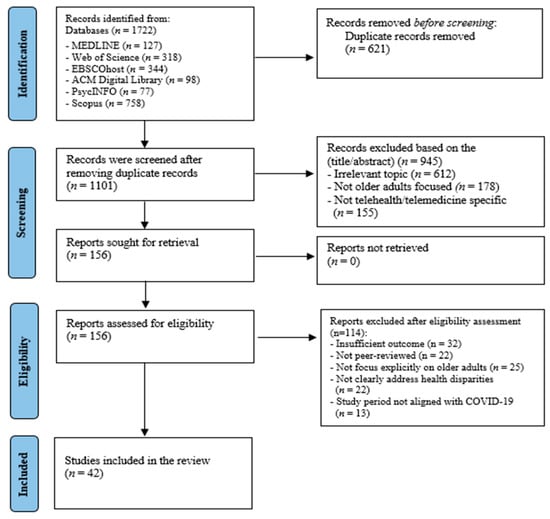
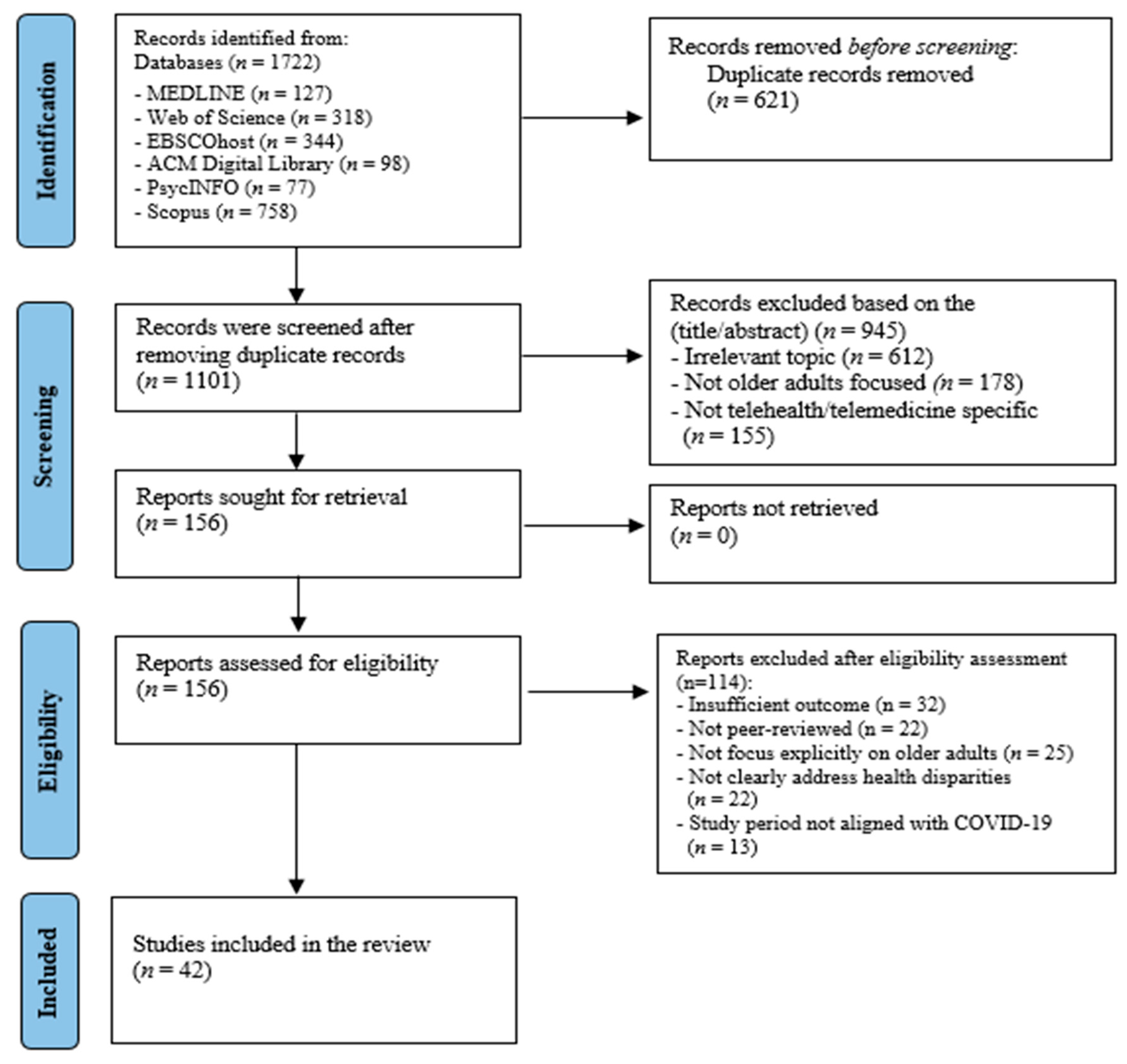
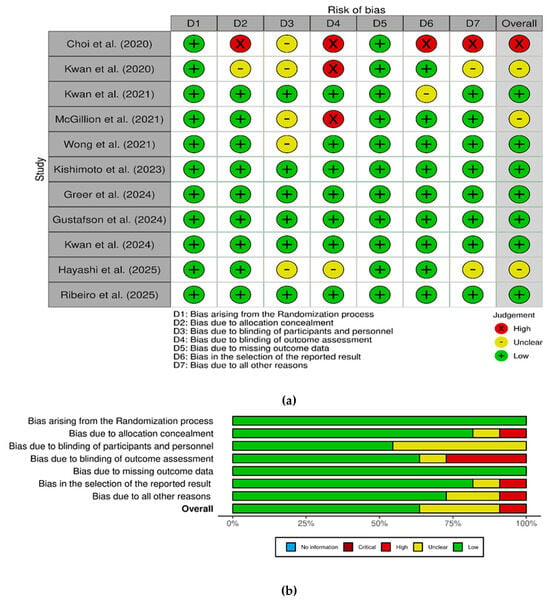
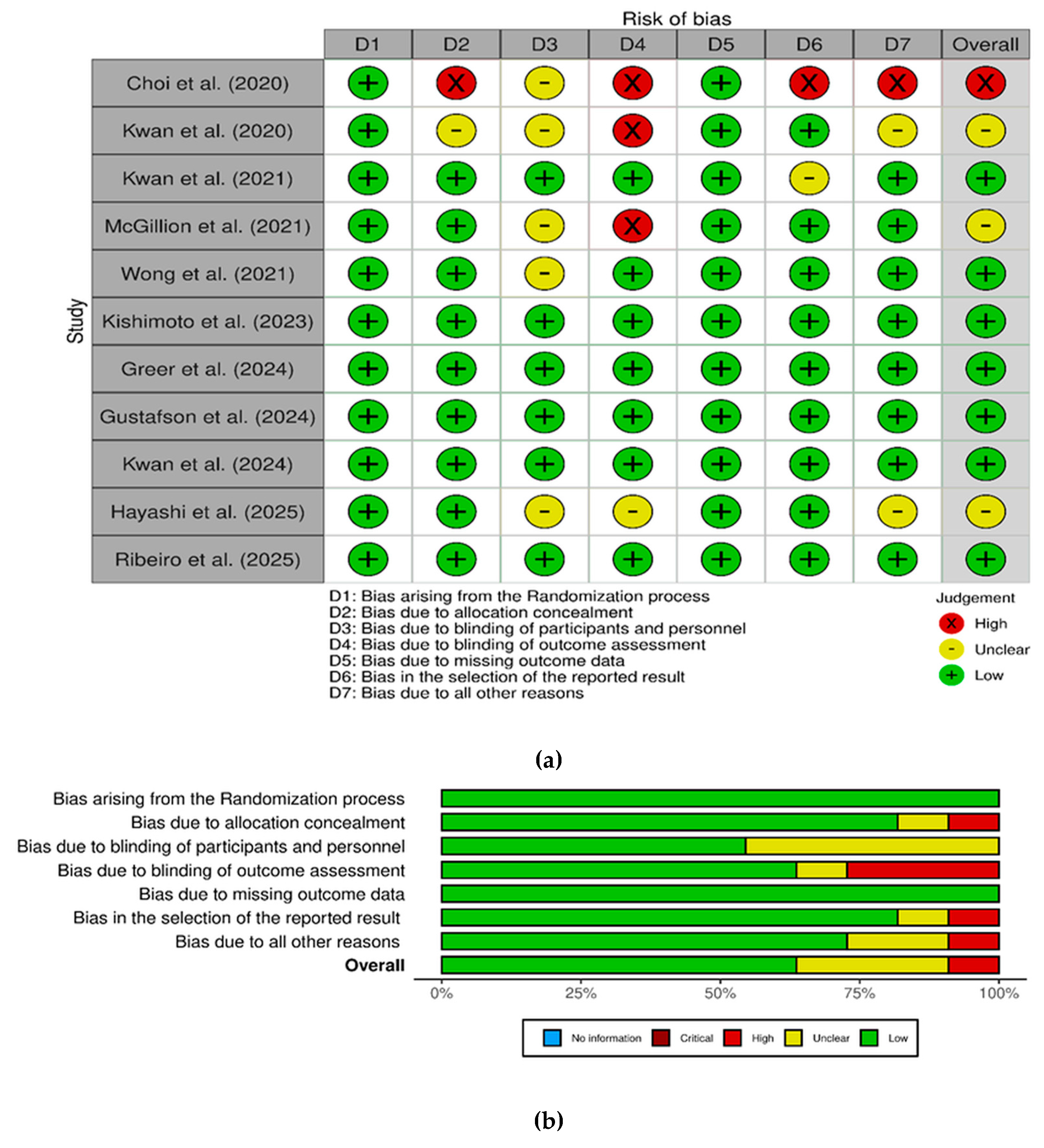
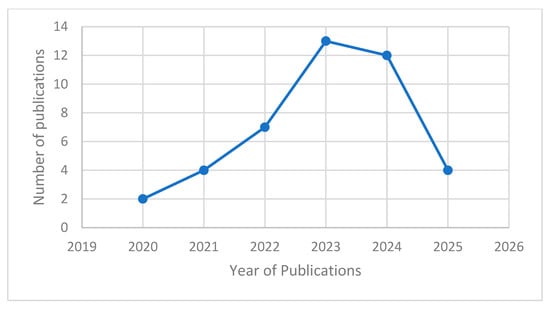
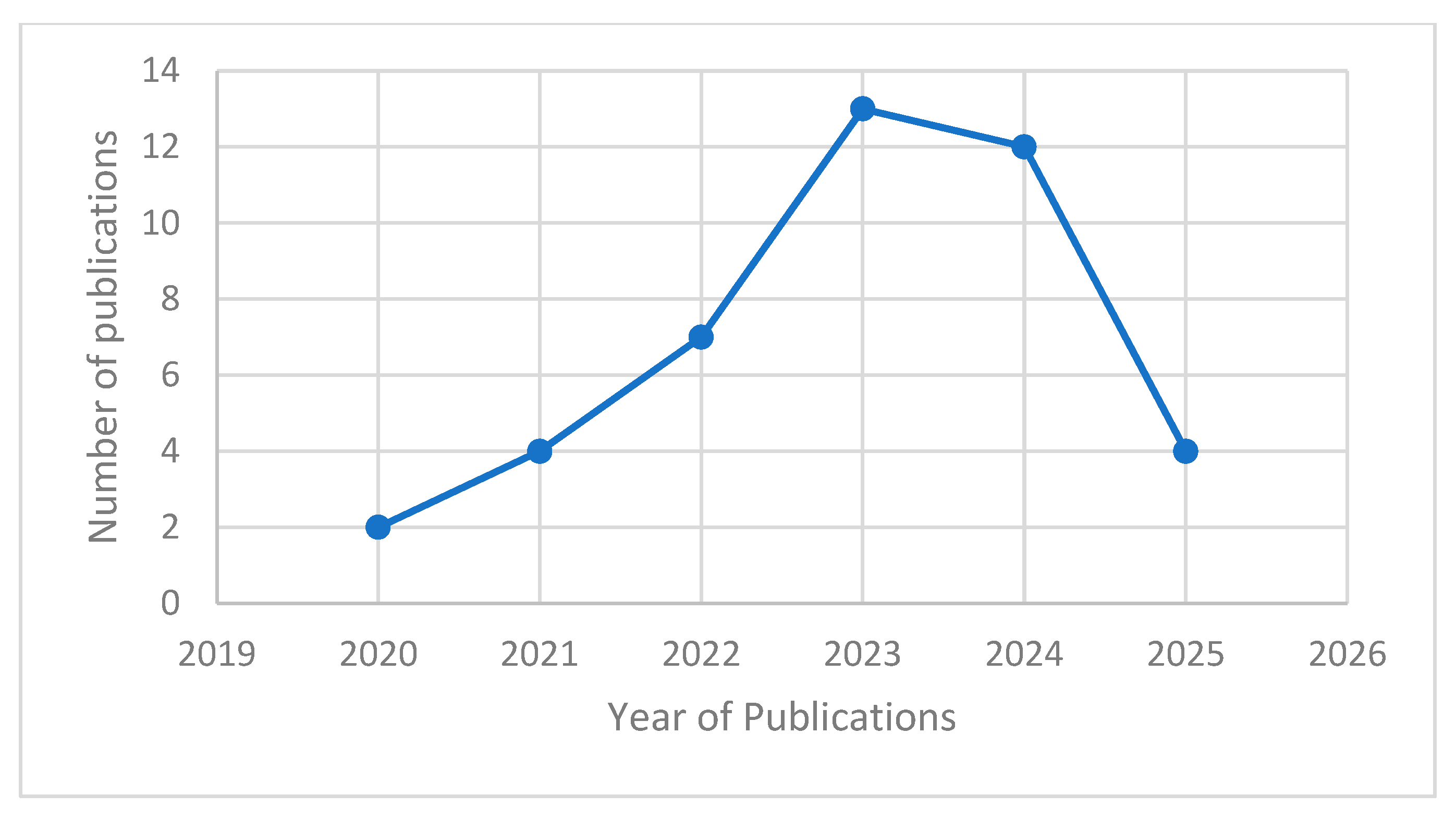
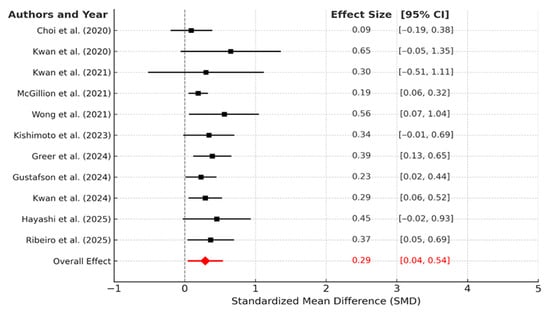
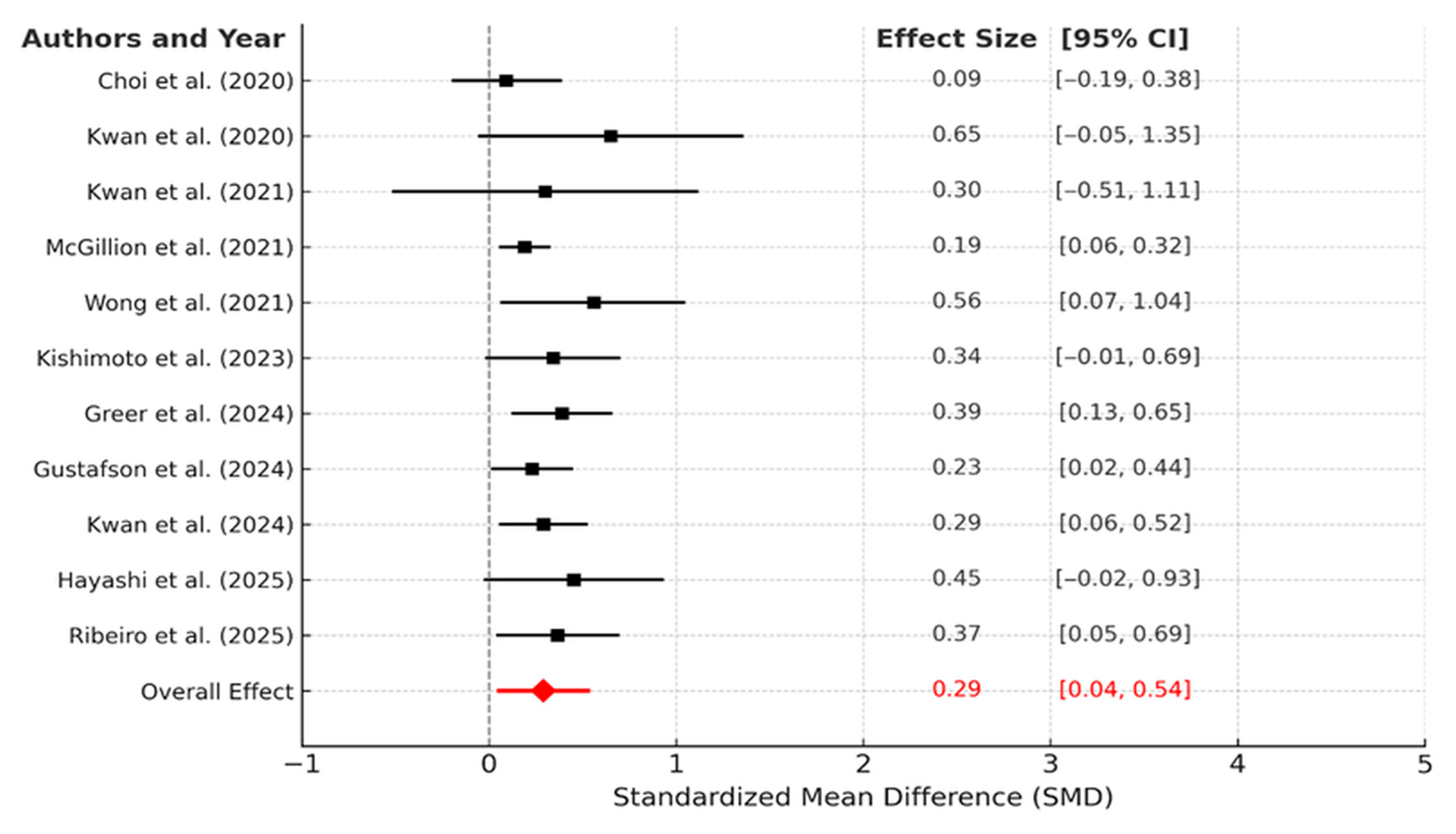
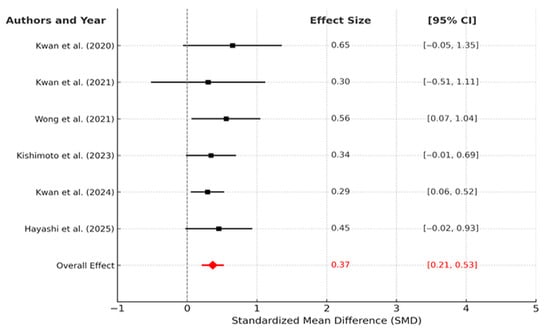
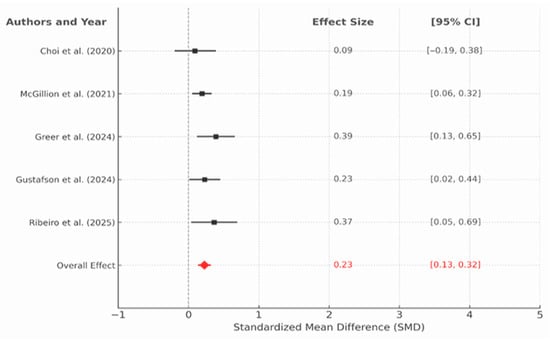
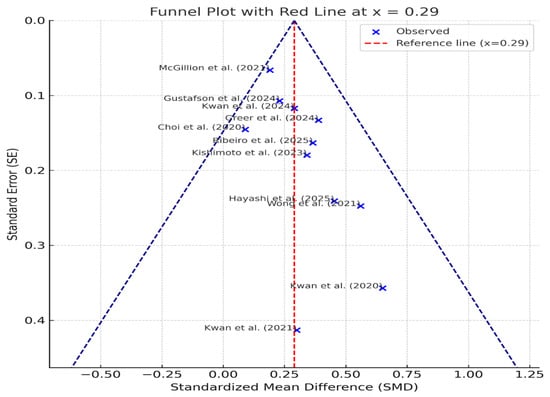
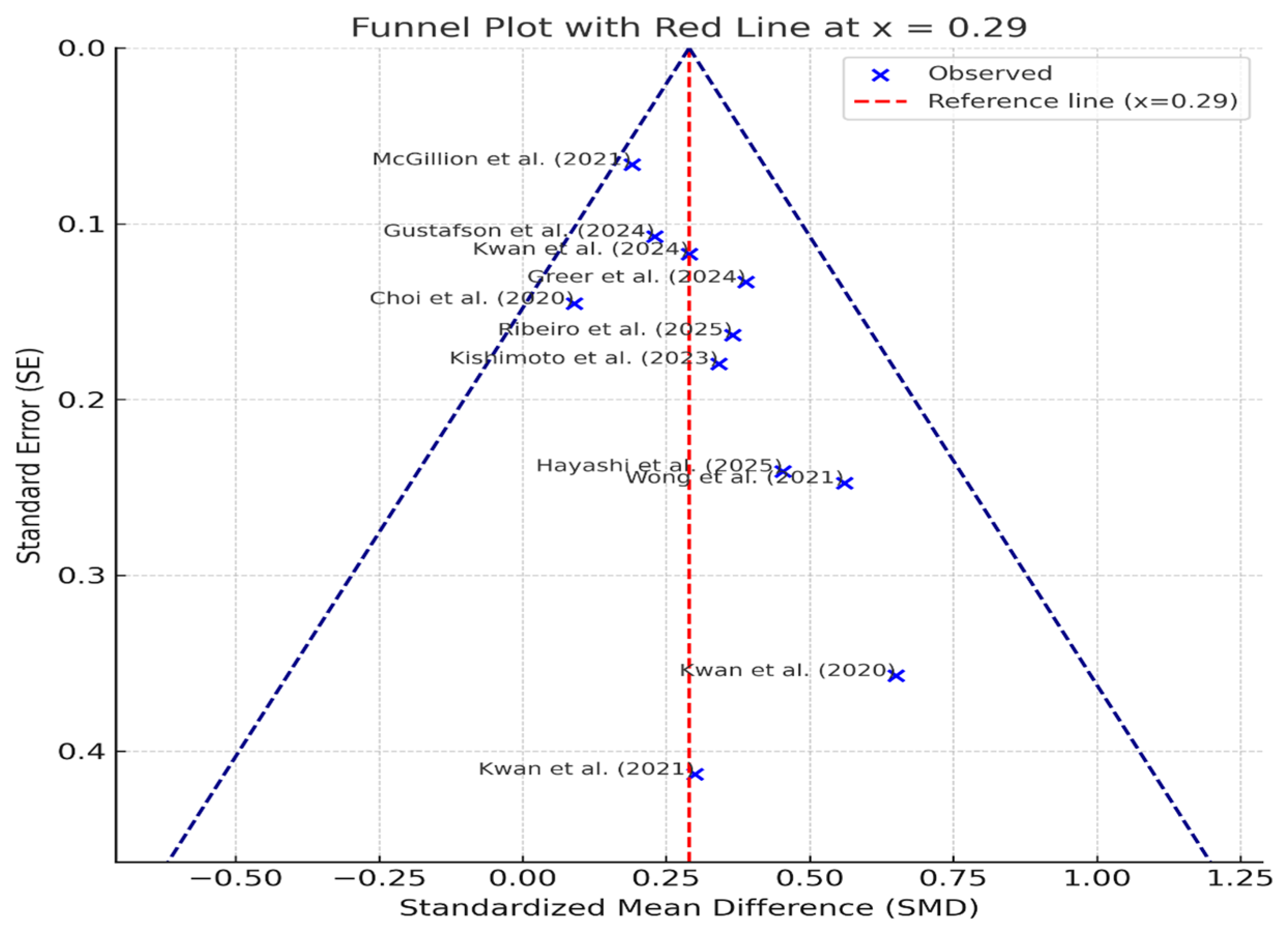
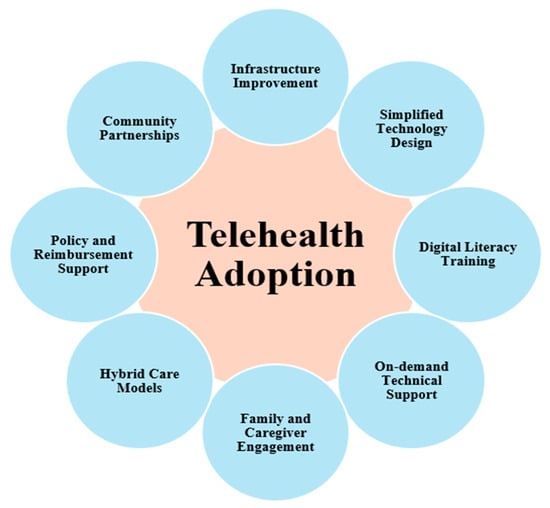
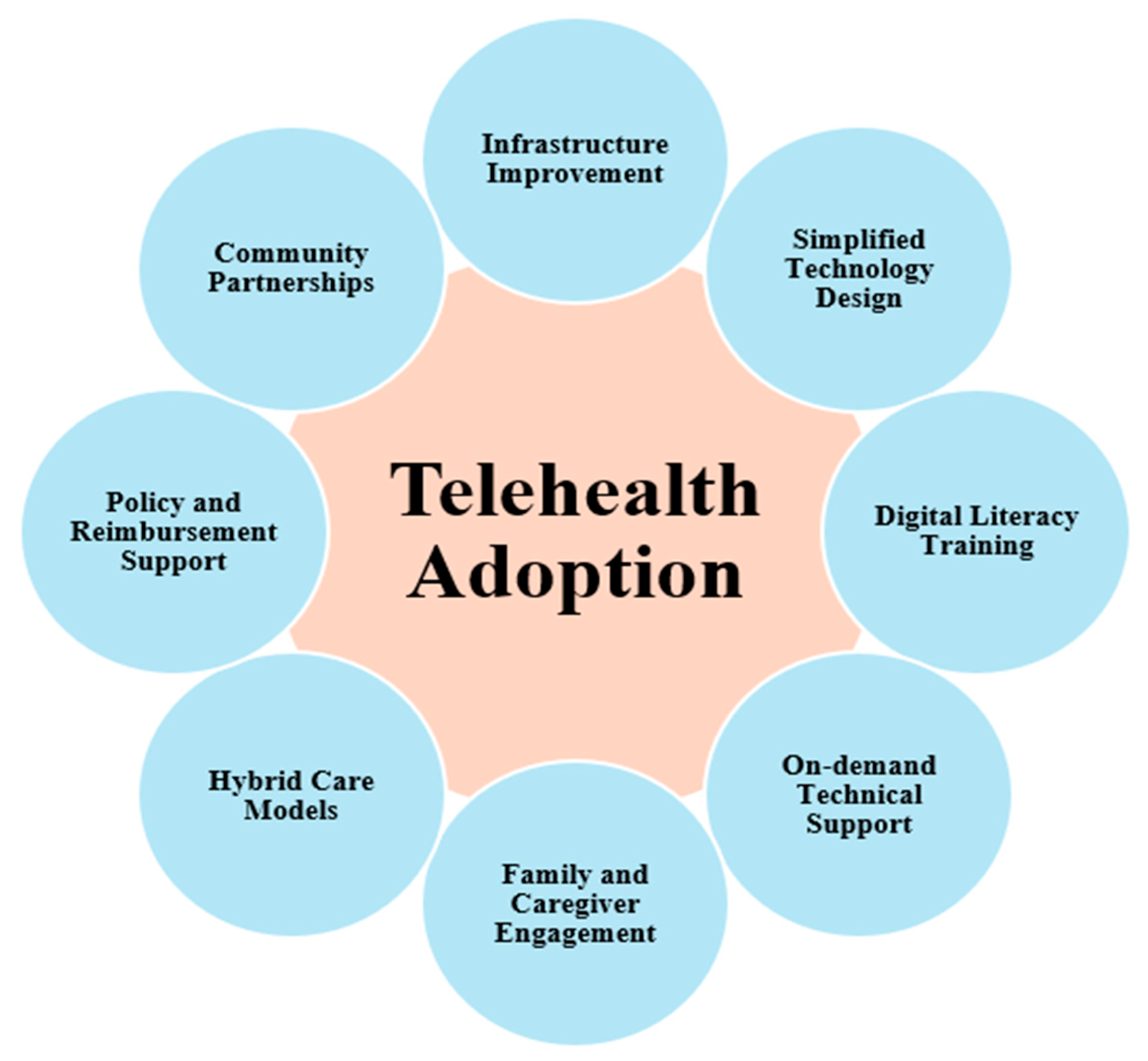
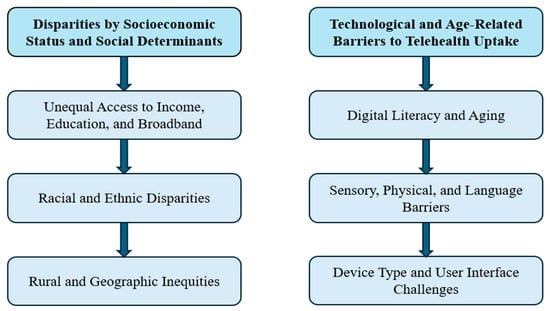
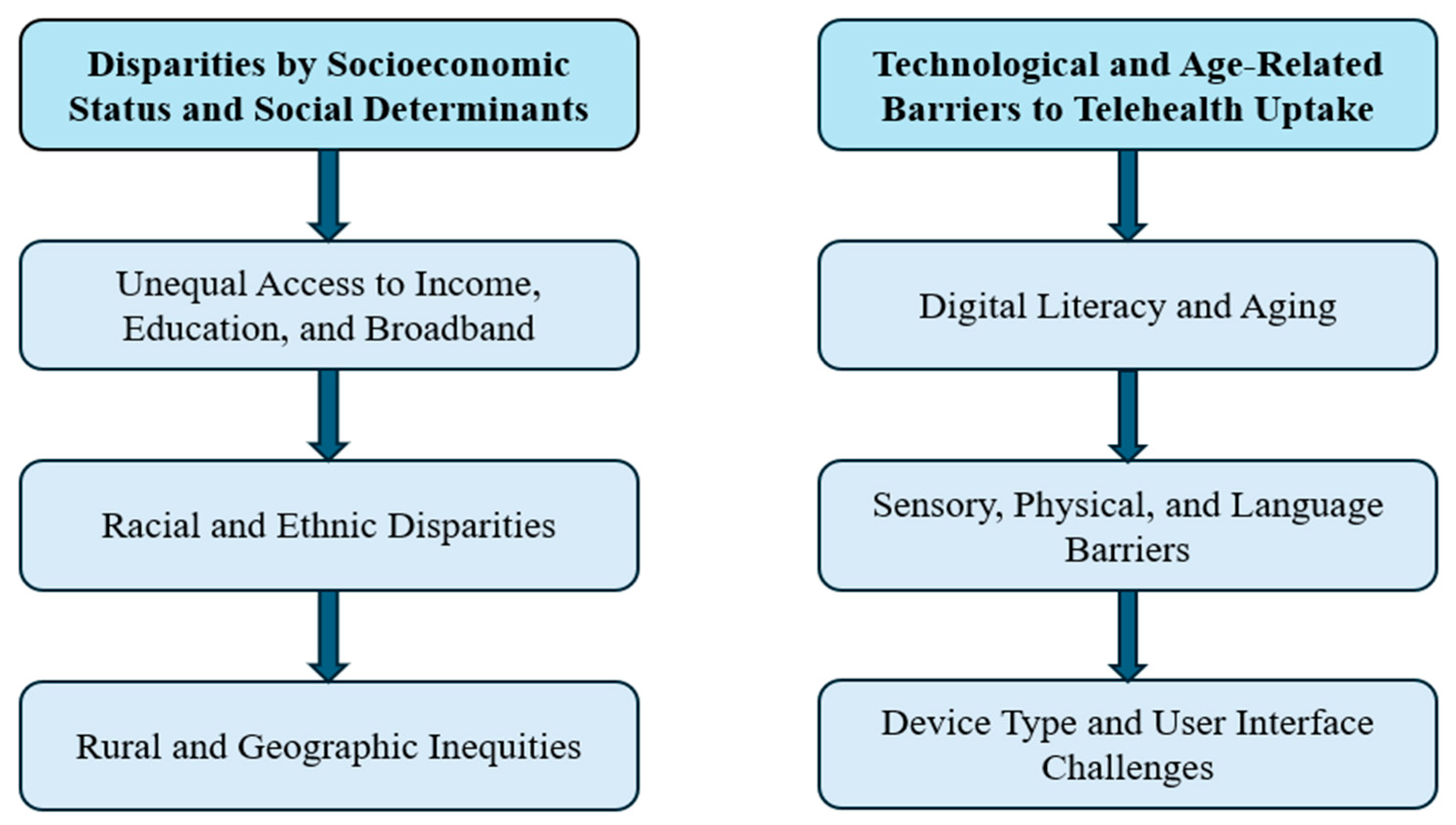

Disclaimer/Publisher’s Note: The statements, opinions and data contained in all publications are solely those of the individual author(s) and contributor(s) and not of MDPI and/or the editor(s). MDPI and/or the editor(s) disclaim responsibility for any injury to people or property resulting from any ideas, methods, instructions or products referred to in the content. |
© 2025 by the authors. Licensee MDPI, Basel, Switzerland. This article is an open access article distributed under the terms and conditions of the Creative Commons Attribution (CC BY) license (https://creativecommons.org/licenses/by/4.0/).