


Abstract
Photocatalytic antibacterial coatings have emerged as a promising antibiotic-free strategy for combating healthcare-associated infections, biofilm formation, marine biofouling, and environmental microbial contamination. Unlike conventional antimicrobial approaches, photocatalytic systems continuously generate reactive oxygen species (ROS) under light irradiation, enabling broad-spectrum antimicrobial activity while minimizing the risk of antimicrobial resistance. This review systematically summarizes the fundamental mechanisms underlying photocatalytic antibacterial activity, including photogenerated charge-carrier dynamics, ROS generation pathways, and microbial inactivation processes. We further highlight recent advances in photocatalyst design, spanning conventional semiconductor photocatalysts, heterojunction engineering, cocatalyst modification, and two-dimensional material-assisted strategies for enhanced photocatalytic performance. Crucially, particular emphasis is placed on coating architectures and interfacial regulation, including encompassing fabrication methodologies, coating–substrate adhesion, internal heterointerface design, and coating–microorganism interactions, which dictate long-term durability and antibacterial efficacy. Finally, we explore the diverse applications of these coatings in medical devices, environmental remediation, and marine antifouling, while identifying current bottlenecks and future research trajectories toward developing durable, highly efficient, and clinically translatable antimicrobial surface technologies.
1. Introduction
In recent years, the escalating challenges posed by medical device infections, marine biofouling, and microbial contamination in public environments have accelerated the development of efficient, stable, and broad-spectrum antimicrobial strategies as a critical frontier in materials science and surface engineering.
Within modern healthcare systems, healthcare-associated infections (HAIs) have evolved into a critical global public health threat. Epidemiological statistics from the World Health Organization (WHO) indicate that approximately 10% of hospitalized patients worldwide acquire a nosocomial infection during care, with incidence rates soaring to 15% in low- and middle-income countries [1]. In intensive care units (ICUs), the HAI rate can reach 30%, with nearly a quarter of these cases progressing to fatal sepsis [2]. Beyond compromising patient safety, HAIs impose an extraordinary economic burden. In Europe, HAIs result in approximately 25 million extra hospital days annually, with direct medical costs estimated between €13 and €24 billion [3]. Similarly, the United States records roughly 687,000 acute care facility infections and 72,000 associated deaths annually, incurring societal costs that potentially reach $147 billion [4,5,6].
The formation of biofilms is the core physical and biological barrier that leads to recurrent and difficult-to-treat infections. Over 80% of microbial infections are closely related to biofilm formation [7,8], especially on the surfaces of medical devices such as orthopedic implants (e.g., artificial joints), cardio-vascular stents, and urinary catheters. When planktonic bacteria attach to a substrate, they secrete extracellular polymeric substances (EPS) to build a highly hydrated, gel-like three-dimensional protective matrix [9,10]. This dense physical barrier not only severely hinders the penetration of antibiotics and host immune cells but also transforms deep-layer bacteria into persister cells that exhibit extreme tolerance to external environmental stresses [11,12]. Due to the stubbornness of biofilms, conventional anti-biotic therapies are often ineffective, and clinically, secondary revision surgeries are frequently forced to completely eliminate the source of infection. It is predicted that by 2030, the cost of revision surgeries for prosthetic joint infections in the United States alone will exceed $1.62 billion per year [13]. Accompanying the biofilm problem is the global outbreak of antimicrobial resistance (AMR). Traditional antibiotics typically rely on identifying and disrupting specific biochemical targets in bacteria. This single-target killing mechanism makes it easy for bacteria to rapidly establish a targeted defense system through gene mutations, target modifications, or horizontal gene transfer via plasmids and transposons [14,15,16]. Faced with the modern microbial contamination crisis characterized by physical biofilm barriers and biological multi-drug resistance genes, it is imperative to explore novel broad-spectrum antimicrobial strategies that do not rely on antibiotics.
The detrimental adhesion of microorganisms yields similarly catastrophic consequences in marine environments. Through the secretion of EPS, microorganisms establish initial biofilms on ship hulls and marine platforms. This bio-attachment not only accelerates micro-galvanic corrosion of metallic substrates but also serves as a requisite foundation for the settlement of macrofouling organisms, such as barnacles and algae [17,18]. The resulting marine biofouling significantly increases hydrodynamic drag, precipitating substantial rises in fuel consumption and greenhouse gas emissions, and inflicting tens of billions of dollars in annual economic losses on the global shipping industry [19,20,21]. Although over 80% of vessels currently employ biocide-containing antifouling coatings [22], up to 45% of ship owners report coating failure within five years, primarily due to accelerated aging in extreme marine environments and the finite, unsustainable release profiles of active substances [23]. This high failure rate underscores an urgent demand for durable, eco-friendly antifouling and antibacterial coatings.
Beyond the medical and marine sectors, microbial contamination on public, high-touch surfaces present a pervasive threat to biosecurity. High-touch vectors in clinical settings (e.g., door handles, bed rails, elevator buttons) act as primary reservoirs for the transmission of drug-resistant bacteria. Pathogens such as methicillin-resistant Staphylococcus aureus and Clostridium difficile can survive on inanimate surfaces for days to months. Public transportation systems, characterized by high passenger densities and enclosed spaces, similarly harbor handrails and seating that serve as vectors for respiratory and contact-transmission pathogens. Furthermore, communal surfaces in schools and offices, alongside equipment in food processing facilities, face persistent contamination from foodborne pathogens. While traditional chemical disinfection protocols can temporarily reduce surface microbial loads, they lack durability and necessitate labor-intensive, frequent reapplications. Consequently, the development of surface coatings engineered with long-lasting, intrinsic antibacterial properties offers a highly promising and sustainable paradigm for controlling public environmental microbial contamination.
1.1. Advantages of Photocatalytic Antimicrobial Activity
Compared to traditional antimicrobial methods that rely on specific chemical structures to target and inactivate microorganisms, photocatalytic antimicrobial technology offers significant advantages, including resistance-free operation, broad-spectrum sterilization, and environmental friendliness, driven by its capacity to continuously generate reactive oxygen species (ROS) under ambient conditions (Figure 1) [24]. Photocatalytic technology originates from the absorption of photons and charge separation in semiconductor materials [25]. Its primary technical appeal lies in its ability to convert inexhaustible solar energy into chemical energy characterized by exceptionally high redox potentials, all without the consumption of chemical reagents. The ROS-mediated antimicrobial mechanism functions via a multi-target, non-discriminatory physicochemical oxidation process [26]. Highly reactive ROS concurrently induce lipid peroxidation by abstracting electrons from bacterial cell membranes, disrupt the tertiary folding structure of intracellular proteins, and directly cleave the double-helix backbone of microbial DNA [27,28]. This comprehensive oxidative assault renders microorganisms incapable of mounting defensive mechanisms through isolated genomic mutations or metabolic bypass pathways, thereby fundamentally precluding the emergence of resistant strains and “superbugs” [11]. Beyond mitigating antimicrobial resistance, a primary advantage of photocatalytic technology is its unique, non-contact antimicrobial mode of action. Traditional contact-active antibacterial coatings, such as quaternary ammonium polymers, antimicrobial peptide-modified surfaces, or nanoneedle arrays, require direct physical contact with microorganisms to achieve inactivation via electrostatic disruption or mechanical piercing [29,30]. Consequently, the accumulation of dead cellular debris, environmental dust, or organic macromolecules rapidly passivates the surface, rendering its antibacterial function ineffective due to steric hindrance and fouling. In contrast, ROS generated via photocatalytic reactions (particularly relatively stable, longer-lived species such as hydrogen peroxide) can diffuse outward from the coating interface into the surrounding liquid or gaseous phases. This spatial diffusion allows ROS to penetrate the hydration layer and the extracellular EPS matrix of adjacent biofilms, enabling the remote inactivation of pathogens suspended in the near-surface vicinity or sheltered within complex micro-topographical features [31,32,33]. This non-contact mechanism greatly expands the spatial efficacy of the coating, enabling robust and sustained antibacterial performance even under conditions of surface masking or contamination. Furthermore, as the process primarily consumes oxygen and water, with final products often being water and carbon dioxide, it does not release heavy metal ions or synthetic antibiotics with long-term toxicity into the environment, aligning highly with current concepts of sustainable development and green chemistry [34].
Figure 1.
Mechanism of ROS generation in semiconductor photocatalysis and their antibacterial effects. (a) Photogenerated electron–hole pairs generation and migration under light irradiation; (b) formation pathways of ROS including •O2−, •OH, •OOH, H2O2, and 1O2; (c) ROS-induced bacterial damage through membrane lipid peroxidation, protein oxidation, and DNA destruction.
1.2. Current Challenges
Although photocatalytic antibacterial materials have demonstrated excellent sterilization and degradation performance in laboratory-scale suspension systems, they still face severe scientific and engineering bottlenecks in practical environmental and clinical applications, including limited light response range, severe carrier recombination, and insufficient interfacial stability. From the perspective of the intrinsic physical properties, traditional benchmark photocatalysts such as titanium dioxide (TiO2) and zinc oxide (ZnO) possess wide bandgaps (approximately 3.2 eV) [35]. This intrinsic limitation restricts their light absorption to short-wavelength ultraviolet (UV) light, which constitutes less than 5% of the solar spectrum energy and is even more negligible in typical hospital wards, indoor offices, and other environments dominated by LED or fluorescent lighting [36]. While visible-light-responsive materials (e.g., graphitic carbon nitride, bismuth vanadate) have been progressively developed, they generally suffer from extremely short lifetimes of photogenerated electron–hole pairs [37,38]. Within these materials, lattice scattering and defect states cause the majority of photogenerated charges to undergo non-radiative recombination on picosecond to nanosecond timescales before they can migrate to the surface to drive redox reactions, resulting in poor apparent quantum yields [39,40,41].
While these material-level limitations can be mitigated via complex heterojunction architectures or precise defect engineering [42], a more formidable challenge emerges during translation. When these high-activity powdered nanocatalysts are immobilized and assembled into macroscopic coating configurations, a series of complex interface issues and structural trade-offs arise. In practical applications, coating systems must reconcile a fundamental activity–durability trade-off [43,44]. To maximize photon penetration and active site exposure, coatings are frequently engineered with porous, loosely packed structures, utilizing low-temperature synthesis to preserve amorphous or specific highly active crystalline phases (e.g., anatase TiO2). However, these architectures lack dense grain boundary cohesion at the microscale, making them highly susceptible to catastrophic delamination and pulverization under shear water flow, physical friction, or routine instrument disinfection protocols [45]. Conversely, introducing polymer binders to reinforce mechanical adhesion, or employing high-temperature sintering to promote grain densification (e.g., phase transformation to the less active rutile phase), introduces physical barriers that severely impede mass transfer, hinder pollutant diffusion, shield incident light, and drastically reduce the active specific surface area, resulting in a near-total loss of antibacterial functionality [46]. Furthermore, prolonged illumination can induce structural collapse via photocorrosion or prompt chain scission within the supporting polymer matrix, further truncating the service life of the coating [47]. These issues of weak interfacial adhesion, obstructed charge transfer, and attenuated mass transfer efficiency during the transition from powders to functional coatings represent the primary barriers preventing photocatalytic technology from advancing from laboratory concepts to clinical and industrial translation.
To address these macroscopic challenges and technical bottlenecks, this review systematically elucidates the fundamental mechanisms, material architectures, and interfacial engineering strategies that govern photocatalytic antibacterial coatings, while highlighting their latest advances in medical, environmental, and marine applications. This review first elucidates, from a microkinetic perspective, the evolution of photogenerated charge carriers, ROS generation pathways, and the underlying biochemical mechanisms responsible for microbial inactivation, following by summarizing recent developments in photocatalytic antibacterial materials. Moving beyond traditional studies centered primarily on powder-based photocatalyst synthesis, this review places particular emphasis on coating engineering, investigating the interactions and regulatory mechanisms at substrate–coating adhesion interfaces, internal hetero-phase interfaces within the coating, and coating–microorganism interactions. Based on these engineering principles, this review further discusses the multifunctional application prospects of photocatalytic antibacterial coatings in biomedical devices, environmental remediation, and marine antifouling, while identifying key challenges and future directions for technological advancement.
2. Fundamental Principles of Photocatalytic Antimicrobial Activity
2.1. Generation and Migration of Photogenerated Carriers
The essence of a photocatalytic reaction is a multi-step physicochemical process converting light energy into chemical energy, initiated by the absorption of incident photon energy by the semiconductor photocatalyst. According to solid-state band theory, semiconductor materials possess a unique electronic structure composed of a low-energy valence band (VB) fully occupied by electrons and a high-energy conduction band (CB) that is essentially empty, separated by a forbidden band gap (Eg). When the energy (hν) of the incident photon is greater than or equal to the bandgap width of the semiconductor, electrons (e−) in the VB are excited across the forbidden band to the conduction band, simultaneously leaving behind a positively charged hole (h+) in the VB, thereby forming a photogenerated e−-h+ pair (Equation (1)) [25]. This step marks the initiation point of the conversion of light energy into chemical energy (Figure 1a).
The bandgap width of different semiconductors determines their responsive spectral range. For example, the traditional TiO2 has a bandgap of approximately 3.0–3.2 eV and can only be excited by UV light with wavelengths < 385 nm [48], while g-C3N4 has a bandgap of approximately 2.7 eV and can respond to visible light with wavelengths < 460 nm [49], which is also one of the important reasons for its widespread attention in the antibacterial field. UV light (100–400 nm), visible light (400–800 nm), and near-infrared light (800–1400 nm) account for approximately 5%, 45%, and 44% of the total solar radiation flux reaching the Earth surface, respectively. Therefore, broadening the spectral response range of photocatalysts is crucial for improving solar energy utilization efficiency [50]. For antibacterial applications, photocatalysts capable of utilizing visible light or even indoor illumination (e.g., g-C3N4 and CuS) possess more practical application prospects compared to TiO2 which only responds to UV light.
The generation of photogenerated carriers is merely the beginning of the reaction; their subsequent separation and migration behavior directly determine catalytic efficiency. Driven by thermodynamic concentration gradients and built-in electric fields within the lattice, some photogenerated electrons and holes can overcome lattice phonon scattering and gradually migrate from the bulk phase of the material to the catalyst surface. However, this process faces significant decay risks. Due to the strong Coulombic attraction between electrons and holes, the vast majority of carriers that fail to separate promptly will recombine on picosecond to nanosecond timescales [51,52,53].
Ultrafast spectroscopy studies provide direct experimental evidence for this. Graf et al. utilized femtosecond pump-probe transient spectroscopy to systematically study CuxO, FeOx, and CuxO-FeOx composite thin films prepared by HiPIMS sputtering, discovering electron-hole recombination times of approximately 1.2 ps in CuxO films, 9.7 ps in FeOx films, and even shorter at about 90 fs in the composite CuxO-FeOx films—all within the picosecond scale [54]. This result indicates that even in composite systems, photogenerated carrier recombination is extremely rapid. Time-resolved spectroscopic on a series of g-C3N4 similarly showed that free carriers are trapped to trap states within <1 ps, followed by recombination dynamics following a power-law decay form. They further found that deeply trapped electrons exist in g-C3N4, having lost up to approximately 1.5 eV of energy, rendering their thermodynamic driving force insufficient for participating in surface reactions. The concentration of deeply trapped electrons is inversely correlated with photocatalytic activity—g-C3N4-500 prepared at lower temperatures exhibited 3.5 times lower hydrogen production activity than g-C3N4-600, but its deeply trapped electron concentration was 2.4 times higher [55]. This illustrates that the kinetic behavior of carriers (rather than merely their lifetime) is the key factor determining photocatalytic efficiency.
Carrier recombination occurs in two forms, radiative recombination (electrons falling from the CB back to the VB, releasing fluorescent photons) and non-radiative recombination (energy dissipated as lattice thermal energy), typically occurring at bulk defects or surface traps [56]. This severe bulk and surface charge recombination is the core reason for the low quantum efficiency of traditional single-semiconductor photocatalysis. Therefore, suppressing unproductive recombination and increasing the effective carrier concentration form the physical basis for constructing efficient photocatalytic antibacterial systems. The main strategies currently include heterojunction construction, defect engineering, and localized surface plasmon resonance (LSPR) effects [28].
Heterojunction construction utilizes the difference in band positions between two semiconductors to form a built-in electric field, driving electrons and holes to migrate in different directions to achieve spatial separation. Kumar et al. constructed a g-C3N4/TS-1 zeolite heterojunction photocatalyst, determining through band calculations that the ECB of g-C3N4 = −1.18 eV, EVB = 1.5 eV, while for TS-1, ECB = +0.01 eV, EVB = 3.18 eV, forming a Type-II heterojunction between them. In this system, photogenerated electrons transfer from the CB of g-C3N4 to the CB of TS-1, while holes migrate in the reverse direction, achieving efficient spatial charge separation. Photoluminescence (PL) spectroscopy and photocurrent tests both confirmed that carrier recombination in the optimized heterojunction TCN(1-8-8) was significantly suppressed, with the photocurrent response increasing approximately 2-fold compared to pure g-C3N4. Time-resolved PL analysis indicated its exciton lifetime shortened to 0.52 ns, providing direct evidence of efficient charge separation [57].
Defect engineering breaks material symmetry by introducing controllable defects (e.g., nitrogen vacancies) to regulate carrier transport pathways. Shen et al. reported that introducing N vacancies into C3N4 allows more electrons to transfer to single-atom Cu sites through the delocalized π-conjugated network, accelerating interlayer charge transfer. Electron paramagnetic resonance (EPR) spectroscopy confirmed the presence of N vacancies (g = 2.0034), with the SA-Cu-CN-620 sample calcined at 620 °C showing a stronger EPR signal than SA-Cu-CN-600 calcined at 600 °C, indicating that higher calcination temperatures promoted N vacancy formation. X-ray absorption fine structure (XAFS) analysis further confirmed that Cu is embedded in the C3N4 interlayer in a Cu-N3C1 configuration (rather than in-plane coordination), with single-atom Cu bridges acting as interlayer electron shuttles, enabling photogenerated electrons to transfer rapidly between layers along Cu single atoms. Electrochemical impedance spectroscopy (EIS) and photocurrent test results showed that SA-Cu-CN-620 has a much smaller charge transfer resistance and higher photocurrent response than pure C3N4, confirming that the synergistic effect of single-atom Cu channels and N vacancies significantly promotes charge separation and transfer efficiency [58].
Beyond semiconductor heterojunctions and defect engineering, plasmonic metal nanoparticles provide another effective strategy for regulating photogenerated carrier dynamics. Noble metals such as Ag and Au possess LSPR effects, originating from collective oscillation of conduction electrons under incident light irradiation. The excitation of LSPR can enhance local electromagnetic fields around metal nanoparticles, broaden the optical absorption range, and promote additional electron generation through plasmon-induced hot electron transfer. Plasmonic nanoparticles can function as electron reservoirs or photosensitization centers. Under visible-light irradiation, energetic electrons generated from plasmon decay can be injected into adjacent semiconductor conduction bands, thereby improving charge separation efficiency and increasing the production of ROS. Meanwhile, the strong optical absorption of plasmonic metals enables enhanced utilization of visible and near-infrared light. Therefore, integrating plasmonic nanoparticles with semiconductor photocatalysts represents an effective approach to simultaneously improve light harvesting and carrier migration [59].
2.2. Generation of ROS
After photogenerated carriers successfully migrate to the catalyst surface, they do not directly react with microorganisms but instead serve as potent redox driving sources, exchanging electrons with O2, H2O, or OH− adsorbed on the catalyst surface to generate various highly reactive ROS (Figure 1b). The types and generation efficiency of ROS are strictly governed by the band structure of semiconductors, particularly the absolute edge positions of the CB and VB relative to the standard hydrogen electrode (NHE) potential and the thermodynamic conditions of the system [28].
2.2.1. ROS Generation Pathways
After photogenerated electrons and holes migrate to the photocatalyst surface, they participate in oxidation–reduction reactions with adsorbed O2, H2O, or OH−, producing a variety of ROS. The oxidation half-reaction is mainly driven by VB holes, whereas the reduction half-reaction is dominated by CB electrons. The ROS can further undergo a series of cascade reactions, generating secondary reactive species such as H2O2, •OOH, •OH, and 1O2, which collectively contribute to the photocatalytic antibacterial activity [60,61,62].
Semiconductor + hv → e− + h+
h+ + H2O → •OH + H+
h+ + OH− → •OH
e− + O2 → •O2−
•O2− + H+ → •OOH
2•OOH → H2O2 + O2
O2 + 2H+ + 2e− → H2O2
e− + H2O2 → •OH+ OH−
H2O2 + hv → 2•OH
Fe2+ + H2O2 → Fe3+ + •OH + OH−
•O2− + •OH → 1O2 + OH−
On the oxidation side, the h+ accumulated in the valence band possess extremely strong electron-withdrawing capability. When the valence band edge potential of the semiconductor exceeds the oxidation potential of the •OH/H2O couple (+2.27 V vs. NHE) or the •OH/OH− couple (+1.99 V vs. NHE), holes can directly oxidize H2O or OH− adsorbed on the catalyst surface to generate •OH (Equations (2) and (3)). Zhou et al. [60], using TiO2 as an example, pointed out that when the incident photon energy exceeds the TiO2 bandgap, electrons are excited from the VB to the CB to form e−-h+ pairs, and the VB holes subsequently react rapidly with surface-adsorbed OH− or H2O to produce •OH.
On the reduction side, e− possess strong reducing capability. Provided that the CB edge potential is more negative than the O2/•O2− reduction potential (−0.33 V vs. NHE), electrons can reduce dissolved O2 to generate •O2− (Equation (4)). For instance, the CB position of g-C3N4 is approximately −1.3 V (vs. NHE), which fully satisfies the thermodynamic requirement for •O2− formation.
The generated •O2− is inherently unstable and can undergo a series of sequential conversion reactions. Specifically, •O2− accepts a proton to form •OOH (Equation (5)), followed by the disproportionation of •OOH molecules to produce H2O2 (Equation (6)). Alternatively, dissolved O2 can be directly reduced through a two-electron pathway to generate H2O2 (Equation (7)). The resulting H2O2 can further accept an electron, undergo photolysis upon light absorption, or participate in Fenton-like reactions in catalysts containing Fe-based components to yield •OH with higher oxidizing capability (Equations (8)–(10)). Chauvet et al. [61] noted that in the CuxO–FeOx composite system, the FeOx component effectively facilitates the conversion of H2O2 to •OH, which constitutes one of the key reasons for its significantly superior antibacterial performance compared to single-component counterparts.
In addition to the aforementioned radicals, singlet oxygen (1O2) represents another critically important ROS that has attracted widespread attention in recent years. The 1O2 is primarily generated through energy transfer pathways, and is characterized by a relatively long lifetime and strong selective oxidation capability. Shen et al. [59] quantitatively detected 1O2, •O2−, and H2O2 in a g-C3N4 photocatalytic system (Equation (11)), whereas virtually no •OH signal was observed, further confirming that 1O2 serves as the dominant active species responsible for biofilm degradation and antibacterial action in this system [62].
2.2.2. Physicochemical Property Differences Among ROS
Different ROS exhibit significant differences in physicochemical properties, directly influencing their roles in the antibacterial process. The •OH possesses the strongest oxidation capability with a standard oxidation potential of +2.80 V vs. NHE, but its half-life is extremely short, typically in the nanosecond range, limiting its diffusion distance to only a few nanometers and requiring it to act immediately at the site of generation. The •O2− has a slightly longer lifespan in the microsecond level, but Shen et al. noted that •O2− has relatively low reactivity towards polysaccharides, amino acids, and lipids, and bacteria can secrete superoxide dismutase (SOD) to scavenge it, so its direct contribution to antibacterial activity may be limited [59]. As a non-radical ROS, H2O2 not only has higher stability but also a diffusion distance reaching the micrometer level, and can penetrate into the cell interior through bacterial aquaporins. However, the study by Shen et al. showed that the concentration of H2O2 generated in the photocatalytic system is far below the concentration required for actual disinfection, which is in the millimolar to molar range, and bacteria can also produce catalase to decompose it [59]. Although the steady-state concentration of 1O2 is relatively low, its reactivity is extremely high, effectively oxidizing cell membranes, cell walls, and enzymes, and no defense mechanism against 1O2 has been found in pathogenic bacteria to date. Furthermore, in high bacterial concentration environments, the lifetime of 1O2 can be extended from 6 μs to 40 μs, enabling it to still perform effective inactivation in dense biofilm environments. This difference in diffusion capability and reactivity lays the physicochemical foundation for subsequent contact and non-contact antibacterial pathways [62].
2.2.3. Thermodynamic Conditions and the Importance of Dissolved Oxygen
It must be emphasized that the generation of ROS does not occur automatically but is strictly governed by thermodynamic conditions [58]. The thermodynamic criteria for band potential matching are detailed in Equation (10). Kumar et al. demonstrated through energy band calculations of the g-C3N4/TS-1 heterojunction, the ECB of TS-1 (+0.01 V) is higher than the reduction potential of O2/•O2− (−0.33 V), therefore the CB electrons of TS-1 alone cannot reduce O2 to generate •O2−. However, the ECB of g-C3N4 (−1.18 V) is much lower than −0.33 V, effectively enabling •O2− generation. In the heterojunction system, after electrons transfer from the CB of g-C3N4 to the CB of TS-1, their reducing power actually decreases. Under these conditions, •O2− generation primarily relies on the CB electrons retained on g-C3N4, while •OH generation depends on the oxidation of H2O by VB holes on TS-1. Quenching experiments by Kumar et al. further confirmed, under a N2 atmosphere (excluding dissolved O2), the degradation reaction almost completely ceased, verifying the indispensable role of dissolved O2 in ROS generation. Chauvet et al., in their study of CuxO-FeOx-PET films, similarly found that the high oxygen affinity of the PET substrate (through the presence of C-O single and double bonds) facilitates the adsorption of oxygen on the film surface, thereby promoting ROS generation in the photocatalytic reaction [54].
2.3. Antibacterial Mechanisms
The generated ROS can disrupt the complex structure of microorganisms through multiple and synergistic pathways, achieving efficient broad-spectrum antibacterial effects. ROS serve as intermediate products (mainly from incomplete reduction reactions of photoexcited electrons/holes with oxygen or water), including 1O2, •O2−, and •OH, etc. From a biochemical damage perspective, photocatalytic antibacterial mechanisms can be summarized into three progressive levels of destruction (Figure 1c) [60].
2.3.1. Lipid Peroxidation of Cell Membrane and Cell Wall
The cell envelope (including the outer membrane of Gram-negative bacteria and the thick peptidoglycan layer of Gram-positive bacteria) is the first line of defense for bacteria against external environmental stresses. When highly reactive •OH and •O2− contact the bacterial surface, their extreme oxidizing power instantly strips electrons from unsaturated fatty acids in the phospholipid bilayer, triggering a violent lipid peroxidation chain reaction, cleaving the carbon chains of fatty acids, and destroying the fluidity and integrity of the cell membrane [63]. Chauvet et al. provided direct experimental evidence for this process by quantitatively detecting malondialdehyde (MDA, a hallmark product of lipid peroxidation) using high-performance liquid chromatography (HPLC), and found strong oxidative stress at the interface between CuxO-FeOx-PET films and Escherichia coli. The difference in MDA formation between wild-type and porin-deficient E. coli was 10%–15%, confirming that interfacial oxidative stress is one of the main driving forces for bacterial inactivation. More critically, by comparing the inactivation kinetics of normal E. coli and genetically engineered porin-deficient E. coli, they found similar inactivation rates under both light and dark conditions, indicating that the ions and oxygen radicals generated by photocatalysis primarily act on the exterior of the bacteria rather than relying on ion penetration through porins into the cell interior [54].
Damage to the lipid layer directly leads to the loss of the semipermeable barrier function of the cell membrane, causing vital substances maintaining transmembrane potential and osmotic pressure (e.g., K+ ions) and core energy metabolism molecules (ATP) to leak massively into the extracellular space, bringing bacterial metabolism to a halt and accelerating physical death. The inactivation kinetics can be described by a pseudo-first-order model. Flow cytometry further provided dynamic evidence of changes in bacterial physiological states. Chauvet et al. observed that normal E. coli on CuxO-FeOx-PET split into two distinct physiological state populations after 45 min of illumination, while the porin-deficient strain did not show a second population, indicating that bacterial inactivation involves both external oxidative stress and internal ion diffusion mechanisms, with external oxidative stress being dominant [54]. Zhou et al. summarized that ZnO nanomaterials release Zn2+ ions and photogenerated ROS synergistically act on the cell membrane, leading to loss of membrane integrity and content leakage, while CuS nanomaterials generate electron–hole pairs under near-infrared light irradiation, producing ROS, achieving over 90% bactericidal rates against E. faecium and E. faecalis, including drug-resistant strains [60].
2.3.2. Protein Inactivation and Genetic Material Damage
After cell membrane damage, or relying on longer-lived, more penetrating H2O2 to actively infiltrate through aquaporins, ROS can advance deeply into the bacterial cytoplasm, triggering irreversible intracellular oxidative stress. Zhou et al. specifically noted that extracellular ROS entering bacteria causes a dramatically boosted increase in intracellular ROS levels, disrupting the homeostasis of the oxidation-antioxidant balance. Once inside, ROS indiscriminately attack various structural and functional proteins—oxidizing sulfhydryl groups (-SH) and thioether bonds on polypeptide chains, leading to protein misfolding, cross-linking, or aggregation, completely inactivating key enzyme systems responsible for respiratory chain electron transport and nutrient substance synthesis. Zhou et al. described this process as the depletion of antioxidant enzymes via ROS, thereby disrupting the intracellular oxidative balance. While bacteria upregulate defenses such as SOD and catalase (encoded by katA, katE, katG, and katX) the sustained, high-intensity ROS flux generated by photocatalysis often overwhelms these protective mechanisms [60].
More fatally, highly aggressive •OH can infiltrate the nucleoid region, attacking the double-helix backbone and bases of DNA (especially guanine), causing oxidative modification of nucleotides and physical breakage of single or even double DNA strands. This deep-level genetic material damage not only halts bacterial replication and division but also exceeds the processing limits of its DNA repair mechanisms (such as the SOS response), ultimately leading to complete apoptosis. Chauvet et al. observed in flow cytometry experiments that the few bacteria remaining on CuxO-FeOx-PET after 60 min of illumination were confirmed by plate counting to be unable to form new colonies, indicating that the detected residual cells were either severely damaged or in a “viable but noncultivable” state. This provides strong evidence of the irreversible damage inflicted by photocatalysis on bacterial genetic material and metabolic systems [54].
2.3.3. Oxidative Disruption of Biofilm Matrix
In medical device infections and environmental fouling, the greatest antibacterial obstacle is the biofilm, a dense three-dimensional structure composed of bacteria and their secreted EPS. As the “skeleton” of the biofilm, EPS not only mediates bacterial adhesion and aggregation on surfaces but also provides a physical barrier and chemical protection for internal persister cells, rendering them highly tolerant to antibiotics and the host immune system [64]. Shen et al., using g-C3N4 to study Staphylococcus epidermidis biofilms, systematically revealed the mechanism of photocatalytic biofilm disruption [60].
ROS generated by photocatalysis, especially 1O2 and •OH, directly act on the macromolecular network constituting the biofilm EPS. By initiating cleavage of glycosidic bonds in polysaccharide chains, degrading extracellular structural proteins, and hydrolyzing extracellular DNA, they cause the originally dense, gel-like EPS matrix to rapidly depolymerize and liquefy. Scanning electron microscopy (SEM) and confocal laser scanning microscopy (CLSM) characterizations by Shen et al. confirmed that after 6 h of illumination, a large number of EPS was decomposed and removed from mature biofilms, and bacterial cells transitioned from being embedded in EPS to being isolated on the surface [59]. Poly-N-acetylglucosamine intercellular adhesin (PIA) is a key EPS component in S. epidermidis biofilms mediating cell–cell adhesion and maintaining mechanical properties. CLSM fluorescence labeling showed that large amounts of PIA aggregates in mature biofilms were mostly decomposed or removed after 6 h of illumination. Atomic force microscopy (AFM) nanoindentation measurements indicated that biofilms subjected to illumination treatment exhibited greater hardness compared to untreated mature biofilms. This is because EPS, mainly composed of linear or highly branched Poly-N-acetylglucosamine, is inherently softer than bacterial cell walls composed of cross-linked peptidoglycan. When ROS remove EPS, the exposed rigid bacterial cell walls, and cell clusters increase overall stiffness. The ROS quantitative analysis further indicated that in the g-C3N4 photocatalytic system, 1O2 is the most likely key active species for EPS degradation and biofilm clearance, because 1O2 has high reactivity, effectively oxidizing sugars, lipids, and amino acids, and no defense mechanism against 1O2 has been found in pathogenic bacteria to date.
The disintegration of EPS holds dual strategic significance. On one hand, it destroys the physical adhesion of the biofilm on the coating surface, promoting large-area detachment under fluid shear forces and restoring the cleanliness of the substrate surface. On the other hand, the elimination of the physical barrier deprives deep-seated persister cells of their protective shield, exposing the underlying colonies, which were highly drug-tolerant, directly to the range of ROS attack, thereby achieving a “root-and-all” eradication of complex infection communities. Dynamic observation using CLSM live/dead fluorescence double-staining further revealed the direction of inactivation, bacterial inactivation progressed from the outer surface of the biofilm towards the center, with dead cells (red fluorescence) surrounding inner viable cells (green fluorescence) after 4 h of illumination. This indicates that ROS diffusion and penetration play a critical role in biofilm inactivation, rather than relying solely on direct contact. This finding is highly consistent with the physicochemical characteristics of ROS diffusion distances; short-lived •OH with nanometer-level diffusion distance can only act on the outermost layer, while longer-lived 1O2 and H2O2, which can reach micrometer levels, can penetrate deeper into the biofilm.
Additionally, Shen et al. found by comparing biofilm clearance effects under nutrient-rich and nutrient-poor conditions that ROS generated by photocatalysis can effectively inactivate and clear mature biofilms even in a nutrient-free environment (PBS buffer), but the presence of nutrients consumes ROS and promotes biofilm regrowth, posing a challenge for biofilm clearance under weak light conditions. This suggests that in practical applications, it is necessary to overcome the competitive effect of nutrients by enhancing the photocatalytic activity of the photocatalyst or increasing the light intensity [59].
3. Photocatalytic Antibacterial Systems
3.1. Single Semiconductor Catalysts
Single semiconductor catalysts form the cornerstone of photocatalytic antibacterial systems, with their catalytic performance and antibacterial efficiency primarily governed by band structure, intrinsic carrier mobility, and surface biochemical reactivity. As one of the earliest discovered and most extensively studied photocatalytic materials, TiO2 has long occupied a central position in the antibacterial and antifouling field due to its excellent chemical stability, biocompatibility, and strong oxidizing capability. TiO2 is commonly found in three primary crystal phases, namely anatase, rutile, and brookite. Among these, the anatase phase exhibits the highest photocatalytic and antibacterial activity owing to its greater number of hydroxyl adsorption sites on the surface and lower bulk recombination rate. Furthermore, TiO2 can exhibit superhydrophilic properties under illumination, which holds significant value for self-cleaning coating design. However, the major drawback of TiO2 lies in its intrinsic wide bandgap of approximately 3.2 eV. This physical property dictates that its electron transition must absorb UV light with wavelengths shorter than 385 nm, rendering it almost completely unresponsive to visible light, which constitutes over 43% of the total solar energy. This represents the greatest bottleneck limiting its widespread application in indoor hospital environments and under ordinary lighting conditions [65]. Despite its excellent photocatalytic activity and biocompatibility, the application of TiO2 in human-related fields requires careful consideration of safety regulations. In particular, the European Union Regulation (EU) 2022/63 [66] introduced restrictions on the use of TiO2 in certain applications due to concerns regarding inhalation risks associated with TiO2 nanoparticles. Therefore, for biomedical and healthcare-related photocatalytic coatings, future research should focus on optimizing particle immobilization, preventing nanoparticle release, and developing stable coating architectures to ensure both antibacterial efficiency and biological safety [67].
ZnO possesses a band structure and wide bandgap (approximately 3.2 eV) very similar to TiO2, but due to its unique crystal structural characteristics, it exhibits an electron mobility several times higher than that of TiO2. This promotes, to a certain extent, the rapid separation of photogenerated charges, granting it unique advantages in photocatalytic ROS generation [68]. More distinctively, ZnO demonstrates a multifaceted sterilization pathway integrating physicochemical mechanisms in antibacterial systems. Besides the non-contact sterilization via photo-triggered ROS, ZnO can also slowly release toxic zinc ions in humid environments. This metal ion release not only interferes with bacterial intracellular metal enzyme systems but, when ZnO is designed into special micro/nano morphologies (e.g., sharp tetrapod or conical nanorods), can also destroy cell membranes through electrostatic interactions and direct mechanical puncturing [69]. Despite its rich mechanisms, ZnO is similarly limited by UV light response and is prone to photocorrosion and dissolution in extreme acidic or alkaline environments, posing challenges to material stability.
The g-C3N4, as a typical non-metallic polymer visible-light-responsive material, has surged in prominence and attracted widespread attention in recent years of photocatalytic antibacterial research. The g-C3N4 consists of triazine or heptazine rings connected via carbon-nitrogen covalent bonds forming a two-dimensional layered structure, with a relatively narrow intrinsic bandgap (approximately 2.7 eV) capable of effectively absorbing visible light up to wavelengths around 460 nm. Composed entirely of earth-abundant carbon and nitrogen elements, g-C3N4 has extremely low preparation costs and contains no heavy metals, circumventing the potential biotoxicity risks associated with traditional metal-containing catalysts. Although bulk g-C3N4 has a small surface area and a strong tendency for interlayer charge recombination, leveraging its polymer nature, researchers can readily optimize its electronic structure through thermal exfoliation to prepare ultrathin nanosheets, introduction of nitrogen/carbon vacancy defects, or non-metallic element doping, making it an excellent substrate for next-generation green environmental purification and surface sterilization [37,49].
In addition to TiO2, ZnO, and g-C3N4, several metal oxide semiconductors with narrower bandgaps have recently attracted increasing attention for photocatalytic antibacterial applications. Copper-based oxides, including Cu2O and CuO, represent promising visible-light-responsive photocatalysts due to their suitable band structures and intrinsic antibacterial activity. Cu2O possesses a direct bandgap of approximately 2.0–2.2 eV, enabling efficient visible-light absorption. Furthermore, Cu species can contribute additional antibacterial effects through Cu+/Cu2+ ion release, membrane disruption, and intracellular oxidative stress. However, photocorrosion and instability under prolonged irradiation remain critical challenges, which have stimulated the development of Cu-based heterojunctions and protective architectures [70].
Cerium oxide (CeO2) has also emerged as a multifunctional photocatalytic antibacterial material owing to its reversible Ce3+/Ce4+ redox transition and abundant oxygen vacancy defects. Oxygen vacancies in CeO2 can promote oxygen activation and facilitate ROS generation, while simultaneously improving charge separation efficiency. Moreover, the antioxidant and catalytic properties of CeO2 provide unique advantages for regulating oxidative stress in biological environments [71].
Tungsten oxide (WO3), as a typical visible-light-responsive semiconductor with a bandgap of approximately 2.6–2.8 eV, exhibits excellent chemical stability and photocatalytic oxidation capability. The suitable valence band position of WO3 enables efficient generation of oxidative species, particularly photogenerated holes, making it attractive for antibacterial coatings. Recent studies have further demonstrated that WO3-based binary and multicomponent heterojunction systems can effectively overcome limited carrier separation and enhance photocatalytic antibacterial performance [72].
3.2. Heterojunction Engineering
Single semiconductor photocatalysts consistently face three core bottlenecks in practical applications, those are low quantum yield due to rapid recombination of photogenerated electron–hole pairs, limited utilization of the solar spectrum imposed by the band structure of a single material, and insufficient redox driving force to drive high-energy reactions. To overcome these limitations, interfacially coupling two or more semiconductors with complementary band structures at the atomic scale to construct heterojunction structures has proven to be the most effective strategy for enhancing photocatalytic performance. Based on the essential differences in interfacial charge transfer pathways and driving forces, heterojunctions have evolved from Type-II to Z-scheme and S-scheme mechanisms, with each stage resolving the core contradictions of the preceding generation. The comparison of energy band structures and charge transfer mechanisms for three typical heterojunctions is illustrated in Figure 2.
Figure 2.
Schematic comparison of three typical heterojunction charge transfer mechanisms: Type-II heterojunction, direct Z-scheme heterojunction, and S-scheme heterojunction, showing the differences in energy band alignment and charge migration pathways.
3.2.1. Type-II Heterojunction
The Type-II heterojunction is the most classic coupling mode. In this system, the CB and VB of the two semiconductors exhibit a staggered stepwise arrangement. The CB and VB positions of semiconductor A are both higher than those of semiconductor B. Upon photoexcitation, photogenerated electrons on the CB of semiconductor A spontaneously transition to the lower-energy CB of semiconductor B under thermodynamic driving force, while photogenerated holes on the VB of semiconductor B migrate to the higher-energy VB of semiconductor A. This spatial separation of charges in opposite directions effectively suppresses electron–hole pair recombination and extends carrier lifetime. However, Type-II heterojunctions possess an inherent flaw: because electrons and holes accumulate at lower-energy conduction bands and higher-energy valence bands, respectively, the overall redox potential of the system is severely diminished. Although the number of effective separated carriers increases, their thermodynamic driving force is insufficient to drive reactions requiring strong redox potentials [73]. The interfacial charge transfer process of a Type-II heterojunction is illustrated in Figure 3.
Figure 3.
Schematic diagram of charge transfer in a Type-II heterojunction, illustrating the spatial separation of photogenerated electrons and holes between reduction-type and oxidation-type semiconductors.
Wang et al., in their study of g-C3N4/TiO2 nanotube composite systems, revealed through kinetic analysis the coexistence of Type-II and Z-scheme heterojunction phenomena. They composited g-C3N4 with TiO2 nanotubes at different ratios and found that the photocatalytic hydrogen production rate followed a volcano-shaped curve with the molar fraction of g-C3N4, reaching a maximum value (approximately 65 μmol h−1) at x ≈ 0.6, which was 6 times higher than that of pure TiO2 nanotubes. Notably, when only Pt cocatalyst was loaded onto the TiO2 nanotubes, kinetic analysis indicated that at lower g-C3N4 ratios (x ≈ 0.1), the dominant interfacial charge transfer mechanism was Type-II heterojunction; whereas as the g-C3N4 proportion increased, the interfacial interaction gradually transitioned to a Z-scheme mechanism. XPS analysis further confirmed the charge transfer at the interface with the binding energies of C 1s and N 1s in g-C3N4 shifting to higher energy levels and those of Ti 2p and O 1s in TiO2 shifting to lower energy levels thereby indicating an electron transfer from g-C3N4 to TiO2. This study was the first to reveal, from a kinetic perspective, the competition and transition between Type-II and Z-scheme heterojunctions within the same composite system, pointing out that interfacial structural diversity is the key factor determining the dominant charge transfer mechanism [74].
3.2.2. Z-Scheme Heterojunction
To overcome the fundamental contradiction in Type-II heterojunctions between “efficient charge separation” and “maintaining strong redox capability”, Z-scheme heterojunctions were developed [73]. The energy band configuration in Z-scheme heterojunctions is similar to that of Type-II, as it also features a staggered distribution. However, the charge transfer mechanisms differ significantly. In a direct Z-scheme heterojunction, electrons with weaker reducing power, located on the CB of the oxidation-type semiconductor, and holes with weaker oxidizing power, located on the VB of the reduction-type semiconductor, selectively recombine at the interface. Meanwhile, the electrons with the strongest reducing power remain on the CB of the reduction-type semiconductor, and the holes with the strongest oxidizing power stay on the VB of the oxidation-type semiconductor. The core mechanism enabling this behavior is the formation of a built-in electric field, which arises from Fermi level equilibration between the two semiconductors. Upon contact, electrons migrate from the semiconductor with the higher Fermi level to the one with the lower Fermi level due to work function differences. This electron diffusion creates a space charge layer and a built-in electric field at the interface, which in turn causes band bending. As a result, the directional recombination of low-energy carriers is facilitated [75]. The interfacial charge transfer process of a Z-scheme heterojunction is illustrated in Figure 4.
Figure 4.
Schematic illustration of the charge transfer mechanism in a direct Z-scheme heterojunction, where low-energy carriers recombine at the interface while high-energy electrons and holes are retained on the corresponding semiconductors.
Fan et al. successfully constructed a direct Z-scheme Bi2S3/Bi4Ti3O12 (BS/BTO) heterojunction by growing Bi2S3 nanolayers in situ on the surface of Bi4Ti3O12 nanoflower spheres via a hydrothermal method [76]. DFT calculations showed that the work function of Bi4Ti3O12 (3.13 eV) is smaller than that of Bi2S3 (5.19 eV), meaning Bi4Ti3O12 has a higher Fermi level. When the two contact, electrons diffuse from Bi4Ti3O12 to Bi2S3, forming a built-in electric field pointing from Bi4Ti3O12 to Bi2S3 at the interface. Under visible light excitation, electrons on the CB of Bi4Ti3O12 migrate to the VB of Bi2S3 and recombine with holes driven by the built-in electric field, while the highly reducing electrons on the CB of Bi2S3 are retained, capable of reducing O2 to ·O2− (E0(O2/•O2−) = −0.33 eV < ECB(Bi2S3) = −0.65 eV). EPR tests and radical trapping experiments confirmed that •O2− and h+ are the main active species for the photocatalytic reaction.
3.2.3. S-Scheme Heterojunction (Step-Scheme)
Although direct Z-scheme heterojunctions have demonstrated excellent performance, the physical picture of their interfacial charge transfer pathways long lacked rigorous thermodynamic explanation [73]. In 2019, Yu et al. formally proposed the S-scheme heterojunction model, providing a more rigorous physical foundation for the Z-scheme mechanism [77]. The S-scheme heterojunction consists of an oxidation-type semiconductor (OP, with a deeper VB, strong oxidizability) and a reduction-type semiconductor (RP, with a higher CB, strong reducibility). Its core mechanism is based on the synergistic effect between Fermi level equilibration and the built-in electric field. Upon contact in the dark state, due to the differences in work function, electrons spontaneously diffuse from the reducing partner (RP) with the higher Fermi level to the oxidizing partner (OP), thereby forming a built-in electric field directed from the RP to the OP and inducing corresponding band bending at the interface. After photoexcitation, the built-in electric field, band bending, and Coulombic attraction work synergistically to drive the rapid recombination of low-energy electrons from the CB of OP with low-energy holes from the VB of RP at the interface, while the strongly reducing electrons on the CB of RP and the strongly oxidizing holes on the VB of OP are precisely retained for subsequent photocatalytic reactions [78]. The interfacial charge transfer process of a S-scheme heterojunction is illustrated in Figure 5.
Figure 5.
Schematic diagram of the S-scheme heterojunction mechanism, showing the formation of a built-in electric field, energy band bending, and the directional recombination of low-energy charge carriers at the interface.
Zhang et al. successfully constructed an S-scheme heterojunction for photocatalytic CO2 reduction by compositing ultrasmall copper phosphosulfide (us-Cu3P|S) nanocrystals with two-dimensional g-C3N4 nanosheets [79]. UPS tests indicated that the Fermi levels of g-C3N4 and us-Cu3P|S were −0.92 V and +0.31 V (vs. NHE), respectively, with work functions of 3.93 eV and 5.16 eV. After the two composites were combined, the Fermi level equilibrated at −0.52 V, causing the energy bands of g-C3N4 to bend upward and those of us-Cu3P|S to bend downward, forming a built-in electric field at the interface. ESR tests provided direct evidence for the S-scheme charge transfer pathway, in the DMPO−•OH spectra, neither pure g-C3N4 nor pure us-Cu3P|S showed significant signals, while the us-Cu3P|S/CN composite exhibited a strong •OH signal, indicating that holes were retained on the VB of g-C3N4 (its VB potential is +1.73 V, sufficient to oxidize H2O to •OH); in the DMPO-•O2− spectra, the signal intensity of the composite was significantly higher than that of the single components, indicating that electrons were retained on the CB of us-Cu3P|S (its CB potential is −0.71 V). The P-N covalent bond formed at the interface served as an efficient electron transport channel, achieving an electron transfer rate of 12.3 × 10¹¹ s−1, which was 15 times that of the physical mixture.
3.3. Cocatalysts and Surface Modification
Beyond constructing semiconductor heterojunctions, introducing non-semiconductor cocatalysts or employing surface two-dimensional modification strategies can also significantly enhance the overall performance of photocatalytic antibacterial coatings. Noble metal nanoparticles (e.g., Ag, Au) not only possess inherent ion-release bactericidal capabilities but, more importantly, can greatly broaden the light absorption cross-section of materials from the visible to even the near-infrared spectrum through LSPR effects [80]. Additionally, due to their large work functions, noble metals can serve as excellent electron traps, rapidly extracting photogenerated electrons from the semiconductor surface after forming a Schottky barrier, thereby suppressing recombination. Zhou et al. constructed an MXene/Metal-Polyphenol Network (MPN)/Ag composite antibacterial system by in-situ reducing and growing Ag nanoparticles on Ti3C2 MXene nanosheets [81]. In this system, the introduction of Ag nanoparticles endows the material with a dual antibacterial mechanism. On one hand, Ag+ ions contribute to chemical sterilization by disrupting bacterial membrane structures and promoting the generation of ROS. On the other hand, MXene demonstrates a photothermal conversion efficiency as high as 46.6% under 808 nm near-infrared laser irradiation. Furthermore, the LSPR effect of the Ag nanoparticles broadens the system’s light absorption cross-section in the near-infrared region, synergistically enhancing the overall photothermal performance. Notably, due to the large work function of Ag, a Schottky barrier forms upon contact with MXene, acting as an efficient electron trap to rapidly extract photogenerated electrons from the MXene surface, thereby suppressing carrier recombination. In vitro antibacterial experiments showed that this combined photothermal/Ag-mediated synergistic therapy strategy achieved a 99.8% killing rate against planktonic S. aureus at a concentration of 50 μg/mL, and a 100% killing rate against E. coli, significantly superior to single photothermal or single Ag ion therapy modes. In vivo animal experiments further confirmed that MXene/MPN/Ag achieved a 99.5% in vivo bactericidal rate against a subcutaneous infection mouse model under near-infrared irradiation, while demonstrating excellent anti-inflammatory capability and biosafety.
In recent years, emerging two-dimensional material systems have shone brightly in coating modifications. For instance, MXene (transition metal carbides or nitrides) and graphene, with extremely high electrical conductivity, are widely used as super electron transport layers and multifunctional carriers. Due to their excellent lamellar structure and abundant surface terminal functional groups (e.g., -OH, -F), in-situ growth of nanophotocatalysts on the surface of two-dimensional materials not only prevents catalyst particle agglomeration, exposing more active sites, but the sharp physical edges of the two-dimensional lamellae can also exert a “nanoknife” effect, physically cutting bacterial cell membranes upon contact, forming a multiple lethality mechanism complementary to photocatalytic non-contact oxidation [82].
Soltanilar et al. employed a green synthesis strategy using L-cysteine and L-ascorbic acid as reducing agents to uniformly deposit 20–40 nm Ag nanoparticles on the surface of reduced graphene oxide (rGO) sheets, preparing L-Cys-rGO-AgNPs nanocomposite materials [83]. In this system, the rGO two-dimensional sheets played multiple key roles, First, rGO provided abundant anchoring sites for Ag nanoparticles due to its enormous specific surface area, effectively preventing Ag nanoparticle agglomeration, ensuring their uniform dispersion and exposure of more active surfaces. Second, the excellent conductivity of rGO made it an efficient electron transport layer and electron trap. Under illumination, photogenerated electrons from Ag nanoparticles due to the LSPR effect could rapidly transfer to the rGO sheets, achieving effective separation of photogenerated carriers, suppressing electron–hole pair recombination, and thereby promoting the continuous generation of ROS such as •O2− and •OH. Third, the sharp two-dimensional edges of the rGO sheets exhibited significant physical cutting and destructive effects on bacterial cell membranes. FESEM observations showed that after treatment with L-Cys-rGO-AgNPs, the cell membrane of the Gram-negative bacterium E. coli underwent severe structural collapse and rupture, while the Gram-positive bacterium S. aureus only showed local surface wrinkles and roughening, attributed to differences in their cell wall structures—the thinner peptidoglycan layer of E. coli made it more susceptible to physical cutting by the two-dimensional nanosheets and synergistic attack by Ag+ ions. Antibacterial test results indicated that L-Cys-rGO-AgNPs achieved over 99.9% killing rates (log reduction values LR > 4–6) against E. coli under both illuminated and dark conditions, demonstrating the powerful sterilization efficacy from the synergistic action of photocatalytic ROS oxidation and Ag+ ion release.
These studies fully illustrate that compositing noble metal nanoparticles (like Ag) with two-dimensional materials (MXene, graphene) can construct a multiple lethality mechanism integrating ion-release sterilization, photothermal/photocatalytic ROS oxidation, and nanosheet physical cutting, providing important design concepts for developing novel, efficient, broad-spectrum photocatalytic antibacterial coatings that are unlikely to induce drug resistance.
4. Design and Engineering of Photocatalytic Antibacterial Coatings
As mentioned earlier, we must always keep in mind an axiom frequently overlooked in material industrialization, materials serve only as the foundational basis for underlying activity. What ultimately dictates antibacterial performance, durability, and commercial application potential in complex environments is the macroscopic structural design and microscopic interface engineering within the coating [84]. Regardless of how high the organic degradation rate of a powdered catalyst is in a beaker suspension, once immobilized onto the macroscopic surfaces of medical devices, water pipe interiors, or marine vessels, the drastic loss of specific surface area, restricted mass transfer of pollutants, and coating delamination caused by fluid scouring will reshape its ultimate performance [85].
4.1. Coating Fabrication Methods
The fabrication method directly influences the distribution state, density, and structural characteristics of photocatalytic materials on the substrate surface, thereby significantly impacting overall performance. Various coating preparation techniques have been developed for different substrate types and application requirements, primarily including the sol–gel method [86], spraying techniques [87], and electrochemical methods [88].
- (1)
- Sol–gel method
The sol–gel method involves the hydrolysis and polycondensation reactions of metal alkoxide or inorganic salt precursors in the liquid phase to form a uniform sol system, which further transforms into a gel structure. This gel is subsequently deposited onto the substrate surface via methods like dip-coating or spin-coating. The outstanding advantages of this method are its excellent compositional uniformity and structural controllability, enabling molecular-level uniform coverage on substrates with complex morphologies (e.g., porous implant materials or pipe interiors). In terms of structural modulation, by adjusting the hydrolysis rate, precursor concentration, and introducing templating agents, nano-porous structures with high specific surface area can be constructed, increasing active site exposure and promoting adsorption and activation of reactant molecules. Furthermore, the sol–gel process facilitates the uniform dispersion of multi-component systems, making it an important means for constructing nano-scale intimate-contact heterojunctions, beneficial for enhancing photogenerated carrier separation efficiency [87]. Soylu et al. combined the sol–gel method with electrospinning technology (Figure 6a), formulating a multi-component oxide precursor solution via sol–gel, mixing it with polyacrylonitrile solution for electrospinning to produce nanofiber membranes, followed by calcination at 550–850 °C to successfully synthesize TiO2-SiO2-Al2O3-ZrO2-CaO-CeO2 composite ceramic nanofiber membranes. The material calcined at 750 °C showed optimal performance, with bacteriostatic rates against E. coli and S. aureus reaching 99.94% and 99.91%, respectively, while simultaneously degrading over 88% of methylene blue under UV and sunlight, demonstrating both efficient photocatalytic and broad-spectrum antibacterial performance [89].
Figure 6.
Schematic illustrations of three typical fabrication strategies for TiO2-based functional antibacterial coatings. (a) TiO2–SiO2–Al2O3–ZrO2–CaO–CeO2 ceramic nanofiber membranes prepared via a combined sol–gel and electrospinning process. Reprinted with permission from ref. [89]. Copyright 2023 American Chemical Society. (b) Spray-coating apparatus with a 0.5 mm nozzle, controlled air pressure, and a 15–20 cm nozzle-to-substrate distance for rotating porcelain bowls. Reprinted from ref. [90] under the terms of the CC BY 4.0 license. (c) Preparation process of Cu-TiO2 nanocomposite coatings via ultrasonic-assisted electrodeposition. Reprinted with permission from ref. [91]. Copyright 2024 American Chemical Society.
- (2)
- Spraying Techniques
Spraying techniques, due to their process simplicity and scalability, have become an important method for large-area photocatalytic coating preparation, widely applied in building facades, marine antifouling, and environmental remediation. This method achieves rapid film formation by depositing functional materials in the form of particles or slurries onto the substrate surface. From a structural perspective, traditional thermal spraying can form coatings with relatively high density, beneficial for enhancing mechanical stability and durability. However, excessively high temperatures may induce catalyst phase transitions or damage nanostructures, thereby reducing photocatalytic performance [87]. In contrast, cold spray technology utilizes high-velocity gas streams to drive particles into solid-state plastic deformation and embedding into the substrate, preserving the crystal phase structure and nano-features while avoiding thermal damage, helping maintain its photoresponse performance. Dung et al. prepared an aqueous titanium oxalate precursor solution via oxalic acid-assisted sol–gel method, doping it with silver nitrate to obtain Ag-TiO2 composite sol, and through low-temperature spray coating on white glazed porcelain bowls followed by calcination at 550 °C, successfully fabricated a uniform and dense nano Ag-TiO2 thin film (Figure 6b). Under visible light irradiation, this film exhibited extremely strong broad-spectrum antibacterial capability, achieving 100% complete sterilization of E. coli and S. aureus within 30 min, with antibacterial rates exceeding 97% within 10 min. It could also degrade 93.4% of methylene blue within 100 min and increase the Mohs hardness of the porcelain surface from 6–7 to 8–9, combining efficient antibacterial, visible-light photocatalytic, and mechanical enhancement effects. This method cleverly bypassed high-temperature limitations, successfully obtaining crystalline, ~450 nm thick nanostructured thin films on ceramic substrates at relatively low temperatures, achieving a dual breakthrough in process temperature and large-area film formation performance [90].
- (3)
- Electrodeposition & Anodization
Electrochemical methods utilize an applied electric field to drive ion migration and interfacial reactions, achieving in-situ deposition or structural growth of materials on conductive substrate surfaces, offering advantages such as strong process controllability and firm interfacial bonding [88]. Among these, anodization demonstrates significant advantages in preparing highly ordered TiO2 nanotube arrays and has become an important tool for constructing functionalized photocatalytic interfaces. The nanotube arrays formed by this method possess highly ordered structural characteristics, not only providing a large specific surface area but also constructing directional electron transport channels, effectively reducing the probability of photogenerated electron-hole recombination and enhancing carrier migration efficiency. Furthermore, as the material is grown in situ, there is no physical adhesion interface typical of traditional coatings between it and the substrate, significantly reducing interfacial resistance and enhancing overall stability. Chen et al. utilized the cavitation effect of ultrasonic waves to uniformly and powerfully embed TiO2 nanoparticles into the copper grain boundaries of a porous anodic aluminum oxide (AAO) substrate (Figure 6c). First, a porous AAO substrate was prepared on a 6061 aluminum alloy surface and subjected to phosphoric acid pore-widening treatment. Then, using acidic copper sulfate electrolyte with the addition of 4 g L−1 TiO2 nanoparticles, a Cu-TiO2 nanocomposite coating was fabricated via ultrasonic-assisted electrodeposition. Ultrasonic cavitation dispersed TiO2 uniformly within the copper grain boundaries, forming a stable composite region with the AAO, capable of sustained copper ion release and ROS generation under UV light, achieving dual antibacterial action. Without polishing, the antibacterial rate against E. coli reached 100%. Even after 30 min of intensive mechanical polishing and surface abrasion, it still maintained a long-lasting antibacterial efficiency of 96.8%, demonstrating excellent durable broad-spectrum antibacterial performance [91].
4.2. Interface Engineering
The photocatalytic coating system is essentially a multi-phase composite system, where antibacterial performance and service stability are not solely determined by the intrinsic material properties but are highly dependent on microscopic interactions at different interfaces. Especially in practical application environments, interfaces are not merely structural connection regions but also critical locations for stress transfer, charge migration, and reaction occurrence [92,93]. Therefore, structural design from the interface scale has become a key strategy for enhancing photocatalytic antibacterial performance and stability. Based on the level of action, critical interfaces can be categorized into the substrate–coating interface, the coating internal interface, and the coating–microorganism interface [94].
4.2.1. Substrate–Coating Interface
The interfacial adhesion strength between the coating and the underlying substrate is the most critical factor determining its long-term service stability [95]. Many early studies directly used simple coating methods to disperse powders on substrates. Such low-quality coatings often rely solely on weak physical adsorption via van der Waals forces, dipole interactions, or hydrogen bonding [96]. The non-specificity and reversibility of physical adsorption imply that under external mechanical stresses such as marine hydrodynamic shearing, medical catheter bending/folding, or daily cleaning friction, catastrophic interlayer delamination and detachment are highly likely. Advanced interface engineering is dedicated to constructing robust chemical bonding between the substrate and coating. The substrate–coating interface primarily provides mechanical support and structural fixation, with its adhesion strength directly determining coating stability in complex environments. In traditional systems, catalysts are mostly loaded onto substrate surfaces via simple coating, with interfacial interactions primarily arising from weak forces like van der Waals or hydrogen bonding. Such non-specific interactions may be sufficient under static conditions but are highly susceptible to interface failure under practical applications like fluid scouring, mechanical friction, or cyclic stress, leading to coating delamination or even complete functional loss [97].
From the perspective of interface interaction essence, the key to enhancing adhesion strength lies in transforming from “physical adsorption” to “chemical bonding.” Constructing stable covalent bonds or strong interaction networks at the interface can significantly improve interfacial shear resistance. For example, in sol–gel systems, hydroxyl groups generated from precursor hydrolysis can undergo condensation reactions with functional molecules or the substrate surface, forming continuous cross-linked networks, transforming the interface from simple contact to chemical connection. Heo et al. constructed a transparent photodynamic antibacterial coating based on a silicon-aluminum (Si–Al) inorganic network skeleton via the sol–gel method, utilizing hydrogen bonding between hydroxyl groups on the Si–Al gel surface and N atoms in crystal violet (CV) to stably fix the photosensitizer within the coating system. The coating was applied onto a PET substrate via blade coating and cured at room temperature to form a film, obtaining a Si–Al@CV composite antibacterial surface with high transparency, high hardness, flexibility, and abrasion resistance. As shown in Figure 7b,c, FT–IR and XPS characterizations confirmed that CV molecules are firmly bound to the Si–Al skeleton via N–OH hydrogen bonding rather than simple physical adsorption. After optimizing the aluminum content, the coating surface was uniform, dense, and crack-free, ensuring good optical and mechanical properties. Under visible light illumination, this coating generates singlet oxygen (1O2) specifically via a typical Type II photodynamic reaction. As shown in the time-resolved phosphorescence spectrum in Figure 7e, the coating exhibits a clear singlet oxygen characteristic signal at 1270 nm. Relying on the strong oxidation of singlet oxygen to destroy bacterial cell walls, cell membranes, and intracellular biomacromolecules, it achieves efficient broad-spectrum photochemical sterilization against both Gram-positive and Gram-negative bacteria. As shown in the antibacterial results in Figure 7d, the coating achieves over 2.9 log inactivation efficiency against S. epidermidis under visible light, and maintains stable antibacterial capability even after fingerprint contamination. Simultaneously, the hydrogen bonding prevents photosensitizer leaching, enabling the coating to maintain long-lasting stable antibacterial performance under washing, bending, and friction conditions, providing a non-toxic, visible-light-driven novel antibacterial strategy for high-touch surfaces like touchscreens and medical devices [98].
Figure 7.
Characterizations and working mechanisms of two typical functional coating systems: visible-light-activated antibacterial Si-Al@CV films and layer-blocked COF (LB-COF) photocatalytic films. (a) Schematic illustration of the hydrogen-bonded Si-Al@CV film with flexibility, mechanical robustness, transparency, and visible-light-driven photochemical antibacterial activity via singlet oxygen generation, together with FT-IR and XPS evidence for the hydrogen bonding interaction between Si-Al and CV. (b) Magnified FT-IR spectra of Si-Al and Si-Al@CV in the OH vibration region. (c) High-resolution Al 2p XPS spectra of Si-Al and Si-Al@CV films. (d) Antibacterial activity of Si-Al@CV against S. epidermidis after fingerprint contamination (inset: contaminated film surface; blue stars indicate values below the detection limit). (e) Time-resolved 1O2 phosphorescence decay curves of PET and Si-Al@CV films. (f) SEM and AFM characterizations of imine-linked COF and LB-COF films, showing their surface morphologies and height distributions. (g) Band alignment and charge-transfer mechanism of the imine-linked/vinyl-linked COF heterojunction. (h) FT-IR spectra of imine-linked COF, vinyl-linked COF, and LB-COF, confirming the coexistence of imine (C=N) and vinyl (C=C) linkages in LB-COF. (i) High-resolution N 1s XPS spectra of LB-COF and U@LB-COF, showing the shift of nitrogen-related peaks after uranium immobilization. Panels (a)–(e) reprinted with permission from ref. [98]. Copyright 2022 American Chemical Society. Panels (f)–(i) reprinted from ref. [99] under the terms of the CC BY 4.0 license.
For organic photocatalytic systems, this interfacial reinforcement strategy further develops into directly constructing covalent framework structures. Methods like surface-initiated polycondensation can form continuous covalent bond connections between the coating and substrate, endowing the interface with high mechanical stability while reducing interfacial charge transfer resistance. Zhao et al. constructed a layer-blocked covalent organic framework (LB-COF) heterogeneous coating on amino-functionalized silicon wafers via a two-step surface-initiated polycondensation method [99]. First, Schiff base polycondensation was initiated using surface amino groups on the substrate to prepare an imine-linked COF bottom layer with high crystallinity and a smooth, dense surface. XRD and GIWAXS results indicated that the coating exhibited a hexagonal phase with highly oriented AA stacking. SEM and AFM morphologies (Figure 7f) showed a uniform, smooth surface without obvious defects, with a roughness of only 603.1 nm. Subsequently, using residual aldehyde active sites on the bottom layer to initiate aldol polycondensation in situ, a vinyl-linked COF top layer was grown, ultimately forming a dual-layer integrated heterogeneous coating with covalent bonding between layers and no interfacial defects. This interlayer covalent bonding not only eliminates interfacial defects but also constructs an efficient S-scheme charge transfer channel through energy band matching (Figure 7g). UV-Vis absorption spectroscopy and X-ray photoelectron spectroscopy valence band spectrum tests indicated that the imine-linked COF has an optical bandgap of 1.58 eV, with valence band (VB) and conduction band (CB) positions at 1.96 V and 0.38 V (vs. NHE), respectively; the vinyl-linked COF has an optical bandgap of 2.4 eV, with VB and CB positions at 1.71 V and −0.69 V (vs. NHE), respectively. When the two layers are in close contact via covalent bonds, because the Fermi level of the vinyl-linked COF is more negative (surface potential approximately 130 mV higher than that of the imine-linked COF), electrons spontaneously migrate from the vinyl-linked COF to the imine-linked COF, forming a built-in electric field pointing towards the vinyl-linked COF at the interface. Under visible light illumination, the built-in electric field drives photogenerated carriers to undergo S-scheme transfer, photogenerated electrons on the CB of the imine-linked COF recombine with photogenerated holes on the VB of the vinyl-linked COF at the interface, thereby retaining the strongly oxidizing holes on the VB of the imine-linked COF and the strongly reducing electrons on the CB of the vinyl-linked COF, achieving efficient separation and utilization of photogenerated carriers. Photoelectrochemical tests further verified the advantages of this charge transfer mechanism, the LB-COF film exhibited a photocurrent density of 15 μA cm−2 at 0.3 V (vs. RHE), approximately 5 times that of the single imine-linked COF (3 μA cm−2) and 3 times that of the single vinyl-linked COF (5 μA cm−2). Simultaneously, electrochemical impedance spectroscopy showed a significant reduction in charge transfer resistance, proving that interlayer covalent bonding effectively eliminates interfacial charge transfer barriers. FT-IR (Figure 7h) confirmed the coexistence of characteristic peaks for the imine bond (C=N) at 1603 cm−1 and the vinyl bond (C=C) at 1632 cm−1 in the coating, with the characteristic peak of unreacted aldehyde groups at 1664 cm−1 completely disappearing, directly proving covalent bonding between the two layers; SEM and AFM showed the coating morphology transitioned from the flat bottom layer to a continuous, uniform fibrous morphology, with roughness increasing to 982.1 nm, visually confirming successful construction of the dual-layer structure. XRD indicated that LB-COF exhibited characteristic diffraction peaks at 0.21 Å−1 and 0.34 Å−1, corresponding to the (100) crystal planes of the imine-linked COF and vinyl-linked COF, respectively, demonstrating that both coating layers maintain good crystallinity and structural orderliness. Overall, this strategy achieves strong interfacial bonding between substrate and coating, and between coating layers, through in-situ covalent growth, constructing an integrated covalent organic framework composite coating that is structurally dense, crystallographically ordered, morphologically uniform, and free of interfacial defects. Its excellent optoelectronic performance translates into significantly enhanced photocatalytic activity, achieving a photocatalytic uranium extraction capacity of 320 mg g−1 under simulated sunlight, far exceeding that of the single imine-linked COF (35 mg g−1) and vinyl-linked COF (295 mg g−1).
Furthermore, in engineered coatings, interfacial stability typically arises from the synergistic effect of mechanical interlocking and chemical bonding. Taking cold spray as an example, high-velocity particles undergo severe plastic deformation upon impacting the substrate, forming a “mechanical interlock” with micro-scale concave-convex structures at the interface, providing basic shear resistance. Simultaneously, the localized temperature rise and oxide film breakage accompanying the impact process expose fresh surfaces, promoting atomic contact and short-range diffusion, forming chemical bonds like metal-oxygen (M–O) at the interface, further enhancing adhesion strength [100]. Similar mechanisms exist in other processes, such as plasma spraying where molten particles spread and solidify forming lamellar structures and mechanically interlock with the substrate, while forming oxide-bonded interfaces under high-temperature conditions [101]; or in sol-gel coatings, constructing covalent bond networks like M–O–Si between substrate and coating through hydrolysis-condensation reactions to achieve chemical anchoring. These examples demonstrate that although different processes act through different pathways, they all enhance interfacial stability through a synergistic mechanism of “structural interlocking–interfacial reaction,” thereby ensuring long-term reliability of coatings in complex service environments [102].
4.2.2. Coating Internal Interface
The microscopic interfacial structure within the coating, particularly the contact state between different functional phases in heterojunction composite systems, is the core factor determining photogenerated carrier separation efficiency and transfer kinetics. From the perspective of electron transport essence, the interface is not merely a geometric contact boundary but also a critical location for establishing potential gradients, forming built-in electric fields, and enabling selective charge migration [103]. When interfacial contact is loose or an insulating phase (e.g., polymer binder) is present, significant barriers and ohmic impedance form at the interface, causing severe scattering and recombination of photogenerated electrons/holes during cross-boundary migration. Therefore, the construction of high-performance photocatalytic coatings essentially relies on “interface engineering”—that is, through structural design and chemical regulation, constructing low-impedance, highly coupled charge transport channels at the nanometer or even atomic scale [104].
In terms of specific implementation pathways, interface modulation can generally be categorized into two types. These include close contact driven by weak interactions and atomic-level coupling dominated by strong chemical bonds. For organic/polymer-inorganic composite systems, intermolecular non-covalent interactions (e.g., π-π stacking, electrostatic forces) can achieve intimate interfacial adhesion and extended electron delocalization without disrupting the band structure. Such soft interfaces enhance electron cloud overlap, helping to construct directional charge migration pathways, thereby activating the built-in electric field effect in S-scheme heterojunctions [105]. Wang et al. recently constructed an all-organic IDT-COOH/O-CN S-scheme heterojunction using an in-situ electrostatic self-assembly strategy, establishing a new paradigm for addressing the long-standing issues of severe photogenerated carrier recombination and high charge transfer resistance in photocatalytic systems. The tight interfacial adhesion of the heterojunction is achieved through the Coulombic attraction between positively charged oxygen-doped graphitic carbon nitride (O-CN) and negatively charged IDT-COOH. FT-IR and XRD characterizations confirm the existence of strong π-π interactions at the heterointerface, the triazine ring vibration peaks of O-CN show an obvious redshift, and the (002) diffraction peak in the XRD pattern shifts toward a lower angle. Such supramolecular assembly not only promotes electron delocalization across the interface but, more importantly, triggers the restructuring of Fermi levels. In-situ illumination X-ray photoelectron spectroscopy directly detects reversible binding energy shifts under alternating dark and light conditions, which intuitively reflects the establishment and recovery of the interfacial built-in electric field, and further clarifies the charge transfer pathway and separation mechanism of the S-scheme heterojunction. Under the synergistic drive of the interfacial built-in electric field and the π-π charge transport channel, photogenerated electron–hole pairs realize efficient directional separation and migration. This is corroborated by photoelectrochemical tests; the composite exhibits a significantly enhanced transient photocurrent response, a reduced electrochemical impedance spectroscopy radius, attenuated photoluminescence intensity, and extended carrier lifetime. Owing to the optimized charge kinetic performance, the 40% IDT-COOH/O-CN sample delivers outstanding photocatalytic antibacterial activity. Agar plate colony experiments show that this catalyst achieves complete inactivation of 7 orders of magnitude of Methicillin-resistant Staphylococcus aureus (MRSA) after 2 h of visible light irradiation, which is far superior to that of pristine O-CN and IDT-COOH, verifying its excellent photocatalytic disinfection capability [106].
In contrast, in purely inorganic semiconductor systems, introducing bridging atoms (like O) via in-situ growth or interface reconstruction to form M–O–M’ (e.g., Fe–O–Cu) type chemical bonds can establish continuous orbital coupling channels at the interface, significantly reducing interfacial charge transfer resistance. Such “hard-link” interfaces can support electron cross-boundary migration on ultrafast timescales (picosecond level), effectively suppressing bulk recombination. Pham et al., through controllable preparation of α-Fe2O3/g-C3N4 S-scheme heterojunction nanocomposite photocatalysts, provided systematic and direct experimental and theoretical support for the core mechanism of M-O-M’ type chemically bonded interfaces modulating photogenerated carrier migration behavior [107]. The study first intuitively confirmed using HRTEM, selected area electron diffraction (SAED), and HAADF-STEM elemental mapping that α-Fe2O3 nanoparticles were uniformly anchored on the surface of layered g-C3N4, achieving atomic-level intimate contact. The uniform distribution of Fe, O, C, N elements further proved the successful construction of the composite structure (Figure 8a). Further, leveraging FT-IR and high-resolution XPS spectra, it was clarified that Fe-O-C/N type M-O-M’ chemical bonds were formed at the heterojunction interface with O as the bridging atom, constructing a “hard-link” interface distinct from physical stacking, providing a continuous orbital coupling channel for photogenerated carrier transport (Figure 8b,e). Combined with photoelectrochemical tests (transient photocurrent response, Figure 8d), this chemically bonded interface can drastically reduce interfacial charge transfer resistance, increasing the photocurrent density of the composite material by 5 times compared to pure α-Fe2O3, providing a structural basis for ultrafast cross-boundary migration of photogenerated carriers. Simultaneously, the interface Fe-O-C/N bonding drives Fermi level alignment, built-in electric field formation, and band bending, constructing a typical S-scheme charge transfer mechanism, enabling rapid interfacial recombination of ineffective carriers and efficient retention of strongly redox-active effective carriers, fundamentally suppressing bulk recombination of photogenerated carriers. Active species trapping experiments and EPR spin-trapping experiments further confirmed that the chemically bonded interface significantly enhances photogenerated carrier separation efficiency, effectively promoting the generation of •O2− and •OH active radicals, comprehensively demonstrating the core role of M-O-M’ type hard-link interfaces in reducing interfacial charge transfer resistance, achieving ultrafast carrier cross-boundary migration, and suppressing bulk recombination (Figure 8c), providing a solid experimental basis for chemically bonded interface modulation strategies in inorganic semiconductor heterojunctions.
Figure 8.
Morphological, structural, photoelectrochemical and photocatalytic characterizations of the α-Fe2O3/g-C3N4 S-scheme heterojunction photocatalyst. (a) TEM images, HRTEM image, SAED pattern, HAADF-STEM image, and elemental mappings of α-Fe2O3/g-C3N4, (b) high-resolution XPS spectra of C 1s, N 1s, and O 1s, (c) influence of scavengers on the photocatalytic degradation of cefalexin over α-Fe2O3/g-C3N4 ([photocatalyst]0 = 0.33 g L−1, [pharmaceuticals]0 = 20 mg L−1), and DMPO–•O2− and DMPO–•OH EPR spectra of pure g-C3N4 and α-Fe2O3/g-C3N4, (d) photocurrent response of g-C3N4, α-Fe2O3, and α-Fe2O3/g-C3N4 nanocomposite, (e) FTIR spectra of α-Fe2O3, g-C3N4, and α-Fe2O3/g-C3N4. Reprinted with permission from ref. [107]. Copyright 2022 American Chemical Society.
Interface design not only affects charge transfer impedance but also directly determines the realization and stability of charge migration pathways within heterojunction types (e.g., Type-II, Z-scheme, or S-scheme). For instance, in Z-scheme or S-scheme systems, only when the interface possesses sufficient coupling and reasonable energy band alignment can the built-in electric field and interfacial potential difference drive the directional recombination and retention of high-energy electrons and holes, thereby maintaining the system’s strong redox capability. Zhou et al., in their study on a biomimetic photosynthetic ZnIn2S4/AgVO3@PVDF photocatalytic membrane, completed the energy band matching design between ZnIn2S4 and AgVO3 through DFT calculations, clarifying that the Fermi level difference between the two provided the thermodynamic driving force for spontaneous interfacial charge migration [108]. After the two semiconductors formed intimate-contact heterojunctions via an in-situ precipitation method, strong interfacial electronic coupling effectively reduced charge transfer impedance while forming a directional built-in electric field at the interface, laying the core foundation for constructing the Z-scheme charge migration pathway. This precise interfacial design ultimately achieved the directional recombination of low-energy electrons from the AgVO3 CB with low-energy holes from the ZnIn2S4 VB, while completely retaining the strongly reducing electrons on the ZnIn2S4 CB and the strongly oxidizing holes on the AgVO3 VB. This resolved the bottleneck where single ZnIn2S4 could not generate strongly oxidizing •OH and single AgVO3 could not generate strongly reducing •O2−, directly verifying the decisive role of interface design in the strong redox capability of Z-scheme heterojunctions. Furthermore, the optimally proportioned P-ZA30 sample achieved a degradation rate of 93.97% for sulfamethazine under 80 min of visible light irradiation, while simultaneously exhibiting excellent broad-spectrum antibacterial performance and cycling stability, further proving that interface design not only determines the realization effect of heterojunction charge migration mechanisms but also directly impacts the catalytic system’s reactivity and long-term operational stability. Therefore, the transformation from “simple contact” to “directionally coupled interfaces” is a key development trend for current efficient photocatalytic antibacterial coating design.
4.2.3. Coating–Microorganism Interface
The real battlefield of photocatalytic reactions is not the suspension system in a beaker but the microscopic interface between the coating surface and pathogenic microorganisms. At this interface, the transport efficiency of ROS directly governs the sterilization kinetics and is a critical bottleneck that photocatalytic coatings must overcome to transition from laboratory to practical applications. The short lifespan of ROS constitutes the physical root of this bottleneck, the diffusion distance of •OH in aqueous phase is only a few nanometers, and even for relatively stable H2O2, its effective killing radius is limited to the micrometer scale. This means that even an order of magnitude reduction in the physical distance between coating active sites and microorganisms can potentially bring about an order of magnitude improvement in sterilization rate [109].
Yan et al.’s study on PANaF coatings provides direct experimental evidence for this assertion [110]. AFM characterization revealed that the average particle size of TiO2 aggregates on the PANaF coating surface was 75 nm, significantly smaller than the 120 nm of P25 coatings, with correspondingly lower surface roughness. This smoother morphology results in more effective contact points between bacterial cells (size 1–3 μm) and the coating, with shallower valley depths between contact surfaces, thereby drastically shortening the diffusion length for photogenerated ROS to reach the bacterial outer membrane. It is precisely this interfacial advantage that enabled the PANaF coating to achieve over 99% inactivation of E. coli within 10 min of UVA irradiation, whereas the P25 coating achieved only about 50%. This study was the first to confirm in situ within a TiO2 coating system that the bactericidal efficacy of ROS depends not only on generation quantity but also on the diffusion distance from the active site to the bacterial cell wall target. The coating surface morphology directly determines the practical efficiency of photocatalytic sterilization by modulating this distance.
However, under actual operating conditions, the mass transfer resistance faced by dense, flat coatings is far more severe than laboratory conditions. When bacteria-containing droplets or aerosols deposit on the coating surface, ROS must diffuse within the liquid phase and penetrate the liquid film to reach the bacteria. This process is limited by droplet size and coating wettability characteristics, often requiring hours for effective inactivation [111]. The introduction of porous structures provides a key pathway to resolve this contradiction. Hosseini et al. systematically studies the spontaneous imbibition behavior of droplets in thin porous coatings, discovering that aqueous droplets deposited on hydrophilic porous coating surfaces will completely infiltrate the three-dimensional pore network of the coating within seconds under the driving force of capillary action [112]. The infiltration rate follows the Lucas-Washburn equation t = 2 μL2/(rσcos θ), being directly proportional to pore size and inversely proportional to the cosine of the contact angle. In experiments, the infiltration time for macroporous coatings prepared from 8 μm microspheres is only about 2 s, while that for microporous coatings from 2 μm microspheres is about 12 s. Even when the contact angle increased from <10° to 60°, the infiltration time only extends by approximately 50%, and the evaporation rate is not significantly affected (p = 0.50). More inspiringly, Hosseini et al. find that a bilayer gradient structure with smaller pores on top and larger pores on bottom could increase the evaporation rate by 41% compared to a single microporous coating and by 21% compared to a macroporous coating—the macroporous bottom layer provides a low-viscous resistance rapid transport channel, while the microporous top layer pulls water upward to the evaporation interface via stronger capillary suction. This result suggests that by constructing hierarchical pore structures in photocatalytic coatings, an efficient liquid transport network from the coating surface to internal active sites can be established, rapidly guiding bacteria-containing droplets to high-concentration ROS burst zones.
Lee et al. utilizes neutron imaging and high-speed photography to perform time-resolved quantitative characterization of the absorption process of impacting droplets in porous stone, further revealing the decisive role of pore structure on droplet fate [113]. After impacting a porous surface, a droplet undergoes three stages, including spreading, pinning, and absorption. At the maximum spreading radius, contact line pinning occurs, and the contact radius remains constant until the droplet is fully depleted. The absorption process can be divided into two phases. The first phase is characterized by a relatively slow absorption rate, attributed to the contact resistance caused by air trapped within the pores. The second phase involves a complete capillary contact process, during which the absorption rate significantly increases. Porosity is the key parameter governing the absorption rate. For example, Savonnières limestone, with an open porosity of 39.9%, exhibits a capillary water absorption coefficient of 0.023 g mm−2 s−0.5, which is much higher than that of Pietra sandstone, which has only 6.2% porosity. This finding demonstrates that the porosity and pore size distribution of coatings play a critical role in determining whether bacteria-containing droplets can be rapidly engulfed into the coating interior, thereby reducing the diffusion distance of ROS from the millimeter-scale droplet size to the micrometer-scale pore diameter.
In the realm of aerosol capture, Yu et al. develops a hydrophilic coating based on polyacrylamide-diallyldimethylammonium chloride copolymer (PAAm-DDA), significantly enhancing the capture ability of environmental surfaces for respiratory aerosols [114]. This coating reduced the surface contact angle to about 16°, causing micrometer-scale aerosol droplets to be rapidly captured and absorbed upon collision instead of bouncing or sliding. The absorbed droplets partially dissolve the polymer matrix, forming crater-like depressions upon drying, permanently locking in the solutes (including pathogens) and preventing re-suspension. In a 30 cm pipe experiment, the coating reduced escaping aerosols by over 90%. Although this strategy does not directly involve photocatalytic mechanisms, its core concept of actively capturing bacteria-containing droplets through interface engineering is highly consistent with the design goal of photocatalytic coatings to shorten mass transfer distances.
The introduction of micro/nano topological structures strengthens coating–microorganism interface interactions from another dimension. Vieira et al. combines micro-pattern capture functionality with TiO2 photocatalytic activity, preparing three types of microstructures—linear (S1), rhombic (S2), and square (S3)—on PDMS substrates via soft lithography, followed by fixing TiO2 nanoparticles (anatase, 10–30 nm) via APTES-PSS-PDDA electrostatic layer-by-layer self-assembly [115]. Results showed that bacteria preferentially adhered to the recessed areas between microstructure protrusions, especially when the spacing between adjacent features was large, attributed to the larger contact area provided by recessed regions and their protection of bacteria from shear scouring. S2 and S3 patterns increased E. coli adhesion by 70% and 76%, respectively, compared to flat controls. After 30 min of UVC (254 nm, 0.07 W/cm2) irradiation, TiO2-functionalized S2 and S3 surfaces achieved 99% viable bacterial inactivation, a six-fold improvement over flat TiO2 surfaces. The physical essence of this synergistic effect lies in the following: the microstructures physically trap bacteria near high-concentration ROS generation areas, drastically shortening the ROS diffusion path. Simultaneously, the high specific surface area of microstructures promotes uniform distribution of TiO2 particles, increasing the density of photocatalytic active sites, thereby simultaneously enhancing both ROS generation and transport efficiency.
The above three dimensions (capillary infiltration through porous structures, interfacial capture of aerosols, and bacterial capture via micro/nano topology) jointly reveal the core logic of coating–microorganism interface regulation, the bactericidal efficacy of ROS is limited by the physical distance from its generation site to the bacterial target, rather than the absolute ROS generation quantity. Therefore, the fundamental task of interface engineering is to shorten this distance—drawing bacteria-containing droplets into high-concentration ROS zones within the coating via hierarchical pore structures, anchoring bacteria near photocatalytic active sites via micro/nano topology, and actively capturing aerosols via hydrophilic coatings rather than letting them bounce and escape. When the effective diffusion distance of ROS is compressed from the millimeter-scale droplet level to the micrometer-scale pore diameter or nanometer-scale surface roughness level, sterilization kinetics can leap from the hour scale to the minute or even second scale. This is precisely the core interface problem that photocatalytic coatings must solve to transition from laboratory to practical application [112,113,114,115].
4.3. Structural Design
Based on the aforementioned coating–microorganism interface interaction mechanisms, rational cross-scale structural design can systematically optimize the photocatalytic performance of antibacterial coatings from macroscopic and mesoscopic perspectives. Techniques such as polymer templating, evaporation-induced self-assembly (EISA), and electrospinning have been widely employed to construct three-dimensional architectures with porous, hierarchical, or gradient topological features. Their core advantages lie in, multi-level channels significantly increase the specific surface area and light absorption cross-section; multiple total internal reflections and scattering within pores enhance photon capture efficiency; simultaneously, three-dimensional interconnected channels facilitate inward substrate transport and outward metabolic product discharge, effectively mitigating active site deactivation (fouling) due to dead cell debris accumulation [116].
Liu et al. prepared hierarchically porous ZnO/g-C3N4 S-scheme heterojunctions (denoted ZCN12) using ZIF-8 and urea as precursors via two-step calcination [117]. Urea molecules were adsorbed onto the internal and external surfaces of the ZIF-8 framework through its abundant micropores. During calcination, ammonia gas released from urea thermal polymerization caused the precursor to expand and rupture, forming macropores; the stacking of ZnO and g-C3N4 nanoparticles generated mesopores; the retained ZIF-8 framework contributed micropores, ultimately forming a three-dimensional hierarchical structure with co-existing micropores, mesopores, and macropores. N2 adsorption–desorption characterizations showed that the BET specific surface area of the ZCN12 composite reached 92 m2 g−1 with a pore volume of 0.24 cm3 g−1, which were 3.7 times and 2.7 times those of pure ZnO (25 m2 g−1, 0.09 cm3 g−1), respectively. The isotherm exhibited characteristics of both H2 (ink-bottle-shaped pores) and H3 (slit-shaped pores) type hysteresis loops, confirming the co-existence of multi-level pores. The hierarchical pore structure enabled the ZCN12 photocatalytic H2O2 production rate to reach 3.4 times and 5.0 times that of pure g-C3N4 and ZnO, respectively, retaining approximately 82% of its initial activity after four consecutive cycles.
In the field of thin-film coatings, Sofroniou et al. systematically studied the evaporation-induced size segregation behavior of TiO2 nanoparticle/polymer latex blends during drying [118]. By controlling parameters such as wet film thickness, particle size ratio (6.6), evaporation rate (Péclet number), relative humidity, and particle volume fraction, five distinctly different microstructures were successfully prepared within the same system, TiO2-on-top stratified, thin polymer top layer, thin TiO2 top layer, raspberry-like uniform film, and sandwich-like structure. Antibacterial tests against MRSA according to ISO-27447 [119] standard indicated that after 4 h of UVA irradiation, all systems achieved bacterial reductions of 0.6–1.1 log. The stratified film with TiO2 exposed on the surface exhibited optimal antibacterial activity; systems with pores and cracks also showed relatively high sterilization efficiency due to increased light and water penetration channels and enhanced ROS generation and migration. Notably, the binder degradation in TiO2-rich top-layer films after prolonged UV irradiation was significantly lower than in unprotected systems—the thick TiO2 surface layer provided shielding and protection for the underlying organic binder, with no obvious yellowing or porosity degradation observed, verifying the unique advantages of self-assembled stratified structures in balancing photocatalytic activity and coating durability.
4.4. Functional Enhancement
To further expand the practicality of coatings, elemental doping and surface bio-chemical functionalization strategies have been introduced to achieve performance enhancement. Doping transition metal ions or rare earth elements into the crystal lattice can introduce defect energy levels within the bandgap, broadening the light absorption range and suppressing abnormal grain growth during high-temperature sintering, while covalent grafting of organic functional layers endows the coating with contact killing capability in the dark state, constructing an “all-weather” bio-protection barrier of “light-driven photocatalytic non-contact killing, dark chemical contact inhibition” [120,121].
Beyond conventional photocatalyst modification, introducing suitable dopants into semiconductor coating systems represents an effective strategy for enhancing intrinsic photocatalytic activity and antibacterial performance. Cu-doped anatase TiO2 thin films were fabricated through an aerosol-assisted chemical vapor deposition strategy, achieving enhanced photocatalytic and antibacterial properties compared with pristine TiO2 coatings [122]. The incorporation of Cu species into the TiO2 lattice generated additional electronic states and defect levels, which effectively narrowed the bandgap and improved visible-light utilization. Meanwhile, Cu-related active sites facilitated interfacial charge transfer and inhibited electron–hole recombination, resulting in enhanced ROS generation during photocatalytic reactions. (Figure 9a–c) The optimized Cu-doped TiO2 coatings exhibited improved antibacterial activity against both Escherichia coli and Staphylococcus aureus, demonstrating that electronic structure regulation through metal doping can simultaneously enhance light harvesting, charge separation efficiency, and ROS-mediated bacterial inactivation. This study highlights that rational regulation of semiconductor electronic structures provides an effective pathway for developing highly efficient photocatalytic antibacterial coatings.
Figure 9.
Typical strategies for enhancing photocatalytic antibacterial and antifouling performance of functional coatings: mechanism, microstructure and performance validation. (a) Schematic illustration of the photocatalytic bacterial inactivation mechanism over Cu-doped anatase TiO2 coatings under UV light irradiation; (b) Crystal structure models of Cu dopants at different lattice sites in anatase TiO2; (c) Antibacterial activities of blank glass, pristine TiO2 and 5% Cu-doped TiO2 against E. coli and S. aureus under dark and 365 nm UV conditions; (d) Schematic of the three-electrode electrochemical system and the effect of scan rate on electrochemical fouling for carbon electrodes with distinct nanostructures; (e) SEM surface morphologies of CNF/ta-C, MWCNT/ta-C and planar PyC electrodes; (f) Attenuation of dopamine oxidation peak current after cyclic scanning in different electrolytes, reflecting the biofouling and electrochemical fouling resistance of electrodes with different surface geometries. Adapted with permission from Refs. [122,123]. Copyright 2020 and 2021 American Chemical Society.
In addition to electronic structure modification, constructing ordered surface architectures provides another promising strategy for improving the practical performance of photocatalytic antibacterial coatings. Precisely engineered TiO2 nanoarray coatings have been developed for biofouling mitigation by regulating surface morphology and photocatalytic interfaces [123]. Compared with conventional TiO2 particulate coatings, vertically aligned TiO2 nanoarrays provide highly exposed photocatalytic active sites and improved light harvesting capability, facilitating direct interaction between microorganisms and catalytic surfaces. The ordered nanostructure also promotes charge migration and ROS diffusion pathways, thereby accelerating oxidative damage toward bacterial membranes and intracellular components under irradiation. (Figure 9d,e) Furthermore, the nanoarray architecture regulates bacterial adhesion behavior and improves the accessibility of microorganisms to photocatalytic regions, resulting in enhanced antibacterial and antifouling performance. These findings demonstrate that surface nanoarchitectural engineering can effectively integrate physical interface regulation with photocatalytic oxidation, offering a promising approach for constructing durable antibacterial coatings (Figure 9f).
Furthermore, multifunctional coating systems combining photocatalytic oxidation with additional antibacterial mechanisms have attracted increasing attention. Shimabukuro et al. prepared a carbonate apatite (CA)/Ag3PO4 composite bioceramic coating on titanium surfaces [124]. Ag3PO4, as a visible-light-responsive photocatalyst, provides ROS-mediated antibacterial activity under irradiation, while Ag+ release contributes to dark-state contact killing capability. Meanwhile, the carbonate apatite matrix exhibits chemical similarity to bone minerals and provides osteogenic properties, while released Ca2+ ions promote osteoblast proliferation and alleviate the cytotoxic effects associated with excessive Ag+ release. Through a simple dissolution–precipitation process, Ag3PO4 nanoparticles were immobilized within the CA scaffold, achieving a balance between antibacterial activity and biological compatibility. This multifunctional design demonstrates that integrating photocatalytic components with bioactive matrices provides an effective strategy for developing coatings with simultaneous antibacterial and functional regeneration capabilities.
Overall, functional enhancement strategies for photocatalytic antibacterial coatings have gradually evolved from simple photocatalyst modification toward integrated engineering approaches involving electronic structure regulation, surface nanoarchitecture construction, and multifunctional component integration. These strategies not only improve visible-light utilization, charge separation, and ROS generation efficiency but also optimize bacterial–surface interactions and long-term coating stability, providing new opportunities for the development of high-performance photocatalytic antibacterial coatings for practical applications.
4.5. Stability and Durability
In complex application scenarios such as high-salinity oceans, body fluid immersion, and strong acid/alkaline wastewater, the long-term stability of photocatalytic antibacterial coatings faces severe challenges. As schematically summarized in Figure 10, the performance degradation of coatings can be attributed to three core failure mechanisms (upper panel): photocorrosion, metal ion leaching with toxicity risk, and mechanical failure. The core contradiction lies in that high porosity and metastable active phases (e.g., anatase TiO2) are prerequisites for excellent photocatalytic activity, yet lead to low mechanical strength and poor adhesion, which further trigger coating cracking and peeling from the substrate, namely mechanical failure. While adding dense binders or increasing sintering temperature can enhance durability, it does so at the expense of porosity and active sites. Furthermore, materials like CdS undergo photocorrosion caused by hole accumulation during photo-oxidation reactions, leading to lattice collapse; copper/cobalt-containing MOFs suffer from structural degradation accompanied by toxic ion leaching (Cu2+/Co2+ release), posing serious secondary environmental and biological safety risks [125,126].
Figure 10.
Stability enhancement strategies and failure mechanisms of photocatalytic antibacterial coatings. The upper panel illustrates major degradation pathways, including photocorrosion, metal ion leaching, and mechanical failure; The lower panel summarizes representative approaches for improving coating stability, including core–shell protection, interface engineering, defect/doping engineering, and heterojunction construction.
Aiming at the above failure pathways, four categories of stability enhancement strategies have been developed and illustrated in the lower panel of Figure 10, namely core–shell protection, interface engineering, defect & doping engineering, and heterojunction engineering.
Yang et al. systematically studied the photocorrosion mechanism and core–shell protection strategy using CdS as a model system [127], which corresponds to the typical CdS@ZnS core–shell structure shown in Figure 10. CdS (bandgap ~2.4 eV) is widely used for photocatalytic hydrogen production due to its visible light response and suitable conduction band position, but irreversible lattice oxidative degradation involving photogenerated carriers severely limits its practical application. Traditional solutions (sacrificial agents to consume holes or noble metal cocatalysts to lower activation energy) cannot fundamentally solve the photocorrosion problem in solution electrolytes under illumination. Yang et al. grew CdS nanorods on FTO substrates via hydrothermal method followed by in-situ deposition of ZnS shells of different thicknesses, finding that the optimally proportioned Cd/Zn-3 composite structure achieved the best balance between long-term stability and effective carrier separation, with photocurrent density reaching 7.3 mA cm−2 and hydrogen production rate 1.1 mmol g−1 h−1. Photoluminescence spectroscopy confirmed that the ZnS shell not only prevented direct contact between CdS and electrolyte through physical isolation but also promoted electron–hole pair separation by constructing a heterojunction interface, while simultaneously enhancing specific surface area and electrical conductivity. Apart from wet-chemically deposited ZnS shells, atomic layer deposition (ALD) provides another precise route to construct core–shell protection layers. As another representative system in Figure 10, CdS@ZnO prepared by ALD was verified by Ma et al. to possess excellent cyclic stability: the hydrogen production activity showed no decay after five cycles post-Pt deposition, proving the high protection efficiency of ALD-grown ultrathin layers [128].
Chatterjee and Skrabalak analyzed the photocorrosion origin of metal heteroanionic photocatalysts from the perspective of electronic structure, and derived the optimization idea of interface engineering [129], whose typical system (TaON/TiOH and TaON/TiOH/IrO2) is displayed in Figure 10. Heteroanionic materials like TaON and Ln2Ti2S2O5 possess narrow bandgaps (<3 eV) and visible light absorption advantages due to non-oxide p-orbitals (N 2p, S 3p) constituting the valence band maximum, but photogenerated holes participating in catalytic oxidation reactions simultaneously oxidize N3− to generate N2 (2N3− + 6h+ → N2), leading to surface oxide formation and hindering charge migration. In response, researchers developed multiple interface engineering strategies: Maeda et al. deposited an amorphous Ti oxyhydroxide (TiOH) layer on TaON surface, extending photocatalytic stability from a few hours to over 22 h—photogenerated holes rapidly transfer to the amorphous layer, avoiding accumulation on the oxynitride surface and photo-oxidation of N 2p orbitals, with OER guided to proceed at the amorphous layer/oxynitride interface. Further loading IrO2 as an OER cocatalyst enhanced the transfer efficiency of holes to water molecules, effectively suppressing TaON photo-oxidation. Notably, the anionic p-orbitals in Bi4MO8X and Bi2LnO4X type materials are “buried” inside O 2p orbitals, with photogenerated holes preferentially oxidizing oxygen rather than non-oxide anions, exhibiting superior photodurability compared to traditional heteroanionic materials, providing important guidelines for the electronic structure design of highly stable visible-light photocatalysts.
Weng et al. systematically summarized multi-level protection strategies in their review on photocorrosion inhibition [128], covering defect & doping engineering and heterojunction engineering as the other two major strategies in Figure 10.
For defect & doping engineering, carbon-based composite doping and heteroatom doping are the main approaches. ZnO/RGO composite materials (carbon doping, shown in Figure 10) showed significantly lower Zn2+ concentrations in solution compared to pure ZnO after 80 h of UV irradiation; RGO, as an electron acceptor and transport channel, effectively suppressed photocorrosion. Carbon-doped ZnO maintained constant CO2 production across four formaldehyde degradation cycles, confirming that carbon doping conferred excellent corrosion resistance. Regarding heteroatom doping, cation/anion doping regulates band structure by introducing impurity energy levels or forming solid solutions. As presented in Figure 10, F introduction can inhibit photo-induced dissolution of Ag/AgBr, with F-Ag/AgBr showing no significant deactivation over five cycles.
For heterojunction engineering, Type II heterojunctions achieve carrier spatial separation via staggered band arrangements, while Z-scheme heterojunctions promote specific carrier directional recombination through electron mediators (Cu, Au nanoparticles, etc.), retaining strong redox capability. For example, Cu nanoparticles as mediators in Cu2O/Cu/g-C3N4 systems (a typical Z-scheme heterojunction in Figure 10) significantly enhance photostability. Regarding noble metal cocatalysts, Ag nanoparticles promote multi-electron reaction generation of H2O2 as photoelectron mediators, reducing the photocorrosion process of Ag2O. The photostability of series silver-based systems like Ag/Ag3PO4 and Ag/AgBr (also summarized in Figure 10) is enhanced accordingly via the construction of surface plasmon resonance heterojunctions.
In summary, resolving the contradiction between “activity and durability” requires multi-strategy synergy. As systematically concluded in Figure 10, core–shell structures like ALD or ZnS achieve physical isolation of semiconductors from electrolytes; amorphous oxyhydroxide coating layers in interface engineering guide hole transfer pathways, avoiding photo-oxidation of active sites. The size-segregation effect of evaporation-induced self-assembly maintains bottom porous channels while achieving TiO2 surface enrichment. Heteroatom doping and heterojunction engineering enhance light absorption while improving photostability. The organic integration of these complementary strategies is key to transitioning photocatalytic antibacterial coatings from the laboratory to large-scale commercial application.
5. Applications
5.1. Medical Applications
In the medical field, Implant-Associated Infections (IAIs) remain a core clinical challenge [130]. Traditional strategies rely on loading antibiotics or silver ions onto implant surfaces. However, the burst release of drugs causing localized cytotoxicity and infection recurrence after exhaustion have cast doubt on the long-term efficacy of this approach. Photocatalytic antibacterial coatings, with their non-antibiotic-dependent sterilization mechanism and “on-demand activation” properties controllable via external light sources, provide an entirely new technological pathway to address these difficulties [131].
Chi et al. developed an oxygen-vacancy-rich polydopamine/TiCu nanocoating (PDA/p-TiCu-300 °C) on medical titanium surfaces, innovatively integrating three antimicrobial modalities—photothermal therapy (PTT), photodynamic therapy (PDT), and sonodynamic therapy (SDT) [124]. Unlike previous strategies relying on single or dual modes, this tri-modal platform, under the combined activation of near-infrared light and ultrasound, significantly enhanced ROS generation efficiency through engineered oxygen vacancies, achieving broad-spectrum sterilization rates of 99.19% and 95.03% against E. coli and S. aureus, respectively. More noteworthy is that this coating demonstrated strong antibacterial capability while maintaining good in vitro cell compatibility. This implies that the synergistic effect of thermal energy and ROS can effectively eradicate stubborn implant-associated infections without relying on antibiotics, thereby reducing the risk of drug resistance.
Different from the strategy focusing on multi-modal energy conversion, Shimabukuro et al. approached from the perspective of “controllability,” constructing a composite photocatalytic bioceramic coating of carbonate apatite (CA) and silver phosphate (Ag3PO4) on titanium surfaces [124]. The ingenuity of this study lies in revealing the quantitative relationship between visible light irradiation intensity, coating antibacterial activity, and cell compatibility, under moderate illumination at 50 mW·cm−2, coatings containing an appropriate amount of Ag3PO4 showed significantly enhanced antibacterial activity against MRSA while maintaining good compatibility with MC3T3-E1 osteoblasts. However, when light intensity was increased to 100 mW·cm−2, although antibacterial efficacy further increased, cell compatibility significantly degraded. This finding profoundly highlights a non-negligible practical issue in medical photocatalytic coating design—precise control of the antibacterial “dose” is a critical bridge connecting laboratory antibacterial efficiency with clinical safety.
In summary, the aforementioned work advances the development of medical photocatalytic coatings from two complementary dimensions, “multi-modal synergistic enhancement” and “tunable light intensity control.” However, regardless of the strategy, a common engineering constraint must be faced, during the long-term service of implants in vivo, coatings must withstand multiple challenges including body fluid immersion, cyclic mechanical stress, and protein adsorption. How to maintain long-lasting antibacterial function while avoiding secondary risks from coating degradation remains a core challenge for this field’s clinical translation.
5.2. Environmental Applications
The application value of photocatalytic antibacterial coatings in environmental remediation lies in their ability to utilize natural light or indoor lighting to continuously generate reactive oxygen species, achieving microbial inactivation and pollutant degradation without additional chemical reagent input [132]. This “self-driving” characteristic makes them highly attractive functional components in air purification and water treatment systems.
In air purification, traditional filters often face the dual dilemma of frequent replacement and secondary pollution due to rapid dissipation of electrostatic charge and microbial accumulation and growth on the filter media surface [133]. Devi et al. prepared PAN nanofiber membranes doped with ZnO and Cu nanoparticles and coated with chitosan (PZCR/PCCR) via electrospinning technology [134]. Through the synergistic regulation of bacterial cell membrane permeability by metal nanoparticles and chitosan, a killing rate of up to 99.9% against E. coli and S. aureus was achieved. The bacterial cell membrane rupture morphology observed under FESEM and AFM intuitively confirmed this sterilization mechanism. The membrane showed almost no attenuation in filtration efficiency after isopropanol treatment, meeting ISO 16890 [135] standards and demonstrating reusable characteristics superior to commercial disposable filters, with potential integration into HVAC systems and portable air purification devices. Li et al. combined photocatalytic technology with degradable polymer materials, designing a sustainable mask solution to combat the COVID-19 pandemic [136]. By depositing nitrogen-doped TiO2 (N-TiO2) onto PVA/PEO/CNF electrospun membranes, this mask achieved 100% bacterial disinfection under only 0.1 sun intensity illumination for 10 min, allowing used masks to be “regenerated” by sunlight for repeated use. Simultaneously, the introduction of CNF endowed the mask with 10 times the elastic modulus of commercial disposable masks and 98.7% particle filtration efficiency, maintaining stable performance after continuous 120-min wear, providing an innovative paradigm for sustainable personal protective equipment that combines practicality with environmental friendliness.
In water treatment, the stubborn degradation of antibiotic residues and the difficulty in recovering powdered catalysts have long constrained the engineering implementation of photocatalytic technology. Zhou et al., inspired by the electron transport chain in chloroplast photosynthesis, designed a ZnIn2S4/AgVO3 Z-scheme heterojunction and integrated it into a PVDF membrane via electrospinning technology, cleverly combining photocatalytic degradation with membrane separation functions into one [108]. DFT calculations and experimental characterizations jointly revealed the biomimetic Z-scheme charge transfer mechanism of chloroplasts—directional carrier transfer at the heterojunction interface effectively suppressed photogenerated electron-hole recombination. The P-ZA30 membrane containing 30 wt% AgVO3 achieved a 93.97% degradation rate of sulfamethazine under visible light within 80 min, with DFT calculations further elucidating the specific degradation pathway of SMT. More importantly, the membrane exhibited broad-spectrum antibacterial activity against both Gram-positive and Gram-negative bacteria, achieving dual functions of antibiotic degradation and bacterial inactivation within a single membrane module, providing an efficient and easily recoverable solution for integrated advanced wastewater treatment.
The above environmental application cases demonstrate that the core competitiveness of photocatalytic antibacterial coatings lies in, immobilizing powdered catalysts within membrane structures or fiber networks, preserving the self-driving sterilization and degradation capabilities of photocatalysis while endowing materials with excellent mechanical properties, processability, and recoverability through structural design, laying a crucial structural foundation for bridging the gap from laboratory research to large-scale environmental engineering applications.
5.3. Marine Antifouling Applications
Marine biofouling is a significant engineering problem restricting ship operational efficiency and the service life of marine equipment [137]. Traditional self-polishing antifouling primers mainly rely on continuous release of cuprous oxide or organotin biocides to inhibit marine organism attachment. However, this “release-type toxic killing” strategy poses long-term ecological risks to non-target marine organisms and coral reef ecosystems and is strictly regulated by the International Maritime Organization’s (IMO) International Convention on the Control of Harmful Anti-fouling Systems [138]. In recent years, green antifouling coatings based on photocatalytic mechanisms have gradually attracted attention. These systems can utilize solar light at the sea surface to in situ generate ROS, inhibiting subsequent macrofouling organism attachment and colonization from the source through oxidative degradation of microbial-secreted EPS and early biofilms. Due to advantages such as non-toxic release, low environmental residue, and sustainable operation, photocatalytic antifouling coatings are considered an important development direction for next-generation green marine antifouling technology [139].
In biomimetic coating design, Gao et al. drew inspiration from the super-adhesion mechanism of mussels and the “brick-and-mortar” layered structure of shells, embedding tannic acid (TA)/adipic acid dihydrazide-modified graphene oxide (TDGO) as “bricks” into organosilane-modified epoxy resin (EPUR) constituting the “mortar” to prepare a nanocomposite antifouling and anticorrosion coating with an inverted nacre structure [140]. The high-density hydrogen bond network formed at the TDGO/EPUR interface brought about interfacial reinforcement effects far exceeding simple physical mixing, significantly enhancing the strength and toughness of the composite material. The synergistic effect between the fouling-release properties endowed by the low surface energy surface and the inherent antibacterial activity of TA produced excellent physicochemical antifouling effects—demonstrating strong resistance to attachment by bacteria, algae, and proteins. Simultaneously, the labyrinth effect of TDGO and the coordination ability of TA for metal ions synergistically enhanced the anticorrosion performance of the coating, while its self-healing capability under thermal stimulation provided additional assurance for long-lasting service in harsh marine environments.
In multifunctional integrated coating design, Luo et al., inspired by bioluminescent marine organisms, embedded CsPbX3/CsPbBr3 perovskite homojunctions with dual fluorescent and photocatalytic functions into low surface energy fluorinated zwitterionic polyurethane (FZP), constructing a biomimetic antifouling system with triple synergy of “fluorescent repulsion + photocatalytic oxidation + hydrated layer anti-adhesion” [141]. In this system, the low surface energy promoted efficient charge separation at the homojunction, while the formation of the hydrated layer further amplified ROS release capability, with ·O2− and 1O2 radicals playing core bactericidal roles. Interestingly, this coating could modulate nine fluorescent colors, with blue-green fluorescence possessing higher photon energy capable of more effectively exciting bacterial photosensitizers to generate ROS, thereby exhibiting optimal antifouling performance—the introduction of nanoparticles increased the antibacterial rate from approximately 40% for pure FZP to over 90%, and the diatom removal rate also surged from about 30% to approximately 90%, revealing the significant impact of fluorescence wavelength regulation on antifouling efficacy.
Wang et al., starting from the increasingly stringent restrictions on copper-based biocides by marine regulations, proposed a copper-free alternative, uniformly modifying sodium alginate onto MXene nanosheets via oxidative copolymerization of dopamine/sodium alginate (DA-SA), followed by loading silver ions through ion exchange, obtaining MXene-SA-Ag functionalized nanosheets [142]. The synergistic effect of the sharp edges and high specific surface area provided by MXene, the abundant hydrophilic groups of sodium alginate, and the enhanced antibacterial activity of silver ions enabled this nanosheet to achieve antibacterial rates of 99.3% and 99.8% against E. coli and S. aureus, respectively, and antialgal rates of 99.2% and 93.9% against Porphyridium cruentum and Dunaliella salina, respectively. Incorporating it into self-polishing resin to prepare nanocomposite coatings further demonstrated over 90% removal rates against both bacteria and microalgae, along with extended service life, successfully avoiding the ecotoxicity issue of copper ions while maintaining excellent antifouling performance.
The above marine antifouling research clearly delineates the technological evolution of this field from “single chemical biocides” towards “multi-strategy green synergy.” Whether it is the nacre-inspired layered reinforcement, the integrated perovskite fluorescent catalysis, or the development of MXene-based copper-free self-polishing coatings, their common direction is to achieve dual enhancement of antifouling efficacy and service durability through interface engineering and structural design while meeting IMO environmental regulatory constraints. However, the long verification cycle from laboratory accelerated tests to real marine environments, and the assessment of long-term coating stability under the combined effects of high salinity, UV radiation, and microbial erosion, remain a chasm that this field must cross to transition from academic research to engineering applications.
6. Summary and Outlook
In summary, photocatalytic antibacterial coatings achieve efficient, green sterilization of various complex pathogenic microorganisms through deep synergy between underlying semiconductor material design and macroscopic interface engineering regulation. Faced with severe challenges arising from the overuse of modern medical implants, the prevalence of multidrug-resistant bacteria, and the deterioration of global environmental and marine ecosystems, photocatalytic technology stands out among numerous antibiotic-alternative strategies due to its intrinsic advantages, multi-target destruction without inducing resistance, broad-spectrum striking efficacy of reactive oxygen species, and breakthrough spatial limitations enabling non-contact remote inactivation. However, we must soberly recognize that the intrinsic bandgap structure, crystalline phase characteristics, and carrier transfer thermodynamics of materials merely provide the potential and foundation for photochemical reactions. When technology moves towards clinical scenarios or harsh industrial exposure environments, what truly determines the upper limit of coating antibacterial performance, physical service life, and the efficiency of reactive oxygen species transport and killing lies in the choice of macroscopic coating construction processes, and the fine engineering deconstruction and reshaping of the three core interfaces, substrate–coating adhesion strength, coating-internal heterophase electron transport channels, and coating–microorganism mass transfer distance. Only by properly handling the engineering paradox between “porosity and mechanical durability” can the ultimate industrialization of the technology be facilitated.
Despite significant academic breakthroughs in novel materials and fundamental mechanism research in this field, several key scientific and engineering problems remain to be solved for comprehensive commercial deployment.
Firstly, although cutting-edge theories represented by heterojunctions deliver impressive photoelectric conversion efficiency, how to integrate this high-precision interface relying on atomic-level intimate coupling into large-scale, low-cost industrial coating processes (e.g., cold spray or roll-to-roll coating) without damage or loss, thereby ensuring that the charge-selective separation benefits brought by its built-in electric field are not forfeited in macroscopic applications, is a hardcore challenge for future process iteration.
Secondly, the development of smart responsive antibacterial coatings (Smart Responsive Coatings) capable of environmental and biological interaction urgently requires accelerated breakthroughs. This demands that next-generation photocatalytic coatings function as micro-sensors and actuators, automatically triggering specific wavelength responses or localized oxygen production surges based on specific pathological changes in the local microenvironment (e.g., localized pH anomaly reduction caused by bacterial aggregate metabolism, or specific degrading enzymes secreted by pathogens). This would maintain high tissue biocompatibility in the absence of infection threats while allowing precise, powerful ROS killing to erupt during the initial pathogen invasion.
Finally, to bridge the huge gap between static laboratory pure water test conditions and actual complex, harsh service environments, academia and industry must jointly establish a standardized comprehensive coating evaluation system (LCA) covering high-dynamic hydrodynamic washing, long-term mechanical wear testing, real complex body fluid and marine micro-ecosystem erosion, and long-term nanoparticle leaching environmental toxicity assessment. Only by solidifying data under real and demanding application scenarios can the broad industrial translation channel from photocatalytic basic research to high-precision medical equipment anti-infection, marine green antifouling and carbon reduction, and global public environmental governance be fully opened.
Author Contributions
Conceptualization, P.Z. and W.X.; software, P.Z. and W.X.; resources, P.Z. and W.X.; writing—original draft preparation, P.Z.; writing—review and editing, P.Z. and W.X.; supervision, W.X. All authors have read and agreed to the published version of the manuscript.
Funding
This research received no external funding.
Data Availability Statement
No new data were created or analyzed in this study. Data sharing is not applicable to this review.
Conflicts of Interest
The authors declare no conflict of interest.
References
- Balakrishnan, V.S. WHO’s First Global Infection Prevention and Control Report. Lancet Infect. Dis. 2022, 22, 1122. [Google Scholar] [CrossRef] [Scilit] [PubMed]
- Vincent, J.-L. International Study of the Prevalence and Outcomes of Infection in Intensive Care Units. JAMA 2009, 302, 2323. [Google Scholar] [CrossRef] [Scilit] [PubMed]
- Cassini, A.; Plachouras, D.; Eckmanns, T.; Abu Sin, M.; Blank, H.-P.; Ducomble, T.; Haller, S.; Harder, T.; Klingeberg, A.; Sixtensson, M.; et al. Burden of Six Healthcare-Associated Infections on European Population Health: Estimating Incidence-Based Disability-Adjusted Life Years through a Population Prevalence-Based Modelling Study. PLoS Med. 2016, 13, e1002150. [Google Scholar] [CrossRef] [Scilit] [PubMed]
- Magill, S.S.; O’Leary, E.; Janelle, S.J.; Thompson, D.L.; Dumyati, G.; Nadle, J.; Wilson, L.E.; Kainer, M.A.; Lynfield, R.; Greissman, S.; et al. Changes in Prevalence of Health Care–Associated Infections in U.S. Hospitals. N. Engl. J. Med. 2018, 379, 1732–1744. [Google Scholar] [CrossRef] [Scilit] [PubMed]
- Giraldi, G.; Montesano, M.; Napoli, C.; Frati, P.; La Russa, R.; Santurro, A.; Scopetti, M.; Orsi, G.B. Healthcare-Associated Infections Due to Multidrug-Resistant Organisms: A Surveillance Study on Extra Hospital Stay and Direct Costs. Curr. Pharm. Biotechnol. 2019, 20, 643–652. [Google Scholar] [CrossRef] [Scilit] [PubMed]
- Goodman, J.; Clasp, S.; Srinivasan, A.; Mothershed, E.; Kroop, S.; Nguyen, L.; Holiday, T. Shifting Landscape of Healthcare-Associated Infection and Antimicrobial Resistant Infection Reporting Policy, 2005–2019. Infect. Control Hosp. Epidemiol. 2020, 41, s389. [Google Scholar] [CrossRef] [Scilit]
- Hall-Stoodley, L.; Costerton, J.W.; Stoodley, P. Bacterial Biofilms: From the Natural Environment to Infectious Diseases. Nat. Rev. Microbiol. 2004, 2, 95–108. [Google Scholar] [CrossRef] [Scilit] [PubMed]
- Flemming, H.-C.; Wingender, J.; Szewzyk, U.; Steinberg, P.; Rice, S.A.; Kjelleberg, S. Biofilms: An Emergent Form of Bacterial Life. Nat. Rev. Microbiol. 2016, 14, 563–575. [Google Scholar] [CrossRef] [Scilit] [PubMed]
- Liu, S.; Cao, S.; Guo, J.; Luo, L.; Zhou, Y.; Lin, C.; Shi, J.; Fan, C.; Lv, M.; Wang, L. Graphene Oxide–Silver Nanocomposites Modulate Biofilm Formation and Extracellular Polymeric Substance (EPS) Production. Nanoscale 2018, 10, 19603–19611. [Google Scholar] [CrossRef] [Scilit] [PubMed]
- Otto, S.B.; Martin, M.; Schäfer, D.; Hartmann, R.; Drescher, K.; Brix, S.; Dragoš, A.; Kovács, Á.T. Privatization of Biofilm Matrix in Structurally Heterogeneous Biofilms. mSystems 2020, 5, e00425-20. [Google Scholar] [CrossRef] [Scilit] [PubMed]
- Stewart, P.S.; William Costerton, J. Antibiotic Resistance of Bacteria in Biofilms. Lancet 2001, 358, 135–138. [Google Scholar] [CrossRef] [Scilit] [PubMed]
- Paranjape, S.S.; Shashidhar, R. Comparison of Starvation-Induced Persister Cells with Antibiotic-Induced Persister Cells. Curr. Microbiol. 2019, 76, 1495–1502. [Google Scholar] [CrossRef] [Scilit] [PubMed]
- Premkumar, A.; Kolin, D.A.; Farley, K.X.; Wilson, J.M.; McLawhorn, A.S.; Cross, M.B.; Sculco, P.K. Projected Economic Burden of Periprosthetic Joint Infection of the Hip and Knee in the United States. J. Arthroplast. 2021, 36, 1484–1489.e3. [Google Scholar] [CrossRef] [Scilit] [PubMed]
- Murray, C.J.L.; Ikuta, K.S.; Sharara, F.; Swetschinski, L.; Robles Aguilar, G.; Gray, A.; Han, C.; Bisignano, C.; Rao, P.; Wool, E.; et al. Global Burden of Bacterial Antimicrobial Resistance in 2019: A Systematic Analysis. Lancet 2022, 399, 629–655. [Google Scholar] [CrossRef] [Scilit] [PubMed]
- Darby, E.M.; Trampari, E.; Siasat, P.; Gaya, M.S.; Alav, I.; Webber, M.A.; Blair, J.M.A. Molecular Mechanisms of Antibiotic Resistance Revisited. Nat. Rev. Microbiol. 2023, 21, 280–295. [Google Scholar] [CrossRef] [Scilit] [PubMed]
- Von Wintersdorff, C.J.H.; Penders, J.; Van Niekerk, J.M.; Mills, N.D.; Majumder, S.; Van Alphen, L.B.; Savelkoul, P.H.M.; Wolffs, P.F.G. Dissemination of Antimicrobial Resistance in Microbial Ecosystems through Horizontal Gene Transfer. Front. Microbiol. 2016, 7, 173. [Google Scholar] [CrossRef] [Scilit] [PubMed]
- Schultz, M.P.; Bendick, J.A.; Holm, E.R.; Hertel, W.M. Economic Impact of Biofouling on a Naval Surface Ship. Biofouling 2011, 27, 87–98. [Google Scholar] [CrossRef] [Scilit] [PubMed]
- Flemming, H.-C. Biofouling and Me: My Stockholm Syndrome with Biofilms. Water Res. 2020, 173, 115576. [Google Scholar] [CrossRef] [Scilit] [PubMed]
- Kim, H.S.; Roh, M.-I. Interpretable, Data-Driven Models for Predicting Shaft Power, Fuel Consumption, and Speed Considering the Effects of Hull Fouling and Weather Conditions. Int. J. Nav. Archit. Ocean Eng. 2024, 16, 100592. [Google Scholar] [CrossRef] [Scilit]
- Schultz, M.P. Effects of Coating Roughness and Biofouling on Ship Resistance and Powering. Biofouling 2007, 23, 331–341. [Google Scholar] [CrossRef] [Scilit] [PubMed]
- Tuğdemir Kök, G.; Celik, M.S.; Koc, E. Evaluating IMO 2030 Strategies for Environmental Sustainability in Maritime Transportation Using ANP Method. Mar. Pollut. Bull. 2025, 215, 117847. [Google Scholar] [CrossRef] [Scilit] [PubMed]
- Yebra, D.M.; Kiil, S.; Dam-Johansen, K. Antifouling Technology—Past, Present and Future Steps towards Efficient and Environmentally Friendly Antifouling Coatings. Prog. Org. Coat. 2004, 50, 75–104. [Google Scholar] [CrossRef] [Scilit]
- Callow, J.A.; Callow, M.E. Trends in the Development of Environmentally Friendly Fouling-Resistant Marine Coatings. Nat. Commun. 2011, 2, 244. [Google Scholar] [CrossRef] [Scilit] [PubMed]
- Foster, H.A.; Ditta, I.B.; Varghese, S.; Steele, A. Photocatalytic Disinfection Using Titanium Dioxide: Spectrum and Mechanism of Antimicrobial Activity. Appl. Microbiol. Biotechnol. 2011, 90, 1847–1868. [Google Scholar] [CrossRef] [Scilit] [PubMed]
- Fujishima, A.; Honda, K. Electrochemical Photolysis of Water at a Semiconductor Electrode. Nature 1972, 238, 37–38. [Google Scholar] [CrossRef] [Scilit] [PubMed]
- Thang, N.H.; Hien, N.C. Environmental and Energy Applications of Green-Synthesized Semiconductor Nanomaterials: From Photocatalysis to Smart Sensors. Ionics 2026, 32, 2521–2556. [Google Scholar] [CrossRef] [Scilit]
- Iqbal, M.; Hegde, V.N.; Mohan Kumar, P.; Deepthi, P.R. Engineered TiO2 Thin Films for Photocatalytic, Electrochemical, and Bactericidal Applications: A Comprehensive Review. Nano-Struct. Nano-Objects 2026, 45, 101607. [Google Scholar] [CrossRef] [Scilit]
- Nosaka, Y.; Nosaka, A.Y. Generation and Detection of Reactive Oxygen Species in Photocatalysis. Chem. Rev. 2017, 117, 11302–11336. [Google Scholar] [CrossRef] [Scilit] [PubMed]
- Linklater, D.P.; De Volder, M.; Baulin, V.A.; Werner, M.; Jessl, S.; Golozar, M.; Maggini, L.; Rubanov, S.; Hanssen, E.; Juodkazis, S.; et al. High Aspect Ratio Nanostructures Kill Bacteria via Storage and Release of Mechanical Energy. ACS Nano 2018, 12, 6657–6667. [Google Scholar] [CrossRef] [Scilit] [PubMed]
- Hasan, J.; Crawford, R.J.; Ivanova, E.P. Antibacterial Surfaces: The Quest for a New Generation of Biomaterials. Trends Biotechnol. 2013, 31, 295–304. [Google Scholar] [CrossRef] [Scilit] [PubMed]
- Liu, Q.; Xiao, T.; Wang, Z.; Wang, L. Reactive Oxygen Species Generation by Organic Materials for Efficient Photocatalysis. Chin. Chem. Lett. 2025, 36, 111504. [Google Scholar] [CrossRef] [Scilit]
- Mills, A.; Lee, S.-K. A Web-Based Overview of Semiconductor Photochemistry-Based Current Commercial Applications. J. Photochem. Photobiol. A Chem. 2002, 152, 233–247. [Google Scholar] [CrossRef] [Scilit]
- Muraro, P.C.L.; Wouters, R.D.; Chuy, G.P.; Vizzotto, B.S.; Viana, A.R.; Pavoski, G.; Espinosa, D.C.R.; Rech, V.C.; Da Silva, W.L. Titanium Dioxide Nanoparticles: Green Synthesis, Characterization, and Antimicrobial/Photocatalytic Activity. Biomass Convers. Biorefinery 2024, 14, 25279–25292. [Google Scholar] [CrossRef] [Scilit]
- Herrmann, J.-M. Heterogeneous Photocatalysis: Fundamentals and Applications to the Removal of Various Types of Aqueous Pollutants. Catal. Today 1999, 53, 115–129. [Google Scholar] [CrossRef] [Scilit]
- Chen, X.; Mao, S.S. Titanium Dioxide Nanomaterials: Synthesis, Properties, Modifications, and Applications. Chem. Rev. 2007, 107, 2891–2959. [Google Scholar] [CrossRef] [Scilit] [PubMed]
- Huang, J.; Ding, L.; Xi, Y.; Shi, L.; Su, G.; Gao, R.; Wang, W.; Dong, B.; Cao, L. Efficient Silver Modification of TiO2 Nanotubes with Enhanced Photocatalytic Activity. Solid State Sci. 2018, 80, 116–122. [Google Scholar] [CrossRef] [Scilit]
- Wang, X.; Maeda, K.; Thomas, A.; Takanabe, K.; Xin, G.; Carlsson, J.M.; Domen, K.; Antonietti, M. A Metal-Free Polymeric Photocatalyst for Hydrogen Production from Water under Visible Light. Nat. Mater. 2009, 8, 76–80. [Google Scholar] [CrossRef] [Scilit] [PubMed]
- Kudo, A.; Miseki, Y. Heterogeneous Photocatalyst Materials for Water Splitting. Chem. Soc. Rev. 2009, 38, 253–278. [Google Scholar] [CrossRef] [Scilit] [PubMed]
- Osterloh, F.E. Inorganic Materials as Catalysts for Photochemical Splitting of Water. Chem. Mater. 2008, 20, 35–54. [Google Scholar] [CrossRef] [Scilit]
- Maeda, K.; Domen, K. Photocatalytic Water Splitting: Recent Progress and Future Challenges. J. Phys. Chem. Lett. 2010, 1, 2655–2661. [Google Scholar] [CrossRef] [Scilit]
- Schneider, J.; Matsuoka, M.; Takeuchi, M.; Zhang, J.; Horiuchi, Y.; Anpo, M.; Bahnemann, D.W. Understanding TiO2 Photocatalysis: Mechanisms and Materials. Chem. Rev. 2014, 114, 9919–9986. [Google Scholar] [CrossRef] [Scilit] [PubMed]
- Zhang, J.; Zhang, L.; Shi, Y.; Xu, G.; Zhang, E.; Wang, H.; Kong, Z.; Xi, J.; Ji, Z. Anatase TiO2 Nanosheets with Coexposed {101} and {001} Facets Coupled with Ultrathin SnS2 Nanosheets as a Face-to-Face n-p-n Dual Heterojunction Photocatalyst for Enhancing Photocatalytic Activity. Appl. Surf. Sci. 2017, 420, 839–848. [Google Scholar] [CrossRef] [Scilit]
- Kaveh, R.; Alijani, H.; Falletta, E.; Bianchi, C.L.; Mokhtarifar, M.; Boffito, D.C. Advancements in Superhydrophilic Titanium Dioxide/Graphene Oxide Composites Coatings for Self-Cleaning Applications on Glass Substrates: A Comprehensive Review. Prog. Org. Coat. 2024, 190, 108347. [Google Scholar] [CrossRef] [Scilit]
- Mills, A.; O’Rourke, C.; Moore, K. Powder Semiconductor Photocatalysis in Aqueous Solution: An Overview of Kinetics-Based Reaction Mechanisms. J. Photochem. Photobiol. A Chem. 2015, 310, 66–105. [Google Scholar] [CrossRef] [Scilit]
- Pelaez, M.; Nolan, N.T.; Pillai, S.C.; Seery, M.K.; Falaras, P.; Kontos, A.G.; Dunlop, P.S.M.; Hamilton, J.W.J.; Byrne, J.A.; O’Shea, K.; et al. A Review on the Visible Light Active Titanium Dioxide Photocatalysts for Environmental Applications. Appl. Catal. B Environ. 2012, 125, 331–349. [Google Scholar] [CrossRef] [Scilit]
- Zhang, H.; Banfield, J.F. Understanding Polymorphic Phase Transformation Behavior during Growth of Nanocrystalline Aggregates: Insights from TiO2. J. Phys. Chem. B 2000, 104, 3481–3487. [Google Scholar] [CrossRef] [Scilit]
- Sun, Y.; Singh Rawat, R.; Chen, Z. Mechanically Robust Multifunctional Antifogging Coating on Transparent Plastic Substrates. Appl. Surf. Sci. 2022, 580, 152307. [Google Scholar] [CrossRef] [Scilit]
- Etacheri, V.; Di Valentin, C.; Schneider, J.; Bahnemann, D.; Pillai, S.C. Visible-Light Activation of TiO2 Photocatalysts: Advances in Theory and Experiments. J. Photochem. Photobiol. C Photochem. Rev. 2015, 25, 1–29. [Google Scholar] [CrossRef] [Scilit]
- Li, Y.; Xia, Z.; Yang, Q.; Wang, L.; Xing, Y. Review on g-C3N4-Based S-Scheme Heterojunction Photocatalysts. J. Mater. Sci. Technol. 2022, 125, 128–144. [Google Scholar] [CrossRef] [Scilit]
- Zhang, Q.; Liu, X.; Chaker, M.; Ma, D. Advancing Graphitic Carbon Nitride-Based Photocatalysts toward Broadband Solar Energy Harvesting. ACS Mater. Lett. 2021, 3, 663–697. [Google Scholar] [CrossRef] [Scilit]
- Li, F.; Cheng, L.; Fan, J.; Xiang, Q. Steering the Behavior of Photogenerated Carriers in Semiconductor Photocatalysts: A New Insight and Perspective. J. Mater. Chem. A 2021, 9, 23765–23782. [Google Scholar] [CrossRef] [Scilit]
- Zhang, L.; Mohamed, H.H.; Dillert, R.; Bahnemann, D. Kinetics and Mechanisms of Charge Transfer Processes in Photocatalytic Systems: A Review. J. Photochem. Photobiol. C Photochem. Rev. 2012, 13, 263–276. [Google Scholar] [CrossRef] [Scilit]
- Qian, R.; Zong, H.; Schneider, J.; Zhou, G.; Zhao, T.; Li, Y.; Yang, J.; Bahnemann, D.W.; Pan, J.H. Charge Carrier Trapping, Recombination and Transfer during TiO2 Photocatalysis: An Overview. Catal. Today 2019, 335, 78–90. [Google Scholar] [CrossRef] [Scilit]
- Graf, A.; Finkel, J.; Chauvet, A.A.P.; Rtimi, S. Deciphering the Mechanisms of Bacterial Inactivation on HiPIMS Sputtered CuxO-FeOx-PET Surfaces: From Light Absorption to Catalytic Bacterial Death. ACS Appl. Mater. Interfaces 2019, 11, 45319–45329. [Google Scholar] [CrossRef] [Scilit] [PubMed]
- Godin, R.; Wang, Y.; Zwijnenburg, M.A.; Tang, J.; Durrant, J.R. Time-Resolved Spectroscopic Investigation of Charge Trapping in Carbon Nitrides Photocatalysts for Hydrogen Generation. J. Am. Chem. Soc. 2017, 139, 5216–5224. [Google Scholar] [CrossRef] [Scilit] [PubMed]
- Lettieri, S.; Pavone, M.; Fioravanti, A.; Santamaria Amato, L.; Maddalena, P. Charge Carrier Processes and Optical Properties in TiO2 and TiO2-Based Heterojunction hotocatalysts: A Review. Materials 2021, 14, 1645. [Google Scholar] [CrossRef] [Scilit] [PubMed]
- Kumar, A.; Samanta, S.; Srivastava, R. Systematic Investigation for the Photocatalytic Applications of Carbon Nitride/Porous Zeolite Heterojunction. ACS Omega 2018, 3, 17261–17275. [Google Scholar] [CrossRef] [Scilit]
- Shen, J.; Luo, C.; Qiao, S.; Chen, Y.; Tang, Y.; Xu, J.; Fu, K.; Yuan, D.; Tang, H.; Zhang, H.; et al. Single-Atom Cu Channel and N-Vacancy Engineering Enables Efficient Charge Separation and Transfer between C3N4 Interlayers for Boosting Photocatalytic Hydrogen Production. ACS Catal. 2023, 13, 6280–6288. [Google Scholar] [CrossRef] [Scilit]
- Linic, S.; Christopher, P.; Ingram, D.B. Plasmonic-Metal Nanostructures for Efficient Conversion of Solar to Chemical Energy. Nat. Mater. 2011, 10, 911–921. [Google Scholar] [CrossRef] [Scilit] [PubMed]
- Zhou, Z.; Li, B.; Liu, X.; Li, Z.; Zhu, S.; Liang, Y.; Cui, Z.; Wu, S. Recent Progress in Photocatalytic Antibacterial. ACS Appl. Bio Mater. 2021, 4, 3909–3936. [Google Scholar] [CrossRef] [Scilit] [PubMed]
- Nosaka, Y.; Nosaka, A. Understanding Hydroxyl Radical (•OH) Generation Processes in Photocatalysis. ACS Energy Lett. 2016, 1, 356–359. [Google Scholar] [CrossRef] [Scilit]
- Yang, Y.; Bian, Z. Oxygen Doping through Oxidation Causes the Main Active Substance in g-C3N4 Photocatalysis to Change from Holes to Singlet Oxygen. Sci. Total Environ. 2021, 753, 141908. [Google Scholar] [CrossRef] [Scilit] [PubMed]
- Cruz-Ortiz, B.R.; Hamilton, J.W.J.; Pablos, C.; Díaz-Jiménez, L.; Cortés-Hernández, D.A.; Sharma, P.K.; Castro-Alférez, M.; Fernández-Ibañez, P.; Dunlop, P.S.M.; Byrne, J.A. Mechanism of Photocatalytic Disinfection Using Titania-Graphene Composites under UV and Visible Irradiation. Chem. Eng. J. 2017, 316, 179–186. [Google Scholar] [CrossRef] [Scilit]
- Seo, S.-B.; Choe, E.S.; Kim, K.-S.; Shim, S.-M. The Effect of Tobacco Smoke Exposure on the Generation of Reactive Oxygen Species and Cellular Membrane Damage Using Co-Culture Model of Blood Brain Barrier with Astrocytes. Toxicol. Ind. Health 2017, 33, 530–536. [Google Scholar] [CrossRef] [Scilit] [PubMed]
- Wu, L.; Fu, C.; Huang, W. Surface Chemistry of TiO2 Connecting Thermal Catalysis and Photocatalysis. Phys. Chem. Chem. Phys. 2020, 22, 9875–9909. [Google Scholar] [CrossRef] [Scilit] [PubMed]
- Commission Regulation (EU) 2022/63; Amending Annexes II and III to Regulation (EC) No 1333/2008 of the European Parliament and of the Council as Regards the Food Additive Titanium Dioxide (E 171); European Commission: Brussels, Belgium, 2022.
- Bucher, G.; El Hadri, H.; Asensio, O.; Auger, F.; Barrero, J.; Rosec, J.-P. Large-Scale Screening of E171 Food Additive (TiO2) on the French Market from 2018 to 2022: Occurrence and Particle Size Distribution in Various Food Categories. Food Control 2024, 155, 110102. [Google Scholar] [CrossRef] [Scilit]
- Jobe, M.C.; Mthiyane, D.M.N.; Mwanza, M.; Onwudiwe, D.C. Biosynthesis of Zinc Oxide and Silver/Zinc Oxide Nanoparticles from Urginea Epigea for Antibacterial and Antioxidant Applications. Heliyon 2022, 8, e12243. [Google Scholar] [CrossRef] [Scilit] [PubMed]
- Al-Hinai, M.H.; Sathe, P.; Al-Abri, M.Z.; Dobretsov, S.; Al-Hinai, A.T.; Dutta, J. Antimicrobial Activity Enhancement of Poly(Ether Sulfone) Membranes by in Situ Growth of ZnO Nanorods. ACS Omega 2017, 2, 3157–3167. [Google Scholar] [CrossRef] [Scilit] [PubMed]
- Gupta, N.; Singh, R.; Loveleen, L.; Bunkar, T.; Nimesh, S. Breaking the Biofilm Fortress: Copper and Copper Oxide Nanoparticles as Next-Gen Antimicrobials. Chem. Sel. 2026, 11, e07446. [Google Scholar] [CrossRef] [Scilit]
- Ansari, A.A.; Labis, J.P.; Alam, M.; Ramay, S.M.; Ahmad, N.; Mahmood, A. Synthesis, Structural and Optical Properties of Mn-Doped Ceria Nanoparticles: A Promising Catalytic Material. Acta Metall. Sin. (Engl. Lett.) 2016, 29, 265–273. [Google Scholar] [CrossRef] [Scilit]
- Zhou, S.; Zhu, Q.; Li, D.; Zhang, L.; Li, Y.; Zhang, Z. Structure Induced Activity Enhancement of Tungsten Oxide for Tetrabromobisphenol A Photodegradation under Visible Light Illumination. New J. Chem. 2024, 48, 2558–2568. [Google Scholar] [CrossRef] [Scilit]
- Shabbir, A.; Sardar, S.; Mumtaz, A. Mechanistic Investigations of Emerging Type-II, Z-Scheme and S-Scheme Heterojunctions for Photocatalytic Applications—A Review. J. Alloys Compd. 2024, 1003, 175683. [Google Scholar] [CrossRef] [Scilit]
- Wang, Y.; Fiaz, M.; Kim, J.; Carl, N.; Kim, Y.K. Kinetic Evidence for Type-II Heterojunction and Z-Scheme Interactions in g-C3N4/TiO2 Nanotube-Based Photocatalysts in Photocatalytic Hydrogen Evolution. ACS Appl. Energy Mater. 2023, 6, 5197–5206. [Google Scholar] [CrossRef] [Scilit]
- Guo, L.; Huang, H.; Mei, L.; Li, M.; Zhang, Y. Bismuth-Based Z-Scheme Photocatalytic Systems for Solar Energy Conversion. Mater. Chem. Front. 2021, 5, 2484–2505. [Google Scholar] [CrossRef] [Scilit]
- Fan, H.; Xu, M.; Ai, L.; Wang, L.; Guo, N.; Tan, C.; Wu, S. Photocatalyst for Antibiotics Degradation by In Situ Growth of Direct Z-Type Bi2S3/Bi4Ti3O12 Heterojunction. Inorg. Chem. 2024, 63, 22088–22100. [Google Scholar] [CrossRef] [Scilit] [PubMed]
- Fu, J.; Xu, Q.; Low, J.; Jiang, C.; Yu, J. Ultrathin 2D/2D WO3/g-C3N4 Step-Scheme H2-Production Photocatalyst. Appl. Catal. B Environ. 2019, 243, 556–565. [Google Scholar] [CrossRef] [Scilit]
- Zhu, B.; Sun, J.; Zhao, Y.; Zhang, L.; Yu, J. Construction of 2D S-Scheme Heterojunction Photocatalyst. Adv. Mater. 2024, 36, 2310600. [Google Scholar] [CrossRef] [Scilit] [PubMed]
- Zhang, X.; Kim, D.; Yan, J.; Lee, L.Y.S. Photocatalytic CO2 Reduction Enabled by Interfacial S-Scheme Heterojunction between Ultrasmall Copper Phosphosulfide and g-C3N4. ACS Appl. Mater. Interfaces 2021, 13, 9762–9770. [Google Scholar] [CrossRef] [Scilit] [PubMed]
- Wu, N. Plasmonic Metal–Semiconductor Photocatalysts and Photoelectrochemical Cells: A Review. Nanoscale 2018, 10, 2679–2696. [Google Scholar] [CrossRef] [Scilit] [PubMed]
- Zhou, W.; Chen, J.; Liao, T.; Wu, Q.; Guo, N.; Xie, G.; Lin, H.; Li, C.; Liu, Y. Ag Nanoparticles on MXene Nanosheets for Combined Ionic and Photothermal Therapy of Bacterial Infections. ACS Appl. Nano Mater. 2024, 7, 21261–21274. [Google Scholar] [CrossRef] [Scilit]
- Handoko, A.D.; Steinmann, S.N.; Wei, F.; Seh, Z.W. Correction: Theory-Guided Materials Design: Two-Dimensional MXenes in Electro- and Photocatalysis. Nanoscale Horiz. 2019, 4, 1014. [Google Scholar] [CrossRef] [Scilit]
- Soltanifar, Y.; Rahimi, R.; Prestidge, C.A.; Hosseini-Kharat, M. Green Synthesis of L-Cysteine-Functionalized rGO-Silver Nanoparticles for Enhanced Photocatalytic and Antibacterial Applications. ACS Omega 2025, 10, 45000–45010. [Google Scholar] [CrossRef] [Scilit] [PubMed]
- Wang, Z.; Xiang, F.; Chen, C.; Wang, Y.; Zhao, X.; Fan, W. Boosting Photocatalytic Reduction of Low-Concentration CO2 to CO via Hydrophilic/CO2-Philic Interface Microenvironment Engineering in Ag/TiO2−x Schottky Junctions. Appl. Catal. B Environ. Energy 2026, 381, 125906. [Google Scholar] [CrossRef] [Scilit]
- Dell’Edera, M.; Lo Porto, C.; De Pasquale, I.; Petronella, F.; Curri, M.L.; Agostiano, A.; Comparelli, R. Photocatalytic TiO2-Based Coatings for Environmental Applications. Catal. Today 2021, 380, 62–83. [Google Scholar] [CrossRef] [Scilit]
- Salazar-Hernández, C.; Salazar-Hernández, M.; Mendoza-Miranda, J.M. The Sol–Gel Process Applied in the Stone Conservation. J. Sol-Gel Sci. Technol. 2023, 106, 495–517. [Google Scholar] [CrossRef] [Scilit]
- Ctibor, P.; Stengl, V.; Pala, Z. Structural and Photocatalytic Characteristics of TiO2 Coatings Produced by Various Thermal Spray Techniques. J. Adv. Ceram. 2013, 2, 218–226. [Google Scholar] [CrossRef] [Scilit]
- Obregón, S.; Amor, G.; Vázquez, A. Electrophoretic Deposition of Photocatalytic Materials. Adv. Colloid Interface Sci. 2019, 269, 236–255. [Google Scholar] [CrossRef] [Scilit] [PubMed]
- Yerli Soylu, N.; Soylu, A.; Dikmetas, D.N.; Karbancioglu-Guler, F.; Kucukbayrak, S.; Erol Taygun, M. Photocatalytic and Antimicrobial Properties of Electrospun TiO2–SiO2–Al2O3–ZrO2–CaO–CeO2 Ceramic Membranes. ACS Omega 2023, 8, 10836–10850. [Google Scholar] [CrossRef] [Scilit] [PubMed]
- Dung, L.Q.T.; Le, T.N.B.; Tuan, L.V. Functional Ag-TiO2 Thin Films on Porcelain: Oxalate-Assisted Sol-Gel Spray Coating for Antibacterial and Photocatalytic Applications. Mater. Res. Express 2025, 12, 096405. [Google Scholar] [CrossRef] [Scilit]
- Chen, J.; He, Z.; Zheng, S.; Gao, W.; Wang, Y. Ultrasonic-Assisted Electrodeposition of Cu-TiO2 Nanocomposite Coatings with Long-Term Antibacterial Activity. ACS Appl. Mater. Interfaces 2024, 16, 66695–66705. [Google Scholar] [CrossRef] [Scilit] [PubMed]
- Xu, Q.; Zhang, L.; Cheng, B.; Fan, J.; Yu, J. S-Scheme Heterojunction Photocatalyst. Chem 2020, 6, 1543–1559. [Google Scholar] [CrossRef] [Scilit]
- Etafo, N.O.; Bamidele, M.O.; Bamisaye, A.; Alli, Y.A. Revolutionizing Photocatalysis: Unveiling Efficient Alternatives to Titanium (IV) Oxide and Zinc Oxide for Comprehensive Environmental Remediation. J. Water Process Eng. 2024, 62, 105369. [Google Scholar] [CrossRef] [Scilit]
- Modaresifar, K.; Azizian, S.; Ganjian, M.; Fratila-Apachitei, L.E.; Zadpoor, A.A. Bactericidal Effects of Nanopatterns: A Systematic Review. Acta Biomater. 2019, 83, 29–36. [Google Scholar] [CrossRef] [Scilit] [PubMed]
- Rowe, R.C. Rate Effects in the Measurement of the Adhesion of Film Coatings to Tablet Surfaces. J. Pharm. Pharmacol. 1980, 32, 214–215. [Google Scholar] [CrossRef] [Scilit] [PubMed]
- Hou, X.; Li, J.; Li, Y.; Tian, Y. Intermolecular and Surface Forces in Atomic-Scale Manufacturing. Int. J. Extrem. Manuf. 2022, 4, 022002. [Google Scholar] [CrossRef] [Scilit]
- Jan, S.G.; Arif, A.F.M.; He, Q.; Ahmed, Y.S.; Abubakar, A.; Ankah, N.; Akhtar, S.S. Adhesion Mechanisms, Evaluation Techniques and Modeling Strategies in PVD Coatings: From Fundamentals to Data-Driven Design. J. Mater. Res. Technol. 2026, 41, 3618–3649. [Google Scholar] [CrossRef] [Scilit]
- Heo, K.J.; Lee, D.U.; Shin, J.H.; Park, J.; Lee, B.J.; Shin, J.; Jeong, S.B.; Hwang, G.B.; MacRobert, A.J.; Parkin, I.P.; et al. Transparent, Robust, and Photochemical Antibacterial Surface Based on Hydrogen Bonding between a Si-Al and Cationic Dye. ACS Appl. Mater. Interfaces 2022, 14, 53285–53297. [Google Scholar] [CrossRef] [Scilit] [PubMed]
- Zhao, Y.; Li, S.; Fu, G.; Yang, H.; Li, S.; Wu, D.; Zhang, T. Construction of Layer-Blocked Covalent Organic Framework Heterogeneous Films via Surface-Initiated Polycondensations with Strongly Enhanced Photocatalytic Properties. ACS Cent. Sci. 2024, 10, 775–781. [Google Scholar] [CrossRef] [Scilit] [PubMed]
- Singh, S.; Raman, R.K.S.; Berndt, C.C.; Singh, H. Influence of Cold Spray Parameters on Bonding Mechanisms: A Review. Metals 2021, 11, 2016. [Google Scholar] [CrossRef] [Scilit]
- Matějíček, J.; Vilémová, M.; Mušálek, R.; Sachr, P.; Horník, J. The Influence of Interface Characteristics on the Adhesion/Cohesion of Plasma Sprayed Tungsten Coatings. Coatings 2013, 3, 108–125. [Google Scholar] [CrossRef] [Scilit]
- Gąsiorek, J.; Gąsiorek, A.; Babiarczuk, B.; Jones, W.; Simka, W.; Detyna, J.; Kaleta, J.; Krzak, J. Anticorrosion Properties of Silica-Based Sol-Gel Coatings on Steel—The Influence of Hydrolysis and Condensation Conditions. Ceram. Int. 2022, 48, 37150–37163. [Google Scholar] [CrossRef] [Scilit]
- Yu, H.; Huang, J.; Jiang, L.; Leng, L.; Yi, K.; Zhang, W.; Zhang, C.; Yuan, X. In Situ Construction of Sn-Doped Structurally Compatible Heterojunction with Enhanced Interfacial Electric Field for Photocatalytic Pollutants Removal and CO2 Reduction. Appl. Catal. B Environ. 2021, 298, 120618. [Google Scholar] [CrossRef] [Scilit]
- Xu, Q.; Zhang, L.; Yu, J.; Wageh, S.; Al-Ghamdi, A.A.; Jaroniec, M. Direct Z-Scheme Photocatalysts: Principles, Synthesis, and Applications. Mater. Today 2018, 21, 1042–1063. [Google Scholar] [CrossRef] [Scilit]
- Li, T.; Wang, X.; Jin, Z.; Tsubaki, N. Enhanced Kinetics of Photocatalytic Hydrogen Evolution by Interfacial Co-C Bonded Strongly Coupled S-Scheme Inorganic Perovskite/Organic Graphdiyne (CnH2n−2) Heterojunction. Chem. Eng. J. 2023, 477, 147018. [Google Scholar] [CrossRef] [Scilit]
- Wang, X.; Li, X.; Che, G.; Zhu, E.; Guo, H.; Charpentier, P.A.; Xu, W.Z.; Liu, C. Enhanced Photocatalytic Properties of All-Organic IDT-COOH/O–CN S-Scheme Heterojunctions Through π–π Interaction and Internal Electric Field. ACS Appl. Mater. Interfaces 2024, 16, 6367–6381. [Google Scholar] [CrossRef] [Scilit] [PubMed]
- Pham, V.V.; Truong, T.K.; Hai, L.V.; La, H.P.P.; Nguyen, H.T.; Lam, V.Q.; Tong, H.D.; Nguyen, T.Q.; Sabbah, A.; Chen, K.-H.; et al. S-Scheme α-Fe2O3/g-C3N4 Nanocomposites as Heterojunction Photocatalysts for Antibiotic Degradation. ACS Appl. Nano Mater. 2022, 5, 4506–4514. [Google Scholar] [CrossRef] [Scilit]
- Zhou, H.; Xiao, L.; Zhou, X.; Song, X.; Shen, L.; Shi, W.; Chen, W. Photosynthesis-Inspired Porous ZnIn2S4/AgVO3@PVDF Photocatalytic Membranes with High Catalytic Performance and Broad-Spectrum Antibacterial Activity. ACS Appl. Mater. Interfaces 2025, 17, 60437–60451. [Google Scholar] [CrossRef] [Scilit] [PubMed]
- Guo, J.; Zhou, J.; Sun, Z.; Wang, M.; Zou, X.; Mao, H.; Yan, F. Enhanced Photocatalytic and Antibacterial Activity of Acridinium-Grafted g-C3N4 with Broad-Spectrum Light Absorption for Antimicrobial Photocatalytic Therapy. Acta Biomater. 2022, 146, 370–384. [Google Scholar] [CrossRef] [Scilit] [PubMed]
- Yan, Y.; Soraru, C.; Keller, V.; Keller, N.; Ploux, L. Antibacterial and Biofilm-Preventive Photocatalytic Activity and Mechanisms on P/F-Modified TiO2 Coatings. ACS Appl. Bio Mater. 2020, 3, 5687–5698. [Google Scholar] [CrossRef] [Scilit] [PubMed]
- Ubaldi, F.; Valeriani, F.; Volpini, V.; Lofrano, G.; Romano Spica, V. Antimicrobial Activity of Photocatalytic Coatings on Surfaces: A Systematic Review and Meta-Analysis. Coatings 2024, 14, 92. [Google Scholar] [CrossRef] [Scilit]
- Hosseini, M.; Rodriguez, A.; Torres, J.R.; Ducker, W.A. Evaporation from Thin Porous Coatings: Pore Size Effects and Predictive Equation for Homogeneous Coatings. J. Colloid Interface Sci. 2025, 678, 369–379. [Google Scholar] [CrossRef] [Scilit] [PubMed]
- Lee, J.B.; Radu, A.I.; Vontobel, P.; Derome, D.; Carmeliet, J. Absorption of Impinging Water Droplet in Porous Stones. J. Colloid Interface Sci. 2016, 471, 59–70. [Google Scholar] [CrossRef] [Scilit] [PubMed]
- Yu, Z.; Kadir, M.; Liu, Y.; Huang, J. Droplet-Capturing Coatings on Environmental Surfaces Based on Cosmetic Ingredients. Chem 2021, 7, 2201–2211. [Google Scholar] [CrossRef] [Scilit]
- Vieira, A.; Rodríguez-Lorenzo, L.; Leonor, I.B.; Reis, R.L.; Espiña, B.; dos Santos, M.B. Innovative Antibacterial, Photocatalytic, Titanium Dioxide Microstructured Surfaces Based on Bacterial Adhesion Enhancement. ACS Appl. Bio Mater. 2023, 6, 754–764. [Google Scholar] [CrossRef] [Scilit] [PubMed]
- Yang, X.-Y.; Chen, L.-H.; Li, Y.; Rooke, J.C.; Sanchez, C.; Su, B.-L. Hierarchically Porous Materials: Synthesis Strategies and Structure Design. Chem. Soc. Rev. 2017, 46, 481–558. [Google Scholar] [CrossRef] [Scilit] [PubMed]
- Liu, B.; Bie, C.; Zhang, Y.; Wang, L.; Li, Y.; Yu, J. Hierarchically Porous ZnO/g-C3N4 S-Scheme Heterojunction Photocatalyst for Efficient H2O2 Production. Langmuir 2021, 37, 14114–14124. [Google Scholar] [CrossRef] [Scilit] [PubMed]
- Sofroniou, C.; Scacchi, A.; Le, H.; Espinosa Rodriguez, E.; D’Agosto, F.; Lansalot, M.; Dunlop, P.S.M.; Ternan, N.G.; Martín-Fabiani, I. Tunable Assembly of Photocatalytic Colloidal Coatings for Antibacterial Applications. ACS Appl. Polym. Mater. 2024, 6, 10298–10310. [Google Scholar] [CrossRef] [Scilit] [PubMed]
- ISO 27447:2019; Fine Ceramics (Advanced Ceramics, Advanced Technical Ceramics)—Test Method for Antibacterial Activity of Semiconducting Photocatalytic Materials. International Organization for Standardization: Geneva, Switzerland, 2019.
- Du, S.; Zou, H.; Bao, Y.; Qi, Y.; Xin, X.; Wang, S.; Feng, Z.; Zhang, F. Homogeneous Nitrogen-Doped (111)-Type Layered Sr5Nb4O15−xNx as a Visible-Light-Responsive Photocatalyst for Water Oxidation. Nano Res. 2022, 15, 9976–9984. [Google Scholar] [CrossRef] [Scilit]
- Feng, X.; Zheng, K.; Wang, C.; Chu, F.; Chen, Y. Durable Antibacterial Cotton Fabrics with Chitosan Based Quaternary Ammonium Salt. Fibers Polym. 2016, 17, 371–379. [Google Scholar] [CrossRef] [Scilit]
- Alotaibi, A.M.; Williamson, B.A.D.; Sathasivam, S.; Kafizas, A.; Alqahtani, M.; Sotelo-Vazquez, C.; Buckeridge, J.; Wu, J.; Nair, S.P.; Scanlon, D.O.; et al. Enhanced Photocatalytic and Antibacterial Ability of Cu-Doped Anatase TiO2 Thin Films: Theory and Experiment. ACS Appl. Mater. Interfaces 2020, 12, 15348–15361. [Google Scholar] [CrossRef] [Scilit] [PubMed]
- Kousar, A.; Peltola, E.; Laurila, T. Nanostructured Geometries Strongly Affect Fouling of Carbon Electrodes. ACS Omega 2021, 6, 26391–26403. [Google Scholar] [CrossRef] [Scilit] [PubMed]
- Shimabukuro, M.; Kobayashi, M.; Yokoi, T.; Kawashita, M. Photocatalytic Antibacterial Bioceramic Coating on the Titanium Surface for Enhanced Antibacterial Activity under Visible Light Irradiation. ACS Appl. Eng. Mater. 2025, 3, 3249–3257. [Google Scholar] [CrossRef] [Scilit]
- Wang, M.; Cai, L.; Wang, Y.; Zhou, F.; Xu, K.; Tao, X.; Chai, Y. Graphene-Draped Semiconductors for Enhanced Photocorrosion Resistance and Photocatalytic Properties. J. Am. Chem. Soc. 2017, 139, 4144–4151. [Google Scholar] [CrossRef] [Scilit] [PubMed]
- Jin, F.; He, X.; Jiang, J.; Zhu, W.; Dai, J.; Yang, H. Synthesis of Hierarchical Porous Ni1.5Co1.5S4/g-C3N4 Composite for Supercapacitor with Excellent Cycle Stability. Nanomaterials 2020, 10, 1631. [Google Scholar] [CrossRef] [Scilit] [PubMed]
- Yang, Y.; Peng, S.; Han, Z.; Fu, M.; Wang, K.; Yu, H. CdS Nanorods with an Optimized ZnS Coating as Composite Photocatalysts for Enhanced Water Splitting under Solar Light Irradiation. ACS Appl. Nano Mater. 2022, 5, 9747–9753. [Google Scholar] [CrossRef] [Scilit]
- Weng, B.; Qi, M.-Y.; Han, C.; Tang, Z.-R.; Xu, Y.-J. Photocorrosion Inhibition of Semiconductor-Based Photocatalysts: Basic Principle, Current Development, and Future Perspective. ACS Catal. 2019, 9, 4642–4687. [Google Scholar] [CrossRef] [Scilit]
- Chatterjee, K.; Skrabalak, S.E. Durable Metal Heteroanionic Photocatalysts. ACS Appl. Mater. Interfaces 2021, 13, 36670–36678. [Google Scholar] [CrossRef] [Scilit] [PubMed]
- Arciola, C.R.; Campoccia, D.; Montanaro, L. Implant Infections: Adhesion, Biofilm Formation and Immune Evasion. Nat. Rev. Microbiol. 2018, 16, 397–409. [Google Scholar] [CrossRef] [Scilit] [PubMed]
- Zhang, J.; Gao, X.; Ma, D.; He, S.; Du, B.; Yang, W.; Xie, K.; Xie, L.; Deng, Y. Copper Ferrite Heterojunction Coatings Empower Polyetheretherketone Implant with Multi-Modal Bactericidal Functions and Boosted Osteogenicity through Synergistic Photo/Fenton-Therapy. Chem. Eng. J. 2021, 422, 130094. [Google Scholar] [CrossRef] [Scilit]
- Radzig, M.; Koksharova, O.; Khmel, I.; Ivanov, V.; Yorov, K.; Kiwi, J.; Rtimi, S.; Tastekova, E.; Aybush, A.; Nadtochenko, V. Femtosecond Spectroscopy of Au Hot-Electron Injection into TiO2: Evidence for Au/TiO2 Plasmon Photocatalysis by Bactericidal Au Ions and Related Phenomena. Nanomaterials 2019, 9, 217. [Google Scholar] [CrossRef] [Scilit] [PubMed]
- Leung, W.W.F.; Sun, Q. Electrostatic Charged Nanofiber Filter for Filtering Airborne Novel Coronavirus (COVID-19) and Nano-Aerosols. Sep. Purif. Technol. 2020, 250, 116886. [Google Scholar] [CrossRef] [Scilit] [PubMed]
- Devi, R.; Kumar, M.; Singh, J.; Randhawa, J.K.; Kaur, N.; Singh, N. Electrospun Nanofibers with Antibacterial and Antioxidant Activities for Air Purification. ACS Appl. Nano Mater. 2025, 8, 5513–5526. [Google Scholar] [CrossRef] [Scilit]
- ISO 16890-1:2016; Air Filters for General Ventilation—Part 1: Technical Specifications, Requirements and Classification System Based upon Particulate Matter Efficiency (ePM). International Organization for Standardization: Geneva, Switzerland, 2016.
- Li, Q.; Yin, Y.; Cao, D.; Wang, Y.; Luan, P.; Sun, X.; Liang, W.; Zhu, H. Photocatalytic Rejuvenation Enabled Self-Sanitizing, Reusable, and Biodegradable Masks against COVID-19. ACS Nano 2021, 15, 11992–12005. [Google Scholar] [CrossRef] [Scilit] [PubMed]
- Liu, M.; Li, S.; Wang, H.; Jiang, R.; Zhou, X. Research Progress of Environmentally Friendly Marine Antifouling Coatings. Polym. Chem. 2021, 12, 3702–3720. [Google Scholar] [CrossRef] [Scilit]
- Champ, M.A. Economic and Environmental Impacts on Ports and Harbors from the Convention to Ban Harmful Marine Anti-Fouling Systems. Mar. Pollut. Bull. 2003, 46, 935–940. [Google Scholar] [CrossRef] [Scilit] [PubMed]
- More, K.R.; Buzzo, J.R.; Devaraj, A.; Balu, S.; Bakaletz, L.O.; Goodman, S.D. Spermidine Is a Common Component of the eDNA-Dependent Biofilm Matrix. npj Biofilms Microbiomes 2026, 12, 141. [Google Scholar] [CrossRef] [Scilit] [PubMed]
- Gao, D.; Zhao, W.; Wu, X.; Hu, J.; Li, C.; Liu, Z.; Zhan, X.; Qu, Y.; Liu, Q.; Zhang, Q. A Nanocomposite Coating Inspired by “Mussel Chemistry” and “Brick-and-Mortar” Architecture for Long-Term Marine Antifouling and Anticorrosion. ACS Appl. Mater. Interfaces 2025, 17, 62629–62646. [Google Scholar] [CrossRef] [Scilit] [PubMed]
- Luo, C.; Zhang, M.; Wu, W.; Li, Y.; Liu, Y.; Zhang, L.; Li, C.; Liao, J. Antifouling Mechanism of Multicolor-Modulated Fluorescent Perovskite Catalysts Synergistically Modulated Zwitterionic Polyurethane. ACS Appl. Mater. Interfaces 2025, 17, 30115–30126. [Google Scholar] [CrossRef] [Scilit]
- Wang, X.; Zou, M.; Ji, Y.; Ji, L.; Yang, W.; Liu, S.; Ye, Q.; Zhou, F. Fabrication of Ag-Alginate/MXene Nanosheet Composite Coatings for Enhanced Antifouling Performance. Langmuir 2025, 41, 16459–16467. [Google Scholar] [CrossRef] [Scilit] [PubMed]
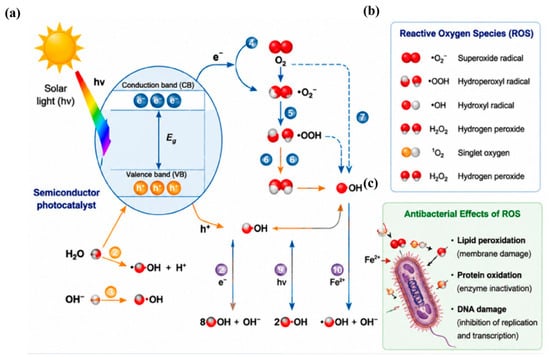
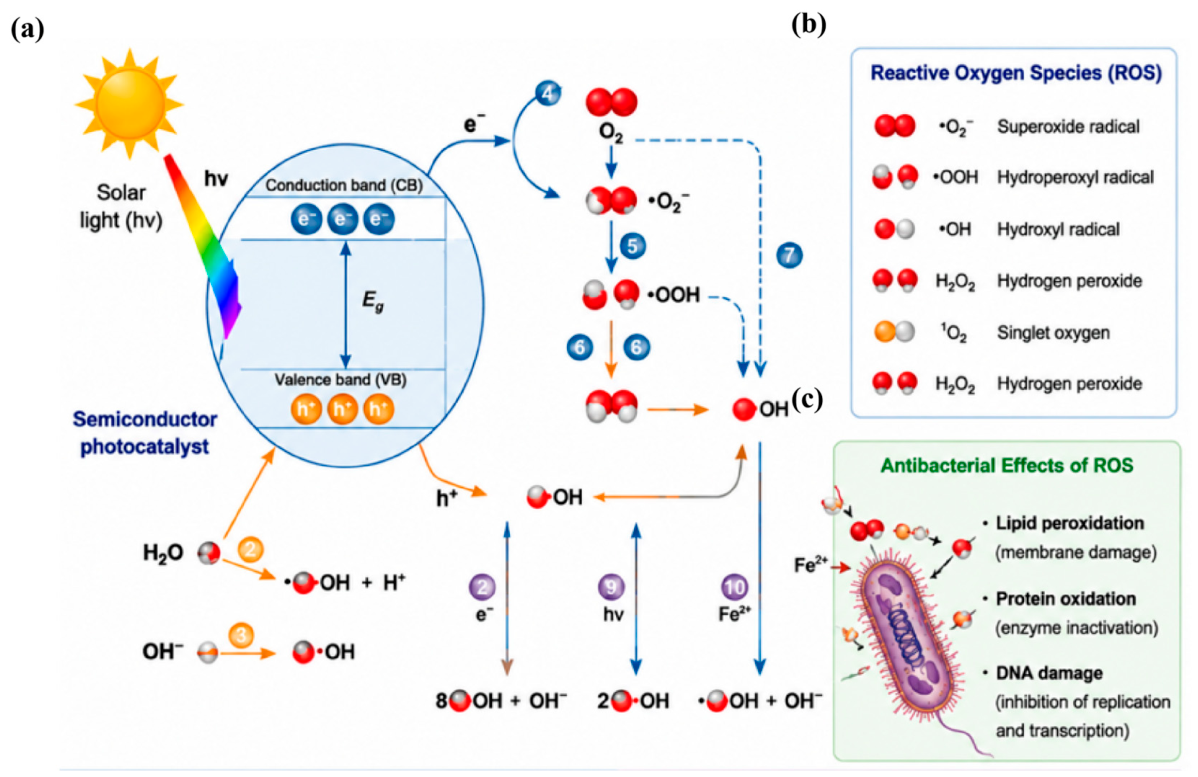
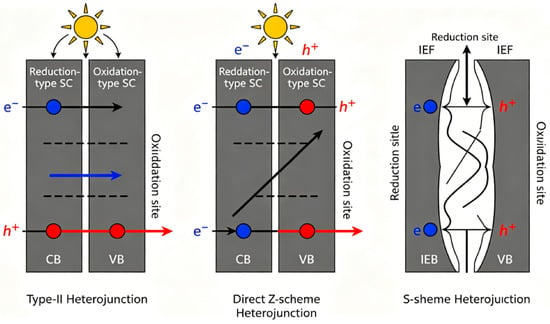
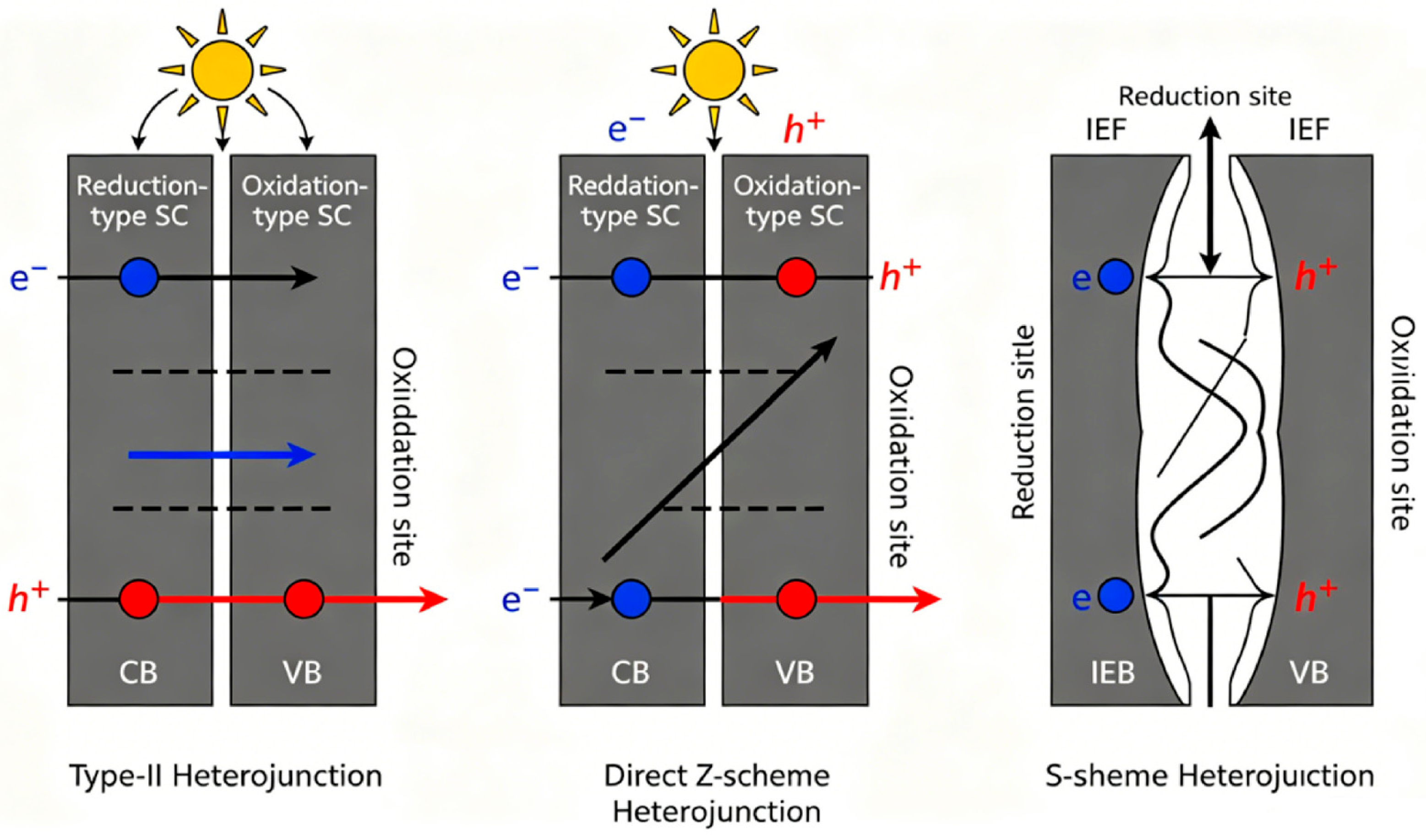
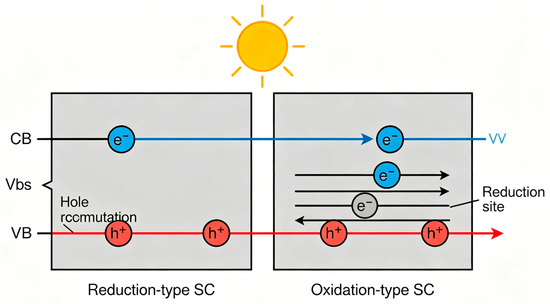
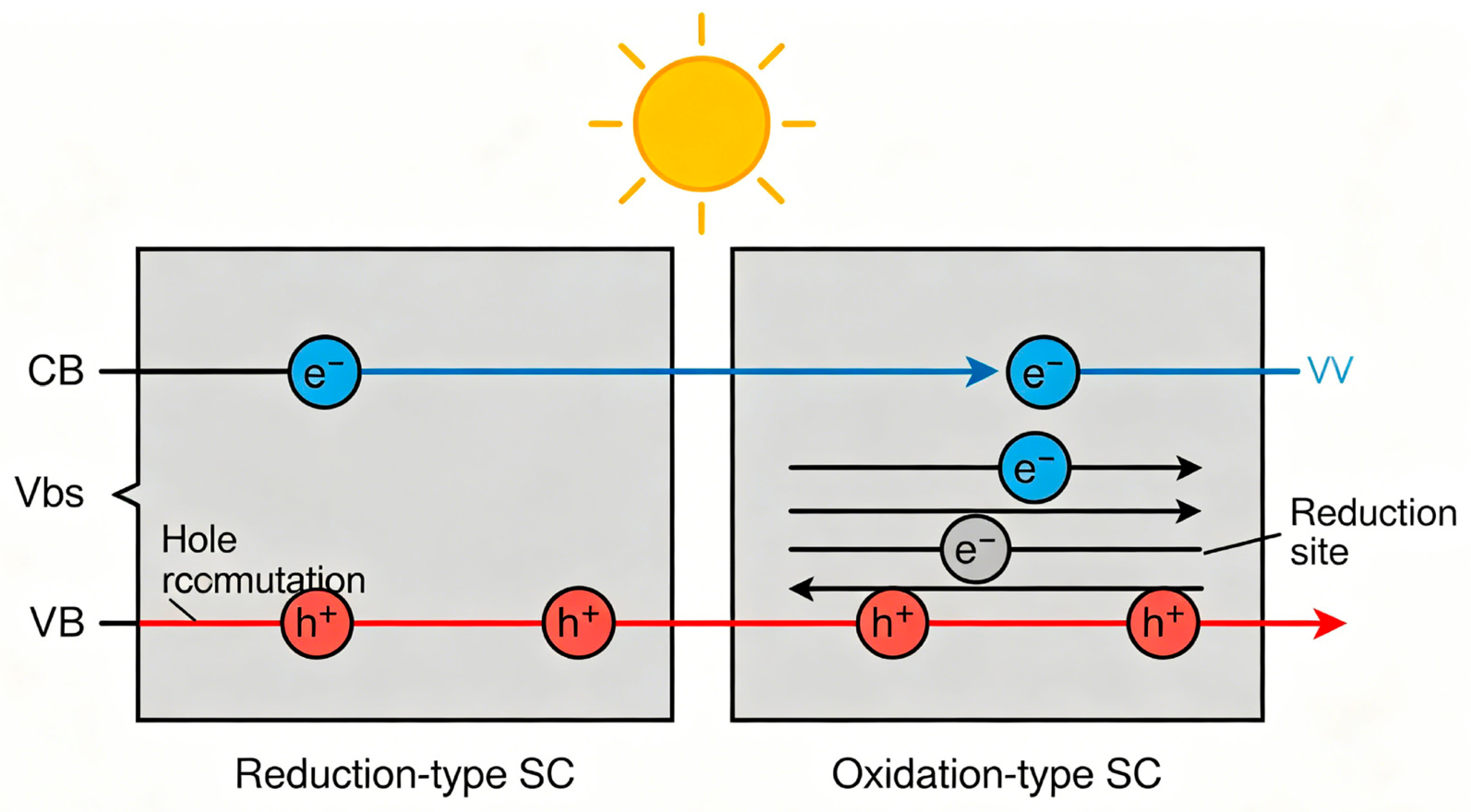
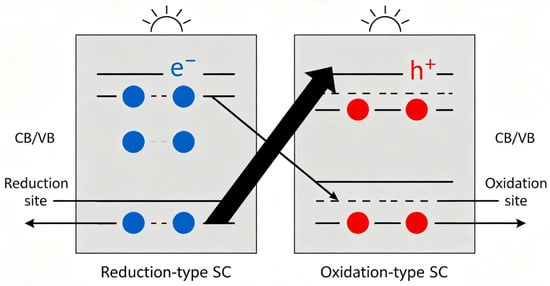
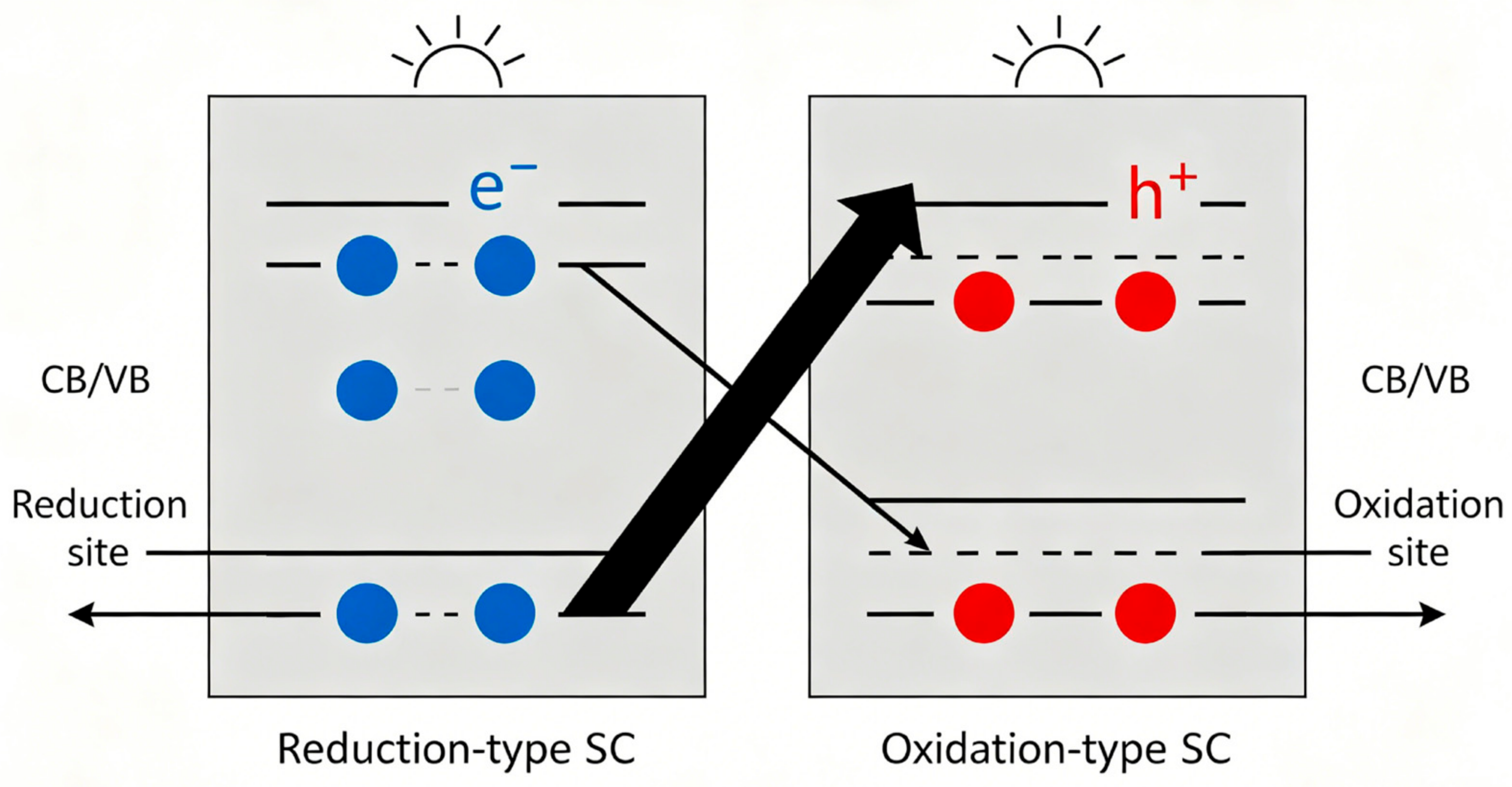
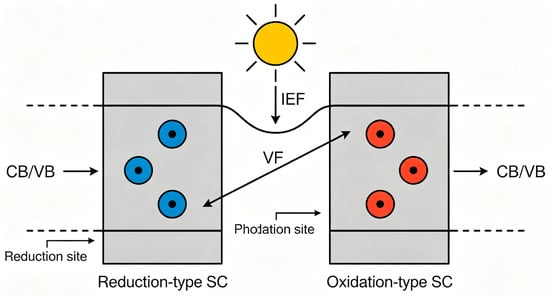
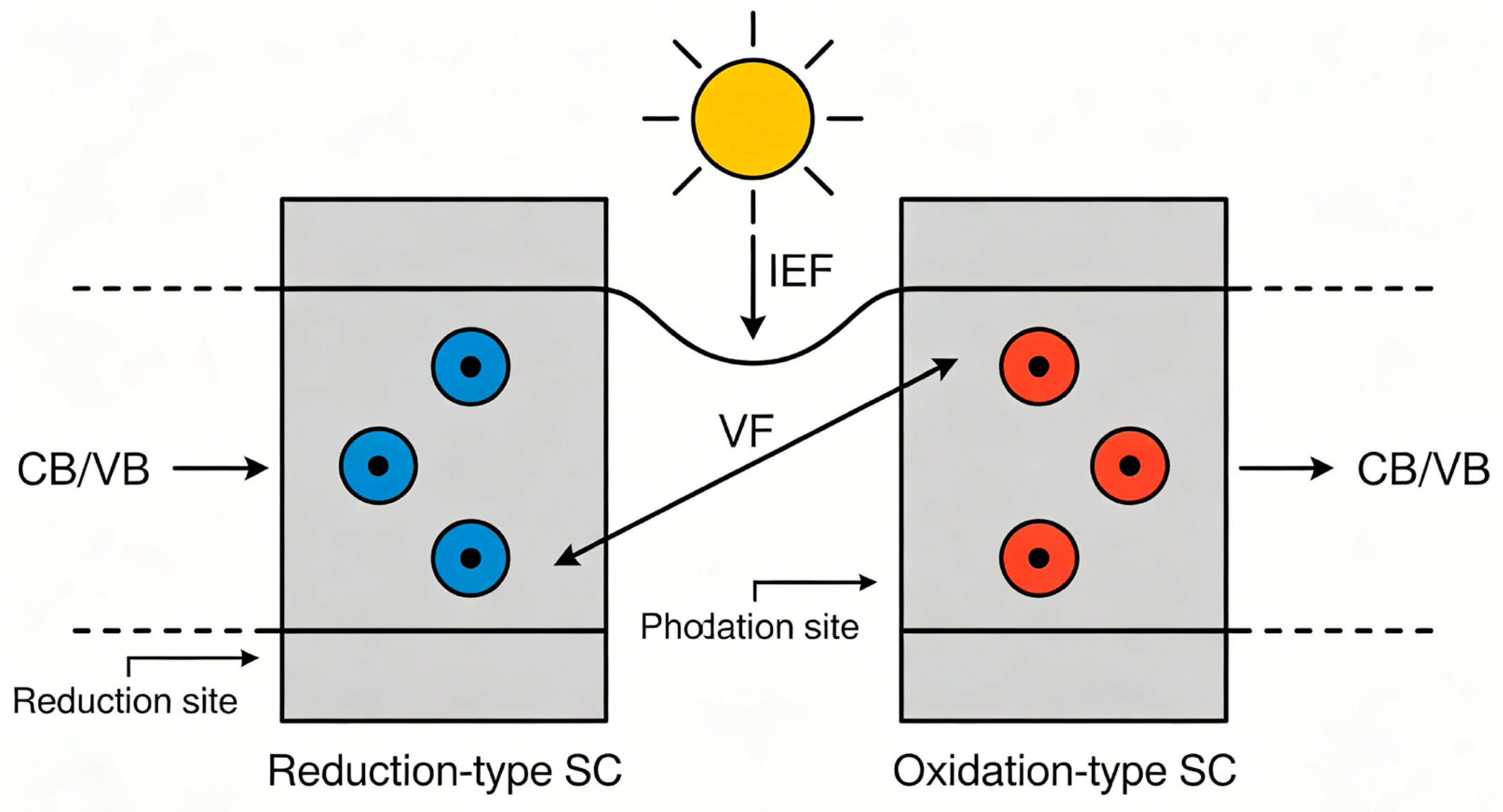
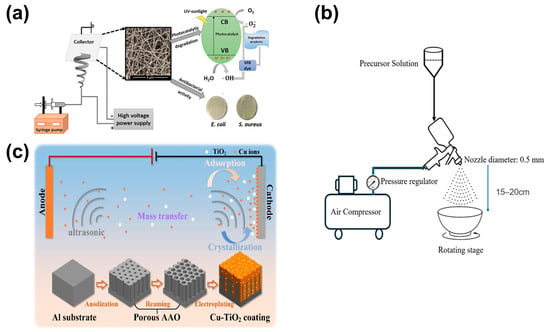
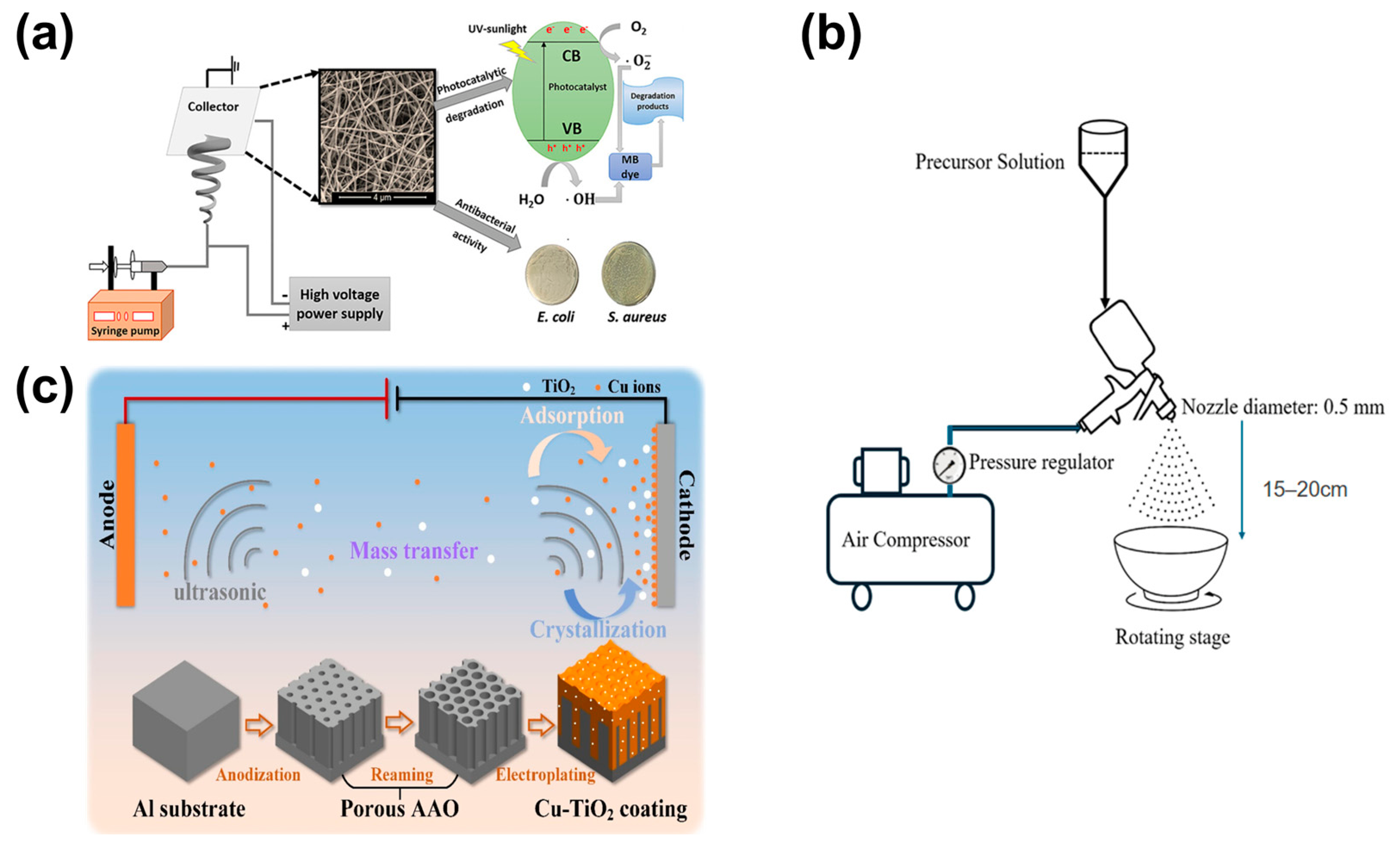
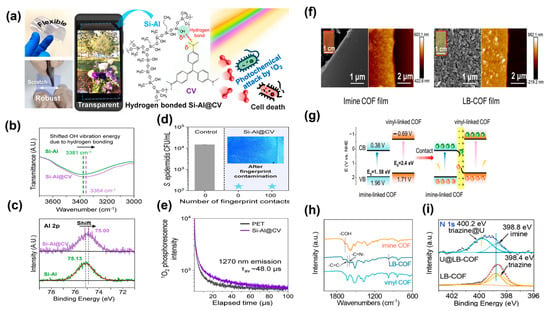
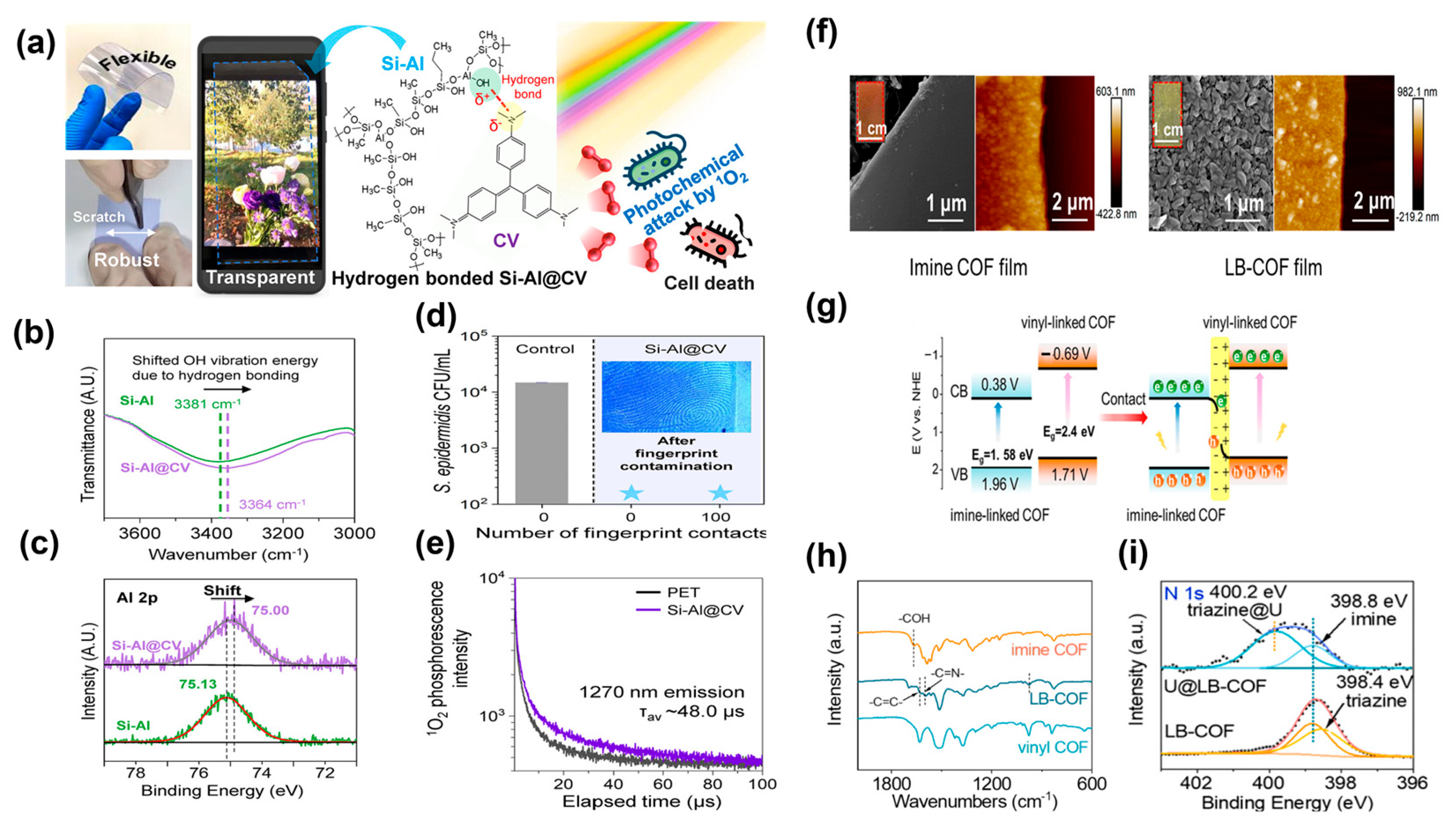
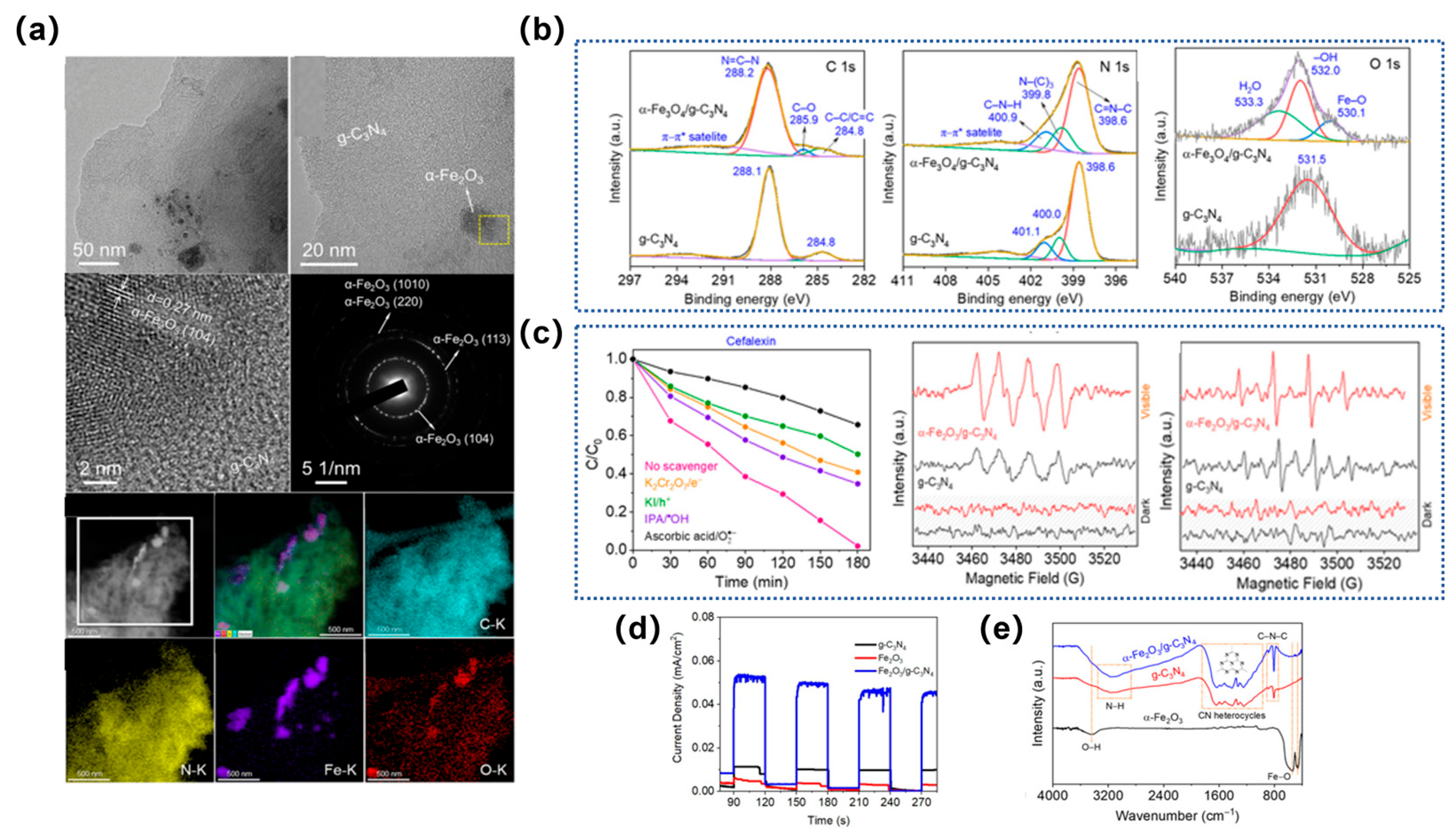
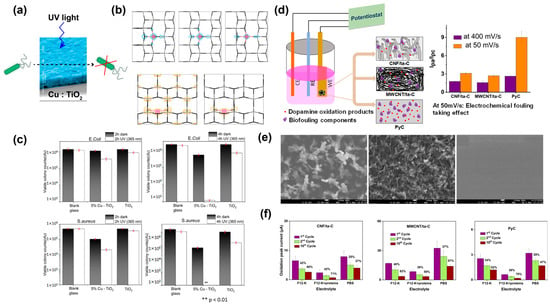
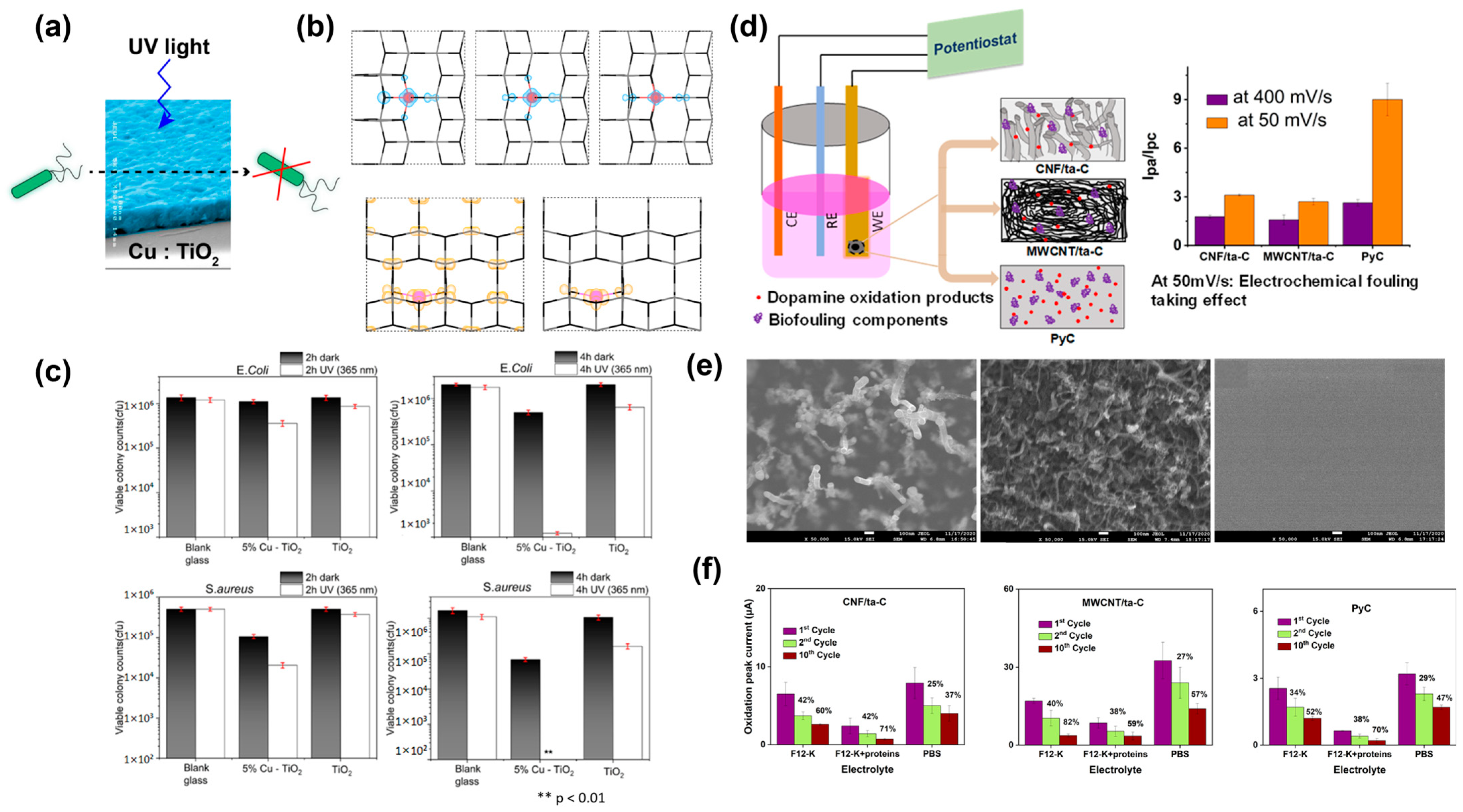
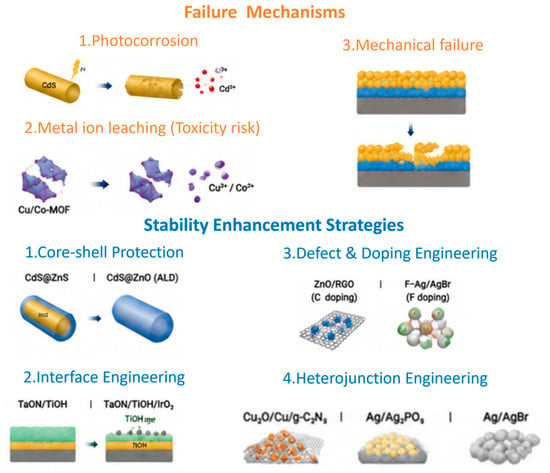
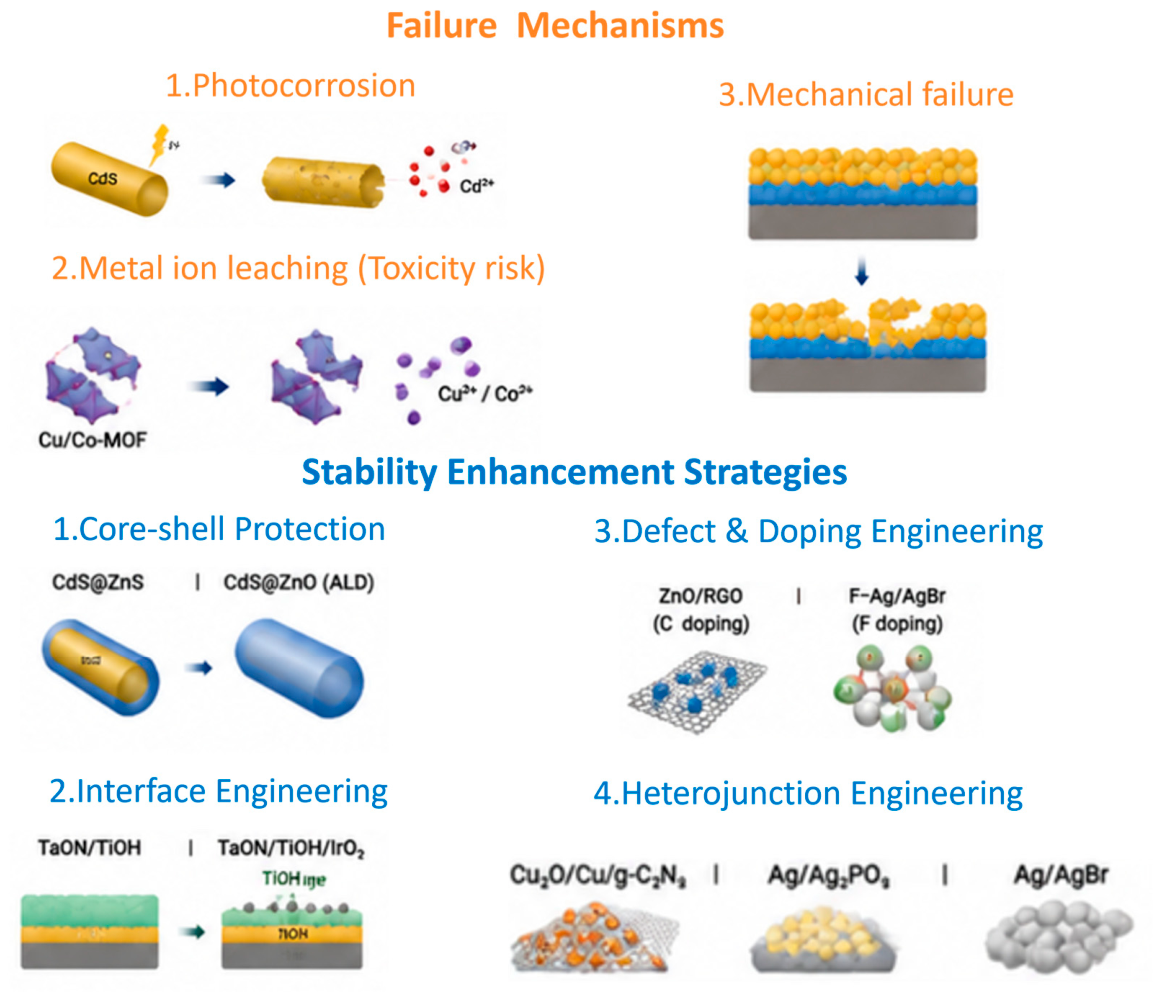
Disclaimer/Publisher’s Note: The statements, opinions and data contained in all publications are solely those of the individual author(s) and contributor(s) and not of MDPI and/or the editor(s). MDPI and/or the editor(s) disclaim responsibility for any injury to people or property resulting from any ideas, methods, instructions or products referred to in the content. |
© 2026 by the authors. Licensee MDPI, Basel, Switzerland. This article is an open access article distributed under the terms and conditions of the Creative Commons Attribution (CC BY) license.