


Highlights
- Thermosensitive hydrogels should be treated as smart, environment-adaptive therapeutic interfaces, not merely passive drug carriers.
- Provides a unified mechanistic framework linking hydrogel responsiveness, disease-specific triggers, and therapeutic outcomes across six oral disease categories.
- Highlights a paradigm shift: achieving concurrent infection control and tissue regeneration through single hydrogel-based multifunctional synergy.
- Critically evaluates clinical translation bottlenecks, including sterilization degradation, mechanical mismatch under masticatory load, and lack of long-term biosafety data.
Abstract
The oral cavity represents one of the most demanding operating environments for biomedical coatings, subjecting materials to constant masticatory shear and tribological stress, dynamic temperature fluctuations, salivary enzymatic activity, and continuous fluid turnover that collectively challenge coating adhesion, durability, and longevity. Thermosensitive hydrogels that undergo reversible sol–gel transitions near body temperature offer a uniquely versatile platform for in situ coating formation on complex oral surfaces, enabling minimally invasive application and conformal coverage of irregular anatomical structures—from periodontal pockets and root canal systems to extraction sockets and bone defects. This review examines the application of thermo-sensitive hydrogel coatings across six major oral disease categories: periodontitis, peri-implantitis, bone defects, endodontic diseases, extraction wounds, and oral cancer. We further discuss practical hurdles facing clinical translation, noting that sterilization often degrades these materials, mechanical properties may prove inadequate under masticatory loads, and long-term biosafety data remains limited. This review critically evaluates how these smart coatings can bridge the gap between laboratory innovation and clinical application, offering insights to guide the development of next-generation precision therapies for oral diseases.
1. Introduction
The oral cavity is among the most important interaction windows between the human body and the environment. Rather than being a static environment, it is a dynamic microenvironment system that is regulated by physiological activities, pathological states, and external factors [1]. This dynamic nature poses unique challenges for the design and performance optimization of oral biomaterials: the oral temperature, salivary pH, types of microbial species and their metabolites, masticatory forces, and dietary habits may affect the adhesion, tribological behavior, and functional integrity of coatings used in the oral cavity [2]. Hydrogels, as three-dimensionally networked polymeric materials, integrate excellent biocompatibility, tunable biodegradability, and highly biomimetic extracellular matrix-like architectures, demonstrating substantial promise as functional biomedical coatings for oral applications. When applied as coatings, hydrogels can conformally cover irregular tissue surfaces—such as periodontal pockets, root canal walls, extraction sockets, and peri-implant interfaces—providing not only therapeutic delivery but also barrier protection, mucoadhesive anchoring, and surface lubrication. More significantly, hydrogels can be engineered with specific stimulus-responsive moieties to perceive and feedback physical or chemical cues from the oral microenvironment, thereby dynamically modulating their physicochemical properties (e.g., swelling behavior, mechanical performance, drug release kinetics); this endows them with the capacity for active adaptation to, rather than passive submission to, the intricate and variable physiological conditions of the oral cavity [3].
Among diverse responsive hydrogel systems, thermosensitive hydrogels have been most extensively investigated and widely applied, owing to advantages including the facile modulability of oral temperature, rapid responsiveness, and reversible phase transitions [4]. Representative thermosensitive materials such as PNIPAAm (N-isopropylacrylamide) and poloxamer have a relatively low lower critical solution temperature (LCST) and typically remain in a sol state under in vitro conditions. Heating induces a reversible sol–gel transition, resulting in the formation of a gel [5]. Furthermore, this temperature-triggered sol–gel transition can function as a molecular “switch” mechanism for encapsulating drugs, growth factors, or functional cells, enabling responsive controlled release and targeted delivery. Consequently, thermosensitive hydrogels have emerged as ideal candidate materials capable of fulfilling the demands of the dynamic oral microenvironment by virtue of their distinctive critical phase transition characteristics and precise environmental adaptability.
Although numerous studies have investigated the applications of thermosensitive hydrogels in the oral cavity, they are limited primarily by their narrow focus on individual diseases, failure to comprehensively review the field from a coatings perspective, and insufficient consideration of the dynamic variability of the oral environment. To address these issues, this review focuses on the dynamic adaptability of thermosensitive hydrogels and the correlation between their material response behaviours and clinical diseases. To ensure a comprehensive and systematic coverage of the literature, we conducted a thorough search of the PubMed database from its inception to June 2026. The search employed a combination of keywords including “thermosensitive hydrogel,” “temperature-sensitive hydrogel”, “oral disease”, “periodontitis,” “peri-implantitis,” “dental implant,” “bone regeneration,” “pulpitis,” “extraction wound healing,” “tooth extraction,” and “oral cancer”. Inclusion criteria were: (1) original research articles and reviews; (2) studies focusing on the application of thermosensitive hydrogels in oral diseases; and (3) articles published in English in peer-reviewed journals. Exclusion criteria included conference abstracts, patents, book chapters, and studies not directly related to thermosensitive hydrogels or oral applications. Based on this search strategy, this review presents an overview of the applications of thermosensitive hydrogels in the oral cavity and discusses future directions for this field. The smart response mechanisms of thermosensitive hydrogels and their dynamic interactions with the oral microenvironment are schematically illustrated in Figure 1.
Figure 1.
Schematic diagram of the smart response mechanism of thermosensitive hydrogels and dynamic interaction with the oral microenvironment.
2. Fundamental Principles of Thermosensitive Hydrogel Coatings for Oral Application
Thermosensitive hydrogels represent a class of smart biomaterials that undergo reversible sol–gel phase transitions in response to temperature changes. This unique property, combined with their ability to respond to multiple oral microenvironmental cues and serve as multifunctional platforms, underpins their broad applicability across diverse oral diseases. In this section, we systematically delineate three core principles that are universally relevant to all of the oral applications that are discussed in subsequent chapters: (i) sol–gel transitions and minimally invasive adaptations; (ii) multistimulus responsiveness and smart drug release; and (iii) multifunctional synergistic platforms integrating antibacterial, anti-inflammatory, proregenerative, and immunomodulatory activities. Collectively, these principles endow thermosensitive hydrogels with the capacity to function as versatile biomedical coatings that serve therapeutic, protective, and structural roles simultaneously in the oral environment.
2.1. Sol–Gel Transitions and Minimally Invasive Adaptations
A key feature of thermosensitive hydrogels is their ability to exist as a free-flowing sol at low temperatures, typically around room temperature (4–25 °C), and to undergo rapid and spontaneous gelation processes when heated to body temperature (~37 °C). A lower critical solution temperature (LCST) governs this reversible phase transition. Below this temperature, polymer chains remain hydrated and extended, whereas above it, they dehydrate and collapse, resulting in the formation of a physically crosslinked network [5,6,7].
The key measurable parameters that characterize the sol–gel transition process include the following: (i) Gelation time: This is the time required for the complete formation of gel at 37 °C, which typically ranges from 1 to 15 min depending on the composition and concentration of the examined polymer. For example, Pluronic F127-based systems achieve gelation within 1 min [8], whereas chitosan/β-GP formulations require 1.8–5.5 min [9]. (ii) Lower critical solution temperature (LCST): This is the threshold temperature at which the phase transition initiates. Ideal oral biomaterials should possess LCSTs of between 25 °C and 37 °C, enabling room-temperature injectability and body-temperature gelation. (iii) Storage modulus (G′) and loss modulus (G″): These are rheological parameters that quantify the viscoelastic properties of the gel state, with higher G′ values indicating greater mechanical stiffness. From a coatings standpoint, the storage modulus directly governs the coating’s resistance to masticatory shear forces and its tribological resilience under cyclic loading conditions; coatings intended for load-bearing sites (e.g., peri-implant defects) require substantially higher G′ values than those designed for soft tissue applications (e.g., periodontal pockets).
The reversible sol–gel transition behavior and the corresponding rheological properties are characterized in Figure 2. This temperature-triggered sol–gel transition process provides two critical advantages for oral applications. First, it enables a minimally invasive delivery mechanism. The sol state allows for injection through fine-gauge needles into anatomically complex oral sites such as periodontal pockets, root canal systems, and irregular bone defects, obviating the need for surgical exposure [10,11]. Second, it provides in situ conformal adaptations. The gelation process occurring directly at the tissue surface generates a conformal, functional biomedical coating in a single step, eliminating the need for pre-fabricated coating application and enabling uniform coverage of complex three-dimensional geometries that would be inaccessible to conventional coating techniques [12].
Figure 2.
Characterization of the thermoresponsive sol–gel transition behavior of thermosensitive hydrogels. (A) Macroscopic reversible phase-transition behavior at 4 °C (sol state, free-flowing liquid) and 37 °C (gel state, non-flowing hydrogel). The red square highlights the thermosensitive hydrogel system. (B) Thermoresponsive rheological properties during repeated heating–cooling cycles, demonstrating the reversible nature of the sol–gel transition. Adapted from [13] under a Creative Commons license.
2.2. Multistimulus Responsiveness and Smart Drug Release
Beyond temperature responsiveness, thermosensitive hydrogels can be engineered to sense and respond to disease-specific microenvironmental cues, enabling the spatially and temporally controlled release of drugs. This “intelligent” release behaviour is critical for addressing oral diseases, where pathological microenvironments are characterized by distinct biochemical signatures.
2.2.1. Temperature-Responsive Release Process
The sol–gel transition itself serves as a molecular “switch” for drug encapsulation and release operations. Under the sol state at room temperature, therapeutic agents (drugs, growth factors, or cells) are uniformly dispersed within the polymer solution. Upon undergoing gelation at body temperature, the formed three-dimensional network entraps these payloads, and the subsequent release process is governed by diffusion through the hydrogel matrix and/or polymer degradation. The release kinetics can be tuned by modulating the polymer concentration, crosslinking density, and molecular weight [5].
2.2.2. Enzyme-Responsive Release
The oral microenvironment harbours disease-specific enzymes that can serve as triggers for the localized release of drugs. In periodontitis cases, for instance, Porphyromonas gingivalis secretes gingipains—cysteine proteases that are directly responsible for initiating periodontal inflammation [14,15]. Liu et al. designed a gingipain-responsive thermosensitive hydrogel that selectively releases short antimicrobial peptides (SAMPs) and stromal cell-derived factor-1 (SDF-1) upon experiencing enzymatic cleavage, achieving pathogen-targeted antibacterial activity and concurrent bone regeneration [16]. This enzyme-triggered mechanism ensures that the drug release process occurs preferentially at disease-active sites, minimizing the degree of systemic exposure and off-target effects.
2.2.3. pH-Responsive Release
Oral pathological conditions are frequently accompanied by localized pH alterations. Periodontal pockets and carious lesions exhibit acidic pH values (as low as 4.5–5.5) because of bacterial fermentation and inflammatory metabolic activity, whereas healthy oral tissues maintain a neutral pH (~6.8–7.4) [17,18]. Thermosensitive hydrogels that are functionalized with pH-responsive groups—such as chitosan, which contains protonatable amino units—can exploit physiological pH gradients to achieve site-specific drug release. In acidic environments, the protonation of these groups induces polymer swelling or electrostatic repulsion, enabling a controlled drug release procedure specifically within pathological microenvironments [19].
2.2.4. ROS-Responsive Release
Reactive oxygen species (ROSs) are markedly elevated in inflammatory oral diseases, including periodontitis, peri-implantitis, and pulpitis, where they mediate tissue destruction procedures and impede regeneration [20,21]. Thermosensitive hydrogels can be functionalized with ROS-labile linkages (e.g., thioketal, phenylboronic ester, or selenium-containing bonds) that undergo cleavage in the presence of elevated ROS levels, triggering on-demand drug release [22]. For example, Tang et al. developed MoS2 nanoflower-loaded thermosensitive hydrogels that not only scavenge excess ROSs but also release therapeutic payloads in response to an oxidative microenvironment, achieving synchronized anti-inflammatory and proregenerative effects [23].
2.2.5. Measurable Parameters of the Stimuli-Responsive Release Process
The key measurable parameters for the stimuli-responsive release process include the following. Cumulative release profile: This is the percentage of loaded drug that is released over time under specific stimulus conditions [24]. Release half-life (t1/2): This is the time required for the release of 50% of the payload [25].
2.3. Multifunctional Synergistic Platforms
Oral diseases are inherently multifactorial and involve concurrent bacterial infection, inflammation, oxidative stress, immune dysregulation, and tissue destruction effects. Single-agent therapies are insufficient for addressing this complexity. Thermosensitive hydrogels serve as versatile platforms that are capable of integrating multiple bioactive components to achieve synergistic therapeutic outcomes.
2.3.1. Antibacterial and Anti-Infective Functions
Thermosensitive hydrogels can be loaded with diverse antimicrobial agents—including antibiotics (metronidazole, doxycycline, and moxifloxacin) [8,26,27,28,29,30,31,32,33], antimicrobial peptides (Nal-P-113 and SAMP) [10,16,34], and photothermal/photodynamic agents (T8IC nanoparticles) [11]—to achieve sustained, localized bacterial inhibition. The hydrogel matrix protects these agents from being rapidly cleared by the salivary flow while maintaining effective therapeutic concentrations at the infection site.
2.3.2. Anti-Inflammatory and ROS-Scavenging Functions
Inflammatory cascades and oxidative stress are central to the pathogenesis of most oral diseases. Thermosensitive hydrogels can incorporate natural anti-inflammatory compounds (berberine, curcumin, quercetin, propolis flavonoids) [23,35,36,37,38,39,40], nonsteroidal anti-inflammatory drugs (aspirin, diclofenac) [32,41], or nanomaterials with enzyme-mimetic activities (Prussian blue nanoparticles with SOD/CAT/POD-like activities) [42]. These components scavenge ROS, suppress pro-inflammatory cytokine expression (TNF-α, IL-1β, IL-6), and modulate inflammatory signaling pathways (NF-κB, NLRP3, PI3K/Akt), thereby creating a favorable microenvironment for tissue repair.
2.3.3. Proregenerative and Osteogenic Functions
For diseases involving tissue loss—such as periodontal bone defects, alveolar ridge resorption, and periapical lesions—thermosensitive hydrogels can deliver growth factors (BMP-2, EPO, SDF-1, and PDGF-BB) [41,43,44], osteoinductive materials (β-tricalcium phosphate and hydroxyapatite) [45,46,47], and stem cells or exosomes [9,48,49] to promote tissue regeneration. The employed hydrogel serves as both a delivery vehicle and a three-dimensional scaffold that supports cell adhesion, proliferation, and differentiation processes.
2.3.4. Immunomodulatory Functions
Emerging evidence highlights the critical role of immune regulation in the treatment of oral diseases. Commonly reported immunomodulatory components include quercetin, total flavonoids of propolis, and MoS2 nanoflowers. Thermosensitive hydrogels can modulate the local immune microenvironment by promoting macrophage polarization from the proinflammatory M1 phenotype to the proregenerative M2 phenotype [23,39,40], restoring Th17/Treg homeostasis [39], and inhibiting ferroptosis through AMPK/Nrf2/SLC7A11 pathway activation [23]. These immunomodulatory effects are essential for enabling the transition from chronic inflammation to tissue regeneration.
2.3.5. Measurable Parameters
The key measurable parameters for multifunctional platforms include the following: The minimum inhibitory concentration (MIC) against oral pathogens; ROS scavenging efficiency (e.g., the DPPH assay or intracellular ROS levels); inflammatory cytokine levels (TNF-α, IL-1β, IL-6, and COX-2) measured by ELISA or qPCR; osteogenic differentiation markers (Runx2, OCN, DSPP, and ALP activity); macrophage polarization ratio (M2/M1 phenotype ratio); and cell viability and proliferation (CCK-8; live/dead staining).
In summary, the three fundamental principles outlined above, namely sol–gel transition-mediated minimally invasive adaptation, multistimuli-responsive drug release, and multifunctional synergistic bioactivity, constitute the mechanistic foundation upon which all disease-specific applications of thermosensitive hydrogels in the oral cavity are built. To facilitate direct comparisons and guide material selection procedures for specific oral applications, a comprehensive overview of the representative thermosensitive hydrogel platforms, including their structural compositions, key performance attributes, and current clinical readiness levels, is provided in Table 1. The subsequent chapters will focus on how these principles are tailored to address the unique pathological features of individual oral diseases.
Table 1.
Comparative overview of representative thermosensitive hydrogel platforms for oral applications.
3. Application of Thermosensitive Hydrogel Coatings in Periodontitis and Peri-Implantitis
3.1. Characteristics of Periodontitis and Peri-Implantitis
Periodontitis is a multifactorial inflammatory disease that is characterized by severe alveolar bone destruction and attachment loss and affects many people worldwide [57]. In addition to causing gingival bleeding, deepening of periodontal pockets, and the loosening, displacement, and even the loss of teeth, periodontitis severely impairs mastication, speech, and aesthetics, while also being associated with systemic diseases such as heart disease and diabetes [11,38]. Bacteria are important initiators of periodontitis; however, most tissue destruction is caused by an excessive immune response of the host to plaque biofilms, which induce excessive immune responses, resulting in the release of proinflammatory cytokines, accumulation of reactive oxygen species (ROS), and activation of osteoclasts, aggravating bone resorption and resulting in alveolar bone damage [39]. Currently, routine treatments for periodontitis include nonsurgical periodontal therapy (supragingival scaling, subgingival scaling, and pharmacological therapy), surgical interventions (bone grafting and guided tissue regeneration), restorative therapy and supportive periodontal therapy [58]. However, several clinical challenges remain: pathogens cannot be completely removed by conventional mechanical debridement, resulting in high recurrence rates of periodontitis; long-term oral administration of high-dose antimicrobial agents in patients with periodontitis increases the risk of antibiotic resistance and systemic side effects; periodontal drug delivery systems have poor tissue penetration and short retention times; and individual therapeutic modalities fail to simultaneously achieve effective anti-inflammatory control and tissue regeneration [8,10,11,41,59].
Like periodontitis, peri-implantitis is an inflammatory disease that occurs in soft and hard tissues surrounding dental implants [60]. Bacterial infection combined with mechanical stress induces peri-implant soft tissue inflammation and bone resorption, constituting one of the main causes of implant failure [61].
3.2. Disease-Specific Environmental Responsiveness of Periodontitis and Implant-Related Diseases
Thermosensitive hydrogels, by virtue of their unique sol–gel transition and multi-stimuli responsiveness, offer a transformative platform to address the multifactorial pathology of periodontal diseases. Their key contributions in this domain are elaborated below, focusing on disease-specific applications.
3.2.1. Temperature-Responsive Adaptation for Periodontal Pockets
Building upon the sol–gel transition principle, thermosensitive hydrogels demonstrate exceptional conformational adaptability to the complex architecture of periodontal pockets [62]. The CS (chitosan)/β-GP (β-glycerophosphate disodium salt)/gelatine mixture developed by Xu et al. remains in a liquid state at room temperature and forms a hydrogel within only 5 min when the temperature increases above 37 °C [41]. Similarly, the thermosensitive hydrogel that contains Pluronic F127 (PF127) and 0.05% metronidazole (MTZ) developed by Pham et al. can transform into a hydrogel within only 1 min at 37 °C and can be stored as a low-viscosity liquid in a refrigerator at 4 °C for at least 6 months [8]. These findings indicate that the effect of temperature on thermosensitive hydrogels makes them highly suitable for drug delivery within periodontal pockets and facilitates convenient low-temperature storage. While these systems demonstrate rapid gelation, the rate must be carefully optimized—too rapid may cause gelation at the needle tip, while too slow may result in material leakage from the pocket. Future formulations should fine-tune the LCST and gelation kinetics using polymer blends or additives to ensure robust in situ retention starting from the moment of injection, which is a critical factor governing coating longevity in the periodontal environment where salivary and gingival crevicular fluid turnover continuously challenge material retention.
3.2.2. Enzyme Responsiveness
Building upon the multi-stimuli responsiveness described in Section 2.2.2, Liu et al. designed a thermosensitive hydrogel specifically targeting gingival protease—recognized as the key virulence factor secreted by Porphyromonas gingivalis responsible for triggering early periodontal inflammation [14,15]. When it is stimulated by gingival protease, this hydrogel releases short antimicrobial peptides (SAMPs) with strong antibacterial activity to inhibit the growth of P. gingivalis and simultaneously releases stromal cell-derived factor-1 (SDF-1) to promote bone regeneration. The release rate of SDF-1 increases in the presence of gingival protease [16]. This example elegantly illustrates how a universal mechanism (enzyme-responsive release) can be applied to achieve pathogen-specific targeting. The release of SDF-1 is accelerated only in the presence of disease-specific enzymes, demonstrating an ideal “on-demand” therapeutic logic that minimizes off-target effects and aligns with the principles of precision medicine.
3.2.3. ROS Responsiveness
While inducing the host immune defence response, dental plaque releases excessive ROS, causing alveolar bone damage [20,21]. The specific ROS mechanisms in the pathological state of periodontal tissues are illustrated in Figure 3. Thermosensitive hydrogels loaded with various ROS-scavenging agents have been developed to address this oxidative stress. Notable examples include the following. In 2023, Tang et al. constructed a cubic liquid crystal in situ thermosensitive hydrogel (TFP-CLC) that contains total flavonoids of propolis using a self-emulsification method. This hydrogel can reduce ROS levels in periodontal tissues. The underlying therapeutic mechanism of TFP-CLC was further investigated, and the association between anti-inflammatory effects and tissue regeneration was validated [35]. In 2025, Tang et al. further developed multifunctional MoS2 nanoflowers (MLG) and incorporated them into a thermosensitive ionic liquid hydrogel (ACIS@MLG), which similarly exhibited an effective ROS-scavenging capability [23]. Li et al. prepared folic acid-modified quercetin-loaded microemulsions (FA-Qu-MEs) and dispersed them in a hydrogel matrix (FA-Qu-MEs@Gel). This hydrogel can be locally injected into periodontal pockets and achieve sustained drug release. FA-Qu-MEs@Gel scavenges ROS by targeting macrophages, induces macrophage polarization from the M1 phenotype to the M2 phenotype, restores Th17/Treg homeostasis, reduces IL-17 levels, and promotes alveolar bone regeneration [39]. Ma et al. incorporated antimicrobial peptides (Nal-P-113) and antioxidants (polydopamine nanoparticles, PDNPs) into an injectable thermosensitive chitosan-based hydrogel to achieve synergistic antioxidant and antibacterial treatment of periodontitis [10]. These studies reveal that thermosensitive hydrogels can achieve precise local scavenging of ROS in periodontal tissues by loading natural bioactive ingredients, nanomaterials or multifunctional composites, while synergistically integrating anti-inflammatory, antibacterial, and proregenerative effects, thus providing various smart therapeutic strategies for the treatment of periodontitis. A critical observation from these studies is that ROS scavenging, anti-inflammation, antibacterial activity, and pro-regeneration are not independent but deeply interlinked. The most successful systems are those that orchestrate these effects in a synchronized, spatiotemporally controlled manner. The FA-Qu-MEs@Gel, for instance, demonstrates how clearing ROS not only reduces direct tissue damage but also actively reprograms the immune microenvironment (macrophage polarization, T-cell homeostasis) to create a permissive niche for regeneration. This illustrates the distinction between a passive carrier and an intelligent, immunomodulatory platform.
Figure 3.
Specific ROS mechanisms in the pathological state of periodontal tissues. Adapted from [63] under a Creative Commons license.
3.2.4. Periodontitis-Tailored Drug Delivery and Controlled Release
Thermosensitive hydrogels serve as versatile carriers for a broad spectrum of therapeutic agents tailored to the multifactorial nature of periodontitis.
Antibacterial and Anti-Infective Agents
① Some antibiotics, including metronidazole, ornidazole, doxycycline hydrochloride, clindamycin, fluconazole, moxifloxacin and ciprofloxacin hydrochloride, specifically target anaerobic bacteria, whereas other antibiotics exhibit broad-spectrum antibacterial activity, reducing bacterial load within periodontal pockets [26,27]. Because thermosensitive hydrogels can transform into gels within periodontal pockets, in situ drug delivery is achieved, which reduces systemic antibiotic administration and the risk of antibiotic resistance [8,28,29,30,31,32,33]. ② Antimicrobial peptides, which exhibit intrinsic antimicrobial activity and are important components of the human innate immune system, not only defend against the invasion of bacteria, fungi, viruses and other pathogenic microorganisms but also play a role in immune regulation, inflammatory responses, tissue repair and other processes [16,34].
Anti-Inflammatory Agents
① Natural Chinese herbal components include berberine, scutellaria baicalensis extract, clove oil, propolis total flavonoids, curcumin and quercetin. With low toxicity, suitability for long-term local release, and multitarget effects, these natural herbal components mitigate the complex pathogenesis of periodontitis [23,35,36,37,40]. ② Nonsteroidal anti-inflammatory drugs, such as aspirin and diclofenac potassium, mitigate the inflammatory responses of periodontal tissues and reduce oxidative stress-induced damage [32,41].
Agents for Bone Regeneration and Tissue Repair
① Growth factors, such as bone morphogenetic protein (BMP), erythropoietin (EPO), and SDF-1, stimulate osteoblast differentiation, angiogenesis and stem cell recruitment [41,43]. ② Osteoinductive materials, such as β-tricalcium phosphate, provide scaffolding for bone repair and release calcium and phosphate ions to promote mineralization [45]. In addition, mesenchymal stem cell-derived exosomes (BMMSC-sEVs) have been used to regulate immune responses and promote tissue regeneration through paracrine effects [48].
Other Auxiliary Agents with Specialized Functions
Other agents include photosensitizers [11] and oxygen-releasing materials [48]. The diversity of drugs loaded into thermosensitive hydrogels underscores their role as universal platforms. However, the true innovation lies not merely in the static loading of these agents, but in how the hydrogel’s responsiveness (temperature, enzyme, ROS) enables programmable release—where the release kinetics of each agent are orchestrated to match the pathological timeline of the disease, such as the initial burst release of antibiotics to control infection followed by sustained release of growth factors to promote regeneration.
3.2.5. Multifunctional Synergistic Therapy
Given that single drugs and therapies used in current clinical periodontal treatment are unable to simultaneously address inflammation control and tissue regeneration, many studies have explored multifunctional synergistic therapies that are based on thermosensitive hydrogels. Representative examples include the following.
Wang et al. developed an injectable thermosensitive hydrogel that incorporated near-infrared (NIR)-II photothermal components (T8IC nanoparticles) and BMP-2 to promote the regeneration of infected bone. T8IC nanoparticles integrate photothermal and photodynamic effects to exert antibacterial and anti-inflammatory effects, whereas BMP-2, an osteoinductive agent, improves osteogenesis, achieving synergistic antibacterial, anti-inflammatory, and regenerative therapy [11]. Xu et al. also focused on multifunctional synergistic hydrogel therapies by co-loading aspirin and erythropoietin (EPO) into a gelatine hydrogel, which effectively inhibited inflammation and reduced the number of COX-2- and MMP-9-positive cells [41]. Liu et al. prepared a thermosensitive hydrogel that is capable of releasing IL-1ra, which not only inhibited periodontal inflammation in patients with diabetes but also alleviated hyperglycaemia in rats with diabetes [64]. Multifunctional synergy is the core advantage of thermosensitive hydrogels over conventional therapeutics. However, a critical challenge remains: ensuring that the synergistic effect is additive or synergistic rather than antagonistic. For example, the photothermal effect must be optimized to kill bacteria without causing thermal damage to adjacent vital periodontal ligament cells. Careful dose optimization and temporally sequenced activation are key to successful translation.
3.2.6. Immunoregulation and Tissue Function
Thermosensitive hydrogels have demonstrated significant capacity to actively modulate the host immune microenvironment—a key determinant of treatment success in periodontitis. Tang et al. developed multifunctional MoS2 nanoflowers (MLG) and incorporated them into a thermosensitive ionic liquid hydrogel (ACIS@MLG), which can inhibit ferroptosis by reducing iron overload and remodelling lipid peroxidation through activation of the AMPK/Nrf2/SLC7A11 signalling pathway to restore the mitochondrial membrane potential and scavenge ROS [23]. Yang et al. prepared a thermosensitive hydrogel that is capable of promoting the reprogramming of macrophages from the M1 to M2 phenotype. This hydrogel activates the PI3K-Akt signalling pathway to regulate energy metabolism, oxidative stress and autophagy, restoring osteogenic/angiogenic differentiation of Periodontal ligament stem cells (PDLSCs) [40]. Similarly, Li et al. demonstrated that targeting macrophages to scavenge ROS caused a shift from the M1 phenotype to the M2 phenotype, thereby restoring Th17/Treg homeostasis, reducing IL-17 levels, and facilitating alveolar bone regeneration [39]. Immunoregulation distinguishes smart hydrogels from passive drug carriers. The ability to steer the immune response from a destructive (M1-dominant, Th17-dominant) towards a regenerative (M2-dominant, Treg-dominant) phenotype represents a paradigm shift in periodontal therapy. Future research should focus on identifying the optimal spatiotemporal window for immune modulation and validating these findings in large animal models that more closely mimic the complexity of the human immune system.
3.2.7. Research Progress of Thermosensitive Hydrogels in Implant-Related Diseases
The application of thermosensitive hydrogels to implant-related diseases remains nascent but holds significant promise. The implant–abutment microgap (2–49 μm) represents a critical pathway for bacterial invasion. To address this issue, Cao et al. prepared a CS/β-GP/povidone–iodine (PVP–iodine) thermosensitive hydrogel. In the sol state, the hydrogel acts as a lubricant, reducing friction at the implant–abutment interface; upon gelation, it forms an in situ sealant coating that fills the microgap, thereby preventing bacterial invasion, improving abutment stability, and exerting a significant inhibitory effect on typical oral pathogens. By integrating lubrication and sealing into a single material platform, thermosensitive hydrogel coatings offer a distinct advantage over conventional rigid sealants or pre-formed gaskets, which inherently lack the capacity to address tribological and biological challenges concurrently [52]. Insufficient sealing of soft tissues can exacerbate peri-implant inflammatory responses. To address this challenge, Chen et al. prepared a thermosensitive nanoparticle hydrogel loaded with ibuprofen (IBU) and basic fibroblast growth factor (bFGF). IBU reduces soft tissue inflammation by inhibiting inflammatory cytokines such as PGE2, whereas bFGF promotes the proliferation, adhesion and angiogenesis of human gingival fibroblasts (HGFs), increasing soft tissue sealing and exerting synergistic anti-inflammatory and prohealing effects, with sustained drug release for more than 4 weeks. The soft tissue sealing achieved by this system can be understood as the formation of a mucoadhesive peri-implant coating that integrates anti-inflammatory and pro-regenerative functions, representing a multifunctional biomedical coating strategy tailored to the peri-implant niche [65]. The limited number of studies on peri-implantitis points to a significant knowledge gap and a major opportunity for future research. Given the high global prevalence of dental implants and the rising incidence of peri-implantitis, developing thermosensitive hydrogels specifically tailored to the peri-implant niche—addressing microgap sealing, soft tissue integration, and osteointegration—represents a high-priority unmet clinical need.
3.3. Summary and Outlook for Periodontitis and Peri-Implantitis
A summary of representative therapeutic agents and their functions in thermosensitive hydrogel-based periodontitis therapy is provided in Table 2. In summary, thermosensitive hydrogels have demonstrated substantial progress in the pre-clinical management of periodontitis. Their ability to conform to complex periodontal pockets via sol–gel transition, respond intelligently to disease-specific biochemical signals (gingipains, ROS), serve as a depot for precise, multi-drug programmed release, and actively modulate the host immune microenvironment (macrophage polarization, T-cell homeostasis, ferroptosis inhibition) marks a clear departure from conventional therapeutic paradigms. While applications in peri-implantitis are still emerging, the early data are encouraging.
Table 2.
Summary of representative therapeutic agents and their functions in thermosensitive hydrogel-based periodontitis therapy.
4. Applications of Thermosensitive Hydrogel Coatings in Bone Tissue Engineering
4.1. Disease Characteristics of Bone Defects
The emerging field of bone tissue engineering focuses on the repair of damaged tissues through the use of scaffolds, which can control the development of new cells and are typically fabricated from porous biodegradable materials, thereby supporting the repair and regeneration of damaged or diseased bones. However, the following clinical challenges exist: (1) Complex anatomical morphology: Irregular jaw defects, from trauma or alveolar ridge resorption caused by periodontitis, require precise filling of bone graft materials. (2) Requirement of sustained release of bioactive factors during delivery: Because osteogenesis is a prolonged process, bioactive factors incorporated into bone graft materials should exhibit slow, precise, and temporally controlled release profiles. (3) Interference from mechanical stress: The masticatory function of the oral cavity requires bone graft materials to have adequate mechanical strength and tribological resilience to withstand the cyclic shear and compressive forces generated during chewing without disrupting osteogenesis, causing coating delamination from the defect margins, or displacement after initial implantation. Thermosensitive hydrogels can address these challenges.
4.2. Smart Mechanisms Underlying the Adaptation of Thermosensitive Hydrogels in Bone Defects
4.2.1. Minimally Invasive Adaptability and Conformal Filling
Leveraging the sol–gel transition principle, thermosensitive hydrogels enable minimally invasive delivery into deep and irregular bone defects, obviating the need for extensive surgical exposure [66,67]. Owing to their sol–gel transition behaviour, thermosensitive hydrogels remain in the sol state during injection, which allows them to reach deep bone defect sites, closely adapt to the defect margins, and completely fill the bone defect area. After the hydrogel enters the body, the increase in temperature induces its spontaneous and rapid gelation [9,59]. The change process of the thermosensitive hydrogel injected into the bone defect is shown in Figure 4. Talaat et al. reported that the gelation time of chitosan/β-GP system scaffolds ranged from 1.8 to 5.5 min and was significantly affected by the proportion of the thermosensitive hydrogel components, and that the scaffold maintained structural integrity in vivo for up to 7 days [9]. Li et al. developed a new injectable thermosensitive sodium alginate hydrogel (TSAH), which remains in a low-viscosity state at room temperature and can be smoothly injected through a 1.2 mm diameter needle, avoiding the need for additional surgical intervention [12]. The ability to fill irregular defects through a minimally invasive route is a critical advantage over pre-formed scaffolds or calcium phosphate cements, which may leave voids or leak into surrounding tissues. The ability to fill irregular defects through a minimally invasive route is a critical advantage over pre-formed scaffolds or calcium phosphate cements, which may leave voids or leak into surrounding tissues. This in situ gelation process at the defect surface represents a form of conformal coating formation, where the gel coats the entire inner surface of the bone defect with a uniform, bioactive layer that maintains intimate contact with the defect margins despite the complex three-dimensional geometry.
Figure 4.
Schematic diagram of a thermosensitive hydrogel injected into bone defects.
4.2.2. Controlled Release of Bioactive Factors
Thermosensitive hydrogels enable temporally controlled release of bioactive factors. Liang et al. loaded enamel matrix proteins (EMPs) onto a thermosensitive chitosan/β-glycerophosphate salt (CS/β-GP) gel membrane, determined protein concentrations at different time points using a protein assay kit and plotted the sustained-release profile. They reported that proteins could be released gradually for more than 12 days and that the cumulative amount of protein released increased with increasing β-GP content, whereas the overall release trends remained largely similar [68]. Ruan et al. conducted in vitro release experiments to investigate the release rate of simvastatin (SVT) from poloxamer 407 gel; the release profile of SVT from the hydrogel revealed an initial high-release burst effect. As the temperature increased and the system transitioned into a gel state, a portion of the SVT was likely loaded into the hydrogel phase. The remaining drug was released at a slower rate, followed by a second stage of moderate release. This sustained-release behaviour facilitates the oral absorption of SVT and effectively promotes bone regeneration and the repair of alveolar bone defects [3]. The biphasic release profile—initial burst followed by sustained release—is often advantageous for bone regeneration: the initial dose can provide an early osteogenic stimulus or inhibit acute inflammation, while the later sustained phase maintains a pro-regenerative microenvironment over the weeks required for new bone formation. Careful tuning of polymer concentration, crosslinking density, and drug–polymer interactions is essential to achieve the desired release kinetics for each specific growth factor.
4.2.3. Three-Dimensional (3D) Scaffold Function for Cell and Exosome Delivery
Beyond drug delivery, thermosensitive hydrogels serve as three-dimensional (3D) scaffolds that support stem cell adhesion, proliferation, and differentiation. Microscopy images of a nanocellulose-based, thermosensitive injectable hydrogel scaffold fabricated by Talaat et al. revealed the formation of a diverse, highly porous microstructure with pore sizes in the range of 100–400 μm. The hydrogel yielded a survival rate of up to 75% for human dental pulp stem cells (hDPSCs). After implantation, the morphology of the hydrogel was stable, and histochemical, immunohistochemical and real-time polymerase chain reaction (PCR) analyses confirmed the chondrogenic differentiation ability of hDPSCs within the hydrogel [9]. Deng et al. constructed platelet-derived growth factor-BB (PDGFBB) gene-modified stem cells from apical papilla (SCAPs), which were combined with PLGA–PEG–PLGA hydrogels and then implanted into rat skull defects. The micro-computed tomography (CT) analysis at 8 weeks revealed a new bone formation rate of up to 55.86%, which was significantly higher than that of the control group, indicating that thermosensitive hydrogels can be used as 3D cell culture scaffolds to markedly promote new bone formation and mineralization and effectively repair skull defects [69]. While cell-loaded hydrogels offer regenerative promise, the clinical translation of cell-based therapies faces substantial regulatory and logistical hurdles. An emerging and more practical alternative is the loading of stem cell-derived exosomes or small extracellular vesicles (sEVs), which carry regenerative cargoes (miRNAs, proteins) without the risks associated with live cell transplantation. Future formulations should explore the integration of sEVs into thermosensitive hydrogels for cell-free bone regeneration.
4.2.4. Mechanical Property Matching and Degradability
Thermosensitive hydrogels must balance injectability with sufficient mechanical strength to withstand the complex loading environment of the oral cavity. In a study of thermosensitive PEG–PCL–PEG copolymer/collagen/n-HA hydrogel composites, Fu et al. reported that the incorporation of collagen fibres improved the moldability of the hydrogel composite compared with that of the hydrogel composite without the addition of collagen [44]. Talaat et al. demonstrated in their in vivo implantation experiments that subcutaneous implants had a bean-like shape when they were surgically retrieved on days 7 and 14 and relatively intact morphology until day 21, when their size gradually decreased. The gel implant showed no displacement and no granulomatous tissue at the implantation site [9]. Li et al. reported that when it is delivered into tissue through a syringe needle, an injectable thermosensitive alginate hydrogel (TSAH) undergoes in situ gelation at body temperature and remains stably adhered to the bone surface, without leaking into surrounding tissues as calcium phosphate cement (CPC) does, and has sufficient mechanical strength to effectively support the mucoperiosteum. Moreover, matching the degradation rate of the coating to the bone regeneration timeline is a design imperative that governs the long-term functional integrity of the hydrogel as a load-bearing biomedical coating in the jaw. The degradation time of TSAH is controllable; in 29% poly(N-isopropylacrylamide) (PNIPAm) grafts, 40% of TSAH degraded within 28 days, which matched the rate of bone formation [12]. Matching the degradation rate of the hydrogel to the rate of new bone formation is a design imperative: too rapid degradation leads to loss of structural support before tissue consolidation, while too slow degradation may impede the ingrowth of native bone and vascular tissues. Future efforts should focus on developing hydrogels with programmable degradation profiles—for example, through the incorporation of enzyme–labile crosslinks that degrade in response to the remodeling activity of infiltrating osteoclasts and osteoblasts, achieving an adaptive, self-regulating degradation behavior that dynamically matches the tissue regeneration timeline.
4.3. Summary and Outlook for Bone Tissue Engineering
Thermosensitive hydrogels have demonstrated significant potential in bone tissue engineering by enabling minimally invasive, conformal filling of complex bone defects; providing temporally controlled release of osteogenic bioactive factors; serving as 3D scaffolds for cell or exosome delivery; and offering mechanical properties and degradation profiles that can be tuned to match the regeneration process.
Looking ahead, several priorities should guide future development: (1) optimizing degradation kinetics to synchronize precisely with the bone regeneration cycle, ensuring timely replacement of the synthetic scaffold by native tissue; (2) enhancing mechanical strength through the incorporation of reinforcing components (e.g., nano-hydroxyapatite, β-TCP, or nanofibers) without compromising injectability, ideally achieving a gradient of mechanical properties from the outer cortical to the inner cancellous bone region; and (3) incorporating osteoimmunomodulatory functions, moving beyond simple osteoconduction to actively steer the immune microenvironment (e.g., macrophage polarization) towards a pro-osteogenic state.
5. Advances in Thermosensitive Hydrogel Coatings for Dental and Endodontic Diseases
5.1. Disease Characteristics of Dental and Endodontic Diseases
Pulpitis and apical periodontitis are typical oral diseases that are caused mainly by bacterial infections. Pulpitis is characterized by an inflammatory response of the pulp tissue, and if it not treated in a timely manner, it can cause pulp necrosis and subsequent apical periodontitis. Apical periodontitis causes chronic or acute inflammation of the periapical tissues and is often accompanied by bone resorption and pain. The goal of treating these two diseases is to completely eradicate the infection, eliminate inflammation, and promote tissue regeneration. The therapeutic goals for these diseases are threefold: complete eradication of the endodontic infection, resolution of inflammation, and promotion of pulp–dentin regeneration [70,71]. Traditional treatment methods, such as root canal disinfectants (e.g., calcium hydroxide paste), have limitations such as insufficient antibacterial efficacy, operational inconvenience and difficulty in biofilm removal. Pulp regeneration has recently emerged as a new research direction. The emerging paradigm of vital pulp therapy and regenerative endodontics has created an urgent demand for smart biomaterials capable of achieving localized, controlled drug release, antibacterial and anti-inflammatory effects, and functional tissue regeneration within the intricate confines of the root canal system. Thermosensitive hydrogels have emerged as promising candidates to address these challenges.
5.2. Interactions and Related Cases
5.2.1. Operational Convenience
The sol–gel transition properties of thermosensitive hydrogels described above render them highly suitable for applications in complex root canal systems—their injectability at room temperature allows for effective filling and drug delivery within complex root canal systems, and in situ gelation at body temperature enables close contact between these hydrogels and the surrounding tissues and results in a 3D structure [54]. Achieving complete adaptation to the root canal system is a formidable challenge for conventional materials such as gutta-percha and sealers, which often leave voids that harbor bacteria. The ability of thermosensitive hydrogels to flow into microscopic irregularities before gelation represents a significant advantage, as it generates a continuous, void-free coating on the root canal wall surface through an in situ sol–gel transition, mimicking the conformal coverage typically associated with surface engineering techniques yet requiring no external mechanical application. This conformal root canal coating ensures intimate contact with the dentin surface, maximizing both antibacterial efficacy and sealing integrity. However, future formulations must also address the need for controlled retrievability—the hydrogel must be amenable to removal during retreatment procedures, a critical clinical requirement for any root canal filling material.
5.2.2. Antibacterial and Antibiofilm Effects
Root canal disinfectants that are typically used in clinical practice, such as calcium hydroxide paste, have inadequate antibacterial efficacy and problems such as bacterial resistance. Thermosensitive hydrogels can achieve localized and sustained release by loading antimicrobial agents or alkaline components, effectively eradicating bacterial biofilms. Cheng et al. prepared an OCT/PECT@OCT + ALK composite hydrogel that enables dual-drug programmed release, characterized by rapid early release of octenidine (OCT) to kill planktonic bacteria and long-term maintenance of an alkaline environment to inhibit biofilm regeneration. Both in vivo and in vitro experiments further demonstrated that this hydrogel significantly reduces the volume of apical lesions, exhibits no tissue toxicity, and is easy to inject and remove [72]. Dobzyńska-Mizera et al. prepared a chitosan/HAp/PLDLLA hydrogel, in which HAp serves as an osteoconductive scaffold to guide the migration and mineralization of host cells, whereas the thermosensitive hydrogel fills the defect in situ, adapting to irregular root canal morphology and ensuring close material–tissue contact. The hydrogel retains its osteogenic activity after radiation sterilization, and clinical trials have shown that the hydrogel promotes periapical bone tissue regeneration while simultaneously inhibiting bacterial infection [73]. The programmed dual-release strategy employed by Cheng et al. exemplifies how thermosensitive hydrogels can be engineered to address the temporal evolution of endodontic infection—an initial burst to eliminate planktonic bacteria followed by sustained release to prevent biofilm re-establishment.
5.2.3. Anti-Inflammatory Effects
With respect to endodontic treatment, inflammation control is a key factor for therapeutic success. Khodaverdi et al. were the first to load dexamethasone (DEX) as an anti-inflammatory agent into PLGA–PEG–PLGA thermosensitive hydrogels. In vitro release experiments demonstrated that the DEX release was controlled mainly by a diffusion mechanism, and the release behaviour was not significantly affected by copolymer structure or drug concentration. Although their study did not directly verify the anti-inflammatory efficacy of the system in a pulpitis model, DEX, as a glucocorticoid, has been widely shown to suppress the expression of inflammatory cytokines and promote the differentiation of dental pulp cells into odontoblasts, suggesting that this drug-loaded hydrogel system has potential anti-inflammatory value in endodontic treatment [46]. Zhang et al. further developed PBNPs@PPP, a thermosensitive hydrogel that can be fabricated in situ by injection, and systematically evaluated its dual functions in antioxidative stress mitigation and inflammation suppression. Prussian blue nanoparticles (PBNPs) exhibit multiple enzyme-mimicking activities analogous to superoxide dismutase (SOD), catalase (CAT) and peroxidase (POD), enabling them to scavenge excess ROS and attenuate inflammation induced by oxidative stress. In vitro experiments revealed that PBNPs@PPP significantly downregulated both gene and protein expression levels of inflammatory cytokines (TNF-α, IL-1β, IL-6 and COX-2) in lipopolysaccharide (LPS)-stimulated dental pulp stem cells (DPSCs), while also suppressing the accumulation of intracellular and mitochondrial ROS [42]. Furthermore, this material was applied in direct pulp-capping therapy using a rat pulpitis model, and the results revealed that it markedly inhibited the infiltration and necrosis of inflammatory cells within pulp tissues and reduced the expression of TNF-α and IL-1β. Mechanistic investigations revealed that PBNPs@PPP had anti-inflammatory effects by inhibiting the NF-κB/NLRP3 signalling pathway, systemically suppressing the inflammatory cascade.
Thermosensitive hydrogels can function not only as sustained-release carriers for traditional anti-inflammatory drugs such as DEX, enabling sustained local anti-inflammatory effects via diffusion-controlled release, but also as delivery platforms for loading nanomaterials with multiple enzyme-mimicking activities, which achieve dual antioxidative and anti-inflammatory therapeutic outcomes by scavenging ROS and modulating key inflammatory signalling pathways.
5.2.4. Thermosensitive Hydrogels and Dental Pulp Regeneration
As a new treatment strategy, dental pulp regeneration has attracted the attention of an increasing number of researchers. Thermosensitive hydrogels can precisely fit into the irregular geometry of the pulp cavity and provide a 3D growth scaffold and a bioactive microenvironment for DPSCs. Thermosensitive hydrogels have become essential carrier materials in the field of dental pulp regeneration, and their functions are realized through a 3D mechanism of “structural support–cellular regulation–microenvironment optimization.”
At the structural support level, these hydrogels achieve a balance between mechanical properties and injectability through compositional optimization. Chen et al. prepared chitosan/β-glycerophosphate/hydroxyapatite (CH/GP/HA) thermosensitive hydrogels, in which the use of HA particles resulted in a significantly higher scaffold storage modulus (G’) than that of pure CH/GP hydrogels [74]. Wang et al. reported that the storage modulus of hydroxypropyl chitin/chitin whisker (HPCH/CW) hydrogels increased markedly after the incorporation of HA or CW, whereas rapid gelation occurred within 5–15 min at 37 °C without compromising injectability, meeting the clinical requirements for minimally invasive procedures [47].
At the cellular regulation level, Chen et al. reported that hydrogels could directionally induce DPSC proliferation and odontogenic differentiation. After 14 days of culture in CH/GP/HA hydrogels, the proliferation rate of DPSCs was significantly higher than that in the pure CH/GP group, and the expression of osteogenic genes such as Runx2 and osteocalcin (OCN) increased by 3–9 times [74]. After DPSC-derived exosomes were loaded, HPCH/CW hydrogels prepared by Wang et al. induced a 78-fold upregulation of dentin sialophosphoprotein (DSPP) gene expression, and after they were injected into human root canals and transplanted into nude mice, pulp-like tissue rich in cells, ECM, and new blood vessels was generated within 8 weeks [47]. Samiei et al. reported that in their prepared chitosan-poly(N-isopropylacrylamide)/gelatine hydrogels, formulations with a high gelatine content increased the expression of OCN and bone morphogenetic protein 2 (BMP-2) by sixfold and fourfold, respectively [54].
Excessive ROS and the release of inflammatory cytokines associated with pulpitis hinder pulp regeneration [49,75,76]. At the microenvironment optimization level, the thermosensitive hydrogels described above can scavenge ROS and inhibit inflammatory pathways by incorporating antioxidant or anti-inflammatory components, creating a homeostatic microenvironment for the survival and differentiation of DPSCs, which is conducive to dental pulp regeneration.
Thermosensitive hydrogels provide important material systems and technical strategies for dental pulp regeneration through multidimensional synergistic effects and are important for alternatives to conventional root canal therapy [76,77,78]. The concept of “structural support–cellular regulation–microenvironment optimization” elegantly captures the multidimensional role of thermosensitive hydrogels in pulp regeneration. The 78-fold DSPP upregulation achieved by exosome-loaded HPCH/CW hydrogels is particularly striking, illustrating the synergistic potential of combining a biomimetic scaffold with the paracrine signaling of stem cell-derived exosomes. This cell-free approach bypasses the regulatory complexity of live cell therapies while retaining potent regenerative bioactivity. Future efforts should focus on standardizing exosome isolation and loading protocols to enable reproducible clinical translation.
5.3. Summary and Outlook for Dental and Endodontic Diseases
Relying on sol–gel transition, thermosensitive hydrogels precisely address the main requirements of “complex anatomical adaptation, infection and inflammation control, and functional tissue regeneration” in the treatment of dental and endodontic diseases and provide critical material support for the transition of endodontic therapy from traditional symptomatic management to precision regenerative repair. Looking forward, several directions require focused attention: (1) optimizing the correspondence between mechanical strength and degradation rate to ensure that the hydrogel provides structural support throughout the pulp regeneration timeline while being ultimately replaced by native tissue; (2) exploring the combined application of hydrogels with emerging therapeutic modalities, such as photobiomodulation, gene therapy, or 3D bioprinting, to create hierarchically structured, patient-specific endodontic constructs; and (3) systematically evaluating long-term biocompatibility between the hydrogel and the host pulp tissue, including potential immunogenicity, degradation byproduct toxicity, and the risk of ankylosis or root resorption, which will be essential for regulatory approval and clinical adoption.
6. Applications of Thermosensitive Hydrogel Coatings in Extraction Wound Healing
6.1. Disease Characteristics of Extraction Wound Healing
Healing of tooth extraction wounds is among the most common tissue repair processes following oral surgery, and its success is directly associated with the quality of postoperative recovery in patients. After tooth extraction, patients often experience bleeding, pain, swelling, an increased risk of infection, and alveolar bone resorption [79,80,81]. Traditional treatment methods such as mechanical debridement, chlorhexidine irrigation and gelatine sponge packing have intrinsic limitations, including the inability to completely adapt to the wound morphology, a lack of continuous antibacterial activity, and the potential to induce antimicrobial resistance [82]. Therefore, the development of hydrogel materials with smart responsiveness and integrated multifunctionality is important for improving extraction wound healing outcomes.
6.2. Smart Interactions of Thermosensitive Hydrogels During the Healing of Tooth Extraction Wounds
6.2.1. Wound Adaptation
The sol–gel transition property of thermosensitive hydrogels enables excellent conformational adaptation to the irregular morphology of post-extraction alveolar sockets. This adaptation is critical because the open socket presents a complex three-dimensional geometry that cannot be adequately sealed by pre-formed dressings. Upon injection in the sol state, the material flows to fill all recesses of the socket, and subsequent gelation at body temperature creates a conformal, physically stable barrier that covers the wound surface, isolates it from the oral environment, and maintains a moist healing milieu conducive to epithelialization and clot stabilization [82,83]. This temperature-triggered gelation enables the formation of a conformal wound dressing coating that not only physically isolates the socket from the oral environment but also serves as a therapeutic coating delivering haemostatic, antibacterial, and pro-healing agents directly to the wound surface.
6.2.2. Haemostasis and Blood Cell Adsorption
Immediate control of bleeding after tooth extraction is the first step in the healing process. Thermosensitive hydrogels achieve rapid haemostasis through dual mechanisms of physical sealing and chemical coagulation. In addition, the porous structure of the hydrogel can adsorb blood components and, in combination with the intrinsic procoagulant properties of the material, accelerate clot formation. The PNIPAM-TP/ICG hydrogel prepared by Shi et al. significantly reduced bleeding in a rat tooth extraction model, and scanning electron microscopy (SEM) results revealed the adsorption of a large number of red blood cells on the hydrogel surface [82]. In contrast, the HBC hydrogel developed by Yang et al. promotes the aggregation and adhesion of blood cells through electrostatic interactions between positively charged amino groups on the hydrogel surface and negatively charged blood cells, achieving haemostatic effects [83]. Future formulations could further enhance hemostasis by incorporating platelet-rich plasma or fibrinogen-mimetic peptides to accelerate the natural coagulation cascade.
6.2.3. Synergistic Antibacterial and Anti-Inflammatory Effects
Post-extraction infection, particularly dry socket, remains a common and painful complication. Hydrogels can be used as carriers in photothermal/photodynamic therapy (PTT/PDT) and generate ROS and localized hyperthermia under near-infrared irradiation, effectively killing bacteria [82]. As previously mentioned, antibacterial agents can be loaded to further improve antibacterial and anti-inflammatory effects [83]. The PTT/PDT approach offers the advantage of broad-spectrum antibacterial activity without inducing antibiotic resistance, making it particularly attractive for managing extraction socket infections. However, careful optimization of irradiation parameters (wavelength, power density, duration) is essential to ensure bacterial killing without thermal damage to the underlying alveolar bone, which is highly sensitive to heat-induced necrosis. Future studies should establish the therapeutic window that maximizes antibacterial efficacy while preserving osteoblast viability.
6.2.4. Promotion of Wound Healing and Tissue Repair
The moist environment provided by hydrogels is conducive to epithelial cell migration and collagen synthesis, accelerating wound closure.
In a rat model study, wounds in the PNIPAM-TP/ICG + laser group were almost completely healed by day 7 [82]. Similarly, the HBC hydrogel group demonstrated significantly higher wound healing scores by day 3 compared to the control group, accompanied by a marked improvement in postoperative quality of life [83]. Beyond conventional metrics such as wound closure rate, future studies should systematically evaluate pain scores, analgesic consumption, dietary function recovery, and patient satisfaction to provide a comprehensive assessment of the clinical benefit conferred by thermosensitive hydrogels in extraction wound management.
6.3. Summary and Outlook for Extraction Wound Healing
In summary, thermosensitive hydrogels offer a multifunctional platform for extraction wound healing that addresses the major postoperative challenges: bleeding, infection, inflammation, and delayed tissue repair. Their temperature-responsive gelation provides excellent wound adaptation and physical barrier function; their surface properties enable rapid hemostasis; their capacity for drug loading allows for sustained antibacterial and anti-inflammatory activity; and their moist environment promotes epithelialization and soft tissue regeneration. Importantly, these benefits translate into tangible improvements in patient recovery and quality of life.
Although current research on thermosensitive hydrogels for extraction wound healing is still limited compared to periodontal and endodontic applications, the rapid pace of material functionalization and encouraging preclinical outcomes suggest significant translational potential. Future research should focus on: (1) optimizing the balance between gelation speed and wound adaptation to ensure rapid hemostasis without compromising flow into deep socket recesses; (2) developing formulations that actively promote alveolar bone preservation beyond soft tissue healing, potentially by incorporating osteogenic factors (e.g., BMP-2, PDGF) to mitigate post-extraction ridge resorption; (3) conducting well-designed randomized controlled clinical trials to evaluate the efficacy of these hydrogels against current standard-of-care treatments (e.g., gelatin sponge, chlorhexidine) in terms of dry socket incidence, pain scores, wound healing time, and alveolar ridge dimensional changes; and (4) exploring the integration of diagnostic capabilities, such as pH or temperature sensors embedded within the hydrogel, to enable real-time monitoring of wound healing status and early detection of complications, moving toward theranostic wound dressings for personalized postoperative management.
7. Applications of Thermosensitive Hydrogel Coatings in Oral Cancer Treatment
7.1. Disease Characteristics of Oral Cancer
Oral squamous cell carcinoma (OSCC) is the most common malignancy of oral and maxillofacial regions. OSCC has a complex pathogenesis and is difficult to treat. Current standard treatments—surgical resection, radiotherapy, and systemic chemotherapy—are associated with significant limitations: surgical resection often leads to substantial tissue defects, functional impairment, and aesthetic compromise; radiotherapy and systemic chemotherapy cause severe systemic toxicities, including oral mucositis, xerostomia, and bone marrow suppression, which profoundly impact patient quality of life. Drug resistance and tumor recurrence further complicate clinical management [84]. Traditional chemotherapy faces challenges such as rapid drug clearance, low local concentration and high systemic toxicity. The particular characteristics of the oral environment, such as rapid drug clearance because of continuous saliva flow, mucosal barrier restrictions, and a short therapeutic window, severely limit the efficacy of conventional chemotherapy regimens and may cause systemic toxicity and side effects [85]. Therefore, it is crucial to develop a drug delivery system for achieving long-term local retention and controlled release at the lesion site.
7.2. Mechanisms and Applications of Thermosensitive Hydrogels in Oral Cancer
Systemic chemotherapy for oral cancer is limited by its inability to achieve effective drug concentrations at the tumor site without causing systemic toxicity. Thermosensitive hydrogels can achieve sustained and controllable drug release, as mentioned above. With respect to oral cancer treatment, thermosensitive hydrogels can maintain a locally effective therapeutic concentration while reducing the systemic exposure risk. Studies have revealed that coloading of the histone deacetylase inhibitor suberoylanilide hydroxamic acid (SAHA) and the chemotherapy drug cisplatin (DDP) into PEG-PCL-PEG(PECE) hydrogels yields synergistic antitumour effects that surpass single-drug or simple mixed administration in an OSCC mouse model and significantly induce cancer cell apoptosis [85]. By incorporating adhesive polymers, hydrogels can tightly bind to mucosal mucins through mechanisms such as hydrogen bonding and electrostatic interactions. Studies have shown that hydroxypropyl methylcellulose (HPMC) can result in excellent adhesion for hydrogels via a chain entanglement mechanism, allowing them to remain intact for more than 8 h under simulated salivary flow. In addition, a chitosan coating can not only improve interactions with negatively charged mucosa through its positively charged surface but also temporarily open tight junctions between epithelial cells, significantly promoting the mucosal penetration of bioactive compounds (such as curcumin) [50].
7.3. Summary
Thermosensitive hydrogels effectively address key challenges in the local treatment of oral cancer by providing multiple smart mechanisms, including temperature-triggered in situ formation, mucosal adhesion, controllable drug release, and synergistic therapy. Although studies are limited, data highlight the considerable potential of this system to improve drug retention, increase therapeutic efficacy, and reduce systemic toxicity, providing a promising method for the development of next-generation local precision treatment strategies for oral cancer. Looking forward, several priority directions emerge. First, the development of multi-modal combination therapy platforms—integrating chemotherapy, PTT/PDT, and immunotherapy within a single hydrogel system—represents a rational and potentially synergistic strategy that could address the heterogeneity and adaptive resistance of oral cancer. Second, the advancement of theranostic hydrogels that integrate diagnostic and therapeutic capabilities—such as real-time monitoring of drug release, tumor response, or wound healing status—could enable personalized, adaptive treatment regimens. Finally, the optimization of dual-functional hydrogels for postoperative reconstruction requires further refinement of spatiotemporal control over drug release kinetics, ensuring that anticancer activity dominates in the immediate postoperative period while regenerative activity prevails during the later healing phase.
8. Challenges and Outlook
Although thermosensitive hydrogels demonstrate considerable smart adaptability and multifunctional synergy in oral disease treatment, their clinical translation still faces several key challenges. Based on the evidence reviewed in this work, we identify the following critical barriers and discuss potential strategies to overcome them.
8.1. Sterilization: A Critical Bottleneck for Clinical Translation
A particularly prominent bottleneck is sterilization. Conventional methods such as high-temperature autoclaving or gamma irradiation readily disrupt the polymer crosslinking network or inactivate loaded bioactive molecules, including proteins, peptides, and growth factors. This conflict remains a major obstacle to industrial production and regulatory approval.
To address this challenge, several alternative sterilization strategies have been explored. Ethylene oxide (EtO) sterilization operates at low temperatures (30–60 °C) and is widely used for medical devices, but its compatibility with thermosensitive hydrogels requires careful validation, as residual EtO may be toxic and the vacuum cycles may affect hydrogel structure. Electron beam (e-beam) and gamma irradiation can achieve terminal sterilization but may induce polymer chain scission or crosslinking depending on the radiation dose and polymer chemistry, potentially altering the sol–gel transition temperature and mechanical properties. Supercritical CO2 sterilization has emerged as a promising low-temperature alternative that preserves the bioactivity of proteins and peptides, though its penetration efficiency and scalability for hydrogel products require further investigation. Aseptic processing, in which the hydrogel components are sterilized separately and then assembled under sterile conditions, avoids the degradation associated with terminal sterilization but imposes stringent requirements on manufacturing facilities and quality assurance. Among these options, aseptic processing combined with sterile filtration of the polymer solution currently appears to be the most practical approach for thermosensitive hydrogels containing labile bioactive molecules, though the economic implications of this approach must be carefully considered [86,87,88].
The sterilization challenge is not merely a technical hurdle but a fundamental design constraint that should be considered at the earliest stages of hydrogel development. Future material design should prioritize the development of thermosensitive hydrogel formulations that are intrinsically compatible with established terminal sterilization methods, without compromising their phase transition behavior or bioactivity.
8.2. Mechanical Performance and the Injectable–Stable Trade-Off
Regarding mechanical performance and dynamic balance, most thermosensitive hydrogels exhibit low mechanical strength, which is insufficient to withstand the complex shear forces generated during mastication. The stability and physicochemical characterization of a representative thermosensitive hydrogel system are presented in Figure 5. The fundamental trade-off between injectability (requiring low viscosity in the sol state) and mechanical stability (requiring high stiffness in the gel state) is a well-recognized challenge in the field. This trade-off has direct implications for coating performance under masticatory loading. The oral cavity subjects implanted coatings to complex, cyclic stress fields during chewing, with combined compressive, shear, and tensile components acting on the hydrogel–tissue interface. A coating that is mechanically compliant enough for injection may lack the tribological resilience to withstand repeated masticatory cycles, leading to progressive surface wear, fatigue-induced microcracking, or adhesive failure at the coating–tissue interface. Conversely, a mechanically robust gel formulation may resist injection through fine-gauge needles, compromising the minimally invasive application that constitutes a primary advantage of in situ coating formation.
Several strategies have been developed to address this trade-off. Double-network hydrogels, which combine a tightly crosslinked first network with a loosely crosslinked second network, can achieve significantly enhanced mechanical toughness while retaining injectability if the first network is composed of shear-thinning or thermosensitive polymers [89,90]. Nanocomposite hydrogels, incorporating nanoparticles such as hydroxyapatite, β-tricalcium phosphate, or nanosilicates, can serve as physical crosslinkers that reinforce the gel network without compromising the sol-state flow properties [91]. Hybrid network systems, combining thermosensitive polymers with covalent or dynamic covalent crosslinks (e.g., Schiff base bonds, boronate ester bonds), can provide additional mechanical stability after gelation while maintaining injectability through shear-thinning behavior [92,93].
Figure 5.
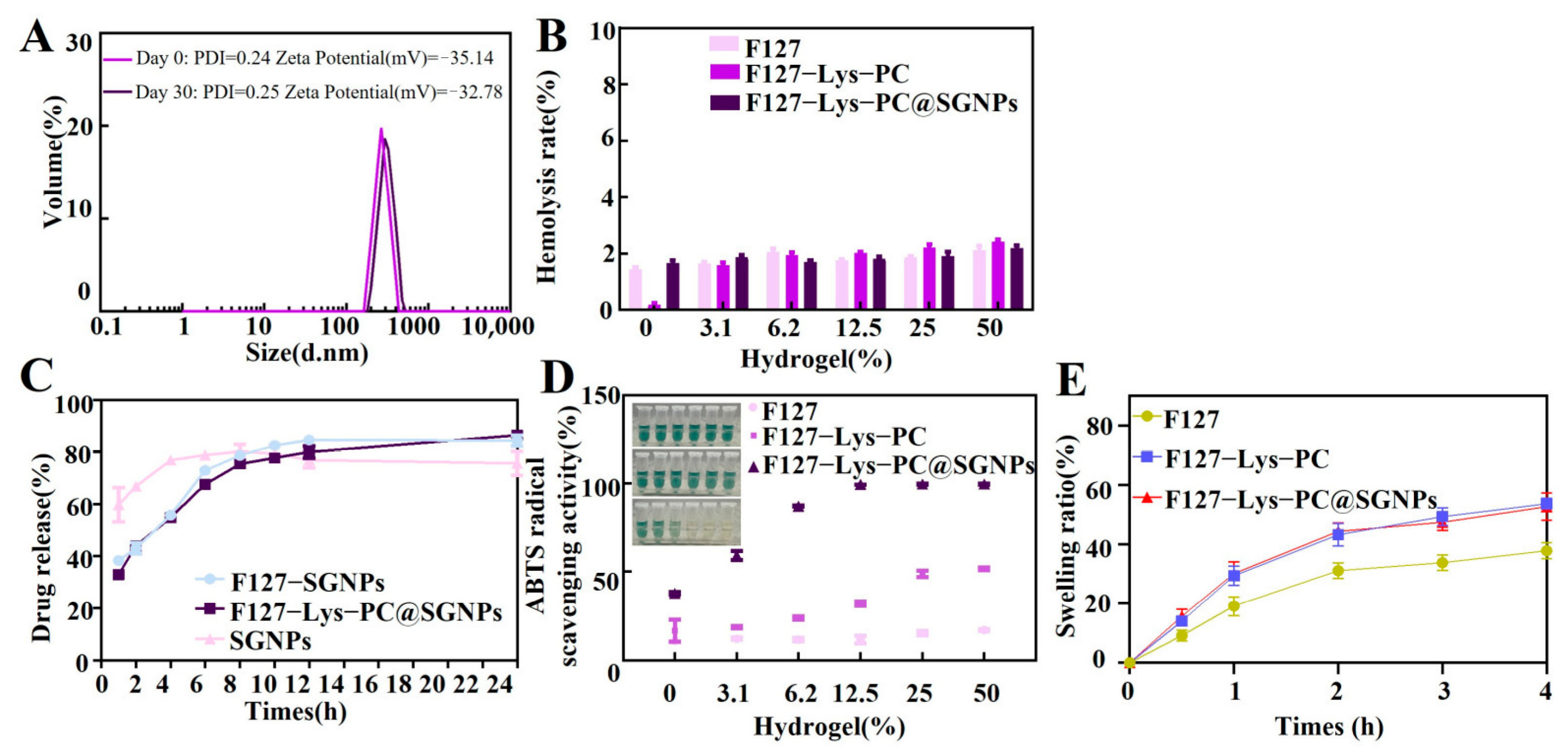
Stability and physicochemical characterization of a representative thermosensitive hydrogel system. (A) Particle size distribution, zeta potential, and polydispersity index (PDI) measured on Day 0 and after 30 days of storage at 4 °C, demonstrating long-term colloidal stability. (B) Hemolysis ratios of different hydrogel formulations at varying concentrations, confirming blood compatibility. (C) In vitro cumulative drug release profiles under simulated physiological conditions. (D) Antioxidant activity evaluated by the ABTS radical scavenging assay. (E) Swelling ratio of the hydrogel. Adapted from [94] under a Creative Commons license.
Among these, nanocomposite hydrogels currently appear to offer the most favorable balance between enhanced mechanical properties and retained injectability, as demonstrated by the incorporation of hydroxyapatite into chitosan/β-GP systems and the use of MoS2 nanoflowers in thermosensitive ionic liquid hydrogels [23,74].
The optimal strategy may ultimately depend on the specific clinical application. For load-bearing sites such as mandibular bone defects, double-network or hybrid systems with higher mechanical stiffness may be necessary. For soft tissue applications such as periodontal pockets or extraction sockets, where conformability and drug release are prioritized, nanocomposite reinforcement at lower concentrations may suffice. Future efforts should prioritize the development of hydrogels with spatially graded mechanical properties such as mimicking the natural gradient from cortical to cancellous bone to achieve site-specific mechanical optimization.
8.3. Long-Term Biosafety of Multifunctional Hydrogels
Concerns over long-term biosafety persist. The degradation, metabolism, and chronic toxicity of inorganic nanomaterials such as metal ions and nanoparticles introduced into multifunctional gels within the highly vascularized maxillofacial region, along with the potential risk of excessive local immune activation, still require rigorous validation using large animal models, such as non-human primates.
Specifically, several biosafety considerations merit careful attention. First, the degradation products of thermosensitive hydrogels, including polymer fragments, crosslinker residues, and released nanoparticles, must be thoroughly characterized for their local and systemic toxicity profiles. For hydrogels incorporating metal-based nanoparticles such as gold nanorods, MoS2 nanoflowers, and Prussian blue nanoparticles, the potential for metal ion accumulation in vital organs such as the liver, spleen, and kidneys and the long-term clearance pathways remain incompletely understood. Second, the immunological consequences of chronic exposure to hydrogel degradation products, including the risk of granuloma formation, foreign body giant cell reaction, and aberrant immune activation, require systematic evaluation in models that recapitulate the complex immune microenvironment of the oral mucosa and periodontal tissues [95,96]. Third, the potential for tumorigenesis associated with long-term implantation of nanomaterial-containing hydrogels, although considered low based on current evidence, cannot be definitively excluded without long-term carcinogenicity studies.
A tiered biosafety evaluation framework is recommended, progressing from in vitro cytotoxicity through short-term in vivo biocompatibility studies in rodent models to long-term (≥6 months) implantation studies in large animal models, before proceeding to first-in-human clinical trials. The development of biodegradable nanomaterials with well-characterized clearance pathways represents a promising direction for mitigating long-term toxicity concerns.
8.4. Technology Readiness and Clinical Translation Status
Despite the large number of preclinical publications, clinical translation of thermosensitive hydrogels for oral applications remains limited. The Technology Readiness Level (TRL) framework—originally developed by NASA and now widely adopted in biomedical engineering—provides a useful scale for assessing the maturity of these technologies, ranging from TRL 1 (basic principles observed) to TRL 9 (system proven through successful clinical use). Based on the evidence reviewed in this work, we can assess the TRL of different hydrogel systems as follows [97].
Poloxamer (Pluronic)-based hydrogels, owing to their well-established safety profile, FDA approval for certain applications, and commercial availability, currently exhibit the highest translational readiness (TRL 5–6). These systems have entered early-phase clinical evaluation for periodontal drug delivery, and some formulations are approaching clinical adoption [30,37,39,48,50]. Chitosan/β-GP-based hydrogels also demonstrate relatively high translational potential (TRL 4–5), supported by extensive preclinical data and the biocompatibility of chitosan, though standardization of chitosan sources and batch-to-batch variability remain challenges [7,43,51,52]. PLGA-PEG-PLGA copolymers, with their tunable degradation profiles, are at a similar readiness level (TRL 4–5) [46,55]. PNIPAAm-based hydrogels, despite extensive use in fundamental research, face several intrinsic limitations that have hindered clinical translation. First, PNIPAAm is not biodegradable, raising concerns about long-term polymer accumulation. Second, the monomer NIPAAm has been reported to exhibit potential neurotoxicity and cytotoxicity. Third, the LCST of pure PNIPAAm (~32 °C) requires copolymerization with hydrophilic monomers to shift it to the physiologically relevant range, adding complexity to synthesis and quality control. Consequently, PNIPAAm-based hydrogels are currently at a lower readiness level (TRL 3–4) compared to poloxamer or chitosan-based systems [53,54]. In contrast, hydrogels incorporating complex nanoparticles (e.g., MoS2 nanoflowers, gold nanorods, Prussian blue nanoparticles) or multiple bioactive components (e.g., growth factors, stem cells, exosomes) are at earlier stages of development (TRL 2–3), requiring additional preclinical validation of safety, efficacy, and manufacturing reproducibility [23].
Regarding clinical trial data, the number of registered clinical trials specifically evaluating thermosensitive hydrogels for oral diseases remains limited. Some poloxamer-based formulations have entered early-phase clinical evaluation, but large-scale, randomized controlled trials are scarce. This gap can be attributed to several factors: (1) the regulatory complexity of drug-device combination products; (2) the high cost and long duration of trials for indications requiring extended follow-up; (3) difficulties in standardizing hydrogel formulations across different manufacturing sites and clinical indications.
8.5. Manufacturing Scalability and Economic Feasibility
The scalability and economic feasibility of thermosensitive hydrogel production are critical considerations for clinical translation. Several factors influence manufacturing scalability. Polymer synthesis and purification require well-controlled reaction conditions and reproducible quality assurance, which can be achieved at pilot scale but may face challenges at industrial scale. Drug loading and formulation add complexity to the process, as each component must be characterized, sterilized, and incorporated under controlled conditions. Batch-to-batch reproducibility is essential for regulatory approval but can be difficult to achieve for hydrogel systems relying on physical crosslinking (e.g., chitosan/β-GP), where small variations in polymer molecular weight, degree of deacetylation, or salt concentration can significantly affect gelation temperature and mechanical properties.
Regarding economic feasibility, comprehensive cost analyses for thermosensitive hydrogel production are not yet available in the published literature. However, it is anticipated that the cost of goods will vary substantially depending on the complexity of the formulation. Simple poloxamer-based hydrogels loaded with conventional antibiotics are likely to be cost-effective and competitive with existing therapies. In contrast, multifunctional hydrogels incorporating custom-synthesized polymers, nanoparticles, growth factors, or stem cells will have significantly higher production costs, which must be justified by demonstrated clinical superiority over existing treatment options. For successful clinical translation, a tiered approach to product development may be most practical—starting with simpler, cost-effective formulations for common indications (e.g., periodontal drug delivery, extraction wound healing), and progressively advancing to more complex, multifunctional systems for high-value indications (e.g., bone regeneration, oral cancer therapy) as manufacturing capabilities and clinical evidence mature [98].
8.6. Outlook: Future Directions and Integrated Perspectives
Looking ahead, the development of thermosensitive hydrogel coatings will advance along three interconnected pathways. (1) Future material design should pursue coating systems that combine intrinsic self-healing capacity with spatially graded mechanical properties and degradation profiles tailored to the regeneration kinetics of specific oral tissues. Among these design targets, self-healing coatings capable of autonomously sealing microcracks induced by masticatory wear are of particular relevance, as they directly address the principal cause of premature coating failure in vivo. (2) Functional integration will move toward sophisticated multi-modal architectures capable of orchestrating temperature, pH, enzymatic, and redox-responsive elements into unified theranostic platforms that seamlessly combine diagnostic imaging with therapeutic intervention, ultimately realizing autonomous closed-loop systems that sense micro-environmental changes, process this information, and execute appropriate therapeutic responses. (3) Clinical translation calls for upfront standardization of sterilization protocols and quality assurance frameworks. Rather than an afterthought, sterilization-compatible formulation design must be embedded from the earliest stage of material development. Long-term safety profiling in large animal models, followed by well-designed multicenter human trials, remains essential to close the gap between bench innovation and bedside application. Identifying appropriate clinical indications is equally important, especially those where thermosensitive hydrogels clearly outperform existing therapies, as this will determine the success of market entry.
9. Conclusions
Thermosensitive hydrogels are emerging as a transformative technology for the development of smart biomedical coatings in oral medicine, offering integrated solutions for drug delivery, surface protection, mucoadhesive retention, and tissue regeneration through in situ coating formation. Through ingenious material design, physical and chemical properties can be seamlessly integrated with the dynamic environment of the oral cavity, creating new opportunities for efficient, minimally invasive, and personalized treatment of oral diseases. As systematically reviewed in this work, in periodontitis and peri-implantitis, their sol–gel transition enables conformal filling of periodontal pockets, while their multi-stimuli responsiveness (enzyme, pH, ROS) allows for smart, on-demand drug release, and their multifunctional platforms achieve synergistic antibacterial, anti-inflammatory, immunomodulatory, and pro-regenerative effects. In bone tissue engineering, these hydrogels provide minimally invasive, conformal filling of irregular defects, temporally controlled release of osteogenic factors, and three-dimensional scaffolds for cell or exosome delivery. In endodontic diseases, their injectability and in situ gelation enable complete adaptation to complex root canal systems, while their capacity for programmed drug release and microenvironment modulation supports both infection control and pulp–dentin regeneration. In extraction wound healing, they address the major postoperative challenges of bleeding, infection, inflammation, and delayed tissue repair, translating into tangible improvements in patient recovery. In oral cancer treatment, although studies remain comparatively limited, thermosensitive hydrogels, as a promising platform, are expected to overcome the limitations of conventional systemic therapies. The diverse applications of thermosensitive hydrogels across the oral cavity are summarized in Figure 6. Despite these challenges, with increasing interdisciplinary collaboration between coatings scientists, materials engineers, and oral clinicians, dynamically adaptable smart hydrogel coatings can redefine multiple practice paradigms in clinical oral medicine.
Figure 6.
Applications of Thermosensitive Hydrogels in Oral Cavity.
Author Contributions
Conceptualization, J.Z. (Jiayi Zhang), H.L. and W.Z.; methodology, J.Z. (Jiayi Zhang), H.L. and J.Z. (Jifan Zhan); validation, J.Z. (Jiayi Zhang), H.L., T.Y. and Y.Z.; formal analysis, J.Z. (Jiayi Zhang), T.Y. and J.Z. (Jifan Zhan); investigation, J.Z. (Jiayi Zhang), H.L., T.Y. and J.Z. (Jifan Zhan); resources, B.L. and J.S.; data curation, J.Z. (Jiayi Zhang) and L.H.; writing—original draft preparation, J.Z. (Jiayi Zhang), H.L. and T.Y.; writing—review and editing, T.Y., Y.Z., J.Y., Z.L., B.L., J.S. and W.Z.; visualization, J.Z. (Jifan Zhan), L.H. and Y.L.; supervision, Z.L., B.L., J.S. and W.Z.; project administration, B.L. and J.S.; funding acquisition, J.S. and W.Z. All authors have read and agreed to the published version of the manuscript.
Funding
This research was funded by the Joint special funds for applied basic research of Yunnan Provincial Department of Science and Technology and Kunming Medical University, 202501AY070001-133.
Institutional Review Board Statement
Not applicable.
Informed Consent Statement
Not applicable.
Data Availability Statement
Data are included in the article and the corresponding references.
Conflicts of Interest
The authors declare no conflicts of interest.
References
- Otálora-Otálora, B.A.; López-Rivera, J.J.; Aristizábal-Guzmán, C.; Isaza-Ruget, M.A.; Álvarez-Moreno, C.A. Host Transcriptional Regulatory Genes and Microbiome Networks Crosstalk through Immune Receptors Establishing Normal and Tumor Multiomics Metafirm of the Oral-Gut-Lung Axis. Int. J. Mol. Sci. 2023, 24, 16638. [Google Scholar] [CrossRef] [Scilit] [PubMed]
- Pfeifer, C.S.; Lucena, F.S.; Tsuzuki, F.M. Preservation Strategies for Interfacial Integrity in Restorative Dentistry: A Non-Comprehensive Literature Review. J. Funct. Biomater. 2025, 16, 42. [Google Scholar] [CrossRef] [Scilit] [PubMed]
- Ruan, H.; Yu, Y.; Guo, X.; Jiang, Q.; Luo, Y. The Possibility of Healing Alveolar Bone Defects with Simvastatin Thermosensitive Gel: In Vitro/in Vivo Evaluation. Drug Des. Dev. Ther. 2018, 12, 1997–2003. [Google Scholar] [CrossRef] [Scilit] [PubMed]
- Curcio, M.; Puoci, F.; Spizzirri, U.G.; Iemma, F.; Cirillo, G.; Parisi, O.I.; Picci, N. Negative Thermo-Responsive Microspheres Based on Hydrolyzed Gelatin as Drug Delivery Device. AAPS PharmSciTech 2010, 11, 652–662. [Google Scholar] [CrossRef] [Scilit] [PubMed]
- El-Nablaway, M.; Rashed, F.; Taher, E.S.; Atia, G.A.; Foda, T.; Mohammed, N.A.; Abdeen, A.; Abdo, M.; Hînda, I.; Imbrea, A.-M.; et al. Bioactive Injectable Mucoadhesive Thermosensitive Natural Polymeric Hydrogels for Oral Bone and Periodontal Regeneration. Front. Bioeng. Biotechnol. 2024, 12, 1384326. [Google Scholar] [CrossRef] [Scilit] [PubMed]
- Wang, J.; Lin, W.; Nikolaeva, V.O.; Javaid, R.; Khashab, N.M. Designing Supramolecular Pastes by Controlling Host–Guest Dynamics in Reconfigurable Networks. Nat. Commun. 2025, 16, 7618. [Google Scholar] [CrossRef] [Scilit] [PubMed]
- Wu, D.; Qin, H.; Wang, Z.; Yu, M.; Liu, Z.; Peng, H.; Liang, L.; Zhang, C.; Wei, X. Bone Mesenchymal Stem Cell-Derived sEV-Encapsulated Thermosensitive Hydrogels Accelerate Osteogenesis and Angiogenesis by Release of Exosomal miR-21. Front. Bioeng. Biotechnol. 2022, 9, 829136. [Google Scholar] [CrossRef] [Scilit] [PubMed]
- Pham, D.T.; Phewchan, P.; Navesit, K.; Chokamonsirikun, A.; Khemwong, T.; Tiyaboonchai, W. Development of Metronidazole-Loaded In Situ Thermosensitive Hydrogel for Periodontitis Treatment. Turk. J. Pharm. Sci. 2021, 18, 510–516. [Google Scholar] [CrossRef] [Scilit] [PubMed]
- Talaat, W.; Ac, S.A.; Al Kawas, S.; Samsudin, A.R.; Kandile, N.G.; Harding, D.R.; Ghoneim, M.M.; Zeiada, W.; Jagal, J.; Aboelnaga, A.; et al. Nanoscale Thermosensitive Hydrogel Scaffolds Promote the Chondrogenic Differentiation of Dental Pulp Stem and Progenitor Cells: A Minimally Invasive Approach for Cartilage Regeneration. Int. J. Nanomed. 2020, 15, 7775–7789. [Google Scholar] [CrossRef] [Scilit] [PubMed]
- Ma, S.; Lu, X.; Yu, X.; Du, Y.; Xu, S.; Li, M.; Peng, C.; Liu, Z.; Deng, J. An Injectable Multifunctional Thermo-Sensitive Chitosan-Based Hydrogel for Periodontitis Therapy. Biomater. Adv. 2022, 142, 213158. [Google Scholar] [CrossRef] [Scilit] [PubMed]
- Wang, W.; Zhang, G.; Wang, Y.; Ran, J.; Chen, L.; Wei, Z.; Zou, H.; Cai, Y.; Han, W. An Injectable and Thermosensitive Hydrogel with Nano-Aided NIR-II Phototherapeutic and Chemical Effects for Periodontal Antibacteria and Bone Regeneration. J. Nanobiotechnol. 2023, 21, 367. [Google Scholar] [CrossRef] [Scilit] [PubMed]
- Li, Y.; Fang, X.; Jiang, T. Minimally Traumatic Alveolar Ridge Augmentation with a Tunnel Injectable Thermo-Sensitive Alginate Scaffold. J. Appl. Oral Sci. 2015, 23, 215–223. [Google Scholar] [CrossRef] [Scilit] [PubMed]
- Wang, J.; Ju, Y.; Lei, Y.; Zhang, J.; Wang, Y. Reversible Sol–Gel Transition in Thermoresponsive Collagen Hydrogels for Cryogen-Free Cell Logistics. Gels 2026, 12, 488. [Google Scholar] [CrossRef] [Scilit] [PubMed]
- Zhang, H.-Q.; Sun, C.; Xu, N.; Liu, W. The Current Landscape of the Antimicrobial Peptide Melittin and Its Therapeutic Potential. Front. Immunol. 2024, 15, 1326033. [Google Scholar] [CrossRef] [Scilit] [PubMed]
- Wang, C.; Lou, T. Splenic Abscess Caused by Porphyromonas Gingivalis Septicemia: A Case Report. BMC Infect. Dis. 2025, 26, 35. [Google Scholar] [CrossRef] [Scilit] [PubMed]
- Liu, S.; Wang, Y.; Ma, B.; Shao, J.; Liu, H.; Ge, S. Gingipain-Responsive Thermosensitive Hydrogel Loaded with SDF-1 Facilitates In Situ Periodontal Tissue Regeneration. ACS Appl. Mater. Interfaces 2021, 13, 36880–36893. [Google Scholar] [CrossRef] [Scilit] [PubMed]
- Grootveld, M.; Lynch, E.; Page, G.; Chan, W.; Percival, B.; Anagnostaki, E.; Mylona, V.; Bordin-Aykroyd, S.; Grootveld, K.L. Potential Advantages of Peroxoborates and Their Ester Adducts Over Hydrogen Peroxide as Therapeutic Agents in Oral Healthcare Products: Chemical/Biochemical Reactivity Considerations In Vitro, Ex Vivo And In Vivo. Dent. J. 2020, 8, 89. [Google Scholar] [CrossRef] [Scilit] [PubMed]
- Song, J.; Sun, L.; Li, F.; Wang, D.; Yang, S.; Ai, Y.; Jiang, N.; Song, W. Emerging Potential of Engineered Nanozymes in Periodontitis Treatment: From Monotherapy to Hierarchical Therapy. J. Nanobiotechnol. 2026, 24, 177. [Google Scholar] [CrossRef] [Scilit] [PubMed]
- Parvin, N.; Joo, S.W.; Mandal, T.K. Injectable Biopolymer-Based Hydrogels: A Next-Generation Platform for Minimally Invasive Therapeutics. Gels 2025, 11, 383. [Google Scholar] [CrossRef] [Scilit] [PubMed]
- Tang, Q.; Yang, M.; Xiao, Q.; Cheng, C. The Relationship Between Alkaline Phosphatase and Periodontitis: The Mediating Role of Cranial Bone Mineral Density. Int. Dent. J. 2025, 75, 1771–1780. [Google Scholar] [CrossRef] [Scilit] [PubMed]
- Sui, L.; Wang, J.; Xiao, Z.; Yang, Y.; Yang, Z.; Ai, K. ROS-Scavenging Nanomaterials to Treat Periodontitis. Front. Chem. 2020, 8, 595530. [Google Scholar] [CrossRef] [Scilit] [PubMed]
- Boyuklieva, R.; Zahariev, N.; Simeonov, P.; Penkov, D.; Katsarov, P. Next-Generation Drug Delivery for Neurotherapeutics: The Promise of Stimuli-Triggered Nanocarriers. Biomedicines 2025, 13, 1464. [Google Scholar] [CrossRef] [Scilit] [PubMed]
- Tang, M.; Ma, R.; Ding, Y.; Fei, Y.; Wang, Y.; Wang, G.; Zhang, C.; Chen, Y.; Dong, X.; Chen, P.; et al. Tailored Regulation of Ferroptosis in Periodontitis Using Thermosensitive Ionic Liquid Hydrogel Based on Galangin/L-Cysteine-Decorated MoS2 Nanoflowers. J. Control. Release 2025, 384, 113928. [Google Scholar] [CrossRef] [Scilit] [PubMed]
- Dragar, Č.; Potrč, T.; Nemec, S.; Roškar, R.; Pajk, S.; Kocbek, P.; Kralj, S. One-Pot Method for Preparation of Magnetic Multi-Core Nanocarriers for Drug Delivery. Materials 2019, 12, 540. [Google Scholar] [CrossRef] [Scilit] [PubMed]
- Au, K.M.; Min, Y.; Tian, X.; Zhang, L.; Perello, V.; Caster, J.M.; Wang, A.Z. Improving Cancer Chemoradiotherapy Treatment by Dual Controlled Release of Wortmannin and Docetaxel in Polymeric Nanoparticles. ACS Nano 2015, 9, 8976–8996. [Google Scholar] [CrossRef] [Scilit] [PubMed]
- Pretzl, B.; Sälzer, S.; Ehmke, B.; Schlagenhauf, U.; Dannewitz, B.; Dommisch, H.; Eickholz, P.; Jockel-Schneider, Y. Administration of Systemic Antibiotics during Non-Surgical Periodontal Therapy—A Consensus Report. Clin. Oral Investig. 2019, 23, 3073–3085. [Google Scholar] [CrossRef] [Scilit] [PubMed]
- Fritoli, A.; Gonçalves, C.; Faveri, M.; Figueiredo, L.C.; Pérez-Chaparro, P.J.; Fermiano, D.; Feres, M. The Effect of Systemic Antibiotics Administered during the Active Phase of Non-Surgical Periodontal Therapy or after the Healing Phase: A Systematic Review. J. Appl. Oral Sci. 2015, 23, 249–254. [Google Scholar] [CrossRef] [Scilit] [PubMed]
- Saeidi, Z.; Giti, R.; Emami, A.; Rostami, M.; Mohammadi, F. Thermosensitive and Mucoadhesive Gels Containing Solid Lipid Nanoparticles Loaded with Fluconazole and Niosomes Loaded with Clindamycin for the Treatment of Periodontal Diseases: A Laboratory Experiment. BMC Oral Health 2024, 24, 551. [Google Scholar] [CrossRef] [Scilit] [PubMed]
- Yadav, S.K.; Khan, G.; Bansal, M.; Thokala, S.; Bonde, G.V.; Upadhyay, M.; Mishra, B. Multiparticulate Based Thermosensitive Intra-Pocket Forming Implants for Better Treatment of Bacterial Infections in Periodontitis. Int. J. Biol. Macromol. 2018, 116, 394–408. [Google Scholar] [CrossRef] [Scilit] [PubMed]
- Sheshala, R.; Quah, S.Y.; Tan, G.C.; Meka, V.S.; Jnanendrappa, N.; Sahu, P.S. Investigation on Solution-to-Gel Characteristic of Thermosensitive and Mucoadhesive Biopolymers for the Development of Moxifloxacin-Loaded Sustained Release Periodontal in Situ Gels. Drug Deliv. Transl. Res. 2019, 9, 434–443. [Google Scholar] [CrossRef] [Scilit] [PubMed]
- Pathak, K.; Sharma, V.; Singh, K.; Chhabra, G. Thermosensitive Periodontal Sol of Ciprofloxacin Hydrochloride and Serratiopeptidase: Pharmaceutical and Mechanical Analysis. Int. J. Pharm. Investig. 2014, 4, 5–14. [Google Scholar] [CrossRef] [Scilit] [PubMed]
- Wadi, N.M.A.; Ahuja, A.; Peh, K.K. Healing Enhancement Assessment of Thermosensitive in Situ Gelling Formulation Containing Metronidazole and Diclofenac Potassium for Ligature-Induced Periodontitis in Rats. Oman Med. J. 2022, 37, e381. [Google Scholar] [CrossRef] [Scilit] [PubMed]
- Maddeppungeng, N.M.; Syahirah, N.A.; Hidayati, N.; Rahman, F.U.A.; Mansjur, K.Q.; Rieuwpassa, I.E.; Setiawati, D.; Fadhlullah, M.; Aziz, A.Y.R.; Salsabila, A.; et al. Specific Delivery of Metronidazole Using Microparticles and Thermosensitive in Situ Hydrogel for Intrapocket Administration as an Alternative in Periodontitis Treatment. J. Biomater. Sci. Polym. Ed. 2024, 35, 1726–1749. [Google Scholar] [CrossRef] [Scilit] [PubMed]
- Wang, F.; Li, Z.; Gan, X.; Lu, X.; Jiao, B.; Shen, M. Quality by Design Driven Development and Evaluation of Thermosensitive Hydrogel Loaded with IgY and LL37-SLNs to Combat Experimental Periodontitis. Eur. J. Pharm. Sci. 2023, 185, 106444. [Google Scholar] [CrossRef] [Scilit] [PubMed]
- Tang, M.; Li, J.; Wang, G.; Wang, Y.; Peng, C.; Chang, X.; Tao, Y.; Guo, J.; Gui, S. Cubic Liquid Crystals Containing Propolis Flavonoids as in Situ Thermo-Sensitive Hydrogel Depots for Periodontitis Treatment: Preparation, Pharmacodynamics and Therapeutic Mechanisms. Eur. J. Pharm. Sci. 2024, 196, 106762. [Google Scholar] [CrossRef] [Scilit] [PubMed]
- Wang, C.; Liu, C.; Liang, C.; Qu, X.; Zou, X.; Du, S.; Zhang, Q.; Wang, L. Role of Berberine Thermosensitive Hydrogel in Periodontitis via PI3K/AKT Pathway In Vitro. Int. J. Mol. Sci. 2023, 24, 6364. [Google Scholar] [CrossRef] [Scilit] [PubMed]
- Chanaj-Kaczmarek, J.; Osmałek, T.; Szymańska, E.; Winnicka, K.; Karpiński, T.M.; Dyba, M.; Bekalarska-Dębek, M.; Cielecka-Piontek, J. Development and Evaluation of Thermosensitive Hydrogels with Binary Mixture of Scutellariae Baicalensis Radix Extract and Chitosan for Periodontal Diseases Treatment. Int. J. Mol. Sci. 2021, 22, 11319. [Google Scholar] [CrossRef] [Scilit] [PubMed]
- Ding, Y.; Wang, Y.; Li, J.; Tang, M.; Chen, H.; Wang, G.; Guo, J.; Gui, S. Microemulsion-Thermosensitive Gel Composites as in Situ -Forming Drug Reservoir for Periodontitis Tissue Repair through Alveolar Bone and Collagen Regeneration Strategy. Pharm. Dev. Technol. 2023, 28, 30–39. [Google Scholar] [CrossRef] [Scilit] [PubMed]
- Li, J.; Li, M.; Zhang, C.; Fei, Y.; Wang, Y.; Zhong, Z.; Peng, C.; Li, M.; Gui, S.; Guo, J. Active Targeting Microemulsion-Based Thermosensitive Hydrogel against Periodontitis by Reconstructing Th17/Treg Homeostasis via Regulating ROS-Macrophages Polarization Cascade. Int. J. Pharm. 2024, 659, 124263. [Google Scholar] [CrossRef] [Scilit] [PubMed]
- Yang, S.; Zhu, Y.; Ji, C.; Zhu, H.; Lao, A.; Zhao, R.; Hu, Y.; Zhou, Y.; Zhou, J.; Lin, K.; et al. A Five-in-One Novel MOF-Modified Injectable Hydrogel with Thermo-Sensitive and Adhesive Properties for Promoting Alveolar Bone Repair in Periodontitis: Antibacterial, Hemostasis, Immune Reprogramming, pro-Osteo-/Angiogenesis and Recruitment. Bioact. Mater. 2024, 41, 239–256. [Google Scholar] [CrossRef] [Scilit] [PubMed]
- Xu, X.; Gu, Z.; Chen, X.; Shi, C.; Liu, C.; Liu, M.; Wang, L.; Sun, M.; Zhang, K.; Liu, Q.; et al. An Injectable and Thermosensitive Hydrogel: Promoting Periodontal Regeneration by Controlled-Release of Aspirin and Erythropoietin. Acta Biomater. 2019, 86, 235–246. [Google Scholar] [CrossRef] [Scilit] [PubMed]
- Zhang, L.; Ning, X.; Cui, J.; Zhao, Y.; Xie, F.; Zhu, N.; Wang, D.; Qin, M.; Lin, Z.; Wang, Y. Thermosensitive Injectable in Situ Forming Hydrogel Incorporating Anti-Oxidative Stress and Anti-Inflammatory Nanoparticles for Vital Pulp Therapy of Pulpitis. Mater. Today Bio 2025, 31, 101482. [Google Scholar] [CrossRef] [Scilit] [PubMed]
- Gu, Z.; Qiu, C.; Chen, L.; Wang, X. Injectable Thermosensitive Hydrogel Loading Erythropoietin and FK506 Alleviates Gingival Inflammation and Promotes Periodontal Tissue Regeneration. Front. Bioeng. Biotechnol. 2024, 11, 1323554. [Google Scholar] [CrossRef] [Scilit] [PubMed]
- Fu, S. Injectable and Thermo-Sensitive PEG-PCL-PEG Copolymer/Collagen/n-HA Hydrogel Composite for Guided Bone Regeneration. Biomaterials 2012, 33, 4801–4809. [Google Scholar] [CrossRef] [Scilit] [PubMed]
- Tan, N.; Sabalic-Schoener, M.; Nguyen, L.; D’Aiuto, F. β-Tricalcium Phosphate-Loaded Chitosan-Based Thermosensitive Hydrogel for Periodontal Regeneration. Polymers 2023, 15, 4146. [Google Scholar] [CrossRef] [Scilit] [PubMed]
- Khodaverdi, E.; Kheirandish, F.; Tekie, F.S.M.; Khashyarmanesh, B.Z.; Hadizadeh, F.; Haghighi, H.M. Preparation of a Sustained Release Drug Delivery System for Dexamethasone by a Thermosensitive, In Situ Forming Hydrogel forUse in Differentiation of Dental Pulp. ISRN Pharm. 2013, 2013, 983053. [Google Scholar] [CrossRef] [Scilit] [PubMed]
- Wang, S.; Xing, X.; Peng, W.; Huang, C.; Du, Y.; Yang, H.; Zhou, J. Fabrication of an Exosome-Loaded Thermosensitive Chitin-Based Hydrogel for Dental Pulp Regeneration. J. Mater. Chem. B 2023, 11, 1580–1590. [Google Scholar] [CrossRef] [Scilit] [PubMed]
- Ming, L.; Qu, Y.; Wang, Z.; Dong, L.; Li, Y.; Liu, F.; Wang, Q.; Zhang, D.; Li, Z.; Zhou, Z.; et al. Small Extracellular Vesicles Laden Oxygen-Releasing Thermosensitive Hydrogel for Enhanced Antibacterial Therapy against Anaerobe-Induced Periodontitis Alveolar Bone Defect. ACS Biomater. Sci. Eng. 2024, 10, 932–945. [Google Scholar] [CrossRef] [Scilit] [PubMed]
- Li, M.; Yang, L.; An, Y.; Tan, X.; He, P.; Tan, Y.; Liu, R.; Zheng, J.; Zhang, W.; Jiang, Y.; et al. Selenium-Doped Carbon Dots as a Multipronged Nanoplatform to Alleviate Oxidative Stress and Ferroptosis for the Reversal of Acute Kidney Injury. ACS Nano 2025, 19, 17834–17849. [Google Scholar] [CrossRef] [Scilit] [PubMed]
- Ortega, A.; Da Silva, A.B.; Da Costa, L.M.; Zatta, K.C.; Onzi, G.R.; Da Fonseca, F.N.; Guterres, S.S.; Paese, K. Thermosensitive and Mucoadhesive Hydrogel Containing Curcumin-Loaded Lipid-Core Nanocapsules Coated with Chitosan for the Treatment of Oral Squamous Cell Carcinoma. Drug Deliv. Transl. Res. 2023, 13, 642–657. [Google Scholar] [CrossRef] [Scilit] [PubMed]
- Saravanan, S.; Vimalraj, S.; Thanikaivelan, P.; Banudevi, S.; Manivasagam, G. A Review on Injectable Chitosan/Beta Glycerophosphate Hydrogels for Bone Tissue Regeneration. Int. J. Biol. Macromol. 2019, 121, 38–54. [Google Scholar] [CrossRef] [Scilit] [PubMed]
- Cao, X.; Cai, X.; Chen, R.; Zhang, H.; Jiang, T.; Wang, Y. A Thermosensitive Chitosan-based Hydrogel for Sealing and Lubricating Purposes in Dental Implant System. Clin. Implant. Dent. Relat. Res. 2019, 21, 324–335. [Google Scholar] [CrossRef] [Scilit] [PubMed]
- Wu, T.; Tan, L.; Cheng, N.; Yan, Q.; Zhang, Y.-F.; Liu, C.-J.; Shi, B. PNIPAAM Modified Mesoporous Hydroxyapatite for Sustained Osteogenic Drug Release and Promoting Cell Attachment. Mater. Sci. Eng. C 2016, 62, 888–896. [Google Scholar] [CrossRef] [Scilit] [PubMed]
- Samiei, M.; Abdollahinia, E.D.; Amiryaghoubi, N.; Fathi, M.; Barar, J.; Omidi, Y. Injectable Thermosensitive Chitosan/Gelatin Hydrogel for Dental Pulp Stem Cells Proliferation and Differentiation. Bioimpacts 2023, 13, 63–72. [Google Scholar] [CrossRef] [Scilit] [PubMed]
- Stewart, C.L.; Hook, A.L.; Zelzer, M.; Marlow, M.; Piccinini, A.M. PLGA-PEG-PLGA Hydrogels Induce Cytotoxicity in Conventional in Vitro Assays. Cell Biochem. Funct. 2024, 42, e4097. [Google Scholar] [CrossRef] [Scilit] [PubMed]
- Shi, J.; Yu, L.; Ding, J. PEG-Based Thermosensitive and Biodegradable Hydrogels. Acta Biomater. 2021, 128, 42–59. [Google Scholar] [CrossRef] [Scilit] [PubMed]
- Barbieri, A.; Pitzurra, L.; Loos, B.; Jansen, I.D.C. Effects of Hyaluronic Acid on Three Different Cell Types of the Periodontium in a Novel Multi-Culture Cell Plate: An Exploratory Study. Biomolecules 2025, 15, 152. [Google Scholar] [CrossRef] [Scilit] [PubMed]
- Zhou, H.; Qi, Y.-X.; Cao, R.-Y.; Zhang, X.-X.; Li, A.; Pei, D.-D. Causal Relationship between Mitochondrial Biological Function and Periodontitis: Evidence from a Mendelian Randomization Study. Int. J. Mol. Sci. 2024, 25, 7955. [Google Scholar] [CrossRef] [Scilit] [PubMed]
- Pan, Q.; Zong, Z.; Li, H.; Xie, L.; Zhu, H.; Wu, D.; Liu, R.; He, B.; Pu, Y. Hydrogel Design and Applications for Periodontitis Therapy: A Review. Int. J. Biol. Macromol. 2025, 284, 137893. [Google Scholar] [CrossRef] [Scilit] [PubMed]
- Anitua, E.; Murias-Freijo, A.; Tierno, R.; Tejero, R.; Alkhraisat, M.H. Assessing Peri-Implant Bacterial Community Structure: The Effect of Microbiome Sample Collection Method. BMC Oral Health 2024, 24, 1001. [Google Scholar] [CrossRef] [Scilit] [PubMed]
- Tang, L.; Zhou, H.; Chen, D.; Xiang, R.; Tang, J. Weighted Gene Coexpression Network Analysis Identified IL2/STAT5 Signaling Pathway as an Important Determinant of Peri-Implantitis. Comput. Math. Methods Med. 2022, 2022, 4202823. [Google Scholar] [CrossRef] [Scilit] [PubMed]
- D’Avanzo, N.; Bruno, M.C.; Giudice, A.; Mancuso, A.; Gaetano, F.D.; Cristiano, M.C.; Paolino, D.; Fresta, M. Influence of Materials Properties on Bio-Physical Features and Effectiveness of 3D-Scaffolds for Periodontal Regeneration. Molecules 2021, 26, 1643. [Google Scholar] [CrossRef] [Scilit] [PubMed]
- Yang, S.; Yang, X. The Role of Reactive Oxygen Species (ROS) in Periodontitis: A Potential Therapeutic Target. Immun. Inflamm. Dis. 2025, 13, e70301. [Google Scholar] [CrossRef] [Scilit] [PubMed]
- Liu, Y.; Liu, C.; Wang, C.; Zhang, Q.; Qu, X.; Liang, C.; Si, C.; Wang, L. Treatment of Periodontal Inflammation in Diabetic Rats with IL-1ra Thermosensitive Hydrogel. Int. J. Mol. Sci. 2022, 23, 13939. [Google Scholar] [CrossRef] [Scilit] [PubMed]
- Chen, W.; Zhi, M.; Feng, Z.; Gao, P.; Yuan, Y.; Zhang, C.; Wang, Y.; Dong, A. Sustained Co-Delivery of Ibuprofen and Basic Fibroblast Growth Factor by Thermosensitive Nanoparticle Hydrogel as Early Local Treatment of Peri-Implantitis. Int. J. Nanomed. 2019, 14, 1347–1358. [Google Scholar] [CrossRef] [Scilit] [PubMed]
- Sawadkar, P.; Lali, F.; Garcia-Gareta, E.; Garrido, B.G.; Chaudhry, A.; Matharu, P.; Kyriakidis, C.; Greco, K. Innovative Hydrogels in Cutaneous Wound Healing: Current Status and Future Perspectives. Front. Bioeng. Biotechnol. 2025, 13, 1454903. [Google Scholar] [CrossRef] [Scilit] [PubMed]
- Chen, M.H.; Wang, L.L.; Chung, J.J.; Kim, Y.-H.; Atluri, P.; Burdick, J.A. Methods To Assess Shear-Thinning Hydrogels for Application As Injectable Biomaterials. ACS Biomater. Sci. Eng. 2017, 3, 3146–3160. [Google Scholar] [CrossRef] [Scilit] [PubMed]
- Jie, L.; Ti, Z.; Jun, C. The Study on Properties of Guided Bone Regeneration of New Type Chitosan-Based Thermosensitive Hydrogel Membranes in Vivo. Shanghai J. Stomatol. 2015, 24, 442–446. (In Chinese) [Google Scholar]
- Deng, J.; Pan, J.; Han, X.; Yu, L.; Chen, J.; Zhang, W.; Zhu, L.; Huang, W.; Liu, S.; You, Z.; et al. PDGFBB-Modified Stem Cells from Apical Papilla and Thermosensitive Hydrogel Scaffolds Induced Bone Regeneration. Chem.-Biol. Interact. 2020, 316, 108931. [Google Scholar] [CrossRef] [Scilit] [PubMed]
- Prasetyo, E.P.; Sampoerno, G.; Juniarti, D.E.; Cahyani, F.; Saraswati, W.; Kuntjoro, M.; Tjendronegoro, E. Effect of Lipopolysaccharide-Induced Apical Periodontitis in Diabetes Mellitus Rats on Periapical Inflammation. Eur. J. Dent. 2023, 17, 1146–1152. [Google Scholar] [CrossRef] [Scilit] [PubMed]
- Bardini, G.; Casula, L.; Ambu, E.; Musu, D.; Mercadè, M.; Cotti, E. A 12-Month Follow-up of Primary and Secondary Root Canal Treatment in Teeth Obturated with a Hydraulic Sealer. Clin. Oral Investig. 2021, 25, 2757–2764. [Google Scholar] [CrossRef] [Scilit] [PubMed]
- Cheng, Y.; Huangfu, Y.; Zhao, T.; Wang, L.; Yang, J.; Liu, J.; Feng, Z.; Que, K. Thermosensitive Hydrogel with Programmed Dual-Octenidine Release Combating Biofilm for the Treatment of Apical Periodontitis. Regen. Biomater. 2024, 11, rbae031. [Google Scholar] [CrossRef] [Scilit] [PubMed]
- Dobrzyńska-Mizera, M.; Knitter, M.; Kamińska, M.; Szymanowska, D.; Sobczyk-Guzenda, A.; Różańska, S.; Różański, J.; Mikulski, M.; Muzalewska, M.; Wyleżoł, M.; et al. Thermosensitive Hydrogel Doped with Osteoconductive Fillers for the Treatment of Periodontitis Periapicalis Chronica: From Synthesis to Clinical Trial. Biomater. Sci. 2024, 12, 6063–6081. [Google Scholar] [CrossRef] [Scilit] [PubMed]
- Chen, Y.; Zhang, F.; Fu, Q.; Liu, Y.; Wang, Z.; Qi, N. In Vitro Proliferation and Osteogenic Differentiation of Human Dental Pulp Stem Cells in Injectable Thermo-Sensitive Chitosan/β-Glycerophosphate/Hydroxyapatite Hydrogel. J. Biomater. Appl. 2016, 31, 317–327. [Google Scholar] [CrossRef] [Scilit] [PubMed]
- Luo, Q.; Yang, Y.; Ho, C.; Li, Z.; Chiu, W.; Li, A.; Dai, Y.; Li, W.; Zhang, X. Dynamic Hydrogel–Metal–Organic Framework System Promotes Bone Regeneration in Periodontitis through Controlled Drug Delivery. J. Nanobiotechnol. 2024, 22, 287. [Google Scholar] [CrossRef] [Scilit] [PubMed]
- Chen, J.; He, Q.; Xie, H.; Gu, B.; Zhou, L.; Jiang, D.; Xie, H.; Liang, L.; Zhou, Z.; Zhang, H. Autophagy Modulation by hADSCs and Green Light Therapy Alleviates Inflammation and Promotes Functional Recovery after Spinal Cord Injury. Stem Cell Res. Ther. 2025, 16, 256. [Google Scholar] [CrossRef] [Scilit] [PubMed]
- Dos Reis-Prado, A.H.; Benetti, F.; Bottino, M.C.; Dal-Fabbro, R. Optimizing Methods for Regenerative Endodontics. Regen. Med. 2025, 20, 339–351. [Google Scholar] [CrossRef] [Scilit] [PubMed]
- Liu, H.; Shen, Y. Environmental Stimuli-responsive Hydrogels in Endodontics: Advances and Perspectives. Int. Endod. J. 2025, 58, 674–684. [Google Scholar] [CrossRef] [Scilit] [PubMed]
- Heitzer, M.; Winnand, P.; Ooms, M.; Magnuska, Z.; Kiessling, F.; Buhl, E.M.; Hölzle, F.; Modabber, A. A Biodegradable Tissue Adhesive for Post-Extraction Alveolar Bone Regeneration under Ongoing Anticoagulation—A Microstructural Volumetric Analysis in a Rodent Model. Int. J. Mol. Sci. 2024, 25, 4210. [Google Scholar] [CrossRef] [Scilit] [PubMed]
- Mahmoudi, A.; Ghavimi, M.A.; Dizaj, S.M.; Sharifi, S.; Sajjadi, S.S.; Khosroshahi, A.R.J. Efficacy of a New Hemostatic Dental Sponge in Controlling Bleeding, Pain, and Dry Socket Following Mandibular Posterior Teeth Extraction—A Split-Mouth Randomized Double-Blind Clinical Trial. J. Clin. Med. 2023, 12, 4578. [Google Scholar] [CrossRef] [Scilit] [PubMed]
- Zorrón, M.; Cabrera, A.L.; Sharma, R.; Radhakrishnan, J.; Abbaszadeh, S.; Shahbazi, M.; Tafreshi, O.A.; Karamikamkar, S.; Maleki, H. Emerging 2D Nanomaterials-Integrated Hydrogels: Advancements in Designing Theragenerative Materials for Bone Regeneration and Disease Therapy. Adv. Sci. 2024, 11, 2403204. [Google Scholar] [CrossRef] [Scilit] [PubMed]
- Shi, S.; Chang, Y.; Fu, K.; Fu, N.; Hu, X.; Zhao, B.; Chen, B.; Yun, X.; Shi, E. A Multifunctional Thermosensitive Hydrogel Based on Phototherapy for Promoting the Healing of Dental Extraction Wounds. RSC Adv. 2024, 14, 19134–19146. [Google Scholar] [CrossRef] [Scilit] [PubMed]
- Yang, M.; Li, T.; Wang, H.; Zhang, Q.; Yang, H.; Chi, Y.; Hou, J. Effect of a Thermosensitive Hydroxybutyl Chitosan Hydrogel on Postoperative Sequalae and Quality of Life After Impacted Mandibular Third Molar Extraction. J. Oral Maxillofac. Surg. 2024, 82, 1246–1256. [Google Scholar] [CrossRef] [Scilit] [PubMed]
- Wang, L.; Jiang, N.; Chen, C.L. Correlation between Human Papillomavirus Protein Expression and Clinicopathological Features in Oral Squamous Cell Carcinoma. Int. J. Immunopathol. Pharmacol. 2024, 38, 1–8. [Google Scholar] [CrossRef] [Scilit] [PubMed]
- Li, J.; Gong, C.; Feng, X.; Zhou, X.; Xu, X.; Xie, L.; Wang, R.; Zhang, D.; Wang, H.; Deng, P.; et al. Biodegradable Thermosensitive Hydrogel for SAHA and DDP Delivery: Therapeutic Effects on Oral Squamous Cell Carcinoma Xenografts. PLoS ONE 2012, 7, e33860. [Google Scholar] [CrossRef] [Scilit] [PubMed]
- Bento, C.S.A.; Gaspar, M.C.; Coimbra, P.; de Sousa, H.C.; Braga, M.E.M. A Review of Conventional and Emerging Technologies for Hydrogels Sterilization. Int. J. Pharm. 2023, 634, 122671. [Google Scholar] [CrossRef] [Scilit] [PubMed]
- Nagay, B.E.; Janghour, L.M.; El-Khordagui, L.K.; Akhavan, B.; Barão, V.A.R.; Dananjaya, V.; Abeykoon, C.; El-Habashy, S.E.; Dodda, J.M. Multifunctional Implantable Hydrogels: Smart Platforms at the Forefront of Biomedical Innovation. Mater. Today Bio 2026, 37, 102940. [Google Scholar] [CrossRef] [Scilit] [PubMed]
- Galante, R.; Pinto, T.J.A.; Colaço, R.; Serro, A.P. Sterilization of Hydrogels for Biomedical Applications: A Review. J. Biomed. Mater. Res. 2018, 106, 2472–2492. [Google Scholar] [CrossRef] [Scilit] [PubMed]
- Zhu, S.; Wang, Y.; Wang, Z.; Chen, L.; Zhu, F.; Ye, Y.; Zheng, Y.; Yu, W.; Zheng, Q. Metal-Coordinated Dynamics and Viscoelastic Properties of Double-Network Hydrogels. Gels 2023, 9, 145. [Google Scholar] [CrossRef] [Scilit] [PubMed]
- Yao, J.; Zhan, J.; Liu, H.; Yan, T. 3D-Printed Auricular Scaffold Based on Porous UHMWPE Reinforced with PVA/CS Double-Network Hydrogel. J. Macromol. Sci. Part B 2025, 1, 1–25. [Google Scholar] [CrossRef] [Scilit]
- Tipa, C.; Cidade, M.T.; Borges, J.P.; Costa, L.C.; Silva, J.C.; Soares, P.I.P. Clay-Based Nanocomposite Hydrogels for Biomedical Applications: A Review. Nanomaterials 2022, 12, 3308. [Google Scholar] [CrossRef] [Scilit] [PubMed]
- Zhang, J.; Zou, J.; Ren, J. Recent Advances in Glycopeptide Hydrogels: Design, Biological Functions, and Biomedical Applications. Front. Bioeng. Biotechnol. 2025, 13, 1577192. [Google Scholar] [CrossRef] [Scilit] [PubMed]
- Peñas-Núñez, S.J.; Mecerreyes, D.; Criado-Gonzalez, M. Recent Advances and Developments in Injectable Conductive Polymer Gels for Bioelectronics. ACS Appl. Bio Mater. 2024, 7, 7944–7964. [Google Scholar] [CrossRef] [Scilit] [PubMed]
- Qiu, Y.; Cheng, Z.; Liu, M.; Zhang, D.; Gao, X.; Feng, L.; Xu, X.; You, H.; Wu, X.; Diao, Y. Injectable Thermosensitive Composite Hydrogels for Sustained Nanoparticle Delivery and Enhanced Wound Healing. Gels 2026, 12, 191. [Google Scholar] [CrossRef] [Scilit] [PubMed]
- Malik, S.; Waheed, Y. Emerging Applications of Nanotechnology in Dentistry. Dent. J. 2023, 11, 266. [Google Scholar] [CrossRef] [Scilit] [PubMed]
- Tyliszczak, B.; Drabczyk, A.; Kudłacik-Kramarczyk, S.; Rudnicka, K.; Gatkowska, J.; Sobczak-Kupiec, A.; Jampilek, J. In Vitro Biosafety of Pro-ecological Chitosan-based Hydrogels Modified with Natural Substances. J. Biomed. Mater. Res. 2019, 107, 2501–2511. [Google Scholar] [CrossRef] [Scilit] [PubMed]
- Solis, M.; Silveira, S. Technologies for Chemical Recycling of Household Plastics—A Technical Review and TRL Assessment. Waste Manag. 2020, 105, 128–138. [Google Scholar] [CrossRef] [Scilit] [PubMed]
- Chelu, M.; Popa, M.; Moreno, J.M.C. Applications of Hydrogels in Emergency Therapy. Gels 2025, 11, 234. [Google Scholar] [CrossRef] [Scilit] [PubMed]
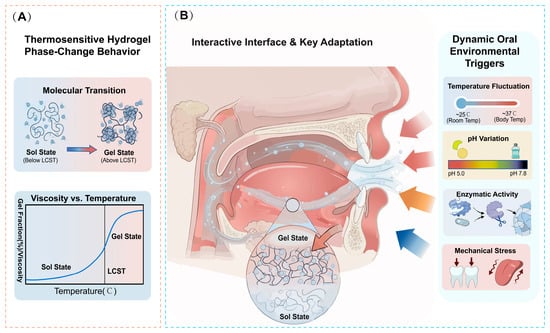
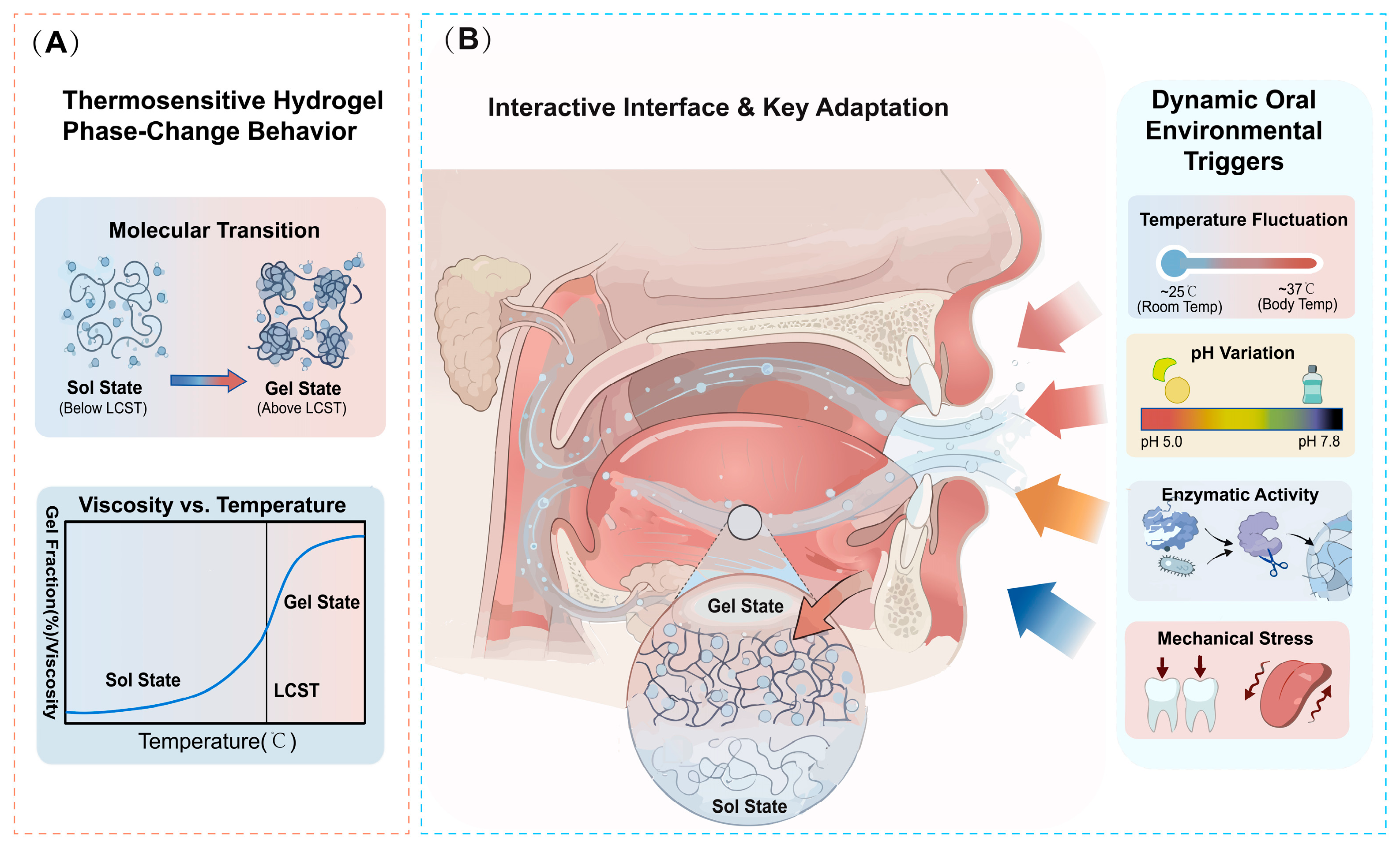
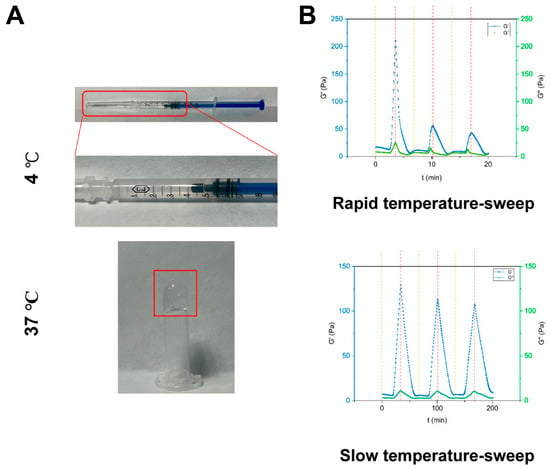
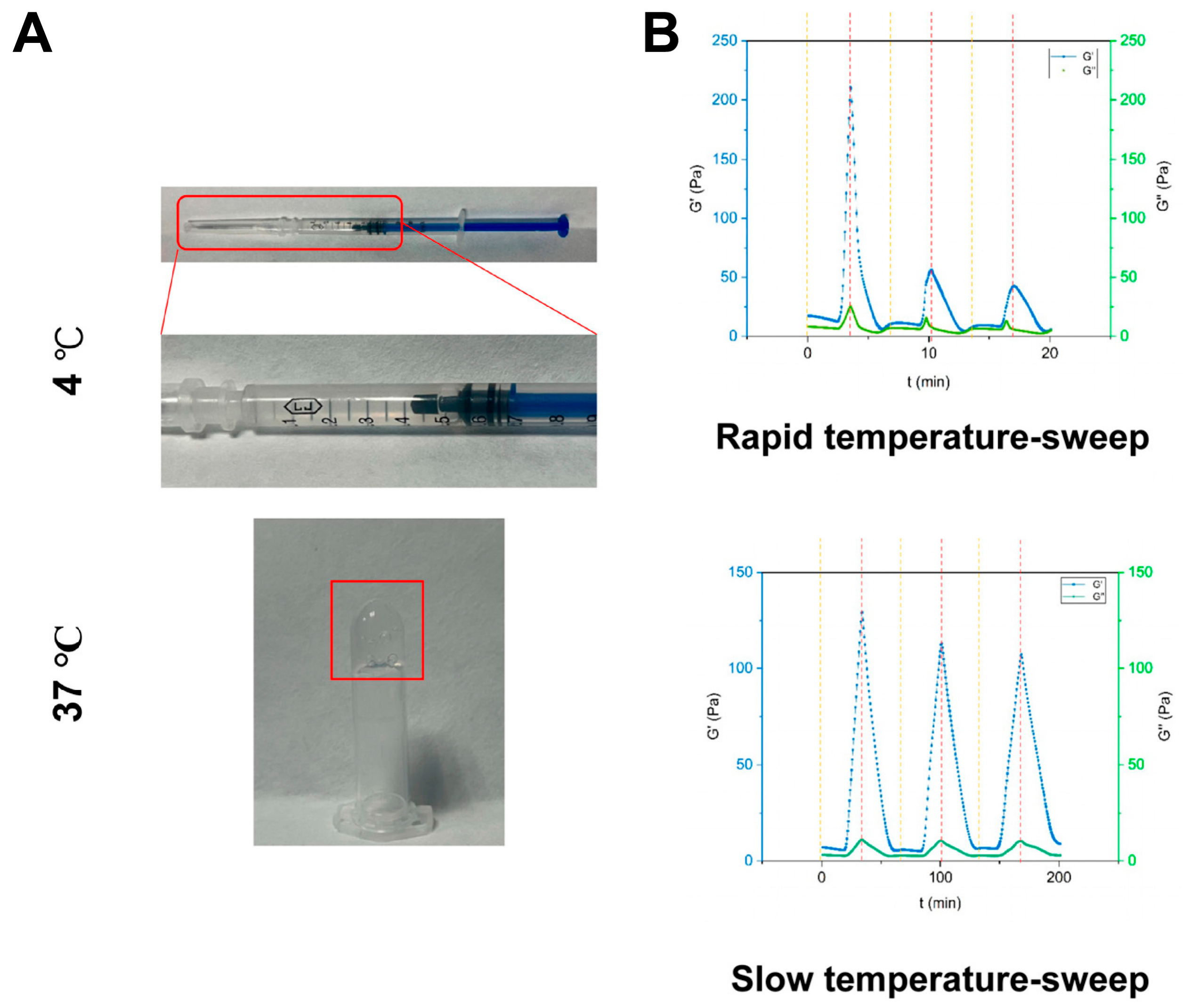
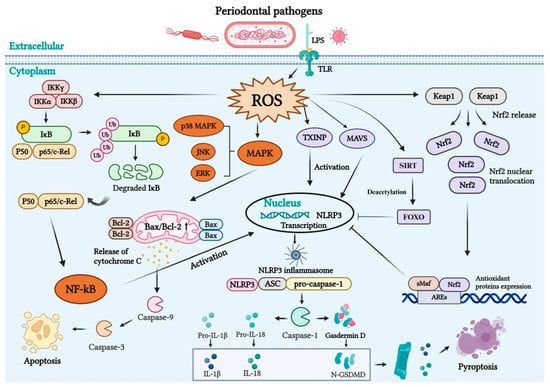
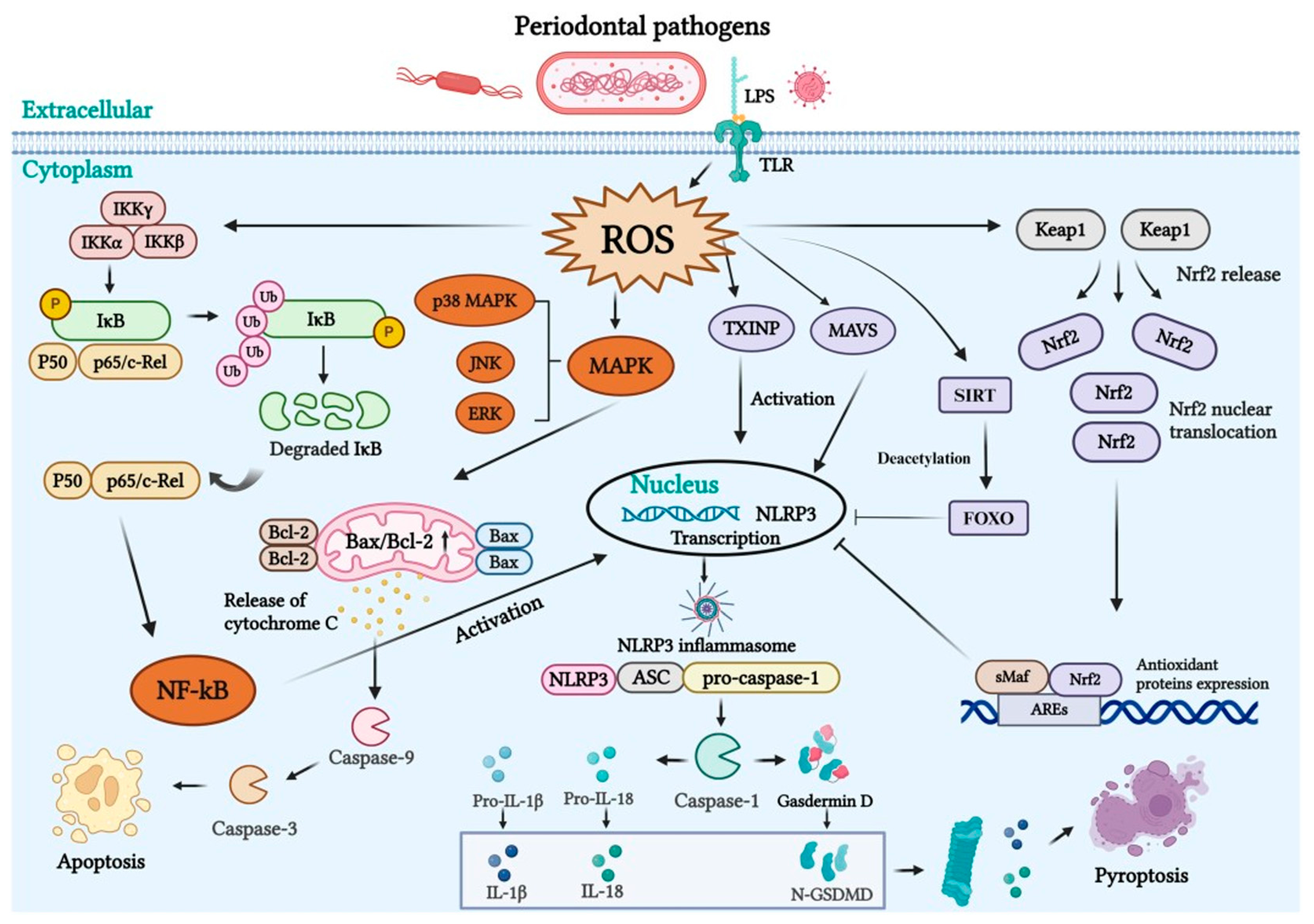
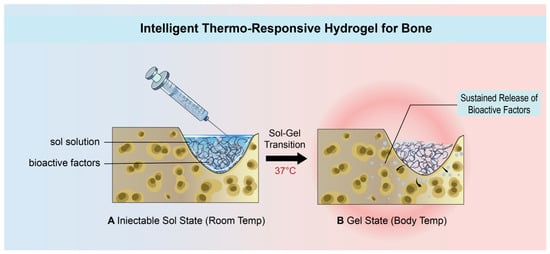
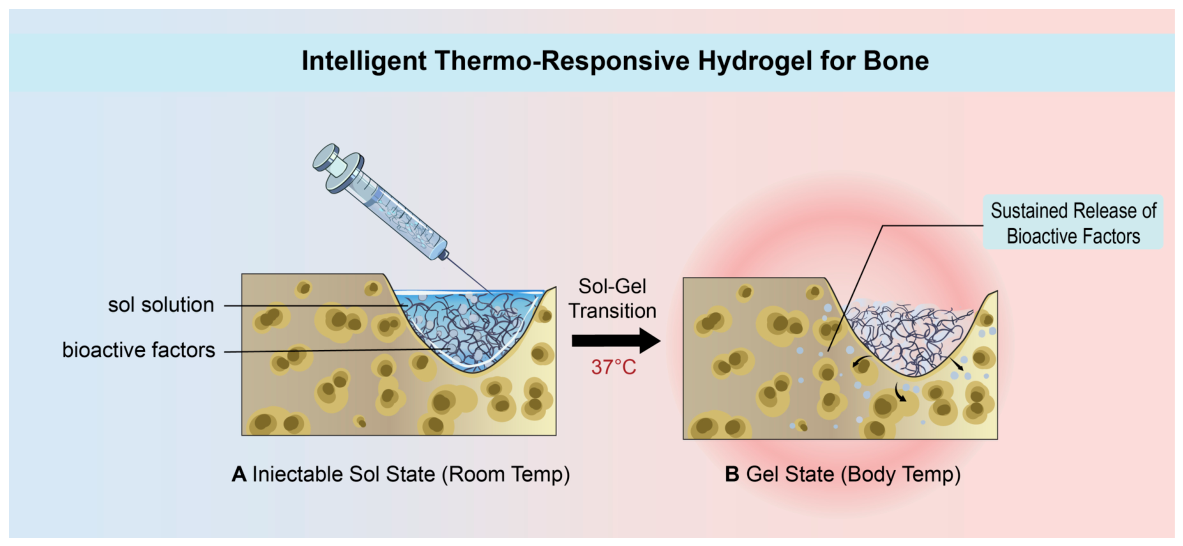
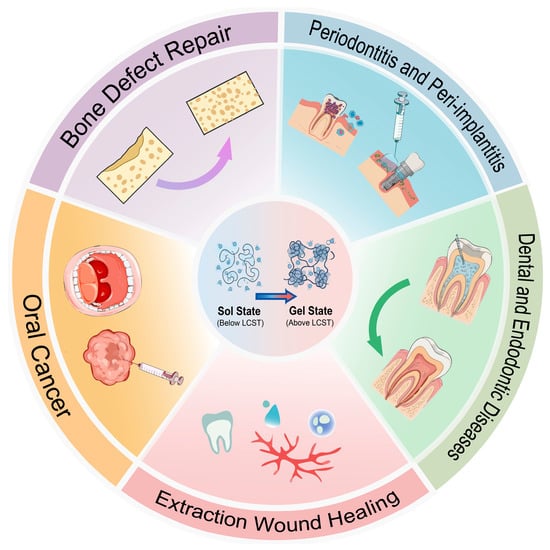
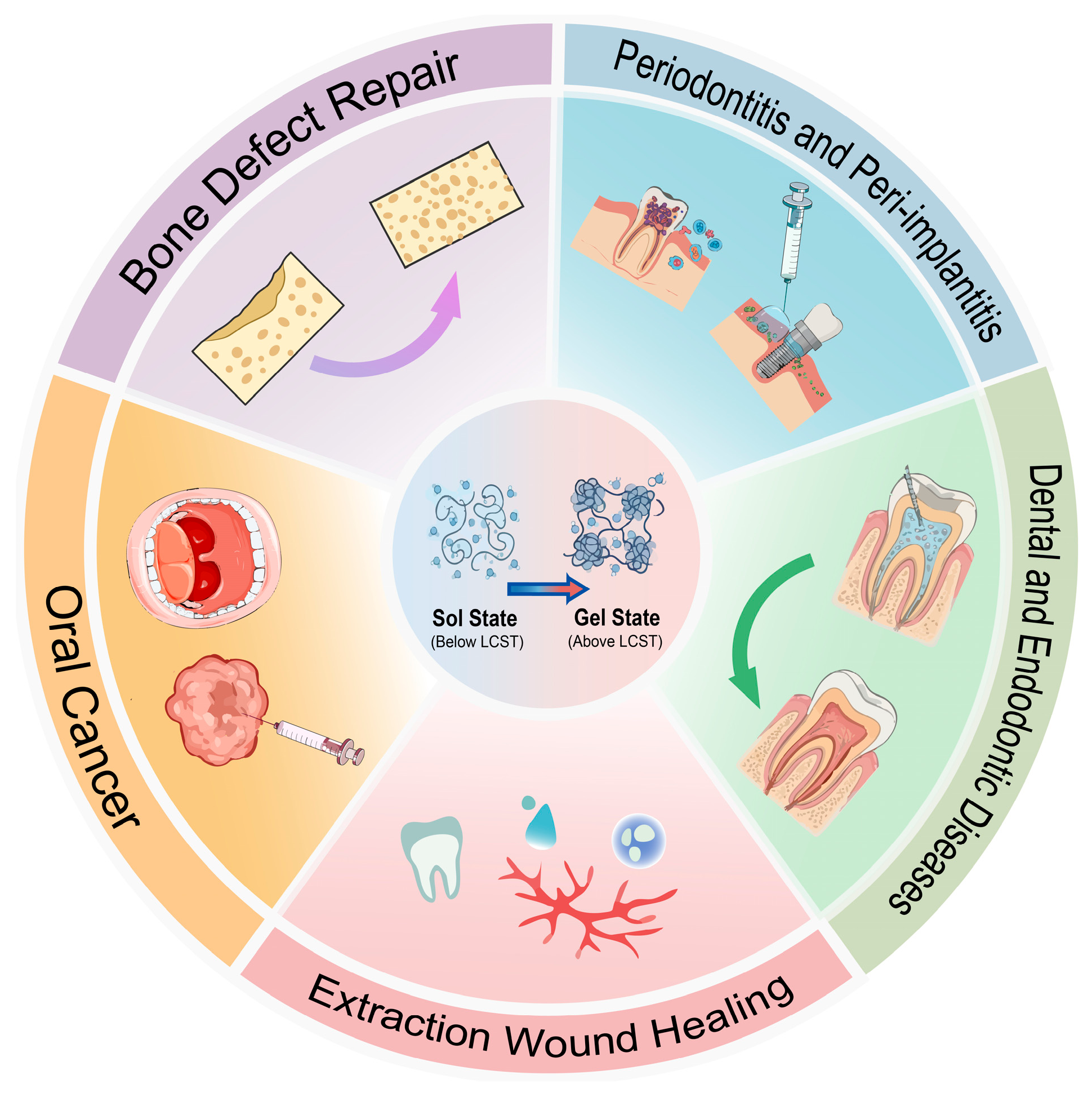

Disclaimer/Publisher’s Note: The statements, opinions and data contained in all publications are solely those of the individual author(s) and contributor(s) and not of MDPI and/or the editor(s). MDPI and/or the editor(s) disclaim responsibility for any injury to people or property resulting from any ideas, methods, instructions or products referred to in the content. |
© 2026 by the authors. Licensee MDPI, Basel, Switzerland. This article is an open access article distributed under the terms and conditions of the Creative Commons Attribution (CC BY) license.