


Abstract
Originating in the East, lacquer is a natural polymeric material noted for its superior film-forming properties, corrosion resistance, and mechanical robustness. The decorative techniques associated with it have been inscribed on China’s national intangible cultural heritage list. Propelled by recent advances in material modification and digital technologies, lacquer gradually become not only a traditional craft material, but also a contemporary artistic design language. Existing reviews on natural lacquer have primarily addressed the chemistry of urushiol and related phenolic lipids, traditional processing and curing mechanisms, allergenicity, and conventional applications in coatings and cultural heritage conservation. These works provide important background, but they tend to treat chemical structure, modification methods, performance evaluation, and manufacturing considerations separately, and none of them links this molecular and mechanistic basis to quantified coating performance or to the manufacturing choices that determine it. This review provides that missing link. Unlike previous accounts, we connect molecular structure and enzymatic curing behavior directly to four modification routes—chemical modification, organic composites, nanoparticle/organic–inorganic hybrid reinforcement and surface engineering—and compare them by formulation, substrate, film thickness, curing conditions, test method and quantitative result, rather than describing individual studies sequentially. By consolidating dispersed performance data into a single standardized comparison framework, this work makes cross-study comparison of lacquer coatings possible for the first time. In addition to summarizing mechanical, protective, and functional performance, the review discusses sustainability, regulatory and safety considerations, and prospective directions such as digital and automated manufacturing. The aim is to offer a coherent framework for selecting modification and processing strategies according to target performance and application context.
1. Introduction
Natural lacquer, which is also called raw lacquer or urushi, is a renewable bio-based polymer that comes directly from the sap of lacquer trees. With a history of over 8000 years, it is one of the earliest natural coating materials that humans ever used. In fact, archeological evidence from the Kuahuqiao site in Zhejiang, China, dating back thousands of years shows that prehistoric communities were already using lacquer sap to protect and reinforce their tools and objects [1]. As time went on, natural lacquer gradually evolved from a simple protective coating into a multifunctional material that combined protection, decoration, and cultural expression. It gave rise to rich lacquerware traditions across East Asian civilizations, including China, Japan, and Korea [2]. Take the period from the Warring States to the Han Dynasty, for example, lacquer processing techniques had become quite sophisticated. It involved multilayer coating, decoration, and surface finishing. The coatings were so durable that even today, many lacquer artifacts still retain their structural integrity and surface characteristics [3]. Natural lacquer is not just an important traditional material, but also a bio-based polymer coating with a unique chemical structure and some unexpected engineering potential.
From the material science perspective, natural lacquer makes up conventional petroleum-based synthetic coatings because of its unique biopolymerization mechanism and complex molecular composition. To be specific, raw lacquer consists mainly of urushiol, laccase, polysaccharides, glycoproteins, and water. Now, of all these components, urushiol is the main film-forming player. Catalyzed by laccase, the coating undergoes oxidative polymerization, and the product is a three-dimensional network that ends up being highly crosslinked. It is this very network, in turn, that imparts to the coating its excellent adhesion, its resistance to both water and corrosion, and a mechanical strength that is reasonably good [2,4]. Unlike other traditional coatings that can be dried solely by solvent evaporation, natural paint films are formed through an enzymatic oxidation process. The stable network structure of the paint film is the reason for the durability of natural paint. Furthermore, the paint film exhibits outstanding optical properties like high transparency, three-dimensional appearance, soft surface gloss, and unique texture. Consequently, it combines both protective functionality and esthetic appeal.
Some recent studies have also reported antibacterial activity in urushiol derivatives, suggesting that natural lacquer may have potential in functional coatings, protective materials, and, with further safety evaluation, certain biomedical applications [5].
As interest in sustainable and high-performance coatings continues to grow, the limitations of traditional petroleum-based systems have become more apparent. These coatings often depend heavily on non-renewable resources, may involve considerable environmental burdens, and are not always easy to adapt for new functions. For this reason, renewable, environmentally friendly, and multifunctional bio-based coatings have attracted increasing attention in materials science [6]. Natural lacquer is a promising candidate in this area because it combines renewable raw materials with strong adhesion, chemical stability, corrosion resistance, and distinctive surface properties. And by using strategies like nanocomposite reinforcement, chemical modification, and surface engineering, its curing behavior, weather resistance, mechanical properties, and functional performance can be further optimized, making it suitable for advanced coating systems [7].
Recent research on lacquer-based composites has really broadened its application horizon. For instance, multi-walled carbon nanotube (MWCNT)-reinforced urushiol-based composite coatings show better barrier properties and electrochemical stability, thanks to the reinforced network structure they form. This translates into improved corrosion resistance [8,9]. Meanwhile, SiO2 nano-structure-modified natural lacquer coatings have demonstrated multifunctional properties, including self-cleaning capability, high transparency, durability, and radiative cooling performance, providing new approaches for surface protection of automobiles and high-end equipment [10].
Despite its outstanding properties, the current research on natural lacquer remains largely focused on traditional lacquerware conservation, cultural heritage analysis, and artistic applications. Many studies have investigated lacquer composition, degradation mechanisms, and preservation strategies using advanced analytical techniques such as Fourier-transform infrared spectroscopy (FTIR), pyrolysis-gas chromatography/mass spectrometry (Py-GC/MS), X-ray fluorescence (XRF), and scanning electron microscopy–energy-dispersive spectroscopy (SEM-EDS) to support the conservation and restoration of historical lacquer objects [11,12]. In addition, natural lacquer has received considerable attention in the inheritance of intangible cultural heritage, contemporary lacquer art innovation, and traditional craftsmanship preservation [13,14]. However, from the perspective of modern functional coating materials, the intrinsic relationship between molecular structure, film formation mechanism, and macroscopic performance of natural lacquer has not yet been systematically summarized. Furthermore, research on modern modification strategies, multifunctional coating design, and industrial application potential requires further integration. Recent reviews have further advanced the field but remain oriented differently from the present work: the comprehensive review by Li et al. [15] is organized around the physicochemical and mechanistic dimension of raw-lacquer modification—consolidating urushiol/laccol composition, the oxidative–enzymatic curing mechanism, the molecular logic of the main modification reactions and the chemical rationale of reported processes—while Qian et al. [16] foregrounds resources, technologies and industrialization pathways. Neither provides an explicit, side-by-side comparison of the main modification routes against realized performance, nor links lacquer performance to the manufacturing choices and the safety and regulatory constraints of adjacent end-use domains. That said, there are still some real hurdles to wider use and commercial success. Slow curing is one, the risk of allergic reactions to urushiol is another, and maintaining process stability and performance consistency at industrial scale remains challenging [17].
Therefore, this paper focuses on examining the efficacy of natural lacquer as a sustainable bio-based functional coating from chemical composition, enzymatic curing mechanisms, structure–property relationships, functional characteristics, modification strategies and emerging application fields, integrating materials science, coating engineering, cultural-heritage preservation and digital manufacturing. Unlike the chemistry- and mechanism-centered consolidation of Li et al. [15] and the resource- and industrialization-oriented treatment of Qian et al. [16], the present review is organized around performance and cross-domain application, and its added value is fourfold. First, in organizing principle it is structured by the target performance and application context rather than by modification chemistry alone, and is intended to support strategy selection rather than only mechanistic understanding. Second, it provides a comparative decision framework: the four routes—chemical modification, organic composites, nanoparticle/organic–inorganic hybrid reinforcement and surface engineering—are compared side by side against their formulation, substrate, film thickness, curing conditions, test method and quantitative result, as well as their advantages, limitations, processing requirements and suitable application fields; consolidating this dispersed data into a single standardized comparison framework is the principal contribution of this manuscript and makes cross-study comparison of lacquer coatings possible. Third, it offers a cross-domain analysis that connects lacquer performance with the requirements, and the safety/biocompatibility and regulatory caveats, of packaging, biomedical and protective-coating domains, shifting the emphasis from “what the chemistry is” to “what the material can be made to do and where it can responsibly be used.” Fourth, it consolidates a forward-looking manufacturing and sustainability outlook, explicitly separating demonstrated results from prospective digital/automated manufacturing and regulatory directions. This review therefore aims to provide a more integrated perspective by connecting molecular structure and curing behavior with these four modification routes and by comparing their advantages, limitations and applicability. It is hoped that these insights will provide practical guidance for developing more environmentally friendly coating technologies and more sustainable materials.
2. Chemical Composition and Film Formation Mechanism of Natural Lacquer
Natural lacquer is a classic bio-based polymer coating, and its impressive protective performance comes down to the complex chemical makeup and unique biocatalytic film-forming process. Unlike solvent-borne alkyd and oleoresinous coatings that primarily rely on solvent evaporation, lacquer forms a highly crosslinked three-dimensional network structure through enzymatically catalyzed oxidative polymerization. This curing mechanism endows them with excellent mechanical strength, chemical resistance, and long-term stability, without requiring significant energy consumption [2]. With the growing demand for green coatings and sustainable materials, natural lacquer has garnered increasing attention as a renewable functional coating. Relevant studies have extensively investigated its molecular structure and polymerization mechanisms, aiming to expand the applications of lacquer in advanced protective coatings, functional surfaces, and composite materials [18]. The physicochemical and mechanistic detail of raw-lacquer curing is comprehensively consolidated elsewhere [15]; this section therefore retains only the structure–property logic needed to support the performance- and application-oriented analysis that follows.
The exceptional performance of natural lacquer does not stem from a single component, but rather results from the synergistic interaction among urushiol, laccase, polysaccharides, glycoproteins, and water. Urushiol forms the primary structural framework of the lacquer film; laccase regulates the oxidative polymerization reaction; polysaccharides and glycoproteins enhance dispersion stability and promote the formation of a network structure; and water serves as the reaction medium during curing [4]. This multicomponent synergistic regulation mechanism distinguishes natural lacquer from synthetic coatings and endows it with unique structural characteristics.
2.1. Chemical Composition of Natural Lacquer
Natural lacquer is a milky white liquid derived from the latex vessels of the phloem of the lacquer tree, exhibiting properties similar to those of a natural composite system. Typically, the original lacquer composition consists of approximately 60%–65% urushiol, less than 1% laccase, 5%–7% polysaccharides, 2%–5% glycoproteins, and 20%–30% water. The combined effects of these components determine its rheological characteristics, curing process, and final coating performance [19]. Table 1 briefly lists the main components of lacquer and their functions.
Table 1.
Main chemical components of natural lacquer and their function.
Urushiol is the primary component responsible for forming the coating. Its molecular structure consists of a catechol aromatic ring and C15 or C17 alkyl side chains with varying degrees of unsaturation (Figure 1). The aromatic ring confers molecular rigidity, which enhances the coating’s hardness and thermal stability; the unsaturated side chains provide reactive sites for oxidative crosslinking reactions. Thus, the molecular composition of resorcinol essentially determines the ultimate mechanical properties and durability of the coating [7].
Figure 1.
Structure and content of urushiol in Chinese lacquer [7].
Laccase is a copper-containing oxidoreductase. It plays a critical catalytic role during the curing process. It oxidizes the phenolic hydroxyl groups in urushiol to generate quinone intermediates, kicking off radical polymerization. Nowadays, researchers have been looking at ways to tweak laccase activity or bring in artificial enzyme-like catalysts to speed up the curing process. The basic curing mechanism of natural varnish is as follows: (1) The oxidation of the phenolic hydroxyl group in urushiol by laccase to form quinone intermediates. (2) The subsequent nucleophilic addition reactions between quinone intermediates and unoxidized urushiol. (3) The radical coupling reactions occurring at the unsaturated alkyl side chains. (4) The formation of the final crosslinked three-dimensional polymer network involving C–C and C–O–C bonds. As shown in Figure 2, within the two-phase interface layer of raw lacquer aqueous and oily phases, lacase catalyzes the oxidation of lacquer phenol to generate free radicals; these free radicals then transfer to the lacquer phenol in the oily phase, initiating a polymerization process.
Figure 2.
Schematic illustration of the phase interface structure of lacquer sap and its drying mechanism by long-range electron transfer via water-insoluble glycoprotein between oil phase and aqueous phase [20].
Moreover, Cu-MOF (copper-based metal–organic framework) materials show laccase-like activity, which can help lacquer cure faster and improve its performance. This offered a possible method for the slow-curing issue that has long plagued traditional lacquer systems [21,22].
Beyond urushiol and laccase, polysaccharides and glycoproteins also take part in the form of film. Polysaccharides help keep urushiol evenly dispersed in the water phase to maintain a stable emulsion, while glycoproteins influence intermolecular interactions, aiding in the regulation of polymer network formation and stability. Recent studies employing high-performance liquid chromatography (HPLC), mass spectrometry, and immunological assays have revealed significant chemical differences among various lacquer sources, which in turn influence the curing process of the lacquer and the final appearance of coatings [23]. Although water does not actually become part of the final polymer network, it is essential during curing. The right amount of moisture keeps laccase active and helps oxygen diffuse in. However, too much or too little may affect curing speed, film evenness, and mechanical performance. Therefore, curing natural lacquer is not just about drying—it is a complex biological polymerization process steered by multiple components [24].
2.2. Enzymatic Oxidative Polymerization and Film Formation Mechanism
The film-forming mechanism of natural lacquer fundamentally differs from that of conventional coating systems, as it proceeds through enzyme-mediated oxidative polymerization rather than solvent evaporation. During curing, laccase oxidizes the phenolic hydroxyl groups of urushiol to generate reactive quinone intermediates. These intermediates subsequently undergo nucleophilic addition with unoxidized urushiol molecules, while the unsaturated alkyl side chains participate in radical coupling reactions. The resulting C–C and C–O–C linkages produce a highly crosslinked three-dimensional polymer network [20,25,26].
This unique oxidative polymerization mechanism gives natural lacquer several advantages. For example, the dense network boosts cohesive strength, restricts molecular mobility, and slows down the diffusion of water, oxygen, and corrosive substances. Consequently, cured lacquer films show excellent water resistance, solvent resistance, and corrosion protection.
That said, the curing process is also affected by environmental conditions, particularly humidity and oxygen availability. Moderate moisture helps enzymatic activity and oxygen transport, while excessive or insufficient moisture may delay polymerization and harm film quality. So, controlling curing conditions is the key to achieving uniform and high-performance lacquer coatings.
Recently, researchers have been focusing on accelerating the curing process through catalytic modification. The development of enzyme-mimicking catalysts, nanomaterials, and hybrid systems provides new possibilities for overcoming the inherent slow curing limitation of natural lacquer while maintaining its intrinsic advantages [22,26].
2.3. Molecular Structure and Crosslinking Network
The excellent performance of natural lacquer as a coating actually comes from a couple of things—its distinctive molecular structure, for one, and the highly crosslinked network that develops during the curing process, and since it is a natural polymer system, the molecular characteristics of urushiol end up governing its oxidation reactivity, the interactions between molecules, and ultimately the mechanical properties and durability of the final film. Synthetic resins, by contrast, depend on artificially designed monomers, but natural lacquer does things its own way: it undergoes a self-assembly type of polymerization, which is driven by both the catechol structure and the unsaturated side chains found in urushiol, and that process leads to a rather complex, naturally formed crosslinking network [20].
Looking at the urushiol molecule itself, it has three main structural pieces: a catechol aromatic ring, a couple of phenolic hydroxyl groups, and some long-chain alkyl side chains. The aromatic ring is rigid, so it restricts how much the polymer chains can move around, and that restriction, in turn, helps boost hardness, thermal stability, and dimensional stability. As for the two hydroxyl groups on the catechol ring, they act as the active sites where laccase catalyzes oxidation, while the unsaturated side chains participate in radical reactions that promote additional crosslinking between molecules [25]. When these rigid segments, reactive sites, and flexible side chains are combined, the resulting material can achieve high hardness and still have enough toughness. However, this is not commonly observed in many synthetic coatings.
As described in Section 2.2, enzymatic oxidative polymerization of urushiol yields a dense three-dimensional network of C–C and C–O–C linkages; the resulting network is discussed further in terms of structure–property relationships below. Advanced characterization techniques have helped to better understand the relationship between molecular structure and coating performance. Take combined analyses using ToF-SIMS, Py-GC/MS, FTIR, and HPLC—they can pin down the effects of lacquer origin, blending ratio, and curing degree on chemical structures [27,28]. And studies show that the side-chain length, unsaturation degree, and oxidation state of urushiol have a big impact on crosslinking density, surface energy, and durability. So structural differences among lacquer sources can lead to variations in hardness, transparency, and weather resistance.
The highly crosslinked structure of natural lacquer also explains its remarkable preservation ability. Lacquer films on artifacts that are over two thousand years old have actually been found, by archeological studies, to stay relatively intact, and that is largely because of their dense aromatic polymer networks and the environmental stability they come with [11]; modern analytical work supports that, confirming that the crosslinked structure formed during curing does effectively cut down on the penetration of oxygen, moisture, and corrosive agents, and so it ends up offering long-term protective performance [29,30]. The Zhu-lacquered wooden bowl from Hemudu and the lacquerware from Mawangdui both serve as valuable historical corroboration.
Nevertheless, the dense crosslinking network does have its limitations—a high crosslink density, while certainly boosting mechanical strength, can end up reducing flexibility, and on top of that, the unsaturated structures in the urushiol side chains are quite susceptible to oxidation when exposed to outdoor ultraviolet light for prolonged periods; this is precisely why recent efforts have been zeroing in on strategies to optimize these lacquer networks, be it through chemical modification or via nanocomposite incorporation [16,31].
For functional coating applications, one more advantage worth mentioning is the excellent interfacial adhesion that is offered by natural lacquer—this comes from the polar hydroxyl groups, which are capable of forming hydrogen bonds or chemical interactions with surfaces such as wood, metals, glass, and fibers, and also from the hydrophobic side chains that help the material get along with nonpolar substrates; given this dual capability, the lacquer ends up bonding effectively with all sorts of materials, and that in turn creates opportunities in composites, protective coatings, and even cultural heritage conservation [32,33].
Essentially, the performance of natural lacquer is dependent on its molecular makeup and the dynamic crosslinking process that lies behind it; the reactive base is supplied by urushiol, polymerization is controlled by laccase, and a stable three-dimensional network is built through the joint efforts of the remaining components. This structure–property relationship, in turn, is exactly why this coating has held up so remarkably over the centuries as a protective layer, and, at the same time, it provides a scientific roadmap for converting it into a sustainable functional coating that can be put to use in the years ahead.
3. Structure–Property Relationships and Functional Performance
Natural lacquer is a classic bio-based functional coating, and what makes it perform so well is not any single ingredient—it is the synergy between the molecular structure, crosslinked networks, interfacial interactions, and surface microstructures. Unlike conventional synthetic resin coatings derived from petrochemical monomers—such as alkyd, acrylic, epoxy and polyurethane resins—natural lacquer is a bio-based coating whose film-forming component, urushiol, is obtained directly from renewable tree exudate and cures by enzymatic oxidative polymerization under high humidity. Construct a highly crosslinked three-dimensional network structure, thereby endowing it with comprehensive advantages—including mechanical strength, environmental stability, optical esthetics, and ecological sustainability.
In this section, we include a brief clarification that traditional natural-resin and oleoresinous coatings, including terpenic resins, rosin esters and shellac was added. Thus, to transform this ancient protective material into a modern advanced functional coating, it is essential to gain a thorough understanding of that structure–performance relationship.
Unlike mechanism-organized accounts such as [15], this review explicitly separates the intrinsic performance of a free-standing lacquer film from the performance of the same lacquer applied to a porous, hygroscopic and anisotropic wood substrate, because wood–coating interaction and moisture response—not intrinsic film properties alone—govern adhesion, cracking and delamination in service. A conceptual distinction should be drawn between the intrinsic properties of the lacquer film itself—tensile strength and elongation, crosslinking density, solvent resistance and intrinsic barrier behavior, typically measured on free-standing films or on non-porous reference substrates—and the protective performance of a lacquer coating applied to wood, which additionally depends on adhesion to a porous, hygroscopic and anisotropic substrate, on the moisture response of the wood beneath the coating, and on the integrity of the coating under dimensional change. High intrinsic film performance does not automatically translate into good coating-on-wood performance, because wood–coating interactions, substrate heterogeneity and the hygroscopic movement of the wood collectively govern adhesion, cracking and delamination. Accordingly, wherever the cited studies allow it, results are reported and interpreted within this coating-on-wood framework rather than relying solely on free-film measurements.
3.1. Mechanical Properties
The great mechanical properties of natural lacquer really come down to its unique molecular structure and that highly crosslinked polymer network. When it cures, urushiol molecules go through oxidative polymerization and build up a complex three-dimensional structure. Reported pencil hardness values of cured lacquer films typically range from 2H to 4H, with the lower bound for thin single-coat films and the upper bound for multi-coat, polished systems [32,33]. The aromatic rings give it rigid structural support, while the crosslinked alkyl chains bring in flexibility and impact resistance. That combination of rigid and flexible bits is what let lacquer films be hard without turning brittle—the combination of rigid aromatic backbones and flexible crosslinked alkyl chains yields a high crosslinking density that restricts chain mobility, thereby increasing surface hardness and wear resistance [34].
Because natural lacquer is predominantly applied to wooden substrates, its performance should be interpreted at two levels: the intrinsic properties of the lacquer film itself—tensile strength, elongation, crosslinking density and intrinsic barrier behavior, typically measured on free-standing films or inert reference substrates—and the protective performance of a lacquer coating on wood, which additionally depends on adhesion to a porous, hygroscopic and anisotropic substrate, on moisture exchange between wood and coating, and on the ability of the film to accommodate the dimensional movement of the wood without cracking or delaminating. High intrinsic film performance therefore does not automatically translate into good coating-on-wood performance, and coating-relevant properties on wood are best evaluated using established wood-coating methods such as adhesion (cross-cut/pull-off), pencil or pendulum hardness, scratch and abrasion resistance, water uptake and wettability, water-vapor transmission, color and gloss stability under accelerated weathering, and resistance to mold and wood-decay fungi, rather than inferred from free-film data alone.
How hard a lacquer film gets is closely tied to crosslinking density and the number of aromatic structures in it. More crosslinking means less chain mobility, a higher glass transition temperature, and better surface hardness and wear resistance. By applying multiple coats and polishing, a dense, continuous protective layer that meets the durability demands of furniture, artworks, and high-end decorative pieces [35].
Apart from hardness, adhesion is another big plus for natural lacquer as a functional coating. The polar groups in urushiol—like hydroxyl and carbonyl—can form hydrogen bonds, van der Waals forces, or even chemical bonds with surfaces, which boosts adhesion to wood, metals, ceramics, and fibers. Wear resistance correlates with the uniformity of the surface crosslinked network: a homogeneous network suppresses microcrack initiation during friction. Recent work on interface engineering shows that by tweaking surface polarity or adding functional coupling agents, these bio-based coatings bond to different substrates [36].
And when it comes to wear resistance, this is also closely tied to the surface crosslinked structure. A uniform network helps stop microcracks from starting or spreading during friction, which boosts long-term durability. Adding nanofillers or using organic–inorganic hybrid approaches can further improve abrasion resistance and impact strength, which opens up possibilities for use in transportation, architectural decoration, and industrial protection [37].
3.2. Chemical and Environmental Resistance
One of the biggest perks of natural lacquer is its excellent chemical stability and environmental resistance. Thanks to the highly crosslinked structure that forms when it cures, water, acids, alkalis, and corrosive ions just cannot get through the coating easily. So, it provides outstanding protection against corrosion, moisture, and chemical attack. Across studies, lacquer-based barrier coatings consistently maintain high impedance, but the reported magnitudes are not directly comparable because they were measured on different substrates and under different exposure protocols. The peak |Z| of ~4 × 10⁹ Ω·cm2 refers to a pterocarpol-furfural epoxy on carbon steel under initial immersion, whereas the retained ~7.4 × 10⁸ Ω·cm2 refers to an MXene-reinforced composite after 30 days in CO2-saturated 3.5 wt% NaCl at 140 °C [38,39]—a far more aggressive exposure—so the lower value indicates superior retention rather than inferior protection. Chemical-resistance results show the same method-dependence: unmodified urushiol films tolerate 5% H2SO4/NaOH for 48 h, while urushiol–titanium chelate coatings withstand 10%–50% acid/alkali for weeks to years [40], a difference attributable to the chelate crosslinking and the longer, more concentrated test rather than to a single formulation ranking. Barrier comparisons should therefore be tabulated together with substrate, immersion medium, temperature and duration.
When it comes to protecting metals, natural lacquer forms a continuous, dense barrier that keeps oxygen, water, and chloride ions from reaching the metal surface, which slows down electrochemical corrosion. Recent studies on bio-based anti-corrosion coatings have shown that natural polymer systems with aromatic rings and crosslinked networks can serve as greener alternatives for protecting steel, aluminum alloys, and marine equipment [38].
Marine environments are tough on coatings—salt spray, UV, and temperature cycling all take their toll. But the hydrophobic alkyl chains in urushiol help keep water from adsorbing, while the crosslinked network keeps the coating intact and performing well. Adding nanomaterials, graphene derivatives, or siloxane structures can further boost the barrier properties and long-term stability of lacquer coatings [39].
Natural lacquer also holds up well against acids and alkalis. Its aromatic polymer structure gives it chemical stability and keeps the chains from breaking down under moderate chemical exposure. The aromatic, highly crosslinked network confers stability over a broad pH range: urushiol-based films show no visible discoloration, blistering or cracking after immersion in 5% H2SO4 and 5% NaOH for 48 h, while urushiol–titanium chelate anticorrosive coatings remain intact (no blistering or detachment) in 10%–50% acid or alkali for weeks to years. However, if exposed to strong oxidizing conditions or under UV light for too long, the unsaturated side chains in urushiol can start to degrade. So, researchers are now looking more and more at adding UV stabilizers and hybrid materials to boost its environmental durability [40].
All this environmental resistance means natural lacquer is not just for traditional lacquerware anymore—it is opening up new opportunities for modern protective coatings. Composite modification provides a practical way to develop multifunctional coating systems that combine corrosion resistance, wear resistance, and environmental sustainability.
3.3. Optical and Surface Properties
In fact, natural lacquer is valued not only for its mechanical and chemical strengths but also for its optical properties. These properties are rather different from those of synthetic coatings. Most synthetic coatings are formulated for color stability and high reflectivity. Lacquer, by contrast, offers a distinctive combination—transparency, depth, and a soft, mellow gloss. This gloss arises from multiple factors: the material’s multilayer structure, fine surface details at micro- and nanoscales, and the scattering of light as it travels through the film. The interior of the film is far from uniform; it contains abundant multiscale features. When light reaches the surface, it encounters variations in the refractive index, and at those points it undergoes scattering, reflection, and transmission. The interplay among these optical processes eventually produces a translucent, jade-like visual effect. These optical behaviors are closely related to film thickness, crosslinking degree, and surface roughness [41].
Recent investigations using scanning electron microscopy (SEM), atomic force microscopy (AFM), and three-dimensional surface analysis techniques have revealed that natural lacquer surfaces contain micro- and nanoscale structures capable of regulating light propagation and influencing gloss characteristics. Proper control of curing conditions can reduce surface defects, improve transparency, and enhance visual uniformity [42].
The tactile properties of natural lacquer also originate from its unique structural characteristics. After multiple coating and polishing processes, lacquer films develop highly smooth surfaces while maintaining a warm and soft tactile sensation. It not only creates a sense of visual depth but also provides a smooth and warm surface feel that is difficult to reproduce with many conventional synthetic coatings.
In recent years, surface engineering has further expanded the functional potential of natural lacquer. For example, surface engineering that introduces microscale roughness can raise the water contact angle above 150°. Adjusting the surface energy may also help reduce the adhesion of dust, stains, and fingerprints. These approaches offer practical ways to move natural lacquer beyond its traditional decorative role and develop it into a more versatile functional surface material [43].
3.4. Biological and Sustainable Properties
As sustainability and green manufacturing receive increasing attention, natural lacquer has attracted renewed interest as a plant-derived, bio-based coating. Compared with conventional petroleum-based polymer coatings, it is obtained from renewable biological resources and may offer advantages in reducing dependence on fossil-based raw materials and lowering environmental impact.
Natural lacquer is collected from the sap of lacquer trees rather than produced from fossil feedstocks. Once the trees reach a suitable age, they can be tapped repeatedly over several harvesting seasons without being cut down, which gives the material a renewable resource base. From a life-cycle perspective, bio-based coatings may also require less fossil energy and produce lower carbon emissions than conventional coating systems, although the actual benefits depend on cultivation, harvesting, processing, transportation, and product lifetime [44]. Even so, natural lacquer provides a useful material route for developing more sustainable coating technologies.
In addition to its renewable origin, natural lacquer and some of its components have also shown potentially useful biological properties, further broadening the range of functions that may be developed from this traditional coating material. Studies have demonstrated that lacophenol and its derivatives exhibit antibacterial activity against specific bacteria and fungi. Using a crude extract of lacophenol from the Korean lac tree as the subject, as illustrated in Figure 3, continuous scanning electron microscopy (SEM) images of Helicobacter pylori exposed to 1× the minimum inhibitory concentration (MIC) of lacophenol reveal morphological alterations—including membrane separation, vacuolization, and lysis—thereby confirming that lacophenol exerts a concentration-dependent inhibitory effect against Helicobacter pylori. These findings underscore the potential application value of lacophenol in fields such as food packaging, biomedical materials, and functional protective coatings [45]. Urushiol and its derivatives exhibit antibacterial activity against selected bacteria and fungi; time-kill assays (CFU quantification after 30 min) show reduction in viable counts, with some formulations reaching non-detected (ND) levels comparable to chlorhexidine (CHX) [7]. Recently, reducing urushiol-induced allergic responses while maintaining antibacterial performance has become an important research direction in lacquer functionalization, including the development of urushiol-based powder materials [46].
Figure 3.
Serial scanning electron micrographs of H. pylori exposed to 1 × minimal inhibitory concentration of urushiol. (A) Without urushiol, most of the H. pylori bacteria are in spiral forms. (B) After 3 min exposure to urushiol, some of the H. pylori bacteria are still in the spiral form. (C) At 6 min after exposure, most of the H. pylori bacteria have changed to a round shape and are lysed. (D) After 10 min exposure, almost-complete lysis of H. pylori bacteria is observed [47].
Although urushiol and certain derivatives exhibit antibacterial activity against selected bacteria and fungi, this property alone does not establish their suitability for direct biomedical or food-contact applications. Urushiol is a well-documented contact sensitizer, and its allergenicity is influenced by the degree of side-chain unsaturation, oxidation state, and the extent of polymerization or chemical modification [3,5,19]. Therefore, any potential biomedical or food-packaging use would require systematic safety evaluation, including cytotoxicity, leaching/migration, skin sensitization and allergenicity, long-term biocompatibility, and, where applicable, compliance with food-contact regulations. Structural modification, complete polymerization, oligomerization, and incorporation into stable polymer networks may reduce allergenicity and improve biosafety, but comprehensive long-term biocompatibility data remain limited [2,9,24]. In this review, antibacterial results are therefore interpreted as indicative of biological activity rather than as evidence of clinical or food-contact readiness.
From the perspective of sustainable materials, natural lacquer represents not only a protective coating but also a material system integrating ecological and cultural values. Its long service life reduces maintenance requirements and extends product lifecycles. What is more, pairing natural lacquer with green chemistry is a great way to push forward the development of low-VOC, bio-based, high-performance functional coatings [48]. The mechanical properties, environmental stability, optical qualities, and sustainability edge of natural lacquer all come down to its unique molecular structure and multiscale network architecture. Getting a better grip on these structure–performance relationships provide the scientific groundwork to take this traditional craft material and turn it into a modern functional coating platform.
4. Modification Strategies for Advanced Functional Coatings
Natural lacquer has excellent film-forming ability, corrosion resistance, and environmental stability. However, its wider use in modern coating technologies is still limited by several practical problems, including slow curing, demanding processing conditions, insufficient weather resistance, and relatively limited functionality. For this reason, the recent research has gradually moved beyond simply describing the inherent properties of natural lacquer and has placed more emphasis on developing effective modification strategies. Through molecular regulation, composite design, and surface engineering, traditional lacquer can be adapted into a higher-performance and more versatile coating system.
The main purpose of natural lacquer modification is to preserve the advantages of the urushiol-based crosslinked network while introducing new chemical structures or functional components. These modifications can help shorten the curing time, improve mechanical strength, thermal stability, and hydrophobicity, and add specific functions such as UV resistance, self-cleaning, or environmental responsiveness. In this way, modification strategies not only broaden the possible applications of natural lacquer but also provide useful approaches for the development of sustainable bio-based functional coatings.
4.1. Chemical Modification of Urushiol
Urushiol—the main film-forming ingredient in natural lacquer—has catechol groups and unsaturated alkyl side chains, which give it plenty of reactive sites for chemical modification. By derivatization, copolymerization, or introducing functional groups, its curing behavior can be effectively modified and its final coating properties can be achieved.
In its traditional form, natural lacquer relies on laccase-catalyzed oxidative polymerization, which takes a while to cure and is heavily influenced by temperature, humidity, and oxygen levels. To speed things up, researchers have been adding reactive monomers that copolymerize with urushiol, allowing faster and more uniform network formation. For example, modification with formaldehyde, epoxy compounds, or fluorinated monomers can change the original crosslinking pathway and improve properties such as hardness, thermal stability, and resistance to environmental exposure [49].
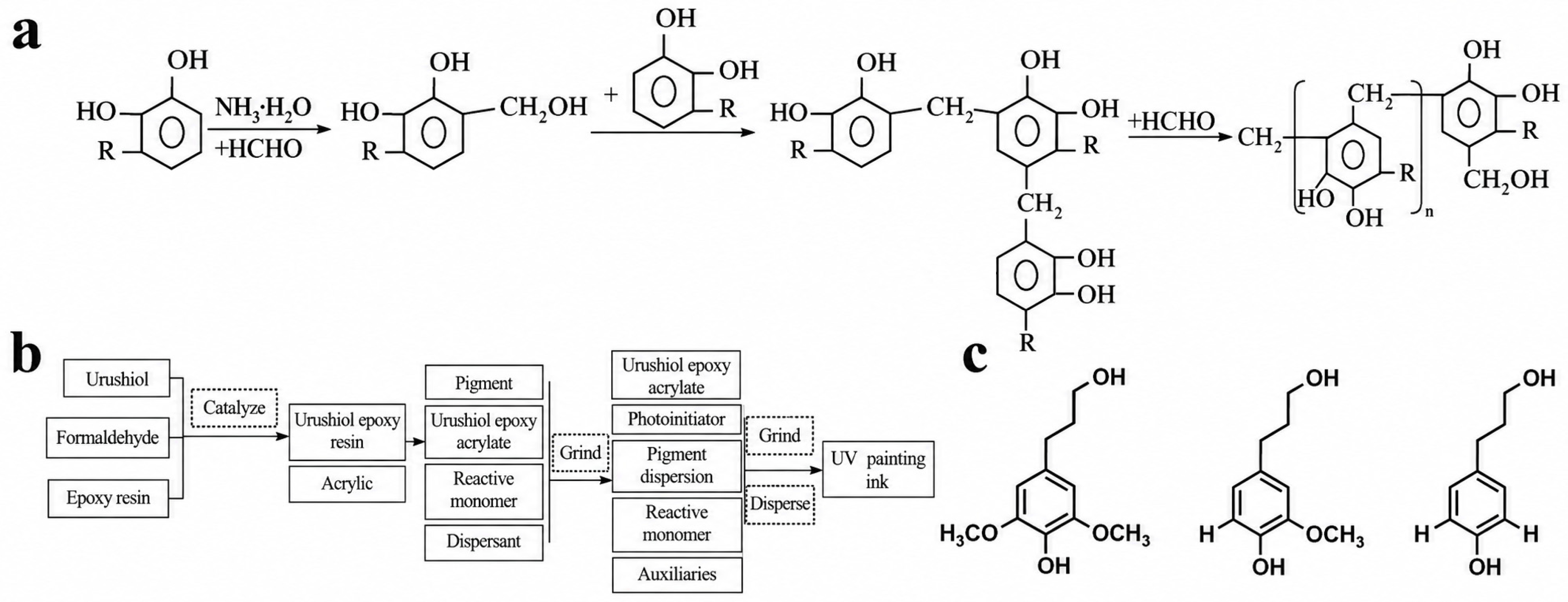
More recent studies have moved beyond simply improving curing efficiency and have focused more on designing specific functions. Introducing fluorinated groups can lower the surface energy of the coating and improve its hydrophobic and antifouling properties. Grafting flexible molecular segments, on the other hand, can reduce internal stress within the crosslinked network and improve toughness and crack resistance [50]. Modern polymerization methods, including free-radical polymerization and click chemistry, also provide more precise control over the molecular structure of urushiol derivatives (Figure 4). These methods make it possible to retain the natural film-forming advantages of urushiol while introducing ideas and tools from modern polymer design [51].
Reducing allergenic risk is another important part of urushiol modification. Unreacted urushiol may cause skin irritation and allergic contact dermatitis, the hazard is therefore primarily associated with the handling of raw or partially cured lacquer, where appropriate protective measures are required. After enzymatic oxidative polymerization, urushiol is incorporated into an insoluble crosslinked network, free urushiol is no longer available, and fully cured lacquer films are generally regarded as non-allergenic and suitable for food-contact applications. Lee et al. (2020) reported that ionizing treatment of 3-pentadecylcatechol (PDC), an urushiol-related compound, could reduce its allergenic activity, providing a possible route toward safer urushiol-based materials [52]. Other tricks like end-capping reactions and chemical derivatization can reduce exposure of active phenolic groups so as to make the material safer overall. Overall, molecular-level modification of urushiol can optimize its properties, enabling natural lacquer to evolve from a conventional coating into a customizable functional coating platform.
Figure 4.
(a) Synthesis mechanism of urushiol for formaldehyde polymer. (b) The illustration of urushiol-modified epoxy acrylate as UV spray painting oriental lacquer ink [53]. (c) Lignin, composed of S/G/H aromatic structural units containing phenolic hydroxyl groups, shares a similar phenolic structure and oxidative crosslinking activity with lacquer phenol; it can thereby enhance the mechanical properties and stability of lacquer films through copolymerization or compounding.
4.2. Composite Coatings
Natural lacquer is really durable, no doubt about it. But for tough modern industrial settings, it still falls short in some areas. This is why combining it with organic polymers or inorganic nanomaterials has become a go-to approach for giving its overall performance a boost.
4.2.1. Organic Composite Modification
Organic composite modification of natural lacquer typically involves incorporation of epoxy resins, polyurethanes, acrylic resins or plant-derived oils to improve mechanical properties and environmental stability. The three main organic modifiers improve the same weakness of unmodified lacquer—brittleness—but they do so through different mechanisms and therefore rank differently depending on the service priority. Tung oil and linseed oil act physically: their long-chain fatty acids facilitate segmental motion and relieve internal stress during curing, so the gain appears mainly as bending toughness rather than as a change in crosslink density [54]. Epoxy resins act structurally: the interpenetrating polymer network they form with urushiol raises density and impact resistance [55], i.e., they buy toughness by adding a second network rather than by relaxing the first (as illustrated in Figure 5). Polyurethane and acrylic resins, in turn, trade a further portion of that toughness for weather resistance and processing ease, which is why they are preferred for automotive interiors and architectural decoration [56]. The reported spread in toughness across these systems is thus explained less by the modifier “quality” than by whether the priority is mechanical compliance (tung oil), mechanical strength (lacquer/EP) or outdoor durability (PU/acrylic).
Figure 5.
The reaction diagram for synthesis of urushiol epoxy resin reaction and its prepolymer lacquer epoxy acrylate counterpart [53].
However, when conventional petrochemical epoxies or polyurethanes are introduced, the bio-based content of the coating decreases and end-of-life treatment may become more complex. Therefore, such hybrid systems should not be described uncritically as eco-sustainable; their environmental profile depends on the proportion of bio-based components, solvent use, curing conditions, durability and end-of-life behavior.
4.2.2. Inorganic Nanocomposite Modification
Reported effects of inorganic nanofillers on lacquer do not follow from the filler identity alone: across studies, inorganic nanofillers modify lacquer along three partly overlapping functional axes rather than as a list of individual systems.
Inorganic nanofillers modify lacquer along three partly overlapping functional axes rather than as a list of individual systems. Structural fillers (SiO2) raise hardness, wear resistance and thermal stability by forming organic–inorganic hybrid networks, with the gain scaling with dispersion quality and loading [57]. Functional/photoactive fillers (TiO2) trade some mechanical benefit for photocatalytic, self-cleaning and UV-shielding functions via ROS generation [58]. Barrier fillers (GO, MMT, nano-ZnO) act mainly through tortuous-path geometry to cut water-vapor permeability and corrosion, so their effectiveness depends more on aspect ratio and exfoliation than on loading alone [59]. A recurring trade-off across all three is that the loading window is narrow: moderate, well-dispersed loadings maximize the intended gain, whereas higher loadings agglomerate and simultaneously reduce transparency, workability and even hardness (Table 2)—so cross-study differences in reported performance are more often explained by dispersion and loading than by filler identity.
Table 2.
Comparison of the advantages, limitations, and applicability of the main natural-lacquer modification strategies.
By combining molecular modification, organic–inorganic hybridization, and nanoscale structural design, the properties of natural lacquer can be adjusted more effectively for different service conditions. These approaches provide a practical route for developing natural lacquer from a traditional protective material into a more versatile functional coating system suitable for modern industrial applications. The four routes are summarized side by side in Table 2, which consolidates the dispersed quantitative results into a single comparison framework—this standardized comparison is the principal added value relative to the mechanism-organized synthesis of Li et al. [15].
4.3. Surface Engineering and Functionalization
In addition to molecular modification and composite reinforcement, surface engineering provides another useful way to introduce new functions into natural lacquer coatings. By adjusting the surface morphology and interfacial chemistry, properties such as antifouling ability, self-cleaning performance, water resistance, and antibacterial activity can be further improved.
Among the available surface modification methods, sol–gel technology has been widely studied because of its relatively simple processing and good compatibility with inorganic materials. This method can form oxide-based networks, such as SiO2, Al2O3, and TiO2, either on the lacquer surface or within the coating matrix. These inorganic structures can increase surface hardness, improve barrier performance, and enhance resistance to environmental exposure.
For example, Zhang et al. (2021) [60] prepared a GO–SiO2 composite through an in situ two-step sol–gel process and incorporated it into urushiol–formaldehyde polymer (UFP) coatings. Compared with conventional modification methods, sol–gel processing can preserve the internal structure of natural lacquer while enhancing surface functionality [60].
Nanoscale surface engineering has further promoted the development of natural lacquer toward intelligent coatings. For example, constructing micro/nano rough structures can create superhydrophobic surfaces where water droplets roll off easily, reducing contaminant adhesion. The incorporation of antibacterial nanomaterials can also provide active protective functions [61]. Multilayer coating design represents another effective strategy for improving lacquer performance. By constructing gradient structures consisting of an adhesion-enhancing bottom layer, functional intermediate layer, and protective surface layer, coatings can simultaneously achieve strong adhesion, corrosion resistance, and surface functionality. This multilayer design concept is consistent with the development trends of modern industrial protective coatings [62]. Surface engineering strategies enable natural lacquer to overcome the limitations of traditional coating functions and facilitate its transformation from a “natural protective material” into an advanced multifunctional coating platform.
To sum up, Table 2 summarizes and compares them with respect to their principal advantages, key limitations, representative systems, and most suitable application scenarios, offering a practical reference for selecting a modification route according to the desired service performance.
5. Cross-Disciplinary and Industrial Applications
Natural lacquer is a bio-based coating material known for its excellent film-forming ability and long-term environmental stability. Whereas the underlying lacquer chemistry is consolidated in [15], this section is application-driven, linking lacquer performance to the requirements—and the safety, biocompatibility and regulatory caveats—of packaging, biomedical and protective-coating domains. Although it has traditionally been used in artifact decoration and conservation, its application has gradually extended to functional coatings, architectural decoration, automotive interiors, and intelligent manufacturing. Recent progress in material characterization, composite modification, and digital fabrication has further broadened its potential. As a result, natural lacquer is no longer viewed only as a traditional craft material but is increasingly being developed into a multifunctional coating system that combines protective performance, esthetic value, and environmental sustainability.
The sustainability advantages of natural lacquer over petroleum-based coatings are summarized in Section 3.4. These features make it particularly valuable not only for cultural heritage conservation, but also for a range of emerging applications in modern manufacturing. However, its transition toward modern applications requires integration with advanced characterization techniques, functional modification strategies, and intelligent manufacturing technologies.
5.1. Cultural Heritage Conservation
One of the earliest and most well-established applications of natural lacquer was as a protective coating for wooden and metallic products. Upon curing, lacquer forms the dense crosslinked film described in Section 2.2, which acts as a barrier to moisture and oxygen. This protective barrier is one of the primary reasons why many ancient lacquerware pieces have survived for centuries, even though they were stored under complex burial or storage conditions.
In recent years, research on lacquer artifacts has gradually moved to visual observation and experience-based assessment instead of more systematic, multi-analytical characterization. Techniques such as scanning electron microscopy coupled with energy-dispersive spectroscopy (SEM-EDS), Fourier-transform infrared spectroscopy (FTIR), pyrolysis-gas chromatography/mass spectrometry (Py-GC/MS), and X-ray fluorescence spectroscopy (XRF) are now commonly used to identify lacquer composition, pigment sources, layer structures, and manufacturing techniques. The lacquered ear cups unearthed from the Luobo Bay tomb complex in Guigang, Guangxi, and belonging to the Southern Yue Kingdom period of the Western Han Dynasty, were examined for their cross-sectional structure using the aforementioned methods. Notably, the lacquer coating consisted of a mixture of Chinese lacquer (urushi) and Vietnamese lacquer (laccol), with cinnabar and carbon black used as the red and black pigments, respectively (Figure 6). The stratigraphic structure, material composition, and choice of pigments of these cups fully demonstrate the advanced craftsmanship and regional adaptability characteristics of lacquerware production in the Southern Yue Kingdom [63].
Figure 6.
Py-GC-MS analysis results of the lacquer films from the lacquered ear cup: (a) red lacquer film; (b) black lacquer film [63].
Moreover, Karpova et al. combined SEM-EDS, FTIR, and Py-GC/MS to examine lacquer objects excavated from the Xiongnu burial complex at Noin-Ula, Mongolia. Their results provided information on the layer structure and organic components of the lacquer, helping to clarify how these coatings were made and why they remained preserved over time. Similarly, Xin et al. studied lacquered wooden coffins from the Qing Dynasty using microscopic observation and chemical analysis. The results demonstrated that the lacquer films consisted of multiple layers. It can offer long-term protection for the underlying wooden substrates [31].
More recently, digital imaging, three-dimensional scanning, and artificial intelligence-assisted identification have created new possibilities for the documentation and scientific conservation of lacquer artifacts. The development of material databases also allows researchers to compare lacquer compositions and production techniques from different historical periods and regions, providing a more reliable basis for conservation decisions and restoration practices [62]. The sustainability implications of natural lacquer are discussed collectively in Section 6.2.1. Future studies are therefore likely to focus on lacquer-based protective materials with improved functionality, reversibility, and compatibility with historical substrates.
5.2. Decorative and Architectural Applications
The distinctive gloss, translucent depth, and tactile qualities of natural lacquer provide advantages beyond those of conventional industrial coatings. Currently, natural lacquer has been applied in furniture, interior spaces, cultural products, and architectural decoration.
In furniture manufacturing, natural lacquer provides both surface protection and unique visual effects. Through repeated coating, polishing, and refinement processes, lacquer surfaces develop deep gloss, soft reflection, and warm tactile characteristics. Compared with synthetic coatings, natural lacquer exhibits greater esthetic depth and temporal value, making it suitable for high-end furniture and customized products.
In architectural applications, natural lacquer enables the integration of traditional cultural elements with contemporary spatial design. It has been used in wall decoration, artistic partitions, and decorative panels in commercial spaces, hotels, and public buildings, enhancing both visual quality and cultural identity. With the development of green building concepts, bio-based decorative coatings have attracted increasing attention. Due to its renewable origin and long service life, natural lacquer represents a promising sustainable material for modern interior applications. Its combination with wood, bamboo, and fiber-reinforced materials further expands its design potential [32].
Meanwhile, digital design technologies, including parametric modeling, digital carving, and intelligent processing, have improved the efficiency of customized lacquer products. These approaches provide new opportunities for integrating traditional decorative techniques with contemporary manufacturing systems.
5.3. Automotive and Industrial Applications
The rapid development of new energy vehicles and high-end manufacturing has increased the demand for surface materials with high performance, environmental compatibility, and distinctive esthetic characteristics. Owing to its wear resistance, chemical stability, and unique appearance, natural lacquer has gradually entered automotive interiors and advanced industrial applications. Automotive interiors represent an emerging application area for natural lacquer. Chinese automotive manufacturers have explored the integration of traditional lacquer techniques with modern vehicle design. For example, natural lacquer craftsmanship has been introduced into the interior components of vehicles such as the BYD Han DM and the BMW 7 Series. Its high-gloss surface, natural texture, and unique three-dimensional effect not only enhance the refinement of the interior space but also impart a distinct cultural character [64].
Compared to traditional automotive coatings, natural lacquer’s distinctive material properties and strong artistic appeal perfectly meet the growing demand for personalized, high-end car interiors. Using natural lacquer for vehicle interiors is becoming the preferred choice for an increasing number of consumers. Nevertheless, its widespread application in the automotive industry remains constrained by several practical challenges, including batch-to-batch variability, limited weather resistance, and relatively low production efficiency.
Further progress will therefore require traditional lacquer materials to be combined with composite modification, robotic spraying, and intelligent quality-control systems.
Natural lacquer and its modified derivatives also have potential in industrial protection, particularly in metal corrosion control, moisture-resistant coatings, and surface treatments for high-value equipment. Once cured, the crosslinked barrier is described in Section 2.2. This barrier effect helps reduce damage to the underlying substrate and may extend its service life. Recent studies have explored lacquer-based protective coatings for marine equipment, mechanical components, and other high-value products, with encouraging results [65].
The addition of nanomaterials may further improve wear resistance, UV stability, and long-term durability under environmental exposure. These modifications could make lacquer-based coatings more reliable under demanding service conditions and support their broader use in industrial applications.
5.4. Digital Manufacturing and Intelligent Application
The development of digital manufacturing technologies is gradually changing natural lacquer production from a highly experience-dependent craft into a more controllable and intelligent manufacturing process.
Digital manufacturing technologies are driving the transformation of natural varnish production from empirical processes to controllable and intelligent workflows. 3D printing, leveraging digital modeling and rapid prototyping, reduces reliance on molds while enhancing manufacturing precision for complex geometries; robotic spraying, through precise control of deposition paths, coating thickness, and environmental conditions, minimizes human variability and improves material utilization efficiency. AI-assisted design, by analyzing traditional patterns and process databases, can generate innovative solutions that integrate traditional esthetics with contemporary visual appeal [65,66]. It should be noted, however, that the direct application of these technologies in natural varnish systems still lacks systematic validation; these applications largely represent cross-disciplinary forward-looking prospects. Their practical implementation will depend on dedicated research addressing the rheological properties of varnishes, curing behavior, and process compatibility.
It should be noted that artificial intelligence, machine-learning-assisted formulation, robotic spraying and additive manufacturing are at present established mainly in synthetic and general coatings engineering; their application to natural lacquer has not yet been substantiated by dedicated studies and is therefore discussed here as a prospective rather than a demonstrated capability. Their relevance to natural lacquer lies in addressing lacquer-specific challenges—batch-to-batch variation in raw urushiol, optimization of the humidity/temperature curing window, prediction of formulation–property relationships, and reproducible application on complex substrates—but realizing these benefits will require purpose-built datasets and validation experiments on lacquer systems, which are currently lacking. We therefore present these technologies as an identified research gap and a priority direction for future work rather than as existing solutions. A consolidated discussion of digital and automated manufacturing, including these limitations, is provided in Section 6.2.3.
6. Challenges and Future Perspectives
Although natural lacquer has strong functional properties and clear sustainability advantages as a bio-based coating material, its wider use in modern coating systems is still constrained by several practical issues, including slow curing, potential safety concerns, and difficulties in achieving stable large-scale production. Addressing these limitations will require closer integration with polymer chemistry, nanotechnology, intelligent manufacturing, and digital processing methods. Through these advances, natural lacquer may gradually move beyond its traditional role in craft production and develop into a more versatile platform for advanced functional coatings.
6.1. Current Challenges
6.1.1. Slow Curing Process and Environmental Dependence
Unlike traditional solvent-based coatings, natural lacquer is primarily cured through enzymatically catalyzed oxidative polymerization reactions mediated by laccase. This process is highly sensitive to environmental conditions, with temperature, relative humidity, and oxygen concentration all significantly influencing the final outcome. The relatively slow curing rate, while facilitating the formation of a dense crosslinked network and enhancing the durability of the paint film, makes natural paints incompatible with current demands for “rapid processing” and thus unsuitable for widespread application in continuous industrial production.
When humidity and temperature are too low, laccase activity decreases, leading to prolonged curing duration. This may result in incomplete or uneven crosslinking, surface defects on the coating, and unstable performance. Therefore, improving the curing efficiency of natural lacquer has become a critical research topic. Current research on natural lacquer primarily focuses on optimizing catalysts, controlling the curing environment, and adjusting the chemical composition of lacquer systems. Biomimetic laccase catalysts, nanocatalysts and reactive additives may offer routes to accelerate urushiol oxidation and shorten curing time; however, their compatibility with traditional lacquer formulations and their effects on film structure and long-term performance remain to be systematically established.
6.1.2. Urushiol Allergy and Application Safety
Urushiol does contribute to better adhesion and durability in coatings, but that same benefit comes with a catch—its catechol groups can bind to proteins in human skin, and that binding tends to trigger an immune response, which in turn may lead to allergic dermatitis [67]. For one thing, during the collection, processing, and application of lacquer, workers are likely to come into contact with unreacted urushiol, and this exposure is exactly what causes skin irritation or sensitization over time; for another, once the paint film has fully cured, its bioactivity drops off considerably, so it usually becomes quite stable and is no longer prone to causing allergic reactions. In other words, the risk is largely confined to the handling stages before complete curing, whereas the finished, hardened coating presents little to no concern from a dermatological standpoint.
6.1.3. Industrial Scalability and Standardization
Natural lacquer does have excellent coating properties; yet, when it comes to industrial applications, two major hurdles are often encountered—one is the fluctuation in raw material quality, and the other is the lack of batch-to-batch consistency during production. The reason, of course, lies in the plant origin of this material, because its chemical composition is naturally going to vary with tree species, geographic source, growing conditions, and the season when it is harvested; and when focusing on specific parameters such as urushiol content, laccase activity, and polysaccharide concentration, even minor changes in these factors can readily influence how well the coating cures, what mechanical properties it eventually delivers, and what kind of final surface quality can be expected.
Another practical issue that often arises is this: the processing of traditional lacquer does rely, to a considerable extent, on the experience and judgment of skilled craftsmen—an approach that works perfectly well for handcrafted pieces, yet when transitioning to large-scale industrial manufacturing, ensuring a consistent quality across successive batches turns out to be far less straightforward. The key operations involved—mixing, refining, coating, and curing—are all sensitive to variations in operating conditions; even a minor deviation at any of these stages can readily produce noticeable quality differences from one batch to another, and this, in turn, inevitably adds to both the workload and the complexity that come with quality control.
This is precisely why more and more attention is now being paid to several key areas of work—first, the establishment of standardized methods for evaluating raw materials; second, the development of more accurate formulation systems; and third, the introduction of automated processing technologies—and these efforts are becoming increasingly urgent and important as progress continues. Looking ahead, at a way to meaningfully integrate chemical composition databases, real-time monitoring systems, and standardized production procedures, there is a good prospect of achieving tangible improvements in batch-to-batch consistency, while at the same time reducing reliance on manual experience; and that, in turn, would make natural lacquer far more adaptable to the demands of industrial manufacturing.
6.2. Future Development Directions
6.2.1. Development of Green Functional Coatings
As interest in sustainable manufacturing continues to grow, bio-based coatings have become an increasingly important area of research in functional coating technologies. Natural lacquer is obtained from renewable plant resources and is valued for its durability and long service life. It also has the potential to reduce dependence on fossil-based raw materials, making it a useful starting point for the development of greener coating systems.
Future studies could explore hybrid materials that combine natural lacquer with other bio-based polymers, natural fibers, or biodegradable components. Such combinations may help improve mechanical performance, processing adaptability, and environmental compatibility at the same time. The primary challenge lies in maintaining the protective properties of natural lacquer while increasing the proportion of renewable or biodegradable components within the overall coating system. Furthermore, life cycle assessment (LCA) methodologies enable a comprehensive evaluation of the environmental impact of natural lacquer throughout its entire lifecycle—from harvesting and processing to final application—providing a basis for establishing scientific sustainability standards.
6.2.2. Advanced Modification and Smart Functional Coatings
Natural lacquer is heading in an important direction for its future development: the application of advanced modification methods to boost functional performance. These methods include nanocomposites, organic–inorganic hybrid materials, and stimuli-responsive systems. They offer practical routes to enhance weather resistance, wear resistance, hydrophobicity, and environmental responsiveness. Adding nanoparticles such as SiO2, TiO2, or graphene oxide can actually strengthen the lacquer film and improve its stability under varying conditions [60]. However, the type and distribution of those particles matter a great deal. Depending on these factors, one may also introduce additional functions like photocatalysis, self-cleaning, or UV protection. Yet, these improvements are not decided by the nanoparticle content alone. Dispersion, compatibility with the lacquer matrix, and possible effects on curing behavior all have to be carefully taken into account.
Another useful strategy is the use of multilayer coating structures, where different layers are assigned different functions, so that protective, decorative, and responsive properties can be combined within one system; this approach could allow natural lacquer to move beyond its traditional passive role and gradually evolve into a more active and multifunctional coating material. That said, future work should pay more attention to the interfacial interactions between nanomaterials and the natural lacquer network, because these interactions are closely tied to particle dispersion, coating stability, and overall performance. Gaining a clearer understanding of these relationships will be essential to achieve more precise control over structure and properties.
6.2.3. Digital Transformation and Intelligent Manufacturing
Digital technologies offer potential pathways for modernizing natural-lacquer research and manufacturing. AI and machine-learning models could support data-driven formulation design by linking chemical composition, curing behavior, processing parameters, and coating performance, thereby reducing trial-and-error experimentation. Their reliability, however, depends on data quality, consistency, and comparability across testing methods and evaluation standards. In manufacturing, robotic spraying and automated systems may improve control of coating paths, film thickness, and curing conditions, reducing batch-to-batch variation caused by manual operation. Three-dimensional printing may further enable customized substrates and complex geometries. However, it is essential to clearly distinguish between achievements already validated at the laboratory scale (e.g., improved barrier and corrosion resistance properties) and prospective directions that remain in the conceptual or proof-of-concept stages (e.g., fully automated/robotic spraying and AI-assisted formulation design). The latter are presented in this document solely as future prospects, rather than as established technical capabilities. At present, most of these applications remain prospective for natural lacquer and should be regarded as cross-domain outlooks rather than established practices. Digital transformation should not replace traditional craftsmanship; rather, it can help preserve, quantify, and extend artisanal knowledge while supporting the transition from experience-based production toward more reproducible manufacturing.
6.2.4. Integration of Traditional Craftsmanship and Modern Technology
The future development of natural lacquer is not only a process of improving material performance but also an integration of cultural heritage and modern technology. As a material with thousands of years of application history, natural lacquer carries unique technological knowledge and cultural value. Its modernization should not simply replace traditional practices with industrial processes but rather combine scientific innovation with the intrinsic characteristics of lacquer craftsmanship. Through interdisciplinary integration among materials science, industrial design, digital technologies, and heritage conservation, natural lacquer can develop new application ecosystems [11]. In fields such as high-end furniture, new energy vehicles, smart products, and green architecture, it can simultaneously provide functional protection and cultural expression. The future development of natural lacquer is likely to follow four main directions: sustainability, multifunctionality, intelligent manufacturing, and modernization. Further progress will depend on the combined use of chemical modification, digital fabrication, automated processing, and interdisciplinary research. These approaches can help improve material performance, production consistency, and application efficiency while retaining the environmental and cultural value of natural lacquer. With continued research and industrial development, natural lacquer may gradually move beyond its traditional craft-based role and become a competitive bio-based material for functional coating applications.
7. Conclusions
Natural lacquer is a bio-based coating material with a history of use spanning thousands of years. Its distinctive performance is closely tied to the molecular structure of urushiol, the laccase-mediated oxidation process, and the multicomponent three-dimensional network formed during curing. This review has examined the chemical composition, film-forming mechanism, structure–property relationships, and modification strategies of natural lacquer, with particular attention to the origins of its hardness, adhesion, water resistance, corrosion resistance, and characteristic optical appearance.
Recent research has shown that chemical modification, nanocomposite reinforcement, and surface engineering can help overcome some of the long-standing limitations of traditional lacquer. These approaches can improve durability, introduce new functions, and make the material easier to adapt to modern processing methods. Thus, the application scope of natural lacquer has gradually expanded from cultural-heritage preservation and decorative arts to automotive interiors, industrial protection, and advanced manufacturing sectors.
Emerging technologies such as 3D printing, robotic manufacturing, and AI-assisted material design, driven by technological advancements, are opening new possibilities for achieving more standardized, precise, and flexible production. However, practical challenges including the slow curing rate of lacquer, allergy reactions associated with urushiol, variations in raw material composition, and inconsistent quality in large-scale production remain to be addressed.
By integrating modern materials science with traditional lacquer art techniques, natural lacquers can gradually transcend their traditional role as merely protective and decorative materials to evolve into sustainable, high-performance coating systems suitable for a wider range of application scenarios. To achieve this objective, future research must place greater emphasis on the following interrelated areas: environmentally friendly functional coatings, more effective modification strategies, enhanced product safety, and the integrated application of digital manufacturing technologies.
Author Contributions
Y.Z. and X.F. contributed to the conceptualization, the literature review, and drafting of the manuscript; B.J. developed the methodology, performed formal analysis, and curated the data; X.L. participated in investigation, visualization, and data interpretation; X.F. supervised the project, provided resources, guided the study, and contributed to reviewing and editing the manuscript. All authors have read and agreed to the published version of the manuscript.
Funding
This research received no external funding.
Institutional Review Board Statement
Not applicable.
Data Availability Statement
The original contributions presented in this study are included in the article. Further inquiries can be directed to the corresponding author.
Conflicts of Interest
The authors declare no conflict of interest.
References
- Wu, M.; Zhang, B.; Jiang, L.; Wu, J.; Sun, G. Natural lacquer was used as a coating and an adhesive 8000 years ago, by early humans at Kuahuqiao, determined by ELISA. J. Archaeol. Sci. 2018, 100, 80–87. [Google Scholar] [CrossRef] [Scilit]
- Lu, R.; Yoshida, T.; Miyakoshi, T. Oriental lacquer: A natural polymer. Polym. Rev. 2013, 53, 153–191. [Google Scholar] [CrossRef] [Scilit]
- Wu, M.; Zhang, Y.; Zhang, B.; Li, L. Study of colored lacquerwares from Zenghou Yi Tomb in early Warring States. New J. Chem. 2021, 45, 9434–9442. [Google Scholar] [CrossRef] [Scilit]
- Wan, Y.; Du, Y.; Yang, F.; Xu, Y.; Chen, R.; Kennedy, J.F. Purification and characterization of hydrosoluble components from the sap of Chinese lacquer tree Rhus vernicifera. Int. J. Biol. Macromol. 2006, 38, 232–240. [Google Scholar] [CrossRef] [Scilit] [PubMed]
- Cho, J.Y.; Park, K.Y.; Kim, S.J.; Oh, S.; Moon, J.H. Antimicrobial activity of the synthesized non-allergenic urushiol derivatives. Biosci. Biotechnol. Biochem. 2015, 79, 1915–1918. [Google Scholar] [CrossRef] [Scilit] [PubMed]
- Sharif, N.U.; Habibu, S.; Wang, H.; Veera Singham, G.; Huang, H.K.; Hu, C.; Zeng, G.S.; Tay, G.S. Advancing renewable functional coatings: Sustainable solutions for modern material challenges. J. Coat. Technol. Res. 2026, 23, 173–199. [Google Scholar] [CrossRef] [Scilit]
- Wang, T.; Hou, J.; Wang, Y.; Feng, X.; Liu, X. Urushiol-based antimicrobial coatings: Molecular mechanisms, structural innovations, and multifunctional applications. Polymers 2025, 17, 1500. [Google Scholar] [CrossRef] [Scilit] [PubMed]
- Xiao, Q.; Zhang, Z.; Hou, J.; Xiao, H.; Chen, Y. Corrosion-resistant research of a high-performance urushiol-based coating based on multi-walled carbon nanotubes. J. Coat. Technol. Res. 2026, 23, 1631–1646. [Google Scholar] [CrossRef] [Scilit]
- Huang, C.M.; Zhang, M.; Wang, D.H.; Bai, W.B.; Hu, B.H.; Xu, Y.L.; Lin, J.H. Preparation of urushiol-titanium chelate polymer/multiwall carbon nanotubes composite honeycomb films with chemical resistance by breath figures. Polym. Compos. 2015, 36, 1884–1890. [Google Scholar] [CrossRef] [Scilit]
- Jumrus, N.; Sreejun, T.; Panthawan, A.; Maruthappan, M.; Tippo, P.; Sanmuangmoon, P.; Kumpika, T.; Sroila, W.; Kantarak, E.; Thongpan, W.; et al. Multifunctional self-cleaning, transparency, durability and radiative cooling of H-SiO2@lacquer coating for automotive applications. Surf. Interfaces 2025, 73, 107641. [Google Scholar] [CrossRef] [Scilit]
- Karpova, E.; Nefedov, A.; Mamatyuk, V.; Polosmak, N.; Kundo, L. Multi-analytical approach (SEM-EDS, FTIR, Py-GC/MS) to characterize the lacquer objects from Xiongnu burial complex (Noin-Ula, Mongolia). Microchem. J. 2017, 130, 336–344. [Google Scholar] [CrossRef] [Scilit]
- Liu, X.; Liu, M.; Chen, Y.; Wang, W.; Liu, X. Application and challenges of Chinese lacquer identification techniques in the conservation of cultural relics. Coatings 2025, 15, 1361. [Google Scholar] [CrossRef] [Scilit]
- Zhang, Y.; Li, D.; Wang, Z.; Xia, J.; Ma, Z.; Wang, Y.; Yang, P.; Gong, Y. Characterization and identification of the lacquered gauze excavated from Lianying Han Tomb in China. npj Herit. Sci. 2026, 14, 27. [Google Scholar] [CrossRef] [Scilit]
- Dong, Y.; Yu, H.; Chen, Y.; Zhang, Z.; Qiong, W. Layered interactions: Exploring non-intrusive digital craftsmanship design through lacquer art interfaces. In Proceedings of the 2025 CHI Conference on Human Factors in Computing Systems; Association for Computing Machinery: New York, NY, USA, 2025; pp. 1–21. [Google Scholar]
- Li, X.; Qian, Y.; Wu, X.; Zheng, Y.; Feng, X.; Liu, X. Recent advances in modification strategies and functional applications of raw lacquer: A comprehensive review. Materials 2026, 19, 2489. [Google Scholar] [CrossRef] [Scilit] [PubMed]
- Qian, Y.; Wu, X.; Liu, Y.; Feng, X.; Liu, X. Sustainable development and polymer-based functional innovation in the lacquer industry: Resources, technologies, and industrialization pathways. Polymers 2026, 18, 1578. [Google Scholar] [CrossRef] [Scilit] [PubMed]
- Ma, X.M.; Lu, R.; Miyakoshi, T. Recent advances in research on lacquer allergy. Allergol. Int. 2012, 61, 45–50. [Google Scholar] [CrossRef] [Scilit] [PubMed]
- Chen, J.; Jian, R.; Yang, K.; Bai, W.; Huang, C.; Lin, Y.; Zheng, B.; Wei, F.; Lin, Q.; Xu, Y. Urushiol-based benzoxazine copper polymer with low surface energy, strong substrate adhesion and antibacterial for marine antifouling application. J. Clean. Prod. 2021, 318, 128527. [Google Scholar] [CrossRef] [Scilit]
- Lu, R.; Harigaya, S.; Ishimura, T.; Nagase, K.; Miyakoshi, T. Development of a fast drying lacquer based on raw lacquer sap. Prog. Org. Coat. 2004, 51, 238–243. [Google Scholar] [CrossRef] [Scilit]
- Yang, J.; Chen, N.; Zhu, J.; Cai, J.; Deng, J.; Pan, F.; Gao, L.; Jiang, Z.; Shen, F. Polymerization mechanism of natural lacquer sap with special phase structure. Sci. Rep. 2020, 10, 12867. [Google Scholar] [CrossRef] [Scilit] [PubMed]
- Janusz, G.; Pawlik, A.; Świderska-Burek, U.; Polak, J.; Sulej, J.; Jarosz-Wilkołazka, A.; Paszczyński, A. Laccase Properties, Physiological Functions, and Evolution. Int. J. Mol. Sci. 2020, 21, 966. [Google Scholar] [CrossRef] [Scilit] [PubMed]
- Pang, L.; Yang, X.; Gu, J. Investigation on the enhanced process and mechanism of laccase-like Cu-MOF-induced curing of raw lacquer. J. Coat. Technol. Res. 2026, 23, 445–465. [Google Scholar] [CrossRef] [Scilit]
- Kumanotani, J. Enzyme catalyzed durable and authentic oriental lacquer: A natural microgel-printable coating by polysaccharide–glycoprotein–phenolic lipid complexes. Prog. Org. Coat. 1998, 34, 135–146. [Google Scholar] [CrossRef] [Scilit]
- Hou, J.; Wang, T.; Wang, Y.; Feng, X.; Liu, X. Research on the rapid curing mechanism and technology of Chinese lacquer. Polymers 2025, 17, 1596. [Google Scholar] [CrossRef] [Scilit] [PubMed]
- Watanabe, H.; Fujimoto, A.; Nishida, J.; Ohishi, T.; Takahara, A. Biobased polymer coating using catechol derivative urushiol. Langmuir 2016, 32, 4619–4623. [Google Scholar] [CrossRef] [Scilit] [PubMed]
- Niimura, N.; Miyakoshi, T.; Onodera, J.; Higuchi, T. Structural studies and polymerization mechanisms of synthesized lacquer films using two-stage pyrolysis-gas chromatography/mass spectrometry. Int. J. Polym. Anal. Charact. 1998, 4, 309–322. [Google Scholar] [CrossRef] [Scilit]
- Yu, H.H.; Lim, J.A.; Ham, S.W.; Lee, K.B.; Lee, Y. Quantitative analysis of blended Asian lacquers using ToF–SIMS, Py–GC/MS and HPLC. Polymers 2021, 13, 97. [Google Scholar] [CrossRef] [Scilit] [PubMed]
- Hao, X.; Schilling, M.R.; Wang, X.; Khanjian, H.; Heginbotham, A.; Han, J.; Auffret, S.; Wu, X.; Fang, B.; Tong, H. Use of THM-PY-GC/MS technique to characterize complex, multilayered Chinese lacquer. J. Anal. Appl. Pyrolysis 2019, 140, 339–348. [Google Scholar] [CrossRef] [Scilit]
- Kumari, A.; Behera, P.; Bansal, D.; De, M. Polymer-assisted engineering of copper peroxide nanozymes with enhanced laccase-like activity for sensing applications. ACS Appl. Mater. Interfaces 2025, 17, 65889–65901. [Google Scholar] [CrossRef] [Scilit] [PubMed]
- Wang, X.; Hao, X.; Zhao, Y.; Tong, T.; Wu, H.; Ma, L.; Shen, X.; Tong, H. Systematic study of the material, structure and lacquering techniques of lacquered wooden coffins from the Eastern Regius Tombs of the Qing Dynasty, China. Microchem. J. 2021, 168, 106369. [Google Scholar] [CrossRef] [Scilit]
- Zhu, Z.; Qin, Y.; Guo, Z.; Cai, S.; Lin, P.; Wang, X.; Cai, J.; Yang, J. Shedding new light on lacquering crafts from the Northern Wei Dynasty (386–534 CE) by revisiting the lacquer screen from Sima Jinlong’s Tomb. J. Cult. Herit. 2025, 71, 309–319. [Google Scholar] [CrossRef] [Scilit]
- Marteel-Parrish, A.; Harvey, H. Applying the principles of green chemistry in art: Design of a cross-disciplinary course about “art in the Anthropocene: Greener art through greener chemistry”. Green Chem. Lett. Rev. 2019, 12, 147–160. [Google Scholar] [CrossRef] [Scilit]
- Liu, Y.; Shen, J.; Yin, Y.; Hu, B.; Song, L. Multidimensional exploration in bronze restorative conservation under the synergistic perspective of chemistry and art: A systematic review. npj Herit. Sci. 2025, 13, 646. [Google Scholar] [CrossRef] [Scilit]
- Xu, H.; Lu, Z.; Zhang, G. Synthesis and properties of thermosetting resin based on urushiol. RSC Adv. 2012, 2, 2768–2772. [Google Scholar] [CrossRef] [Scilit]
- Lee, H.; Han, H.; Kim, D.; Lee, B.; Cho, J.H.; Lee, Y.; Lee, S.S.; Lim, J.A. Mixed urushiol and laccol compositions in natural lacquers: Convenient evaluation method and its effect on the physicochemical properties of lacquer coatings. Prog. Org. Coat. 2021, 154, 106195. [Google Scholar] [CrossRef] [Scilit]
- Jiang, M.; Zhou, Y.; Zhang, L.; Wang, Y.; Chen, X.; Lin, J. Homogeneous dispersion of cellulose/graphite oxide nanofibers in water-based urushiol coatings with improved mechanical properties and corrosion resistance. J. Coat. Technol. Res. 2023, 20, 1649–1660. [Google Scholar] [CrossRef] [Scilit]
- Zheng, S.; Yang, Y.; Wang, T.; Chen, Y.; Zhang, X.; Lin, H.; Jian, R.; Zheng, L.; Xu, Y.; Bai, W. High abrasion-resistant biobased composite coatings with improved hardness and corrosion resistance performance based on natural lacquer and SiC nanowires. Prog. Org. Coat. 2022, 172, 107082. [Google Scholar] [CrossRef] [Scilit]
- Dai, Y.; Li, Z.; Sun, J.; Liu, Y.; Pan, Y.; Lin, X.; Cheng, J. Hydrophobic layer-by-layer assembled urushiol-based nanofilms for enhanced corrosion resistance of Mg alloys. J. Mater. Sci. 2025, 60, 15802–15812. [Google Scholar] [CrossRef] [Scilit]
- Sun, J.; Xiao, X.; Meng, G.; Gu, L. Mussel-inspired hydrophobic modification of boron nitride nanosheets to enhance the dispersion and anticorrosive performance in polymeric coatings. Prog. Org. Coat. 2022, 170, 106986. [Google Scholar] [CrossRef] [Scilit]
- Wang, N.; Gu, A.; Lei, Y. Characterization and evaluation of UV-irradiation aging of urushi by micro-UV/Py-GC/MS system. Sci. China Technol. Sci. 2023, 66, 2258–2270. [Google Scholar] [CrossRef] [Scilit]
- Narita, C.; Shimode, Y.; Yamada, K. Influence of the finishing methods of Urushi products on degradation. Prog. Org. Coat. 2016, 101, 379–384. [Google Scholar] [CrossRef] [Scilit]
- Narita, C.; Machida, S.; Ino, H.; Yamada, K. Microstructured urushi films with structural color and enhanced surface properties by replication from submicron-patterned substrates. Prog. Org. Coat. 2026, 219, 110364. [Google Scholar] [CrossRef] [Scilit]
- Chen, N.; Zhu, J.; Chen, X.; Lin, F.; Zheng, X.; Zheng, G.; Lin, Q.; Chen, J.; Xu, Y. Intrinsic antibacterial urushiol-based benzoxazine polymer coating for marine antifouling applications. Int. J. Mol. Sci. 2025, 26, 4118. [Google Scholar] [CrossRef] [Scilit] [PubMed]
- Yamada, K.; Narita, C. Rapid and sustainable urushi coatings: Thermal curing kinetics and predictive modeling. Prog. Org. Coat. 2025, 208, 109498. [Google Scholar] [CrossRef] [Scilit]
- Yao, K.; Tian, J.; Huang, P. Urushiol-based antimicrobial coatings for lacquer art applications: A review of mechanisms, durability, and safety. Coatings 2026, 16, 198. [Google Scholar] [CrossRef] [Scilit]
- Jeong, S.; Kim, D.; Seo, J. Preparation and the antioxidant and antibacterial activities of urushiol powders (YPUOH). Prog. Org. Coat. 2014, 77, 981–987. [Google Scholar] [CrossRef] [Scilit]
- Suk, K.T.; Kim, H.S.; Kim, M.Y.; Kim, J.W.; Uh, Y.; Jang, I.H.; Kim, S.K.; Choi, E.H.; Kim, M.J.; Joo, J.S.; et al. In vitro antibacterial and morphological effects of the urushiol component of the sap of the Korean lacquer tree (Rhus vernicifera Stokes) on Helicobacter pylori. J. Korean Med. Sci. 2010, 25, 399–404. [Google Scholar] [CrossRef] [Scilit] [PubMed]
- Narita, C.; Yamada, K. Development of glossy and UV-resistant urushi coatings by thermal polymerization. Prog. Org. Coat. 2024, 186, 108032. [Google Scholar] [CrossRef] [Scilit]
- Xia, J.; Xue, H.; Gao, R.; Zhang, Y.; Lin, Q. Sustainable phenolic thermosets coatings derived from urushiol. Polym. Eng. Sci. 2021, 61, 489–496. [Google Scholar] [CrossRef] [Scilit]
- Xue, H.; Zhang, Y.; Li, X.; Xia, J.; Lin, Q. Degradation urushiol coating composition crosslinked by diallyl trisulfide. J. Polym. Environ. 2020, 28, 3192–3200. [Google Scholar] [CrossRef] [Scilit]
- Shin, Y.R.; Hwang, G.I.; Lee, S.; Lee, J.H.; Moon, J.; Jeong, Y.G. Sustainable thermosetting coatings from urushiol and alkali lignin: Oxidative radical thermal curing behavior, structural interactions, and functional properties. Int. J. Biol. Macromol. 2025, 322, 146988. [Google Scholar] [CrossRef] [Scilit] [PubMed]
- Lee, H.J.; Cho, J.Y.; Moon, J.H. Ionization neutralizes the allergy-inducing property of 3-pentadecylcatechol: A urushiol derivative. J. Med. Food 2020, 23, 5. [Google Scholar] [CrossRef] [Scilit] [PubMed]
- Wu, L.; Zhu, W.; Li, Z.; Li, H.; Xu, J.; Li, S.; Chen, M. Urushiol modified epoxy acrylate as UV spray painting oriental lacquer ink. RSC Adv. 2023, 13, 1106–1114. [Google Scholar] [CrossRef] [Scilit] [PubMed]
- Chang, C.W.; Lee, H.L.; Lu, K.T. Manufacture and characteristics of oil-modified refined lacquer for wood coatings. Coatings 2019, 9, 11. [Google Scholar] [CrossRef] [Scilit]
- Zheng, Y.; Chen, R.; Lan, J.; Zheng, M.; Li, X.; Lou, T.; Wu, B.; Zhang, X.; Chang, J.; Yang, Z.; et al. Urushiol-derivative modified epoxy coating for marine anti-corrosion and anti-fouling. Colloids Surf. A Physicochem. Eng. Asp. 2026, 739, 140058. [Google Scholar] [CrossRef] [Scilit]
- Zhang, Y.; Fang, R.; Xue, H.; Ye, Y.; Chen, L.; Xia, J. Performance enhancement of polyurethane acrylate resin by urushiol: Rheological and kinetic studies. Polymers 2024, 16, 2716. [Google Scholar] [CrossRef] [Scilit] [PubMed]
- Bai, W.; Lin, J. Characterisation of urushiol formaldehyde polymer/multihydroxyl polyacrylate/SiO2 nanocomposites prepared by the sol–gel method. Prog. Org. Coat. 2011, 71, 43–47. [Google Scholar] [CrossRef] [Scilit]
- Bai, W.; Chen, K.; Chen, J.; Xu, J.; Lin, H.; Lin, Y.; Xu, Y.; Lin, J. Natural highly-hydrophobic urushiol@TiO2 coated cotton fabric for effective oil–water separation in highly acidic alkaline and salty environment. Sep. Purif. Technol. 2020, 253, 117495. [Google Scholar] [CrossRef] [Scilit]
- Chen, Y.; Bai, W.; Chen, J.; Chen, X.; Zhao, J.; Wei, F.; Jian, R.; Zheng, X.; Xu, Y. In-situ intercalation of montmorillonite/urushiol titanium polymer nanocomposite for anti-corrosion and anti-aging of epoxy coatings. Prog. Org. Coat. 2022, 165, 106738. [Google Scholar] [CrossRef] [Scilit]
- Zhang, L.; Wang, W.; Wu, H.; Zheng, Z.; Wei, M.; Huang, X. Corrosion-resistant composite coatings based on a graphene oxide–metal oxide/urushiol formaldehyde polymer system. J. Coat. Technol. Res. 2021, 18, 1209–1225. [Google Scholar] [CrossRef] [Scilit]
- Chen, J.; Zheng, X.; Jian, R.; Bai, W.; Zheng, G.; Xie, Z.; Lin, Q.; Lin, F.; Xu, Y. In situ reduction of silver nanoparticles/urushiol-based polybenzoxazine composite coatings with enhanced antimicrobial and antifouling performances. Polymers 2024, 16, 1167. [Google Scholar] [CrossRef] [Scilit] [PubMed]
- Deng, B.; Wu, Y.; He, Y.; Wu, H.; Li, H.; Wang, Y.; Wang, Y. 3D thermography for the surface and internal defects detection of lacquerware artifacts. npj Herit. Sci. 2026, 14, 173. [Google Scholar] [CrossRef] [Scilit]
- Zheng, L.; Li, X.; Zhao, Z.; Tian, S.; Tang, J.; Li, S.; Li, X.; Wang, N.; Yu, T. Craftsmanship and techniques of a lacquered ear cup from the ancient Nanyue Kingdom. Coatings 2025, 15, 752. [Google Scholar] [CrossRef] [Scilit]
- Chen, L.; Yang, P.; Wu, Y. Application of raw lacquer craft in automotive interior: Taking BYD Han DM and BMW 7 Series as examples. China For. Prod. Ind. 2025, 62, 85–91. [Google Scholar]
- Xie, Y.; Feng, Y.; Olarescu, A.; Chen, Y.; Liu, X. Effects of 3D printing parameters on the coating performance of Chinese lacquer on PLA substrates. Coatings 2025, 15, 1222. [Google Scholar] [CrossRef] [Scilit]
- Liang, J.; Li, Y.; Xiong, Z.; Huang, Q. Advancing lacquerware design through human-AI collaboration with controllable diffusion models. Sci. Rep. 2026, 16, 421. [Google Scholar] [CrossRef] [Scilit] [PubMed]
- Kalish, R.S.; Wood, J.A.; LaPorte, A. Processing of urushiol (poison ivy) hapten by both endogenous and exogenous pathways for presentation to T cells in vitro. J. Clin. Investig. 1994, 93, 2039–2047. [Google Scholar] [CrossRef] [Scilit] [PubMed]
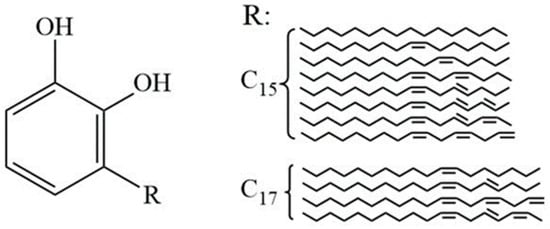
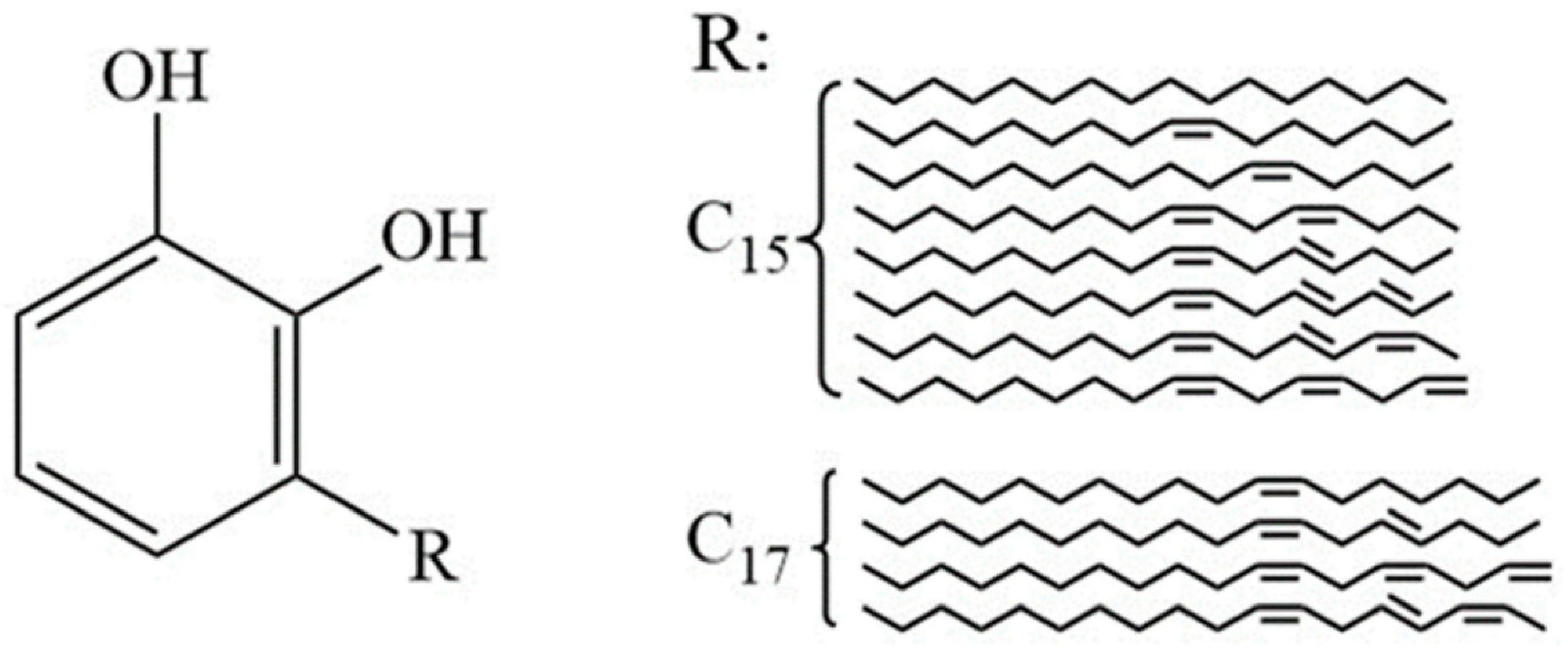
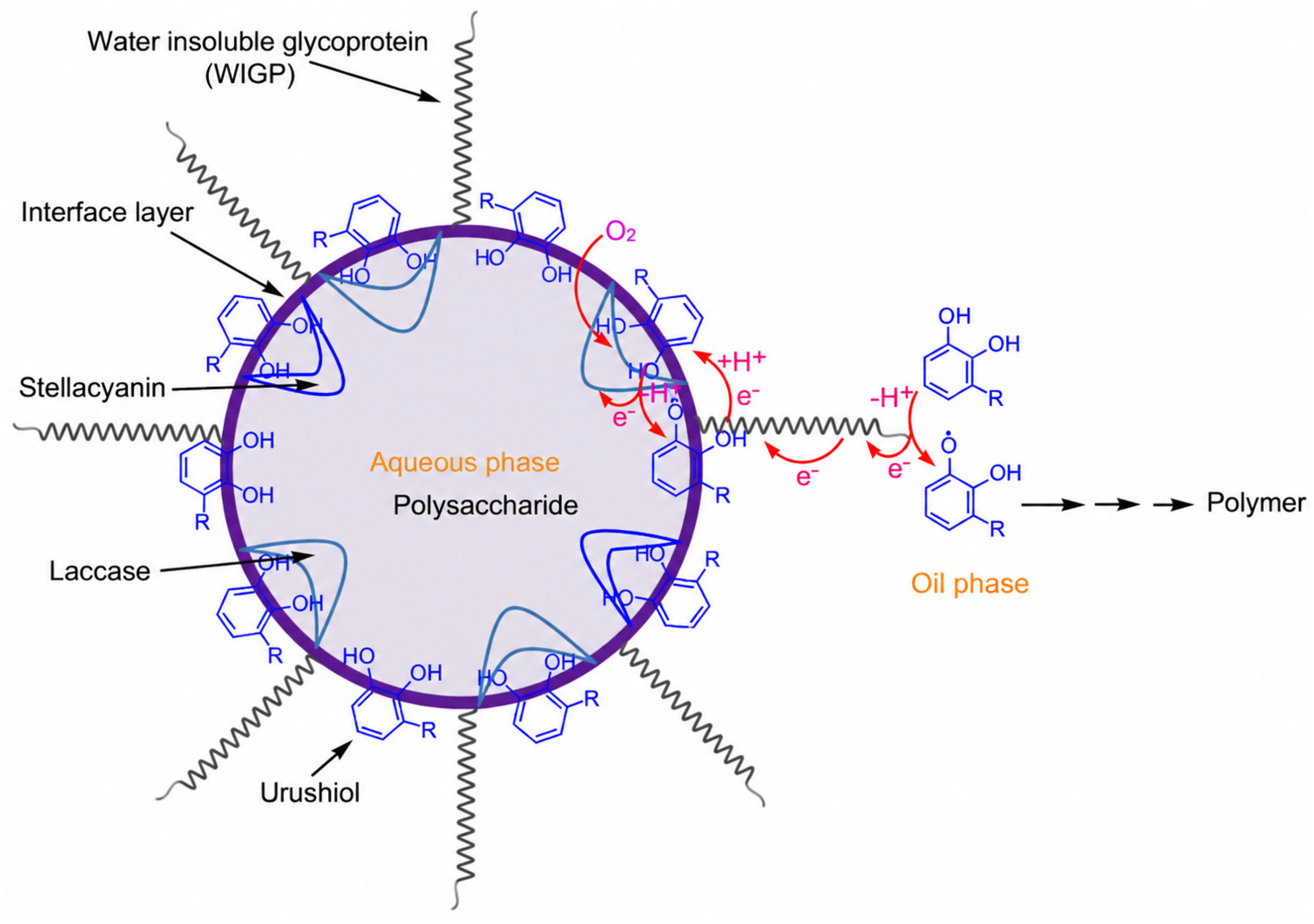
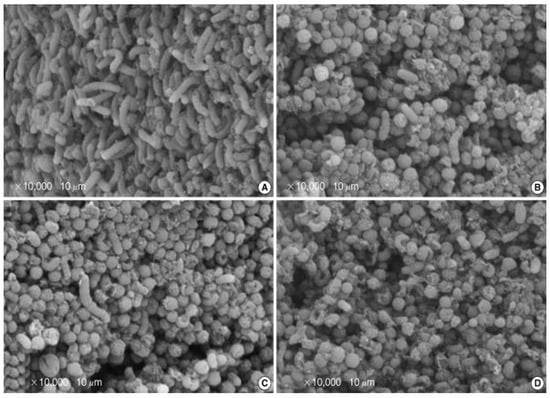
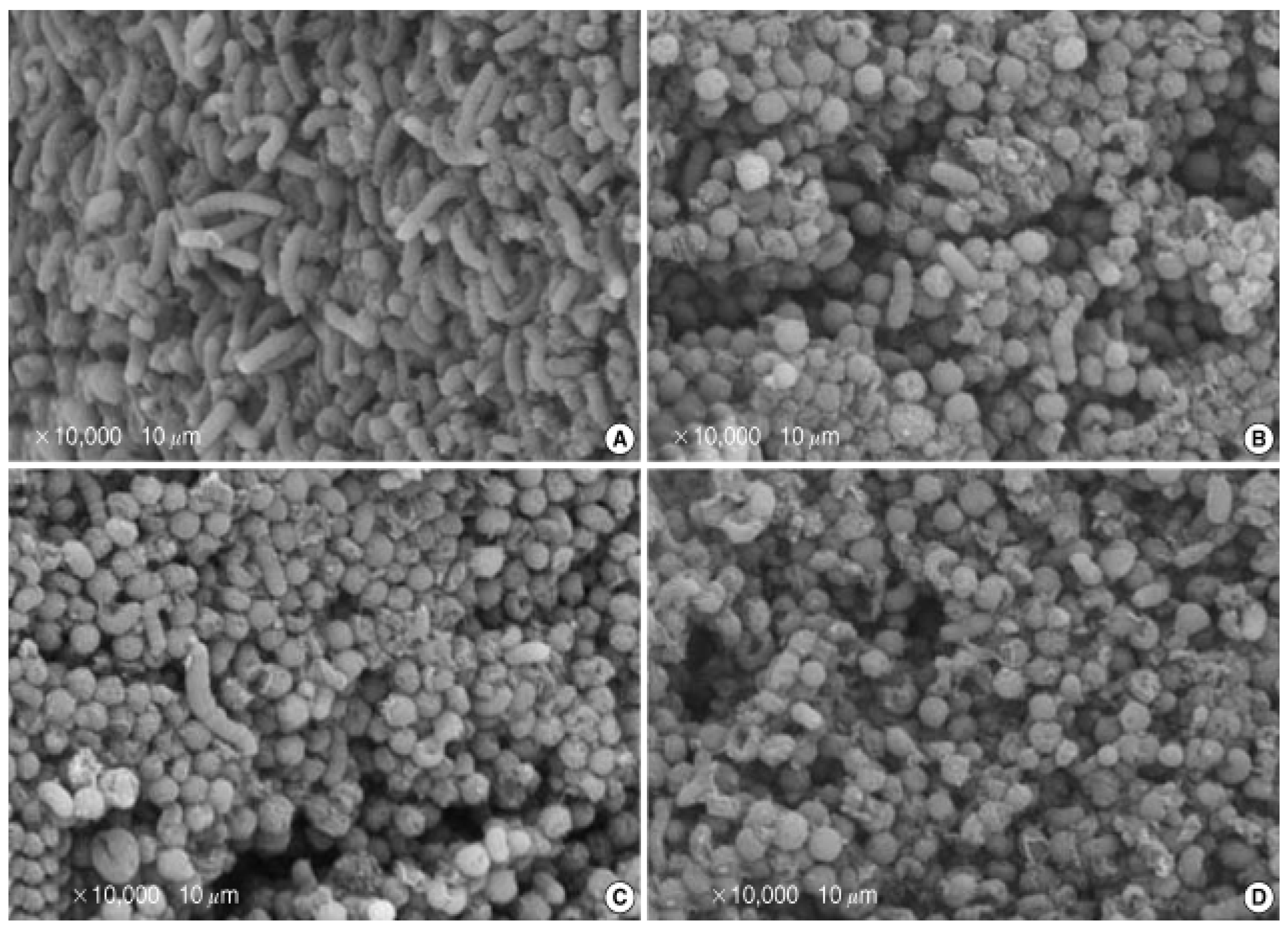
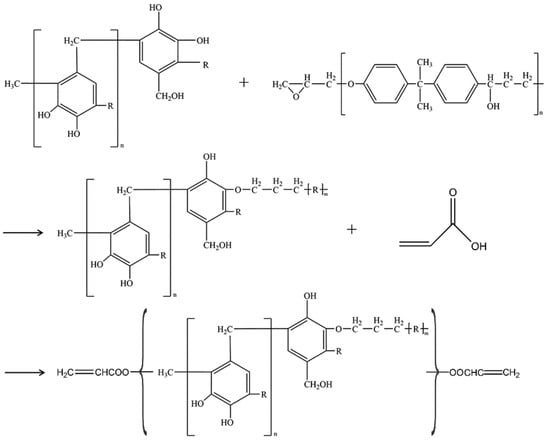
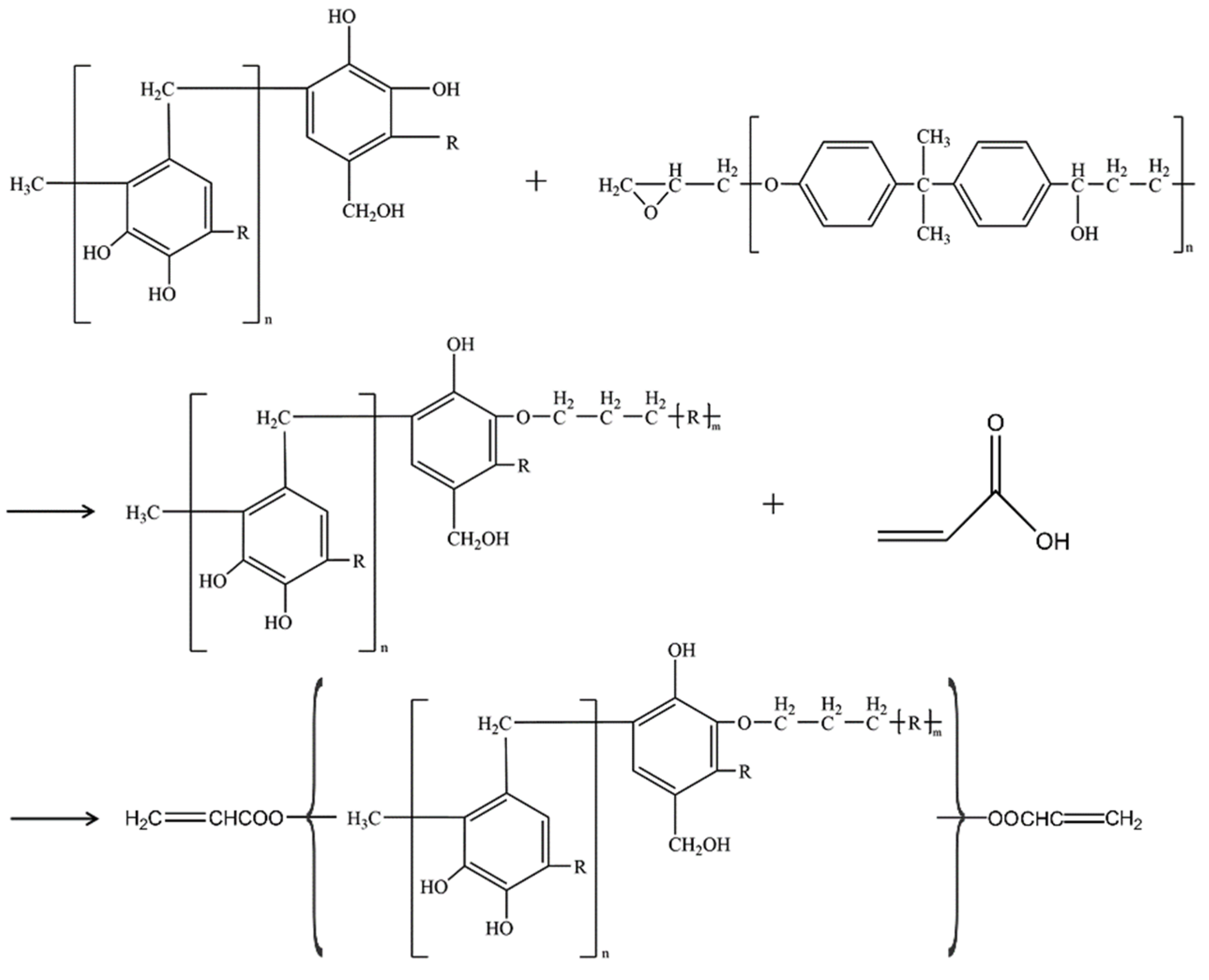
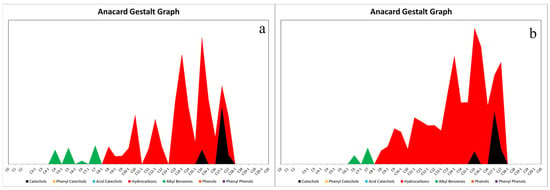
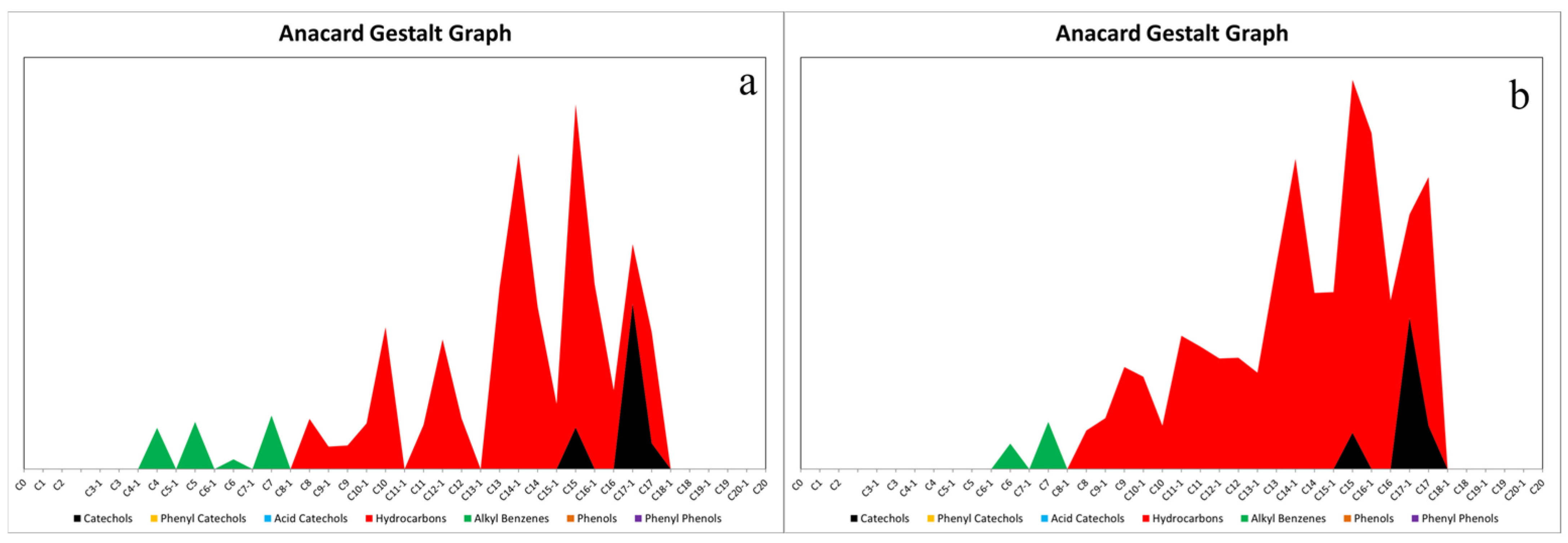

Disclaimer/Publisher’s Note: The statements, opinions and data contained in all publications are solely those of the individual author(s) and contributor(s) and not of MDPI and/or the editor(s). MDPI and/or the editor(s) disclaim responsibility for any injury to people or property resulting from any ideas, methods, instructions or products referred to in the content. |
© 2026 by the authors. Licensee MDPI, Basel, Switzerland. This article is an open access article distributed under the terms and conditions of the Creative Commons Attribution (CC BY) license.