


Abstract
This study investigated the tribological and mechanical properties of chromium nitride (CrN and CrN/DLC) coatings applied to 316L steel in an artificial blood environment. The wettability of the tested surfaces was determined and the hardness was also tested using the instrumental indentation. Friction-wear tests were performed using a TRB3 tribometer in a rotating ball-on-disc configuration. The tests were performed under dry friction conditions and with lubrication using artificial blood at pH 7.45 (neutral environment) and pH 7.15 (acidified environment). Wear of the friction pairs was examined using an interferometric-confocal microscope. Artificial blood was chosen to simulate human body fluids. The use of the CrN/DLC coating reduced the coefficient of friction by 83% for dry friction, by 62% for friction with neutral artificial blood lubrication, and by 69% for friction with acidic artificial blood lubrication, respectively. Despite the increased coefficient of friction of the CrN coating, its use also contributed to reduced material wear.
1. Introduction
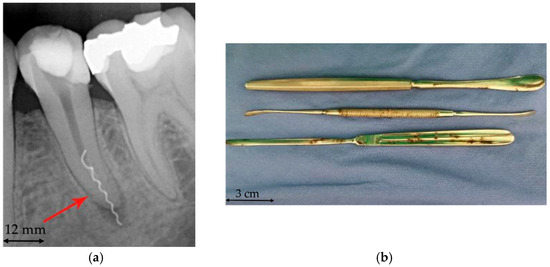
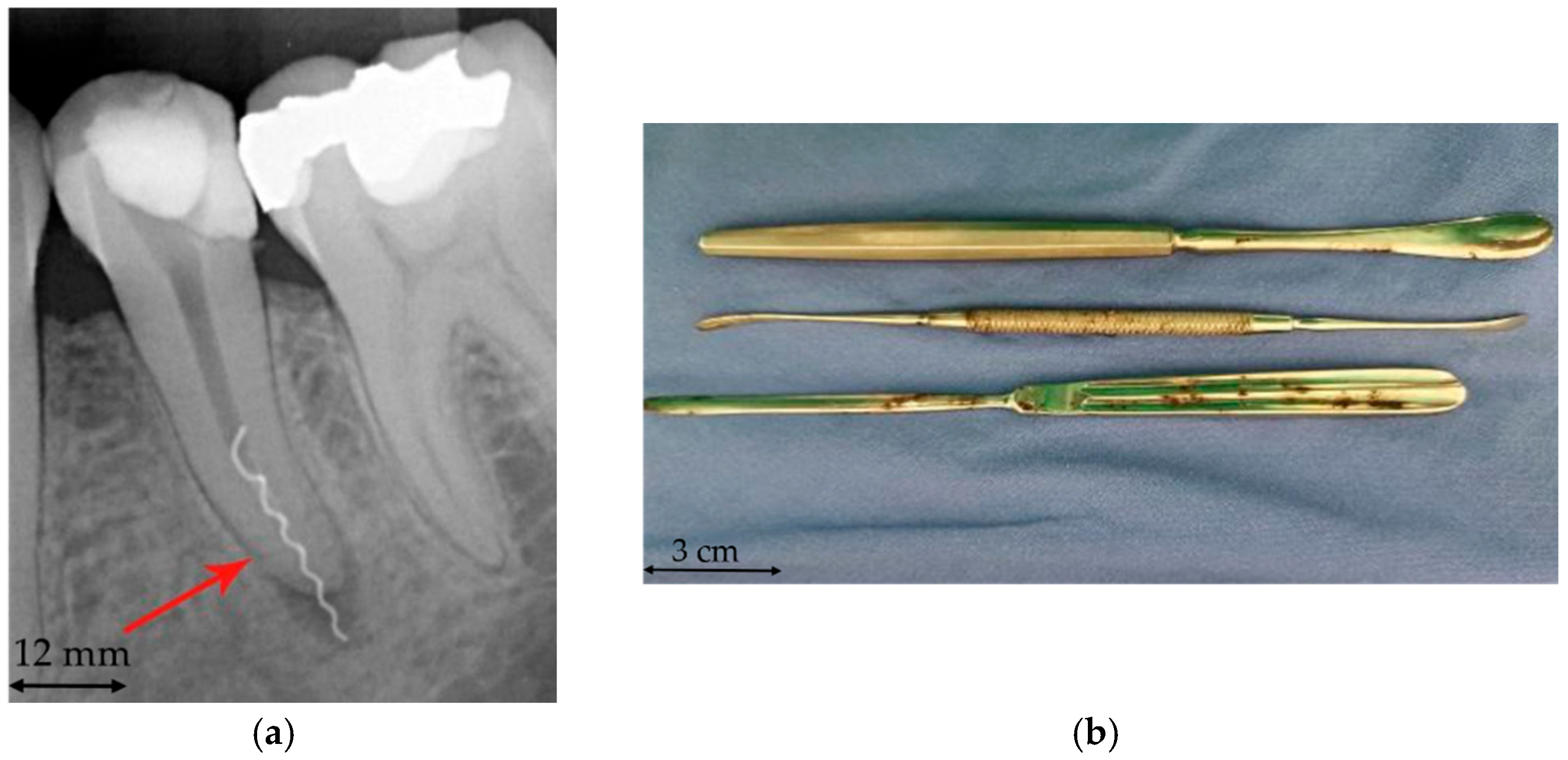
The intensive development of medicine and surgical instruments poses many challenges for researchers. Among the most serious and common problems faced by both surgeons and dentists is instrument damage. These include mechanical damage (blade breakage or deformation), adhesive wear, and fatigue (microcracks and thermal and chemical stress). These damages occur not only through standard instrument use but also through human error [1]. Figure 1 shows examples of types of damage to dental and surgical instruments. Figure 1a shows a broken endodontic file. The radiograph indicates that the instrument broke during canal preparation and became wedged in the lower part of the canal. Figure 1b shows a set of surgical instruments: raspatories, which are used, among other things, to separate the periosteum from the bone or to undermine anatomical structures. They show clearly visible signs of corrosive wear, such as pitting corrosion and numerous discolorations (crevice corrosion). Both cases occur frequently in medical practice [2,3].
Figure 1.
Examples of damage to dental instruments: (a) broken endodontic file; (b) raspator [4,5].
The risk of damage increases especially due to the unfavourable, rather aggressive environment of human body fluids. Blood and saliva, due to their significant chloride content, accelerate corrosion and oxidation of the materials from which instruments are made. These threats can be largely prevented by various safety measures. Damage to surgical and dental instruments can be delayed or avoided, for example, by using appropriate detergents for cleaning and decontamination. Protecting instruments from damage is also important, as even a small scratch can result in the appearance of a corrosion point. The materials most commonly used for surgical instruments include various types of stainless steel [6,7,8,9] and titanium alloys [10,11], which are biocompatible. Unfortunately, contact with body fluids may result in the release of chromium or nickel ions, among others, and consequently in their contact with the human body [12,13,14]. This can have a negative impact on individuals who are particularly sensitive to these elements. In order to prevent the risk of their migration, various types of modifications to the surface layer of the tools are used [15]. These include ion implantation, laser texturing, and thin layers produced by chemical methods, physical vapour deposition and atomic layer deposition [16,17,18,19,20]. They increase the possibility of improving the operational durability of instruments and their functional properties. Modern methods of reducing the risk of damage to surgical instruments include protective coatings, such as diamond-like coatings and various types of nitrides (chromium nitride, titanium nitride) [21,22,23,24,25]. Their use reduces friction and wear. Coatings also reduce tissue adhesion to instruments, reducing the risk of surface contamination and, consequently, instrument degradation and the risk of perioperative infections [26,27].
Despite many publications examining the above-mentioned coatings in conditions simulating human body fluids, no publications examining tribological properties under friction conditions with lubrication with artificial blood solutions of neutral and acidic reaction were found. Although tribological studies with artificial blood solutions have been carried out, those with this chemical composition have not been widely described [28,29,30]. The aim of this study was to investigate the mechanical and tribological properties of thin chromium nitride coatings in artificial blood environments at neutral and acidic pH. The two pH conditions were used to simulate conditions found in various human organisms.
2. Materials and Methods
2.1. Materials
316L steel samples with a diameter of 40 mm and a height of 8 mm were used for the tests. Two types of discs were coated with a CrN coating and a CrN/DLC coating. 316L steel is characterized by relatively low hardness and exhibits a moderate susceptibility to pitting corrosion in contact with solutions containing chlorine. Balls with 6 mm diameter and made of 420-C steel were used as countersamples. This steel also finds applications in the medical industry. Table 1 provides the chemical composition of 316L steel and Table 2 provides the chemical composition of 420-C steel.
Table 1.
Chemical composition of 316L steel [31].
Table 2.
Chemical composition of 420-C steel [32].
Proper surface preparation before coating deposition is crucial. In this case, a Pace Technologies grinder-polisher and SiC sandpaper were used for grinding and final polishing. The processing began with 120-grit paper, followed by 240, 600, and 1200 grit papers. The 120-grit paper was used to remove cutting residue, and the 1200-grit paper was used as the final polishing step before polishing. Polishing was performed using a polishing cloth and 6 µm polishing fluid. The prepared surface had the following amplitude parameters: Sa = 0.02 µm, Sq = 0.02 µm, Sz = 0.19 µm.
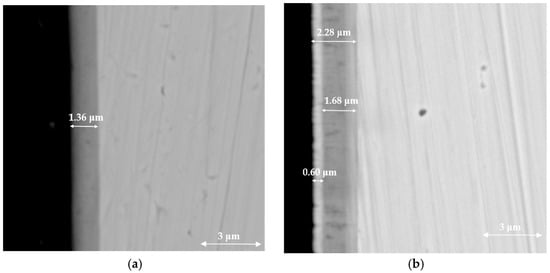
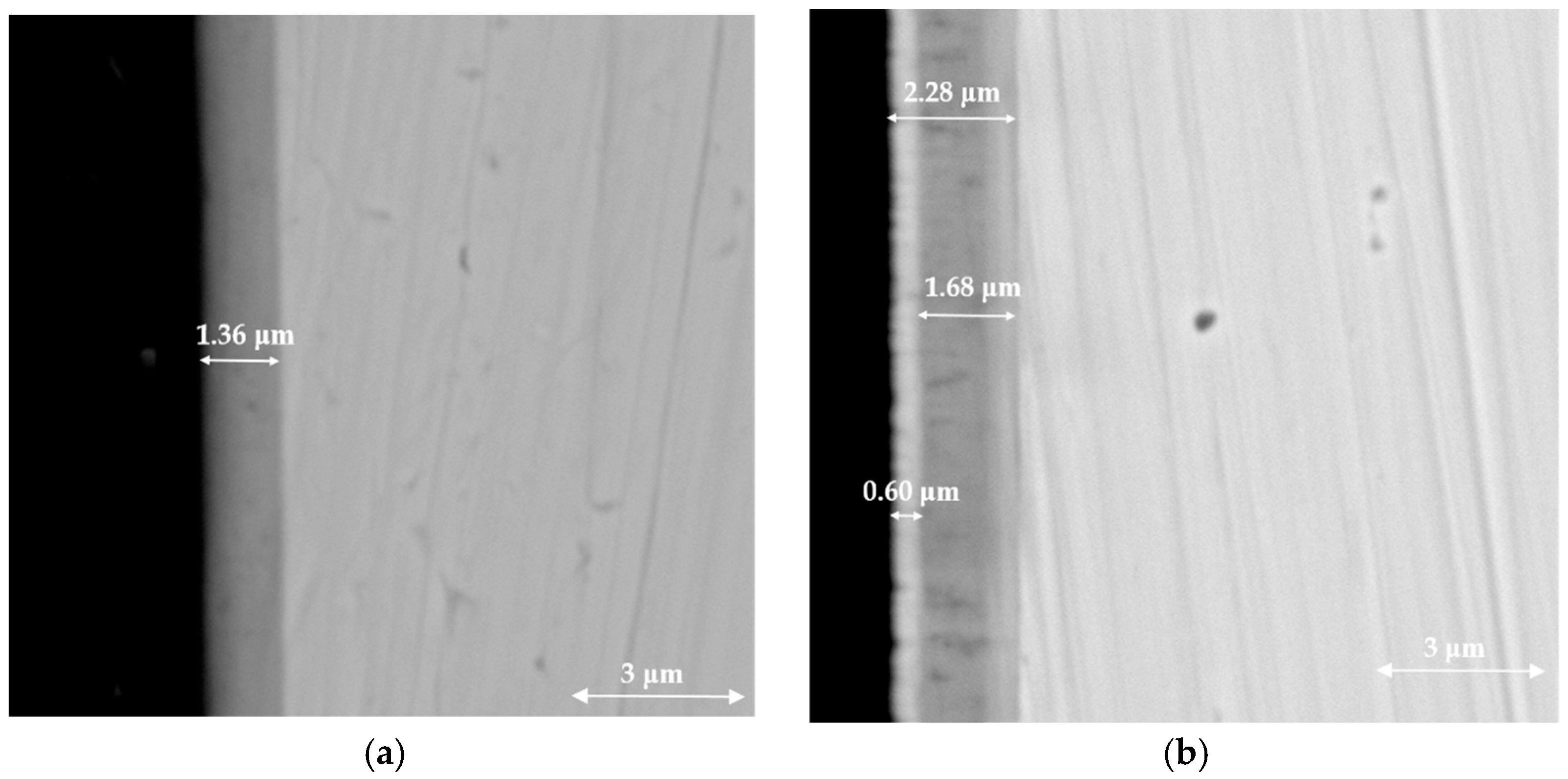
Chromium nitride was deposited using sputter technology at temperatures below 250 °C. Its key features include corrosion resistance (especially in alkaline and acidic environments) and reduced material wear by reducing scuffing of mating components. Biocompatibility is also a significant feature, allowing it to be used in surgical instruments and medical implants. The CrN/DLC coating was created using plasma-enhanced chemical vapor deposition technology at temperatures below 250 °C. This layer is characterized by anti-reflective properties and biocompatibility. It reduces the coefficient of friction and wear. The CrN coating surface had the following amplitude parameters: Sa = 0.05 µm, Sq = 0.07 µm, Sz = 0.49 µm. The CrN/DLC coating had the parameters Sa = 0.03 µm, Sq = 0.03 µm, Sz = 0.24 µm. The CrN coating thickness was determined to be 1.36 µm, and the CrN/DLC coating thickness was determined to be 1.68 µm for CrN and 0.6 µm for DLC.
The composition of the artificial blood was selected to most closely resemble the composition of real human blood.
2.2. Research Methodology
The surface morphology of the samples before tribological testing was examined using a scanning electron microscope (Phenom XL, Eindhoven, The Netherlands). Observations were performed at 5000× magnification and an accelerating voltage of 15 kV. The coating thickness was also examined at 20,000× magnification and an accelerating voltage of 15 kV. The results are presented in Section 3.1.
The geometric structure of the surface before and after chromium nitride coatings were examined using a DCM8 confocal microscope with interferometric mode (Leica, Heerbrugg, Switzerland). A 20× objective lens was used in confocal mode. A comparison of the surface amplitude parameters was also presented. The results are summarized in Section 3.2.
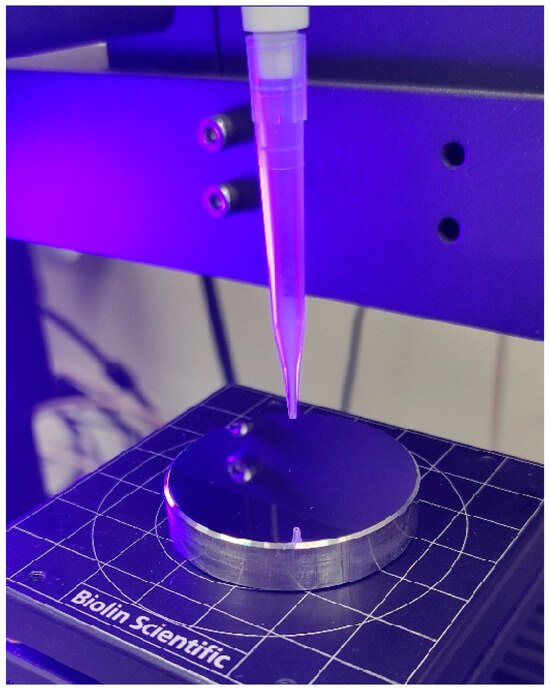
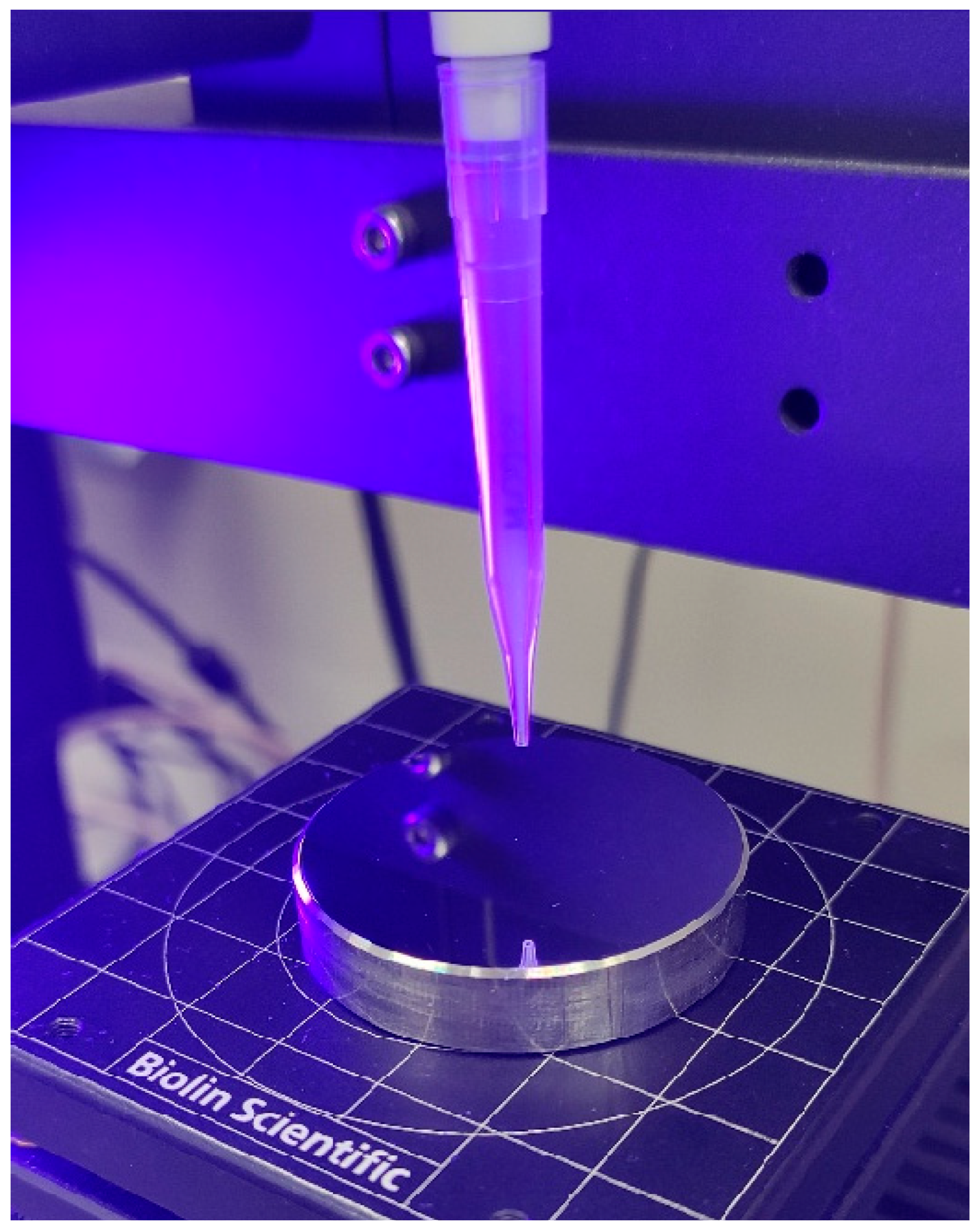
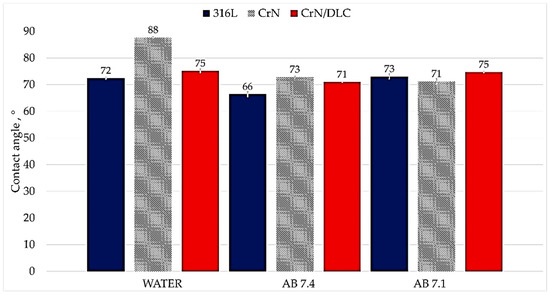
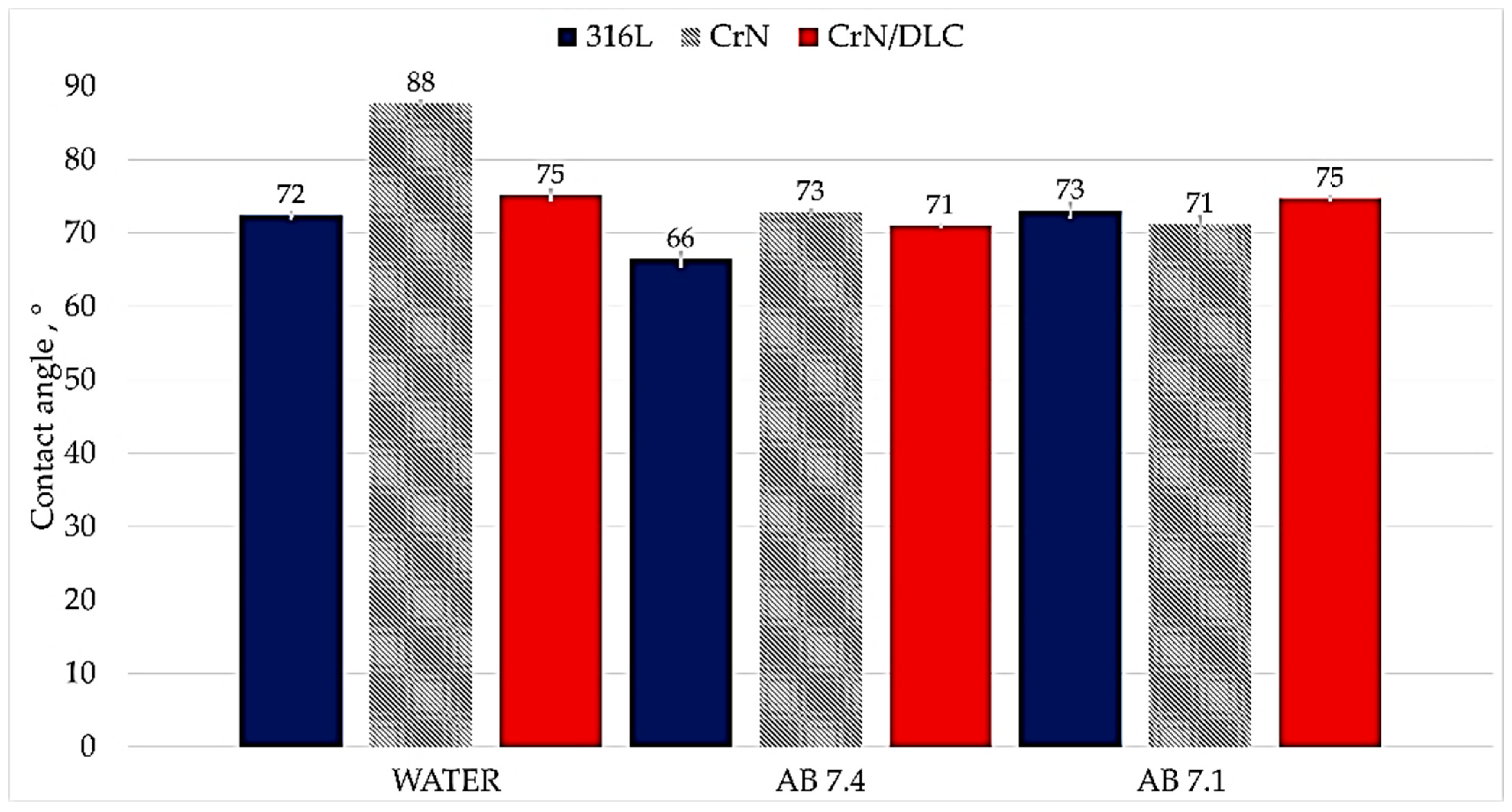
Surface wettability was measured using an optical tensiometer (Attension Theta Flex, Espoo, Finland). Distilled water, simulated blood at pH 7.45, and simulated blood at pH 7.15 were used as measuring liquids. Five replicates were performed for each material and liquid, and an average was taken. Measurements were taken at several randomly selected surface locations. Figure 2 shows the contact angle measurement. The results are presented in Section 3.3.
Figure 2.
Measurement of contact angle.
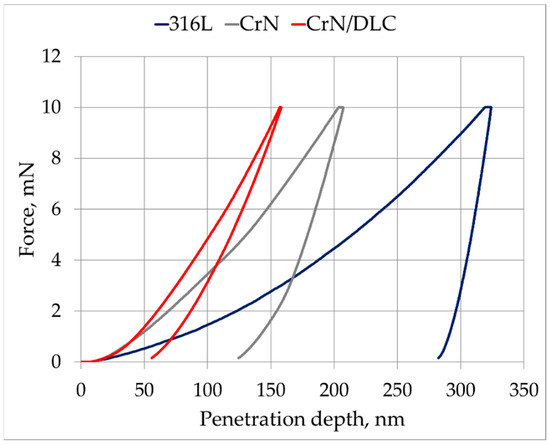
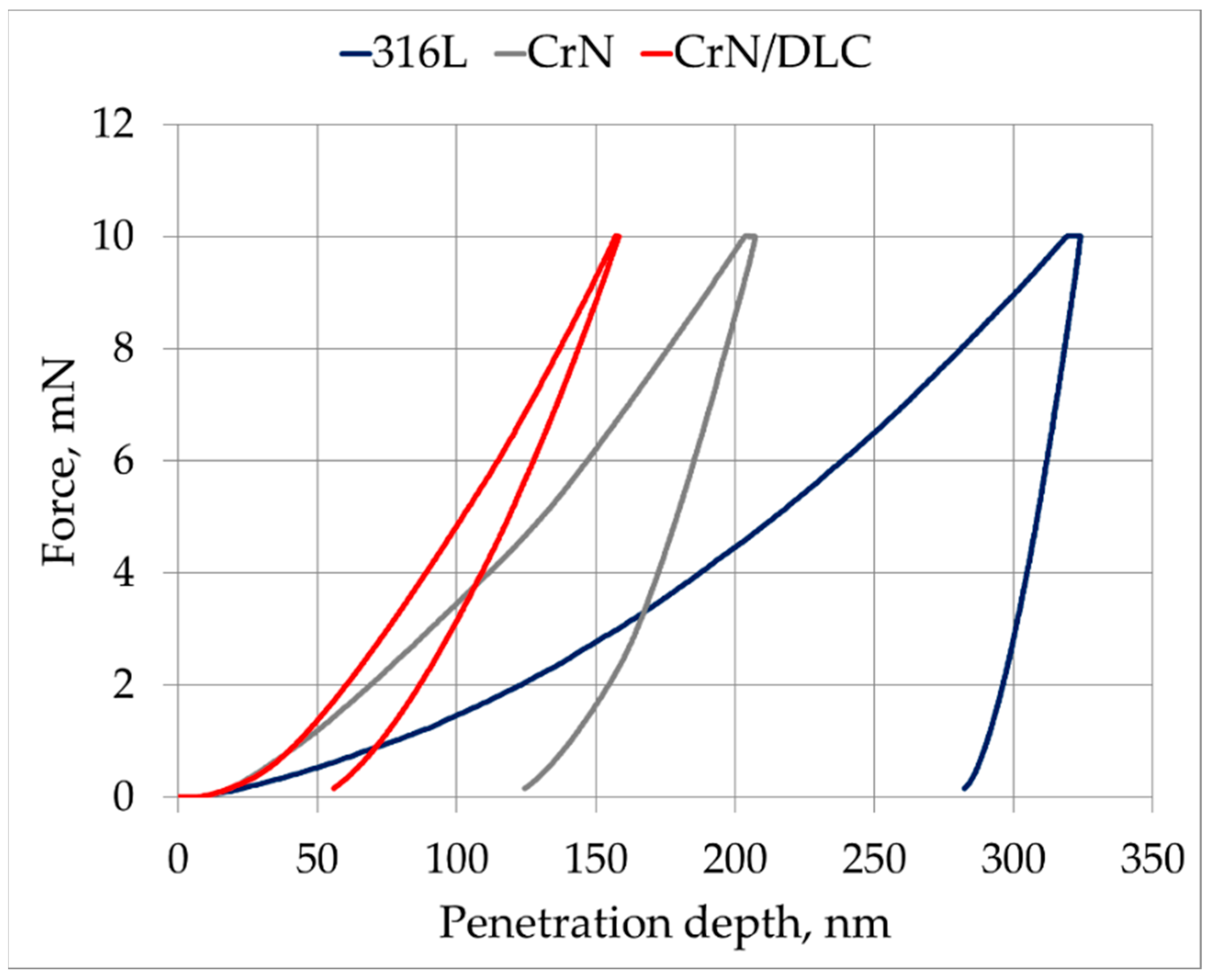
Using a Step6 platform equipped with a microhardness tester (Anton Paar, Baden, Switzerland), the hardness of materials was determined using instrumental indentation. A Berkovich indenter with an opening angle of 142.5° and a radius of ~100 nm was used for the measurement. The test was performed at a load force of 10 mN, a loading rate of 20 mN/min, and a 5 s pause. In each case, five measurements were performed. Mechanical parameters of the tested surfaces (including instrumental hardness and Young’s modulus) and a load-versus-penetration curve were obtained. The research results are presented in Section 3.4.
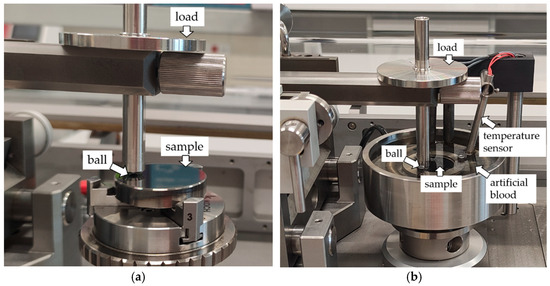
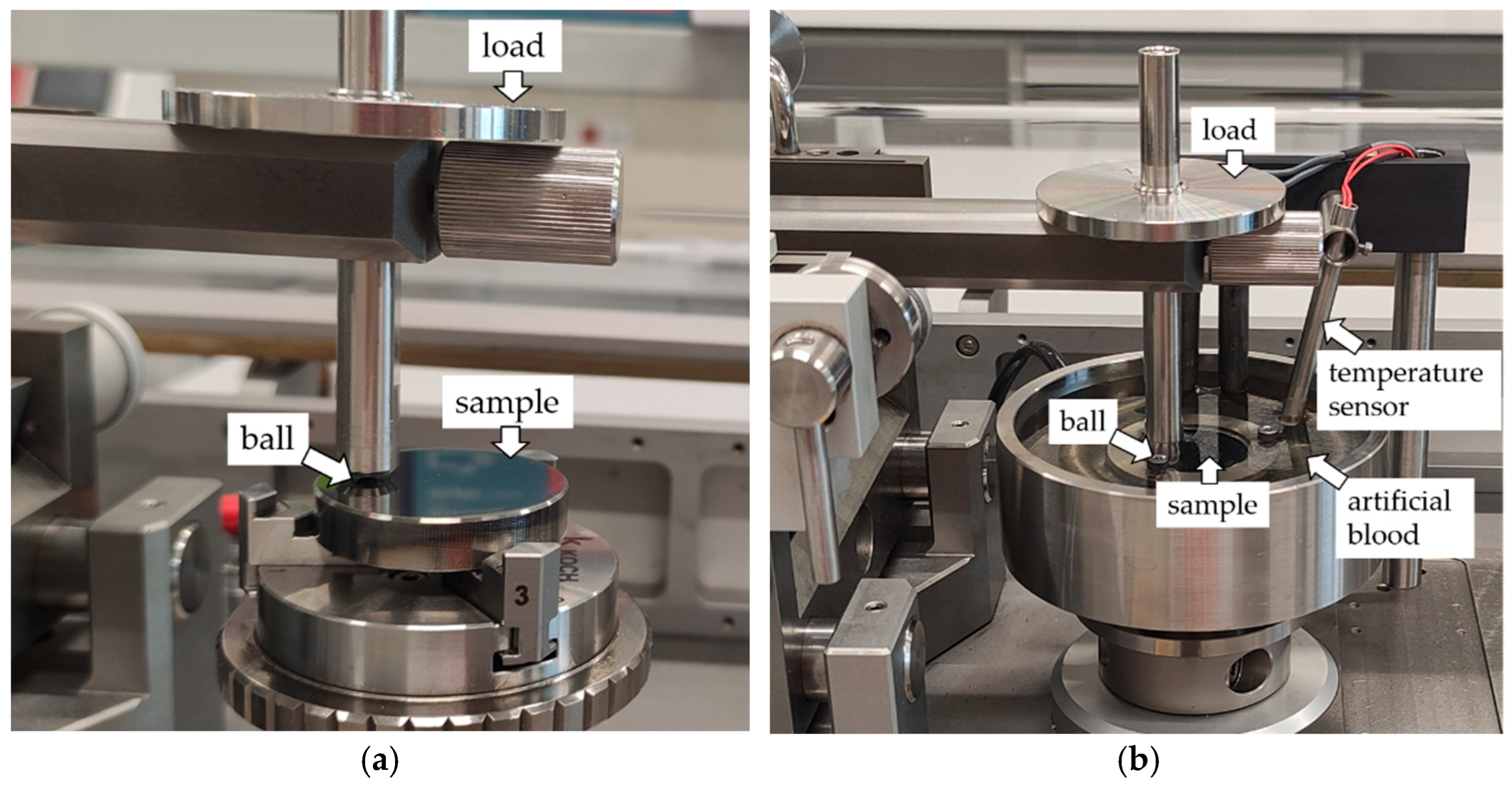
Friction-wear tests were performed using a TRB3 tribometer (Anton Paar, Baden, Switzerland). Balls with a diameter of 6 mm made of 420-C steel were used as countersamples, with a typical hardness of approximately 54–60 HRC. Artificial blood solutions with pH 7.45 and pH 7.15 were used as the lubricant. The specific dose of 0.1 M lactic acid administered was not specified; 0.1 M lactic acid was added to the solution under strict control of the solution’s pH. Table 3 presents the chemical composition of the artificial blood, and Table 4 summarizes the test parameters. Figure 3a shows a view of friction pair for dry friction and Figure 3b for friction with artificial blood. The test results are presented in Section 3.5.
Table 3.
Chemical composition of artificial blood [33].
Table 4.
Parameters used for the tribological experiments.
Figure 3.
Friction pair: (a) dry friction (b) friction with artificial blood.
The abrasion marks obtained from the tribological tests were examined using a DCM8 confocal microscope with interferometric mode (Leica, Switzerland). A 20× objective lens was operated in confocal mode. The differences between the maximum depths and areas of the wear patterns after the friction test were compared. The obtained results are summarized and compared in Section 3.6.
The surface morphology of the samples and countersamples after the tribological tests was examined using a scanning electron microscope (Phenom XL, The Netherlands). The widths of the abrasion marks were also determined. Observations were performed at 300× magnification and an accelerating voltage of 15 kV. The results are presented in Section 3.7.
3. Results
3.1. Coating Thickness and Morphology Before Tests
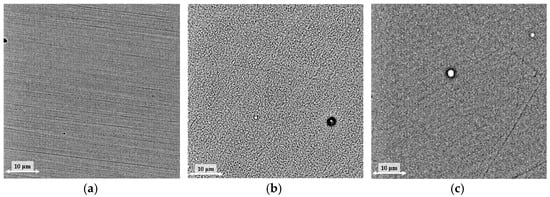
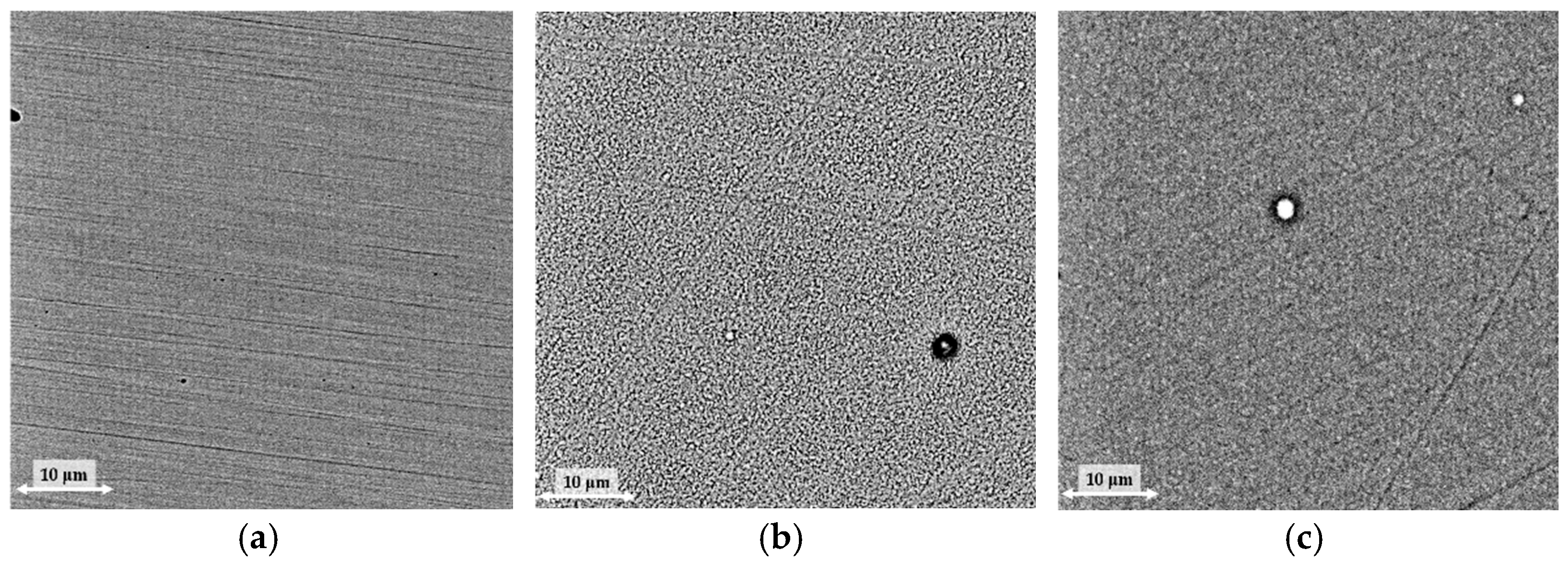
Figure 4 shows the surface morphology of the 316L steel and coatings before testing and Figure 5 shows the thickness of the tested coatings. Table 5 summarizes the tested coating thickness values along with their standard deviation.
Figure 4.
Surface morphology before testing: (a) 316L steel; (b) CrN coating; (c) CrN/DLC coating.
Figure 5.
Coating thickness measurement: (a) CrN coating; (b) CrN/DLC coating.
Table 5.
Coating thickness.
The surface morphology of 316L steel is characterized by the characteristics of the material after mechanical processing—grinding and polishing. The microstructure is dominated by systematically and parallel machining scratches with uniform geometry. These indicate directional tool action and repeatable processing. The presence of single micro-cavities was observed (possible contamination or mechanical damage). The surface is anisotropic. No microcrystalline morphology was observed, only macroscopic machining traces were observed. The CrN coating has a different structure than the substrate material. It exhibits a fine-grained, densely packed structure with grains in the nanometre scale. The coating surface is compact and homogeneous. There are still some faint scratches visible on the chromium nitride coating. This may indicate that the coating is too thin. Occasional dark spots were observed on the surface, which may indicate contamination or micropores. The CrN/DLC coating exhibits a finer microstructure than the CrN coating, which is characteristic of amorphous carbon-based coatings. No such obvious scratches from the substrate were observed. This suggests a greater ability of diamond-like layers to smooth the surface and a greater coating thickness. The CrN/DLC coating exhibits the lowest anisotropy of the tested surfaces.
Average coating thickness values were obtained from three measurements at randomly selected locations on the cross-section of the metallographic specimens. The CrN coating had a thickness of 1.36 µm. The CrN/DLC coating had a total coating thickness of 2.28 µm, including a 0.6 µm diamond-like layer and a 1.68 µm chromium nitride layer.
3.2. Geometric Structure
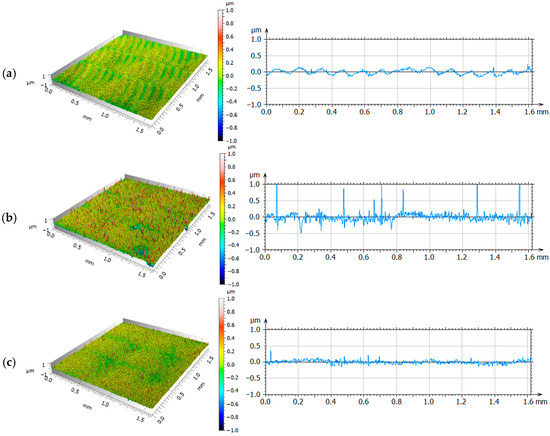
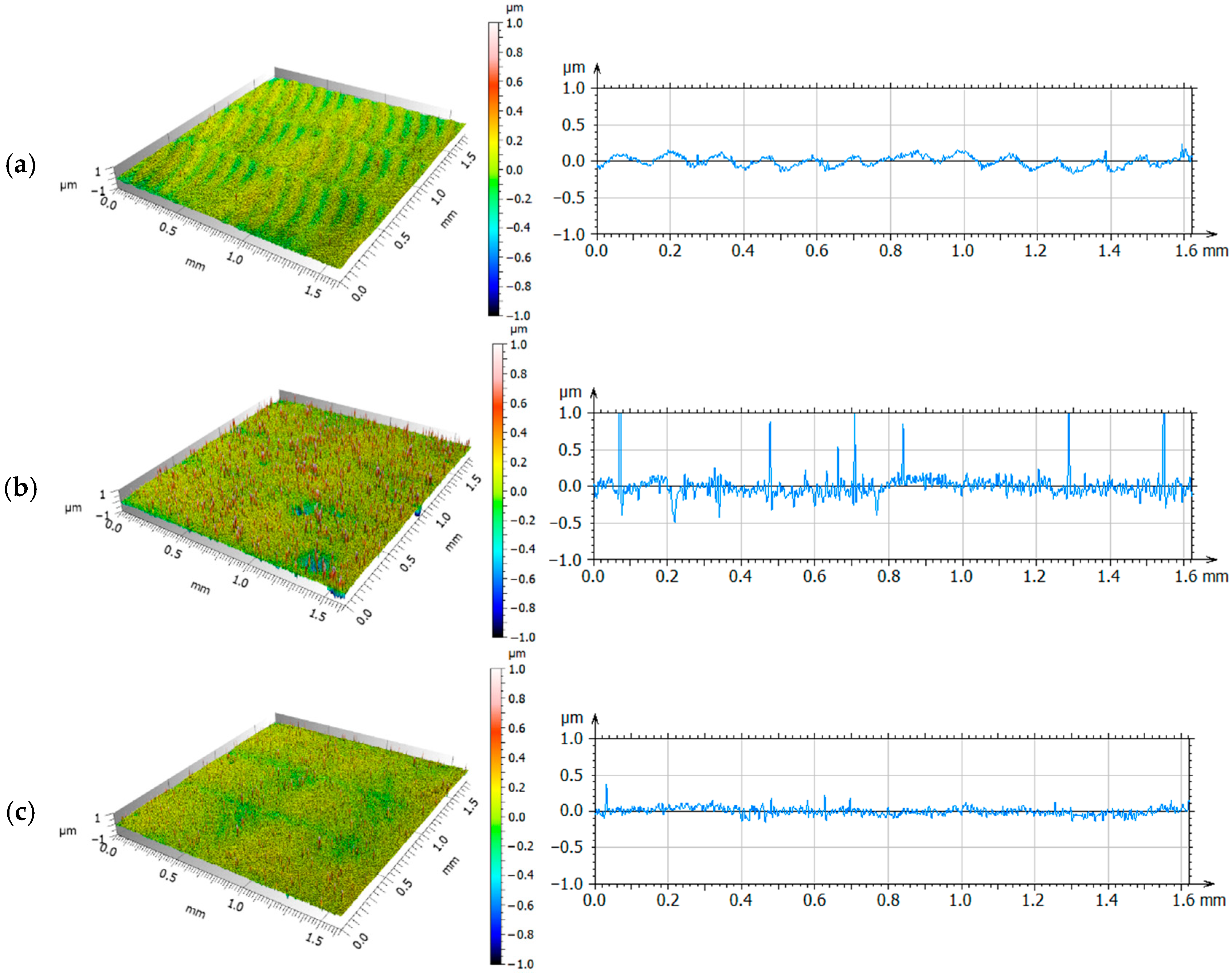
Figure 6 presents isometric images and surface profiles of 316L steel, CrN-coated steel and CrN/DLC-coated steel. Table 6 provides a summary of the amplitude parameters for both samples prior to the tribological tests.
Figure 6.
Isometric views and corresponding surface profiles of the sample surfaces: (a) 316L steel; (b) CrN coating; (c) CrN/DLC coating.
Table 6.
Amplitude parameters of the surfaces before friction tests.
Comparison of the amplitude parameters before friction indicates very similar values of the arithmetic mean roughness heights (Sa) for the tested surfaces. The highest peak and valley values were observed for the CrN coating, indicating a highly developed surface. These values were similar for 316L steel and the CrN/DLC coating. The lowest skewness parameter was observed for the CrN/DLC coating, indicating a practically symmetrical distribution. The addition of Ssk (316L steel and CrN coating) indicates a predominance of peaks over valleys. The kurtosis parameter for all surfaces oscillates around 3, indicating a distribution close to normal. In this case, the CrN coating is also characterized by the most pronounced peaks. The CrN coating has the highest roughness, while 316L steel has the lowest. Analysis of the surface amplitude parameters before tribological tests indicated that the coatings did not cause any significant changes in the surface topography, although the CrN coating was characterized by the greatest surface development, which may be important for the mechanisms of adhesion and interaction with biological fluids.
3.3. Contact Angle
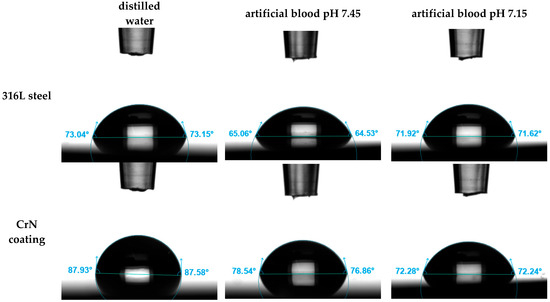
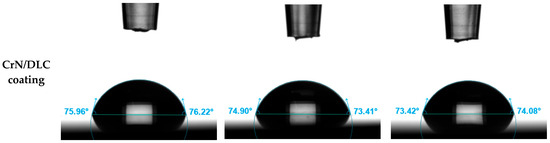
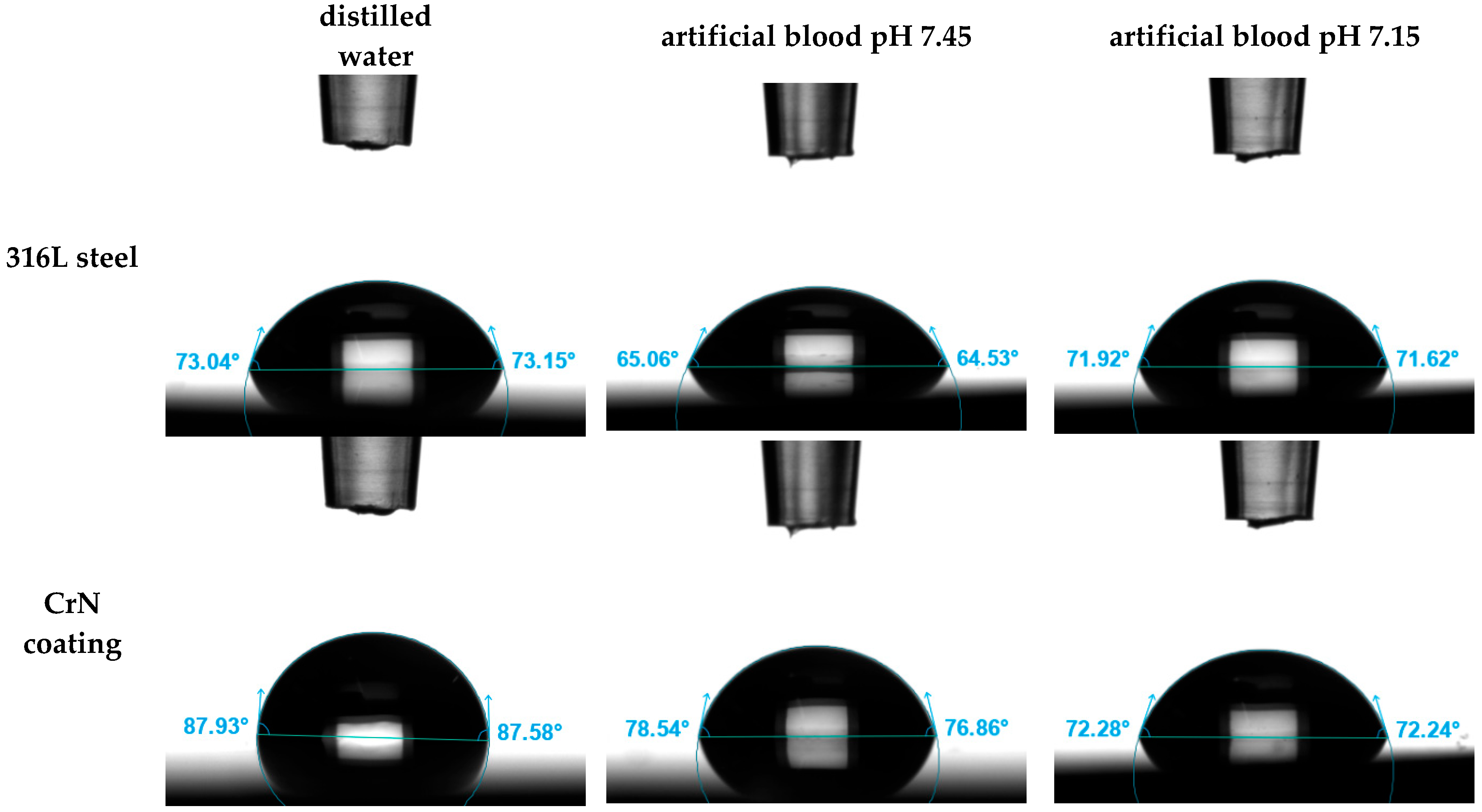
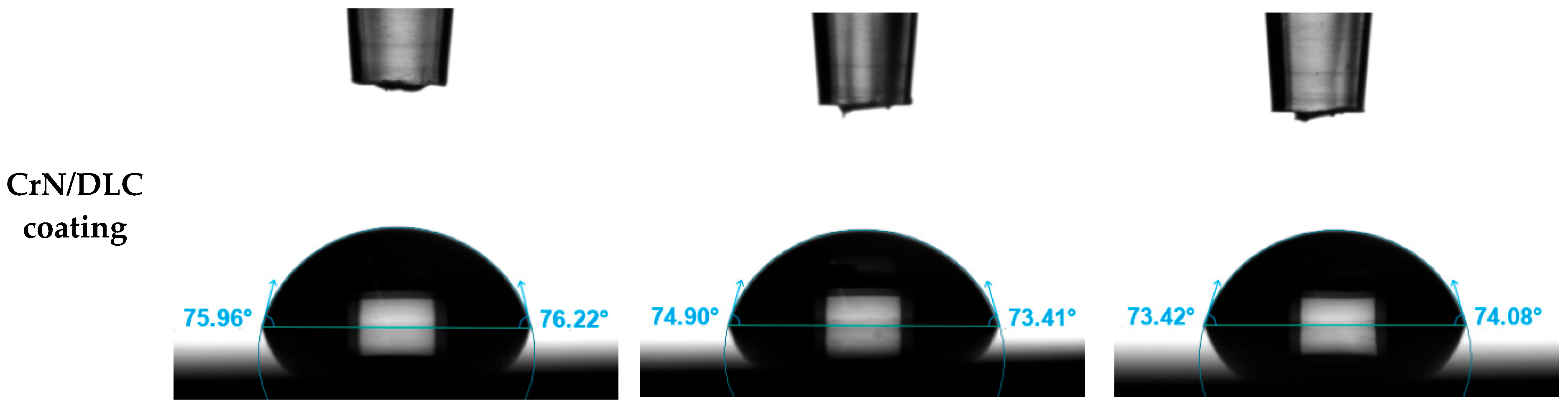
Figure 7 shows example views of drops of distilled water and artificial blood solutions on the tested surfaces, and Figure 8 shows the average values of the contact angles with the measuring liquids.
Figure 7.
Representative views showing demineralized water and artificial blood droplets.
Figure 8.
Average values of contact angle.
The mean contact angles with distilled water indicate that the chromium nitride coating tends to be close to hydrophobic (88°), unlike 316L steel and the CrN/DLC coating. The mean contact angle with distilled water for the CrN coating is approximately 17% higher than that of 316L steel and the CrN/DLC coating. This indicates better wettability for the steel and the CrN/DLC coating. The mean contact angles with the two artificial blood solutions are similar in each case. Both tested coatings interact with water in different ways. Despite differences in wettability with water, the contact angles measured with artificial blood are very similar for both coatings. In a blood environment, these differences between the coatings may equalize, which may result in similar propensities for protein adsorption and, consequently, similar susceptibility to the formation of thin biological films. This is important for medical instruments, where control over tissue adhesion and ease of cleaning are important. The CrN surface may exhibit lower fluid retention in the initial phase of medical instrument use. This facilitates instrument cleaning and reduces the adhesion of biological material. Unlike chromium nitride, the CrN/DLC coating can further reduce friction in surgical instruments. This phenomenon is important because a low coefficient of friction translates into smoother operation and reduced wear. Despite similar contact angles with blood, CrN and CrN/DLC retained their characteristic tribological properties.
3.4. Mechanical Properties
Figure 9 shows the load curve as a function of the indenter penetration depth, and Table 7 summarizes the obtained mechanical parameters of the tested surfaces.
Figure 9.
The load–unload curve as a function of indenter penetration recorded during the hardness test for the reference material and the coating.
Table 7.
Mechanical parameters of examined surfaces.
The deposition of CrN and CrN/DLC coatings changed the mechanical parameters of 316 steel. In both cases, the indenter penetration depth did not exceed the assumed value of approximately 10% of the coating thickness. The chromium nitride coating has approximately three times the instrumental hardness, and the diamond-like coating approximately six times the hardness, compared to 316L steel. Plastic work significantly outweighs elastic work (by about ten times) for 316L steel. The CrN coating is characterized by a predominance of plastic work over elastic work, unlike the CrN/DLC coating.
3.5. Tribological Tests
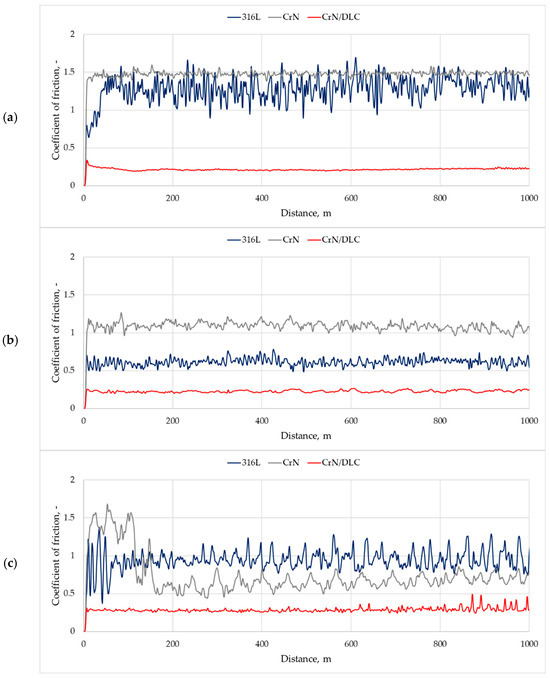
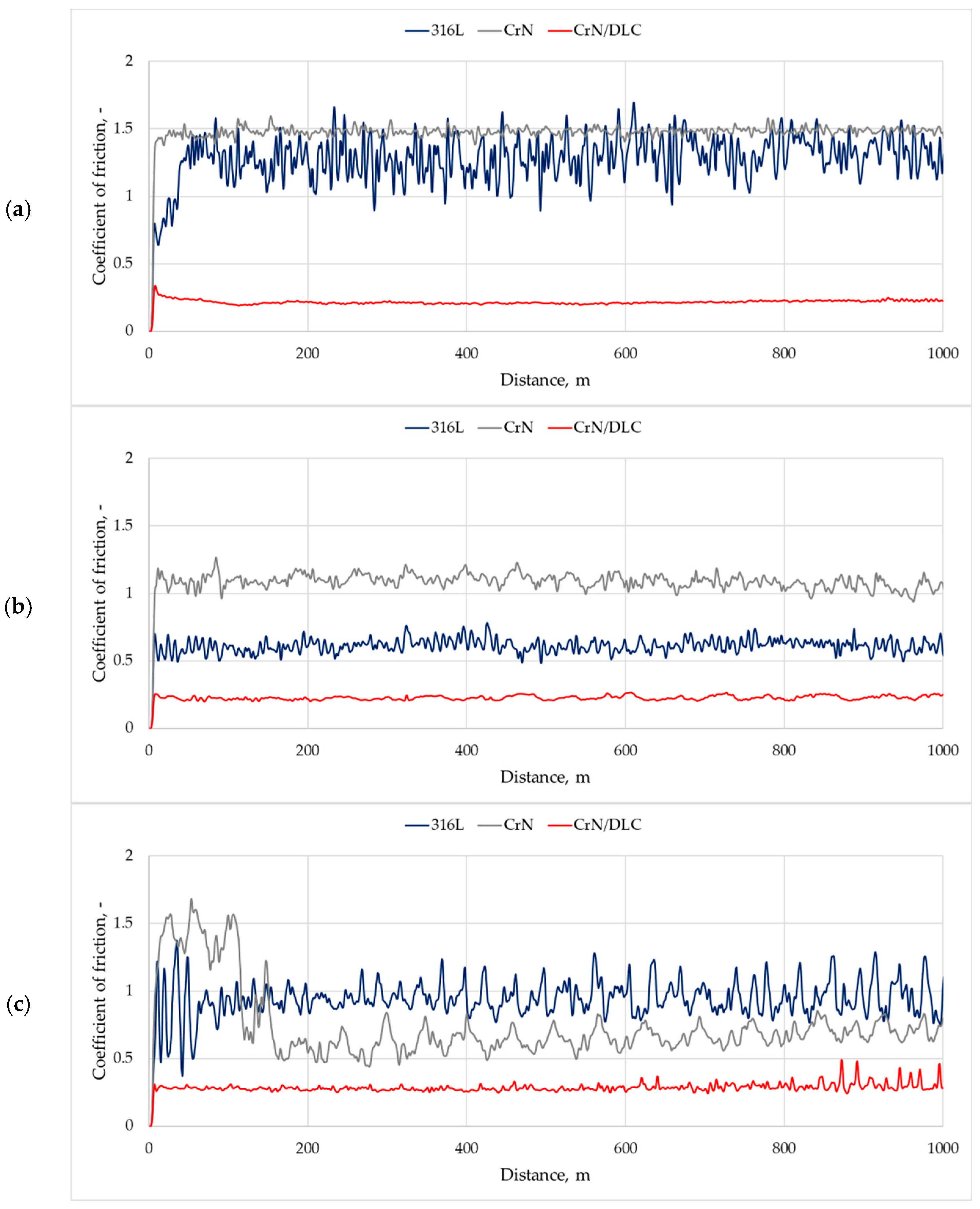
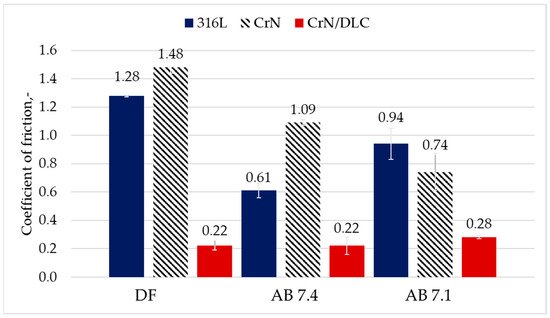
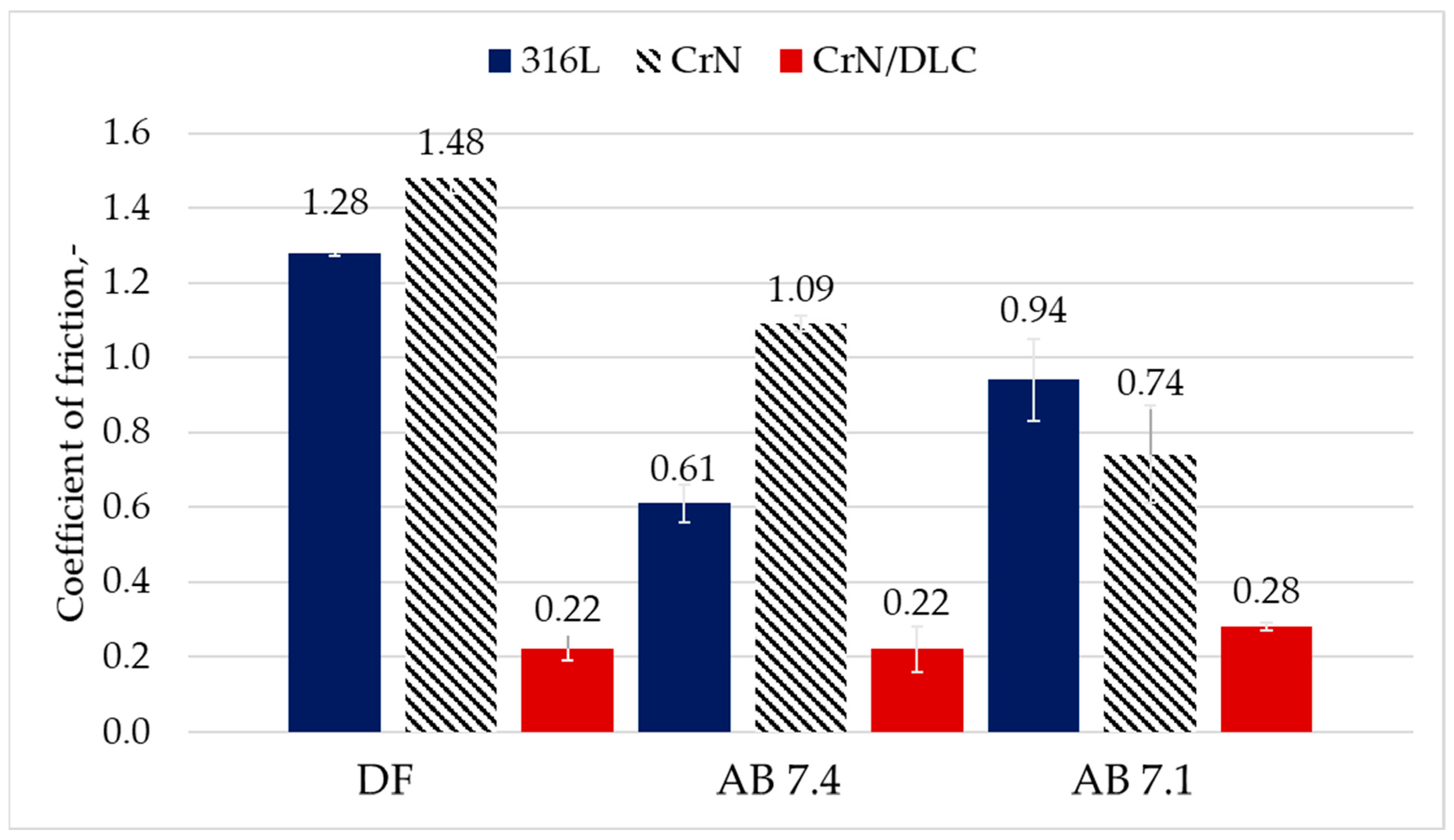
Friction coefficients were measured continuously. Figure 10 shows the friction coefficient curves observed during dry friction and with artificial blood solutions of different pH. Figure 11 presents the average values of the obtained friction coefficients.
Figure 10.
The course of friction coefficients: (a) dry friction; (b) with artificial blood pH 7.45; (c) with artificial blood pH 7.15.
Figure 11.
Average values of friction coefficients.
During dry friction, the course for 316L steel was characterized by an initial increase in the coefficient of friction, i.e., running-in (up to 50 m), and then, despite the generally turbulent nature of its course, it oscillated constantly around 1.25. The course of the coefficient of friction for the CrN coating, after the initial run-in stage ending at approximately 20 m, remained constant and calm, stabilizing at 1.5. The course of the coefficient of friction for the CrN/DLC coating after the initial run-in stage of the friction pair (from 0 to 10 m) was stable throughout the test, within 0.2. For none of the observed friction pairs were any other characteristic changes observed that could indicate improper cooperation between the friction pairs.
During friction using a pH 7.45 artificial blood solution, the course for 316L steel was characterized by a brief increase in the coefficient of friction at the beginning (run-in period), then oscillated steadily around 0.6, without any significant disturbances. The course of the coefficient of friction for the CrN coating after the short run-in was characterized by a constant and calm course, stabilizing at 1.1. The course of the coefficient of friction for the CrN/DLC coating was also characterized by a relatively short initial run-in stage. Once this period was completed, it remained stable throughout the rest of the test, oscillating around 0.2. For all the friction pairs tested, the break-in period was exceptionally short, almost imperceptible. For none of the observed friction pairs were any other characteristic changes observed that could indicate improper interaction between the friction pairs.
During friction with a pH 7.15 artificial blood solution, the 316L steel test was characterized by an exceptionally long and turbulent running-in phase, resulting in an increase in the coefficient of friction (from 0 m to 100 m). After this phase, a phase of relative stabilization and oscillation around 1 occurred, despite greater oscillation than during friction with pH-neutral artificial blood. The coefficient of friction for the CrN coating also experienced a long and rather turbulent run-in stage phase (from 0 m to 150 m). Subsequently, the coefficient of friction oscillated around 0.65. The coefficient of friction for the CrN/DLC coating, unlike the previous two friction pairs, was characterized by a relatively short initial run-in period phase of around 10 m. Once this phase was completed, the coefficient remained stable for the rest of the test, oscillating around 0.2. However, from 900 m to the end of the test, significant interference appeared, potentially resulting from wear products generated by the countersamples. For all tested friction pairs, the run-in phase was exceptionally short, almost imperceptible. No other characteristic changes were observed for any of the observed friction pairs that could indicate improper interaction between the friction pairs.
The use of diamond-like coatings led to a reduction in the coefficient of friction under both dry and artificial blood lubrication conditions. This value was reduced six-fold for dry friction, three-fold for friction with artificial blood solutions (neutral pH) and three-fold for friction with acidic pH. Despite the increased coefficient of friction with the CrN coating, significant reductions in wear were observed on the tested surface.
3.6. Assessment of Surface Geometric Structure of Samples
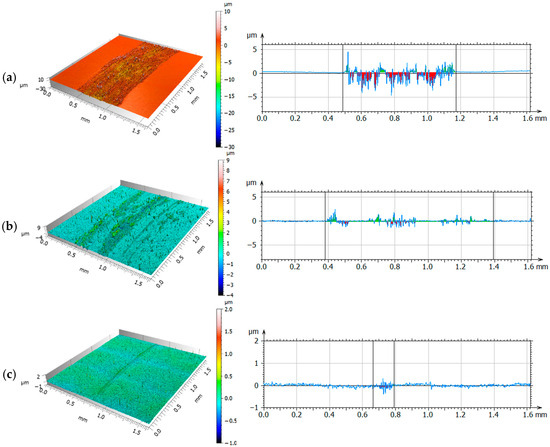
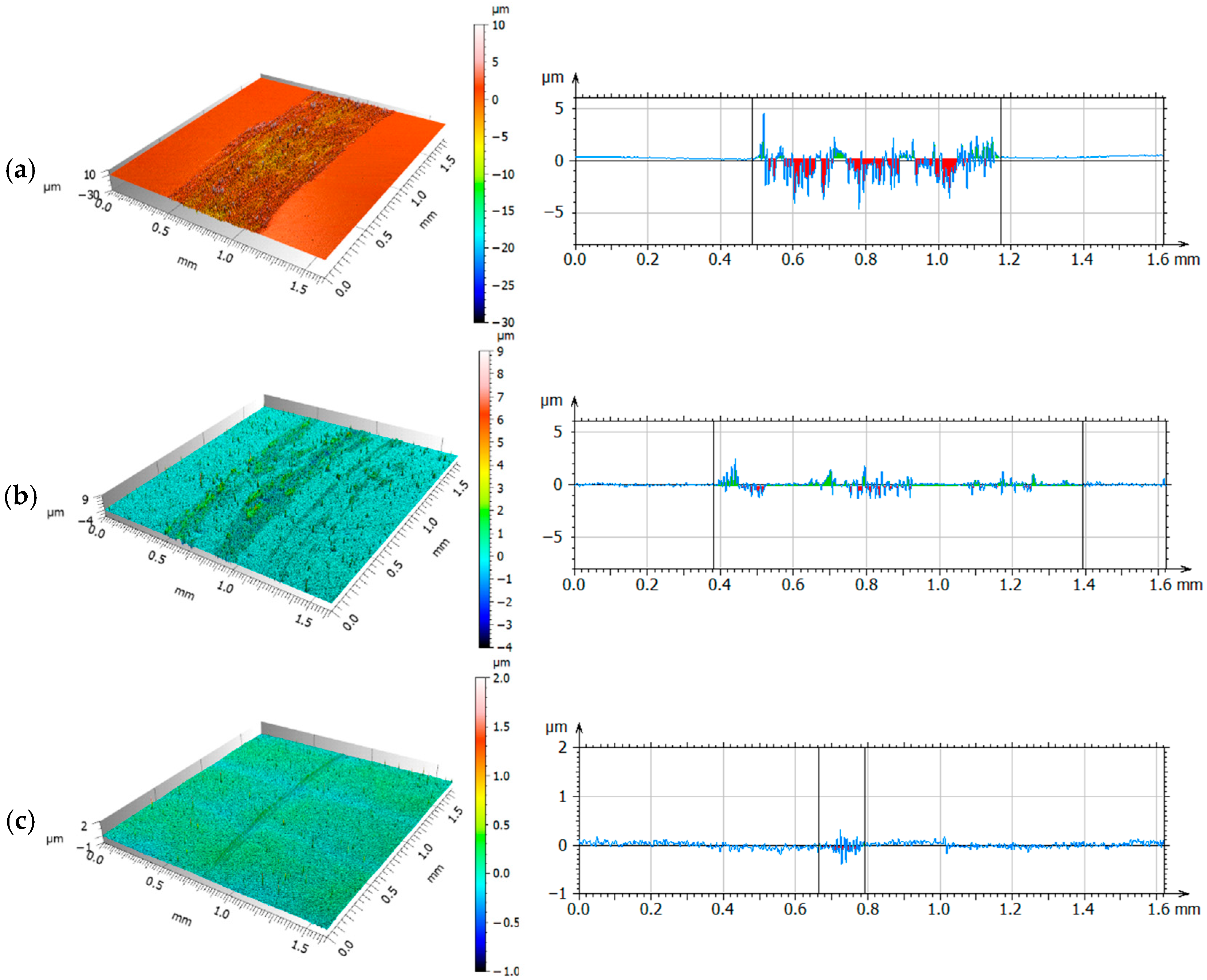
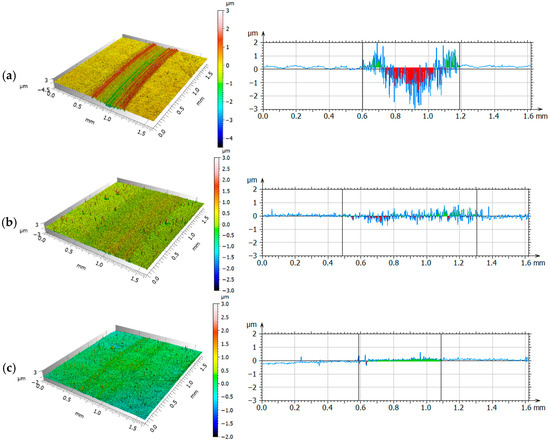
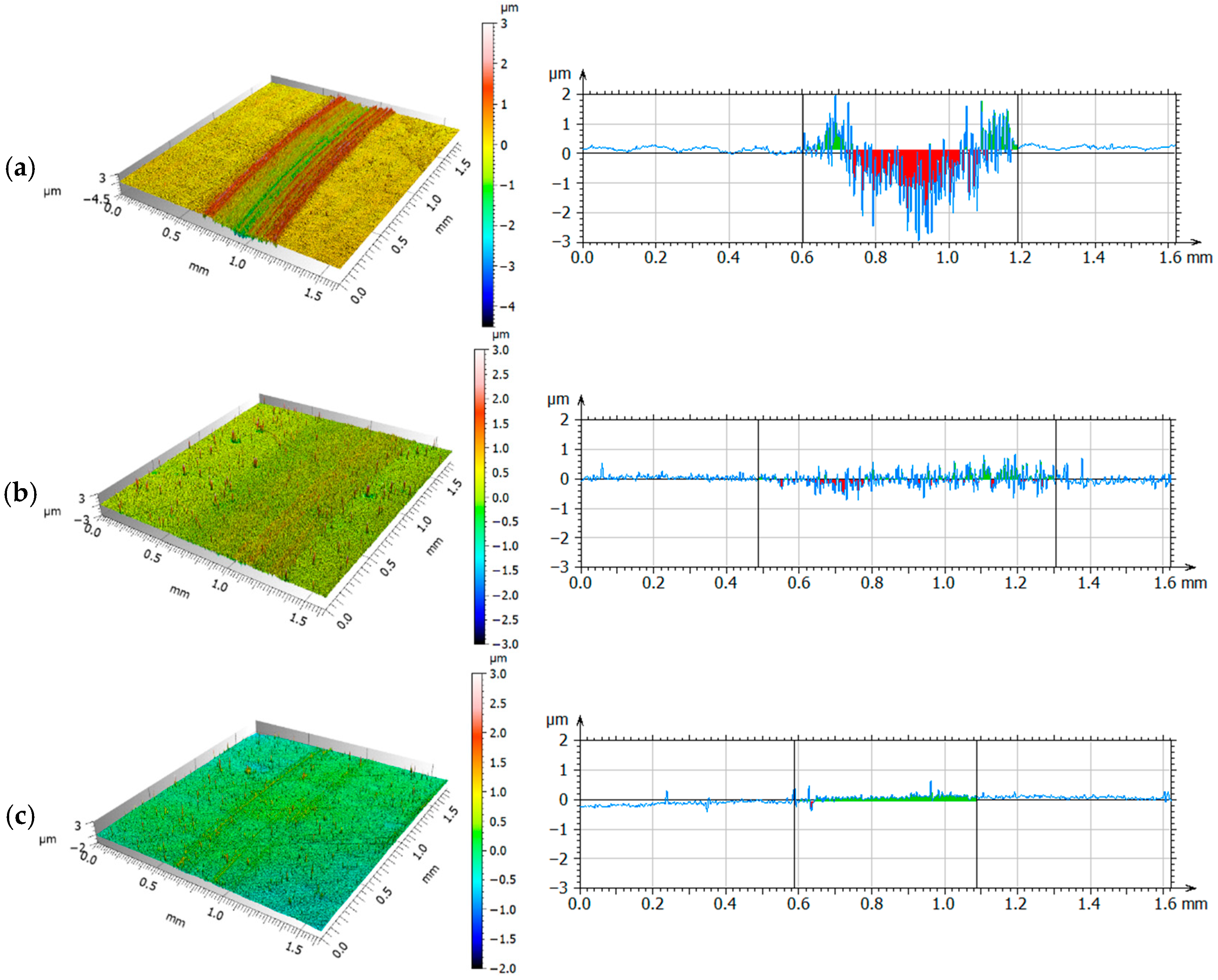
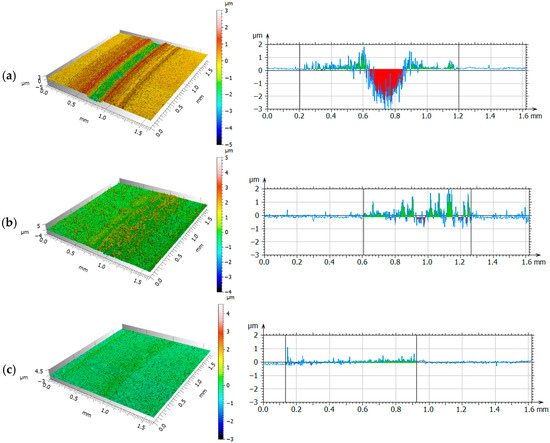
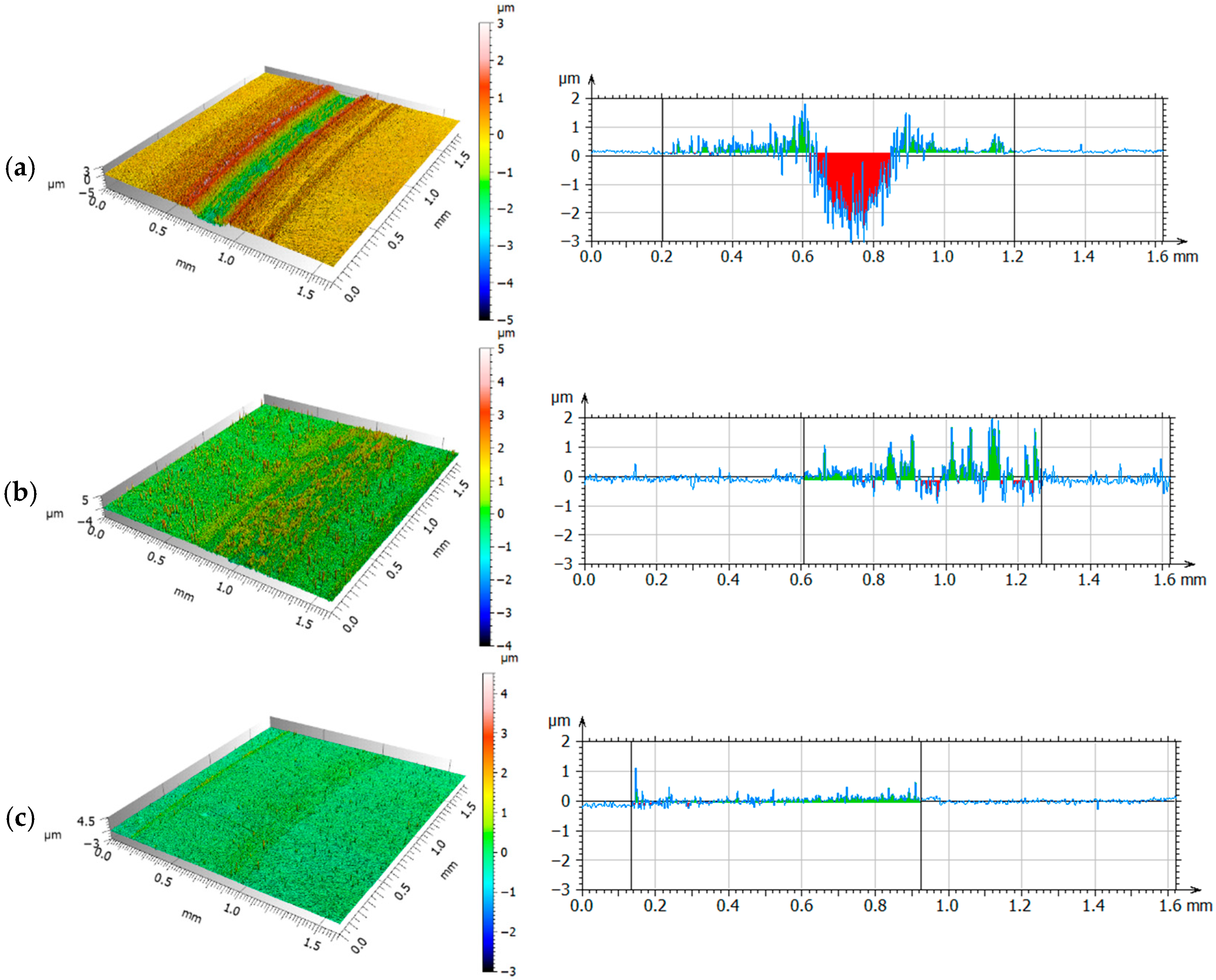
Figure 12, Figure 13 and Figure 14 show isometric views and sample surface profiles after dry friction with artificial blood solutions at pH 7.45 and pH 7.15. The maximum abrasion depth and surface area, along with their mean values, are presented in Table 8, Table 9 and Table 10.
Figure 12.
Isometric views and corresponding surface profiles of the sample surfaces after dry friction: (a) 316L steel; (b) CrN coating; (c) CrN/DLC coating.
Figure 13.
Isometric views and corresponding surface profiles of the sample surfaces after friction with artificial blood pH 7.45: (a) 316L steel; (b) CrN coating; (c) CrN/DLC coating.
Figure 14.
Isometric views and corresponding surface profiles of the sample surfaces after friction with artificial blood pH 7.15: (a) 316L steel; (b) CrN coating; (c) CrN/DLC coating.
Table 8.
Average value of the wear depth and wear area after dry friction.
Table 9.
Average value of the wear depth and wear area after friction with artificial blood pH 7.45.
Table 10.
Average value of the wear depth and wear area after friction with artificial blood pH 7.15.
Maximum wear depth was reduced by four times and wear area by more than five times with the CrN coating, compared to uncoated steel. The diamond-like coating reduced the wear depth by more than eleven times and significantly reduced the wear area (from 582 µm2 to 8 µm2).
Tests using pH-neutral artificial blood also confirmed the proper anti-wear properties of the coatings. The CrN coating reduced the maximum wear depth by six times and the wear area by over fifteen times compared to 316L steel. Wear depth decreased by more than ten times and wear area was considerably reduced due to the diamond-like carbon coating (from 366 µm2 to 3 µm2).
Using acidified artificial blood as a lubricant also had no negative impact on the deposited coatings. The CrN coating reduced the maximum wear depth threefold and the wear area more than tenfold compared to 316L steel. The diamond-like coating reduced the wear depth more than twenty-fivefold and significantly reduced the wear area (from 389 µm2 to 14 µm2).
The lower coefficient of friction and wear of the CrN/DLC coatings can be attributed to the formation of a tribofilm enriched in sp2-bonded carbon during sliding. The graphite layer reduced shear stress at the interface and acted as a solid lubricant. This was particularly observed in a blood-like environment, which facilitated surface passivation and carbon rehybridization. The CrN layers exhibited a predominantly abrasive–adhesive sliding mechanism. Although it is possible that a thin Cr2O3 passive layer formed in the test environment, it did not provide lubrication. As a result, the CrN exhibited higher wear at the interface and increased deformation, resulting in a higher and less stable coefficient of friction. For this reason, in each configuration of friction pairs, the CrN/DLC coating was characterized by a significantly lower depth and wear area.
3.7. Surface Morphology After Tribological Tests
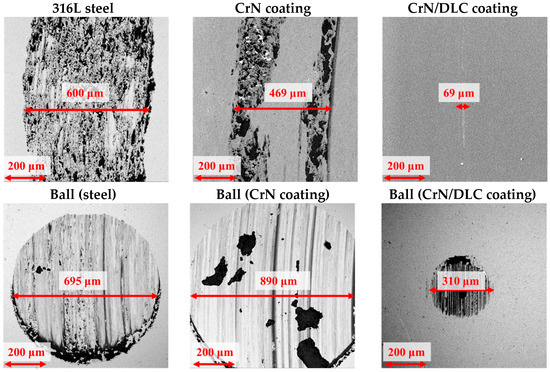
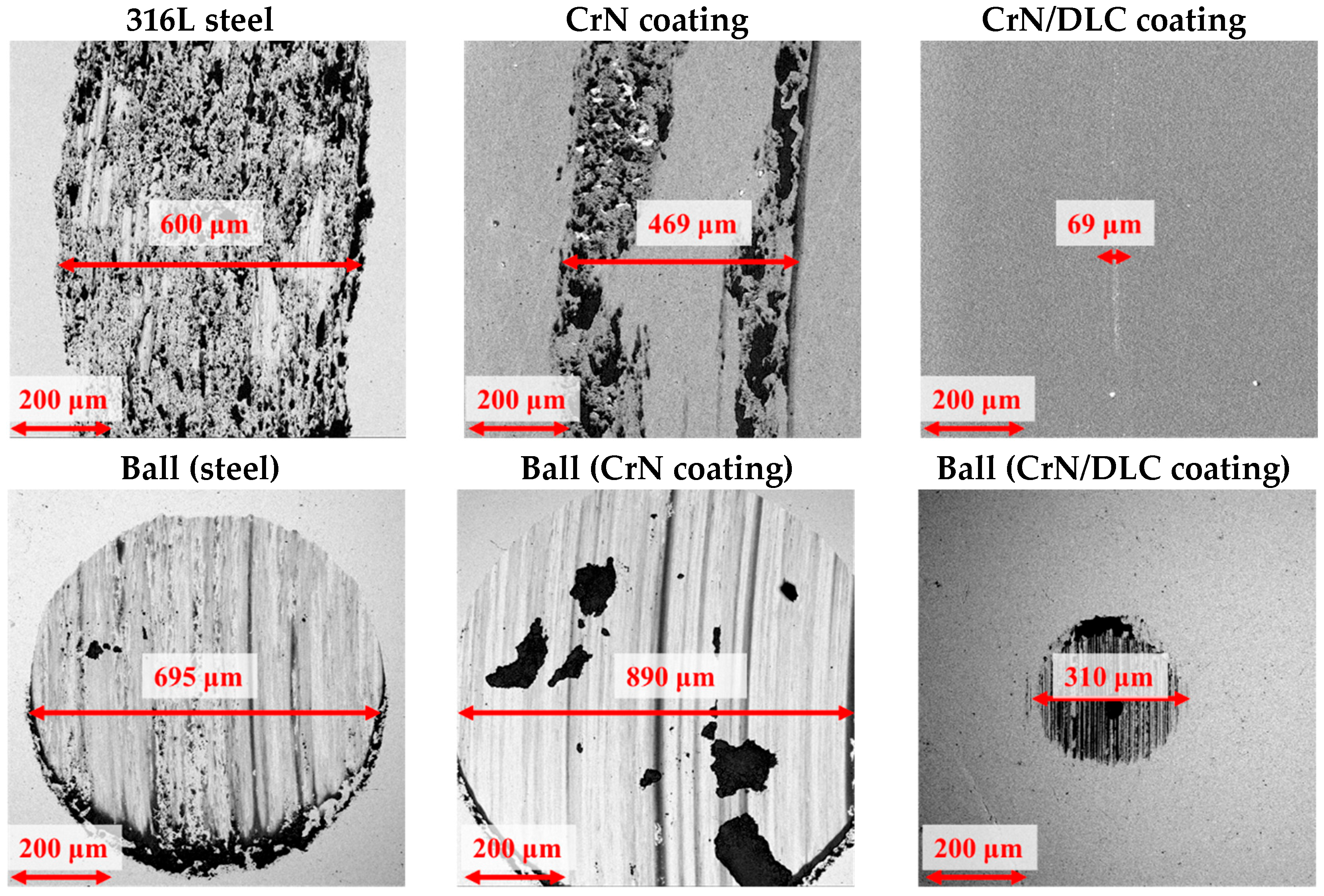
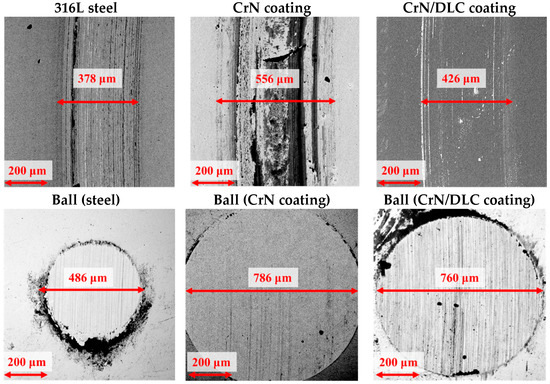
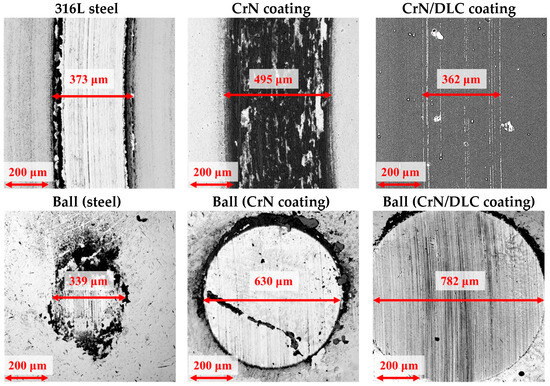
Figure 15, Figure 16 and Figure 17 show the morphological features of the samples and countersamples after tribological tests.
Figure 15.
Surface morphology of samples and balls after dry friction.
Figure 16.
Surface morphology of samples and balls after friction with artificial blood pH 7.45.
Figure 17.
Surface morphology of samples and balls after friction with artificial blood pH 7.15.
After dry friction, the abrasion mark was approximately 20% narrower for the CrN coating compared to 316L steel and approximately 85% narrower for the diamond-like coating. The largest wear scar was observed for the ball in contact with the CrN coating, and the smallest for the CrN/DLC coating. After friction with a neutral pH artificial blood solution, the wear scar was approximately 47% wider for the CrN coating and approximately 12% wider for the CrN/DLC coating compared to 316L steel. The largest abrasion mark was observed for the ball in contact with the CrN coating, and the smallest for 316L steel. Despite minor visible defects in the coating’s appearance, it did not wear out. The CrN/DLC coating, despite the wear scar widening, appears to be significantly shallower. Tribological tests with acidic pH artificial blood also confirmed the good compatibility of the selected coatings with the lubricants used. Despite the widening of the abrasion marks, no damage to the thin layers was observed.
The obtained results clearly indicate a strong correlation between the wear of the friction pair and the hardness of the contacting surfaces. In the case of uncoated 316L steel (softer than the tested coatings and the countersample), the coatings primarily favour adhesive wear. Due to the low hardness of the substrate, steel material is deposited on the countersample. This results in a larger wear scar on the steel surface, correlated with greater material loss. In contrast to pure 316L steel, samples coated with CrN and CrN/DLC coatings exhibit distinctly different wear mechanisms due to their significantly higher hardness compared to the ball. Therefore, they experience less wear, and the wear is transferred to the ball. In most cases, this leads to abrasive wear, as the harder surface acts as an abrasive medium. Despite its hardness and wear resistance, the CrN coating has a higher coefficient of friction than CrN/DLC, which can result in a more abrasive effect on the ball. Despite these properties, SEM imaging revealed small amounts of material residue on the ball surfaces. This confirms that the wear process involved a combination of abrasive and adhesive wear. Of these two coatings, the CrN/DLC coating exhibits more favourable tribological properties. Overall, both coatings exhibit different properties than steel, confirming the crucial role of surface hardness and structure in determining the dominant wear mechanisms.
4. Conclusions
The main aim of this work was to evaluate the wear mechanisms occurring in the biotribological system when lubricated with artificial blood and the mechanical properties of the tested coatings. Based on the conducted tests, the following conclusions were drawn:
The studies conducted demonstrated that the use of CrN and CrN/DLC coatings significantly improved the tribological and mechanical properties of 316L steel when exposed to artificial blood.
- Wettability tests revealed that the CrN coating was hydrophobic, while the 316L steel and CrN/DLC coating exhibited hydrophilic properties. This is important for potential biomedical applications, as the wetting ability of a surface can influence protein adhesion and the material’s interactions with the biological environment. The analysis of mechanical parameters clearly confirmed a significant increase in hardness after deposition of the coatings.
- Tribological tests demonstrated a significant positive impact of the CrN/DLC coating, which reduced the coefficient of friction under all test conditions—both under technically dry friction and in the presence of artificial blood. The CrN coating, although characterized by higher friction coefficient values compared to 316L steel, limited the depth and area of abrasion, which confirms its protective nature and ability to reduce wear.
- The assessment of wear traces and surface morphology after testing confirmed the high resistance of both coatings to degradation in an environment simulating human blood. Even in an acidic environment, which can occur in patients’ bodies as a result of disease processes, the coatings showed no signs of damage and showed limited wear.
Therefore, the use of CrN and CrN/DLC coatings is an effective method of improving the operational durability and functionality of medical tools and components made of 316L steel. The obtained results indicate that the tested coatings can be an effective solution for the protection of surgical instruments and implants, increasing their durability and reducing the risk of damage during operation.
Author Contributions
Conceptualization: M.M. and K.R.-K.; methodology: K.R.-K., writing—original draft preparation: M.M. and K.R.-K.; writing—review and editing: M.M. and K.R.-K.; supervision, M.M. All authors have read and agreed to the published version of the manuscript.
Funding
This research received no external funding.
Institutional Review Board Statement
Not applicable.
Informed Consent Statement
Not applicable.
Data Availability Statement
Data are contained within the article.
Conflicts of Interest
The authors declare no conflicts of interest.
References
- Paszenda, Z.; Tyrlik-Held, J. Instrumentarium Chirurgiczne; Wydawnictwo Politechniki Śląskiej: Gliwice, Poland, 2003. [Google Scholar]
- Zeddini, M.; Jemâa, M.; Bassem Khattech, M. Conservative Management of Broken Endodontic Instruments: Two Case Reports. Acta Sci. Dent. Sci. 2024, 8, 15–21. [Google Scholar]
- Zhang, X.; Zhang, Y.; Jin, Z. A Review of the Bio-Tribology of Medical Devices. Friction 2022, 10, 4–30. [Google Scholar] [CrossRef] [Scilit]
- Avilov, A.V.; Laktionov, E.V. Research Methodology of Amplitude-Frequency Characteristics of Dental (Endodontic) Files. IOP Conf. Ser. Mater. Sci. Eng. 2020, 731, 012026. [Google Scholar] [CrossRef] [Scilit]
- Zardzewiałe Narzędzia Chirurgiczne—Interwencja Sanepidu 2023. Available online: https://wrzesnia.info.pl/pl/19_wiadomosci-z-regionu/586_powiat/23130_zardzewiale-narzedzia-chirurgiczne-interwencja-sanepidu.html (accessed on 7 October 2025).
- What Is Surgical Steel? The Role of Stainless in Healthcare. Available online: https://www.essentracomponents.com/en-gb/news/industries/medical-equipment/what-is-surgical-steel-the-role-of-stainless-in-healthcare (accessed on 7 October 2025).
- Vaca, L.S.; Quintana, J.P.; Vega, D.; Marquez, A.; Bruhl, S.P. Tribological and Corrosion Behavior of Duplex Coated AISI 316L Using Plasma Based Ion Implantation and Deposition. Mater. Today Commun. 2021, 26, 101892. [Google Scholar] [CrossRef] [Scilit]
- Fellah, M.; Labaı¨z, M.; Iost, A.; Dekhil, L. Tribological Behaviour of AISI 316L Stainless Steel for Biomedical Applications. Tribol. Mater. Surf. Interfaces 2013, 7, 135–149. [Google Scholar] [CrossRef] [Scilit]
- García-León, R.A.; Martínez-Trinidad, J.; Campos-Silva, I.; Figueroa-López, U.; Guevara-Morales, A. Development of Tribological Maps on Borided AISI 316L Stainless Steel under Ball-on-Flat Wet Sliding Conditions. Tribol. Int. 2021, 163, 107161. [Google Scholar] [CrossRef] [Scilit]
- Gierzyńska-Dolna, M.; Lijewski, M. Application of Titanium and Its Alloy in Biomedical Engineering. Inżynieria Mater. 2012, 33, 315–318. [Google Scholar]
- Watanabe, M.; Liu, L.; Ichikawa, T. Are Allergy-Induced Implants Failures Actually Hypersensitive Reactions to Titanium? A Literature Review. Dent. J. 2023, 11, 263. [Google Scholar] [CrossRef] [Scilit]
- Hawranek, M.; Stolarz, M.; Dutka, J.; Wrzask, G.; Hawranek, J. Guz Rzekomy i Metaloza Po Aloplastyce Rewizyjnej Stawu Biodrowego. Stud. Przypadku. Ortop. Traumatol. Rehabil. 2018, 20, 43–50. [Google Scholar] [CrossRef] [Scilit]
- Dąbrowska, D.; Roszkiewicz, J.; Sosnowski, G.; Wójcik, T. Alergia Na Metalowe Wszczepy Stosowane w Ortopedii. Postępy Dermatol. I Alergol. 2007, 2, 9–103. [Google Scholar]
- Kręcisz, B.; Chomiczewska-Skóra, D.; Pałczyński, C.; Kieć-Świerczyńska, M. Uczulenie Na Metale a Implanty Medyczne. Alergia 2012, 4, 17–18. [Google Scholar]
- Burakowski, T.; Marczak, R. Eksploatacyjna Warstwa Wierzchnia i Jej Badania. Zagadnienia Eksploat. Masz. 1995, 103, 327–337. [Google Scholar]
- Rajan, S.T.; Subramianian, B.; Arockiarajan, A. A Comprehensive Review on Biocompatibile Thin Films for Biomedical Application. Ceram. Int. 2022, 4, 4377–4400. [Google Scholar] [CrossRef] [Scilit]
- Radoń-Kobus, K.; Madej, M. Properties of TiO2 Coatings Applied by Atomic Layer Deposition on 100Cr6 Steel. Metalurgija 2022, 61, 657–660. [Google Scholar]
- Zasińska, K.; Piątkowska, A. The Evaluation of the Abrasive Wear of the Ti13Nb13Zr Alloy Implanted by Nitrogen Ions for Friction Components of the Hip Join Endoprostheses. Tribologia 2015, 6, 175–186. [Google Scholar]
- Radek, N.; Szczotok, A.; Gądek-Moszczak, A.; Dwornicka, R.; Bronček, J.; Pietraszek, J. The Impact of Laser Processing Parameters on the Properties of Electro-Spark Deposited Coatings. Arch. Metall. Mater. 2018, 63, 809–816. [Google Scholar] [CrossRef] [Scilit]
- Woźniak, A.; Bialas, O.; Adamiak, M.; Hadzima, B.; Szewczenko, J. The Infuence of Laser Texturing on the Tribological Behavior of Titanium Alloy Ti6Al4V in Medical Applications. Arch. Civ. Mech. Eng. 2024, 24, 146. [Google Scholar] [CrossRef] [Scilit]
- Yonezawa, K.; Kawaguchi, M.; Kaneuji, A.; Ischiseki, T.; Jinuma, Y.; Kawamura, K.; Shintani, K.; Oda, S.; Taki, M.; Kawahara, N. Evaluation of Antibacterical and Cytotoxic Properties of a Fluorinated Diamon-Like Carbon Coating for the Development of Antibacterical Medical Implants. Antibiotics 2020, 9, 495. [Google Scholar] [CrossRef] [Scilit] [PubMed]
- Radoń-Kobus, K.; Madej, M. Properties of CrN and CrN/DLC Coatings in Tribological Systems Lubricated with Articial Saliva. Tribologia 2025, 311, 37–46. [Google Scholar] [CrossRef] [Scilit]
- Kaneko, M.; Hiratsuka, M.; Alanazi, A.; Nakamori, H.; Namiki, K.; Hirakuri, K. Surface Reformation of Medical Devices with DLC Coating. Materials 2021, 14, 376. [Google Scholar] [CrossRef] [Scilit]
- Madej, M.; Piotrowska, K.; Vicen, M.; Zatkaliková, V. Wear and Corrosion Behavior of Diamond-like Carbon Coatings in Artificial Saliva. Coatings 2025, 15, 305. [Google Scholar] [CrossRef] [Scilit]
- Biel-Gołaska, M. Zastosowanie Warstw Diamentowych Oraz Powłok Diamentopodobnych Na Narzędziach Medycznych i Implantach. Pr. Inst. Odlew. 2008, 48, 5–18. [Google Scholar]
- Skjöldebrand, C.; Tipper, J.L.; Hatto, P.; Bryant, M.; Hall, R.M.; Persson, C. Current Status and Future Potential of Wear-Resistant Coatings and Articulating Surfaces for Hip and Knee Implants. Mater. Today Bio 2022, 15, 100270. [Google Scholar] [CrossRef] [Scilit] [PubMed]
- Vishwakarma, V.; Saravanan Kaliaraj, G.; Kirubaharan Amirtharaj Mosas, K. Multifunctional Coatings on Implant Materials—A Systematic Review of the Current Scenario. Coatings 2022, 13, 69. [Google Scholar] [CrossRef] [Scilit]
- Pape, F.; Nassef, B.; Poll, G.; Rummel, F.; Küspert, S.; de Souza, L.; Hentschel, G.; Winkler, C.M.; Drexler, J.F.; Glasmacher, B. Artificial Blood in Bio-Tribological Model System Testing. In Proceedings of the 19th Arnold Tross Colloquium, Hamburg, Germany, 31 May 2024. [Google Scholar]
- Pape, F.; Hentschel, G.; Nassef, B.; Rummel, F.; Küspert, S.; de Souza, L.; Winkler, C.M.; Glasmacher, B. Hydrogel-Based Artificial Blood as a Lubricant in Bio-Tribological Model System Testing. Annu. Trans. Nord. Rheol. Soc. 2024, 32, 123–126. [Google Scholar]
- Madej, M.; Piotrowska, K.; Ozimina, D. Properties of Diamond-like Carbon Coatings on the Titanium Alloy Ti13Nb13Zr. Tribologia 2019, 6, 39–46. [Google Scholar] [CrossRef] [Scilit]
- Stal Nierdzewna AISI 316l: Profesjonalna Obróbka Stali AISI 316, 1.4404 A4. Available online: https://mirrorinox.de/pl/stal-nierdzewna/stal-nierdzewna-aisi-316/ (accessed on 7 October 2025).
- Skład Chemiczny Stali 420-C. Available online: https://www.agst.de/4034?lang=pl (accessed on 7 October 2025).
- PN-EN ISO 10993-15:2023-10; Biologiczna Ocena Wyrobów Medycznych—Część 15: Identyfikacja i Oznaczanie Ilościowe Produktów Degradacji Metali i Stopów. ISO: Geneve, Switzerland, 2023.

Disclaimer/Publisher’s Note: The statements, opinions and data contained in all publications are solely those of the individual author(s) and contributor(s) and not of MDPI and/or the editor(s). MDPI and/or the editor(s) disclaim responsibility for any injury to people or property resulting from any ideas, methods, instructions or products referred to in the content. |
© 2025 by the authors. Licensee MDPI, Basel, Switzerland. This article is an open access article distributed under the terms and conditions of the Creative Commons Attribution (CC BY) license (https://creativecommons.org/licenses/by/4.0/).