


Abstract
Healthcare-associated infections (HAIs) remain a major challenge to patient safety, particularly in the context of increasing antimicrobial resistance (AMR). This narrative review describes more than two decades of developing and sustaining an infection prevention and control (IPC) program in a Serbian tertiary-care teaching hospital. Continuous epidemiological surveillance formed the backbone of the program, supporting the identification of infection trends, emerging risks, and priorities for preventive action. Selected longitudinal surveillance indicators are presented descriptively to illustrate program development rather than to establish the effectiveness of individual IPC interventions. Over time, the program expanded to integrate microbiological support, monitoring of antimicrobial use and AMR, education, research, and multidisciplinary collaboration. Experience gained during organizational changes, resource constraints, outbreaks, and the COVID-19 pandemic highlighted the importance of adaptability and sustained institutional commitment. The principal lessons from this experience are that sustainable IPC depends not only on surveillance systems and technical measures but also on trained personnel, clinical engagement, institutional support, and the capacity to translate epidemiological evidence into everyday practice. These elements are essential for building resilient IPC programs.
1. Introduction
Healthcare-associated infections (HAIs) remain a major challenge to patient safety and quality of care worldwide, contributing to increased morbidity, mortality, antimicrobial use (AU), and healthcare costs [1]. Over recent decades, infection prevention and control (IPC) has evolved from an approach focused primarily on surveillance and outbreak response toward a comprehensive, multidisciplinary model that integrates epidemiological surveillance, preventive interventions, microbiological support, education, antimicrobial stewardship (AMS), and quality improvement [2,3].
This evolution has been supported by the progressive development of national and international surveillance systems and evidence-based IPC frameworks. The Centers for Disease Control and Prevention (CDC) National Nosocomial Infections Surveillance (NNIS) system, and subsequently the National Healthcare Safety Network (NHSN), established standardized approaches to HAI surveillance, while the World Health Organization (WHO) and the European Centre for Disease Prevention and Control (ECDC) developed broader frameworks for implementing and strengthening IPC programs [2,4,5,6]. Nevertheless, implementation remains uneven across healthcare systems, and internationally recommended principles must often be adapted to local clinical, organizational, workforce, and resource conditions [7].
Although the effectiveness of individual IPC interventions and surveillance systems is well established, relatively few publications have examined the long-term evolution and sustainability of comprehensive institutional IPC programs. At the institutional level, Ahern et al. described two decades of longitudinal infection prevention surveillance at a US academic medical center, demonstrating the value of long-term data for identifying epidemiological trends while emphasizing the difficulty of attributing observed changes to individual interventions [8]. At the national level, Gozel et al. reported a decade of experience with Turkey’s national infection control and surveillance program, describing the development of standardized HAI surveillance in a resource-constrained setting [9]. These experiences highlight the value of sustained surveillance and institutional commitment, while leaving a need for detailed accounts of how comprehensive IPC programs evolve and remain sustainable within individual healthcare institutions. Contemporary IPC frameworks increasingly emphasize multidisciplinary programs embedded within healthcare institutions and supported by appropriate expertise, leadership, and organizational resources [10].
The Military Medical Academy (MMA) in Belgrade provides an example of the long-term development of an institutional IPC program within a complex tertiary-care teaching hospital. Building on preventive activities that preceded the formal establishment of the Department of Healthcare-Associated Infection Prevention and Control (DHAIPC) in 2005, the program progressively expanded to encompass multiple components of IPC, reflecting changing clinical and organizational needs.
This article describes the development and sustainability of the institutional IPC program at the MMA over more than two decades, drawing on the evolution of the program and selected longitudinal surveillance indicators. Rather than evaluating the effectiveness of individual interventions, it aims to identify organizational and practical lessons from this long-term institutional experience that may be relevant to the development and sustainability of IPC programs in other tertiary-care settings.
2. Institutional Setting and Approach to the Narrative Review
2.1. Institutional Setting
The MMA in Belgrade, Serbia, is a tertiary-care teaching, research, and referral hospital operating within the Ministry of Defence and serving both military and civilian patients. The institution combines specialized inpatient and outpatient care, emergency services, diagnostic and laboratory activities, education, and clinical research. According to an institutional description published in October 2026, the MMA has more than 1000 hospital beds, 26 clinics, 11 institutes, a diagnostic and polyclinic center, and an urgent treatment center [11]. These figures characterize the contemporary institution and are not assumed to represent unchanged capacity throughout the two-decade period reviewed.
The organizational structure encompasses clinical treatment services, preventive medicine, pharmaceutical services, logistics, and diagnostic and research functions [11]. This multidisciplinary structure requires institution-wide IPC coordination, integrating epidemiological surveillance and clinical practice with microbiology, pharmaceutical provision, instrument reprocessing, environmental hygiene, procurement, and operational support. Such coordination is essential for implementing preventive measures and maintaining consistent IPC practices across the hospital.
The DHAIPC is an established organizational unit of the MMA, operating in accordance with the Serbian Regulation on the Prevention, Early Detection, and Control of HAIs [12]. The department coordinates institutional IPC activities, including epidemiological surveillance, prevention measures, staff education, and investigation of suspected healthcare-associated transmission. In accordance with the Serbian Regulation on the Reporting of Infectious Diseases and Specific Public Health Matters, the department also reports HAIs electronically through the national public health information system [13].
2.2. Sources and Approach to the Narrative Review
This narrative review draws on approximately two decades of institutional experience in developing and maintaining the MMA IPC program. It combines a retrospective account of program development with a descriptive synthesis of institutional reports, surveillance data, scientific publications, and relevant national and international literature. The review focuses on the evolution of the program and the organizational and operational challenges encountered during its implementation and maintenance, rather than on estimating the causal effectiveness of individual IPC interventions.
The principal institutional sources included annual hospital reports documenting IPC activities, prospectively collected HAI surveillance data, and published investigations conducted at the MMA. These sources were analyzed retrospectively to contextualize surveillance findings, prevention activities, microbiological developments, and institutional experience. External guidelines and scientific publications were selected for their relevance to IPC program development, surveillance methodology, antimicrobial resistance (AMR), and implementation challenges. Source selection was purposive rather than systematic; no formal systematic-review search strategy, quality assessment, or meta-analysis was undertaken.
Three longitudinal surveillance indicators were selected to illustrate distinct components of the evolving program: surgical site infection (SSI) cumulative incidence among monitored surgical procedures (2006–2025); Clostridioides difficile infection (CDI) incidence density across surgical, medical, and neuropsychiatric departments (2011–2025); and HAI incidence density in the surgical intensive care unit (ICU) (2006–2025). ICU surveillance encompassed the major categories of HAIs, including pneumonia, bloodstream infections, urinary tract infections, and other infections meeting the surveillance case definitions, with particular attention to infections associated with invasive medical devices. These series were compiled from aggregated annual institutional reports without reanalysis of individual patient-level records. Their selection was illustrative and does not represent a comprehensive assessment of all HAIs in the hospital.
The selected HAI indicators are presented descriptively. Changes in surveillance coverage, case ascertainment, diagnostic practices, and patient populations may influence temporal comparisons; therefore, observed trends are not attributed to specific IPC interventions. Surveillance methods, case definitions, and denominators, including their evolution over time, are described in Section 4.
Annual hospital-wide antibiotic consumption data for selected frequently used antibiotics were extracted from two previously published institutional studies covering 2001–2010 and 2011–2021 [14,15]. Consumption was expressed as defined daily doses (DDD) per 100 hospital bed-days. Additional statistical analyses were performed using the published aggregate data to examine temporal trends and associations between the consumption patterns of selected antibiotics. The results are presented in Section 6.
3. Laying the Foundations of the IPC Program
The earliest organized infection prevention activities at the MMA focused on improving the quality and safety of medical device reprocessing. Biological monitoring of steam sterilization was initially the principal activity, but this gradually evolved into a standardized approach encompassing the entire reprocessing pathway [16,17,18]. Medical device reprocessing encompasses cleaning, disinfection, inspection, packaging, sterilization when indicated, and appropriate storage of reusable medical devices [16,17,18].
This development coincided with organizational and technological modernization of the hospital. Differences in equipment, heterogeneous practices, and the absence of standardized quality assurance prompted a system-oriented approach based on written protocols, routine process monitoring, documentation, quality assurance, and staff education, thereby promoting more consistent reprocessing practices across the institution [16,17,18].
Modernization subsequently included the introduction of low-temperature sterilization technologies for heat-sensitive medical devices. Formaldehyde and hydrogen peroxide plasma sterilization were introduced alongside steam sterilization, while a new-generation ethylene oxide system was later added for devices requiring this method of reprocessing. These developments expanded reprocessing capacity while allowing sterilization methods to be selected according to device characteristics [17].
Sterilization quality assurance has remained an integral component of institutional reprocessing practices. Steam sterilization cycles are routinely monitored using physical and chemical indicators, with biological monitoring performed weekly, consistent with the minimum frequency recommended in CDC guidance [17]. Biological indicators for steam sterilization commonly use spores of Geobacillus stearothermophilus (formerly Bacillus stearothermophilus), whereas Bacillus atrophaeus is used for ethylene oxide sterilization [17]. At the MMA, biological monitoring is performed for every ethylene oxide and formaldehyde sterilization cycle. Biological monitoring was performed using combined biological indicator strips containing spores of two bacterial species. Although hydrogen peroxide plasma sterilization was also introduced, its routine monitoring falls outside the activities directly overseen by the institutional IPC team.
Reprocessing of flexible endoscopes was also progressively standardized through the introduction of automated endoscope reprocessors for gastrointestinal endoscopy and bronchoscopy, replacing previously manual procedures. This technological transition supported greater procedural standardization; however, independent microbiological verification of endoscope reprocessing effectiveness was not undertaken within the institutional IPC program.
Implementation of these changes depended on close collaboration between the Central Sterile Supply Department (CSSD), epidemiologists, microbiologists, engineers, and clinical departments. The centralized CSSD provided the organizational framework for introducing modern reprocessing standards and harmonizing practices across the hospital. Technological advances were accompanied by staff education and multidisciplinary collaboration, an approach that would later become integral to the broader IPC program.
Experience gained through the development of reprocessing practices also strengthened institutional expertise in the rational selection and appropriate use of disinfectants and antiseptics, which was subsequently disseminated through the international professional literature [19]. This expertise informed institutional policies for the selection and evaluation of disinfectants, antiseptics, and sterilization technologies, including procurement criteria and standard operating procedures [16,17,18,19].
AU monitoring was also established during this early period, with institutional consumption data subsequently analyzed over the period 2001–2010 [14].
Together, these developments transformed an initially reprocessing-focused initiative into a structured institutional approach to infection prevention, providing the organizational foundation for the next major stage of program development: systematic HAI surveillance. The subsequent evolution of the institutional IPC program, from the establishment and expansion of prospective surveillance to molecular epidemiology, AMR monitoring, AU monitoring, research, and multidisciplinary IPC activities, is summarized in Figure 1.
Figure 1.
Evolution of the institutional infection prevention and control program over more than two decades.
4. Building and Expanding the HAI Surveillance System
4.1. Surveillance Framework and Methodological Evolution
With standardized reprocessing practices established, systematic HAI surveillance became the next major stage in the development of the IPC program, providing an epidemiological framework for identifying infection risks, prioritizing interventions, and evaluating preventive measures [2,3,6].
Initial SSI surveillance was developed in response to the need for objective information about postoperative infections and was introduced in collaboration with surgical services.
At that time, CDC definitions and NNIS methodology provided the framework for surveillance development [4]. Surveillance protocols, case definitions, and selected surgical procedures were adapted to local clinical practice while maintaining consistency with NNIS standards. In 2006, prospective surveillance of SSIs and HAIs in the surgical ICU was introduced in parallel, establishing the institution’s first structured prospective HAI surveillance system [4,20].
Standardized data collection forms were developed for the different components of the surveillance program, including SSIs, HAIs in ICU, CDI, and acute respiratory infections. Data collected by IPC nurses and epidemiologists are entered into separate, purpose-built databases for each surveillance component. These databases support systematic data organization, verification, analysis, and preparation of periodic and annual epidemiological reports.
The surveillance program evolved in response to institutional needs rather than according to a rigid predefined structure. Its development relied on continuous collaboration among IPC professionals, clinicians, and microbiologists.
4.2. Surgical Site Infection Surveillance
Over the observation period, SSI surveillance evolved alongside changes in surgical practice and patient populations. Initially introduced in general and vascular surgery, surveillance was progressively extended to other surgical specialties, including orthopedic, neurosurgical, plastic and reconstructive, cardiac, thoracic, urological, laryngeal, and maxillofacial surgery. The range of monitored procedures was subsequently adjusted to reflect surveillance feasibility and changes in clinical practice, while the selection and classification of surgical procedures remained aligned with the CDC/NNIS/NHSN framework [4,5,21]. For example, ureterorenoscopy (URS) and transurethral resection of the prostate (TURP) were discontinued from routine SSI surveillance because short postoperative hospital stays limited the feasibility of follow-up, whereas surveillance in urology continued for prostatectomy, nephrectomy, and cystectomy. In parallel, the increasing use of minimally invasive surgical techniques, including laparoscopic procedures in abdominal surgery and video-assisted thoracoscopic surgery (VATS), altered the composition of surgical procedures performed over time. An increasingly prominent role of oncological surgery also contributed to changes in surgical complexity and patient case mix. These developments should be considered when interpreting longitudinal SSI incidence rates, as variations in aggregated estimates may reflect changes in surveillance coverage, surgical techniques, and patient populations, in addition to changes in infection risk.
SSI surveillance used monitored surgical procedures, rather than individual patients, as the denominator for cumulative incidence estimates. Post-discharge case ascertainment was not systematic; infections identified after discharge were primarily captured when patients were readmitted. These features, together with changes in the range of monitored operations, should also be considered when interpreting annual SSI estimates and comparing them with reports from other institutions.
Standardized surveillance questionnaires were used to prospectively collect data on all patients undergoing the surgical procedures included in surveillance, regardless of whether they subsequently developed an SSI. The collected information included patient characteristics, details of the surgical procedure and surgical team, including surgeons, scrub nurses, and anesthesiologists, ASA physical status classification, wound contamination class, duration of surgery, and postoperative outcomes. These data enabled the calculation of the NNIS risk index for each surgical procedure included in surveillance [22].
4.3. Intensive Care Unit Surveillance
Although surveillance data were systematically collected from the outset, transforming them into meaningful epidemiological information required time and experience. A major challenge was identifying meaningful epidemiological signals and translating them into preventive action. This became particularly evident in ICU surveillance, which was initiated simultaneously in the surgical, medical, and toxicological ICUs in 2006 and subsequently expanded to the neurological ICU in 2014. During 2006–2017, individual-level surveillance focused on patients with identified HAIs, while the total number of patient-days for all ICU patients was obtained from the hospital information system. In 2018, surveillance methodology was aligned with the ECDC HAI-Net ICU protocol, and data collection was expanded to include all ICU patients hospitalized for more than 48 h, regardless of infection status, allowing more comprehensive characterization of the population at risk and comparisons between patients with and without HAIs [23]. This transition should be considered when interpreting longitudinal surveillance data. Increasing experience, particularly with invasive devices, AMR, and changing infection patterns, enabled surveillance findings to guide interventions and multidisciplinary clinical discussions. Regular feedback to clinical teams strengthened clinician engagement and shared ownership of infection prevention and also provided the foundation for prospective cohort studies in specialized ICU settings, including the neurological ICU [24]. Changes in the population included in ICU surveillance over time should also be considered when interpreting longitudinal incidence estimates.
The selected longitudinal ICU indicator is the incidence density of HAIs in the surgical ICU, expressed per 1000 patient-days (Figure 2). This surgical-ICU series should be distinguished from the broader institutional expansion of surveillance to other ICUs.
Figure 2.
Selected longitudinal indicators from the institutional HAI surveillance program. (A) Cumulative incidence of surgical site infections among operative procedures included in prospective surveillance, 2006–2025. (B) Incidence density of Clostridioides difficile infection by clinical service group, 2011–2025, expressed as cases per 10,000 patient-days. (C) Incidence density of HAIs in the surgical ICU, 2006–2025, expressed as cases per 1000 patient-days. The indicators are presented descriptively. Longitudinal comparisons should be interpreted with caution because surveillance coverage, case definitions, diagnostic practices, and patient populations changed during the observation period.
4.4. Clostridioides Difficile Infection Surveillance
CDI surveillance was initially established in surgical departments and subsequently expanded hospital-wide in 2011. Incidence density was subsequently monitored separately in surgical, medical, and neuropsychiatric departments, expressed as cases per 10,000 patient-days. Laboratory diagnostic methods evolved over time. From 2011 to 2017, routine CDI testing was performed using the automated VIDAS CDAB EIA system for the detection of toxins A/B. In 2018, this diagnostic approach was complemented by PCR testing using the GeneXpert system. Longitudinal data informed institutional studies of CDI epidemiology, risk factors, outcomes, and relationships with AU. The surveillance also supported communication among microbiologists, epidemiologists, and clinicians and the consideration of preventive measures.
The surveillance methodology was informed by published recommendations for the surveillance of CDI [25,26,27,28] and was subsequently aligned with ECDC surveillance guidance [29]. Changes in laboratory testing and case definitions over time should be considered when interpreting longitudinal CDI incidence estimates.
Following laboratory confirmation of CDI, the infection control nurse contacts the nurse on the ward where the patient is hospitalized to coordinate the implementation of contact isolation precautions. Contact precautions are implemented for every patient diagnosed with CDI, together with hand-washing with soap and water and environmental cleaning and disinfection measures.
Current differences between European and US CDI surveillance methodologies should be considered when comparing incidence rates. ECDC surveillance incorporates clinical and epidemiological criteria, including symptom onset and healthcare exposure [29], whereas CDC/NHSN laboratory-identified event surveillance primarily relies on the timing of positive specimen collection [30]. Consequently, incidence estimates obtained using these approaches are not directly interchangeable.
Skally et al. [31] questioned the conventional 48-h threshold for healthcare-associated CDI, suggesting that hospital day 4 may better reflect the incubation period. Their findings highlight that symptom onset does not necessarily indicate where infection was acquired, underscoring the limitations of time-based surveillance definitions.
These methodological differences should not be assumed to explain the temporal trends observed at our institution.
4.5. Expansion to Respiratory Infection Surveillance
During the COVID-19 pandemic, hospital-onset and community-onset SARS-CoV-2 infections were differentiated in routine surveillance using contemporaneous ECDC surveillance definitions [32]. The COVID-19 pandemic prompted the development of a structured approach to respiratory infection surveillance. The approach subsequently extended beyond SARS-CoV-2 to include influenza A and B viruses and respiratory syncytial virus (RSV), consistent with European guidance on integrated respiratory virus surveillance [33]. Patients with symptoms of acute respiratory infection are included whether symptoms are present at admission or develop during hospitalization. IPC nurses collect nasopharyngeal swabs and perform initial combined antigen testing for these viruses. Antigen-negative samples undergo additional multiplex reverse-transcription polymerase chain reaction (multiplex RT-PCR) testing. This system covers both community-onset and hospital-onset respiratory infections and should not be interpreted exclusively as HAI surveillance.
4.6. Translating Surveillance Findings into IPC Actions
A documented example of surveillance linked to preventive practice comes from orthopedic surgery. In a prospective cohort of 3867 orthopedic procedures performed between 2007 and 2010, 109 SSIs were identified (overall cumulative incidence, 2.8%). Importantly, SSI cumulative incidence decreased from 4.6% in 2007 to 1.6% in 2010 during four years of active epidemiological surveillance. Surveillance findings were communicated to the orthopedic surgical team, supporting the integration of epidemiological surveillance into routine preventive practice. Although the observational study design does not allow the reduction to be attributed solely to surveillance activities, these findings illustrate the potential contribution of sustained surveillance and feedback to SSI prevention [34].
Preoperative bathing with chlorhexidine-containing soap has also been promoted as part of routine institutional SSI prevention practices. The IPC team periodically reinforces this recommendation among clinical staff, while the institution maintains the availability of chlorhexidine-containing products through routine procurement and their placement in patient bathrooms [35]. In an earlier institutional prospective cohort study involving 5109 surgical procedures, preoperative showering was associated with a significantly lower risk of SSI in univariable analysis (RR = 0.451; 95% CI: 0.339–0.602; p < 0.001). The type of showering agent, with or without an antiseptic, was also significantly associated with SSI (RR = 0.800; 95% CI: 0.674–0.950; p = 0.011). However, preoperative showering was not retained as an independent predictor in multivariable analysis [20]. A subsequent orthopedic study recorded preoperative showering without specifying the bathing agent [34]. Consequently, these observational findings do not establish an independent protective effect of chlorhexidine bathing.
Despite established recommendations to avoid routine preoperative hair removal and to use electric clippers when hair removal is necessary, replacing traditional razor shaving with this safer practice remained an unresolved challenge in our institution.
As the program matured, surveillance extended beyond procedure-specific monitoring to a broader institutional system that included targeted and hospital-wide HAI surveillance, point prevalence surveys (PPS), CDI monitoring, and surveillance of AMR and antimicrobial consumption. In addition, patient-level antibiotic use monitoring was introduced, enabling systematic collection of data on the antibiotics administered to each patient under surveillance and the duration of treatment. The selected longitudinal indicators illustrate this development (Figure 2). Taken together, the experience underscores that surveillance is a continuing process of measurement, interpretation, communication, and refinement of preventive practice, while the coexistence of multiple changes over time limits causal attribution.
Institutional guidance was consolidated in the MMA Collection of Recommendations for the Prevention and Control of HAIs [35]. These recommendations are periodically reviewed and updated to reflect evolving scientific evidence, changes in international guidelines, and emerging institutional IPC priorities.
4.7. Adaptation of Infection Prevention and Control During the COVID-19 Pandemic
The COVID-19 pandemic represented an unprecedented challenge to the continuity and adaptability of the institutional IPC program. During the initial two years of the pandemic, the MMA primarily provided care for patients without COVID-19, while a dedicated military COVID-19 hospital was established at the Karaburma Military Medical Centre to treat military and civilian patients with COVID-19 [36]. This organizational arrangement required intensive infection prevention efforts to minimize the risk of SARS-CoV-2 transmission in both settings.
IPC activities were rapidly intensified, including extensive training of healthcare workers and other hospital personnel in standard and transmission-based precautions, with particular emphasis on the correct donning and doffing of personal protective equipment (PPE). Practical training was accompanied by the development and adaptation of protocols for equipment decontamination, including devices used during airway management, and the widespread use of visual instructions to support adherence to preventive procedures. Epidemiological investigation of suspected healthcare-associated transmission, extensive testing of patients and healthcare workers, and the implementation of screening and isolation measures became essential components of the institutional response [37].
As vaccination became available, monitoring vaccination coverage among healthcare workers and other hospital personnel became another important activity. Regular multidisciplinary meetings supported the assessment of vaccination uptake and the identification of areas requiring additional preventive efforts. The institutional response also generated epidemiological research addressing SARS-CoV-2 infection and vaccination [38]. Beyond the MMA, institutional expertise contributed to national infection prevention efforts through participation in the development of recommendations for preventing SARS-CoV-2 transmission in healthcare settings [39].
The prolonged duration of the pandemic also highlighted the challenges of maintaining consistent adherence to preventive measures under sustained operational pressure. This experience demonstrated that IPC preparedness depends not only on established protocols and technical expertise but also on practical training, continuous communication, monitoring of implementation, and the capacity to sustain preventive activities during an extended public health emergency.
5. Integrating Microbiology into Infection Prevention and Control
Microbiological laboratory capacity developed in parallel with the institutional surveillance program, progressively strengthening routine diagnostics, AMR surveillance, and the characterization of resistance mechanisms. Detection of methicillin-resistant Staphylococcus aureus, vancomycin-resistant enterococci, and extended-spectrum β-lactamases (ESBL) production predated the study period. Subsequent developments included the introduction of MALDI-TOF MS for isolate identification in 2017, routine phenotypic carbapenemase detection in Enterobacterales in 2022 and Acinetobacter spp. in 2025, and rapid minimum inhibitory concentration determination directly from positive blood culture bottles in 2024. These developments expanded diagnostic capabilities and provided additional information to support clinical decision-making. Molecular detection of carbapenemase genes was performed for research purposes.
Routine pathogen identification and antimicrobial susceptibility testing provided essential support for HAI surveillance and clinical decision-making. Daily communication between the Institute of Microbiology and the DHAIPC facilitated the exchange and interpretation of microbiological results, particularly those of epidemiological importance. In parallel, communication with infectious disease specialists regarding microbiologically significant and other clinically relevant cases supported the interpretation of laboratory findings and informed antimicrobial treatment decisions.
At the epidemiological level, the integration of microbiological and surveillance data supported the monitoring of resistant pathogens and the recognition of changes in their distribution. Advanced laboratory investigations progressively expanded the information available beyond routine susceptibility profiles, as illustrated by the molecular identification of NDM-1-producing Pseudomonas aeruginosa, evaluation of rapid carbapenemase detection methods, and investigations combining HAI surveillance data with phenotypic and genotypic resistance characteristics and clinical outcomes [40,41]. Together, these developments strengthened multidisciplinary interpretation of antimicrobial resistance findings and provided a more detailed evidence base for institutional infection prevention activities.
A recent institutional retrospective cohort study further illustrates the integration of epidemiological surveillance and advanced microbiological investigation. Among 121 patients with healthcare-associated infections caused by Klebsiella pneumoniae in 2022–2023, surveillance and clinical outcome data were analyzed alongside antimicrobial susceptibility findings and molecular characterization of carbapenemase genes. The study illustrates the complementary contribution of clinical, phenotypic, and genotypic information to the characterization of resistant healthcare-associated pathogens [42].
Despite these advances, molecular epidemiology was not routinely integrated into outbreak investigations. Although clusters of infections caused by multidrug-resistant organisms were encountered in clinical practice, systematic molecular typing to establish genetic relatedness between isolates and investigate potential transmission pathways was not routinely performed. Consequently, the available microbiological and surveillance data supported the identification of resistant pathogens and the monitoring of their distribution but did not consistently allow molecular confirmation of epidemiological links between cases. This limitation reduced the ability to establish transmission pathways with molecular evidence and represents an area for further development of the institutional IPC program.
6. Antimicrobial Stewardship: Progress and Persistent Challenges
AMS represents an area in which the development of IPC activities at our institution was accompanied by both progress and persistent organizational challenges. Over two decades, the hospital established long-term monitoring of antimicrobial consumption, investigated relationships with HAIs and AMR, and promoted more appropriate antibiotic selection for surgical antimicrobial prophylaxis (SAP). These activities, however, did not evolve into a structured hospital-wide program for reviewing and optimizing therapeutic antibiotic prescribing. The distinction between generating surveillance evidence and translating that evidence into coordinated prescribing interventions is central to our experience.
6.1. Long-Term Monitoring of Hospital-Wide Antimicrobial Consumption
Long-term antimicrobial consumption was monitored using aggregated hospital pharmacy data and annual hospital bed-days, expressed as defined daily doses (DDD) per 100 bed-days. Two published institutional studies provide annual values for 2001–2010 and 2011–2021, respectively [14,15]. These series document surveillance continuity but cannot determine individual prescribing indications, appropriateness, or treatment duration.
Cephalosporins represented an important component of antimicrobial consumption in our institution during both observation periods. Among them, ceftriaxone, cefuroxime, and cefazolin were selected for more detailed longitudinal analysis because of their differing roles in clinical practice, including SAP, and patterns of use. According to the WHO Access, Watch, Reserve (AWaRe) classification, these cephalosporins belong to different categories: cefazolin is classified as Access, whereas cefuroxime and ceftriaxone are classified as Watch antibiotics. This distinction is relevant when interpreting their longitudinal consumption patterns from an AMS perspective. The consumption of ceftriaxone, cefuroxime, and cefazolin fluctuated considerably during 2001–2021 (Figure 3). Ceftriaxone consumption reached 19.14 DDD per 100 bed-days in 2021. Published Mann–Kendall tests for 2011–2021 did not identify significant monotonic trends for ceftriaxone (p = 0.815), cefuroxime (p = 0.102), or cefazolin (p = 1.000) [15]. An exploratory analysis of annual hospital-wide consumption showed an inverse association between ceftriaxone and the combined consumption of cefuroxime and cefazolin (Pearson’s r = −0.653), which was more pronounced for year-to-year changes (r = −0.880). Thus, years in which cefuroxime and cefazolin consumption increased tended to coincide with decreases in ceftriaxone consumption. These descriptive correlations do not establish that substitution occurred within surgical prophylaxis or that the observed pattern resulted from a specific intervention.
Figure 3.
Hospital-wide consumption of ceftriaxone (Watch), cefuroxime (Watch), and cefazolin (Access), according to the WHO AWaRe classification, 2001–2021 (DDD/100 bed-days). Source data: [14,15].
Beyond cephalosporins, meropenem and colistin were selected for longitudinal analysis because of their clinical importance in the treatment of severe infections caused by resistant Gram-negative bacteria. Although classified in different WHO AWaRe categories (Watch and Reserve, respectively), both warrant particular attention in antimicrobial consumption surveillance. Meropenem consumption increased from negligible levels in the early observation years to 4.14 DDD per 100 bed-days in 2021; its 2011–2021 Mann–Kendall trend was not statistically significant (p = 0.139). Colistin consumption increased from 0.02 DDD per 100 bed-days in 2011 to 1.10 in 2021, with a statistically significant upward trend (Mann–Kendall p = 0.004) [15]. Colistin consumption data were available only for 2011–2021, as colistin was not separately reported in the earlier institutional study covering 2001–2010 [14,15]. The longitudinal consumption patterns of meropenem and colistin are presented in Figure 4.
Figure 4.
Hospital-wide consumption of meropenem (2001–2021) and colistimethate sodium (2011–2021), DDD/100 bed-days. Colistin data for 2001–2010 were not separately reported [14,15].
National data provide additional context for these institutional observations. In an analysis of antibiotic consumption and resistance in Serbia during 2017–2021, Medić et al. reported a substantial increase in meropenem consumption and positive ecological correlations between the consumption of meropenem and ceftriaxone and resistance among invasive Klebsiella pneumoniae isolates. Although the national and hospital-level consumption indicators are not directly comparable, these findings highlight the importance of interpreting institutional antimicrobial-use surveillance within the broader national context of AMR [43].
The increase in colistin, an agent in the WHO AWaRe Reserve group, emphasizes the value of surveilling antibiotics that are of particular relevance to AMR. However, consumption trends alone do not establish prescribing appropriateness or explain clinical indications, case mix, microbiological findings, or treatment decisions.
6.2. Surgical Antimicrobial Prophylaxis: Institutional Efforts and Variable Uptake
SAP was the principal area in which institutional activities explicitly aimed to improve antibiotic selection. Four rounds of clinic-based education were jointly conducted by an epidemiologist and a clinical pharmacologist in 2004, 2007–2008, 2014, and 2023. During each round, updated procedure-specific recommendations were distributed to all surgical departments of the MMA. These activities addressed SAP only, not therapeutic antibiotic prescribing. When problems were identified, recommendations were reiterated as part of targeted IPC measures.
SAP practices varied across departments. Cefuroxime was used in thoracic and cardiac surgery, representing a more appropriate choice than ceftriaxone, which remained in use elsewhere [44].
Among 319 patients undergoing laryngeal cancer surgery, second- and third-generation cephalosporins were administered to 57.4% and 32.0%, respectively. The greater concern was prophylaxis duration, which extended from the day of surgery through six postoperative days, substantially exceeding recommended durations [45].
A matched nested case–control study of abdominal surgical patients identified vancomycin use in SAP as independently associated with hospital-acquired pneumonia (adjusted odds ratio [aOR] 5.69, 95% CI 1.48–21.78; p = 0.011). In patients with pneumonia, ceftriaxone use for treatment was associated with an unfavorable outcome (aOR 9.70, 95% CI 1.04–90.47; p = 0.046) [46]. These observational findings are vulnerable to confounding by indication and disease severity, and the ceftriaxone estimate was imprecise. They do not establish antibiotic-related causation but identify prescribing practices meriting clinical review. Systematic hospital-wide audits of prophylaxis selection, timing, and duration were not available; therefore, effects of educational activities on adherence or SSI rates cannot be quantified.
6.3. Patient-Level Antimicrobial Use and Resistance Surveillance in the Surgical ICU
A complementary institutional ecological analysis in the surgical ICU, covering 2018–2024, examined AU alongside patient-level HAI surveillance and microbiological findings [47]. Since 2018, individual-level surveillance data have been collected for all ICU patients hospitalized for more than 48 h, regardless of HAI status. These records include information on antibiotics administered and the number of days each antibiotic was received, enabling the assessment of AU at the patient level. However, the collection of these data did not constitute a systematic assessment of the appropriateness of individual therapeutic prescriptions.
In the ICU analysis, colistin consumption showed no statistically significant temporal trend (p = 0.254), while a significant temporal trend was reported for colistin resistance among Klebsiella spp. isolates (p = 0.046). The correlation between colistin consumption and Klebsiella spp. colistin resistance was positive but not statistically significant (Spearman’s ρ = 0.714; p = 0.071) [47]. The small number of annual observations and ecological nature of these analyses preclude causal interpretation.
Hospital-wide and ICU findings should not be directly compared as equivalent time series: they differ in source data, population, observation period, and analytical approach. The significant 2011–2021 hospital-wide colistin trend and nonsignificant 2018–2024 ICU trend are therefore not contradictory. Assessment of prescribing appropriateness would additionally require indication-specific information on agent selection, dose, treatment duration, and guideline concordance.
6.4. From Surveillance Evidence to Therapeutic Stewardship
The institution maintained a consultative body for reserve and unregistered antibiotics, whose responsibilities focused primarily on procurement and planning antibiotic requirements for the following year. It did not routinely authorize prescriptions for individual patients or systematically review therapeutic AU and therefore did not operate as a multidisciplinary AMS team.
Responsibilities related to AU were distributed across several institutional services. The hospital pharmacy managed antibiotic procurement and distribution and monitored aggregate consumption, while clinical pharmacology services contributed to consumption monitoring and educational activities aimed at improving SAP. The microbiology laboratory supported clinical decision-making through pathogen identification and antimicrobial susceptibility testing. Infectious disease specialists provided consultations upon request and prescribed selected broad-spectrum and reserve antibiotics, including carbapenems and glycopeptides.
Within routine HAI surveillance, the DHAIPC collected patient-level data on AU, including the agents administered and treatment duration. Although these data supported epidemiological surveillance and research, they were not systematically used to evaluate the appropriateness of individual therapeutic prescriptions or guide prescribing interventions. Antibiotic treatment decisions remained the responsibility of treating clinicians.
Despite these activities, the institution had not established a coordinated, hospital-wide system for prospective review of therapeutic prescriptions, systematic audit and feedback, or multidisciplinary interventions to optimize antibiotic selection and treatment duration. Consequently, findings from surveillance and research were not consistently translated into coordinated therapeutic stewardship measures.
This experience highlights the distinction between sustained surveillance capacity, targeted educational initiatives, and a fully operational therapeutic AMS program. Further development would require clearly defined multidisciplinary responsibilities, indication-specific prescribing review, structured feedback to clinical teams, and evaluation of implemented interventions. Although the documented SAP activities represent important institutional achievements, neither hospital-wide antibiotic consumption trends nor associations observed in epidemiological studies can, on their own, demonstrate the effectiveness of these interventions.
7. Education, Research, and Multidisciplinary Collaboration
7.1. Education and Training of Healthcare Personnel
The education of healthcare personnel was a continuous component of the institutional IPC program. Educational activities were implemented both proactively, as part of routine efforts to strengthen infection prevention practices, and in response to specific problems identified through epidemiological surveillance or everyday clinical practice.
Training was delivered to physicians, nurses, nursing assistants, newly employed healthcare workers, medical residents, and undergraduate students. Activities included lectures within clinical departments, introductory training for new employees, and educational sessions within undergraduate and postgraduate medical training. IPC nurses also actively delivered educational activities within clinical departments, extending the educational capacity of the IPC team and facilitating direct communication with frontline personnel.
In addition to lectures, the IPC department developed, reproduced, and distributed locally adapted educational materials across clinical departments. An early example was a hand-drawn educational cartoon dating from approximately 2002, which used humor and personified microorganisms, including methicillin-resistant Staphylococcus aureus and Pseudomonas aeruginosa, to emphasize hand-washing (Figure 5A). These materials reflected the “talking walls” approach to infection prevention communication, in which posters and illustrations displayed in clinical areas served as continuous reminders of recommended practices [48].
Figure 5.
Examples of educational materials developed by the institutional IPC team. (A) Illustrated hand hygiene poster emphasizing the risk of transmission of multidrug-resistant microorganisms between patients through contaminated hands of healthcare workers. (B) Educational chart summarizing standard and transmission-based precautions, including contact, droplet, and airborne precautions, for use in clinical settings. Both materials were developed as part of the institution’s infection prevention and control educational activities. The original Serbian-language text has been retained in both panels to preserve the historical authenticity of these educational materials.
Practical guidance included a structured reference chart prepared by the DHAIPC distinguishing standard precautions, applicable to all patients, from additional contact, droplet, and airborne precautions. The chart summarized hand hygiene, gloves, gowns, masks, eye protection, patient placement, and practical aspects of isolation. Reproduction and distribution of these materials complemented formal teaching with accessible guidance in clinical departments (Figure 5B).
At the national level, recommendations for hand hygiene in healthcare institutions were published in Serbia in 2007 by the Working Group on Hand Hygiene of the Republic Expert Commission for Healthcare-Associated Infection Surveillance, with the Ministry of Health and the Institute of Public Health of Serbia “Dr Milan Jovanović Batut” [49]. Since 2009, the institution has observed World Hand Hygiene Day annually in conjunction with the World Health Organization’s SAVE LIVES: Clean Your Hands initiative, using WHO campaign posters and other educational materials [50].
Annually, on 5 May, hand hygiene compliance among healthcare workers was assessed through direct observation, and the findings were subsequently reported to the heads of clinical departments, the Head of the Treatment Sector, and the Institute of Public Health of Serbia “Dr Milan Jovanović Batut”.
Records of educational activities were maintained through different institutional and professional channels, including nursing services and, for relevant accredited continuing education activities, the Serbian Health Council. The DHAIPC did not maintain a comprehensive centralized database of all educational sessions and participants. Therefore, the total number of activities and personnel reached cannot be reliably quantified. The impact of education on staff compliance and infection outcomes was not systematically evaluated.
7.2. Research as a Component of IPC Program Development
Longitudinal surveillance databases provided a valuable resource for clinical and epidemiological research beyond routine infection prevention activities. They supported doctoral dissertations, master’s theses, specialist theses, and undergraduate graduation theses undertaken by physicians, nurses, and medical students, as well as scientific publications developed in collaboration with clinical departments. In this way, the IPC program contributed to academic development and multidisciplinary research within the institution.
7.3. Multidisciplinary Collaboration and Institutional Learning
Multidisciplinary collaboration was supported by the organizational integration of the DHAIPC within the hospital’s clinical care service. Daily morning meetings with senior representatives of clinical and diagnostic departments enabled direct communication of HAIs of particular epidemiological concern. Cases of CDI received special attention, including consideration of preceding antibiotic exposure.
In addition to annual written surveillance reports, epidemiological findings were regularly presented to the heads of clinical departments and institutes during institutional meetings, supporting communication between IPC personnel and clinical leadership.
Through long-standing participation in the Republic Expert Commission for HAIs, IPC professionals from the MMA contributed to the development of numerous national IPC recommendations. Selected examples illustrating the continuity and breadth of this work include guidance on surgical site infection prevention (2005) [51], Clostridioides (Clostridium) difficile infection (2013) [52], Ebola virus disease (2014) [53], IPC during the COVID-19 pandemic (2020) [39], and Candida auris (C. auris) (2025) [54]. Despite limited institutional experience with C. auris, participation of an MMA IPC specialist in the national expert group contributed institutional expertise in surveillance and infection prevention to guidance intended to raise awareness, promote early recognition, and prevent transmission in healthcare settings. IPC professionals also participated in Serbia’s national multisectoral commission addressing AMR.
International collaboration included participation of the MMA in the Serbian national PPS of HAI and AU conducted in 2017 and 2022 using standardized ECDC methodology. Serbia participated in both corresponding European surveys, as documented in ECDC reports published in 2023 [55] and 2024 [56]. The institution’s involvement through its IPC team and national survey activities linked local surveillance practice with national and European epidemiological initiatives. The broader national context of international collaboration was further reflected in the joint ECDC, European Commission, and European Food Safety Authority country visit to Serbia in February 2025, which included visits to healthcare institutions and an assessment of antimicrobial resistance prevention and control within a One Health framework [57].
8. Challenges and Future Perspectives
Some challenges are common to IPC programs worldwide, whereas others reflect local organizational, financial, and workforce constraints. The key lessons emerging from more than two decades of institutional IPC program development are summarized in Table 1.
Table 1.
Key lessons from two decades of institutional IPC program development.
Perhaps the greatest challenge is not technological but human [10]. Sustainable IPC programs depend on adequately staffed, multidisciplinary teams and engaged clinical partners. Yet IPC teams frequently remain understaffed while their responsibilities continue to expand across surveillance, outbreak response, education, AMS, research, and preparedness. This imbalance increases the risk of professional burnout and threatens program sustainability.
Human resource constraints have represented a persistent challenge to the sustainability of the institutional IPC program. Based on the staffing requirements established by the Serbian national regulation on the prevention and control of HAI [12], the institution currently has a shortage of one epidemiologist and one IPC nurse. Since the establishment of the DHAIPC in 2005, its staffing composition has remained unchanged, despite the substantial expansion of surveillance activities, institutional responsibilities, and the complexity of infection prevention challenges. Ensuring adequate staffing, supporting professional development, and retaining experienced IPC professionals remain essential priorities for the long-term sustainability of the program.
The organizational complexity of the MMA represents an additional challenge. Coordinating IPC activities across numerous clinics, institutes, and supporting services requires the alignment of different professional responsibilities, clinical priorities, and established working practices. In a military healthcare institution, formal hierarchical authority does not necessarily translate into effective multidisciplinary cooperation. Sustainable IPC implementation therefore depends not only on regulations and administrative directives but also on continuous communication, mutual professional trust, and shared responsibility for patient safety.
Despite long-standing surveillance of AU and AMR, the development of a fully integrated multidisciplinary AMS program remains an institutional challenge. Strengthening collaboration among IPC professionals, microbiologists, clinical pharmacologists, and prescribing physicians is particularly important in the context of the substantial burden of AMR in Serbia [43,55,56].
Maintaining infection prevention as a visible institutional priority represents another major challenge. Sustainable IPC programs depend on consistent leadership, organizational commitment, and a healthcare culture that recognizes prevention as an integral component of high-quality patient care [58]. Because successful prevention is measured by events that never occur, its impact is often less visible than that of curative medicine. The infections that never developed, the outbreaks that were prevented, and the patients who remained safe rarely attract the same attention as therapeutic achievements. Yet these invisible successes represent one of the greatest contributions of IPC to modern healthcare. Investment in IPC can therefore generate substantial clinical and economic benefits by preventing HAIs, reducing the need for antimicrobial treatment, shortening avoidable hospital stays, and limiting the spread of AMR [1,2,3].
The experiences reported by Ahern et al. [8] and Gozel et al. [9] demonstrate the value of sustained IPC surveillance at institutional and national levels, respectively. Ahern et al. examined two decades of surveillance at a US academic medical center, while Gozel et al. reported reductions in device-associated HAIs over ten years of nationwide surveillance in Turkey. Consistent with these reports, our experience highlights the importance of maintaining surveillance over extended periods. However, the present review focuses less on infection rate trends and more on the gradual organizational development of an IPC program within a single tertiary-care institution. Its additional contribution lies in documenting how surveillance, microbiological support, education, and AU monitoring evolved alongside one another under persistent workforce and organizational constraints. Importantly, these activities did not develop into a fully integrated program in every domain, as illustrated by the continuing limitations of therapeutic AMS. This distinction highlights both the achievements and the unresolved challenges of sustaining IPC activities in resource-constrained institutional settings.
The increasing complexity of healthcare, population ageing, invasive care, AMR, and emerging pathogens require IPC programs to remain adaptable. Experience over more than two decades has also shown that established structures cannot be regarded as permanent achievements. Surveillance priorities, professional relationships, workforce capacity, and institutional support require continuous renewal as clinical and organizational circumstances change.
Digital technologies offer opportunities to improve surveillance efficiency, data integration, and the timely identification of epidemiological signals. Although the institution has maintained electronic surveillance databases for many years, data entry remains manual, and these databases are not integrated with the hospital information system or microbiology laboratory records. This represents an important limitation of the current IPC program, increasing staff workload and restricting opportunities for timely data exchange and analysis. Developing an integrated electronic surveillance system therefore remains a future priority. Nevertheless, digital technologies should complement rather than replace epidemiological expertise, as interpreting surveillance findings and translating them into preventive action remain fundamentally human responsibilities.
9. Strengths and Limitations
The principal strength of this narrative review lies in its documentation of more than two decades of continuous institutional experience in developing, expanding, and sustaining an IPC program within a complex tertiary-care teaching hospital. This long-term perspective provides an opportunity to examine not only the evolution of individual IPC activities but also the organizational challenges associated with maintaining the program over time.
Several limitations should be acknowledged. First, this review describes the experience of a single institution, and its findings may not be directly generalizable to hospitals with different organizational structures, resources, or patient populations. Second, although surveillance data were collected prospectively as part of routine institutional IPC activities, the present narrative review was developed retrospectively, drawing on selected institutional records, surveillance databases, reports, and published studies. The availability and completeness of historical documentation varied across the period, and the retrospective selection and synthesis of these materials may have introduced reporting and selection bias.
Third, surveillance definitions, diagnostic practices, case ascertainment, and the scope of surveillance evolved over time. Changes in patient case mix, clinical procedures, hospital activity, diagnostic intensity, and available resources may also have influenced the observed epidemiological indicators. Some of these changes also reflected the progressive development and standardization of the institutional surveillance program. Consequently, longitudinal comparisons should be interpreted cautiously. Although longitudinal HAI surveillance data were available, the present review did not include a detailed statistical analysis of temporal changes in HAI incidence rates or their potential determinants. In contrast, annual consumption data for selected cephalosporins, meropenem, and colistin from two previously published institutional studies [14,15] were subjected to additional statistical trend analysis to illustrate longitudinal changes in AU. The three selected surveillance indicators illustrate the continuity and development of specific components of the program but do not represent a comprehensive evaluation of all HAIs or IPC activities.
Finally, this review was prepared by professionals directly involved in the development and implementation of the institutional IPC program. Although this involvement provides first-hand knowledge of its evolution, it may also introduce interpretive bias. The descriptive nature of the review, the absence of a controlled evaluation, and the simultaneous implementation of multiple activities preclude causal attribution of observed epidemiological changes to specific IPC interventions.
10. Conclusions
The experience presented in this review suggests that sustaining an IPC program requires more than individual preventive interventions. Over two decades, institutional commitment, multidisciplinary collaboration, and continuous learning emerged as important elements of program development. Transferable organizational practices include maintaining structured surveillance with regular feedback to clinical departments, integrating IPC expertise into routine clinical decision-making, and investing in workforce continuity and professional development. As healthcare evolves and new infectious threats emerge, these practices may help institutions strengthen the resilience of their IPC programs. Ultimately, the strength of an IPC program reflects the resilience of the healthcare system it serves.
Supplementary Materials
The following supporting information can be downloaded at https://www.mdpi.com/article/10.3390/antibiotics15111102/s1, Table S1: Annual surveillance indicators for surgical site infections, Clostridioides difficile infections, and healthcare-associated infections in the surgical intensive care unit, Military Medical Academy, Belgrade, Serbia, 2006–2025.
Author Contributions
Conceptualization, V.Š., I.L. and M.Š.; methodology, V.Š. and I.L.; investigation, V.Š., I.L., N.P., K.V., B.R., D.Đ.-P., G.R., D.M., M.M. and M.Š.; resources, N.P., B.R., D.Đ.-P., G.R., D.M., M.M. and M.Š.; writing—original draft preparation, V.Š. and I.L.; writing—review and editing, V.Š., I.L., N.P., K.V., B.R., D.Đ.-P., G.R., D.M., M.M. and M.Š.; visualization, K.V. and D.M.; supervision, V.Š.; project administration, V.Š. and M.Š.; funding acquisition, V.Š. All authors have read and agreed to the published version of the manuscript.
Funding
This research was funded by the Ministry of Defense of the Republic of Serbia, grant number MF VMA-MN-P/27-29/5.
Institutional Review Board Statement
Ethical approval for the present study was obtained from the Ethics Committee of the Military Medical Academy, Belgrade, Serbia (Approval No. 303/2026, dated 27 October 2026).
Informed Consent Statement
Not applicable.
Data Availability Statement
The annual aggregated surveillance data underlying Figure 2 are provided in Supplementary Table S1. Additional aggregated institutional surveillance data are available from the corresponding author upon reasonable request.
Acknowledgments
The authors gratefully acknowledge the healthcare professionals who, over more than two decades, contributed their knowledge, commitment, and effort to the development and sustainability of the infection prevention and control program at the Military Medical Academy, including colleagues who are no longer at the institution.
Conflicts of Interest
The authors declare no conflicts of interest. The funder had no role in the design of the article; in the collection, analyses, or interpretation of information; in the writing of the manuscript; or in the decision to publish the results.
Abbreviations
| AMR | Antimicrobial resistance |
| AMS | Antimicrobial stewardship |
| AU | Antimicrobial use |
| CDC | Centers for Disease Control and Prevention |
| CDI | Clostridioides difficile infection |
| CSSD | Central Sterile Supply Department |
| DHAIPC | Department of Healthcare-Associated Infection Prevention and Control |
| ECDC | European Centre for Disease Prevention and Control |
| HAI | Healthcare-associated infection |
| ICU | Intensive care unit |
| IPC | Infection prevention and control |
| MMA | Military Medical Academy |
| NHSN | National Healthcare Safety Network |
| NNIS | National Nosocomial Infections Surveillance |
| PPS | Point prevalence survey |
| SAP | Surgical antimicrobial prophylaxis |
| SSI | Surgical site infection |
| WHO | World Health Organization |
| AWaRe | Access, Watch, Reserve |
References
- World Health Organization. Global Report on Infection Prevention and Control; World Health Organization: Geneva, Switzerland, 2022. [Google Scholar]
- World Health Organization. Guidelines on Core Components of Infection Prevention and Control Programs at the National and Acute Health Care Facility Level; World Health Organization: Geneva, Switzerland, 2016. [Google Scholar]
- Storr, J.; Twyman, A.; Zingg, W.; Damani, N.; Kilpatrick, C.; Reilly, J.; Price, L.; Egger, M.; Grayson, M.L.; Kelley, E.; et al. Core components for effective infection prevention and control programs: New WHO evidence-based recommendations. Antimicrob. Resist. Infect. Control 2017, 6, 6. [Google Scholar] [CrossRef] [Scilit] [PubMed]
- National Nosocomial Infections Surveillance System. National Nosocomial Infections Surveillance (NNIS) System Report, data summary from January 1992 through June 2004, issued October 2004. Am. J. Infect. Control 2004, 32, 470–485. [Google Scholar] [CrossRef] [Scilit]
- Edwards, J.R.; Peterson, K.D.; Mu, Y.; Banerjee, S.; Allen-Bridson, K.; Morrell, G.; Dudeck, M.A.; Pollock, D.A.; Horan, T.C. National Healthcare Safety Network (NHSN) report: Data summary for 2006 through 2008, issued December 2009. Am. J. Infect. Control 2009, 37, 783–805. [Google Scholar] [CrossRef] [Scilit] [PubMed]
- European Centre for Disease Prevention and Control. Proposal for EU Guidance on the Establishment and Implementation of Infection Prevention and Control Programmes in Healthcare; ECDC: Stockholm, Sweden, 2026. [Google Scholar] [CrossRef]
- Tartari, E.; Tomczyk, S.; Twyman, A.; Coutinho Rehse, A.P.; Gomaa, M.; Talaat, M.; Singh Shah, A.; Sobel, H.; Toledo, J.P.; Allegranzi, B. Evaluating national infection prevention and control minimum requirements: Evidence from global cross-sectional surveys, 2017–22. Lancet Glob. Health 2024, 12, e1620–e1628. [Google Scholar] [CrossRef] [Scilit] [PubMed]
- Ahern, J.W.; Noyes, C.D.; Smith, L.M.; Alston, W. Twenty years of infection prevention: A longitudinal perspective from an academic medical center. Infect. Control Hosp. Epidemiol. 2022, 43, 115–117. [Google Scholar] [CrossRef] [Scilit] [PubMed]
- Gozel, M.G.; Hekimoglu, C.H.; Gozel, E.Y.; Batir, E.; McLaws, M.-L.; Alp Mese, E. National Infection Control Program in Turkey: The healthcare associated infection rate experiences over 10 years. Am. J. Infect. Control 2021, 49, 885–892. [Google Scholar] [CrossRef] [Scilit] [PubMed]
- Talbot, T.R.; Baliga, C.; Crapanzano-Sigafoos, R.; Bubb, T.N.; Fakih, M.; Fraser, T.G.; Kalu, I.C.; Mony, V.; Neelakanta, A.; Nyquist, A.C.; et al. SHEA/APIC/IDSA/PIDS multisociety position paper: Raising the bar: Necessary resources and structure for effective healthcare facility infection prevention and control programs. Infect. Control Hosp. Epidemiol. 2025, 46, 665–683. [Google Scholar] [CrossRef] [Scilit] [PubMed]
- Ministry of Defence of the Republic of Serbia. Military Medical Academy Boosts Capabilities and Improves Patient Care. 8 October 2026; Ministry of Defence. Available online: https://www.mod.gov.rs/eng/23681/vma-jaca-svoje-kapacitete-i-unapredjuje-zdravstvenu-zastitu (accessed on 26 October 2026).
- Ministry of Health of the Republic of Serbia. Pravilnik o sprečavanju, ranom otkrivanju i suzbijanju bolničkih infekcija [Regulation on the Prevention, Early Detection and Control of Hospital-Acquired Infections]. Službeni Glas. Repub. Srb. 2020, 1, 114–120. (In Serbian) [Google Scholar]
- Ministry of Health of the Republic of Serbia. Pravilnik o prijavljivanju zaraznih bolesti i posebnih zdravstvenih pitanja [Regulation on the Reporting of Infectious Diseases and Specific Public Health Matters]. Služ. Glas. Repub. Srb. 2017, No. 44/2017. amended 2018, No. 58/2018 (In Serbian) [Google Scholar]
- Brusić-Renaud, J.; Antunović, M.; Šuljagić, V. The analysis of antibiotic consumption within the tertiary healthcare institution in Serbia during 10-year period (2001–2010). Int. J. Pharm. Pharm. Sci. 2016, 8, 401–403. [Google Scholar]
- Perić, A.; Rančić, N.; Dragojević-Simić, V.; Milenković, B.; Ljubenović, N.; Rakonjac, B.; Begović-Kuprešanin, V.; Šuljagić, V. Association between antibiotic use and hospital-onset Clostridioides difficile infection in university tertiary hospital in Serbia, 2011–2021: An ecological analysis. Antibiotics 2022, 11, 1178. [Google Scholar] [CrossRef] [Scilit] [PubMed]
- Rutala, W.A.; Weber, D.J.; HICPAC. Guideline for Disinfection and Sterilization in Healthcare Facilities, 2008; CDC: Atlanta, GA, USA, 2008.
- Rutala, W.A.; Weber, D.J.; HICPAC. Guideline for Disinfection and Sterilization in Healthcare Facilities, 2008. Update: June 2024; CDC: Atlanta, GA, USA, 2024.
- Rutala, W.A.; Weber, D.J. Disinfection, sterilization, and antisepsis: An overview. Am. J. Infect. Control 2019, 47, A3–A9. [Google Scholar] [CrossRef] [Scilit] [PubMed]
- Šuljagić, V. A pragmatic approach to judicious selection and proper use of disinfectant and antiseptic agents in healthcare settings. In Disinfection and Decontamination: Principles, Applications and Related Issues; Manivannan, G., Ed.; CRC Press: Boca Raton, FL, USA, 2007; pp. 125–154. [Google Scholar]
- Šuljagić, V.; Jevtić, M.; Djordjević, B.; Jovelić, A. Surgical site infections in a tertiary health care centre: Prospective cohort study. Surg. Today 2010, 40, 763–771. [Google Scholar] [CrossRef] [Scilit] [PubMed]
- Centers for Disease Control and Prevention (CDC). National Healthcare Safety Network (NHSN) Patient Safety Component Manual: Chapter 9—Surgical Site Infection (SSI) Event; CDC/NHSN SSI Protocol, 2019 (PDF); CDC: Atlanta, GA, USA, 2019. Available online: https://www.cdc.gov/nhsn/pdfs/validation/2019/pcsmanual_2019-508.pdf (accessed on 26 October 2026).
- Culver, D.H.; Horan, T.C.; Gaynes, R.P.; Martone, W.J.; Jarvis, W.R.; Emori, T.G.; Banerjee, S.N.; Edwards, J.R.; Tolson, J.S.; Henderson, T.S. Surgical wound infection rates by wound class, operative procedure, and patient risk index. Am. J. Med. 1991, 91, 152S–157S. [Google Scholar] [CrossRef] [Scilit] [PubMed]
- European Centre for Disease Prevention and Control. Surveillance of Healthcare-Associated Infections and Prevention Indicators in European Intensive Care Units: HAI-Net ICU Protocol, Version 2.2; ECDC: Stockholm, Sweden, 2017. [Google Scholar]
- Vidaković, S.; Raičević, R.; Grunauer, M.; Pasovski, V.; Šuljagić, V. Risk factors for healthcare associated infections and in-hospital mortality in neurological intensive care unit in tertiary hospital in Belgrade, Serbia: A prospective cohort study. Vojnosanit. Pregl. 2020, 77, 1060–1066. [Google Scholar] [CrossRef] [Scilit]
- Gerding, D.N.; Johnson, S.; Peterson, L.R.; Mulligan, M.E.; Silva, J., Jr. Clostridium difficile-associated diarrhea and colitis. Infect. Control Hosp. Epidemiol. 1995, 16, 459–477. [Google Scholar] [CrossRef] [Scilit] [PubMed]
- McDonald, L.C.; Coignard, B.; Dubberke, E.; Song, X.; Horan, T.; Kutty, P.K. Ad Hoc Clostridium difficile Surveillance Working Group. Recommendations for surveillance of Clostridium difficile-associated disease. Infect. Control Hosp. Epidemiol. 2007, 28, 140–145. [Google Scholar] [CrossRef] [Scilit] [PubMed]
- Kuijper, E.J.; Coignard, B.; Tüll, P. ESCMID Study Group for Clostridium difficile; EU Member States; European Centre for Disease Prevention and Control. Emergence of Clostridium difficile-associated disease in North America and Europe. Clin. Microbiol. Infect. 2006, 12, 2–18. [Google Scholar] [CrossRef] [Scilit] [PubMed]
- McDonald, L.C.; Gerding, D.N.; Johnson, S.; Bakken, J.S.; Carroll, K.C.; Coffin, S.E.; Dubberke, E.R.; Garey, K.W.; Gould, C.V.; Kelly, C. Clinical practice guidelines for Clostridium difficile infection in adults and children: 2017 update by the Infectious Diseases Society of America (IDSA) and Society for Healthcare Epidemiology of America (SHEA). Clin. Infect. Dis. 2018, 66, e1–e48. [Google Scholar] [CrossRef] [Scilit] [PubMed]
- European Centre for Disease Prevention and Control. European Surveillance of Clostridioides (Clostridium) difficile Infections: Surveillance Protocol, Version 2.4; ECDC: Stockholm, Sweden, 2019; Available online: https://www.ecdc.europa.eu/sites/default/files/documents/clostridium-difficile-infections-EU-surveillance-protocol-vers2.4.pdf (accessed on 27 October 2026). [CrossRef]
- Kociolek, L.K.; Gerding, D.N.; Carrico, R.; Carling, P.; Donskey, C.J.; Dumyati, G.; Kuhar, D.T.; Loo, V.G.; Maragakis, L.L.; Pogorzelska-Maziarz, M.; et al. Strategies to prevent Clostridioides difficile infections in acute-care hospitals: 2022 update. Infect. Control Hosp. Epidemiol. 2023, 44, 527–549. [Google Scholar] [CrossRef] [Scilit] [PubMed]
- Skally, M.; Bennett, K.; Humphreys, H.; Fitzpatrick, F. Rethinking Clostridioides difficile infection (CDI) surveillance definitions based on changing healthcare utilisation and a more realistic incubation period: Reviewing data from a tertiary-referral hospital, Ireland, 2012 to 2021. Euro Surveill. 2024, 29, 2300335. [Google Scholar] [CrossRef] [Scilit] [PubMed]
- European Centre for Disease Prevention and Control. Surveillance Definitions for COVID-19; ECDC Surveillance Definitions; ECDC: Stockholm, Sweden, 2020; Available online: https://www.ecdc.europa.eu/en/covid-19/surveillance/surveillance-definitions (accessed on 27 October 2026).
- European Centre for Disease Prevention and Control; WHO Regional Office for Europe. Operational Considerations for Respiratory Virus Surveillance in Europe; ECDC: Stockholm, Sweden, 2022; Available online: https://www.ecdc.europa.eu/sites/default/files/documents/Operational-considerations-respiratory-virus-surveillance-euro-2022.pdf (accessed on 27 October 2026).
- Starčević, S.; Munitlak, S.; Mijović, B.; Mikić, D.; Šuljagić, V. Surgical site infection surveillance in orthopedic patients in the Military Medical Academy, Belgrade. Vojnosanit. Pregl. 2015, 72, 499–504. [Google Scholar] [CrossRef] [Scilit] [PubMed]
- Military Medical Academy. Zbirka preporuka za prevenciju i kontrolu bolničkih infekcija [Collection of Recommendations for the Prevention and Control of Healthcare-Associated Infections]. In VMA.U006., 5th ed.; Military Medical Academy: Belgrade, Serbia, 2026. [Google Scholar]
- Ministry of Defence of the Republic of Serbia. Military Health Care in the Fight Against COVID-19. 15 January 2021; Ministry of Defence. Available online: https://www.mod.gov.rs/eng/16887/vojno-zdravstvo-u-borbi-protiv-virusa-kovid-19-16887 (accessed on 26 October 2026).
- Šuljagić, V.; Đurić-Petković, D.; Lazić, S.; Mladenović, J.; Rakonjac, B.; Opačić, D.; Ljubenović, N.; Milojković, B.; Radojević, K.; Nenezić, I.; et al. Epidemiological Predictors of Positive SARS-CoV-2 Polymerase Chain Reaction Test in Three Cohorts: Hospitalized Patients, Healthcare Workers, and Military Population, Serbia, 2020. Int. J. Environ. Res. Public Health 2023, 20, 3601. [Google Scholar] [CrossRef] [Scilit] [PubMed]
- Đurić-Petković, D.; Šuljagić, V.; Begović-Kuprešanin, V.; Rančić, N.; Nikolić, V. Vaccine Effectiveness against SARS-CoV-2 Infection during the Circulation of Alpha, Delta, or Omicron Variants: A Retrospective Cohort Study in a Tertiary Hospital in Serbia. Vaccines 2024, 12, 211. [Google Scholar] [CrossRef] [Scilit] [PubMed]
- Republic Expert Commission for Surveillance of Healthcare-Associated Infections; Ministry of Health of the Republic of Serbia. Guidelines on Measures for the Prevention and Control of SARS-CoV-2 Transmission in Healthcare Facilities; Ministry of Health of the Republic of Serbia: Belgrade, Serbia, 2020. (In Serbian)
- Jovčić, B.; Lepšanović, Z.; Šuljagić, V.; Rackov, G.; Begović, J.; Topisirović, L.; Kojić, M. Emergence of NDM-1 metallo-β-lactamase in Pseudomonas aeruginosa clinical isolates from Serbia. Antimicrob. Agents Chemother. 2011, 55, 3929–3931. [Google Scholar] [CrossRef] [Scilit] [PubMed]
- Rakonjac, B.; Djurić, M.; Djurić-Petković, D.; Dabić, J.; Simonović, M.; Milić, M.; Arsović, A. Evaluation of the NG-Test CARBA 5 for Rapid Detection of Carbapenemases in Clinical Isolates of Klebsiella pneumoniae. Antibiotics 2025, 14, 989. [Google Scholar] [CrossRef] [Scilit] [PubMed]
- Simonović, M.; Rakonjac, B.; Nikolić, A.; Dabić, J.; Maksimović, D.; Djurić, M.; Taušan, D.; Šuljagić, V. A retrospective cohort study of survival in patients with healthcare-associated infection caused by Klebsiella pneumoniae: Clinical, phenotypic, and genotypic predictors in a tertiary healthcare institution in Serbia (2022–2023). Vojnosanit. Pregl. 2026, 83, 153–165. [Google Scholar] [CrossRef] [Scilit]
- Medić, D.; Božić Cvijan, B.; Bajčetić, M. Impact of Antibiotic Consumption on Antimicrobial Resistance to Invasive Hospital Pathogens. Antibiotics 2023, 12, 259. [Google Scholar] [CrossRef] [Scilit] [PubMed]
- Cvijanović, V.S.; Ristanović, A.S.; Marić, N.T.; Vešović, N.V.; Kostovski, V.V.; Đenić, L.V.; Stojković, D.V.; Nikolić, A.S.; Đorđević, D.M.; Šuljagić, V.D. Surgical site infection incidence and risk factors in thoracic surgical procedures: A 12-year prospective cohort study. J. Infect. Dev. Ctries. 2019, 13, 212–218. [Google Scholar] [CrossRef] [Scilit] [PubMed]
- Sotirović, J.; Rančić, N.; Pavićević, L.; Baletić, N.; Dimić, A.; Čukić, O.; Perić, A.; Milojević, M.; Ljubenović, N.; Milošević, D.; et al. Surgical site infection after primary open surgery for laryngeal cancer in a tertiary hospital in Belgrade, Serbia: A 10-year prospective cohort study. Antibiotics 2024, 13, 918. [Google Scholar] [CrossRef] [Scilit] [PubMed]
- Taušan, Đ.; Rančić, N.; Kostić, Z.; Ljubenović, N.; Rakonjac, B.; Šuljagić, V. An assessment of burden of hospital-acquired pneumonia among abdominal surgical patients in tertiary university hospital in Serbia: A matched nested case-control study. Front. Med. 2022, 9, 1040654. [Google Scholar] [CrossRef] [Scilit] [PubMed]
- Šuljagić, V.; Nešković, V.; Maksimović, D.; Udovičić, I.; Đurić-Petković, D.; Perišić, N.; Leković, I.; Taušan, Đ.; Rakonjac, B.; Vasiljević, K.; et al. Antibiotic Use, Healthcare-Associated Infections, and Antimicrobial Resistance in Intensive Care Unit of a Serbian Tertiary University Hospital, 2018–2024: An Ecological Analysis. Antibiotics 2025, 14, 1110. [Google Scholar] [CrossRef] [Scilit] [PubMed]
- Pittet, D.; Hugonnet, S.; Harbarth, S.; Mourouga, P.; Sauvan, V.; Touveneau, S.; Perneger, T.V. Effectiveness of a hospital-wide programme to improve compliance with hand hygiene. Lancet 2000, 356, 1307–1312. [Google Scholar] [CrossRef] [Scilit] [PubMed]
- Working Group on Hand Hygiene of the Republic Expert Commission for Healthcare-Associated Infection Surveillance. Preporuke Za Higijenu Ruku U Zdravstvenim Ustanovama [Recommendations for Hand Hygiene in Healthcare Institutions]; Ministry of Health of the Republic of Serbia; Institute of Public Health of Serbia “Dr Milan Jovanović Batut”: Belgrade, Serbia, 2007.
- World Health Organization. SAVE LIVES: Clean Your Hands—World Hand Hygiene Day. Available online: https://www.who.int/campaigns/world-hand-hygiene-day (accessed on 24 October 2026).
- Republic Expert Commission for Healthcare-Associated Infections. Prevencija Infekcije Operativnog Mesta [Prevention of Surgical Site Infection]; Ministry of Health of the Republic of Serbia: Belgrade, Serbia, 2005.
- Republic Expert Commission for Healthcare-Associated Infections. Uputstvo Za Prevenciju I Suzbijanje Infekcija Izazvanih Bakterijom Clostridium Difficile U Zdravstvenim Ustanovama U Srbiji [Guideline for the Prevention and Control of Clostridium Difficile Infection in Healthcare Facilities in Serbia]; Ministry of Health of the Republic of Serbia: Belgrade, Serbia, 2013. Available online: https://pravno-informacioni-sistem.rs/eli/rep/sgrs/ministarstva/uputstvo/2013/52/1/reg (accessed on 26 October 2026).
- Republic Expert Commission for Healthcare-Associated Infections. Preporuke Za Postupanje Zdravstvenih Ustanova U Vezi Sa Bolešću Izazvanom Virusom Ebole [Recommendations for Healthcare Facilities Regarding Ebola Virus Disease]; Ministry of Health of the Republic of Serbia: Belgrade, Serbia, 2014.
- Republic Expert Commission for Healthcare-Associated Infections. Stručno Metodološko Uputstvo Za Prevenciju, Detekciju, Lečenje I Suzbijanje Bolničkih Infekcija Izazvanih Gljivicom Candida Auris [Methodological Guidance for the Prevention, Detection, Treatment and Control of Healthcare-Associated Infections Caused by Candida Auris]; Ministry of Health of the Republic of Serbia: Belgrade, Serbia, 2025.
- European Centre for Disease Prevention and Control. Point Prevalence Survey of Healthcare-associated Infections and Antimicrobial Use in European Acute Care Hospitals, 2016–2017; ECDC: Stockholm, Sweden, 2023; Available online: https://www.ecdc.europa.eu/en/publications-data/point-prevalence-survey-healthcare-associated-infections-and-antimicrobial-use-5 (accessed on 26 October 2026).
- European Centre for Disease Prevention and Control. Point Prevalence Survey of Healthcare-Associated Infections and Antimicrobial Use in European Acute Care Hospitals, 2022–2023; ECDC: Stockholm, Sweden, 2024; Available online: https://www.ecdc.europa.eu/en/publications-data/PPS-HAI-AMR-acute-care-europe-2022-2023 (accessed on 26 October 2026).
- European Centre for Disease Prevention and Control. ECDC/EC/EFSA Country Visit to Serbia to Advance One Health Responses Against Antimicrobial Resistance; ECDC: Stockholm, Sweden, 2026; Available online: https://www.ecdc.europa.eu/en/publications-data/ecdcecefsa-country-visit-serbia-advance-one-health-responses-against (accessed on 26 October 2026).
- Zingg, W.; Holmes, A.; Dettenkofer, M.; Goetting, T.; Secci, F.; Clack, L.; Allegranzi, B.; Magiorakos, A.P.; Pittet, D. Hospital organisation, management, and structure for prevention of health-care-associated infection: A systematic review and expert consensus. Lancet Infect. Dis. 2015, 15, 212–224. [Google Scholar] [CrossRef] [Scilit] [PubMed]
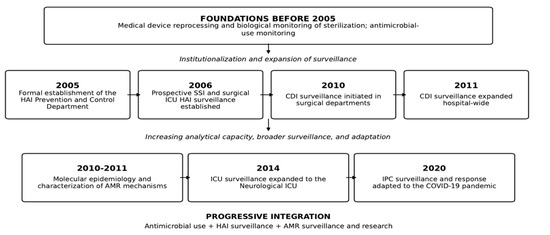
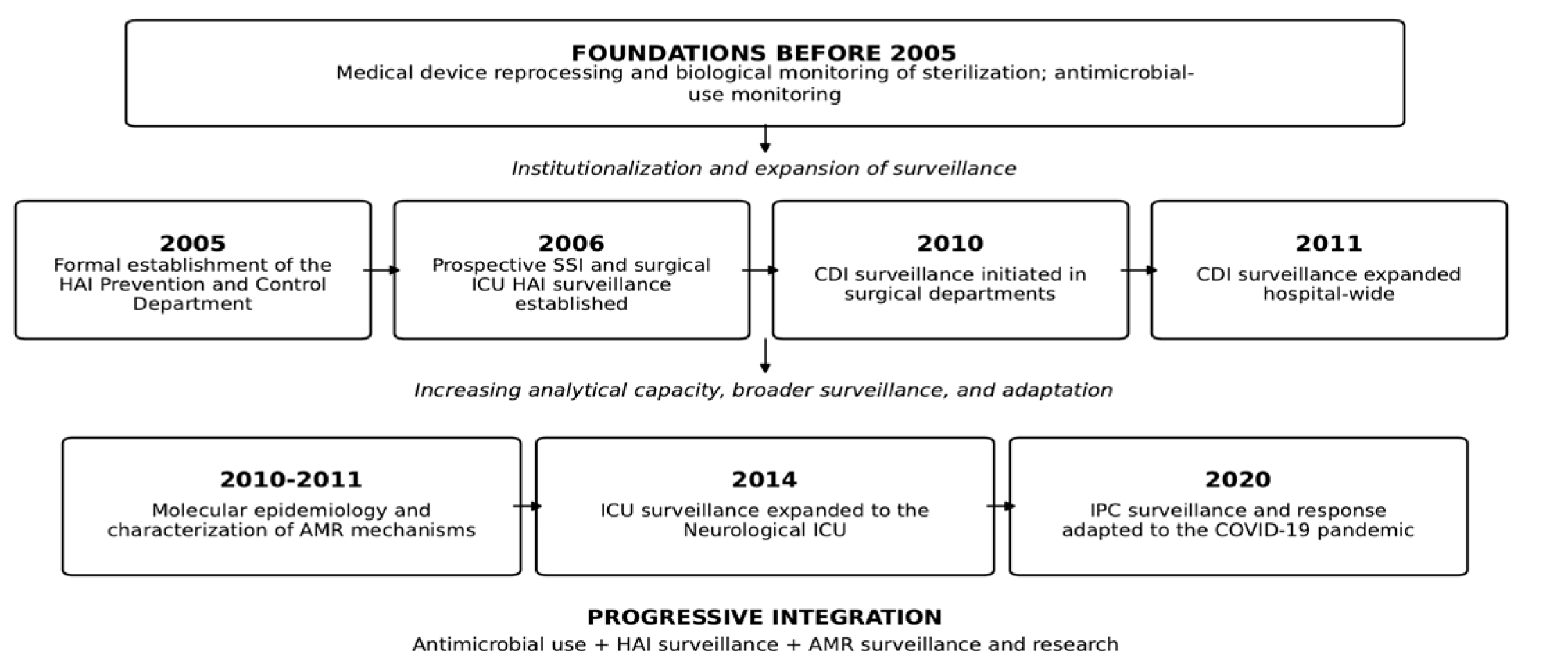
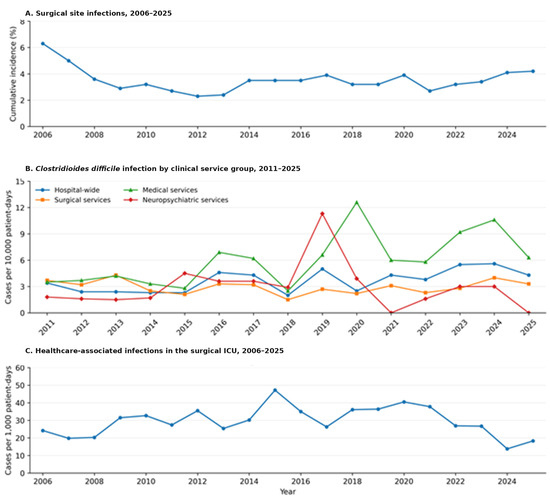
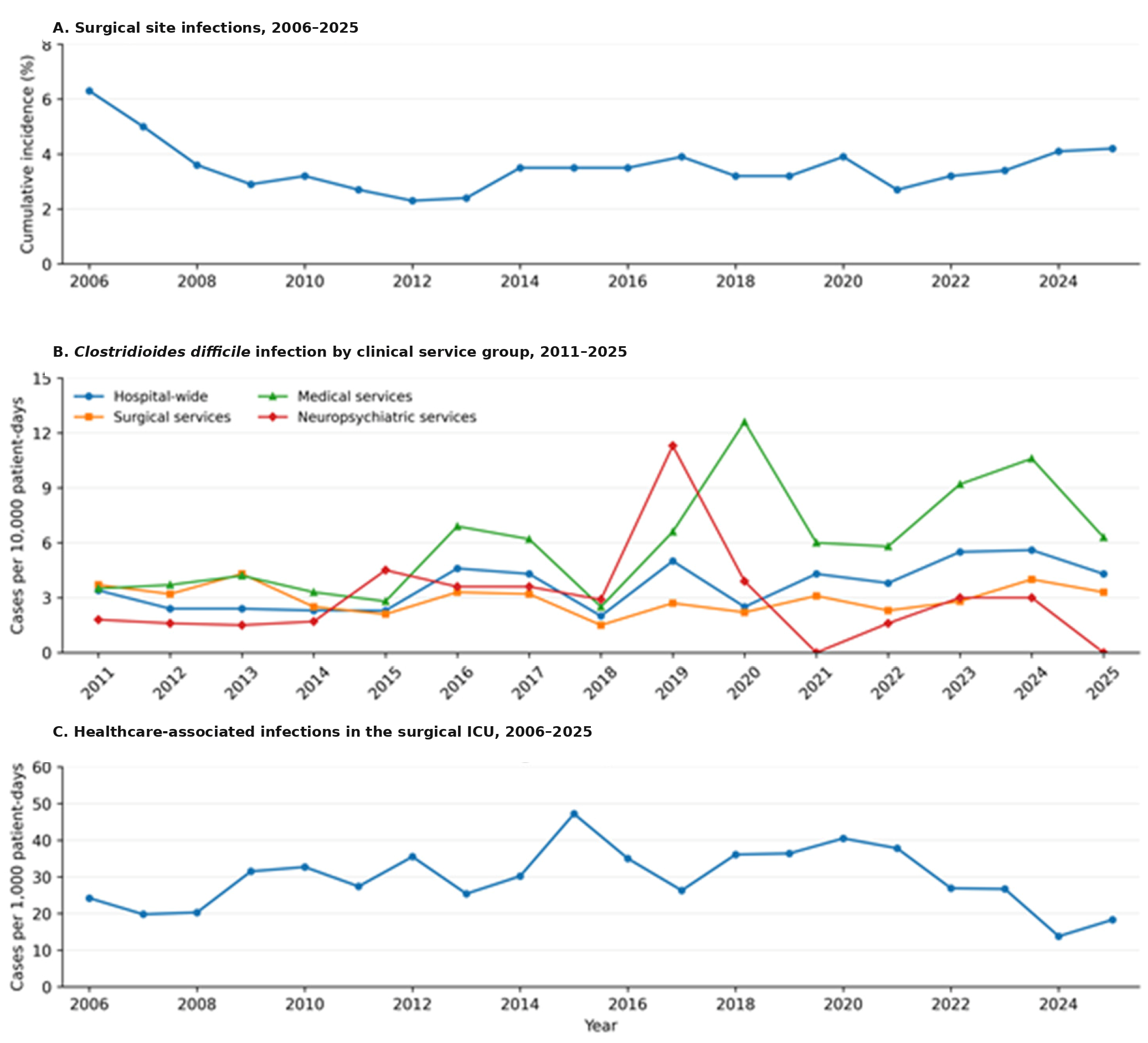
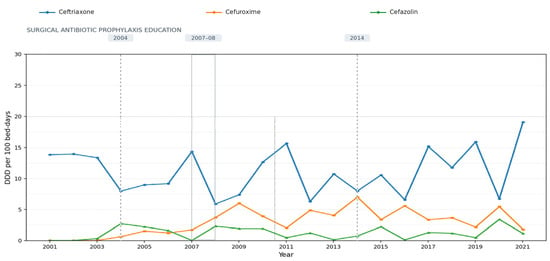
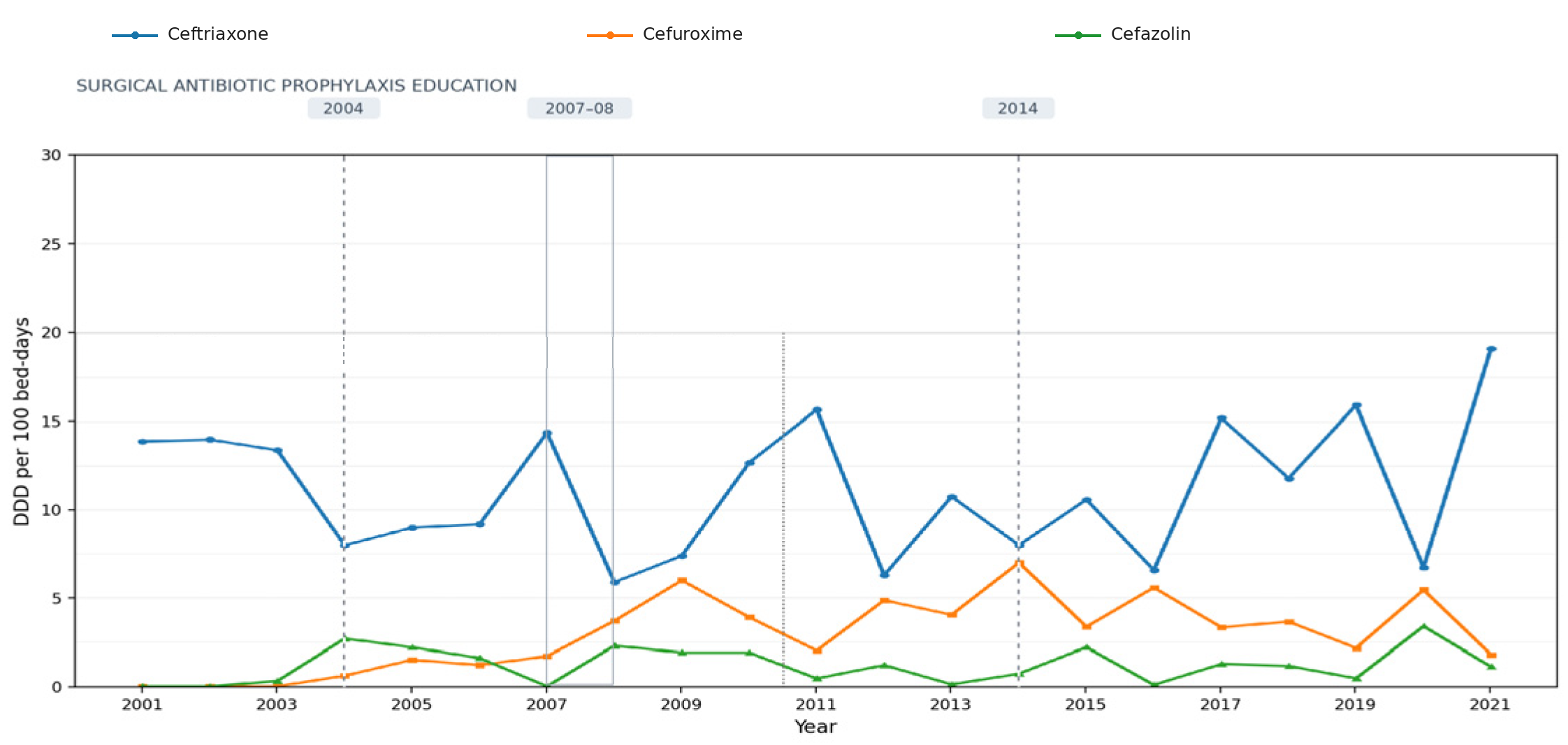
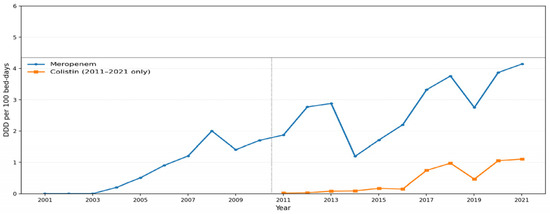
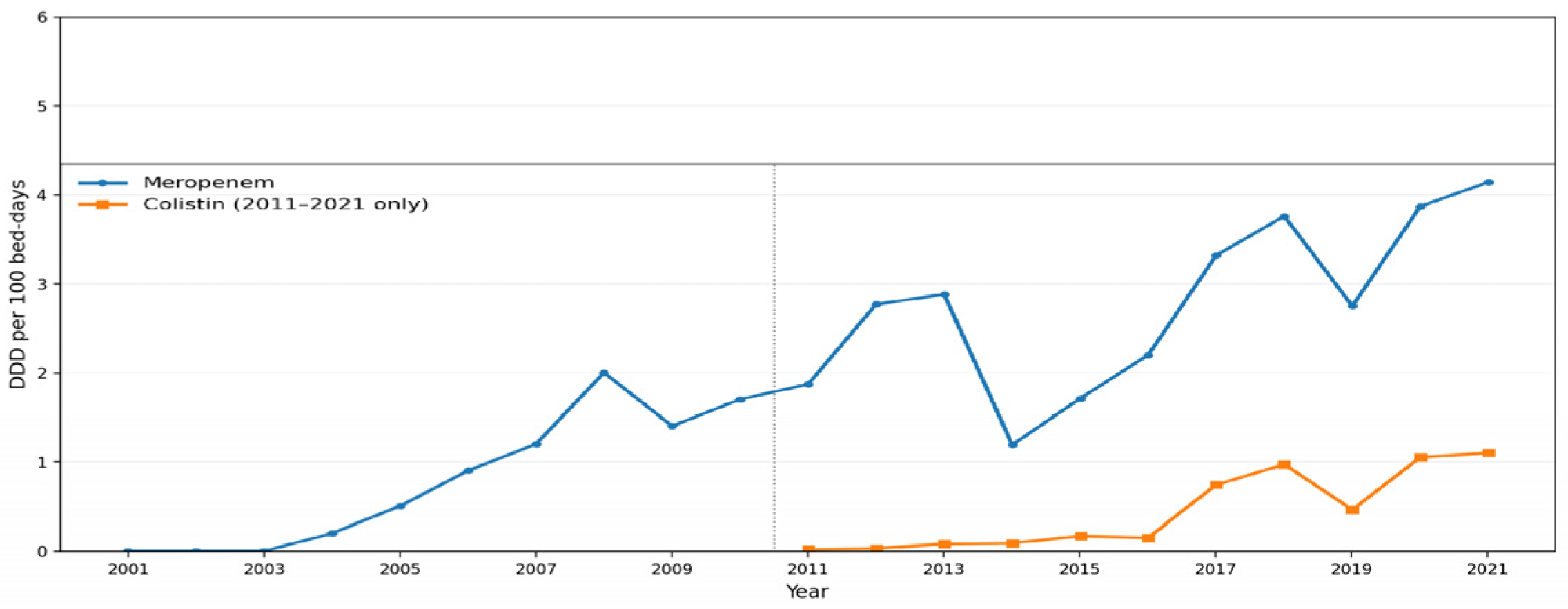
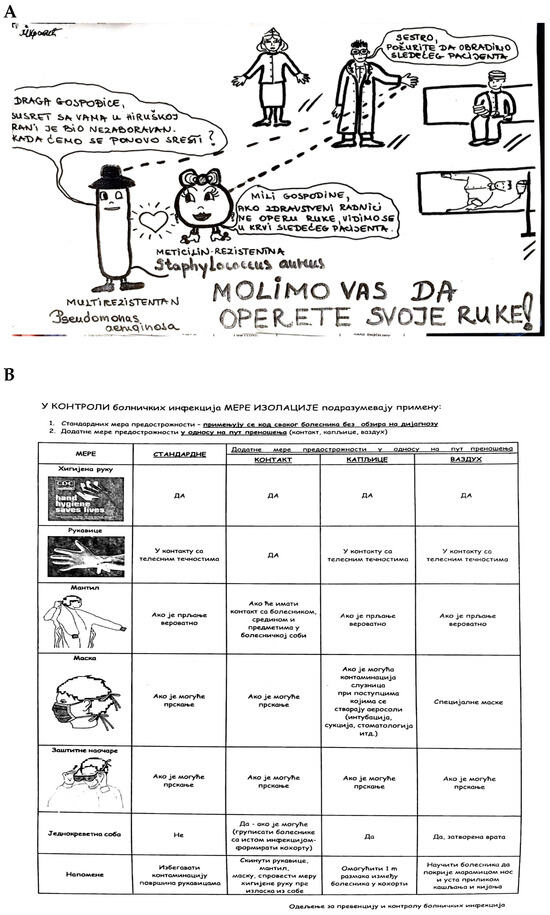
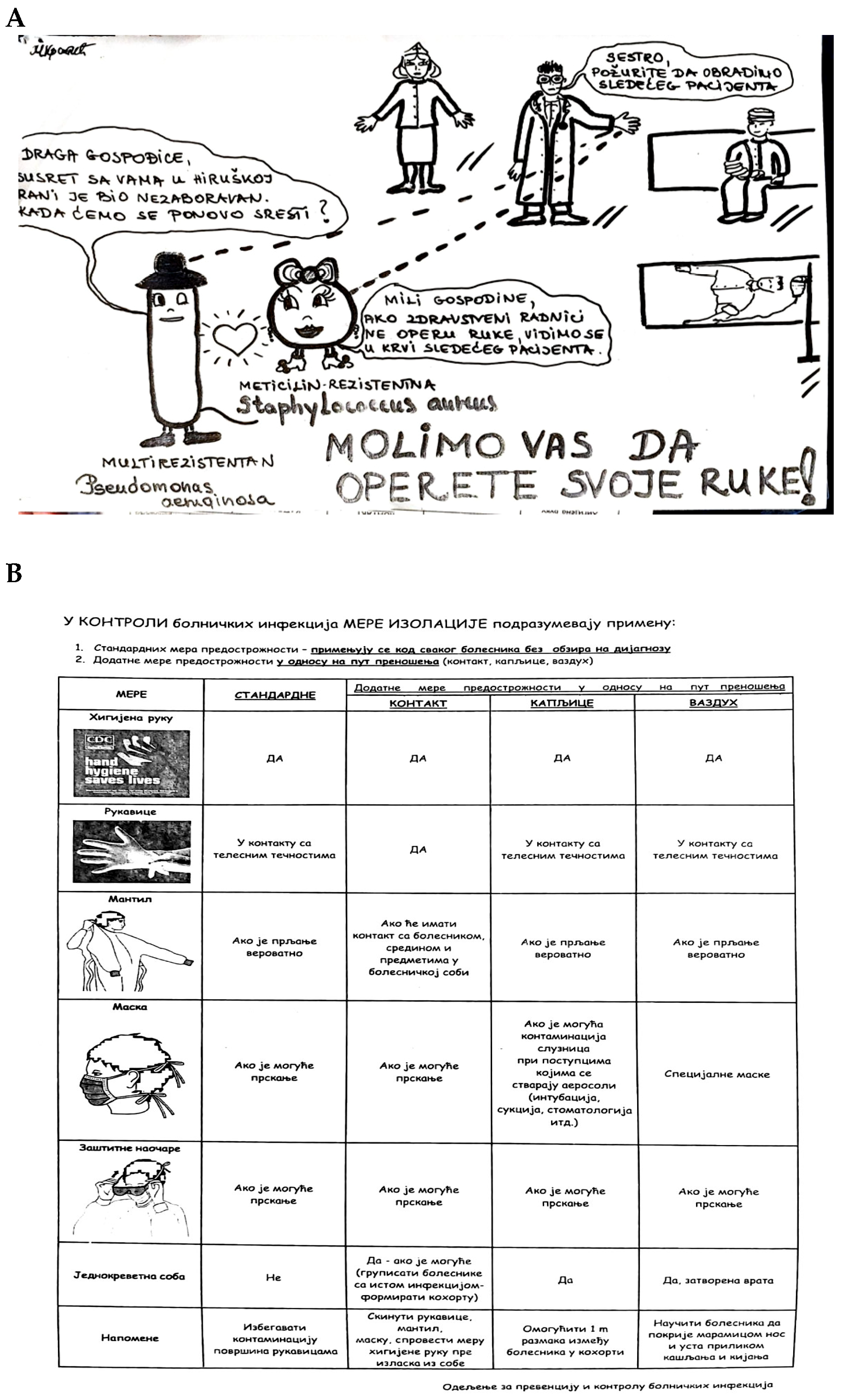

Disclaimer/Publisher’s Note: The statements, opinions and data contained in all publications are solely those of the individual author(s) and contributor(s) and not of MDPI and/or the editor(s). MDPI and/or the editor(s) disclaim responsibility for any injury to people or property resulting from any ideas, methods, instructions or products referred to in the content. |
© 2026 by the authors. Licensee MDPI, Basel, Switzerland. This article is an open access article distributed under the terms and conditions of the Creative Commons Attribution (CC BY) license.