Article

Evaluation of Alternative Doxycycline Antibiotic Regimes in an Inhalational Murine Model of Q Fever

1
Academic Department, Royal Centre for Defence Medicine (Academia and Research), Birmingham B15 2GW, UK
2
CBR Division, Defence Science and Technology Laboratory (Dstl), Porton Down, Salisbury SP4 0JQ, UK
3
Department of Biosciences, University of Exeter, Stocker Road, Exeter EX4 4QD, UK
*
Author to whom correspondence should be addressed.
Antibiotics 2023, 12(5), 914; https://doi.org/10.3390/antibiotics12050914

Submission received: 28 March 2023 / Revised: 11 May 2023 / Accepted: 13 May 2023 / Published: 16 May 2023
(This article belongs to the Special Issue Animal Models of Biodefence Pathogens: Exploring Treatment)

Abstract

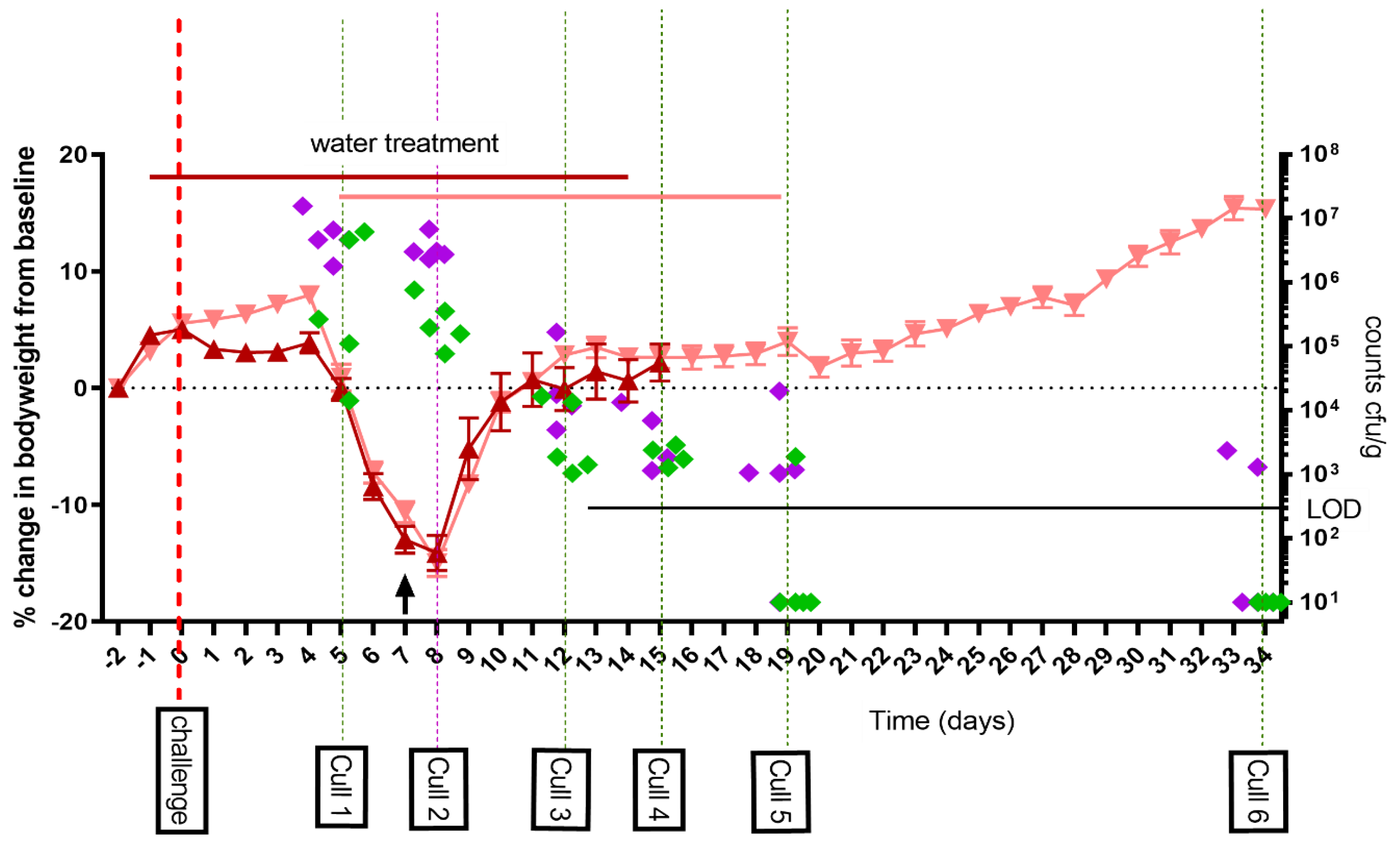
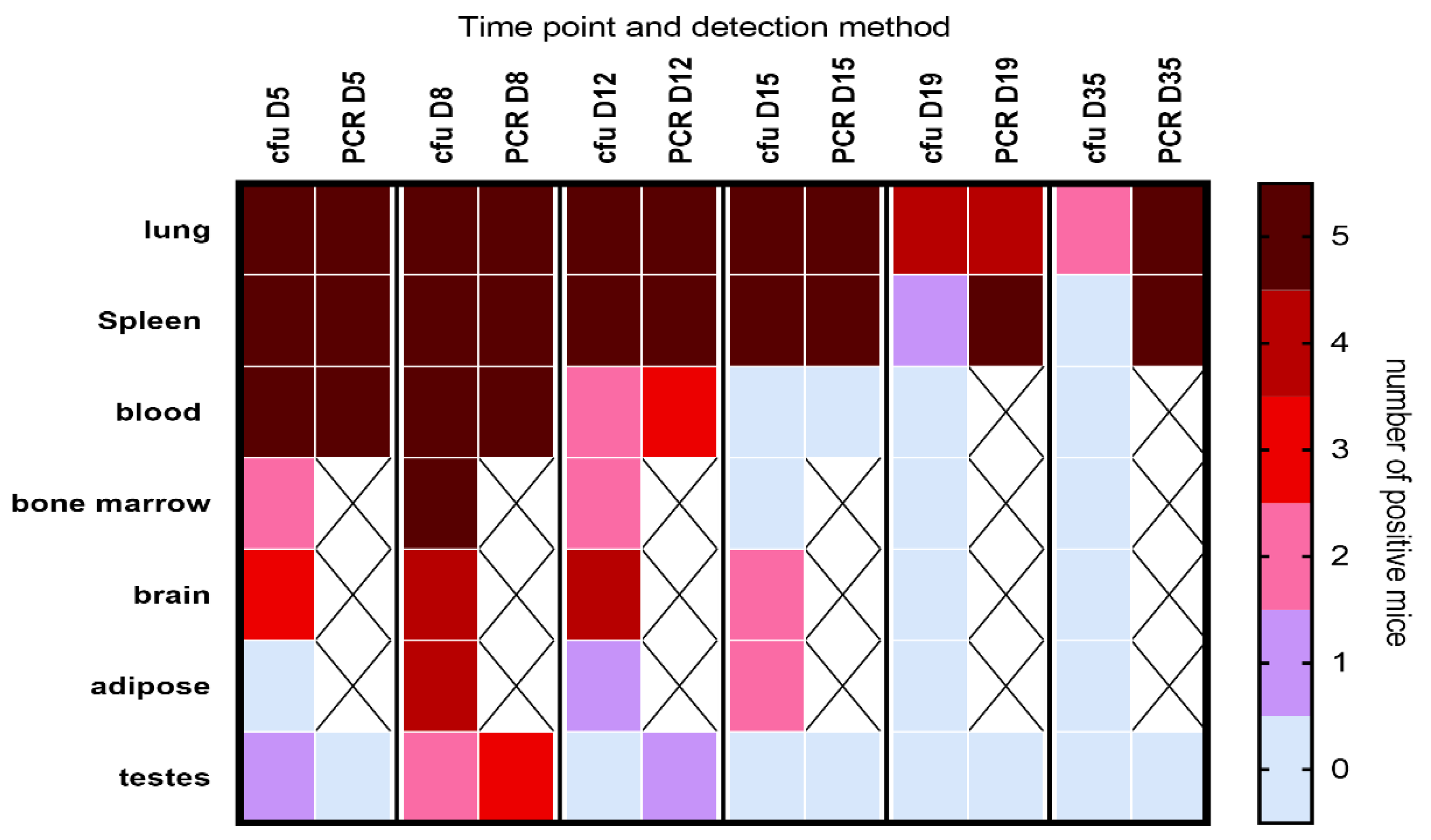
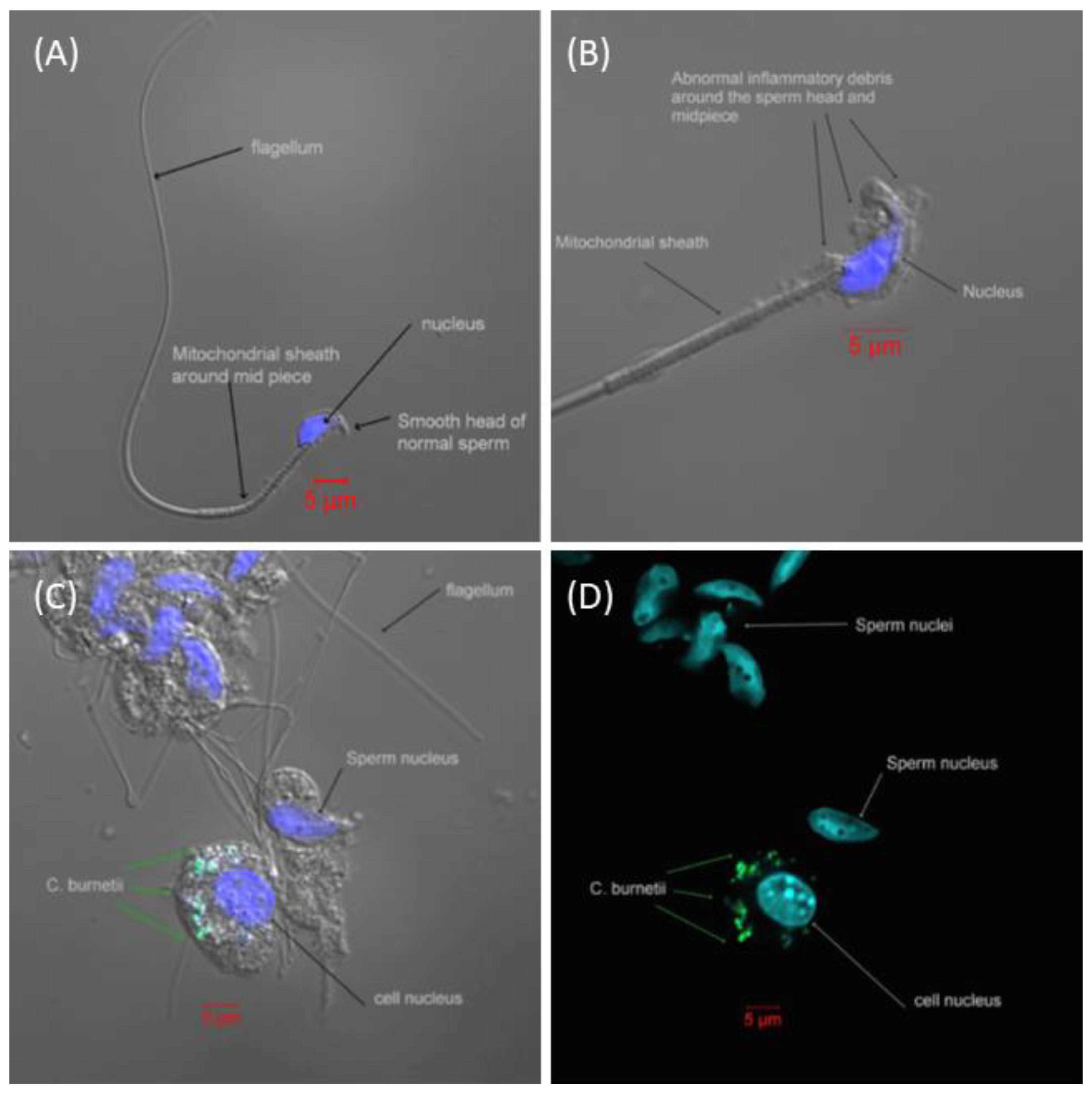
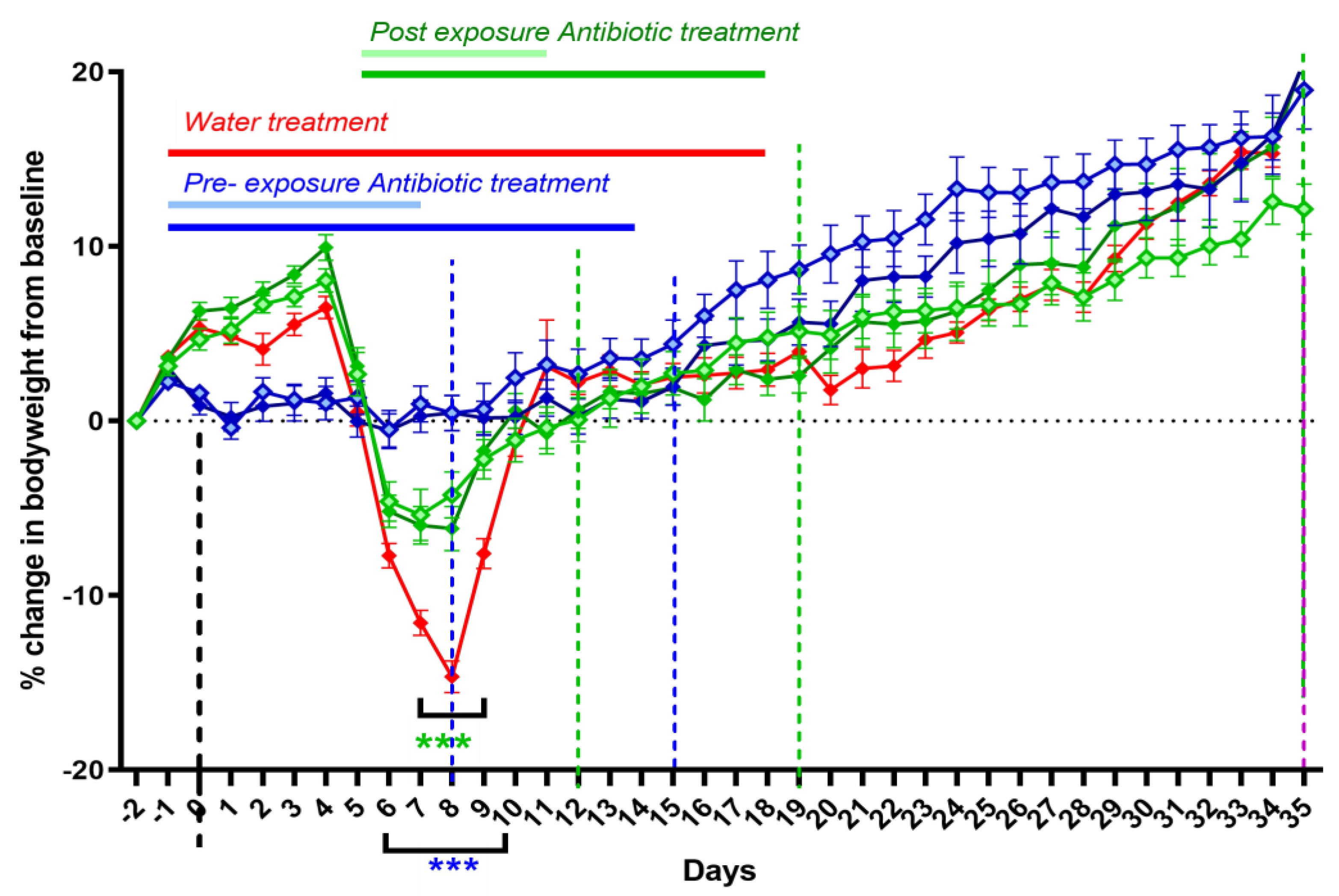
The timing of the initiation of antibiotic treatment has been shown to impact the clinical outcome of many bacterial infections, including Q fever. Delayed, suboptimal or incorrect antibiotic treatment has been shown to result in poor prognosis, resulting in the progression of acute disease to long-term chronic sequalae. Therefore, there is a requirement to identify an optimal, effective therapeutic regimen to treat acute Q fever. In the study, the efficacies of different doxycycline monohydrate regimens (pre-exposure prophylaxis, post-exposure prophylaxis or treatment at symptom onset or resolution) were evaluated in an inhalational murine model of Q fever. Different treatment lengths (7 or 14 days) were also evaluated. Clinical signs and weight loss were monitored during infection and mice were euthanized at different time points to characterize bacterial colonization in the lungs and the dissemination of bacteria to other tissues including the spleen, brain, testes, bone marrow and adipose. Post-exposure prophylaxis or doxycycline treatment starting at symptoms onset reduced clinical signs, and also delayed the systemic clearance of viable bacteria from key tissues. Effective clearance was dependent on the development of an adaptive immune response, but also driven by sufficient bacterial activity to maintain an active immune response. Pre-exposure prophylaxis or post-exposure treatment at the resolution of clinical signs did not improve outcomes. These are the first studies to experimentally evaluate different doxycycline treatment regimens for Q fever and illustrate the need to explore the efficacy of other novel antibiotics.
Keywords: Coxiella burnetii; antibiotic; mouse model; doxycycline; Q fever Coxiella burnetii; antibiotic; mouse model; doxycycline; Q fever