


Abstract
Nanotechnology has emerged as a transformative tool in animal production, offering novel strategies to enhance productivity, health, and product quality. Among trace elements, selenium (Se) plays an essential role in antioxidant defence, immune regulation, and redox balance through its incorporation into selenoproteins. Selenium nanoparticles (SeNPs), synthesized via chemical, physical, or biological methods, have shown superior bioavailability, stability, and lower toxicity compared to traditional organic and inorganic selenium forms. This review explores the synthesis, physicochemical properties, and metabolic fate of SeNPs, emphasizing their advantages in poultry production systems. In poultry, SeNPs exhibit potent antioxidant and anti-stress effects by enhancing the activity of glutathione peroxidase, superoxide dismutase, and thioredoxin reductase, thereby mitigating lipid peroxidation and oxidative tissue damage. Their immunomodulatory effects are linked to improved lymphocyte proliferation, cytokine regulation, and increased immunoglobulin levels under normal and stress conditions. SeNP supplementation has been associated with enhanced growth performance, feed efficiency, carcass quality, and reproductive outcomes in broilers, layers, and quails. Furthermore, selenium nanoparticles have demonstrated therapeutic potential in preventing or alleviating chronic diseases such as cancer, diabetes, cardiovascular dysfunction, and neurodegenerative disorders. SeNPs also serve as biofortification agents, increasing selenium deposition in poultry meat and eggs, thus improving their nutritional value for human consumption. However, selenium’s narrow safety margin requires careful dose optimization to avoid potential toxicity. This review highlights the multifaceted benefits of selenium nanoparticles in poultry nutrition and health, while underscoring the need for further studies on grey SeNPs, long-term safety, and regulatory frameworks. Integrating SeNPs into poultry production represents a promising strategy to bridge animal health, food security, and public nutrition.
1. Introduction
Nanotechnology has emerged as a promising tool in animal production systems, offering innovative solutions to improve both the quantity and quality of animal-derived products [1]. In poultry production, recent advances in nanotechnology have demonstrated improvements in growth performance, feed efficiency, health status, and product quality [2]. Nanoparticles (NPs) possess unique physicochemical properties compared to their bulk counterparts, including a high surface-to-volume ratio, enhanced surface reactivity, improved stability, increased bioactivity and bioavailability, controlled particle size, and the ability for targeted and controlled delivery [3].
Nanoparticles have also shown strong antimicrobial properties and the potential to reduce microbial load in poultry products, thereby offering alternatives to antibiotics and contributing to the control of antibiotic-resistant pathogens of relevance to human health [4,5]. For instance, silver nanoparticles exhibit antibacterial activity through direct interaction with bacterial cell membranes, generation of reactive oxygen species (ROS), release of Ag+ ions, penetration into bacterial cells, and subsequent interaction with DNA [6]. Similarly, zinc oxide nanoparticles (ZnONPs) exert antimicrobial effects by inhibiting bacterial glycolysis, disrupting transmembrane proton transport, interfering with DNA replication, and releasing Zn2+ ions and ROS [7].
In poultry nutrition, dietary inclusion of nanoparticles has yielded promising outcomes. Supplementation with selenium and silver nanoparticles has been shown to enhance antioxidant status and reduce oxidative stress in broilers [8,9]. Copper nanoparticles improve immune responses and growth performance [10], while nano-iron has been associated with improved hatchability and productive performance [11,12]. Among various poultry species, including chickens, turkeys, and quails, Japanese quail have also been studied for their efficient growth, egg production, and responsiveness to dietary selenium supplementation under different stress conditions [13,14,15,16]. Among trace elements, selenium nanoparticles (SeNPs) have attracted particular attention due to their capacity to improve nutrient utilization, growth performance, reproductive efficiency, and immune response, while exhibiting lower toxicity and higher bioavailability compared to inorganic selenium sources [17,18,19]. To compile the relevant literature for this review, a comprehensive search was conducted using databases including PubMed, ScienceDirect, and Google Scholar. The search terms included combinations of keywords such as “selenium nanoparticles”, “selenium”, “SeNPs”, “poultry”, “broiler chickens”, “hens”, “growth performance”, “oxidative stress”, “immunity”, and “egg quality”. The search covered articles published primarily between 2010 and 2025, with a focus on studies in peer-reviewed journals. Preference was given to research involving in vivo trials in poultry species. Reference lists of key articles were also screened to identify additional relevant studies.
2. Selenium Nanoparticles and Their Characterization
Selenium is an essential trace element for living organisms and is widely distributed in various tissues, including the liver, heart, kidneys, and skeletal muscle [20,21,22,23,24,25,26,27]. Selenium plays distinct physiological roles in plants and animals, contributing to improved growth, productivity, and product quality, particularly under stress conditions, as documented in studies on selenium nutrition [28].
The bioavailability of selenium is influenced by its chemical formula, size, and physicochemical properties, and gastrointestinal absorption remains a major determinant of its biological efficacy. Selenium compounds may transform into insoluble forms as a result of pH changes and microbial activity in the gastrointestinal tract, particularly in ruminants [29]. Elemental selenium nanoparticles (SeNPs) are characterized by low toxicity and zero oxidation state (Se0), with particle diameters typically ranging from 100 to 500 nm (Figure 1). Despite being poorly soluble, their nanoscale size enhances bioavailability across microorganisms, plants, and animals [30]. The advantages of selenium nanoparticles arise from their small and uniform size, high permeability, increased stability, and resistance to oxidative and enzymatic degradation, resulting in prolonged residence time and improved biological efficacy [29]. Consequently, the physical form of selenium strongly determines its bioavailability and physiological impact [31].
Figure 1.
Aggregation of purified red selenium nanoparticles (Se0) spherical particles observed using scanning electron microscopy (SEM).
The chemical form of selenium governs both its bioavailability and toxicity [32]. Inorganic selenium exists primarily as selenate (SeO42−) and selenite (SeO32−), with selenate generally exhibiting higher toxicity [30]. Regardless of their initial form—selenate, selenite, selenomethionine (SeMet), and selenocysteine (SeCys)—organic selenium compounds are ultimately converted to hydrogen selenide (H2Se), which serves as a central intermediate for selenoprotein synthesis or is excreted in urine as selenosugars or via exhalation after methylation [33].
Dietary organic selenium enhances antioxidant capacity by increasing the activity of selenoenzymes that limit peroxide and free radical formation in serum, liver, and peripheral tissues [31,34]. Selenocysteine, the principal biologically active form of selenium, plays a pivotal role in regulating antioxidant defence systems [20]. Common organic selenium sources include selenium yeast, selenomethionine (SeMet), and the hydroxy-analogue of selenomethionine (OH-SeMet), a more stable and highly concentrated source [35].
Elemental selenium provides additional physiological benefits through its conversion to hydrogen selenide, an endogenous gasotransmitter involved in immune, endocrine, cardiovascular, and metabolic regulation. These effects are mediated through the incorporation of selenium into redox-active enzymes (selenoproteins) and the maintenance of cellular redox homeostasis (Figure 2) [36,37].
Figure 2.
Chemical and biochemical conversion of selenium species from elemental Se to H2Se and subsequent incorporation into selenoproteins.
Selenium nanoparticles possess distinctive physicochemical characteristics, including a large surface area, enhanced catalytic efficiency, high adsorption capacity, and reduced toxicity [3]. Both selenium nanoparticles and organic selenium sources exert beneficial effects on poultry health by upregulating selenoprotein expression and activity [38]. Their high bioavailability, combined with relatively low toxicity, makes SeNPs promising alternatives to conventional selenium supplements; however, exceeding physiological selenium requirements remains hazardous and may induce toxicity [17,29,38].
Selenium nanoparticles can be synthesized using chemical, physical, or biological methods. Chemical synthesis commonly involves the reduction of selenious acid (H2SeO3) or selenite ions using reducing agents such as ascorbic acid in aqueous solutions, with the characteristic colour change to red indicating nanoparticle formation [29]. Physical methods include laser ablation and ultrasonic fragmentation using selenium-containing substrates [29,39]. Biological synthesis exploits the ability of plants and microorganisms to convert selenium ions into elemental nanoparticles, yielding uniformly spherical and biocompatible SeNPs with minimal toxicity [29,32].
The probiotic bacteria present in yoghurt can produce elemental SeNPs (50–500 nm) through intracellular detoxification of high selenite concentrations, reducing selenium ions to elemental nanospheres [32]. Such biological methods are considered environmentally friendly and suitable for nutritional applications [29,32].
Approximately 80% of dietary selenium absorption occurs in the duodenum, with organic forms generally exhibiting higher absorption efficiency than inorganic forms. Selenium enters enterocytes through distinct mechanisms: selenite diffuses passively across cell membranes, selenate is absorbed via sodium-dependent transporters, and selenomethionine utilizes amino acid transport pathways similar to methionine [20,29]. Once absorbed, selenium is transported in the bloodstream bound to plasma proteins, mainly albumin, and delivered to the liver, where selenium metabolism occurs. It is subsequently converted to hydrogen selenide in the liver and then incorporated into selenoprotein P, which transports selenium via the bloodstream to peripheral tissues, where it is taken up through specific receptors such as LRP (low-density lipoprotein receptor-related protein), or excreted following methylation [20,29,40].
3. Poultry Stressors and Oxidative Impact
Stress has become a critical challenge in modern poultry production, affecting physiological functions, immune competence, and overall productivity. Like other living systems—including plants and microorganisms—poultry is highly susceptible to stressors that compromise homeostasis. These stressors originate from environmental, nutritional, biological, and managerial factors, and their cumulative impact can lead to oxidative stress, reduced growth performance, and diminished product quality. Environmental stressors, particularly extreme temperatures, are among the most detrimental. Poultry species lack sweat glands and have a limited ability to dissipate heat, making them vulnerable to heat stress. Exposure to high or low ambient temperatures triggers the excessive production of reactive oxygen species (ROS), which damage cellular components, reduce feed efficiency, and impair immune function. Heat stress, in particular, has been linked to decreased meat quality, myoglobin oxidation, reduced shelf life, and poor laying performance [41,42]. Nutritional stressors arise from unbalanced diets, deficiencies in essential nutrients (such as selenium, zinc, vitamins A and E, and amino acids), or the presence of contaminated feed ingredients. Mycotoxins, including aflatoxins, ochratoxins, and fumonisins produced by fungi in poorly stored feed, are well-known contributors to oxidative damage and immunosuppression [43,44]. Selenium (Se) is particularly vital for antioxidant defence, and its deficiency significantly increases susceptibility to oxidative stress. However, industry stakeholders now face the challenge of identifying sustainable, safe, and bioavailable Se sources that can ensure long-term profitability and productivity. Biological stressors include viral (e.g., avian influenza), bacterial, and fungal infections, all of which trigger ROS accumulation and inflammation. These pathogens not only impair gut health and nutrient absorption but also suppress antioxidant enzyme systems [45]. Managerial stressors—such as overcrowding, poor ventilation, transportation stress, mechanical vibrations, and inadequate lighting—contribute to chronic stress that weakens immunity and predisposes birds to injury and disease [46,47,48]. These conditions reduce growth rates and feed efficiency and ultimately diminish the economic viability of poultry operations.
4. Main Applications of Selenium Nanoparticles in Poultry
Adequate selenium (Se) nutrition is essential in poultry to ensure optimal immune function and overall physiological performance. Appropriate dietary selenium levels reduce the risk of several health disorders, including oxidative stress, muscular dystrophy, cardiovascular dysfunction, cystic fibrosis, and inflammatory joint conditions [49]. Cellular structures and macromolecules are highly sensitive to oxidative stress, which disrupts cellular homeostasis. Oxidative stress leads to the excessive generation of reactive oxygen species (ROS), including hydroxyl radicals, superoxide anions, and hydrogen peroxide, thereby promoting apoptotic pathways at the cellular level [50].
Major physiological and metabolic sources of oxidative stress include mitochondrial respiration, phagocytic and inflammatory responses of the innate immune system, xenobiotic metabolism, detoxification processes, prostanoid synthesis, redox-active transition metals (iron and copper), and exposure to high concentrations of oxygen and polyunsaturated fatty acids [51,52]. The expression of selenoproteins is primarily regulated by dietary selenium availability and cellular redox status [53]. During mitochondrial respiration, molecular oxygen is partially reduced to reactive oxygen species, while phagocytes deliberately produce peroxides as antimicrobial agents. However, excessive peroxide generation may cause collateral damage to host tissues. Moreover, detoxification by superoxide dismutase (SOD) is incomplete, as it results in hydrogen peroxide formation, which must be further reduced to water by catalase or glutathione peroxidase (GPx) [51]. Reactive oxygen species target critical biological macromolecules, including proteins, lipids, and DNA, thereby impairing essential cellular and tissue functions [35]. In poultry production, oxidative stress is exacerbated by environmental stressors such as temperature fluctuations, immunosuppression, and mycotoxin exposure, negatively affecting meat and egg quality. Selenium supplementation in poultry diets mitigates the deleterious effects of ROS by enhancing antioxidant defence systems [25,54,55]. Conversely, selenium deficiency compromises productivity, weakens immune responses, and increases chick mortality [25,56,57]. Malondialdehyde (MDA), the terminal product of polyunsaturated fatty acid peroxidation, is widely used as a biomarker of oxidative stress and lipid peroxidation in poultry tissues [31,58,59].
4.1. Selenium and Nano Selenium Mediated Immune Enhancement in Poultry
The immunomodulatory effects of selenium reported in Table 1 are primarily mediated through selenium-dependent proteins and antioxidant regulation. Selenium is incorporated into key selenoproteins, including glutathione peroxidases, thioredoxin reductases, and selenoprotein P, which maintain intracellular redox balance and support both innate and adaptive immune responses [35,60]. By strengthening enzymatic and non-enzymatic antioxidant defences, selenium protects immune cells from oxidative damage, reduces lipid peroxidation, and enhances immune resilience under normal and stress conditions [54].
In addition to its antioxidant role, selenium contributes directly to antiviral and cell-mediated immunity by upregulating interferon-related genes, enhancing lymphocyte proliferation, and improving antibody production following vaccination [61,62,63]. Selenium supplementation has also been shown to modulate cytokine responses under stress, reducing pro-inflammatory signalling and supporting immune stability during heat stress [54,62,63]. Collectively, these mechanisms explain the improved immune performance and disease resistance observed in selenium-supplemented poultry.
Importantly, the magnitude of these effects is strongly dependent on selenium source and dosage. Organic selenium and nano-selenium consistently outperform inorganic sodium selenite, with optimal responses generally reported at dietary levels of 0.15–0.5 mg/kg [64,65]. However, the available evidence is derived almost exclusively from studies using red, amorphous selenium nanoparticles, leaving unresolved whether grey selenium nanoparticles exhibit comparable bioavailability and immunological activity.
Table 1.
Biological effects of selenium nanoparticles in poultry: antioxidant-immunity modulation.
4.2. Selenium as an Anti-Stress and Antioxidant Agent
Antioxidant protection is achieved through the neutralization and removal of reactive oxygen species (ROS) via several complementary mechanisms. Antioxidants can be broadly classified into fat-soluble components, such as vitamin E, carotenoids, and coenzyme Q, and water-soluble components, including vitamin C, glutathione, thioredoxin, carnitine, and taurine. In addition, antioxidant defence relies on a complex enzymatic system that includes glutathione peroxidases (GPx1–4, 6), multiple selenoproteins (I, M, K, H, N, O, P, V, R, S, and T), glutathione transferase, glutathione reductase, superoxide dismutase (SOD), and thioredoxin reductases [20,58,75]. Glutathione represents a major non-enzymatic intracellular antioxidant component and plays a central role in maintaining redox homeostasis [31]. The primary enzymatic defence against oxidative stress is mainly mediated by GPx and SOD, whose activities are functionally interconnected [31,38]. Glutathione peroxidase (GPx) is a selenium-dependent enzyme that is activated under oxidative stress conditions arising from β-oxidation and peroxide generation, which can disrupt normal cellular functions. GPx protects cells by reducing peroxides and limiting the activity of enzymes responsible for the generation of toxic free radicals [76]. GPx activity is reported to be highest in the liver and kidneys, lower in plasma and red blood cells, and lowest in thigh and pectoral muscles [20,34].
Selenoproteins are classified into two major groups: those that maintain essential biological functions under normal conditions and stress-responsive selenoproteins that are induced during oxidative stress or selenium deficiency [20]. In chickens, 25 genes encoding selenoproteins have been identified [77,78,79]. The synthesis and activity of these selenoproteins strongly depend on selenium availability and physiological stress status. While some selenoproteins show constitutive low-level expression to support basal cellular functions, the majority exhibit selenium-dependent regulation linked to their biological activity [20,35,51,80].
Dietary supplementation with selenium nanoparticles (SeNPs) has been shown to enhance both the expression and activity of selenoenzymes in living organisms [31,34] (Table 2). The active sites of selenoproteins are selenium-specific, enabling selenium to function as an essential cofactor responsible for enzyme activation and biological function [39]. Optimal selenium nanoparticle doses required for the activation of GPx1, GPx4, and TxR have been demonstrated previously [34]. Furthermore, SeNP supplementation enhances GPx and SOD activities, supports glutathione redox cycling, and prevents excessive accumulation of malondialdehyde (MDA), a key marker of lipid peroxidation [38,76].
As a preventive strategy, cells store selenium intracellularly in the form of selenoproteins to ensure availability during periods of selenium deficiency or physiological stress [20,29,81]. Skeletal muscle serves as a major selenium reservoir, which can be mobilized under stress to maintain the basal expression of essential selenoproteins [20,35,51,80].
Biological systems operate through three distinct levels of antioxidant protection. The first level involves TxR, selenoproteins R and W, and cellular detoxification by SOD, which converts superoxide radicals into hydrogen peroxide (H2O2). Although H2O2 is potentially harmful, it is subsequently reduced to water by catalase and glutathione reductase [75,82]. This level also includes the sequestration of free transition metals by specific binding proteins to reduce oxidative reactions [20]. Additionally, carnitine, taurine, and coenzyme Q play crucial roles in maintaining mitochondrial functional integrity [82,83].
The second defence level relies primarily on the glutathione system, comprising reduced glutathione (GSH), GPx, glutathione reductase, and glutathione disulfide reductase, alongside ascorbic acid, vitamin E, carotenoids, thioredoxin, thioredoxin reductase, and peroxiredoxins [75]. Within this system, oxidized vitamin E is regenerated to its reduced, biologically active form through reactions involving vitamin C and the thioredoxin system, with NADPH supplied by the pentose phosphate pathway [75].
The third and final level consists of cellular repair mechanisms, including heat shock proteins (HSPs), methionine sulfoxide reductase, phospholipases, and DNA repair enzymes, which collectively restore macromolecular integrity following oxidative damage [84,85].
Table 2.
Effect of selenium nanoparticles on poultry growth performance and antioxidant biomarkers.
4.3. Production Performance with Selenium Nanoparticle Supplies in Poultry
In modern poultry production systems, birds are routinely exposed to various stressors, which can be broadly classified as environmental, nutritional, biological, and technological in origin. These include heat stress, pathogen exposure, mycotoxins, and intensive housing conditions, all of which can disrupt physiological homeostasis and trigger oxidative stress. The overproduction of reactive oxygen species (ROS) under these conditions is now recognized as a central mechanism impairing poultry performance [20,52,84,89]. Among these stressors, ambient temperature plays a particularly influential role. The thermoneutral zone for poultry generally ranges from 25 °C to 36 °C, with optimal egg production occurring near 23.8 °C [90,91]. Elevated temperatures reduce feed intake and increase water consumption, ultimately compromising growth rate, feed efficiency, egg quality, and immune function [92,93]. Among poultry species, Japanese quail (Coturnix japonica) have received increasing attention due to their rapid growth, early sexual maturity, high egg-laying capacity (up to 320 eggs per cycle), and efficient feed conversion, despite their lower daily intake (20–25 g/bird) [13,14,15,16]. Quails also require less housing space and exhibit greater resistance to common poultry diseases, making them a cost-effective alternative to chickens, especially in resource-limited settings [16,94,95,96]. The nutritional value and market acceptance of quail eggs have contributed to the growth of quail farming in recent years [15,16,97]. However, quail and their eggs remain vulnerable to environmental stressors—particularly temperature fluctuations during storage—which can negatively affect productivity, egg quality, and microbial safety [16,20,52,80,85,89,98].
To reduce oxidative stress and maintain productivity, selenium nanoparticles (SeNPs) have emerged as effective nutritional additives. Compared to inorganic selenium sources such as sodium selenite, SeNPs offer higher bioavailability, lower toxicity, and enhanced tissue deposition [99]. Studies have shown that dietary inclusion of SeNPs at 0.15–0.5 mg/kg significantly improves body weight gain, feed conversion ratio (FCR), carcass traits, and antioxidant capacity in broilers and native breeds like Guangxi yellow chickens [34,64,100]. Additionally, SeNP supplementation at 0.3 mg/kg has been linked to increased glutathione peroxidase activity and immunoglobulin M (IgM) levels, enhancing both antioxidant defences and humoral immunity [31]. For instance, SeNP supplementation reduced the incidence of fatty liver syndrome in broilers and suppressed pathogenic microorganisms, highlighting its dual role in metabolic health and disease resistance [101].
Further evidence supports these outcomes across various forms and synthesis methods. Supplementation with green-synthesized SeNPs improved growth performance, carcass yield, and serum antioxidant markers in broilers [102,103], while biogenic SeNPs produced using Bacillus subtilis enhanced gut microbiota and immune responses [104]. The biologically synthesized SeNPs also contributed to improved carcass traits and economic efficiency [105]. Notably, chitosan-loaded SeNPs significantly improved intestinal morphology and nutrient absorption, reinforcing growth benefits at the gut level [106]. In addition, SeNPs have been shown to enhance the quality of frozen broiler meat more effectively than either inorganic or organic selenium sources, likely due to improved oxidative stability and preservation of muscle integrity [107].
Parallel benefits have been observed in laying hens. Shu et al. [108] reported that chitosan SeNP supplementation enhanced egg quality, shell strength, and selenium deposition in ageing hens. Gebriel et al. [109] found similar improvements in laying rate, oxidative resistance, and tissue selenium levels. Additionally, Radwan et al. [110] reported increased egg selenium content and improved lipid stability, extending shelf life. Malik et al. [111] corroborated these findings, noting enhanced immune response, yolk selenium levels, and overall laying performance. Collectively, these studies affirm that SeNPs can improve productivity, oxidative stability, and immune regulation more effectively than conventional selenium sources.
However, selenium’s narrow margin between nutritional requirement and toxicity necessitates precise dietary control. While SeNPs are generally less toxic than inorganic forms, excessive selenium intake, especially above 0.5 mg/kg, may result in tissue accumulation and adverse physiological effects. Clinical signs of selenosis in poultry can include reduced feed intake, feather loss, organ lesions, and even mortality in severe cases [112]. Although SeNPs exhibit a higher safety threshold due to their controlled release and lower pro-oxidant potential, responsible dosing remains essential. Regulatory bodies such as the Association of American Feed Control Officials (AAFCO) recommend a maximum inclusion level of 0.5 mg/kg selenium in poultry diets to prevent toxicity [113]. Based on available studies, SeNPs have shown optimal efficacy and safety at a dietary dose of 0.3 mg/kg in broilers [34].
Beyond growth performance, SeNPs also play a key role in enhancing egg production and reproductive efficiency (Table 3). They stimulate epithelial secretions involved in eggshell membrane formation, thereby improving shell thickness and structural integrity. During embryogenesis, SeNPs enhance antioxidant protection by reducing lipid peroxidation and supporting yolk stability, which reduces the risk of malformations and embryonic mortality [25,114]. Selenium is efficiently transferred from maternal diets to eggs and embryos, where it supports endogenous antioxidant enzyme systems [52,75,80,82,83,85,115,116]. SeNP supplementation has also been shown to increase laying rate, egg mass, albumen quality, ovulation rate, hatchability, and Haugh unit score while reducing embryonic mortality [65,117]. These benefits are partly attributed to selenium’s antioxidant and antimicrobial functions, which limit bacterial penetration through the eggshell and preserve internal egg quality [118]. However, egg quality remains vulnerable to post-laying environmental conditions. Elevated storage temperatures promote microbial growth, including moulds and Gram-negative bacteria, leading to albumen degradation and reduced shelf life [25,98]. Refrigeration at 4 °C for up to 120 days has been shown to maintain microbial safety and egg integrity, preserving the benefits conferred by selenium-enriched diets [16].
Table 3.
Impact of selenium nanoparticles on poultry growth and production performance.
4.4. Medical Attribute
Selenium plays a crucial role in numerous aspects of human and animal health, including inflammation, cancer, immune function, and diabetes [124] (Figure 3). It exhibits a dual role in glucose metabolism by improving insulin synthesis and secretion and by exerting insulin-mimetic effects that enhance intracellular glucose uptake [124]. High doses of inorganic and organic selenium have been administered to alleviate symptoms in experimental models of both type 1 and type 2 diabetes. Furthermore, improvements in metabolic status have been reported in patients with type 2 diabetes (T2D) following dietary selenium supplementation. However, several livestock studies indicate that excessive selenium intake may exert diabetogenic effects, highlighting the narrow therapeutic window of selenium supplementation [124].
Figure 3.
Selenium metabolic and medical attributions.
Selenium nanoparticles (SeNPs) have demonstrated efficacy in inhibiting cell proliferation in high-grade serous ovarian cancer cells through multiple biological mechanisms. Previous studies have shown that selenium can suppress cancer cell growth via autophagy in colorectal cancer, apoptosis in skin, breast, and liver cancers, and ROS-mediated necrosis in prostate cancer [125]. Selenium enhances cellular detoxification against reactive oxygen species (ROS) in most tissues; excessive ROS production induces oxidative stress, leading to DNA damage and apoptosis. Selenium deficiency may prolong oxidative stress and increase cancer risk. In several lung cancer cell lines, certain inorganic selenium compounds have been found to be more effective than conventional cytotoxic drugs through modulation of the thioredoxin system. Another key mediator of selenium activity is selenoprotein P (SelP), which serves a dual function as both an antioxidant and a selenium transport protein with anticarcinogenic properties. Downregulation of SelP expression commonly leads to increased oxidative stress and altered glutathione peroxidase (GPx) activity in tumour tissues [58].
4.4.1. Selenium and Cardiovascular Health
Cardiovascular diseases are associated with hyperlipidaemia, increased blood viscosity, atherosclerosis, hypertension, and elevated mortality rates, particularly among elderly populations. The beneficial effects of selenium on cardiovascular health have been well documented [126]. Selenoenzymes such as thioredoxin reductase (TrxR) and GPx play a protective role in the vascular endothelium by reducing oxidative damage, inhibiting platelet aggregation, and attenuating inflammation. GPx4 contributes to the reduction in phospholipid hydroperoxides and cholesterol ester hydroperoxides in lipoproteins, thereby limiting oxidized low-density lipoprotein (LDL) accumulation in vascular walls and reducing thrombotic risk. Selenium deficiency leads to reduced GPx activity and elevated lipid hydroperoxide levels, which inhibit prostacyclin synthase, an enzyme essential for prostacyclin production. A decline in prostacyclin—a potent vasodilator and inhibitor of platelet aggregation—favours increased thromboxane synthesis, promoting platelet aggregation and increasing cardiovascular risk [58].
4.4.2. Selenium and Neurodegenerative Disorders
Low selenium (Se) levels have been associated with several neurological disorders, including Alzheimer’s disease, Parkinson’s disease, epilepsy, and schizophrenia. Deficiency of selenoprotein P reduces glutathione peroxidase (GPx) and thioredoxin reductase (TrxR) activities and decreases selenium availability in the brain, contributing to oxidative damage and motor dysfunction [58]. Evidence indicates a protective role of selenium against Alzheimer’s disease. Selenium supplementation has been shown to prevent and attenuate Alzheimer’s pathology by enhancing antioxidant defences and reducing oxidative stress [127]. Consistently, decreased selenium levels have been linked to the onset and progression of Alzheimer’s disease [128]. The relationship between selenium status and Parkinson’s disease appears dose-dependent. While excessive selenium exposure may increase Parkinson’s disease risk [129], higher physiological blood selenium levels have been associated with reduced disease prevalence [130]. This duality highlights the narrow optimal range of selenium for neuroprotection. Adequate glutathione levels play a key role in mitigating oxidative stress and supporting neuronal recovery in Parkinson’s disease [131], underscoring the importance of selenium-dependent antioxidant systems.
4.4.3. Selenium and Cancer
Selenium (Se) is a cofactor incorporated into several selenoproteins, such as glutathione peroxidase (GSH-Px), thioredoxin reductase (TrxR), and selenoprotein P1 [132]; those are the most well-known antioxidant enzymes in living systems [133,134]. All selenium compounds might contribute to selenoenzyme biosynthesis, and several studies indicate that the bioavailability of Se increases selenoprotein (SelP) expression in vivo and in vitro [132,135,136]. Different metabolism pathways are involved to produce a useful intermediate form of Se, like selenide, which is inserted as a Se-amino acid (SeCys) in the peptide chain during translation of mRNA due to its unique codon [132,134].
Selenoproteins catalyze disulfide bonds between the protein macromolecule to maintain their functional structures [137,138]. Selenium potentiates the ability to diminish oxidative cell status by integrating into selenoproteins, which is the key behind its anticancer and antioxidant impacts [139]. Methyl-selenol (CH3SeH) is one of the intermediate metabolites of selenium that has a powerful anticancer effect in case of over-nourishment of that element, by detoxifying cells from carcinogens and inducing caspases, and limits tumour cell proliferation [134]. On the other hand, inorganic forms such as selenite enhance immune system response at low doses by favouring natural killers (NK) and lymphocytes production [134]. Selenoenzymes exhibit distinct activities in carcinoma cases; thus, the molecular expression of these proteins is altered. Such an example is GPx4, which is shown to have a therapeutic and biomarker behaviour in lymphatic system cancer [140]. Their high expression in sane tissues provides cancer protection, or, in the case of TrxR, can lead to tumour cells ’apoptosis [141,142]. Selenium has two opposite effects: an anticancer effect by preventing malignancy in several organs, and it may also induce tumour development. Its different compounds have a remarkable impact to protect from hepatic, colorectal, and breast carcinoma by favouring (SeP.) expression and protecting DNA from abnormal cell damage [143]. In addition, Se deficiency or over-exposure can produce harmful responses. In case of high uptake, the epidemiologic cancer risk is significantly increased and results in keratinocyte carcinoma, squamous cell cancer, and hyperglycaemia (Diabete-2) [139,144]. Selenium deficiency promotes cardiovascular disorders and neuropathy because of the oxidative stress and low rate of selenoenzymes, and might influence the reproductive capacity for both genders and general immune system weakness [143,145]. Redox-active selenium species conversion to elemental (Se0) is due to their pro-oxidant properties, which can generate more free radicals that promote mitochondrial apoptosis or cell necrosis in very high amounts [132,146]. As a positive side, these pro-oxidant compounds can be used as a chemotherapeutic cure as the cancer cells have a high affinity to them; several studies have reported the positive impact of Se in preventing prostate cancer and reducing side effects of conventional radio-chemotherapies. Typically, tumour cells produce high amounts of reactive oxygen species (ROS), but they have low resilience to them, so the active Se compounds can induce oxidative stress, which leads to the apoptosis of these abnormal cells [133,147]. Selenium acts as chemoprotection in the early stage of tumour progression by inhibiting fat peroxidation and preventing DNA adducts produced by carcinogens such as (7,12-dimethylbenz(a) anthracene) “DMBA” [133]. The chemical forms of selenium might also interact differently with the tumour suppressor gene P53 and induce different responses [148]. So, they may stimulate DNA repair or cell apoptosis. Even serum content of Se can lead to a modulation of chemotherapy and radiotherapy drugs [149,150]. A recent study demonstrates that in vitro SeNPs have the aptitude to distinguish between normal and cancer cells and promote cell death via high cytotoxicity in tumours [151]. The key behind the impressive effect of nano-sized selenium to fight against cancer development lies in its multiple mechanisms of action, such as inducing energy shortages in abnormal cells—reductions in ATP, ADP, and NAD+, and blockage of cellular respiratory pathways [147,152]. Supplementation of chemically produced SeNPs leads to elevated cysteine and fructose levels in cancer cells, imitating the effects of hypoxia and oxidative stress, and suppresses their uncontrolled multiplication while arresting the cellular cycles [147,153]. In addition, the nanoparticles of selenium restrict the essential amino acids and fatty acids necessary for cancer progression [147,152].
4.4.4. Selenium and Diabetes
Selenium is an indispensable element for the proper functioning of selenoproteins in several organs and tissues of the living body. The rate of alteration of selenium in a population can induce numerous medical issues. Diabetes is one of the most common illnesses nowadays. The relation between diabetes and Se abundance is a critical multifaceted relationship, depending on several conditions such as gender, age, and nutritional status [154,155,156]. Many studies demonstrate that high uptake levels of selenium can lead to the high expression of selenoprotein P (Sep P) and serum Se content, which may lead to insulin resistance and diabetes type 2 (T2D). On the other hand, the mechanism of Sep (P) in influencing glucose metabolism involves the inactivation of adenosine monophosphate kinase AMPk, which is responsible for insulin sensitivity and fatty acid oxidation, while also activating the expression of gluconeogenic enzymes, thereby explaining the hyperglycaemia observed [155,156]. In contrast, a new study revealed that there was no correlation between Se concentrations in serum and glycemia parameters [157]. Additionally, Se is known as a protective factor against hypertensive nephropathy and decreases the risk of diabetes related to it [158]. Ref. Ogawa-Wong et al. [159] reported that high exposure to Se increases T2D risk in males, whereas females are not affected. This poses the hypothesis that selenium–glucose homeostasis is regulated in a sex-dependent manner. High Se uptake increases the expression of several selenoproteins, such as Sep P, GPx1, and Sep S, and leads to over-scavenging of intercellular ROS, which impairs insulin receptors and downstream signalling, ultimately leading to hyperinsulinemia and glucose intolerance [144,160,161,162]. On the other hand, refs. [156,163,164,165] suggested that large quantities of antioxidant biomarkers may be a consequence rather than a cause of T2D, and it may signify hyperglycaemia that proposes an insulin mimetic effect for selenium and SeNPs and may be an antidiabetic element at certain levels. Biosynthesized crystallin SeNPs can prevent tissue damage induced by diabetes via the enhancement of antioxidant activities in organs such testis [166]. Ref. [167] demonstrated that nanoparticles of selenium stabilized with polysaccharides had antidiabetic potential in diabetic mice; additionally, these NPs of selenium could prevent the offspring of gestational diabetic mothers from developing diabetes [168]. Moreover, the combination of SeNPs with plasma-rich platelets can reduce complications associated with diabetes [169]. Green-synthesized SeNPs with Moringa oleifera have a similar impact to insulin by reducing hyperglycaemia and deactivating α-amylase and α-glucosidase [170].
4.4.5. Selenium and Dermatological Conditions
Stress severely compromises skin health by increasing ROS (Reactive Oxygen Species), which drives inflammation, collagen breakdown, and accelerated ageing [171]. Selenium counters this by boosting antioxidant capacity and maintaining thyroid homeostasis. This systemic support facilitates the optimal growth and differentiation of keratinocytes, thereby improving the health and elasticity of the skin, hair, and nails [172]. Selenium, as a mineral cofactor, provides protection to the external layer of the skin from various dermatological disorders like eczema, acne, and psoriasis [173], due to the antimicrobial and anti-inflammatory potential, which promotes wound healing and prevents infection [174]. In addition, selenium exhibits anti-infection activity, protecting against several Gram-positive bacteria such as Staphylococcus aureus and Bacillus cereus, Gram-negative bacteria such as Listeria monocytogenes, and the yeast Saccharomyces cerevisiae [73]. In addition to recovering sores, SeNPs regulate the pro-inflammatory cytokines Il-6 and TNF-α by reducing their levels to accelerate repair [175]. Ref. [176] demonstrated that SeNPs at 0.5 (mg·kg−1) can accelerate healing by decreasing nitric oxide amounts and protecting injured tissues from oxidative stress and apoptosis, while cicatrization factors such as vascular endothelial growth factor (VEGF) and collagenase I show elevated activity. Additionally, selenium has different forms and ionic states, and each could have its own impact on skin health. For example, selenium sulphide (SeS2) reduces the formation of dandruff and other forms of forehead eczema [177]. Ref. [178] has been shown that zinc and copper are effective in cases of severe eczema (vitiligo and alopecia), but selenium has not clearly demonstrated an impact comparable to that of the previously mentioned elements. Ref. [173] demonstrated that selenium deficiency can lead to other specific dermatological illnesses like acne vulgaris, chloric acne, and psoriasis. Although [179] reported that the prevalence of childhood eczema does not show a clear link with Se intake rate, Ref. [180] demonstrated a strong protective effect against sunburn-related skin issues when selenium was administered in combination with probiotics. Therefore, we may say that the correlation between selenium and skin wellness is a complicated relationship. Se confers significant anti-ageing and photoprotective properties to the skin, primarily by acting as a powerful antioxidant and supporting genomic stability. Selenium is incorporated into selenoproteins (including GPx1, TXNRD1, MsrB1, and SelenoP), which are crucial for detoxifying reactive oxygen species (ROS) and facilitating cellular DNA repair [181,182]. This action is vital for maintaining the stability of the entire genome and preventing DNA damage, mutation, and age-related decline. Furthermore, selenium intake, specifically as sodium selenite, has been linked to the superior maintenance of telomere length, a key factor in slowing cellular senescence [181]. At the cellular level, selenium supports epidermal integrity by preserving the longevity of Keratinocyte Stem Cells (KSCs) and enhancing keratinocyte adhesion to the basement membrane via increased collagen and integrin expression. By controlling cell cycle progression through the activation of tumour suppressor pathways (e.g., p53,21,16), selenium prevents premature senescence and supports continuous epidermal renewal [183]. Collectively, these actions underscore selenium’s role in the skin’s self-renewal pathway, its capacity to mitigate the damaging effects of chronic UV radiation exposure, and its overall support for long-term skin health and elasticity [184].
4.5. Selenium Nanoparticles Biofortification in Poultry Products for Human Consumption
Poultry products, particularly meat and eggs, represent an efficient and sustainable vehicle for selenium biofortification, offering a practical strategy to enhance human dietary selenium intake. Selenium deficiency remains a global nutritional concern, affecting immune competence, thyroid function, and antioxidant defence in many populations [145]. The introduction of selenium nanoparticles into poultry diets offers a viable solution to this problem via feed-to-food nutrient transfer [135,185]. SeNPs are more bioavailable, less toxic, and better retained in avian tissues than inorganic forms like sodium selenite [186]. This leads to elevated selenium accumulation in muscle, liver, and egg yolk [34,187]. These biofortified products can provide selenium in organic and nano-forms, which are better absorbed by humans than conventional sources [185]. The feed-to-food nutrient transfer approach is a potential solution to the deficiency issue by supplementation of selenium nanoparticles to poultry diets. In addition to boosting selenium content, selenium nanoparticle supplementation improves poultry products’ antioxidant defence and shelf life by reducing lipid peroxidation [115,122]. Selenium nanoparticle-enriched eggs have increased albumen quality, yolk integrity, and antioxidant potential, whereas selenium-fortified meat retains great colour, tenderness, and nutritional value [31,187,188]. Importantly, the utilization of SeNPs has dual benefits, optimizing poultry productivity and contributing to public health nutrition, without altering the organoleptic qualities of the final products. However, obtaining safe and effective selenium nanoparticle biofortification necessitates careful regulation of dose, nanoparticle size, and physicochemical form, as excessive accumulation may be toxic to both animals and consumers. Future research should focus on consistent safety assessments, kinetic analysis of selenium transfer, and determining human bio-accessibility from enhanced poultry products. Integrating nanotechnology-based micronutrient fortification into poultry production provides an innovative, long-term solution for addressing shortages of selenium while linking the feeding of animals with human health interests [189].
5. Limitations and Perspectives
Advances in nanotechnology have enabled the development of diverse nanoparticles with broad applications in poultry production, including rapid and precise disease diagnostics, enhanced growth performance in broilers and laying hens, immunomodulation, and antimicrobial activity through the suppression of pathogenic microorganisms. Despite these promising benefits, the potential safety and toxicity risks associated with nanoparticle supplementation must be thoroughly assessed to safeguard both poultry and human health prior to large-scale commercial adoption [189]. Furthermore, although nanoparticles of selenium—particularly red SeNPs—have shown significant advantages in antioxidant capacity, immune enhancement, and productivity, grey SeNPs remain considerably understudied. Their bioavailability, metabolic behaviour, long-term safety, and comparative efficacy in poultry production systems require further comprehensive investigation before they can be recommended for routine use in the poultry industry.
6. Conclusions
Selenium nanoparticles represent a promising advancement in poultry nutrition and health management, offering enhanced antioxidant protection, immune support, and production efficiency under both optimal and stress-inducing conditions. Their superior bioavailability and reduced toxicity compared to traditional selenium sources make them particularly advantageous for modern poultry systems facing environmental, nutritional, and biological stressors. SeNPs not only improve growth performance, feed efficiency, and reproductive outcomes but also contribute to the production of selenium-enriched meat and eggs with added functional value for human consumption. Moreover, SeNPs exhibit important biomedical properties, including anti-inflammatory, anticancer, antidiabetic, and dermatological benefits, further emphasizing their significance beyond animal nutrition. However, the fine line between selenium’s nutritional benefits and toxicological risks underscores the need for precise dosing and standardized regulations. Future studies should prioritize the exploration of underrepresented SeNP types (e.g., grey Se), long-term safety assessments, and the mechanisms governing selenium transfer to animal products and human consumers. The integration of selenium nanoparticles in poultry diets offers a sustainable and science-based approach to improving animal performance and public health, provided its application is guided by rigorous research and regulatory oversight.
Author Contributions
Conceptualization, A.F.; H.E.-R. and J.P.; writing—original draft preparation, A.F.; writing—review and editing, A.F., H.E.-R. and J.P.; supervision, J.P. All authors have read and agreed to the published version of the manuscript.
Funding
This research was supported by the Stipendium Hungaricum Scholarship Programme, the University of Debrecen Scientific Research Bridging Fund (DETKA), and the University of Debrecen Program for Scientific Publication.
Data Availability Statement
No new data were created or analyzed in this study.
Acknowledgments
During the preparation of this manuscript, the authors used ChatGPT (OpenAI, GPT-4) for grammar editing and improving paragraph structure. The authors have reviewed and edited the output and take full responsibility for the content of this publication. This study is part of the doctoral dissertation of the first author.
Conflicts of Interest
The authors declare no conflicts of interest.
Abbreviations
The following abbreviations are used in this manuscript:
| SeNP | Selenium nanoparticles |
| GPx | Glutathione peroxidase |
| SOD | Superoxide dismutase |
| TAC | Total antioxidant activity |
| HSPs | Heat shock proteins |
| Se | Selenium |
| NADPH | Nicotinamide adenine dinucleotide phosphate |
| NAD | Nicotinamide adenine dinucleotide |
| KSCs | Keratinocyte Stem Cells |
| VEGF | vascular endothelial growth factor |
| ATP | Adenosine triphosphate |
| ADP | Adenosine diphosphate |
| UV | Ultraviolet radiation |
| DNA | Deoxyribonucleic acid |
| IL-6 | Interleukin 6 |
| TNF-α | Tumour necrosis factor |
| MsrB1 | Methionine Sulfoxide Reductase B1 |
| SelenoP | Selenoprotein P |
| SeP | Selenoprotein |
| TXNRD1 | Thioredoxin Reductase 1 |
References
- Huang, S.; Wang, L.; Liu, L.; Hou, Y.; Li, L. Nanotechnology in Agriculture, Livestock, and Aquaculture in China. A Review. Agron. Sustain. Dev. 2015, 35, 369–400. [Google Scholar] [CrossRef] [Scilit]
- Panea, B.; Ripoll, G.; González, J.; Fernández-Cuello, Á.; Albertí, P. Effect of Nanocomposite Packaging Containing Different Proportions of ZnO and Ag on Chicken Breast Meat Quality. J. Food Eng. 2014, 123, 104–112. [Google Scholar] [CrossRef] [Scilit]
- Youssef, F.S.; El-Banna, H.A.; Elzorba, H.Y.; Galal, A.M. Application of Some Nanoparticles in the Field of Veterinary Medicine. Int. J. Vet. Sci. Med. 2019, 7, 78–93. [Google Scholar] [CrossRef] [Scilit] [PubMed]
- Hassanen, E.I.; Ragab, E. In Vivo and In Vitro Assessments of the Antibacterial Potential of Chitosan-Silver Nanocomposite Against Methicillin-Resistant Staphylococcus aureus-Induced Infection in Rats. Biol. Trace Elem. Res. 2021, 199, 244–257. [Google Scholar] [CrossRef] [Scilit]
- Verma, K.A.; Singh, V.P.; Vikas, P. Application of Nanotechnology as a Tool in Animal Products Processing and Marketing: An Overview. Am. J. Food Technol. 2012, 7, 445–451. [Google Scholar] [CrossRef] [Scilit]
- Durán, N.; Durán, M.; de Jesus, M.B.; Seabra, A.B.; Fávaro, W.J.; Nakazato, G. Silver Nanoparticles: A New View on Mechanistic Aspects on Antimicrobial Activity. Nanomed. Nanotechnol. Biol. Med. 2016, 12, 789–799. [Google Scholar] [CrossRef] [Scilit]
- Sirelkhatim, A.; Mahmud, S.; Seeni, A.; Kaus, N.H.M.; Ann, L.C.; Bakhori, S.K.M.; Hasan, H.; Mohamad, D. Review on Zinc Oxide Nanoparticles: Antibacterial Activity and Toxicity Mechanism. Nano-Micro Lett. 2015, 7, 219–242. [Google Scholar] [CrossRef] [Scilit]
- Ahmadi, F.; Kurdestany, A.H. The Impact of Silver Nano Particles on Growth Performance, Lymphoid Organs and Oxidative Stress Indicators in Broiler Chicks. Glob. Vet. 2010, 5, 366–370. [Google Scholar]
- Aparna, N.; Karunakaran, R. Effect of Selenium Nanoparticles Supplementation on Oxidation Resistance of Broiler Chicken. Indian J. Sci. Technol. 2016, 9, 1–5. [Google Scholar] [CrossRef] [Scilit]
- Wang, Y.; Zhan, X.; Yuan, D.; Zhang, X.; Wu, R. Influence of Dietary Selenomethionine Supplementation on Performance and Selenium Status of Broiler Breeders and Their Subsequent Progeny. Biol. Trace Elem. Res. 2011, 143, 1497–1507. [Google Scholar] [CrossRef] [Scilit]
- Saki, A.A.; Abbasinezhad, M.; Rafati, A.A. Iron Nanoparticles and Methionine Hydroxy Analogue Chelate in Ovo Feeding of Broiler Chickens. Int. J. Nanosci. Nanotechnol. 2014, 10, 187–196. [Google Scholar]
- Sizova, E.; Yausheva, E.; Kosyan, D.; Miroshnikov, S. Growth Enhancement by Intramuscular Injection of Elemental Iron Nano- and Microparticles. Mod. Appl. Sci. 2015, 9, 17. [Google Scholar] [CrossRef] [Scilit]
- Jatoi, A.S.; Sahota, A.W.; Akram, M.; Javed, K.; Hussain, J.; Mehmood, S.; Jaspal, M.H. Response of Different Body Weights on Blood Serum Chemistry Values in Four Close-Bred Flocks of Adult Japanese Quails. J. Anim. Plant Sci. 2013, 23, 35–39. [Google Scholar]
- Aygun, A.; Sert, D. Effects of Prestorage Application of Propolis and Storage Time on Eggshell Microbial Activity, Hatchability, and Chick Performance in Japanese Quail (Coturnix coturnix japonica) Eggs. Poult. Sci. 2013, 92, 3330–3337. [Google Scholar] [CrossRef] [Scilit]
- Lukanov, H. Domestic Quail (Coturnix japonica domestica), Is There Such Farm Animal? World’s Poult. Sci. J. 2019, 75, 547–558. [Google Scholar] [CrossRef] [Scilit]
- Northcutt, J.K.; Buyukyavuz, A.; Dawson, P.L. Quality of Japanese Quail (Coturnix coturnix japonica) Eggs after Extended Refrigerated Storage. J. Appl. Poult. Res. 2022, 31, 100280. [Google Scholar] [CrossRef] [Scilit]
- Marković, R.; Ćirić, J.; Starčević, M.; Šefer, D.; Baltić, M.Ž. Effects of Selenium Source and Level in Diet on Glutathione Peroxidase Activity, Tissue Selenium Distribution, and Growth Performance in Poultry. Anim. Health Res. Rev. 2018, 19, 166–176. [Google Scholar] [CrossRef] [Scilit]
- Pelyhe, C.; Mezes, M. Myths and Facts about the Effects of Nano Selenium in Farm Animals—Mini-Review. Eur. Chem. Bull. 2013, 2, 1049–1052. [Google Scholar]
- Skalickova, S.; Milosavljevic, V.; Cihalova, K.; Horky, P.; Richtera, L.; Adam, V. Selenium Nanoparticles as a Nutritional Supplement. Nutrition 2017, 33, 83–90. [Google Scholar] [CrossRef] [Scilit]
- Surai, P.F.; Kochish, I.I. Nutritional Modulation of the Antioxidant Capacities in Poultry: The Case of Selenium. Poult. Sci. 2019, 98, 4231–4239. [Google Scholar] [CrossRef] [Scilit]
- Suchý, P.; Straková, E.; Herzig, I. Selenium in Poultry Nutrition: A Review. Czech J. Anim. Sci. 2014, 59, 495–503. [Google Scholar] [CrossRef] [Scilit]
- He, X.; Lin, Y.; Lian, S.; Sun, D.; Guo, D.; Wang, J.; Wu, R. Selenium Deficiency in Chickens Induces Intestinal Mucosal Injury by Affecting the Mucosa Morphology, SIgA Secretion, and GSH-Px Activity. Biol. Trace Elem. Res. 2020, 197, 660–666. [Google Scholar] [CrossRef] [Scilit]
- Huang, Y.; Li, W.; Xu, D.; Li, B.; Tian, Y.; Zan, L. Effect of Dietary Selenium Deficiency on the Cell Apoptosis and the Level of Thyroid Hormones in Chicken. Biol. Trace Elem. Res. 2016, 171, 445–452. [Google Scholar] [CrossRef] [Scilit]
- Sun, D.; Li, C.; Gao, J.; Li, S.; Wang, H. Effects of Selenium Deficiency on Principal Indexes of Chicken Kidney Function. Biol. Trace Elem. Res. 2015, 164, 58–63. [Google Scholar] [CrossRef] [Scilit] [PubMed]
- Xia, W.G.; Huang, Z.H.; Chen, W.; Fouad, A.M.; Abouelezz, K.F.M.; Li, K.C.; Huang, X.B.; Wang, S.; Ruan, D.; Zhang, Y.N.; et al. Effects of Maternal and Progeny Dietary Selenium Supplementation on Growth Performance and Antioxidant Capacity in Ducklings. Poult. Sci. 2022, 101, 101574. [Google Scholar] [CrossRef] [Scilit]
- Zhang, Q.; Zheng, S.; Wang, S.; Jiang, Z.; Xu, S. The Effects of Low Selenium on DNA Methylation in the Tissues of Chickens. Biol. Trace Elem. Res. 2019, 191, 474–484. [Google Scholar] [CrossRef] [Scilit] [PubMed]
- Zhao, X.; Yao, H.; Fan, R.; Zhang, Z.; Xu, S. Selenium Deficiency Influences Nitric Oxide and Selenoproteins in Pancreas of Chickens. Biol. Trace Elem. Res. 2014, 161, 341–349. [Google Scholar] [CrossRef] [Scilit] [PubMed]
- El-Ramady, H.; El-Sakhawy, T.; Omara, A.E.-D.; Prokisch, J.; Brevik, E.C. Selenium and Nano-Selenium for Plant Nutrition and Crop Quality. In Selenium and Nano-Selenium in Environmental Stress Management and Crop Quality Improvement; Hossain, M.A., Ahammed, G.J., Kolbert, Z., El-Ramady, H., Islam, T., Schiavon, M., Eds.; Springer International Publishing: Cham, Switzerland, 2022; pp. 55–78. ISBN 978-3-031-07063-1. [Google Scholar]
- Hosnedlova, B.; Kepinska, M.; Skalickova, S.; Fernandez, C.; Ruttkay-Nedecky, B.; Peng, Q.; Baron, M.; Melcova, M.; Opatrilova, R.; Zidkova, J.; et al. Nano-Selenium and Its Nanomedicine Applications: A Critical Review. Int. J. Nanomed. 2018, 13, 2107–2128. [Google Scholar] [CrossRef] [Scilit]
- Santhappan, P.; Kumar, M.S. Selenium Bioavailability Through Microbes. In Biofortification of Food Crops; Singh, U., Praharaj, C.S., Singh, S.S., Singh, N.P., Eds.; Springer India: New Delhi, India, 2016; pp. 303–316. ISBN 978-81-322-2716-8. [Google Scholar]
- Cai, S.J.; Wu, C.X.; Gong, L.M.; Song, T.; Wu, H.; Zhang, L.Y. Effects of Nano-Selenium on Performance, Meat Quality, Immune Function, Oxidation Resistance, and Tissue Selenium Content in Broilers. Poult. Sci. 2012, 91, 2532–2539. [Google Scholar] [CrossRef] [Scilit]
- Prokisch, J.; Sztrik, A.; Babka, B.; Eszenyi, P.; Pardi, J.; Mika, Z.; Zommara, M. Novel Fermentation Technology for Production of Selenium Nanospheres (Lactomicrosel®) and Its Testing for Feed and Food Applications. In Proceedings of the 2nd International Conference on Selenium in the Environment and Human Health China-Singapore Suzhou Industrial Park, Suzhou, China, 23–28 October 2011. [Google Scholar]
- Fairweather-Tait, S.J.; Collings, R.; Hurst, R. Selenium Bioavailability: Current Knowledge and Future Research Requirements. Am. J. Clin. Nutr. 2010, 91, 1484S–1491S. [Google Scholar] [CrossRef] [Scilit]
- Zhou, X.; Wang, Y. Influence of Dietary Nano Elemental Selenium on Growth Performance, Tissue Selenium Distribution, Meat Quality, and Glutathione Peroxidase Activity in Guangxi Yellow Chicken. Poult. Sci. 2011, 90, 680–686. [Google Scholar] [CrossRef] [Scilit] [PubMed]
- Surai, P.F.; Kochish, I.I.; Fisinin, V.I.; Velichko, O.A. Selenium in Poultry Nutrition: From Sodium Selenite to Organic Selenium Sources. J. Poult. Sci. 2018, 55, 79–93. [Google Scholar] [CrossRef] [Scilit]
- Kuganesan, M.; Samra, K.; Evans, E.; Singer, M.; Dyson, A. Selenium and Hydrogen Selenide: Essential Micronutrient and the Fourth Gasotransmitter? Intensive Care Med. Exp. 2019, 7, 71. [Google Scholar] [CrossRef] [Scilit] [PubMed]
- Sztrik, A. Nanoméretű Elemiszelén-Részecskék Előállítása és Vizsgálata a Talaj-Növény-Állat Rendszerben. Ph.D. Thesis, Debreceni Egyetem (Hungary), Debrecen, Hungary, 2016. [Google Scholar]
- Surai, P.F.; Kochish, I.I. Food for Thought: Nano-Selenium in Poultry Nutrition and Health. Anim. Health Res. Rev. 2020, 21, 103–107. [Google Scholar] [CrossRef] [Scilit] [PubMed]
- Fardsadegh, B.; Vaghari, H.; Mohammad-Jafari, R.; Najian, Y.; Jafarizadeh-Malmiri, H. Biosynthesis, Characterization and Antimicrobial Activities Assessment of Fabricated Selenium Nanoparticles Using Pelargonium Zonale Leaf Extract. Green Process. Synth. 2019, 8, 191–198. [Google Scholar] [CrossRef] [Scilit]
- Burk, R.F.; Hill, K.E. Regulation of Selenium Metabolism and Transport. Annu. Rev. Nutr. 2015, 35, 109–134. [Google Scholar] [CrossRef] [Scilit]
- Abo-Al-Ela, H.G.; El-Kassas, S.; El-Naggar, K.; Abdo, S.E.; Jahejo, A.R.; Al Wakeel, R.A. Stress and Immunity in Poultry: Light Management and Nanotechnology as Effective Immune Enhancers to Fight Stress. Cell Stress Chaperones 2021, 26, 457–472. [Google Scholar] [CrossRef] [Scilit]
- Oke, O.E.; Akosile, O.A.; Oni, A.I.; Opowoye, I.O.; Ishola, C.A.; Adebiyi, J.O.; Odeyemi, A.J.; Adjei-Mensah, B.; Uyanga, V.A.; Abioja, M.O. Oxidative Stress in Poultry Production. Poult. Sci. 2024, 103, 104003. [Google Scholar] [CrossRef] [Scilit]
- Akinyemi, F.; Adewole, D. Environmental Stress in Chickens and the Potential Effectiveness of Dietary Vitamin Supplementation. Front. Anim. Sci. 2021, 2, 775311. [Google Scholar] [CrossRef] [Scilit]
- Basiouni, S.; Tellez-Isaias, G.; Latorre, J.D.; Graham, B.D.; Petrone-Garcia, V.M.; El-Seedi, H.R.; Yalçın, S.; El-Wahab, A.A.; Visscher, C.; May-Simera, H.L.; et al. Anti-Inflammatory and Antioxidative Phytogenic Substances against Secret Killers in Poultry: Current Status and Prospects. Vet. Sci. 2023, 10, 55. [Google Scholar] [CrossRef] [Scilit]
- Balakrishnan, K.N.; Ramiah, S.K.; Zulkifli, I. Heat Shock Protein Response to Stress in Poultry: A Review. Animals 2023, 13, 317. [Google Scholar] [CrossRef] [Scilit]
- El-Sabrout, K.; Landolfi, S.; Ciani, F. Feed Additives and Enrichment Materials to Reduce Chicken Stress, Maximize Productivity, and Improve Welfare. Vet. World 2024, 17, 2044–2052. [Google Scholar] [CrossRef] [Scilit]
- Kim, H.W.; Lee, S.Y.; Kim, Y.B.; Kim, J.H. Influence of Functional Nutrients on Poultry Performance and Health by Reducing Stress Response under Environmental Stress. World’s Poult. Sci. J. 2025, 81, 879–915. [Google Scholar] [CrossRef] [Scilit]
- Ncho, C.M.; Berdos, J.I.; Gupta, V.; Rahman, A.; Mekonnen, K.T.; Bakhsh, A. Abiotic Stressors in Poultry Production: A Comprehensive Review. J. Anim. Physiol. Anim. Nutr. 2025, 109, 30–50. [Google Scholar] [CrossRef] [Scilit] [PubMed]
- Weekley, C.M.; Harris, H.H. Which Form Is That? The Importance of Selenium Speciation and Metabolism in the Prevention and Treatment of Disease. Chem. Soc. Rev. 2013, 42, 8870–8894. [Google Scholar] [CrossRef] [Scilit] [PubMed]
- Sarkar, B.; Bhattacharjee, S.; Daware, A.; Tribedi, P.; Krishnani, K.K.; Minhas, P.S. Selenium Nanoparticles for Stress-Resilient Fish and Livestock. Nanoscale Res. Lett. 2015, 10, 371. [Google Scholar] [CrossRef] [Scilit]
- Surai, P.F. Selenium in Poultry Nutrition and Health. In Selenium in Poultry Nutrition and Health; Wageningen Academic: Wageningen, The Netherlands, 2018; ISBN 978-90-8686-865-0. [Google Scholar]
- Surai, P.F.; Fisinin, V.I. Vitagenes in Poultry Production: Part 2. Nutritional and Internal Stresses. World’s Poult. Sci. J. 2016, 72, 761–772. [Google Scholar] [CrossRef] [Scilit]
- Gladyshev, V.N. Eukaryotic Selenoproteomes. In Selenium: Its Molecular Biology and Role in Human Health; Hatfield, D.L., Schweizer, U., Tsuji, P.A., Gladyshev, V.N., Eds.; Springer International Publishing: Cham, Switzerland, 2016; pp. 127–139. ISBN 978-3-319-41283-2. [Google Scholar]
- Habibian, M.; Sadeghi, G.; Ghazi, S.; Moeini, M.M. Selenium as a Feed Supplement for Heat-Stressed Poultry: A Review. Biol. Trace Elem. Res. 2015, 165, 183–193. [Google Scholar] [CrossRef] [Scilit]
- Liu, J.; Wang, S.; Zhang, Q.; Li, X.; Xu, S. Selenomethionine Alleviates LPS-Induced Chicken Myocardial Inflammation by Regulating the MiR-128-3p-P38 MAPK Axis and Oxidative Stress. Metallomics 2020, 12, 54–64. [Google Scholar] [CrossRef] [Scilit]
- Emamverdi, M.; Zare-Shahneh, A.; Zhandi, M.; Zaghari, M.; Minai-Tehrani, D.; Khodaei-Motlagh, M. An Improvement in Productive and Reproductive Performance of Aged Broiler Breeder Hens by Dietary Supplementation of Organic Selenium. Theriogenology 2019, 126, 279–285. [Google Scholar] [CrossRef] [Scilit]
- Yang, Z.; Liu, C.; Liu, C.; Teng, X.; Li, S. Selenium Deficiency Mainly Influences Antioxidant Selenoproteins Expression in Broiler Immune Organs. Biol. Trace Elem. Res. 2016, 172, 209–221. [Google Scholar] [CrossRef] [Scilit] [PubMed]
- Yang, R.; Liu, Y. Structure, Function, and Nutrition of Selenium-Containing Proteins from Foodstuffs. In Mineral Containing Proteins: Roles in Nutrition; Zhao, G., Ed.; Springer: Singapore, 2017; pp. 89–116. ISBN 978-981-10-3596-8. [Google Scholar]
- Zhang, M.; Tang, S.; Huang, X.; Zhang, F.; Pang, Y.; Huang, Q.; Yi, Q. Selenium Uptake, Dynamic Changes in Selenium Content and Its Influence on Photosynthesis and Chlorophyll Fluorescence in Rice (Oryza sativa L.). Environ. Exp. Bot. 2014, 107, 39–45. [Google Scholar] [CrossRef] [Scilit]
- Dalgaard, T.S.; Briens, M.; Engberg, R.M.; Lauridsen, C. The Influence of Selenium and Selenoproteins on Immune Responses of Poultry and Pigs. Anim. Feed Sci. Technol. 2018, 238, 73–83. [Google Scholar] [CrossRef] [Scilit]
- Azab, D.M.; El-Sayed, S.H.; El-Habbaa, S.A. Antioxidant And Immunomodulatory Effects of Nano-Selenium on Response of Broilers to Nd Vaccine. Assiut Vet. Med. J. 2019, 65, 174–185. [Google Scholar] [CrossRef] [Scilit]
- Salah, M.; Elkabbany, N.A.S.; Partila, A.M. Evaluation of the Cytotoxicity and Antibacterial Activity of Nano-Selenium Prepared via Gamma Irradiation against Cancer Cell Lines and Bacterial Species. Sci. Rep. 2024, 14, 20523. [Google Scholar] [CrossRef] [Scilit]
- Shojadoost, B.; Taha-Abdelaziz, K.; Alkie, T.N.; Bekele-Yitbarek, A.; Barjesteh, N.; Laursen, A.; Smith, T.K.; Shojadoost, J.; Sharif, S. Supplemental Dietary Selenium Enhances Immune Responses Conferred by a Vaccine against Low Pathogenicity Avian Influenza Virus. Vet. Immunol. Immunopathol. 2020, 227, 110089. [Google Scholar] [CrossRef] [Scilit]
- Hu, C.H.; Li, Y.L.; Xiong, L.; Zhang, H.M.; Song, J.; Xia, M.S. Comparative Effects of Nano Elemental Selenium and Sodium Selenite on Selenium Retention in Broiler Chickens. Anim. Feed Sci. Technol. 2012, 177, 204–210. [Google Scholar] [CrossRef] [Scilit]
- Rana, T. Nano-Selenium on Reproduction and Immunocompetence: An Emerging Progress and Prospect in the Productivity of Poultry Research. Trop. Anim. Health Prod. 2021, 53, 324. [Google Scholar] [CrossRef] [Scilit] [PubMed]
- Saad, M.B.; Gertner, L.R.; Bona, T.D.M.M.; Santin, E. Selenium Influence in the Poultry Immune Response—Review. Recent Pat. Food Nutr. Agric. 2009, 1, 243–247. [Google Scholar] [CrossRef] [Scilit]
- Rao, S.V.R.; Prakash, B.; Raju, M.V.L.N.; Panda, A.K.; Poonam, S.; Murthy, O.K. Effect of Supplementing Organic Selenium on Performance, Carcass Traits, Oxidative Parameters and Immune Responses in Commercial Broiler Chickens. Asian-Australas. J. Anim. Sci. 2013, 26, 247–252. [Google Scholar] [CrossRef] [Scilit]
- Ghazalah, A.; Elsayed, A.H.; Abdelalem, A.; Elnaggar, A. Impact of Selenium Sources on Productive and Physiological Performance of Broilers. Egypt. Poult. Sci. J. 2020, 40, 577–597. [Google Scholar] [CrossRef] [Scilit]
- Alagawany, M.; Qattan, S.Y.A.; Attia, Y.A.; El-Saadony, M.T.; Elnesr, S.S.; Mahmoud, M.A.; Madkour, M.; Abd El-Hack, M.E.; Reda, F.M. Use of Chemical Nano-Selenium as an Antibacterial and Antifungal Agent in Quail Diets and Its Effect on Growth, Carcasses, Antioxidant, Immunity and Caecal Microbes. Animals 2021, 11, 3027. [Google Scholar] [CrossRef] [Scilit]
- Kazaz, S.; Samaha, M.; Hafez, M.; Shobokshy, S.; Wirtu, G. Dietary Supplementation of Nano-Selenium Improves Reproductive Performance, Sexual Behavior and Deposition of Selenium in the Testis and Ovary of Japanese Quail. J. Adv. Vet. Anim. Res. 2020, 7, 597. [Google Scholar] [CrossRef] [Scilit]
- Gangadoo, S.; Dinev, I.; Willson, N.-L.; Moore, R.J.; Chapman, J.; Stanley, D. Nanoparticles of Selenium as High Bioavailable and Non-Toxic Supplement Alternatives for Broiler Chickens. Environ. Sci. Pollut. Res. Int. 2020, 27, 16159–16166. [Google Scholar] [CrossRef] [Scilit]
- Bami, M.K.; Afsharmanesh, M.; Espahbodi, M.; Esmaeilzadeh, E. Effects of Dietary Nano-Selenium Supplementation on Broiler Chicken Performance, Meat Selenium Content, Intestinal Microflora, Intestinal Morphology, and Immune Response. J. Trace Elem. Med. Biol. 2022, 69, 126897. [Google Scholar] [CrossRef] [Scilit]
- Galić, E.; Ilić, K.; Hartl, S.; Tetyczka, C.; Kasemets, K.; Kurvet, I.; Milić, M.; Barbir, R.; Pem, B.; Erceg, I.; et al. Impact of Surface Functionalization on the Toxicity and Antimicrobial Effects of Selenium Nanoparticles Considering Different Routes of Entry. Food Chem. Toxicol. 2020, 144, 111621. [Google Scholar] [CrossRef] [Scilit]
- Yuan, Q.; Xiao, R.; Afolabi, M.; Bomma, M.; Xiao, Z. Evaluation of Antibacterial Activity of Selenium Nanoparticles against Food-Borne Pathogens. Microorganisms 2023, 11, 1519. [Google Scholar] [CrossRef] [Scilit]
- Surai, P. Antioxidant Systems in Poultry Biology: Superoxide Dismutase. Anim. Nutr. 2016, 1, 8. [Google Scholar] [CrossRef] [Scilit]
- Hassnin, K.M.A.; AbdEl-Kawi, S.H.; Hashem, K. The Prospective Protective Effect of Selenium Nanoparticles against Chromium-Induced Oxidative and Cellular Damage in Rat Thyroid. Int. J. Nanomed. 2013, 8, 1713–1720. [Google Scholar] [CrossRef] [Scilit] [PubMed]
- Lei, X. Avian Selenogenome: Response to Dietary Se and Protection against Oxidative Insults. Poult. Sci. 2017, 96, 220. [Google Scholar]
- Li, S.; Gao, F.; Huang, J.; Wu, Y.; Wu, S.; Lei, X.G. Regulation and Function of Avian Selenogenome. Biochim. Biophys. Acta-Gen. Subj. 2018, 1862, 2473–2479. [Google Scholar] [CrossRef] [Scilit]
- Zhao, L.; Sun, L.-H.; Huang, J.-Q.; Briens, M.; Qi, D.-S.; Xu, S.-W.; Lei, X.G. A Novel Organic Selenium Compound Exerts Unique Regulation of Selenium Speciation, Selenogenome, and Selenoproteins in Broiler Chicks12. J. Nutr. 2017, 147, 789–797. [Google Scholar] [CrossRef] [Scilit] [PubMed]
- Surai, P.F.; Fisinin, V.I. Selenium in Poultry Breeder Nutrition: An Update. Anim. Feed Sci. Technol. 2014, 191, 1–15. [Google Scholar] [CrossRef] [Scilit]
- Kojouri, G.A.; Sadeghian, S.; Mohebbi, A.; Mokhber Dezfouli, M.R. The Effects of Oral Consumption of Selenium Nanoparticles on Chemotactic and Respiratory Burst Activities of Neutrophils in Comparison with Sodium Selenite in Sheep. Biol. Trace Elem. Res. 2012, 146, 160–166. [Google Scholar] [CrossRef] [Scilit] [PubMed]
- Surai, P. Antioxidant Defences: Food for Thoughts. EC Nutr. 2017, 10, 65–66. [Google Scholar]
- Surai, P. Carnitine Enigma: From Antioxidant Action to Vitagene Regulation. Part 2. Transcription Factors and Practical Applications. J. Vet. Sci. Med. 2015, 3, 17. [Google Scholar] [CrossRef] [Scilit]
- Surai, P.F.; Fisinin, V.I. Selenium in Livestock and Other Domestic Animals. In Selenium: Its Molecular Biology and Role in Human Health; Hatfield, D.L., Schweizer, U., Tsuji, P.A., Gladyshev, V.N., Eds.; Springer International Publishing: Cham, Switzerland, 2016; pp. 595–606. ISBN 978-3-319-41283-2. [Google Scholar]
- Surai, P.; Fisinin, V.I. Natural Antioxidants and Stresses in Poultry Production: From Vitamins to Vitagenes. In Proceedings of the XXV World’s Poultry Congress, Beijing, China, 5–9 September 2016; pp. 116–121. [Google Scholar]
- Hassan, R.A.; Soliman, E.S.; Hamad, R.T.; El-Borady, O.M.; Ali, A.A.; Helal, M.S. Selenium and Nano-Selenium Ameliorations in Two Breeds of Broiler Chickens Exposed to Heat Stress. S. Afr. J. Anim. Sci. 2020, 50, 215–232. [Google Scholar] [CrossRef] [Scilit]
- Khazraei, S.K.; Tabeidian, S.A.; Habibian, M. Selenium Nanoparticles Are More Efficient than Sodium Selenite in Reducing the Toxicity of Aflatoxin B1 in Japanese Quail. Vet. Med. Sci. 2022, 8, 254–266. [Google Scholar] [CrossRef] [Scilit]
- Meng, T.-T.; Lin, X.; Xie, C.-Y.; He, J.-H.; Xiang, Y.-K.; Huang, Y.-Q.; Wu, X. Nanoselenium and Selenium Yeast Have Minimal Differences on Egg Production and Se Deposition in Laying Hens. Biol. Trace Elem. Res. 2021, 199, 2295–2302. [Google Scholar] [CrossRef] [Scilit]
- Surai, P.F.; Fisinin, V.I. Vitagenes in Poultry Production: Part 3. Vitagene Concept Development. World’s Poult. Sci. J. 2016, 72, 793–804. [Google Scholar] [CrossRef] [Scilit]
- El-Tarabany, M.S. Impact of Temperature-Humidity Index on Egg-Laying Characteristics and Related Stress and Immunity Parameters of Japanese Quails. Int. J. Biometeorol. 2016, 60, 957–964. [Google Scholar] [CrossRef] [Scilit]
- Sousa, M.S.; Tinôco, I.; Amaral, A.; Inoue, K.R.A.; Barreto, S.L.H., Jr.; Souza, C.F.; Paula, M.O. Thermal Comfort Zones for Starter Meat-Type Quails. Rev. Bras. De Cienc. Avic. 2014, 16, 265–272. [Google Scholar] [CrossRef] [Scilit]
- Nguyen, K.K.T.; Nguyen, T.N.; To, M.D.T.; Ngo, M.S.T.; Takahashi, M.; Bai, H. Some Behavioral Traits of the Japanese Quails Rearing in Different Air Temperatures. J. Environ. Sci. Sustain. Soc. 2021, 10, PP06_p20–PP06_p23. [Google Scholar] [CrossRef] [Scilit]
- dos Santos, M.J.B.; Rabello, C.B.V.; Pandorfi, H.; Torres, T.R.; dos Santos, P.A.; Camello, L.C.L. Factors That Interfere with Heat Stress in Broilers. Rev. Eletrônica Nutr. 2012, 9, 1779–1786. [Google Scholar]
- Bakoji, I.; Aliyu, M.K.; Haruna, U.; Jibril, S.A.; Sani, R.M.; Danwanka, H. Economic Analysis of Quails Bird (Cortunix cortunix) Production in Bauchi Local Government Area, Bauchi State, Nigeria. Res. J. Agric. Environ. Manag. 2013, 2, 420–425. [Google Scholar]
- Nasar, A.; Rahman, A.; Hoque, N.; Kumar Talukder, A.; Das, Z.C. A Survey of Japanese Quail (Coturnix coturnix japonica) Farming in Selected Areas of Bangladesh. Vet. World 2016, 9, 940–947. [Google Scholar] [CrossRef] [Scilit]
- Redoy, M.; Shuvo, A.; Al-Mamun, M. A Review on Present Status, Problems and Prospects of Quail Farming in Bangladesh. Bangladesh J. Anim. Sci. 2017, 46, 109–120. [Google Scholar] [CrossRef] [Scilit]
- Fernandez, I.B.; Cruz, V.C.; Polycarpo, G.V. Effect of Dietary Organic Selenium and Zinc on the Internal Egg Quality of Quail Eggs for Different Periods and under Different Temperatures. Braz. J. Poult. Sci. 2011, 13, 35–41. [Google Scholar] [CrossRef] [Scilit]
- Nepomuceno, R.C.; Watanabe, P.H.; Freitas, E.R.; Cruz, C.E.B.; Peixoto, M.S.M.; de Sousa, M.L. Quality of Quail Eggs at Different Times of Storage. Ciênc. Anim. Bras. 2014, 15, 409–413. [Google Scholar] [CrossRef] [Scilit]
- Kumaran, S.; Bellan, C.; Nadimuthu, D. Effect on the Growth Performance of Broiler Chickens by Selenium Nanoparticles Supplementation. Nano Vis. 2015, 5, 161–168. [Google Scholar]
- Ahmadi, M.; Ahmadian, A.; Seidavi, A.R. Effect of Different Levels of Nano-selenium on Performance, Blood Parameters, Immunity and Carcass Characteristics of Broiler Chickens. Poult. Sci. J. 2018, 6, 99–108. [Google Scholar] [CrossRef] [Scilit]
- Wang, Y.; Yan, X.; Fu, L. Effect of Selenium Nanoparticles with Different Sizes in Primary Cultured Intestinal Epithelial Cells of Crucian Carp, Carassius Auratus Gibelio. Int. J. Nanomed. 2013, 8, 4007–4013. [Google Scholar] [CrossRef] [Scilit]
- Abd El-Hack, M.E.; Ashour, E.A.; Baset, S.A.; Kamal, M.; Swelum, A.A.; Suliman, G.M.; Ebrahim, A.; Bassiony, S.S. Effect of Dietary Supplementation of Organic Selenium Nanoparticles on Growth Performance and Carcass Traits of Broiler Chickens. Biol. Trace Elem. Res. 2024, 202, 3760–3766. [Google Scholar] [CrossRef] [Scilit]
- Al-Khalaifah, H.; Naz, S.; Al-Atiyat, R.; Khan, R.U.; Abudabos, A.; Alhidary, I.A. Eco-Friendly Selenium Nanoparticles from Capsicum annuum: Impact on Growth Efficiency, Blood Biochemistry, Immune Response, Intestinal Morphology, and Profitability in Broiler Chickens. Poult. Sci. 2025, 104, 105915. [Google Scholar] [CrossRef] [Scilit]
- Al-Quwaie, D.A. The Influence of Bacterial Selenium Nanoparticles Biosynthesized by Bacillus Subtilus DA20 on Blood Constituents, Growth Performance, Carcass Traits, and Gut Microbiota of Broiler Chickens. Poult. Sci. 2023, 102, 102848. [Google Scholar] [CrossRef] [Scilit] [PubMed]
- Eid, Y.; Zomara, M.; Tawfeek, F. Effect of the Biologically Produced Nanoselenium Dietary Supplementation on Growth Performance, Carcass Characteristics, Blood Parameters, and Economic Efficiency in Broiler Chickens. Alex. J. Vet. Sci. 2022, 73, 47. [Google Scholar] [CrossRef] [Scilit]
- Khan, I.; Zaneb, H.; Masood, S.; Ashraf, S.; Rehman, H.F.; Tahir, S.K.; Rehman, H.U.; Khan, A.; Taj, R.; Rahman, S.U.; et al. Supplementation of Selenium Nanoparticles-Loaded Chitosan Improves Production Performance, Intestinal Morphology, and Gut Microflora in Broiler Chickens. J. Poult. Sci. 2021, 59, 272–281. [Google Scholar] [CrossRef] [Scilit] [PubMed]
- Ibrahim, D.; Kishawy, A.T.Y.; Khater, S.I.; Hamed Arisha, A.; Mohammed, H.A.; Abdelaziz, A.S.; Abd El-Rahman, G.I.; Elabbasy, M.T. Effect of Dietary Modulation of Selenium Form and Level on Performance, Tissue Retention, Quality of Frozen Stored Meat and Gene Expression of Antioxidant Status in Ross Broiler Chickens. Animals 2019, 9, 342. [Google Scholar] [CrossRef] [Scilit]
- Shu, G.; Yi, X.; Yang, L.; Chen, J.; Fu, K.; Li, H.; Xu, F.; Zhang, W.; Fu, H.; Jing, B.; et al. Chitosan Nano-Selenium Supplementation Improves Production Performance, Egg Quality, and Selenium Deposition in Aging Laying Hens. Biol. Trace Elem. Res. 2025. [Google Scholar] [CrossRef] [Scilit]
- Gebriel, G.M.; El-Fiky, A.A.; Siam, S.M.S.; Abo Elewa, E.M. Effect of Dietary Nano-Selenium on Productive, Immunological Performance, Oxidation Resistance and Selenium Deposition in Tissue for Laying Hens. Menoufia J. Anim. Poult. Fish Prod. 2020, 4, 63–64. [Google Scholar] [CrossRef] [Scilit]
- Radwan, N.L.; Eldin, T.A.S.; Zaiat, A.A.E.; Mostafa, M.A.S.A. Effect of Dietary Nano-Selenium Supplementation on Selenium Content and Oxidative Stability in Table Eggs and Productive Performance of Laying Hens. Int. J. Poult. Sci. 2015, 14, 161–176. [Google Scholar] [CrossRef] [Scilit]
- Malik, Z.; Marghazani, I.B.; Chachar, B.; Shah, Q.A.; Shah, T.; Mengal, B.; Ujjan, N.A.; Bilal, M. Exploring the Nutraceutical Role of Selenium Nanoparticles on Laying Performance, Egg Attributes and Immune Response in Laying Hens. Indus J. Biosci. Res. 2025, 3, 524–531. [Google Scholar] [CrossRef] [Scilit]
- Bano, I.; Skalickova, S.; Arbab, S.; Urbankova, L.; Horky, P. Toxicological Effects of Nanoselenium in Animals. J. Anim. Sci. Biotechnol. 2022, 13, 72. [Google Scholar] [CrossRef] [Scilit]
- Association of American Feed Control Officials (AAFCO). Official Guidelines for Contaminant Levels Permitted in Mineral Feed Ingredients; Official Publication; AAFCO Model Guidance Documents; Association of American Feed Control Officials (AAFCO): Ottawa, ON, Canada, 2023. [Google Scholar]
- Gao, J.; Nie, W.; Wang, F.; Guo, Y. Maternal Selenium Supplementation Enhanced Skeletal Muscle Development Through Increasing Protein Synthesis and SelW MRNA Levels of Their Offspring. Biol. Trace Elem. Res. 2018, 186, 238–248. [Google Scholar] [CrossRef] [Scilit] [PubMed]
- Karadas, F.; Surai, P.F.; Sparks, N.H.C. Changes in Broiler Chick Tissue Concentrations of Lipid-Soluble Antioxidants Immediately Post-Hatch. Comp. Biochem. Physiol. Part A Mol. Integr. Physiol. 2011, 160, 68–71. [Google Scholar] [CrossRef] [Scilit]
- Surai, P. Carnitine Enigma: From Antioxidant Action to Vitagene Regulation. Part1. Absorption, Metabolism and Antioxidant Activities. J. Vet. Sci. Med. 2015, 3, 14. [Google Scholar] [CrossRef] [Scilit]
- Nabi, F.; Arain, M.A.; Hassan, F.; Umar, M.; Rajput, N.; Alagawany, M.; Syed, S.F.; Soomro, J.; Somroo, F.; Liu, J. Nutraceutical Role of Selenium Nanoparticles in Poultry Nutrition: A Review. World’s Poult. Sci. J. 2020, 76, 459–471. [Google Scholar] [CrossRef] [Scilit]
- Qu, W.; Yang, J.; Sun, Z.; Zhang, R.; Zhou, F.; Zhang, K.; Xia, Y.; Huang, K.; Miao, D. Effect of Selenium Nanoparticles on Anti-Oxidative Level, Egg Production and Quality and Blood Parameter of Laying Hens Exposed to Deoxynivalenol. J. Anim. Res. Nutr. 2017, 2. [Google Scholar] [CrossRef] [Scilit]
- Ali, A.A.; Soliman, E.S.; Hamad, R.T.; El-Borad, O.M.; Hassan, R.A.; Helal, M.S. Preventive, Behavioral, Productive, and Tissue Modification Using Green Synthesized Selenium Nanoparticles in the Drinking Water of Two Broiler Breeds under Microbial Stress. Braz. J. Poult. Sci. 2020, 22, eRBCA. [Google Scholar] [CrossRef] [Scilit]
- Safdari-Rostamabad, M.; Hosseini-Vashan, S.J.; Perai, A.H.; Sarir, H. Nanoselenium Supplementation of Heat-Stressed Broilers: Effects on Performance, Carcass Characteristics, Blood Metabolites, Immune Response, Antioxidant Status, and Jejunal Morphology. Biol. Trace Elem. Res. 2017, 178, 105–116. [Google Scholar] [CrossRef] [Scilit]
- Xueting, L.; Rehman, M.U.; Mehmood, K.; Huang, S.; Tian, X.; Wu, X.; Zhou, D. Ameliorative Effects of Nano-Elemental Selenium against Hexavalent Chromium-Induced Apoptosis in Broiler Liver. Environ. Sci. Pollut. Res. 2018, 25, 15609–15615. [Google Scholar] [CrossRef] [Scilit]
- Meng, T.; Liu, Y.-L.; Xie, C.-Y.; Zhang, B.; Huang, Y.-Q.; Zhang, Y.-W.; Yao, Y.; Huang, R.; Wu, X. Effects of Different Selenium Sources on Laying Performance, Egg Selenium Concentration, and Antioxidant Capacity in Laying Hens. Biol. Trace Elem. Res. 2019, 189, 548–555. [Google Scholar] [CrossRef] [Scilit]
- Salaheldin, T. Nutritional Evaluation of Selenium-Methionine Nanocomposite as a Novel Dietary Supplement for Laying Hens. J. Anim. Health Prod. 2015, 3, 64–72. [Google Scholar] [CrossRef] [Scilit]
- Prabhu, K.S.; Lei, X.G. Selenium. Adv. Nutr. 2016, 7, 415–417. [Google Scholar] [CrossRef] [Scilit] [PubMed]
- Toubhans, B.; Gazze, S.A.; Bissardon, C.; Bohic, S.; Gourlan, A.T.; Gonzalez, D.; Charlet, L.; Conlan, R.S.; Francis, L.W. Selenium Nanoparticles Trigger Alterations in Ovarian Cancer Cell Biomechanics. Nanomed. Nanotechnol. Biol. Med. 2020, 29, 102258. [Google Scholar] [CrossRef] [Scilit] [PubMed]
- Rayman, M.P. Selenium and Human Health. Lancet 2012, 379, 1256–1268. [Google Scholar] [CrossRef] [Scilit]
- Zhang, Z.-H.; Song, G.-L. Roles of Selenoproteins in Brain Function and the Potential Mechanism of Selenium in Alzheimer’s Disease. Front. Neurosci. 2021, 15, 646518. [Google Scholar] [CrossRef] [Scilit]
- Zhou, J.; Zhang, W.; Cao, Z.; Lian, S.; Li, J.; Nie, J.; Huang, Y.; Zhao, K.; He, J.; Liu, C. Association of Selenium Levels with Neurodegenerative Disease: A Systemic Review and Meta-Analysis. Nutrients 2023, 15, 3706. [Google Scholar] [CrossRef] [Scilit]
- Chen, Q.; Hu, X.; Zhang, T.; Ruan, Q.; Wu, H. Association between Parkinson Disease and Selenium Levels in the Body: A Systematic Review and Meta-Analysis. Medicine 2024, 103, e37919. [Google Scholar] [CrossRef] [Scilit] [PubMed]
- Zeng, Z.; Cen, Y.; Luo, X. Association between Blood Selenium with Parkinson’s Disease in the US (NHANES 2011-2020). Environ. Sci. Pollut. Res. Int. 2023, 30, 117349–117359. [Google Scholar] [CrossRef] [Scilit]
- Yıldızhan, K.; Nazıroğlu, M. Glutathione Depletion and Parkinsonian Neurotoxin MPP+-Induced TRPM2 Channel Activation Play Central Roles in Oxidative Cytotoxicity and Inflammation in Microglia. Mol. Neurobiol. 2020, 57, 3508–3525. [Google Scholar] [CrossRef] [Scilit]
- Misra, S.; Boylan, M.; Selvam, A.; Spallholz, J.E.; Björnstedt, M. Redox-Active Selenium Compounds—From Toxicity and Cell Death to Cancer Treatment. Nutrients 2015, 7, 3536–3556. [Google Scholar] [CrossRef] [Scilit] [PubMed]
- Djebara, N.E.-H.F.; Gouri, A.; Hemida, H.; Zaoui, C.; Benarba, B. The Inhibitory Effect of Selenium Supplementation on Tumor Progression in a DMBA-Induced Breast Cancer Model in Wistar Rats. N. Afr. J. Food Nutr. Res. 2025, 9, 112–122. [Google Scholar] [CrossRef] [Scilit]
- Rayman, M.P. Selenium in Cancer Prevention: A Review of the Evidence and Mechanism of Action. Proc. Nutr. Soc. 2005, 64, 527–542. [Google Scholar] [CrossRef] [Scilit] [PubMed]
- Minich, W.B. Selenium Metabolism and Biosynthesis of Selenoproteins in the Human Body. Biochem. Mosc. 2022, 87, S168–S177. [Google Scholar] [CrossRef] [Scilit]
- Moreda-Piñeiro, J.; Moreda-Piñeiro, A.; Bermejo-Barrera, P. In Vivo and in Vitro Testing for Selenium and Selenium Compounds Bioavailability Assessment in Foodstuff. Crit. Rev. Food Sci. Nutr. 2017, 57, 805–833. [Google Scholar] [CrossRef] [Scilit]
- Yim, S.H.; Everley, R.A.; Schildberg, F.A.; Lee, S.-G.; Orsi, A.; Barbati, Z.R.; Karatepe, K.; Fomenko, D.E.; Tsuji, P.A.; Luo, H.R.; et al. Role of Selenof as a Gatekeeper of Secreted Disulfide-Rich Glycoproteins. Cell Rep. 2018, 23, 1387–1398. [Google Scholar] [CrossRef] [Scilit]
- Zhao, Z.; Mousa, R.; Metanis, N. One-Pot Chemical Protein Synthesis Utilizing Fmoc-Masked Selenazolidine to Address the Redox Functionality of Human Selenoprotein F. Chem. Eur. J. 2022, 28, e202200279. [Google Scholar] [CrossRef] [Scilit]
- Steinbrenner, H.; Speckmann, B.; Sies, H. Toward Understanding Success and Failures in the Use of Selenium for Cancer Prevention. Antioxid. Redox Signal. 2013, 19, 181–191. [Google Scholar] [CrossRef] [Scilit]
- Chen, C.; Li, T.; Li, Y.; Chen, Z.; Shi, P.; Li, Y.; Qian, S. GPX4 Is a Potential Diagnostic and Therapeutic Biomarker Associated with Diffuse Large B Lymphoma Cell Proliferation and B Cell Immune Infiltration. Heliyon 2024, 10, e24857. [Google Scholar] [CrossRef] [Scilit]
- Lin, H.; Wei, X.; Ye, J.; Chen, J.; Huang, J.; Wu, T.; Chen, Z.; Zeng, Y.; Peng, L. Lnc-CLSTN2-1:1 Promotes Osteosarcoma Progression by Disrupting Redox Balance through PI3K/AKT Signaling Pathway. J. Cancer 2024, 15, 1287–1298. [Google Scholar] [CrossRef] [Scilit]
- Scalcon, V.; Bindoli, A.; Rigobello, M.P. Significance of the Mitochondrial Thioredoxin Reductase in Cancer Cells: An Update on Role, Targets and Inhibitors. Free Radic. Biol. Med. 2018, 127, 62–79. [Google Scholar] [CrossRef] [Scilit]
- Maiyo, F.; Singh, M. Selenium Nanoparticles: Potential in Cancer Gene and Drug Delivery. Nanomedicine 2017, 12, 1075–1089. [Google Scholar] [CrossRef] [Scilit] [PubMed]
- Vinceti, M.; Filippini, T.; Del Giovane, C.; Dennert, G.; Zwahlen, M.; Brinkman, M.; Zeegers, M.P.; Horneber, M.; D’Amico, R.; Crespi, C.M. Selenium for Preventing Cancer. Cochrane Database Syst. Rev. 2018, 2018, CD005195. [Google Scholar] [CrossRef] [Scilit] [PubMed]
- Shreenath, A.P.; Hashmi, M.F.; Dooley, J. Selenium Deficiency. In StatPearls; StatPearls Publishing: Treasure Island, FL, USA, 2024. [Google Scholar]
- Abozaid, O.A.R.; Rashed, L.A.; El-Sonbaty, S.M.; Abu-Elftouh, A.I.; Ahmed, E.S.A. Mesenchymal Stem Cells and Selenium Nanoparticles Synergize with Low Dose of Gamma Radiation to Suppress Mammary Gland Carcinogenesis via Regulation of Tumor Microenvironment. Biol. Trace Elem. Res. 2023, 201, 338–352. [Google Scholar] [CrossRef] [Scilit] [PubMed]
- Estevez, H.; Garcia-Calvo, E.; Mena, M.L.; Alvarez-Fernandez Garcia, R.; Luque-Garcia, J.L. Unraveling the Mechanisms of Ch-SeNP Cytotoxicity against Cancer Cells: Insights from Targeted and Untargeted Metabolomics. Nanomaterials 2023, 13, 2204. [Google Scholar] [CrossRef] [Scilit]
- Sun, F.; Wang, J.; Wu, X.; Yang, C.S.; Zhang, J. Selenium Nanoparticles Act as an Intestinal P53 Inhibitor Mitigating Chemotherapy-Induced Diarrhea in Mice. Pharmacol. Res. 2019, 149, 104475. [Google Scholar] [CrossRef] [Scilit]
- Smith, M.L.; Lancia, J.K.; Mercer, T.I.; Ip, C. Selenium Compounds Regulate P53 by Common and Distinctive Mechanisms. Anticancer. Res. 2004, 24, 1401–1408. [Google Scholar]
- Yildiz, A.; Kaya, Y.; Tanriverdi, O. Effect of the Interaction Between Selenium and Zinc on DNA Repair in Association with Cancer Prevention. J. Cancer Prev. 2019, 24, 146–154. [Google Scholar] [CrossRef] [Scilit]
- Martínez-Esquivias, F.; Gutiérrez-Angulo, M.; Pérez-Larios, A.; Sánchez-Burgos, J.A.; Becerra-Ruiz, J.S.; Guzmán-Flores, J.M. Anticancer Activity of Selenium Nanoparticles In Vitro Studies. Anti-Cancer Agents Med. Chem. 2022, 22, 1658–1673. [Google Scholar] [CrossRef] [Scilit]
- Chen, L.; Li, Z.; Zhang, Q.; Wei, S.; Li, B.; Zhang, X.; Zhang, L.; Li, Q.; Xu, H.; Xu, Z. Silencing of AQP3 Induces Apoptosis of Gastric Cancer Cells via Downregulation of Glycerol Intake and Downstream Inhibition of Lipogenesis and Autophagy. OncoTargets Ther. 2017, 10, 2791–2804. [Google Scholar] [CrossRef] [Scilit]
- Rani, B.; Priyam, M.; Shanmugam, R.; Govindharaj, S. Green Synthesis And Biomedical Applications of Selenium Nanoparticles and Its Based Nanocomposite—A Review. TPM-Test. Psychom. Methodol. Appl. Psychol. 2025, 32, 1146–1152. [Google Scholar]
- Kohler, L.N.; Foote, J.; Kelley, C.P.; Florea, A.; Shelly, C.; Chow, H.-H.S.; Hsu, P.; Batai, K.; Ellis, N.; Saboda, K.; et al. Selenium and Type 2 Diabetes: Systematic Review. Nutrients 2018, 10, 1924. [Google Scholar] [CrossRef] [Scilit]
- Misu, H.; Takamura, T.; Takayama, H.; Hayashi, H.; Matsuzawa-Nagata, N.; Kurita, S.; Ishikura, K.; Ando, H.; Takeshita, Y.; Ota, T.; et al. A Liver-Derived Secretory Protein, Selenoprotein P, Causes Insulin Resistance. Cell Metab. 2010, 12, 483–495. [Google Scholar] [CrossRef] [Scilit]
- Rayman, M.P.; Stranges, S. Epidemiology of Selenium and Type 2 Diabetes: Can We Make Sense of It? Free Radic. Biol. Med. 2013, 65, 1557–1564. [Google Scholar] [CrossRef] [Scilit]
- Kurniati, I.; Harahap, R.I.M.; Tjiptaningrum, A.; Zuraida, R. Analysis of Serum Selenium and Zinc Level Among Type 2 Diabetes Mellitus Patient and Their Correlation with Glycemic Control. Evol. Stud. Imaginative Cult. 2024, 8, 302–308. [Google Scholar] [CrossRef] [Scilit]
- Shi, C.; Cao, H.; Zeng, G.; Wu, H.; Wang, Y. Mendelian Randomization Analyses Explore the Effects of Micronutrients on Different Kidney Diseases. Front. Nutr. 2024, 11, 1440800. [Google Scholar] [CrossRef] [Scilit]
- Ogawa-Wong, A.N.; Berry, M.J.; Seale, L.A. Selenium and Metabolic Disorders: An Emphasis on Type 2 Diabetes Risk. Nutrients 2016, 8, 80. [Google Scholar] [CrossRef] [Scilit]
- Chung, S.S.; Kim, M.; Youn, B.-S.; Lee, N.S.; Park, J.W.; Lee, I.K.; Lee, Y.S.; Kim, J.B.; Cho, Y.M.; Lee, H.K.; et al. Glutathione Peroxidase 3 Mediates the Antioxidant Effect of Peroxisome Proliferator-Activated Receptor γ in Human Skeletal Muscle Cells. Mol. Cell. Biol. 2009, 29, 20–30. [Google Scholar] [CrossRef] [Scilit]
- Yang, S.J.; Hwang, S.Y.; Choi, H.Y.; Yoo, H.J.; Seo, J.A.; Kim, S.G.; Kim, N.H.; Baik, S.H.; Choi, D.S.; Choi, K.M. Serum Selenoprotein P Levels in Patients with Type 2 Diabetes and Prediabetes: Implications for Insulin Resistance, Inflammation, and Atherosclerosis. J. Clin. Endocrinol. Metab. 2011, 96, E1325–E1329. [Google Scholar] [CrossRef] [Scilit]
- Zhou, J.; Huang, K.; Lei, X.G. Selenium and Diabetes—Evidence from Animal Studies. Free Radic. Biol. Med. 2013, 65, 1548–1556. [Google Scholar] [CrossRef] [Scilit]
- Al-Quraishy, S.; Dkhil, M.A.; Abdel Moneim, A.E. Anti-Hyperglycemic Activity of Selenium Nanoparticles in Streptozotocin-Induced Diabetic Rats. Int. J. Nanomed. 2015, 10, 6741–6756. [Google Scholar] [CrossRef] [Scilit]
- Steinbrenner, H.; Speckmann, B.; Pinto, A.; Sies, H. High Selenium Intake and Increased Diabetes Risk: Experimental Evidence for Interplay between Selenium and Carbohydrate Metabolism. J. Clin. Biochem. Nutr. 2010, 48, 40–45. [Google Scholar] [CrossRef] [Scilit] [PubMed]
- Steinbrenner, H.; Duntas, L.H.; Rayman, M.P. The Role of Selenium in Type-2 Diabetes Mellitus and Its Metabolic Comorbidities. Redox Biol. 2022, 50, 102236. [Google Scholar] [CrossRef] [Scilit]
- Fan, D.; Li, L.; Li, Z.; Zhang, Y.; Ma, X.; Wu, L.; Zhang, H.; Guo, F. Biosynthesis of Selenium Nanoparticles and Their Protective, Antioxidative Effects in Streptozotocin Induced Diabetic Rats. Sci. Technol. Adv. Mater. 2020, 21, 505–514. [Google Scholar] [CrossRef] [Scilit]
- Liu, Y.; Zeng, S.; Liu, Y.; Wu, W.; Shen, Y.; Zhang, L.; Li, C.; Chen, H.; Liu, A.; Shen, L.; et al. Synthesis and Antidiabetic Activity of Selenium Nanoparticles in the Presence of Polysaccharides from Catathelasma ventricosum. Int. J. Biol. Macromol. 2018, 114, 632–639. [Google Scholar] [CrossRef] [Scilit]
- Hassan, I.; Ebaid, H.; Al-Tamimi, J.; Habila, M.A.; Alhazza, I.M.; Rady, A.M. Selenium Nanoparticles Mitigate Diabetic Nephropathy and Pancreatopathy in Rat Offspring via Inhibition of Oxidative Stress. J. King Saud Univ.-Sci. 2021, 33, 101265. [Google Scholar] [CrossRef] [Scilit]
- Karas, R.A.; Alexeree, S.; Elzohery, N.; Abdel-Hafez, S.H.; Attia, Y.A. Antidiabetic Potential of Selenium Nanoparticles and Plasma-Rich Platelets in Diabetic Mice. Appl. Biol. Chem. 2024, 67, 62. [Google Scholar] [CrossRef] [Scilit]
- Olaoye, A.B.; Owoeye, S.S.; Nwobegu, J.S. Facile Green Synthesis of Plant-Mediated Selenium Nanoparticles (SeNPs) Using Moringa oleifera Leaf and Bark Extract for Targeting α-Amylase and α-Glucosidase Enzymes in Diabetes Management. Hybrid Adv. 2024, 7, 100281. [Google Scholar] [CrossRef] [Scilit]
- Tobin, D.J. Introduction to Skin Aging. J. Tissue Viability 2017, 26, 37–46. [Google Scholar] [CrossRef] [Scilit]
- Winther, K.H.; Rayman, M.P.; Bonnema, S.J.; Hegedüs, L. Selenium in Thyroid Disorders—Essential Knowledge for Clinicians. Nat. Rev. Endocrinol. 2020, 16, 165–176. [Google Scholar] [CrossRef] [Scilit]
- Iv, J.; Ai, P.; Lei, S.; Zhou, F.; Chen, S.; Zhang, Y. Selenium Levels and Skin Diseases: Systematic Review and Meta-Analysis. J. Trace Elem. Med. Biol. 2020, 62, 126548. [Google Scholar] [CrossRef] [Scilit]
- Mao, L.; Wang, L.; Zhang, M.; Ullah, M.W.; Liu, L.; Zhao, W.; Li, Y.; Ahmed, A.A.Q.; Cheng, H.; Shi, Z.; et al. In Situ Synthesized Selenium Nanoparticles-Decorated Bacterial Cellulose/Gelatin Hydrogel with Enhanced Antibacterial, Antioxidant, and Anti-Inflammatory Capabilities for Facilitating Skin Wound Healing. Adv. Healthc. Mater. 2021, 10, 2100402. [Google Scholar] [CrossRef] [Scilit]
- El-Sayed, H.; Morad, M.Y.; Sonbol, H.; Hammam, O.A.; Abd El-Hameed, R.M.; Ellethy, R.A.; Ibrahim, A.M.; Hamada, M.A. Myco-Synthesized Selenium Nanoparticles as Wound Healing and Antibacterial Agent: An In Vitro and In Vivo Investigation. Microorganisms 2023, 11, 2341. [Google Scholar] [CrossRef] [Scilit]
- Keshta, A.T.; Emam, M.; Attia, Y.A. Effect of Selenium Nanoparticles in Wound Healing. Biochem. Lett. 2020, 16, 160–168. [Google Scholar] [CrossRef] [Scilit]
- Turner, P.; Volans, G.; Wiseman, H.S. Drugs Handbook 1994–95; Turner, P., Volans, G., Wiseman, H., Eds.; Palgrave Macmillan UK: London, UK, 1994; pp. 85–92. ISBN 978-1-349-13358-1. [Google Scholar]
- Hon, K.-L.E.; Wang, S.S.; Hung, E.C.W.; Lam, H.S.; Lui, H.H.K.; Chow, C.-M.; Ching, G.K.W.; Fok, T.; Ng, P.-C.; Leung, T.-F. Serum Levels of Heavy Metals in Childhood Eczema and Skin Diseases: Friends or Foes: Heavy Metals in Childhood Eczema. Pediatr. Allergy Immunol. 2010, 21, 831–836. [Google Scholar] [CrossRef] [Scilit]
- Xu, J.; Li, H. Association between Dietary Antioxidants Intake and Childhood Eczema: Results from the NHANES Database. J. Health Popul. Nutr. 2024, 43, 12. [Google Scholar] [CrossRef] [Scilit] [PubMed]
- Kaur, K.; Rath, G. Formulation and Evaluation of UV Protective Synbiotic Skin Care Topical Formulation. J. Cosmet. Laser Ther. 2019, 21, 332–342. [Google Scholar] [CrossRef] [Scilit]
- Cai, Z.; Zhang, J.; Li, H. Selenium, Aging and Aging-Related Diseases. Aging Clin. Exp. Res. 2019, 31, 1035–1047. [Google Scholar] [CrossRef] [Scilit] [PubMed]
- Wu, R.T.Y.; Cao, L.; Chen, B.P.C.; Cheng, W.-H. Selenoprotein H Suppresses Cellular Senescence through Genome Maintenance and Redox Regulation. J. Biol. Chem. 2014, 289, 34378–34388. [Google Scholar] [CrossRef] [Scilit]
- Jobeili, L.; Rousselle, P.; Béal, D.; Blouin, E.; Roussel, A.-M.; Damour, O.; Rachidi, W. Selenium Preserves Keratinocyte Stemness and Delays Senescence by Maintaining Epidermal Adhesion. Aging 2017, 9, 2302–2315. [Google Scholar] [CrossRef] [Scilit]
- Michalak, M.; Pierzak, M.; Kręcisz, B.; Suliga, E. Bioactive Compounds for Skin Health: A Review. Nutrients 2021, 13, 203. [Google Scholar] [CrossRef] [Scilit]
- El-Ramady, H.; Faizy, S.E.-D.; Abdalla, N.; Taha, H.; Domokos-Szabolcsy, É.; Fari, M.; Elsakhawy, T.; Omara, A.E.-D.; Shalaby, T.; Bayoumi, Y.; et al. Selenium and Nano-Selenium Biofortification for Human Health: Opportunities and Challenges. Soil Syst. 2020, 4, 57. [Google Scholar] [CrossRef] [Scilit]
- Bhattacharjee, A.; Basu, A.; Bhattacharya, S. Selenium Nanoparticles Are Less Toxic than Inorganic and Organic Selenium to Mice in Vivo. Nucleus 2019, 62, 259–268. [Google Scholar] [CrossRef] [Scilit]
- Ferroudj, A.; Muthu, A.; Sári, D.; Törős, G.; Beni, Á.; El-Ramady, H.; Prokisch, J. Developing an Egg Model for Selenium Nanoparticle Testing. Acta Aliment. 2025, 54, 620–629. [Google Scholar] [CrossRef] [Scilit]
- Ferroudj, A.; Semsey, D.; Sári, D.; Prokisch, J. Effect of Red and Grey Selenium Nanoparticles on Yeast Growth: Short Communication. Foods 2025, 14, 4229. [Google Scholar] [CrossRef] [Scilit]
- Abd El-Ghany, W.A.; Shaalan, M.; Salem, H.M. Nanoparticles Applications in Poultry Production: An Updated Review. World’s Poult. Sci. J. 2021, 77, 1001–1025. [Google Scholar] [CrossRef] [Scilit]
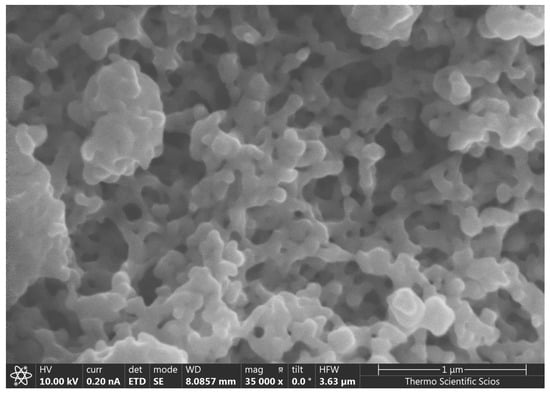
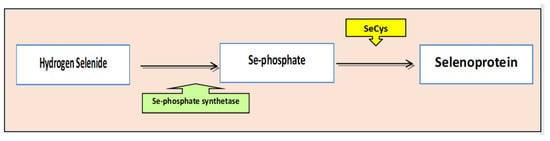
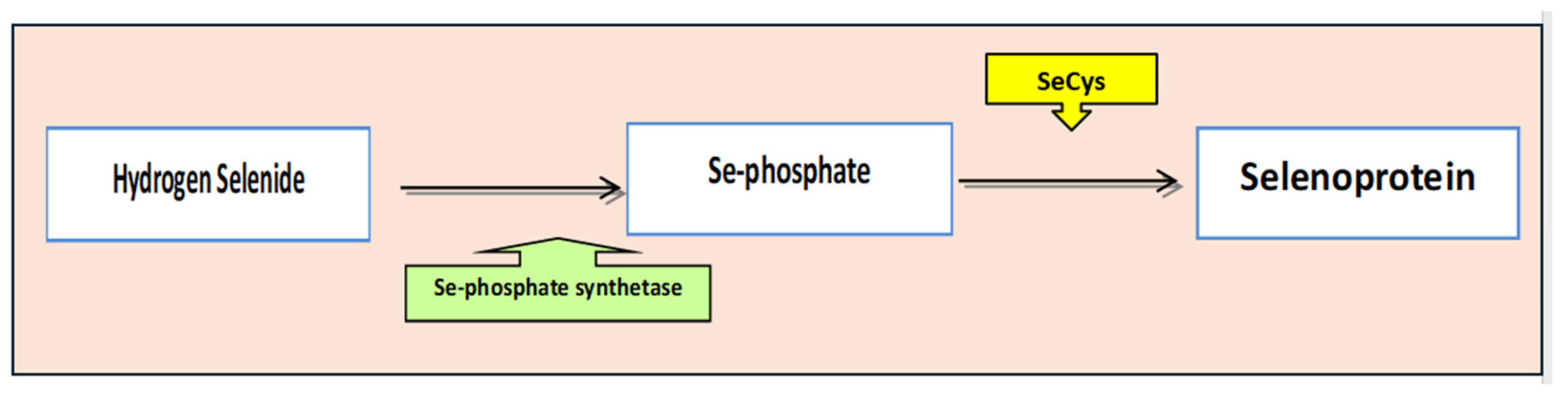
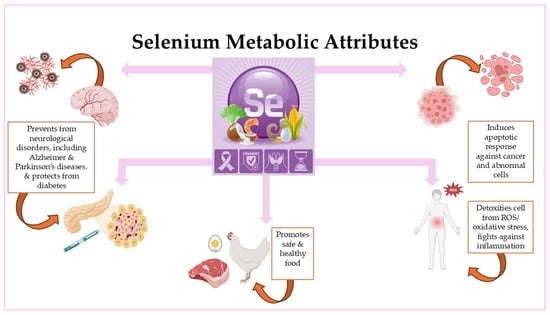
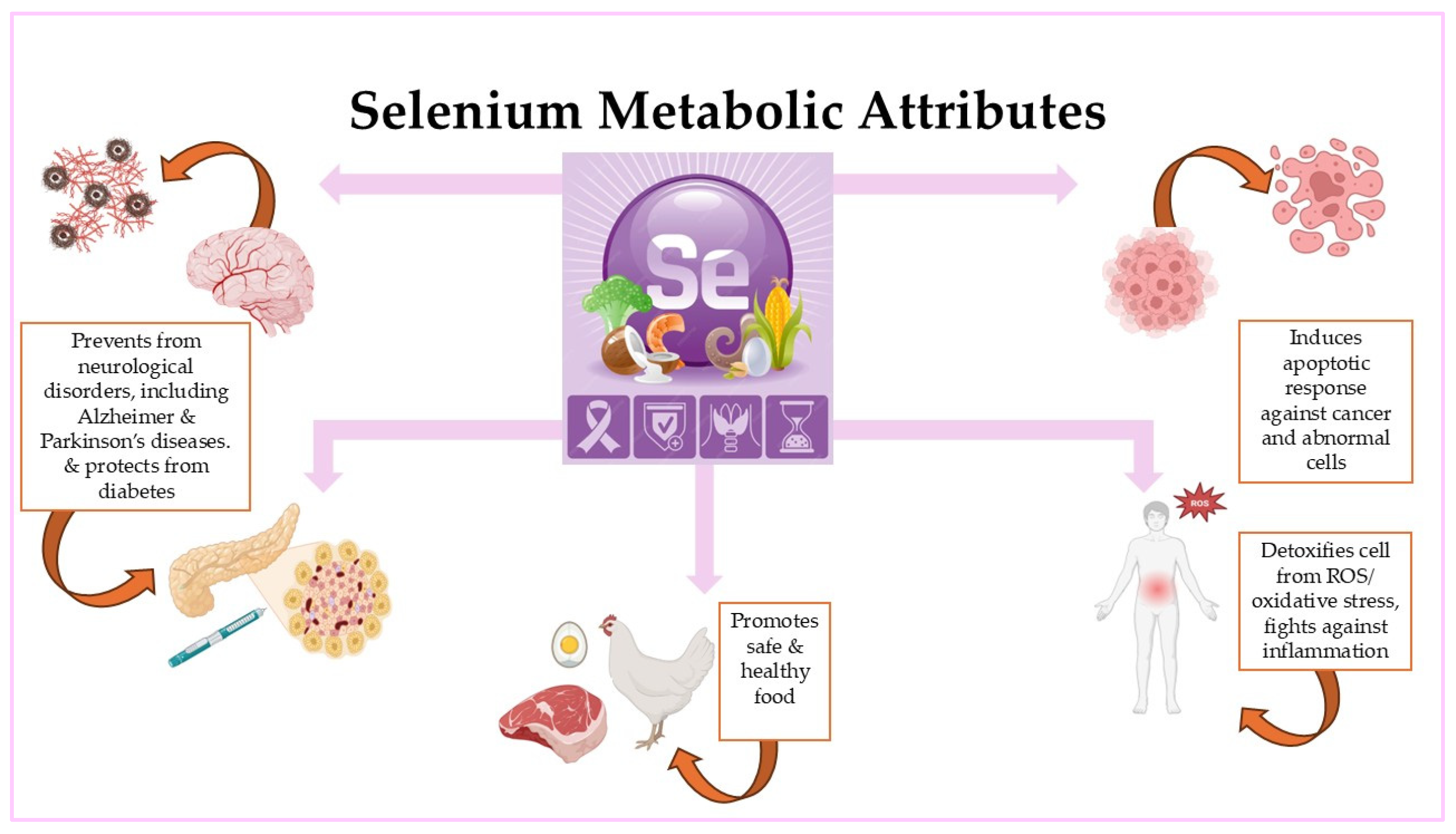

Disclaimer/Publisher’s Note: The statements, opinions and data contained in all publications are solely those of the individual author(s) and contributor(s) and not of MDPI and/or the editor(s). MDPI and/or the editor(s) disclaim responsibility for any injury to people or property resulting from any ideas, methods, instructions or products referred to in the content. |
© 2026 by the authors. Licensee MDPI, Basel, Switzerland. This article is an open access article distributed under the terms and conditions of the Creative Commons Attribution (CC BY) license.