


Abstract
Information Systems (IS) play a critical role in managing and optimizing core business processes and financial operations within small and medium-sized enterprises (SMEs). Specifically, Cloud-based Accounting Information Systems (CAIS) represent a significant digital innovation that is reshaping accounting practices and financial management in SMEs. Despite growing adoption, limited empirical evidence exists on the organizational and governance factors influencing CAIS implementation in developing economies. This paper conducts empirical research primarily examining how organizational culture, organizational structure, and organizational support shape the effective adoption and usage of CAIS among SMEs in Jordan. In particular, the study explores the moderating role of Information Technology Governance (ITG) in the relationships between these organizational factors and CAIS usage. Drawing on the Information Systems and digital accounting literature, this study employs quantitative research design using PLS-SEM. An adapted model is derived from the Technology–Organization–Environment perspectives in adoption technological and contextual factors. Data was collected through a structured questionnaire from 397 Jordanian SME professionals across various managerial and accounting roles. The findings reveal that organizational culture exerts the strongest positive influence on CAIS adoption (β = 0.537, p < 0.001), followed by organizational structure (β = 0.296, p < 0.001) and organizational support (β = 0.226, p < 0.001). ITG also demonstrates a significant direct effect on CAIS adoption (β = 0.218, p < 0.001). Mediation analysis indicates that ITG significantly strengthens the relationship between organizational support and CAIS adoption (β = 0.089, p = 0.035), while its moderating effects on organizational culture and structure are not statistically significant. This research contributes to the digital accounting and Information Systems literature by providing nuanced insights into the conditional role of ITG in CAIS adoption, moving beyond traditional direct-effect models. From an empirical perspective, the findings recommend that policymakers and SME managers must priorities IT governance frameworks alongside organizational support mechanisms to facilitate effective CAIS implementation in emerging markets. Furthermore, prior studies have largely focused on technological determinants or direct effects of organizational factors, while providing limited insight into how IT governance shapes the relationship between organizational capabilities and CAIS adoption within SMEs in emerging economies.
1. Introduction
The IS plays a critical role in managing and optimizing core business processes and financial operations within SMEs [1,2,3]. In the era of rapid digital transformation, IS developed into a mature discipline in correspondence with advances in information technology and its organizational applications [4,5]. Furthermore, this transformation creates a vital path for emergence of innovative business models [6,7,8]. At the same time, the proportion of digitalization is rapidly increasing, with SMEs progressively adopting technology to enhance their process and overall effectiveness [9,10,11]. In this context, robust ITG secure that IS is coordinated with company goals, optimally stored, retrieved and archived, and hence developed into a competency [12,13,14,15]. Additionally, ITG could also facilitate the adoption of the IS in the business model [16,17].
Furthermore, ITG has become a significant tool that guarantees coordination of IT investments, organizational strategy and risk management to enhance CAIS usage and performance [18,19,20,21,22,23]. According to the Resource-Based View, ITG is an enterprise strategic procedure, rather than a technical source [24]. Literature on the adoption of CAIS has raised several open questions. First, the majority of the studies focus on direct relations of technological and organizational variables, ignoring the effects of interactions, especially the moderating position of ITG [25]. Second, most of the empirical studies have only been done on developed economies and there is scant evidence on emerging economies like Jordan whose institutional conditions, resource constraints, and governance maturity are very different [26]. Third, even though the Technology–Organization–Environment (TOE) model has been the most common, it is observed that previous research tends to emphasize more on technology and environmental aspects, but little on the organization environment, particularly among the SMEs where internal forces are prevalent in influencing the adoption decisions.
The speed of digitalization of financial processes and the emergence of CAIS as efficient, transparent, and real-time decision-making tools push SMEs to adopt these systems [27], although some remain doubtful. Through these systems, there is enhanced data management, streamlining of operations and enhanced financial control. In less developed economies like Jordan, where SMEs make up a large part of economic operations, the use of CAIS is considered an essential strategic requirement, not a technological option [28]. Nonetheless, security risks are also the issue that influences the adoption choice [29]. Here, the ITG is essential to align technological programs with organizational strategy and provide the successful implementation of the system [30]. Moreover, the organizational culture has been proposed as one of the most significant aspects that would affect the willingness of employees to use digital accounting systems, especially in cases where the organizational culture encourages innovation and learning [31]. Other than culture, the other organizational factors that play a critical role in facilitating AIS adoption include structure and support. Top management commitment, training, and resource allocation have been recognized as important organizational support that facilitates the successful implementation of systems in SMEs [20]. These aspects should be in line with governance processes in order to achieve successful adoption results. Thus, the next step is a more integrated methodology involving the combination of organizational factors and IT governance that will allow gaining a better understanding of CAIS adoption among SMEs [32].
Theoretically, the research is based on the Technology–Organization–Environment (TOE) model that describes technological acceptance through the technological, organizational, and environmental factors [33]. Although technological aspects, including compatibility of the systems, security, and scalability, are important, organizational preparedness, especially the IT infrastructure and the leadership support, are critical to adoption. SMEs are also pushed by environmental factors such as competition and regulatory demands to use CAIS [34]. Organizational factors, however, have a stronger impact in the situation of Jordanian SMEs since technological resources are limited and the sensitivity to external pressure is comparatively low. Thus, the paper will focus on the organizational aspect to give a more specific and contextualized perspective of the CAIS adoption without making the model too complex.
Despite growing adoption, limited empirical evidence exists on the organizational and governance factors influencing CAIS implementation in developing economies. The study fills the gaps by injecting the organizational culture, organizational structure, organizational support, and IT governance into a single analytical framework. IT governance is analyzed as both a predictor variable and a modifier variable that elicits the relationship between the organizational factors and CAIS adoption. By moving beyond traditional technology adoption perceptions, the research aims to offer a comprehensive understanding of how ITG and organizational capabilities jointly influence the successful implementation of CAIS within SMEs operating in emerging digital business environments. Despite the scalable, cost-effective, and secure financial management solutions provided by CAIS, problems of information security threats and resistance to the system can still occur [35,36]. This study is a more nuanced interpretation of the dynamics of adoption because it concentrates on the interaction between governance and organizational factors. This research has several contributions. To begin with, it builds on CAIS and IS literature by considering IT governance as a moderating mechanism and not directly predictive. Second, it adds to the TOE framework, as it focuses on the organizational dimension, which has not been examined in the SME setting. Third, it offers empirical data of Jordan, which increases the contextual significance of the existing models in new economies. Lastly, it provides a combination of both governance and organizational factors in an integrated perspective, which offers both theoretical and practical perspectives of CAIS adoption. Unlike prior research that typically considers ITG as a direct antecedent, this research distinctively positions it as a contingent moderating mechanism, offering a novel theoretical lens that explains inconsistencies in CAIS adoption success across different organizational contexts.
In this regard, the main objective of the research is to analyze the impact of organizational variables, that is, the organizational culture, the organizational structure, and the organizational support, on the adoption of CAIS in SMEs in Jordan and to investigate the moderating effect of IT governance. By so doing, the research will aim to describe the interactions between internal organizational capabilities and governance mechanisms in the determination of technology adoption decisions in the context of emerging economies. It empirically establishes that IT governance strengthens the positive effect of organizational factors on Cloud Accounting Information Systems’ usage success.
2. Literature Review and Hypotheses Development
CAIS in an organizational context is considered as a strategic construct which could shift how organizations access and use information technology resources [37,38]—transitioning from traditional, on-ground infrastructures to scalable, internet-based services [39,40,41]. This revolution facilitates SMEs to access computing power, storage capacity, and reducing the need for substantial upfront investment and increasing operational flexibility [42,43]. Traditional systems are increasingly being supplanted by cloud-based accounting solutions [44,45,46], which facilitate real-time access to financial data, enhance data transparency, and reinforce the integrity of audit trails [47,48]. ITG involves establishing frameworks and processes that align IT utilization with business models and organizational objectives, mitigate associated risks, and enhance the value and returns generated from investments in technology assets [49,50,51,52,53].
Moreover, in the digitization process for SMEs, there are several features that need to be considered to guarantee the efficiency of the IS deployed [54], which include technical frameworks and organizational models [10,13,55]. This is consistent with the TOE model with the RBV theory which recommends the translation of digital investments into the operational performance outcomes through investments in the organization context. According to [56] ITG entails forming structures and procedures that associate IT usage with corporate models, organizational goals, mitigate risks, and boost the value and yields obtained from technology asset investments. However, despite its recognized importance, limited empirical research has examined ITG as a moderating construct, particularly in the context of cloud-based accounting systems in SMEs, highlighting a significant gap that this study aims to address. It reconceptualizes IT governance not as a compliance mechanism or structural mechanism, but as a second-order dynamic capability through which organizations attain sensitivity, capture and reorganize ERP resources in response to the demands of operations [57]. Also, the Socio-Technical Systems Theory backs the model by focusing on the compatibility between the technological system and organizational structures, governance processes, as well as on cultural values [58]. Recent studies indicate that robust structure frameworks, particularly the ones with a focus on control, compliance, and strategic IT alignment, are associated with a higher quality of decision-making and fewer obstacles to the adoption of technologies [59]. Within an organization, organizational culture is a set of different beliefs, norms, and values, with an effective implementation and use of new technology (i.e., CAIS).
According to the resource-based theory, the adoption of effective ITG is critical for strengthening oversight of organizational operations and systems [60]. Cloud-based AIS can be best understood through the TOE model of technological adoption, which describes how technology is adopted depending on the technological capability and organizational preparedness in addition to environmental factors. Benefits such as scalability and real-time access have been technologically beneficial to CAIS adoption [61]. Theoretical synthesis allows us to explain CAIS adoption and use it in SMEs more holistically. Implementation is further promoted by organizational factors like leadership support and availability of resources [62]. On the environmental part, market forces and competitive forces push companies to adopt cloud-based systems to be agile and compliant. The TOE framework is therefore a complete theory to evaluate the influence of internal and external factors on the adoption and implementation of AIS in business processes [63]. Organizational factors have a significant role in adoption of CAIS, particularly among the SMEs and markets that are in their emergent stage. Ref. [64] reveals that the organizational support, which includes leadership support, training, and strategic alignment, can mediate the adoption of CAIS adoption in Jordan with medium impact. Equally, ref. [65] concludes that organizational factors play a major role in adoption decisions in Saudi MSMEs, particularly with the mediation of accounting information quality [66].
Moreover, ref. [67] underlines that the success gap in the implementation of CAIS in developing countries can be bridged with the help of organizational commitment and culture. All these results suggest that the adoption of AIS is not purely a technical or economic factor, as it is mostly an issue of internal organization, culture, and support systems that encourage employees and align the system utilization with business objectives. The use of CAIS involves organizational support as a core support enabler. Ref. [68] revealed that organizational support, such as availability of resources and leadership support, had a great impact on the intention to implement CAIS in Malaysian accounting. Ref. [69] also mentions the organizational support, as well as technology readiness, that is critical in digital accounting transformation in agri-fintech startups, in which complex operation contexts require specific solutions. Also, ref. [70] notes that successful implementation of AI and CAIS is positively related to the organizational support that is not only helpful to implement but also improves the results of the audit and professional integrity. These results continuously lead to the fact that the internal environment should be supportive of the management embracing change, training and marrying the technological efforts with strategic intentions. Without such support, adoption activities are usually met with resistance, under-exploitation or failure altogether.
This study integrates the Technology–Organization–Environment (TOE) framework with the Resource-Based View (RBV) and Socio-Technical Systems Theory to provide a comprehensive explanation of CAIS adoption. The TOE framework serves as the primary theoretical lens, guiding the overall structure of the model by explaining how organizational context influences technology adoption decisions. The RBV complements this perspective by emphasizing the role of internal organizational resources and capabilities—such as culture, structure, and support—in enabling effective adoption. Additionally, Socio-Technical Systems Theory provides further insight into the alignment between technological systems and organizational elements, highlighting the importance of integrating human, structural, and technological components for successful CAIS implementation. Together, these perspectives offer a coherent and integrated theoretical foundation for the proposed model.
2.1. Organizational Culture and Adoption of CAIS
Organizational culture influences how companies promote, fund, and execute creative solutions [71]. Organizational culture has a significant effect on the integration of AISin organizations, as it affects the acceptance of users [72], sharing of knowledge and digital adaptability. Compromising and innovation-focused culture contributes to AIS implementation, which allows making better decisions and resilience to the operations [62]. On the contrary, inflexible or risk-averse cultures will both inhibit the adoption of AIS and restrict its strategic advantages [63]. In addition, organizational culture is also exposed to external forces such as technology turbulence and this affects the extent of effectiveness of CAIS in enhancing agility and performance [73]. In line with each other, CAIS and organizational culture could promote data accuracy and competitive advantage [74]. Therefore, the successful implementation of CAIS demands not only technological preparedness but also cultural alignment in order to promote the significant digital transformation and value creation in the long run in financial operations. Ref. [75] claims that the organizational cultural features have a major impact on the internal controls components of Accounting Information Systems, and that these systems can be more successful in companies with supportive organizational cultural traits. Moreover, organizational culture refers to how often employees believe that their firm culture encourages the use of the CAIS [76]-based Accounting Information System [77]. The organizational culture has a substantial effect in the sense that CAIS used by employees in the SME financial sector [78]. Also, it has been observed that Socio-Technical Systems Theory underscores the interaction between information technology and the social dimensions of an organization, stressing the need for their alignment to achieve optimal performance [7,79,80]. Likewise, Schein’s model of organizational culture posits that entrenched cultural beliefs affect the perception, implementation, and integration of technology inside the firm [81].
Additionally, ref. [82] suggests analyzing the interrelationships and causality between the characteristics that are vital to the intention to implement AIS, namely organizational culture. It has been argued that according to the essence and the scope of the culture practiced within an organization, the anticipated adoption of AIS might be varied [83]. According to the TOE, this study shows the influence of organizational culture on technology adoption in the cloud-based accounting system and the cultural need to support the implementation [84]. The study has found the gap that organizational culture has a positive impact on AIS adoption among SMEs, but empirical research has not fully explained the moderating factors that may affect its impact; this study is relevant to fill the gap by investigating the factors for small financial sector firms in Jordan.
H1.
Organizational culture positively affects the adoption of CAIS in Jordan’s SMEs.
2.2. Organizational Structure Impact on the Use of CAIS
There is a strong and positive impact of organizational structure on adoption and effective use of CAIS among Jordanian SMEs. Research emphasizes that effective organizational structure strategies help to achieve strategic alignment, risk management, and performance monitoring that subsequently improve AIS usage [22]. Nevertheless, despite the obvious beneficial effect, a considerable number of SMEs continue to face a lack of technical skills and financial resources, which means that structure cannot be considered an adequate measure with investment in digital literacy and infrastructure [85]. In Jordanian SMEs, organizational structure has a significant role in enabling the introduction and successful application of CAIS. Moreover, the issue of organizational culture and leadership support can be viewed as amplifiers, which guarantee the efficient implementation of governance mechanisms [86]. Although this is advantageous, the absence of standardized governance structures and top-down authority in IT decision-making [87,88] in most SMEs may restrict the ability to scale and be consistent, which should also be addressed by benchmarking and training of governance within the sector. The recent sources are always used to reinforce the claim that ITG has a positive impact on CAIS adoption among the SMEs in Jordan. Well-practiced governance leads to improved accountability, data integrity, and user confidence, which make the system adoption easier [23]. As a subset of ITG, ref. [89] shows that cybersecurity awareness is critical in facilitating successful digital accounting. The gap indicates that reinforcement of ITG policies in terms of training, compliance and infrastructure can hasten cloud AIS integration and make the best use of its performance-enhancing capabilities.
H2.
Organizational Structure positively affects the use of CAIS in Jordan’s SMEs.
2.3. Organizational Support and Adoption of CAIS
Organizational support is an essential factor that facilitates successful use of the CAIS especially in SMEs that work in a resource-constrained environment. This is supported by empirical results in Jordan that suggest that organizational support, which is represented by top management commitment, sufficient resource learning, and the ongoing training, produces a high positive impact on AIS usage [22]. When employees feel that the organization has a good level of support, there are higher chances of employees adopting cloud-based systems due to the decrease in uncertainty, increased confidence in the system, and aligning the use of technology with organizational goals [90,91]. The same has been observed in the Jordanian family SMEs, whereby organizational coordination and managerial support were observed to enhance the quality of AIS implementation and post-implementation usage [33]. The developing economies also support this association as they reveal that organizational preparedness and dedication can strongly contribute to the AIS integration and use [92,93]. In addition, organizational support does not only support technical adoption but also improves the quality of accounting information and decision-making efficacy, as it allows users to get adequate guidance and institutional support [94]. Together, these papers define organizational support as a core facilitator of using CAIS as opposed to a situational variable, which highlights its significance in promoting lasting digital accounting change in SMEs.
H3.
Organizational Support positively affects the use of CAIS in Jordan’s SMEs.
2.4. IT Governance Impact on the Adoption of CAIS
ITG plays a central role in guiding how organizations align IT resources, processes, and strategies with business objectives, which is particularly important for SMEs facing limited resources and informal structures [21,95]. Moreover, prior studies suggest that IT governance enhances organizational capability to adopt and utilize Information Systems by improving strategic alignment and resource allocation; for instance, firms with structured IT governance mechanisms are better positioned to achieve operational efficiency [96,97,98]. In the context of CAIS, governance mechanisms help ensure that systems are aligned with organizational needs and integrated into existing processes, as successful implementation depends not only on technological readiness but also on organizational capabilities, including governance structures and support mechanisms [99,100].
Empirical research in developing countries, including Jordan, highlights the importance of organizational and technological factors in driving AIS adoption, showing that organizational readiness and perceived usefulness significantly influence adoption decisions (e.g., cloud-based AIS adoption in Jordanian SMEs). IT governance reinforces these factors by providing a structured environment that supports decision-making, reduces uncertainty related to new technologies, and builds trust in IT systems, thereby improving user acceptance. In SMEs where informal processes often dominate, governance mechanisms enhance transparency and accountability, increasing confidence in digital accounting solutions—particularly for CAIS, which involves data security, system integration, and reliance on cloud infrastructure. Overall, the literature suggests that ITG facilitates better coordination between stakeholders, enhances data reliability, and strengthens internal controls, which are essential for accounting systems [14].
H4.
IT Governance (ITG) has a positive direct effect on the adoption of CAIS in Jordan’s SMEs.
2.5. Organizational Culture, ITG and CAIS
Organizational culture significantly influences the adoption of AIS, and this relationship is positively moderated by robust ITG structures. Ref. [101] highlights that innovation-oriented cultures drive digital transformation in Jordanian SMEs, but the absence of clear ITG can lead to inconsistent implementation. Furthermore, ref. [102] argues that ITG acts as a control layer that aligns cultural drivers with strategic IT objectives. This suggests that to fully leverage organizational culture’s potential, SMEs must invest in formalized ITG frameworks that facilitate structured adoption of CAIS. The impact of the organizational culture on the adoption of VAIS is well documented, and it is much more effective with the introduction of ITG that influences the effect of the initial one as the moderating one. As an example, ref. [103] stresses that cultures with leadership demand systematic ITG that helps to transform innovation into the usage of technology. The current literature indicates that the governance of information technology is a moderating factor that is critical in the determination of the effect that organizational culture has on the adoption of CAIS in the SMEs of Jordan. As an example, ref. [104] also states that the governance framework determines the success of AI-based AIS solutions by balancing the organizational values with system use. On the same note, ref. [102] points out that the culture-related issues on CAIS quality must be well-organized to be capitalized on. Ref. [105] provides further evidence that human and cultural factors cannot be very effective without strategic ITG where there is consistency, security and performance goals. This highlights why SMEs should formalize the governance practices that would allow culture to help the CAIS innovation to its fullest extent. Therefore, robust ITG ensures that CAIS is coordinated with company goals, optimally stored, retrieved and archived, and hence developed into a competency [12,13,14,15]. Additionally, ITG could also facilitate the adoption of CAIS in the business model [16,17].
H5.
ITG moderating the association between organizational culture and the usage of CAIS in Jordan’s SMEs.
2.6. ITG, Organizational Structure and the Use of CAIS
Organizational structure is a direct factor in determining the effectiveness and efficiency of CAIS adoption and this association is further improved through the mediation of strong ITG practices. Structured hierarchies promote smoother implementation of SaaS, but ITG ensures that tasks, information flow, and decisions are made consistent with technological processes [106]. The impact of the organization structure on the adoption of CAIS among Jordanian SMEs is high. This relationship, however, is highly mediated by the existence of effective ITG mechanisms. As an example, structured organizations that have very clear hierarchies and roles can be quite helpful in CAIS implementation, yet, in the absence of ITG, such organizations may continue to witness inefficiencies or security threats [107]. According to [107], ITG is a strategic enabler and it balances technological adoption with financial sustainability and agility. On the same note, ref. [108] shows that IT auditing, which is one of the important aspects of ITG, increases the effectiveness of e-accounting systems by creating accountability and control in the current organizational structures. Consequently, ITG is not only likely to enhance the positive effects of an effective organizational structure, but also help in reducing risks, hence making it an essential moderator of cloud AIS adoption. ITG plays a very important role in the determination of the relationship between organizational structure and the adoption of CAIS within Jordanian SMEs. Role clarity, accountability, and efficiency of workflow are based on a clear structure of the organization. Nevertheless, unless there is ITG, such structures can fail to underpin the complications of CAIS implementation. Ref. [108] also mentions that leadership qualities impact the organizational structure and digital adoption, which presents the necessity of ITG to close these aspects. According to [109], top management support, which is the aspect of governance, moderates the impact of cloud AIS on the quality of decision-making. In addition, ref. [110] describes the quality of administrative decisions with IT systems such as CAIS and it can be used to imply that governance is key to transforming the structural capacity into action. ITG can, therefore, be a stabilizing force that can ensure that SMEs maximize the structural potential in digital transformation initiatives [111].
H6.
ITG moderates the association between organizational structure and the use of CAIS in Jordan’s SMEs.
2.7. ITG, Organizational Support and the Use of CAIS
Ref. [22] discovered that the effect size of organizational support with regard to cloud AIS adoption is medium, meaning that organizational support is a facilitating condition. This includes the support of the top management, resources allocation, and internal motivation of technological innovation. Ref. [74] also notes that most employees who believe that they are supported by the organization have more chances of adopting AIS because they are more likely to identify with the organizational objectives. This is supported by [98], which shows that perceived organizational support is a significant determinant of both a behavioral intention and a usage behavior of CAIS. The success of the adoption of CAIS, especially in SMEs in Jordan and other developing nations, is largely dependent on the organizational support.
In addition, it was found by [33] that the coordination of organizational structures and supportive resources improves the quality of CAIS implementation, especially in family-owned SMEs in Jordan. These results imply that CAIS adoption cannot be only a technical but a strategic one, which is based on the supporting organizational culture and infrastructure [22,88].
The concept of organizational support is relevant to the effective use and implementation of AIS. Sufficient support improves adoption of systems by promoting user interaction, creation of digital skills, as well as flexibility to the changing technologies [62]. The AIS results of agility, data accuracy, and decision-making efficiency are much higher in the place where leadership plays an active role in supporting cloud transformation [96]. In addition, training, IT infrastructure, and resource allocation are forms of support that minimize resistance and maximize benefits of the system [61]. On the other hand, absence of organizational support might result in delays and underutilization of the implementation. Therefore, to provide strategic and operational benefits, digital changes and the creation of long-term value through the strategic adjustment of policies and alignment of the organization structure with essential managerial commitment are needed.
H7.
ITG moderating the association between organizational support and the use of CAIS in Jordan’s SMEs.
3. Methodology
The study adopts a cross-sectional design, collecting data at a single point in time, which is suitable for examining the relationships between organizational and governance factors and the adoption of CAIS. It specifically tests both direct and moderating effects, with IT governance conceptualized as a moderator rather than a mediator. This distinction is essential for accurately interpreting the interaction effects within the structural model.
3.1. Measurement Instrument
The measurement instrument used in this study was a structured questionnaire consisting of multiple items adapted from prior validated studies to ensure content validity and reliability. Each construct in the research model was measured using multiple reflective indicators. Specifically, IT Governance (ITG) was measured using four items, Organizational Culture (OC) with three items, Organizational Structure (OS) with three items, Organizational Support (OSP) with three items, and CAIS adoption with three items. All items were adapted from established literature in the field of Accounting Information Systems and Information Systems adoption, with minor modifications to suit the context of SMEs in Jordan. To ensure consistency among the measures’ items and to avoid confusion among the respondents, the questionnaire items were thus pilot-tested with a sample of nine respondents to check the reliability of the scale items. An open-ended question was involved in the pilot study, which invited the respondents to provide their comments and the suitability of the survey. The results related to Cronbach’s alpha largely supported the reliability of all the items, which was more than the suggested value of 0.70 [111].
The questionnaire was originally developed in English and reviewed by subject experts to ensure clarity and relevance. To ensure precision in wording, the forward–backward translations procedure suggested by [110] was tracked to avoid the impact of language variances. For the measurement of ITG, we adapted the scale developed by [67,74] which includes items such as ‘The organization’s ITG framework aligns with its business strategy’ and ‘The ITG structure supports strategic decision-making’ [90,95]; formal mechanisms (e.g., IT steering committees, control frameworks) exist [85]. Similarly, for organizational factors, we employed the [81,98] scale, which includes items like ‘The organizational culture promotes innovation’ and ‘There is strong support for digital transformation within the organization’ CAIS items was adapted from [23]. Each item was measured using a five-point Likert scale ranging from 1 (Strongly Disagree) to 5 (Strongly Agree).
3.2. Sample and Data Collection
A structured survey questionnaire was developed to collect data from managers and key decision-makers in SMEs that have adopted or are in the process of adopting Cloud Accounting Information Systems (CAIS). The questionnaire was administered electronically using an online survey platform, allowing for wider geographical reach and efficient data collection. A purposive sampling technique was employed to target SMEs that had either implemented CAIS or were actively engaged in digital accounting transformation initiatives. The study targeted SMEs operating across multiple sectors, including manufacturing, services, retail, and financial services, to ensure diversity and generalizability of findings. SMEs were defined based on the criteria, typically including firms with fewer than 250 employees and limited annual turnover/assets [27]. A total of 480 questionnaires were distributed to SMEs across various sectors, resulting in 397 usable responses for the final analysis, representing a response rate of approximately 82.7%. A total of 397 responses, which are valid and complete responses, were retained for final analysis after data screening for missing values and response consistency. The respondents included Chief Executive Officers, Senior Managers, and middle-level managers who possess adequate knowledge of organizational systems and decision-making processes. The questionnaire items were adapted from previously validated scales reported in the literature on AIS adoption, IT governance, and organizational factors. The adaptation process involved reviewing relevant studies and modifying item wording to fit the context of SMEs in Jordan while preserving the original meaning of the constructs. This approach ensures both content validity and comparability with prior research. Finally, the current study used Harman’s one-factor test as suggested by [110] to evaluate the likelihood of common method bias. The analysis revealed that a single factor accounted for most of the covariance, specifically 33.19%. This finding suggests that it is unlikely that common technique bias affected the study.
The participants in the investigation formed a sample of 397. In terms of their characteristics, the findings were mainly 80% male and 20% female (see Table 1). About 43% of them were Managers, with the remainder being CEOs and Senior Managers.
Table 1.
Demographics analysis.
3.3. Measurement Model Specification
In this study, all constructs were modeled as reflective constructs, consistent with prior research in PLS-SEM. Reflective measurement assumes that the observed indicators are manifestations of the underlying latent construct, and changes in the construct are reflected in the observed variables.
Each construct was operationalized using multiple indicators (e.g., ITG1–ITG4, OC1–OC3), and item loadings were assessed to ensure indicator reliability. The use of reflective measurement is appropriate given that the indicators are interchangeable and highly correlated, representing the same underlying concept.
4. Results
4.1. Data Analysis
The data analysis was performed by Partial Least Squares Structural Equation Modeling (PLS-SEM) to test the proposed hypotheses [109]. This technique was chosen due to its ability to handle complex models with multiple constructs, as well as its robustness in small sample sizes. We tested both direct and indirect effects of the independent variables (ITG, organizational culture, organizational structure) on the dependent variable (AIS adoption), using the bootstrapping method to assess the significance of the paths.
4.2. Assessment of the Measurement Model
The measurement model was assessed using Partial Least Squares Structural Equation Modeling (PLS-SEM) following the guidelines of [110]. In addition to the main constructs, system quality, service quality, and information quality were included as supplementary constructs to evaluate CAIS effectiveness.
Reliability and validity were examined through indicator reliability, internal consistency reliability, convergent validity, and discriminant validity. All indicator loadings exceeded the recommended threshold of 0.70. Internal consistency was confirmed as Cronbach’s alpha and composite reliability values were above 0.70 for all constructs. Convergent validity was established with Average Variance Extracted (AVE) values exceeding 0.50.
Discriminant validity was assessed using the Heterotrait–Monotrait (HTMT) ratio and the Fornell–Larcker criterion, with all HTMT values below 0.90, confirming that the constructs are empirically distinct. Overall, the results indicate that the measurement model demonstrates satisfactory reliability and validity (see Table 2 and Figure 1).
Table 2.
Convergent validity results for all measurement constructs (including CAIS outcome dimensions).
Figure 1.
The result of the measurement model.
As revealed in Table 3, discriminant validity refers to the extent to which a construct is truly distinct from other constructs by empirical standards [103,104]. In this study, discriminant validity was assessed using the Heterotrait–Monotrait ratio (HTMT) and the Fornell–Larcker criterion. The HTMT method is considered a more reliable approach for evaluating discriminant validity in PLS-SEM. According to [81], HTMT values should be below the threshold of 0.90 to confirm discriminant validity. Additionally, the Fornell–Larcker criterion requires that the square root of the Average Variance Extracted (AVE) for each construct is greater than its correlations with other constructs [81,107]. The results presented in Table 3 indicate that the discriminant validity requirements are satisfied for all constructions.
Table 3.
Discriminant validity results (HTMT and Fornell-Larcker correlation).
From Table 3, the HTMT and Fornell–Larcker results confirm acceptable discriminant validity among all constructs. All HTMT values were below the threshold of 0.90, indicating that the constructs are empirically distinct and that there is acceptable discriminant validity between the constructs. As the obtained HTMT values for all corresponding constructs are less than 0.90, it can be pointed out that they are theoretically different. For example, while ITG and Information Quality have the highest HTMT of 0.924, there is discriminant validity present due to their mediation discriminant HTMT value. The justification of the Fornell–Larcker correlation is as follows, where each construct’s AVE square is higher than all the correlations between constructs. However, Organizational Support can be found to be extremely related to Organizational Culture, p = 0.897, while remaining an individual variable. Combined, these conformities lend support to the reliability and validity of the measurement model in capturing the interrelationships of the constructs.
4.3. Structural Model Assessment
The structural model assessment represents the next step in the PLS-SEM analysis, where the proposed hypotheses were tested using the bootstrapping method to evaluate path coefficients (β) and their significance [107]. The results presented in Table 4 and Figure 2 indicate that CAIS usage is significantly and positively influenced by organizational culture, organizational structure, and organizational support. Accordingly, the direct hypotheses (H1, H2, H3, and H4) were supported, indicating that organizational factors and IT governance have significant positive effects on CAIS adoption.
Table 4.
Result of hypotheses testing.
Figure 2.
Result of structural model (path coefficients-β).
Regarding the moderating effects of ITG, the findings reveal that ITG significantly mediates only the relationship between organizational support and CAIS usage, thus supporting H7. However, the moderating effects of ITG on the relationships between organizational culture and CAIS (H4), and organizational structure and CAIS (H5) were found to be statistically insignificant, leading to the rejection of H5 and H6.
This finding partially contrasts with prior studies that suggest a stronger moderating role of IT governance in technology adoption. However, it aligns with emerging evidence indicating that the influence of ITG may depend on contextual and organizational conditions, particularly in SMEs where governance structures are less formalized. This suggests that the role of ITG is more complex and context-dependent than previously assumed.
These results are in line with earlier empirical findings that highlight the importance of internal organizational readiness in driving CAIS adoption. Prior studies have similarly reported that organizational support and culture enhance system usage and performance outcomes in SMEs, reinforcing the theoretical assumptions of the TOE framework.
As mentioned in Figure 2, the organizational model clarifies the interactions between organization characteristics, ITG, and the use of CAIS and their effects on system, service, and information quality. All three hypotheses relating to the impact of organizational culture, organizational structure and support for the adoption of CAIS have a significant relationship and are significant at p = 0.000. These relationships are examined under the moderating role of ITG, with varying levels of significance across the proposed interactions (+0.111, + 0.197, +0.035). CAIS usage was further examined in relation to system quality, service quality, and information quality as outcome indicators of system effectiveness, indicating that higher adoption levels are associated with improved system performance. Such findings suggest that ITG plays a remarkable importance for strong organizational foundation and AIS effectiveness. Figure 3 illustrates the performance map.
Figure 3.
Performance map.
The importance–performance map has four crucial areas: ITG, Organizational Culture, Organizational Structure, and Organizational Support. ITG is considered as a low-level concept, while Organizational Culture as a moderating effective one. According to the results, the organizational model clarifies the interactions between organization characteristics, ITG, and the use of CAIS and their effects on system, service, and information quality. As shown in Figure 3, all three hypotheses relating to the impact of organizational culture, organizational structure and support for the adoption of CAIS have a significant relationship and are significant at p = 0.000. All these relationships are mediated by ITG with different impacts (+0.111, + 0.197, +0.035). CAIS strongly impacts system quality (0.889), service quality (0.796), and information quality (0.376). Such findings suggest that ITG plays a remarkable importance for strong organizational foundation and AIS effectiveness.
5. Discussion
The findings of this study are largely consistent with the existing literature on Accounting Information Systems (AIS) adoption and organizational theory. The significant effects of organizational culture, structure, and support on CAIS adoption confirm prior empirical evidence reported in SME and IS research. These results reinforce the applicability of the TOE framework and resource-based perspectives in explaining technology adoption behavior in emerging economies. The results support the proposed hypotheses derived from the literature review, particularly regarding the significant role of organizational culture, structure, and support in influencing CAIS adoption. This alignment confirms the robustness of the theoretical foundations, including the TOE framework and resource-based perspectives, used in this study. However, some results—particularly the non-significant moderating effects of IT governance on organizational culture and structure—diverge from prior expectations, providing new insights and extending the existing body of knowledge. The significant direct effect of IT governance (H4) confirms its important role as a strategic enabler of CAIS adoption, consistent with prior research emphasizing governance mechanisms in digital transformation. The findings further support the integrated theoretical framework adopted in this study. The significant effects of organizational factors align with the TOE framework and RBV, highlighting the importance of internal organizational capabilities in technology adoption. Additionally, the role of IT governance supports the socio-technical perspective, emphasizing the need for alignment between organizational structures and technological systems. Favorable cultural beliefs amplify the lack of resistance to change and the need to trust cloud technologies, which leads to the creation of a system that is incorporated into everyday accounting workflows [94]. The structure of the organization is a very crucial factor in the use and proper utilization of the CAIS because it determines the levels of authority, decision-making, and flow of information in firms. Empirical research points to the fact that SMEs whose positions are well defined, decentralized, and whose reporting lines are not rigid are in a better position to establish and use CAIS effectively [22,108]. Use of Software-as-a-Service (SaaS) and CAIS within capital market-oriented and financially regulated settings require a sound and risk-based ITG system to address operation, regulation, and information integrity risks. Ref. [106] suggests that the adoption of SaaS in capital markets should be regulated by organizing the identification of risks, control, and alignment of compliance to reduce cybersecurity risks, data sovereignty risks, and risks of dependency on a vendor. In addition to that, empirical research shows that CAIS environments require more stringent data quality, access control, and system reliability governance in order to maintain accounting efficiency and reporting credibility [79].
From the analysis done by [103] on cloud computing, we find the trend of citations and productivity of organizations which are predominantly from the United States and IIT System [79]. It develops the roles of cloud technologies and big data to organizations and the market with increased importance. Ref. [103] reveals the importance of technology in enhancing organizational performance and the impact of cloud-based accounting systems on SMEs [103]. They highlight positive associations between ease of use and usefulness, but emphasize the importance of perceived risk in adoption. This supports the notion of Agus [94], who adopts the Technology Acceptance Model, and reveals that credibility is the antecedent of attitude toward the use of cloud systems [74]. However, challenges related to adoption in the context of a broader organization are supplied and these are based on the TOE framework. Taken together, these findings suggest that the decision to adopt CAIS is complex and cannot be understood in isolation, requiring a proactive approach across various organizational domains for SMEs.
While IT governance is theoretically expected to strengthen the relationship between organizational factors and technology adoption, its effectiveness may vary depending on organizational context and implementation maturity. The non-significant moderating effects of IT governance on the relationships between organizational culture and structure with CAIS adoption (H5 and H6) provide important insights that require deeper contextual interpretation. One possible explanation relates to the nature of SMEs in emerging economies such as Jordan, where IT governance practices are often still developing and may lack formalization and maturity. Prior studies suggest that in SMEs, governance mechanisms are frequently informal and not fully embedded into organizational processes, limiting their ability to influence deeply rooted organizational characteristics such as culture and structural arrangements [10,22].
Furthermore, while IT governance frameworks may exist at a formal level, their practical implementation may be limited, which reduces their effectiveness as a moderating mechanism. This aligns with previous research indicating that the mere presence of governance structures does not guarantee their operational impact, particularly in resource-constrained environments where firms face limitations in technical expertise and institutional support. Another possible explanation is that organizational culture and structure are relatively stable and deeply embedded constructs, which may not be easily influenced by governance interventions in the short term. In contrast, organizational support, which reflects managerial actions and resource allocation, is more flexible and responsive to governance mechanisms, explaining why IT governance significantly mediates this relationship (H7).
Overall, these findings suggest that the moderating role of IT governance is context-dependent and may require a higher level of organizational maturity and implementation depth to effectively influence cultural and structural dimensions in SMEs. These issues point to the need for organizations to develop an organizational culture and structure that is consistent with ITG of AIS to enhance the possibility of the implementation of CAIS. Thus, future research should establish how these gaps can be closed in order to improve the uptake of technology in SMEs. Overall, the empirical findings demonstrate a strong correspondence with the study’s objectives and hypotheses, reinforcing the validity of the proposed conceptual model while also identifying areas where theoretical assumptions may require further refinement. This finding is consistent with emerging evidence in the AIS and IS literature, which suggests that governance mechanisms in SMEs often evolve gradually and may not immediately influence all organizational dimensions [62,98].
6. Implications for Research
In practice the results suggest the need for firms to move from pure technical considerations to adopt more integrated and strategic methodology to CAIS applications. Furthermore, organizational leaders should acknowledge that successful CAIS implementation is driven by technological and organizational factors collectively. The results recommend that organizational support becomes significantly more effective when reinforced by effective ITG frameworks and harmonization of IT funds, organizational strategy and risk management to boost CAIS implementation and performance ITG, which also could accommodate the implementation of IS in the business model.
The findings of this study highlight that successful CAIS adoption in SMEs requires an integrated approach that combines organizational culture, structure, support, and IT governance. While fostering an innovative culture is important, it is insufficient without supportive organizational structures and effective governance mechanisms. SMEs should therefore invest in leadership development, change management, and employee training to enhance digital readiness and reduce resistance to new technologies [111]. The results further emphasize the critical role of organizational support, including top management commitment and resource allocation, in facilitating AIS adoption. For practitioners, this implies the need to align governance frameworks with internal organizational capabilities to maximize the effectiveness of CAIS implementation. This research also suggests that the successful CAIS implementation is not merely a function of the individual user’s experiences and system quality, but rather a product of organizational enablers.
From a policy perspective, the study underscores the importance of regulatory and institutional support in promoting CAIS adoption. Policymakers should develop clear frameworks for data protection, cybersecurity, and cloud governance, while also providing financial incentives and training programs to support SMEs in their digital transformation. The study also contributes to the literature by demonstrating that IT governance plays a selective and context-dependent role, with its effectiveness contingent upon organizational support. SMEs are encouraged to complement their technological investments with robust governance frameworks that incorporate clear internal control procedures, continuous monitoring, and effective oversight mechanisms. Furthermore, firm-related factors play a critical role in ensuring the effective functioning of these mechanisms.
7. Limitations and Future Research Directions
This research offers useful insights into the implementation of CAIS in SMEs context, but some limitations need to be recognized. Nonetheless, analogous studies might be conducted in other developing nations employing the same theoretical framework. Differences also in technological infrastructure and organizational practices across different sectors may influence how CAIS and ITG adoption. Moreover, the research mainly addresses internal organizational drivers and ITG while ignoring external drivers like industry regulations, competitive forces, and macroeconomic conditions. Additionally, the study uses a quantitative method, which, though efficient in testing hypotheses, does not allow for in-depth knowledge of managerial views and behavioral influences that can drive adoption choices. The other shortcoming is in terms of geography—Jordan’s business landscape cannot be representative of other emerging economies, and therefore more comparative research needs to be conducted. Further studies require examining the application of CAIS in diverse organizational settings and cultural environments, including larger firms, to validate the proposed model’s applicability and relevance. Future studies should investigate the longitudinal effect of ITG on CAIS adoption, merge qualitative findings, and study cross-country comparisons to increase generalizability and offer more inclusive policy suggestions. Future research should extend this work by incorporating external factors such as industry pressures, regulatory environments, and digital literacy to provide a more comprehensive understanding of CAIS adoption.
8. Conclusions
This study provides important insights into the adoption of Computerized Accounting Information Systems (CAIS) among SMEs in Jordan, with particular emphasis on the roles of IT governance (ITG), organizational culture, structure, and support. The findings demonstrate that ITG, organizational culture, and organizational structure each have a significant positive influence on CAIS adoption. However, contrary to expectations, ITG did not exhibit a significant moderating effect on the relationships between organizational culture, structure, and CAIS adoption. This suggests that the integration of governance frameworks within SMEs may require more context-specific and nuanced approaches. The study further highlights the importance of aligning organizational culture, structure, and ITG with CAIS adoption strategies to improve operational efficiency and organizational performance. Policymakers and business leaders are encouraged to prioritize comprehensive digital transformation strategies supported by robust IT governance frameworks. Organizational support emerged as a critical factor through which ITG influences outcomes, underscoring the need for capacity building, effective resource allocation, and continuous employee training to ensure successful CAIS implementation.
The findings suggest that while ITG is essential, its impact depends on other organizational and contextual factors, indicating a need for future research into the complex interactions between governance, culture, and structure in CAIS adoption in developing economies. The findings highlight the importance of aligning governance mechanisms with organizational readiness to enhance digital accounting transformation in SMEs.
Author Contributions
N.A.A.: Formal analysis, software, writing—original draft, writing—review; A.A.H.: Conceptualization, formal analysis, writing—original draft, data curation, writing—review; supervision. M.A.-O.: Formal analysis, financial support, material preparation, data curation, visualization writing—review; A.A.-D.: Conceptualization, formal analysis, writing—original draft, writing—review. R.N.D.: Validation, visualization, writing—original draft, writing—review and editing, funding acquisition, investigation, methodology. Y.A.T.: Resources, software, supervision, validation, funding acquisition, writing—review and editing. All authors have read and agreed to the published version of the manuscript.
Funding
This research received no external funding.
Data Availability Statement
The data supporting the findings of this study are not publicly available due to privacy and confidentiality considerations related to the study participants; however, the data may be available from the corresponding authors upon reasonable request.
Acknowledgments
The authors are grateful to the Deanship of Scientific Research at Jadara University for providing financial support for this publication.
Conflicts of Interest
The authors declare that they have no known competing financial interests or personal relationships that could have appeared to influence the work reported in this paper.
References
- Silvanskaya, G.; Tytarchuk, Y.; Kravchuk, Y.; Myronov, O.; Musiiovska, M. Artificial Intelligence in Automated Information System Design and Optimization: A Systematic Review. Ing. Syst. Inf. 2025, 30, 2137–2148. [Google Scholar] [CrossRef] [Scilit]
- Ayankoya, M.B.; Omotoso, S.S.; Ogunlana, A.A. Data Driven Financial Optimization for Small and Medium Enterprises (SMEs): A Framework to Improve Efficiency and Resilience in US Local Economies. Int. J. Manag. Organ. Res. 2025, 4, 90–97. [Google Scholar] [CrossRef] [Scilit]
- Jacobs, D.M.; Kabaso, B. Enhancing enterprise resource planning: An empirical analysis of feature utilisation and competitive advantage in small-and medium-sized enterprises. S. Afr. J. Entrep. Small Bus. Manag. 2025, 17, 956. [Google Scholar] [CrossRef] [Scilit]
- Pavaloaia, V.D.; Martin-Rojas, R.; Sulikowski, P. Advanced research in technology and information systems. Electronics 2025, 14, 1677. [Google Scholar] [CrossRef] [Scilit]
- Storey, V.C.; Yue, W.T.; Zhao, J.L.; Lukyanenko, R. Generative artificial intelligence: Evolving technology, growing societal impact, and opportunities for information systems research. Inf. Syst. Front. 2025, 27, 2081–2102. [Google Scholar] [CrossRef] [Scilit]
- Vahdat, S. The role of IT-based technologies on the management of human resources in the COVID-19 era. Kybernetes 2022, 51, 2065–2088. [Google Scholar]
- Kırmızı, M.; Kocaoglu, B. Digital transformation maturity model development framework based on design science: Case studies in manufacturing industry. J. Manuf. Technol. Manag. 2022, 33, 1319–1346. [Google Scholar] [CrossRef] [Scilit]
- Chawla, R.N.; Goyal, P. Emerging trends in digital transformation: A bibliometric analysis. Benchmarking Int. J. 2022, 29, 1069–1112. [Google Scholar]
- Dimitriu, O.; Matei, M. Cloud accounting: A new business model in a challenging context. Procedia Econ. Financ. 2015, 32, 665–671. [Google Scholar] [CrossRef] [Scilit]
- Alsabah, M.; Alshehabi, A. Beyond standards: How culture and institutions shape goodwill impairment under IFRS. J. Financ. Rep. Account. 2026, 1–34. [Google Scholar] [CrossRef] [Scilit]
- Bhuiyan, M.R.I.; Faraji, M.R.; Rashid, M.; Bhuyan, M.K.; Hossain, R.; Ghose, P. Digital transformation in SMEs emerging technological tools and technologies for enhancing the SME’s strategies and outcomes. J. Ecohumanism 2024, 3, 211–224. [Google Scholar] [CrossRef] [Scilit]
- Turel, O.; Bart, C. Board-level IT governance and organizational performance. Eur. J. Inf. Syst. 2014, 23, 223–239. [Google Scholar] [CrossRef] [Scilit]
- Almari, M.O.S.; Weshah, S.R.S.; Saleh, M.M.A.; Aldboush, H.H.H.; Ali, B.J.A. Earnings management, ownership structure and the firm value: An empirical analysis. J. Manag. Inf. Decis. Sci. 2021, 24, 1–14. [Google Scholar]
- Pucihar, A.; Ravesteijn, M.K.; Seitz, J.; Bons, R. Designing an adaptive and sustainable ITG model for SMEs. In Proceedings of the 31st Bled eConference Digital Transformation: Meeting the Challenges; University of Maribor Press: Maribor, Slovenia, 2018; p. 697. [Google Scholar]
- Almaqtari, F.A. The moderating role of IT governance on the relationship between FinTech and sustainability performance. J. Open Innov. Technol. Mark. Complex. 2024, 10, 100267. [Google Scholar] [CrossRef] [Scilit]
- Whitcombe, L.H. Data Driven Change Control: The Role of Predictive Risk Scoring in DevOps Oriented IT Governance. Standford Database Libr. Int. J. Manag. Econ. Fundam. 2026, 6, 18–24. [Google Scholar]
- Al-Wattar, Y.M.; Al-Shafeay, K.M. The role of (IT) governance framework’s dimensions in limiting the risks of cloud accounting information systems (CAIS): Applied to industrial firms in Iraq. World Bull. Soc. Sci. 2023, 26, 11–16. [Google Scholar]
- Chi, M.; Chen, Y.; Vatanasakdakul, S. Beyond Adoption: The Shaping of Cloud Accounting Information Systems Usage Through Organisational Factors and IT Governance. In Proceedings of the 28th Australasian Conference on Information Systems (ACIS 2017), Hobart, Australia, 4–6 December 2017. [Google Scholar]
- Moudud-Ul-Huq, S.; Asaduzzaman, M.; Biswas, T. Role of cloud computing in global accounting information systems. Bottom Line 2020, 33, 231–250. [Google Scholar] [CrossRef] [Scilit]
- Khoruzhy, L.I.; Katkov, Y.N.; Romanova, A.A. Cloud technologies in the accounting information system of interorganizational cooperation. In Unlocking Digital Transformation of Agricultural Enterprises; Springer: Berlin/Heidelberg, Germany, 2023; pp. 25–37. [Google Scholar]
- Tahtamoni, T.; Alkabbaa, N.; Hassan, M.K.; Rashid, M. Environmental, social and governance disclosures and value: Financial incentives and performance in Fortune-500 firms. Manag. Decis. 2026, 62, 1–27. [Google Scholar] [CrossRef] [Scilit]
- Shbail, M.O.A.; Al-Olimat, N.; Alshurafat, H.; Shbeil, S.A.; Baker, M.B.; Jaradat, Z. Factors influencing cloud AIS adoption: Evidence from Jordan. Int. J. Bus. Excell. 2025, 35, 453–474. [Google Scholar] [CrossRef] [Scilit]
- Al-Khoury, A.F.; Alastal, A.Y.M.; Samara, H.; Alslaibi, N.A.; Abdulmuhsin, A.A.; Alqudah, M.Z. The bibliometric landscape of emerging technology in the accounting information systems field. Cogent Bus. Manag. 2025, 12, 2573191. [Google Scholar] [CrossRef] [Scilit]
- Mulyana, A.; Ritchi, H.; Kurniawan, P. The effect of the quality of accounting information on the performance of cloud accounting users: Analysis of the integration of information systems success models (Empirical case of corporate accountants in Indonesia). J. Account. Audit. Res. Pract. 2021, 24, 1. [Google Scholar]
- Ilmudeen, A.; Qaffas, A.A. Impact of IT governance mechanisms on IT-enabled dynamic capabilities to achieve firm performance: Role of moderators. Benchmarking Int. J. 2025, 32, 578–607. [Google Scholar] [CrossRef] [Scilit]
- Alrabei, A.M.; Jawabreh, O.; Abdullah Saleh, M.M. Accounting Information and Role It on Financial Reports Quality in Jordanian Hotels, and Social Performance as a Mediating Effect. Int. J. Sustain. Dev. Plan. 2023, 18, 2271–2279. [Google Scholar] [CrossRef] [Scilit]
- Vo Van, H.; Abu Afifa, M.; Saleh, I. Accounting information systems and organizational performance in the cloud computing era: Evidence from SMEs. Sustain. Account. Manag. Policy J. 2026, 17, 267–299. [Google Scholar] [CrossRef]
- Alkan, B.Ş. How blockchain and artificial intelligence will effect the cloud-based accounting information systems? In The Impact of Artificial Intelligence on Governance, Economics and Financ; Springer: Berlin/Heidelberg, Germany, 2022; Volume 2, pp. 107–119. [Google Scholar]
- Peras, D.; Mekovec, R. A conceptualization of the privacy concerns of cloud users. Inf. Comput. Secur. 2022, 30, 653–671. [Google Scholar] [CrossRef] [Scilit]
- Tahtamoni, T.; Hassan, M.K.; Sohag, K. Impact of ESG practices and economic volatility on firm performance in the US IT Sector: Evidence from 2010–2022. J. Environ. Manag. 2025, 393, 127048. [Google Scholar] [CrossRef] [Scilit] [PubMed]
- Ayoub, A.; Potdar, V.; Rudra, A.; Luong, H. The impact of organizational culture on internal control components of accounting information systems in Beirut. In Big Data and Security; Springer: Berlin/Heidelberg, Germany, 2020; pp. 157–177. [Google Scholar]
- Abutaber, T. The moderating impact of cloud computing on the relationship between the reliability of accounting information systems and credit granting decisions in Jordanian banks. Uncertain Supply Chain Manag. 2023, 11, 1811–1820. [Google Scholar] [CrossRef] [Scilit]
- Sahu, P.; Bishnu, J. Cloud computing adoption in business organizations. Intersecta Minds J. 2026, 5, 1–15. [Google Scholar]
- Fan, Q.; Shi, J.; Ji, R.; Zhang, C.; Wang, Y. Information security risk assessment of vehicle–road–cloud integrated systems using accident tree and analytic hierarchy process. SPIE 2026, 14012, 58–65. [Google Scholar]
- Al-Hashimy, H.N.H.; Yao, J. Moderating the role of cybernetic controls on data accuracy and decision-making in accounting information systems in construction projects in Iraq. Kybernetes 2026, 55, 825–844. [Google Scholar]
- Jaradat, Z.; Al-Hawamleh, A.; Al-Tahat, S.; Mohammed, A. Exploring the impact of cloud computing-based accounting information systems on Sustainable Development Goal 8. Compet. Rev. 2026, 36, 39–60. [Google Scholar]
- Aldboush, H.H.; Ferdous, M. Building trust in fintech: An analysis of ethical and privacy considerations in the intersection of big data, AI, and customer trust. Int. J. Financ. Stud. 2023, 11, 90. [Google Scholar] [CrossRef] [Scilit]
- Pearlson, K.E.; Saunders, C.S.; Galletta, D.F. Managing and Using Information Systems: A Strategic Approach; Wiley: Hoboken, NJ, USA, 2024. [Google Scholar]
- Nursodiq, A.; Farhan, A.; Alifia, A.; Setiawan, K.W.; Mardiyansyah, M.Y. Analysis of the Role of Management Information Systems (MIS) as a Pillar of Strategic Decision Making in the Digital Era. J. Multidisiplin Sahombu 2026, 6, 332–337. [Google Scholar] [CrossRef] [Scilit]
- Taherdoost, H. An overview of trends in information systems: Emerging technologies that transform the information technology industry. Cloud Comput. Data Sci. 2023, 4, 1–16. [Google Scholar] [CrossRef] [Scilit]
- Dalal, A. Leveraging Cloud Computing to Accelerate Digital Transformation Across Diverse Business Ecosystems; SSRN: Rochester, NY, USA, 2025. [Google Scholar]
- Elshorbagy, R.E.; Abu-Musa, A.A.; El-Shishin, H.M.; Aladwey, L. The impact of information technology governance on reducing cloud accounting information systems’ risks: Evidence from Egypt. Acad. J. Soc. Sci. 2025, 3, 70–111. [Google Scholar] [CrossRef] [Scilit]
- Altin, M.; Yilmaz, R. Adoption of cloud-based accounting practices in Turkey: An empirical study. Int. J. Public Adm. 2022, 45, 819–833. [Google Scholar]
- Blokland, P.; Reniers, G. Achieving organisational alignment, safety, and sustainable performance. Sustainability 2021, 13, 10400. [Google Scholar] [CrossRef] [Scilit]
- Thomas, A. Digitally transforming the organization through knowledge management: A socio-technical systems perspective. Eur. J. Innov. Manag. 2024, 27, 437–460. [Google Scholar] [CrossRef] [Scilit]
- Alankarage, S.; Chileshe, N.; Samaraweera, A.; Rameezdeen, R.; Edwards, D.J. Diagnosing organizational BIM culture: A qualitative case study using Schein’s model. J. Manag. Eng. 2024, 40, 05024005. [Google Scholar] [CrossRef] [Scilit]
- Al-Okaily, M. The antecedents and outcomes of accounting information systems usage: The indirect effect of IT knowledge. Knowl. Inf. Syst. 2025, 67, 4651–4675. [Google Scholar] [CrossRef] [Scilit]
- Al Hadwer, A.; Tavana, M.; Gillis, D.; Rezania, D. A systematic review of organizational factors impacting cloud-based technology adoption using Technology-Organization-Environment Framework. Internet Things 2021, 15, 100407. [Google Scholar] [CrossRef] [Scilit]
- Aldboush, H.H.; Almasria, N.A.; Ferdous, M. Determinants of firm profitability: Empirical evidence from Jordan’s service sector. Bus. Theory Pract. 2023, 24, 438–446. [Google Scholar] [CrossRef] [Scilit]
- Zaçe, V.; Shuli, I. Accounting information systems implementation: A literature review. Eur. J. Bus. Manag. Res. 2025, 10, 90–95. [Google Scholar] [CrossRef] [Scilit]
- Al-Okaily, M. The influence of digital disclosure language adoption on decrease financial information asymmetry and increase its quality. Inf. Discov. Deliv. 2025, 53, 356–365. [Google Scholar] [CrossRef] [Scilit]
- Vaia, G.; Arkhipova, D.; DeLone, W. Digital governance mechanisms and principles that enable agile responses in dynamic competitive environments. Eur. J. Inf. Syst. 2022, 31, 662–680. [Google Scholar] [CrossRef] [Scilit]
- Zureigat, B.N.; Alhanatleh, H.; Alghizzawi, M.; Alrifae, A.A.M. Role of digital technologies based on cybersecurity awareness in enhancing firms’ performance: Digital accounting systems setting. EIER 2025, 13, 375–396. [Google Scholar] [CrossRef] [Scilit]
- Khan, M.A. Contextual considerations of audit technology acceptance, accounting regulations, administrative influences, and organizational efficiency: A novel I-TOE adoption formulation. Pak. J. Life Soc. Sci. 2025, 23, 4563–4582. [Google Scholar] [CrossRef] [Scilit]
- Islam, M.M.; Bhuiyan, M.R.I.; Islam, S.H.; Tabassum, M.N.; Billah, M. Unlocking the moderating and moderating role of information security in information systems: A combined TAM, ISM, and HBM model. Hum. Behav. Emerg. Technol. 2026, 1, 5593002. [Google Scholar] [CrossRef] [Scilit]
- Putra, V.D.C.; Wigantini, G.R. Optimizing accounting information systems: The critical roles of user involvement and cloud computing integration in Bandung, Indonesia. J. Account. Financ. Manag. 2025, 5, 1635–1644. [Google Scholar] [CrossRef] [Scilit]
- Ogwuegbu, C.C.; Ogbada, E.I. Exploring the influence of accounting information systems on cloud computing integration in Nigeria. Adv. J. Manag. Account. Financ. 2025, 10, 1–30. [Google Scholar]
- Al-Okaily, M.; Al-Okaily, A. Financial data modeling: An analysis of factors influencing big data analytics-driven financial decision quality. J. Model. Manag. 2025, 20, 301–321. [Google Scholar] [CrossRef] [Scilit]
- Huang, X.; Gattiker, T.F.; Schroeder, R.G. Do competitive priorities drive adoption of electronic commerce applications? Testing the contingency and institutional views. J. Supply Chain Manag. 2010, 46, 57–69. [Google Scholar] [CrossRef] [Scilit]
- Devos, J.; Van Landeghem, H.; Deschoolmeester, D. Theoretical foundations for information systems success in small and medium-sized enterprises. In Measuring Organizational Information Systems Success: New Technologies and Practices; Belkhamza, Z., Wafa, S.A., Eds.; IGI Global: Hershey, PA, USA, 2012. [Google Scholar] [CrossRef] [Scilit]
- Prasad, A.; Green, P.; Heales, J. On IT governance structures and their effectiveness in collaborative organizational structures. Int. J. Account. Inf. Syst. 2012, 13, 199–220. [Google Scholar] [CrossRef] [Scilit]
- Juiz, C.; Guerrero, C.; Lera, I. Implementing good governance principles for the public sector in information technology governance frameworks. Open J. Account. 2014, 3, 9–27. [Google Scholar]
- Hasan, M.; Uddin, M.M.; Hossain, M.A. What characteristics of technology and its vendor encourage continuous usage intention of accounting software in SMEs? Manag. Account. Rev. 2025, 24, 501–536. [Google Scholar] [CrossRef] [Scilit]
- Skafi, M.; Yunis, M.M.; Zekri, A.; Daher, J.B. The confluence of big data and cloud computing in SME adoption strategies. IEEE Access 2025, 13, 37789–37811. [Google Scholar] [CrossRef] [Scilit]
- Neiroukh, N.; Çağlar, D. Information systems quality and corporate sustainability: Unpacking the interplay of financial reporting, artificial intelligence, and green corporate governance. Systems 2025, 13, 537. [Google Scholar] [CrossRef] [Scilit]
- Al-Okaily, M. Attitudes toward the adoption of accounting analytics technology in the digital transformation landscape. J. Account. Organ. Change 2025, 21, 593–613. [Google Scholar] [CrossRef] [Scilit]
- Syrio Callefi, J.; Duarte, D.A.; Alves Junior, P.N.; Melo, I.C. Organizational culture and job satisfaction: Identifying key drivers through efficiency analysis. Total Qual. Manag. Bus. Excell. 2025, 36, 1208–1227. [Google Scholar] [CrossRef] [Scilit]
- Van Pham, Q. The evolving landscape of AI integration in mathematics education: A systematic review of trends (2015–2025). Eurasia J. Math. Sci. Technol. Educ. 2025, 21, em2714. [Google Scholar] [CrossRef] [Scilit] [PubMed]
- Aman-Ullah, A.; Ilyas, M.; Jahangir, J.; Maeennudin, M.; Iqbal, J.; Hussein Manhal, M. Leader’s personal attributes and accounting information system adoption: A moderation study through innovative leadership and knowledge-sharing culture. VINE J. Inf. Knowl. Manag. Syst. 2025, 56, 369–391. [Google Scholar] [CrossRef] [Scilit]
- Saini, M.; Kumar, N. Impact of cloud-based accounting usage on communication and decision quality: The moderating role of top management support. In Proceedings of the International Research Conference on Resilience for Sustainability; Atlantis Press: Paris, France, 2025; pp. 151–163. [Google Scholar]
- Ibrahim, A.; Almasria, N.A.; Alhatabat, Z.A.; Ershaid, D.J.A.; Aldboush, H.H. Transforming financial services with artificial intelligence and machine learning: Insights into opportunities and emerging trends. Util. AI Mach. Learn. Financ. Anal. 2025, 129–148. [Google Scholar]
- Samuel, J.; Thamaraiselvi, G. Thematic Review of Cloud Accounting and Cloud ERP Adoption and Impact in SMEs. Eur. Econ. Lett. 2025, 15, 3. [Google Scholar] [CrossRef] [Scilit]
- Thair, K.; Qiais, A.K.; Aldboush, H. Aggregate Risks and Financial Performance: Risk Management Mediator. Int. J. Membr. Sci. Technol. 2023, 10, 620–626. [Google Scholar] [CrossRef] [Scilit]
- Alquhaif, A.S.; Al-Mamary, Y.H. Examining factors influencing the adoption of accounting information systems: An analysis of behavioral intentions and usage behavior. Hum. Syst. Manag. 2025, 44, 460–476. [Google Scholar] [CrossRef] [Scilit]
- Aldousari, A.; Alsabah, M. ESG Integration and Technical Efficiency: A Comparative Frontier Analysis in Kuwait Financial Sector. Sustainability 2025, 17, 10231. [Google Scholar] [CrossRef] [Scilit]
- Michael, M.; Ariani, Y.; Widjaja, W. Digital transformation in accounting: CAIS, management support, and financial information quality in retail. J. Akunt. Audit. Dan Sist. Inf. Akunt. 2025, 9, 91–105. [Google Scholar] [CrossRef] [Scilit]
- Sekaran, U.; Bougie, R. Research Methods for Business: A Skill-Building Approach, 5th ed.; Wiley: Hoboken, NJ, USA, 2010. [Google Scholar]
- Aldboush, H.; Almasria, N.A.; Tawfiq, T.T.; Tawaha, H. The nexus between dividend payout ratios, return on assets and leverage: A 15-year analysis of fortune 500 companies. Int. J. Econ. Financ. Stud. 2024, 16, 40–73. [Google Scholar]
- Ferguson, C.; Green, P.; Vaswani, R.; Wu, G. Determinants of effective information technology governance. Int. J. Audit. 2013, 17, 75–99. [Google Scholar] [CrossRef] [Scilit]
- Trushkina, N.; Abazov, R.; Rynkevych, N.; Bakhutdinova, G. Digital transformation of organizational culture under conditions of the information economy. Virtual Econ. 2020, 3, 7–38. [Google Scholar] [CrossRef] [Scilit] [PubMed]
- Alawaqleh, Q.; Alsawalhah, J.; Almasria, N.; Airout, R.; Amireh, M. The impact of organisational factors on intentions to adopt a cloud accounting information system in Jordanian financial SMEs. Int. J. Bus. Excell. 2026, 39, 234–247. [Google Scholar] [CrossRef] [Scilit]
- Al-Hattami, H.M.; Almaqtari, F.A.; Abdullah, A.A.H.; Al-Adwan, A.S. Digital accounting system and its effect on corporate governance: An empirical investigation. Strateg. Change 2024, 33, 151–167. [Google Scholar] [CrossRef] [Scilit]
- Al-Okaily, M. Artificial intelligence and its applications in the context of accounting and disclosure. J. Financ. Report. Account. 2025, 23, 1387–1401. [Google Scholar] [CrossRef] [Scilit]
- Podsakoff, P.M.; MacKenzie, S.B.; Lee, J.Y.; Podsakoff, N.P. Common method biases in behavioral research: A critical review of the literature and recommended remedies. J. Appl. Psychol. 2003, 88, 879–903. [Google Scholar] [CrossRef] [Scilit] [PubMed]
- Gudergan, S.P.; Moisescu, O.I.; Radomir, L.; Ringle, C.M.; Sarstedt, M. Advanced partial least squares structural equation modeling (PLS-SEM) applications in business research. J. Bus. Res. 2025, 188, 115087. [Google Scholar] [CrossRef] [Scilit]
- Hair, J.F.; Hult, G.T.M.; Ringle, C.M.; Sarstedt, M. A Primer on Partial Least Squares Structural Equation Modeling (PLS-SEM); Sage Publications: Thousand Oaks, CA, USA, 2014. [Google Scholar]
- Hair, J.F.; Hult, G.T.M.; Ringle, C.M.; Sarstedt, M. A Primer on Partial Least Squares Structural Equation Modeling (PLS-SEM), 2nd ed.; Sage Publications: Thousand Oaks, CA, USA, 2017. [Google Scholar]
- Hair, J.F.; Risher, J.J.; Sarstedt, M.; Ringle, C.M. When to use and how to report the results of PLS-SEM. Eur. Bus. Rev. 2019, 31, 2–24. [Google Scholar] [CrossRef] [Scilit]
- Keerati-Angkoon, K. Cloud-Based Accounting Information Systems Adoption and Firm Value in SMEs: Management’s Perspective; Springer: Berlin/Heidelberg, Germany, 2024; pp. 141–155. [Google Scholar]
- Dutta, S.; Jain, S.; Mukhopadhyay, A. A comprehensive risk-based ITG framework for SaaS adoption in capital markets. J. Organ. Comput. Electron. Commer. 2025, 35, 115–135. [Google Scholar] [CrossRef] [Scilit]
- Ampofo, I.A.S.; Dapaah, E.O.; Oppong-Twum, F.; Buabeng, S.M.; Badzongoly, E.L.B.; Ampofo, I.A.J.; Ampofo, B.; Yiadom, G.B.; Sarfo, K. Application of Cloud Computing in Organizational Structure: A Bibliometric Analysis from 1800 to 2022; Springer: Berlin/Heidelberg, Germany, 2024; pp. 541–559. [Google Scholar]
- Wansaga, N.A.G.; Riantono, I.E.; Surja, S.; Effendi, A.; Hidayat, D. Design of payroll information system for document distribution service company. In Proceedings of the 2024 International Conference on ICT for Smart Society (ICISS), Bandung, Indonesia, 4–5 September 2024; IEEE: New York, NY, USA, 2024; pp. 1–5. [Google Scholar]
- Agus Pramuka, B.; Pinasti, M. Does cloud-based accounting information system harmonize small business needs? J. Inf. Organ. Sci. 2020, 44, 141–156. [Google Scholar] [CrossRef] [Scilit]
- Abdulnafea, A.L.; Almasria, N.A.; Alawaqleh, Q. The effect of working capital management and credit management policy on jordanian banks’ financial performance. Banks Bank Syst. 2022, 16, 229–239. [Google Scholar] [CrossRef] [Scilit]
- Wang, K.; Xu, X.; Mao, P.; Deng, X.; Cao, D. Digital transformation and organizational readiness: Evidence from Chinese construction SMEs with a dynamic managerial capabilities lens. Eng. Constr. Archit. Manag. 2025, 33, 5783–5819. [Google Scholar] [CrossRef] [Scilit]
- Al-Karawi, A.M.Y.; Saeed, H.M.M.; Fadel, M.A. Big data and IT technologies: Bridging accounting information systems and administrative decision-making. Braz. Bus. Rev. 2025, 22, e20231704. [Google Scholar]
- Brislin, R.W. The wording and translation of research instruments. In Field Methods in Cross-Cultural Research; Lonner, W.J., Berry, J.W., Eds.; Sage: Thousand Oaks, CA, USA, 1986; pp. 137–164. [Google Scholar]
- Distanont, A.; Khongmalai, O. The adoption of digital technology in SMEs. In Proceedings of the 18th European Conference on Management, Leadership and Governance, Lisbon, Portugal, 10–11 November 2022. [Google Scholar]
- Tawfik, O.I.; Durrah, O.; Hussainey, K.; Elmaasrawy, H.E. Factors influencing the implementation of cloud accounting: Evidence from small and medium enterprises in Oman. J. Sci. Technol. Policy Manag. 2022, 13, 859–884. [Google Scholar] [CrossRef] [Scilit]
- Ma, D.; Fisher, R.; Nesbit, T. Cloud-based client accounting and small and medium accounting practices: Adoption and impact. Int. J. Account. Inf. Syst. 2021, 41, 100513. [Google Scholar] [CrossRef] [Scilit]
- Almasria, N.A.V.; Tahtamoni, T.; Tawaha, H.; Alenezi, H.H. Enhancing Condominium Rental Classification and Income Prediction through Optimized Modeling Techniques. Pac. Rim Prop. Res. J. 2026, 31, 53–78. [Google Scholar]
- Ouaadi, I.; El Haddad, M. Determinants of cloud accounting adoption intention: The TOE, DOI and TAM models. J. Account. Res. Organ. Econ. 2021, 4, 216–233. [Google Scholar] [CrossRef] [Scilit]
- Rawashdeh, A.; Rawashdeh, B.S.; Shehadeh, E. The determinants of cloud computing vision and its impact on cloud accounting adoption in SMBs. Hum. Behav. Emerg. Technol. 2023, 2023, 8571227. [Google Scholar] [CrossRef] [Scilit]
- Elshorbagya, R.E.; Abu-Musab, A.A.; El-Shishini, H.M.; Aladwey, L. The relationship between information technology governance and cloud accounting information systems’ risks. Account. Res. J. 2025, 12, 74–111. [Google Scholar] [CrossRef] [Scilit]
- Almasria, N.A.; Clark, J.; Choudhury, S. Empirical evidence on the relationship between internal audit factors and the quality of external audit. Int. J. Manag. Appl. Sci. 2018, 4, 72–80. [Google Scholar]
- Ahn, B.; Ahn, H. Factors affecting intention to adopt cloud-based ERP from a comprehensive approach. Sustainability 2020, 12, 6426. [Google Scholar] [CrossRef] [Scilit]
- Bharadwaj, S.S.; Lal, P. Exploring the impact of cloud computing adoption on organizational flexibility: A client perspective. In Proceedings of the International Conference on Cloud Computing Technologies, Applications and Management, Dubai, United Arab Emirates, 8–10 December 2012; pp. 121–131. [Google Scholar]
- Thottoli, M.M.; Ahmed, E.R. Determining factors and IT adoption by auditing limited liability partnerships: Mediating effect of IT confidence. Int. J. Econ. Manag. Account. 2023, 31, 99–126. [Google Scholar]
- Abdollahzadegan, A.; Che Hussin, A.R.; Moshfegh Gohary, M.; Amini, M. The organizational critical success factors for adopting cloud computing in SMEs. J. Inf. Syst. Res. Innov. 2013, 4, 67–74. [Google Scholar]
- Venkatesh, V.; Morris, M.G.; Davis, G.B.; Davis, F.D. User acceptance of information technology: Toward a unified view. MIS Q. 2003, 27, 425–478. [Google Scholar] [CrossRef] [Scilit]
- Adzham, N.A.; Adzham, N.A.; Salim, A.S.A.; Veloo, P.; Yatim, N.M.; Said, A.M.A.; Cheng, E.H.; Keong, L.B. A conceptual framework of cloud accounting acceptance among public sector professionals. In Technology and Entrepreneurship: Systems Driving Innovation; Springer: Berlin/Heidelberg, Germany, 2026. [Google Scholar]
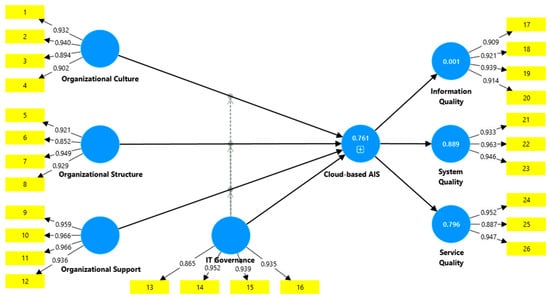
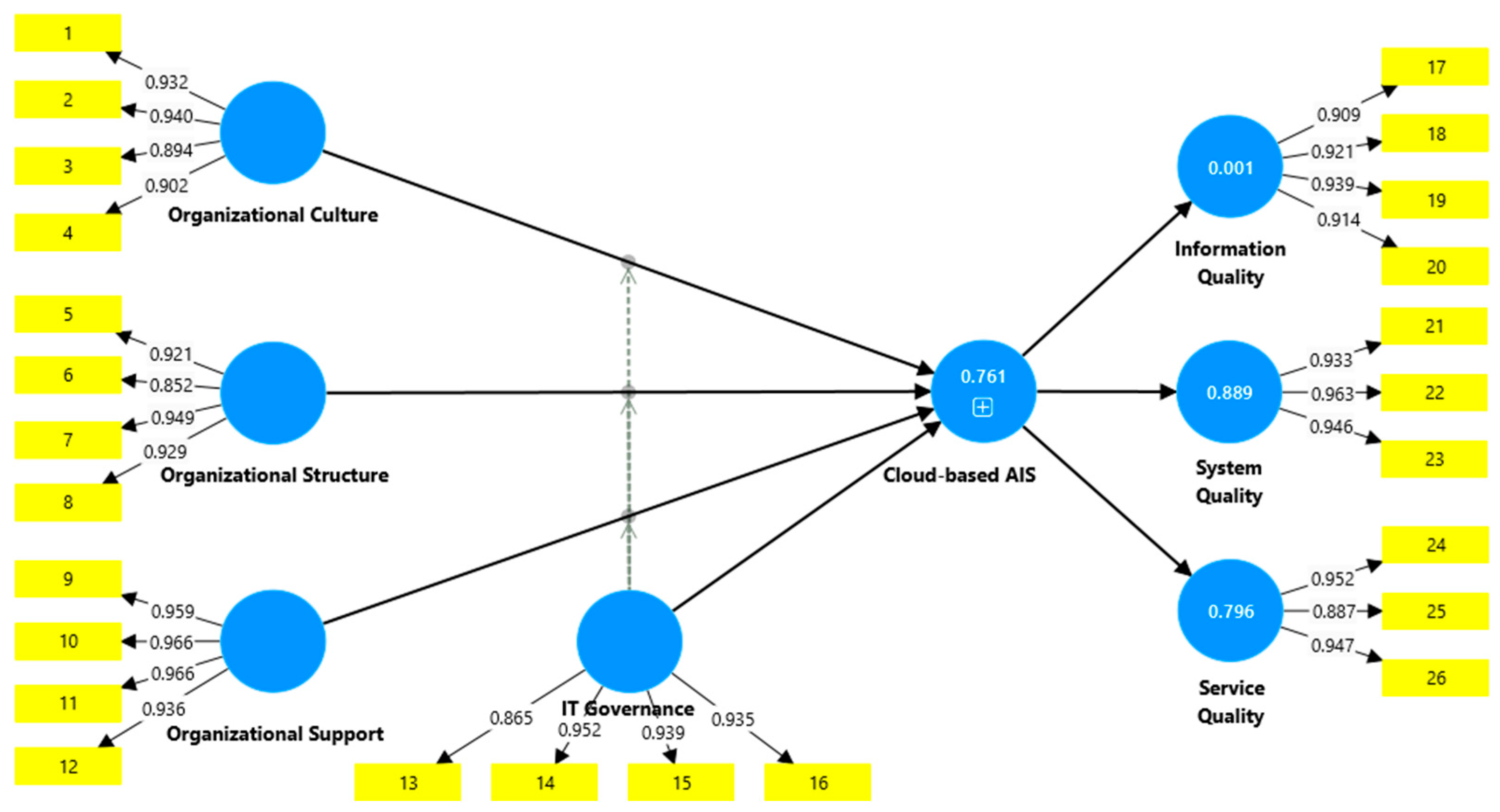
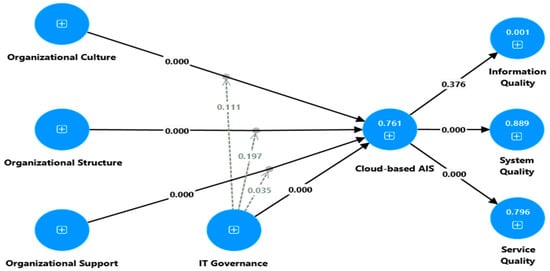
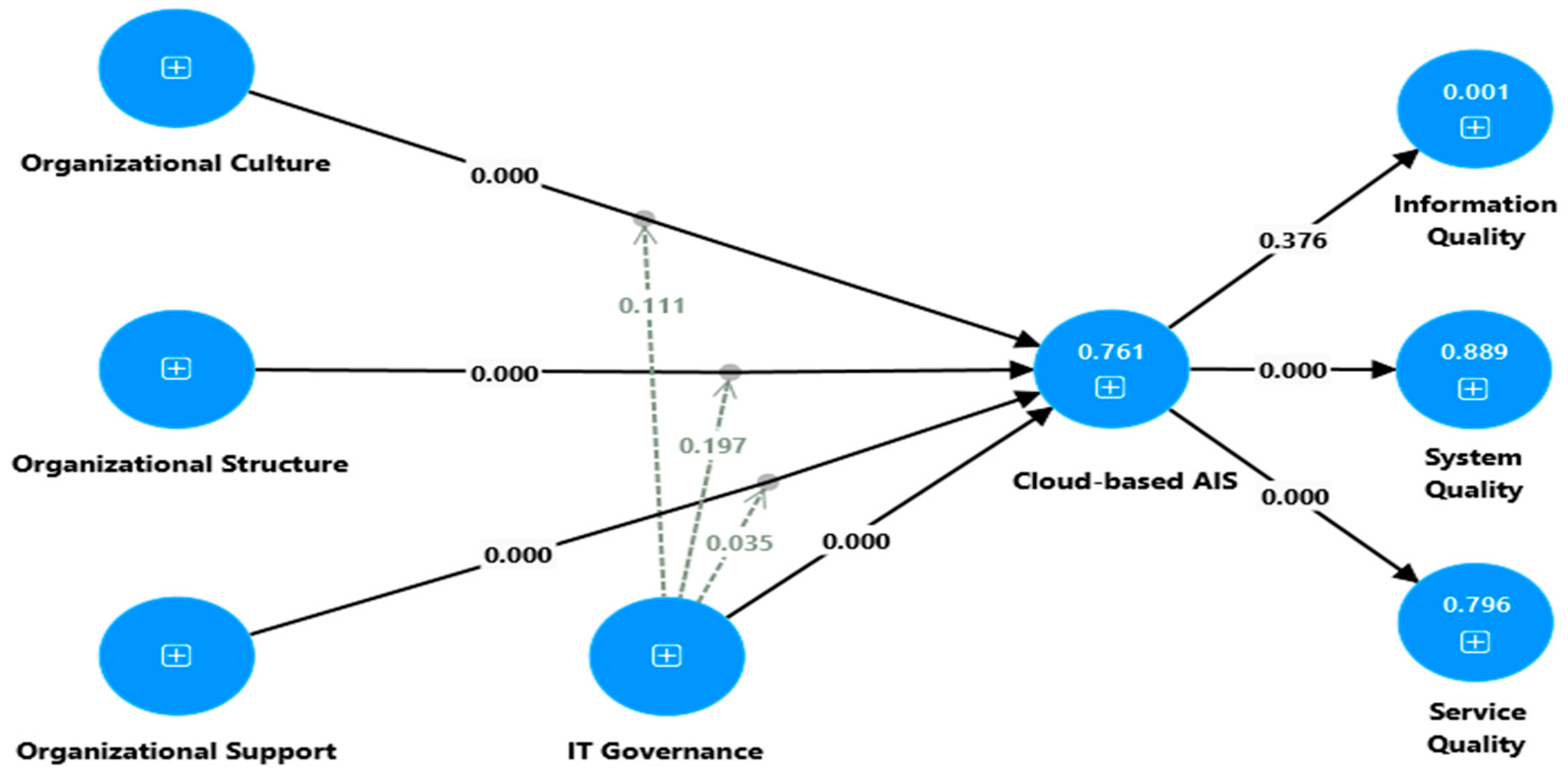
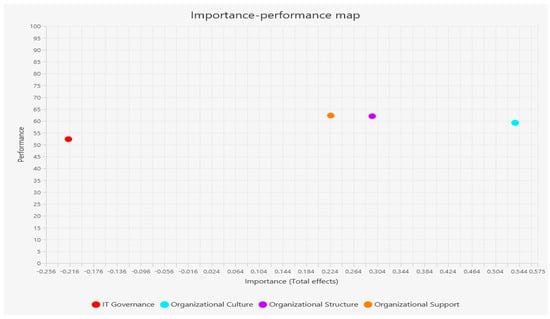
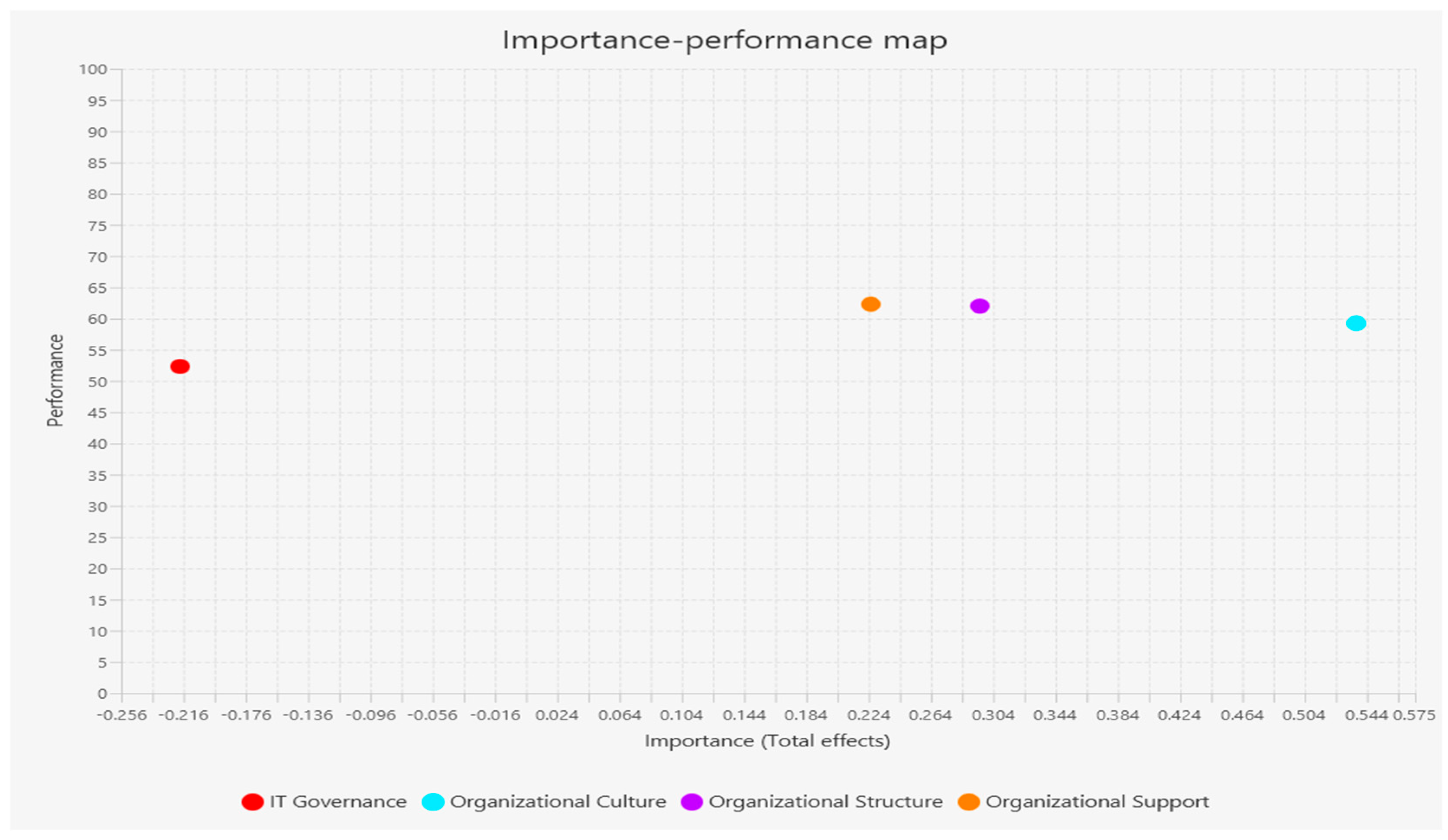

Disclaimer/Publisher’s Note: The statements, opinions and data contained in all publications are solely those of the individual author(s) and contributor(s) and not of MDPI and/or the editor(s). MDPI and/or the editor(s) disclaim responsibility for any injury to people or property resulting from any ideas, methods, instructions or products referred to in the content. |
© 2026 by the authors. Licensee MDPI, Basel, Switzerland. This article is an open access article distributed under the terms and conditions of the Creative Commons Attribution (CC BY) license.