


Abstract
The evolution of digital technologies is reshaping parliaments worldwide, driving fundamental changes in their operations. Parliaments, being traditionally conservative institutions, typically lean toward “mature” emerging or disruptive technologies through cautious, incremental digital transformation attempts, resulting in complex digital parliamentary environments for their users, processes, systems, and tools. The paper employs an integrative literature review as its methodological tool, examining the concept of the “digital parliament” and the technologies that enable it. Using a PRISMA-informed methodology as a guide, we conducted an integrative review covering the period 2006–2025, and in this context, we retrieved 535 publications, screened 260, thoroughly examined 57, and analyzed and synthesized 34 studies addressing digital parliamentary technologies, digital platforms, and cooperative workspaces. We found that while specific parliamentary technology (ParlTech) applications—including big data analytics, artificial intelligence (AI), and hybrid parliamentary tools—are reaching institutional maturity, the concept of a digital parliament remains fragmented, lacking a unified definitional and operational framework. Key research gaps have been identified concerning user classification, the digitization of parliamentary functions, operations, and processes, as well as the institutionalization of cooperation platforms. Based on these findings, we propose strategic directions toward establishing a responsible, inclusive, and evidence-based digital parliament. This research contributes as a guideline for parliamentary organizations seeking to create, retain, and disseminate public value through the responsible adoption of emerging digital technologies.
1. Introduction
In modern democracies, parliaments are one of the main points for the design and adoption of effective legislation measures, utilizing “legal informatics” databases, tools, platforms, and applications to support evidence-based policies [1,2,3]. Parliamentary stakeholders act as their main users, which face diverse but innovative political, administrative, technological, organizational, and digital challenges [4,5,6,7,8,9], including, among others, hybrid representation models [10] and disruptive technological evolution [11]. Parliaments are increasingly required to facilitate inclusive, participative democracy and transparent dialogue involving all these users in the policy cycle, supported by ethical and moral standards, learning capacities, and solutions grounded in multiple forms of knowledge [12,13,14,15,16]. Today, in several parliaments, this process relies on digital strategies that enable transparent evidence-based policymaking [17].
To implement these strategies, parliaments rely on the extensive use of cooperative digital platforms and an expanding set of digital tools, apps, instruments, and concepts [18]. In these environments, we observe information and communication technologies (ICT), digital technologies (DT), or even emerging technologies and innovative methods to manage societal complexity and provide new approaches beyond traditional “analog” ones [19].
This article provides a broad synthesis of digital parliamentary evolution approaches, enabling technologies, and institutional implications for determining possible directions for the future of representative institutions and their digital environments. The underlying study builds upon ongoing research on resilient digital parliamentary platforms and their technical-organizational design; here, we concentrate on the wider institutional and conceptual framing. These series of studies are part of a continuous research effort in the wider field of digital parliamentary studies. Given the ongoing digitalization of parliaments, the current study analyzes the evolution of ParlTech trends [20] and the integration of DT in parliamentary operations. Our research moves beyond traditional legal informatics and the narrower “e-parliament” terminology, which focuses on the use of ICT technologies to support and improve existing parliamentary processes [6,21,22]. A broader, more integrated concept of the digital parliament is used, which applies transformative integration of digital technologies, reshaping the functioning of parliamentary democracy [20]. By adopting this perspective, we can determine the specific steps required to establish a sustainable digital parliamentary environment.
For this reason, an integrative literature review will be used in the following sections. Following an initial gap analysis, several research gaps were identified in the field of digital parliament, digital parliamentary environment, and the supportive digital technologies. Specifically, we identified shortcomings such as limited public engagement [23], static digital applications [24], differentiation of the parliamentary communication instruments [25], limitations for parliamentary data and digital services [26], and ineffective use of digital parliamentary tools [27]. To address the existing gaps in the literature, this study makes three distinct conceptual and practical contributions that significantly differ from prior reviews [11,28]:
- Theoretical advancement beyond the “e-parliament,” as previous papers heavily focused on traditional “e-parliament” models driven by basic ICT and online citizen communication.
- Holistic mapping of the digital environment rather than isolating individual emerging digital technologies.
- Strategic guidelines with evidence-based implications for parliamentary administrations to safely govern AI integration.
Based on these preliminary findings, this study formulates three research questions (RQs):
RQ1:
Which is the evolution of the term “digital parliament” in the last decades? Is it a feasible concept that is acknowledgeable, is valid, and has an institutional character?
RQ2:
Which digital technologies can be effectively incorporated into a digital parliament?
RQ3:
Which are the basic elements of a digital parliamentary environment? Is there any classification among the users, the information systems, the parliamentary functions, and the tools engaged?
Assessing the conceptual evolution of the digital parliament (RQ1) is inherently dependent on understanding the applicability of disruptive technologies (RQ2) and the ingredients of a digital parliamentary environment (RQ3).
This research raises additional secondary considerations regarding the sequence of DT deployment, as well as the specific roles of intra- and extra-parliamentary users in a digital parliamentary environment. We further examined which digital platforms, tools, and applications best facilitate user collaboration.
The goal of this study is to establish a structured approach for parliamentary digitalization. Its outcome aims to help parliamentary organizations create and support public value in a digital world through the controlled adoption and regulation of emerging disruptive technologies [29] as a subset of DT. In this sense, the article not only reviews recent findings and identifies research gaps but also proposes a set of directions as main pillars for the creation and gradual consolidation of a responsible digital parliamentary environment.
The remainder of this work is organized as follows: Section 2 outlines the methodological approach for an integrated and not purely systematic literature review on the topic; Section 3 outlines the qualitative and quantitative findings; Section 4 defines the “digital parliament” concept; Section 5 scrutinizes commonly utilized digital technologies; Section 6 elucidates users, tools, and platforms; Section 7 offers a detailed discussion of the presented concepts; ultimately, Section 8 concludes the study and suggests future work.
2. Methodology
2.1. Methodological Framework
The methodological approach is defined by a sequential three-tier framework based on Cooper taxonomy [30], Snyder guidelines [31], and Torraco synthesis [32], while utilizing PRISMA strictly as a reporting guideline [33]. An integrative approach is necessary to critically synthesize diverse research outcomes of different research domains, such as legal informatics, digital technologies, and parliaments, and assess the maturity of these concepts. In the following, we present how the principles of Cooper taxonomy, Snyder guidelines, and Torraco synthesis were applied in this research, while in the rest of the section, the source identification, selection, evaluation, analysis, and synthesis procedures are described.
2.1.1. Foundational Design (Cooper’s Taxonomy)
The initial research structure was based on a structured taxonomy [30], operationalized through the following six axes:
- i.
- The focus was placed on the outcomes and methods of the research papers, with emphasis on practices for the creation of digital workspaces or platforms in public organizations, especially in parliaments, that follow inclusive or participatory organizational processes and run digital tools suitable for all users.
- ii.
- The goal is to integrate and synthesize research outcomes across different domains (digital technologies, digital transformation, and inclusiveness) from an integrative perspective, accessible to all users or stakeholders, with emphasis on their processes/tools and platforms/workspaces.
- iii.
- The perspective has a neutral representation of literature-based interpretations by researchers worldwide.
- iv.
- The coverage strategy includes research papers that are representative and correlated with several research works, mainly from journals in several research fields (e.g., disruptive technologies, knowledge management, e-participation, and performance measurement), in addition to the selected research domains (e.g., digital platforms, digital technologies, transformation, and inclusiveness).
- v.
- The conceptual organization of the papers uses the research themes’ abstracts in chronological order.
- vi.
- Finally, the audience addressed could be categorized as policymakers, decision-makers, stakeholders, and specialized research audiences in e-governance and parliaments and additionally in management science.
2.1.2. Literature Review Execution (Snyder’s Guidelines)
Using this taxonomy as a foundational framework, this study followed a set of concrete steps to conduct the review. These steps address the phases proposed by Snyder [31]: design, conduct, analysis, and structuring/writing. The latter implies that a PRISMA-informed [33] set of guidelines for an integrative review should be utilized.
A thorough scan of research domains was conducted to assess existing works, enabling the authors to refine the research questions. An integrative approach was used to identify the research domains, as noted before in the methodological framework. So as the domains are rather broad and cover different aspects, the final approach may have some overlap(s). Hence, the domains were grouped via neutral research expressions or hyper categories that constitute the main themes of the current research review (e.g., users, achievement, outcome, dimension, measurement, and mean) to help us find a common research area.
2.1.3. Knowledge Synthesis (Torraco’s Integrative Framework)
Finally, we apply Torraco’s guidelines for integrative reviews to critically analyze the selected literature and identify future directions.
2.2. Eligibility Criteria
The search focused on the four primary keywords: Digital, Parliament, Platform, and Workspace. The specific search string(s) included (“parliamentary technology”) AND (“parliament workspace/platform”) AND (“digital parliament”), limited to English-language articles, conference proceedings, and book chapters published between 2006 and 2025.
2.3. Information Sources
Papers were selected primarily from Google Scholar (years 2006–2025) and relevant conference proceedings and institutional websites, such as the International Parliamentary Union (IPU) that were found in the records retrieved from Google Scholar. In addition, specific studies were identified through the analysis of the review papers found during the data collection process. The initial identification phase yielded 535 records, including articles, books, and other published texts (e.g., studies, position papers, and working papers). At this phase, we had field restrictions, screening only for authors, dates, type of publication, title, abstract, and keywords. After removing duplicates and records from previous research, an assessment of a 260-paper batch was conducted to ensure that the identified research gaps in these studies aligned with the research questions. This screening process allowed us to test the above search terms and the application of inclusion/exclusion criteria. After the exclusion of 206 papers based on Table 1 criteria, 57 papers were thoroughly retrieved, screened, and analyzed. As a result, the main screening phase contained these papers for further retrieval.
Table 1.
Overview of criteria for paper selection.
2.4. Data Collection Process
The data collection process took place between November 2023 and February 2024, with a final update in October 2025. From the 57 selected articles, a database of 42 papers that fulfilled the initial eligibility criteria was created. At this stage, three papers were excluded due to insufficient relevance to the four primary keywords, their “strings” in their abstracts or in the keyword sections. Subsequently, 39 papers were retained for detailed classification; of these, 34 met the holistic topic criteria described in Table 1 and explained thoroughly in Table 2 and were included in the final synthesis.
Table 2.
Major research themes and their keywords
2.5. Data Items Initialization
The database includes all metadata extracted during the data collection process (e.g., topics, keywords, themes, methods, outputs, shortcomings, and publication types), providing a repository of all relevant research articles, studies, papers, etc. During the main screening process, specific phrases, paragraphs, and sections were identified that synthesized the initial input and directly addressed the research questions.
2.6. Justification of Synthesis Methods
The evaluation of the research findings followed the guidelines and steps proposed by Snyder [31] to assess the status of digital parliamentary platforms and workspaces and their environment. A multidisciplinary approach was adopted, utilizing a critical synthesis pathway. Rather than covering every article in the broader domains (e.g., knowledge management or digital transformation), it focused on their intersection with the core concept of the “evolution of the digital parliament,” with particular emphasis on digital parliamentary workspaces and platforms, the technologies, and the whole environment. Common research grounds and sectors were searched, with emphasis on “digital parliamentary workspaces or platforms”.
Based on the keywords and the research questions (RQ1–RQ3), a set of research themes was further defined (i.e., clusters of keywords under a broader category), together with the relevant research topics (i.e., digital, technologies, and platforms/workspaces/systems). The analysis is primarily qualitative, while also including quantitative elements (e.g., keyword classification and associations between keywords, topics, and themes). This synthesis allows us to identify further research gaps and validate the RQs.
The overall aim of this research is to conceptualize an advanced research framework that integrates the domains and the areas most relevant to the research questions. Therefore, the focused integrative literature review approach was adopted, following these steps: (1) research domain identification, (2) research paper selection, (3) paper classification and relevance assessment, (4) data extraction, and (5) data synthesis and integration.
2.7. Selection Process
Following this framework, a single-step method was applied to determine how integrated digital workspaces and platforms can be incorporated into parliamentary processes and operations. The existing knowledge was categorized by keywords, themes (clusters of related keywords), and topics (high-frequency keywords). To ensure a detailed synthesis, papers focusing on a single topic or combining fewer than three keywords were excluded. Additionally, the search was limited to works published after 2009, except for three foundational references on ICT evolution. The selection process was conducted manually to ensure an incremental and qualitative approach to the current study.
To minimize subjective bias during the selection process, the coding categories established in Table 1 were strictly mathematically operationalized. A keyword was coded as “strong” if it maintained a consistent presence throughout the entire research paper, whereas it was coded as “light” if it appeared fewer than two times. The “holistic” inclusion criterion required a high correlation between the primary keywords and the broader research themes (e.g., greater than 75% presence and accuracy). The research team applied cross-checking to reach a consensus on study relevance, ensuring that the transition from the initial screened records to the final synthesized papers was driven by systematic inclusion logic rather than arbitrary selection.
2.8. Data Evaluation Process
Using Table 1 as a reference, a database was developed containing 39 initial papers, excluding 5 papers that do not meet the holistic topic criteria, resulting in the final selection of 34 papers. Initially, foundational articles on ICT and the e-parliament concept were identified, followed by a targeted search for keywords related to the RQs, with the goal of the “digital parliament” evolution, as mentioned before. It must be noted that before the final selection and data evaluation process, 11 out of 34 papers were not considered as highly important or relevant to the RQs and the wider review purposes. This important note indicates the need for the use of PRISMA guidelines.
2.9. Data Items
The most significant data items (themes, keywords, and their deeper correlations) from this literature review are summarized in Table 2. Ultimately, the review was structured around 11 research themes and 26 supporting keywords, which constitute substantial supporting material for the RQs’ discussion at the end of this journey.
2.10. Synthesis Methods
To summarize, we identified 535 publications, screened 260, retrieved and examined thoroughly 57, and, finally, analyzed and synthesized 34 studies. The entire selection and synthesis process is summarized in the following graph, which follows the PRISMA 2020 flow diagram [33], which is illustrated in the following Figure 1. Out of the 535 records initially located, 365 belong to Google Scholar records, 100 + 10 derived from selective websites + organizations (e.g., IPU and ECPRD), and 60 from search engine results. In total, 275 records have been removed as not relevant, duplicates, or relevant to other research attempts. So, 260 records have been screened thoroughly. The research team excluded 203 that are not compliant with the criteria presented above. At the end of screening, 15 out of 57 records have not been retrieved as irrelevant, as their input was not answering the three RQs. Finally, 8 out of 42 records have been excluded, as they lack usable results.
Figure 1.
PRISMA flow diagram.
3. Results
3.1. Analysis
The 34 reports adopt a binding and holistic approach that covers all RQs and research themes. In these studies, keywords or sets of keywords such as “Users,” “Process/Tools,” “Government/Parliament,” “Performance,” and “Inclusive/Participatory” serve as primary research topics, on top of the three initial research keywords. These keywords were integrated into five broader or hyper-research themes as holistic. Therefore, the synthesis of these results addresses not only the three primary research questions and their topics. For this reason, a narrative is further developed in the Discussion section, above and beyond its primary introduction at the end of the current chapter.
It is observed that over 90% of the reports, articles, studies, and papers intersect with other research domains, specifically focusing on digital technologies, user interaction, and performance measurement (efficiency and effectiveness) in parliamentary operations. The term “digital parliament,” or related terms such as combinations of “ICT,” “digital,” and “parliament” or “e-parliament” (see Section 2.3 for the strings used), appeared in 100% of the selected reports, alongside terminologies related to inclusive and participatory models and users’ engagement. While the terms “platform,” “workspace,” or “systems” are present in 95% of the literature, they lack a strong correlation with their overarching themes and show limited interrelations among them. On the other hand, while “users,” “performance,” and “inclusivity” maintain a significant presence (up to 80% in some cases), they are less dominant as core themes compared to “government/parliament” and “process/tools,” which appear in approximately 100% of the 34 papers batch. Finally, it should be highlighted that the term “digital” maintains a strong presence in 44% of the analyzed papers.
According to the findings, 34 papers—comprising journal articles (58%), conference proceedings (27%), book chapters (12.5%), and workshop papers (2.5%)—could be further synthesized. Only 15% of them are reviews and surveys, as most of them are reports (25%) and comparative opinions (35%), with 20% having a perspective type of publication. It must be noted that one third of them are published in Q1 journals. These papers cover the primary domains, themes, and keywords identified and presented in Table 2. Their synthesis will be based on them, with emphasis on the main keywords (e.g., digital, parliament, technology, users, systems, and tools).
3.2. Synthesis
A database [34] of the reviewed literature has been created with an initial coverage and analysis of the RQs’ characteristics (e.g., results, shortcomings, and research areas). The data analysis suggests that while the concept of the “digital parliament” remains vague, the discourse surrounding digital technologies, with emphasis on emerging ones, appears more mature. In recent years, various attempts have been made to identify the essential elements of a suitable, sustainable digital environment, although these efforts have revealed significant research shortcomings with missing areas or research gaps with limitations, without clear definitions and concepts. From the qualitative and quantitative analysis of these papers, we observe that the items that identify a digital parliamentary environment (e.g., tools, apps, and systems) are thoroughly described in 85% of these reports, although they are not standardized. Additionally, approximately 25% of these papers focus on a variety of disruptive technologies, presenting their characteristics and applications in parliament’s digitization. Since 2022, special emphasis has been placed on the field of AI-related technologies. However, the concept of digital parliament has not been institutionalized with a single meaning, so it remains weak in these reports despite its permanent presence for the last five years.
All 34 selected papers fall within the governmental/parliamentary research dimension, and keywords like “process/tools” were identified across the full set of papers. To synthesize the findings, the retrieved literature necessarily included the term “digital” (or related terms such as “e-parliament” or “smart parliament”). In addition, technology as a broader theme and its corresponding keywords (e.g., DT, emerging, and disruptive) were considered essential to this synthesis. Finally, the users’ theme was treated as a major research dimension; therefore, at least one user-related keyword reported in Table 2 was included in the synthesis.
In total, 40% of the selected papers emphasize the term “digital parliament,” but shift the focus toward disruptive rather than traditional technologies [21,35,36]. Additionally, AI in parliaments has emerged as a dominant topic during the last five years [37,38,39,40], yet the wider spectrum of digital technologies in parliaments has broadened significantly. Finally, it observed that there is a significant effort to identify the elements for the creation of a digital parliamentary environment. The overall synthesis consists of consolidating all identified themes and their respective keywords into a single narrative report.
The following sections present the research findings that synthesize the emerging topic of “digital parliament evolution” through a user-centric perspective. These sections also explore the use of inclusive user-centric digital technologies, platforms, workspaces, and systems. To achieve it, the parliamentary operations are correlated with the processes and tools utilized within the digital parliamentary environment, as derived from the selected papers and their references.
4. Parliamentary Operations in a Digital Parliament
Based on the initial results of the review, there is a recent striving to accelerate digital transformation and structural change across parliamentary institutions [35,41]. Comparing the review results with Inter-Parliamentary Union (IPU) surveys and the last e-Parliament Reports, there is an increasing use of digital services, platforms, or digital tools by parliaments. The parliamentary operational processes are using more and more digital technologies for publication and dissemination, with open access for their users [21,35,36,42]. Parliament’s digitalization improves users’ (citizens, parliamentarians, and other legislators) access to legislative data and information [24]. According to the IPU, the term “digital parliament” is strongly correlated with the term “e-parliament.” [21,35]. It gives greater emphasis on an advanced ICT approach, with a plethora of digital strategies and an increasing use of emerging technologies [41]. For this reason, the Digital Maturity Index (DMI) has been introduced as a new benchmarking tool to help parliaments assess their progress across key areas with a predictive digital divide [35].
In recent years, despite discussions about virtual parliaments, especially during the COVID era [10,43], a core challenge remains: to encourage, support, and operate parliaments that create a networking culture for our democratic systems’ representation, even with hybrid (blended physical/virtual presence) models [4]. Originally, being physically together in one space seemed to be the best way to develop networks, discuss ideas, hold debates, cast votes, and build consensus on public issues. However, the new experience of conducting operations virtually is likely to have a lasting legacy [5]. As parliaments need new procedures for their operations, hybrid functions can be linked with a virtual parliament, where digital tools, applications, and platforms are combined and utilized within a digital cooperation environment [44]. Holding virtual inquiry committees, for instance, that provide evidence via teleconferencing is certainly more convenient and cost-efficient than organizing their physical counterparts.
Based on IPU reports for the e-parliament [36], there is a core group of the main parliamentary operations that are closely related to ICT, with the following six broad categories:
- Infrastructure Services Applications and Training,
- Legislative Documents and Information,
- Libraries and Research Services, Parliaments Online,
- Communication between Citizens and Parliament,
- Inter-parliamentary Cooperation,
- Core Parliamentary Functions Support (Plenaries, Committees).
However, there are still missing elements to enable a fully functional digital parliament, as parliaments should review their operations in the new digital world [45]. Therefore, parliamentary operations could be based on a broader digital transformation framework for the creation of a digital parliament [20]. A digital parliament needs a digital strategy [1], strong capable leadership, stakeholders’ engagement, reliable and open data with a set of minimum digital technologies and reliable infrastructure [35], and an operational plan with a roadmap as a monitoring instrument where an evidence-based parliament (EBP) should be the priority [17].
A clear implementation and operational plan (roadmap) with measures inevitably needs to include e-legislation actions, legal informatics applications, and digitalized parliamentary operational procedures, among other operations. EBP is stated as a priority for a fully operational digital parliament, where data are handled and transformed into information [2] and knowledge is the proof of this evidence [13,46].
Nevertheless, it seems unfair to discuss the relationship between parliamentary operations and digital technologies while leaving the digital gap between low- and high-income countries outside of the equation. In most parliaments, there is such a gap where, on one hand, ICT tools, actions, and services could support the values and goals of parliaments, but current implementation progress lags behind initial expectations [47]. It must be noted that this gap could be determined, especially in countries with lower income levels, and it has implications not only in the efficiency of parliamentary operations and functions but also in the relations between parliament and citizens. To fill this gap, parliaments are trying to use more user-friendly digital tools or applications based on digital media [25] or engage citizens [48]. It is also essential to extend the knowledge bases that allow them to organize all relevant internal and external information resources into a coherent system that facilitates parliamentary work for all members, staff, and the public [49].
5. Digital Technologies for Parliaments
The data, digital tools, information systems, parliamentary services, and digital technologies can be classified under the general notion of ParlTech and may have several facets and different scopes to address the aforementioned policymaking challenges based on a certain digital framework [20]. The proposed digital technologies have been mapped into the parliamentary process and functions, effectively transferring them into the parliamentary working environment. Among the digital technologies surveyed [20], the following were relatively mature (between 2.8 and 3.5) and useful (between 3.2 and 3.8) on a Likert scale (0–5).
The most favourable combination of technologies could be achieved through big data analytics for linked open parliamentary data (BOLD) and augmented reality (AR) or mixed reality (MR) for a virtual (VR) or, even better, a hybrid parliament. Although social media analytics (SM), legal and compliance analytics, and digital transformation are also equally promising, in parallel, machine learning (ML), Internet of Things (IoT), and blockchain are not very attractive or understandable to parliamentary users in comparison with the previous ones. AI, for the last three years, as stated above, is gaining space in the parliamentary environment.
Big data analytics for linked open parliamentary data (BOLD) enables organizations like parliaments to create personalized services that target user needs and generate multi-stakeholder value [50].
Augmented reality (AR) and mixed reality (MR) for a virtual or hybrid parliament [10,44] are horizontal technologies that enable improved customer experience and facilitate user/citizen participation [51]. AR/MR may transform traditional practices (e.g., training), methods (e.g., organization/citizen interaction), and processes (e.g., management and quality assurance) [52] and also into participatory activities that the public sector and the citizen participate in, especially in environments that focus on user experience [53].
Social media analytics (SM) in parliaments is related to social data, something that has been examined through several projects, attempting to detect how citizens react and understand political agendas [54,55,56].
Legal and compliance analytics assist parliamentary users to analyze legal rules and make decisions based on legal and regulatory documents [57], offering interoperability solutions, new integrated tools [58], and services suitable for parliaments.
Rapid digital transformation [59] transforms the major parliamentary business functions and creates a collaborative parliament consisting of composable and adaptable APIs [60,61], also promoting parliamentary operational transformation using technological advances (e.g., cloud, digital identity, and digital lifestyles).
AI dedicated to legal issues [37,62] and machine learning (ML) are key technologies for managing information resources and enabling the automation of e-government tools and services [63]. AI adoption in public organizations enables the organizations and their interconnected organizational counterparts to explore data and utilize the prediction power of AI for the common good and better citizen services [64]. AI-enabled data handling and support for data-driven policy formulation in public organizations are an important technological pillar and an applied tool for digital transformation [28].
Rapid deployment of automated technologies and generative AI (GenAI) in national legislatures brings significant efficiency to policy creation but simultaneously raises severe constitutional and regulatory challenges [40]. For instance, in the Italian parliamentary scene, GenAI is leveraging its complex legislative process as a powerful instrument of EBP via rapid digital transformation [40].
AI applications—such as automated speech recognition in Estonia and Portugal or the amendment-filtering AI in Italy—enhance legislative efficiency. But there are several concerns regarding democratic integrity and national sovereignty that demand strict safeguards and an explicit normative legal framework to protect the benefits gained through increased efficiency with the use of digital technologies [65].
Recommender systems (RS) in parliamentary settings could also utilize adaptive machine learning [66] to filter the information for policymakers. In recent years, AI in parliamentary contexts has attracted growing research interest, with several proposals for a dedicated R&D agenda [37,38,67,68].
Internet of Things (IoT), dedicated especially to the parliamentary environment, has enabled the deployment of applications that collect data from connected devices and smart sensors [69]. Also, in closed-connected organizations, IoT technologies support decision-making delegation to smart objects, thus enabling a fully interconnected decentralized collective intelligence [70].
Blockchain enabled smart legislation applications in the field of parliamentary voting systems [71]. It has also been introduced as the technology for decentralized information platforms in public governance [72].
Trying to cover all the digital technologies from a broader perspective, we can use the term business intelligence (BI) for the collective processes that aim to exploit information for improving decision-making. BI adoption in public organizations requires anti-fragile management that can fully integrate automated decision systems and BI processes to enable robustness against disruption [73]. BI adoption enhances the digital transformation output in terms of effectiveness and efficiency through informed action-taking for short-term tasks to policymaking for the future [74]. BI, as part of organizational intelligence via digital transformation processes, is demanding and complex in the public sector (e.g., parliament) to be efficient and effective through a participatory process [75,76].
Despite the nearly universal adoption of social media by 98% of parliaments, effective public engagement remains a significant challenge [35]. SM analytics are a cost-efficient tool for gathering “valuable ideas, knowledge, and opinions” during the policy formulation phase [55]. The digital tools mentioned before create “substantial volumes of cross-party interaction” [77], so parliaments now need AI to handle the massive influx of citizen data generated by these social media platforms. The prioritization of AI-based technologies within the parliamentary environment [67] should discuss controversial limits, regulate where necessary, and design the solutions proposed [68] for the adoption of democratic innovations in a user-centered environment [11].
Based on the above results, the users/stakeholders (MPs, citizens, policymakers, governmental officials, scientific advisors, administrators, and others) need to apply a complex approach to integrate policymaking tools with these emergent digital technologies within the parliamentary environment. To accomplish the digital technology integration, it is essential to switch between different functions, tasks, and applications at the same time when completing the different phases of the whole policymaking process cycle.
The set of digital technologies presented above is the main batch of technologies ready for adoption by society and businesses and the main driver for a digital transformation in public organizations like parliaments.
6. Parliamentary Cooperation in a Digital Environment
Intra-parliamentary digital systems and ICT tools are recognized nowadays as invaluable operational elements of any modern parliament. Among others, they internally link various parliamentary departments and seamlessly guarantee access to information for civil servants, parliamentary administrators, and parliamentarians, while linking the latter to advisory services. Recent findings also underline the need to support inter-parliamentary collaboration and empower innovative actions [36]. In other words, solving complex problems through intra- and intercollaboration can save time and resources and drive innovation faster with the use of the emerging digital technologies [59].
Collaboration through digital cooperation frameworks in virtual spaces or environments is a trend that tends to replace traditional means and bureaucratic instruments. In this sense, a possible equilibrium between classic bureaucratic parliamentary tasks and electronic/automated legislative processes should be established [17]. Hence, public organizations like parliaments seem to display increasingly complex and hybrid behaviour in the sense of following a digital-first, virtual, and human-centric approach to their operations [4,78]. At the same time, their users and stakeholders try to impose a variety and plethora of ideas, sometimes conflicting ones, considering several requests and demands based on other structures and cultural elements [79]. However, digital democracy is not a panacea, and hybridization is not the ultimate tool or the durable process to achieve it, as there are participation inequalities [4].
The ParlTech framework [20] was an effort to enhance this collaboration and digital cooperation, primarily dedicated to parliaments via a specialized set of tools, platforms, and processes, where emerging digital technologies drive societal disruption. Other scholars [80] have proposed broader technology-integrated frameworks in which unified information systems and platforms function without clear distinctions between their components. So, in this digital environment, there is an increasing need for new infrastructures, updated skill sets, organizational capabilities, and creativity to capitalize upon the opportunity of ICT evolution [81]. It could be based on a sound, clear digital strategy for the creation of an EBP digital environment [17].
Taking the above into account, the current research, through this review, seeks to investigate the interconnections between the various building blocks, systems, functions, processes, and applications of all digital parliamentary cooperation platforms. These elements may include strategies, systems, tools, and technologies integrated into larger infrastructures, as ICT fundamentally impacts every component of the parliamentary ecosystem [82]. On top of that, parliaments must develop organizational capabilities for knowledge creation for the development of a “digital parliament” [14].
Developing a concept like “digital parliament” necessitates the enablement of efficient workflows and sustainable collaboration within these platforms [35]. These tools typically include cooperation platforms—spanning social, collaborative, and virtual environments—that offer innovative services to meet emerging societal and organizational demands [83,84]. Thereby, they are enabling parliaments to reach higher performance targets and meet digital strategies’ goals. Notably, the concept of the “digital platform” encompasses various web services associated with the “sharing” or “gig” economy and data-driven business models [85]. This business-centric perspective must also be considered when viewing parliaments as modern, evolving organizations. These innovative parliament-to-citizen services should be exploited further, as they contain citizen participation workflows and, in parallel, political, organizational, and legal issues in the parliamentary environment [22].
The parliamentary working environment is changing via digital transformation measures, frameworks, strategies, and advanced digital technologies integration, but the absence of dedicated governance and ethical frameworks poses significant risks, especially in the case of AI use [67], where only 11% of parliaments are bound by laws regulating the use of AI, and a mere 14% have established internal procedures or regulations [35]. Currently, there is also a critical need to adopt modernized methods of communication and cooperation while simultaneously transforming traditional or bureaucratic operational models that are used in parliaments.
In all cases, rapid technological shifts are compelling parliaments to prioritize their digital transformation strategies and frameworks [17,20,24,41,86]. More than 68% of the parliaments declare the ownership of a multi-year digital strategy correlated with digital transformation actions for 73% of them. Meanwhile, it must be noted that digital transformation is not just a technological challenge but a deeply cultural and political one. Institutional resistance comes from several stakeholders like MPs [23], and 44% of parliaments cite their internal culture as a major barrier to digital transformation [35]. For this reason, as parliaments modernize and transform their operational and business approaches within the adoption of digital transformation frameworks and digital strategies, they are increasingly involving their users (citizens, MPs, and key stakeholders) and have an extensive portfolio of digital tools designed to enhance these communities’ interaction.
For example, since the emergence of e-participation platforms in the early 2000s, various ad hoc concepts have been implemented to facilitate varying degrees of citizen engagement in decision-making [54]. In fact, recent global assessments reveal that only 35% of parliaments have a formal strategy for online public participation, and only 54% of them exchange data with external services and stakeholders [35].
However, a recent review [87] highlighted the need for research focusing specifically on the organizational and institutional factors of e-participation. In this context, the role of public administrations must be further elaborated alongside the three necessary criteria for an effective platform operation: legitimacy, transparency, and influence on policymaking [88]. Beyond identifying barriers and drivers for proper digital parliamentary environment institutionalization, that study concluded that high levels of procedural formalization can enhance platforms’ legitimacy. To overcome these resource and participation barriers, some modern legislatures are turning to crowdsourcing, which is an efficient system with advanced tools to handle complex parliamentary data via experts’ networks [89]. In parallel, organizational design, ownership, and stakeholder collaboration were identified as critical factors for long-term operational sustainability.
Numerous case studies illustrate that e-participation platforms are facilitating the interaction between parliaments and citizens. However, data from the IPU Parline platform (Global Data on National Parliaments) [90] indicate that only one third of all parliaments (unicameral and bicameral) are active in the e-participation field. Only 92 out of 288 of them allow citizens to comment on draft legislation via official websites. On the other hand, 50% of them allow the access of the public in committee meetings and, of course, full access to their plenary meetings, with 42% citing a lack of citizen digital skills as a major barrier [35]. For example, while Estonia has seen success in e-governance and e-voting, the “Estonian paradox” suggests that e-democracy initiatives struggled because politicians lacked commitment to the transformation and citizens did not fully adopt the available technologies [91]. Similarly, Brazil’s e-democracy platform, established in 2009, successfully encourages participation, yet its impact remains limited by the need for greater policymaker engagement with the platform’s functionalities [92]. These cases highlight the persistent challenges in achieving inclusive, effective, and efficient ICT utilization across all stages of the policymaking process [18].
Further examples exist regarding inter-parliamentary digital cooperation involving diverse stakeholders. For instance, the participation in the IPU’s Centre for Innovation in Parliament (CIP) increased from 27% in 2020 to 45% in 2024 [35]. In Argentina, the “Change of Roles” program—developed by the Circle of Legislators of the Nation (CLNA) in collaboration with numerous universities—serves as a testing ground for new technologies. The activity, led by university students, reproduces the entire legislative process, from initial drafting to final adoption, including all intermediate procedural phases of the policymaking cycle. Another significant contribution to the global parliamentary community is the “World Constitution Comparator” developed by the Library of Congress of Chile. It allows user-friendly access to constitutional texts from 194 countries across 326 databases, including 142 translations [93].
Within the European context, inter-parliamentary cooperation is based on various analog and digital platforms for administrative collaboration [94], as 49% of surveyed parliaments participate in the European Centre for Parliamentary Research and Documentation (ECPRD) [35]. These platforms facilitate formal and informal information exchange, regular meetings, and document sharing among MPs, scientific advisors, and administrators, improving interaction between national parliaments. During the COVID-19 pandemic, this international collaboration became more frequent, accelerating the development of digital solutions and mitigating their implementation risks [36]. These use cases highlight several critical research questions:
- Which digital technologies are most applicable?
- How can we classify the various actors (users) and their relationships?
- Which parliamentary functions can be effectively supported?
The current research aims to illustrate the complexity of these issues along with the facts and elements presented in the previous paragraphs. It is a universal approach to institutionalizing the digital parliamentary workspaces and platforms in a user-centered environment. Table 3 summarizes the findings to date, mapping parliamentary operations against the most relevant emerging technologies and their respective user groups.
Table 3.
Digital technologies for parliamentary operations and their users.
Based on IPU data, the assignment of “hybrid” models to core and online parliamentary functions is justified by the pandemic-driven surge in remote operations [41]. Core parliamentary functions are supported by hybrid models that encourage the combination of online and offline settings and legal analytics of big data. For legislative documents and information management, the integration of AI, ML, and BOLD is essential for handling massive datasets. Similarly, libraries and research services depend on legal analytics and structured legal informatics databases to supply MPs. Infrastructure and training span across all technological domains. Online parliamentary presence requires not only the hybrid models but also social media and decentralized information platforms (DIP) establishing public confidence and data integrity for successful citizen–parliament communication. Blockchain is also a smart technology in the field of parliamentary voting systems [71].
Finally, hybrid models and BOLD remain also the main technologies for inter-parliamentary cooperation. This is supported by IPU findings that parliaments must harness massive datasets to improve the overall quality of the legislative process and make post-legislative scrutiny more objective and evidence-based [41].
It is evident that emerging digital technologies are systematically embedded across a diverse range of parliamentary operations to achieve better public value and enhance overall organizational performance [11]. Evidence confirms that legal informatics and AI tools advance the analytical capacity of parliamentary administrators, enabling evidence-based policymaking by efficiently processing vast amounts of legislative text [39]. Specific implementations, such as AI-powered intelligent document searches and RS, are currently highly prioritized for modernizing parliamentary libraries and streamlining complex decision-making [38]. Additionally, the integration of BOLD and hybrid platforms effectively bridges core parliamentary functions, supports inter-parliamentary cooperation, and directly increases institutional transparency and administrative efficiency [1]. Furthermore, these technologies are proven to facilitate and transform direct citizen–parliament communication [95,97,99].
Because there is no universal “turnkey” solution, this comparative assessment demonstrates that parliaments must strategically combine these adaptable, user-centric technologies to effectively institutionalize their digital workspaces [1,67].
7. Discussion
In this section, we synthesize the primary findings, alongside the persistent shortcomings, thematic gaps, and results used from previous research attempts for the identified research domains. This section combines these elements into a structured narrative per RQ that directly responds to the evolution of the “digital parliament” concept (RQ1), the applicable digital technologies (RQ2), and the core elements and components of the digital parliamentary environment (RQ3). This work provides the analytical bridge between the literature review and the final mapping of the 34 studies as a summary and input for further actions and not only as conclusions. Most of them are primary research, as only 15% of them are surveys or reviews, so the current analysis could be used as a basis for new research efforts.
Based on the evaluation of data [34] from 34 selected papers, a specific, more concrete meta-analysis could be used for our discussion. From the analysis presented in the tables, the usage of the term “digital” is rather weak (strong presence is limited to 45% of the papers), but during the last five years (2021–2025), it is frequently used in the interrelated research areas. Terms like ICT in parliaments, legal informatics, and e-parliament were dominant and frequently used over the past decades (2000s and 2010s), as the term “digital parliament” is rather new and its use has proliferated during the last five years. More specifically, during 2006–2016, the “e-parliament” concept was heavily associated with utilizing basic ICT as a technological and organizational infrastructure [14]. The transition to a “smart parliament” and the introduction of digital transformation frameworks (2017–2020) reflect an effort to expand both the technological and organizational dimensions of parliamentary modernization. Digital parliament was used along with disruptive technologies, and ParlTech (2021–2026) marked an acceleration in the field’s advancement from traditional ICT framing toward a disruptive technology discourse. “Disruptive technologies” with emphasis on AI is the dominant area for 23.5% of the selected papers, 12% with digital communication, 9% dealing with social media, and 6% with ICT. The rest covers a wide spread of research and technology domains (e.g., innovation, transformation, knowledge, governance, public sector, democracy, and citizens). It is also evident that “digital environment” as broader terminology and its constituencies (e.g., platforms, tools, workspaces, systems, and applications) are dominant in these 34 papers, with a strong presence in 85% of them. Finally, “digital technologies” could be found in all reports but with a limited footprint, as they cover the 58%.
7.1. Empirical Analysis
- Research Question 1: What is the evolution of the term “digital parliament” in the last decades? Is it a feasible concept that is acknowledgeable, is valid, and has an institutional character?
The concept of “digital parliament” is relatively recent, whereas “e-parliament” or supplementary terms like “parliamentary informatics” remain more established and widely accepted concepts [6,21,22,35,36,60,100,101], especially in reports and surveys from IPU. E-parliament was primarily associated with citizen participation and interaction with MPs in policymaking and e-participation processes, as an input in policymaking cycles [2], despite the fact that some related to the subject digital projects remain restricted without real political consequence [92].
Meanwhile, the term “digital parliament” has not been institutionalized with a single meaning, as some major stakeholders like MPs, politicians, and high-level officials perceive e-democracy initiatives, digital technologies, or digital transformation frameworks as disruptive [23], thus avoiding or postponing the successful implementation of innovative e-parliament interactive services [22]. Overall, it seems the term is highly visible and measurable, having DMI as a benchmarking tool of digital adoption that quantifies the digital progress, especially on transformation, technologies, user engagement, systems, content, and governance [35].
Alternatively, scholars have started gravitating toward “smart parliament” as a concept that might better capture the trends and last evolutions of these terms [6,11,17,24]. Their research aims to expand technological and organizational dimensions of parliamentary modernization through innovative, inclusive emerging technologies that integrate both technological and organizational aspects. Yet, those high hopes for comprehensive digitization-led transformation have consistently fallen short, with mixed impacts [3,54,99,102,103]. Nonetheless, they capitalize on the opportunity of ICT evolution [100] for the creation of a digital parliament, with a definite potential through the digitization of parliamentary processes. But their expectations generally remain unmet, due to lack of impact of digitization [3], so extended literature reviews should be conducted for the notion of “digital” parliament and its evolution [86].
The persistent gap between ambitious goals and frameworks, but modest results, suggests further that systematic literature reviews are needed to clarify the evolving meaning and institutional maturity of the “digital parliament” concept [86].
- Research Question 2: Which digital technologies can be effectively incorporated into a digital parliament?
A critical milestone is the deeper comprehension of the co-evolution between adaptable DT and organizational frameworks. Moreover, one needs to understand how DT is utilized to engage users (citizens, MPs, and stakeholders) [104]. Therefore, the question is which digital technologies’ parameters could be integrated as soon as possible, enabling their incorporation in a digital transformation framework, verifying the notion of digital parliament [20]. Parliaments are moving beyond basic ICT toward mature, disruptive technologies under the ParlTech framework [11,20]. The findings confirm big open legal data (BOLD), and legal analytics are actively reaching institutional maturity, with AI and ML being the main drivers. The active deployment of generative AI to leverage complex legislative workflows can lead to massive efficiency gains [40]. Areas like expert systems, chatbots, and algorithmic governance remain underdeveloped, so deeper investigation is needed [11].
AI poses challenges for regulatory frameworks while also offering lawmakers a valuable tool in conjunction with EBP [1]. In the most recent literature, the connection of parliamentary AI to democratic processes and national sovereignty necessitates dedicated normative legal frameworks as well [65]. In the coming years, legislative bodies, academic institutions, and various societal groups (stakeholders) need to engage in more in-depth discussions regarding the structure for implementing and managing AI within the parliamentary context. The ParlTech framework has identified important directions, but significant research gaps remain around inclusive deployment and genuine innovation [11,20,27].
- Research Question 3: Which are the basic elements of a digital parliamentary environment? Is there any classification among the users, the information systems, the parliamentary functions, and the tools engaged?
The core elements of a digital parliamentary environment comprise cooperative platforms, workspaces, information systems, digital technologies—mainly disruptive—and their applications, distinct user groups and stakeholders (MPs, parliamentary administration, and citizens), and core operations (e.g., legislative drafting and public communication). Significant effort is required to understand the broader implications and added value of utilizing the web and digital technologies or simple ICT within parliament. This is particularly important across its various functions and services (e.g., legislative, oversight, and scrutiny) [102]. There exists a notable disparity as a gap between the potential that ICT offers to enhance the values and objectives of parliamentary work and the actual progress that has been made. Continued experimentation and innovative approaches should be promoted, particularly the integration of online and offline environments in hybrid parliamentary formats as a primary digital landscape. This concept should be promoted to further investigate the potential for parliaments’ digital communication in the future [105], as it does not automatically produce democratic innovation.
The public expects greater levels of engagement and transparency from their parliament, so decision-makers should leverage digital media [105] to facilitate more effective interaction with the community, thereby restoring trust through genuine political involvement [92] or peer-to-peer communication [2] via these environments. There is a notable deficit in understanding how to systematically train staff, especially the old generations, and adapt traditional bureaucratic environments to effectively manage the unpredictable impacts of emerging human–digital configurations and relationships that keep changing [82].
7.2. Synthesis of Results
Table 4 presents a comprehensive synthesis of key results and the identified shortcomings while classifying them with the main research domains identified in this review. By utilizing a 1-to-3 scale in the original database [34] (c.f. data availability statement), the research team maps the relevance of each of the selected papers against the RQs. Their synthesis provides a better understanding and classification of the contributions to the respective research areas.
Table 4.
Selected research papers for digital parliament evolution.
The extracted data indicate that, except for the main elements of a digital parliamentary environment (tools, functions, systems, users, and apps), topics like communication, engagement, and governance also constitute prerequisites of a “digital parliament”.
In parallel, applying these wide-ranging concepts, the initial 11 primary keywords (and their associated themes) were validated to establish a clear trajectory for future research. Such research should examine whether internal and external users within the governmental dimension, and specifically in parliaments, seek an integrated operational framework supported by inclusive and participatory digital platforms. Ultimately, it remains to be determined whether the application of a plethora of emerging technologies, such as blockchain, IoT, RS, and AI, within everyday digital tools and business processes can effectively drive organizational performance toward a knowledge-based digital transformation. The core keywords and themes provide a narrative synthesis that serves as the foundation or an introduction for future scholarly efforts.
8. Conclusions and Outlook
The digital transformation of parliaments in the twenty-first century represents not merely a technological upgrade but a fundamental institutional evolution. This research has demonstrated that while the transition from “e-parliament” to “digital parliament” is technologically feasible and increasingly recognized, it remains conceptually fluid, as it lacks a standardized definition and has yet to be formally institutionalized.
In total, 34 research papers and their findings are analyzed collectively to address the three main research questions on digital parliaments, their enabling digital technologies, and the digital parliamentary environment. Two dominant extra categories (process and government) appear across the selected papers (100% presence).
Notably, 40% of the selected papers date from the last five years, reflecting a marked acceleration in the field’s shift from traditional ICT framing toward disruptive technology discourse, with AI emerging as the single most prominent technology in recent parliamentary research.
Over the last five years, research into disruptive technologies and digital communication has accelerated significantly, accounting for 40% of the selected corpus. It is a clear shift away from classical or basic ICT toward the integration of these technologies, with AI and BOLD as primary drivers. A clear evolutionary trajectory emerges, moving from traditional ICT through advanced digital technologies like big data, blockchain, IoT, or AR/MR toward the integration of technologies like AI.
Despite their high presence in 94% of papers, terms like “platforms,” “systems,” and “workspaces” have limited intercorrelation with each other or other sibling terms like “tools” or “process” and with their parent theme (“mean”). Nevertheless, they constitute the main consistencies of a digital parliamentary environment functioning as the operational layer where tools, technologies, applications, users, and digital context interact. Their weak interlinkage, with an institutional fragmentation rather than an integrated ecosystem in a certain transformation framework, remains a key gap.
Practical Implications, Limitations, and Future Research
The findings of this literature synthesis yield immediate practical implications for legislative bodies. Moving forward, parliaments must shift from viewing digitization as simple IT tools, applications, or systems to establishing structural, normative legal frameworks. We strongly advise parliamentary administrations to adopt resilient management techniques to handle complex legislative workflows and to prioritize inclusive, user-centric strategies that bridge the persistent citizen engagement gap.
However, it is important to delimit the scope of these claims. The primary limitation of this study is its literature-based, descriptive nature. While the ParlTech framework and the proposed strategic directions are heavily grounded in the synthesized literature, they represent normative prescriptions that have not yet been uniformly tested across diverse national contexts.
Therefore, future research must shift from theoretical conceptualization to empirical validation. We suggest conducting future empirical studies—such as large-scale surveys or in-depth case studies across both high- and low-income parliaments—to assess the real-world performance, usability, and institutional resistance associated with the proposed digital parliamentary environment. To achieve this, researchers should adopt a mixed-methods empirical setup involving real-world pilot implementations of specific tools (e.g., AI-assisted drafting), combined with the outcomes of the longitudinal user surveys. To evaluate these setups, specific tools like the IPU’s DMI, the IPU’s Indicators for Democratic Parliaments [107], the OECD Digital Government Policy Framework [108], social media analytics, and user experience (UX) assessments should be utilized. The evaluation should span different levels of granularity, including the parliament assembly, parliamentary departments and committees, specific parliamentary processes; different audiences should also be considered, including MPs, parliamentary staff, citizens, journalists, civil-society organizations, and researchers. Furthermore, future studies should critically test the boundary conditions under which AI and BOLD genuinely increase a parliament’s DMI without compromising democratic sovereignty. Finally, these studies must measure specific factors such as operational efficiency (e.g., legislative processing times), reliability and integrity of digital proceedings (e.g., accuracy and auditability of electronic voting, contingency means for failures, and integrity of digital records), user engagement levels as well as public engagement levels and e-participation (e.g., online consultations, petitions, submissions, and committee-hearing participation), accessibility and inclusion (e.g., web-accessibility standards, compatibility with assistive technologies, multilingual content, and content suitable for the wider public), and publication and availability of open data, with governance metrics to rigorously validate the proposed digital parliamentary environment. At a wider perspective, the democratic and institutional items of the digital transformation should be assessed, including improved scrutiny of the legislative procedure, the increased efficiency of government oversight, perceived transparency, trust toward the parliament, and inclusion of underrepresented groups.
A coherent digital parliamentary environment remains challenging as it is supported by bureaucratic “analog” systems, fragmented administrative cultures, and entrenched institutional resistance that slow down digital transformations. A critical shortcoming identified in the literature is the persistent “users’ engagement gap.” A digital user-centric approach is then essential for enabling cooperative collaborations within this environment. The literature underscores that all user types (MPs, citizens, administrators, and stakeholders) must be placed at the center of platforms’ design, moving from passive information consumption to active participatory engagement. BI, or, more broadly, organizational intelligence (OI), supports a living engagement model for effective user participation. An effective and efficient digital parliamentary environment requires a seamless switch between offline and online components with the use of a hybrid parliament model that combines existing procedures with digital services.
According to IPU, digital parliament is a legislative institution that harnesses digital technologies to become more transparent, accountable, effective, and representative. For this review, we define that under the notion of the digital parliament, different scientific disciplines and professional communities can be brought into a common framework that connects digital strategies, ParlTech-related technologies, and the design of digital parliamentary environments. A digital parliament is an integrated legislative ecosystem where disruptive technologies and cooperative platforms structurally transform traditional parliamentary operations into an inclusive, evidence-based, and user-centric governance model.
To achieve it, a digital transformation inclusive strategy is needed that addresses all users and tools while overcoming institutional resistance and cultural, political, and social barriers. The strategy could be assessed with the use of the DMI, which comprises six measurable categories: technologies, content, users, engagement, governance, and transformation. As a strategic tool, it offers a structured way to evaluate the progress and adaptation of parliaments in this new digital environment.
Beyond technological readiness, our synthesis underlines that moving beyond the “classical” legal informatics and e-parliament approaches is necessary to capture the full institutional and organizational implications of digital transformation. Advanced digital technologies drive organizational performance and enable a knowledge-based digital and operational transformation in an integrated manner, not as isolated technology adoption but as a holistic, systemic change within parliamentary institutions.
Future research should therefore refine the definition and operationalization of the digital parliamentary environment; develop comparative classifications of users, systems, tools, and functions; and assess the institutional conditions under which digital technologies create public value and increase the DMI. Future research should also focus on the empirical evaluation of these digital strategies and the technologies used and develop empirically grounded evaluation frameworks to assess the impact of their actions on parliamentary performance and democratic engagement.
To conclude, the term “digital parliament” appears increasingly mature, even if related terms such as “e-parliament” or “smart parliament” are still widely used. However, the notion of a digital parliamentary environment remains underspecified and requires concentrated research to achieve a clear, operational definition in a modern AI-driven environment.
Author Contributions
Conceptualization, D.K., D.M., C.V., F.F. and D.S.; methodology, D.K., D.M., C.V., F.F. and D.S.; validation, D.K., D.M., C.V., F.F. and D.S.; formal analysis, D.K., D.M., C.V., F.F. and D.S.; investigation, D.K., D.M., C.V., F.F. and D.S.; resources, D.K., D.M., C.V., F.F. and D.S.; writing—original draft preparation, D.K., D.M., C.V., F.F. and D.S.; writing—review and editing, D.K., D.M., C.V., F.F. and D.S.; visualization, D.K., D.M., C.V., F.F. and D.S.; supervision, D.K., D.M., C.V., F.F. and D.S.; project administration, D.K., D.M., C.V., F.F. and D.S. All authors have read and agreed to the published version of the manuscript.
Funding
This research received no external funding.
Institutional Review Board Statement
Not applicable.
Informed Consent Statement
Not applicable.
Data Availability Statement
The database listing the papers used in this paper and the metadata assigned to each of them during the screening, analysis, and synthesis phases are available on https://doi.org/10.6084/m9.figshare.31528501.
Acknowledgments
During the preparation of this manuscript/study, the authors used AI tools like (Notebook LLM Pro) for the update of 2025 references only in validation process. Claude Sonnet 4.6 and Abacus AI (Chat LLM basic) have been used for the grammar, syntax, logic errors, and rephrasing. No AI tools have been used in the results analysis. The authors have reviewed and edited the output and take full responsibility for the content of this publication.
Conflicts of Interest
The authors declare no conflicts of interest.
Abbreviations
The following abbreviations are used in this manuscript:
| AI | Artificial Intelligence |
| APA | American Psychology Association |
| API | Application Programming Interface |
| AR | Augmented Reality |
| BI | Business Intelligence |
| BOLD | Big Open Legal Data |
| DIP | Decentralized Information Platforms |
| DMI | Digital Maturity Index |
| DT | Digital Technologies |
| EBP | Evidence-Based Policy |
| ET | Emerging Technologies |
| ICT | Information Communication Technologies |
| IoT | Internet of Things |
| IPU | International Parliamentary Union |
| IS | Information Systems |
| ML | Machine Learning |
| MPs | Members of Parliament |
| MR | Mixed Reality |
| Parl-Tech | Parliamentary Technology |
| RS | Recommender Systems |
| RQ | Research Question |
| SM | Social Media |
| SWOT | Strengths, Weakness, Opportunities, Threats |
| VR | Virtual Reality |
| UI | User Interface |
| UX | User Experience |
| XML | eXtensible Markup Language |
References
- Fitsilis, F.; Koryzis, D.; Schefbeck, G. Legal Informatics Tools for Evidence-Based Policy Creation in Parliaments. Int. J. Parliam. Stud. 2022, 2, 5–29. [Google Scholar] [CrossRef] [Scilit]
- Munyoro, I. Assessing Parliament of Zimbabwe’s Informatics Database as a Tool for Providing Evidence-Based Information for Decision Making. J. Librariansh. Inf. Sci. 2019, 51, 218–227. [Google Scholar] [CrossRef] [Scilit]
- Ostling, A. Parliamentary Informatics Projects—Who Are Their Users and What Is Their Impact? JeDEM—Ej. Edemocr. Open Gov. 2012, 4, 279–300. [Google Scholar] [CrossRef] [Scilit]
- Mencarelli, A. Parliaments Facing the Virtual Challenge: A Conceptual Approach for New Models of Representation. Parliam. Aff. 2021, 75, 904–918. [Google Scholar] [CrossRef] [Scilit]
- Murphy, J. Parliaments and Crisis: Challenges and Innovations; International Institute for Democracy and Electoral Assistance (International IDEA): Stockholm, Sweden; INTER PARES: Stockholm, Sweden, 2020; ISBN 978-91-7671-308-2. [Google Scholar]
- Mustafa, A.S.; Sharifov, M. The Challenges of E-Parliament Adoption and Its Mitigation. Int. J. Comput. Technol. 2018, 5, 78–87. [Google Scholar]
- Anastasiadou, M.; Santos, V.; Montargil, F. Which Technology to Which Challenge in Democratic Governance? An Approach Using Design Science Research. Transform. Gov. People Process Policy 2021, 15, 512–531. [Google Scholar] [CrossRef] [Scilit]
- Burns, T.R. The Evolution of Parliaments and Societies in Europe: Challenges and Prospects. Eur. J. Soc. Theory 1999, 2, 167–194. [Google Scholar] [CrossRef] [Scilit]
- Fitsilis, F.; Costa, O. Parliamentary Administration Facing the Digital Challenge. In The Routledge Handbook of Parliamentary Administrations; Routledge: London, UK, 2023; pp. 105–120. [Google Scholar]
- Mazurek, A.; Glasier, G. Hybrid Parliament: European Union Liaison Offices in the Canadian Context; Leadership & Democracy Lab, Western University: London, ON, Canada, 2020. [Google Scholar]
- Koryzis, D.; Margaris, D.; Vassilakis, C.; Kotis, K.I.; Spiliotopoulos, D. Disruptive Technologies for Parliaments: A Literature Review. Future Internet 2023, 15, 66. [Google Scholar] [CrossRef] [Scilit]
- Sanderson, I. Making Sense of ‘What Works’: Evidence Based Policy Making as Instrumental Rationality? Public Policy Adm. 2002, 17, 61–75. [Google Scholar] [CrossRef] [Scilit]
- Mair, D.; Smillie, L.; La Placa, G.; Schwendinger, F.; Raykovska, M.; Pasztor, Z.; van Bavel, R. Understanding Our Political Nature: How to Put Knowledge and Reason at the Heart of Political Decision-Making; Publications Office of the European Union: Luxembourg, 2019; ISBN 978-92-76-08620-8. [Google Scholar]
- Romanelli, M. New Technologies for Parliaments Managing Knowledge for Sustaining Democracy. Manag. Dyn. Knowl. Econ. J. 2016, 4, 649–666. [Google Scholar]
- Campos, R.; Miranda, R.; Rodrigues De Assis, N. Initiatives of Knowledge Management in Brazilian Chamber of Deputies; Scholink Co., Ltd.: Hong Kong, China, 2016; Volume 1, pp. 2470–4407. [Google Scholar]
- Miranda, R.C.R. Identifying Conditions to Implement Strategic Knowledge Management in Brazilian Corporations SKM Math Model Application; World Scientific Publishing Co. Pte Ltd.: Singapore, 2009; Volume 8, pp. 67–77. [Google Scholar]
- Koryzis, D.; Spiliotopoulos, D. Spiliotopoulos Digital Strategy for Evidence-Based Policymaking in Parliament. In Smart Parliaments, Data-Driven Democracy; Fitsilis, F., Mikros, G., Nestoras, A., Eds.; ELF: Dubai, United Arab Emirates, 2022; ISBN 978-2-39067-036-0. [Google Scholar]
- Koryzis, D.; Fitsilis, F.; Spiliotopoulos, D.; Theocharopoulos, T.; Margaris, D.; Vassilakis, C. Policy Making Analysis and Practitioner User Experience; Springer: Cham, Switzerland, 2020; Volume 12423 LNCS, ISBN 978-3-030-60113-3. [Google Scholar]
- Janssen, M.; Wimmer, M.A. Introduction to Policy-Making in the Digital Age. In Policy Practice and Digital Science: Integrating Complex Systems, Social Simulation and Public Administration in Policy Research; Janssen, M., Wimmer, M.A., Deljoo, A., Eds.; Public Administration and Information Technology; Springer International Publishing: Cham, Switzerland, 2015; pp. 1–14. ISBN 978-3-319-12784-2. [Google Scholar]
- Koryzis, D.; Dalas, A.; Spiliotopoulos, D.; Fitsilis, F. ParlTech: Transformation Framework for the Digital Parliament. Big Data Cogn. Comput. 2021, 5, 15. [Google Scholar] [CrossRef] [Scilit]
- IPU. World E-Parliament Report 2022 Parliaments After the Pandemic; Inter-Parliamentary Union: Geneva, Switzerland, 2022; ISBN 978-92-9142-856-4. [Google Scholar]
- Papaloi, A.; Gouscos, D. E-Parliaments and Novel Parliament-to-Citizen Services. JeDEM—Ej. Edemocr. Open Gov. 2011, 3, 80–98. [Google Scholar] [CrossRef] [Scilit]
- Dai, X.; Norton, P. The Internet and Parliamentary Democracy in Europe. J. Legis. Stud. 2007, 13, 80–98. [Google Scholar] [CrossRef] [Scilit]
- Saalfeld, T.; Lutsenko, D.; Eklund, M.-M. The Digital Transformation of Parliaments and Implications for Democratic Representation; ELF; Otto-Friedrich-Universität Bamberg: Bamberg, Germany, 2022. [Google Scholar]
- Theiner, P.; Schwanholz, J.; Busch, A. Parliaments 2.0? Digital Media Use by National Parliaments in the EU. In Managing Democracy in the Digital Age: Internet Regulation, Social Media Use, and Online Civic Engagement; Schwanholz, J., Graham, T., Stoll, P.-T., Eds.; Springer International Publishing: Cham, Switzerland, 2018; pp. 77–95. ISBN 978-3-319-61708-4. [Google Scholar]
- Mela, M.L.; Norén, F.; Hyvönen, E. Digital Parliamentary Data in Action (DiPaDA 2022)—Introduction; CEUR: Aachen, Germany, 2022. [Google Scholar]
- Akin-Fakorede, O.O.; Oyelude, A.A. Leveraging Digital Technologies to Support Inclusive Accessible and Innovative Parliamentary Services in Cross River State, Nigeria; International Federation of Library Associations and Institutions (IFLA): The Hague, The Netherlands, 2023. [Google Scholar]
- Zuiderwijk, A.; Chen, Y.-C.; Salem, F. Implications of the Use of Artificial Intelligence in Public Governance: A Systematic Literature Review and a Research Agenda. Gov. Inf. Q. 2021, 38, 101577. [Google Scholar] [CrossRef] [Scilit]
- Kołacz, M.K.; Quintavalla, A.; Yalnazov, O. Who Should Regulate Disruptive Technology? Eur. J. Risk Regul. 2019, 10, 4–22. [Google Scholar] [CrossRef] [Scilit]
- Cooper, H.M. Organizing Knowledge Syntheses: A Taxonomy of Literature Reviews. Knowl. Soc. 1988, 1, 104. [Google Scholar] [CrossRef] [Scilit]
- Snyder, H. Literature Review as a Research Methodology: An Overview and Guidelines. J. Bus. Res. 2019, 104, 333–339. [Google Scholar] [CrossRef] [Scilit]
- Torraco, R.J. Writing Integrative Literature Reviews: Using the Past and Present to Explore the Future. Hum. Resour. Dev. Rev. 2016, 15, 404–428. [Google Scholar] [CrossRef] [Scilit]
- Page, M.J.; McKenzie, J.E.; Bossuyt, P.M.; Boutron, I.; Hoffmann, T.C.; Mulrow, C.D.; Shamseer, L.; Tetzlaff, J.M.; Akl, E.A.; Brennan, S.E.; et al. The PRISMA 2020 Statement: An Updated Guideline for Reporting Systematic Reviews. Syst. Rev. 2021, 10, 89. [Google Scholar] [CrossRef] [Scilit] [PubMed]
- Koryzis, D. Research Papers for Digital Parliament Evolution (Impact, Technologies, Environment); 58503 Bytes; European Liberal Forum: Brussels, Belgium, 2026. [Google Scholar] [CrossRef]
- IPU. World E-Parliament Report 2024; Inter-Parliamentary Union: Geneva, Switzerland, 2024; ISBN 978-92-9142-903-5. [Google Scholar]
- IPU. World E-Parliament Report 2020; Inter-Parliamentary Union: Geneva, Switzerland, 2021; ISBN 978-92-9142-805-2. [Google Scholar]
- Fitsilis, F. Artificial Intelligence (AI) in Parliaments—Preliminary Analysis of the Eduskunta Experiment. J. Legis. Stud. 2021, 27, 621–633. [Google Scholar] [CrossRef] [Scilit]
- von Lucke, J.; Fitsilis, F.; Etscheid, J. Research and Development Agenda for the Use of Ai in Parliaments. In Proceedings of the 24th Annual International Conference on Digital Government Research; ACM (Association for Computing Machinery): New York, NY, USA, 2023; pp. 423–433. [Google Scholar]
- Fitsilis, F.; von Lucke, J.; Vrieze, F.D. Inception, Development and Evolution of Guidelines for AI in Parliaments. Theory Pract. Legis. 2025, 13, 405–428. [Google Scholar] [CrossRef] [Scilit]
- Citino, Y.M. Leveraging Automated Technologies for Law-Making in Italy: Generative AI and Constitutional Challenges. Parliam. Aff. 2025, 78, 625–647. [Google Scholar] [CrossRef] [Scilit]
- Inter-Parliamentary Union. Association of Secretaries General of Parliaments. In Guide to Digital Transformation in Parliaments; IPU: Geneva, Switzerland, 2023; ISBN 978-92-9142-889-2. [Google Scholar]
- IPU. World E-Parliament Report 2018; Inter-Parliamentary Union: Geneva, Switzerland, 2018; ISBN 978-92-9142-735-2. [Google Scholar]
- Chiru, M. The Resilience of Parliamentary Oversight during the COVID-19 Pandemic. West Eur. Polit. 2024, 47, 408–425. [Google Scholar] [CrossRef] [Scilit]
- Williamson, A. Virtual Members: Parliaments During the Pandemic. Polit. Insight 2020, 11, 40. [Google Scholar] [CrossRef] [Scilit]
- Lloyd, L. Policy Making in a Digital World; Institute for Government: London, UK, 2020. [Google Scholar]
- Rose, D.C.; Kenny, C.; Hobbs, A.; Tyler, C. Improving the Use of Evidence in Legislatures: The Case of the UK Parliament. Evid. Policy J. Res. Debate Pract. 2020, 16, 619–638. [Google Scholar] [CrossRef] [Scilit]
- Lessa, L. Harnessing ICTs to Build a Democratic Society: Emphasis on Facilitating Parliamentary Activities. In Proceedings of the 1st Annual Parliamentary Research Conference, Organized by House of Peoples Representatives, Addis Ababa, Ethiopia, 19–20 February 2021. [Google Scholar]
- Serra-Silva, S. How Parliaments Engage with Citizens? Online Public Engagement: A Comparative Analysis of Parliamentary Websites. J. Legis. Stud. 2022, 28, 489–512. [Google Scholar] [CrossRef] [Scilit]
- Hennen, L.; van Keulen, I.; Korthagen, I.; Aichholzer, G.; Lindner, R.; Nielsen, R.Ø. (Eds.) European E-Democracy in Practice. In Studies in Digital Politics and Governance; Springer International Publishing: Cham, Switzerland, 2020; ISBN 978-3-030-27183-1. [Google Scholar]
- Günther, W.A.; Rezazade Mehrizi, M.H.; Huysman, M.; Feldberg, F. Debating Big Data: A Literature Review on Realizing Value from Big Data. J. Strateg. Inf. Syst. 2017, 26, 191–209. [Google Scholar] [CrossRef] [Scilit]
- Flavián, C.; Ibáñez-Sánchez, S.; Orús, C. The Impact of Virtual, Augmented and Mixed Reality Technologies on the Customer Experience. J. Bus. Res. 2019, 100, 547–560. [Google Scholar] [CrossRef] [Scilit]
- Yim, M.Y.-C.; Chu, S.-C.; Sauer, P.L. Is Augmented Reality Technology an Effective Tool for E-Commerce? An Interactivity and Vividness Perspective. J. Interact. Mark. 2017, 39, 89–103. [Google Scholar] [CrossRef] [Scilit]
- Farshid, M.; Paschen, J.; Eriksson, T.; Kietzmann, J. Go Boldly! Explore augmented reality (AR), virtual reality (VR), and mixed reality (MR) for business. Bus. Horiz. 2018, 61, 657–663. [Google Scholar] [CrossRef] [Scilit]
- Fitsilis, F.; Koryzis, D.; Svolopoulos, V.; Spiliotopoulos, D. Implementing Digital Parliament Innovative Concepts for Citizens and Policy Makers; European Liberal Forum: Brussels, Belgium, 2017; Volume 10293 LNCS, ISBN 978-3-319-58480-5. [Google Scholar]
- Loukis, E.; Charalabidis, Y.; Androutsopoulou, A. An Analysis of Multiple Social Media Consultations in the European Parliament from a Public Policy Perspective; Association for Information Systems (AIS): Atlanta, GA, USA, 2014. [Google Scholar]
- Stieglitz, S.; Dang-Xuan, L. Social Media and Political Communication: A Social Media Analytics Framework. Soc. Netw. Anal. Min. 2013, 3, 1277–1291. [Google Scholar]
- Joshi, K.P.; Gupta, A.; Mittal, S.; Pearce, C.; Finin, T. Alda: Cognitive Assistant for Legal Document Analytics. In Proceedings of the 2016 AAAI Fall Symposium Series; AAAI Press: Palo Alto, CA, USA, 2016. [Google Scholar]
- Ashley, K.D. Artificial Intelligence and Legal Analytics: New Tools for Law Practice in the Digital Age; Cambridge University Press: Cambridge, UK, 2017; ISBN 1-316-77291-8. [Google Scholar]
- Hai, T.N.; Van, Q.N.; Thi Tuyet, M.N. Digital Transformation: Opportunities and Challenges for Leaders in the Emerging Countries in Response to COVID-19 Pandemic. Emerg. Sci. J. 2021, 5, 21–36. [Google Scholar] [CrossRef] [Scilit]
- Nascimento, R.P.C.; Martins, J.A.C.; Pinto, J.M.S. Portuguese E-Parliament System as a Case Study of the FloWPASS-Framework to Workflow Process Automation Systems. Proc. E-Act. 2002, 226–232. Available online: https://www.wseas.us/e-library/conferences/joint2002/451-226.pdf (accessed on 22 June 2026).
- Thurnay, L.; Riedl, B.; Novak, A.-S.; Schmid, V.; Lampoltshammer, T.J. Solving an Open Legal Data Puzzle with an Interdisciplinary Team. IEEE Softw. 2021, 39, 55–60. [Google Scholar] [CrossRef] [Scilit]
- Clarke, R. Regulatory Alternatives for AI. Comput. Law. Secur. Rev. 2019, 35, 398–409. [Google Scholar] [CrossRef] [Scilit]
- Al-Mushayt, O.S. Automating E-Government Services with Artificial Intelligence. IEEE Access 2019, 7, 146821–146829. [Google Scholar] [CrossRef] [Scilit]
- van Noordt, C.; Misuraca, G. Exploratory Insights on Artificial Intelligence for Government in Europe. Soc. Sci. Comput. Rev. 2022, 40, 426–444. [Google Scholar] [CrossRef] [Scilit]
- Berkes, R.; Szentgáli-Tóth, B. Artificial Intelligence in the Service of Parliaments: Some Arguments for the Necessity of a Normative Legal Framework at the European Level. Masaryk Univ. J. Law Technol. 2025, 19, 237–272. [Google Scholar] [CrossRef] [Scilit]
- de Campos, L.M.; Fernández-Luna, J.M.; Huete, J.F.; Redondo-Expósito, L. Positive Unlabeled Learning for Building Recommender Systems in a Parliamentary Setting. Inf. Sci. 2018, 433–434, 221–232. [Google Scholar] [CrossRef] [Scilit]
- Fitsilis, F.; von Lucke, J.; Etscheid, J. Prioritisation of Artificial Intelligence Technologies in Law-Making for the Parliamentary Workspace; Wroxton Workshop: Oxfordshire, UK, 2022. [Google Scholar]
- von Lucke, J.; Fitsilis, F. Using Artificial Intelligence in Parliament—The Hellenic Case. In Proceedings of the Electronic Government; Lindgren, I., Csáki, C., Kalampokis, E., Janssen, M., Viale Pereira, G., Virkar, S., Tambouris, E., Zuiderwijk, A., Eds.; Springer Nature: Cham, Switzerland, 2023; pp. 174–191. [Google Scholar]
- Kumar, S.; Tiwari, P.; Zymbler, M. Internet of Things Is a Revolutionary Approach for Future Technology Enhancement: A review. J. Big Data 2019, 6, 111. [Google Scholar] [CrossRef] [Scilit]
- Langley, D.J.; van Doorn, J.; Ng, I.C.L.; Stieglitz, S.; Lazovik, A.; Boonstra, A. The Internet of Everything: Smart Things and Their impact on business models. J. Bus. Res. 2021, 122, 853–863. [Google Scholar] [CrossRef] [Scilit]
- Skotnica, M.; Aparício, M.; Pergl, R.; Guerreiro, S. Process Digitalization Using Blockchain: EU Parliament Elections Case Study. In Proceedings of the 9th International Conference on Model-Driven Engineering and Software Development; SCITEPRESS—Science and Technology Publications: Setúbal, Portugal, 2021; pp. 65–75. [Google Scholar]
- Kud, A. Decentralized Information Platforms in Public Governance: Reconstruction of the Modern Democracy or Comfort Blinding? Int. J. Public Adm. 2023, 46, 195–221. [Google Scholar] [CrossRef] [Scilit]
- Figueroa, J.L.P.; Pérez, C.V. Collective Intelligence: A New Model of Business Management in the Big-Data Ecosystem. Eur. J. Econ. Bus. Stud. 2018, 10, 208. [Google Scholar] [CrossRef]
- Trieu, V.-H.; Burton-Jones, A.; Green, P.; Cockcroft, S. Applying and Extending the Theory of Effective Use in a Business Intelligence Context. MIS Q. 2022, 46, 645–678. [Google Scholar] [CrossRef] [Scilit]
- Ramakrishnan, S.; Wong, M.S.; Chit, M.M.; Mutum, D.S. A Conceptual Model of the Relationship between Organisational Intelligence Traits and Digital Government Service Quality: The Role of Occupational Stress. Int. J. Qual. Reliab. Manag. 2022, 39, 1429–1452. [Google Scholar] [CrossRef] [Scilit]
- Stenvall, J.; Virtanen, P. Intelligent Public Organisations. Public Organ. Rev. 2017, 17, 195–209. [Google Scholar] [CrossRef] [Scilit]
- Agarwal, P.; Sastry, N.; Wood, E. Tweeting Mps: Digital Engagement between Citizens and Members of Parliament in the Uk. In Proceedings of the International AAAI Conference on Web and Social Media; AAAI Press: Palo Alto, CA, USA, 2019; Volume 13, pp. 26–37. [Google Scholar]
- Reis, J.; Melão, N. Digital Transformation: A Meta-Review and Guidelines for Future Research. Heliyon 2023, 9, e12834. [Google Scholar] [CrossRef] [Scilit] [PubMed]
- Christensen, T.; Lægreid, P. Complexity and Hybrid Public Administration—Theoretical and Empirical Challenges. Public Organ. Rev. 2011, 11, 407–423. [Google Scholar] [CrossRef] [Scilit]
- Vial, G. Understanding Digital Transformation: A Review and a Research Agenda. J. Strateg. Inf. Syst. 2019, 28, 118–144. [Google Scholar] [CrossRef] [Scilit]
- MacArthur, G.J.; Minozzi, S.; Martin, N.; Vickerman, P.; Deren, S.; Bruneau, J.; Degenhardt, L.; Hickman, M. Opiate Substitution Treatment and HIV Transmission in People Who Inject Drugs: Systematic Review and Meta-Analysis. BMJ 2012, 345, e5945. [Google Scholar] [CrossRef] [Scilit] [PubMed]
- Baptista, J.; Stein, M.-K.; Klein, S.; Watson-Manheim, M.B.; Lee, J. Digital Work and Organisational Transformation: Emergent Digital/Human Work Configurations in Modern Organisations. J. Strateg. Inf. Syst. 2020, 29, 101618. [Google Scholar] [CrossRef] [Scilit]
- Kobarg, S.; Wollersheim, J.; Welpe, I.M.; Spörrle, M. Individual Ambidexterity and Performance in the Public Sector: A Multilevel Analysis. Int. Public Manag. J. 2017, 20, 226–260. [Google Scholar] [CrossRef] [Scilit]
- Cannaerts, N.; Segers, J.; Warsen, R. Ambidexterity and Public Organizations: A Configurational Perspective. Public Perform. Manag. Rev. 2020, 43, 688–712. [Google Scholar] [CrossRef] [Scilit]
- Gawer, A.; Srnicek, N. Online Platforms: Economic and Societal Effects; European Parliament: Brussels, Belgium, 2021. [Google Scholar]
- Koryzis, D. Strategic Integration of Emerging Technologies in Parliaments: Towards a Digital Parliamentary Framework. 2025. Available online: https://figshare.com/articles/conference_contribution/Strategic_Integration_of_Emerging_Technologies_in_Parliaments_Towards_a_Digital_Parliamentary_Framework/29424443/1 (accessed on 22 June 2026).
- Steinbach, M.; Sieweke, J.; Süß, S. The Diffusion of E-Participation in Public Administrations: A Systematic Literature Review. J. Organ. Comput. Electron. Commer. 2019, 29, 61–95. [Google Scholar] [CrossRef] [Scilit]
- Vooglaid, K.M.; Randma-Liiv, T. The Estonian Citizens Initiative Portal: Drivers and Barriers of Institutionalized E-Participation. In Engaging Citizens in Policy Making; Edward Elgar Publishing: Cheltenham, UK, 2022. [Google Scholar]
- Fitsilis, F.; Mikros, G. Crowdsourcing the digital parliament. J. Legis. Stud. 2025, 31, 1099–1120. [Google Scholar] [CrossRef] [Scilit]
- IPU. IPU Comparative Data on The Agendas of Plenary Meetings Are Published Online in Advance. Available online: https://data.ipu.org/compare?field=chamber%3A%3Afield_adv_pub_ag_plen_meet (accessed on 24 November 2022).
- Toots, M.; Kalvet, T.; Krimmer, R. Success in eVoting–Success in eDemocracy? The Estonian Paradox. In Proceedings of the International Conference on Electronic Participation; Springer: Berlin/Heidelberg, Germany, 2016; pp. 55–66. [Google Scholar]
- de Barros, A.T.; Bernardes, C.B.; Rehbein, M. Brazilian Parliament and Digital Engagement. J. Legis. Stud. 2016, 22, 540–558. [Google Scholar] [CrossRef] [Scilit]
- Biblioteca del Congreso Nacional de Chile. Comparador de Constituciones. Proceso Constituyente|Biblioteca del Congreso Nacional de Chile. Available online: http://www.bcn.cl/procesoconstituyente/comparadordeconstituciones/home (accessed on 24 November 2022).
- Fitsilis, F. Inter-Parliamentary Cooperation and Its Administrators. Perspect. Fed. 2018, 10, 28–55. [Google Scholar] [CrossRef] [Scilit]
- Campos-Domínguez, E.; Ramos-Vielba, I. Parliaments and Key Transformations in Digital Communication. In Digital Political Communication Strategies: Multidisciplinary Reflections; García-Orosa, B., Ed.; The Palgrave Macmillan Series in International Political Communication; Springer International Publishing: Cham, Switzerland, 2022; pp. 25–41. ISBN 978-3-030-81568-4. [Google Scholar]
- Odeyemi, T.I.; Abioro, T. Digital Technologies, Online Engagement and Parliament-Citizen Relations in Nigeria and South Africa. In Perspectives on the Legislature and the Prospects of Accountability in Nigeria and South Africa; Fagbadebo, O., Ruffin, F., Eds.; Advances in African Economic, Social and Political Development; Springer International Publishing: Cham, Switzerland, 2019; pp. 217–232. ISBN 978-3-319-93509-6. [Google Scholar]
- Androutsopoulou, A.; Karacapilidis, N.; Loukis, E.; Charalabidis, Y. Transforming the Communication between Citizens and Government through AI-Guided Chatbots. Gov. Inf. Q. 2019, 36, 358–367. [Google Scholar] [CrossRef] [Scilit]
- Serra-Silva, S. Beyond National Boundaries in the Study of Digital Public Engagement: Interparliamentary Institutions and Cooperation in the Austrian and Portuguese National Parliaments. Policy Internet 2022, 15, 36–54. [Google Scholar] [CrossRef] [Scilit]
- Asimakopoulos, G.; Antonopoulou, H.; Giotopoulos, K.; Halkiopoulos, C. Impact of Information and Communication Technologies on Democratic Processes and Citizen Participation. Societies 2025, 15, 40. [Google Scholar] [CrossRef] [Scilit]
- Missingham, R. E-Parliament: Opening the Door. Gov. Inf. Q. 2011, 28, 426–434. [Google Scholar] [CrossRef] [Scilit]
- IPU. World e-Parliament Conference 2007. In Proceedings of the World e-Parliament Conference, Geneva, Switzerland, 11 October 2007; IPU: Delhi, India; 2008.
- Leston-Bandeira, C. The Impact of the Internet on Parliaments: A Legislative Studies Framework. Parliam. Aff. 2007, 60, 655–674. [Google Scholar] [CrossRef] [Scilit]
- Gostojić, S.; Ledeničan, B.; Gršić, N. Digitizing Parliaments: A Case Study of Serbia. In Proceedings of the 13th International Conference on Theory and Practice of Electronic Governance; Association for Computing Machinery: New York, NY, USA, 2020; pp. 705–710. [Google Scholar]
- Braccini, A.M.; Sæbø, Ø.; Federici, T. From the Blogosphere into the Parliament: The Role of Digital Technologies in Organizing Social Movements. Inf. Organ. 2019, 29, 100250. [Google Scholar] [CrossRef] [Scilit]
- Williamson, A.; Fallon, F. Transforming the Future Parliament Through the Effective Use of Digital Media. Parliam. Aff. 2011, 64, 781–792. [Google Scholar] [CrossRef] [Scilit]
- Coleman, S. Parliamentary Communication in an Age of Digital Interactivity. Aslib Proc. 2006, 58, 371–388. [Google Scholar] [CrossRef] [Scilit]
- Inter-Parliamentary Union. Indicators for Democratic Parliaments; Inter-Parliamentary Union: Geneva, Switzerland, 2023. [Google Scholar]
- OECD. The OECD Digital Government Policy Framework: Six Dimensions of a Digital Government; OECD Public Governance Policy Papers; OECD Publishing: Paris, France, 2020; Volume 2, p. 40. [Google Scholar]
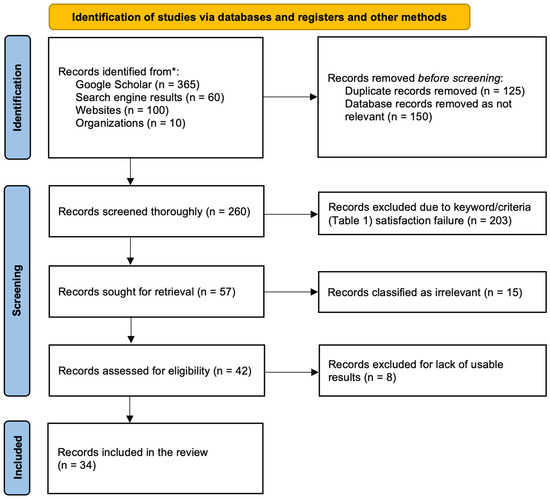

Disclaimer/Publisher’s Note: The statements, opinions and data contained in all publications are solely those of the individual author(s) and contributor(s) and not of MDPI and/or the editor(s). MDPI and/or the editor(s) disclaim responsibility for any injury to people or property resulting from any ideas, methods, instructions or products referred to in the content. |
© 2026 by the authors. Licensee MDPI, Basel, Switzerland. This article is an open access article distributed under the terms and conditions of the Creative Commons Attribution (CC BY) license.