


Abstract
Digital solutions and social media platforms for older adults are widely associated with positive social and health-related outcomes. However, empirical evidence on their sustained use remains limited, particularly from a usability and accessibility perspective. Previous reviews have primarily examined social media use in later life from social or psychological perspectives, whereas this review focuses on digital inclusion and psychosocial well-being from a technological and ICT-oriented perspective. The aim is to examine how technological and design-related factors may help explain gaps between reported benefits and actual usage among older adults. It also seeks to support researchers and designers in understanding why many digital platforms fail to sustain long-term engagement despite reported initial benefits. The review further identifies areas where emerging approaches, such as AI- or VR/AR-supported (XR) systems, could be explored in future research. Following PRISMA 2020 guidelines, studies published between 2005 and 2025 were reviewed to identify key technological and user-related factors that influence online participation among older adults. Findings indicate that barriers related to digital literacy, accessibility, and usability are frequently associated with reduced engagement. At the same time, the potential role of user-friendly and well-designed platforms is often implied rather than empirically examined. Although inclusive and adaptable systems are widely discussed, explicit HCI- and interface-level usability evaluations remain surprisingly rare. None of the included studies examined AI- or XR-related features of social platforms. This indicates that ageing and social media research have yet to empirically address emerging technologies that increasingly shape online interaction. The review underscores the need for accessible and adaptable technological solutions that promote digital engagement and emotional well-being among older users.
1. Introduction
Recent developments in information and communication technologies (ICT), particularly Internet infrastructure and social media platforms, increasingly influence the daily lives of older adults by enabling access to information, social interaction, and participation in digital environments [1].
In the context of global population ageing and the projected growth of the population aged 65 and older worldwide [2], digital participation has become an increasingly relevant societal concern. Empirical research indicates that digital access and social media engagement are associated with patterns of social participation in later life [1], while international public health frameworks emphasize the importance of strengthening social connectedness and reducing social isolation among older adults in contemporary societies [3].
Population ageing represents a major global demographic trend, with projections indicating a substantial increase in the proportion of adults aged 65 and older throughout the 21st century (Figure 1). By 2050, one in six people worldwide is expected to belong to this age group [2], underscoring the importance of inclusive digital ecosystems that accommodate diverse abilities and experiences.
Figure 1.
Global population by broad age groups from 1950 to 2100, showing the projected significant increase in the 65+ age group. The growth of this demographic underscores the need for user-centered ICT systems that promote participation and independence in later life. Reprinted with permission from Ref. [2] © 2024 United Nations.
Nevertheless, older adults continue to encounter individual and structural barriers to digital participation, including limited digital literacy, technology-related anxiety, accessibility constraints, privacy concerns, and unequal access to digital infrastructure [3,4,5,6,7]. These challenges contribute to persistent disparities in ICT use and digital engagement, making empirical findings on social media use and well-being highly context-dependent.
Review studies have examined older adults’ engagement with digital technologies from different analytical perspectives. Early systematic reviews have addressed patterns of social media use and general adoption trends [8]. More recent mapping and systematic reviews have expanded this focus to examine determinants of technology adoption, attitudes toward emerging ICT systems, and broader digital transformation processes [7,9,10,11].
Although recent HCI-oriented research has advanced user-centered and accessibility-aware design approaches for older adults (e.g., [12]), systematic reviews have separately examined psychosocial outcomes (e.g., [11]) and technology acceptance factors in later life (e.g., [7,9]). These strands, however, are typically developed within distinct analytical traditions. The present review builds on these strands by providing a structured socio-technical synthesis that integrates interface-level usability, accessibility considerations, and psychosocial dimensions of digital participation in later life.
In particular, although age-friendly design guidelines and usability-oriented recommendations have been proposed in recent literature [10], their integration with empirical findings on digital engagement and psychosocial well-being in later life remains comparatively underdeveloped as an explicit socio-technical synthesis at the systematic review level. As a result, technological design factors are often discussed descriptively rather than analytically, and their role in shaping sustained digital participation among older adults remains under-theorized.
For conceptual clarity, this review distinguishes between usability, accessibility, and digital inclusion. Usability refers to the extent to which a system can be used effectively, efficiently, and satisfactorily by older adults in specific contexts of use. Accessibility denotes the degree to which digital systems accommodate age-related sensory, motor, or cognitive changes through adaptive interface features and assistive design solutions. Digital inclusion represents a broader socio-technical construct encompassing infrastructural access, digital skills, usability conditions, and opportunities for meaningful online participation. While these concepts are interrelated, they operate at different analytical levels within this review.
The present review addresses this gap by providing a systematic socio-technical synthesis of social media use among older adults. It integrates psychosocial ageing research with HCI-oriented and information systems perspectives in order to examine how interface design, usability constraints, infrastructural conditions, and contextual moderators jointly shape digital participation and well-being in later life.
Specifically, the study addresses four research questions (RQ1–RQ4) concerning platform use, psychosocial outcomes, technological barriers, and contextual moderators of digital engagement in later life, providing an evidence-based foundation for the development of inclusive and user-centered ICT systems.
Despite the growing body of empirical research, integrating technological, HCI-oriented, and psychosocial perspectives remains methodologically challenging. Existing studies vary widely in terms of study design, operationalization of ICT use, and outcome measures, making cross-study comparison and synthesis difficult. Notably, the results of this review reveal a recurring mismatch between reported positive psychosocial outcomes and the limited attention given to interface-level usability and user-centered design factors, underscoring the need for a more integrated socio-technical perspective.
2. Background
This section provides the broader conceptual and contextual framework for the systematic review. It situates the study within global demographic ageing trends, outlines the public health relevance of social isolation and mental health in later life, and examines the role of ICT and social media in shaping digital participation among older adults. In addition to global developments, the section incorporates a national perspective through the case of Serbia, highlighting differences in demographic dynamics, digital infrastructure, and inclusion. By establishing this multi-level context, the section supports the formulation of the research questions and clarifies the interdisciplinary perspective adopted in this review.
2.1. Global Aging and Technological Inclusion Challenges
The global population aged 60 years and older is projected to nearly double from 12% in 2015 to 22% by 2050, according to the World Health Organization (WHO) [13]. In absolute terms, this population will increase from 1 billion in 2020 to 2.1 billion by 2050, with nearly two-thirds living in low- and middle-income countries [13]. These demographic shifts place growing pressure on health and social protection systems, while also raising important questions about technological inclusion and equitable access to digital resources.
With the steady expansion of digital services and communication platforms, the ability of older adults to engage online has become an important component of active and healthy aging. According to the World Health Organization (WHO), healthy ageing is defined as the process of developing and maintaining the functional ability that enables well-being in older age [13]. This concept encompasses not only the absence of disease, but also the capacity to meet basic needs, maintain social relationships, learn, make decisions, and contribute to society. Mental health conditions are common in later life: around 14% of adults aged 70 years and older are estimated to live with a mental disorder, with depression and anxiety among the most frequent conditions [14]. Dementia is also a major cause of disability and dependency in older people globally [15]. These challenges are frequently exacerbated by social isolation and loneliness, which are linked to a range of adverse health outcomes, including increased risks of cardiovascular disease, cognitive decline, and premature mortality [3,16,17].
The United Nations Decade of Healthy Ageing (2021–2030), coordinated by WHO, emphasizes the need to strengthen social connections. Social isolation and loneliness are now widely acknowledged as important public health concerns due to their well-documented links with health, well-being, and longevity [14,17]. Responding to these issues increasingly involves the use of digital and assistive technologies, which can offer practical opportunities for communication, social participation, and certain forms of mental health support among older adults.
In this context, ICT—including the Internet, mobile applications, and social media platforms—are being recognized as potential protective factors that can strengthen social connectedness and promote inclusion, provided that older adults have adequate access, training, and support [1,3]. ICT tools designed with usability, accessibility, and cognitive adaptation in mind can reduce barriers to participation and enable older users to remain digitally and socially engaged [10].
Although global trends point to broad challenges related to population aging, national contexts—such as that of Serbia—illustrate how demographic shifts unfold within specific socio-economic environments [2,18]. Understanding these demographic dynamics is critical for the design of inclusive ICT ecosystems that support social participation and well-being among older adults.
2.2. The Case of Serbia: Rapid Demographic Aging and ICT-Driven Digital Divide
Serbia is undergoing one of the fastest demographic aging processes in Europe. According to the 2022 national census, 22.1% of the population was aged 65 years or older, an increase from 17.4% in 2011, representing approximately 1.47 million individuals [18]. Updated estimates from the Statistical Office of the Republic of Serbia indicate that by 2024, older adults (65+) constituted 22.59% of the national population [18]. A detailed breakdown of the population aged 65 years and older by age group for 2024 is provided in Supplementary Table S1. These changes have been accompanied by a decline of more than half a million people overall, reflecting long-term depopulation and regional disparities in aging intensity [18].
From a technological perspective, this demographic transformation underscores the need for inclusive ICT infrastructure and age-friendly digital ecosystems. Southern and eastern municipalities such as Crna Trava, Rekovac, and Gadžin Han—characterized by severe depopulation and limited broadband access—face particularly high risks of digital exclusion. In contrast, the Belgrade metropolitan area, which experienced a 1.6% population increase [19], benefits from greater connectivity and stronger institutional capacity for implementing digital inclusion initiatives.
Psychological and social challenges among older adults in Serbia include limited mobility, depression, and social disengagement, often intensified by urban–rural migration and weakened family networks. These factors intersect directly with digital literacy and technology adoption gaps, particularly among individuals in long-term care institutions, who exhibit lower Internet and social media use compared to community-dwelling peers [20]. International studies confirm that frequent social media users among older adults report lower levels of loneliness and higher perceived connectedness [20,21].
However, persistent ICT disparities remain. Older adults experiencing depressive symptoms have been shown to be less likely to engage in digital activities, suggesting a reciprocal relationship between mental health and online participation [22]. In addition, urban–rural inequalities in digital infrastructure, affordability, and access to training continue to constrain the benefits of digital transformation, thereby exacerbating social isolation and health inequalities [23,24].
By combining global insights with the specific demographic and technological context of Serbia, this review emphasizes the importance of ICT accessibility, user-centered design, and inclusive digital policies as key enablers of social participation, autonomy, and well-being in later life.
3. Methods
The review protocol was retrospectively registered on the Open Science Framework (OSF) (Registration DOI: 10.17605/OSF.IO/7UCHN).
3.1. Objectives
The objective of this systematic review is to identify, critically appraise, and synthesize peer-reviewed evidence on technology-mediated social interaction, social media use, and broader internet-based communication among older adults, primarily aged 60 years and above. Specifically, the review aims to:
- Map patterns and purposes of social media and internet-mediated communication use among older adults, including commonly used platforms, interaction types, and engagement practices, based on empirical and review evidence.
- Examine associations between digital social engagement and psychosocial outcomes in later life, including loneliness, depressive symptoms, emotional well-being, and perceived social connectedness.
- Identify technological, cognitive, and usability-related barriers and facilitators influencing older adults’ access to, adoption of, and sustained engagement with social media and digital communication technologies, including factors related to interface complexity, accessibility, digital literacy, and perceived usefulness.
- Explore contextual moderators—including socio-cultural, infrastructural, and environmental factors (e.g., broadband access, device availability, and living setting such as community vs. long-term care)—that shape patterns of digital participation among older adults.
By integrating evidence from heterogeneous study designs, this review seeks to bridge psychosocial findings with information systems and HCI perspectives, highlighting systematic gaps in usability-focused research and informing the design of inclusive digital platforms and interventions for ageing populations.
3.2. Research Questions
To systematically address the objectives of the review, four interrelated research questions were formulated. The research questions were structured to move from descriptive mapping of usage patterns (RQ1) to examination of psychosocial associations (RQ2), followed by analysis of technological and usability-related mechanisms (RQ3), and finally contextual moderators shaping digital participation (RQ4). This progression reflects the interdisciplinary objective of integrating psychosocial ageing research with information systems and HCI perspectives.
These four research questions were formulated to address a specific gap identified in prior literature: the absence of an integrated socio-technical synthesis of social media use in later life. Existing studies tend to focus either on descriptive usage patterns or on psychosocial outcomes, while technological and usability-related mechanisms are often examined separately or remain under-theorized. RQ1 and RQ2 capture the dominant empirical strands of the literature, whereas RQ3 and RQ4 introduce explanatory layers necessary to connect interface-level design factors and broader infrastructural contexts with psychosocial outcomes. Together, these questions enable a structured socio-technical analysis that would not be achievable through a single-dimensional research focus.
This review seeks to address the following research questions (RQs):
- RQ1. Which social media platforms and digital communication tools are most frequently used by older adults (primarily aged 60 years and older), and for which purposes and interaction types (e.g., information seeking, social support, entertainment)?
- RQ2. What is the impact of social media engagement and technology-mediated communication on mental health outcomes (e.g., loneliness, depressive symptoms, emotional well-being) and on digital social inclusion among older adults?
- RQ3. What technological, cognitive, and usability-related barriers do older adults face in accessing, learning, and maintaining engagement with social media platforms, and how do interface design and accessibility features influence sustained use?
- RQ4. How do socio-demographic, technological, and infrastructural contexts (e.g., broadband availability, device access, digital literacy, and living environment such as community vs. long-term care) shape the relationship between social media use and psychosocial outcomes?
3.3. Inclusion and Exclusion Criteria
Studies were included if they met the following criteria:
- Peer-reviewed empirical or review studies published between 2005 and 2025;
- Participants aged ≥60 years; studies with broader age ranges (e.g., ≥45 or ≥50) were included when older adults were explicitly analyzed as a subgroup, when results for ≥60/≥65 populations were reported separately, or when the mean participant age was ≥60 years;
- Explicit focus on social media or digital communication technologies in relation to digital inclusion, ICT use, usability, accessibility, mental health, or social connectedness;
- English-language publications with full-text access;
- Quantitative, qualitative, mixed-methods, or computational designs relevant to social media engagement and technology adoption.
The ≥60 threshold was selected in line with widely used operational definitions of older adulthood in gerontological and public health research and international demographic ageing frameworks. This criterion ensured conceptual consistency across studies while allowing inclusion of research that explicitly reported subgroup analyses for older populations. This approach was adopted to avoid excluding relevant empirical evidence in studies where older adults were not the sole sample but were analyzed as a distinct subgroup. Where studies employed adjacent age categories (e.g., 50–64 or 65+), interpretations in the synthesis were restricted to findings explicitly referring to later-life participants and were not generalized across younger midlife groups. Review and systematic review articles were included where they focused specifically on older adults’ interaction with social media or ICT platforms, to provide conceptual context and identify evidence gaps. In addition to social media–specific studies, research examining broader ICT- and internet-mediated communication was included when social interaction, digital inclusion, or psychosocial outcomes among older adults were a central focus.
Studies were excluded if they:
- Focused exclusively on younger populations (mean age < 60 years without subgroup analysis);
- Were not available in full text;
- Were non–peer-reviewed or non-academic sources (e.g., reports, blogs, conference abstracts without full papers, dissertations);
- Did not directly examine social media or digital platforms;
- Addressed general ICT adoption without a social interaction, usability, or design component.
These inclusion and exclusion criteria were defined to ensure methodological consistency, conceptual focus, and analytical comparability across studies. Limiting the search to peer-reviewed publications aimed to ensure scientific rigor and reduce the risk of unverified claims. The 2005–2025 timeframe was selected to capture the period of rapid expansion of social media and mobile internet technologies. Restricting the review to English-language full-text articles ensured accessibility and the feasibility of systematic evaluation. Exclusion of grey literature and non-peer-reviewed sources was applied to maintain academic reliability and transparency of methodological reporting.
3.4. Search Strategy and Data Sources
A systematic literature search was conducted across three major databases—PubMed, Scopus and Google Scholar. Query expansion was supported by the Bohrium semantic search tool, enabling broader retrieval of interdisciplinary ICT studies. The final literature searches across all databases were conducted up to 15 September 2025. All database searches were completed on this date and were not subsequently updated.
The search strategy combined controlled vocabulary (e.g., MeSH in PubMed) and free-text keywords related to older adults, social media, ICT, and psychosocial or usability outcomes (e.g., digital inclusion, mental health, usability, accessibility, well-being, loneliness, social connectedness). Boolean operators (AND, OR) and field tags (e.g., [Title/Abstract] in PubMed, TITLE-ABS-KEY in Scopus) were applied to maximize both sensitivity and specificity of results.
Due to the very high retrieval volume and the relevance-based ranking algorithm of Google Scholar, screening was restricted to the first 500 results sorted by relevance. Google Scholar applies a dynamic and non-transparent ranking system and indexes a broad range of document types, often resulting in substantial volumes of partially relevant records. Limiting screening to the first 500 results was adopted as a feasibility measure, given the high retrieval volume and the relevance-based ranking structure of Google Scholar. However, this restriction may have reduced the comprehensiveness of retrieval by potentially omitting lower-ranked but eligible studies. This limitation was partially mitigated through parallel searches in PubMed and Scopus, structured Boolean queries, and cross-database deduplication procedures. Complete search strings for each database are provided in Supplementary Material S1.
All retrieved records were imported into Zotero for reference management. Due to substantial overlap between databases, extensive automated and manual deduplication procedures were performed, resulting in approximately 600 unique records eligible for screening.
3.5. Study Selection and Quality Assessment
Title and abstract screening, as well as full-text assessment, were independently conducted by two reviewers (D.B., doctoral researcher in digital inclusion and ICT studies, and D.I., senior academic with extensive research experience in ageing and socio-technical systems, who has served as an academic editor and peer reviewer for multiple international journals) according to the predefined inclusion and exclusion criteria. Screening decisions were cross-checked after each stage to ensure consistency. Eligibility decisions were documented at each stage to ensure transparency and traceability. Disagreements primarily concerned borderline age thresholds (e.g., mixed-age samples) and the scope of ICT or social media focus. In cases of disagreement, screening decisions were re-evaluated against the predefined eligibility criteria and resolved through structured discussion until consensus was achieved. No third-party arbitration was required. Deduplication was supported by Zotero. No automated screening tools were used, and all screening decisions were made manually.
Screening proceeded in two stages—title/abstract screening followed by full-text assessment—using the inclusion/exclusion criteria defined in Section 3.3. From the 600 unique records, 500 were excluded at the title/abstract screening stage, and 100 articles were selected for full-text review. After a detailed full-text assessment, 50 articles were excluded, primarily due to wrong population/age group (n = 20), lack of focus on social media (n = 15), not being empirical or being abstract-only/grey literature (n = 10), or language and full-text restrictions (n = 5), as illustrated in Figure 2. The remaining 50 reports corresponded to 47 unique studies, as some studies were reported across multiple publications. This resulted in a final sample of 47 studies included in the review.
Figure 2.
PRISMA 2020 flow diagram of the study selection process. * Records identified from bibliographic databases. ** Reasons for exclusion during the screening stage.
Articles categorized as “lack of focus on social media” included studies that examined general ICT adoption, digital skills training, or e-health interventions without explicit analysis of social media platforms or digital communication processes involving social interaction. Studies were excluded under this category when social media was not a primary analytical focus, operationalized through explicit measurement of platform use, interaction patterns, usability factors, or psychosocial outcomes.
The study selection process is illustrated in Figure 2, following the PRISMA 2020 guidelines [25].
The large number of records excluded at the title/abstract screening stage is consistent with the broad and interdisciplinary scope of the search strategy. The search combined ageing-related descriptors, multiple ICT and social media terms, and psychosocial outcome indicators in order to ensure comprehensive retrieval across databases. As a result, a substantial proportion of initially identified records did not meet the specific eligibility criteria, particularly with respect to age stratification and explicit focus on social media–mediated interaction. The final number of included studies, therefore, reflects the application of predefined inclusion criteria within a heterogeneous evidence base.
A formal risk-of-bias tool was not applied due to the substantial methodological heterogeneity of the included studies (cross-sectional surveys, qualitative interviews, longitudinal cohorts, mixed-methods designs, and review articles), for which no single standardized instrument would have been appropriate. Given this heterogeneity, a quantitative meta-analysis or GRADE-type certainty assessment was not feasible. Instead, methodological rigor and reporting transparency were assessed narratively across predefined domains.
The quality assessment considered the following domains:
- Clarity and relevance of research objectives;
- Appropriateness of the methodological approach and sample characteristics;
- Transparency and rigor of data collection and analysis procedures;
- The extent to which findings contributed to understanding digital inclusion, ICT use, and psychosocial outcomes among older adults.
Given the substantial heterogeneity of the included studies in terms of study design, data sources, operationalization of ICT use, and outcome measures, the synthesis process was guided primarily by relevance to the predefined research questions (RQ1–RQ4) and by methodological clarity rather than by strict methodological uniformity.
This appraisal aimed to assess the overall robustness and credibility of the evidence base rather than to exclude studies. While most studies demonstrated clear objectives and adequate reporting of data and outcomes, a substantial proportion lacked explicit, formal evaluations of usability, user interface design, or human–computer interaction (HCI) aspects. As documented in Supplementary Table S2, many studies operationalized ICT use primarily in terms of access, frequency, or self-reported use, without systematic assessment of interface-level usability or accessibility features. This recurring limitation directly informed the analytical focus of the synthesis and highlights a significant gap in the existing literature.
3.6. Data Extraction and Synthesis
For each included study, data were systematically extracted using a structured coding template capturing key bibliographic and methodological attributes, including author (s), year of publication, country or region, study design, sample characteristics, social media platforms analyzed, psychosocial and digital inclusion outcomes, and main findings. Special attention was given to variables relevant from a human–computer interaction (HCI) and information systems perspective, including types and frequency of social media use, usability and accessibility features of the platforms, psychosocial outcomes such as loneliness, emotional support, and mental health indicators, as well as barriers to digital inclusion and contextual moderators (e.g., socio-cultural, infrastructural, and design-related factors).
Data extraction was conducted in accordance with predefined eligibility and quality criteria. Any uncertainties were resolved through iterative cross-checking of full-text records to ensure internal consistency. Owing to substantial heterogeneity in study designs, participant groups, and outcome measures, a quantitative meta-analysis was not feasible. Instead, a narrative synthesis was undertaken using a thematic analysis approach, guided by both social and technological dimensions. Identified themes included:
- Patterns of social media use among older adults;
- Psychosocial and digital benefits;
- Barriers and usability challenges;
- Contextual and intergenerational dynamics.
This integrated analytical approach facilitated the synthesis of heterogeneous evidence from both qualitative and quantitative studies and enabled the identification of cross-cutting trends, usability gaps, and areas for future ICT-oriented interventions.
To support cross-study comparison, the extracted data were further synthesized into an analytical matrix (Supplementary Table S2), enabling systematic identification of recurring patterns and divergences across studies. This matrix-based synthesis facilitated the detection of cross-study trends as well as critical evidence gaps, most notably the near absence of formal usability, user interface, and human–computer interaction (HCI) evaluations in the reviewed literature. These observed gaps directly informed the thematic structure of the results and the analytical focus of the discussion.
3.7. Characteristics of Included Studies
A total of 47 studies meeting the inclusion criteria were incorporated into the narrative synthesis, the majority of which were empirical investigations. Table 1 presents five purposively selected studies that reflect the methodological diversity, geographical variation, and thematic breadth of the included evidence base. These examples illustrate different research designs (large-scale survey analysis, systematic HCI review, structural equation modeling, qualitative usability exploration, and quantitative ICT anxiety modeling) as well as varying degrees of usability focus. This selection was intended to provide an illustrative cross-section of key analytical dimensions rather than to imply prioritization of particular findings. The complete data extraction matrix for all 47 studies is provided in Supplementary Table S2.
Table 1.
Overview of representative studies included in the review.
The included publications span the period 2005–2025, with most appearing after 2015, reflecting the acceleration of research on digital participation, ICT use, and online social interaction in later life. Geographically, studies were distributed across Europe, North America, Asia, and Oceania, with the largest shares originating from the United States, Germany, Italy, and China.
Methodologically, the evidence base was dominated by cross-sectional surveys, complemented by qualitative interviews, longitudinal analyses, and mixed-methods approaches. Sample sizes ranged from small-scale qualitative studies with fewer than 30 participants to large-scale nationally representative surveys with over 1500 respondents aged 60 and above.
Despite this heterogeneity, all studies examined the relationship between social media use, digital engagement, and psychosocial outcomes—including loneliness, emotional support, mental health, and digital inclusion indicators. Collectively, these studies provide a comprehensive overview of how older adults interact with digital social platforms, revealing both technological barriers and usability facilitators that shape online participation.
3.8. Ethics and Transparency
This study is based exclusively on secondary data and did not involve human participants, primary data collection, or intervention procedures; therefore, ethical approval was not required. The review was conducted in accordance with PRISMA 2020 to support methodological rigor, transparency, and reproducibility. All data sources, inclusion criteria, and analytical steps were documented, and no personal or sensitive information was collected or reported.
4. Results
This section presents a thematic synthesis of the empirical findings on social media use and technology-mediated communication among older adults. Across the included studies, recurring patterns were identified with respect to digital engagement practices, psychosocial outcomes, and barriers to digital inclusion. Despite substantial methodological and contextual heterogeneity, the reviewed evidence consistently examined how social media use and ICT engagement relate to loneliness, mental health, and social inclusion in later life. Accordingly, the results are organized into three thematic subsections:
- Patterns of internet and social media use (platform preferences, frequency, and digital literacy).
- Psychosocial impacts of digital engagement (emotional well-being, social inclusion, and intergenerational connectedness).
- Barriers to digital inclusion (technological, usability, and infrastructural challenges).
4.1. Digital Engagement Patterns Among Older Adults
This subsection focuses on how older adults engage with digital platforms in terms of frequency, duration, purposes, and everyday usage contexts.
4.1.1. Usage Frequency, Duration, Purposes, and Context of Use
Patterns of internet and social media use among older adults reveal both behavioral and technological dimensions of digital engagement. Older users interact with online environments primarily for communication, information seeking, and entertainment, reflecting a multifunctional integration of digital tools into daily routines.
Qualitative interview research further illustrates how older adults embed ICT use within everyday life contexts, emphasizing communication, information seeking, and practical coordination as part of daily routines [26].
Previous studies indicate that older adults predominantly use social media platforms to maintain social relationships, access health-related information, and engage in leisure activities, highlighting digital platforms as socio-technical environments supporting both emotional and informational needs [27,28].
Survey-based evidence from Southeast Asia indicates that among Thai older adults who use the internet, the most common activities are video consumption (60.6%), information searching (57.6%), and entertainment (57.6%) [29]. Internet access predominantly occurred in home environments (81.8%), while public access points were rarely used. Approximately 40% of adults aged 60–69 reported spending about 30 min online per day, with internet use most commonly occurring during evening hours [29].
Overall, the literature consistently indicates that older adults use digital platforms primarily for communication, information seeking, and entertainment within everyday domestic contexts. However, most studies conceptualize use through frequency and duration metrics, leaving platform-level interaction processes and experiential dimensions comparatively underexplored.
4.1.2. Platform Preferences and Adoption Patterns
Previous survey-based analyses in the United States indicate that Facebook and YouTube remain the dominant social media platforms among older adults [30]. Approximately 73% of adults aged 50–64 and 50% of those aged 65 and older report using Facebook, while YouTube engagement is even higher, reaching 83% among the 50–64 group and 49% among those aged 65+. In contrast, the usage of more visually or interaction-intensive platforms such as Pinterest, Snapchat, and Instagram is markedly lower in this demographic group [30]. These findings are based on population-level survey data published in 2021. Within the scope of the studies included in this review, no recent peer-reviewed publications providing comprehensive, cross-platform population estimates of social media use among older adults were identified.
Social media adoption declines with age; however, a substantial proportion of older adults remain digitally active, particularly on widely used platforms such as Facebook and YouTube [30].
Digital platforms such as Facebook groups have become important socio-technical spaces for older adults to maintain social support networks and long-distance communication, contributing positively to overall well-being. Online communities have been shown to facilitate emotional support exchange and reduce loneliness among older users [31]. Similar associations between social media engagement and psychosocial outcomes have been reported across Asian and European contexts [32]. Evidence from European studies further indicates that social networking among the oldest-old is linked to reduced loneliness [33], while qualitative findings from Southeast Asia suggest that Facebook use enhances emotional connectedness and daily life satisfaction among older adults [34].
These patterns suggest that platform characteristics, including perceived simplicity and social relevance, are associated with sustained participation among older adults. Collectively, the evidence indicates a concentration of older adults’ social media engagement around a limited number of established platforms, particularly Facebook and YouTube, with declining adoption observed in older age cohorts. Most available data derive from population-level survey estimates and cross-sectional designs, providing broad usage patterns but limited insight into platform-specific interaction dynamics. While social networking spaces appear to support emotional connection and well-being across contexts, systematic examination of how platform characteristics influence sustained participation remains comparatively underdeveloped within the reviewed literature.
Together, the findings presented in Section 4.1.1 and Section 4.1.2 address RQ1 by identifying dominant social media platforms, usage frequency, and the primary purposes and interaction types associated with digital engagement among older adults.
4.1.3. Access, Infrastructure, and Usability Factors
This subsection first presents selected population-level indicators to contextualize broader access trends, followed by a synthesis of empirical findings from the included studies regarding usability and interface-level interaction processes.
In Canada, smartphone ownership among older adults increased substantially by 2020, reflecting broader growth in mobile device adoption in later life [35]. To contextualize broader adoption trends beyond the reviewed empirical studies, population-level reports indicate that internet and mobile device use among older adults has increased markedly in both the United States and Europe [36,37]. Smartphone use among adults aged 55–74 has increased notably in Canada, the Netherlands, Spain, and Sweden, while also revealing persistent cross-national differences in digital engagement among older populations [33].
The following analysis shifts from these contextual adoption trends to empirical findings derived directly from the included studies.
Studies consistently identify several key barriers that hinder older adults from effectively using digital technologies [38,39,40]. Visual impairments and limited technical skills are among the most significant challenges faced by this population [38]. Additionally, physical and cognitive declines, such as reduced vision and low digital literacy, combined with inaccessible technology design, further complicate the adoption of health-related ICT [39]. Sensory impairments, unfamiliarity with new devices, and insufficient prior experience also contribute to difficulties in technology use [40]. Moreover, qualitative evidence suggests that inaccessible interface design, vision problems, and limited prior experience with digital devices—particularly tablets—continue to impede older adults’ engagement with technology [40]. Taken together, this evidence underscores the central role of usability- and accessibility-aware design in shaping older adults’ digital inclusion [38,39,40].
From an ICT perspective, inclusive design approaches—such as simplified and age-friendly interfaces and navigation structures—play an important role in improving the usability of digital platforms for older adults, particularly in addressing age-related cognitive, sensory, and usability challenges [38,40].
Conversely, several factors have been found to promote digital engagement among older adults, including prior experience with technology, willingness to learn, and social support from family members [41,42,43].
Mixed-methods evidence indicates that social support and self-directed exploration are closely associated with the acquisition of digital skills and sustained tablet use among older adults [44].
Older adults report choosing social media and digital communication tools due to their perceived ease of use and accessibility, particularly when engagement is supported by family members or familiar social networks [39,40]. Qualitative and quantitative studies show that social support and existing interpersonal networks can reduce anxiety related to technology use and facilitate initial adoption, especially when interfaces are perceived as intuitive and manageable for age-related cognitive and sensory changes [39,40].
In Switzerland, social network use among adults aged 65 years and older remains relatively limited, with fewer than one-third reporting the use of platforms such as Facebook. In contrast, internet use for communication purposes is substantially higher, exceeding 80% within the same age group. Importantly, internet adoption among Swiss older adults increased markedly between 2009 and 2019, reflecting a significant digital transformation in this population segment despite persistent platform-specific disparities [45].
Evidence from Switzerland further shows that patterns of ICT use in later life differ markedly by living arrangements, with substantially lower adoption observed among older adults residing in long-term care institutions compared with those living in private households [20].
Tracking-based research shows that older adults engage in a wide range of smartphone activities, with calling and messaging applications being almost universally used, and multimedia interaction (image, audio, and video) representing a dominant form of engagement across all countries [35]. Cross-national analyses indicate marked differences in smartphone use patterns among older adults in Canada, Spain, the Netherlands, and Sweden, particularly in relation to engagement with news and media applications [35]. While participants in Canada and Spain generate higher overall levels of daily app activity, lower levels are observed in the Netherlands and Sweden. Beyond communication and multimedia use, older adults also engage with diverse application categories, including games, online shopping, finance, travel, education, health, and eGovernment services. These patterns reflect broader sociocultural and infrastructural differences shaping digital inequalities in later life. Furthermore, calling and messaging applications are the most widely used, with nearly 100% of older adults utilizing them. Country-specific preferences in app use reflect broader digital inequalities. Older adults also use a diverse range of applications, including games, reading, video streaming, online shopping, financial management, travel, music, education, health, and tourism [35].
Qualitative focus group evidence indicates that older adults’ engagement with tablet-based technologies is strongly influenced by perceived usability, clarity of instructions, and confidence in using digital devices, with complex interfaces and insufficient guidance frequently reported as key barriers to adoption [46].
A more detailed synthesis of the reported findings suggests that usability-related challenges cluster around several recurring dimensions. First, sensory-related constraints—particularly those linked to vision impairments and reduced visual capacity—limit effective interaction when interface design does not sufficiently accommodate age-related changes. Second, complex and visually dense interface structures, including unclear navigation pathways, are described as contributing to confusion and reduced confidence in technology use. Third, limited prior experience and low digital literacy interact with cognitive changes, increasing perceived system complexity when interaction flows are not intuitively structured. Finally, insufficient guidance and a lack of clear instructional support within digital systems further constrain independent engagement. These patterns indicate that usability barriers are not isolated issues but are closely tied to concrete interface-level design characteristics repeatedly described across the reviewed studies.
These infrastructural, skill-related, and usability dimensions not only determine access but also shape broader patterns of digital inclusion and social participation among older adults—issues that are closely tied to psychosocial outcomes discussed in the following sections.
Across the reviewed studies, digital engagement in later life appears to be shaped by a combination of infrastructural access, prior technological experience, social support, and usability-related constraints linked to cognitive and sensory changes. Yet these factors are most often captured through self-reported barriers and adoption indicators rather than through structured usability testing or formal HCI evaluation. Consequently, while access conditions and digital skills are extensively documented, interface-level interaction processes remain comparatively underexamined. This pattern indicates a persistent imbalance in the literature, where adoption and access are more systematically studied than experiential usability and design-specific determinants.
4.2. Psychosocial Outcomes of Digital Participation
This subsection synthesizes findings related to social inclusion and emotional well-being reported across the reviewed studies.
4.2.1. Social Inclusion and Emotional Well-Being
Social media and other digital communication platforms are frequently examined in relation to social inclusion and well-being outcomes among older adults. Internet and mobile technology use among older adults has been associated with maintaining contact with family and friends and with lower levels of loneliness in cross-sectional studies [47].
In the context of digital participation, social media use among older adults has been associated with greater social connectedness, suggesting potential psychosocial benefits of online interaction in later life [48].
Research on social media use in later life describes staying informed about close social ties and participating in online communities as common experiences among older adults [49]. Online social networking platforms and digital communication tools have been discussed as environments that can support information exchange and social interaction beyond geographic constraints [50,51].
Several empirical studies report associations between social media or digital communication use and perceived social support or relationship-related outcomes among older adults [50,52].
Sharing social media content has been shown to enrich in-person interactions between older adults and family members [52]. Communication technology and social media use have also been associated with mental and physical health indicators among older adult populations [53,54], while online social networking platforms have been discussed as supporting social connectedness and social support in later life [55].
Mobile social media use has been associated with social capital, social integration, and life satisfaction among older adults [50]. In addition, online neighborhood social networks have been examined in relation to local communication and perceived community participation in older populations [51].
For individuals with restricted mobility, digital communication represents an important channel for maintaining social ties. Among homebound, low-income older adults, Internet use has been shown to support contact with family members, although significant digital literacy barriers persist [42]. Patterns of Internet use have also been associated with levels of loneliness among older adults [56], with qualitative studies providing complementary evidence that supports these findings [32].
Positive attitudes toward social networking sites have been associated with lower reported loneliness even among the “oldest-old” population in Italy [33]. Other studies have examined Facebook and social media use in relation to perceived social support, well-being, and quality-of-life outcomes among older adults [57,58].
In particular, photo sharing on social media has been associated with aspects of subjective well-being and positive social experiences among older adults [59].
Overall, the reviewed studies indicate consistent positive associations between digital participation and indicators of social inclusion, connectedness, and well-being in later life. However, the predominance of cross-sectional designs limits causal interpretation, as reverse or bidirectional relationships cannot be excluded. While social support, social capital, and perceived connectedness are frequently identified as mediating mechanisms, their operationalization varies substantially across studies. Consequently, the literature provides convergent evidence of association but remains less definitive regarding the causal pathways linking digital engagement to psychosocial outcomes.
4.2.2. Mental Health, Loneliness, and Psychological Resilience
The relationship between digital engagement and mental health in later life is multifaceted and often bidirectional. Increased social participation—particularly through internet use—has been associated with lower levels of depression [60]. Similarly, an instrumental-variable analysis reported a statistically significant but small reduction in depressive symptoms associated with internet use, with mediation analyses indicating multiple social and behavioral pathways [61]. These findings suggest that digital technologies function as indirect enablers of psychological well-being through multiple behavioral and social pathways.
Consistent with this, studies have examined associations between the use of computer- and mobile-based communication technologies and loneliness, particularly through facilitated communication and online interaction [24]. Older adults who actively use social media platforms such as WeChat or Facebook have been found to report more favorable physical and mental health outcomes, including lower levels of depressive symptoms [53]. Patterns of social media use may reflect compensatory behavior, with individuals reporting lower life satisfaction engaging online primarily for companionship or distraction, in connection with perceived social support and motivational factors in later life [62].
Strong family ties and intergenerational communication remain central to these outcomes. Higher digital engagement and indicators of digital skills have been associated with depression- and well-being-related outcomes among older adults [24,63]. Conversely, those already experiencing depression are less likely to use social media, suggesting a self-reinforcing digital divide that may deepen health disparities [22].
Similar patterns have been observed in earlier work showing that positive attitudes toward digital technologies do not necessarily translate into sustained use when access and skills are limited [64].
Evidence indicates that such engagement is associated with lower perceived social isolation. For example, evidence suggests that daily use of social networking sites is associated with significantly lower loneliness scores compared with infrequent use [24].
Data from the China Family Panel Studies (CFPS) indicate associations between internet use and depressive symptoms, with mediation analyses pointing to the role of interpersonal relationships [65].
Overall, the reviewed evidence suggests a consistent association between digital engagement and lower levels of loneliness and depressive symptoms in later life. However, the predominantly observational and cross-sectional nature of the evidence limits firm causal conclusions, particularly given the bidirectional dynamics observed between mental health status and technology use. While mediation analyses highlight the role of interpersonal relationships and social support, these mechanisms are not uniformly operationalized across studies. Consequently, the literature supports an associative relationship between digital participation and psychological well-being, but does not definitively establish causal direction.
4.2.3. Intergenerational Relationships and Social Identity
Digital communication platforms have been widely discussed in relation to sustaining intergenerational relationships among older adults. The use of messaging and social networking applications— particularly mobile-based messaging and social networking tools—has been associated with more frequent non-face-to-face contact between older parents and their adult children, even when living at a distance [66]. Such digitally mediated exchanges have been discussed in relation to older adults’ sense of belonging, identity, and social continuity, which are commonly considered relevant to emotional well-being in later life. Access to digital environments has also been discussed in relation to participation in informal and formal social networks, including intergenerational contexts. These patterns are consistent with World Health Organization perspectives on healthy ageing, which emphasize social participation, connectedness, and inclusion across the life course [14].
Although evidence remains mixed across contexts, recent research reports positive associations between sustained online social participation and well-being and perceived social identity among older adults [66].
Taken together, the evidence suggests that digitally mediated intergenerational contact may contribute to perceived belonging and continuity of social identity in later life. However, empirical assessment of identity-related outcomes remains limited and is often embedded within broader well-being measures rather than examined as a distinct construct. Consequently, while intergenerational digital communication appears to support social connectedness, its specific role in shaping social identity and long-term psychosocial resilience warrants more focused investigation.
Collectively, the findings synthesized in Section 4.2 respond to RQ2 by clarifying the associations between social media engagement, loneliness, depressive symptoms, emotional well-being, and broader dimensions of digital social inclusion in later life.
4.3. Barriers to Digital Inclusion
This section synthesizes the main barriers to digital inclusion among older adults identified in the reviewed literature, focusing on technological and skill-related challenges, as well as privacy, trust, and infrastructure-related constraints that influence digital participation.
4.3.1. Technological and Skill-Based Barriers
The following findings distinguish between macro-level infrastructural indicators and empirical evidence derived from the reviewed studies.
A key barrier to digital inclusion among older adults is limited digital literacy and lower confidence in using digital technologies. Research has shown that older users experience difficulties related to understanding digital interfaces, navigating applications, and effectively engaging with online services, particularly when technologies are not designed with age-related needs in mind [21,55].
Earlier survey evidence documented generally low levels of Internet and email use among older adults, with email primarily used for maintaining contact with family and friends and barriers related to limited skills, low interest, and discomfort with technology [67].
Empirical evidence suggests that the acquisition of digital skills among older adults often involves external support. For example, studies examining internet use among older populations report that digital competencies are frequently developed through assistance from family members, especially younger relatives, while a smaller proportion of older adults acquire these skills independently [29].
Usability challenges are frequently compounded by interface design characteristics, including visually dense layouts and complex navigation structures. When combined with age-related sensory, motor, and cognitive changes, these design limitations can significantly reduce the accessibility and usability of digital systems for older users [55]. Such findings underscore the importance of age-appropriate and inclusive design approaches in promoting equitable digital participation.
Beyond individual-level barriers, structural factors also play a central role in shaping digital inclusion. The digital divide between urban and rural areas reflects persistent disparities in internet infrastructure, affordability, and access to digital devices. Macro-level data show that internet usage rates remain substantially lower in rural regions compared with urban areas across most world regions and income groups, revealing enduring infrastructural and socioeconomic inequalities [68].
Studies focusing on rural populations further suggest that lower engagement with digital and social technologies is associated with adverse psychosocial outcomes, particularly loneliness. Research conducted in rural contexts reports higher levels of loneliness among older adults with limited access to or use of digital communication technologies compared with their urban counterparts, even after accounting for demographic differences [23]. Together, these findings illustrate how technological, skill-based, and infrastructural barriers intersect to constrain digital inclusion among older adults.
Several usability and accessibility challenges recur across the reviewed studies, including vision impairments, low digital literacy, and limited access to personal devices, all of which continue to constrain effective engagement with online systems. Taken together, these findings indicate that technological accessibility and interface design represent critical components of digital inclusion strategies for older adults, complementing psychosocial motivations for online participation [21,38].
At the same time, the reviewed literature tends to frame these barriers primarily in terms of individual skills and infrastructural constraints. Most studies rely on self-reported measures of digital literacy, access, or perceived usability rather than on structured usability testing or formal interface-level evaluation. Consequently, while barriers are extensively documented, the specific design mechanisms through which platform architecture shapes engagement remain comparatively underexamined.
4.3.2. Privacy, Trust, Cybersecurity, and Data Security
Privacy management and trust in digital systems represent important dimensions of digital inclusion for older adults. Research indicates that experiences with cyber threats—such as identity theft, online fraud, or other forms of online victimization—are associated with psychological distress, reduced sense of control, and diminished trust in digital environments, which may contribute to more cautious or reduced online engagement among older users [69,70].
Beyond these psychological impacts, privacy-related challenges have also been examined in relation to online participation. Studies examining privacy attitudes and behavior indicate that limited understanding of privacy mechanisms and data practices can increase the risk of unintended information disclosure and privacy mismanagement in online environments [71,72]. Such concerns may contribute to heightened caution or avoidance of digital platforms, particularly among older adults, as suggested by broader ageing and digital inclusion research.
From a technological and human–computer interaction perspective, these findings underscore the relevance of interface transparency and the design of privacy-related features. Clearer presentation of privacy options, simplified consent mechanisms, and more accessible communication of data practices have been discussed as important factors for supporting trust and informed decision-making among users [71,72].
Addressing privacy- and trust-related barriers, therefore, remains a key consideration in efforts to promote inclusive digital participation. Within ICT research, privacy-aware system design and user-centered approaches are commonly discussed as ways to balance usability, trust, and data protection, particularly for populations that may be more vulnerable to perceived or actual online risks.
Across the reviewed studies, privacy and trust concerns are primarily examined through attitudinal and self-reported measures rather than through experimental or system-level analysis of security features. While perceived vulnerability and prior exposure to cyber threats are associated with reduced engagement and heightened caution, empirical evaluation of how specific interface-level privacy mechanisms influence behavior remains limited. As a result, the literature emphasizes psychological responses to risk more strongly than the design characteristics that may mitigate such concerns.
Together, the findings presented in Section 4.3 address RQ3 and RQ4 by identifying technological, cognitive, usability-related, and infrastructural barriers that shape access, sustained engagement, and the broader relationship between digital participation and psychosocial outcomes.
5. Discussion
This section interprets the findings of the review in relation to the research questions, discusses underexplored technological dimensions, and outlines implications for the design of age-inclusive digital systems.
This framing highlights the theoretical contribution of the review as an integrative socio-technical synthesis bridging psychosocial ageing research and HCI-oriented ICT analysis. Throughout the analysis, usability and accessibility are treated as design-level characteristics of digital systems, whereas digital inclusion is conceptualized as a broader socio-technical condition shaped by structural, infrastructural, and psychosocial determinants.
5.1. Interpretation of Findings in Relation to RQ1–RQ4
The synthesis of the included studies provides structured insight into the four research questions from a socio-technical and HCI perspective. In relation to RQ1, the evidence shows that older adults most frequently rely on Facebook, YouTube, and messaging applications. These platforms are used primarily for communication with family members, for seeking information—often related to health—and for light entertainment. Such patterns suggest that older adults gravitate toward digital environments that are familiar, easy to navigate, and closely aligned with everyday social routines and interaction practices.
These engagement patterns reflect the broader healthy ageing framework introduced in Section 2.1, in which functional ability and social connectedness are conceptualized as central components of well-being in later life. The preference for familiar and communication-oriented platforms suggests that digital participation is closely embedded in everyday social routines rather than driven by technological novelty.
With regard to RQ2, most studies indicate that active and purposeful digital engagement is associated with lower loneliness, improved emotional well-being, and stronger perceptions of social support. Although the strength of these associations varies across contexts, the overall direction of the evidence suggests that social media can contribute positively to emotional and social outcomes when users have the necessary skills, support, and access conditions. These findings align with established public health evidence identifying social isolation and mental health vulnerability as central determinants of well-being in later life [3,14,17]. Findings relevant to RQ3 consistently point to usability limitations that hinder sustained engagement. Difficulties related to small text, complex navigation structures, inconsistent interface layouts, and limited in-platform guidance remain common across different countries and settings.
These findings align with the World Health Organization’s healthy ageing framework outlined in Section 2.1, which emphasizes functional ability, social participation, and connectedness as core determinants of well-being in later life.
Taken together, these patterns suggest that many existing platforms are still not fully adapted to age-related sensory, motor, and cognitive changes from a usability and human–computer interaction perspective, underscoring the importance of age-inclusive design.
Finally, evidence addressing RQ4 shows that digital participation in later life is shaped by broader contextual conditions. Factors such as rural–urban differences in infrastructure, device availability, socioeconomic status, and living arrangements (e.g., community settings versus long-term care institutions) directly influence both access to technology and the extent to which social media use supports psychosocial well-being. These structural considerations play an important role in determining who is able to benefit from digital technologies and under what sociotechnical conditions.
The case of Serbia illustrates how infrastructural and regional disparities may significantly moderate the extent to which digital participation translates into psychosocial benefits [18,19,20,21,22,23,24].
These findings empirically substantiate a structural perspective on digital inclusion, demonstrating that participation outcomes are shaped not only by individual skills and motivation, but also by demographic dynamics and infrastructural capacity.
The primary theoretical contribution of this review lies in demonstrating that psychosocial outcomes in later life cannot be interpreted independently of usability constraints, infrastructural conditions, and interface-level design features identified across the included studies. By integrating these dimensions, the review advances a structured socio-technical framework for understanding digital inclusion in ageing populations. In this way, the review not only synthesizes empirical findings but also operationalizes the multi-level conceptual framing introduced in Section 2, linking design-level constraints, infrastructural conditions, and psychosocial outcomes within a coherent analytical structure. These integrated findings provide a foundation for deriving concrete design implications.
5.2. Design Implications for Age-Inclusive ICT
Building on the identified engagement patterns, barriers, and contextual factors, the following design implications highlight how ICT systems can be better aligned with the needs of older users.
The findings of this review identify several design-related considerations that are relevant for the development of digital communication systems accessible to older adults. Interfaces should be organized in a clear and consistent manner so that navigation remains predictable and does not impose unnecessary cognitive demands on users. Visual presentation should be adjustable, allowing users to modify text size, contrast, and captioning in accordance with individual sensory needs.
These recommendations are consistent with age-inclusive design principles outlined in Section 2.1 [10].
Providing multiple interaction modalities, including voice-based input and output, can support users experiencing motor or sensory limitations. In addition, automated functions within digital systems should be accompanied by transparent explanations and user-accessible controls, enabling personalisation without reducing users’ sense of control or understanding of system behaviour.
Learning opportunities should be embedded directly within the interface through unobtrusive guidance and optional onboarding features that can be accessed on demand, without disrupting primary tasks. This emphasis on usability, training, and ongoing support is consistent with findings from systematic reviews of digital interventions for older adults, which emphasize usability, training, and ongoing support as key factors for sustained engagement and acceptance [73].
5.3. Emerging Interaction Paradigms
While the preceding sections focused on the empirical synthesis of the included studies, the following discussion addresses structural gaps identified through this review that extend beyond the immediate scope of the analysed evidence.
5.3.1. Missing Role of AI and Human–AI
The relative absence of AI-driven interaction systems in the reviewed studies constitutes a structural gap identified through this synthesis rather than an empirical finding directly examined within the included evidence.
Although the studies included in this review cover the period from 2005 to 2025, none of them examine how artificial intelligence features shape digital interaction on contemporary social platforms. This absence is notable, as many current systems rely on algorithmic personalisation, automated content moderation, recommender mechanisms, and voice-based assistance. These technologies increasingly influence how users navigate digital environments, yet they remain largely unaddressed in research on older adults and social media use.
From the perspective of human–computer interaction and Human–AI Interaction, this gap limits our understanding of how algorithmic systems affect usability, trust, accessibility and perceived control among older users. Features such as speech-to-text, text-to-speech, adaptive visual layouts and automatic readability adjustments have the potential, in principle, to support individuals with sensory and cognitive changes, and to indirectly reduce interactional effort for users experiencing motor limitations. At the same time, the lack of transparency in algorithmic decision-making may create uncertainty, reduce confidence, or complicate the user experience.
Beyond perceptual and cognitive support, AI-driven interaction techniques also hold potential for addressing age-related motor changes. These include more tolerant and adaptive interaction pacing, predictive input mechanisms that accommodate slower or less precise actions, and alternative interaction modalities such as eye-tracking, head-motion tracking, or gesture-based control that reduce reliance on fine motor precision. Tangible and embodied interfaces, when combined with intelligent sensing, may further support users experiencing tremor or reduced dexterity by allowing interaction through physical objects rather than touch-based micro-gestures.
Future research should examine how AI-mediated environments influence autonomy, safety and digital inclusion in later life. More systematic attention to these issues would allow the development of design guidelines that reflect the realities of algorithmic systems and their implications for ageing users.
5.3.2. VR/AR as Emerging Tools for Research and Support
These considerations extend beyond the empirical findings of the reviewed studies and are intended as forward-looking reflections rather than as part of the formal synthesis.
Although VR and AR technologies were not examined in the studies included in this review, these systems offer useful possibilities for both research and practical application. Immersive environments allow researchers to observe navigation behaviour, attentional patterns and interface preferences in controlled yet realistic settings. For older adults, VR and AR can, in principle, provide structured practice for digital tasks, support social interaction, or encourage cognitive engagement.
In applied contexts, XR technologies have been discussed in relation to motor rehabilitation, physical therapy, and guided exercise, where immersive or augmented environments can support repetitive movement, balance training, and motivation. In addition, XR-based systems have been discussed as tools for supporting social interaction and addressing loneliness in later life, for example, through shared virtual environments or augmented communication scenarios that enable participation despite mobility constraints. Augmented reality, in particular, shows promise for assistive everyday support, such as locating personal items (e.g., keys or medication), providing step-by-step guidance for complex household appliances, or offering contextual reminders and safety-related prompts (e.g., confirming whether doors are locked or appliances are turned off).
Ethical and practical considerations remain essential. Interfaces should reduce discomfort, avoid unnecessary cognitive demands and provide clear orientation cues and straightforward exit options. When these aspects are taken into account, VR and AR can complement traditional HCI methods and contribute to the design of more accessible and adaptive digital systems.
At the same time, XR technologies may represent some of the most challenging interactive systems for older users. Research has documented higher susceptibility to simulator sickness, disorientation, and visual discomfort among older adults, particularly in immersive virtual environments [74]. These risks highlight the importance of careful design choices, including reduced motion intensity, stable reference frames, gradual exposure, and clear exit mechanisms. Without such considerations, XR systems may inadvertently increase cognitive or physical strain, limiting their accessibility for ageing populations.
Taken together, these forward-looking considerations extend the socio-technical framework developed in this review. They highlight how the usability constraints, infrastructural conditions, and contextual moderators identified across RQ1–RQ4 may interact with emerging interaction paradigms. In this way, the discussion remains grounded in the synthesized evidence while outlining coherent directions for future research.
6. Limitations
This review has several limitations that should be considered when interpreting the findings.
Screening counts were derived from database exports and deduplication procedures, which may result in minor discrepancies in intermediate exclusion numbers. However, the final number of included studies (n = 47) was manually verified and is exact. Additionally, the dynamic indexing of Google Scholar and periodic updates in major databases (e.g., Scopus, PubMed) mean that identical searches may yield slightly different results over time, which may limit full reproducibility. Furthermore, screening in Google Scholar was limited to the first 500 relevance-ranked results due to the platform’s high retrieval volume and dynamic ranking system. Although this may have reduced the comprehensiveness of retrieval by potentially omitting lower-ranked eligible studies, parallel searches in PubMed and Scopus reduced the likelihood of systematic omission of core records.
The methodological heterogeneity across studies—encompassing qualitative, quantitative, and mixed-methods designs—limited the feasibility of applying standardized critical appraisal tools (e.g., MMAT, JBI). Consequently, synthesis was restricted to a narrative and thematic integration rather than a quantitative meta-analysis. Additionally, the diversity in technological contexts, digital platforms, and outcome measures constrained direct comparability, particularly in relation to ICT infrastructure, usability parameters, and cross-platform engagement metrics.
Fourth, potential publication and linguistic biases must be acknowledged, as the evidence base is dominated by English-language and Western studies, potentially underrepresenting findings from low- and middle-income regions where digital infrastructures and inclusion strategies differ substantially.
Despite these limitations, this review provides a coherent synthesis of empirical evidence linking digital engagement and psychosocial outcomes among older adults. It also identifies key research gaps related to data interoperability, longitudinal tracking of digital behaviors, and the evaluation of age-adaptive ICT interventions, providing a basis for future interdisciplinary inquiry and policy development.
7. Conclusions
Digital inclusion of older adults, particularly through social media and digital communication platforms, is increasingly recognised as an essential component of equitable participation in contemporary digital environments. These systems support not only access to information but also day-to-day autonomy, social connectedness, and opportunities for continued learning in later life. Despite this potential, participation remains uneven. Limited digital literacy, inconsistent interface accessibility, socioeconomic constraints, and variable broadband availability continue to restrict engagement, while concerns regarding privacy, data protection, and the opacity of automated systems further influence users’ confidence. Ensuring that digital interaction complements rather than replaces meaningful in-person contact remains an important practical consideration.
Taken together, the findings of this review translate into several practical implications for ICT designers, developers, and system architects. In relation to the four research questions, the evidence suggests the following:
- RQ1 (platform use and engagement patterns): Digital services intended for older adults should prioritise familiarity, functional simplicity, and clear interaction logic. Older users most often rely on well-established social networking and messaging platforms that align with everyday communication routines, indicating that continuity and recognisability are central to sustained engagement.
- RQ2 (psychosocial outcomes of digital participation): ICT solutions should support purposeful and socially meaningful interaction. Digital engagement is most consistently associated with positive emotional well-being and reduced loneliness when it facilitates active social ties, rather than passive consumption or incidental use.
- RQ3 (usability and design barriers): Age-inclusive systems must address persistent usability limitations, including small text, low contrast, complex navigation structures, and insufficient in-platform guidance. These issues frequently intersect with age-related sensory, motor, and cognitive changes, underscoring the need for accessible, adaptable, and human-centred interface design.
- RQ4 (contextual and structural conditions): Digital inclusion strategies should explicitly account for infrastructural, socioeconomic, and living-context differences. Broadband availability, device access, digital literacy, and residential settings (e.g., private households versus long-term care institutions) strongly shape both access to technology and the extent to which digital participation translates into psychosocial benefits.
A notable outcome of this synthesis is the absence of research examining how AI-mediated features of social platforms influence older adults’ experiences. None of the included studies explicitly addressed recommender systems, automated moderation, personalised content delivery, or AI-supported accessibility tools, even though such mechanisms increasingly structure digital interaction. This gap suggests that research on ageing and social media has not fully kept pace with ongoing technological developments. Understanding how AI affects usability, trust, autonomy, and digital safety, therefore, represents a critical direction for future work in human–computer interaction and human–AI interaction.
Several design implications follow from these findings. Digital systems intended for older users should minimise unnecessary complexity, offer clear and adjustable visual presentation, and support multiple modes of interaction, including speech-based input and output for individuals with motor or visual limitations. Automated functions should be transparent and adjustable, and guidance should be available in unobtrusive, context-sensitive forms that support orientation and user control. Safety mechanisms, including straightforward error recovery and accessible privacy explanations, are essential for fostering confidence and sustained engagement among older adults. Emerging VR and AR environments, although not examined in the reviewed studies, may also serve as promising settings for practising digital tasks, supporting social engagement, and evaluating interface designs in controlled yet realistic conditions, provided they are implemented with careful consideration of comfort and cognitive load.
Importantly, the evidence does not support the assumption that chronological age determines an individual’s capacity to use digital technologies. Many older adults remain capable and active users when they have access to well-designed interfaces and appropriate support. Recognising this diversity is essential for the development of ICT systems that respond to varied abilities, preferences, and life contexts rather than relying on uniform age-based assumptions.
Overall, this review shows that social media and online communication tools can meaningfully support connection, learning, and emotional well-being in later life. At the same time, the identified gaps—particularly with regard to AI-mediated interaction—highlight the need for research that keeps pace with technological change and critically examines the implications of emerging digital systems. Future studies should prioritise longitudinal and intervention-based approaches, emphasise methodological transparency, and contribute to the development of adaptive, user-centred technologies that remain accessible, trustworthy, and supportive as users’ needs evolve.
Finally, this review aims to encourage further empirical research on ageing, digital inclusion, and social media use in non-Western and underrepresented societal contexts, including the Western Balkans. The current evidence base is dominated by studies from North America, Western Europe, and East Asia, while research from other regions remains scarce. Given the distinct socio-economic conditions, infrastructural constraints, and cultural practices shaping digital engagement in these contexts, locally grounded studies would substantially enrich the field and contribute to the development of more inclusive and context-sensitive ICT solutions for older adults.
Supplementary Materials
The following supporting information can be downloaded at https://www.mdpi.com/article/10.3390/info17030275/s1: Supplementary Table S1: Number and share of Serbia’s population aged 65 and over by age groups for the year 2024 (Source: Statistical Office of the Republic of Serbia) [18]; Supplementary Material S1: Detailed Search Strategy by Database; Supplementary Material S2: PRISMA checklist; Supplementary Table S2: Characteristics of all studies included in the review (n = 47). Reference [75] are cited in the supplementary materials.
Author Contributions
Conceptualization, D.B. and D.I.; methodology, D.B.; software, N/A; validation, D.B. and D.I.; formal analysis, D.B.; investigation, D.B.; resources, N/A; data curation, D.B.; writing—original draft preparation, D.B.; writing—review and editing, D.B. and D.I.; visualization, D.B.; supervision, D.I.; project administration, D.B.; funding acquisition, D.I. All authors have read and agreed to the published version of the manuscript.
Funding
This research received no external funding.
Institutional Review Board Statement
Not applicable.
Informed Consent Statement
Not applicable.
Data Availability Statement
All data analyzed in this systematic literature review are from previously published studies, which are cited in the References section.
Acknowledgments
This research has been supported by the Ministry of Science, Technological Development and Innovation (Contract No. 451-03-34/2026-03/200156) and the Faculty of Technical Sciences, University of Novi Sad through project “Scientific and Artistic Research Work of Researchers in Teaching and Associate Positions at the Faculty of Technical Sciences, University of Novi Sad 2026” (No. 01-3609/1).
Conflicts of Interest
The authors declare no conflicts of interest.
Abbreviations
The following abbreviations are used in this manuscript:
| limit | Information and Communication Technologies |
| HCI | Human–Computer Interaction |
| AI | Artificial Intelligence |
| XR | Extended Reality |
| VR | Virtual Reality |
| AR | Augmented Reality |
| PRISMA | Preferred Reporting Items for Systematic Reviews and Meta-Analyses |
| RQ1–RQ4 | Research Questions 1–4 |
| WHO | World Health Organization |
| OSF | Open Science Framework |
| MMAT | Mixed Methods Appraisal Tool |
| JBI | Joanna Briggs Institute Critical Appraisal Tools |
| UN DESA | United Nations Department of Economic and Social Affairs |
References
- He, T.; Huang, C.; Li, M.; Zhou, Y.; Li, S. Social Participation of the Elderly in China: The Roles of Conventional Media, Digital Access and Social Media Engagement. Telemat. Inform. 2020, 48, 101347. [Google Scholar] [CrossRef] [Scilit]
- United Nations, Department of Economic and Social Affairs, Population Division. World Population Prospects 2024: Summary of Results; UN DESA/POP/2024/TR/NO.9; United Nations: New York, NY, USA, 2024; Available online: https://population.un.org/wpp/ (accessed on 15 January 2026).
- World Health Organization. Reducing Social Isolation and Loneliness Among Older People; World Health Organization: Geneva, Switzerland, 2025; Available online: https://www.who.int/activities/reducing-social-isolation-and-loneliness-among-older-people (accessed on 15 January 2026).
- Reid, M.; Aleti, T.; Figueiredo, B.; Sheahan, J.; Hjorth, L.; Martin, D.M.; Buschgens, M. Factors Influencing Seniors’ Anxiety in Using ICT. Soc. Sci. 2024, 13, 496. [Google Scholar] [CrossRef] [Scilit]
- Di Giacomo, D.; Guerra, F.; Perilli, E.; Ranieri, J. Technophobia as an Emerging Risk Factor in Aging: Investigation of the Computer Anxiety Dimension. Health Psychol. Res. 2020, 8, 8207. [Google Scholar] [CrossRef] [Scilit]
- Nymberg, V.M.; Bolmsjö, B.B.; Wolff, M.; Calling, S.; Gerward, S.; Sandberg, M. “Having to Learn This So Late in Life…”—Swedish Elderly Patients’ Beliefs, Experiences, Attitudes and Expectations of e-Health in Primary Health Care. Scand. J. Prim. Health Care 2019, 37, 456–463. [Google Scholar] [CrossRef] [Scilit]
- Zhang, M. Older People’s Attitudes towards Emerging Technologies: A Systematic Literature Review. Public Underst. Sci. 2023, 32, 948–968. [Google Scholar] [CrossRef] [Scilit]
- Nef, T.; Ganea, R.L.; Müri, R.M.; Mosimann, U.P. Social Networking Sites and Older Users: A Systematic Review. Int. Psychogeriatr. 2013, 25, 1041–1053. [Google Scholar] [CrossRef] [Scilit]
- Schroeder, T.; Dodds, L.; Georgiou, A.; Gewald, H.; Siette, J. Older Adults and New Technology: Mapping Review of the Factors Associated with Older Adults’ Intention to Adopt Digital Technologies. JMIR Aging 2023, 6, e44564. [Google Scholar] [CrossRef] [Scilit]
- Gomez-Hernandez, M.; Ferre, X.; Moral, C.; Villalba-Mora, E. Design Guidelines of Mobile Apps for Older Adults: Systematic Review and Thematic Analysis. JMIR mHealth Uhealth 2023, 11, e43186. [Google Scholar] [CrossRef] [Scilit] [PubMed]
- Lei, X.; Matovic, D.; Leung, W.Y.; Viju, A.; Wuthrich, V.M. The Relationship between Social Media Use and Psychosocial Outcomes in Older Adults: A Systematic Review. Int. Psychogeriatr. 2024, 36, 714–746. [Google Scholar] [CrossRef] [Scilit] [PubMed]
- Duarte de Camargo, J.; Silva, T.; Ferraz de Abreu, J. Empowering Older Adults: A User-Centered Approach Combining iTV and Voice Assistants to Promote Social Interactions. In Design, User Experience, and Usability; Marcus, A., Marcus, E., Eds.; Lecture Notes in Computer Sciences; Springer: Cham, Switzerland, 2024; Volume 14714, pp. 13–25. [Google Scholar] [CrossRef] [Scilit]
- World Health Organization. Ageing and Health. Fact Sheet; World Health Organization: Geneva, Switzerland, 2024; Available online: https://www.who.int/en/news-room/fact-sheets/detail/ageing-and-health (accessed on 20 January 2026).
- World Health Organization. Mental Health of Older Adults. Fact Sheet; World Health Organization: Geneva, Switzerland, 2024; Available online: https://www.who.int/news-room/fact-sheets/detail/mental-health-of-older-adults (accessed on 22 January 2026).
- World Health Organization. Dementia. Fact Sheet; World Health Organization: Geneva, Switzerland, 2021; Available online: https://www.who.int/news-room/fact-sheets/detail/dementia (accessed on 22 January 2026).
- Puyané, M.; Chabrera, C.; Camón, E.; Cabrera, E. Uncovering the impact of loneliness in ageing populations: A comprehensive scoping review. BMC Geriatrics 2025, 25, 244. [Google Scholar] [CrossRef] [Scilit]
- World Health Organization. Social Isolation and Loneliness. Available online: https://www.who.int/teams/social-determinants-of-health/demographic-change-and-healthy-ageing/social-isolation-and-loneliness (accessed on 22 January 2026).
- Statistical Office of the Republic of Serbia. 2022 Census of Population Results: Age and Sex. Available online: https://popis2022.stat.gov.rs/sr-latn/5-vestisaopstenja/news-events/20230525-starost-i-pol/ (accessed on 22 January 2026).
- China-CEE Institute. Serbia Social Briefing: Census 2022. Available online: https://china-cee.eu/2023/01/16/serbia-social-briefing-census-2022/ (accessed on 22 January 2026).
- Seifert, A.; Cotten, S.R. In Care and Digitally Savvy? Modern ICT Use in Long-Term Care Institutions. Educ. Gerontol. 2020, 46, 473–485. [Google Scholar] [CrossRef] [Scilit]
- Yang, S.; Huang, L.; Zhang, Y.; Zhang, P.; Zhao, Y.C. Unraveling the links between active and passive social media usage and seniors’ loneliness: A field study in aging care communities. Internet Res. 2021, 31, 2167–2189. [Google Scholar] [CrossRef] [Scilit]
- Kouvonen, A.; Kemppainen, L.; Ketonen, E.L.; Kemppainen, T.; Olakivi, A.; Wrede, S. Digital Information Technology Use, Self-Rated Health, and Depression: Population-Based Analysis of a Survey Study on Older Migrants. J. Med. Internet Res. 2021, 23, e20988. [Google Scholar] [CrossRef] [Scilit]
- Byrne, K.A.; Anaraky, R.G.; Dye, C.; Ross, L.A.; Chalil Madathil, K.; Knijnenburg, B.; Levkoff, S. Examining rural and racial disparities in the relationship between loneliness and social technology use among older adults. Front. Public Health 2021, 9, 723925. [Google Scholar] [CrossRef] [Scilit] [PubMed]
- Hajek, A.; König, H.-H. The association between use of online social network sites and perceived social isolation among individuals in the second half of life: Results based on a nationally representative sample in Germany. BMC Public Health 2019, 19, 40. [Google Scholar] [CrossRef] [Scilit]
- Preferred Reporting Items for Systematic Reviews and Meta-Analyses (PRISMA) 2020 Flow Diagram. Available online: https://www.prisma-statement.org/prisma-2020-flow-diagram (accessed on 22 January 2026).
- Quan-Haase, A.; Martin, K.; Schreurs, K. Interviews with digital seniors: ICT use in the context of everyday life. Inf. Commun. Soc. 2016, 19, 691–707. [Google Scholar] [CrossRef] [Scilit]
- Hunsaker, A.; Hargittai, E. A Review of Internet Use Among Older Adults. New Media Soc. 2018, 20, 3937–3954. [Google Scholar] [CrossRef] [Scilit]
- Ractham, P.; Techatassanasoontorn, A. Social Media Use and Senior Citizens’ Life Satisfaction. In Proceedings of the 25th Australasian Conference on Information Systems (ACIS), Auckland, New Zealand, 8–10 December 2014. [Google Scholar]
- Loipha, S. Thai Elderly Behavior of Internet Use. Procedia Soc. Behav. Sci. 2014, 147, 104–110. [Google Scholar] [CrossRef] [Scilit]
- Auxier, B.; Anderson, M. Social Media Use in 2021. Pew Research Center, 2021. Available online: https://www.pewresearch.org/internet/2021/04/07/social-media-use-in-2021/ (accessed on 22 January 2026).
- Leist, A.K. Social Media Use of Older Adults: A Mini-Review. Gerontology 2013, 59, 378–384. [Google Scholar] [CrossRef] [Scilit]
- Han, M.; Tan, X.Y.; Lee, R.; Lee, J.K.; Mahendran, R. Impact of Social Media on Health-Related Outcomes among Older Adults in Singapore: A Qualitative Study. JMIR Aging 2021, 4, e23826. [Google Scholar] [CrossRef] [Scilit]
- Casanova, G.; Abbondanza, S.; Rolandi, E.; Vaccaro, R.; Pettinato, L.; Colombo, M.; Guaita, A. New older users’ attitudes toward social networking sites and loneliness: The case of the oldest-old residents in a small Italian city. Soc. Media Soc. 2021, 7, 20563051211052905. [Google Scholar] [CrossRef] [Scilit]
- Haris, N.; Majid, R.A.; Abdullah, N.; Osman, R. The Role of Social Media in Supporting Elderly Quality of Daily Life. In Proceedings of the 3rd International Conference on User Science and Engineering (i-USEr), Shah Alam, Malaysia, 2–5 September 2014; pp. 253–257. [Google Scholar] [CrossRef] [Scilit]
- Beneito-Montagut, R.; Rosales, A.; Fernández-Ardèvol, M. Emerging Digital Inequalities: A Comparative Study of Older Adults’ Smartphone Use. Soc. Media Soc. 2022, 8, 20563051221138756. [Google Scholar] [CrossRef] [Scilit]
- Anderson, M. Technology Use Among Seniors. Pew Research Center, 2017. Available online: https://www.pewresearch.org/internet/2017/05/17/technology-use-among-seniors/ (accessed on 22 January 2026).
- Eurostat. Internet Use by Individuals. Statistics Explained. 2022. Available online: https://ec.europa.eu/eurostat/statistics-explained/index.php?title=Internet_use_by_individuals (accessed on 22 January 2026).
- Czaja, S.J.; Sharit, J.; Charness, N.; Fisk, A.D.; Rogers, W.A. Factors Predicting the Use of Technology: Findings from the Center for Research and Education on Aging and Technology Enhancement (CREATE). Psychol. Aging 2006, 21, 333–352. [Google Scholar] [CrossRef] [Scilit]
- Heart, T.; Kalderon, E. Older Adults: Are They Ready to Adopt Health-Related ICT? Int. J. Med. Inform. 2013, 82, e209–e231. [Google Scholar] [CrossRef] [Scilit]
- Gell, N.M.; Rosenberg, D.E.; Demiris, G.; LaCroix, A.Z.; Patel, K.V. Patterns of Technology Use among Older Adults with and without Disabilities. Gerontologist 2015, 55, 412–421. [Google Scholar] [CrossRef] [Scilit]
- Friemel, T.N. The Digital Divide Has Grown Old: Determinants of a Digital Divide among Seniors. New Media Soc. 2016, 18, 313–331. [Google Scholar] [CrossRef] [Scilit]
- Choi, N.G.; DiNitto, D.M. The Digital Divide among Low-Income Homebound Older Adults: Internet Use Patterns, eHealth Literacy, and Attitudes toward Computer/Internet Use. J. Med. Internet Res. 2013, 15, e93. [Google Scholar] [CrossRef] [Scilit] [PubMed]
- Mitzner, T.L.; Boron, J.B.; Fausset, C.B.; Adams, A.E.; Charness, N.; Czaja, S.J.; Rogers, W.A. Older Adults Talk Technology: Technology Usage and Attitudes. Comput. Hum. Behav. 2010, 26, 1710–1721. [Google Scholar] [CrossRef] [Scilit]
- Tsai, H.-H.; Shillair, R.; Cotten, S.R. Social Support and “Playing Around”: An Examination of How Older Adults Acquire Digital Literacy with Tablet Computers. J. Appl. Gerontol. 2017, 36, 29–55. [Google Scholar] [CrossRef] [Scilit] [PubMed]
- Seifert, A. Digitale Transformation in den Haushalten älterer Menschen. Z. Gerontol. Geriatr. 2021, 55, 305–311. [Google Scholar] [CrossRef] [Scilit]
- Vaportzis, E.; Clausen, M.G.; Gow, A.J. Older Adults’ Perceptions of Technology and Barriers to Interacting with Tablet Computers: A Focus Group Study. Front. Psychol. 2017, 8, 1687. [Google Scholar] [CrossRef] [Scilit] [PubMed]
- Cotten, S.R.; Anderson, W.A.; McCullough, B.M. Impact of Internet use on loneliness and contact with others among older adults: Cross-sectional analysis. J. Med. Internet Res. 2013, 15, e39. [Google Scholar] [CrossRef] [Scilit]
- Sinclair, T.J.; Grieve, R. Facebook as a source of social connectedness in older adults. Comput. Hum. Behav. 2017, 66, 363–369. [Google Scholar] [CrossRef] [Scilit]
- Hutto, C.J.; Bell, C.; Farmer, S.; Fausset, C.; Harley, L.; Nguyen, J.; Fain, B. Social Media Gerontology: Understanding Social Media Usage among Older Adults. Web Intell. 2015, 13, 69–87. [Google Scholar] [CrossRef] [Scilit]
- Zhao, L.; Liang, C.; Gu, D. Mobile social media use and trailing parents’ life satisfaction: Social capital and social integration perspective. Int. J. Aging Hum. Dev. 2021, 92, 383–405. [Google Scholar] [CrossRef] [Scilit]
- Vogel, P.; Grotherr, C.; von Mandelsloh, F.; Gaidys, U.; Böhmann, T. Older Adults’ Use of Online Neighborhood Social Networks: Perceptions, Challenges and Effects. In Proceedings of the 54th Hawaii International Conference on System Sciences (HICSS), Maui, HI, USA, 5–8 January 2021; pp. 1–10. [Google Scholar] [CrossRef] [Scilit]
- Cornejo, R.; Tentori, M.; Favela, J. Enriching In-Person Encounters through Social Media: A Study on Family Connectedness for the Elderly. Int. J. Hum.-Comput. Stud. 2013, 71, 889–899. [Google Scholar] [CrossRef] [Scilit]
- Minagawa, Y.; Saito, Y. An Analysis of the Impact of Cell Phone Use on Depressive Symptoms among Japanese Elders. Gerontology 2014, 60, 539–547. [Google Scholar] [CrossRef] [Scilit]
- Fu, L.; Xie, Y. The effects of social media use on the health of older adults: An empirical analysis based on 2017 Chinese General Social Survey. Healthcare 2021, 9, 1143. [Google Scholar] [CrossRef] [Scilit]
- Goswami, S.; Köbler, F.; Leimeister, J.M.; Krcmar, H. Using Online Social Networking to Enhance Social Connectedness and Social Support for the Elderly. In Proceedings of the 31st International Conference on Information Systems (ICIS), St. Louis, MO, USA, 12–15 December 2010. [Google Scholar]
- Sum, S.; Mathews, R.M.; Hughes, I.; Campbell, A. Internet use and loneliness in older adults. CyberPsychol. Behav. 2008, 11, 208–211. [Google Scholar] [CrossRef] [Scilit] [PubMed]
- Heo, J.; Chun, S.; Lee, S.; Lee, K.H.; Kim, J. Internet use and well-being in older adults. Cyberpsychol. Behav. Soc. Netw. 2015, 18, 268–272. [Google Scholar] [CrossRef] [Scilit] [PubMed]
- Rylands, D.; Van Belle, J.-P. The Impact of Facebook on the Quality of Life of Senior Citizens in Cape Town. In Information and Communication Technologies for Development; IFIP Advances in Information and Communication Technology; Springer: Cham, Switzerland, 2017; pp. 740–752. [Google Scholar] [CrossRef] [Scilit]
- Pera, R.; Quinton, S.; Baima, G. I am who I am: Sharing photos on social media by older consumers and its influence on subjective well-being. Psychol. Mark. 2020, 37, 782–795. [Google Scholar] [CrossRef] [Scilit]
- Chen, D.; Duan, S.; Shi, J.; Jiang, X.; Wang, Y. Association of social participation and patterns with depression: Analysis of data from the China Health and Retirement Longitudinal Study. BMC Psychiatry 2025, 25, 335. [Google Scholar] [CrossRef] [Scilit] [PubMed]
- Guo, L.; Li, Y.; Cheng, K.; Zhao, Y.; Yin, W.; Liu, Y. Impact of internet usage on depression among older adults: A comprehensive study. J. Med. Internet Res. 2025, 27, e65399. [Google Scholar] [CrossRef] [Scilit]
- Sheldon, P.; Antony, M.G.; Ware, L.J. Baby Boomers’ Use of Facebook and Instagram: Uses and Gratifications Theory and Contextual Age Indicators. Heliyon 2021, 7, e06670. [Google Scholar] [CrossRef] [Scilit]
- Cotten, S.R.; Schuster, A.M.; Seifert, A. Social media use and well-being among older adults. Curr. Opin. Psychol. 2022, 45, 101293. [Google Scholar] [CrossRef] [Scilit] [PubMed]
- Berkowsky, R.W.; Rikard, R.V.; Cotten, S.R. Signing off: Predicting discontinued ICT usage among older adults in assisted and independent living. In Human Aspects of IT for the Aged Population. Design for Aging; Cham, Switzerland, 2015; pp. 389–398. [Google Scholar] [CrossRef] [Scilit]
- Nan, Y.; Xie, Y.; Hu, Y. Internet use and depression among Chinese older adults: The mediating effect of interpersonal relationship. Front. Public Health 2023, 11, 1102773. [Google Scholar] [CrossRef] [Scilit]
- Chen, Y.; Lu, J.; Su, Y. The Impact of Mobile Internet Use on Intergenerational Relations in an Aging Society. J. Fam. Issues 2024, 45, 1453–1479. [Google Scholar] [CrossRef] [Scilit]
- Kiel, J.M. The Digital Divide: Internet and E-mail Use by the Elderly. Med. Inform. Internet Med. 2005, 30, 19–23. [Google Scholar] [CrossRef] [Scilit]
- International Telecommunication Union. Measuring Digital Development: Facts and Figures 2023. ITU Publications, 2023. Available online: https://www.itu.int/itu-d/reports/statistics/ (accessed on 22 January 2026).
- Shang, Y.; Wu, Z.; Du, X.; Jiang, Y.; Ma, B.; Chi, M. The Psychology of Internet Fraud Victimization of Older Adults: A Systematic Review. Front. Psychol. 2022, 13, 912242. [Google Scholar] [CrossRef] [Scilit]
- DeLiema, M.; Burnes, D.; Langton, L. The Financial and Psychological Impact of Identity Theft among Older Adults. Innov. Aging 2021, 5, igab043. [Google Scholar] [CrossRef] [Scilit]
- Taddicken, M. The “Privacy Paradox” in the Social Web: The Impact of Privacy Concerns, Individual Characteristics, and Perceived Social Relevance on Different Forms of Self-Disclosure. J. Comput.-Mediat. Commun. 2014, 19, 248–273. [Google Scholar] [CrossRef] [Scilit]
- Cho, H.; Lee, J.-H.; Chung, S. Optimistic Bias about Online Privacy Risks: Testing the Moderating Effects of Perceived Controllability and Prior Experience. Comput. Hum. Behav. 2010, 26, 987–995. [Google Scholar] [CrossRef] [Scilit]
- Tsai, Y.-I.; Beh, J.; Ganderton, C.; Pranata, A. Digital Interventions for Healthy Ageing and Cognitive Health in Older Adults: A Systematic Review and Meta-Analysis of Mixed-Methods Studies. BMC Geriatr. 2024, 24, 217. [Google Scholar] [CrossRef] [Scilit] [PubMed]
- Margrett, J.A.; Ouverson, K.M.; Gilbert, S.B.; Phillips, L.A.; Charness, N. Older Adults’ Use of Extended Reality: A Systematic Review. Front. Virtual Real. 2022, 2, 760064. [Google Scholar] [CrossRef] [Scilit]
- Page, M.J.; McKenzie, J.E.; Bossuyt, P.M.; Boutron, I.; Hoffmann, T.C.; Mulrow, C.D.; Shamseer, L.; Tetzlaff, J.M.; Akl, E.A.; Brennan, S.E.; et al. The PRISMA 2020 statement: An updated guideline for reporting systematic reviews. BMJ 2021, 372, n71. [Google Scholar] [CrossRef] [Scilit]
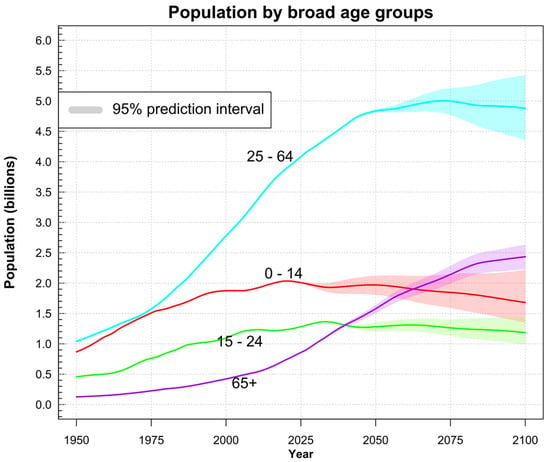
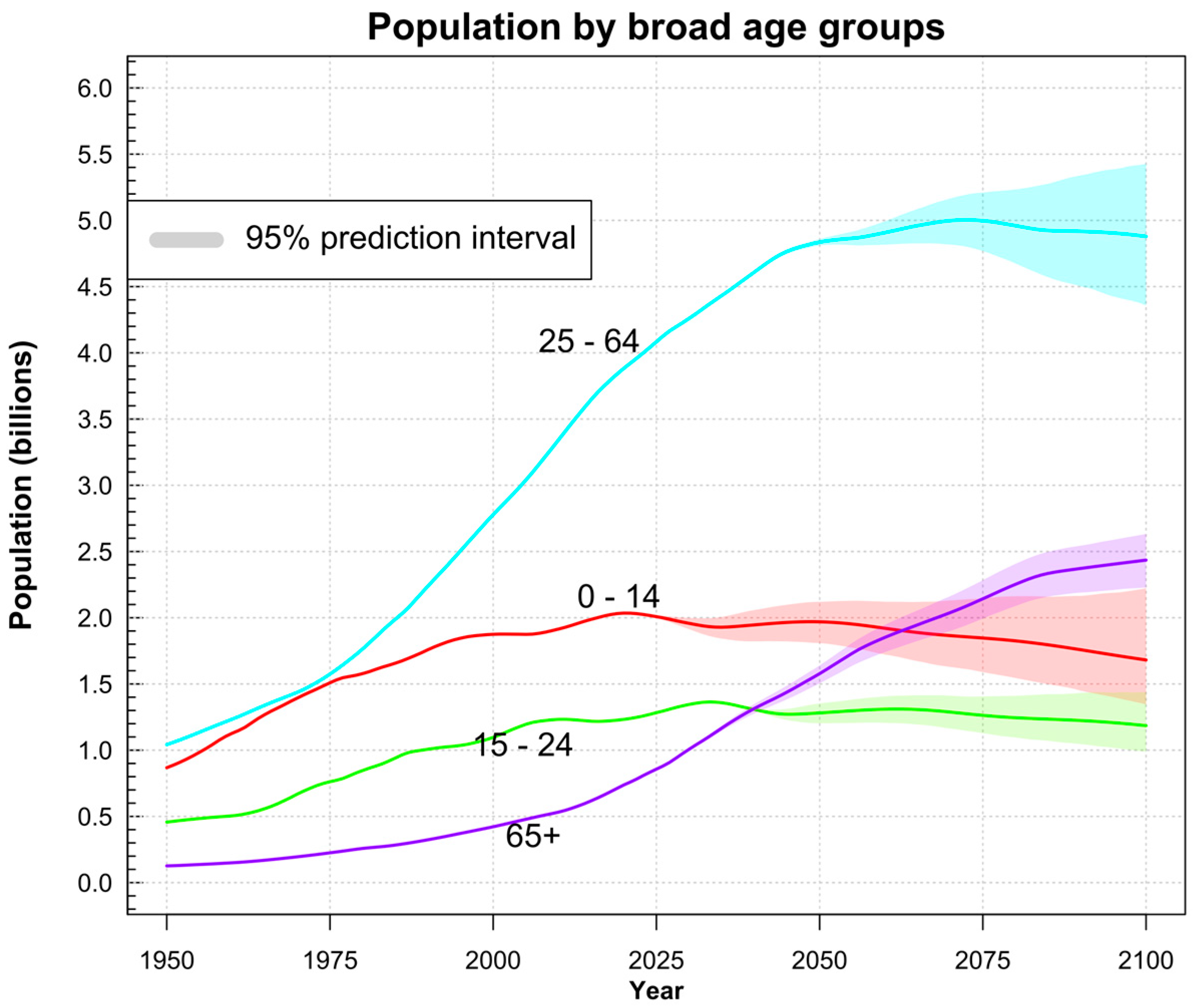
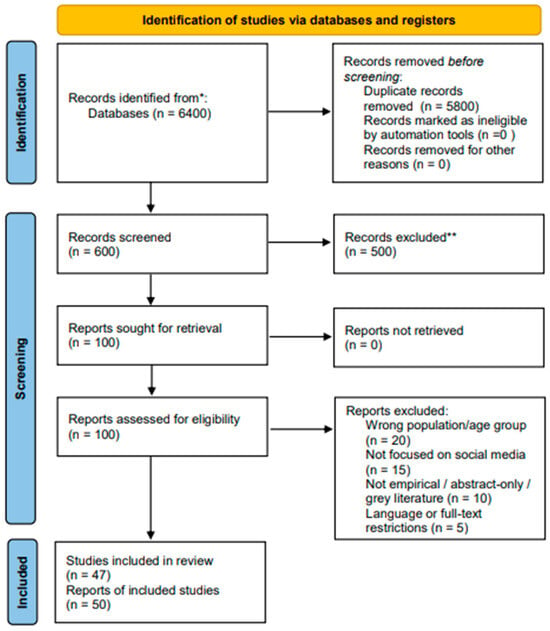
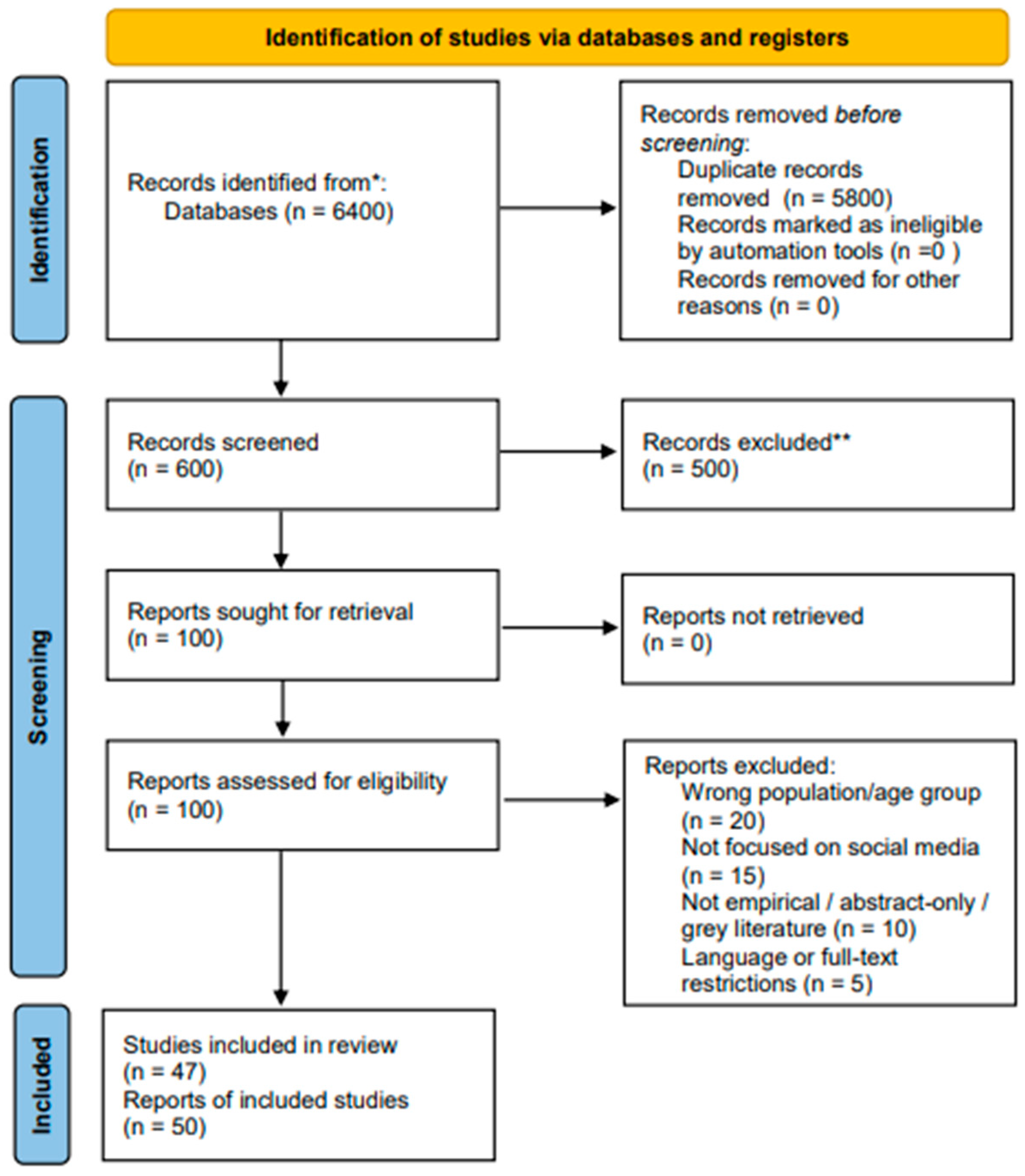

Disclaimer/Publisher’s Note: The statements, opinions and data contained in all publications are solely those of the individual author(s) and contributor(s) and not of MDPI and/or the editor(s). MDPI and/or the editor(s) disclaim responsibility for any injury to people or property resulting from any ideas, methods, instructions or products referred to in the content. |
© 2026 by the authors. Licensee MDPI, Basel, Switzerland. This article is an open access article distributed under the terms and conditions of the Creative Commons Attribution (CC BY) license.