


Abstract
This study seeks to understand the key success factors that underpin efficiency, transparency, and user trust in automated decision support systems (DSS) that leverage AI technologies across industries. The aim of this study is to facilitate more accurate decision-making with such AI-based DSS, as well as build trust through the need for visibility and explainability by increasing user acceptance. This study primarily examines the nature of AI-based DSS adoption and the challenges of maintaining system transparency and improving accuracy. The results provide practical guidance for professionals and decision-makers to develop AI-driven decision support systems that are not only effective but also trusted by users. The results are also important to gain insight into how artificial intelligence fits into and combines with decision-making, which can be derived from research when thinking about embedding systems in ethical standards.
1. Introduction
Decision support systems (DSS) based on artificial intelligence (AI) are increasingly used in almost all fields—from medicine to public services and finally to optimal industrial production. AI-driven DSS systems require a balance between transparency, accuracy, and trust to ensure their efficacy across various sectors, as highlighted in the development of secure software systems for data privacy and integrity [1] or the work on brain wave-based control systems developed [2]. This paper significantly highlights how these goals can be achieved across sectors and the challenges faced by developers and users in this endeavor.
AI-based DSS aims to help decision-makers process vast amounts of data to recommend highly accurate and informed decisions [3]. Machine learning algorithms, deep learning, and other AI techniques are used to model several scenarios related to different aspects of decision-making. Their application is rapidly becoming widespread in healthcare, finance, industry, and government, where fast and accurate decision-making is required [4].
One of the most significant benefits provided by AI-based DSS is the element of accuracy, especially in the case of timely and accurate medical diagnosis [5,6]. An example of this is the case of image analysis algorithms, which often identify abnormalities in medical images before human experts. Indeed, AI-based systems increase the accuracy of diagnosis by minimizing the likelihood of human error [7,8]; however, the issue of accuracy also raises ethical concerns, especially where decisions made by AI can have serious consequences [9,10].
Transparency in AI, including eXplainable AI (XAI), is a prerequisite for gaining and maintaining user trust [11]. As a matter of principle, users should be informed about how the AI arrived at a particular decision, especially in sensitive areas such as healthcare and governance. Black-box models can be particularly objectionable as they hinder the uptake of AI systems, as they only provide results without any reasoning. The development of explainable AI systems provides users with insight into the decision-making process [12,13,14], thereby increasing transparency while reducing the potential risks from wrong decisions [15]. Moreover, AI-DSS can play a critical role in overcoming cognitive and motivational biases, which are well-known shortcomings in traditional decision-making processes, thereby enhancing the overall objectivity and reliability of decisions [16].
The acceptability of AI-based DSS is, therefore, based on trust. Decisions made by AI are often met with skepticism by users, especially when they go against user intuition or experience. The continuous calibration of AI systems and the incorporation of user feedback into the system’s operation builds trust [17]. No less important is the “human-in-the-loop” approach, whereby the final decision is a human decision, but after taking into account the AI’s suggestions [18].
This paper focuses on the main aspects that influence the effectiveness, transparency, and user trust of AI-driven decision support systems in different industries. The analysis of how AI-DSS improves decision accuracy generates user trust through transparency features, and ensures explainability aims to provide broad insights that will guide the development and implementation of AI-driven decision support systems. These insights can be useful in the development of AI-based decision support systems that are not only efficient and accurate but also reliable and widely accepted by users working in different sectors.
2. Research Questions
AI integration with DSS is one of the major advancements in various industries that promise greater accuracy, efficiency, and reliability in decision-making. Yet, as these systems are increasingly adopted across industries from healthcare to finance and governance, there is an urgent need to address critical questions about the effectiveness of automated decision-making processes by providing transparency into their inner workings through user trust. The publications evaluated in this analysis are part of the new literature appearing on these topics.
Specifically, these research questions focus on answering critical questions found in the literature related to improving decision-making accuracy, the role of transparency in building trust, and, ultimately, explainability leading to user acceptance. These problem-based questions further explore the reasons for using AI-driven DSS and the close relationship between system accuracy and transparency. The work should also support wider research on the development and deployment of AI-powered decision support systems that are effective in preserving trust from other angles.
RQ1.
What is the accuracy of AI-based DSS in different industries from a decision-making perspective, and how it compares with other traditional methods?
Objective:
Know the exact benefits of an AI-based system in terms of right decision-making and its importance for domains such as healthcare, finance, governance… Its purpose is to test the ways these systems can either improve or surpass FDM methods in terms of precision, speed, and efficacy.
RQ2.
How does increasing transparency in AI-based systems influence user trust?
Objective:
Transparency in AI-based DSS will contribute to increased user acceptance and trust. This shall be achieved by, for instance, conducting research on the many ways that AI systems can supply explanations, enhancing the confidence of users and transparency, and minimizing skepticism or disinclination towards accepting decisions driven by AI.
RQ3.
What methods and tools most effectively ensure the explainability of AI-based decisions, and how do these methods impact user experience and decision-making?
Objective:
Improving the explanation of AI decisions from the viewpoint of end-users. It also evaluates how these approaches bear up in terms of user experience, decision-making efficacy, and system satisfaction at large.
RQ4.
What factors most significantly influence users’ willingness to adopt and use AI-based DSS?
Objective:
Know the major attitudes and factors that would play a critical role in building trust in AI-based DSS related to system accuracy, transparency, explainability, and usability in user acceptance.
RQ5.
How can a balance be achieved between the accuracy and transparency of AI-based systems without compromising user trust or system performance?
Objective:
Determine methods guaranteeing a high accuracy of the AI-based DSS and bounding their transparency. It should be understood how to balance it so that user trust or system effectiveness is not impacted adversely.
These research questions are specifically worded to try and interpret the exact way challenges and opportunities for AI-based decision support systems manifest themselves within industries. The intention is to put forward a development of systems that are not only accurate and efficient but also transparent to gain users’ trust.
3. Materials and Methods
This section describes how the integration and impact of AI-based DSSs in the sectors have been studied. The methodology includes an exhaustive review of the literature and is supported by detailed case studies, hence providing theoretical and practical insights into the subject of the research. In this study, cases are selected longitudinally for investigation, and comprehensive data analysis is conducted to answer research questions regarding accuracy, transparency, and trust in AI-driven decision-making processes. There are nearly 600,000 papers on artificial intelligence in the Scopus database; the number of articles considerably increased only after 2019, as shown in Figure 1, so this paper will consider that period.
Figure 1.
Papers related to AI in Scopus database (Search query: TITLE-ABS-KEY (“artificial intelligence”)).
3.1. Data Collection
A literature search was conducted in Scopus for suitable scientific articles in connection with the present study. The search has been limited to articles published from the year 2020, ensuring that the most recent and relevant research regarding AI-Based decision support systems is captured as of 2 August 2024. This provided the following search query:
Search Query: TITLE-ABS-KEY ((“artificial intelligence”) AND (“decision support”)) AND PUBYEAR > 2019 AND (LIMIT-TO (LANGUAGE, “English”)) AND (LIMIT-TO (DOCTYPE, “ar”) OR LIMIT-TO (DOCTYPE, “cp”) OR LIMIT-TO (DOCTYPE, “ch”) OR LIMIT-TO (DOCTYPE, “bk”)).
This query was designed to capture a wide range of publications, including articles (ar), conference papers (cp), book chapters (ch), and books (bk), all published in English. The focus was specifically on works that discuss the application and impact of artificial intelligence in decision support systems. The Scopus listed 7390 papers.
3.2. Selection Criteria
From the original results obtained through the Scopus search, an additional selection has been filtered with respect to the average annual citation count. In this regard, the average citation count for each article was computed by means of the following expression:
Average Annual Citation Count Calculation: Citations/(2024 − Year + 0.5)
This formula thus accounts for time since publication and permits the exploration of the fairest possible comparisons of citation impact across all articles published in different years. The articles were selected then according to this ranking for the highest average annual citation count for further analysis. In this way, the most influential and widely recognized research in this particular field was included in the study.
The most reviewed papers were manually scanned, and not focused AI-driven decision support and review papers were not evaluated. In the present analysis, the best-ranked 100 papers were used. The summary of the paper selection method is shown in Figure 2.
Figure 2.
Paper selection for analysis.
3.3. Data Analysis
The relevant information was manually extracted from the selected articles. Key areas that were targeted to be addressed in each of the studies include:
- Objectives and Scope: The objectives or scope of the research were identified in an attempt to understand what specific focus each study had against that bigger backdrop of AI-based DSS.
- Methodologies: The methodologies employed in each study to assess AI-based DSS were documented. This included the types of algorithms used, decision-making processes analyzed, and metrics for system performance evaluation.
- Findings: The main findings related to the accuracy of the system, transparency of the deep learning model, and the trust of users were extracted. These would include any reported improvements in decision accuracy, challenges to implementing transparency, and user feedback on trust in AI-based decisions.
- Ethical Considerations: Discussions regarding the ethical implications that were an integral part of AI integration, potential biases, fairness, and the broader societal effects of these technologies.
3.4. Data Synthesis
Extracted data were organized into a structured table (Table A1) for systematic comparison and analysis. This table included columns on study objectives, methodologies, key findings, and ethical considerations.
- The specific role and contribution of AI in the decision-making process.
- The challenges incurred during the implementation of AI-based DSS and how these were addressed.
- The results of using AI-based systems for DSS are in terms of the correctness, transparency, and trustworthiness of the user.
- Lessons learned and best practices that could be applied to other sectors or in the future.
These tabulated data allowed more common themes, trends, and gaps in the existing literature to be understood comprehensively in relation to the current state of research in AI-based DSS. It provided insight into theoretical aspects discussed in the literature and practical insights that have emerged from the review, which helped answer research questions and formulate implications and recommendations within AI-based decision support.
4. Results
Results summarize specific findings and an in-depth analysis of how AI-based DSS are being implemented across various sectors with respect to the balance between accuracy, transparency, and trust.
The number of papers in the Scopus database tagged with the keywords AI-driven Decision Support Figure 3 shows that publications on AI-driven decision support that can be found in the Scopus database are steadily rising. Even in 2024, already 1400 articles will be listed in the database by the half-year mark; presumably 3000 articles are expected annually. Figure 4 shows the type of the papers, and Figure 5 shows the subject areas.
Figure 3.
Total papers related to AI and DSS in the Scopus database.
Figure 4.
Total papers by type.
Figure 5.
Total papers by subject area.
4.1. Sector-Specific Implementation of AI-Based DSS
The integration of AI in different sectors depends on a delicate balance between accuracy, transparency, and trust. AI-based DSS should, therefore, have implications for integration that will be unique to different sectors, with their own challenges and benefits. This section discusses applications in healthcare, the public sector, energy management, and industrial manufacturing based on evidence from the reviewed studies.
4.1.1. Healthcare
AI-based DSS running from diagnostic accuracy to treatment plans is very common in the healthcare sector. Such systems use machine learning algorithms in tasks ranging from image analysis to predicting patient outcomes and eventually even prescribing treatments, with an accuracy that sometimes even surpasses human capabilities [19,20,21]. On the other hand, transparency and trust pose significant challenges to the adoption of these systems. This, therefore, suggests that the decision-making process for AI must be understandable to clinicians and patients alike, and therefore, AI systems must be explainable [22,23]. Otherwise, a lack of transparency may lead to skepticism, as AI recommendations will necessarily differ from clinicians’ judgments or patient preferences [24]. Hence, striking a balance between accuracy and clarity is crucial to gaining the trust needed for AI to be widely adopted in healthcare [25].
4.1.2. Public Sector
In the public sector, AI has already shown great promise in decision-making processes related to resource allocation or policy implementation. AI can help to optimize complex processes, leading to better use of public resources and improved service delivery [26]. On the other hand, the public sector is particularly sensitive to issues of accountability and transparency. If AI-related decisions have an impact on the public in areas such as budgeting and urban planning [27,28], such decisions must necessarily be accompanied by full explanations and justifications. Moreover, public confidence in AI-driven decisions depends on the system’s ability to demonstrate fairness and avoid biases [29]. The rigorous validation and monitoring that should characterize the application of AI in this area will ensure that systems operate within an ethical framework and meet public expectations [27].
4.1.3. Energy Management
In energy management, AI-based DSS plays a big role in the optimization of energy consumption and production efficiency. These systems may analyze large amounts of data coming from smart grids, renewable energy sources, and consumption patterns to be able to make real-time decisions that enhance energy efficiency [30]. The infusion of AI into this sector has helped not only in managing the availability of energy and balancing its demand but also in reducing environmental impacts caused by poor resource management; however, AI implementation will have to ensure that these systems are reliable and can adapt to fluctuating conditions, for example, changes in energy production or unexpected peaks in demand [31]. The transparency of AI-driven decisions is indispensable as stakeholders should only have confidence in the recommendations brought out by the system on the basis of analysis of the concerned data [32].
4.1.4. Industry and Agriculture
In the industrial environment, AI-driven DSS have been fielded toward production process optimization, supply chain management, and quality control [33]. They can project from difficult data sets at different production stages, providing insights that enable manufacturers to enhance output levels while bringing down related costs [34]. Settings of an industrial nature require an AI system that is not just accurate but also real-time, dynamic, and adaptable to changes in production needs and environmental factors [35]. AI systems in this sector should be able to offer clear and actionable insight into their operations if they are to win the trust of operators and managers; that is, the assets of decision processes shall be transparent and understandable [36].
4.1.5. Key Findings
- Healthcare: AI-based DSS applied in healthcare has to guarantee high accuracy while maintaining transparency since it would go a long way toward cementing trust amongst healthcare providers and patients. Explainable AI is thus key to integrating the technology seamlessly over a wide variety of applications, including diagnostic accuracy, treatment planning, disease detection, and chronic disease management. They should also tackle the issue of ethical implications, data privacy concerns, and of overreliance on AI, making sure they come to be for supplementing rather than replacing human judgment in clinical settings [19,20,21,22,23,24,25,26,37,38,39,40,41,42,43,44,45,46,47,48,49,50,51,52,53,54,55,56,57,58,59,60,61,62,63,64,65,66,67,68,69,70,71,72,73,74,75,76,77,78,79,80].
- Public sector: AI adoption in the public sector demands strong transparency, accountability, and governance. AI systems must be transparent, thus aligning with legal and ethical standards, particularly in areas such as resource allocation, policy implementation, budgeting, and urban planning, where decisions will impact citizens directly. Ensuring fairness, managing bias, and building public trust are critical for the successful integration of AI in these domains. Furthermore, effective frameworks are necessary that support the possible ethical decision-making and protect them from bias, which ensures these systems function effectively and fairly [27,29,34,81,82,83,84,85,86,87,88,89,90,91].
- Energy management: AI-based DSS is essential in the time of energy efficiency, resource management, and sustainability in energy systems. It has to be robust and adaptable under dynamic conditions with technologies such as Big Data and IoT, taking into consideration reliability as well as transparency and ethics in the consumption of and practices linked to energy management [30,31,32,35,92,93,94].
- Industry and agriculture: Manufacturing AI is focused on productivity, cost efficiency, and process optimization. Industrial settings have become complex and need AI systems that offer real-time insights, can seamlessly integrate with digital twins, and remain transparent to establish operators’ and managers’ trust while ensuring ethical use in a high-tech dynamic setting. AI-driven decision support systems find prominent applications in agriculture for precision farming, optimizing crop management, and improvement of sustainability by managing resources more effectively. These must be designed with robustness and adaptability to deal with the indeterminacy inherent in both industrial and agricultural contexts, ensuring their effect on productivity and sustainability goals is positive [33,34,35,36,81,82,95,96,97,98,99,100,101,102,103,104,105,106,107,108,109,110,111,112,113,114].
4.2. Methodological Approaches
The section exhibits the methodological diversity in the development of AI-based DSS and explains why appropriate techniques and models should be chosen to handle the needs and challenges. The most emphasis should be laid on three core areas: algorithmic techniques, decision-making models, and performance metrics.
4.2.1. Algorithmic Techniques
Advanced algorithmic techniques such as machine learning, deep learning (ML), and fuzzy logic form the backbone of AI-based DSS development. Such methodologies form a sort of backbone that enables DSS to process tera bytes of data and come up with accurate, actionable insights. Machine learning techniques, especially supervised and unsupervised learning, have been applied in many applications in health and finance. For example, in medicine, ML algorithms are trained using vast amounts of data containing medical images or patients’ records for recognition of patterns that would enable the indication of a possible incidence of disease, thus increasing diagnostic accuracy and predictability [21,34,115]. Deep learning, being a subset of ML, has had an overwhelming effect within the areas of image and speech recognition. It has layered neural networks that allow for processing unstructured data, including medical scans and natural language. This makes a big difference in high-precision sectors such as diagnostics and autonomous systems [80,88,104].
Another important technique is fuzzy logic, which is generally used in a very significant way to render support to decision-making environments typified by uncertainty and imprecision. More particularly in areas such as environmental management and energy systems, the decisions have to be based on variable conditions and incomplete data. This provides an approach for DSS to deal with these complexities by simulating human reasoning and processes of decision-making [90,109,114]. In all these works, the choice of algorithmic technique seems to go very closely according to the needs of the sector and contributes uniquely in different methodologies to the system for accuracy and performance improvement.
4.2.2. Decision-Making Models
Decision-making frameworks are a critical issue in AI-based DSS [99,116]. Without a doubt, probably the most frequently mentioned model in the literature is the multi-criteria decision analysis (MCDA). Further, MCDA frameworks aim to evaluate multiple, possibly conflicting criteria involved in any decision-making process, so they are particularly useful for high-complexity settings such as logistics and SCM [35,117]. These models balance various factors concerning cost, time, and quality to help in the achievement of an optimum decision. For example, in healthcare, MCDA can be used in treatment planning, where it balances the benefits and risks of different treatment choices against patient data and clinical guidelines [25].
Another important development towards transparency and trust in AI-based DSS lies within the realm of XAI models [115]. XAI models provide the interpretability of the decision-making process of AI systems, more specifically in understanding how and why particular decisions are made. This becomes especially true for domains such as finance and governance, where these decisions have to be as transparent as possible and justifiable to stakeholders [27]. Integrating XAI into DSS mitigates this “black box” effect of AI, in which decisions are taken but not explained, thereby increasing user trust and system adoption.
A third important model is the human-in-the-loop model, which again brings out the need for human supervision in AI-driven decision-making. In this model, human judgment and AI recommendations are fused to guarantee that key decisions, most notably in sensitive areas such as healthcare, are not solely dependent on AI outputs [74,113]. This offers the possibility of adjusting AI recommendations with context-specific knowledge by bringing in the expertise of humans, hence enhancing the quality of the decisions and increasing user confidence.
4.2.3. Performance Metrics
To effectively evaluate the performance of AI-based DSS, a strong set of success metrics should be sector-based. Common metrics are accuracy, precision, recall, and satisfaction of users. Accuracy is important in all sectors because it relates directly to making the right decisions by the system [66]. For example, in medical diagnosis, high accuracy would mean that correct diagnoses with corresponding treatment plans can be insured [75,103]. Precision and Recall are specifically attuned to the relevance of the system’s output and its capability of capturing all the relevant instances; these are important facets in domains such as finance, where false positives or missed detections can be quite consequential [85].
Another important metric is the satisfaction of users, particularly in domains such as health care or legal services where AI-based DSS are used directly by professionals. One usually measures user satisfaction through questionnaires and feedback mechanisms in studies, obtaining information on how well the system meets the needs and expectations of users [71]. Other studies also consider metrics such as response time and ease of use of the system relevant in real-time decision environments such as manufacturing and energy management [82,110]. In addition to these measures, the System Usability Score is also used as a standardized method to evaluate the usability of the system.
Performance metrics chosen vary across sectors, reflecting different priorities and challenges. The choice has strong implications for the design of systems: designers have the responsibility to develop approaches to optimize these relevant metrics, ensuring that, in addition to good technical performance, there will also be practical utility for the DSS.
4.2.4. Summary of Key Points
- The choice of AI methodologies, including machine learning, deep learning, and fuzzy logic, drive the improvement of accuracy and performance for DSS applied in different sectors [21,23,35,43,52,53,56,59,66,79,83,95,97,105,108,111,116].
- Integration of models, such as MCDA, ELECTRE, and XAI, and human-in-the-loop frameworks, will ensure a balance between automation and human presence in decision-making to improve the quality and transparency of decisions [23,26,37,55,56,59,66,67,70,79,80,81,86,93,97,99,102,116].
- AI-based DSS assessment includes sector-specific metrics of accuracy, precision, recall, and user satisfaction, which will guide the process for optimization of system design and functionality [23,39,56,59,67,70,79,92,94,97,102,105,113,116,118].
4.3. Challenges and Solutions in Balancing Accuracy, Transparency, and Trust
The problems that most explicitly characterize the implementation of AI-based DSS across different sectors are found in the balancing of accuracy, transparency, and trust. The issues researchers have identified explicitly with these topics and the solutions they offer to solve those problems are reviewed in this section.
4.3.1. Accuracy Challenges and Solutions
One of the most important challenges faced by AI-based DSS is to ensure high accuracy, particularly in sectors such as hospitals where mistakes in decisions are strictly punished. For example, near-perfect accuracy in medical diagnostics is paramount since an incorrect diagnosis can be quite dangerous for a patient. The focus of studies has shifted to developmental aspects, especially iterative improvement of AI algorithms with regard to the refinement of machine learning models towards handling large and complex diversified data sets more effectively [21,66,79]. Deep learning and ensemble models are some advanced techniques that have been used to bring accuracy by learning from huge volumes of data and picking up small patterns often missed by the human expert [19,45]. Unfortunately, these techniques also introduce complexity, which can make it difficult for users to understand how decisions are made, hence probably destroying trust [29,71].
Accuracy comes equal in industrial manufacturing, for errors in decision-making here translate into huge monetary losses and turn into operational inefficiencies. The challenge lies in applying AI models in real-time, where huge amounts of data are to be processed and actioned without delay. Solutions, such as the integration of AI and Internet of Things devices, have been suggested in the literature to be able to gather real-time data and give AI systems the possibility of fast adaptation to changes in a production environment without losing an accuracy class [97,110].
4.3.2. Transparency Challenges and Solutions
AI-based DSSs should be transparent in their use, and their behavior can be found in the user’s understanding and trust of the output from these systems; however, such transparency is hard to obtain, especially with models as complex as deep learning, which are normally referred to as “black boxes” because of a lack of interpretability [64,72]. Public sectors are those where decisions affect huge populations, and therefore, the demand for transparency from this area is maximally high. Governments and public authorities need AI systems that deliver not only accurate but also explainable solutions if the trust of the public and conformance with the legal framework are to be guaranteed [27,89]. Decision trees are widely recognized as easily interpretable models, primarily because of their graphical visualizations and the ability to extract clear, understandable rules from the decision-making process.
The lack of transparency in AI decisions has been a major concern for a long time; therefore, in this regard, researchers in this field have been trying to develop Explainable AI techniques that could make the inner mechanics of AI in reaching their decisions more understandable to users. On the line of explainability, SHAP (SHapley Additive exPlanations) and LIME (Local Interpretable Model-agnostic Explanations) indicate models designed for decomposing AI decisions into more interpretable component parts so that users can see which factors influenced a particular decision [77]. Furthermore, corresponding visualization tools and intuitive user interfaces are designed that present the results of AI in an appropriate manner, easily understood even by non-experts [47,77].
4.3.3. Trust Challenges and Solutions
While trust is the most critical component for the successful adoption of AI-based DSS, it is usually the most elusive. Trust is especially important in healthcare since medical professionals and patients need to have confidence in the recommendations from an AI before they can be fully integrated into clinical practice [40,77]. AI decisions deviating from human intuition or when the reasoning behind decisions is not clear can erode trust. To mitigate this, using the “human-in-the-loop” approach [119], which has been advocated, leaving human experts involved in each step of decision-making and using AI recommendations as just one tool rather than a sole decision-maker, has been proposed [45,48]. The approach will help retain human oversight, thus allowing the incorporation of expert judgment that can, where necessary, adjust or override AI recommendations.
For example, in energy management and manufacturing, trust is related to how reliable and consistent one feels the system may be over time. To engender and retain the trust of the users, the AI systems must demonstrate that they can continuously make correct decisions under changing conditions [31,33]. Robust validation processes and continuous monitoring of the system for detection of anomalies that may undermine trust, with correction, are some of the solutions here [35,111].
4.3.4. Summary of Key Points
- High-accuracy AI-based DSS requires the continued process of algorithm refinement and inclusion of real-time data, especially in mission-critical sectors such as healthcare and manufacturing. Complexity has to be modulated against interpretability to ensure that accuracy does not come at the cost of transparency or trust [33,35,43,52,77,95].
- Increasing transparency: It designs and deploys Explainable AI methods, such as SHAP and LIME, to make AI decisions more understandable, especially in the public sector and other fields in which decisions have an impact on large groups of people [27,37,47,77,89,112].
- Trust in AI-based DSS requires that there be retention of human presence within the decision-making process, at least in very sensitive areas such as healthcare. It is also founded on the reliability and consistency of AI systems themselves, which have to be constantly validated and monitored [25,40,48,77,111].
4.4. Ethical Considerations and Societal Impact
This section accentuates that the ethical AI-based design and deployment of a DSS would go a long way in addressing bias, privacy, and societal impact through developers and users, hence maximizing AI contributions toward positive decision-making across sectors. One of the most relevant regulatory schemes that has been instrumental in framing AI deployment in the EU pertains to the proposed EU AI Act, which aims to establish a risk-based approach in the regulation of AI technologies with transparency, accountability, and safety. This contrasts with the more decentralized approach in the USA, where regulatory action in the field of AI is more fragmented and relies on sectoral guidelines rather than a comprehensive legal framework.
The embedding of AI into the decision-making process is groundbreaking in its integration into other sectors. Consequently, this introduces some major ethical critical issues that need to be tackled to make the DSS based on AI both effective and fair. Discussion in this area involves these ethical considerations on bias and fairness, privacy and security, and broader societal impacts of AI-based DSS.
4.4.1. Bias and Fairness
Bias in AI algorithms is a deep ethical concern, especially when these systems are used within very important decision-making contexts, such as healthcare, finance, and criminal justice. This bias could be condensed into the AI development process at several points: data collection, algorithm design, and model training. For example, biased outcomes due to non-representative training data may disproportionately impact the decisions of an AI system for some groups [83]. It is on this basis that fairness in AI-based DSS demands deliberate efforts in detecting, mitigating, and correcting biases. Guaranteeing fairness in AI-based DSS would typically demand fairness-aware machine learning techniques, diverse training datasets, and frequent auditing processes on the AI systems in place [48,77]. On the other hand, XAI approaches have significant roles in the identification and readdressing of bias, providing transparency to let users understand how decisions are made and enabling them to identify potential biases and question the same [47,77].
4.4.2. Privacy and Security
AI-based DSS commonly demand extensive amounts of data, partly often particularly sensitive, such as in personal health records, financial information, or business data. Not protecting this information appropriately is not only an ethical imperative; it is also a legal requirement within most jurisdictions [39,77]. Potential harm might result to individuals or organizations from breaches of data or other misuses. Takedown of such challenges has involved the use of robust privacy-preserving techniques such as encryption, anonymization, and federated learning in order to combat them [104]. Federated learning allows model training across decentralized data sources without exposure to individual data points; hence, it improves privacy while still harnessing the power of AI. Moreover, developing AI-based DSS in compliance with these regulations, especially GDPR and HIPAA, ensures that they stay within legal boundaries while respecting users’ rights. In addition, large language models (LLMs) such as ChatGPT are increasingly used for enhancing interaction and transparency in AI-based decision support systems, offering intuitive explanations and user support.
4.4.3. Broader Societal Impact
Beyond individual concerns, the widespread adoption of AI-based DSS has broader implications for society. Most important are connected with the fear of losing jobs when AI systems actually start doing what humans have been doing. The shift can mean significant economic and social changes, especially within industries, when the coup of automation is likely to hit very hard [94,111]. While AI has the potential to bring in increased efficiency, on the other hand, it requires refactoring in workforce development, including reskilling and upskilling initiatives, so that workers can be prepared for new roles within an AI-driven economy [33,114].
Another societal challenge is related to decision-making autonomy. The greater the integration of AI systems into decision processes, the greater the potential to be outweighed by machine recommendations, mostly where AI decisions are considered accurate or reliable [46,48]. This would undermine accountability while reducing critical engagement on the part of decision-makers. AI-based DSS must be engineered to augment, but not replace, human decision-making, and that balance between the two should be modulated in a way that ensures human surveillance and responsibility [27,51].
Finally, AI applications in public services, whether it is law enforcement or social welfare, entail ethical questions specific to those applications. Bias, with its consequences on social justice, and transparency and accountability of decision-making and actions in AI are principal concerns [46,89]. For example, in the case of public administration, AI systems must be engineered very carefully to ensure that they do not perpetuate any kind of inequity already established or result in new types of bias. Combined, proactive judgment in their use would retain fairness and equity because these are major tenets on which public trust and social stability depend.
4.4.4. Summary of Key Points
- One of the most important parts of making sure that AI algorithms create equitable outcomes is addressing bias. Fairness-aware machine learning, diverse datasets, and explainable AI techniques are very important in the identification and mitigation of bias [27,46,47,48,77].
- Sensitive data protection in AI-based DSS is one of the critical ethical duties. Encryption, anonymization, and federated learning provide privacy safeguards for delivering all of the benefits of AI [63,80,104,113].
- The societal implications of AI-based DSS are related to job displacement, impacts on decision-making autonomy, and ethical challenges in public service applications. Such concerns must be borne in mind when designing and implementing AI to support rather than replace human decision-making [27,46,48,77,89].
4.5. Lessons Learned and Best Practices
This section draws from the collective experience across different sectors to present a set of good practices that may guide future implementations of AI-based DSS. It is through such experiences that organizations can effectively navigate the complexities of AI deployment in ensuring the delivery of enhanced decision-making across multiple domains. These lessons form a foundation on how best practices shall guide future projects in different domains.
4.5.1. Key Success Factors
There are some critical factors that underline successful implementations of AI-based DSS. Stakeholder engagement is one of the most important, and stakeholder engagement combined with an iterative process can be characterized as co-design, where stakeholders actively participate in the design and development stages [27]. This has already been emphasized by empirical studies across application domains, including healthcare, manufacturing, and public administration, for involving all relevant stakeholders, including end-users, technical experts, and policymakers, from the early development stages [27,61]. In this way, it will be ensured that the design process of AI systems takes place with full awareness of user needs and operational contexts, enhancing both usability and acceptance.
The second crucial factor in success is that design must be an iterative process. Artificial intelligence systems are complex and must be continuously refined in order to keep up with changing user requirements or environmental changes. Iterative processes, just as implemented in manufacturing and healthcare, allow periodic feedback and incremental improvements to ensure the system remains relevant and useful over an extended period [70,92,96]. This approach also facilitates the early identification of potential issues, which can be addressed before they become critical problems.
Finally, a merit index critical to the trustworthiness and effectiveness of AI-DSS can be ensured through continuous system evaluation. In addition, with periodic performance assessments, obtaining user feedback, and updating systems continuously, it is ensured that AI works at a high standard all the time. This enables domains such as energy management and logistics, those whose operational conditions may vary from time to time, to adapt to the AI system while maintaining its accuracy and reliability [31,90,111].
4.5.2. Challenges and Mitigation Strategies
There are few challenges shared by organizations in the AI-DSS implementation in general, other than the technical barriers, such as data quality, algorithmic complexity, and integration into existing systems. For instance, the quality and diversity of training data in healthcare substantially influence the accuracy and generalizability of the developed AI model [21,40,58]. Accordingly, robust data preprocessing, training on various datasets, and full validation within different contexts are the key requirements necessary to address these challenges.
User resistance is yet another major issue, usually due to the lack of trust in AI systems or fear of losing jobs. User trust becomes very critical in public administration and health-related decisions, where its consequences could dramatically change people’s daily lives. Solutions to this arise from enhanced XAI methods applications towards transparency and interpretability of AI decision-making, coupled with a “human-in-the-loop” design of model making a final decision in the hands of humans, supported by AI [40,47,48,88].
In fact, ethical considerations are also common concerning data privacy, bias, and the fairness of decisions [64]. In these industries, especially financial services and healthcare, where decisions can literally affect individuals’ condition in life and hence also their livelihood, ethical deployment is the key [85]. In fact, this could be addressed with the various strict implementations of data governance policies, regular audits to detect and correct biases, transparent and accountable AI systems designs, and implementation to its users [27,77].
4.5.3. Cross-Sector Applicability
General insights from AI-DSS implementations for specific sectors are also likely to be transversal: what works or not in one sector usually does in another as well. Iterative processes in design may be learnt in the development of AI systems in manufacturing for adaptation and use within healthcare, where similar needs for ongoing refinement and user feedback could be expected [33,95]. The stakeholder engagement strategies proven to be effective in public administration could help, for example, in sectors such as energy management, where complex, multi-stakeholder environments are widespread [31,32].
There is also considerable potential for cross-sector collaboration in AI development. Collaboration can facilitate sharing best practices, data, and resources, shortening the time to innovation and increasing the effectiveness of AI-based DSS across different domains. For instance, the ethical frameworks developed for AI in health could be adapted to face akin concerns in finance and public administration [64,69]. Furthermore, the advances in the explainability ability of the AI technology of the public sector can restore much of the transparency in critical fields such as manufacturing and logistics [29,115].
4.5.4. Summary of Key Points
- The involvement of stakeholders from the early stages and throughout the process is central to the successful implementation of AI-based DSS, ensuring that systems have been designed to meet user needs and be accepted by end-users [27,46,51,61,66].
- Iterative design processes, with continued system evaluation, are a necessary precondition to have AI-based DSS remain effective and relevant in dynamic environments [31,70,90,92,96,111].
- Managing data robustly for surmounting technical limitations and transparency, fairness, and human over-sight while making AI ethics deployments are critical for difficulty surmounting and building trust in AI systems [40,48,58,64,75,85].
- Insight and best practices can be leveraged from a range of sectors to support the development and deployment of AI-based DSS in a range of industries, support innovation, and improve overall system effectiveness [33,64,77,95].
5. Discussion
This discussion interprets and synthesizes the findings from the review of AI-based DSS within domains: healthcare, public administration, energy management, and industrial manufacturing. A further focus will be on exploring the implications of these findings for integrating the discussed AI into DSS with regard to decision-making accuracy, transparency, user trust, explainability, and adoption of AI-driven systems. Moreover, this discussion will have a critical comparison between AI-based DSS and traditional ways of making decisions to provide related insights regarding the associated benefits and challenges with AI-enhanced decision support, along with its future directions.
It is important to emphasize that this work does not only focus on the already known findings, which are aimed at increasing user confidence, explaining the decisions made, or using data and developing tools in an ethical way. Of course, all of these are very important; however, our study encompasses more than these basic ideas by offering solutions particular to the industry, the challenges, and actionable strategies to make AI-driven decision support systems more effective and trustworthy. Hence, this paper brings novelty in carrying out an in-depth analysis with regard to how these dual goals of accuracy and transparency could be balanced in these systems without undermining user trust or hurting system performance in practical examples and case studies across sectors such as healthcare, industry, and energy management.
5.1. Reiteration of AI’s Significance in DSS
The integration of AI into DSS changes the face of decision-making across industries. Better processing of huge masses of data within the shortest possible time frame enables the potential for increased accuracy, speed, and reliability in decision-making. With the increasing number of such systems, their actual effectiveness and the degree of trust they can instill in users’ minds are increasingly under close scrutiny.
Key themes emerging from the research questions:
- The main advantage of AI-DSS is that it facilitates the enrichment of the accuracy of decisions through complex algorithms and analysis of large data sets, especially in exact and time-bound fields such as healthcare and manufacturing.
- It is inevitable that the transparency of AI-based systems will increase to offer more trust by users. In transparent AI systems, users can learn how decisions are made, which is very significant for its reception and efficient collaboration between AI and human users.
- Trust has a huge impact on the decision to propose AI-DSS. The discussion offers an in-depth explanation of how transparency and explainability would enhance trust in users.
- In most instances, explainability is key to ensuring that users interpret and understand AI-generated decisions; this is most needed in sectors where decisions have far-reaching consequences, such as health.
- Such elements to be covered by the discussion include the factors governing the willingness of users to use AI-DSS: accuracy, transparency, usability, and competence in AI output in terms of matchup of user expectations and ethical criteria.
5.2. Enhancing Decision-Making Accuracy with AI-Based DSS
Addressing RQ1:
What is the accuracy of AI-based DSS in different industries from a decision-making perspective, and how does it compare with other traditional methods?
AI-enabled DSSs have been shown to make huge improvements in decision-making accuracy across multiple sectors, evidencing benefits and challenges. In the case of healthcare, AI-DSS was proven to enhance diagnostic accuracy on many complex tasks, such as skin cancer recognition or radiology information retrieval [21,70]. They go beyond human capability for the analysis of intricate medical data and offer decision support that is very useful in high clinical stakes.
AI application in decision-making within the public administration enhanced the efficiency of resource allocation and policy implementation, alongside accuracy [89]. Large datasets are processed by the AI-DSS of this sector, enabling more data-driven and well-informed governance decisions. Similarly, in the domain of energy management, AI-DSS can be utilized for the optimization of energy consumption predictions and thus promote efficiency and sustainability [31]. It deals exemplary well with dynamic data and adapts to changes in energy use and environmental conditions.
In industrial manufacturing, remarkable improvements have been made in process quality and yield with AI-DSS [35]. Associate the digital twin with AI-DSS for real-time insight and associated optimization into the exact same manufacturing processes that traditional decision-making methods based on human expertise can never compete with. These are conventional techniques, very valuable in their place; however, they are still restrained by the capacity of the human mind to deal rapidly with this volume of data. AI-DSS deals with large amounts of data and provides information in real time to enhance the accuracy and timeliness of decisions. For instance, in healthcare, AI is of great help to clinicians in making decisions based on a wide variety of possible data points that may not be immediately relevant [21,40]; because of such advantages, AI improves the outcomes for patients.
On the contrary, there are challenges associated with the use of AI-DSS on a sector-specific basis. While in health sectors, AI-DSS can offer improved diagnostic accuracy; it is of critical importance to have continuous validation and updating for their accuracy and relevance [52,66]. Not only does improving the accuracy with regard to public administration create a challenge, but so does maintaining fairness and transparency [89]. Thus, robustness and adaptability in AI-DSS are presently relevant for energy management and manufacturing areas since it has to handle dynamic environments operationally [35,36].
Since, by its nature, data and decision-making environments are dynamic, frequent updating/validating AI-DSS is required to ensure the accuracy of such systems over time. In especially high-stakes domains such as healthcare and energy management, an outdated model may mean potentially incorrect or, at best, suboptimal decisions. Perpetual improvement of AI-DSS will facilitate applications such as breast tumor board decisions, reflecting an evolving understanding of the medical conditions under consideration [70].
In summary, the accuracy of decision-making processes is tied directly to AI-DSS within the confines of various industries; however, their effectiveness is pegged on careful implementation, processes of continuous updating, and validation to ensure they remain relevant in delivering value addition. Coupled with the need for maintenance, the benefits and challenges at the sectoral level underline the complexity involved in integrating AI into decision-making.
Key consequences:
- Improved accuracy of decision-making in different industries.
- Better diagnostic and predictive capabilities in healthcare.
- Greater efficiency and transparency within public management.
- Energy management and manufacturing process optimization.
- Continuous updating and validation to increase the accuracy of a system.
- Sector-specific challenges of accuracy, transparency, and fairness.
5.3. The Role of Transparency in Fostering User Trust
Addressing RQ2:
How does increasing transparency in AI-based systems influence user trust?
From the reviewed literature, it can be clearly established that there is a very strong relationship between transparency and user trust in such important environments as healthcare and public administration.
Regardless of these results, transparency is particularly important in health care because decisions can also concern matters of life and death. Several studies demonstrate that healthcare professionals are much more likely to trust an AI system and follow its recommendations when the decision-making process is understandable [29,74]. Conversely, lack of transparency can lead to reluctance and skepticism towards the use of AI-based tools. For example, patients’ willingness to accept AI in skin cancer screening was much higher if the AI’s decision-making process was transparent [48].
The same applies to the public sector. Indeed, transparency in the use of AI-DSS within governance is a must, especially in areas of public trust such as resource allocation and policy implementation [27]. In other words, clearly explaining how the decisions were made in planning the state budget will instill trust in citizens and reduce resistance to AI-driven decisions [89].
Lack of transparency can be a huge resistance. Without transparency of AI recommendations, clinicians’ mistrust of the AI decision-making process develops due to a clearly perceived “black box” [75]. Distrust multiplies when AI recommendations are far from conventional clinical reasoning and are not clearly explained, so people resist or completely reject the use of AI-DSS. Similarly, a lack of transparency can further increase power imbalances and reduce public trust when AI-DSS is the basis of government decisions in public administration, especially in environments where citizens themselves are affected in the very first policy areas of resource allocation and distribution, decisions made, and urban planning [27].
It will be necessary to communicate artificial intelligence processes and increase transparency of decision reasons to users. User-friendly interfaces and explanatory models allow users to understand how AI makes decisions [29]. Interactive explanations allow the user to toggle and examine different aspects of an AI decision, thereby building trust in complex decision-making environments [47].
However, the need for transparency must be modified by the need to protect proprietary algorithms and sensitive data. For example, in sectors such as finance and healthcare, full disclosure of AI models could create competitive disadvantages or security risks [22]. One possible solution is selective transparency, where only the relevant parts of the decision-making process are disclosed to users, while the remaining proprietary or sensitive aspects are kept secure. It is a method that requires consideration of the amount and type of information to achieve trust without compromising the integrity of the system.
Key consequences
- Increased transparency in AI-based DSS instills more trust in users, particularly in high-stakes environments such as healthcare and public administration.
- Transparent AI systems will be significantly more primed for adoption by professionals and, therefore, the general public; thus, the resisting forces and doubts will be greatly reduced.
- AI processes clear communication in public sector applications and builds trust in the public with the government and policy decisions.
- Lack of transparency may give rise to mistrust, resistance, and even rejection of AI-based DSS, especially when users refer to the AI as a “black box”.
- Balancing transparency with the protection of proprietary information and sensitive data is crucial for industries where complete disclosure might result in competitive disadvantages or pose a security risk.
5.4. Explainability and Its Impact on User Experience and Decision-Making
Addressing RQ3:
What methods and tools most effectively ensure the explainability of AI-based decisions, and how do these methods impact user experience and decision-making?
Explainability is the core constituent of AI-DSS that dominates user experience, efficiency in decision-making, and overall satisfaction. Industries have used different techniques in developing the explainability of AI systems.
Especially suitable are rule-based explanations, by which a user shall be able to see the steps involved in reaching a decision that an AI has taken, in settings where decisions are determined or guided by established guidelines or protocols, as in decision-making for diabetes management [47]. Example-based explanation methods, in which the decisions of AI are justified based on similar past cases, have shown improvement in user understandability and trust from mainly clinical settings [61]. Fields such as health care medicine, for instance, deal with complex data such as medical images; in this case, the employment of visual explanations will improve the interpretability of AI decisions. For example, by means of visualization of the decision process of AI, for instance, marking areas of interest to the clinician in the medical images, the clinician will be better positioned to make informed decisions [53].
These explainability techniques thus improve decision-making efficiency. Indeed, studies demonstrate that with explainable AI decisions, users may make faster and more confident decisions; this is especially important in time-critical, high-pressure environments such as healthcare, where time-sensitive decisions are often required [21,61]. Moreover, explainability is directly linked to user satisfaction by giving an AI system transparency and comprehensibility. Preliminary studies have indicated that clinicians reported more satisfaction with AI-DSSs that gave clear explanations, including those that helped the clinician understand how AI recommendations aligned with their own clinical expertise [70].
On the other hand, explainability techniques turn out to be effective in different ways with respect to the user’s technical background and the decision-making environment complexity. For example, in medicine, explanations that coincide with medical terminology and practices are more compelling for clinicians [61]. In contrast, other sectors might need simpler and more intuitive explanations for less expert users. Adaptive explainability techniques, those involving tailoring the depth of the explanation as a function of the role and expertise of the end-user, ensure an overall good user experience and, hence, improvement in utility while applying AI-DSS across broad categories.
However, improvements in explainability are mostly combined with other trade-offs to the cost of potential losses in system performance or at least a rise in computational complexity. For example, more interpretable models, such as rule-based systems, simply cannot provide the same degree of accuracy as more complex models, including deep neural networks, in all scenarios. The trick is to strike a balance between providing enough explainability to engender trust and preserving as much of the system’s performance and accuracy as possible. The balance is important in an area of application where the reliability and interpretability of AI-DSS are pressingly needed, such as healthcare [47,61].
Key consequences:
- Explainable AI systems improve decision-making speed and confidence, especially in a high-pressure environment such as healthcare.
- Clear and comprehensible AI explanations enhance user satisfaction, boosting confidence in the system’s outputs.
- Different sectors and user groups call for different methods of explainability. Most especially, adaptive approaches have turned out to be very effective.
- There is almost always an explainability-performance trade-off with AI models, which needs treatment at design time.
- Effective explainability has been at the heart of successful diffusion processes concerning AI-DSS applications across different industries. It influences user trust and the readiness to work with the systems.
5.5. Factors Influencing the Adoption of AI-Based DSS
Addressing RQ4:
What factors most significantly influence users’ willingness to adopt and use AI-based DSS?
Perceived accuracy is one of the major drivers for adoption. If users feel that AI can provide more accurate results than traditional methods, they will adopt the AI-based DSS. It has been shown that, based on previous studies, when AI systems consistently provide users with accurate results and actionable insight, they gain user trust and can be adopted at higher rates [40,41].
Another critical factor is the usability of AI-DSS. Those systems that are user-friendly, with intuitive interfaces and clear instructions, will most likely be adopted in many sectors. For instance, in the healthcare sector, evidence shows that clinicians will apply AI-DSS if they strongly link to existing workflows with not much training or change in usual practices [44]. From a software engineering perspective, the usability of AI-DSS can be rigorously assessed using standardized tools such as the system usability scale (SUS) [120], especially as these systems are often developed as software prototypes.
For that matter, the integration of AI-DSS into existing workflows is very important. This means systems that least disrupt current practices or require big changes receive much resistance. It has been shown in the literature how AI-DSS that do not disrupt current decision-making processes by physicians can be more easily accepted and deployed for clinical use [55].
Such ethical considerations strongly impact the acceptance of AI-DSS, especially if they are associated with data privacy, bias, and transparency. There is a general wariness by users towards any system that seems to pay insufficient attention to such concerns. It is, therefore, relevant that ethical implications be addressed if user trust and subsequent adoption are to be achieved, especially in sensitive domains such as healthcare [64].
In healthcare, the obstacles to diffusion can be issues of data privacy and AI model bias, the perceived complexity of AI systems, but also enablers such as proven accuracy in diagnostics and the possibility of workload reduction for clinicians may drive adoption [45].
Adoption in the public sector is frequently inhibited by concerns relating to induces transparency and the potential for AI to increase bias in decision-making. However, if AI-DSS can be designed that aims to improve transparency and accountability, then they can specifically help public trust and promote greater adoption [27].
Key consequences and recommendations:
- Comprehensive training programs for the users about the capabilities and limitations of AI-DSS increase comfort, hence its adoption.
- AI-DSS will need to be flexible in terms of adapting to different workflows and user needs. It could include adjustable interfaces or modular elements that might be tunable because of the preferences of its users or demands arising from the industry.
- AI-DSS developers need to become sensitive to ethical considerations at design and implementation levels. Transparency, reduction in biases, and preservation of information belonging to users are necessary for the conduct of trustworthiness and attracting adoption.
- Systems that are accurate, user-friendly, and well-integrated into the existing workflows of many sectors are more likely to be integrated.
- Meeting ethical concerns is a key element in gaining user trust and ensuring that AI-DSS is adopted in sensitive sectors such as healthcare.
- Adoption is more successful in environments that promote innovation and continuous learning.
- AI-DSS will invite resistance if it is viewed as complex, disruptive, or in any way ethically objectionable.
5.6. Balancing Accuracy and Transparency in AI-Based DSS
Addressing RQ5:
How can a balance be achieved between the accuracy and transparency of AI-based systems without compromising user trust or system performance?
Balancing accuracy and transparency in AI-based DSS is a critical challenge with a direct interest in user trust and system performance. The literature reveals various strategies and challenges associated with finding this balance.
One of the paramount challenges in this balancing act is complexity at the cost of interpretability. More complex AI models, usually deep learning models, achieve higher performance by losing their transparency. Some overfitting trade-off, therefore clearly much more than pays for itself in the field of healthcare, which obviously demands the greatest of accuracy and the most transparent of explanations. For instance, it is difficult to present the output of more complex models in a fashion understandable by clinicians without over-simplifying the underlying processes [52].
While transparency is crucial for the development of user trust in AI-DSS, sometimes too much transparency can be overburdening for the users or share proprietary information. For example, although transparency strengthens trust, this shall be managed carefully so as to avoid overloading the information or exposing sensitive algorithmic details excessively [29].
Moreover, a successful strategy for giving a good balance between accuracy and transparency in explanations is layered explanations: rather than showing the user just one level of detail, depending upon the needs of the user, it allows both access at high levels and the technical depth experts require, therefore appealing to both non-expert and impartial users [61].
Another approach is the use of hybrid models, including combinations of simpler, more interpretable complex models. For example, one can use rule-based systems to explain a complex, deep learning system so that it provides the required transparency without influencing the general accuracy of the system.
The example in AI-DSS for the diagnosis of breast MRI shows a system in which the demands for transparency and accuracy are greatly balanced. A system that used explainable AI embedded in it to retain high diagnostic accuracy but at the same time gave intelligible explanations of decisions to clinicians [70].
On the other hand, there have been several instances of failure in user trust despite accurate results from the AI-DSS due to the lack of transparency. This highlights the importance of not only delivering accurate outcomes but also with regards to ensuring that the users understand and trust how those outcomes to be generated [29].
Key consequences and recommendations:
- AI-DSS shall be designed with the end-user in mind to provide all necessary transparency without loss of accuracy to build trust in the system.
- Monitoring and updating of the AI-DSS project should be perpetual to continue the balance between accuracy and transparency. This includes refinement to explainability techniques and ensuring the relevance of the system to the evolving needs of the users.
- How to Balance Accuracy and Transparency: Both are critical for gaining and retaining user trust.
- Systems that effectively balance these factors foster better decision-making processes.
- Different sectors need different approaches to balancing accuracy and transparency.
- The continuous refinement and adaptation to ensure that AI-DSS remains an effective and trusted tool in decision-making processes.
6. Integration and Synthesis of Key Findings
In many industries, an AI-based DSS has a complex interaction between factors such as accuracy, transparency, explainability, and user trust. These elements are not trapped in silos but are deeply interwoven into each other and influence the success and the adoption rate of AI-based DSS two-way.
6.1. Accuracy and Transparency
Accuracy is a basic requirement for AI-DSS in all domains of its deployment. It is not just accuracy that makes these systems very effective and widely adopted. Transparency will translate this technical accuracy in AI models into user trust. If the users understand how decisions are made, then they have a better tendency to rely on AI-DSS even when the underlying algorithms seem complex. For instance, AI systems in health care that provide accurate diagnoses can easily win trust and be adopted by clinicians if they go a step further to give transparent explanations for their decision-making. The relationship between accuracy and transparency underlines evidence of the fact that an AI system is supposed not only to be proficient technically but also communicative about its processes.
6.2. Explainability and User Trust
This explains that one major driver of user trust in artificial intelligence is explainability. It enhances their trust and facilitates adoption in a way intelligible to users when AI can explain itself. This becomes absolutely very critical in an environment such as healthcare or public administration with very high stakes, where decisions may have very serious consequences. Moreover, explainability acts to bridge the gap between complex AI models and end-users, which increases the depth of understanding of AI outputs and enhances the likelihood that such systems will be adopted for integration within daily workflows. As explained in previous sections of this paper, studies show that the more an AI system is explainable, the greater it tends to engender trust, thereby enhancing user acceptance and satisfaction.
6.3. Interconnections
All these findings can be synthesized to say accuracy, transparency, explainability, and user trust are not independent variables but interdependent components of how those attributes interact within the effective human–AI collaboration of an AI-DSS. Without transparency, very high accuracy invites skepticism; without accuracy, very great transparency makes a system a little better than useless. Explainability is the central element in the successful deployment of AI-DSS since it enhances both transparency and user trust. The integration of these elements ensures that AI-DSS not only meets technical standards but also aligns with user expectations and ethical considerations, leading to increased adoption rates across industries.
6.4. Collective Contribution
These elements all interact to ensure that AI-DSS ensures systems are reliable, understandable, and trustworthy. The former would hence diffuse into the balances in case AI-DSS has to be diffused and applied on large terms: being able to provide accurate and reliable support on one side and remaining transparent with an explainable artificial intelligence on the other side. This is important in a process aimed at building and maintaining user trust, the foundational stone of successful AI implementation in any industry.
7. Practical Implications and Recommendations
The successful implementation of AI-DSS in a wide range of application domains depends not only on the technology itself but also on assimilating such technology into current practices within a much wider ethical and trustworthy framework. Important here is that the deeper evolutionary process of AI technologies has to be well understood in terms of general impacts by the practitioner and policy makers. In this regard, the current section sets highly concrete guidelines for AI-DSS implementation and management to ensure its wide use with minimal associated risks. This includes practical challenges and opportunities of embedding AI-DSS within the scope of responsible and widely spread AI applications for decision-making in all industries.
7.1. Actionable Recommendations for Practitioners and Policymakers
The focus should be on the improvement of training and education on how to implement and adopt AI-DSS successfully. It should involve joint preparation of training programs so that the users are equipped with the technical skills to run AI-DSS properly and to acquire a deep understanding of the possibilities and limitations of the system. Education initiatives should have a deep emphasis on the ethical part of AI in decision-making where the user should be made aware of the idea about the importance of maintaining transparency along with the standard ethics that are considered in using AI-DSS. It will prepare a knowledgeable workforce confident in using AI-DSS and committed to responsible, ethical behavior.
Another important recommendation is that the user-oriented design of AI-DSS be incorporated so that the system can be easy and intuitive and fit into the workflow designed with end-users. This can be accomplished with user involvement by obtaining feedback to improve the design and functions of the AI-DSS iteratively. Through constant integration of feedback given by users, the usability and effectiveness of such systems can be enhanced to increase their adoption and consequent impact.
Moreover, an innovative culture is required through which AI-DSS usage can be implemented. Organizations need to develop and support an innovative culture that will help in exploring and using new technologies. It is a culture of continuous learning and innovation that will empower the user to engage in AI-based tools and make them a part of his decision-making process; therefore, organizations need to propagate an open-mindedness concerning new technologies so as to have the same integrated into the organization, therefore yielding the benefits of AI-DSS.
Policymakers should make every effort to set ethical guidelines and industry standards regarding AI-DSS. Clear ethical guidelines need to be developed on some key issues related to data privacy, algorithmic bias, and transparency. Therefore, the deployment of AI systems requires processing with good responsibility and ethics from different stakeholders across diverse sectors. More so, by setting industry standards, the development and deployment of AI-DSS is standardized: it discriminates all systems below the minimum requirements in terms of accuracy, transparency, and explainability. Of course, such standardization is needed to maintain user trust in the fact that AI-DSS is secure, reliable, effective, and safe.
The potential value of AI-DSS will be gained with a stronger, collaborative approach to working across sectors. More cross-sector sharing of best practices and lessons learned will improve every sector’s experience. The strategy allows industries to identify common challenges and jointly develop solutions that will be shared, paving the way for the development of more sustainable and effective AI solutions. This is the approach that will ultimately enable industries to fully leverage the value associated with AI-DSS for driving waves of innovation and change in outcome situations across the sectors.
7.2. Broader Implications for Industry Standards and Regulatory Frameworks
Standard frameworks are required to dictate the development and deployment of AI-DSS not just in industries but across the spectrum; that is, laying down requirements related to the accuracy, transparency, and explainability of the AI systems will need to be adhered to in the minimum. While one may argue that industry standards protect, as such, people’s confidence and trust in the reliability and effectiveness of AI-DSS, on the statin, standardization of frameworks across industries could vastly increase the use of AI technologies. Indeed, standardized frameworks will fuel further adoption of AI technologies through the clarification and specification of expectations to which developers and users must adhere.
Policymakers should also focus on laying down regulatory frameworks through which ethical AI practices can be enforced, especially within sensitive sectors such as health and public administration. These regulations should maintain enforceable transparency mandates in the decision-making process of AI, protect against biased misuse of data, and prohibit misuse in the decision-making process. This is how regulation for ethical AI practice will have to be formulated by policymakers to make the future of AI-DSS beneficial for society and secure individuals from harm.
The ethical guidelines related to the provisioning and operation of AI-DSS should be embedded within the regulatory frameworks that, in turn, control AI-DSS. Such guidelines need to cover user privacy, fairness of AI decisions, and transparency of AI processes. Making ethics an inherent part of the regulation of a country will make sure that the policies can also be observed and check that AI leads to beneficial outcomes for society at large.
8. Conclusions
While it is true that some of the key, fundamental principles in the sphere of AI-based DSS-that is, explaining decision-making processes, building user confidence, adhering to standards of ethics, and creating user-friendly tools-are known, this study tried to expand the previously mentioned concepts by investigating practicability of application across various industries. This study then enumerates some challenges and success factors for striking the right balance between model accuracy and transparency. Therefore, specific case studies that are presented give a hint at the complexity of making such a balance in sectors such as health care, public administration, energy management, and industrial production.
Consequently, the novelty in this study lies in an in-depth analysis of how AI-based DSSs can maintain high scores of accuracy while offering totally transparent processes that would increase user trust, going beyond principles into actionable strategies and solutions, sector-specific, fitting the different needs of industries. This research offers sector-specific insight and recommendations to guide decision-makers and system developers through a maze of effective ways of implementing efficient yet trusted AI-DSS.
Conclusively, the paper adds more value to the literature by not only reiterating well-accepted principles but also by looking deeper into the practice-oriented inquiry as to how such principles can be effectively operationalized. Results and recommendations presented in this paper shall support professionals and developers in building AI-powered DSS capable of achieving their critical accuracy-transparency-trust balance while arguing for ethical considerations. Thus, the research is a stepping point toward addressing the nuances of many challenges that have resulted from deploying AI-DSS in a highly volatile technological landscape.
Funding
This research received no external funding.
Institutional Review Board Statement
Not applicable.
Informed Consent Statement
Not applicable.
Data Availability Statement
No new data were created or analyzed in this study. Data sharing is not applicable to this article.
Conflicts of Interest
The author declares no conflicts of interest.
Appendix A
Table A1.
Results of the evaluation of selected papers related to AI-driven DSS.
References
- Szabó, A.B.; Katona, J. A Machine Learning Approach for Skin Lesion Classification on iOS: Implementing and Optimizing a Convolutional Transfer Learning Model with Create ML. Int. J. Comput. Appl. 2024, 46, 666–685. [Google Scholar]
- Tibor, G.A.; Katona, J. Development of Multi-Platform Steganographic Software Based on Random-LSB. Program. Comput. Softw. 2023, 49, 922–941. [Google Scholar] [CrossRef] [Scilit]
- Gupta, S.; Modgil, S.; Bhattacharyya, S.; Bose, I. Artificial intelligence for decision support systems in the field of operations research: Review and future scope of research. Ann. Oper. Res. 2022, 308, 215–274. [Google Scholar] [CrossRef] [Scilit]
- Smith, C.J.; Wong, A.T.C. Advancements in Artificial Intelligence-Based Decision Support Systems for Improving Construction Project Sustainability: A Systematic Literature Review. Informatics 2022, 9, 43. [Google Scholar] [CrossRef] [Scilit]
- Topol, E.J. High-performance medicine: The convergence of human and artificial intelligence. Nat. Med. 2019, 25, 44–56. [Google Scholar] [CrossRef] [Scilit]
- Amann, J.; Vetter, D.; Blomberg, S.N.; Christensen, H.C.; Coffee, M.; Gerke, S.; Gilbert, T.K.; Hagendorff, T.; Holm, S.; Livne, M.; et al. To explain or not to explain?—Artificial intelligence explainability in clinical decision support systems. PLoS Digit. Health 2022, 1, e0000016. [Google Scholar] [CrossRef] [Scilit]
- Bennett, C.C.; Hauser, K. Artificial intelligence framework for simulating clinical decision-making: A Markov decision process approach. Artif. Intell. Med. 2013, 57, 9–19. [Google Scholar] [CrossRef] [Scilit]
- Brunese, L.; Mercaldo, F.; Reginelli, A.; Santone, A. Explainable deep learning for pulmonary disease and coronavirus COVID-19 detection from X-rays. Comput. Methods Programs Biomed. 2020, 196, 105608. [Google Scholar] [CrossRef] [Scilit]
- Katona, J. The Examination of the Application Possibilities of Brain Wave-Based Control. In Szimbolikus Közösségek; DUF Press: Dunaújváros, Hungary, 2015; pp. 167–176. [Google Scholar]
- Kren, H.; Sellei, B.; Molnar, G. Leader of Digital Cooperation?—Scientific Mapping Engaging Leadership. Acta Polytech. Hung. 2022, 19, 207–227. [Google Scholar] [CrossRef] [Scilit]
- Hamon, R.; Junklewitz, H.; Sanchez, I.; Malgieri, G.; De Hert, P. Bridging the gap between AI and explainability in the GDPR: Towards trustworthiness-by-design in automated decision-making. IEEE Comput. Intell. Mag. 2022, 17, 72–85. [Google Scholar] [CrossRef] [Scilit]
- Arrieta, A.B.; Díaz-Rodríguez, N.; Del Ser, J.; Bennetot, A.; Tabik, S.; Barbado, A.; García, S.; Gil-López, S.; Molina, D.; Benjamins, R.; et al. Explainable Artificial Intelligence (XAI): Concepts, taxonomies, opportunities and challenges toward responsible AI. Inf. Fusion 2020, 58, 82–115. [Google Scholar] [CrossRef] [Scilit]
- Miller, T. Explanation in artificial intelligence: Insights from the social sciences. Artif. Intell. 2019, 267, 1–38. [Google Scholar] [CrossRef] [Scilit]
- Kostopoulos, G.; Davrazos, G.; Kotsiantis, S. Explainable Artificial Intelligence-Based Decision Support Systems: A Recent Review. Electronics 2024, 13, 2842. [Google Scholar] [CrossRef] [Scilit]
- Liao, Q.V.; Gruen, D.; Miller, S. Questioning the AI: Informing Design Practices for Explainable AI User Experiences. In Proceedings of the 2020 CHI Conference on Human Factors in Computing Systems, Honolulu, HI, USA, 25–30 April 2020; pp. 1–15. [Google Scholar]
- Bedué, P.; Fritzsche, A. Can we trust AI? An empirical investigation of trust requirements and guide to successful AI adoption. J. Enterp. Inf. Manag. 2022, 35, 530–549. [Google Scholar] [CrossRef] [Scilit]
- Adadi, A.; Berrada, M. Peeking inside the black-box: A survey on explainable artificial intelligence (XAI). IEEE Access 2018, 6, 52138–52160. [Google Scholar] [CrossRef] [Scilit]
- Molnar, G.; Cserko, J. AI Based Plagiarism Checking. In Proceedings of the IEEE 5th International Conference and Workshop in Obuda on Electrical and Power Engineering (CANDO-EPE 2022), Budapest, Hungary, 21–22 November 2022; pp. 187–191. [Google Scholar]
- Nimri, R.; Battelino, T.; Laffel, L.M.; Slover, R.H.; Schatz, D.; Weinzimer, S.A.; Dovc, K.; Danne, T.; Phillip, M.; Shalitin, S.; et al. Insulin dose optimization using an automated artificial intelligence-based decision support system in youths with type 1 diabetes. Nat. Med. 2020, 26, 1380–1384. [Google Scholar] [CrossRef] [Scilit]
- Zhu, T.; Kuang, L.; Daniels, J.; Herrero, P.; Li, K.; Georgiou, P. IoMT-Enabled Real-Time Blood Glucose Prediction with Deep Learning and Edge Computing. IEEE Internet Things J. 2023, 10, 3706–3719. [Google Scholar] [CrossRef] [Scilit]
- Boldú, L.; Merino, A.; Acevedo, A.; Molina, A.; Rodellar, J. A deep learning model (ALNet) for the diagnosis of acute leukaemia lineage using peripheral blood cell images. Comput. Methods Programs Biomed. 2021, 202, 105999. [Google Scholar] [CrossRef] [Scilit]
- Jin, W.; Li, X.; Fatehi, M.; Hamarneh, G. Guidelines and evaluation of clinical explainable AI in medical image analysis. Med. Image Anal. 2023, 84, 102684. [Google Scholar] [CrossRef] [Scilit]
- Calisto, F.M.; Santiago, C.; Nunes, N.; Nascimento, J.C. BreastScreening-AI: Evaluating medical intelligent agents for human-AI interactions. Artif. Intell. Med. 2022, 127, 102285. [Google Scholar] [CrossRef] [Scilit]
- Yang, C.C. Explainable Artificial Intelligence for Predictive Modeling in Healthcare. J. Healthc. Inform. Res. 2022, 6, 228–239. [Google Scholar] [CrossRef] [Scilit] [PubMed]
- Tyler, N.S.; Mosquera-Lopez, C.M.; Wilson, L.M.; Dodier, R.H.; Branigan, D.L.; Gabo, V.B.; Guillot, F.H.; Hilts, W.W.; El Youssef, J.; Castle, J.R.; et al. An artificial intelligence decision support system for the management of type 1 diabetes. Naure Metab. 2020, 2, 612–619. [Google Scholar] [CrossRef] [Scilit] [PubMed]
- Singh, L.K.; Khanna, M.; Singh, R. Artificial intelligence based medical decision support system for early and accurate breast cancer prediction. Adv. Eng. Softw. 2023, 175, 103338. [Google Scholar] [CrossRef] [Scilit]
- Kuziemski, M.; Misuraca, G. AI governance in the public sector: Three tales from the frontiers of automated decision-making in democratic settings. Telecommun. Policy 2020, 44, 101976. [Google Scholar] [CrossRef] [Scilit]
- Deveci, M.; Mishra, A.R.; Gokasar, I.; Rani, P.; Pamucar, D.; Ozcan, E. A Decision Support System for Assessing and Prioritizing Sustainable Urban Transportation in Metaverse. IEEE Trans. Fuzzy Syst. 2023, 31, 475–484. [Google Scholar] [CrossRef] [Scilit]
- Schmidt, P.; Biessmann, F.; Teubner, T. Transparency and trust in artificial intelligence systems. J. Decis. Syst. 2020, 29, 260–278. [Google Scholar] [CrossRef] [Scilit]
- Marinakis, V. Big data for energy management and energy-efficient buildings. Energies 2020, 13, 1555. [Google Scholar] [CrossRef] [Scilit]
- Elbeltagi, E.; Wefki, H. Predicting energy consumption for residential buildings using ANN through parametric modeling. Energy Rep. 2021, 7, 2534–2545. [Google Scholar] [CrossRef] [Scilit]
- Moradi, S.; Yousefi, H.; Noorollahi, Y.; Rosso, D. Multi-criteria decision support system for wind farm site selection and sensitivity analysis: Case study of Alborz Province, Iran. Energy Strategy Rev. 2020, 29, 100478. [Google Scholar] [CrossRef] [Scilit]
- Castañé, G.; Dolgui, A.; Kousi, N.; Meyers, B.; Thevenin, S.; Vyhmeister, E.; Östberg, P.-O. The ASSISTANT project: AI for high level decisions in manufacturing. Int. J. Prod. Res. 2023, 61, 2288–2306. [Google Scholar] [CrossRef] [Scilit]
- Greif, T.; Stein, N.; Flath, C.M. Peeking into the void: Digital twins for construction site logistics. Comput. Ind. 2020, 121, 103264. [Google Scholar] [CrossRef] [Scilit]
- González Rodríguez, G.; Gonzalez-Cava, J.M.; Méndez Pérez, J.A. An intelligent decision support system for production planning based on machine learning. J. Intell. Manuf. 2020, 31, 1257–1273. [Google Scholar] [CrossRef] [Scilit]
- Holzinger, A.; Saranti, A.; Angerschmid, A.; Retzlaff, C.O.; Gronauer, A.; Pejakovic, V.; Medel-Jimenez, F.; Krexner, T.; Gollob, C.; Stampfer, K. Digital Transformation in Smart Farm and Forest Operations Needs Human-Centered AI: Challenges and Future Directions. Sensors 2022, 22, 3043. [Google Scholar] [CrossRef] [Scilit] [PubMed]
- Amann, J.; Blasimme, A.; Vayena, E.; Frey, D.; Madai, V.I. Explainability for artificial intelligence in healthcare: A multidisciplinary perspective. BMC Med. Inform. Decis. Mak. 2020, 20, 310. [Google Scholar] [CrossRef] [Scilit]
- Govindan, K.; Mina, H.; Alavi, B. A decision support system for demand management in healthcare supply chains considering the epidemic outbreaks: A case study of coronavirus disease 2019 (COVID-19). Transp. Res. Part E Logist. Transp. Rev. 2020, 138, 101967. [Google Scholar] [CrossRef] [Scilit]
- Wagner, M.W.; Ertl-Wagner, B.B. Accuracy of Information and References Using ChatGPT-3 for Retrieval of Clinical Radiological Information. Can. Assoc. Radiol. J. 2024, 75, 69–73. [Google Scholar] [CrossRef] [Scilit]
- Tschandl, P.; Rinner, C.; Apalla, Z.; Argenziano, G.; Codella, N.; Halpern, A.; Janda, M.; Lallas, A.; Longo, C.; Malvehy, J.; et al. Human–computer collaboration for skin cancer recognition. Nat. Med. 2020, 26, 1229–1234. [Google Scholar] [CrossRef] [Scilit]
- Ogunleye, A.; Wang, Q.-G. XGBoost Model for Chronic Kidney Disease Diagnosis. IEEE/ACM Trans. Comput. Biol. Bioinform. 2020, 17, 2131–2140. [Google Scholar] [CrossRef] [Scilit]
- Hirosawa, T.; Harada, Y.; Yokose, M.; Sakamoto, T.; Kawamura, R.; Shimizu, T. Diagnostic Accuracy of Differential-Diagnosis Lists Generated by Generative Pretrained Transformer 3 Chatbot for Clinical Vignettes with Common Chief Complaints: A Pilot Study. Int. J. Environ. Res. Public Health 2023, 20, 3378. [Google Scholar] [CrossRef] [Scilit]
- Chan, H.-P.; Samala, R.K.; Hadjiiski, L.M.; Zhou, C. Deep Learning in Medical Image Analysis. In Advances in Experimental Medicine and Biology, 2nd ed.; Springer: Cham, Switzerland, 2020; Volume 1213, pp. 3–21. [Google Scholar] [CrossRef] [Scilit]
- Javaid, M.; Haleem, A.; Pratap Singh, R.; Suman, R.; Rab, S. Significance of machine learning in healthcare: Features, pillars and applications. Int. J. Intell. Netw. 2022, 3, 58–73. [Google Scholar] [CrossRef] [Scilit]
- Liu, S.; Wright, A.P.; Patterson, B.L.; Wanderer, J.P.; Turer, R.W.; Nelson, S.D.; McCoy, A.B.; Sittig, D.F.; Wright, A. Using AI-generated suggestions from ChatGPT to optimize clinical decision support. J. Am. Med. Inform. Assoc. 2023, 30, 1237–1245. [Google Scholar] [CrossRef] [Scilit] [PubMed]
- Buçinca, Z.; Malaya, M.B.; Gajos, K.Z. To Trust or to Think: Cognitive Forcing Functions Can Reduce Overreliance on AI in AI-assisted Decision-making. Proc. ACM Hum.-Comput. Interact. 2021, 5, 188. [Google Scholar] [CrossRef] [Scilit]
- van der Waa, J.; Nieuwburg, E.; Cremers, A.; Neerincx, M. Evaluating XAI: A comparison of rule-based and example-based explanations. Artif. Intell. 2021, 291, 103404. [Google Scholar] [CrossRef] [Scilit]
- Gaube, S.; Suresh, H.; Raue, M.; Merritt, A.; Berkowitz, S.J.; Lermer, E.; Coughlin, J.F.; Guttag, J.V.; Colak, E.; Ghassemi, M. Do as AI say: Susceptibility in deployment of clinical decision-aids. Digit. Med. 2021, 4, 31. [Google Scholar] [CrossRef] [Scilit]
- Yao, X.; Rushlow, D.R.; Inselman, J.W.; McCoy, R.G.; Thacher, T.D.; Behnken, E.M.; Bernard, M.E.; Rosas, S.L.; Akfaly, A.; Misra, A.; et al. Artificial intelligence–enabled electrocardiograms for identification of patients with low ejection fraction: A pragmatic, randomized clinical trial. Nat. Med. 2021, 27, 815–819. [Google Scholar] [CrossRef] [Scilit]
- Thirunavukarasu, A.J.; Hassan, R.; Mahmood, S.; Sanghera, R.; Barzangi, K.; El Mukashfi, M.; Shah, S. Trialling a Large Language Model (ChatGPT) in General Practice with the Applied Knowledge Test: Observational Study Demonstrating Opportunities and Limitations in Primary Care. JMIR Med. Educ. 2023, 9, e46599. [Google Scholar] [CrossRef] [Scilit]
- Rao, A.; Pang, M.; Kim, J.; Kamineni, M.; Lie, W.; Prasad, A.K.; Landman, A.; Dreyer, K.; Succi, M.D. Assessing the Utility of ChatGPT Throughout the Entire Clinical Workflow: Development and Usability Study. J. Med. Internet Res. 2023, 25, e48659. [Google Scholar] [CrossRef] [Scilit]
- Peng, S.; Liu, Y.; Lv, W.; Liu, L.; Zhou, Q.; Yang, H.; Ren, J.; Liu, G.; Wang, X.; Zhang, X.; et al. Deep learning-based artificial intelligence model to assist thyroid nodule diagnosis and management: A multicentre diagnostic study. Lancet Digit. Health 2021, 3, e250–e259. [Google Scholar] [CrossRef] [Scilit]
- Chan, H.-P.; Hadjiiski, L.M.; Samala, R.K. Computer-aided diagnosis in the era of deep learning. Med. Phys. 2020, 47, e218–e227. [Google Scholar] [CrossRef] [Scilit]
- Basile, L.J.; Carbonara, N.; Pellegrino, R.; Panniello, U. Business intelligence in the healthcare industry: The utilization of a data-driven approach to support clinical decision making. Technovation 2023, 120, 102482. [Google Scholar] [CrossRef] [Scilit]
- Jussupow, E.; Spohrer, K.; Heinzl, A.; Gawlitza, J. Augmenting medical diagnosis decisions? An investigation into physicians’ decision-making process with artificial intelligence. Inf. Syst. Res. 2021, 32, 713–735. [Google Scholar] [CrossRef] [Scilit]
- Ieracitano, C.; Mammone, N.; Versaci, M.; Varone, G.; Ali, A.-R.; Armentano, A.; Calabrese, G.; Ferrarelli, A.; Turano, L.; Tebala, C.; et al. A fuzzy-enhanced deep learning approach for early detection of COVID-19 pneumonia from portable chest X-ray images. Neurocomputing 2022, 481, 202–215. [Google Scholar] [CrossRef] [Scilit] [PubMed]
- Sorin, V.; Klang, E.; Sklair-Levy, M.; Cohen, I.; Zippel, D.B.; Lahat, N.B.; Konen, E.; Barash, Y. Large language model (ChatGPT) as a support tool for breast tumor board. Breast Cancer 2023, 9, 44. [Google Scholar] [CrossRef] [Scilit]
- van der Schaar, M.; Alaa, A.M.; Floto, A.; Gimson, A.; Scholtes, S.; Wood, A.; McKinney, E.; Jarrett, D.; Lio, P.; Ercole, A. How artificial intelligence and machine learning can help healthcare systems respond to COVID-19. Mach. Learn. 2021, 110, 1–14. [Google Scholar] [CrossRef] [Scilit] [PubMed]
- Seah, J.C.Y.; Tang, C.H.M.; Buchlak, Q.D.; Holt, X.G.; Wardman, J.B.; Aimoldin, A.; Esmaili, N.; Ahmad, H.; Pham, H.; Lambert, J.F.; et al. Effect of a comprehensive deep-learning model on the accuracy of chest x-ray interpretation by radiologists: A retrospective, multireader multicase study. Lancet Digit. Health 2021, 3, e496–e506. [Google Scholar] [CrossRef] [Scilit]
- Henry, K.E.; Kornfield, R.; Sridharan, A.; Linton, R.C.; Groh, C.; Wang, T.; Wu, A.; Mutlu, B.; Saria, S. Human–machine teaming is key to AI adoption: Clinicians’ experiences with a deployed machine learning system. Digit. Med. 2022, 5, 97. [Google Scholar] [CrossRef] [Scilit]
- Schoonderwoerd, T.A.J.; Jorritsma, W.; Neerincx, M.A.; van den Bosch, K. Human-centered XAI: Developing design patterns for explanations of clinical decision support systems. Int. J. Hum. Comput. Stud. 2021, 154, 102684. [Google Scholar] [CrossRef] [Scilit]
- Nelson, C.A.; Pérez-Chada, L.M.; Creadore, A.; Li, S.J.; Lo, K.; Manjaly, P.; Pournamdari, A.B.; Tkachenko, E.; Barbieri, J.S.; Ko, J.M.; et al. Patient Perspectives on the Use of Artificial Intelligence for Skin Cancer Screening: A Qualitative Study. JAMA Dermatol. 2020, 156, 501–512. [Google Scholar] [CrossRef] [Scilit]
- Kumar, R.; Wang, W.; Kumar, J.; Yang, T.; Khan, A.; Ali, W.; Ali, I. An Integration of blockchain and AI for secure data sharing and detection of CT images for the hospitals. Comput. Med. Imaging Graph. 2021, 87, 101812. [Google Scholar] [CrossRef] [Scilit]
- Braun, M.; Hummel, P.; Beck, S.; Dabrock, P. Primer on an ethics of AI-based decision support systems in the clinic. J. Med. Ethics 2021, 47, E3. [Google Scholar] [CrossRef] [Scilit]
- Kaul, R.; Ossai, C.; Forkan, A.R.M.; Jayaraman, P.P.; Zelcer, J.; Vaughan, S.; Wickramasinghe, N. The role of AI for developing digital twins in healthcare: The case of cancer care. WIREs Data Min. Knowl. Discov. 2023, 13, e1480. [Google Scholar] [CrossRef] [Scilit]
- Nagpal, K.; Foote, D.; Tan, F.; Liu, Y.; Chen, P.-H.C.; Steiner, D.F.; Manoj, N.; Olson, N.; Smith, J.L.; Mohtashamian, A.; et al. Development and Validation of a Deep Learning Algorithm for Gleason Grading of Prostate Cancer from Biopsy Specimens. JAMA Oncol. 2020, 6, 1372–1380. [Google Scholar] [CrossRef] [Scilit] [PubMed]
- Tutun, S.; Johnson, M.E.; Ahmed, A.; Albizri, A.; Irgil, S.; Yesilkaya, I.; Ucar, E.N.; Sengun, T.; Harfouche, A. An AI-based Decision Support System for Predicting Mental Health Disorders. Inf. Syst. Front. 2023, 25, 1261–1276. [Google Scholar] [CrossRef] [Scilit] [PubMed]
- Albahri, A.S.; Hamid, R.A.; Albahri, O.S.; Zaidan, A.A. Detection-based prioritisation: Framework of multi-laboratory characteristics for asymptomatic COVID-19 carriers based on integrated Entropy–TOPSIS methods. Artif. Intell. Med. 2021, 111, 101983. [Google Scholar] [CrossRef] [Scilit]
- Panigutti, C.; Beretta, A.; Giannotti, F.; Pedreschi, D. Understanding the impact of explanations on advice-taking: A user study for AI-based clinical Decision Support Systems. In Proceedings of the Conference on Human Factors in Computing Systems—Proceedings, New Orleans, LA, USA, 29 April 2022; p. 568. [Google Scholar] [CrossRef] [Scilit]
- Jiang, Y.; Edwards, A.V.; Newstead, G.M. Artificial intelligence applied to breast MRI for improved diagnosis. Radiology 2021, 298, 38–46. [Google Scholar] [CrossRef] [Scilit]
- Diprose, W.K.; Buist, N.; Hua, N.; Thurier, Q.; Shand, G.; Robinson, R. Physician understanding, explainability, and trust in a hypothetical machine learning risk calculator. J. Am. Med. Inform. Assoc. 2020, 27, 592–600. [Google Scholar] [CrossRef] [Scilit]
- Zihni, E.; Madai, V.I.; Livne, M.; Galinovic, I.; Khalil, A.A.; Fiebach, J.B.; Frey, D. Opening the black box of artificial intelligence for clinical decision support: A study predicting stroke outcome. PLoS ONE 2020, 15, e0231166. [Google Scholar] [CrossRef] [Scilit]
- Almagrabi, A.O.; Abdullah, S.; Shams, M.; Al-Otaibi, Y.D.; Ashraf, S. A new approach to q-linear Diophantine fuzzy emergency decision support system for COVID-19. J. Ambient. Intell. Humaniz. Comput. 2022, 13, 1687–1713. [Google Scholar] [CrossRef] [Scilit]
- Naiseh, M.; Al-Thani, D.; Jiang, N.; Ali, R. How the different explanation classes impact trust calibration: The case of clinical decision support systems. Int. J. Hum.-Comput. Stud. 2023, 169, 102941. [Google Scholar] [CrossRef] [Scilit]
- Sivaraman, V.; Bukowski, L.A.; Levin, J.; Kahn, J.M.; Perer, A. Ignore, Trust, or Negotiate: Understanding Clinician Acceptance of AI-Based Treatment Recommendations in Health Care. In Proceedings of the Conference on Human Factors in Computing Systems—Proceedings, Hamburg, Germany, 23–28 April 2023; p. 754. [Google Scholar] [CrossRef] [Scilit]
- Jayakumar, P.; Moore, M.G.; Furlough, K.A.; Uhler, L.M.; Andrawis, J.P.; Koenig, K.M.; Aksan, N.; Rathouz, P.J.; Bozic, K.J. Comparison of an Artificial Intelligence-Enabled Patient Decision Aid vs. Educational Material on Decision Quality, Shared Decision-Making, Patient Experience, and Functional Outcomes in Adults with Knee Osteoarthritis: A Randomized Clinical Trial. JAMA Netw. Open 2021, 4, e2037107. [Google Scholar] [CrossRef] [Scilit]
- Knapič, S.; Malhi, A.; Saluja, R.; Främling, K. Explainable Artificial Intelligence for Human Decision Support System in the Medical Domain. Mach. Learn. Knowl. Extr. 2021, 3, 740–770. [Google Scholar] [CrossRef] [Scilit]
- Tohka, J.; van Gils, M. Evaluation of machine learning algorithms for health and wellness applications: A tutorial. Comput. Biol. Med. 2021, 132, 104324. [Google Scholar] [CrossRef] [Scilit] [PubMed]
- Obayya, M.; Maashi, M.S.; Nemri, N.; Mohsen, H.; Motwakel, A.; Osman, A.E.; Alneil, A.A.; Alsaid, M.I. Hyperparameter Optimizer with Deep Learning-Based Decision-Support Systems for Histopathological Breast Cancer Diagnosis. Cancers 2023, 15, 885. [Google Scholar] [CrossRef] [Scilit] [PubMed]
- Kasinathan, G.; Jayakumar, S. Cloud-Based Lung Tumor Detection and Stage Classification Using Deep Learning Techniques. BioMed Res. Int. 2022, 2022, 4185835. [Google Scholar] [CrossRef] [Scilit]
- Khattak, A.; Batool, U.; Asghar, M.Z.; Ullah, H.; Al-Rakhami, M.; Gumaei, A. Automatic Detection of Citrus Fruit and Leaves Diseases Using Deep Neural Network Model. IEEE Access 2021, 9, 112942–112954. [Google Scholar] [CrossRef] [Scilit]
- Ladj, A.; Wang, Z.; Meski, O.; Belkadi, F.; Ritou, M.; Da Cunha, C. A knowledge-based Digital Shadow for machining industry in a Digital Twin perspective. J. Manuf. Syst. 2021, 58, 168–179. [Google Scholar] [CrossRef] [Scilit]
- Pessach, D.; Singer, G.; Avrahami, D.; Chalutz Ben-Gal, H.; Shmueli, E.; Ben-Gal, I. Employees recruitment: A prescriptive analytics approach via machine learning and mathematical programming. Decis. Support Syst. 2020, 134, 113290. [Google Scholar] [CrossRef] [Scilit]
- Havrylenko, O.; Dergachov, K.; Pavlikov, V.; Zhyla, S.; Shmatko, O.; Ruzhentsev, N.; Popov, A.; Volosyuk, V.; Tserne, E.; Zaliskyi, M.; et al. Decision Support System Based on the ELECTRE Method. In Lecture Notes in Networks and Systems; Springer Nature Singapore: Singapore, 2022; Volume 462, pp. 295–304. [Google Scholar] [CrossRef] [Scilit]
- Sachan, S.; Yang, J.-B.; Xu, D.-L.; Benavides, D.E.; Li, Y. An explainable AI decision-support-system to automate loan underwriting. Expert Syst. Appl. 2020, 144, 113100. [Google Scholar] [CrossRef] [Scilit]
- Phan, H.T.; Tran, V.C.; Nguyen, N.T.; Hwang, D. Improving the Performance of Sentiment Analysis of Tweets Containing Fuzzy Sentiment Using the Feature Ensemble Model. IEEE Access 2020, 8, 8949358–8949368. [Google Scholar] [CrossRef] [Scilit]
- Berger, B.; Adam, M.; Rühr, A.; Benlian, A. Watch Me Improve—Algorithm Aversion and Demonstrating the Ability to Learn. Bus. Inf. Syst. Eng. 2021, 63, 55–68. [Google Scholar] [CrossRef] [Scilit]
- Guleria, P.; Sood, M. Explainable AI and machine learning: Performance evaluation and explainability of classifiers on educational data mining inspired career counseling. Educ. Inf. Technol. 2023, 28, 1081–1116. [Google Scholar] [CrossRef] [Scilit] [PubMed]
- Valle-Cruz, D.; Fernandez-Cortez, V.; Gil-Garcia, J.R. From E-budgeting to smart budgeting: Exploring the potential of artificial intelligence in government decision-making for resource allocation. Gov. Inf. Q. 2022, 39, 101644. [Google Scholar] [CrossRef] [Scilit]
- Babaee Tirkolaee, E.; Mahdavi, I.; Seyyed Esfahani, M.M.; Weber, G.-W. A hybrid augmented ant colony optimization for the multi-trip capacitated arc routing problem under fuzzy demands for urban solid waste management. Waste Manag. Res. 2020, 38, 156–172. [Google Scholar] [CrossRef] [Scilit] [PubMed]
- Del Bonifro, F.; Gabbrielli, M.; Lisanti, G.; Zingaro, S.P. Student dropout prediction. In Lecture Notes in Computer Science; Springer Nature Singapore: Singapore, 2020; Volume 12163, pp. 129–140. [Google Scholar] [CrossRef] [Scilit]
- Bazmohammadi, N.; Madary, A.; Vasquez, J.C.; Mohammadi, H.B.; Khan, B.; Wu, Y.; Guerrero, J.M. Microgrid Digital Twins: Concepts, Applications, and Future Trends. IEEE Access 2022, 10, 2284–2302. [Google Scholar] [CrossRef] [Scilit]
- Ghadami, N.; Gheibi, M.; Kian, Z.; Faramarz, M.G.; Naghedi, R.; Eftekhari, M.; Fathollahi-Fard, A.M.; Dulebenets, M.A.; Tian, G. Implementation of solar energy in smart cities using an integration of artificial neural network, photovoltaic system and classical Delphi methods. Sustain. Cities Soc. 2021, 74, 103149. [Google Scholar] [CrossRef] [Scilit]
- Gopirajan, P.V.; Gopinath, K.P.; Sivaranjani, G.; Arun, J. Optimization of hydrothermal liquefaction process through machine learning approach: Process conditions and oil yield. Biomass Convers. Biorefinery 2023, 13, 1213–1222. [Google Scholar] [CrossRef] [Scilit]
- Kor, M.; Yitmen, I.; Alizadehsalehi, S. An investigation for integration of deep learning and digital twins towards Construction 4.0. Smart Sustain. Built Environ. 2023, 12, 461–487. [Google Scholar] [CrossRef] [Scilit]
- Senoner, J.; Netland, T.; Feuerriegel, S. Using Explainable Artificial Intelligence to Improve Process Quality: Evidence from Semiconductor Manufacturing. Manag. Sci. 2022, 68, 5704–5723. [Google Scholar] [CrossRef] [Scilit]
- Abusitta, A.; de Carvalho, G.H.; Wahab, O.A.; Halabi, T.; Fung, B.C.; Al Mamoori, S. Deep learning-enabled anomaly detection for IoT systems. Internet Things 2023, 21, 100656. [Google Scholar] [CrossRef] [Scilit]
- Ivanov, D. Intelligent digital twin (iDT) for supply chain stress-testing, resilience, and viability. Int. J. Prod. Econ. 2023, 263, 108938. [Google Scholar] [CrossRef] [Scilit]
- Hong, H.; Liu, J.; Zhu, A.-X. Modeling landslide susceptibility using LogitBoost alternating decision trees and forest by penalizing attributes with the bagging ensemble. Sci. Total Environ. 2020, 718, 137231. [Google Scholar] [CrossRef] [Scilit] [PubMed]
- Er Kara, M.; Oktay Fırat, S.Ü.; Ghadge, A. A data mining-based framework for supply chain risk management. Comput. Ind. Eng. 2020, 139, 105570. [Google Scholar] [CrossRef] [Scilit]
- Tirkolaee, E.B.; Aydin, N.S. Integrated design of sustainable supply chain and transportation network using a fuzzy bi-level decision support system for perishable products. Expert Syst. Appl. 2022, 195, 116628. [Google Scholar] [CrossRef] [Scilit]
- Gomez Selvaraj, M.; Vergara, A.; Montenegro, F.; Alonso Ruiz, H.; Safari, N.; Raymaekers, D.; Ocimati, W.; Ntamwira, J.; Tits, L.; Omondi, A.B.; et al. Detection of banana plants and their major diseases through aerial images and machine learning methods: A case study in DR Congo and Republic of Benin. ISPRS J. Photogramm. Remote Sens. 2020, 169, 110–124. [Google Scholar] [CrossRef] [Scilit]
- Linaza, M.T.; Posada, J.; Bund, J.; Eisert, P.; Quartulli, M.; Döllner, J.; Pagani, A.; Olaizola, I.G.; Barriguinha, A.; Moysiadis, T.; et al. Data-driven artificial intelligence applications for sustainable precision agriculture. Agronomy 2021, 11, 1227. [Google Scholar] [CrossRef] [Scilit]
- Su, D.; Zhang, L.; Peng, H.; Saeidi, P.; Tirkolaee, E.B. Technical challenges of blockchain technology for sustainable manufacturing paradigm in Industry 4.0 era using a fuzzy decision support system. Technol. Forecast. Soc. Chang. 2023, 188, 122275. [Google Scholar] [CrossRef] [Scilit]
- Wu, B.; Cheng, T.; Yip, T.L.; Wang, Y. Fuzzy logic based dynamic decision-making system for intelligent navigation strategy within inland traffic separation schemes. Ocean Eng. 2020, 197, 106909. [Google Scholar] [CrossRef] [Scilit]
- Jiskani, I.M.; Cai, Q.; Zhou, W.; Lu, X.; Shah, S.A.A. An integrated fuzzy decision support system for analyzing challenges and pathways to promote green and climate smart mining. Expert Syst. Appl. 2022, 188, 116062. [Google Scholar] [CrossRef] [Scilit]
- Murray, B.; Perera, L.P. A dual linear autoencoder approach for vessel trajectory prediction using historical AIS data. Ocean Eng. 2020, 209, 107478. [Google Scholar] [CrossRef] [Scilit]
- Sarkar, A.; Moslem, S.; Esztergár-Kiss, D.; Akram, M.; Jin, L.; Senapati, T. A hybrid approach based on dual hesitant q-rung orthopair fuzzy Frank power partitioned Heronian mean aggregation operators for estimating sustainable urban transport solutions. Eng. Appl. Artif. Intell. 2023, 124, 106505. [Google Scholar] [CrossRef] [Scilit]
- Gunasekaran, K.; Boopathi, G. Artificial intelligence in water treatments and water resource assessments. In Artificial Intelligence Applications in Water Treatment and Water Resource Management; IGI Global: Hershey, PA, USA, 2023; pp. 71–98. [Google Scholar] [CrossRef] [Scilit]
- Senapaty, M.K.; Ray, A.; Padhy, N. IoT-Enabled Soil Nutrient Analysis and Crop Recommendation Model for Precision Agriculture. Computers 2023, 12, 61. [Google Scholar] [CrossRef] [Scilit]
- Hasan, M.M.; Jiang, D.; Ullah, A.M.M.S.; Noor-E-Alam, M. Resilient supplier selection in logistics 4.0 with heterogeneous information. Expert Syst. Appl. 2020, 139, 112799. [Google Scholar] [CrossRef] [Scilit]
- Abd-Elmabod, S.K.; Muñoz-Rojas, M.; Jordán, A.; Anaya-Romero, M.; Phillips, J.D.; Laurence, J.; Zhang, Z.; Pereira, P.; Fleskens, L.; van der Ploeg, M.; et al. Climate change impacts on agricultural suitability and yield reduction in a Mediterranean region. Geoderma 2020, 374, 114453. [Google Scholar] [CrossRef] [Scilit]
- Sufi, F.K.; Alsulami, M.; Gutub, A. Automating Global Threat-Maps Generation via Advancements of News Sensors and AI. Arab. J. Sci. Eng. 2023, 48, 2455–2472. [Google Scholar] [CrossRef] [Scilit]
- Zhang, Q.; Gao, B.; Luqman, A. Linking green supply chain management practices with competitiveness during COVID 19: The role of big data analytics. Technol. Soc. 2022, 70, 102021. [Google Scholar] [CrossRef] [Scilit] [PubMed]
- Kim, B.; Park, J.; Suh, J. Transparency and accountability in AI decision support: Explaining and visualizing convolutional neural networks for text information. Decis. Support Syst. 2020, 134, 113302. [Google Scholar] [CrossRef] [Scilit]
- Seikh, M.R.; Mandal, U. Intuitionistic fuzzy Dombi aggregation operators and their application to multiple attribute decision-making. Granul. Comput. 2021, 6, 473–488. [Google Scholar] [CrossRef] [Scilit]
- Cinelli, M.; Kadziński, M.; Miebs, G.; Gonzalez, M.; Słowiński, R. Recommending multiple criteria decision analysis methods with a new taxonomy-based decision support system. Eur. J. Oper. Res. 2022, 302, 633–651. [Google Scholar] [CrossRef] [Scilit]
- Vasey, B.; Nagendran, M.; Campbell, B.; Clifton, D.A.; Collins, G.S.; Denaxas, S.; Denniston, A.K.; Faes, L.; Geerts, B.; Ibrahim, M.; et al. Reporting guideline for the early stage clinical evaluation of decision support systems driven by artificial intelligence: DECIDE-AI. BMJ 2022, 377, e070904. [Google Scholar] [CrossRef] [Scilit]
- Hausleitner, C.; Mueller, H.; Holzinger, A.; Pfeifer, B. Collaborative weighting in federated graph neural networks for disease classification with the human-in-the-loop. Sci. Rep. 2024, 14, 21839. [Google Scholar] [CrossRef] [Scilit]
- Lewis, J.R. The system usability scale: Past, present, and future. Int. J. Hum.–Comput. Interact. 2018, 34, 577–590. [Google Scholar] [CrossRef] [Scilit]
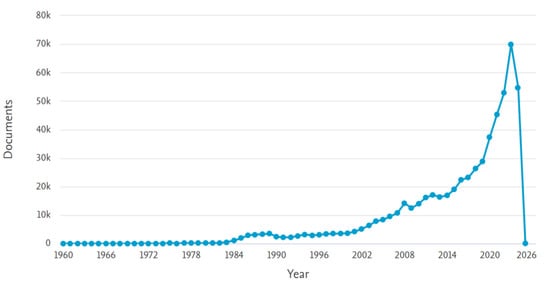

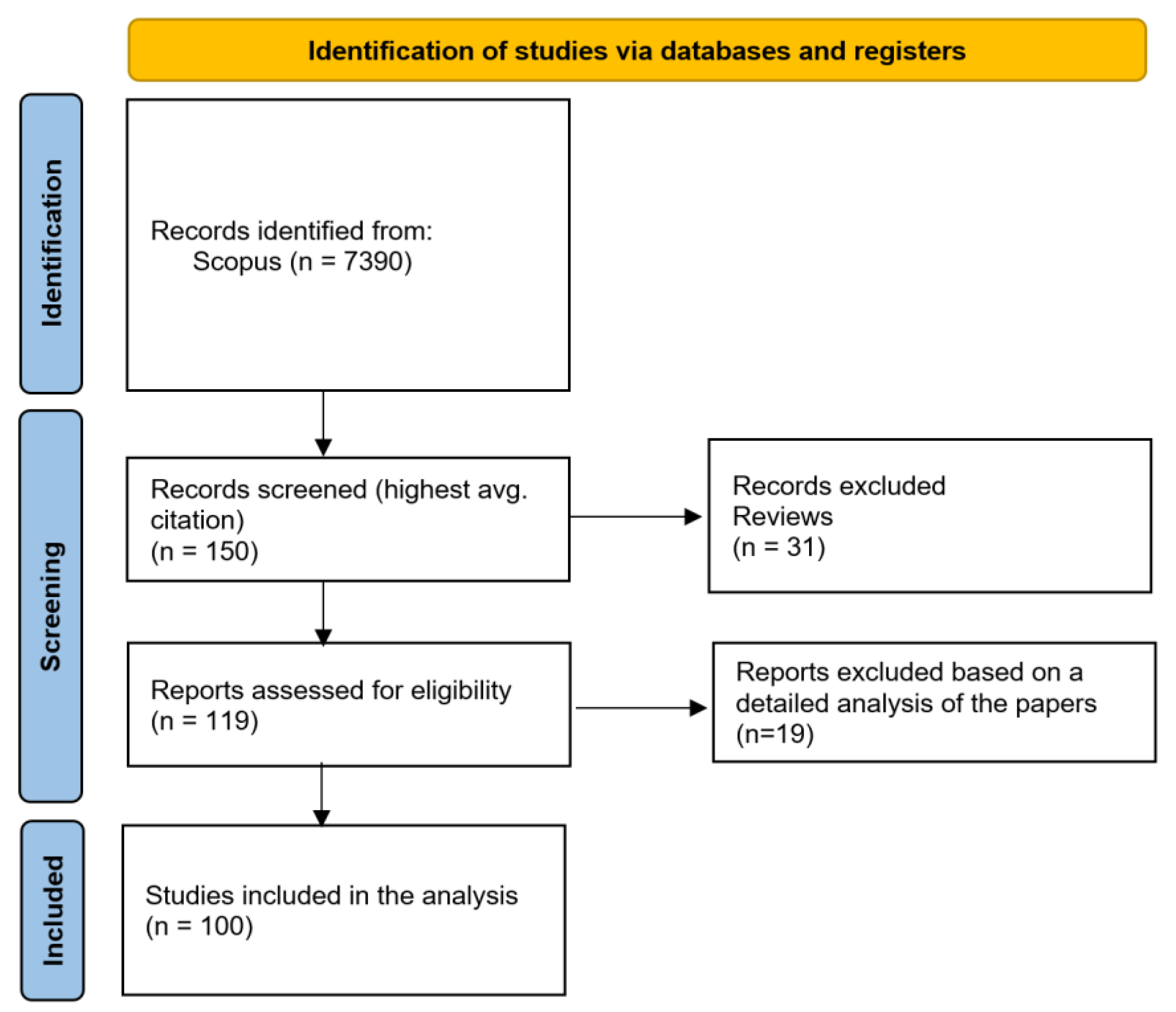
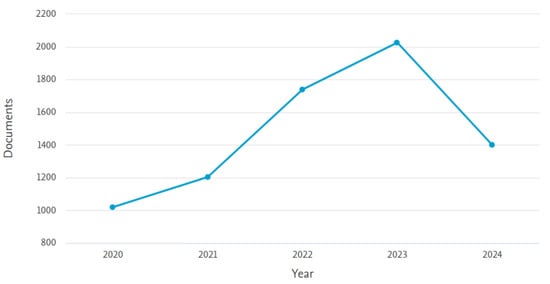
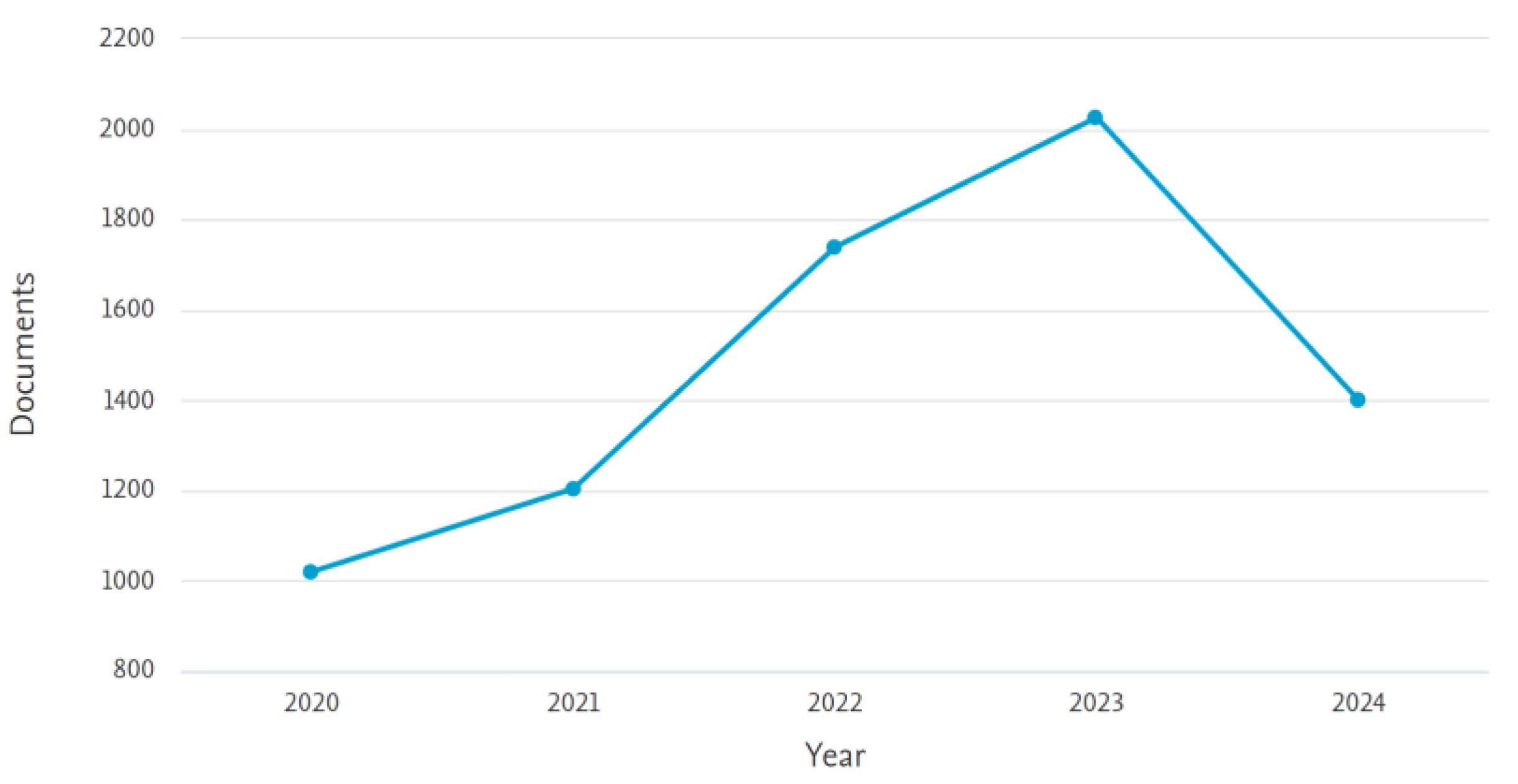

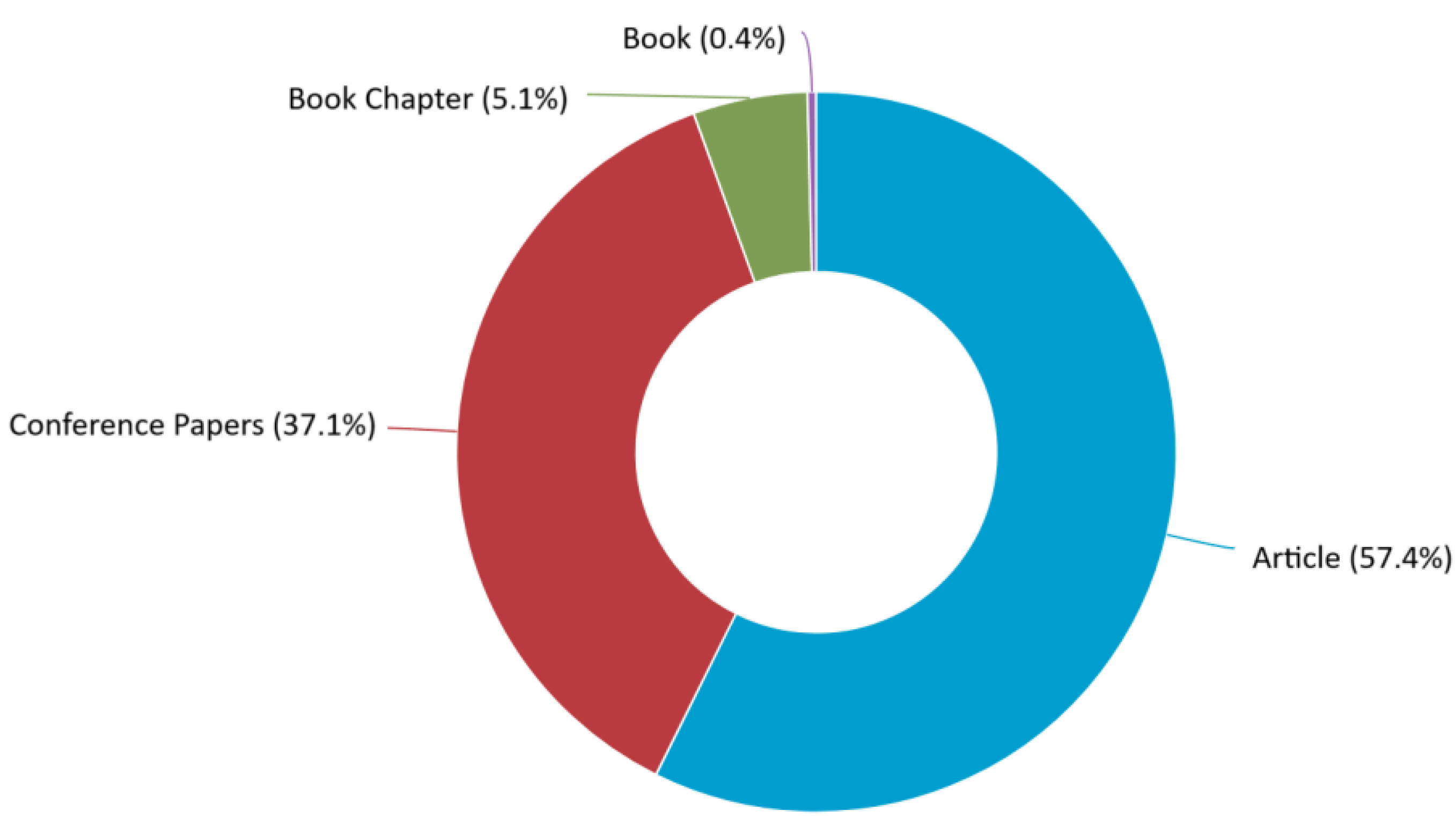
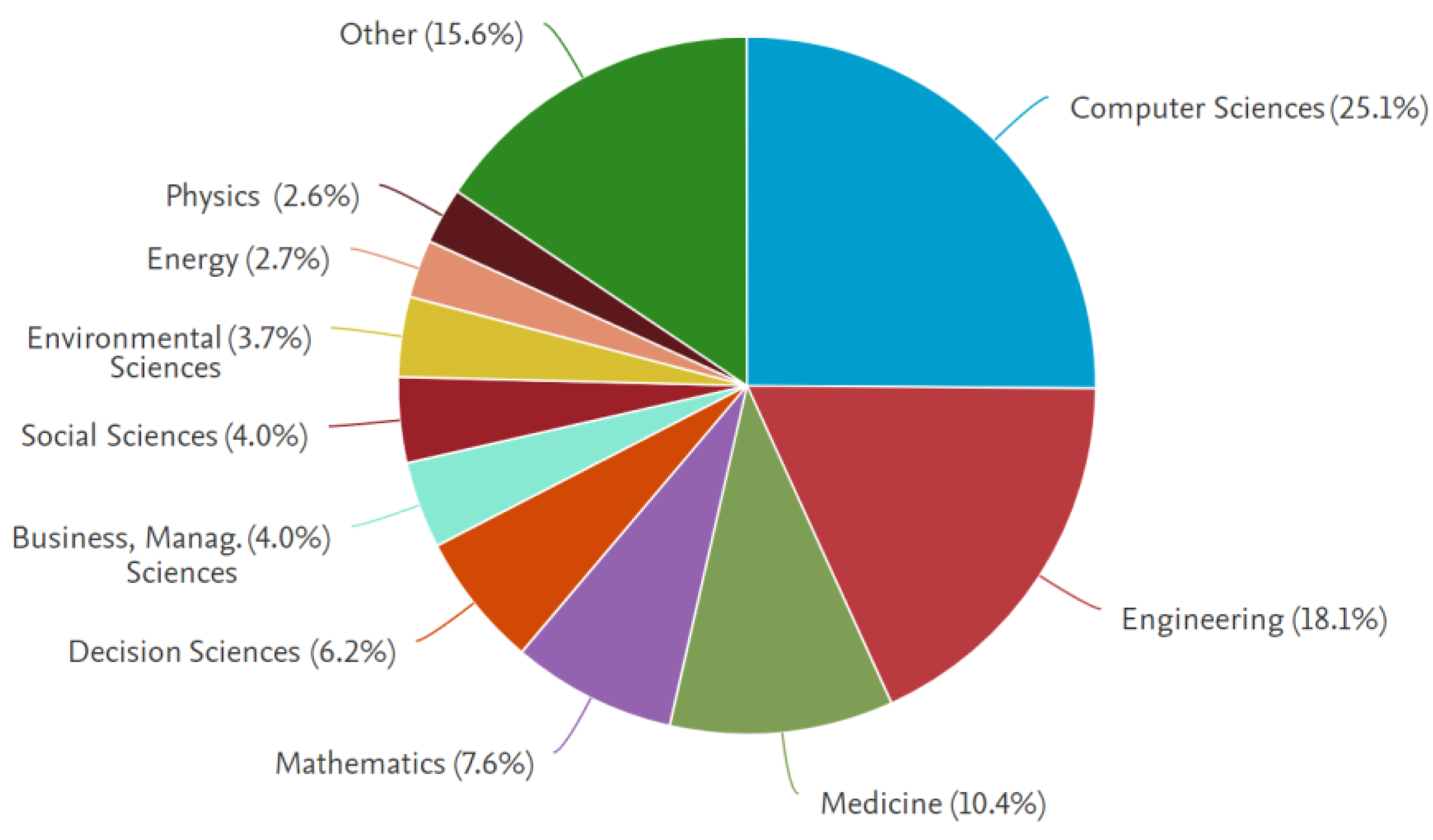
Disclaimer/Publisher’s Note: The statements, opinions and data contained in all publications are solely those of the individual author(s) and contributor(s) and not of MDPI and/or the editor(s). MDPI and/or the editor(s) disclaim responsibility for any injury to people or property resulting from any ideas, methods, instructions or products referred to in the content. |
© 2024 by the author. Licensee MDPI, Basel, Switzerland. This article is an open access article distributed under the terms and conditions of the Creative Commons Attribution (CC BY) license (https://creativecommons.org/licenses/by/4.0/).