


Abstract
Medieval biblical exegesis in the twelfth century was largely dominated by allegorical interpretation, often at the expense of the literal sense of Scripture. Richard of Saint Victor stands out as a significant exception. This article argues that his commitment to the literal sense of Scripture constitutes not merely a methodological requirement but a theological conviction that operates consistently across works of very different character. Through an analysis of Beniamin Minor, Beniamin Maior, and In Visionem Ezechielis, it shows that the literal sense functions in all three as the indispensable foundation upon which allegorical and tropological meanings are constructed. In the Beniamins, predominantly received as works of spiritual and allegorical theology, the literal sense quietly sustains the entire interpretative edifice—through etymology, onomastics, and precise biblical description. In In Visionem Ezechielis, by contrast, the littera itself becomes the object of an explicit and historically remarkable defence: Richard translates the complex architectural descriptions of Ezekiel’s Temple into architectural drawings that constitute some of the earliest known examples of representation in plan, elevation, and section. In doing so, he demonstrates not only that the literal sense of this contested passage is fully intelligible, but that word and image together can bear the weight of God’s revealed Word, enabling the reader to move from the literal and historical sense towards the spiritual meanings of Scripture and, ultimately, towards the contemplation of God.
1. Introduction
The exegetical work of Richard of Saint Victor constitutes a significant moment in the convergence between the literal reading of the revealed word, its interpretations, and even its visual representation. For the Victorine, these are not separate endeavours but form an integrated whole in which the literal sense of Scripture functions as the indispensable foundation upon which any spiritual meaning must be constructed. Consequently, Richard’s rigorous attention to the littera is not merely a technical or methodological requirement: it is a theological commitment grounded in the conviction that the words of Sacred Scripture, as the expression of the revealed Word of God, are themselves oriented towards a meaning that transcends them. Only by taking the letter seriously can the interpreter ascend, step by step, towards the allegorical and moral senses that lead the human person to the contemplation of God (Richard of Saint Victor 1955, 2015).
This article examines how this commitment to the sensus litteralis operates across three of Richard’s major exegetical works—Beniamin Minor, Beniamin Maior, and In Visionem Ezechielis—and argues that, despite the different character between the two Beniamins and In Visionem Ezechielis, all three share the same hermeneutical logic: the literal sense is not merely a preliminary step to be transcended, but the necessary and constitutive ground of all subsequent interpretation. To situate this analysis, the article first outlines the broader Victorine hermeneutical tradition, particularly the teachings of Hugh of Saint Victor, within which Richard’s exegetical practice is best understood. Then, the article explores how Richard develops this commitment to the littera on each of these treatises.
In the Beniamins, Richard’s literal interpretation may not be immediately apparent, since both treatises are predominantly received as works of allegorical and tropological theology. Nevertheless, the spiritual itinerary he constructs—whether through the Hebrew etymology of Jacob’s sons’ names in Beniamin Minor or through the precise biblical descriptions of the Ark of the Covenant in Beniamin Maior—rests entirely on a careful and rigorous literal reading of the sacred text. Without this foundation, the allegorical edifice would lack coherence and the moral teaching its necessary grounding. This solid structure enables him to compose two of the most significant treatises on contemplation of the Late Middle Ages.1
However, other lesser-known texts also stand out for the importance they grant to the literal sense. Probably the most singular among them is In Visionem Ezechielis. This work represents a more radical and historically significant instance of the same hermeneutical conviction that lies underneath the Beniamins. Faced with a passage that the Church Fathers had largely avoided or dismissed as resistant to literal exegesis, Richard not only defends the intelligibility of the littera but demonstrates it by translating the complex architectural descriptions of Ezekiel’s Temple into genuine architectural drawings. In order to give the reader a clear sense of what Richard undertakes in this work, the article includes a descriptive account of the drawings themselves—their typology, their progression, and the technical innovations they introduce—followed by a brief architectural analysis of them. These plans are not mere illustrations: they constitute exegetical arguments in visual form and represent some of the earliest known examples of architectural representation in plan, elevation, and section. All these are to prepare the reader for the final section that concludes the article through a consideration of how the image works as a vehicle for the littera and ultimately for the ascent towards the allegorical and mystical contemplation of divine revelation (Poirel 2021, pp. 5–82).
2. Victorine Teachings: The Littera as the Foundation of the Spiritual Edifice
The School of Saint Victor’s reflection on Sacred Scripture is articulated primarily based on the teachings of its principal master, Hugh of Saint Victor (Hugh of Saint Victor 1997; Feiss 2018, pp. 42–51). For him, the starting point of all theological reflection must be Sacred Scripture and, with it, lectio divina. Only after a rigorous analysis of its elements—littera, sensus, and sententia—can somebody elaborate a biblical interpretation. The littera corresponds to the literal meaning of the text itself, the sensus refers to the spiritual sense contained within the text, and the sententia indicates the doctrine and implicit teaching it has. As Hugh explains, a proper understanding of the littera requires certain linguistic and historical knowledge that enables a correct literal and historical interpretation. He also points out that sometimes the littera appears incongruous and becomes intelligible only through the sensus, while the sententia is described as always coherent and true by virtue of its divine origin (Hugh of Saint Victor 1939, p. 58).
The connection between these three elements of the reading gives rise to the biblical interpretation which, organised according to its three senses—historical-literal, allegorical, and tropological3—, should remain faithful to the revealed Word. Hugh explains that this task should be approached in a specific order. One must always begin with the historical-literal meaning: it constitutes the indispensable foundation of all interpretation by ensuring the anchoring of exegesis in the revealed Word and thus preserving its objective character (Hugh of Saint Victor 2012, pp. 203–30; Dahan 2016, p. 414; Coulter 2006, pp. 65–76). As Harkins and van Liere explain, for Hugh, history should be “understood both as the narrative of saving deeds done throughout time that is recorded in Scripture and as the primary or literal meaning of this narrative” (van Liere and Harkins 2012, p. 36). The literal derives its power from the liberal art of grammar to disentangle difficult words, and the historical aims to understand the chronological and material context that those words refer to. Only upon this basis it is possible to construct the interpretative edifice with the allegory, which, in turn, enables access to the tropological or moral meaning, through which the reader, based on what God has said and done, discerns how to orient his or her own conduct fostering a virtuous moral life (Hugh of Saint Victor 1939, pp. 104–22, Harkins 2012, pp. 110–11).4 Because of this, the primacy accorded to the sensus litteralis is grounded not only in a methodological requirement but also in the conviction that the authority of Scripture derives from its divine origin, in which words are as important as their meaning. As Aquinas would later explain, “the spiritual sense is based on the literal and presupposes it” (Aquinas 1984, p. 7). That is also why historical knowledge is so important. As Harkins highlights, Hugh states that history “serves as the foundation for all sacred reading” and, because of this, “the student of Scripture must read history (i.e., the sacred narrative) according to history (i.e., the narrative’s initial meaning) before he can read history according to allegory and according to tropology” (van Liere and Harkins 2012, p. 72).
This emphasis on the foundational character of the historical-literal meaning has led scholars to identify in Hugh a significant contribution to the development of medieval exegesis (de Lubac 1959, pp. 45–46, 55–56). Nevertheless, this conception is situated within an earlier tradition, specifically within the Latin world. In particular, the work of Gregory the Great offers a relevant precedent, since in his moral commentaries on the Book of Job, he also formulates an exegetical methodology grounded in the primacy of the historical-literal sense (Gregory the Great 1979, p. 4; Harkins 2012, p. 104).5 Indeed, the presence of these texts in the Abbey of Saint Victor (Ouy 1999, vol. II, pp. 223–24), as well as Hugh’s explicit references to Gregory in the Didascalicon, suggest a conscious reception of this heritage, which the Victorine master integrates and systematises within his own intellectual and pedagogical project (Feiss 1979, p. 22).
For this reason, the centrality given to Scripture in this framework is not confined to the strictly hermeneutical or cognitive domain but extends to the spiritual and moral formation of the person. For Hugh, the goal of biblical study is the restoration of the divine likeness in human beings through access to truth and the practice of virtue. Hence, Hugh’s insistence on guarding against the danger of an empty intellectual pursuit, focused on knowledge for its own sake and detached from the ethical orientation of life. This comprehensive vision is expressed with clarity in Hugh’s pedagogy of reading, in which he proposes a progressive itinerary encompassing reading, meditation, prayer, and action, and whose goal is the contemplation of God (Hugh of Saint Victor 1939). Only adherence to this order allows one to attain a wisdom that does not merely illuminate the intellect but also serves as a regulative principle for human action. These teachings, developed mainly in De Scripturis et Scriptoribus Sacris and in the second part of the Didascalicon de Studio Legendi, emphasise the performativity of the revealed Word, whose beauty and harmony have a transformative power that, by awakening admiration, fosters personal conversion (Hugh of Saint Victor 1939, pp. 1–69; 2012, pp. 203–30; Coolman 2003, pp. 182–200; Poirel 2011, pp. 293–328).
Another relevant aspect of Hugh’s teachings is his openness to all reality, which, when placed at the service of truth, is also oriented toward an encounter with the divine. His well-known words, omnia disce, videbis postea nihil esse superfluum (Hugh of Saint Victor 1939, p. 166), highlight this idea as well as the reason why he expanded the curriculum of the Victorine School from the trivium and quadrivium to a total of 21 subjects (Hugh of Saint Victor 1939, p. 48). All of this broadened the methods and tools used for delving into the revealed Word. Among these, the use of illustrations as visual and pictorial helpers for the understanding of the biblical text worked as a real means to express exegetical thought. As Hughes explains, Hugh of Saint Victor had a developed sense of the power of visual exegesis, as can be seen in his extended visual description of Noah’s Ark. There Hugh works “with the assumption that the mental construction and visualization of a picture will fix the exegetical content of his work more securely in the mind of the reader” (Hughes 2019, p. 268). Regarding this, Sicard has shown that Hugh’s treatment of the Ark involves not only a textual explanation but also the construction of a visual model intended to be reproduced by the reader. While De Arca Noe offers the exegetical commentary on the Ark, the Libellus explains the practical mechanics required to produce its drawing, effectively supplementing the textual exposition with precise visual instructions. In this way, the diagram becomes an integral component of the exegetical process. As Sicard argues, Hugh’s diagrams illustrate the close relationship between textual and visual exegesis: the drawing functions not merely as an illustration but as a pedagogical device that guides meditation and organizes the understanding of the text. The image thus operates as a form of “iconographic writing,” a mode of transmission that parallels alphabetic writing and communicates meaning through a new visual structure (Sicard 1993, p. 255). Through this integration of word and image, Hugh presents drawing as an effective tool for teaching and transmitting exegetical knowledge.
All these teachings exerted a significant influence not only on Victorine students such as Richard (†1173) and Andrew of Saint Victor (†1175), but also beyond the walls of the Abbey. A case particularly relevant to the present investigation is that of Adam of Dryburgh, who likewise composed a literal commentary on the biblical structure of the Tabernacle, where he glosses an image of the whole tabernacle, including the furnishings.6 In his work, one perceives a clear assimilation of Hugh’s principles, especially the conviction that fecundity and interpretative creativity, when grounded in the letter of the text, are not only legitimate but desirable in the pursuit of understanding (Poirel 2010, pp. 20–23; Zbicz 2022, pp. 250–55). Within the Victorines, Richard and Andrew stand as the most prominent heirs of this hermeneutical programme. Both strove to uncover the veritas hebraica in order to attain the most precise possible reading of the original text and, from there, ascend to the contemplation of the divine truths contained in the revealed Word (Berndt 1991, pp. 271–90; Chase 2003, pp. 38–40). A clear example of this can be seen in Richard’s De Emmanuele, where the author reproaches Andrew for not confronting the opinions of the Jews through the literalness of Hebrew (van Liere 2015, pp. 349–55). As van Liere summarises, although Andrew is the most renowned Victorine within the field of exegesis, Richard stands out for achieving the gradual ascent from the littera to contemplative understanding with the greatest coherence and clarity (van Liere 2018, p. 203). In his work, the three levels of reading and the three senses of scriptural interpretation constitute a genuine methodological framework through which he articulates a contemplative itinerary that, beginning in most cases with the foundations of the written Word, culminates in the contemplation of God and His mysteries (Poirel 2021, pp. 5–8; Zegers-Correa 2025, pp. 93–95).
3. Sensus Litteralis in Richard
Exegetical activity in the 12th century was characterised by a preference for allegory over the literal sense of the text. This tendency was largely developed due to the prestige acquired by the biblical commentaries of certain Church Fathers and authors of Antiquity, whose allegorical interpretations had considerable authority. Richard, following Hugh’s teachings, maintains that any thoughtful spiritual interpretation must always be built upon a rigorous understanding of the littera. For this reason, in his works, recourse to allegory and symbolism is legitimised and deepened precisely because it rests upon a firm and well-grounded literal and historical interpretation of the text (Dahan 1999, p. 104).
Proof of this can be found in the Liber Exceptionum. This work corresponds to one of Richard’s earliest treatises (Châtillon 1958, p. 68; Melone 2001, p. 49)7 in which he presents an extensive historical investigation, covering both kingdoms and biblical figures of the Old Testament and renowned personalities of the Roman Empire (Richard of Saint Victor 1958, pp. 98–102). As Dahan argues, Richard composed this work in order to provide a useful tool for his students and for anyone wishing to undertake a well-founded historical-literal interpretation that could subsequently support serious biblical exegesis (Dahan 1999, p. 276). At the same time, the scope and quality of this work constitute clear evidence of Richard’s own historical learning, something that is reflected in the richness of his biblical interpretations, which, grounded in historical knowledge, gave rise to allegories of great popularity in the 12th century (Chenu 1966, p. 197).
Regarding scholars’ opinions on the preponderant role that Richard gives to the literal meaning in constructing his exegetical building, conflicting views can be found. Kirchberger, for instance, maintains that Richard emphasises the allegorical and tropological meaning, leaving the history and literal meaning of the text aside (Kirchberger 1957, pp. 33–35). However, although this could be asserted due to the preponderance of allegory and moral edification of the soul, this could not have taken place without the brief but solid literal foundation that Richard gives to his treatises, even those that contain a greater allegorical and symbolic weight, such as the Beniamins. Indeed, as it has already been pointed out and will be developed in the following section, in both Beniamin Minor and Beniamin Maior, Richard does not neglect the biblical text at all; on the contrary, he relies upon the literal meaning of its terms to build his interpretation. Hence, other scholars, such as Chase and van Liere, emphasise the relevance Richard accords to the literal sense. Both mention that in the prologue to In Visionem Ezechielis, Richard himself reproaches the attitude of certain Church Fathers who, due to the apparent complexity of this passage, either avoided the littera or approached it negligently.8 Such an approach, according to the Victorine, constitutes a mistake, since, as the Fathers themselves fear to do, it would imply overlooking the words revealed by the Holy Spirit, author of Sacred Scripture (Richard of Saint Victor 1534, f. 160v; Chase 1995, pp. 11–12; van Liere 2018, pp. 235–36).9 The same can be seen in other works such as Expositio difficultatum suborientium in expositione tabernaculi foederis, De templo Salomonis ad litteram, and De Concordia temporum regum conregnantium super Iudam et Israel. In all of these, Richard focuses on literal interpretation, devoting his explanations to resolving difficulties or problems of concordance in the descriptions of the Tabernacle, Solomon’s Temple, or the chronology of the kingdoms described in the Old Testament (Richard of Saint Victor 1534; van Liere 2018; Cahn 1994, p. 53).
While these apologies of the literal sense in specific biblical passages provide evidence of the importance Richard attaches to this matter, there is an original and historically significant element in Richardian exegesis that further reveals his unwavering commitment to demonstrating the coherence of the littera. We refer to the architectural drawings of Ezekiel’s second vision included in his work In Visionem Ezechielis.10 One might assume that Richard produced these drawings solely to clarify the literal description of the new Temple. Nevertheless, they also serve to argue in a visible and irrefutable manner that the littera, however intricate it may appear in this pasagge, is fully intelligible—to the extent that it is possible to produce a complete planimetry of some of the spaces described therein (Richard of Saint Victor 1171–1190, BnF. Ms. Lat. 14,51611: f. 207–252 vº).
This procedure, in addition to establishing a significant example of the visual exegesis taught at Saint Victor (Schröder 2000, p. 179) and an important contribution to the study of architectural representation in the 12th century,12 clearly exemplifies the Victorine’s decision to prioritise textual analysis even over authoritative voices such as Gregory the Great, who—contrary to his own methodological principles—stated that this passage could only be interpreted allegorically (Gregory the Great 1979, p. 209). This point is particularly noteworthy since, as previously mentioned, it is Gregory whom Hugh quotes to defend literal interpretation as the only solid foundation on which to build the edifice of exegesis.
For all these reasons, Richard’s plans reveal not only his creativity in defending the littera through unusual means such as architectural representation (Cahn 1994, p. 56), but also his interpretative freedom.13 Richard does not hesitate to prioritise a careful and rigorous analysis of the biblical text, despite the authoritative voices that denied the possibility of such an approach (Schröder 2000, pp. 173–74). This attitude does not stem from intellectual vanity or a desire to assert superiority over other authors. Rather, it is grounded in the conviction that exegesis serves an essentially spiritual purpose: to lead the soul to an encounter with God (Dumeige 1952, p. 155). From this perspective, the determination to uncover the meaning of the revealed Word presents itself as a legitimate endeavour, even in passages that others had chosen not to explore because they did not want to or did not know how to do so. He explains that their silence should be seen as an opportunity rather than a prohibition, emphasizing truth over novelty: “Attende non utrum dicam aliquid novum, sed verum” (Richard of Saint Victor 1534, f. 166; Schröder 2000, p. 184).
4. Sensus Litteralis in the Beniamins
Among Richard’s spiritual treatises characterised by a strong symbolic dimension, Beniamin Minor and Beniamin Maior stand out. It can be said that these, together with De Trinitate, were among the Victorine’s most significant and widely known works in the Middle Ages (Evans 2010, pp. 201–2). Within the Corpus Richardianum, both texts have been classified in various ways: sometimes as exegetical treatises, and at other times as spiritual treatises. This is undoubtedly due to their theological richness, since they successfully integrate exegetical, spiritual, and even dogmatic elements (Zegers-Correa 2025, pp. 69–73). However, because of the strong allegorical and tropological presence in the text, the reduced yet fundamental literal sense upon which Richard grounds his interpretation is rarely discussed. For this reason, and because of their relevance within the Corpus Richardianum, we shall briefly dwell on this issue.
4.1. Beniamin Minor or De Praeparatione Animi Ad Contemplationem
In Beniamin Minor, the Victorine proposes an ascetical itinerary in which, taking as his point of departure the story of Jacob’s sons, he develops a path of purification and exercise of the virtues required to prepare the soul for attaining contemplation. From this perspective, the work might be considered as a purely allegorical and tropological treatise, as some scholars have suggested. However, the key point that gives substance to this spiritual interpretation is the literal meaning. In Richard’s work, it is the Hebrew etymology of each of the sons’ names, as well as the order of their birth according to the historical narration contained in Sacred Scripture, that organises, unifies, and undergirds the entire treatise (Richard of Saint Victor 1997).
It is worth noting that certain patristic commentaries, faithful to the threefold sense of Scripture, did not overlook the significance of names when interpreting this passage from Genesis (Châtillon 1997, pp. 23, XI–XIV). One of them was St Jerome, whose work Liber interpretationes hebraicorum nominum contains this analysis.14 It is likely that this precedent, together with Hugh’s teachings, prompted Richard to construct his interpretation upon the onomastic etymology of Jacob’s sons.
Thus, for example, the Victorine affirms that Reuben, Jacob’s firstborn, represents the fear of God in an allegorical sense, and the first of the virtues without which none of the others can be acquired, in a tropological sense. This claim, however, is grounded upon four pillars drawn from the littera. First, the biblical expression “the fear of the Lord is the beginning of wisdom”, which literally affirms that fear marks the beginning of the path towards God. Second, the Hebrew meaning of the name Reuben, which signifies “son of vision”, that is, son of the ability to see one’s own reality with clarity, which is none other than human insignificance before divine power. Hence, fear can only arise when the soul truly sees, that is, when it recognises its offences and the gravity of sin before the greatness of God. Third, the historical sense of the passage in which Reuben is described as the firstborn, a literal detail that reinforces his character as principle or origin, and which Richard applies to the idea that fear is the first of the spiritual gifts. Finally, Leah’s exclamation that he shall be called Reuben because “God has seen my affliction”, something that, in Richard’s words, indicates the beginning of a genuine relationship with God, in which the human being begins both to see and to be seen, to know and to be known (Richard of Saint Victor 1997, pp. 110–13).15
The articulation of these four elements, drawn from the literal meaning of the text, is what enables Richard to confidently interpret Reuben as the fear of God. This interpretation is not proposed because of ascetical convenience or the richness of Richard’s spiritual imagination, but because the littera of the revealed Word leads him to it. It is the sensus litteralis the one that supports the allegorical discourse and the moral teaching that, through Reuben—fear of God—is inaugurated. Reuben, as the firstborn, opens the path towards wisdom, that is, towards a life oriented to the visio or contemplation of God, which takes place when Benjamin, the youngest son, is born.
This method is consistently employed by Richard throughout the entire treatise, both for Jacob’s women—wives and slaves—and for each of his sons. Consequently, the order of their births, their maternal lineage, the meanings of their names, and the narrative details contained in the biblical text constitute the foundation of one of the most renowned spiritual and exegetical treatises on the preparation of the soul to attain the grace of contemplation.16
4.2. Beniamin Maior or De Gratia Contemplationis
A similar dynamic is at work in Beniamin Maior. In this text, Richard focuses on the contemplative experience itself through the mystical exegesis he develops around the description of the Ark of the Covenant. Each of its parts, as well as its material composition, symbolises ascending genres of contemplation along the soul’s path of divinisation through grace. Once again, symbolic and allegorical interpretation provides the framework through which Richard constructs a robust tropology or moral teaching (Zegers-Correa 2025, p. 221; Coulter 2022). Nevertheless, it is the literalness of the Ark’s descriptions that enables Richard to give a sturdy ground to both spiritual interpretations. Indeed, the work contains numerous biblical quotations devoted exclusively to the literal description of the Ark—its dimensions, angles, components, and materials. In a similar way to Hugh’s work on Noah’s Ark,17 these detailed descriptions encourage the reader to attempt to visually capture them through drawings or schematic representations (Grosfillier, illustrations in Richard of Saint Victor 2013, pp. 641–44; Zegers-Correa 2025, pp. 398–400).
Richard’s emphasis on the littera is repeatedly evident throughout the treatise. Right from the start, the Victorine seeks to demonstrate the convergence between the literal meanings of the expressions “Ark of the Covenant” and “Ark of Wisdom”, thereby justifying that both refer to the same spiritual reality. Richard explains that the Ark is called the Ark of the “Covenant” because it contains the pledge of the divine “promise”, which is nothing other than grace. At the same time, it is the Ark of “Wisdom” because the grace it contains renders it “wise”, in the sense that, through it, the soul is purified of ignorance and enabled, already in this life, to advance towards the contemplation of supreme truth: God (Richard of Saint Victor 2013, pp. 84–92).
Richard then develops his interpretation based on the literal descriptions given by God to Moses for the construction of the Ark. As Grosfillier observes, for Richard this literalness cannot simply lead to the precise construction of an object of worship, but must lead the soul to read the other meanings that guide it towards wisdom and holiness, thus making clear reference to how the literal meaning must guide us towards the allegorical and moral senses contained in the text (Grosfillier, introduction in Richard of Saint Victor 2013, pp. 28–30).
There are numerous examples that could be cited in relation to the latter, as literal descriptions of different parts of the Ark appear throughout the treatise. Perhaps a significant moment is the first time Richard describes the Ark. This occurs in two chapters of the first book, entitled Quomodo prima quatuor contemplationum genera mistice describantur and Quomodo novissima duo contemplationum genera mistice describantur. In both, it is clear how the literal description of the Ark’s construction enables Richard to elaborate the mystical symbolism (See note 2) of its materials and parts in relation to the six genres of contemplation. In doing so, Richard does not superimpose the allegorical meaning upon the literal but rather allows it to emerge as an interpretative extension thereof. He explicitly states this when, at the beginning of the first of these chapters, he exhorts the reader to attend to the Ark’s outward appearance as given by the literal sense of the text: “if we observe the appearance and material from which the Ark is made, of the six components of the work, we see that only the first is made of wood, whereas all the others are made of gold”. He then encourages the reader to distinguish between the materials, saying: “distinguish wood from gold […], gold shines brightly by itself; wood has nothing shiny except what catches fire and nourishes the flame that produces light”.
These distinctions between wood and gold allow the Victorine to develop, by analogy, the allegorical interpretation of six ascending genres of contemplation. In this sense, he states: “[by means of this distinction], you may perhaps discover how fitting it is to designate the first [mode of contemplation] as wood and the second as gold”. This is because “everything that pertains to the first type of contemplation is what we perceive through our bodily senses and represent through imagination”, whereas “all other things from which the other genres originate, are grasped through reasoning or understood through pure intelligence”. Thus, for Richard, “what is subject to imagination is wood; what is subject only to intellect is gold”. Wood symbolises material creation, the object of the first genre; gold, whose radiance intensifies according to its purity, symbolises the other kinds: the purer it is, the more the light of wisdom shines in it, and, therefore, the higher the contemplation. This distinction answers to the fact that, as Richard himself explains, just as gold shines by itself while wood does not, in the same way, “the imagination does not really possess the light of wisdom, nothing brilliant, except what drives reason to exercise its discernment and directs it towards the search for knowledge”. Therefore, in the second genre—in which reason begins to seek the meaning of visible things that already are in the imagination—the wooden structure has already been bathed in gold. Hence, although it remains wood, it can now shine gently (Richard of Saint Victor 2013, pp. 122–24).
In the rest of this chapter, as well as in the next, Richard continues to elaborate on the literal descriptions of the parts of the Ark and their respective materialities to give an overview of how, through them, he develops the ascending allegory of the six genres of contemplation. Due to its length, it has been summarised in the next table (Table 1):18
Table 1.
Literal and allegorical meanings of the Ark in Beniamin Maior.
As can be seen in the descriptions, the symbolism of each part is given by the objectivity of the literal description present in the text. Without it, the allegorical interpretation of this treatise would collapse. Here, the scale of the materials symbolises the scale of the faculties involved in contemplation that are directly related to the ontological scale of the contemplated object. It begins with wood, the least noble material which corresponds to the imagination, and ends with the pure gold Cherub, which represents the highest contemplation, even above human logic such as that of angelic beings. Thus, for example, the allegorical symbolism of the Crown derives directly from its material arrangement, since “it was anchored in the wooden pieces at the top of the ark” and yet “surpassed the highest wooden pieces in its great extension”. This description allows Richard to assert that it represents a type of contemplation that “is practised in reason according to the imagination” since reason, “as if guided by the hand of the imagination, ascends from visible realities [being anchored in the wood] to the knowledge of invisible realities [because it surpasses the wood]” (Richard of Saint Victor 2013, p. 124). In fact, it is not wrong to argue that the text shows how allegory does not nullify or replace the literal meaning of the materials and parts of the Ark but rather presupposes it as a necessary condition for an intelligible and coherent symbolism.
5. Word and Image in In Visionem Ezechielis
As previously noted, the descriptions of the Temple in Ezekiel’s vision are complex and difficult to interpret. The very reason that led the Church Fathers to refrain from commenting on this passage is the same that motivates Richard to undertake this demanding task—one in which written argument alone appears insufficient. For this reason, in addition to employing words, he turns to images to demonstrate that the descriptions of the littera are coherent to such an extent that they can be rendered in genuine architectural plans, with precise measurements and proportioned spaces (Schröder 2000, p. 175). In fact, Richard intentionally leaves aside parts of the vision unrelated to the architectural description, explaining that he addresses only what had not already been treated ad litteram. This clarifies his self-understanding as an author who “fills the gaps” in the edifice of biblical gloss and marks a move toward a more thematic form of commentary with a clear pedagogical function (Schröder 2000, pp. 163–64; Kinsella 2023, p. 42). Richard himself emphasises this aim when he explains that he intends to include a series of images so that “anyone, however simple”, may grasp the truth of the biblical text (Richard of Saint Victor 1534, f. 167 vº).19 In this way, textual descriptions that might otherwise appear unintelligible become visually accessible to the reader. As we explained before, this pedagogical approach to biblical architecture draws heavily on the Victorine commentary tradition, particularly the works of Hugh, whose treatises on Noah’s Ark—De archa Noe mystica and De archa Noe moralis—share both methodological and structural parallels with In visionem Ezechielis. Like Hugh, Richard emphasizes the reconstruction of biblical structures and the use of diagrams to make complex architecture intelligible. However, unlike Hugh, in this work, he confines his commentary strictly to the literal sense, postponing—or entirely forgoing—allegorical and trophological interpretations. This underlines the importance he gives to a complete literal understanding as a prerequisite for any spiritual reading (Schröder 2000, pp. 179–81).
5.1. Pedagogy and Architecture in the Service of the Littera
Richard was probably unaware that his effort to organise the measurements and spaces described in Ezekiel’s vision—in addition to demonstrating the importance he attached to a thorough understanding of the literal sense—would later come to represent a milestone in the history of architectural representation. According to some scholars, Richard not only appears to be the first to refer to this type of drawing using the term plan, but he is also the first to combine multiple views of a single building to convey its three-dimensionality. Indeed, his technical capacity to translate the complexity of the biblical text into a visual language anticipates what drawing will become in modern architectural practice. The way he makes these plans—particularly the large layouts of enclosures and gatehouses—appears to be his own invention rather than derived from earlier Romanesque models or other traditions (Cahn 1994, pp. 66–67; Schröder 2000, pp. 181, 184; Kinsella 2016, pp. 3, 15; 2023, pp. 12–13).
However, in order to ensure that these images were easily understandable to the reader, Richard labels the measurements and spaces described in Scripture directly on the plans. This strategy reinforces the relationship between the littera of the sacred text and the imago as its visible representation (Figure 1). This does not imply that there are no inconsistencies between the biblical text and the drawings or between different manuscripts that have missing annotations, or unfinished images (Cahn 1994, p. 58; Schröder 2000, pp. 190–92). Nevertheless, the interpretative effort undertaken by the Victorine remains highly commendable. To this demanding task is added the fact that, since accurate literal interpretation also depends upon fidelity to historical context, Richard adapts architectural details to the Palestinian building traditions of the prophet’s time, which were characterised by flat roofs without any kind of slope. He explicitly notes this in the text when he states: “And perhaps, according to the custom of the land of Palestine, we should understand that the roof of the gate is flat” (Richard of Saint Victor 1534, f. 165).20 This claim is reflected both in the elevation and in the section, allowing the image to function additionally as a vehicle of historical knowledge for the reader (Figure 2 and Figure 3).
Figure 1.
Part of the frontal elevation of a gatehouse with annotations on the drawing (BnF. Ms. Lat. 14,516, f. 240). All the images of the manuscripts have been downloaded from Gallica, in the Bibliothèque nationale de France webpage (https://gallica.bnf.fr/ark:/12148/btv1b10544217z.r=14516?rk=42918;4 (accessed on 26 January 2026)) and edited by the author of this article.
Figure 2.
Frontal Elevation of a gatehouse (BnF. Ms. Lat. 14,516, f. 240).
Figure 3.
Lateral section of a gatehouse (BnF. Ms. Lat. 14,516, f. 240 vº). It shares the same height and proportions than its frontal elevation (Figure 2).
Another pedagogical strategy employed by Richard consists of gradually increasing the complexity of the drawings while progressively completing the information. Today, we would call this zooming in on the floor plan, so that, once the reader has understood the general layout, he can delve into the details of the space. For this purpose, the textual annotations and colours accompanying each plan are crucial. Thus, the first floor plan—appearing in the opening chapter—consists solely of three concentric squares, with measurements indicating the length of each side: 600 cubits for the outer wall, 500 cubits for the second, and 100 cubits for the wall delimiting the inner atrium. Although apparently simple, it is clear and consistent with the overall spatial configuration Richard intends to convey (Figure 4).
Figure 4.
First general floor plan of the whole Complex (BnF. Ms. Lat. 14,516, f. 211 vº).
Somewhat later in the same chapter, a second plan appears. Here, the reader readily recognises the same three courtyards seen previously, while also observing that new spaces—each with its respective name—occupy the intermediate area between the second wall and the wall of the inner court.21 Specifically, six gatehouses or portici painted in yellow are represented: three providing access to the inner court, and three connecting with the outer court. Between them, in addition to the inner court, three plazas or pavimentum are depicted in pale grey. Finally, four corridors appear with their descriptions, xv gazophylacia, labelled and coloured in green—all in accordance with the littera of the biblical descriptions in Ezechiel 40–42 (Figure 5).
Figure 5.
Second general floor plan of the Complex with labels and measurements (BnF. Ms. Lat. 14,516, f. 212).
In the second chapter, a new floor plan is introduced. This time, the outer court and its perimeter wall are omitted. This is because Richard has zoomed in for the first time to focus on the space beyond the second wall, which contains the gatehouses and delimits the intermediate space. Once again, colour plays a crucial role in maintaining continuity for the reader. Four additional buildings now appear on the western side of the Complex: the Temple, accessible only from the inner court, coloured in blue; and three peripheral buildings situated to the north, west, and south of the Temple, in red. All are labelled to communicate their respective programme to the reader (Figure 6).
Figure 6.
First detailed floor plan with all the buildings of the Complex and their program (BnF. Ms. Lat. 14,516, f. 213).
The next plan appears in Chapter Four and corresponds to a further zoom in, this time confined to one of the gatehouses. As expected of the first plan devoted to a gatehouse, it is again a general and simplified plan, yet highly effective. It includes the perimeter measurements of the walls and clearly displays the overall configuration of the porticus, composed of two symmetrical spaces separated by a central corridor (Figure 7).
Figure 7.
General floor plan of a gatehouse (BnF. Ms. Lat. 14,516, f. 217 vº).
This spatial clarity provides the foundation for Chapter Five, in which Richard presents a new plan focusing on only one side of the gatehouse. This new zoom in enables him to draw at a larger scale and with more detail, making it possible to represent the subdivisions of the interior spaces, together with their names and measurements. All of this serves to clarify—visually—the littera of the biblical text (Figure 8). This drawing highlights an important detail: the two outer vestibuli are eight cubits wide, while their lumen (entrance space) measures six. This difference is due to the eiecturae (door jambs), which add one cubit on each side of the lumen. This feature does not appear in all the manuscripts (Schröder 2000, p. 167), but it is clearly attested here in Ms. Lat. 14,516, and also in Ms. Lat. 2165 as it will be explained later in Figure 12.
Figure 8.
Floor plan of one side of a gatehouse. Even though the drawing looks simple, the measurements in cubits are scaled, giving the correct proportion of all the spaces (in the original manuscript is drawn vertically: BnF. Ms. Lat. 14,516, f. 219).
Finally, in Chapter Six, this same plan is mirrored symmetrically in order to depict the entire gatehouse (Figure 9). According to palaeographical studies, this drawing appears not to have been fully completed in this manuscript: the texts and measurements present in the other drawings, which do appear in copies of other manuscripts, are missing (Kinsella 2023, pp. 75–76).
Figure 9.
Scaled floor plan of the whole gatehouse, but apparently unfinished (BnF. Ms. Lat. 14,516, f. 220 vº).
5.2. Additional Floor Plans
In addition to these six plans of the Complex and the gatehouses, three further drawings stand apart for various reasons. The first corresponds to a drawing that, strictly speaking, cannot be classified as a floor plan from the perspective of architectural representation. As Kinsella observes, it is rather a hybrid image combining the top view characteristic of a floor plan, with a frontal view specific to an elevation (Kinsella 2023, pp. 53–54). This drawing appears in Chapter Three, following the first three general plans of the Complex, and consists of the perimeter wall viewed from above and the gates leading into the Complex seen from the front. Although it has no measurements, it preserves the quadrangular proportions of the previous floor plans and has an inscription stating: “the outermost wall that has three gates with buildings placed on top”,22 thus unambiguously illustrating the points of access to the Complex. It could also be said that this drawing has a mediating function, as it is located immediately after the first three general floor plans and before the representations of the gatehouses, which it hints at by showing the gates in the outer wall (Figure 10).
Figure 10.
Hybrid drawing of external wall with gates (BnF. Ms. Lat. 14,516, f. 216).
The second distinctive plan is the only representation of the Temple itself. This is noteworthy given the thoroughness of Richard’s drawings and, above all, the fact that it corresponds to the most important building in the Complex, about which there are also many details in the biblical text. This floor plan includes cubit measurements and labels corresponding to the biblical text: Vestibulum templi, Templum exterius, and Sancta sanctorum (Figure 11). Because it is a relatively simple drawing for such an important building, Kinsella believes that the drawings for the Temple remained unfinished (Kinsella 2023, p. 143). Furthermore, the fact that the following page in Manuscript 14,516 remains blank has led another scholar to a similar conclusion—namely, that this empty page may have been reserved for an elevation or section of the temple to complement the floor plan (Cahn 1994, p. 59). Schröder, on the other hand, rejects this hypothesis because Richard does not mention any other drawing or its execution in the text. He therefore argues that the blank page should be seen as a technical decision to prevent heavily pigmented colors from bleeding through to the text on the verso (Schröder 2000, p. 161).
Figure 11.
Temple floor plan (BnF. Ms. Lat. 14,516, f. 244 vº).
Finally, the third singular floor plan constitutes the most detailed representation of the Complex, although it does not appear in all extant manuscripts. Indeed, no trace of it exists in the two earliest manuscripts—neither in the Saint Victor manuscript (BnF. Ms. Lat. 14,516) nor in the Bodleian Library copy (Ms. Bodl. 494). Its first appearance as part of this commentary occurs in BnF. Ms. Lat. 2165, a 13th-century copy. Nevertheless, Richard refers to this drawing in the text of all surviving copies, suggesting that it was originally intended to be included (Delano-Smith 2013, pp. 12–16; Kinsella 2023, pp. 55–59). This floor plan shows the eastern half of the Complex, thus representing the same area as the second drawing (Figure 5). However, it is drawn at a larger scale and contains numerous additional details, measurements, and labels absent from the earlier version (Figure 12). Furthermore, it is the only plan that shows the stream that ran through the Complex, flowing down the right-hand side of the Temple facing east, as described in the biblical accounts. A clear innovation of this floor plan—following Richard’s descriptions—is the division of the stream in order to reach the kitchens located at the ends of each gatehouse. As Richard explains, the biblical text speaks of a space, next to the gatehouse’s vestibules, where “they washed the burnt offering” (Ezekiel 40:38–40). For him, the source of that water obviously came from the sanctuary stream (Delano-Smith 2013, p. 15).23 Another important detail is that, like the second floor plan, it includes the space of the outer courtyard—vulgi locus—, as well as its perimeter wall, but with the innovation that it is represented it in the same way as it appears in the hybrid plan (Figure 10): that is, with the wall in plan and the gates in elevation. Also, here it is clearly illustrated how the central inner court, containing the altar of burnt offerings, is architecturally framed and accessed from the north, east, and south inner gatehouses, whose façades are integrated into the enclosing walls of that court. Finally, the xv gazophylacia, highlighted in green in Figure 5 and Figure 6, are shown here in detail. Fifteen narrow buildings, each measuring 9 by 50 cubits, constitute the galleries of the outer court, leaving large wedge-shaped open areas at its northeast and southeast corners (Schröder 2000, pp. 193–94).
Figure 12.
Detailed floor plan of the East side of the Complex (BnF. Ms. Lat. 2165, f. 56).
5.3. Planum, Superficies, and Sectional Representation
In addition to this step-by-step guide through the spaces of the vision, Richard introduced a crucial distinction between two types of measurements: the planum, corresponding to the plans we have seen so far, in which the drawing does not tell us whether the terrain is flat or not; and superficies, which considers the actual slope of a terrain and, consequently, has variations when representing its measurements (Kinsella 2023, pp. 109–37). To reconcile these dimensions, the Victorine developed a geometric diagram—a right-angled triangle inscribed in a circle—that functions as a key enabling the reader to understand how the building is placed on the sloped topography of Ezekiel’s vision (Figure 13).
Figure 13.
Geometrical drawing to explain dimensions in the slope (BnF. Ms. Lat. 14,516, f. 239). This allows Richard to establish a direct correspondence between the length of the slope as represented in section and its projected length in the floor plan.
By means of this tool, Richard introduces a wholly innovative form of drawing for his time: the sectional elevation (Figure 3 and Figure 14). By making a transverse or cross “cut” through the building, Richard allows the reader to see both the interior and exterior of the building simultaneously, while also visualizing the relationship between the spaces and the slope, as well as the one between the lower rooms and the upper chambers. This technique—capable of providing a logically coherent and dimensionally consistent image of space—precedes by more than fifty years the work of Villard de Honnecourt (†1250), who is often credited with producing the first architectural section in the history of architectural drawing (Kinsella 2016, p. 19; 2023, pp. 14, 98–99).
Richard presents two sections: one corresponding to the gatehouse, and another depicting the building adjacent to the Temple on its northern side (Figure 3 and Figure 14). In both, he combines the building’s interior with its façade, offering the reader simultaneous information about both (Kinsella 2023, pp. 86–99, 147–50). Moreover, these drawings illustrate the relationship between the spaces and the lower portion of the hill, as well as the fact that only the two upper storeys rise above the ground level of the pavimentum to which they connect (Cahn 1994, p. 61). As will be seen later in Figure 18, the position of this section runs transversely through the building, facing west, since the slope in this drawing rises from right to left. It can also be clearly seen that, because the balcony projecting from the third level faces the temple, the cross section is drawn toward the west.
5.4. Material Execution, Manuscript Context and Architectural Analysis
Another noteworthy aspect is the rigour and care with which the drawings were executed. As is well known, the scriptorium of Saint Victor enjoyed royal patronage, enabling it to employ professional scribes trained specifically for the production and copying of manuscripts, and thus possessing technical skills beyond those of non-professional copyists. This institutional framework, together with the broader Victorine intellectual formation shaped by Hugh—in which technical and geometric disciplines, as well as aesthetic refinement, formed an integral part of education—explains why both the calligraphy and the drawings display such a high degree of precision and care (Carruthers 2008, pp. 23–24; Poirel 2008, p. 34; Zegers-Correa 2025, pp. 47–50, 58–60). In fact, Cahn points out that in Manuscript 14,516, the grid lines were traced with the aid of pinprick perforations to ensure the accuracy of scale and correspondence with biblical measurements. This suggests that the drawings were likely prepared meticulously on a separate surface before being transferred into the manuscript (Cahn 1994, p. 67). Kinsella likewise devotes considerable attention to the role of grids in Victorine manuscripts, noting that technical excellence, aesthetic quality, and craftsmanship were integral components of Victorine education (Kinsella 2023, pp. 37–43).
All these technical skills were employed in the creation of the drawings—something demonstrated not only by the geometric key of Figure 13, but also by the small details present in some of the images. For instance, a closer examination of the gatehouse section allows the reader—especially those with architectural knowledge—to realize many achievements Richard has captured in his drawings, as well as discovering some of his failures in this technical challenge. The first question a reader might ask concerns the exact position of the section plan. While Richard does not specify precisely where it passes or in which direction, certain aspects of its location can be discerned from the slope of the terrain, the walls that appear sectioned, and the background of the drawing. The first thing to note is that the seven or eight steps by which one ascends from one atrium to another in the biblical text (Ez 40: 26, 31, 34, 37) appear in Richard’s descriptions as belonging to the full length of the gatehouse, marking not only a rhythm of ascent but also different levels for each of the vestibules (Richard of Saint Victor 1534, f. 168). However, although the textual description makes clear that these steps span the full width of the gatehouse and that one ascends by traversing the central corridor, the section reveals that these level changes appear considerably higher than a person could comfortably climb—a problem that Richard’s drawing leaves unresolved (see Figure 3 or Figure 14). A second detail that can be clearly observed is that the outer vestibules are wider than the central ones—eight cubits versus six or five—which indicates not only that the section faithfully reflects the floor plan in its measurements, but also that the section would not be passing through the central corridor as one might logically assume at first,24 but rather through one of the sides of the gatehouse facing the corridor (Figure 15, Section A–A’ in red). This hypothesis is reinforced by the fact that if the section passes through the central corridor, the iecturae would reveal a wider wall and the same six cubits for all the vestibules, which is not the case (see Figure 16 or Figure 17).
Figure 15.
Composed floor plan of the whole gatehouse (using Figure 8: BnF. Ms. Lat. 14,516, f. 219) with the position and direction of the lateral Section A–A’ (Figure 16 and Figure 17). The red lines in the central corridor correspond to the steps’ limits, which are not drawn on the floor plan (all the annotations, as well as the new coloured parts of this and the following images, are made by the author of this article).
Figure 16.
Section of the gatehouse using Figure 3 (BnF. Ms. Lat. 14,516, f. 240 vº).
Figure 17.
Same section of the gatehouse but from Ms. Bodl. 494, f. 156. Differences between this drawing and the previous one (Figure 16) are clear: both differ in the continuity of the floor line, in the position of the capitals, and in the crenellations in the background of the drawing, which are not present in this manuscript.
A further key supporting this hypothesis is that if one examines the drawing of Ms. Lat. 14,516 carefully, the small corners of the capitals of the jamb columns at the doorways are clearly and deliberately drawn on the other side of the threshold, as if hidden behind the entrance to the vestibules from the central corridor (see red capitals in Figure 16). This would therefore suggest that the section appears to pass through one of the sides of the gatehouse rather than through the central corridor, as it was just shown in Section A–A’ in red in Figure 15.
The presence of these technical details undoubtedly makes these drawings unique and original representations for their century. Indeed, for an architect today, it is precisely these small details in the representation that constitute the key to determining the exact position of a section in relation to its floor plan. Nevertheless, while they are particularly significant, we cannot know with certainty what Richard was exactly intending when producing these drawings, since some of these details may not have been deliberate but rather the result of limited experience in the production of this type of technical drawing. In fact, the copy of the gatehouse section in Ms. Bodl. 494 features several changes with respect to these details, suggesting that their relevance for the spatial definition of the gatehouse was perhaps not fully appreciated. For example, although it retains the eight cubits in width for the outer vestibules and six and five for the central ones, the column capitals are complete and not hidden behind the threshold, and the floor where the steps appear is delimited by the perimeter walls—a feature that results in only seven steps in this drawing, whereas the Paris manuscript shows eight, continuing outward in line with the exterior terrain (see Figure 16 and Figure 17). What both manuscripts share is the slope of this section, which rises towards the right-hand side, meaning that the face of the gatehouse Richard is depicting is the right-hand side when approaching from the outer atrium (since all the gatehouses are identical, the section could correspond to any of the red lines shown in Figure 18).
Figure 18.
Composed floor plan of the whole complex (using Figure 6). The dotted red line corresponds to all the positions where the lateral Section A–A’ could be taken in relation to the slope of the mountain. The continuous line B–B’ shows the position of the cross section of the building on the northern side of the Temple (Figure 14).
Besides these differences, other inaccuracies could be found. Perhaps the most evident—already noted above—is the height of the steps through which one ascends along the central corridor of the gatehouse. Another problem encountered in the planimetric ensemble of the gatehouse is that three main levels are clearly drawn in both the elevation and the section, yet no staircase appears in the existing floor plan to show how a person would go from that level to the upper one (see Figure 2 and Figure 16). Nor are the floor plans of the other two levels drawn. It can therefore be stated that the means of moving from the first to the second or third floor is left unresolved in Richard’s drawings. This occurs not only in the gatehouse’s drawings but also in the cross section of the building on the northern side of the Temple: as far as can be discerned from that section, there is no means of passage between floors (see Figure 14). Another space absent from the detailed drawings of the gatehouse is the kitchen. Although it appears in the large plan attached to the outer longitudinal wall of each gatehouse side (Figure 12), it is nowhere to be found in either the detailed floor plan of the gatehouse or its frontal elevation (Figure 8 or Figure 15, and Figure 2 respectively).
Perhaps the most interesting aspect of these failures is that either Richard does not consider them for the simple reason that the biblical text does not mention them—as is the case with the staircases and the three storeys of the gatehouse or the building next to the Temple—, or that when Richard draws the details of the gatehouse, he has not yet established the relationship between the kitchens and the stream that runs through the site, something which he later transfers to the drawing when he describes it. This shows once again that his focus is more on the translation of the littera into the drawings than on the architectural realization of them, since otherwise he would surely have included the kitchens in the detailed planimetry of the gatehouse. It is therefore worth emphasising that Richard’s aim is far away from moving the readers through ornamental embellishment or architectural skill. His aim is rather to convince them of the clarity and coherence attainable in the littera of Ezekiel’s second vision (Schröder 2000, pp. 184–86, 189). One might say that the image functions here as a speculum of the divine revelation contained in the biblical text (Soto-Bruna 1995, p. 61), by enabling the believer to see and comprehend the historical reality of the Temple. In other words, Richard facilitates the process of spiritual ascent since, as Kinsella observes, “God’s architecture defines how He communicated with His people, and the drawing is the visual manifestation of His voice and His intentions” (Kinsella 2023, p. 19)
It thus becomes clear that physical architecture serves here as an exegetical expression of the littera upon which the spiritual sense may be constructed, guiding the human person towards the contemplation of divine truth. In this way, understanding the sensus litteralis through images prepares the path towards theosis or union with God, demonstrating that within the School of Saint Victor, the rigour of visual form constitutes a direct service to biblical interpretation and, ultimately, to the life of faith (Poirel 2024, pp. 67–70; Sicard 2023).
6. Image: Vehicle and Expression of the Littera
“The image is the visible representation of the invisible, and therein lies the mystery of this notion: can what is invisible or absent be visualised or made present?” (Soto-Bruna 2025, p. 25). These words, with which Soto-Bruna opens his book La Filosofía de la Imagen are a suitable frame for explaining the relevance of Richard’s images in his commentary on Ezekiel’s vision.
For Richard, as for the Fathers or even any reader, Ezekiel’s descriptions written in the biblical text were not sufficient to fully open the understanding to the littera. From a hermeneutical point of view, this is interesting: the word is already an image of a reality described using a particular language. Therefore, Ezekiel’s words constitute in themselves a first mediation between the prophetic vision and the reader. In this context, Richard’s operation can be understood as the creation of a second-degree image: a drawing that is an image of the written word, which is, in turn, an image of the prophetic vision.
Although some works contemporary with Richard also incorporate images, significant differences remain. For example, the drawings of Hildegard of Bingen or Hugh of Saint Victor’s verbal instructions for Noah’s Ark address symbolic images or diagrams that, through shapes and colours, aim to reveal a meaning that transcends the visual form of the image itself (Zinn 1971, p. 261; Cahn 1994, p. 66; Hildegard of Bingen 2002, 2018; Hugh of Saint Victor 200125). Unlike them, Richard’s drawings are ‘literal images’ that seek to represent, with strict fidelity, a literal description: text and image share the same horizon of meaning and refer to a single described reality. This distinction also clarifies why the drawings do not introduce a new or independent meaning. Rather than reinterpreting the littera, they translate it into geometric lines and measured spaces. The rare instances where Richard goes beyond strict transcription—such as his division of the sanctuary stream to supply the kitchens adjacent to the gatehouses—are not hermeneutical inventions but logical inferences drawn from the coherence of the biblical text itself, proposed to resolve gaps that the literal description leaves open.
The necessity of this translation, however, responds to a structural limitation of verbal language: the architectural descriptions in Ezekiel’s vision are so spatially and technically complex that verbal language alone proves structurally insufficient to render them clearly: words can describe measurements and sequences, but they cannot communicate the simultaneous spatial relationships between volumes, levels, and proportions that a three-dimensional structure involves. It is precisely this limitation that makes the drawings necessary—not as a replacement or unnecessary reiteration of the text, but as its visual completion. At the same time, their necessity is inseparable from Richard’s theological agenda: by demonstrating that these descriptions can be translated into geometrically consistent plans, the drawings serve as a visible and irrefutable argument that the littera of this passage is fully intelligible. As Delano-Smith observes, the exegetical drawing both duplicates what was written and, through its visual directness and unambiguous message, ensures efficient communication between author and reader (Delano-Smith 2013, p. 2).
In this sense, the image functions not as a new interpretative layer but as a pedagogical vehicle that fixes and stabilizes the literal sense in a regime of intelligibility that verbal language alone could not fully achieve (Oliva 2023, pp. 211–12). Therefore, from a hermeneutical perspective, the image plays a clarifying role rather than an interpretative one because it is not acting as a symbolic supplement that gives new meaning to the word, but as a channel for a more accurate understanding of its literal meaning. Hence, in In Visionem Ezechielis, word and image work together to convince both the receptive reader and those who had denied the possibility of literal interpretation.
However, we must not forget that Richard’s technical precision is not an end in itself, but rather the first step on a spiritual journey towards the divine. For Richard, the image is a tool that ensures literal interpretation by making the intangibility of the text tangible through plans and sections. Only then, having understood the littera, is it possible to ascend satisfactorily through the allegorical meaning in order to illuminate the soul with the beauty of a virtuous moral life that leads to the contemplation of God, the sole purpose of human life (Richard of Saint Victor 1958, p. 104; Zegers-Correa 2024a, pp. 59–61).
As Soto-Bruna rightly explains, every human being has a longing for contemplation because every person has an understanding capable of accessing the immaterial. This is because the human “has the ability to visualize the image without the sensory elements possessed by the ocular image”, so what is invisible to the eyes becomes accessible to inner contemplation (Soto-Bruna 2025, p. 16). This idea undoubtedly echoes the Pauline teaching per visibilia ad invisibilia, of which the Victorines, and especially Richard, were faithful followers (Coulter 2006). With it, the understanding of the world and all sensible reality is recognized in its transcendent value. This is possible both because the beauty of the visible reflects something of the invisible Beauty, and because the human perception is capable of grasping it as a manifestation of the divine (Zegers-Correa 2024b, p. 494).
The three works examined in this article trace a coherent arc: from the littera as the quiet foundation of spiritual interpretation in the Beniamins, to the littera as an explicitly defended and visually demonstrated claim in In Visionem Ezechielis. In both cases, whether through etymology and biblical description or through architectural drawing, word and image serve the same purpose: to make the revealed Word fully intelligible and, in doing so, to open the path towards its spiritual meaning. This is coherent with Richard’s broader theological vision, in which all interpretation is ultimately at the service of a God who has chosen to manifest himself to humanity through word and flesh. This mystery of God, Supreme Charity, to which Richard attempts to ascend through paths of contemplation initiated in the littera, is only accessible because that same God has chosen to approach every human being both in the eternal Logos through whom the world was created, and in Christ, the perfect Imago of the invisible God through whom the world is recreated.
Funding
This research received no external funding.
Institutional Review Board Statement
Not applicable.
Informed Consent Statement
Not applicable.
Data Availability Statement
The original contributions presented in this study are included in the article. Further inquiries can be directed to the corresponding author.
Conflicts of Interest
The author declares no conflicts of interest.
Notes
| 1 | Many prominent authors, such as Bonaventure of Bagnoreggio and Thomas Aquinas, cite Richard as an authority on contemplation in their works. |
| 2 | In this study, Poirel summarizes very well the correct way to understand “mystical” in the Victorine context. |
| 3 | This classification of biblical meanings corresponds to that established by Hugh in his treatise Didascalicon de Studio Legendi. Other classifications were also present in medieval hermeneutics, as precisely explained by de Lubac in his book Exegese medievale: les quatre sens de l’ecriture, see (de Lubac 1959, pp. 139–57). Maybe the most popular and common nowadays is the one summarised by Oliva in his article Realistic Meaning where, following Thomas Aquinas’ classification, she distinguishes between literal meaning and spiritual meaning, and within the latter, between allegorical, tropological and anagogical: “The literal sense of the Bible corresponds to the linguistic meaning, namely the meaning of words and texts. The spiritual sense represents the meaning of narrated things, signified by Biblical words. Medievals distinguish between three types of spiritual senses: sensus allegoricus (concerning the contents of faith), sensus moralis (concerning the moral guidance following the model of Christ) and sensus anagogicus (concerning the afterlife)”, in (Oliva 2023, p. 213). |
| 4 | For a deeper understanding of biblical exegesis at Saint Victor, see (Coulter 2006, pp. 61–124). |
| 5 | Gregory’s formulation, quoted almost verbatim by Hugh, is as follows: “Nam primum quidem fundamenta historiae ponimus; deinde per significationem typicam in arcem fidei fabricam mentis erigimus; ad extremum quoque per moralitatis gratiam, quasi superducto aedificium colore vestimus”, in Moralia in Iob, III. |
| 6 | As Allison Zbicz points out, there is no certainty as to whether Adam draws his descriptions or not; however, he does use verbs like pingo or depingo to describe the composition of the image. See (Zbicz 2022, pp. 240–42). |
| 7 | As Melone aptly explains—on the basis of Châtillon’s research—, this work is thought to be among Richard’s earliest compositions because is made with notes from the lectures he delivered during his initial years as a teacher, while he was magister. This means that it was before his appointment as Viceprior or Prior of the Abbey. Also, it reflects a strong pedagogical concern to equip his students with the historical and biblical knowledge necessary for the exegetical task, something that probably was in his mind while he was teaching those first years (see Châtillon 1958, p. 68; and Melone 2001, p. 49). |
| 8 | “For some of those who received the Holy Scriptures, however, rejected allegorical interpretations, and from these absurd passages of the text, I say, they were compelled to resort to spiritual understanding, since they did not dare to deny that the Holy Spirit had written nothing in vain in any passage of the text. Hence, I believe that the ancient Fathers tacitly preferred the interpretation of the letter in certain obscure passages, or treated them with a little more negligence, who, if they had insisted more fully, would undoubtedly have done so much more perfectly than any of the moderns could have done.” In In Visionem Ezechielis, Prologus, f.160 vº (Richard of Saint Victor 1534). |
| 9 | The prologue to this work has therefore aroused great interest among some scholars such as Smalley: see (Smalley 1964, pp. 108–9). |
| 10 | As Delano-Smith explains, it “is generally accepted that Richard of St. Victor was responsible for all the drawings in his treatise on Ezekiel”. See more in (Delano-Smith 2013, pp. 8–9). |
| 11 | Ms. lat. 14,516 (12th century) is of particular interest (Cahn 1994, p. 54), not only because this work with its drawings is found at the end, but also because it corresponds to a Victorine manuscript, and is the oldest one containing several exegetical works by Richard. The titles, as they appear in the manuscript, are as follows: “Beniamin Maior.—Benjamin minor (f. 84).—De exterminatione mali (f. 147 vº).—De statu interioris hominis post lapsum (f. 142).—Allegorie de tabernáculo federis (f. 167 vº).—Explanatio tabernaculi federis (f. 175).—Super illud Memento creatoris (f. 183).—Descriptio Templi Salomonis (f. 189 vº).—De concordanza temporum regum conregnantium super Judam et super Israel (f. 202).—De templo Ezechielis (f. 207)”, in (Delisle 1869, p. 20). |
| 12 | As Cahn underlines, Richard’s innovation by combining different views of the buildings was “unprecedented as a method of architectural representation” practically until Leon Battista Alberti’s time (Cahn 1994, pp. 66–67). |
| 13 | It is worth mentioning here the studies by Kisella, Delano-Smith and Smalley, who attribute a clear influence of rabbinic exegesis to Richard’s way of drawing literal descriptions (Kinsella 2023, pp. 169–81; Delano-Smith 2013, pp. 7, 25–28; Cahn 1994, p. 67). In fact, one of the last drawings of the Promised Land that appears in some manuscripts of Richard’s In Visionem Ezechielis (see Bodleian Library, Ms. Bodl. 494: f. 166 vº), appears almost identical in the manuscripts of a French rabbi named Solomon ben Isaac (†1105), better known as Rashi (see BnF, Ms. Hebr. 161, f. 206 vº). On the other hand, Schröder argues that, given Richard and Andrew’s critical attitude toward Jewish texts, any influence is more plausible for Andrew rather than Richard. He notes that while Andrew’s commentary clearly reflects the Northern French Jewish exegetical school founded by Rashi, Richard’s illustrations—especially the plans—cannot be reliably linked to Jewish sources: Rashi’s diagrams do not survive, and later 13th-century Jewish manuscript diagrams may not descend directly from him. Instead, Richard’s visual approach appears rooted in the Victorine tradition, particularly that of Hugh of Saint Victor (Schröder 2000, pp. 178–79). |
| 14 | Although the catalogue of works in the Victorine Library dates two manuscripts containing this work to the 13th century, and therefore to a date later than Richard, there is evidence of several manuscripts with extracts from works or biblical commentaries by St Jerome that predate the 12th century. This suggests that Richard had access to these accounts of the etymologies of Hebrew names, if not directly from the compendium, then from separate biblical commentaries or manuscripts circulating in Paris during the 12th century (for more information on this topic, see Delisle 1869; Gasparri 1990, 1991, 2001, 2009). |
| 15 | “Scriptum est: Initium sapientiae timor Domini. Haec ergo est prima uirtutum proles, sine qua ceteras habere non potes. Qui talem filium habere desiderat, mala quae fecit, non solum frequenter sed et diligenter attendat, hinc magnitudinem sui sceleris, illinc potentiam iudicantis. From such consideration fear arises, namely that son who is rightly called Reuben, that is, the son of vision. For he is in a sense blind and sees nothing who does not fear to sin, who does not foresee future evils, who does not blush at his wickedness, who does not tremble at divine power. But if he begins to see this, he will also begin to fear, and the more perfectly he knows, the more vehemently he will fear. You see, I think, how rightly Reuben is called, who is born of such a vision. Rightly, when he was born, his mother exclaimed: God has seen my humility, for then he truly begins to see and be seen, to know God and be known by God, to see God through the intuition of awe, to be seen by God through the respect of piety,” in Benjamin Minor, VIII (Richard of Saint Victor 1997). |
| 16 | A good summary of the contents of the entire treatise can be found in: Zegers-Correa (2025, pp. 194–220). |
| 17 | Hugh’s work on Noah’s Ark likewise includes extensive literal descriptions, offering instructions for its construction not only at the allegorical level of the mind, but also in a concrete, physical form. For more information see (Hugh of Saint Victor 2001) with the great edition coments by Patrice Sicard (editor). |
| 18 | For a similar version of this table, accompanied by drawings of the Ark and its parts, see (Zegers-Correa 2025, pp. 398–400). |
| 19 | “Dabimus interim huius rei aliquod documentum, per quod possit quivis quantumlibet simplex assertionis nostrae capere experimentum”, in In Visionem Ezechielis XV, f.167 vº (Richard of Saint Victor 1534). |
| 20 | “Et forte secundum morem terrae Palaestinorum debemus intelligere tectum portae planum ese”, in In Visionem Ezechielis VIII, f.165 (Richard of Saint Victor 1534). |
| 21 | Kinsella points out in his study that Richard draws here, on the second general floor plan, only the two central courtyards, leaving the exterior out (Kinsella 2023, pp. 50–51). However, this does not seem to be the case in this second drawing, where the gatehouses located on the second wall, between the outer courtyard and the space built towards the intermediate courtyard, can be seen (Figure 4). This mistake is probably due to the fact that Richard does eliminate the outer courtyard in the third drawing, but has not yet done so in the second. |
| 22 | “Murus extimus habens portas tres cum edificiis supra positis”, in In Visionem Ezechielis (Richard of Saint Victor 1171–1190, BnF. Ms. Lat. 14,516: f. 216). |
| 23 | Something interesting regarding this description of the divided stream reaching the kitchens is that this solution created by Richard was followed by other exegetical writers like Hugh of St. Cher: see (Delano-Smith 2013, p. 21). |
| 24 | For example, Kinsella states that the section is passing through the middle vestible running in between the two sides of the gatehouse: (Kinsella 2023, p. 92). |
| 25 | There is no clear conclusion about the author of the drawing of Hugh’s Mystic Ark. Some scholars believe there is no drawing from the XIIth century and that Hugh never intended there to be one (see Carruthers 2008, pp. 293–303). Others believe that Hugh made the painting himself; see (Rudolph 2014, pp. 343–44, 353–54). In any case, the drawing looks more like a diagram than an architectural plan as well as the instructions given by him (see Hugh of Saint Victor 2001). |
References
Primary Sources
Claude de Grandrue. 1514. Catalogue de la bibliothèque de Saint-Victor. Paris: BnF. Ms. Lat. 14767.Richard of Saint Victor. 1171–1190. Ouvrages de Richard de S. Victor. Paris: BnF. Ms. Lat. 14,516.Richard of Saint Victor. 1171–1190. In Visionem Ezechielis. Paris: BnF. Ms. Lat. 14,516, ff. 207–252 vº.Richard of Saint Victor. In Visionem Ezechielis. Oxford: Bodleian Library. Ms. Bodl. 494, ff. 131 vº-166 vº.Richard of Saint Victor. 1200. In Visionem Ezechielis. Paris: BnF. Ms. Lat. 2165, ff. 131 vº-166 vº.Solomon ben Isaac (Rashi). In Visionem Ezechielis. Paris: BnF. Ms. Hebr. 161, f. 206 vº.Secondary Sources
- Aquinas, Thomas. 1984. Summa Theologiae. Translated by the Fathers of the English Dominican Province. Notre Dame: Christian Classics. [Google Scholar]
- Berndt, Rainer. 1991. La pratique exégétique d’André de Saint-Victor: Tradition victorine et influence rabbinique. In L’Abbaye parisienne de Saint-Victor au Moyen Âge. Bibliotheca Victorina I. Edited by Jean Longère. Turnhout: Brepols, pp. 271–90. [Google Scholar]
- Cahn, Walter. 1994. Architecture and exegesis: Richard of St.-Victor’s Ezekiel commentary and its illustrations. The Art Bulletin 76: 53–68. [Google Scholar] [CrossRef] [Scilit]
- Carruthers, Mery. 2008. The Book of Memory: A Study of Memory in Mediaeval Culture, 2nd ed. Cambridge: Cambridge University Press. [Google Scholar]
- Chase, Steven. 1995. Angelic Wisdom: The Cherubim and the Grace of Contemplation in Richard of St. Victor. Notre Dame: University of Notre Dame Press. [Google Scholar]
- Chase, Steven. 2003. Contemplation and Compassion: The Victorine Tradition. London: Darton, Longman and Todd. [Google Scholar]
- Châtillon, Jean. 1958. Texte critique avec introduction. In Richard of St.-Victor: Liber Exceptionum. Paris: J. Vrin, pp. 7–96. [Google Scholar]
- Châtillon, Jean. 1997. Introduction. In Les Douze Patriarches ou Benjamin Minor. Edited by Jean Châtillon, Monique Duchet-Suchaux and Jean Longère. Paris: Cerf, pp. 7–75. [Google Scholar]
- Chenu, Marie-Dominique. 1966. La Théologie au Douzième Siècle. Paris: Vrin. [Google Scholar]
- Coolman, Boyd Taylor. 2003. Pulchrum esse: The beauty of Scripture, the beauty of the soul, and the art of exegesis in Hugh of St. Victor. Traditio 58: 175–200. [Google Scholar] [CrossRef] [Scilit]
- Coulter, Dale M. 2006. Per Visibilia ad Invisibilia: Theological Method in Richard of St. Victor (†1173). Bibliotheca Victorina XIX. Turnhout: Brepols. [Google Scholar]
- Coulter, Dale M. 2022. Introduction: “On the Ark of Moses”. In Spiritual Formation and Mystical Symbolism. Victorine Texts in Translation 5. Edited by Grover A. Zinn, Frans van Liere and Dale M. Coulter. Turnhout: Brepols, pp. 243–53. [Google Scholar]
- Dahan, Gilbert. 1999. L’exégèse Chrétienne de la Bible en Occident Médiéval (XIIe–XIVe Siècle). Paris: Cerf. [Google Scholar]
- Dahan, Gilbert. 2016. Études D’exégèse Médiévale: Ancien Testament. Strasbourg: Presses Universitaires de Strasbourg. [Google Scholar]
- Delano-Smith, Catherine. 2013. Maps and Plans in Richard of St Victor, In visionem Ezechielis. In From Knowledge to Beatitude: St Victor, Twelfth-Century Scholars, and Beyond. Edited by Ann Matter and Lesley Smith. Notre Dame: University of Notre Dame Press, pp. 1–45. [Google Scholar]
- Delisle, Léopold. 1869. Inventaire des manuscrits latins de Saint-Victor conservés à la Bibliothèque Impériale. Bibliothèque de l’École des Chartes 30: 1–79. [Google Scholar] [CrossRef] [Scilit]
- de Lubac, Henry. 1959. Exégèse Médiévale: Les Quatre Sens de l’Écriture. Lyon: Aubier. [Google Scholar]
- Dumeige, Gérvais. 1952. Richard de Saint-Victor et l’idée Chrétienne de l’Amour. Paris: PUF. [Google Scholar]
- Evans, Chris P. 2010. Introduction to Richard of St. Victor: On the Trinity. In Trinity and Creation. Victorine Texts in Translation 1. Edited by Boyd T. Coolman and Dale M. Coulter. Turnhout: Brepols, pp. 197–208. [Google Scholar]
- Feiss, Hugh. 1979. Learning and the Ascent to God in Richard of St. Victor. Rome: Pontificia Università Gregoriana. [Google Scholar]
- Feiss, Hugh. 2018. General introduction. In On Love. Victorine Texts in Translation 2. Edited by Hugh Feiss. New York: New City Press, pp. 33–112. [Google Scholar]
- Gasparri, Françoise. 1990. Ex-libris et mentions anciennes portés sur les manuscrits du XIIe siècle de l’abbaye Saint-Victor de Paris. Scriptorium 44: 69–79. [Google Scholar] [CrossRef] [Scilit]
- Gasparri, Françoise. 1991. Scriptorium et bureau d’écriture de l’abbaye Saint-Victor de Paris. In L’Abbaye Parisienne de Saint-Victor au Moyen Âge. Bibliotheca Victorina I. Edited by Jean Longère. Turnhout: Brepols, pp. 119–39. [Google Scholar]
- Gasparri, Françoise. 2001. Bibliothèque et archives de l’abbaye de Saint-Victor de Paris au XIIe siècle. Scriptorium 55: 275–84. [Google Scholar] [CrossRef] [Scilit]
- Gasparri, Françoise. 2009. Constitution et première organisation d’une bibliothèque canoniale au XIIe siècle. Cahiers de Recherches Médiévales et Humanistes 17: 203–8. [Google Scholar] [CrossRef] [Scilit]
- Gregory the Great. 1979. Moralia in Iob, Libri I–X. CCSL 143. Edited by Marc Adriaen. Turnhout: Brepols. [Google Scholar]
- Harkins, Franklin. 2012. Lectio exhortatio debet esse. In From Knowledge to Beatitude. Edited by E. Ann Matter and Lesley Smith. Notre Dame: University of Notre Dame Press, pp. 103–30. [Google Scholar]
- Hildegard of Bingen. 2002. Scivias: Il Nuovo Cielo e la Nuova Terra. Edited by Giovanna della Croce and Bruce W. Hozeski. Vatican City: Libreria Editrice Vaticana. [Google Scholar]
- Hildegard of Bingen. 2018. The Book of Divine Works. Translated by Nathaniel M. Campbell. Washington, DC: Catholic University of America Press. [Google Scholar]
- Hughes, Christopher G. 2019. Art and Exegesis. In A Companion to Medieval Art. Edited by Conrad Rudolph. Hoboken: John Wiley & Sons, pp. 267–86. [Google Scholar] [CrossRef] [Scilit]
- Hugh of Saint Victor. 1939. Hugonis de Sancto Victore Didascalicon de Studio Legendi. Edited by Charles H. Buttimer. Washington, DC: Catholic University Press. [Google Scholar]
- Hugh of Saint Victor. 1997. De institutione novitiorum. In L’Œuvre de Hugues de Saint-Victor. Edited by Hugh Feiss, Dominique Poirel and Patrice Sicard. Turnhout: Brepols, pp. 5–114. [Google Scholar]
- Hugh of Saint Victor. 2001. De Archa Noe Morali. CCCM 176. Edited by Patrice Sicard. Turnhout: Brepols, pp. 3–117. [Google Scholar]
- Hugh of Saint Victor. 2012. De Scripturis et scriptoribus sacris. In Interpretation of Scripture: Theory. Victorine Texts in Translation 3. Edited by Franklin T. Harkins and Frans van Liere. Turnhout: Brepols, pp. 203–30. [Google Scholar]
- Kinsella, Karl. 2016. Richard of St Victor’s Solutions to Problems of Architectural Representation in the Twelfth Century. Architectural History 59: 3–24. [Google Scholar] [CrossRef] [Scilit]
- Kinsella, Karl. 2023. God’s Own Language. Cambridge: The MIT Press. [Google Scholar]
- Kirchberger, Claire. 1957. Richard of St.-Victor: Selected Writings on Contemplation. London: Faber & Faber. [Google Scholar]
- Melone, Maria Domenica. 2001. Lo Spirito Santo nel “De Trinitate” di Riccardo di S. Victore. Rome: Pontificium Athenaeum Antonianum. [Google Scholar]
- Oliva, Mirela. 2023. Realist Meaning. Critical Hermeneutics 6: 211–34. [Google Scholar] [CrossRef]
- Ouy, Gilbert. 1999. Les Manuscrits de l’abbaye de Saint-Victor. Bibliotheca Victorina X. vols. I–II. Turnhout: Brepols. [Google Scholar]
- Poirel, Dominique. 2008. Une bibliothèque médiévale: La librairie «fort magnificque» de Saint-Victor. Littératures Classiques 66: 27–38. [Google Scholar] [CrossRef] [Scilit]
- Poirel, Dominique. 2010. Aux sources d’une influence: Les raisons du rayonnement victorin. In L’École de Saint-Victor de Paris. Influence et Rayonnement du Moyen Âge à l’Èpoque Moderne. Bibliotheca Victorina XXIII. Edited by Dominique Poirel. Turnhout: Brepols, pp. 5–25. [Google Scholar]
- Poirel, Dominique. 2011. Tene fontem et totum habes. In Universitas Scolarium. Edited by Cédric Giraud and Martin Morard. Geneva: DROZ, pp. 293–328. [Google Scholar]
- Poirel, Dominique. 2021. «Mystique»: Histoire d’un mot, histoire d’un malentendu. In Existe-t-il une Mystique au Moyen Âge. Edited by Dominique Poirel. Turnhout: Brepols, pp. 11–31. [Google Scholar]
- Poirel, Dominique. 2024. Mystique. Aventures et Mésaventures d’un mot des Origines à Nos Jours. Paris: Cerf. [Google Scholar]
- Richard of Saint Victor. 1534. In Visionem Ezechielis. Edited by Nicolaus Petit and Hector Penet. Lugduni (Lyon): Vincentium de Portonariis. [Google Scholar]
- Richard of Saint Victor. 1955. De IV Gradibus Violentae Caritatis. Edited by Gervais Dumeige. Paris: J. Vrin. [Google Scholar]
- Richard of Saint Victor. 1958. Liber Exceptionum. Edited by Jean Châtillon. Paris: J. Vrin. [Google Scholar]
- Richard of Saint Victor. 1997. Les Douze Patriarches ou Benjamin Minor. Edited by Jean Châtillon, Monique Duchet-Suchaux and Jean Longère. Paris: Cerf. [Google Scholar]
- Richard of Saint Victor. 2013. L’oeuvre de Richard de Saint-Victor 1, De Contemplatione (Beniamin Maior). Edited by Jean Grosfillier. Turnhout: Brepols. [Google Scholar]
- Richard of Saint Victor. 2015. La Trinidad. Edited by Eduardo Otero. Salamanca: Sígueme. [Google Scholar]
- Rudolph, Conrad. 2014. The Mystic Ark: Hugh of Saint Victor, Art, and Thought in the Twelfth Century. Cambridge: Cambridge University Press. [Google Scholar]
- Schröder, Jochen. 2000. Gervasius von Canterbury, Richard von Saint-Victor und die Methodik der Bauerfassung in 12. Jahrhunderts. 2 vols. Cologne: Kleikamp. [Google Scholar]
- Sicard, Patrice. 1993. Diagrammes Médiévaux et Exégèse Visuelle. Le ‘Libellus de Formatione Arche’ de Hugues de Saint-Victor. Biblioteca Victorina IV. Turnhout: Brepols. [Google Scholar]
- Sicard, Patrice. 2023. Mystiques Victorines. Mystica 19. Paris: Cerf. [Google Scholar]
- Smalley, Beryl. 1964. The Study of the Bible in the Middle Ages. Notre Dame: University of Notre Dame Press. [Google Scholar]
- Soto-Bruna, María Jesús. 1995. La Recomposición del Espejo. Pamplona: EUNSA. [Google Scholar]
- Soto-Bruna, María Jesús. 2025. Filosofía de la Imagen: En Busca del Rostro Humano. Pamplona: EUNSA. [Google Scholar]
- van Liere, Frans. 2015. Introduction to Richard of St. Victor: De Emmanuele. Victorine Texts in Translation 6. Edited by Frans van Liere and Franklin T. Harkins. Turnhout: Brepols, pp. 349–55. [Google Scholar]
- van Liere, Frans. 2018. Following in the footsteps of Hugh: Exegesis at Saint Victor, 1142–1242. In A Companion to the Abbey of Saint Victor in Paris. Edited by Hugh Feiss and Juliet Mousseau. Boston: Brill, pp. 223–43. [Google Scholar]
- van Liere, Frans, and Franklin T. Harkins, eds. 2012. Interpretation of Scripture: Theory. In A Selection of Works of Hugh, Andrew, Godfrey and Richard of St Victor, and Robert of Melun. Victorine Texts in Translation 3. Turnhout: Brepols. [Google Scholar]
- Zbicz, Allison. 2022. An Exemplar of the True: The Ark, the Tabernacle, and the Architecture of Twelfth-Century Theology. Doctor of Philosophy Thesis, School of Theology and Religious Studies of the Catholic University of America, Washington, DC, USA. Available online: https://www.jstor.org/stable/community.38762028 (accessed on 25 February 2026).
- Zegers-Correa, María José. 2024a. Epistemología de la imagen y el espejo en la contemplación según Ricardo de San Víctor. Revista Española de Filosofía Medieval 31: 55–69. [Google Scholar] [CrossRef] [Scilit]
- Zegers-Correa, María José. 2024b. Sabiduría y caridad: La contemplación de la Trinidad en Ricardo de San Víctor. Anuario de Historia de la Iglesia 33: 491–96. [Google Scholar] [CrossRef] [Scilit]
- Zegers-Correa, María José. 2025. Estética de la Contemplación en Ricardo de San Víctor. Sabiduría, Caridad, Trinidad. Biblioteca Victorina XXXII. Turnhout: Brepols. [Google Scholar]
- Zinn, Grover A. 1971. Hugh of St. Victor and the Ark of Noah: A New Look. Church History 40: 261–72. [Google Scholar] [CrossRef] [Scilit]
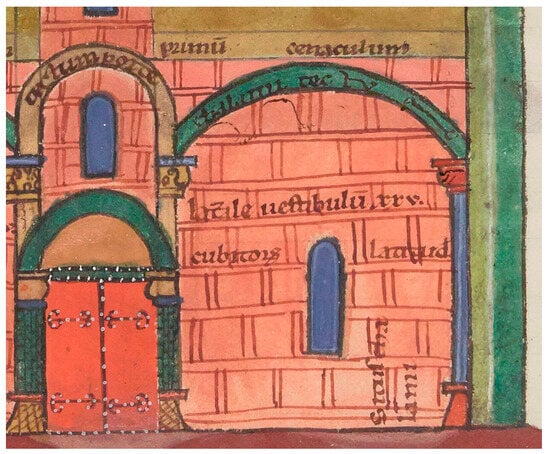
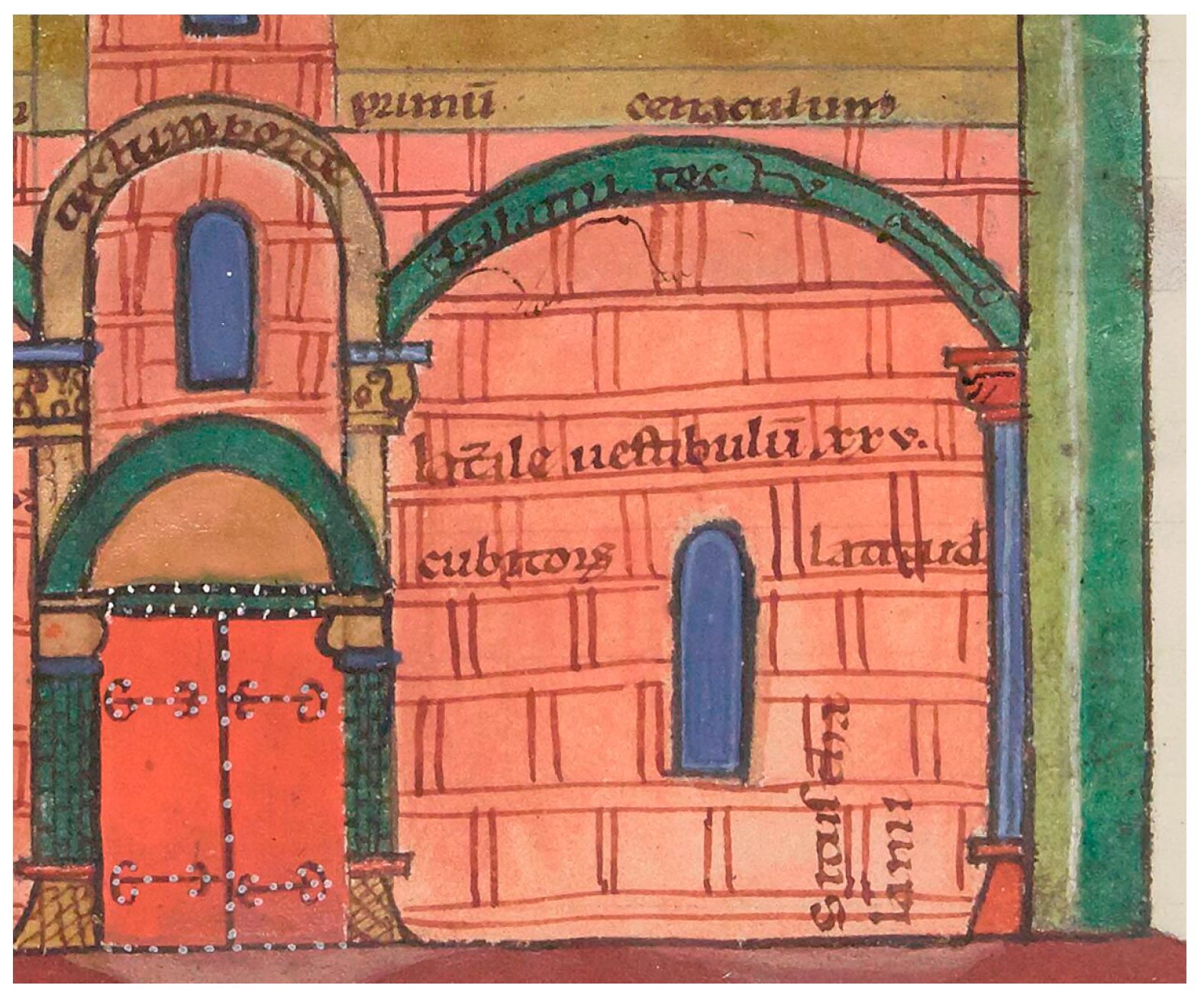
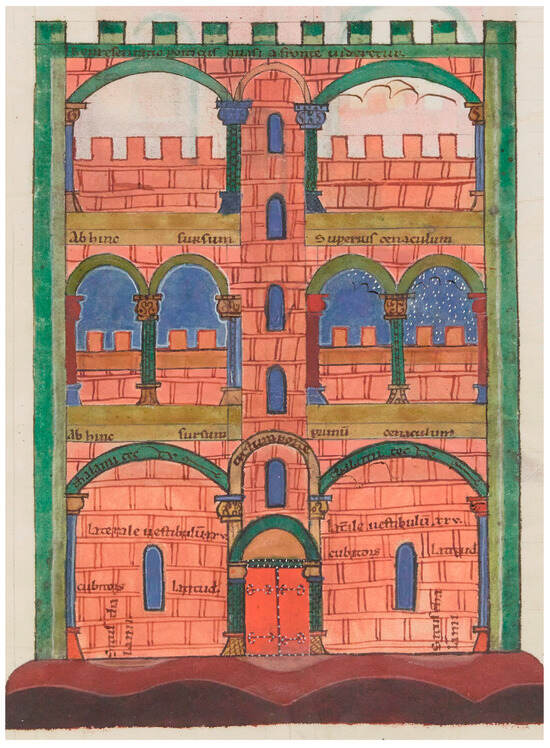
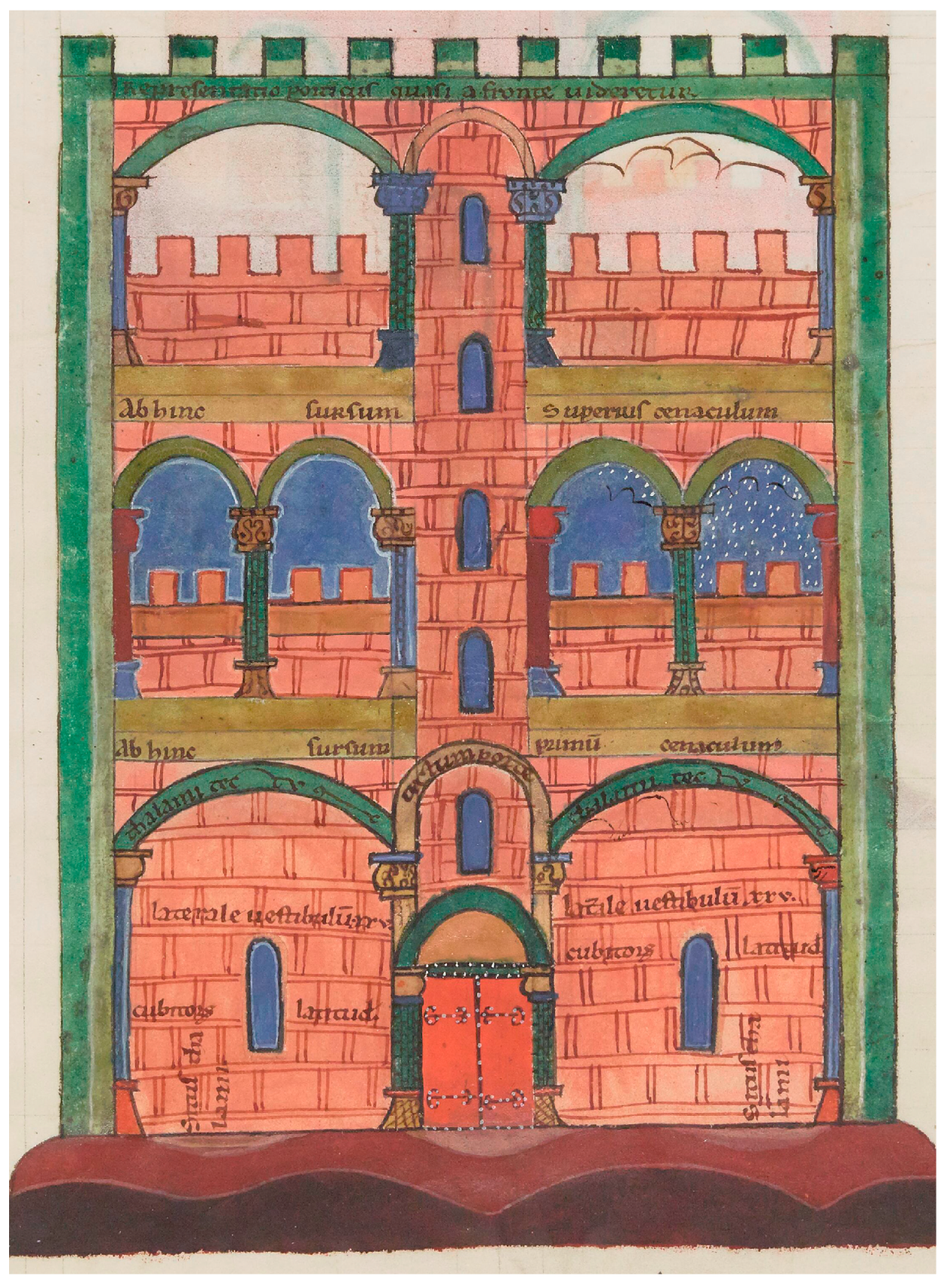
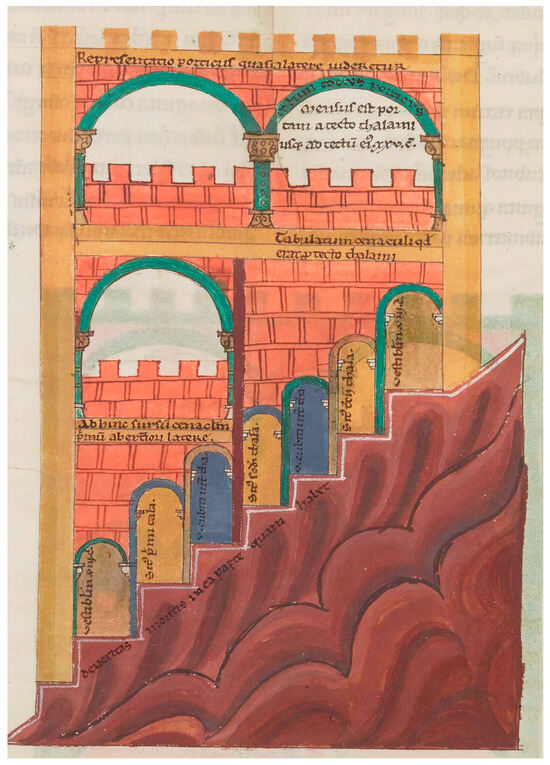
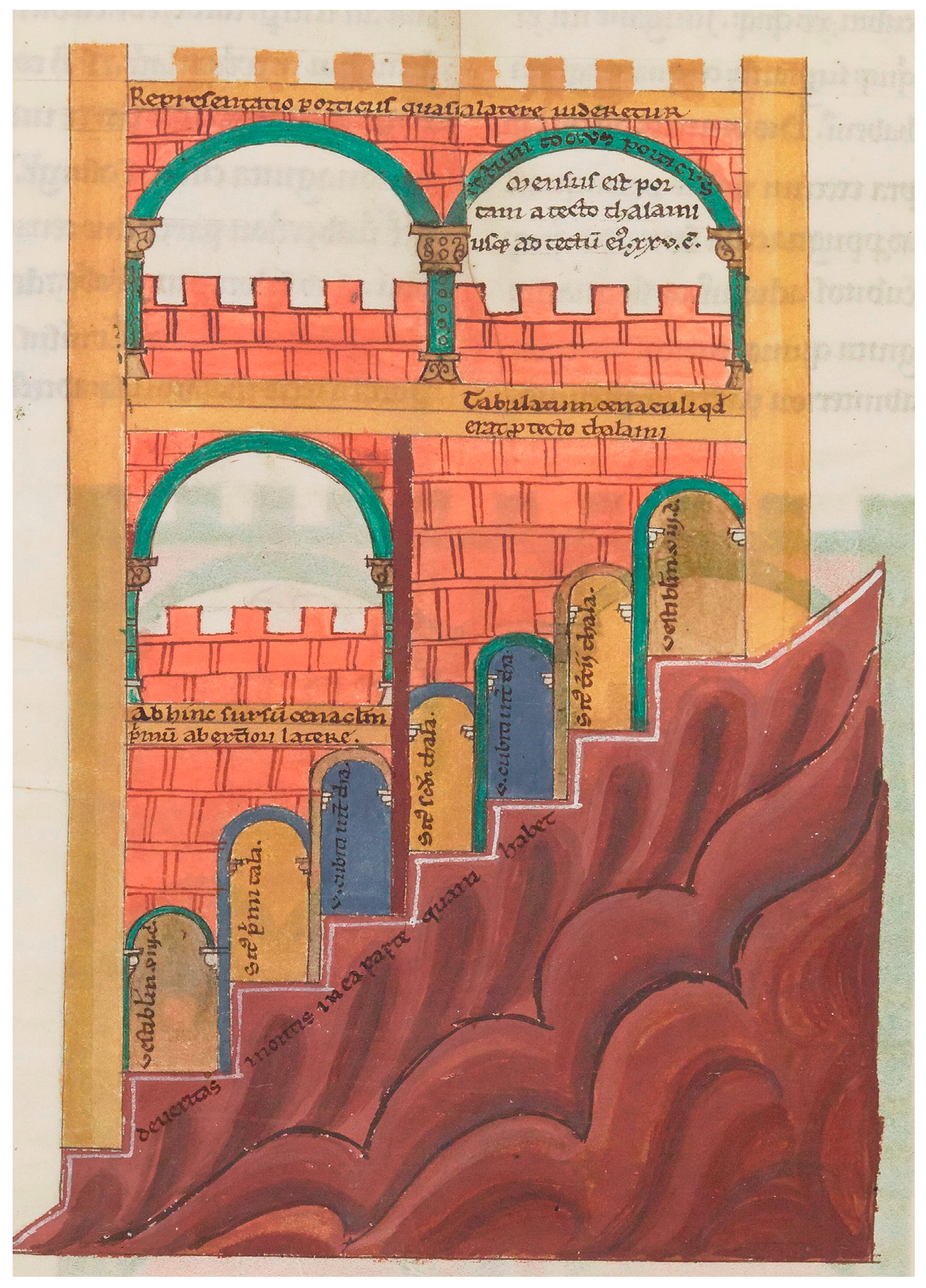
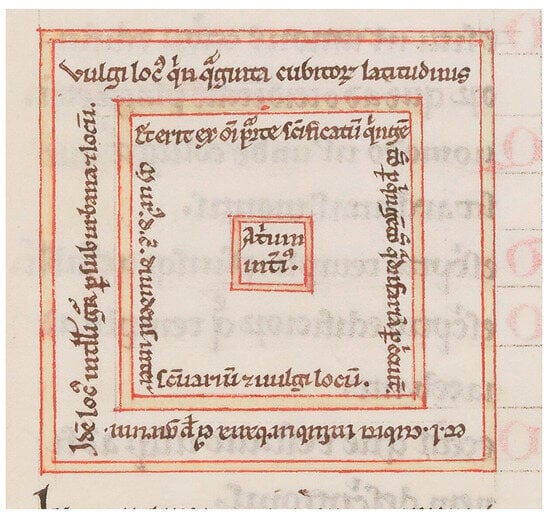
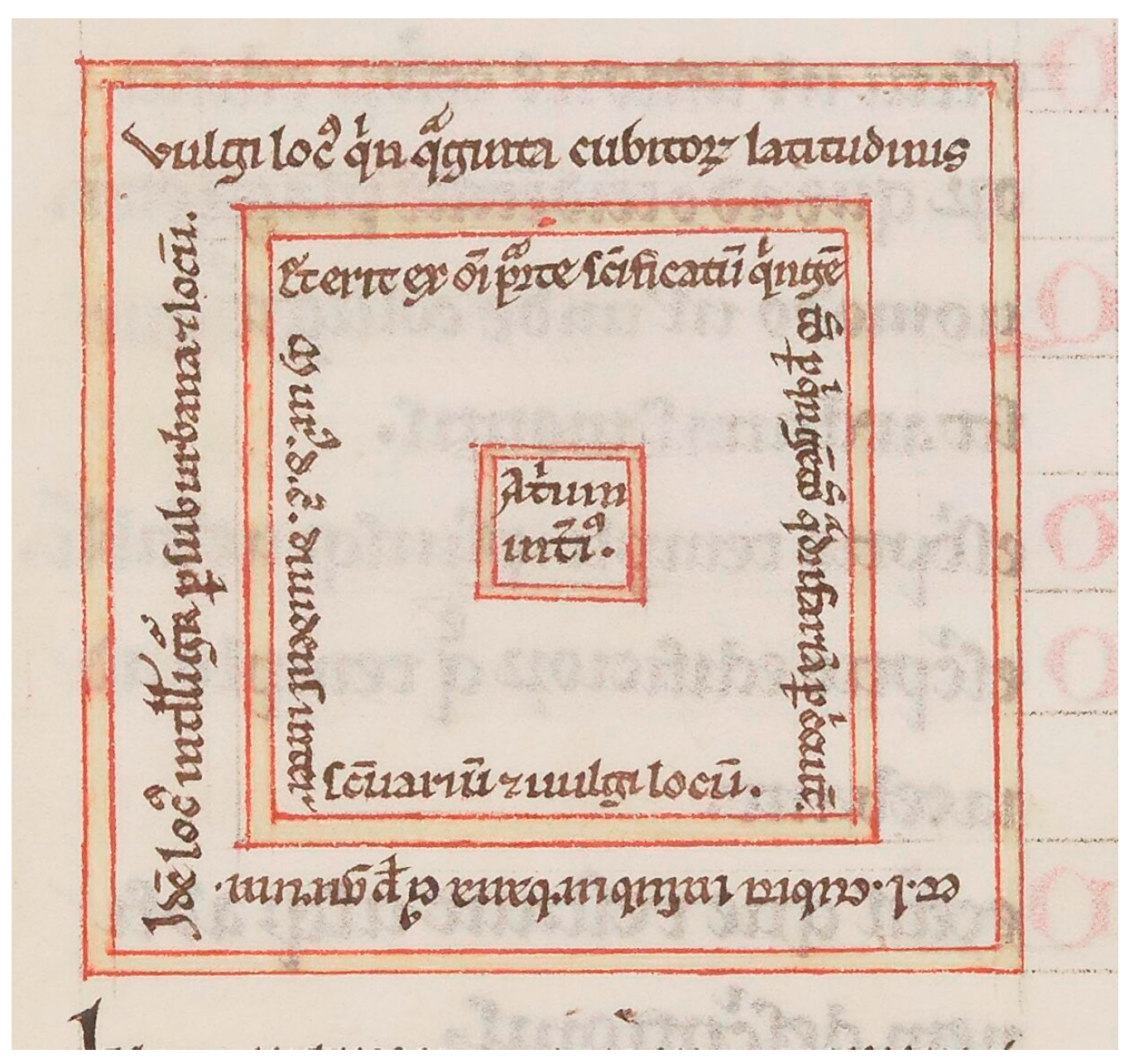
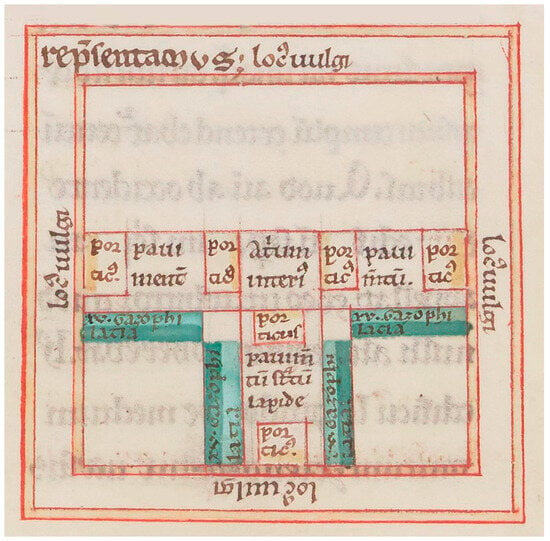
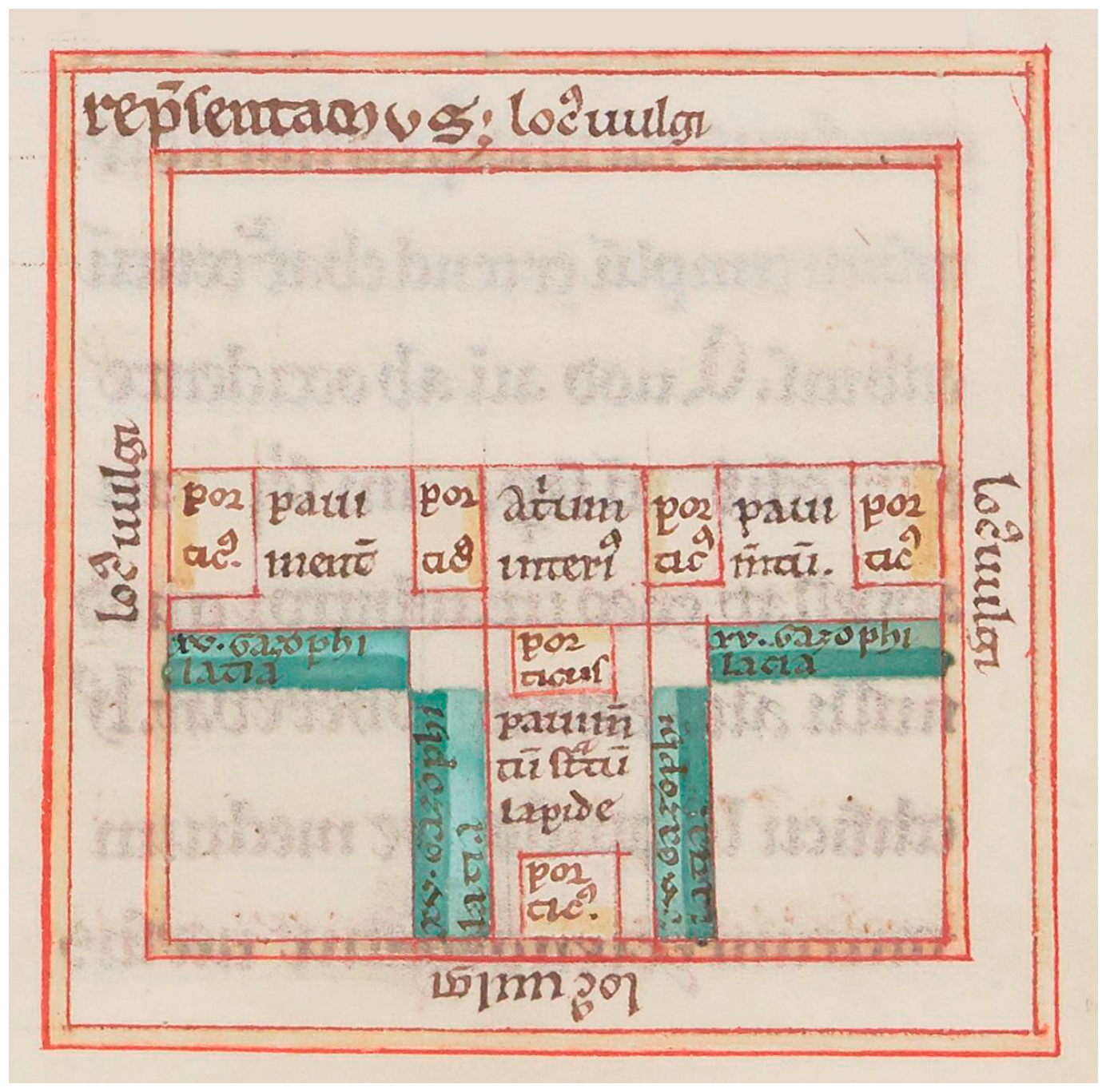
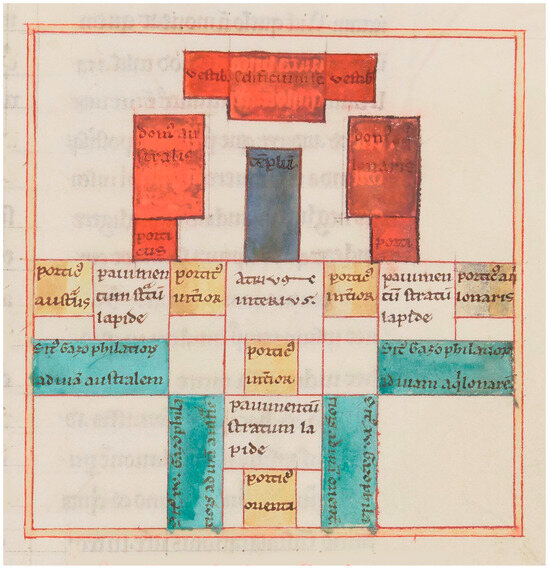
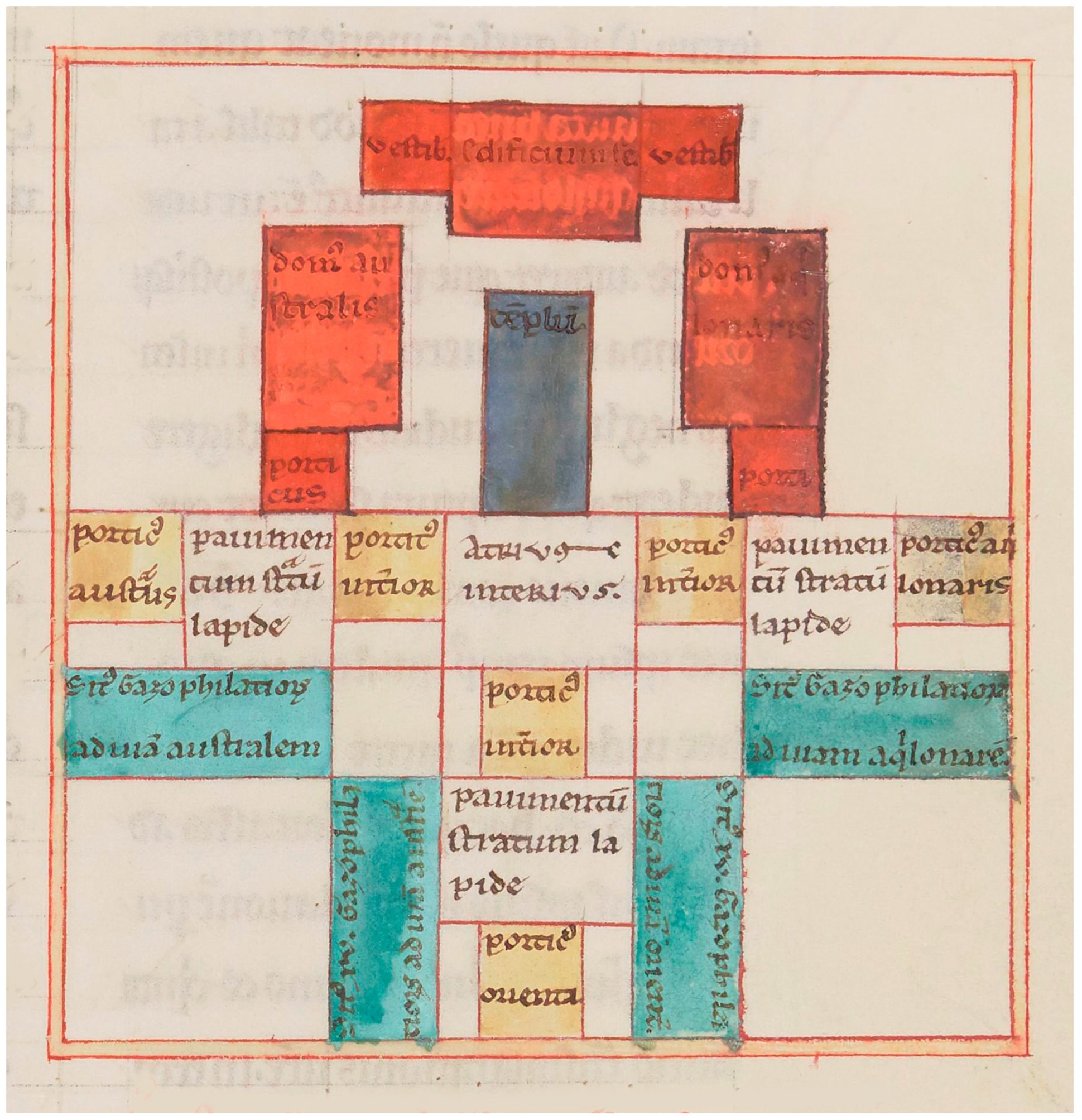
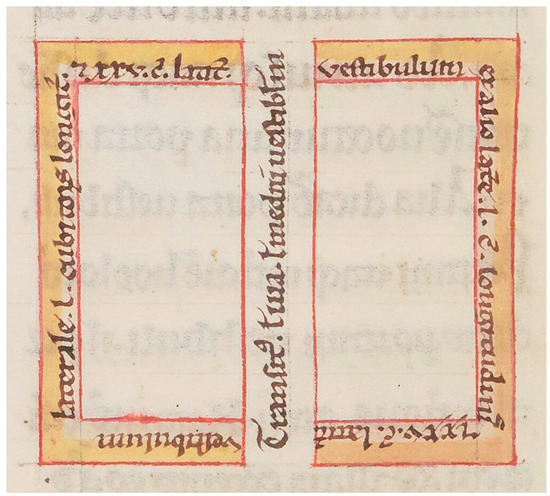
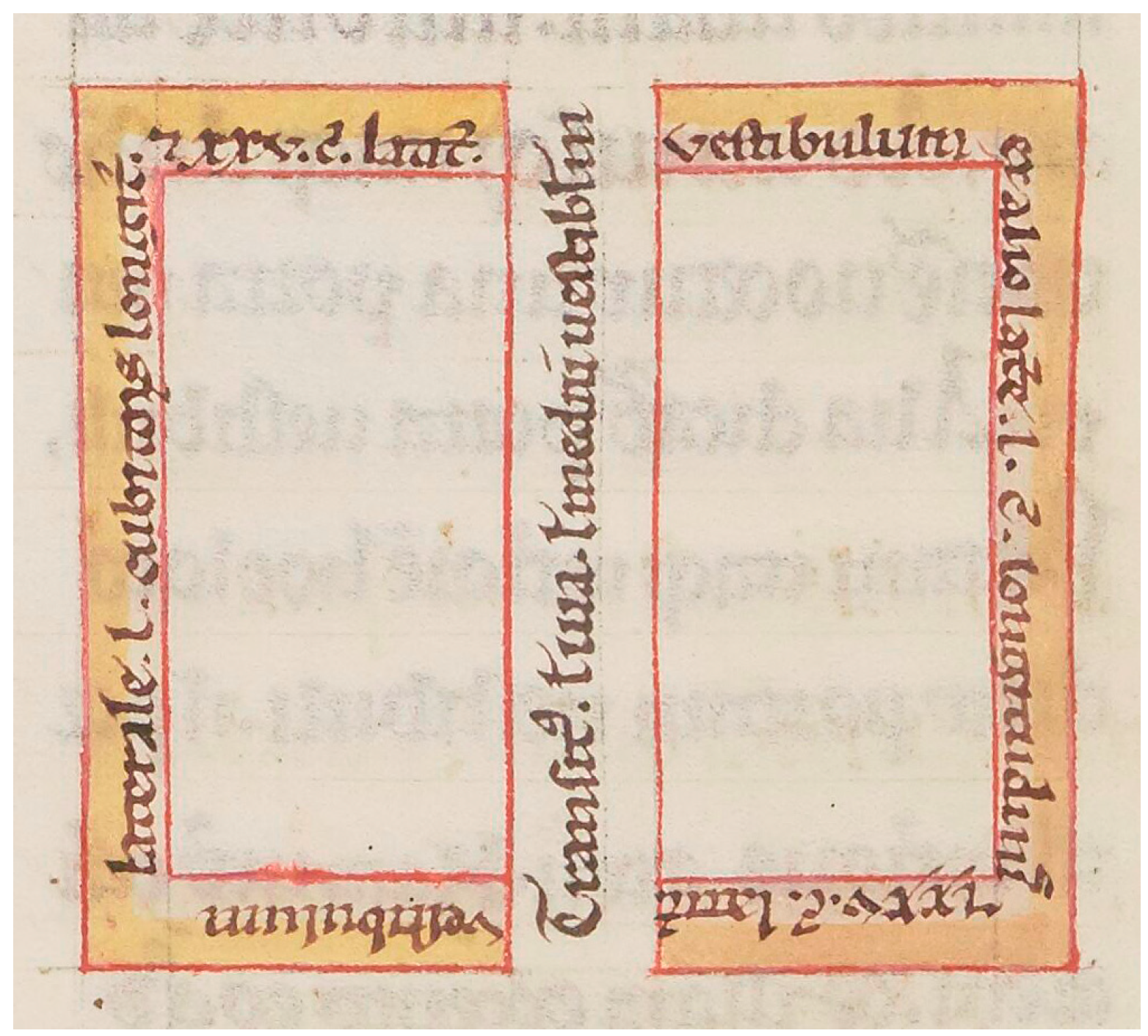
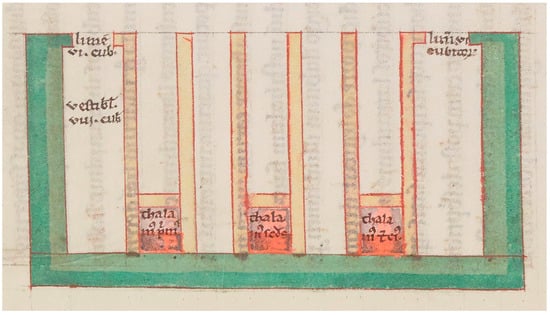
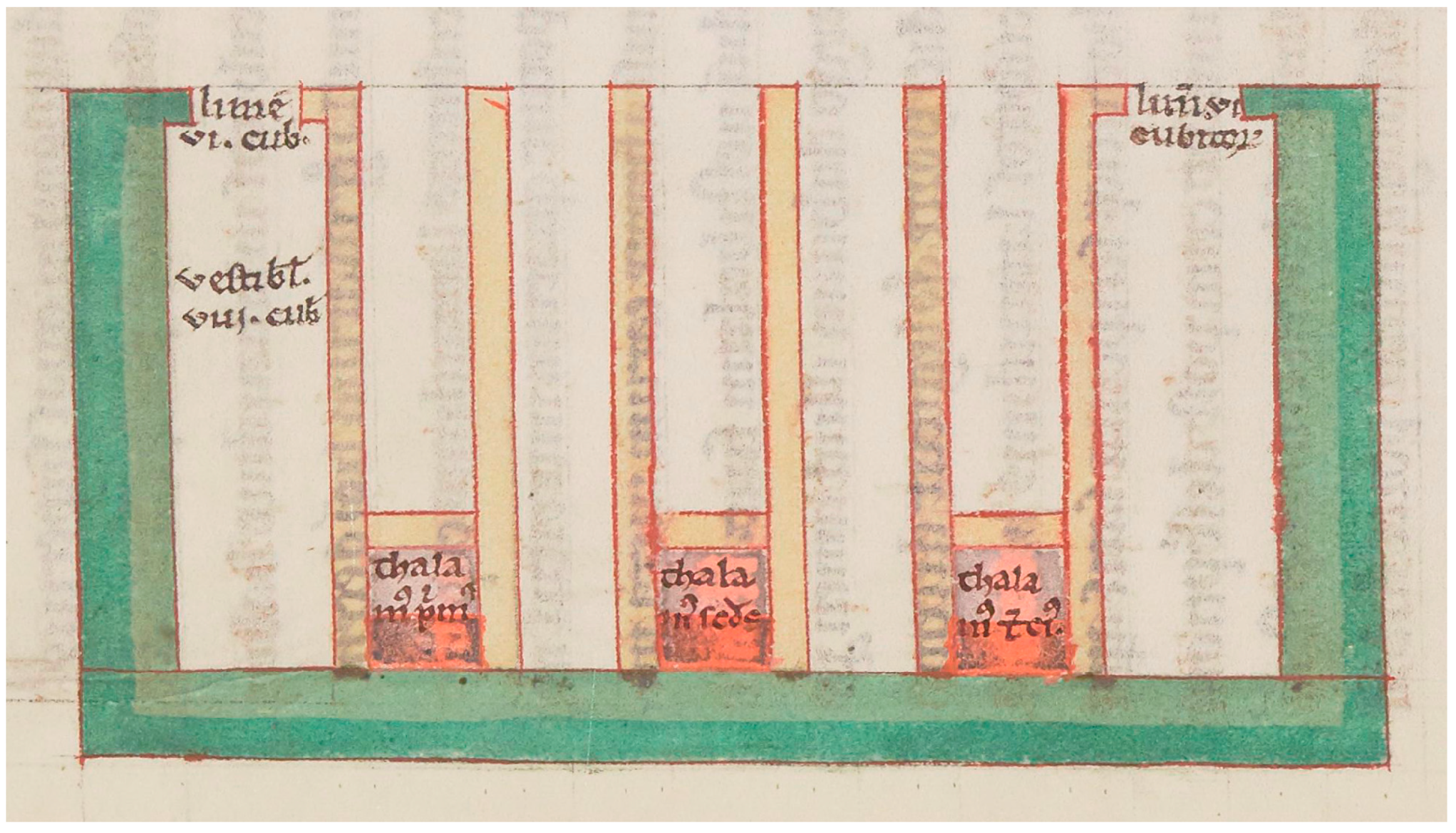
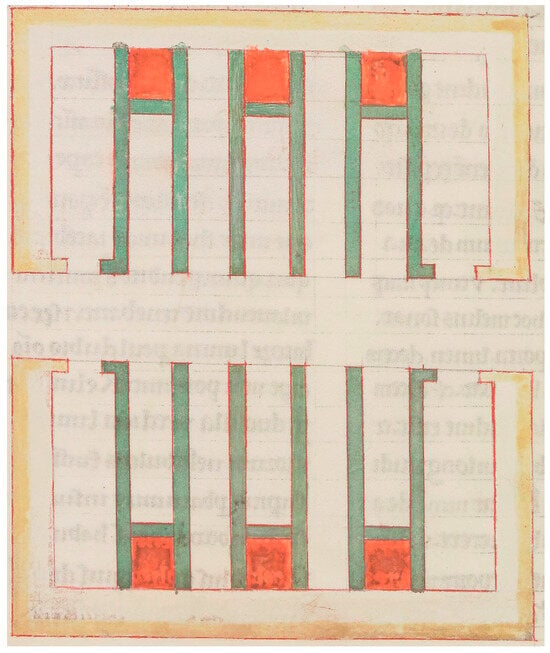
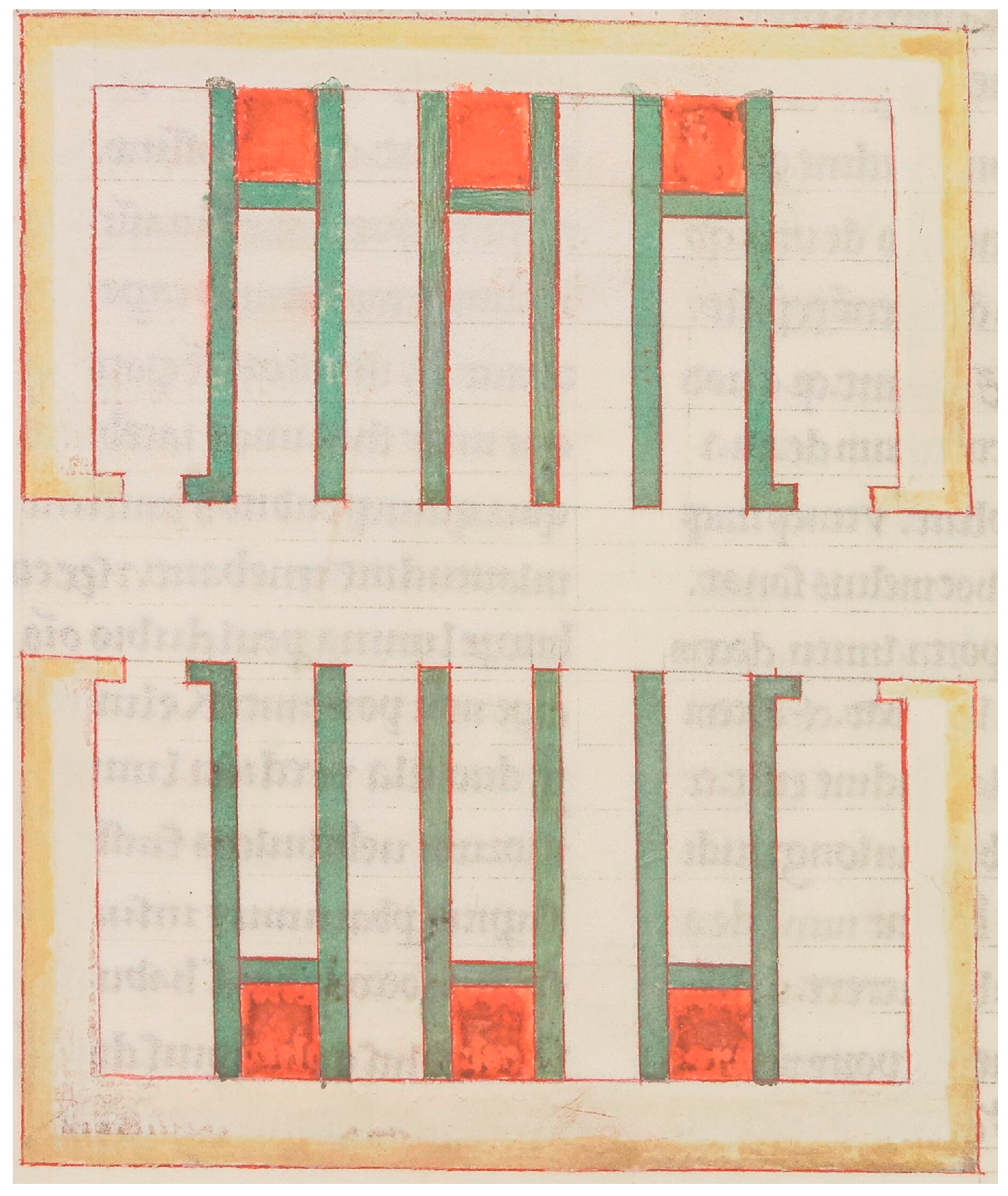
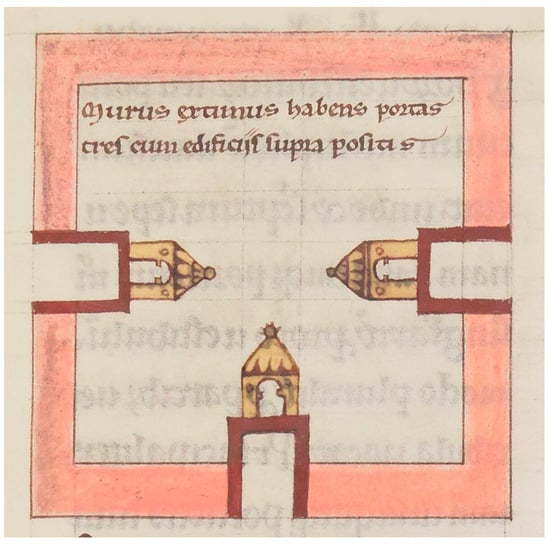
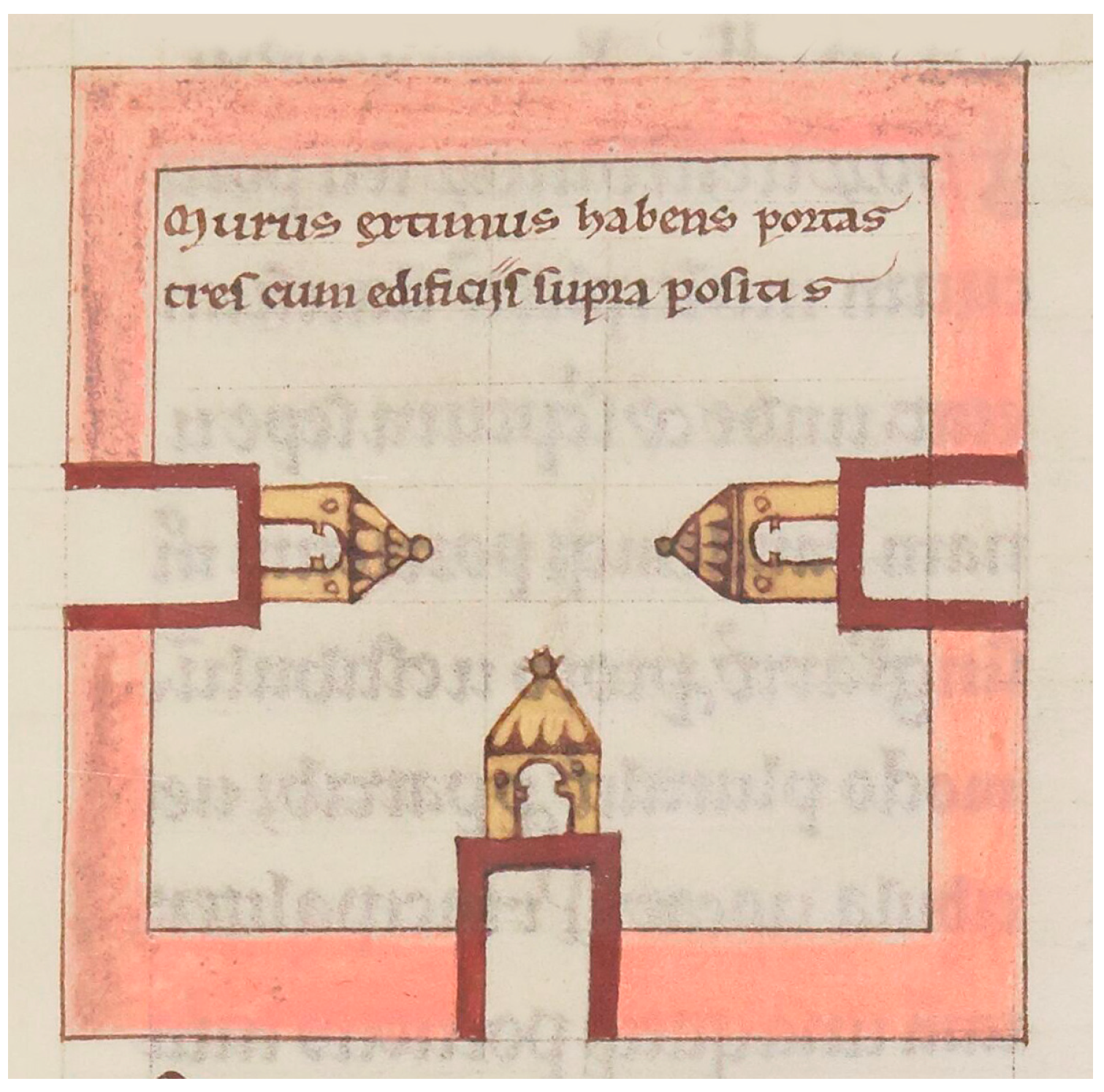
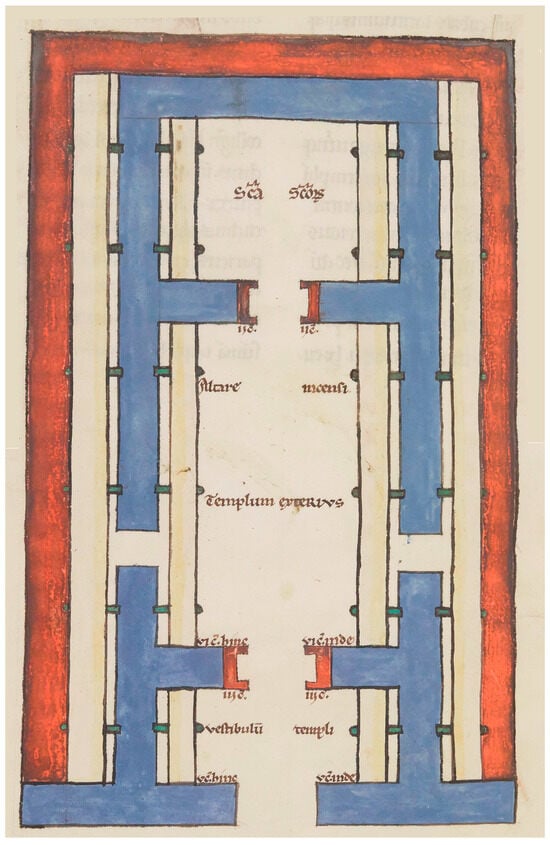
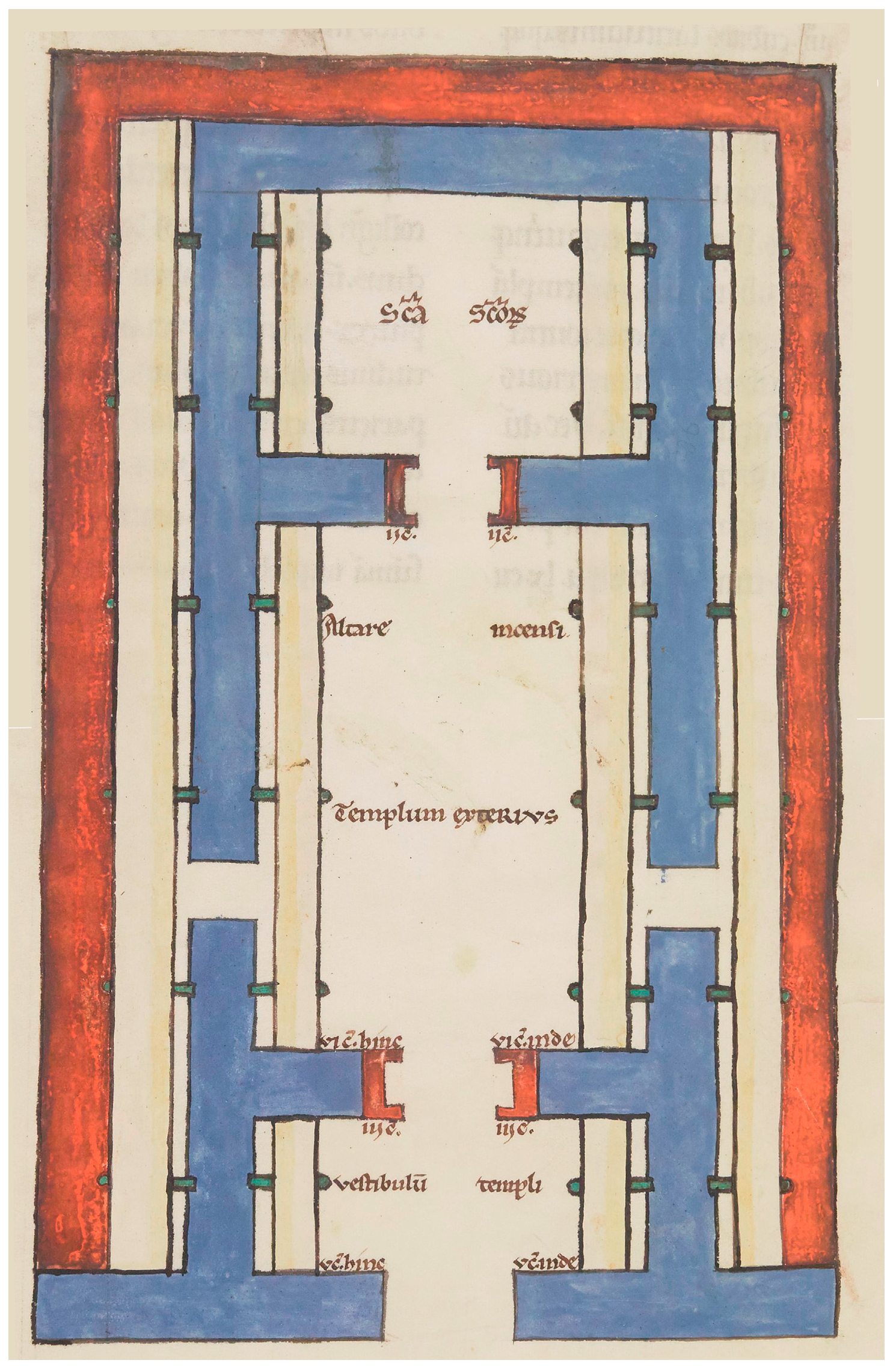
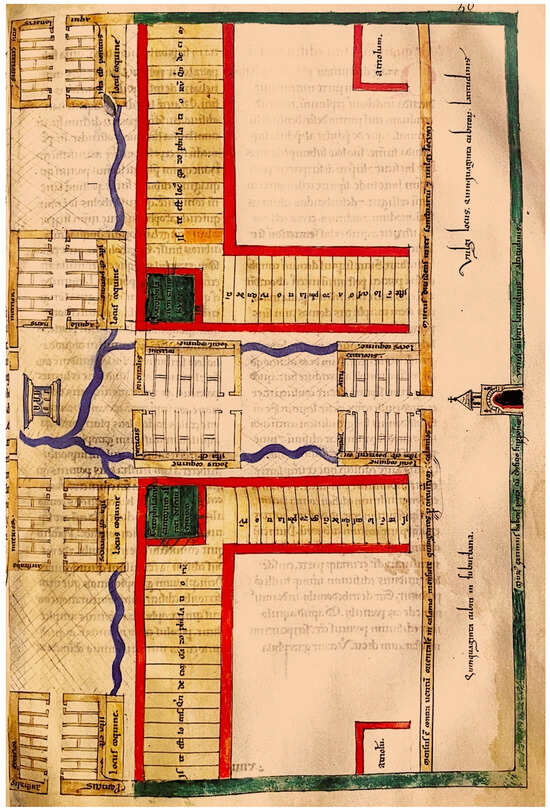
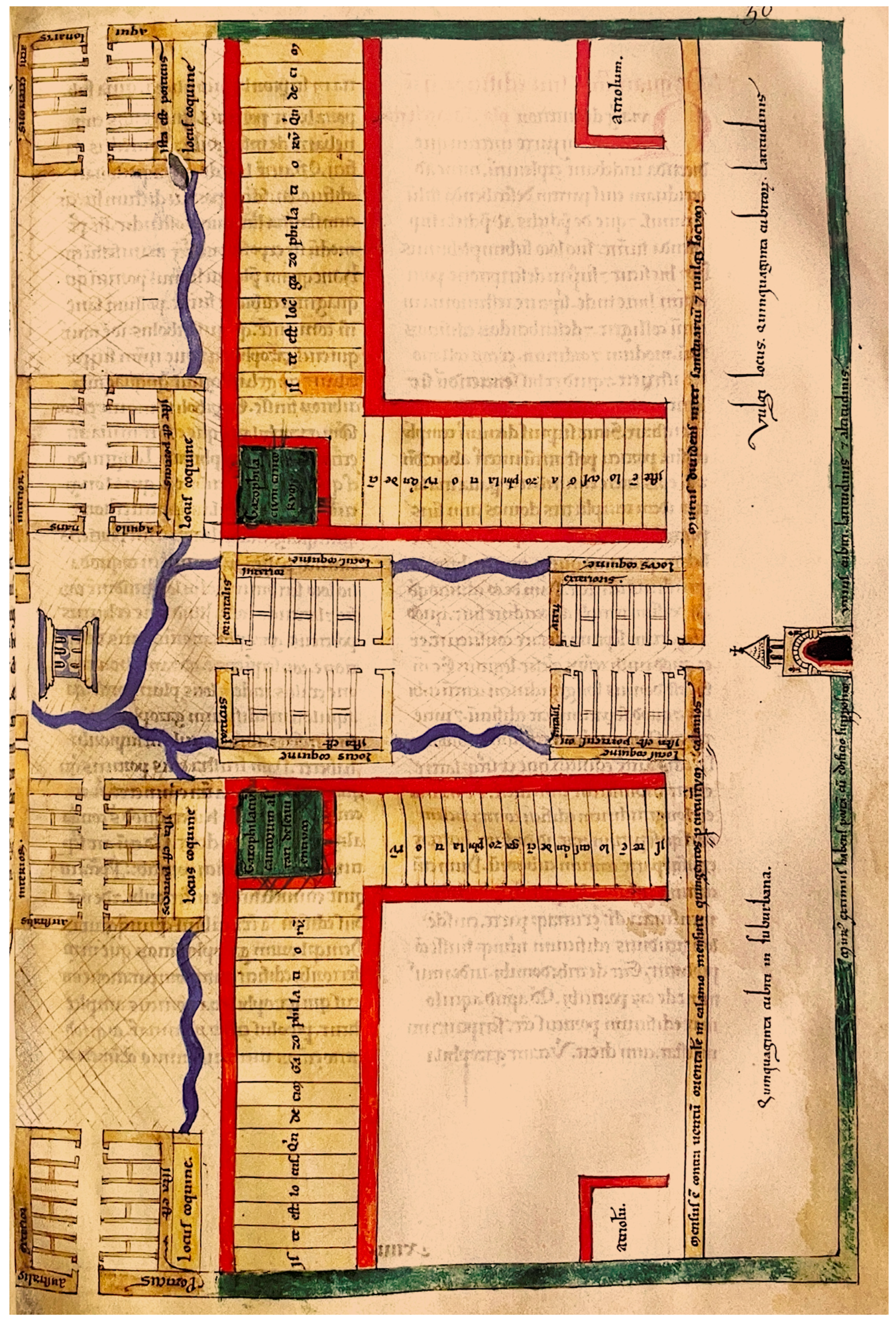
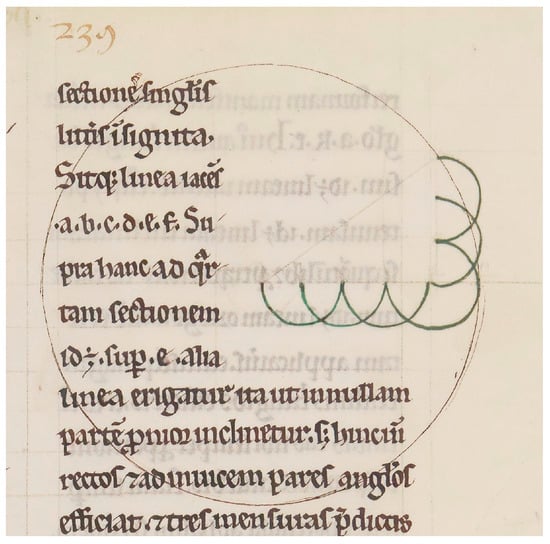
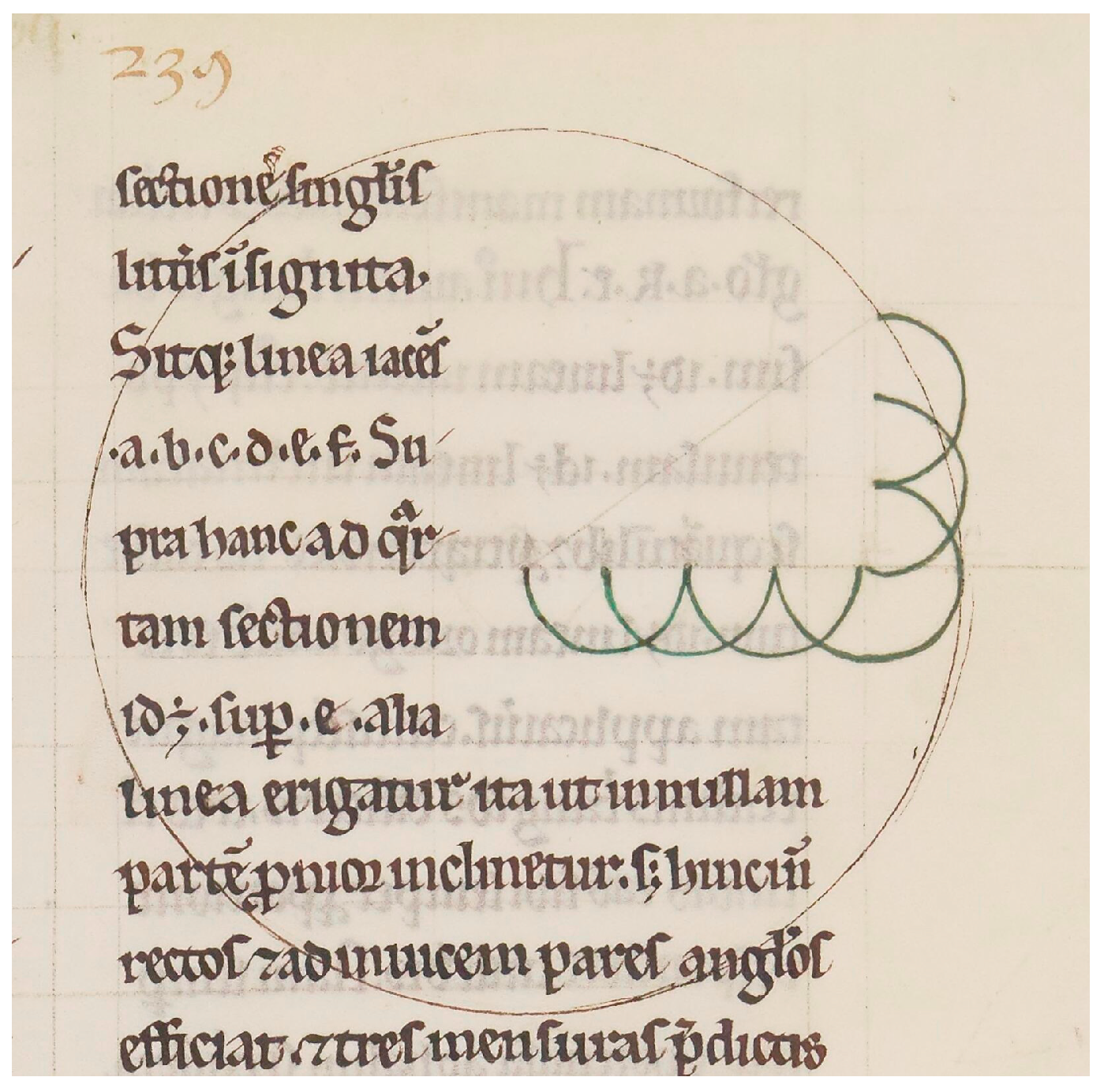
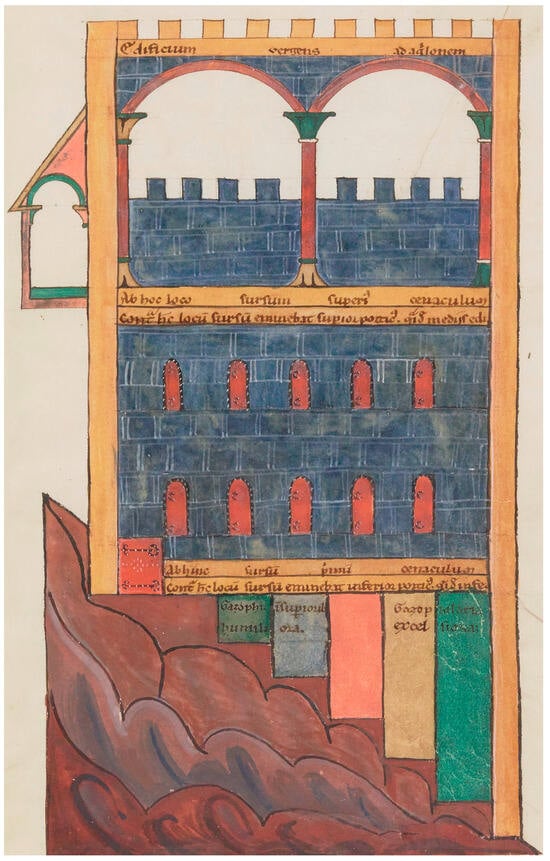
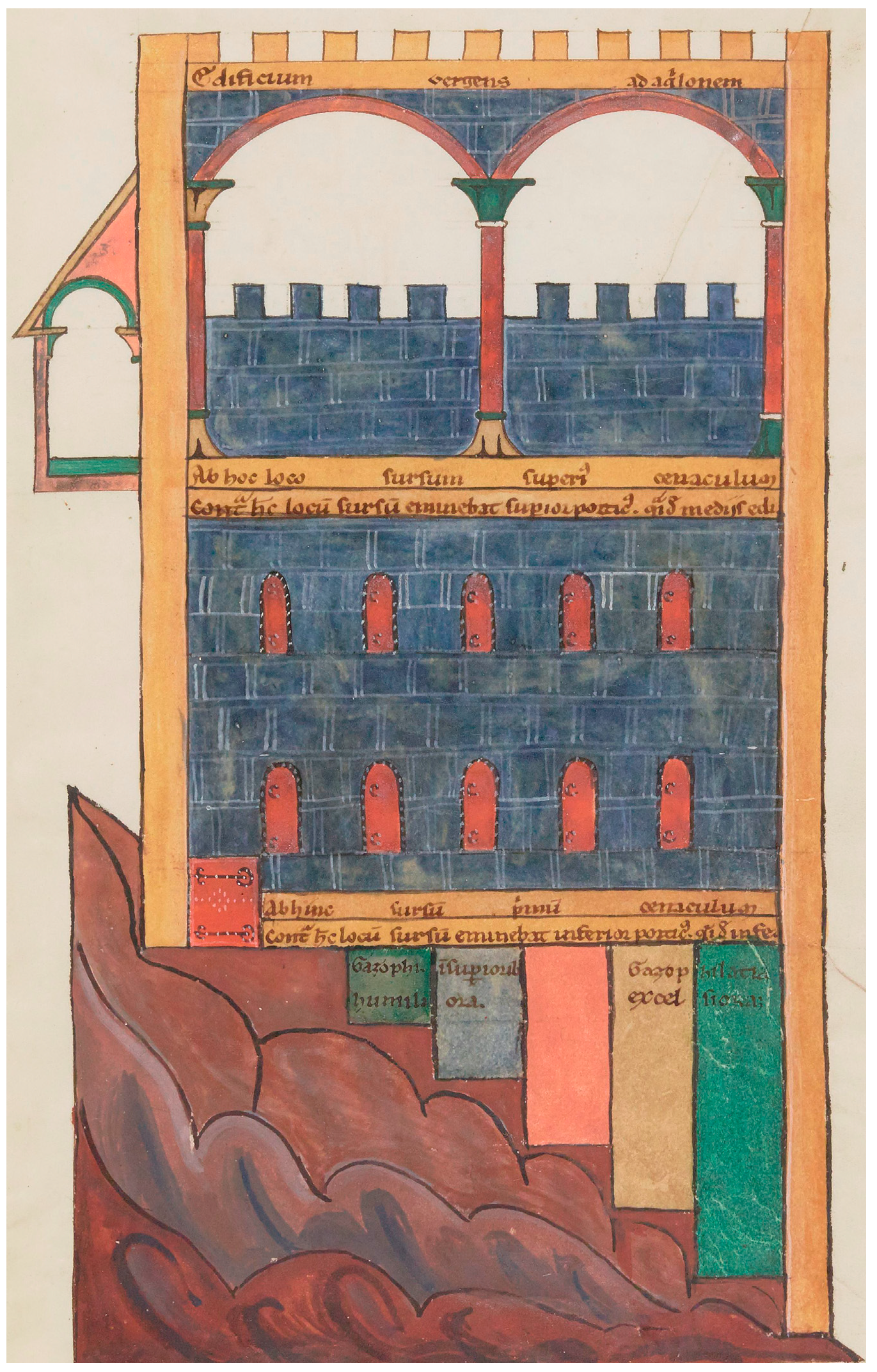
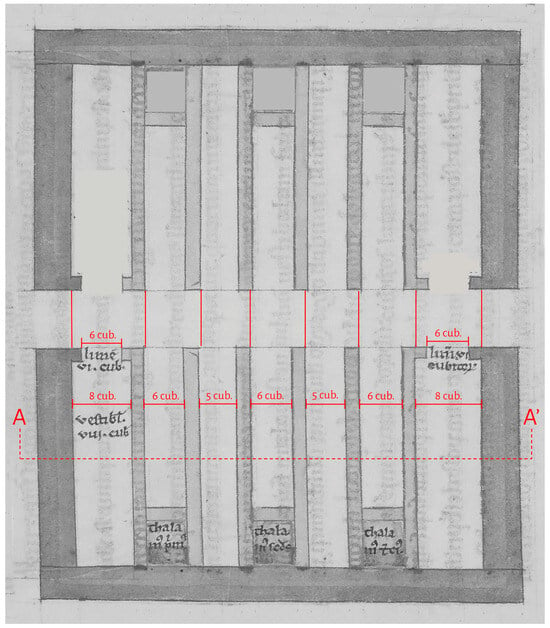
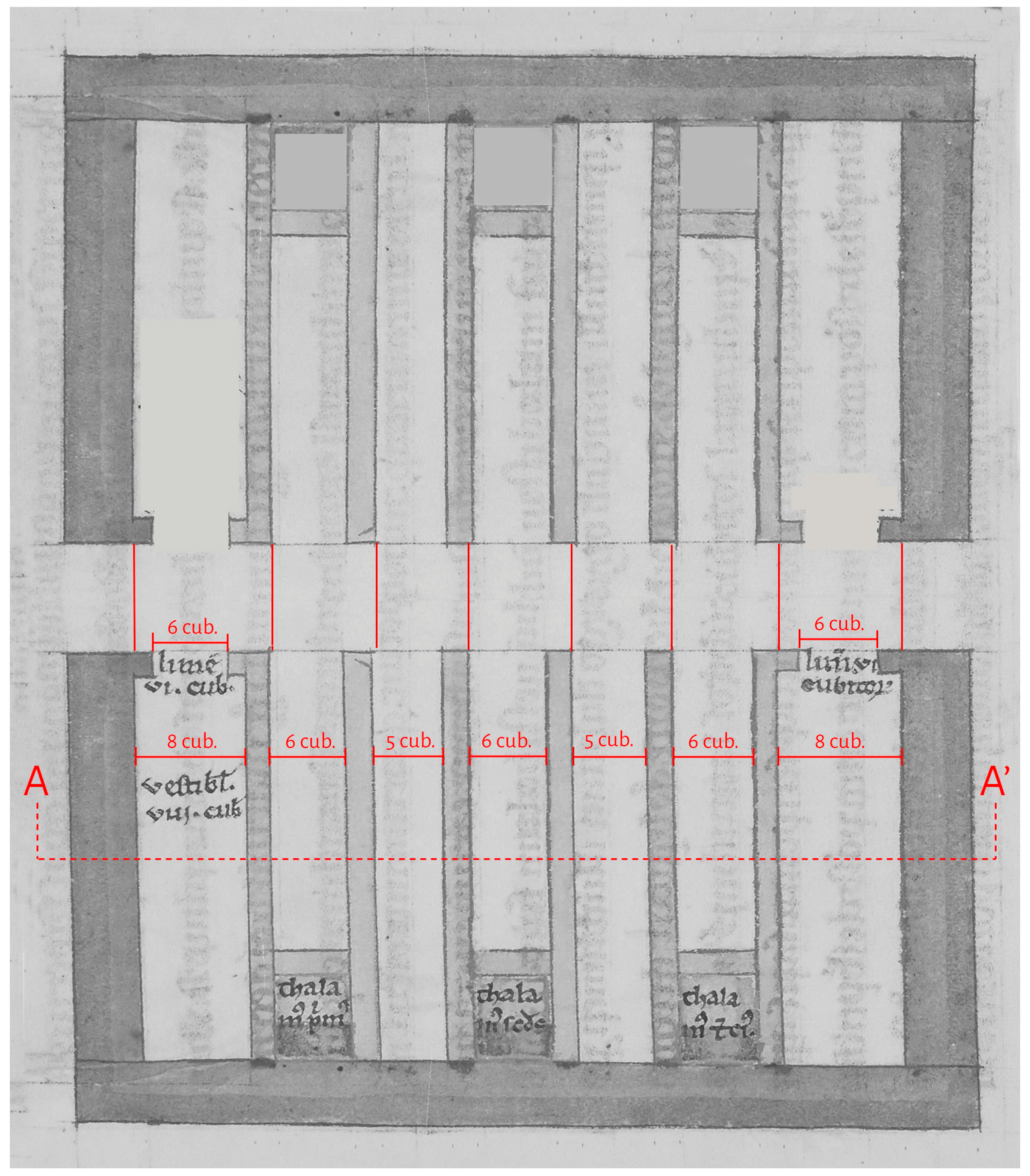
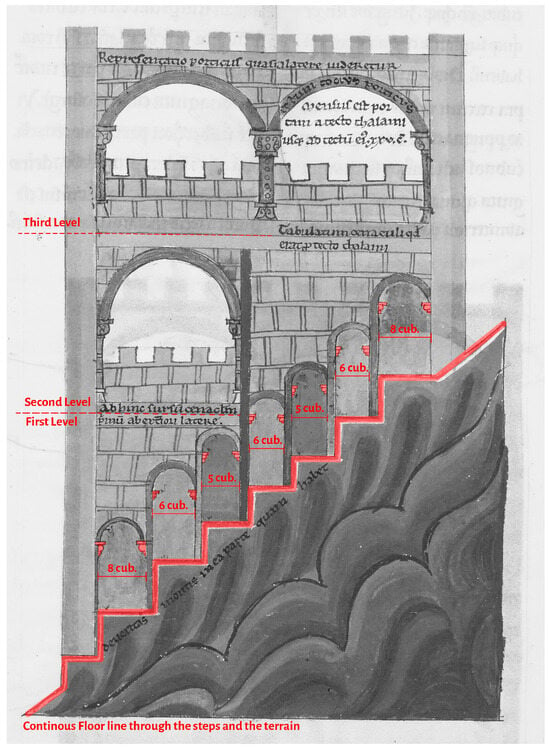
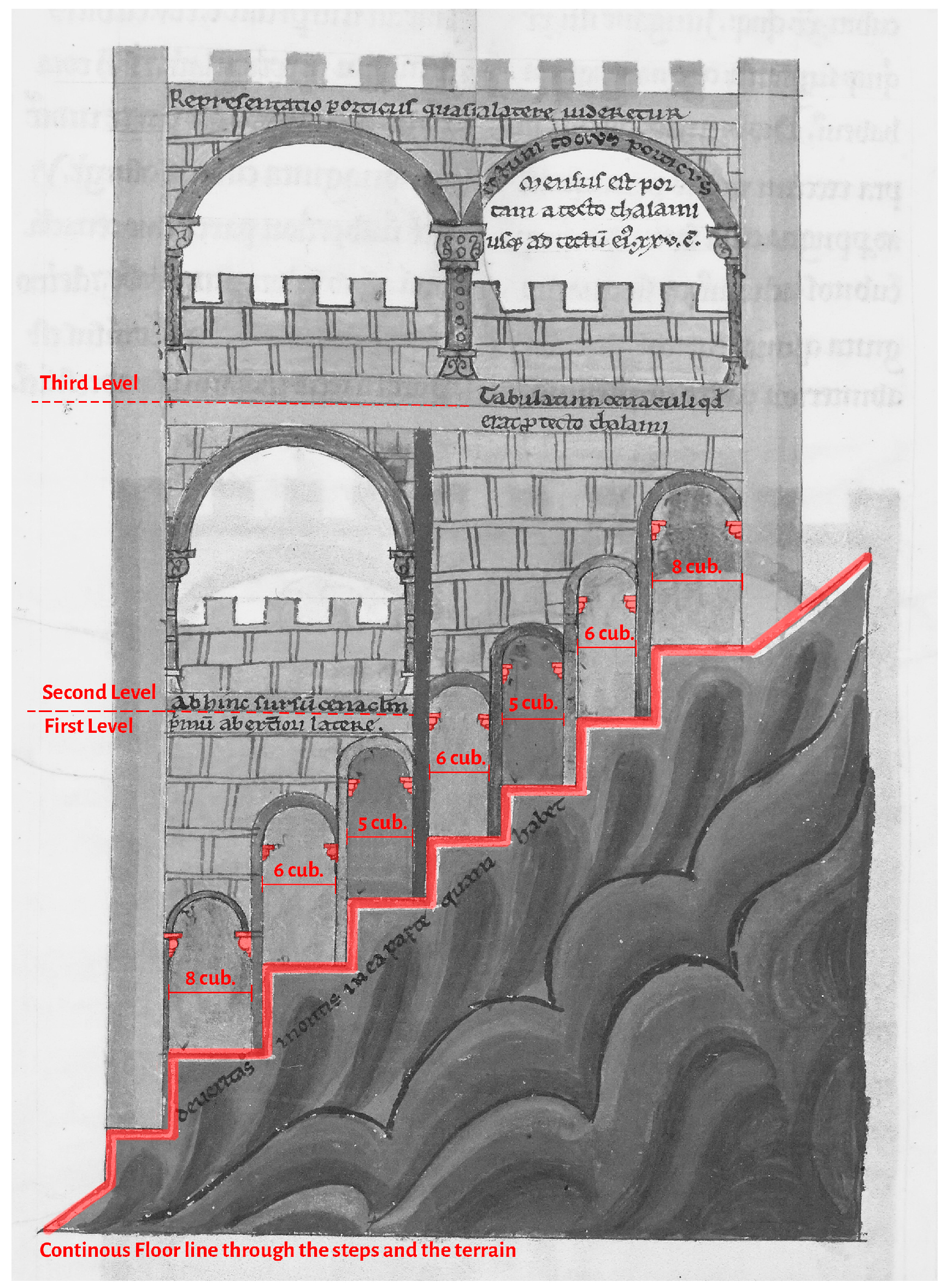
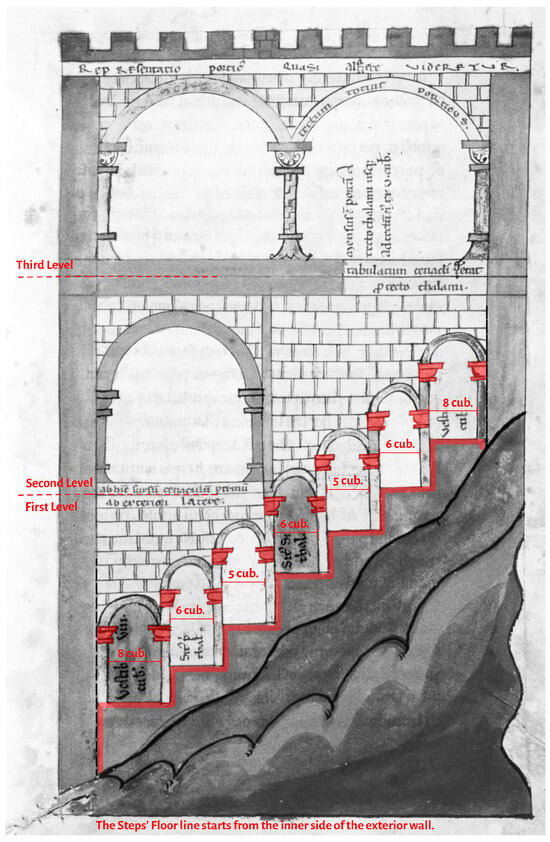
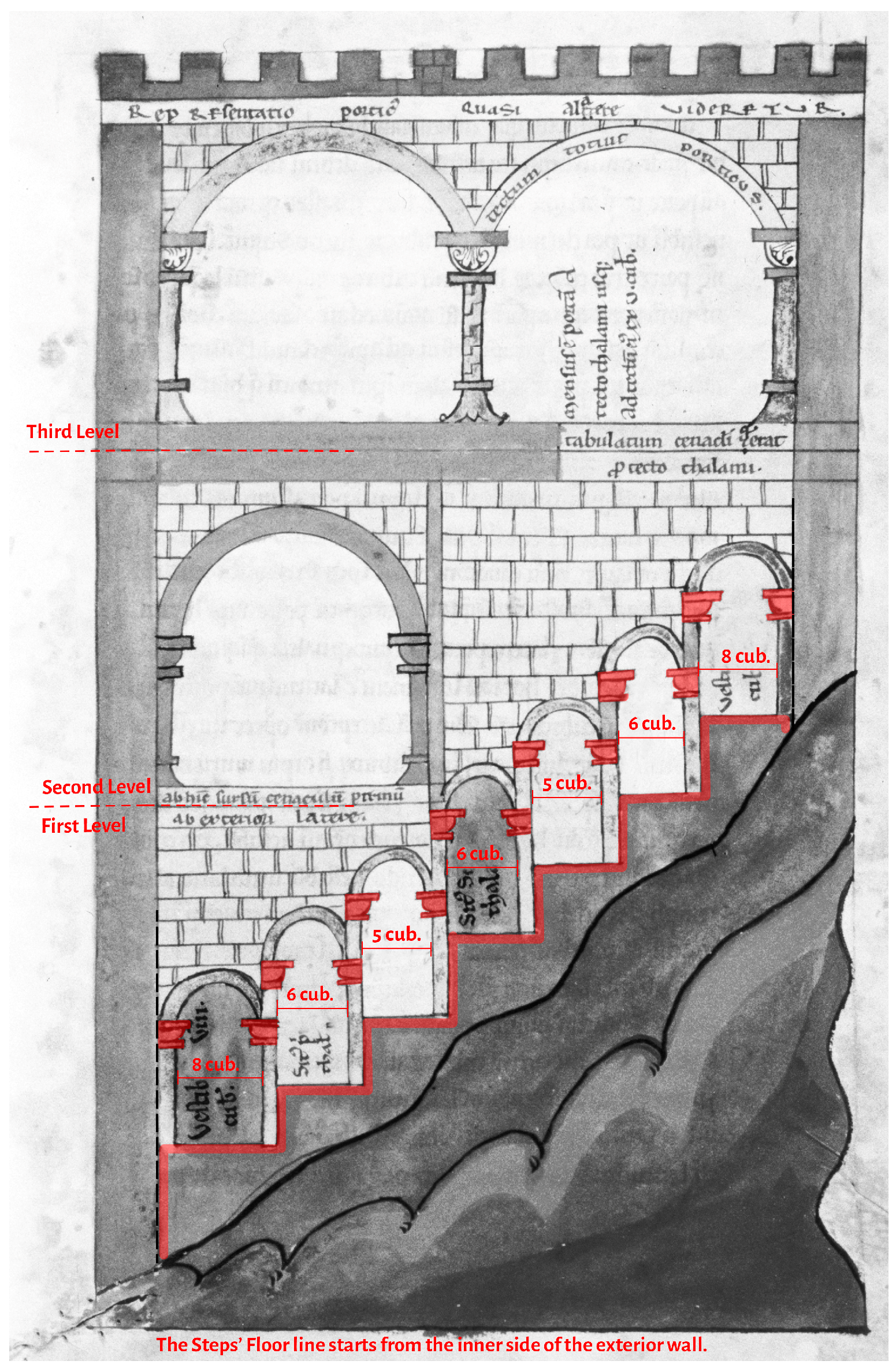
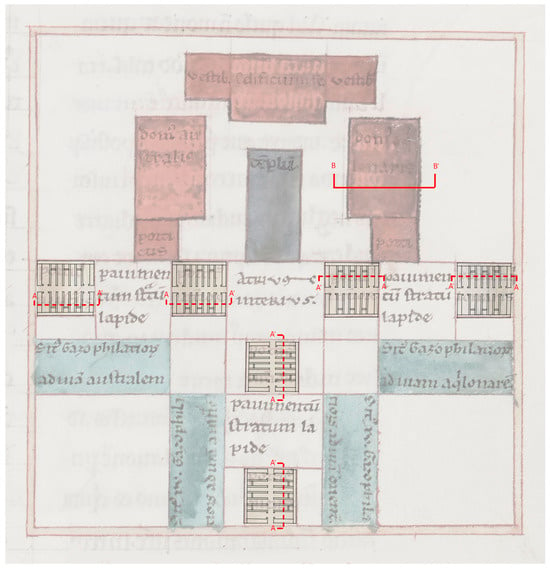
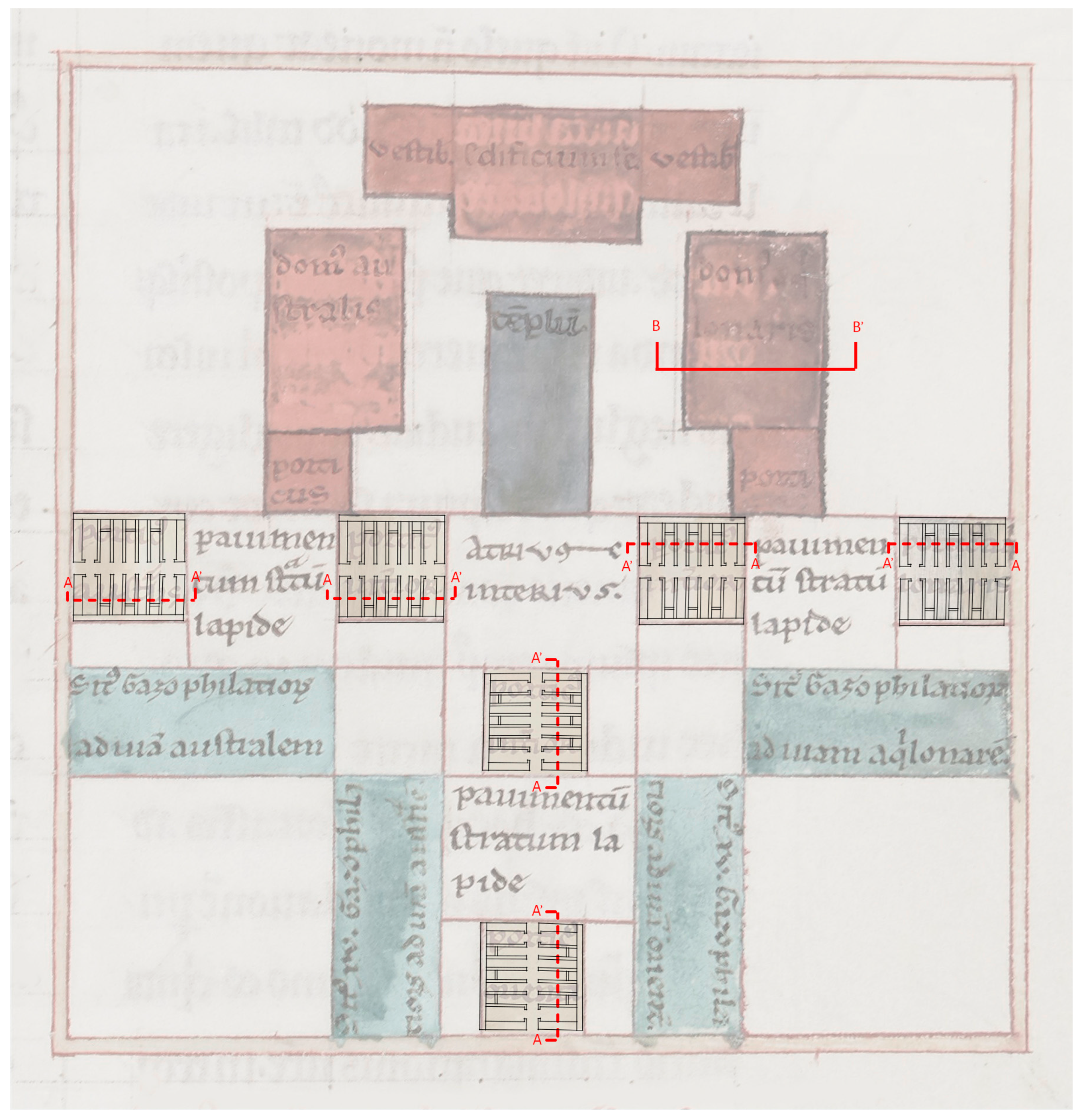

Disclaimer/Publisher’s Note: The statements, opinions and data contained in all publications are solely those of the individual author(s) and contributor(s) and not of MDPI and/or the editor(s). MDPI and/or the editor(s) disclaim responsibility for any injury to people or property resulting from any ideas, methods, instructions or products referred to in the content. |
© 2026 by the author. Licensee MDPI, Basel, Switzerland. This article is an open access article distributed under the terms and conditions of the Creative Commons Attribution (CC BY) license.