Article

Evaluation Method for Artificial Reefs Based on Multi-Object Tracking

1
Key Laboratory of Fisheries Remote Sensing, Ministry of Agriculture and Rural Affairs, East China Sea Fisheries Research Institute, Chinese Academy of Fishery Sciences, Shanghai 200090, China
2
School of Information Engineering, Huzhou University, Huzhou 313000, China
3
College of Information, Shanghai Ocean University, Shanghai 201306, China
4
School of Navigation and Naval Architecture, Dalian Ocean University, Dalian 116023, China
*
Authors to whom correspondence should be addressed.
These authors contributed equally to this work.
J. Mar. Sci. Eng. 2025, 13(3), 471; https://doi.org/10.3390/jmse13030471
Submission received: 6 February 2025 / Revised: 25 February 2025 / Accepted: 27 February 2025 / Published: 28 February 2025
(This article belongs to the Section Marine Biology)

Abstract

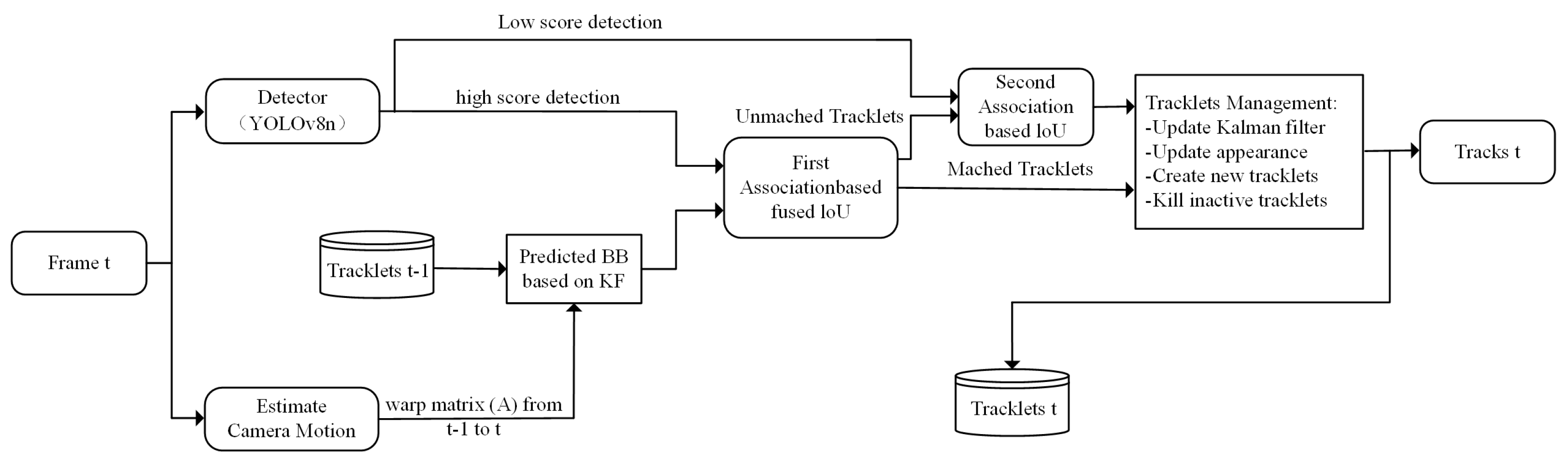
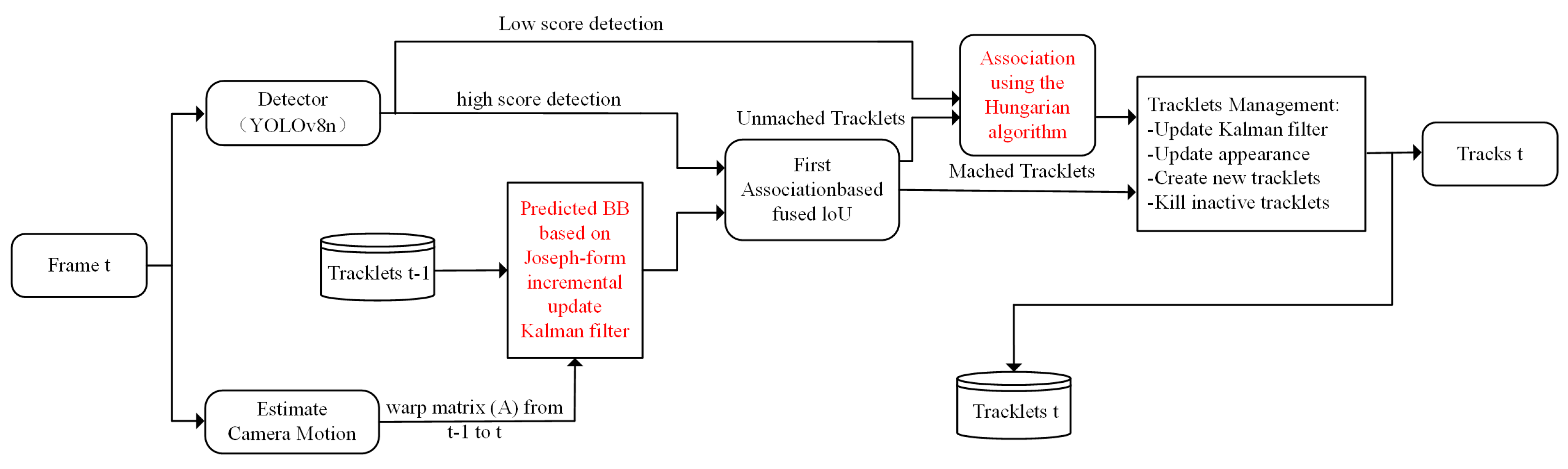
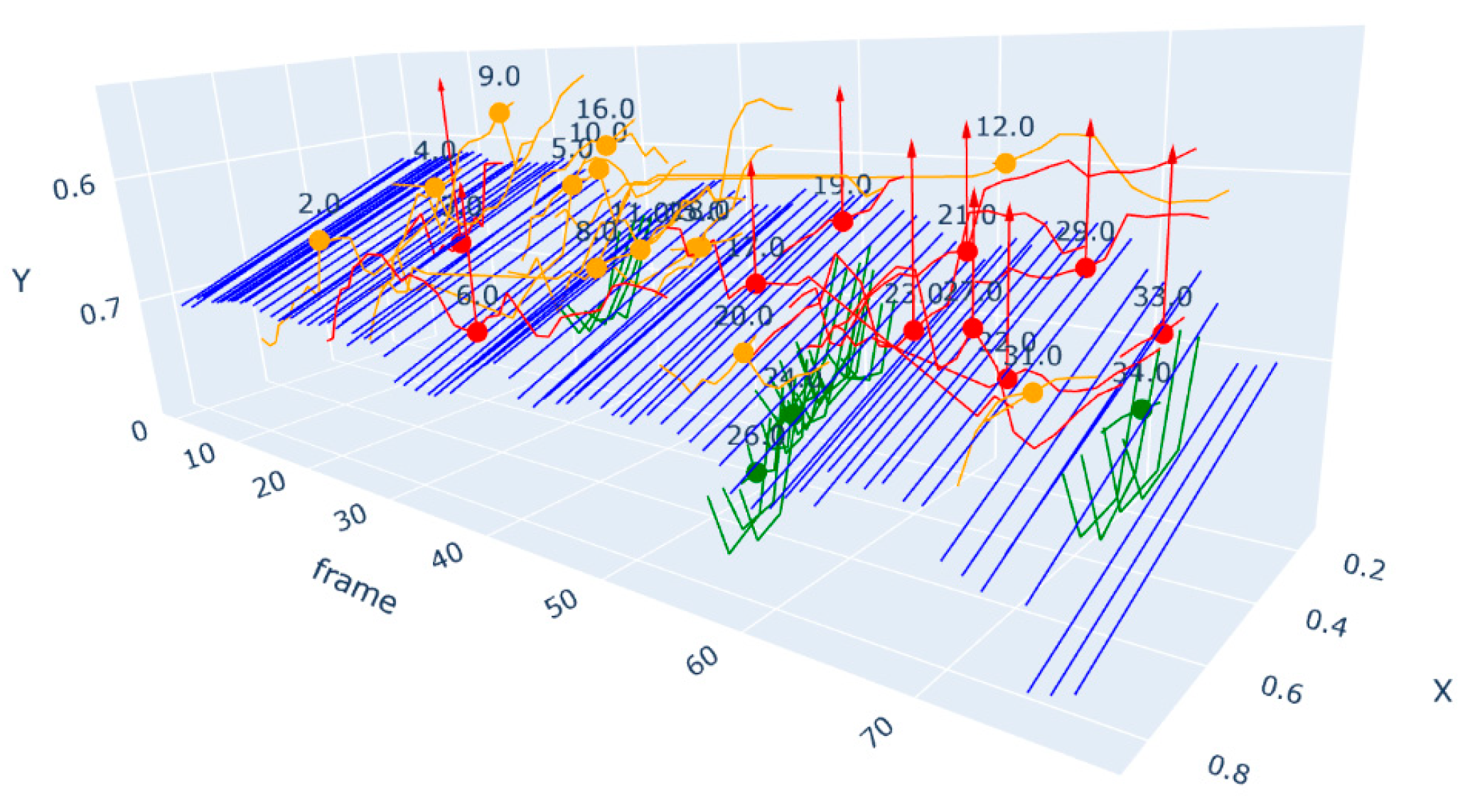
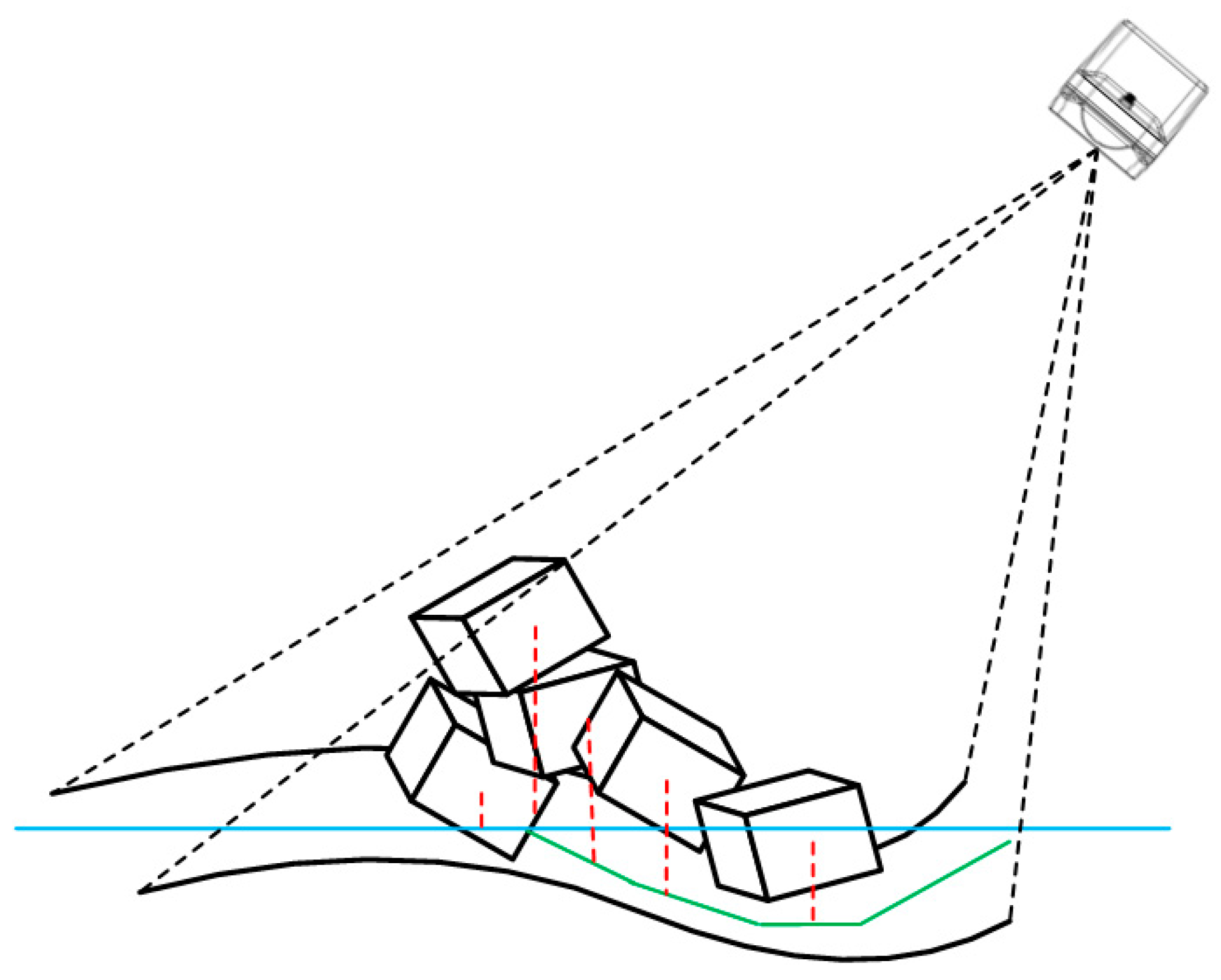
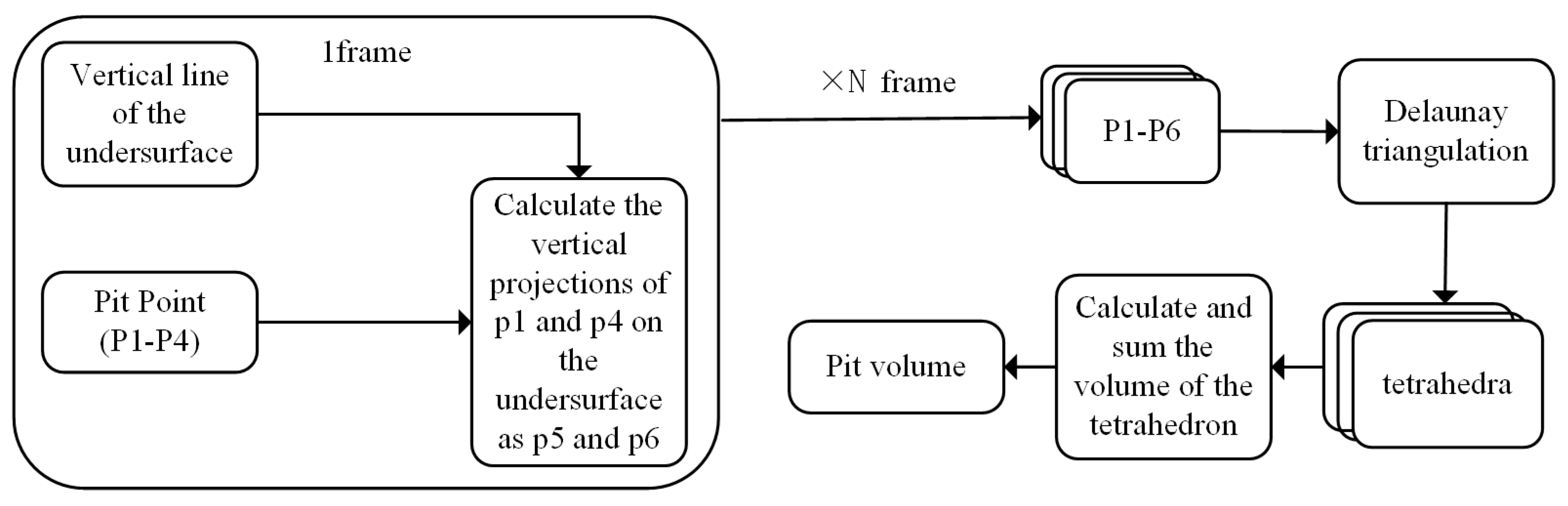
Artificial reefs (ARS) are structures placed in the ocean, and their posture and position affect the placement effect of the reef. Quantitative data on the reef posture and position can provide references for the creation of a favorable environment for marine organisms. This paper focuses on improving the quality assessment methods for the deployment of ARS in marine habitats. Based on the images of ARS detected by forward-looking sonar, a new method is proposed to determine the three-dimensional position and deployment effectiveness of the reefs, with the aim of obtaining more detailed information about the ARS to assist in evaluating the quality of their deployment. By constructing a multi-object tracking (MOT) dataset based on the Oculus sonar, the YOLOv8n-pose series model was used for object detection. Subsequently, the three-dimensional position and subsidence of ARS were evaluated using trajectories identified by the MOT algorithm. This paper compares various MOT algorithms and improves the BOTSORT algorithm by introducing the Hungarian algorithm and the Joseph form of the Kalman filter, significantly enhancing the accuracy of target tracking. The experimental results demonstrate that, within the framework of the YOLOv8n-pose model, the detection and association accuracy of the BOTSORT algorithm, which has been refined to address the characteristics of sonar images, has been further enhanced. Additionally, this paper proposes a mathematical modeling method for the assessment of ARS and their subsidence, providing important technical support and solutions for future marine ranch construction.
Keywords: artificial reef; sonar images; multi-object tracking (MOT) algorithm; three-dimensional position evaluation artificial reef; sonar images; multi-object tracking (MOT) algorithm; three-dimensional position evaluation