


Abstract
Bio-based inputs are increasingly promoted as alternatives or complements to conventional agricultural inputs, yet evidence on their adoption remains fragmented across product categories, behavioural outcomes, and farming contexts. This scoping review mapped survey-based and socio-economic evidence on how farmers perceive, evaluate, and use bio-based inputs in crop production systems. Following PRISMA-ScR guidance, Scopus and Web of Science were searched for English-language peer-reviewed survey-based socio-economic studies involving farmers or agricultural input-use decision makers; 1904 records were initially identified; 448 articles were ultimately included. Data were charted using a structured extraction framework and synthesised across four questions addressing perceptions, willingness to adopt or pay, translation into trial or actual use and post-adoption outcomes, and advisory, market, institutional, and policy conditions. Findings reveal tension between perceived sustainability benefits and concerns over agronomic reliability, cost, risk, quality, and compatibility. Willingness was conditional, and favourable attitudes or intentions did not necessarily translate into actual use, highlighting an attitude–adoption gap. The synthesis suggests a context-dependent pathway comprising comparative appraisal, conditional willingness, practical feasibility, and progression towards trial or actual use. Post-adoption evidence remained limited in this exploratory, search-dependent mapping. Overall, adoption emerged as a context-dependent and system-enabled process rather than a direct consequence of favourable attitudes.
1. Introduction
Agricultural systems are under increasing pressure to reduce environmental impacts while maintaining productivity, profitability, and food security. This pressure has intensified interest in practices and inputs that can reduce dependence on synthetic agrochemicals, support more sustainable crop production, and contribute to sustainable agricultural intensification [1]. Bio-based inputs are part of this broader transition. For this review, bio-based inputs were operationally defined, for eligibility purposes, as biological, biomass-derived, organic-residue-derived, or recycled agricultural inputs used in crop production as alternatives or complements to conventional products. This operational definition delineated the scope of the review rather than providing an exhaustive taxonomy of all agricultural inputs that may be described as bio-based. The eligible categories included biopesticides, biological control agents, biofertilisers, microbial inoculants, biostimulants, biochar, compost, digestate, manure-derived products, organic fertilisers, and other organic or recycled amendments meeting the eligibility criteria. In the fertiliser sector, bio-based products are also linked to circular-economy strategies, because they can recover nutrients from biological waste streams and reduce dependence on mineral and fossil-based resources [2,3,4]. More broadly, bioeconomy frameworks emphasise the integration of renewable biological resources with economic efficiency, environmental sustainability, and resource-efficient production systems [5]. Agricultural biologicals, including microbial products, biopesticides, biofertilisers, biostimulants, and biological control agents, further broaden this input category beyond nutrient management alone [6]. However, the contribution of these inputs depends on their technical potential and on whether farmers consider them credible, accessible, affordable, and compatible with farm management.
The adoption of bio-based inputs therefore involves technical, behavioural, economic, and organisational considerations. Farmers evaluate these products in relation to existing input regimes, agronomic routines, production risks, labour requirements, market conditions, and advisory support [7,8]. A bio-based input may be environmentally attractive but still be difficult to adopt if it is perceived as less reliable, slower acting, more expensive, less familiar, or harder to integrate into existing practices. This implementation problem is particularly clear for bio-based fertilisers, where regulation, production-consumption flows, farmer acceptance, market availability, and acceptable prices remain central challenges [3]. It is also relevant for crop-protection inputs, where timing, reliability, efficacy, and risk management are central to farm-level decisions [9,10]. In this sense, bio-based inputs are concrete farm inputs rather than generic sustainability practices. Their uptake depends on how farmers assess their performance and feasibility relative to established alternatives.
A broad literature has examined farmers’ adoption of sustainable agricultural practices. Behavioural factors such as attitudes, perceived benefits, perceived risks, social norms, and perceived behavioural control are important in farmers’ adoption decisions [11]. Incentives, information, institutions, and enabling conditions also shape the adoption of sustainable agricultural practices [12], while recent evidence on ecological practices confirms that adoption is influenced by multiple behavioural, economic, and contextual determinants [13]. This literature is highly relevant, but it often addresses sustainable farming practices at a broad level. Bio-based inputs raise a more specific adoption problem. They involve decisions about whether to use, complement, or replace concrete products in farm input strategies. Their adoption therefore depends on general environmental attitudes and on product-specific perceptions of effectiveness, safety, quality, compatibility, cost, and trust.
Empirical evidence on bio-based input adoption has expanded across multiple product categories but remains dispersed across input-specific studies. Studies address, among others, compost, digestate, biochar, organic fertilisers, biofertilisers, biopesticides, biological control agents, and broader agricultural biologicals [3,6,7]. The expansion of this literature, which became particularly marked after 2019 in the evidence base mapped by this review, coincided with increasing scientific, regulatory, and policy attention to reducing dependence on conventional agrochemicals, recovering nutrients through circular-economy approaches, and developing biological alternatives for crop production. In Europe, for example, Regulation (EU) 2019/1009 broadened the harmonised framework for fertilising products to include recycled and organic materials and plant biostimulants [14], while the 2020 Farm to Fork Strategy established targets aimed at reducing pesticide-related risks and fertiliser use as part of the transition towards more sustainable food systems [15]. These European policy developments provide contextual motivation rather than defining the geographical or regulatory boundaries of the review, which examines survey-based evidence from crop production systems worldwide. These developments should not be interpreted as the sole cause of the publication trend, which spans diverse geographical contexts, but as illustrating the broader shift in research and policy attention that has increased the relevance of questions concerning not only the technical performance of bio-based inputs but also their acceptance and practical adoption by farmers. The included studies also differ in crop systems, geographical contexts, actor groups, methods, and adoption-related outcomes. Some studies focus on perceptions or attitudes. Others examine willingness to adopt, willingness to pay, stated preferences, self-reported use, purchase, or current adoption. This diversity is valuable, but it makes it difficult to identify common mechanisms across input families. It also makes it difficult to distinguish whether barriers are input-specific or reflect broader adoption conditions shared by many bio-based inputs.
A further challenge is that intention-based and behavioural adoption outcomes are not always clearly separated. In biological control research, behavioural intention and actual use have been explicitly modelled as distinct constructs [16], while compost adoption studies show that practical constraints can limit use even when an input is locally relevant [17]. More broadly, intentions are often used as proxies for actual behaviour, although they do not necessarily translate into subsequent action [18]. This potential gap between favourable attitudes or intentions and actual adoption is particularly important when evaluating the uptake of bio-based inputs. A farmer may express willingness without being able to access the product. A farmer may try an input once without integrating it into routine management or may discontinue it after initial use. Recent agricultural evidence further shows that the predictors of intention may differ from those of actual adoption [18]. Treating these outcomes as equivalent therefore risks overstating the extent and persistence of adoption and underestimating the practical conditions needed for uptake.
This issue is closely connected to the role of advisory, market, and institutional environments. Adoption is often analysed through farmer-level variables, such as education, income, farm size, access to information, attitudes, and risk preferences [11,12,13]. These farmer-level factors interact with advisory services, input supply, product quality assurance, certification, local availability, policy incentives, cooperative arrangements, and trust in intermediaries. Advisory systems are especially important because they mediate knowledge exchange and help farmers interpret new practices under local conditions [19]. More broadly, agricultural change is shaped by relations among actors, institutions, technologies, and place-specific conditions, rather than by individual agency or product characteristics alone [20].
Against this background, an integrated cross-input synthesis is needed to map how bio-based inputs are evaluated, distinguish willingness-related outcomes from practical use, and identify the wider conditions that enable or constrain implementation. Existing evidence needs to be mapped across input categories and distinct adoption-related outcomes, including the less consistently reported outcomes of continued use and discontinuance. This is especially important because bio-based inputs are often promoted as part of sustainability and circular-economy strategies, yet their adoption depends on a combination of behavioural, technical, economic, organisational, and institutional factors. The review contributes by integrating established adoption determinants across input families and distinct adoption-related outcomes, with particular attention to the conditions under which stated willingness can or cannot translate into practical use.
This scoping review aims to map and synthesise survey-based and socio-economic evidence on the adoption of bio-based inputs in crop production systems. The review focuses on farmers, growers, farm managers, advisors, agrodealers, and other actors involved in agricultural input-use decisions. It addresses the following overarching research question: How do farmers and related agricultural actors evaluate bio-based inputs, and which behavioural, technical, economic, advisory, market, institutional, and policy conditions shape their progression towards or away from practical use? This question was operationalised through four synthesis questions: SQ1: How do farmers perceive bio-based inputs relative to synthetic alternatives? SQ2: What shapes willingness to adopt or willingness to pay for bio-based inputs? SQ3: To what extent do favourable attitudes or intentions translate into trial or actual use, and what evidence is available on continued use or discontinuance? SQ4: How do advisory systems, market access, institutions, infrastructure, and policy conditions shape these outcomes? Together, these questions provide an integrated account of comparative appraisal, conditional willingness, practical feasibility, trial or actual use, and the more limited evidence on continued use or discontinuance.
2. Materials and Methods
2.1. Review Design and Protocol
This study was designed as a scoping review of survey-based and socio-economic evidence on the adoption of bio-based inputs in crop production systems. A scoping approach was selected because the literature is broad, heterogeneous, and methodologically diverse. The included articles differ in terms of input categories, crop systems, geographical contexts, actors, and adoption-related outcomes. The review aimed to map the available evidence, organise it around recurrent mechanisms shaping perceptions, willingness, trial, and actual use, and examine how these mechanisms jointly shape progression towards or away from practical use.
The review followed PRISMA-ScR principles and was informed by established methodological guidance for scoping reviews [21,22,23]. The completed PRISMA-ScR checklist is provided as Supplementary Material S1. The review was guided by a Population–Concept–Context framework [24]. The population comprised farmers, growers, farm managers, agricultural advisors, agricultural stakeholders, and other actors involved in agricultural input-use decisions. The concept covered perceptions, attitudes, willingness to adopt, willingness to pay, willingness to use, trial, actual use, continued or repeated use, discontinuance, barriers, drivers, and enabling conditions related to bio-based inputs. The context was restricted to crop production systems, including field crops, horticulture, orchards, vineyards, greenhouse production, and other plant-based agricultural systems. This framework was used to maintain a clear focus on adoption-related evidence rather than on the technical or agronomic efficacy of the inputs. Within this framework, the synthesis addressed an overarching research question on how farmers and related actors evaluate bio-based inputs and which conditions shape progression towards or away from practical use. The original review protocol was dated 9 June 2026, the date on which the database searches were conducted. It was formally registered on the Open Science Framework (OSF) on 10 June 2026 (registration QJ9NY). As the registration occurred after the searches, it was retrospective in relation to the search process and did not constitute prospective preregistration of the search or screening procedures. The original protocol has been retained as the historical record. Amendment A001, dated 27 July 2026, documented the subsequent reorganisation of the research questions into four synthesis questions and secondary descriptive objectives. Amendment A002, approved on 4 August 2026, refined SQ3 to distinguish attitudes or intentions from trial or actual use and to classify continued use and discontinuance separately. These amendments represented subsequent analytical refinements and did not retrospectively modify the original search strategy, eligibility criteria, or screening decisions. Accordingly, the refined SQ3 classifications and associated estimates are regarded as post hoc and exploratory rather than confirmatory. Six additional eligible articles identified through the targeted sensitivity search conducted in October 2026 were subsequently incorporated into the final evidence synthesis. The original protocol and its amendments are documented in the OSF repository (https://doi.org/10.17605/OSF.IO/A4TCD).
2.2. Eligibility Criteria
Articles were eligible when they met four core conditions. First, they had to focus on one or more bio-based inputs relevant to crop production. Bio-based inputs were operationally defined as biological, biomass-derived, organic-residue-derived, or recycled products used as agricultural inputs and considered as alternatives or complements to conventional inputs. These included biofertilisers, biostimulants, biochar, compost, digestate, organic amendments, organic fertilisers, manure-derived products, biopesticides, biological control agents, microbial inoculants, and other biomass-derived or biologically based agricultural inputs. Second, the articles had to involve farmers or other actors directly connected to agricultural input-use decisions. Third, they had to report primary empirical evidence based on questionnaire surveys, structured or semi-structured interviews, choice experiments, stated-preference methods, or comparable survey-based socio-economic approaches. Mixed-method articles were eligible when the relevant survey-based component could be clearly identified and extracted. Fourth, the evidence had to address adoption-related outcomes, such as perceptions, attitudes, willingness to adopt, willingness to pay, actual use, barriers, drivers, or enabling conditions.
The review did not include articles that assessed bio-based inputs only from a technical or agronomic perspective. Articles were excluded when they reported field trials, laboratory experiments, or agronomic performance data without a behavioural, socio-economic, or decision-making component. Articles were also excluded when they focused exclusively on livestock systems, non-agricultural contexts, or actors not involved in crop input decisions. Review articles, conceptual papers, editorials, conference abstracts, and non-peer-reviewed documents were not eligible. This ensured that the final corpus remained centred on primary adoption-related evidence in crop production systems. For borderline cases, eligibility was determined by the identifiable agricultural input and the presence of empirical adoption-related evidence, rather than by broad labels such as “organic” or “sustainable”. For example, a farmer survey examining decisions to adopt compost or manure-derived fertilisers in crop production met the eligibility criteria, whereas a study addressing general attitudes towards organic farming without identifiable bio-based input-use decisions did not. Similarly, agronomic experiments evaluating biochar performance without a survey-based behavioural or socio-economic component were excluded. Studies involving mixed crop–livestock systems were eligible only when evidence concerning bio-based inputs used in crop production could be identified and extracted.
Eligibility was assessed against the predefined Population–Concept–Context framework and eligibility criteria, with particular attention to whether the article provided behavioural or socio-economic evidence relevant to the adoption of bio-based inputs in crop production systems. Included articles therefore had to contribute empirical evidence on at least one adoption-related outcome within the scope of the review. Importantly, intention- and attitude-based outcomes were retained but distinguished analytically from evidence on trial, actual use, and post-adoption outcomes during synthesis. The subsequent organisation of this evidence into the four synthesis questions was undertaken during evidence synthesis and did not alter eligibility decisions.
2.3. Information Sources and Search Strategy
The original database searches were conducted on 9 June 2026 in Scopus using the standard search interface with the Article title, Abstract, and Keywords fields selected, and in Web of Science Core Collection using Advanced Search with the database’s All Fields search setting. No publication-year restriction was applied. These databases were selected because they provide broad coverage of the peer-reviewed literature in agricultural, environmental, socio-economic, and interdisciplinary research fields. The search strategy combined four conceptual blocks: bio-based inputs, adoption-related constructs, agricultural actors or crop-production contexts, and survey-based or stated-preference methods.
The final search string included terms referring to bio-based input categories, such as biofertilisers, biostimulants, biochar, compost, digestate, organic amendments, organic fertilisers, biopesticides, biological control, microbial inoculants, and biomass-derived inputs. These terms were combined with adoption-related terms, including adoption, acceptance, perceptions, attitudes, intentions, barriers, drivers, willingness to adopt, willingness to pay, and willingness to use. A further block identified relevant actors and contexts, including farmers, growers, farm managers, agricultural stakeholders, crop production, horticulture, vineyards, orchards, and greenhouse systems. The final block restricted the search towards empirical behavioural evidence by including terms such as survey, questionnaire, choice experiment, stated preference, and interview. For each database, the search settings, exact search strings, applied filters, and record counts were retained to support reproducibility (Supplementary Material S2).
The original searches initially retrieved 1904 records. Of these, 814 were retrieved from Scopus and 1090 from Web of Science. Following retrieval, the records were restricted to English-language journal articles before deduplication. This step retained 1664 records, including 691 from Scopus and 973 from Web of Science. To assess whether the comparatively limited evidence on continued or repeated use and discontinuance was sensitive to the original search specification, a post hoc targeted sensitivity search was conducted in Scopus and Web of Science on 14 October 2026. Two complementary query sets were used. The first retained the original bio-based-input, agricultural-context, and survey-method blocks while adding explicit terms for continued or repeated use, sustained or persistent adoption, post-adoption, discontinuance, dis-adoption, abandonment, cessation, and related outcomes. The second broadened sensitivity to alternative post-adoption terminology and omitted the survey-method block. The same language and publication-type eligibility restrictions were applied. Records retrieved through the four database-query combinations were deduplicated and cross-matched against the original 1203-record screening corpus. Records already present in the original corpus were not re-screened, whereas newly identified records were assessed using the original eligibility criteria. This supplementary exercise was designed as a targeted sensitivity analysis rather than as a comprehensive update of the original broad search. The six additional eligible articles identified through this search were incorporated into the final synthesis using the original eligibility criteria and the established extraction and coding framework. The complete database-specific strings and retrieval counts are reported in Supplementary Material S2.
2.4. Record Management, Screening, and Eligibility Assessment
Records retrieved from Scopus and Web of Science were merged and managed in a structured Microsoft Excel workbook. Duplicate records were removed before screening using DOI matching, normalised title matching, and manual checking where metadata were incomplete or inconsistent. This process removed 461 duplicate records, leaving 1203 unique records for title and abstract screening.
Title and abstract screening was conducted independently in duplicate by two reviewers using the predefined eligibility criteria. Decisions, exclusion reasons, and reasons for uncertainty were recorded separately for each reviewer and subsequently compared. Each record was classified as Include, Exclude, or Unclear. Records were classified as Include when the available information clearly indicated relevance to the review scope, as Exclude when one or more core eligibility criteria were clearly not met, and as Unclear when the title and abstract did not provide sufficient information for a reliable exclusion decision. The Unclear category was retained to minimise premature exclusion of potentially eligible studies.
Disagreements and uncertain cases were reassessed and resolved by consensus before final screening decisions were assigned. Agreement between the reviewers on the initial title-and-abstract screening decisions (Include, Exclude, and Unclear) was retrospectively assessed using the original screening records. The reviewers agreed on 1024 of the 1203 records (85.1%), while 179 records received different initial decisions. The final classifications and corresponding reconciliation notes were documented in the screening workbook available in the OSF repository. At the end of title and abstract screening, 330 records were classified as Include, 194 as Unclear, and 679 as Exclude. Records classified as Include or Unclear were therefore retained for full-text retrieval, resulting in 524 reports being sought.
Of these, 510 full texts were retrieved and assessed for eligibility, while 14 reports could not be obtained and were recorded as unavailable. Full-text assessment applied the eligibility criteria defined in Section 2.2, with inclusion requiring a relevant bio-based input, actors involved in crop input-use decisions, a crop-production context, and primary empirical evidence on at least one adoption-related outcome.
The 524 reports sought for retrieval were allocated among three reviewers in progressive Record_ID order, with 224, 150, and 150 reports assigned to Reviewers 1, 2, and 3, respectively. Of these, 510 full texts were retrieved and assessed by their assigned reviewers (220, 147, and 143 reports, respectively). Each full text was assessed by one reviewer using shared eligibility criteria, screening decision rules, and structured exclusion codes. This allocation also allowed the same reviewer to conduct subsequent data charting and evidence extraction for the included articles within the assigned block, maintaining continuity between eligibility assessment and extraction. Screening decisions, exclusion reasons, reviewer confidence, borderline-case flags, and explanatory notes were recorded in the structured review workbook. Full-text assessment was not systematically performed in duplicate; therefore, no full-text inter-rater agreement statistic was calculated. Following the original full-text assessment, 442 peer-reviewed journal articles were included and 68 reports were excluded. The main reasons for exclusion were the absence of a relevant bio-based input, a relevant agricultural actor, adoption-related evidence, or primary survey-based or socio-economic data. Each excluded report was assigned a final exclusion reason. The complete full-text screening record, including exclusion decisions and corresponding reasons, is available in the OSF repository (https://doi.org/10.17605/OSF.IO/A4TCD).
2.5. Data Charting and Extraction
A structured data charting form was developed and applied to the full texts of all included articles. Article-level data charting was performed by the reviewer responsible for the corresponding full-text block using a shared extraction framework and common operational criteria. The form was designed to capture the information needed to describe the evidence base and to synthesise adoption-related findings. The form selectively captured article and study characteristics, bio-based input categories, actor groups, crop-production contexts, behavioural outcomes, and findings relevant to the review questions.
For each article, the following were extracted: bibliographic information, country or region, crop or production system, target population, participant type, sample size, study design, data collection method, analytical approach, and bio-based input category. This information was used to describe the structure and scope of the evidence base. The extraction also made it possible to map the distribution of articles across geographical areas, input families, crop systems, actor groups, and methodological approaches.
For descriptive methodological mapping, actor groups were summarised at the article level, while data-collection methods, analytical approaches, and theoretical or conceptual frameworks were treated as non-mutually exclusive characteristics, with multiple approaches reported within the same article. The extraction form also captured the behavioural and socio-economic content of each article. Extracted fields included the main adoption-related outcome, whether the article measured perceptions or attitudes, willingness to adopt, willingness to pay, intention, trial or first use, current or actual use, continued or repeated use, discontinuance, barriers, drivers, or enabling conditions. Each article was also coded for its relevance to the four synthesis questions. These categories were not mutually exclusive, and an article could contribute evidence to more than one stage or condition of the adoption process.
Key findings were extracted in a concise and structured format. When available, quantitative results, qualitative findings, and author-reported interpretations were recorded separately. Particular attention was paid to whether evidence referred to stated willingness, intended behaviour, trial or first use, current or actual use, continued or repeated use, discontinuance, or sustained adoption. This distinction was necessary because adoption-related terms were used inconsistently across the literature. The complete consolidated article-level data-extraction dataset and the corresponding operational codebook are available in the OSF repository.
Following completion of the initial extraction dataset, targeted cross-reviewer validation and harmonisation were conducted for selected extraction decisions and fields. On 3 August 2026, two reviewers independently re-examined 125 targeted extraction decisions across 86 included articles against the corresponding full texts and the consolidated operational codebook. Of these decisions, 101 were confirmed without further change, 13 resulted in consensus corrections, and 11 required harmonisation of terminology or formulation. In addition, 162 incomplete or malformed extraction cells were completed conservatively, including bibliographic titles, sampling procedures, author-reported limitations, and research gaps. This targeted validation was problem-focused and should not be interpreted as systematic independent duplicate extraction of all 61 fields across the original 442-article dataset. The resulting reviewer-validated article-level dataset was subsequently reconciled with the evidence-synthesis materials, with additional targeted source verification where required. The six subsequently identified eligible articles were charted using the same operational definitions and harmonised input-family, crop-system, geographical, and adoption-outcome categories applied to the original corpus. To support reproducible descriptive reporting, a subsequent article-level harmonisation assigned each included article one mutually exclusive primary input family and one primary crop-system group using a codebook frozen before classification. Country information was additionally mapped to one mutually exclusive world-region category for descriptive reporting. The complete evidence base of 448 articles was additionally organised at article level by bibliographic information, geographical context, bio-based input, crop system, actor group, sample characteristics, data-collection method, adoption-related outcomes, and contribution to the synthesis questions (Supplementary Material S3).
2.6. Evidence Synthesis, Macro-Theme Coding, and Narrative Synthesis
The synthesis proceeded from article-level organisation to evidence-row coding. Included articles were first described by geography, input category, crop system, actor type, method, and adoption-related outcome. Each evidence row represented a discrete finding relevant to one or more synthesis questions, including a perception, determinant, barrier, driver, or enabling condition. A single included article could generate multiple evidence rows, each linked to its Record_ID and, where available, to the corresponding full-text location. Evidence-row coding retained the reviewer allocation established for full-text assessment and article-level data charting. Each reviewer generated the evidence rows for the included articles within the reviewer’s assigned block and assigned the relevant synthesis question(s), macro-theme(s), and narrative-priority category (Core, Supporting, or Contextual). Subsequent reconciliation, targeted verification, and quality-assurance activities were used to resolve identified issues and did not constitute systematic independent duplicate coding of all evidence rows. During reconciliation, 19 evidence rows across 14 articles were revised following source and coding checks, without adding or deleting evidence rows. A subsequent SQ–macro-theme consistency check adjusted SQ and/or macro-theme coding in 40 evidence rows while leaving the underlying evidence statements and the total number of evidence rows unchanged.
The final synthesis included 2802 evidence rows from 448 included articles. Evidence was organised around the four synthesis questions addressing comparative perceptions of bio-based and conventional inputs; willingness to adopt, use, or pay; the extent to which favourable attitudes or intentions translate into trial or actual use, together with evidence on continued use or discontinuance; and the advisory, market, institutional, infrastructural, and policy conditions shaping these outcomes. This structure was designed to distinguish evidence on stated evaluations and intentions from evidence on realised behaviour and post-adoption trajectories.
A framework of 23 macro-themes was used to organise recurrent mechanisms across the synthesis questions. It covered product effectiveness and reliability, environmental and health perceptions, price and willingness to pay, risk and uncertainty, knowledge, technical implementation, access, advisory systems, policy, institutional trust, collective action, and value-chain conditions. The macro-theme codebook was developed through an iterative hybrid process: initial domains were informed by the protocol and data-charting framework, while categories were refined in response to recurrent evidence identified during extraction and synthesis. Macro-theme counts represented evidence contributions rather than mutually exclusive articles and were interpreted as indicators of documentary density, not as statistically independent observations or estimates of prevalence. Macrotheme recurrence was additionally summarised at the article level as the number of unique articles contributing to each macrotheme, thereby avoiding interpretation of multiple evidence rows from the same article as independent observations. Importantly, assignment to a macro-theme did not imply that all contributing articles reported effects in the same direction or that the corresponding factor was statistically significant. Where an article explicitly reported a non-significant association, this was retained as such rather than treated as missing evidence; similarly, conflicting or context-dependent findings were preserved in the evidence statements and interpreted narratively. Macro-theme recurrence therefore indicates how often a mechanism was examined or reported across the evidence base, not the consistency, magnitude, or statistical significance of its effect. Accordingly, the synthesis did not seek to estimate pooled associations, rank determinants by effect strength, or establish the overall direction or statistical consistency of associations across heterogeneous studies. For SQ3, evidence was further differentiated by attitudes or intentions, trial or first use, current or actual use, continued or repeated use, discontinuance, and direct evidence linking intention-related outcomes to subsequent use.
These distinctions were formalised retrospectively through the refinement of SQ3 documented in Amendment A002. Consequently, the refined SQ3 categories and the associated article counts were treated as post hoc descriptive findings rather than prospectively specified confirmatory results. Although they fell within the broader adoption scope of the review, the original search strategy did not include dedicated terms for trial, continued or repeated use, or discontinuance. The targeted sensitivity search described in Section 2.3 was therefore used to assess the robustness of the SQ3 interpretation to alternative post-adoption search terminology. Articles meeting the original eligibility criteria through this supplementary search were extracted and coded in a parallel audit pathway using the same article-level data-charting fields, 23-macro-theme framework, and refined SQ3 definitions as the primary review. Although the targeted exercise did not constitute a comprehensive update of the original broad search, the six eligible articles and their 31 evidence rows were incorporated into the synthesis. The expanded dataset consequently comprised 448 articles and 2802 evidence rows, analysed using the same coding framework and synthesis questions. Barriers and enabling conditions were coded separately and were not treated as direct evidence of transition between stages. The narrative synthesis was organised by synthesis question and macro-theme, with citations selected to provide a concise and traceable representation of the evidence while capturing relevant variation across regions, methods, and input categories. The complete article-level extraction and evidence-synthesis datasets, together with the operational definitions, validation procedures, targeted verification materials, and supporting audit records, are available in the OSF repository. To further support the auditability of the narrative synthesis, Supplementary Material S4 provides a claim-to-study traceability matrix linking the principal synthesised findings to the corresponding included articles and, where available, their underlying evidence-row records.
Given the scoping and evidence-mapping purpose of the review, no formal critical appraisal or risk-of-bias assessment was conducted. Because much of the included evidence was cross-sectional and relied on stated intentions, perceptions, or self-reported behaviour, associations were interpreted as adoption-related patterns rather than as causal effects, except where stronger analytical designs supported such interpretation. The synthesis focused on behavioural, socio-economic, institutional, and market-related evidence; agronomic efficacy and environmental performance were considered only where they shaped farmers’ perceptions, willingness, or adoption decisions.
Generative AI (ChatGPT; OpenAI, San Francisco, CA, USA; https://chatgpt.com/ (accessed on 31 October 2026)) was used as an assistive tool during preparation and revision of the review. Its uses included organisation and consolidation of reviewer-generated records, structured handling and merging of tabular data, file organisation, consistency checks, and Record_ID-based traceability across screening, extraction, and synthesis materials. The tool also supported drafting and language revision of manuscript passages, organisation of responses to reviewers, and identification of potential inconsistencies requiring source-based verification. AI-generated suggestions and outputs were examined and edited by the authors; relevant numerical, bibliographic, and scientific claims were subject to verification against the underlying records or cited sources before incorporation. AI was not treated as an autonomous reviewer or an independent source of primary evidence. Responsibility for eligibility assessment, extraction and coding decisions, source verification, interpretation, and final manuscript content remained with the human authors.
3. Results
3.1. Study Selection
The database searches initially retrieved 1904 records. Of these, 814 were retrieved from Scopus and 1090 from Web of Science. Following retrieval, the records were restricted to English-language journal articles, leaving 1664 records for deduplication and screening. The deduplication process removed 461 duplicate records. This left 1203 unique records for title and abstract screening.
Title and abstract screening excluded 679 records. The recorded reasons for exclusion were the absence of an eligible survey-based methodology (n = 270), an irrelevant agricultural actor (n = 129), an ineligible bio-based input (n = 112), a non-crop-production context (n = 94), the absence of an adoption-related outcome (n = 37), a review or conceptual publication (n = 23), other reasons outside the review scope (n = 12), and the absence of primary empirical data (n = 2). The remaining records were retained when they were classified as Include or Unclear. This produced 524 reports for full-text retrieval. Fourteen reports could not be retrieved. Therefore, 510 reports were assessed for eligibility at full-text level.
Full-text assessment led to the exclusion of 68 reports. Of the 68 reports excluded following full-text assessment, 39 did not address an eligible bio-based input, 15 did not involve relevant agricultural actors, seven lacked adoption-related evidence, three did not meet the language criterion, two were not eligible peer-reviewed journal articles, and two lacked an eligible survey-based methodology. The 14 reports that could not be retrieved were recorded separately and were not included among the 68 full-text exclusions. A total of 442 articles met the eligibility criteria and were included in the original evidence base. Overall, the identification, screening, retrieval, and full-text eligibility phases resulted in the initial inclusion of 442 articles (Figure 1). A subsequent targeted search conducted on 14 October 2026 identified 165 records through Scopus and Web of Science. After removing 64 duplicates, 101 unique records remained, of which 22 were already present in the original screening dataset. The remaining 79 records underwent title and abstract screening, resulting in 64 exclusions and 15 reports assessed for full-text eligibility. Nine reports were excluded at this stage, while six additional articles met the original eligibility criteria and were incorporated into the synthesis. The final evidence base therefore comprised 448 articles (Figure 1).
Figure 1.
PRISMA-ScR flow diagram showing the original Scopus and Web of Science search conducted on 9 June 2026 and the post hoc targeted search conducted on 14 October 2026. The original search resulted in 442 included articles, while the targeted search identified six additional eligible articles after deduplication, cross-matching, and screening. The final synthesis included 448 articles. Arrows indicate the progression of records through the selection process, including the removal or exclusion of records at the corresponding stages.
3.2. Characteristics of the Evidence Base
The final corpus included 448 articles covering a broad range of bio-based inputs, geographical contexts, crop systems, actor groups, methodological approaches, and adoption-related outcomes. Publication years ranged from 2000 to 2026, with a marked increase in the number of articles after 2019 and particularly high annual counts in 2022, 2024 and 2025. The 2026 count represents a partial publication year because the original database searches were conducted on 9 June 2026 and the targeted supplementary search on 14 October 2026. For descriptive reporting, country information was harmonised into mutually exclusive world-region categories. The evidence base was geographically broad but uneven. Asia accounted for 191 articles and Africa for 157, followed by Europe (39), North America (29), Latin America and the Caribbean (23), Oceania (6), and multi-region or global articles (3). At the country level, China was the most represented context, followed by Ethiopia, the United States, India, Ghana, Nigeria, Iran, Vietnam, Thailand, Kenya, Indonesia, and Bangladesh. This distribution describes the geography of the available evidence and should not be interpreted as a measure of real-world adoption.
For descriptive reporting, each article was assigned one mutually exclusive primary input family using the prespecified article-level harmonisation rules described in Section 2.5. Manure and organic fertilisers represented the largest primary input family (130 articles; 29.0%), followed by biopesticides and biological control (115; 25.7%), compost and organic amendments (82; 18.3%), and mixed or other bio-based inputs (71; 15.8%). Less frequently represented primary families were digestate and recycled nutrients (20; 4.5%), biochar (15; 3.3%), biofertilisers and microbial inoculants (14; 3.1%), and biostimulants (1; 0.2%). Together, manure and organic fertilisers and compost and organic amendments accounted for 212 articles (47.3% of the corpus), whereas biostimulants, biofertilisers and microbial inoculants, and biochar together accounted for only 30 articles (6.7%). This distribution highlights the uneven representation of input families within the mapped evidence base. These primary categories are mutually exclusive for descriptive purposes and do not replace the more detailed multi-label input classifications retained in the article-level extraction dataset. Crop-production contexts were similarly harmonised into mutually exclusive primary crop-system groups. Cereals and staple field crops were the largest group (107 articles; 23.9%), followed by mixed or diversified crop systems (93; 20.8%), general or unspecified crop production (75; 16.7%), vegetables and annual horticultural crops (63; 14.1%), and fruit and orchard crops (49; 10.9%). Integrated crop–livestock or agroforestry systems accounted for 29 articles (6.5%), plantation and perennial cash crops for 18 (4.0%), pulses and oilseeds for 6 (1.3%), industrial, fibre and sugar crops for 6 (1.3%), and forage and fodder crops for 2 (0.4%). As with the primary input families, these groups were derived for reproducible corpus-level description while preserving the original crop- and production-system information in the extraction dataset.
The evidence base was strongly farmer-centred. Farmers, growers, farm households, or farm decision-makers were the sole target group in 359 articles (80.1%), while 82 articles (18.3%) combined farmers with additional agricultural stakeholders. Only 7 articles (1.6%) focused exclusively on non-farmer agricultural actors, such as agrodealers, input retailers, experts, or other intermediaries. Questionnaire surveys, structured survey interviews, or closely related survey instruments were used in 428 articles (95.5%). Additional data-collection components included focus groups or group discussions in 64 articles (14.3%), semi-structured or in-depth qualitative interviews in 63 (14.1%), secondary survey or panel datasets in 55 (12.3%), and field demonstrations, trials, or participatory observation alongside survey evidence in 39 (8.7%). These categories were not mutually exclusive. Regression or econometric modelling was reported in 244 articles (54.5%), while 205 (45.8%) used descriptive or bivariate statistical analyses. Smaller subsets used PCA, factor, cluster, or index-based multivariate methods (36; 8.0%); qualitative thematic or content analysis (34; 7.6%); stated-preference or willingness-to-pay modelling (33; 7.4%); and SEM, path, mediation, or related latent-construct approaches (27; 6.0%).
Adoption-related outcomes were similarly diverse and often overlapped within individual articles: perceptions or attitudes were measured in 354 articles, intention or willingness in 146, willingness to pay in 37, and behavioural/use evidence in 377 articles. The comparatively small number of articles addressing trial, continued use, or discontinuance indicates limited coverage of transitional and post-adoption outcomes in the evidence base. These categories were not mutually exclusive and were not treated as equivalent stages; individual articles could contribute evidence on multiple constructs, including perceptions, willingness, trial, current use, barriers, and post-adoption outcomes (Table 1).
Table 1.
Each study was assigned to one primary bio-based input family and one world region, whereas multiple adoption-related outcome categories could be assigned to the same study. P = perceptions/attitudes; I = intention/willingness; WTP = willingness to pay; T = trial/first use; U = current/actual use; C = continued/repeated use; D = discontinuance. The current/actual use category includes studies reporting actual application or previous experience with the relevant inputs, including documented experimental use, but excludes studies investigating only hypothetical scenarios or stated preferences. Counts represent numbers of studies rather than individual observations. As outcome categories are not mutually exclusive, their totals should not be summed. Dashes indicate zero studies, and unobserved input-family–region combinations are omitted.
3.3. SQ1—Perceptions of Bio-Based Inputs Relative to Synthetic Alternatives
The first review question examined how farmers and related actors perceive bio-based inputs relative to synthetic or conventional alternatives. At article level, the most widely represented SQ1 macrothemes concerned effectiveness and reliability (163 articles; 36.4% of the corpus), environmental and health perceptions (132; 29.5%), and economic trade-offs (77; 17.2%). The evidence showed a recurrent ambivalence. Bio-based inputs were often associated with environmental, health, or soil-related benefits. At the same time, they were frequently compared with synthetic inputs in terms of effectiveness, reliability, speed of action, practical fit, and economic convenience. These comparisons suggest that perceptions of bio-based inputs are inherently relational: their advantages and disadvantages are evaluated against the performance and familiarity of established alternatives rather than in isolation.
Effectiveness and reliability were central to these comparisons. In crop-protection studies, biopesticides and biological control agents were often viewed as safer or more sustainable than chemical pesticides. However, chemical pesticides were still perceived as faster, broader-spectrum, more effective, or more reliable in several contexts [9]. Similar concerns were reported by agro-input dealers, who described biopesticides as safer but weaker than synthetic pesticides in availability, affordability, speed, efficacy, and spectrum of action [25]. Citrus growers also reported concerns about the effectiveness of biological control, mixing restrictions, timing, price, information, and shelf life [10]. These findings indicate that farmers evaluate bio-based inputs through both environmental criteria and comparisons with the perceived performance of established synthetic options.
The evidence also showed that positive perceptions of performance can emerge when farmers observe concrete results. In Senegal, farmers evaluated Azolla directly against urea after field trials. Several farmers perceived Azolla as capable of maintaining or improving rice yields while reducing input costs [26]. In Kenya, farmer perceptions of biological control improved after the release of Acerophagus papayae and related awareness activities [27]. These studies suggest that perceived reliability can improve when bio-based inputs are tested under locally meaningful conditions.
Environmental and health benefits were also recurrent positive perceptions. Biopesticides were repeatedly framed as safer for human health and the environment than chemical pesticides [28]. Biological control was similarly linked to reduced reliance on chemical control and to lower environmental and resistance-related concerns [27]. For fertility-related inputs, farmers often associated biochar-based fertilisers and organic waste products with soil quality, organic matter, or circularity benefits [29,30]. Recycling-derived fertilisers were also evaluated in terms of expected agronomic and environmental advantages, especially when nutrient content and product quality were well defined [31]. However, these benefits rarely appeared sufficient on their own. They became more relevant when connected to yield, cost, product quality, or practical usability.
Compatibility with existing practices was another important dimension of perception. Farmers judged bio-based inputs partly through their fit with machinery, labour calendars, application timing, storage, formulation, and management routines. Recycling-derived fertilisers were evaluated in relation to nutrient content, application method, texture, and machinery compatibility [31]. Irish tillage farmers reported that biological products were often used alongside conventional plant-protection products rather than as complete replacements, indicating a gradual and compatibility-oriented mode of use [32]. In biological control studies, application timing and technical guidance also influenced acceptance [10,27]. This suggests that practical fit is part of perceived credibility.
Trust and familiarity shaped perceptions in a different but related way. Digestate was often treated as an unfamiliar product and was less likely to be chosen than traditional manure [33]. In Bangladesh, acceptability of urine-enriched biochar-based fertiliser depended strongly on the urine source. Cow urine was more acceptable because it was familiar and culturally less problematic, while human urine was associated with impurity and social discomfort [29]. For recycling-derived fertilisers, certification, stable quality, and absence of contaminants were important, especially among non-users concerned about safety and reliability [31]. A similar pattern emerged for biodigestate and excreta-derived fertilisers, where farmers required independent evidence, certification, and reassurance regarding contaminants, health risks, and product safety [34,35]. These findings show that trust is tied to product origin, quality assurance, social acceptability, and credible information.
Economic trade-offs further mediated perceptions. Farmers often evaluated bio-based inputs by asking whether perceived benefits justified higher costs, additional labour, uncertain returns, or switching risks. In China, farmers’ adoption of pesticide-reduction alternatives was shaped by economic, risk-related, and operational considerations, with biopesticides among the preferred replacement options [36]. In Senegal, Azolla became more attractive when it was perceived as maintaining yields while reducing input costs [26]. Agro-input dealers in Uganda also framed biopesticides through a trade-off between safety and weaker commercial or operational performance [25]. Overall, SQ1 shows that positive environmental perceptions are important, but they are filtered through reliability, usability, familiarity, and economic comparison.
3.4. SQ2—Willingness to Adopt and Willingness to Pay
The second review question examined what shapes willingness to adopt or willingness to pay for bio-based inputs. At article level, the most widely represented SQ2 macrothemes were expected benefits (275 articles; 61.4% of the corpus); knowledge and awareness (196; 43.8%); price, cost, and willingness to pay (181; 40.4%); and risk and uncertainty (181; 40.4%). The evidence showed that willingness was rarely unconditional. Farmers were more open to adoption when bio-based inputs were affordable, useful, easy to apply, low-risk, well explained, and compatible with their production systems. Willingness was therefore shaped by both product attributes and the decision context in which farmers evaluated them.
Price- and cost-related considerations were frequently reported across the mapped evidence. In New Zealand, cost strongly shaped farmers’ evaluation of biodigestate-based fertiliser. Some farmers reverted to synthetic fertiliser after a price increase, and marginal savings were not enough to justify switching [34]. In Italy, information increased farmers’ willingness to pay for digestate, but digestate still had to compete with familiar manure on price and perceived value [33]. In Ghana, farmers expressed positive willingness to pay for municipal solid waste compost with improved attributes, including branding, pelletisation, community delivery, and timing of sales with cash availability [37]. These studies show that WTP depends on environmental interest, price, convenience, and transaction conditions.
Willingness to pay was also relevant for pest-management bio-inputs. Mango growers’ WTP for a new biopesticide was associated with income, orchard size, access to advisory services, knowledge of the target pest, and perceived health or environmental harms associated with chemical pesticides [38]. For Aflasafe, credit access was the most consistent positive correlate of WTP across farmer groups, while extension contact, awareness, contractual arrangements, income, and market distance showed context-specific associations [39]. These findings extend the price and WTP pattern beyond fertiliser and compost products.
Product attributes strongly influenced willingness. Farmers valued known nutrient content, organic matter, certification, and manageable application characteristics [31,40,41]. Branding, pelletisation, community delivery, and sales timed to periods of greater cash availability also increased stated valuation [37]. These findings indicate that farmers respond to specific product features that reduce uncertainty and improve usability.
Expected benefits were another major determinant. In a biochar adoption study in Northern Italy, intention was positively related to perceived usefulness and perceived ease of use. The economic value proposition was also a strong antecedent of perceived usefulness [42]. Among greenhouse vegetable farmers in Shandong, participation in technical training and access to organic-fertiliser subsidies were positively associated with the adoption of organic substitutes for chemical fertilisers, partly through economic, resource-related, and environmental cognition [43]. Olive growers in Italy expressed relatively high willingness to adopt olive pomace digestate and reclaimed wastewater under unchanged-cost scenarios, although economic cost–benefit awareness did not always increase intention in a linear way [44]. These findings suggest that expected benefits matter, but they are interpreted through cost, risk, and farm-specific feasibility.
Risk and uncertainty were repeatedly associated with lower willingness. Farmers hesitated when performance was uncertain, product safety was unclear, or switching from known inputs was perceived as risky. Biodigestate-based fertiliser raised concerns about long-term contamination, product safety, microplastics, heavy metals, and adverse effects, leading farmers to request independent evidence [34]. In biopesticide studies, willingness was constrained when farmers perceived biological products as less effective, slower, less reliable under severe infestations, or less predictable than chemical pesticides [9,28]. In stated-preference studies, uncertainty over quality, nutrient content, certification, and reliability also influenced choices [31,40]. This confirms that willingness depends on whether bio-based inputs are seen as credible under production risk.
Knowledge and information provided a foundation for willingness, while price, risk, availability, and product fit continued to shape farmers’ evaluations. Information increased WTP for digestate and reduced the share of farmers who never chose it [33]. Training and cognition were associated with willingness or adoption-related outcomes for organic-substitute-chemical-fertiliser practices [43]. In the biochar study, farmers formed intentions after receiving a standardised description, indicating that early-stage awareness can shape evaluation when prior knowledge was limited [42]. These findings show that information supports evaluation, while adoption remains conditioned by economic and practical factors.
Farmer and farm characteristics also conditioned willingness. Higher income was associated with higher WTP for digestate [33]. In the Kenyan biopesticide study, education, county, health perception, and farm specialisation were associated with WTP [28]. Compost preferences also varied according to how farmers valued product and access attributes [37]. In the Chinese biopesticide case, willingness and behaviour were shaped by perceived price burden, knowledge, and farmer characteristics [45]. These findings show that willingness varies across farmers according to resources, knowledge, production systems, and the ability to manage risk.
Evidence linking willingness-related determinants with observable behaviour was comparatively limited. Some studies examined how information, subsidies, or other conditions related to purchase or use, but such evidence remained less common than stated-preference measures. This reinforces the interpretation of willingness as an intermediate outcome rather than as a direct measure of adoption.
Overall, SQ2 indicates that willingness to adopt or pay for bio-based inputs is conditional. It is shaped by price, expected benefits, perceived risk, knowledge, product attributes, and farmer characteristics. Favourable attitudes or stated interest therefore represent potential entry points, while evidence of subsequent trial or use requires separate assessment.
3.5. SQ3—From Favourable Attitudes or Intentions to Trial, Actual Use, Continued Use, or Discontinuance
The third synthesis question examined the extent to which favourable attitudes or intentions were associated with trial or actual use, and the evidence available on continued use or discontinuance. Under the post hoc and exploratory SQ3 classification, 19 of the 448 included articles (4.2%) provided direct evidence linking pre-adoption evaluations or intentions with trial or actual use. Of these, 16 provided direct cross-sectional evidence and only 3 provided direct temporal evidence. These refined SQ3 counts differ from the broader descriptive outcome categories reported in Table 1. At article level, 377 articles were classified as containing behavioural/use evidence, while 243 articles were classified as addressing current or actual use in the article-level evidence map (Supplementary Material S3). These descriptive categories were not mutually exclusive and should not be interpreted as evidence of a measured transition from intention to use. Neither classification, on its own, established a link between a prior intention or evaluation and subsequent behaviour. Thus, evidence of actual use was substantially more common than evidence directly documenting the transition from intention to use. The available studies nevertheless suggested that favourable attitudes, willingness, or awareness did not necessarily correspond to practical uptake. At article level, the most widely represented SQ3 domains included technical implementation (293 articles; 65.4% of the corpus), access constraints (201; 44.9%), and intention–use gaps (182; 40.6%). The 182 articles assigned to the intention–use-gap macrotheme represented a broader thematic category than the 19 articles providing direct evidence of an intention-to-behaviour relationship. The macrotheme included studies in which discrepancies, barriers, or conditions relevant to the translation of favourable evaluations into use were identified, even when the study did not directly measure both a pre-adoption construct and a behavioural outcome within the same analytical comparison. By contrast, the 19 direct-evidence articles met the more restrictive refined SQ3 criterion of linking a measured pre-adoption evaluation or intention with trial or actual use within the same study. Under the same post hoc descriptive classification, a measurement gap was identified in 363 articles (81.0% of the corpus). This reflects limitations in the simultaneous or longitudinal observation of adoption-related outcomes within the mapped evidence base and should not be interpreted as a confirmatory estimate of the prevalence of this gap in the broader literature.
Temporal studies showed that favourable evaluations could be followed by initial trial under locally relevant conditions, while cross-sectional studies more often compared attitudes or intentions with current or previous use. Farmers involved in Azolla field testing and biological-control programmes provided evidence of changes in evaluation and behaviour over time [26,27]. A compost study followed participants to first trial, whereas a Chinese biopesticide study documented a marked difference between stated willingness and reported use [45,46]. These findings suggest a possible attitude–behaviour gap, but they do not establish a uniform or causal transition across contexts.
Across the broader evidence base, progression towards trial or current use appeared contingent on practical access. Positively evaluated products could remain unusable when supply was irregular, delivery or application arrangements were weak, prices were high, or support was unavailable. Such constraints were reported for biodigestate, biopesticides, and biological control [9,34,47]. These studies help explain why favourable evaluations may remain unrealised, although they did not necessarily observe the transition directly.
Technical manageability was also recurrent. Use required knowledge of dosage, timing, storage, compatibility, handling, and integration with existing crop-management routines. Handling and storage constraints limited the use of organic inputs, labour and crop-calendar requirements impeded rapid composting, and misunderstanding of biofertiliser application reduced effective implementation [7,8,48]. The evidence therefore suggests that practical capacity conditions the feasibility of use.
Economic risk and incumbent routines provided a further filter. Farmers could continue relying on conventional inputs because they were cheaper, subsidised, familiar, or perceived as more reliable. Established fertiliser and pest-management systems, resource constraints, and risk exposure were repeatedly associated with limited switching [9,45,49]. This pattern suggests path dependency, but most studies did not follow the same farmers from intention to subsequent behaviour.
Evidence after first use was less developed. Some studies documented repeated or continued use, while others identified discontinuance, dis-adoption, or return to previous practices. Panel and retrospective studies suggested that initial uptake could persist, remain intermittent, or cease depending on performance, incentives, support, and fit with farm management [50,51]. A separate study examined farmers’ motivations for adopting biological control without directly assessing continued use or discontinuance [52]. Short-term repeated use within the same season was also observed for Azolla, but this did not demonstrate sustained adoption over multiple years [26]. The available evidence therefore supports the existence of heterogeneous post-adoption trajectories but remains insufficient to characterise the prevalence or determinants of sustained use or discontinuance across input families.
The expanded evidence base incorporated six additional eligible articles identified through the targeted search, including four studies primarily contributing evidence on current use or contextual conditions relevant to persistence and two directly distinguishing continued use from discontinuance or dis-adoption. Among 415 rice farmers in northern Iran, 105 (25.3%) were continuing users of Trichogramma biological control, 125 (30.1%) had discontinued its use, and 185 (44.6%) had not adopted it [53]. Among 438 vegetable farmers in Bangladesh, 188 (42.9%) were continued/current users of pheromone traps, 118 (26.9%) were dis-adopters, and 132 (30.1%) were non-adopters [54]. Both studies reconstructed previous and current adoption status retrospectively within cross-sectional surveys rather than through prospective panel designs. None of the six additional articles added a new direct comparison between a pre-adoption intention and subsequent use. The recovery of these studies indicates that the SQ3 evidence base is sensitive to the targeted search specification, although the relative contributions of search terminology, database availability, and indexing cannot be disentangled.
A substantial measurement gap remained. Many studies measured attitudes, willingness, stated preferences, or current self-reported use without observing the full sequence over time. Trial, occasional use, current use, intended future use, repeated use, and sustained adoption were sometimes combined under a single adoption label. Direct longitudinal evidence was uncommon, particularly regarding continued use and discontinuance. The available evidence therefore supports cautious interpretation of both the attitude–use relationship and post-adoption outcomes.
Overall, SQ3 suggests that favourable attitudes or intentions are potential entry points rather than sufficient predictors of use. Progression towards trial or actual use appeared more feasible when products were accessible, technically manageable, economically acceptable, and supported by credible advice and workable infrastructure. Continued use and discontinuance should be treated as possible post-adoption outcomes rather than universal stages. The integration of the six additional studies strengthened the evidence on current use and post-adoption outcomes, particularly through two studies explicitly distinguishing continued use from discontinuance. Nevertheless, evidence on these later-stage outcomes remained substantially less developed than evidence on current use and broader adoption-related conditions.
3.6. SQ4—Advisory, Market, Institutional, and Policy Conditions
The fourth synthesis question examined the wider conditions that shape the feasibility of trial, actual use, and possible continuation beyond farmer-level evaluations. At the article level, advisory and extension conditions were represented in 370 articles (82.6% of the corpus), followed by policy incentives (288; 64.3%), market access and supply (208; 46.4%), institutional trust (171; 38.2%), infrastructure and value-chain conditions (157; 35.0%), and collective action (155; 34.6%). The evidence showed that advisory services, input markets, policy incentives, institutional trust, collective action, and value-chain infrastructure influence whether bio-based inputs become credible and usable options.
Advisory and extension systems were among the most recurrent enabling conditions. Formal technical training was estimated to increase the probability of adopting both organic fertilisers and biopesticides in China [55]. In Kenya, extension agents were an important source of information for biopesticide users, but only a limited share had received training in biopesticide use [28]. Use of digital decision support tools in India was positively associated with smartphone ownership, internet access, and pest information from extension agents, and negatively associated with distance to an all-weather road [56]. Cooperative technical training and public biopesticide extension were estimated to increase adoption probabilities, with stronger effects reported for repeated training and technology demonstration than for publicity or subsidies alone [47,57]. These findings indicate that advisory systems are recurrently linked to technically informed adoption decisions.
Market access and input supply were another recurrent systemic condition. Farmers needed products that were available, reliable, safe, and distributed through workable channels. In New Zealand, biodigestate-based fertiliser required trustworthy commercial arrangements, reliable delivery, and clear application services before it could become a viable alternative [34]. In Kenya, biopesticide availability remained weak despite the presence of registered products [28]. Other biopesticide studies showed that extension was less effective when farmer demand and product supply were weak, and that limited availability, high prices, and registration or distribution barriers constrained adoption pathways [9,47]. In Colombia, preferences for bio-based fertilisers were shaped by availability, distance, price, and regional production capacity [41]. These studies show that adoption depends partly on market organisation, not only on farmer preference.
Policy incentives were recurrently associated with adoption-related outcomes and with the risk and cost environment. Agricultural insurance was estimated to increase the probability of biological pesticide use in rural China, suggesting that risk-management instruments may support adoption of less familiar inputs [58]. Government intervention through policy publicity, fiscal subsidies, and regulatory constraints was positively associated with organic fertiliser application in Xinjiang [59]. Public extension and cooperative training also interacted with subsidies, demonstrations, and technical support in shaping adoption of bio-based or green input practices [43,47]. These examples suggest that policy instruments may be associated with more favourable adoption-related outcomes where cost, risk, uncertainty, or implementation barriers are salient. However, the evidence does not indicate that incentives or subsidies are independently sufficient to generate adoption. Their practical relevance appears contingent on complementary conditions, particularly local input availability, functioning distribution channels, technical support, and the infrastructure required for delivery and application.
Institutional trust and credibility were closely related to these policy and market conditions. Farmers required independent evidence and credible information before accepting biodigestate-based fertiliser as safe and valuable [34]. Across bio-based inputs, limited policy communication, training, regulatory support, and quality-control arrangements could constrain adoption [36,59,60]. In cooperative contexts, institutional arrangements helped connect farmers with production services, input procurement, and market support [61]. Certification also acted as a safety and quality signal for waste-derived compost products, reinforcing the role of trusted standards in reducing perceived risk [40]. These findings indicate that trust depends on credible intermediaries, transparent information, accountable support structures, and recognised quality signals.
Collective action also shaped adoption possibilities. Cooperative membership was estimated to increase the adoption of agricultural green production technologies among rice farmers in China, while access to cooperative services was also positively associated with uptake, including organic fertiliser application and green pest-control technologies [61]. Cooperative technical training was estimated to increase the probability of biopesticide adoption, suggesting that collective or organised learning may strengthen individual uptake [57]. For biological control, farmer engagement, lead farmers, extension agents, agro-dealers, demonstration plots, and participatory agreements were identified as conditions for area-wide coordination [62]. In the United States, extension contact predicted willingness to cooperate in pest control, while general trust in neighbours was not consistently significant [63]. This suggests that organised coordination and extension contact may be more relevant to willingness to cooperate than general trust in neighbours alone.
Infrastructure and value-chain conditions completed the enabling environment. Recurrent feasibility conditions included processing capacity, transport, storage, delivery systems, machinery, certification, and output-market linkages. In the manure substitution study, transport, application machinery, manure markets, intermediaries, and contractors were identified as important conditions for replacing synthetic fertiliser with manure [64]. In Xinjiang, regional differences in organic fertiliser use were linked to livestock availability and fruit-market orientation [59]. In Colombia, local availability, regional production, competitive pricing, and shorter supply distance were identified as important conditions for improving the accessibility and potential for scaling of bio-based fertilisers [41]. In the biopesticide literature, limited supply systems and weak distribution channels also constrained adoption, even when farmers were interested in biological alternatives [9,28]. These findings show that adoption is partly a value-chain problem.
Overall, SQ4 suggests that adoption depends on enabling environments. Advisory services, input markets, policy incentives, institutional trust, collective action, and infrastructure shape whether bio-based inputs are available, trusted, affordable, and operationally manageable. Policy incentives should therefore be interpreted as one component of this enabling environment rather than as stand-alone drivers: their potential contribution depends on whether farmers can obtain the input locally and access the technical, logistical, and infrastructural support required to use it.
3.7. Cross-Cutting Mechanisms and Evidence Gaps
Across the four synthesis questions, several recurrent patterns emerged. At the article level, advisory and extension conditions (370 articles), technical implementation (293), policy incentives (288), and expected benefits (275) were among the most widely represented macrothemes across the evidence base. Bio-based inputs were often valued for environmental, health, and soil-related benefits, but these advantages were weighed against concerns about agronomic reliability, cost, risk, familiarity, and practical compatibility [9,30]. Willingness to adopt or pay was therefore conditional on product attributes, expected benefits, information, and economic and market conditions [37,39,41]. Favourable evaluations did not necessarily correspond to trial or actual use, particularly where product access, technical complexity, established routines, or support systems constrained implementation [45,46,47]. Continued reliance on conventional inputs also reflected technical and economic lock-in [8,9,49], while advisory systems, markets, institutions, collective arrangements, and value chains influenced whether bio-based alternatives became feasible in practice [61,62]. Evidence on continued use, discontinuance, and post-adoption change remained comparatively limited, constraining conclusions about the persistence of adoption over time. Overall, facilitating and constraining conditions were not distributed uniformly across the adoption process: comparative appraisal was shaped mainly by perceived benefits, performance, cost, compatibility, familiarity, and trust [30,34]; willingness by expected benefits, price, risk, product attributes, and information [33,37,42]; progression towards use by access, technical manageability, support, infrastructure, and institutional conditions [64]; and post-adoption outcomes by continued support, resource availability, farm characteristics, and context-specific conditions [50,65].
4. Discussion
4.1. Integrated Interpretation and Contribution of This Review
This scoping review integrates a fragmented evidence base in which perceptions, willingness, trial, use, and post-adoption outcomes have often been examined separately and within individual product families. The main contribution of the review is to connect established adoption determinants across bio-based input families while maintaining distinctions among adoption-related outcomes that are often treated as equivalent. The findings indicate that favourable perceptions or stated willingness should not be interpreted as direct proxies for use. By distinguishing comparative appraisal, willingness, practical feasibility, use, and post-adoption outcomes, the review provides a common analytical structure for interpreting why favourable evaluation may or may not coincide with practical implementation across different bio-based inputs. The following sections develop this interpretation before integrating the evidence into a recurrent pathway for bio-based input adoption.
4.2. Comparative Appraisal: Sustainability, Performance, and Credibility
Comparative appraisal emerged as a recurrent component because bio-based inputs were generally evaluated relative to established alternatives rather than in isolation. Environmental, health, soil-quality, and circularity benefits could strengthen their appeal, but these advantages were assessed alongside expected agronomic performance, cost, risk, and compatibility with existing practices [9,27,28,29,30]. This comparison with incumbent systems helps explain why environmental advantages alone were insufficient to establish credibility. Conventional inputs often benefited from familiarity, established supply channels, known application routines, and accumulated experience, whereas biological alternatives could introduce uncertainty regarding performance, timing, handling, or reliability [9,10,25]. Product credibility therefore combined perceived effectiveness with operational compatibility. This was particularly evident for recycling-derived fertilisers, for which application characteristics and machinery requirements mattered [31], and for biological crop-protection products that were sometimes integrated with rather than substituted entirely for conventional inputs [32]. Product origin, safety, and quality assurance were especially important for waste- and recycling-derived inputs. Farmers expressed concerns about contaminants, pathogens, nutrient variability, and long-term effects when evaluating biodigestate and excreta-derived fertilisers [34,35]. Certification and stable product quality therefore reduced uncertainty by providing recognised signals of product credibility [31,40].
Credibility could also change through direct or observed experience. Demonstrations and locally relevant evidence could modify evaluations of effectiveness, risk, and compatibility [26,27]. Comparative appraisal should therefore be understood as potentially revisable rather than as a fixed pre-adoption judgement.
4.3. Conditional Willingness and Willingness to Pay
Favourable appraisal was commonly associated with conditional willingness, while actual use remained contingent on economic, technical, and contextual conditions. Farmers were more open to adopting or paying for bio-based inputs when prices were acceptable, benefits were credible, risks were manageable, and product characteristics matched farm requirements. Willingness should therefore be interpreted as a qualified evaluation rather than as an unconditional preference for a biological or circular alternative.
Price seldom operated independently. Willingness depended on combinations of expected benefits, product attributes, risk, access, quality assurance, income, and delivery conditions [31,37,38,39,40,41]. Willingness-to-pay estimates should therefore be interpreted as conditional valuations of particular product and access configurations rather than as unconditional preferences for an input category. Across input families, technical usefulness and economic attractiveness were therefore intertwined rather than separable dimensions of willingness [42,43]. Risk and uncertainty constrained willingness where product performance, safety, or reliability remained unclear. Farmers considering biodigestate requested independent evidence on contaminants and long-term effects [34], while biopesticide willingness was reduced when biological products were considered less reliable under severe pest pressure [9,28]. Certification, quality assurance, and credible information reduced some of this uncertainty, but did not eliminate concerns about cost or practical fit.
Information and knowledge supported evaluation but did not remove economic, supply, or implementation constraints [33,43]. Awareness is therefore better interpreted as enabling informed appraisal than as a sufficient driver of subsequent adoption. The evidence also confirms the need to distinguish willingness to adopt from willingness to pay. Farmers may express openness to a product while being unwilling or unable to purchase it at the offered price. Willingness to pay measured under hypothetical conditions captures product evaluation at an intermediate stage and requires confirmation through purchase behaviour in functioning markets [66,67]. Stated-preference outcomes provide valuable information on product evaluation, but they remain intermediate indicators within a wider decision process.
4.4. Agricultural Support Systems and Practical Feasibility
A central interpretive finding of the synthesis is that stated willingness and practical use are separated by feasibility conditions that depend partly on the farmer and partly on the surrounding agricultural system. Product access illustrates this distinction. Positively evaluated inputs could remain difficult to use when supply, delivery, distribution, or application arrangements were inadequate. The operational form of this constraint differed across products, from timely availability of crop-protection biologicals to delivery and application logistics for fertiliser-related inputs [9,28,34,41]. Technical manageability likewise connected knowledge with implementation. Dosage, timing, storage, compatibility, handling, and interpretation of field outcomes required more than general awareness, supporting a role for training, demonstrations, and continuing technical advice during implementation [47,55,57]. Quality assurance and institutional trust also formed part of feasibility, particularly where safety, contaminants, nutrient content, efficacy, or product consistency were uncertain. Certification, independent testing, and trusted intermediaries provided signals that could reduce uncertainty surrounding unfamiliar products [34,35,40,60]. Infrastructure and logistics were especially relevant for fertility-related inputs, where transport, storage, machinery, processing capacity, and service provision could determine whether a technically acceptable product was practically usable [64].
The evidence suggests that policy instruments can shape feasibility by modifying cost and risk conditions. Agricultural insurance was associated with higher biological-pesticide use, consistent with a risk-sharing mechanism [58], while publicity, fiscal subsidies, and regulatory measures were associated with organic-fertiliser application [59]. However, subsidies or information alone had limited value where inputs were not available locally or where the distribution, technical support, logistics, machinery, or other infrastructure required for implementation was inadequate. The mapped evidence therefore supports interpreting incentives as part of coordinated policy arrangements that combine financial support with input availability, advisory services, quality assurance, and the infrastructure needed for practical use.
Collective arrangements added another feasibility dimension where implementation depended on coordination beyond the individual farm. Cooperatives and area-wide biological-control programmes illustrate how training, input procurement, services, and coordination among farmers, advisors, suppliers, and institutions can shape practical implementation [61,62].
4.5. Shared Mechanisms and Input-Specific Adoption Challenges
The cross-input synthesis identified several mechanisms that recurred across input families, particularly perceived effectiveness, affordability and cost, risk and uncertainty, knowledge, practical compatibility, access, and advisory support. Their recurrence did not imply uniform effects across products or contexts; rather, similar decision problems appeared in different technical forms. For example, reliability was relevant across both crop-protection and fertility-related inputs, but referred mainly to pest-control efficacy and speed in the former and to nutrient consistency, product quality, and field performance in the latter. Access likewise recurred across families, while the relevant constraint could involve timely availability of biological-control products, transport and application of bulky organic inputs, or reliable supply of microbial products. For cross-input interpretation, the eight primary input families used for descriptive reporting were consolidated into four broader clusters: crop-protection biologicals, fertility and recycled organic inputs, microbial inputs and biostimulants, and mixed or other bio-based inputs.
For biopesticides and biological control agents, the most prominent concerns involved speed of action, effectiveness under severe pest pressure, timing, shelf life, spectrum of control, and integration with existing pest-management programmes [9,10]. These concerns were particularly salient for crop-protection biologicals because failure could have immediate and visible production consequences, while synthetic pesticides provided a familiar benchmark for speed and predictability [68,69]. Biological control may also require coordination beyond the individual farm, particularly where area-wide pest suppression depends on collective participation [62]. Thus, although risk, knowledge, access, and advisory support were shared with other input families, pest pressure, timing, efficacy under severe infestations, and coordination requirements were more product-specific features of this cluster.
Fertility-related and recycled inputs raised a different set of concerns. Farmers considered nutrient content, consistency, contaminants, odour, storage, transport, machinery compatibility, and application costs when evaluating digestate, compost, manure-derived products, and recycled fertilisers [31,34]. Here, affordability and perceived benefits again recurred as shared mechanisms, but feasibility depended more specifically on bulk transport, storage, application machinery, nutrient consistency, contamination concerns, certification, and functioning local value chains. Logistics and quality assurance therefore occupied a more prominent role than in many crop-protection studies, reflecting the physical characteristics and handling requirements of these products. Microbial inputs and biofertilisers posed further uncertainties regarding biological variability, expected field performance, proper handling, and the distinction between initial experimentation and sustained use. Farmers could express interest or report current use without evidence that use was maintained over time, suggesting that experience and learning may remain important after first use [70]. Knowledge, advisory support, technical implementation, and supply therefore overlapped with the other clusters, whereas correct handling, dosing and storage, variable biological performance, and uncertainty about persistence after initial trial were more characteristic of microbial products. Interpretation is necessarily cautious because this cluster contained only 15 articles. The mixed/other category showed the greatest internal heterogeneity. Its recurrent mechanisms—access, affordability, advisory support, policy, and infrastructure—were broadly consistent with the other clusters, but many articles concerned combined practices or multi-component packages. As a result, adoption-related outcomes could not always be attributed to a single bio-based input, limiting product-specific inference.
Taken together, the comparison suggests a distinction between recurrent decision mechanisms and product-specific expressions of those mechanisms. Effectiveness, cost, risk, knowledge, access, technical manageability, and advisory support recurred across multiple input families, whereas speed and pest-control predictability were especially salient for crop-protection biologicals; nutrient consistency, contamination, bulk transport, and machinery requirements for fertility and recycled organic inputs; and biological variability, handling, dosing, and post-trial uncertainty for microbial inputs. These patterns caution against treating bio-based inputs as a uniform policy or market category. They also show why similar policy instruments may perform differently across product families: the general constraint may be shared, while the practical problem that must be resolved is input-specific (Table 2). Nevertheless, the limited number of studies concerning biostimulants (n = 1), biofertilisers and microbial inoculants (n = 14), and biochar (n = 15) does not support generalisable conclusions for these individual input families. Findings concerning these products should therefore be interpreted as context-specific observations rather than representative evidence of their adoption patterns. Heterogeneity was also evident within individual mechanisms. Some determinants showed positive associations in particular settings but weak, non-significant, or context-dependent relationships elsewhere. Such findings were retained in the synthesis rather than resolved by majority counting. Accordingly, the cross-input comparison identifies recurring mechanisms and contrasts in their practical expression, but it should not be interpreted as evidence that a given determinant has a uniform direction or effect size across all bio-based inputs.
Table 2.
Shared adoption mechanisms, input-specific challenges, key feasibility conditions, and main evidence gaps across the major bio-based input-family clusters represented in the review.
4.6. A Recurrent Interpretive Pathway for Bio-Based Input Adoption
Taken together, the findings support a recurrent, context-dependent pathway through which farmers evaluate and potentially use bio-based inputs. The synthesis further suggests that drivers, enablers, and barriers recur with different emphases across evidence concerning appraisal, willingness, practical use, and post-adoption outcomes rather than forming a single undifferentiated set of adoption determinants. This pathway is not proposed as a fixed or universal sequence, but as an interpretive framework linking components that recur across input families and farming contexts (Figure 2).
Figure 2.
Recurrent, context-dependent interpretive pathway linking comparative appraisal, conditional willingness, practical feasibility conditions, trial or actual use and on-farm integration, and post-use outcomes. Drivers/enablers and barriers are associated with each component. Arrows represent possible progression among components as an interpretive synthesis of the evidence, rather than empirically established causal or temporal transitions; dashed feedback arrows indicate possible feedback from use and subsequent experience to earlier evaluations and willingness. Dark-blue, teal, and green headers visually distinguish the pathway components, while light-green boxes indicate drivers/enablers and light-red boxes indicate barriers.
Importantly, the distribution of evidence suggests that different constraints and enabling conditions tend to recur in studies addressing different components of the adoption process. Information, perceived credibility, and product attributes were frequently represented in evidence on appraisal and willingness, whereas access, supply reliability, technical manageability, advisory support, and infrastructure were prominent in studies addressing trial or actual use. These contrasts should not be interpreted as direct estimates of changes in determinant importance across sequential adoption stages. Most underlying studies were cross-sectional and involved different populations, input families, contexts, and outcome definitions, and only a small number directly observed behavioural change over time. The contribution of the framework therefore lies in organising recurrent determinants according to the adoption-related component to which they appear most relevant, rather than in establishing a stage-dependent causal hierarchy. The framework begins analytically with comparative appraisal, as farmers evaluate bio-based inputs against established alternatives in terms of environmental and health effects, agronomic performance, safety, cost, familiarity, risk, and compatibility with farm operations. Favourable appraisal was often associated with willingness to consider, adopt, or pay for the input, but such willingness remained conceptually and empirically distinct from observed behaviour. In studies addressing trial or actual use, practical-feasibility conditions were repeatedly reported as possible enablers or constraints. Availability, affordability, technical manageability, credible advice, product quality, certification, supply reliability, credit, insurance, transport, machinery, and collective arrangements were associated with whether farmers could practically implement bio-based inputs. These recurrent conditions provide plausible explanations for why positive attitudes or intentions may coexist with non-use, but the predominantly cross-sectional evidence does not establish that they causally mediate a transition from willingness to behaviour. These conditions should not be understood as a single threshold, but as an interacting configuration of product, farm, economic, market, advisory, institutional, infrastructural, and collective conditions.
After initial use, several outcomes are possible. Use may remain occasional, involve partial substitution, become repeated and integrated into routine management, or end through discontinuance or return to conventional inputs. Some studies also suggested that experience may feed back into subsequent appraisal and willingness: successful experiences were associated with greater trust or perceived effectiveness, whereas negative experiences were associated with uncertainty or renewed reliance on conventional inputs. Peer observation and advisory feedback may further transmit these experiences to other farmers [26,27]. These relationships should nevertheless be interpreted as context-dependent patterns rather than as a universally observed feedback mechanism.
The individual elements of this pathway are consistent with established theories of innovation adoption and agricultural behaviour [71,72]. The contribution of the present review lies in integrating these elements across multiple bio-based input families and in using practical feasibility as an interpretive bridge between stated willingness and realised use. The framework is therefore intended primarily as an organising and diagnostic heuristic rather than as an empirically validated temporal sequence. Limited uptake may be associated with unfavourable appraisal, low willingness, feasibility constraints, an unsuccessful trial, or discontinuance after initial use, but the available evidence does not establish a fixed ordering or causal progression among these conditions. These possibilities imply different research questions and potentially different forms of governance, policy, and practical intervention. The proposed pathway complements, but is not equivalent to, established adoption theories. The Theory of Planned Behaviour distinguishes behavioural intention from perceived behavioural control and behaviour [71], whereas Diffusion of Innovations emphasises the innovation-decision process, communication, learning, and the possibility of rejection or discontinuance [73]. Agricultural adoption research additionally highlights learning, economic fit, and the changing value of a practice over time [72]. Relative to these perspectives, Figure 2 is deliberately diagnostic rather than a mandatory linear sequence: practical feasibility is considered explicitly alongside willingness, and first use may be followed by repeated use, partial substitution, or discontinuance, with potential feedback to subsequent appraisal. The mapped studies, however, do not establish that these elements occur in a uniform temporal order or are causally connected. The framework also suggests three propositions for future empirical testing rather than findings established by the present review. First, the association between initial intention and subsequent observed use should be weaker where product availability, application capacity, or advisory support are constrained; a comparable intention–use association across constrained and unconstrained settings after accounting for relevant confounders would challenge this proposition. Second, experiences of using a bio-based input should be associated with subsequent changes in perceived reliability or willingness; longitudinal evidence showing no relationship between experience and later evaluations would challenge the proposed feedback component. Third, the relative importance of feasibility constraints should differ across input families, notably between bulky fertility-related inputs and crop-protection biologicals; the absence of meaningful input-family differences under comparable conditions would challenge this aspect of the framework. These propositions require prospective or repeated-measure designs and cross-input comparisons; they are not validated by the predominantly cross-sectional studies mapped here.
4.7. Implications for Research, Policy, and Practice
The pathway has direct implications for adoption research. Awareness, favourable attitude, willingness, willingness to pay, trial, current use, repeated use, discontinuance, and sustained adoption should be defined and measured separately. Combining these outcomes obscures where the adoption process advances or breaks down.
More longitudinal evidence is required to determine whether willingness becomes use and whether initial use is maintained. Studies should measure perceptions and intentions before subsequent behaviour and, where feasible, combine surveys with purchase records, application data, farm logs, or repeated observations. This is particularly important because predictors of intention may differ from predictors of observed behaviour [18].
Research should also investigate post-adoption dynamics. Trial may lead to routine use, partial substitution, incorrect application, disappointment, or abandonment. Understanding these transitions would clarify whether low uptake results from limited entry into the pathway or from failure to stabilise adoption after experimentation.
Practical feasibility conditions should be examined directly. Future studies should measure product availability, supply reliability, advisory capacity, certification, infrastructure, credit, insurance, and local policy implementation rather than relying solely on farmers’ perceptions or simple proxies. Comparative research could then assess which feasibility conditions are common across inputs and which are product- or context-specific.
Taken together, the patterns identified across the four synthesis questions support a bottleneck-oriented interpretation of bio-based input adoption. Rather than treating limited uptake as a single problem requiring generic promotion, governance strategies could first identify the component of the adoption process at which the main constraint occurs and align support instruments accordingly. Where the main constraint lies in comparative appraisal, independent performance evidence and locally relevant trials may help address uncertainty about efficacy, safety, and product credibility [34]. Where willingness is weak, interventions addressing price, product attributes, information, and physical accessibility may be more relevant [41]. Where the main bottleneck lies between willingness and use, governance may need to address supply, application logistics, advisory support, access to machinery or services, and risk-sharing conditions [47,58,64]. After initial use, continued technical or resource support and attention to farm- and context-specific conditions may contribute to sustained use, although evidence on preventing discontinuance remains limited [50,65].
The evidence also suggests that governance instruments should be considered as context-dependent policy mixes rather than as isolated measures. Information can modify product appraisal without removing price or access constraints, as observed for bio-based fertiliser preferences in Colombia [41]. Risk-sharing instruments can alter actual-use decisions in specific settings [58], while market channels, supply reliability, application arrangements, and technical support represent separate feasibility conditions for other inputs [34,64]. The diagnostic value of the pathway therefore lies in matching combinations of instruments to the constraints that appear to limit progression towards feasible and continued use, rather than assuming that a single intervention will be sufficient.
The appropriate mix will differ across input families. Biopesticides may require specialised pest-management advice, timely availability, and evidence of their effectiveness under local infestation conditions. Recycled fertilisers may depend more strongly on certification, nutrient consistency, transport, storage, and application infrastructure. Comparative evidence also indicates that the same input category may face different combinations of economic, informational, institutional, and market constraints across farming contexts [9]. Governance strategies may therefore need to be tailored simultaneously to the adoption bottleneck, the input family, and the local farming context.
4.8. Limitations of the Review
The broad scope of the review required harmonisation across input categories, actors, methods, and adoption-related outcomes, thereby facilitating cross-input comparisons but necessarily simplifying some technical and contextual differences. The search was limited to Scopus and Web of Science, English-language peer-reviewed articles, and excluded grey literature. The geographical distribution of the evidence was also uneven, with Asia and Africa accounting for most of the included literature, while Europe, North America, Latin America and the Caribbean, and Oceania were represented by substantially fewer articles. This imbalance may influence the relative prominence of particular barriers, drivers, and enabling conditions in the synthesis, because adoption is shaped by place-specific market structures, advisory systems, institutional arrangements, infrastructure, production systems, and resource constraints. Consequently, mechanisms that recur frequently in the mapped literature should not automatically be assumed to have the same relevance or expression in less-represented regions. The geographical pattern should therefore be interpreted as a characteristic of the available evidence base rather than as evidence that bio-based input adoption is more prevalent, more constrained, or more intensively studied for equivalent reasons across world regions. In addition, the original search strategy did not include dedicated terms for trial, continued or repeated use, or discontinuance. A post hoc targeted search identified six additional eligible articles, which were incorporated into the final 448-article synthesis. Two of these articles provided direct evidence on continued use and discontinuance or dis-adoption. Their identification demonstrates that the coverage of post-adoption outcomes was sensitive to search terminology. Although this integration expanded the evidence base, the targeted search was not a comprehensive update of the original strategy. Furthermore, OSF registration on 10 June 2026 followed the original searches conducted on 9 June 2026 and was therefore retrospective in relation to the search stage. The refined SQ3 classifications introduced through Amendment A002, including the direct-evidence and measurement-gap counts, represent post hoc exploratory findings rather than confirmatory estimates. Full-text eligibility assessment and initial article-level data charting were performed by one assigned reviewer per report, with unresolved eligibility cases discussed within the review team and targeted cross-reviewer validation subsequently applied to selected extraction decisions and fields. Most included studies relied on cross-sectional, stated-intention, perception, or self-reported behavioural evidence. Only three articles provided direct temporal evidence linking a pre-adoption evaluation or intention with subsequent behaviour, while the much larger cross-sectional evidence base generally captured associations between constructs measured at the same point in time or compared different groups of respondents. Consequently, associations between attitudes, intentions, feasibility conditions, and use should not be interpreted as demonstrating causal transitions. The same limitation applies to comparisons of determinants across components of the proposed pathway: differences in their recurrence may reflect variation in study populations, input families, measurement approaches, and contexts rather than genuine changes in determinant importance over time. The synthesis therefore identifies recurrent adoption-related patterns rather than establishing causal relationships, a causal ranking of determinants, or a fixed ordering among appraisal, willingness, feasibility, and use. No formal assessment of methodological quality or evidence certainty was undertaken. Furthermore, evidence-row coding and article-level extraction were subject to targeted verification and reconciliation rather than independent duplicate coding of a randomly selected sample. Consequently, formal inter-rater reliability coefficients for these procedures were not available. As with all evidence syntheses, the conclusions of this review are necessarily conditioned by the scope, methodological characteristics, and reporting quality of the primary studies included. Finally, agronomic reliability, safety, and performance were considered only insofar as they shaped perceptions, willingness, or adoption decisions. The limited availability of direct temporal and longitudinal evidence means that Figure 2 should be interpreted as an evidence-organising framework rather than as a validated model of sequential behavioural change. Future longitudinal research is needed to determine whether, when, and under which conditions favourable appraisal is followed by willingness, trial, actual use, continuation, or discontinuance, and whether the relative influence of specific determinants genuinely changes across these outcomes.
5. Conclusions
This scoping review indicates that adoption of bio-based inputs can be interpreted as a context-dependent and system-enabled process rather than as a direct consequence of favourable attitudes. Farmers evaluate these inputs relative to established alternatives, and their willingness to adopt or pay depends on expected benefits, cost, risk, knowledge, product characteristics, and practical fit. Whether such willingness progresses towards trial or actual use further depends on the availability of workable technical, economic, advisory, market, institutional, and infrastructural conditions. The evidence was concentrated in manure-derived and organic fertilisers, compost and organic amendments, and biopesticides and biological control. Fertility-related inputs were particularly associated with questions of nutrient consistency, transport, storage, and application feasibility, whereas crop-protection biologicals raised more specific concerns regarding efficacy, timing, reliability, and technical support. These findings should not be generalised to underrepresented bio-based input families or assumed to apply uniformly across geographical contexts, particularly given the concentration of studies in Asia and Africa.
By distinguishing comparative appraisal, willingness, practical feasibility, use, and post-adoption outcomes, the review provides an interpretive framework for examining where adoption may advance, stall, or reverse. From a governance perspective, this distinction suggests a bottleneck-oriented approach in which support instruments are aligned with the component of the adoption process where constraints are most evident and, where necessary, combined into context-dependent policy mixes. Such strategies may therefore need to account simultaneously for the adoption bottleneck, the bio-based input family, and the local farming context. Evidence on continued use and discontinuance remains comparatively limited. The incorporation of six additional articles strengthened the evidence on current use and post-adoption outcomes, particularly by adding two studies that explicitly distinguished continuation from discontinuance. Nevertheless, later-stage evidence remained comparatively sparse. Future research should more clearly distinguish continuation from discontinuance and rely more extensively on longitudinal and observed behavioural evidence. The mapped evidence suggests that the contribution of bio-based inputs to agricultural transitions is likely to depend not only on their technical potential, but also on whether they can become credible, accessible, manageable, and economically viable options within farmers’ production systems.
Supplementary Materials
The following supporting information can be downloaded at https://www.mdpi.com/article/10.3390/agriculture16212408/s1: Supplementary Material S1: Preferred Reporting Items for Systematic Reviews and Meta-Analyses Extension for Scoping Reviews (PRISMA-ScR) checklist [23]; Supplementary Material S2: Complete database search strategies and reproducibility information; Supplementary Material S3: Article-level evidence map of the included articles; Supplementary Material S4: Claim-to-study traceability matrix. The S3 workbook additionally reports the six studies identified through the targeted sensitivity search and provides reference numbers linking the included studies to the main bibliography. S4 links the principal synthesised findings to the corresponding included articles and supporting evidence records. References [74,75,76,77,78,79,80,81,82,83,84,85,86,87,88,89,90,91,92,93,94,95,96,97,98,99,100,101,102,103,104,105,106,107,108,109,110,111,112,113,114,115,116,117,118,119,120,121,122,123,124,125,126,127,128,129,130,131,132,133,134,135,136,137,138,139,140,141,142,143,144,145,146,147,148,149,150,151,152,153,154,155,156,157,158,159,160,161,162,163,164,165,166,167,168,169,170,171,172,173,174,175,176,177,178,179,180,181,182,183,184,185,186,187,188,189,190,191,192,193,194,195,196,197,198,199,200,201,202,203,204,205,206,207,208,209,210,211,212,213,214,215,216,217,218,219,220,221,222,223,224,225,226,227,228,229,230,231,232,233,234,235,236,237,238,239,240,241,242,243,244,245,246,247,248,249,250,251,252,253,254,255,256,257,258,259,260,261,262,263,264,265,266,267,268,269,270,271,272,273,274,275,276,277,278,279,280,281,282,283,284,285,286,287,288,289,290,291,292,293,294,295,296,297,298,299,300,301,302,303,304,305,306,307,308,309,310,311,312,313,314,315,316,317,318,319,320,321,322,323,324,325,326,327,328,329,330,331,332,333,334,335,336,337,338,339,340,341,342,343,344,345,346,347,348,349,350,351,352,353,354,355,356,357,358,359,360,361,362,363,364,365,366,367,368,369,370,371,372,373,374,375,376,377,378,379,380,381,382,383,384,385,386,387,388,389,390,391,392,393,394,395,396,397,398,399,400,401,402,403,404,405,406,407,408,409,410,411,412,413,414,415,416,417,418,419,420,421,422,423,424,425,426,427,428,429,430,431,432,433,434,435,436,437,438,439,440,441,442,443,444,445,446,447,448,449,450,451,452,453,454,455,456,457,458,459,460,461,462,463,464,465,466,467,468,469,470] are cited in Supplementary Material S3.
Author Contributions
Conceptualization, A.M.; methodology, A.M., D.G. and N.R.; validation, A.M., D.G. and N.R.; formal analysis, A.M., D.G. and N.R.; investigation, A.M., D.G. and N.R.; data curation, A.M., D.G. and N.R.; writing—original draft preparation, A.M.; writing—review and editing, A.M., D.G. and N.R.; visualization, A.M.; project administration, A.M. All authors have read and agreed to the published version of the manuscript.
Funding
This research was supported by an individual research fellowship and conducted within the framework of the Interreg Italy–France Maritime Programme, co-funded by the European Regional Development Fund (ERDF), under the project FEASIBLE (project code IF MARITTIMO000184). Funding sources of the included studies were not systematically charted because they were outside the predefined scope of the review. The funders had no role in the review design, study selection, data charting, evidence synthesis, interpretation of the findings, manuscript preparation, or decision to submit the work for publication.
Data Availability Statement
The methodological documentation and supporting materials associated with this scoping review are publicly available in the Open Science Framework (OSF) at https://doi.org/10.17605/OSF.IO/A4TCD.
Acknowledgments
During the preparation and revision of this manuscript, the authors used OpenAI ChatGPT to assist with organisation and consolidation of review materials, tabular-data handling, consistency checking, Record_ID-based traceability, language editing, drafting and revision of text, and preparation of responses to reviewers. All AI-assisted outputs were critically reviewed, verified where appropriate against the original records and scientific sources, and revised by the authors. The tool was not assigned authorship or responsibility for eligibility, scientific interpretation, or final decisions. The authors take full responsibility for the accuracy, originality, and integrity of the published work.
Conflicts of Interest
The authors declare no conflicts of interest.
References
- Pretty, J. Intensification for redesigned and sustainable agricultural systems. Science 2018, 362, eaav0294. [Google Scholar] [CrossRef] [Scilit]
- Chojnacka, K.; Moustakas, K.; Witek-Krowiak, A. Bio-based fertilizers: A practical approach towards circular economy. Bioresour. Technol. 2020, 295, 122223. [Google Scholar] [CrossRef] [Scilit]
- Kurniawati, A.; Stankovics, P.; Hilmi, Y.S.; Toth, G.; Smol, M.; Toth, Z. Understanding the future of bio-based fertilisers: The EU’s policy and implementation. Sustain. Chem. Clim. Action 2023, 3, 100033. [Google Scholar] [CrossRef] [Scilit]
- Recchia, L.; Sarri, D.; Rimediotti, M.; Boncinelli, P.; Vieri, M.; Cini, E. Environmental benefits from the use of the residual biomass in nurseries. Resour. Conserv. Recycl. 2013, 81, 31–39. [Google Scholar] [CrossRef] [Scilit]
- Zuniga-Gonzalez, C.A.; Quiroga-Canaviri, J.L.; Brambila-Paz, J.J.; Ceballos-Pérez, S.G.; Rojas-Rojas, M.M. Formulation of an innovative model for the bioeconomy. PLoS ONE 2024, 19, e0309358. [Google Scholar] [CrossRef] [Scilit]
- Mulugeta, T.; Ilomo, M.; Mueke, A.; Onyango, C.; Matsaunyane, L.; Kritzinger, Q.; Alexandersson, E. Smallholder farmers’ knowledge, attitudes, and practices (KAP) regarding agricultural inputs with a focus on agricultural biologicals. Heliyon 2024, 10, e26719. [Google Scholar] [CrossRef] [Scilit]
- Hijbeek, R.; Pronk, A.A.; van Ittersum, M.K.; Verhagen, A.; Ruysschaert, G.; Bijttebier, J.; Zavattaro, L.; Bechini, L.; Schlatter, N.; ten Berge, H.F.M. Use of organic inputs by arable farmers in six agro-ecological zones across Europe: Drivers and barriers. Agric. Ecosyst. Environ. 2019, 275, 42–53. [Google Scholar] [CrossRef] [Scilit]
- Truc, N.T.T.; Sumalde, Z.M.; Espaldon, M.V.O.; Pacardo, E.P.; Rapera, C.L.; Palis, F.G. Farmers’ Awareness and Factors Affecting Adoption of Rapid Composting in Mekong Delta, Vietnam and Central Luzon, Philippines. J. Environ. Sci. Manag. 2012, 15, 59–73. [Google Scholar]
- Fusar Poli, E.; Campos, J.M.; Martínez Ferrer, M.T.; Rahmouni, R.; Rouis, S.; Yurtkuran, Z.; Fontefrancesco, M.F. The Difficult Decision of Using Biopesticides: A Comparative Case-Study Analysis Concerning the Adoption of Biopesticides in the Mediterranean Region. Agriculture 2025, 15, 640. [Google Scholar] [CrossRef] [Scilit]
- Adami, A.C.O.; Miranda, S.H.G.; Delalibera, I., Jr. Determinants of the adoption of biological control of the Diaphorina citri by citrus growers in São Paulo State, Brazil. Int. Food Agribus. Manag. Rev. 2019, 22, 351–364. [Google Scholar] [CrossRef] [Scilit]
- Dessart, F.J.; Barreiro-Hurlé, J.; van Bavel, R. Behavioural factors affecting the adoption of sustainable farming practices: A policy-oriented review. Eur. Rev. Agric. Econ. 2019, 46, 417–471. [Google Scholar] [CrossRef] [Scilit]
- Piñeiro, V.; Arias, J.; Dürr, J.; Elverdin, P.; Ibáñez, A.M.; Kinengyere, A.; Morales Opazo, C.; Owoo, N.; Page, J.R.; Prager, S.D.; et al. A scoping review on incentives for adoption of sustainable agricultural practices and their outcomes. Nat. Sustain. 2020, 3, 809–820. [Google Scholar] [CrossRef] [Scilit]
- Thompson, B.; Leduc, G.; Manevska-Tasevska, G.; Toma, L.; Hansson, H. Farmers’ adoption of ecological practices: A systematic literature map. J. Agric. Econ. 2024, 75, 84–107. [Google Scholar] [CrossRef] [Scilit]
- European Parliament; Council of the European Union. Regulation (EU) 2019/1009 of the European Parliament and of the Council of 5 June 2019 laying down rules on the making available on the market of EU fertilising products. Off. J. Eur. Union 2019, L170, 1–114. [Google Scholar]
- European Commission. A Farm to Fork Strategy for a Fair, Healthy and Environmentally-Friendly Food System; COM(2020) 381 final; European Commission: Brussels, Belgium, 2020. [Google Scholar]
- Sharifzadeh, M.S.; Damalas, C.A.; Abdollahzadeh, G.; Ahmadi-Gorgi, H. Predicting adoption of biological control among Iranian rice farmers: An application of the extended technology acceptance model (TAM2). Crop Prot. 2017, 96, 88–96. [Google Scholar] [CrossRef] [Scilit]
- Paul, J.; Sierra, J.; Causeret, F.; Guindé, L.; Blazy, J.-M. Factors affecting the adoption of compost use by farmers in small tropical Caribbean islands. J. Clean. Prod. 2017, 142, 1387–1396. [Google Scholar] [CrossRef] [Scilit]
- Byfuglien, A.; van Valkengoed, A.M.; Innocenti, S. Good intentions, limited action: When do farmers’ intentions to adopt sustainable farming practices turn into actual behaviour? J. Environ. Psychol. 2025, 102, 102522. [Google Scholar] [CrossRef] [Scilit]
- Klerkx, L.; Proctor, A. Beyond fragmentation and disconnect: Networks for knowledge exchange in the English land management advisory system. Land Use Policy 2013, 30, 13–24. [Google Scholar] [CrossRef] [Scilit]
- Darnhofer, I.; Lamine, C.; Strauss, A.; Navarrete, M. The resilience of family farms: Towards a relational approach. J. Rural Stud. 2016, 44, 111–122. [Google Scholar] [CrossRef] [Scilit]
- Arksey, H.; O’Malley, L. Scoping studies: Towards a methodological framework. Int. J. Soc. Res. Methodol. 2005, 8, 19–32. [Google Scholar] [CrossRef] [Scilit]
- Levac, D.; Colquhoun, H.; O’Brien, K.K. Scoping studies: Advancing the methodology. Implement. Sci. 2010, 5, 69. [Google Scholar] [CrossRef] [Scilit]
- Tricco, A.C.; Lillie, E.; Zarin, W.; O’Brien, K.K.; Colquhoun, H.; Levac, D.; Moher, D.; Peters, M.D.J.; Horsley, T.; Weeks, L.; et al. PRISMA Extension for Scoping Reviews (PRISMA-ScR): Checklist and Explanation. Ann. Intern. Med. 2018, 169, 467–473. [Google Scholar] [CrossRef] [Scilit]
- Peters, M.D.J.; Marnie, C.; Tricco, A.C.; Pollock, D.; Munn, Z.; Alexander, L.; McInerney, P.; Godfrey, C.M.; Khalil, H. Updated methodological guidance for the conduct of scoping reviews. JBI Evid. Synth. 2020, 18, 2119–2126. [Google Scholar] [CrossRef] [Scilit]
- Tambo, J.A.; Holmes, K.A.; Aliamo, C.; Mbugua, F.; Alokit, C.; Muzira, F.; Byamugisha, A.; Mwambu, P. The role of agro-input dealer certification in promoting sustainable pest control: Insights from Uganda. Int. J. Agric. Sustain. 2024, 22, 2299181. [Google Scholar] [CrossRef] [Scilit]
- Ocloo, X.S.; Mbaye, M.; Counta, A.S.D.T.M.; Vazquez-Prokopec, G.M.; Jouanard, N.; Seck, M.; Sow, S.L.T.; Civitello, D.J. Urea-ka: Replacing inorganic nitrogen fertilizer with Azolla pinnata maintains rice yields with reduced input costs in the Senegal River Valley. Int. J. Agric. Sustain. 2025, 23, 2469325. [Google Scholar] [CrossRef] [Scilit]
- Constantine, K.; Makale, F.; Mugambi, I.; Chacha, D.; Ogunmodede, A.; Opisa, S.; Luke, B.; Rwomushana, I.; Williams, F. Understanding changes in farmers’ knowledge, attitudes, and practices after releasing Acerophagus papayae (Hymenoptera: Encyrtidae), a biocontrol agent for papaya mealybug (Paracoccus marginatus) (Hemiptera: Pseudococcidae) in Kenya. Afr. Entomol. 2025, 33, e20042. [Google Scholar] [CrossRef] [Scilit]
- Constantine, K.L.; Kansiime, M.K.; Mugambi, I.; Nunda, W.; Chacha, D.; Rware, H.; Makale, F.; Mulema, J.; Lamontagne-Godwin, J.; Williams, F.; et al. Why don’t smallholder farmers in Kenya use more biopesticides? Pest Manag. Sci. 2020, 76, 3615–3625. [Google Scholar] [CrossRef] [Scilit]
- Sutradhar, I.; Jackson-deGraffenried, M.; Akter, S.; McMahon, S.A.; Waid, J.L.; Schmidt, H.-P.; Wendt, A.S.; Gabrysch, S. Introducing urine-enriched biochar-based fertilizer for vegetable production: Acceptability and results from rural Bangladesh. Environ. Dev. Sustain. 2021, 23, 12954–12975. [Google Scholar] [CrossRef] [Scilit]
- Case, S.D.C.; Oelofse, M.; Hou, Y.; Oenema, O.; Jensen, L.S. Farmer perceptions and use of organic waste products as fertilisers—A survey study of potential benefits and barriers. Agric. Syst. 2017, 151, 84–95. [Google Scholar] [CrossRef] [Scilit]
- Egan, A.; Saju, A.; Sigurnjak, I.; Meers, E.; Power, N. What are the desired properties of recycling-derived fertilisers from an end-user perspective? Clean. Responsible Consum. 2022, 5, 100057. [Google Scholar] [CrossRef] [Scilit]
- England, M.; Merrins, G.; McGrath, K.; McDougall, R.; Thorne, F.; Forristal, P.D.; Mullins, E.; Kildea, S. Farmer-reported use and barriers to adoption of biocontrol and biostimulants on Irish tillage farms. Crop Prot. 2026, 208, 107703. [Google Scholar] [CrossRef] [Scilit]
- Selvaggi, R.; Pecorino, B.; Trovato, G.; Pappalardo, G. Is the information sufficient to create a new market for digestate? Aestimum 2022, 80, 3–14. [Google Scholar] [CrossRef] [Scilit]
- Brewitt, C.; Hamlin, R. Establishing Biodigestate Based Fertilizer’s Value Within the Agricultural Community: A Key Prerequisite of Bioenergy Commercial Viability. N. Z. J. Agric. Res. 2026, 69, e70054. [Google Scholar] [CrossRef] [Scilit]
- Kuwornu, J.K.M.; Narh, A.B., Jr.; Egyir, I.S.; Onumah, E.E.; Gebrezgabher, S. Willingness to pay for excreta pellet fertilizer: Empirical evidence from Ghana. Acta Agric. Slov. 2017, 109, 315–323. [Google Scholar] [CrossRef] [Scilit]
- Liu, D.; Huang, Y.; Luo, X. Farmers’ technology preference and influencing factors for pesticide reduction: Evidence from Hubei Province, China. Environ. Sci. Pollut. Res. 2023, 30, 6424–6434. [Google Scholar] [CrossRef] [Scilit]
- Daadi, B.E.; Latacz-Lohmann, U. Composting municipal solid waste for agriculture in Northern Ghana: Rural farmers’ willingness to pay for compost quality and access attributes. Q Open 2022, 2, qoac012. [Google Scholar] [CrossRef] [Scilit]
- Tassembédo, B.; Ouédraogo, M.; Nébié, K.; Sinzogan, A.A.C.; Toé, P. Willingness to pay for a new biopesticide to control mango fruit flies. Agric. Resour. Econ. 2024, 10, 156–178. [Google Scholar] [CrossRef] [Scilit]
- Migwi, B.; Mutegi, C.; Mburu, J.; Wagacha, J.; Cotty, P.; Bandyopadhyay, R.; Manyong, V.M. Assessment of willingness-to-pay for Aflasafe KE01, a native biological control product for aflatoxin management in Kenya. Food Addit. Contam. Part A 2020, 37, 1951–1962. [Google Scholar] [CrossRef] [Scilit]
- Danso, G.K.; Otoo, M.; Ekere, W.; Ddungu, S.; Madurangi, G. Market Feasibility of Faecal Sludge and Municipal Solid Waste-Based Compost as Measured by Farmers’ Willingness-to-Pay for Product Attributes: Evidence from Kampala, Uganda. Resources 2017, 6, 31. [Google Scholar] [CrossRef] [Scilit]
- De Keyser, E.; Peña Chipatecua, G.; Van Ruymbeke, K.; Vanermen, I.; Mathijs, E.; Vranken, L. Understanding farmer preferences for bio-based fertilizers and their usage: Evidence from Valle del Cauca, Colombia. Q Open 2026, 6, qoag016. [Google Scholar] [CrossRef] [Scilit]
- Perrone, M.; Ruggeri, G.; Tosca, A.; Verga, E.; Mazzocchi, C. Exploring behavioural intentions behind biochar technology adoption in agriculture. Sustain. Prod. Consum. 2025, 61, 66–81. [Google Scholar] [CrossRef] [Scilit]
- Yi, X.; Zou, Q.; Zhang, Z.; Chang, S.-H.-E. What Motivates Greenhouse Vegetable Farmers to Adapt Organic-Substitute-Chemical-Fertilizer (OSCF)? An Empirical Study from Shandong, China. Int. J. Environ. Res. Public Health 2023, 20, 1146. [Google Scholar] [CrossRef] [Scilit]
- Lombardi, A.; Carlucci, D.; Cembalo, L.; Paparella, A.; Roselli, L.; Stempfle, S.; Vecchio, R.; Giannoccaro, G. Drivers for the adoption of circular eco-innovations in agriculture: Insights from a field experiment on olive growers. Resour. Conserv. Recycl. Adv. 2025, 27, 200265. [Google Scholar] [CrossRef] [Scilit]
- Guo, H.; Sun, F.; Pan, C.; Yang, B.; Li, Y. The Deviation of the Behaviors of Rice Farmers from Their Stated Willingness to Apply Biopesticides—A Study Carried Out in Jilin Province of China. Int. J. Environ. Res. Public Health 2021, 18, 6026. [Google Scholar] [CrossRef] [Scilit]
- Cai, T.; Steinfield, C.; Chiwasa, H.; Ganunga, T. Understanding Malawian farmers’ slow adoption of composting: Stories about composting using a participatory video approach. Land Degrad. Dev. 2019, 30, 1336–1344. [Google Scholar] [CrossRef] [Scilit]
- Huang, Y.; Li, Z.; Luo, X.; Liu, D. Biopesticides extension and rice farmers’ adoption behavior: A survey from Rural Hubei Province, China. Environ. Sci. Pollut. Res. 2022, 29, 51744–51757. [Google Scholar] [CrossRef] [Scilit]
- Devi, P.I.; Solomon, S.S.; Jayasree, M.G. Green Technologies for Sustainable Agriculture: Policy Options Towards Farmer Adoption. Indian J. Agric. Econ. 2014, 69, 414–425. [Google Scholar]
- Li, J.; Ding, S.; Chen, J. Promoting organic fertilizer use through subsidy incentives and knowledge dissemination. China Econ. Rev. 2026, 96, 102671. [Google Scholar] [CrossRef] [Scilit]
- Sharna, S.C.; Maraseni, T.; Radanielson, A.M. Determinants of organic soil fertilization methods use over time and in the face of climate vulnerability. Soil Tillage Res. 2024, 240, 106066. [Google Scholar] [CrossRef] [Scilit]
- Johnson, A.M.; Fulton, J.R.; Abdoulaye, T.; Ayedun, B.; Widmar, N.J.O.; Akande, A.; Bandyopadhyay, R.; Manyong, V. Aflatoxin awareness and Aflasafe adoption potential of Nigerian smallholder maize farmers. World Mycotoxin J. 2018, 11, 437–446. [Google Scholar] [CrossRef] [Scilit]
- Abdollahzadeh, G.; Sharifzadeh, M.S.; Damalas, C.A. Motivations for adopting biological control among Iranian rice farmers. Crop Prot. 2016, 80, 42–50. [Google Scholar] [CrossRef] [Scilit]
- Abdollahzadeh, G.; Damalas, C.A.; Sharifzadeh, M.S. Understanding adoption, non-adoption, and discontinuance of biological control in rice fields of northern Iran. Crop Prot. 2017, 93, 60–68. [Google Scholar] [CrossRef] [Scilit]
- Kabir, M.H.; Nur-e-Alam, S.M.; Datta, A.; Tan, M.L.; Rahman, M.S. Understanding vegetable farmers’ adoption, dis-adoption, and non-adoption decisions of pest management by pheromone trapping. PLoS ONE 2023, 18, e0292254. [Google Scholar] [CrossRef] [Scilit]
- Yang, H.; Meng, T.; Florkowski, W.J. Impacts of technical environment on the adoption of organic fertilizers and biopesticides among farmers: Evidence from Heilongjiang Province, China. Front. Agric. Sci. Eng. 2023, 10, 31–47. [Google Scholar] [CrossRef] [Scilit]
- Tambo, J.A.; Chaudhary, M.; Mugambi, I.; Manjari, M.; Munireddappa, M.H.; Khanna, K.; Rao, J.V.M.; Bheemanna, M.; Aralimarad, P.; Ramasamy, R. Promoting sustainable pest management through digital decision support tools: Insights from India. Agric. Syst. 2026, 237, 104823. [Google Scholar] [CrossRef] [Scilit]
- Liu, Y.; Shi, R.; Peng, Y.; Wang, W.; Fu, X. Impacts of Technology Training Provided by Agricultural Cooperatives on Farmers’ Adoption of Biopesticides in China. Agriculture 2022, 12, 316. [Google Scholar] [CrossRef] [Scilit]
- Tang, L.; Luo, X. Can agricultural insurance encourage farmers to apply biological pesticides? Evidence from rural China. Food Policy 2021, 105, 102174. [Google Scholar] [CrossRef] [Scilit]
- Lv, N.; Liu, F.; Zhu, H.; Wang, G. Effect of Government Intervention and Market Incentives on Farmer Organic Fertilizer Application Behavior and Agricultural Emission Reduction. Nat. Hazards Rev. 2023, 24, 04022035. [Google Scholar] [CrossRef] [Scilit]
- Gao, Y.; Yao, X.; Chen, C.; Niu, Z. Can farmers’ participation in contract farming promote the application of organic fertilizer? Empirical evidence from a sample of vegetable farmers in Shandong province of China. Renew. Agric. Food Syst. 2022, 37, 479–489. [Google Scholar] [CrossRef] [Scilit]
- Chen, C.; Peng, R.; Ye, F.; Liao, W. The role of cooperative membership in promoting agricultural green production technologies among rice farmers in rural China. Sci. Rep. 2025, 15, 31044. [Google Scholar] [CrossRef] [Scilit]
- Constantine, K.; Makale, F.; Mugambi, I.; Rware, H.; Chacha, D.; Lowry, A.; Rwomushana, I.; Williams, F. Smallholder farmers’ knowledge, attitudes and practices towards biological control of papaya mealybug in Kenya. CABI Agric. Biosci. 2023, 4, 18. [Google Scholar] [CrossRef] [Scilit]
- Stallman, H.R.; James, H.S., Jr. Determinants affecting farmers’ willingness to cooperate to control pests. Ecol. Econ. 2015, 117, 182–192. [Google Scholar] [CrossRef] [Scilit]
- Zhang, T.; Hou, Y.; Meng, T.; Ma, Y.; Tan, M.; Zhang, F.; Oenema, O. Replacing synthetic fertilizer by manure requires adjusted technology and incentives: A farm survey across China. Resour. Conserv. Recycl. 2021, 168, 105301. [Google Scholar] [CrossRef] [Scilit]
- Scognamillo, A.; Sitko, N.J. Leveraging social protection to advance climate-smart agriculture: An empirical analysis of the impacts of Malawi’s Social Action Fund (MASAF) on farmers’ adoption decisions and welfare outcomes. World Dev. 2021, 146, 105618. [Google Scholar] [CrossRef] [Scilit]
- Loomis, J. What’s to know about hypothetical bias in stated preference valuation studies? J. Econ. Surv. 2011, 25, 363–370. [Google Scholar] [CrossRef] [Scilit]
- Schmidt, J.; Bijmolt, T.H.A. Accurately measuring willingness to pay for consumer goods: A meta-analysis of the hypothetical bias. J. Acad. Mark. Sci. 2020, 48, 499–518. [Google Scholar] [CrossRef] [Scilit]
- Liu, Z.; Gao, Z.; Geng, X.; Wen, L.; Kiprop, E. Risk aversion, marketing outlets, and biological control practice adoption: Insight from pear farmers in China. Environ. Sci. Pollut. Res. 2022, 29, 84798–84813. [Google Scholar] [CrossRef] [Scilit]
- Saefudin; Utami, G.; Suparjo; Susatyo, M.A. From toxic fields to sustainable agriculture: The power of critical adult education in transforming farming practices in Kebumen, Indonesia. Front. Sustain. Food Syst. 2026, 10, 1636829. [Google Scholar] [CrossRef] [Scilit]
- Oyebanji, A.; Wang, T. Factors Affecting Farmers’ Adoption of Biofertilizers in the North Central U.S. Sustainability 2026, 18, 4750. [Google Scholar] [CrossRef] [Scilit]
- Ajzen, I. The theory of planned behavior. Organ. Behav. Hum. Decis. Process. 1991, 50, 179–211. [Google Scholar] [CrossRef] [Scilit]
- Pannell, D.J.; Marshall, G.R.; Barr, N.; Curtis, A.; Vanclay, F.; Wilkinson, R. Understanding and promoting adoption of conservation practices by rural landholders. Aust. J. Exp. Agric. 2006, 46, 1407–1424. [Google Scholar] [CrossRef] [Scilit]
- Rogers, E.M. Diffusion of Innovations, 5th ed.; Free Press: New York, NY, USA, 2003. [Google Scholar]
- Zohoungbogbo, H.P.F.; Ganta, J.S.O.; Oliva, R.; Chan, Y.L.; Adandonon, A.; Bokonon-Ganta, A.H.; Ba, M.N.; Achigan-Dako, E.G.; Barchenger, D.W. Farmers’ Perception of Viral Diseases and Their Management in Pepper (Capsicum spp.) Production in Benin. HortScience 2024, 59, 110–120. [Google Scholar] [CrossRef] [Scilit]
- Van Hee, J.; Ollendorf, F.; Coral, C.; Steinke, J.; Sieber, S.; Löhr, K. Exploring farmer-driven approaches for sustainable cocoa livelihoods in Côte d’Ivoire. Discov. Sustain. 2025, 6, 1370. [Google Scholar] [CrossRef] [Scilit]
- Tabe-Ojong, M.P.; Aihounton, G.B.D.; Lokossou, J.C. “Climate-smart agriculture and food security: Cross- country evidence from West Africa”. Glob. Environ. Change 2023, 81, 102697. [Google Scholar] [CrossRef] [Scilit]
- Xie, J.; Yang, G.; Guo, Z.; Wang, G. Exploring the influence mechanism of farmers’ organic fertilizer application behaviors based on the normative activation theory. Land 2021, 10, 1111. [Google Scholar] [CrossRef] [Scilit]
- Phan, N.T.; Kien, N.D.; Dung, T.C.; An, L.T.; Dinh, N.C. The Heterogeneous Impact of Organic Fertilizer Adoption on Household Welfare in Rice Production in Vietnam. Agraris 2025, 11, 40–55. [Google Scholar] [CrossRef] [Scilit]
- Li, H.; Liu, Y.; Zhao, X.; Zhang, L.; Yuan, K. Estimating effects of cooperative membership on farmers’ safe production behaviors: Evidence from the rice sector in China. Environ. Sci. Pollut. Res. 2021, 28, 25400–25418. [Google Scholar] [CrossRef] [Scilit]
- Hounnou, F.E.; Houessou, A.M.; Kasim, O.F.; Yabi, J.A. Cotton farmers’ intention to adopt biochar as climate change adaptation and sustainable land management strategy in Benin. J. Clean. Prod. 2024, 438, 140685. [Google Scholar] [CrossRef] [Scilit]
- Rastegari, H.; Nooripoor, M.; Sharifzadeh, M.; Petrescu, D.C. Drivers and barriers in farmers’ adoption of vermicomposting as keys for sustainable agricultural waste management. Int. J. Agric. Sustain. 2023, 21, 2230826. [Google Scholar] [CrossRef] [Scilit]
- Ejeta, T.T.; Bai, X. Does the adoption of agricultural green production technologies improve eco- efficiency? Evidence from wheat farmers in Ethiopia. Agric. Syst. 2026, 231, 104517. [Google Scholar] [CrossRef] [Scilit]
- Sourabié, S.; Thiombiano, C.; Seydou, T.M.; Rabiatou, O.Y.S.; Zerbo, P. Determinants of farmers’ adoption of Parkia biglobosa (Jacq.) R.Br. ex G. Don.pods for weed management (Burkina Faso). Aust. J. Crop Sci. 2025, 19, 954–960. [Google Scholar] [CrossRef] [Scilit]
- Onamu, E.M.; Mutyambai, D.M.; Nyangau, I.M.; Nderitu, J.H.; Kasina, M.; Kilalo, D.C.; Mweke, A.N. Farmers’ Knowledge, Perceptions, and Management Practices of False Codling Moth (Thaumatotibia leucotreta) in Smallholder Capsicum sp. Cropping Systems in Kenya. Horticulturae 2024, 10, 331. [Google Scholar] [CrossRef] [Scilit]
- Fereja, W.M.; Beyene, G.K.; Temesgen, H. Investigating the status of biogas systems, digestate utilization practices, and key technological challenges among rural households in the Gedeo Zone, Ethiopia. Case Stud. Chem. Environ. Eng. 2026, 13, 101359. [Google Scholar] [CrossRef] [Scilit]
- Kabasiita, J.K.; Malinga, G.M.; Odongo, J.C.W.; Opolot, E. Factors influencing utilization of municipal solid waste compost among urban farmers in western Uganda. CABI Agric. Biosci. 2021, 2, 47. [Google Scholar] [CrossRef] [Scilit]
- Lee, G.; Awuni, J.; Koide, J.; Apiors, E. Barriers to sustained adoption of integrated soil fertility management practices: Evidence from smallholder farmers in northern Ghana. Humanit. Soc. Sci. Commun. 2026, 13, 433. [Google Scholar] [CrossRef] [Scilit]
- Jabbour, R.; Noy, S. The Promise of a Multi-Disciplinary, Mixed-Methods Approach to Inform Insect Pest Management: Evidence from Wyoming Alfalfa. Front. Sustain. Food Syst. 2020, 4, 548545. [Google Scholar] [CrossRef] [Scilit]
- Dhungana, P.; Khanal, A.R.; Amarasekare, K. Adoption of sustainable pest management practices and the role of training sources among American farmers: A case of specialty crop growers. J. Integr. Pest Manag. 2025, 16, 29. [Google Scholar] [CrossRef] [Scilit]
- Cluever, J.D.; White, P.T.; Peterson, J.A.; Bradshaw, J.D. Self-described stakeholder approaches toward western bean cutworm IPM in corn in the Great Plains. J. Integr. Pest Manag. 2026, 17, pmag009. [Google Scholar] [CrossRef] [Scilit]
- Liu, K.; Qi, Z.; Tan, L.; Yang, C.; Hu, C. Mixed Use of Chemical Pesticides and Biopesticides among Rice—Crayfish Integrated System Farmers in China: A Multivariate Probit Approach. Agriculture 2023, 13, 1590. [Google Scholar] [CrossRef] [Scilit]
- Chala, G.; Emana, B.; Masresha, D. The impact of biofertilizer technology adoption on the faba bean productivity in the central highlands of Ethiopia: The propensity score matching model. PLoS ONE 2025, 20, e0333105. [Google Scholar] [CrossRef] [Scilit]
- Abdurrahman, M.; Sahidu, A.; Hayati; Bachri, J.; Siti, N.; Anwar. Adoption of Horticultural Innovations by Smallholder Farmers in North Lombok—Indonesia. Int. J. Des. Nat. Ecodynamics 2023, 18, 573–581. [Google Scholar] [CrossRef] [Scilit]
- Petrescu-Mag, R.M.; Petrescu, D.C.; Azadi, H. A social perspective on soil functions and quality improvement: Romanian farmers’ perceptions. Geoderma 2020, 380, 114573. [Google Scholar] [CrossRef] [Scilit]
- Sattler, C.; Schrader, J.; Flor, R.J.; Keo, M.; Chhun, S.; Choun, S.; Hadi, B.A.R.; Settele, J. Reducing pesticides and increasing crop diversification offer ecological and economic benefits for farmers—A case study in Cambodian rice fields. Insects 2021, 12, 267. [Google Scholar] [CrossRef] [Scilit]
- Kabore, E.; Bayo, H.M.; Drabo, F.S.; Moungou, A.A.; Ilboudo, Z. Phytosanitary practice and associated health and environmental risks in the management of Amrasca biguttula Ishida in peri-urban farming systems of Ouagadougou, Burkina Faso. Int. J. Trop. Insect Sci. 2026, 46, 2643–2652. [Google Scholar] [CrossRef] [Scilit]
- Sharna, S.C.; Anik, A.R.; Rahman, S.; Salam, M.A. Impact of Social, Institutional and Environmental Factors on the Adoption of Sustainable Soil Management Practices: An Empirical Analysis from Bangladesh. Land 2022, 11, 2206. [Google Scholar] [CrossRef] [Scilit]
- Hailu, D.; Woldetsadik, M.; Ayal, D.Y. Adoption of multiple climate-smart agriculture practices among farmers in Wereilu District, Northeastern Ethiopia. Theor. Appl. Climatol. 2026, 157, 91. [Google Scholar] [CrossRef] [Scilit]
- Li, B.; Zeng, Q. The Effect of Land Right Stability on the Application of Fertilizer Reduction Technologies —Evidence from Large-Scale Farmers in China. Sustainability 2022, 14, 8059. [Google Scholar] [CrossRef] [Scilit]
- Hasan, M.E.; Mithila, S.T.; Akhter, S.; Sifa, M.; Ratul, A.A.; Rahman, M.M. Assessment of farmers’ knowledge, attitude, and challenges towards biofertilizer application in the Northern Region of Bangladesh. Eur. J. Sustain. Dev. Res. 2025, 9, em0279. [Google Scholar] [CrossRef] [Scilit]
- Sujianto, S.; Ariningsih, E.; Ashari, A.; Wulandari, S.; Wahyudi, A.; Gunawan, E. Investigating the financial challenges and opportunities of organic rice farming: An empirical long-term analysis of smallholder farmers. Org. Agric. 2024, 14, 245–261. [Google Scholar] [CrossRef] [Scilit]
- Adji, K.M.; Egbendewe, A.Y.G.; Lokonon, B.O.K. Potential impacts of sustainable agricultural practices on smallholders’ behavior in developing countries: Evidence from Togo. Nat. Resour. Forum 2022, 46, 73–87. [Google Scholar] [CrossRef] [Scilit]
- Tham-Agyekum, E.K.; Onumah, L.A.; Clottey, S.K.; Yentetah, F.; Yeboah, H.; Asiedu, P.; Bakang, J.E.A.; Mensah, W. Adoption of Integrated Pest Management in Ghanaian Tomato Agriculture: What Are the Key Determinants? S. Afr. J. Agric. Ext. 2025, 53, 208–233. [Google Scholar] [CrossRef] [Scilit]
- Shah, A.; Weersink, A.; Vyn, R. Adoption of beneficial management practices to improve soil health. Can. J. Soil Sci. 2022, 102, 825–834. [Google Scholar] [CrossRef] [Scilit]
- Ma, Q.; Zheng, S.; Deng, P. Impact of Internet Use on Farmers’ Organic Fertilizer Application Behavior under the Climate Change Context: The Role of Social Network. Land 2022, 11, 1601. [Google Scholar] [CrossRef] [Scilit]
- Oyetunde-Usman, Z.; Ogunpaimo, O.R.; Olagunju, K.O.; Ambali, O.I.; Ashagidigbi, W.M. Welfare Impact of Organic Fertilizer Adoption: Empirical Evidence From Nigeria. Front. Sustain. Food Syst. 2021, 5, 691667. [Google Scholar] [CrossRef] [Scilit]
- Ejigu, A.K.; Yeshitela, K. Exploring the factors influencing urban farmers’ perception and attitude toward the use of excreta-based organic fertilizers in Arba Minch City, Ethiopia. Front. Sustain. Food Syst. 2024, 7, 1271811. [Google Scholar] [CrossRef] [Scilit]
- Obossou, E.A.R.; Chah, J.M.; Anugwa, I.Q.; Reyes-Garcia, V. Gender dimensions in the adoption of climate-smart agriculture technologies in response to climate change extremes in Benin. Reg. Environ. Change 2023, 23, 93. [Google Scholar] [CrossRef] [Scilit]
- Bonokwane, L.P.; Ololade, O.O. Socio-economic factors affecting smallholder farmers’ willingness to adopt biodigester technology in South Africa. J. Energy South. Afr. 2022, 33, 10–20. [Google Scholar] [CrossRef] [Scilit]
- Bidzakin, J.K.; Graves, A.; Awunyo-Vitor, D.; Yeboah, O.; Yahaya, I.; Wahaga, E. Utilization of Organic Fertilizer in Ghana: Implications for Crop Performance and Commercialization. Adv. Agric. 2023, 2023, 8540278. [Google Scholar] [CrossRef] [Scilit]
- Efeno Etengola, L.L.; Azinwi Tamfuh, P.; Mushagalusa, A.B.; Ibrahim, A.; Mazinga, M.K.; Ilonga, S.B.; Wouatong, A.L.S. Agricultural resilience in west cameroon: Strategies for adapting to the challenges of lateritic soils and climate change. Soil Secur. 2026, 22, 100220. [Google Scholar] [CrossRef] [Scilit]
- Su, X.; Shi, J.; Wang, T.; Shen, Q.; Niu, W.; Xu, Z. More Income, Less Pollution? How Income Expectation Affects Pesticide Application. Int. J. Environ. Res. Public Health 2022, 19, 5136. [Google Scholar] [CrossRef] [Scilit]
- Apeh, C.C.; Chiemela, S.N.; Apeh, A.C.; Okere, R.A.; Ukwuaba, S.I.; Onyekuru, A.N.J. Analysis of Adoption of Soil Nutrient Management Practices: A Case of Rice Farmers in Liberia. Land Degrad. Dev. 2024, 35, 5549–5558. [Google Scholar] [CrossRef] [Scilit]
- Fang, X.; Gao, B.; Zhong, D.; Wang, L.; Borrion, A.; Huang, W.; Xu, S.; Cui, S. Closing the food waste loop: Analysis of the agronomic performance and potential of food waste disposal products. J. Clean. Prod. 2023, 382, 135174. [Google Scholar] [CrossRef] [Scilit]
- Kalukuta Mahina, L.; Gagou, E.; Chakroune, K.; Hakkou, A.; El Jaziri, M.; Lamkami, T.; Van Pottelsberghe de la Potterie, B. Turning Waste into Wealth: The Case of Date Palm Composting. Sustainability 2025, 17, 7980. [Google Scholar] [CrossRef] [Scilit]
- López-Felices, B.; Velasco-Muñoz, J.F.; Román-Sánchez, I.M.; Aznar-Sánchez, J.Á. Socioeconomic and technical factors determining the adoption of hedgerows around greenhouses in southeast Spain. Agric. Econ. 2023, 69, 212–222. [Google Scholar] [CrossRef] [Scilit]
- Leong, Y.; Tan, J.L.; Kwong, P.J. Knowledge and Acceptance Level of Vegetable Farmers on Organic Farming and Biological Control in Kampar, Perak. ASM Sci. J. 2022, 17, 1–17. [Google Scholar] [CrossRef] [Scilit]
- Abdurezak, F.; Haji, J.; Jemal, K.; Ahmed, B.; Sileshi, M. Adoption and intensity of climate smart agriculture practices: The case of smallholder farmers in East Hararghe Zone, Oromia Region, Ethiopia. Clim. Smart Agric. 2026, 3, 100100. [Google Scholar] [CrossRef] [Scilit]
- Wang, X.; Ma, Y.; Li, H.; Xue, C. How Does Risk Management Improve Farmers’ Green Production Level? Organic Fertilizer as an Example. Front. Environ. Sci. 2022, 10, 946855. [Google Scholar] [CrossRef] [Scilit]
- Pavithra, S.; Singh, A.; Singh, H.; Burman, R.R. Can Access to Institutional Credit Promote Adoption of Improved Technology? A Case of Biofertilizer Use among the Indian Paddy Farmers. Indian J. Agric. Econ. 2024, 79, 739–749. [Google Scholar] [CrossRef] [Scilit]
- Anzum, H.M.N.; Roy, B.; Khan, M.A.A.; Sheikh, S.; Rahman, M.T. Climate smart agriculture in coastal Bangladesh: A sustainable adaptation pathway for farmers to combat climate change. J. Environ. Stud. Sci. 2026, 1–20. [Google Scholar] [CrossRef] [Scilit]
- Ataei, P.; Gholamrezai, S.; Movahedi, R.; Aliabadi, V. An analysis of farmers’ intention to use green pesticides: The application of the extended theory of planned behavior and health belief model. J. Rural Stud. 2021, 81, 374–384. [Google Scholar] [CrossRef] [Scilit]
- Saripalle, M. Economic analysis of organic inputs and biostimulants: Adoption and crop yield in South India. Sustain. Futures 2026, 11, 101851. [Google Scholar] [CrossRef] [Scilit]
- Marliati; Vaulina, S.; Dewi, I.S.; Dewi, D.C. The model of organic fertilizer adoption in urban farming to support environmentally friendly agriculture in Pekanbaru City, Riau Province, Indonesia. Asian J. Agric. Rural Dev. 2025, 15, 223–235. [Google Scholar] [CrossRef] [Scilit]
- Mallory, A.; Parker, A.; Hutchings, P.; Sakrabani, R. Why Agricultural Tools Work in Theory But Aren’t Adopted in Practice: A Grounded Theory Approach to ICT in Ghana and Kenya. Air Soil Water Res. 2022, 15, 1–8. [Google Scholar] [CrossRef] [Scilit]
- Goulet, F.; Ortega Landa, R.; Buenrostro, F.; Fonteyne, S. Can agrodealers be agents of sustainability transitions in agriculture? Reflections based on the expansion of biological inputs in Mexico. J. Rural Stud. 2025, 120, 103838. [Google Scholar] [CrossRef] [Scilit]
- Ren, Y.; Peng, Y.; Castro Campos, B.; Li, H. The effect of contract farming on the environmentally sustainable production of rice in China. Sustain. Prod. Consum. 2021, 28, 1381–1395. [Google Scholar] [CrossRef] [Scilit]
- Adhikari, D.; Munireddappa, M.H.; Pandit, V.; Dhoj, G.C. Prospects and challenges of biopesticide use in Nepal. J. Biol. Control 2025, 39, 310–315. [Google Scholar] [CrossRef] [Scilit]
- Li, Z.; Yang, Y.; Zhang, Y. Digital Agricultural Technology Extension and Farmers’ Use of Biopesticides: Evidence From Rural China. Asian-Pac. Econ. Lit. 2025. Epub ahead of printing. [Google Scholar] [CrossRef] [Scilit]
- Forero, Á.; Cruz, J.C.; Muñoz-Camargo, C. Production systems of Hass avocado among small-scale Colombian farmers: Assessment and strategies for strengthening sustainable integration into export markets. Front. Sustain. Food Syst. 2025, 9, 1692534. [Google Scholar] [CrossRef] [Scilit]
- Kalyebi, A.; Otim, M.H.; Walsh, T.; Tay, W.T. Farmer perception of impacts of fall armyworm (Spodoptera frugiperda J.E. Smith) and transferability of its management practices in Uganda. CABI Agric. Biosci. 2023, 4, 9. [Google Scholar] [CrossRef] [Scilit]
- Aulakh, C.S.; Sidhu, A.S.; Singh, S.; Singh, D. Organic And Natural Farming In North-West India: Farmers’ Perspective. Agric. Res. J. 2022, 59, 1078–1085. [Google Scholar] [CrossRef] [Scilit]
- Ngoya, Z.J.; Mkindi, A.G.; Vanek, S.J.; Ndakidemi, P.A.; Stevenson, P.C.; Belmain, S.R. Understanding farmer knowledge and site factors in relation to soil-borne pests and pathogens to support agroecological intensification of smallholder bean production systems. Front. Sustain. Food Syst. 2023, 7, 1094739. [Google Scholar] [CrossRef] [Scilit]
- Dessie, A.B.; Mekie, T.M.; Abate, T.M.; Belgu, A.S.; Zeleke, M.A.; Eshete, D.G.; B Atinkut, H.; Takele, M.T. Measuring integrated smallholder soil fertility management practices in Megech watershed, Tana sub- basin, Ethiopia. Heliyon 2023, 9, e16256. [Google Scholar] [CrossRef] [Scilit]
- Medici, M.; Calvia, M.; Greggio, N.; Buscaroli, A.; Marazza, D.; Canavari, M. How do farmers value organic fertilisers? An exploratory study on conventional and innovative products. Farming Syst. 2025, 3, 100156. [Google Scholar] [CrossRef] [Scilit]
- Musara, J.P.; Bahta, Y.T.; Musemwa, L.; Manzvera, J. Rethinking Blended High Yielding Seed Varieties and Partial-Organic Fertilizer Climate Smart Agriculture Practices for Productivity and Farm Income Gains in the Drylands of Zimbabwe. Front. Sustain. Food Syst. 2022, 6, 939595. [Google Scholar] [CrossRef] [Scilit]
- Sujianto; Gunawan, E.; Saptana; Syahyuti; Darwis, V.; Ashari; Syukur, M.; Ariningsih, E.; Saliem, H.P.; Mardianto, S.; et al. Farmers’ perception, awareness, and constraints of organic rice farming in Indonesia. Open Agric. 2022, 7, 284–299. [Google Scholar] [CrossRef] [Scilit]
- Cao, A.; Zuo, X.; Wen, H.; Li, H. Facilitating the Green Transition of Smallholders: The Role of Enterprise- Led Contract Farming in China’s Rice Sector. Agriculture 2026, 16, 962. [Google Scholar] [CrossRef] [Scilit]
- Niassy, S.; Murithii, B.; Omuse, E.R.; Kimathi, E.; Tonnang, H.; Ndlela, S.; Mohamed, S.; Ekesi, S. Insight on Fruit Fly IPM Technology Uptake and Barriers to Scaling in Africa. Sustainability 2022, 14, 2954. [Google Scholar] [CrossRef] [Scilit]
- Bakengesa, J.A.; Kudra, A.B.; Meyer, M.D.; Virgilio, M.; Mwatawala, M.W.; Majubwa, R.O. Agroecological farming practices against fruit flies in Central Eastern Tanzania. Fruits 2023, 78, 1–12. [Google Scholar] [CrossRef] [Scilit]
- Hoidal, N.; Fernandez, A.; Kubovcik, K.; Berry, K.; Andreasen, A.; Ispache, D.; Grossman, J. Emerging specialty crop farmer perspectives and educational needs related to soil health and nutrient management in the Upper Midwest. Renew. Agric. Food Syst. 2024, 39, e25. [Google Scholar] [CrossRef] [Scilit]
- Ringo, N.J.; Kessy, J.F.; Malisa, E.T. Analysis of smallholder farmers’ adoption of agroecological practices and determinant factors in Ruangwa District, Tanzania. Org. Agric. 2025, 15, 439–450. [Google Scholar] [CrossRef] [Scilit]
- Ataei, P.; Karimi, H.; Klöckner, C.A.; Es’haghi, S.R.; Zarei, R. The promotion of biofertilizer application on farms: Farmers’ intentional processes. Environ. Technol. Innov. 2022, 28, 102722. [Google Scholar] [CrossRef] [Scilit]
- Vindena, V.; Toubou, E.; Koutroubas, S.D.; Damalas, C.A. Fertilizer use in conventional cereal production in northern Greece: Mapping gaps for improving sustainability. Exp. Agric. 2023, 59, e16. [Google Scholar] [CrossRef] [Scilit]
- Leonardo, T.Y.; Chen, S.H.; Liou, G.B.; Hsieh, C.M. Evaluating Belizean Sugarcane Farmers’ Adoption Intentions Regarding Organic Fertilizer. Agronomy 2024, 14, 2356. [Google Scholar] [CrossRef] [Scilit]
- Amankwah, A. Climate variability, agricultural technologies adoption, and productivity in rural Nigeria: A plot-level analysis. Agric. Food Secur. 2023, 12, 7. [Google Scholar] [CrossRef] [Scilit]
- Cotler, H.; Márquez, A.H.; Jiménez, A.L.R. Unlocking on-farm composting: Key drivers in Mexico City’s peri-urban areas. Clean. Waste Syst. 2025, 10, 100200. [Google Scholar] [CrossRef] [Scilit]
- Sujianto, S.; Hasibuan, A.M.; Mahendri, I.G.A.P.; Pribadi, E.R.; Pujiharti, Y.; Ardana, I.K.; Ermiati; Sudjarmoko, B.; Sukamto; Gunawan, E. Drivers of Organic Rice Adoption Among Smallholder Farmers: Implications for Sustainable Development. Int. J. Sustain. Dev. Plan. 2024, 19, 289–299. [Google Scholar] [CrossRef] [Scilit]
- Chen, Y.; Fu, X.; Liu, Y. Effect of Farmland Scale on Farmers’ Application Behavior with Organic Fertilizer. Int. J. Environ. Res. Public Health 2022, 19, 4967. [Google Scholar] [CrossRef] [Scilit]
- Janakanandhini, P.; Malarkodi, M.; Divya, K.; Padma, S.R.; Vidhya, D. Farmers’ preference of organic farming in Coimbatore district, India. Plant Sci. Today 2024, 11 (sp4), 1–6. Available online: https://doi.org/10.14719/pst.5772 (accessed on 31 October 2026). [CrossRef] [Scilit]
- Yuan, Y.; Sun, L.; Chen, S.; She, Z.; Niu, H. Mechanisms of capital endowment’s influence on farmers’ adoption of low-carbon fertilization technologies. Sci. Rep. 2025, 15, 42811. [Google Scholar] [CrossRef] [Scilit]
- Kolapo, A.; Sieber, S. From vulnerability to viability: Climate-Smart agriculture as drivers of productivity and food security in Nigerian maize-based farming households. Environ. Chall. 2025, 20, 101268. [Google Scholar] [CrossRef] [Scilit]
- Zabala, J.A.; Albaladejo-García, J.A.; Alcon, F.; Martínez-Paz, J.M. To what extent are farmers willing to adapt to climate change? An assessment of agricultural best management practices adoption. Span. J. Agric. Res. 2025, 23, 21559. [Google Scholar] [CrossRef] [Scilit]
- Xie, Y.; Chen, Z.; Khan, A.; Ke, S. Organizational support, market access, and farmers’ adoption of agricultural green production technology: Evidence from the main kiwifruit production areas in Shaanxi Province. Environ. Sci. Pollut. Res. 2024, 31, 12144–12160. [Google Scholar] [CrossRef] [Scilit]
- Kombieni, E.; Magwanga, R.O.; Sourassou, N.F.; Andika, D.O.; Mawussi, G.; Sanda, K. A Cross-Country Study on the Use and Regulatory Frameworks of Highly Hazardous Pesticides in Urban and Peri-Urban Horticulture: Evidence from Togo and Kenya. Int. J. Environ. Res. 2026, 20, 153. [Google Scholar] [CrossRef] [Scilit]
- Nthama, N.; Oladele, O.I. Effects of Radio-Based Extension Services on farmers’ Adoption of Organo- Mineral Fertilizers, Biofertilizers, and Manure in Lesotho. J. Radio Audio Media 2025, 32, 353–369. [Google Scholar] [CrossRef] [Scilit]
- Parwada, C.; Gumbo, A.; Matema, E. Assessment of biopesticide adoption in vegetable production among smallholder farmers in Zimbabwe. Int. J. Veg. Sci. 2026, 32, 41–52. [Google Scholar] [CrossRef] [Scilit]
- Al Mamun, A.; Yang, Q.; Naznen, F.; Aziz, N.A.; Masud, M.M. Modelling the mass adoption potential of food waste composting among rural Chinese farmers. Heliyon 2023, 9, e18998. [Google Scholar] [CrossRef] [Scilit]
- Ploll, U.; Arato, M.; Börner, J.; Hartmann, M. Sustainable Innovations: A Qualitative Study on Farmers’ Perceptions Driving the Diffusion of Beneficial Soil Microbes in Germany and the UK. Sustainability 2022, 14, 5749. [Google Scholar] [CrossRef] [Scilit]
- Yang, J.; Su, K.; Zhang, Z.; Guo, S.; Hou, Y.; Wen, Y. Perceived Benefit, Policy Incentive and Farmers’ Organic Fertilizer Application in Protected Areas. Agriculture 2024, 14, 810. [Google Scholar] [CrossRef] [Scilit]
- Soe, H.P.; Kusuma, N.T.D.; Aslikhah, N.; Htun, P.P.; Worakittikul, W.; Naruetharadhol, P. From waste to wealth: Unveiling farmer insights on biofertilizer adoption for sustainable agriculture in Myanmar’s dry zone. Int. J. Agric. Sustain. 2026, 24, 2649053. [Google Scholar] [CrossRef] [Scilit]
- Veljanoska, S. Do Remittances Promote Fertilizer Use? The Case of Ugandan Farmers. Am. J. Agric. Econ. 2022, 104, 273–293. [Google Scholar] [CrossRef] [Scilit]
- Shako, M.; Dinku, A.; Mosisa, W. Constraints of Adoption of Agricultural Extension Package Technologies on Sorghum Crop Production at Smallholder Farm Household Level: Evidence from West Hararghe Zone, Oromia, Ethiopia. Adv. Agric. 2021, 2021, 6674606. [Google Scholar] [CrossRef] [Scilit]
- Hien, N.T.T.; Tam, H.T.; Shimada, K.; Anh, H.H.; Van Cuong, N.; Tru, L.C. Impact of Sustainable Agricultural Practices on Labor Use Among Rice Farmers in the Mekong Delta of Vietnam. Agribusiness 2026, 42, 845–861. [Google Scholar] [CrossRef] [Scilit]
- Skreli, E.; Boshnjaku, A.; Xhoxhi, O.; Skreli, E. Technology adoption for sustainable agriculture in a transition country: An UTAUT analysis of the Albanian horticulture sector. Stud. Agric. Econ. 2026, 128, 45–58. [Google Scholar] [CrossRef] [Scilit]
- do Rosário, J.; Ndah, H.T.; Marques, C.; Madureira, L. Land tenure security and agroecological transitions: Evidence from a discrete choice experiment in Angola. Land Use Policy 2026, 169, 108112. [Google Scholar] [CrossRef] [Scilit]
- Olana Jawo, T.; Teutscherová, N.; Negash, M.; Sahle, K.; Lojka, B. Smallholder coffee-based farmers’ perception and their adaptation strategies of climate change and variability in South-Eastern Ethiopia. Int. J. Sustain. Dev. World Ecol. 2023, 30, 533–547. [Google Scholar] [CrossRef] [Scilit]
- Li, J.; Vatsa, P.; Ma, W.; Luu, P.Q. Promoting sustainable agri-food production to achieve food and nutrition security: The role of soil conservation practices. Aust. J. Agric. Resour. Econ. 2025, 69, 59–79. [Google Scholar] [CrossRef] [Scilit]
- Jha, G.K.; Velayudhan, P.K.; Bhatia, A.; Laishram, C.; Kumar, D.; Begho, T.; Eory, V. Transitioning towards sustainable agriculture: Analysing the factors and impact of adopting multiple sustainable inputs by paddy farmers in India. Front. Sustain. Food Syst. 2024, 8, 1447936. [Google Scholar] [CrossRef] [Scilit]
- Mpanga, I.K.; Tronstad, R.; Guo, J.; LeBauer, D.S.; Idowu, O.J. On-farm land management strategies and production challenges in United States organic agricultural systems. Curr. Res. Environ. Sustain. 2021, 3, 100097. [Google Scholar] [CrossRef] [Scilit]
- Sun, J.; Liu, W.; Li, Y.; Li, H.; Yan, S.; Zou, R.; Yin, X. Does Internet use promote farmers to adopt biopesticides?——Evidence from rural Sichuan Province, China. Front. Sustain. Food Syst. 2026, 10, 1722444. [Google Scholar] [CrossRef] [Scilit]
- Vigoroso, L.; Pampuro, N.; Bagagiolo, G.; Cavallo, E. Factors influencing adoption of compost made from organic fraction of municipal solid waste and purchasing pattern: A survey of italian professional and hobbyist users. Agronomy 2021, 11, 1262. [Google Scholar] [CrossRef] [Scilit]
- Ruba, U.B.; Talucder, M.S.A.; Zaman, M.N.; Montaha, S.; Tumpa, M.F.A.; Duel, M.A.K.; Puja, R.S.; Triza, A.H. The status of implemented climate smart agriculture practices preferred by farmers of haor area as a climate resilient approach. Heliyon 2024, 10, e25780. [Google Scholar] [CrossRef] [Scilit]
- Maniriho, A.; Musabanganji, E.; Mulumeoderhwa, F.; Manirakiza, D.; Lebailly, P. Preferences of Small- Scale Farmers for Innovative Farming Techniques in Volcanic Highlands in Rwanda. Agris-Line Pap. Econ. Inform. 2022, 14, 73–83. [Google Scholar] [CrossRef] [Scilit]
- Okoma, R.N.; Omuse, E.R.; Mutyambai, D.M.; Beesigamukama, D.; Murongo, M.F.; Subramanian, S.; Chidawanyika, F. An assessment of vegetable production constraints, trait preferences and willingness to adopt sustainable intensification options in Kenya and Uganda. Front. Sustain. Food Syst. 2025, 9, 1471333. [Google Scholar] [CrossRef] [Scilit]
- Lovell, R.J.; Shennan, C.; Thuy, N.N. Sustainable and conventional intensification: How gendered livelihoods influence farming practice adoption in the Vietnamese Mekong River Delta. Environ. Dev. Sustain. 2021, 23, 7089–7116. [Google Scholar] [CrossRef] [Scilit]
- Regmi, A.; Neupane, K.; Harper, J. Grower assessment of profitability impact from Brown Marmorated Stink Bug, Halyomorpha halys (Stål), the value of management information sources, and use of potential management practices. J. Appl. Entomol. 2024, 148, 804–817. [Google Scholar] [CrossRef] [Scilit]
- Lima, P.D.M.; Aronsson, H.; Strand, L.; Björs, M.; Pantelopoulos, A. Farmers’ perceptions on organic fertilisers towards circularity–a case study in Sweden. Acta Agric. Scand. Sect. B Soil Plant Sci. 2024, 74, 2290247. [Google Scholar] [CrossRef] [Scilit]
- Masere, T.P.; Worth, S.H. Factors influencing adoption, innovation of new technology and decision-making by small-scale resource-constrained farmers: The perspective of farmers in lower gweru, zimbabwe. Afr. J. Food Agric. Nutr. Dev. 2022, 22, 20013–20035. [Google Scholar] [CrossRef] [Scilit]
- Shi, F.; Cai, B.; Meseretchanie, A.; Geremew, B.; Huang, Y. Agricultural socialized services to stimulate the green production behavior of smallholder farmers: The case of fertilization of rice production in south China. Front. Environ. Sci. 2023, 11, 1169753. [Google Scholar] [CrossRef] [Scilit]
- Mashi, S.A.; Inkani, A.I.; Jenkwe, E.D.; Idris, K. Determinants of urban waste recycling among smallholder farmers in Katsina, Nigeria: Awareness, adoption, and valorization. Clean. Waste Syst. 2025, 12, 100354. [Google Scholar] [CrossRef] [Scilit]
- Constantine, K.; Rehman, A.; Faisal, S.; Shah, M.A.S.; Danish, M.; Weyl, P.; Tambo, J.; Ishii-Adajar, H.; Williams, F. Smallholder farmers’ knowledge, attitudes and practices towards parthenium and biological control in Pakistan: A gendered perspective. CABI Agric. Biosci. 2025, 6, 46. [Google Scholar] [CrossRef] [Scilit]
- Zhang, J.; Xie, S.; Li, X.; Xia, X. Adoption of green production technologies by farmers through traditional and digital agro-technology promotion–An example of physical versus biological control technologies. J. Environ. Manag. 2024, 370, 122813. [Google Scholar] [CrossRef] [Scilit]
- Medina, G.D.S.; Nascimento, L.C.D.; Stadnik, M.J.; Ramos, M.L.G. Innovative Farming Technique: The Use of Agricultural Bio-Inputs by Soybean Farmers in Brazil. AgriEngineering 2025, 7, 416. [Google Scholar] [CrossRef] [Scilit]
- Phuphisith, S.; Gheewala, S.H.; Sampattagul, S. Assessing environmentally sustainable practices of smallholder highland farmers: A case study of maize production in Northern Thailand. Clean Technol. Environ. Policy 2022, 24, 1159–1172. [Google Scholar] [CrossRef] [Scilit]
- Ali, A.D.; Ior, L.D.; Dogo, G.A.; Joshua, J.I.; Gushit, J.S. Ethnobotanical Survey of Plants Used as Biopesticides by Indigenous People of Plateau State, Nigeria. Diversity 2022, 14, 851. [Google Scholar] [CrossRef] [Scilit]
- Ali, E.; Awume, A.N. The nexus between credit rationing and the adoption of climate-smart agricultural practices: Implications for agricultural household revenue in Togo. Dev. Sustain. Econ. Finance 2025, 6, 100052. [Google Scholar] [CrossRef] [Scilit]
- Kalogiannidis, S.; Kalfas, D.; Chatzitheodoridis, F.; Papaevangelou, O. Role of Crop-Protection Technologies in Sustainable Agricultural Productivity and Management. Land 2022, 11, 1680. [Google Scholar] [CrossRef] [Scilit]
- Mnqeta, Z.; Paterson, I.D. Biological control against Opuntia aurantiaca Lindley (Cactaceae) and the perceptions of land-users in the Eastern Cape Province of South Africa. Biocontrol Sci. Technol. 2024, 34, 1165–1177. [Google Scholar] [CrossRef] [Scilit]
- Sattar, R.S.; Mehmood, M.S.; Raza, M.H.; Wijeratne, V.P.I.S.; Shahbaz, B. Evaluating adoption of climate smart agricultural practices among farmers in the Fujian Province, China. Environ. Sci. Pollut. Res. 2023, 30, 45331–45341. [Google Scholar] [CrossRef] [Scilit]
- O’Connor, T.; García, O.G.; Cabral, V.; Isacch, J.P. Agroecological farmer perceptions and opinions towards pest management and biodiversity in the Argentine Pampa region. Agroecol. Sustain. Food Syst. 2025, 49, 182–203. [Google Scholar] [CrossRef] [Scilit]
- Manipol, N.E.P.; Labilles, E.S.R. Market potential study of Nutrio™ biofertilizer for sugarcane and eggplant. Ann. Trop. Res. 2023, 45, 72–97. [Google Scholar] [CrossRef] [Scilit]
- Wang, T.; Wiltse, D.; Viskupič, F.; Oyebanji, A. Promoting awareness and adoption of biochar as a soil amendment: Effect of message framing. Renew. Agric. Food Syst. 2026, 41, e5. [Google Scholar] [CrossRef] [Scilit]
- Horatti, R.S.; Hemalatha, S.; Lavanya, M.; Shanthasheela, M.; Vanitha, G. A study on the promotion of biofertilizer: An application of the plackett-luce model. Plant Sci. Today 2024, 11 (sp4), 1–5. Available online: https://doi.org/10.14719/pst.5899 (accessed on 31 October 2026). [CrossRef] [Scilit]
- Kumar, S.; Bhattacharya, D.; Banerjee, M. Bridging behavioral theories and government initiatives: Understanding the drivers of biopesticide adoption among farmers in India. Renew. Agric. Food Syst. 2025, 40, e21. [Google Scholar] [CrossRef] [Scilit]
- Yamoah, F.A.; Kaba, J.S. Integrating climate-smart agri-innovative technology adoption and agribusiness management skills to improve the livelihoods of smallholder female cocoa farmers in Ghana. Clim. Dev. 2024, 16, 169–175. [Google Scholar] [CrossRef] [Scilit]
- Khoshnodifar, Z.; Ataei, P.; Karimi, H. Recycling date palm waste for compost production: A study of sustainability behavior of date palm growers. Environ. Sustain. Indic. 2023, 20, 100300. [Google Scholar] [CrossRef] [Scilit]
- Mustfa, W.; Ehsan, N.; Ijaz, M.U.; Khan, M.A. Assessment of Farmers’ Knowledge, Attitudes, and Practices Pertinent to Use of Insecticides and Biological Control Agents in Agroecosystem of Narowal, Pakistan. Pak. J. Agric. Sci. 2025, 62, 91–98. Available online: https://api.pakjas.com.pk/downloadPaper/Paper-9265114913-2025-03-26.pdf (accessed on 31 October 2026). [CrossRef]
- Uhunamure, S.E.; Kom, Z.; Shale, K.; Nethengwe, N.S.; Steyn, J. Perceptions of smallholder farmers towards organic farming in south africa. Agriculture 2021, 11, 1157. [Google Scholar] [CrossRef] [Scilit]
- Onyancha, D.M.; Mureithi, S.M.; Karanja, N.; Onwong’a, R.N.; Baijukya, F. Enhancing Resilience in Semi- Arid Smallholder Systems: Synergies Between Irrigation Practices and Organic Soil Amendments in Kenya. Sustainability 2026, 18, 955. [Google Scholar] [CrossRef] [Scilit]
- Ayanwale, A.; Kehinde, A.; Ige, A. Determinants of organic fertilizer adoption and its implications for poverty reduction among farming households in Nigeria. Soc. Sci. Humanit. Open 2025, 12, 102328. [Google Scholar] [CrossRef] [Scilit]
- Hörner, D.; Wollni, M. Does integrated soil fertility management increase returns to land and labor?: Plot-level evidence from Ethiopia. Agric. Econ. 2022, 53, 337–355. [Google Scholar] [CrossRef] [Scilit]
- Xu, C.; Yan, Y. Time Preference, Perceived Value, and Farmers’ Adoption of Biopesticides. Sustainability 2025, 17, 10851. [Google Scholar] [CrossRef] [Scilit]
- Nandwani, D.; Jamarkattel, D.; Dahal, K.R.; Poudel, R.; Giri, S.; Joshi, T.N. Attitudes of fruit and vegetable farmers towards organic farming in Kathmandu Valley, Nepal. Sustainability 2021, 13, 3888. [Google Scholar] [CrossRef] [Scilit]
- Oyetunde-Usman, Z.; Shee, A.; Abdoulaye, T. Does simultaneous adoption of drought-tolerant maize varieties and organic fertiliser affect productivity and welfare outcomes? Evidence from rural Nigeria. Aust. J. Agric. Resour. Econ. 2024, 68, 413–436. [Google Scholar] [CrossRef] [Scilit]
- Alataweneh, H. Enhancing economic development in Palestine through green and circular economy applications in the olive sector: An analytical study of agricultural value chains. J. Saudi Soc. Agric. Sci. 2026, 25, 64. [Google Scholar] [CrossRef] [Scilit]
- Tadesse, S.; Assefa, T. Drivers of Integrated Soil Fertility Management Adoption Among Smallholder Farmers in Bure District, Ethiopia. Appl. Environ. Soil Sci. 2025, 2025, 6819012. [Google Scholar] [CrossRef] [Scilit]
- Gakuru, P.N.; Muhashy Habiyaremye, F.; Noël, G.; Caparros Megido, R.; Francis, F. Assessment of Cabbage (Brassica oleracea Linnaeus) Insect Pests and Management Strategies in Eastern Democratic Republic of Congo. Agriculture 2025, 15, 2203. [Google Scholar] [CrossRef] [Scilit]
- De Paolis, G.; Vigoroso, L.; Caffaro, F.; Pampuro, N. Fostering the Circular Approach Among Professional and Hobby Farmers: The Effects of Information Sources and Farmers’ Perceptions on the Intention to Adopt Compost from Organic Municipal Waste. Agriculture 2026, 16, 329. [Google Scholar] [CrossRef] [Scilit]
- Majbar, Z.; Madani, F.Z.E.; Khalis, M.; Lahlou, K.; Abbou, M.B.; Majbar, E.B.; Bourhia, M.; Al-Huqail, A.A.; Askary, A.E.; Khalifa, A.S.; et al. Farmers’ perceptions and willingness of compost production and use to contribute to environmental sustainability. Sustainability 2021, 13, 13335. [Google Scholar] [CrossRef] [Scilit]
- Yageta, Y.; Awuni, J.A.; Avornyo, V.K.; Koide, J.; Muranaka, S.; Nakamura, S. Examining farmers’ perceptions of soil fertility and its use in field practices in Northern Ghana. Geoderma Reg. 2025, 41, e00972. [Google Scholar] [CrossRef] [Scilit]
- Rezaei-Moghaddam, K.; Vatankhah, N.; Ajili, A. Adoption of pro-environmental behaviors among farmers: Application of Value–Belief–Norm theory. Chem. Biol. Technol. Agric. 2020, 7, 7. [Google Scholar] [CrossRef] [Scilit]
- Praneetvatakul, S.; Schreinemachers, P.; Vijitsrikamol, K.; Potchanasin, C. Policy options for promoting wider use of biopesticides in Thai agriculture. Heliyon 2024, 10, e24486. [Google Scholar] [CrossRef] [Scilit]
- Chen, Z.; Li, X.; Xia, X. Socioeconomic status, ambidextrous learning, and farmers’ adoption of biological control technology: Evidence from 650 kiwifruit growers in China. Pest Manag. Sci. 2022, 78, 475–487. [Google Scholar] [CrossRef] [Scilit]
- Nkuna, S.; Christian, M.; Mcata, B.; Mgoduka, S.; Ogujiuba, K. The determinants of willingness to pay for organic fertilizers: The case of smallholder vegetable farmers in Mpumalanga, South Africa. Front. Sustain. Food Syst. 2026, 10, 1750058. [Google Scholar] [CrossRef] [Scilit]
- Olson, D.; Mason, N.M.; Kirimi, L.; Makau, J. Do changes in maize prices and input prices affect smallholder farmers’ soil fertility management decisions? Panel survey evidence from Kenya. Agrekon 2022, 61, 167–191. [Google Scholar] [CrossRef] [Scilit]
- Becker, M.; Clavero, R.; Maung, Z.N.; Khin, O.M.; Kong, S.; Men, P.; Regalado, M.J.C.; Ro, S.; Win, K.K.; Pariyar, S. Pathways and determinants of changing nutrient management in lowland rice-based systems of Southeast Asia. Agron. Sustain. Dev. 2023, 43, 79. [Google Scholar] [CrossRef] [Scilit]
- Lv, X.; Li, J.; Cai, Y. Impact of different information sources on farmers’ adoption of organic fertilisers: The case of Funing watermelon farmers in China. Inf. Dev. 2026, 42, 494–510. [Google Scholar] [CrossRef] [Scilit]
- Shayaa Al-Shayaa, M.; Al-Wabel, M.; Herab, A.H.; Sallam, A.; Barjees Baig, M.; Usman, A.R.A. Environmental issues in relation to agricultural practices and attitudes of farmers: A case study from Saudi Arabia. Saudi J. Biol. Sci. 2021, 28, 1080–1087. [Google Scholar] [CrossRef] [Scilit]
- Nchare, K.; Vitouley, M.; Mbih, R. Sustainable land management in Mali. Geogr. Sustain. 2024, 5, 382–391. [Google Scholar] [CrossRef] [Scilit]
- Hills, K.; Yorgey, G.; Cook, J. Demand for bio-based fertilizers from dairy manure in Washington State: A small-scale discrete choice experiment. Renew. Agric. Food Syst. 2021, 36, 207–214. [Google Scholar] [CrossRef] [Scilit]
- Colmenarez, Y.; Villa-Murillo, A.; Barrera, S.; Quiña, G.; Carranza, G.; López, C.; Morgan, J.; Vásquez, C. The Perceptions and Knowledge of Farmers on Sustainable Pest Management in Three Agricultural Production Systems in Tungurahua Province, Ecuador. Adv. Agric. 2026, 2026, 6293325. [Google Scholar] [CrossRef] [Scilit]
- Tan, J.L.; Soh, W.C.; Leong, Y.E. Illiteracy in Agroecology is the Biggest Challenge of Malaysian Rice Farmers to Practice Integrated Pest Management. ASM Sci. J. 2026, 21, 1–21. [Google Scholar] [CrossRef] [Scilit]
- Payen, F.T.; Moran, D.; Cahurel, J.Y.; Aitkenhead, M.; Alexander, P.; MacLeod, M. Why do French winegrowers adopt soil organic carbon sequestration practices? Understanding motivations and barriers. Front. Sustain. Food Syst. 2023, 6, 994364. [Google Scholar] [CrossRef] [Scilit]
- Ndiaye, S.; Diedhiou, L.; Ndiaye, M.; Sarthou, J.P.; Sambou, P.A.; Pouye, M.D.; Diouf, D.; Ndao, M.; Diallo, T.A. Perception of Agroecological Practices Among Smallholder Farmers: Opportunities, Influencing Factors, and Barriers in Senegal. Sustainability 2025, 17, 9605. [Google Scholar] [CrossRef] [Scilit]
- Gumbau, M.; Kupka, J.; Penet, L.; Causeret, F.; Blazy, J.M. Farmers’ preferences for adoption of service plants in biological control and implications for agricultural system design. Agric. Syst. 2026, 231, 104535. [Google Scholar] [CrossRef] [Scilit]
- Abe, T.; Tsunekawa, A.; Haregeweyn, N.; Tsubo, M.; Fenta, A.A.; Nigussie, Z.; Tadesse, N.; Wubet, A.; Meshesha, T.M.; Wubetie, B.Y.; et al. Effects of simplified information on voluntary adoption of sustainable land management technologies in the Ethiopian highlands: A cluster-randomized controlled trial. Land Use Policy 2026, 168, 108102. [Google Scholar] [CrossRef] [Scilit]
- T, K. Adoption of Garden Coffee Production Technology Package By Smallholder Farmers In Ethiopia. Afr. J. Food Agric. Nutr. Dev. 2021, 21, 17989–18004. [Google Scholar] [CrossRef] [Scilit]
- Zheng, H.; Ma, W.; Li, G. Adoption of organic soil amendments and its impact on farm performance: Evidence from wheat farmers in China*. Aust. J. Agric. Resour. Econ. 2021, 65, 367–390. [Google Scholar] [CrossRef] [Scilit]
- Ojuu, D.; Mkindi, A.G.; Meya, A.I.; Giliba, R.A.; Vanek, S.; Belmain, S.R. Farmers’ Insights and Practices on Sustainable Soil Nutrient and Pest Management in Semi-Arid Eastern Africa. Sustainability 2025, 17, 2478. [Google Scholar] [CrossRef] [Scilit]
- Teixeira, P.L.P.; Spagnuolo, F.A.; Ferreira, J.M.; Telles, T.S. Perception and knowledge of organic farmers about pests and natural enemies. Braz. J. Biol. 2025, 85, e293825. [Google Scholar] [CrossRef] [Scilit]
- Foolen-Torgerson, K.L.; Sok, J.; Dicke, M.; Oude Lansink, A.G.J.M. Deciphering arable farmers’ intentions: Attitudes, norms, perceived advantages, and the influential role of group discussions on insect frass adoption. NJAS Impact Agric. Life Sci. 2025, 97, 2501385. [Google Scholar] [CrossRef] [Scilit]
- Fentie, H.; Sime, G. Biogas technology adoption and its potential of replacing biomass fuels, kerosene, and chemical fertilizer in rural Gonder, Northern Ethiopia. Sustain. Environ. 2022, 8, 2066811. [Google Scholar] [CrossRef] [Scilit]
- Rogers, P.M.; Fridahl, M.; Yanda, P.; Hansson, A.; Pauline, N.; Haikola, S. Socio-economic determinants for biochar deployment in the southern highlands of Tanzania. Energies 2022, 15, 144. [Google Scholar] [CrossRef] [Scilit]
- Tariku, G.D.; Kebede, S.A. Factors driving farmers’ willingness to use organic liquid fertilizer (eco-green) in agricultural production in East Gojjam, north-western Ethiopia. CABI Agric. Biosci. 2025, 6, 17. [Google Scholar] [CrossRef] [Scilit]
- Aghabeygi, M.; Kiresiewa, Z.; Gerdes, H.; Schneider, C. Assessing criteria for adopting sustainable subsoil management practices: An application of multinomial logit model. Agron. Res. 2025, 23, 1381–1416. [Google Scholar] [CrossRef]
- Babin, N.; Tan, J.; Church, S.P.; Radulski, B. Systemic change or input substitution? The impact of the Healthy Soils Program on agroecological transitions within California food systems. Agroecol. Sustain. Food Syst. 2025, 49, 1785–1828. [Google Scholar] [CrossRef] [Scilit]
- Sossou, B.E.; Ayenan, M.A.T.; Rachidatou, S.; Ezin, V.A.; Bouraïma, M.B.; Schreinemachers, P.; Schafleitner, R.; Achigan Dako, E.G. Farmers’ perceptions and management of bacterial wilt disease: The case of gboma eggplant (Solanum macrocarpon L.) in Benin. Int. J. Agric. Sustain. 2026, 24, 2636076. [Google Scholar] [CrossRef] [Scilit]
- Wei, G.; Kong, X.; Wang, Y. Will Joining Cooperative Promote Farmers to Replace Chemical Fertilizers with Organic Fertilizers? Int. J. Environ. Res. Public Health 2022, 19, 16647. [Google Scholar] [CrossRef] [Scilit]
- Manalu, D.S.T.; Tunggadewi, A.T.; Pratama, A.J.; Anggarkasih, M.G.; Wijaya, A.S. Farmer Preferences for Organic Fertilizer Attributes: A Conjoint Analysis of Okiagaru Agricoop. Agro Bali 2026, 9, 83–94. [Google Scholar] [CrossRef] [Scilit]
- Jagadesh, R. Role of Biofertilizer or Biopesticide in Agriculture Development and Novel Nano Bioformulation for Sustainable Agriculture. Agric. Sci. Dig. 2022, 42, 760–763. [Google Scholar] [CrossRef] [Scilit]
- Qing, C.; Zhou, W.; Song, J.; Deng, X.; Xu, D. Impact of outsourced machinery services on farmers’ green production behavior: Evidence from Chinese rice farmers. J. Environ. Manag. 2023, 327, 116843. [Google Scholar] [CrossRef] [Scilit]
- Tekle, T.; Sime, G. Technical Potential of Biogas Technology to Substitute Traditional Fuel Sources and Chemical Fertilizers and Mitigate Greenhouse Gas Emissions: The Case of Arba-Minch Area, South Ethiopia. Sci. World J. 2022, 2022, 6388511. [Google Scholar] [CrossRef] [Scilit]
- Kenfack Essougong, U.P.; Slingerland, M.; Mathé, S.; Vanhove, W.; Tata Ngome, P.I.; Boudes, P.; Giller, K.E.; Woittiez, L.S.; Leeuwis, C. Farmers’ Perceptions as a Driver of Agricultural Practices: Understanding Soil Fertility Management Practices in Cocoa Agroforestry Systems in Cameroon. Hum. Ecol. 2020, 48, 709–720. [Google Scholar] [CrossRef] [Scilit]
- Maggio, G.; Mastrorillo, M.; Sitko, N.J. Adapting to High Temperatures: Effect of Farm Practices and Their Adoption Duration on Total Value of Crop Production in Uganda. Am. J. Agric. Econ. 2022, 104, 385–403. [Google Scholar] [CrossRef] [Scilit]
- Mau Dung, N.; Thi Hai Ninh, N.; Phuong Le, N. Farmers’ Awareness on Land Degradation and Conservation Measure Adoption in Vietnam. Rev. Appl. Socio-Econ. Res. 2024, 27, 132–144. [Google Scholar] [CrossRef] [Scilit]
- Ren, Z. Effects of risk perception and agricultural socialized services on farmers’ organic fertilizer application behavior: Evidence from Shandong Province, China. Front. Public Health 2023, 11, 1056678. [Google Scholar] [CrossRef] [Scilit]
- Gwara, S.; Wale, E.; Lundhede, T.; Jourdain, D.; Odindo, A. Ex-ante demand assessment and willingness to pay for human excreta derived co-compost: Empirical evidence from rural South Africa. J. Clean. Prod. 2023, 388, 135570. [Google Scholar] [CrossRef] [Scilit]
- Vatsa, P.; Ma, W.; Zheng, H.; Li, J. Climate-smart agricultural practices for promoting sustainable agrifood production: Yield impacts and implications for food security. Food Policy 2023, 121, 102551. [Google Scholar] [CrossRef] [Scilit]
- Qiao, D.; Li, N.; Cao, L.; Zhang, D.; Zheng, Y.; Xu, T. How Agricultural Extension Services Improve Farmers’ Organic Fertilizer Use in China? The Perspective of Neighborhood Effect and Ecological Cognition. Sustainability 2022, 14, 7166. [Google Scholar] [CrossRef] [Scilit]
- Teklu, A.; Simane, B.; Bezabih, M. Climate smart agriculture impact on food and nutrition security in Ethiopia. Front. Sustain. Food Syst. 2024, 7, 1079426. [Google Scholar] [CrossRef] [Scilit]
- Sitko, N.J.; Scognamillo, A.; Malevolti, G. Does receiving food aid influence the adoption of climate- adaptive agricultural practices? Evidence from Ethiopia and Malawi. Food Policy 2021, 102, 102041. [Google Scholar] [CrossRef] [Scilit]
- Li, Z.; Gao, K.; Qiao, G. From Online Markets to Green Fields: Unpacking the Impact of Farmers’ E- Commerce Participation on Green Production Technology Adoption. Agriculture 2025, 15, 1483. [Google Scholar] [CrossRef] [Scilit]
- Kadzamira, M.A.T.J.; Chaudhary, M.; Williams, F.; Dutta, N.K. A non-linear approach to the establishment of local biological control agent production units: A case study of fall armyworm in Bangladesh. CABI Agric. Biosci. 2022, 3, 48. [Google Scholar] [CrossRef] [Scilit]
- Dzepe, D.; Osae, M.Y.; Asabre, J.O.; Twumasi, A.; Ofori, E.S.K.; Atampugre, G.; Abdoulaye, T.; Asiedu, R.; Djouaka, R. Adoption potential of black soldier fly (Hermetia illucens (L.), Diptera: Stratiomyidae) larvae composting technology among smallholder farmers in Greater Ahafo-Ano, Ashanti region of Ghana. Green Technol. Sustain. 2024, 2, 100112. [Google Scholar] [CrossRef] [Scilit]
- Porato, E.; Yousefpour, R. Socioeconomic and Cognitive Determinants of Biochar Implementation in Tropical Land Management: A Case Study from Rural Costa Rica. Sustainability 2026, 18, 2662. [Google Scholar] [CrossRef] [Scilit]
- Xiao, J.; Gong, S. Single Technology or Technology Combinations? The Impact of Soil Improvement Technology Use on Farmers’ Fertilizer Use. Sustainability 2026, 18, 4747. [Google Scholar] [CrossRef] [Scilit]
- Wang, F.; Cang, Y.; Chen, S.; Ke, Y. Aging, land fragmentation, and banana farmers’ adoption of biopesticides in China. Environ. Sci. Pollut. Res. 2023, 30, 84742–84757. [Google Scholar] [CrossRef] [Scilit]
- Kurniati, N.; Putranto, H.D.; Jafrizal. Development of Sustainable Bioindustrial Agriculture Based on Crop-Livestock Integration to Achieve Food Security in Bengkulu Province, Indonesia. Res. World Agric. Econ. 2025, 6, 261–275. [Google Scholar] [CrossRef] [Scilit]
- Ketelni, A.; Karelakis, C.; Zafeiriou, E.; Pappas, M.; Papadopoulou, K. Two-Way Perspectives and Attitudes about Environmentally Friendly Agro-Food Production and Consumption: An Empirical Survey for Greece. Sustainability 2024, 16, 6706. [Google Scholar] [CrossRef] [Scilit]
- Janati, M.E.; Lejars, C.; Hakimi, F.; Mezdeghi, B.E.; Bouaziz, A. Barriers and drivers for the organic farming of date palm in Moroccan oases. Reg. Environ. Change 2025, 25, 94. [Google Scholar] [CrossRef] [Scilit]
- Mariano, M.G.; Pedro, C.I.; Yuliana, C.P.K.; Venancio, C.R.; Cuauhtémoc, R.G.U. Adoption of the composting practice in the farmer field school of San Mateo Piñas, Oaxaca, Mexico. Edelweiss Appl. Sci. Technol. 2024, 8, 2189–2197. [Google Scholar] [CrossRef] [Scilit]
- Canan, S.; Uluişik, E.N. Vegetable Losses and Waste Along the Supply Chain and Farmers’ Willingness to Pay for Recycling: Towards to Green Supply Chain*. J. Tekirdag Agric. Fac. 2024, 21, 148–165. [Google Scholar] [CrossRef] [Scilit]
- Liu, Y.; Shi, K.; Liu, Z.; Qiu, L.; Wang, Y.; Liu, H.; Fu, X. The Effect of Technical Training Provided by Agricultural Cooperatives on Farmers’ Adoption of Organic Fertilizers in China: Based on the Mediation Role of Ability and Perception. Int. J. Environ. Res. Public Health 2022, 19, 14277. [Google Scholar] [CrossRef] [Scilit]
- Zhang, L.; Meng, T.; Zhang, Z.; Mu, Y. Effects of Organic Fertilizer Substitution on the Technical Efficiency among Farmers: Evidence from Bohai Rim Region in China. Agronomy 2023, 13, 761. [Google Scholar] [CrossRef] [Scilit]
- Wongkrachang, S.; Chimniam, R. Possibilities of Applications and the Interest in Adopting Biochar as a Renewable Source of Nutrients to Increase Crop Productivity and Improve Soil Fertility of Small-scale Farms in Narathiwat Province, Thailand. Pertanika J. Trop. Agric. Sci. 2026, 49, 111–126. [Google Scholar] [CrossRef] [Scilit]
- Carlisle, L.; Esquivel, K.; Baur, P.; Ichikawa, N.F.; Olimpi, E.M.; Ory, J.; Waterhouse, H.; Iles, A.; Karp, D.S.; Kremen, C.; et al. Organic farmers face persistent barriers to adopting diversification practices in California’s Central Coast. Agroecol. Sustain. Food Syst. 2022, 46, 1145–1172. [Google Scholar] [CrossRef] [Scilit]
- Meshesha, A.T.; Birhanu, B.S.; Bezabih Ayele, M. Effects of perceptions on adoption of climate-smart agriculture innovations: Empirical evidence from the upper Blue Nile Highlands of Ethiopia. Int. J. Clim. Change Strateg. Manag. 2022, 14, 293–311. [Google Scholar] [CrossRef] [Scilit]
- Mohamed, A.O.; Kamel, F.K.; Allam, Y.A.; Mohamed, I.A.M. The role of agricultural extension in diffusion and adoption of biological control methods for tomato growers in villages of Matrouh governorate. Asian J. Agric. Rural Dev. 2021, 11, 210–221. [Google Scholar] [CrossRef] [Scilit]
- Vennelasree, V.; Divya, K.; Uma, K.; Prahadeeswaran, M.; Ashok Kumar, G. Determinants of the adoption of biological control agents in Andhra Pradesh. Plant Sci. Today 2025, 12, 1–8. [Google Scholar] [CrossRef] [Scilit]
- Apaza-Ticona, J.; Mamani-Flores, A.; Alanoca-Arocutipa, V.; Calderón-Torres, A.; Flores-Mamani, E.; Inquilla-Mamani, J.; Calatayud-Mendoza, A.P. Impact of the Use of Agrochemicals and Organic Fertilizers in the Creating of Agrobiodiversity in the Aymara Communities of Puno. J. Ecohumanism 2024, 3, 5194–5202. [Google Scholar] [CrossRef] [Scilit]
- Lazaridou, D.; Michailidis, A. Determinants of farmers’ willingness to pay for attracting beneficial birds for pest management using alternative estimation methods. Discov. Sustain. 2026, 7, 43. [Google Scholar] [CrossRef] [Scilit]
- Wang, H.; Zhang, L. The effect of environmental cognition on farmers’ use behavior of organic fertilizer. Environ. Dev. Sustain. 2025, 27, 9165–9185. [Google Scholar] [CrossRef] [Scilit]
- Dhar, A.R.; Islam, M.M.; Jannat, A.; Ahmed, J.U. Adoption prospects and implication problems of practicing conservation agriculture in Bangladesh: A socioeconomic diagnosis. Soil Tillage Res. 2018, 176, 77–84. [Google Scholar] [CrossRef] [Scilit]
- Dumbrell, N.P.; Kragt, M.E.; Gibson, F.L. What carbon farming activities are farmers likely to adopt? A best-worst scaling survey. Land Use Policy 2016, 54, 29–37. [Google Scholar] [CrossRef] [Scilit]
- Olujide, M.G.; Adeogun, S.O. Assessment of cocoa growers’ farm management practices in Ondo State, Nigeria. Span. J. Agric. Res. 2006, 4, 173–179. [Google Scholar] [CrossRef] [Scilit]
- Teshome, A.; de Graaff, J.; Ritsema, C.; Kassie, M. Farmers’ Perceptions about the Influence of Land Quality, Land Fragmentation and Tenure Systems on Sustainable Land Management in the North Western Ethiopian Highlands. Land Degrad. Dev. 2016, 27, 884–898. [Google Scholar] [CrossRef] [Scilit]
- Lu, H.; Zhang, P.; Hu, H.; Xie, H.; Yu, Z.; Chen, S. Effect of the grain-growing purpose and farm size on the ability of stable land property rights to encourage farmers to apply organic fertilizers. J. Environ. Manag. 2019, 251, 109621. [Google Scholar] [CrossRef] [Scilit]
- Martínez-Sastre, R.; García, D.; Miñarro, M.; Martín-López, B. Farmers’ perceptions and knowledge of natural enemies as providers of biological control in cider apple orchards. J. Environ. Manag. 2020, 266, 110589. [Google Scholar] [CrossRef] [Scilit]
- Lemeilleur, S.; Subervie, J.; Presoto, A.E.; Souza Piao, R.; Saes, M.S.M. Coffee farmers’ incentives to comply with sustainability standards. J. Agribus. Dev. Emerg. Econ. 2020, 10, 365–383. [Google Scholar] [CrossRef] [Scilit]
- Lin, J. An empirical research on Eco-compensation strategy for handling non-point source pollution of water bodies. Appl. Ecol. Environ. Res. 2019, 17, 4823–4838. [Google Scholar] [CrossRef] [Scilit]
- Appiah-Effah, E.; Nyarko, K.B.; Adum, L.; Antwi, E.O.; Awuah, E. Perception of peri-urban farmers on fecal sludge compost and its utilization: A case study of three peri-urban communities in ashanti region of Ghana. Compost. Sci. Util. 2015, 23, 267–275. [Google Scholar] [CrossRef] [Scilit]
- Ramos, T.M.; Jay-Russell, M.T.; Millner, P.D.; Shade, J.; Misiewicz, T.; Sorge, U.S.; Hutchinson, M.; Lilley, J.; Pires, A.F.A. Assessment of Biological Soil Amendments of Animal Origin Use, Research Needs, and Extension Opportunities in Organic Production. Front. Sustain. Food Syst. 2019, 3, 73. [Google Scholar] [CrossRef] [Scilit]
- Damodaran, T.; Rajan, S.; Gopal, R.; Yadav, A.; Yadav, K.; Shukla, P.K.; Muthukumar, M.; Kumari, N.; Ahmad, I.; Jha, S.K.; et al. Successful community-based management of banana wilt caused by Fusarium oxysporum f.sp. cubense Tropical race-4 through ICAR-FUSICONT. J. Appl. Hortic. 2019, 21, 37–41. [Google Scholar] [CrossRef] [Scilit]
- Al-Sari, M.I.; Sarhan, M.A.A.; Al-Khatib, I.A. Assessment of compost quality and usage for agricultural use: A case study of Hebron, Palestine. Environ. Monit. Assess. 2018, 190, 223. [Google Scholar] [CrossRef] [Scilit]
- Goldberger, J.R.; Lehrer, N. Biological control adoption in western U.S. orchard systems: Results from grower surveys. Biol. Control 2016, 102, 101–111. [Google Scholar] [CrossRef] [Scilit]
- Penvern, S.; Fernique, S.; Cardona, A.; Herz, A.; Ahrenfeldt, E.; Dufils, A.; Jamar, L.; Korsgaard, M.; Kruczyńska, D.; Matray, S.; et al. Farmers’ management of functional biodiversity goes beyond pest management in organic European apple orchards. Agric. Ecosyst. Environ. 2019, 284, 106555. [Google Scholar] [CrossRef] [Scilit]
- AdeOluwa, O.O.; Cofie, O. Urine as an alternative fertilizer in agriculture: Effects in amaranths (Amaranthus caudatus) production. Renew. Agric. Food Syst. 2012, 27, 287–294. [Google Scholar] [CrossRef] [Scilit]
- Chambon, B.; Dao, X.L.; Tongkaemkaew, U.; Gay, F. What Determine Smallholders’ Fertilization Practices During The Mature Period Of Rubber Plantations In Thailand? Exp. Agric. 2018, 54, 824–841. [Google Scholar] [CrossRef] [Scilit]
- Zhang, H.; Zhang, Y.; Wu, S.; Cai, R. The effect of labor migration on farmers’ cultivated land quality protection. Sustainability 2020, 12, 2953. [Google Scholar] [CrossRef] [Scilit]
- Xu, H.; Huang, X.; Zhong, T.; Chen, Z.; Yu, J. Chinese land policies and farmers’ adoption of organic fertilizer for saline soils. Land Use Policy 2014, 38, 541–549. [Google Scholar] [CrossRef] [Scilit]
- Launio, C.C.; Labon, K.O.; Bañez, A.A.; Batani, R.S. Adoption and economic analysis of using biological control in Philippine highland farms: Case of Trichoderma koningii strain KA. Crop Prot. 2020, 136, 105177. [Google Scholar] [CrossRef] [Scilit]
- Kaufman, A.H.; Mock, J. Cultivating Greater Well-being: The Benefits Thai Organic Farmers Experience from Adopting Buddhist Eco-spirituality. J. Agric. Environ. Ethics 2014, 27, 871–893. [Google Scholar] [CrossRef] [Scilit]
- Li, D.; Nanseki, T.; Takeuchi, S.; Song, M.; Chen, T.; Zhou, H. Farmers’ behaviors, perceptions and determinants of fertilizer application in China: Evidence from six eastern provincial-level regions. J. Fac. Agric. Kyushu Univ. 2012, 57, 245–254. [Google Scholar] [CrossRef] [Scilit]
- Kim, J.; Mason, N.M.; Snapp, S.; Wu, F. Does sustainable intensification of maize production enhance child nutrition? Evidence from rural Tanzania. Agric. Econ. 2019, 50, 723–734. [Google Scholar] [CrossRef] [Scilit]
- Abdollahzadeh, G.; Sharifzadeh, M.S.; Damalas, C.A. Perceptions of the beneficial and harmful effects of pesticides among Iranian rice farmers influence the adoption of biological control. Crop Prot. 2015, 75, 124–131. [Google Scholar] [CrossRef] [Scilit]
- Sinzogan, A.A.C.; Van Mele, P.; Vayssieres, J.F. Implications of on-farm research for local knowledge related to fruit flies and the weaver ant Oecophylla longinoda in mango production. Int. J. Pest Manag. 2008, 54, 241–246. [Google Scholar] [CrossRef] [Scilit]
- Bonhof, M.J.; Van Huis, A.; Klros, F.G.; Dlbogo, N. Farmers’ Perceptions Of Importance, Control Methods And Natural Enemies Of Maize Stemborers At The Kenya Coast. Int. J. Trop. Insect Sci. 2001, 21, 33–42. [Google Scholar] [CrossRef] [Scilit]
- Latawiec, A.E.; Królczyk, J.B.; Kuboń, M.; Szwedziak, K.; Drosik, A.; Polańczyk, E.; Grotkiewicz, K.; Strassburg, B.B.N. Willingness to adopt biochar in agriculture: The producer’s perspective. Sustainability 2017, 9, 655. [Google Scholar] [CrossRef] [Scilit]
- De Groote, H.; Douro-Kpindou, O.K.; Ouambama, Z.; Gbongboui, C.; Müller, D.; Attignon, S.; Lomer, C. Assessing the feasibility of biological control of locusts and grasshoppers in West Africa: Incorporating the farmers’ perspective. Agric. Hum. Values 2001, 18, 413–428. [Google Scholar] [CrossRef] [Scilit]
- Traoré, K.; Stroosnijder, L. Sorghum quality, organic matter amendments, and health: Farmer’s perception in Burkina Faso, West Africa. Ecol. Food Nutr. 2005, 44, 225–245. [Google Scholar] [CrossRef] [Scilit]
- Atinkut, H.B.; Yan, T.; Zhang, F.; Qin, S.; Gai, H.; Liu, Q. Cognition of agriculture waste and payments for a circular agriculture model in Central China. Sci. Rep. 2020, 10, 10826. [Google Scholar] [CrossRef] [Scilit]
- Vu, H.T.; Goto, D. Does awareness about land tenure security (LTS) increase investments in agriculture? Evidence from rural households in Vietnam. Land Use Policy 2020, 97, 104721. [Google Scholar] [CrossRef] [Scilit]
- Sinu, P.A.; Kent, S.M.; Chandrashekara, K. Forest resource use and perception of farmers on conservation of a usufruct forest (Soppinabetta) of Western Ghats, India. Land Use Policy 2012, 29, 702–709. [Google Scholar] [CrossRef] [Scilit]
- Ndagijimana, M.; Kessler, A.; Asseldonk, M.V. Understanding farmers’ investments in sustainable land management in Burundi: A case-study in the provinces of Gitega and Muyinga. Land Degrad. Dev. 2019, 30, 417–425. [Google Scholar] [CrossRef] [Scilit]
- Pampuro, N.; Caffaro, F.; Cavallo, E. Reuse of animal manure: A case study on stakeholders’ perceptions about pelletized compost in Northwestern Italy. Sustainability 2018, 10, 2028. [Google Scholar] [CrossRef] [Scilit]
- Gebremariam, G.; Tesfaye, W. The heterogeneous effect of shocks on agricultural innovations adoption: Microeconometric evidence from rural Ethiopia. Food Policy 2018, 74, 154–161. [Google Scholar] [CrossRef] [Scilit]
- Coulibaly, O.; Cherry, A.J.; Nouhoheflin, T.; Aitchedji, C.C.; Al-Hassan, R. Vegetable producer perceptions and willingness to pay for biopesticides. J. Veg. Sci. 2006, 12, 27–42. [Google Scholar] [CrossRef] [Scilit]
- Sánchez-Reparaz, M.; De Vente, J.; Famba, S.; Rollin, D.; Dolinska, A.; Rougier, J.E.; Tamele, H.F.; Barberá, G.G. Innovative Soil Fertility Management by Stakeholder Engagement in the Chókwè Irrigation Scheme (Mozambique)†. Irrig. Drain. 2020, 69, 49–59. [Google Scholar] [CrossRef] [Scilit]
- Van Mele, P.; Hai, T.V.; Thas, O.; Van Huis, A. Influence of pesticide information sources on citrus farmers’ knowledge, perception and practices in pest management, Mekong Delta, Vietnam. Int. J. Pest Manag. 2002, 48, 169–177. [Google Scholar] [CrossRef] [Scilit]
- Mengistu, F.; Assefa, E. Farmers’ decision to adopt watershed management practices in Gibe basin, southwest Ethiopia. Int. Soil Water Conserv. Res. 2019, 7, 376–387. [Google Scholar] [CrossRef] [Scilit]
- Karpagam, C.; Selvaraj, T.; Mooventhan, P.; Venkatasubramanian, V. Social and technological dimensions; and constraint analysis in sugarcane cultivation of Theni district of Tamil Nadu, India. J. Appl. Nat. Sci. 2019, 11, 581–586. [Google Scholar] [CrossRef] [Scilit]
- Orpet, R.J.; Goldberger, J.R.; Crowder, D.W.; Jones, V.P. Field evidence and grower perceptions on the roles of an omnivore, European earwig, in apple orchards. Biol. Control 2019, 132, 189–198. [Google Scholar] [CrossRef] [Scilit]
- Mankad, A.; Loechel, B.; Measham, P.F. Psychosocial barriers and facilitators for area-wide management of fruit fly in southeastern Australia. Agron. Sustain. Dev. 2017, 37, 67. [Google Scholar] [CrossRef] [Scilit]
- Ommani, A.R.; Khadem, A.J. Educational Needs of Corn Farmers Regarding Biological Control Bracon Parasitoid of Corn Caradrina in Dezful Township, Khouzestan Province, Iran. Int. J. Agric. Manag. Dev. 2011, 1, 61–64. [Google Scholar] [CrossRef]
- Moya, B.; Parker, A.; Sakrabani, R.; Mesa, B. Evaluating the Efficacy of Fertilisers Derived from Human Excreta in Agriculture and Their Perception in Antananarivo, Madagascar. Waste Biomass Valorization 2019, 10, 941–952. [Google Scholar] [CrossRef] [Scilit]
- Olimpi, E.M.; Baur, P.; Echeverri, A.; Gonthier, D.; Karp, D.S.; Kremen, C.; Sciligo, A.; De Master, K.T. Evolving Food Safety Pressures in California’s Central Coast Region. Front. Sustain. Food Syst. 2019, 3, 102. [Google Scholar] [CrossRef] [Scilit]
- Ofuoku, A.U.; Ekorhi-Robinson, O.I. Response to integrated poultry-vegetable farming practice advocacy in Delta State, Nigeria. Yuz. Yil Univ. J. Agric. Sci. 2020, 30, 30–43. [Google Scholar] [CrossRef] [Scilit]
- Yilmaz, H.; Tanc, Z.A. Biological control in pest management in Turkey: Comparison of the attributes of participant and non-participant greenhouse farmers in government-subsidized biological control practices. Future Food J. Food Agric. Soc. 2019, 7, 1–8. [Google Scholar] [CrossRef]
- Oda, M.; Toriyama, K.; Yokoyama, S. High-yield SRI in West Java by decomposing straw in waterlogged paddy field. Paddy Water Environ. 2018, 16, 887–891. [Google Scholar] [CrossRef] [Scilit]
- Yang, Y.; He, Y.; Li, Z. Social capital and the use of organic fertilizer: An empirical analysis of Hubei Province in China. Environ. Sci. Pollut. Res. 2020, 27, 15211–15222. [Google Scholar] [CrossRef] [Scilit]
- Moumeni-Helali, H.; Ahmadpour, A. Impact of farmers’ field school approach on knowledge, attitude and adoption of rice producers toward biological control: The case of Babol Township, Iran. World Appl. Sci. J. 2013, 21, 862–868. Available online: https://www.researchgate.net/publication/287007067_Impact_of_farmers%27_field_school_approach_on_knowledge_attitude_and_adoption_of_rice_producers_toward_biological_control_The_case_of_Babol_Township_Iran (accessed on 31 October 2026). [CrossRef]
- Machekano, H.; Mvumi, B.M.; Nyamukondiwa, C. Plutella xylostella (L.): Pest status, control practices, perceptions and knowledge on existing and alternative management options in arid small-scale farming environments. Int. J. Pest Manag. 2020, 66, 48–64. [Google Scholar] [CrossRef] [Scilit]
- Paz, S.; Ayalon, O.; Haj, A. The potential conflict between traditional perceptions and environmental behavior: Compost use by Muslim farmers. Environ. Dev. Sustain. 2013, 15, 967–978. [Google Scholar] [CrossRef] [Scilit]
- Agula, C.; Mabe, F.N.; Akudugu, M.A.; Dittoh, S.; Ayambila, S.N.; Bawah, A. Enhancing healthy ecosystems in northern Ghana through eco-friendly farm-based practices: Insights from irrigation scheme-types. BMC Ecol. 2019, 19, 38. [Google Scholar] [CrossRef] [Scilit]
- Torres-Jiménez, M.G.; Murrieta-Galindo, R.; Bolívar-Cimé, B.; Wojtarowski-Leal, A.; Piñar-Álvarez, M.Á. Coffee farmers’ perception of bat guano as fertilizer in agroecosystems of Mexico. Reg. Cohes. 2020, 10, 22–35. [Google Scholar] [CrossRef] [Scilit]
- Buranatrevedh, S.; Sweatsriskul, P. Model Development for Health Promotion and Control of Agricultural Occupational Health Hazards and Accidents in Pathumthani, Thailand. Ind. Health 2005, 43, 669–676. [Google Scholar] [CrossRef] [Scilit]
- Zeweld, W.; Van Huylenbroeck, G.; Tesfay, G.; Azadi, H.; Speelman, S. Impacts of socio-psychological factors on actual adoption of sustainable land management practices in dryland andwater stressed areas. Sustainability 2018, 10, 2963. [Google Scholar] [CrossRef] [Scilit]
- Méda, Y.J.M.; Egyir, I.S.; Zahonogo, P.; Jatoe, J.B.D.; Atewamba, C. Institutional factors and farmers’ adoption of conventional, organic and genetically modified cotton in Burkina Faso. Int. J. Agric. Sustain. 2018, 16, 40–53. [Google Scholar] [CrossRef] [Scilit]
- Al-Madbouh, S.; Al-Khatib, I.A.; Al-Sari, M.I.; Salahat, J.I.; Jararaa, B.Y.A.; Ribbe, L. Socioeconomic, agricultural, and individual factors influencing farmers’ perceptions and willingness of compost production and use: An evidence from Wadi al-Far’a Watershed-Palestine. Environ. Monit. Assess. 2019, 191, 209. [Google Scholar] [CrossRef] [Scilit]
- Ba, M.N.; Baoua, I.B.; N’Diaye, M.; Dabire-Binso, C.; Sanon, A.; Tamò, M. Biological control of the millet head miner Heliocheilus albipunctella in the Sahelian region by augmentative releases of the parasitoid wasp Habrobracon hebetor: Effectiveness and farmers’ perceptions. Phytoparasitica 2013, 41, 569–576. [Google Scholar] [CrossRef] [Scilit]
- Zhou, Y.; Zhou, Q.; Gan, S.; Wang, L. Factors affecting farmers’ willingness to pay for adopting vegetable residue compost in North China. Acta Ecol. Sin. 2018, 38, 401–411. [Google Scholar] [CrossRef] [Scilit]
- Chen, X.; Zeng, D.; Xu, Y.; Fan, X. Perceptions, risk attitude and organic fertilizer investment: Evidence from rice and banana farmers in Guangxi, China. Sustainability 2018, 10, 3715. [Google Scholar] [CrossRef] [Scilit]
- Bopp, C.; Engler, A.; Poortvliet, P.M.; Jara-Rojas, R. The role of farmers’ intrinsic motivation in the effectiveness of policy incentives to promote sustainable agricultural practices. J. Environ. Manag. 2019, 244, 320–327. [Google Scholar] [CrossRef] [Scilit]
- Lohr, L.; Park, T.A. Choice of insect management portfolios by organic farmers: Lessons and comparative analysis. Ecol. Econ. 2002, 43, 87–99. [Google Scholar] [CrossRef] [Scilit]
- van Eeden, M.; Korsten, L. Factors determining use of biological disease control measures by the avocado industry in South Africa. Crop Prot. 2013, 51, 7–13. [Google Scholar] [CrossRef] [Scilit]
- Kaufman, A.H. Organic Farmers’ Connectedness with Nature: Exploring Thailand’s Alternative Agriculture Network. Worldviews Glob. Relig. Cult. Ecol. 2012, 16, 154–178. [Google Scholar] [CrossRef] [Scilit]
- Ibanez, M.; Blackman, A. Is Eco-Certification a Win–Win for Developing Country Agriculture? Organic Coffee Certification in Colombia. World Dev. 2016, 82, 14–27. [Google Scholar] [CrossRef] [Scilit]
- Mkenda, P.A.; Ndakidemi, P.A.; Stevenson, P.C.; Arnold, S.E.J.; Darbyshire, I.; Belmain, S.R.; Priebe, J.; Johnson, A.C.; Tumbo, J.; Gurr, G.M. Knowledge gaps among smallholder farmers hinder adoption of conservation biological control. Biocontrol Sci. Technol. 2020, 30, 256–277. [Google Scholar] [CrossRef] [Scilit]
- Matous, P. Social networks and environmental management at multiple levels: Soil conservation in Sumatra. Ecol. Soc. 2015, 20, 37. [Google Scholar] [CrossRef] [Scilit]
- Melo, T.M.; Bottlinger, M.; Schulz, E.; Leandro, W.M.; Botelho de Oliveira, S.; Menezes de Aguiar Filho, A.; El-Naggar, A.; Bolan, N.; Wang, H.; Ok, Y.S.; et al. Management of biosolids-derived hydrochar (Sewchar): Effect on plant germination, and farmers’ acceptance. J. Environ. Manag. 2019, 237, 200–214. [Google Scholar] [CrossRef] [Scilit]
- Hasan, M.K.; Desiere, S.; D’Haese, M.; Kumar, L. Impact of climate-smart agriculture adoption on the food security of coastal farmers in Bangladesh. Food Secur. 2018, 10, 1073–1088. [Google Scholar] [CrossRef] [Scilit]
- Ouédraogo, E.; Mando, A.; Zombré, N.P. Use of compost to improve soil properties and crop productivity under low input agricultural system in West Africa. Agric. Ecosyst. Environ. 2001, 84, 259–266. [Google Scholar] [CrossRef] [Scilit]
- Yusuf, M.B.; Mustafa, F.B.; Salleh, K.O. Farmer perception of soil erosion and investment in soil conservation measures: Emerging evidence from northern Taraba State, Nigeria. Soil Use Manag. 2017, 33, 163–173. [Google Scholar] [CrossRef] [Scilit]
- Müller, S.; Backhaus, N.; Nagabovanalli, P.; Abiven, S. A social-ecological system evaluation to implement sustainably a biochar system in South India. Agron. Sustain. Dev. 2019, 39, 43. [Google Scholar] [CrossRef] [Scilit]
- Pan, D. The impact of agricultural extension on farmer nutrient management behavior in chinese rice production: A household-level analysis. Sustainability 2014, 6, 6644–6665. [Google Scholar] [CrossRef] [Scilit]
- Nassar, A.; Tubail, K.; Afifi, S. Attitudes of farmers toward sludge use in the Gaza Strip. Int. J. Environ. Technol. Manag. 2009, 10, 89–101. [Google Scholar] [CrossRef] [Scilit]
- Haefele, S.M.; Bhattachan, B.K.; Adhikari, B.B.; Abon, C.C., Jr.; Shresta, S.M. Spatial variability of fertilizer management and response in rainfed rice of Nepal. Agric. Ecosyst. Environ. 2014, 189, 190–198. [Google Scholar] [CrossRef] [Scilit]
- Takele, A.; Abelieneh, A.; Wondimagegnhu, B.A. Factors affecting farm management adaptation strategies to climate change: The case of western Lake Tana and upper Beles watersheds, North West Ethiopia. Cogent Environ. Sci. 2019, 5, 1708184. [Google Scholar] [CrossRef] [Scilit]
- Begum, M.; Lees, E.; Ampt, P.; Mansfield, S. Development of Australian commercial producers of invertebrate biological control agents from 1971 to 2014. BioControl 2017, 62, 525–533. [Google Scholar] [CrossRef] [Scilit]
- Bell, A.; Zhang, W.; Nou, K. Pesticide use and cooperative management of natural enemy habitat in a framed field experiment. Agric. Syst. 2016, 143, 1–13. [Google Scholar] [CrossRef] [Scilit]
- Moya, B.; Parker, A.; Sakrabani, R. Challenges to the use of fertilisers derived from human excreta: The case of vegetable exports from Kenya to Europe and influence of certification systems. Food Policy 2019, 85, 72–78. [Google Scholar] [CrossRef] [Scilit]
- Rahmani, M.; Hodges, A.W.; Kiker, C.F. Compost users’ attitudes toward compost application in florida. Compost. Sci. Util. 2004, 12, 55–60. [Google Scholar] [CrossRef] [Scilit]
- Kragt, M.E.; Dempster, F.; Subroy, V. Black soldier fly fertilisers by bioconversion of livestock waste: Farmers’ perceptions and willingness-to-pay. J. Clean. Prod. 2023, 411, 137271. [Google Scholar] [CrossRef] [Scilit]
- Sotamenou, J.; Parrot, L. Sustainable urban agriculture and the adoption of composts in Cameroon. Int. J. Agric. Sustain. 2013, 11, 282–295. [Google Scholar] [CrossRef] [Scilit]
- Lou, S.; Zhang, X.; Zhang, D. What influences the intention of farmers to use green organic fertilizer? Introducing green awareness into the theory of planned behavior. Cienc. Rural 2025, 55, e20220532. [Google Scholar] [CrossRef] [Scilit]
- Huang, W.; Sun, X.; Ma, G.; Su, S. Empirical analysis of political identity and organic fertilizer substitution behavior: Evidence from new-type agricultural operators in Fujian, China. Front. Sustain. Food Syst. 2026, 10, 1757820. [Google Scholar] [CrossRef] [Scilit]
- Fernando, C.J.; Toshiya, A. Adoption of Solid Waste Compost in Paddy Farming: Insights from Sri Lanka’s Organic Farming Policy. Waste 2025, 3, 40. [Google Scholar] [CrossRef] [Scilit]
- Atinkut, H.B.; Yan, T.; Arega, Y.; Raza, M.H. Farmers’ willingness-to-pay for eco-friendly agricultural waste management in Ethiopia: A contingent valuation. J. Clean. Prod. 2020, 261, 121211. [Google Scholar] [CrossRef] [Scilit]
- Qiao, D.; Xu, S.; Xu, T.; Hao, Q.; Zhong, Z. Gap between Willingness and Behaviors: Understanding the Consistency of Farmers’ Green Production in Hainan, China. Int. J. Environ. Res. Public Health 2022, 19, 11351. [Google Scholar] [CrossRef] [Scilit]
- Mangaza, L.; Sonwa, D.J.; Batsi, G.; Ebuy, J.; Kahindo, J.M. Building a framework towards climate-smart agriculture in the Yangambi landscape, Democratic Republic of Congo (DRC). Int. J. Clim. Change Strateg. Manag. 2021, 13, 320–338. [Google Scholar] [CrossRef] [Scilit]
- Ahmed, J.; Haji, J.; Jaleta, M.; Jemal, K. Tragedy of Drought on Incentivizing Adoption of Multiple Climate-Smart-Agricultural Practice in Moisture Stress Area of Eastern Hararghe, Ethiopia. Adv. Agric. 2026, 2026, 1595222. [Google Scholar] [CrossRef] [Scilit]
- Rezaei, R.; Safa, L.; Ganjkhanloo, M.M. Understanding farmers’ ecological conservation behavior regarding the use of integrated pest management- an application of the technology acceptance model. Glob. Ecol. Conserv. 2020, 22, e00941. [Google Scholar] [CrossRef] [Scilit]
- Bidaye, S.S. Effectiveness and feasibility of regenerative agricultural practices in the root vegetable sector in the UK. Front. Sustain. Food Syst. 2026, 10, 1759305. [Google Scholar] [CrossRef] [Scilit]
- Vu, H.T.; Tran, D.; Goto, D.; Kawata, K. Does experience sharing affect farmers’ pro-environmental behavior? A randomized controlled trial in Vietnam. World Dev. 2020, 136, 105062. [Google Scholar] [CrossRef] [Scilit]
- Kumar, R.; Kumar, S.; Yashavanth, B.S.; Venu, N.; Meena, P.C.; Dhandapani, A.; Kumar, A. Natural Farming Practices for Chemical-Free Agriculture: Implications for Crop Yield and Profitability. Agriculture 2023, 13, 647. [Google Scholar] [CrossRef] [Scilit]
- Grogan, K.A.; Goodhue, R.E. Citrus growers vary in their adoption of biological control. Calif. Agric. 2012, 66, 29–36. [Google Scholar] [CrossRef] [Scilit]
- Belay, A.D. Farmers’ perception toward climate-smart agricultural practices: The case of Wadla District, Northeast Ethiopia. Int. J. Clim. Change Strateg. Manag. 2026, 18, 25–46. [Google Scholar] [CrossRef] [Scilit]
- Carvalho Machado, R.; Kindl Da Cunha, S. From urban waste to urban farmers: Can we close the agriculture loop within the city bounds? Waste Manag. Res. 2022, 40, 306–313. [Google Scholar] [CrossRef] [Scilit]
- Anuga, S.W.; Fosu-Mensah, B.Y.; Nukpezah, D.; Ahenkan, A.; Gordon, C.; Silvanus Baye, R. Climate-smart agriculture: Greenhouse gas mitigation in climate-smart villages of Ghana. Environ. Sustain. 2022, 5, 457–469. [Google Scholar] [CrossRef] [Scilit]
- Wang, Y.; Zhu, Y.; Zhang, S.; Wang, Y. What could promote farmers to replace chemical fertilizers with organic fertilizers? J. Clean. Prod. 2018, 199, 882–890. [Google Scholar] [CrossRef] [Scilit]
- Ortega, P.; Salcedo, R.; Sánchez, E.; Gil, E. Biopesticides as alternatives to reduce the use of copper in Spanish and Portuguese viticulture: Main trends in adoption. Eur. J. Agron. 2023, 151, 126996. [Google Scholar] [CrossRef] [Scilit]
- Kasem, S.; Thapa, G.B. Crop diversification in Thailand: Status, determinants, and effects on income and use of inputs. Land Use Policy 2011, 28, 618–628. [Google Scholar] [CrossRef] [Scilit]
- Hoidal, N.; Bugeja, S.M.; Lindenfelser, E.; Pagliari, P.H. Soil Health Practices and Decision Drivers on Diversified Vegetable Farms in Minnesota. Sustainability 2025, 17, 1192. [Google Scholar] [CrossRef] [Scilit]
- Bhatnagar, S.; Chaudhary, R.; Janjhua, Y.; Kashyap, A.; Thakur, P.; Sharma, P. Mitigating Livelihood Vulnerability of Farm Households Through Climate-Smart Agriculture in North-Western Himalayan Region. Resources 2026, 15, 14. [Google Scholar] [CrossRef] [Scilit]
- Jiang, H.; Wang, Y. Can the Adoption of Green Pest Control Technologies Reduce Pesticide Use? Evidence from China. Agronomy 2025, 15, 178. [Google Scholar] [CrossRef] [Scilit]
- Xu, Y.; Huang, X.; Bao, H.X.H.; Ju, X.; Zhong, T.; Chen, Z.; Zhou, Y. Rural land rights reform and agro- environmental sustainability: Empirical evidence from China. Land Use Policy 2018, 74, 73–87. [Google Scholar] [CrossRef] [Scilit]
- Kaufman, A. Unraveling the Differences Between Organic and Non-Organic Thai Rice Farmers’ Environmental Views and Perceptions of Well-being. J. Agric. Food Syst. Community Dev. 2015, 5, 29–47. [Google Scholar] [CrossRef] [Scilit]
- Tambol, T.; Derbile, E.K.; Soulé, M. Use of climate smart agriculture technologies in West Africa peri- urban Sahel in Niger. Sci. Rep. 2025, 15, 2771. [Google Scholar] [CrossRef] [Scilit]
- Teklu, A.; Simane, B.; Bezabih, M. Effectiveness of Climate-Smart Agriculture Innovations in Smallholder Agriculture System in Ethiopia. Sustainability 2022, 14, 16143. [Google Scholar] [CrossRef] [Scilit]
- Jiménez-Soto, E.; Fairbairn, M.; Muramoto, J.; Shennan, C. Agriculture against the wall: Barriers and opportunities for agroecological transitions in California’s industrial agricultural landscapes. Agroecol. Sustain. Food Syst. 2024, 48, 432–460. [Google Scholar] [CrossRef] [Scilit]
- Connor, M.; de Guia, A.H.; Quilloy, R.; Van Nguyen, H.; Gummert, M.; Sander, B.O. When climate change is not psychologically distant—Factors influencing the acceptance of sustainable farming practices in the Mekong river Delta of Vietnam. World Dev. Perspect. 2020, 18, 100204. [Google Scholar] [CrossRef] [Scilit]
- Hijbeek, R.; Pronk, A.A.; van Ittersum, M.K.; ten Berge, H.F.M.; Bijttebier, J.; Verhagen, A. What drives farmers to increase soil organic matter? Insights from the Netherlands. Soil Use Manag. 2018, 34, 85–100. [Google Scholar] [CrossRef] [Scilit]
- Li, B.; Shen, Y. Effects of land transfer quality on the application of organic fertilizer by large-scale farmers in China. Land Use Policy 2021, 100, 105124. [Google Scholar] [CrossRef] [Scilit]
- Sun, X.; Wang, J.; Rao, F. Land Tenure Security and Sustainable Land Investment: Evidence from National Plot-Level Data in Rural China. Land 2025, 14, 191. [Google Scholar] [CrossRef] [Scilit]
- Gebretsadik, T.; Alemu, T.; Zenebe, M. Gender-responsive climate-smart agriculture for sustainable and resilient livelihoods in Southern Ethiopia. Sci. Afr. 2026, 32, e03369. [Google Scholar] [CrossRef] [Scilit]
- Yazdanpanah, M.; Moghadam, M.T.; Zobeidi, T.; Turetta, A.P.D.; Eufemia, L.; Sieber, S. What factors contribute to conversion to organic farming? Consideration of the Health Belief Model in relation to the uptake of organic farming by Iranian farmers. J. Environ. Plan. Manag. 2022, 65, 907–929. [Google Scholar] [CrossRef] [Scilit]
- Moser, R.; Pertot, I.; Elad, Y.; Raffaelli, R. Farmers’ attitudes toward the use of biocontrol agents in IPM strawberry production in three countries. Biol. Control 2008, 47, 125–132. [Google Scholar] [CrossRef] [Scilit]
- Pickoff, M.; Leahy, J.; Mallory, E.B. Challenges, strategies and research priorities in legume-based nitrogen management for organic small grain producers in the Northeastern US. Renew. Agric. Food Syst. 2021, 36, 98–107. [Google Scholar] [CrossRef] [Scilit]
- Ma, W.; Zheng, H.; Nnaji, A. Cooperative membership and adoption of green pest control practices: Insights from rice farmers. Aust. J. Agric. Resour. Econ. 2023, 67, 459–479. [Google Scholar] [CrossRef]
- Yang, C.; Huang, W.; Xiao, Y.; Qi, Z.; Li, Y.; Zhang, K. Adoption of Fertilizer-Reduction and Efficiency- Increasing Technologies in China: The Role of Information Acquisition Ability. Agriculture 2024, 14, 1339. [Google Scholar] [CrossRef] [Scilit]
- Kamau, E.W.; Gitau, R.; Bett, H.K. Effects of adoption of ecological farming practices on farm income in rural households: Evidence from Central Kenya. Heliyon 2024, 10, e34610. [Google Scholar] [CrossRef] [Scilit]
- Yodda, S.; Laohasiriwong, S.; Rambo, A.T. Use of Organic Materials to Maintain Soil Quality by Thai-Lao Rice Farmers in Northeast Thailand. For. Soc. 2021, 5, 559–574. [Google Scholar] [CrossRef] [Scilit]
- Kullawong, S.; Aditto, S.; Chambon, B.; Promkhambut, A. Farmer fertilization practices of mature rubber plantations in Northeast Thailand during a period of low rubber prices. For. Soc. 2020, 4, 162–180. [Google Scholar] [CrossRef] [Scilit]
- Tovihoudji, P.G.; Akpo, F.I.; Tassou Zakari, F.; Ollabodé, N.; Yegbemey, R.N.; Yabi, J.A. Diversity of soil fertility management options in maize-based farming systems in northern Benin: A quantitative survey. Front. Environ. Sci. 2023, 11, 1089883. [Google Scholar] [CrossRef] [Scilit]
- Pampuro, N.; Caffaro, F.; Cavallo, E. Farmers’ attitudes toward on-farm adoption of soil organic matter in Piedmont region, Italy. Agriculture 2020, 10, 14. [Google Scholar] [CrossRef] [Scilit]
- Rahman, M.; Rashid, M. Farmers’ perception of integrated pest management and its impact on cucumber production in Bangladesh. J. Bangladesh Agric. Univ. 2020, 18, 674–679. [Google Scholar] [CrossRef] [Scilit]
- Walia, S.S.; Sidhu, A.S.; Aulakh, C.S.; Kumar, N. Insights from organic farmers in Punjab: A survey on practices, challenges and market access. Indian J. Agric. Sci. 2025, 95, 292–297. [Google Scholar] [CrossRef] [Scilit]
- Das, S. Modelling sustainable adaptation strategies toward climate-smart agriculture in the coastal region of Sundarban Biosphere Reserve of India under climate change scenarios. Environ. Dev. 2025, 55, 101168. [Google Scholar] [CrossRef] [Scilit]
- Happel, M.; Orsi, F.; Hartmann, T.; Bakker, M. Fertile ground, complex matter: Plurality of farmers’ attitudes towards green waste application as sustainable soil management. Sociol. Rural. 2022, 62, 509–541. [Google Scholar] [CrossRef] [Scilit]
- Gurr, G.M.; Liu, J.; Johnson, A.C.; Woruba, D.N.; Kirchhof, G.; Fujinuma, R.; Sirabis, W.; Jeffery, Y.; Akkinapally, R. Pests, diseases and crop protection practices in the smallholder sweetpotato production system of the highlands of papua new guinea. PeerJ 2016, 4, e2703. [Google Scholar] [CrossRef] [Scilit]
- Abera, W.; Assen, M.; Budds, J. Determinants of agricultural land management practices among smallholder farmers in the Wanka watershed, northwestern highlands of EthiopiaI. Land Use Policy 2020, 99, 104841. [Google Scholar] [CrossRef] [Scilit]
- Abdoulaye, T.; Sanders, J.H. Stages and determinants of fertilizer use in semiarid African agriculture: The Niger experience. Agric. Econ. 2005, 32, 167–179. [Google Scholar] [CrossRef] [Scilit]
- Kansanga, M.M.; Luginaah, I.; Bezner Kerr, R.; Dakishoni, L.; Lupafya, E. Determinants of smallholder farmers’ adoption of short-term and long-term sustainable land management practices. Renew. Agric. Food Syst. 2021, 36, 265–277. [Google Scholar] [CrossRef] [Scilit]
- Zhang, H.; Potts, S.G.; Breeze, T.; Bailey, A. European farmers’ incentives to promote natural pest control service in arable fields. Land Use Policy 2018, 78, 682–690. [Google Scholar] [CrossRef] [Scilit]
- Ariyarathna, S.M.W.P.K.; Nanayakkara, K.G.M.; Thushara, S.C. The Nexus of farmers’ Sustainable agriculture potential and readiness for more organic use in rice farming: Insights from resilience theory. Sustain. Environ. 2023, 9, 2273619. [Google Scholar] [CrossRef] [Scilit]
- Nguyen Thai, P.; Nguyen Cong, D.; Le Thanh, A.; Nguyen Duc, K.; Nguyen Tran Thuy, A. The role of social networks in promoting technology adoption in rice production: Evidence from panel data. Agric. Resour. Econ. Int. Sci. E-J. 2025, 11, 342–367. [Google Scholar] [CrossRef] [Scilit]
- Maroušek, J.; Hašková, S.; Zeman, R.; Vaníčková, R. Managerial Preferences in Relation to Financial Indicators Regarding the Mitigation of Global Change. Sci. Eng. Ethics 2015, 21, 203–207. [Google Scholar] [CrossRef] [Scilit]
- Nour Eddine, M.; Thérèse, A.; Beshr, S.; Pandi, Z. Investigating soil health and resilience in small-scale agroecosystems of Mount-Lebanon. Agroecol. Sustain. Food Syst. 2024, 48, 1216–1239. [Google Scholar] [CrossRef] [Scilit]
- Widarni, N.A.A.; Kusumastuti, T.A.; Putra, A.R.S. A study on farmers’ choice in integrating paddy and cattle farming as farm management practices. J. Indones. Trop. Anim. Agric. 2020, 45, 356–364. [Google Scholar] [CrossRef] [Scilit]
- Azandeme-Hounmalon, G.Y.; Sikirou, R.; Onzo, A.; Fiaboe, K.K.; Tamo, M.; Kreiter, S.; Martin, T. Re- assessing the pest status of Tetranychus evansi (Acari: Tetranychidae) on solanaceous crops and farmers control practices in Benin. J. Agric. Food Res. 2022, 10, 100401. [Google Scholar] [CrossRef] [Scilit]
- Amankwah, H.Q.; Ndah, H.T.; Schuler, J.; Abdulai, A.L.; Knierim, A. Coping and social cohesion mechanisms in addressing climate change and land degradation in Ghana. Front. Sustain. Food Syst. 2025, 9, 1590891. [Google Scholar] [CrossRef] [Scilit]
- Bailey, A.S.; Bertaglia, M.; Fraser, I.M.; Sharma, A.; Douarin, E. Integrated pest management portfolios in UK arable farming: Results of a farmer survey. Pest Manag. Sci. 2009, 65, 1030–1039. [Google Scholar] [CrossRef] [Scilit]
- Etongo, D.; Epule, T.E.; Djenontin, I.N.S.; Kanninen, M. Land management in rural Burkina Faso: The role of socio-cultural and institutional factors. Nat. Resour. Forum 2018, 42, 201–213. [Google Scholar] [CrossRef] [Scilit]
- Jabbour, R.; Noy, S. Wyoming producer priorities and perceptions of alfalfa insect pests. J. Integr. Pest Manag. 2017, 8, 26. [Google Scholar] [CrossRef] [Scilit]
- Dachs, I.; Rülke, J.; Franz, M. Bringing a circular economy perspective into global production networks: Cocoa pod husk-based compost production in Ghana. J. Clean. Prod. 2025, 519, 145955. [Google Scholar] [CrossRef] [Scilit]
- Asai, M.; Hayashi, T.; Yamamoto, M. Mental model analysis of biogas energy perceptions and Policy reveals potential constraints in a Japanese farm community. Sustainability 2019, 11, 225. [Google Scholar] [CrossRef] [Scilit]
- Mohammed, E.; Tewodros, M.; Lulseged, T.; Feyera, L.; Wuletawu, A.; Amsalu, T. Agronomic and socio- economic drivers of fertilizer use and crop productivity in smallholder wheat production systems in Ethiopia. Discov. Environ. 2024, 2, 130. [Google Scholar] [CrossRef] [Scilit]
- Balma, N.E.; Bayen, P.; Balima, L.H.; Lykke, A.M.; Thiombiano, A. Local perceptions of degraded soils (“Zippela”) and factors influencing the adoption of agroecological practices for land restoration in Burkina Faso. Front. Environ. Sci. 2026, 14, 1776119. [Google Scholar] [CrossRef] [Scilit]
- Mukai, S. Combined Agronomic and Economic Modeling in Farmers’ Determinants of Soil Fertility Management Practices: Case Study from the Semi-Arid Ethiopian Rift Valley. Agriculture 2023, 13, 281. [Google Scholar] [CrossRef] [Scilit]
- Epule, T.E.; Bryant, C.R. The adoption of agroecology and conventional farming techniques varies with socio-demographic characteristics of small-scale farmers in the fako and meme divisions of cameroon. GeoJournal 2017, 82, 1145–1164. [Google Scholar] [CrossRef] [Scilit]
- Tenagyei, L.; Kanton Osumanu, I. Farmers’ perceived effectiveness of indigenous land management practices: A study in semi-arid Ghana. Local Environ. 2021, 26, 1532–1545. [Google Scholar] [CrossRef] [Scilit]
- Nguyen, T.P.; Nguyen, D.K.; Truong, Q.D. How does climate shock affect technology adoption in rice production? Agric. Econ. 2025, 71, 14–26. [Google Scholar] [CrossRef] [Scilit]
- Huang, J.; Zhou, K.; Zhang, W.; Deng, X.; Van Der Werf, W.; Lu, Y.; Wu, K.; Rosegrant, M.W. Uncovering the economic value of natural enemies and true costs of chemical insecticides to cotton farmers in China. Environ. Res. Lett. 2018, 13, 064027. [Google Scholar] [CrossRef] [Scilit]
- Naazie, G.K.; Dakyaga, F.; Derbile, E.K. Agro-ecological intensification for climate change adaptation: Tales on soil and water management practices of smallholder farmers in rural Ghana. Discov. Sustain. 2023, 4, 27. [Google Scholar] [CrossRef] [Scilit]
- Khalsa, S.D.S.; Brown, P.H. Grower Analysis of Organic Matter Amendments in California Orchards. J. Environ. Qual. 2017, 46, 649–658. [Google Scholar] [CrossRef] [Scilit]
- Stenchly, K.; Feldt, T.; Weiss, D.; Andriamparany, J.N.; Buerkert, A. The explanatory power of silent comics: An assessment in the context of knowledge transfer and agricultural extension to rural communities in southwestern Madagascar. PLoS ONE 2019, 14, e0217843. [Google Scholar] [CrossRef] [Scilit]
- Pfaff, A.; Böckmann, E. Survey on Aculops lycopersici and operational factors potentially affecting successful pest management among 50 tomato producers in Germany. J. Plant Dis. Prot. 2024, 131, 501–513. [Google Scholar] [CrossRef] [Scilit]
- Wang, F.; Zhou, L. Impact of sustainable land management on household resilience gaps: Evidence from China’s marginalized farmers. Ecol. Econ. 2026, 243, 108913. [Google Scholar] [CrossRef] [Scilit]
- Burt, Z.; Sharada Prasad, C.S.; Drechsel, P.; Ray, I. The cultural economy of human waste reuse: Perspectives from peri-urban karnataka, india. J. Water Sanit. Hyg. Dev. 2021, 11, 386–397. [Google Scholar] [CrossRef] [Scilit]
- Luo, X.; Feng, S.; Liu, H.; Zhao, B. Large-scale grain producers’ application of land conservation technologies in China: Correlation effects and determinants. Sustainability 2019, 11, 441. [Google Scholar] [CrossRef] [Scilit]
- Furmanczyk, E.M.; Parveaud, C.E.; Jacquot, M.; Warlop, F.; Kienzle, J.; Kelderer, M.; Vargas, A.M.; Friedli, M.; Boutry, C.; Tartanus, M.; et al. An Overview of Pest and Disease Occurrence in Organic Pome Fruit Orchards in Europe and on the Implementation of Practices for Their Control. Agriculture 2022, 12, 2136. [Google Scholar] [CrossRef] [Scilit]
- Quansah, C.; Drechsel, P.; Yirenkyi, B.B.; Asante-Mensah, S. Farmers’ perceptions and management of soil organic matter—A case study from West Africa. Nutr. Cycl. Agroecosystems 2001, 61, 205–213. [Google Scholar] [CrossRef] [Scilit]
- Murovhi, N.R.; Materechera, S.A.; Mkhabela, T.S. Socio-economic determinants of small-scale farmers’ fruit trees leaf litter utilization for soil fertility management in a sub-tropical environment: The case of Mpumalanga, South Africa. Afr. J. Agric. Res. 2011, 6, 6674–6683. [Google Scholar] [CrossRef] [Scilit]
- Segura, H.R.; Barrera, J.F.; Morales, H.; Nazar, A. Farmers’ perceptions, knowledge, and management of coffee pests and diseases and their natural enemies in Chiapas, Mexico. J. Econ. Entomol. 2004, 97, 1491–1499. [Google Scholar] [CrossRef] [Scilit]
- Manetti, I.; Demaria, F.; D’Annolfo, R.; Morandi, F.; Henke, R.; Pupo D’Andrea, M.R.; Carillo, F.; Romano, S.; Hoang, V.; Nguyen, C. Key factors boosting sustainable tea production in Vietnam’s Central Highlands region. Discov. Sustain. 2026, 7, 338. [Google Scholar] [CrossRef] [Scilit]
- Ogutu, F.; Muriithi, B.W.; Mshenga, P.M.; Khamis, F.M.; Mohamed, S.A.; Ndlela, S. Agro-Dealers’ Knowledge, Perception, and Willingness to Stock a Fungal-Based Biopesticide (ICIPE 20) for Management of Tuta absoluta in Kenya. Agriculture 2022, 12, 180. [Google Scholar] [CrossRef] [Scilit]
- Paudel, G.S.; Thapa, G.O.P.A.L.B. Changing farmers’ land management practices in the hills of Nepal. Environ. Manag. 2001, 28, 789–803. [Google Scholar] [CrossRef] [Scilit]
- Grogan, K.A. Comparison of organic and conventional pest management practices among California citrus growers. J. Sustain. Agric. 2012, 36, 478–497. [Google Scholar] [CrossRef] [Scilit]
- Dara, S.K. Awareness, use, and perception of biologicals in integrated pest management on the US West Coast. J. Integr. Pest Manag. 2025, 16, 34. [Google Scholar] [CrossRef] [Scilit]
- Mariyono, J. Improvement of economic and sustainability performance of agribusiness management using ecological technologies in Indonesia. Int. J. Product. Perform. Manag. 2020, 69, 989–1008. [Google Scholar] [CrossRef] [Scilit]
- Smol, M. Transition to circular economy in the fertilizer sector—Analysis of recommended directions and end-users’ perception of waste-based products in Poland. Energies 2021, 14, 4312. [Google Scholar] [CrossRef] [Scilit]
- Mucheru-Muna, M.W.; Ada, M.A.; Mugwe, J.N.; Mairura, F.S.; Mugi-Ngenga, E.; Zingore, S.; Mutegi, J.K. Socio-economic predictors, soil fertility knowledge domains and strategies for sustainable maize intensification in Embu County, Kenya. Heliyon 2021, 7, e06345. [Google Scholar] [CrossRef] [Scilit]
- Orpet, R.J.; Jones, V.P.; Beers, E.H.; Reganold, J.P.; Goldberger, J.R.; Crowder, D.W. Perceptions and outcomes of conventional vs. organic apple orchard management. Agric. Ecosyst. Environ. 2020, 289, 106723. [Google Scholar] [CrossRef] [Scilit]
- Sokona, F.; Idrissou, L.; Yabi, J.; Kone, B. Determinants of diversity in organic cotton farming in Bougouni and Yanfolila (CMDT Zone in Mali). Org. Agric. 2025, 15, 723–741. [Google Scholar] [CrossRef] [Scilit]
- Omokaro, G.O.; Michael, I.; Ewubare, P.O.; Nafula, Z.S.; Niambe, O.K.; Ochoche, S.; Chikukula, A.A.; Amarie, E.-O. Soil fertility management practices among smallholder farmers in Ughelli North, Delta State, Nigeria. Trop. Agric. 2025, 102, 358–367. [Google Scholar]
- Alataweneh, H. Assessing the Impact of Green and Circular Economy Integration in Palestinian Agricultural Nurseries on Sustainable Economic Growth: A Survey-Based Study. Agric. Econ. Rev. 2026, 27, 125–137. [Google Scholar] [CrossRef] [Scilit]
- Ofuoku, A.U.; Ogisi, D.O. Change management in vegetable farming: The case of farmers in Delta State, Nigeria. Int. J. Agric. Technol. 2020, 16, 1445–1462. [Google Scholar]
- Mutua-Mutuku, M.; Nguluu, S.N.; Akuja, T.; Lutta, M.; Bernard, P. Factors that influence adoption of integrated soil fertility and water management practices by smallholder farmers in the semi-arid areas of eastern Kenya. Trop. Subtrop. Agroecosystems 2017, 20, 141–153. [Google Scholar] [CrossRef] [Scilit]
- Liu, R.; Hou, B.; Sun, P.; Li, H.; Wang, J. Vegetable farmers’ use intention towards biopesticides and its influencing factors: Based on the survey in Jiangsu Province, China. Carpathian J. Food Sci. Technol. 2016, 8, 14–22. [Google Scholar]
- Supaporn, P.; Kobayashi, T.; Supawadee, C. Factors affecting farmers’ decisions on utilization of rice straw compost in Northeastern Thailand. J. Agric. Rural Dev. Trop. Subtrop. 2013, 114, 21–27. [Google Scholar]
- Gallardo, R.K.; Wang, Q. Willingness to pay for pesticides’ environmental features and social desirability bias: The case of apple and pear growers. J. Agric. Resour. Econ. 2013, 38, 124–139. [Google Scholar] [CrossRef]
- Mohamed, A.O.; Mohamed, S.E.-S.; El-Seretty, S.M.A.; Eid, A.A.A. The new lands farmers’ adoption for bio fertilizer on sugar beet area. Int. J. ChemTech Res. 2016, 9, 62–76. [Google Scholar]
- Jana, H.; Adhikary, M.M.; Basu, D. Study on neem based pesticides and fertilizers adopted by the farmers of South 24 Parganas District of West Bengal. Pestology 2014, 38, 46–53. [Google Scholar]
- Moradi, P.; Sadighi, H.; Chizari, M.; Sharifikia, M. Identification of strategies for application of pro-environmental technologies to produce greenhouse vegetables. J. Agric. Sci. Technol. 2020, 22, 653–666. [Google Scholar]
- Bagheri, A.; Allahyari, M.S.; Ashouri, D. Interpretation on biological control adoption of the rice stem borer, Chilo suppressalis (Walker) in north part of Iran: Application for Technology Acceptance Model (TAM). Egypt. J. Biol. Pest Control 2016, 26, 27–33. [Google Scholar]
- Phuc, P.D.; Konradsen, F.; Phuong, P.T.; Cam, P.D.; Dalsgaard, A. Practice of using human excreta as fertilizer and implications for health in Nghean Province, Vietnam. Southeast Asian J. Trop. Med. Public Health 2006, 37, 222–229. [Google Scholar]
- Pattanapant, A.; Shivakoti, G.P. Factors influencing the adoption of organic agriculture in Chiang Mai Province, Thailand. J. Food Agric. Environ. 2014, 12, 132–139. [Google Scholar]
- Sharma, S.; Nema, B.P. Applicability of biogas technology in rural development and greenhouse gas mitigation. Int. J. ChemTech Res. 2013, 5, 747–752. [Google Scholar]
- Shehrawat, P.S.; Saeed, N.A.B.; Mukteshawar, R.; Singh, B. Prospects of organic farming for farmers, consumers and industries. Ann. Biol. 2015, 31, 136–140. [Google Scholar]
- Ajewole, O.C. Farmers’ response to adoption of commercially available organic fertilizers in Oyo State, Nigeria. Afr. J. Agric. Res. 2010, 5, 2497–2503. Available online: https://academicjournals.org/journal/AJAR/article-abstract/4583DCD33882 (accessed on 31 October 2026). [CrossRef]
- Mahadevan, R.; Asafu-Adjaye, J. Exploring the potential for green revolution: A choice experiment on maize farmers in Northern Ghana. Afr. J. Agric. Resour. Econ. 2015, 10, 207–221. [Google Scholar]
- Khai, H.V.; Xuan, H.T.D.; Yabe, M. Economic Value of Liquid Organic Fertilizer Project in the Vietnamese Mekong Delta. J. Fac. Agric. Kyushu Univ. 2022, 67, 121–127. [Google Scholar] [CrossRef] [Scilit]
- Abrudan (Radu), O.; Oroian, C.; Balint, C.; Odagiu, A. Survey on sustainable promotion of nutritional status of crops. Sci. Pap. Ser. A. Agron. 2025, 68, 731–737. [Google Scholar]
- Usman, I.S.; Abdullahi, A.; Qasimu, A.I.; Adamu, T. Farmers perception on organic manure usage among arable crop farmers in Jalingo Local Government Area of Taraba State, Nigeria. Sci. Pap. Ser. Manag. Econ. Eng. Agric. Rural Dev. 2016, 16, 353–360. [Google Scholar]
- Venkatesh Nayak, S.N.; Ramachandra Swamy, H.; Nagaraj, B.C.; Rao, U.; Chandrashekara, U.M. Farmers’ attitude towards sustainable management of Soppina Betta forests in Sringeri area of the Western Ghats, South India. For. Ecol. Manag. 2000, 132, 223–241. [Google Scholar] [CrossRef] [Scilit]
- Muñoz B., J.; Rodríguez C., L.F.; Criollo, H. Technical-economic characterization of the lulo production system (Solanum quitoense Lam.) in the department of Nariño. Agron. Colomb. 2014, 32, 276–282. [Google Scholar] [CrossRef] [Scilit]
- Upadhaya, K.; Barik, S.K.; Kharbhih, V.M.; Nongbri, G.; Debnath, G.; Gupta, A.; Ojha, A. Traditional bun shifting cultivation practice in Meghalaya, Northeast India. Energy Ecol. Environ. 2020, 5, 34–46. [Google Scholar] [CrossRef] [Scilit]
- Mijinyawa, Y.; Dlamini, B.J. Livestock and poultry wastes management in Swaziland. Livest. Res. Rural Dev. 2006, 18, 88. Available online: https://www.lrrd.org/lrrd18/6/miji18088.htm (accessed on 31 October 2026).
- Ali, S.S.; Ginn, F.; Millner, N. The toil for soil: Earthing agricultural care in the Western Himalaya. Environ. Plan. E Nat. Space 2026. Advance online publication. [Google Scholar] [CrossRef] [Scilit]
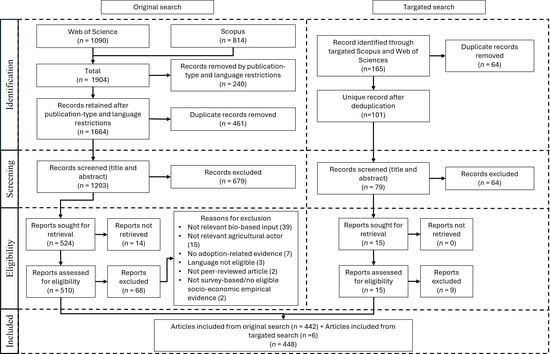
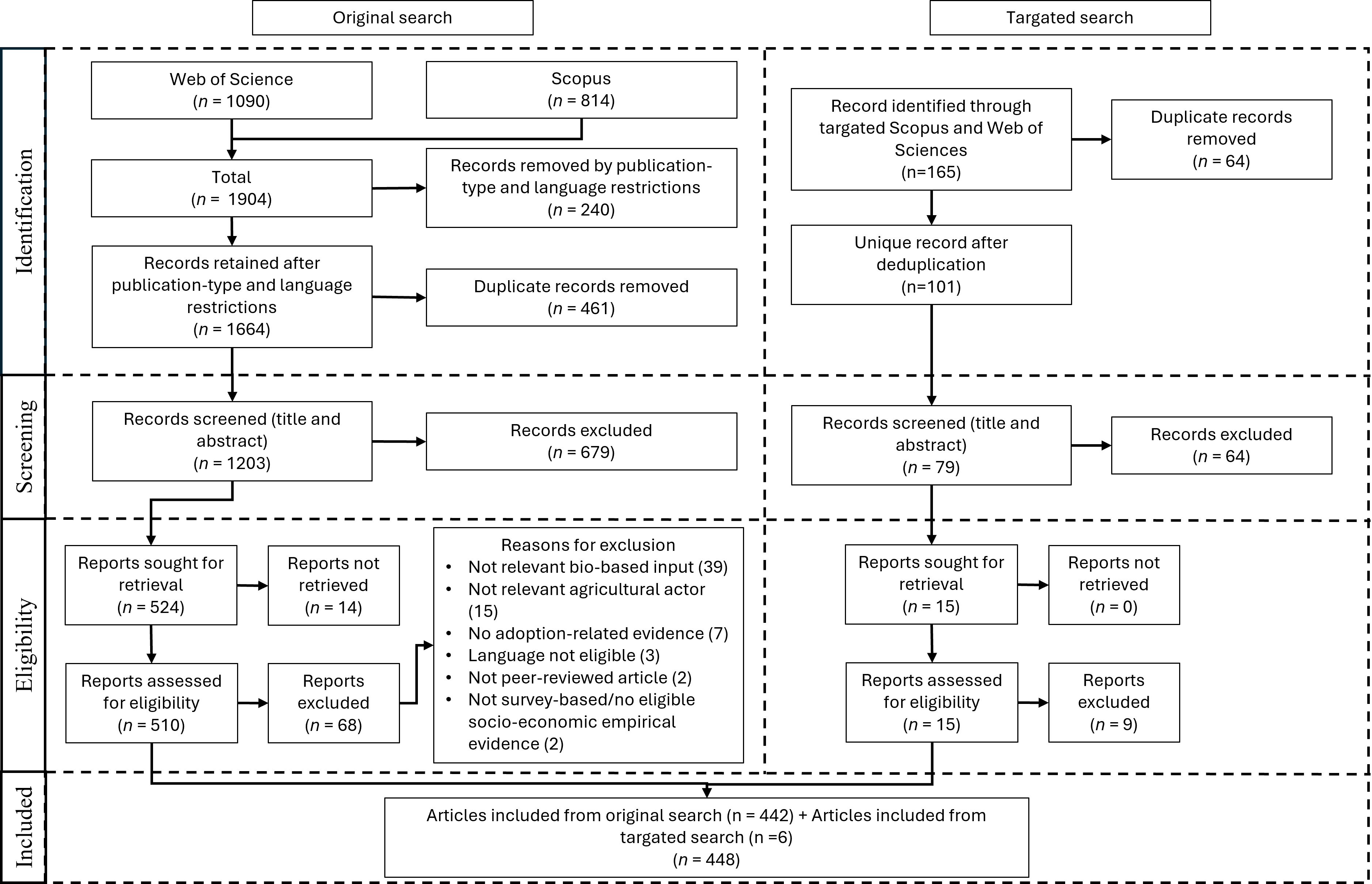
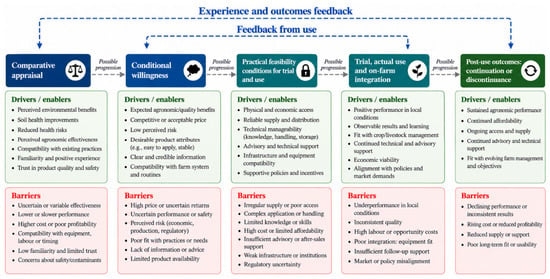
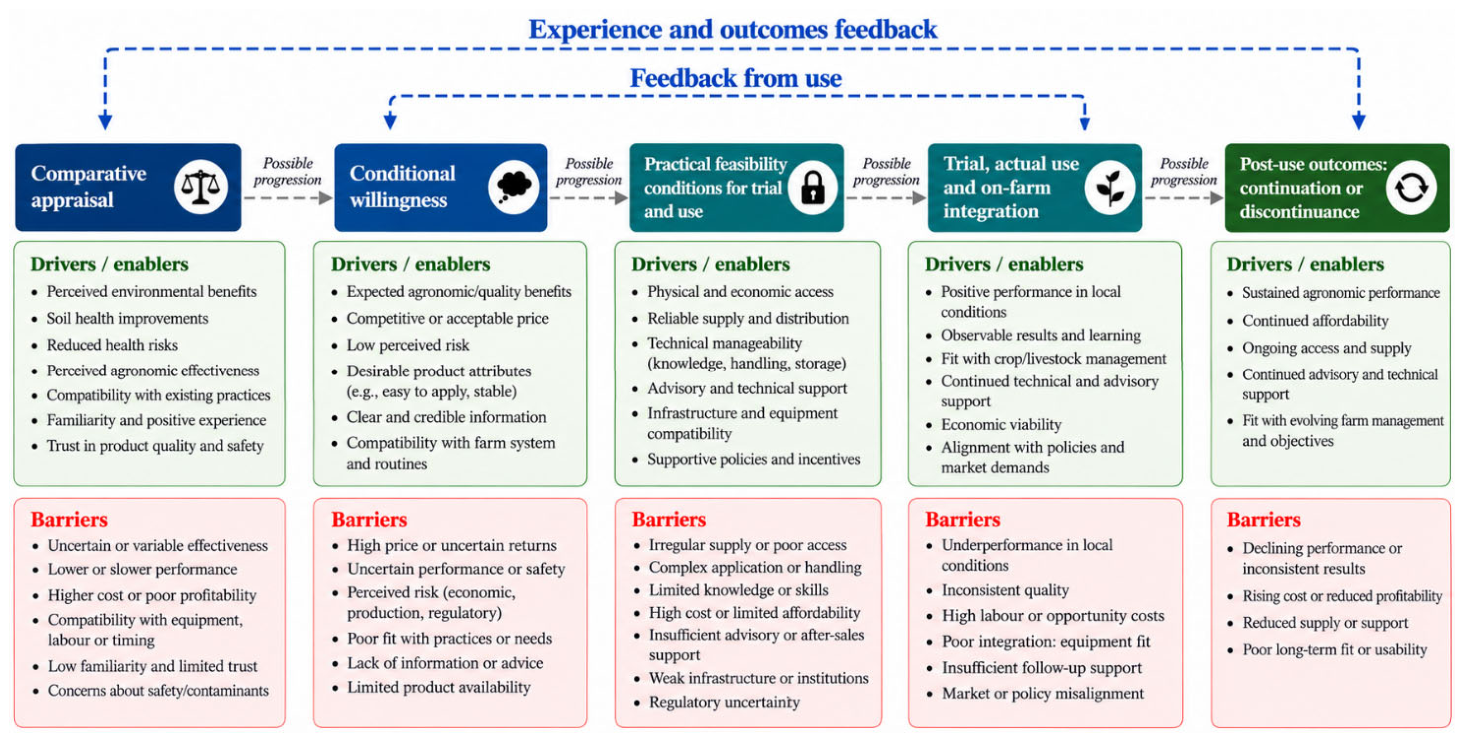

Disclaimer/Publisher’s Note: The statements, opinions and data contained in all publications are solely those of the individual author(s) and contributor(s) and not of MDPI and/or the editor(s). MDPI and/or the editor(s) disclaim responsibility for any injury to people or property resulting from any ideas, methods, instructions or products referred to in the content. |
© 2026 by the authors. Licensee MDPI, Basel, Switzerland. This article is an open access article distributed under the terms and conditions of the Creative Commons Attribution (CC BY) license.