


Abstract
Fruit maturity and ripeness determine harvest timing, postharvest management, market quality, and consumer acceptance. Conventional assessments commonly depend on destructive physicochemical analyses or subjective visual inspection, which limits rapid and repeated evaluation across production and supply chains. This review synthesizes recent advances in non-destructive fruit maturity and ripeness assessment using machine vision, visible and near-infrared spectroscopy, hyperspectral and multispectral imaging, acoustic and mechanical techniques, electronic noses, and dielectric measurements. Particular attention is given to data preprocessing, feature extraction, chemometric modeling, conventional machine learning, and deep learning approaches used to associate sensor responses with firmness, soluble solids content, acidity, pigment composition, internal defects, and physiological stage. The reviewed evidence indicates that spectroscopy and imaging provide strong predictive performance, while multimodal sensing can improve reliability by combining complementary external and internal attributes. However, differences in cultivar, orchard conditions, instruments, sampling protocols, reference measurements, and validation strategies restrict model transferability and cross-study comparison. The review further identifies the gaps that most constrain deployment, which include the absence of standardized maturity definitions, the scarcity of multisite datasets with external validation, the limited reporting of explainable models and uncertainty estimates, and the few sensor-fusion systems tested under edge-deployment conditions.
1. Introduction
Fruit ripening involves coordinated changes in pigmentation, cell walls, firmness, membranes, water distribution, primary metabolism, respiration, hormonal signaling, and volatile production. These asynchronous changes determine harvest suitability, storage potential, marketability, and eating quality. A fruit may develop commercially acceptable peel color before attaining desirable firmness, sweetness, or aroma, while another may soften internally with little visible change. Thus, the biological meaning of maturity and ripeness is species-, cultivar-, and application-dependent. Recent physiological evidence also indicates that ripening may involve interactions among ethylene, abscisic acid, jasmonates, auxin, and associated metabolic pathways, with their relative contributions differing between climacteric and non-climacteric fruits [1]. Conventional measurements of firmness, soluble solids, acidity, dry matter, pigments, and volatiles often require destructive sampling or laboratory analysis. They consequently cannot support rapid inspection of every fruit or repeated monitoring of the same fruit throughout development and storage [2]. Non-destructive sensing instead measures appearance, optical and mechanical responses, volatiles, electrical properties, and electromagnetic-wave propagation. Red–green–blue (RGB) imaging, visible (VIS) and near-infrared (NIR) spectroscopy, hyperspectral imaging, acoustic sensing, electronic noses, electrical impedance, dielectric spectroscopy, microwave imaging, and multisensor systems consequently provide different but potentially complementary representations of fruit ripening [3,4,5]. Recent studies have demonstrated applications of these approaches across diverse fruits, acquisition environments, and quality targets [2,6].
Despite the rapid expansion of these technologies, the available knowledge remains fragmented across sensing modalities, fruit species, and modeling approaches. Previous reviews have mainly examined individual technological domains, such as NIR spectroscopy, or have focused on computational classification of predefined ripeness stages. Few reviews connect ripeness definitions with sensing depth, acquisition design, reference measurements, and validation [7,8,9]. Maturity, ripeness, eating quality, and storage age are frequently treated as interchangeable targets, although they may represent different biological and commercial conditions. Models trained with visually assigned classes can achieve high classification accuracy primarily by recognizing peel pigmentation without accurately estimating internal composition. For example, hyperspectral deep-learning models distinguished visually defined strawberry maturity stages with accuracies above 84%, whereas prediction of soluble-solids content produced R-squared values of only approximately 0.55 [10]. Generalization is also difficult to assess when studies use a single cultivar, orchard, season, storage regime, or instrument. Some proof-of-concept experiments have involved very small biological samples, including a microwave-imaging study based on eight watermelons (Citrullus lanatus) [11], while other studies have reported image patches, pixels, spectra, or repeated measurements as computational samples without an equivalent increase in biological diversity. Even the multisensor analysis of 6535 apples showed that predictive improvements varied among cultivars and harvest years [12]. Few syntheses have critically compared these methodological differences across optical, mechanical, volatile, electrical, dielectric, microwave, and multimodal systems while also examining data leakage, external validation, calibration transfer, sensor drift, and operational feasibility. This gap prevents direct performance comparisons and identification of technologies that remain accurate outside laboratory datasets.
This review critically evaluates non-destructive sensing technologies for fruit maturity and ripeness assessment. It first distinguishes maturity from ripeness and examines the principal physiological and quality changes used as reference indicators. It then evaluates RGB and RGB plus depth (RGB-D) imaging, VIS and NIR spectroscopy, hyperspectral and multispectral imaging, acoustic, impact, and ultrasonic methods, electronic noses, electrical-impedance and dielectric spectroscopy, microwave sensing, and multimodal systems. Each group is compared by sensing principle, tissue coverage, acquisition requirements, applications, advantages, and limitations. Particular attention is given to study-level differences in fruit species, sample size, acquisition conditions, reference measurements, and principal findings. Finally, it identifies research priorities for biologically meaningful reference standards, standardized acquisition protocols, complementary sensor fusion, calibration stability, prospective commercial validation, and the development of affordable systems for harvest scheduling, quality grading, storage allocation, and prediction of eating ripeness. The sources examined here were located through searches of the Web of Science Core Collection, Scopus, PubMed, Institute of Electrical and Electronics Engineers Xplore, and Google Scholar, with priority given to peer-reviewed work published from January 2015 to June 2026. Older studies were retained where they supplied the conceptual or methodological basis that later work builds on. Candidate records were then judged against the scope set out above, and duplicates and sources whose subject matter fell outside these aims were removed.
2. Physiological Basis and Quality Indicators of Fruit Maturity and Ripeness
Fruit maturity and ripeness are related but distinct developmental conditions, whereas maturation and ripening denote the processes by which fruits attain these conditions. Physiological maturity is reached when fruit growth and development have progressed sufficiently to permit completion of the normal ripening sequence after harvest in climacteric crops, whereas commercial maturity identifies the harvest stage selected according to storage duration, transport distance, processing purpose, and market specifications [8]. Ripeness corresponds to the stage at which edible tissues develop acceptable appearance, texture, taste, and aroma through chlorophyll degradation, carotenoid or anthocyanin accumulation, cell-wall disassembly, tissue softening, starch hydrolysis, sugar accumulation, organic-acid metabolism, and synthesis of characteristic volatile compounds [13]. Rastali banana (Musa acuminata × M. balbisiana) can be harvested at the mature-green stage for transport and subsequently develop yellow peel, softer pulp, higher soluble sugar content, characteristic aroma, and climacteric increases in respiration and ethylene production, which demonstrates that a physiologically mature fruit is not necessarily ripe when harvested [14]. In contrast, cultivated strawberry (Fragaria × ananassa), grape (Vitis vinifera), and sweet orange (Citrus sinensis) are non-climacteric fruits commonly harvested closer to edible ripeness, since sweetness, color, texture, and flavor show limited postharvest improvement after separation from the plant [13]. Maturity and ripeness assessments may examine skin color, chlorophyll concentration, firmness, soluble solids content, titratable acidity, dry matter, starch index, and days from flowering, although maturity thresholds determine harvest suitability and potential postharvest development, while ripeness thresholds indicate whether sensory and physicochemical attributes meet consumption or grading requirements [8,14].
Fruit ripening is controlled by hormonal and metabolic networks that alter respiration, pigment composition, tissue structure, primary metabolites, and aroma production. Climacteric fruits such as tomato (Solanum lycopersicum) undergo a transition from basal system 1 ethylene biosynthesis to autocatalytic system 2 production, driven by increased activity of 1-aminocyclopropane-1-carboxylate synthase and 1-aminocyclopropane-1-carboxylate oxidase, accompanied by a rise in respiration and activation of genes associated with color, softening, sugar–acid balance, and volatile formation [15,16]. Non-climacteric fruits such as cultivated strawberry and grape lack a comparable autocatalytic ethylene and respiration peak, whereas abscisic acid plays a central role in anthocyanin accumulation, sugar metabolism, cell-wall modification, and flavor development, with additional control by auxin, jasmonates, brassinosteroids, and sucrose signals [17]. Color development results from chlorophyll degradation and the synthesis or exposure of carotenoids and anthocyanins, as illustrated by the conversion of green tomato chloroplasts into lycopene-rich chromoplasts and the accumulation of red anthocyanins in strawberry receptacles [16,18]. Fruit softening arises from reduced cell adhesion, altered turgor pressure, and modification of pectin, hemicellulose, and cellulose through the activity of polygalacturonase, pectin methylesterase, pectate lyase, β-galactosidase, endo-β-1,4-glucanase, and expansin proteins, although the relative contribution of each enzyme differs among fruits and ripening stages [19]. Starch hydrolysis and continued sugar import can increase glucose, fructose, and sucrose concentrations, whereas respiration and vacuolar metabolism alter citric and malic acid pools, which changes soluble solids content, titratable acidity, pH, and the sugar-to-acid ratio associated with perceived sweetness [15,20]. Aroma develops through fatty-acid oxidation, amino-acid conversion, carotenoid cleavage, and terpenoid metabolism, which generate species-specific mixtures of esters, aldehydes, alcohols, ketones, lactones, and terpenes [16]. These transitions alter optical, mechanical, dielectric, and volatile properties used for non-destructive ripeness assessment. The relationships among fruit maturation, ripening processes, physicochemical changes, and measurable external and internal quality indicators are illustrated in Figure 1.
Figure 1.
Physiological basis and quality indicators of fruit maturity and ripening. Fruit development culminates in physiological maturity, after which hormonal regulation, respiration, and metabolic reprogramming coordinate the ripening process and the attainment of edible quality. These processes modify pigment composition, cell-wall structure, sugars and organic acids, volatile compounds, water and dry-matter content, and electrical and thermal properties. The resulting changes can be evaluated through external indicators, including color, size, shape, surface texture, and visible defects, or internal indicators, including firmness, soluble-solids content, titratable acidity, pH, pigments, starch, and aroma volatiles. Arrows indicate the developmental sequence and the relationships between ripening processes, physicochemical changes, and measurable quality indicators.
External quality indicators provide rapid information on fruit development, harvest suitability, edible ripeness, and market acceptability without damaging the sample. Peel color is widely used, although pigment changes vary with species, cultivar, light exposure, and production conditions. RGB and spectral color indices have been associated with chlorophyll, soluble-solids content, acidity, and ripening stage in oranges [21] and olives [22]. In tomato, chlorophyll loss and lycopene accumulation change the fruit surface from green to red, with corresponding changes in Commission Internationale de l’Éclairage L*a*b* (CIELAB) coordinates, hue angle, chroma, and red-to-green indices that permit numerical separation of mature-green, breaker, turning, pink, light-red, and red stages [23]. Color does not always provide an accurate estimate of internal ripeness, since exposed and shaded regions of the same fruit may differ in pigmentation, while postharvest treatments, temperature, nutrient supply, and physiological disorders can alter peel appearance without equivalent changes in soluble solids or firmness [8]. Fruit size and shape are commonly described by mass, projected area, volume, equatorial diameter, longitudinal diameter, aspect ratio, circularity, sphericity, symmetry, and curvature. Size and shape support growth and grade assessment but may change little during late ripening and vary among cultivars. In cacao (Theobroma cacao), longitudinal and equatorial dimensions, fruit mass, ridge depth, and the distance between ridges change during pod development, but peel color provides a more practical indication of the harvest period when evaluated with cultivar-specific thresholds [24]. Surface texture provides additional information through gloss, roughness, lenticel distribution, shriveling, cracking, wrinkling, and spatial variation in pixel intensity. In ‘Golden Delicious’ apple (Malus domestica), changes in fruit dimensions and surface color accompany reductions in firmness and modification of pectin fractions during development and ripening, which supports the combined use of external and mechanical attributes [25]. Visible defects are not direct ripeness indices but affect grading and interfere with color- and texture-based assessment. Digital imaging can quantify these attributes through calibrated color values, geometric descriptors, texture matrices, and defect area ratios, although illumination, fruit orientation, occlusion, waxy surfaces, and background selection must be controlled to obtain comparable measurements [9]. Consequently, external indicators support rapid screening but require species- and cultivar-specific validation against internal reference measurements.
Internal quality indicators describe the physicochemical and sensory properties of edible fruit tissues and are essential when peel appearance does not correspond closely to flesh ripeness. Firmness is commonly measured as the maximum force required to puncture or compress the flesh and is expressed in newtons, while destructive reference tests use a penetrometer or texture analyzer under controlled probe diameter, penetration depth, loading speed, peel-removal procedure, and fruit temperature. During ripening, pectin solubilization, middle-lamella degradation, loss of cellular adhesion, and changes in turgor usually reduce firmness, although the rate differs among cultivars, tissue regions, and storage conditions. In apple, firmness is frequently evaluated with soluble solids content, titratable acidity, and the starch pattern index to define harvest and storage suitability [26]. Soluble solids content is determined from expressed juice with a refractometer and reported as °Brix, which approximates the concentration of soluble sugars in many fruits but also includes organic acids, soluble pectins, amino acids, and mineral constituents. Glucose, fructose, and sucrose can be quantified separately by high-performance liquid chromatography when total soluble solids cannot describe changes in individual sugars. Titratable acidity measures the amount of base required to raise fruit juice to a selected endpoint and is usually reported as a percentage of the predominant organic acid, whereas pH indicates hydrogen-ion activity and cannot replace titratable acidity as an estimate of total acid concentration. The soluble solids-to-acidity ratio is often more closely associated with perceived sweetness and harvest acceptance than either measurement considered separately, particularly in grape, citrus fruits, mango (Mangifera indica), and peach (Prunus persica) [8,27]. Moisture content and dry matter are determined by the mass difference before and after oven drying or freeze-drying, and dry matter is expressed as the percentage of tissue mass that remains after water removal. Dry matter provides a useful maturity index for ‘Hass’ avocado (Persea americana) since its increase during fruit development is associated with oil accumulation and later eating quality [28], although values differ across orchards and between the peduncle, equatorial, and basal regions of the same fruit [29]. Starch content is especially informative in apple and pear, where iodine staining reveals progressive starch hydrolysis through cultivar-specific changes in the stained cortex pattern, while direct enzymatic assays provide quantitative concentrations. Internal pigments such as chlorophylls, carotenoids, and anthocyanins may be measured by spectrophotometry or chromatography and can identify developmental changes within the flesh that are not visible at the peel. Volatile profiles provide chemical evidence of aroma development through the concentrations and relative proportions of esters, aldehydes, alcohols, ketones, lactones, terpenoids, and apocarotenoids, which are commonly determined by headspace solid-phase microextraction coupled with gas chromatography–mass spectrometry [30]. Ripeness classification should combine complementary, application-specific variables and, where possible, calibrate sensors against measurements from the same fruit. Table 1 summarizes the physiological and physicochemical changes associated with ripening, the quality indicators used to track them, their typical response, measurement units, and conventional reference methods.
Table 1.
Physiological and physicochemical changes associated with fruit ripening, corresponding quality indicators, typical responses, measurement units, and conventional reference methods.
Conventional reference methods provide the quantitative measurements used to define maturity or ripeness and to calibrate non-destructive sensing models. Reference measurements should be selected according to the ripening physiology, principal storage reserve, edible tissue, and commercial use of each fruit. Peel color is measured with a calibrated colorimeter or spectrophotometer, firmness with a penetrometer or texture analyzer, soluble solids content with a refractometer, titratable acidity through standardized alkali titration, pH with a glass-electrode meter, dry matter through oven drying to constant mass, and individual sugars, organic acids, pigments, or volatile compounds through chromatographic analysis. For example, apple maturity is commonly determined from days after full bloom, background color, firmness, soluble solids content, titratable acidity, ethylene production, and the starch pattern index, although each index follows a different developmental trajectory and may yield a different harvest date [26,38]. The iodine starch test is especially sensitive to sampling position within an apple since starch degradation can differ between the cortex near the calyx, equator, and stem, which requires a standardized cutting plane and cultivar-specific rating chart [39]. In ‘Hass’ avocado, dry-matter percentage is preferred as a harvest-maturity reference due to its association with oil accumulation and postharvest eating quality, but tissue must be collected from a defined fruit zone since spatial variation can alter the measured value [29]. Ground truth for a continuous prediction task consists of the numerical reference value assigned to each sensor observation, such as firmness in newtons or soluble solids content in °Brix, whereas ground truth for classification requires predetermined boundaries between immature, mature, ripe, and overripe categories. Class boundaries should use validated physicochemical or sensory criteria, particularly for fruits near classification thresholds. For grapes, multispectral images have been paired with berry mass, anthocyanin concentration, and °Brix measurements to provide sample-specific targets for classification and regression models [40]. Sensor acquisition should precede destructive analysis of the same fruit, while the sampled tissue should correspond as closely as possible to the sensor field of view. This arrangement reduces errors caused by differences among fruits and by spatial variation within one fruit. For firmness prediction in peach, spectra and penetration measurements can be collected at matched equatorial positions, with probe diameter, loading speed, penetration depth, peel removal, and fruit temperature held constant [41]. Replicate measurements are required when tissue heterogeneity is expected, and the mean, median, or individual values should be reported with the number and position of measurements. Calibration samples must also cover the full biological range expected during application, including different maturity stages, cultivars, fruit sizes, orchards, harvest dates, and storage periods. Reference measurements should be assigned to calibration, validation, and independent test subsets at the fruit or harvest-batch level to prevent measurements from the same fruit or closely related sample group from entering both model development and evaluation. Ground-truth quality depends on suitable attributes, analytical precision, spatial correspondence, objective thresholds, representative sampling, and independent data subsets.
Fruit maturity and ripeness measurements are affected by biological heterogeneity within a production batch and by variation introduced during sensor acquisition or laboratory analysis. Cultivar genetics influence peel thickness, pigment composition, cell structure, water concentration, sugar–acid balance, starch reserves, and ripening rate, which can alter both the target quality attribute and the sensor response. In apples, biological variability among cultivars, orchards, and seasons altered both NIR spectra and the performance of soluble-solids models, so a calibration built on one population may not transfer to another [42]. Environmental conditions before harvest, including temperature, solar exposure, rainfall, irrigation, crop load, canopy position, and mineral nutrition, can generate differences among fruits from the same cultivar and orchard. Harvest date and postharvest history introduce further variation through continued respiration, water loss, ethylene activity, softening, starch degradation, and organic acid metabolism. Biological heterogeneity also occurs within an individual fruit. Peel color may differ between sun-exposed and shaded surfaces, soluble solids can vary from the stem end to the calyx end, and firmness may differ among equatorial positions or between outer and inner flesh. In ‘Hass’ avocado, dry-matter measurements differ among the peduncle, equatorial, and basal zones, which means that the position used for spectral acquisition and destructive sampling can influence calibration accuracy [29]. White peach exhibits directional differences in tissue structure, NIR spectra, and penetration firmness, while online measurements obtained from different fruit orientations and surface regions produce different soluble-solids prediction results [41,43]. Measurement variation arises from fruit condition, acquisition geometry, illumination, detector drift, operator technique, and optical configuration. Temperature requires particular attention in NIR measurements since shifts in water absorption bands can alter spectra even when soluble-solids concentration remains unchanged. Experiments with kiwifruit (Actinidia chinensis) juice at 20, 25, and 30 °C demonstrated that temperature correction improved the prediction of soluble-solids content [44]. Variability in destructive reference measurements can also originate from delayed analysis, inconsistent tissue position, nonuniform juice extraction, unsuitable sample temperature, differences in probe diameter or penetration depth, and variation among instruments or operators. The magnitude of these effects differs according to the predicted trait, as VIS and NIR spectroscopy provided useful estimates of soluble solids and dry matter across 14 cultivars of nectarine, peach, apricot, and Japanese plum, although flesh-firmness models showed lower predictive accuracy [45]. Consequently, experimental datasets should include multiple cultivars, orchards, harvest dates, maturity stages, fruit sizes, canopy positions, and postharvest periods, while acquisition temperature, illumination, orientation, sampling zone, and reference protocols should be documented and controlled [6]. Evaluation on independent seasons, orchards, or batches is required to distinguish generalizable ripeness relationships from sample-specific patterns.
Most of the evidence reviewed here was nevertheless obtained under laboratory conditions, where illumination, fruit temperature, sensor-fruit distance, orientation, and background are held constant, and the fruit remains stationary during acquisition. In-field and in-line studies form a small minority of the literature. Field hyperspectral imaging of strawberry encountered sunlight variation, shadows, leaves, changing fruit orientation, and variable camera distance that produced greater spectral variability than controlled laboratory illumination [46], while portable measurements of intact olives [22] and in situ imaging of mandarins from 22 orchard trees [47] were assessed within single seasons. Thus, the performance values compiled in Table 2 should be read as bench measurements obtained under fixed optical and thermal conditions, and not as evidence of orchard or packing-line capability.
3. Non-Destructive Sensing Technologies for Fruit Maturity and Ripeness Assessment
3.1. Computer Vision and Color Imaging
Computer vision and color imaging assess fruit ripeness from externally observable changes in peel pigmentation, color uniformity, surface texture, shape, and size. Image-derived color and texture features have been used to classify oil-palm fruit bunches [48], blueberries [49], and sweet peppers at different maturity stages [50]. Conventional systems use RGB cameras under controlled illumination, whereas RGB-D instruments additionally record depth information for fruit localization and dimensional measurement. RGB values are commonly transformed into hue-saturation-value, hue-saturation-intensity, CIELAB, or YCbCr coordinates because hue, saturation, lightness, and chromatic components can distinguish maturity-related pigmentation from variation in image brightness. Texture descriptors can also characterize lenticels, wrinkles, brown areas, and heterogeneous pigment distribution, while depth data help separate fruits from leaves and estimate fruit diameter in structurally complex environments (Figure 2).
Figure 2.
Classification of non-destructive sensing technologies used for fruit maturity and ripeness assessment. The technologies are classified into five principal groups: optical sensing, including RGB and RGB-D imaging, VIS-NIR spectroscopy, and hyperspectral and multispectral imaging; acoustic and mechanical sensing, including acoustic resonance, vibration, low-mass impact, compression, and ultrasonic sensing; volatile sensing, including electronic noses and headspace volatile analysis; electrical and electromagnetic sensing, including electrical-impedance spectroscopy, radio-frequency dielectric spectroscopy, and microwave transmission and imaging; and multimodal sensing based on sensor fusion and integrated sensing systems. RGB, red–green–blue; RGB-D, red–green–blue plus depth.
Typical applications show that the suitability of this technology depends strongly on the visibility and uniformity of the external ripening response. In oil-palm fruit bunches, changes in fruitlet color provided useful indicators of maturity, although shadows, dirt, viewing angle, and the simultaneous presence of fruitlets at different developmental stages affected the recorded color distribution [51]. Images of five mango cultivars contained maturity-related differences in color, texture, and regional peel characteristics that supported estimation of the remaining marketable period, but this output represented external deterioration and expected shelf duration more directly than physiological maturity or eating quality [52]. For ‘Golden’ papaya (Carica papaya), the distribution of peel colors provided more maturity information than normalized mean RGB values, which indicates that spatially heterogeneous yellowing should not be reduced to a single average color measurement [53]. Color imaging was particularly effective for ‘Roma’ and ‘Pear’ tomatoes because chlorophyll degradation and carotenoid accumulation produced distinct green, orange, and red surfaces [54]. Nevertheless, differentiation among these widely separated stages does not establish that the same image variables can distinguish small changes within the breaker, turning, pink, or light-red stages. Field applications introduce additional interference from natural illumination, foliage, occlusion, and variable camera distance. These constraints are particularly evident in orchard and greenhouse systems, where small or partially occluded fruits must be detected under complex backgrounds [49,50]. RGB-D imaging of passion fruit showed that depth measurements improved the separation of fruits from surrounding vegetation, whereas visible peel pigmentation remained the primary source of maturity information [55]. In strawberry, the proportion and distribution of red pixels enabled differentiation between incomplete and complete surface ripening, but shadows, calyx coverage, uneven pigmentation, and occlusion could cause ripe tissue to be underestimated [56]. For ‘Fuji’ apple, combining color and depth information supported simultaneous maturity inspection and fruit-diameter measurement, which is valuable for robotic harvesting; however, red peel coverage may also vary with cultivar, canopy exposure, bagging, and temperature without corresponding changes in firmness, starch degradation, soluble solids, or acidity [57].
Thus, computer vision is most suitable for tomato, strawberry, papaya, banana, mango, plum, apple, passion fruit, date, and oil-palm fruit when ripening produces a consistent change in external pigmentation or texture. Its reliability is lower for avocado, kiwifruit, green citrus, and other fruits whose internal ripening can proceed without a distinctive peel transition. Camera resolution, illumination spectrum, color calibration, exposure, viewing angle, fruit orientation, surface curvature, background, and distance should consequently be standardized during image acquisition. Image-derived stages require independent physiological measurements to distinguish peel development from internal ripeness.
3.2. VIS-NIR Spectroscopy
VIS-NIR spectroscopy assesses ripeness from absorption and scattering associated with pigments, water, carbohydrates, acids, and tissue structure. Its effectiveness depends on the experimental scenario, selected region of interest, biological sample size, spectral features, and calibration design [2]. Unlike RGB imaging, which records broad color channels and preserves spatial information, spectroscopy records a detailed spectrum from a selected point or an averaged fruit region. The VIS range, commonly extending from approximately 400 to 750 nm, is primarily sensitive to chlorophyll, carotenoids, and anthocyanins, whereas the NIR range from approximately 750 to 2500 nm contains overtone and combination absorptions associated with O-H, C-H, and N-H bonds. These spectral responses provide indirect information about water, soluble sugars, starch, dry matter, and other maturity-related constituents. Water dominates absorption across the NIR range, with overtone bands near 970, 1190, and 1450 nm and a strong combination band near 1940 nm. Penetration depth therefore falls as wavelength increases, and a spectrum recorded near 1450 nm represents a considerably smaller tissue volume than one recorded near 900 nm. Most fruit studies operate between approximately 400 and 1000 nm for two reasons, including the greater penetration available at shorter wavelengths and the far lower cost of silicon detectors covering that interval compared with the extended-range detectors needed beyond it [26]. Reflectance measurements primarily characterize the peel and superficial tissues, whereas interactance arrangements separate the illumination and detection positions, allowing photons to travel farther through the flesh before detection. Transmittance can examine a greater tissue depth but requires stronger illumination and is less suitable for large fruits, thick peels, and highly absorbing tissues.
Ziosi et al. used the difference between absorbance at 670 and 720 nm, termed the index of absorbance difference, to follow chlorophyll degradation in peaches and nectarines. Changes in this index corresponded to pre-climacteric, climacteric-onset, and climacteric stages defined through ethylene production, while fruits separated by also differed in firmness, acidity, and subsequent softening behavior. This example shows that a small number of physiologically selected wavelengths can provide a direct optical indicator of pigment degradation, although cultivar-specific index ranges are required because initial chlorophyll concentration and peel characteristics differ among genotypes [58]. Spectroscopy also cannot be assumed to measure every ripeness attribute equally well, since firmness depends on cell-wall structure, turgor, and localized tissue failure, which do not generate a distinct absorption feature, whereas dry matter and soluble solids have closer associations with the chemical constituents affecting NIR absorption [45]. In mature-green mango, Subedi et al. (2007) applied short-wave spectroscopy from 400 to 1100 nm to evaluate flesh color and dry matter at harvest and relate these properties to soluble solids after ripening [59]. Dry matter was particularly informative because it represents accumulated starch, sugars, structural compounds, and other non-water constituents and remains comparatively stable after harvest, while part of the starch is subsequently converted into soluble sugars [59]. Consequently, spectroscopy could support harvest decisions before the fruit developed visible ripe coloration, although dry matter described the potential for later sweetness more directly than aroma, acidity, texture, or overall sensory acceptability [59]. Nagle et al. (2010) further demonstrated that the spectral response of ‘Chok Anan’ mangoes was influenced by irrigation [60]. Irrigated and non-irrigated fruits differed in dry matter, soluble solids, acidity, and spectral characteristics during late development, and the maturity attribute most consistently represented by the spectra changed between the irrigation treatments [60]. These findings indicate that water supply can modify both fruit composition and optical behavior, so a spectral difference between samples does not necessarily arise from maturity alone [60].
Thus, VIS and NIR spectroscopy are suitable for mango, apple, pear, kiwifruit, peach, nectarine, plum, grape, melon, citrus, and other fruits in which ripening involves reproducible changes in pigments, dry matter, starch, sugars, water, or acidity. Its advantages include rapid, minimally prepared, repeatable measurements and compatibility with handheld or conveyor systems. Portable spectrometric devices have also enabled direct monitoring of intact olives in the field through the index of absorbance difference, which was associated with fruit color, firmness, oil content, and water content [22]. More recently, portable NIR spectra acquired from yellow-fleshed kiwifruit from the preharvest phase through 60 days of postharvest storage supported machine-learning classification of ripening stages, demonstrating the potential of longitudinal measurements with compact instruments [61]. Its limitations include variable penetration, fruit geometry, peel properties, temperature, condensation, illumination, and tissue heterogeneity. A spectrum collected from one side of a mango, apple, or kiwifruit may not represent the opposite side, while peel pigments can dominate the response and obscure changes in the flesh. Measurements should consequently include standardized instrument-fruit geometry, dark and white references, stable fruit temperature, multiple anatomically defined positions, and destructive determination of dry matter, soluble solids, firmness, acidity, starch, pigment concentration, or eating quality in corresponding tissues.
3.3. Hyperspectral and Multispectral Imaging
Hyperspectral and multispectral imaging combine spectral and spatial information on ripening-related composition and tissue structure. A hyperspectral image forms a three-dimensional spectral cube in which two dimensions represent spatial coordinates, and the third contains tens or hundreds of contiguous wavelength bands. VIS and short-wave NIR systems commonly operate between approximately 400 and 1000 nm and are sensitive to chlorophyll, carotenoids, anthocyanins, water, and tissue scattering, while short-wave infrared instruments extending toward 2500 nm provide additional responses associated with O-H, C-H, and N-H bonds in water, sugars, starch, and other organic constituents. Push-broom systems acquire one spatial line at a time as the fruit or camera moves at a controlled speed, while wavelength-scanning systems record a complete spatial image sequentially at each wavelength. Snapshot instruments acquire several bands simultaneously and are more suitable for moving fruits, although they generally provide lower spectral resolution. Multispectral imaging retains only a limited number of physiologically informative bands and consequently reduces acquisition time, instrument cost, illumination requirements, and data volume. It is more practical for conveyor sorting and field inspection, but its performance depends on whether the retained bands remain sensitive to ripening under different cultivars and production conditions.
Representative studies demonstrate the additional information obtained when spectral variation is mapped across fruit surfaces. Hyperspectral imaging has been used to classify banana maturity [62], evaluate achacha ripeness [63], detect Korla pear maturity [64], and predict physicochemical quality attributes of apples during storage [65]. Recent investigations have extended hyperspectral imaging from laboratory measurements to orchard applications. In-field hyperspectral imaging of ‘Shiranui’ mandarins (C. reticulata) from 22 orchard trees produced a reported prediction accuracy of 100% using a Successive Projections Algorithm—Back-Propagation model based on 16 selected wavelengths; however, the maturity classes were assigned by growers at three acquisition dates, indicating that independent orchard and season validation remains necessary [47]. For postharvest kiwifruit stored for 0–120 days, VIS-NIR hyperspectral imaging predicted soluble-solids content with a prediction-set coefficient of determination of 0.940 and classified five ripeness stages defined using firmness and soluble solids with approximately 91.5% accuracy, providing a stronger physicochemical basis for stage assignment than visual labels alone [66]. Han et al. (2023) acquired images of mature, unripe ‘Hass’ and ‘Shepard’ avocados across 388–1005 nm with 462 bands and showed that peel spectra contained information associated with the number of days required for individual fruits to reach eating ripeness [67]. This application is important for avocado, whose flesh can soften markedly without a conspicuous external color transition [67]. However, the spectral association with ripening time differed between the two cultivars, indicating that peel composition, surface roughness, dry matter, and cultivar-specific softening patterns influence the recorded response [67]. For strawberry, Su et al. acquired hyperspectral images between 380 and 1030 nm and retained the 441–947 nm region to examine four stages defined by the proportion of red peel coverage. Spatial differences among green, light-red, red, and dark-red tissues were visible across the spectral images, while wavelengths within the VIS region contained strong information associated with pigment development. NIR regions also contained information related to soluble solids, although this association was weaker than the spectral differences produced by external color development. Thus, hyperspectral imaging provided both pigment distribution and compositional information, but the maturity stages remained closely related to visible red-surface coverage and did not independently represent firmness, aroma, or physiological age [10]. Gao et al. (2020) applied a field hyperspectral system covering 391–1014 nm to strawberry fruits under natural production conditions [46]. The study confirmed that ripeness-related spectral differences could be recorded directly in the field, although sunlight variation, shadows, leaves, fruit orientation, and changing camera distance introduced greater spectral variability than controlled laboratory illumination [46]. The requirement for rapid image acquisition also illustrates the difficulty of applying conventional line-scanning systems to fruits or platforms that move during measurement [46].
Green banana provides another relevant application because adjacent maturity stages may show only small differences in ordinary RGB images. Chu et al. (2022) collected hyperspectral information from three longitudinal zones of each banana and found that the peel position influenced maturity-related spectra [62]. Combining information from all three zones produced a more position-independent representation than using a single region [62]. Restriction to a smaller spectral interval reduced the capacity to distinguish closely related maturity stages, which demonstrates that conversion from hyperspectral to multispectral sensing can remove complementary pigment and tissue-scattering information when wavelengths are selected from a limited sample population [62]. Hyperspectral imaging can also display the spatial heterogeneity of internal-quality indicators. Rungpichayapichet et al. (2017) acquired mango images from 450 to 998 nm and generated pixel-level distributions associated with firmness, soluble solids, and titratable acidity [3]. Firmness and acidity were represented more consistently than soluble solids, showing that the same hyperspectral system does not provide equal sensitivity to all maturity attributes. The resulting maps identified differences among the shoulder, cheek, and tip regions that would be lost when one average spectrum or one destructive tissue sample was used. Nevertheless, these maps represented properties inferred from surface-associated spectra and should not be interpreted as direct measurements throughout the entire flesh, since light penetration varies with wavelength, peel thickness, tissue density, and pigment concentration [3]. Li et al. (2018) examined cherries between 874 and 1734 nm and demonstrated that NIR hyperspectral images contained information associated with soluble solids, pH, and harvest maturity [68]. Pixel-level maps showed that these attributes were not uniformly distributed across the imaged fruit region. The longer wavelength range provided greater sensitivity to water and organic constituents than VIS imaging, but it supplied little direct pigment information and required an indium gallium arsenide (InGaAs) detector, which is more expensive than silicon-based VIS-NIR cameras [68]. That range also spans the 1450 nm water band, so penetration depth varies markedly across the recorded spectrum, and the long-wavelength bands describe a shallower tissue layer than the short-wavelength bands.
Consequently, hyperspectral imaging is particularly suitable for avocado, green banana, mango, cherry, strawberry, apple, pear, peach, citrus, and other fruits in which ripening produces spatially heterogeneous changes in pigments, water status, dry matter, soluble solids, acidity, or tissue structure. Unlike point spectroscopy, it maps maturity variation and detects bruised, shaded, immature, or unevenly ripened regions. Limitations include high cost, large datasets, slow acquisition, motion distortion, detector noise, and surface-curvature effects. Specular reflection from smooth or waxy peels can saturate some pixels, while the sides of spherical fruits receive less illumination than the central region and produce different scattering responses even when their composition is identical. Camera-fruit distance, exposure time, conveyor speed, fruit orientation, illumination angle, detector temperature, and fruit temperature should consequently remain controlled. Raw images should be corrected with dark and white references, and measurements should include several anatomically defined fruit regions when spatial heterogeneity is expected. Corresponding destructive measurements should be obtained from tissues located as close as possible to the imaged regions, since comparison of one surface spectrum with a whole-fruit average may obscure local relationships. Hyperspectral imaging characterizes spatial heterogeneity, whereas multispectral imaging is more practical when selected bands remain stable across biological and operational conditions.
3.4. Acoustic and Mechanical Sensing
Acoustic and mechanical methods assess ripening-related changes in stiffness, elasticity, damping, and wave propagation. Acoustic resonance systems apply a light mechanical impulse, electromagnetic excitation, or air pulse and record the resulting vibration with a microphone, accelerometer, piezoelectric sensor, or laser vibrometer. Firm fruits generally produce higher resonant frequencies and shorter vibration responses than soft fruits of comparable size. Since resonant frequency is also influenced by fruit mass, an acoustic firmness or elasticity index is commonly calculated as FI = f2m2/3, where f represents the selected resonant frequency and m represents fruit mass. This correction reduces the influence of size but cannot completely account for fruit geometry, peel structure, internal cavities, or spatial variation in tissue firmness. Low-mass impact sensing examines a more localized mechanical response by allowing a small impactor to contact the peel below the damage threshold. Maximum force or acceleration, contact duration, impulse, and apparent deformation indicate the resistance of the peel and adjacent flesh to mechanical loading. Quasi-static compression applies a small controlled deformation and determines stiffness from the resulting force response, although excessive displacement may leave permanent marks or damage soft fruit. Ultrasonic systems instead transmit high-frequency waves through the fruit or along its surface and measure propagation velocity, attenuation, reflection, phase shift, or acoustic impedance. These measurements are influenced by tissue density, elasticity, water content, porosity, and interfaces between peel, flesh, seeds, and internal cavities.
The complementary characteristics of acoustic resonance and low-mass impact were demonstrated in peaches during storage. Acoustic responses described changes in the vibration of the whole fruit, whereas impact measurements were more closely associated with local compression firmness. Their relative sensitivity changed during softening, indicating that the two techniques represented different mechanical properties and should not be interpreted as interchangeable firmness measurements [69]. Fathizadeh et al. (2020) used a microphone and contact accelerometer to evaluate ‘Royal Gala’ apples under two storage conditions [5]. Acoustic and vibration frequencies were combined with fruit mass to calculate several firmness indices, which changed consistently with the decline in puncture firmness. However, the relationships differed between the storage regimes, showing that temperature, relative humidity, moisture loss, and tissue turgor can influence the measured vibration independently of the biochemical progression of ripening [5]. A comparison of commercial acoustic and low-mass impact instruments for apples and tomatoes similarly showed that the two systems differed in repeatability and sensitivity during postharvest softening. Agreement between their measurements decreased as tomatoes became softer, and measurement variability eventually approached or exceeded the actual firmness differences within the fruit batch. Thus, acoustic and impact sensing may become less reliable near advanced ripening stages when tissues provide weak and irregular mechanical responses [70]. Acoustic measurements can also describe the progression toward eating ripeness. Zhang et al. (2021) used acoustic vibration to monitor kiwifruit under different storage temperatures and calculated a mass-corrected elasticity index [71]. The index declined consistently with puncture strength and sensory texture, while higher storage temperatures accelerated the reduction. This application illustrates the value of repeated non-destructive measurements for determining the softening trajectory of individual fruits, although elasticity does not directly describe sweetness, acidity, aroma, or flavor development [71]. Thick-rinded and internally heterogeneous fruits require different acoustic arrangements. Choe et al. (2022) positioned piezoelectric transmitting and receiving elements approximately 3.5–4.5 cm apart on watermelon surfaces and measured sound propagation at 4.7 kHz [72]. The acoustic response changed with maturity-associated variation in flesh properties and sugar content, but rind thickness, internal voids, measurement position, and fruit temperature could also alter the propagation pathway. Sound velocity should consequently be regarded as an indirect indicator of compositional and structural development rather than a direct measurement of soluble solids [72]. Morrison and Abeyratne (2014) used a single-transducer pulse-echo configuration to examine oranges through ultrasonic reflections at the transducer-fruit boundary [73]. The recorded ultrasonic characteristics were associated with fruit density and relative water content without requiring transmission through the entire orange. This configuration reduced the strong attenuation caused by heterogeneous citrus tissues, although stable transducer pressure and acoustic coupling remained necessary for repeatable measurements [73].
Thus, acoustic and mechanical sensing is suitable for apple, pear, peach, nectarine, plum, avocado, kiwifruit, mango, melon, watermelon, tomato, and citrus fruit when ripening produces a reproducible decline in tissue elasticity. Acoustic resonance provides a whole-fruit mechanical response, low-mass impact describes a localized peel-flesh region, and ultrasound supplies information about wave propagation through superficial or internal tissues. Their suitability is lower for small berries, highly irregular fruits, fruits with loose peels, and extremely soft samples because repeatable excitation, support, and sensor contact become difficult. Resonant frequency is affected by fruit mass, geometry, orientation, temperature, skin thickness, moisture loss, support conditions, excitation position, and ambient noise. Low-mass impact can be dominated by peel and near-surface stiffness and may not reveal internal breakdown, whereas whole-fruit resonance may average spatial variation and overlook small bruises or localized softening. Ultrasound is additionally affected by surface curvature, acoustic-impedance mismatch, coupling medium, transducer pressure, and strong attenuation within porous tissues. Thus, measurement protocols should standardize fruit temperature and orientation, support configuration, excitation energy, impact position, sensor distance, frequency range, and transducer pressure. Mechanical indicators should also be compared with compression or penetration firmness, water content, soluble solids, acidity, sensory texture, and remaining storage life. These methods rapidly assess softening but require complementary measurements of pigment, composition, and aroma to characterize overall ripeness.
Recent acoustic studies have progressed from simple resonance indices toward direct analysis of fruit-tapping sounds. A Receptive-Field Attention Convolution and Kolmogorov–Arnold Networks model classified five maturity stages of 52 ‘Monthong’ durians (Durio zibethinus) with 96.16% accuracy under five-fold cross-validation, although the limited number of biological specimens and absence of orchard-level external validation restrict conclusions concerning model generalizability [74]. Acoustic and image features also classified sweetness categories of ‘Khao Tang Kwa’ pomelos (C. maxima) with a reported accuracy of 93.9%, demonstrating that mechanical responses can complement peel information while emphasizing that sweetness prediction should not be interpreted as assessment of overall physiological ripeness [75].
3.5. Electronic-Nose and Volatile Sensing
Electronic-nose and volatile-sensing technologies assess fruit ripeness through changes in the composition and abundance of volatile organic compounds released during development and postharvest storage. Analysis of apple headspace volatiles has confirmed that the composition and relative abundance of aroma compounds change during ripening and differ among cultivars [76]. Ripening modifies ethylene-regulated pathways, fatty-acid oxidation, amino-acid metabolism, and terpene biosynthesis, which alters the emission of alcohols, aldehydes, esters, ketones, lactones, terpenes, and sulfur-containing compounds. A typical electronic nose includes a headspace chamber, gas-transfer system, sensor array, data-acquisition unit, and cleaning or recovery circuit. Metal-oxide-semiconductor sensors are widely used due to their high sensitivity, moderate cost, and suitability for portable instruments, while conducting-polymer, electrochemical, quartz-crystal-microbalance, and surface-acoustic-wave sensors provide alternative responses to different volatile groups. Individual sensors are only partially selective, so the combined changes in resistance, conductivity, current, voltage, mass, or resonant frequency form an aroma fingerprint for the complete volatile mixture. This operating principle distinguishes electronic noses from gas chromatography, which separates individual compounds, and gas chromatography–mass spectrometry, which additionally supports compound identification. Electronic noses provide faster measurements and require less sample preparation, but their responses cannot normally determine which volatile compound caused a particular signal.
Representative studies show that the usefulness of aroma fingerprints depends on the magnitude and consistency of volatile changes within each fruit. Pathange et al. (2006) examined ‘Gala’ and ‘York’ apples whose maturity groups were independently defined through starch degradation, puncture firmness, soluble solids, and aroma evaluation [77]. Sensor responses differed among immature, mature, and overmature fruits, although the distinction varied between the two cultivars. Apple cultivar consequently influenced both volatile emission and sensor sensitivity, which limits the transfer of fixed aroma thresholds across genetically different fruits [77]. Gómez et al. (2006) applied a ten-sensor PEN 2 electronic nose (AIRSENSE Analytics GmbH, Schwerin, Germany) to mandarins collected on different picking dates and detected progressive changes in their volatile profiles [78]. However, differences between adjacent harvest dates were less pronounced than those between widely separated dates, suggesting that gradual physiological development may not always produce discrete aroma stages [78]. The same type of instrument distinguished unripe, half-ripe, fully ripe, and overripe tomatoes, for which chlorophyll degradation, carotenoid accumulation, tissue softening, and aroma formation occur concurrently. Therefore, tomato represents a favorable application, although the volatile response describes aroma metabolism more directly than peel color, firmness, or soluble-solids content [79]. Benedetti et al. (2008) used ten metal-oxide sensors to examine four peach cultivars from harvest to senescence [80]. The recorded aroma patterns changed during shelf life and differed among cultivars, while one sensor contributed most strongly to the temporal response. This finding indicates that a smaller sensor array may retain much of the relevant ripening information, although strong dependence on one sensor increases susceptibility to sensor aging, poisoning, baseline drift, or changes in environmental humidity [80]. Lebrun et al. (2008) compared electronic-nose and gas-chromatographic measurements for ‘Cogshall’, ‘Kent’, and ‘Keitt’ mangoes harvested at different physiological ages [81]. Both techniques detected major differences between green and ripe mangoes, although the separation of harvest-maturity groups varied among cultivars. Measurements from homogenized tissue also differed from those obtained from intact fruits, since tissue disruption releases internal compounds and activates enzymatic reactions that do not occur to the same extent during intact-fruit sampling. Gas chromatography provided information about individual volatile compounds, whereas the electronic nose supplied a rapid response to the complete headspace mixture [81]. Berry fruits present additional measurement difficulties due to their small mass and comparatively low volatile release per fruit. Aghilinategh et al. (2020) examined blackberry and whiteberry samples divided into five ripeness grades and found systematic changes in the responses of a ten-sensor array, although the distinction among stages differed between the two berry types [82]. Multiple fruits were required to generate sufficient headspace concentrations, so the measurement represented the collective condition of the sample batch rather than the ripeness of each berry [82].
Consequently, electronic-nose sensing is especially suitable for climacteric fruits such as banana, mango, peach, pear, apple, tomato, and avocado, whose ripening commonly produces pronounced changes in ethylene and aroma emission. It may also be applied to citrus, grape, strawberry, blackberry, and other non-climacteric fruits when harvest development produces reproducible changes in volatile composition. Reliability declines with weak or suppressed emissions, similar cultivar profiles, and insufficient fruit mass. Fruit number and mass, chamber volume, equilibration temperature, relative humidity, carrier-gas composition, flow rate, exposure duration, sensor temperature, and recovery time directly affect signal magnitude. Condensation, packaging emissions, cleaning chemicals, mechanical injury, microbial decay, and odors remaining from previous samples can also alter the sensor response independently of ripeness. Metal-oxide sensors are particularly sensitive to humidity and commonly require heating, while incomplete recovery between samples can cause baseline carryover. Measurement protocols should consequently include stable fruit and chamber temperatures, standardized headspace volume and equilibration duration, blank-air measurements, sufficient chamber flushing, humidity monitoring, periodic reference gases, and regular assessment of sensor stability. Volatile measurements should be supported by firmness, soluble solids, titratable acidity, starch degradation, ethylene production, pigment concentration, sensory aroma, and remaining shelf life according to the intended ripeness definition. Electronic noses rapidly detect aroma development, whereas GC-MS identifies compounds and distinguishes ripening from environmental, physical, or microbial effects. Headspace solid-phase microextraction combined with GC-MS can provide a compound-specific reference for developing and validating volatile-sensing systems [76]. A cloud-integrated electronic-nose system analyzed 953 banana observations and achieved 96.50% accuracy in distinguishing unripe, ripe, and rotten fruit using Light Gradient Boosting Machine, with most errors occurring between adjacent ripening stages [83]. This error pattern is consistent with the gradual nature of volatile development and supports the use of ordered or continuous ripening targets, together with external validation under variable temperature, humidity, and sensor-aging conditions.
3.6. Dielectric, Impedance and Microwave Sensing
Dielectric, electrical-impedance, and microwave sensing assess fruit ripeness from changes in cellular integrity, ion mobility, moisture distribution, dissolved-solute concentration, and tissue structure. Fruit tissue conducts and stores electrical energy through extracellular fluids, cell membranes, intracellular fluids, and cell-wall components. At low frequencies, intact cell membranes restrict current movement into the intracellular space, so the measured response is dominated by extracellular resistance and electrode–tissue contact. At higher frequencies, membrane capacitance decreases and current penetrates both extracellular and intracellular compartments. Ripening-associated membrane degradation, pectin solubilization, loss of turgor, redistribution of water, leakage of electrolytes, and conversion of starch into soluble sugars therefore alter impedance magnitude, resistance, reactance, capacitance, conductance, and phase angle. Electrical-impedance spectroscopy commonly applies a small alternating current through two or four electrodes and records voltage responses over frequencies extending from several hertz to approximately one megahertz. Two-electrode arrangements are simple and inexpensive, but their measurements include electrode polarization and contact impedance. Four-electrode systems separate current injection from voltage measurement and reduce this interference, although they require more complicated positioning. At radio and microwave frequencies, fruit tissues are described through complex relative permittivity. The dielectric constant represents the capacity of the tissue to store electrical energy, whereas the dielectric loss factor represents energy dissipation through ionic conduction and molecular polarization. Open-ended coaxial probes measure reflection from a localized contact region, capacitive and fringing-field sensors examine tissue without penetrating the peel, and transmission systems record changes in amplitude and phase after electromagnetic waves pass through part or all of the fruit. Microwave imaging extends this principle by collecting transmission or reflection measurements from several positions to display spatial differences in dielectric properties.
Figueiredo Neto et al. (2017) measured mangoes from 1 Hz to 1 MHz with parallel electrodes and observed ripening-associated changes in electrical responses obtained from different peel regions [84]. The results were related to mechanical softening, although measurements from green, red, and dark peel areas differed, indicating that electrode position and local tissue development influence the response of heterogeneous mangoes [84]. Islam et al. (2018) examined avocados between 50 Hz and 1 MHz and found that impedance magnitude progressively decreased across firm, breaking, ripe, and overripe stages, with the clearest differences occurring below approximately 10 kHz [4]. The decline was consistent with the loss of membrane integrity and increased electrical conduction during softening. However, avocado ripeness was defined partly according to the expected number of days before eating ripeness, so the measured electrical progression represented combined changes in tissue structure, water distribution, and storage duration instead of a single chemical constituent [4]. Ibba et al. (2020) monitored apples and bananas for 13 days at room temperature across 100 Hz–85 kHz [85]. Ripening-related changes were greatest at lower frequencies, where cell membranes and electrode interfaces exerted greater influence on current flow. Apple and banana did not exhibit identical electrical trajectories, which demonstrates that one direction or magnitude of impedance change cannot be assumed for fruits with different peel structures, respiration patterns, water losses, and cellular organization [85].
Radio-frequency dielectric measurements provide a broader frequency range but can show fruit-specific responses similarly. Guo et al. (2011) measured the external surface, internal tissue, and juice of ‘Fuji’ apples at 24 °C from 10 to 4500 MHz during the final two months of on-tree ripening [86]. The dielectric constant and loss factor depended strongly on frequency and measurement form, but internal tissue and juice did not show a uniform temporal trend corresponding to the progression of firmness, soluble solids, pH, and moisture. Surface measurements were additionally influenced by peel composition. This result provides an important limitation because measurable dielectric differences do not necessarily constitute a stable maturity indicator when ripening-related compositional changes are small relative to natural tissue variability [86]. Guo et al. (2015) subsequently collected dielectric spectra of 105 ‘Dangshansu’ pears from 20 to 4500 MHz and related the measurements to soluble solids and firmness during ripening [87]. The spectra contained information associated with both attributes, although the dielectric response arose from their concurrent relationships with water, ionic constituents, membrane condition, and tissue density. Dielectric spectroscopy should therefore be regarded as an indirect assessment of the physicochemical system rather than a direct electrical measurement of firmness or sugar concentration [87]. Liu and Guo (2017) applied the same frequency range to 105 ‘Shui’ persimmons during postharvest storage and identified spectral changes associated with soluble-solids content [88]. Persimmon provides a favorable application because ripening produces pronounced softening and changes in soluble carbohydrates, although moisture loss and membrane deterioration occur during the same period and can contribute to the observed dielectric response [88]. Probe design determines the fruit volume represented by dielectric measurements. Kafarski et al. (2018) compared a conventional open-ended coaxial probe with a modified probe whose extended central conductor increased electromagnetic-field penetration into apples [89]. Measurements from the modified probe showed somewhat stronger relationships with maturity-related quality variables, demonstrating that a larger sensing volume can reduce excessive dominance by the peel and immediate subsurface tissue. The two probes nevertheless operated over different effective frequency ranges and sampling depths, so their outputs cannot be interpreted as interchangeable measurements of the same tissue volume [89]. Microwave transmission and imaging are particularly relevant for large, thick-rinded fruits whose internal development is difficult to evaluate from the surface. Garvin et al. (2023) surrounded watermelons with ten coplanar Vivaldi antennas operating across approximately 2–8 GHz and collected microwave signals along multiple propagation paths [11]. The resulting images contained internal dielectric differences associated with fruits of different ripeness, as defined with reference to soluble-solids measurements. This configuration examined a larger fruit volume than a contact probe and could reveal spatial heterogeneity, but the work was a proof of concept based on a small number of watermelons. Microwave contrast was dominated by water-rich tissue and did not directly represent sweetness, while rind thickness, internal cavities, seed distribution, fruit diameter, and positioning within the antenna array could alter the measured propagation independently of ripeness [11].
These technologies are potentially useful for avocado, mango, banana, apple, pear, persimmon, melon, watermelon, tomato, kiwifruit, citrus, peach, and nectarine when ripening produces consistent changes in membrane integrity, electrolyte distribution, moisture, soluble constituents, or tissue density. Low-frequency impedance is particularly sensitive to cellular membranes and extracellular conduction, radio-frequency dielectric spectroscopy provides information about ionic and molecular polarization, and microwave transmission or imaging can examine a greater proportion of the fruit interior. Their shared limitation is that electrical properties respond simultaneously to several biological and physical variables. Temperature changes ion mobility and water polarization, while moisture loss, condensation, bruising, chilling injury, microbial deterioration, and storage duration can modify electrical measurements without representing normal ripening. Fruit geometry controls the electric-field distribution, and thick peels, wax layers, surface roughness, internal seeds, cavities, and vascular tissues create heterogeneous current and wave-propagation pathways. Contact measurements are also sensitive to electrode material, pressure, spacing, alignment, peel moisture, polarization, and previous contact marks. Needle electrodes provide stable electrical contact but penetrate the epidermis and should be described as minimally destructive, whereas plate, gel, capacitive, or inductive sensors can preserve the fruit surface but are more vulnerable to variable contact distance. Open-ended coaxial probes require firm and repeatable contact with a sufficiently flat region and primarily represent tissue near the probe. Microwave systems avoid direct electrical contact but require precise control of antenna-fruit distance, fruit position, background reflections, and surrounding materials. Higher microwave frequencies provide finer spatial resolution but lower penetration depth, while lower frequencies penetrate farther but produce coarser images and require larger antennas. Measurement protocols should consequently standardize fruit temperature, orientation, electrode position and pressure, probe contact, frequency range, excitation amplitude, antenna geometry, and environmental humidity. Instrument calibration should include open, short, load, or reference-material measurements appropriate to the sensing configuration, and repeated measurements should be taken at anatomically defined fruit positions. Electrical indicators should be compared with firmness, soluble solids, titratable acidity, dry matter, moisture, electrolyte leakage, pigment concentration, sensory quality, or remaining shelf life according to the intended definition of ripeness. Dielectric and impedance techniques can reveal ripening-associated cellular and compositional changes that are not externally visible, while microwave sensing offers greater access to thick or opaque fruit interiors. Nevertheless, their responses remain sensitive to fruit-specific anatomy and environmental conditions, so physiological interpretation requires complementary mechanical, chemical, optical, or volatile measurements.
Low-cost electrical-impedance spectroscopy applied to 832 oil-palm fruitlets over a frequency range of 10–100 kHz achieved an average accuracy of 92.77% using Convolutional Neural Network-based feature selection and random-forest classification, supporting the use of low-frequency electrical responses for three-class ripeness discrimination [90]. A separate portable platform integrated impedance and mass measurements within a single instrument, which provides a practical method for monitoring electrical responses and mass changes associated with ripening and water loss [91]. More extensive field evidence was obtained from 100 tagged ‘Hass’ avocados monitored over eight weeks using tetrapolar 1–10 kHz bioimpedance; temporal Long Short-Term Memory modeling with group-aware cross-validation achieved a mean accuracy of 92.0%, which demonstrates the importance of longitudinal trajectories and fruit-level separation during model evaluation [92].
3.7. Multimodal Sensing
Multimodal sensing combines complementary measurements of asynchronous optical, chemical, mechanical, cellular, and volatile changes. For example, fusion of acoustic and hyperspectral features improved the classification of apple quality defects by combining information from surface-sensitive optical measurements and internal mechanical responses [93]. Computer vision records external color, texture, size, and surface defects, while VIS and NIR spectroscopy provide information associated with pigments, water, dry matter, starch, and soluble constituents. Acoustic, impact, and tactile sensors describe tissue stiffness and damping, electronic noses detect aroma development, and electrical or microwave measurements respond to cellular disruption, moisture distribution, and internal dielectric properties. The value of a multimodal system consequently depends on whether its sensors examine biologically distinct attributes. Combining RGB and hyperspectral images may increase spatial and spectral detail, but both measurements can remain dominated by the peel. By contrast, combining an electronic nose with acoustic resonance links volatile metabolism with tissue softening and can represent a wider portion of the ripening process. The sensing depths and represented fruit volumes also differ. A color camera examines the exposed peel, a contact spectrometer measures a localized peel-flesh region, an impact sensor describes tissue near the contact point, acoustic resonance produces a whole-fruit mechanical response, and microwave transmission can traverse a larger internal volume.
Steinmetz et al. (1999) developed an online system that combined a color camera with a spectrophotometer to estimate the sugar-content classes of apples [94]. The camera supplied information about peel color and fruit position, whereas the spectrophotometer provided wavelength-specific information associated with internal composition. Joint use of the instruments improved measurement repeatability compared with either sensor alone. However, sugar content represented only one component of maturity, and peel coloration could be altered by cultivar, sunlight exposure, and storage without a corresponding change in soluble solids. Zude et al. (2006) subsequently applied an acoustic impulse-resonance sensor and a miniaturized VIS-NIR spectrometer to 800 ‘Idared’ and ‘Golden Delicious’ apples measured on the tree and during shelf life [95]. Acoustic and VIS responses contained useful information about flesh firmness during on-tree development, whereas NIR measurements of soluble solids were less consistent. Measurements obtained after storage produced considerably larger errors than those collected before or immediately after harvest. This variation shows that the addition of complementary sensors does not automatically provide stable assessment across preharvest development and postharvest storage, where moisture loss, temperature history, and tissue aging alter the optical and mechanical responses [95]. A larger comparison was conducted by Mendoza et al. (2012) using acoustic firmness, bioyield firmness, VIS-short-wave-NIR spectroscopy, and spectral scattering measurements from 6535 ‘Jonagold’, ‘Golden Delicious’, and ‘Delicious’ apples harvested in two years [12]. Acoustic sensing represented whole-fruit elasticity, bioyield measurements described localized resistance to compression, spectroscopy supplied compositional information, and spectral scattering responded to tissue structure as well as absorption. The best two-sensor combinations reduced firmness-estimation errors by 6.2–20.0%, depending on cultivar and harvest year, while combinations of three or four sensors produced reductions of 8.9–24.9%. Optical spectroscopy and scattering contributed more consistently than the two mechanical measurements, particularly for soluble solids. The cultivar- and year-dependent differences nevertheless indicate that the benefit obtained from an additional sensor is determined by the biological variation already represented by the existing instruments [12].
Multimodal measurements are especially relevant for fruits whose external appearance changes only slightly during ripening. Zakaria et al. (2012) combined an electronic nose containing 32 polymer-composite sensors with an acoustic firmness sensor to examine ‘Harumanis’ mangoes harvested at two developmental ages and measured after different postharvest periods [96]. The electronic nose responded to ethylene, terpenes, and other aroma compounds, while acoustic measurements described the decline in whole-fruit stiffness. Neither aroma nor acoustic firmness alone consistently separated all six harvest-age and postharvest groups, whereas their combined responses distinguished changes in volatile production and softening more completely. However, the experimental groups differed in both harvest age and number of days after harvest, so their separation represented these two temporal factors and should not be interpreted as a universal mango-ripeness scale. Headspace measurement also required considerably more equilibration and recovery time than acoustic testing, which limits the throughput of this combination [96]. Cortés et al. (2017) integrated two VIS-NIR fiber-optic probes and two accelerometers into the opposing fingers of a robotic gripper for simultaneous mango inspection [97]. The spectrometer probes recorded optical properties from two fruit surfaces, while the accelerometers measured the mechanical response generated as the gripper contacted and handled the fruit. Simultaneous acquisition reduced the interval between optical and tactile measurements and allowed the same handling operation to provide information about composition and firmness. Measurements from both sides also reduced excessive dependence on one heterogeneous peel region. Nevertheless, gripper pressure, finger alignment, fruit orientation, peel curvature, and probe contact affected the tactile and spectral signals at the same time. Physical integration can therefore introduce correlated measurement errors when both sensors depend on the same contact geometry [97]. Ding et al. (2021) combined acoustic vibration with VIS-NIR spectroscopy to assess watermelon firmness [98]. Vibration measurements represented the mechanical response of the rind and internal flesh across a large fruit volume, whereas spectroscopy supplied localized optical information associated with pigment, water, and tissue composition. This combination is relevant because watermelon rind color provides an incomplete indication of internal texture and eating maturity. However, acoustic frequencies remain affected by fruit mass, geometry, rind thickness, internal cavities, and support conditions, while optical measurements penetrate only a limited depth relative to the watermelon diameter. The two modalities consequently examine different spatial scales, and their measurements should be obtained from standardized positions and interpreted against properties sampled from corresponding tissues [98]. Mishra et al. (2021) examined ‘Hass’ avocado firmness by combining VIS-NIR spectroscopy with acoustic measurements under different dehydration conditions [99]. Peel dehydration altered the optical response and reduced the reliability of spectroscopy, while acoustic measurements supplied additional information about mechanical softening. Combining the two modalities reduced the firmness-estimation error by approximately 21%. This result illustrates the capacity of one sensor to supplement information weakened in another, but it also demonstrates that multimodal sensing does not necessarily remove environmental interference. Dehydration can affect fruit mass, turgor, skin stiffness, light scattering, and acoustic vibration concurrently, so disagreement between the sensors may indicate water loss instead of measurement failure [99].
Sensor selection should therefore begin with the intended ripeness definition. A system intended to determine harvest maturity may prioritize dry matter, starch degradation, background color, and physiological age, while evaluation of eating ripeness may require firmness, aroma, soluble solids, acidity, and sensory texture. For red tomato or strawberry, color imaging combined with mechanical sensing can distinguish peel pigmentation from softening. For green-skinned avocado and some mango cultivars, VIS-NIR or volatile sensing combined with acoustic measurement is more informative than color imaging. Thick-rinded melon and watermelon may require vibration, ultrasound, or microwave measurements that examine a larger internal volume. Multimodal measurements should be collected from the same identified fruit within a sufficiently short interval, with stable fruit temperature, orientation, and hydration condition. Spatial correspondence is equally important. A spectral measurement from the shoulder should not be combined uncritically with an impact response from the equator or a destructive firmness measurement from the opposite cheek when the fruit exhibits strong regional heterogeneity. Instrument-specific calibration remains necessary, including color and geometric calibration for cameras, dark and white references for spectrometers, excitation and support standardization for acoustic sensors, reference gases for electronic noses, and open, short, load, or reference-material measurements for electrical systems. Additional sensors increase acquisition time, equipment cost, fruit-handling requirements, calibration burden, and maintenance demands. Optical components may drift with lamp aging, electronic-nose elements can exhibit baseline drift and humidity sensitivity, and contact sensors may change response through wear or contamination. A compact system containing two physiologically complementary modalities may consequently provide more useful maturity information than a larger array of redundant instruments. Multimodal sensing is most effective when it measures distinct processes in comparable fruit regions and preserves biologically meaningful disagreement. Peel color, chemical composition, firmness, and aroma do not always develop at the same rate, so disagreement among modalities may identify uneven ripening, delayed softening, dehydration, chilling injury, or abnormal volatile development. Sensor fusion can characterize maturity more comprehensively, but each modality requires validation against application-specific physiological attributes.
A low-cost banana-monitoring platform integrating cameras, spectrometers, volatile organic compound sensors, and environmental measurements reported 99.95% classification accuracy across five collection periods; nevertheless, independent biological batches and modality-ablation experiments are required to establish whether this performance is maintained outside the original experimental system [100]. Computer-vision and electronic-nose fusion has also been applied to postharvest bananas, for which a multi-head-attention temporal convolutional network combined changes in peel appearance with volatile fingerprints and produced the best-performing classification model [101]. For watermelon grading, an integrated acoustic-mechanical station combined sweetness-related acoustic features with fruit mass and achieved 97.3% classification accuracy using k-nearest neighbors; however, its outputs represented sweetness and weight rather than a complete physiological ripeness construct [102]. Table 2 compares representative studies across these sensing groups by fruit, sensor type, measured attribute, acquisition conditions, sample size, key performance indicators, and principal findings.
Table 2.
Representative studies of non-destructive sensing for fruit maturity and ripeness assessment, showing the fruit examined, sensor type, measured attribute, acquisition conditions, sample size, key performance indicators, and principal findings.
4. Challenges and Future Research Directions
A fundamental limitation of current non-destructive ripeness research is the inconsistent definition of the target variable. Physiological maturity, harvest maturity, commercial ripeness, eating ripeness, and senescence describe related but distinct conditions. Their corresponding indicators may also develop at different rates. Peel color can reach an acceptable commercial grade before the flesh acquires suitable texture or aroma, while soluble-solids content may remain comparatively stable during pronounced softening. Nevertheless, many studies assign ripeness labels from harvest date, storage duration, visual color, or expert inspection and subsequently claim prediction of overall fruit ripeness. This procedure can generate circular conclusions. An RGB model trained with color-defined labels primarily reconstructs the grading rule used to create those labels, while a model trained with days after harvest may identify storage history without measuring physiological development. Ripeness should therefore be defined according to the intended decision, such as harvest scheduling, packing-line classification, prediction of eating quality, or estimation of remaining shelf life. Reference measurements should include an appropriate combination of firmness, dry matter, starch degradation, soluble solids, titratable acidity, pigment concentration, ethylene production, volatile composition, sensory texture, and time to eating ripeness. These variables should not automatically be combined into an unweighted maturity index because their biological and commercial importance differs among species and supply chains. Longitudinal measurement of individually identified fruits can provide stronger evidence than destructive sampling of unrelated fruits on successive dates, although a matched destructive cohort is still required to establish the biochemical and mechanical changes underlying sensor responses. The difference between individual and population-average calibration demonstrated for kiwifruit indicates that models based on cross-sectional averages can obscure markedly different ripening trajectories among fruits [104].
Insufficient biological diversity and weak validation constitute a second major problem. Many reported models are developed from one cultivar, orchard, season, maturity range, storage regime, and instrument. Some proof-of-concept experiments contain fewer than ten fruits, as illustrated by the microwave-imaging study involving eight watermelons [11]. Such experiments may demonstrate that a measurable signal exists, but they cannot establish population-level accuracy or operational reliability. Sample size is also frequently inflated through the reporting of pixels, spectra, image patches, repeated scans, or augmented images as independent samples. For example, tens of thousands of hyperspectral sub-images extracted from 80 fruits increase the number of computational inputs but do not create equivalent biological diversity [103]. Random allocation of patches or repeated measurements from the same fruit to both training and testing sets can allow the model to identify fruit-specific background, peel texture, or instrument noise. Performance obtained under this design is unlikely to represent prediction for fruit from a new orchard or season. The cultivar- and year-dependent results reported for 6535 apples by Mendoza et al. (2012) demonstrate that large datasets alone do not eliminate population shift [12]. Future datasets should include multiple cultivars, orchards, production regions, seasons, harvest dates, storage temperatures, and postharvest treatments. Dataset partitions should be defined at the level of the fruit, batch, orchard, season, or commercial facility according to the intended deployment condition. Authors should report the number of unique fruits, biological batches, repeated measurements, excluded samples, class distributions, reference-method uncertainty, and all acquisition metadata. Prospective testing provides stronger evidence of generalization than repeated random partitioning of a fixed dataset.
Sensor measurements themselves remain vulnerable to confounding effects that are often treated as experimental noise despite carrying systematic information unrelated to ripeness. Optical measurements vary with illumination, detector response, fruit curvature, peel wax, water loss, temperature, viewing geometry, and sampling position. Acoustic and impact responses depend on mass, geometry, support configuration, peel stiffness, orientation, and excitation energy. Electrical and dielectric measurements are influenced by electrode contact, moisture, temperature, ionic concentration, probe pressure, rind thickness, and fruit diameter. Electronic noses exhibit humidity sensitivity, incomplete recovery, sensor aging, poisoning, and baseline drift. These effects can be more pronounced than the physiological change being measured. Dehydration, for example, alters optical scattering, fruit mass, turgor, and acoustic vibration concurrently, so improved firmness prediction after fusion of VIS-NIR and acoustic signals does not prove that the system has isolated ripening from water loss [99]. Likewise, the absence of a uniform relationship between apple dielectric properties and conventional maturity indicators shows that spectral variation cannot automatically be assigned a ripening interpretation [86]. Future experiments should deliberately vary temperature, humidity, dehydration, illumination, fruit position, sensor distance, and storage injury independently of ripeness. This design would quantify sensitivity to each nuisance factor instead of testing only repeatability under fixed laboratory conditions. Standard reference materials, instrument-transfer procedures, routine drift measurements, anatomically defined sampling positions, and sensor-specific quality-control criteria are also required. A recent study transferred NIR sugar-prediction models for pear and sugarcane through spectral augmentation and reconstruction, which provides a concrete cross-instrument strategy that can reduce the need to reconstruct calibration models from the beginning [105]. Nevertheless, calibration-transfer performance should be verified using independent instruments, biological batches, and environmental conditions representative of the intended fruit application. Claims concerning internal quality should identify the effective penetration depth and represented tissue volume, particularly for VIS and NIR methods that may remain dominated by the peel.
Machine learning interprets high-dimensional sensor data, but studies often overemphasize within-dataset accuracy. Algorithm comparisons are unreliable when preprocessing, feature selection, augmentation, or optimization precede test-set separation. This practice transfers information from the test data into model development and produces optimistic estimates, a general problem identified as data leakage in machine-learning research [106]. The dependence among measurements from the same fruit, orchard, or sampling date also violates the independence assumed by ordinary random cross-validation. Grouped or blocked validation is needed for data with temporal, spatial, and hierarchical structure [107]. Two further pathways deserve particular attention since they are easy to overlook. The first arises from the spatiotemporal dependence of samples drawn from the same source. Fruits picked from one tree, one harvest batch, or one storage chamber share canopy position, mineral nutrition, temperature history, and handling, so their sensor responses carry a common signature that has nothing to do with physiological ripening. Random allocation of such fruits across training and testing sets lets the model learn that batch signature and report it as ripeness prediction. Partitions must therefore be drawn at the level of the tree, batch, orchard, or storage regime, whichever unit the model will encounter as new during deployment. The second pathway involves augmented data. Rotation, flipping, cropping, and noise injection generate variants that remain images of the same fruit, and distributing those variants across different subsets places near-copies of a training sample into the test set. Augmentation should be applied inside each training fold after partitioning, never to the pooled dataset beforehand. Model selection should therefore use nested cross-validation within the development data, followed by an untouched external test set from different biological batches, seasons, or production sites. Preprocessing and wavelength selection must be repeated independently inside each training fold. Deep learning should not be presumed superior when the number of unique fruits is small. In the strawberry study of Su et al. (2021), deep residual networks classified visually defined maturity stages with accuracies above 84%, but soluble-solids prediction remained moderate, with R-squared values of approximately 0.55 [10]. This difference indicates that a model may learn pigment-associated class boundaries without recovering internal compositional variation [10]. Future modeling should move beyond nominal categories when ripening follows an ordered and continuous progression. Ordinal classification, continuous regression, multitask prediction of firmness, soluble solids, acidity, and pigments, and time-to-event models for eating ripeness or marketability provide outputs with clearer biological and commercial meaning. Uncertainty should be reported for each prediction, and models should be permitted to reject samples outside the calibration domain. Domain adaptation, transfer learning, self-supervised learning, and physics-informed modeling may reduce calibration requirements, but their benefit must be tested on genuinely independent cultivars and environments. Explainability analyses should also be evaluated against known pigment, water, carbohydrate, and structural responses. A saliency map is not sufficient evidence of physiological validity when highlighted wavelengths correspond to background variation, specular reflection, or instrument artifacts. A 2026 mango study combined hyperspectral imaging with explainable artificial intelligence to visualize the spectral contributions underlying non-destructive quality predictions, which provides a more testable association between model outputs and wavelength-specific fruit properties [108]. Such explanations still require confirmation against independent biochemical measurements and should be evaluated for stability across cultivars, seasons, acquisition systems, and modeling algorithms.
Multimodal sensing is frequently proposed as the principal route to improved ripeness assessment, although adding sensors does not necessarily add independent biological information. RGB imaging and VIS hyperspectral imaging may both be dominated by peel pigmentation, while acoustic firmness and low-mass impact can both respond to tissue elasticity and fruit geometry. Fusion of redundant modalities may increase model complexity without improving generalization. It can also combine correlated errors when several sensors are affected by dehydration, temperature, orientation, or contact pressure. In the largest published comparison, the benefit of each additional sensor depended on cultivar and harvest year, which questions the assumption that the most extensive sensor array is always preferable [12]. Integrated grippers and conveyor systems introduce further complications because contact geometry can affect mechanical and optical measurements at the same time [97]. Future sensor-fusion studies should include modality-ablation experiments, sensor-specific uncertainty, missing-sensor tests, synchronization analysis, and an explicit comparison between predictive gain and added cost. Sensor selection should be based on physiological complementarity. A useful configuration might combine a peel-sensitive optical measurement with whole-fruit acoustic resonance or volatile sensing, whereas several closely related optical devices may provide limited additional information. Fusion strategies should also preserve disagreement among modalities, since divergence between color, firmness, composition, and aroma can indicate uneven ripening, dehydration, chilling injury, or abnormal senescence instead of computational error.
Practical deployment of a fused system raises engineering problems that are seldom reported alongside accuracy figures. Sensors operate on different timescales, so acquisition must be sequenced instead of simultaneous. Imaging and acoustic measurements complete within seconds, while an electronic nose needs headspace equilibration, exposure, flushing, and recovery before the next fruit can enter the chamber [96]. On a moving conveyor, this mismatch sets the throughput of the whole line at the speed of its slowest instrument. Spatial registration presents a second difficulty. Each modality samples a different fruit volume, and a spectrum from the shoulder, an impact response at the equator, and a whole-fruit resonance describe different tissue. Watermelon illustrates the extreme case, where vibration traverses the entire fruit while optical penetration covers a few millimeters of rind [98]. Without a common positional reference, the fused features describe regions that were never compared. Physical integration solves the timing problem at the cost of independence, since gripper pressure, finger alignment, and peel curvature perturb the tactile and spectral channels at once and introduce correlated errors [97]. The data themselves are heterogeneous in dimension, scale, and noise structure. A spectral vector of several hundred contiguous bands, a handful of acoustic descriptors, and a drifting sensor-array response cannot be concatenated as raw features without allowing the highest-dimensional modality to dominate the model, so per-modality normalization, dimensionality reduction, and drift correction are needed before any fusion step. Against these costs, the measured benefit remains moderate and conditional, as the apple comparison discussed above showed for every additional sensor. Most fused systems also remain proof-of-concept demonstrations evaluated on one experimental batch, and the highest reported fusion accuracies have not been tested with modality ablation or independent biological batches [100]. A second instrument therefore has to be justified against its purchase price, calibration burden, maintenance schedule, and the throughput it removes from a packing line, and not against predictive accuracy alone.
The final challenge is translation from laboratory demonstrations to operational systems. Hyperspectral cameras, microwave arrays, gas-sensing chambers, and multi-instrument platforms can obtain informative measurements under controlled conditions, but commercial adoption depends on throughput, equipment cost, calibration frequency, maintenance, sanitation, energy consumption, computational demand, operator training, and compatibility with existing harvesting or grading systems. Accuracy on stationary laboratory fruit does not represent performance on conveyors or under variable orchard conditions. This limitation applies to the majority of the studies compiled in Table 2, which were conducted indoors on stationary fruit under controlled illumination and temperature. Future studies should report measurement time per fruit, calibration and cleaning intervals, rejection rates, device lifetime, data-processing latency, and the economic consequence of false classifications. Reduced-band multispectral devices, compact acoustic sensors, low-cost impedance systems, and embedded inference may provide more practical solutions than full laboratory instruments, provided that wavelength or feature reduction is performed using data from several seasons and instruments. A handheld acoustic device developed in 2026 classified durian maturity using 1026 in-field recordings collected from 142 fruits across two orchards and two harvest years; mixed-domain training achieved 97.77% accuracy with inference times below 500 ms [109]. This design provides stronger evidence of operational applicability than single-season laboratory validation because portability, environmental-noise control, interannual variability, and on-device processing were evaluated within the same system. Field and packing-house trials should compare the system with current commercial decisions, such as harvest acceptance, storage allocation, market destination, and predicted selling window. Open benchmarks require raw measurements with biological, environmental, acquisition, and reference metadata. Progress should ultimately be judged by biological validity, external performance, calibration stability, and measurable supply-chain benefit. A model that remains accurate across seasons and facilities is more valuable than a complex model validated on a small, randomly partitioned dataset. Table 3 brings together the seven challenge areas discussed above with the mechanism underlying each, illustrative evidence from the reviewed literature, and the practice we recommend.
Table 3.
Principal challenges identified in non-destructive fruit maturity and ripeness research, the mechanism underlying each, illustrative evidence from the reviewed literature, and the practice recommended to address it.
5. Conclusions
Non-destructive ripeness assessment has progressed from visual grading to integrated optical, mechanical, chemical, electrical, and volatile measurements. RGB and RGB-D imaging provide rapid and economical evaluation of external color, geometry, and surface condition, while VIS-NIR spectroscopy and spectral imaging offer greater sensitivity to pigments, water, dry matter, soluble constituents, and tissue structure. Acoustic, impact, and ultrasonic techniques characterize softening and elasticity, electronic noses detect ripening-associated volatile profiles, and impedance, dielectric, and microwave systems provide access to cellular and internal properties that may not be externally visible. No technology universally measures ripeness because responses depend on fruit anatomy, cultivar, environment, acquisition geometry, and target attributes. Machine learning can extract ripeness information, but restricted datasets, incomplete labels, limited diversity, predominantly laboratory-based acquisition, and data leakage undermine biological and operational validity. Multimodal sensing is valuable when complementary information justifies its added cost, calibration, and processing. Future research should establish application-specific definitions of maturity and ripeness, adopt standardized acquisition and reference protocols, include multiple cultivars, orchards, seasons, storage conditions, and instruments, and evaluate models through fruit-level partitioning and independent prospective trials. Prediction uncertainty, calibration drift, sensor transfer, processing latency, and economic consequences of classification errors should also be reported. Progress requires stable, affordable, and physiologically interpretable systems that improve commercial harvest, grading, storage, ripeness prediction, and loss reduction.
Author Contributions
Conceptualization, Q.H.H., H.D.C. and L.-S.P.T.; methodology, Q.H.H., H.D.C., N.N.C. and L.-S.P.T.; investigation, Q.H.H., N.N.C., T.T.P., T.R.A., G.H.D., D.H.B. and T.S.N.; resources, H.D.C., S.S., S.J., C.H.Q. and L.-S.P.T.; data curation, Q.H.H., N.N.C., T.T.P., T.R.A., G.H.D., D.H.B. and T.S.N.; writing—original draft preparation, Q.H.H., N.N.C., T.T.P., T.R.A., G.H.D., D.H.B. and T.S.N.; writing—review and editing, H.D.C., S.S., S.J., C.H.Q. and L.-S.P.T.; visualization, Q.H.H., N.N.C. and T.T.P.; supervision, H.D.C. and L.-S.P.T.; project administration, H.D.C. and L.-S.P.T. All authors have read and agreed to the published version of the manuscript.
Funding
This research received no external funding.
Institutional Review Board Statement
Not applicable.
Data Availability Statement
No new data were created or analyzed in this study. Data sharing is not applicable to this article.
Acknowledgments
During the preparation of this work, the authors used Grammarly Premium and Quillbot Premium to edit grammar. After using these tools, the authors reviewed and edited the content as needed and take full responsibility for the content of the publication.
Conflicts of Interest
The authors declare no conflicts of interest.
Abbreviations
The following abbreviations are used in this manuscript:
| CIELAB | Commission Internationale de l’Éclairage L*a*b* color space |
| GC-FID | Gas chromatography with flame-ionization detection |
| GC-MS | Gas chromatography–mass spectrometry |
| HPLC | High-performance liquid chromatography |
| HPLC-DAD | High-performance liquid chromatography with diode-array detection |
| HPLC-UV | High-performance liquid chromatography with ultraviolet detection |
| Index of absorbance difference | |
| InGaAs | Indium gallium arsenide |
| NIR | Near-infrared |
| RGB | Red–green–blue |
| RGB-D | Red–green–blue plus depth |
| R2 | R-squared |
| RMSEP | Root-mean-square error of prediction |
| UV-VIS | Ultraviolet–visible |
| VIS | Visible |
References
- Wang, Y.-W.; Nambeesan, S.U. Ethylene promotes fruit ripening initiation by downregulating photosynthesis, enhancing abscisic acid and suppressing jasmonic acid in blueberry (Vaccinium ashei). BMC Plant Biol. 2024, 24, 418. [Google Scholar] [CrossRef] [Scilit] [PubMed]
- Wang, Q.; Lu, J.; Wang, Y.; Gao, J. Research on nondestructive inspection of fruits based on spectroscopy techniques: Experimental scenarios, ROI, number of samples, and number of features. Agriculture 2024, 14, 977. [Google Scholar] [CrossRef] [Scilit]
- Rungpichayapichet, P.; Nagle, M.; Yuwanbun, P.; Khuwijitjaru, P.; Mahayothee, B.; Müller, J. Prediction mapping of physicochemical properties in mango by hyperspectral imaging. Biosyst. Eng. 2017, 159, 109–120. [Google Scholar] [CrossRef] [Scilit]
- Islam, M.; Wahid, K.; Dinh, A. Assessment of ripening degree of avocado by electrical impedance spectroscopy and support vector machine. J. Food Qual. 2018, 2018, 4706147. [Google Scholar] [CrossRef] [Scilit]
- Fathizadeh, Z.; Aboonajmi, M.; Beygi, S.R.H. Nondestructive firmness prediction of apple fruit using acoustic vibration response. Sci. Hortic. 2020, 262, 109073. [Google Scholar] [CrossRef] [Scilit]
- Noguera, M.; Millan, B.; Andújar, J.M. New, low-cost, hand-held multispectral device for in-field fruit-ripening assessment. Agriculture 2023, 13, 4. [Google Scholar] [CrossRef] [Scilit]
- Ghassemian, H. A review of remote sensing image fusion methods. Inf. Fusion 2016, 32, 75–89. [Google Scholar] [CrossRef] [Scilit]
- Li, B.; Lecourt, J.; Bishop, G. Advances in non-destructive early assessment of fruit ripeness towards defining optimal time of harvest and yield prediction—A review. Plants 2018, 7, 3. [Google Scholar] [CrossRef] [Scilit] [PubMed]
- Rojas Santelices, I.; Cano, S.; Moreira, F.; Peña Fritz, Á. Artificial vision systems for fruit inspection and classification: Systematic literature review. Sensors 2025, 25, 1524. [Google Scholar] [CrossRef] [Scilit] [PubMed]
- Su, Z.; Zhang, C.; Yan, T.; Zhu, J.; Zeng, Y.; Lu, X.; Gao, P.; Feng, L.; He, L.; Fan, L. Application of hyperspectral imaging for maturity and soluble solids content determination of strawberry with deep learning approaches. Front. Plant Sci. 2021, 12, 736334. [Google Scholar] [CrossRef] [Scilit] [PubMed]
- Garvin, J.; Abushakra, F.; Choffin, Z.; Shiver, B.; Gan, Y.; Kong, L.; Jeong, N. Microwave imaging for watermelon maturity determination. Curr. Res. Food Sci. 2023, 6, 100412. [Google Scholar] [CrossRef] [Scilit] [PubMed]
- Mendoza, F.; Lu, R.; Cen, H. Comparison and fusion of four nondestructive sensors for predicting apple fruit firmness and soluble solids content. Postharvest Biol. Technol. 2012, 73, 89–98. [Google Scholar] [CrossRef] [Scilit]
- Paul, V.; Pandey, R.; Srivastava, G.C. The fading distinctions between classical patterns of ripening in climacteric and non-climacteric fruit and the ubiquity of ethylene—An overview. J. Food Sci. Technol. 2012, 49, 1–21. [Google Scholar] [CrossRef] [Scilit] [PubMed]
- Kheng, T.Y.; Ding, P.; Abdul Rahman, N.A. Determination of optimum harvest maturity and physico-chemical quality of Rastali banana (Musa AAB Rastali) during fruit ripening. J. Sci. Food Agric. 2012, 92, 171–176. [Google Scholar] [CrossRef] [Scilit] [PubMed]
- Prasanna, V.; Prabha, T.N.; Tharanathan, R.N. Fruit ripening phenomena—An overview. Crit. Rev. Food Sci. Nutr. 2007, 47, 1–19. [Google Scholar] [CrossRef] [Scilit] [PubMed]
- Klee, H.J.; Giovannoni, J.J. Genetics and control of tomato fruit ripening and quality attributes. Annu. Rev. Genet. 2011, 45, 41–59. [Google Scholar] [CrossRef] [Scilit] [PubMed]
- Perotti, M.F.; Posé, D.; Martín-Pizarro, C.; Gibon, Y. Non-climacteric fruit development and ripening regulation: ‘the phytohormones show’. J. Exp. Bot. 2023, 74, 6237–6253. [Google Scholar] [CrossRef] [Scilit] [PubMed]
- Kapoor, L.; Simkin, A.J.G.P.; Doss, C.; Siva, R. Fruit ripening: Dynamics and integrated analysis of carotenoids and anthocyanins. BMC Plant Biol. 2022, 22, 27. [Google Scholar] [CrossRef] [Scilit] [PubMed]
- Brummell, D.A. Cell wall disassembly in ripening fruit. Funct. Plant Biol. 2006, 33, 103–119. [Google Scholar] [CrossRef] [Scilit] [PubMed]
- Quinet, M.; Angosto, T.; Yuste-Lisbona, F.J.; Blanchard-Gros, R.; Bigot, S.; Martinez, J.P.; Lutts, S. Tomato fruit development and metabolism. Front. Plant Sci. 2019, 10, 1554. [Google Scholar] [CrossRef] [Scilit] [PubMed]
- Galal, H.; Elsayed, S.; Elsherbiny, O.; Allam, A.; Farouk, M. Using RGB imaging, optimized three-band spectral indices, and a decision tree model to assess orange fruit quality. Agriculture 2022, 12, 1558. [Google Scholar] [CrossRef] [Scilit]
- Cinosi, N.; Portarena, S.; Almadi, L.; Berrettini, A.; Torres, M.; Pierantozzi, P.; Villa, F.; Galletti, A.; Famiani, F.; Farinelli, D. Use of portable devices and an innovative and non-destructive index for in-field monitoring of olive fruit ripeness. Agriculture 2023, 13, 194. [Google Scholar] [CrossRef] [Scilit]
- Carrillo-López, A.; Yahia, E.M. Changes in color-related compounds in tomato fruit exocarp and mesocarp during ripening using HPLC-APcI+-mass Spectrometry. J. Food Sci. Technol. 2014, 51, 2720–2726. [Google Scholar] [CrossRef] [Scilit] [PubMed]
- Rojas, K.E.; García, M.C.; Cerón, I.X.; Ortiz, R.E.; Tarazona, M.P. Identification of potential maturity indicators for harvesting cacao. Heliyon 2020, 6, e03416. [Google Scholar] [CrossRef] [Scilit] [PubMed]
- Ornelas-Paz, J.J.; Quintana-Gallegos, B.M.; Escalante-Minakata, P.; Reyes-Hernández, J.; Pérez-Martínez, J.D.; Rios-Velasco, C.; Ruiz-Cruz, S. Relationship between the firmness of Golden Delicious apples and the physicochemical characteristics of the fruits and their pectin during development and ripening. J. Food Sci. Technol. 2018, 55, 33–41. [Google Scholar] [CrossRef] [Scilit] [PubMed]
- Grabska, J.; Beć, K.; Ueno, N.; Huck, C. Analyzing the quality parameters of apples by spectroscopy from Vis/NIR to NIR region: A comprehensive review. Foods 2023, 12, 1946. [Google Scholar] [CrossRef] [Scilit] [PubMed]
- Minas, I.S.; Blanco-Cipollone, F.; Sterle, D. Accurate non-destructive prediction of peach fruit internal quality and physiological maturity with a single scan using near infrared spectroscopy. Food Chem. 2021, 335, 127626. [Google Scholar] [CrossRef] [Scilit] [PubMed]
- Salameh, M.; Nacouzi, D.; Lahoud, G.; Riachy, I.; El Kayal, W. Evaluation of postharvest maturity indices of commercial avocado varieties grown at various elevations along Lebanon’s coast. Front. Plant Sci. 2022, 13, 895964. [Google Scholar] [CrossRef] [Scilit] [PubMed]
- Rodríguez, P.; Villamizar, J.; Londoño, L.; Tran, T.; Davrieux, F. Quantification of dry matter content in Hass avocado by near-infrared spectroscopy (NIRS) scanning different fruit zones. Plants 2023, 12, 3135. [Google Scholar] [CrossRef] [Scilit] [PubMed]
- El Hadi, M.A.; Zhang, F.J.; Wu, F.F.; Zhou, C.H.; Tao, J. Advances in fruit aroma volatile research. Molecules 2013, 18, 8200–8229. [Google Scholar] [CrossRef] [Scilit] [PubMed]
- Caleb, O.J.; Mahajan, P.V.; Al-Said, F.A.-J.; Opara, U.L. Modified atmosphere packaging technology of fresh and fresh-cut produce and the microbial consequences—A review. Food Bioprocess Technol. 2013, 6, 303–329. [Google Scholar] [CrossRef] [Scilit] [PubMed]
- Rolny, N.; Costa, L.; Carrión, C.; Guiamet, J.J. Is the electrolyte leakage assay an unequivocal test of membrane deterioration during leaf senescence? Plant Physiol. Biochem. 2011, 49, 1220–1227. [Google Scholar] [CrossRef] [Scilit] [PubMed]
- Nielsen, S.S. US government regulations and international standards related to food analysis. In Food Analysis; Nielsen, S.S., Ed.; Springer International Publishing: Cham, Switzerland, 2017; pp. 17–34. [Google Scholar]
- Smith, J.S. Evaluation of analytical data. In Food Analysis; Nielsen, S.S., Ed.; Springer International Publishing: Cham, Switzerland, 2017; pp. 45–59. [Google Scholar]
- Sousa, C. Anthocyanins, carotenoids and chlorophylls in edible plant leaves unveiled by tandem mass spectrometry. Foods 2022, 11, 1924. [Google Scholar] [CrossRef] [Scilit] [PubMed]
- Batista-Silva, W.; Nascimento, V.L.; Medeiros, D.B.; Nunes-Nesi, A.; Ribeiro, D.M.; Zsögön, A.; Araújo, W.L. Modifications in organic acid profiles during fruit development and ripening: Correlation or causation? Front. Plant Sci. 2018, 9, 1689. [Google Scholar] [CrossRef] [Scilit] [PubMed]
- Bratu, A.M.; Popa, C.; Bojan, M.; Logofatu, P.C.; Petrus, M. Non-destructive methods for fruit quality evaluation. Sci. Rep. 2021, 11, 7782. [Google Scholar] [CrossRef] [Scilit] [PubMed]
- Sugiura, T.; Ogawa, H.; Fukuda, N.; Moriguchi, T. Changes in the taste and textural attributes of apples in response to climate change. Sci. Rep. 2013, 3, 2418. [Google Scholar] [CrossRef] [Scilit] [PubMed]
- Doerflinger, F.C.; Miller, W.B.; Nock, J.F.; Watkins, C.B. Variations in zonal fruit starch concentrations of apples—A developmental phenomenon or an indication of ripening? Hortic. Res. 2015, 2, 15047. [Google Scholar] [CrossRef] [Scilit] [PubMed]
- Navarro, P.J.; Miller, L.; Díaz-Galián, M.V.; Gila-Navarro, A.; Aguila, D.J.; Egea-Cortines, M. A novel ground truth multispectral image dataset with weight, anthocyanins, and Brix index measures of grape berries tested for its utility in machine learning pipelines. GigaScience 2022, 11, giac052. [Google Scholar] [CrossRef] [Scilit] [PubMed]
- Fu, X.P.; Ying, Y.B.; Zhou, Y.; Xie, L.J.; Xu, H.R. Application of NIR spectroscopy for firmness evaluation of peaches. J. Zhejiang Univ. Sci. B 2008, 9, 552–557. [Google Scholar] [CrossRef] [Scilit] [PubMed]
- Bobelyn, E.; Serban, A.-S.; Nicu, M.; Lammertyn, J.; Nicolai, B.M.; Saeys, W. Postharvest quality of apple predicted by NIR-spectroscopy: Study of the effect of biological variability on spectra and model performance. Postharvest Biol. Technol. 2010, 55, 133–143. [Google Scholar] [CrossRef] [Scilit]
- Liu, S.; Huang, W.; Lin, L.; Fan, S. Effects of orientations and regions on performance of online soluble solids content prediction models based on near-infrared spectroscopy for peaches. Foods 2022, 11, 1502. [Google Scholar] [CrossRef] [Scilit] [PubMed]
- Kaur, H.; Künnemeyer, R.; McGlone, A. Correction of temperature variation with independent water samples to predict soluble solids content of kiwifruit juice using NIR spectroscopy. Molecules 2022, 27, 504. [Google Scholar] [CrossRef] [Scilit] [PubMed]
- Scalisi, A.; O’Connell, M.G. Application of visible/NIR spectroscopy for the estimation of soluble solids, dry matter and flesh firmness in stone fruits. J. Sci. Food Agric. 2021, 101, 2100–2107. [Google Scholar] [CrossRef] [Scilit] [PubMed]
- Gao, Z.; Shao, Y.; Xuan, G.; Wang, Y.; Liu, Y.; Han, X. Real-time hyperspectral imaging for the in-field estimation of strawberry ripeness with deep learning. Artif. Intell. Agric. 2020, 4, 31–38. [Google Scholar] [CrossRef] [Scilit]
- Wang, Q.; Lu, J.; Wang, Y.; Miao, F.; Liu, S.; Shui, Q.; Gao, J.; Gao, Y. In situ nondestructive identification of citrus fruit ripeness via hyperspectral imaging technology. Plant Methods 2025, 21, 77. [Google Scholar] [CrossRef] [Scilit] [PubMed]
- Alfatni, M.S.M.; Khairunniza-Bejo, S.; Marhaban, M.H.B.; Saaed, O.M.B.; Mustapha, A.; Shariff, A.R. Towards a real-time oil palm fruit maturity system using supervised classifiers based on feature analysis. Agriculture 2022, 12, 1461. [Google Scholar] [CrossRef] [Scilit]
- Xiao, F.; Wang, H.; Xu, Y.; Shi, Z. A lightweight detection method for blueberry fruit maturity based on an improved YOLOv5 algorithm. Agriculture 2024, 14, 36. [Google Scholar] [CrossRef] [Scilit]
- Viveros Escamilla, L.D.; Gómez-Espinosa, A.; Escobedo Cabello, J.A.; Cantoral-Ceballos, J.A. Maturity recognition and fruit counting for sweet peppers in greenhouses using deep learning neural networks. Agriculture 2024, 14, 331. [Google Scholar] [CrossRef] [Scilit]
- Fadilah, N.; Mohamad-Saleh, J.; Abdul Halim, Z.; Ibrahim, H.; Syed Ali, S.S. Intelligent color vision system for ripeness classification of oil palm fresh fruit bunch. Sensors 2012, 12, 14179–14195. [Google Scholar] [CrossRef] [Scilit] [PubMed]
- Nandi, C.S.; Tudu, B.; Koley, C. A machine vision-based maturity prediction system for sorting of harvested mangoes. IEEE Trans. Instrum. Meas. 2014, 63, 1722–1730. [Google Scholar] [CrossRef] [Scilit]
- Santos Pereira, L.F.; Barbon, S.; Valous, N.A.; Barbin, D.F. Predicting the ripening of papaya fruit with digital imaging and random forests. Comput. Electron. Agric. 2018, 145, 76–82. [Google Scholar] [CrossRef] [Scilit]
- Wan, P.; Toudeshki, A.; Tan, H.; Ehsani, R. A methodology for fresh tomato maturity detection using computer vision. Comput. Electron. Agric. 2018, 146, 43–50. [Google Scholar] [CrossRef] [Scilit]
- Tu, S.; Xue, Y.; Zheng, C.; Qi, Y.; Wan, H.; Mao, L. Detection of passion fruits and maturity classification using Red-Green-Blue Depth images. Biosyst. Eng. 2018, 175, 156–167. [Google Scholar] [CrossRef] [Scilit]
- Wang, C.; Wang, H.; Han, Q.; Zhang, Z.; Kong, D.; Zou, X. Strawberry detection and ripeness classification using YOLOv8+ model and image processing method. Agriculture 2024, 14, 751. [Google Scholar] [CrossRef] [Scilit]
- Liu, J.; Zhao, G.; Liu, S.; Liu, Y.; Yang, H.; Sun, J.; Yan, Y.; Fan, G.; Wang, J.; Zhang, H. New progress in intelligent picking: Online detection of apple maturity and fruit diameter based on machine vision. Agronomy 2024, 14, 721. [Google Scholar] [CrossRef] [Scilit]
- Ziosi, V.; Noferini, M.; Fiori, G.; Tadiello, A.; Trainotti, L.; Casadoro, G.; Costa, G. A new index based on vis spectroscopy to characterize the progression of ripening in peach fruit. Postharvest Biol. Technol. 2008, 49, 319–329. [Google Scholar] [CrossRef] [Scilit]
- Subedi, P.P.; Walsh, K.B.; Owens, G. Prediction of mango eating quality at harvest using short-wave near infrared spectrometry. Postharvest Biol. Technol. 2007, 43, 326–334. [Google Scholar] [CrossRef] [Scilit]
- Nagle, M.; Mahayothee, B.; Rungpichayapichet, P.; Janjai, S.; Müller, J. Effect of irrigation on near-infrared (NIR) based prediction of mango maturity. Sci. Hortic. 2010, 125, 771–774. [Google Scholar] [CrossRef] [Scilit]
- Altieri, G.; Laveglia, S.; Rashvand, M.; Genovese, F.; Matera, A.; Mininni, A.N.; Calabritto, M.; Di Renzo, G.C. Portable NIR spectroscopy combined with machine learning for kiwi ripeness classification: An approach to precision farming. Appl. Sci. 2025, 15, 6233. [Google Scholar] [CrossRef] [Scilit]
- Chu, X.; Miao, P.; Zhang, K.; Wei, H.; Fu, H.; Liu, H.; Jiang, H.; Ma, Z. Green banana maturity classification and quality evaluation using hyperspectral imaging. Agriculture 2022, 12, 530. [Google Scholar] [CrossRef] [Scilit]
- Nguyen, N.M.; Liou, N.-S. Ripeness evaluation of achacha fruit using hyperspectral image data. Agriculture 2022, 12, 2145. [Google Scholar] [CrossRef] [Scilit]
- Liu, J.; Meng, H. Research on the maturity detection method of Korla pears based on hyperspectral technology. Agriculture 2024, 14, 1257. [Google Scholar] [CrossRef] [Scilit]
- Khaled, A.Y.; Ekramirad, N.; Donohue, K.D.; Villanueva, R.T.; Adedeji, A.A. Non-destructive hyperspectral imaging and machine learning-based predictive models for physicochemical quality attributes of apples during storage as affected by codling moth infestation. Agriculture 2023, 13, 1086. [Google Scholar] [CrossRef] [Scilit]
- Lee, J.-E.; Kim, M.-J.; Lee, B.-Y.; Hwan, L.J.; Yang, H.-E.; Kim, M.S.; Hwang, I.G.; Jeong, C.S.; Mo, C. Evaluating ripeness in post-harvest stored kiwifruit using VIS-NIR hyperspectral imaging. Postharvest Biol. Technol. 2025, 225, 113496. [Google Scholar] [CrossRef] [Scilit]
- Han, Y.; Bai, S.H.; Trueman, S.J.; Khoshelham, K.; Kämper, W. Predicting the ripening time of ‘Hass’ and ‘Shepard’ avocado fruit by hyperspectral imaging. Precis. Agric. 2023, 24, 1889–1905. [Google Scholar] [CrossRef] [Scilit]
- Li, X.; Wei, Y.; Xu, J.; Feng, X.; Wu, F.; Zhou, R.; Jin, J.; Xu, K.; Yu, X.; He, Y. SSC and pH for sweet assessment and maturity classification of harvested cherry fruit based on NIR hyperspectral imaging technology. Postharvest Biol. Technol. 2018, 143, 112–118. [Google Scholar] [CrossRef] [Scilit]
- Diezma-Iglesias, B.; Valero, C.; García-Ramos, F.J.; Ruiz-Altisent, M. Monitoring of firmness evolution of peaches during storage by combining acoustic and impact methods. J. Food Eng. 2006, 77, 926–935. [Google Scholar] [CrossRef] [Scilit]
- De Ketelaere, B.; Howarth, M.S.; Crezee, L.; Lammertyn, J.; Viaene, K.; Bulens, I.; De Baerdemaeker, J. Postharvest firmness changes as measured by acoustic and low-mass impact devices: A comparison of techniques. Postharvest Biol. Technol. 2006, 41, 275–284. [Google Scholar] [CrossRef] [Scilit]
- Zhang, W.; Lv, Z.; Shi, B.; Xu, Z.; Zhang, L. Evaluation of quality changes and elasticity index of kiwifruit in shelf life by a nondestructive acoustic vibration method. Postharvest Biol. Technol. 2021, 173, 111398. [Google Scholar] [CrossRef] [Scilit]
- Choe, U.; Kang, H.; Ham, J.; Ri, K.; Choe, U. Maturity assessment of watermelon by acoustic method. Sci. Hortic. 2022, 293, 110735. [Google Scholar] [CrossRef] [Scilit]
- Morrison, D.S.; Abeyratne, U.R. Ultrasonic technique for non-destructive quality evaluation of oranges. J. Food Eng. 2014, 141, 107–112. [Google Scholar] [CrossRef] [Scilit]
- Orkweha, K.; Phapatanaburi, K.; Pinthurat, W.; Makhonpas, C.; Pathonsuwan, W.; Anchuen, P.; Uthansakul, M.; Uthansakul, P. RFAConv-KAN: A novel deep learning approach combining receptive-field attention convolution and Kolmogorov-Arnold Network for classifying durian ripeness from knocking sounds. Smart Agric. Technol. 2025, 12, 101625. [Google Scholar] [CrossRef] [Scilit]
- Sarakum, T.; Sukpancharoen, S. Non-destructive sweetness classification of Khao Tang Kwa pomelos using machine learning with acoustic and image processing. J. Food Compos. Anal. 2025, 142, 107385. [Google Scholar] [CrossRef] [Scilit]
- Ma, J.; Li, X.; Chu, Y.; Yue, H.; Xu, Z.; Li, B.; Wu, X.; Gan, J.; Jia, Y. Characterization of changes in ripening process of volatile apple compounds based on HS-SPME-GC-MS analysis. Agriculture 2024, 14, 1787. [Google Scholar] [CrossRef] [Scilit]
- Pathange, L.P.; Mallikarjunan, P.; Marini, R.P.; O’Keefe, S.; Vaughan, D. Non-destructive evaluation of apple maturity using an electronic nose system. J. Food Eng. 2006, 77, 1018–1023. [Google Scholar] [CrossRef] [Scilit]
- Gómez, A.H.; Wang, J.; Hu, G.; Pereira, A.G. Electronic nose technique potential monitoring mandarin maturity. Sens. Actuators B Chem. 2006, 113, 347–353. [Google Scholar] [CrossRef] [Scilit]
- Gómez, A.H.; Hu, G.; Wang, J.; Pereira, A.G. Evaluation of tomato maturity by electronic nose. Comput. Electron. Agric. 2006, 54, 44–52. [Google Scholar] [CrossRef] [Scilit]
- Benedetti, S.; Buratti, S.; Spinardi, A.; Mannino, S.; Mignani, I. Electronic nose as a non-destructive tool to characterise peach cultivars and to monitor their ripening stage during shelf-life. Postharvest Biol. Technol. 2008, 47, 181–188. [Google Scholar] [CrossRef] [Scilit]
- Lebrun, M.; Plotto, A.; Goodner, K.; Ducamp, M.-N.; Baldwin, E. Discrimination of mango fruit maturity by volatiles using the electronic nose and gas chromatography. Postharvest Biol. Technol. 2008, 48, 122–131. [Google Scholar] [CrossRef] [Scilit]
- Aghilinategh, N.; Dalvand, M.J.; Anvar, A. Detection of ripeness grades of berries using an electronic nose. Food Sci. Nutr. 2020, 8, 4919–4928. [Google Scholar] [CrossRef] [Scilit] [PubMed]
- Kumar, D.; Jain, V.; Mishra, A.; Shrestha, R.; Sahlabadi, M.; Rajput, N.S. An intelligent cloud-integrated electronic nose system for non-destructive fruit ripeness monitoring in precision agriculture. Electronics 2026, 15, 2502. [Google Scholar] [CrossRef] [Scilit]
- Figueiredo Neto, A.; Cárdenas Olivier, N.; Rabelo Cordeiro, E.; Pequeno de Oliveira, H. Determination of mango ripening degree by electrical impedance spectroscopy. Comput. Electron. Agric. 2017, 143, 222–226. [Google Scholar] [CrossRef] [Scilit]
- Ibba, P.; Falco, A.; Abera, B.D.; Cantarella, G.; Petti, L.; Lugli, P. Bio-impedance and circuit parameters: An analysis for tracking fruit ripening. Postharvest Biol. Technol. 2020, 159, 110978. [Google Scholar] [CrossRef] [Scilit]
- Guo, W.; Zhu, X.; Nelson, S.O.; Yue, R.; Liu, H.; Liu, Y. Maturity effects on dielectric properties of apples from 10 to 4500 MHz. LWT Food Sci. Technol. 2011, 44, 224–230. [Google Scholar] [CrossRef] [Scilit]
- Guo, W.; Fang, L.; Liu, D.; Wang, Z. Determination of soluble solids content and firmness of pears during ripening by using dielectric spectroscopy. Comput. Electron. Agric. 2015, 117, 226–233. [Google Scholar] [CrossRef] [Scilit]
- Liu, D.; Guo, W. Nondestructive determination of soluble solids content of persimmons by using dielectric spectroscopy. Int. J. Food Prop. 2017, 20, S2596–S2611. [Google Scholar] [CrossRef] [Scilit]
- Kafarski, M.; Wilczek, A.; Szypłowska, A.; Lewandowski, A.; Pieczywek, P.; Janik, G.; Skierucha, W. Evaluation of apple maturity with two types of dielectric probes. Sensors 2018, 18, 121. [Google Scholar] [CrossRef] [Scilit] [PubMed]
- Ong, P.; Kalai Selven, S.; Yee, S.K.; Sia, C.K.; Lai, K.H. Evaluating deep learning-driven feature selection technique and machine learning models for non-destructive oil palm ripeness assessment using low-cost electrical impedance spectroscopy. Appl. Fruit Sci. 2025, 67, 332. [Google Scholar] [CrossRef] [Scilit]
- Yusof, A.A.M.; Mansor, A.F.M.; Atan, M.K.F.M.; Rahim, R.A.; Ralib, A.A.M.; Nordin, A.N. Portable device for dual impedance and mass measurement in fruit ripening assessment. J. Food Meas. Charact. 2026, 20, 5707–5719. [Google Scholar] [CrossRef] [Scilit]
- Jimenez Sanchez, F.; Aguilar, J.; Tabares-Betancur, M. Non-destructive determination of Hass avocado harvest maturity in Colombia based on low-cost bioimpedance spectroscopy and machine learning. Computers 2026, 15, 166. [Google Scholar] [CrossRef] [Scilit]
- Ekramirad, N.; Khaled, A.Y.; Donohue, K.D.; Villanueva, R.T.; Adedeji, A.A. Classification of codling moth-infested apples using sensor data fusion of acoustic and hyperspectral features coupled with machine learning. Agriculture 2023, 13, 839. [Google Scholar] [CrossRef] [Scilit]
- Steinmetz, V.; Roger, J.M.; Moltó, E.; Blasco, J. On-line fusion of colour camera and spectrophotometer for sugar content prediction of apples. J. Agric. Eng. Res. 1999, 73, 207–216. [Google Scholar] [CrossRef] [Scilit]
- Zude, M.; Herold, B.; Roger, J.-M.; Bellon-Maurel, V.; Landahl, S. Non-destructive tests on the prediction of apple fruit flesh firmness and soluble solids content on tree and in shelf life. J. Food Eng. 2006, 77, 254–260. [Google Scholar] [CrossRef] [Scilit]
- Zakaria, A.; Shakaff, A.Y.M.; Masnan, M.J.; Saad, F.S.A.; Adom, A.H.; Ahmad, M.N.; Jaafar, M.N.; Abdullah, A.H.; Kamarudin, L.M. Improved maturity and ripeness classifications of Magnifera indica cv. Harumanis mangoes through sensor fusion of an electronic nose and acoustic sensor. Sensors 2012, 12, 6023–6048. [Google Scholar] [CrossRef] [Scilit] [PubMed]
- Cortés, V.; Blanes, C.; Blasco, J.; Ortíz, C.; Aleixos, N.; Mellado, M.; Cubero, S.; Talens, P. Integration of simultaneous tactile sensing and visible and near-infrared reflectance spectroscopy in a robot gripper for mango quality assessment. Biosyst. Eng. 2017, 162, 112–123. [Google Scholar] [CrossRef] [Scilit]
- Ding, C.; Wang, D.; Feng, Z.; Li, W.; Cui, D. Integration of vibration and optical techniques for watermelon firmness assessment. Comput. Electron. Agric. 2021, 187, 106307. [Google Scholar] [CrossRef] [Scilit]
- Mishra, P.; Paillart, M.; Meesters, L.; Woltering, E.; Chauhan, A.; Polder, G. Assessing avocado firmness at different dehydration levels in a multi-sensor framework. Infrared Phys. Technol. 2021, 118, 103901. [Google Scholar] [CrossRef] [Scilit]
- Callaghan, K.; Martinez-Hernandez, U. Low-cost, multisensor nondestructive banana ripeness estimation using machine learning. IEEE Sens. J. 2025, 25, 8797–8806. [Google Scholar] [CrossRef] [Scilit]
- Zhou, X.; Dai, D.; Chen, S.; Zhang, T.; Huang, S.; He, Y.; Wang, W.; Zheng, J.; Dai, W. Application of computer vision and E-nose based on multi-mode fusion in banana ripeness determination. J. Food Compos. Anal. 2025, 148, 108656. [Google Scholar] [CrossRef] [Scilit]
- Tran, N.-T.; Nguyen, H.-P.; Nguyen, C.-T.; Truong, G.-T.; Nguyen, C.-N.; Fukuzawa, M. An acoustic-mechanical sensing system with multimodal machine learning techniques for in-line quality grading of watermelons. CTU J. Innov. Sustain. Dev. 2025, 17, 1–10. [Google Scholar] [CrossRef] [Scilit]
- Davur, Y.J.; Kämper, W.; Khoshelham, K.; Trueman, S.J.; Bai, S.H. Estimating the ripeness of Hass avocado fruit using deep learning with hyperspectral imaging. Horticulturae 2023, 9, 599. [Google Scholar] [CrossRef] [Scilit]
- Afonso, A.M.; Antunes, M.D.; Cruz, S.; Cavaco, A.M.; Guerra, R. Non-destructive follow-up of ‘Jintao’ kiwifruit ripening through VIS-NIR spectroscopy—Individual vs. average calibration model’s predictions. Postharvest Biol. Technol. 2022, 188, 111895. [Google Scholar] [CrossRef] [Scilit]
- Zhao, A.; Fu, X.; Wu, J.; Zhang, J. Calibration transfer of sugar content prediction models for agricultural products via NIR spectral augmentation and reconstruction architecture. Biosyst. Eng. 2025, 253, 104133. [Google Scholar] [CrossRef] [Scilit]
- Kapoor, S.; Narayanan, A. Leakage and the reproducibility crisis in machine-learning-based science. Patterns 2023, 4, 100804. [Google Scholar] [CrossRef] [Scilit] [PubMed]
- Roberts, D.R.; Bahn, V.; Ciuti, S.; Boyce, M.S.; Elith, J.; Guillera-Arroita, G.; Hauenstein, S.; Lahoz-Monfort, J.J.; Schröder, B.; Thuiller, W.; et al. Cross-validation strategies for data with temporal, spatial, hierarchical, or phylogenetic structure. Ecography 2017, 40, 913–929. [Google Scholar] [CrossRef] [Scilit]
- Ding, H.; Zhao, J.; Wang, W.; Ding, R.; Yun, Y.; Liu, Y.; Tu, K.; Lan, W.; Pan, L. Toward trustworthy non-destructive mango quality prediction using hyperspectral imaging and explainable AI. Food Control 2026, 184, 112026. [Google Scholar] [CrossRef] [Scilit]
- Nguyen, H.-P.; Tran, N.-T. A handheld acoustic sensing device with mixed-domain learning for real-time, in-field durian maturity classification. Results Eng. 2026, 30, 110709. [Google Scholar] [CrossRef] [Scilit]
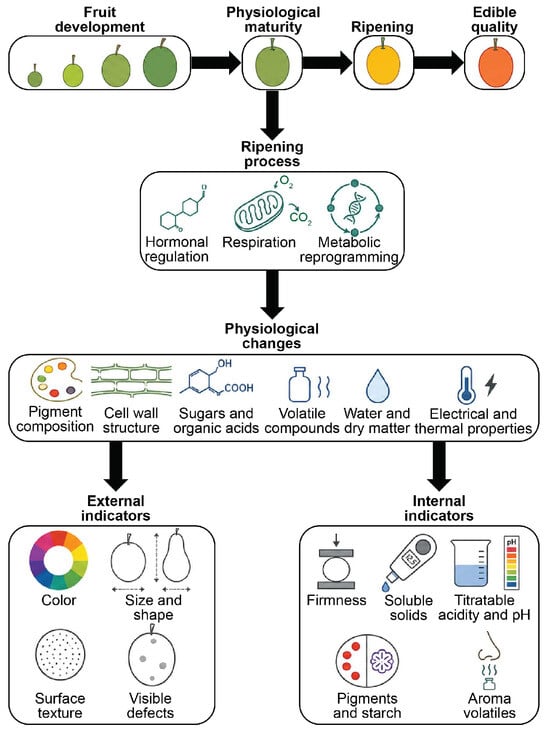
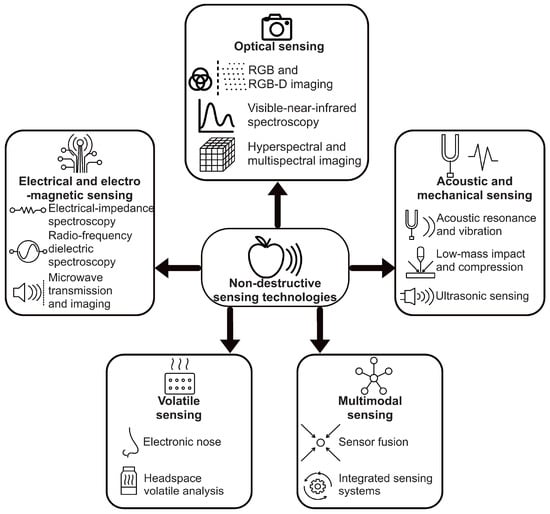

Disclaimer/Publisher’s Note: The statements, opinions and data contained in all publications are solely those of the individual author(s) and contributor(s) and not of MDPI and/or the editor(s). MDPI and/or the editor(s) disclaim responsibility for any injury to people or property resulting from any ideas, methods, instructions or products referred to in the content. |
© 2026 by the authors. Licensee MDPI, Basel, Switzerland. This article is an open access article distributed under the terms and conditions of the Creative Commons Attribution (CC BY) license.