


Abstract
Ticks are obligate hematophagous ectoparasites that affect animals, and some of them transmit a wide range of pathogens including viruses, bacteria, and protozoa to both animals and humans. Several vaccines have shown immunogenicity and protective efficacy against ticks in animal models and definitive hosts. After several decades on anti-tick vaccine research, only a commercial vaccine based on a recombinant antigen is currently available. In this context, plants offer three decades of research and development on recombinant vaccine production to immunize hosts and as a delivery vehicle platform. Despite the experimental advances in plant-made vaccines to control several parasitosis and infectious diseases, no vaccine prototype has been developed against ticks. This review examines a panorama of ticks of veterinary importance, recombinant vaccine experimental developments, plant-made vaccine platforms, and perspectives on using this technology as well as the opportunities and limitations in the field of tick vaccine research.
1. Introduction
Ticks are obligate hematophagous ectoparasites of terrestrial vertebrates that are involved in the transmission of a widely diverse array of pathogens including viruses, bacteria, fungi, and protozoans [1]. They are the most important disease vectors after mosquitoes [2]. Ticks included in the family Ixodidae are the most important vectors of diseases affecting domestic animals. From this, the genera Rhipicephalus, Ixodes, and Haemaphysalis are the most important in terms of economic losses and transmitted diseases to animals and humans.
The genus Rhipicephalus includes an important group of ticks of veterinary importance. For instance, the cattle tick Rhipicephalus microplus is one of the most important pests of livestock [3]. Direct effects of R. microplus include tick worry, blood consumption, damage to hides and udders, inoculation of toxins, and decreases in weight and milk production [4]. Indirect losses include transmission of diseases such as bovine anaplasmosis and babesiosis, the most devastating diseases of cattle raised in torrid zones [5]. Globally, economic losses due to R. microplus have been calculated at USD 13.9–18.7 billion per year [6].
The genus Ixodes includes the most important group of ticks of medical importance. In the American continent, Ixodes scapularis is the vector of Lyme disease, human babesiosis, and human anaplasmosis, considered the most prevalent tick-borne diseases in the United States and Canada. In addition, this tick is involved in the transmission of Borrelia miyamotoi disease, Powassan virus disease, and ehrlichiosis [7]. In Europe, I. ricinus is a vector of Lyme disease, tick-borne encephalitis, and human granulocytic anaplasmosis in humans, and tick-borne fever in sheep [8]. In Asia, I. persulcatus is the vector of Lyme disease, and tick-borne encephalitis and several pathogens from the genera Borrelia, Rickettsia, Anaplasma, Coxiella, and Ehrlichia [9].
The genus Haemaphysalis includes invasive ticks, such as the invasive tick H. longicornis, which is native to Asia and has been spread in Australia, other Pacific Islands, and 18 states, including the Northeast, Midwest, and Southeast regions of the United States. This tick feeds on a huge range of vertebrate hosts including humans and is the tick that transmits the most pathogens, including organisms from the genera Babesia, Theileria, Anaplasma, Rickettsia, and the virus Dabie bandavirus, the causative agent of severe fever with thrombocytopenia in cattle and humans (SFST) [10].
During the last century, the most common way to control ticks has been relayed in the application of acaricides. However, the intensive use of acaricides and poor management of these chemicals have contributed to the genetic selection of resistant tick populations, and in many cases, multiple resistance, directly impacting the environment by contamination of land and water, having negative effects on insects beneficial to wildlife, and introducing harmful residues in products and subproducts that are destined for human consumption [11]. Currently, resistance to all acaricide groups available in the market has been documented [12]. Therefore, anti-tick vaccines represent a feasible, affordable and environmentally friendly alternative for tick control to prevent tick infestations and tick-borne pathogens, and to mitigate acaricide resistance. Despite vaccines being a cost-effective control method and an ecologically friendly approach to prevent infestations and decrease parasite burden on cattle in infested areas, they are unavailable for all producers, or their distribution is limited to certain areas in Mexico [11].
The proof of concept that tick vaccines could be used to prevent tick infestations in animal hosts exposed to ticks was described by Allen and Humpreys [13] in guinea pigs and cattle that were immunized with crude extracts from gut and reproductive organs and then challenged with Dermacentor andersoni ticks, resulting in a decrease in tick weight, oviposition, and hatching. However, because D. andersoni is a three-host species, only adults were evaluated. Therefore, authors hypothesized that better results could be obtained using one-host ticks. This encouraged more studies, ending with the discovery of Bm86, a membrane-bound extracellular glycoprotein from the intestinal cells of the cattle tick, Rhipicephalus microplus [14]. The recombinant forms of Bm86 were included in formulations for the first vaccines against ticks, which were commercialized and distributed under the name TickGard and Gavac in Australia and Cuba, respectively [15].
Due to the fact that a variation in the efficacy of these vaccines was found in relation to geographical tick isolates, the identification of other tick vaccine candidates in R. microplus and other tick species continued, and other antigens such as Bm95 were identified [16]. Later, subolesin, an ortholog of the vertebrates’ akirines, was identified in Ixodes scapularis embryos [17]. This protein is conserved in several tick species and is involved in biological processes, including the immune response to infection by pathogens [18]. Immunization of several hosts with subolesin decreases the feeding and fertility of ticks fed on immunized animals [19]. Because subolesin is conserved among the various developmental tick stages of tick species, vaccination trials in several tick species have been performed, demonstrating the feasibility of tick control [20,21]. In a recent publication, an efficacy higher than 90% on R. appendiculatus in cattle vaccinated with subolesin was claimed [22].
According to the literature, most of the research on anti-tick vaccines has been performed on R. microplus, followed by I. scapularis, Haemaphysalis longicornis, Amblyomma americanun, and I. ricinus [23]. Despite vaccines being a cost-effective control method, and an ecologically friendly approach to prevent infestations and decrease parasite burden on cattle in naturally infested areas, even when several ticks and tick-borne pathogen vaccine candidates have been identified, the only vaccines currently available in the market are the Bm86-based GavacTM and Bovimune IxovacTM. However, the distribution of these vaccines is limited to certain areas of a few Latin American countries [11].
The expression systems for recombinant Bm86-based vaccines are based on the use of Escherichia coli or the yeast Pichia pastoris platforms, respectively. Still, other methods such as plant expression systems have not been used. Plant-made vaccines are a technological platform with three decades of research and development that have allowed the delivery of several prominent recombinant vaccine candidates, including those against veterinary diseases, such as Rabies Virus [24], Avian influenza virus [25], Newcastle Disease [26], Foot-and-Mouth Disease Virus [27] and Enterotoxigenic Escherichia coli [28]. Plants can serve as vaccine production hosts and oral delivery vehicles. Currently, genetic tools are available for model and food-grade plants, offering attractive advantages to produce veterinary vaccines. Therefore, the expression of recombinant proteins for tick vaccines using plants is addressed herein and placed in perspective as another alternative to produce and make anti-tick vaccines based on recombinant proteins or peptides available for producers where access to any anti-tick vaccines is limited or nonexistent.
2. Recombinant Vaccines Against Ticks
Recombinant vaccines targeting different tick species have been included in the field of research and development for tick control over the past few decades. The primary aim of these studies is to identify and recombinantly express specific proteins that are crucial for the tick’s survival, feeding processes, decrease in reproduction, fertility and blocking the capacity to transmit diseases to hosts. These proteins, obtained from the salivary glands, digestive system, or reproductive organs, are critical for the tick’s capability to thrive and propagate. This section will delve into the numerous studies conducted on recombinant tick vaccines. The methodologies used, the experimental vaccine trials and the results observed in different hosts, including cattle, rabbits, and other animal models, will be briefly discussed.
2.1. Recombinant Vaccines Against Ixodes spp.
Labuda et al. [29] tested the 64TRP protein from Rhipicephalus appendiculatus as a vaccine against tick-borne encephalitis virus (TBEV) transmitted by Ixodes ricinus. The vaccine disrupted the tick’s feeding and killed engorged ticks by rupturing their midgut. Mice receiving 64TRP were protected from lethal TBEV infection, surpassing commercial vaccines in blocking transmission [29]. Synthetic peptide vaccines targeting neuropeptides like myoinhibitory peptide and SIFamide in I. ricinus induced IgG responses but showed no significant effects on nymphs in rodents, with limited data from sheep [30]. Almazán et al. [31] identified two vaccine candidates, IrLip1 and IrSPI, which generated strong antibody responses in mice and sheep but did not reduce tick infestations and unexpectedly increased tick engorgement.
A Lyme disease vaccine was developed using a yeast-expressed library of I. ricinus salivary gland genes. Initial trials in livestock showed protection, but no similar effect was seen in rabbits [32]. Research on Ixodes scapularis used Salp14 as an antigen and found that mRNA lipid nanoparticles induced stronger immune responses compared to other vaccine methods [33]. The only vaccine against Ixodes persulcatus, targeting the CDK10 protein, reduced tick feeding and fertility in hamsters [34]. Salp25 is vital for Borrelia burgdorferi acquisition by I. scapularis ticks, detoxifying reactive oxygen species to aid B. burgdorferi survival at tick feeding sites [35]. Silencing salp25 or immunizing mice against it reduced Borrelia acquisition. Salp15 antiserum protects mice against B. burgdorferi, boosting antibody efficacy and enhancing phagocytic destruction of Salp15-coated Borrelia [36]. Another study identified a tick histamine release factor (tHRF), upregulated in infected ticks, that aids feeding. Silencing tHRF reduced tick feeding and Borrelia load, while immunizing mice against tHRF impaired tick feeding and pathogen transmission, enhancing vaccine potential [37]. Finally, a tick receptor produced in the gut of Ixodes called TROSPA was expressed in Nicotiana benthamiana and E. coli [38]. This example will be discussed further below (Table 1).
Table 1.
Prototypes of recombinant vaccines against Ixodes spp. infection.
2.2. Recombinant Vaccines Against Rhipicephalus spp.
Rhipicephalus microplus is the major cattle tick responsible for significant economic losses in the cattle industry. The efficacy of various recombinant antigenic proteins and their potential in reducing tick infestations and controlling the pathogens transmitted by ticks are presented. One of the most widely studied vaccines is based on the Bm86 glycoprotein, which is located on the surface of R. microplus intestinal cells [39]. Bm86 is encoded by a 1982 bp gene, which produces a 650-amino acid protein, including a 19-amino acid signal peptide and a 23-amino acid hydrophobic segment near the carboxylic end [14]. Bm86, when expressed in Escherichia coli and administered as a vaccine, has demonstrated efficacy rates of 70–90% against tick infestations [40]. Similarly, Bm86 produced in Pichia pastoris achieved comparable results in controlling tick populations [41]. However, its effectiveness in South America was lower, prompting the development of Bm95, a Bm86 homolog that achieved 58–89% efficacy [16]. Additionally, Bm86 orthologues, such as Ba86, have shown up to 90% similarity and cross-reactivity with Bm86, resulting in higher efficacy against Rhipicephalus annulatus compared to R. microplus [42,43] (Table 2).
Beyond Bm86, various other antigens have been evaluated for their immunoprotective potential. The proteins TROSPA, SILK, and Q38 were tested against R. microplus infestations, with Q38 showing a 75% reduction in tick infestations, and SILK reducing oviposition by 62% [44]. Subolesin, a highly conserved protein among tick species, is an orthologue of insect akirin and is present among the different developmental stages as well as among tick species [45]. It was identified using a cDNA library from I. scapularis embryonic cells [17]. Functional studies determined that Subolesin decreased tick feeding and fertility and showed a 60% reduction in tick infestations and 51–60% protective efficacy against R. microplus and R. annulatus [20]. To improve efficacy, a subolesin peptide was designed and tested in vaccine preparations under field conditions and tested in field trials, resulting in 67% efficacy against R. microplus [21].
Other antigenic proteins have demonstrated promising results in cattle vaccination trials. For example, the metzincin protein BrRm-MP4, when used as a vaccine, impaired tick feeding and reduced reproductive traits, offering 60% protection against tick infestations [46]. Similarly, sialoproteins, which facilitate parasitism and evade the host immune system, were tested in alum-adjuvanted vaccines, achieving 73.2% efficacy [47]. Another example is the voltage-dependent anion-selective channel (VDAC) identified in the midgut of R. microplus, a mitochondrial membrane protein of 30–32 kDa present in eukaryotes [48]. Vaccination with recombinant voltage-dependent anion-selective channels (VDACs) resulted in 82% efficacy, primarily by reducing egg fertility [49].
Innovative vaccine development has also explored new targets, such as Cys-loop receptors, glycine-like receptors, and glutamate receptors, which showed moderate efficacy (25–33%) in controlling R. microplus infestations [50]. Additionally, a peptide derived from Serpin RmS-17 exhibited 79% efficacy in reducing tick numbers and oviposition, surpassing the 62% efficacy of the Bm86 vaccine [51].
Efforts have also been made to develop vaccines offering protection against multiple tick species. Calreticulin (CRT) proteins from R. microplus and Haemaphysalis longicornis demonstrated cross-reactivity, with antibodies from vaccinated cattle and mice recognizing both CRT proteins [52]. Another multi-antigen vaccine, combining vitellin-degrading cysteine endopeptidase (VTDCE), yolk pro-cathepsin (BYC), and glutathione S-transferase (GST-Hl), provided greater protection against R. microplus than individual antigen vaccines [53]. Cross-protective potential has also been evaluated using BM86 from R. microplus along with subolesin and tropomyosin from Hyalomma anatolicum, achieving high efficacy against both tick species [54].
Additional promising vaccine candidates include MSP1a chimeric proteins, which achieved 64–81% protection against R. microplus infestations [55], ferritin (FER2), which is crucial in iron metabolism and provided 64–72% protection [56,57], and recombinant aquaporins, with 68–75% efficacy in Brazilian trials [58]. Chitinase peptides, targeting the molting process of ticks, were also evaluated, achieving 71% protection in cattle [59].
Recombinant vaccines against Rhipicephalus sanguineus and Rhipicephalus appendiculatus have also been explored. For instance, a 20-amino acid peptide from P0, a ribosomal protein essential for tick viability, achieved 90% efficacy in rabbits and 85% efficacy in dogs [60,61]. Similarly, Bm86 was tested in dogs, leading to significant reductions in larval, nymphal, and adult tick collection rates [62]. In the case of R. appendiculatus, cystatin proteins demonstrated their potential as vaccine candidates by inhibiting cathepsins involved in tick digestion and blood processing, reducing engorged adult females by 11.5% [63].
Table 2.
Prototypes of recombinant vaccines against Rhipicephalus spp. infection.
While Bm86 remains a cornerstone of anti-tick vaccine development, other proteins and multi-antigen formulations have demonstrated considerable promise. These novel approaches aim to enhance protection against a broader range of tick species, offering hope for more effective control of tick-borne diseases and infestations.
2.3. Recombinant Vaccines Against Haemaphysalis spp.
The acid phosphatase HL-3 from Haemaphysalis longicornis was evaluated as a vaccine candidate. Recombinant HL-3 (rHL-3), expressed in E. coli, was used to immunize rabbits, leading to a 28% tick mortality rate and a 10.6% reduction in adult tick weight, suggesting its role in immunity and potential as a vaccine antigen [64]. The serine protease Longistatin, another salivary gland protein from H. longicornis, showed 73% effectiveness in reducing tick infestation in vaccinated mice, lowering tick repletion, body weight, and nymph molting [65].
Additionally, rabbits immunized with paramyosin (rPmy) and a peptide (KLH-LEE) showed reductions in tick engorgement weight (8.87%), oviposition (26.83%), and hatchability (38.86%), with vaccine efficacies of 60.37% and 70.86%, respectively [66]. Cross-reactivity studies found that a lipocalin homologue (HlLIP) from H. longicornis shared high sequence homology with Ixodes persulcatus, reducing tick engorged weight and reproductive parameters in rabbits, with a 60.17% efficacy [67]. Lastly, recombinant triosephosphate isomerase (rHlTIM) from H. longicornis reduced tick weight, oviposition, and egg hatching by 8.6%, 35.4%, and 17.3%, respectively, with an overall efficacy of 50.9% [68] (Table 3).
Table 3.
Prototypes of recombinant vaccines against Haemaphysalis sp. infection.
2.4. Recombinant Vaccines Against Amblyomma spp.
A study using RNA interference (RNAi) on a Amblyomma americanum cDNA library identified four tick-protective antigens: threonyl-tRNA synthetase, 60S ribosomal proteins L13a and L13e, and interphase cytoplasm foci protein 45. Cattle vaccinated with these recombinant proteins and subolesin showed over 30% efficacy, with recombinant 2G7 or subolesin achieving more than 55% control against adult ticks [69].
In Amblyomma sculptum, three salivary proteins (AsKunitz, As8.9kDa, and AsBasicTail) were characterized and assessed as vaccine candidates, demonstrating significant inhibition of key enzymes and protection against infestation in mice, with efficacy rates between 59.4% and 85% and nymph mortality reaching 70–100% [70] (Table 4).
Table 4.
Prototypes of recombinant vaccines against Amblyomma spp. infection.
2.5. Recombinant Vaccines Against Hyalomma spp.
Cathepsin L-like cysteine protease (CPL) was assessed for its potential use in a bivalent vaccine targeting Hyalomma anatolicum and H. asiaticum. This protein is a key hemoglobinase involved in blood digestion from hosts. CPL from H. anatolicum (HanCPL) showed over 90% similarity to H. asiaticum CPL (HasCPL). In vitro experiments demonstrated that anti-HasCPL sera cross-reacted with native proteins across different developmental stages and tissues of both H. asiaticum and H. anatolicum. Additionally, rabbits immunized with recombinant HasCPL (rHasCPL) showed partial cross-protection (54.8%) against H. anatolicum infestation [71] (Table 5).
Table 5.
Prototypes of recombinant vaccines against Hyalomma spp. infection.
The recombinant tick vaccines described demonstrate promising efficacy in controlling tick infestations by targeting various tick antigens, including Bm86, subolesin, and salivary proteins. These vaccines showed significant reductions in tick infestations, oviposition, and reproductive success, with efficacies ranging from 30% to over 85%. This highlights the potential of recombinant proteins in developing effective anti-tick vaccines for both livestock and companion animals, particularly in Latin American countries (Table 6).
Table 6.
Different antigens that have been tested in immunization trials against cattle ticks in Latin American countries.
3. Plant as Recombinant Vaccine Production Host and Delivery
Plants have emerged as promising hosts for producing and delivering recombinant vaccines. This approach, known as plant molecular pharming, involves using plant cells or whole plants as platforms to produce vaccines and other therapeutic proteins [72]. This platform has several advantages, including lower production costs, scalability, and reduced risk of contamination with pathogens like prions and endotoxins, which are concerns in mammalian and bacterial systems.
Some advantages described, like bioencapsulation, could favor antigen uptake and display resistance to degradation, or plant metabolites could exert adjuvant activity. Plant compounds, such as polysaccharides, can exert mucoadhesive properties, and differential glycosylation conferred by the plant cell machinery could enhance immunogenicity [73].
The general methodological strategy comprises elements and approaches selected to reach the desirable objective. Firstly, a gene-coding antigen with demonstrated protective efficacy can be identified by scientific reports, or a chimera can be designed based on several antigens and epitopes. Commonly, the gene is codon-optimized and then synthesized considering appropriate restriction sites for cloning procedures. Additional genetic elements can be included in up- and downstream genes, such as a sequence to drive the mRNA to ribosomes for translation, a retention signal if the protein must be retained in the cell, a tag for purification if this is the case, and a sequence-coding adjuvant to potentiate the immune response, among others [74]. Moreover, it can improve the expression according to the cellular destination where the antigen is processed, for example, chloroplast, endoplasmic reticulum/secretion [75], and a significant portion of recombinant vaccine production achieved through tobacco chloroplast transformation relies on this method, such as cholera toxin B subunit [76] or human papillomavirus L1 virus-like particle (VLP) [77]. Some vaccine designs include the fusion of the antigen of interest with other proteins that considerably improve its expression in plants and stability [78].
The expression vector should be selected considering whether the approach is nuclear or plastid genetic transformation. However, it is possible to express recombinant antigens in plants in a transient form or cell suspension instead of generating stable transgenic plants [78,79]. This option could be appropriate to avoid the neutralization and degradation of the transgenic plant, which can occur as a rejection of exogenous antigen. Moreover, the decision will also condition the method to transfer the genetic construction comprising the vector and the gene, for which Agrobacterium tumefaciens- and biobalistic-mediated methods are the most used. Typically, model plants, such as tobacco and Arabidopsis, are employed to explore the potential of a given antigen due to their high transformation efficiency and regeneration. Plant-made antigens are detected by Western blot and quantified by ELISA. Then, the proof of concept is followed up with food-grade plants including rice, maize, and alfalfa, among many others [74].
In this context, plant-based vaccines are especially suitable for oral immunization, providing the advantage of convenient, needleless administration and reducing the costs needed for purification of the antigens, and these vaccines are easily freeze-dried for long-term storage at room temperature [80]. It has been proposed that plant-produced vaccines are protected from the acid environment of the stomach by the plant cell wall and are then slowly released in the gut [81], inducing host mucosal and systemic immunity after uptake by M cells in the follicle-associated epithelium [82]. Immune tolerance is considered a potential barrier to the development of edible vaccines because of the high-dosage oral administration that is usually required. Therefore, the optimum antigen dosage needs to be carefully determined [83].
Despite efforts in plant-made vaccine development, there are still challenges that hinder the realization of manufacturing-approved and safe products, among them relatively low yields and achieving elicitation of a robust response toward the immunogen [84].
Examples of Plant-Made Vaccines Against Arthropods
Most potential recombinant tick vaccines have been produced using conventional expression systems, including bacteria (E. coli), yeast (Pichia pastoris and Kluyveromyces lactis), and insect cells (Drosophila S2 cells). In plants, to our knowledge, the first attempt was reported in a study that described the gene expression of an antigen with vaccine potential against ticks. TROSPA (a tick receptor produced in the intestine of Ixodes ticks that binds to Outer surface protein A (OspA)) expressed by B. burgdorferi allowed colonization and survival of this spirochete in ticks; thus, it was considered a potential vaccine candidate against Lyme disease. Experiments to express TROSPA in the plant Nicotiana benthamiana and E. coli were performed by Figlerowicz et al. [38]. Unfortunately, TROSPA protein was not detected in N. benthamiana leaves, but in E. coli, demonstrating the ability to bind to OspA from several Borrelia species and immunogenicity in rats. The N-terminal part of TROSPA does not participate in OspA interaction, and reducing TROSPA’s negative charge impairs this binding. Recombinant TROSPA effectively forms complexes with OspA and generates specific IgG in orally vaccinated rats. The production of TROSPA was efficient in E. coli cells; although correctly spliced mRNA was confirmed in the plant cells, the total protein isolated from these cells did not show its presence. The authors suggested that the non-detection of plant-produced TROSPA could be due to the use of sera from animals injected with bacterial recombinant protein, antibodies targeting non-glycosylated protein, ineffective production of TROSPA in the plant system, or rapid degradation by plant proteases [38].
To improve the expression of TROSPA and other antigens in plants, optimizing codon usage specific to the plant expression system could enhance protein yield [85]. Using stronger plant promoters, such as CaMV 35S or tissue-specific promoters, may also boost expression [86]. Co-expression with chaperones or fusion to stabilizing tags could improve protein folding and stability [87]. Additionally, glycosylation patterns should be considered for proper antigenicity. Given the promising results from other recombinant antigens (e.g., Bm86, subolesin), further studies should explore the plant-based expression of these proven candidates to enhance immune response and protection against ticks.
To date, only one attempt of a plant-produced vaccine against ticks has been reported; this platform has been extensively explored for producing vaccines against pathogens transmitted by arthropods, primarily those transmitted by mosquitoes. Most of the research developed in this area includes the development of vaccines against parasitic diseases such as malaria [88,89,90,91,92,93] and leishmaniasis [94,95], as well as those associated with the Flavivirus genus such as dengue [96,97,98,99], Zika [100,101,102], yellow fever [103], West Nile virus [104,105,106,107], and Japanese encephalitis [108]. Additionally, research on plant-made vaccines has been reported for diseases caused by alphaviruses like Chikungunya [109,110], and other diseases such as bubonic plague, spread by fleas [111,112,113].
4. Opportunities and Limitations in the Field for Plant-Made Vaccines Against Ticks
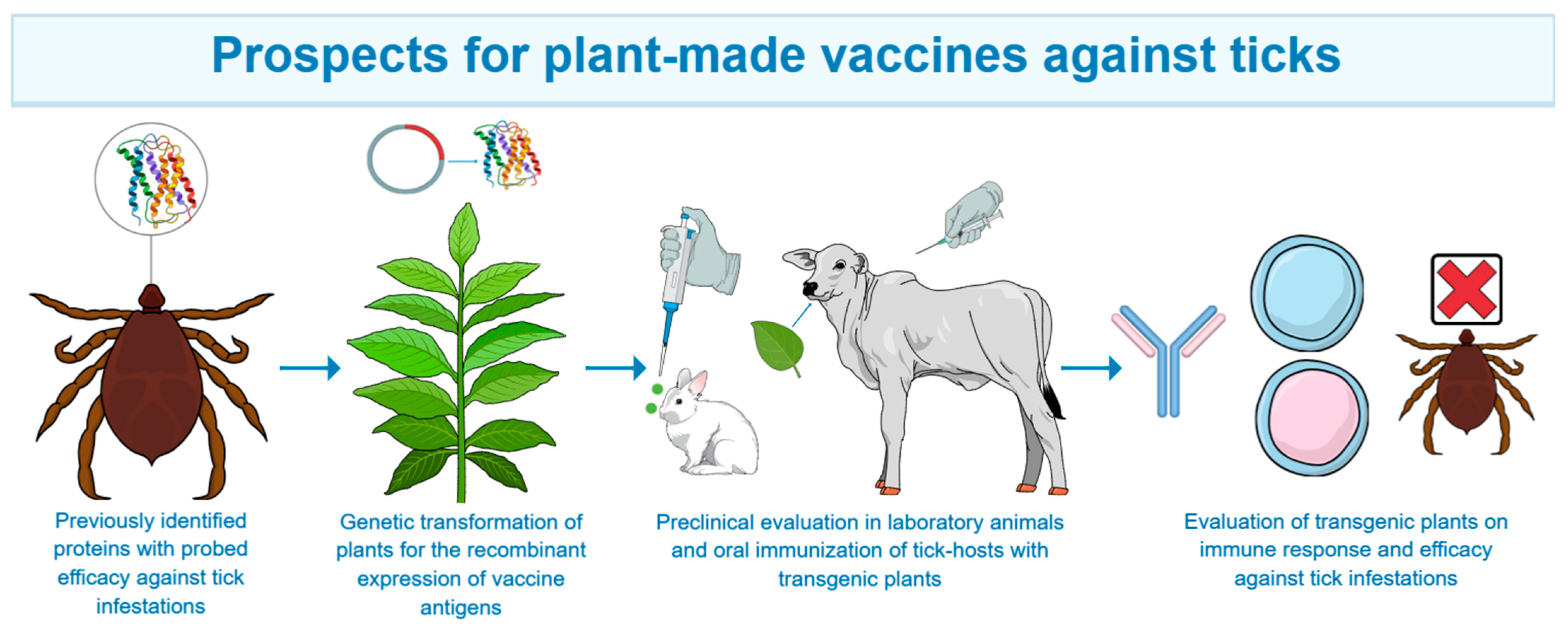
Plant-made vaccines are an alternative that has not been explored to control ticks of veterinary importance (Figure 1). Considering that several antigens have been identified, that evidence of the efficacy against several tick species is available, that anti-tick vaccines are still not easily affordable for producers, and the existent experience gained on plant-made vaccines against several vector-borne pathogens, in this review, a perspective of the use of plant-made vaccines is addressed. Adapting this methodology opens a field of opportunities in tick vaccine development, the results of which may be used to decrease tick infestations in regions where vaccines are unavailable, and tick control relies only on acaricides. The pioneering study of Figlerowicz et al. [38] has demonstrated that challenges must be overcome to successfully produce antigens from ticks. However, over 35 years of plant-made vaccines against animal and human diseases shed light on the application of this technology. Many plant-made vaccines have entered clinical trials, and some have reached government licensing, such as COVIFENZ® of Medicago company to prevent COVID-19 [114]. Thus, plant-made vaccines have reached clinical trials and been commercialized for human use [115,116], making this technology a reality for the benefit of humankind.
Figure 1.
Schematic representation of step-by-step approach for plant-made vaccine development against ticks of veterinary importance.
Advantages from plants can be exploited as a vaccine biofactory since these organisms are a natural source for industrial purposes. Their molecular mechanisms let them synthesize functional compounds, such as recombinant vaccines. Additionally, some plants produce immunostimulatory compounds that enhance immune responses and serve as adjuvants of vaccines. The major challenge of plant-made vaccines is to achieve high recombinant protein yields. In this arena, the availability of genetic engineering tools, products, and protocols, especially those related to model plants like tobacco, is an advantage. However, limitations in genetic manipulation exist for many less-studied plants. This situation represents an obstacle to transformation efficiency and developing species-specific protocols for transgenesis becomes a big hurdle. Nonetheless, plant-made vaccine technology is permanently advanced in scientific innovation and knowledge. For instance, strong inductive and constitutive promoters, terminators, retention signals, transformation techniques, and glycoengineering tools, among others, have been developed and continuously innovated [117,118]. Codon optimization of gene sequences has been recommended to improve recombinant vaccine production, but Maclean et al. [119] demonstrated that the opposite could be true, and this should be considered.
Regulations for plant-made vaccines against veterinary diseases are less restrictive than those for human diseases, which is an advantage for industrial adoption. In line with this, Good Manufacturing Practices (GMP) should comply with regulations for optimal plant-made anti-tick vaccine production [120]. Therefore, genetic transformation, growing, and harvest conditions should be optimized to obtain the highest yields, quality, and cost-effective vaccines. Fortunately, the knowledge behind agriculture for most of the used plants to produce recombinant vaccines brings a huge advance, leading to a focus on optimizing genetic transformation. A concern is related to the biosecurity of transgenic plants [121]. This issue must be solved through containment systems, control protocols, and strict monitoring to avoid any risk of an accidental escape that could affect the environment [122]. If the vaccine must be purified for parenteral application, this issue will represent additional GMP labor. Remarkably, oral vaccination is an advantage because plant-made vaccines can be directly administered, without the need for purification procedures, therefore decreasing the costs of production, while other costs are avoided, such as the need for trained personnel, veterinary materials, etc. Additionally, encapsulated antigens in the plant cells are generally thermostable for oral delivery and can avoid the cold chain to maintain vaccine functionality. This is a big advantage that would greatly impact veterinary vaccines, especially when vaccine efficacy depends on the cold chain, which is difficult to maintain in tropical regions with extensive production systems, where tick infestations are high, and logistics and cost for cold vaccine distribution may be significantly reduced.
A key challenge of plant-made oral vaccines is immunotolerance due to the low immunogenicity of subunit vaccines. This phenomenon is due to the delicate balance between the food digestion activity, antigen immune recognition process, and the induction of immune responses at the gastrointestinal level. The main strategy to solve this problem has been through strong adjuvants, which can be part of the gene chimera or incorporated into the vaccine formulation [123]. An additional strategy to fence immunotolerance has been immunization schemes comprising oral (prime) and parenteral (boost) plant-made vaccine administration. This approach can stimulate mucosal and systemic immune responses, and it is especially desirable for mucosal pathogens.
4.1. Vaccines Against Tick-Borne Diseases and Plant-Made Vaccine Perspectives
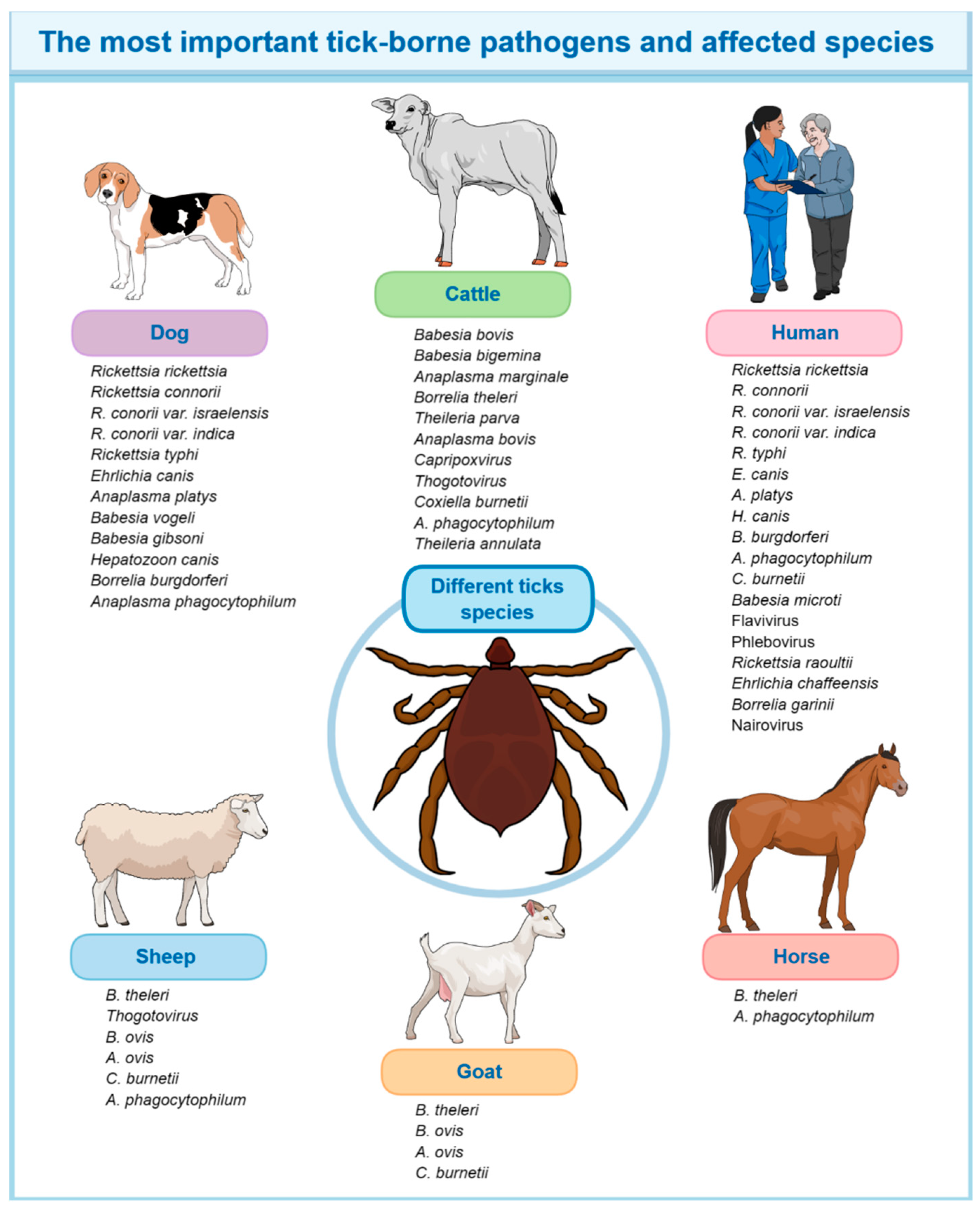
In general, vaccination against ticks can also reduce the prevalence of tick-borne diseases (Figure 2), which is valid for any vaccine produced in available platforms, including plants. In this regard, Salp25 is crucial for Borrelia burgdorferi acquisition by I. scapularis ticks. Silencing salp25 in tick salivary glands or immunizing mice against Salp25 reduced Borrelia acquisition. Salp25 detoxifies reactive oxygen species, aiding B. burgdorferi survival at the tick feeding site. This shows that pathogens use arthropod molecules to overcome mammalian defenses and enter the vector [35]. Moreover, a follow-up study demonstrated that Salp15 antiserum provided protection to a mouse model against B. burgdorferi infectivity and enhanced the efficacy of antibodies targeting B. burgdorferi antigens. Additionally, Salp15 antiserum augmented the destruction of Salp15-coated B. burgdorferi by phagocytic cells, and immunized rodents were protected against tick-transmitted Borrelia. [36]. Another study carried out by this research group described a tick histamine release factor (tHRF) from I. scapularis and explored it as a vaccine. This protein, upregulated in B. burgdorferi-infected ticks, is detected in saliva and coincides with the fast-eating stage. Silencing tHRF diminished tick eating and reduced B. burgdorferi load in rodents. Mice immunized with tHRF or treated with tHRF antiserum showed decreased tick feeding efficiency and B. burgdorferi load. The tHRF binds to host basophils, stimulating histamine liberation, and potentially raising the blood stream to the tick bite point. Blocking tHRF could enhance vaccines against tick alimentation and pathogen spread [37]. In A. marginale, vaccination with Q38, TROSPA, and Subolesin diminished B. bigemina DNA quantities in ticks, while SILK and Subolesin reduced A. marginale DNA concentrations [44]. Therefore, an integrative strategy comprising antigens to fight against ticks and tick-borne diseases is ideal for dealing with diseases affecting food-producing animals.
Figure 2.
Tick-borne pathogens affect animals and humans.
4.2. Experience with Plant-Made Vaccines Against Parasites and Prospects Against Ticks
Vaccination in animal models and target hosts with several antigens has demonstrated low, moderate, and high protective efficacy, ranging from 25 to 90%. Those antigens showing the highest protective efficacy are candidates to be produced in plants for oral vaccination. The experience of plant-made vaccines developed against vector-borne human diseases must be considered to fight ticks of veterinary importance. For instance, several plants have expressed antigenic protein from Plasmodium falciparum, the causal agent of malaria transmitted by mosquitos. Successful plant expression of the sexual and asexual blood stage antigens (i.e., Pfs25, Pfs230, AMA1, MSP1) has been reported, demonstrating immunogenicity in animal models [38,88,89,92,93,124]. Furthermore, Pfs25 produced in tobacco plants and formulated with Alhydrogel® elicited immunoglobulins that provided a complete transmission-blocking effect during a six-month study in mice [125]. Additionally, a Phase 1 study evaluated the safety, reactogenicity, and immunogenicity of the plant-made Pfs25 VLP vaccine with Alhydrogel® adjuvant in healthy volunteers. No adverse effects like dose-related toxicity were seen after the vaccination with the plant-made Pfs25 VLP vaccine. Regarding immunogenicity, Pfs25 induced specific IgGs, but the antibodies had weak transmission-reducing activity, suggesting the use of a different adjuvant [91].
5. Conclusions
Plant-made vaccines are an alternative to control ticks of veterinary importance. The evidence of more than three decades dedicated to optimizing plant-made vaccine platforms and those examples that reached commercialization indicate the feasibility of this technology that has been applied to produce vaccines against parasitic diseases such as fasciolosis, schistosomiasis, coccidiosis, and cysticercosis. Several antigens have demonstrated high protective efficacy in controlling tick infestations in cattle, dogs, and animal models. These antigens are the ideal candidates to be produced in plants and tested in immunological trials against ticks.
Author Contributions
Conceptualization, C.A. (Consuelo Almazán) and C.A. (Carlos Angulo); investigation, E.T., A.R.-V. and E.M.-E.; writing—original draft preparation, E.T., A.R.-V., E.M.-E., C.A. (Consuelo Almazán) and C.A. (Carlos Angulo); resources, E.T., A.R.-V., E.M.-E., C.A. (Consuelo Almazán) and C.A. (Carlos Angulo); writing—review and editing, E.T., C.A. (Consuelo Almazán) and C.A. (Carlos Angulo). All authors have read and agreed to the published version of the manuscript.
Funding
This research received no external funding.
Institutional Review Board Statement
Not applicable.
Informed Consent Statement
Not applicable.
Data Availability Statement
Not applicable.
Acknowledgments
CONAHCYT for the approval (No. 41) of the Laboratorio Nacional CONAHCYT de Generación de Vacunas Veterinarias y Servicios de Diagnóstico (LNC-GVD) and the postdoctoral fellowship (565899) to Edgar Trujillo.
Conflicts of Interest
The authors declare no conflicts of interest.
References
- Sonenshine, D.E.; Roe, R.M. Ticks, people, and animals. In Biology of Ticks; Oxford University Press: Oxford, UK, 2013; Volume 1, p. 1. [Google Scholar]
- de la Fuente, J.; Estrada-Peña, A.; Venzal, J.M.; Kocan, K.M.; Sonenshine, D.E. Overview: Ticks as vectors of pathogens that cause disease in humans and animals. Front. Biosci. 2008, 13, 6938–6946. [Google Scholar] [CrossRef] [Scilit] [PubMed]
- Servicio Nacional de Sanidad, Inocuidad y Calidad Agroalimentaria [SENASICA], Secretaría de Agricultura y Desarrollo Rural [SAGARPA]. Situación Actual: Campaña Nacional para el Control de la Garrapata Boophilus spp. Available online: https://www.gob.mx/senasica (accessed on 10 August 2024).
- FAO. Management and Integrated Parasite Control in Ruminants Guidelines, Module 1: Ticks: Acaricide Resistance: Diagnosis, Management and Prevention; Animal Production and Health Division, Food and Agriculture Organization: Rome, Italy, 2004. [Google Scholar]
- Almazán, C.; Tipacamu, G.A.; Rodríguez, S.; Mosqueda, J.; Pérez de León, A. Immunological control of ticks and tick-borne diseases that impact cattle health and production. Front. Biosci. 2018, 23, 1535–1551. [Google Scholar] [CrossRef] [Scilit] [PubMed]
- de Castro, J.J. Sustainable tick and tickborne disease control in livestock improvement in developing countries. Vet. Parasitol. 1997, 71, 77–97. [Google Scholar] [CrossRef] [Scilit] [PubMed]
- Eisen, R.J.; Eisen, L. The blacklegged tick, Ixodes scapularis: An increasing public health concern. Trends Parasitol. 2018, 34, 295–309. [Google Scholar] [CrossRef] [Scilit] [PubMed]
- Almazán, C.; Fourniol, L.; Rouxel, C.; Alberdi, P.; Gandoin, C.; Lagrée, A.C.; Bonnet, S.I. Experimental Ixodes ricinus-sheep cycle of Anaplasma phagocytophilum NV2Os propagated in tick cell cultures. Front. Vet. Sci. 2020, 7, 40. [Google Scholar] [CrossRef] [Scilit] [PubMed]
- Zhang, X.C.; Yang, Z.N.; Lu, B.; Ma, X.F.; Zhang, C.X.; Xu, H.J. The composition and transmission of microbiome in hard tick, Ixodes persulcatus, during blood meal. Ticks Tick-Borne Dis. 2014, 5, 864–870. [Google Scholar] [CrossRef] [Scilit]
- Zhao, L.; Li, J.; Cui, X.; Jia, N.; Wei, J.; Xia, L.; Cao, W. Distribution of Haemaphysalis longicornis and associated pathogens: Analysis of pooled data from a China field survey and global published data. Lancet Planet. Health 2020, 4, e320–e329. [Google Scholar] [CrossRef] [Scilit]
- Rosario-Cruz, R.; Domínguez-García, D.I.; Almazán, C.; Rosario Dominguez, F. A one health epidemiological approach for understanding ticks and tick-borne pathogens. In Vector-Borne and Zoonotic Diseases; Mary Ann Liebert, Inc.: New Rochelle, NY, USA, 2024. [Google Scholar]
- Rodriguez-Vivas, R.I.; España, E.R.; Blanco, I.L.; Ojeda-Chi, M.M.; Trinidad-Martinez, I.; Islas, J.A.T.; Bhushan, C. Monitoring the resistance of Rhipicephalus microplus to amitraz, flumethrin, coumaphos, and ivermectin on cattle farms in Mexico. Vet. Parasitol. Reg. Stud. Rep. 2021, 26, 100644. [Google Scholar] [CrossRef] [Scilit]
- Allen, J.R.; Humphreys, S.J. Immunisation of guinea pigs and cattle against ticks. Nature 1979, 280, 491–493. [Google Scholar] [CrossRef] [Scilit]
- Rand, K.N.; Moore, T.; Sriskantha, A.; Spring, K.; Tellam, R.; Willadsen, P.; Cobon, G.S. Cloning and expression of a protective antigen from the cattle tick Boophilus microplus. Proc. Natl. Acad. Sci. USA 1989, 86, 9657–9661. [Google Scholar] [CrossRef] [Scilit]
- Willadsen, P.; Bird, P.; Cobon, G.S.; Hungerford, J. Commercialisation of a recombinant vaccine against Boophilus microplus. Parasitology 1995, 110, S43–S50. [Google Scholar] [CrossRef] [Scilit] [PubMed]
- García-García, J.C.; Montero, C.; Redondo, M.; Vargas, M.; Canales, M.; Boue, O.; Rodríguez, M.; Joglar, M.; Machado, H.; González, I.L.; et al. Control of ticks resistant to immunization with Bm86 in cattle vaccinated with the recombinant antigen Bm95 isolated from the cattle tick, Boophilus microplus. Vaccine 2000, 18, 2275–2287. [Google Scholar] [CrossRef] [Scilit] [PubMed]
- Almazán, C.; Kocan, K.M.; Bergman, D.K.; Garcia-Garcia, J.C.; Blouin, E.F.; de la Fuente, J. Identification of protective antigens for the control of Ixodes scapularis infestations using cDNA expression library immunization. Vaccine 2003, 21, 1492–1501. [Google Scholar] [CrossRef] [Scilit] [PubMed]
- Artigas-Jerónimo, S.; Villar, M.; Cabezas-Cruz, A.; Valdés, J.J.; Estrada-Peña, A.; Alberdi, P.; De la Fuente, J. Functional evolution of subolesin/akirin. Front. Physiol. 2018, 9, 1612. [Google Scholar] [CrossRef] [Scilit] [PubMed]
- Almazán, C.; Kocan, K.M.; Blouin, E.F.; de la Fuente, J. Vaccination with recombinant tick antigens for the control of Ixodes scapularis adult infestations. Vaccine 2005, 23, 5294–5298. [Google Scholar] [CrossRef] [Scilit]
- Almazán, C.; Lagunes, R.; Villar, M.; Canales, M.; Rosario-Cruz, R.; Jongejan, F.; de la Fuente, J. Identification and characterization of Rhipicephalus (Boophilus) microplus candidate protective antigens for the control of cattle tick infestations. Parasitol. Res. 2010, 106, 471–479. [Google Scholar] [CrossRef] [Scilit]
- Mendoza-Martínez, N.; Alonso-Díaz, M.A.; Merino, O.; Fernández-Salas, A.; Lagunes-Quintanilla, R. Protective efficacy of the peptide Subolesin antigen against the cattle tick Rhipicephalus microplus under natural infestation. Vet. Parasitol. 2021, 299, 109577. [Google Scholar] [CrossRef] [Scilit]
- Kabi, F.; Contreras, M.; Semakula, J.; Sánchez-Sánchez, M.; Muñoz-Hernández, C.; Mugerwa, S.; de la Fuente, J. Evaluation of effectiveness and safety of Subolesin anti-tick vaccine in Ugandan multi-site field trial. Npj Vaccines 2024, 9, 174. [Google Scholar] [CrossRef] [Scilit]
- Almazán, C. Impact of the paper by Allen and Humphreys (1979) on anti-tick vaccine research. Pathogens 2022, 11, 1253. [Google Scholar] [CrossRef] [Scilit]
- Loza-Rubio, E.; Rojas-Anaya, E.; López, J.; Olivera-Flores, M.T.; Gómez-Lim, M.; Tapia-Pérez, G. Induction of a protective immune response to rabies virus in sheep after oral immunization with transgenic maize expressing the rabies virus glycoprotein. Vaccine 2012, 30, 5551–5556. [Google Scholar] [CrossRef] [Scilit]
- Phan, H.T.; Pham, V.T.; Ho, T.T.; Pham, N.B.; Chu, H.H.; Vu, T.H.; Abdelwhab, E.M.; Scheibner, D.; Mettenleiter, T.C.; Hanh, T.X.; et al. Immunization with plant-derived multimeric H5 hemagglutinins protect chicken against highly pathogenic avian influenza virus H5N1. Vaccines 2020, 8, 593. [Google Scholar] [CrossRef] [Scilit] [PubMed]
- Shahid, N.; Samiullah, T.R.; Shakoor, S.; Latif, A.; Yasmeen, A.; Azam, S.; Shahid, A.A.; Husnain, T.; Rao, A.Q. Early stage development of a Newcastle disease vaccine candidate in corn. Front. Vet. Sci. 2020, 7, 499. [Google Scholar] [CrossRef] [Scilit] [PubMed]
- Habibi, M.; Malekzadeh, S.; Marashi, H.; Mohkami, A. Expression of an epitope-based recombinant vaccine against Foot and Mouth Disease (FMDV) in tobacco plant (Nicotiana tabacum). J. Plant Mol. Breed. 2019, 7, 1–9. [Google Scholar]
- Joensuu, J.J.; Verdonck, F.; Ehrström, A.; Peltola, M.; Siljander-Rasi, H.; Nuutila, A.M.; Oksman-Caldentey, K.M.; Teeri, T.H.; Cox, E.; Goddeeris, B.M.; et al. F4 (K88) fimbrial adhesin FaeG expressed in alfalfa reduces F4+ enterotoxigenic Escherichia coli excretion in weaned piglets. Vaccine 2006, 24, 2387–2394. [Google Scholar] [CrossRef] [Scilit] [PubMed]
- Labuda, M.; Trimnell, A.R.; Ličková, M.; Kazimírová, M.; Davies, G.M.; Lissina, O.; Hails, R.S.; Nuttall, P.A. An antivector vaccine protects against a lethal vector-borne pathogen. PLoS Pathog. 2006, 2, e27. [Google Scholar] [CrossRef] [Scilit] [PubMed]
- Almazán, C.; Šimo, L.; Fourniol, L.; Rakotobe, S.; Borneres, J.; Cote, M.; Bonnet, S.I. Multiple antigenic peptide-based vaccines targeting Ixodes ricinus neuropeptides induce a specific antibody response but do not impact tick infestation. Pathogens 2020, 9, 900. [Google Scholar] [CrossRef] [Scilit]
- Almazán, C.; Fourniol, L.; Rakotobe, S.; Šimo, L.; Bornères, J.; Cote, M.; Bonnet, S.I. Failed disruption of tick feeding, viability, and molting after immunization of mice and sheep with recombinant Ixodes ricinus salivary proteins IrSPI and IrLip1. Vaccines 2020, 8, 475. [Google Scholar] [CrossRef] [Scilit]
- Trentelman, J.J.; Tomás-Cortázar, J.; Knorr, S.; Barriales, D.; Hajdusek, O.; Sima, R.; Hovius, J.W. Probing an Ixodes ricinus salivary gland yeast surface display with tick-exposed human sera to identify novel candidates for an anti-tick vaccine. Sci. Rep. 2021, 11, 15745. [Google Scholar] [CrossRef] [Scilit]
- Matias, J.; Kurokawa, C.; Sajid, A.; Narasimhan, S.; Arora, G.; Diktas, H.; Fikrig, E. Tick immunity using mRNA, DNA and protein-based Salp14 delivery strategies. Vaccine 2021, 39, 7661–7668. [Google Scholar] [CrossRef] [Scilit]
- Gomes, H.; Moraes, J.; Githaka, N.; Martins, R.; Isezaki, M.; da Silva Vaz, I., Jr.; Ohashi, K. Vaccination with cyclin-dependent kinase tick antigen confers protection against Ixodes infestation. Vet. Parasitol. 2015, 211, 266–273. [Google Scholar] [CrossRef] [Scilit]
- Narasimhan, S.; Sukumaran, B.; Bozdogan, U.; Thomas, V.; Liang, X.; DePonte, K.; Marcantonio, N.; Koski, R.A.; Anderson, J.F.; Kantor, F.; et al. A tick antioxidant facilitates the Lyme disease agent’s successful migration from the mammalian host to the arthropod vector. Cell Host Microbe 2007, 2, 7–18. [Google Scholar] [CrossRef] [Scilit]
- Dai, J.; Wang, P.; Adusumilli, S.; Booth, C.J.; Narasimhan, S.; Anguita, J.; Fikrig, E. Antibodies against a tick protein, Salp15, protect mice from the Lyme disease agent. Cell Host Microbe 2009, 6, 482–492. [Google Scholar] [CrossRef] [Scilit]
- Dai, J.; Narasimhan, S.; Zhang, L.; Liu, L.; Wang, P.; Fikrig, E. Tick histamine release factor is critical for Ixodes scapularis engorgement and transmission of the Lyme disease agent. PLoS Pathog. 2010, 6, e1001205. [Google Scholar] [CrossRef] [Scilit] [PubMed]
- Figlerowicz, M.; Urbanowicz, A.; Lewandowski, D.; Jodynis-Liebert, J.; Sadowski, C. Functional insights into recombinant TROSPA protein from Ixodes ricinus. PLoS ONE 2013, 8, e76848. [Google Scholar] [CrossRef] [Scilit]
- Johnston, L.A.Y.; Kemp, D.H.; Pearson, R.D. Immunization of cattle against Boophilus microplus using extracts derived from adult female ticks: Effects of induced immunity on tick populations. Int. J. Parasitol. 1986, 16, 27–34. [Google Scholar] [CrossRef] [Scilit] [PubMed]
- Coate, R.; Alonso-Díaz, M.Á.; Martínez-Velázquez, M.; Castro-Saines, E.; Hernández-Ortiz, R.; Lagunes-Quintanilla, R. Testing efficacy of a conserved polypeptide from the Bm86 protein against Rhipicephalus microplus in the Mexican tropics. Vaccines 2023, 11, 1267. [Google Scholar] [CrossRef] [Scilit] [PubMed]
- Rodríguez, M.; Rubiera, R.; Penichet, M.; Montesinos, R.; Cremata, J.; Falcón, V.; Sánchez, G.; Bringas, R.; Cordovés, C.; Valdés, M.; et al. High-level expression of the Boophilus microplus Bm86 antigen in the yeast Pichia pastoris forming highly immunogenic particles for cattle. J. Biotechnol. 1994, 33, 135–146. [Google Scholar] [CrossRef] [Scilit] [PubMed]
- Canales, M.; de la Lastra, J.M.P.; Naranjo, V.; Nijhof, A.M.; Hope, M.; Jongejan, F.; de la Fuente, J. Expression of recombinant Rhipicephalus (Boophilus) microplus, R. annulatus and R. decoloratus Bm86 orthologs as secreted proteins in Pichia pastoris. BMC Biotechnol. 2008, 8, 14. [Google Scholar] [CrossRef] [Scilit]
- Canales, M.; Almazán, C.; Naranjo, V.; Jongejan, F.; de la Fuente, J. Vaccination with recombinant Boophilus annulatus Bm86 ortholog protein, Ba86, protects cattle against B. annulatus and B. microplus infestations. BMC Biotechnol. 2009, 9, 29. [Google Scholar] [CrossRef] [Scilit]
- Merino, O.; Antunes, S.; Mosqueda, J.; Moreno-Cid, J.A.; de la Lastra, J.M.P.; Rosario-Cruz, R.; de la Fuente, J. Vaccination with proteins involved in tick–pathogen interactions reduces vector infestations and pathogen infection. Vaccine 2013, 31, 5889–5896. [Google Scholar] [CrossRef] [Scilit]
- Galindo, R.C.; Doncel-Perez, E.; Zivkovic, Z.; Naranjo, V.; Gortazar, C.; Mangold, A.J.; de la Fuente, J. Tick subolesin is an ortholog of the akirins described in insects and vertebrates. Dev. Comp. Immunol. 2009, 33, 612–617. [Google Scholar] [CrossRef] [Scilit]
- Ali, A.; Parizi, L.F.; Guizzo, M.G.; Tirloni, L.; Seixas, A.; da Silva Vaz, I., Jr.; Termignoni, C. Immunoprotective potential of a Rhipicephalus (Boophilus) microplus metalloprotease. Vet. Parasitol. 2015, 207, 107–114. [Google Scholar] [CrossRef] [Scilit] [PubMed]
- Maruyama, S.R.; Garcia, G.R.; Teixeira, F.R.; Brandão, L.G.; Anderson, J.M.; Ribeiro, J.M.; de Miranda-Santos, I.K. Mining a differential sialotranscriptome of Rhipicephalus microplus guides antigen discovery to formulate a vaccine that reduces tick infestations. Parasites Vectors 2017, 10, 1–16. [Google Scholar] [CrossRef] [Scilit] [PubMed]
- Shoshan-Barmatz, V.; De Pinto, V.; Zweckstetter, M.; Raviv, Z.; Keinan, N.; Arbel, N. VDAC, a multi-functional mitochondrial protein regulating cell life and death. Mol. Asp. Med. 2010, 31, 227–285. [Google Scholar] [CrossRef] [Scilit] [PubMed]
- Ortega-Sánchez, R.; Camacho-Nuez, M.; Castañeda-Ortiz, E.J.; Martínez-Benítez, M.B.; Hernández-Silva, D.J.; Aguilar-Tipacamú, G.; Mosqueda, J. Vaccine efficacy of recombinant BmVDAC on Rhipicephalus microplus fed on Babesia bigemina-infected and uninfected cattle. Vaccine 2020, 38, 3618–3625. [Google Scholar] [CrossRef] [Scilit] [PubMed]
- Velázquez, M.M.; Álvarez, C.P.B.; Fernández, J.M.F.; Quintanilla, R.E.L.; Saines, E.C.; Rodríguez, P.B.R.; Álvarez, Á.H. Immunoprotection evaluation of the recombinant N-terminal domain of Cys-loop receptors against Rhipicephalus (Boophilus) microplus tick infestation. Parasite 2021, 28, 65. [Google Scholar] [CrossRef] [Scilit] [PubMed]
- Lagunes-Quintanilla, R.; Valdez-Espinoza, U.M.; Hernández-Ortiz, R.; Castro-Saines, E.; Merino, O.; Mendoza-Martínez, N. Experimental vaccination in rabbits using the peptide RmS-17 antigen reduces the performance of a Mexican Rhipicephalus microplus tick strain. Ticks Tick Borne Dis. 2022, 13, 102044. [Google Scholar] [CrossRef] [Scilit]
- Parizi, L.F.; Rech, H.; Ferreira, C.A.; Imamura, S.; Ohashi, K.; Onuma, M.; Masuda, A.; Vaz, I.S. Comparative immunogenicity of Haemaphysalis longicornis and Rhipicephalus (Boophilus) microplus calreticulins. Vet. Parasitol. 2009, 164, 282–290. [Google Scholar] [CrossRef] [Scilit]
- Parizi, L.F.; Reck, J.; Oldiges, D.P.; Guizzo, M.G.; Seixas, A.; Logullo, C.; da Silva Vaz, I., Jr. Multi-antigenic vaccine against the cattle tick Rhipicephalus (Boophilus) microplus: A field evaluation. Vaccine 2012, 30, 6912–6917. [Google Scholar] [CrossRef] [Scilit]
- Parthasarathi, B.C.; Kumar, B.; Bhure, S.K.; Sharma, A.K.; Manisha Nagar, G.; Ghosh, S. Co-Immunization efficacy of recombinant antigens against Rhipicephalus microplus and Hyalomma anatolicum tick infestations. Pathogens 2023, 12, 433. [Google Scholar] [CrossRef] [Scilit]
- Almazán, C.; Moreno-Cantú, O.; Moreno-Cid, J.A.; Galindo, R.C.; Canales, M.; Villar, M.; De la Fuente, J. Control of tick infestations in cattle vaccinated with bacterial membranes containing surface-exposed tick protective antigens. Vaccine 2012, 30, 265–272. [Google Scholar] [CrossRef] [Scilit]
- Hajdusek, O.; Sojka, D.; Kopacek, P.; Buresova, V.; Franta, Z.; Sauman, I.; Winzerling, J.; Grubhoffer, L. Knockdown of proteins involved in iron metabolism limits tick reproduction and development. Proc. Natl. Acad. Sci. USA 2009, 106, 1033–1038. [Google Scholar] [CrossRef] [Scilit] [PubMed]
- Hajdusek, O.; Almazán, C.; Loosova, G.; Villar, M.; Canales, M.; Grubhoffer, L.; Kopacek, P.; De la Fuente, J. Characterization of ferritin 2 for the control of tick infestations. Vaccine 2010, 28, 2993–2998. [Google Scholar] [CrossRef] [Scilit] [PubMed]
- Guerrero, F.D.; Andreotti, R.; Bendele, K.G.; Cunha, R.C.; Miller, R.J.; Yeater, K.; Pérez de León, A.A. Rhipicephalus (Boophilus) microplus aquaporin as an effective vaccine antigen to protect against cattle tick infestations. Parasites Vectors 2014, 7, 475–487. [Google Scholar] [PubMed]
- Pérez-Soria, M.M.E.; López-Díaz, D.G.; Jiménez-Ocampo, R.; Aguilar-Tipacamú, G.; Ueti, M.W.; Mosqueda, J. Immunization of cattle with a Rhipicephalus microplus chitinase peptide containing predicted B-cell epitopes reduces tick biological fitness. Parasitology 2024, 151, 1–10. [Google Scholar] [CrossRef] [Scilit] [PubMed]
- Rodríguez-Mallon, A.; Fernández, E.; Encinosa, P.E.; Bello, Y.; Méndez-Pérez, L.; Ruiz, L.C.; Estrada, M.P. A novel tick antigen shows high vaccine efficacy against the dog tick Rhipicephalus sanguineus. Vaccine 2012, 30, 1782–1789. [Google Scholar] [CrossRef] [Scilit]
- Rodríguez Mallón, A.; Javier González, L.; Encinosa Guzmán, P.E.; Bechara, G.H.; Sanches, G.S.; Pousa, S.; Estrada, M.P. Functional and mass spectrometric evaluation of an anti-tick antigen based on the P0 peptide conjugated to Bm86 protein. Pathogens 2020, 9, 513. [Google Scholar] [CrossRef] [Scilit]
- Perez-Perez, D.; Bechara, G.H.; Machado, R.Z.; Andrade, G.M.; Del Vecchio, R.E.M.; Pedroso, M.S.; Farnós, O. Efficacy of the Bm86 antigen against immature instars and adults of the dog tick Rhipicephalus sanguineus (Latreille, 1806) (Acari: Ixodidae). Vet. Parasitol. 2010, 167, 321–326. [Google Scholar] [CrossRef] [Scilit]
- Parizi, L.F.; Rangel, C.K.; Sabadin, G.A.; Saggin, B.F.; Kiio, I.; Xavier, M.A.; Da Silva Vaz, I., Jr. Rhipicephalus microplus cystatin as a potential cross-protective tick vaccine against Rhipicephalus appendiculatus. Ticks Tick Borne Dis. 2020, 11, 101378. [Google Scholar] [CrossRef] [Scilit]
- Zhang, P.; Tian, Z.; Liu, G.; Xie, J.; Luo, J.; Zhang, L.; Shen, H. Characterization of acid phosphatase from the tick Haemaphysalis longicornis. Vet. Parasitol. 2011, 182, 287–296. [Google Scholar] [CrossRef] [Scilit]
- Islam, M.K.; Alim, M.A.; Miyoshi, T.; Hatta, T.; Yamaji, K.; Matsumoto, Y.; Tsuji, N. Longistatin is an unconventional serine protease and induces protective immunity against tick infestation. Mol. Biochem. Parasitol. 2012, 182, 45–53. [Google Scholar]
- Wu, P.X.; Cui, X.J.; Cao, M.X.; Lv, L.H.; Dong, H.M.; Xiao, S.W.; Hu, Y.H. Evaluation on two types of paramyosin vaccines for the control of Haemaphysalis longicornis infestations in rabbits. Parasites Vectors 2021, 14, 1–9. [Google Scholar] [CrossRef] [Scilit] [PubMed]
- Wang, D.; Xu, X.; Lv, L.; Wu, P.; Dong, H.; Xiao, S.; Hu, Y. Gene cloning, analysis and effect of a new lipocalin homologue from Haemaphysalis longicornis as a protective antigen for an anti-tick vaccine. Vet. Parasitol. 2021, 290, 109358. [Google Scholar] [CrossRef] [Scilit] [PubMed]
- Liang, N.; Dong, H.M.; Fan, X.Y.; Wu, Y.X.; Yang, F.; Liu, X.Y.; Hu, Y.H. Characterization and evaluation of a new triosephosphate isomerase homologue from Haemaphysalis longicornis as a candidate vaccine against tick infection. Ticks Tick Borne Dis. 2022, 13, 101968. [Google Scholar] [CrossRef] [Scilit] [PubMed]
- de la Fuente, J.; Manzano-Roman, R.; Naranjo, V.; Kocan, K.M.; Zivkovic, Z.; Blouin, E.F.; Villar, M. Identification of protective antigens by RNA interference for control of the lone star tick, Amblyomma americanum. Vaccine 2010, 28, 1786–1795. [Google Scholar] [CrossRef] [Scilit] [PubMed]
- Costa, G.C.A.; Ribeiro, I.C.T.; Melo-Junior, O.; Gontijo, N.F.; Sant’Anna, M.R.; Pereira, M.H.; Araujo, R.N. Amblyomma sculptum salivary protease inhibitors as potential anti-tick vaccines. Front. Immunol. 2021, 11, 611104. [Google Scholar] [CrossRef] [Scilit]
- Song, R.; Zhai, X.; Fan, X.; Li, Y.; Huercha Ge, T.; Chahan, B. Prediction and validation of cross-protective candidate antigen of Hyalomma asiaticum cathepsin L between H. asiaticum and H. anatolicum. Exp. Appl. Acarol. 2022, 86, 283–298. [Google Scholar] [CrossRef] [Scilit]
- Korban, S.S. Targeting and expression of antigenic proteins in transgenic plants for production of edible oral vaccines. Vitr. Cell. Dev. Biol. Plant 2002, 38, 231–236. [Google Scholar] [CrossRef] [Scilit]
- Rosales-Mendoza, S.; Salazar-González, J.A. Immunological aspects of using plant cells as delivery vehicles for oral vaccines. Expert Rev. Vaccines 2014, 13, 737–749. [Google Scholar] [CrossRef] [Scilit]
- Rosales-Mendoza, S.; Angulo, C.; Meza, B. Food-grade organisms as vaccine biofactories and oral delivery vehicles. Trends Biotechnol. 2016, 34, 124–136. [Google Scholar] [CrossRef] [Scilit]
- Chan, H.T.; Daniell, H. Plant-made oral vaccines against human infectious diseases—Are we there yet? Plant Biotechnol. J. 2015, 13, 1056–1070. [Google Scholar] [CrossRef] [Scilit]
- Molina, A.; Hervás-Stubbs, S.; Daniell, H.; Mingo-Castel, A.M.; Veramendi, J. High-yield expression of a viral peptide animal vaccine in transgenic tobacco chloroplasts. Plant Biotechnol. J. 2004, 2, 141–153. [Google Scholar] [CrossRef] [Scilit] [PubMed]
- Fernández-San Millán, A.; Ortigosa, S.M.; Hervás-Stubbs, S.; Corral-Martínez, P.; Seguí-Simarro, J.M.; Gaétan, J.; Veramendi, J. Human papillomavirus L1 protein expressed in tobacco chloroplasts self-assembles into virus-like particles that are highly immunogenic. Plant Biotechnol. J. 2008, 6, 427–441. [Google Scholar] [CrossRef] [Scilit] [PubMed]
- Sánchez-López, E.F.; Corigliano, M.G.; Oliferuk, S.; Ramos-Duarte, V.A.; Rivera, M.; Mendoza-Morales, L.F.; Clemente, M. Oral immunization with a plant HSP90-SAG1 fusion protein produced in tobacco elicits strong immune responses and reduces cyst number and clinical signs of toxoplasmosis in mice. Front. Plant Sci. 2021, 12, 726910. [Google Scholar] [CrossRef] [Scilit]
- Schillberg, S.; Raven, N.; Spiegel, H.; Rasche, S.; Buntru, M. Critical analysis of the commercial potential of plants for the production of recombinant proteins. Front. Plant Sci. 2019, 10, 720. [Google Scholar] [CrossRef] [Scilit] [PubMed]
- Tacket, C.O. Plant-based oral vaccines: Results of human trials. Curr. Top. Microbiol. Immunol. 2009, 332, 103–117. [Google Scholar]
- Tatsuhiko, A.; Yoshikazu, Y.; Hiroshi, K. Challenges in mucosal vaccines for the control of infectious diseases. Int. Immunol. 2014, 26, 517. [Google Scholar]
- Vela Ramirez, J.E.; Sharpe, L.A.; Peppas, N.A. Current state and challenges in developing oral vaccines. Adv. Drug Deliv. Rev. 2017, 114, 116–131. [Google Scholar] [CrossRef] [Scilit]
- Jain, I.R.; Ansari, N.M.; Shingi, R.S.; Walode, S.G.; Chatur, V.M. Plant based edible vaccines: A review. World J. Pharm. Res. 2021, 10, 378–392. [Google Scholar]
- Gaobotse, G.; Venkataraman, S.; Mmereke, K.M.; Moustafa, K.; Hefferon, K.; Makhzoum, A. Recent progress on vaccines produced in transgenic plants. Vaccines 2022, 10, 1861. [Google Scholar] [CrossRef] [Scilit]
- Parvathy, S.T.; Udayasuriyan, V.; Bhadana, V. Codon usage bias. Mol. Biol. Rep. 2022, 49, 539–565. [Google Scholar] [CrossRef] [Scilit] [PubMed]
- Sethi, L.; Kumari, K.; Dey, N. Engineering of plants for efficient production of therapeutics. Mol. Biotechnol. 2021, 63, 1125–1137. [Google Scholar] [CrossRef] [Scilit] [PubMed]
- Chatterjee, D.K.; Esposito, D. Enhanced soluble protein expression using two new fusion tags. Protein Expr. Purif. 2006, 46, 122–129. [Google Scholar] [CrossRef] [Scilit] [PubMed]
- Farrance, C.E.; Chichester, J.A.; Musiychuk, K.; Shamloul, M.; Rhee, A.; Manceva, S.D.; Yusibov, V. Antibodies to plant-produced Plasmodium falciparum sexual stage protein Pfs25 exhibit transmission blocking activity. Hum. Vaccin. 2011, 7 (Suppl. 1), 191–198. [Google Scholar] [CrossRef] [Scilit]
- Farrance, C.E.; Rhee, A.; Jones, R.M.; Musiychuk, K.; Shamloul, M.; Sharma, S.; Yusibov, V. A plant-produced Pfs230 vaccine candidate blocks transmission of Plasmodium falciparum. Clin. Vaccine Immunol. 2011, 18, 1351–1357. [Google Scholar] [CrossRef] [Scilit]
- Clemente, M.; Corigliano, M.G. Overview of plant-made vaccine antigens against malaria. Biomed Res. Int. 2012, 2012, 206918. [Google Scholar] [CrossRef] [Scilit]
- Chichester, J.A.; Green, B.J.; Jones, R.M.; Shoji, Y.; Miura, K.; Long, C.A.; Yusibov, V. Safety and immunogenicity of a plant-produced Pfs25 virus-like particle as a transmission blocking vaccine against malaria: A Phase 1 dose-escalation study in healthy adults. Vaccine 2018, 36, 5865–5871. [Google Scholar] [CrossRef] [Scilit]
- Menzel, S.; Holland, T.; Boes, A.; Spiegel, H.; Fischer, R.; Buyel, J.F. Downstream processing of a plant-derived malaria transmission-blocking vaccine candidate. Protein Expr. Purif. 2018, 152, 122–130. [Google Scholar] [CrossRef] [Scilit]
- Milán-Noris, E.M.; Monreal-Escalante, E.; Rosales-Mendoza, S.; Soria-Guerra, R.E.; Radwan, O.; Juvik, J.A.; Korban, S.S. An AMA1/MSP1 19 adjuvanted malaria transplastomic plant-based vaccine induces immune responses in test animals. Mol. Biotechnol. 2020, 62, 534–545. [Google Scholar] [CrossRef] [Scilit]
- Lacombe, S.; Bangratz, M.; Brizard, J.P.; Petitdidier, E.; Pagniez, J.; Sérémé, D.; Brugidou, C. Optimized transitory ectopic expression of promastigote surface antigen protein in Nicotiana benthamiana, a potential anti-leishmaniasis vaccine candidate. J. Biosci. Bioeng. 2018, 125, 116–123. [Google Scholar] [CrossRef] [Scilit]
- Bamogo, P.K.; Tiendrebeogo, F.; Brugidou, C.; Sereme, D.; Djigma, F.W.; Simpore, J.; Lacombe, S. Rice yellow mottle virus is a suitable amplicon vector for an efficient production of an anti-leishmaniasis vaccine in Nicotiana benthamiana leaves. BMC Biotechnol. 2024, 24, 21. [Google Scholar] [CrossRef] [Scilit] [PubMed]
- Han, S.C.; Huy, N.X.; Kim, M.Y. Enhanced expression of dengue virus EDIII-based tetravalent antigen protein using transgenic rice callus. Plant Biotechnol. Rep. 2018, 12, 207–215. [Google Scholar] [CrossRef] [Scilit]
- Kim, B.Y.; Kim, M.Y. Evaluation of the oral immunogenicity of M cell-targeted tetravalent EDIII antigen for development of plant-based edible vaccine against dengue infection. Plant Cell Tissue Organ Cult. 2019, 137, 1–10. [Google Scholar] [CrossRef] [Scilit]
- van Eerde, A.; Gottschamel, J.; Bock, R.; Hansen, K.E.A.; Munang’andu, H.M.; Daniell, H.; Liu Clarke, J. Production of tetravalent dengue virus envelope protein domain III-based antigens in lettuce chloroplasts and immunologic analysis for future oral vaccine development. Plant Biotechnol. J. 2019, 17, 1408–1417. [Google Scholar] [CrossRef] [Scilit] [PubMed]
- Ponndorf, D.; Meshcheriakova, Y.; Thuenemann, E.C.; Dobon Alonso, A.; Overman, R.; Holton, N.; Peyret, H. Plant-made dengue virus-like particles produced by co-expression of structural and non-structural proteins induce a humoral immune response in mice. Plant Biotechnol. J. 2021, 19, 745–756. [Google Scholar] [CrossRef] [Scilit] [PubMed]
- Yang, M.; Sun, H.; Lai, H.; Hurtado, J.; Chen, Q. Plant-produced Zika virus envelope protein elicits neutralizing immune responses that correlate with protective immunity against Zika virus in mice. Plant Biotechnol. J. 2018, 16, 572–580. [Google Scholar] [CrossRef] [Scilit]
- Diamos, A.G.; Pardhe, M.D.; Sun, H.; Hunter, J.G.; Kilbourne, J.; Chen, Q.; Mason, H.S. A highly expressing, soluble, and stable plant-made IgG fusion vaccine strategy enhances antigen immunogenicity in mice without adjuvant. Front. Immunol. 2020, 11, 576012. [Google Scholar] [CrossRef] [Scilit]
- Shin, M.; Kang, H.; Shin, K.R.; Lee, R.; Kim, K.; Min, K.; Hahn, T.W. Plant-expressed Zika virus envelope protein elicited protective immunity against the Zika virus in immunocompetent mice. Sci. Rep. 2023, 13, 22955. [Google Scholar] [CrossRef] [Scilit]
- Tottey, S.; Shoji, Y.; Jones, R.M.; Chichester, J.A.; Green, B.J.; Musiychuk, K.; Yusibov, V. Plant-produced subunit vaccine candidates against yellow fever induce virus neutralizing antibodies and confer protection against viral challenge in animal models. Am. J. Trop. Med. Hyg. 2018, 98, 420. [Google Scholar] [CrossRef] [Scilit]
- Lai, H.; Paul, A.M.; Sun, H.; He, J.; Yang, M.; Bai, F.; Chen, Q. A plant-produced vaccine protects mice against lethal West Nile virus infection without enhancing Zika or dengue virus infectivity. Vaccine 2018, 36, 1846–1852. [Google Scholar] [CrossRef] [Scilit]
- He, J.; Lai, H.; Esqueda, A.; Chen, Q. Plant-produced antigen displaying virus-like particles evokes potent antibody responses against West Nile virus in mice. Vaccines 2021, 9, 60. [Google Scholar] [CrossRef] [Scilit] [PubMed]
- Stander, J.; Chabeda, A.; Rybicki, E.P.; Meyers, A.E. A plant-produced virus-like particle displaying envelope protein domain III elicits an immune response against West Nile virus in mice. Front. Plant Sci. 2021, 12, 738619. [Google Scholar] [CrossRef] [Scilit] [PubMed]
- Sun, H.; Acharya, D.; Paul, A.M.; Lai, H.; He, J.; Bai, F.; Chen, Q. Antibody-dependent enhancement activity of a plant-made vaccine against West Nile virus. Vaccines 2023, 11, 197. [Google Scholar] [CrossRef] [Scilit] [PubMed]
- Chen, T.H.; Hu, C.C.; Liao, J.T.; Lee, Y.L.; Huang, Y.W.; Lin, N.S.; Hsu, Y.H. Production of Japanese encephalitis virus antigens in plants using bamboo mosaic virus-based vector. Front. Microbiol. 2017, 8, 788. [Google Scholar] [CrossRef] [Scilit]
- Hurtado, J.; Acharya, D.; Lai, H.; Sun, H.; Kallolimath, S.; Steinkellner, H.; Chen, Q. In vitro and in vivo efficacy of anti-chikungunya virus monoclonal antibodies produced in wild-type and glycoengineered Nicotiana benthamiana plants. Plant Biotechnol. J. 2020, 18, 266–273. [Google Scholar] [CrossRef] [Scilit]
- Esqueda, A.; Jugler, C.; Chen, Q. Design and expression of a bispecific antibody against dengue and chikungunya virus in plants. In Methods in Enzymology; Academic Press: Cambridge, MA, USA, 2021; Volume 660, pp. 223–238. [Google Scholar]
- Arlen, P.A.; Singleton, M.; Adamovicz, J.J.; Ding, Y.; Davoodi-Semiromi, A.; Daniell, H. Effective plague vaccination via oral delivery of plant cells expressing F1-V antigens in chloroplasts. Infect. Immun. 2008, 76, 3640–3650. [Google Scholar] [CrossRef] [Scilit]
- Alvarez, M.L.; Cardineau, G.A. Prevention of bubonic and pneumonic plague using plant-derived vaccines. Biotechnol. Adv. 2010, 28, 184–196. [Google Scholar] [CrossRef] [Scilit]
- Rosales-Mendoza, S.; Soria-Guerra, R.E.; Moreno-Fierros, L.; Alpuche-Solís, Á.G.; Martínez-González, L.; Korban, S.S. Expression of an immunogenic F1-V fusion protein in lettuce as a plant-based vaccine against plague. Planta 2010, 232, 409–416. [Google Scholar] [CrossRef] [Scilit]
- Benvenuto, E.; Broer, I.; D’Aoust, M.A.; Hitzeroth, I.; Hundleby, P.; Menassa, R.; Ma, J. Plant molecular farming in the wake of the closure of Medicago Inc. Nat. Biotechnol. 2023, 41, 893–894. [Google Scholar] [CrossRef] [Scilit]
- Ward, B.J.; Gobeil, P.; Séguin, A.; Atkins, J.; Boulay, I.; Charbonneau, P.Y.; Landry, N. Phase 1 randomized trial of a plant-derived virus-like particle vaccine for COVID-19. Nat. Med. 2021, 27, 1071–1078. [Google Scholar] [CrossRef] [Scilit]
- Charland, N.; Gobeil, P.; Pillet, S.; Boulay, I.; Séguin, A.; Makarkov, A.; Ward, B.J. Safety and immunogenicity of an AS03-adjuvanted plant-based SARS-CoV-2 vaccine in Adults with and without Comorbidities. Npj Vaccines 2022, 7, 142. [Google Scholar] [CrossRef] [Scilit] [PubMed]
- Sobrino-Mengual, G.; Armario-Nájera, V.; Balieu, J.; Walet-Balieu, M.L.; Saba-Mayoral, A.; Pelacho, A.M.; Lerouge, P. The SARS-CoV-2 spike protein receptor-binding domain expressed in rice callus features a homogeneous mix of complex-type glycans. Int. J. Mol. Sci. 2024, 25, 4466. [Google Scholar] [CrossRef] [Scilit] [PubMed]
- Song, S.J.; Diao, H.P.; Guo, Y.F.; Hwang, I. Advances in Subcellular Accumulation Design for Recombinant Protein Production in Tobacco. BioDesign Res. 2024, 6, 0047. [Google Scholar] [CrossRef] [Scilit] [PubMed]
- Maclean, J.; Koekemoer, M.; Olivier, A.J.; Stewart, D.; Hitzeroth, I.I.; Rademacher, T.; Rybicki, E.P. Optimization of human papillomavirus type 16 (HPV-16) L1 expression in plants: Comparison of the suitability of different HPV-16 L1 gene variants and different cell-compartment localization. J. Gen. Virol. 2007, 88, 1460–1469. [Google Scholar] [CrossRef] [Scilit]
- Streatfield, S.J. Regulatory issues for plant-made pharmaceuticals and vaccines. Expert Rev. Vaccines 2005, 4, 591–601. [Google Scholar] [CrossRef] [Scilit]
- Entine, J.; Felipe, M.S.S.; Groenewald, J.H.; Kershen, D.L.; Lema, M.; McHughen, A.; Wray-Cahen, D. Regulatory approaches for genome edited agricultural plants in select countries and jurisdictions around the world. Transgenic Res. 2021, 30, 551–584. [Google Scholar] [CrossRef] [Scilit] [PubMed]
- Kirk, D.D.; McIntosh, K.; Walmsley, A.M.; Peterson, R.K. Risk analysis for plant-made vaccines. Transgenic Res. 2005, 14, 449–462. [Google Scholar] [CrossRef] [Scilit]
- Moyle, P.M. Biotechnology approaches to produce potent, self-adjuvanting antigen-adjuvant fusion protein subunit vaccines. Biotechnol. Adv. 2017, 35, 375–389. [Google Scholar] [CrossRef] [Scilit]
- Spiegel, H.; Boes, A.; Voepel, N.; Beiss, V.; Edgue, G.; Rademacher, T.; Fischer, R. Application of a scalable plant transient gene expression platform for malaria vaccine development. Front. Plant Sci. 2015, 6, 1169. [Google Scholar] [CrossRef] [Scilit] [PubMed]
- Jones, R.M.; Chichester, J.A.; Mett, V.; Jaje, J.; Tottey, S.; Manceva, S.; Yusibov, V. A plant-produced Pfs25 VLP malaria vaccine candidate induces persistent transmission blocking antibodies against Plasmodium falciparum in immunized mice. PLoS ONE 2013, 8, e79538. [Google Scholar] [CrossRef] [Scilit] [PubMed]

Disclaimer/Publisher’s Note: The statements, opinions and data contained in all publications are solely those of the individual author(s) and contributor(s) and not of MDPI and/or the editor(s). MDPI and/or the editor(s) disclaim responsibility for any injury to people or property resulting from any ideas, methods, instructions or products referred to in the content. |
© 2024 by the authors. Licensee MDPI, Basel, Switzerland. This article is an open access article distributed under the terms and conditions of the Creative Commons Attribution (CC BY) license (https://creativecommons.org/licenses/by/4.0/).