


Abstract
Skin aging is closely associated with oxidative stress and extracellular matrix (ECM) degradation, driving the search for multifunctional natural ingredients capable of targeting both processes. This study investigated cork powder, a by-product of Quercus suber L. processing, as a source of bioactive compounds for dermocosmetic applications through the characterization and functional evaluation of its phenolic extract. Phytochemical characterization confirmed a substantial phenolic fraction, while HPLC–DAD–ESI-MS/MS analysis enabled the tentative identification of characteristic cork phenolics, including ellagitannins and ellagic acid. The extract exhibited antioxidant activity in DPPH, ABTS, and FRAP assays, together with pronounced hyaluronidase inhibition (97.12 ± 8.17%), moderate elastase inhibition (41.44 ± 3.29%), and comparatively limited tyrosinase inhibition. Following incorporation into cream, lip balm, and cleansing gel formulations, measurable antioxidant activity was retained, although its magnitude varied according to formulation type and antioxidant assay. Enzyme-inhibitory activity was also retained in the cream, with estimated IC50 values of approximately 0.6% for hyaluronidase and 1.75% for elastase. No evident deterioration in the measured mechanical and organoleptic characteristics was observed over the two-month storage period. Overall, cork powder extract demonstrated potential as a multifunctional dermocosmetic ingredient combining antioxidant and ECM-associated enzyme-inhibitory properties while contributing to the higher-value valorization of a cork-processing by-product.
1. Introduction
Cork (Quercus suber L.) is a distinctive renewable biomaterial native to the western Mediterranean basin, where it plays an important ecological and socio-economic role [1,2]. Its harvesting occurs without tree felling, allowing periodic bark regeneration while maintaining forest structure and ecosystem functionality [3]. Cork oak woodlands contribute significantly to biodiversity conservation, carbon sequestration, and sustainable land management strategies, reinforcing their environmental relevance [4,5].
From a chemical perspective, cork is a complex biological matrix composed primarily of suberin, lignin, polysaccharides, and extractable low-molecular-weight compounds [3,6]. Industrial cork processing generates substantial quantities of by-products, particularly cork powder, which has traditionally been used mainly for energy recovery despite containing potentially valuable bioactive secondary metabolites [7,8]. Increasing research attention has therefore focused on the recovery and characterization of value-added compounds from cork residues, including phenolic acids, flavonoids, and triterpenoids with potential pharmaceutical and cosmetic applications [9,10,11].
Phenolic extracts obtained from cork have demonstrated notable antioxidant and biological properties in vitro [12,13,14]. Cork matrices contain a chemically diverse phenolic fraction that includes phenolic acids, flavonoids, ellagitannins, and ellagic acid-related compounds [15,16]. These constituents are of particular interest because plant-derived phenolics are widely associated with antioxidant activity and may also modulate biological processes relevant to oxidative stress and extracellular matrix homeostasis [17,18,19,20,21,22,23].
The dermatological relevance of these bioactive compounds is closely linked to the molecular mechanisms underlying skin aging. Cutaneous aging is a multifactorial process driven by intrinsic metabolic activity and exacerbated by extrinsic stressors such as ultraviolet radiation and environmental pollutants [24,25]. Increased production of reactive oxygen species (ROS) induces oxidative damage to cellular macromolecules and activates signaling cascades that promote degradation of the dermal extracellular matrix (ECM). These processes involve increased activity of matrix-degrading enzymes, including matrix metalloproteinases, elastase, and hyaluronidase, contributing to collagen degradation, elastin disorganization, loss of hyaluronic acid, reduced dermal hydration, and progressive impairment of skin structural integrity [9,24].
Plant-derived polyphenols have therefore attracted considerable attention for their ability to counteract oxidative stress and modulate enzymes associated with skin aging [26,27]. Several phenolic compounds have demonstrated protective effects against UV-induced oxidative damage and photoaging [28], while others can modulate enzymes involved in extracellular matrix degradation or melanogenesis [29,30,31,32]. Natural tyrosinase inhibitors, for example, have been extensively investigated for pigmentation control in cosmetic science [30,31]. Collectively, these properties support the investigation of phenolic-rich plant-derived extracts as multifunctional ingredients for dermocosmetic applications.
Specific studies on cork extracts have reported protective effects against UV-induced DNA fragmentation and oxidative damage, supporting their potential role in skin protection [33]. More recent investigations have highlighted cork powder as a promising source of bioactive compounds for cosmetic applications, combining by-product valorization with formulation potential [34,35,36]. These approaches align with emerging safe-and-sustainable-by-design strategies currently promoted in pharmaceutical and cosmetic innovation [37,38]. Despite the growing body of literature describing the antioxidant and compositional properties of cork extracts, a translational gap remains. Many studies focus primarily on phytochemical characterization or general antioxidant profiling [9,12], without integrating multi-target enzymatic evaluation relevant to skin aging or assessing whether biological activity is retained after incorporation into different cosmetic formulation matrices. An integrated approach addressing antioxidant activity, extracellular matrix-related enzyme inhibition, and functional performance after formulation is therefore needed to better substantiate the dermocosmetic potential of cork-derived bioactives.
Therefore, the present study investigates cork powder extract as a potential multifunctional dermocosmetic ingredient by evaluating its phytochemical composition, antioxidant properties, and inhibitory activity against enzymes relevant to skin aging. By integrating phytochemical characterization, antioxidant evaluation, enzyme-inhibition assays, and functional assessment after incorporation into cosmetic formulations, the study aims to provide a scientifically grounded approach to the higher-value valorization of cork industry by-products for dermocosmetic applications.
2. Materials and Methods
2.1. Sampling
Cork powder samples originated from mainland Portugal, specifically the Alentejo region, and were supplied by LandraTech. After particle-size reduction using an animal feed grinder, the material was transported to the laboratory, stored at −80 °C, lyophilized, and protected from light until analysis.
2.2. Chemicals and Reagents
Potassium hydroxide (KOH), Folin–Ciocalteu’s reagent, gallic acid (3,4,5-trihydroxybenzoic acid), acetic acid (CH3COOH), formic acid (HCOOH), and sodium hydroxide (NaOH) were sourced from Panreac Química SLU (Barcelona, Spain). Hydrochloric acid (HCl), sodium nitrite (NaNO2), aluminium chloride (AlCl3), sodium carbonate (Na2CO3), N-cetylpyridinium chloride, and Tris-HCl (C4H12ClNO3) were supplied by Merck (Darmstadt, Germany). Methanol (CH3OH) and ABTS+ (2,2-azino-bis(3-ethylbenzothiazoline-6-sulfonic acid) diammonium salt) were obtained from VWR (Carnaxide, Portugal). Sodium molybdate (Na2MoO4) was purchased from Chem-Lab N.V. (Zedelgem, Belgium). Additionally, catechin (C15H14O6), Trolox (6-hydroxy-2,5,7,8-tetramethylchroman-2-carboxylic acid), potassium persulfate (K2S2O8), TPTZ (2,4,6-tripyridyl-s-triazine), iron (III) chloride (FeCl3), N-succinyl-Ala-Ala-Ala-p-nitroanilide, potassium phosphate (K3PO4), dimethyl sulfoxide (DMSO), and the enzymes elastase, hyaluronidase, and tyrosinase were acquired from Sigma-Aldrich (Steinheim, Germany). DPPH (2,2-diphenyl-1-picrylhydrazyl radical) was provided by Alfa Aesar (Porto Salvo, Portugal), while acetonitrile came from J.T. Baker (Philipsburg, NJ, USA). Hyaluronic acid sodium salt (from rooster comb) was obtained from Frilabo (Maia, Portugal), kojic acid from Acros Organics (Antwerpen, Belgium), and L-tyrosine from Scharlau (Barcelona, Spain).
2.3. Preparation of Phenolic Extracts
Phenolic extracts were prepared by mixing 40 mg of lyophilized cork powder with 1.5 mL of ethanol/distilled water (EtOH/dH2O, 80:20, v/v). The mixture was vortexed and agitated at room temperature (RT) for 30 min. Subsequently, the samples were centrifuged at approximately 239× g for 15 min at 4 °C (Sigma 2–16 K centrifuge, Germany), and the supernatant was collected. The extraction procedure was repeated three times, and the resulting supernatants were combined in a 5 mL volumetric flask and brought to volume with the extraction solvent. The extracts were stored at 4 °C until subsequent determination of phenolic content and antioxidant capacity.
This extraction procedure was performed exclusively for the spectrophotometric determination of total phenolic, ortho-diphenol, and flavonoid contents. It was distinct from both the extraction procedure used for HPLC–DAD–ESI-MS/MS analysis and the preparative extraction performed to obtain the bioactive extract subsequently incorporated into the dermocosmetic formulations.
2.4. Determination of Phenolic Content
The total phenolic content (TPC) of the cork powder extracts was determined by adding 20 µL of appropriately diluted extract to 100 µL of Folin–Ciocalteu reagent previously diluted 1:10 (v/v) with distilled water. Subsequently, 80 µL of Na2CO3 solution (7.5%, w/v) was added. The reaction mixture was incubated at 40–45 °C for 30 min in the dark. Absorbance was measured at 750 nm. Gallic acid was used to construct the calibration curve, and the results were expressed as mg gallic acid equivalents per gram of dry weight (mg GAE/g dw).
2.4.1. Ortho-Diphenol Content
The ortho-diphenol content (ODC) of the cork powder extracts was determined by adding 40 µL of Na2MoO4 solution (50 g/L) to 160 µL of appropriately diluted extract. The mixtures were vortexed and allowed to react at room temperature for 15 min in the dark. Absorbance was measured at 375 nm. Gallic acid was used to construct the calibration curve, and the results were expressed as mg gallic acid equivalents per gram of dry weight (mg GAE/g dw).
2.4.2. Flavonoid Content
The flavonoid content of sample extracts was measured based on the formation of a flavonoid–aluminum complex. Firstly, 24 µL of the diluted sample was mixed with 28 µL of NaNO2 (50 g/L). After exactly 5 min, 28 µL AlCl3 (100 g/L) was added, and the mixture was allowed to react for 6 min. Finally, 120 µL of NaOH (1 M) was added to the mixture. The absorbance was immediately measured at 510 nm. Catechin was used for the construction of the calibration curve. Results are expressed in mg of catechin per gram of dry weight (mg CAT/g DW).
2.5. Antioxidant Capacity Assays
Antioxidant capacity was determined using three complementary assays, DPPH, ABTS, and FRAP, according to the methodology described in [39,40]. Measurements were performed in triplicate for each sample, standard, and blank using 96-well microplates (Frilabo, Milheirós, Portugal). Absorbance was measured using a Multiskan FC microplate reader (Thermo Fisher Scientific, Lisbon, Portugal).
2.5.1. DPPH Method
Antioxidant capacity was assessed using the DPPH radical-scavenging assay. A DPPH stock solution was prepared by dissolving 35 mg of DPPH in 10 mL of methanol and subsequently diluted with ethanol/water (70:30, v/v) to obtain an absorbance of approximately 1.000 at 520 nm. For the assay, 190 µL of the DPPH working solution was added to each well, followed by 10 µL of Trolox standard, sample, or blank [ethanol/water (70:30, v/v)]. After incubation for 30 min, absorbance was measured at 520 nm. Radical-scavenging activity was calculated as follows:
Inhibition (%) = [(A_blank − A_sample)/A_blank] × 100
Results were expressed as mmol Trolox equivalents per gram of dry weight (mmol TE/g dw), using a Trolox calibration curve ranging from 0.039 to 1.25 mM.
2.5.2. ABTS (2,2′-Azino-Bis-(3-Ethylbenzothiazoline-6-Sulfonic Acid)) Method
The ABTS radical cation (ABTS•+) was generated by mixing 5 mL of a 7 mM ABTS solution with 88 µL of 140 mM potassium persulfate (K2S2O8). The mixture was incubated in the dark at room temperature for 12–16 h. The resulting ABTS•+ solution was then diluted with sodium acetate buffer (100 mM, pH 4.5) to obtain an absorbance of 0.70 ± 0.02 at 734 nm. A Trolox calibration curve was prepared over the concentration range of 0.034–0.200 mM. For the assay, 12 µL of each standard or sample was added to each well, followed by 188 µL of ABTS•+ working solution. Blank wells contained 12 µL of distilled water and 188 µL of ABTS•+ working solution. Radical-scavenging activity was calculated as follows:
Inhibition (%) = [(A_blank − A_sample)/A_blank] × 100
Antioxidant capacity was expressed as mmol Trolox equivalents per gram of dry weight (mmol TE/g dw).
2.5.3. FRAP (Ferric Reducing Antioxidant Power) Method
A 5 mM Trolox stock solution was serially diluted to obtain standard concentrations ranging from 0.039 to 1.25 mM. The FRAP working solution was freshly prepared by mixing 20 mL of acetate buffer (300 mM, pH 3.6), 2 mL of TPTZ solution (10 mM in 40 mM HCl), and 2 mL of FeCl3 solution (20 mM in water), and was preheated at 37 °C for 10 min before use. For the assay, 20 µL of sample or Trolox standard was mixed with 180 µL of FRAP working solution in each well. The mixtures were agitated and incubated at 37 °C for 30 min in the dark. Absorbance was measured at 593 nm. Results were expressed as mmol Trolox equivalents per gram of dry weight (mmol TE/g dw), using the Trolox calibration curve.
2.6. HPLC–DAD–ESI-MS/MS Analysis of the Phenolic Profile of Cork Powder
Following the methodology proposed in [41], samples (100 mg) were extracted with 1.5 mL of a mixture containing ethanol and distilled water (80:20, v/v, acidified with formic acid 0.1%). The extraction procedure used for chromatographic characterization was performed separately from the spectrophotometric extraction, using 100 mg of cork powder and acidified hydroethanolic solvent. This procedure was intended for qualitative characterization of the phenolic profile and was not used to determine the extraction yield of the bioactive extract incorporated into the dermocosmetic formulations.
For the identification of the phenolic compounds, chromatographic separations were carried out using a Thermoscientific VANQUISH C18 column (150.1 mm, 2.2 µM particle size; Thermo Fisher Scientific Inc., Vilnius, Lithuania). The chromatographic resolution of the phenolic profile was achieved using deionized water/formic acid (99.9:0.1, v/v) (A) and acetonitrile/formic acid (99.9:0.1, v/v) (B) as chromatographic solvents using the following gradient (Time, %B): (0, 10%), (20, 60%), (20.1, 10%), and (25, 10%). The flow rate was 0.3 mL/min, and the injection volumes were 7 µL. The HPLC system was equipped with a Vanquish–LTQ-XL–ThermoScientific diode array and a mass detector in series (Thermo Scientific Dionex UltiMate 3000 Series, Germering, Germany). It consisted of a quaternary SD, RS, BM, and BX pump, a WPS-3000 autosampler, a G1322A degasser, and an Electrochemical photodiode array detector controlled by Xcalibur software version 08.03 (Agilent Technologies, Waldbronn, Germany). Spectroscopic data from all peaks were accumulated in the range of 240–600 nm, and the spectral data were recorded at 280, 330, and 370. The mass detector was a G2445A Ion-Trap Mass Spectrometer equipped with an electrospray ionization (ESI) system and controlled by LTQ Tune software version 4.1 (Agilent, Waldbronn, Germany). Nitrogen was used as a nebulizing gas at a pressure of 60 psi, and the flow was adjusted to 11 L/min. The heated capillary and voltage for ionization were maintained at 350 C and 5 kV, respectively. Collision-induced fragmentation experiments were performed in the ion trap using helium as a collision gas, with voltage ramping cycles from 0.3 up to 2 V. The full scan mass covered the range from m/z 100 up to m/z 2000. Mass spectrometry data were acquired in the negative ionization mode. Total ion chromatograms were recorded as full scan mass spectra (MS). The identification of the individual phenolic compounds was performed by analyzing the retention time (min), parent ions, and fragmentation patterns in comparison with authentic standards and, when they were not available, descriptions available in the literature.
Compound assignments were therefore considered tentative when authentic standards were unavailable.
2.7. Enzyme-Inhibitory Activity Related to Skin Aging and Depigmentation
Elastase and hyaluronidase inhibition were evaluated as indicators of enzyme-inhibitory activity relevant to skin aging, while tyrosinase inhibition was assessed as an indicator of potential depigmenting activity. The hydroethanolic extract (EtOH/dH2O, 80:20, v/v) was concentrated under reduced pressure using a rotary evaporator (Bibby Scientific Limited, Stone, Staffordshire, UK) and subsequently freeze-dried using a BenchTop Pro with Omnitronics system (SP Scientific, Warminster, PA, USA). Following the methodology described in [42], the freeze-dried extract was dissolved in 10% DMSO at a concentration of 1 mg/mL prior to the enzymatic assays.
For the preparative extraction of bioactive compounds, cork powder was processed in batches of 9 g per extraction tube using a hydroethanolic solvent prepared with food-grade ethanol. Following extraction, the solvent was removed under reduced pressure using a rotary evaporator. The resulting concentrated extract was frozen at −80 °C and subsequently freeze-dried to obtain a dry bioactive extract. The gravimetric extraction yield, calculated as the mass of freeze-dried extract relative to the initial dry mass of cork powder, was 32% (w/w). This preparative extraction procedure was distinct from the analytical extraction protocols used for spectrophotometric and chromatographic analyses.
2.7.1. Elastase Inhibition
Elastase inhibition was determined by adding 50 µL of cork powder extract (1 mg/mL in 10% DMSO) or negative control to 160 µL of Tris-HCl buffer (0.2 mM, pH 8.0) in a 96-well microplate. Subsequently, 20 µL of N-succinyl-Ala-Ala-Ala-p-nitroanilide substrate was added, and the mixture was incubated at room temperature for 10 min in the dark. Finally, 20 µL of elastase (1 U/mL) was added, and absorbance was measured at 410 nm using a microplate reader. Elastase inhibition was calculated as follows:
Elastase inhibition (%) = [(A_control − A_sample)/A_control] × 100
2.7.2. Hyaluronidase Inhibition
For the hyaluronidase inhibition assay, 140 µL of Tris–HCl buffer (50 mM, pH 7.0) was mixed with 20 µL of hyaluronidase (4 mg/mL), 20 µL of hyaluronic acid sodium salt (0.4 mg/mL), and 20 µL of cork powder extract or Tris–HCl buffer as the negative control. The reaction mixture was incubated at 37 °C for 60 min and subsequently allowed to cool to room temperature. Finally, 20 µL of cetylpyridinium chloride solution (10%) was added, and absorbance was measured at 600 nm using a microplate reader.
Hyaluronidase inhibition was calculated as follows:
where A_control and A_sample represent the absorbance values obtained for the negative control and the extract-containing reaction mixture, respectively. Hyaluronidase inhibition (%) = (Abs600 control − Abs600 sample)∕(Abs600 control) × 100
Hyaluronidase inhibition (%) = [(A_control − A_sample)/A_control] × 100
2.7.3. Tyrosinase Inhibition
Tyrosinase inhibition was assessed by adding 10 µL of cork powder extract, 10 µL of 10% DMSO as the negative control, or 10 µL of kojic acid as the positive control to a 96-well microplate. Subsequently, 20 µL of tyrosinase (1000 U/mL) and 170 µL of a mixture containing L-tyrosine solution, phosphate buffer (50 mM, pH 6.5), and distilled water (10:10:9, v/v/v) were added to each well. The mixtures were incubated at 37 °C for 10 min, after which absorbance was measured at 490 nm using a microplate reader. Tyrosinase inhibition was calculated as follows:
Tyrosinase inhibition (%) = [(A_control − A_sample)/A_control] × 100
2.8. Evaluation of the Formulations During Storage
Organoleptic Properties, Instrumental Color, and Texture
Color, appearance, and odor were assessed visually. Instrumental color measurements were performed using a portable Minolta CR-300 colorimeter (Minolta, Japan) and expressed in the CIELAB color space as L*, a*, and b* coordinates. The overall color difference (ΔE*ab) at each storage time was calculated relative to the corresponding value obtained immediately after formulation preparation (day 0), according to:
where L*_0, a*_0, and b*_0 represent the CIELAB coordinates at day 0 and L*_t, a*_t, and b*_t represent the corresponding coordinates after 30 or 60 days of storage.
ΔE_ab^* = √((L_t^* − L_0^*)^2 + (a_t^* − a_0^*)^2 + (b_t^* − b_0^*)^2)
2.9. Statistical Analysis
All statistical analyses were performed using IBM SPSS Statistics software, version 29.0 (IBM Corp., Armonk, NY, USA). Data are expressed as mean ± standard deviation (SD) of three independent replicates (n = 3).
For the antioxidant assays (ABTS, DPPH, and FRAP), differences among extract concentrations (0.00, 0.15, 0.30, 0.75, 1.00, 1.50, and 2.00%) were evaluated separately within each cosmetic formulation (cream, lip balm, and cleansing gel) using one-way analysis of variance (ANOVA), followed by Tukey’s honestly significant difference (HSD) post hoc test for multiple comparisons. Differences among cosmetic formulations at each extract concentration were also evaluated using one-way ANOVA followed by Tukey’s HSD post hoc test.
Dose–response relationships for hyaluronidase and elastase inhibition were fitted by nonlinear regression using a four-parameter logistic model, allowing estimation of the half-maximal inhibitory concentration (IC50).
Statistical significance was established at p < 0.05.
2.10. Preparation of Dermocosmetic Formulations
The cork powder extract used for the preparation of the dermocosmetic formulations was obtained by hydroethanolic extraction using food-grade ethanol. Following extraction, ethanol was removed under reduced pressure using a rotary evaporator. The concentrated extract was subsequently frozen at −80 °C and freeze-dried to obtain a dry powder. This freeze-dried extract was used as the bioactive ingredient in all dermocosmetic formulations. Therefore, the extract was incorporated in its dry form rather than as a hydroethanolic solution, avoiding the intentional introduction of the extraction solvent into the formulation matrices.
Three dermocosmetic formulation types—cream, lip balm, and cleansing gel—were prepared to evaluate the incorporation of cork powder extract at different concentrations into distinct cosmetic matrices. For each formulation type, seven formulations were prepared: a control without extract (0%, C0) and formulations containing 0.15% (C1), 0.30% (C2), 0.75% (C3), 1.00% (C4), 1.50% (C5), and 2.00% (C6) cork powder extract (w/w). Extract concentrations were calculated relative to the total weight of the final formulation.
The freeze-dried cork powder extract was incorporated directly into the respective cream, lip balm, and cleansing gel bases in powder form, under continuous stirring to promote its dispersion throughout each formulation. Within each formulation type, all samples were prepared under identical processing conditions, with the concentration of the freeze-dried extract as the only variable. Control formulations (C0) consisted of the corresponding formulation bases without extract addition. Since the extract was incorporated in powder form, no hydroethanolic extraction solvent was added during formulation preparation, and no solvent-volume adjustment was required for the controls. The resulting formulations were visually inspected for homogeneity before subsequent antioxidant and formulation-specific evaluations. Figure 1 shows the visual appearance of the cream formulations containing increasing extract concentrations.
Figure 1.
Visual appearance of cream formulations containing increasing concentrations of cork powder extract: C0 (0%), C1 (0.15%), C2 (0.30%), C3 (0.75%), C4 (1.00%), C5 (1.50%), and C6 (2.00%, w/w). A progressive brown–caramel coloration was observed with increasing extract concentration, with no visible phase separation at the time of evaluation.
2.11. Preparation of Formulation Samples for Antioxidant Analysis
For antioxidant analysis, 0.250 g of each cream, lip balm, and cleansing gel formulation was extracted with 9.5 mL of an ethanol/distilled water mixture (EtOH/dH2O, 80:20, v/v). Samples were agitated at room temperature for 30 min and subsequently centrifuged at 239× g and 4 °C for 15 min. The resulting supernatants were collected and, when necessary, appropriately diluted before analysis using the DPPH, ABTS, and FRAP assays described above. The same extraction procedure was applied to all formulation types and extract concentrations. Control formulations without cork powder extract (C0) were subjected to the same extraction and analytical procedures.
3. Results and Discussion
3.1. Phenolic Content
The preparative hydroethanolic extraction of cork powder yielded 32% (w/w) of freeze-dried extract. This value represents the overall recovery of extractable constituents under the preparative extraction conditions and should not be interpreted as the specific recovery of phenolic compounds. The extraction yield was determined independently of the analytical procedures used for spectrophotometric and chromatographic characterization.
The preparative hydroethanolic extraction of cork powder resulted in a gravimetric extraction yield of 32% (w/w), corresponding to the recovery of 32 g of freeze-dried extract per 100 g of dry cork powder. This value represents the total extractable material recovered under the experimental conditions employed and should not be interpreted as the specific yield of phenolic compounds.
The phytochemical composition of the cork powder extract was initially assessed through spectrophotometric determination of total phenolic, ortho-diphenol, and flavonoid contents (Table 1).
Table 1.
Phenolic composition of cork powder extract determined by spectrophotometric assays.
The extract exhibited a total phenolic content of 108.89 ± 2.70 mg GAE/g dw, an ortho-diphenol content of 43.93 ± 3.74 mg GAE/g dw, and a flavonoid assay response corresponding to 100.87 ± 3.92 mg CE/g dw. It is important to emphasize that these spectrophotometric methods are based on distinct chemical principles. The Folin–Ciocalteu assay involves oxidation–reduction reactions, whereas the ortho-diphenol and flavonoid assays rely on complexation reactions. Furthermore, the results are expressed as equivalents of different reference standards and therefore cannot be directly compared as absolute concentrations of individual phenolic classes. In particular, the numerical values obtained for flavonoids should not be interpreted as evidence of their quantitative predominance within the phenolic fraction. The observed phenolic content is consistent with previous studies describing cork and cork-processing residues as sources of extractable phenolic compounds [43,44,45].
Comparisons with values reported in other studies should be made cautiously, as phenolic content may be influenced by several factors, including cork origin, industrial processing, particle size, extraction solvent and conditions, as well as the analytical method and reference standard used.
A more detailed characterization of the phenolic profile was subsequently performed by HPLC–DAD–ESI-MS/MS. Six phenolic compounds were tentatively identified based on their retention behavior, UV–Vis absorption characteristics, deprotonated molecular ions ([M−H]−), and MS/MS fragmentation patterns. In addition, quercetin was identified by comparison with an authentic analytical standard during re-examination of the chromatographic profile. Quercetin was found to coelute with ellagic acid, which had initially prevented its individual recognition in the chromatographic profile. The identification of quercetin was supported by comparison with the analytical standard, whereas the assignments of the remaining phenolic compounds were considered tentative due to the absence of corresponding reference standards (Table 2; Figure 2). The chromatographic profile was predominantly characterized by ellagitannins and structurally related phenolic compounds. Vescalagin and castalagin were tentatively identified at retention times of 6.57 and 8.50 min, respectively, both exhibiting deprotonated molecular ions at m/z 933. Vescalanonic acid (m/z 1101), valoneic acid dilactone (m/z 469), dehydrated tergallic acid C-glucoside (m/z 613), and ellagic acid (m/z 301) were also tentatively identified based on their mass spectral characteristics and fragmentation patterns. Additionally, quercetin was identified through comparison with an authentic analytical standard, confirming the presence of a flavonoid constituent in the cork powder extract. The coelution of quercetin and ellagic acid highlights the limitations of chromatographic identification based exclusively on retention time or UV detection and emphasizes the importance of complementary mass spectrometric information. This phenolic profile is consistent with previous characterizations of Q. suber cork, in which hydrolysable tannins, particularly ellagitannins, together with gallic and ellagic acid derivatives, have been reported as prominent components of the extractable phenolic fraction [43]. Vescalagin and castalagin have previously been identified among the characteristic ellagitannins of cork, while ellagic acid and related derivatives have also been reported in cork extracts [43,44]. Studies specifically addressing cork-industry by-products have likewise demonstrated the presence of a diverse phenolic fraction in cork powder, supporting its potential as a source of value-added bioactive compounds [45].
Table 2.
Phenolic compounds detected in Quercus suber L. cork powder extract by HPLC–DAD–ESI-MS/MS.
Figure 2.
Representative HPLC–UV chromatogram recorded at 280 nm for the Quercus suber L. cork powder extract. Peak assignments were based on retention time, UV–Vis characteristics, deprotonated molecular ions ([M−H]−), and mass spectral fragmentation patterns. Tentatively identified compounds are reported in Table 2.
3.2. Antioxidant and Enzyme-Inhibitory Activities of Cork Powder Extract
The antioxidant potential of the cork powder extract was evaluated using three complementary assays, namely FRAP, ABTS, and DPPH (Table 3). The extract exhibited antioxidant activity in all assays, with values of 0.408 ± 0.030 mmol TE/g dw for FRAP, 0.550 ± 0.050 mmol TE/g dw for ABTS, and 0.580 ± 0.010 mmol TE/g dw for DPPH. The use of complementary analytical approaches provides a broader assessment of antioxidant potential, since DPPH and ABTS evaluate radical-scavenging capacity under different reaction conditions, whereas FRAP reflects the electron-donating and reducing capacity of the extract.
Table 3.
Antioxidant capacity of cork powder extract determined using the FRAP, ABTS, and DPPH assays.
The antioxidant activity observed is consistent with the phenolic composition described above and with previous studies demonstrating the antioxidant potential of Q. suber cork and cork-processing residues. Previous work [44] reported pronounced DPPH radical-scavenging activity in phenolic extracts of Q. suber cork, together with a phenolic profile in which ellagic acid was the most abundant identified compound. Similarly, Ref. [45] demonstrated antioxidant activity in extracts obtained from industrial cork by-products, including cork powder, and associated this activity with their phenolic composition. These findings support the contribution of the phenolic fraction to the antioxidant potential of cork-derived extracts, although differences in raw material, extraction conditions, and analytical methodologies should be considered when comparing results across studies.
Beyond antioxidant activity, the cork powder extract showed a differentiated inhibitory profile against enzymes relevant to skin homeostasis and aging (Table 4). Hyaluronidase inhibition was particularly pronounced, reaching 97.12 ± 8.17%, whereas elastase inhibition was moderate (41.44 ± 3.29%) and tyrosinase inhibition was considerably lower (13.03 ± 3.36%). Thus, under the experimental conditions used, the extract displayed a markedly greater inhibitory effect against hyaluronidase, followed by elastase, while its effect on tyrosinase was limited.
Table 4.
Enzyme-inhibitory activity of cork powder extract.
The pronounced inhibition of hyaluronidase is particularly relevant from a dermocosmetic perspective, as hyaluronic acid is a major component of the extracellular matrix and plays an important role in skin hydration, viscoelasticity, and tissue organization. Its enzymatic degradation contributes to extracellular matrix remodeling, making hyaluronidase a relevant target in the search for compounds capable of preserving hyaluronic acid within the skin extracellular matrix. Of particular relevance to the phenolic profile identified in the present study, Piwowarski and Kiss [46] demonstrated concentration-dependent inhibition of hyaluronidase by C-glucosidic ellagitannins isolated from Lythrum salicaria. Vescalagin and castalagin, both tentatively identified in the present cork powder extract, inhibited hyaluronidase with IC50 values of 3.1 ± 0.2 µM, although dimeric ellagitannins exhibited even greater inhibitory activity. Ellagic acid, also identified in the present extract, has independently been reported to exert marked anti-hyaluronidase activity [47]. These findings provide a plausible chemical basis for the pronounced hyaluronidase inhibition observed in the cork powder extract. Nevertheless, the contribution of individual constituents cannot be established from the present study because the identified phenolic compounds were not tested separately.
The moderate inhibition of elastase may provide an additional functional contribution, as elastase-mediated degradation of elastin contributes to alterations in the structural and mechanical properties of aging skin. Plant-derived phenolic-rich extracts have previously been shown to inhibit elastase activity [48], supporting the potential of polyphenol-rich botanical materials as sources of enzyme-modulating compounds. In the present study, however, the relationship between the specific phenolic constituents identified in the cork extract and elastase inhibition cannot be established, and possible additive or synergistic interactions among extract components should also be considered.
In contrast, the comparatively low tyrosinase inhibition suggests that modulation of melanogenesis is unlikely to represent a predominant biological activity of this cork powder extract under the conditions investigated. Overall, the enzymatic profile therefore points toward stronger activity against extracellular matrix-related targets, particularly hyaluronidase, than against tyrosinase, which is primarily associated with melanogenesis.
Taken together, the antioxidant and enzyme-inhibitory results reveal a multifunctional in vitro profile characterized by antioxidant activity combined with pronounced hyaluronidase and moderate elastase inhibition. Although the phenolic profile of the extract includes compounds previously associated with antioxidant and enzyme-inhibitory activities, the present results do not allow direct relationships to be established between individual phenolic constituents and the biological activities observed. Nevertheless, direct structure–activity relationships cannot be established from the present study, and these in vitro findings should be interpreted as evidence of antioxidant and enzyme-inhibitory potential rather than as direct evidence of anti-aging efficacy in human skin.
3.3. Antioxidant Activity of Cork Powder Extract in Dermocosmetic Formulations
Following characterization of the cork powder extract, its antioxidant performance after incorporation into three dermocosmetic matrices—cream, lip balm, and cleansing gel—was evaluated using the ABTS, DPPH, and FRAP assays (Table 5; Figure 3). Antioxidant activity remained measurable after incorporation of the extract, although the magnitude and concentration-dependent response varied considerably according to both formulation type and analytical assay. In the cream formulation, ABTS activity generally increased with extract concentration from 0.0582 ± 0.0039 mmol TE/g in the control formulation to 0.1862 ± 0.0006 mmol TE/g at 1.50% extract, followed by a decrease at 2.00%. DPPH activity also increased overall, reaching its highest value at 2.00% extract (0.0959 ± 0.0078 mmol TE/g), while FRAP showed a progressive increase from 0.0168 ± 0.0006 mmol TE/g in the control to 0.0544 ± 0.0017 mmol TE/g at 2.00%. Thus, although the three assays did not display identical concentration–response patterns, incorporation of the cork extract generally enhanced the antioxidant performance of the cream.
Table 5.
Antioxidant activity of the cream, lip balm, and cleansing gel formulations at different concentrations.
Figure 3.
Antioxidant activity of cork powder extract incorporated into cream, lip balm, and cleansing gel formulations at increasing extract concentrations, assessed using (A) ABTS, (B) DPPH, and (C) FRAP assays. Results are expressed as mmol Trolox equivalents per gram of formulation (mmol TE/g). The corresponding numerical values (mean ± SD) and statistical comparisons among extract concentrations and formulation types are presented in Table 5.
A different response was observed for the lip balm and cleansing gel. In the lip balm, antioxidant activity did not consistently increase with extract concentration, particularly in the ABTS and DPPH assays. The cleansing gel also showed assay-dependent behavior, with FRAP increasing from 0.0096 ± 0.0003 mmol TE/g in the control to 0.0845 ± 0.0185 mmol TE/g at 2.00% extract, whereas ABTS and DPPH exhibited less regular concentration-dependent profiles. These results indicate that incorporation of increasing amounts of extract did not necessarily produce a proportional increase in measurable antioxidant activity and that the response depended strongly on the formulation matrix.
The absence of a uniform concentration-dependent response across formulations is consistent with the behavior of antioxidants in complex matrices. Following incorporation into an emulsion, an anhydrous lipid matrix, or a surfactant-based system, the measurable activity of phenolic compounds may be influenced by their solubility, partitioning between phases, interfacial localization, and interactions with other formulation components. Consequently, antioxidant performance in a formulated product cannot necessarily be predicted from the activity of the isolated ingredient, since the physicochemical environment can modify both antioxidant accessibility and reactivity [49,50]. These matrix effects provide a plausible explanation for the non-linear responses observed in the lip balm and cleansing gel and for the absence of a proportional increase in antioxidant activity with increasing extract concentration.
Differences among the ABTS, DPPH, and FRAP responses should also be interpreted in light of the distinct chemical principles and experimental conditions underlying these assays. Antioxidant capacity values are known to vary according to the reaction mechanism, solvent composition, pH, reaction time, and physicochemical characteristics of the antioxidants and sample matrix [49,51]. Previous studies have demonstrated that both assay methodology and reaction medium can markedly influence the antioxidant capacity determined for complex samples. Accordingly, the use of complementary assays is particularly relevant for formulated products, in which antioxidants are distributed within chemically distinct microenvironments.
Taken together, these results demonstrate that antioxidant activity remained measurable after incorporation of the cork powder extract into three distinct dermocosmetic matrices, but its measurable expression was strongly dependent on formulation type and analytical assay. Rather than identifying a universally superior formulation, the findings highlight formulation design as a critical determinant of the functional performance of cork-derived phenolic ingredients. Evaluation of the isolated extract alone is therefore insufficient to predict antioxidant behavior in the final product, emphasizing the importance of assessing bioactive ingredients directly within the intended formulation matrix.
3.4. Enzyme-Inhibitory Activity in the Cream Formulation
Following the pronounced hyaluronidase and moderate elastase inhibition observed for the isolated cork powder extract, the ability of these activities to be retained after incorporation into the cream formulation was investigated (Figure 4). Both hyaluronidase and elastase inhibition remained detectable in the formulated system, although the magnitude and concentration-dependent response differed between the two enzymes.
Figure 4.
Hyaluronidase- and elastase-inhibitory activity of cream formulations containing increasing concentrations of cork powder extract (C0–C6). Enzyme inhibition is expressed as percentage inhibition (%). Data are presented as mean ± standard deviation (SD) of three independent replicates (n = 3), with error bars representing SD.
Because the cream base itself exhibited measurable inhibitory activity, the concentration–response curves were corrected for the corresponding baseline activity of the formulation without cork extract. Following this correction, increasing extract concentration resulted in an overall increase in enzyme inhibition, allowing estimation of IC50 values of approximately 0.6% for hyaluronidase and 1.75% for elastase. The lower IC50 obtained for hyaluronidase indicates that this enzyme was more responsive to increasing concentrations of the incorporated cork extract, consistent with the markedly higher hyaluronidase inhibition previously observed for the isolated extract.
The retention of enzyme-inhibitory activity after incorporation into the cream is particularly relevant because the functional performance of a bioactive ingredient may be modified by interactions with the formulation matrix. Partitioning between aqueous, lipid, and interfacial regions, together with interactions with emulsifiers and other excipients, may affect the accessibility of phenolic constituents to their biological targets. The preservation of both hyaluronidase- and elastase-inhibitory activities therefore indicates that incorporation into the cream did not eliminate the functional properties of the cork extract, although their expression was dependent on extract concentration and formulation environment.
The stronger inhibitory response toward hyaluronidase observed in the cream formulation is consistent with the activity previously demonstrated for the isolated cork powder extract. Although some of the tentatively identified phenolic constituents have been reported to exhibit hyaluronidase-inhibitory activity [46,47], the present study does not establish their individual contributions to the activity retained after formulation. Nevertheless, these findings support further investigation of cork-derived extracts as potential functional ingredients targeting extracellular matrix-associated processes. Nevertheless, the concentration–response profiles were not strictly linear, and the IC50 values obtained in the formulated system should be interpreted as estimates under the specific experimental conditions employed. Matrix effects, differential accessibility of the extract constituents, and experimental variability may all contribute to deviations from a conventional dose–response relationship. Furthermore, enzyme inhibition measured in vitro does not account for factors such as release from the formulation, skin penetration, bioavailability, metabolism, or activity within the cutaneous environment. The present findings therefore demonstrate retention of enzyme-inhibitory activity after formulation rather than direct evidence of anti-aging efficacy in vivo.
3.5. Mechanical and Organoleptic Stability of Cream Formulations
The influence of cork powder extract incorporation on the mechanical properties of the cream formulations was evaluated through force–time compression measurements performed immediately after preparation and after two months of storage (Figure 5, Figure 6 and Figure 7). Freshly prepared formulations displayed well-defined compression profiles across the range of extract concentrations tested (C0–C6), indicating that incorporation of the extract did not prevent the formation of mechanically coherent cream systems.
Figure 5.
Force–time compression curves of freshly prepared cream formulations containing increasing concentrations of cork powder extract (C0–C6).
Figure 6.
Force–time compression curves of freshly prepared cream formulations con-taining increasing concentrations of cork powder extract (C0–C6). Well-defined com-pression peaks and consistent curve profiles across concentrations reflect reproducible mechanical behavior and structural coherence of the formulations at the time of preparation.
Figure 7.
Maximum compression force of cream formulations containing different concentrations of cork powder extract (C0–C6), measured immediately after preparation and after two months of storage. Results are expressed as maximum compression force (g). The comparison provides a descriptive assessment of the mechanical behavior of the formulations over the storage period.
After two months of storage, the overall morphology of the force–time compression curves was preserved across the formulations (Figure 6). Comparison of the maximum compression force measured immediately after preparation and after storage (Figure 7) showed no systematic concentration-dependent loss of firmness. Although variations in maximum force were observed among formulations and between evaluation times, the results did not indicate a consistent deterioration of the measured mechanical properties associated with increasing cork extract concentration or with the two-month storage period. These findings suggest that incorporation of the cork powder extract was compatible with the mechanical characteristics of the cream under the conditions evaluated.
To further compare the mechanical behavior of the formulations over the storage period, the maximum compression force was determined immediately after preparation and after two months of storage (Figure 7). Although variations were observed among formulations and between evaluation times, no systematic concentration-dependent decrease in maximum compression force was observed.
The mechanical observations were supported by the organoleptic assessment. All formulations exhibited a uniform appearance and homogeneous dispersion of the cork extract, with no visible particulate aggregation, phase separation, or syneresis. Increasing extract concentration produced a progressive brown–caramel coloration and a more noticeable characteristic woody aroma, reflecting the intrinsic characteristics of the cork extract. Despite these concentration-dependent changes, visual homogeneity, surface gloss, perceived texture, and spreadability remained acceptable across the formulations.
After two months of storage, no perceptible changes in color, visual homogeneity, gloss, texture, spreadability, or aroma were observed compared with the freshly prepared formulations. The concentration-dependent color gradient was maintained, and no off-odors, phase separation, syneresis, or visible surface deterioration were detected. Together with the compression measurements, these observations indicate short-term compatibility of the cork powder extract with the cream matrix and suggest that incorporation at the tested concentrations did not result in evident macroscopic or mechanical instability during the two-month evaluation period.
The influence of botanical extracts on the organoleptic and physical properties of cosmetic formulations has been reported for different plant-derived ingredients. For example, a study [52] evaluated cosmetic formulations containing extracts of Euterpe oleracea, Matricaria chamomilla, and Camellia sinensis, emphasizing the importance of stability assessment when botanical extracts are incorporated into skin-care formulations. More recently, creams enriched with phenolic-rich grape stem extract showed concentration-dependent changes in color and aroma, including progressively darker coloration and a more pronounced woody scent at higher extract concentrations, while these changes were attributed to the intrinsic characteristics of the botanical ingredient rather than necessarily indicating formulation instability [53]. This behavior closely parallels the progressive brown–caramel coloration and woody aroma observed with increasing concentrations of cork powder extract in the present study.
Such changes are particularly relevant during formulation development because plant-derived ingredients may affect not only the biological functionality of a cosmetic product but also its physicochemical and organoleptic characteristics. Plant extracts comprise chemically diverse mixtures whose incorporation into conventional cosmetic formulations may be limited by stability and compatibility with other formulation components [54]. Moreover, storage-related changes in cosmetic emulsions can affect efficacy, texture, and appearance, reinforcing the need to evaluate the behavior of botanical ingredients within the final formulation rather than considering their properties only in the isolated state [55].
Nevertheless, the present findings should be interpreted exclusively as a preliminary assessment of the short-term mechanical and organoleptic characteristics of the cream formulations. The two-month evaluation period, together with the absence of measurements of pH, viscosity, rheological behavior, and droplet size distribution, does not allow comprehensive physicochemical stability or long-term product stability to be established. Compression-force measurements provide information on mechanical behavior but do not replace full rheological characterization, while visual and organoleptic observations cannot exclude physicochemical changes that are not macroscopically detectable. Previous stability studies of plant extract-containing cosmetic emulsions have incorporated complementary parameters such as pH, viscosity and rheological behavior, centrifugation, phase separation, conductivity, and droplet-size analysis, often under different temperature and humidity conditions [56,57]. Extended stability studies incorporating these parameters, together with microbiological assessment and accelerated storage conditions, would therefore be required to establish the long-term stability and technological suitability of the cork extract-containing formulations.
3.6. Overall Dermocosmetic Potential, Sustainability, and Study Limitations
Taken together, the present findings support the potential of cork powder as a source of multifunctional ingredients for dermocosmetic applications. The extract combined a characteristic phenolic profile, including ellagitannins and ellagic acid-related compounds, with antioxidant activity and a differentiated enzyme-inhibitory profile characterized by pronounced hyaluronidase inhibition and moderate elastase inhibition. Importantly, these functional properties were not restricted to the isolated extract. Antioxidant activity remained measurable after incorporation into cream, lip balm, and cleansing gel formulations, while hyaluronidase- and elastase-inhibitory activities were retained in the cream. In addition, the cream formulations maintained their measured mechanical and organoleptic characteristics over the two-month storage period. These findings are particularly relevant because they provide an initial indication that incorporation into a cosmetic matrix does not necessarily eliminate the functional properties demonstrated by the isolated extract.
This combination of properties is relevant to dermocosmetic strategies targeting multiple processes associated with skin aging. Oxidative stress and progressive remodeling of the extracellular matrix are interconnected features of skin aging and contribute to alterations in collagen, elastin, hyaluronic acid, and other structural components of the dermis [24]. In this context, plant polyphenols have attracted considerable interest as multifunctional cosmetic ingredients because their biological activities may combine antioxidant effects with modulation of enzymes involved in extracellular matrix degradation [58,59]. The functional profile observed in the present study, combining antioxidant activity with particularly pronounced hyaluronidase inhibition and moderate elastase inhibition, is consistent with such a multitarget approach. Conversely, the limited tyrosinase inhibition observed for the extract suggests that its dermocosmetic potential is more closely associated with antioxidant and extracellular matrix-related activities than with modulation of melanogenesis. This differentiated activity profile is important when considering the potential positioning of cork-derived ingredients in future formulations and avoids attributing broad cosmetic functionality that is not supported by the experimental results.
Beyond its functional properties, the use of cork powder provides an additional sustainability dimension to the proposed application. Cork powder is a major by-product generated during industrial cork processing and originates from different transformation stages, including grinding, cutting, and finishing operations. It has been reported to represent approximately 20–30% of the cork raw material processed in some industrial contexts [60]. Traditionally, cork powder has been used predominantly as an energy source within the cork industry, although alternative applications and higher-value valorization routes are increasingly being investigated [60,61]. Importantly, despite being considered a processing residue, this material retains chemically valuable extractable compounds. Ref. [45] identified a diverse phenolic fraction in industrial cork powder and demonstrated substantial antioxidant activity, highlighting its potential as a source of value-added compounds. More recent studies have likewise described cork by-products as sources of phenolic, triterpenic, and other bioactive constituents of potential interest for pharmaceutical and cosmetic applications [9,62].
The recovery of these compounds for dermocosmetic applications is therefore consistent with circular bioeconomy strategies aimed at transforming industrial biomass residues into sources of higher-value functional ingredients [62]. In this context, valorization does not simply involve finding an alternative use for a residue, but rather recovering chemically and biologically valuable fractions that can be reintegrated into new value chains. Cork is itself a renewable material obtained without felling the tree, and the valorization of residues generated during its industrial transformation may further improve resource efficiency across the cork value chain. Rather than considering cork powder solely as a low-value residue or energy source, its use as a source of dermocosmetic bioactives could contribute to diversifying the applications of this material while reducing the demand for virgin raw materials for the production of functional ingredients. Nevertheless, a complete assessment of the environmental benefits of this valorization route would require consideration of the extraction process, solvent and energy consumption, formulation requirements, scale-up, and the fate of the remaining biomass. Therefore, the sustainability relevance proposed here should be understood primarily in terms of resource valorization and circularity rather than as evidence of a demonstrated overall environmental advantage.
Despite these promising findings, several limitations of the present study should be considered. Although the cork powder was mechanically ground prior to extraction, its particle size distribution was not quantitatively characterized. This represents a methodological limitation, as particle size may influence extraction efficiency and reproducibility. Future studies should include particle size characterization to improve the standardization and reproducibility of the extraction procedure.
Furthermore, the antioxidant and enzyme-inhibition experiments were performed with a limited number of independent replicates, which restricts the statistical robustness of the results and their generalization. The biological activities observed should therefore be regarded as evidence of functional potential that requires confirmation through experiments with greater biological replication. Second, although HPLC–DAD–ESI-MS/MS analysis enabled the tentative identification of the major phenolic constituents of the extract, these compounds were not individually quantified. Consequently, direct relationships between the concentration of specific compounds and the antioxidant or enzyme-inhibitory activities observed cannot yet be established. Similarly, the possible additive, synergistic, or antagonistic interactions among the different constituents of the extract remain unknown. This is particularly relevant for complex plant-derived extracts, in which overall biological activity may result from the combined contribution of several compounds rather than from a single predominant constituent.
The formulation study should also be regarded as an initial proof-of-concept rather than a complete assessment of product performance. The retention of antioxidant activity in the cream, lip balm, and cleansing gel and of hyaluronidase- and elastase-inhibitory activities in the cream demonstrates that functional activity remained detectable following incorporation into the tested formulations. However, these results do not establish the extent to which the active compounds remain chemically stable over longer storage periods or become available at the skin surface following topical application. Likewise, the two-month evaluation of the cream formulations was restricted to mechanical and organoleptic observations and did not include key physicochemical stability parameters, such as pH, viscosity, rheological properties, or droplet size distribution. Consequently, these results cannot establish comprehensive formulation stability, microbiological stability, or product shelf life. Extended stability studies under different temperature, humidity, and light conditions, together with microbiological assessment and appropriate challenge testing, would therefore be required before considering practical product development. These requirements are consistent with previously identified challenges in the translation of cork-derived bioactive ingredients into pharmaceutical and dermocosmetic products, particularly regarding formulation, bioavailability, safety, standardization, and validation [62].
An additional limitation concerns the biological relevance of the assays employed. The antioxidant and enzyme-inhibition tests were performed in vitro and provide valuable information on the intrinsic functional properties of the extract and formulated products, but they cannot reproduce the complexity of the cutaneous environment. In particular, these assays do not account for the release of bioactive compounds from the formulation matrix, their penetration through the stratum corneum, cutaneous bioavailability, metabolism, interactions with skin cells, or potential irritation and toxicity. These aspects are especially important for plant-derived phenolic compounds because solubility, chemical stability, formulation composition, and skin penetration can substantially influence their biological performance following topical application [59]. Accordingly, the activities demonstrated in the present study should not be interpreted as direct evidence of anti-aging efficacy in vivo, but rather as a basis for subsequent biological and formulation-oriented investigation.
Future studies should therefore combine a more detailed chemical characterization with progressively more biologically relevant experimental models. Quantitative determination of the major phenolic constituents would allow relationships between composition and activity to be explored more rigorously, while increased biological replication would strengthen the robustness of the observed effects. Extended and accelerated formulation stability studies should be complemented by microbiological and safety assessments. Furthermore, studies of compound release and skin permeation, followed by evaluation in relevant cellular systems, reconstructed human skin, or ex vivo skin models, would help determine whether the antioxidant and extracellular matrix enzyme-inhibitory activities observed in vitro can be translated into biologically meaningful effects under conditions closer to topical use. Ultimately, appropriately designed clinical studies would be necessary to substantiate any claims of dermocosmetic efficacy.
Overall, the present results establish a scientific basis for the further investigation of cork powder as a sustainable source of multifunctional dermocosmetic ingredients. The combination of a phenolic-rich chemical profile, antioxidant activity, pronounced hyaluronidase inhibition, moderate elastase inhibition, and retention of functional activity after incorporation into cosmetic formulations supports the potential of this cork-industry by-product for higher-value applications. At the same time, the limitations identified emphasize that the present work represents an initial step in the translation from by-product characterization to functional dermocosmetic application. Further chemical, formulation, safety, and biological validation will be essential to determine whether this promising in vitro profile can ultimately be translated into effective, stable, and safe topical products.
4. Conclusions
This study demonstrates the potential of cork powder, a by-product of Quercus suber L. processing, as a source of multifunctional bioactive ingredients for dermocosmetic applications. The cork powder extract showed a phenolic profile characterized predominantly by ellagitannins and related compounds, together with antioxidant activity and a differentiated enzyme-inhibitory profile characterized by pronounced hyaluronidase inhibition, moderate elastase inhibition, and comparatively limited tyrosinase inhibition.
Importantly, antioxidant activity remained measurable after incorporation of the extract into cream, lip balm, and cleansing gel formulations, while hyaluronidase- and elastase-inhibitory activities remained detectable in the cream. These findings demonstrate the importance of evaluating the functional performance of bioactive ingredients within the intended formulation matrix rather than relying exclusively on the activity of the isolated extract. In addition, no evident deterioration in the measured mechanical and organoleptic characteristics of the cream formulations was observed during the two-month evaluation period. However, these preliminary observations should not be interpreted as evidence of comprehensive cosmetic stability, which requires additional physicochemical and microbiological assessments. Overall, the combined phytochemical, antioxidant, enzyme-inhibitory, and formulation-level findings establish a scientific basis for the further investigation of cork powder as a source of multifunctional dermocosmetic ingredients within a by-product valorization approach. Its valorization may provide an opportunity to transform a cork-processing by-product into a higher-value bioactive resource, in line with circular-bioeconomy principles. Further studies should focus on quantitative characterization of individual phenolic constituents, increased experimental replication, extended physicochemical and microbiological stability, compound release and skin permeation, and safety and efficacy assessment using progressively more biologically relevant models.
Author Contributions
Conceptualization, N.M.S., A.C.M., R.F., M.G.-M., M.S.S. and A.N.B.; methodology, N.M.S., A.C.M., R.F. and A.N.B.; software, N.M.S., A.C.M., R.F., M.G.-M., M.S.S. and A.N.B.; formal analysis, N.M.S., A.C.M., R.F. and A.N.B.; investigation, N.M.S., A.C.M., R.F., M.G.-M., M.S.S. and A.N.B.; resources, A.N.B.; data curation, N.M.S., A.C.M., R.F., M.G.-M., M.S.S. and A.N.B.; writing—original draft preparation, N.M.S., A.C.M., R.F., M.G.-M., M.S.S. and A.N.B.; writing—review and editing, A.N.B.; visualization, N.M.S., A.C.M., R.F. and A.N.B.; supervision, A.C.M., R.F. and A.N.B.; project administration, A.N.B.; funding acquisition, A.N.B. All authors have read and agreed to the published version of the manuscript.
Funding
This work is supported by National Funds by FCT—Portuguese Foundation for Science and Technology, under the projects UID/04033/2025: Centre for the Research and Technology of Agro-Environmental and Biological Sciences (https://doi.org/10.54499/UID/04033/2025) and LA/P/0126/2020 (https://doi.org/10.54499/LA/P/0126/2020). Supported by the European Union—NextGenerationEU via projects UID/PRR/04033/2025 (https://doi.org/10.54499/UID/PRR/04033/2025) and UID/PRR2/04033/2025 (https://doi.org/10.54499/UID/PRR2/04033/2025).
Institutional Review Board Statement
Not applicable.
Informed Consent Statement
Not applicable.
Data Availability Statement
The original contributions presented in this study are included in the article. Further inquiries can be directed to the corresponding authors.
Acknowledgments
The authors acknowledge CITAB—UTAD for the conditions to the elaboration of this paper.
Conflicts of Interest
The authors declare that they have no known competing financial interests or personal relationships that could have appeared to influence the work reported in this paper.
Abbreviations
The following abbreviations are used in this manuscript:
| ABTS | 2,2′-Azino-bis(3-ethylbenzothiazoline-6-sulfonic acid) |
| ANOVA | Analysis of variance |
| CAT | Catechin equivalents |
| DAD | Diode-array detection |
| DMSO | Dimethyl sulfoxide |
| DPPH | 2,2-Diphenyl-1-picrylhydrazyl |
| dw | Dry weight |
| ECM | Extracellular matrix |
| ESI | Electrospray ionization |
| EtOH | Ethanol |
| FC | Flavonoid content |
| FRAP | Ferric reducing antioxidant power |
| GAE | Gallic acid equivalents |
| HPLC | High-performance liquid chromatography |
| HSD | Honestly significant difference |
| IC50 | Half-maximal inhibitory concentration |
| MS | Mass spectrometry |
| MS/MS | Tandem mass spectrometry |
| ODC | Ortho-diphenol content |
| ROS | Reactive oxygen species |
| RT | Room temperature |
| SD | Standard deviation |
| TE | Trolox equivalents |
| TPC | Total phenolic content |
| TPTZ | 2,4,6-Tripyridyl-s-triazine |
References
- Pereira, H. Cork: Biology, Production and Uses; Elsevier: Amsterdam, The Netherlands, 2007. [Google Scholar] [CrossRef] [Scilit]
- Caudullo, G.; Welk, E.; San-Miguel-Ayanz, J. Chorological maps for the main European woody species. Data Brief 2017, 12, 662–666. [Google Scholar] [CrossRef] [Scilit] [PubMed]
- Pereira, H. The rationale behind cork properties: A review of structure and chemistry. BioResources 2015, 10, 6207–6229. [Google Scholar] [CrossRef] [Scilit]
- Silva, J.; Araújo, S.d.S.; Sales, H.; Pontes, R.; Nunes, J. Quercus suber L. genetic resources: Variability and strategies for its conservation. Forests 2023, 14, 1925. [Google Scholar] [CrossRef] [Scilit]
- Bertacchi, A. Cork oak (Quercus suber) in the dynamism of a forest landscape shaped by fire on Monte Pisano (Tuscany N-W, Italy). Plant Sociol. 2023, 60, 57–69. [Google Scholar] [CrossRef] [Scilit] [PubMed]
- Silva, S.P.; Sabino, M.A.; Fernandes, E.M.; Correlo, V.M.; Boesel, L.F.; Reis, R.L. Cork: Properties, capabilities and applications. Int. Mater. Rev. 2005, 50, 345–365. [Google Scholar] [CrossRef] [Scilit]
- Reis, S.F.; Lopes, P.; Roseira, I.; Cabral, M.; Mateus, N.; de Freitas, V. Recovery of added value compounds from cork industry by-products. Ind. Crops Prod. 2019, 140, 111599. [Google Scholar] [CrossRef] [Scilit]
- Carriço, C.; Ribeiro, H.M.; Marto, J. Converting cork by-products to ecofriendly cork bioactive ingredients: Novel pharmaceutical and cosmetics applications. Ind. Crops Prod. 2018, 125, 72–84. [Google Scholar] [CrossRef] [Scilit]
- Carriço, C.M.; Tiritan, M.E.; Cidade, H.; Afonso, C.; Silva, J.R.e.; Almeida, I.F. Added value compounds in cork by-products: Methods for extraction, identification, and quantification of compounds with pharmaceutical and cosmetic interest. Molecules 2023, 28, 3465. [Google Scholar] [CrossRef] [Scilit] [PubMed]
- Rego, L.; Mota, S.; Torres, A.; Pinto, C.; Cravo, S.; Silva, J.R.E.; Páscoa, R.N.M.J.; Almeida, A.; Amaro, F.; Pinho, P.G.; et al. Quercus suber bark as a sustainable source of value-added compounds: Experimental studies with cork by-products. Forests 2023, 14, 543. [Google Scholar] [CrossRef] [Scilit]
- Pinto, C.; Cravo, S.; Mota, S.; Rego, L.; Silva, J.R.e.; Almeida, A.; Afonso, C.M.J.; Tiritan, M.E.; Cidade, H.; Almeida, I.F. Cork by-products as a sustainable source of potential antioxidants. Sustain. Chem. Pharm. 2023, 36, 101252. [Google Scholar] [CrossRef] [Scilit]
- Santos, S.A.O.; Pinto, P.C.R.O.; Silvestre, A.J.D.; Neto, C.P. Chemical composition and antioxidant activity of phenolic extracts of cork from Quercus suber L. Ind. Crops Prod. 2010, 31, 521–526. [Google Scholar] [CrossRef] [Scilit]
- Fernandes, A.; Fernandes, I.; Cruz, L.; Mateus, N.; Cabral, M.; de Freitas, V. Antioxidant and biological properties of bioactive phenolic compounds from Quercus suber L. J. Agric. Food Chem. 2009, 57, 11154–11160. [Google Scholar] [CrossRef] [Scilit] [PubMed]
- Aroso, I.M.; Araújo, A.R.; Fernandes, J.P.; Santos, T.; Batista, M.T.; Pires, R.A.; Mano, J.F.; Reis, R.L. Hydroalcoholic extracts from the bark of Quercus suber L.: Optimization of extraction conditions, chemical composition and antioxidant potential. Wood Sci. Technol. 2017, 51, 855–872. [Google Scholar] [CrossRef] [Scilit]
- Conde, E.; Cadahía, E.; García-Vallejo, M.C.; Fernández de Simón, B. Polyphenolic composition of Quercus suber cork from different Spanish provenances. J. Agric. Food Chem. 1998, 46, 3166–3171. [Google Scholar] [CrossRef] [Scilit]
- Walton, N.J.; Mayer, M.J.; Narbad, A. Vanillin. Phytochemistry 2003, 63, 505–515. [Google Scholar] [CrossRef] [Scilit] [PubMed]
- Kakkar, S.; Bais, S. A review on protocatechuic acid and its pharmacological potential. ISRN Pharmacol. 2014, 2014, 952943. [Google Scholar] [CrossRef] [Scilit] [PubMed]
- Semaming, Y.; Pannengpetch, P.; Chattipakorn, S.C.; Chattipakorn, N. Pharmacological properties of protocatechuic acid and its potential roles as complementary medicine. Evid.-Based Complement. Altern. Med. 2015, 2015, 593902. [Google Scholar] [CrossRef] [Scilit] [PubMed]
- Krzysztoforska, K.; Mirowska-Guzel, D.; Widy-Tyszkiewicz, E. Pharmacological effects of protocatechuic acid and its therapeutic potential in neurodegenerative diseases: Review on the basis of in vitro and in vivo studies in rodents and humans. Nutr. Neurosci. 2019, 22, 72–82. [Google Scholar] [CrossRef] [Scilit] [PubMed]
- Gülçin, I. Antioxidant activity of caffeic acid (3,4-dihydroxycinnamic acid). Toxicology 2006, 217, 213–220. [Google Scholar] [CrossRef] [Scilit] [PubMed]
- Masuda, T.; Yamada, K.; Akiyama, J.; Someya, T.; Odaka, Y.; Takeda, Y.; Tori, M.; Nakashima, K.; Maekawa, T.; Sone, Y. Antioxidation mechanism studies of caffeic acid: Identification of antioxidation products of methyl caffeate from lipid oxidation. J. Agric. Food Chem. 2008, 56, 5947–5952. [Google Scholar] [CrossRef] [Scilit] [PubMed]
- Nijveldt, R.J.; van Nood, E.; van Hoorn, D.E.C.; Boelens, P.G.; van Norren, K.; van Leeuwen, P.A.M. Flavonoids: A review of probable mechanisms of action and potential applications. Am. J. Clin. Nutr. 2001, 74, 418–425. [Google Scholar] [CrossRef] [Scilit] [PubMed]
- Heim, K.E.; Tagliaferro, A.R.; Bobilya, D.J. Flavonoid antioxidants: Chemistry, metabolism and structure–activity relationships. J. Nutr. Biochem. 2002, 13, 572–584. [Google Scholar] [CrossRef] [Scilit] [PubMed]
- Rinnerthaler, M.; Bischof, J.; Streubel, M.K.; Trost, A.; Richter, K. Oxidative stress in aging human skin. Biomolecules 2015, 5, 545–589. [Google Scholar] [CrossRef] [Scilit] [PubMed]
- Birch-Machin, M.A.; Bowman, A. Oxidative stress and ageing. Br. J. Dermatol. 2016, 175, 26–29. [Google Scholar] [CrossRef] [Scilit] [PubMed]
- Domaszewska-Szostek, A.; Puzianowska-Kuźnicka, M.; Kuryłowicz, A. Flavonoids in skin senescence prevention and treatment. Int. J. Mol. Sci. 2021, 22, 6814. [Google Scholar] [CrossRef] [Scilit] [PubMed]
- Păcularu-Burada, B.; Cîrîc, A.-I.; Begea, M. Anti-aging effects of flavonoids from plant extracts. Foods 2024, 13, 2441. [Google Scholar] [CrossRef] [Scilit] [PubMed]
- Hwang, E.; Park, S.Y.; Lee, H.J.; Lee, T.Y.; Sun, Z.W.; Yi, T.H. Gallic acid regulates skin photoaging in UVB-exposed fibroblast and hairless mice. Phytother. Res. 2014, 28, 1778–1788. [Google Scholar] [CrossRef] [Scilit] [PubMed]
- Kim, Y.J. Antimelanogenic and antioxidant properties of gallic acid. Biol. Pharm. Bull. 2007, 30, 1052–1055. [Google Scholar] [CrossRef] [Scilit] [PubMed]
- Goelzer Neto, C.F.; do Nascimento, P.; da Silveira, V.C.; Brugnera Nunes de Mattos, A.; Dallazem Bertol, C. Natural sources of melanogenic inhibitors: A systematic review. Int. J. Cosmet. Sci. 2022, 44, 101–123. [Google Scholar] [CrossRef] [Scilit] [PubMed]
- Kim, Y.J.; Uyama, H. Tyrosinase inhibitors from natural and synthetic sources: Structure, inhibition mechanism and perspective for the future. Cell. Mol. Life Sci. 2005, 62, 1707–1723. [Google Scholar] [CrossRef] [Scilit] [PubMed]
- Fratantonio, D.; Speciale, A.; Canali, R.; Natarelli, L.; Ferrari, D.; Saija, A.; Virgili, F.; Cimino, F. Low nanomolar caffeic acid attenuates high glucose-induced endothelial dysfunction in primary human umbilical-vein endothelial cells by affecting NF-κB and Nrf2 pathways. BioFactors 2017, 43, 54–62. [Google Scholar] [CrossRef] [Scilit] [PubMed]
- Araújo, A.R.; Pereira, D.M.; Aroso, I.M.; Santos, T.; Batista, M.T.; Cerqueira, M.T.; Marques, A.P.; Reis, R.L.; Pires, R.A. Cork extracts reduce UV-mediated DNA fragmentation and cell death. RSC Adv. 2015, 5, 96151–96157. [Google Scholar] [CrossRef] [Scilit]
- Mota, S.; Pinto, C.; Cravo, S.; Rocha e Silva, J.; Afonso, C.; Sousa Lobo, J.M.; Tiritan, M.E.; Cidade, H.; Almeida, I.F. Quercus suber: A promising sustainable raw material for cosmetic application. Appl. Sci. 2022, 12, 4604. [Google Scholar] [CrossRef] [Scilit]
- Silva, A.; Pinto, C.; Cravo, S.; Mota, S.; Rego, L.; Ratanji, S.; Quintas, C.; Silva, J.R.E.; Afonso, C.; Tiritan, M.E.; et al. Sustainable skincare innovation: Cork powder extracts as active ingredients for skin aging. Pharmaceuticals 2025, 18, 121. [Google Scholar] [CrossRef] [Scilit] [PubMed]
- Mota, S.; Torres, A.; Silva, A.; Silva, J.R.e.; Silva, J.P.S.; Ferreira, H.N.; Cruz, M.T.; Almeida, I.F. Cork powder: Benefits and limitations as a sustainable cosmetic ingredient. Powder Technol. 2025, 449, 120396. [Google Scholar] [CrossRef] [Scilit]
- Vidaurre, R.; Bramke, I.; Puhlmann, N.; Owen, S.F.; Angst, D.; Moermond, C.; Venhuis, B.; Lombardo, A.; Kümmerer, K.; Sikanen, T.; et al. Design of greener drugs: Aligning parameters in pharmaceutical R&D and drivers for environmental impact. Drug Discov. Today 2024, 29, 104022. [Google Scholar] [CrossRef] [Scilit] [PubMed]
- Puhlmann, N.; Abbate, E.; Kümmerer, K.; Oomen, A.G.; Ragas, A.M.J.; Moermond, C. Applicability of the European Commission’s framework on safe and sustainable by design to the pharmaceutical sector. Sustain. Chem. Pharm. 2024, 42, 101845. [Google Scholar] [CrossRef] [Scilit]
- Breda, C.; Nascimento, A.; Meghwar, P.; Lisboa, H.; Aires, A.; Rosa, E.; Ferreira, L.; Barros, A.N. Phenolic composition and antioxidant activity of edible flowers: Insights from synergistic effects and multivariate analysis. Antioxidants 2025, 14, 282. [Google Scholar] [CrossRef] [Scilit] [PubMed]
- Branco, Z.; Baptista, F.; Paié-Ribeiro, J.; Gouvinhas, I.; Barros, A.N. Impact of winemaking techniques on the phenolic composition and antioxidant properties of Touriga Nacional wines. Molecules 2025, 30, 1601. [Google Scholar] [CrossRef] [Scilit] [PubMed]
- Vieira, S.; Abraão, A.; Arranca, M.; Fraga, I.; Alegria, M.J.; Ferreira, L.; Coelho, E.; Barros, A.N. Fostering sustainability: Enzymatic modeling of juice production pomace for advancing innovative ingredients in non-dairy infant food applications. Food Chem. 2025, 493, 145962. [Google Scholar] [CrossRef] [Scilit] [PubMed]
- Garcia-Marti, M.; Boutaub, O.; Nascimento, A.P.S.; Simal-Gandara, J.; Barros, A.N. Inhibitory effects of grape stem extracts from Douro varieties on skin-aging enzymes: A sustainable source of cosmeceutical agents. J. Cosmet. Dermatol. 2026, 25, e70762. [Google Scholar] [CrossRef] [Scilit] [PubMed]
- Fernandes, A.; Sousa, A.; Mateus, N.; Cabral, M.; de Freitas, V. Analysis of phenolic compounds in cork from Quercus suber L. by HPLC–DAD/ESI–MS. Food Chem. 2011, 125, 1398–1405. [Google Scholar] [CrossRef] [Scilit]
- Touati, R.; Santos, S.A.O.; Rocha, S.M.; Belhamel, K.; Silvestre, A.J.D. The potential of cork from Quercus suber L. grown in Algeria as a source of bioactive lipophilic and phenolic compounds. Ind. Crops Prod. 2015, 76, 936–945. [Google Scholar] [CrossRef] [Scilit]
- Santos, S.A.O.; Villaverde, J.J.; Sousa, A.F.; Coelho, J.F.J.; Neto, C.P.; Silvestre, A.J.D. Phenolic composition and antioxidant activity of industrial cork by-products. Ind. Crops Prod. 2013, 47, 262–269. [Google Scholar] [CrossRef] [Scilit]
- Piwowarski, J.P.; Kiss, A.K. Contribution of C-glucosidic ellagitannins to Lythrum salicaria L. influence on pro-inflammatory functions of human neutrophils. J. Nat. Med. 2015, 69, 100–110. [Google Scholar] [CrossRef] [Scilit] [PubMed]
- Kawasaki, K.; Hirai, M.; Ishiki, Y.; Nagahama, A.; Konno, T.; Yamanaka, K.; Tatemoto, H. The strong anti-hyaluronidase effect of ellagic acid markedly decreases polyspermy during in vitro fertilization, resulting in sustainment of the developmental potency in porcine oocytes. Theriogenology 2024, 215, 95–102. [Google Scholar] [CrossRef] [Scilit] [PubMed]
- Thring, T.S.A.; Hili, P.; Naughton, D.P. Anti-collagenase, anti-elastase and antioxidant activities of extracts from 21 plants. BMC Complement. Altern. Med. 2009, 9, 27. [Google Scholar] [CrossRef] [Scilit] [PubMed]
- Prior, R.L.; Wu, X.; Schaich, K. Standardized methods for the determination of antioxidant capacity and phenolics in foods and dietary supplements. J. Agric. Food Chem. 2005, 53, 4290–4302. [Google Scholar] [CrossRef] [Scilit] [PubMed]
- Durand, E.; Laguerre, M.; Bourlieu-Lacanal, C.; Lecomte, J.; Villeneuve, P. Navigating the complexity of lipid oxidation and antioxidation: A review of evaluation methods and emerging approaches. Prog. Lipid Res. 2025, 97, 101317. [Google Scholar] [CrossRef] [Scilit] [PubMed]
- Abramovič, H.; Grobin, B.; Poklar Ulrih, N.; Cigić, B. The methodology applied in DPPH, ABTS and Folin–Ciocalteu assays has a large influence on the determined antioxidant potential. Acta Chim. Slov. 2017, 64, 491–499. [Google Scholar] [CrossRef] [Scilit] [PubMed]
- Garbossa, W.A.C.; Campos, P.M.B.G.M. Euterpe oleracea, Matricaria chamomilla, and Camellia sinensis as promising ingredients for development of skin care formulations. Ind. Crops Prod. 2016, 83, 1–10. [Google Scholar] [CrossRef] [Scilit]
- Serra, M.; Botelho, C.; Almeida, H.; Casas, A.; Teixeira, J.A.; Barros, A.N. Stable and functional cosmetic creams enriched with grape stem extract: A sustainable skincare strategy. Antioxidants 2025, 14, 784. [Google Scholar] [CrossRef] [Scilit] [PubMed]
- Yang, S.; Liu, L.; Han, J.-S.; Tang, Y. Encapsulating plant ingredients for dermocosmetic application: An updated review of delivery systems and characterization techniques. Int. J. Cosmet. Sci. 2020, 42, 16–28. [Google Scholar] [CrossRef] [Scilit] [PubMed]
- Petkovic, A.; Jakovljevic, V.; Tomovic, M.; Jeremic, J.; Ristic, G.; Bradic, J. Improving oxidative stability of cosmetic emulsions with plant extracts: Current status and potential. J. Cosmet. Sci. 2021, 72, 189–199. [Google Scholar] [PubMed]
- Anchisi, C.; Maccioni, A.M.; Sinico, C.; Valenti, D. Stability studies of new cosmetic formulations with vegetable extracts as functional agents. Farmaco 2001, 56, 427–431. [Google Scholar] [CrossRef] [Scilit] [PubMed]
- Ali, A.; Akhtar, N.; Khan, H.M.S. Assessment of physical stability and antioxidant activity of polysiloxane polyalkyl polyether copolymer-based creams. J. Chem. 2013, 2013, 938042. [Google Scholar] [CrossRef] [Scilit]
- Langton, A.K.; Sherratt, M.J.; Griffiths, C.E.M.; Watson, R.E.B. Review Article: A new wrinkle on old skin: The role of elastic fibres in skin ageing. Int. J. Cosmet. Sci. 2010, 32, 330–339. [Google Scholar] [CrossRef] [Scilit] [PubMed]
- Zillich, O.V.; Schweiggert-Weisz, U.; Eisner, P.; Kerscher, M. Polyphenols as active ingredients for cosmetic products. Int. J. Cosmet. Sci. 2015, 37, 455–464. [Google Scholar] [CrossRef] [Scilit] [PubMed]
- Gil, L. Cork powder waste: An overview. Biomass Bioenergy 1997, 13, 59–61. [Google Scholar] [CrossRef] [Scilit]
- Mota, S.; Cravo, S.; Rocha e Silva, J.; Almeida, A.; Quintas, C.; Ferreira, H.N.; Tiritan, M.E.; Cidade, H.; Almeida, I.M.d. Exploring cork boiling wastewater for cosmetic application. Cosmetics 2026, 13, 75. [Google Scholar] [CrossRef] [Scilit]
- Silva, N.M.; Maurício, A.C.; Fernandes, R.; Barros, A.N. Cork by-products as bioactive ingredients: From waste valorization to pharmaceutical prototypes. Molecules 2026, 31, 95. [Google Scholar] [CrossRef] [Scilit] [PubMed]
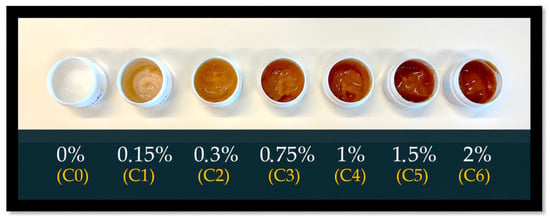
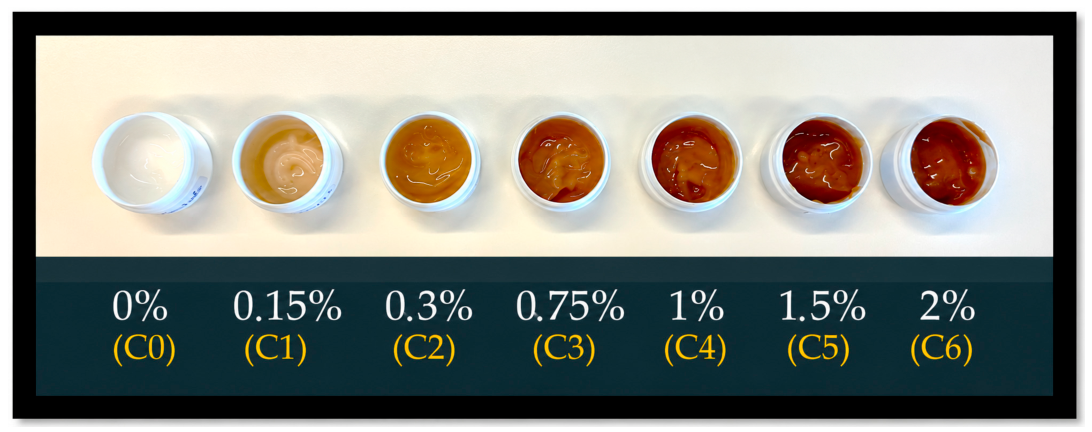
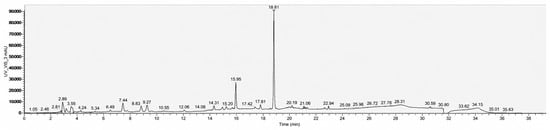
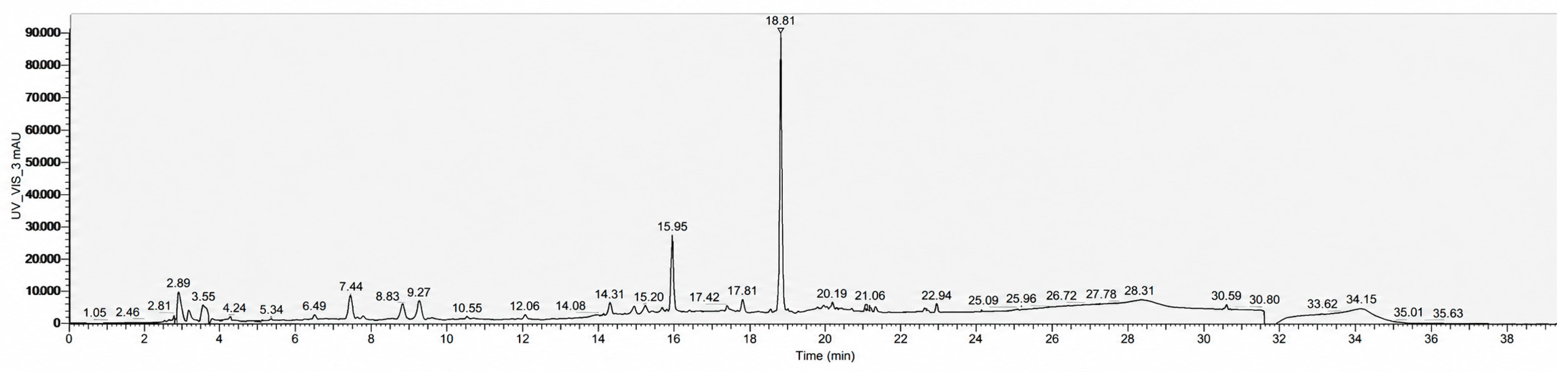
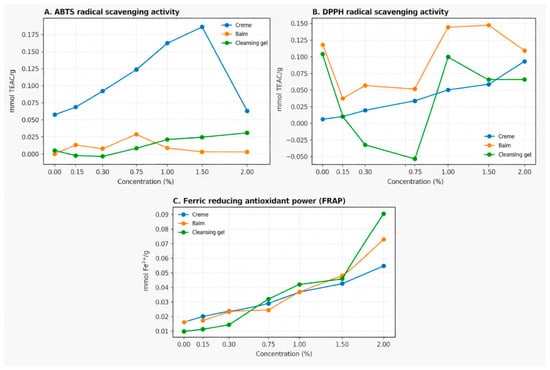
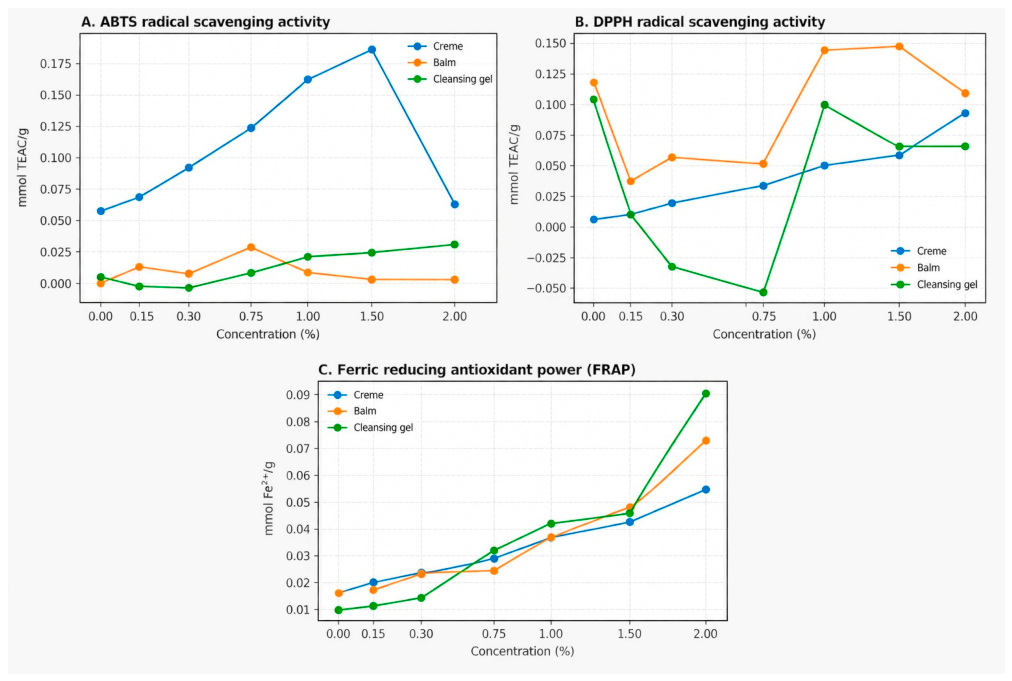
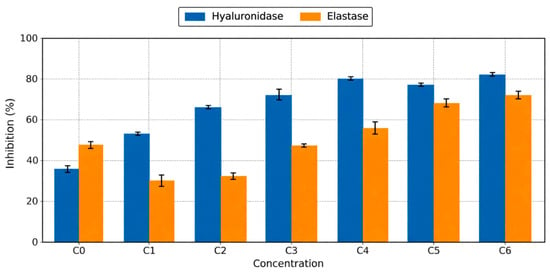
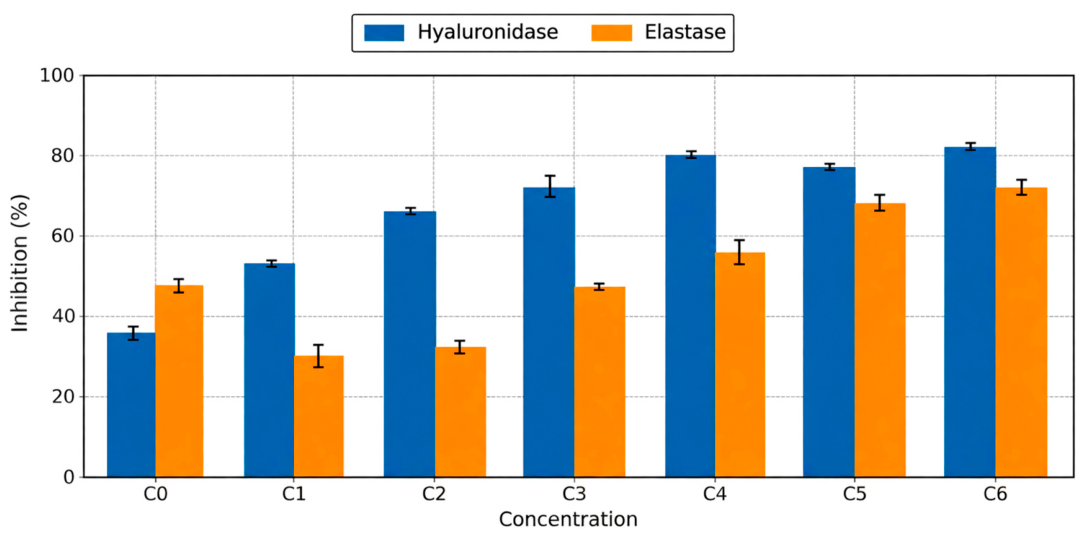
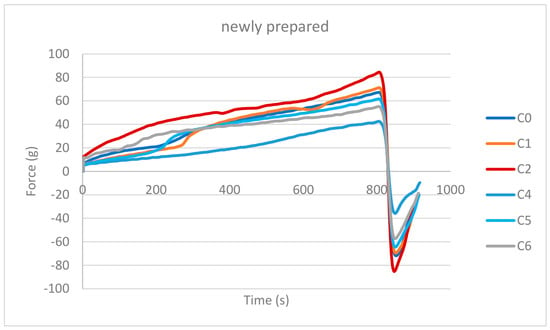
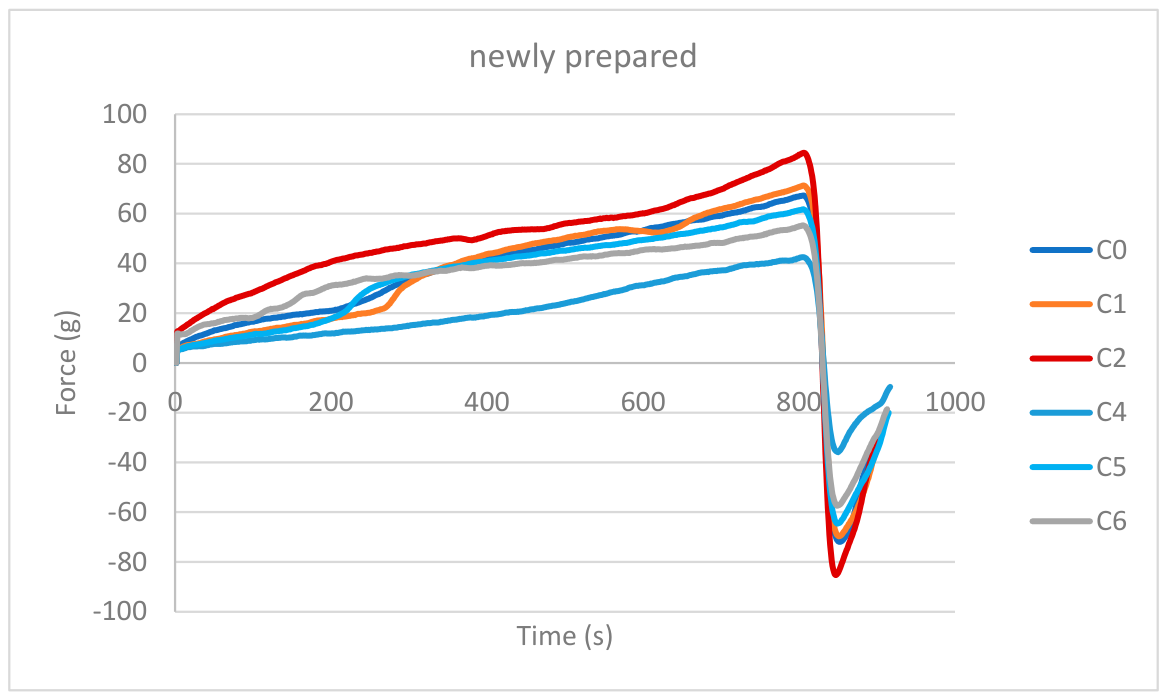
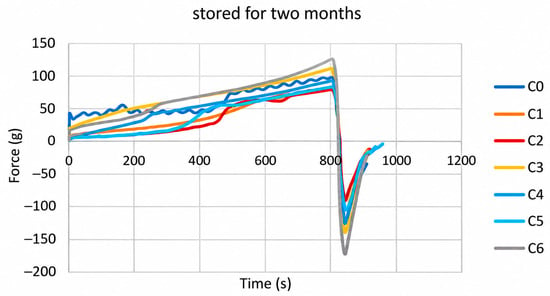
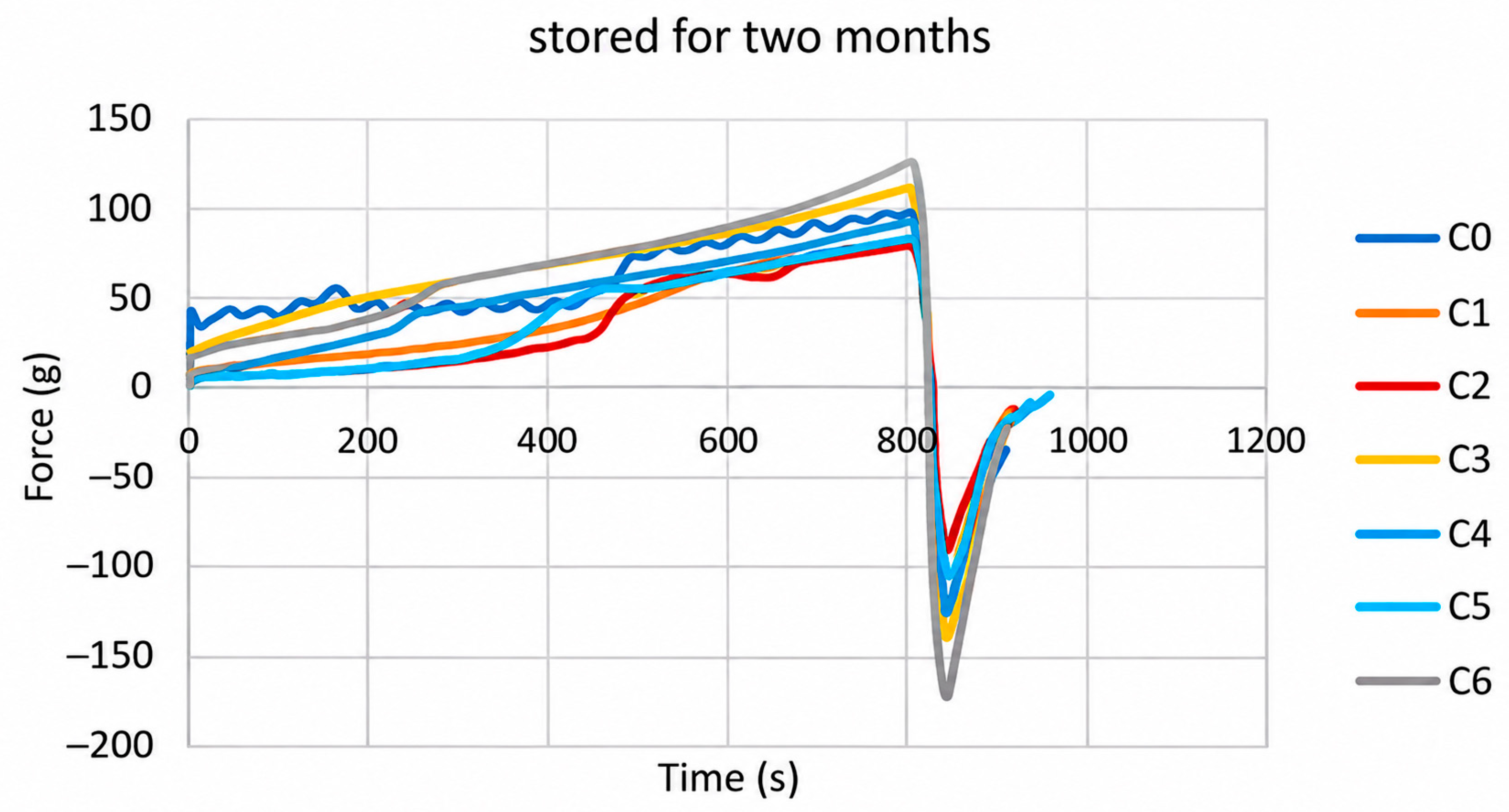
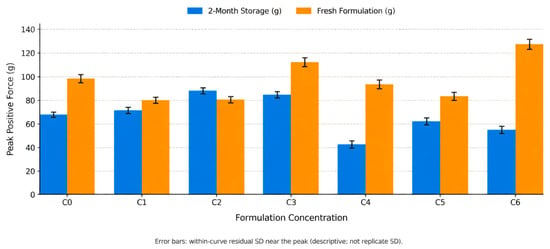
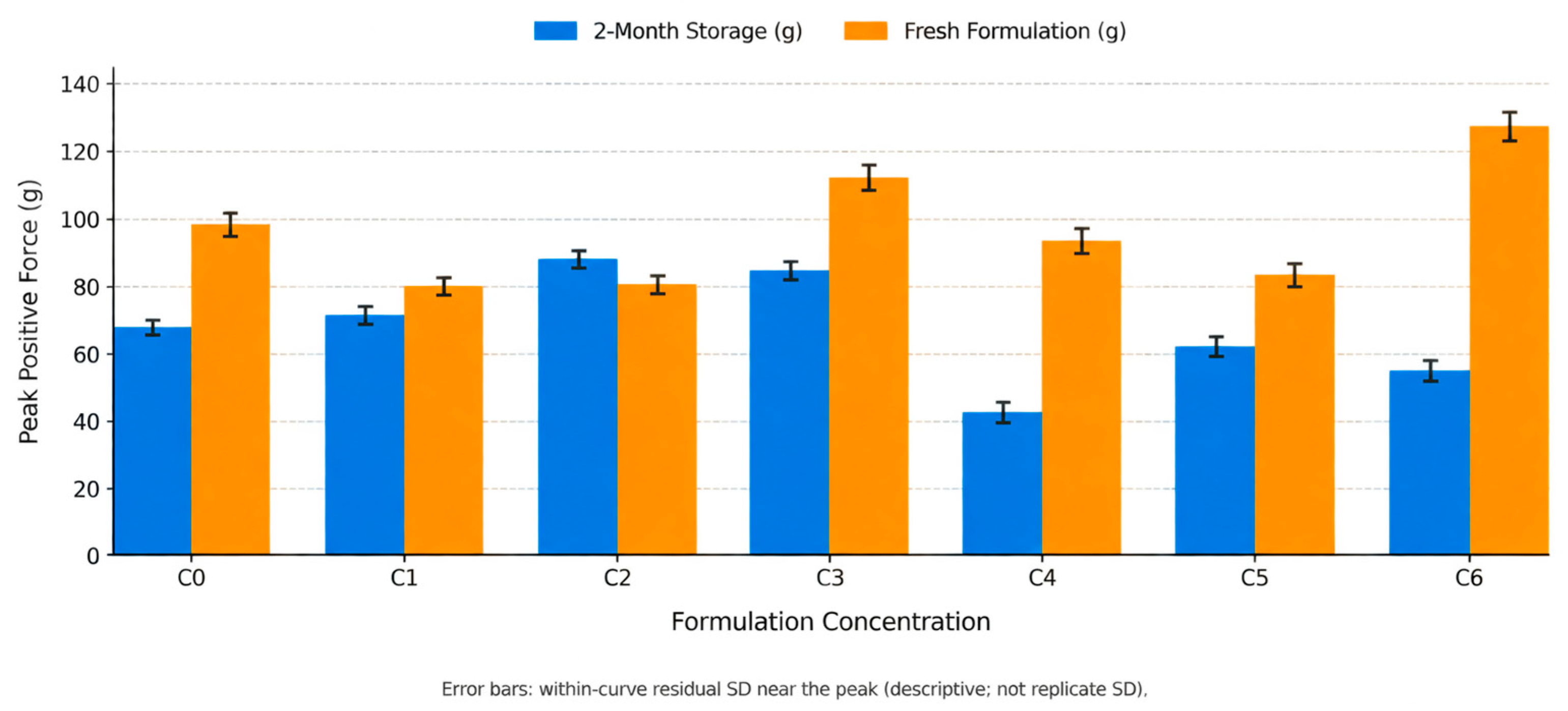

Disclaimer/Publisher’s Note: The statements, opinions and data contained in all publications are solely those of the individual author(s) and contributor(s) and not of MDPI and/or the editor(s). MDPI and/or the editor(s) disclaim responsibility for any injury to people or property resulting from any ideas, methods, instructions or products referred to in the content. |
© 2026 by the authors. Licensee MDPI, Basel, Switzerland. This article is an open access article distributed under the terms and conditions of the Creative Commons Attribution (CC BY) license.