


Abstract
Cognitive impairment is a major non-motor manifestation of Parkinson’s disease (PD); however, evidence linking specific NADPH oxidase (NOX) isoforms to cognition-related outcomes remains incompletely integrated. In this evidence-focused narrative review, a structured four-database search identified 12 studies for study-level synthesis: 10 rodent studies involving cognitive assessment in PD-relevant models and 2 contextual studies. The 10 core studies were appraised according to the directness with which NOX involvement was examined in relation to cognitive outcomes. The most direct experimental support centered on hippocampal NOX4- and NOX2/gp91phox-associated microglial signaling. Dentate-gyrus-targeted NOX4 knockdown attenuated learning and memory deficits, with concurrent reductions in proteinopathy-related changes. CD68-driven gp91phox knockdown similarly attenuated these deficits alongside reductions in inflammatory responses and neuronal and synaptic injury. Apocynin was classified as a NOX-targeted pharmacological intervention and improved learning and memory performance. However, its lack of target and isoform specificity precluded definitive attribution of the behavioral effect to NOX inhibition. Other studies contributed partial or supportive evidence, while complementary pathway-level evidence linked cognition-related inflammatory signaling to NOX1/NOX2 dependence. Human postmortem and canine biomarker studies have provided clinicopathological and comparative peripheral biomarker context, respectively, but they have not established a NOX–cognition relationship in human PD. Overall, the evidence suggests that NOX-related oxidative stress contributes to the development of learning and memory deficits in PD-relevant models. Because the principal NOX4 and gp91phox genetic interventions preceded model induction, the observed effects are best interpreted as protection during deficit development rather than reversal of established cognitive impairment. Cross-model validation, NOX-directed interventions initiated after cognitive impairment has been confirmed, and studies in cognitively characterized human PD cohorts are needed to establish translational relevance.
1. Introduction
Cognitive impairment is one of the most clinically consequential non-motor manifestations of Parkinson’s disease (PD), with substantial effects on functional independence, quality of life, prognosis, and caregiver burden. In PD, cognitive impairment spans a clinical spectrum from subtle cognitive changes to Parkinson’s disease mild cognitive impairment (PD-MCI) and Parkinson’s disease dementia (PDD). The Movement Disorder Society Task Force criteria define PD-MCI as objectively supported cognitive decline that does not substantially interfere with functional independence, whereas PDD refers to a dementia syndrome that develops in established PD and impairs daily functioning [1,2]. The course of cognitive impairment is heterogeneous and not uniformly progressive. Within 3 years, approximately 25% of cognitively normal patients with PD were reported to develop PD-MCI, and 2% were reported to develop dementia, whereas 20% of patients with PD-MCI progressed to dementia and 28% reverted to normal cognitive classification [3]. A more recent meta-analysis estimated a pooled PDD incidence of 4.45 per 100 person-years and a 3.25-fold higher risk of dementia in individuals with PD relative to those without it [4]. These observations identify PD-MCI as a clinically important but dynamic risk state, and highlight the need to define the biological processes that influence the emergence and progression of cognitive decline.
PD-associated cognitive impairment is also biologically heterogeneous and extends beyond nigrostriatal dopaminergic degeneration. Its clinical expression may reflect dysfunction across dopaminergic, cholinergic, noradrenergic, and serotonergic systems, together with pathology affecting distributed cortical, limbic, and subcortical networks [5]. In PDD, limbic and neocortical Lewy body and neurite pathologies are among the strongest neuropathological correlates of dementia; however, their burden does not fully account for cognitive status across all patients [6,7]. Alzheimer-type co-pathology involving amyloid-β plaques and tau neurofibrillary tangles occurs in a substantial subset of PDD cases and may interact with α-synuclein pathology, modifying the clinical phenotype and prognosis [6,8]. Consistent with this biological heterogeneity, PD-MCI also shows variable clinical presentations and cognitive profiles [9]. Together, these observations support a multisystem and multi-pathology framework in which PD-associated cognitive impairment reflects variable contributions from neurotransmitter dysfunction, Lewy-related pathology, Alzheimer-type co-pathology, and distributed network vulnerability rather than nigrostriatal dopamine loss alone [5,6,7,8].
Within this complex pathological background, redox imbalance may provide an important mechanistic link between proteinopathic, inflammatory, mitochondrial, and synaptic disturbances that increase the vulnerability of cognition-relevant neural systems [10,11]. The brain is particularly susceptible to oxidative injury because of its high metabolic demand, abundance of oxidizable lipids, and relatively limited antioxidant reserve [12]. Mitochondria and NADPH oxidase (NOX) enzymes are among the principal endogenous sources of reactive oxygen species (ROS) in the central nervous system [11,13]. Whereas mitochondrial ROS arise partly as byproducts of oxidative metabolism, ROS generation is the primary catalytic function of NOX enzymes [13,14]. Under physiological conditions, NOX-derived oxidants participate in spatially and temporally regulated redox signaling, synaptic function, and innate immune defense [13,14]. However, under excessive or persistent activation, NOX-related redox signaling can amplify neuroinflammation, α-synuclein-associated pathology, mitochondrial dysfunction, synaptic injury, and neuronal damage [10,11,13]. Therefore, NOX1, NOX2, and NOX4 have emerged as potentially modifiable mediators of oxidative injury in PD [10,11]. Earlier NOX-focused reviews highlighted the broader relevance of these enzymes to PD pathogenesis and neurodegenerative redox biology, but did not provide a study-level synthesis of cognition-linked evidence across individual NOX isoforms, brain regions and cell types, and degrees of experimental directness [10,11].
Recent reviews have examined PD-associated cognitive impairment from complementary perspectives, including hippocampal redox mechanisms [15] and a broader multifactorial account of cognitive decline [16], while a separate NOX4-focused review has addressed oxidative stress mechanisms and therapeutic potential in PD more broadly [17]. However, the directness of evidence linking individual NOX isoforms to cognitive outcomes relevant to PD and the extent to which this evidence varies across brain regions, cell types, and experimental paradigms remain insufficiently resolved.
To address this gap, this evidence-focused narrative review critically synthesizes the roles of NADPH oxidases in PD-associated cognitive impairment on the basis of cognition-linked original studies identified through a structured literature search. Within the core synthesis, studies are appraised according to NOX isoform attribution, brain region or biological sample, cellular localization, manipulation or intervention characteristics, behavioral interpretation, and the directness of the NOX–cognition relationship. The synthesis identifies two emerging evidence domains. Hippocampal NOX4 is associated with memory circuit vulnerability and multiple proteinopathy-related changes, whereas NOX2/gp91phox-associated microglial signaling is implicated more prominently in inflammatory amplification, neuronal and synaptic injury, and iron–lipid oxidative damage. By distinguishing between direct genetic evidence, NOX-targeted pharmacological intervention, partial and supportive observations, and complementary pathway-level evidence, this review clarifies the experimental conditions under which NOX-related oxidative stress is implicated in the development of learning and memory deficits in PD-relevant models. It also distinguishes the core experimental evidence from the human clinicopathological and comparative peripheral biomarker context. Moreover, it delineates the additional validation required to establish cross-model generalizability, human relevance, biomarker utility, and therapeutic applicability.
2. Literature Search and Evidence Appraisal
2.1. Structured Literature Search
To identify studies for the evidence synthesis in this focused narrative review, a structured literature search was conducted across PubMed/MEDLINE, Web of Science Core Collection, Scopus, and Embase. The search combined terms related to PD, cognitive impairment or cognition-related behavioral outcomes, and NADPH oxidases. The initial search conducted on 24 June 2026 yielded 97 records, and an updated search using the same strategy on 11 August 2026 yielded 99 records. To assess search sensitivity, an expanded search incorporating additional PD-model terms and NOX isoform, subunit, and gene names was performed on 6 October 2026. This expanded search yielded 160 records. The expanded search expression was as follows: (Parkinson* OR MPTP OR 6-OHDA OR 6-hydroxydopamine OR oxidopamine OR rotenone OR paraquat OR maneb) AND (cognit* OR memory OR learning OR dementia OR “Morris water maze” OR “Y-maze” OR “novel object recognition”) AND (“NADPH oxidase” OR NOX1 OR NOX2 OR NOX3 OR NOX4 OR NOX5 OR gp91phox OR p47phox OR p22phox OR p67phox OR p40phox OR CYBB OR CYBA OR NCF1 OR NCF2 OR NCF4). Supplementary Table S1 provides the complete database-specific search strategies, platforms, search fields, applied limits, quantities of records retrieved, and search dates for the expanded search, together with a separate summary of database-specific record counts for the initial, updated, and expanded searches. The expanded search and subsequent reference-list screening did not identify any additional eligible original studies.
2.2. Eligibility and Study Selection
Original studies were considered eligible for the core evidence base if they examined a human PD or PDD population or a PD-relevant experimental model and evaluated a NOX–cognition relationship within that PD or PD-relevant setting. Each study was required to include a cognitive outcome or cognition-defined diagnostic status together with a NOX-related assessment. NOX-related assessments included isoform or subunit expression, cellular localization, enzymatic activity, NOX-related redox changes, or genetic or pharmacological manipulation targeting NOX or a NOX-associated pathway.
For inclusion in the core evidence base, animal studies were required to include an explicit learning or memory assessment, such as the Morris water maze (MWM), novel-object recognition (NOR), passive avoidance, the Barnes maze, or another cognition-related task. Two additional original studies were retained for separate contextual characterization: a human postmortem study examining NOX4-associated pathology in PD and a canine study examining the association between plasma NOX4 and cognitive–behavioral status outside a PD cohort. The human study did not compare advanced PD cases with and without dementia or report individual cognitive scores, whereas cognition was not assessed in the 1-methyl-4-phenyl-1,2,3,6-tetrahydropyridine (MPTP)-treated comparator group in the canine study. These studies were therefore distinguished from the core evidence base and retained as human clinicopathological and comparative peripheral biomarker context, respectively. Neither established a NOX–cognition association in human PD.
Review articles, editorials, conference abstracts, in vitro-only studies, studies of neurological conditions unrelated to PD, and reports lacking either a cognitive outcome or a NOX-related assessment were excluded from the core evidence base. Review articles were used to inform the background, support reference-list screening, and situate the eligible original studies within the broader literature. Two authors (D.-H.C. and I.-A.C.) independently screened the retrieved records and assessed potentially eligible full-text reports. Screening decisions were compared, and any discrepancies were resolved through discussion and consensus.
The expanded searches yielded 160 records. After removal of 56 duplicate records, 104 unique records remained. Forty-six review articles were excluded from the core evidence base, leaving 58 reports for relevance assessment. Forty-six reports did not meet one or more of the eligibility criteria, and 12 studies—comprising 10 rodent studies with cognitive assessments in PD-relevant models and 2 contextual studies— were retained for study-level synthesis. Supplementary Table S2 lists the excluded reports and principal reasons for exclusion. Supplementary Figure S1 summarizes the literature identification and study-selection process.
2.3. Data Extraction
For each study retained for study-level synthesis, we extracted information on the study design, population or experimental model, sample size and, where applicable, animal age and sex, disease induction procedure, and experimental manipulation or intervention. The timing of genetic and pharmacological interventions relative to disease induction and cognitive assessment was recorded because pretreatment, exposure-phase intervention, and delayed post-insult treatment support different mechanistic and therapeutic interpretations.
Cognition-specific assessments and their principal findings were extracted separately from motor, sensory, motivational, and exploratory measures used to evaluate potential behavioral confounding. For animal studies, these additional measures included swimming speed, visible-platform performance, open-field activity, rotational behavior, rotarod performance, and other task-relevant controls when reported.
The NOX-related information included the isoform or subunit examined, assay method, brain region or biological sample, cellular localization, enzymatic activity, and use of genetic or pharmacological manipulation. Redox, inflammatory, neuronal, synaptic, proteinopathy-related, iron-related, and ferroptosis-related outcomes were extracted when they contributed to interpretation of the NOX–cognition relationship.
The study-level appraisal also considered manipulation specificity, sampling context, cellular attribution, intervention timing, reported sample size, and potential behavioral confounding. Whether randomization and blinded outcome assessment were reported was also recorded for the intervention studies, together with relevant behavioral controls. When these methodological features were not reported in the available article or its Supplementary Materials, they were recorded as not reported rather than inferred. Full texts, including figures and figure legends, were examined. Supplementary Materials were also examined when available. Supplementary Table S3 presents the experimental conditions, cognitive outcomes, behavioral confound assessments, NOX-related measurements, intervention characteristics, reporting of randomization and blinded outcome assessment, and study-specific limitations in detail.
2.4. Evidence Classification and Narrative Synthesis
The 10 studies constituting the core evidence base were appraised and categorized primarily according to how directly NOX involvement was tested in relation to cognitive outcomes. In cases where an in vivo intervention was directed at NOX, genetic manipulation was distinguished from NOX-targeted pharmacological interventions, whereas complementary mechanistic experiments were considered separately when NOX dependence was demonstrated outside the cognition-tested in vivo paradigm.
The primary study-level categories comprised direct genetic evidence, NOX-targeted pharmacological intervention, partial evidence, and supportive evidence. Within the supportive category, supportive discordant evidence was used when a NOX-related measure did not exhibit a consistent relationship with cognitive status across the comparisons examined. Complementary pathway-level evidence was used as a separate category to capture a distinct form of mechanistic support provided by complementary experiments. This author-defined categorization was developed specifically for this review; it was not derived from an established formal system for grading mechanistic evidence. The categories were descriptive rather than ordinal and were not intended to be an overall assessment of methodological quality, a formal risk-of-bias grade, an assessment of evidence certainty, or a quantitative evidence score. The findings were synthesized narratively, and no quantitative pooling was performed.
Direct genetic evidence was assigned when a specific NOX isoform or NOX complex component was genetically suppressed or deleted in vivo and cognitive outcomes were assessed within the same experimental design. In this category, “direct” refers to direct manipulation of the NOX target in relation to the cognitive phenotype and does not, by itself, establish that accompanying downstream molecular changes mediate the cognitive effect. NOX-targeted pharmacological intervention was assigned when a pharmacological agent that was used explicitly to inhibit NOX was administered in vivo and cognitive outcomes were assessed within the same experimental design. This category reflects the intervention strategy rather than target-specific mediation, and it does not imply isoform, cell-type, or target specificity or establish that the cognitive effect was mediated specifically or exclusively through NOX inhibition. Partial evidence was assigned when cognitive outcomes and NOX-related findings were linked within the same PD-relevant study, but NOX-dependent cognitive causality was not directly tested in vivo, and NOX dependence was not established in complementary mechanistic experiments. This category included upstream vulnerability paradigms and broad intervention studies in which the NOX component was supported by NOX activity measurements, regionally relevant findings, or multiple convergent NOX- and redox-related measures.
Supportive evidence was assigned when the NOX–cognition relationship was based on an isolated NOX-component measurement, including a single-subunit change accompanying a broad intervention with multiple biological effects, without functional validation or additional convergent evidence of NOX involvement. Supportive discordant evidence was assigned when a NOX-related measure did not exhibit a consistent relationship with cognitive status across the comparisons examined. An inverse association alone was not considered discordant.
Complementary pathway-level evidence was assigned when cognition-related pathway components were tested in vivo and NOX dependence was demonstrated in complementary cellular or mechanistic experiments, without direct in vivo manipulation of NOX during cognitive assessment. This category indicates mechanistic support for a NOX-related pathway but does not establish that NOX itself mediated the in vivo behavioral effect.
The human postmortem and canine biomarker studies were retained as contextual studies and evaluated separately from the 10 studies constituting the core evidence base. Study-level information was extracted from these studies to characterize their findings and limitations, but the studies were not assigned the evidence categories used for the 10 core studies.
The narrative synthesis addressed NOX4-related redox changes and cognitive vulnerability, NOX2/gp91phox and related microglial NOX signaling, and NOX activity and subunit-level findings. An integrated appraisal then examined the mechanistic implications and experimental support across these domains.
Additional publications beyond the 12 studies retained for study-level synthesis were used to frame the clinical spectrum and neuropathological basis of PD-associated cognitive impairment and the broader biology of NOX and redox signaling. They were also used to position this review relative to the previous literature and inform the clinical, mechanistic, methodological, and translational interpretations of the core evidence base. These additional publications were used primarily in the Introduction and Discussion and were not included in study-level data extraction or evidence categorization. They were not used to assign or modify evidence categories or establish NOX–cognition causality.
3. NOX-Related Mechanisms in PD-Associated Cognitive Impairment
The NOX–cognition findings from the 10 core studies were synthesized across three domains reflecting the NOX isoform or component examined and the level of mechanistic detail provided by the corresponding measurements. These domains comprise NOX4-related findings, NOX2/gp91phox and related microglial NOX signaling, and NOX activity and subunit-level findings. The human postmortem and canine biomarker studies were retained separately as contextual observations and not included as a fourth mechanistic domain. Table 1 summarizes all 12 studies, grouping the 10 core studies across the three mechanistic domains and presenting the 2 contextual studies separately in Panel D.
Table 1.
Study characteristics and evidence categories for NOX-related findings relevant to Parkinson’s disease-associated cognitive impairment.
3.1. NOX4-Related Redox Changes and Cognitive Vulnerability
Within the core evidence base, hippocampal NOX4 suppression attenuated learning and memory deficits and proteinopathy-related changes in a PD-relevant 6-OHDA model [18]. Human postmortem and canine biomarker studies provide complementary clinicopathological and peripheral biomarker context, respectively [28,29], but do not establish a NOX4–cognition relationship in human PD.
A direct experimental link between hippocampal NOX4 and the development of learning and memory deficits was demonstrated in a unilateral medial forebrain bundle 6-hydroxydopamine (6-OHDA) model. Nigrostriatal injury induced a dose-dependent impairment in the MWM, together with an increase in hippocampal NOX4, phosphorylated α-synuclein, amyloid-β, and A11-reactive oligomeric species. The regional NOX response was selective. Hippocampal NOX1 and NOX2 remained unchanged, whereas NOX1 levels increased in the substantia nigra, supporting the selective relevance of NOX4 to the hippocampal changes accompanying learning and memory deficits [18]. Functional involvement was examined by delivering an adeno-associated virus (AAV) serotype 2 vector encoding NOX4 short hairpin RNA (shRNA) to the dentate gyrus 3 weeks before 6-OHDA administration. This approach reduced hippocampal NOX4 messenger RNA (mRNA) levels, protein levels, and immunoreactivity and lowered total hippocampal NOX activity. NOX4 knockdown attenuated spatial learning deficits and selected probe-trial abnormalities and improved NOR. Swimming speed was unchanged, and apomorphine-induced rotation and rotarod deficits did not elicit any improvements, reducing the likelihood that the behavioral improvement resulted secondarily from motor recovery. The intervention also attenuated hippocampal phosphorylated α-synuclein, amyloid-β, and A11-reactive oligomeric changes [18]. These results provide direct genetic evidence that NOX4 within the dentate gyrus contributes to the development of learning and memory deficits after nigrostriatal injury. Because knockdown was established before lesion induction, the findings demonstrate protection against the development of learning and memory deficits rather than reversal of an established deficit.
Human postmortem data provide clinicopathological context for NOX4-associated oxidative pathology in PD. Substantia nigra tissue was examined from seven age-matched controls, three neuropathologically defined presymptomatic PD cases without motor symptoms, and five advanced PD cases. Four of the advanced PD cases were recorded as PD with dementia, and one was recorded as PD with concomitant Alzheimer’s disease [28]. Among surviving tyrosine hydroxylase-positive neurons, the proportion of nuclei showing NOX4 immunoreactivity increased from 51% in age-matched controls to 89% in presymptomatic PD and 93% in advanced PD. Nuclear oxidative nucleic acid damage showed a similar pattern, with 8-hydroxyguanosine-positive nuclei increasing from 31% to 68% in presymptomatic and 82% in advanced PD. More intense active caspase-3 immunoreactivity was also observed in the disease groups [28]. These findings reveal greater nuclear NOX4 immunoreactivity together with oxidative nucleic acid damage and apoptotic signaling across presymptomatic PD and advanced PD groups in human nigral dopaminergic neurons. Because NOX4-related pathology was already exacerbated in the presymptomatic PD cases, individual cognitive scores were unavailable, no advanced PD groups without dementia were included, and one advanced case had concomitant AD, the study does not distinguish a cognition-specific NOX4 association from effects related to disease stage or co-pathology. It is therefore interpreted here as human clinicopathological context rather than evidence of a NOX4–cognition relationship in human PD [28].
A comparative canine study provides peripheral biomarker context. In 85 dogs classified as cognitively normal or having mild or severe cognitive impairment using a modified canine cognitive dysfunction rating scale, plasma NOX4 concentrations were lower in the cognitively impaired groups and inversely associated with cognitive–behavioral severity [29]. A machine learning model using plasma NOX4 and retinol-binding protein 4 distinguished cognitively impaired from cognitively normal dogs [29]. The cognitively impaired groups were older, and age-related effects may have contributed to the observed NOX4–cognition association. The canine cohort was not a PD cohort, and cognition was not assessed in the separate MPTP-treated mouse comparator [29]. These findings therefore provide comparative peripheral biomarker context rather than PD-specific evidence of a NOX4–cognition relationship, and the relationship between circulating and central NOX4 biology remains to be established.
Taken together, the core experimental evidence supports the notion that hippocampal NOX4 contributes to the development of learning and memory deficits after nigrostriatal injury [18]. The human postmortem and canine studies broaden the clinicopathological and peripheral biomarker context of NOX4, respectively [28,29], but do not establish a NOX4–cognition association in human PD.
3.2. NOX2/gp91phox and Related Microglial NOX Signaling
Microglial NOX2/gp91phox signaling is implicated in learning and memory deficits accompanied by microglial activation, pro-inflammatory responses, and neuronal and synaptic injury in PD-relevant models [19,20,21,22,23,24]. Apocynin treatment and gp91phox loss-of-function can attenuate learning and memory deficits [19,24]. Noradrenergic dysfunction and microglial inflammatory pathways have also been linked to NOX-associated cognitive vulnerability [20,21,22,23]. In selected models, NOX2-associated pathology was accompanied by iron dysregulation and lipid oxidative injury, including ferroptosis-related changes in the rotenone model [20,24].
3.2.1. NOX-Targeted Pharmacological Intervention and Learning and Memory Outcomes
Apocynin was used to examine the contribution of NOX-related processes to learning and memory deficits in a paraquat-plus-maneb (P+M) mouse model [19]. Repeated P+M exposure in 3-month-old male C57BL/6J mice induced progressive deficits in spatial learning and memory, with abnormalities in MWM acquisition and probe trial performance becoming evident after 6 weeks. These behavioral changes occurred together with hippocampal and cortical neuronal injury, reduced postsynaptic density protein 95 (PSD-95) levels, and increased hippocampal α-synuclein expression and Ser129 phosphorylation. Administration of apocynin in drinking water began 2 days before the first pesticide exposure and continued throughout the 6-week exposure period. The treatment improved acquisition performance and increased time spent in the target quadrant without altering swimming speed, although the reduction in first platform-crossing latency did not reach statistical significance [19].
The behavioral effects of apocynin were accompanied by reductions in hippocampal gp91phox and p47phox expression. Oxidative changes were also attenuated, with reduced superoxide-related signals assessed by water-soluble tetrazolium salt-1 reduction, lower dihydroethidium oxidation, and decreased malondialdehyde and lipid hydroperoxide levels. Complementary BV2 experiments also showed attenuation of p47phox membrane translocation. In vivo, apocynin reduced microglial activation assessed via ionized calcium-binding adaptor molecule 1 (Iba-1) and cluster of differentiation 11b (CD11b) immunostaining along with pro-inflammatory gene expression. It also attenuated signal transducer and activator of transcription 1 and nuclear factor kappa B signaling, preserved neuronal and synaptic markers, and ameliorated α-synuclein-related pathology [19]. These behavioral and molecular changes are consistent with involvement of NOX-related oxidative and inflammatory processes in the learning and memory deficits observed. Because apocynin is nonselective, however, the findings do not establish that the behavioral benefit was mediated specifically by microglial NOX2 or exclusively by NOX inhibition [19]. Its administration before pesticide exposure further indicates protection during the development of learning and memory deficits rather than reversal of an established impairment.
3.2.2. Noradrenergic Dysfunction and NOX2-Associated Cognitive Vulnerability
Two studies using the noradrenergic neurotoxin DSP-4 examined noradrenergic dysfunction as an upstream condition that may increase susceptibility to NOX2-associated inflammatory and oxidative injury. In a 4-week P+M exposure paradigm, 3-month-old male mice were administered DSP-4 1 week before the first P+M administration. After 4 weeks of P+M exposure, neither P+M alone nor DSP-4 alone induced significant deficits in MWM acquisition or probe-trial performance, whereas combined DSP-4 and P+M exposure impaired acquisition and multiple probe-trial measures without altering swimming speed [20]. The combined exposure also triggered reductions in hippocampal neuronal nuclei (NeuN) and PSD-95 and increased total and Ser129-phosphorylated α-synuclein levels. These changes were accompanied by iron accumulation, altered iron-handling proteins, reduced glutathione peroxidase 4 (GPX4) and glutathione levels, and increased lipid peroxidation [20].
Within the combined DSP-4 and P+M condition, learning and memory impairment co-occurred with elevated hippocampal p47phox and gp91phox expression, prominent colocalization of gp91phox with Iba-1-positive microglia, microglial activation assessed via Iba-1 immunostaining, and a pro-inflammatory transcript profile [20]. These findings link noradrenergic disruption to hippocampal NOX2-associated microglial changes and inflammatory and iron–lipid oxidative pathology accompanying learning and memory impairment. Direct NOX activity and NOX-directed rescue were not assessed, so they do not establish that NOX2 mediates the behavioral effect [20].
A complementary DSP-4/lipopolysaccharide (LPS) model was used to examine progressive NOX2-associated inflammatory and oxidative pathology following early noradrenergic disruption. DSP-4 was administered 1 week before systemic LPS exposure, and gp91phox-related pathology was evaluated over 3–10 months. Combined DSP-4 and LPS treatment produced a progressive increase in nigral gp91phox immunoreactivity, with gp91phox localized to Iba-1-positive microglia and accompanied by increasing neuronal 3-nitrotyrosine and 4-hydroxynonenal signals [21]. At 7.5 months after treatment, when the mice were 42 weeks old, hidden platform acquisition, visible platform performance, and swimming speed remained preserved. However, the LPS and DSP-4-plus-LPS groups failed to show target quadrant or former platform location preferences during the MWM probe trial, indicating impaired spatial memory retention [21]. Therefore, the study provides partial evidence that delayed spatial memory impairment is accompanied by NOX2-associated inflammatory and oxidative pathology. Because probe-trial impairment was also present in the LPS-alone group, the behavioral findings do not demonstrate further worsening specifically attributable to DSP-4.
Together, these studies suggest that noradrenergic dysfunction may increase susceptibility to NOX2-associated inflammatory and oxidative pathology. The P+M study links this susceptibility to hippocampal injury and the emergence of learning and memory deficits, whereas the LPS study characterizes progressive microglial gp91phox-related pathology and neuronal oxidative injury in a model with delayed spatial memory impairment [20,21].
3.2.3. Mac1–NOX1/NOX2–NLRP3 Inflammatory Signaling
Taurine treatment was associated with improved learning and memory performance and reduced hippocampal macrophage-1 antigen (Mac1)/Src–extracellular signal-regulated kinase (ERK)/NOX2-associated signaling [22]. In this 6-week P+M paradigm, taurine, administered before each pesticide exposure, improved MWM acquisition and target-quadrant retention without altering swimming speed [22]. Improved MWM performance was accompanied by reduced Iba-1-positive microglial activation, lower gp91phox and p47phox expression and p47phox phosphorylation, reduced CD11b expression and Src–ERK phosphorylation, decreased ROS-related signals, partial restoration of superoxide dismutase activity, and preservation of NeuN and PSD-95 [22]. Because taurine has broad biological effects and the study did not directly manipulate Mac1 or NOX2, these findings support coordinated involvement of NOX2-associated inflammatory and redox signaling but do not establish pathway-specific mediation of the behavioral effects.
In another P+M study, the relationship between Mac1 and NLR family pyrin domain containing 3 (NLRP3) inflammasome signaling was examined in vivo, with complementary experiments assessing NOX1 and NOX2 dependence in cultured microglia [23]. Global Mac1 deletion attenuated P+M-induced MWM acquisition deficits and improved platform-crossing numbers and target quadrant time. These behavioral improvements were accompanied by reduced hippocampal microglial activation, NLRP3 inflammasome-related signaling, and α-synuclein-related pathology, together with attenuated neuronal and synaptic injury in the hippocampus and cortex [23]. Exposure-phase treatment with glybenclamide also reduced NLRP3-related molecular changes and improved acquisition [23].
In parallel, the NOX component was examined primarily in BV2 microglial cells and selected experiments in primary microglia. Mac1 blockade, apocynin, and either NOX1 or NOX2 small interfering RNA (siRNA) reduced P+M-induced NLRP3 inflammasome activation, whereas pharmacological NOX activation with phorbol 12-myristate 13-acetate counteracted the inhibitory effect of Mac1 blockade [23]. These complementary experiments support a model in which Mac1 is upstream of microglial NOX1/NOX2-dependent inflammasome signaling. However, because Mac1 deletion was global and NOX1/NOX2 dependence was established in cultured microglia rather than in the cognition-tested animals, the NOX1/NOX2 dependence of the in vivo learning and memory effects was not directly tested [23].
3.2.4. gp91phox Loss-of-Function, Learning and Memory Outcomes, and Iron–Lipid Oxidative Injury
The contribution of gp91phox to rotenone-induced learning and memory deficits was examined using a loss-of-function approach. Eight-week-old male mice were administered intracerebroventricular AAV carrying CD68-driven gp91phox shRNA; this was followed 4 weeks later by daily rotenone exposure for 21 days. The AAV reporter signal overlapped with Iba-1-positive cells in the hippocampus and cortex, supporting reporter expression in microglia, although exclusive cell-type specificity was not established. Rotenone increased gp91phox expression and p47phox phosphorylation in the hippocampus and cortex, reduced NADPH levels, and increased the NADP+/NADPH ratio [24]. Together, these changes are consistent with enhanced NOX2-associated signaling in cognition-relevant brain regions.
CD68-driven gp91phox knockdown attenuated MWM acquisition deficits and improved selected probe trial measures without altering swimming speed. A separate global gp91phox-deficient cohort provided additional genetic support, showing a similar improvement in learning and selected memory outcomes [24]. Together, these complementary loss-of-function findings support the notion that gp91phox played a contributory role in the development of learning and memory deficits in the rotenone model.
Gp91phox knockdown also reduced Iba-1-associated microglial activation and pro-inflammatory transcript abundance and attenuated NeuN loss and PSD-95 reduction in the hippocampus and cortex. In parallel, it reduced tissue iron accumulation and attenuated disruption of iron metabolism proteins and iron-dependent lipid peroxidation while restoring GPX4 mRNA levels and attenuating the upregulation of other ferroptosis-related transcripts [24]. An iron chelation experiment further reduced rotenone-induced lipid peroxidation abnormalities, indicating that the oxidative injury has an iron-dependent component, although cognition was not assessed in that experiment [24]. Thus, improvement in learning and memory after gp91phox knockdown was accompanied by reductions in microglial inflammation, neuronal and synaptic injury, iron dysregulation, and ferroptosis-related changes. However, these concomitant changes were not tested as necessary mediators of the behavioral effects.
Liproxstatin-1 was used to examine whether ferroptosis-related injury contributed to the rotenone-induced learning and memory deficits. Treatment preserved NeuN and PSD-95 and improved MWM acquisition and selected probe trial outcomes [24]. This result supports the notion that ferroptosis-related injury contributes to learning and memory impairment in the rotenone model. However, gp91phox loss-of-function and ferroptosis inhibition were examined in parallel rather than in a sequential causal design, so the study did not establish ferroptosis as a required downstream mediator of the behavioral effects associated with loss of function of gp91phox. With gp91phox knockdown established before rotenone exposure, the study primarily evaluated protection against the development of learning and memory deficits rather than reversal of an established impairment.
Across the six studies, microglial NOX2/gp91phox signaling is consistently associated with learning and memory deficits accompanied by microglial activation, pro-inflammatory signaling, and neuronal and synaptic injury [19,20,21,22,23,24]. NOX-targeted pharmacological interventions and gp91phox loss-of-function mutation attenuated these behavioral deficits, while noradrenergic disruption and Mac1–NOX1/NOX2–NLRP3 signaling revealed upstream conditions and inflammatory pathways that may enhance NOX-associated cognitive vulnerability [19,20,21,22,23,24]. In selected models, iron dysregulation and lipid oxidative injury were also observed, with the rotenone study further implicating ferroptosis-related processes [20,24]. Together, these findings support the notion that NOX2/gp91phox-associated microglial inflammatory redox signaling plays a contributory role in the development of learning and memory deficits in PD-relevant models, while the downstream relationship between gp91phox and ferroptosis remains to be defined more directly.
3.3. NOX Activity and Subunit-Level Findings
Alterations in NOX activity and individual NOX subunits have also been examined in relation to learning and memory in PD-relevant models. These studies assessed striatal NOX activity, striatal p47phox protein, and regional p22phox mRNA expression in experiments involving chrysin, vitamin D3, and treadmill exercise, respectively [25,26,27].
In 20-month-old female mice with unilateral intrastriatal 6-OHDA lesions, chrysin treatment, initiated 7 days after lesioning and continued for 28 days, improved passive-avoidance and Barnes-maze retention [25]. The behavioral improvement was accompanied by reduced striatal NOX activity, together with attenuation of oxidative and inflammatory abnormalities and partial restoration of striatal dopamine and its metabolites [25]. The assay measured diphenyleneiodonium-sensitive oxidase activity in striatal homogenates without identifying the responsible NOX isoform or cellular source. Chrysin has multiple biological effects, and treatment was accompanied by improvements in apomorphine-induced rotational asymmetry and striatal dopamine metabolism, suggesting that broader attenuation of lesion-related abnormalities may also have contributed to the observed memory improvement [25].
Vitamin D3 treatment was initiated 2 weeks after lesioning and improved NOR performance on treatment day 16 [26]. This behavioral improvement occurred in parallel with reduced striatal p47phox protein levels and changes in several inflammatory, neurotrophic, and dopaminergic markers [26]. Because p47phox was the only NOX-related component assessed and vitamin D3 has broad biological effects, the study did not establish whether reduced p47phox reflected altered activity of a specific NOX complex or directly accounted for the recognition memory improvement. These parallel behavioral and subunit-level changes therefore provide supportive evidence without establishing NOX-dependent mediation [26].
In an exercise-based MPTP model, habit learning was assessed alongside regional NOX-related gene expression changes. In male Wistar rats aged 10 weeks at the start of the experiment, treadmill exercise initiated before intranasal MPTP administration and continued afterward attenuated the prolonged escape latency observed in sedentary MPTP rats during a cued water-maze task assessing habit learning [27]. NOX-related assessment was limited to p22phox mRNA within a transcriptomic analysis of the frontal cortex, hippocampus, and striatum, with the principal alteration detected in the frontal cortex. Frontal cortical p22phox mRNA levels were lower in sedentary MPTP rats, and they were also reduced by treadmill exercise in saline-treated animals. However, the two MPTP groups differed in habit learning performance without a significant between-group difference in p22phox mRNA expression [27]. This pattern indicates that p22phox transcript abundance did not consistently track habit learning performance across groups. Without corresponding protein or enzyme activity measurements, these findings do not establish whether the transcript changes reflected altered NOX function [27].
Across these studies, functional oxidase activity, subunit protein abundance, and subunit transcript abundance provided distinct levels of mechanistic information. Chrysin- and vitamin D3-associated memory improvements coincided with reductions in oxidase activity and p47phox protein levels, respectively, whereas p22phox mRNA did not consistently track habit learning performance in the exercise study [25,26,27]. Although the administration of chrysin and vitamin D3 was initiated after lesioning, neither study documented a learning or memory deficit before treatment initiation; therefore, these experiments do not establish reversal of a pre-existing deficit. Because the catalytic isoform responsible and cellular source were not established, these findings extend the range of NOX-related observations associated with learning and memory outcomes without identifying an additional isoform-specific mechanism.
3.4. Integrated Evidence Appraisal
Across the 10 studies constituting the core evidence base, the NOX–cognition relationship differed in how directly NOX involvement was tested in relation to cognitive outcomes. Dentate-gyrus-targeted NOX4 knockdown and gp91phox loss of function provided direct genetic evidence [18,24], whereas apocynin was categorized as a NOX-targeted pharmacological intervention because it was administered in vivo with cognitive assessment but lacked isoform, cell-type, and target specificity [19]. The Mac1–NOX1/NOX2–NLRP3 study was categorized as complementary pathway-level evidence because cognition-related Mac1 and NLRP3 signaling was examined in vivo, whereas NOX1/NOX2 dependence was demonstrated in complementary microglial experiments rather than in the cognition-tested animals [23]. The remaining core studies contributed partial, supportive, or supportive discordant evidence through upstream vulnerability paradigms, broad interventions, functional but isoform-unresolved oxidase activity, or individual NOX subunit measurements [20,21,22,25,26,27]. Rather than being assigned the evidence categories used for the 10 core studies, the human postmortem and canine biomarker studies were evaluated separately as contextual studies [28,29].
When considered across these categories, the most direct experimental support is concentrated in two evidence domains involving hippocampal NOX4 and NOX2/gp91phox-associated microglial signaling [18,24]. NOX4 knockdown attenuated the development of learning and memory deficits together with hippocampal proteinopathy-related changes, whereas gp91phox loss of function attenuated learning and memory deficits together with reductions in microglial inflammation, neuronal and synaptic injury, and iron–lipid oxidative damage [18,24]. These concomitant molecular changes were not tested as necessary mediators of the behavioral effects.
Overall, the core evidence supports the notion that NOX-related oxidative and inflammatory signaling play a contributory role in the development of learning and memory deficits in the PD-relevant experimental models examined, while the extent of mechanistic support differs across NOX isoforms, biological compartments, and experimental designs. The human postmortem and canine biomarker studies provide complementary clinicopathological and peripheral biomarker context, respectively, but do not establish a NOX–cognition association in human PD [28,29]. Table 2 summarizes the principal mechanistic themes, supporting findings, and key validation requirements. Figure 1 summarizes the two principal NOX-related evidence domains identified in the core experimental literature.
Table 2.
Mechanistic synthesis of NOX-related findings and key validation requirements in Parkinson’s disease-associated cognitive impairment.
Figure 1.
Conceptual synthesis of the two principal NOX-related evidence domains associated with learning and memory deficits in PD-relevant experimental models. The figure summarizes the hippocampal NOX4 study [18] and the NOX2/gp91phox-associated experimental evidence, including the apocynin intervention study [19], the noradrenergic-vulnerability studies [20,21], the taurine-associated NOX2 signaling study [22], the Mac1-NOX1/NOX2-NLRP3 pathway study [23], and the gp91phox loss-of-function study [24]. Additional core studies addressing isoform-unresolved NOX activity or individual NOX subunits [25,26,27] are summarized in Table 1 and Table 2 and are not depicted here. The figure was created using BioRender. Choi, I. (2026). Available online: https://BioRender.com/md2nl58, accessed on 15 October 2026.
4. Discussion
4.1. Potential Mechanistic Convergence of NOX4- and NOX2/gp91phox-Associated Processes in Cognitive Vulnerability
The integrated evidence suggests that NOX-related oxidative stress contributes to cognitive vulnerability in PD-relevant experimental models through region- and cell-dependent mechanisms rather than through a single uniform pathway [18,24]. The relevance of these mechanisms to PD-associated cognitive impairment can be understood through their potential interactions with α-synuclein accumulation, Alzheimer-type co-pathology, mitochondrial dysfunction, neuroinflammation, neurotransmitter system degeneration, and synaptic and network disruption [6,7,8,15,16]. This interpretation is consistent with the spatially and temporally regulated nature of redox signaling and the distinct activation properties and cellular distributions of individual NOX isoforms [10,11,13,14]. The consequences of NOX-derived oxidant production are therefore likely to depend on its cellular source and regulation rather than on increased oxidant production alone.
Dentate-gyrus-targeted NOX4 loss of function attenuated learning and memory deficits without improving motor abnormalities and reduced hippocampal phosphorylated α-synuclein, amyloid-β, and A11-reactive oligomeric species [18]. Together with the reduction in hippocampal NADPH oxidase activity, these findings support the involvement of hippocampal NOX4 in the development of the behavioral phenotype [18]. However, the associated redox and proteinopathy-related changes were not tested as necessary mediators of the behavioral effect. Redox dysregulation can affect protein folding and clearance, mitochondrial function, and synaptic integrity, while proteinopathic and mitochondrial disturbances can further increase oxidant burden [10,11,15,17]. Evidence from non-PD tauopathy models, in which NOX4 suppression improved autophagic–lysosomal function and reduced pathological tau accumulation, further links NOX4 to the regulation of protein clearance [13,17,30]. Conversely, experimental studies showing that α-synuclein oligomers induce oxidative stress and impair mitochondrial function provide a basis for considering protein accumulation as both a consequence and a source of cellular oxidative injury [15,17,31]. Hippocampal NOX4 may therefore contribute to reciprocal interactions between oxidative stress, impaired protein homeostasis, and mitochondrial dysfunction that increase the vulnerability of memory circuitry [10,15,17,18].
Microglial NOX2/gp91phox is implicated in inflammatory signaling and oxidative injury. CD68-driven gp91phox knockdown attenuated learning and memory deficits and was accompanied by reductions in microglial activation and neuronal and synaptic injury. Reporter colocalization with Iba-1-positive cells supported microglial involvement, although exclusive cell-type specificity was not established [24]. Broader experimental studies show that extracellular aggregated α-synuclein can activate microglial NADPH oxidase and ROS production, providing a route through which protein pathology may recruit glial oxidative responses [10,11,32]. Loss of noradrenergic restraint may increase susceptibility to NOX2-associated inflammatory and oxidative responses [20,21], whereas Mac1-related signaling provides a potential upstream route for microglial NOX1/NOX2-dependent inflammasome activation in cultured microglia [23]. These findings suggest that altered neuromodulatory regulation and receptor-mediated inflammatory signaling can influence the susceptibility of neural tissue to NOX-associated injury. Improved learning and memory performance after apocynin or taurine treatment, accompanied by reductions in NOX-associated inflammatory changes, is consistent with this interpretation [19,22]. The rotenone findings further link gp91phox to iron dysregulation, lipid oxidative injury, and ferroptosis-related changes [24], although these concomitant changes were not established as necessary mediators of the behavioral effects. Thus, microglial NOX2/gp91phox may participate in an amplification process connecting inflammatory activation to neuronal, synaptic, and lipid oxidative injury.
Hippocampal NOX4-related redox dysregulation accompanied by proteinopathy-related abnormalities and NOX2/gp91phox-associated microglial inflammatory signaling can therefore be viewed as complementary, nonexclusive mechanisms contributing to the dysfunction of cognition-relevant neural systems. α-Synuclein-related abnormalities are observed across several studies involving NOX4- or NOX2-associated signaling [18,19,20,23]. The broader relationships between protein accumulation, glial oxidant production, and impaired protein clearance provide a biological basis for considering convergence between these processes [10,15,17]. Such convergence may occur through overlapping effects on neuronal protein homeostasis and synaptic function, without requiring the two isoforms to have identical cellular distributions or downstream actions. NOX-related oxidative stress is therefore interpreted as an interacting component of a multi-pathological process, with its cognitive consequences shaped by brain region, cellular source, and coexisting pathological processes [6,7,8,10,15,16,18,24].
4.2. Evidence Scope and Generalizability
Within the core evidence base, the rodent studies used toxin-, lesion-, or inflammatory-challenge paradigms that reproduce selected pathological features of PD rather than its full biological heterogeneity [18,19,20,21,22,23,24,25,26,27]. This model concentration is most evident in the NOX2/gp91phox studies, where four of six studies used related P+M paradigms [19,20,22,23]. Although these studies addressed different questions about NOX2-associated inflammation and oxidative injury, their shared use of P+M supports convergence within that model rather than validation across pathobiologically distinct PD models. Independent replication of the hippocampal NOX4 and CD68-driven gp91phox loss-of-function findings could be performed to assess the consistency of the reported learning and memory effects [18,24]. Cross-model validation should be used to determine whether NOX4 or gp91phox suppression also attenuates learning and memory deficits in progressive models driven primarily by α-synuclein pathology.
Most rodent studies used male animals, with model induction generally beginning in young adulthood, while aged animals and females were underrepresented [18,19,20,21,22,23,24,25,26,27]. Comparisons of young-adult and aged animals of both sexes would allow determination of whether the behavioral effects of NOX4 or gp91phox suppression persist across age and sex. Consistent with the animal study eligibility criteria, cognitive assessment emphasized learning and memory, with the MWM used in seven of the 10 rodent studies and in all six studies contributing to the NOX2/gp91phox domain [18,19,20,21,22,23,24]. Additional tasks included NOR, passive avoidance, the Barnes maze, and a cued water maze [18,25,26,27]. Accordingly, the current experimental evidence primarily provides support for effects on learning and memory rather than the broader spectrum of cognitive impairment in PD. Cognitive batteries should therefore incorporate tasks assessing attention, executive function, cognitive flexibility, working memory, and visuospatial processing to extend coverage of cognitive domains relevant to PD-MCI and PDD. Task-relevant behavioral controls should accompany these assessments. In particular, unchanged swimming speed alone does not exclude all noncognitive influences on water-maze performance.
The mechanistic interpretation of the evidence also depends on the type of NOX-related measurement used. NOX-directed genetic loss-of-function tests the manipulated target’s contribution to the behavioral phenotype, whereas changes in isoform or subunit expression, phosphorylation, enzyme activity, and downstream oxidative injury represent related but non-equivalent levels of biological information. The authors of other studies used whole-tissue measurements, individual NOX components, or isoform-unresolved oxidase activity, providing less-precise attribution of the catalytic isoform, cellular source, or both [19,20,21,22,25,26,27]. In the exercise study, p22phox mRNA did not consistently track habit learning performance across the comparisons examined, and corresponding protein expression and enzyme activity were not assessed. The transcript findings therefore did not establish whether NOX function was altered [27]. In functional validation, researchers should therefore pair regional and cellular targeting of a defined NOX isoform with measurements of NOX activity or NOX-derived oxidant production in cognition-relevant circuits. These measurements would test whether target suppression alters the redox response associated with the behavioral phenotype.
For Mac1-associated microglial signaling, in vivo comparisons of NOX1 and NOX2 suppression within the same cognitive paradigm, combined with selective manipulation of Mac1 and NLRP3 signaling, would clarify the isoform-specific contributions and the relationships between these components [23]. Sequential loss-of-function, rescue, or epistasis experiments could distinguish mediating processes from parallel pathological responses. For example, a candidate downstream process could be reactivated after NOX suppression to determine whether the behavioral improvement is attenuated or reversed, with controls for the effects of reactivation alone. Such experiments could assess whether the behavioral effects of NOX modulation require NOX4-associated hippocampal proteinopathy, NLRP3 signaling, or gp91phox-associated iron-dependent lipid oxidative injury [18,23,24].
4.3. Translational Relevance and Therapeutic Implications
Hippocampal NOX4 knockdown and CD68-driven gp91phox knockdown attenuated learning and memory deficits, while apocynin provided additional, nonselective pharmacological support for the involvement of NOX-related processes [18,19,24]. These findings provide an experimental rationale for further therapeutic investigation of NOX-related mechanisms, with target selection informed by the implicated isoform, brain region, and cellular context.
Human observations provide clinicopathological context for NOX-related pathology in PD but do not establish a NOX–cognition relationship in human PD. Nigral NOX4-associated oxidative pathology was observed both in advanced PD cases with dementia or concomitant Alzheimer’s disease and in neuropathologically defined presymptomatic PD cases without motor symptoms [28]. However, the study in question did not include an advanced PD group without dementia or relate NOX4 measurements to individual cognitive scores. The inclusion of a case with concomitant AD further limits separation of a cognition-specific NOX4 association from effects exerted by disease stage or co-pathology. Beyond the 12 studies retained for study-level synthesis, human postmortem studies have also reported increased gp91phox/NOX2 expression in nigral microglia [33] and increased NOX2 activation in both nigral dopaminergic neurons and microglia, as assessed via p47phox–NOX2 proximity ligation [34]. These observations support the relevance of NOX-related pathology to human PD, but they were not linked to characterized cognitive status. Prospective cohorts spanning PD with preserved cognition, PD-MCI, and PDD should combine standardized cognitive phenotyping with NOX4- and NOX2/gp91phox-related measurements. Postmortem analyses should extend beyond the substantia nigra to hippocampal, limbic, and cortical regions and relate regional and cellular NOX expression or activity to documented premortem cognitive status.
The canine study provides comparative peripheral biomarker context rather than PD-specific evidence. Plasma NOX4 concentrations were lower in cognitively impaired dogs and inversely associated with cognitive–behavioral severity. A machine learning model combining NOX4 and retinol-binding protein 4 distinguished cognitively impaired dogs from cognitively normal ones [29]. The cognitively impaired groups were older, and age-related effects may have contributed to the observed association [29]. Biomarker development should be conducted to distinguish between a peripheral correlate of cognitive status and an indicator of central NOX4 activity, because the relationship between circulating NOX4 and brain NOX4 expression or function remains undefined. Whether circulating NOX4 is relevant to cognitive impairment in human PD therefore remains to be established. Validation studies on human PD should separately evaluate associations with current cognitive status, prediction of subsequent decline, and suitability for treatment monitoring. Use as an indicator of central target engagement would additionally require evidence that treatment-related biomarker changes reflect modulation of the intended brain NOX target.
Taurine, chrysin, and vitamin D3 improved learning and memory outcomes together with changes in NOX-related and broader inflammatory, oxidative, dopaminergic, metabolic, or neurotrophic processes [22,25,26]. These findings indicate that pathological processes associated with NOX signaling are modifiable, while the extent to which NOX modulation contributed to the behavioral improvements induced by these broader interventions remains unresolved. Intervention timing is a major limitation of the current therapeutic evidence. The principal NOX4 and gp91phox genetic interventions were established before model induction and therefore primarily support protection during the development of learning and memory deficits rather than reversal of an already-established impairment [18,24]. Apocynin treatment was likewise initiated before P+M exposure [19], while chrysin and vitamin D3 treatment began after lesion induction [25,26]. However, learning or memory impairment was not demonstrated before either treatment was initiated, so these post-lesion paradigms also do not establish reversal of established cognitive impairment. Therapeutic validations should therefore include inducible or pharmacological NOX-directed interventions initiated after cognitive impairment has been confirmed. Repeated cognitive assessment, with pretreatment baselines and concurrent control groups, would distinguish attenuation of further decline from improvement in established deficits.
Beyond the cognition-linked evidence base, the brain-penetrant NOX2 inhibitor CPP11G reduced NOX2 activation and lipid peroxidation in nigrostriatal dopaminergic neurons during rotenone exposure, with brain exposure confirmed after oral administration [34]. Although cognition was not assessed, this study provides complementary evidence that pharmacological NOX2 inhibition is feasible in the central nervous system. Therefore, it supports pharmacological targetability but does not provide evidence for treatment of established cognitive impairment. Preclinical pharmacological development should establish dose–exposure–response relationships linking administered doses and brain exposure to inhibition of the intended NOX target and cognitive outcomes. Assessment of isoform selectivity and effects in the relevant cell populations would help determine whether behavioral improvement is associated with the intended target modulation.
Because NOX-derived ROS also participate in physiological redox signaling, synaptic regulation, and immune function [11,13,14], the therapeutic goal is likely to be selective attenuation of pathological NOX activity rather than broad suppression of ROS generation. Isoform selectivity alone cannot distinguish physiological from pathological NOX activity, so the degree and duration of inhibition also require consideration. Taken together, the current evidence identifies hippocampal NOX4 and NOX2/gp91phox-associated microglial signaling as priorities for further target validation. Their therapeutic relevance will require interventions initiated after cognitive impairment has been confirmed and direct evaluation in cognitively characterized PD populations.
4.4. Strengths and Limitations of the Present Review
A principal strength of this review is its integration of a structured four-database search incorporating a broad range of PD-model- and NOX-related terms with a critical synthesis of cognition-linked NOX findings in PD. Study-level appraisal of the 12 studies retained for synthesis, comprising 10 core rodent studies and 2 contextual studies, considered cognitive outcomes, NOX isoform or component, brain region or biological sample, cellular localization, and manipulation or intervention characteristics and timing. For the 10 core studies, the author-defined evidence categorization primarily reflects how directly NOX involvement was tested in relation to cognitive outcomes. In cases where an in vivo intervention was directed at NOX, genetic manipulation was distinguished from NOX-targeted pharmacological intervention, while complementary mechanistic evidence was considered separately when NOX dependence was demonstrated outside the cognition-tested in vivo paradigm. This categorization was developed for this review and was descriptive rather than ordinal; it should be regarded as a structured interpretive approach rather than a formal system for grading evidence quality or certainty. The appraisal also considered selected methodological features but did not include formal risk-of-bias or evidence-certainty assessment. Randomization of the relevant main intervention or comparison cohort was explicitly reported in seven of the 10 core studies. Blinded behavioral assessment was reported for at least some outcomes in three studies, whereas blinded histological or immunohistochemical assessment was reported in two. Blinding with respect to molecular assays was generally not reported. These findings reflect the completeness of methodological reporting and should not be interpreted as evidence that unreported procedures were not performed.
The relatively small and heterogeneous evidence base limited cross-study comparability. The predominance of toxin- and lesion-based models, the concentration of behavioral evidence on learning and memory, and the absence of cognition-linked human NOX validation further limit generalization to the broader clinical spectrum of PD-associated cognitive impairment. These limitations emphasize the need for replication across distinct disease models, broader cognitive phenotyping, and cognitively characterized human PD cohorts.
5. Conclusions
The evidence reviewed herein supports the notion that NOX-related oxidative stress contributes to the development of learning and memory deficits in PD-relevant experimental models. The most direct mechanistic support concerns hippocampal NOX4 and gp91phox-associated microglial signaling. Dentate-gyrus-targeted NOX4 loss of function attenuated learning and memory deficits and was accompanied by reductions in hippocampal proteinopathy-related changes, whereas CD68-driven gp91phox knockdown attenuated learning and memory deficits and was accompanied by reductions in microglial inflammation, neuronal and synaptic injuries, iron dysregulation, and lipid oxidative damage [18,24]. These accompanying molecular changes were not established as necessary mediators of the behavioral effects. A NOX-targeted pharmacological intervention with apocynin provides additional support for the involvement of NOX-related processes, although its lack of target and isoform specificity limits attribution of the behavioral effect specifically to NOX inhibition [19]. Pathway and noradrenergic vulnerability studies further link NOX-associated inflammatory and oxidative processes to learning and memory deficits [20,21,22,23]. Activity- and subunit-level findings provide additional but less direct information on NOX-related changes associated with behavioral outcomes [25,26,27].
Importantly, the principal NOX4 and gp91phox genetic interventions were established before model induction and therefore primarily support protection during the development of learning and memory deficits rather than reversal of established cognitive impairment. Human nigral NOX4-associated oxidative pathology and the inverse association between canine plasma NOX4 and cognitive–behavioral severity provide human clinicopathological and comparative peripheral biomarker context, respectively, but do not establish a NOX–cognition relationship in human PD [28,29]. Cross-model reproducibility, NOX-directed interventions initiated after cognitive impairment, has been demonstrated, and validation of NOX-related measures in cognitively characterized human PD cohorts is needed in order to determine the applicability of these findings to biomarker development and selective therapeutic targeting.
Supplementary Materials
The following supporting information can be downloaded at https://www.mdpi.com/article/10.3390/antiox15101367/s1: Figure S1: Flow diagram of research identification and study selection. Table S1: Database search strategies and records retrieved. Table S2: Reports excluded from study-level synthesis and primary reasons for exclusion [35,36,37,38,39,40,41,42,43,44,45,46,47,48,49,50,51,52,53,54,55,56,57,58,59,60,61,62,63,64,65,66,67,68,69,70,71,72,73,74,75,76,77,78,79]. Table S3: Detailed study design, NOX-related evidence, and methodological appraisal of the studies retained for study-level synthesis.
Author Contributions
Conceptualization, D.-H.C. and I.-A.C.; methodology, D.-H.C. and I.-A.C.; investigation, D.-H.C. and I.-A.C.; data curation, D.-H.C. and I.-A.C.; formal analysis, D.-H.C. and I.-A.C.; validation, D.-H.C. and I.-A.C.; visualization, D.-H.C. and I.-A.C.; writing—original draft preparation, D.-H.C.; writing—review and editing, D.-H.C. and I.-A.C.; supervision, D.-H.C. All authors have read and agreed to the published version of the manuscript.
Funding
This work was supported by the National Research Foundation of Korea (NRF) grant funded by the Korean government (Ministry of Science and ICT) (RS-2025-23963199 to D.-H.C.). The funder had no role in the design of the review, literature search, study selection, data extraction, data interpretation, manuscript preparation, or decision to submit the manuscript for publication.
Institutional Review Board Statement
Not applicable.
Informed Consent Statement
Not applicable.
Data Availability Statement
No new research data were generated in this study. All information supporting this review is available in the cited publications and the Supplementary Materials.
Acknowledgments
Figure 1 was created using BioRender under an Academic Publication License.
Conflicts of Interest
The authors declare no conflicts of interest.
Abbreviations
The following abbreviations are used in this manuscript:
| 6-OHDA | 6-hydroxydopamine |
| AAV | adeno-associated virus |
| AD | Alzheimer’s disease |
| CCDR | canine cognitive dysfunction rating |
| CD11b | cluster of differentiation 11b |
| CD68 | cluster of differentiation 68 |
| DG | dentate gyrus |
| DSP-4 | N-(2-chloroethyl)-N-ethyl-2-bromobenzylamine hydrochloride |
| ERK | extracellular signal-regulated kinase |
| GPX4 | glutathione peroxidase 4 |
| GSH | glutathione |
| Iba-1 | ionized calcium-binding adaptor molecule 1 |
| LC | locus coeruleus |
| LPS | lipopolysaccharide |
| Mac1 | macrophage-1 antigen |
| MCI | mild cognitive impairment |
| MFB | medial forebrain bundle |
| MPTP | 1-methyl-4-phenyl-1,2,3,6-tetrahydropyridine |
| mRNA | messenger RNA |
| MWM | Morris water maze |
| NADP+ | oxidized nicotinamide adenine dinucleotide phosphate |
| NADPH | reduced nicotinamide adenine dinucleotide phosphate |
| NE | norepinephrine |
| NeuN | neuronal nuclei |
| NLRP3 | NLR family pyrin domain containing 3 |
| NOR | novel object recognition |
| NOX | NADPH oxidase |
| P+M | paraquat plus maneb |
| PD | Parkinson’s disease |
| PD-MCI | Parkinson’s disease mild cognitive impairment |
| PDD | Parkinson’s disease dementia |
| PSD-95 | postsynaptic density protein 95 |
| ROS | reactive oxygen species |
| SCI | severe cognitive impairment |
| shRNA | short hairpin RNA |
| siRNA | small interfering RNA |
| SN | substantia nigra |
References
- Emre, M.; Aarsland, D.; Brown, R.; Burn, D.J.; Duyckaerts, C.; Mizuno, Y.; Broe, G.A.; Cummings, J.; Dickson, D.W.; Gauthier, S.; et al. Clinical diagnostic criteria for dementia associated with Parkinson’s disease. Mov. Disord. 2007, 22, 1689–1707; quiz 1837. [Google Scholar] [CrossRef] [Scilit] [PubMed]
- Litvan, I.; Goldman, J.G.; Troster, A.I.; Schmand, B.A.; Weintraub, D.; Petersen, R.C.; Mollenhauer, B.; Adler, C.H.; Marder, K.; Williams-Gray, C.H.; et al. Diagnostic criteria for mild cognitive impairment in Parkinson’s disease: Movement Disorder Society Task Force guidelines. Mov. Disord. 2012, 27, 349–356. [Google Scholar] [CrossRef] [Scilit] [PubMed]
- Saredakis, D.; Collins-Praino, L.E.; Gutteridge, D.S.; Stephan, B.C.M.; Keage, H.A.D. Conversion to MCI and dementia in Parkinson’s disease: A systematic review and meta-analysis. Park. Relat. Disord. 2019, 65, 20–31. [Google Scholar] [CrossRef] [Scilit] [PubMed]
- Gibson, L.L.; Weintraub, D.; Lemmen, R.; Perera, G.; Chaudhuri, K.R.; Svenningsson, P.; Aarsland, D. Risk of Dementia in Parkinson’s Disease: A Systematic Review and Meta-Analysis. Mov. Disord. 2024, 39, 1697–1709. [Google Scholar] [CrossRef] [Scilit] [PubMed]
- Goldman, J.G.; Sieg, E. Cognitive Impairment and Dementia in Parkinson Disease. Clin. Geriatr. Med. 2020, 36, 365–377. [Google Scholar] [CrossRef] [Scilit] [PubMed]
- Irwin, D.J.; Lee, V.M.; Trojanowski, J.Q. Parkinson’s disease dementia: Convergence of alpha-synuclein, tau and amyloid-beta pathologies. Nat. Rev. Neurosci. 2013, 14, 626–636. [Google Scholar] [PubMed]
- Irwin, D.J.; White, M.T.; Toledo, J.B.; Xie, S.X.; Robinson, J.L.; Van Deerlin, V.; Lee, V.M.; Leverenz, J.B.; Montine, T.J.; Duda, J.E.; et al. Neuropathologic substrates of Parkinson disease dementia. Ann. Neurol. 2012, 72, 587–598. [Google Scholar] [CrossRef] [Scilit] [PubMed]
- Compta, Y.; Parkkinen, L.; O’Sullivan, S.S.; Vandrovcova, J.; Holton, J.L.; Collins, C.; Lashley, T.; Kallis, C.; Williams, D.R.; de Silva, R.; et al. Lewy- and Alzheimer-type pathologies in Parkinson’s disease dementia: Which is more important? Brain 2011, 134, 1493–1505. [Google Scholar] [CrossRef] [Scilit] [PubMed]
- Goldman, J.G.; Holden, S.K.; Litvan, I.; McKeith, I.; Stebbins, G.T.; Taylor, J.P. Evolution of diagnostic criteria and assessments for Parkinson’s disease mild cognitive impairment. Mov. Disord. 2018, 33, 503–510. [Google Scholar] [CrossRef] [Scilit] [PubMed]
- Belarbi, K.; Cuvelier, E.; Destee, A.; Gressier, B.; Chartier-Harlin, M.C. NADPH oxidases in Parkinson’s disease: A systematic review. Mol. Neurodegener. 2017, 12, 84. [Google Scholar] [CrossRef] [Scilit] [PubMed]
- Fiadeiro, M.B.; Diogo, J.C.; Silva, A.A.; Kim, Y.S.; Cristovao, A.C. NADPH Oxidases in Neurodegenerative Disorders: Mecha-nisms and Therapeutic Opportunities. Antioxid. Redox Signal 2024, 41, 522–541. [Google Scholar] [CrossRef] [Scilit] [PubMed]
- Cobley, J.N.; Fiorello, M.L.; Bailey, D.M. 13 reasons why the brain is susceptible to oxidative stress. Redox Biol. 2018, 15, 490–503. [Google Scholar] [CrossRef] [Scilit] [PubMed]
- Fang, J.; Sheng, R.; Qin, Z.H. NADPH Oxidases in the Central Nervous System: Regional and Cellular Localization and the Possible Link to Brain Diseases. Antioxid. Redox Signal 2021, 35, 951–973. [Google Scholar] [CrossRef] [Scilit] [PubMed]
- Sies, H.; Jones, D.P. Reactive oxygen species (ROS) as pleiotropic physiological signalling agents. Nat. Rev. Mol. Cell Biol. 2020, 21, 363–383. [Google Scholar] [CrossRef] [Scilit] [PubMed]
- Curto, A.R.; Silva, A.A.; Fiadeiro, M.B.; Pereira, D.; Cristovao, A.C. Cognitive dysfunction in Parkinson’s disease: Hippocampal vulnerability and redox-driven mechanisms. Redox Biol. 2026, 96, 104318. [Google Scholar] [CrossRef] [Scilit] [PubMed]
- Oikonomou, P.; Akhoundi, F.H.; Olfati, N.; Litvan, I. Characteristics and mechanisms of cognitive impairment in Parkinson disease. Nat. Rev. Neurol. 2026, 22, 90–109. [Google Scholar] [CrossRef] [Scilit] [PubMed]
- Xu, X.; Wang, Q.; Liu, Z.; Li, J.; Wang, S.; Qian, L. Overcoming Oxidative Stress in Parkinson’s Disease: NADPH Oxidase 4 (NOX4) as a Potential Therapeutic Target. Antioxidants 2026, 15, 571. [Google Scholar] [CrossRef] [Scilit] [PubMed]
- Choi, D.H.; Choi, I.A.; Lee, C.S.; Yun, J.H.; Lee, J. The Role of NOX4 in Parkinson’s Disease with Dementia. Int. J. Mol. Sci. 2019, 20, 696. [Google Scholar] [CrossRef] [Scilit] [PubMed]
- Hou, L.; Sun, F.; Huang, R.; Sun, W.; Zhang, D.; Wang, Q. Inhibition of NADPH oxidase by apocynin prevents learning and memory deficits in a mouse Parkinson’s disease model. Redox Biol. 2019, 22, 101134, Corrigendum in Redox Biol. 2025, 85, 103738. https://doi.org/10.1016/j.redox.2025.103738. [Google Scholar] [CrossRef] [Scilit] [PubMed]
- Hou, L.; Sun, F.; Sun, W.; Zhang, L.; Wang, Q. Lesion of the Locus Coeruleus Damages Learning and Memory Performance in Paraquat and Maneb-induced Mouse Parkinson’s Disease Model. Neuroscience 2019, 419, 129–140. [Google Scholar] [CrossRef] [Scilit] [PubMed]
- Song, S.; Wang, Q.; Jiang, L.; Oyarzabal, E.; Riddick, N.V.; Wilson, B.; Moy, S.S.; Shih, Y.I.; Hong, J.S. Noradrenergic dys-function accelerates LPS-elicited inflammation-related ascending sequential neurodegeneration and deficits in non-motor/motor functions. Brain Behav. Immun. 2019, 81, 374–387. [Google Scholar] [CrossRef] [Scilit] [PubMed]
- Wang, K.; Shi, Y.; Liu, W.; Liu, S.; Sun, M.Z. Taurine improves neuron injuries and cognitive impairment in a mouse Parkinson’s disease model through inhibition of microglial activation. Neurotoxicology 2021, 83, 129–136. [Google Scholar] [CrossRef] [Scilit] [PubMed]
- Hou, L.; Liu, J.; Sun, F.; Huang, R.; Chang, R.; Ruan, Z.; Wang, Y.; Zhao, J.; Wang, Q. Integrin Mac1 mediates paraquat and maneb-induced learning and memory impairments in mice through NADPH oxidase-NLRP3 inflammasome axis-dependent microglial activation. J. Neuroinflamm. 2023, 20, 42. [Google Scholar] [CrossRef] [Scilit] [PubMed]
- Tian, L.; Tang, P.; Liu, J.; Liu, Y.; Hou, L.; Zhao, J.; Wang, Q. Microglial gp91phox-mediated neuroinflammation and ferroptosis contributes to learning and memory deficits in rotenone-treated mice. Free Radic. Biol. Med. 2024, 220, 56–66. [Google Scholar] [CrossRef] [Scilit] [PubMed]
- Del Fabbro, L.; Rossito Goes, A.; Jesse, C.R.; de Gomes, M.G.; Cattelan Souza, L.; Lobo Ladd, F.V.; Lobo Ladd, A.A.B.; Nunes Arantes, R.V.; Reis Simionato, A.; Oliveira, M.S.; et al. Chrysin protects against behavioral, cognitive and neurochemical al-terations in a 6-hydroxydopamine model of Parkinson’s disease. Neurosci. Lett. 2019, 706, 158–163. [Google Scholar] [CrossRef] [Scilit] [PubMed]
- Bayo-Olugbami, A.; Nafiu, A.B.; Amin, A.; Ogundele, O.M.; Lee, C.C.; Owoyele, B.V. Vitamin D attenuated 6-OHDA-induced behavioural deficits, dopamine dysmetabolism, oxidative stress, and neuro-inflammation in mice. Nutr. Neurosci. 2022, 25, 823–834. [Google Scholar] [CrossRef] [Scilit] [PubMed]
- Viana, S.D.; Pita, I.R.; Lemos, C.; Rial, D.; Couceiro, P.; Rodrigues-Santos, P.; Caramelo, F.; Carvalho, F.; Ali, S.F.; Prediger, R.D.; et al. The effects of physical exercise on nonmotor symptoms and on neuroimmune RAGE network in experimental parkin-sonism. J. Appl. Physiol. 2017, 123, 161–171. [Google Scholar] [CrossRef] [Scilit] [PubMed]
- Zawada, W.M.; Mrak, R.E.; Biedermann, J.; Palmer, Q.D.; Gentleman, S.M.; Aboud, O.; Griffin, W.S. Loss of angiotensin II receptor expression in dopamine neurons in Parkinson’s disease correlates with pathological progression and is accompanied by increases in Nox4- and 8-OH guanosine-related nucleic acid oxidation and caspase-3 activation. Acta Neuropathol. Commun. 2015, 3, 9. [Google Scholar] [CrossRef] [Scilit] [PubMed]
- Kim, C.Y.; Kim, J.; Yoon, S.; Yi, I.J.; Lee, H.; Seo, S.; Kim, D.W.; Ko, S.; Kim, S.A.; Kwon, C.; et al. Advancing the early detection of canine cognitive dysfunction syndrome with machine learning-enhanced blood-based biomarkers. Front. Vet. Sci. 2024, 11, 1390296. [Google Scholar] [CrossRef] [Scilit] [PubMed]
- Luengo, E.; Trigo-Alonso, P.; Fernandez-Mendivil, C.; Nunez, A.; Campo, M.D.; Porrero, C.; Garcia-Magro, N.; Negredo, P.; Senar, S.; Sanchez-Ramos, C.; et al. Implication of type 4 NADPH oxidase (NOX4) in tauopathy. Redox Biol. 2022, 49, 102210. [Google Scholar] [CrossRef] [Scilit] [PubMed]
- Ludtmann, M.H.R.; Angelova, P.R.; Horrocks, M.H.; Choi, M.L.; Rodrigues, M.; Baev, A.Y.; Berezhnov, A.V.; Yao, Z.; Little, D.; Banushi, B.; et al. alpha-synuclein oligomers interact with ATP synthase and open the permeability transition pore in Parkin-son’s disease. Nat. Commun. 2018, 9, 2293. [Google Scholar] [CrossRef] [Scilit] [PubMed]
- Zhang, W.; Wang, T.; Pei, Z.; Miller, D.S.; Wu, X.; Block, M.L.; Wilson, B.; Zhang, W.; Zhou, Y.; Hong, J.S.; et al. Aggregated alpha-synuclein activates microglia: A process leading to disease progression in Parkinson’s disease. FASEB J. 2005, 19, 533–542. [Google Scholar] [CrossRef] [Scilit] [PubMed]
- Wu, D.C.; Teismann, P.; Tieu, K.; Vila, M.; Jackson-Lewis, V.; Ischiropoulos, H.; Przedborski, S. NADPH oxidase mediates oxidative stress in the 1-methyl-4-phenyl-1,2,3,6-tetrahydropyridine model of Parkinson’s disease. Proc. Natl. Acad. Sci. USA 2003, 100, 6145–6150. [Google Scholar] [CrossRef] [Scilit] [PubMed]
- Keeney, M.T.; Hoffman, E.K.; Farmer, K.; Bodle, C.R.; Fazzari, M.; Zharikov, A.; Castro, S.L.; Hu, X.; Mortimer, A.; Kofler, J.K.; et al. NADPH oxidase 2 activity in Parkinson’s disease. Neurobiol. Dis. 2022, 170, 105754. [Google Scholar] [CrossRef] [Scilit] [PubMed]
- Adeluyi, A.; Guerin, L.; Fisher, M.L.; Galloway, A.; Cole, R.D.; Chan, S.S.L.; Wyatt, M.D.; Davis, S.W.; Freeman, L.R.; Ortinski, P.I.; et al. Microglia morphology and proinflammatory signaling in the nucleus accumbens during nicotine withdrawal. Sci. Adv. 2019, 5, eaax7031. [Google Scholar] [CrossRef] [Scilit] [PubMed]
- Albrecht-Goepfert, E.; Schempp, H.; Elstner, E.F. Modulation of the production of reactive oxygen species by pre-activated neutrophils by aminoadamantane derivatives. Biochem. Pharmacol. 1998, 56, 141–152. [Google Scholar] [CrossRef] [Scilit] [PubMed]
- Bhat, S.A.; Goel, R.; Shukla, S.; Shukla, R.; Hanif, K. Angiotensin Receptor Blockade by Inhibiting Glial Activation Promotes Hippocampal Neurogenesis Via Activation of Wnt/beta-Catenin Signaling in Hypertension. Mol. Neurobiol. 2018, 55, 5282–5298. [Google Scholar] [CrossRef] [Scilit] [PubMed]
- Chen, C.; Zhang, B.B.; Hu, A.L.; Li, H.; Liu, J.; Zhang, F. Protective role of cinnabar and realgar in Hua-Feng-Dan against LPS plus rotenone-induced neurotoxicity and disturbance of gut microbiota in rats. J. Ethnopharmacol. 2020, 247, 112299. [Google Scholar] [CrossRef] [Scilit] [PubMed]
- Chen, H.H.; Chang, P.C.; Wey, S.P.; Chen, P.M.; Chen, C.; Chan, M.H. Therapeutic effects of honokiol on motor impairment in hemiparkinsonian mice are associated with reversing neurodegeneration and targeting PPARgamma regulation. Biomed. Pharmacother. 2018, 108, 254–262. [Google Scholar] [CrossRef] [Scilit] [PubMed]
- Cho, Y.E.; Lee, M.H.; Song, B.J. Neuronal Cell Death and Degeneration through Increased Nitroxidative Stress and Tau Phosphorylation in HIV-1 Transgenic Rats. PLoS ONE 2017, 12, e0169945. [Google Scholar] [CrossRef] [Scilit] [PubMed]
- de Lima, L.A.; Cunha, P.L.O.; Calou, I.B.F.; Neves, K.R.T.; Facundo, H.T.; Viana, G.S.d.B. Effects of vitamin D (VD3) supplementation on the brain mitochondrial function of male rats, in the 6-OHDA-induced model of Parkinson’s disease. Neurochem. Int. 2022, 154, 105280. [Google Scholar] [CrossRef] [Scilit] [PubMed]
- Dimitrov, E.L.; Tsuda, M.C.; Cameron, H.A.; Usdin, T.B. Anxiety- and depression-like behavior and impaired neurogenesis evoked by peripheral neuropathy persist following resolution of prolonged tactile hypersensitivity. J. Neurosci. 2014, 34, 12304–12312. [Google Scholar] [CrossRef] [Scilit] [PubMed]
- Ding, S.; Yang, J.; Liu, L.; Ye, Y.; Wang, X.; Hu, J.; Chen, B.; Zhuge, Q. Elevated dopamine induces minimal hepatic encephalopathy by activation of astrocytic NADPH oxidase and astrocytic protein tyrosine nitration. Int. J. Biochem. Cell Biol. 2014, 55, 252–263. [Google Scholar] [CrossRef] [Scilit] [PubMed]
- Feng, L.; Lo, H.; Zheng, J.; Weng, W.; Sun, Y.; Pan, X. Cycloastragenol reduces microglial NLRP3 inflammasome activation in Parkinson’s disease models by promoting autophagy and reducing Scrib-driven ROS. Phytomedicine 2024, 135, 156210. [Google Scholar] [CrossRef] [Scilit] [PubMed]
- Franklin, M.E.; Grant, J.L.; Lee, G.M.; Alvarez-Ciara, A.; Bennett, C.; Mattis, S.; Gallardo, N.; Corrales, N.; Cui, X.T.; Capadona, J.R.; et al. Effects of iron accumulation and its chelation on oxidative stress in intracortical implants. Acta Biomater. 2025, 200, 703–723. [Google Scholar] [CrossRef] [Scilit] [PubMed]
- Gallardo-Fernandez, M.; Hornedo-Ortega, R.; Alonso-Bellido, I.M.; Rodriguez-Gomez, J.A.; Troncoso, A.M.; Garcia-Parrilla, M.C.; Venero, J.L.; Espinosa-Oliva, A.M.; Pablos, R.M. Hydroxytyrosol Decreases LPS- and alpha-Synuclein-Induced Microglial Activation in Vitro. Antioxidants 2019, 9, 36. [Google Scholar] [CrossRef] [Scilit] [PubMed]
- Gan, P.; Zhang, L.; Chen, Y.; Zhang, Y.; Zhang, F.; Zhou, X.; Zhang, X.; Gao, B.; Zhen, X.; Zhang, J.; et al. Anti-inflammatory effects of glaucocalyxin B in microglia cells. J. Pharmacol. Sci. 2015, 128, 35–46. [Google Scholar] [CrossRef] [Scilit] [PubMed]
- Garofalo, M.; Pandini, C.; Bordoni, M.; Pansarasa, O.; Rey, F.; Costa, A.; Minafra, B.; Diamanti, L.; Zucca, S.; Carelli, S.; et al. Alzheimer’s, Parkinson’s Disease and Amyotrophic Lateral Sclerosis Gene Expression Patterns Divergence Reveals Different Grade of RNA Metabolism Involvement. Int. J. Mol. Sci. 2020, 21, 9500. [Google Scholar] [CrossRef] [Scilit] [PubMed]
- Gokce, A.; Sekmen, A.H. Exploring the regulatory roles of AtGLR3.4 receptors in mitochondrial stress and ROS management in Arabidopsis. Plant Cell Rep. 2025, 44, 164. [Google Scholar] [CrossRef] [Scilit] [PubMed]
- Gupta, M.; Kaur, G. Withania somnifera as a Potential Anxiolytic and Anti-inflammatory Candidate Against Systemic Lipopolysaccharide-Induced Neuroinflammation. Neuromol. Med. 2018, 20, 343–362. [Google Scholar] [CrossRef] [Scilit] [PubMed]
- Hemmati-Dinarvand, M.; Taher-Aghdam, A.A.; Mota, A.; Zununi Vahed, S.; Samadi, N. Dysregulation of serum NADPH oxidase1 and ferritin levels provides insights into diagnosis of Parkinson’s disease. Clin. Biochem. 2017, 50, 1087–1092. [Google Scholar] [CrossRef] [Scilit] [PubMed]
- Hu, H.; Su, M.; Ba, H.; Chen, G.; Luo, J.; Liu, F.; Liao, X.; Cao, Z.; Zeng, J.; Lu, H.; et al. ZIF-8 nanoparticles induce neurobehavioral disorders through the regulation of ROS-mediated oxidative stress in zebrafish embryos. Chemosphere 2022, 305, 135453. [Google Scholar] [CrossRef] [Scilit] [PubMed]
- Hu, Y.; Rehawi, G.; Moyon, L.; Gerstner, N.; Ogris, C.; Knauer-Arloth, J.; Bittner, F.; Marsico, A.; Mueller, N.S. Network Embedding Across Multiple Tissues and Data Modalities Elucidates the Context of Host Factors Important for COVID-19 Infection. Front. Genet. 2022, 13, 909714. [Google Scholar] [CrossRef] [Scilit] [PubMed]
- Hu, Y.J.; Zhou, Q.; Li, Z.Y.; Feng, D.; Sun, L.; Shen, Y.L.; Huang, W.Y. Renal proteomic analysis of RGC-32 knockout mice reveals the potential mechanism of RGC-32 in regulating cell cycle. Am. J. Transl. Res. 2018, 10, 847–856. [Google Scholar] [PubMed]
- Jin, J.; Shie, F.S.; Liu, J.; Wang, Y.; Davis, J.; Schantz, A.M.; Montine, K.S.; Montine, T.J.; Zhang, J. Prostaglandin E2 receptor subtype 2 (EP2) regulates microglial activation and associated neurotoxicity induced by aggregated alpha-synuclein. J. Neuroinflamm. 2007, 4, 2. [Google Scholar] [CrossRef] [Scilit] [PubMed]
- Kamihara, T.; Omura, T.; Shimizu, A. Deciphering the relationship between sarcopenia and aging: A combined text mining and bioinformatics approach. Geriatr. Gerontol. Int. 2025, 25, 806–814. [Google Scholar] [CrossRef] [Scilit] [PubMed]
- Kiely, A.P.; Murray, C.E.; Foti, S.C.; Benson, B.C.; Courtney, R.; Strand, C.; Lashley, T.; Holton, J.L. Immunohistochemical and Molecular Investigations Show Alteration in the Inflammatory Profile of Multiple System Atrophy Brain. J. Neuropathol. Exp. Neurol. 2018, 77, 598–607. [Google Scholar] [CrossRef] [Scilit] [PubMed]
- Kim, B.W.; Koppula, S.; Kumar, H.; Park, J.Y.; Kim, I.W.; More, S.V.; Kim, I.S.; Han, S.D.; Kim, S.K.; Yoon, S.H.; et al. alpha-Asarone attenuates microglia-mediated neuroinflammation by inhibiting NF kappa B activation and mitigates MPTP-induced behavioral deficits in a mouse model of Parkinson’s disease. Neuropharmacology 2015, 97, 46–57. [Google Scholar] [CrossRef] [Scilit] [PubMed]
- Lee, Y.Y.; Park, J.S.; Leem, Y.H.; Park, J.E.; Kim, D.Y.; Choi, Y.H.; Park, E.M.; Kang, J.L.; Kim, H.S. The phosphodiesterase 10 inhibitor papaverine exerts anti-inflammatory and neuroprotective effects via the PKA signaling pathway in neuroinflammation and Parkinson’s disease mouse models. J. Neuroinflamm. 2019, 16, 246. [Google Scholar] [CrossRef] [Scilit] [PubMed]
- Li, W.; Li, K.; Zhou, P.; Cheng, Y.; Zhao, Y.; Meng, X.; Niu, Y.; Zong, G.; Zhang, G.; Kan, H.; et al. Plasma proteome mediates the associations between air pollution exposure and disease risk. Nat. Commun. 2026, 17, 2206. [Google Scholar] [CrossRef] [Scilit] [PubMed]
- Liu, H.-G.; Liu, K.; Shou, Y.-N.; Xu, Y.-J. Apocynin attenuate spatial learning deficits and oxidative responses to intermittent hypoxia. Sleep. Med. 2010, 11, 205–212. [Google Scholar] [CrossRef] [Scilit] [PubMed]
- Lo, Y.C.; Liu, Y.; Lin, Y.C.; Shih, Y.T.; Liu, C.M.; Burka, L.T. Neuronal effects of 4-t-Butylcatechol: A model for catechol-containing antioxidants. Toxicol. Appl. Pharmacol. 2008, 228, 247–255. [Google Scholar] [CrossRef] [Scilit] [PubMed]
- Loffredo, L.; Ettorre, E.; Zicari, A.M.; Inghilleri, M.; Nocella, C.; Perri, L.; Spalice, A.; Fossati, C.; De Lucia, M.C.; Pigozzi, F.; et al. Oxidative Stress and Gut-Derived Lipopolysaccharides in Neurodegenerative Disease: Role of NOX2. Oxid. Med. Cell Longev. 2020, 2020, 8630275. [Google Scholar] [CrossRef] [Scilit] [PubMed]
- Lull, M.E.; Levesque, S.; Surace, M.J.; Block, M.L. Chronic apocynin treatment attenuates beta amyloid plaque size and microglial number in hAPP(751)(SL) mice. PLoS ONE 2011, 6, e20153. [Google Scholar] [CrossRef] [Scilit] [PubMed]
- Magnusson, A.; Wu, R.; Demirel, I. Porphyromonas gingivalis triggers microglia activation and neurodegenerative processes through NOX4. Front. Cell Infect. Microbiol. 2024, 14, 1451683. [Google Scholar] [CrossRef] [Scilit] [PubMed]
- Manokaran, K.; Ma, H.; Li, D.; Rengarajan, T. Effect of simvastatin on neuroinflammation in microglial cells via mitogen-activated protein kinase and nuclear factor κB pathways. Pharmacogn. Mag. 2018, 14, 237. [Google Scholar] [CrossRef] [Scilit]
- Modi, K.K.; Roy, A.; Brahmachari, S.; Rangasamy, S.B.; Pahan, K. Cinnamon and Its Metabolite Sodium Benzoate Attenuate the Activation of p21rac and Protect Memory and Learning in an Animal Model of Alzheimer’s Disease. PLoS ONE 2015, 10, e0130398. [Google Scholar] [CrossRef] [Scilit] [PubMed]
- Nascimento, A.L.F.; Medeiros, P.O.S.; Pedrao, L.; Queiroz, V.C.; Oliveira, L.M.; Novaes, L.S.; Caetano, A.L.; Munhoz, C.D.; Takakura, A.C.; Falquetto, B. Oxidative Stress Inhibition Via Apocynin Prevents Medullary Respiratory Neurodegeneration and Respiratory Pattern Dysfunction in a 6-Hydroxydopamine Animal Model of Parkinson’s Disease. Neuroscience 2022, 502, 91–106. [Google Scholar] [CrossRef] [Scilit] [PubMed]
- Parajuli, B.; Horiuchi, H.; Mizuno, T.; Takeuchi, H.; Suzumura, A. CCL11 enhances excitotoxic neuronal death by producing reactive oxygen species in microglia. Glia 2015, 63, 2274–2284. [Google Scholar] [CrossRef] [Scilit] [PubMed]
- Punsawad, C.; Kaewman, P.; Techarang, T.; Sketriene, D.; Lalert, L. Low-Dose Paracetamol Treatment Protects Neuronal Oxidative Stress and Neuroinflammation in D-Galactose-Induced Accelerated Aging Model. Scientifica 2025, 2025, 5559483. [Google Scholar] [CrossRef] [Scilit] [PubMed]
- Qin, S.; Chen, C.; Wang, X.; Deng, L.; Wang, J.; Zhu, C.; Zhu, C.; Cao, Y.; Zhang, S. NOX4 promotes cardiomyocyte ferroptosis-related injury in septic cardiomyopathy in associated with mitochondrial dysfunction and impaired NRF2 nuclear translocation. Int. J. Biol. Macromol. 2026, 373, 153230. [Google Scholar] [CrossRef] [Scilit] [PubMed]
- Rodriguez-Perez, A.I.; Garrido-Gil, P.; Pedrosa, M.A.; Garcia-Garrote, M.; Valenzuela, R.; Navarro, G.; Franco, R.; Labandeira-Garcia, J.L. Angiotensin type 2 receptors: Role in aging and neuroinflammation in the substantia nigra. Brain Behav. Immun. 2020, 87, 256–271. [Google Scholar] [CrossRef] [Scilit] [PubMed]
- Seligmann, B.; Camiolo, S.; Hernandez, M.; Yeakley, J.M.; Sahagian, G.; McComb, J. Molecular Gene Expression Testing to Identify Alzheimer’s Disease with High Accuracy from Fingerstick Blood. J. Alzheimers Dis. 2024, 101, 813–822. [Google Scholar] [CrossRef] [Scilit] [PubMed]
- Sinha, K.; Chakraborty, S.; Bardhan, A.; Saha, R.; Chakraborty, S.; Biswas, S. A New Differential Gene Expression Based Simulated Annealing for Solving Gene Selection Problem: A Case Study on Eosinophilic Esophagitis and Few Other Gastro-intestinal Diseases. Biochem. Genet. 2025, 63, 5338–5360. [Google Scholar] [CrossRef] [Scilit] [PubMed]
- Song, S.; Jiang, L.; Oyarzabal, E.A.; Wilson, B.; Li, Z.; Shih, Y.I.; Wang, Q.; Hong, J.S. Loss of Brain Norepinephrine Elicits Neuroinflammation-Mediated Oxidative Injury and Selective Caudo-Rostral Neurodegeneration. Mol. Neurobiol. 2019, 56, 2653–2669. [Google Scholar] [CrossRef] [Scilit] [PubMed]
- Wang, Q.; Chu, C.H.; Qian, L.; Chen, S.H.; Wilson, B.; Oyarzabal, E.; Jiang, L.; Ali, S.; Robinson, B.; Kim, H.C.; et al. Substance P exacerbates dopaminergic neurodegeneration through neurokinin-1 receptor-independent activation of microglial NADPH oxidase. J. Neurosci. 2014, 34, 12490–12503. [Google Scholar] [CrossRef] [Scilit] [PubMed]
- Weaver, J.; Sarva, H.; Barone, D.; Bobker, S.; Bushara, K.; Hiller, A.; Ishii, M.; Jankovic, J.; Lakhani, S.; Niotis, K.; et al. McLeod syndrome: Five new pedigrees with novel mutations. Park. Relat. Disord. 2019, 64, 293–299. [Google Scholar] [CrossRef] [Scilit] [PubMed]
- Xu, X.; Zhang, B.; Lu, K.; Deng, J.; Zhao, F.; Zhao, B.Q.; Zhao, Y. Prevention of Hippocampal Neuronal Damage and Cognitive Function Deficits in Vascular Dementia by Dextromethorphan. Mol. Neurobiol. 2016, 53, 3494–3502. [Google Scholar] [CrossRef] [Scilit] [PubMed]
- Yap, Y.W.; Chen, M.J.; Choy, M.S.; Peng, Z.F.; Whiteman, M.; Manikandan, J.; Melendez, A.J.; Cheung, N.S. Temporal transcriptomic profiling reveals cellular targets that govern survival in HOCl-mediated neuronal apoptosis. Life Sci. 2010, 87, 457–467. [Google Scholar] [CrossRef] [Scilit] [PubMed]
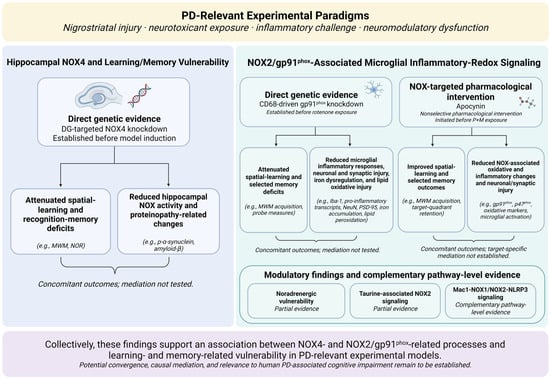
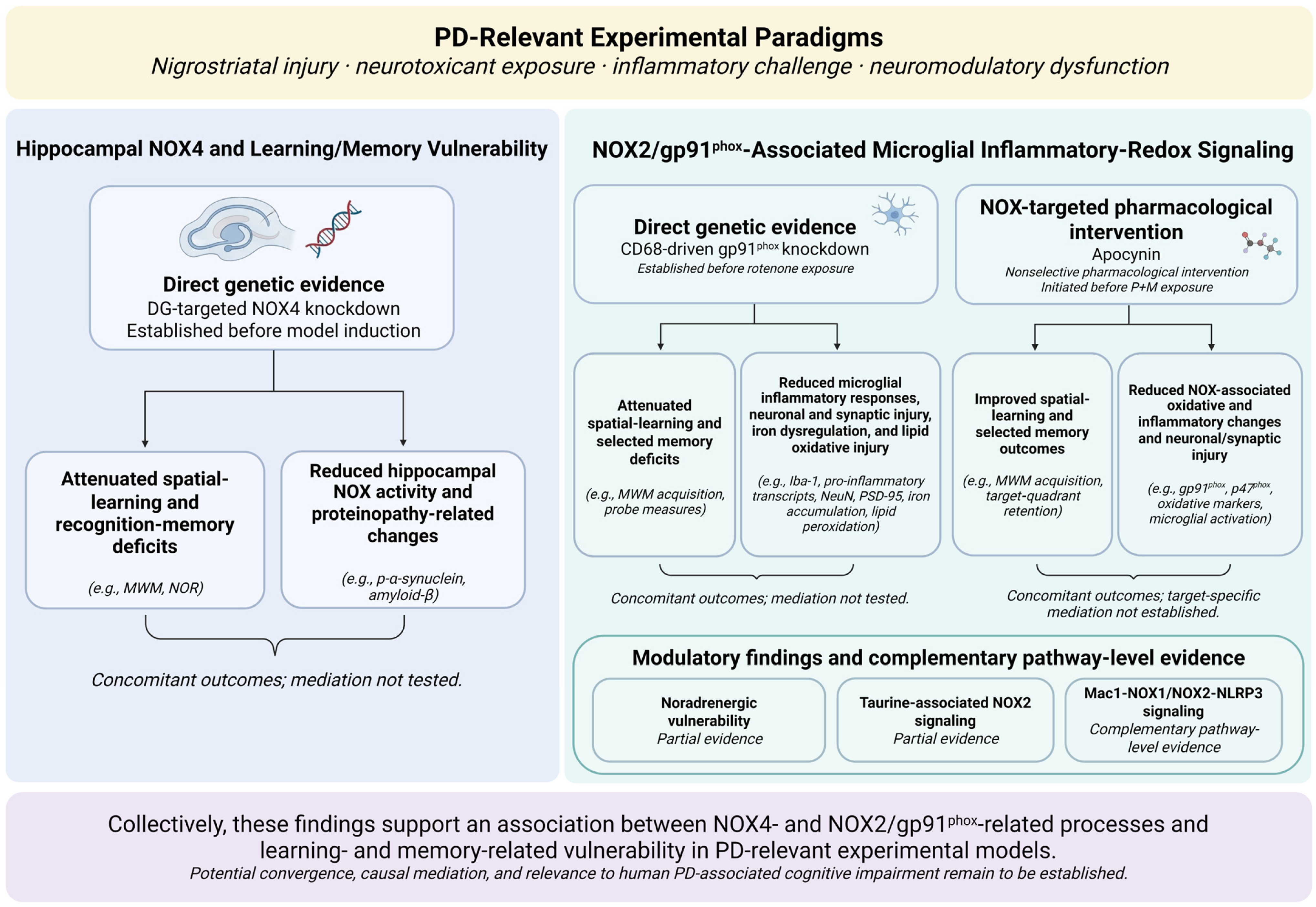

Disclaimer/Publisher’s Note: The statements, opinions and data contained in all publications are solely those of the individual author(s) and contributor(s) and not of MDPI and/or the editor(s). MDPI and/or the editor(s) disclaim responsibility for any injury to people or property resulting from any ideas, methods, instructions or products referred to in the content. |
© 2026 by the authors. Licensee MDPI, Basel, Switzerland. This article is an open access article distributed under the terms and conditions of the Creative Commons Attribution (CC BY) license.