


Abstract
Nuclear factor erythroid 2-related factor 2 (Nrf2) is a master regulator of the cellular antioxidant response, modulating redox homeostasis, detoxification, and cytoprotective pathways. Impaired Nrf2 signaling has been associated with a wide range of cutaneous pathologies, including photoaging, autoimmune disorders, and inflammation. In this review, we highlight roles of Nrf2 in the physiological and pathological mechanisms underlying oxidative stress, autoimmunity-associated skin damage, and fibrotic diseases, with a particular emphasis on photoaging, psoriasis, vitiligo, and autoimmune-associated skin fibrosis. Furthermore, we elucidate several natural bioactive compounds, their therapeutic applications, and delivery platforms for mitigating oxidative stress-mediated skin damage through the modulation of Nrf2 signaling, aiming to translate basic insights into clinical interventions for oxidative stress-driven skin disorders.
1. Oxidative Stress and Nrf2 in Skin
Nuclear factor erythroid 2-related factor 2 (Nrf2) is a ubiquitously expressed, redox-sensitive transcription factor that mediates cellular protection against oxidative stress, inflammation, and dysregulated immune responses [1,2]. Under homeostatic conditions, Nrf2 is sequestered by Kelch-like ECH-associated protein 1 (Keap1) and undergoes proteasomal degradation in the cytoplasm [3]. However, upon activation, Nrf2 translocates to the nucleus and binds to antioxidant response elements (AREs) in association with small Maf proteins to induce the expression of antioxidant genes, such as p62, heme oxygenase-1 (HO-1), NAD(P)H:quinone oxidoreductase 1 (NQO1), glutathione S-transferase (GST), and glutathione peroxidase (GPx) [4,5,6]. This mechanism preserves mitochondrial function and reduces reactive oxygen species (ROS) levels during oxidative stress [7,8,9,10,11].
Oxidative stress is recognized as a primary risk factor for various dermatosis [12]. It is characterized by an imbalance where the elevated production of ROS or reactive nitrogen species exceeds the capacity of antioxidant systems to neutralize these reactive molecules. ROS mediate damage to DNA, proteins, and lipids and activate inflammatory pathways that contribute to skin carcinogenesis and conditions such as psoriasis [13,14]. Patients with psoriasis exhibit increased ROS production and diminished antioxidant capacity [15], with disease severity and duration correlating with systemic oxidative stress levels [16]. Within psoriatic lesions, keratinocytes, activated neutrophils, and lymphocytes generate substantial amounts of ROS and free radicals, which subsequently exacerbate inflammation and keratinocyte hyperplasia [17,18]. Furthermore, excessive ROS levels activate the mitogen-activated protein kinase (MAPK)/activator protein-1 (AP-1) pathway [19], inducing matrix metalloproteinase (MMP) expression and subsequent collagen degradation. This activation also triggers the nuclear factor kappa-light chain enhancer of activated B cells (NF-κB) signaling pathway, which promotes the senescence-associated secretory phenotype (SASP) and the secretion of proinflammatory cytokines [20,21]. These processes drive cellular senescence, resulting in reduced skin elasticity and wrinkle formation [22]. In addition, ROS are one of the driving forces in the progression of skin fibrosis [23,24,25].
Therefore, understanding the role of Nrf2 in ROS-associated skin pathophysiology and its therapeutic implications may provide valuable insights for developing novel strategies against various skin disorders. In this review, we highlight the pivotal roles of Nrf2 in skin development and the pathological mechanisms underlying inflammatory and oxidative stress-related skin diseases, with a particular emphasis on photoaging, psoriasis, vitiligo, and skin fibrosis.
2. Methodology
This review comprises studies retrieved from PubMed and focuses on the roles of Nrf2 in various forms of skin damage and disease, with particular emphasis on photoaging, autoimmune disorders such as psoriasis and vitiligo, and autoimmune-associated skin fibrosis. Additionally, this review explores the involvement of Nrf2 in skin proliferation and differentiation, as well as its association with oxidative stress in the skin. Search terms included combinations of keywords, including Nrf2, skin, autoimmunity, oxidative stress, melanocytes, melanogenesis, proliferation, and differentiation. Studies focusing on efficacy evaluation without investigation of underlying molecular mechanisms were excluded.
3. The Role of Nrf2 in Skin Photoaging
Repeated and excessive ultraviolet B (UVB) exposure of skin cells generates substantial reactive oxygen species (ROS), triggering a state of cellular oxidative stress [26]. ROS stimulate various signaling pathways and initiate biological processes, including cell death, cellular senescence, and inflammation [27]. Specifically, UVB radiation mediates wrinkle formation, altered skin hydration, hyperkeratosis, collagen degradation, and inflammatory cell infiltration. Various bioactive natural compounds exert protective effects against oxidative stress-mediated skin damage through the modulation of Nrf2 signaling. We discuss several natural compounds to highlight their Nrf2-mediated oxidative stress defense properties in skin tissues and summarize their mechanisms in Table 1.
3.1. Salvianolic Acid B
Salvianolic acid B (Sal-B) is the most abundant and bioactive compound derived from Salvia miltiorrhiza, possessing potent anti-inflammatory and antioxidant properties [28]. UVB radiation-induced cellular senescence is protected by the Sal-B-mediated Nrf2 expression in human dermal fibroblasts (HDFs) [29]. UVB-induced skin wrinkle formation and epidermal thickening are inhibited through Nrf2 activation and the enhanced oxidative stress by UVB is attenuated through Nrf2 activation by recovering mitochondrial function and expression and activity of superoxide dismutase (SOD) in Sal-B-exposed HDFs [29]. Furthermore, UVB-mediated diminished dermal collagen and moisture content are reversed through Nrf2 activation by treatment with Sal-B in mouse dorsal skin [29]. In addition to skin tissue, Sal-B upregulates the Nrf2 antioxidant signaling pathway and exerts protective effects against oxidative damage triggered by subarachnoid hemorrhage [30].
3.2. Eisenia bicyclis Extract
Eisenia bicyclis (Kjellman) Setchell (E. bicyclis) is a common brown alga belonging to the family Laminariaceae [31]. Its extract, Eisenia bicyclis extract (EBE), has been shown to exhibit anti-inflammatory [31], anti-thrombotic [32], anti-diabetic [33], and neuroprotective effects [34]. UVB radiation-induced MMP-1 expression is attenuated through downregulation of the MAPK/AP-1 pathway and upregulated tissue inhibitor of metalloproteinases (TIMP) expression, such as TIMP1 and TIMP2, by treatment with EBE in HDFs [35]. Moreover, UVB radiation-induced collagen degradation and diminished skin moisture contents are reversed through activation of the mothers against decapentaplegic homolog family member (SMAD) pathway by treatment with EBE in HDFs and mouse skin tissues [35]. EBE treatment reduces UVB radiation-induced ROS production through Nrf2 activation, which enhances the expression of GPx1 and HO-1 in human keratinocytes [35]. In addition, wrinkle formation and epidermal thickening caused by UVB are reduced by oral administration of EBE in mouse dorsal skin [35].
3.3. Buds of Chrysanthemum morifolium
The buds of Chrysanthemum morifolium (C. morifolium) (BCM), which belongs to the Asteraceae family [36], possess antioxidant, anti-inflammatory, and analgesic properties [37]. Treatment with extract of BCM (EBCM) attenuates UVB radiation-induced MMP-1 expression through downregulation of the MAPK pathway in both human foreskin fibroblasts and human keratinocytes [38]. Elevated ROS production is reduced through upregulated Nrf2/NQO1/HO-1 signaling and glutathione (GSH) content by treatment with EBCM in UVB-irradiated human foreskin fibroblasts and human keratinocytes, thereby protecting skin water and collagen content, as well as maintaining epidermal thickness in UVB-exposed mouse skin [38].
3.4. Resveratrol
Resveratrol is a polyphenolic compound widely found in various plants, including the skin of grapes, Veratrum nigrum Linnaeus, and Reynoutria japonica Houttuyn [39]. Recent research has demonstrated that resveratrol possesses a wide range of pharmacological activities, including antioxidant [40], anti-inflammatory [41], and anti-apoptotic [42] effects. UVB radiation-mediated dysregulated skin pathology and inflammatory cell infiltration are alleviated by treatment with resveratrol in mouse skin tissues [43]. Treatment with resveratrol scavenges ROS production induced by UVB radiation through Nrf2/NQO1/HO-1 activation by enhancing expression of GSH, GPx, and SOD in human keratinocytes and mouse skin tissues [43]. Moreover, inflammation induced by UVB is inhibited through attenuated cyclooxygenase (COX)-2 and MAPK signaling by treatment with resveratrol in human keratinocytes and mouse skin tissues [43]. In addition, modified resveratrol application has been studied. Pterostilbene, a natural dimethoxy derivative of resveratrol, prevents UVB-induced skin wrinkling, erythema, and folding, while also exhibiting anti-carcinogenic effect through the activation of Nrf2-dependent oxidative stress defense systems [44].
3.5. Paeoniflorin
Paeoniflorin, a monoterpene glycoside isolated from the roots of Paeonia lactiflora [45], has been reported to exhibit various biological properties, including anti-inflammatory [46], anti-apoptotic [47], and antioxidant [48] activities. Treatment with paeoniflorin alleviates UVA-induced apoptosis in HDFs [49]. Moreover, treatment with paeoniflorin mitigates UVA-induced oxidative stress by upregulating the Nrf2/HO-1/NQO1 signaling pathway in HDFs [49]. Additionally, treatment with paeoniflorin in the presence of overexpressed lipid-binding protein perilipin 2 downregulates oxidative stress and promotes fibroblast proliferation in UVA-exposed HDFs [49].
3.6. Aloe vera
The genus Aloe vera has been known to possess various medicinal properties, including antioxidant, anti-inflammatory, anti-microbial and anti-carcinogenic effects, and is particularly relevant to the treatment of skin disorders and tissue repair [50,51]. Treatment with Aloe vera gel-derived nanoparticles (agDNPs) or Aloe vera rind-derived nanoparticles (arDNPs) mitigates UV-induced oxidative stress by suppressing Keap1 expression and activating Nrf2/NQO1/HO-1 signaling in human keratinocytes, HDFs, and mouse skin tissues [52]. Furthermore, treatment with agDNPs or arDNPs inhibits cellular senescence by upregulating the expression of collagen type I alpha 1 chain and nuclear laminar protein lamin B1 as well as induction of cell cycle arrest by attenuating p16, p53, and p21 expression in UV-exposed HDFs and mouse skin tissues [52]. Furthermore, UV-induced epidermal thickening, collagen depletion, and loss of elastic fibers are effectively restored by treatment with agDNPs or arDNPs in the dorsal skin [52], suggesting that an efficient delivery strategy using Aloe vera bioactive components exerts beneficial effects on photoaged skin.
3.7. Rosa davurica
Rosa davurica, a member of the Rosaceae family [53], exhibits antioxidant, anti-HIV, antiviral, antibiotic, and anti-atopic dermatitis activities [54,55]. UVB-induced ROS production is scavenged through promoted Nrf2/NQO1/HO-1 signaling by treatment with extract of Rosa davurica leaf (RDLE) in human keratinocytes [56]. Furthermore, treatment with RDLE attenuates the secretion of MMPs and interleukin (IL)-6 through downregulated MAPK/AP-1 signaling and enhances procollagen type 1 expression through TGF-β activation, thereby increasing anti-aging activity in UVB-exposed human keratinocytes [56].
3.8. Limonene
Limonene, a naturally occurring cyclic monoterpene found in citrus and conifer plants [57,58], possesses various biological activities, including antioxidant, antidiabetic, anticancer, and anti-inflammatory properties [57]. Treatment with limonene induces nuclear accumulation of Nrf2 and the consequent activation of HO-1/NQO1/γ-glutamate-cysteine ligase catalytic subunit signaling through activation of the c-Jun N-terminal kinase (JNK)/stress-activated protein kinase and phosphoinositide 3-kinase (PI3K)/protein kinase B (PKB) pathway, thereby scavenging ROS production in UV-exposed human keratinocytes [59]. In addition, treatment with limonene enhances skin barrier function by upregulating tight junction expression, including occludin and zonula occludens-1, in UV-exposed human keratinocytes [59].
3.9. Orientin
Orientin, a naturally occurring flavonoid found in several medicinal plants such as Passiflora incarnata, bamboo leaves, and Ocimum sanctum, exerts a wide range of biological activities, including antioxidant, anti-inflammatory, antiviral, and anti-bacterial effects [60,61,62,63,64]. Treatment with orientin reduces ROS levels by activating adenosine monophosphate-activated protein kinase (AMPK) through nuclear accumulation of Nrf2 and activation of the NQO1/HO-1 pathway as well as downregulated Bcl-2-associated X protein (Bax) expression and upregulated B-cell lymphoma 2 (Bcl-2) expression, thereby alleviating mitochondrial damage in UV-exposed human keratinocytes [65]. In addition, UV-induced inflammation is suppressed through attenuated cytokines expression and enhanced Nrf2 expression by treatment with orientin in human keratinocytes [65]. In parallel with the in vitro system, UV-induced dermal symptoms, such as epidermal thickness, erythema, and roughness, are alleviated through enhanced AMPK/Nrf2/HO-1/NQO1 signaling in the skin tissues of a photoaged mouse model [65].
Table 1.
Mechanisms of bioactive compounds in skin photoaging and diverse effects.
4. The Role of Nrf2 in Autoimmune Diseases
4.1. Psoriasis
4.1.1. Nrf2-Associated Mechanism and Bioactive Compounds in Psoriasis Therapy
Psoriasis is an autoimmune skin disease characterized by keratinocyte hyperproliferation, immune cell infiltration, and persistent pruritus [66,67]. Nrf2 levels have been known to associate with psoriasis symptoms. For instance, Arpc4-null mice exhibit depletion of the Arp2/3 complex which is involved in the maintenance of keratinocyte shape and display psoriasis-like symptoms alongside enhanced expression of Nrf2 [68]. Moreover, psoriatic keratinocytes and human skin reveal downregulation of Arpc4 and Nrf2, both of which are associated with keratinocyte morphological regulation [68]. Furthermore, keratinocyte proliferation is promoted through the upregulated interaction of Nrf2 with keratin (K) 6, K16, and K17 in IL-17- or IL-22-stimulated human keratinocytes [69]. Application of imiquimod (IMQ) to murine dermal tissue has been used in psoriasis-mimic models. Nrf2 knockdown alleviates psoriatic symptoms, such as enhanced epidermis thickness, erythema, and hyperplasia, in an IMQ-induced psoriasis mouse model [69]. There are several studies to elucidate the roles of Nrf2 modulation-based bioactive compounds and these are summarized in Table 2.
- •
- Gallic acid: Gallic acid is widely found in fruits and vegetables and possesses various biologic properties, including antioxidant and anti-inflammatory activities [70,71]. For instance, expressions of K16 and K17 are increased in the epidermis of psoriatic lesions [69,72,73]. Treatment with gallic acid attenuates psoriasis-like skin disease through the downregulation of K16 and K17 in both in vitro and in vivo models [74];
- •
- Monomethyl fumarate: Monomethyl fumarate (MMF) is considered a potential candidate against psoriasis through enhanced expression of Nrf2 [75]. MMF treatment induces the protein expression of Nrf2 and Nrf2-associated oxidative stress responsive effectors in murine primary keratinocytes [75]. In addition, MMF treatment stimulates the expression of aquaporin 3 (AQP3), which is implicated in keratinocyte differentiation [75];
- •
- Dimethyl fumarate: Dimethyl fumarate (DMF) has been used as anti-inflammatory, antiproliferative, and immunomodulatory effects [76,77,78]. Treatment with DMF induces apoptosis through increased p53 expression and decreased Bcl-2 expression, which is accompanied by elevated ROS production, and subsequently enhances the expression of Nrf2, HO-1, and steroid hormone metabolism-associated enzyme aldo-keto reductase family 1 member C3 (AKR1C3) in human keratinocytes [79]. In addition, treatment with DMF reduces inflammation and epidermal thickness, while increasing keratinocytes differentiation in an Nrf2-dependent manner in the IMQ-induced mouse model [80];
- •
- Astilbin: Astilbin, a bioactive compound extracted from the medicinal herb Smilacis glabrae, has been reported to induce various effects, including anti-inflammatory [81], antioxidant [82], and antitumor [83] activities. Astilbin reduces ROS production through the nuclear translocation of Nrf2, thereby attenuating the proliferation of inflammatory cytokine-stimulated keratinocytes [84];
- •
- Tussilagonone: Tussilagonone is an isolated compound from buds of Tussilago farfara and reveals Nrf2-associated anti-inflammatory properties [85]. This research group has also reported that tussilagonone attenuates psoriatic skin inflammation through the Nrf2/antioxidant response element (ARE) pathway in HaCaT keratinocytes and an IMQ-induced mouse model [86];
- •
- Ambroxol: Ambroxol is isolated from Adhatoda vasica and is considered a multipurpose antioxidant, antifungal, antibacterial, antiviral, and antifibrotic compound [87,88]. Ambroxol also exhibits the anti-inflammatory effects in IMQ-induced skin tissues, characterized by the attenuation of the skin proliferative marker Ki67 [89];
- •
- Mn-HyCO/Ru-HyCO: Manganese (Mn)/ruthenium (Ru) hybrid carbon monoxide (Mn-HyCO/Ru-HyCO), which consists of Mn- and Ru-based CO-releasing molecules (CO-RMs) conjugated to fumaric esters [90], enhances the Nrf2/HO-1 pathway and reduces epidermal thickness and scaling index in IMQ-induced mouse skin [90]. In addition, application of HyCOs induces anti-inflammatory effects and reduces skin wounds [90];
- •
- Sulforaphane: Sulforaphane (SFN) is an organosulfur compound isolated from cruciferous vegetables and possesses antioxidant, anticancer, and anti-inflammatory effects [91,92,93]. Psoriasis symptoms, inflammation, and superoxide production are attenuated through Nrf2 activation by treatment with SFN in the IMQ-induced psoriasis mouse model or IL-22- or tumor necrosis factor (TNF)-α-stimulated human keratinocytes [94];
- •
- Tryptanthrin: Tryptanthrin (TPT) is a natural alkaloid derived from Polygonum tinctorium, Isatis tinctoria, and indigo plants [95] and possesses anti-inflammatory, anticancer, and antioxidant effects [96,97,98]. Skin lesion, epidermal thickening, and immune cell infiltration are ameliorated by treatment with TPT in the IMQ-induced psoriasis mouse model [99]. Inflammatory cytokine expression is decreased through the downregulated NF-κB/MAPK pathway following treatment with TPT in an IMQ-induced psoriasis mouse model and TNF-α-exposed human keratinocytes [99]. Moreover, oxidative stress is attenuated through increased levels of antioxidant enzymes and Nrf2/HO-1 activation by treatment with TPT in psoriatic in vivo and in vitro skin models [99];
- •
- 3H-D3T: 3H-1,2-dithiole-3-thione (3H-D3T), a sulfur-containing dithiolethione, is found in cruciferous vegetables and induces antioxidant effects via the Nrf2 signaling pathway [100,101]. Psoriasis symptoms and enhanced epidermal thickness are alleviated by treatment with 3H-D3T in the IMQ-induced psoriasis mouse model [102]. In addition, treatment with 3H-D3T upregulates the Nrf2/HO-1 axis and the activity of SOD and GPx, thereby reducing IL-17-mediated inflammation and mitochondrial oxidative stress in human keratinocytes [102];
- •
- Galangin: Galangin (GGN) is an active flavonoid extracted from Alpina officinarum, Alpina galangal, and propolis, and possesses various therapeutic effects, including anti-atopic dermatitis [103,104], antioxidants [105], anticolitic [106], anti-inflammatory [107,108], and anti-cancer [109,110] activities. Psoriatic symptoms are attenuated by treatment with GGN in IMQ-induced psoriasis mouse model [111]. Treatment with GGN reduces inflammation through the downregulation of NF-κB inhibitor α (IκBα) degradation-mediated NF-κB activation in the IMQ-induced psoriasis mouse model [111]. Furthermore, oxidative stress is protected by the involvement of GGN-mediated antioxidant enzymes and the Nrf2/HO-1 signaling pathway in the IMQ-induced psoriasis mouse model [111];
- •
- Rutin: Rutin, a common dietary flavonoid, is found in vegetables and most citrus fruits and possesses various biological activities, including antioxidant [112,113] and anti-inflammatory effects [114]. Epidermal hyperplasia, psoriatic symptoms, and inflammatory cell accumulation in the dermis are alleviated by treatment with rutin in the IMQ-induced psoriasis mouse model [115]. Treatment with rutin suppresses inflammation through the upregulation of antioxidant enzyme activity and Nrf2 expression, coupled with the downregulation of Keap1 expression in the IMQ-induced psoriasis mouse model [115]. Conversely, psoriatic symptoms and oxidative stress are exacerbated through Nrf2 knockout by increasing inflammatory cytokine expression and inhibiting antioxidant enzyme activity in the IMQ-induced psoriasis mouse model [115];
- •
- Erianin: Erianin (ERN), a naturally occurring isoflavone derived from Dendrobium chrysotoxum, has shown anti-inflammatory, antioxidant, and anti-proliferative activities [116,117,118,119]. Keratinocyte hyperproliferation is inhibited, while keratinocyte differentiation is increased, by treatment with ERN in TNF-α-stimulated human keratinocytes and the IMQ-induced mouse model [120]. The endogenous antioxidant defense system, such as antioxidant-related enzyme activity and Nrf2 signaling, is enhanced by treatment with ERN in the IMQ-induced psoriasis mouse model [120]. Furthermore, treatment with ERN leads to a decrease in the expression of inflammatory cytokines through the suppression of NF-κB, COX-2, and inducible nitric oxide synthase signaling in the IMQ-induced psoriasis mouse model [120];
- •
- Tranexamic acid: Tranexamic acid (TNA) has been used for its antifibrinolytic and antimelanogenic properties [121,122]. In addition, psoriasis symptoms are alleviated by treatment with TNA in the IMQ-induced psoriasis mouse model [123]. Keratinocyte proliferation is decreased through downregulated Nrf2 expression by treatment with TNA in IL-17-stimulated human keratinocytes and the IMQ-induced psoriasis mouse model [123];
- •
- Perillyl alcohol: Perillyl alcohol has been known to inhibit the enzyme farnesyltransferase, thereby inducing anti-inflammatory and antioxidant effects [124]. Moreover, treatment with perillyl alcohol attenuates epidermal hyperplasia and the expression of inflammatory cytokines and proteins, including COX-2, NF-κB, signal transducer and activator of transcription 3 (STAT3), while maintaining GSH, SOD, and Nrf2 levels in keratinocytes in both in vitro and IMQ-induced psoriatic mouse models [124].
Of note, although various therapeutic compounds have been developed and clinically approved, the development of biologic therapies for psoriasis to expand the therapeutic targets remains in progress.
Table 2.
Mechanisms of bioactive compounds in psoriasis and diverse effects.
4.1.2. Various Delivery Platforms in Psoriasis Therapy
Drug delivery platforms are required to enhance drug efficacy and sustainability. Recently, several delivery platforms have been studied in psoriatic tissues. For instance, exosomes are 50–150 nm extracellular vesicles that contain nucleic acids, lipids, and proteins and facilitate cell-to-cell communication and membrane transport [125]. The molecular composition of exosomes varies depending on physiological or pathological conditions, cell origin, and tissue type [126]. Thus, patient serum with psoriasis-derived exosome (PSE) induces psoriatic inflammation in human keratinocytes and its inflammation is attenuated through inhibition of NF-κB and MAPK following stimulation with adipose-derived stem cell (ASC)-derived exosomes [127]. PSE-induced oxidative stress is decreased through the upregulated expression of Nrf2 and the inhibition of NF-κB and MAPK by stimulation with ASC-derived exosomes [127]. Moreover, dysregulated autophagy is closely related to the psoriatic process [128,129]. Stimulation with ASC-derived exosomes enhances the autophagy process through the upregulated expression of autophagy protein 5 (ATG5), p62, Beclin1, and LC3B, thereby restoring autophagy regulation in PSE-induced psoriatic keratinocytes [127]. To help to understand exosomal approaches, we summarize the molecular mechanism of ASC-derived exosomes in psoriasis (Figure 1).
Figure 1.
Schematic cellular mechanism of psoriasis treatment with ASC-derived exosomes. PSE-derived keratinocytes present high levels of inflammation and oxidative stress. Treatment with ASC-derived exosomes reduces inflammation and oxidative stress by increasing Nrf2 expression and decreasing NF-κB and MAPK levels. Also, ASC-derived exosomes increase autophagy by upregulation of ATG5, p62, Beclin1 and LC3B. The black bold arrows denote downregulated protein expression or cellular functions and the red bold arrows indicate upregulated protein expression or cellular functions. PSE: psoriasis-derived exosome; ASC: adipose-derived stem cell; Nrf2: nuclear factor erythroid 2-related factor 2; NF-κB: nuclear factor kappa B; MAPK: mitogen-activated protein kinase; N: nucleus; ATG5: autophagy-related gene 5; p62: sequestosome-1; LC3B: microtubule-associated protein 1 light chain 3B.
Recently, exosome-mimic nanovesicles (EMNVs) from plants have been developed to enhance bioavailability and drug solubility. EMNVs from shallot and garlic are encapsulated in hydrogels and applied in an IMQ-induced model [130]. Shallot and garlic EMNV hydrogel platforms reduce IL-17-mediated psoriatic inflammation through enhanced Nrf2 expression; they also decrease epidermal thickness and improve percutaneous penetration in the IMQ-induced model and porcine ear skin, respectively [130]. Hydrogel-based NVs from plant compounds have been proposed as effective and cost-available approaches for targeting psoriatic lesions [130]. The application of hydrogel-based NVs is illustrated in Figure 2.
Figure 2.
Schematic representation of the effects of hydrogel-based EMNVs from shallot and garlic on IL-17-stimulated human psoriatic keratinocytes and IMQ-induced murine model and porcine ear skin. Treatment with EMNVs reduces inflammation by increasing Nrf2 expression levels. Moreover, treatment with EMNVs attenuates epidermis thickness and elevates percutaneous penetration. The red bold arrows indicate upregulated protein expression of Nrf2. EMNVs: exosome-mimic nanovesicles; IL-17: interleukin 17; IL-17R: receptor of interleukin 17; Nrf2: nuclear factor erythroid 2-related factor 2; N: nucleus; IMQ: imiquimod.
More recently, the hydrogel microneedle technique has been developed to provide low toxicity, controlled release, high permeability, as well as specific targeting [131]. A delivery strategy using a berberine-based nano microneedle has been proposed to treat psoriasis, although direct experimental evidence of the relationship between berberine treatment and Nrf2 was not mentioned in this context [131,132,133]. On the other hand, the Chinese medicinal compound berberine has demonstrated effective properties through the activation of the Nrf2 signaling pathway in several diseases, such as neuronal and hepatic injuries [134,135]. Above all, the development of delivery platforms for skin diseases, including psoriasis and related disorders, has emerged as a therapeutic approach with substantial potential.
4.2. Vitiligo
Vitiligo, a common, chronic, and acquired autoimmune skin disease with an estimated prevalence of 1% in the general population [136], is characterized by well-demarcated depigmented macules or patches on the affected skin and mucous membranes [137]. Skin lesions are distributed over the entire body surface; however, they generally occur around the mouth and eyes, as well as on the fingers and dorsum of the feet. Moreover, the hair growing on affected skin areas may turn white [138]. In this section, we summarize the mechanisms associated with vitiligo and the therapeutic approaches to treat vitiligo.
4.2.1. Vitiligo-Associated Mechanisms
The destruction of melanocytes in locally affected skin has been confirmed to be the ultimate cause leading to vitiligo [139]. When oxidative stress including UVB irradiation occurs, excessive oxygen free radicals disrupt cellular proliferation and differentiation and induce immune responses against melanocytes, resulting in irreversible damage, such as apoptosis and the non-apoptotic cell death pathway ferroptosis, in melanin-producing cells [140,141]. Melanocyte function is critically regulated by the Nrf2/HO-1 signaling pathway in the presence of oxidative stress; however, abnormal localization of Nrf2 occurs in vitiligo melanocytes [142,143], suggesting that Nrf2-associated downstream signaling is involved in the pathogenesis of vitiligo. Protecting melanocytes is essential for maintaining skin and hair pigmentation, and we introduce several compounds for the protection of melanin content.
Downregulated AQP3 has been observed in vitiligo keratinocytes [144]. Knockdown of AQP3 and oxidative stress reduces the expression of Nrf2/NQO1 in human epidermal keratinocytes [144]. Media from AQP3-depleted keratinocytes induces the reduction of melanocytes through the enhanced ROS level [144], suggesting crosstalk between keratinocytes and melanocytes should be considered to treat vitiligo. Recently, CXC motif chemokine receptor 3 isoform B (CXCR3B) has been associated with apoptosis of melanocytes [145]. CXC-ligand 10 (CXCL10) is increased in fibroblasts of vitiligo skin and CXCR3B-positive melanocytes are enhanced in active vitiligo skin compared to healthy skin [145]. Enhanced CXCR3B induces apoptosis of melanocytes by impairing Nrf2 regulation [145], suggesting inhibition of CXCR3B could be a therapeutic strategy of vitiligo skin tissue. Additionally, signal transmission between melanocytes and other skin environment is a crucial factor in pathogenesis of vitiligo. Guo H. et al. showed that granulin-sortilin 1 ligand-receptor (GS1LR) is closely related to oxidative stress regulation in the skin environment and reduced expression of GS1LR is observed in vitiligo lesions [146]. Progranulin, encoded by GRN, enhances melanocytes resistance to oxidative stress through the involvement of Nrf2 and HO-1 [146]. Although the mechanism of vitiligo has been gradually identified in recent years, we summarize several therapeutic compounds that regulate Nrf2-associated redox state against vitiligo in melanocytes to expand the field of vitiligo treatment (Table 3).
4.2.2. Therapeutic Compounds in Melanocyte Regulation
- •
- Simvastatin: Simvastatin is considered an effective antioxidant compound and enhances the Nrf2/ARE signaling pathway [147]. Treatment with simvastatin induces anti-oxidative effects across various oxidative stress-related diseases [148]. In addition, simvastatin attenuates H2O2-induced melanocyte apoptosis through the activation of Nrf2 and subsequent enhancement of NQO1/HO-1, as well as the involvement of activated MAPK and p62 signaling pathways [148];
- •
- Vitamin D: 25-hydroxyvitamin D (vitD) has been known to possess therapeutic potential in various conditions, such as osteoporosis, cancer, and autoimmune diseases [149]. Notably, insufficiency of vitD is closely related to progression of vitiligo [150]. VitD modulates Wnt/β-catenin signaling in oxidative stress-stimulated melanocytes and significantly attenuates ROS level and apoptosis in H2O2-stimulated melanocytes [150]. Moreover, treatment with vitD activates the Nrf2/ARE signaling pathway against oxidative stress [150], suggesting that treatment with vitD protects the melanocytes from ROS-induced apoptosis through the Wnt/β-catenin/Nrf2/ARE signaling pathway and thus could be a potential treatment strategy against vitiligo;
- •
- Lycium barbarum polysaccharide: Goji berries are the mature, dried fruit of Lycium barbarum L., a deciduous shrub in the Solanaceae family [151]. L. barbarum polysaccharide (LBPS) is a major pharmacological constituent known for its antioxidant and anti-photoaging activities [152,153,154]. H2O2-mediated apoptosis is attenuated by treatment with LBPS in human melanocytes [151]. Furthermore, melanin content is enhanced through the upregulation of tyrosinase activity in H2O2-stimulated human melanocytes [151]. Mechanistically, treatment with LBPS enhances the autophagy process by upregulating the expression of Beclin1 and several autophagy-related genes (ATGs 5, 7, 12, and 16L1), increasing the number of autophagic vacuoles, and activating Nrf2/p62 signaling, thereby promoting melanocyte proliferation in H2O2-stimulated human melanocytes [151];
- •
- Roflumilast: Roflumilast, a phosphodiesterase 4 (PDE4) inhibitor, has been applied to various skin diseases, such as atopic dermatitis [155] and oxidative stress-associated neuronal damage [156,157]. Treatment of roflumilast attenuates oxidative stress-induced apoptosis in melanocytes by enhancing Nrf2 signaling [158]. Moreover, the combined treatment of roflumilast and forskolin boosts intracellular cyclic adenosine monophosphate (cAMP) levels and protects the apoptosis of melanocytes [158], suggesting modulation of cAMP levels could be a potential strategy against vitiligo;
- •
- Paeoniflorin: The anti-photoaging activity of paeoniflorin has been addressed in Section 3. In the context of vitiligo treatment, H2O2-induced apoptosis is attenuated by treatment with paeoniflorin in both melanocytes and vitiligo melanocytes [159]. In addition, oxidative stress is reduced through increased SOD and CAT activity and the activation of the JNK/Nrf2/HO-1 pathway following treatment with paeoniflorin in H2O2-stimulated human melanocytes [159];
- •
- Baicalein: Baicalein is a flavone derived from the roots of Scutellaria baicalensis [160] and possesses various biological activities, such as anti-oxidative, antitumor, and anti-inflammatory activities [161,162,163]. H2O2-induced apoptosis and mitochondria dysfunction are mitigated by treatment with baicalein through the activation of Nrf2 signaling in human vitiligo melanocytes [164];
- •
- Vitexin: Vitexin is a C-glycosylated flavonoid compound derived from medicinal plants such as hawthorn, pearl millet, and Herba spirodelae [165,166] and has been reported to possess various biological activities, including antioxidant and anti-inflammatory activities [167,168]. H2O2-induced oxidative stress is attenuated by vitexin treatment through the activation of Nrf2/HO-1 signaling, thereby reducing apoptosis by upregulating p53 and Bcl-2 levels while downregulating Bax and cleaved caspase-3 levels in human melanocytes [169]. Additionally, treatment with vitexin decreases inflammation by upregulating the Nrf2/ARE axis in H2O2-stimulated human melanocytes [169];
- •
- Apigenin: Apigenin is a flavonoid found in the buds and flowers of Hypericum perforatum [170] and possesses anti-oxidative and anti-inflammation properties [171]. H2O2-induced oxidative stress is attenuated by treatment with apigenin through the enhancement of the Nrf2/HO-1/NQO1 signaling pathway in human vitiligo melanocytes [172].
Table 3.
Mechanisms of bioactive compounds in vitiligo and diverse effects.
4.2.3. Non-Apoptotic Cell Death Ferroptosis on Melanocytes in Vitiligo
Ferroptosis, characterized by iron-dependent lipid peroxidation, is closely associated with the loss of melanocytes and subsequent depigmentation [173,174]. Recently, ferroptotic-specific gene markers, including Nrf2, have been identified in vitiligo [174,175]. Several nature-derived compounds targeting this pathway have been proposed as potential treatments for ferroptosis-associated vitiligo. For instance, a polyphenolic compound derived from the plant Curcuma longa Linn [176], curcumin, possesses anti-cancer, anti-inflammatory, and antioxidant properties [177]. As a treatment strategy for vitiligo, the effect of curcumin is evaluated by the erastin-induced ferroptosis in an in vitro model in melanocytes [178]. Treatment with curcumin induces the nuclear translocation of Nrf2 and the expression of HO-1, protecting melanocytes against erastin-mediated ferroptotic cell death [178]. Moreover, tanshinone IIA, extracted from the Chinese medicinal herb Salvia miltiorrhiza Bunge [179], attenuates cytotoxic activity of CD8(+) T cells, thereby suppressing the autoimmune condition associated with vitiligo [180]. More recently, treatment with tanshinone IIA inhibits H2O2-mediated ferroptosis through the activation of the Nrf2 signaling pathway in melanocytes [181]. Although the development of therapeutic candidates for vitiligo remains necessary, targeting ferroptosis-associated melanocyte death could provide a mechanistic approach to prevent melanocyte loss and represents a potential therapeutic strategy against vitiligo.
4.3. Autoimmune-Associated Skin Fibrosis
Skin fibrosis occurs in various conditions, including systemic sclerosis, hypertrophic scars, and keloid scars. Among these, systemic sclerosis is a chronic rheumatic disease characterized by immune dysregulation, leading to widespread fibrosis involving both the skin and internal organs [182]. The pathogenesis of systemic sclerosis has been linked to dysregulated oxidative stress regulation [183]. To recover the clinical manifestation of fibrosis in systemic sclerosis, the modulation of Nrf2 has been identified as a critical therapeutic target. These mechanisms and associated compounds are summarized in Table 4.
Reduced Nrf2 expression has been revealed in patients with systemic sclerosis [183]. Mechanically, Nrf2 blocks transforming growth factor-β (TGF-β) signaling, which is responsible for inducing myofibroblast proliferation [183]. Thus, the Nrf2 agonist 2-trifluoromethyl-2′-methoxychalcone inhibits TGF-β-induced dermal fibrosis [183]. Xanthohumol has been used for treatment of fibrotic diseases as well as for various pharmacological effects, including antioxidant, anti-inflammatory, and anti-proliferative properties [184,185], and applied to modulate skin fibrosis in systemic sclerosis [186]. Xiao Y. et al. showed that systemic sclerosis fibroblasts increase collagen production in vitro [186]. Treatment with xanthohumol enhances ROS production and Nrf2 expression, thereby inhibiting collagen production through the inhibition of the TGF-β/SMAD3 signaling pathway in systemic sclerosis-derived fibroblasts [186]. Moreover, enhanced expression of serine/threonine kinase Pim-1 proto-oncogene (PIM1) is revealed in skin fibrosis-associated tissues [187]. PIM1 is also associated with liver oxidative stress through the modulation of the Nrf2/NQO1/HO-1 pathway [188]. Wang J. et al. performed a high-throughput screening assay and found bruceine D as a PIM1-binding small molecule [187]. Bleomycin (BLM) treatment is a well-established method to induce fibrosis and is widely used as an experimental fibrosis model [189]. Treatment with bruceine D induces ferroptosis in hypertrophic scar fibroblasts by inhibiting the Pim-1 proto-oncogene (PIM1)/Nrf2 signaling pathway and effectively suppresses fibrosis in the BLM-induced fibrotic model [187], suggesting that bruceine D possesses therapeutic potential for abnormal PIM1 expression-associated fibrotic diseases.
Radiation therapy has been considered an effective strategy against cancer. However, its side effects occur systemically. For instance, radiation-induced dermatitis progresses to fibrosis, a process primarily driven by oxidative stress. To recover radiation-mediated skin damage, the therapeutic candidate ON101, a formulation containing extracts from Plectranthus amboinicus and Centella asiatica, has been investigated [190]. Topical application of ON101 cream reverses oxidative damage in radiation-induced murine dermatitis through the inhibition of Keap1 and enhancement of the Nrf2 pathway [190]. Moreover, treatment of ON101 induces reduced ROS levels and inflammatory cytokines through the modulation of Keap1/Nrf2 signaling in both HaCaT keratinocytes and dermal fibroblasts [190], suggesting that ON101 could be a therapeutic candidate against skin fibrosis.
Table 4.
Mechanisms of bioactive compounds in skin fibrosis and diverse effects.
5. Conclusions
Oxidative stress within skin tissue is mainly associated with aging and various cutaneous pathologies. Modulation of stress signals is crucial for treating various skin damage and disease. Dysregulation of the Nrf2 signaling pathway has been implicated in a wide range of cutaneous pathologies, including photoaging, psoriasis, vitiligo, and fibrosis. In photoaging, Nrf2 protects against UV-induced oxidative stress and DNA damage; however, it may also influence extracellular matrix remodeling. In psoriasis, impaired Nrf2 function contributes to keratinocyte hyperproliferation, inflammatory cytokine production such as IL-17 [102,130], and compromised skin barrier function. Moreover, in vitiligo, oxidative stress-induced melanocyte loss is closely linked to a defective Nrf2-mediated antioxidant defense system. In skin fibrosis, aberrant Nrf2 activity either suppresses or exacerbates fibroblast activation, depending on the specific cellular context and disease stage. Collectively, these findings highlight Nrf2 as a pivotal component connecting oxidative stress to immune dysregulation, aberrant cell proliferation, and extracellular matrix changes in diverse skin disorders and the integrated role of Nrf2 across these diverse skin disorders is illustrated in Figure 3. Thus, an understanding of oxidative stress-regulating component Nrf2 will be prominent in the process of development of modulatory drugs and the application of diverse delivery approaches.
Figure 3.
Schematic cellular mechanism of Nrf2 in skin cells. Oxidative stress-mediated Nrf2 activation upregulates antioxidant genes, and subsequently inhibits skin photoaging, psoriasis, vitiligo, and fibrosis. The red bold arrows indicate upregulated protein expression. ROS: reactive oxygen species; Keap1: Kelch-like ECH-associated protein 1; Nrf2: nuclear factor erythroid 2-related factor 2; ARE: antioxidant response elements, HO-1: heme oxygenase-1; NQO1: NAD(P)H:quinone oxidoreductase 1; SOD: superoxide dismutase.
Here, we provide several perspectives on Nrf2 modulation in skin disorders, ranging from aging to autoimmune-related diseases. For the specific modulation of Nrf2, the dual role of Nrf2 (protective vs. pathogenic) in fibrotic skin diseases and chronic inflammatory conditions necessitates a precise delineation of its cell-type- and stage-specific effects. For the therapeutic targeting of Nrf2, activators of Nrf2 (e.g., sulforaphane) possess therapeutic potential [94]; however, rigorous evaluation of topical versus systemic delivery, long-term safety, and disease-specific efficacy is required. Evaluation of crosstalk between Nrf2-associated immune and metabolic pathways will be required. Moreover, the combination of Nrf2 modulators with other therapeutic modulators (e.g., JAK inhibitors [191], anti-cytokine biologics) possesses the potential for synergistic efficacy in multifactorial skin disorders; however, vigorous mechanistic studies and massive clinical trials are required to establish safety and therapeutic benefits. Moreover, development of clinical case studies in complex cutaneous effects is required because a one-sided skin therapeutic approach may paradoxically trigger or aggravate other cutaneous diseases [192]. Future research should focus on spatiotemporal regulation of Nrf2, novel delivery strategies for Nrf2 modulators, and integrative/complex omics approaches [193,194] which would be key procedures to translate basic insights into clinical interventions for oxidative stress-driven skin damage and diseases.
Author Contributions
H.J.K. and J.H.H. conceptualized and designed the study and acquired and analyzed PubMed-based published materials; H.J.K. illustrated all figures and tables; H.J.K. and J.H.H. drafted the manuscript. H.J.K. and J.H.H. revised the manuscript critically for important intellectual content; J.H.H. contributed to the funding acquisition and final approval of the published version and is responsible for all aspects of the work as regards the accuracy and integrity of the study. All authors have read and agreed to the published version of the manuscript.
Funding
This research was funded by the National Research Foundation of Korea (NRF) funded by the Korean government (MSIT; 2022R1A2C1003890: J.H.H.).
Data Availability Statement
No new data were created or analyzed in this study. Data sharing is not applicable to this article.
Acknowledgments
All figures and tables are developed by the authors. We did not use generative AI or AI-assisted technologies.
Conflicts of Interest
The authors declare no conflicts of interest.
References
- Kim, S.H.; Lee, S.E.; Kim, S.J.; Fang, X.; Hur, J.; Sozen, E.; Ozer, N.K.; Kim, K.P.; Surh, Y.J. Protective effects of an electrophilic metabolite of docosahexaenoic acid on UVB-induced oxidative cell death, dermatitis, and carcinogenesis. Redox Biol. 2023, 62, 102666. [Google Scholar] [CrossRef] [Scilit] [PubMed]
- Saha, S.; Buttari, B.; Panieri, E.; Profumo, E.; Saso, L. An Overview of Nrf2 Signaling Pathway and Its Role in Inflammation. Molecules 2020, 25, 5474. [Google Scholar] [CrossRef] [Scilit]
- Kansanen, E.; Kuosmanen, S.M.; Leinonen, H.; Levonen, A.L. The Keap1-Nrf2 pathway: Mechanisms of activation and dysregulation in cancer. Redox Biol. 2013, 1, 45–49. [Google Scholar] [CrossRef] [Scilit]
- Komatsu, M.; Kurokawa, H.; Waguri, S.; Taguchi, K.; Kobayashi, A.; Ichimura, Y.; Sou, Y.S.; Ueno, I.; Sakamoto, A.; Tong, K.I.; et al. The selective autophagy substrate p62 activates the stress responsive transcription factor Nrf2 through inactivation of Keap1. Nat. Cell Biol. 2010, 12, 213–223. [Google Scholar] [CrossRef] [Scilit]
- Loboda, A.; Damulewicz, M.; Pyza, E.; Jozkowicz, A.; Dulak, J. Role of Nrf2/HO-1 system in development, oxidative stress response and diseases: An evolutionarily conserved mechanism. Cell. Mol. Life Sci. 2016, 73, 3221–3247. [Google Scholar] [CrossRef] [Scilit]
- Kim, J.; Cha, Y.N.; Surh, Y.J. A protective role of nuclear factor-erythroid 2-related factor-2 (Nrf2) in inflammatory disorders. Mutat. Res. 2010, 690, 12–23. [Google Scholar] [CrossRef] [Scilit]
- Chen, Q.M. Nrf2 for protection against oxidant generation and mitochondrial damage in cardiac injury. Free Radic. Biol. Med. 2022, 179, 133–143. [Google Scholar] [CrossRef] [Scilit]
- He, H.; Xiong, L.; Jian, L.; Li, L.; Wu, Y.; Qiao, S. Role of mitochondria on UV-induced skin damage and molecular mechanisms of active chemical compounds targeting mitochondria. J. Photochem. Photobiol. B 2022, 232, 112464. [Google Scholar] [CrossRef] [Scilit] [PubMed]
- Tonelli, C.; Chio, I.I.C.; Tuveson, D.A. Transcriptional Regulation by Nrf2. Antioxid. Redox Signal. 2018, 29, 1727–1745. [Google Scholar] [CrossRef] [Scilit] [PubMed]
- Baird, L.; Yamamoto, M. The Molecular Mechanisms Regulating the KEAP1-NRF2 Pathway. Mol. Cell Biol. 2020, 40, e00099-20. [Google Scholar] [CrossRef] [Scilit]
- Yamamoto, M.; Kensler, T.W.; Motohashi, H. The KEAP1-NRF2 System: A Thiol-Based Sensor-Effector Apparatus for Maintaining Redox Homeostasis. Physiol. Rev. 2018, 98, 1169–1203. [Google Scholar] [CrossRef] [Scilit]
- Plenkowska, J.; Gabig-Ciminska, M.; Mozolewski, P. Oxidative Stress as an Important Contributor to the Pathogenesis of Psoriasis. Int. J. Mol. Sci. 2020, 21, 6206. [Google Scholar] [CrossRef] [Scilit]
- Khan, A.Q.; Rashid, K.; AlAmodi, A.A.; Agha, M.V.; Akhtar, S.; Hakeem, I.; Raza, S.S.; Uddin, S. Reactive oxygen species (ROS) in cancer pathogenesis and therapy: An update on the role of ROS in anticancer action of benzophenanthridine alkaloids. Biomed. Pharmacother. 2021, 143, 112142. [Google Scholar] [CrossRef] [Scilit]
- Cannavo, S.P.; Riso, G.; Casciaro, M.; Di Salvo, E.; Gangemi, S. Oxidative stress involvement in psoriasis: A systematic review. Free Radic. Res. 2019, 53, 829–840. [Google Scholar] [CrossRef] [Scilit] [PubMed]
- Asha, K.; Singal, A.; Sharma, S.B.; Arora, V.K.; Aggarwal, A. Dyslipidaemia & oxidative stress in patients of psoriasis: Emerging cardiovascular risk factors. Indian. J. Med. Res. 2017, 146, 708–713. [Google Scholar] [CrossRef] [Scilit]
- Peluso, I.; Cavaliere, A.; Palmery, M. Plasma total antioxidant capacity and peroxidation biomarkers in psoriasis. J. Biomed. Sci. 2016, 23, 52. [Google Scholar] [CrossRef] [Scilit]
- Bito, T.; Nishigori, C. Impact of reactive oxygen species on keratinocyte signaling pathways. J. Dermatol. Sci. 2012, 68, 3–8. [Google Scholar] [CrossRef] [Scilit] [PubMed]
- Nakai, K.; Tsuruta, D. What Are Reactive Oxygen Species, Free Radicals, and Oxidative Stress in Skin Diseases? Int. J. Mol. Sci. 2021, 22, 10799. [Google Scholar] [CrossRef] [Scilit] [PubMed]
- Rittie, L.; Fisher, G.J. UV-light-induced signal cascades and skin aging. Ageing Res. Rev. 2002, 1, 705–720. [Google Scholar] [CrossRef] [Scilit]
- Lee, Y.R.; Noh, E.M.; Jeong, E.Y.; Yun, S.K.; Jeong, Y.J.; Kim, J.H.; Kwon, K.B.; Kim, B.S.; Lee, S.H.; Park, C.S.; et al. Cordycepin inhibits UVB-induced matrix metalloproteinase expression by suppressing the NF-kappaB pathway in human dermal fibroblasts. Exp. Mol. Med. 2009, 41, 548–554. [Google Scholar] [CrossRef] [Scilit]
- Yaar, M.; Gilchrest, B.A. Photoageing: Mechanism, prevention and therapy. Br. J. Dermatol. 2007, 157, 874–887. [Google Scholar] [CrossRef] [Scilit]
- Fitsiou, E.; Pulido, T.; Campisi, J.; Alimirah, F.; Demaria, M. Cellular Senescence and the Senescence-Associated Secretory Phenotype as Drivers of Skin Photoaging. J. Investig. Dermatol. 2021, 141, 1119–1126. [Google Scholar] [CrossRef] [Scilit]
- Sambo, P.; Baroni, S.S.; Luchetti, M.; Paroncini, P.; Dusi, S.; Orlandini, G.; Gabrielli, A. Oxidative stress in scleroderma—Maintenance of scleroderma fibroblast phenotype by the constitutive up-regulation of reactive oxygen species generation through the NADPH oxidase complex pathway. Arthritis Rheum-US 2001, 44, 2653–2664. [Google Scholar] [CrossRef] [Scilit]
- Bhattacharyya, S.; Wei, J.; Varga, J. Understanding fibrosis in systemic sclerosis: Shifting paradigms, emerging opportunities. Nat. Rev. Rheumatol. 2011, 8, 42–54. [Google Scholar] [CrossRef] [Scilit]
- Yoshizaki, A.; Yanaba, K.; Ogawa, A.; Iwata, Y.; Ogawa, F.; Takenaka, M.; Shimizu, K.; Asano, Y.; Kadono, T.; Sato, S. The specific free radical scavenger edaravone suppresses fibrosis in the bleomycin-induced and tight skin mouse models of systemic sclerosis. Arthritis Rheum. 2011, 63, 3086–3097. [Google Scholar] [CrossRef] [Scilit]
- Skobowiat, C.; Postlethwaite, A.E.; Slominski, A.T. Skin Exposure to Ultraviolet B Rapidly Activates Systemic Neuroendocrine and Immunosuppressive Responses. Photochem. Photobiol. 2017, 93, 1008–1015. [Google Scholar] [CrossRef] [Scilit] [PubMed]
- Zhang, J.; Wang, X.; Vikash, V.; Ye, Q.; Wu, D.; Liu, Y.; Dong, W. ROS and ROS-Mediated Cellular Signaling. Oxidative Med. Cell. Longev. 2016, 2016, 4350965. [Google Scholar] [CrossRef] [Scilit]
- Xiao, Z.; Liu, W.; Mu, Y.P.; Zhang, H.; Wang, X.N.; Zhao, C.Q.; Chen, J.M.; Liu, P. Pharmacological Effects of Salvianolic Acid B Against Oxidative Damage. Front. Pharmacol. 2020, 11, 572373. [Google Scholar] [CrossRef] [Scilit] [PubMed]
- Sun, J.M.; Liu, Y.X.; Liu, Y.D.; Ho, C.K.; Tsai, Y.T.; Wen, D.S.; Huang, L.; Zheng, D.N.; Gao, Y.; Zhang, Y.F.; et al. Salvianolic acid B protects against UVB-induced skin aging via activation of NRF2. Phytomedicine 2024, 130, 155676. [Google Scholar] [CrossRef] [Scilit]
- Zhang, X.; Wu, Q.; Lu, Y.; Wan, J.; Dai, H.; Zhou, X.; Lv, S.; Chen, X.; Zhang, X.; Hang, C.; et al. Cerebroprotection by salvianolic acid B after experimental subarachnoid hemorrhage occurs via Nrf2- and SIRT1-dependent pathways. Free Radic. Biol. Med. 2018, 124, 504–516. [Google Scholar] [CrossRef] [Scilit]
- Jung, H.A.; Jin, S.E.; Ahn, B.R.; Lee, C.M.; Choi, J.S. Anti-inflammatory activity of edible brown alga Eisenia bicyclis and its constituents fucosterol and phlorotannins in LPS-stimulated RAW264.7 macrophages. Food Chem. Toxicol. 2013, 59, 199–206. [Google Scholar] [CrossRef] [Scilit]
- Irfan, M.; Kwon, T.H.; Yun, B.S.; Park, N.H.; Rhee, M.H. Eisenia bicyclis (brown alga) modulates platelet function and inhibits thrombus formation via impaired P(2)Y(12) receptor signaling pathway. Phytomedicine 2018, 40, 79–87. [Google Scholar] [CrossRef] [Scilit]
- Eom, S.H.; Lee, D.S.; Kang, Y.M.; Son, K.T.; Jeon, Y.J.; Kim, Y.M. Application of yeast Candida utilis to ferment Eisenia bicyclis for enhanced antibacterial effect. Appl. Biochem. Biotechnol. 2013, 171, 569–582. [Google Scholar] [CrossRef] [Scilit] [PubMed]
- Ahn, B.R.; Moon, H.E.; Kim, H.R.; Jung, H.A.; Choi, J.S. Neuroprotective effect of edible brown alga Eisenia bicyclis on amyloid beta peptide-induced toxicity in PC12 cells. Arch. Pharm. Res. 2012, 35, 1989–1998. [Google Scholar] [CrossRef] [Scilit]
- Choi, S.I.; Han, H.S.; Kim, J.M.; Park, G.; Jang, Y.P.; Shin, Y.K.; Ahn, H.S.; Lee, S.H.; Lee, K.T. Eisenia bicyclis Extract Repairs UVB-Induced Skin Photoaging In Vitro and In Vivo: Photoprotective Effects. Mar. Drugs 2021, 19, 693. [Google Scholar] [CrossRef] [Scilit]
- Zhang, Z.J.; Hu, W.J.; Yu, A.Q.; Wu, L.H.; Yang, D.Q.; Kuang, H.X.; Wang, M. Review of polysaccharides from Chrysanthemum morifolium Ramat.: Extraction, purification, structural characteristics, health benefits, structural-activity relationships and applications. Int. J. Biol. Macromol. 2024, 278, 134919. [Google Scholar] [CrossRef] [Scilit]
- Zhang, Z.; Zhang, Y.; Wang, L.; Cui, T.; Wang, Y.; Chen, J.; Li, W. On-line screening of natural antioxidants and the antioxidant activity prediction for the extracts from flowers of Chrysanthemum morifolium ramat. J. Ethnopharmacol. 2022, 294, 115336. [Google Scholar] [CrossRef] [Scilit] [PubMed]
- Xu, S.; Sun, X.; Zhu, Z.; Xin, Y.; Chen, C.; Luo, J. The extract of buds of Chrysanthemum morifolium ramat alleviated UVB-induced skin photoaging by regulating MAPK and Nrf2/ARE pathways. J. Ethnopharmacol. 2024, 332, 118352. [Google Scholar] [CrossRef] [Scilit]
- Tian, B.; Liu, J. Resveratrol: A review of plant sources, synthesis, stability, modification and food application. J. Sci. Food Agric. 2020, 100, 1392–1404. [Google Scholar] [CrossRef] [Scilit] [PubMed]
- Ungvari, Z.; Bagi, Z.; Feher, A.; Recchia, F.A.; Sonntag, W.E.; Pearson, K.; de Cabo, R.; Csiszar, A. Resveratrol confers endothelial protection via activation of the antioxidant transcription factor Nrf2. Am. J. Physiol. Heart Circ. Physiol. 2010, 299, H18–H24. [Google Scholar] [CrossRef] [Scilit]
- Truong, V.L.; Jun, M.; Jeong, W.S. Role of resveratrol in regulation of cellular defense systems against oxidative stress. Biofactors 2018, 44, 36–49. [Google Scholar] [CrossRef] [Scilit]
- Zhou, Y.; Jin, Y.; Yu, H.; Shan, A.; Shen, J.; Zhou, C.; Zhao, Y.; Fang, H.; Wang, X.; Wang, J.; et al. Resveratrol inhibits aflatoxin B1-induced oxidative stress and apoptosis in bovine mammary epithelial cells and is involved the Nrf2 signaling pathway. Toxicon 2019, 164, 10–15. [Google Scholar] [CrossRef] [Scilit]
- Cui, B.; Wang, Y.; Jin, J.; Yang, Z.; Guo, R.; Li, X.; Yang, L.; Li, Z. Resveratrol Treats UVB-Induced Photoaging by Anti-MMP Expression, through Anti-Inflammatory, Antioxidant, and Antiapoptotic Properties, and Treats Photoaging by Upregulating VEGF-B Expression. Oxidative Med. Cell. Longev. 2022, 2022, 6037303. [Google Scholar] [CrossRef] [Scilit] [PubMed]
- Sirerol, J.A.; Feddi, F.; Mena, S.; Rodriguez, M.L.; Sirera, P.; Aupi, M.; Perez, S.; Asensi, M.; Ortega, A.; Estrela, J.M. Topical treatment with pterostilbene, a natural phytoalexin, effectively protects hairless mice against UVB radiation-induced skin damage and carcinogenesis. Free Radic. Biol. Med. 2015, 85, 1–11. [Google Scholar] [CrossRef] [Scilit]
- Wang, J.S.; Huang, Y.; Zhang, S.; Yin, H.J.; Zhang, L.; Zhang, Y.H.; Song, Y.W.; Li, D.D. A Protective Role of Paeoniflorin in Fluctuant Hyperglycemia-Induced Vascular Endothelial Injuries through Antioxidative and Anti-Inflammatory Effects and Reduction of PKCbeta1. Oxidative Med. Cell. Longev. 2019, 2019, 5647219. [Google Scholar] [CrossRef] [Scilit]
- Chen, C.; Du, P.; Wang, J. Paeoniflorin ameliorates acute myocardial infarction of rats by inhibiting inflammation and inducible nitric oxide synthase signaling pathways. Mol. Med. Rep. 2015, 12, 3937–3943. [Google Scholar] [CrossRef] [Scilit]
- Nizamutdinova, I.T.; Jin, Y.C.; Kim, J.S.; Yean, M.H.; Kang, S.S.; Kim, Y.S.; Lee, J.H.; Seo, H.G.; Kim, H.J.; Chang, K.C. Paeonol and paeoniflorin, the main active principles of Paeonia albiflora, protect the heart from myocardial ischemia/reperfusion injury in rats. Planta Medica 2008, 74, 14–18. [Google Scholar] [CrossRef] [Scilit] [PubMed]
- Li, P.; Li, Z.H. Neuroprotective effect of paeoniflorin on H2O2-induced apoptosis in PC12 cells by modulation of reactive oxygen species and the inflammatory response. Exp. Ther. Med. 2015, 9, 1768–1772. [Google Scholar] [CrossRef] [Scilit]
- Lu, Y.S.; Jiang, Y.; Yuan, J.P.; Jiang, S.B.; Yang, Y.; Zhu, P.Y.; Sun, Y.Z.; Qi, R.Q.; Liu, T.; Wang, H.X.; et al. UVA Induced Oxidative Stress Was Inhibited by Paeoniflorin/Nrf2 Signaling or PLIN2. Front. Pharmacol. 2020, 11, 736. [Google Scholar] [CrossRef] [Scilit]
- Gao, Y.; Kuok, K.I.; Jin, Y.; Wang, R. Biomedical applications of Aloe vera. Crit. Rev. Food Sci. Nutr. 2019, 59, S244–S256. [Google Scholar] [CrossRef] [Scilit] [PubMed]
- Salehi, B.; Albayrak, S.; Antolak, H.; Kregiel, D.; Pawlikowska, E.; Sharifi-Rad, M.; Uprety, Y.; Tsouh Fokou, P.V.; Yousef, Z.; Amiruddin Zakaria, Z.; et al. Aloe Genus Plants: From Farm to Food Applications and Phytopharmacotherapy. Int. J. Mol. Sci. 2018, 19, 2843. [Google Scholar] [CrossRef] [Scilit]
- Sun, Z.; Zheng, Y.; Wang, T.; Zhang, J.; Li, J.; Wu, Z.; Zhang, F.; Gao, T.; Yu, L.; Xu, X.; et al. Aloe Vera Gel and Rind-Derived Nanoparticles Mitigate Skin Photoaging via Activation of Nrf2/ARE Pathway. Int. J. Nanomed. 2025, 20, 4051–4067. [Google Scholar] [CrossRef] [Scilit]
- Jung, H.J.; Sa, J.H.; Song, Y.S.; Shim, T.H.; Park, E.H.; Lim, C.J. Anti-inflammatory, anti-angiogenic, and anti-nociceptive activities of the chloroform fraction of a methanol extract from Rosa davurica Pall. leaves in experimental animal models. Immunopharmacol. Immunotoxicol. 2011, 33, 186–192. [Google Scholar] [CrossRef] [Scilit]
- Tong, H.; Jiang, G.; Guan, X.; Wu, H.; Song, K.; Cheng, K.; Sun, X. Characterization of a polysaccharide from Rosa davurica and inhibitory activity against neutrophil migration. Int. J. Biol. Macromol. 2016, 89, 111–117. [Google Scholar] [CrossRef] [Scilit] [PubMed]
- Hwang, D.H.; Koh, P.O.; Kang, C.; Kim, E. Rosa davurica Pall. improves DNCB-induced atopic dermatitis in mice and regulated TNF-Alpa/IFN-gamma-induced skin inflammatory responses in HaCaT cells. Phytomedicine 2021, 91, 153708. [Google Scholar] [CrossRef] [Scilit] [PubMed]
- Fang, M.; Lee, H.M.; Oh, S.; Zheng, S.; Bellere, A.D.; Kim, M.; Choi, J.; Kim, M.; Yu, D.; Yi, T.H. Rosa davurica inhibits skin photoaging via regulating MAPK/AP-1, NF-kappaB, and Nrf2/HO-1 signaling in UVB-irradiated HaCaTs. Photochem. Photobiol. Sci. 2022, 21, 2217–2230. [Google Scholar] [CrossRef] [Scilit]
- Anandakumar, P.; Kamaraj, S.; Vanitha, M.K. D-limonene: A multifunctional compound with potent therapeutic effects. J. Food Biochem. 2021, 45, e13566. [Google Scholar] [CrossRef] [Scilit] [PubMed]
- Kopaczyk, J.M.; Wargula, J.; Jelonek, T. The variability of terpenes in conifers under developmental and environmental stimuli. Environ. Exp. Bot. 2020, 180, 104197. [Google Scholar] [CrossRef] [Scilit]
- Kumar, K.J.S.; Vani, M.G.; Wang, S.Y. Limonene protects human skin keratinocytes against UVB-induced photodamage and photoaging by activating the Nrf2-dependent antioxidant defense system. Environ. Toxicol. 2022, 37, 2897–2909. [Google Scholar] [CrossRef] [Scilit]
- Qiu, C.; Wang, H.; Zhao, L.; Pei, J. Orientin and vitexin production by a one-pot enzymatic cascade of a glycosyltransferase and sucrose synthase. Bioorganic Chem. 2021, 112, 104926. [Google Scholar] [CrossRef] [Scilit]
- Lam, K.Y.; Ling, A.P.; Koh, R.Y.; Wong, Y.P.; Say, Y.H. A Review on Medicinal Properties of Orientin. Adv. Pharmacol. Sci. 2016, 2016, 4104595. [Google Scholar] [CrossRef] [Scilit]
- Li, Y.L.; Ma, S.C.; Yang, Y.T.; Ye, S.M.; But, P.P. Antiviral activities of flavonoids and organic acid from Trollius chinensis Bunge. J. Ethnopharmacol. 2002, 79, 365–368. [Google Scholar] [CrossRef] [Scilit] [PubMed]
- Zhang, Z.; Wu, J.; Teng, C.; Wang, J.; Yu, J.; Jin, C.; Wang, L.; Wu, L.; Lin, Z.; Yu, Z.; et al. Orientin downregulating oxidative stress-mediated endoplasmic reticulum stress and mitochondrial dysfunction through AMPK/SIRT1 pathway in rat nucleus pulposus cells in vitro and attenuated intervertebral disc degeneration in vivo. Apoptosis 2022, 27, 1031–1048. [Google Scholar] [CrossRef] [Scilit] [PubMed]
- Long, Q.; Ma, T.; Wang, Y.; Chen, S.; Tang, S.; Wang, T.; Zhou, Y.; Xu, K.; Wan, P.; Cao, Y. Orientin alleviates the inflammatory response in psoriasis like dermatitis in BALB/c mice by inhibiting the MAPK signaling pathway. Int. Immunopharmacol. 2024, 134, 112261. [Google Scholar] [CrossRef] [Scilit] [PubMed]
- Ma, T.; He, J.; Long, Q.; Wang, Y.; Chen, F.; Chen, S.; Xu, K.; Cao, Y. Orientin attenuates UVB-induced skin photodamage by inhibiting ROS generation via the AMPK/Nrf2 axis. Int. Immunopharmacol. 2025, 155, 114655. [Google Scholar] [CrossRef] [Scilit]
- Boehncke, W.H.; Schon, M.P. Psoriasis. Lancet 2015, 386, 983–994. [Google Scholar] [CrossRef] [Scilit]
- Jaworecka, K.; Muda-Urban, J.; Rzepko, M.; Reich, A. Molecular Aspects of Pruritus Pathogenesis in Psoriasis. Int. J. Mol. Sci. 2021, 22, 858. [Google Scholar] [CrossRef] [Scilit]
- van der Kammen, R.; Song, J.Y.; de Rink, I.; Janssen, H.; Madonna, S.; Scarponi, C.; Albanesi, C.; Brugman, W.; Innocenti, M. Knockout of the Arp2/3 complex in epidermis causes a psoriasis-like disease hallmarked by hyperactivation of transcription factor Nrf2. Development 2017, 144, 4588–4603. [Google Scholar] [CrossRef] [Scilit]
- Yang, L.T.; Fan, X.L.; Cui, T.T.; Dang, E.L.; Wang, G. Nrf2 Promotes Keratinocyte Proliferation in Psoriasis through Up-Regulation of Keratin 6, Keratin 16, and Keratin 17. J. Investig. Dermatol. 2017, 137, 2168–2176. [Google Scholar] [CrossRef] [Scilit]
- Badhani, B.; Sharma, N.; Kakkar, R. Gallic acid: A versatile antioxidant with promising therapeutic and industrial applications. Rsc Adv. 2015, 5, 27540–27557. [Google Scholar] [CrossRef] [Scilit]
- Dhingra, M.S.; Dhingra, S.; Chadha, R.; Singh, T.; Karan, M. Design, synthesis, physicochemical, and pharmacological evaluation of gallic acid esters as non-ulcerogenic and gastroprotective anti-inflammatory agents. Med. Chem. Res. 2014, 23, 4771–4788. [Google Scholar] [CrossRef] [Scilit]
- Thewes, M.; Stadler, R.; Korge, B.; Mischke, D. Normal psoriatic epidermis expression of hyperproliferation-associated keratins. Arch. Dermatol. Res. 1991, 283, 465–471. [Google Scholar] [CrossRef] [Scilit]
- Leigh, I.M.; Navasaria, H.; Purkis, P.E.; Mckay, I.A.; Bowden, P.E.; Riddle, P.N. Keratins (K16 and K17) as Markers of Keratinocyte Hyperproliferation in Psoriasis in-Vivo and in-Vitro. Br. J. Dermatol. 1995, 133, 501–511. [Google Scholar] [CrossRef] [Scilit]
- Zhang, J.W.; Li, X.; Wei, J.A.; Chen, H.M.; Lu, Y.; Li, L.; Han, L.; Lu, C.J. Gallic acid inhibits the expression of keratin 16 and keratin 17 through Nrf2 in psoriasis-like skin disease. Int. Immunopharmacol. 2018, 65, 84–95. [Google Scholar] [CrossRef] [Scilit] [PubMed]
- Helwa, I.; Choudhary, V.; Chen, X.; Kaddour-Djebbar, I.; Bollag, W.B. Anti-Psoriatic Drug Monomethylfumarate Increases Nuclear Factor Erythroid 2-Related Factor 2 Levels and Induces Aquaporin-3 mRNA and Protein Expression. J. Pharmacol. Exp. Ther. 2017, 362, 243–253. [Google Scholar] [CrossRef] [Scilit] [PubMed]
- Linker, R.A.; Lee, D.H.; Ryan, S.; van Dam, A.M.; Conrad, R.; Bista, P.; Zeng, W.; Hronowsky, X.; Buko, A.; Chollate, S.; et al. Fumaric acid esters exert neuroprotective effects in neuroinflammation via activation of the Nrf2 antioxidant pathway. Brain 2011, 134, 678–692. [Google Scholar] [CrossRef] [Scilit]
- Scannevin, R.H.; Chollate, S.; Jung, M.Y.; Shackett, M.; Patel, H.; Bista, P.; Zeng, W.; Ryan, S.; Yamamoto, M.; Lukashev, M.; et al. Fumarates promote cytoprotection of central nervous system cells against oxidative stress via the nuclear factor (erythroid-derived 2)-like 2 pathway. J. Pharmacol. Exp. Ther. 2012, 341, 274–284. [Google Scholar] [CrossRef] [Scilit] [PubMed]
- Albrecht, P.; Bouchachia, I.; Goebels, N.; Henke, N.; Hofstetter, H.H.; Issberner, A.; Kovacs, Z.; Lewerenz, J.; Lisak, D.; Maher, P.; et al. Effects of dimethyl fumarate on neuroprotection and immunomodulation. J. Neuroinflammation 2012, 9, 163. [Google Scholar] [CrossRef] [Scilit]
- Lee, Y.J.; Bae, J.H.; Kang, S.G.; Cho, S.W.; Chun, D.I.; Nam, S.M.; Kim, C.H.; Nam, H.S.; Lee, S.H.; Lee, S.H.; et al. Pro-oxidant status and Nrf2 levels in psoriasis vulgaris skin tissues and dimethyl fumarate-treated HaCaT cells. Arch. Pharmacal Res. 2017, 40, 1105–1116. [Google Scholar] [CrossRef] [Scilit]
- Ogawa, T.; Ishitsuka, Y.; Inoue, S.; Nakamura, Y.; Saito, A.; Okiyama, N.; Fujisawa, Y.; Furuta, J.; Watanabe, R.; Fujimoto, M. Nuclear Factor Erythroid 2-Related Factor 2 (Nrf2) Regulates Epidermal Keratinization under Psoriatic Skin Inflammation. Am. J. Pathol. 2020, 190, 577–585. [Google Scholar] [CrossRef] [Scilit]
- Zou, W.; Zhou, H.G.; Hu, J.; Zhang, L.; Tang, Q.E.; Wen, X.K.; Xiao, Z.Q.; Wang, W. Rhizoma Smilacis Glabrae inhibits pathogen-induced upper genital tract inflammation in rats through suppression of NF-κB pathway. J. Ethnopharmacol. 2017, 202, 103–113. [Google Scholar] [CrossRef] [Scilit]
- Wang, S.W.; Xu, Y.; Weng, Y.Y.; Fan, X.Y.; Bai, Y.F.; Zheng, X.Y.; Lou, L.J.; Zhang, F. Astilbin ameliorates cisplatin-induced nephrotoxicity through reducing oxidative stress and inflammation. Food Chem. Toxicol. 2018, 114, 227–236. [Google Scholar] [CrossRef] [Scilit] [PubMed]
- Sa, F.; Gao, J.L.; Fung, K.P.; Zheng, Y.; Lee, S.M.; Wang, Y.T. Anti-proliferative and pro-apoptotic effect of Smilax glabra Roxb. extract on hepatoma cell lines. Chem. Biol. Interact. 2008, 171, 1–14. [Google Scholar] [CrossRef] [Scilit]
- Wang, W.; Wang, H. Astilbin reduces ROS accumulation and VEGF expression through Nrf2 in psoriasis-like skin disease. Biol. Res. 2019, 52, 49. [Google Scholar] [CrossRef] [Scilit] [PubMed]
- Lee, J.; Kang, U.; Seo, E.K.; Kim, Y.S. Heme oxygenase-1-mediated anti-inflammatory effects of tussilagonone on macrophages and 12-O-tetradecanoylphorbol-13-acetate-induced skin inflammation in mice. Int. Immunopharmacol. 2016, 34, 155–164. [Google Scholar] [CrossRef] [Scilit]
- Lee, J.; Song, K.; Hiebert, P.; Werner, S.; Kim, T.G.; Kim, Y.S. Tussilagonone Ameliorates Psoriatic Features in Keratinocytes and Imiquimod-Induced Psoriasis-Like Lesions in Mice via NRF2 Activation. J. Investig. Dermatol. 2020, 140, 1223–1232 e1224. [Google Scholar] [CrossRef] [Scilit] [PubMed]
- Plomer, M.; de Zeeuw, J. More than expectorant: New scientific data on ambroxol in the context of the treatment of bronchopulmonary diseases. MMW Fortschritte Med. 2017, 159, 22–33. [Google Scholar] [CrossRef] [Scilit]
- Zhi, Q.M.; Yang, L.T.; Sun, H.C. Protective effect of ambroxol against paraquat-induced pulmonary fibrosis in rats. Intern. Med. 2011, 50, 1879–1887. [Google Scholar] [CrossRef] [Scilit]
- Sunkari, S.; Thatikonda, S.; Pooladanda, V.; Challa, V.S.; Godugu, C. Protective effects of ambroxol in psoriasis like skin inflammation: Exploration of possible mechanisms. Int. Immunopharmacol. 2019, 71, 301–312. [Google Scholar] [CrossRef] [Scilit]
- El Ali, Z.; Ollivier, A.; Manin, S.; Rivard, M.; Motterlini, R.; Foresti, R. Therapeutic effects of CO-releaser/Nrf2 activator hybrids (HYCOs) in the treatment of skin wound, psoriasis and multiple sclerosis. Redox Biol. 2020, 34, 101521. [Google Scholar] [CrossRef] [Scilit]
- Pekovic-Vaughan, V.; Gibbs, J.; Yoshitane, H.; Yang, N.; Pathiranage, D.; Guo, B.; Sagami, A.; Taguchi, K.; Bechtold, D.; Loudon, A.; et al. The circadian clock regulates rhythmic activation of the NRF2/glutathione-mediated antioxidant defense pathway to modulate pulmonary fibrosis. Genes Dev. 2014, 28, 548–560. [Google Scholar] [CrossRef] [Scilit] [PubMed]
- Haq, I.U.; Khan, S.; Awan, K.A.; Iqbal, M.J. Sulforaphane as a potential remedy against cancer: Comprehensive mechanistic review. J. Food Biochem. 2022, 46, e13886. [Google Scholar] [CrossRef] [Scilit]
- Mazarakis, N.; Snibson, K.; Licciardi, P.V.; Karagiannis, T.C. The potential use of l-sulforaphane for the treatment of chronic inflammatory diseases: A review of the clinical evidence. Clin. Nutr. 2020, 39, 664–675. [Google Scholar] [CrossRef] [Scilit] [PubMed]
- Ma, C.J.; Gu, C.D.; Lian, P.P.; Wazir, J.; Lu, R.W.; Ruan, B.J.; Wei, L.L.; Li, L.; Pu, W.Y.; Peng, Z.Q.; et al. Sulforaphane alleviates psoriasis by enhancing antioxidant defense through KEAP1-NRF2 Pathway activation and attenuating inflammatory signaling. Cell Death Dis. 2023, 14, 768. [Google Scholar] [CrossRef] [Scilit]
- Honda, G.; Tosirisuk, V.; Tabata, M. Isolation of an antidermatophytic, tryptanthrin, from indigo plants, Polygonum tinctorium and Isatis tinctoria. Planta Medica 1980, 38, 275–276. [Google Scholar] [CrossRef] [Scilit] [PubMed]
- Yu, S.T.; Chen, T.M.; Tseng, S.Y.; Chen, Y.H. Tryptanthrin inhibits MDR1 and reverses doxorubicin resistance in breast cancer cells. Biochem. Biophys. Res. Commun. 2007, 358, 79–84. [Google Scholar] [CrossRef] [Scilit]
- Recio, M.C.; Cerda-Nicolas, M.; Potterat, O.; Hamburger, M.; Rios, J.L. Anti-inflammatory and antiallergic activity in vivo of lipophilic Isatis tinctoria extracts and tryptanthrin. Planta Med. 2006, 72, 539–546, Erratum in Planta Med. 2006, 72, 670. [Google Scholar] [CrossRef]
- Moon, S.Y.; Lee, J.H.; Choi, H.Y.; Cho, I.J.; Kim, S.C.; Kim, Y.W. Tryptanthrin protects hepatocytes against oxidative stress via activation of the extracellular signal-regulated kinase/NF-E2-related factor 2 pathway. Biol. Pharm. Bull. 2014, 37, 1633–1640. [Google Scholar] [CrossRef] [Scilit]
- Xiong, Y.; Wang, J.; Wang, S.; Li, H.; Zhou, X. Tryptanthrin ameliorates imiquimod-induced psoriasis in mice by suppressing inflammation and oxidative stress via NF-kappaB/MAPK/Nrf2 pathways. J. Nat. Med. 2023, 77, 188–201. [Google Scholar] [CrossRef] [Scilit]
- Brown, D.A.; Betharia, S.; Yen, J.H.; Tran, Q.; Mistry, H.; Smith, K. Synthesis and structure-activity relationships study of dithiolethiones as inducers of glutathione in the SH-SY5Y neuroblastoma cell line. Bioorganic Med. Chem. Lett. 2014, 24, 5829–5831. [Google Scholar] [CrossRef] [Scilit]
- Zhu, H.; Jia, Z.; Zhang, L.; Yamamoto, M.; Misra, H.P.; Trush, M.A.; Li, Y. Antioxidants and phase 2 enzymes in macrophages: Regulation by Nrf2 signaling and protection against oxidative and electrophilic stress. Exp. Biol. Med. (Maywood) 2008, 233, 463–474. [Google Scholar] [CrossRef] [Scilit]
- Liu, C.T.; Yen, J.J.; Brown, D.A.; Song, Y.C.; Chu, M.Y.; Hung, Y.H.; Tang, Y.H.; Wu, P.Y.; Yen, H.R. Targeting Nrf2 with 3 H-1,2-dithiole-3-thione to moderate OXPHOS-driven oxidative stress attenuates IL-17A-induced psoriasis. Biomed. Pharmacother. 2023, 159, 114294. [Google Scholar] [CrossRef] [Scilit] [PubMed]
- Choi, J.K.; Kim, S.H. Inhibitory effect of galangin on atopic dermatitis-like skin lesions. Food Chem. Toxicol. 2014, 68, 135–141. [Google Scholar] [CrossRef] [Scilit] [PubMed]
- Lee, H.N.; Shin, S.A.; Choo, G.S.; Kim, H.J.; Park, Y.S.; Kim, B.S.; Kim, S.K.; Cho, S.D.; Nam, J.S.; Choi, C.S.; et al. Anti-inflammatory effect of quercetin and galangin in LPS-stimulated RAW264.7 macrophages and DNCB-induced atopic dermatitis animal models. Int. J. Mol. Med. 2018, 41, 888–898. [Google Scholar] [CrossRef] [Scilit] [PubMed]
- Aloud, A.A.; Veeramani, C.; Govindasamy, C.; Alsaif, M.A.; El Newehy, A.S.; Al-Numair, K.S. Galangin, a dietary flavonoid, improves antioxidant status and reduces hyperglycemia-mediated oxidative stress in streptozotocin-induced diabetic rats. Redox Rep. 2017, 22, 290–300. [Google Scholar] [CrossRef] [Scilit]
- Sangaraju, R.; Nalban, N.; Alavala, S.; Rajendran, V.; Jerald, M.K.; Sistla, R. Protective effect of galangin against dextran sulfate sodium (DSS)-induced ulcerative colitis in Balb/c mice. Inflamm. Res. 2019, 68, 691–704. [Google Scholar] [CrossRef] [Scilit]
- Jung, Y.C.; Kim, M.E.; Yoon, J.H.; Park, P.R.; Youn, H.Y.; Lee, H.W.; Lee, J.S. Anti-inflammatory effects of galangin on lipopolysaccharide-activated macrophages via ERK and NF-kappaB pathway regulation. Immunopharmacol. Immunotoxicol. 2014, 36, 426–432. [Google Scholar] [CrossRef] [Scilit]
- Kim, H.H.; Bae, Y.; Kim, S.H. Galangin attenuates mast cell-mediated allergic inflammation. Food Chem. Toxicol. 2013, 57, 209–216. [Google Scholar] [CrossRef] [Scilit]
- Lee, C.C.; Lin, M.L.; Meng, M.H.; Chen, S.S. Galangin Induces p53-independent S-phase Arrest and Apoptosis in Human Nasopharyngeal Carcinoma Cells Through Inhibiting PI3K-AKT Signaling Pathway. Anticancer. Res. 2018, 38, 1377–1389. [Google Scholar] [CrossRef] [Scilit]
- Kumar, R.; Tiku, A.B. Galangin induces cell death by modulating the expression of glyoxalase-1 and Nrf-2 in HeLa cells. Chem. Biol. Interact. 2018, 279, 1–9. [Google Scholar] [CrossRef] [Scilit]
- Sangaraju, R.; Alavala, S.; Nalban, N.; Jerald, M.K.; Sistla, R. Galangin ameliorates Imiquimod-Induced psoriasis-like skin inflammation in BALB/c mice via down regulating NF-kappaB and activation of Nrf2 signaling pathways. Int. Immunopharmacol. 2021, 96, 107754. [Google Scholar] [CrossRef] [Scilit]
- Andreicut, A.D.; Parvu, A.E.; Mot, A.C.; Parvu, M.; Fischer Fodor, E.; Catoi, A.F.; Feldrihan, V.; Cecan, M.; Irimie, A. Phytochemical Analysis of Anti-Inflammatory and Antioxidant Effects of Mahonia aquifolium Flower and Fruit Extracts. Oxidative Med. Cell. Longev. 2018, 2018, 2879793. [Google Scholar] [CrossRef] [Scilit]
- Lang, G.P.; Han, Y.Y. Rutin Ameliorates H2O2-Induced Oxidative Stress Injury in HaCaT Cells via the Nrf2-Regulated Pathway. J. Evol. Biochem. Physiol. 2022, 58, 1389–1400. [Google Scholar] [CrossRef] [Scilit]
- Hafez, M.M.; Al-Harbi, N.O.; Al-Hoshani, A.R.; Al-Hosaini, K.A.; Al Shrari, S.D.; Al Rejaie, S.S.; Sayed-Ahmed, M.M.; Al-Shabanah, O.A. Hepato-protective effect of rutin via IL-6/STAT3 pathway in CCl4-induced hepatotoxicity in rats. Biol. Res. 2015, 48, 30. [Google Scholar] [CrossRef] [Scilit]
- Hu, Y.; Liang, X.; Li, X.; Han, Y.; Lang, G. Rutin ameliorates imiquimod-induced psoriasis-like skin lesions by inhibiting oxidative stress injury and the inflammatory response in mice via the Keap1/Nrf2 signaling pathway. Sci. Rep. 2025, 15, 20712. [Google Scholar] [CrossRef] [Scilit] [PubMed]
- Li, G.; Zhang, H.; Lai, H.; Liang, G.; Huang, J.; Zhao, F.; Xie, X.; Peng, C. Erianin: A phytoestrogen with therapeutic potential. Front. Pharmacol. 2023, 14, 1197056. [Google Scholar] [CrossRef] [Scilit]
- Zhang, X.; Hu, L.; Xu, S.; Ye, C.; Chen, A. Erianin: A Direct NLRP3 Inhibitor With Remarkable Anti-Inflammatory Activity. Front. Immunol. 2021, 12, 739953. [Google Scholar] [CrossRef] [Scilit]
- Jia, Z.; Yue, W.; Zhang, X.; Xue, B.; He, J. Erianin alleviates cerebral ischemia-reperfusion injury by inhibiting microglial cell polarization and inflammation via the PI3K/AKT and NF-kappaB pathways. Int. Immunopharmacol. 2024, 141, 112915. [Google Scholar] [CrossRef] [Scilit] [PubMed]
- Xiang, Y.; Chen, X.Y.; Wang, W.G.; Zhai, L.J.; Sun, X.N.; Feng, J.; Duan, T.; Zhang, M.M.; Pan, T.; Yan, L.L.; et al. Natural Product Erianin Inhibits Bladder Cancer Cell Growth by Inducing Ferroptosis via NRF2 Inactivation. Front. Pharmacol. 2021, 12, 775506. [Google Scholar] [CrossRef] [Scilit] [PubMed]
- Yan, H.; Wang, G. Modulation of the KEAP1-NRF2 pathway by Erianin: A novel approach to reduce psoriasiform inflammation and inflammatory signaling. Open Life Sci. 2025, 20, 20251139. [Google Scholar] [CrossRef] [Scilit]
- Tengborn, L.; Blomback, M.; Berntorp, E. Tranexamic acid--an old drug still going strong and making a revival. Thromb. Res. 2015, 135, 231–242. [Google Scholar] [CrossRef] [Scilit]
- Cho, Y.H.; Park, J.E.; Lim, D.S.; Lee, J.S. Tranexamic acid inhibits melanogenesis by activating the autophagy system in cultured melanoma cells. J. Dermatol. Sci. 2017, 88, 96–102. [Google Scholar] [CrossRef] [Scilit]
- Hseu, J.H.; Chan, C.I.; Vadivalagan, C.; Chen, S.J.; Yen, H.R.; Hseu, Y.C.; Yang, H.L.; Wu, P.Y. Tranexamic acid improves psoriasis-like skin inflammation: Evidence from in vivo and in vitro studies. Biomed. Pharmacother. 2023, 166, 115307. [Google Scholar] [CrossRef] [Scilit]
- Sudha Yalamarthi, S.; Puppala, E.R.; Abubakar, M.; Saha, P.; Challa, V.S.; Np, S.; Usn, M.; Gangasani, J.K.; Naidu, V.G.M. Perillyl alcohol inhibits keratinocyte proliferation and attenuates imiquimod-induced psoriasis like skin-inflammation by modulating NF-kappaB and STAT3 signaling pathways. Int. Immunopharmacol. 2022, 103, 108436. [Google Scholar] [CrossRef] [Scilit] [PubMed]
- Kim, S.B. Function and therapeutic development of exosomes for cancer therapy. Arch. Pharmacal Res. 2022, 45, 295–308. [Google Scholar] [CrossRef] [Scilit]
- Villarroya-Beltri, C.; Baixauli, F.; Gutierrez-Vazquez, C.; Sanchez-Madrid, F.; Mittelbrunn, M. Sorting it out: Regulation of exosome loading. Semin. Cancer Biol. 2014, 28, 3–13. [Google Scholar] [CrossRef] [Scilit] [PubMed]
- Kim, H.R.; Lee, S.Y.; You, G.E.; Kim, H.O.; Park, C.W.; Chung, B.Y. Adipose-Derived Stem Cell Exosomes Alleviate Psoriasis Serum Exosomes-Induced Inflammation by Regulating Autophagy and Redox Status in Keratinocytes. Clin. Cosmet. Investig. Dermatol. 2023, 16, 3699–3711. [Google Scholar] [CrossRef] [Scilit]
- Klionsky, D.J.; Petroni, G.; Amaravadi, R.K.; Baehrecke, E.H.; Ballabio, A.; Boya, P.; Bravo-San Pedro, J.M.; Cadwell, K.; Cecconi, F.; Choi, A.M.K.; et al. Autophagy in major human diseases. EMBO J. 2021, 40, e108863. [Google Scholar] [CrossRef] [Scilit]
- Klapan, K.; Frangez, Z.; Markov, N.; Yousefi, S.; Simon, D.; Simon, H.U. Evidence for Lysosomal Dysfunction within the Epidermis in Psoriasis and Atopic Dermatitis. J. Investig. Dermatol. 2021, 141, 2838–2848. [Google Scholar] [CrossRef] [Scilit] [PubMed]
- Kalarikkal, S.P.; Kumar, M.N.; Rajendran, S.; Bethi, C.M.S.; Ravilla, J.; Narayanan, J.; Sundaram, G.M. Natural plant-derived nanovesicles for effective psoriasis therapy via dual modulation of IL-17 and NRF2 pathway. iScience 2025, 28, 112556. [Google Scholar] [CrossRef] [Scilit]
- Shen, S.; Shen, W.; Wang, L.; Sun, B.; Zhang, Y.; Zhang, Y.; Jia, R.; Wu, Y.; Chen, X.; Cao, K.; et al. Berberine hydrochloride-loaded liposomes-in-hydrogel microneedles achieve the efficient treatment for psoriasis. Mater. Today Bio 2025, 32, 101795. [Google Scholar] [CrossRef] [Scilit]
- Kulkarni, S.; Prabhakar, B.; Shende, P. Nanodiamond-based berberine aquasomes for enhancing penetration across epidermis to treat psoriasis. Int. J. Pharm. 2024, 656, 124051. [Google Scholar] [CrossRef] [Scilit]
- Deng, D.; Chen, R.; Lin, S.; Tao, Y.; Pei, G.; Cheng, B.; Zhao, M.; Cheng, H.; Yan, J.; Wang, X. Fire cupping inspired negative-pressure microneedle syringes loaded with herb berberine-based nano composite for psoriasis therapy. Biomater. Adv. 2025, 173, 214259. [Google Scholar] [CrossRef] [Scilit]
- Ma, H.; Xing, C.; Wei, H.; Li, Y.; Wang, L.; Liu, S.; Wu, Q.; Sun, C.; Ning, G. Berberine attenuates neuronal ferroptosis via the AMPK-NRF2-HO-1-signaling pathway in spinal cord-injured rats. Int. Immunopharmacol. 2024, 142, 113227. [Google Scholar] [CrossRef] [Scilit]
- Cheng, J.; Yan, G.; Tan, W.; Qin, Z.; Xie, Q.; Liu, Y.; Li, Y.; Chen, J.; Yang, X.; Chen, J.; et al. Berberine alleviates fructose-induced hepatic injury via ADK/AMPK/Nrf2 pathway: A novel insight. Biomed. Pharmacother. 2024, 179, 117361. [Google Scholar] [CrossRef] [Scilit] [PubMed]
- Ezzedine, K.; Eleftheriadou, V.; Whitton, M.; van Geel, N. Vitiligo. Lancet 2015, 386, 74–84. [Google Scholar] [CrossRef] [Scilit] [PubMed]
- Delmas, V.; Larue, L. Molecular and cellular basis of depigmentation in vitiligo patients. Exp. Dermatol. 2019, 28, 662–666. [Google Scholar] [CrossRef] [Scilit]
- Taieb, A.; Alomar, A.; Bohm, M.; Dell’anna, M.L.; De Pase, A.; Eleftheriadou, V.; Ezzedine, K.; Gauthier, Y.; Gawkrodger, D.J.; Jouary, T.; et al. Guidelines for the management of vitiligo: The European Dermatology Forum consensus. Br. J. Dermatol. 2013, 168, 5–19. [Google Scholar] [CrossRef] [Scilit]
- Spritz, R.A. Six Decades of Vitiligo Genetics: Genome-Wide Studies Provide Insights into Autoimmune Pathogenesis. J. Investig. Dermatol. 2012, 132, 268–273. [Google Scholar] [CrossRef] [Scilit] [PubMed]
- Laddha, N.C.; Dwivedi, M.; Mansuri, M.S.; Singh, M.; Gani, A.R.; Yeola, A.P.; Panchal, V.N.; Khan, F.; Dave, D.J.; Patel, A.; et al. Role of oxidative stress and autoimmunity in onset and progression of vitiligo. Exp. Dermatol. 2014, 23, 352–353. [Google Scholar] [CrossRef] [Scilit]
- Xu, D.F.; Teng, Y.; Huang, Y.M.; Yu, Y.; Tao, X.H.; Ding, X.X.; Fan, Y.B. UVB irradiation induces melanocyte damage through ferroptosis: Mechanisms and implications. Photochem. Photobiol. Sci. 2025, 24, 629–639. [Google Scholar] [CrossRef] [Scilit]
- Jian, Z.; Li, K.; Liu, L.; Zhang, Y.; Zhou, Z.; Li, C.; Gao, T. Heme oxygenase-1 protects human melanocytes from H2O2-induced oxidative stress via the Nrf2-ARE pathway. J. Investig. Dermatol. 2011, 131, 1420–1427. [Google Scholar] [CrossRef] [Scilit] [PubMed]
- Jian, Z.; Li, K.; Song, P.; Zhu, G.; Zhu, L.; Cui, T.; Liu, B.; Tang, L.; Wang, X.; Wang, G.; et al. Impaired activation of the Nrf2-ARE signaling pathway undermines H2O2-induced oxidative stress response: A possible mechanism for melanocyte degeneration in vitiligo. J. Investig. Dermatol. 2014, 134, 2221–2230. [Google Scholar] [CrossRef] [Scilit] [PubMed]
- Kim, N.H.; Kim, H.J.; Lee, A.Y. Aquaporin-3 Downregulation in Vitiligo Keratinocytes Increases Oxidative Stress of Melanocytes. Biomol. Ther. (Seoul) 2023, 31, 648–654. [Google Scholar] [CrossRef] [Scilit] [PubMed]
- Le, Y.; Geng, M.M.; Dong, B.Q.; Luo, L.F.; Jiang, S.; Le Poole, I.C.; Lei, T.C. Increased splicing of CXCR3 isoform B (CXCR3B) by impaired NRF2 signaling leads to melanocyte apoptosis in active vitiligo. Free Radic. Biol. Med. 2024, 225, 687–698. [Google Scholar] [CrossRef] [Scilit]
- Guo, H.; Chen, J.; Jiang, L. The antioxidant stress effect of granulin precursor in vitiligo. Sci. Rep. 2025, 15, 18189. [Google Scholar] [CrossRef] [Scilit]
- Chartoumpekis, D.; Ziros, P.G.; Psyrogiannis, A.; Kyriazopoulou, V.; Papavassiliou, A.G.; Habeos, I.G. Simvastatin lowers reactive oxygen species level by Nrf2 activation via PI3K/Akt pathway. Biochem. Biophys. Res. Commun. 2010, 396, 463–466. [Google Scholar] [CrossRef] [Scilit]
- Chang, Y.Q.; Li, S.L.; Guo, W.N.; Yang, Y.Q.; Zhang, W.G.; Zhang, Q.; He, Y.M.; Yi, X.L.; Cui, T.T.; An, Y.W.; et al. Simvastatin Protects Human Melanocytes from H2O2-Induced Oxidative Stress by Activating Nrf2. J. Investig. Dermatol. 2017, 137, 1286–1296. [Google Scholar] [CrossRef] [Scilit]
- Sintov, A.C.; Yarmolinsky, L.; Dahan, A.; Ben-Shabat, S. Pharmacological effects of vitamin D and its analogs: Recent developments. Drug Discov. Today 2014, 19, 1769–1774. [Google Scholar] [CrossRef] [Scilit]
- Tang, L.; Fang, W.; Lin, J.; Li, J.; Wu, W.; Xu, J. Vitamin D protects human melanocytes against oxidative damage by activation of Wnt/beta-catenin signaling. Lab. Investig. 2018, 98, 1527–1537. [Google Scholar] [CrossRef] [Scilit]
- Peng, L.; Lu, Y.; Zhong, J.; Ke, Y.; Li, Y.; Liang, B.; Li, H.; Zhu, H.; Li, Z. Lycium barbarum polysaccharide promotes proliferation of human melanocytes via activating the Nrf2/p62 signaling pathway by inducing autophagy in vitro. J. Food Biochem. 2022, 46, e14301. [Google Scholar] [CrossRef] [Scilit]
- Zhang, L.; Gu, J.; Chen, Y.; Zhang, L. A study on four antioxidation effects of lycium barbarum polysaccharides in vitro. Afr. J. Tradit. Complement. Altern. Med. 2013, 10, 494–498. [Google Scholar] [CrossRef] [Scilit]
- Zhao, R.; Hao, W.L.; Ma, B.L.; Chen, Z.B. Improvement effect of polysaccharide on sub-health mice. Iran. J. Basic. Med. Sci. 2015, 18, 1245–1252. [Google Scholar]
- Li, H.P.; Li, Z.J.; Peng, L.Q.; Jiang, N.; Liu, Q.; Zhang, E.T.; Liang, B.H.; Li, R.X.; Zhu, H.L. Lycium barbarum polysaccharide protects human keratinocytes against UVB-induced photo-damage. Free Radic. Res. 2017, 51, 200–210. [Google Scholar] [CrossRef] [Scilit] [PubMed]
- Yang, H.; Wang, J.; Zhang, X.; Zhang, Y.; Qin, Z.L.; Wang, H.; Luo, X.Y. Application of Topical Phosphodiesterase 4 Inhibitors in Mild to Moderate Atopic Dermatitis: A Systematic Review and Meta-analysis. JAMA Dermatol. 2019, 155, 585–593. [Google Scholar] [CrossRef] [Scilit]
- Xu, B.; Xu, J.; Cai, N.; Li, M.; Liu, L.; Qin, Y.; Li, X.; Wang, H. Roflumilast prevents ischemic stroke-induced neuronal damage by restricting GSK3beta-mediated oxidative stress and IRE1alpha/TRAF2/JNK pathway. Free Radic. Biol. Med. 2021, 163, 281–296. [Google Scholar] [CrossRef] [Scilit] [PubMed]
- Xu, B.T.; Qin, Y.Y.; Li, D.; Cai, N.B.; Wu, J.L.; Jiang, L.; Jie, L.M.; Zhou, Z.Z.; Xu, J.P.; Wang, H.T. Inhibition of PDE4 protects neurons against oxygen-glucose deprivation-induced endoplasmic reticulum stress through activation of the Nrf-2/HO-1 pathway. Redox Biol. 2020, 28, 101342. [Google Scholar] [CrossRef] [Scilit]
- Chen, Z.; Li, Y.; Xie, Y.; Nie, S.; Chen, B.; Wu, Z. Roflumilast enhances the melanogenesis and attenuates oxidative stress-triggered damage in melanocytes. J. Dermatol. Sci. 2023, 110, 44–52. [Google Scholar] [CrossRef] [Scilit]
- Yuan, J.P.; Lu, Y.S.; Wang, H.X.; Feng, Y.X.; Jiang, S.B.; Gao, X.H.; Qi, R.Q.; Wu, Y.; Chen, H.D. Paeoniflorin Resists H2O2-Induced Oxidative Stress in Melanocytes by Pathway. Front. Pharmacol. 2020, 11, 536. [Google Scholar] [CrossRef] [Scilit] [PubMed]
- Kim, J.K.; Kim, Y.S.; Kim, Y.; Uddin, M.R.; Kim, Y.B.; Kim, H.H.; Park, S.Y.; Lee, M.Y.; Chung, S.O.; Park, S.U. Comparative analysis of flavonoids and polar metabolites from hairy roots of Scutellaria baicalensis and Scutellaria lateriflora. World J. Microbiol. Biotechnol. 2014, 30, 887–892. [Google Scholar] [CrossRef] [Scilit]
- Shen, Y.C.; Chiou, W.F.; Chou, Y.C.; Chen, C.F. Mechanisms in mediating the anti-inflammatory effects of baicalin and baicalein in human leukocytes. Eur. J. Pharmacol. 2003, 465, 171–181. [Google Scholar] [CrossRef] [Scilit]
- Zhang, Y.; Fox, J.T.; Park, Y.U.; Elliott, G.; Rai, G.; Cai, M.; Sakamuru, S.; Huang, R.; Xia, M.; Lee, K.; et al. A Novel Chemotherapeutic Agent to Treat Tumors with DNA Mismatch Repair Deficiencies. Cancer Res. 2016, 76, 4183–4191. [Google Scholar] [CrossRef] [Scilit]
- Yarla, N.S.; Bishayee, A.; Sethi, G.; Reddanna, P.; Kalle, A.M.; Dhananjaya, B.L.; Dowluru, K.S.; Chintala, R.; Duddukuri, G.R. Targeting arachidonic acid pathway by natural products for cancer prevention and therapy. Semin. Cancer Biol. 2016, 40–41, 48–81. [Google Scholar] [CrossRef] [Scilit]
- Ma, J.; Li, S.; Zhu, L.; Guo, S.; Yi, X.; Cui, T.; He, Y.; Chang, Y.; Liu, B.; Li, C.; et al. Baicalein protects human vitiligo melanocytes from oxidative stress through activation of NF-E2-related factor2 (Nrf2) signaling pathway. Free Radic. Biol. Med. 2018, 129, 492–503. [Google Scholar] [CrossRef] [Scilit] [PubMed]
- Mustapha, N.; Bzeouich, I.M.; Ghedira, K.; Hennebelle, T.; Chekir-Ghedira, L. Compounds isolated from the aerial part of Crataegus azarolus inhibit growth of B16F10 melanoma cells and exert a potent inhibition of the melanin synthesis. Biomed. Pharmacother. 2015, 69, 139–144. [Google Scholar] [CrossRef] [Scilit] [PubMed]
- Yan, W.; Cheng, J.; Xu, B. Dietary Flavonoids Vitexin and Isovitexin: New Insights into Their Functional Roles in Human Health and Disease Prevention. Int. J. Mol. Sci. 2025, 26, 6997. [Google Scholar] [CrossRef] [Scilit]
- Lima, L.K.F.; Pereira, S.K.S.; Junior, R.; Santos, F.; Nascimento, A.S.; Feitosa, C.M.; Figueredo, J.S.; Cavalcante, A.D.N.; Araujo, E.; Rai, M. A Brief Review on the Neuroprotective Mechanisms of Vitexin. BioMed Res. Int. 2018, 2018, 4785089. [Google Scholar] [CrossRef] [Scilit]
- Yang, H.; Huang, J.; Mao, Y.; Wang, L.; Li, R.; Ha, C. Vitexin alleviates interleukin-1beta-induced inflammatory responses in chondrocytes from osteoarthritis patients: Involvement of HIF-1alpha pathway. Scand. J. Immunol. 2019, 90, e12773. [Google Scholar] [CrossRef] [Scilit] [PubMed]
- Li, X.S.; Tang, X.Y.; Su, W.; Li, X. Vitexin protects melanocytes from oxidative stress via activating MAPK-Nrf2/ARE pathway. Immunopharmacol. Immunotoxicol. 2020, 42, 594–603. [Google Scholar] [CrossRef] [Scilit]
- Shukla, S.; Gupta, S. Apigenin: A promising molecule for cancer prevention. Pharm. Res. 2010, 27, 962–978. [Google Scholar] [CrossRef] [Scilit]
- Wang, Q.Q.; Cheng, N.; Yi, W.B.; Peng, S.M.; Zou, X.Q. Synthesis, nitric oxide release, and alpha-glucosidase inhibition of nitric oxide donating apigenin and chrysin derivatives. Bioorganic Med. Chem. 2014, 22, 1515–1521. [Google Scholar] [CrossRef] [Scilit]
- Zhang, B.; Wang, J.; Zhao, G.; Lin, M.; Lang, Y.; Zhang, D.; Feng, D.; Tu, C. Apigenin protects human melanocytes against oxidative damage by activation of the Nrf2 pathway. Cell Stress Chaperones 2020, 25, 277–285. [Google Scholar] [CrossRef] [Scilit]
- Wu, X.; Jin, S.; Yang, Y.; Lu, X.; Dai, X.; Xu, Z.; Zhang, C.; Xiang, L.F. Altered expression of ferroptosis markers and iron metabolism reveals a potential role of ferroptosis in vitiligo. Pigment. Cell Melanoma Res. 2022, 35, 328–341. [Google Scholar] [CrossRef] [Scilit]
- Liu, L.; Deng, L.; Guan, L.; Hu, Y.; Li, Q.; Yu, C. Bioinformatic analysis of ferroptosis related biomarkers and potential therapeutic targets in vitiligo. Sci. Rep. 2025, 15, 2035. [Google Scholar] [CrossRef] [Scilit] [PubMed]
- Dodson, M.; Castro-Portuguez, R.; Zhang, D.D. NRF2 plays a critical role in mitigating lipid peroxidation and ferroptosis. Redox Biol. 2019, 23, 101107. [Google Scholar] [CrossRef] [Scilit] [PubMed]
- Qadir, M.I.; Naqvi, S.T.; Muhammad, S.A. Curcumin: A Polyphenol with Molecular Targets for Cancer Control. Asian Pac. J. Cancer Prev. 2016, 17, 2735–2739. [Google Scholar]
- Patel, S.S.; Acharya, A.; Ray, R.S.; Agrawal, R.; Raghuwanshi, R.; Jain, P. Cellular and molecular mechanisms of curcumin in prevention and treatment of disease. Crit. Rev. Food Sci. Nutr. 2020, 60, 887–939. [Google Scholar] [CrossRef] [Scilit] [PubMed]
- Liu, L.Y.; He, S.J.; Luo, J.; Huang, J.K.; Yuan, J.X.; Yuan, C.J.; Zhang, J.L. Network pharmacology, molecular docking and experimental study on the mechanism of Curcumin’s anti-ferroptosis in melanocytes. Biochem. Biophys. Res. Commun. 2024, 736, 150871. [Google Scholar] [CrossRef] [Scilit]
- Fang, Z.Y.; Zhang, M.; Liu, J.N.; Zhao, X.; Zhang, Y.Q.; Fang, L. Tanshinone IIA: A Review of its Anticancer Effects. Front. Pharmacol. 2020, 11, 611087. [Google Scholar] [CrossRef] [Scilit]
- Zhang, D.; Wang, Y.; Li, G.; Zhang, B. Tanshinone IIA alleviates vitiligo by suppressing AKT mediated CD8(+) T cells activation in a mouse model. Dermatol. Ther. 2021, 34, e15086. [Google Scholar] [CrossRef] [Scilit]
- Li, X.S.; Tang, S.Y.; Wang, H.Z.; Li, X. Tanshinone IIA Inhibits Hydrogen Peroxide-Induced Ferroptosis in Melanocytes through Activating Nrf2 Signaling Pathway. Pharmacology 2025, 110, 141–150. [Google Scholar] [CrossRef] [Scilit]
- Denton, C.P.; Khanna, D. Systemic sclerosis. Lancet 2017, 390, 1685–1699. [Google Scholar] [CrossRef] [Scilit]
- Wei, J.; Zhu, H.; Lord, G.; Bhattachayya, M.; Jones, B.M.; Allaway, G.; Biswal, S.S.; Korman, B.; Marangoni, R.G.; Tourtellotte, W.G.; et al. Nrf2 exerts cell-autonomous antifibrotic effects: Compromised function in systemic sclerosis and therapeutic rescue with a novel heterocyclic chalcone derivative. Transl. Res. 2017, 183, 71–86 e71. [Google Scholar] [CrossRef] [Scilit]
- Gupta, S.C.; Kunnumakkara, A.B.; Aggarwal, S.; Aggarwal, B.B. Inflammation, a Double-Edge Sword for Cancer and Other Age-Related Diseases. Front. Immunol. 2018, 9, 2160. [Google Scholar] [CrossRef] [Scilit]
- Hou, S.; Song, Y.; Sun, D.; Zhu, S.; Wang, Z. Xanthohumol-Induced Rat Glioma C6 Cells Death by Triggering Mitochondrial Stress. Int. J. Mol. Sci. 2021, 22, 4506. [Google Scholar] [CrossRef] [Scilit] [PubMed]
- Xiao, Y.; Huang, Z.; Wang, Y.; Wang, Y.; Yu, L.; Yang, J.; Zou, H.; Wan, W.; Yang, X. Xanthohumol attenuates collagen synthesis in scleroderma skin fibroblasts by ROS/Nrf2/TGFbeta1/Smad3 pathway. Eur. J. Pharmacol. 2024, 963, 176227. [Google Scholar] [CrossRef] [Scilit] [PubMed]
- Wang, J.; Song, Y.; Tan, X.; Wang, T.; Shi, Y.; Xu, X.; Du, J.; Yu, Z.; Song, B. Targeting PIM1 by Bruceine D attenuates skin fibrosis via myofibroblast ferroptosis. Redox Biol. 2025, 82, 103619. [Google Scholar] [CrossRef] [Scilit]
- Yang, K.; Yu, X.; Guo, Z.; Fang, Z.; Zhang, H.; Zhang, W.; Liu, C.; Ji, Y.; Dong, Z.; Gu, Q.; et al. PIM1 alleviated liver oxidative stress and NAFLD by regulating the NRF2/HO-1/NQO1 pathway. Life Sci. 2024, 349, 122714. [Google Scholar] [CrossRef] [Scilit]
- Della Latta, V.; Cecchettini, A.; Del Ry, S.; Morales, M.A. Bleomycin in the setting of lung fibrosis induction: From biological mechanisms to counteractions. Pharmacol. Res. 2015, 97, 122–130. [Google Scholar] [CrossRef] [Scilit]
- Tsai, Y.C.; Hsieh, M.S.; Fong, I.H.; Yeh, C.T.; Chang, S.C. ON101 counteracts oxidative stress and inflammation in radiation-induced dermatitis through Keap1/Nrf2 signaling. Life Sci. 2025, 377, 123788. [Google Scholar] [CrossRef] [Scilit] [PubMed]
- Moriana, C.; Moulinet, T.; Jaussaud, R.; Decker, P. JAK inhibitors and systemic sclerosis: A systematic review of the literature. Autoimmun. Rev. 2022, 21, 103168. [Google Scholar] [CrossRef] [Scilit]
- Lu, X.; Gao, Y.; Ding, Y. Vitiligo in a patient receiving infliximab for chronic plaque psoriasis. Dermatol. Ther. 2019, 32, e12917. [Google Scholar] [CrossRef] [Scilit] [PubMed]
- Sawchuk, M.; Spano, F.; Loo, W.J.; Guenther, L. The coexistence of psoriasis and vitiligo: A review. J. Cutan. Med. Surg. 2012, 16, 300–305. [Google Scholar] [CrossRef] [Scilit] [PubMed]
- Li, J.C.; Shen, Q.; Wang, Y.D.; Guo, C.Q.; Ma, Y.X.; Zhang, Y. The relationship between psoriasis and vitiligo: From a comprehensive study. Ski. Res. Technol. 2024, 30, e13868. [Google Scholar] [CrossRef] [Scilit] [PubMed]
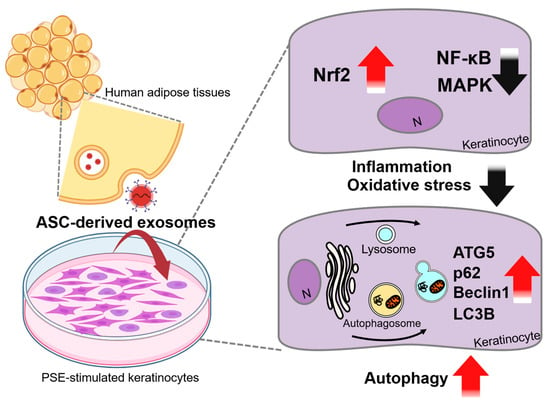
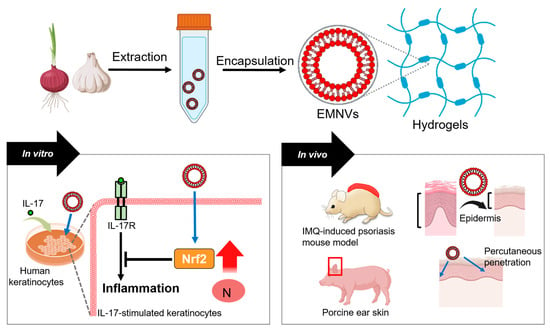
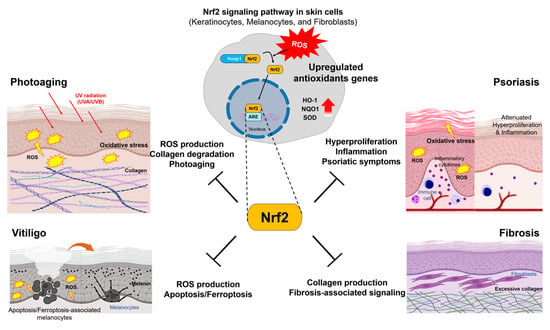
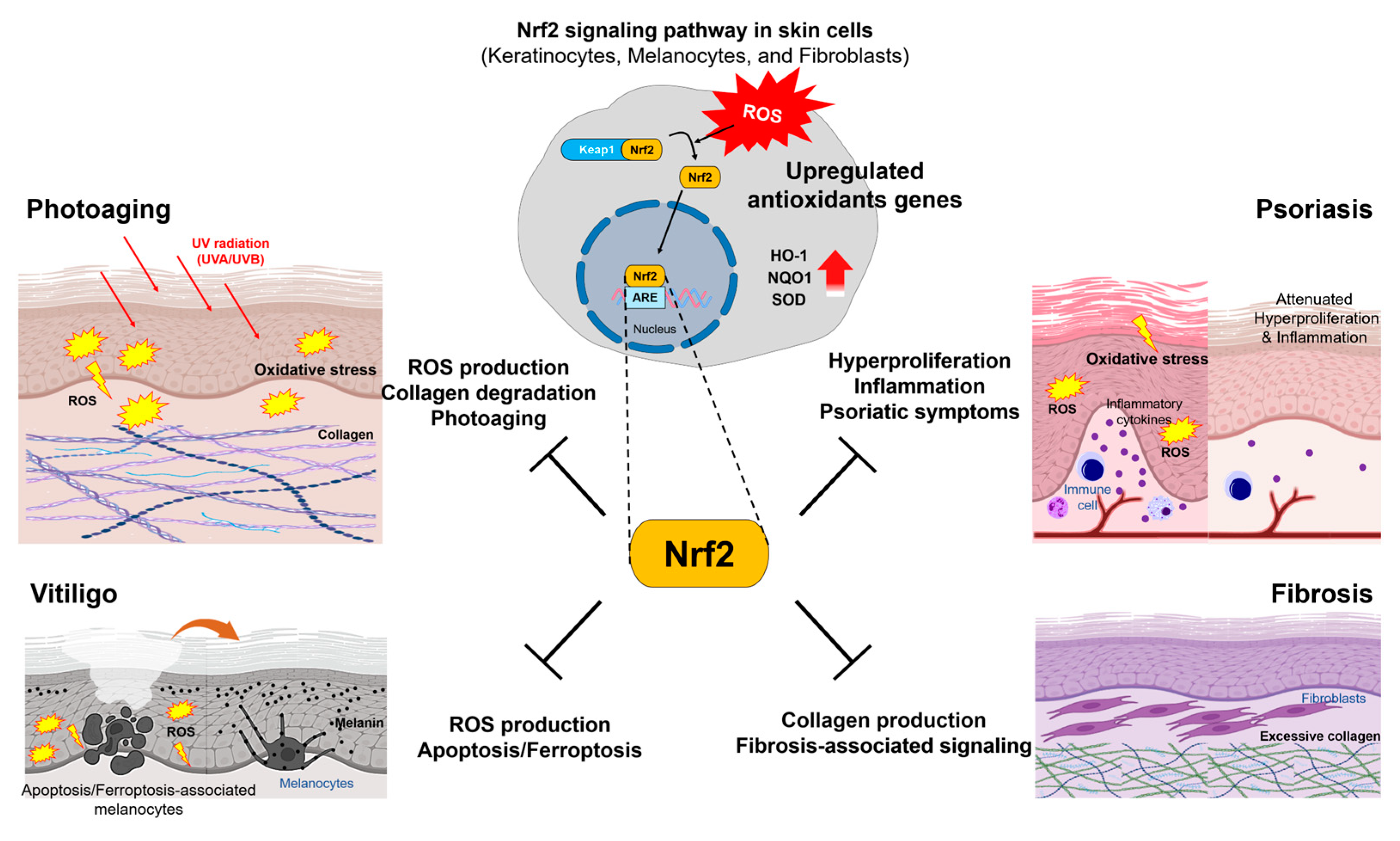
Disclaimer/Publisher’s Note: The statements, opinions and data contained in all publications are solely those of the individual author(s) and contributor(s) and not of MDPI and/or the editor(s). MDPI and/or the editor(s) disclaim responsibility for any injury to people or property resulting from any ideas, methods, instructions or products referred to in the content. |
© 2026 by the authors. Licensee MDPI, Basel, Switzerland. This article is an open access article distributed under the terms and conditions of the Creative Commons Attribution (CC BY) license.