Article

Ethanol-Related Behaviors in Mouse Lines Selectively Bred for Drinking to Intoxication
Department of Behavioral Neuroscience, Oregon Health & Science University, and VA Portland Health Care System, Portland, OR 97239, USA
*
Author to whom correspondence should be addressed.
Both authors contributed equally to this work.
Brain Sci. 2021, 11(2), 189; https://doi.org/10.3390/brainsci11020189

Submission received: 16 December 2020 / Revised: 26 January 2021 / Accepted: 27 January 2021 / Published: 4 February 2021
(This article belongs to the Special Issue The Genetics of Alcohol Use Disorder)

Abstract

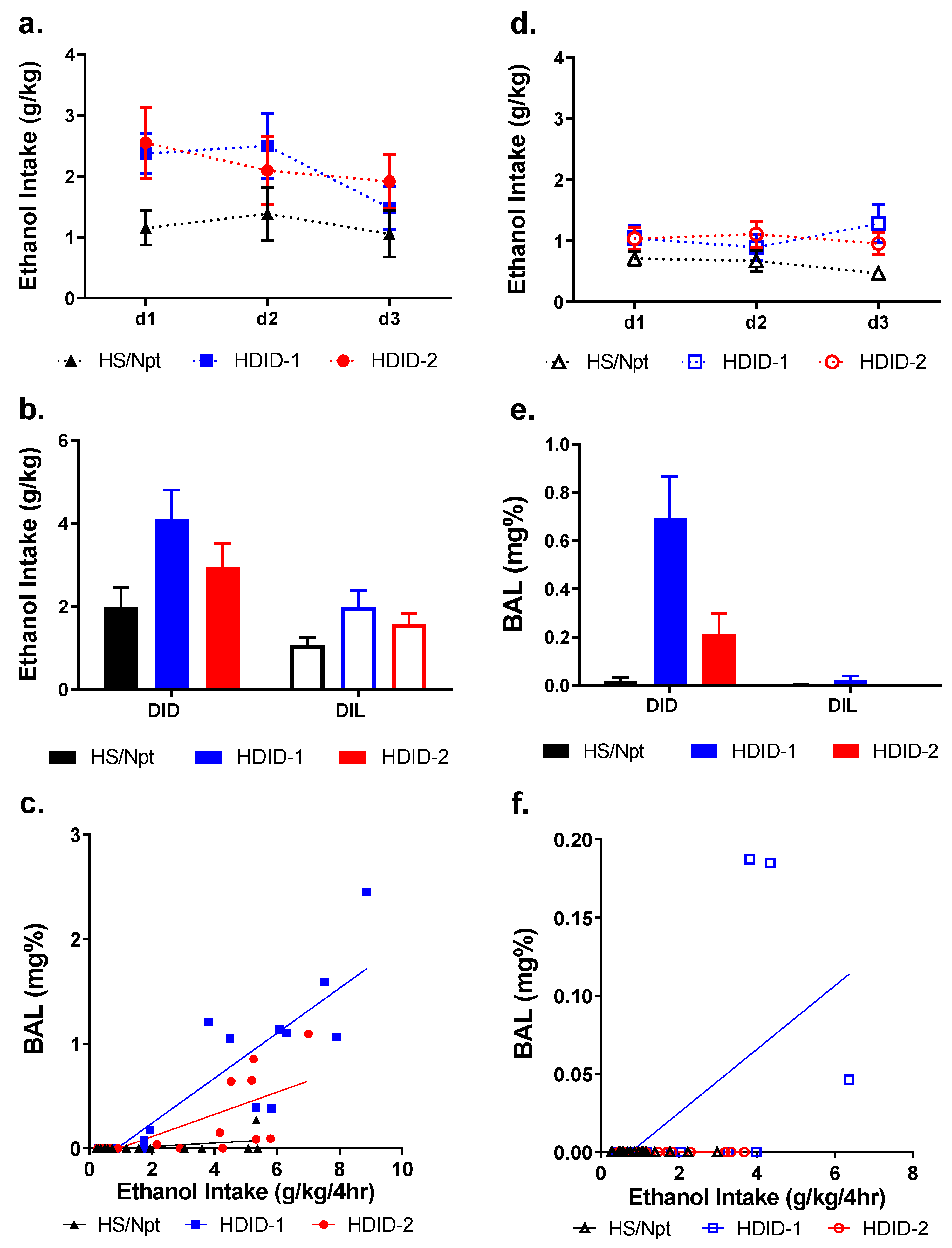
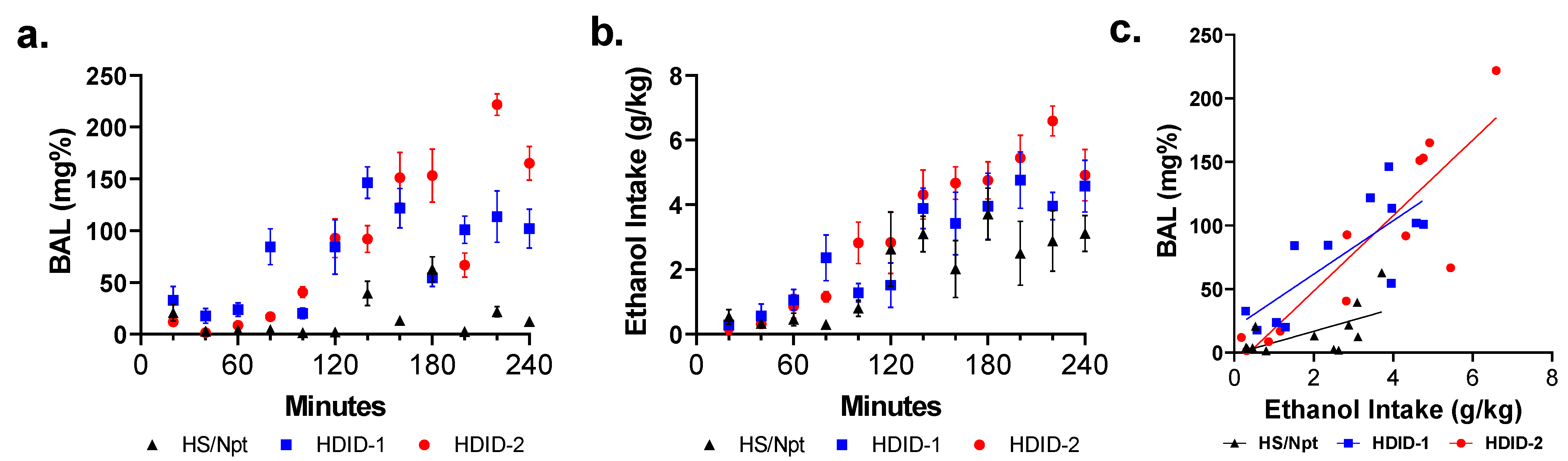
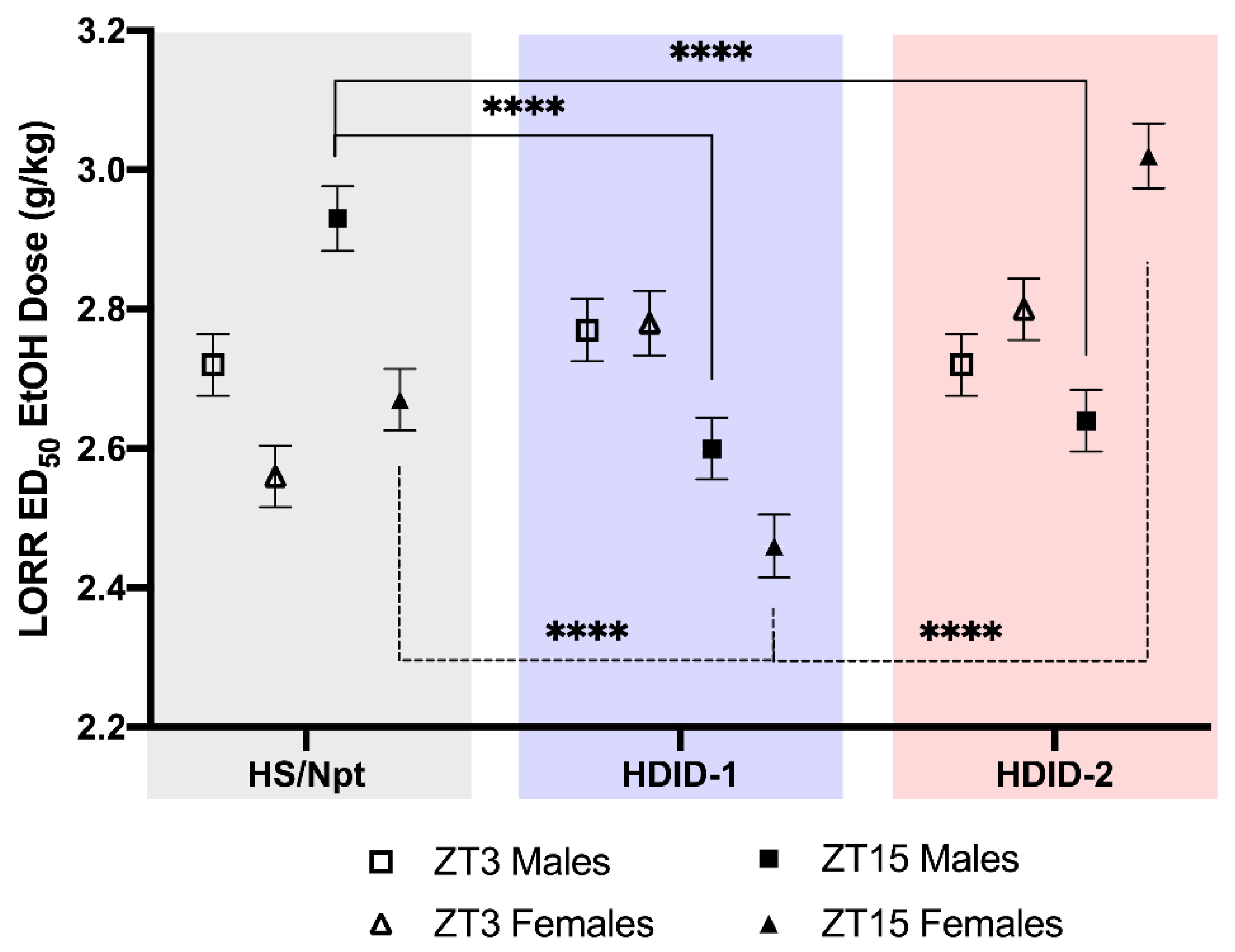
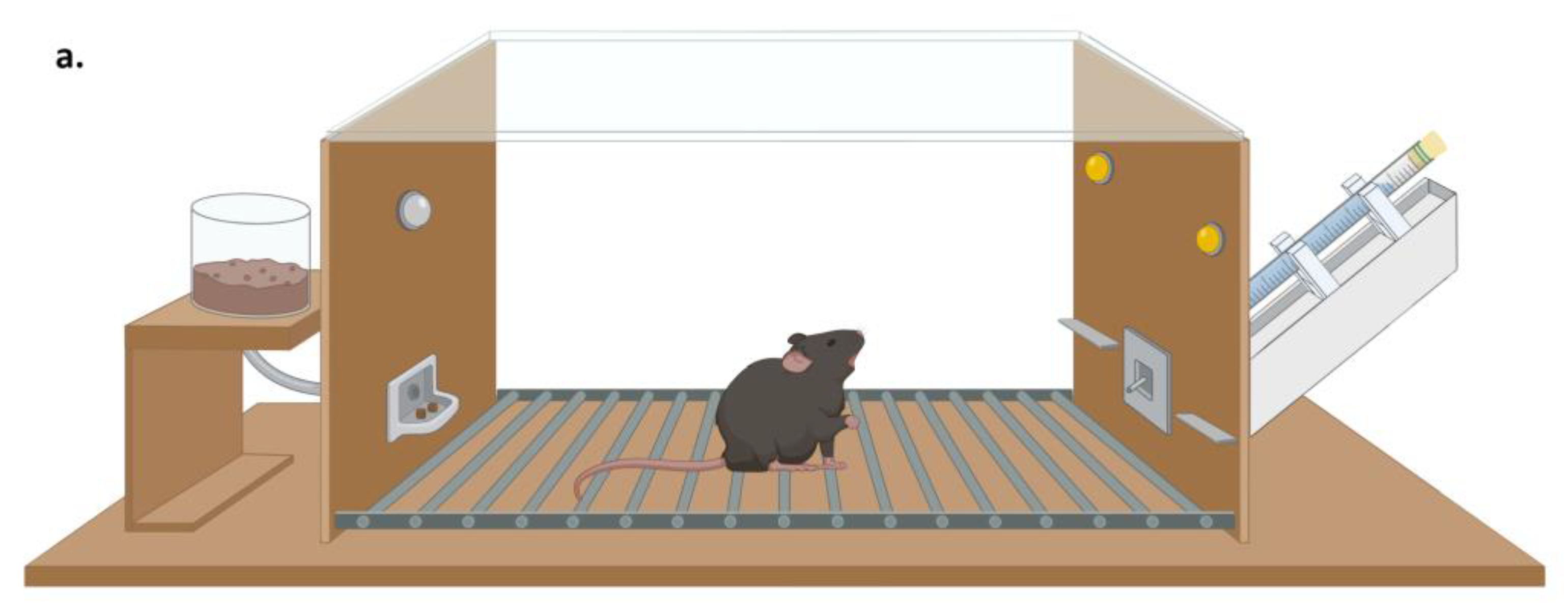
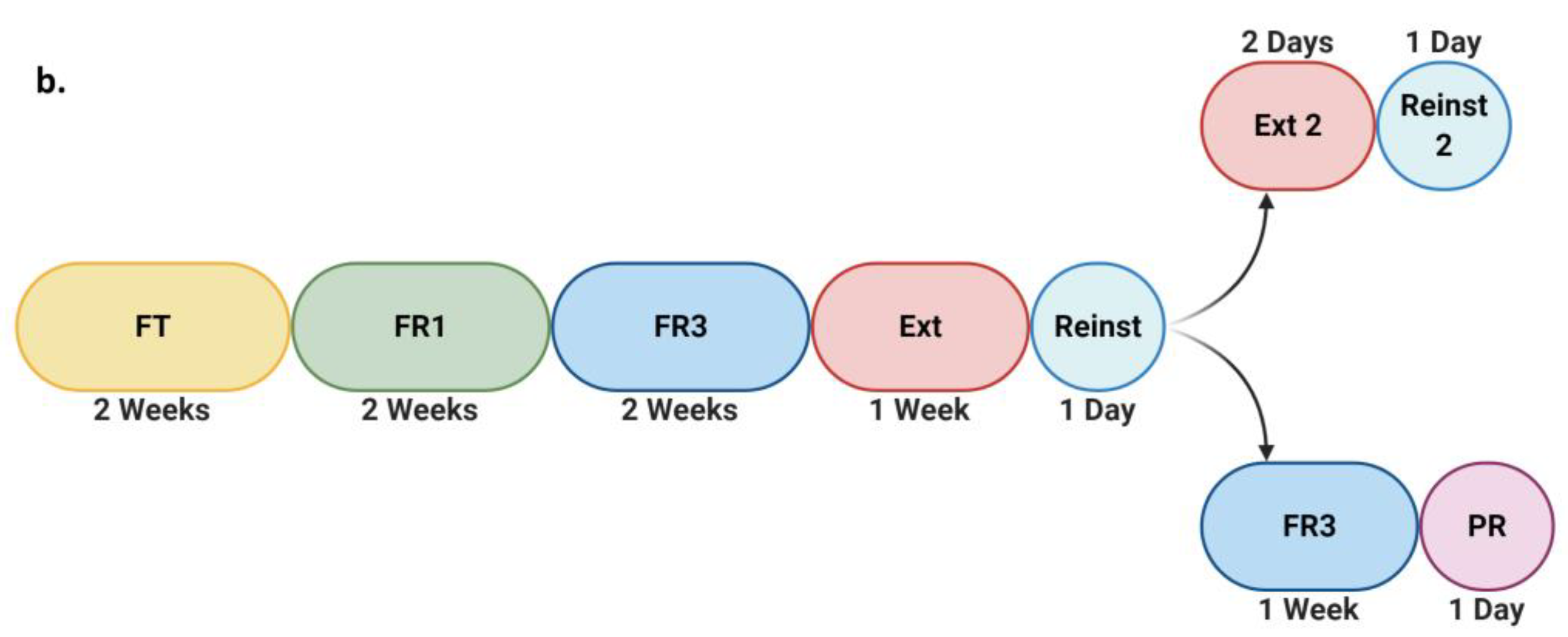
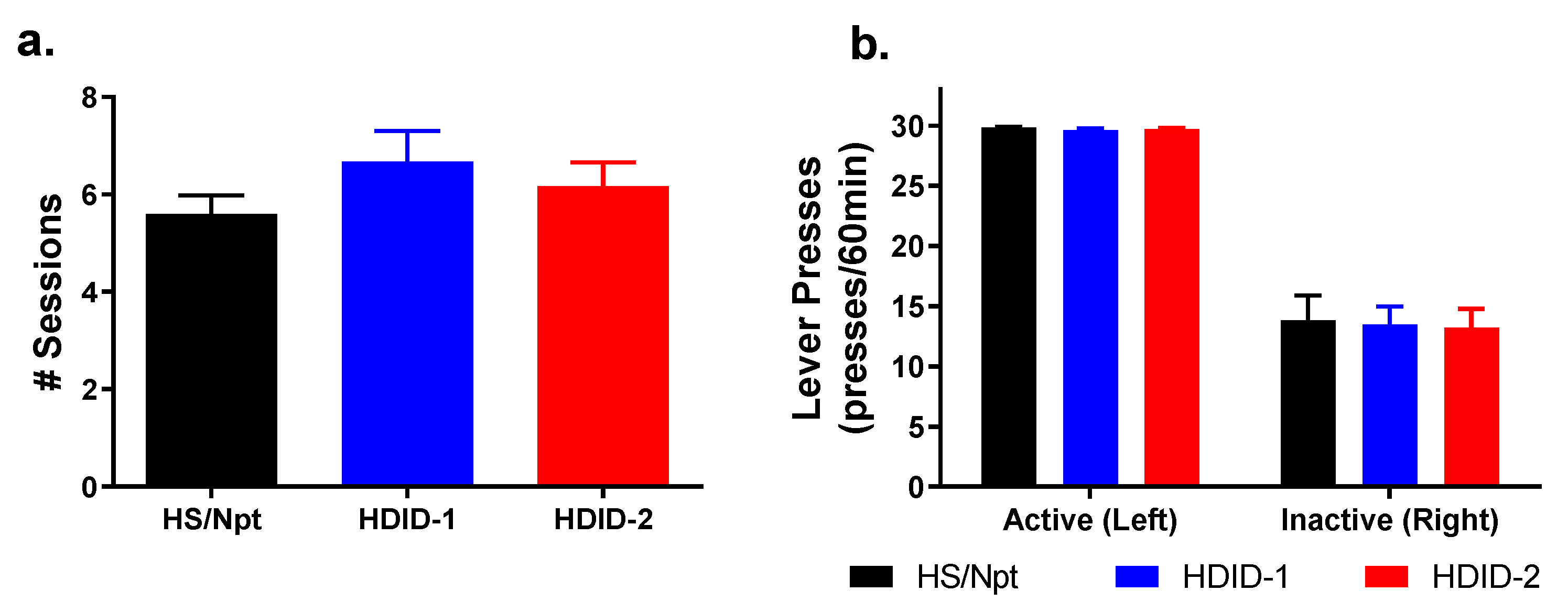
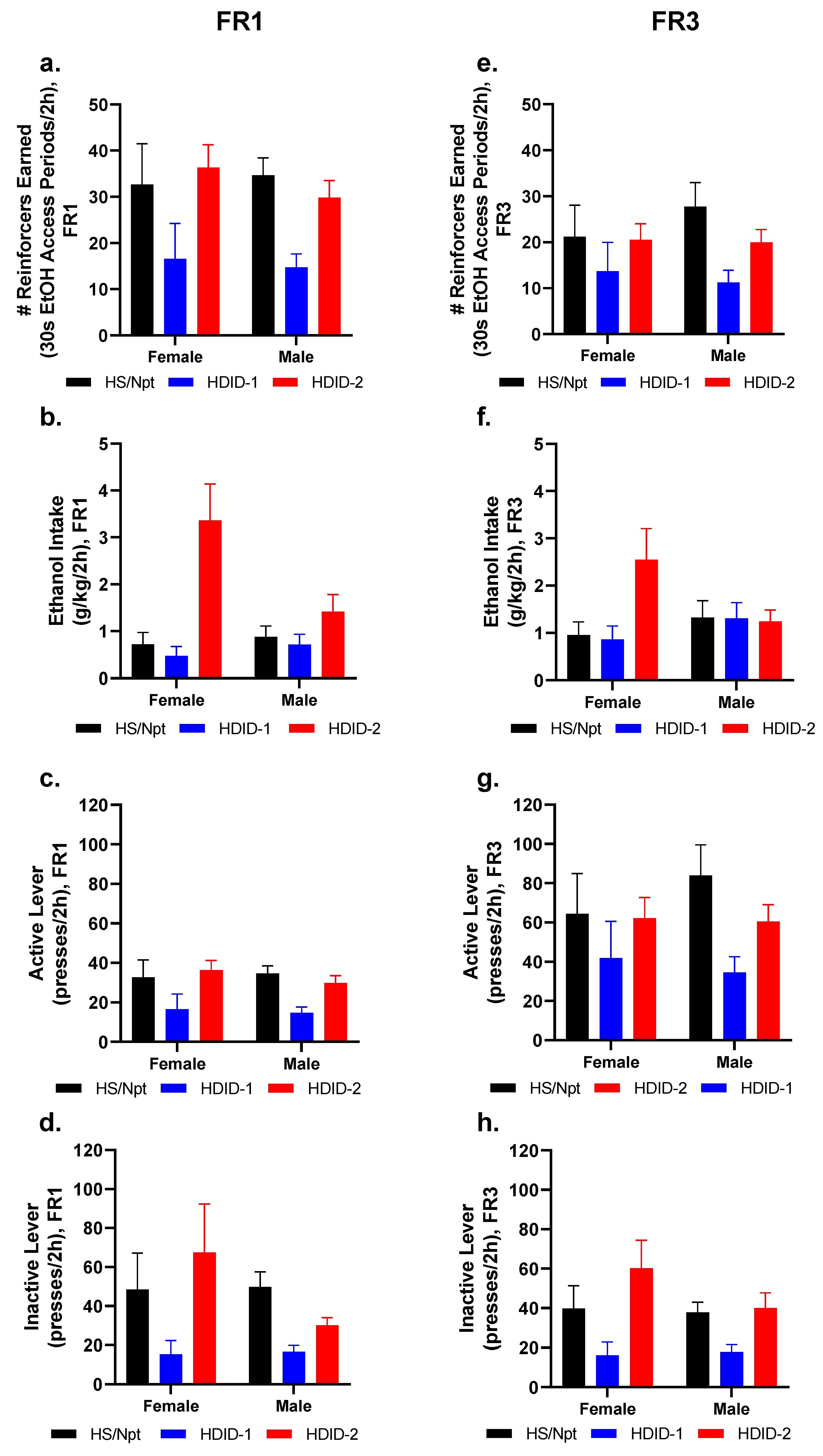
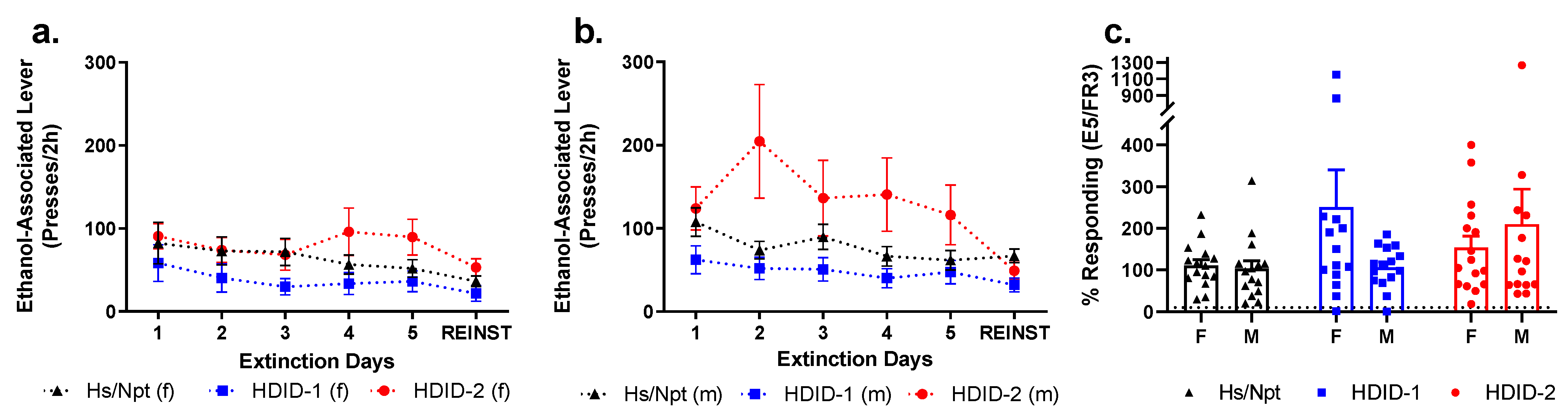
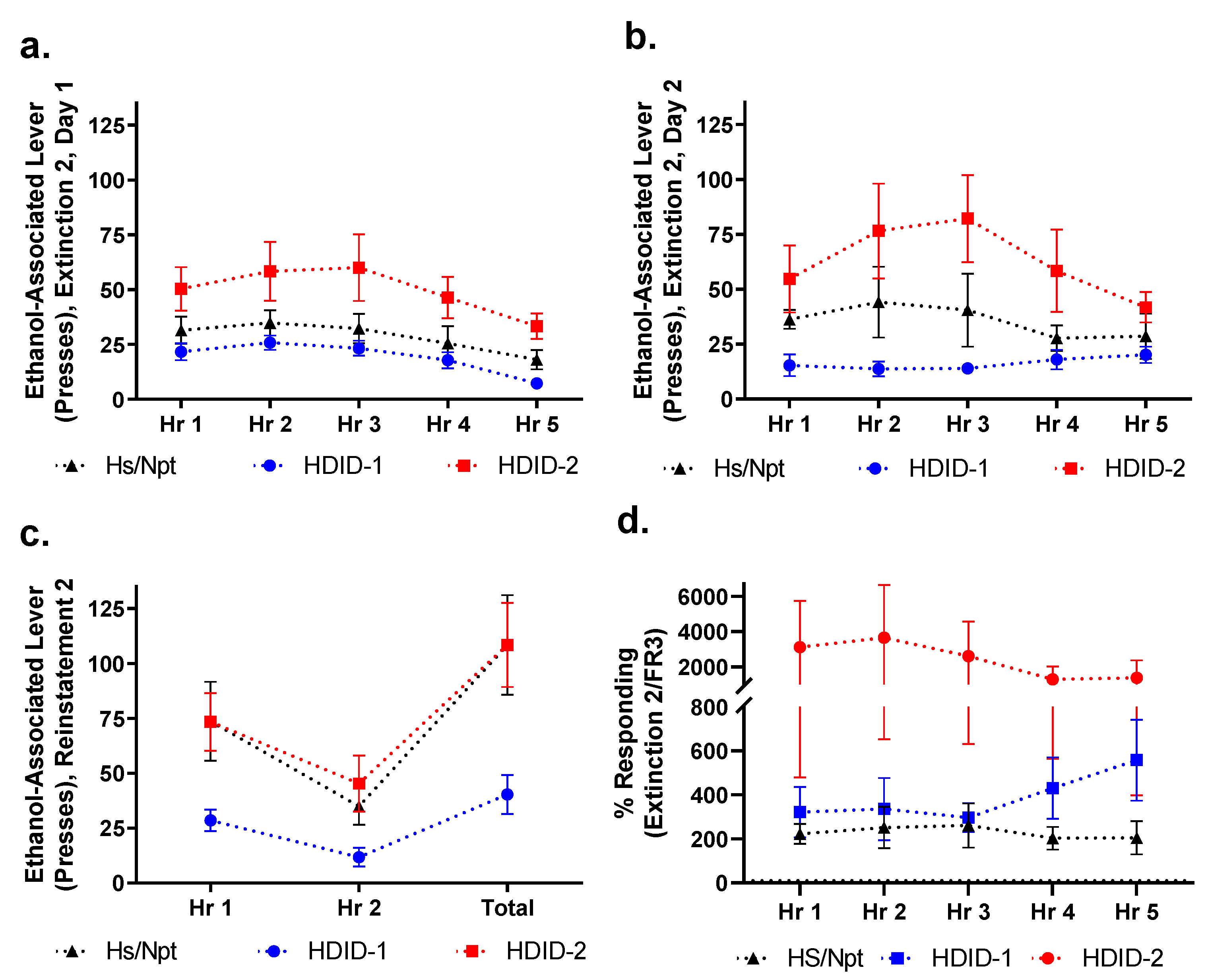
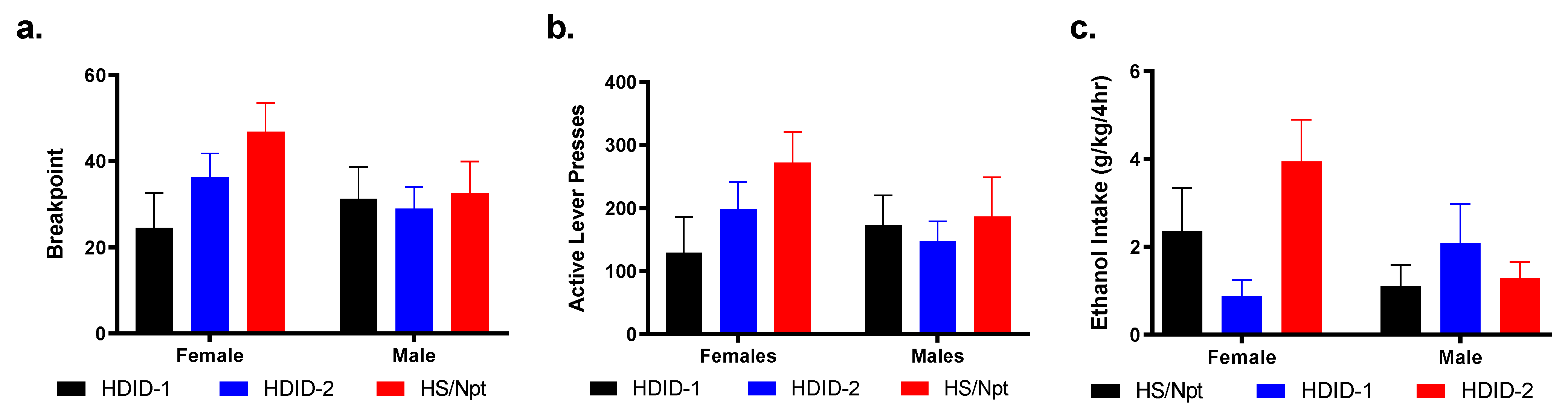
Alcohol use disorder (AUD) is a devastating psychiatric disorder that has significant wide-reaching effects on individuals and society. Selectively bred mouse lines are an effective means of exploring the genetic and neuronal mechanisms underlying AUD and such studies are translationally important for identifying treatment options. Here, we report on behavioral characterization of two replicate lines of mice that drink to intoxication, the High Drinking in the Dark (HDID)-1 and -2 mice, which have been selectively bred (20+ generations) for the primary phenotype of reaching high blood alcohol levels (BALs) during the drinking in the dark (DID) task, a binge-like drinking assay. Along with their genetically heterogenous progenitor line, Hs/Npt, we tested these mice on: DID and drinking in the light (DIL); temporal drinking patterns; ethanol sensitivity, through loss of righting reflex (LORR); and operant self-administration, including fixed ratio (FR1), fixed ratio 3:1 (FR3), extinction/reinstatement, and progressive ratio (PR). All mice consumed more ethanol during the dark than the light and both HDID lines consumed more ethanol than Hs/Npt during DIL and DID. In the dark, we found that the HDID lines achieved high blood alcohol levels early into a drinking session, suggesting that they exhibit front loading like drinking behavior in the absence of the chronicity usually required for such behavior. Surprisingly, HDID-1 (female and male) and HDID-2 (male) mice were more sensitive to the intoxicating effects of ethanol during the dark (as determined by LORR), while Hs/Npt (female and male) and HDID-2 (female) mice appeared less sensitive. We observed lower HDID-1 ethanol intake compared to either HDID-2 or Hs/Npt during operant ethanol self-administration. There were no genotype differences for either progressive ratio responding, or cue-induced ethanol reinstatement, though the latter is complicated by a lack of extinguished responding behavior. Taken together, these findings suggest that genes affecting one AUD-related behavior do not necessarily affect other AUD-related behaviors. Moreover, these findings highlight that alcohol-related behaviors can also differ between lines selectively bred for the same phenotype, and even between sexes within those same line.
Keywords: mice; drinking in the dark; selected lines; operant self-administration; ethanol; sensitivity to ethanol mice; drinking in the dark; selected lines; operant self-administration; ethanol; sensitivity to ethanol