


Abstract
Precision-targeted pollination places strict demands on flower organ detection in field environments. In field conditions, pistil detection in Siraitia grosvenorii remains difficult because the targets are small, often occluded, and require accurate localization under lightweight model constraints. To address these challenges, we develop an improved YOLOv11n-based method for Siraitia grosvenorii pistil detection in precision pollination tasks. The model incorporates SCConv, CoordAtt, and SimAM to improve feature extraction and foreground discrimination for small pistil targets in complex backgrounds. The main contribution of this work lies in task-oriented module integration and lightweight optimization for tiny pistil detection, rather than in proposing a new generic detection operator. Experiments on the self-built dataset show that the improved model achieves 82.17% mAP@0.5, 40.38% mAP@0.5:0.95, and 86.20% precision, improving upon the YOLOv11n baseline by 2.92, 2.28, and 9.84 percentage points, respectively. Recall decreases from 78.46% to 76.50%, suggesting a precision-oriented trade-off in the current setting. With only 2.89 M parameters and 7.22 GFLOPs, the model maintains a lightweight architecture while achieving improved detection performance for targeted pollination tasks. These findings support the feasibility of the proposed method for Siraitia grosvenorii pistil detection in intelligent pollination applications.
1. Introduction
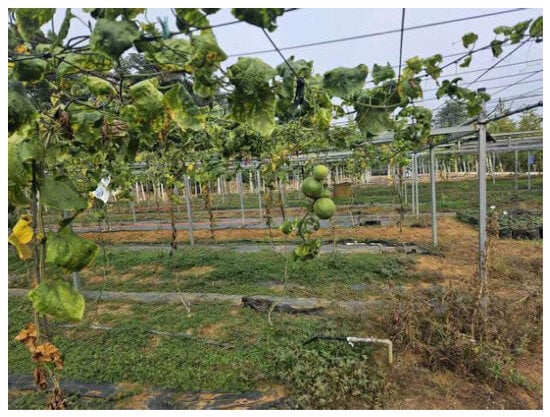
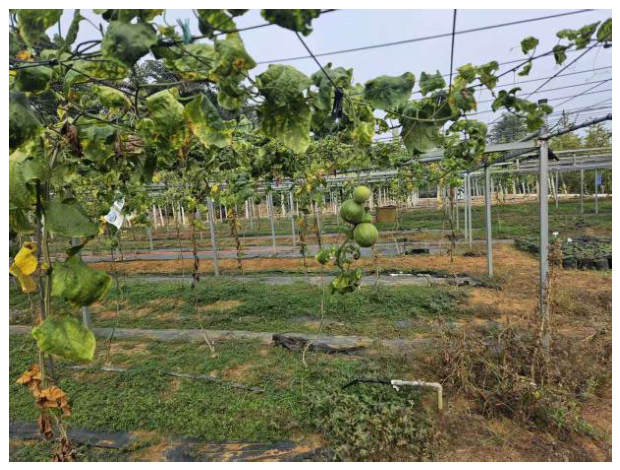
Precision agriculture has become an important technological pathway for increasing crop yield while reducing resource consumption and environmental impact, and is widely regarded as a major trend in the development of modern intelligent agriculture [1]. Among its many applications, precision-targeted pollination is of particular importance because it can reduce pollen waste and improve labor efficiency [2]. A key challenge in this process is the accurate detection and localization of targets in complex field environments, especially for pistil detection tasks, which require high detection accuracy, precise localization, and lightweight inference capability [3]. Siraitia grosvenorii (Luo Han Guo), a medicinal and edible plant of the Cucurbitaceae family, is rich in mogrosides and has broad application potential in food and pharmaceutical products [4,5]. However, because the plant is dioecious, its natural pollination efficiency is extremely low, making artificial pollination essential for stable and high-yield production. In practice, traditional manual pollination is inefficient and highly time-consuming, which has become a major bottleneck restricting industrial development [5]. A typical field trellis cultivation scenario for Siraitia grosvenorii is shown in Figure 1.
Figure 1.
Trellis cultivation mode of Siraitia grosvenorii in the field.
Vision-guided automated pollination or target-oriented spraying systems provide a feasible technical route for this task, as they rely on the accurate detection and localization of floral targets in complex field environments [6,7]. However, this task still faces multiple technical challenges that are difficult to address simultaneously. First, the target is extremely small. Under typical trellis cultivation conditions, with crop heights of 1.6–1.7 m and imaging distances of 1–2 m, the pistil usually occupies only a very limited number of pixels in field images, resulting in insufficient spatial feature representation for conventional detectors. This scale is far below the effective optimization range of conventional object detection algorithms and therefore limits their ability to represent fine-grained spatial features [8]. Second, the field background is highly complex. Dense leaves, intertwined vines, and strong illumination variations can easily cause visual confusion among pistils, calyces, and incompletely opened buds, thereby increasing the difficulty of fine-grained discrimination and creating a need for collaborative feature enhancement. In addition, precision powder spraying places strict demands on localization accuracy. Traditional attention mechanisms often rely on global pooling operations, which may lead to the loss of critical positional information and therefore are insufficient for sub-centimeter positioning-sensitive tasks. Single-dimensional feature enhancement alone is also inadequate for such requirements [9]. Furthermore, field operations require real-time inference on resource-constrained devices, which calls for optimization strategies that improve detection performance without significantly increasing computational cost [10]. More importantly, in Siraitia grosvenorii production, flowering-stage management is closely related to final fruit quality and production benefits [11]. Therefore, methods that focus only on overall detection metrics are still insufficient to fully satisfy practical production demands [12].
Existing object detection frameworks, including the YOLO series, have been widely applied in general vision tasks and have also been extended to small agricultural targets such as camellia buds [13] and apple blossoms [3]. Recent advances in artificial and intelligent pollination have increased the demand for machine vision and robotic perception in crop production, especially when natural pollination is unstable or manual pollination is labor-intensive [14,15]. Recent studies in crops such as Actinidia, tomato, apple, and cantaloupe collectively show that flower-related perception is closely tied to robotic pollination, requiring not only reliable flower or organ detection but also accurate spatial information and efficient inference under field conditions [2,3,9,16,17]. However, for Siraitia grosvenorii pistil detection in complex field environments, existing studies remain limited. Most available methods focus on flower- or organ-level detection in other crops and do not fully address the combined requirements of fine-grained small-target discrimination, positional information preservation for precise operation, and efficient lightweight inference. In addition, the effect of combining multiple enhancement modules under these task constraints has rarely been examined systematically. To address these limitations, we develop an improved YOLOv11n framework for Siraitia grosvenorii pistil detection that integrates SCConv, CoordAtt, and SimAM to improve small-target representation and positional sensitivity while maintaining a lightweight design for precision pollination tasks.
To address these challenges, this study proposes a task-oriented enhancement framework for precision pollination in Siraitia grosvenorii cultivation, focusing on the accurate detection of tiny pistils under complex orchard conditions:
- A lightweight integration scheme combining SCConv and CoordAtt is developed for the YOLOv11n architecture. By improving feature reconstruction and positional encoding, the proposed design enhances the representation of tiny pistil targets in cluttered orchard backgrounds.
- Systematic ablation experiments are conducted to evaluate the independent and combined effects of different modules. The results show that the proposed integration strategy improves detection performance while maintaining a relatively lightweight model scale.
- The role of SimAM is further examined within the three-module configuration from an application-oriented perspective. The results suggest that adding SimAM shifts the final model toward a more precision-oriented operating point, which is more relevant to reducing unnecessary pollination operations in targeted pollination tasks, although Recall for weak, occluded, or low-contrast targets still requires further improvement.
2. Materials and Methods
2.1. Dataset Construction
The dataset used in this study was a proprietary field dataset specifically constructed for the Siraitia grosvenorii pistil detection task. Images were collected from June to July 2025 at a standardized cultivation base in Guilin, Guangxi, China (25°16′ N, 110°17′ E), using an Intel RealSense® D435i camera (Intel Corporation, Santa Clara, CA, USA). During data acquisition, the depth sensor was configured with auto exposure and pixel alignment enabled, whereas the RGB sensor had auto exposure, auto white balance, and hole filling disabled. The acquisition frame rate was set to 30 fps. To ensure a consistent input specification while preserving the spatial relationships among targets as much as possible, all images were resized to a 640 × 640 three-channel RGB format prior to training.
After image screening and annotation quality control, the final dataset contained 1128 images, which were divided into the training, validation, and test sets at an approximate ratio of 8:1:1, with 901, 112, and 115 images, respectively. The dataset comprised a total of 2575 annotated bounding boxes, including 2056 in the training set, 259 in the validation set, and 260 in the test set. The average numbers of instances per image in the training, validation, and test sets were 2.28, 2.31, and 2.26, respectively, with an overall average of 2.28.
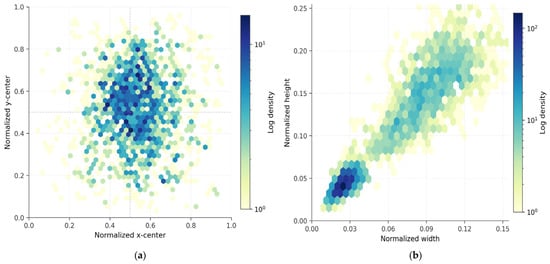
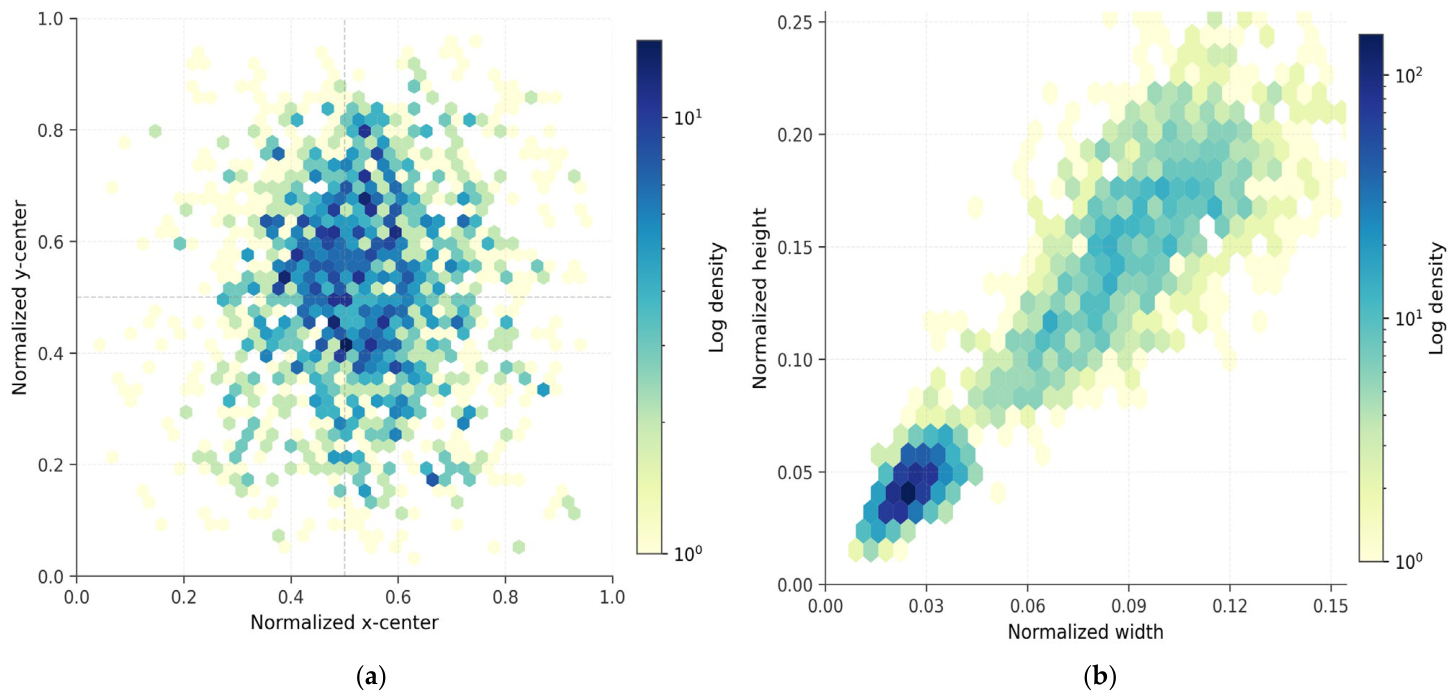
During the annotation process, the Labeling tool (v1.8.6) was used to annotate three target categories, namely pistil, flower with visible pistil, and flower without visible pistil, corresponding to class indices 0, 1, and 2, respectively, while all remaining regions were treated as background. The annotation files were stored in JSON format to ensure consistency in the dataset structure. To further characterize the dataset, the distributions of target center locations and bounding box scales in the training and validation sets are presented in Figure 2.
Figure 2.
Statistical distribution of annotated targets in the dataset: (a) spatial distribution of target center positions; (b) distribution of normalized bounding-box width and height.
The training set contained approximately 970 pistil instances, 960 flowers with visible pistil instances, and 140 flowers without visible pistil instances. Overall, the normalized widths and heights of the annotated targets were mainly concentrated within a relatively small range, indicating that the dataset was dominated by small-sized targets. Meanwhile, the target centers were primarily distributed in the central region of the images, exhibiting a certain degree of spatial concentration, which is consistent with the actual imaging characteristics of the Siraitia grosvenorii pistil acquisition task under field conditions.
2.2. YOLOv11n Network Architecture Design and Feature Enhancement Module Integration for Siraitia grosvenorii Pistil Detection
2.2.1. Overall Network Architecture
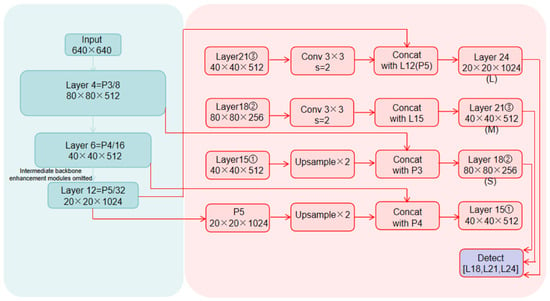
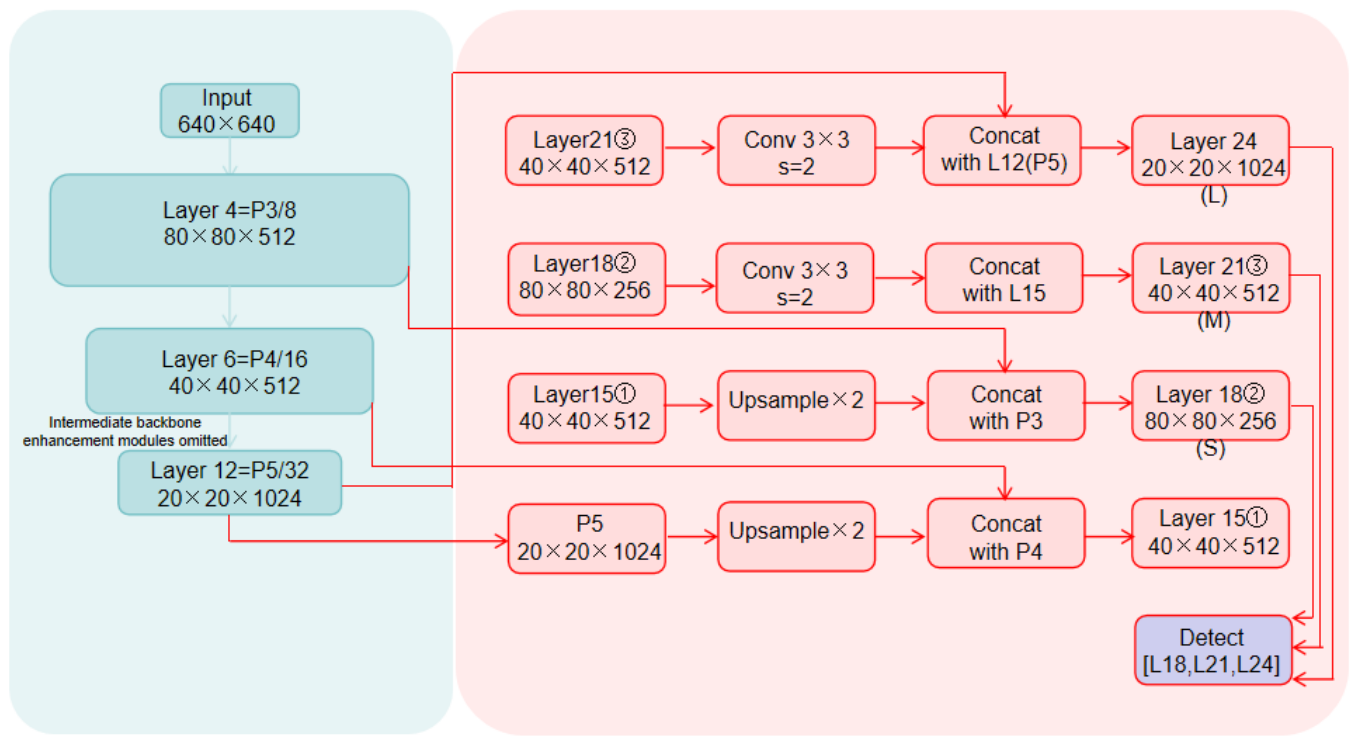
As shown in Figure 3, the improved model preserves the overall YOLOv11n architecture, including the backbone, feature fusion network, and detection head, while introducing targeted modifications to the backbone and head to strengthen intermediate/high-level feature representation and multi-scale feature fusion. Through progressive downsampling, the backbone produces three feature maps, P3/8, P4/16, and P5/32, corresponding to shallow detail features, intermediate structural features, and deep semantic features, respectively.
Figure 3.
Architecture of the improved YOLOv11n network with bidirectional multi-scale feature fusion in the detection head. Arrows indicate the direction of feature flow. The layer numbers denote the corresponding network stages/layer indices, and the numbers inside each block indicate the feature-map resolution and channel dimensions. Circled numerals (①–③) indicate the carry-over of the same intermediate feature maps between adjacent fusion stages.
In the backbone, CoordAtt and SimAM are inserted after the P4-stage C3k2 block to improve positional encoding and suppress background interference in intermediate features. CoordAtt encodes long-range information along the horizontal and vertical directions, which helps preserve positional cues for small-target localization. SimAM is used to enhance discriminative responses and suppress redundant background activations, which may help reduce the interference of complex backgrounds on small pistil targets. At the P5 stage, where features contain richer semantics but less detail, the C3k2_SCConv module is introduced to reduce feature redundancy and strengthen the joint representation of semantic and local structural information. Meanwhile, SPPF and C2PSA help maintain broad contextual information in high-level features, which is beneficial for subsequent multi-scale fusion. Placed at the P4 and P5 stages, these modules are intended to complement intermediate positional cues and deeper semantic features, which is expected to benefit Siraitia grosvenorii pistil detection under complex background conditions.
In the detection head, a bidirectional feature fusion strategy combining top-down and bottom-up pathways is adopted to promote interaction across scales. Layer12 (20 × 20 × 1024) is first upsampled by a factor of 2 and concatenated with the P4 feature map from the backbone to generate Layer15 (40 × 40 × 512). Layer15 is then upsampled to 80 × 80 and fused with the P3 feature map to obtain Layer18 (80 × 80 × 256), which serves the small-target detection branch. Next, Layer18 is downsampled using a 3 × 3 convolution with stride 2 and concatenated with Layer15 to form Layer21 (40 × 40 × 512) for medium-scale detection. Finally, Layer21 is further downsampled to 20 × 20 and fused with the high-level feature from Layer12. After optimization by C3k2_SCConv, Layer24 (20 × 20 × 1024) is obtained as the input to the large-target detection branch. The detection head ultimately outputs three feature maps, [L18, L21, L24], corresponding to the small-, medium-, and large-scale detection layers.
Although some feature maps in the detection head share the same or similar spatial resolutions, they serve different roles in the fusion pathway. For example, both Layer15 and Layer21 are 40 × 40 feature maps, but Layer15 is an intermediate node in the top-down pathway, whereas Layer21 is formed in the bottom-up branch for medium-scale detection. Similarly, both Layer12 and Layer24 are 20 × 20 feature maps, but the former is a high-level semantic feature from the backbone, while the latter is the refined output of the detection head after cross-scale fusion and structural optimization. Therefore, these feature maps are not redundant repetitions but complementary representations generated at different stages for different detection functions. Overall, the modified backbone and detection head are designed to improve the interaction between shallow detail features and deep semantic features, which is expected to benefit the recognition and localization of small pistil targets in complex backgrounds.
2.2.2. Integration of Spatial and Channel Reconstruction Convolution into the P5 and Head Layers (C3k2_SCConv)
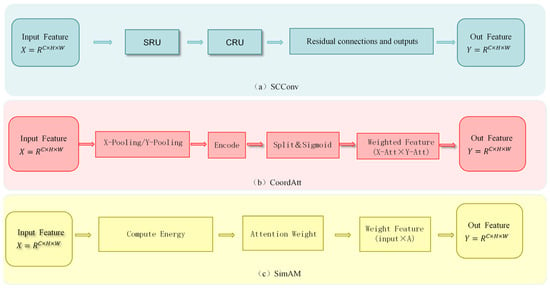
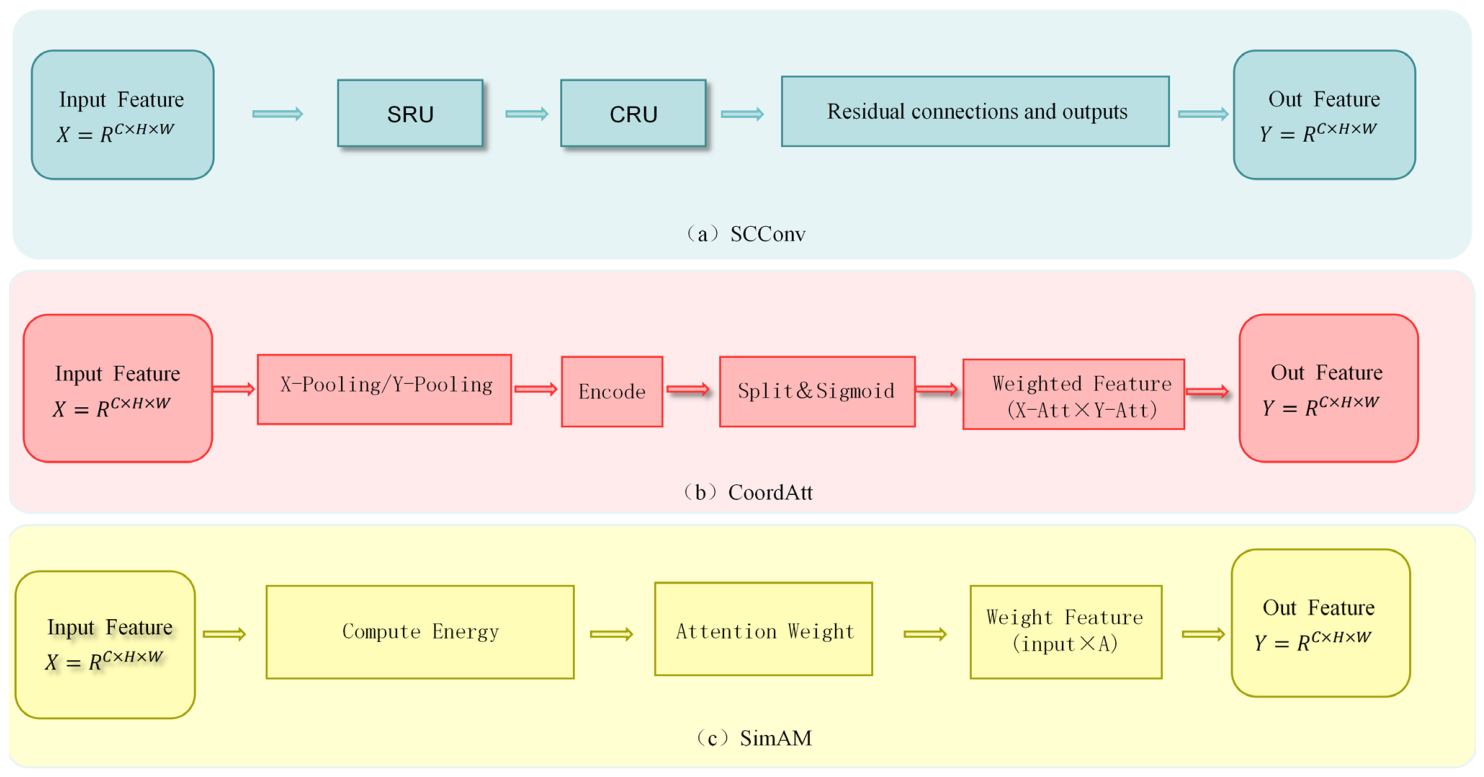
To alleviate the detection bottleneck in the P5 layer, where semantic information is strong but fine-grained details of extremely small objects are insufficient, SCConv is embedded into the native C3k2 block of YOLOv11n to form the composite C3k2_SCConv module. This module is deployed at two critical nodes. First, it is introduced into the main P5 feature layer to reconstruct deep semantic features while preserving the subtle details of tiny objects. Second, it is incorporated into the head fusion layer to further optimize the fusion results between P5 features and upsampled features. The module follows the serial design principle of SCConv, namely spatial reconstruction followed by channel reconstruction [18], while retaining shortcut residual connections to ensure stable feature flow. By suppressing spatial redundancy and refining channel-wise feature responses, the proposed module improves the semantic–detail compatibility of P5 features while reducing computational overhead, thereby better satisfying the feature representation requirements of tiny-object detection. The workflow of the proposed C3k2_SCConv module is illustrated in Figure 4a.
Figure 4.
Schematic diagram of the working principle of the core enhancement modules: (a) the workflow of Spatial and Channel Reconstruction Convolution (SCConv); (b) the structure of Coordinate Attention (CoordAtt) module; (c) the calculation process of Simple Parameter-Free Attention Module (SimAM). Arrows indicate the processing flow within each module.
2.2.3. Integration of P4 Layer Coordinate Attention (CoordAtt)
To address positional information loss caused by global pooling in traditional attention mechanisms, CoordAtt was introduced into the P4 feature map corresponding to the C3k2 block in the backbone [10]. This module preserves positional information through axial encoding. In this study, the feature compression ratio was set to , such that the 512-channel input of the P4 feature map was compressed to 16 channels through 1 × 1 convolutions, thereby generating direction-aware attention maps. These maps were then applied to the original P4 features through element-wise weighting and fusion to produce position-sensitive feature representations. This integration strengthens the positional constraints for tiny targets and provides a more reliable basis for subsequent feature refinement. The structure of the CoordAtt module is illustrated in Figure 4b.
2.2.4. Parameter-Free Attention Integration in P4 Layer (SimAM)
To enhance the discrimination of tiny targets against complex backgrounds while preserving the lightweight nature of YOLOv11n, SimAM [19] was integrated into the backbone to directly process the CoordAtt-enhanced P4 features. This parameter-free attention mechanism introduces no additional learnable parameters and is designed to refine the neural responses of P4 features after positional enhancement while suppressing background noise, such as leaf textures. SimAM derives three-dimensional attention weights through an energy function that captures target-specific responses across both channel and spatial dimensions. By applying these weights to the P4 features through element-wise modulation, the module generates refined feature representations with improved target–background discrimination, thereby providing more precise support for subsequent detection. The computational process of the SimAM module is illustrated in Figure 4c.
2.3. Data Augmentation Strategy Design
To improve the robustness of the model for detecting small Siraitia grosvenorii pistil targets under conditions involving complex backgrounds, illumination variation, partial occlusion, and scale changes, four comparative data augmentation strategies were designed in this study, namely no augmentation, basic augmentation, adopted augmentation, and enhanced augmentation. The purpose of this design was to quantitatively evaluate the effects of different augmentation intensities on feature preservation capability and detection performance, thereby providing a basis for selecting a more suitable data augmentation scheme for subsequent model training.
Specifically, the no-augmentation strategy involved only standard preprocessing, without introducing any additional perturbations. The basic augmentation strategy incorporated conventional image transformations, including random rotation (−15° to 15°), brightness adjustment (±20%), and horizontal flipping. On the basis of basic augmentation, the Adopted Augmentation strategy further introduced targeted operations more suitable for small-object detection, including Mosaic augmentation (probability = 1.0), Mixup augmentation (probability = 0.1), HSV color-space perturbation, local blur perturbation, and random scaling within the range of 0.8–1.2. The enhanced augmentation strategy further increased the perturbation intensity on the basis of the Adopted Augmentation strategy by introducing complex background blending, stronger brightness perturbation, and Copy–Paste augmentation.
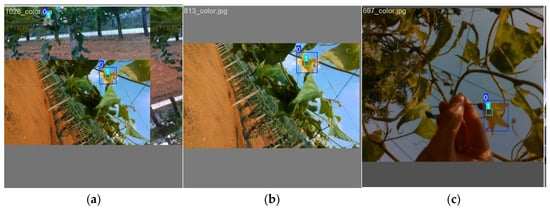
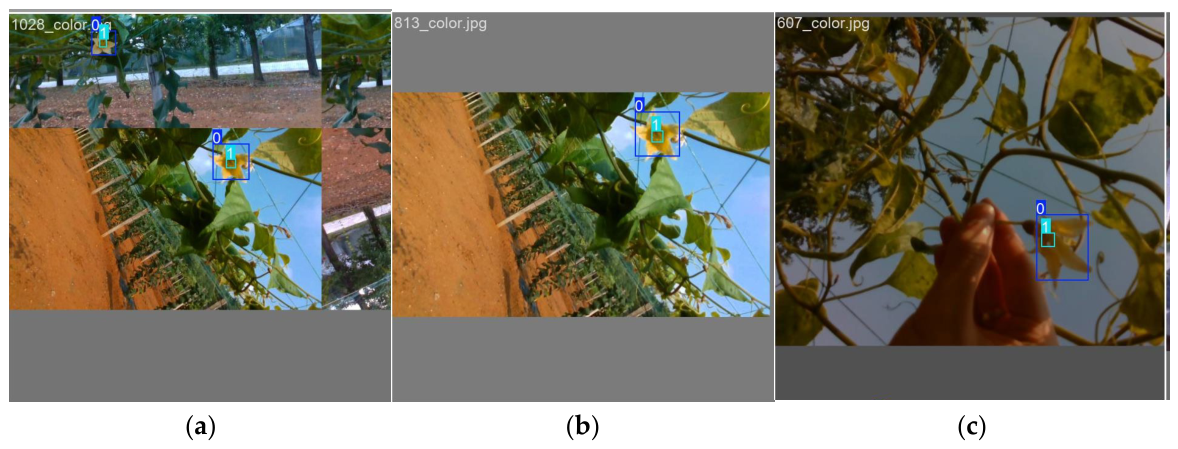
The parameter settings of different augmentation strategies are listed in Table 1, and examples of the Adopted Augmentation strategy are shown in Figure 5.
Table 1.
Parameter settings of different data augmentation strategies.
Figure 5.
Representative visual examples of augmented training samples under the adopted data augmentation strategy: (a) mosaic augmentation; (b) geometric transformation with random rotation/scaling; and (c) color perturbation with brightness and hue/saturation adjustment. The blue bounding boxes indicate annotated objects, and the numbers denote class IDs in the dataset labels. The gray padded regions are background areas introduced during augmentation to preserve a uniform input size and do not affect scientific understanding.
By comparing the above augmentation settings, this study aimed to identify a data augmentation scheme that could achieve a more favorable balance between feature diversity and feature fidelity, thereby supporting subsequent model training. The corresponding comparative experimental results are presented in Section 3.1.
2.4. Training Configuration
All experiments were implemented within the Ultralytics framework. The deep learning environment consisted of PyTorch 2.7.0 and torchvision 0.22.0. The computing platform included a 13th Gen Intel® Core™ i7-13620H CPU, an NVIDIA GeForce RTX 4060 Laptop GPU with 8 GB of VRAM, 16 GB of RAM, and the Microsoft Windows 11 Pro operating system. The main software dependencies included NumPy 1.26.4, scikit-learn 1.4.2, ultralytics 8.3.9, and opencv-python 4.8.1.
In this study, YOLOv11n, a lightweight detector suitable for resource-constrained deployment scenarios, was selected as the baseline model. The total number of training epochs was set to 200, and the batch size was set to 4. To reduce the risk of overfitting, an early stopping mechanism was introduced during training, with the patience parameter set to 50; that is, training was automatically terminated when the validation-set mAP@0.5 failed to improve for 50 consecutive epochs.
Model parameter optimization was performed using the AdamW optimizer, with an initial learning rate of 1 × 10⁻³. A cosine annealing learning-rate schedule was adopted to gradually decay the learning rate to 1 × 10⁻⁵. Meanwhile, to suppress parameter redundancy and improve model generalization, the L2 weight decay coefficient was set to 5 × 10⁻⁴. The specific settings of the data augmentation strategies are described in Section 2.3. Unless otherwise stated, subsequent experiments adopted the Adopted Augmentation configuration determined from the comparative results in Section 3.1.
2.5. Evaluation Methods
The detection performance was evaluated using precision (P), recall (R), average precision (AP), mAP@0.5, and mAP@0.5:0.95. Precision and recall are defined as
For the -th class, the average precision is computed from the area under the precision–recall curve:
The mAP at an IoU threshold of 0.5 is defined as
Following the COCO evaluation protocol, mAP@0.5:0.95 is calculated by averaging AP over 10 IoU thresholds from 0.50 to 0.95 with a step of 0.05:
where , , and denote true positives, false positives, and false negatives, respectively; is the number of classes; and denotes the AP of class at IoU threshold .
3. Results
3.1. Preliminary Optimization Experiments
3.1.1. Comparison of Data Augmentation Strategies
To determine an appropriate data augmentation scheme for the Siraitia grosvenorii pistil detection task, a comparative evaluation was conducted under the same training configuration for the four augmentation strategies defined in Section 2.3. The results are presented in Table 2.
Table 2.
Comparison of detection performance of different data augmentation strategies under the same training settings. Best values in each metric are shown in bold.
As shown in Table 2, among the four data augmentation configurations, the Adopted Augmentation strategy achieved the best overall detection performance. In terms of mAP@0.5, the Adopted Augmentation strategy reached 82.17%, representing improvements of 15.47, 12.52, and 6.83 percentage points over no augmentation, basic augmentation, and enhanced augmentation, respectively. These results indicate that this strategy can better preserve the key discriminative features of small targets while enriching variations in sample appearance, thereby effectively improving detection performance.
For mAP@0.5:0.95, the Adopted Augmentation strategy likewise achieved the best result, reaching 40.38%, which was 6.63, 6.00, and 1.54 percentage points higher than those obtained with no augmentation, basic augmentation, and enhanced augmentation, respectively. This suggests that the Adopted Augmentation strategy still maintains favorable robustness and localization capability under stricter multi-IoU-threshold evaluation criteria, making it more suitable for small-target detection tasks such as Siraitia grosvenorii pistil detection, which require fine-grained recognition and precise localization.
In terms of Precision, the Adopted Augmentation strategy also achieved the highest value, reaching 86.20%, which was 19.17, 13.27, and 15.20 percentage points higher than those of no augmentation, basic augmentation, and enhanced augmentation, respectively. This indicates that the strategy can more effectively suppress false detections caused by complex backgrounds and similar interfering objects, thereby improving the accuracy of model discrimination.
For Recall, the enhanced augmentation strategy achieved the highest value of 77.09%, which was only 0.59 percentage points higher than that of the Adopted Augmentation strategy (76.50%). However, its Precision was only 71.00%, which was markedly lower than the 86.20% achieved by the Adopted Augmentation strategy. This suggests that although stronger augmentation perturbations may help improve target coverage to a certain extent, they may also introduce more false positives, thereby weakening the overall detection quality of the model.
Overall, the Adopted Augmentation strategy achieved a more favorable balance among mAP@0.5, mAP@0.5:0.95, Precision, and Recall. Therefore, this strategy was adopted as the default data augmentation configuration in the subsequent experiments.
3.1.2. Sensitivity Analysis of Key Hyperparameters
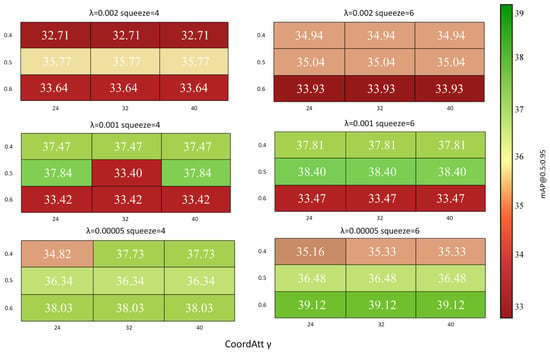
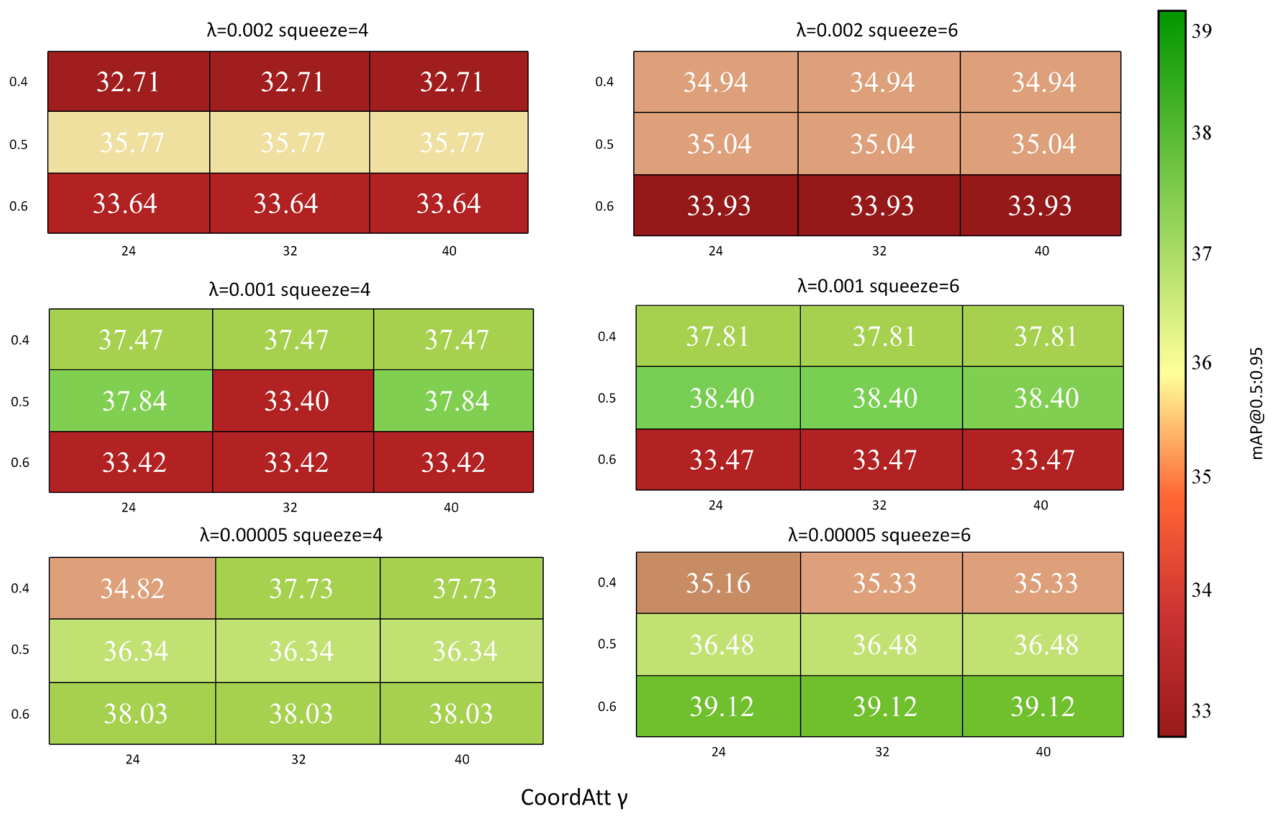
Siraitia grosvenorii flower pistils represent a typical ultra-small target with fine-grained features and weak discriminative power. The default hyperparameters of existing modules, which are often optimized for general detection scenarios, frequently suffer from insufficient feature representation or poor training convergence. As shown in Figure 6, the effects of different parameter combinations on detection performance were systematically compared.
Figure 6.
The effect of internal parameters of different modules on mAP@0.5:0.95.
- (1)
- Hyperparameter Analysis of the SimAM Module
As a lightweight attention mechanism, the regularization coefficient in SimAM affects the suppression strength of feature responses and thereby influences the model’s discriminative capability. According to the heatmap results, the model howed relatively poor performance when = 0.002, whereas both = 0.001 and = 0.00005 achieved clearly better results across most parameter combinations. Considering the configuration ultimately adopted in this study of = 0.5 and = 0.001 yielded higher and more stable mAP@0.5:0.95 performance, reaching 38.40% when squeeze = 6. In contrast, although = 0.00005 roduced a higher score under certain parameter combinationst in some parameter combinations, this advantage mainly occurred when = 0.6 and did not align with the formal configuration used in the subsequent experiments. Therefore, = 0.001 was selected as the default SimAM hyperparameter in this study.
- (2)
- Hyperparameter Analysis of the CoordAtt Module
The channel reduction ratio in CoordAtt reflects the trade-off between positional information retention and channel compression. Overall, the effect of on mAP@0.5:0.95 was relatively limited, as the model exhibited only minor variations across many parameter combinations when = 24, 32, and 40. However, noticeable fluctuations were still observed under several specific settings, indicating that the influence of γ depended more on its interaction with other module parameters than on a simple monotonic trend. Since = 32 represents an intermediate value and provides a balanced compromise between positional information retention and compression efficiency, it was adopted as the default setting in the subsequent experiments.
- (3)
- Hyperparameter Analysis of the Channel Splitting Ratio in the SCConv Module
The channel splitting ratio in SCConv determines the grouping strategy of feature channels and further affects the balance between feature diversity and feature integrity. According to the experimental results, = 0.4 generally resulted in relatively lower performance. In contrast, although = 0.6 produced higher scores under certain parameter combinations, its performance was more sensitive to changes in the other parameters and exhibited larger overall fluctuations. Compared with these two settings, = 0.5 showed better stability across multiple parameter combinations while consistently achieving competitive mAP@0.5:0.95 results. Therefore, considering performance stability, parameter compatibility, and consistency with the subsequent experiments, = 0.5 was ultimately selected as the working configuration of SCConv, rather than being characterized as the unique global optimum.
- (4)
- Hyperparameter Analysis of the Squeeze Ratio in the SCConv Module
The squeeze ratio in SCConv controls the degree of channel compression and affects the sparsity of feature reconstruction. The results indicate that its influence on model performance was condition-dependent. Under the configuration ultimately adopted in this study, squeeze = 6 performed no worse than squeeze = 4 across most of the better-performing parameter combinations and achieved a higher mAP@0.5:0.95 when = 0.001. Although squeeze = 6 did not show an absolute advantage under every parameter combination, it exhibited a higher performance upper bound around the final selected configuration. Therefore, squeeze = 6 was adopted as the default setting in the subsequent experiments.
- (5)
- Determination of the Optimal Hyperparameter Combination
Based on the above sensitivity analysis, a practical hyperparameter configuration was determined for the subsequent comparative experiments. Overall, the combination of = 0.001 in SimAM, = 32 in CoordAtt, = 0.5 in SCConv, and squeeze = 6 achieved a reasonable balance among performance, parameter stability, and experimental consistency. Under this configuration, the model reached an mAP@0.5:0.95 of 38.40%, providing a reliable parameter basis for the subsequent comparative experiments. It should be noted that this configuration represents the working parameter setting adopted in this study, rather than the unique global optimum among all combinations shown in the heatmap.
3.2. Ablation Study of the Proposed Model
3.2.1. Experimental Results of Attention Mechanism Optimization
To identify the most suitable attention mechanism for Siraitia grosvenorii pistil detection, SCConv was adopted as the base framework to compare the effects of different feature enhancement schemes. The quantitative results are presented in Table 3.
Table 3.
Comparison of different attention mechanisms under the SCConv-based framework. Best values in each metric are shown in bold.
Among the three configurations, CoordAtt achieved the best overall performance, with an mAP@0.5 of 79.75%, an mAP@0.5:0.95 of 41.92%, a precision of 82.91%, and a recall of 78.25%. Compared with CBAM, CoordAtt improved mAP@0.5 by 4.78 percentage points and mAP@0.5:0.95 by 9.10 percentage points. Compared with the no-attention configuration, it further improved mAP@0.5 by 4.35 percentage points, mAP@0.5:0.95 by 4.31 percentage points, precision by 5.10 percentage points, and recall by 3.08 percentage points. These results indicate that, under the SCConv-based framework, CoordAtt provides a better balance between localization accuracy and target coverage, thereby delivering the strongest overall detection performance.
CoordAtt embeds positional information into channel attention through separate horizontal and vertical pooling operations, which helps preserve direction-aware positional cues that are particularly important for small targets in complex field environments. This mechanism enhances the model’s ability to distinguish pistil regions from visually similar background clutter and contributes to more stable detection performance under stricter IoU thresholds, as reflected by the larger gain in mAP@0.5:0.95. In contrast, although CBAM also enhances feature representation, its ability to preserve fine-grained positional information is relatively weaker than that of CoordAtt in the current SCConv-enhanced framework. Therefore, within this experimental setting, CoordAtt demonstrates better suitability for Siraitia grosvenorii pistil detection.
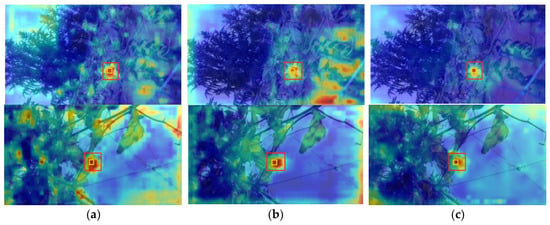
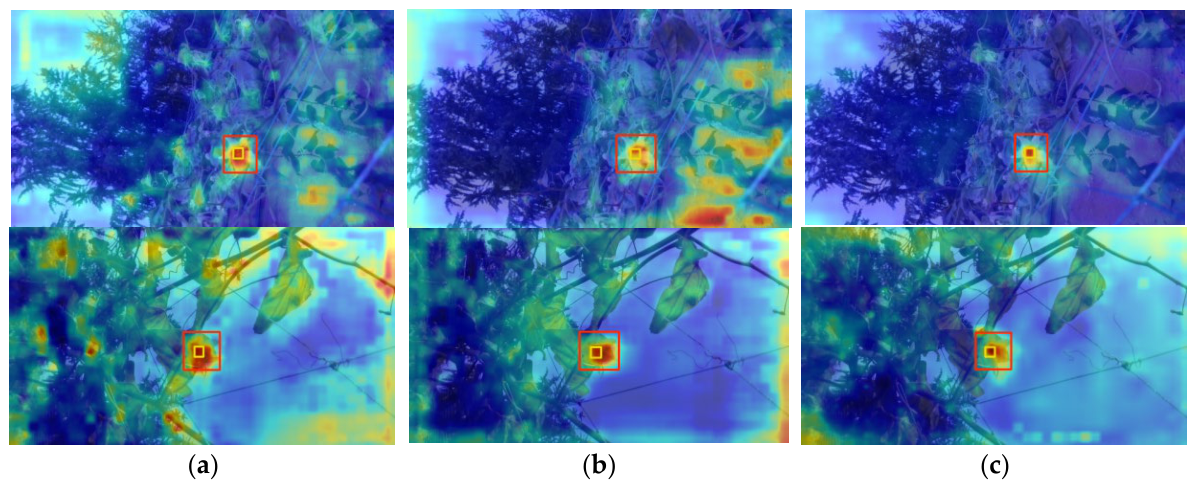
As shown in Figure 7, a visual comparison of the heatmaps across multiple sample groups revealed a common limitation in both the original model and the CBAM-enhanced version: the heat distribution over the target regions exhibited substantial spatial dispersion. A considerable proportion of feature resources was allocated to non-target background areas, resulting in weak activation of the core target features and a low signal-to-noise ratio in the learned representations. Regardless of whether the background was simple or complex, the model struggled to accurately focus on the core target regions, thereby severely limiting feature discrimination. In contrast, the improved model achieved more targeted optimization of heatmap resource allocation: the heat activation intensity within the target regions was markedly enhanced and showed a highly compact spatial distribution, whereas redundant heat in the background regions was effectively suppressed.
Figure 7.
Attention heatmap comparison for Siraitia grosvenorii pistil detection between the original YOLOv11n and models incorporating CBAM/CoordAtt modules. (a) Original detection results. (b) Detection results with CBAM module. (c) Detection results with CoordAtt module. Warmer colors indicate stronger feature activation, while cooler colors indicate weaker activation. The box marks the target pistil region used for comparison.
3.2.2. Experimental Performance Results
To assess the impact of each module on the baseline model, SCConv, CoordAtt, and SimAM were incorporated into the baseline model both individually and in combination, and ablation experiments were conducted. The results are presented in Table 4.
Table 4.
Performance Comparison of Different Module Configurations in the Siraitia grosvenorii Pistil Detection Model Based on Ablation Experiments. Best values in each metric are shown in bold.
Among the single-module settings, CoordAtt achieved the largest overall gain, increasing mAP@0.5:0.95 from 38.10% to 41.15% (+3.05 percentage points). At the same time, the parameter count decreased from 2.62 M to 2.59 M, FLOPs decreased from 6.56 G to 6.48 G, and FPS increased to 19.2, suggesting a better trade-off between accuracy and efficiency. By comparison, the improvement brought by SimAM alone was limited, raising mAP@0.5:0.95 only to 38.43%. SCConv increased mAP@0.5:0.95 to 39.71% and improved Precision to 85.08%, which is consistent with better local feature extraction in the current task setting, although its parameter count and computational cost increased to 2.89 M and 7.22 G, respectively, and FPS decreased to 18.5.
From a functional perspective, CoordAtt may be more effective at preserving positional cues for small-target regions, which is consistent with its relatively strong single-module performance. SCConv is intended to reduce feature redundancy and preserve local structural information, which may contribute to the observed precision gain. By contrast, SimAM introduces no additional parameters, but its standalone improvement in the current task is limited.
In the dual-module experiments, SCConv + CoordAtt achieved the highest mAP@0.5:0.95 of 41.92%, suggesting that the two modules are more complementary in the current setting. SCConv may help preserve local texture and structural cues, while CoordAtt provides additional positional information that benefits small-target localization. In comparison, SCConv + SimAM increased mAP@0.5:0.95 only to 39.46%, suggesting limited complementarity between these two modules in this task.
In the three-module setting, after adding SimAM to SCConv + CoordAtt, mAP@0.5 increased from 79.75% to 82.17% and Precision improved from 82.91% to 86.20%, while mAP@0.5:0.95 slightly decreased to 40.38%, Recall declined from 78.25% to 76.50%, and FPS decreased further to 16.7. These results suggest that adding SimAM shifts the model toward a more precision-oriented prediction behavior in the current setting, which is consistent with higher precision but lower recall. Overall, the three-module configuration shows a stronger precision–recall trade-off than the dual-module model.
Overall, SCConv + CoordAtt performed best in terms of comprehensive detection metrics, whereas the three-module configuration achieved the highest Precision and mAP@0.5. Based on these results, the three-module model was selected for the subsequent comparative experiments.
3.3. Overall Detection Performance on the Proprietary Dataset
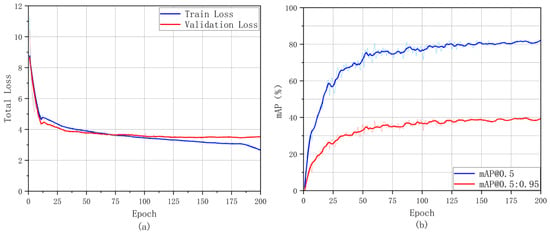
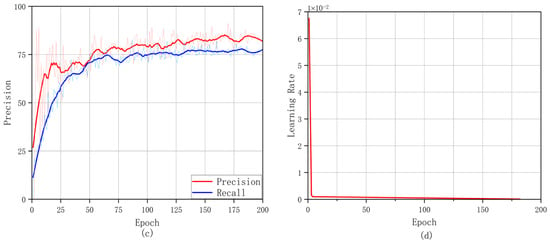
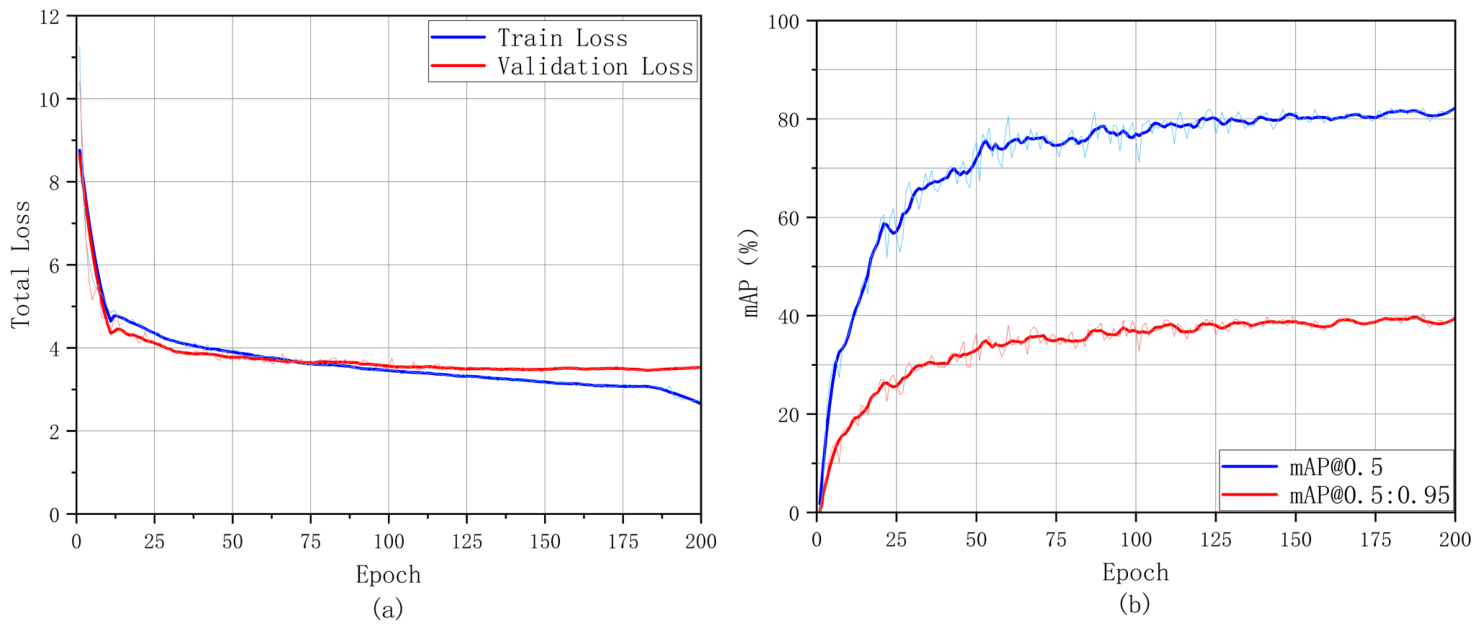
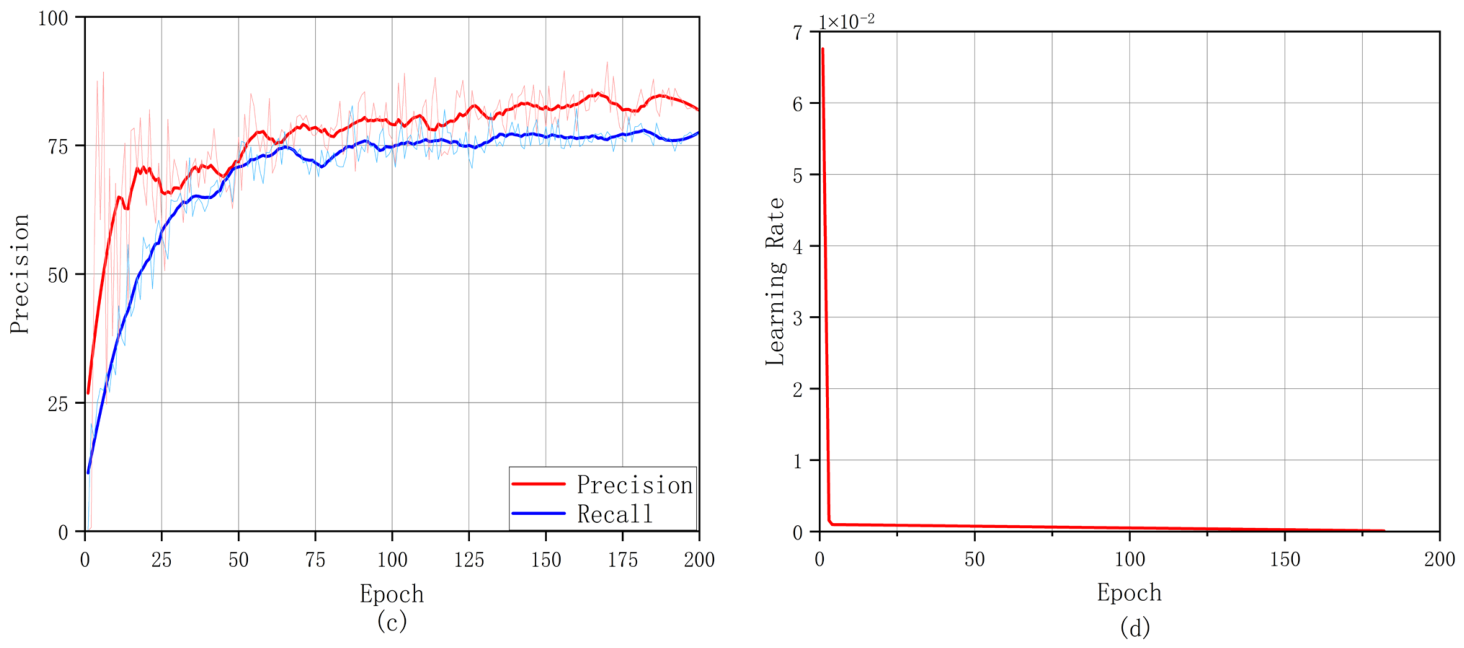
As shown in Figure 8, the training dynamics and performance of the improved multi-module collaborative optimization model are presented in four panels: training and validation loss, mAP@0.5 and mAP@0.5:0.95, precision and recall, and the learning rate schedule. The upper-left panel illustrates the trends of the training and validation losses. The upper-right panel shows the variation in mAP@0.5 and mAP@0.5:0.95 during training. The lower-left panel presents the precision and recall curves over the training epochs, whereas the lower-right panel depicts the learning rate schedule throughout the training process.
Figure 8.
Training Process and Performance Metrics Curves of the Improved Multi-Module Collaborative Optimization Method: (a) Training and Validation Loss, (b) mAP Metrics, (c) Precision and Recall, (d) Learning Rate Schedule (Cosine Annealing). In panel (c), the light-colored lines represent the raw epoch-wise values, while the darker lines indicate the smoothed trends.
The results indicate that within the first 25 epochs, the loss decreases rapidly, whereas the mAP metrics increase sharply, demonstrating the model’s rapid acquisition of discriminative features. After approximately 50 epochs, the loss curves gradually stabilize, and the improvement in mAP slows down, indicating that the model enters a convergence stage. At this stage, the improved model maintains a low loss level, with mAP@0.5 exceeding 80% and mAP@0.5:0.95 reaching 40.38%.
This performance trend is closely related to the adopted training strategy. Figure 8d employs a cosine annealing learning rate schedule, which maintains a relatively high learning rate in the early stage to accelerate parameter updates and gradually reduces it in the later stage to promote stable convergence. In addition, the precision and recall curves in Figure 8c suggest that the model achieves a favorable balance between prediction confidence and target coverage during training.
3.4. Comparison with Representative Lightweight and State-of-the-Art Detectors
To further evaluate the performance of the proposed model in the Siraitia grosvenorii pistil detection task, several representative object detection models were selected for comparative experiments. The results are presented in Table 5.
Table 5.
Performance comparison of the proposed method with representative lightweight and advanced object detectors for Siraitia grosvenorii pistil detection. Best and second-best values in each metric are shown in bold and underlined, respectively.
As shown in Table 5, RT-DETR-lite achieved the best overall performance among the compared models, with mAP@0.5, mAP@0.5:0.95, Precision, and Recall reaching 87.70%, 44.10%, 88.20%, and 86.60%, respectively. YOLOv9tiny also showed competitive overall performance, with mAP@0.5 and mAP@0.5:0.95 of 82.95% and 41.92%, respectively, and a Recall of 80.41%. Although the proposed method did not rank first on all metrics, it remained competitive in several task-relevant aspects.
Specifically, the proposed method achieved 82.17% mAP@0.5, which was slightly lower than YOLOv5n (83.12%) and YOLOv9tiny (82.95%), but higher than YOLOv10n (81.87%), YOLOv8n (78.93%), and the YOLOv11n baseline (72.54%). In terms of mAP@0.5:0.95, the proposed method reached 40.38%, which was lower than most mainstream models except the baseline, but still represented a clear improvement over YOLOv11n (36.57%). This result suggests that the introduced module combination improves the baseline model under stricter IoU thresholds.
In Precision, the proposed method achieved 86.20%, outperforming YOLOv5n (79.05%), YOLOv8n (79.00%), YOLOv10n (79.80%), the YOLOv11n baseline (75.02%), and YOLOv9tiny (84.74%), while remaining slightly below RT-DETR-lite (88.20%). This result is consistent with improved control of false detections in the current experiments. From a model design perspective, the combination of SCConv, CoordAtt, and SimAM may help improve the separation between pistil targets and complex backgrounds, which is consistent with the higher precision observed here. This behavior is relevant to precision pollination tasks, where excessive false detections may interfere with subsequent operations.
In Recall, the proposed method reached 76.50%, which was lower than YOLOv5n, YOLOv9tiny, and RT-DETR-lite, but higher than YOLOv10n, YOLOv8n, and the YOLOv11n baseline. This indicates that the proposed method improves precision while retaining a moderate level of recall. However, compared with the best-performing detectors, there is still room for improvement in handling extremely weak small targets and difficult samples.
In terms of model complexity, the proposed method contains 2.89 M parameters and requires 7.22 G FLOPs, both of which are substantially lower than the 28.45 M parameters and 100.6 GFLOPs of RT-DETR-lite. This indicates a clear computational advantage for lightweight deployment. Although YOLOv9tiny has only 1.77 M parameters and 6.7 GFLOPs, it showed less stable training behavior under the same experimental settings. Overall, although the proposed method does not achieve the best result on every metric, it offers a more suitable balance between precision and computational cost for lightweight pistil detection in precision pollination.
3.5. Cross-Dataset Validation on a Public Flower Dataset
To evaluate the cross-dataset generalization of the proposed method, additional experiments were conducted on the public Actinidia chinensis cv. ‘Hayward’ Flower Dataset 2024. The dataset contains 556 images and 2678 annotated instances, and was divided into training, validation, and test sets at a ratio of 8:1:1. Specifically, the training set contains 444 images with 2188 instances, the validation set contains 55 images with 227 instances, and the test set contains 57 images with 263 instances.
In terms of class composition, the dataset includes two categories: female flowers and male flowers. Female flowers account for 2377 instances (88.8%), whereas male flowers account for 301 instances (11.2%), indicating a clear class imbalance of approximately 8:1.
The dataset contains an average of approximately 4.8 annotated objects per image, indicating a moderate object density. This suggests that multi-object scenes are common in the dataset, although the images do not represent extremely dense occlusion conditions. This makes the dataset a useful benchmark for evaluating object recognition and localization performance in conventional flower organ detection tasks. Meanwhile, this public dataset differs substantially from the self-constructed dataset used in this study in terms of crop species, target morphology, class composition, and data distribution. It therefore provides a suitable external setting for evaluating the model’s transferability and robustness under cross-dataset conditions.
Given these dataset characteristics, the same training and evaluation pipeline used in the main experiments was applied to the public dataset. YOLOv8n, YOLOv11n, and the proposed three-module model were selected for comparison to examine performance differences across models under cross-dataset conditions. The corresponding results are reported in Table 6.
Table 6.
Comparison of detection results of different models on the public Actinidia chinensis cv. ‘Hayward’ Flower Dataset 2024. Best values in each metric are shown in bold; tied best values are highlighted equally.
As shown in Table 6, YOLOv8n and YOLOv11n achieved better overall performance than the proposed model in terms of mAP@0.5, mAP@0.5:0.95, and Precision, among which YOLOv8n ranked highest overall, followed by YOLOv11n. In contrast, the proposed three-module model obtained the highest Recall (98.60%), slightly higher than the 98.30% of both YOLOv8n and YOLOv11n, showing that it still retained relatively strong target sensitivity on the external public dataset. However, its Precision (84.90%) and mAP@0.5:0.95 (77.50%) were lower than those of the two baseline models, indicating a recall-oriented performance shift on this public dataset, with improved target retention but weaker suppression of false positives.
For the core target category, female flower, the proposed model also showed relatively strong target retention, with Recall reaching 97.10%, higher than that of YOLOv8n (96.60%) and YOLOv11n (96.70%). This suggests that, for the main target category on the public dataset, the model is more inclined to retain positive responses to true targets. However, its Precision (91.90%), mAP@0.5 (98.70%), and mAP@0.5:0.95 (77.90%) remained lower than those of the comparison models, indicating that the gain in recall was accompanied by weaker control of false positives. In this public dataset setting, the proposed model appears to favor target retention over stricter discrimination.
For the non-core target category, male flower, all three models reached 100.00% Recall, suggesting that missed detections were not evident for this category in the test set. However, the proposed model showed noticeably lower Precision (77.80%), mAP@0.5 (96.90%), and mAP@0.5:0.95 (77.00%) than YOLOv8n and YOLOv11n, suggesting that false positives were more prominent for the minority class. This pattern may be related to the pronounced class imbalance in the public dataset, which likely makes minority class discrimination more difficult during training. Under cross-dataset conditions, such class imbalance may further amplify false positives when the model shifts toward higher recall.
Overall, the pattern observed on the public dataset differs from that on the self-constructed dataset. In the latter, the proposed model showed relatively high Precision and relatively low Recall, whereas on the public dataset the opposite tendency was observed, namely higher Recall but lower Precision. These results suggest that the effect of SCConv, CoordAtt, and SimAM is not fixed toward either Precision or Recall across datasets. Instead, the module combination appears to shift the model’s precision–recall balance under different data conditions. The direction of this shift is likely influenced by factors such as data distribution, class composition, target morphology, background complexity, and annotation style.
In functional terms, CoordAtt mainly enhances positional cues, SimAM adjusts response weighting, and SCConv helps reduce feature redundancy. Together, these modules may alter how the model weighs shallow and deep features under different data conditions. On the self-constructed dataset, this combination is more consistent with higher Precision, whereas on the public dataset it is more consistent with higher Recall but also more false positives. This suggests that the effect of module integration depends on the interaction between feature processing and dataset characteristics, rather than leading to a fixed increase or decrease in any single metric.
Therefore, the public dataset experiments are used here as supplementary evidence of cross-dataset transferability, rather than to imply that the proposed method can consistently achieve the best overall performance across different data domains and class distributions. At the same time, these results support the view adopted in this study that module integration mainly shifts the model’s precision–recall balance, rather than consistently improving any single metric.
4. Discussion
4.1. Precision-Recall Tradeoff in Three-Module Fusion
Under the experimental conditions of the self-constructed dataset used in this study, the joint introduction of SCConv, CoordAtt, and SimAM led the three-module model to exhibit higher Precision but lower Recall. This indicates that, relative to the two-module configuration, the prediction operating point shifted, making the model more inclined to suppress false positives than to expand target coverage in the current task.
Mechanistically, SimAM evaluates the discriminability of an individual neuron relative to its surrounding neurons through an energy function [19], and then performs feature reweighting accordingly. Its closed-form solution for the minimum energy can be expressed as
where denotes the target neuron and denote the mean and variance, respectively, of all neurons within the current channel, and is a regularization coefficient. A smaller indicates that the neuron deviates more markedly from the statistical center of the channel and is therefore more discriminative. Consequently, its corresponding importance, 1/ becomes larger and receives a higher recalibration weight after subsequent sigmoid mapping. The model then enhances features through scaling-based recalibration:
where is the set composed of the minimum energy values at all positions. This mechanism tends to favor the enhancement of salient responses with stronger discriminability, while providing relatively limited gain for low-contrast or weak-response regions. Therefore, under certain data distributions, SimAM may help suppress background noise and ambiguous activations, thereby reducing false detections. However, for true targets that are occluded, low-contrast, or extremely small, their weak responses may not be sufficiently enhanced, which can adversely affect the recognition of challenging cases near the decision boundary. Therefore, SimAM is more likely to shift the model’s precision–recall balance rather than to produce a fixed gain in one specific direction.
In practical pollination scenarios, precise pollination places greater emphasis on the effective detection of target female flowers and the usability of subsequent operations. Therefore, the relative importance of different evaluation metrics is not entirely identical in specific scenarios. The Guangxi local standard Technical Regulations for Management of Siraitia grosvenorii during Flowering and Fruiting Stage and the study by Zhai et al. [11] on the effects of flower and fruit thinning on the quality and economic benefits of Siraitia grosvenorii indicate that flower-stage management emphasizes pollination target identification and operational effectiveness. This further suggests that model evaluation in agricultural scenarios should be analyzed comprehensively in conjunction with the importance of target categories and the requirements of downstream operations [12].
However, this does not mean that the decline in Recall can be regarded as an acceptable cost. On the contrary, lower Recall still indicates insufficient recognition capability for weak, occluded, or low-contrast targets, which may lead to the risk of missing real targets.
Overall, introducing SimAM shifts the model’s precision–recall balance in the precision–recall space, but this change does not consistently point toward higher Precision or higher Recall. Rather, it is jointly influenced by factors such as data distribution, class characteristics, and training state. For the self-constructed dataset used in this study, the three-module configuration tended to reduce false detections; however, in further validation on an external public dataset, the same model exhibited higher Recall and relatively lower Precision. This indicates that the three-module fusion is better understood as a reshaping of prediction characteristics rather than a stable improvement in any single metric. For precise pollination tasks, the effective detection of pistils in female flowers is of more direct practical significance. Therefore, future work should continue to focus on optimizing false-positive control and localization stability for key targets.
4.2. Application-Specific Configuration Recommendations
Based on the experimental results and their practical implications for agricultural operations, two application-oriented configurations are recommended for different usage scenarios.
Configuration 1 adopts a dual-module design (SCConv + CoordAtt), which provides the best balance between precision and recall and achieves the strongest overall detection robustness. This configuration maintains high detection accuracy while preserving relatively sufficient target coverage, making it suitable for scenarios that require more comprehensive target acquisition, such as pre-pollination field investigation, flowering-status statistics, and auxiliary decision making for subsequent pollination planning.
Configuration 2 adopts a three-module design (SCConv + CoordAtt + SimAM). Compared with Configuration 1, its precision further increases to 86.20%, and its mAP@0.5 also improves to 82.17%; however, its mAP@0.5:0.95 decreases to 40.38%, and its recall declines to 76.50%. These results suggest that the three-module configuration produces a more conservative detection tendency, which helps suppress responses to visually similar non-target regions but may also miss some weak or ambiguous pistil targets. Therefore, this configuration is more suitable for selective pollination, precision-oriented target screening, and other agricultural operations in which reducing false positives is prioritized over maximizing target coverage.
4.3. Research Limitations and Future Prospects
The main contribution of this study lies in developing application-oriented network configurations guided by practical agricultural requirements. The three-module configuration (SCConv + CoordAtt + SimAM) achieves a higher precision of 86.20%, demonstrating better suitability for agricultural operations that prioritize selective pollination and quality-oriented target screening, whereas the dual-module configuration (SCConv + CoordAtt) provides a better balance between precision and recall and is therefore more appropriate for comprehensive monitoring scenarios. On this basis, the present study provides technical support for the precise targeted pollination of Siraitia grosvenorii and offers a useful reference for the design of application-oriented visual perception systems in precision agriculture.
However, several limitations remain and require further investigation.
4.3.1. Insufficient Fine-Grained Recognition of Small Targets and Data Imbalance Constrain Detection Accuracy
Flowers without visible pistils, especially those captured from rear-view angles, usually occupy only a small image region and often exhibit strong similarity to the background in color and texture, which increases the risk of confusion with background regions. At the same time, flowers with visible pistils may also be misclassified because of substantial appearance variation and inter-class similarity. This problem is further aggravated by the imbalance between samples with and without visible pistils, which may introduce bias during model learning. Future work will explore hybrid module configurations that better balance precision and recall while integrating multimodal data, such as infrared imaging and stereo vision. Such an approach is expected to improve fine-grained feature discrimination, enhance detection robustness in low-light or complex field environments through complementary multi-source information, and enable the acquisition of three-dimensional pistil coordinates to further improve pollen-spraying precision.
4.3.2. Limited Dataset Representativeness and Scenario Adaptability Hinder Generalization Ability
The current dataset is concentrated on specific varieties, trellis cultivation conditions, and common lighting environments in Guilin, Guangxi. It still lacks sufficient diversity across regions, varieties, and complex field conditions, and does not fully cover pistil images acquired under extreme weather, severe occlusion, or highly heterogeneous backgrounds. In addition, the lower recall of the three-module configuration, which is 1.75 percentage points below that of the dual-module configuration, limits its applicability in scenarios requiring more comprehensive target coverage. Moreover, configurations optimized for selective pollination may not be directly transferable to other agricultural vision tasks, such as pest monitoring or disease detection. Future work will involve multi-site data collection across different production areas in Guangxi to construct a more standardized and representative dataset covering diverse varieties, environments, and shading conditions. Meanwhile, model adaptation strategies will be further optimized according to the varying requirements of different agricultural tasks.
4.3.3. Deployment Practicality and System Integration Require Further Improvement
Although this study evaluated model complexity and inference efficiency under a unified experimental platform, dedicated deployment validation on agricultural edge devices was not conducted. Practical deployment factors, such as fluctuating computational resources, battery endurance, environmental interference, and long-term operational stability, were therefore not fully examined. In addition, the present work focused mainly on pistil detection and localization, without integrated verification together with precision pollination equipment. Future work will combine the visual recognition model with pollen-spraying actuators and carry out long-term field tests on representative edge devices such as Raspberry Pi and Jetson Nano. Particular attention will be given to system stability, adaptability, and real-time performance in complex field environments, thereby promoting the transition from laboratory validation to practical agricultural application.
5. Conclusions
To address the challenges of tiny pistil detection in orchard precision pollination scenarios, this study integrates SCConv, Coordinate Attention (CoordAtt), and SimAM into YOLOv11n to construct a lightweight, application-oriented detection framework for agricultural small-object detection. The contribution of this work lies not in proposing a new generic detection operator, but in designing and validating a task-specific integration strategy tailored to Siraitia grosvenorii pistil detection under small-target, occlusion-prone, and complex-background conditions.
Experimental results show that the proposed three-module fusion model achieves 82.17% mAP@0.5, 40.38% mAP@0.5:0.95, and 86.20% Precision on the self-constructed dataset, improving upon the YOLOv11n baseline by 2.92, 2.28, and 9.84 percentage points, respectively. Meanwhile, Recall decreases from 78.46% to 76.50%, suggesting a shift toward a more precision-oriented performance trade-off rather than simultaneous gains across all metrics. Under a lightweight configuration of 2.89 M parameters and 7.22 GFLOPs, the model achieves improved detection performance for targeted pollination tasks while maintaining relatively low computational complexity.
This study further suggests that, in precision agricultural vision tasks, model optimization should not be evaluated solely by general detection metrics, but should also be interpreted in conjunction with specific application requirements. For the self-constructed dataset used in this study, the proposed method shows a clearer advantage in suppressing false positives, which is broadly consistent with the practical demand for high-confidence target recognition in selective pollination scenarios. At the same time, the decrease in Recall indicates that the detection capability for weak, occluded, or low-contrast targets still requires further improvement.
Overall, this work provides a task-oriented design framework for small-object detection in precision agriculture and may serve as a reference for future studies on intelligent pollination and lightweight field deployment for Siraitia grosvenorii.
Author Contributions
Conceptualization, Y.Q. and J.L.; methodology, Y.Q. and H.X.; software, Y.Q. and; validation, Y.Q.; formal analysis, Y.Q.; investigation, Y.Q. and K.Y.; resources, S.J.; data curation, Y.Q.; writing—original draft preparation, Y.Q.; writing—review and editing, H.X.; visualization, Y.Q.; supervision, H.X.; project administration, J.L.; funding acquisition, H.X. All authors have read and agreed to the published version of the manuscript.
Funding
This research was funded by the Guilin Science and Technology Bureau through the Guilin Science Research and Technology Development Plan (Contract No. 20230132-1; Project Approval No. Shi Ke [2024] No. 17). The APC for this publication was funded by the authors.
Institutional Review Board Statement
Not applicable.
Informed Consent Statement
Not applicable.
Data Availability Statement
Restrictions apply to the datasets and materials supporting this study due to ongoing research and data management considerations. The training and validation data with corresponding annotations, together with the key configuration files, modified module code, and running instructions required to reproduce the reported results, are available from the corresponding author upon reasonable request. The independent test set is not publicly available in order to avoid test-set leakage and to preserve the objectivity of evaluation.
Conflicts of Interest
The authors declare no conflicts of interest. The funders had no role in the design of the study; in the collection, analyses, or interpretation of data; in the writing of the manuscript; or in the decision to publish the results.
Abbreviations
The following abbreviations are used in this manuscript:
| mAP | mean Average Precision |
| IoU | Intersection over Union |
| SCConv | Spatial and Channel Reconstruction Convolution |
| CoordAtt | Coordinate Attention |
| SimAM | Simple Parameter-Free Attention Module |
| YOLO | You Only Look Once |
| FLOPs | Floating Point Operations |
References
- Auernhammer, H. Precision farming—The environmental challenge. Comput. Electron. Agric. 2001, 30, 31–43. [Google Scholar] [CrossRef] [Scilit]
- Pinheiro, I.; Moreira, G.; Magalhães, S.; Valente, A.; Cunha, M.; Santos, F.N. Deep learning based approach for actinidia flower detection and gender assessment. Sci. Rep. 2024, 14, 24452. [Google Scholar] [CrossRef] [Scilit] [PubMed]
- Wang, D.; Song, H.; Wang, B. YO-AFD: An improved YOLOv8-based deep learning approach for rapid and accurate apple flower detection. Front. Plant Sci. 2025, 16, 1541266. [Google Scholar] [CrossRef] [Scilit] [PubMed]
- Wu, J.; Xu, H.; Zeng, J.; Qi, Y.N.; Yuan, Q.C.; Huang, W.X.; Ma, Z.B.; Shen, Q.Y.; Lyu, X.L. A Review of the Phytochemistry and Pharmacology of the Fruit of Siraitia grosvenorii (Swingle): A Traditional Chinese Medicinal Food. Molecules 2022, 27, 6618. [Google Scholar] [CrossRef] [Scilit] [PubMed]
- Yan, H.F.; Li, D.S.; Xia, J.P.; Lan, J.J.; Jiang, S.Y.; Li, Y. Luohanguo yanjiu zongshu [A review of Siraitia grosvenorii research]. Nanfang Nongye Xuebao 2011, 42, 1387–1391. [Google Scholar] [CrossRef]
- Li, G.; Suo, R.; Zhao, G.; Gao, C.; Fu, L.; Shi, F.; Dhupia, J.; Li, R.; Cui, Y. Real-time detection of kiwifruit flower and bud simultaneously in orchard using YOLOv4 for robotic pollination. Comput. Electron. Agric. 2022, 193, 106641. [Google Scholar] [CrossRef] [Scilit]
- Yang, Y.; Han, Y.; Li, S.; Yang, Y.; Zhang, M.; Li, H. Vision-based fruit recognition and positioning technology for harvesting robots. Comput. Electron. Agric. 2023, 213, 108258. [Google Scholar] [CrossRef] [Scilit]
- Zhang, S.; Zhang, D.; Zhang, J.; Wang, J.; Zhang, Y.; Fan, X.; Zhou, Y. DSS-YOLO: A lightweight flower and stamen detection model for greenhouse tomato pollination assistance. Agronomy 2026, 16, 67. [Google Scholar] [CrossRef] [Scilit]
- Hou, Q.; Zhou, D.; Feng, J. Coordinate attention for efficient mobile network design. In Proceedings of the IEEE/CVF Conference on Computer Vision and Pattern Recognition (CVPR), Nashville, TN, USA, 20–25 June 2021; IEEE: Piscataway, NJ, USA; pp. 13129–13138. [CrossRef] [Scilit]
- Liu, Z.; Abeyratna, R.M.R.D.; Sampurno, R.M.; Nakaguchi, V.M.; Ahamed, T. Faster-YOLO-AP: A lightweight apple detection algorithm based on improved YOLOv8 with a new efficient PDWConv in orchard. Comput. Electron. Agric. 2024, 223, 109118. [Google Scholar] [CrossRef] [Scilit]
- Zhai, Y.; Bai, X.; Huang, J.; Li, G. Effects of thinning flowers and fruits on the quality and benefit of Siraitia grosvenorii. J. Trop. Crops 2015, 36, 1775–1778. [Google Scholar] [CrossRef]
- DB45/T 1967-2019; Technical Regulations for Management of Siraitia grosvenorii during Flowering and Fruiting Stage. Guangxi Zhuang Autonomous Region Administration for Market Regulation: Nanning, China, 2019.
- Li, H.; Yan, E.; Jiang, J.; Mo, D. Monitoring of key Camellia oleifera phenology features using field cameras and deep learning. Comput. Electron. Agric. 2024, 219, 108748. [Google Scholar] [CrossRef] [Scilit]
- Broussard, M.A.; Coates, M.; Martinsen, P. Artificial Pollination Technologies: A Review. Agronomy 2023, 13, 1351. [Google Scholar] [CrossRef] [Scilit]
- Wu, P.L.; Lei, X.H.; Zeng, J.; Qi, Y.N.; Yuan, Q.C.; Huang, W.X.; Ma, Z.B.; Shen, Q.Y.; Lyu, X.L. Research Progress in Mechanized and Intelligentized Pollination Technologies for Fruit and Vegetable Crops. Int. J. Agric. Biol. Eng. 2024, 17, 11–21. [Google Scholar] [CrossRef] [Scilit]
- Hiraguri, T.; Kimura, T.; Endo, K.; Ohya, T.; Takanashi, T.; Shimizu, H. Shape Classification Technology of Pollinated Tomato Flowers for Robotic Implementation. Sci. Rep. 2023, 13, 2159. [Google Scholar] [CrossRef] [Scilit] [PubMed]
- Duc Tai, N.; Minh Trieu, N.; Truong Thinh, N. Modeling Positions and Orientations of Cantaloupe Flowers for Automatic Pollination. Agriculture 2024, 14, 746. [Google Scholar] [CrossRef] [Scilit]
- Li, J.; Wen, Y.; He, L. SCConv: Spatial and channel reconstruction convolution for feature redundancy. In Proceedings of the IEEE/CVF Conference on Computer Vision and Pattern Recognition (CVPR), Vancouver, BC, Canada, 18–22 June 2023; IEEE: Piscataway, NJ, USA; pp. 6153–6162. [CrossRef] [Scilit]
- Yang, L.; Zhang, R.Y.; Li, L.; Xie, X. SimAM: A simple, parameter-free attention module for convolutional neural networks. In Proceedings of the 38th International Conference on Machine Learning (ICML), Virtual Event, 18–24 July 2021; pp. 11863–11874. [Google Scholar]

Disclaimer/Publisher’s Note: The statements, opinions and data contained in all publications are solely those of the individual author(s) and contributor(s) and not of MDPI and/or the editor(s). MDPI and/or the editor(s) disclaim responsibility for any injury to people or property resulting from any ideas, methods, instructions or products referred to in the content. |
© 2026 by the authors. Licensee MDPI, Basel, Switzerland. This article is an open access article distributed under the terms and conditions of the Creative Commons Attribution (CC BY) license.