


Abstract
The development of functional foods has historically centered on the identification and enhancement of bioactive compounds; however, bioactivity alone does not guarantee successful translation into safe, stable, and regulatory-compliant products. A substantial proportion of functional ingredients fail during commercialization due to inadequate consideration of processing stability, food safety risks, and regulatory constraints at early stages of product design. This narrative review presents an integrated, application-oriented framework for functional food development that systematically links processing technologies, safety assurance, and regulatory readiness. Conventional and emerging processing approaches, including fermentation, thermal treatments, high-pressure processing, and non-thermal technologies, are critically examined with respect to their effects on the stability, functionality, and bioavailability of bioactive constituents within complex food matrices. Key safety challenges, including microbiological hazards, process-induced chemical contaminants, and quality degradation during storage, are discussed in the context of industrial scalability. In parallel, regulatory considerations related to ingredient classification, substantiation of functional claims, and market authorization across major jurisdictions are reviewed to identify common translational bottlenecks. To bridge the gap between laboratory research and real-world application, a Functional Food Readiness Framework is proposed to support early-stage evaluation of technological feasibility, safety compliance, and regulatory alignment. This holistic perspective aims to guide the design of functional foods that are not only biologically effective, but also robust, safe, and commercially viable. The proposed framework can assist researchers, product developers, and food industry stakeholders in making informed decisions during functional food formulation, process optimization, and regulatory strategy development.
1. Introduction
The concept of functional foods has evolved substantially over the past three decades, reflecting advances in nutrition science, food chemistry, and processing technologies. Functional foods are commonly defined as foods that provide health benefits beyond basic nutritional functions when consumed as part of a normal diet. Unlike conventional foods that primarily supply essential nutrients, functional foods contain biologically active components such as probiotics, prebiotics, bioactive peptides, polyphenols, or omega-3 fatty acids that may contribute to the prevention or management of chronic diseases and support physiological functions. Although definitions vary across regulatory jurisdictions and scientific communities, the concept generally encompasses foods that have been naturally enriched, fortified, or formulated to enhance their health-promoting properties. As interest in diet-based strategies for disease prevention grows, functional foods have gained increasing attention as potential tools for improving public health and reducing the burden of chronic disease. Early functional food research was largely bioactivity-driven, emphasizing the identification, isolation, and enrichment of specific compounds such as polyphenols, bioactive peptides, probiotics, and omega-3 fatty acids shown to exert physiological benefits beyond basic nutrition. This compound-centric paradigm, strongly influenced by pharmaceutical discovery models, prioritized in vitro bioactivity and, to a lesser extent, in vivo efficacy, often under highly controlled laboratory conditions [1,2]. While this approach has yielded important insights into structure–function relationships and mechanisms of action, it has proven insufficient for ensuring successful translation into safe, stable, and market-ready food products.
In recent years, functional food development has begun to shift toward an application-driven design philosophy, recognizing foods as complex, dynamic systems rather than passive delivery vehicles for isolated bioactives. Within real food matrices, bioactive compounds interact with proteins, lipids, carbohydrates, water, and processing-induced structures, resulting in altered stability, bioaccessibility, and bioavailability [3,4,5]. Consequently, functional efficacy observed under idealized experimental conditions often fails to persist after industrial processing, storage, and distribution. This disconnect has contributed to a high attrition rate of functional ingredients during scale-up and commercialization, despite promising early-stage biological evidence.
A major limitation of bioactivity-only approaches lies in their insufficient consideration of processing stability. Thermal treatments, mechanical shear, pressure, and non-thermal energy inputs can degrade sensitive compounds, induce unfavorable chemical transformations, or disrupt delivery systems designed to protect bioactives [6,7]. Fermentation and emerging non-thermal technologies may enhance functionality through biotransformation or improved bioaccessibility, yet they also introduce variability that must be tightly controlled to ensure consistency and safety. Without the early integration of processing constraints, functional performance often deteriorates long before products reach consumers.
Equally critical are food safety challenges, which are frequently underestimated in functional food innovation. The incorporation of novel ingredients, live microorganisms, or minimally processed components can increase microbiological risks, while certain processing strategies may promote the formation of undesirable chemical contaminants or accelerate oxidative and enzymatic degradation during storage [8,9,10,11,12]. Functional foods must therefore meet the same rigorous safety expectations as conventional foods, yet many development pipelines treat safety assessment as a downstream or regulatory hurdle rather than a core design parameter.
In parallel, regulatory rejection and claim non-compliance remain persistent barriers to market entry. Regulatory frameworks governing functional foods vary substantially across jurisdictions, particularly with respect to ingredient classification, evidence requirements for functional or health claims, and authorization pathways for novel foods [13,14,15]. Products that demonstrate biological activity may nonetheless fail to obtain approval if claims are inadequately substantiated, ingredients are misclassified, or processing alters the nature of the active component. These challenges highlight the inadequacy of development models that do not incorporate regulatory considerations from the outset.
Collectively, these limitations underscore the urgent need for integrated translational frameworks that align biological efficacy with technological feasibility, safety assurance, and regulatory readiness. Recent scholarship increasingly emphasizes systems-based and life-cycle approaches to functional food design, integrating processing science, risk assessment, and regulatory strategy into early-stage research and development [16,17,18,19]. However, practical tools to operationalize this integration remain limited.
Beyond scientific efficacy, contemporary functional food development is increasingly shaped by sustainability imperatives, evolving regulatory frameworks, and the need for scalable manufacturing solutions. In addition, consumer perception, trust in health claims, and acceptance of novel ingredients or processing technologies play a decisive role in determining the market success of functional food products. Global initiatives promoting sustainable food systems and risk-based regulation have further highlighted the limitations of bioactivity-centric innovation pathways that fail to adequately consider processing feasibility, safety validation, and regulatory alignment early in product development. Consequently, functional foods are increasingly conceptualized as engineered systems in which biological performance emerges from the coordinated design of ingredients, matrix structure, processing technologies, and safety controls rather than from isolated bioactive compounds alone. This shift underscores the need for integrative frameworks capable of bridging laboratory discovery with industrial implementation and market authorization.
The scope of this review is to provide a critical, application-oriented synthesis of functional food development beyond bioactivity alone. Specifically, this article examines (i) how conventional and emerging processing technologies influence the stability, functionality, and bioavailability of bioactive compounds within complex food matrices; (ii) key safety challenges associated with functional food formulation, processing, and storage; and (iii) regulatory considerations related to ingredient classification and functional claims across major markets. Rather than addressing these domains in isolation, the review emphasizes their interdependence and cumulative impact on translational success.
The novel contribution of this work is the introduction of a Functional Food Readiness Framework (FFRF), designed to guide early-stage evaluation of functional food concepts through the lenses of technological readiness, safety readiness, and regulatory readiness. By embedding processing constraints, hazard identification, and regulatory alignment into the design phase, this framework aims to reduce late-stage failures and accelerate the development of functional foods that are not only biologically effective, but also robust, safe, and commercially viable. In doing so, this review seeks to advance functional food science toward a more predictive, systems-oriented, and translation-focused discipline.
Despite the growing body of research on functional foods and bioactive ingredients, the existing literature largely examines individual aspects of functional food development in isolation. Previous frameworks typically focused on either the identification of bioactive compounds, the evaluation of health benefits, or the optimization of processing technologies. While these contributions have significantly advanced the field, they rarely integrated technological feasibility, safety considerations, and regulatory readiness within a unified conceptual framework. As a result, many functional food innovations encounter barriers during translation from laboratory research to commercial product development. In particular, the literature lacks a systematic framework that simultaneously addresses ingredient functionality, process stability, food safety risks, and regulatory compliance throughout the product development pipeline. Therefore, the objective of this review is to provide an integrative perspective that connects processing technologies, safety assurance, and regulatory considerations within a comprehensive functional food readiness framework.
2. Review Methodology
This review adopts a narrative–integrative approach aimed at synthesizing current knowledge related to the development of functional foods, with particular emphasis on the interactions between processing technologies, safety considerations, and regulatory frameworks. A structured literature search was conducted using major scientific databases including Scopus, Web of Science, and PubMed. The search focused primarily on studies published between 2014 and 2025 in order to capture recent scientific developments, although earlier seminal publications were included when necessary to provide conceptual background.
The literature search employed combinations of relevant keywords such as functional foods, bioactive compounds, food processing technologies, non-thermal processing, food safety, regulatory frameworks, and functional food development. Boolean operators were applied to refine the search and identify studies addressing the technological, safety, and regulatory dimensions of functional food systems.
Studies were considered eligible for inclusion if they addressed processing or preservation technologies relevant to functional food systems, evaluated the stability or safety of bioactive compounds within food matrices, or discussed regulatory and commercialization aspects associated with functional food development. Peer-reviewed research articles, review papers, and authoritative reports were considered. Studies focusing exclusively on clinical nutrition without relevance to food processing or product development, as well as those addressing pharmaceutical nutraceutical formulations rather than food-based systems, were excluded from the analysis.
The selected publications were screened based on titles, abstracts, and full-text evaluation to ensure their relevance to the scope of this review. The final body of literature was then synthesized to identify current technological approaches, safety challenges, and regulatory considerations associated with the development of functional foods, ultimately informing the integrative framework proposed in this study.
3. Functional Foods in Complex Food Systems
Functional foods operate within multiphase, hierarchically structured food systems, where biological efficacy is modulated not only by the intrinsic properties of bioactive compounds but also by their interactions with the surrounding matrix and processing history. Unlike pharmaceutical formulations, foods are consumed as heterogeneous assemblies of macromolecules, microstructures, and dispersed phases that jointly influence/govern the stability, release, and physiological fate of bioactives. Understanding functional foods as systems rather than ingredient lists is therefore essential for translational success.
3.1. Bioactive Compounds and Mechanisms of Action
Functional foods encompass a broad and heterogeneous spectrum of bioactive compounds that exert health-promoting effects through diverse biochemical, physiological, and microbiota-mediated mechanisms. Major classes include polyphenols, bioactive peptides, functional lipids, polysaccharides, and live or inactivated microorganisms and their metabolites, commonly referred to as probiotics and postbiotics. Each class is characterized by distinct molecular architectures, biological targets, and modes of action, resulting in fundamentally different requirements for stability, delivery, and functional expression within complex food systems [1,20] (Table 1).
Importantly, the efficacy of these bioactives cannot be attributed solely to their intrinsic chemical properties. Instead, functional performance emerges from the dynamic interplay between molecular structure, food matrix composition, processing history, and gastrointestinal fate. Low-molecular weight compounds such as polyphenols and lipid-soluble vitamins are particularly sensitive to oxidation, phase partitioning, and protein binding, whereas higher-molecular weight polysaccharides and protein-derived peptides derive their functionality from processing-dependent structural attributes such as molecular weight distribution, sequence integrity, and fermentability [4,20]. In contrast, probiotics and postbiotics introduce an additional layer of complexity, as their efficacy depends not only on chemical stability but also on microbial viability, metabolic activity, or the preservation of structurally intact microbial components [21,22].
Table 1.
Major classes of bioactive compounds in functional foods.
Across all bioactive classes, processing and matrix effects act as central determinants of functional relevance, influencing stability during manufacturing, release during digestion, and interaction with host physiology or the gut microbiota. Thermal treatments, mechanical forces, pH shifts, and emerging non-thermal technologies can either enhance functionality by liberating active compounds or improving bioaccessibility, or compromise efficacy through degradation, inactivation, or unfavorable chemical transformations [6,7]. Consequently, identical bioactive compounds may yield markedly different physiological outcomes depending on formulation strategy, processing pathway, and food carrier.
Taken together, these observations underscore the necessity of conceptualizing functional foods not as passive carriers of isolated bioactives, but as engineered systems in which structure, composition, and processing interact to shape biological outcomes. Recognizing both class-specific sensitivities and shared translational challenges among bioactives provides a critical foundation for integrated functional food design and highlights the need for early alignment of processing feasibility, safety assurance, and regulatory readiness to bridge the gap between laboratory-scale bioactivity and real-world efficacy.
Polyphenols, including flavonoids, phenolic acids, and tannins, represent one of the most extensively investigated classes of bioactive compounds due to their well-established antioxidant, anti-inflammatory, and cardiometabolic effects. Beyond direct radical scavenging, polyphenols modulate a wide range of intracellular signaling pathways, inhibit key metabolic enzymes, and engage in bidirectional interactions with the gut microbiota, thereby contributing to their physiological activity and interindividual variability in response [36,37]. However, polyphenols are chemically reactive molecules that are highly susceptible to oxidation, polymerization, and complexation with proteins and minerals during food processing, storage, and gastrointestinal digestion. These transformations can substantially alter their chemical form, stability, and release kinetics, often leading to discrepancies between the measured in vitro bioactivity and in vivo efficacy (Table 2).
As a result, polyphenol functionality is strongly matrix-dependent, emerging from the interplay between compound chemistry, food microstructure, and processing history. Protein–polyphenol interactions may confer oxidative protection during processing while simultaneously limiting immediate bioaccessibility, whereas processing-induced chemical modifications can either attenuate or enhance biological activity depending on the specific compound and matrix context. Taken together, protein binding and processing-driven structural transformations represent critical determinants of polyphenol bioaccessibility and physiological relevance, underscoring the need to integrate matrix engineering and processing considerations into functional food design strategies [4,20,38].
Table 2.
Major classes of polyphenols in functional foods.
Bioactive peptides, typically generated from food proteins through controlled enzymatic hydrolysis or fermentation, represent a distinctive class of functional food components with demonstrated antihypertensive, immunomodulatory, and antioxidative effects. These peptides exert their physiological actions primarily through highly specific amino acid sequences that interact with cellular receptors or inhibit key enzymes, most notably angiotensin-converting enzyme (ACE), thereby influencing blood pressure regulation and inflammatory pathways. Unlike intact dietary proteins, the functional efficacy of bioactive peptides is intrinsically sequence-dependent and critically influenced by processing history, peptide length, and resistance to gastrointestinal proteolysis [48,49].
Processing conditions such as fermentation parameters, thermal treatment, and pH can either promote the release of bioactive sequences or lead to over-hydrolysis and loss of functionality. In addition, interactions with the surrounding food matrix, including binding to proteins, lipids, and minerals, may provide protective effects during processing while simultaneously modulating peptide release and absorption during digestion. Consequently, the biological relevance of bioactive peptides emerges from a delicate balance between peptide generation, structural preservation, and controlled gastrointestinal stability, underscoring the necessity of integrating processing and matrix considerations into early-stage functional food design (Table 3) [48,50,51].
Functional lipids, including omega-3 polyunsaturated fatty acids, phospholipids, and lipid-soluble vitamins, constitute a critical class of bioactive food components that influence inflammatory signaling, membrane structure and function, and systemic metabolic regulation. Unlike many hydrophilic bioactives, the physiological efficacy of functional lipids is governed not only by their chemical composition but also by their physical organization within the food matrix and their behavior during gastrointestinal digestion. Bioavailability is intrinsically linked to lipid digestion kinetics, emulsification state, and the efficiency of mixed micelle formation, processes that are strongly influenced by food microstructure, droplet size distribution, and interfacial composition [52,53,54].
Table 3.
Major classes of bioactive peptides in functional foods.
In addition, functional lipids are highly susceptible to oxidative degradation during processing and storage, which can compromise both nutritional quality and sensory acceptance while generating potentially harmful oxidation products. The incorporation of lipid-soluble antioxidants, controlled oxygen exposure, and structural stabilization through emulsion design have therefore emerged as critical strategies to preserve functional integrity. Taken together, these considerations underscore the importance of matrix engineering and oxidative stability management as central design principles for lipid-based functional foods, particularly when translating laboratory-scale formulations to industrial processing environments (Table 4) [62,63,64].
Table 4.
Major classes of functional lipids in functional foods.
Polysaccharides, including β-glucans, pectins, and resistant starches, represent a major class of functional food components that primarily exert their health effects through indirect, matrix-mediated mechanisms rather than direct systemic absorption. Their physiological functionality is closely linked to the modulation of gut microbiota composition, alteration of digesta viscosity, and regulation of nutrient diffusion and absorption along the gastrointestinal tract. These effects are strongly governed by processing-sensitive physicochemical attributes such as molecular weight distribution, solubility, degree of branching, and fermentability, all of which can be substantially modified during thermal treatment, extrusion, and mechanical processing [17,75,76].
Changes in polysaccharide structure induced by processing can alter viscosity-dependent outcomes such as glycemic response attenuation and cholesterol lowering as well as microbiota-driven fermentation patterns and short-chain fatty acid production. Consequently, the functional efficacy of polysaccharides is highly context-dependent, emerging from the interplay between food structure, processing history, and colonic microbial metabolism rather than from intrinsic bioactivity alone. This strong dependence on structure–function relationships underscores the necessity of integrating processing considerations into the early design of polysaccharide-based functional foods to ensure physiological relevance and translational robustness (Table 5) [77,78,79].
Table 5.
Functional polysaccharides in functional foods: physicochemical properties, processing sensitivity, and physiological relevance.
Probiotics and postbiotics constitute a dynamic and rapidly evolving class of functional food components in which physiological benefits may arise from live microorganisms, inactivated microbial cells, or microbially derived metabolites. Their mechanisms of action include the modulation of host immune responses, enhancement of intestinal barrier function, and regulation of the gut microbial ecosystem through competitive exclusion and microbial signaling pathways [21,92]. Unlike traditional low-molecular weight bioactives, the functional efficacy of probiotics is intrinsically linked to strain-specific viability, metabolic activity, and host–microbe interactions, rendering them particularly sensitive to processing conditions and storage environments. Thermal treatments, dehydration, oxygen exposure, and matrix composition can substantially compromise microbial survival and functional performance [93,94].
In contrast, postbiotics and paraprobiotics offer enhanced stability and formulation robustness, as their bioactivity does not depend on microbial viability but rather on the structural integrity and chemical stability of microbial components and metabolites. Nevertheless, their functional effects remain processing-dependent, as excessive thermal or oxidative stress may alter key bioactive molecules responsible for immune and barrier-related outcomes [95]. Consequently, maintaining functional integrity across processing, distribution, and shelf-life represents a major translational challenge for both probiotic- and postbiotic-based functional foods, highlighting the importance of the early-stage integration of processing, stability, and formulation considerations in product design (Table 6) [21].
Table 6.
Probiotics and postbiotics in functional foods.
Dose–response relationships represent a critical yet often overlooked dimension of functional food efficacy. Unlike pharmaceuticals, functional foods are consumed repeatedly at relatively low doses, and their effects may be cumulative, threshold-dependent, or context-specific. Emerging evidence indicates that many bioactives exhibit non-linear dose–response behaviors, influenced by saturation kinetics, adaptive physiological responses, and microbiome-mediated metabolism [37,54,104,105]. Consequently, physiological relevance must be evaluated within realistic consumption patterns and food matrices rather than extrapolated from high-dose supplementation studies.
Food matrix effects become particularly evident when functional ingredients are incorporated into real food applications. In functional beverages, for example, polyphenols, vitamins, and plant-derived bioactives may exhibit reduced stability due to oxidation reactions and interactions with dissolved oxygen or beverage components, often requiring stabilization strategies such as encapsulation or controlled pH adjustment. Dairy-based systems provide another important example, as proteins such as casein and whey can interact with polyphenols and other bioactive compounds, influencing both their bioavailability and sensory characteristics. While these interactions may protect certain compounds from degradation, they may also reduce their measurable antioxidant activity, depending on the processing and storage conditions. Similarly, in extruded cereal or snack products, high temperature, pressure, and shear forces during extrusion can significantly influence the retention and functionality of added bioactive compounds. Although extrusion can improve the digestibility of some ingredients and enable the uniform distribution of functional components, excessive thermal and mechanical stress may lead to the degradation of heat-sensitive compounds. These examples illustrate that the functional performance of bioactive ingredients is strongly dependent on the characteristics of the surrounding food matrix and the processing technologies applied during product development.
3.2. Food Matrix Effects on Stability and Bioavailability
The food matrix plays a central role in determining whether a bioactive compound remains functional from processing through digestion. Matrix–bioactive interactions govern chemical stability, physical protection, release kinetics, and intestinal absorption. These interactions are often synergistic or antagonistic, and cannot be predicted solely from the properties of isolated compounds (Table 7).
Table 7.
Influence of food matrix components on bioactive stability and bioavailability.
Protein–bioactive interactions are particularly significant for polyphenols and bioactive peptides, as proteins represent one of the most abundant and structurally versatile components of food matrices. These interactions are predominantly non-covalent, involving hydrogen bonding, hydrophobic interactions, electrostatic forces, and, in some cases, π–π stacking between aromatic residues and polyphenolic structures. Such associations can substantially influence the physicochemical behavior of bioactives during processing, storage, and digestion. In many systems, protein binding reduces the immediate bioaccessibility of polyphenols and peptides by limiting their diffusion and solubilization, while simultaneously enhancing chemical stability by protecting reactive functional groups from oxidation, hydrolysis, or polymerization [4,5].
Processing conditions further modulate the nature and strength of protein–bioactive interactions. Thermal treatments, pH shifts, and mechanical shear can induce protein denaturation or aggregation, exposing new binding sites or altering protein conformation, thereby strengthening or weakening bioactive association. For example, heat-induced unfolding of proteins may increase polyphenol binding capacity, enhancing retention during processing but potentially reducing release during digestion. Conversely, enzymatic hydrolysis or fermentation may disrupt protein networks and liberate bound bioactives, increasing intestinal availability [4,114].
During gastrointestinal digestion, the fate of protein–bioactive complexes is governed by proteolytic activity and matrix disintegration dynamics. While moderate binding can provide a controlled-release effect, excessive complexation particularly involving high-molecular-weight polyphenols or aggregated protein structures may hinder enzymatic accessibility and delay or prevent bioactive release in the small intestine. In such cases, bioactives may instead reach the colon, where they undergo microbial metabolism, shifting their site and mechanism of action. This behavior highlights a fundamental trade-off between protection and availability, in which enhanced stability during processing may come at the expense of reduced systemic absorption [5,115].
Overall, protein–bioactive interactions exemplify the broader principle that functional efficacy arises from matrix-mediated control rather than intrinsic compound activity alone. Rational functional food design therefore requires the careful balancing of protein composition, processing conditions, and desired site of bioactive action to optimize both stability and physiological relevance. Recognizing and managing this trade-off is essential for translating promising bioactive compounds into effective, food-based delivery systems [4,20].
Lipid partitioning refers to the preferential distribution of hydrophobic bioactive compounds between lipid and aqueous phases within a food matrix, a phenomenon governed by compound polarity, solubility, and affinity for lipid domains. Hydrophobic bioactives such as carotenoids and fat-soluble vitamins (A, D, E, and K) exhibit extremely low water solubility and therefore localize predominantly within lipid droplets, lipid bilayers, or interfacial regions rather than the aqueous continuous phase. This spatial distribution plays a decisive role in determining their chemical stability, release behavior, and ultimate bioavailability in complex food systems [4,20,116].
From a gastrointestinal perspective, lipid partitioning is critical because intestinal absorption of hydrophobic bioactives depends on their incorporation into mixed micelles generated during lipid digestion. Following ingestion, triglycerides within lipid droplets are hydrolyzed by pancreatic lipase, producing free fatty acids and monoacylglycerols that self-assemble with bile salts into mixed micelles. These micelles serve as essential transport vehicles that solubilize hydrophobic bioactives, enabling their diffusion across the aqueous intestinal lumen and subsequent uptake by enterocytes. Efficient partitioning of bioactives into digestible lipid phases therefore enhances micelle loading and absorption efficiency, whereas poor lipid association limits bioaccessibility and reduces physiological efficacy [117,118,119,120].
Lipid partitioning effects are highly sensitive to food microstructure and processing history. Emulsion droplet size, lipid phase composition, interfacial characteristics, and crystallinity significantly influence digestion kinetics and micelle formation efficiency. Finely dispersed, physically stable emulsions generally promote rapid lipid digestion and the efficient transfer of bioactives into mixed micelles. In contrast, lipid coalescence, creaming, or phase separation induced during processing or storage can disrupt digestion dynamics and impair bioactive delivery [116,118].
In addition, lipid oxidation represents a major threat to functional performance. Oxidative degradation of unsaturated lipids not only diminishes nutritional quality and sensory attributes, but can also destabilize lipid–bioactive associations and generate reactive by-products that compromise matrix integrity. Oxidation-driven changes at the lipid–water interface may further reduce micelle formation efficiency, thereby limiting bioavailability even when the total bioactive content remains unchanged [121,122].
To mitigate these effects, antioxidant strategies play a critical role in preserving lipid-based functional food systems. Both endogenous antioxidants (e.g., tocopherols, polyphenols, carotenoids) and added stabilizing agents are commonly incorporated to inhibit oxidative chain reactions and protect sensitive bioactive compounds during processing and storage. In addition, formulation strategies such as antioxidant co-delivery, interfacial engineering, and encapsulation have been explored to enhance oxidative stability and maintain functional efficacy in lipid-containing functional foods.
Taken together, these mechanisms underscore the importance of matrix engineering strategies including controlled emulsification, droplet size optimization, antioxidant incorporation, and lipid phase stabilization in functional food design. Without the adequate control of lipid partitioning behavior and oxidative stability, the health potential of hydrophobic bioactives may not be realized, despite their presence at nutritionally relevant concentrations in the final product [53,123].
Encapsulation strategies, whether achieved through intrinsic food structures or deliberately engineered delivery systems, are increasingly employed to enhance the stability, bioaccessibility, and controlled release of sensitive bioactive compounds. Natural encapsulation may arise from native food architectures such as lipid droplets, protein networks, or cell wall matrices while engineered systems include emulsions, liposomes, biopolymer-based micro- and nanoparticles, and multilayered delivery vehicles designed to protect bioactives from chemical degradation and premature release. These approaches aim to mitigate losses during processing, storage, and gastrointestinal transit while improving functional efficacy [17,118].
Despite their potential, the effectiveness of encapsulation systems is highly dependent on compatibility with the surrounding food matrix and resilience to processing stresses. Thermal treatments, high shear forces, pressure, and pH fluctuations commonly encountered during industrial manufacturing can destabilize encapsulating structures, leading to premature release, insufficient crosslinking, or mismatches between encapsulant and matrix components, which may result in structural failure under realistic processing conditions [124,125].
Furthermore, encapsulation systems that perform well under laboratory conditions may exhibit limited robustness when scaled up, as changes in mixing, heating, and flow regimes can alter the particle size distribution, interfacial integrity, and release kinetics. Poor integration of encapsulation strategies into the overall formulation and processing pathway can therefore compromise functional performance rather than enhance it. These challenges underscore the importance of designing encapsulation systems in concert with matrix composition and processing technologies, rather than treating encapsulation as an isolated technological add-on. A systems-based approach that considers structural stability, process compatibility, and digestive behavior is essential for translating encapsulation-based innovations into commercially viable functional foods [124].
Formulation variables such as pH, water activity, and fat content play a central role in modulating food matrix effects and, consequently, the stability, bioaccessibility, and physiological relevance of bioactive compounds. These parameters directly influence the chemical reactivity, physical organization, microbial behavior, and digestive processes, making them critical design levers in functional food development rather than secondary formulation details (Section 4.4.1).
pH strongly affects the ionization state, solubility, and chemical stability of many bioactives including polyphenols, peptides, and vitamins. Changes in pH can alter molecular conformation, promote hydrolysis or oxidation reactions, and modulate interactions with proteins and polysaccharides. In addition, pH-driven structural changes in the food matrix such as protein denaturation or polysaccharide gelation can indirectly influence bioactive release and accessibility during digestion [4,125].
Water activity (aw) governs reaction kinetics and microbial stability by controlling molecular mobility within the food matrix. Lower water activity can slow chemical degradation pathways such as oxidation and enzymatic reactions, thereby enhancing shelf-life, while higher water activity increases the risk of microbial growth and accelerates quality loss. Importantly, water activity also influences matrix physical properties, including glass transition behavior and phase separation, which can affect encapsulation integrity and bioactive protection during storage [17,126].
Fat content and lipid phase organization further modulate matrix effects by determining the partitioning, protection, and digestive fate of hydrophobic bioactives. Adequate lipid content is essential for the solubilization and intestinal absorption of fat-soluble compounds through micelle formation, while insufficient or poorly structured lipid phases can severely limit bioavailability. At the same time, increased fat content introduces challenges related to lipid oxidation, emulsion stability, and sensory acceptance, highlighting the need for balanced formulation strategies [20].
These formulation variables are highly interdependent and must be optimized collectively rather than in isolation to ensure consistent functional performance. Importantly, matrix–bioactive interactions should not be viewed solely as passive constraints on functional performance, but rather as designable parameters that can be intentionally manipulated through formulation and processing choices. Advances in food microstructure engineering, encapsulation strategies, and multiphase system design demonstrate that stability, release kinetics, and digestive fate can be actively tuned when matrix architecture is considered at the outset of product development. Conversely, failure to anticipate how matrix structure evolves during processing and storage remains a leading cause of functional performance loss during scale-up, underscoring the need for the early integration of matrix design principles into functional food innovation.
Adjustments to pH can alter the water-binding capacity and lipid–protein interactions; changes in water activity can influence lipid oxidation rates and microbial risk; and modifications in fat content can affect pH buffering and moisture distribution. As a result, optimizing functional food formulations requires a holistic, systems-level approach in which pH, water activity, and lipid composition are tuned in concert rather than independently. Failure to account for these interdependencies can lead to unintended losses in functional performance, safety, or stability, particularly during scale-up and industrial processing [17].
These findings demonstrate that functional efficacy emerges from the interplay between bioactive chemistry, food structure, and processing history. Ignoring matrix effects during early-stage development risks overestimating biological performance and underestimating translational barriers (Figure 1). Accordingly, functional food design must integrate matrix engineering as a core element of product development rather than a secondary formulation step.
Figure 1.
Matrix–bioactive-processing interactions in functional food systems.
Although numerous studies have investigated the incorporation of bioactive compounds into food systems, the reported outcomes vary considerably depending on the food matrix, processing conditions, and interactions between bioactive components and other food constituents. For example, several studies have demonstrated that encapsulation techniques can improve the stability and bioavailability of sensitive bioactive compounds during processing and storage. However, other investigations have reported limited improvements when these systems are applied within complex food matrices where protein–polyphenol interactions, lipid oxidation, or thermal degradation may reduce functional efficacy. Similarly, while non-thermal processing technologies such as high hydrostatic pressure (HHP) processing and pulsed electric fields (PEF) have been shown to preserve bioactive compounds more effectively than conventional thermal treatments, their effectiveness is highly dependent on processing parameters and matrix composition. These variations highlight that functional performance cannot be generalized across different food systems. Instead, the effectiveness of functional ingredients is strongly influenced by matrix interactions, processing conditions, and storage environments. Consequently, a critical gap remains in the literature regarding the systematic integration of matrix effects, processing stability, safety considerations, and regulatory requirements when designing functional foods for real-world applications. Taken together, these challenges highlight the need for an integrated framework that can guide functional food development across these interconnected domains.
4. Processing Technologies and Their Impact on Functional Performance
Processing technologies play a decisive role in determining whether bioactive compounds retain their functional relevance as foods transition from laboratory formulations to industrially produced products. Beyond ensuring safety and shelf stability, processing governs the structural organization of food matrices, the chemical integrity of bioactives, and their behavior during digestion, thereby directly shaping bioaccessibility and physiological efficacy. Importantly, processing effects are rarely uniform across bioactive classes; rather, they depend on compound chemistry, matrix composition, and the intensity and sequence of applied unit operations.
Conventional processing methods including thermal treatments, drying, and extrusion remain foundational to modern food manufacturing due to their proven effectiveness, scalability, and regulatory acceptance. However, these technologies impose substantial thermal and mechanical stresses that can both enhance and compromise functional performance. Processing may improve functionality by inactivating antinutritional factors, promoting bioactive release, or inducing favorable structural transformations. On the other hand, excessive heat or shear can degrade heat-labile compounds, promote oxidation, or disrupt delivery systems designed to protect bioactives. Understanding these dual effects is therefore essential for designing functional foods that balance safety, stability, and efficacy.
4.1. Conventional Processing Methods
4.1.1. Thermal Processing
Thermal processing methods such as pasteurization, sterilization, and baking are widely employed to ensure microbiological safety and extend shelf life. These processes induce profound changes in food structure through protein denaturation, starch gelatinization, lipid phase transitions, and moisture redistribution, all of which can modulate bioactive stability and release. The impact of thermal treatment on functional performance is highly compound-specific and matrix-dependent.
For heat-labile bioactives such as certain polyphenols, vitamins, and probiotics, thermal exposure can result in oxidative degradation, isomerization, or loss of biological activity. Conversely, moderate thermal treatments may enhance functionality by disrupting cell walls, denaturing binding proteins, or liberating bound compounds, thereby increasing bioaccessibility. In protein-rich systems, heat-induced unfolding can promote peptide release during subsequent digestion, whereas excessive aggregation may reduce enzymatic accessibility and impair bioactive liberation [6,16].
From a translational perspective, thermal processing represents a critical design constraint: functional foods must withstand legally required heat treatments while retaining sufficient bioactivity to justify functional claims. This necessitates the careful selection of processing intensity, heating profiles, and formulation strategies such as antioxidant protection or matrix engineering to mitigate thermal damage without compromising safety [118,127,128].
4.1.2. Drying and Extrusion
Drying and extrusion are commonly used in the production of shelf-stable functional foods including cereals, snacks, powders, and protein ingredients. These processes combine thermal input with intense mechanical shear and pressure, resulting in significant modifications to molecular structure and matrix organization.
Drying techniques reduce water activity, thereby enhancing microbial stability and slowing chemical degradation; however, dehydration can also accelerate oxidative reactions, induce Maillard chemistry, and alter encapsulation systems. The extent of functional loss or preservation depends on the drying temperature, residence time, and oxygen exposure, with gentle drying methods generally better suited for preserving sensitive bioactives [129].
Extrusion processing exerts particularly strong effects on functional performance due to its combined thermal–mechanical nature. High shear and pressure can depolymerize polysaccharides, modify protein conformation, and alter lipid distribution, influencing viscosity, fermentability, and digestibility. In some cases, extrusion enhances the physiological relevance of dietary fibers and resistant starches by increasing fermentability or reducing antinutritional factors. In others, it may degrade polyphenols or disrupt lipid-based delivery systems, underscoring the need for careful optimization of extrusion parameters in functional food design [130,131].
Taken together, conventional processing methods illustrate the inherent trade-offs between safety, stability, and functionality. Their widespread industrial use makes them unavoidable in most food systems, reinforcing the importance of integrating processing constraints early in functional food development. Rather than treating processing as a post-formulation step, functional performance must be evaluated under realistic thermal and mechanical conditions to ensure translational robustness.
4.2. Fermentation-Based Functionalization
Fermentation-based functionalization represents one of the most powerful and historically rooted strategies for enhancing the functional performance of foods. Through the metabolic activity of microorganisms, fermentation can generate, transform, or stabilize bioactive compounds while simultaneously modifying food structure, safety, and sensory attributes. Unlike many conventional processing methods that primarily impose physical or thermal stress, fermentation introduces a biochemical transformation layer, enabling the targeted modulation of bioactive composition and bioavailability.
A central advantage of fermentation lies in its ability to liberate bioactive compounds from complex matrices. Microbial enzymes such as proteases, glycosidases, and esterases can release bound polyphenols, generate bioactive peptides from parent proteins, and alter polysaccharide structures to enhance fermentability and physiological relevance. For example, lactic acid bacteria-mediated proteolysis has been widely shown to produce peptides with antihypertensive and immunomodulatory activity, while microbial hydrolysis of plant cell wall components can increase polyphenol bioaccessibility [48,92].
Fermentation also contributes to functionalization through the in situ generation of postbiotics including organic acids, short-chain fatty acids, bioactive peptides, exopolysaccharides, and microbial cell wall components. These metabolites may exert health effects independent of microbial viability, offering enhanced stability relative to live probiotics and greater compatibility with downstream processing. As such, fermentation serves not only as a preservation method but also as a biological processing tool for creating functional ingredients within the food matrix itself [21,95].
From a matrix perspective, fermentation-induced changes in pH, redox potential, and macromolecular organization strongly influence bioactive stability and release. Acidification can improve mineral bioavailability, modulate protein–polyphenol interactions, and alter lipid oxidation kinetics, while microbial exopolysaccharides may enhance viscosity and barrier function. However, these same changes can also destabilize certain bioactives or delivery systems if not carefully controlled, underscoring the need for strain selection and process optimization tailored to the target functional outcome [10,17].
Despite its advantages, fermentation-based functionalization introduces unique translational challenges. Functional outcomes are highly strain-specific and sensitive to fermentation parameters such as temperature, substrate composition, oxygen availability, and duration. Variability in microbial metabolism can lead to inconsistent bioactive profiles, complicating standardization, scale-up, and regulatory compliance. In addition, the introduction of live microorganisms or fermentation-derived metabolites necessitates a careful safety assessment, including the control of biogenic amines, microbial contaminants, and unintended metabolic by-products [92].
Consequently, the successful application of fermentation in functional food design requires an integrated approach that aligns microbial ecology, processing control, matrix compatibility, and intended health outcomes. When strategically implemented, fermentation offers a versatile and biologically sophisticated pathway to enhance functional performance while maintaining compatibility with conventional processing and regulatory frameworks. This positions fermentation as a critical bridge between traditional food processing and next-generation functional food innovation.
4.3. Emerging and Non-Thermal Processing Technologies
Emerging and non-thermal processing technologies have gained increasing attention as promising alternatives or complements to conventional thermal treatments for functional food development. Technologies such as HHP, PEF, ultrasound, and cold plasma aim to ensure microbial safety and quality preservation while minimizing the thermal degradation of heat-sensitive bioactive compounds. Beyond preservation, these technologies can actively modify food structure and matrix–bioactive interactions, thereby influencing bioaccessibility, digestive behavior, and functional performance.
4.3.1. High Hydrostatic Pressure Processing
HHP processing applies isostatic pressures typically ranging from 100 to 600 MPa to inactivate microorganisms and enzymes with minimal temperature increase. From a functional perspective, HHP can induce protein unfolding, membrane permeabilization, and polysaccharide reorganization, leading to enhanced release or accessibility of bioactive compounds. Studies have shown that HHP may increase the extractability and bioaccessibility of polyphenols, improve protein digestibility, and preserve lipid-soluble vitamins compared with conventional heat treatments [6,7,132,133].
However, pressure-induced structural changes are matrix-dependent and may also promote aggregation or phase separation, particularly in protein-rich or multiphase systems. In lipid-containing foods, pressure effects on emulsion stability and lipid oxidation must be carefully managed to avoid compromising functional performance. As such, HHP is best viewed as a structure-modifying technology whose functional outcomes depend on formulation, pressure intensity, and holding time.
4.3.2. Pulsed Electric Fields
PEF involve the application of short, high-voltage pulses that permeabilize cell membranes through electroporation. In liquid and semi-liquid foods, PEF can enhance microbial inactivation while preserving sensory and nutritional quality. Importantly, electroporation facilitates cell wall and membrane disruption, which can increase the release of intracellular bioactives such as polyphenols, pigments, and enzymes, thereby enhancing bioaccessibility without extensive thermal damage [6,134,135,136].
PEF have shown particular promise for plant-based functional foods, juices, and fermented beverages, where improved mass transfer and extraction efficiency can be achieved. Nevertheless, its effectiveness is limited by food conductivity, heterogeneity, and scale-up challenges, and its impact on complex solid matrices remains less predictable. From a translational standpoint, PEF offer targeted functional benefits but requires careful alignment with product format and regulatory acceptance.
4.3.3. Ultrasound Processing
Ultrasound processing relies on acoustic cavitation, generating localized high temperatures, pressures, and shear forces that can disrupt cellular structures and modify macromolecular assemblies. At controlled intensities, ultrasound can enhance the extraction of polyphenols, promote protein hydrolysis, and improve emulsification efficiency, thereby indirectly supporting functional performance. When combined with enzymatic or fermentation processes, ultrasound has been shown to accelerate bioactive release and improve process efficiency [137,138,139].
However, excessive sonication may induce oxidation, degrade sensitive compounds, or destabilize encapsulation systems. Consequently, ultrasound must be carefully optimized to balance functional enhancement against potential chemical and structural damage. Its greatest value often lies in hybrid processing strategies, where it complements mild thermal or biological treatments.
4.3.4. Cold Plasma
Cold plasma is an emerging non-thermal technology that generates reactive species (e.g., reactive oxygen and nitrogen species) at near-ambient temperatures. It has primarily been explored for surface decontamination and shelf-life extension, but growing evidence suggests that cold plasma can also modify bioactive compounds and food matrices. Plasma-induced oxidation or depolymerization may alter polyphenol profiles, starch structure, or protein functionality, with potential implications for bioaccessibility and digestibility [6,20].
Despite its potential, cold plasma presents significant translational challenges, including the control of reactive species, uniform treatment of complex foods, and avoidance of undesirable chemical by-products. Regulatory uncertainty regarding plasma-induced compounds further underscores the need for cautious, application-specific evaluation when considering cold plasma for functional food design.
Emerging and non-thermal processing technologies offer powerful tools for tailoring food structure and preserving bioactivity, but their functional benefits are highly context-dependent. These technologies should not be viewed as universally superior alternatives to conventional processing; rather, they represent design instruments whose successful application requires integration with matrix composition, safety objectives, and regulatory constraints. When strategically deployed, non-thermal technologies can enhance functional performance while maintaining industrial feasibility, positioning them as key components of next-generation functional food processing systems.
Table 8 is intended as a decision-support tool for early-stage functional food development, enabling researchers and product developers to align bioactive selection with appropriate processing strategies at the concept design phase. By mapping processing categories to their structural effects, bioactive compatibility, safety implications, and regulatory readiness, the table facilitates the rapid identification of processing pathways that are most likely to preserve or enhance functional performance while meeting industrial and regulatory constraints. Rather than optimizing bioactivity in isolation, developers can use this framework to anticipate trade-offs between stability, scalability, and efficacy, thereby reducing the risk of late-stage reformulation or regulatory failure. In this context, Table 8 supports a systems-based, translational approach to functional food design in which processing feasibility, bioactive behavior, and commercialization potential are evaluated concurrently rather than sequentially.
Non-thermal processing technologies such as HHP and PEF have attracted considerable attention as alternatives to conventional thermal treatments for preserving functional food components while ensuring microbial safety. Compared with traditional heat treatments, these technologies generally allow for a better retention of heat-sensitive bioactive compounds, vitamins, and sensory attributes. HHP, in particular, has been widely applied in fruit juices, ready-to-eat foods, and seafood products due to its ability to inactivate microorganisms while maintaining product quality. PEF, on the other hand, are particularly suitable for liquid foods such as juices and plant-based beverages where short high-voltage pulses disrupt microbial cell membranes without significant thermal damage. Despite these advantages, the adoption of non-thermal technologies remains constrained by several factors. HHP systems require substantial capital investment and are typically operated in batch mode, which may limit throughput in large-scale operations. PEF technologies, while promising for the continuous processing of liquid products, still face challenges related to equipment costs, energy consumption, and limited applicability to solid or highly heterogeneous food matrices. In addition, regulatory acceptance and validation requirements for novel processing technologies may vary across jurisdictions, potentially slowing industrial implementation. Consequently, while non-thermal technologies offer significant advantages in preserving functional compounds, their broader adoption depends on continued technological optimization, economic feasibility, and regulatory harmonization (Table 8).
4.4. Processing-Induced Changes in Bioactivity and Bioavailability
Food processing does not exert a uniformly negative or positive influence on bioactive compounds; rather, it induces a spectrum of chemical, physical, and structural transformations that may either degrade bioactives or enhance their functional relevance. The net effect of processing on bioactivity and bioavailability is therefore governed by the balance between destructive reactions and structure-mediated activation mechanisms, both of which are highly dependent on processing intensity, matrix composition, and the intrinsic properties of the bioactive compound.
4.4.1. Degradation Versus Activation of Bioactives
Processing-induced degradation is most commonly associated with thermal exposure, oxidative stress, and excessive mechanical shear, which can lead to chemical breakdown, isomerization, or the polymerization of sensitive bioactives. Heat-labile compounds such as certain polyphenols, vitamins, and unsaturated lipids are particularly susceptible to oxidative degradation and thermal decomposition, resulting in reduced biological activity and diminished nutritional value. Similarly, excessive processing may disrupt encapsulation systems or denature bioactive peptides, impairing their sequence-specific functionality [6,125].
Table 8.
Comparative overview of processing technologies, functional impacts, and bioactive compatibility.
Conversely, processing can also activate or enhance bioactivity by improving bioaccessibility, releasing bound compounds, or generating new bioactive entities. Thermal softening of plant tissues, for example, may disrupt cell wall structures and liberate polyphenols previously entrapped within insoluble matrices. Fermentation and enzymatic processing can generate bioactive peptides from parent proteins or convert complex polysaccharides into more fermentable forms with enhanced physiological relevance. In some cases, processing-induced chemical transformations yield metabolites with greater biological activity or improved absorption compared to their native counterparts (Figure 2) [48,92].
Figure 2.
Degradation and activation pathways of bioactive compounds during food processing and digestion.
This duality highlights the importance of distinguishing between the loss of chemical integrity and loss of functional relevance. A reduction in measurable compound concentration does not necessarily equate to diminished physiological efficacy if processing simultaneously enhances release, absorption, or site-specific activity. Accordingly, functional food evaluation must move beyond compound retention metrics toward integrated assessments of bioaccessibility and bioefficacy.
4.4.2. Structure–Function Relationships Under Industrial Conditions
Processing-induced changes in bioactivity are intrinsically linked to alterations in food structure across multiple length scales, from molecular interactions to macroscopic organization. Protein denaturation, polysaccharide depolymerization, lipid phase reorganization, and emulsion restructuring act together to reshape the food matrix, thereby modulating bioactive–matrix interactions and digestive behavior. These structural modifications determine whether bioactives are protected, released, or rendered inaccessible during gastrointestinal transit [4,132,133,134].
Under industrial conditions, structure–function relationships are further complicated by process variability, scale-up effects, and sequential unit operations. Conditions optimized at laboratory scale may not translate directly to commercial manufacturing, where longer residence times, higher shear forces, and heterogeneous heating profiles can amplify degradation pathways or alter matrix architecture. For example, extrusion and -HHP may enhance the fermentability of dietary fibers and protein digestibility, while simultaneously promoting aggregation or phase separation that limits bioactive release if not carefully controlled [7,131].
Importantly, structure–function relationships are bioactive-class specific. Hydrophobic compounds rely on lipid organization and emulsification state for absorption; peptides depend on sequence integrity and controlled proteolysis; polysaccharides derive functionality from molecular weight and fermentability; and microbial-derived components require the preservation of cellular or molecular structures. Recognizing these class-specific dependencies under realistic processing scenarios is essential for predicting functional performance and avoiding late-stage product failure.
These observations reinforce that processing technologies are not neutral preservation tools but active determinants of functional performance. The selection of thermal, fermentation-based, or non-thermal processing pathways should therefore be guided by the targeted bioactive class, desired site of action, safety requirements, and regulatory constraints. Processing decisions made late in development frequently necessitate reformulation or compromise functional claims, whereas early alignment between processing strategy and functional objectives enables more robust, scalable, and regulatory-ready products.
5. Safety Considerations in Functional Food Design
5.1. Microbiological Safety Risks
5.1.1. Pathogen Control and Process Validation
In functional food systems, safety performance emerges from formulation and processing design choices rather than from end-product testing alone. The incorporation of bioactive-rich ingredients, live microorganisms, novel processing technologies, and minimally processed matrices introduces dynamic risk profiles that evolve across processing, storage, and distribution. Consequently, safety assurance must be embedded within formulation and processing decisions from the earliest development stages, using risk-based frameworks that account for microbiological, chemical, and physicochemical hazards simultaneously [16].
When conventional thermal lethality steps are modified or replaced to preserve heat-sensitive bioactives, alternative technologies such as HHP, PEF, or hurdle-based approaches must be rigorously validated for target pathogens under worst-case conditions. Validation must explicitly consider matrix composition, pH, water activity, fat content, and product heterogeneity, all of which can influence microbial resistance and treatment efficacy [7,12]. Failure to account for these factors can result in uneven or insufficient microbial inactivation, increasing the risk of foodborne illness despite apparent product quality.
Importantly, microbiological safety in functional foods is best achieved through process-oriented preventive control systems, including hazard analysis and critical control point (HACCP)-based frameworks and preventive controls as defined under modern food safety regulations. These systems must be adapted to accommodate novel ingredients and processing technologies, ensuring that innovation does not outpace safety assurance [54,148,149].
5.1.2. Fermentation-Associated Hazards
Fermentation-based functional foods introduce unique microbiological safety considerations due to their reliance on microbial metabolism and dynamic biochemical environments. While controlled fermentation can enhance safety through acidification, competitive exclusion, and metabolite production, deviations in fermentation parameters such as temperature abuse, inadequate starter culture control, or substrate variability may permit the proliferation of undesirable microorganisms or the accumulation of harmful metabolites [92,150].
A key fermentation-associated hazard is the formation of biogenic amines, including histamine, tyramine, and putrescine, resulting from amino acid decarboxylation by specific microbial strains. These compounds may pose acute or chronic health risks and are not reliably eliminated by post-fermentation processing. Their formation is strongly influenced by strain selection, fermentation time, and raw material quality, underscoring the need for strain-level control and monitoring [151,152].
The incorporation of probiotics further complicates microbiological risk management. Although many probiotic strains have a long history of safe use, safety cannot be assumed universally, particularly for novel strains, high-dose applications, or immunocompromised consumer groups. Comprehensive strain identification, genomic characterization, and the documentation of antimicrobial resistance profiles are therefore essential components of probiotic safety assessment [21,153].
Overall, microbiological safety in functional food design requires a holistic and proactive control strategy that integrates validated processing steps, fermentation management, strain selection, and continuous monitoring. Recognizing fermentation and minimal processing as both functional enablers and potential risk modifiers is essential for developing functional foods that are not only biologically effective but also consistently safe and regulatory compliant.
5.2. Chemical and Process-Induced Hazards
In addition to microbiological risks, functional food design must address chemical and process-induced hazards that may arise during manufacturing, storage, and distribution. These hazards are particularly relevant for functional foods, as intensified processing, the incorporation of unsaturated lipids, concentration of bioactives, and use of novel processing technologies may unintentionally promote the formation of undesirable compounds or alter chemical safety profiles.
5.2.1. Formation of Processing-Related Contaminants
Thermal and mechanical processing can induce the formation of process contaminants including acrylamide, furan, heterocyclic amines, and advanced lipid oxidation products. Acrylamide formation, driven by the Maillard reaction between reducing sugars and asparagine, remains a concern in baked and extruded functional foods enriched with plant-based ingredients. Strategies to preserve functional components such as mild processing or reformulation do not inherently mitigate acrylamide risk and must therefore be explicitly evaluated during product development [154,155].
Lipid-rich functional foods, particularly those fortified with omega-3 fatty acids or other unsaturated lipids, are susceptible to primary and secondary oxidation products including hydroperoxides, aldehydes, and ketones. These compounds not only compromise sensory quality but may also exert cytotoxic or pro-inflammatory effects at elevated levels. Importantly, oxidative degradation can proceed even under mild or non-thermal processing conditions, particularly in emulsified systems with high interfacial area [125,156].
Emerging and non-thermal technologies introduce additional considerations. Cold plasma and ultrasound, for example, generate reactive oxygen and nitrogen species that may induce oxidative modifications in lipids, proteins, and polyphenols if not carefully controlled. While such effects may be limited under optimized conditions, they underscore the need for chemical hazard assessment alongside functional performance evaluation [157,158].
5.2.2. Interactions with Processing Aids and Packaging Materials
Functional bioactives may interact with processing aids, food contact materials, and packaging systems, leading to altered stability or unintended chemical exposure. Antifoaming agents, emulsifiers, and carrier solvents can influence the partitioning and reactivity of bioactives, potentially accelerating degradation or modifying bioavailability. In lipid-based systems, certain emulsifiers may increase oxygen diffusion at oil–water interfaces, thereby enhancing oxidation rates [20,118].
Packaging materials represent an additional source of chemical risk. Migration of plasticizers, stabilizers, or ink components from packaging into functional foods may be enhanced in products containing lipophilic bioactives or ethanol-based matrices. Moreover, light-induced reactions in transparent packaging can accelerate the degradation of photosensitive compounds such as carotenoids and vitamins. These interactions necessitate packaging–formulation compatibility assessment as part of functional food safety evaluation [12,159].
5.3. Stability, Shelf-Life, and Quality Degradation
Ensuring that functional foods retain their intended efficacy, safety, and sensory quality throughout their shelf life represents a major translational challenge. Bioactive degradation during storage may occur through oxidative, enzymatic, or physicochemical pathways, often in a matrix- and environment-dependent manner.
5.3.1. Oxidative, Enzymatic, and Physicochemical Changes During Storage
Oxidative degradation remains the dominant pathway affecting functional lipids, polyphenols, and lipid-soluble vitamins, particularly in oxygen-permeable or light-exposed systems. Enzymatic reactions, including residual lipase or polyphenol oxidase activity, may further accelerate quality loss in minimally processed or fermented functional foods. In parallel, physicochemical changes such as phase separation, moisture migration, crystallization, or loss of encapsulation integrity can alter bioactive release and bioavailability over time [20,126].
Importantly, loss of chemical stability does not always correlate with loss of functional relevance. Certain degradation products may retain or even enhance biological activity, while others may pose safety or sensory concerns. Consequently, shelf-life assessment for functional foods must consider both chemical markers and functional endpoints, rather than relying solely on traditional quality indices.
5.3.2. Predictive Shelf-Life Modeling
Given the complexity of functional food systems, predictive shelf-life modeling has emerged as a valuable tool for anticipating stability and safety outcomes. Kinetic modeling of oxidation, moisture sorption isotherms, and Arrhenius-based approaches allow for the estimation of degradation rates under varying storage conditions. More recently, multivariate and data-driven models incorporating formulation variables, processing history, and environmental factors have been proposed to improve prediction accuracy for complex matrices [160,161].
Integrating predictive models into early-stage functional food design enables the proactive identification of stability bottlenecks and supports evidence-based decisions regarding formulation optimization, packaging selection, and storage conditions. Such approaches are increasingly aligned with regulatory expectations for shelf-life substantiation and risk-based product validation (Table 9).
Table 9.
Chemical and stability-related hazards in functional food systems.
From a translational perspective, predictive shelf-life modeling serves not only as a quality management tool but also as a critical enabler of functional claim substantiation and regulatory readiness. By integrating formulation variables, processing history, and storage conditions into predictive frameworks, developers can proactively identify stability-limiting factors and design mitigation strategies prior to commercialization. Such approaches support evidence-based shelf-life determination, reduce uncertainty during regulatory review, and enhance confidence in long-term functional performance.
6. Regulatory and Claim Readiness
Regulatory and claim readiness represents a decisive translational checkpoint in functional food development, determining whether scientifically promising products can successfully enter the market. A substantial proportion of functional food innovations fail not because of insufficient bioactivity, but due to misalignment with ingredient classification rules, authorization pathways, or permissible claims across jurisdictions. Recent literature emphasizes that regulatory considerations must be integrated into product design from the outset, as ingredient status, processing history, and intended claims jointly shape development timelines, data requirements, and commercialization feasibility [1,17].
Importantly, regulatory frameworks governing functional foods are process- and context-sensitive rather than purely composition-based. Identical bioactive compounds may be subject to different regulatory requirements depending on whether they are derived through conventional processing, fermentation, or emerging technologies, and whether they are positioned as foods, food ingredients, or novel foods. As such, regulatory readiness is inseparable from processing choice, matrix design, and safety strategy, reinforcing the need for integrated, application-driven development frameworks.
6.1. Ingredient Classification and Regulatory Pathways
6.1.1. Conventional Foods Versus Novel Foods
A critical first step in regulatory readiness is determining whether a functional ingredient or product qualifies as a conventional food or falls under the definition of a novel food. In many jurisdictions, including the European Union, foods or ingredients without a significant history of consumption prior to a defined cut-off date are classified as novel foods and require pre-market authorization. This classification is influenced not only by ingredient identity, but also by processing method, source material, and intended use, all of which are central themes in contemporary functional food design literature [12,168].
Emerging processing technologies, fermentation-derived metabolites, and nano- or micro-structured delivery systems frequently highlighted in recent functional food development resources can inadvertently trigger novel food classification even when the parent ingredients are well-established. Consequently, developers must assess novelty not only at the ingredient level but also at the process–structure level, as structural modification or altered bioavailability may change regulatory status. Early misclassification can result in substantial delays, unanticipated data requirements, or reformulation at advanced development stages.
6.1.2. GRAS, Novel Food Approval, and Equivalent Pathways
In the United States, functional food ingredients may enter the market through the Generally Recognized as Safe (GRAS) pathway, provided that there is consensus among qualified experts regarding safety under the intended conditions of use. While GRAS offers a comparatively flexible route, recent guidance and scholarly analyses emphasize that GRAS determinations must be supported by robust safety data, particularly for ingredients produced via novel processing technologies or used at elevated exposure levels [149,169].
In contrast, the European Union’s novel food authorization process requires a centralized risk assessment conducted by the European Food Safety Authority (EFSA), with a strong emphasis on compositional characterization, toxicological evaluation, and anticipated intake. Comparable pre-market approval systems exist in other regions, including Canada, Australia–New Zealand, and parts of Asia, each with jurisdiction-specific evidentiary expectations. Although these pathways differ procedurally, they share a common focus on safety, exposure, and technological justification, underscoring the value of harmonized data generation strategies during early-stage development [12,168].
Recent functional food design literature increasingly advocates for regulatory pathway mapping as an early design activity, enabling developers to select ingredients, processing technologies, and formulation strategies that are compatible with the intended markets. By aligning technological innovation with feasible regulatory routes, functional foods can be positioned for smoother authorization and more credible claim substantiation, thereby reducing translational risk and accelerating time to market.
6.2. Functional and Health Claims
The ability to make functional or health-related claims is a defining feature of functional foods, yet it also represents one of the most challenging translational hurdles. Claim substantiation requirements vary considerably across jurisdictions, but universally demand that claimed benefits be supported by credible, reproducible, and product-specific evidence. As emphasized in the recent functional food development literature, claim readiness must therefore be addressed in parallel with ingredient selection, processing design, and safety assessment, rather than treated as a final marketing consideration [1,169,170].
6.2.1. Evidence Requirements for Structure–Function and Health Claims
In the United States, functional foods commonly rely on structure–function claims, which describe the role of a food or ingredient in supporting normal physiological functions without implying disease prevention or treatment. While these claims do not require pre-market approval, they must be truthful, not misleading, and substantiated by competent and reliable scientific evidence, typically encompassing mechanistic studies, human intervention trials, and supporting observational data [171].
In contrast, the European Union applies a more centralized and stringent approach to both function and health claims under Regulation (EC) No. 1924/2006 [172]. Claims must be authorized following a comprehensive scientific assessment by the European Food Safety Authority (EFSA), with a strong emphasis on human intervention studies demonstrating a cause–effect relationship between consumption of the specific food or ingredient and the claimed benefit. Importantly, evidence must reflect the final product as consumed, including formulation, processing history, and matrix effects, rather than isolated bioactive compounds [173].
Across jurisdictions, recent reviews highlight a growing expectation that claims be supported by biologically plausible mechanisms, dose–response data, and consideration of bioavailability. This evolution aligns closely with the systems-based perspective adopted in functional food design, in which processing, matrix structure, and digestive fate are recognized as critical determinants of physiological efficacy [16,17].
6.2.2. Claim Substantiation Challenges
Despite extensive scientific literature on bioactive compounds, claim substantiation remains a major bottleneck due to several recurring challenges. First, many studies demonstrating bioactivity are conducted using purified compounds or model systems that do not adequately represent real food matrices. Second, variability in processing conditions, storage stability, and consumption patterns complicates extrapolation from experimental settings to market-ready products. Third, inter-individual variability in response, particularly for microbiota-mediated effects, introduces uncertainty into efficacy outcomes [1,21].
These challenges underscore the importance of designing studies around the intended food format and claim context. Increasingly, the functional food development literature advocates for the early integration of claim strategy into product design, ensuring that the generated evidence is directly applicable to regulatory evaluation and commercial communication. Failure to do so often results in promising products that are scientifically defensible yet legally unable to communicate their benefits to consumers.
6.3. Translational Barriers Across Jurisdictions
Comparison of Regulatory Expectations Across Major Markets
A persistent translational challenge in functional food innovation is the lack of global harmonization in regulatory expectations governing ingredients, processing technologies, and claims. While the underlying scientific principles of safety and efficacy are broadly shared, their regulatory interpretation differs markedly across jurisdictions, including the United States, the European Union, Canada, Australia–New Zealand, and several Asian markets.
The United States adopts a comparatively flexible framework, allowing structure–function claims and GRAS-based ingredient introduction, provided that the safety and substantiation requirements are met. In contrast, the European Union applies a more precautionary approach, requiring centralized authorization for novel foods and health claims, with rigorous evidentiary thresholds. Other jurisdictions, such as Japan and China, employ hybrid systems that combine pre-market approval with category-specific functional food designations, further complicating international product alignment [1,12].
For developers, these differences translate into substantial strategic complexity. These differences underscore why regulatory feasibility must be evaluated concurrently with processing and formulation decisions. A formulation or claim strategy that is viable in one market may be non-compliant or commercially impractical in another, necessitating reformulation, claim modification, or parallel regulatory submissions. Recent functional food design frameworks therefore emphasize the early integration of regulatory strategy into product development pipelines, enabling simultaneous optimization of formulation, processing, and market-specific compliance to ensure efficient global commercialization and reduced risk of reformulation or regulatory delay [17].
From a systems perspective, translational success increasingly depends on aligning processing feasibility, safety validation, and claim substantiation with the most restrictive plausible regulatory environment. By designing functional foods to meet the highest expected regulatory standards, developers can reduce downstream uncertainty and improve the likelihood of successful multi-market deployment.
7. Functional Food Readiness Framework
7.1. Conceptual Design and Rationale
Although functional foods have been the subject of extensive research, translation into market-ready products remains inconsistent. Contemporary analyses of functional food innovation increasingly recognize that bioactivity-driven discovery alone is insufficient to ensure successful commercialization. Instead, failures frequently arise from the inadequate consideration of processing robustness, safety assurance, and regulatory feasibility, factors that are often addressed only after substantial R&D investment has already occurred [174]. Traditional functional food R&D pipelines typically follow a linear progression, beginning with compound discovery and mechanistic validation, followed by formulation, processing optimization, safety assessment, and finally regulatory evaluation. Multiple design-oriented texts and innovation analyses now critique this approach, noting that the late-stage identification of processing incompatibilities or regulatory barriers leads to costly reformulation or the abandonment of otherwise promising concepts [17,175,176].
In response, recent functional food scholarship advocates for integrated, readiness-oriented development models, in which technological feasibility, safety, and regulatory constraints are evaluated concurrently rather than sequentially. This systems-level perspective aligns with broader trends in sustainable food design, novel food innovation, and risk-based regulation, all of which emphasize the early identification of translational bottlenecks [174,177]. The Functional Food Readiness Framework (FFRF)proposed here builds directly on this evolving paradigm. The proposed FFRF integrates technological readiness, safety readiness, and regulatory readiness as three interdependent dimensions guiding the successful translation of functional food innovations into commercially viable products (Figure 3).
Figure 3.
Functional Food Readiness Framework integrating technological, safety, and regulatory readiness.
The framework illustrates the three key dimensions required for the successful translation of functional food innovations into commercial products. Technological readiness reflects the feasibility and scalability of processing and formulation strategies, safety readiness addresses microbial and chemical risk management, and regulatory readiness refers to compliance with regulatory approval processes and the substantiation of functional claims. The intersection of these dimensions represents the optimal state for the successful commercialization of functional foods.
7.2. Framework Components
7.2.1. Technological Readiness
Technological readiness reflects the degree to which a functional food concept is compatible with realistic food processing environments and industrial scale-up. Functional food design texts consistently demonstrate that processing intensity, shear forces, thermal gradients, and storage conditions profoundly influence bioactive stability and matrix behavior, often in ways that are not captured during laboratory-scale experimentation [130,177].
From a readiness perspective, technological evaluation includes the assessment of:
- Processing tolerance of bioactives and delivery systems;
- Scalability of selected technologies;
- Robustness of matrix structure during storage and distribution.
Importantly, the process innovation literature cautions that reliance on highly specialized or capital-intensive technologies may limit commercial viability despite functional advantages, reinforcing the need to balance innovation with manufacturability [7,174].
7.2.2. Safety Readiness
Safety readiness encompasses the proactive identification and control of microbiological, chemical, and process-induced hazards across the functional food life cycle. Recent food safety scholarship emphasizes that functional foods, particularly those incorporating fermentation, minimal processing, or bioactive concentration, exhibit dynamic risk profiles that cannot be adequately managed through end-product testing alone [12,177].
Books and reviews on functional food product development increasingly argue for safety-by-design approaches, integrating hazard analysis into formulation and processing decisions from the earliest stages. This includes anticipating oxidation pathways, biogenic amine formation, packaging interactions, and shelf-life instability, particularly for bioactive-rich systems [126,175].
Within the readiness framework, safety is treated as a gating criterion: concepts that cannot demonstrate predictable and controllable safety profiles are deprioritized regardless of demonstrated bioactivity.
7.2.3. Regulatory Readiness
Regulatory readiness addresses alignment with ingredient classification, authorization pathways, and permissible claims in target markets. Recent functional food innovation literature consistently identifies regulatory uncertainty as a leading cause of translational failure, particularly for products involving novel processing, fermentation-derived metabolites, or advanced delivery systems [174,178,179,180].
Design-oriented frameworks increasingly emphasize early regulatory mapping to avoid late-stage reclassification as novel foods or the rejection of intended claims. Regulatory readiness therefore requires early evaluation of:
- Ingredient novelty;
- Process-related regulatory implications;
- Evidence strength relative to claim ambition.
This perspective aligns with contemporary calls for regulatory-aware innovation, in which scientific design and regulatory feasibility evolve in parallel rather than sequentially [181,182].
7.3. Practical Application of the Framework
7.3.1. Decision Checkpoints for Early-Stage Development
The Functional Food Readiness Framework is designed as a decision-support tool, enabling structured evaluation at predefined development checkpoints. At each stage, discrepancies between bioactivity potential and readiness indicators prompt targeted redesign or early termination, preventing further investment in concepts unlikely to translate successfully.
Such checkpoint-based innovation strategies are increasingly advocated in sustainable food system design and novel food development as mechanisms to reduce resource waste and accelerate viable innovation [183,184].
7.3.2. Go/No-Go Criteria for Scale-Up and Commercialization
At later stages, the framework supports go/no-go decisions by integrating technological robustness, safety predictability, and regulatory feasibility into a unified readiness assessment. Products demonstrating balanced readiness across all domains are prioritized for scale-up, while those exhibiting critical deficiencies are reformulated, repositioned, or discontinued.
By reframing success around readiness rather than isolated bioactivity, the framework provides a practical pathway for bridging the persistent gap between academic discovery and real-world functional food deployment.
8. Case-Oriented Applications
Case-oriented analysis provides an effective bridge between conceptual frameworks and real-world implementation, illustrating how functional food readiness principles operate under practical constraints. Rather than offering isolated success stories, this section highlights representative translational pathways, emphasizing how processing choices, safety management, and regulatory alignment together determine outcomes. These examples underscore that functional food success is rarely driven by bioactivity alone, but by coordinated system-level design. Representative examples illustrating translational successes and failures across fermented and pressure-treated functional food systems are summarized in Table 10.
Table 10.
Illustrative functional food cases and translational outcomes.
8.1. Fermented Functional Beverages
Fermented functional beverages including kombucha, kefir-type drinks, and plant-based probiotic beverages represent one of the most commercially active functional food categories. Their appeal lies in the convergence of microbial functionality, bioactive generation, and consumer perception of “naturalness”. However, they also exemplify the translational complexity inherent in functional food development.
Recent studies demonstrate that fermentation can enhance polyphenol bioaccessibility, generate bioactive peptides, and produce postbiotic metabolites with immunomodulatory and gut-health relevance [92,189]. From a technological readiness perspective, beverage matrices are well-suited to fermentation and cold-chain distribution, enabling relatively rapid market entry. Nevertheless, safety readiness remains a critical bottleneck. Variability in microbial composition, sugar content, and fermentation control has been associated with inconsistent acidification, excessive alcohol formation, and the accumulation of biogenic amines in poorly controlled systems [190,191].
Regulatory readiness further shapes success. In several jurisdictions, fermented beverages have faced reformulation or relabeling due to unintended alcohol levels or unsupported health claims. Products that successfully navigated these challenges typically integrated strain selection, fermentation control, and conservative claim strategies early in development, demonstrating the value of readiness-based decision making rather than reactive compliance [177,192].
Lesson learned: Fermented beverages succeed when fermentation is treated as a controlled bioprocess, not an artisanal variable, and when claims are aligned with achievable and verifiable outcomes.
8.2. Pressure-Treated Bioactive Foods
HHP has emerged as a prominent example of a non-thermal technology enabling functional food commercialization, particularly for bioactive-rich juices, purees, and refrigerated ready-to-eat products. Numerous studies have reported the improved retention of heat-sensitive vitamins, polyphenols, and pigments following HHP compared with conventional thermal treatments, alongside effective microbial inactivation [132,133,193,194].
From a readiness standpoint, HHP illustrates both opportunity and constraint. Technological readiness is high for liquid and semi-solid foods, but more limited for heterogeneous or particulate systems. Safety readiness is generally strong, provided that the pressure–time combinations are validated for target pathogens. However, chemical stability, particularly lipid oxidation and pressure-induced protein aggregation, has emerged as a limiting factor in some formulations, requiring antioxidant strategies or matrix reformulation [195].
Regulatory readiness has generally favored HHP, as it is widely recognized as an established processing technology. Nonetheless, some translational failures have occurred when products relied on HHP to justify aggressive health claims without adequate human evidence. Successful cases demonstrate that processing innovation must be paired with claim realism, not used as a surrogate for efficacy substantiation.
Lesson learned: HHP enhances functional potential when applied within its matrix and claim limits, but does not eliminate the need for biological and regulatory validation.
8.3. Translational Failures and Successes: Cross-Case Insights
Across functional food categories, translational failures commonly share identifiable patterns: late recognition of regulatory barriers, overreliance on in vitro bioactivity data, insufficient process validation, or instability under realistic storage conditions. Conversely, successful products consistently exhibit early alignment between formulation, processing, safety, and claims, often supported by modest but well-designed human studies rather than ambitious but unsubstantiated health promises [196,197,198].
Importantly, recent innovation analyses emphasize that failure itself can be informative when systematically evaluated. Case-based learning has been increasingly advocated as a tool for improving functional food design efficiency, reducing the duplication of unsuccessful strategies, and accelerating the adoption of readiness-based frameworks [174,177].
Despite substantial advances in functional food science, significant research gaps remain at the interface of bioactivity, processing, safety, and regulation. Addressing these gaps will require a shift from descriptive and retrospective evaluation toward predictive, data-driven, and standardized approaches that support decision making early in product development. The following perspectives outline key directions for advancing functional food innovation beyond its current state.
9. Future Perspectives and Research Gaps
9.1. Integration of Predictive Modeling and Digital Tools
One of the most pressing research needs in functional food development is the systematic integration of predictive modeling and digital tools across the innovation pipeline. While predictive models have long been used in food safety and shelf-life estimation, their application to functional performance, bioactive stability, and processing–matrix interactions remains fragmented. Recent advances in food systems modeling, machine learning, and digital twins offer new opportunities to simulate how formulation variables, processing conditions, and storage environments jointly influence functional outcomes [199,200].
Emerging studies suggest that data-driven models can support the early-stage screening of functional food concepts by predicting degradation kinetics, bioaccessibility trends, and process-induced changes before pilot-scale testing. However, these approaches are still underutilized in functional food research, in part due to the limited availability of harmonized datasets and insufficient integration between food engineering, nutrition science, and data analytics. Future research should prioritize the development of hybrid modeling frameworks that combine mechanistic understanding with machine learning to improve robustness, interpretability, and translational relevance.
9.2. Early Regulatory Engagement in Functional Food Design
Another critical gap lies in the timing of regulatory engagement during functional food development. Regulatory considerations are still commonly addressed late in the innovation process, often after formulation and processing decisions have been finalized. Recent analyses in regulatory science and food innovation management emphasize that this reactive approach contributes substantially to development delays, reformulation costs, and abandoned products [201,202].
Future functional food research should therefore explore structured mechanisms for early regulatory engagement including pre-submission consultations, regulatory science collaborations, and scenario-based regulatory pathway mapping. Such approaches are already gaining traction in pharmaceutical and medical device development and could be adapted to functional foods, particularly those involving novel ingredients, fermentation-derived metabolites, or emerging processing technologies. Embedding regulatory foresight into functional food design would not only reduce translational risk but also encourage evidence generation strategies that are aligned with authorization and claim substantiation requirements from the outset.
9.3. Toward Standardized Readiness Metrics
A major limitation in current functional food research is the absence of standardized metrics for assessing translational readiness. While bioactivity, antioxidant capacity, or probiotic viability are frequently reported, these metrics alone provide limited insight into a product’s feasibility for commercialization. In contrast, other innovation-intensive fields have adopted technology readiness levels (TRLs) and related maturity frameworks to guide development and investment decisions [203].
Adapting similar readiness concepts to functional foods represents a promising but underexplored research direction. The FFRF proposed in this review offers an initial step toward such standardization; however, future work is needed to define quantifiable indicators, scoring systems, and validation criteria that can be applied consistently across product categories. Collaborative efforts involving academia, industry, and regulatory bodies will be essential to ensure that readiness metrics are scientifically rigorous, practically feasible, and internationally relevant.
9.4. Concluding Outlook
Taken together, these perspectives highlight a clear opportunity to reposition functional food research toward predictive, regulatory-aware, and readiness-based innovation. Advancing this agenda will require interdisciplinary collaboration, methodological standardization, and a willingness to move beyond traditional bioactivity-centric paradigms. By addressing these gaps, the functional food field can more effectively translate scientific discovery into products that are not only biologically meaningful, but also safe, stable, and globally deployable.
10. Conclusions
The development of functional foods requires a comprehensive approach that integrates ingredient functionality, processing feasibility, safety assurance, and regulatory compliance. While substantial progress has been made in identifying bioactive compounds and evaluating their potential health benefits, translating these discoveries into commercially viable products remains challenging due to the complex interactions among food matrices, processing conditions, and regulatory requirements.
This review provides an integrative perspective on functional food development by critically examining the roles of food matrix interactions, emerging processing technologies, safety considerations, and regulatory frameworks. A key contribution of this work is the proposed FFRF, which conceptualizes functional food innovation through the interconnected dimensions of technological readiness, safety readiness, and regulatory readiness. This framework offers a structured approach for evaluating the feasibility of functional food products throughout the development pipeline.
From an industrial perspective, the framework can assist food manufacturers in identifying technological constraints, optimizing processing strategies, and improving the stability and efficacy of bioactive ingredients in complex food systems. At the regulatory level, the framework highlights the importance of aligning product development with safety assessment and regulatory approval pathways early in the innovation process.
Future research should focus on developing standardized evaluation tools that integrate technological, safety, and regulatory indicators as well as on improving predictive models for bioactive stability and functionality within diverse food matrices. Such efforts will support the more efficient translation of functional food innovations from research laboratories to market-ready products.
Funding
This research received no external funding.
Institutional Review Board Statement
Not applicable.
Informed Consent Statement
Not applicable.
Data Availability Statement
Not applicable.
Conflicts of Interest
The author declares no conflicts of interest.
References
- Granato, D.; Barba, F.J.; Kovačević, D.B.; Lorenzo, J.M.; Cruz, A.G.; Putnik, P. Functional Foods: Product Development, Technological Trends, Efficacy Testing, and Safety. Annu. Rev. Food Sci. Technol. 2020, 11, 93–118. [Google Scholar] [CrossRef] [Scilit]
- Martirosyan, D.M.; Singh, J. A New Definition of Functional Food by FFC: What Makes a New Definition Unique? Funct. Foods Health Dis. 2015, 5, 209–223. [Google Scholar] [CrossRef] [Scilit]
- Abhirami, P.; Abhinash, P.; Anitha, K.V.C. Food Structures: Stability, Digestibility, and Bioavailability. In Structured Foods; CRC Press: Boca Raton, FL, USA, 2024. [Google Scholar]
- Parada, J.; Aguilera, J.M. Food Microstructure Affects the Bioavailability of Several Nutrients. J. Food Sci. 2007, 72, R21–R32. [Google Scholar] [CrossRef] [Scilit] [PubMed]
- Rein, M.J.; Renouf, M.; Cruz-Hernandez, C.; Actis-Goretta, L.; Thakkar, S.K.; da Silva Pinto, M. Bioavailability of Bioactive Food Compounds: A Challenging Journey to Bioefficacy. Br. J. Clin. Pharmacol. 2013, 75, 588–602. [Google Scholar] [CrossRef] [Scilit] [PubMed]
- Barba, F.J.; Mariutti, L.R.B.; Bragagnolo, N.; Mercadante, A.Z.; Barbosa-Cánovas, G.V.; Orlien, V. Bioaccessibility of Bioactive Compounds from Fruits and Vegetables after Thermal and Nonthermal Processing. Trends Food Sci. Technol. 2017, 67, 195–206. [Google Scholar] [CrossRef] [Scilit]
- Knorr, D.; Froehling, A.; Jaeger, H.; Reineke, K.; Schlueter, O.; Schoessler, K. Emerging Technologies in Food Processing. Annu. Rev. Food Sci. Technol. 2011, 2, 203–235. [Google Scholar] [CrossRef] [Scilit]
- Augustin, M.A.; Hartley, C.J.; Maloney, G.; Tyndall, S. Innovation in Precision Fermentation for Food Ingredients. Crit. Rev. Food Sci. Nutr. 2024, 64, 6218–6238. [Google Scholar] [CrossRef] [Scilit]
- Cannon, G.; Leitzmann, C. Food and Nutrition Science: The New Paradigm. Asia Pac. J. Clin. Nutr. 2022, 31, 1–15. [Google Scholar] [CrossRef] [Scilit]
- Ferruzzi, M.G.; Peterson, D.G.; Singh, R.P.; Schwartz, S.J.; Freedman, M.R. Nutritional Translation Blended with Food Science: 21st Century Applications. Adv. Nutr. 2012, 3, 813–819. [Google Scholar] [CrossRef] [Scilit]
- Maheshwari, N.V.; Tripathi, M.K.; Kumar, S.; Kumar, A. Translational Nutrition and Health Benefits. In Innovations in Ayurvedic Nutrition: Translational Research and Applications; Kumar, A., Maheshwari, N.V., Tripathi, M.K., Kumar, S., Eds.; Springer Nature: Singapore, 2025; pp. 15–24. [Google Scholar]
- van der Fels-Klerx, H.J.; Camenzuli, L.; Belluco, S.; Meijer, N.; Ricci, A. Food Safety Issues Related to Uses of Insects for Feeds and Foods. Compr. Rev. Food Sci. Food Saf. 2018, 17, 1172–1183. [Google Scholar] [CrossRef] [Scilit]
- Chauhan, O.P. Non-Thermal Processing of Foods; CRC Press: Boca Raton, FL, USA, 2019; ISBN 978-1-351-86977-5. [Google Scholar]
- EFSA Panel on Dietetic Products, Nutrition and Allergies (NDA). Guidance on the Scientific Requirements for Health Claims Related to the Immune System, the Gastrointestinal Tract and Defence against Pathogenic Microorganisms. EFSA J. 2016, 14, 4369. [Google Scholar] [CrossRef] [Scilit]
- Vintilă, I. Nutritional Trends and Health Claims. In Food Safety Management; Academic Press: Cambridge, MA, USA, 2023; pp. 1053–1061. [Google Scholar]
- Augustin, M.A.; Riley, M.; Stockmann, R.; Bennett, L.; Kahl, A.; Lockett, T.; Osmond, M.; Sanguansri, P.; Stonehouse, W.; Zajac, I.; et al. Role of Food Processing in Food and Nutrition Security. Trends Food Sci. Technol. 2016, 56, 115–125. [Google Scholar] [CrossRef] [Scilit]
- Augustin, M.A.; Sanguansri, L. Challenges and Solutions to Incorporation of Nutraceuticals in Foods. Annu. Rev. Food Sci. Technol. 2015, 6, 463–477. [Google Scholar] [CrossRef] [Scilit]
- Bidlack, W.R.; Wang, W. Designing Functional Foods to Enhance Health. In Phytochemicals as Bioactive Agents; CRC Press: Boca Raton, FL, USA, 2000. [Google Scholar]
- Milner, J.A. Functional Foods and Health: A US Perspective. Br. J. Nutr. 2002, 88, S152–S158. [Google Scholar] [CrossRef] [Scilit] [PubMed]
- McClements, D.J. Enhancing Nutraceutical Bioavailability through Food Matrix Design. Curr. Opin. Food Sci. 2015, 4, 1–6. [Google Scholar] [CrossRef] [Scilit]
- Salminen, S.; Collado, M.C.; Endo, A.; Hill, C.; Lebeer, S.; Quigley, E.M.M.; Sanders, M.E.; Shamir, R.; Swann, J.R.; Szajewska, H.; et al. The International Scientific Association of Probiotics and Prebiotics (ISAPP) Consensus Statement on the Definition and Scope of Postbiotics. Nat. Rev. Gastroenterol. Hepatol. 2021, 18, 649–667. [Google Scholar] [CrossRef] [Scilit]
- Woźniak, A.; Dorotkiewicz-Jach, A.; Brzychczy-Włoch, M. Understanding Probiotics, Prebiotics, Synbiotics, and Postbiotics: A Comprehensive Review of the Newest Definitions, Selected Strains and Products. Adv. Microbiol. 2025, 64, 160–181. [Google Scholar] [CrossRef] [Scilit]
- Manach, C.; Scalbert, A.; Morand, C.; Rémésy, C.; Jiménez, L. Polyphenols: Food Sources and Bioavailability. Am. J. Clin. Nutr. 2004, 79, 727–747. [Google Scholar] [CrossRef] [Scilit]
- Del Rio, D.; Rodriguez-Mateos, A.; Spencer, J.P.E.; Tognolini, M.; Borges, G.; Crozier, A. Dietary (Poly)Phenolics in Human Health: Structures, Bioavailability, and Evidence of Protective Effects Against Chronic Diseases. Antioxid. Redox Signal. 2013, 18, 1818–1892. [Google Scholar] [CrossRef] [Scilit]
- Scalbert, A.; Johnson, I.T.; Saltmarsh, M. Polyphenols: Antioxidants and Beyond2. Am. J. Clin. Nutr. 2005, 81, 215S–217S. [Google Scholar] [CrossRef] [Scilit]
- Korhonen, H.; Pihlanto, A. Bioactive Peptides: Production and Functionality. Int. Dairy J. 2006, 16, 945–960. [Google Scholar] [CrossRef] [Scilit]
- Udenigwe, C.C.; Aluko, R.E. Food Protein-Derived Bioactive Peptides: Production, Processing, and Potential Health Benefits. J. Food Sci. 2012, 77, R11–R24. [Google Scholar] [CrossRef] [Scilit]
- Calder, P.C. Marine Omega-3 Fatty Acids and Inflammatory Processes: Effects, Mechanisms and Clinical Relevance. Biochim. Biophys. Acta (BBA)-Mol. Cell Biol. Lipids 2015, 1851, 469–484. [Google Scholar] [CrossRef] [Scilit] [PubMed]
- Shahidi, F.; Ambigaipalan, P. Omega-3 Polyunsaturated Fatty Acids and Their Health Benefits. Annu. Rev. Food Sci. Technol. 2018, 9, 345–381. [Google Scholar] [CrossRef] [Scilit]
- Brennan, C.S.; Cleary, L.J. The Potential Use of Cereal (1→3,1→4)-β-d-Glucans as Functional Food Ingredients. J. Cereal Sci. 2005, 42, 1–13. [Google Scholar] [CrossRef] [Scilit]
- Wood, P.J. Cereal β-Glucans in Diet and Health. J. Cereal Sci. 2007, 46, 230–238. [Google Scholar] [CrossRef] [Scilit]
- Swanson, K.S.; Gibson, G.R.; Hutkins, R.; Reimer, R.A.; Reid, G.; Verbeke, K.; Scott, K.P.; Holscher, H.D.; Azad, M.B.; Delzenne, N.M.; et al. The International Scientific Association for Probiotics and Prebiotics (ISAPP) Consensus Statement on the Definition and Scope of Synbiotics. Nat. Rev. Gastroenterol. Hepatol. 2020, 17, 687–701. [Google Scholar] [CrossRef] [Scilit] [PubMed]
- Hill, C.; Guarner, F.; Reid, G.; Gibson, G.R.; Merenstein, D.J.; Pot, B.; Morelli, L.; Canani, R.B.; Flint, H.J.; Salminen, S.; et al. The International Scientific Association for Probiotics and Prebiotics Consensus Statement on the Scope and Appropriate Use of the Term Probiotic. Nat. Rev. Gastroenterol. Hepatol. 2014, 11, 506–514. [Google Scholar] [CrossRef] [Scilit]
- Kim, H.; Haque, M.A.; Razzak, M.A.; Jang, M.J.; Song, S.; Ku, S. Probiotic development strategy centered on stability and regulatory considerations. Compr. Rev. Food Sci. Food Saf. 2026, 25, e70320. [Google Scholar] [CrossRef] [Scilit]
- Marco, M.L.; Heeney, D.; Binda, S.; Cifelli, C.J.; Cotter, P.D.; Foligné, B.; Gänzle, M.; Kort, R.; Pasin, G.; Pihlanto, A.; et al. Health Benefits of Fermented Foods: Microbiota and Beyond. Curr. Opin. Biotechnol. 2017, 44, 94–102. [Google Scholar] [CrossRef] [Scilit]
- Medeiros, S.G.F.; Guimarães, R.D.C.A.; Inada, A.C.; Fernandes, C.D.P.; Ferreira, R.D.S.; Freitas, K.D.C.; Donadon, J.R.; Nascimento, V.A.D.; Hiane, P.A. Polyphenols as adjuvant treatment for heart failure with preserved ejection fraction (HFpEF): A review. Antioxidants 2026, 15, 322. [Google Scholar] [CrossRef] [Scilit]
- Williamson, G.; Kay, C.D.; Crozier, A. The Bioavailability, Transport, and Bioactivity of Dietary Flavonoids: A Review from a Historical Perspective. Compr. Rev. Food Sci. Food Saf. 2018, 17, 1054–1112. [Google Scholar] [CrossRef] [Scilit] [PubMed]
- Ting, Y.; Jiang, Y.; Ho, C.-T.; Huang, Q. Common Delivery Systems for Enhancing in Vivo Bioavailability and Biological Efficacy of Nutraceuticals. J. Funct. Foods 2014, 7, 112–128. [Google Scholar] [CrossRef] [Scilit]
- Wu, J.; Barbey, A.K. Nutrition and mental health: Advances in nutritional cognitive neuroscience. Annu. Rev. Food Sci. Technol. 2026. Epub ahead of print. [Google Scholar] [CrossRef] [Scilit]
- Amoah, I.; Lim, J.J.; Osei, E.O.; Arthur, M. The combined effects of dietary polyphenol and exercise intervention on improving cardiometabolic health: A systematic review and meta-analysis of randomized controlled trials. Nutr. Rev. 2026, nuag003. [Google Scholar] [CrossRef] [Scilit] [PubMed]
- Koźmińska, A.; Wiszniewska, A.; Al Hassan, M.; Kocot, D.; El-Shereif, A.; Ben Saad, R.; Ben Hsouna, A. Nutritional and bioactive potential of halophytes for food and pharmaceutical applications. Sustainability 2026, 18, 2511. [Google Scholar] [CrossRef] [Scilit]
- Shahidi, F.; Ambigaipalan, P. Phenolics and Polyphenolics in Foods, Beverages and Spices: Antioxidant Activity and Health Effects—A Review. J. Funct. Foods 2015, 18, 820–897. [Google Scholar] [CrossRef] [Scilit]
- Quideau, S.; Deffieux, D.; Douat-Casassus, C.; Pouységu, L. Plant Polyphenols: Chemical Properties, Biological Activities, and Synthesis. Angew. Chem. Int. Ed. 2011, 50, 586–621. [Google Scholar] [CrossRef] [Scilit]
- Bhagat, N.; Sharma, T.; Maurya, V.; Sharma, A.; Seth, R.; Kaur, I.; Reddy, A.H.; Kumar, R. Nature’s nutraceuticals: Harvesting health from fruits and vegetables. In Novel Bioproducts Through Metabolic Engineering of Secondary Metabolites; Academic Press: Cambridge, MA, USA, 2026; pp. 115–128. [Google Scholar]
- Baur, J.A.; Sinclair, D.A. Therapeutic Potential of Resveratrol: The in Vivo Evidence. Nat. Rev. Drug Discov. 2006, 5, 493–506. [Google Scholar] [CrossRef] [Scilit]
- Burns, J.; Yokota, T.; Ashihara, H.; Lean, M.E.J.; Crozier, A. Plant Foods and Herbal Sources of Resveratrol. J. Agric. Food Chem. 2002, 50, 3337–3340. [Google Scholar] [CrossRef] [Scilit] [PubMed]
- Adolphe, J.L.; Whiting, S.J.; Juurlink, B.H.J.; Thorpe, L.U.; Alcorn, J. Health Effects with Consumption of the Flax Lignan Secoisolariciresinol Diglucoside. Br. J. Nutr. 2010, 103, 929–938. [Google Scholar] [CrossRef] [Scilit]
- Fan, Y.; Wu, Q.; Huang, L.; Zhang, Y.; Lin, X.; Gu, Q.; Chen, M. Bioactive peptides–probiotics interactions: Implications for microbial function and human health. Foods 2026, 15, 979. [Google Scholar] [CrossRef] [Scilit]
- Nongonierma, A.B.; FitzGerald, R.J. Strategies for the Discovery and Identification of Food Protein-Derived Biologically Active Peptides. Trends Food Sci. Technol. 2017, 69, 289–305. [Google Scholar] [CrossRef] [Scilit]
- Mustafa, K.; Kanwal, J.; Musaddiq, S.; Khakwani, S. Bioactive Peptides and Their Natural Sources. In Functional Foods and Nutraceuticals: Bioactive Components, Formulations and Innovations; Egbuna, C., Dable Tupas, G., Eds.; Springer International Publishing: Cham, Switzerland, 2020; pp. 75–97. [Google Scholar]
- Song, L.; Chen, Y.; Liu, H.; Zhang, X. Preparation, Biological Activities, and Potential Applications of Hen Egg-Derived Peptides: A Review. Foods 2024, 13, 885. [Google Scholar] [CrossRef] [Scilit] [PubMed]
- Dixit, V.; Joseph Kamal, S.W.; Bajrang Chole, P.; Dayal, D.; Chaubey, K.K.; Pal, A.K.; Xavier, J.; Manjunath, B.T.; Bachheti, R.K. Functional Foods: Exploring the Health Benefits of Bioactive Compounds from Plant and Animal Sources. J. Food Qual. 2023, 2023, 5546753. [Google Scholar] [CrossRef] [Scilit]
- Gasa-Falcon, A.; Odriozola-Serrano, I.; Oms-Oliu, G.; Martín-Belloso, O. Nanostructured Lipid-Based Delivery Systems as a Strategy to Increase Functionality of Bioactive Compounds. Foods 2020, 9, 325. [Google Scholar] [CrossRef] [Scilit]
- Pesterau, A.-M.; Popescu, A.; Sirbu, R.; Cadar, E.; Busuricu, F.; Dragan, A.-M.L.; Pascale, C.; Ionescu, A.-M.; Bogdan-Andreescu, C.F.; Radu, M.-D.; et al. Marine Jellyfish Collagen and Other Bioactive Natural Compounds from the Sea, with Significant Potential for Wound Healing and Repair Materials. Mar. Drugs 2025, 23, 252. [Google Scholar] [CrossRef] [Scilit]
- Sarwar, K.; Muneeb, M.; Akram, C.A.; Abd El-Hack, M.E.; Ahmad, S. Bioactive compounds in functional foods from animal sources. In Functional Foods from Animal Sources: Properties, Human Health Benefits, and Applications; Springer Nature: Cham, Switzerland, 2026; pp. 27–45. [Google Scholar]
- Mirzaee, Z.; Gülçin, İ. Antioxidant peptides in focus: A structural and predictive analysis of radical scavenging mechanisms. Int. J. Pept. Res. Ther. 2026, 32, 2. [Google Scholar] [CrossRef] [Scilit]
- Fitzgerald, R.J.; Murray, B.A. Bioactive Peptides and Lactic Fermentations. Int. J. Dairy Technol. 2006, 59, 118–125. [Google Scholar] [CrossRef] [Scilit]
- Sarmadi, B.H.; Ismail, A. Antioxidative Peptides from Food Proteins: A Review. Peptides 2010, 31, 1949–1956. [Google Scholar] [CrossRef] [Scilit]
- Konuk, M.; Korcan, S.E. Bioactive peptides produced from microbial sources and their neuroprotective effects: Microbial peptides. In The Role of Polyphenols and Bioactive Compounds for Combating Neurodegenerative Diseases; IGI Global Scientific Publishing: Hershey, PA, USA, 2026; pp. 83–138. [Google Scholar]
- Teschemacher, H. Opioid Receptor Ligands Derived from Food Proteins. Curr. Pharm. Des. 2003, 9, 1331–1344. [Google Scholar] [CrossRef] [Scilit]
- Rai, M.; Pandit, R.; Gaikwad, S.; Kövics, G. Antimicrobial Peptides as Natural Bio-Preservative to Enhance the Shelf-Life of Food. J. Food Sci. Technol. 2016, 53, 3381–3394. [Google Scholar] [CrossRef] [Scilit]
- Jagtap, A.A.; Badhe, Y.S.; Hegde, M.V.; Zanwar, A.A. Development and Characterization of Stabilized Omega-3 Fatty Acid and Micronutrient Emulsion Formulation for Food Fortification. J. Food Sci. Technol. 2021, 58, 996–1004. [Google Scholar] [CrossRef] [Scilit] [PubMed]
- Padial-Domínguez, M.; Espejo-Carpio, F.J.; García-Moreno, P.J.; Jacobsen, C.; Guadix, E.M. Protein Derived Emulsifiers with Antioxidant Activity for Stabilization of Omega-3 Emulsions. Food Chem. 2020, 329, 127148. [Google Scholar] [CrossRef] [Scilit] [PubMed]
- Wang, J.; Han, L.; Wang, D.; Sun, Y.; Huang, J.; Shahidi, F. Stability and Stabilization of Omega-3 Oils: A Review. Trends Food Sci. Technol. 2021, 118, 17–35. [Google Scholar] [CrossRef] [Scilit]
- Swanson, D.; Block, R.; Mousa, S.A. Omega-3 Fatty Acids EPA and DHA: Health Benefits throughout Life. Adv. Nutr. 2012, 3, 1–7. [Google Scholar] [CrossRef] [Scilit]
- Küllenberg, D.; Taylor, L.A.; Schneider, M.; Massing, U. Health Effects of Dietary Phospholipids. Lipids Health Dis. 2012, 11, 3. [Google Scholar] [CrossRef] [Scilit]
- Szuchaj, B.F.; van Nieuwenhuyzen, W. Nutrition and Biochemistry of Phospholipids; AOCS Publishing: New York, NY, USA, 2003; ISBN 978-1-003-04033-0. [Google Scholar]
- Borel, P.; Desmarchelier, C.; Nowicki, M.; Bott, R. A Combination of Single-Nucleotide Polymorphisms Is Associated with Interindividual Variability in Dietary β-Carotene Bioavailability in Healthy Men. J. Nutr. 2015, 145, 1740–1747. [Google Scholar] [CrossRef] [Scilit]
- Desmarchelier, C.; Borel, P. Overview of Carotenoid Bioavailability Determinants: From Dietary Factors to Host Genetic Variations. Trends Food Sci. Technol. 2017, 69, 270–280. [Google Scholar] [CrossRef] [Scilit]
- Reboul, E. Vitamin E Bioavailability: Mechanisms of Intestinal Absorption in the Spotlight. Antioxidants 2017, 6, 95. [Google Scholar] [CrossRef] [Scilit]
- Mu, H.; Porsgaard, T. The Metabolism of Structured Triacylglycerols. Prog. Lipid Res. 2005, 44, 430–448. [Google Scholar] [CrossRef] [Scilit]
- Xu, X. Engineering of Enzymatic Reactions and Reactors for Lipid Modification and Synthesis. Eur. J. Lipid Sci. Technol. 2003, 105, 289–304. [Google Scholar] [CrossRef] [Scilit]
- Benjamin, S.; Spener, F. Conjugated Linoleic Acids as Functional Food: An Insight into Their Health Benefits. Nutr. Metab. 2009, 6, 36. [Google Scholar] [CrossRef] [Scilit] [PubMed]
- Pariza, M.W.; Park, Y.; Cook, M.E. The Biologically Active Isomers of Conjugated Linoleic Acid. Prog. Lipid Res. 2001, 40, 283–298. [Google Scholar] [CrossRef] [Scilit] [PubMed]
- Haque, A.; Khan, T.; Khan, I.; Ahmad, M.F.; Ashraf, S.A. Functional Aspects of Dietary Fibers in Nutraceuticals. In Food Bioactives and Nutraceuticals: Dietary Medicine for Human Health and Well-Beings; Amir Ashraf, S., Adnan, M., Eds.; Springer Nature: Singapore, 2025; pp. 179–209. ISBN 978-981-97-9723-3. [Google Scholar]
- Nevara, G.A.; Muhammad, S.K.S.; Zawawi, N.; Mustapha, N.A.; Karim, R. Dietary Fiber: Fractionation, Characterization and Potential Sources from Defatted Oilseeds. Foods 2021, 10, 754. [Google Scholar] [CrossRef] [Scilit] [PubMed]
- Gong, L.; Liu, F.; Liu, J.; Wang, J. Dietary Fiber (Oligosaccharide and Non-Starch Polysaccharide) in Preventing and Treating Functional Gastrointestinal Disorders—Challenges and Controversies: A Review. Int. J. Biol. Macromol. 2024, 258, 128835. [Google Scholar] [CrossRef] [Scilit]
- McRorie, J.W.; McKeown, N.M. Understanding the Physics of Functional Fibers in the Gastrointestinal Tract: An Evidence-Based Approach to Resolving Enduring Misconceptions about Insoluble and Soluble Fiber. J. Acad. Nutr. Diet. 2017, 117, 251–264. [Google Scholar] [CrossRef] [Scilit]
- Yusuf, K.; Saha, S.; Umar, S. Health Benefits of Dietary Fiber for the Management of Inflammatory Bowel Disease. Biomedicines 2022, 10, 1242. [Google Scholar] [CrossRef] [Scilit]
- González-Alonso, V.; Verce, M.; De Vuyst, L.; Leroy, F. Cereal arabinoxylans—Their enzymatic degradation and relevance for breadmaking and human health. Compr. Rev. Food Sci. Food Saf. 2026, 25, e70391. [Google Scholar] [CrossRef] [Scilit]
- Walsh, S.K.; Armet, A.M.; Nikolaeva, D.D.; Mota, J.F.; Lucey, A.J.; Oliero, M.; Walter, J. Optimizing dietary fiber intake: Strategies for human nutrition and food science. Annu. Rev. Food Sci. Technol. 2026. Epub ahead of print. [Google Scholar] [CrossRef] [Scilit]
- Kumbhar, R.A.; Memon, S.; Hussain, M.; Liu, Y.; Feng, Z.; Zhao, H. Unveiling the potential of functional components in hull-less barley grains: Health benefits, structural composition, and genetic advancements. Foods 2026, 15, 861. [Google Scholar] [CrossRef] [Scilit]
- Thakur, B.R.; Singh, R.K.; Handa, A.K.; Rao, M.A. Chemistry and Uses of Pectin—A Review. Crit. Rev. Food Sci. Nutr. 1997, 37, 47–73. [Google Scholar] [CrossRef] [Scilit]
- May, C.D. Industrial Pectins: Sources, Production and Applications. Carbohydr. Polym. 1990, 12, 79–99. [Google Scholar] [CrossRef] [Scilit]
- Willats, W.G.T.; Knox, J.P.; Mikkelsen, J.D. Pectin: New Insights into an Old Polymer Are Starting to Gel. Trends Food Sci. Technol. 2006, 17, 97–104. [Google Scholar] [CrossRef] [Scilit]
- Sajilata, M.G.; Singhal, R.S.; Kulkarni, P.R. Resistant Starch–A Review. Compr. Rev. Food Sci. Food Saf. 2006, 5, 1–17. [Google Scholar] [CrossRef] [Scilit] [PubMed]
- Fuentes-Zaragoza, E.; Riquelme-Navarrete, M.J.; Sánchez-Zapata, E.; Pérez-Álvarez, J.A. Resistant Starch as Functional Ingredient: A Review. Food Res. Int. 2010, 43, 931–942. [Google Scholar] [CrossRef] [Scilit]
- Roberfroid, M. Prebiotics: The Concept Revisited. J. Nutr. 2007, 137, 830S–837S. [Google Scholar] [CrossRef] [Scilit]
- Kolida, S.; Gibson, G.R. Prebiotic Capacity of Inulin-Type Fructans123. J. Nutr. 2007, 137, 2503S–2506S. [Google Scholar] [CrossRef] [Scilit]
- Stephen, A.M.; Champ, M.M.-J.; Cloran, S.J.; Fleith, M.; van Lieshout, L.; Mejborn, H.; Burley, V.J. Dietary Fibre in Europe: Current State of Knowledge on Definitions, Sources, Recommendations, Intakes and Relationships to Health. Nutr. Res. Rev. 2017, 30, 149–190. [Google Scholar] [CrossRef] [Scilit] [PubMed]
- Knudsen, K.E.B. Fiber and Nonstarch Polysaccharide Content and Variation in Common Crops Used in Broiler Diets1. Poult. Sci. 2014, 93, 2380–2393. [Google Scholar] [CrossRef] [Scilit]
- Marco, M.L.; Sanders, M.E.; Gänzle, M.; Arrieta, M.C.; Cotter, P.D.; De Vuyst, L.; Hill, C.; Holzapfel, W.; Lebeer, S.; Merenstein, D.; et al. The International Scientific Association for Probiotics and Prebiotics (ISAPP) Consensus Statement on Fermented Foods. Nat. Rev. Gastroenterol. Hepatol. 2021, 18, 196–208. [Google Scholar] [CrossRef] [Scilit]
- Champagne, C.P.; Gomes da Cruz, A.; Daga, M. Strategies to Improve the Functionality of Probiotics in Supplements and Foods. Curr. Opin. Food Sci. 2018, 22, 160–166. [Google Scholar] [CrossRef] [Scilit]
- Tripathi, M.K.; Giri, S.K. Probiotic Functional Foods: Survival of Probiotics during Processing and Storage. J. Funct. Foods 2014, 9, 225–241. [Google Scholar] [CrossRef] [Scilit]
- Aguilar-Toalá, J.E.; Garcia-Varela, R.; Garcia, H.S.; Mata-Haro, V.; González-Córdova, A.F.; Vallejo-Cordoba, B.; Hernández-Mendoza, A. Postbiotics: An Evolving Term within the Functional Foods Field. Trends Food Sci. Technol. 2018, 75, 105–114. [Google Scholar] [CrossRef] [Scilit]
- Éliás, A.J.; Földvári-Nagy, K.C.; Al-Gharati, Y.Z.; Veres, D.S.; Schnabel, T.; Teutsch, B.; Erőss, B.; Hegyi, P.; Lenti, K.; Földvári-Nagy, L. Effect of probiotic supplementation on the gut microbiota diversity in healthy populations: A systematic review and meta-analysis of randomised controlled trials. BMC Med. 2026, 24, 71. [Google Scholar] [CrossRef] [Scilit] [PubMed]
- Alharbi, N.A. Polyphenol metabolites in fermented foods: Biotransformation, bioavailability, and functional roles. Front. Nutr. 2026, 13, 1767453. [Google Scholar] [CrossRef] [Scilit] [PubMed]
- Champagne, C.P.; Ross, R.P.; Saarela, M.; Hansen, K.F.; Charalampopoulos, D. Recommendations for the Viability Assessment of Probiotics as Concentrated Cultures and in Food Matrices. Int. J. Food Microbiol. 2011, 149, 185–193. [Google Scholar] [CrossRef] [Scilit]
- Taverniti, V.; Guglielmetti, S. The Immunomodulatory Properties of Probiotic Microorganisms beyond Their Viability (Ghost Probiotics: Proposal of Paraprobiotic Concept). Genes Nutr. 2011, 6, 261–274. [Google Scholar] [CrossRef] [Scilit]
- Zendeboodi, F.; Khorshidian, N.; Mortazavian, A.M.; da Cruz, A.G. Probiotic: Conceptualization from a New Approach. Curr. Opin. Food Sci. 2020, 32, 103–123. [Google Scholar] [CrossRef] [Scilit]
- Mariom; Hossain, M.S.; Rifa, R.J.; Mondal, C.; Ahamed, M.I.; Sudipta, A.P. Lactic acid bacteria (LAB) in aquaculture: Current insights, research gaps, and future directions for sustainability. Arch. Microbiol. 2026, 208, 72. [Google Scholar] [CrossRef] [Scilit]
- Gibson, G.; Hutkins, R.; Sanders, M.; Prescott, S.; Reimer, R.; Salminen, S.; Scott, K.; Stanton, C.; Swanson, K.; Cani, P.; et al. Expert consensus document: The International Scientific Association for Probiotics and Prebiotics (ISAPP) Consensus Statement on the Definition and Scope of Prebiotics. Nat. Rev. Gastroenterol. Hepatol. 2017, 14, 491–502. [Google Scholar] [CrossRef] [Scilit]
- Chalotra, R.; Gupta, T.; Kumar, A.; Gupta, A.; Kumar, S.; Singh, T.G.; Singh, R. Prebiotics, probiotics, and postbiotics in modulating gut microbiota: Emerging therapeutic approaches for metabolic syndrome. Curr. Obes. Rep. 2026, 15, 9. [Google Scholar] [CrossRef] [Scilit] [PubMed]
- Collino, S.; Martin, F.-P.; Moco, S. Metabonomics in Clinical Practice. In Metabonomics and Gut Microbiota in Nutrition and Disease; Kochhar, S., Martin, F.-P., Eds.; Springer: London, UK, 2015; pp. 25–44. ISBN 978-1-4471-6539-2. [Google Scholar]
- van der Greef, J.; Hankemeier, T.; McBurney, R.N. Metabolomics-Based Systems Biology and Personalized Medicine: Moving Towards n = 1 Clinical Trials? Pharmacogenomics 2006, 7, 1087–1094. [Google Scholar] [CrossRef] [Scilit] [PubMed]
- Ozdal, T.; Capanoglu, E.; Altay, F. A Review on Protein–Phenolic Interactions and Associated Changes. Food Res. Int. 2013, 51, 954–970. [Google Scholar] [CrossRef] [Scilit]
- Jakobek, L. Interactions of Polyphenols with Carbohydrates, Lipids and Proteins. Food Chem. 2015, 175, 556–567. [Google Scholar] [CrossRef] [Scilit] [PubMed]
- Borel, P.; Le, H.D.; Sabatier, M. State-of-the-art on absorption mechanisms and factors affecting the bioavailability of preformed vitamin A. Prog. Lipid Res. 2026, 101382. [Google Scholar] [CrossRef] [Scilit]
- Julian McClements, D.; Xiao, H. Excipient Foods: Designing Food Matrices That Improve the Oral Bioavailability of Pharmaceuticals and Nutraceuticals. Food Funct. 2014, 5, 1320–1333. [Google Scholar] [CrossRef] [Scilit]
- McClements, D.J. Food Emulsions: Principles, Practices, and Techniques, 3rd ed.; CRC Press: Boca Raton, FL, USA, 2015; ISBN 978-0-429-15403-4. [Google Scholar]
- Singh, H.; Ye, A.; Horne, D. Structuring Food Emulsions in the Gastrointestinal Tract to Modify Lipid Digestion. Prog. Lipid Res. 2009, 48, 92–100. [Google Scholar] [CrossRef] [Scilit]
- Labuza, T.P.; Altunakar, B. Water Activity Prediction and Moisture Sorption Isotherms. In Water Activity in Foods; John Wiley & Sons, Ltd.: Hoboken, NJ, USA, 2020; pp. 161–205. [Google Scholar]
- Tarahi, M.; Singh, M.; Farahnaky, A.; Ghasemlou, M.; Dokouhaki, M. Plant-based delivery systems for bioactive compounds: Mechanisms of release and functional food applications. Adv. Colloid Interface Sci. 2026, 350, 103787. [Google Scholar] [CrossRef] [Scilit]
- Rawel, H.M.; Meidtner, K.; Kroll, J. Binding of Selected Phenolic Compounds to Proteins. J. Agric. Food Chem. 2005, 53, 4228–4235. [Google Scholar] [CrossRef] [Scilit]
- Russo, C.; Del Nobile, M.A.; Conte, A. Upcycling strategies to improve the nutritional value of staple food. Foods 2026, 15, 620. [Google Scholar] [CrossRef] [Scilit]
- Golding, M.; Wooster, T.J. The Influence of Emulsion Structure and Stability on Lipid Digestion. Curr. Opin. Colloid Interface Sci. 2010, 15, 90–101. [Google Scholar] [CrossRef] [Scilit]
- Comunian, T.A.; Drusch, S.; Brodkorb, A. Advances of Plant-Based Structured Food Delivery Systems on the in Vitro Digestibility of Bioactive Compounds. Crit. Rev. Food Sci. Nutr. 2022, 62, 6485–6504. [Google Scholar] [CrossRef] [Scilit] [PubMed]
- McClements, D.J.; Decker, E.A.; Park, Y.; Weiss, J. Designing Food Structure to Control Stability, Digestion, Release and Absorption of Lipophilic Food Components. Food Biophys. 2008, 3, 219–228. [Google Scholar] [CrossRef] [Scilit]
- McClements, D.J.; Li, Y. Structured Emulsion-Based Delivery Systems: Controlling the Digestion and Release of Lipophilic Food Components. Adv. Colloid Interface Sci. 2010, 159, 213–228. [Google Scholar] [CrossRef] [Scilit]
- Reboul, E. Absorption of Vitamin A and Carotenoids by the Enterocyte: Focus on Transport Proteins. Nutrients 2013, 5, 3563–3581. [Google Scholar] [CrossRef] [Scilit]
- Dima, Ş.; Dima, C.; Iordăchescu, G. Encapsulation of Functional Lipophilic Food and Drug Biocomponents. Food Eng. Rev. 2015, 7, 417–438. [Google Scholar] [CrossRef] [Scilit]
- Qiu, L.; Cooks, R.G. Spontaneous Oxidation in Aqueous Microdroplets: Water Radical Cation as Primary Oxidizing Agent. Angew. Chem. 2024, 136, e202400118. [Google Scholar] [CrossRef] [Scilit]
- Salentinig, S. Supramolecular Structures in Lipid Digestion and Implications for Functional Food Delivery. Curr. Opin. Colloid Interface Sci. 2019, 39, 190–201. [Google Scholar] [CrossRef] [Scilit]
- Joye, I.J.; Davidov-Pardo, G.; McClements, D.J. Encapsulation of Resveratrol in Biopolymer Particles Produced Using Liquid Antisolvent Precipitation. Part 2: Stability and Functionality. Food Hydrocoll. 2015, 49, 127–134. [Google Scholar] [CrossRef] [Scilit]
- McClements, D.J.; Rao, J. Food-Grade Nanoemulsions: Formulation, Fabrication, Properties, Performance, Biological Fate, and Potential Toxicity. Crit. Rev. Food Sci. Nutr. 2011, 51, 285–330. [Google Scholar] [CrossRef] [Scilit]
- Padilla, J.R.R.; de Andrade, E.T.; Araújo, B.L.O.; de Almeida Rios, P.; de Oliveira, F.D.S. Hygroscopicity and thermodynamic properties of grains of Moringa oleifera L. Acta Sci. Agron. 2026, 48, e73552. [Google Scholar] [CrossRef] [Scilit]
- Liu, X.; Song, Z.; Tian, W.; Abdullah; Huang, Q.; Chen, M.; Huang, Y.; Xiao, H.; Xiao, J. Advancements in Lipid-Based Delivery Systems for Functional Foods: A Comprehensive Review of Literature and Patent Trends. Crit. Rev. Food Sci. Nutr. 2025, 65, 2456–2472. [Google Scholar] [CrossRef] [Scilit]
- Wani, S.A.; Elshikh, M.S.; Al-Wahaibi, M.S.; Naik, H.R. Functional Foods: Technological Challenges and Advancement in Health Promotion; CRC Press: Boca Raton, FL, USA, 2023; ISBN 978-1-000-98747-8. [Google Scholar]
- Banach, J.L.; van der Berg, J.P.; Kleter, G.; van Bokhorst-van de Veen, H.; Bastiaan-Net, S.; Pouvreau, L.; van Asselt, E.D. Alternative Proteins for Meat and Dairy Replacers: Food Safety and Future Trends. Crit. Rev. Food Sci. Nutr. 2023, 63, 11063–11080. [Google Scholar] [CrossRef] [Scilit] [PubMed]
- Brennan, M.A.; Derbyshire, E.; Tiwari, B.K.; Brennan, C.S. Ready-to-Eat Snack Products: The Role of Extrusion Technology in Developing Consumer Acceptable and Nutritious Snacks. Int. J. Food Sci. Technol. 2013, 48, 893–902. [Google Scholar] [CrossRef] [Scilit]
- Singh, S.; Gamlath, S.; Wakeling, L. Nutritional Aspects of Food Extrusion: A Review. Int. J. Food Sci. Technol. 2007, 42, 916–929. [Google Scholar] [CrossRef] [Scilit]
- Akdemir Evrendilek, G. Effects of High Pressure Processing on Bioavaliability of Food Components. J. Nutr. Food Sci. 2018, 8, 1000676. [Google Scholar] [CrossRef]
- Evrendilek, G.A. Influence of High Pressure Processing on Food Bioactives. In Retention of Bioactives in Food Processing; Jafari, S.M., Capanoglu, E., Eds.; Food Bioactive Ingredients; Springer International Publishing: Cham, Switzerland, 2022; pp. 467–485. ISBN 978-3-030-96885-4. [Google Scholar]
- Akdemir Evrendilek, G. Chapter 14—Pulsed Electric Field Processing: Food Pasteurization, Tissue Treatment, and Seed Disinfection. In Food Packaging and Preservation; Jaiswal, A.K., Shankar, S., Eds.; Academic Press: Cambridge, MA, USA, 2024; pp. 259–273. ISBN 978-0-323-90044-7. [Google Scholar]
- Evrendilek, G.A. Pulsed Electric Field Treatment for Beverage Production and Preservation; Springer International Publishing: New York, NY, USA, 2017; ISBN 978-3-319-32886-7. [Google Scholar]
- Toepfl, S.; Siemer, C.; Saldaña-Navarro, G.; Heinz, V. Chapter 6—Overview of Pulsed Electric Fields Processing for Food. In Emerging Technologies for Food Processing, 2nd ed.; Sun, D.-W., Ed.; Academic Press: San Diego, CA, USA, 2014; pp. 93–114. ISBN 978-0-12-411479-1. [Google Scholar]
- Chemat, F.; Rombaut, N.; Sicaire, A.-G.; Meullemiestre, A.; Fabiano-Tixier, A.-S.; Abert-Vian, M. Ultrasound Assisted Extraction of Food and Natural Products. Mechanisms, Techniques, Combinations, Protocols and Applications. A Review. Ultrason. Sonochem. 2017, 34, 540–560. [Google Scholar] [CrossRef] [Scilit]
- Evrendilek, G.A. Enhancing Product Value and Energy Efficiency in Seafood By-Product Processing Using Pulsed Electric Fields: A Critical Review. Preprints 2025. [Google Scholar] [CrossRef] [Scilit]
- Evrendilek, G.A.; Bodruk, A.; Acar, F. Efficacy of a Pilot-Scale Ultrasonication System for Pasteurization of Milk. Turk. J. Food Agric. Sci. 2021, 3, 50–55. [Google Scholar] [CrossRef] [Scilit]
- van Boekel, M.; Fogliano, V.; Pellegrini, N.; Stanton, C.; Scholz, G.; Lalljie, S.; Somoza, V.; Knorr, D.; Jasti, P.R.; Eisenbrand, G. A Review on the Beneficial Aspects of Food Processing. Mol. Nutr. Food Res. 2010, 54, 1215–1247. [Google Scholar] [CrossRef] [Scilit]
- Fellows, P.J. Food Processing Technology: Principles and Practice; Woodhead Publishing: Cambridge, UK, 2022; ISBN 978-0-323-98431-7. [Google Scholar]
- Ravičić, V.; Pezo, L.; Sulejmanović, M.; Tenji, D.; Perović, M.; Ćetković, G.; Ćetković, N. State-of-the-art perspectives on postbiotic-oriented systems derived from fermented medicinal plant extracts. Foods 2026, 15, 864. [Google Scholar] [CrossRef] [Scilit]
- Tamang, J.P.; Watanabe, K.; Holzapfel, W.H. Review: Diversity of Microorganisms in Global Fermented Foods and Beverages. Front. Microbiol. 2016, 7, 377. [Google Scholar] [CrossRef] [Scilit]
- Barba, F.J.; Koubaa, M.; do Prado-Silva, L.; Orlien, V.; de Souza Sant’Ana, A. Mild Processing Applied to the Inactivation of the Main Foodborne Bacterial Pathogens: A Review. Trends Food Sci. Technol. 2017, 66, 20–35. [Google Scholar] [CrossRef] [Scilit]
- Huang, H.-W.; Hsu, C.-P.; Yang, B.B.; Wang, C.-Y. Advances in the Extraction of Natural Ingredients by High Pressure Extraction Technology. Trends Food Sci. Technol. 2013, 33, 54–62. [Google Scholar] [CrossRef] [Scilit]
- Misra, N.N.; Tiwari, B.K.; Raghavarao, K.S.M.S.; Cullen, P.J. Nonthermal Plasma Inactivation of Food-Borne Pathogens. Food Eng. Rev. 2011, 3, 159–170. [Google Scholar] [CrossRef] [Scilit]
- Misra, N.N.; Schlüter, O.; Cullen, P.J. Cold Plasma in Food and Agriculture: Fundamentals and Applications; Academic Press: Cambridge, MA, USA, 2016; ISBN 978-0-12-801489-9. [Google Scholar]
- Food and Agriculture of the United Nations (FAO); World Health Organization (WHO). General Principles of Food Hygiene; FAO: Rome, Italy, 2023. [Google Scholar]
- Program, H.F. Draft Guidance for Industry: Hazard Analysis and Risk-Based Preventive Controls for Human Food. Available online: https://www.fda.gov/regulatory-information/search-fda-guidance-documents/draft-guidance-industry-hazard-analysis-and-risk-based-preventive-controls-human-food (accessed on 3 January 2026).
- Zdolec, N. Fermented Meat Products: Health Aspects; CRC Press: Boca Raton, FL, USA, 2017; ISBN 978-1-4987-3305-2. [Google Scholar]
- Linares, D.M.; del Río, B.; Ladero, V.; Martínez, N.; Fernández, M.; Martín, M.C.; Alvarez, M.A. Factors Influencing Biogenic Amines Accumulation in Dairy Products. Front. Microbiol. 2012, 3, 180. [Google Scholar] [CrossRef] [Scilit] [PubMed]
- EFSA Panel on Biological Hazards (BIOHAZ). Scientific Opinion on Risk Based Control of Biogenic Amine Formation in Fermented Foods. EFSA J. 2011, 9, 2393. [Google Scholar] [CrossRef] [Scilit]
- Chikindas, M.L.; Roopchand, D.E.; Tiwari, S.K.; Sichel, L.S.; Karwe, M.V.; Nitin, N.; Fagundes, V.L.; Popov, I.V.; Tagg, J.R.; Lu, X.; et al. An integrated engineering approach to creating health-modulating postbiotics. Mol. Nutr. Food Res. 2026, 70, e70326. [Google Scholar] [CrossRef] [Scilit] [PubMed]
- Alfaro-Solís, R.; Armijo-Montes, O. Understanding Acrylamides in Foods: Mechanistic Insights, Exposure Risks and Technological Approaches for Reduction. Agroind. Sci. 2025, 15, 219–228. [Google Scholar] [CrossRef] [Scilit]
- EFSA Panel on Contaminants in the Food Chain (CONTAM). Scientific Opinion on Acrylamide in Food. EFSA J. 2015, 13, 4104.
- Stabilization of Omega-3 Oils and Enriched Foods Using Antioxidants. In Food Enrichment with Omega-3 Fatty Acids; Woodhead Publishing: Cambridge, UK, 2013; pp. 130–149. ISBN 978-0-85709-886-3.
- Misra, N.N.; Keener, K.M.; Bourke, P.; Mosnier, J.-P.; Cullen, P.J. In-Package Atmospheric Pressure Cold Plasma Treatment of Cherry Tomatoes. J. Biosci. Bioeng. 2014, 118, 177–182. [Google Scholar] [CrossRef] [Scilit]
- Pankaj, S.K.; Wan, Z.; Keener, K.M. Effects of Cold Plasma on Food Quality: A Review. Foods 2018, 7, 4. [Google Scholar] [CrossRef] [Scilit]
- Geueke, B.; Groh, K.; Muncke, J. Food Packaging in the Circular Economy: Overview of Chemical Safety Aspects for Commonly Used Materials. J. Clean. Prod. 2018, 193, 491–505. [Google Scholar] [CrossRef] [Scilit]
- Chen, C.; Homez-Jara, A.; Corradini, M.G. Virtualization of Foods: Applications and Perspectives toward Optimizing Food Systems. Front. Food Sci. Technol. 2023, 3, 1203544. [Google Scholar] [CrossRef] [Scilit]
- Van Boeckel, T.P.; Brower, C.; Gilbert, M.; Grenfell, B.T.; Levin, S.A.; Robinson, T.P.; Teillant, A.; Laxminarayan, R. Global Trends in Antimicrobial Use in Food Animals. Proc. Natl. Acad. Sci. USA 2015, 112, 5649–5654. [Google Scholar] [CrossRef] [Scilit]
- Mottram, D.S.; Wedzicha, B.L.; Dodson, A.T. Acrylamide Is Formed in the Maillard Reaction. Nature 2002, 419, 448–449. [Google Scholar] [CrossRef] [Scilit]
- Stadler, R.H.; Blank, I.; Varga, N.; Robert, F.; Hau, J.; Guy, P.A.; Robert, M.-C.; Riediker, S. Acrylamide from Maillard Reaction Products. Nature 2002, 419, 449–450. [Google Scholar] [CrossRef] [Scilit] [PubMed]
- Shahidi, F.; Zhong, Y. Lipid Oxidation and Improving the Oxidative Stability. Chem. Soc. Rev. 2010, 39, 4067–4079. [Google Scholar] [CrossRef] [Scilit] [PubMed]
- Choe, E.; Min, D.B. Mechanisms and Factors for Edible Oil Oxidation. Compr. Rev. Food Sci. Food Saf. 2006, 5, 169–186. [Google Scholar] [CrossRef] [Scilit]
- Muncke, J. Endocrine Disrupting Chemicals and Other Substances of Concern in Food Contact Materials: An Updated Review of Exposure, Effect and Risk Assessment. J. Steroid Biochem. Mol. Biol. 2011, 127, 118–127. [Google Scholar] [CrossRef] [Scilit]
- Grob, K.; Biedermann, M.; Scherbaum, E.; Roth, M.; Rieger, K. Food Contamination with Organic Materials in Perspective: Packaging Materials as the Largest and Least Controlled Source? A View Focusing on the European Situation. Crit. Rev. Food Sci. Nutr. 2006, 46, 529–535. [Google Scholar] [CrossRef] [Scilit]
- Cano, R.D.J.; García Menéndez, G. Why Clinical Trials of Microbiome-Targeted Interventions Often Fail to Support Health Claims: A Commentary on Probiotics and Translational Design. Microorganisms 2026, 14, 470. [Google Scholar] [CrossRef] [Scilit]
- Shiferaw Terefe, N.; Augustin, M.A. Fermentation for Tailoring the Technological and Health Related Functionality of Food Products. Crit. Rev. Food Sci. Nutr. 2020, 60, 2887–2913. [Google Scholar] [CrossRef] [Scilit]
- Ivens, B.J.; Edge, M.S. Translating the Dietary Guidelines to Promote Behavior Change: Perspectives from the Food and Nutrition Science Solutions Joint Task Force. J. Acad. Nutr. Diet. 2016, 116, 1697–1702. [Google Scholar] [CrossRef] [Scilit]
- Guidance Portal. Guidance for Industry: Evidence-Based Review System for the Scientific Evaluation of Health Claims. Available online: https://www.hhs.gov/guidance/document/guidance-industry-evidence-based-review-system-scientific-evaluation-health-claims (accessed on 3 January 2026).
- Regulation (EC) No. 1924/2006; Nutrition and Health Claims Made on Foods. European Parliament and Council: Brussels, Belgium, 2006.
- EFSA Panel on Dietetic Products, Nutrition and Allergies (NDA) Products; Nutrition; Allergies (NDA); Turck, D.; Bresson, J.-L.; Burlingame, B.; Dean, T.; Fairweather-Tait, S.; Heinonen, M.; Hirsch-Ernst, K.I.; et al. Guidance on the Preparation and Submission of an Application for Authorisation of a Novel Food in the Context of Regulation (EU) 2015/2283 (Revision 1) 2. EFSA J. 2021, 19, e06555. [Google Scholar] [CrossRef] [Scilit]
- Galanakis, C.M. Innovation Strategies in the Food Industry: Tools for Implementation; Academic Press: Cambridge, MA, USA, 2021; ISBN 978-0-323-91552-6. [Google Scholar]
- Gul, K.; Singh, A.K.; Jabeen, R. Nutraceuticals and Functional Foods: The Foods for the Future World. Crit. Rev. Food Sci. Nutr. 2016, 56, 2617–2627. [Google Scholar] [CrossRef] [Scilit]
- Keservani, R.K.; Sharma, A.K.; Kesharwani, R.K. An Overview and Therapeutic Applications of Nutraceutical and Functional Foods. In Recent Advances in Drug Delivery Technology; IGI Global Scientific Publishing: Palmdale, PA, USA, 2017; pp. 160–201. ISBN 978-1-5225-0754-3. [Google Scholar]
- Corbo, M.R.; Bevilacqua, A.; Petruzzi, L.; Casanova, F.P.; Sinigaglia, M. Functional Beverages: The Emerging Side of Functional Foods. Compr. Rev. Food Sci. Food Saf. 2014, 13, 1192–1206. [Google Scholar] [CrossRef] [Scilit]
- de Boer, A.; Bast, A. Demanding Safe Foods—Safety Testing under the Novel Food Regulation (2015/2283). Trends Food Sci. Technol. 2018, 72, 125–133. [Google Scholar] [CrossRef] [Scilit]
- Kuiper, H.A.; Noteborn, H.P.J.M.; Kok, E.J.; Kleter, G.A. Safety Aspects of Novel Foods. Food Res. Int. 2002, 35, 267–271. [Google Scholar] [CrossRef] [Scilit]
- Ververis, E.; Ackerl, R.; Azzollini, D.; Colombo, P.A.; de Sesmaisons, A.; Dumas, C.; Fernandez-Dumont, A.; Ferreira da Costa, L.; Germini, A.; Goumperis, T.; et al. Novel Foods in the European Union: Scientific Requirements and Challenges of the Risk Assessment Process by the European Food Safety Authority. Food Res. Int. 2020, 137, 109515. [Google Scholar] [CrossRef] [Scilit]
- Pascal, G. Safety Impact—The Risk/Benefits of Functional Foods. Eur. J. Nutr. 2009, 48, 33–39. [Google Scholar] [CrossRef] [Scilit]
- Shan, F.; Liu, L.; Li, L.; Wang, W.; Bi, Y.; Li, M. Management, Safety, and Efficacy Evaluation of Nutraceutical and Functional Food: A Global Perspective. Compr. Rev. Food Sci. Food Saf. 2025, 24, e70222. [Google Scholar] [CrossRef] [Scilit] [PubMed]
- Aluko, R.E. Functional Foods and Nutraceuticals; Food Science Text Series; Springer: New York, NY, USA, 2012; ISBN 978-1-4614-3479-5. [Google Scholar]
- Egbuna, C.; Dable Tupas, G. (Eds.) Functional Foods and Nutraceuticals: Bioactive Components, Formulations and Innovations; Springer International Publishing: Cham, Switzerland, 2020. [Google Scholar]
- Wicaksono, W.A.; Zukancic, E.; Zlatnar, M.; Suwanto, A.; Berg, G. Traditional fermented foods of Indonesia harbour functionally redundant but phylogenetically diverse taxa. FEMS Microbes 2026, 7, xtag005. [Google Scholar] [CrossRef] [Scilit] [PubMed]
- Prasanna, A.; Hariram, U. High-pressure processing: Enhancing bioactive extraction. In Non-Thermal Approaches in Extraction of Bioactive Compounds from Diverse Food Sources; CRC Press: Boca Raton, FL, USA, 2026; pp. 129–146. [Google Scholar]
- Bashir, K.M.I.; An, H.R.; Mansoor, S.; Shin, H.; Luzi, G.; Sohn, J.H.; Choi, J.S. Innovative applications of pulsed electric field technology in marine biomass processing. Food Bioprocess Technol. 2026, 19, 19. [Google Scholar] [CrossRef] [Scilit]
- Savić, S.; Petrović, S.; Knežević-Jugović, Z. Separation strategies for polyphenols from plant extracts: Advances, challenges, and applications. Separations 2026, 13, 46. [Google Scholar] [CrossRef] [Scilit]
- Dimidi, E.; Cox, S.R.; Rossi, M.; Whelan, K. Fermented Foods: Definitions and Characteristics, Impact on the Gut Microbiota and Effects on Gastrointestinal Health and Disease. Nutrients 2019, 11, 1806. [Google Scholar] [CrossRef] [Scilit]
- Mukherjee, A.; Gómez-Sala, B.; O’Connor, E.M.; Kenny, J.G.; Cotter, P.D. Global Regulatory Frameworks for Fermented Foods: A Review. Front. Nutr. 2022, 9, 902642. [Google Scholar] [CrossRef] [Scilit]
- Nyhan, L.M.; Lynch, K.M.; Sahin, A.W.; Arendt, E.K. Advances in Kombucha Tea Fermentation: A Review. Appl. Microbiol. 2022, 2, 73–103. [Google Scholar] [CrossRef] [Scilit]
- Gobbetti, M.; Cagno, R.D.; De Angelis, M. Functional Microorganisms for Functional Food Quality. Crit. Rev. Food Sci. Nutr. 2010, 50, 716–727. [Google Scholar] [CrossRef] [Scilit]
- Balasubramaniam, V.M.; Martínez-Monteagudo, S.I.; Gupta, R. Principles and Application of High Pressure–Based Technologies in the Food Industry. Annu. Rev. Food Sci. Technol. 2015, 6, 435–462. [Google Scholar] [CrossRef] [Scilit]
- Huang, H.-W.; Wu, S.-J.; Lu, J.-K.; Shyu, Y.-T.; Wang, C.-Y. Current Status and Future Trends of High-Pressure Processing in Food Industry. Food Control 2017, 72, 1–8. [Google Scholar] [CrossRef] [Scilit]
- Campus, M. High Pressure Processing of Meat, Meat Products and Seafood. Food Eng. Rev. 2010, 2, 256–273. [Google Scholar] [CrossRef] [Scilit]
- Ponte, L.G.S.; Ribeiro, S.F.; Pereira, J.C.V.; Antunes, A.E.C.; Bezerra, R.M.N.; da Cunha, D.T. Consumer Perceptions of Functional Foods: A Scoping Review Focusing on Non-Processed Foods. Food Rev. Int. 2025, 41, 1738–1756. [Google Scholar] [CrossRef] [Scilit]
- Sarkar, T.; Smaoui, S.; Petkoska, A.T. Unleashing the Power of Functional Foods and Novel Bioactives; Elsevier: Amsterdam, The Netherlands, 2025; ISBN 978-0-443-28863-0. [Google Scholar]
- Scheibenzuber, S.; Pucci, E.; Presenti, O.; Serafini, G.; Nobili, C.; Zoani, C.; Duta, D.E.; Mihai, A.L.; Criveanu-Stamatie, G.D.; Belc, N.; et al. Consumers Acceptance of New Food Ingredients from the Food Industry’s by-Products—A Focus Group Study. Front. Nutr. 2025, 12, 1509833. [Google Scholar] [CrossRef] [Scilit]
- Abdurrahman, E.; Ferrari, G. Digital Twin Applications in the Food Industry: A Review. Front. Sustain. Food Syst. 2025, 9, 1538375. [Google Scholar] [CrossRef] [Scilit]
- Verboven, P.; Defraeye, T.; Datta, A.K.; Nicolai, B. Digital Twins of Food Process Operations: The next Step for Food Process Models? Curr. Opin. Food Sci. 2020, 35, 79–87. [Google Scholar] [CrossRef] [Scilit]
- Baker, M.T.; Lu, P.; Parrella, J.A.; Leggette, H.R. Consumer Acceptance toward Functional Foods: A Scoping Review. Int. J. Environ. Res. Public Health 2022, 19, 1217. [Google Scholar] [CrossRef] [Scilit] [PubMed]
- der Meulen, B.V.; Wernaart, B. EU Food Law Handbook; BRILL: London, UK, 2025. [Google Scholar]
- Mankins, J.C. Technology Readiness Assessments: A Retrospective. Acta Astronaut. 2009, 65, 1216–1223. [Google Scholar] [CrossRef] [Scilit]
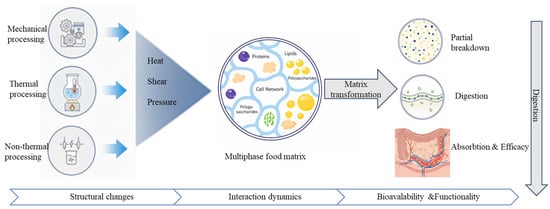
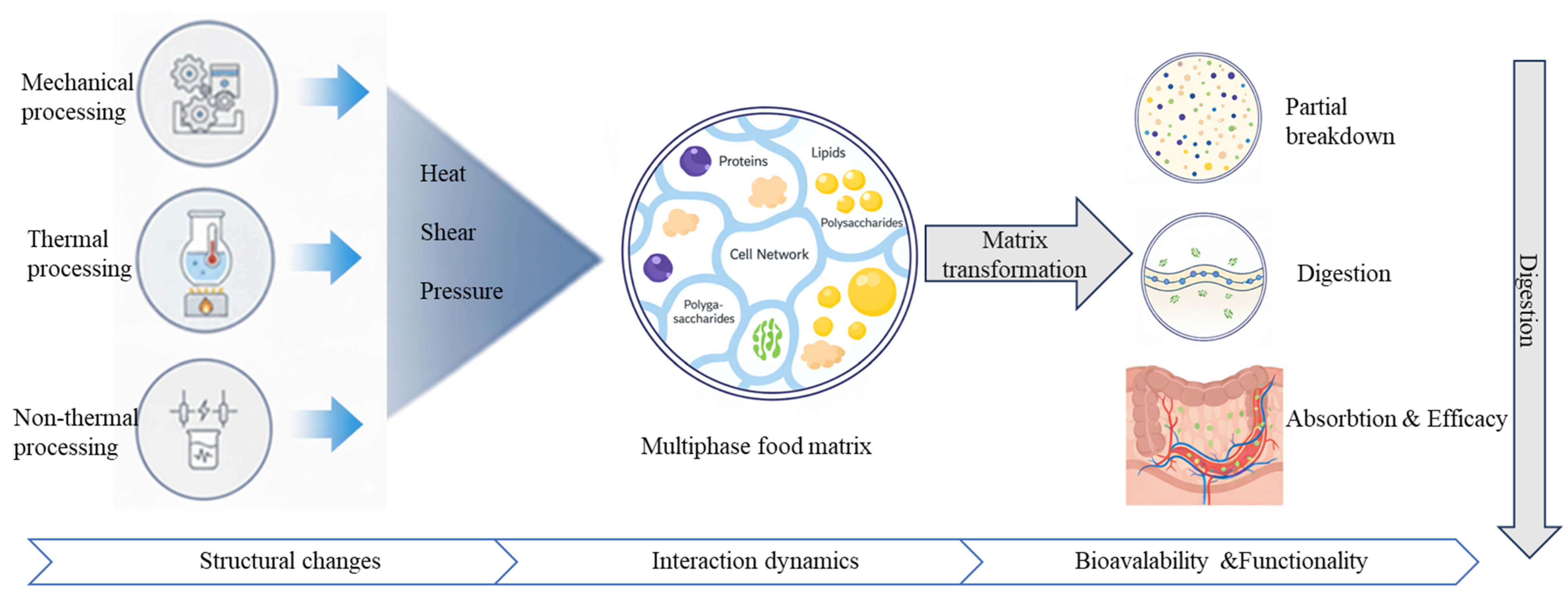
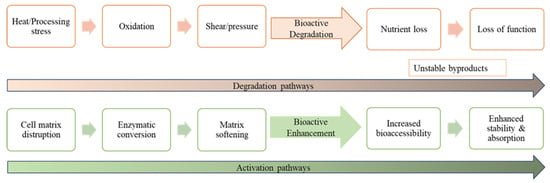
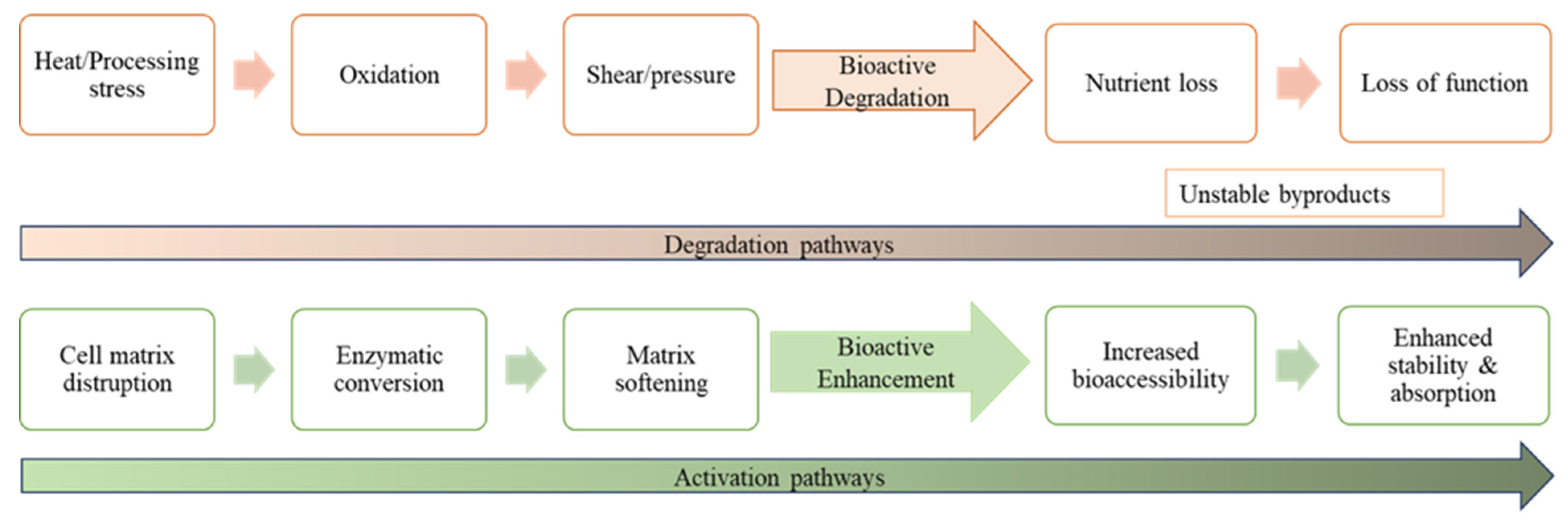
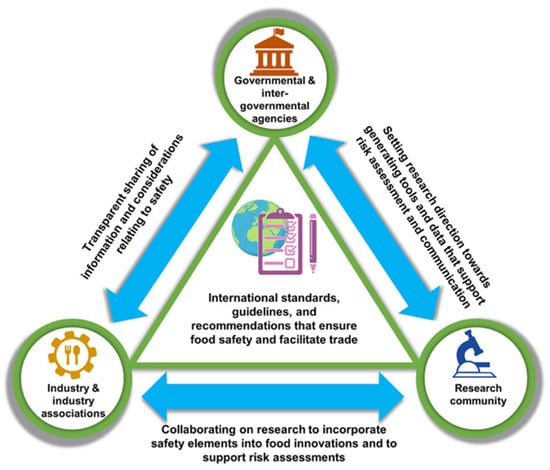
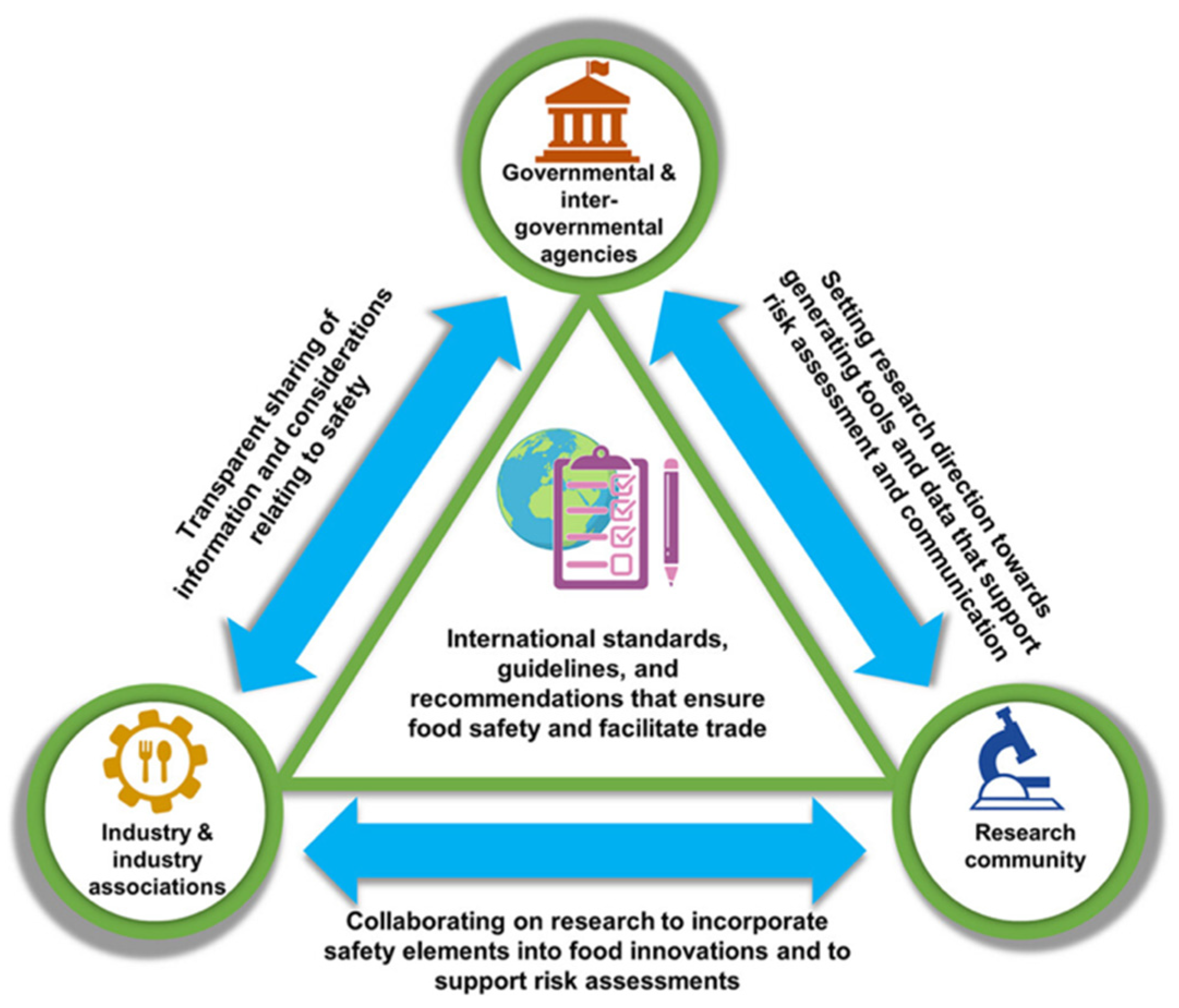

Disclaimer/Publisher’s Note: The statements, opinions and data contained in all publications are solely those of the individual author(s) and contributor(s) and not of MDPI and/or the editor(s). MDPI and/or the editor(s) disclaim responsibility for any injury to people or property resulting from any ideas, methods, instructions or products referred to in the content. |
© 2026 by the author. Licensee MDPI, Basel, Switzerland. This article is an open access article distributed under the terms and conditions of the Creative Commons Attribution (CC BY) license.