


Abstract
Background: Virtual, augmented, and mixed reality (or collectively extended reality, XR) serious games, combined with motion-tracking technologies, are increasingly used for motor and cognitive rehabilitation and training. As XR and tracking technologies advance, a systematic mapping of the related research area could offer relevant insights. Objectives: This review aims to map interactive XR serious games, using motion-tracking technologies for physical or cognitive rehabilitation or training, and describe intervention characteristics and evaluation methods. Eligibility Criteria: Eligible studies were English, peer-reviewed journal articles published between 2015 and October 2025, with more than three participants, using custom XR serious games for rehabilitation or training. Studies were excluded if they focused on technical aspects, passive XR, diagnostic evaluation, psychological therapies, minor participants, procedural training, or education. Charting Methods: Data were charted using a structured form capturing XR characteristics, hardware configurations, study characteristics, and evaluation methods. Results: 61 studies were included. Most employed non-immersive or fully immersive VR interventions, targeting physical upper-body rehabilitation, especially post-stroke and Parkinson’s disease. Usability, acceptability and user experience, and training effectiveness were commonly evaluated with positive outcomes. Conclusions: The findings highlight opportunities for research into augmented and mixed reality approaches, particularly for cognitive function, and use of XR-based interventions across broader populations.
1. Introduction
1.1. Rationale
Extended reality (XR) technologies are being increasingly adopted across healthcare domains, as reflected by the growing research activity, expanding range of applications, and emerging clinical and educational uses [1,2,3]. A variety of XR applications, with modalities ranging from augmented reality (AR) to virtual reality (VR), are used to create immersive and interactive environments that aim to support physical, cognitive, and motor–cognitive interventions for rehabilitation and training.
1.2. Related Reviews in XR-Based Rehabilitation and Training
Many recent reviews have investigated the use of XR applications within specific clinical contexts, including rehabilitation following total knee arthroplasty [4], rehabilitation after acquired brain injury with the use of XR and mixed reality (MR) interventions [5,6], lower-limb rehabilitation employing AR applications [7], and XR interventions for stroke rehabilitation [8,9] as well as immersive VR applications for upper-limb rehabilitation in stroke populations [10]. Additionally, other reviews have focused on immersive XR interventions targeting psychological outcomes in spinal cord injury rehabilitation [11], VR and AR applications and exergames for chronic musculoskeletal rehabilitation [12], and VR-based interventions for postoperative cruciate ligament reconstruction [13].
Other reviews have adopted a more general approach without focusing on specific populations and pathologies. For example, a recent scoping review on AR and MR applications for motor rehabilitation mapped common sensing technologies, display devices, usability, and acceptability outcomes across a wide range of applications [14]. Similarly, ref. [15] mapped AR and MR applications supporting physical exercises in medical rehabilitation and proposed a taxonomy for patient types, rehabilitation purposes, and interaction design characteristics. Finally, a recent systematic review examined the effectiveness of integrating 3D and 4D digital human modeling within XR-based rehabilitation applications [16].
The existing reviews of XR interventions in health and rehabilitation highlight the breadth of this field and the wide variety of different applications and methodological approaches. This scoping review differs from previous population and pathology-specific reviews by adopting a broader perspective, not limited to a particular clinical condition. For example, while review [14] focused specifically on AR/MR applications for motor rehabilitation, the present review provides a system-oriented mapping of XR-based rehabilitation and training interventions across conditions, with a focus on motion-tracking technologies. Furthermore, this review includes all XR modalities (VR, AR, and MR), examines both motor and cognitive domains, and applies distinct eligibility criteria, including the exclusion of conference papers, studies with very small sample sizes, technically focused papers, single-session interventions, and interventions based on unmodified commercial off-the-shelf games. This allows the review to focus on structured, interactive XR interventions designed for rehabilitation or training rather than on technological systems alone. In summary, this scoping review aims to map XR-based rehabilitation and training interventions by examining the XR modalities, visualization devices, and motion-tracking technologies used, and to provide an overview of the different study characteristics and evaluation domains. This scoping review may provide a basis for a future systematic review.
1.3. Objectives
This scoping review aimed to map and summarize the existing literature of XR technologies used for physical and cognitive rehabilitation and training. More specifically, the review aimed to (i) identify XR system configurations and modalities, levels of immersion, visualization devices, and motion-tracking technologies used in the included studies, (ii) describe temporal trends in XR system configurations for the reviewed period, (iii) summarize the study characteristics of the included studies, and (iv) document the evaluation domains and measures used to assess XR-based rehabilitation and training interventions.
2. Methods
2.1. Protocol and Registration
No review protocol was registered for this review. To ensure the methodological transparency of this review, the PRISMA-ScR guidelines were followed [17].
2.2. Eligibility Criteria
To be eligible for inclusion in this review, studies needed to be peer-reviewed journal articles written in English. Other types of publications, such as reviews, perspective articles, or editorials, were excluded. While conference proceedings may be influential in XR and tracking research, they often report preliminary findings and are subjected to space constraints that may limit the level of methodological and technical detail provided. Also, the exclusion of conference proceedings reduced the likelihood of duplicate inclusion of extended journal versions of them. As the aim of this review was to systematically extract detailed information for system configurations, tracking technologies, intervention protocols, and outcome measures, inclusion was restricted to full-length peer-reviewed journal articles. This approach allowed only studies with more complete reporting to be included. Finally, only studies published after 2015 were considered, in order to ensure relevance to current technological developments of XR systems and motion-tracking methods.
Furthermore, to be included, a study should meet all the following criteria:
- Included three or more participants who completed a training or rehabilitation intervention. A minimum sample size of three participants was required to exclude single-case reports and very small-scale evaluations. This low threshold was selected to avoid excluding small pilot studies, which are common in emerging XR-based rehabilitation and training research.
- The intervention aimed to improve cognitive, physical, or motor–cognitive (physical and cognitive combined) abilities.
- The intervention was multi-session, conducted on separate days or visits.
- The intervention used a VR, AR, or MR application. This includes systems that are fully immersive (e.g., VR HMD), semi-immersive (e.g., CAVE, MR headset), or non-immersive (e.g., TV, screen, monitor).
- The application had to include at least one explicit gamification mechanic (e.g., defined goals or objectives, scoring systems, rewards such as stars, points or achievements, or progression elements). Alternatively, the intervention had to be explicitly described as a “game”, “serious game”, or “exergame”, with game elements verifiable from the text, figures, or supplementary materials. Supplementary videos or images were evaluated when available.
- The application had to be custom-developed for research purposes or a commercially available rehabilitation or training game developed by the study authors. Interventions based on commercially available, off-the-shelf games that could be purchased and used by the general public were excluded.
Studies were excluded if any of the following criteria were applicable:
- Included two or fewer participants.
- Participants did not take part in a training or rehabilitation intervention.
- The intervention was a single session.
- The intervention was based on passive experience (e.g., 360° videos).
- Focused on technical aspects (e.g., hardware, algorithms).
- The application functioned only as a diagnostic tool.
- The application could not be classified as a game (e.g., lack of gamification features).
- Used commercially available, off-the-shelf games without substantial modification (commercially available rehabilitation or training games were not excluded if the authors were part of the development team).
- Focused on procedural or professional skill training (e.g., surgery).
- Focused on knowledge transfer (educational applications).
- Focused on psychological therapy or psychological exposure applications.
- Included children or adolescent participants.
To enhance reproducibility and illustrate how eligibility criteria #5 and #6 were applied, screening followed a structured decision sequence, as described in Supplementary File S2.
2.3. Information Sources
To identify relevant studies, a comprehensive literature search was conducted in October 2025 using the Scopus, PubMed, IEEE Xplore, and ACM Digital Library databases. The results from each database were exported into Zotero 7.0 (Corporation for Digital Scholarship, VA, USA), where duplicate entries were identified and removed. One additional relevant study was identified through expert suggestion and included after assessment.
2.4. Search Strategy
The literature search was conducted in Scopus, PubMed, IEEE Xplore, and ACM Digital Library. The search was completed using a combination of terms defining the type of the immersive technology: “Virtual Reality”, “Augmented Reality”, “Mixed Reality”, “Extended Reality”, “VR”, “AR”, “MR”, and “XR” together with terms defining the type of motion tracking/recognition/sensing technology: “Motion Tracking”, “Motion Capture”, “MoCap”, “Body Tracking”, “Pose Estimation”, “Computer Vision”, “Object Tracking”, “Gesture Recognition”, “Skeleton Tracking”, “MediaPipe”, “OpenCV”, “Kinect”, “Head Mounted Display”, “HMD”, “Depth Camera”, “Human Pose Estimation”, “Human Motion Analysis”, “Hand Tracking”, “Face Tracking”, “Markerless Tracking”, “Depth Sensing”, “SLAM”, “Simultaneous Localization and Mapping”, “IMU”, “Visual-Inertial Odometry”, “VIO”, “Inertial Tracking”, “ARCore”, “ARKit”, and “Sensor Fusion”. The use of terms like “Head Mounted Display” or “HMD” was used because identifying a known HMD makes the sensing technology or method easy to determine.
Furthermore, the terms about motor or cognitive training included the following: “Cognitive Training”, “Physical Training”, “Exercise”, “Body Training”, “Rehabilitation”, “Dual Task Training”, and “Balance”.
Finally, the terms to describe a game-centered environment included the following: “Exergame”, “Exergaming”, “Serious Game”, “Virtual World”, “Gamification”, “Game”, “3D World”, “Virtual Environment”, “Immersive Experience”, “Interactive Simulation”, “Interactive Environment”, and “Interactive Experience”.
The terms within each of the main concept groups (type of immersive technology, type of sensing technology, type of training, and game-centered/interactive environment) were combined with OR, while the four groups were combined with AND. The final search structure followed the following pattern:
(Immersive technology terms) AND (Sensing technology terms) AND (type of training terms) AND (game-centered/interactive environment terms).
The above search terms were limited to “Title”, “Abstract”, and “Keywords” (or “metadata”, depending on the available database options). The range of publication years was limited to between January 2015 and October 2025. Depending on the available database filters, the results were also limited by document type to Articles, by type to Journals, and by language to English.
The full executable search strings for each database, including field specifications, applied filters, and record counts, are provided in Supplementary Material File S3.
2.5. Study Selection
The exported records from each database were imported into Zotero to identify and remove duplicates after manual verification. The remaining records were examined in two stages. First, the titles and abstracts were examined to exclude irrelevant publications, such as reviews and study protocols, which were identified from the titles and confirmed for exclusion using the abstracts. For the rest of the potentially relevant publications, the full-text articles were retrieved and assessed according to the eligibility criteria. Records for which the full text could not be retrieved were excluded. Both stages were assessed independently by two reviewers according to the eligibility criteria. Screening decisions were compared after each stage. Ambiguous cases were revisited to ensure the consistent application of the eligibility criteria, and disagreements were resolved through discussion. The percentage agreement between the two reviewers was calculated after screening and was 91% for title and abstract screening and 94% for full-text assessment.
2.6. Data Charting Process
2.6.1. General Data Extraction Procedure
The records from the selected databases were merged and organized before extraction. The data from the included studies were charted using Microsoft Excel 365 (Microsoft Corporation, Redmond, WA, USA), following a structured extraction template. The extracted information for the studies included bibliographic attributes and four main categories: the application characteristics, the technical and tracking specifications, the study details, and the evaluation outcomes.
The data charting template was refined during the initial stages of the review to ensure better capture of the relevant information and improve consistency. Brief notes were maintained for the excluded records. After the refinement, the final extraction template was used for all studies. Ambiguous cases were revisited to minimize subjective interpretation and maintain consistency.
2.6.2. Hardware Identification and Inference Rules
For the hardware, device models, tracking type, and any additional components were recorded when explicitly reported. When not specified, inference rules were applied. For studies not mentioning device version for “Kinect”, or whether it was Kinect for Xbox 360, Kinect for Windows, Kinect for Xbox One, or Kinect 2 for Windows (Microsoft Corporation, Redmond, WA, USA), the device version was inferred if clear supporting evidence was available. More specifically, if figures showed the Kinect 2 for Windows or Kinect for Xbox One form factor, the system was categorized as “Kinect v2”, while if images showed the Kinect for Xbox 360 or the characteristic silhouette of Kinect v1, then it was categorized as “Kinect v1”. In cases where hardware version identification was uncertain, more generic terms were used (e.g., “Kinect” for hardware and “RGB-D camera (markerless)” for the associated tracking method). This was required in a small number of cases (3 studies, about 5% of the included sample). Such classifications appear only in descriptive tables and do not affect the reported distribution patterns, as the analysis is based on higher-level categories such as modality, immersion level, visualization device type, and tracking technology type.
Low-level sensor components were not independently extracted unless explicitly described. Reported tracking systems, used only for the evaluation or validation of the performance or accuracy of the main tracking system, were not recorded as tracking hardware unless they were used directly for tracking related to the game interaction. Non–motion-tracking sensors (e.g., electromyography (EMG) and electroencephalography (EEG)) were excluded unless directly used for motion tracking or game interaction.
2.6.3. Terminology Normalization and Tracking Architecture Classification
Terms related to known commercially available tracking systems were normalized for consistency. For example, “Base Stations” in studies utilizing HTC Vive (HTC Corporation, Taipei, Taiwan) systems were standardized as “Lighthouse Base Stations”. When studies built around HTC Vive systems depicted or described worn trackers, then “Vive Trackers” were recorded. Normalization of hardware terminology was limited to known commercial systems and only based on text or visual evidence.
For the classification of the tracking architecture of head-mounted displays (HMDs) (optical inside-out and outside-in), the technical specifications of the identified commercial system were used. For example, Meta Quest 2 (Meta Platforms Inc., Menlo Park, CA, USA) and Oculus Rift S (Oculus VR, LLC, Menlo Park, CA, USA) systems were categorized as optical inside-out, whereas HTC Vive Pro (HTC Corporation, Taipei, Taiwan) systems that use Lighthouse base stations were categorized as outside-in. Tracking types were not inferred beyond the technical characteristics of commercially available hardware.
2.6.4. Harmonization of Body Domains and Clinical Conditions
To improve comparability across the included studies, body areas like the knee or lower limbs and related functions such as gait were grouped under “lower body”, while areas like the trunk, upper extremity, shoulder, or neck were grouped under “upper body”. Similarly, “full body” categorized studies that either explicitly targeted the full body or targeted areas of both the upper and lower body.
Studies reporting different subtypes of the same condition were grouped into the broader condition category. For example, stroke with chronic upper extremity hemiparesis, chronic stroke, subacute stroke, or just stroke were all aggregated under the category “stroke”. This aggregation was performed to allow comparison across studies.
2.7. Data Items
The extracted data from the studies covered bibliographic attributes (title, first author, publication year, and DOI) and variables grouped in four categories: application characteristics, technical and tracking specifications, study and participant characteristics, and evaluation outcomes.
2.7.1. Application Characteristics
Application characteristics included the type of XR modality (VR, AR, and MR), level of immersiveness, game theme, and development platform.
The XR modality was recorded according to the terminology used by the study. When the terminology was inconsistent, classification was based on the capabilities of the visualization device described. Game themes were summarized according to the authors’ descriptions.
2.7.2. Technical and Tracking Specifications
Technical specifications included the visualization device, tracking hardware, and tracking type.
When hardware was not explicitly described, or details such as version were missing, contextual details or device images and illustrations within the study were used to infer the device variant (e.g., Kinect v1 vs. v2). The tracking type was based on the motion tracking hardware (e.g., “RGB-D camera (markerless)” for Kinect, or “inside-out” for Meta Quest 2). The term “Hybrid tracking” was used to classify studies that utilized more than one major motion-tracking approach within the same intervention, without necessarily implying sensor fusion.
2.7.3. Study and Participant Characteristics
This category included the target body domain, intended application (rehabilitation or training), target function (physical, cognitive, or both), target population/condition, sample size, whether the sample matched the intended population, and the intervention duration.
The target body domain was harmonized into three categories (upper body, lower body, full body) and was based on the primary study focus. If body domains were not explicitly stated, the evaluation tools employed by the study were used to determine the relevant body domain. Pathology labels were standardized where possible (e.g., “subacute stroke” was categorized as “stroke”) to enhance cross-study comparability.
2.7.4. Evaluation Outcome Categories
Evaluation outcomes were grouped into six predefined constructs: usability; acceptability and user experience (UX); training effectiveness; cybersickness; system accuracy; and measurement validity. The definitions and coding criteria were defined in advance for consistent classification.
Usability
Usability was defined according to ISO 9241-11 [18] as the extent to which a system enables users to achieve their goals with effectiveness, efficiency, and satisfaction for a specified context of use.
Standardized or validated usability tools, such as the System Usability Scale (SUS) [19] and the User Satisfaction Evaluation Questionnaire (USEQ) [20], were categorized as usability measures. UX evaluation tools, such as the User Experience Questionnaire (UEQ) [21], were categorized as usability when reported outcomes reflected efficiency or ease of use.
Instruments designed for assessing efficiency, ease of use, learnability, or task-related workload, such as the Raw Task Load Index (RTLX) and NASA Task Load Index (NASA-TLX) [22], were categorized under usability. The Quebec User Evaluation of Satisfaction (QUEST) [23] was also included in the usability category.
Non-standard evaluation tools, such as qualitative feedback or custom questionnaires, were categorized as usability measures if they aimed to assess usability-related items, such as effectiveness or efficiency of use, ease of use, or learnability.
Acceptability and User Experience
Acceptability and UX were categorized under the same construct. Acceptability according to the Technology Acceptance Model (TAM) [24,25] can be primarily described as perceived usefulness and perceived ease of use, which influences the attitudes and behavior of a user toward using and the actual system usage.
Standardized or validated tools designed to assess technology acceptance, such as the Unified Theory of Acceptance and Use of Technology (UTAUT) [26] and the Technology Usage Inventory (TUI) [27], were categorized under this construct. Questionnaires (e.g., Physical Exercise Adherence Questionnaire and questionnaires for overall experience) and evaluation measures that aimed to assess acceptability-related items such as adherence, motivation, engagement, compliance, intention to use, or usage frequency were also included.
UX-related tools and questionnaires designed to measure constructs such as enjoyment, affect, attractiveness, or immersion, which may influence technology acceptance, were categorized within this construct. Examples of UX tools included the Intrinsic Motivation Inventory (IMI), the Game Experience Questionnaire (GEQ), the Positive and Negative Affect Schedule (PANAS), the Self-Assessment Manikin (SAM), the Perceived Restoration Scales (PRS), and the Presence in AR questionnaire (pAR).
When referring to the GEQ, a distinction was made between the UX related GEQ [28] and usability satisfaction measures derived from the IBM Computer Usability Satisfaction Questionnaires [29], which were categorized under usability.
Training Effectiveness
Training effectiveness referred to participant improvement or functional progress that was a result of the intervention. This construct included standardized clinical assessments and performance-based functional tests, such as the Fugl–Meyer Assessment (FMA), Berg Balance Scale (BBS), Timed Up and Go (TUG), Montreal Cognitive Assessment (MoCA), and Wolf Motor Function Test (WMFT). It also included game-derived performance metrics used to evaluate improvement, as well as pre–post comparisons and between-group analyses of physical or cognitive outcomes.
Cybersickness
Cybersickness refers to sickness-like symptoms such as eye strain, headache, nausea, or disorientation that are related to real-time 3D graphics, especially when using HMDs [30]. Formal assessment included use of standardized or validated tools such as the Simulator Sickness Questionnaire (SSQ) [31] and the Virtual Reality Sickness Questionnaire (VRSQ) [32]. Other assessment methods, including custom questionnaires, checklists, or qualitative feedback aimed at capturing motion sickness symptoms or adverse events and effects, were also included.
System Accuracy
System accuracy referred to the performance, precision, and reliability of the motion-tracking equipment and sensors used for the intervention. Evaluation measures included assessment of tracking precision and accuracy, agreement between sensor outputs and external measurement tools, repeatability, error rates, or internal system-algorithm evaluations (e.g., posture-matching or gesture detection accuracy).
Measurement Validity
Measurement validity referred to the extent to which system metrics reflected the functions they were intended to measure. Measurement validity was considered assessed when studies examined the relationships between system metrics and external measures, including correlation or regression analyses, or comparisons with established external measures.
2.7.5. Data Charting and Classification Procedures
The data extraction and classification of the evaluation measures into the predefined constructs were performed independently by two reviewers. The coding decisions were compared, and disagreements were resolved through discussion until agreement on the classifications was reached. When the construct boundaries were ambiguous (e.g., usability versus UX), classification was guided by the study descriptions and the theoretical foundation of the used instruments when commonly used tools were involved.
Illustrative examples of evaluation measure classification from ten representative included studies are provided in Supplementary File S4.
2.7.6. Outcome Categorization
Evaluation outcomes and their descriptive records were based on the reported findings of each study. The reported findings were categorized as favorable when the study reported improvements or positive results for the primary evaluation measures according to the authors of that study. When widely adopted standardized tools were used (e.g., SUS), categorization followed the scoring guidance of the tool. No independent reassessment or reanalysis of statistical results was conducted.
2.8. Critical Appraisal of Individual Sources of Evidence
Study quality evaluation or risk of bias assessment was not performed, as the aim of this scoping review was to map the existing evidence.
2.9. Presentation of Results
The extracted data were synthesized descriptively and organized using the data-charting categories. Findings were grouped according to the objectives. Tables and narrative summaries were used to present them and were accompanied by visual representations (e.g., bar charts and diagrams) when appropriate. Additionally, when possible, terminology inconsistencies were normalized to improve uniformity of the reported items and consistent grouping across the different studies. No meta-analysis was conducted, as the aim of this scoping review was to map the existing evidence.
3. Results
3.1. Selection of Sources of Evidence
From a total of 752 records identified from the four databases after applying all available filters (e.g., publication type and language), 170 were removed as duplicates. The remaining 582 records were screened by title and abstract to remove studies that could be readily identified as reviews, study protocols, or involving ineligible populations, and 58 studies were removed. Full text was unavailable for 22 records. The full texts of the remaining 502 studies were assessed for eligibility. Of these, 442 were excluded for the following main reasons: 14 were reviews, 1 was a study protocol, 3 were perspective articles, 1 was a book chapter, and 1 was a conference article. A total of 78 studies had a primarily technical focus, included no participants, or were unrelated to rehabilitation or training. A total of 194 studies did not meet rehabilitation or training criteria (e.g., single-session or single-visit studies, no reported intervention duration, or diagnostic focus). A total of 11 studies used non-interactive content (e.g., 360° videos). A total of 14 involved ineligible populations. A total of 24 studies were excluded for not being games or lacking gamification features. A total of 14 studies focused on procedural skills or education and were excluded. A total of 79 used unmodified commercial games or platforms. Five were case studies or had two or fewer participants. One article was not in English, and two were alternative versions of previously assessed studies. One additional study identified through other sources (expert suggestion) was retrieved and assessed for eligibility. In total, 61 studies (60 identified through database searching and 1 from other sources) were included in the scoping review. The study selection process is illustrated according to the PRISMA flow diagram in Figure 1.
Figure 1.
PRISMA flow diagram.
3.2. Characteristics of Sources of Evidence
All 61 included articles were published between 2015 and 2025, were multi-session interventions, and focused on interactive serious games or exergames for physical, cognitive, or motor–cognitive rehabilitation or training.
Most of the described serious games employed VR systems, while only a small number of studies employed AR or MR platforms. The immersiveness of the covered systems ranged from non-immersive to fully immersive. Non-immersive games were most common, especially among earlier studies, while fully immersive systems that use HMDs were more prominent in later studies. Semi-immersive MR systems were less frequent. Some of the studies described platforms utilizing more than one level of immersiveness. Visualization devices included screen-based systems, VR HMDs, and MR headsets.
Motion tracking was implemented using a wide variety of technologies. Optical markerless approaches relying on RGB-D cameras were the most commonly used. Other, non-optical-based motion tracking methods described were inertial and hybrid configurations.
Most studies focused on rehabilitation serious games, while a smaller number focused on training applications for healthy participants or populations at risk. All the included studies involved adult participants, with some of them targeting healthy populations while others focused on clinical populations with conditions such as stroke or Parkinson’s disease. Sample sizes were generally small to moderate, and the duration of the interventions ranged from a few sessions over a single week to programs extending up to six months.
Training effectiveness was the most reported evaluation outcome, followed by acceptability and UX and usability. System accuracy, metrics validity, and cybersickness were less frequently reported outcomes.
3.3. Critical Appraisal Within Sources of Evidence
There was no critical appraisal of the included sources of evidence conducted, as this was outside the scope of the review.
3.4. Results of Individual Sources of Evidence
Table 1 presents an overview of the included sources of evidence with the serious-game activities or tasks implemented in each intervention. Table 2 reports the XR system characteristics, including XR modality, immersiveness, development platform or game engine, visualization device, tracking hardware, and primary tracking type employed. Table 3 presents the study characteristics, such as the participant characteristics, the duration, and the body domain targeted by the intervention. Table 4 and Table 5 present the evaluation domains (usability, acceptability and UX, training effectiveness, cybersickness, system accuracy, and metrics validity), and the related outcomes.
Table 1.
Primary objective and game activities/tasks of the included sources of evidence.
Table 2.
XR hardware, software, and interaction characteristics.
Table 3.
Study characteristics for the included interventions.
Table 4.
Evaluation and reported outcomes for usability, acceptability and UX, and training effectiveness.
Table 5.
Evaluation and reported outcomes for cybersickness, system accuracy, and metrics validity.
3.5. Synthesis of Results
The following subsections synthesize results across studies, focusing on XR system characteristics, study characteristics, and evaluation domains.
3.5.1. XR Modalities, Immersion Configurations, Visualization Devices, and Tracking Systems
Across the reviewed literature, the majority of studies employed VR-based interventions, accounting for around 92% of the total studies (n = 56). A small number of studies, or about 3%, employed combinations of AR and VR (n = 2), which makes the percentage of studies that used VR over 95% (n = 58). The AR-based interventions accounted for approximately another 3% (n = 2). MR systems were reported by one study, accounting for less than 2% of the studies. Figure 2 illustrates this distribution.
Figure 2.
Distribution of XR modalities across included studies.
In terms of immersion level, the majority of the implementations used either non-immersive or fully immersive configurations. Around 54% of the studies (n = 33) used non-immersive setups, while 33% of the studies (n = 20) employed fully immersive configurations. Semi-immersive setups were uncommon and reported in approximately 6.5% of the studies (n = 4). A similar number of studies (6.5%, n = 4) implemented hybrid immersive configurations combining fully immersive with non-immersive configurations. Figure 3 shows this distribution.
Figure 3.
Distribution of immersion levels across included studies.
The most frequently used visualization devices were screen-based displays, which appeared in approximately 57% of studies (n = 35). HMDs were used in about 36% of studies (n = 22), with the majority employing VR HMDs (n = 20) and a small number of them using AR or MR headsets (n = 2). Few studies employed hybrid immersive configurations combining screen-based displays and VR HMDs in the same intervention. Figure 4 summarizes the appearances of different tracking approaches across the included studies.
Figure 4.
Distribution of type of visualization devices.
Regarding the motion tracking hardware, more than 93% of the included studies (n = 57) used a form of optical tracking, with several studies reporting multiple tracking approaches. The most common tracking method was the RGB-D camera, used in approximately 61% of the included studies (n = 37). Optical outside-in tracking was reported in about 25% of studies (n = 15), while optical inside-out tracking appeared in around 15% of studies (n = 9). Inertial-based tracking was used in about 11% of studies (n = 7), including one study using inertial-based tracking for a 3 Degrees of Freedom (3DoF) VR headset. Other infrequently reported tracking approaches included mechanical or robotic systems, EMG, force-based sensing, infrared tracking, and RGB cameras. Figure 5 summarizes the appearances of different tracking approaches across the included studies.
Figure 5.
Frequency of tracking technologies across the included studies.
At the hardware level, the reviewed literature was dominated by a small number of commercially available platforms. The markerless RGB-D camera tracking for most of the studies was implemented using Microsoft Kinect sensors. Among VR HMDs, earlier studies employed outside-in configurations, with most of them relying on HMDs from the HTC Vive family that use base stations, whereas more recent studies increasingly adopted HMDs using inside-out, which is standalone, with most of these headsets being Oculus (and Meta) based platforms.
Across the reviewed time period, temporal trends were observed for levels of immersion and tracking approaches. Earlier studies more frequently used non-immersive, screen-based XR systems, while more recent studies employed increasingly fully immersive configurations. Figure 6 shows the temporal trends of the included studies by level of immersiveness. In 2015, 4 of the 5 included studies relied on non-immersive configurations, while 1 employed a semi-immersive setup. Likewise, in 2016, all five identified studies relied exclusively on non-immersive systems. By contrast, in 2024, about half of the nine studies employed fully immersive configurations, while in 2025, the identified studies used either fully immersive systems (n = 3) or hybrid configurations combining non-immersive and fully immersive elements (n = 1). These changes in immersion were accompanied by changes in visualization devices. Earlier studies relied to a large extent on screen-based displays, while later studies increasingly employed HMDs.
Figure 6.
Temporal trends of the included studies by level of immersiveness. (a) Relative distribution of immersiveness expressed as percentages by year. (b) Number of studies per year by immersiveness. Data are aggregated across all three XR modalities (VR, AR, and MR).
Temporal analysis also revealed changes in tracking configurations used in immersive XR interventions. Earlier HMDs exclusively relied on outside-in tracking approaches. Inside-out tracking approaches were increasingly reported in studies from 2022 onward, while outside-in configurations were becoming less frequent over time. Figure 7 shows the temporal changes in the distribution of outside-in and inside-out tracking technologies over the reviewed period.
Figure 7.
Temporal changes in the distribution of outside-in and inside-out HMDs.
For the visualization hardware used, there was a shift from monitor-based configurations toward HMD-based systems in later studies. Included studies from 2015 and 2016 were all screen-based. In contrast, by 2024 and 2025, there were more HMD configurations, with 2025 having no exclusively screen-based setups. Similarly, for the tracking hardware, RGB-D camera–based tracking (e.g., Kinect) dominated the earlier included studies. However, in 2025, there were no Kinect-only systems. More specifically, the included studies after 2022 seem to increasingly rely on HMD systems and their tracking methods, with the included 2025 studies all utilizing HMDs either as standalone or combined with Kinect.
3.5.2. Study and Intervention Characteristics
About half of the included studies (30 of 61) focused on the upper body, followed by full-body (19 of 61) and lower-body interventions (12 of 61). Most studies were related to rehabilitation (53 of 61), and 8 targeted training. For the targeted functions, most studies focused on physical functions (52 of 61), while 6 explored cognitive functions and 3 targeted a combination of physical and cognitive (motor–cognitive) functions.
The included studies addressed a variety of conditions and target populations. Stroke was the most frequently represented condition, appearing in approximately one-third of the studies (20 of 61), and was followed by Parkinson’s disease. Figure 8 illustrates the distribution of target populations and conditions across the included studies. For the majority of studies (58 of 61), the target population described in the study was the same as the sample used.
Figure 8.
Distribution of target populations and conditions of the included studies.
Among studies addressing stroke, the majority focused on upper-body interventions (17 of 20) while only a small number focused on full-body (2 of 20) and lower-body functions (1 of 20). In contrast, for Parkinson’s disease, most focused on full-body interventions (7 of 9), with just one study each addressing the lower and upper body.
All the included studies involved multiple intervention sessions, with half of them (30 of 61) reporting durations of up to 1 month. Durations of up to 3 months were reported in 21 studies, while 7 studies extended beyond 3 months. For three of the studies, the exact intervention duration was unclear. Figure 9 illustrates the distribution of intervention durations across the four categories. About one third of the studies (20 of 61) reported a medium sample size of 21–40 participants, while the majority of the studies involved fewer than 20 participants (34 of 61), with 18 studies reporting sample sizes of 10 participants or fewer. Only 7 of the 61 studies reported larger sample sizes with more than 40 participants. Figure 10 shows the distribution of sample sizes.
Figure 9.
Distribution of the intervention durations.
Figure 10.
Distribution of the sample sizes grouped into 4 categories.
3.5.3. User-Related Evaluation Domains and Outcomes
Usability was assessed in 29 studies. Twenty-one of them employed custom evaluation approaches, such as qualitative interviews and custom questionnaires, with thirteen of them relying exclusively on custom evaluation methods. Among the standardized methods of evaluation, the most frequently used was the SUS, which was employed in nine studies. All the studies that assessed usability reported positive outcomes. Figure 11 illustrates the distribution of the usability evaluation methods.
Figure 11.
Methods used for usability evaluation.
Acceptability and UX were assessed in 45 studies. Among these, 36 of the studies used custom evaluation approaches, such as qualitative interviews and custom questionnaires, with 30 of them relying exclusively on custom evaluation methods. Twelve studies assessed acceptability and UX using adherence, dropout rates, or usage metrics, and three studies employed the UEQ. Twenty different non-custom questionnaires or evaluation approaches were reported. All 45 studies assessing acceptability and UX reported positive outcomes.
The effectiveness of the interventions was assessed in 53 studies. Among these, 47 reported positive outcomes, while 6 reported mixed results. A total of 44 studies relied on standardized assessment tools, either alone or in combination with custom methods, whereas 9 studies relied exclusively on custom evaluation approaches such as game-derived performance metrics.
Adverse effects and cybersickness were assessed in 25 studies. Only three studies reported the use of standardized or validated cybersickness assessment tools such as the SSQ and the VRSQ. Three studies reported qualitative or custom cybersickness assessments, and nineteen studies reported adverse event or adverse effect monitoring.
Among the 23 studies that employed fully immersive VR interventions, 3 used standardized or validated tools, and 10 relied on qualitative methods such as custom VR sickness tools or adverse effect monitoring. One of the two semi-immersive VR studies monitored adverse effects. Out of the 34 non-immersive VR and AR configurations, 7 studies reported adverse effects or adverse event monitoring. Due to heterogeneity in reporting methods and outcome measures, direct comparison of cybersickness severity across immersion levels was not feasible.
3.5.4. System Related Evaluation Domains and Outcomes
System accuracy was assessed in seven studies. Six of these studies reported positive outcomes, while one reported mixed results due to tracking inaccuracy. Most evaluations were completed through qualitative or indirect comparisons rather than standardized or quantitative metrics. Metrics validity was assessed in 12 studies, with all reporting positive outcomes. The validity of the metrics was most commonly assessed through correlation or regression analyses by comparing system-derived metrics with established clinical scales, ratings, or performance measures. Narrative descriptions and inferred consistency with known theoretical or clinical benchmarks were only occasionally used.
4. Discussion
4.1. Interpretation of Results on XR System Configurations
This scoping review aimed to identify relevant studies and describe their main features. As such, the findings do not imply comparative superiority or evaluation of effectiveness. The synthesis of the included studies indicates the dominance of VR-based systems and optical tracking technologies in XR-based rehabilitation and training studies. This observation is consistent with prior work describing VR as having more clearly defined fields of application and research areas, while AR is less represented and still emerging [94]. On the other hand, MR has been described as conceptually and historically derived from VR [95]. Additionally, the greater use of VR-based systems compared to AR is consistent with broader trends shown in large-scale analyses, where VR-based publications outnumber those using AR [94].
In the reviewed studies, most of the configurations were either non-immersive or fully immersive. Semi-immersive configurations using large-screen displays and hybrid interventions were less common. For hardware, the reviewed studies relied mostly on commercially available platforms, such as Microsoft Kinect for RGB-D tracking and HMDs from the HTC Vive, and Oculus (later Meta) families of headsets. Previous studies have shown that non-immersive rehabilitation systems usually rely on RGB-D sensors such as Microsoft Kinect [96], while mainstream VR HMDs are used for immersive healthcare applications [97].
4.2. Temporal Trends for XR Configurations and Tracking Approaches
Within the reviewed time period, a change from non-immersive to fully immersive configurations was observed. This shift is consistent with advances in AR/VR display architectures, particularly improvements in near-eye display designs for AR/VR headsets [98].
A similar change was also observed for the tracking approaches. Earlier fully immersive systems relied exclusively on outside-in tracking, while later systems increasingly adopted inside-out tracking. The change from only outside-in to inside-out HMDs aligns with previous technical evaluations on the advantages and disadvantages of the two different approaches, where inside-out tracking allows simpler system setup by eliminating the need for external tracking devices such as base stations, while the tracking accuracy remains sufficient for most VR applications, and the cost becomes reduced [99].
Beyond the changes in tracking architectures that favor inside-out HMDs, the decrease in hardware costs combined with increased system functionality has been a wider trend, even though cost reporting is inconsistent in XR healthcare studies [100]. The lower cost, together with the advancements in hardware, may have played a role in the increased adoption of fully immersive standalone HMDs that were observed in more recent studies. However, formal cost-effectiveness analyses or even discussions about cost were rarely reported among the included studies. This limits the ability to assess the economic value of different XR configurations in rehabilitation settings. While the improved affordability likely contributes to the adoption trends, accessibility-focused research indicates that cost and setup complexity, together with other limiting factors such as usability and infrastructure-related constraints, remain key barriers to the adoption and use of immersive AR and VR systems [101].
4.3. Interpretation of Study and Intervention Characteristics
Most of the included studies focused on rehabilitation rather than training and primarily targeted physical functions and outcomes instead of cognitive or a combination of them. The most frequently investigated condition in the included studies was stroke, followed by Parkinson’s disease. Post-stroke motor rehabilitation is one of the research areas where immersive XR is applied frequently [102]. The majority of the studies focused on upper-limb rehabilitation. Additionally, the focus of the target body area was often related to the condition, with stroke-related studies emphasizing upper limb rehabilitation, while Parkinson’s disease studies often employed full-body interventions.
The predominance of physically focused rehabilitation interventions could be related to the two most frequent conditions, as both stroke [103] and Parkinson’s disease [104] are associated with motor impairments. This may partly contribute to the higher number of motor rehabilitation applications. Additionally, motion-tracking technologies are designed to capture movement, which favors motor rehabilitation applications over cognitive interventions. This underrepresentation of cognitive-focused XR interventions compared to physical-based interventions may suggest future research opportunities to explore the potential benefits of immersive technologies in cognitive rehabilitation and training.
4.4. Interpretation of Evaluation Domains and Outcome Measures
The interventions presented in the included studies assessed outcomes extensively for usability, acceptability, and training effectiveness. However, usability and acceptability assessments relied heavily on custom and non-standardized tools. The use of standardized instruments such as the SUS can provide a better basis for comparisons across systems [105]. Overall, the use of custom and non-standardized tools for evaluation of usability and acceptability has also been noted in a previous study on telemedicine systems, which highlighted the recommendation for use of validated questionnaires such as SUS and TAM-2 [106].
Most of the included studies assessed the effectiveness of rehabilitation and training interventions. While the evaluation tools varied, depending on the focus of each study, the majority relied on standardized tools and only a few employed custom approaches for the evaluation. The reported outcomes were generally positive.
Cybersickness and related adverse effects present acceptability barriers to the adoption of immersive AR and VR systems [101]. Most of the included studies assessed adverse events or effects through monitoring or qualitative methods, rather than through standardized or validated tools for cybersickness. More than half of the fully immersive VR studies used some form of adverse effects or cybersickness monitoring, while only about one-fifth of the non-immersive VR and AR studies monitored adverse effects or events, which represent a broader category than cybersickness. Fully immersive VR studies were the only ones that made use of standardized or validated tools. However, most still relied on custom tools and adverse event or effect monitoring. The heterogeneity of custom evaluation approaches and the limited use of standardized cybersickness evaluation tools reduce the ability to directly compare the severity or incidence of cybersickness across immersion levels.
The assessment of cybersickness using standardized tools such as the SSQ, which was originally developed to quantify simulator sickness in flight simulators [31], or the VRSQ, which was specifically developed to assess VR sickness [32], is important, as cybersickness symptoms can manifest across multiple distinct dimensions, including nausea, disorientation, and oculomotor disturbance [107].
Only a small number of studies assessed system accuracy, and in most cases, this was completed through qualitative or indirect approaches. The relatively limited assessment of system accuracy was expected, as purely technical and design-centered studies without training or rehabilitation components were excluded. Metrics validity was assessed more frequently than system accuracy, often through correlation or regression analyses. Overall, studies that assessed system accuracy or metrics validity reported generally positive results.
4.5. Methodological Gaps and Research Considerations
This review highlighted several methodological gaps. A main concern is that many studies involved relatively small sample sizes and short intervention durations, which limits the ability for generalizations and long-term effects assessment. These study designs are more common for feasibility and pilot studies, while there is a lack of larger-scale studies.
Another methodological concern is the wide use of custom-developed assessment tools, particularly for usability and acceptability, which limits comparability across studies. The high diversity of different XR system configurations, intervention designs, and evaluation approaches further restricts the ability for broader comparisons. In addition, reporting certain critical study characteristics was occasionally incomplete. For example, some studies did not specify the duration of the intervention, while in others it was readily clear whether the intervention included commercial games.
Furthermore, most of the included studies were VR-based, with limited representation of AR and MR interventions. The reviewed literature was also concentrated on stroke and Parkinson’s disease, with approximately one third of the included studies focusing on stroke, while other conditions, such as autism spectrum disorder, chronic kidney disease, chronic neck pain, dysphagia, hypertension, mild cognitive impairment, multiple sclerosis, phantom limb pain, and palsy, were each represented by only one study. Most of the interventions focused on physical rehabilitation, whereas cognitive and motor–cognitive applications were less frequently addressed.
The characteristics observed in the reviewed studies point to several areas for future XR rehabilitation research. The underrepresentation of AR and MR approaches suggests research opportunities for use in areas that can benefit from their unique advantages, such as the integration with real-world environments to support task-oriented rehabilitation, real-time movement guidance, or home-based activity support in everyday contexts. In addition, the concentration of studies on pathologies such as stroke and Parkinson’s disease, and the predominance of physical-targeted interventions, suggests that a direction for future research could be the expansion of XR-based interventions to a broader range of clinical populations and to cognitive or motor–cognitive domains. Studies with larger sample sizes and longer intervention durations could help improve the generalizability of XR intervention findings. Similarly, the use of standardized and validated tools could improve reporting consistency and allow cross-study comparisons, particularly in areas such as the cybersickness assessment.
4.6. Limitations of the Scoping Review
There are a few limitations to this scoping review. The reviewed period was between 2015 and 2025, and extending this timeframe could potentially provide a better representation of longer-term changes and trends in the field.
Furthermore, only peer-reviewed journal articles were included. This may have led to the exclusion of innovative tracking-related studies published in other types of publications, such as conference proceedings. More specifically, due to the fast-moving pace of the XR research domains, the exclusion of conference proceedings may have limited the representation of emerging tracking innovations that are often first reported in conferences.
Although four major databases were searched, it is possible that some relevant studies were not captured. In addition, relevant studies might have been missed due to the search strategy.
The eligibility criteria applied to this review, like the focus on motion-tracking technologies, multi-session interventions, and the exclusion of conference proceedings and commercial off-the-shelf games, may have favored structured rehabilitation applications over training interventions, which were less frequently represented in the included studies.
Some system characteristics and tracking details had to be inferred when not explicitly reported. These inferences were based on contextual information, known device specifications, visual material within the studies, or the publication period. In addition, the classification of certain assessment tools was based primarily on how they were applied within the studies. These factors may introduce uncertainty.
This review did not include an assessment of risk of bias, as the focus was on mapping and characterizing the existing literature rather than comparing the effectiveness of the different approaches. Consequently, the effectiveness or superiority of specific XR modalities, tracking systems, or study characteristics was not evaluated. The findings of this scoping review should be interpreted as a descriptive mapping of the reported study characteristics, system configurations, and outcome domains, rather than a comparison aimed to determine superiority of certain research trends over others.
The categorization of outcomes (e.g., positive) reflects the reported results of the individual studies and does not establish any conclusions regarding the efficacy, effectiveness, or superiority of any methods or technologies.
Formal inter-rater agreement statistics, such as Cohen’s kappa, were not calculated. As a result, the precision with which reviewer consistency can be interpreted may be limited, despite the high percentage of agreement between the reviewers.
5. Conclusions
This scoping review mapped, identified, and synthesized 61 studies related to the use of XR systems for rehabilitation and training. The findings show that the research area has focused on VR-based systems. Variations were observed for the levels of immersion, visualization devices, and tracking methods. Most of the included studies targeted physical rehabilitation for stroke and Parkinson’s disease. Usability, acceptability and UX, and training effectiveness were assessed by most of the studies, and the reported results were generally positive. Study designs and evaluation approaches appeared to have significant heterogeneity. Future research could explore XR-based applications in rehabilitation and training across a broader range of clinical populations and cognitive domains. The findings also point to opportunities for further research on the implementation of AR and MR approaches, which were underrepresented, particularly in real-world and home-based contexts.
Supplementary Materials
The following supporting information can be downloaded at: https://www.mdpi.com/article/10.3390/app16062671/s1, Supplementary File S1—Scoping Review (PRISMA-ScR) Checklist; Supplementary File S2—Decision Flow for Applying Eligibility Criteria #5 and #6; Supplementary File S3—Detailed Search Strategy and Database Queries; Supplementary File S4—Illustrative Examples of Evaluation Measure Classification.
Author Contributions
Conceptualization, E.D. and C.G.; methodology, E.D.; investigation, E.D.; formal analysis, E.D.; data curation, E.D.; validation, E.D. and C.G.; writing—original draft preparation, E.D.; writing—review and editing, E.D. and C.G.; visualization, E.D.; supervision, E.D.; project administration, C.G. All authors have read and agreed to the published version of the manuscript.
Funding
This research received no external funding.
Institutional Review Board Statement
Not applicable.
Informed Consent Statement
Not applicable.
Data Availability Statement
The data in this study were obtained from the public databases and published articles as described in Section 2.3.
Conflicts of Interest
The authors declare no conflicts of interest.
Abbreviations
The following abbreviations are used in this manuscript:
| 6MWT | 6-Minute Walk Test |
| 10MWT | 10-Meter Walk Test |
| AR | Augmented Reality |
| BBS | Berg Balance Scale |
| BBT | Box and Block Test |
| DLD | Degenerative lumbar spine disease |
| DST | Digit Span Test |
| EMG | Electromyography |
| FEPVR | Fragebogen zur Erfassung der Performance in VR |
| FMA | Fugl–Meyer Assessment |
| FMA-LE | Fugl–Meyer Assessment—Lower Extremity |
| FMA-UE | Fugl–Meyer Assessment—Upper Extremity |
| FOG-Q | Freezing of Gait Questionnaire |
| FRT | Functional Reach Test |
| GABS-B | Gait and Balance Scale Part B |
| GEQ | Game Experience Questionnaire |
| GRU-RNN | Gated Recurrent Unit Recurrent Neural Network |
| HADS | Hospital Anxiety and Depression Scale |
| HMD | Head-mounted display |
| IMI | Intrinsic Motivation Inventory |
| IMU | Inertial Measurement Unit |
| LSTM-RNN | Long Short-Term Memory Recurrent Neural Network |
| MBI | Modified Barthel Index |
| MoCA | Montreal Cognitive Assessment |
| MR | Mixed Reality |
| NASA-TLX | NASA Task Load Index |
| NDI | Neck Disability Index |
| NRS | Numerical Rating Scale |
| ODI | Oswestry Disability Index |
| PANAS | Positive and Negative Affect Schedule |
| pAR | Presence in AR questionnaire |
| PRS | Perceived Restoration Scales |
| QUEST | Quebec User Evaluation of Satisfaction |
| RGB | Red–Green–Blue |
| RGB-D | Red–Green–Blue–Depth |
| ROM | Range of Motion |
| RTLX | Raw Task Load Index |
| SAM | Self-Assessment Manikin |
| SF-12 | Short Form 12 |
| SSQ | Simulator Sickness Questionnaire |
| SUS | System Usability Scale |
| SWST | Stand-Walk-Sit Test |
| TMT | Trail Making Test |
| TUG | Timed Up and Go |
| TUI | Technology Usage Inventory |
| UEQ | User Experience Questionnaire |
| USEQ | User Satisfaction Evaluation Questionnaire |
| UTAUT | Unified Theory of Acceptance and Use of Technology |
| UPDRS | Unified Parkinson’s Disease Rating Scale |
| UX | User Experience |
| VAS | Visual Analog Scale |
| VR | Virtual Reality |
| VRSQ | Virtual Reality Sickness Questionnaire |
| WMFT | Wolf Motor Function Test |
| WMFT-FAS | Wolf Motor Function Test—Functional Ability Scale |
| WMFT-TIME | Wolf Motor Function Test—Time |
| XR | Extended Reality |
References
- Luo, F.; Hu, Y.; Liu, S.; Yang, R. XR (Extended Reality: Virtual Reality, Augmented Reality, Mixed Reality) Technology Applications in Orthopedic Field. Medicine 2025, 104, e42956. [Google Scholar] [CrossRef] [Scilit]
- Pons, P.; Navas-Medrano, S.; Soler-Dominguez, J.L. Extended Reality for Mental Health: Current Trends and Future Challenges. Front. Comput. Sci. 2022, 4, 1034307. [Google Scholar] [CrossRef] [Scilit]
- Akhtar, Z.B. Data-Driven Healthcare Innovations: An Inclusive Investigative Exploration Into Artificial Intelligence (AI), Machine Learning (ML), Extended Reality (XR) and Internet of Things (IoT) Technologies. J. Eng. 2025, 2025, e70137. [Google Scholar] [CrossRef] [Scilit]
- Su, S.; He, J.; Wang, R.; Chen, Z.; Zhou, F. The Effectiveness of Virtual Reality, Augmented Reality, and Mixed Reality Rehabilitation in Total Knee Arthroplasty: A Systematic Review and Meta-Analysis. J. Arthroplast. 2024, 39, 582–590.e4. [Google Scholar] [CrossRef] [Scilit] [PubMed]
- Bulle-Smid, L.; Van Den Heuvel, R.; Keuning, W.; Hakvoort, G.; Daniëls, R.; Verhoeven, F. The Use of Extended Reality in Rehabilitation for Patients with Acquired Brain Injury: A Scoping Review. Technol. Disabil. 2025, 37, 3–44. [Google Scholar] [CrossRef] [Scilit]
- Figeys, M.; Koubasi, F.; Hwang, D.; Hunder, A.; Miguel-Cruz, A.; Ríos Rincón, A. Challenges and Promises of Mixed-Reality Interventions in Acquired Brain Injury Rehabilitation: A Scoping Review. Int. J. Med. Inform. 2023, 179, 105235. [Google Scholar] [CrossRef] [Scilit] [PubMed]
- Liu, Y.; Zhang, Q.; Li, W. Enhancing Lower-Limb Rehabilitation: A Scoping Review of Augmented Reality Environment. J. Neuroeng. Rehabil. 2025, 22, 114. [Google Scholar] [CrossRef] [Scilit] [PubMed]
- Figueiredo, I.; Marques, B.; Oliveira, S.; Guerreiro, B.; Silva, S.; Amorim, P.; Araújo, T.; Costa, L.V.; Ferreira, C.; Dias, P.; et al. Personalized eXtended Reality Experiences to Enhance the Rehabilitation Process of Stroke Survivors: A Scoping Review. Comput. Graph. 2025, 133, 104411. [Google Scholar] [CrossRef] [Scilit]
- Ouédraogo, F.; Demers, M.; Soares Menezes, K.V.R.; Labbé, D.; Lebel, K.; Brière, S.; Levin, M.F.; Tousignant, M.; Kairy, D. Tools and Methods for Assessing the Usability and Related Aspects of Usability of Extended Reality and Telerehabilitation Technologies in Stroke Rehabilitation: A Scoping Review. J. Neuroeng. Rehabil. 2025, 23, 44. [Google Scholar] [CrossRef] [Scilit]
- Fregna, G.; Paoluzzi, C.; Baroni, A.; Cano-de-la-Cuerda, R.; Casile, A.; Straudi, S. Head-Mounted Displays for Upper Limb Stroke Rehabilitation: A Scoping Review. J. Clin. Med. 2023, 12, 7444. [Google Scholar] [CrossRef] [Scilit]
- Williamson, S.D.; Aaby, A.O.; Ravn, S.L. Psychological Outcomes of Extended Reality Interventions in Spinal Cord Injury Rehabilitation: A Systematic Scoping Review. Spinal Cord. 2025, 63, 58–65. [Google Scholar] [CrossRef] [Scilit] [PubMed]
- Plavoukou, T.; Staktopoulos, P.; Papagiannis, G.; Stasinopoulos, D.; Georgoudis, G. Virtual and Augmented Reality for Chronic Musculoskeletal Rehabilitation: A Systematic Review and Exploratory Meta-Analysis. Bioengineering 2025, 12, 745. [Google Scholar] [CrossRef] [Scilit] [PubMed]
- Martín Pérez, S.E.; Pérez Canosa, C.; Pérez Aguiar, I.; Medina Rodríguez, A.M.; Martín Pérez, I.M. Effectiveness of Virtual Reality Exposure Therapy for Postoperative Rehabilitation Following Cruciate Ligament Reconstruction: A Systematic Review and Meta-Analysis. Osteology 2025, 5, 8. [Google Scholar] [CrossRef] [Scilit]
- Farsi, A.; Cerone, G.L.; Falla, D.; Gazzoni, M. Emerging Applications of Augmented and Mixed Reality Technologies in Motor Rehabilitation: A Scoping Review. Sensors 2025, 25, 2042. [Google Scholar] [CrossRef] [Scilit]
- Butz, B.; Jussen, A.; Rafi, A.; Lux, G.; Gerken, J. A Taxonomy for Augmented and Mixed Reality Applications to Support Physical Exercises in Medical Rehabilitation—A Literature Review. Healthcare 2022, 10, 646. [Google Scholar] [CrossRef] [Scilit] [PubMed]
- Lu, M.; Saeys, W.; Maryam, M.; Gjeleshi, I.; Nazarahari, H.; Truijen, S.; Scataglini, S. Using 3D and 4D Digital Human Modeling in Extended Reality-Based Rehabilitation: A Systematic Review. Front. Bioeng. Biotechnol. 2025, 13, 1496168. [Google Scholar] [CrossRef] [Scilit]
- Tricco, A.C.; Lillie, E.; Zarin, W.; O’Brien, K.K.; Colquhoun, H.; Levac, D.; Moher, D.; Peters, M.D.J.; Horsley, T.; Weeks, L.; et al. PRISMA Extension for Scoping Reviews (PRISMA-ScR): Checklist and Explanation. Ann. Intern. Med. 2018, 169, 467–473. [Google Scholar] [CrossRef] [Scilit]
- ISO 9241; Ergonomics of Human-System Interaction—Part 11: Usability: Definitions and Concepts. International Organization for Standardization: Geneva, Switzerland, 2018. Available online: https://www.iso.org/obp/ui/en/#iso:std:iso:9241:-11:ed-2:v1:en (accessed on 24 February 2026).
- Brooke, J. SUS—A Quick and Dirty Usability Scale; Redhatch Consulting Ltd.: Reading, UK, 1996; pp. 4–7. [Google Scholar]
- Gil-Gómez, J.-A.; Manzano-Hernández, P.; Albiol-Pérez, S.; Aula-Valero, C.; Gil-Gómez, H.; Lozano, J.A. USEQ: A Short Questionnaire for Satisfaction Evaluation of Virtual Rehabilitation Systems. Sensors 2017, 17, 1589. [Google Scholar] [CrossRef] [Scilit]
- Laugwitz, B.; Held, T.; Schrepp, M. Construction and Evaluation of a User Experience Questionnaire. In HCI and Usability for Education and Work; Holzinger, A., Ed.; Lecture Notes in Computer Science; Springer: Berlin/Heidelberg, Germany, 2008; Volume 5298, pp. 63–76. ISBN 978-3-540-89349-3. [Google Scholar]
- Hart, S.G.; Staveland, L.E. Development of NASA-TLX (Task Load Index): Results of Empirical and Theoretical Research. Adv. Psychol. 1988, 52, 139–183. [Google Scholar] [CrossRef] [Scilit]
- Demers, L.; Weiss-Lambrou, R.; Ska, B. The Quebec User Evaluation of Satisfaction with Assistive Technology (QUEST 2.0): An Overview and Recent Progress. Technol. Disabil. 2002, 14, 101–105. [Google Scholar] [CrossRef] [Scilit]
- Davis, F.D. Technology acceptance model: TAM. In Information Seeking Behavior and Technology Adoption; Al-Suqri, M.N., Al-Aufi, A.S., Eds.; Information Science Reference: Hershey, PA, USA, 1989; Volume 205, p. 219. [Google Scholar]
- Davis, F.D.; Granić, A.; Marangunić, N. The Technology Acceptance Model: 30 Years of TAM; Springer International Publishing AG: Cham, Switzerland, 2024. [Google Scholar]
- Venkatesh, V.; Morris, M.G.; Davis, G.B.; Davis, F.D. User Acceptance of Information Technology: Toward A Unified View1. MIS Q. 2003, 27, 425–478. [Google Scholar] [CrossRef] [Scilit]
- Kothgassner, O.D.; Felnhofer, A.; Hauk, N.; Kastenhofer, E.; Gomm, J.; Kryspin-Exner, I. TUI: Technology Usage Inventory Manual; FFG Forschungsförderungsgesellschaft: Wien, Austria, 2012. [Google Scholar]
- IJsselsteijn, W.A.; De Kort, Y.A.; Poels, K. The Game Experience Questionnaire; Technische Universiteit Eindhoven: Eindhoven, The Netherlands, 2013; Available online: https://pure.tue.nl/ws/files/21666907/Game_Experience_Questionnaire_English.pdf (accessed on 24 February 2026).
- Lewis, J.R. IBM Computer Usability Satisfaction Questionnaires: Psychometric Evaluation and Instructions for Use. Int. J. Hum.-Comput. Interact. 1995, 7, 57–78. [Google Scholar] [CrossRef] [Scilit]
- LaViola, J.J. A Discussion of Cybersickness in Virtual Environments. SIGCHI Bull. 2000, 32, 47–56. [Google Scholar] [CrossRef] [Scilit]
- Kennedy, R.S.; Lane, N.E.; Berbaum, K.S.; Lilienthal, M.G. Simulator Sickness Questionnaire: An Enhanced Method for Quantifying Simulator Sickness. Int. J. Aviat. Psychol. 1993, 3, 203–220. [Google Scholar] [CrossRef] [Scilit]
- Kim, H.K.; Park, J.; Choi, Y.; Choe, M. Virtual Reality Sickness Questionnaire (VRSQ): Motion Sickness Measurement Index in a Virtual Reality Environment. Appl. Ergon. 2018, 69, 66–73. [Google Scholar] [CrossRef] [Scilit]
- Adams, R.J.; Lichter, M.D.; Krepkovich, E.T.; Ellington, A.; White, M.; Diamond, P.T. Assessing Upper Extremity Motor Function in Practice of Virtual Activities of Daily Living. IEEE Trans. Neural Syst. Rehabil. Eng. 2015, 23, 287–296. [Google Scholar] [CrossRef] [Scilit] [PubMed]
- Adams, R.J.; Lichter, M.D.; Ellington, A.; White, M.; Armstead, K.; Patrie, J.T.; Diamond, P.T. Virtual Activities of Daily Living for Recovery of Upper Extremity Motor Function. IEEE Trans. Neural Syst. Rehabil. Eng. 2018, 26, 252–260. [Google Scholar] [CrossRef] [Scilit] [PubMed]
- Afyouni, I.; Murad, A.; Einea, A. Adaptive Rehabilitation Bots in Serious Games. Sensors 2020, 20, 7037. [Google Scholar] [CrossRef] [Scilit]
- Annaswamy, T.M.; Bahirat, K.; Raval, G.; Chung, Y.Y.; Pham, T.; Prabhakaran, B. Clinical Feasibility and Preliminary Outcomes of a Novel Mixed Reality System to Manage Phantom Pain: A Pilot Study. Pilot. Feasibility Stud. 2022, 8, 232. [Google Scholar] [CrossRef] [Scilit] [PubMed]
- Aşkın, A.; Atar, E.; Koçyiğit, H.; Tosun, A. Effects of Kinect-Based Virtual Reality Game Training on Upper Extremity Motor Recovery in Chronic Stroke. Somatosens. Mot. Res. 2018, 35, 25–32. [Google Scholar] [CrossRef] [Scilit]
- Avola, D.; Cinque, L.; Foresti, G.L.; Marini, M.R. An Interactive and Low-Cost Full Body Rehabilitation Framework Based on 3D Immersive Serious Games. J. Biomed. Inform. 2019, 89, 81–100. [Google Scholar] [CrossRef] [Scilit]
- Avola, D.; Cinque, L.; Foresti, G.L.; Marini, M.R.; Pannone, D. VRheab: A Fully Immersive Motor Rehabilitation System Based on Recurrent Neural Network. Multimed. Tools Appl. 2018, 77, 24955–24982. [Google Scholar] [CrossRef] [Scilit]
- Avola, D.; Cinque, L.; Pannone, D. Design of a 3D Platform for Immersive Neurocognitive Rehabilitation. Information 2020, 11, 134. [Google Scholar] [CrossRef] [Scilit]
- Barth, M.; Möbius, R.; Themann, P.; Güresir, E.; Matzke, C.; Winkler, D.; Grunert, R. Functional Improvement of Patients with Parkinson Syndromes Using a Rehabilitation Training Software. Front. Neurol. 2023, 14, 1210926. [Google Scholar] [CrossRef] [Scilit]
- Brachman, A.; Marszałek, W.; Kamieniarz, A.; Michalska, J.; Pawłowski, M.; Juras, G. Biomechanical Measures of Balance after Balance-Based Exergaming Training Dedicated for Patients with Parkinson’s Disease. Gait Posture 2021, 87, 170–176. [Google Scholar] [CrossRef] [Scilit]
- Chatterjee, K.; Buchanan, A.; Cottrell, K.; Hughes, S.; Day, T.W.; John, N.W. Immersive Virtual Reality for the Cognitive Rehabilitation of Stroke Survivors. IEEE Trans. Neural Syst. Rehabil. Eng. 2022, 30, 719–728. [Google Scholar] [CrossRef] [Scilit]
- Chen, C.-C. Improvement in the Physiological Function and Standing Stability Based on Kinect Multimedia for Older People. J. Phys. Ther. Sci. 2016, 28, 1343–1348. [Google Scholar] [CrossRef] [Scilit]
- Chen, C.-C. Multimedia Virtualized Environment for Shoulder Pain Rehabilitation. J. Phys. Ther. Sci. 2016, 28, 1349–1354. [Google Scholar] [CrossRef] [Scilit] [PubMed]
- Da Silva Júnior, J.L.A.; Biduski, D.; Bellei, E.A.; Becker, O.H.C.; Daroit, L.; Pasqualotti, A.; Tourinho Filho, H.; De Marchi, A.C.B. A Bowling Exergame to Improve Functional Capacity in Older Adults: Co-Design, Development, and Testing to Compare the Progress of Playing Alone Versus Playing With Peers. JMIR Serious Games 2021, 9, e23423. [Google Scholar] [CrossRef] [Scilit]
- De Crignis, A.C.; Ruhnau, S.-T.; Hösl, M.; Lefint, J.; Amberger, T.; Dressnandt, J.; Brunner, H.; Müller, F. Robotic Arm Training in Neurorehabilitation Enhanced by Augmented Reality—A Usability and Feasibility Study. J. Neuroeng. Rehabil. 2023, 20, 105. [Google Scholar] [CrossRef] [Scilit] [PubMed]
- De Pasquale, P.; De Bartolo, D.; Russo, M.; Berger, D.J.; Maselli, A.; Borzelli, D.; Colamarino, E.; Mattia, D.; Nissler, C.; Nowak, M.; et al. User-Centered Development of a Personalized Adaptive Mirror Therapy for Upper-Limb Post-Stroke Rehabilitation Using Virtual Reality and Myoelectric Control. Front. Bioeng. Biotechnol. 2025, 13, 1655416. [Google Scholar] [CrossRef] [Scilit] [PubMed]
- Elor, A.; Powell, M.; Mahmoodi, E.; Teodorescu, M.; Kurniawan, S. Gaming Beyond the Novelty Effect of Immersive Virtual Reality for Physical Rehabilitation. IEEE Trans. Games 2022, 14, 107–115. [Google Scholar] [CrossRef] [Scilit]
- Esfahlani, S.S.; Thompson, T.; Parsa, A.D.; Brown, I.; Cirstea, S. ReHabgame: A Non-Immersive Virtual Reality Rehabilitation System with Applications in Neuroscience. Heliyon 2018, 4, e00526. [Google Scholar] [CrossRef] [Scilit] [PubMed]
- Fatoye, F.; Gebrye, T.; Mbada, C.E.; Fatoye, C.T.; Makinde, M.O.; Ayomide, S.; Ige, B. Cost Effectiveness of Virtual Reality Game Compared to Clinic Based McKenzie Extension Therapy for Chronic Non-Specific Low Back Pain. Br. J. Pain 2022, 16, 601–609. [Google Scholar] [CrossRef] [Scilit] [PubMed]
- Goumopoulos, C.; Drakakis, E.; Gklavakis, D. Feasibility and Acceptance of Augmented and Virtual Reality Exergames to Train Motor and Cognitive Skills of Elderly. Computers 2023, 12, 52. [Google Scholar] [CrossRef] [Scilit]
- Goumopoulos, C.; Skikos, G.; Frounta, M. Feasibility and Effects of Cognitive Training with the COGNIPLAT Game Platform in Elderly with Mild Cognitive Impairment: Pilot Randomized Controlled Trial. Games Health J. 2023, 12, 414–425. [Google Scholar] [CrossRef] [Scilit] [PubMed]
- Goumopoulos, C.; Danousis, M.; Drakakis, E. Feasibility and Initial Impact of a Multi-Technology Exergaming Intervention on Motor and Cognitive Function in Older Adults: A Pilot Randomized Controlled Trial. Int. J. Hum.–Comput. Interact. 2025, 42, 2433–2462. [Google Scholar] [CrossRef] [Scilit]
- Hardeman, L.E.S.; Geerse, D.J.; Hoogendoorn, E.M.; Nonnekes, J.; Roerdink, M. Remotely Prescribed, Monitored, and Tailored Home-Based Gait-and-Balance Exergaming Using Augmented Reality Glasses: A Clinical Feasibility Study in People with Parkinson’s Disease. Front. Neurol. 2024, 15, 1373740. [Google Scholar] [CrossRef] [Scilit]
- Hasegawa, S.; Yamaguchi, K.; Horike, A.; Kanai, R.; Hara, Y.; Sasaki, T.; Miyazaki, A.; Hiyama, A.; Tohara, H. A Novel Virtual Reality Blowgun Game for Rehabilitation of Older Adults: A Preliminary Case Series. J. Prosthodont. Res. 2025, 69, 603–607. [Google Scholar] [CrossRef] [Scilit]
- Hashemi, Y.; Taghizadeh, G.; Azad, A.; Behzadipour, S. The Effects of Supervised and Non-Supervised Upper Limb Virtual Reality Exercises on Upper Limb Sensory-Motor Functions in Patients with Idiopathic Parkinson’s Disease. Hum. Mov. Sci. 2022, 85, 102977. [Google Scholar] [CrossRef] [Scilit]
- Herne, R.; Shiratuddin, M.F.; Rai, S.; Blacker, D.; Laga, H. Improving Engagement of Stroke Survivors Using Desktop Virtual Reality-Based Serious Games for Upper Limb Rehabilitation: A Multiple Case Study. IEEE Access 2022, 10, 46354–46371. [Google Scholar] [CrossRef] [Scilit]
- Hoda, M.; Hoda, Y.; Alamri, A.; Hafidh, B.; Saddik, A.E. A Novel Study on Natural Robotic Rehabilitation Exergames Using the Unaffected Arm of Stroke Patients. Int. J. Distrib. Sens. Netw. 2015, 11, 590584. [Google Scholar] [CrossRef] [Scilit]
- Huang, X.; Naghdy, F.; Du, H.; Naghdy, G.; Murray, G. Design of Adaptive Control and Virtual Reality-Based Fine Hand Motion Rehabilitation System and Its Effects in Subacute Stroke Patients. Comput. Methods Biomech. Biomed. Eng. Imaging Vis. 2017, 6, 678–686. [Google Scholar] [CrossRef] [Scilit]
- Jha, C.K.; Shukla, Y.; Mukherjee, R.; Rathva, P.; Joshi, M.; Jain, D. A Glove-Based Virtual Hand Rehabilitation System for Patients With Post-Traumatic Hand Injuries. IEEE Trans. Biomed. Eng. 2024, 71, 2033–2041. [Google Scholar] [CrossRef] [Scilit] [PubMed]
- Jonsdottir, J.; Bertoni, R.; Lawo, M.; Montesano, A.; Bowman, T.; Gabrielli, S. Serious Games for Arm Rehabilitation of Persons with Multiple Sclerosis. A Randomized Controlled Pilot Study. Mult. Scler. Relat. Disord. 2018, 19, 25–29. [Google Scholar] [CrossRef] [Scilit] [PubMed]
- Lee, S.H.; Jung, H.; Yun, S.J.; Oh, B.; Seo, H.G. Upper Extremity Rehabilitation Using Fully Immersive Virtual Reality Games With a Head Mount Display: A Feasibility Study. PMR 2020, 12, 257–262. [Google Scholar] [CrossRef] [Scilit]
- Lin, B.-S.; Chen, J.-L.; Hsu, H.-C. Novel Upper-Limb Rehabilitation System Based on Attention Technology for Post-Stroke Patients: A Preliminary Study. IEEE Access 2018, 6, 2720–2731. [Google Scholar] [CrossRef] [Scilit]
- Lupinacci, G.; Gatti, G.; Melegari, C.; Fontana, S. Interactive Design of Patient-Oriented Video-Games for Rehabilitation: Concept and Application. Disabil. Rehabil. Assist. Technol. 2018, 13, 234–244. [Google Scholar] [CrossRef] [Scilit]
- MacIntyre, E.; Sigerseth, M.; Larsen, T.F.; Fersum, K.V.; Meulders, M.; Meulders, A.; Michiels, B.; Braithwaite, F.A.; Stanton, T.R. Get Your Head in the Game: A Replicated Single-Case Experimental Design Evaluating the Effect of a Novel Virtual Reality Intervention in People With Chronic Low Back Pain. J. Pain 2023, 24, 1449–1464. [Google Scholar] [CrossRef] [Scilit]
- Martínez-Olmos, F.J.; Gómez-Conesa, A.A.; García-Testal, A.; Ortega-Pérez-de-Villar, L.; Valtueña-Gimeno, N.; Gil-Gómez, J.A.; Garcia-Maset, R.; Segura-Ortí, E. An Intradialytic Non-Immersive Virtual Reality Exercise Programme: A Crossover Randomized Controlled Trial. Nephrol. Dial. Transplant. 2022, 37, 1366–1374. [Google Scholar] [CrossRef] [Scilit]
- Nuic, D.; Vinti, M.; Karachi, C.; Foulon, P.; Van Hamme, A.; Welter, M.-L. The Feasibility and Positive Effects of a Customised Videogame Rehabilitation Programme for Freezing of Gait and Falls in Parkinson’s Disease Patients: A Pilot Study. J. Neuroeng. Rehabil. 2018, 15, 31. [Google Scholar] [CrossRef] [Scilit]
- Nuic, D.; van de Weijer, S.; Cherif, S.; Skrzatek, A.; Zeeboer, E.; Olivier, C.; Corvol, J.; Foulon, P.; Pastor, J.Z.; Mercier, G.; et al. Home-based Exergaming to Treat Gait and Balance Disorders in Patients with Parkinson’s Disease: A Phase II Randomized Controlled Trial. Eur. J. Neurol. 2024, 31, e16055. [Google Scholar] [CrossRef] [Scilit]
- Palacios-Navarro, G.; García-Magariño, I.; Ramos-Lorente, P. A Kinect-Based System for Lower Limb Rehabilitation in Parkinson’s Disease Patients: A Pilot Study. J. Med. Syst. 2015, 39, 103. [Google Scholar] [CrossRef] [Scilit]
- Proffitt, R.; Lange, B. The Feasibility of a Customized, In-Home, Game-Based Stroke Exercise Program Using the Microsoft Kinect Sensor. Int. J. Telerehab. 2015, 7, 23–34. [Google Scholar] [CrossRef] [Scilit]
- Ramasamy, P.; Renganathan, G.; Kurita, Y. Force Feedback-Based Gamification: Performance Validation of Squat Exergame Using Pneumatic Gel Muscles and Dynamic Difficulty Adjustment. IEEE Robot. Autom. Lett. 2023, 8, 6371–6378. [Google Scholar] [CrossRef] [Scilit]
- Rodriguez, J.; del-Valle-Soto, C.; Gonzalez-Sanchez, J. Affect-Driven VR Environment for Increasing Muscle Activity in Assisted Gait Rehabilitation. IEEE Access 2024, 12, 81593–81607. [Google Scholar] [CrossRef] [Scilit]
- Saiano, M.; Pellegrino, L.; Casadio, M.; Summa, S.; Garbarino, E.; Rossi, V.; Dall’Agata, D.; Sanguineti, V. Natural Interfaces and Virtual Environments for the Acquisition of Street Crossing and Path Following Skills in Adults with Autism Spectrum Disorders: A Feasibility Study. J. Neuroeng. Rehabil. 2015, 12, 17. [Google Scholar] [CrossRef] [Scilit] [PubMed]
- Sánchez San Blas, H.; Filipe Sales Mendes, A.; Pérez Robledo, F.; Villarrubia González, G.; De Paz Santana, J.F. A Multi-Agent System Approach for Balance Disorder Treatment: Integrating Computer Vision and Gamification. IEEE Access 2024, 12, 118649–118664. [Google Scholar] [CrossRef] [Scilit]
- Schalbetter, L.; Grêt-Regamey, A.; Gutscher, F.; Wissen Hayek, U. High-Fidelity Immersive Virtual Reality Environments for Gait Rehabilitation Exergames. Front. Virtual Real. 2025, 5, 1502802. [Google Scholar] [CrossRef] [Scilit]
- Skrzatek, A.; Nuic, D.; Cherif, S.; Beranger, B.; Gallea, C.; Bardinet, E.; Welter, M.-L. Brain Modulation after Exergaming Training in Advanced Forms of Parkinson’s Disease: A Randomized Controlled Study. J. Neuroeng. Rehabil. 2024, 21, 133. [Google Scholar] [CrossRef] [Scilit]
- Specht, J.; Stegmann, B.; Gross, H.; Krakow, K. Cognitive Training With Head-Mounted Display Virtual Reality in Neurorehabilitation: Pilot Randomized Controlled Trial. JMIR Serious Games 2023, 11, e45816. [Google Scholar] [CrossRef] [Scilit] [PubMed]
- Stamm, O.; Dahms, R.; Reithinger, N.; Ruß, A.; Müller-Werdan, U. Virtual Reality Exergame for Supplementing Multimodal Pain Therapy in Older Adults with Chronic Back Pain: A Randomized Controlled Pilot Study. Virtual Real. 2022, 26, 1291–1305. [Google Scholar] [CrossRef] [Scilit]
- Stamm, O.; Vorwerg, S.; Haink, M.; Hildebrand, K.; Buchem, I. Usability and Acceptance of Exergames Using Different Types of Training among Older Hypertensive Patients in a Simulated Mixed Reality. Appl. Sci. 2022, 12, 11424. [Google Scholar] [CrossRef] [Scilit]
- Su, C.-H. Developing and Evaluating Effectiveness of 3D Game-Based Rehabilitation System for Total Knee Replacement Rehabilitation Patients. Multimed. Tools Appl. 2016, 75, 10037–10057. [Google Scholar] [CrossRef] [Scilit]
- Su, C.-H.; Cheng, C.-H. Developing and Evaluating Creativity Gamification Rehabilitation System: The Application of PCA-ANFIS Based Emotions Model. EURASIA J. Math. Sci. Tech. Ed. 2016, 12, 1443–1468. [Google Scholar] [CrossRef] [Scilit]
- Suk, K.-S.; Park, J.; Choi, T.; Lee, B.H.; Ahn, Y.; Yun, S.; Park, S.Y.; Kim, H.S.; Moon, S.-H.; Kwon, J.-W. Virtual Reality-Assisted Rehabilitation for Postoperative C5 Palsy: A Pilot Exploratory Randomized Controlled Trial. J. Neuroeng. Rehabil. 2025, 22, 178. [Google Scholar] [CrossRef] [Scilit]
- Thielbar, K.O.; Triandafilou, K.M.; Barry, A.J.; Yuan, N.; Nishimoto, A.; Johnson, J.; Stoykov, M.E.; Tsoupikova, D.; Kamper, D.G. Home-Based Upper Extremity Stroke Therapy Using a Multiuser Virtual Reality Environment: A Randomized Trial. Arch. Phys. Med. Rehabil. 2020, 101, 196–203. [Google Scholar] [CrossRef] [Scilit]
- Triandafilou, K.M.; Tsoupikova, D.; Barry, A.J.; Thielbar, K.N.; Stoykov, N.; Kamper, D.G. Development of a 3D, Networked Multi-User Virtual Reality Environment for Home Therapy after Stroke. J. Neuroeng. Rehabil. 2018, 15, 88. [Google Scholar] [CrossRef] [Scilit] [PubMed]
- Tsai, Y.-C.; Hsu, W.-L.; Kantha, P.; Chen, P.-J.; Lai, D.-M. Virtual Reality Skateboarding Training for Balance and Functional Performance in Degenerative Lumbar Spine Disease. J. Neuroeng. Rehabil. 2024, 21, 74. [Google Scholar] [CrossRef] [Scilit]
- Varela-Aldás, J.; Palacios-Navarro, G.; Amariglio, R.; García-Magariño, I. Head-Mounted Display-Based Application for Cognitive Training. Sensors 2020, 20, 6552. [Google Scholar] [CrossRef] [Scilit]
- Vieira, Á.; Gabriel, J.; Melo, C.; Machado, J. Kinect System in Home-Based Cardiovascular Rehabilitation. Proc. Inst. Mech. Eng. Part H 2017, 231, 40–47. [Google Scholar] [CrossRef] [Scilit]
- Vieira, Á.; Melo, C.; Noites, A.; Machado, J.; Mendes, J. Home-Based Virtual Reality Exercise Program During the Maintenance Stage of Cardiac Rehabilitation: A Randomized Controlled Trial. Int. J. Cardiovasc. Sci. 2023, 36, e20190177. [Google Scholar] [CrossRef] [Scilit]
- Wang, C.-H.; Hwang, Y.-S.; Chen, Y.-L.; Chen, C.-C.; Tsai, K.-Y. Implementation of Interactive Games to a Shoulder Rehabilitation and Evaluation System. Technol. Health Care 2020, 28, 431–437. [Google Scholar] [CrossRef] [Scilit]
- Wittmann, F.; Held, J.P.; Lambercy, O.; Starkey, M.L.; Curt, A.; Höver, R.; Gassert, R.; Luft, A.R.; Gonzenbach, R.R. Self-Directed Arm Therapy at Home after Stroke with a Sensor-Based Virtual Reality Training System. J. Neuroeng. Rehabil. 2016, 13, 75. [Google Scholar] [CrossRef] [Scilit] [PubMed]
- Xie, L.; Yi, C.-H.; Kwon, O.-Y.; Choi, W.J.; Park, J.-H.; Cho, S. The Effects of a VR Training Program for Walker Avoidance Skill Improvement: A Randomized Controlled Trial. IEEE Trans. Neural Syst. Rehabil. Eng. 2024, 32, 3018–3025. [Google Scholar] [CrossRef] [Scilit]
- Xu, Y.; Tong, M.; Ming, W.-K.; Lin, Y.; Mai, W.; Huang, W.; Chen, Z. A Depth Camera–Based, Task-Specific Virtual Reality Rehabilitation Game for Patients With Stroke: Pilot Usability Study. JMIR Serious Games 2021, 9, e20916. [Google Scholar] [CrossRef] [Scilit]
- Cipresso, P.; Giglioli, I.A.C.; Raya, M.A.; Riva, G. The Past, Present, and Future of Virtual and Augmented Reality Research: A Network and Cluster Analysis of the Literature. Front. Psychol. 2018, 9, 2086. [Google Scholar] [CrossRef] [Scilit]
- Costanza, E.; Kunz, A.; Fjeld, M. Mixed Reality: A Survey. In Human Machine Interaction; Lalanne, D., Kohlas, J., Eds.; Lecture Notes in Computer Science; Springer: Berlin/Heidelberg, Germany, 2009; Volume 5440, pp. 47–68. ISBN 978-3-642-00436-0. [Google Scholar]
- Almasi, S.; Ahmadi, H.; Asadi, F.; Shahmoradi, L.; Arji, G.; Alizadeh, M.; Kolivand, H. Kinect-Based Rehabilitation Systems for Stroke Patients: A Scoping Review. BioMed Res. Int. 2022, 2022, 4339054. [Google Scholar] [CrossRef] [Scilit]
- Helou, S.; Khalil, N.; Daou, M.; El Helou, E. Virtual Reality for Healthcare: A Scoping Review of Commercially Available Applications for Head-Mounted Displays. Digit. Health 2023, 9, 20552076231178619. [Google Scholar] [CrossRef] [Scilit] [PubMed]
- Xiong, J.; Hsiang, E.-L.; He, Z.; Zhan, T.; Wu, S.-T. Augmented Reality and Virtual Reality Displays: Emerging Technologies and Future Perspectives. Light Sci. Appl. 2021, 10, 216. [Google Scholar] [CrossRef] [Scilit]
- Monica, R.; Aleotti, J. Evaluation of the Oculus Rift S Tracking System in Room Scale Virtual Reality. Virtual Real. 2022, 26, 1335–1345. [Google Scholar] [CrossRef] [Scilit]
- Gómez Bergin, A.D.; Craven, M.P. Virtual, Augmented, Mixed, and Extended Reality Interventions in Healthcare: A Systematic Review of Health Economic Evaluations and Cost-Effectiveness. BMC Digit. Health 2023, 1, 53. [Google Scholar] [CrossRef] [Scilit]
- Creed, C.; Al-Kalbani, M.; Theil, A.; Sarcar, S.; Williams, I. Inclusive AR/VR: Accessibility Barriers for Immersive Technologies. Univ. Access Inf. Soc. 2024, 23, 59–73. [Google Scholar] [CrossRef] [Scilit]
- Govindarajan, U.H.; Zhang, D. Anshita Extended Reality for Patient Recovery and Wellness. In Extended Reality for Healthcare Systems; Elsevier: Amsterdam, The Netherlands, 2023; pp. 77–93. ISBN 978-0-323-98381-5. [Google Scholar]
- Raghavan, P. Upper Limb Motor Impairment After Stroke. Phys. Med. Rehabil. Clin. N. Am. 2015, 26, 599–610. [Google Scholar] [CrossRef] [Scilit]
- Williams-Gray, C.H.; Worth, P.F. Parkinson’s Disease. Medicine 2016, 44, 542–546. [Google Scholar] [CrossRef] [Scilit]
- Brooke, J. SUS: A Retrospective. J. Usability Stud. 2013, 8, 29–40. [Google Scholar]
- Klaassen, B.; Van Beijnum, B.J.F.; Hermens, H.J. Usability in Telemedicine Systems—A Literature Survey. Int. J. Med. Inform. 2016, 93, 57–69. [Google Scholar] [CrossRef] [Scilit]
- Kennedy, R.S.; Drexler, J.; Kennedy, R.C. Research in Visually Induced Motion Sickness. Appl. Ergon. 2010, 41, 494–503. [Google Scholar] [CrossRef] [Scilit] [PubMed]
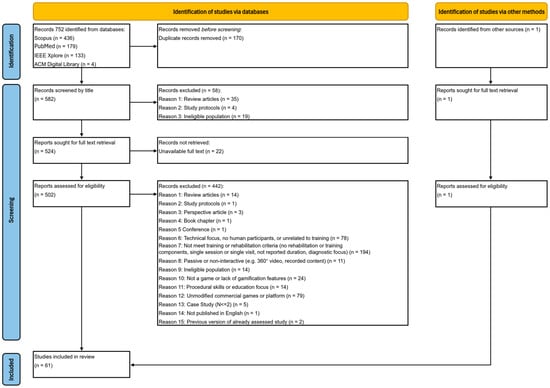
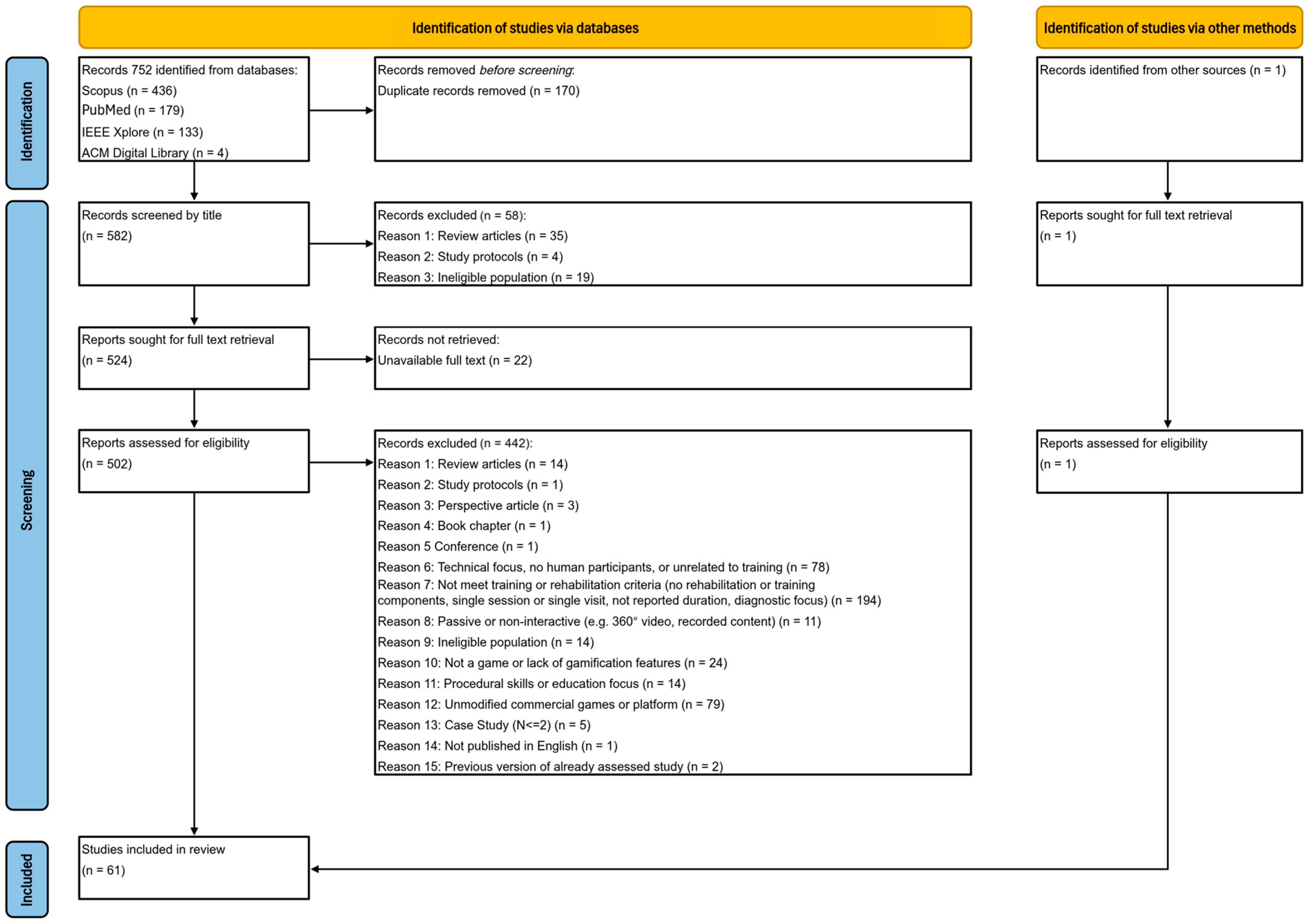
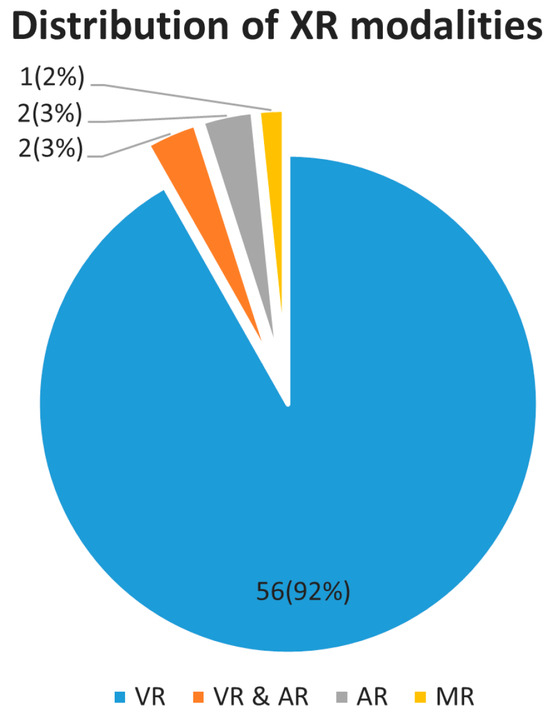
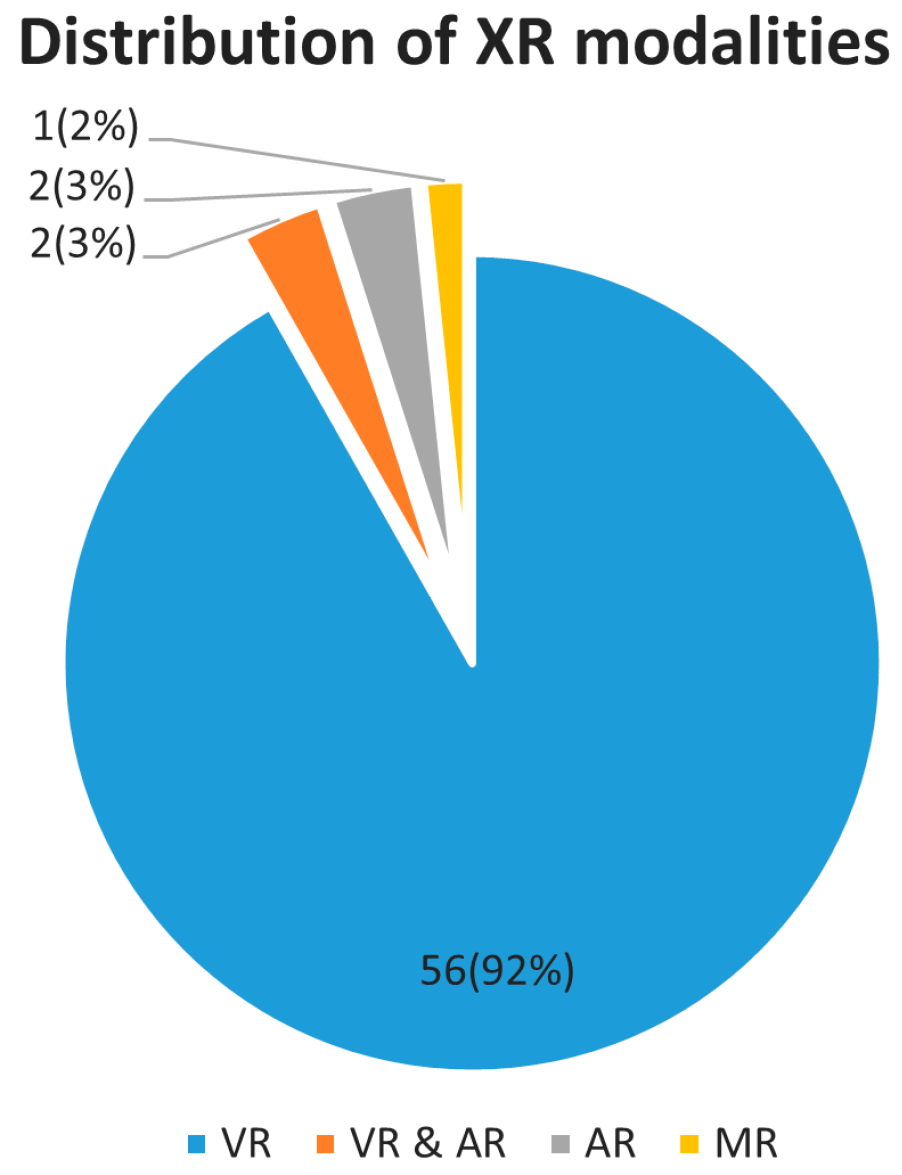
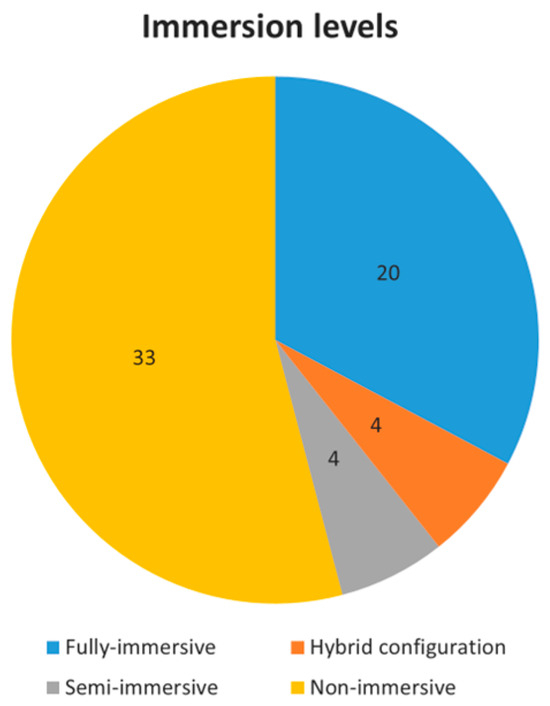
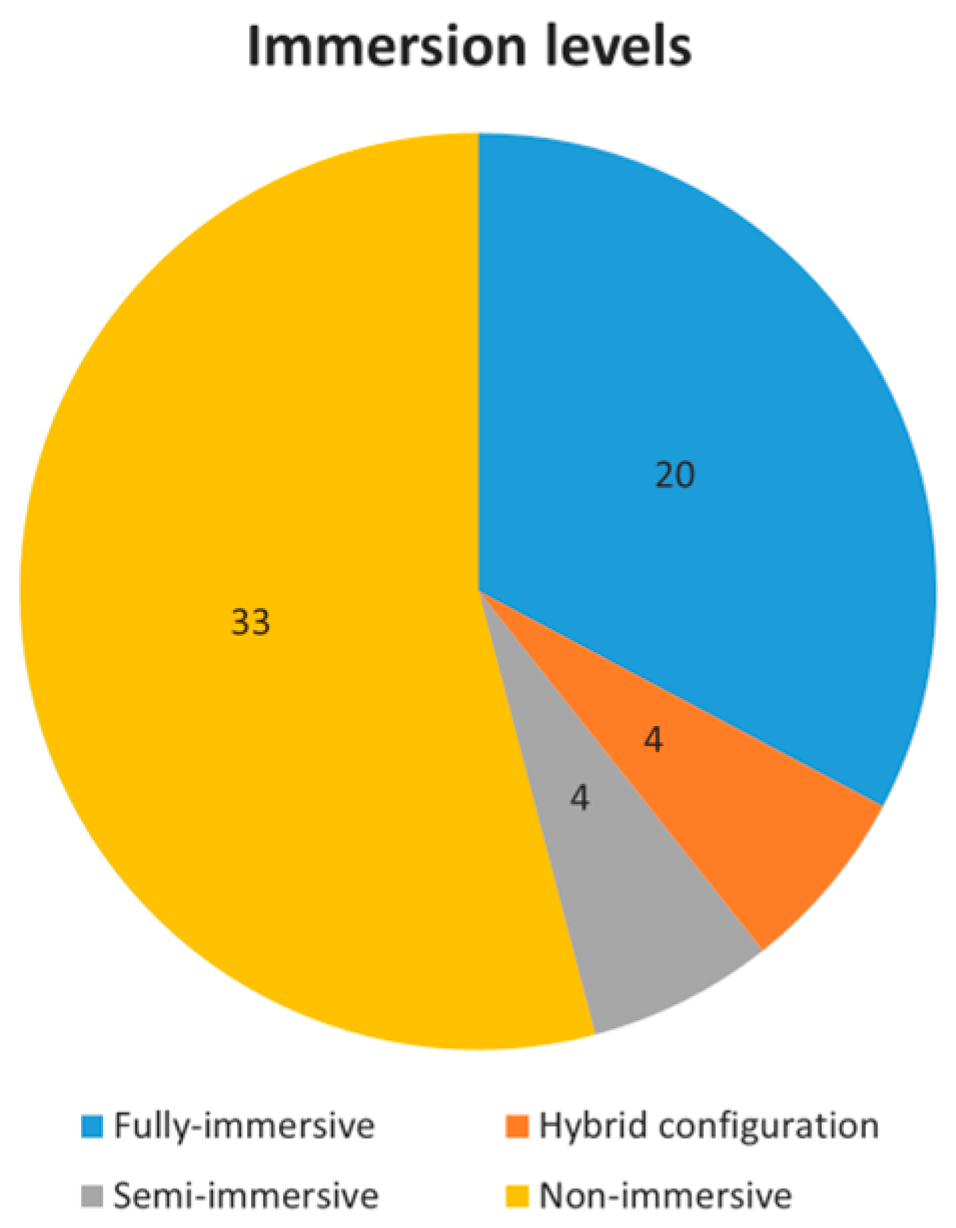
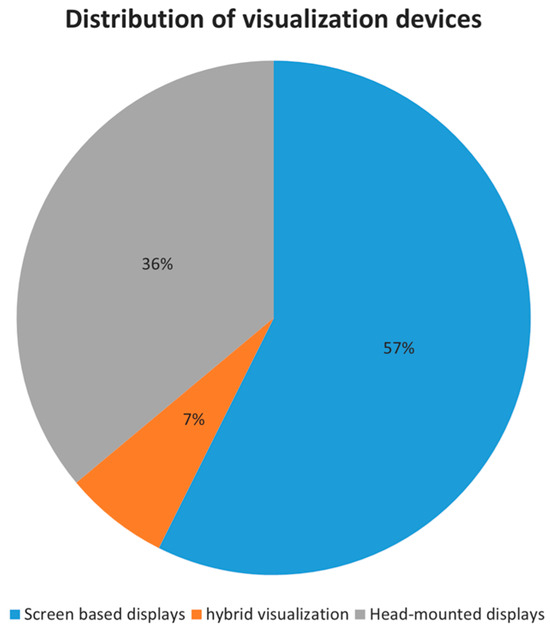
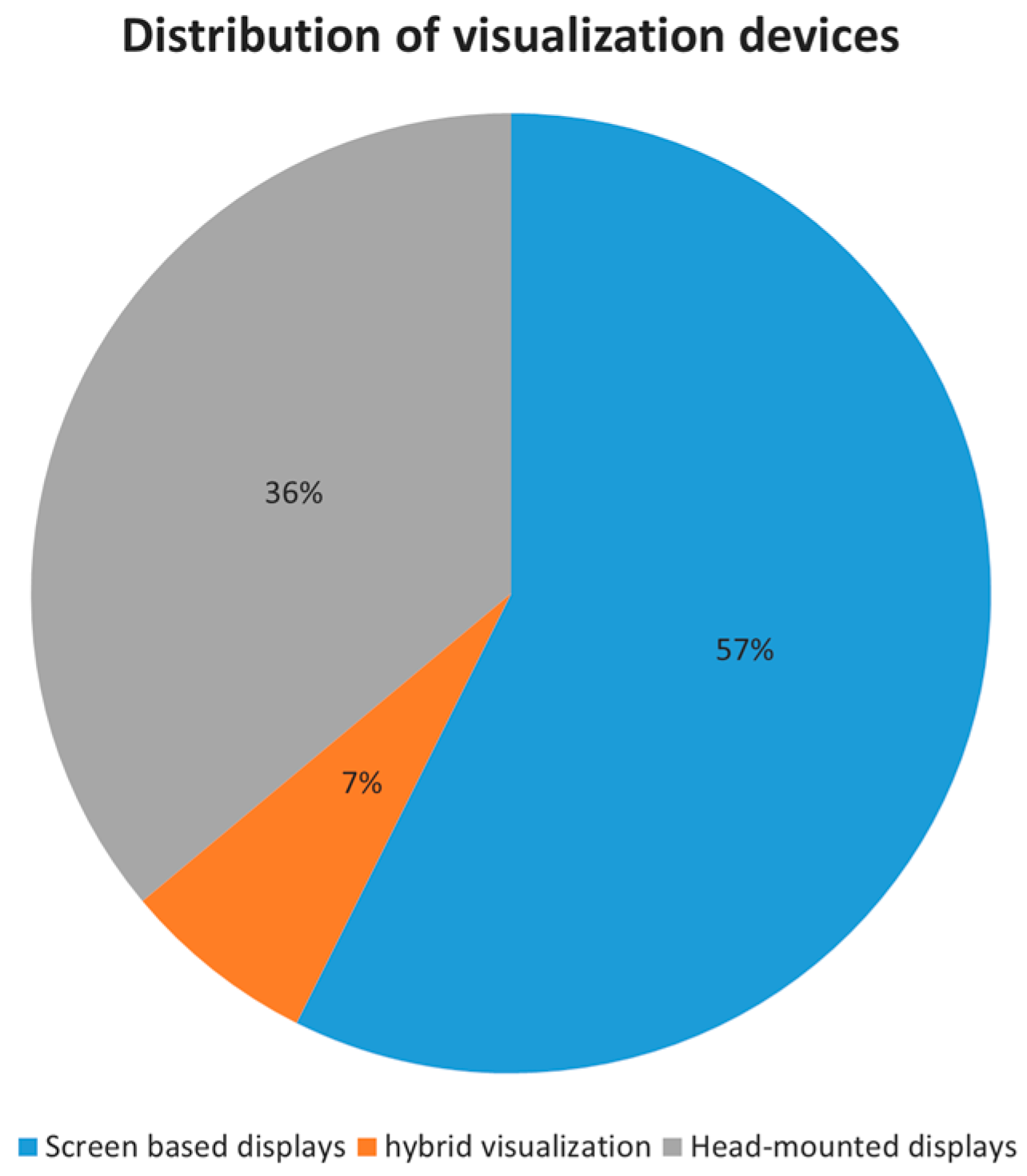
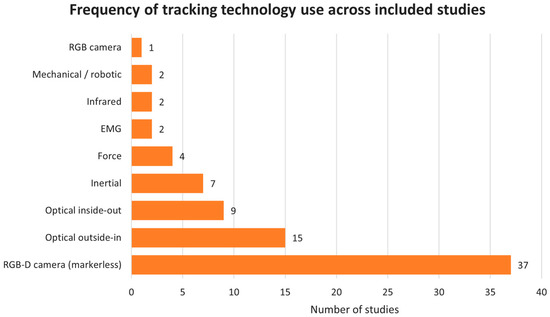
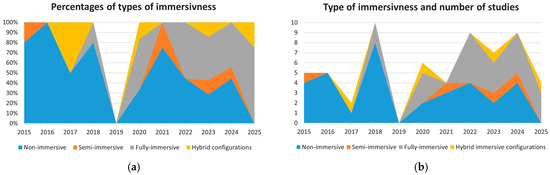
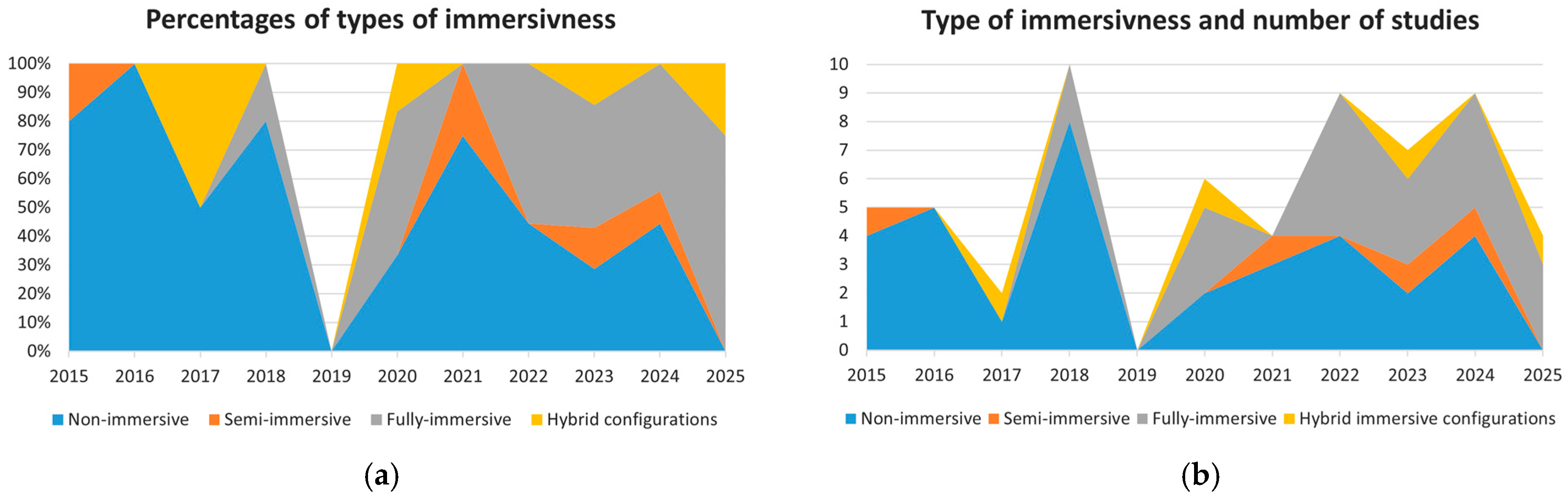
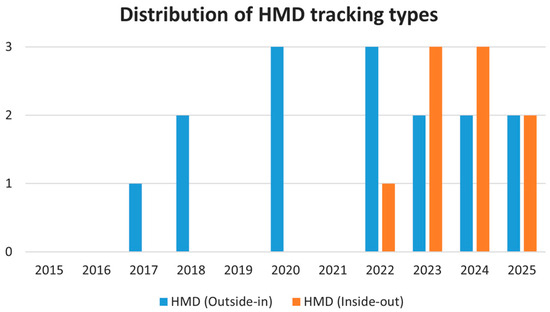
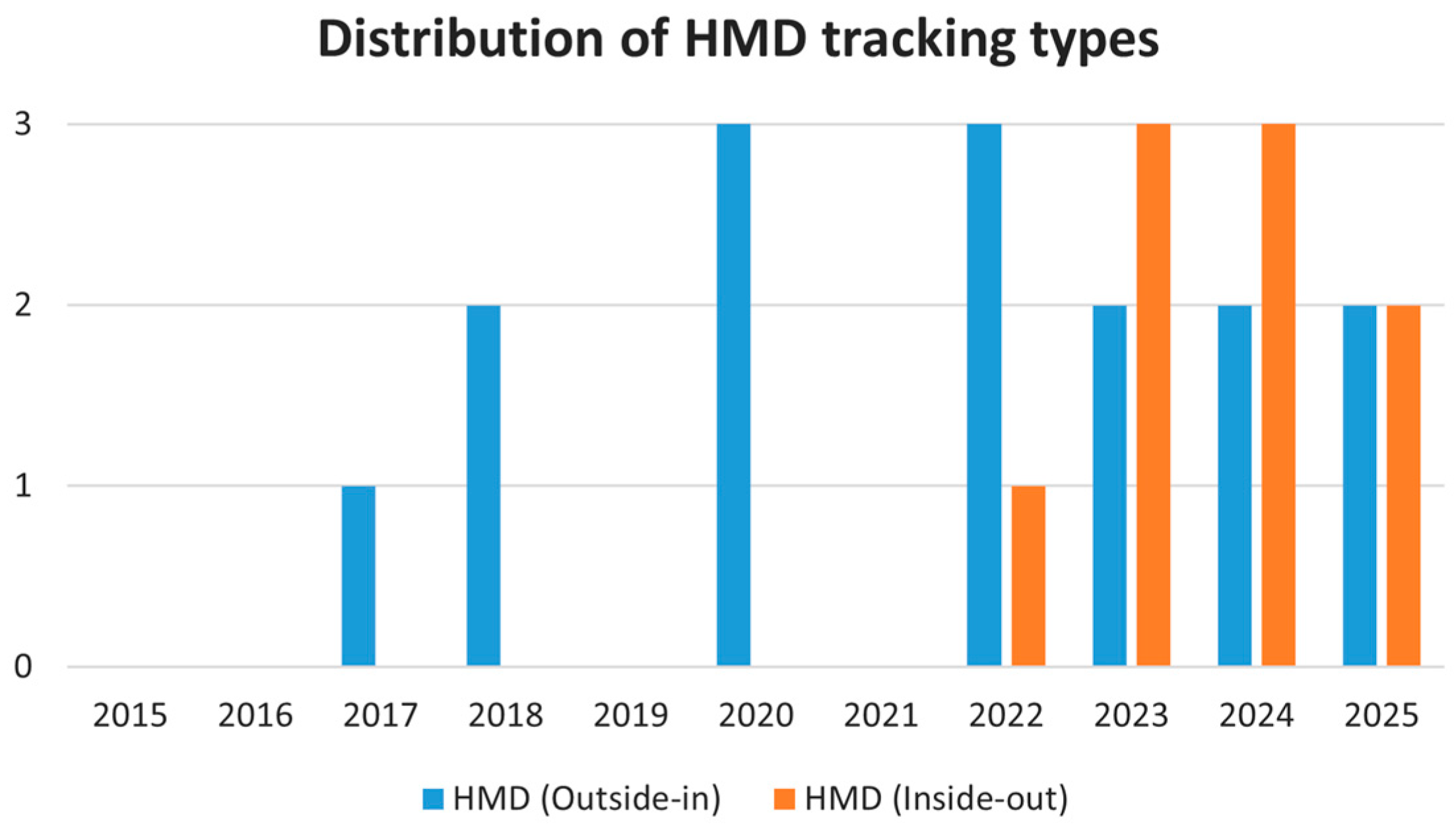
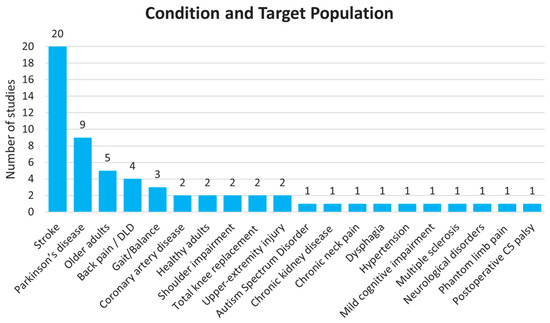
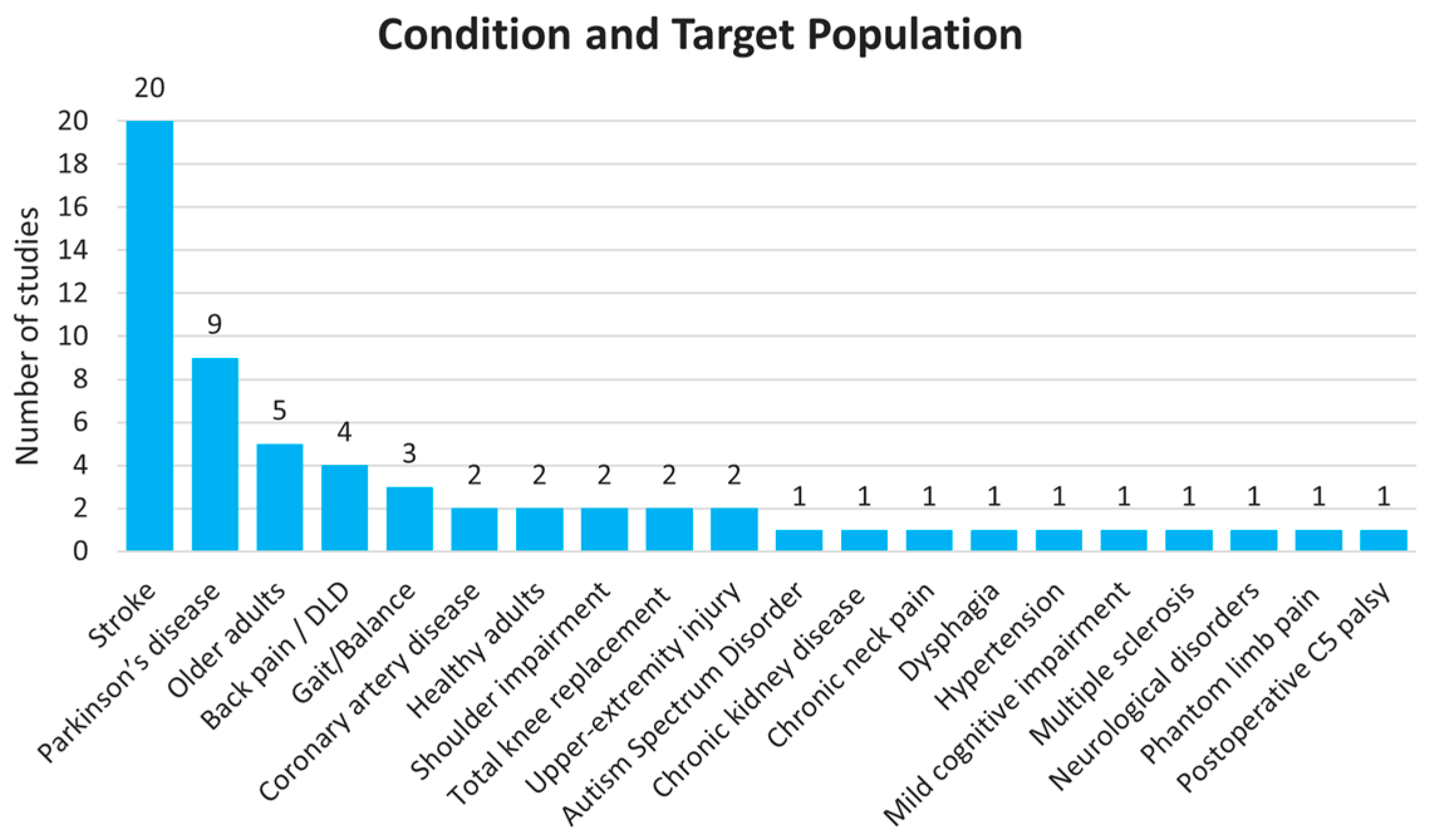
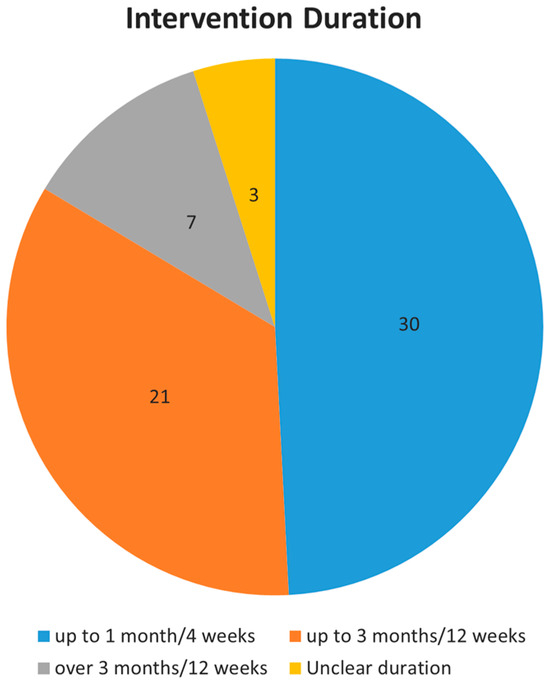
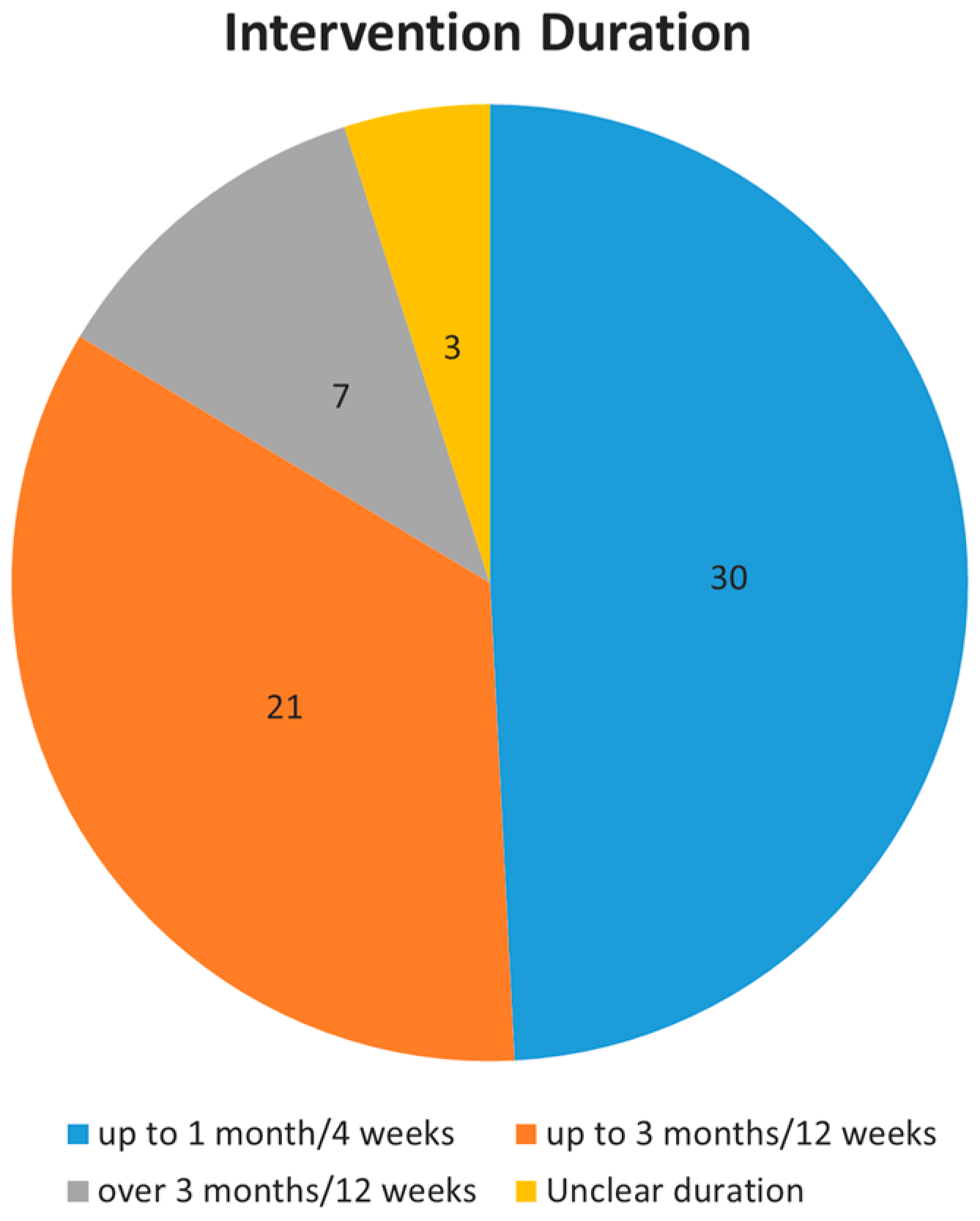
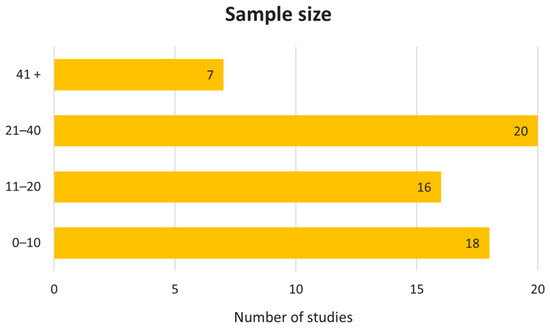
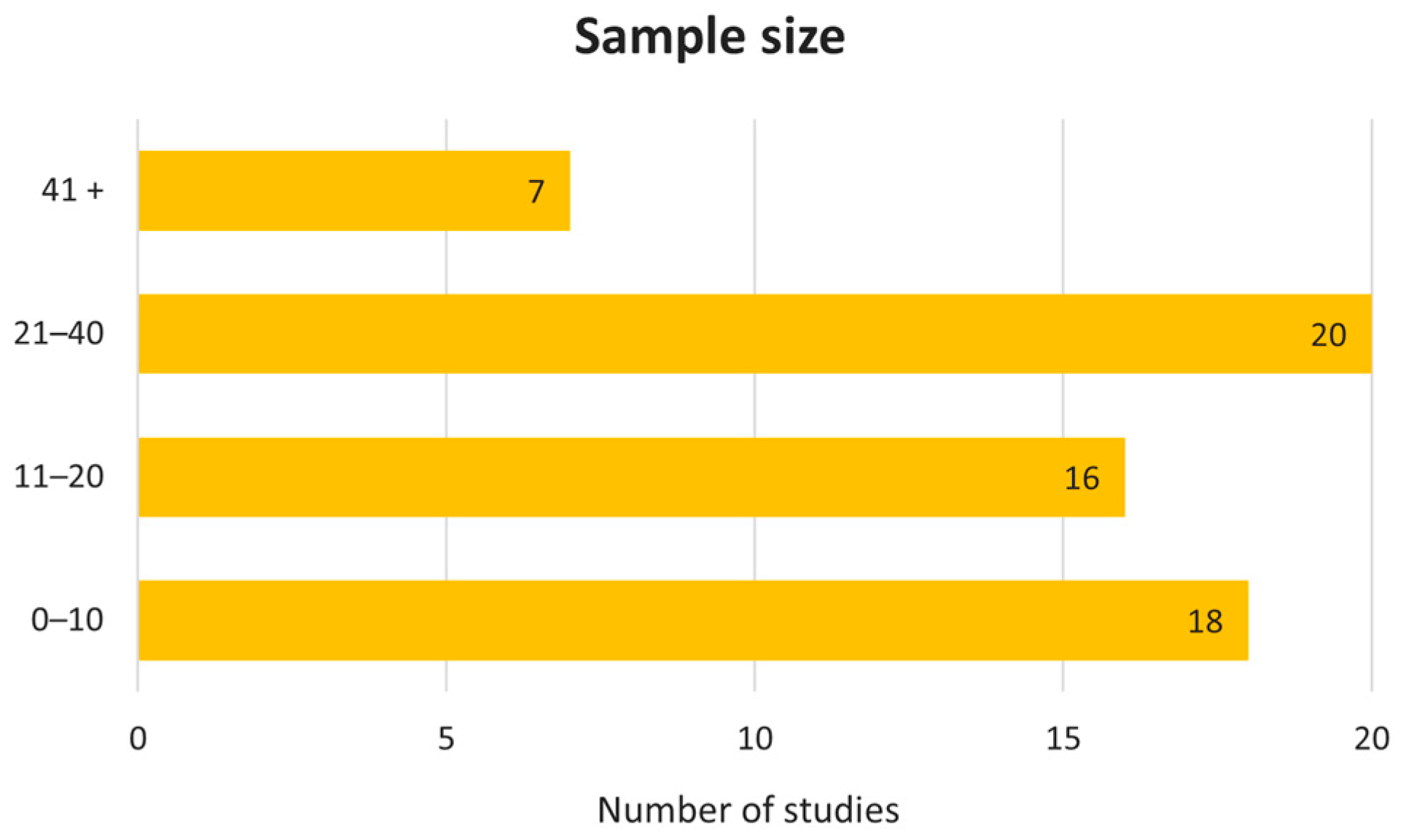
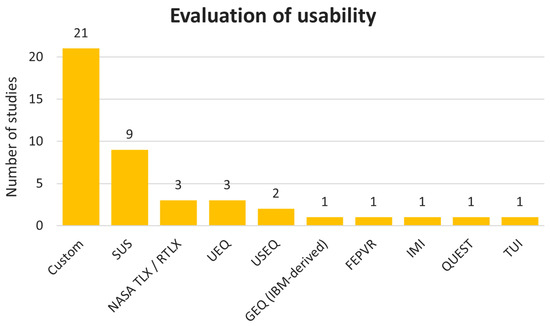

Disclaimer/Publisher’s Note: The statements, opinions and data contained in all publications are solely those of the individual author(s) and contributor(s) and not of MDPI and/or the editor(s). MDPI and/or the editor(s) disclaim responsibility for any injury to people or property resulting from any ideas, methods, instructions or products referred to in the content. |
© 2026 by the authors. Licensee MDPI, Basel, Switzerland. This article is an open access article distributed under the terms and conditions of the Creative Commons Attribution (CC BY) license.