


Abstract
Bone and joint infections (BJI) remain among the most challenging conditions in orthopaedics due to their complex pathophysiology, frequent association with biofilm formation on bone and implant surfaces, and the rising prevalence of antibiotic-resistant pathogens. Conventional antibiotic therapies, although central to current clinical practice, are often limited by poor biofilm penetration, disruption of the host microbiota, and the increasing emergence of multidrug resistance, particularly in chronic infections such as osteomyelitis and prosthetic joint infections. This review provides a comprehensive exploration of bacteriophage therapy as a targeted, non-antibiotic strategy for the management of BJIs. Bacteriophages exhibit unique biological characteristics, including strict host specificity, self-amplifying antibacterial activity, and the capacity to disrupt biofilms through bacterial lysis and phage-derived enzymes. Evidence from in vitro investigations, animal models, and emerging clinical studies demonstrates the promising efficacy of phages and phage lysins against key BJI pathogens, particularly Staphylococcus aureus, with favourable safety profiles and encouraging rates of infection control, especially when used as adjuncts to surgery and antibiotics. Despite this potential, challenges such as narrow host range, variable pharmacokinetics, immunogenicity, and underdeveloped regulatory frameworks continue to limit widespread clinical adoption. Addressing these barriers through standardized phage selection, improved delivery strategies, combination therapies, and coordinated regulatory efforts will be critical to realizing the full therapeutic potential of phage-based interventions for antibiotic-resistant bone and joint infections.
1. Introduction
Antimicrobial resistance (AMR) was recognised as a global health emergency by the United Nations General Assembly in 2016 [1,2]. AMR is a major contributor to increased morbidity and mortality, placing a growing burden on healthcare systems and society through escalating treatment complexity and costs. This challenge is driven by the alarming rise in bacterial pathogens that are resistant to antibiotic therapies, leading to chronic and potentially life-threatening infections. The World Health Organization (WHO) has identified AMR as one of the top ten threats to global health [3] and has highlighted that insufficient innovation in antibacterial drug development threatens to erode the effectiveness of existing antibiotics and reverse hard-won health gains, owing to a substantial gap in the discovery of novel antimicrobial agents [4]. Consequently, there is an urgent need to develop alternative therapeutic strategies for treating bacterial infections. In this context, bacteriophages have emerged as a promising alternative or adjunct to antibiotics, particularly for infections that are refractory to conventional treatments.
The increasing prevalence of AMR has renewed interest among clinicians and researchers in phage-based therapies [5]. Accordingly, the clinical application of phage therapy is expanding within the European Union and globally through diverse regulatory pathways and clinical frameworks, including magistral personalised phage preparations and fixed phage cocktails administered under compassionate use, named-patient, or expanded access programmes [6]. However, there is a current lack of large-scale clinical datasets demonstrating efficacy in humans. To date, only a limited number of small to moderate-sized randomised controlled trials have been conducted, providing preliminary evidence supporting the safety and potential efficacy of phage products, consistent with findings from preclinical animal models. Nevertheless, these studies have not consistently demonstrated clear clinical efficacy, underscoring the need for further well-designed clinical investigations [7].
In the ongoing effort to control bacterial infections, antibiotics and phage therapy represent two distinct yet promising therapeutic approaches. While both are designed to eliminate pathogenic bacteria, their clinical applications reflect fundamental similarities as well as significant differences arising from their underlying mechanisms of action. A comparative examination of these therapies offers valuable insight into their current roles in healthcare and their potential to address the growing challenge of bacterial resistance [8]. From a clinical perspective, antibiotics and phage therapy share several common features. Both are used to treat a wide range of bacterial infections, including acute and chronic conditions, and are applied across diverse healthcare environments such as hospitals, outpatient facilities, and community health services [9]. Their clinical use is subject to rigorous regulatory supervision by authorities such as the U.S. Food and Drug Administration (FDA) and the European Medicines Agency (EMA), ensuring standards of safety, efficacy, and manufacturing quality. Compliance with Good Manufacturing Practices and extensive documentation is mandatory for both therapeutic strategies [6,10].
In terms of administration, antibiotics and phage therapy can be delivered via multiple routes, including oral, topical, intravenous, and intramuscular methods. The selected route depends on factors such as infection severity, anatomical location, and individual patient characteristics. Regardless of the therapy used, patients must be closely monitored to evaluate treatment effectiveness and detect potential adverse effects. This monitoring typically involves clinical observation, microbiological analyses, and, in some cases, imaging techniques to confirm infection resolution and identify complications or emerging resistance [11].
Despite these similarities, notable differences distinguish antibiotics from phage therapy in clinical application, as presented in Table 1. Antibiotics are chemically synthesized compounds that exert their effects by interfering with essential bacterial processes, such as cell wall formation, protein synthesis, DNA replication, or metabolic pathways [2]. Many antibiotics exhibit broad-spectrum activity, enabling them to act against a wide variety of bacterial species [2]. In contrast, phage therapy relies on bacteriophages, biological entities that specifically infect and destroy targeted bacteria. This high degree of specificity introduces unique challenges, including the need for accurate pathogen identification and, in some cases, individualized treatment design [12].
The broad-spectrum nature of antibiotics can negatively impact the host’s normal microbiota, often leading to dysbiosis and increasing susceptibility to secondary infections, such as Clostridioides difficile colitis [13]. Phage therapy, by contrast, offers a more targeted approach that preserves beneficial microorganisms, thereby reducing the risk of microbiota disruption and related complications. Additionally, the development of new antibiotics is typically a lengthy and resource-intensive process, requiring extensive preclinical research and chemical optimization [2]. Phage therapy can be adapted more rapidly, particularly during outbreaks, as bacteriophages can be isolated from environmental sources and amplified efficiently, making this approach especially attractive for treating antibiotic-resistant infections [14].
However, a fundamental constraint of phage therapy is that the causative bacterial pathogen must be cultivable in vitro, as phage isolation, amplification, and susceptibility testing require viable clinical isolates. This prerequisite may delay treatment initiation and can be challenging in culture-negative or fastidious infections [15]. In addition, only strictly lytic (virulent) phages are suitable for therapeutic use. Temperate (lysogenic) phages are generally excluded because they can integrate into the bacterial genome as prophages, potentially mediating horizontal gene transfer or contributing to the dissemination of virulence factors and antibiotic resistance genes. Therefore, rigorous genomic characterization is required to confirm the absence of lysogeny-related genes, toxin genes, or other undesirable elements before clinical application. Another limitation relates to the narrow host range of many phages, necessitating personalized selection or the use of phage cocktails to broaden coverage [16]. Finally, regulatory standardization, stability during storage, and potential immune neutralization remain practical challenges. These constraints underscore the importance of careful phage characterization, genomic screening, and standardized manufacturing processes to ensure safety and efficacy in clinical use [15].
Resistance remains a concern for both therapies; however, phage therapy presents a unique advantage in this regard. Bacteriophages can co-evolve with bacterial populations, allowing new phages to be identified and deployed against emerging resistant strains [17]. In contrast, the development of entirely new antibiotics to overcome resistance is considerably slower [2].
Biofilms significantly reduce the effectiveness of many antibiotics due to limited penetration and reduced bacterial metabolic activity. Phages, however, have demonstrated the ability to penetrate and disrupt biofilms, offering a potential advantage in the treatment of chronic and device-associated infections [18,19,20]. Despite these benefits, regulatory frameworks for phage therapy remain less developed and vary widely across countries, leading to additional regulatory challenges and slower clinical adoption compared to antibiotics [21]. The literature contains extensive evidence that bacteriophages can eradicate Staphylococcus aureus biofilms formed in vitro on both standard culture supports and prosthetic materials. Numerous studies have reported biomass reductions of up to 5 log PFU/mL [22,23,24]. This anti-biofilm effect is thought to be largely mediated by depolymerases encoded in the genomes of many S. aureus-specific phages [25]. By degrading the biofilm matrix, these enzymes facilitate direct phage access to embedded bacteria, and when phages are combined with antibiotics, they enhance antibiotic penetration. In line with this mechanism, most in vitro investigations have documented additive or synergistic effects of phage–antibiotic combinations compared with either modality alone, although the magnitude of benefit varies with the experimental model. Furthermore, phages generally exhibit greater efficacy against early or thin biofilms than against mature biofilms [23].
In summary, antibiotics and phage therapy each offer distinct advantages and limitations in clinical practice. While antibiotics remain the standard treatment for most bacterial infections, phage therapy represents a compelling complementary or alternative option, particularly in the context of the growing concern over antimicrobial resistance.
Table 1.
Comparative overview of antibiotics and bacteriophages for the treatment of bacterial infections.
In summary, antibiotics offer reliability, standardization, and broad applicability but are increasingly compromised by resistance and off-target effects on the microbiota. Bacteriophages provide a highly specific, potentially biofilm-active, and adaptable alternative, particularly suited for resistant or localized infections, yet face challenges related to dosing, regulatory acceptance, and clinical standardization. A complementary or combined use of both strategies may represent the most effective path forward for managing complex and resistant bacterial infections.
2. Bacteriophage Therapy
The discovery and characterization of bacteriophages dates back to 1915, when William Twort first described a filterable agent with antibacterial activity, followed in 1917 by Félix d’Herelle, who defined bacteriophages as viruses that parasitize bacteria and can lyse their hosts, particularly in the setting of epidemic bacterial infections [33]. Phages are viruses that exclusively infect bacteria and are ubiquitous in nature, being detected in aquatic and terrestrial ecosystems as well as in the human body. They display a high degree of host specificity, do not infect eukaryotic cells, and generally exert minimal impact on the commensal microbiota. Morphologically, phages are highly diverse, although many share a common architecture comprising a head and tail, most often with double-stranded DNA genomes, and exhibit marked variability in genome size and sequence even among phages infecting the same bacterial species [34].
At the molecular level, phage genomes encode structural proteins, enzymes, and regulatory factors that coordinate infection and replication. Structural proteins include head proteins that form the capsid and protect the viral genome, and tail and tail fibre proteins that mediate host recognition, attachment, and genome injection. Phage-encoded enzymes such as endolysins (lysins) degrade the bacterial cell wall peptidoglycan, leading to osmotic lysis and release of progeny virions; this high substrate specificity has prompted intensive investigation of phage lysins as standalone antibacterial agents or “enzybiotics” [35]. Regulatory proteins modulate the timing and magnitude of phage gene expression, counteract bacterial defence systems, and determine the decision between lytic and lysogenic development. Their study has provided key insights into phage–host molecular interactions. Ongoing research focuses on identifying, structurally characterizing, and engineering phage-derived proteins to enhance their stability, activity, and therapeutic utility [9].
Historically, d’Herelle’s early 20th-century work laid the foundation for phage therapy, which was applied clinically against bacterial infections well before the antibiotic era, particularly in Eastern Europe and the former Soviet Union [36]. Despite promising early results, the introduction of antibiotics such as penicillin, together with the ease of antibiotic production and use, and the lack of standardized phage preparation and administration protocols, led to a decline of phage therapy in Western medicine [37]. In the 21st century, the rapid emergence and global spread of multidrug-resistant bacteria and the limitations of conventional antibiotics have renewed interest in phage-based treatments [37]. Contemporary research efforts include optimization of phage formulation and delivery, development of phage cocktails targeting broad panels of clinical isolates, and pre-clinical and clinical trials aimed at defining efficacy, safety, and best-practice frameworks for integrating phage therapy into modern anti-infective strategies [7,18,19].
3. Challenges and the Potential of Phage Therapy in Bone and Joint Infections
Bone and joint infections (BJI) represent one of the most challenging bacterial conditions encountered in orthopaedics, owing to their complex pathophysiology and therapeutic difficulties. These infections, including prosthetic joint infections, osteomyelitis, purulent arthritis, and discitis, affect both native and prosthetic joints and often arise following trauma, internal fixation, or joint replacement procedures [38,39]. The incidence of prosthetic joint infections is increasing in parallel with the growing number of joint arthroplasties performed worldwide [40]. The predominant pathogens include Staphylococcus aureus (33–43%), Staphylococcus epidermidis (18–40%), and Enterococcus spp. (2.5–15%) [41]. In addition, the rising prevalence of Gram-negative bacteria, such as Escherichia coli, Pseudomonas aeruginosa, Klebsiella pneumoniae, and Acinetobacter spp., which often exhibit high levels of antibiotic resistance, poses a serious and escalating clinical concern [42].
The anatomical and physiological characteristics of bone tissue favour the formation of bacterial biofilms on both bone and implant surfaces, significantly reducing antibiotic efficacy [20]. These biofilms, composed primarily of extracellular polymeric substances such as proteins and polysaccharides, form a dense and protective matrix that enables bacterial survival, enhances resistance to host immune responses, and diminishes antimicrobial penetration. Their persistence complicates both eradication, even during surgical debridement, and early diagnosis of infection [20]. Given these complexities, it is essential to integrate the biofilm component into diagnostic strategies and therapeutic planning for BJIs. Within this context, bacteriophage (phage) therapy has re-emerged as a promising non-antibiotic approach [18,19]. As a targeted and microbiota-sparing intervention, phage therapy offers a novel antibacterial strategy with significant promise in the management of antibiotic-resistant BJIs [19].
Bone and joint infections (BJIs) encompass a heterogeneous group of clinical entities with varying degrees of complexity, and their management remains particularly challenging regardless of implant involvement. These infections include osteomyelitis, septic arthritis, fracture-related infections, and prosthetic joint infections, each characterized by distinct pathophysiological mechanisms and therapeutic requirements. While the presence of an implant significantly increases treatment complexity, due to the propensity for biofilm formation on foreign materials, reduced antibiotic penetration, and the frequent need for surgical intervention, implant-associated infection is not a prerequisite for disease severity or chronicity [20]. Native bone infections, such as chronic osteomyelitis or post-traumatic infections without hardware, are likewise difficult to eradicate, as they involve devitalized bone tissue, impaired vascularization, intracellular bacterial persistence, and biofilm formation within the bone matrix itself. In both implant-related and non-implant-related BJIs, treatment typically requires a multimodal approach combining prolonged antimicrobial therapy with surgical debridement and, when applicable, reconstruction procedures. Therefore, the complexity of BJIs arises not solely from the presence of implants, but from a convergence of factors including biofilm biology, host comorbidities, pathogen resistance profiles, and the anatomical and physiological constraints of bone tissue. This broader perspective underscores the relevance of exploring alternative or adjunctive therapeutic strategies, such as bacteriophage therapy, across the full spectrum of bone and joint infections, irrespective of implant involvement [43,44,45].
4. Advances in Bacteriophage Therapy in BJI
Ongoing bacteriophage research has advanced considerably, encompassing taxonomy, structural and mechanistic characterization, genetic engineering, and the development of clinical applications for whole phages and their derived proteins. These efforts have been driven in large part by the need for novel strategies against multidrug-resistant bacteria, particularly in difficult-to-treat infections such as bone and joint infections (BJI) [46].
In the musculoskeletal field, phages and phage-derived agents are being actively investigated as adjuncts or alternatives to antibiotics for the management of prosthetic joint infection, osteomyelitis, and related conditions, owing to their ability to target biofilm-associated and antibiotic-resistant pathogens. Experimental work in vitro and in animal models has demonstrated effective bacterial killing, biofilm disruption, and synergy with conventional antimicrobials and surgery, supporting the translational potential of these approaches [18,19,46].
Clinical experience, although still limited and heterogeneous, suggests that personalized or cocktail-based phage therapy can achieve encouraging rates of infection control in complex BJI cases that have failed standard treatments, with an acceptable safety profile. The present work will focus on therapeutic applications of phages and their derivatives in BJI, synthesizing key evidence from in vitro studies, animal models, and emerging clinical reports, and highlighting future directions for optimizing phage selection, delivery, and combination strategies to address antibiotic-resistant pathogens in orthopaedic infections.
Phage endolysins, also known as phage lysins or enzybiotics, are bacteriophage-derived enzymes that represent a promising alternative or complement to whole-phage therapy in the treatment of BJIs. Unlike intact bacteriophages, which rely on bacterial infection and intracellular replication to exert their antibacterial effect, endolysins act directly by enzymatically cleaving specific bonds within the bacterial peptidoglycan, leading to rapid osmotic lysis. Their mechanism of action is independent of bacterial metabolic activity, making them effective against dormant or slow-growing bacteria commonly found within biofilms and necrotic bone tissue [47]. A key advantage of phage endolysins lies in their mode of production. Endolysins are typically generated through recombinant expression systems, allowing for high levels of purity, batch-to-batch consistency, and precise control over dosing. This level of standardization addresses one of the major limitations of phage therapy, namely variability in phage preparations and challenges associated with maintaining adequate in vivo phage titers. Because endolysins do not rely on self-amplification at the site of infection, their antibacterial activity is more predictable and less dependent on local bacterial density or host-related factors [48].
From a therapeutic perspective, endolysins have demonstrated potent activity against Gram-positive pathogens, particularly Staphylococcus aureus and Staphylococcus epidermidis, which are among the most prevalent causative agents of BJIs. Several endolysins exhibit strong antibiofilm properties, disrupting established biofilms on bone and implant surfaces and enhancing the activity of conventional antibiotics when used in combination. This synergistic potential is especially relevant in chronic and implant-associated infections, where biofilm-associated antibiotic tolerance is a major obstacle to successful treatment [49]. Despite these advantages, phage endolysins also present important limitations. Their activity against Gram-negative bacteria is generally restricted by the presence of an outer membrane, although engineered or membrane-permeabilizing variants are currently under development. In addition, endolysins typically have a shorter half-life in vivo compared to self-replicating phages, which may necessitate repeated or sustained administration. Potential immunogenicity, although generally mild in reported studies, also requires consideration in the context of repeated dosing [50]. Overall, phage endolysins offer a more standardized and controllable therapeutic approach that may mitigate some of the challenges associated with full-length phage therapy, such as a lack of standardization and variability in in vivo efficacy. While they lack the self-propagating and adaptive properties of intact bacteriophages, their rapid bactericidal action, antibiofilm efficacy, and compatibility with existing antimicrobial regimens position them as a valuable component of future combination strategies for the management of complex bone and joint infections [47].
4.1. In Vitro Studies
Phage lysins represent a promising strategy for the treatment of Staphylococcus aureus bone and joint infections (BJI), as they can directly lyse bacteria at the site of infection and act on biofilm-associated cells. Phage-based approaches, including whole phages and lysins, are being evaluated as adjuncts or alternatives to conventional antibiotics in difficult-to-treat S. aureus infections, particularly in the context of biofilm-mediated persistence and antimicrobial resistance [18,19]. In an in vitro model using S. aureus strain HG001, a cocktail of three phages (PP1493, PP1815, and PP1957) exhibited strong bactericidal activity against planktonic bacteria and showed a clear dose-dependent effect on biofilm-embedded organisms. At higher phage concentrations of 107 and 108 PFU/mL, bacterial counts within the biofilm were reduced by approximately 3.1 log and 3.6 log, respectively, compared with untreated controls, highlighting the potential of phage-based interventions to achieve substantial bacterial load reduction in biofilm-associated infections [51].
The interaction between bacteriophages and antibiotics at bone infection sites characterized by biofilm formation offers an opportunity to potentiate antibiotic activity. Although phages alone show minimal or no effect on intracellular Staphylococcus aureus, their combined use with antibiotics has demonstrated efficacy against levofloxacin-resistant strains. In particular, the combination of phages with doxycycline has yielded superior therapeutic effects compared with either agent used in isolation, highlighting the potential of phage–antibiotic combinations to improve outcomes in biofilm-associated bone infections [52].
In addition to the biological constraints, formulation and delivery strategies also present practical limitations. vB_SauM_LM12, vB_EfaS_LM99 and vB_EcoM_JB75 phages encapsulated in hydrogels have shown substantial efficacy against both planktonic and biofilm phenotypes of bacterial hosts in vitro, achieving marked reductions in viable bacterial counts and supporting their potential as local delivery systems to enhance therapeutic outcomes [18,19]. Beyond Staphylococcus aureus, phage-based strategies using phiKZ-Like and LUZ24-Like viruses have also demonstrated activity against multidrug-resistant Pseudomonas aeruginosa biofilms, indicating broader applicability in difficult-to-treat infections [53].
In addition, phages and phage-derived enzymes contribute to bacterial killing through the production of cell wall–degrading lysins, including peptidoglycan hydrolases associated with virions. These enzymes cleave peptidoglycan, facilitating phage entry, bacterial lysis, and release of progeny virions, thereby amplifying phage numbers at the site of infection [54]. Unlike locally administered antibiotics, whose concentrations typically decline over time, phage replication can sustain or increase local antibacterial activity, and phage lysins can penetrate biofilms and remain active against bacteria with low metabolic activity, including persister cells [55]. Experimental data illustrate the potency of these lysins against Staphylococcus aureus biofilms [56,57]. However, lytic bacteriophages can also influence bacterial immunity and evolution by conferring protection against superinfection with related phages, a phenomenon that may inadvertently facilitate the dissemination of antibiotic resistance determinants and toxin genes within bacterial populations [58]. This dual role underscores the need for careful selection and characterization of phages and their derivatives when designing therapeutic strategies. Within this context, the expanding knowledge of phage lysins and their mechanisms of action provides a refined framework for exploiting these enzymes as targeted, controllable agents in the complex setting of bone and joint infections, where biofilm formation and antibiotic resistance remain major clinical challenges.
4.2. Animal Studies
Multiple in vivo studies have evaluated phage therapy against Staphylococcus aureus osteomyelitis and prosthetic joint infection in diverse animal models, including mice [59], rats [60,61], rabbits [62], and sheep [63]. Across all models except the ovine model, animals receiving combined phage–antibiotic therapy exhibited a significant reduction in bacterial burden compared with untreated controls. In several experiments, the combination regimen outperformed conventional antibiotic therapy alone [59,61], and complete sterilization of infected sites was reported in groups treated with both phages and antibiotics but not in those receiving either monotherapy [60]. In the rabbit model, antibiotics were not co-administered; nevertheless, all 16 animals treated with phages achieved microbiological cure of infection [62].
In osteomyelitis caused by Staphylococcus aureus, multiple animal studies have demonstrated that both whole phages and phage-derived lysins can significantly reduce bacterial burden and improve local pathology [18,19,64]. Evidence from rabbit models of methicillin-resistant S. aureus (MRSA) osteomyelitis indicates that locally applied, well-characterized phage cocktails can lead to marked clinical improvement and histological evidence of reduced inflammation and necrosis, together with enhanced new bone formation, even when complete bacterial eradication is not achieved. In these models, rigorous selection of phages based on broad lytic activity against clinical isolates, genomic stability, and ultrastructural characterization, followed by combination into multivalent cocktails, has been central to ensuring both safety and therapeutic efficacy [46].
The therapeutic effect of phages appears particularly strong when they are combined with conventional antibiotics [65]. In implant-related infection models, combination therapy with phages and antibiotics against MRSA or Pseudomonas aeruginosa has resulted in substantially lower bacterial counts than either modality alone, and has been associated with near-complete elimination of biofilm on implant surfaces, whereas antibiotic monotherapy often leaves a thick residual biofilm [60,66].
Additional studies using phage-loaded biomaterials, such as hydrogels, have shown pronounced reductions in viable P. aeruginosa at the infection site [67], while prophylactic phage administration in immunosuppressed mice infected with S. aureus has decreased bacterial dissemination, attenuated systemic inflammatory markers, and promoted the generation of specific anti-S. aureus agglutinins, suggesting beneficial modulation of host immune responses [68]. Immobilization of bacteriophages within hydrogel matrices offers several advantages over their administration as free suspensions in saline solution, particularly in the context of bone and joint infections [19]. Hydrogels can act as local delivery systems that retain phages at the site of infection, thereby reducing rapid diffusion, dilution, or clearance that commonly occurs with liquid formulations. This localized retention enables sustained and controlled release of active phages over time, potentially maintaining therapeutic concentrations for longer periods and reducing the need for repeated administrations. In addition, hydrogel encapsulation can protect phages from environmental stressors such as enzymatic degradation, pH fluctuations, and immune-mediated inactivation, thereby enhancing phage stability and bioactivity in vivo. From a surgical perspective, phage-loaded hydrogels can be readily applied to bone defects, implant surfaces, or debrided cavities, ensuring close contact between phages and biofilm-associated bacteria. Importantly, hydrogels can be engineered to be biodegradable and compatible with bone healing processes, and they may be combined with antibiotics or osteoconductive components to create multifunctional therapeutic platforms. In contrast, phage suspensions in saline lack spatial control, exhibit limited residence time at the infection site, and rely heavily on local phage replication to sustain efficacy. Collectively, hydrogel-based phage delivery represents a promising strategy to enhance local efficacy, stability, and clinical practicality of phage therapy in complex bone and joint infections [19,67].
Phage-derived proteins, particularly endolysins, also show robust antimicrobial and antibiofilm activity in vivo. Recombinant lysins such as CF-301 (exebacase), a cell wall hydrolase targeting S. aureus, have displayed potent bactericidal effects in MRSA infection models, especially when used in combination with standard-of-care antibiotics like daptomycin, leading to enhanced bacterial clearance compared with antibiotic monotherapy [47,69,70]. Similarly, the lysin PlySs2 has demonstrated broad lytic activity in mixed infections involving Streptococcus pyogenes and MRSA, effectively clearing both pathogens in septicemia models and achieving cure [71]. Collectively, these findings support phages and phage lysins as promising candidates for the treatment of S. aureus bone and joint infections, particularly in the setting of antibiotic resistance, by directly lysing bacteria at the focus of infection and acting synergistically with host immunity and antimicrobial agents [72,73].
4.3. Clinical Studies
Phage therapy for bone and joint infections follows a stepwise clinical workflow that begins with the accurate identification of the bacterial pathogen causing the infection, as depicted in Figure 1. Once the causative organism is identified, bacteriophages with lytic activity against the specific bacterial strain are isolated, characterized, selected, and evaluated for efficacy. The selected phages are subsequently replicated, purified, and formulated into an appropriate therapeutic preparation, either as a single-phage product or as a phage cocktail. Depending on the clinical context, phage administration may be performed locally at the site of infection or via systemic routes. In addition, phages may be administered either alone or in combination with antibiotics as part of the standard of care (SOC). Patient response is then carefully monitored through clinical, microbiological, and, when appropriate, imaging assessments, allowing treatment protocols to be adjusted to optimize therapeutic efficacy.
Figure 1.
Clinical workflow of bacteriophage therapy for bone and joint infections. Following identification of the causative bacterial pathogen, bacteriophages with lytic activity against the specific strain are isolated, characterized, selected, and evaluated for efficacy. The selected phages are then amplified, purified, and formulated either as a single-phage preparation or as a phage cocktail. Depending on the clinical scenario, phages are administered locally at the site of infection or via systemic routes, either alone or in combination with antibiotics as part of the standard of care (SOC). Patient response is subsequently monitored through clinical, microbiological, and imaging assessments, enabling adjustment of treatment protocols to optimize therapeutic outcomes.
In addition to extensive in vitro and animal data, an increasing number of clinical reports highlight the feasibility, safety, and potential efficacy of phage therapy in complex scenarios such as chronic bone and joint infections [74,75,76,77,78,79,80].
One illustrative compassionate use case report described a male patient with chronic methicillin-resistant Staphylococcus aureus (MRSA) periprosthetic joint infection, multiple prior surgeries, prolonged antibiotic exposure, and refusal of amputation, who was treated with a S. aureus-specific phage preparation (SaGR51 φ1, 2.7 × 10⁹ PFU). Following a debridement, antibiotics, and implant retention (DAIR) procedure, two intra-articular doses of phage (5.4 × 10⁹ PFU in total, diluted in 10 mL saline) were administered, and the patient subsequently received daily intravenous daptomycin (1000 mg) together with intravenous phage (2.7 × 10⁹ PFU in 50 mL saline). Phage administration was temporarily interrupted after three days because of elevated transaminases, but during a second debridement, a further intra-articular dose (2.7 × 10⁹ PFU in 10 mL saline) was given, and two months later, at reimplantation without concomitant antibiotics, an additional intra-articular phage dose was administered. Cultures from soft tissue, femoral canal, and bone samples obtained at reimplantation were negative, supporting the potential of adjunctive phage therapy as part of a limb-salvage strategy in chronic MRSA periprosthetic joint infection [78].
In another case, a patient with a complex periprosthetic hip joint infection caused by Staphylococcus aureus and Pseudomonas aeruginosa was treated with local administration of a bacteriophage cocktail directed against both pathogens. The production of bacteriophages with a high purity level, adhering to good manufacturing practice (GMP) guidelines, is currently possible, making the scientific evaluation of their potential clinical benefits in BJI feasible. Briefly, three anti-Pseudomonas aeruginosa phages and three anti-S. aureus phages were selected from the Pherecydes Pharma phage library following in vitro susceptibility testing (phagogram). The phages were obligately lytic and produced under research-grade conditions following GMP-like processes. Each phage preparation was supplied at a concentration of 1010 plaque-forming units (PFU)/mL in Dulbecco’s phosphate-buffered saline. Six vials (1 mL each) were provided and compounded into two separate 10 mL saline preparations (one targeting P. aeruginosa, one targeting S. aureus). The phage mixtures were locally administered intra-articularly at the end of the DAIR procedure prior to wound closure. Retrospective efficiency-of-plating (EOP) and killing assays demonstrated that two of the three anti-S. aureus phages (PP1493 and PP1815) exhibited strong lytic activity, with high EOP scores (4.4 × 10⁻¹ and 7.4 × 10⁻¹, respectively), whereas phage PP1957 showed limited efficacy (EOP 4.9 × 10⁻³). In vitro killing assays were performed at low, medium, and high multiplicities of infection (MOI), corresponding approximately to 1, 10, and 100 phages per bacterial cell. The treatment was combined with systemic daptomycin (850 mg/day), followed by prolonged oral antibiotic therapy. No phage-related adverse effects were reported, and the patient achieved sustained clinical remission at 18 months of follow-up. During follow-up, the patient demonstrated an excellent clinical course, with resolution of symptoms and no evidence of persisting infection [75].
A recent report described the use of adjunctive bacteriophage therapy in an elderly patient with a chronic relapsing prosthetic joint infection (PJI) of the knee and femoral osteomyelitis caused by multidrug-resistant Pseudomonas aeruginosa. Conventional antibiotic options were limited due to extensive resistance, leaving colistin as the only reliably active agent. During surgical revision, purified bacteriophages were locally instilled through intraoperative drains for five days, alongside systemic antibiotics. In vitro testing confirmed that phage pretreatment enhanced colistin’s activity against biofilm-embedded P. aeruginosa, demonstrating a synergistic effect that reduced bacterial viability more effectively than antibiotics alone. Clinically, the combined phage–antibiotic regimen was well tolerated, with eradication of P. aeruginosa achieved and no phage-related adverse effects observed. Secondary infection with methicillin-resistant Staphylococcus epidermidis required spacer exchange, but the prosthesis was successfully reimplanted, and the patient remained infection-free at ten months of follow-up. This case highlights the therapeutic potential of personalized bacteriophage therapy as an adjuvant to surgery and antibiotics in MDR Gram-negative PJIs, while emphasizing the need for controlled clinical trials to establish optimal dosing, treatment duration, and phage–antibiotic combinations [76].
Another study [79] reports a salvage strategy for elderly patients with relapsing multidrug-resistant Staphylococcus epidermidis prosthetic knee infections (PKI), when conventional approaches such as DAIR or prosthesis exchange are not feasible due to comorbidities and high surgical risk. The team implemented an arthroscopic DAIR procedure combined with local intra-articular administration of exebacase (Lysin CF-301), followed by suppressive oral tedizolid therapy. Four patients aged 79–89 years were treated, all with multiple prior revisions and persistent infection despite suppressive antibiotics. Clinical outcomes were not consistent. Two patients with sinus tracts relapsed within six months, while the other two showed sustained remission of septic arthritis signs for over one year, despite microbiological persistence in one case. No adverse events were attributed to exebacase, and tedizolid was well tolerated long-term. The study concludes that exebacase may enhance the efficacy of suppressive antibiotics in refractory staphylococcal PKI, offering a potential alternative to high-risk surgical explantation. Further clinical trials are warranted to refine dosing, administration frequency, and long-term outcomes [79].
A systematic review analyzed the safety and efficacy of bacteriophage treatment for bone and joint infections, conditions often complicated by biofilm formation and antibiotic tolerance [77]. Seventeen studies published between 1933 and 2020 were included, covering 277 patients treated for osteomyelitis, post-traumatic bone infections, prosthetic joint infections, and septic arthritis. The review found that phage therapy achieved clinical resolution in 93.1% of cases, with only 3.6% showing no improvement. Most studies reported the use of phage cocktails or personalized formulations, and sensitivity testing of bacterial isolates was associated with reduced treatment failures. Phages were administered through diverse routes, including local application during surgery, intravenous infusion, and topical or oral delivery, often in combination with antibiotics [77]. Safety outcomes were generally favorable. Nine studies directly assessed adverse effects, with six reporting none. Mild reactions such as local redness, swelling, or transient liver enzyme elevation were occasionally observed, often linked to endotoxin contamination or pre-existing conditions. Historical reports using raw phage lysates documented more frequent side effects, underscoring the importance of purified preparations for clinical use. Overall, the evidence supports phage therapy as a safe and highly effective adjunct or alternative to antibiotics in complex bone and joint infections. Its anti-biofilm activity, independence from antibiotic resistance, and potential synergy with antibiotics highlight its therapeutic value [77].
Another systematic review assessed the success rate, treatment modalities, and safety of phage therapy in osteomyelitis, prosthetic joint infections (PJI), and fracture-related infections (FRI) [80]. A comprehensive search of PubMed, EMBASE, Cochrane, and the journal PHAGE identified 20 publications between 2000 and 2021, encompassing 51 patients and 52 treatment episodes. According to this review [80], the overall success rate of PT was 71%, defined as clinical, microbiological, and radiological resolution of infection without relapse. Outcomes varied by indication: osteomyelitis cases achieved 88% success, while PJIs showed lower efficacy (57%). Most treatments involved topical administration (85%), often intraoperative or intraarticular, and were combined with antibiotics (79%) and surgery (87%). Phages were tested for specificity in 83% of cases, typically targeting Staphylococcus aureus, Staphylococcus epidermidis, or Pseudomonas aeruginosa. Safety outcomes were favorable, with only 8% of treatment episodes reporting minor adverse events such as transient liver enzyme elevation, mild pruritus, or local redness. No serious complications directly attributable to PT were documented. The majority of patients ultimately achieved positive outcomes, though concomitant therapies make it difficult to isolate the specific contribution of phages to infection resolution [80]. In conclusion, phage therapy appears to be a safe and potentially effective adjunct in the management of complex bone and joint infections, particularly osteomyelitis. However, the evidence base is limited to case reports and small series, with inherent publication bias and variability in treatment protocols [80]. Discrepancies in reported outcomes may stem from heterogeneity in the criteria used by different authors to define treatment success, as well as from variations in the types of literature included in the analyses. In comparison, the safety profile of phage therapy consistently emerges as a distinct advantage over conventional antibiotic treatments [77,80].
A systematic review evaluated 30 clinical studies involving more than 1100 patients treated with phages for infections caused by Enterococcus faecium, Staphylococcus aureus, Klebsiella pneumoniae, Acinetobacter baumannii, Pseudomonas aeruginosa, and Enterobacter spp. (ESKAPE) pathogens [74]. The majority of studies reported positive outcomes, with 87% demonstrating efficacy and 67% confirming safety. Phages were administered through diverse routes, including topical, intravenous, oral, inhaled, and intracavitary applications. Treatment durations ranged from a single day to 18 weeks, and phage cocktails were frequently used to minimize bacterial resistance [74]. Safety assessments revealed that most patients tolerated phage therapy well, with no serious adverse events directly linked to treatment. Mild side effects such as eczema, nausea, or localized pain were occasionally reported, often in older studies using crude lysates. Importantly, no deaths were associated with phage administration. However, data on the emergence of bacterial resistance were limited, with only 29% of studies addressing this issue, underscoring the need for ongoing monitoring and adaptive phage cocktail design. Overall, the evidence suggests that phage therapy is a safe and effective adjunct or alternative to antibiotics in managing infections caused by multidrug-resistant ESKAPE pathogens [74].
Clinical bacteriophage therapy remains largely experimental, despite more than a century of investigation [81,82]. Most human data arise from case reports or small, uncontrolled series [83], and randomized controlled trials (RCTs) have so far failed to show clear clinical benefit [84,85,86]. This persistent disconnect between strong in vitro antibacterial activity and modest or absent clinical efficacy has been likened to a “death valley” in drug development, where promising agents struggle to translate into effective therapies [87]. Several pivotal clinical trials exemplify these challenges. In the largest RCT conducted in Bangladesh, which evaluated oral phage therapy for Escherichia coli-associated diarrhoea, the study was terminated because phages did not sufficiently amplify in vivo, and only approximately half of the participants carried phage-susceptible E. coli strains [88]. In the Phagoburn trial of topical phage therapy for Pseudomonas aeruginosa burn wound infections, instability of the investigational product led to an approximate 10,000-fold reduction in phage titre. Many patients were infected with strains resistant to the phage cocktail at the time of enrollment, contributing to the lack of clinical superiority over standard care [84,86].
To date, PHAGODAIR is the only completed clinical study specifically evaluating bacteriophage therapy for PJI treatment, with results reported at the end of 2024. This non-comparative pilot trial enrolled 20 patients and investigated the safety and preliminary efficacy of two GMP-manufactured Staphylococcus aureus–specific phages, PP1493 and PP1815. In PHAGODAIR, patients who received a single intraoperative phage administration, as well as those who required rescue treatment with three additional phage doses after clinical relapse (n = 4), achieved an overall infection control rate of 80% at 3 months, closely mirroring outcomes previously observed under compassionate-use conditions. Notably, these results were obtained in a clinically homogeneous periprosthetic joint infection (PJI) cohort treated exclusively with PP1493 and PP1815, and are aligned with broader compassionate-use experience in more heterogeneous populations. In addition, they corroborate in vitro data demonstrating that this phage pair is active against approximately 98% of clinical S. aureus isolates, thereby supporting their relevance as candidates for further clinical development [89]. Building on the PhagoDAIR pilot trial, Phaxiam is advancing its phage therapy program through the GLORIA Phase II study, designed as a global, multicenter, randomized, placebo-controlled proof-of-concept trial in prosthetic joint infection (PJI) due to Staphylococcus aureus. The trial plans to enroll 100 patients with hip or knee PJI requiring open surgical debridement with implant retention (DAIR), regardless of the interval between prosthesis implantation and infection onset. Participants will receive three intra-articular administrations of Phaxiam’s anti-S. aureus bacteriophage cocktail or placebo, each combined with a standardized 12-week course of curative antibiotic therapy, without subsequent long-term suppressive antibiotic treatment [89].
Table 2 depicts the summary of clinical evidence presented on bacteriophage and phage-derived therapies for bone and joint infections.
Table 2.
Summary of clinical evidence presented on bacteriophage and phage-derived therapies for bone and joint infections.
The rarity of adverse effects is further supported by decades of research encompassing numerous clinical trials and compassionate-use phage therapies, which consistently report the absence of severe side effects in human subjects [90]. These findings highlight the favorable clinical outcomes associated with phage therapy in BJI, positioning it as a viable and notably safe alternative to conventional antibiotic regimens.
Therefore, multicentre, multinational randomised controlled clinical trials (RCTs) are required to generate robust scientific evidence supporting the safety and efficacy of phage-based therapies, either as stand-alone treatments or in combination with standard-of-care approaches, including antibiotics or other innovative non-antibiotic modalities, for the management of difficult-to-treat bacterial infections [7].
5. Challenges and Future Directions of Phage Therapy for BJI
Phage therapy, characterized by its high specificity toward bacterial targets, represents a promising adjunct or alternative to conventional antibiotic regimens in the treatment of bone and joint infections (BJIs). The inherent evolutionary dynamics of bacteriophages provide a unique mechanism to combat the growing challenge of antibiotic resistance. Furthermore, the ability of phages to penetrate and disrupt bacterial biofilms positions them as an effective modality for managing chronic and recurrent infections. In addition, phage-based approaches are associated with a comparatively lower environmental burden relative to traditional antibiotics, further underscoring their potential utility in sustainable infection control [91].
Bacteriophage therapy shows strong potential for treating antibiotic-resistant bone and joint infections due to its high specificity, ability to co-evolve with bacteria, and effectiveness against biofilms. However, its clinical integration depends on overcoming challenges related to standardization, immune responses, and regulatory harmonization. With sustained interdisciplinary research, technological advancement, rigorous clinical validation, and coordinated international regulation, phage therapy could become a central strategy in managing resistant BJIs [12].
Current evidence does not support a consistent or clinically relevant increase in bacterial virulence following phage therapy, although adaptive changes in bacterial surface structures have been observed under experimental conditions. These adaptations are better described as fitness trade-offs rather than virulence enhancement, and in many cases they result in reduced pathogenicity [92]. From a mechanistic standpoint, bacteria can develop resistance to bacteriophages by modifying or masking phage receptors, such as surface proteins, lipopolysaccharides, teichoic acids, or capsule components. While capsule thickening or receptor alteration can theoretically reduce phage adsorption, experimental studies frequently show that these changes come at a biological cost. Loss or modification of phage receptors often impairs bacterial adhesion, nutrient uptake, motility, or biofilm formation, and can reduce bacterial fitness in vivo. In several models, phage-resistant mutants exhibit attenuated virulence, decreased growth rates, or increased susceptibility to antibiotics and host immune defenses [93].
Importantly, in vivo and clinical data do not indicate that phage therapy selects for more aggressive or invasive bacterial phenotypes. In animal infection models, phage-resistant variants are commonly less virulent than their parental strains. Similarly, clinical reports and compassionate-use cases, including those in bone and joint infections, have not documented increased disease severity, invasiveness, or adverse clinical outcomes attributable to phage-driven virulence enhancement. Instead, phage resistance is often transient or overcome by phage cocktails, sequential phage adaptation, or combination therapy with antibiotics [94]. In contrast to antibiotics, which can directly induce stress responses linked to toxin production or horizontal gene transfer, lytic bacteriophages do not integrate into the bacterial genome and therefore do not directly introduce virulence genes. While theoretical concerns remain and continued surveillance is warranted, the prevailing evidence suggests that phage-induced bacterial adaptation more commonly results in reduced fitness or altered susceptibility rather than increased virulence [95].
Despite these advantages, several challenges hinder the routine integration of phage therapy into standard BJI treatment protocols. The narrow host specificity of phages necessitates precise pathogen identification and careful selection of effective phage candidates, a process that can be both time-intensive and logistically complex. Furthermore, immunogenicity remains a concern, as host immune responses may neutralize phages during prolonged or repeated administration. The absence of standardized phage formulations further complicates treatment reproducibility, large-scale production, and regulatory approval. Additionally, the limited activity spectrum of phages, relative to broad-spectrum antibiotics, may restrict their applicability in certain clinical scenarios [10,12,14,91]. Nevertheless, the future of phage therapy in the treatment of BJIs appears encouraging. Advances in phage engineering, alongside the development of combination therapies that integrate phages with antibiotics, offer promising avenues to enhance therapeutic efficacy and mitigate the limitations of each approach when used independently. Key priorities for future research include the standardization of phage preparations, a deeper understanding of phage pharmacokinetics within the unique microenvironment of bone and joint tissues, and strategies to manage or reduce immunogenic responses [18,19,91].
The effective integration of phage therapy into the management of bone and joint infections (BJIs) will require concerted efforts to overcome existing regulatory constraints and to generate high-quality clinical data from rigorously designed, adequately powered trials. International coordination among clinicians, researchers, industry, and regulatory agencies will be pivotal to facilitate the transition of phage therapy from an experimental or compassionate-use modality to an accepted component of routine clinical care.
In summary, phage therapy holds considerable promise for the treatment of BJIs, owing to its specificity, evolutionary adaptability, and capacity to disrupt bacterial biofilms. Systematic efforts to resolve challenges related to standardization of phage preparations, immunogenicity, and regulatory approval, supported by robust translational research and global collaborative frameworks, will be essential to realize the full therapeutic potential of bacteriophages. Regulatory frameworks must also evolve to accommodate personalized phage formulations, ensuring rapid adaptation to bacterial resistance and broader integration into clinical practice [74]. Well-designed randomized controlled trials are urgently needed to validate efficacy, optimize administration routes, and establish standardized clinical guidelines for PT in orthopaedics [80].
6. Conclusions
Bone and joint infections remain a major clinical challenge in orthopaedics, driven by biofilm formation, limited antibiotic penetration, and the growing burden of antimicrobial resistance. While antibiotics continue to represent the standard of care, their effectiveness is increasingly compromised in chronic and implant-associated infections. Bacteriophage therapy emerges as a compelling complementary strategy, offering high bacterial specificity, biofilm-disrupting capabilities, and adaptability against resistant pathogens. Evidence from in vitro studies, animal models, and an expanding body of clinical reports supports the potential of phages and phage-derived enzymes to improve infection control, particularly when integrated with surgical management and antibiotic therapy. Nevertheless, significant hurdles must be addressed before widespread clinical implementation can be achieved, including standardized phage production, optimized dosing and delivery, management of host immune responses, and the establishment of clear and harmonized regulatory pathways. Future progress will depend on well-designed clinical trials, advances in phage engineering, and coordinated international collaboration among clinicians, researchers, and regulatory authorities. With continued scientific and translational efforts, phage therapy has the potential to become a valuable component of integrated treatment strategies for antibiotic-resistant bone and joint infections, contributing to improved patient outcomes and long-term infection control.
Funding
This research received no external funding.
Data Availability Statement
No new data were created or analyzed in this study.
Conflicts of Interest
The author declares no conflicts of interest.
Abbreviations
The following abbreviations are used in this manuscript:
| AMR | Antimicrobial resistance |
| BJI | Bone and joint infections |
| DAIR | Debridement, antibiotics, and implant retention |
| EMA | European Medicines Agency |
| ESKAPE | Enterococcus faecium, Staphylococcus aureus, Klebsiella pneumoniae, Acinetobacter baumannii, Pseudomonas aeruginosa, and Enterobacter spp. |
| FDA | Food and Drug Administration |
| FRI | Fracture-related infections |
| GMP | Good manufacturing practice |
| MRSA | Methicillin-resistant S. aureus |
| PJI | Prosthetic joint infection |
| PKI | Prosthetic knee infections |
| RCTs | Randomized controlled trials |
| SOC | Standard of care |
| WHO | World Health Organization |
References
- Bloom, G.; Merrett, G.B.; Wilkinson, A.; Lin, V.; Paulin, S. Antimicrobial resistance and universal health coverage. BMJ Glob. Health 2017, 2, e000518. [Google Scholar] [CrossRef] [Scilit]
- Ferraz, M.P. Antimicrobial Resistance: The Impact from and on Society According to One Health Approach. Societies 2024, 14, 187. [Google Scholar] [CrossRef] [Scilit]
- World Health Organization. Antimicrobial Resistance. Available online: https://www.who.int/news-room/fact-sheets/detail/antimicrobial-resistance (accessed on 26 December 2025).
- World Health Organization. Lack of Innovation Set to Undermine Antibiotic Performance and Health Gains. Available online: https://www.who.int/news/item/22-06-2022-22-06-2022-lack-of-innovation-set-to-undermine-antibiotic-performance-and-health-gains (accessed on 26 December 2025).
- Anastassopoulou, C.; Panagiotopoulos, A.P.; Ferous, S.; Tsakris, A. Phages connect the biological dots of antimicrobial resistance: From genesis and spread to alternative treatment modules. J. Antimicrob. Chemother. 2025, 80, 2892–2901. [Google Scholar] [CrossRef] [Scilit]
- Moon, K.; Coxon, C.; Årdal, C.; Botgros, R.; Djebara, S.; Durno, L.; Fiore, C.R.; Perrin, J.B.; Dixon, D.M.; Cavaleri, M. Considerations and perspectives on phage therapy from the transatlantic taskforce on antimicrobial resistance. Nat. Commun. 2025, 16, 10883. [Google Scholar] [CrossRef] [Scilit]
- Fuerst-Wilmes, M.; Respondek, V.; Schramm, M.; Lilienthal, N.; Buss, K.; Duechting, A. Regulation of phage therapy medicinal products: Developments, challenges, and opportunities. Front. Cell Infect. Microbiol. 2025, 15, 1631359. [Google Scholar] [CrossRef] [Scilit] [PubMed]
- Hibstu, Z.; Belew, H.; Akelew, Y.; Mengist, H.M. Phage Therapy: A Different Approach to Fight Bacterial Infections. Biologics 2022, 16, 173–186. [Google Scholar] [CrossRef] [Scilit]
- Strathdee, S.A.; Hatfull, G.F.; Mutalik, V.K.; Schooley, R.T. Phage therapy: From biological mechanisms to future directions. Cell 2023, 186, 17–31. [Google Scholar] [CrossRef] [Scilit] [PubMed]
- Niazi, S.K. Bacteriophage Therapy: Discovery, Development, and FDA Approval Pathways. Pharmaceuticals 2025, 18, 1115. [Google Scholar] [CrossRef] [Scilit] [PubMed]
- Kim, M.K.; Suh, G.A.; Cullen, G.D.; Perez Rodriguez, S.; Dharmaraj, T.; Chang, T.H.W.; Li, Z.; Chen, Q.; Green, S.I.; Lavigne, R.; et al. Bacteriophage therapy for multidrug-resistant infections: Current technologies and therapeutic approaches. J. Clin. Investig. 2025, 135, e187996. [Google Scholar] [CrossRef] [Scilit] [PubMed]
- Olawade, D.B.; Fapohunda, O.; Egbon, E.; Ebiesuwa, O.A.; Usman, S.O.; Faronbi, A.O.; Fidelis, S.C. Phage therapy: A targeted approach to overcoming antibiotic resistance. Microb. Pathog. 2024, 197, 107088. [Google Scholar] [CrossRef] [Scilit]
- Patangia, D.V.; Anthony Ryan, C.; Dempsey, E.; Paul Ross, R.; Stanton, C. Impact of antibiotics on the human microbiome and consequences for host health. Microbiologyopen 2022, 11, e1260. [Google Scholar] [CrossRef] [Scilit]
- Palma, M.; Qi, B. Advancing Phage Therapy: A Comprehensive Review of the Safety, Efficacy, and Future Prospects for the Targeted Treatment of Bacterial Infections. Infect. Dis. Rep. 2024, 16, 1127–1181. [Google Scholar] [CrossRef] [Scilit]
- Fukaya-Shiba, A.; Ogata, A.; Kuribayashi, R.; Sakurai, A.; Suzuki, K.; Takadama, S.; Nishimura, J.; Uchiyama, J.; Ohge, H.; Takeuchi, T.; et al. Regulatory considerations for developing phage therapy medicinal products for the treatment of antimicrobial resistant bacterial infections. Front. Pharmacol. 2025, 16, 1713471. [Google Scholar] [CrossRef] [Scilit]
- Baaziz, H.; Makhlouf, R.; McClelland, M.; Hsu, B.B. Bacterial resistance to temperate phage is influenced by the frequency of lysogenic establishment. iScience 2024, 27, 109595. [Google Scholar] [CrossRef] [Scilit]
- Abedon, S.T. Phage Therapy: Combating Evolution of Bacterial Resistance to Phages. Viruses 2025, 17, 1094. [Google Scholar] [CrossRef] [Scilit]
- Barros, J.; Melo, L.D.R.; Poeta, P.; Igrejas, G.; Ferraz, M.P.; Azeredo, J.; Monteiro, F.J. Lytic bacteriophages against multidrug-resistant Staphylococcus aureus, Enterococcus faecalis and Escherichia coli isolates from orthopaedic implant-associated infections. Int. J. Antimicrob. Agents 2019, 54, 329–337. [Google Scholar] [CrossRef] [Scilit]
- Barros, J.A.R.; Melo, L.D.R.; Silva, R.; Ferraz, M.P.; Azeredo, J.; Pinheiro, V.M.C.; Colaco, B.J.A.; Fernandes, M.H.R.; Gomes, P.S.; Monteiro, F.J. Encapsulated bacteriophages in alginate-nanohydroxyapatite hydrogel as a novel delivery system to prevent orthopedic implant-associated infections. Nanomedicine 2020, 24, 102145. [Google Scholar] [CrossRef] [Scilit] [PubMed]
- Barros, J.; Monteiro, F.J.; Ferraz, M.P. Bioengineering Approaches to Fight against Orthopedic Biomaterials Related-Infections. Int. J. Mol. Sci. 2022, 23, 11658. [Google Scholar] [CrossRef] [Scilit] [PubMed]
- Pires, D.P.; Costa, A.R.; Pinto, G.; Meneses, L.; Azeredo, J. Current challenges and future opportunities of phage therapy. FEMS Microbiol. Rev. 2020, 44, 684–700. [Google Scholar] [CrossRef] [Scilit] [PubMed]
- Apiratwarrasakul, S.; Sresuwadjarey, P.; Phumthanakorn, N.; Withatanung, P.; Thongdee, M.; Lerdsittikul, V. The broad-spectrum kayvirus phage disrupts biofilms formed by methicillin-resistant Staphylococcus aureus and methicillin-resistant Staphylococcus pseudintermedius. Virology 2025, 611, 110657. [Google Scholar] [CrossRef] [Scilit]
- Lafranca, T.; Bonkat, G.; Rieken, M.; Braissant, O. Efficacy of a commercial bacteriophage cocktail against planktonic cells and both thin and thick biofilms of skin pathogens, measured using isothermal microcalorimetry. Front. Microbiol. 2025, 16, 1608243. [Google Scholar] [CrossRef] [Scilit]
- Mobarezi, Z.; Esfandiari, A.H.; Abolbashari, S.; Meshkat, Z. Efficacy of phage therapy in controlling staphylococcal biofilms: A systematic review. Eur. J. Med. Res. 2025, 30, 605. [Google Scholar] [CrossRef] [Scilit] [PubMed]
- Topka-Bielecka, G.; Dydecka, A.; Necel, A.; Bloch, S.; Nejman-Faleńczyk, B.; Węgrzyn, G.; Węgrzyn, A. Bacteriophage-Derived Depolymerases against Bacterial Biofilm. Antibiotics 2021, 10, 175. [Google Scholar] [CrossRef] [Scilit]
- Naureen, Z.; Dautaj, A.; Anpilogov, K.; Camilleri, G.; Dhuli, K.; Tanzi, B.; Maltese, P.E.; Cristofoli, F.; De Antoni, L.; Beccari, T.; et al. Bacteriophages presence in nature and their role in the natural selection of bacterial populations. Acta Biomed. 2020, 91, e2020024. [Google Scholar] [CrossRef] [Scilit]
- Uddin, T.M.; Chakraborty, A.J.; Khusro, A.; Zidan, B.M.R.M.; Mitra, S.; Emran, T.B.; Dhama, K.; Ripon, M.K.H.; Gajdács, M.; Sahibzada, M.U.K.; et al. Antibiotic resistance in microbes: History, mechanisms, therapeutic strategies and future prospects. J. Infect. Public Health 2021, 14, 1750–1766. [Google Scholar] [CrossRef] [Scilit]
- Gordon, M.; Ramirez, P. Efficacy and Experience of Bacteriophages in Biofilm-Related Infections. Antibiotics 2024, 13, 125. [Google Scholar] [CrossRef] [Scilit]
- Husain, F.M.; Zahra, A.; Ali, A.; Kamthan, M.; Al-Shabib, N.A.; Farooqui, Z.; Ahmad, N.; Albalawi, T.; Alam, P.; Munawar, N. Bacteriophages and Their Enzymes: Allies Against Microbial Biofilms. Pharmaceuticals 2025, 18, 1771. [Google Scholar] [CrossRef] [Scilit]
- Nang, S.C.; Lin, Y.W.; Petrovic Fabijan, A.; Chang, R.Y.K.; Rao, G.G.; Iredell, J.; Chan, H.K.; Li, J. Pharmacokinetics/pharmacodynamics of phage therapy: A major hurdle to clinical translation. Clin. Microbiol. Infect. 2023, 29, 702–709. [Google Scholar] [CrossRef] [Scilit] [PubMed]
- Karamlou, S.; Aghajani, E.; Familsamavati, M.; Azad, N.F.; Arayesh, S.; Mohsenipour, Z. Bacterial resistance to phage therapy: Mechanisms and strategies to overcome it. Curr. Mol. Pharmacol. 2025, 18, 108–122. [Google Scholar] [CrossRef] [Scilit]
- Kaistha, S.D.; Devi, P.; Sharma, N.; Sagar, S. Navigating Regulatory Frameworks and Compliances for Bacteriophages as Therapeutic Agents. Curr. Pharm. Biotechnol. 2025, 27, 1–12. [Google Scholar] [CrossRef] [Scilit] [PubMed]
- Wittebole, X.; De Roock, S.; Opal, S.M. A historical overview of bacteriophage therapy as an alternative to antibiotics for the treatment of bacterial pathogens. Virulence 2014, 5, 226–235. [Google Scholar] [CrossRef] [Scilit] [PubMed]
- Clokie, M.R.; Millard, A.D.; Letarov, A.V.; Heaphy, S. Phages in nature. Bacteriophage 2011, 1, 31–45. [Google Scholar] [CrossRef] [Scilit] [PubMed]
- Fernandes, S.; São-José, C. Enzymes and Mechanisms Employed by Tailed Bacteriophages to Breach the Bacterial Cell Barriers. Viruses 2018, 10, 396. [Google Scholar] [CrossRef] [Scilit]
- Summers, W.C. The strange history of phage therapy. Bacteriophage 2012, 2, 130–133. [Google Scholar] [CrossRef] [Scilit] [PubMed]
- Lin, D.M.; Koskella, B.; Lin, H.C. Phage therapy: An alternative to antibiotics in the age of multi-drug resistance. World J. Gastrointest. Pharmacol. Ther. 2017, 8, 162–173. [Google Scholar] [CrossRef] [Scilit]
- Colston, J.; Atkins, B. Bone and joint infection. Clin. Med. 2018, 18, 150–154. [Google Scholar] [CrossRef] [Scilit]
- Tsikopoulos, K.; Meroni, G. Periprosthetic Joint Infection Diagnosis: A Narrative Review. Antibiotics 2023, 12, 1485. [Google Scholar] [CrossRef] [Scilit]
- Stubnya, B.G.; Schulz, M.; Váncsa, S.; Szilágyi, G.S.; Szatmári, A.; Bejek, Z. Global Trends in Joint Arthroplasty: A Systematic Review and Future Projections. J. Clin. Med. 2025, 14, 8214. [Google Scholar] [CrossRef] [Scilit]
- Tande, A.J.; Osmon, D.R.; Greenwood-Quaintance, K.E.; Mabry, T.M.; Hanssen, A.D.; Patel, R. Clinical characteristics and outcomes of prosthetic joint infection caused by small colony variant staphylococci. mBio 2014, 5, e01910-14. [Google Scholar] [CrossRef] [Scilit]
- Wu, S.; Qin, F.; Meng, Y. The application and challenges of antimicrobial drug-loaded scaffold materials for the treatment of bone infections. Nanoscale Horiz. 2025, 10, 1905–1931. [Google Scholar] [CrossRef] [Scilit]
- Zegre, M.; Barros, J.; Ribeiro, I.A.C.; Santos, C.; Caetano, L.A.; Goncalves, L.; Monteiro, F.J.; Ferraz, M.P.; Bettencourt, A. Poly(DL-lactic acid) scaffolds as a bone targeting platform for the co-delivery of antimicrobial agents against mixed biofilms. Int. J. Pharm. 2022, 622, 121832. [Google Scholar] [CrossRef] [Scilit]
- Cardoso, S.; Martin, V.; Pereira, J.C.; David, A.B.; Araújo, R.; Gonçalves, L.; Landin, M.; Gomes, P.; Ferraz, M.P.; Ribeiro, I.A.C.; et al. 3D-printed chitosan-starch mesh filled with minocycline-alginate hydrogel for dual anti and osteogenic effects. Carbohyd Polym. 2025, 370, 124311. [Google Scholar] [CrossRef] [Scilit]
- Zegre, M.; Barros, J.; David, A.B.; Fialho, L.; Ferraz, M.P.; Monteiro, F.; Caetano, L.A.; Gonçalves, L.; Bettencourt, A. Dual-Loaded Chitosan-Based Nanoparticles: A Novel approach for treating polymicrobial osteomyelitis. Int. J. Pharm. 2025, 674, 125480. [Google Scholar] [CrossRef] [Scilit]
- Gibb, B.P.; Hadjiargyrou, M. Bacteriophage therapy for bone and joint infections. Bone Jt. J. 2021, 103, 234–244. [Google Scholar] [CrossRef] [Scilit]
- Taati Moghadam, M.; Mohebi, S.; Sheikhi, R.; Hasannejad-Bibalan, M.; Shahbazi, S.; Nemati, S. Phage and Endolysin Therapy Against Antibiotics Resistant Bacteria: From Bench to Bedside. MedComm 2025, 6, e70280. [Google Scholar] [CrossRef] [Scilit] [PubMed]
- Aitken, M.; Abeysekera, G.; Billington, C.; Dobson, R.C.J. Recent Advances in Endolysin Engineering. Antibiotics 2025, 14, 1285. [Google Scholar] [CrossRef] [Scilit]
- Liu, H.; Hu, Z.; Li, M.; Yang, Y.; Lu, S.; Rao, X. Therapeutic potential of bacteriophage endolysins for infections caused by Gram-positive bacteria. J. Biomed. Sci. 2023, 30, 29. [Google Scholar] [CrossRef] [Scilit] [PubMed]
- Khan, F.M.; Rasheed, F.; Yang, Y.; Liu, B.; Zhang, R. Endolysins: A new antimicrobial agent against antimicrobial resistance. Strategies and opportunities in overcoming the challenges of endolysins against Gram-negative bacteria. Front. Pharmacol. 2024, 15, 1385261. [Google Scholar] [CrossRef] [Scilit]
- Kolenda, C.; Josse, J.; Medina, M.; Fevre, C.; Lustig, S.; Ferry, T.; Laurent, F. Evaluation of the Activity of a Combination of Three Bacteriophages Alone or in Association with Antibiotics on Staphylococcus aureus Embedded in Biofilm or Internalized in Osteoblasts. Antimicrob. Agents Chemother. 2020, 64, e02231-19. [Google Scholar] [CrossRef] [Scilit] [PubMed]
- Wang, L.; Tkhilaishvili, T.; Trampuz, A. Adjunctive Use of Phage Sb-1 in Antibiotics Enhances Inhibitory Biofilm Growth Activity versus Rifampin-Resistant Staphylococcus aureus Strains. Antibiotics 2020, 9, 749. [Google Scholar] [CrossRef] [Scilit]
- Latz, S.; Krüttgen, A.; Häfner, H.; Buhl, E.M.; Ritter, K.; Horz, H.-P. Differential Effect of Newly Isolated Phages Belonging to PB1-Like, phiKZ-Like and LUZ24-Like Viruses against Multi-Drug Resistant Pseudomonas aeruginosa under Varying Growth Conditions. Viruses 2017, 9, 315. [Google Scholar] [CrossRef] [Scilit]
- Rodriguez-Rubio, L.; Martinez, B.; Donovan, D.M.; Rodriguez, A.; Garcia, P. Bacteriophage virion-associated peptidoglycan hydrolases: Potential new enzybiotics. Crit. Rev. Microbiol. 2013, 39, 427–434. [Google Scholar] [CrossRef] [Scilit]
- Gutierrez, D.; Ruas-Madiedo, P.; Martinez, B.; Rodriguez, A.; Garcia, P. Effective removal of staphylococcal biofilms by the endolysin LysH5. PLoS ONE 2014, 9, e107307. [Google Scholar] [CrossRef] [Scilit]
- Schuch, R.; Khan, B.K.; Raz, A.; Rotolo, J.A.; Wittekind, M. Bacteriophage Lysin CF-301, a Potent Antistaphylococcal Biofilm Agent. Antimicrob. Agents Chemother. 2017, 61, e02666-16. [Google Scholar] [CrossRef] [Scilit]
- Sosa, B.R.; Niu, Y.; Turajane, K.; Staats, K.; Suhardi, V.; Carli, A.; Fischetti, V.; Bostrom, M.; Yang, X. 2020 John Charnley Award: The antimicrobial potential of bacteriophage-derived lysin in a murine debridement, antibiotics, and implant retention model of prosthetic joint infection. Bone Jt. J 2020, 102, 3–10. [Google Scholar] [CrossRef] [Scilit]
- Pfeifer, E.; Bonnin, R.A.; Rocha, E.P.C. Phage-Plasmids Spread Antibiotic Resistance Genes through Infection and Lysogenic Conversion. mBio 2022, 13, e0185122. [Google Scholar] [CrossRef] [Scilit] [PubMed]
- Herren, S.C.; Karau, M.J.; Guarin Perez, S.F.; Koscianski, C.A.; Mandrekar, J.; Patel, R.; Bedard, N.A. Activity of Phage and Vancomycin in a Murine Staphylococcus aureus Periprosthetic Joint Infection Model Managed with Debridement and Implant Retention. J. Orthop. Res. 2025, 43, 1767–1775. [Google Scholar] [CrossRef] [Scilit]
- Yilmaz, C.; Colak, M.; Yilmaz, B.C.; Ersoz, G.; Kutateladze, M.; Gozlugol, M. Bacteriophage therapy in implant-related infections: An experimental study. J. Bone Jt. Surg. Am. 2013, 95, 117–125. [Google Scholar] [CrossRef] [Scilit]
- Morris, J.L.; Letson, H.L.; Elliott, L.; Grant, A.L.; Wilkinson, M.; Hazratwala, K.; McEwen, P. Evaluation of bacteriophage as an adjunct therapy for treatment of peri-prosthetic joint infection caused by Staphylococcus aureus. PLoS ONE 2019, 14, e0226574. [Google Scholar] [CrossRef] [Scilit] [PubMed]
- Kishor, C.; Mishra, R.R.; Saraf, S.K.; Kumar, M.; Srivastav, A.K.; Nath, G. Phage therapy of staphylococcal chronic osteomyelitis in experimental animal model. Indian. J. Med. Res. 2016, 143, 87–94. [Google Scholar] [CrossRef] [Scilit] [PubMed]
- Peez, C.; Chen, B.; Henssler, L.; Chitto, M.; Onsea, J.; Verhofstad, M.H.J.; Arens, D.; Constant, C.; Zeiter, S.; Obremskey, W.; et al. Evaluating the safety, pharmacokinetics and efficacy of phage therapy in treating fracture-related infections with multidrug-resistant Staphylococcus aureus: Intravenous versus local application in sheep. Front. Cell Infect. Microbiol. 2025, 15, 1547250. [Google Scholar] [CrossRef] [Scilit]
- Golban, M.; Charostad, J.; Kazemian, H.; Heidari, H. Phage-Derived Endolysins Against Resistant Staphylococcus spp.: A Review of Features, Antibacterial Activities, and Recent Applications. Infect. Dis. Ther. 2025, 14, 13–57. [Google Scholar] [CrossRef] [Scilit]
- Gu Liu, C.; Green, S.I.; Min, L.; Clark, J.R.; Salazar, K.C.; Terwilliger, A.L.; Kaplan, H.B.; Trautner, B.W.; Ramig, R.F.; Maresso, A.W. Phage-Antibiotic Synergy Is Driven by a Unique Combination of Antibacterial Mechanism of Action and Stoichiometry. mBio 2020, 11, e01462-20. [Google Scholar] [CrossRef] [Scilit]
- De Soir, S.; Parée, H.; Kamarudin, N.H.N.; Wagemans, J.; Lavigne, R.; Braem, A.; Merabishvili, M.; De Vos, D.; Pirnay, J.P.; Van Bambeke, F. Exploiting phage-antibiotic synergies to disrupt Pseudomonas aeruginosa PAO1 biofilms in the context of orthopedic infections. Microbiol. Spectr. 2024, 12, e0321923. [Google Scholar] [CrossRef] [Scilit] [PubMed]
- Wroe, J.A.; Johnson, C.T.; Garcia, A.J. Bacteriophage delivering hydrogels reduce biofilm formation in vitro and infection in vivo. J. Biomed. Mater. Res. A 2020, 108, 39–49. [Google Scholar] [CrossRef] [Scilit] [PubMed]
- Zimecki, M.; Artym, J.; Kocieba, M.; Weber-Dabrowska, B.; Borysowski, J.; Gorski, A. Effects of prophylactic administration of bacteriophages to immunosuppressed mice infected with Staphylococcus aureus. BMC Microbiol. 2009, 9, 169. [Google Scholar] [CrossRef] [Scilit]
- Karau, M.J.; Schmidt-Malan, S.M.; Yan, Q.; Greenwood-Quaintance, K.E.; Mandrekar, J.; Lehoux, D.; Schuch, R.; Cassino, C.; Patel, R. Exebacase in Addition to Daptomycin Is More Active than Daptomycin or Exebacase Alone in Methicillin-Resistant Staphylococcus aureus Osteomyelitis in Rats. Antimicrob. Agents Chemother. 2019, 63, e01235-19. [Google Scholar] [CrossRef] [Scilit] [PubMed]
- Karau, M.J.; Schmidt-Malan, S.M.; Mandrekar, J.; Lehoux, D.; Schuch, R.; Cassino, C.; Patel, R. Activity of Lysin CF-296 Alone and in Addition to Daptomycin in a Rat Model of Experimental Methicillin-Resistant Staphylococcus aureus Osteomyelitis. Antimicrob. Agents Chemother. 2021, 65, e00117-21. [Google Scholar] [CrossRef] [Scilit] [PubMed]
- Gilmer, D.B.; Schmitz, J.E.; Euler, C.W.; Fischetti, V.A. Novel bacteriophage lysin with broad lytic activity protects against mixed infection by Streptococcus pyogenes and methicillin-resistant Staphylococcus aureus. Antimicrob. Agents Chemother. 2013, 57, 2743–2750. [Google Scholar] [CrossRef] [Scilit]
- Pattnaik, A.; Pati, S.; Samal, S.K. Bacteriophage as a potential biotherapeutics to combat present-day crisis of multi-drug resistant pathogens. Heliyon 2024, 10, e37489. [Google Scholar] [CrossRef] [Scilit]
- Cui, X.; Chai, L.; Zhang, Y.; Pan, Y.; Liu, H.; Lei, X.; Le, T. Next-generation antimicrobials: A review of phage lysins as precision weapons against drug-resistant pathogens. Virulence 2025, 16, 2562634. [Google Scholar] [CrossRef] [Scilit] [PubMed]
- El Haddad, L.; Harb, C.P.; Gebara, M.A.; Stibich, M.A.; Chemaly, R.F. A Systematic and Critical Review of Bacteriophage Therapy Against Multidrug-resistant ESKAPE Organisms in Humans. Clin. Infect. Dis. 2018, 69, 167–178. [Google Scholar] [CrossRef] [Scilit]
- Ferry, T.; Leboucher, G.; Fevre, C.; Herry, Y.; Conrad, A.; Josse, J.; Batailler, C.; Chidiac, C.; Medina, M.; Lustig, S.; et al. Salvage Debridement, Antibiotics and Implant Retention (“DAIR”) with Local Injection of a Selected Cocktail of Bacteriophages: Is It an Option for an Elderly Patient with Relapsing Staphylococcus aureus Prosthetic-Joint Infection? Open Forum Infect. Dis. 2018, 5, ofy269. [Google Scholar] [CrossRef] [Scilit]
- Tkhilaishvili, T.; Winkler, T.; Muller, M.; Perka, C.; Trampuz, A. Bacteriophages as Adjuvant to Antibiotics for the Treatment of Periprosthetic Joint Infection Caused by Multidrug-Resistant Pseudomonas aeruginosa. Antimicrob. Agents Chemother. 2019, 64, e00924-19. [Google Scholar] [CrossRef] [Scilit]
- Clarke, A.L.; De Soir, S.; Jones, J.D. The Safety and Efficacy of Phage Therapy for Bone and Joint Infections: A Systematic Review. Antibiotics 2020, 9, 795. [Google Scholar] [CrossRef] [Scilit]
- Doub, J.B.; Ng, V.Y.; Johnson, A.J.; Slomka, M.; Fackler, J.; Horne, B.A.; Brownstein, M.J.; Henry, M.; Malagon, F.; Biswas, B. Salvage Bacteriophage Therapy for a Chronic MRSA Prosthetic Joint Infection. Antibiotics 2020, 9, 241. [Google Scholar] [CrossRef] [Scilit]
- Ferry, T.; Batailler, C.; Souche, A.; Cassino, C.; Chidiac, C.; Perpoint, T.; le Corvaisier, C.; Josse, J.; Gaillard, R.; Roger, J.; et al. Arthroscopic “Debridement and Implant Retention” with Local Administration of Exebacase (Lysin CF-301) Followed by Suppressive Tedizolid as Salvage Therapy in Elderly Patients for Relapsing Multidrug-Resistant S. epidermidis Prosthetic Knee Infection. Front. Med. 2021, 8, 550853. [Google Scholar] [CrossRef] [Scilit]
- Geneviere, J.; McCallin, S.; Huttner, A.; Pham, T.T.; Suva, D. A systematic review of phage therapy applied to bone and joint infections: An analysis of success rates, treatment modalities and safety. EFORT Open Rev. 2021, 6, 1148–1156. [Google Scholar] [CrossRef] [Scilit]
- Glowacka-Rutkowska, A.; Gozdek, A.; Empel, J.; Gawor, J.; Zuchniewicz, K.; Kozinska, A.; Debski, J.; Gromadka, R.; Lobocka, M. The Ability of Lytic Staphylococcal Podovirus vB_SauP_phiAGO1.3 to Coexist in Equilibrium with Its Host Facilitates the Selection of Host Mutants of Attenuated Virulence but Does Not Preclude the Phage Antistaphylococcal Activity in a Nematode Infection Model. Front. Microbiol. 2018, 9, 3227. [Google Scholar] [CrossRef] [Scilit]
- Glowacka-Rutkowska, A.; Ulatowska, M.; Empel, J.; Kowalczyk, M.; Boreczek, J.; Lobocka, M. A Kayvirus Distant Homolog of Staphylococcal Virulence Determinants and VISA Biomarker Is a Phage Lytic Enzyme. Viruses 2020, 12, 292. [Google Scholar] [CrossRef] [Scilit] [PubMed]
- Lobocka, M.; Hejnowicz, M.S.; Dabrowski, K.; Gozdek, A.; Kosakowski, J.; Witkowska, M.; Ulatowska, M.I.; Weber-Dabrowska, B.; Kwiatek, M.; Parasion, S.; et al. Genomics of staphylococcal Twort-like phages--potential therapeutics of the post-antibiotic era. Adv. Virus Res. 2012, 83, 143–216. [Google Scholar] [CrossRef] [Scilit]
- Jault, P.; Leclerc, T.; Jennes, S.; Pirnay, J.P.; Que, Y.A.; Resch, G.; Rousseau, A.F.; Ravat, F.; Carsin, H.; Le Floch, R.; et al. Efficacy and tolerability of a cocktail of bacteriophages to treat burn wounds infected by Pseudomonas aeruginosa (PhagoBurn): A randomised, controlled, double-blind phase 1/2 trial. Lancet Infect. Dis. 2019, 19, 35–45. [Google Scholar] [CrossRef] [Scilit]
- Post, V.; Pascoe, B.; Hitchings, M.D.; Erichsen, C.; Fischer, J.; Morgenstern, M.; Richards, R.G.; Sheppard, S.K.; Moriarty, T.F. Methicillin-sensitive Staphylococcus aureus lineages contribute towards poor patient outcomes in orthopaedic device-related infections. Microb. Genom. 2025, 11, 001390. [Google Scholar] [CrossRef] [Scilit]
- Stacey, H.J.; De Soir, S.; Jones, J.D. The Safety and Efficacy of Phage Therapy: A Systematic Review of Clinical and Safety Trials. Antibiotics 2022, 11, 1340. [Google Scholar] [CrossRef] [Scilit]
- Errington, T.M. Building reproducible bridges to cross the “valley of death”. J. Clin. Investig. 2024, 134, e177383. [Google Scholar] [CrossRef] [Scilit]
- Sarker, S.A.; Sultana, S.; Reuteler, G.; Moine, D.; Descombes, P.; Charton, F.; Bourdin, G.; McCallin, S.; Ngom-Bru, C.; Neville, T.; et al. Oral Phage Therapy of Acute Bacterial Diarrhea with Two Coliphage Preparations: A Randomized Trial in Children From Bangladesh. EBioMedicine 2016, 4, 124–137. [Google Scholar] [CrossRef] [Scilit]
- MedPath. Phaxiam Therapeutics’ PhagoDAIR Study Shows Promising Infection Control with Phage Therapy. Available online: https://trial.medpath.com/news/317147f6867fbdda/phaxiam-therapeutics-presents-clinical-data-of-the-phagodair-pilot-study-with-results (accessed on 26 December 2025).
- Fowoyo, P.T. Phage Therapy: Clinical Applications, Efficacy, and Implementation Hurdles. Open Microbiol. J. 2024, 18, e18742858281566. [Google Scholar] [CrossRef] [Scilit]
- Ortiz-Cartagena, C.; Blasco, L.; Bleriot, I.; Esteban, J.; del Toro, M.D.; del Pozo, J.L.; Tomás, M. Phage Therapy for Bone and Joint Infections: Towards Clinical Translation. Antibiotics 2025, 14, 1187. [Google Scholar] [CrossRef] [Scilit] [PubMed]
- Wacnik, M.; Hauza, E.; Skaradzińska, A.; Śliwka, P. Bacteriophage Therapy: Overcoming Antimicrobial Resistance Through Advanced Delivery Methods. Molecules 2026, 31, 324. [Google Scholar] [CrossRef] [Scilit]
- Dicks, L.M.T.; Vermeulen, W. Bacteriophage–Host Interactions and the Therapeutic Potential of Bacteriophages. Viruses 2024, 16, 478. [Google Scholar] [CrossRef] [Scilit] [PubMed]
- Wang, Y.J.; Yu, Y.M. Phage therapy as a revitalized weapon for treating clinical diseases. Microbiome Res. Rep. 2025, 4, 35. [Google Scholar] [CrossRef] [Scilit] [PubMed]
- Torres-Barceló, C. The disparate effects of bacteriophages on antibiotic-resistant bacteria. Emerg. Microbes Infect. 2018, 7, 168. [Google Scholar] [CrossRef] [Scilit] [PubMed]
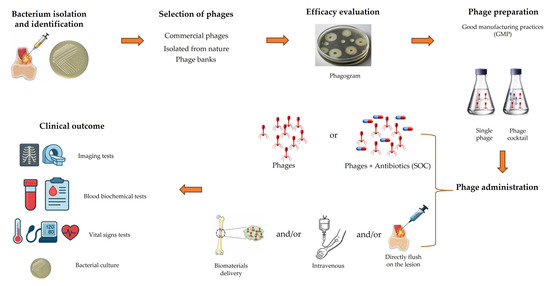
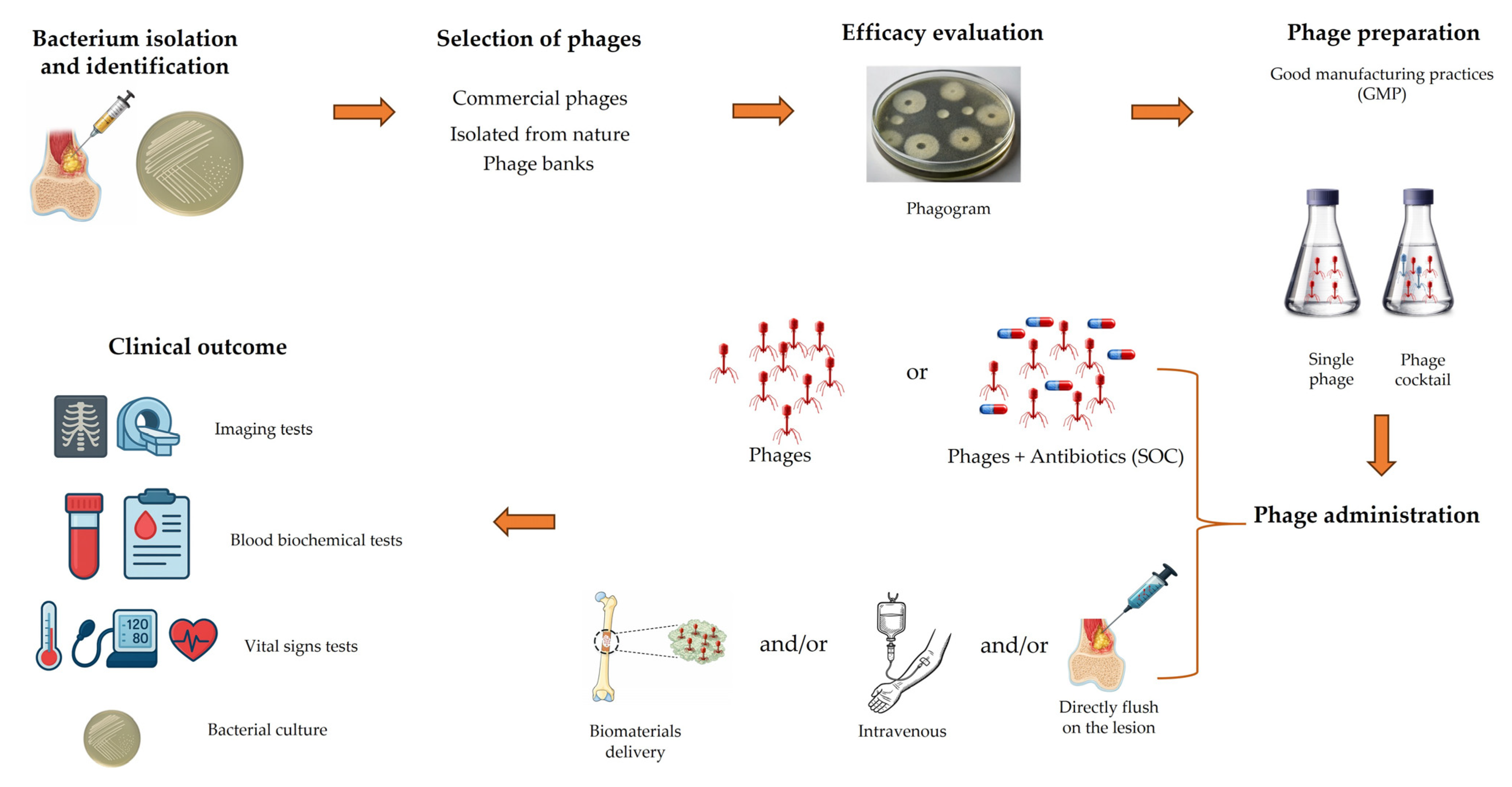

Disclaimer/Publisher’s Note: The statements, opinions and data contained in all publications are solely those of the individual author(s) and contributor(s) and not of MDPI and/or the editor(s). MDPI and/or the editor(s) disclaim responsibility for any injury to people or property resulting from any ideas, methods, instructions or products referred to in the content. |
© 2026 by the author. Licensee MDPI, Basel, Switzerland. This article is an open access article distributed under the terms and conditions of the Creative Commons Attribution (CC BY) license.