


Abstract
Biostimulants are becoming essential and complementary tools in modern agriculture, offering an innovative and environmentally friendly approach to enhance crop production and resilience. This review explores biostimulant classification—including humic substances, seaweed extracts, protein hydrolysates, and beneficial microorganisms—and elucidates the complex mechanisms of action through which they modulate plant physiology and biochemical and molecular processes. A major focus is placed on their demonstrated ability to significantly enhance nutrient use efficiency, stimulate root growth, improve water retention, and activate plant defense systems, thereby increasing tolerance to a wide plethora of stressors like drought, salinity, and extreme temperatures. Despite their proven efficacy, the broader adoption of biostimulants faces significant hurdles, including inconsistent product formulation, fragmented regulatory frameworks, and a limited understanding of their long-term effects under diverse field conditions. By emphasizing recent scientific and technological innovations, this review proposes a framework for research and practical application. Finally, biostimulants are part of the new technologies capable of improving plant resistance to abiotic stress and adapting agricultural systems to climate change, thanks to improved productivity and efficiency in the use of production inputs and natural resources. Advances in understanding the mechanisms of action of biostimulants will enable us to modulate the concept of plant nutrition and improve crop management.
1. Introduction
Global agriculture faces numerous challenges, including soil degradation, climate change, and the overuse of chemical fertilizers, which have deleterious effects on the environment, biodiversity, and contribute to global warming, threatening long-term sustainability and crop productivity [1,2,3,4]. These environmental and agronomic pressures are further intensified by the projected global population increase, which is expected to reach nearly nine billion people in 2050 [5]. In light of these issues, there is an urgent need to identify and develop sustainable compounds capable of enhancing plant growth, nutrient uptake, fruit quality and stress tolerance. Among these compounds, biostimulants stand out as a promising and environmentally friendly alternative to reduce the application of conventional agrochemicals, contributing to more resilient and environmentally friendly farming practices and ensuring food security.
New strategies in plant nutrition, aimed at utilizing biostimulants to enhance the efficiency of natural resource use and production inputs, as well as tolerance to abiotic stress, are of interest in the context of an environmental sustainability approach to crop management. However, to achieve this goal, it will be necessary to define the conceptual framework of biostimulants, their functions, and their benefits in agricultural systems to propose new strategies in plant nutrition.
The term biostimulant has evolved from 1951 to the present (Figure 1), although its use has been imprecise for many years. The comprehensive evolution of this concept is summarized in a table previously reviewed by Yakhin et al. [6]. In 1951, Filatov [7] defined biogenic stimulators as special, non-specific natural substances that stimulate the life reactions of the organism into which they are introduced. It was first clearly defined by Zhang and Schmidt [8] as “materials, other than fertilizers, that promote plant growth when applied in minute quantities”. This definition represented a notable advancement over earlier descriptions, since it helped to formally distinguish biostimulants as a separate category of agricultural inputs, distinct from conventional nutrients and agrochemicals.
Figure 1.
Main groups and effects of biostimulants in crop production.
In 2011, the European Biostimulant Industry Council (EBIC) was formally established. Later, in 2015, du Jardin [9] proposed that biostimulants are substances or microorganisms that stimulate natural plant processes, enhancing nutrient uptake, stress tolerance, and crop quality independently of nutrient content. This definition shifted the focus from product composition to biological function, laying the foundation for a more mechanism-oriented interpretation of biostimulant activity.
The development and dissemination of the biostimulant concept, especially those involving microorganisms, has been heavily influenced by industry stakeholders. Companies operating in this field have taken an active role by forming dedicated organizations such as the EBIC and the Biostimulant Coalition in the United States. These groups engage with policymakers, researchers, and other stakeholders to promote the use of biostimulants in sustainable agriculture, and to provide a unified industry voice to regulators and policymakers, encouraging research, innovation and science-based regulation. Furthermore, the industry has also played a key role in the inclusion of biostimulants as a separate product category in agricultural regulations, fostering academic and public dialogue with respect to the rapidly growing global biostimulant market.
Currently, EU Regulation 2019/1009 [10] recognizes biostimulants as a distinct category of fertilizing products. According to this regulation, a biostimulant is defined as a product that stimulates plant nutrition processes independently of its nutrient content, with the sole purpose of enhancing one or more of the following plant or rhizosphere characteristics: (i) nutrient use efficiency, (ii) tolerance to abiotic stress, (iii) quality traits, or (iv) availability of confined nutrients in the soil or rhizosphere (Figure 1). This marked a turning point, standardizing how biostimulants are classified and placed on the market. According to the argument presented in this proposal, the definition highlights the need for an assessment of the functions of biostimulants, rather than merely knowing the active substances.
Based on this definition, plant biostimulants (PBs) are characterized by their claimed agricultural functions and encompass a variety of naturally derived bioactive substances, such as (i) humic and fulvic acids (HSs); (ii) animal- and plant-based protein hydrolysates (PHs); (iii) seaweed extracts (SEs); (iv) silicon; as well as (v) beneficial microorganisms (PMBs), including arbuscular mycorrhizal fungi and nitrogen-fixing bacteria from the genera Rhizobium sp., Azotobacter sp., and Azospirillum sp. (Figure 1). Additionally, other substances such as sludge-derived substances (SSs) or (vermi)compost have been described in the scientific literature in terms of their biostimulant activity. This proposal demonstrates the depth of use of biostimulants, given the variability in plant responses under different crop management strategies.
Biostimulants exert different effects when penetrated into plant tissues through multiple mechanisms that act synergistically to enhance plant development and resilience against a diverse range of abiotic stresses. These mechanisms include stimulation of the metabolism and the nutrient use efficiency, the promotion of root growth through the action of phytohormones such as auxins and cytokinins (CKs), and mobilization of essential nutrients like phosphorus, potassium, and iron via microbial activity and siderophore production [11]. Additionally, some biostimulants induce stress-defense responses by regulating antioxidant machinery, reducing oxidative stress and modulating ethylene production through the enzyme ACC (1-aminocyclopropane-1-carboxylate) deaminase, thereby improving plant tolerance to diverse abiotic stresses such as drought, salinity, or extreme temperatures [12]. At the molecular level, active compounds in biostimulants have also been shown to activate signaling pathways that regulate gene expression and enhance systemic induced resistance, coordinately integrating plant growth, nutrition, and defense [6]. However, it should be noted that biostimulants do not include products whose main role is defense against pests and diseases, since for that purpose plant protection or phytosanitary products would be used. This avoids conceptual overlaps between biostimulation, fertilization, and crop protection within crop management.
Based on this background, and recognizing both crop management scientific evidence and persistent variability in agronomic outcomes, this comprehensive review aims to provide a comprehensive synthesis of the current state of knowledge on agricultural biostimulants, with a focus on their mechanisms of action, practical applications, efficacy and future prospects. This work aims to deepen our understanding of the influence of biostimulants on productivity in agricultural systems, based on an understanding of their metabolic functions and their interaction with the agronomic parameters of production quality. We will delve into specific case studies and research findings to illustrate their effectiveness in various cropping systems and environmental conditions. Furthermore, we will discuss the crucial role of biostimulants in advancing agricultural sustainability, examining how their application can lead to reduced fertilizer inputs, improved soil health, and a more resilient and productive food system.
2. Biostimulants Classification
As mentioned above, biostimulants comprise a diverse group of substances and microorganisms that, when applied to plants, seeds, or the rhizosphere, can enhance growth, nutrient uptake, and/or abiotic stress tolerance. Due to their diverse nature, biostimulants are often classified into several main categories based on their origin, composition, and mode of action. A transparent and harmonized classification of biostimulants is a prerequisite for interpreting the wide range of physiological and agronomic responses reported in the literature. The contributions of this classification, based on a comparative study and subject to regulations, demonstrate the evidence of its functions, mechanisms of action, and advantages in crop management.
2.1. Humic Substances (HSs): Humic and Fulvic Acids
Humic and fulvic acids (HAs and FAs, respectively) are natural and complex organic molecules with different molecular weights and solubility obtained from the breakdown of organic matter through microbial activity. HAs are larger humus molecules (generally between 20,000 and 100,000 Daltons) that are soluble in aqueous alkaline solutions and precipitate under acidic conditions, while FAs are smaller (generally between 500 and 2000 Daltons) and more readily absorbed by plants that remain soluble after acidification [13,14]. The influence of HSs on the physical and chemical properties of soil is evident, especially in relation to nutrient element exchange capacity [15], aggregate formation [16], or the processes of soil organic matter mineralization and the stabilization of soil microorganism activity [13]. Nevertheless, HAs have been mainly related to improving soil properties, while FAs directly influence plant metabolism [14]. This functional distinction partly explains why HSs may generate different plant responses depending on soil conditions, plants and application method. Additionally, the physiological effects on the plant are clear because they act as a metabolic and hormonal regulator. This is evidenced by a direct effect on nitrate absorption through the stimulation of H+-ATPase in roots [17], as well as a positive influence on the elongation and formation of root hairs, mimicking the action of auxins [18]. Thus, as biostimulants, they can be applied to root or foliage and their main role is to enhance plant nutrition and improve overall plant health through several key mechanisms (Figure 2): (i) increasing soil’s cation exchange capacity (CEC); (ii) stimulating proton pumps activating membrane H+-ATPases at the root level; (iii) exhibiting hormone-like effects on plants; (iv) increasing the levels of photosynthetic pigments and antioxidant activity; and (v) modulating plant stress response by enhancing the activity of key enzymes involved in phenylpropanoid metabolism [19]. Nevertheless, further research studies are required to elucidate the effect of humic substances since the response is different depending on their origin, environmental conditions, plant specificity, and dosage and method of application [20]. Concerning their origin, these humic substances can be extracted from organic matter, leonardite, or compost and vermicompost.
Figure 2.
General mechanisms of the different types of biostimulants.
In crops such as tomato or potato (Solanum lycopersicum L. and S. tuberosum L., respectively), the action of humic substances increases photosynthesis and stress tolerance [21,22], possibly as a consequence of the increase in antioxidant concentration [23]. Therefore, HSs exhibit multifunctional performance due to their diverse effects on plant physiology.
2.2. Seaweed and Botanical Extracts
Derived from various algae and plants, these extracts enhance plant vigor, increase resistance to environmental stress, and improve fruit and flower quality. However, their agronomic performance is highly dependent on botanical origin and extraction procedures, which has driven the development of increasingly complex commercial formulations.
The specific benefits vary depending on the seaweed or plant species from which they are extracted and the extraction method. This has led the research community to develop novel commercial and composite formulations incorporating a mixture of seaweeds or plants and other biological components, including live microorganisms and biopesticides, to improve their efficacy and shelf life.
Seaweeds are considered macroscopic marine algae and are classified into three main classes: Chlorophyceae (green algae), Phaeophyceae (brown algae) and Rhodophyceae (red algae) [24]. These algae constitute a source of micro- and macronutrients, polysaccharides, plant growth regulators, sterols, polyphenols, carotenoids, lipids, and N-containing compounds, which seem to be dependent on the algae species [24,25]. The most predominant phytocompounds are: (i) polysaccharides (e.g., agar, alginic acid, fucoidans, laminaranas, and ulvan); (ii) polyphenols (e.g., eckol, phloroglucinol, and 4-bromophenol); (iii) proteins and amino acids (e.g., taurine, domoic acid, glycine, γ-aminobutyric acid, δ-aminovaleric acid, and laminine); (iv) sterols (e.g., fucosterol, ergosterol, clionasterol, and β-sitosteriol); and (v) carotenes (e.g., astaxanthin, lutein, fucoxanthin, and β-carotene) [24,26,27,28,29,30]. Seaweeds can be applied as extracts (SEs) to roots or as foliar treatment and their main role is to enhance plant nutrition and improve overall plant health through several key mechanisms (Figure 2): (i) direct phytohormone supply, stimulating cell division, elongation and differentiation as well as promoting root and shoot growth; (ii) enhancing nutrient use by increasing water and macro/micronutrients’ absorption and improving root architecture; (iii) protecting cells from stress damage and preactivating defense genes; (iv) boosting energy production and essential molecule synthesis by increasing chlorophyll (Chl) rate and content; and (v) improving soil quality by supporting beneficial microorganisms [31,32,33,34,35,36,37,38].
Plant extracts, botanical extracts or phytoextracts are a source of biostimulants in terms of providing beneficial compounds, including macro- and micronutrients, secondary metabolites, vitamins, and growth-promoting hormones. Their significance is especially important in low-input or smallholder farming systems because of their cost-effectiveness and availability. Most importantly, these are cheap, affordable and easily available for smallholder farmers compared to synthetic products. The primary mechanisms of action are (Figure 2): (i) stimulating physiological processes through the increase of photosynthesis, respiration and nucleic acid synthesis; (ii) enhancing nutrient uptake and efficiency by modulating soil microbial community and soil characteristics; (iii) increasing stress tolerance by inducing natural plant defense and triggering the production of protective compounds such as antioxidants and osmolytes; (iv) modulating hormonal and enzymatic activity by mimicking the activity of phytohormones [39,40,41,42,43]. The most relevant point to fully address plant extract obtention is the development of a method that can handle the complexity of plant composition without damaging beneficial and biologically active compounds [44]. Organic solvent extraction with ethanol, acetone or methanol is one effective way to address this because they perfectly isolate organic compounds like flavonoids, phenols, and alkaloids [44]. This variability in composition and extraction underscores the importance of careful interpretation of experimental outcomes involving botanical-based biostimulants.
2.3. N-Containing Compounds
N-containing compounds are substances like protein hydrolysates (PHs) and amino acids, which come from the chemical synthesis of plant proteins, and from both the chemical and enzymatic hydrolysis of animal proteins [45,46]. This group is one of the most widely used categories of biostimulants in agriculture to improve plant growth, nutrient uptake, and stress tolerance, making them a key tool for more sustainable and efficient agriculture. Amino acids are the building blocks of proteins and play a multifaceted role in plant growth and development, acting as powerful regulators and protectants for plants. They directly participate in: (i) enhancing nutrient efficiency via their effect as natural chelating agents or by their availability as an organic nitrogen (N) source; (ii) regulating plant growth, development and overall metabolism by their action as precursors of Chl synthesis and vital plant hormones and enzymes; (iii) increasing a plant’s ability to tolerate and recover from abiotic stresses through osmotic regulation, antioxidant action and supporting natural defense mechanisms; and (iv) modifying the activity of soil microorganisms and gene expression, reinforcing resilience against abiotic stresses [6,9,45,47,48]. Their role in vegetable cultivation is noteworthy, as they increase the yield and quality of commercial production under various crop management conditions [45,49]. Regarding crop yield and quality, El-Sanatawy et al. [50] observed that protein hydrolysates increased nitrogen use efficiency and protein concentration in wheat. Similarly, San Bautista et al. [51] noted a positive effect of these substances on rice productivity, increasing grain yield by 13%. In the same crop, Sahoo et al. [52] showed that feather hydrolysates increase nitrogen availability and yield in rice. Therefore, biostimulants containing nitrogenous substances yield satisfactory results under stress conditions, particularly in crops with limited nitrogen inputs due to regulatory restrictions.
2.4. Chemical Compounds
Several chemical elements, such as silicon (Si) or selenium (Se), can also be considered as biostimulants, since they play a pivotal role in improving nutrient efficiency, metabolic regulation and abiotic stress tolerance. Their main activity with respect to plants is: (i) enhancing abiotic stress tolerance through deposition in cell walls, reducing water loss, stimulation of the antioxidant system and regulation of the internal ion balance; (ii) improving nutrient use efficiency by increasing nutrient availability and root growth enhancement; (iii) detoxifying heavy metals [53,54,55,56]. Although not traditionally classified as biostimulants, these elements fulfil functional criteria aligned with regulatory definitions when applied at non-nutritive doses to stimulate plant processes. Although traditionally not classified as biostimulants, these elements or other nanoparticles such as zinc (Zn), copper (Cu), and iron (Fe) (classified as nanonutrients or nanobiostimulants) are included among inorganic plant biostimulants when they meet functional criteria aligned with regulatory definitions and are applied in non-nutritive doses to stimulate plant processes [57,58].
2.5. Beneficial Microorganisms
Plant microbial-derived biostimulants (PMBs) are a key category of sustainable agricultural products composed of beneficial microorganisms that, when applied to the seed, plant, or rhizosphere, stimulate natural processes to enhance plant growth, nutrient efficiency, and tolerance to abiotic stress. This category mainly includes plant growth-promoting rhizobacteria (PGPR) that can directly or indirectly promote growth and increase nutrient cycling and stress tolerance [59]; arbuscular mycorrhizal fungi (AMF) that are able to extend the root surface area for water and nutrient uptake and increase stress tolerance [60]; and nitrogen-fixing bacteria that can fix atmospheric nitrogen [61]. Thus, they directly impact: (i) soil structure improvement; (ii) nutrient acquisition (nitrogen fixation, phosphate solubilization, mycorrhizal symbiosis; micronutrient chelation); and (iii) phytostimulation through phytohormone production, induced tolerance, defense mechanism activation and soil structure improvement [59,62].
2.6. Melatonin
Melatonin (N-acetyl-5-methoxytryptamine) is a hormone first discovered in animals in 1958 but later also found in plants, protozoa, fungi and bacteria [63]. It is synthesized in plants from the amino acid tryptophan in mitochondria, chloroplast and cytoplasm, and it regulates its own synthesis [64]. Even though its consideration as a biostimulant has been controversial in the past, currently the significant and wide variety of positive effects that this hormone induces in plants makes it a strong candidate to be part of this classification. In plants, it has been characterized as playing an important role in seed germination, growth, seedling development, fruit senescence, protection with respect to photosynthesis and stomata, regulation of multiple enzymes, and enhancing the metabolism of multiple secondary metabolites and hormones [64,65,66,67,68]. Additionally, melatonin application has the capacity to improve plant tolerance for a wide spectrum of species and in terms of both abiotic and biotic stresses, mainly with respect to its capacity to improve the antioxidant capacity of plants. For example, rice enhances flood stress after the application of 20–100 µM of melatonin via enzymatic activity improvement and reduction in malondialdehyde (MDA) content [65]; other authors have evaluated the tolerance improvement of Citrus sp. species to drought after the application of 50–100 µM of melatonin via the accumulation of different phenolic and flavonoid compounds [68].
2.7. Chitosan
Chitosan (co-polymer of N-acetyl-d-glucosamine and d-glucosamine) is a biopolymer derived from chitin, naturally found in fungal cell walls and arthropod exoskeletons [69]. It has been increasing in popularity since chitin is the second most abundant polysaccharide in the world, it is non-toxic and biodegradable, and it helps the circular economy because it is mainly obtained from marine industry discards of crustacean shells [70]. It is considered a biostimulant compound with multiple applications in agriculture, especially as a natural alternative to chemical protection since its application has antimicrobial properties [71,72]. However, extensive research has also been conducted on plants subjected to several types of abiotic stresses [72]. For example, chitosan can reduce the negative effects of Botrytis cinerea in strawberry and grape fruits through the modulation of jasmonic acid (JA) signaling and antioxidant compound production, which reduces hyphae growth [73]. Lipid peroxidation, reactive oxygen species (ROS) content, antioxidant enzymes and proline (Pro) are also optimized when using chitosan as a biostimulant compound to boost salt stress tolerance, as [74] has demonstrated in sorghum seedlings.
In response to the growing need for sustainable agricultural practices, a new wave of biostimulant research is focusing on innovative and unconventional sources. These novel materials, often derived from waste streams and underutilized biomass, offer a way to improve crop productivity while promoting a circular economy. The main emerging sources of biostimulants are: microalgae, agroindustrial by-products such as wastewater and sewage sludge, spent mushroom substrate, compost, and higher plant extracts [41,75,76,77,78]. These novel sources are not only expanding the range of available biostimulant products but are also contributing to a more sustainable and resource-efficient agricultural system by valorizing waste and utilizing unconventional materials.
In the following section, the specific mechanisms of action of different biostimulants are described.
3. Mechanisms of Action
As previously stated, biostimulants comprise a highly heterogeneous and dynamic group in which new compounds are continuously added to the big families of biostimulants. However, all share a common goal of enhancing plant growth, crop productivity and resilience to biotic and abiotic stresses. Different compounds may boost specific pathways within plants, operating at a physiological, biochemical or genetic level.
According to the proposed classification, it is necessary to study the functions of biostimulants that cause their main agronomic effects. In this way, it will be possible to deepen the agronomic interpretation of the results after their application under stress conditions.
A primary goal in agriculture is enhancing water and nutrient availability in soils for proper growth of plants. Accordingly, several groups of biostimulants have been reported by different authors as highly suitable for this purpose, particularly under deficit irrigation conditions (Table 1). In this regard, using the correct biostimulant doses has previously been described as improving the formation of stable macro-aggregates and major nutrient solubility, and leading to improved CEC, changes in root morphology to facilitate root penetration in the soil, reduced soil erosion and enhanced interaction between plants and microorganisms, all of which is translated into better water and nutrient uptake and retention capacity [79,80]. Such effects have been described in studies conducted under soil and hydroponic conditions [81,82]. As an example, application of different SEs from Laminaria spp. and A. nodosum in maize (Zea mays L.) has been attributed to improved root characteristics, especially root length, surface and tip number, as well as improved leaf content of calcium (Ca), magnesium (Mg), sulfur (S) and molybdenum (Mo) [83]. A. nodosum extracts also modulate aquaporin expression (PIP-1 and PIP-2 families) and activities linked to nutrient uptake transport in tomato plants subjected to optimal and deficit irrigation conditions [84]. The size of HSs is also known to modulate stress tolerance, as [85] has already demonstrated in soybean plants under salt stress; in this context, >30 kDa HSs were found to favor Fe and Zn uptake and reduce sodium (Na) uptake. Using SS-derived biostimulants also promotes the colonization of microbiota linked to urea degradation, nitrate reduction and nitrogen fixation. As demonstrated by [1] in rice (Oryza sativa L.), this effect indicates that plants could be more efficient in nutrient uptake, especially nitrogen (N). Drought tolerance is also favored by the colonization of the mycorrhiza species Rhizophagus intraradices (Schenck & Sm.) Walker & Schüßler, when used as a biostimulant. This inoculation specifically promotes plant growth and water and nutrient uptake under different types of coal mine spoils [86]. Inoculation of PMBs also promotes Si uptake by the activation of Si transporters Lsi1 and Lsi2, in charge of radial transport of Si in roots [87], HTK gene expression transporters in roots and potassium (K) accumulation in leaves and roots under K deprivation [88] in rice. Collectively, these studies highlight that improved water and nutrient acquisition represent one of the most consistent and robust biostimulant-induced responses. However, its magnitude depends strongly on the type of biostimulant, dose, and environmental context.
A central pathway in plant metabolism is photosynthesis, which finally determines carbon (C) assimilation by the plant and growth. In this sense, given the widely described correlation between higher photosynthetic capacity and tolerance to biotic and abiotic stresses [89,90,91], the use of compounds that stimulate plant photosynthesis is a promising strategy for increasing resilience in present and future crops (Table 1). Even if different biostimulant compounds have been linked to a higher photosynthetic capacity, SEs and PMBs are highlighted in the bibliography. However, current research largely focuses on general photosynthetic processes, such as gas exchange or Chl content [92,93,94]. These studies often overlook crucial processes linked to photosynthesis improvement, such as mesophyll conductance (gm), or specific biochemical pathways such as ribulose-1,5-biphosphate carboxylase/oxygenase (Rubisco) carboxylation activity and xanthophyll cycle pigments. A. nodosum extracts have been described as important in the acclimatation to short-term drought stress in Arabidopsis thaliana L., which strongly reduces gs, transpiration rate (E) and ABA-related gene expression after biostimulant application. In opposition, photosynthesis, gm and Rubisco related genes are decreased, suggesting that limitations of CO2 entrance are not associated with limitations in diffusion through the mesophyll used by the Rubisco enzyme and with respect to maintaining carbohydrate synthesis. Additionally, plants were more capable of dissipating the excess of energy via non-photochemical quenching (NPQ), PsbS (gene coding for 22 kDa protein of PSII) and the enzyme Violaxanthine de-epoxidase (VDE) [95]. Foliar spray of HSs also boosts photosynthetic parameters in Chrysanthemum morifolium RAMAT, such as photosynthesis, maximum quantum efficiency of PSII (Fv/Fm) and the effective photochemical quantum yield of PSII (ΦPSII), as well as improves the lamellae structure of thylakoids [96]. SSs also enhance ATP and NADP(H) content, photosynthesis, Rubisco activity and fluorescence in rice plants [78]. Nevertheless, other authors have stated that positive results in SSs are dose dependent, since high, concentrated doses induce a reduction in gas exchange, fluorescence and Rubisco activity or more accumulation of heavy metals [97,98]. Moreover, even if it is almost a rule that biostimulants improve Chl content, in some studies, non-significant or reduced accumulation were found, as in the case of soybean, broccoli, quinoa or okra [97,99,100,101]; indeed, the positive effect on pigment accumulation after biostimulant application has been detected is species dependent, as Toscano et al. [102] demonstrated in turnip greens and radish microgreens. It should also be noted that PHs’ action is primarily focused on the chloroplast, with their main function being the adjustment and protection of the thylakoid membrane in the light-dependent phase of photosynthesis, thus maintaining photosynthetic efficiency [103,104,105,106]. These reported results emphasize that biostimulant-induced improvements in photosynthesis are multifaceted and context-dependent, reinforcing the need to link physiological responses with application strategy and crop-specific traits.
Under normal functioning of biochemical pathways (e.g., photosynthesis), plants use O2 and accumulate H2O and ROS, such as O2−, OH, H2O2 and 1O2. Afterwards, plants use some of them as signaling molecules in different developmental processes like growth, cell cycle, programmed cell death or stress responses, among others. However, most of them are scavenged via enzymatic and non-enzymatic pathways. Under harmful conditions, the ROS generation rate is stronger than its elimination, leading to its accumulation. As a result, ROS inactivates enzymes, induces damage in cellular organelles and destroys membranes, which results in oxidative stress and cell death (further information is available in [107,108]. Biostimulants have been widely proven to reduce such damage via reducing its generation or accumulation (Table 1). Multiple studies have focused their attention on studying modifications in antioxidant enzymatic activities, levels of antioxidant molecules and accumulation of ROS, especially H2O2 [84,92,101,109]; further information is provided in Table 1. As an example, SEs boost the activity of antioxidant enzymes (e.g., ascorbate peroxidase or glutathione reductase) and antioxidant compounds (e.g., Pro and glutathione) at the same time that they reduce ROS accumulation (·O2−, OH· and H2O2) and lipid peroxidation in maize after a short-term drought period [110]. Nevertheless, stimulation is variety-dependent, as Fiorentino et al. [101] have already demonstrated in quinoa plants under different salt stress levels. Additionally, previous studies have demonstrated that PHs vary their antioxidant capacity depending on the selected enzyme used for hydrolysis and its concentration in soybean, loach and lentil PHs [111,112,113]. Nevertheless, the accumulation of antioxidant compounds and modifications in antioxidant enzymes after the application of biostimulant compounds is rarely linked to gene expression levels; therefore, this line of research needs further investigation [109]. This limitation restricts the mechanistic interpretation of antioxidant responses and underscores the need for integrative studies combining biochemical, molecular and physiological analyses.
Modulation of growth and plant tolerance is additionally controlled by several plant hormones, the most studied of which are auxins (particularly indolacetic acid-IAA), gibberellins (GAs), CKs, JA, abscisic acid (ABA), brassinosteroids (BRs) and/or ethylene (Table 1). Within this, biostimulants have been described as having a dual participation. Firstly, these compounds may exhibit a hormone-like activity because their products have biochemical properties similar to plant hormones, thereby simulating their mode of action (it is especially common in the case of auxins, GAs and CKs). Among all biostimulants, PHs, SEs and HSs have been broadly studied as biostimulant compounds with this property. As an example, alfalfa (Medicago sativa L.), meat-flour PHs and Arundo donax L. HSs have GA- and/or IAA-like activity in maize, tomato and chicory plants via modification of shoot and root length [114,115]. Secondly, they not only act as hormone-like compounds in plants, but they also modify the phytohormone profile accumulation, gene expression or enzyme activity of hormone pathways with respect to synthesis, catabolism or signaling. For example, Luccini et al. [116] demonstrated that application of the commercial PH Trainer® in tomato, an auxin-like hormone, negatively modulates the accumulation of BRs, CKs, JA, ABA and CKs biosynthesis-related compounds, resulting in higher root length. It is important to mention that most of these assays have been tested in in vitro conditions or short-term experiments, in both seeds and small seedlings [117,118,119,120]; therefore, further research under real conditions is necessary after determining the chemical composition and their specific effects under controlled conditions to validate such effects, as Almadi et al. [121] have already done with respect to olive trees. In the case of PMBs, microorganisms produce and accumulate phytohormones themselves (e.g., auxins, CKs, GAs and ethylene) to modulate plant development and proper interaction with them [122,123]. In the bacteria Bacillus cereus Frankland & Frankland strain D1, genes related to IAA synthesis have been identified, as well as IAA accumulation; its inoculation in A. thaliana induces the production of lateral roots and root hairs, as well as heat stress and pathogen tolerance by the expression of hormone-related genes, among others [124]. It has also been described that compounds other than phytohormones are used by microorganisms to communicate with plants and modulate plant hormone profiles, as is the case with the interaction of the fungus Penicillium aurantiogriseum Dierckx with A. thaliana under in vitro conditions, where volatile organic compounds are emitted in modulating root hair formation and root ethylene and auxin signaling by the FERONIA-RALF22 complex [125]. They also modulate the tolerance to abiotic stresses and production under semi-commercial conditions, as is the case with Trichoderma harzianum L. cell-free filtrates in tomato plants, whose tolerance is modulated by the accumulation of CKs, IAA, JA and salicylic acid (SA), as well as related genes such as phospholipase D-a (PLD-a), phenylalanine ammonia lyase (PAL) and IAA-amido synthetase (IAS), among others [126]. The complexity of hormonal regulation mediated by biostimulants, highlighting the importance of distinguishing between direct hormone-like effects and indirect modulation of plant signaling networks, was reported.
Consequently, plants are not axenic organisms but rather harbor a plethora of microorganisms with which they interact in either beneficial or pathogenic interactions, which is nowadays a hot topic in agricultural research. To achieve a successful interaction and communication, it is required that both microorganisms and plants emit a series of signaling molecules, among them hormones, carbohydrates, nutrients, organic acids or volatile organic compounds (further information can be found in [108]). To facilitate such interaction, it is possible to add microorganisms directly to the media as biostimulants, a practice previously shown to improve tolerance to multiple stresses. However, many of these positive effects have been described under in vitro or very controlled conditions [123,127,128]. Under real conditions, it is a common fact that little or no effect may be found after the addition of microorganisms, due to their high competition with other organisms already present in the soil, among other inconveniences [123,129]. To avoid such a situation, it is a common practice to add cell-free microbial filtrates, linked to an improvement of soil microbiome diversity and fruit production under well-irrigated or stress conditions [123,130]. Additionally, other biostimulant compounds, rather than PMBs, are described as improving plant-microbe interactions and microbiota diversity (Table 1). For example, SEs have been linked to the enrichment of the soil, foliar and endophytic microbiome in pepper and tomato plants [131,132]; according to [132], the family Burkholderiaceae dominated both the endosphere and phylloplane, and were described as useful for plant growth-promoting bacteria in oil palm and acacias [133]. HSs also promote nodulation between soybean roots and rhizobia via the inhibition of endogenous ethylene accumulation and synthesis genes Gmmetk, GmACS3 and GmACO [134]. In SSs, enhancing microbial communities depends on the degree of stability of their components and is dose-dependent due to their toxic effects at high concentrations [135,136].
Therefore, the application of biostimulant compounds is currently a widely used technique that improves plant performance through multiple and diverse mechanisms of action. Among the most studied mechanisms in the present research are the enhancement of nutrient uptake, the boost to photosynthesis, the antioxidant capacity improvement in a plant, the regulation of a plant’s hormone profile and the induction of microbiome diversity. The correct use of biostimulants may mitigate current challenges linked to climate change, such as drought, extreme temperatures, or contaminated or degraded soils.
Table 1.
Examples of the main biostimulant compounds, including their positive effects after plant application under different environmental conditions. Plant species are also included.
4. Modes of Biostimulant Application in Agriculture
Plant biostimulants can be applied as seed treatments, through fertigation, as foliar sprays and, more recently, as granular or controlled-release formulations [153]. The correct application method will enable the objectives to be achieved to a greater extent in terms of the plant’s physiological response and the effect of the biostimulants. These modes strongly influence both the kinetics and duration of plant responses: seed and soil applications generally provide slower but longer-lasting effects via root system development and rhizosphere modulation, whereas foliar sprays typically induce faster but more transient responses through direct uptake by leaves [154]. The application method should therefore be considered a strategic approach.
Accordingly, application mode should be selected based on the intended agronomic objective (e.g., early establishment, stress mitigation, yield formation or postharvest quality) rather than on product availability alone, an aspect that has often been overlooked in practical recommendations.
Seed priming with PH or SE formulations pre-activates plant metabolism during imbibition and consistently improves germination, seedling vigor and early stress tolerance before emergence in A. thaliana and horticultural crops under abiotic stress [155,156,157]. The benefits of this treatment could persist after its application in the initial stages and ultimately determine final yield, after modifying root growth and modulating physiological response. Root growth and metabolic adaptation in the plant can be improved with plant management under stressful conditions, maintaining its effect throughout much of the crop cycle. In contrast, foliar spraying remains the predominant route for non-microbial biostimulants because it can rapidly modulate photosynthesis, Chl content and antioxidant metabolism, as demonstrated for vegetal PHs and SEs in horticultural crops [158,159].
From a technological standpoint, foliar biostimulant applications are still dominated by tractor-mounted boom or air-blast sprayers. Newly introduced technologies allow for new forms of application adapted to new crop management conditions, particularly through the emergence of unmanned aerial vehicles (UAVs), which enable ultra-low-volume (ULV) applications. These systems allow biostimulants to be sprayed at reduced carrier volumes while maintaining adequate canopy coverage and physiological effectiveness, as recently demonstrated in several field-scale studies [51,160,161].
Beyond foliar spraying, microgranulated fertilizers fortified with biostimulant fractions such as PHs or HSs represent a slower-release delivery mode, localized in the root zone, which has been associated with improved nutrient acquisition and early plant growth [162,163]. In drip-irrigated systems, particularly under arid and semi-arid conditions, fertigation with humic substances or seaweed-derived biostimulants has been linked to enhanced root growth, WUE and yield under water-deficit conditions by acting directly in the rhizosphere [159,164,165]. These root-targeted strategies are particularly effective when the primary objective is to enhance nutrient uptake efficiency or mitigate water and salinity stress.
Recent field evidence further suggests that combining different application modes may outperform single strategies, although responses remain context-dependent. A field study on mung bean confirmed that combining SE seed priming with foliar sprays can outperform single applications in some years, while in others foliar sprays alone deliver similar yield and nutrient-uptake benefits [166]. Consequently, the impact of environmental conditions on different phenological stages of the crop determines the foliar applications of these substances, which should be adjusted to flexible programs rather than pre-established strategies.
Biostimulants are also frequently delivered through fertigation, where the product is injected into drip or micro-sprinkler systems and distributed directly to the root zone. This mode is particularly suitable for HSs, SEs, PMBs and PHs that primarily act on root architecture, rhizosphere chemistry and nutrient uptake, especially under salinity or nutrient-limited conditions [167]; see Section 3 for more information. Thus, it is clear that root growth and emergence are improved, and therefore their tolerance to abiotic stress, when pre-seed treatments are combined with subsequent applications in nutrient solutions or via foliar application [152].
A critical aspect across all application modes is dosage. The agronomic response to biostimulants is strongly dose-dependent, and many studies report non-linear or bell-shaped dose–response curves, where low to moderate rates stimulate growth and physiology, whereas excessive doses reduce performance or even induce phytotoxic effects [168]. Consequently, defining appropriate dose ranges represents one of the main challenges for the effective field deployment of biostimulants. Therefore, knowledge of dose adjustment depending on composition, varietal and species susceptibility, method of application, and environmental conditions is more important than the use of pre-set doses in global contexts. For legume-derived PHs, optimal foliar doses in tomato have been observed at intermediate application rates, with higher concentrations failing to provide additional yield benefits or even depressing photosynthesis and antioxidant balance under stress [109,169]. Similar trends have been reported for SE-based biostimulants and HSs, where supra-optimal concentrations result in diminished or inconsistent responses [170,171,172,173,174].
Therefore, knowledge of dose adjustment depending on composition, varietal and species susceptibility, method of application, and environmental conditions is more important than the use of pre-set doses in global contexts, an approach that aligns well with precision agriculture frameworks and decision-support systems [175,176].
Finally, timing of application relative to crop phenology emerges as a decisive factor. During early vegetative growth and root establishment, soil drench or fertigation with SE-, HS- or PMB-based biostimulants—sometimes combined with early foliar sprays—has been shown to stimulate root system development, canopy expansion and tolerance to water or nutrient stress in several horticultural crops [155,177,178]. Applications around flowering and fruit set are among the most widely adopted in fruit and vegetable crops, where SE-, PH- and mineral-based biostimulants enhance flower retention, fruit set, yield and biochemical quality [179,180,181]. Preharvest sprays close to harvest often translate into improved firmness, antioxidant capacity, delayed ripening and reduced decay, thereby extending postharvest shelf life [182,183,184].
Overall, evidence suggests that the agronomic success of biostimulants depends on aligning application mode, dose and timing with the targeted physiological process and the prevailing environmental constraints. In practice, integrated programs combining seed or nursery treatments, root-targeted applications via fertigation, and strategically timed foliar sprays at key phenological stages tend to outperform single-mode strategies. However, these results are valid when the crop and its phenology determine the concentration, dose, and timing of application [185]. The effective integration of modern nutrient application programs into crop management will only be possible based on scientific knowledge that allows adaptation to each growing environment [176,186].
5. Efficacy and Challenges
Despite the broad potential of biostimulants, the agronomic success of biostimulants is highly context-dependent, with crop type emerging as a key factor influencing their efficacy. This context dependency represents one of the critical challenges in extension biostimulant research aimed at achieving consistent field-level outcomes. Legumes and vegetables have consistently demonstrated high responsiveness to biostimulants, particularly to formulations containing PHs, SEs, and PMBs. Studies have demonstrated that common bean (Phaseolus vulgaris L.) and tomato exhibit improved nitrogen assimilation, root development, and yield following biostimulant application [187,188,189,190]. The use of SEs and moringa extracts, for instance, has been shown to significantly enhance growth and fruit quality in cucumber under greenhouse conditions [191]. These responses are attributed to the short growth cycles and the high metabolic plasticity of legumes and vegetables; in the case of legumes, the response is further supported by their symbiotic nitrogen fixation capabilities. In this sense, crop physiological plasticity appears to be a key determinant of biostimulant responsiveness. In contrast, cereal crops show more variable responses to biostimulants. For example, the application of SE biostimulants in maize enhances drought resilience through modulation of primary and secondary metabolism, although yield gains were only significant under stress conditions [192]. Similarly, despite the fact that the use of microbial inoculants in wheat has improved P solubilization and root colonization, this effect does not consistently translate into higher grain yields, especially under optimal nutrient supply [193]. These inconsistencies may be attributed, in part, to the long history of breeding cereals for yield stability and high performance under intensive agricultural systems, which may have reduced their physiological plasticity and responsiveness to external stimuli such as biostimulants [194]. Fruit crops present unique challenges for biostimulant research and application due to their perennial growth, complex phenological stages, and long production cycles. The article presented by Maanik et al. [195] is a comprehensive overview of the potential of plant biostimulants to mitigate salinity stress in fruit crops, emphasizing their role as a sustainable and environmentally friendly alternative to conventional inputs. Biostimulants enhance salinity tolerance in fruit crops by strengthening antioxidant activity, maintaining ion homeostasis (particularly K+/Na+ balance), promoting nutrient uptake, and increasing Chl content and water retention. For example, SEs reduce oxidative damage by improving membrane stability, while microbial biostimulants such as AMF enhance root architecture and nutrient acquisition [196]. These effects collectively enhance plant growth, fruit yield, and quality under salt-stressed conditions in crops like citrus, guava, and pomegranate.
In addition to crop type, the efficacy of biostimulants in enhancing crop performance is strongly influenced by soil type and climatic conditions. Recent studies have shown that the benefits of biostimulant applications are more pronounced in arid, semi-arid, and subtropical/tropical climates compared to temperate regions. This is attributed to the greater environmental stresses in these climates, where biostimulants can play a pivotal role in mitigating adverse effects [197,198]; thus, the concept that biostimulants tend to express their greatest agronomic value when crops are exposed to suboptimal or stress-prone environments. For example, under water-limited conditions, many biostimulant products have been shown to mitigate yield losses in crops, with increases of 25–28% compared with untreated, drought-stressed controls. However, only about half of the evaluated formulations performed consistently across both stressed and well-watered conditions, highlighting variability in efficacy [193]. In contrast, studies on urban plant species exposed to drought have reported limited or inconsistent effects of biostimulant applications. In these cases, growth and biomass were largely unaffected compared to controls, with only minor improvements observed in traits such as height in some woody species. This suggests that the benefits of biostimulants are highly context-dependent, and their effectiveness may be constrained by species-specific physiology, environmental complexity, and site-specific conditions [199]. Several examples of positive, neutral or negative effects are represented in Table 2. Soil characteristics, particularly organic matter content, also play a crucial role in biostimulant effectiveness. Several meta-analyses have consistently shown a decline in biostimulant efficiency with increasing soil organic matter [193,200]. High organic matter levels are often associated with enhanced soil fertility, better water-holding capacity, and a rich microbial community, which may reduce the relative impact of biostimulant applications. Furthermore, the interaction between soil type and biostimulant application methods is critical. For instance, combining seed coatings with soil applications has been demonstrated to significantly increase root biomass, even in soils characterized by low carbon and microbial activity [201]. These results highlight the importance of matching application strategy with soil constraints to maximize biostimulant effectiveness.
Equally critical is the origin and compatibility of microbial biostimulants with the host plant. Different studies emphasize that microbial strains sourced from the same agroecological region or co-evolved with the host crop tend to establish more effective symbioses, resulting in enhanced plant growth and resilience [202,203]. Moreover, some microbial inoculants are highly host-specific. For example, a rhizobia strain effective in one legume species may not perform well in another, and even less in non-legume crops [204]. Microbial biostimulant performance is also influenced by soil microbiome composition. Incompatible or non-native strains may struggle to compete with indigenous microbes, reducing their efficacy [205]. Furthermore, the introduction of microbial inoculants can alter the structure and function of native microbial communities. A meta-analysis revealed that while microbial inoculants can increase soil microbial biomass, they may also induce significant changes in the composition and network complexity of soil microbial communities [206]. In the same way, field studies of AMF inoculants indicate that introduced strains often establish successfully during the initial seasons following application, driven by high propagule density and favorable host–symbiont interactions. However, their relative abundance commonly declines over time as competitive pressures from indigenous AMF and host plant selectivity reassert control. This transient dominance can temporarily alter AMF community composition and colonization patterns, with potential consequences for functional diversity and symbiotic stability once the introduced strains diminish [207]. Moreover, evidence from multi-year studies indicates a decline in efficacy over time, with yield benefits decreasing from approximately 18–20% during the first two seasons to around 13% by the third year. Excessive application frequencies, particularly more than four treatments per growing season, have also been associated with diminishing or even negative effects, possibly due to microbial saturation, shifts in community structure, or adaptive responses in the soil microbiome [193].
To date, most studies have focused on the effects of individual biostimulants, with limited exploration of combined or sequential applications. Understanding these interactions is essential to optimize formulations and application strategies. Research indicates that combining different biostimulants can result in either synergistic or antagonistic effects. For instance, the combined application of biochar and a commercial biostimulant derived from leonardite on pepper plants resulted in synergistic effects of both products [208]. Similarly, integrating microbial biostimulants like Trichoderma spp. with PHs has resulted in improved nutrient uptake and stress resilience in several crops [209]. Conversely, other combinations may exhibit antagonistic interactions, diminishing the overall efficacy of the biostimulants. For example, the co-application of biochar and compost in some studies did not yield the expected positive outcomes [210], highlighting the complexity of biostimulant interactions and the need for careful selection and testing of combinations.
While short-term studies have successfully demonstrated the benefits of biostimulants on plant growth and yield, a significant gap remains concerning their long-term effects on soil health, microbial diversity, and nutrient cycling. Some studies have reported that the application of biostimulants can alter soil microbial community structure, potentially enhancing beneficial microbial populations and functions [211]. However, the sustainability of these changes and their implications for soil ecosystem services over extended periods remain underexplored. Furthermore, organic biostimulants such as protein hydrolysates and seaweed extracts can modify soil properties and microbial activity through additions of organic substrates, with effects on microbial community dynamics and nutrient cycling that remain dependent on dose and context [212,213]. Repeated or high-frequency applications may contribute to the accumulation of organic residues and changes in soil C:N balance, with potential implications for intrinsic nutrient mineralization, although mechanistic evidence over multiple seasons is limited [212]. Long-term field trials are therefore essential to assess the persistence of biostimulant-induced changes and to develop evidence-based guidelines that ensure the maintenance of soil health and productivity.
Although biostimulant application has demonstrated measurable benefits in many crops, a major constraint limiting its broader adoption is the lack of standardized definitions, classifications, and testing protocols. Historically, definitions of biostimulants varied widely across countries, often confusing them with fertilizers or plant protection products. To address these challenges, the European Union approved Regulation (EU) 2019/1009 [214], which provides a legal definition of plant biostimulants and establishes harmonized rules for their labeling, safety, and agronomic claims. This regulation distinguishes biostimulants from fertilizers and categorizes them as either microbial or non-microbial. Currently, only four types of microorganisms are approved: Azotobacter spp., Rhizobium spp., Azospirillum spp. and mycorrhizal fungi. This limited list has been a point of contention, as it excludes many beneficial microorganisms, which may hinder innovation and the inclusion of other effective biostimulant agents. Barros-Rodríguez [215] carried out a study in which the regulatory challenges posed by the taxonomic limitations in the EU regulation is discussed. The author suggests alternative methods for evaluating the safety and efficacy of microbial biostimulants, including the use of bioassays on model organisms, to enable a more comprehensive assessment of both potential risks and benefits. Addressing these gaps is critical for fostering innovation, ensuring product efficacy, and supporting the transition to more sustainable agricultural practices. Although the implementation of Regulation (EU) 2019/1009 [214] represents progress toward a unified regulatory framework, at least within the European Union, similar harmonization efforts are still lacking in many regions of the world. Without international alignment, the full potential of biostimulants to support sustainable agriculture remains limited.
Beyond the agronomic and environmental challenges, economic and practical factors also limit the broader use of biostimulants in agriculture. These products are often more expensive than conventional fertilizers or crop protection agents, and their inconsistent performance across different crops, soils, and climates makes it hard for farmers to know whether the investment will pay off [216]. Adoption is further slowed by the lack of clear guidelines and decision-support tools, leaving many growers unsure about which products to choose, how much to apply, or when to apply them to get the best results [217].
Table 2.
Examples of biostimulant applications with positive (+) or neutral/negative (0/-) effects.
6. Future Directions and Research Gaps
According to current knowledge about the action of biostimulants, new research and advances in understanding these substances could modify the concept of plant nutrition, extending the action of nutrition to organic substances, including those derived from minerals, due to the metabolic and physiological changes they can induce in plants.
The use of biostimulants in agriculture has been shown to provide multiple benefits that extend beyond conventional plant nutrition. These products represent a key strategy to complement mineral fertilization and advance towards more efficient and sustainable agriculture by reducing dependence on chemical fertilizers. Their application improves nutrient use efficiency, favors microbial activity and soil structure, and in the plant, they regulate physiological and hormonal processes, increasing stress tolerance and photosynthetic efficiency. At the production level, they maintain or increase yields and improve the commercial and nutritional quality of crops, contributing to resilience and sustainability in current agricultural systems.
Despite the evident benefits of biostimulants in improving soil structure, microbial activity, and root absorption, significant knowledge gaps still limit their optimal application in agriculture. For instance, it remains unclear how the specific composition of biostimulants, both microbial and non-microbial ones, interacts with different soil types and crops to enhance nutrient uptake efficiency, crop quality and tolerance to abiotic stresses. Additionally, the relationship between microbial metabolite production, soil aggregate formation, and rhizosphere microbiome modulation requires further study to understand the underlying molecular and physiological mechanisms. The effectiveness of biostimulants is also strongly conditioned by how they are delivered in the field. In particular, UAV-based application often involves very low spray volumes and distinct droplet dynamics, which demand formulation adjustments (e.g., surfactants, humectants, and anti-foam agents) to ensure droplet stability, leaf retention, and biological performance. These gaps limit the ability to design precise and reproducible biostimulation strategies, highlighting the need to investigate how to optimize biostimulant composition and dosage, according to specific agroecological contexts.
However, moving from empirical observation to predictable performance requires closing significant knowledge gaps. The intricate cross-talk between biostimulant components (both microbial and non-microbial) and the specific soil–crop matrix remains under-explored. To unravel these underlying molecular mechanisms, future research must prioritize the integration of omics technologies, including genomics, transcriptomics, and metabolomics. Such high-throughput approaches will allow for a comprehensive understanding of rhizosphere microbiome modulation and the signaling pathways that govern plant–microbe interactions.
The challenge of dose–response reproducibility across diverse agroecological contexts highlights the need for innovative systems. The development of advanced nano-formulations represents a frontier priority; these technologies can enhance the stability of bioactive compounds, ensure targeted release, and improve leaf or root absorption, thereby optimizing biostimulant efficacy under fluctuating field conditions.
Finally, it should be emphasized that biostimulants are expected to become a key component of future crop productivity and of a renewed concept of plant nutrition, grounded in the understanding of metabolic and physiological processes modulated by interactions within the soil–plant–atmosphere continuum, which ultimately governs the dynamic and often unpredictable conditions of crop management.
Author Contributions
Conceptualization, L.L.-S. and A.I.G.-H.; writing—original draft preparation, L.L.-S., L.S., R.S., A.S.B. and A.I.G.-H.; writing—review and editing, L.L.-S., L.S., R.S., A.S.B. and A.I.G.-H. All authors have read and agreed to the published version of the manuscript.
Funding
L.L.-S. is a beneficiary of a Juan de la Cierva 2022 postdoctoral fellowship (reference number JDC2022-049385-I) funded by MCIN/AEI/10.13039/501100011033 and European Union NextGenerationEU/PRTR.
Data Availability Statement
No new data were created or analyzed in this study. Data sharing is not applicable to this article.
Conflicts of Interest
The authors declare no conflicts of interest.
Abbreviations
ABA: abscisic acid; ACC: 1-aminocyclopropane-1-carboxylate; AMF: arbuscular mycorrhizal fungi; BRs: brassinosteroids; C: carbon; Ca: calcium; CEC: cation exchange capacity; Chl: chlorophyll; CKs: cytokinins; Cu: copper; E: transpiration rate; EBIC: European Biostimulant Industry Council; FAs: fulvic acids; Fe: iron; Fv/Fm: maximum quantum efficiency of PSII; GAs: gibberellins; gm: mesophyll conductance; gs: stomatal conductance; HAs: humic acids; HSs: humic substances; IAA: indolacetic acid; IAS: IAA-amido synthetase; K: potassium; Mg: magnesium; Mo: molybdenum; N: Nitrogen; Na: sodium; JA: jasmonic acid; NPQ: non-photochemical quenching; ΦPSII: effective photochemical quantum yield of PSII; PAL: phenylalanine ammonia lyase; PBs: plant biostimulants; PHs: protein hydrolysates; PGPR: plant growth-promoting bacteria; PLD-a: phospholipase D-a; PMBs: plant microbial-derived biostimulants; ROS: reactive oxygen species; Rubisco: ribulose-1,5-biphosphate carboxylase/oxygenase; RWC: relative water content; Se: selenium; SEs: seaweed extracts; Si: silicon; SSs: sludge-derived substances; VDE: violaxanthine de-epoxidase; Zn: zinc; ᴪW: water potential; ᴪπ: osmotic potential.
References
- Follett, R.F.; Hatfield, J.L. Nitrogen in the environment: Sources, problems, and management. Sci. World J. 2001, 1, 920–926. [Google Scholar] [CrossRef] [Scilit] [PubMed]
- Weijters, M.J.; Janse, J.H.; Alkemade, R.; Verhoeven, J.T.A. Quantifying the effect of catchment land use and water nutrient concentrations on freshwater river and stream biodiversity. Aquat. Conserv. Mar. Freshwat. Ecosyst. 2009, 19, 104–112. [Google Scholar]
- Withers, P.J.A.; Sylvester-Bradley, R.; Jones, D.L.; Healey, J.R.; Talboys, P.J. Agriculture and eutrophication: Where do we go from here? Sustainability 2014, 6, 5853–5875. [Google Scholar] [CrossRef] [Scilit]
- Menegat, S.; Ledo, A.; Tirado, R. Greenhouse gas emissions from global production and use of nitrogen synthetic fertilisers in agriculture. Sci. Rep. 2022, 12, 14490. [Google Scholar]
- Norrman, K.E. World Population Growth: A Once and Future Global Concern. World 2023, 4, 684–697. [Google Scholar] [CrossRef] [Scilit]
- Yakhin, O.I.; Lubyanov, A.A.; Yakhin, I.A.; Brown, P.H. Biostimulants in plant science: A global perspective. Front. Plant Sci. 2017, 7, 2049. [Google Scholar] [CrossRef] [Scilit]
- Filatov, V.P. Tissue treatment. (Doctrine on biogenic stimulators). I. Background, methods and the clinical tissue treatment. Priroda 1951, 11, 39–46. [Google Scholar]
- Zhang, X.; Schmidt, R.E. Hormone-containing products impact on antioxidant status of tall fescue and creeping bentgrass subjected to drought. Crop Sci. 2000, 40, 1344–1349. [Google Scholar] [CrossRef] [Scilit]
- Du Jardin, P. Plant biostimulants: Definition, concept, main categories and regulation. Sci. Hortic. 2015, 196, 3–14. [Google Scholar] [CrossRef] [Scilit]
- European Union. Regulation (EU) 2019/1009 of the European Parliament and of the Council of 5 June 2019 laying down rules on the making available on the market of EU fertilising products. Off. J. Eur. Union 2019, L 170, 1–114. [Google Scholar]
- Rouphael, Y.; Colla, G. Synergistic Biostimulatory Action: Designing the Next Generation of Plant Biostimulants for Sustainable Agriculture. Front. Plant Sci. 2018, 9, 1655. [Google Scholar] [CrossRef]
- Kauffman, G.L.; Kneivel, D.P.; Watschke, T.L. Effects of a biostimulant on the heat tolerance associated with photosynthetic capacity, membrane thermostability, and polyphenol production of perennial ryegrass. Crop Sci. 2007, 47, 261–267. [Google Scholar] [CrossRef] [Scilit]
- Canellas, L.P.; Olivares, F.L.; Aguiar, N.O.; Jones, D.L.; Nebbioso, A.; Mazzei, P.; Piccolo, A. Humic and fulvic acids as biostimulants in horticulture. Sci. Hortic. 2015, 196, 15–27. [Google Scholar] [CrossRef] [Scilit]
- Maffia, A.; Oliva, M.; Marra, F.; Mallamaci, C.; Nardi, S.; Muscolo, A. Humic Substances: Bridging Ecology and Agriculture for a Greener Future. Agronomy 2025, 15, 410. [Google Scholar] [CrossRef] [Scilit]
- Chen, Y.; Aviad, T. Effect of Humic Substances on Plant Growth. In Humic Substances in Soil and Crop Sciences: Selected Readings; MacCarthy, P., Ed.; American Society of Agronomy and Soil Sciences: Madison, WI, USA, 1990; pp. 161–186. [Google Scholar]
- Piccolo, A.; Pietramellara, G.; Mbagwu, J.S.C. Use of humic substances as soil conditioners to increase aggregate stability. Geoderma 1997, 75, 267–277. [Google Scholar] [CrossRef] [Scilit]
- Nardi, S.; Concheri, G.; Dell’Agnola, G.; Scrimgeour, C.M. Nitrate uptake and ATPase activity in oat seedlings in the presence of two humic fractions. Soil Biol. Biochem. 1991, 23, 833–836. [Google Scholar] [CrossRef] [Scilit]
- Nardi, S.; Pizzeghello, D.; Muscolo, A.; Vianello, A. Physiological effects of humic substances on higher plants. Soil Biol. Biochem. 2002, 34, 1527–1536. [Google Scholar] [CrossRef] [Scilit]
- De Moura, O.V.T.; Berbara, R.L.L.; De Oliveira Torchia, D.F.; Da Silva, H.F.O.; Van Tol De Castro, T.A.; Tavares, O.C.H.; Rodrigues, N.F.; Zonta, E.; Santos, L.A.; García, A.C. Humic foliar application as sustainable technology for improving the growth, yield, and abiotic stress protection of agricultural crops. A review. J. Saudi Soc. Agric. Sci. 2023, 22, 493–513. [Google Scholar] [CrossRef] [Scilit]
- Rose, M.T.; Patti, A.F.; Little, K.R.; Brown, A.L.; Jackson, W.R.; Cavagnaro, T.R. A meta-analysis and review of plant-growth response to humic substances: Practical implications for agriculture. Adv. Agron. 2014, 124, 37–89. [Google Scholar]
- Qin, K.; Dong, X.; Joshi, V.; Lee, C.; Harvey, J.T.; Leskovar, D.I. Biostimulant action of humic substances on tomato physiology and metabolism under water and nitrogen stresses. Plant Stress 2024, 11, 100342. [Google Scholar] [CrossRef] [Scilit]
- Yan, M.H.; Zhao, L.; Xu, S.T.; McLaughlin, N.B.; Liu, J.H. Effect of water soluble humic acid applied to potato foliage on plant growth, photosynthesis characteristics and fresh tuber yield under different water deficits. Sci. Rep. 2020, 10, 7854. [Google Scholar] [CrossRef] [Scilit] [PubMed]
- Huang, W.T.; Chen, X.F.; Huang, W.L.; Shen, Q.; Lu, F.; Lai, N.W.; Guo, J.; Yang, L.T.; Ye, X.; Chen, L.S. Humic Acid Enhances Antioxidant and Glyoxalase Systems to Combat Copper Toxicity in Citrus. Agronomy 2025, 15, 99. [Google Scholar] [CrossRef] [Scilit]
- Kumari, P.; Kumar, M.; Reddy, C.R.K.; Jha, B. Algal lipids, fatty acids and sterols. In Functional Ingredients from Algae for Foods and Nutraceuticals; Herminia, D., Ed.; Elsevier: Oxford, UK, 2013; pp. 87–134. [Google Scholar]
- Craigie, J.S. Seaweed extract stimuli in plant science and agriculture. J. Appl. Phycol. 2011, 23, 371–393. [Google Scholar] [CrossRef] [Scilit]
- Pangestuti, R.; Kim, S.K. Seaweed proteins, peptides, and amino acids. In Seaweed Sustainability; Elsevier: Amsterdam, The Netherlands, 2015; pp. 125–140. [Google Scholar]
- MacKinnon, S.L.; Hiltz, D.; Ugarte, R.; Craft, C.A. Improved methods of analysis for betaines in Ascophyllum nodosum and its commercial seaweed extracts. J. Appl. Phycol. 2010, 22, 489–494. [Google Scholar]
- Lahaye, M.; Robic, A. Structure and functional properties of ulvan, a polysaccharide from green seaweeds. Biomacromolecules 2007, 8, 1765–1774. [Google Scholar] [CrossRef] [Scilit] [PubMed]
- Aremu, A.O.; Masondo, N.A.; Rengasamy, K.R.R.; Amoo, S.O.; Gruz, J.; Bíba, O.; Subrtová, M.; Pencik, A.; Novák, O.; Dolezal, K.; et al. Physiological role of phenolic biostimulants isolated from brown seaweed Ecklonia maxima on plant growth and development. Planta 2015, 241, 1313–1324. [Google Scholar] [CrossRef] [Scilit]
- Meinita, M.D.N.; Harwanto, D.; Tirtawijaya, G.; Negara, B.F.S.P.; Sohn, J.-H.; Kim, J.-S.; Choi, J.-S. Fucosterol of Marine Macroalgae: Bioactivity, Safety and Toxicity on Organism. Mar. Drugs 2021, 19, 545. [Google Scholar] [CrossRef] [Scilit]
- Shayen, M.P.; Noli, Z.A.; Maideliza, T. An overview: Seaweed extract as biostimulant. Int. J. Prog. Sci. Technol. 2023, 39, 304–310. [Google Scholar]
- Ali, O.; Ramsubhag, A.; Jayaraman, J. Biostimulant Properties of Seaweed Extracts in Plants: Implications towards Sustainable Crop Production. Plants 2021, 10, 531. [Google Scholar] [CrossRef] [Scilit] [PubMed]
- Al-Ghamdi, A.A.; Elansary, H.O. Synergetic effects of 5-aminolevulinic acid and Ascophyllum nodosum seaweed extracts on asparagus phenolics and stress related genes under saline irrigation. Plant Physiol. Biochem. 2018, 125, 277–290. [Google Scholar] [CrossRef] [Scilit]
- Crouch, I.J.; Beckett, R.P.; van Staden, J. Effect of seaweed concentrate on the growth and mineral nutrition of nutrient-stressed lettuce. J. Appl. Phycol. 1990, 2, 269–272. [Google Scholar] [CrossRef] [Scilit]
- Digruber, T.; Sass, L.; Cseri, A.; Paul, K.; Nagy, A.V.; Remenyik, J.; Molnár, I.; Vass, I.; Toldi, O.; Gyuricza, C.; et al. Stimulation of Energy Willow Biomass with Triacontanol and Seaweed Extract. Ind. Crops Prod. 2018, 121, 104–112. [Google Scholar] [CrossRef] [Scilit]
- Patel, K.; Agarwal, P.; Agarwal, P.K. Kappaphycus alvarezii sap mitigates abiotic-induced stress in Triticum durum by modulating metabolic coordination and improves growth and yield. J. Appl. Phycol. 2018, 30, 2659–2673. [Google Scholar] [CrossRef] [Scilit]
- Rayorath, P.; Khan, W.; Palanisamy, R.; Mackinnon, S.L.; Stefanova, R.; Hankins, S.D.; Critchley, A.T.; Prithiviraj, B. Extracts of the Brown Seaweed Ascophyllum nodosum Induce Gibberellic Acid (GA3)-Independent Amylase Activity in Barley. J. Plant Growth Regul. 2008, 27, 370–379. [Google Scholar] [CrossRef] [Scilit]
- Senthuran, S.; Balasooriya, B.L.W.K.; Arasakesary, S.J.; Gnanavelrajah, N. Effect of Seaweed Extract Kappaphycus alvarezii on the Growth, Yield and Nutrient Uptake of Leafy Vegetable Amaranthus polygamous. Trop. Agric. Res. 2019, 31, 23–31. [Google Scholar] [CrossRef] [Scilit]
- Akram, N.A.; Saleem, M.H.; Shafiq, S.; Naz, H.; Farid-ul-Haq, M.; Ali, B.; Shafiq, F.; Iqbal, M.; Jaremko, M.; Qureshi, K.A. Phytoextracts as Crop Biostimulants and Natural Protective Agents—A Critical Review. Sustainability 2022, 14, 14498. [Google Scholar] [CrossRef] [Scilit]
- Calvo, P.; Nelson, L.; Kloepper, J.W. Agricultural uses of plant biostimulants. Plant Soil 2014, 383, 3–41. [Google Scholar] [CrossRef] [Scilit]
- Rouphael, Y.; Colla, G. Plant biostimulants: New tools for the green revolution. Trends Plant Sci. 2020, 25, 696–708. [Google Scholar]
- Sharma, A.; Shahzad, B.; Rehman, A.; Bhardwaj, R.; Landberg, T. Plant biostimulants: Enhancing crop productivity and resilience to abiotic stress. Agron. Sustain. Dev. 2020, 40, 25. [Google Scholar]
- Yakhin, O.I.; Lubyanov, A.A.; Yakhin, I.A.; Brown, P.H. Phytohormones in plant biostimulants: A critical review. Crit. Rev. Plant Sci. 2017, 36, 106–121. [Google Scholar]
- Dila, A.I.; Noli, Z.A.; Mansyurdin, M. An overview: Plant extract as biostimulant. Int. J. Prog. Sci. Technol. 2024, 46, 9–14. [Google Scholar]
- Colla, G.; Rouphael, Y.; Canaguier, R.; Svecova, E.; Cardarelli, M. Biostimulant action of protein hydrolysates: An overview. Front. Plant Sci. 2015, 6, 448. [Google Scholar]
- Jardine, K.; Bédard, R. Amino Acids Biostimulants and Protein Hydrolysates in Agricultural Sciences. Plants 2024, 13, 295. [Google Scholar] [CrossRef] [Scilit]
- Boutahiri, S.; Benrkia, R.; Tembeni, B.; Idowu, O.E.; Olatunji, O.J. Effect of biostimulants on the chemical profile of food crops under normal and abiotic stress conditions. Curr. Plant Biol. 2024, 40, 100410. [Google Scholar] [CrossRef] [Scilit]
- Malécange, M.; Sergheraert, R.; Teulat, B.; Mounier, E.; Lothier, J.; Sakr, S. Biostimulant Properties of Protein Hydrolysates: Recent Advances and Future Challenges. Int. J. Mol. Sci. 2023, 24, 9714. [Google Scholar] [CrossRef] [Scilit] [PubMed]
- San Bautista, A.; Agenjos-Moreno, A.; Martínez, A.; Escudero, A.I.; Arizo-García, P.; Simeón, R.; Meyer, C.; Kadyampakeni, D.M. Osmolyte Regulation as an Avocado Crop Management Strategy for Improving Productivity Under High Temperatures. Horticulturae 2025, 11, 245. [Google Scholar] [CrossRef] [Scilit]
- El-Sanatawy, A.M.; Ash-Shormillesy, S.M.A.I.; El-Yazied, A.A.; El-Gawad, H.G.A.; Azab, E.; Gobouri, A.A.; Sitohy, M.; Osman, A. Enhancing Grain Yield and Nitrogen Accumulation in Wheat Plants Grown under a Mediterranean Arid Environment by Foliar Spray with Papain-Released Whey Peptides. Agronomy 2021, 11, 1913. [Google Scholar] [CrossRef] [Scilit]
- San Bautista, A.; Fita, D.; Franch, B.; Castiñeira-Ibáñez, S.; Arizo, P.; Sánchez-Torres, M.J.; Becker-Reshef, I.; Uris, A.; Rubio, C. Crop Monitoring Strategy Based on Remote Sensing Data (Sentinel-2 and Planet), Study Case in a Rice Field after Applying Glycinebetaine. Agronomy 2022, 12, 708. [Google Scholar] [CrossRef] [Scilit]
- Sahoo, S.; Rath, B.; Mondal, K.C.; Halder, S.K.; Mandal, A. Production Optimization of Feather Hydrolysate and Use as a Promising Nitrogen-Rich Fertilizer for Rice (Oryza sativa) Production. Biosci. Biotech. Res. Asia 2023, 20, 865–876. [Google Scholar] [CrossRef] [Scilit]
- Ma, J.F.; Yamaji, N. A brief history of silicon research in plants. J. Plant Nutr. Soil Sci. 2015, 178, 227–233. [Google Scholar]
- Liang, Y.; Sun, W.; Zhu, Y.G.; Christie, P. Mechanisms of silicon-mediated alleviation of abiotic stresses in plants: A review. J. Plant Nutr. Soil Sci. 2007, 170, 808–815. [Google Scholar] [CrossRef] [Scilit]
- Hasanuzzaman, M.; Hossain, M.A.; Fujita, M. Selenium in higher plants: Physiological role, antioxidant metabolism and abiotic stress tolerance. J. Stress Physiol. Biochem. 2010, 6, 354–375. [Google Scholar]
- Pilon-Smits, E.A.H.; LeDuc, D.L. Ecological aspects of plant selenium hyperaccumulation. New Phytol. 2009, 181, 563–573. [Google Scholar]
- Dima, S.-O.; Neamțu, C.; Desliu-Avram, M.; Ghiurea, M.; Capra, L.; Radu, E.; Stoica, R.; Faraon, V.-A.; Zamfiropol-Cristea, V.; Constantinescu-Aruxandei, D.; et al. Plant Biostimulant Effects of Baker’s Yeast Vinasse and Selenium on Tomatoes through Foliar Fertilization. Agronomy 2020, 10, 133. [Google Scholar] [CrossRef] [Scilit]
- Osman, M.E.; Nessem, A.A.; Ismael, E.H.; Abo-Shanab, W.A. Mitigation of the Salinity Stress in Vicia Faba (L.) Seedlings Using Green-Synthesized Selenium Nanoparticles. J. Soil Sci. Plant Nutr. 2026, 1–12. [Google Scholar] [CrossRef] [Scilit]
- Vejan, P.; Abdullah, R.; Khadiran, T.; Ismail, S.; Nasrulhaq Boyce, A. Role of Plant Growth Promoting Rhizobacteria in Agricultural Sustainability—A Review. Molecules 2016, 21, 573. [Google Scholar] [CrossRef] [Scilit] [PubMed]
- Begum, N.; Qin, C.; Ahanger, M.A.; Raza, S.; Khan, M.I.; Ashraf, M.; Ahmed, N.; Zhang, L. Role of Arbuscular Mycorrhizal Fungi in Plant Growth Regulation: Implications in Abiotic Stress Tolerance. Front. Plant Sci. 2019, 10, 1068. [Google Scholar] [CrossRef] [Scilit]
- Aasfar, A.; Bargaz, A.; Yaakoubi, K.; Hilali, A.; Bennis, I.; Zeroual, Y.; Meftah Kadmiri, I. Nitrogen Fixing Azotobacter Species as Potential Soil Biological Enhancers for Crop Nutrition and Yield Stability. Front. Microbiol. 2021, 12, 628379. [Google Scholar] [CrossRef] [Scilit]
- Ruzzi, M.; Aroca, R. Plant growth-promoting rhizobacteria act as biostimulants in horticulture. Sci. Hortic. 2015, 196, 124–134. [Google Scholar] [CrossRef] [Scilit]
- Kołodziejczyk, I.; Posmyk, M.M. Melatonin—A new plant biostimulator? J. Elem. 2016, 21, 1187–1198. [Google Scholar]
- Arnao, M.B.; Hernández-Ruiz, J. Melatonin as a Chemical Substance or as Phytomelatonin Rich-Extracts for Use as Plant Protector and/or Biostimulant in Accordance with EC Legislation. Agronomy 2019, 9, 570. [Google Scholar] [CrossRef] [Scilit]
- Zeng, H.; Liu, M.; Wang, X.; Liu, L.; Wu, H.; Chen, X.; Wang, H.; Shen, Q.; Chen, G.; Wang, Y. Seed-Soaking with Melatonin for the Improvement of Seed Germination, Seedling Growth, and the Antioxidant Defense System under Flooding Stress. Agronomy 2022, 12, 1918. [Google Scholar] [CrossRef] [Scilit]
- Jahan, M.S.; Guo, S.; Sun, J.; Shu, S.; Wang, Y.; El-Yazied, A.A.; Alabdallah, N.M.; Hikal, M.; Mohamed, M.H.M.; Ibrahim, M.F.M.; et al. Melatonin-mediated photosynthetic performance of tomato seedlings under high-temperature stress. Plant Physiol. Biochem. 2021, 167, 309–320. [Google Scholar] [CrossRef] [Scilit]
- Chen, A.; Zhao, P.; Wang, X.; Luo, S.; Xu, P.; Xu, P.; Ye, Y.; Yuand, H.; Ji, Y.; Ma, H.; et al. Relationships between melatonin and salicylic acid treatments in delaying the senescence of postharvest pear fruit. Postharvest Biol. Technol. 2025, 219, 113288. [Google Scholar] [CrossRef] [Scilit]
- Jafari, M.; Shahsavar, A. The Effect of Foliar Application of Melatonin on Changes in Secondary Metabolite Contents in Two Citrus Species Under Drought Stress Conditions. Front. Plant Sci. 2021, 12, 692735. [Google Scholar] [CrossRef] [Scilit] [PubMed]
- Pichyangkura, R.; Chadchawan, S. Biostimulant activity of chitosan in horticulture. Sci. Hort. 2015, 196, 49–65. [Google Scholar] [CrossRef] [Scilit]
- Stasińska-Jakubas, M.; Hawrylak-Nowak, B. Protective, Biostimulating, and Eliciting Effects of Chitosan and Its Derivatives on Crop Plants. Molecules 2022, 27, 2801. [Google Scholar] [CrossRef] [Scilit]
- Sravani, B.; Dalvi, S.; Narute, T.K. Role of chitosan nanoparticles in combating Fusarium wilt (Fusarium oxysporum f. sp. ciceri) of chickpea under changing climatic conditions. J. Phytopathol. 2023, 171, 67–81. [Google Scholar] [CrossRef] [Scilit]
- Singh, R.K.; Ruiz-May, E.; Rajput, V.D.; Minkina, T.; Gómez-Peraza, R.L.; Verma, K.K.; Shekhawat, M.S.; Pinto, C.; Falco, V.; Quiroz-Figueroa, F.R. Viewpoint of Chitosan Application in Grapevine for Abiotic Stress/Disease Management towards More Resilient Viticulture Practices. Agriculture 2022, 12, 1369. [Google Scholar] [CrossRef] [Scilit]
- Peian, Z.; Haifeng, J.; Peijie, G.; Sadeghnezhad, E.; Qianqian, P.; Li Teng, D.T.; Huanchun, J.; Jinggui, F. Chitosan induces jasmonic acid production leading to resistance of ripened fruit against Botrytis cinerea infection. Food Chem. 2021, 337, 127772. [Google Scholar] [CrossRef] [Scilit]
- Mulaudzi, T.; Nkuna, M.; Sias, G.; Doumbia, I.Z.; Njomo, N.; Iwuoha, E. Antioxidant Capacity of Chitosan on Sorghum Plants under Salinity Stress. Agriculture 2022, 12, 1544. [Google Scholar] [CrossRef] [Scilit]
- Colla, G.; Rouphael, Y. Microalgae: New Source of Plant Biostimulants. Agronomy 2020, 10, 1240. [Google Scholar] [CrossRef] [Scilit]
- González-Hernández, A.I.; Gómez-Sánchez, M.Á.; Pérez-Sánchez, R.; Morales-Corts, M.R. Garden Waste Compost Tea: A Horticultural Alternative to Promote Plant Growth and Root Traits in Tomato (Solanum lycopersicum L.) Plants. Horticulturae 2023, 9, 1127. [Google Scholar] [CrossRef] [Scilit]
- González-Hernández, A.I.; Plaza, J.; Alayo-Reyes, M.C.; Gómez-Sánchez, M.Á.; Pérez-Sánchez, R.; Morales-Corts, M.R. Assessing the Impact of Compost and Compost Tea on Water Stress Mitigation in Tomato Plants Under In Vitro and Pot Conditions. Horticulturae 2025, 11, 1386. [Google Scholar] [CrossRef] [Scilit]
- Xu, L.; Geelen, D. Developing Biostimulants from Waste: A Strategy for Sustainable Agriculture. Front. Plant Sci. 2018, 9, 1567. [Google Scholar]
- Hao, J.; Tan, J.; Zhang, Y.; Gu, X.; Zhu, G.; Wang, S.; Li, J. Sewage Sludge-Derived Nutrients and Biostimulants Stimulate Rice Leaf Photosynthesis and Root Metabolism to Enhance Carbohydrate, Nitrogen and Antioxidants Accumulation. Chemosphere 2024, 352, 141335. [Google Scholar] [CrossRef] [Scilit] [PubMed]
- Halpern, M.; Bar-Tal, A.; Ofek, M.; Minz, D.; Muller, T.; Yermiyahu, U. The Use of Biostimulants for Enhancing Nutrient Uptake. Adv. Agron. 2015, 130, 141–174. [Google Scholar]
- Qi, C.; Zhaoming, Q.; Guohua, M.; Wenjing, W.; Jiaying, D.; Min, Z.; Zhanbo, W.; Zhiguang, L. Humic Acid Modulates Growth, Photosynthesis, Hormone and Osmolytes System of Maize under Drought Conditions. Agric. Water Manag. 2022, 263, 107447. [Google Scholar] [CrossRef] [Scilit]
- Eyheraguibel, B.; Silvestre, J.; Morard, P. Effects of humic substances derived from organic waste enhancement on the growth and mineral nutrition of maize. Bioresour. Technol. 2008, 99, 4206–4212. [Google Scholar] [CrossRef] [Scilit]
- Ertani, A.; Francioso, O.; Tinti, A.; Schiavon, M.; Pizzeghello, D.; Nardi, S. Evaluation of seaweed extracts from Laminaria and Ascophyllum nodosum spp. as biostimulants in Zea mays L. using a combination of chemical, biochemical and morphological approaches. Front. Plant Sci. 2018, 9, 428. [Google Scholar] [CrossRef] [Scilit]
- Cerruti, P.; Campobenedetto, C.; Montrucchio, E.; Agliassa, C.; Contartese, V.; Acquadro, A.; Bertea, C.M. Antioxidant Activity and Comparative RNA-Seq Analysis Support Mitigating Effects of an Algae-Based Biostimulant on Drought Stress in Tomato Plants. Physiol. Plant. 2024, 176, e70007. [Google Scholar] [CrossRef] [Scilit]
- Matuszak-Slamani, R.; Bejger, R.; Cieśla, J.; Bieganowski, A.; Koczańska, M.; Gawlik, A.; Kulpa, D.; Sienkiewicz, M.; Włodarczyk, M.; Gołębiowska, D. Influence of Humic Acid Molecular Fractions on Growth and Development of Soybean Seedlings under Salt Stress. Plant Growth Regul. 2017, 83, 465–477. [Google Scholar] [CrossRef] [Scilit]
- Zhao, R.; Guo, W.; Bi, N.; Guo, J.; Wang, L.; Zhao, J.; Zhang, J. Arbuscular Mycorrhizal Fungi Affect the Growth, Nutrient Uptake and Water Status of Maize (Zea mays L.) Grown in Two Types of Coal Mine Spoils under Drought Stress. Appl. Soil Ecol. 2015, 88, 41–49. [Google Scholar] [CrossRef] [Scilit]
- Qiu, L.X.; Guan, D.X.; Liu, Y.W.; Teng, H.H.; Li, Z.B.; Lux, A.; Kuzyakov, Y.; Ma, L.Q. Mechanisms of Arbuscular Mycorrhizal Fungi Increasing Silicon Uptake by Rice. J. Agric. Food Chem. 2024, 72, 16603–16613. [Google Scholar] [CrossRef] [Scilit] [PubMed]
- Romero-Munar, A.; Aroca, R. A non-K+-solubilizing PGPB (Bacillus megaterium) increased K+ deprivation tolerance in Oryza sativa seedlings by up-regulating root K+ transporters. Plant Physiol. Biochem. 2023, 196, 774–782. [Google Scholar] [CrossRef] [Scilit] [PubMed]
- López-Serrano, L.; Penella, C.; San-Bautista, A.; López-Galarza, S.; Calatayud, A. Physiological Changes of Pepper Accessions in Response to Salinity and Water Stress. Span. J. Agric. Res. 2017, 15, e0803. [Google Scholar] [CrossRef] [Scilit]
- Zivcak, M.; Kalaji, H.M.; Shao, H.B.; Olsovska, K.; Brestic, M. Photosynthetic Proton and Electron Transport in Wheat Leaves under Prolonged Moderate Drought Stress. J. Photochem. Photobiol. B Biol. 2014, 137, 107–115. [Google Scholar] [CrossRef] [Scilit]
- Synková, H.; Semorádová, Š.; Schnablová, R.; Müller, K.; Pospíšilová, J.; Ryšlavá, H.; Malbeck, J.; Čeřovská, N. Effects of Biotic Stress Caused by Potato Virus Y on Photosynthesis in ipt Transgenic and Control Nicotiana tabacum L. Plant Sci. 2006, 171, 607–616. [Google Scholar] [CrossRef] [Scilit]
- Campobenedetto, C.; Agliassa, C.; Mannino, G.; Vigliante, I.; Contartese, V.; Secchi, F.; Bertea, C.M. A Biostimulant Based on Seaweed (Ascophyllum nodosum and Laminaria digitata) and Yeast Extracts Mitigates Water Stress Effects on Tomato (Solanum lycopersicum L.). Agriculture 2021, 11, 557. [Google Scholar] [CrossRef] [Scilit]
- Abu-Ria, M.E.; Elghareeb, E.M.; Shukry, W.M.; Abo-Hamed, S.A.; Ibraheem, F. Mitigation of Drought Stress in Maize and Sorghum by Humic Acid: Differential Growth and Physiological Responses. BMC Plant Biol. 2024, 24, 538. [Google Scholar] [CrossRef] [Scilit]
- Do Rosário Rosa, V.; Farias dos Santos, A.L.; Alves da Silva, A.; Peduti Vicentini Sab, M.; Germino, G.H.; Barcellos Cardoso, F.; de Almeida Silva, M. Increased Soybean Tolerance to Water Deficiency through Biostimulant Based on Fulvic Acids and Ascophyllum nodosum (L.) Seaweed Extract. Plant Physiol. Biochem. 2021, 158, 228–243. [Google Scholar] [CrossRef] [Scilit] [PubMed]
- Santaniello, A.; Scartazza, A.; Gresta, F.; Loreti, E.; Biasone, A.; Di Tommaso, D.; Piaggesi, A.; Perata, P. Ascophyllum nodosum Seaweed Extract Alleviates Drought Stress in Arabidopsis by Affecting Photosynthetic Performance and Related Gene Expression. Front. Plant Sci. 2017, 8, 1362. [Google Scholar] [CrossRef] [Scilit]
- Fan, H.M.; Wang, X.W.; Sun, X.; Li, Y.Y.; Sun, X.Z.; Zheng, C.S. Effects of Humic Acid Derived from Sediments on Growth, Photosynthesis and Chloroplast Ultrastructure in Chrysanthemum. Sci. Hortic. 2014, 177, 118–123. [Google Scholar] [CrossRef] [Scilit]
- Singh, R.P.; Agrawal, M. Use of Sewage Sludge as Fertiliser Supplement for Abelmoschus esculentus Plants: Physiological, Biochemical and Growth Responses. Int. J. Environ. Waste Manag. 2009, 3, 91–106. [Google Scholar] [CrossRef] [Scilit]
- Lakhdar, A.; Slatni, T.; Iannelli, M.A.; Debez, A.; Pietrini, F.; Jedidi, N.; Massacci, A.; Abdelly, C. Risk of Municipal Solid Waste Compost and Sewage Sludge Use on Photosynthetic Performance in Common Crop (Triticum durum). Acta Physiol. Plant. 2012, 34, 1017–1026. [Google Scholar]
- Engel, D.C.H.; Feltrim, D.; Rodrigues, M.; Baptistella, J.L.C.; Mazzafera, P. Application of Protein Hydrolysate Improved the Productivity of Soybean under Greenhouse Cultivation. Agriculture 2024, 14, 1205. [Google Scholar] [CrossRef] [Scilit]
- Kałuzewicz, A.; Krzesiński, W.; Spizewski, T.; Zaworska, A. Effect of 2Biostimulants on Several Physiological Characteristics and Chlorophyll Content in Broccoli under Drought Stress and Re-Watering. Not. Bot. Horti Agrobot. Cluj-Napoca 2017, 45, 197–202. [Google Scholar] [CrossRef] [Scilit]
- Fiorentino, S.; Bellani, L.; Santin, M.; Castagna, A.; Echeverria, M.C.; Giorgetti, L. Effects of Microalgae as Biostimulants on Plant Growth, Content of Antioxidant Molecules and Total Antioxidant Capacity in Chenopodium quinoa Exposed to Salt Stress. Plants 2025, 14, 781. [Google Scholar] [CrossRef] [Scilit]
- Toscano, S.; Romano, D.; Patanè, C. Effect of Application of Biostimulants on the Biomass, Nitrate, Pigments, and Antioxidants Content in Radish and Turnip Microgreens. Agronomy 2023, 13, 145. [Google Scholar] [CrossRef] [Scilit]
- Chen, T.H.H.; Murata, N. Glycinebetaine protects plants against abiotic stress: Mechanisms and biotechnological applications. Plant Cell Environ. 2011, 34, 1–20. [Google Scholar]
- Genard, H.; Le Saos, J.; Billard, J.; Tremolieres, A.; Boucaud, J. Effect of Salinity on Lipid Composition, Glycine Betaine Content and Photosynthetic Activity in Chloroplasts of Suaeda maritima. Plant Physiol. Biochem. 1991, 29, 421–427. [Google Scholar]
- Hakala, M.; Tuominen, I.; Keränen, M.; Tyystjärvi, T.; Tyystjärvi, E. Evidence for the role of the oxygen-evolving manganese complex in photoinhibition of Photosystem II. Biochim. Biophys. Acta Bioenerg. 2005, 1706, 68–80. [Google Scholar]
- Robinson, S.P.; Jones, G.P. Accumulation of Glycinebetaine in Chloroplasts Provides Osmotic Adjustment During Salt Stress. Aust. J. Plant Physiol. 1986, 13, 659–668. [Google Scholar] [CrossRef] [Scilit]
- Thirupathi, K.; Moon, J.C.; Changsoo, K.; Kumariah, M.; Wook, K. Reactive Oxygen Species in Plants: Their Generation, Signal Transduction, and Scavenging Mechanisms. Aust. J. Crop Sci. 2011, 5, 709–725. [Google Scholar]
- Gill, S.S.; Tuteja, N. Reactive Oxygen Species and Antioxidant Machinery in Abiotic Stress Tolerance in Crop Plants. Plant Physiol. Biochem. 2010, 48, 909–930. [Google Scholar] [CrossRef] [Scilit]
- Ertani, A.; Schiavon, M.; Nardi, S. Transcriptome-Wide Identification of Differentially Expressed Genes in Solanum lycopersicum L. In Response to an Alfalfa-Protein Hydrolysate Using Microarrays. Front. Plant Sci. 2017, 8, 1159. [Google Scholar]
- Trivedi, K.; Vijay Anand, K.G.; Vaghela, P.; Ghosh, A. Differential Growth, Yield and Biochemical Responses of Maize to the Exogenous Application of Kappaphycus alvarezii Seaweed Extract, at Grain-Filling Stage under Normal and Drought Conditions. Algal Res. 2018, 35, 236–244. [Google Scholar] [CrossRef] [Scilit]
- Rezvankhah, A.; Yarmand, M.S.; Ghanbarzadeh, B.; Mirzaee, H. Generation of Bioactive Peptides from Lentil Protein: Degree of Hydrolysis, Antioxidant Activity, Phenol Content, ACE-Inhibitory Activity, Molecular Weight, Sensory, and Functional Properties. J. Food Meas. Charact. 2021, 15, 5021–5035. [Google Scholar] [CrossRef] [Scilit]
- Islam, M.; Huang, Y.; Islam, S.; Fan, B.; Tong, L.; Wang, F. Influence of the Degree of Hydrolysis on Functional Properties and Antioxidant Activity of Enzymatic Soybean Protein Hydrolysates. Molecules 2022, 27, 6110. [Google Scholar] [CrossRef] [Scilit]
- You, L.; Zhao, M.; Cui, C.; Zhao, H.; Yang, B. Effect of Degree of Hydrolysis on the Antioxidant Activity of Loach (Misgurnus anguillicaudatus) Protein Hydrolysates. Innov. Food Sci. Emerg. Technol. 2009, 10, 235–240. [Google Scholar] [CrossRef] [Scilit]
- Ertani, A.; Cavani, L.; Pizzeghello, D.; Brandellero, E.; Altissimo, A.; Ciavatta, C.; Nardi, S. Biostimulant Activity of Two Protein Hydrolyzates in the Growth and Nitrogen Metabolism of Maize Seedlings. J. Plant Nutr. Soil Sci. 2009, 172, 237–244. [Google Scholar] [CrossRef] [Scilit]
- Savy, D.; Canellas, L.; Vinci, G.; Cozzolino, V.; Piccolo, A. Humic-Like Water-Soluble Lignins from Giant Reed (Arundo donax L.) Display Hormone-Like Activity on Plant Growth. J. Plant Growth Regul. 2017, 36, 995–1001. [Google Scholar] [CrossRef] [Scilit]
- Lucini, L.; Miras-Moreno, B.; Rouphael, Y.; Cardarelli, M.; Colla, G. Combining Molecular Weight Fractionation and Metabolomics to Elucidate the Bioactivity of Vegetal Protein Hydrolysates in Tomato Plants. Front. Plant Sci. 2020, 11, 976. [Google Scholar] [CrossRef] [Scilit] [PubMed]
- Grafi, G.; Azmon, N.; Shomer-Ilan, A.; Waisel, Y.; Wiesman, Z. Indo-3-acetic acid (IAA) and cytokinin-like activity in municipal excess activated sewage sludge: Effect on rooting of mung bean (Vigna radiata (L.) Wilcz.) cuttings. Soil Sci. Plant Nutr. 1994, 40, 117–124. [Google Scholar]
- Scaglia, B.; Nunes, R.R.; Rezende, M.O.O.; Tambone, F.; Adani, F. Investigating organic molecules responsible of auxin-like activity of humic acid fraction extracted from vermicompost. Sci. Total Environ. 2016, 562, 289–295. [Google Scholar] [PubMed]
- Kulkarni, M.G.; Rengasamy, K.R.R.; Pendota, S.C.; Gruz, J.; Plačková, L.; Novák, O.; Doležal, K.; Van Staden, J. Bioactive molecules derived from smoke and seaweed Ecklonia maxima showing phytohormone-like activity in Spinacia oleracea L. N. Biotechnol. 2019, 48, 83–89. [Google Scholar] [CrossRef] [Scilit] [PubMed]
- Mora, V.; Bacaicoa, E.; Zamarreño, A.M.; Aguirre, E.; Garnica, M.; Fuentes, M.; García-Mina, J.M. Action of humic acid on promotion of cucumber shoot growth involves nitrate-related changes associated with the root-to-shoot distribution of cytokinins, polyamines and mineral nutrients. J. Plant Physiol. 2010, 167, 633–642. [Google Scholar] [CrossRef] [Scilit]
- Almadi, L.; Paoletti, A.; Cinosi, N.; Daher, E.; Rosati, A.; Di Vaio, C.; Famiani, F. A Biostimulant Based on Protein Hydrolysates Promotes the Growth of Young Olive Trees. Agriculture 2020, 10, 618. [Google Scholar] [CrossRef] [Scilit]
- Ali, S.; Akhtar, M.S.; Siraj, M.; Zaman, W. Molecular Communication of Microbial Plant Biostimulants in the Rhizosphere Under Abiotic Stress Conditions. Int. J. Mol. Sci. 2024, 25, 12424. [Google Scholar] [CrossRef] [Scilit]
- Morcillo, R.J.L.; Baroja-Fernández, E.; López-Serrano, L.; Leal-López, J.; Muñoz, F.J.; Bahaji, A.; Férez-Gómez, A.; Pozueta-Romero, J. Cell-Free Microbial Culture Filtrates as Candidate Biostimulants to Enhance Plant Growth and Yield and Activate Soil- and Plant-Associated Beneficial Microbiota. Front. Plant Sci. 2022, 13, 1040515. [Google Scholar] [CrossRef] [Scilit]
- Tsai, S.H.; Hsiao, Y.C.; Chang, P.E.; Kuo, C.E.; Lai, M.C.; Chuang, H.W. Exploring the Biologically Active Metabolites Produced by Bacillus cereus for Plant Growth Promotion, Heat Stress Tolerance, and Resistance to Bacterial Soft Rot in Arabidopsis. Metabolites 2023, 13, 676. [Google Scholar] [CrossRef] [Scilit]
- Morcillo, R.J.L.; Leal-López, J.; Férez-Gómez, A.; López-Serrano, L.; Baroja-Fernández, E.; Gámez-Arcas, S.; Tortosa, G.; López, L.E.; Estevez, J.M.; Doblas, V.G.; et al. RAPID ALKALINIZATION FACTOR 22 Is a Key Modulator of the Root Hair Growth Responses to Fungal Ethylene Emissions in Arabidopsis. Plant Physiol. 2024, 196, 2890–2904. [Google Scholar] [CrossRef] [Scilit]
- López-Serrano, L.; Férez-Gómez, A.; Romero-Aranda, R.; Fernández, E.J.; Leal-López, J.; Baroja-Férnandez, E.; Leal-López, J.; Baroja-Férnandez, E.; Almagro, G.; Doležal, K.; et al. Tomato Leaf Transcriptomic Changes Promoted by Long-Term Water Scarcity Stress Can Be Largely Prevented by a Fungal-Based Biostimulant. bioRxiv 2025. [Google Scholar] [CrossRef] [Scilit]
- Berg, G. Plant-microbe interactions promoting plant growth and health: Perspectives for controlled use of microorganisms in agriculture. Appl. Microbiol. Biotechnol. 2009, 84, 11–18. [Google Scholar] [CrossRef] [Scilit]
- Lengrand, S.; Dubois, B.; Pesenti, L.; Debode, F.; Legrève, A. Humic Substances Increase Tomato Tolerance to Osmotic Stress While Modulating Vertically Transmitted Endophytic Bacterial Communities. Front. Plant Sci. 2024, 15, 1488671. [Google Scholar] [CrossRef] [Scilit]
- Tejada, M.; Rodríguez-Morgado, B.; Gómez, I.; Franco-Andreu, L.; Benítez, C.; Parrado, J. Use of biofertilizers obtained from sewage sludges on maize yield. Eur. J. Agron. 2016, 78, 13–19. [Google Scholar] [CrossRef] [Scilit]
- Baroja-Fernández, E.; Almagro, G.; Sánchez-López, Á.M.; Bahaji, A.; Gámez-Arcas, S.; De Diego, N.; Dolezal, K.; Muñoz, F.J.; Climent Sanz, E.; Pozueta-Romero, J. Enhanced Yield of Pepper Plants Promoted by Soil Application of Volatiles From Cell-Free Fungal Culture Filtrates Is Associated With Activation of the Beneficial Soil Microbiota. Front. Plant Sci. 2021, 12, 752653. [Google Scholar] [CrossRef] [Scilit] [PubMed]
- Hussain, H.I.; Kasinadhuni, N.; Arioli, T. The effect of seaweed extract on tomato plant growth, productivity and soil. J. Appl. Phycol. 2021, 33, 1305–1314. [Google Scholar] [CrossRef] [Scilit]
- Ali, O.; Ramsubhag, A.; Farrell, A.D.; Jayaraman, J. Foliar application of seaweed extracts influences the phytomicrobiome dynamics in tomato and sweet pepper plants. J. Appl. Phycol. 2022, 34, 3219–3235. [Google Scholar] [CrossRef] [Scilit]
- Madhaiyan, M.; Selvakumar, G.; Alex, T.H.H.; Cai, L.; Ji, L. Plant Growth Promoting Abilities of Novel Burkholderia-Related Genera and Their Interactions With Some Economically Important Tree Species. Front. Sustain. Food Syst. 2021, 5, 618305. [Google Scholar] [CrossRef] [Scilit]
- Li, D.; Wang, W.; Peng, Y.; Qiu, X.; Yang, J.; Zhang, C.; Wang, E.; Wang, X.; Yuan, H. Soluble humic acid suppresses plant immunity and ethylene to promote soybean nodulation. Plant Cell Environ. 2024, 47, 871–884. [Google Scholar] [CrossRef] [Scilit]
- Lloret, E.; Pascual, J.A.; Brodie, E.L.; Bouskill, N.J.; Insam, H.; Juárez, M.F.D.; Goberna, M. Sewage sludge addition modifies soil microbial communities and plant performance depending on the sludge stabilization process. Appl. Soil Ecol. 2016, 101, 37–46. [Google Scholar] [CrossRef] [Scilit]
- Ozfidan-Konakci, C.; Yildiztugay, E.; Bahtiyar, M.; Kucukoduk, M. The humic acid-induced changes in the water status, chlorophyll fluorescence and antioxidant defense systems of wheat leaves with cadmium stress. Ecotoxicol. Environ. Saf. 2018, 155, 66–75. [Google Scholar] [CrossRef] [Scilit]
- Alsamadany, H. Physiological, biochemical and molecular evaluation of mungbean genotypes for agronomical yield under drought and salinity stresses in the presence of humic acid. Saudi J. Biol. Sci. 2022, 29, 103385. [Google Scholar] [CrossRef] [Scilit] [PubMed]
- Mridha, D.; Paul, I.; De, A.; Ray, I.; Das, A.; Joardar, M.; Chowdhury, N.R.; Bhadoria, P.B.S.; Roychowdhury, T. Rice seed (IR64) priming with potassium humate for improvement of seed germination, seedling growth and antioxidant defense system under arsenic stress. Ecotoxicol. Environ. Saf. 2021, 219, 112313. [Google Scholar] [CrossRef] [Scilit]
- Zapata-García, S.; Temnani, A.; Berríos, P.; Espinosa, P.J.; Monllor, C.; Pérez-Pastor, A. Deficit irrigation and biostimulation preconditioning to improve drought resistance in melon. Agric. Water Manag. 2025, 309, 109311. [Google Scholar] [CrossRef] [Scilit]
- Bahmani Jafarlou, M.; Pilehvar, B.; Modaresi, M.; Mohammadi, M. Seaweed Liquid Extract as an Alternative Biostimulant for the Amelioration of Salt-Stress Effects in Calotropis procera (Aiton) W.T. J. Plant Growth Regul. 2023, 42, 449–464. [Google Scholar] [CrossRef] [Scilit]
- González-González, M.F.; Ocampo-Alvarez, H.; Santacruz-Ruvalcaba, F.; Sánchez-Hernández, C.V.; Casarrubias-Castillo, K.; Becerril-Espinosa, A.; Castañeda-Nava, J.J.; Hernández-Herrera, R.M. Physiological, Ecological, and Biochemical Implications in Tomato Plants of Two Plant Biostimulants: Arbuscular Mycorrhizal Fungi and Seaweed Extract. Front. Plant Sci. 2020, 11, 999. [Google Scholar] [CrossRef] [Scilit] [PubMed]
- Casadesús, A.; Pérez-Llorca, M.; Munné-Bosch, S.; Polo, J. An Enzymatically Hydrolyzed Animal Protein-Based Biostimulant (Pepton) Increases Salicylic Acid and Promotes Growth of Tomato Roots Under Temperature and Nutrient Stress. Front. Plant Sci. 2020, 11, 953. [Google Scholar] [CrossRef] [Scilit]
- Luziatelli, F.; Ficca, A.G.; Colla, G.; Švecová, E.B.; Ruzzi, M. Foliar Application of Vegetal-Derived Bioactive Compounds Stimulates the Growth of Beneficial Bacteria and Enhances Microbiome Biodiversity in Lettuce. Front. Plant Sci. 2019, 10, 60. [Google Scholar] [CrossRef] [Scilit]
- Melo, G.B.; da Silva, A.G.; da Costa, A.C.; Alves da Silva, A.; Rosa, M.; Bessa, L.A.; Rodrigues, C.R.; Castoldi, G.; Vitorino, L.C. Foliar Application of Biostimulant Mitigates Water Stress Effects on Soybean. Agronomy 2024, 14, 414. [Google Scholar] [CrossRef] [Scilit]
- Helaly, M.N.; El-Hoseiny, H.; El-Sheery, N.I.; Rastogi, A.; Kalaji, H.M. Regulation and physiological role of silicon in alleviating drought stress of mango. Plant Physiol. Biochem. 2017, 118, 31–44. [Google Scholar] [CrossRef] [Scilit]
- Romero-Aranda, M.R.; Jurado, O.; Cuartero, J. Silicon alleviates the deleterious salt effect on tomato plant growth by improving plant water status. J. Plant Physiol. 2006, 163, 847–855. [Google Scholar] [CrossRef] [Scilit]
- Ahmad, S.; Wang, G.Y.; Muhammad, I.; Farooq, S.; Kamran, M.; Ahmad, I.; Zeeshan, M.; Javed, T.; Ullah, S.; Huang, J.H.; et al. Application of melatonin-mediated modulation of drought tolerance by regulating photosynthetic efficiency, chloroplast ultrastructure, and endogenous hormones in maize. Chem. Biol. Technol. Agric. 2022, 9, 5. [Google Scholar] [CrossRef] [Scilit]
- Jiang, M.; Ye, F.; Liu, F.; Brestic, M.; Li, X. Rhizosphere melatonin application reprograms nitrogen-cycling related microorganisms to modulate low temperature response in barley. Front. Plant Sci. 2022, 13, 998861. [Google Scholar] [CrossRef] [Scilit]
- Wang, A.; Li, J.; Al-Huqail, A.A.; Al-Harbi, M.S.; Ali, E.F.; Wang, J.; Ding, Z.; Rekaby, S.A.; Ghoneim, A.M.; Eissa, M.A. Mechanisms of Chitosan Nanoparticles in the Regulation of Cold Stress Resistance in Banana Plants. Nanomaterials 2021, 11, 2670. [Google Scholar] [CrossRef] [Scilit]
- Geng, W.; Li, Z.; Hassan, M.J.; Peng, Y. Chitosan regulates metabolic balance, polyamine accumulation, and Na+ transport contributing to salt tolerance in creeping bentgrass. BMC Plant Biol. 2020, 20, 506. [Google Scholar] [CrossRef] [Scilit] [PubMed]
- Antolín, M.C.; Muro, I.; Sánchez-Díaz, M. Application of sewage sludge improves growth, photosynthesis and antioxidant activities of nodulated alfalfa plants under drought conditions. Environ. Exp. Bot. 2010, 68, 75–82. [Google Scholar] [CrossRef] [Scilit]
- Ávila-Pozo, P.; Parrado, J.; Martin-Presas, L.; Orts, J.M.; Tejada, M. Application of a Protein Hydrolysate-Based Biostimulant Obtained from Slaughterhouse Sludge on Pepper Crops. Horticulturae 2023, 9, 1147. [Google Scholar] [CrossRef] [Scilit]
- Rouphael, Y.; Colla, G.; Hoagland, L.; Giordano, M.; El-Nakhel, C.; Cardarelli, M. Vegetal-protein hydrolysates based microgranule enhances growth, mineral content, and quality traits of vegetable transplants. Sci. Hortic. 2021, 290, 110554. [Google Scholar] [CrossRef] [Scilit]
- Sorrentino, M.; De Diego, N.; Ugena, L.; Spíchal, L.; Lucini, L.; Miras-Moreno, B.; Zhang, L.; Rouphael, Y.; Colla, G.; Panzarová, K. Seed Priming With Protein Hydrolysates Improves Arabidopsis Growth and Stress Tolerance to Abiotic Stresses. Front. Plant Sci. 2021, 12, 626301. [Google Scholar] [CrossRef] [Scilit] [PubMed]
- Drobek, M.; Frąc, M.; Cybulska, J. Plant biostimulants: Importance of the quality and yield of horticultural crops and the improvement of plant tolerance to abiotic stress—A review. Agronomy 2019, 9, 335. [Google Scholar] [CrossRef] [Scilit]
- Wang, W.; Zhang, C.; Zheng, W.; Lv, H.; Li, J.; Liang, B.; Zhou, W. Seed priming with protein hydrolysate promotes seed germination via reserve mobilization, osmolyte accumulation and antioxidant systems under PEG-induced drought stress. Plant Cell Rep. 2022, 41, 2173–2186. [Google Scholar] [CrossRef] [Scilit]
- Rasul, F.; Gupta, S.; Olas, J.J.; Gechev, T.; Sujeeth, N.; Mueller-Roeber, B. Priming with a Seaweed Extract Strongly Improves Drought Tolerance in Arabidopsis. Int. J. Mol. Sci. 2021, 22, 1469. [Google Scholar] [CrossRef] [Scilit]
- Ceccarelli, A.V.; Miras-Moreno, B.; Buffagni, V.; Senizza, B.; Pii, Y.; Cardarelli, M.; Rouphael, Y.; Colla, G.; Lucini, L. Foliar application of different vegetal-derived protein hydrolysates distinctively modulates tomato root development and metabolism. Plants 2021, 10, 326. [Google Scholar] [CrossRef] [Scilit]
- Arikan-Algul, Y.; Mutlu-Durak, H.; Kutman, U.B.; Yildiz Kutman, B. Biostimulant Extracts Obtained from the Brown Seaweed Cystoseira barbata Enhance the Growth, Yield, Quality, and Nutraceutical Value of Soil-Grown Tomato. Agronomy 2025, 15, 1138. [Google Scholar] [CrossRef] [Scilit]
- Islam, M.R.; Abdullah, H.M.; Rahman, M.F.; Islam, M.; Tuhin, A.K.; Ashiquzzaman, M.; Islam, K.S.; Geisseler, D. Mitigation of Water-Deficit Stress in Soybean by Seaweed Extract: The Integrated Approaches of UAV-Based Remote Sensing and a Field Trial. Drones 2025, 9, 487. [Google Scholar] [CrossRef] [Scilit]
- Mashabela, M.D.; Terefe, T.; Kerchev, P.; Sitole, L.; Mhlongo, M.I. Next-generation biostimulants: Molecular insights, digital integration, and regulatory frameworks for sustainable agriculture. Front. Plant Sci. 2025, 16, 1710899. [Google Scholar] [CrossRef] [Scilit] [PubMed]
- Olbrycht, M.; Kołodziej, M.; Bochenek, R.; Przywara, M.; Balawejder, M.; Matłok, N.; Antos, P.; Piątkowski, W.; Antos, D. Mechanism of nutrition activity of a microgranule fertilizer fortified with proteins. BMC Plant Biol. 2020, 20, 126. [Google Scholar] [CrossRef] [Scilit]
- Jindo, K.; Olivares, F.L.; da Malcher, D.J.P.; Sánchez-Monedero, M.A.; Kempenaar, C.; Canellas, L.P. From Lab to Field: Role of Humic Substances Under Open-Field and Greenhouse Conditions as Biostimulant and Biocontrol Agent. Front. Plant Sci. 2020, 11, 426. [Google Scholar] [CrossRef] [Scilit]
- Li, J.; Brecht, J.K.; Kim, J.; Bailey, L.S.; Kamat, M.N.; Basso, K.B.; Colee, J.C.; Zhao, X. Seaweed extract and microbial biostimulants show synergistic effects on improving organic strawberry production. HortScience 2024, 59, 1114–1126. [Google Scholar] [CrossRef] [Scilit]
- Dhar, A.; Sengupta, K.; Dey, S.; Sarkar, S.; Garai, S.; Ghosh, A.; Kar, S.; Adak, S.; Jana, S.; Majumdar, A.; et al. Efficacy of seed priming and foliar application of seaweed extracts on the performance of summer mung bean [Vigna radiata (L.) Wilczek]. Sci. Rep. 2025, 15, 42524. [Google Scholar] [CrossRef] [Scilit]
- Selim, E.-M.; Mosa, A.A. Fertigation of humic substances improves yield and quality of broccoli and nutrient retention in a sandy soil. J. Plant Nutr. Soil Sci. 2012, 175, 273–281. [Google Scholar] [CrossRef] [Scilit]
- Basar, N.U.; Shahid, M.A.; Primo, A.S.B.; Kadyampakeni, D.M. Synergies between biostimulants and plant nutrients: A review of ecofriendly nutrient management in crop production. Discov. Agric. 2025, 3, 150. [Google Scholar] [CrossRef] [Scilit]
- Juárez-Maldonado, A.; Ortega-Ortíz, H.; Morales-Díaz, A.B.; González-Morales, S.; Morelos-Moreno, Á.; Cabrera-De la Fuente, M.; Sandoval-Rangel, A.; Cadenas-Pliego, G.; Benavides-Mendoza, A. Nanoparticles and Nanomaterials as Plant Biostimulants. Int. J. Mol. Sci. 2019, 20, 162. [Google Scholar] [CrossRef] [Scilit]
- Paul, K.; Sorrentino, M.; Lucini, L.; Rouphael, Y.; Cardarelli, M.; Bonini, P.; Miras Moreno, M.B.; Reynaud, H.; Canaguier, R.; Trtílek, M.; et al. A Combined Phenotypic and Metabolomic Approach for Elucidating the Biostimulant Action of a Plant-Derived Protein Hydrolysate on Tomato Grown Under Limited Water Availability. Front. Plant Sci. 2019, 10, 493. [Google Scholar] [CrossRef] [Scilit]
- Khan, W.; Rayirath, U.P.; Subramanian, S.; Jithesh, M.N.; Rayorath, P.; Hodges, D.M.; Critchley, A.T.; Craigie, J.S.; Norrie, J.; Prithiviraj, B. Seaweed Extracts as Biostimulants of Plant Growth and Development. J. Plant Growth Regul. 2009, 28, 386–399. [Google Scholar] [CrossRef] [Scilit]
- Bulgari, R.; Cocetta, G.; Trivellini, A.; Vernieri, P.; Ferrante, A. Biostimulants and crop responses: A review. Biol. Agric. Hortic. 2015, 31, 1–17. [Google Scholar]
- Shukla, P.S.; Mantin, E.G.; Adil, M.; Bajpai, S.; Critchley, A.T.; Prithiviraj, B. Ascophyllum nodosum-Based Biostimulants: Sustainable Applications in Agriculture for the Stimulation of Plant Growth, Stress Tolerance, and Disease Management. Front. Plant Sci. 2019, 10, 655. [Google Scholar] [CrossRef] [Scilit]
- Canellas, L.P.; Olivares, F.L.; Canellas, N.O.A.; Mazzei, P.; Piccolo, A. Humic acids increase the maize seedlings exudation yield. Chem. Biol. Technol. Agric. 2019, 6, 3. [Google Scholar] [CrossRef] [Scilit]
- Olaetxea, M.; Mora, V.; Calderin-García, A.; Azevedo-Santos, L.; Baigorri, R.; Zamarreño, A.M.; Garcia-Mina, J.M. Root-shoot signaling crosstalk involved in the shoot growth promoting action of rhizospheric humic acids. Plant Signal. Behav. 2016, 11, e1161878. [Google Scholar] [CrossRef] [Scilit]
- Rouphael, Y.; Colla, G. Editorial: Biostimulants in Agriculture. Front. Plant Sci. 2020, 11, 40. [Google Scholar] [CrossRef] [Scilit]
- Du Jardin, P. Plant Biostimulants: A New Paradigm for the Sustainable Intensification of Crops. In Biostimulants for Sustainable Crop Production; Rouphael, Y., Jardin, P.D., Brown, P., De Pascale, S., Colla, G., Eds.; Burleigh Dodds Science Publishing: London, UK, 2020. [Google Scholar]
- Battacharyya, D.; Babgohari, M.Z.; Rathor, P.; Prithiviraj, B. Seaweed extracts as biostimulants in horticulture. Sci. Hortic. 2015, 196, 39–48. [Google Scholar] [CrossRef] [Scilit]
- Jindo, K.; Goron, T.L.; Pizarro-Tobías, P.; Sánchez-Monedero, M.A.; Audette, Y.; Deolu-Ajayi, A.O.; van der Werf, A.; Goitom Teklu, M.; Shenker, M.; Pombo Sudré, C.; et al. Application of biostimulant products and biological control agents in sustainable viticulture: A review. Front. Plant Sci. 2022, 13, 932311. [Google Scholar] [CrossRef] [Scilit] [PubMed]
- Soppelsa, S.; Kelderer, M.; Testolin, R.; Zanotelli, D.; Andreotti, C. Effect of biostimulants on apple quality at harvest and after storage. Agronomy 2020, 10, 1214. [Google Scholar] [CrossRef] [Scilit]
- Liava, V.; Chaski, C.; Añibarro-Ortega, M.; Pereira, A.; Pinela, J.; Barros, L.; Petropoulos, S.A. The Effect of Biostimulants on Fruit Quality of Processing Tomato Grown under Deficit Irrigation. Horticulturae 2023, 9, 1184. [Google Scholar] [CrossRef] [Scilit]
- Rojas-Rodríguez, M.L.; Ramírez-Gil, J.G.; González-Concha, L.F.; Balaguera-López, H.E. Biostimulants Improve Yield and Quality in Preharvest without Impinging on the Postharvest Quality of Hass Avocado and Mango Fruit: Evaluation under Organic and Traditional Systems. Agronomy 2023, 13, 1917. [Google Scholar] [CrossRef] [Scilit]
- Ferrara, G.; Brunetti, G. Effects of the times of application of a soil humic acid on berry quality of table grape (Vitis vinifera L.) cv Italia. Span. J. Agric. Res. 2010, 8, 817–822. [Google Scholar] [CrossRef] [Scilit]
- Ziogas, V.; Bravos, N.; Hussain, S.B. Preharvest Foliar Application of Si–Ca-Based Biostimulant Affects Postharvest Quality and Shelf-Life of Clementine Mandarin (Citrus clementina Hort. Ex Tan). Horticulturae 2022, 8, 996. [Google Scholar]
- Al-Saif, A.M.; Ahmed, M.E.M.; Taha, M.A.; Sharma, A.; El-Sheshtawy, A.N.A.; Mahdy, R.M. Preharvest Applications Improve the Postharvest Storage and Quality of Tomato Fruits by Enhancing the Nutritional Value and Antioxidant System. Horticulturae 2024, 10, 1248. [Google Scholar] [CrossRef] [Scilit]
- Andreotti, C.; Rouphael, Y.; Colla, G.; Basile, B. Rate and Timing of Application of Biostimulant Substances to Enhance Fruit Tree Tolerance toward Environmental Stresses and Fruit Quality. Agronomy 2022, 12, 603. [Google Scholar] [CrossRef] [Scilit]
- Khoulati, A.; Ouahhoud, S.; Taibi, M.; Ezrari, S.; Mamri, S.; Merah, O.; Hakkou, A.; Addi, M.; Maleb, A.; Saalaoui, E. Harnessing biostimulants for sustainable agriculture: Innovations, challenges, and future prospects. Discov. Agric. 2025, 3, 56. [Google Scholar] [CrossRef] [Scilit]
- Hernández-Amador, E.; Montesdeoca-Flores, D.T.; Abreu-Acosta, N.; Luis-Jorge, J.C. Effects of Rhizobacteria Strains on Plant Growth Promotion in Tomatoes (Solanum lycopersicum). Plants 2024, 13, 3280. [Google Scholar] [CrossRef] [Scilit] [PubMed]
- Melini, F.; Melini, V.; Luziatelli, F.; Abou Jaoudé, R.; Ficca, A.G.; Ruzzi, M. Effect of microbial plant biostimulants on fruit and vegetable quality: Current research lines and future perspectives. Front. Plant Sci. 2023, 14, 1251544. [Google Scholar] [CrossRef] [Scilit]
- Samago, T.Y.; Anniye, E.W.; Dakora, F.D. Grain yield of common bean (Phaseolus vulgaris L.) varieties is markedly increased by rhizobial inoculation and phosphorus application in Ethiopia. Symbiosis 2018, 75, 245–255. [Google Scholar] [CrossRef] [Scilit] [PubMed]
- Subramaniyan, L.; Veerasamy, R.; Prabhakaran, J.; Selvaraj, A.; Algarswamy, S.; Karuppasami, K.M.; Thangavel, K.; Nalliappan, S. Biostimulation Effects of Seaweed Extract (Ascophyllum nodosum) on Phytomorpho-Physiological, Yield, and Quality Traits of Tomato (Solanum lycopersicum L.). Horticulturae 2023, 9, 348. [Google Scholar] [CrossRef] [Scilit]
- Kakbra, R.F. Effect of seaweed, moringa leaf extract, and biofertilizers on growth, yield and fruit quality of cucumber under greenhouse conditions. arXiv 2024, arXiv:2403.17984. [Google Scholar]
- Bhupenchandra, I.; Chongtham, S.K.; Devi, E.L.; Ramesh, R.; Choudhary, A.K.; Salam, M.D.; Sahoo, M.R.; Bhutia, T.L.; Devi, S.H.; Thounaojam, A.S.; et al. Role of biostimulants in mitigating the effects of climate change on crop performance. Front. Plant Sci. 2022, 13, 967665. [Google Scholar] [CrossRef] [Scilit]
- Li, J.; Van Gerrewey, T.; Geelen, D. A Meta-Analysis of Biostimulant Yield Effectiveness in Field Trials. Front. Plant Sci. 2022, 13, 836702. [Google Scholar] [CrossRef] [Scilit]
- Adams, M.A.; Turnbull, T.L.; Sprent, J.I.; Buchmann, N. Legumes are different: Leaf nitrogen, photosynthesis, and water use efficiency. Proc. Natl. Acad. Sci. USA 2016, 113, 4098–4103. [Google Scholar] [CrossRef] [Scilit]
- Maanik, S.R.; Kumar, R.; Bakshi, P.; Thakur, N.; Sharma, N.; Sharma, P.; Raina, V. Biostimulants: Mitigation strategy for salinity stress in fruit crops. Plant Sci. Today 2025, 12, 1–15. [Google Scholar]
- Abdelkader, M.; Bhuker, A.; Malik, A.; Punia, H.; Koul, A.; Ahmed, M.; Elshamly, A.M.S.; Iqbal, R.; Aghayeva, S.; Ullah, S. Cultivating Resilience from the Ocean to the Field: Leveraging Seaweed Biostimulants for Sustainable and Efficient Farming Systems. Appl. Sci. 2026, 16, 1234. [Google Scholar] [CrossRef] [Scilit]
- Neumann, G.; Nawaz, F.; Weinmann, M.; Arbona, V.; Balestrini, R.; Pagliarani, C.; Gonzalez-Guzman, M. Editorial: Enhancing sustainable crop production: Biostimulants and biotechnological approaches in challenging climates. Front. Plant Sci. 2024, 15, 1534774. [Google Scholar] [CrossRef] [Scilit]
- Sîrbu, C.E.; Deșliu-Avram, M.; Cioroianu, T.M.; Constantinescu-Aruxandei, D.; Oancea, F. High-Temperature Influences Plant Bio-Stimulant-like Effects of the Combination Particle Film-Forming Materials-Foliar Fertilizers on Apple Trees. Agriculture 2023, 13, 178. [Google Scholar] [CrossRef] [Scilit]
- Cinantya, A.; Manea, A.; Leishman, M.R. Biostimulants Do Not Affect the Performance of Urban Plant Species Grown under Drought Stress. Urban Ecosyst. 2024, 27, 1251–1261. [Google Scholar] [CrossRef] [Scilit]
- Nkebiwe, P.M.; Stevens Lekfeldt, J.D.; Symanczik, S.; Thonar, C.; Mäder, P.; Bar-Tal, A.; Halpern, M.; Biró, B.; Bradáčová, K.; Caniullan, P.C.; et al. Effectiveness of bio-effectors on maize, wheat and tomato performance and phosphorus acquisition from greenhouse to field scales in Europe and Israel: A meta-analysis. Front. Plant Sci. 2024, 15, 1333249. [Google Scholar] [CrossRef] [Scilit]
- Wadduwage, J.; Egidi, E.; Singh, B.K.; Macdonald, C.A. Impacts of biostimulants on crop yield and biological activity under drought conditions. J. Sustain. Agric. Environ. 2024, 3, e12093. [Google Scholar] [CrossRef] [Scilit]
- Shao, Y.; Jiang, S.; Peng, H.; Li, H.; Li, P.; Jiang, R.; Fang, W.; Chen, T.; Jiang, G.; Yang, T.; et al. Indigenous and commercial isolates of arbuscular mycorrhizal fungi display differential effects in Pyrus betulaefolia roots and elicit divergent transcriptomic and metabolomic responses. Front. Plant Sci. 2023, 13, 1040134. [Google Scholar] [CrossRef] [Scilit] [PubMed]
- Jiang, M.; Delgado-Baquerizo, M.; Yuan, M.M.; Ding, J.; Yergeau, E.; Zhou, J.; Crowther, T.W.; Liang, Y. Home-based microbial solution to boost crop growth in low-fertility soil. New Phytol. 2023, 239, 752–765. [Google Scholar] [CrossRef] [Scilit]
- Andrews, M.; Andrews, M.E. Specificity in Legume-Rhizobia Symbioses. Int. J. Mol. Sci. 2017, 18, 705. [Google Scholar] [CrossRef] [Scilit]
- Mawarda, P.C.; Mallon, C.A.; Le Roux, X.; van Elsas, J.D.; Salles, J.F. Interactions between bacterial inoculants and native soil bacterial community: The case of spore-forming Bacillus spp. FEMS Microbiol. Ecol. 2022, 98, fiac127. [Google Scholar] [CrossRef] [Scilit]
- Li, C.; Chen, X.; Jia, Z.; Zhai, L.; Zhang, B.; Grüters, U.; Ma, S.; Qian, J.; Liu, X.; Zhang, J.; et al. Meta-analysis reveals the effects of microbial inoculants on the biomass and diversity of soil microbial communities. Nat. Ecol. Evol. 2024, 8, 1270–1284. [Google Scholar] [CrossRef] [Scilit]
- Basiru, S.; Hijri, M. The Potential Applications of Commercial Arbuscular Mycorrhizal Fungal Inoculants and Their Ecological Consequences. Microorganisms 2022, 10, 1897. [Google Scholar] [CrossRef] [Scilit]
- Antón-Herrero, R.; Vega-Jara, L.; García-Delgado, C.; Mayans, B.; Camacho-Arévalo, R.; Moreno-Jiménez, E.; Plaza, C.; Eymar, E. Synergistic effects of biochar and biostimulants on nutrient and toxic element uptake by pepper in contaminated soils. J. Sci. Food Agric. 2022, 102, 167–174. [Google Scholar] [CrossRef] [Scilit]
- Sani, M.N.H.; Yong, J.W.H. Harnessing Synergistic Biostimulatory Processes: A Plausible Approach for Enhanced Crop Growth and Resilience in Organic Farming. Biology 2022, 11, 41. [Google Scholar] [CrossRef] [Scilit]
- Seehausen, M.L.; Gale, N.V.; Dranga, S.; Hudson, V.; Liu, N.; Michener, J.; Thurston, E.; Williams, C.; Smith, S.M.; Thomas, S.C. Is There a Positive Synergistic Effect of Biochar and Compost Soil Amendments on Plant Growth and Physiological Performance? Agronomy 2017, 7, 13. [Google Scholar] [CrossRef] [Scilit]
- Liu, X.; Shi, Y.; Kong, L.; Tong, L.; Cao, H.; Zhou, H.; Lv, Y. Long-Term Application of Bio-Compost Increased Soil Microbial Community Diversity and Altered Its Composition and Network. Microorganisms 2022, 10, 462. [Google Scholar] [CrossRef] [Scilit] [PubMed]
- Hellequin, E.; Monard, C.; Chorin, M.; Le Bris, N.; Daburon, V.; Klarzynski, O.; Binet, F. Responses of Active Soil Microorganisms Facing to a Soil Biostimulant Input Compared to Plant Legacy Effects. Sci. Rep. 2020, 10, 13727. [Google Scholar] [CrossRef] [Scilit] [PubMed]
- Colla, G.; Hoagland, L.; Ruzzi, M.; Cardarelli, M.; Bonini, P.; Canaguier, R.; Rouphael, Y. Biostimulant Action of Protein Hydrolysates: Unraveling Their Effects on Plant Physiology and Microbiome. Front. Plant Sci. 2017, 8, 2202. [Google Scholar] [CrossRef] [Scilit]
- Ricci, M.; Tilbury, L.; Daridon, B.; Sukalac, K. General Principles to Justify Plant Biostimulant Claims. Front. Plant Sci. 2019, 10, 494. [Google Scholar] [CrossRef] [Scilit]
- Barros-Rodríguez, A.; Rangseekaew, P.; Lasudee, K.; Pathom-Aree, W.; Manzanera, M. Regulatory risks associated with bacteria as biostimulants and biofertilizers in the frame of the European Regulation (EU) 2019/1009. Sci. Total Environ. 2020, 740, 140239. [Google Scholar] [CrossRef] [Scilit]
- Rouphael, Y.; Colla, G. Toward a Sustainable Agriculture Through Plant Biostimulants: From Experimental Data to Practical Applications. Agronomy 2020, 10, 1461. [Google Scholar] [CrossRef] [Scilit]
- Arinaitwe, U.; Yabwalo, D.N.; Hangamaisho, A. Unlocking the Potential of Biostimulants: A Review of Classification, Mode of Action, Formulations, Efficacy, Mechanisms, and Recommendations for Sustainable Intensification. Int. J. Plant Biol. 2025, 16, 122. [Google Scholar] [CrossRef] [Scilit]
- Cristiano, G.; De Lucia, B. Petunia Performance Under Application of Animal-Based Protein Hydrolysates: Effects on Visual Quality, Biomass, Nutrient Content, Root Morphology, and Gas Exchange. Front. Plant Sci. 2021, 12, 640608. [Google Scholar] [CrossRef] [Scilit]
- Ambros, E.; Kotsupiy, O.; Karpova, E.; Panova, U.; Chernonosov, A.; Trofimova, E.; Goldenberg, B. A Biostimulant Based on Silicon Chelates Enhances Growth and Modulates Physiological Responses of In-Vitro-Derived Strawberry Plants to In Vivo Conditions. Plants 2023, 12, 4193. [Google Scholar] [CrossRef] [Scilit] [PubMed]
- Lahmaoui, S.; Hidri, R.; Msaad, H.; Farssi, O.; Lamsaadi, N.; El Moukhtari, A.; Zorrig, W.; Farissi, M. Biostimulatory Effects of Foliar Application of Silicon and Sargassum muticum Extracts on Sesame Under Drought Stress Conditions. Plants 2025, 14, 2358. [Google Scholar] [CrossRef] [Scilit] [PubMed]
- Romero-Munar, A.; Aroca, R.; Zamarreño, A.M.; García-Mina, J.M.; Perez-Hernández, N.; Ruiz-Lozano, J.M. Dual Inoculation with Rhizophagus irregularis and Bacillus megaterium Improves Maize Tolerance to Combined Drought and High Temperature Stress by Enhancing Root Hydraulics, Photosynthesis and Hormonal Responses. Int. J. Mol. Sci. 2023, 24, 5193. [Google Scholar] [CrossRef] [Scilit]
- Slimani, A.; Oufdou, K.; Meddich, A. Intercropping and Co-Inoculation of Beneficial Microorganisms of Soils Improve Drought Tolerance in Barley and Alfalfa Plants. Gesunde Pflanz. 2023, 76, 471–485. [Google Scholar] [CrossRef] [Scilit]
- Gul, S.L.; Moon, Y.S.; Hamayun, M.; Khan, S.A.; Iqbal, A.; Khan, M.A.; Hussain, A.; Shafique, M.; Kim, Y.H.; Ali, S. Porostereum spadiceum-AGH786 Regulates the Growth and Metabolites Production in Triticum aestivum L. Under Salt Stress. Curr. Microbiol. 2022, 79, 32. [Google Scholar] [CrossRef] [Scilit]
- An, W.; Wang, G.; Dou, J.; Zhang, Y.; Yang, Q.; He, Y.; Tang, Z.; Yu, J. Protective Mechanisms of Exogenous Melatonin on Chlorophyll Metabolism and Photosynthesis in Tomato Seedlings under Heat Stress. Front. Plant Sci. 2025, 16, 1519950. [Google Scholar] [CrossRef] [Scilit]
- Alenazi, M.M.; El-Ebidy, A.M.; El-shehaby, O.A.; Seleiman, M.F.; Aldhuwaib, K.J.; Abdel-Aziz, H.M.M. Chitosan and Chitosan Nanoparticles Differentially Alleviate Salinity Stress in Phaseolus vulgaris L. Plants. Plants 2024, 13, 398. [Google Scholar] [CrossRef] [Scilit] [PubMed]
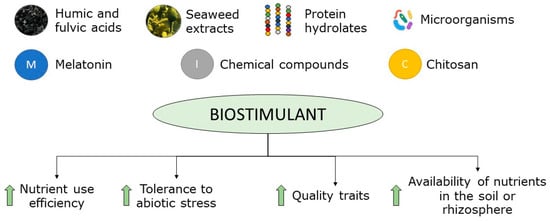
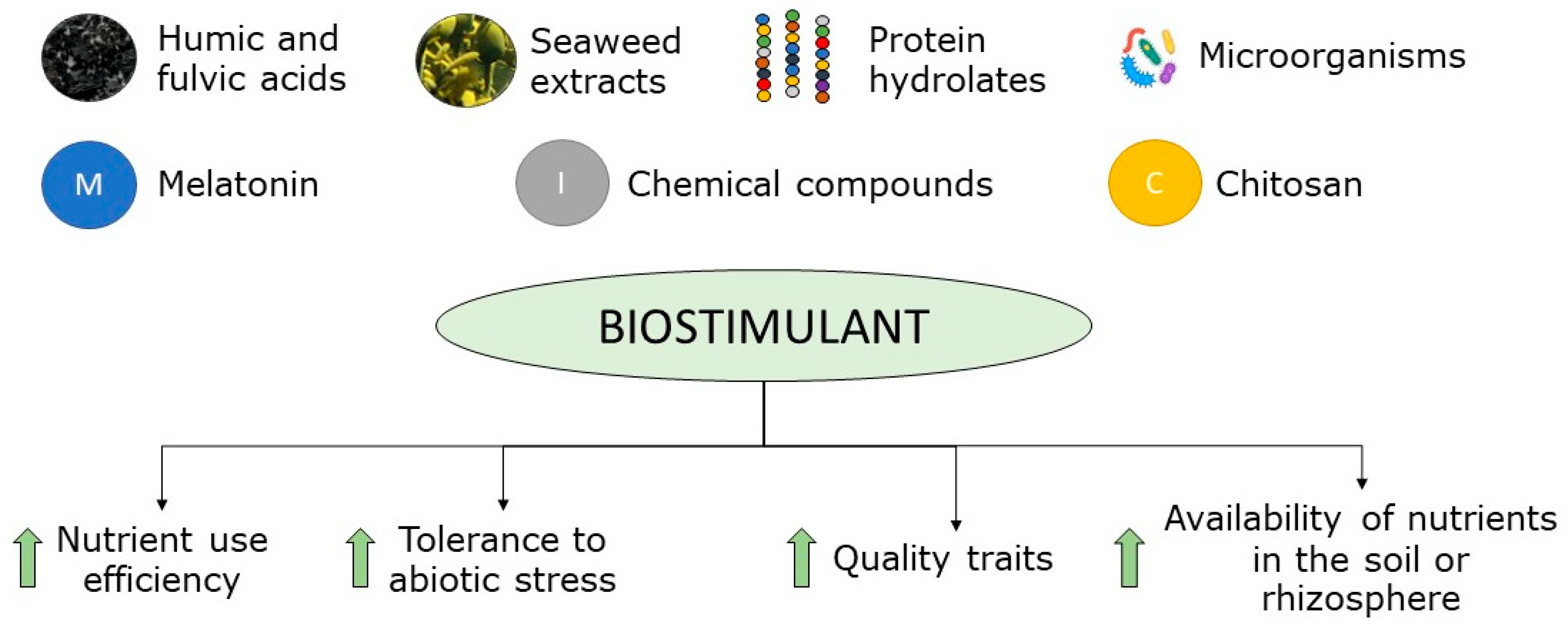
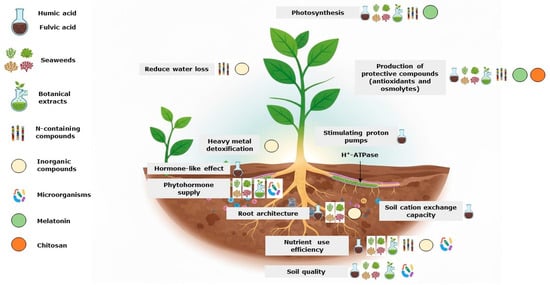
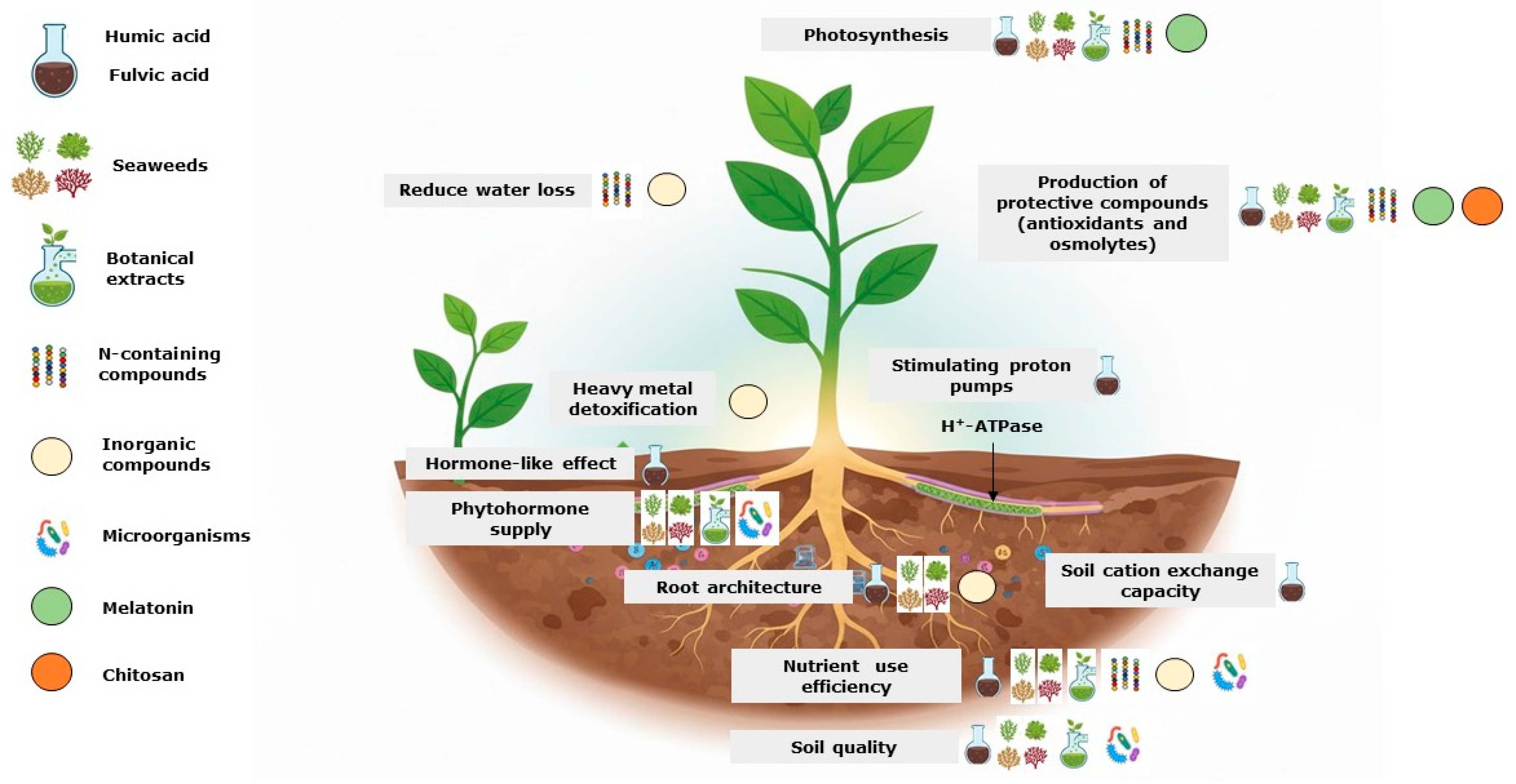
Disclaimer/Publisher’s Note: The statements, opinions and data contained in all publications are solely those of the individual author(s) and contributor(s) and not of MDPI and/or the editor(s). MDPI and/or the editor(s) disclaim responsibility for any injury to people or property resulting from any ideas, methods, instructions or products referred to in the content. |
© 2026 by the authors. Licensee MDPI, Basel, Switzerland. This article is an open access article distributed under the terms and conditions of the Creative Commons Attribution (CC BY) license.