


Abstract
With the widespread application of aniline, its improper discharge in industrial production and accidental leaks during production and transportation have led to contamination of soil and groundwater environments. Persulfate advanced oxidation technology shows great potential for remediating organic compound pollution. This study focused on a specific aniline-contaminated site to identify oxidants and activators, optimize their ratios, and investigate the effects of relevant factors on oxidative remediation. It also examined changes in the microbial communities at the site before and after contamination, as well as before and after oxidative remediation. We found that the removal efficiency of aniline was most significant when the molar ratio of the optimal oxidant (sodium peroxydisulfate (Na2S2O8)) to the optimal activator (sodium hydroxide (NaOH)) was 1:1. When the initial aniline concentration in the soil reached 1000 mg/kg, it was necessary to increase the amount of the oxidant appropriately to maintain efficient removal. Environmental temperature and the content of organic matter in the soil had a relatively minor impact on the oxidation reaction. Following oxidation, the soil ammonia nitrogen content decreased, whereas nitrate and nitrite concentrations increased, with a significant rise in nitrate levels and substantial production of sulfate ion. Moreover, after aniline contamination, the microbial diversity in the soil of the site decreased, and the abundance of the genus Hydrogenophilus significantly increased. It is noteworthy that following oxidation treatment, the soil microbial community demonstrated a rapid trajectory of functional and structural recovery. Within five days of oxidant application, the community composition shifted from being predominantly composed of aniline-degrading taxa to closely resembling the original site in both community structure and inferred functional potential.
1. Introduction
Rapid urbanization and economic development have led to the leakage of pollutants into soil and groundwater, posing a serious threat to the safety of drinking water [1,2]. Aniline is a common raw material used in modern agricultural, medicinal, and chemical products. It has a wide range of applications and is a common soil and groundwater pollutant [1,3]. The concentration of aniline in soil as a pollutant ranges from 50 to 9500 mg/kg, and at these concentrations, it is highly toxic, carcinogenic, and a serious threat to the environment and human health [3,4,5]. It is chemically recalcitrant and able to persist for long periods, causing continuous harm to living organisms and ecosystems. Many countries have identified aniline as a priority pollutant. In recent years, aniline has frequently been detected in soil and groundwater, particularly in areas below active or abandoned chemical and industrial contaminated sites [6]. The US EPA reports that sites such as those in New Jersey and Pennsylvania, which have been used for chemical and pharmaceutical manufacturing, exhibit extensive contamination due to improper waste storage and disposal methods, with aniline being a common pollutant detected in these environments [7].
In recent years, China has experienced a surge in aniline pollution incidents. Following the explosion at Jilin Petrochemical Company (a subsidiary of China Petroleum) in 2005, a substantial amount of sediment and soil contaminated with nitrobenzene, aniline, and benzene was produced [4,8,9]. Explosions and leaks involving aniline not only directly caused casualties and property losses but also resulted in severe environmental pollution around the area, particularly soil contamination [10]. Given the high solubility of aniline in water (up to 3.5 g per 100 g at 25 °C), it is easy for aniline in the shallow soil to migrate to the deeper layers. However, aniline in the deeper soil is difficult to remove through natural degradation processes [11]. To address this issue, the most commonly employed remediation technologies currently include physical remediation, chemical remediation, and bioremediation [8,12,13]. Among these, chemical remediation methods are particularly widespread in use. In particular, chemical oxidation remediation stands out for its high efficiency in removing organic matter from soil, serving as one of the effective methods for rapidly reducing the content of soil pollutants [14,15]. As a burgeoning field within advanced oxidation processes, the sulfate radical activation technology is increasingly garnering attention [16,17]. The reactive oxygen species generated by sulfate radical activation possess powerful oxidation capabilities, with sulfate radicals featuring a high redox potential, enabling thorough reactions with organic matter [18,19]. Consequently, the sulfate-based advanced oxidation technology demonstrates unique advantages in the treatment of soil contaminated with organic compounds and holds great promise for future applications [12].
Although the above experimental methods have significant advantages, several issues have also been highlighted over a long period of experimentation. Firstly, due to the lack of suitable activation methods, the technology has encountered limitations in its application to large-scale remediation projects such as groundwater treatment [20]. Secondly, chemical oxidation remediation, which uses chemical reagents that can significantly alter the structure and diversity of the local microbial community in a short period of time, emphasizes the importance of employing metagenomics to guide natural remediation strategies for areas contaminated with organic compounds during the experimental process [21].
Based on the research objectives of this paper, we selected a site located in Shanggao Village, Puji Street, Zhangqiu District, Jinan City, which is 200 m away from the village, 1.6 km south of Provincial Highway 102, and 1.7 km north of National Highway 309, as the study area. This area has previously been the site of an environmental pollution incident, resulting from an unknown individual’s illegal disposal of waste liquid into a gas well. Preliminary investigations and data compilation revealed that organic pollutants were predominantly concentrated on the northwestern side of the incident well, with a contaminated area of 352 square meters and pollution depth ranging from −2 m to ground level (0 m). The detected concentration of aniline was elevated, with a maximum value of 47.79 mg/kg and an average of 24.43 mg/kg, which exceeds the screening value of 5.92 mg/kg for residential land as specified in the “Guidance Values for Soil Pollution Risk Screening for Construction Land (Draft for the Third Opinions Sought).” Therefore, this region was selected as the case study for experimental research.
Through an extensive investigation of the aniline pollution status within the area, we successfully identified the most suitable oxidant and activator and determined the optimal ratio of these two agents through experimentation. Additionally, we delved into the analysis of various factors affecting the degradation of aniline and used high-throughput sequencing technology to conduct a detailed study of the changes in soil microbial community structure and diversity before and after pollution and oxidation treatment. Our research objectives included (1) accurately determining the optimal ratio of oxidant to activator and (2) elucidating the patterns of changes in soil microbial community structure and diversity during the remediation process, thereby enhancing the removal efficiency of aniline from the soil.
2. Materials and Methods
2.1. Field Site
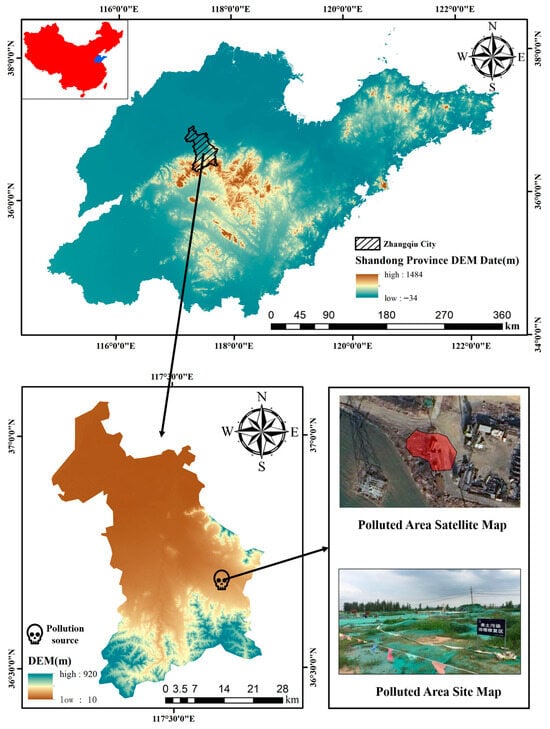
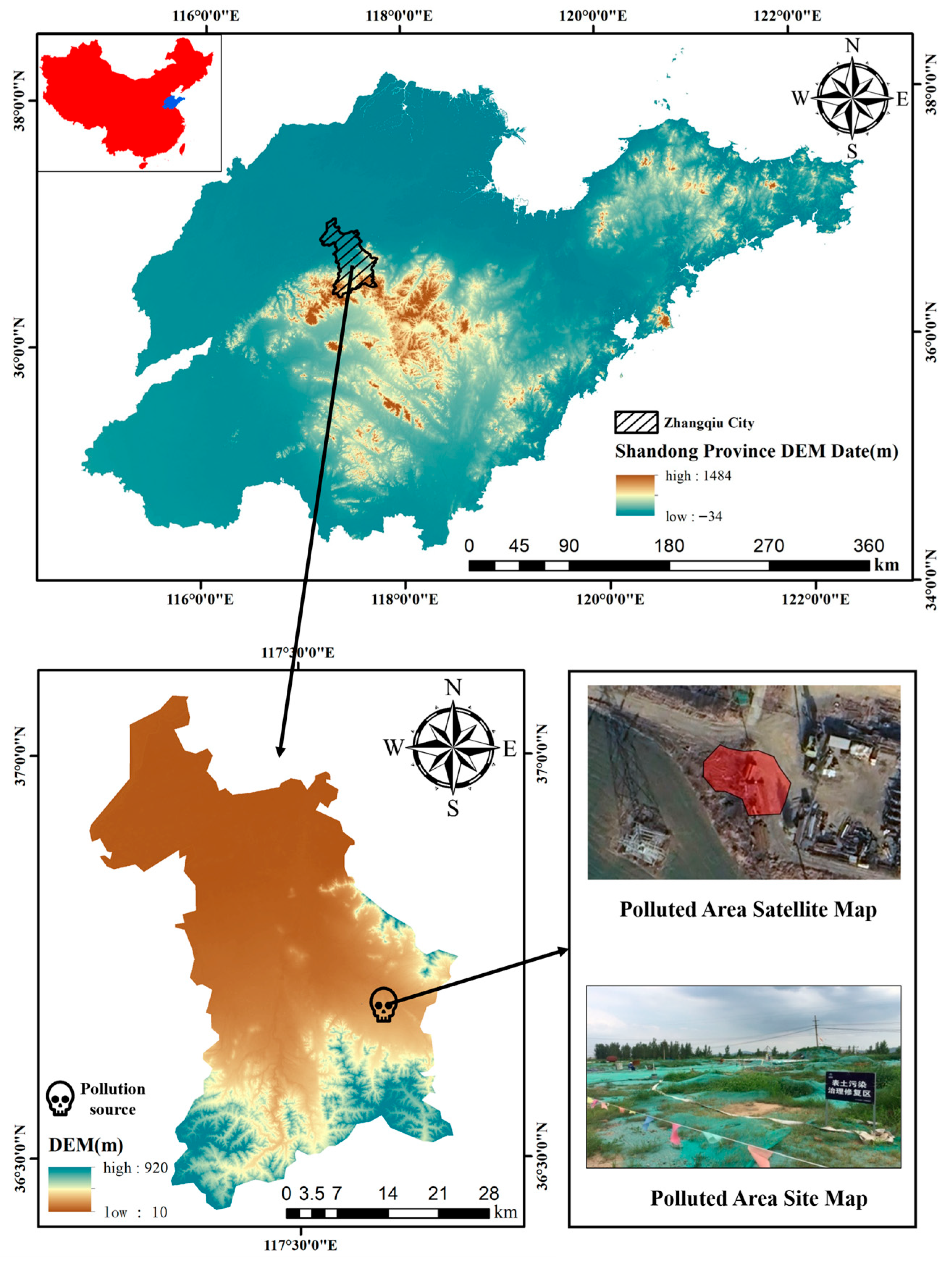
The research area is located in Shanggao Village, Pujie Street, Zhangqiu District, Jinan City. The area is situated at 36°40′ north latitude and 117°00′ east longitude, on the piedmont plain at the junction of the Taihang Mountains and the Loess Plateau in northern Shandong. The Yellow River flows past the north of the city. Due to the influence and restriction of the topographical conditions, the urban area extends from northeast to southwest [22]. The terrain slopes from southwest to northeast, with elevations ranging between 8.7 and 990.0 m. The landform can be divided into a southern hilly mountain area, a central piedmont plain area, and a northern plain area along the Yellow River [23]. The specific details are shown in Figure 1. According to reports, waste liquid was illegally discharged into an abandoned well within the study area, leading to an aniline contamination incident. The organic pollution plume is primarily distributed on the northwestern side of the affected well. Preliminary site investigation revealed that the contaminated area spans approximately 352 m2, with soil pollution extending from the surface down to a depth of 2.5 m. The predominant component of the soil in the study area is SiO2, constituting over 50% of the total composition, followed by Al2O3 at 15.14% and Fe at 6.14%. Soil pH values range from 6.8 to 7.5, indicating near-neutral conditions.
Figure 1.
General overview map of the research area.
2.2. Sample Collection
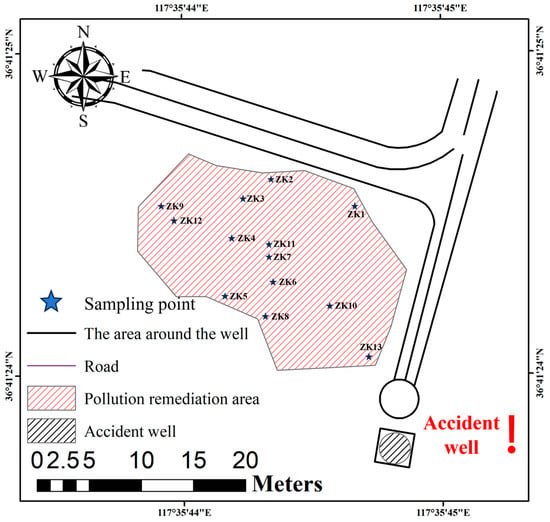
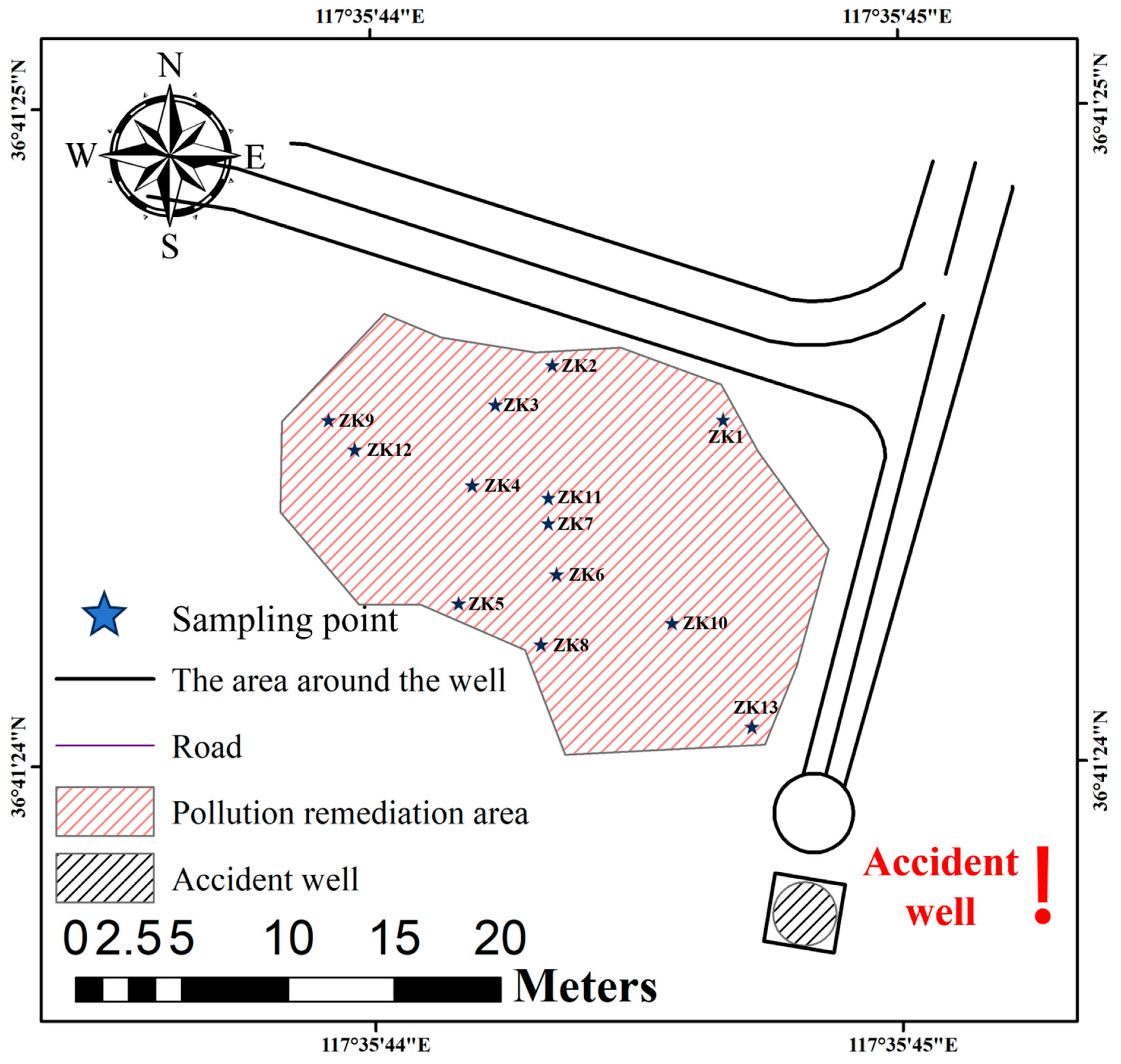
Thirteen sampling points (ZK1–ZK13) were established across the contaminated area (Figure 2). At each sampling location, soil cores were collected at depth intervals of 0.5 m, ranging from 0.5 m to 2.5 m below the ground surface. The retrieved soil was immediately transferred into sterile polyethylene bags and stored at 4 °C in an insulated cooler during transport to the laboratory. For every unique combination of sampling point and depth, five individual soil replicates were thoroughly mixed in equal proportions to generate a single composite sample. Through this process, three independent composite replicates were prepared for subsequent analysis. The aniline concentration was determined in all composite samples.
Figure 2.
Location of sampling points at the contaminated site.
2.3. Determination of the Aniline Concentration in the Soil
In this study, soil aniline was extracted by alkaline solution extraction and then distillation [24]. First, 10.00 g of the soil sample was weighed, and 100.00 mL of an alkaline solution with a pH of 10 was added to extract the sample for 12 h. Next, the sample was heated and distilled until the volume of the distillate reached 100.00 mL. The determination of aniline concentration followed the national standard method, specifically the spectrophotometric method with N-(1-naphthyl) echylenediamine.
2.4. Microbial Community Distribution in the Study Area
Four severely aniline-contaminated sites (ZK5, ZK6, ZK8, and ZK12) located in the central region of the study area were selected to examine spatial variations in microbial community composition. Additionally, soil samples were collected from multiple depths (B1: 0.5 m, B2: 1.0 m, B3: 1.5 m, B4: 2.0 m, B5: 2.5 m) at site ZK6 to investigate vertical variations in microbial communities through metagenomic sequencing. Genomic DNA was extracted from 0.25 g of the soil sample using a commercial DNA extraction kit following the manufacturer’s protocol. The purity of the extracted DNA was assessed using a NanoDrop 2000 spectrophotometer (NanoDrop Technologies Inc., Wilmington, DE, USA). For accurate quantification of the DNA template, genomic DNA concentrations were determined using the Qubit 2.0 fluorometer with the dsDNA HS Assay Kit (Life Technologies, Carlsbad, CA, USA) to ensure precise input for downstream PCR amplification. Amplification of the V3–V4 hypervariable regions of the 16S rRNA gene was carried out prior to high-throughput paired-end sequencing (2 × 250 bp), which was performed on an Illumina MiSeq platform at Shanghai Sangon Biotech Co., Ltd., yielding raw sequence reads. The quality of the sequencing data was evaluated using Prinseq software Version:0.20.4, and sequences were taxonomically classified against the RDP reference database. Operational taxonomic units (OTUs) were clustered and analyzed using Mothur software Vesion:1.30.1, followed by species-level classification and abundance profiling based on the processed sequencing data.
2.5. Laboratory Tests
2.5.1. Research on the Natural Volatilization and Degradation of Aniline in Soil
The soil samples collected from the site were processed by removing plant roots and large particle matter, grinding them into fine particles, and then passing them through a 0.25 mm sieve. Then, 200 g of the processed soil was weighed separately and placed into 500 mL beakers. One of the samples was sealed and then autoclaved in a high-pressure steam sterilizer at 121 °C for 20 min. Next, 8 mL of a 5 g/L aniline solution was taken and placed into a small spray bottle, which was then uniformly sprayed onto the weighed soil to achieve a concentration of 200 mg/kg aniline in both soil samples. The soil treated with aniline was placed in a well-ventilated environment. Then, 10 g of soil was weighed every 24 h for 15 days, and the soil was extracted and distilled to test the changes in aniline content. Each treatment (sterilized and non-sterilized) was set up in three replicates. This study aimed to investigate the removal of aniline from soil under natural conditions.
2.5.2. Screening and Optimization of the Oxidants
Treated soil (10.00 g) was weighed into a 250.00 mL round-bottom flask and sprayed evenly with 1 mL of a 5.00 g/L aniline solution to yield an aniline concentration in the soil of 500.00 mg/kg. Different persulfates activated with NaOH were evaluated for their effect on the removal of aniline. Meanwhile, Fenton’s reagent was prepared, and its aniline removal effect was tested. According to the composition of oxidant and activator (Table 1), each reagent was weighed into a 25 mL volumetric flask to obtain a quantity of 0.01 mol. In Table 1, CK represents the blank control group without any added oxidant. Ultrapure water was then added to each flask to bring the volume up to the mark. An aliquot of each solution (2.50 mL) was removed and evenly sprayed on the aniline-contaminated soil, which was then stirred and left for 4 h for oxidation to occur. Each soil sample was then extracted and distilled to determine the concentration of aniline remaining in the soil. Each experiment was conducted with three parallel samples. Data are presented as mean ± standard deviation.
Table 1.
The composition of oxidant and activator.
After selection of the optimum oxidant, the soil was prepared following the same procedure to attain a target aniline concentration of 500.00 mg/kg. To evaluate the influence of various activation methods on aniline removal from soil, sodium persulfate was activated using different approaches as specified in Table 2. In Table 2, CK represents the blank control group without any added activator. The corresponding activator was uniformly mixed into the prepared soil at a dosage of 0.001 mol per 10.00 g of soil. After thorough stirring, the mixture was allowed to oxidize under indoor conditions for 4 h. Each soil sample was then extracted and distilled to determine the concentration of aniline remaining in the soil.
Table 2.
The composition of oxidant and activator.
After selection of the optimum activator (NaOH), the soil was prepared following the same procedure to attain a target aniline concentration of 500.00 mg/kg. Then, 10 mmol of Na2S2O8 and 10 mmol of NaOH were added to a 10 mL volumetric flask, and ultrapure water was added to bring the volume up to the mark. To evaluate the influence of methods on aniline removal from soil, different ratios of Na2S2O8 and NaOH (Table 3) were uniformly mixed into the prepared soil at a dosage of 0.001 mol per 10.00 g of soil. A blank control group was also established. This group underwent identical soil preparation and procedures without Na2S2O8 and NaOH. After thorough stirring, the mixture was allowed to oxidize under indoor conditions for 4 h. Each soil sample was then extracted and distilled to determine the concentration of aniline remaining in the soil.
Table 3.
The ratios of Na2S2O8/NaOH.
2.5.3. The Influence of Other Factors on Oxidative Remediation
The actual situation in the study area is complex, and this will affect the effectiveness of the oxidant to a certain extent. The oxidation ability of Na2S2O8 is limited, and its remediation effect is not ideal when the concentration of aniline is too high. Therefore, we investigated the effects of the initial aniline concentration, temperature, and soil organic matter content.
Treated soil (10.00 g) was weighed and transferred into a 250 mL round-bottom flask. The aniline solution was added to the flask to achieve final aniline concentrations in the soil of 20 mg/kg, 50 mg/kg, 100 mg/kg, 200 mg/kg, 500 mg/kg, and 1000 mg/kg. Then, 1.00 mL of a reagent solution with 1 mmol of NA2S2O8 and 1 mmol of NaOH was added. After 4 h of the reaction period, the aniline removal effectiveness of the soil was assessed. The experiment for each treatment was conducted with three parallel samples.
Treated soil (10.00 g) was weighed and transferred into a 250 mL round-bottom flask to achieve an aniline concentration in the soil of 500.00 mg/kg. The experimental apparatus was placed in a constant temperature chamber, and the temperature was controlled at 0 °C, 10 °C, 20 °C, 30 °C, and 40 °C. Then, 1.00 mL of a reagent solution with 1 mmol of NA2S2O8 and 1 mmol of NaOH was added. After 4 h of the reaction period, the aniline removal effectiveness of the soil was assessed.
Treated soil (10.00 g) was weighed and transferred into a 250 mL round-bottom flask to achieve an aniline concentration in the soil of 500.00 mg/kg. Adding humic acid to simulate the organic matter content, the soil humic acid content was set to 0.5%, 1.0%, 2.0%, 2.5%, 5%, and 10%. Then, 1.00 mL of a reagent solution with 1 mmol of NA2S2O8 and 1 mmol of NaOH was added. After 4 h of the reaction period, the aniline removal effectiveness of the soil was assessed.
2.5.4. Investigation of Oxidant Effects on Soil Surface Morphology
Scanning electron microscopy (SEM) was employed to examine the morphological alterations of the soil surfaces across three distinct stages: the pristine (unamended) soil, the soil following aniline incorporation, and the post-oxidation treated soil.
2.5.5. Determination of Oxidation Products
Three experimental groups were established to systematically evaluate the changes in oxidation products:
1. Experimental Group BB (Oxidation Treatment)
The soil taken from the site was ground into fine particles and passed through a 0.25 mm sieve. Treated soil (10.00 g) was weighed and transferred into a round-bottom flask to achieve an aniline concentration in the soil of 500.00 mg/kg. Then, 1 mmol Na2S2O8 and 1 mmol NaOH were added for oxidation treatment. Next, 50.00 mL of 1.0 mol/L potassium chloride solution was added to the soil before and after oxidation (0.5 h, 1 h, 1.5 h, 2 h, 2.5 h, 3 h, 3.5 h, and 4 h). The soil was extracted for 12 h, including ultrasonic extraction for 30 min. After filtering, the content of NH4+, NO3−, and NO2− was determined. The soil was processed in the same way. Then, 10.00 g of soil was weighed out and transferred into a 500 mL wide-mouth plastic extraction bottle. Next, 200 mL of distilled water was added, and the bottle was shaken for 3 min. The solution was filtered through a 0.45 μm filter membrane. The filtered liquid was used to measure the content of SO42− before and after oxidation (0.5 h, 1 h, 1.5 h, 2 h, 2.5 h, 3 h, 3.5 h, and 4 h).
2. Control Group BO (Without Oxidant)
All procedures were identical to those of the experimental group, except that neither Na2S2O8 nor NaOH was added.
3. Control Group BP (Without Aniline)
All procedures were identical to those of the experimental group, except that no aniline was added.
2.5.6. Analysis of the Microbial Community Structure Before and After Oxidation
To elucidate the specific impacts of aniline contamination and subsequent persulfate oxidation on soil microbial communities, a comprehensive experimental design comprising seven distinct treatments was established. Each treatment was prepared in triplicate (n = 5) to account for soil heterogeneity. The treatments were defined as follows: untreated soil samples from the site (T1); soil samples with addition of aniline (500 mg/kg) (T2); soil samples with addition of 1 mmol of Na2S2O8 and 1 mmol of NaOH (without aniline) after oxidation for 2 days (C2); soil samples with addition of aniline (500 mg/kg), Na2S2O8 (1 mmol), and NaOH (1 mmol) after oxidation for 2 days (T3); soil samples with addition of 1 mmol of Na2S2O8 and 1 mmol of NaOH (without aniline) after oxidation for 5 days (C3); soil samples with addition of aniline (500 mg/kg), Na2S2O8 (1 mmol), and NaOH (1 mmol) after oxidation for 5 days (T4); and untreated site soil incubated for 5 days under the same conditions. For treatments involving aniline, oxidants, and activators, soil samples (10.00 g) were weighed, and the respective additives were thoroughly mixed. All samples were treated in the dark under controlled humidity. All samples were submitted to high-throughput sequencing to identify any changes in the microbial community structure.
3. Results and Discussion
3.1. Analysis of the Study Area Situation
3.1.1. Analysis of Aniline Pollution at the Site
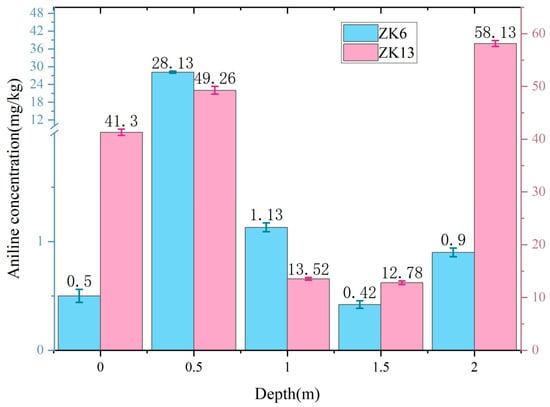
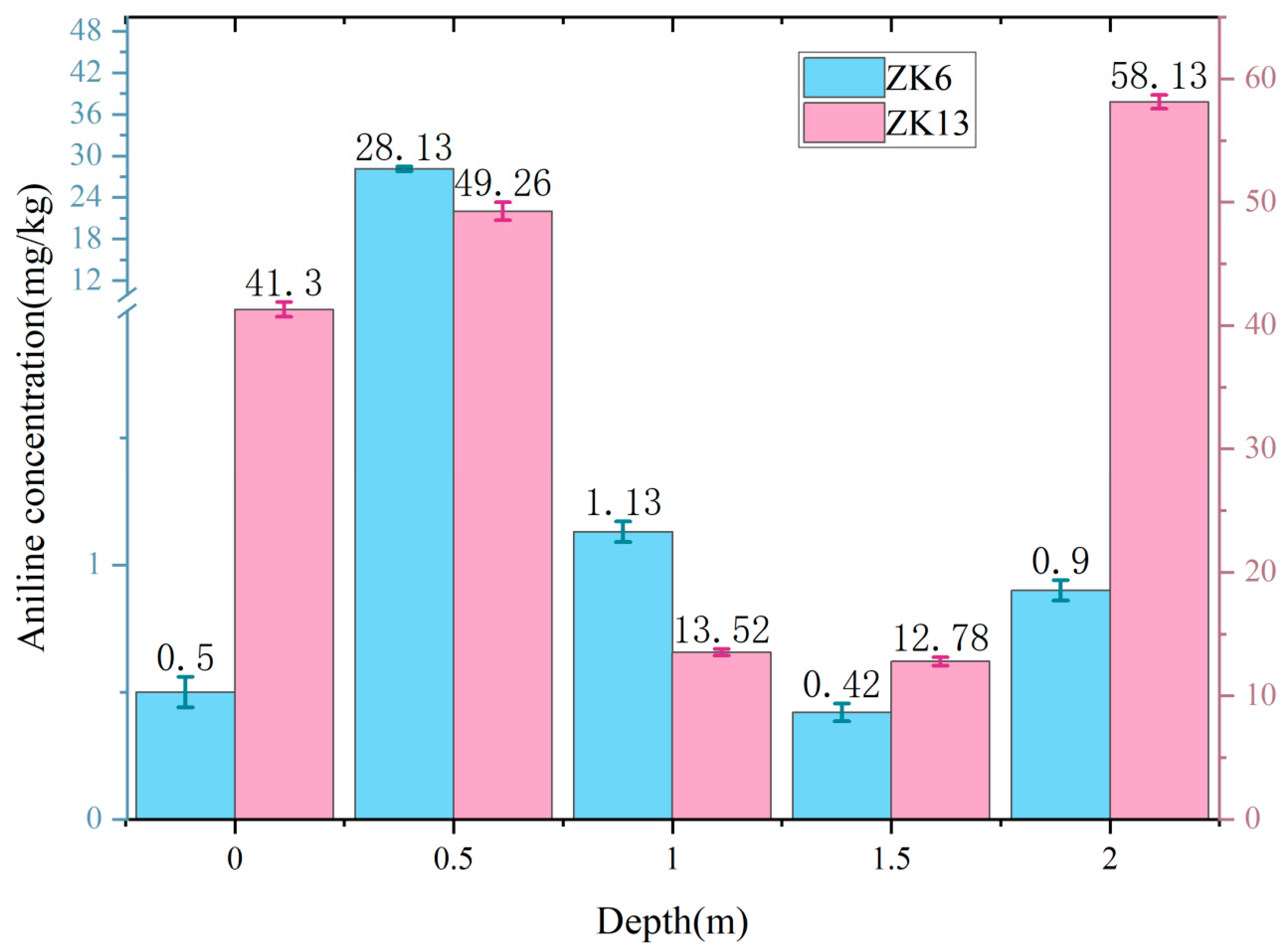
Aniline was detected at all sampling points in the study area. The ZK6 sampling site, which was located in the middle of the site, and the ZK13 sampling site, which was located near the pollution accident well, were selected to illustrate the variation in the aniline concentration with soil depth (Figure 3).
Figure 3.
Distribution of aniline pollution with soil depth.
The distribution of aniline with soil depth in the study area was uneven (Figure 3). The ZK6 sampling site, located in the middle of the study area, had its highest aniline concentration (28.13 mg/kg) at a depth of 0.5 m and relatively low aniline concentrations at other depths. The ZK13 sampling site, located close to the accident well, showed irregular changes in the aniline concentrations with depth. The aniline concentrations were highest within 0.5 m of the surface and at a depth of 2.0 m. The maximum concentration was 58.13 mg/kg at a depth of 2.0 m, and the minimum concentration was 12.78 mg/kg at a depth of 1.5 m. The distribution of aniline in the study area was uneven, and there were differences with soil depth. The highest concentration of aniline was measured at the ZK13 sampling site. The concentration of aniline generally decreased with decreasing soil depth.
3.1.2. Volatilization of Aniline in Soil Under Natural Conditions
Aniline is a semi-volatile organic compound that is mainly present in a gaseous or aerosol form in the air. Aniline in soil diffuses into the air. In the natural environment, the aniline concentration decreases because of molecular diffusion and microbial action.
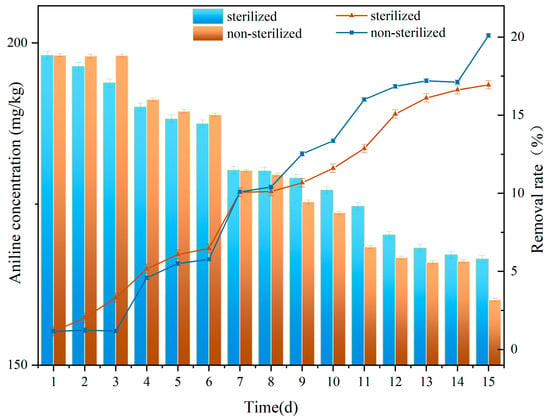
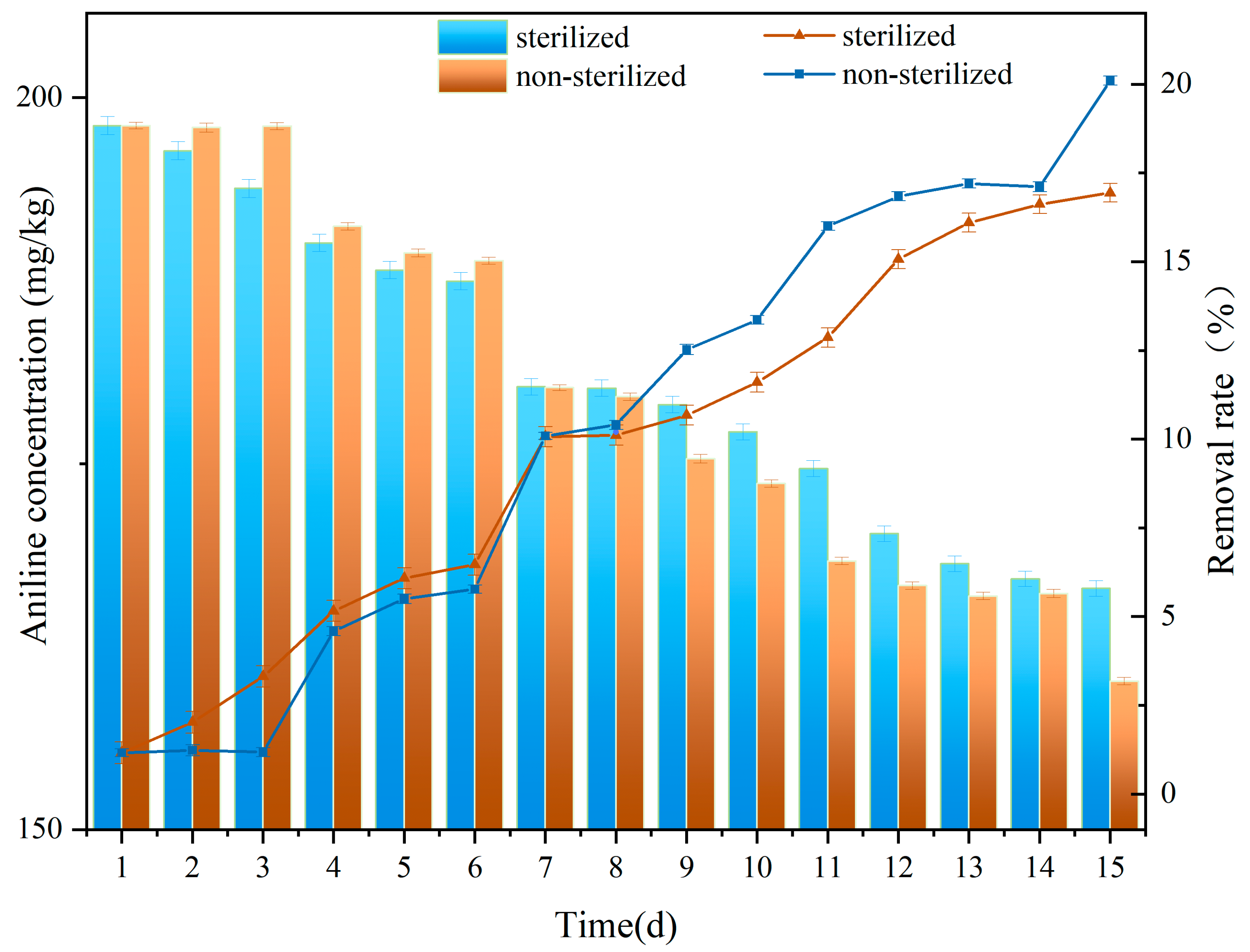
After 15 days, 16.94% and 20.10% of the aniline were removed from the sterilized and unsterilized soil, respectively (Figure 4). Aniline can be removed by photodegradation and volatilization in the natural environment, and microbial action plays a long-term role. Because sunlight only irradiates the soil surface, volatilization only occurs at the soil surface.
Figure 4.
Volatilization and degradation of aniline in soil with sterilization and without sterilization.
3.1.3. Microbial Community Distribution in the Study Area
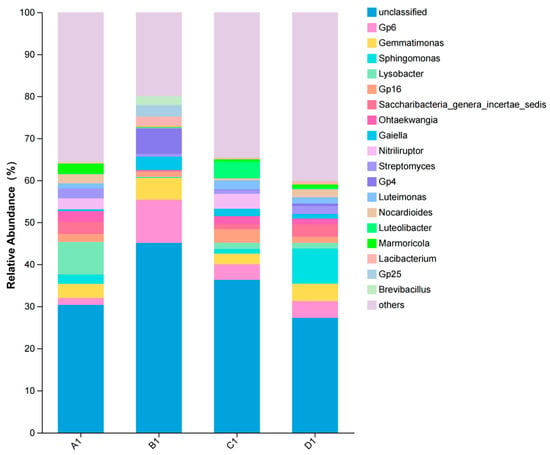
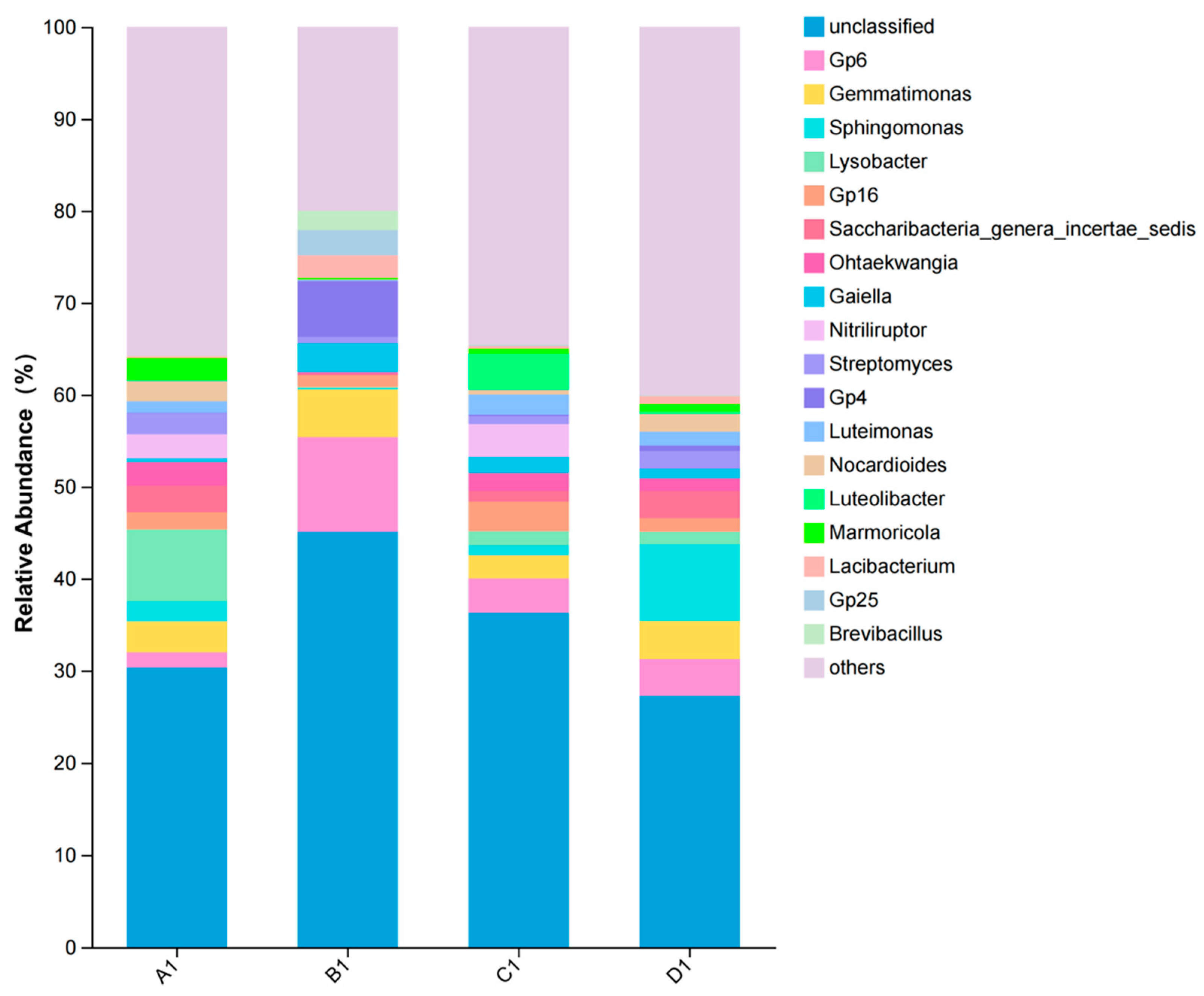
Figure 5 indicates that microbial communities at the 0.5 m depth exhibit only minor compositional differences across sampling sites. A considerable fraction of the communities comprises unclassified taxa and organisms categorized under other groups. Specifically, site ZK6 showed the highest relative abundance of unclassified microorganisms (45.11%), while the proportion classified as “other” was the lowest among all sites (10.37%). A comparable trend was observed at ZK8, where unclassified taxa accounted for 36.26% and other groups represented 25.95%. Notably, the aniline concentration was elevated at ZK6 compared to the other sites, suggesting that aniline presence may selectively enrich certain unclassified microbial taxa. These taxa appear to thrive in aniline-rich conditions and are likely involved in its biodegradation, pointing to their potential role in the natural attenuation of aniline within the studied environment.
Figure 5.
Relative abundance of microbial communities at the genus level across different sampling points (A1—ZK5, B1—ZK6, C1—ZK8, D1—ZK12).
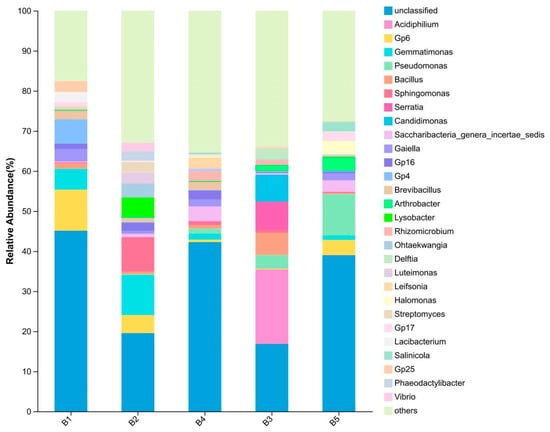
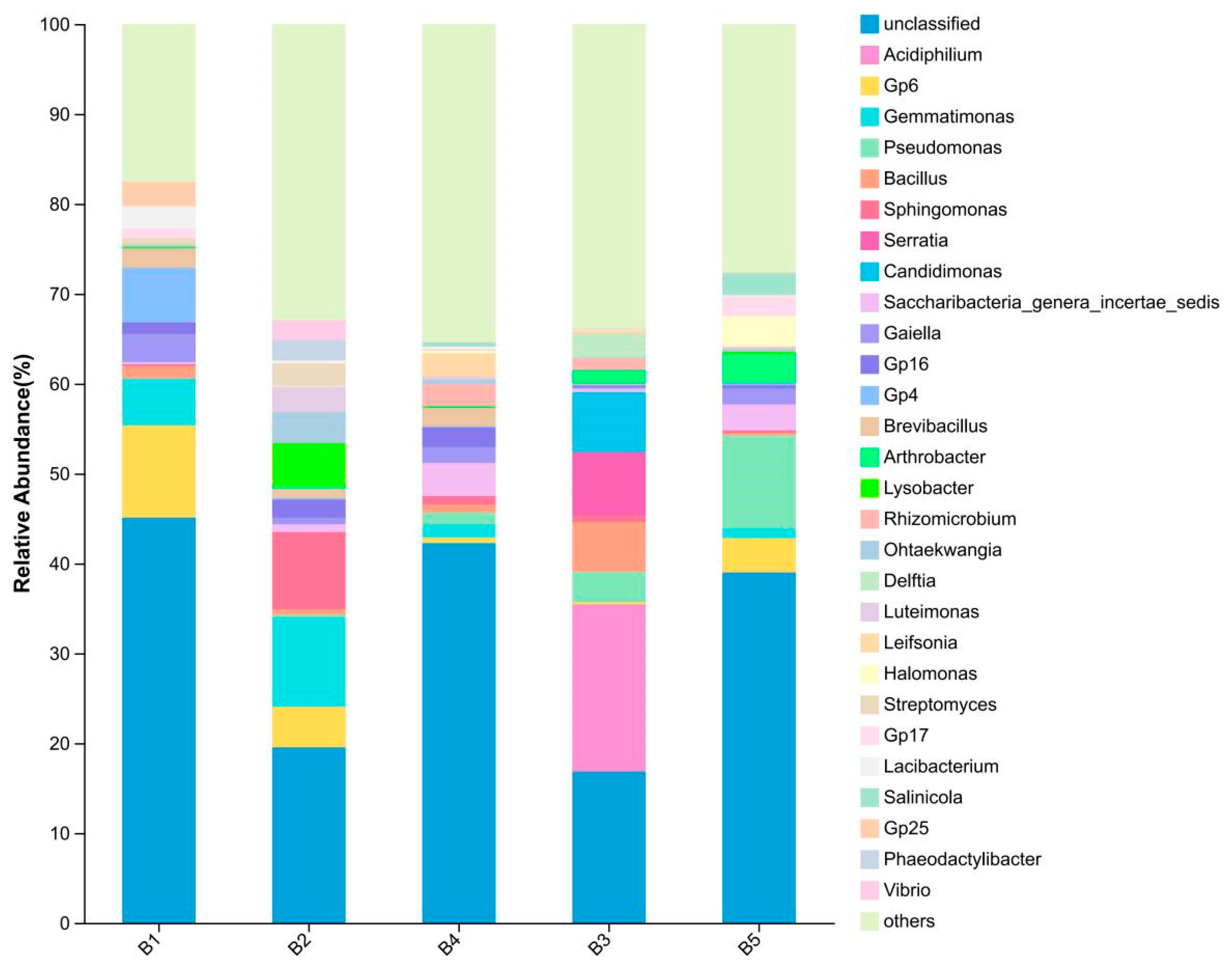
The microbial community composition at site ZK6 exhibited clear stratification with depth (Figure 6). A high relative abundance of unclassified microorganisms was found at 0.5 m (~45%), 2.0 m, and 2.5 m (~40%), while this proportion decreased to below 20% at 1.0 m and 1.5 m. Notably, the 1.5 m depth represented a distinct microbial niche. The genus Gp6, common at other depths, was absent, and the community was dominated by the acidophilic genus Acidiphilium, which was otherwise negligible. This pronounced shift is indicative of a transition to acidic conditions at 1.5 m. Consistent with this environmental shift, commonly observed taxa (Gp6, Gemmatimonas, Gp4, and Gaiella) were displaced by a unique assemblage featuring Acidiphilium, Serratia, and Candidimonas. This evidence collectively confirms a fundamentally distinct microenvironment at the 1.5 m horizon.
Figure 6.
Relative abundance of microbial communities at the genus level in ZK6 sampling points at different depths.
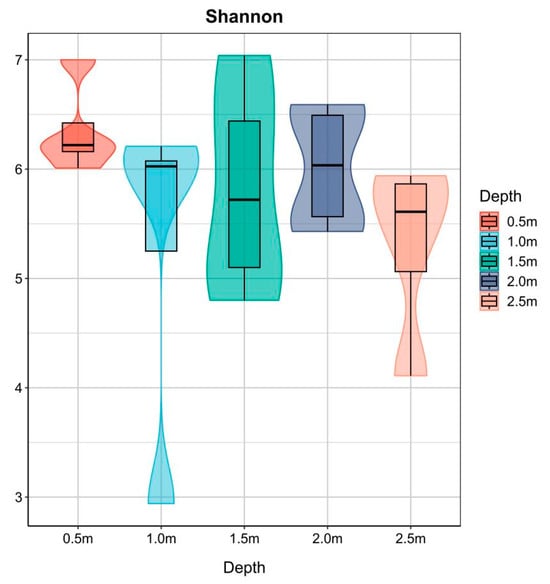
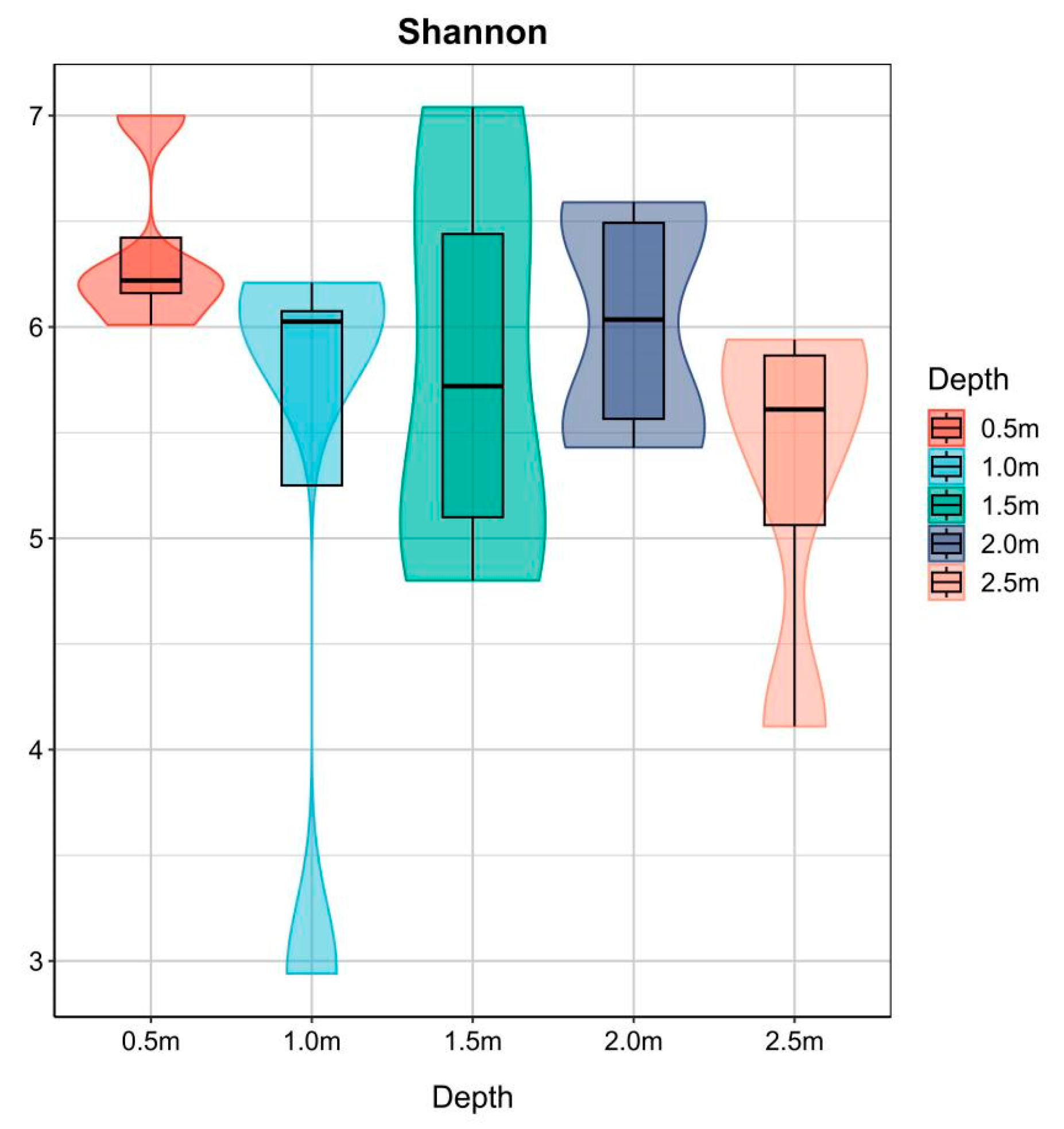
As depicted in Figure 7, microbial diversity exhibited considerable variation across sampling points, particularly within the upper 1.5 m depth interval. A marked shift was observed at 1.0 m depth, where one soil sample showed a notably reduced level of microbial diversity. In contrast, microbial diversity recovered at greater depths. The Shannon index generally declined with depth, reflecting a progressive decrease in microbial diversity from the surface downward. At 0.5 m depth, environmental conditions appeared more conducive to microbial growth, which may be attributed to a greater abundance of nutrients relative to deeper soil layers.
Figure 7.
Shannon index of soil samples at different depths.
3.2. Screening and Optimization of Oxidants for Soil Aniline Removal
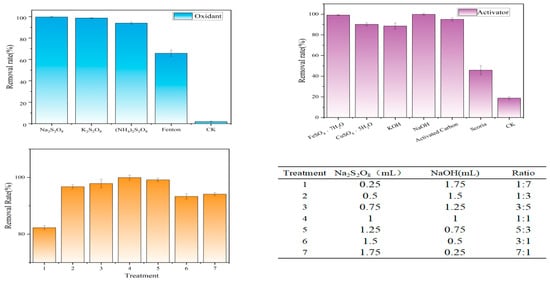
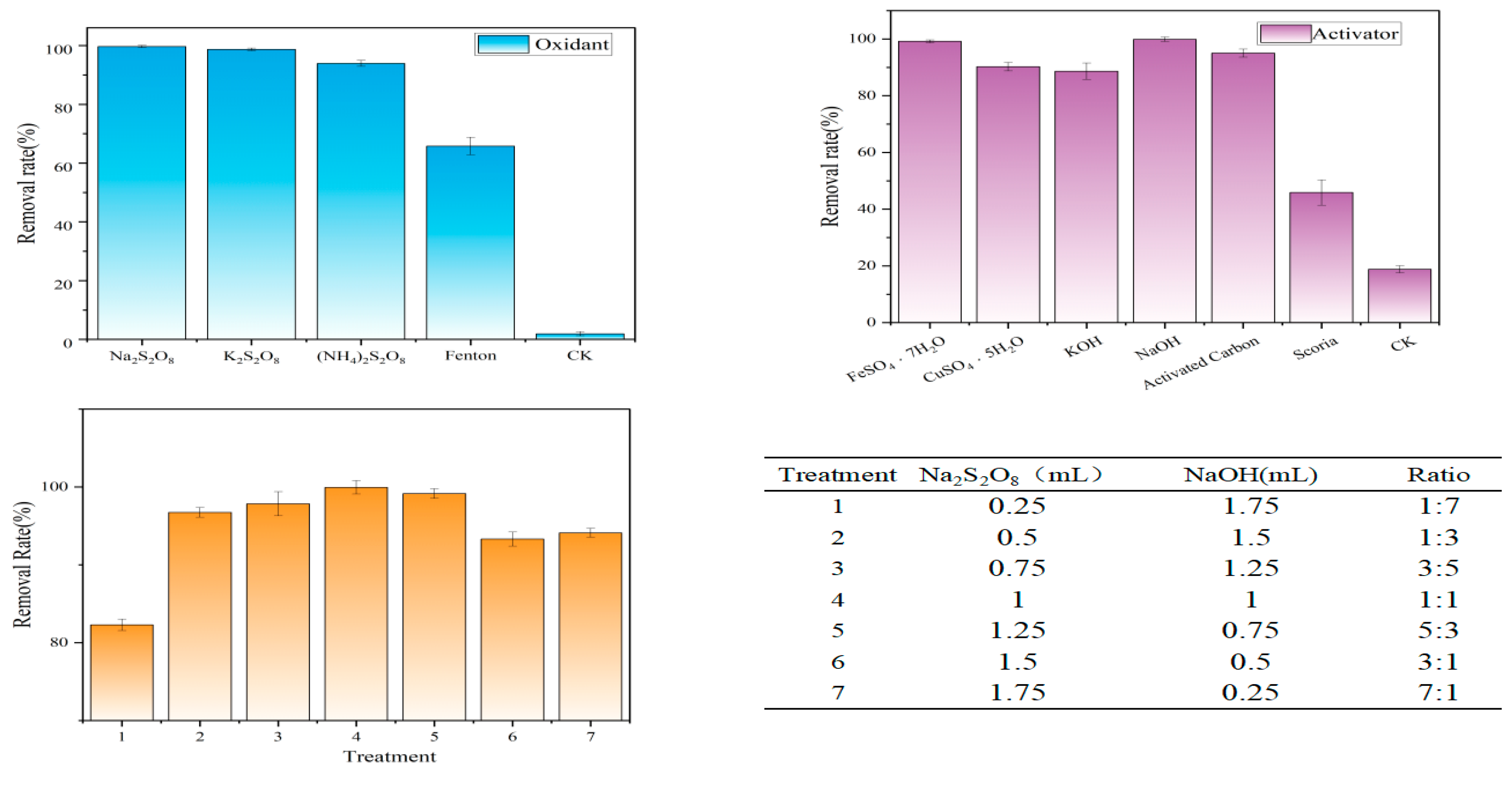
Figure 8 shows that persulfates generally exhibited high removal rates, while the Fenton reagent treatment did not yield effective results for removing soil aniline contamination. Among the persulfates, sodium persulfate demonstrated the best remediation effect, achieving a removal rate of 100%, followed by potassium persulfate, which had a removal rate of 98.74% for soil aniline. The least effective persulfate was ammonium persulfate, with a removal rate of 93.95% for aniline in soil.
Figure 8.
Effect of removing aniline with different oxidants, different activators, and different ratios of Na2S2O8 to NaOH.
There were differences in the efficacy of activated sodium persulfate with different catalytic methods. Iron and copper ions are common transition metal catalysts. The results showed that the effect of iron ions was significantly higher than that of copper ions, with a removal rate of 99.21%. The catalytic effect of sodium hydroxide was obviously superior to that of potassium hydroxide, with a removal rate of 99.93% for sodium hydroxide catalysis, compared to 88.65% for potassium hydroxide catalysis of sodium persulfate. When used in conjunction with persulfates to remove aniline from soil, activated carbon played a notable role, achieving a removal rate of 95.03%, whereas volcanic ash had a negligible effect, with a removal rate of only 45.87%. The above experimental results showed that sodium hydroxide activation of sodium persulfate had the best effect, almost completely removing aniline from the soil.
There were variations in the efficacy of oxidation under different ratios. When the molar ratio of sodium persulfate to sodium hydroxide was 1:7, the removal rate of aniline in soil was 82.30%, with some aniline still remaining. When the molar ratio was 1:3, the removal rate of aniline in soil was 96.74%, with a small amount of aniline still not removed. When the molar ratio was close to 1:1, the removal rate reached its maximum, approaching 100.00% complete removal. As the content of persulfates decreased and the content of sodium hydroxide increased, the removal rate of aniline in soil decreased. When the molar ratio of sodium persulfate to sodium hydroxide was 3:1, the removal rate of aniline in soil was only 93.31%.
3.3. Oxidation Analysis
3.3.1. Influence of Soil Aniline Concentration on Oxidation
When the concentration of aniline in the soil was lower than 500 mg/kg, 1 mmol Na2S2O8 and 1 mmol NaOH provided good oxidation with aniline removal rates of 97.26–99.9% (Table 4). When the soil aniline concentration was 1000 mg/kg, the effect of oxidation decreased, and the aniline removal rate was 91.25%, which meant that some aniline was left in the soil. For high aniline concentration in the soil, the dose of the oxidant should be increased.
Table 4.
Effects of different factors on oxidation with sodium persulfate.
Oxidation of soil aniline by Na2S2O8 increased as the temperature increased. The aniline removal rates with temperatures of 0 °C, 10 °C, 20 °C, 30 °C, and 40 °C were 96.85%, 97.78%, 98.13%, 98.78%, and 98.87%, respectively.
The addition of humic acid had little influence on the oxidation. With humic acid contents of 0.5%, 2.0%, and 5.0%, the aniline removal rates after oxidation were 96.60%, 95.18%, and 93.84%, respectively. With humic acid contents of 1.0%, 2.5%, and 10.0%, the aniline removal rates after oxidation were close to 100%. The changes in the oxidation effect with the humic acid content were not consistent, and aniline could still be removed in the presence of humic acid. Therefore, at the actual site, the organic matter content will not affect the oxidation of aniline in the soil by Na2S2O8.
3.3.2. Effect of Oxidation on Soil Surface Morphology
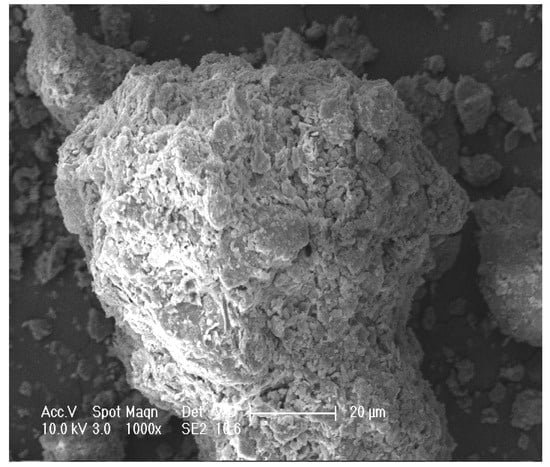
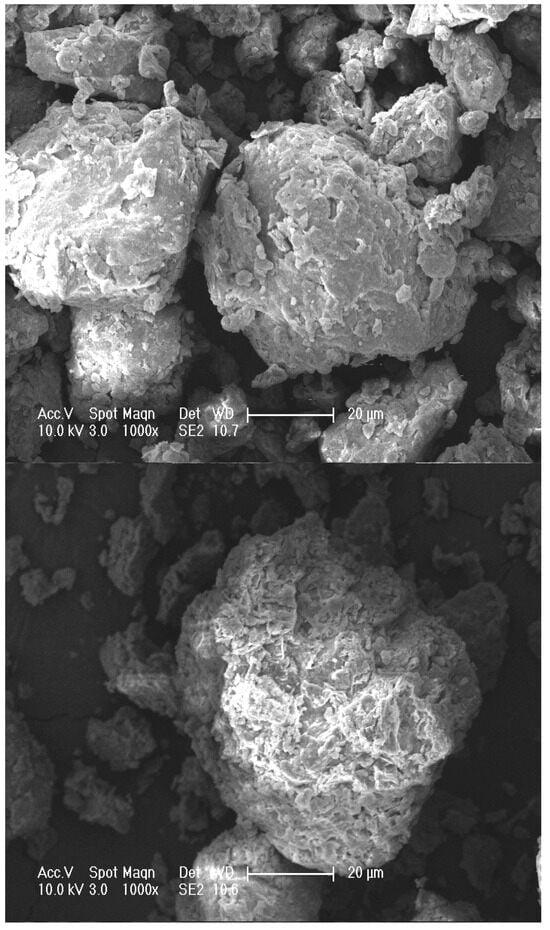
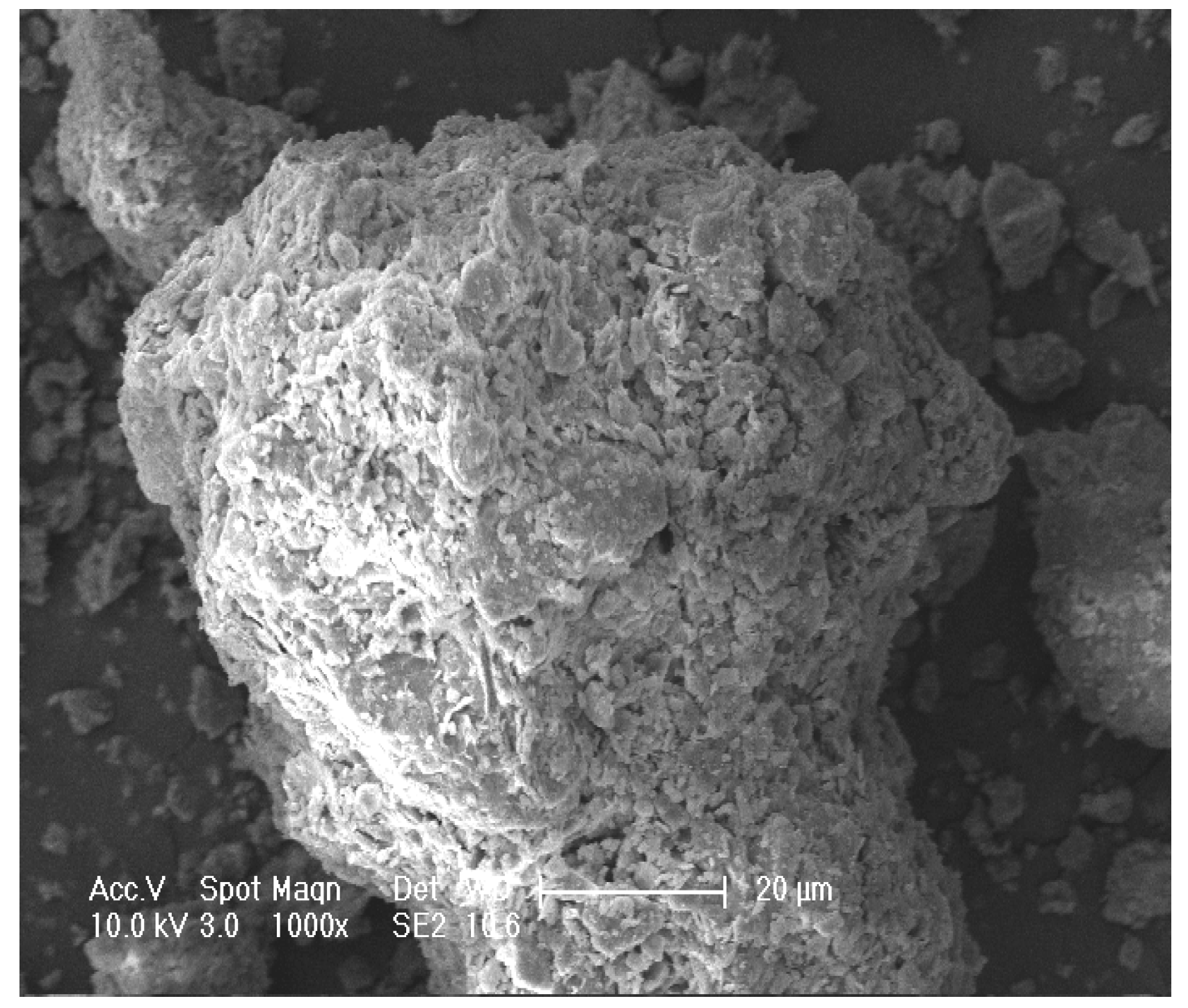
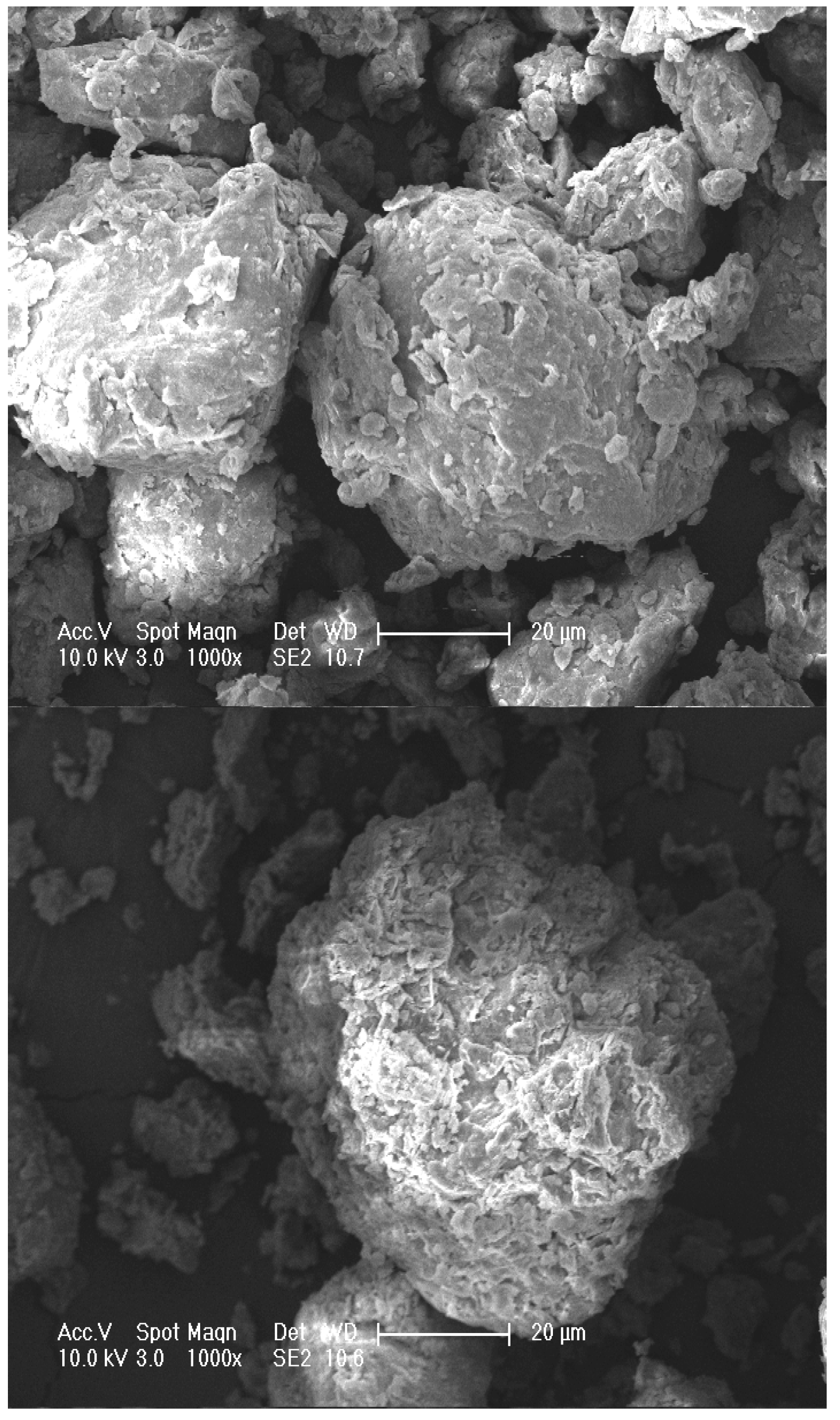
To elucidate the microstructural evolution resulting from aniline contamination and subsequent oxidative remediation, comparative SEM analysis was conducted on the pristine, contaminated, and treated soils. The resultant micrographs are presented in Figure 9.
Figure 9.
Morphological evolution of soil particle surfaces. The pristine soil (top), soil after aniline addition (middle), and soil after oxidative treatment (bottom).
As illustrated in Figure 9 at 1000× magnification, the pristine soil particles exhibited a highly irregular surface topography, characterized by considerable roughness and an abundance of fissures and pores. Subsequent contamination with aniline resulted in a significant alteration of this native morphology, wherein aniline molecules were adsorbed onto the particle surfaces, effectively filling the interstitial voids and pores. This process led to the formation of a comparatively smooth and homogeneous surface with only minor protrusions remaining. Following the oxidative treatment, the soil surface morphology was notably restored, reverting to an irregular and roughened state analogous to, yet somewhat more subdued than, the pristine soil. This observed restoration is attributed to the degradation and removal of the aniline coating. The residual relative smoothness is likely due to the adsorption of residual oxidation by-products or minor amounts of unreacted oxidant onto the soil matrix.
3.3.3. Changes in the Products of Oxidation
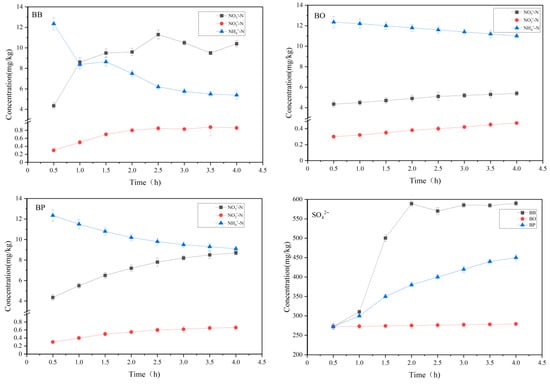
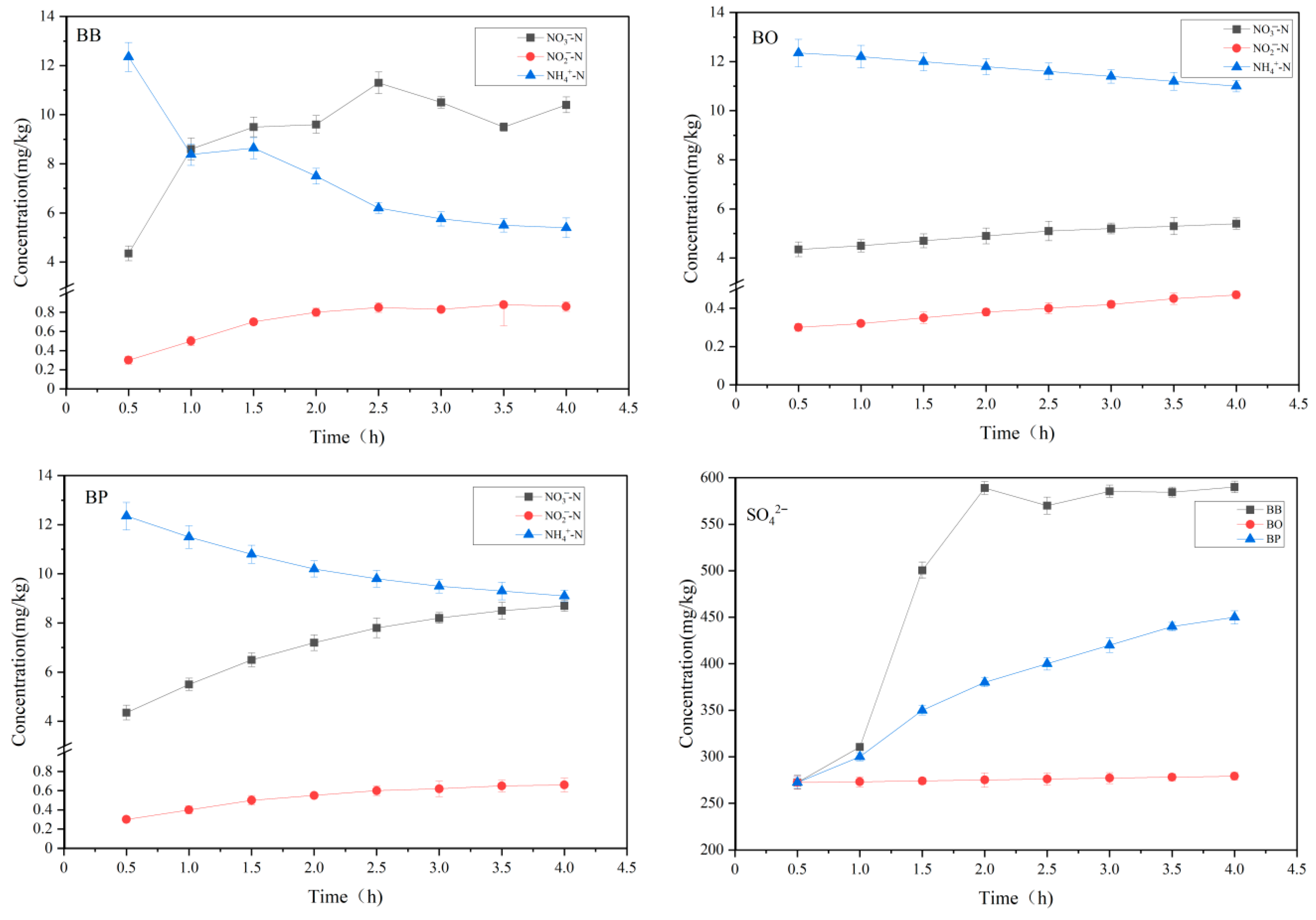
During oxidation, aniline produces azobenzene, and azobenzene further reacts to produce a series of alkanolamines [25]. The nitrogen in aniline is converted into inorganic nitrogen, and Na2S2O8 produces SO42− after the reaction. This leaves nitrogen- and sulfur-containing compounds in the soil after oxidation, and high concentrations of these compounds could cause harm in the natural environment because nitrogen and sulfur are not conducive to plant or animal growth.
After oxidation, the ammonium nitrogen concentrations in the soil decreased, the nitrate and nitrite concentrations increased, and the nitrate concentration increased even more (Figure 10). When persulfate oxidizes aniline, the carbon in aniline is converted to CO2. At the same time, nitrogen is transformed into inorganic nitrogen, which decreases the concentration of ammonium nitrogen and increases the concentration of nitrate nitrogen. Some ammonium nitrogen in soil is oxidized to nitrate nitrogen by microorganisms and finally enters the atmosphere.
Figure 10.
Changes in the nitrogen and sulfate content in the soil.
After the reaction of Na2S2O8 with aniline, sulfate was produced. We found that the content of SO42− in the soil increased after oxidation (Figure 10). In the initial stage of oxidation, SO42− is produced in large quantities. The results showed that Na2S2O8 was converted to SO42− after treatment, and it remained in the soil. The groundwater level in the study area is low, so the SO42− produced by oxidation is degraded by microorganisms, and the likelihood of SO42− remaining in the soil as a pollutant is low.
In soil amended with aniline but without oxidants or activators, aniline degradation was markedly slow. Consequently, the decline in ammonium nitrogen and the concurrent rise in nitrate nitrogen were both gradual. Sulfate levels remained largely stable, showing only minor fluctuations due to the absence of external input.
In the absence of aniline, the introduction of oxidants and activators into the soil promoted the oxidation of native organic nitrogen, leading to a decline in ammonium nitrogen and a concurrent rise in nitrate nitrogen. Without aniline serving as an external nitrogen source, these shifts were less pronounced than in treatments where aniline was present. Meanwhile, sulfate levels increased as a result of persulfate decomposition. However, because aniline was not available to consume the oxidants, persulfate decomposed at a slower rate, resulting in a more moderate accumulation of sulfate.
3.4. Effect of Oxidation on the Microbial Community
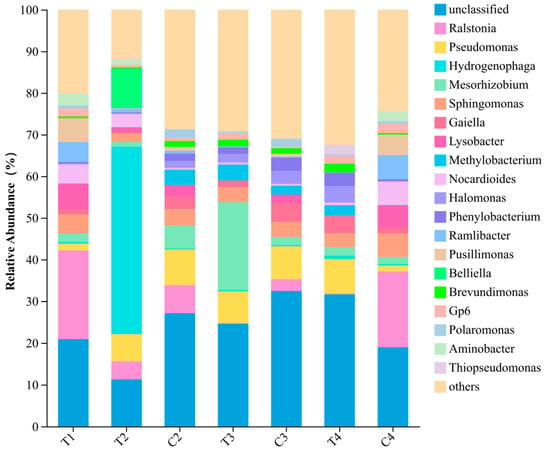
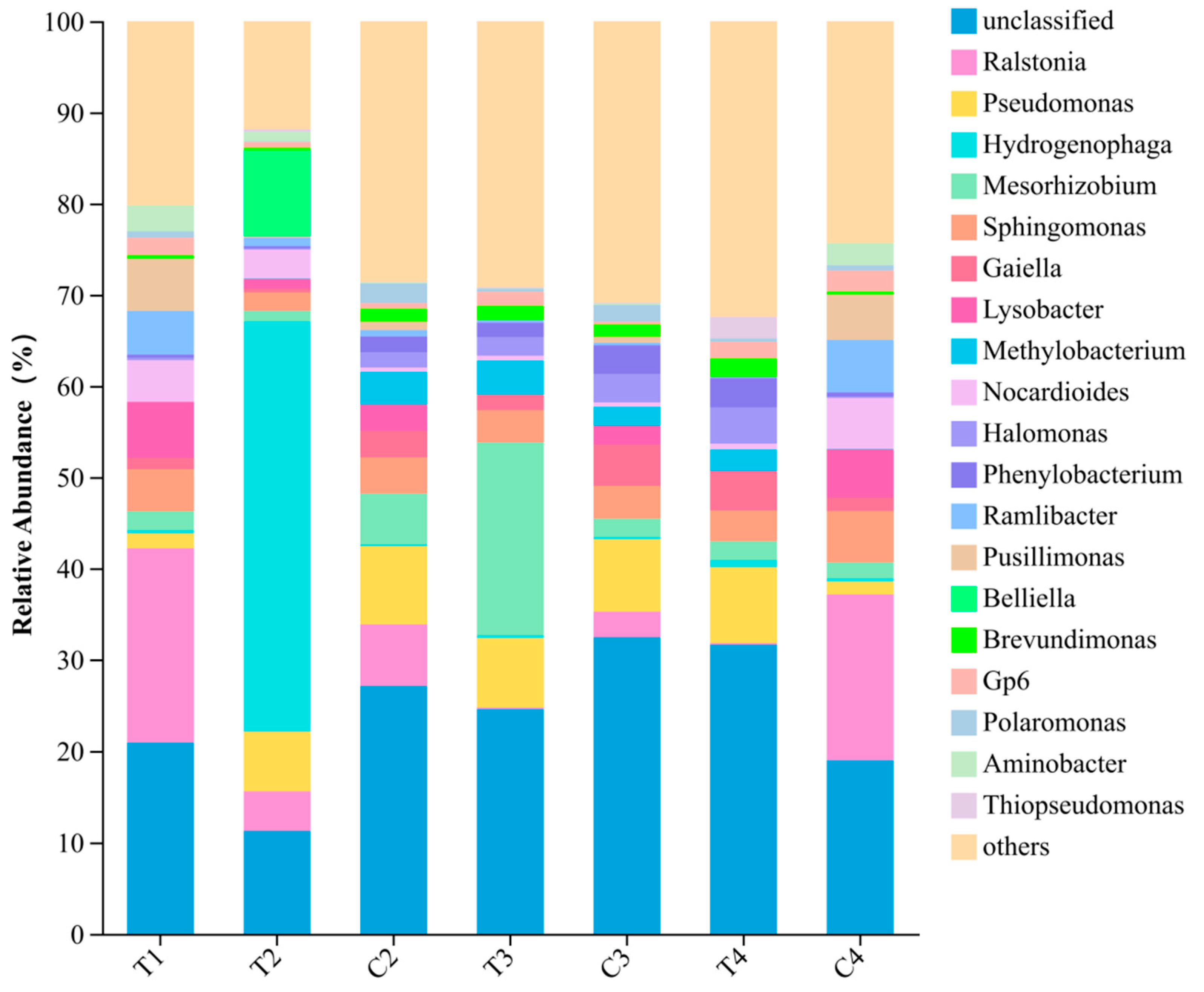
Figure 11 presents the microbial community structure distribution map of seven soil samples (T1, T2, C2, T3, C3, T4, and C4) at the genus level (Figure 11). After aniline contamination, the microbial community at the site underwent changes: microbial diversity decreased, and the abundance of most microorganisms declined, while a few microorganisms proliferated extensively, becoming the dominant microbial community. The predominant microbial groups in the original site were Ralstonia, unclassified, Lysobacter, and other categories. Following the addition of aniline, Hydrogenophaga proliferated extensively in the soil. In addition to Hydrogenophaga, other soil microorganisms with relatively high proportions included unclassified bacteria, Belliella, Pseudomonas, and Ralstonia.
Figure 11.
The relative abundance of four soil samples (T1, T2, C2, T3, C3, T4, and C4) at the genus level.
Following the addition of oxidant and activator without aniline, the abundance of several originally dominant native soil bacteria—including Ralstonia, Sphingomonas, and Lysobacter—declined. No single taxon, such as Hydrogenophaga, became absolutely dominant. Instead, the community structure shifted toward oxidative-stress-tolerant types, accompanied by an increase in the relative abundance of bacteria with antioxidant traits, such as Halomonas and Methylobacterium.
The microbial community structure of soil treated with oxidation for five days showed little difference compared to that treated for two days but differed from the microbial community in aniline-contaminated soil that had not undergone oxidation treatment. The proportion of Hydrogenophaga, which was previously abundant in the soil, decreased to 0.76%, while unclassified microorganisms accounted for the largest share at 31.65%. Microbial diversity gradually recovered, with no dominant microbial community present. The remaining microorganisms exceeding 3% abundance were Pseudomonas, Gaiella, Halomomas, Sphingomonas, and Phenylobacterium.
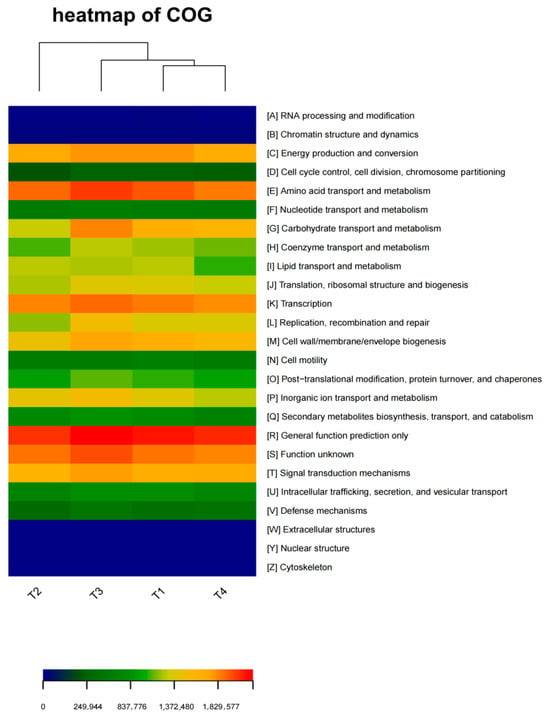
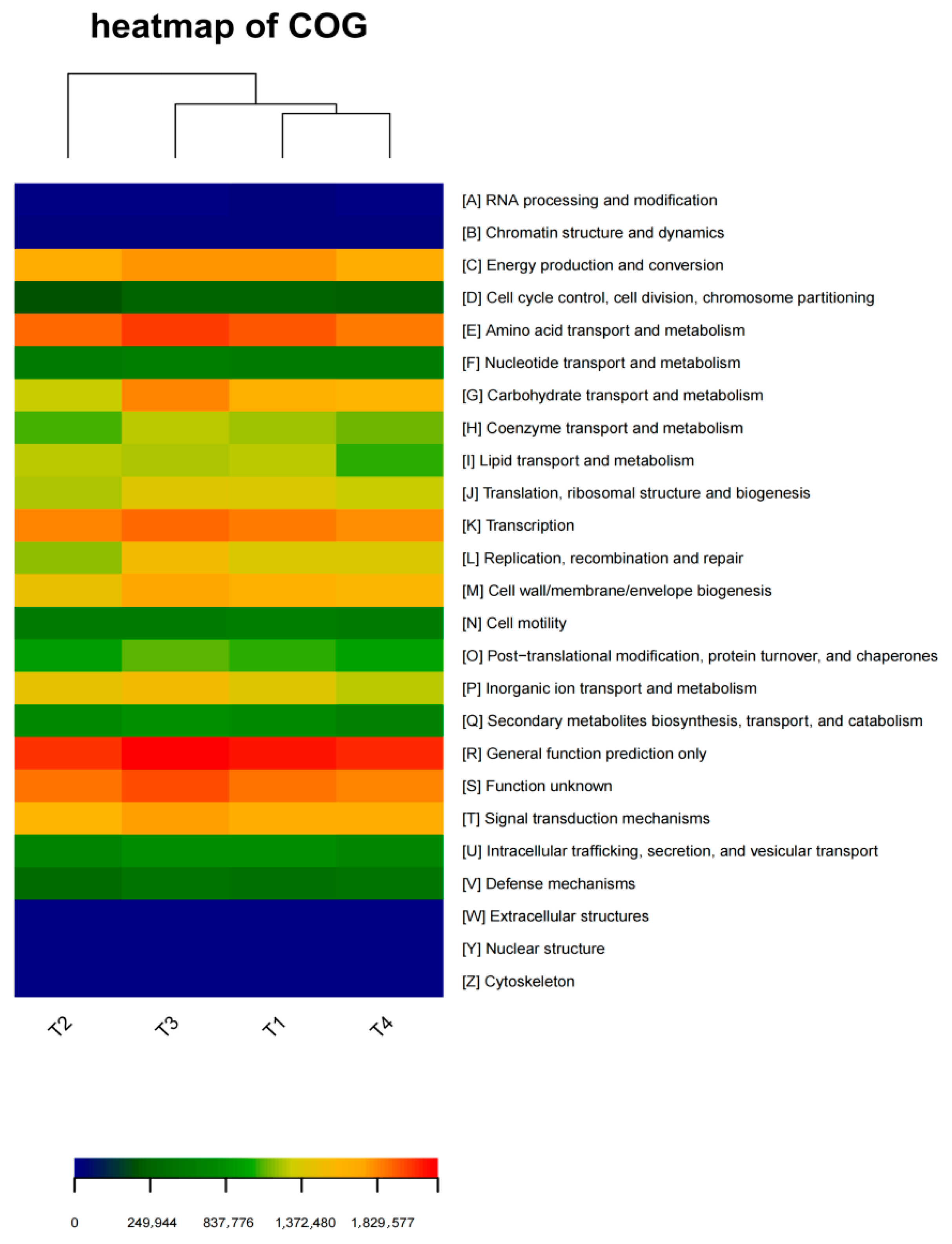
As shown in Figure 12, the microbial community after 2 days of oxidation exhibited a considerably more diverse and enriched functional spectrum than the aniline-contaminated sample, suggesting a more complex, robust, and metabolically versatile community. Accordingly, the oxidized samples showed a marked increase in the abundance of genes related to [J] translation, ribosomal structure and biogenesis; [K] transcription; and [L] replication, recombination and repair.
Figure 12.
Heatmap of COG functional classification of four soil samples (T1, T2, T3, and T4).
4. Discussion
This paper examined aniline pollution in the study area’s soil by conducting a site soil environmental survey, analyzing site characteristics and pollution status, and selecting economically viable oxidants and activators. The leaching rate of soil aniline and its natural degradation were also studied to determine the optimal ratio, the factors influencing the oxidation remediation process, changes in soil surface and elements after remediation, and the impact of the oxidation process on site microorganisms. We found that there are a large number of unclassified microorganisms in the aniline-polluted area, and the presence of aniline can cause some microorganisms to accumulate, which can use aniline as a carbon–nitrogen source for growth. Secondly, Na2S2O8 serves as the oxidant, NaOH as the activator, and when the molar ratio of Na2S2O8 to NaOH is 1:1, the removal rate of aniline in the soil approaches 100%. The addition of the oxidant for 5 days allows the site microorganisms to recover to their original state. In the following section, we will discuss the oxidation remediation mechanism for aniline-polluted sites in more detail.
4.1. Oxidation Remediation Mechanism for Aniline-Polluted Sites
This study compared the removal effectiveness of various oxidants, such as the Fenton reagent, sodium persulfate, potassium persulfate, and ammonium persulfate, on aniline, determining sodium persulfate as the optimal oxidant. The reason lies in the fact that the pH of the study area’s soil is neutral, with the persulfate radical’s oxidation potential at 2.01 V. After activation, the produced sulfate radical (SO4•−) has an oxidation potential as high as 2.5–2.6 V, exhibiting strong oxidative capacity and adapting to neutral environments [14]. Sodium persulfate has a high solubility in water, which facilitates even distribution and reaction within the soil. The experimental results indicate that its removal rate for aniline is close to 100%, making it superior to potassium persulfate and ammonium persulfate [26]. The Fenton reagent performs best under acidic conditions and tends to inactivate easily in neutral soil; hence, the Fenton reagent did not perform well in this study [27]. Sodium persulfate can be activated through various methods, such as heat, alkali, ultraviolet light, and transition metals. Considering the feasibility and economic viability of soil remediation, alkaline activation is more suitable, as it avoids issues such as high energy consumption with heat activation, poor penetration with ultraviolet activation, and the potential introduction of secondary pollution with transition metals [28].
Under alkaline conditions, the persulfate ion decomposes to produce SO4•− and •OH, forming a mixed free radical system that synergistically oxidizes aniline, thereby improving the degradation efficiency [29]. The soil in the study area is neutral. Various activation methods were compared, including Fe2+, Cu2+, KOH, and activated carbon. The aniline removal rate was the highest with NaOH activation (99.93%), and there was no risk of heavy metal residues [30].
In the reaction pathway of alkaline activation of sodium persulfate, a molar ratio of 1:1 between OH− and S2O82− achieves the maximum efficiency of free radical generation, avoiding waste of the oxidant due to insufficient activator and also preventing free radical quenching or side reactions caused by an excess of alkali [30]. An excess of NaOH can lead to an overly high pH, which promotes the conversion of SO4•− to •OH. Although •OH is highly oxidative, its short half-life is unfavorable for its diffusion in soil; conversely, an excess of Na2S2O8 may remain unactivated and thus residual [31]. At the 1:1 ratio, the synergistic effect of both species is the strongest, leading to a complete reaction. The experimental results with different ratios in this study show that when the ratio deviates from 1:1, the removal rate of aniline significantly drops, further validating the systematic optimality of this ratio.
Additionally, we found that the microbial community at the site changed after being contaminated by aniline, with a decrease in microbial diversity. A large number of hydrogenophiles proliferated. The genus Hydrogenophaga is a group of facultative hydrogen-oxidizing autotrophs with denitrification capabilities [32]. Under aniline stress, this genus can thrive and become a dominant microbial species, indicating its great potential for the natural attenuation of aniline in soil environments. After the oxidative treatment, the microbial community showed enhanced structural complexity, functional robustness, and metabolic diversity. After the addition of the oxidant, indigenous microorganisms with oxidative tolerance (such as Hydrogenophaga, Pseudomonas, etc.) rapidly multiplied [33]. The half-life of oxidant-free radicals is short, and they are rapidly consumed by reducing substances in the soil, such as organic matter and pollutants, within a short period, leading to a quick reduction in inhibition. After 5 days of oxidation, the soil microbial community gradually recovered, and its functional characteristics were extremely similar to the original state before treatment. The dominant species shifted from Hydrogenophaga (the aniline-degrading bacteria) to a variety of genera more similar to the original community. The aniline degradation products provided carbon and nitrogen sources for the surviving microorganisms, promoting their growth [34].
4.2. Uncertainty Analysis
Based on our results, although the initial objectives have been largely achieved, several uncertain factors still remain. Firstly, the oxidation experiments were conducted under controlled laboratory conditions, which may not fully represent the complexity and heterogeneity of the field-scale soil environment. Factors such as soil structural heterogeneity, runoff pathways, and varying water content in the field may affect the efficiency and uniformity of the persulfate oxidation process [35]. Secondly, while the study confirmed the high removal efficiency of activated sodium persulfate for aniline, it has not thoroughly investigated the potential formation and persistence of intermediate oxidation products. Understanding the degradation pathways and ensuring the complete mineralization of aniline without the production of harmful by-products is crucial for assessing the long-term environmental safety of this remediation method. Thirdly, the significant recovery of microbial activity observed in this study during the later stage of remediation (5 days) indicated that the soil chemical environment, including pH, had largely reverted to a near-neutral range conducive to microbial survival. However, future studies should incorporate real-time pH monitoring to enable more precise correlations among activation efficiency, free radical conversion kinetics, and pollutant degradation rates. Fourthly, this study primarily focused on the short-term impact of adding an oxidant on the soil microbial community. Although a recovery of the microorganisms was observed after 5 days, further research is needed to study its long-term ecological impacts, including potential changes in microbial community functions and soil health.
4.3. Future Prospects
Based on the positive outcomes of this study, we propose several future research directions to advance the application of alkaline-activated persulfate technology in the remediation of aniline-polluted soils. Firstly, although the study confirmed its high removal efficiency, the detailed degradation pathway and mechanism of aniline in soil media still need to be fully elucidated. Future work can utilize advanced analytical techniques such as LC-MS and GC-MS to further identify and quantify intermediate transformation products [36]. This is crucial for ensuring complete mineralization and assessing the potential ecological risks of any transient or persistent by-products. Secondly, to bridge the gap between laboratory results and field applications, conducting pilot or field-scale trials is essential. These trials should evaluate the injection and distribution strategies of oxidants and activators in heterogeneous subsurface environments and assess the long-term stability of the remediation effect under natural climatic conditions. Thirdly, a more comprehensive investigation of the long-term ecological impacts is needed. This includes monitoring the recovery trajectory of soil microbial community structure and function after 5 days, as well as evaluating the long-term effects of residual sulfates and transformed nitrogen forms on soil health and plant growth across multiple growing seasons [37]. Finally, exploring the combination of this chemical oxidation technique with subsequent bioremediation or phytoremediation technologies may be a promising strategy to address residual pollutants, manage oxidation by-products, and promote a more comprehensive recovery of soil ecosystem services. Research in this direction can optimize a combination remediation strategy that is both efficient and ecologically sustainable [38].
5. Conclusions
Research showed that aniline contamination existed in the study area, with the highest concentration of aniline reaching 58.13 mg/kg. Aniline was prone to leaching and migration in soil, and the extraction rate was higher when an alkaline solution was used for 10 h, followed by distillation. Experimental comparisons indicated that activated Na2S2O8 achieved the highest removal rate of aniline and the best remediation effect, while NaOH activation exhibited the most effective performance, making it the most suitable activator for site remediation. The optimal molar ratio of Na2S2O8 to NaOH was found to be 1:1 for oxidative remediation, resulting in a nearly 100% removal rate of aniline from the soil. The presence of temperature and various organic substances did not significantly affect the oxidative ability of aniline. The microbial community of the site changed after aniline contamination, showing reduced microbial diversity, with a few microorganisms proliferating extensively and becoming dominant. The structure of the soil microbial community changed significantly after oxidation compared to its state when aniline was present, restoring it to its original condition.
Author Contributions
Conceptualization, C.S.; Methodology, C.S.; Formal analysis, C.S.; Investigation, Y.Z.; Resources, Y.Z.; Data curation, Y.Z.; Writing—original draft, C.S.; Writing—review & editing, X.Y.; Visualization, X.Y.; Project administration, Y.Z. All authors have read and agreed to the published version of the manuscript.
Funding
The study was supported by the National Key Research and Development Program of China (2020YFC1808804) and the National Key Research and Development Program of China (2018YFC1800906).
Institutional Review Board Statement
Not applicable.
Informed Consent Statement
Not applicable.
Data Availability Statement
The raw data supporting the conclusions of this article will be made available by the authors on request.
Acknowledgments
The authors would like to express sincere gratitude to Yuling Zhang and Changlei Dai for their invaluable guidance and insightful suggestions throughout this research. We are also deeply indebted to Xiao Yang for his collaborative efforts and constructive contributions to this work. This study was supported by the following institutions: (a) School of Hydraulic and Electric Power, Heilongjiang University, Harbin 150080, China; (b) Key Lab of Groundwater Resources and Environment, Ministry of Education, Jilin University, Changchun 130021, People’s Republic of China; (c) College of New Energy and Environment, Jilin University, Changchun 130021, People’s Republic of China; (d) Jilin Provincial Key Laboratory of Water Resources and Environment, Jilin University, Changchun 130021, People’s Republic of China.
Conflicts of Interest
The authors declare no conflicts of interest.
References
- Wang, J.; Xiang, Y.; Li, X.; Shen, J.; Sun, Z.; Liu, Z.; Yang, L.; Yang, H.; Wang, H.; Chang, H.; et al. Characteristics and source tracing of pollution in soil and groundwater of a retired coking plant in Shanxi Province. Environ. Pollut. 2025, 382, 126647. [Google Scholar] [CrossRef] [Scilit] [PubMed]
- Garagnon, J.; Naffrechoux, E.; Perrette, Y.; Dumont, E.; Branchu, P.; Querleux, J.; Monvoisin, G.; Pin, M.; Tisserand, D.; Pons-Branchu, E. Impact of land-use on PAH transfer in sub-surface water as recorded by CaCO3 concretions in urban underground structures (Paris, France). Environ. Pollut. 2024, 357, 124437. [Google Scholar] [CrossRef] [Scilit]
- Das, D.; Bhan, C.; Mukherjee, C.; Golder, A.K. Improved selectivity of electrochemical aniline sensing using one-dimensional silver nanorods with high aspect ratio synthesized by ascorbic acid assisted method. Anal. Chim. Acta 2024, 1310, 342697. [Google Scholar] [CrossRef] [Scilit] [PubMed]
- Zhu, X.; Deng, Y.; Hu, W.; Chen, H.; Feng, C.; Chen, N. Treatment of aniline-containing wastewater by electrochemical oxidation using Ti/RuO2 anode: The influence of process parameters and reaction mechanism. Environ. Sci. Pollut. Res. 2023, 30, 109691–109701. [Google Scholar] [CrossRef] [Scilit]
- Fu, J.; Liu, F.; Dai, Y.; Wang, H.; Chen, L.; Yin, L. Mechanism of cooperative migration and transformation of nitrobenzene and iron co-contaminated water and soil. Environ. Pollut. 2025, 369, 125854. [Google Scholar] [CrossRef] [Scilit]
- Fu, Y.; Zhang, T.; Qin, C.; Zhang, C.; Ru, J.; Tang, R.; Huang, G.; Chen, J. Enhanced effects and mechanisms of Tween80 on aniline biodegradation by newly isolated Pseudomonas veronii T1. J. Environ. Chem. Eng. 2025, 13, 115843. [Google Scholar] [CrossRef] [Scilit]
- Ohio Environmental Protection Agency. Aquatic Life Fact Sheet for Aniline: (Aquatic Life—Acute Concentration). U.S. Environmental Protection Agency; Updated 23 June 2025. Available online: https://www.epa.gov/gliclearinghouse/aquatic-life-fact-sheet-aniline-aquatic-life-acute-concentration-ohio (accessed on 30 December 2025).
- Liu, H.; Lin, H.; Song, B.; Sun, X.; Xu, R.; Kong, T.; Xu, F.; Li, B.; Sun, W. Stable-isotope probing coupled with high-throughput sequencing reveals bacterial taxa capable of degrading aniline at three contaminated sites with contrasting pH. Sci. Total Environ. 2021, 771, 144807. [Google Scholar] [CrossRef] [Scilit] [PubMed]
- Liu, N.; Li, H.; Ding, F.; Xiu, Z.; Liu, P.; Yu, Y. Analysis of biodegradation by-products of nitrobenzene and aniline mixture by a cold-tolerant microbial consortium. J. Hazard. Mater. 2013, 260, 323–329. [Google Scholar] [CrossRef] [Scilit]
- Gao, R.; Zhu, J.; Xi, B.; Wang, Y.; Bai, S.; Wang, Y. Effect of pumping-induced soil settlement on the migration and transformation of aniline. Chemosphere 2024, 352, 141361. [Google Scholar] [CrossRef] [Scilit]
- Li, K.; Li, H.; Li, C.; Xie, H. Phytoremediation of aniline by Salix babylonica cuttings: Removal, accumulation, and photosynthetic response. Ecotoxicol. Environ. Saf. 2021, 214, 112124. [Google Scholar] [CrossRef] [Scilit] [PubMed]
- Long, Y.; Wu, Z.; Ding, X.; Chen, J.; Shen, D.; Shentu, J.; Hui, C. Potential risks of organic contaminated soil after persulfate remediation: Harmful gaseous sulfur release. J. Environ. Sci. 2024, 135, 1–9. [Google Scholar] [CrossRef] [Scilit]
- Peng, H.; Zhang, Q.; Tan, B.; Li, M.; Zhang, W.; Feng, J. A metagenomic view of how different carbon sources enhance the aniline and simultaneous nitrogen removal capacities in the aniline degradation system. Bioresour. Technol. 2021, 335, 125277. [Google Scholar] [CrossRef] [Scilit]
- Yan, Z.; Gu, Y.; Wang, X.; Hu, Y.; Li, X. Degradation of aniline by ferrous ions activated persulfate: Impacts, mechanisms, and by-products. Chemosphere 2021, 268, 129237. [Google Scholar] [CrossRef] [Scilit]
- Xu, Q.; Zhou, F.; Yu, Q.; Xiao, Y.; Jiang, X.; Zhang, W.; Qiu, R. Aniline degradation and As (III) oxidation and immobilization by thermally activated persulfate. Chemosphere 2023, 338, 139573. [Google Scholar] [CrossRef] [Scilit]
- Liang, C.; Yang, S.; Xing, B.; Li, C.; Yuan, F.; Wang, J.; Dong, W.; Yan, S.; Sun, Z. Review and perspective of sulfate radical-based advanced oxidation processes (SR-AOPs) in the remediation of polycyclic aromatic hydrocarbon (PAHs) contaminated soil. J. Environ. Manag. 2025, 390, 126337. [Google Scholar] [CrossRef] [Scilit] [PubMed]
- Annamalai, S.; Septian, A.; Choi, J.; Shin, W.S. Remediation of phenol contaminated soil using persulfate activated by ball-milled colloidal activated carbon. J. Environ. Manag. 2022, 310, 114709. [Google Scholar] [CrossRef] [Scilit] [PubMed]
- Wang, M.; Deng, M.; Zhao, G.; Fan, Y.; Liu, T.; Huang, Y.; Peng, L.; Fu, H.; Fang, S. Optimizing the thiosulfate-mediated zerovalent iron/persulfate activation systems: Trade-off between Fe(III)/Fe(II) cycling and quenching effects in environmental remediation. J. Environ. Manag. 2025, 380, 124817. [Google Scholar] [CrossRef] [Scilit] [PubMed]
- Li, M.; Duan, P.; Huo, Y.; Jiang, J.; Zhou, Y.; Ma, Y.; Jin, Z.; Mei, Q.; Xie, J.; He, M. The multiple roles of phenols in the degradation of aniline contaminants by sulfate radicals: A combined study of DFT calculations and experiments. J. Hazard. Mater. 2023, 443, 130216. [Google Scholar] [CrossRef] [Scilit]
- Wang, B.; Deng, C.; Ma, W.; Sun, Y. Modified nanoscale zero-valent iron in persulfate activation for organic pollution remediation: A review. Environ. Sci. Pollut. Res. 2021, 28, 34229–34247. [Google Scholar] [CrossRef] [Scilit]
- Yang, B.; Zhou, M.; Meng, Y.; Chen, K.; Xu, J.; Huang, X.; Liu, Y.; Li, L.; Ma, L.; Chen, M. Hydrocarbons removal and microbial community succession in petroleum-contaminated soil under hydrogen peroxide treatment. Environ. Sci. Pollut. Res. 2023, 30, 27081–27091. [Google Scholar] [CrossRef] [Scilit]
- Liu, Q.F. Study on the Evolution of Urban Landform in Jinan City and Its Impact on Drainage and Flood Control. Master’s Thesis, Shandong Normal University, Jinan, China, 2002. [Google Scholar]
- Zhang, F. Research on Water-saving Irrigation Technology and Analysis of Appropriate Water-saving Patterns. China Rural Water Conserv. Hydropower 2000, 7, 8–10. [Google Scholar]
- Shi, Y.; Zhang, K. Determination of Aniline in Soil by ASE/GC-MS. Molecules 2022, 27, 2092. [Google Scholar] [CrossRef] [Scilit]
- Mruthunjaya, A.K.V.; Torriero, A.A.J. Mechanistic Aspects of the Electrochemical Oxidation of Aliphatic Amines and Aniline Derivatives. Molecules 2023, 28, 471. [Google Scholar] [CrossRef] [Scilit]
- Jiang, Y.; Yang, K.; Shang, Y.; Zhang, H.; Wei, L.; Wang, H. Response and recovery of aerobic granular sludge to pH shock for simultaneous removal of aniline and nitrogen. Chemosphere 2019, 221, 366–374. [Google Scholar] [CrossRef] [Scilit]
- Zhu, J.; Yu, D.; Xie, N.; Han, J.; Wang, H.; Xie, D.; Jiang, J.; Feng, G.; Long, X. Fenton reaction in the process of “Laser + Fe” mode excited plasma for Rhodamine B degradation. Opt. Express 2024, 32, 15645–15657. [Google Scholar] [CrossRef] [Scilit]
- Bolourani, G.; Ioannidis, M.; Craig, J.; Thomson, N. Persulfate-based ISCO for field-scale remediation of NAPL-contaminated soil: Column experiments and modeling. J. Hazard. Mater. 2023, 449, 131000. [Google Scholar] [CrossRef] [Scilit] [PubMed]
- Liu, X.; Yuan, B.; Zou, J.; Wu, L.; Dai, L.; Ma, H.; Li, K.; Ma, J. Cu(II)-enhanced degradation of acid orange 7 by Fe(II)-activated persulfate with hydroxylamine over a wide pH range. Chemosphere 2020, 238, 124533. [Google Scholar] [CrossRef] [Scilit]
- Ma, Y.; Liu, Z.; Xu, Y.; Zhou, S.; Wu, Y.; Wang, J.; Huang, Z.; Shi, Y. Remediating Potentially Toxic Metal and Organic Co-Contamination of Soil by Combining In Situ Solidification/Stabilization and Chemical Oxidation: Efficacy, Mechanism, and Evaluation. Int. J. Environ. Res. Public Health 2018, 15, 2595. [Google Scholar] [CrossRef] [Scilit] [PubMed]
- Zhou, Y.; Xiang, Y.; He, Y.; Yang, Y.; Zhang, J.; Luo, L.; Peng, H.; Dai, C.; Zhu, F.; Tang, L. Applications and factors influencing of the persulfate-based advanced oxidation processes for the remediation of groundwater and soil contaminated with organic compounds. J. Hazard. Mater. 2018, 359, 396–407. [Google Scholar] [CrossRef] [Scilit] [PubMed]
- Baek, C.; Kim, E.; Shin, S.-K.; Choi, S.; Yi, H. Hydrogenophaga crassostreae sp. nov., isolated from a Pacific oyster. Int. J. Syst. Evol. Microbiol. 2017, 67, 4045–4049. [Google Scholar] [CrossRef] [Scilit]
- Wu, H.; Xing, Z.; Zhan, G. Dissolved oxygen drives heterotrophic microorganism succession to regulate low carbon source wastewater treatment enhanced by slurry. J. Environ. Manag. 2024, 366, 121804. [Google Scholar] [CrossRef] [Scilit] [PubMed]
- Luo, Z.; Ma, J.; Huang, L.; Li, D.; Gao, G.; Zhao, Y.; Antunes, A.; Li, M. Biodegradation of Crude Oil and Aniline by Heavy Metal-Tolerant Strain Rhodococcus sp. DH-2. Microorganisms 2024, 12, 2293. [Google Scholar] [CrossRef] [Scilit] [PubMed]
- Wang, Y.; Huang, Y.; Xi, P.; Qiao, X.; Chen, J.; Cai, X. Interrelated effects of soils and compounds on persulfate oxidation of petroleum hydrocarbons in soils. J. Hazard. Mater. 2021, 408, 124845. [Google Scholar] [CrossRef] [Scilit]
- Oturan, N.; Aravindakumar, C.T.; Olvera-Vargas, H.; Paul, M.M.S.; Oturan, M.A. Electro-Fenton oxidation of para-aminosalicylic acid: Degradation kinetics and mineralization pathway using Pt/carbon-felt and BDD/carbon-felt cells. Environ. Sci. Pollut. Res. 2018, 25, 20363–20373. [Google Scholar] [CrossRef] [Scilit] [PubMed]
- Zhong, C.; Nesbø, C.L.; von Gunten, K.; Zhang, Y.; Shao, X.; Jin, R.; Konhauser, K.O.; Goss, G.G.; Martin, J.W.; He, Y.; et al. Complex impacts of hydraulic fracturing return fluids on soil microbial community respiration, structure and functional potentials. Environ. Microbiol. 2022, 24, 4108–4123. [Google Scholar] [CrossRef] [Scilit]
- Ji, Y.; Xu, J.; Zhu, L. Redox potential model for guiding moderate oxidation of polycyclic aromatic hydrocarbons in soils. J. Hazard. Mater. 2024, 471, 134443. [Google Scholar] [CrossRef] [Scilit]

Disclaimer/Publisher’s Note: The statements, opinions and data contained in all publications are solely those of the individual author(s) and contributor(s) and not of MDPI and/or the editor(s). MDPI and/or the editor(s) disclaim responsibility for any injury to people or property resulting from any ideas, methods, instructions or products referred to in the content. |
© 2026 by the authors. Licensee MDPI, Basel, Switzerland. This article is an open access article distributed under the terms and conditions of the Creative Commons Attribution (CC BY) license.