


Abstract
In this paper, we propose a source camera identification method based on disentangled feature modeling, aiming to achieve robust extraction of camera fingerprint features under complex imaging and post-processing conditions. To address the severe coupling between image content and camera fingerprint features in existing methods, which makes content interference difficult to suppress, we develop a dual-branch deep learning framework guided by imaging physics. By introducing physical consistency constraints, the proposed framework explicitly separates image content representations from device-related fingerprint features in the feature space, thereby enhancing the stability and robustness of source camera identification. The proposed method adopts two parallel branches: a content modeling branch and a fingerprint feature extraction branch. The content branch is built upon an improved U-Net architecture to reconstruct scene and color information, and further incorporates texture refinement and multi-scale feature fusion to reduce residual content interference in fingerprint modeling. The fingerprint branch employs ResNet-50 as the backbone network to learn discriminative global features associated with the camera imaging pipeline. Based on these branches, fingerprint information dominated by sensor noise is explicitly extracted by computing the residual between the input image and the reconstructed content, and is further encoded through noise analysis and feature fusion for joint camera model classification. Experimental results on multiple public-source camera forensics datasets demonstrate that the proposed method achieves stable and competitive identification performance in same-brand camera discrimination, complex imaging conditions, and post-processing scenarios, validating the effectiveness of the proposed disentangled modeling and physical consistency constraint strategy for source camera identification.
1. Introduction
Digital images have become an essential information medium in modern information technology and play an increasingly important role in everyday life. Their evidential use in judicial practice and criminal investigations has also expanded steadily. However, with the widespread adoption of imaging devices such as digital cameras and smartphones, along with their increasing ease of use and decreasing cost, digital images are being produced and disseminated on an unprecedented scale, which poses significant challenges to the authenticity and credibility of image evidence.
In the field of digital image forensics, Source Camera Identification (SCI) plays a crucial role with significant theoretical and practical value. Traditional approaches typically rely on parsing embedded EXIF (Exchangeable Image File Format) metadata to infer the imaging device. However, this strategy exhibits clear limitations in real-world scenarios: once an image undergoes network transmission, platform-dependent compression, or manual editing, the associated metadata is often stripped, altered, or corrupted, rendering such methods ineffective.
As a result, recent research has increasingly shifted toward content-based analysis, which aims to determine the source device by extracting intrinsic characteristics directly from the image itself. These characteristics arise from unique patterns introduced during the imaging and signal processing pipeline and can be regarded as the device’s digital fingerprint. Their formation is closely related to multiple factors, including sensor hardware imperfections, lens-induced optical distortions [1], and proprietary in-camera image processing algorithms, as shown in Figure 1. Owing to their inherent association with the imaging device, such fingerprints provide a more robust and reliable foundation for source camera identification, especially in forensic scenarios involving unknown or uncontrolled image processing operations.
Figure 1.
Typical image formation process inside a digital camera. Light reflected from the scene passes through a lens system and is captured by the imaging pipeline, where it sequentially interacts with optical components such as the lens, the color filter array (CFA), and the image sensor. The captured analog signal is then converted into a digital signal, followed by a series of in-camera software processing steps, which typically include demosaicing, image compression, and other post-processing operations.
Early research on source camera identification mainly followed an implicit identification paradigm, in which intrinsic device-specific models are constructed and identification is performed by measuring the correlation between a query image and these reference models. Among the various device fingerprints, Sensor Pattern Noise (SPN) has been recognized as one of the most representative features. Lukas et al. [2] first pointed out that unavoidable photo-response non-uniformity (PRNU) introduced during sensor manufacturing causes each camera to leave a unique and stable noise pattern in its captured images, which can serve as a reliable basis for camera identification.
In parallel, Choi et al. [1] used on optical characteristics of camera lenses and proposed to distinguish devices by modeling the unique distribution of radial lens distortion. In addition, other device-related cues have been explored, including dust artifacts [3] on the sensor surface camera-dependent color response characteristics [4] and periodic statistical patterns introduced by color filter array (CFA) interpolation [5,6,7]. These approaches, which rely on handcrafted features and explicit physical modeling, have demonstrated solid performance in practical applications. More importantly, due to their clear physical interpretations and well-defined imaging mechanisms, they offer a high degree of explainability, making them particularly attractive in forensic analysis contexts.
As traditional forensic traces weaken with advances in camera technology, handcrafted feature–based methods face growing limitations. CNN-based approaches have therefore emerged as a data-driven alternative, with Bondi et al. [8] showing that camera fingerprints can be learned directly from images, capturing complex imaging artifacts beyond handcrafted modeling.
Nevertheless, CNNs are inherently biased toward extracting high-level features related to image semantics [9]. In the context of source camera identification, image content is typically regarded as interference, as it can easily obscure subtle yet highly discriminative device-specific fingerprints. Consequently, how to design effective network architectures or training strategies that suppress semantic content while emphasizing intrinsic camera characteristics has become a central challenge for improving the performance of deep learning–based source camera identification methods.
To address the above challenges, a number of recent studies have explored the integration of preprocessing modules at the network front end to enhance feature selectivity. Typical approaches include applying median filters [10] or high-pass filters [11] to the input images, with the aim of suppressing low-frequency components related to scene content and thereby highlighting device-specific fingerprint features. With the continued development of deep learning techniques, end-to-end frameworks have gradually become the mainstream due to their practicality and computational efficiency. For example, Bayar et al. [12] introduced a constrained convolutional layer at the front end of a convolutional neural network, which explicitly restricts the convolutional weights to actively suppress image content and encourage the extraction of camera fingerprints. In addition, some studies [13,14,15] have focused on improving the quality of training samples by designing patch selection strategies that favor image blocks with lower distortion and higher diversity, further enhancing the generalization capability of the models.
Meanwhile, network architectures specifically tailored for the SCI task have continued to emerge. Liu et al. [14] proposed a fine-grained multi-scale residual prediction module that mitigates the influence of image content by modeling local residual structures. In [16], a Siamese-network-based contrastive learning strategy was employed to filter out content-irrelevant information. Chen et al. [17] further exploited multi-scale feature fusion mechanisms to effectively suppress scene content interference and improve identification accuracy. These methods have demonstrated favorable performance in experimental evaluations. More recently, Rana et al. [18] introduced a dual-branch network that extracts complementary features from both the original RGB images and their high-pass filtered counterparts, enabling a more comprehensive capture of camera-model-related forensic cues and further enhancing the robustness of the system.
This paper proposes a wavelet-enhanced dual-path network for source camera identification that jointly exploits RGB features and high-frequency forensic cues. Through hierarchical wavelet fusion, the method improves fingerprint discriminability and robustness, achieving superior performance on multiple camera datasets and under social media transmission. The main contributions are summarized as follows:
- Proposed a physically consistent disentangled framework for source camera identification, employing a dual-branch architecture with content reconstruction and explicit residual extraction to decouple image content from camera fingerprint features and reduce content interference.
- Designed a hierarchical multi-source feature fusion strategy to jointly model deep global features from the fingerprint branch, local residual features from the noise analysis module, and low-level image statistics, enhancing feature discriminability and stability through multi-scale alignment and interaction.
- Introduced a color consistency attention mechanism that incorporates image color distribution priors into deep feature learning, guiding the network to focus on device-specific regions, such as color interpolation artifacts and sensor response deviations, thereby adaptively suppressing content interference and further enhancing the purity and discriminability of noise features.
- Validated on multiple public-source camera datasets and social media scenarios, the method shows stable and competitive performance, demonstrating its effectiveness and robustness.
2. Related Work
2.1. Source Camera Identification Methods Based on Handcrafted Features and Deep Learning
Early source camera identification methods mainly relied on handcrafted noise-based features derived from sensor and imaging pipeline artifacts, such as CFA patterns, lens distortions, chromatic aberration, sensor dust, and PRNU, coupled with traditional machine learning models.
Such methods are generally built upon the assumption that the imaging system leaves repeatable and observable traces in captured images, and their overall performance largely depends on the accuracy of modeling camera-related noise characteristics. In studies centered on sensor pattern noise, images are commonly processed using techniques such as median filtering [10], high-pass filtering [19], or wavelet transforms [20] to extract latent camera fingerprint information. Existing analyses have shown that these fingerprint features are predominantly concentrated in the high-frequency components of images and are mainly distributed around edges and textured regions.
Because camera fingerprint signals are inherently weak, their estimation is highly susceptible to image content interference. To enhance fingerprint discriminability, several studies have explored feature enhancement strategies, such as wavelet denoising for SPN enhancement [21], sample-weighting schemes for strengthening PRNU [22], and Laplacian-based unsharp masking to amplify forensic cues [23]. While these methods improve identification performance, they typically require large sample sizes for stable fingerprint estimation. Moreover, handcrafted feature–based approaches rely heavily on domain knowledge and prior assumptions, which may overlook latent discriminative information and limit representational capacity under complex feature dependencies.
With the rapid advancement of deep learning techniques, CNNs have been increasingly introduced into source camera identification, leading to substantial performance improvements owing to their end-to-end feature learning capability. Existing studies have shown that network architectures such as ResNet [24], MobileNet [25], and the more recent ConvNeXt [26] exhibit strong representational power in camera forensics scenarios. To encourage networks to focus more on camera-related cues, several works [13,14,15] adopt image patch selection or region filtering strategies, guiding the model to learn more discriminative local regions. In addition, to mitigate the adverse impact of image content on camera fingerprint extraction, preprocessing operations have been widely employed to suppress scene structures while emphasizing device-specific traces. Meanwhile, multi-scale feature fusion and multi-view feature modeling strategies [27] have been demonstrated to capture image details from different hierarchical levels and response perspectives, thereby enhancing the representation of camera fingerprints. Building upon this, our recent work [28] further investigates the feasibility of a contrastive learning–based deep learning framework. By exploiting the discrepancies in forensic features induced by differences in network architectures, contrastive learning is employed to suppress and eliminate redundant information, thereby enhancing the accuracy and robustness of source camera identification to a certain extent.
Therefore, how to effectively leverage the complementary strengths of traditional handcrafted approaches and deep learning–based methods remains an important and worthwhile research direction. Motivated by this observation, this paper proposes a deep learning framework that explicitly incorporates information related to the camera imaging process, with the goal of improving both the accuracy and robustness of source camera identification. The proposed method is described in detail in Section 3.1.
2.2. Physically Consistent Disentangled Representation Learning for Camera Fingerprints
Camera fingerprint extraction aims to isolate the weak noise patterns introduced by inherent imperfections of imaging devices from complex image content. The physical imaging process results in a strong coupling between camera fingerprints and image content. Previous studies have shown that imaging sensors introduce various types of noise during acquisition, including additive random noise, which can be suppressed through statistical averaging, and pattern noise, which is closely related to device characteristics. Pattern noise primarily consists of fixed pattern noise (FPN) and photo-response non-uniformity (PRNU). PRNU arises from slight variations in pixel sensitivity to incident light and exhibits high temporal stability and device uniqueness, making it the primary physical source of camera fingerprints. However, as PRNU is embedded multiplicatively within image content, it is highly coupled with scene structures and textures, which complicates fingerprint modeling and separation.
To characterize the imaging process and the formation mechanism of PRNU, Lukas et al. [2] modeled a digital image using a multiplicative noise formulation, in which the observed image is composed of an ideal noise-free image, a PRNU factor, and additional random noise components. This process can be mathematically expressed as:
where I denotes the observed digital image, represents the ideal noise-free image, K is the multiplicative PRNU factor, and denotes other random noise components. This model reveals, at the physical level, the fundamental reason why camera fingerprints cannot be directly separated from the original image. Based on this understanding, early camera fingerprint extraction methods [14] generally employed a noise residual analysis strategy: image denoising algorithms are used to estimate the image content, and the difference between the original image and the reconstructed content is taken as the noise residual to approximate the PRNU signal. Related approaches typically combine median filtering, high-pass filtering, or other denoising techniques, and estimate camera fingerprints based on the statistical properties of the residuals, achieving reasonable results under relatively ideal imaging conditions.
However, residual-based decoupling methods fundamentally rely on empirical assumptions of feature separation, and their performance is highly sensitive to the choice of denoising algorithm and its parameters. On one hand, overly strong denoising may attenuate or even destroy the weak PRNU components, while insufficient denoising fails to effectively suppress interference from image content and structure. On the other hand, residual noise inevitably retains high-frequency structures such as edges and textures, which can interfere with the statistical modeling of PRNU and compromise the stability and robustness of fingerprint estimation. These limitations are particularly pronounced under complex imaging scenarios and diverse post-processing conditions.
In recent years, disentangled representation learning has offered a new perspective for alleviating feature entanglement. In various image processing and computer vision tasks [29,30,31], such methods typically employ dual-branch or multi-component architectures to separate features of different origins in the representation space, thereby improving model stability and generalization. In the field of camera fingerprint extraction, some studies have attempted to introduce dual-branch structures, residual learning, or explicit high-frequency modeling to reduce the interference of image content on fingerprint features. However, most of these approaches rely heavily on data-driven network design, lack explicit constraints from the physical imaging process, and often assume that fingerprints are primarily concentrated in specific frequency bands, limiting their effectiveness in complex scenarios.
To address this issue, recent studies have begun to explore disentangled representation learning guided by the imaging mechanism, explicitly modeling the coupling between camera fingerprints and image content to inform feature extraction. Building on this, the present work systematically analyzes existing disentanglement and high-frequency modeling methods and proposes a disentangled feature modeling strategy that offers differentiated advantages in both modeling mechanism and optimization objectives. By incorporating a physical consistency constraint, the method enables adaptive separation, allowing the network to reliably extract discriminative fingerprint features under complex image content and noise conditions, thereby providing a novel approach for achieving more stable and robust fingerprint representations.
3. Methodology
This section presents the proposed source camera identification method. The approach incorporates the concept of disentangled representation learning and embeds imaging physics priors into the deep network modeling process to achieve effective separation between camera fingerprints and image content. We then describe the overall network architecture and provide detailed explanations of the design rationale and implementation details of each constituent module.
3.1. Overall Architecture
Existing source camera identification methods predominantly employ convolutional neural networks to directly learn camera fingerprint features from images, and enhance recognition performance through strategies such as constrained convolutions, residual modeling, and multi-scale feature extraction. However, in practical scenarios, camera fingerprints are highly entangled with image content, making it difficult for networks to effectively suppress interference from scene structures and semantic information, which in turn limits their discriminative capability with respect to camera-related features.
At the same time, as network depth continues to increase, source camera identification faces new structural challenges. On the one hand, low-level detail information is prone to attenuation during layer-by-layer feature propagation, a problem that is particularly critical given the inherently weak nature of camera fingerprint signals. On the other hand, increasingly complex network architectures may lead to training instability, such as vanishing gradients or overfitting, thereby adversely affecting convergence and generalization performance. Consequently, how to effectively disentangle image content from camera fingerprint features within a deep learning framework, while constructing a network architecture that preserves essential fine-grained details and maintains stable training behavior, has become a central issue that urgently needs to be addressed in current source camera identification research.
To address the above challenges, this paper proposes a source camera identification network based on disentangled feature modeling, termed DCF-Net, whose overall architecture is illustrated in Figure 2. The network is theoretically grounded in the digital image multiplicative noise imaging model proposed by Lukas et al. [2], which has been widely accepted in the source camera identification literature and serves as a fundamental physical basis for noise residual modeling and camera fingerprint extraction. Building upon this model, DCF-Net adopts a structured network design to explicitly disentangle image content components from camera fingerprint–related features in the representation space, thereby effectively suppressing the interference of semantic content on fingerprint modeling. Although the overall architecture follows a dual-branch design, unlike conventional dual-branch networks that merely perform feature splitting, the branches in DCF-Net act as physically consistent modeling carriers. Under the guidance of physical consistency constraints, disentangled representation learning is combined with noise residual analysis, enabling the network to focus on stable and discriminative camera fingerprint features and thus achieve robust source camera identification. Overall, DCF-Net consists of four collaboratively functioning core modules: a content reconstruction branch, a camera fingerprint extraction branch, a noise residual analysis module, and a feature fusion and classification module.
Figure 2.
Overall architecture of the proposed DCF-Net.
Specifically, the content reconstruction branch adopts an improved U-Net architecture and employs an encoder–decoder framework to reconstruct the input image, aiming to capture and model scene-related low-frequency and structural information, thereby producing a reconstructed image in which camera-specific traces are largely suppressed. The camera fingerprint extraction branch is built upon a pretrained ResNet-50 backbone, which directly learns high-dimensional discriminative features associated with camera hardware characteristics and the in-camera imaging pipeline from the original image. The noise residual analysis module models the residual signal obtained by subtracting the reconstructed image from the original input, further exploiting camera-specific noise patterns and processing artifacts embedded in the residual. Finally, the feature fusion and classification module integrates multi-source features from the different branches and performs the final camera model classification.
Given an input image , the network first generates a reconstructed image through the content reconstruction branch, where denotes the content reconstruction network. Meanwhile, the original image is fed into the camera fingerprint extraction branch to obtain a fingerprint feature representation .
It is worth noting that the first convolutional layer of ResNet-50 is modified from a kernel to a kernel to accommodate the image input. In addition, a feature projection layer is appended after the ResNet-50 backbone to decouple a purer and more discriminative fingerprint representation from the extracted mixed features. This layer actively compresses content-related redundant information through dimensionality reduction and incorporates a series of operations, including Batch Normalization, GELU activation, and Dropout, to stabilize feature distributions, enhance nonlinear representation capability, and improve generalization performance, thereby effectively suppressing interference from image content.
Subsequently, a noise residual signal as shown in Equation (2) is constructed by computing the difference between the original image I and the reconstructed image :
where denotes a numerical stabilization term introduced to avoid numerical instability. The residual signal is then fed into the noise residual analysis module to extract camera-related noise features . As illustrated in Figure 2, this module consists of three convolutional blocks followed by max-pooling layers for downsampling. An adaptive average pooling operation is finally applied to aggregate the feature maps into a 1 × 1 representation, which is then projected into a 245-dimensional feature vector through a fully connected layer. On this basis, the camera fingerprint features and the noise residual features are jointly modeled through a feature fusion module to obtain a fused representation . Specifically, the two feature vectors are first projected into 128 feature maps of size , respectively. These feature maps are then concatenated along the channel dimension, resulting in a 256-channel feature map. Subsequently, two convolutional layers are employed to further integrate the features, and the resulting feature map is upsampled to a spatial resolution of .
Finally, the predicted result is produced by the classification module, which consists of a convolutional classification head followed by a fully connected classifier. The convolutional head comprises three convolutional layers that progressively increase the number of channels from 256 to 512 while reducing the spatial resolution to 1 × 1. An adaptive average pooling operation is then applied to obtain a 512-dimensional feature vector. This vector is subsequently fed into two fully connected layers, with batch normalization and PReLU activation in between, and Dropout employed for regularization, to generate the final class prediction .
From a design perspective, the construction of DCF-Net is motivated by three key observations. First, an image signal can be decomposed into scene content components and camera fingerprint components, which exhibit markedly different statistical properties, providing a theoretical basis for feature disentanglement. Second, the residual signal obtained via content reconstruction effectively suppresses structural and semantic image information while preserving rich camera-specific noise patterns and imaging pipeline artifacts, making it a valuable source for characterizing camera fingerprints. Third, features derived from different sources exhibit complementary discriminative capabilities; jointly modeling global camera fingerprint features and noise residual features helps improve the accuracy and robustness of source camera identification under complex scenes and noisy conditions.
3.2. Texture Refinement and Color Correction Module
To improve the texture quality of the features output by the content reconstruction branch and correct potential color biases, we design a color-aware texture refinement and enhancement color correction module at the end of the decoder. This module explicitly models the color consistency of the original image, guiding the feature reconstruction process to maintain stable color distribution while restoring fine-grained texture structures.
We first propose a color-aware texture refinement module as shown in Figure 3. This module models the color consistency of the input image to generate a spatially adaptive attention weight map, which guides the feature reconstruction process. Specifically, given an input image I, the color consistency attention map can be expressed as shown in Equation (3):
where represents a mapping function composed of multiple convolutional layers, normalization, and nonlinear activation, while denotes the Sigmoid activation function, ensuring that the attention weights lie within the [0, 1] range. This attention mechanism is used to highlight regions that are consistent with the original image’s color distribution, thereby suppressing unrealistic color responses.
Figure 3.
The architecture of the texture refinement module.
During the texture refinement stage, the decoder output F is fused with the original image , which has been aligned in scale, at the channel level. The high-frequency texture details are then restored through a convolutional network, and this process can be represented as shown in Equation (4):
where ⊕ denotes the channel concatenation operation, and refine represents the texture refinement network. Subsequently, color consistency attention is introduced to weight and modulate the refined features as shown in Equation (5):
where is a learnable coefficient that controls the strength of the attention mechanism’s feature enhancement. After obtaining the refined features, to further improve the color authenticity of the reconstructed image, we introduces an enhanced color correction module to learn the nonlinear color mapping relationship as illustrated in Figure 4. The module adjusts the feature distribution progressively through multi-layer convolutional transformations, and its recursive form can be expressed as shown in Equation (6):
where , represents a nonlinear activation function, and BN stands for the batch normalization operation. Finally, the reconstructed image is generated through the output layer as shown in Equation (7):
where constrains the output within the normalized pixel range to ensure numerical stability and visual plausibility.
Figure 4.
The architecture of the color correction module.
Overall, the proposed texture refinement and color correction module effectively enhances the quality of content reconstruction by explicitly modeling color consistency and the texture recovery process. On one hand, this module preserves the original color distribution while enhancing local structural details. On the other hand, its lightweight and differentiable design supports end-to-end joint training, providing a more reliable content estimation foundation for subsequent noise residual analysis and camera fingerprint decoupling.
3.3. Loss Function
Essentially, source camera identification is a multi-class classification task, and we optimize the network parameters using multi-class cross-entropy loss as shown in Equation (8). This loss function measures the difference between the predicted probability distribution and the true class, imposing a larger penalty for misclassifications, thereby guiding the model to extract the unique characteristics of the camera fingerprint.
where y represents the true label, represents the predicted label, i represents the number of classes, and represents the logarithmic calculation.
The reconstruction loss constrains the reconstructed image to approximate the original image. In this paper, the content reconstruction loss is computed using Mean Squared Error (MSE) as shown in Equation (9):
This loss effectively encourages the content reconstruction branch to focus on learning content-related information, such as the semantic structure, texture contours, and color distribution of the image, rather than the high-frequency noise components related to the camera. Specifically, it guides the network to preferentially retain low- and mid-frequency structural features during the reconstruction process, thereby suppressing the leakage of high-frequency camera fingerprint signals like PRNU into the content branch. This constraint purifies the content component to some extent, providing a more reliable baseline for subsequent residual construction.
In addition, to further enhance the decoupling effect between content information and camera fingerprints, this paper introduces a constraint loss based on an imaging physical model. According to the multiplicative noise imaging model proposed in [2], a digital image can be represented as shown in Equation (10):
In DCF-Net, the reconstructed image by the content reconstruction branch can be considered as an estimate of , while the fingerprint and noise branch implicitly models the camera features associated with K. Based on the above physical model, this paper constructs a physical consistency constraint, ensuring that the network’s predictions align with the imaging mechanism as a whole. Specifically, the following physical constraint loss is introduced as shown in Equation (11):
where represents the camera fingerprint response estimated by the fingerprint branch. Compared to solely relying on data-driven decoupling strategies, this physics-based prior constraint significantly enhances the model’s interpretability and stability.
Finally, the total loss function of the network as shown in Equation (12):
where and are hyperparameters that represent the weights of the reconstruction loss and the physical consistency loss during network training, respectively.
The loss functions used jointly constrain the network training from three complementary perspectives: content modeling, camera discrimination, and physical mechanisms. This design effectively guides the separation of content features and camera fingerprint features in the representation space, ensuring both reconstruction quality and recognition accuracy, while significantly enhancing the purity, stability, and cross-scene generalization capability of camera fingerprint extraction.
4. Experimental Results
4.1. Experimental Configuration and Training Strategy
4.1.1. Datasets
Our work utilizes three publicly available datasets that are widely used in the academic community as the foundation for our experiments. First, we employ the Dresden [32] dataset, a classic forensic camera dataset that has become a key reference standard in source camera identification research, thanks to its high-resolution images and diverse device models. In addition, we incorporate two smartphone camera datasets—Vision [33] and Forchheim [34]—which encompass a variety of brands and models of mobile devices. These datasets are highly representative and diverse, providing a solid foundation for evaluating the model’s adaptability in real-world application scenarios. The detailed information on these datasets is as follows:
The Dresden dataset consists of images captured by 74 digital cameras from 25 different camera models. It includes various lighting conditions and scene types (indoor/outdoor, public spaces, trees, etc.). For the purposes of this experiment, we excluded images captured by single-device camera models and focused on 18 camera models, which resulted in a dataset of approximately 15,000 images.
The Forchheim dataset includes approximately 4000 images captured by 25 different smartphone cameras, taken under a variety of environmental conditions. These images cover diverse lighting, backgrounds, and settings, contributing to the dataset’s broad representativeness and providing valuable insights into the model’s performance in real-world scenarios. Additionally, the dataset contains post-processed versions of the images, edited using five popular social media platforms (Facebook, Instagram, Telegram, WhatsApp, and Twitter), making it highly relevant to real-world applications.
The Vision dataset comprises images captured by 35 different smartphone devices, representing 29 distinct phone models across 11 brands. This dataset offers a rich variety of image content, ranging from clear sky shots to intricate natural scenes, covering various orientations and environments. Additionally, it includes a wide range of image resolutions, which enhances the model’s ability to generalize across different conditions. For our experiment, we selected 100 images from the natural image subsets of all 29 smartphone models, resulting in a dataset of 2900 images.
This work addresses the closed-set identification scenario in source camera identification tasks by designing a rigorous data partitioning and training strategy. For each dataset, we divide the image data into training, validation, and test sets with a ratio of 7:2:1. We ensure strict mutual exclusivity between these sets, meaning no image appears in more than one of them, ensuring objective and reliable evaluation. Furthermore, for each camera model, we select a single independent device for evaluation. This approach not only helps prevent overfitting during the training process but also eliminates potential interference from device-specific characteristics in the evaluation results.
During the network training phase, we use image patches of size as input. This design is based on two considerations: first, dividing the original images into patches effectively increases the number of training samples, enhancing data diversity; second, using local image patches rather than full images encourages the model to focus on device-related local noise features rather than global content features, improving its ability to identify camera fingerprints. In practical applications, directly inputting the entire image into the network may be constrained by hardware limitations. This can be addressed by applying sliding windows or random patch sampling across the image and aggregating the patch-level predictions through voting or weighted fusion to determine the source camera for the entire image.
To further enhance the diversity and representativeness of the training data, this study builds upon the multi-criteria image patch selection strategy previously proposed in our work [15]. This strategy integrates multiple evaluation criteria, such as local texture complexity, semantic information significance, and the balance of local binary patterns, to systematically select the most discriminative regions from each image. In practice, for each criterion, we retain the top 50 image patches with the highest scores from each image as training samples. This approach not only enriches the diversity of local feature variations in the training set but also helps the model focus more on the most discriminative regions of the images, thereby improving the robustness and generalization capability of feature learning.
4.1.2. Evaluation Metric
In our work, to provide a more comprehensive evaluation of the proposed method’s performance, we utilized three metrics to assess the results of the multi-class task. All of these metrics are derived from four fundamental quantities.
- True Positive (TP): positive patch predicted as positive.
- True Negative (TN): negative patch predicted as negative.
- False Positive (FP): negative patch predicted as positive.
- False Negative (FN): positive patch predicted as negative.
Thus, the three commonly used evaluation metrics—Accuracy (Acc), Recall, and F1 Score—are defined as follows:
In this work, we calculate these metrics using the macro-average method. Specifically, we compute the Accuracy (Acc), Recall, and F1-score for each class individually, and then take the average of the results across all classes.
4.1.3. Experimental Setup
During the training process, we employed the Adam optimizer with an initial learning rate of 0.0001 and a weight decay of 0.001. All experiments were conducted on a server running Ubuntu 18.04, equipped with an NVIDIA RTX 4090 GPU. The network was implemented using PyTorch 1.8.0 and Python 3.7.1. For the high-resolution images in the Dresden and Forchheim datasets, we trained the model for 50 epochs, while for the Vision dataset, which has lower image quality and more interference, we extended the training to 80 epochs to ensure sufficient learning of the fingerprint features in the images. The batch size for all experiments was set to 64. To prevent overfitting, we introduced an early stopping mechanism, halting the training when the performance on the validation set no longer improved, thereby enhancing the model’s generalization capability.
4.2. Comparison with Different Network Setting
As described in Section 3.1, the proposed DCF-Net explicitly separates the processes of image content modeling and camera fingerprint feature extraction, while integrating noise residual analysis and multiple loss constraints to effectively decouple camera forensics information. To validate the role of each structural component and loss design within the overall framework, this section presents an ablation study analyzing performance variations under different network configurations.Specifically, we first constructed a baseline model as a reference by progressively removing the content refinement module (TRM) and color correction module (CCM) from the content branch (CB), as well as the noise residual analysis module (NRA), leaving only the fingerprint branch (FB) and the classifier. These modules were then sequentially added back, with each new configuration retrained and tested. It is important to note that all experimental results were obtained under the same data split and training strategy, and the comparative results are summarized in Table 1.
Table 1.
Identification results under different network settings.
As shown in Table 1, the introduction of the noise residual analysis (NRA) module significantly improves recognition performance. This module is inspired by the physical principle of representing noise residuals as the difference between the original image and its reconstructed content. Through the content reconstruction branch, non-device-related components in the image—such as scene structures, textures, and illumination—are explicitly modeled and suppressed, allowing subsequent feature analysis to focus more on device-specific information arising from sensor manufacturing variations and the imaging process. By computing residuals in this manner, the camera fingerprint components, which are otherwise embedded within the image content, are presented more explicitly, enhancing the signal-to-noise ratio and stability of the feature representation. From a modeling perspective, this process effectively introduces an adaptive content suppression mechanism prior to feature extraction, enabling the network to partially decouple image content from device-specific features, in line with the core principles of disentangled representation learning.
We then incorporated a simplified content branch, excluding the content refinement and color correction modules. Experimental results indicate that, compared with relying solely on the fingerprint branch, the inclusion of the content branch further improves recognition accuracy. This demonstrates that explicit modeling of image content effectively mitigates content interference and enhances the separability of fingerprint features. Nevertheless, as the content branch at this stage utilizes only a basic U-Net architecture, its capacity to reconstruct complex textures and color distributions remains limited, resulting in a modest overall improvement in performance.
To further improve the reconstruction quality of image content, we sequentially introduced the texture refinement module and the color correction module into the content branch. It can be observed that the addition of these two modules leads to a significant increase in recognition accuracy. This indicates that more fine-grained content modeling effectively enhances the decoupling between image content and camera fingerprints, enabling the fingerprint branch to focus more on capturing stable and discriminative fingerprint features during training. Overall, the progressive integration of these modules contributes positively to performance improvement, validating the effectiveness and necessity of the proposed content branch design and its key components in the source camera identification task.
4.3. Ablation Analysis of Loss Function Components
The task of camera model identification is essentially a supervised classification problem, and the classification loss is used to enforce consistency between the network’s predictions and the ground-truth labels. The proposed dual-branch disentangled learning framework aims to separate image content information from camera fingerprint-related features at the feature level, thereby mitigating content interference during fingerprint extraction. To enhance the reconstruction capability of the content branch and further suppress residual content, a reconstruction loss is introduced to enforce effective modeling of image content. Additionally, considering that the disentangled framework is grounded in the physical imaging process, a physical consistency constraint loss is incorporated to impose structural constraints on the coupling between content and fingerprint components. During network training, different combinations of these losses are employed, and the corresponding evaluation results are presented in Table 2.
Table 2.
Comparison of identification performance under different loss function combinations during network training.
As shown in Table 2, when trained using only the classification loss, the model already achieves relatively satisfactory recognition performance, indicating that the proposed network architecture possesses strong inherent discriminative capability for source camera identification. Building on this, the introduction of the reconstruction loss and the physical consistency constraint loss individually leads to further improvements in recognition accuracy, demonstrating that these auxiliary losses contribute positively to performance enhancement during the optimization process.
A detailed analysis indicates that the reconstruction loss facilitates effective modeling of image structures and textures within the content branch, reducing the residual influence of image content on fingerprint features and thereby mitigating content-related interference during fingerprint extraction. Meanwhile, the physical consistency constraint loss, grounded in the imaging physical mechanism, imposes structural constraints on the coupling between content and camera fingerprint components, guiding the network to learn feature representations that better reflect the underlying imaging process. Together, these two losses reinforce the disentangled learning process from complementary perspectives, allowing the model to preserve classification discriminability while further enhancing the stability and robustness of the extracted fingerprint features.
When all three losses are employed simultaneously, the network achieves an improvement of 1.12% and 0.49% over using only the reconstruction loss and the physical consistency constraint loss, respectively, and a 1.79% increase compared to using only the classification loss. These results indicate that a single loss function can constrain the network training only from a limited perspective, with a relatively narrow optimization objective. The reconstruction loss and physical consistency constraint loss complement the classification loss from two distinct aspects: content modeling and imaging physical mechanisms. By jointly introducing and optimizing all three losses, the network attains a more balanced trade-off among discriminative capability, content suppression, and physical consistency constraints, allowing the fingerprint features to maintain both discriminability and enhanced stability and separability. Therefore, the combined use of classification loss, reconstruction loss, and physical consistency constraint loss yields the optimal performance for source camera identification, further validating the overall effectiveness and complementarity of the proposed loss function design.
Furthermore, during model training, the reconstruction loss and the physical consistency constraint loss serve distinct roles, corresponding to content modeling and physical regularization, respectively. Their weighting critically affects the effectiveness of the disentangled learning. If the weight of the reconstruction loss is too high, the network may overemphasize image content reconstruction, thereby weakening the learning of discriminative camera fingerprint features. Conversely, an excessively high weight for the physical consistency constraint may limit the model’s adaptability to complex imaging noise and diverse content, constraining the optimization process. Therefore, in this work, we assign relatively small but effective weights to the reconstruction and physical consistency losses, while keeping the classification loss as the primary training objective, to achieve a balance between discriminative power, content suppression, and physical consistency. To identify the optimal weight configuration, a series of loss function experiments were conducted, as summarized in Table 3. It is noteworthy that the images in the Vision dataset undergo various post-processing operations, such as compression, scaling, and color enhancement, which increase content interference and noise variability, making the results on this dataset more representative and generalizable. Consequently, to more accurately assess the impact of the reconstruction and physical consistency loss weights on the disentanglement effect, these experiments were conducted exclusively on the Vision dataset.
Table 3.
Comparison of identification performance under different loss function weights on Vision dataset.
The experimental results show that the model achieves the best source camera identification performance when the reconstruction loss weight is set to 1 and the physical consistency constraint loss weight is set to . Under this configuration, the reconstruction loss effectively enhances the content branch’s ability to model image structure and texture, thereby reducing content residual interference on fingerprint features. Meanwhile, the physical consistency constraint loss, assigned a moderate weight, guides the network to learn feature representations consistent with the imaging mechanism, ensuring the stability and discriminability of fingerprint features. Overall, this combination balances classification discriminability with content suppression and physical constraints, leading to optimal identification results.
Further observations reveal that when or deviates significantly from the above values, the model’s performance declines. If the reconstruction loss weight is too low, content residuals increasingly interfere with the fingerprint branch; if too high, the classification discriminability may be weakened. Similarly, a physical consistency constraint weight that is too weak fails to sufficiently guide the disentangling process, whereas an excessively strong weight may limit the network’s adaptability to complex imaging noise. Therefore, the above weight configuration consistently demonstrates stable and optimal performance across multiple experiments, validating its appropriateness.
4.4. Camera Model Identification Performance Comparison with State-of-the-Art Methods
To comprehensively evaluate the effectiveness of the proposed method, we conducted comparative experiments on the original image subsets of the Dresden, Forchheim, and Vision public datasets, comparing the proposed method with several representative state-of-the-art algorithms. The quantitative results are summarized in Table 4. It should be noted that most existing deep learning methods typically use an image patches selection strategy during the training phase to reduce computational overhead and improve training efficiency. This strategy involves selecting only those image patches that meet certain criteria for training.
Table 4.
Camera model identification comparison with state-of-the-art methods on Vision, Dresden and Forchherm datasets.
To ensure fairness and objectivity in the comparative experiments, we employed a consistent image patches selection strategy for all methods under the same experimental settings. Specifically, we adopted the image patches selection method based on uniform local binary patterns, as proposed in our previous work [15], to select image patches with higher diversity and representativeness from the original images. These selected patches were then used for the training and testing of each model, ensuring a fair performance comparison across different methods under identical data conditions.
Additionally, we observed that most existing source camera identification methods are based on image patches for training and testing. To ensure fairness and consistency in the experimental comparisons, we made structural adjustments to some methods originally designed for larger image patch sizes. As a result, all compared methods were evaluated under a unified 64 × 64 image patch setting.
Specifically, the methods in [12,27] originally used 256 × 256 image patches as input. For the method in [12], we adjusted the stride of its second convolutional layer from 2 to 1, and accordingly expanded the padding parameters of the conv2, conv3, and conv4 layers from 1 to 2, to accommodate the smaller input size. For the method proposed by Chen et al. [27], we modified the stride of conv1, as well as the conv2_x, conv3_x, and conv4_x modules, from 2 to 1, to prevent excessive downsampling with smaller input sizes. Apart from the aforementioned structural adjustments, all compared methods strictly followed the parameter configurations provided in their original papers during training. At the same time, the training and testing set splits for each method remained consistent across the Dresden, Forchheim, and Vision datasets, ensuring the comparability and objectivity of the experimental results.
To comprehensively evaluate the performance of the proposed method, this study compares it with several representative source camera identification methods, each exploring different approaches to suppressing image content interference and enhancing camera forensics features. Bayar et al. [12] introduced a constraint convolutional layer at the network input to limit the convolutional kernel’s response to image content, thereby emphasizing components related to sensor noise. You et al. [17] further adopted a multi-scale feature fusion strategy to capture camera-related information at different receptive fields, improving the model’s overall ability to represent source camera features. In our previous work [28], we enhanced and distinguished camera forensics features in the frequency domain by leveraging the complementary nature of multiple frequency components in the image. Recently, Kapil et al. [18] proposed a dual-branch network structure that separately models the RGB image representation and the high-pass filtered noise features, using joint learning to extract discriminative information associated with the camera model identity, thus improving the model’s adaptability in complex scenarios.
In our own recent work, we also used a dual-branch structure but employed contrastive learning to eliminate redundant information, thereby enhancing the precision of extracting camera forensics information. Building upon these approaches, the proposed DFC-Net introduces a decoupled representation design, explicitly separating the image content modeling and camera fingerprint feature extraction processes. It integrates a noise residual analysis mechanism to model and reduce the coupling between camera fingerprints and scene content, resulting in more stable and consistent camera forensics features. Experimental results demonstrate that this method maintains high recognition performance across multiple public datasets, positioning it as a leading approach in overall performance comparison.
The experimental results show that all methods achieve relatively high identification accuracy on the Dresden and Forchheim datasets. This can be attributed to the fact that both datasets consist of unprocessed, directly captured camera images with relatively high resolution, which helps preserve detailed information and spatial structural features associated with camera fingerprints. In contrast, the recognition accuracy on the Vision dataset is lower. This is because the Vision dataset primarily contains images captured by smartphones, which typically use smaller sensors and simpler optical systems. These images tend to have lower resolution and may introduce additional imaging degradation factors, increasing the complexity of the source camera identification task. As a result, this has a more significant impact on the performance of the identification methods.
A further comparison of the experimental results on the Vision dataset shows that some recent methods have mitigated performance degradation under complex imaging conditions by introducing specific feature modeling strategies. For instance, Rafi et al. [35] enhanced feature representation by reusing low-level features, You et al. [17] incorporated a multi-scale feature fusion mechanism into the network structure, Huan et al. [15] utilized the complementary nature of multi-frequency components in the image, Kapil et al. [18] performed joint learning of RGB representations and high-pass filtered noise features, and Han et al. [28] reduced redundant representations through contrastive learning. These approaches exhibited relatively stable recognition performance on the Vision dataset. In contrast, several earlier methods, such as those proposed in [12,14,27], exhibit a pronounced degradation in identification accuracy on this dataset. Notably, under the same experimental protocol, the majority of competing approaches suffer an accuracy drop of more than 10% on the Vision dataset compared with their performance on other benchmarks. By comparison, the proposed DCF-Net maintains an identification accuracy of 85.78% on this dataset, with the performance degradation constrained to within 10%. These results indicate that DCF-Net preserves relatively stable identification capability under complex imaging conditions and substantial data distribution shifts, thereby providing strong empirical evidence for its applicability in real-world scenarios.
To further analyze the identification differences between various camera models, we performed a confusion matrix analysis of the classification results for the proposed method on the Dresden dataset. Figure 5 presents the confusion matrix for the 18 camera models. It can be observed that, except for the Sony_DSC-H50 and Sony_DSC-W170 models, all other camera models achieved high recognition accuracy, with an overall classification accuracy of 95.6%. In contrast, there is a noticeable confusion between these two Sony camera models, which slightly impacts the overall recognition performance. It is important to note that distinguishing between Sony brand cameras in the Dresden dataset has long been considered a challenge, as reported in several previous studies. These results further indicate that, for camera models with highly similar hardware and imaging processes, relying solely on existing features to differentiate them remains a significant challenge.
Figure 5.
Confusion matrix of the testing results on the Dresden dataset (misclassification rates below 0.01 are ignored).
Furthermore, we conducted a comparative analysis of the classification performance of several advanced methods on the Sony_DSC-H50, Sony_DSC-W170, and another Sony camera, Sony_DSC-T77, which are easily confused within the Sony series. Figure 6 presents the comparison results of accuracy across different methods. It can be observed that the recognition performance of Sony_DSC-H50 and Son_DSC-W170 is significantly lower than that of Sony_DSC-T77 across the three metrics. One possible reason for this phenomenon is that these two cameras share a high degree of similarity in terms of imaging hardware configuration and internal processing pipelines, and the number of training samples available for them is relatively limited. This creates a noticeable disparity when compared to the Sony_DSC-T77 and other camera models, thereby increasing the difficulty of the model in distinguishing between these two camera types.
Figure 6.
Identification results of advanced methods on the three Sony camera models.
Under these challenging evaluation conditions, the proposed method consistently exhibits stable identification performance across different experimental settings, with accuracy remaining above 68%. Notably, for the Sony_DSC-W170 camera model—where performance degradation is most severe—the proposed approach achieves a substantially higher identification accuracy than the competing methods, surpassing the second-best method [28] by approximately 10%. For the Sony_DSC-T77 and Sony_DSC-H50 camera models, the proposed method also delivers competitive results, ranking among the top-performing approaches in terms of identification accuracy. Overall, although Sony-series cameras are widely acknowledged to be particularly difficult to distinguish in source camera identification tasks, the proposed method maintains robust and reliable performance in such challenging scenarios, demonstrating strong competitiveness in the comparative evaluation. Meanwhile, distinguishing devices with highly similar hardware and imaging pipelines remains challenging. This issue will be addressed as an important direction for future research, aiming to further enhance the discriminative capability of source camera identification among closely matched models.
In additional experiments, we evaluated the proposed model on the Forchheim dataset, which comprises smartphone images with relatively high resolution and minimal compression degradation. As illustrated in Figure 7, the identification accuracy for most camera models exceeds 94%, highlighting the proposed method’s strong capability in feature representation and precise discrimination when processing high-quality images. Nevertheless, the identification performance for the Google_Pixel3 and Google_PixelXL devices is noticeably lower than that of other smartphone models, reaching 78% and 84%, respectively. A closer examination indicates that these two devices share almost identical camera modules, image signal processors (ISPs), and imaging pipelines, differing primarily in non-imaging hardware components such as display size and battery capacity. This high level of similarity in both hardware and software configurations leads to nearly indistinguishable camera fingerprints, thereby increasing the difficulty of accurately classifying images from these camera models.
Figure 7.
Confusion matrix of the testing results on the Forchheim dataset (misclassification rates below 0.01 are ignored).
Despite these challenges, the proposed model achieves an overall identification accuracy of 94.98% on this dataset, demonstrating its ability to effectively distinguish between devices even when a high degree of hardware similarity is present. This result indicates that the proposed approach maintains strong discriminative capability and robustness when dealing with high-quality, minimally degraded images, underscoring its reliability in practical source camera identification scenarios.
To further assess the effectiveness of the proposed method in scenarios that more closely resemble practical applications, we conducted additional experiments on the Vision dataset. This dataset also consists of images captured by mobile devices, but is characterized by a much higher degree of quality variability. In particular, the images are subject to diverse and compound degradations, including compression, blur, and resampling, which jointly impose a rigorous challenge on the robustness and generalization ability of source camera identification models.
The confusion matrix shown in Figure 8 indicates that the proposed approach maintains recognition accuracies exceeding 90% for the majority of camera models, demonstrating strong resilience to complex image degradations. Nevertheless, a noticeable performance drop is observed for a limited number of device pairs. Among them, the confusion between OnePlus_A3000 and OnePlus_A3003 is especially prominent and accounts for a substantial portion of the overall accuracy degradation. This behavior is in line with observations reported in previous studies. Further analysis confirms that these two devices are essentially different market variants built upon the same hardware platform, sharing nearly identical image sensors and image signal processing pipelines. Consequently, the resulting camera fingerprints exhibit a high degree of similarity, rendering their discrimination intrinsically challenging.
Figure 8.
Confusion matrix of the testing results on the Vision dataset (misclassification rates below 0.01 are ignored).
Moreover, moderate inter-class confusion is also observed among several camera models within the Apple brand. This phenomenon is likely attributable to the extensive use of Sony-manufactured camera modules, together with Apple’s highly standardized and unified imaging algorithms. The strong homogeneity in both hardware components and imaging pipelines inevitably reduces the distinctiveness of camera-specific traces. These findings collectively suggest that distinguishing between devices with shared hardware origins or highly consistent imaging processes remains a persistent and open challenge in source camera identification.
In summary, the proposed method demonstrates consistently stable identification performance across diverse imaging conditions and data distributions. In particular, even in challenging scenarios characterized by strong image content interference, highly similar camera imaging pipelines, or limited training samples, the model maintains relatively consistent identification accuracy. These results experimentally validate the effectiveness of incorporating prior knowledge of the camera imaging process into model design. By explicitly modeling the superposition mechanism between image content and camera fingerprint information and adopting a decoupled representation framework to separate the two, the proposed approach effectively mitigates the influence of image content on forensic feature extraction. Consequently, it yields more stable and discriminative camera forensic representations. This design paradigm provides a practical and effective solution for source camera identification in complex real-world scenarios.
4.5. Robustness Against Real-World Post-Processing
In real-world application scenarios, digital images are typically published and disseminated through various social media platforms, making the applicability of source camera forensic methods to platform-transmitted images particularly important. However, during the upload and dissemination process, such images often undergo multiple uncontrollable post-processing operations, such as resolution scaling, re-encoding, and JPEG compression, with the associated processing parameters usually unknown. These operations can degrade or even destroy camera fingerprint features to varying degrees, thereby significantly increasing the complexity of the source camera identification task. Consequently, research oriented toward practical applications places more stringent requirements on the stability and robustness of methods under complex and non-ideal imaging conditions.
To assess the robustness of the proposed model in social media dissemination scenarios, we conducted experiments on the Forchheim dataset. This dataset contains original images captured by various smartphone cameras, along with corresponding versions processed by five popular social media platforms. Consistent with the experimental protocol in [18], we selected 80% of the original images as training data and augmented them with images transmitted through Facebook, Instagram, Telegram, Twitter, and WhatsApp to form an expanded training set. After training, the model was evaluated on the remaining original images as well as on the platform-specific processed versions, resulting in six independent test sets in total. The experimental results are summarized in Table 5.
Table 5.
Comparison of recognition results with state-of-the-art methods on images processed by different social media platforms in the Forchheim dataset.
Based on the comparative experimental results on the Forchheim dataset (see Table 5), the proposed method achieves the expected identification performance on original images. However, when the model is trained and evaluated on images that have undergone post-processing by social media platforms, a noticeable degradation in recognition accuracy is observed. This trend is consistently present across all compared methods, indicating that operations such as compression and re-encoding during social media transmission inevitably introduce information loss, which in turn interferes with the extraction and identification of camera fingerprint features.
A more detailed analysis across different social media platforms reveals that the proposed method attains the highest identification accuracy on images processed by Twitter, reaching 76.22%, whereas the accuracy drops significantly to 41.69% on Facebook. This pronounced discrepancy is likely attributable to differences in the image processing pipelines adopted by these platforms. Twitter generally applies relatively mild compression strategies, preserving a larger portion of the original image details and statistical characteristics, which is beneficial for retaining camera fingerprint information. In contrast, Facebook typically employs more aggressive lossy compression and re-encoding, leading to severe attenuation of high-frequency information and distortion of noise structures, thereby substantially increasing the difficulty of learning reliable device-specific features from degraded images.
Nevertheless, the proposed method still achieves an average identification accuracy of 58.45% on images processed by all social media platforms, ranking second among all compared approaches and only slightly inferior to the method proposed in [18]. Specifically, the performance of our method on images processed by Instagram and WhatsApp is marginally lower than that of Kapil et al. We attribute this to the fact that low-quality images subjected to severe degradations such as blur and strong compression suffer from substantial attenuation or loss of high-frequency components, which are closely associated with camera sensor noise and fingerprint information. The high-pass filtering strategy adopted in [18], owing to its simple and targeted design, is able to explicitly enhance the remaining high-frequency signals during the preprocessing stage, thereby partially alleviating the impact of information loss. However, it is worth noting that their method still achieves only 43.26% recognition accuracy under such conditions. This observation suggests that when image quality is severely degraded, the implicit disentanglement mechanism relied upon by the proposed deep network for separating content and camera fingerprint features is significantly challenged.
Importantly, on images processed by the remaining social media platforms, the proposed method consistently achieves the best recognition performance. This demonstrates that as long as the degree of compression and post-processing remains within a reasonable range, the proposed framework is capable of effectively disentangling and extracting robust camera fingerprint features, exhibiting strong adaptability and promising potential for practical deployment in complex real-world scenarios.
4.6. Failure Cases Analysis
While the proposed decoupled-representation-based DCF-Net exhibits strong competitiveness in comparisons with existing source camera identification approaches, it is not without limitations. Under certain imaging conditions or for specific types of images, the model’s identification performance may deteriorate and, in some cases, result in incorrect predictions. To better understand the behavior of the model in complex and challenging scenarios, this subsection conducts a systematic analysis of several representative failure cases, with particular emphasis on the factors and underlying mechanisms that lead to performance degradation. Such an in-depth examination helps delineate the practical applicability and limitations of the current approach, while also offering useful guidance for future model enhancements and methodological optimization.
To further investigate the model’s behavior under atypical conditions, several representative failure cases were randomly selected from the test set and are illustrated in Figure 9. In these examples, incorrectly classified image patches are marked with red bounding boxes, and the numbers inside the boxes denote the camera classes predicted by the model. Overall, although misclassifications occur in certain localized regions, the model’s predictions remain largely consistent across most image patches, with correctly classified regions clearly dominating.
Figure 9.
Failure cases of the proposed method in camera model identification. In the figure, red boxes indicate misclassified image blocks, and the green numbers inside the boxes represent the incorrectly predicted camera model.
A more detailed analysis shows that misclassifications tend to cluster in over-saturated areas, such as snowy regions shown in Figure 9a. This observation is in line with conclusions reported in previous studies. As noted by Chen et al. [10], saturated regions often lack stable camera-related noise information, while extremely dark regions likewise fail to preserve reliable camera fingerprint features, making both types of areas inherently challenging for source camera identification. As shown in Figure 9b, misclassifications are also observed in regions with strong texture variations or prominent edge structures. This can be attributed to the fact that sharp edges and high-frequency textures introduce substantial content-related interference, thereby diminishing the relative contribution of sensor pattern noise in the learned feature representations. Moreover, when the overall image content becomes highly complex, the coupling between content-related information and camera fingerprint features is further intensified, leading to misclassification cases such as those illustrated in Figure 9c.
These findings suggest that future research should pay particular attention to the influence of such regions during camera forensic feature extraction and consider addressing them explicitly at the data selection or preprocessing stages. In addition, algorithm design should take into account the unique characteristics of these challenging regions to further improve robustness.
Moreover, misclassification errors are particularly evident between camera models that share highly similar imaging pipelines. As illustrated in Figure 9d, a subset of image patches originating from the Sony_DSC-H50 are incorrectly predicted as Sony_DSC-W170, a closely related model from the same manufacturer. This result suggests that current methods still struggle to discriminate the subtle differences introduced by highly similar imaging hardware and processing pipelines. Consequently, more refined modeling of camera forensic features under such conditions remains an open research challenge and represents a promising direction for future work.
5. Conclusions
Reliable source camera identification in complex imaging environments requires camera fingerprints that are both stable and resilient to content-related interference. Addressing this challenge, this work introduces a content–fingerprint decoupling paradigm that mitigates the impact of scene structures, textures, color variations, and post-processing operations on fingerprint modeling. By disentangling camera-related characteristics from image content, the proposed approach enhances the intrinsic discriminative power of camera fingerprints and improves their robustness under diverse and unconstrained imaging conditions.
Comprehensive experiments show that the proposed method delivers stable and competitive performance across multiple public datasets, supporting fine-grained discrimination among same-brand cameras and remaining effective after social media transmission and re-encoding. The framework balances recognition accuracy, robustness, and computational efficiency, making it suitable for practical forensic applications. The content–fingerprint decoupling strategy provides a novel approach for multimedia forensics, with potential in device-level identification and video-based analysis. Future work will explore open-set and device-level scenarios to enhance robustness and generalization to unseen cameras.
Author Contributions
Conceptualization, Z.H. and Y.L.; Methodology, Z.H. and Y.Y.; Software, Z.H. and J.L.; Validation, Z.H.; Investigation, Z.H. and J.S.; Data curation, Z.H. and J.S.; Writing—original draft, Z.H.; Writing—review & editing, Z.H. and Y.L.; Visualization, Z.H. and J.L.; Supervision, Y.Y. and N.-F.B.L.; Project administration, Y.Y.; Funding acquisition, Y.Y. All authors have read and agreed to the published version of the manuscript.
Funding
This work is supported in part by the National Key R&D Program of China [grant number 2023YFF0717402]. We thank all the anonymous reviewers who generously contributed their time and efforts. Their professional recommendations have greatly enhanced the quality of the manuscript.
Institutional Review Board Statement
Not applicable.
Informed Consent Statement
Not applicable.
Data Availability Statement
The raw data supporting the conclusions of this article will be made available by the authors on request.
Conflicts of Interest
The authors declare no conflicts of interest.
References
- Choi, K.S.; Lam, E.Y.; Wong, K.K.Y. Automatic source camera identification using the intrinsic lens radial distortion. Opt. Express 2006, 14, 11551–11565. [Google Scholar] [CrossRef] [Scilit] [PubMed]
- Lukas, J.; Fridrich, J.; Goljan, M. Digital camera identification from sensor pattern noise. IEEE Trans. Inf. Forensics Secur. 2006, 1, 205–214. [Google Scholar] [CrossRef] [Scilit]
- Dirik, A.E.; Sencar, H.T.; Memon, N. Source camera identification based on sensor dust characteristics. In Proceedings of the 2007 IEEE Workshop on Signal Processing Applications for Public Security and Forensics; IEEE: Piscataway, NJ, USA, 2007; pp. 1–6. [Google Scholar]
- Long, Y.; Huang, Y. Image based source camera identification using demosaicking. In Proceedings of the 2006 IEEE Workshop on Multimedia Signal Processing; IEEE: Piscataway, NJ, USA, 2006; pp. 419–424. [Google Scholar]
- Bayram, S.; Sencar, H.; Memon, N.; Avcibas, I. Source camera identification based on CFA interpolation. In Proceedings of the IEEE International Conference on Image Processing 2005; IEEE: Piscataway, NJ, USA, 2005; Volume 3, pp. III–69. [Google Scholar] [CrossRef] [Scilit]
- Bayram, S.; Sencar, H.T.; Memon, N.; Avcibas, I. Improvements on source camera-model identification based on CFA interpolation. Proc. WG 2006, 11, 1–9. [Google Scholar]
- Wang, B.; Kong, X.; You, X. Source camera identification using support vector machines. In Proceedings of the IFIP International Conference on Digital Forensics; Springer: Berlin/Heidelberg, Germany, 2009; pp. 107–118. [Google Scholar]
- Bondi, L.; Baroffio, L.; Güera, D.; Bestagini, P.; Delp, E.J.; Tubaro, S. First Steps Toward Camera Model Identification With Convolutional Neural Networks. IEEE Signal Process. Lett. 2017, 24, 259–263. [Google Scholar] [CrossRef] [Scilit]
- Tsai, M.J.; Wu, G.H. USING Image Features to Identify Camera Sources. IEEE Xplore 2006, 2, 297–300. [Google Scholar]
- Chen, J.; Kang, X.; Liu, Y.; Wang, Z.J. Median Filtering Forensics Based on Convolutional Neural Networks. IEEE Signal Process. Lett. 2015, 22, 1849–1853. [Google Scholar] [CrossRef] [Scilit]
- Tuama, A.; Comby, F.; Chaumont, M. Camera model identification with the use of deep convolutional neural networks. In Proceedings of the 2016 IEEE International Workshop on Information Forensics and Security (WIFS); IEEE: Piscataway, NJ, USA, 2016; pp. 1–6. [Google Scholar]
- Bayar, B.; Stamm, M.C. A deep learning approach to universal image manipulation detection using a new convolutional layer. In Proceedings of the 4th ACM Workshop on Information Hiding and Multimedia Security; Association for Computing Machinery: New York, NY, USA, 2016; pp. 5–10. [Google Scholar]
- Bennabhaktula, G.S.; Alegre, E.; Karastoyanova, D.; Azzopardi, G. Camera model identification based on forensic traces extracted from homogeneous patches. Expert Syst. Appl. 2022, 206, 117769. [Google Scholar] [CrossRef] [Scilit]
- Y., L.; Zou, Z.; Yang, Y.; Law NB, B.A. Efficient Source Camera Identification with Diversity-Enhanced Patch Selection and Deep Residual Prediction. Sensors 2021, 21, 4701. [Google Scholar] [CrossRef] [Scilit] [PubMed]
- Huan, S.; Liu, Y.; Yang, Y.; Law, B.L.N.F. Camera model identification based on dual-path enhanced ConvNeXt network and patches selected by uniform local binary pattern. Expert Syst. Appl. 2024, 241, 122501. [Google Scholar] [CrossRef] [Scilit]
- Cozzolino, D.; Verdoliva, L. Noiseprint: A CNN-based camera model fingerprint. IEEE Trans. Inf. Forensics Secur. 2019, 15, 144–159. [Google Scholar] [CrossRef] [Scilit]
- You, C.; Zheng, H.; Guo, Z.; Wang, T.; Wu, X. Multiscale content-independent feature fusion network for source camera identification. Appl. Sci. 2021, 11, 6752. [Google Scholar] [CrossRef] [Scilit]
- Rana, K.; Goyal, P.; Sharma, G. Dual-branch convolutional neural network for robust camera model identification. Expert Syst. Appl. 2024, 238, 121828. [Google Scholar] [CrossRef] [Scilit]
- Tiwari, M.; Gupta, B. Image features dependant correlation-weighting function for efficient PRNU based source camera identification. Forensic Sci. Int. 2018, 285, 111–120. [Google Scholar] [CrossRef] [Scilit] [PubMed]
- Zeng, H.; Wan, Y.; Deng, K.; Peng, A. Source Camera Identification With Dual-Tree Complex Wavelet Transform. Qual. Control. Trans. 2020, 8, 18874–18883. [Google Scholar] [CrossRef] [Scilit]
- Sandoval Orozco, A.L.; Arenas González, D.M.; Rosales Corripio, J.; García Villalba, L.J.; Hernandez-Castro, J.C. Source identification for mobile devices, based on wavelet transforms combined with sensor imperfections. Computing 2014, 96, 829–841. [Google Scholar] [CrossRef] [Scilit]
- Balamurugan, B.; Maghilnan, S.; Kumar, M.R. Source camera identification using SPN with PRNU estimation and enhancement. In Proceedings of the 2017 International Conference on Intelligent Computing and Control; IEEE: Piscataway, NJ, USA, 2017; pp. 1–6. [Google Scholar]
- Lawgaly, A.; Khelifi, F.; Bouridane, A. Image Sharpening for Efficient Source Camera Identification Based on Sensor Pattern Noise Estimation. In Proceedings of the 2013 Fourth International Conference on Emerging Security Technologies; IEEE: Piscataway, NJ, USA, 2013; pp. 113–116. [Google Scholar]
- He, K.; Zhang, X.; Ren, S.; Sun, J. Deep Residual Learning for Image Recognition. In Proceedings of the 2016 IEEE Conference on Computer Vision and Pattern Recognition (CVPR); IEEE: Piscataway, NJ, USA, 2016; pp. 770–778. [Google Scholar]
- Sandler, M.; Howard, A.; Zhu, M.; Zhmoginov, A.; Chen, L.C. MobileNetV2: Inverted Residuals and Linear Bottlenecks. In Proceedings of the 2018 IEEE/CVF Conference on Computer Vision and Pattern Recognition; IEEE: Piscataway, NJ, USA, 2018; pp. 4510–4520. [Google Scholar]
- Liu, Z.; Mao, H.; Wu, C.Y.; Feichtenhofer, C.; Darrell, T.; Xie, S. A ConvNet for the 2020s. In Proceedings of the 2022 IEEE/CVF Conference on Computer Vision and Pattern Recognition (CVPR); IEEE: Piscataway, NJ, USA, 2022; pp. 11976–11986. [Google Scholar]
- Hui, C.; Jiang, F.; Liu, S.; Zhao, D. Source camera identification with multi-scale feature fusion network. In Proceedings of the 2022 IEEE international conference on multimedia and Expo (ICME); IEEE: Piscataway, NJ, USA, 2022; pp. 1–6. [Google Scholar]
- Han, Z.; Yang, Y.; Zhang, J.; Li, Y.; Liu, Y.; Law, N.F.B. A contrastive learning-based heterogeneous dual-branch network for source camera identification. Neurocomputing 2025, 645, 130406. [Google Scholar] [CrossRef] [Scilit]
- Guo, S.; Yan, Z.; Zhang, K.; Zuo, W.; Zhang, L. Toward Convolutional Blind Denoising of Real Photographs. In Proceedings of the 2019 IEEE/CVF Conference on Computer Vision and Pattern Recognition (CVPR); IEEE: Piscataway, NJ, USA, 2019; pp. 1712–1722. [Google Scholar]
- Jiang, K.; Wang, Z.; Yi, P.; Chen, C.; Huang, B.; Luo, Y.; Ma, J.; Jiang, J. Multi-Scale Progressive Fusion Network for Single Image Deraining. In Proceedings of the 2020 IEEE/CVF Conference on Computer Vision and Pattern Recognition (CVPR); IEEE: Piscataway, NJ, USA, 2020; pp. 8346–8355. [Google Scholar]
- He, X.; Chen, Y.; Ghamisi, P. Dual Graph Convolutional Network for Hyperspectral Image Classification With Limited Training Samples. IEEE Trans. Geosci. Remote Sens. 2021, 60, 5502418. [Google Scholar] [CrossRef] [Scilit]
- Gloe, T.; Böhme, R. The Dresden Image Database for Benchmarking Digital Image Forensics. In Proceedings of the 2010 ACM Symposium on Applied Comput; Association for Computing Machinery: New York, NY, USA, 2010; pp. 1584–1590. [Google Scholar]
- Shullani, D.; Fontani, M.; Iuliani, M.; Shaya, O.A.; Piva, A. VISION: A video and image dataset for source identification. Eurasip J. Inf. Secur. 2017, 2017, 15. [Google Scholar]
- Hadwiger, B.; Riess, C. The Forchheim Image Database for Camera Identification in the Wild. In Proceedings of the International Conference on Pattern Recognition Workshops; Springer: Cham, Swizerlands, 2021; pp. 500–515. [Google Scholar]
- Rafi, A.M.; Tonmoy, T.I.; Kamal, U.; Wu, Q.M.J.; Hasan, M.K. RemNet: Remnant convolutional neural network for camera model identification. Neural Comput. Appl. 2021, 33, 3655–3670. [Google Scholar] [CrossRef] [Scilit]


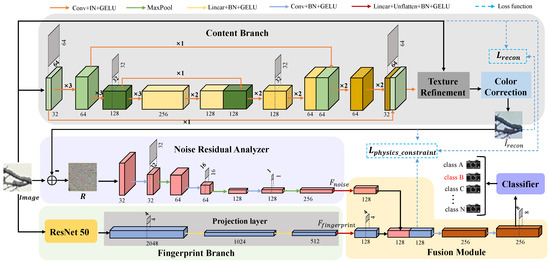
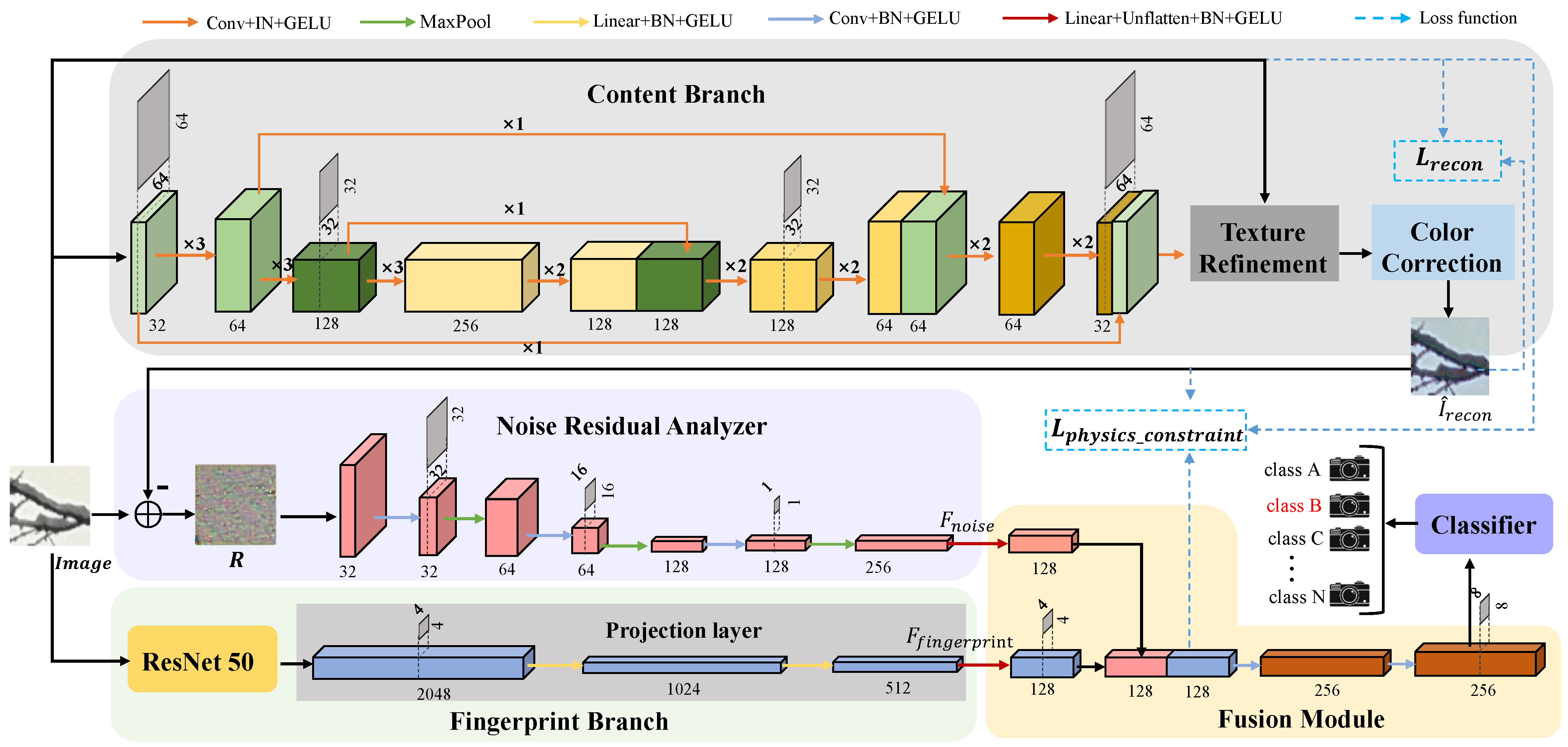
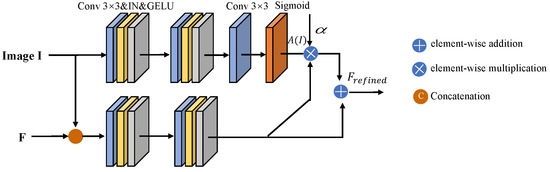
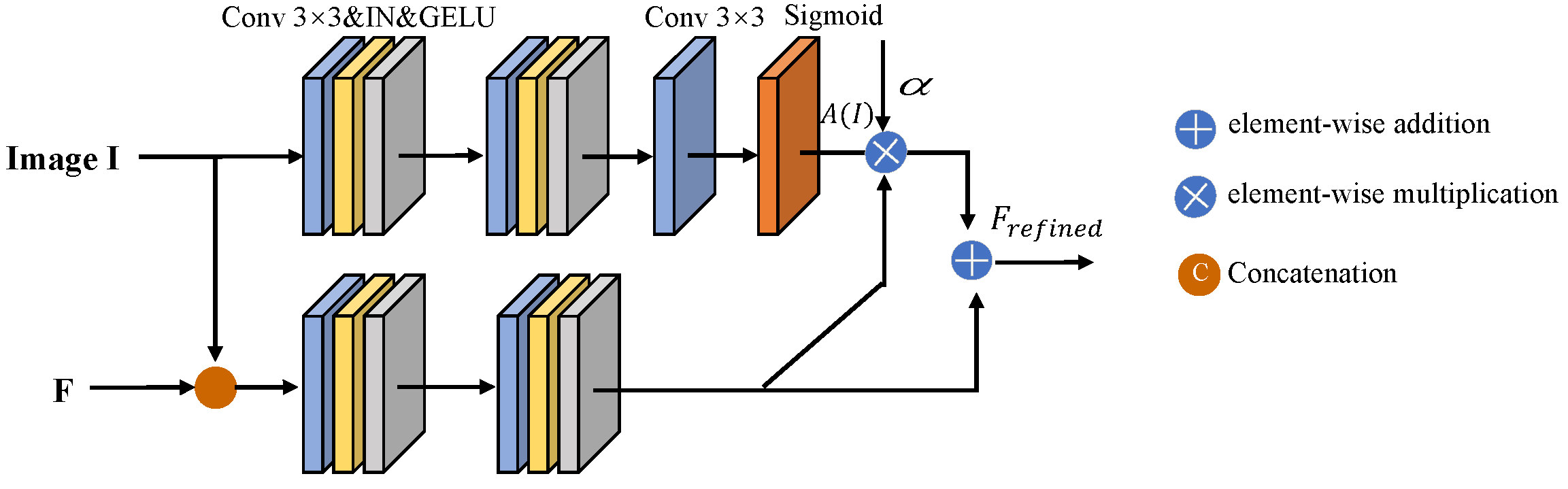
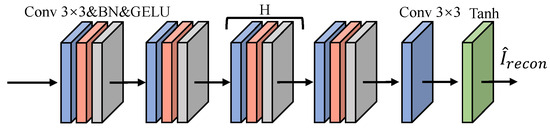
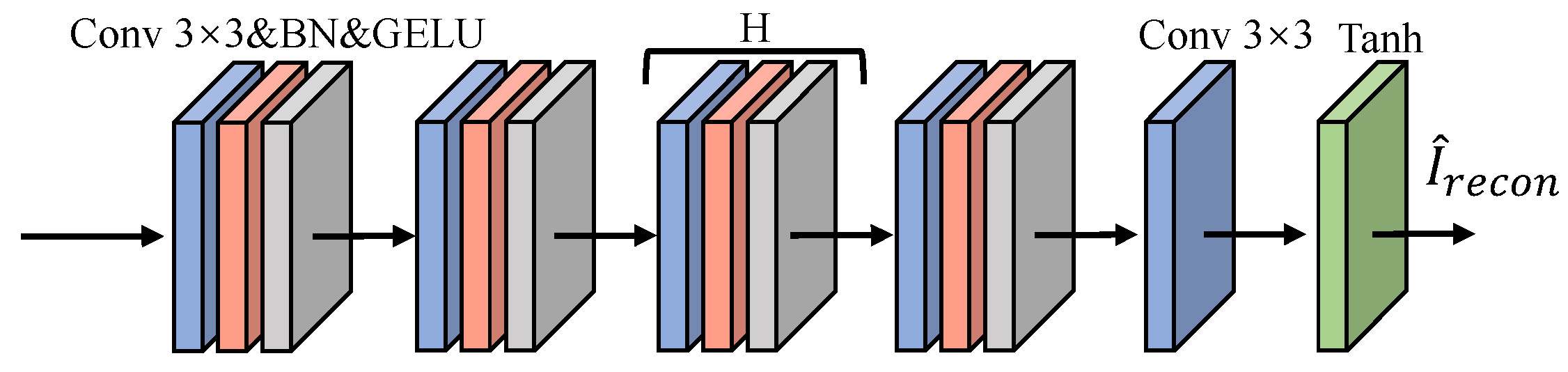
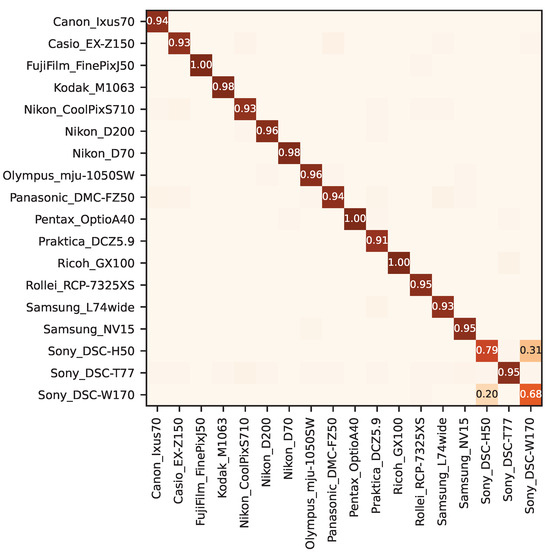
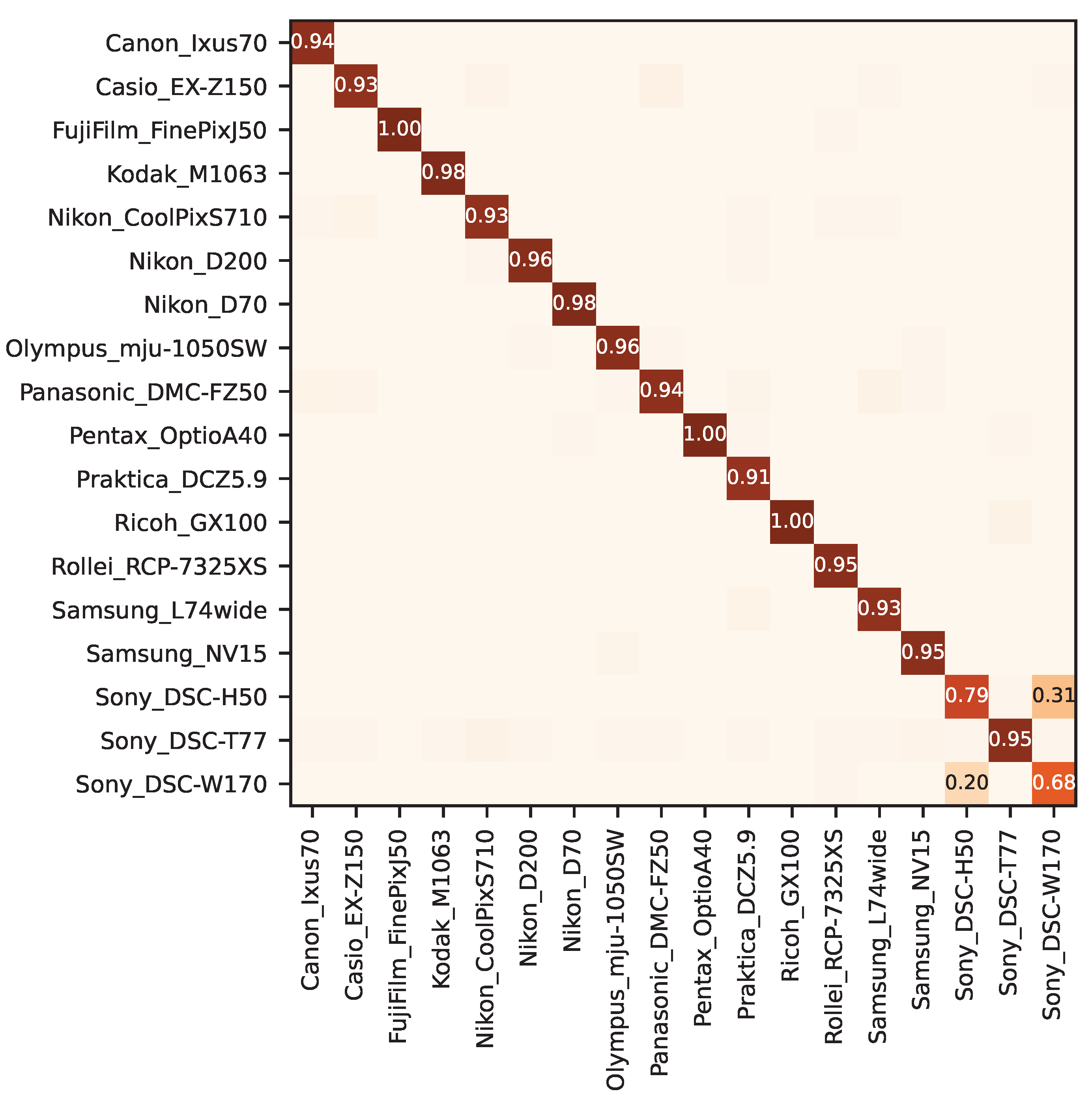
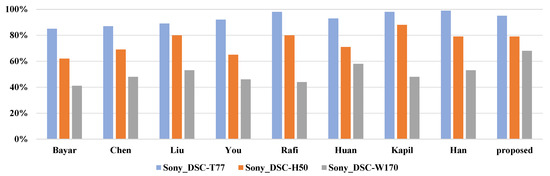
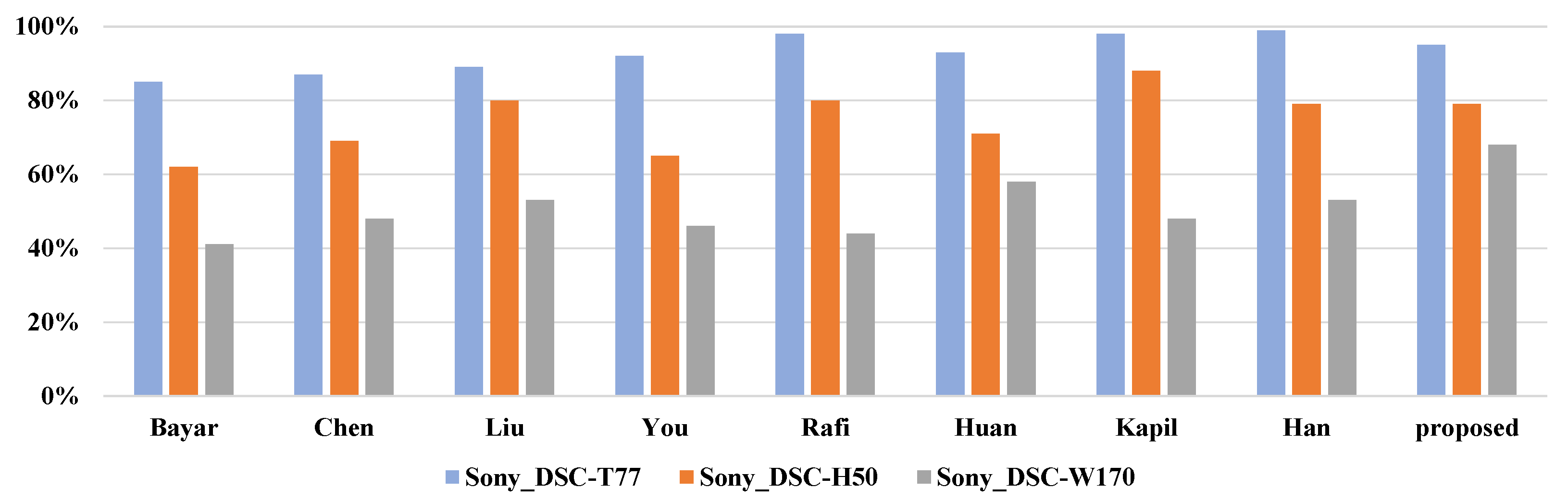
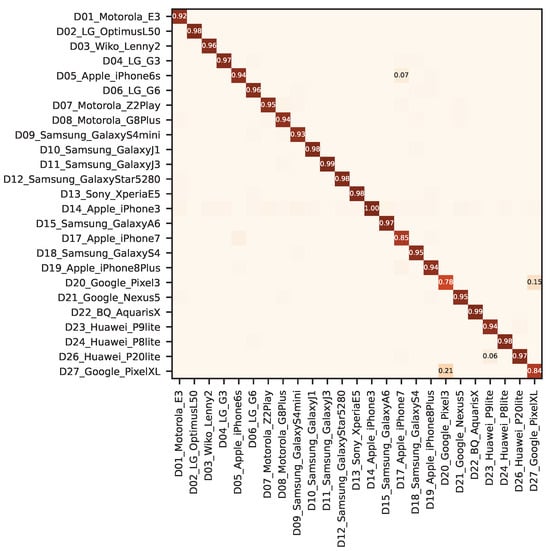
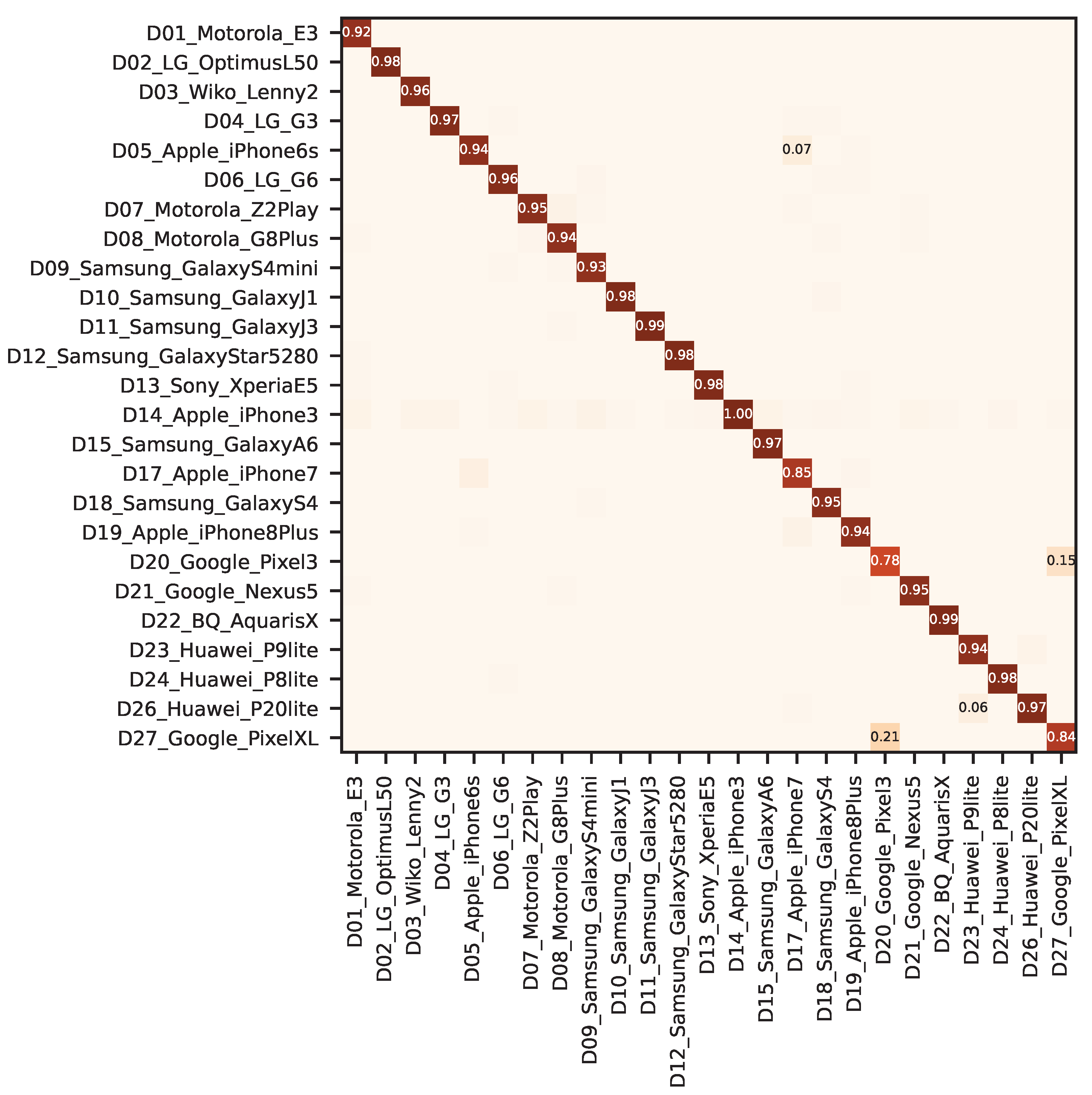
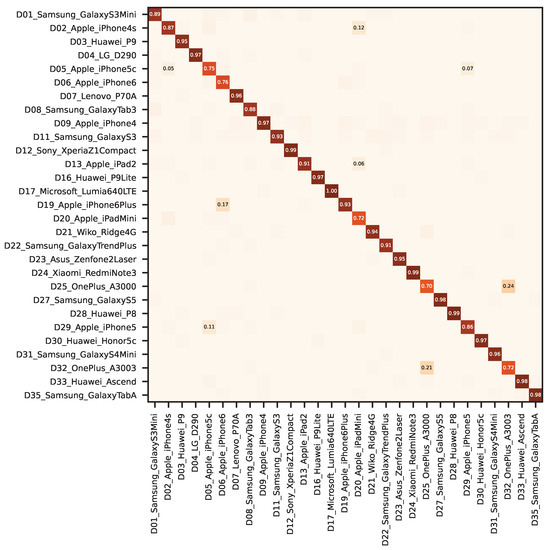
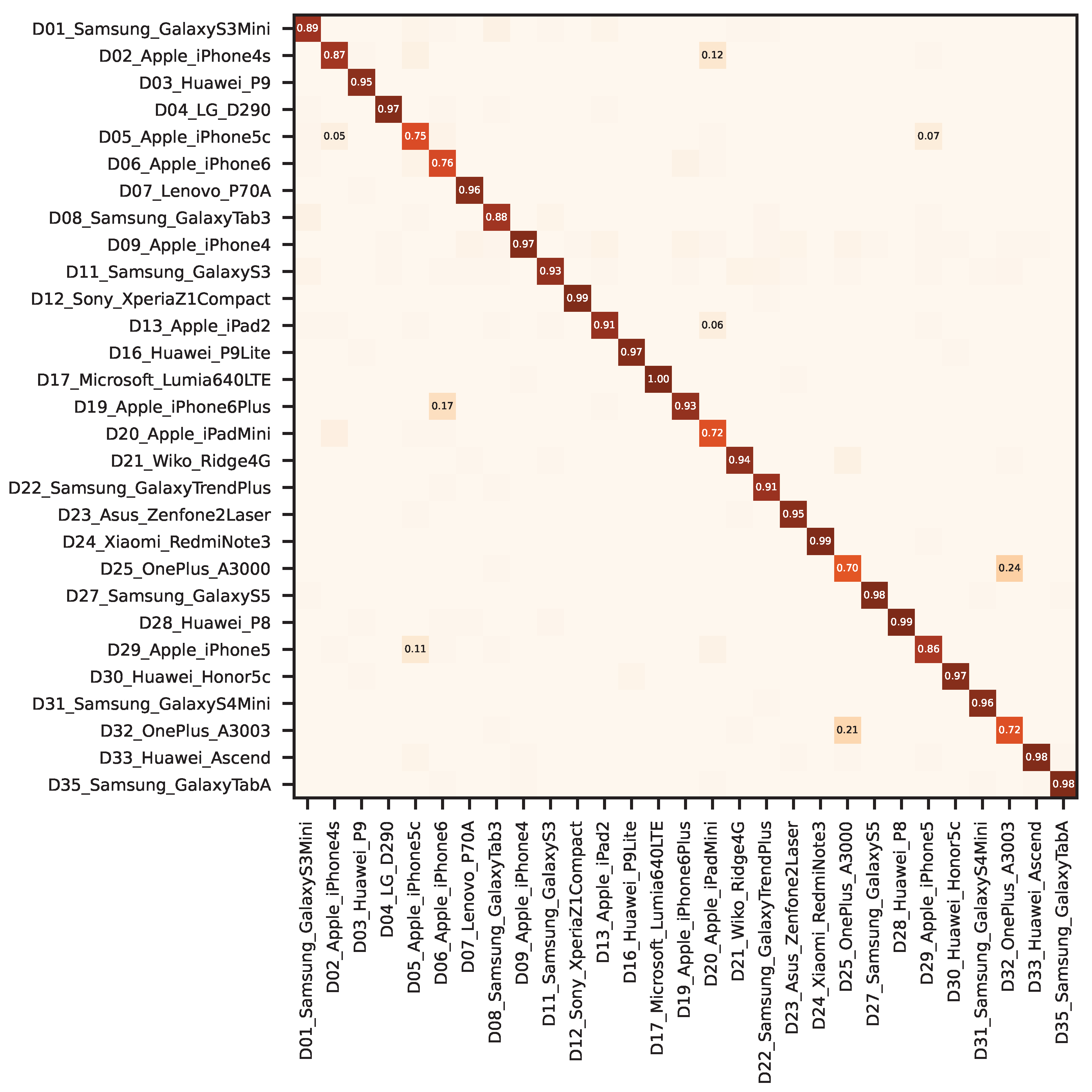
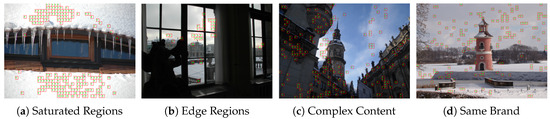
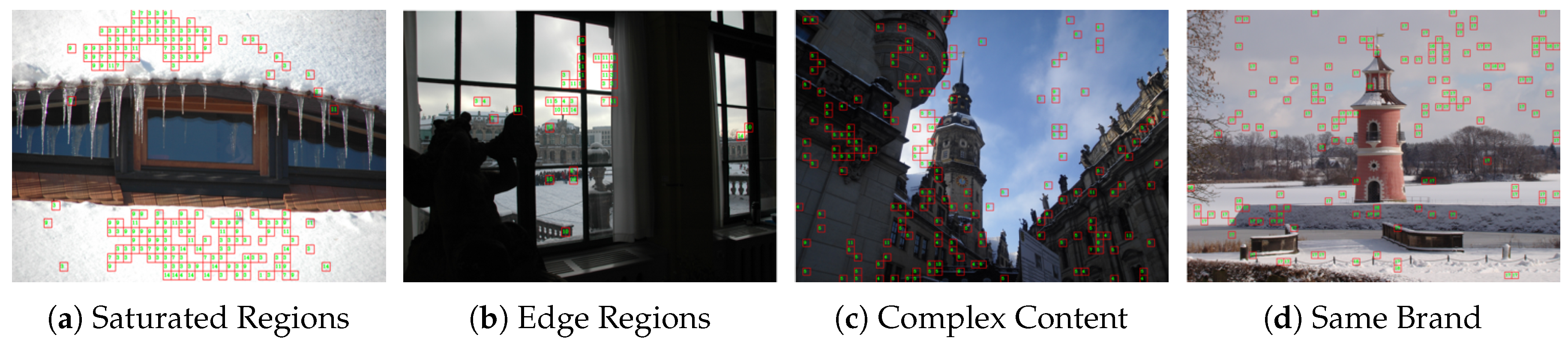

Disclaimer/Publisher’s Note: The statements, opinions and data contained in all publications are solely those of the individual author(s) and contributor(s) and not of MDPI and/or the editor(s). MDPI and/or the editor(s) disclaim responsibility for any injury to people or property resulting from any ideas, methods, instructions or products referred to in the content. |
© 2026 by the authors. Licensee MDPI, Basel, Switzerland. This article is an open access article distributed under the terms and conditions of the Creative Commons Attribution (CC BY) license.