


Abstract
The Fighting format of ju-jitsu combines striking, throwing and ground fighting in one bout. This systematic review synthesised published data on general and special fitness in Fighting athletes and its association with combat performance. Four databases were searched to 30 September 2026; risk of bias was appraised with the JBI checklist, and data were summarised as medians and ranges of cohort means. Thirteen studies were included, with 248 participants (210 men; 28 women, 16 of them in mixed-sex samples; 10 of unreported sex); the partial overlap of athletes between three cohorts of the Polish national team cannot be excluded. Eight studies were conducted in Poland; nine were at high and none at low risk of bias. In adult men, median handgrip strength was 53.6 kgf and standing long jump 225.7 cm (four cohorts each; n = 118). In the men’s national team (two cohorts; n = 59), median laboratory VO2max was 51.6 mL·kg−1·min−1, and the median Special Judo Fitness Test index was 14.55. In the only study of tournament bouts (10 athletes, 30 bouts), post-bout lactate was 17.5 mmol·L−1. Special tests were borrowed from judo, karate and kickboxing, and fitness–performance correlations from two small cohorts differed in direction. Certainty of evidence was low to very low; the values describe the samples studied and are not reference values.
1. Introduction
Sport ju-jitsu is a combat discipline governed internationally by the Ju-Jitsu International Federation (JJIF). The federation is recognised by the Olympic Council of Asia and the International University Sports Federation (FISU), and ju-jitsu has been contested at The World Games and at the 2018 and 2022 Asian Games [1]. The JJIF organises competitions in several formats, of which Fighting has the most complex bout structure. A senior bout lasts 3 min and consists of three parts. In the first part, athletes deliver strikes (punches and kicks); in the second, after a grip has been established, they perform throws, takedowns and joint locks; and in the third, they fight on the ground, aiming for a hold-down or submission [2]. Scoring a full point (ippon) in each of the three parts ends the bout before time [2]. Senior men compete in seven weight categories, from −56 kg to +94 kg [2]. The Fighting format thus combines, within one bout, the demands of striking sports such as karate and kickboxing with those of grappling sports such as judo and Brazilian jiu-jitsu.
Combat sports are based on high-intensity intermittent exercise. Aerobic metabolism predominates in the energy balance of a bout, but the decisive scoring actions depend mainly on anaerobic energy sources [3]. In simulated judo bouts, the oxidative, phosphagen and glycolytic systems supplied approximately 79%, 14% and 7% of the energy, respectively, and in karate kumite, approximately 78%, 16% and 6% [3,4,5]. For the Fighting format, no such estimates have been reported. Because this format combines the striking actions characteristic of karate with the gripping, throwing and ground actions typical of judo, a similar mixed profile can be expected; this justifies the assessment of aerobic and anaerobic capacity and of the strength qualities that underlie scoring actions. The physical and physiological profiles of athletes have been described in reviews of judo [6], karate [7], taekwondo [8], Brazilian jiu-jitsu [9], kickboxing [10] and mixed martial arts [11,12]. Recent reviews have addressed trends in the physical and physiological profile of elite karate athletes [13], as well as the effects of strength training [14] and high-intensity interval training [15]. Owing to these works, reference values are available for many combat sports, which coaches use to evaluate athletes’ preparation and to plan training.
Special fitness denotes motor abilities expressed in the movement structures and under the energy demands of a given sport, whereas general fitness is assessed with non-specific tests [16]. The fitness of combat-sport athletes is therefore assessed with both general tests and special tests that reproduce the movement and energy structure of a bout [16]. The best-studied special test is the Special Judo Fitness Test, for which normative values were established in a meta-analysis covering more than two decades of research [17]. In recent years, further sport-specific tests have been developed, among others, for Brazilian jiu-jitsu [18], and laboratory anaerobic protocols have been adapted to the intermittent nature of exercise in combat sports [19]. For ju-jitsu, one battery has been proposed: eight tests borrowed from karate and judo, examined in 14 coaches without assessment of reliability or validity in athletes [20]. No special test has been validated for athletes competing in the Fighting format.
The literature on ju-jitsu athletes competing in the Fighting format is scattered and consists mainly of small samples. Studies have described the body build and technical diversification of high-level athletes in the light and heavy categories [21]; the body build and special fitness of female national team members, among whom seniors performed more throws in the Special Judo Fitness Test than juniors [22]; and the general and special fitness of national team members [23]. In the national team, oxygen uptake and special fitness correlated positively with attack activity [24], whereas in another cohort, better test results accompanied lower attack effectiveness in ground fighting [25]. Blood lactate concentration measured during bouts at the World Championships reached values reported for maximal exercise [26]. The results of these studies have not yet been collated or critically appraised in a systematic manner. Transferring judo or karate reference values to ju-jitsu is questionable, because the Fighting format combines the demands of both disciplines in a single bout.
Synthesising this literature is challenging because of methodological difficulties. Studies usually differ in the choice of tests and in how the competitive level of participants is documented. Without explicit eligibility criteria and quality appraisal, it is therefore difficult to distinguish data on Fighting athletes from data on other formats or on recreational practitioners. To the authors’ knowledge, no systematic review devoted to the fitness of ju-jitsu athletes competing in the Fighting format has been published to date; a search of PROSPERO and OSF Registries on 01 July 2026 identified no registered review on this topic.
The aim of this systematic review was to identify and synthesise published data on general and special fitness in ju-jitsu athletes competing in the Fighting format. Four review questions were addressed: (1) What values of body build, body composition and general fitness have been reported in these athletes? (2) Which special fitness tests have been used, and with what results? (3) What physiological response does an official bout in the Fighting format elicit? (4) Are fitness indices associated with combat performance and competitive level? A further aim was to identify gaps in the evidence and the methodological requirements for future studies.
2. Materials and Methods
This systematic review was conducted in accordance with the PRISMA 2020 guidelines (Preferred Reporting Items for Systematic Reviews and Meta-Analyses) [27,28] and their extension for reporting literature searches, PRISMA-S [29]. The PRISMA 2020 checklist is provided in the Supplementary Materials (Table S1). The synthesis without meta-analysis was reported according to the SWiM guideline (Synthesis Without Meta-analysis) [30], and the methodology was based on the recommendations of the Cochrane Handbook for Systematic Reviews of Interventions [31]. The review protocol was registered a priori with the Open Science Framework (OSF; registration DOI: 10.17605/OSF.IO/KJWZU) on 20 October 2026. No changes were made to the protocol after registration. During the preparation of this manuscript, the authors used the large language model Gemini 4 Argon (Google, Mountain View, CA, USA) for translation and language editing. The authors reviewed and edited the output and take full responsibility for the content of this publication.
2.1. Eligibility Criteria
Eligibility criteria were defined a priori using the PICOS framework. Studies involving ju-jitsu athletes competing in the Fighting format were included, irrespective of sex, age category and weight category. The Fighting format was defined in accordance with the rules of the Ju-Jitsu International Federation (JJIF) as a bout comprising a striking and kicking phase, a throwing and takedown phase and a ground-fighting phase with joint locks and strangles [2]. The format was classified as documented when the study named the Fighting format or a competition in which the athletes competed in it; as inferred when the description of the bout or of training included all three phases; and as unspecified otherwise. Membership of a JJIF-affiliated federation alone was not considered sufficient, because such athletes may also compete in Ne-Waza, Duo or Show. Studies with an unspecified format were retained when participants were described as ju-jitsu athletes without reference to Brazilian jiu-jitsu or a ground-only format; their influence was examined in a sensitivity analysis. Athlete status was considered documented in the case of membership of a national or regional team or documented participation in competitions. It was considered probable when participants were described as athletes and, at the same time, a training experience of at least 2–3 years or a sports classification was reported.
As the review question was descriptive, neither an intervention nor a comparator group was required. From intervention studies, baseline values or values obtained under a control condition (e.g., placebo) were used.
Studies reporting at least one measure of general or special fitness were included. As secondary outcomes, data on body build and body composition, the physiological response to the bout and associations of fitness indices with combat performance and competitive level were extracted.
Original empirical studies with a cross-sectional, cohort or intervention design published in peer-reviewed scientific journals were eligible. Results for ju-jitsu athletes had to be extractable separately; studies reporting medians, interquartile ranges or graphical data only were included and described narratively. No restrictions were applied regarding language or publication date.
The exclusion criteria were as follows:
- E1—a discipline other than ju-jitsu
- E2—Brazilian jiu-jitsu, ne-waza, Duo/Show or a format other than Fighting
- E3—no athlete status (recreational practitioners, instructors and coaches, uniformed services, participants in therapeutic programmes, children at the initial training stage)
- E4—no measures of general or special fitness
- E5—publication type: review, case report, conference abstract, commentary, book;
- E6—no quantitative data or impossibility of extracting the data of ju-jitsu athletes from a mixed sample
- E7—no access to the full text
- E8—duplicate or further report of the same sample (after identification of the main report).
2.2. Information Sources and Search Strategy
Four electronic databases were searched: PubMed, Scopus, Web of Science and SPORTDiscus. Each database was searched up to 30 September 2026, the date of the last search. Grey literature and trial registers were not searched. This decision was made a priori, because the review targeted descriptive data from peer-reviewed reports. Trial registers generally do not contain cross-sectional fitness data, and theses or conference materials rarely provide the details needed for risk-of-bias appraisal.
The search strategy was based on two conceptual blocks combined with the AND operator. The first block included the name of the discipline in all spelling variants. The second block included terms describing physical fitness, motor abilities, exercise capacity, body build and composition and physiological response. In PubMed, MeSH terms and words in the title and abstract fields were used; in the other databases, equivalent keywords with truncation were used. The strategy was developed by one author (K.K.) and was not peer reviewed with the PRESS checklist [32]. In SPORTDiscus, only the discipline block was used, because the 208 records it retrieved could be screened in full, and adding the fitness block would have reduced sensitivity. The detailed search strings for each database are presented in Appendix A.
2.3. Selection Process
Records from all databases were exported and merged into a single file (Microsoft Excel, Microsoft Corp., Redmond, WA, USA). Duplicates were removed using EndNote version 2025.3.1 (Clarivate, London, UK). Records that were not scientific publications were removed before screening: news items, trade-magazine articles, errata and records without an author list or abstract (n = 53).
Selection was performed in two stages using a standardised spreadsheet. Two authors (W.W. and Z.M.) independently assessed titles and abstracts, classifying each record as “include”, “exclude” or “unclear”. Records rated “include” or “unclear” by at least one reviewer were retained for full-text assessment. Full texts were assessed independently by the same two authors, and each exclusion decision was annotated with a reason code (E1–E8). Disagreements at both stages were resolved through discussion, and, in the absence of consensus, a third author (T.A.) made the decision. Before selection, calibration was carried out on a random sample of 50 records; these records were then screened again within the full set. Inter-rater agreement was assessed with Cohen’s kappa [33]; it was κ = 0.72 at the title and abstract stage and κ = 0.81 at the full-text stage.
Attempts were made to contact the authors of some of the publications. No response was received, and the studies were therefore excluded from the analysis (n = 9), as shown in the PRISMA flow diagram (Figure 1).
Figure 1.
PRISMA 2020 flow diagram of the study selection process.
Reports concerning the same sample were identified on the basis of the name and date of the competition and the characteristics of the participants. Such reports were combined into a single study. The main report was the one with the widest range of outcomes, and data unique to the linked reports were used [31]. This rule was applied to all outcomes. Separate studies of the Polish national team [23,24,25,26,34] were treated as separate cohorts, because they were published as independent studies with different samples, test batteries and aims and [24] analysed bouts fought four years after the other two. Partial overlap of athletes between these cohorts cannot be excluded; its influence was examined in a sensitivity analysis using one value per national team.
2.4. Data Extraction
One author (A.K.) extracted the data, and a second (Ł.R.) verified their completeness and accuracy against the source text; extraction was performed in duplicate and independently. Disagreements were resolved through discussion or with the involvement of a third author (T.A.). Several review authors co-authored included studies: T.A. [22,23,24,25,26,34,35], A.K. [22,23,25,26,34], Ł.R. [24,26,34], K.K. [25,34], J.J.-N. [24], W.W. [26], W.B. [26] and Z.M. [34]. For these five studies, data extraction and risk-of-bias assessment were repeated independently by two authors not involved in any included study (P.C. and M.N.), who resolved discrepancies by consensus. The following information was extracted:
- Bibliographic data, country, funding source and conflict-of-interest statement;
- Study design and the training-cycle period in which measurements were taken;
- Participant characteristics: sample size, sex, age, training experience, weight category, competitive level, and how the Fighting format and athlete status were documented;
- Description of tests: protocol, equipment and units;
- Results: means and standard deviations, correlation coefficients with sample size and significance and results of subgroup comparisons with effect sizes;
- Answers to the items of the risk-of-bias tool and any numerical and textual inconsistencies identified.
When results were reported only for subgroups, the pooled mean (M) and standard deviation (SD) were calculated according to the Cochrane Handbook [31]. For more than two subgroups, the formula was applied iteratively:
When the SJFT index was not reported, it was calculated from group means [17]:
Relative values were calculated from group means. Standard errors were converted to standard deviations (SD = SE × ). Medians and interquartile ranges, as well as data presented only graphically, were considered descriptively, without conversion. Dynamometric results were retained in the units reported by the authors. Values reported as “kg” were labelled kgf, because hand dynamometers display force calibrated in kilograms-force (1 kgf = 9.81 N); no values were converted. Units that were ambiguous or inconsistent with the values were marked as unclear. When sex was not reported but was unambiguously indicated by linked reports or by somatic characteristics, participants were assigned to the corresponding group.
2.5. Outcomes and Other Variables
Outcomes were grouped into 13 domains. Nine concerned body build and general fitness:
- Body build and body composition;
- Aerobic capacity;
- Anaerobic capacity and power;
- Maximal strength;
- Strength endurance;
- Lower-limb power (jumps);
- Speed and agility;
- Flexibility;
- Balance and postural control.
Four domains concerned special fitness:
- Special Judo Fitness Test (SJFT);
- Special tests borrowed from karate (special karate fitness tests, SKFT) and the Kickboxer Special Physical Fitness Test (KSPFT);
- Physiological response to the bout;
- Associations of fitness indices with combat performance and competitive level.
Combat performance indicators were adopted according to the definitions of the authors of the primary studies: attack activity was the number of attacks per bout, attack effectiveness was the number of points scored per bout and attack efficiency was the percentage of successful attacks.
The competitive level of participants was classified into four categories:
- International—national team members competing in European or World Championships;
- National—athletes of a national team or national programme competing in national competitions;
- Regional—regional or provincial team;
- Unspecified—competitive level not documented.
Age category was adopted as described by the study authors. Oxygen uptake is reported with the term used in the primary studies: VO2max in [23] and VO2peak in [24]; both were measured in a graded laboratory test to exhaustion.
2.6. Risk-of-Bias Assessment in Individual Studies
All data were used descriptively, as values from single groups at one measurement point, including in intervention studies. Risk of bias was assessed with the JBI Critical Appraisal Checklist for Analytical Cross-Sectional Studies [36]. RoB 2 and ROBINS-I were not used because they are designed to assess intervention effects. We used the JBI checklist because it explicitly addresses the identification and handling of confounders, both of which matter when interpreting associations between fitness and combat performance [36,37]. Because items 5 and 6 fit purely descriptive data poorly, results are also reported without them. The JBI tool comprises eight items, answered “yes”, “no” or “unclear”. Five of them were operationalised for the purposes of the review:
- Item 3 concerned documentation of the Fighting format and athlete status;
- Sex, age, weight category and training-cycle period were regarded as relevant confounding factors (items 5 and 6);
- Item 7 covered the reporting of test reliability or the use of devices with documented validity;
- Item 8 was rated “yes” when the statistical methods matched the design and data structure and, in studies testing multiple associations, when multiplicity was taken into account.
These criteria addressed whether participants belonged to the target population (Q3), whether the fitness measurements were credible (Q7) and whether the analyses adequately addressed confounding and multiple testing where relevant (Q5, Q6 and Q8).
Risk of bias was classified as low (≥6 “yes” answers), moderate (4–5) or high (≤3). “Unclear” answers were counted as not “yes”. The author-defined thresholds distinguish studies that met at least six of the eight criteria, four or five criteria or fewer than half of the criteria. Because the count gives each item equal weight, the same total can reflect different methodological limitations. The categories therefore summarise the appraisal, and the item-level judgements in Table 1 should guide its interpretation. Study results were not weighted by risk-of-bias category. The assessment was performed independently by two authors (Z.M. and A.K.), and disagreements were resolved through discussion or with the involvement of a third author (T.A.); for studies co-authored by review authors, the assessment was repeated by P.C. and M.N. A study described in several reports was assessed jointly on the basis of all its reports.
2.7. Effect Measures
The primary measure was the mean ± SD in original units. Owing to differences in protocols and units, results were not standardised across tests. For associations between fitness and combat performance, correlation coefficients (Pearson’s r or Spearman’s ρ) were extracted, and for subgroup comparisons, p-values and effect sizes (Cohen’s d, r) were used, as reported by the authors. When means and SDs of both subgroups were available, Cohen’s d was recalculated with the pooled SD [38]; the Mann–Whitney effect size was interpreted as r = Z/ [39].
2.8. Synthesis Methods
Studies were grouped by outcome domain and, within domains, by test and protocol. Quantitative synthesis was performed for adult men, whereas data for women, juniors and mixed-sex samples were presented descriptively. This grouping criterion resulted from physiological differences between sexes and age categories and from the small number of cohorts of women and juniors.
The primary synthesis did not use meta-analysis, because at most four cohorts of adult men were available per outcome, measurement protocols and units were heterogeneous and most studies were at high risk of bias. A synthesis without meta-analysis in line with the SWiM guideline was therefore applied [30].
The summary statistic was the median and range of the means from individual studies, calculated without weighting [31]. The median was calculated when at least two independent cohorts of adult men with a comparable protocol and units were available for a given test. Each cohort contributed one value according to the rule described in Section 2.4. Values calculated by the review authors without a measure of dispersion, such as the SJFT index derived from group means, were reported separately and did not enter the median. The results of single studies and the associations between fitness and combat performance were described narratively. In the narrative description, priority was given to direct laboratory measurements over estimation methods and to data from the main report over data from linked reports.
Heterogeneity was explored descriptively by competitive level, sex, age category and test protocol. Given the small number of cohorts, quantitative methods such as meta-regression were not used. Four sensitivity analyses were performed: (1) means weighted by sample size, because the unweighted median gives equal influence to cohorts of different size; (2) an exploratory random-effects meta-analysis of means, using the DerSimonian–Laird estimator [40] with the Hartung–Knapp–Sidik–Jonkman (HKSJ) adjustment of the confidence interval [41] and heterogeneity described by I2 [42], for handgrip strength and the standing long jump, the only outcomes with four cohorts; (3) restriction to studies with documented Fighting format and documented athlete status; and (4) inclusion of only one value per national team, taken from [23], to examine the influence of possible athlete overlap. The resulting estimates were compared with the main analysis.
Multiplicity in the correlational studies was examined by a reanalysis of published data. For [24,25], two-sided p-values were derived from the reported coefficients and sample sizes, the total number of tests performed in each study was counted and the Benjamini–Hochberg procedure was applied at a false discovery rate of 0.05 [43].
The characteristics of the studies, the risk-of-bias assessment and the results of individual studies are presented in tables ordered by domain and test (Table 1, Table 2, Table 3, Table 4, Table 5 and Table 6); medians and ranges of means for men are given in Table 4 and Table 5. The 95% confidence intervals of the means were calculated from the following formula:
Calculations were performed in R with the metafor package [44].
2.9. Reporting Bias and Certainty of Evidence
A formal assessment of publication bias was not performed, because at least ten studies were not available for any outcome [45]. The risk of selective reporting was assessed by comparing the outcomes announced in the aims and methods of the primary studies with the outcomes actually reported. The consistency of numerical values between text and tables, the plausibility of dispersion measures and units and the consistency of the interpretation of correlation coefficients with their sign were checked. The concentration of data in studies by a single research team was also noted. This assessment was performed by the same reviewer pairs who assessed the risk of bias. Certainty of evidence was rated for each main outcome with the GRADE approach [46], adapted to a synthesis without a single pooled estimate [47]. We used high certainty as the starting point in an adaptation of GRADE for this review. The main question concerned the values observed in athlete cohorts, for which observational data provide direct evidence when sampling and measurement are appropriate. We drew on the rationale used in GRADE for estimates of prognosis [48]. The final ratings reflected downgrading for risk of bias, inconsistency, indirectness, imprecision and suspected publication bias, as applicable. Correlations with combat indicators were appraised as exploratory associations. Ratings were made by two authors not involved in the included studies (P.C. and M.N.), and disagreements were resolved by consensus.
3. Results
3.1. Study Selection
The search of the four databases yielded 1362 records (PubMed: 125; Scopus: 386; Web of Science: 643; SPORTDiscus: 208). Before screening, 602 duplicates and 53 records that were not scientific publications were removed. A total of 707 records were screened on the basis of titles and abstracts, of which 662 were excluded. Of the 45 reports sought for full-text assessment, nine could not be retrieved.
Of the 36 reports assessed in full text, 21 were excluded. Ten concerned a format other than Fighting (e.g., Brazilian jiu-jitsu, ne-waza or grappling without a striking phase). Nine did not meet the athlete-status criterion: they concerned instructors, seminar participants, recreational practitioners or children and school-age youth at the initial training stage. Two did not report extractable fitness data for ju-jitsu athletes. The two ju-jitsu studies cited in the Introduction were identified by the search and excluded at this stage: one reported body build and technical diversification without fitness measures (E4) [21], and the other tested a special fitness battery in coaches (E3) [20]. Finally, 15 reports describing 13 studies were included in the review (Figure 1) [27].
Three reports [25,26,34] described the same national team, examined in October 2016 before the World Championships and during the Championships in November 2016. They shared the same competition and demographic data. They were treated as one study, with Ambroży et al. [34] as the main report, selected because of its widest range of outcomes. Only data unique to the linked reports [25,26] were used. Two further studies of the national team by the same research team, one of 29 athletes examined before the 2016 World Championships [23] and one of 30 athletes whose bouts from 2020 were analysed [24], were published as separate studies and were treated as separate cohorts. Partial overlap of athletes between these three cohorts cannot be excluded, and the total of 248 participants may therefore include some athletes more than once. The detailed selection process is presented in Figure 1.
3.2. Characteristics of Included Studies
The studies were published between 2014 and 2026, eight of them in 2021 or later. Eight studies were conducted in Poland [22,23,24,25,26,34,35,49,50,51] and one each in Spain [52], Italy [53], Vietnam [54], Indonesia [55] and Thailand [56]. Nine studies had a cross-sectional design and four an intervention design: single-group pre–post [35], crossover [52,53] and randomised controlled [56]. From intervention studies, only baseline values or values obtained under the control condition were extracted. Detailed study characteristics are presented in Table 1. Two reports provided limited methodological detail: a three-page report in the Journal of Advanced Sport and Physical Education [54] and a profiling study of 35 sports in Revista Iberoamericana de Psicología del Ejercicio y el Deporte, in which ju-jitsu was represented by three athletes [55]; both were rated at high risk of bias. Public or institutional funding was reported in six studies [22,23,24,25,26,34,50,51], two declared no funding [52,53] and five did not report funding [35,49,54,55,56]. Seven studies stated that there were no conflicts of interest, and six contained no such statement.
In total, 248 athletes were examined: 210 men, 28 women (12 in a women-only study [22] and 16 in mixed-sex samples without results by sex [52,56]) and 10 individuals of unreported sex [53]. Participants of one study [24], in which sex was not reported but somatic characteristics unambiguously indicated it, were classified as men. Nine studies included only men, one only women [22] and two mixed samples without results separated by sex [52,56]. Sample sizes ranged from 3 [55] to 49 participants [51], and mean age ranged from 17.0 [49] to 27.7 years [34]. Two studies concerned only juniors [49,54], and two combined junior and senior categories [22,52].
Five studies concerned international-level athletes [22,23,24,34,49]. All included members of the Polish national team, including World and European Championship medallists, and four of them were conducted by the same research team [22,23,24,34]. Five studies by this team [22,23,24,25,26,34,35], all co-authored by authors of this review, contributed 111 of the 248 participants (45%) and all data on international-level adult men. National-level athletes were examined in three studies [52,55,56] and regional-level athletes in one [54]. In four studies, the competitive level was not documented [35,50,51,53]. The Fighting format was documented in four studies [22,23,24,34], inferred from the description of the bout or of training in five [35,49,51,52,54] and not specified in four [50,53,55,56]. Athlete status was documented in nine studies and probable in four [35,50,51,53]. The training-cycle period was reported in six studies. In five, it was the immediate pre-competition period [22,23,24,34,52], and in one, the general preparation period [56].
Overall, the studies used more than 120 variables describing fitness, body build and physiological response. The most frequently reported were handgrip strength (seven studies, including one in which it formed part of the IPFT score [50]), the Special Judo Fitness Test (five studies), the standing long jump (five studies, including [50]) and maximal oxygen uptake (four studies). The battery of special tests borrowed from karate (SKFT) was used only in studies of the Polish national team [22,23,24,34]. No study reported the reliability of the tests used in the examined sample.
Table 1.
Characteristics of the studies included in the review.
3.3. Risk of Bias in Individual Studies
The results of the assessment with the JBI Critical Appraisal Checklist for Analytical Cross-Sectional Studies [36] are presented in Table 2. In intervention studies, the items concerning the baseline or control data used were assessed. No study was rated as low risk of bias. Four studies were rated as moderate risk [22,23,49,56] and nine as high risk of bias. Among studies of international-level athletes, moderate risk was found in three [22,23,49] and high risk in two [24,34]. The ratings of the five studies co-authored by review authors are those agreed after the independent re-assessment by P.C. and M.N. Without items 5 and 6, scores ranged from 0 to 4 of 6 (maximum in [23,49]), and all other studies scored 3 or fewer; the low ratings therefore did not depend on the confounding items alone.
The most frequent deficiencies concerned the control of confounding factors. Sex, age, weight category or training-cycle period were identified as potential confounders in four studies (item 5). A strategy to deal with them, namely stratification by age and weight category, was applied in one [22] (item 6). The validity and reliability of outcome measurement (item 7) were considered sufficiently documented in only two studies. The first used force-plate posturography [49], and the second used counting of SJFT throws by two blinded judges and HR measurement with a chest strap [52]. The remaining studies did not report test reliability or used devices with undescribed calibration. Some studies also estimated VO2max indirectly without reporting the prediction equation.
A detailed description of participants (item 2) was provided in four studies. Gaps most often concerned sex [24,53], somatic data [25,53,54] and the timing of measurements. Membership of the target population (item 3) was unambiguously documented in five studies of international-level athletes. Statistical analysis was considered inadequate in three studies. The reasons were the use of the Kruskal–Wallis test for dependent measurements [34], the absence of a between-group comparison test [50] and discriminant analysis with three participants per group [55]. All correlational studies performed multiple comparisons without correction, from 29 [24] to 144 [25]. No study justified its sample size.
Table 2.
Risk-of-bias assessment with the JBI Critical Appraisal Checklist for Analytical Cross-Sectional Studies.
3.4. Results of Syntheses
Section 3.4 first presents body build and general fitness (Section 3.4.1, Section 3.4.2, Section 3.4.3, Section 3.4.4, Section 3.4.5, Section 3.4.6, Section 3.4.7, Section 3.4.8 and Section 3.4.9), then special fitness and the physiological response to the bout (Section 3.4.10, Section 3.4.11 and Section 3.4.12) and finally associations with combat performance (Section 3.4.13). Medians summarise adult men only, because the other subgroups were represented by single cohorts. In line with the SWiM guideline [30], data were grouped into 13 domains. Nine concerned body build and general fitness: body build and body composition, aerobic capacity, anaerobic capacity and power, maximal strength, strength endurance, lower-limb power, speed and agility, flexibility and balance. Four concerned special fitness: the SJFT, the SKFT and KSPFT special tests, the physiological response to the bout and associations between fitness and combat performance. The effect measure was the mean ± SD in original units. When results were reported only for subgroups, the pooled mean and SD were calculated according to the Cochrane Handbook [31]. This applied to three clusters in one study [23] and two groups in another [56].
The summary statistic was the median and range of the means from individual studies, without weighting, calculated for adult men; each cohort contributed one value (Section 2.4). Data for women and juniors are presented descriptively. Meta-analysis was not the primary method, because at most four cohorts were available per outcome, protocols were heterogeneous and most studies were at high risk of bias; an exploratory meta-analysis is reported in Section 3.5. Heterogeneity was explored descriptively by competitive level, sex, age category and test protocol. The results of individual studies are presented in Table 3, Table 4, Table 5 and Table 6. Some athletes may have contributed to more than one Polish national-team cohort. When only the national-team cohort in [23] was retained, the median standing long jump increased from 225.7 to 233.5 cm. The summaries for laboratory oxygen uptake and the SJFT index were then based on a single cohort (Section 3.5).
3.4.1. Body Build and Body Composition
Somatic data were reported in 11 studies (Table 3). In adult international-level men, mean body mass was 83.5–83.7 kg and body height 181.0–181.2 cm [23,24,34]. In the other cohorts of adult men, values were lower: body mass ranged from 58.4 kg [55] to 78.4 kg [35] and body height from 162.3 to 177.6 cm. Across cohorts of adult men, median body mass was 78.4 kg (range 58.4–83.7 kg; seven cohorts; n = 175) and median body height 179.3 cm (162.3–181.2 cm; six cohorts; n = 145). Body fat percentage was determined by bioelectrical impedance; in men it was 9.8 ± 3.8% [34] and 15.7 ± 4.0% [51], and BMI was 24.5–25.0 kg·m−2. The only reported somatotype (2.1–5.8–2.0) indicated dominance of the mesomorphic component [51].
In female national team athletes, body fat percentage was 22.5 ± 3.8%, the fat-free mass index (FFMI) 16.5 ± 0.9 kg·m−2 and BMI 21.5 ± 2.2 kg·m−2 [22]. Athletes of the lighter weight categories had significantly lower BMI, FFMI and body fat percentage than those of the heavier categories (19.6 ± 3.3 vs. 25.4 ± 1.3%; p = 0.005). The two groups did not differ in special fitness test results. The junior national-team cohort had a mean body mass of 62.0 kg and a mean height of 178.0 cm [49]. The reported body-mass SD of 19.6 kg matches the numerical value of the BMI calculated from the group means (19.6 kg·m−2). This may reflect a reporting error and limits interpretation of body-mass variability in this cohort. The adult-men summary excluded this junior cohort. In mixed-sex samples, body mass was 62.4–66.6 kg [52,56]. In one of these studies, body mass was self-reported by participants [52].
Table 3.
Body Build and Body Composition of Ju-Jitsu Athletes in the Included Studies.
3.4.2. Aerobic Capacity
Maximal oxygen uptake was determined in four studies (Table 4). Direct laboratory measurement was performed in two cohorts of the men’s national team: VO2max was 51.4 ± 3.8 [23] and 51.8 ± 3.4 mL·kg−1·min−1 [24] (reported as VO2peak; median 51.6 mL·kg−1·min−1; n = 59). Values estimated from shuttle tests were lower: 46.9 ± 2.2 mL·kg−1·min−1 in regional-level juniors [54] and 40.8 ± 1.4 mL·kg−1·min−1 in a three-person group of national-level athletes [55]. Maximal heart rate in the graded test was approximately 190 beats·min−1 [23,24].
The Cooper test distance in adult men ranged from 2856 to 2940 m [23,25,35] (median 2905 m; three cohorts; n = 69). The results of international-level athletes and athletes of unspecified level were similar.
3.4.3. Anaerobic Capacity and Power
Non-specific anaerobic tests were used in two studies. In regional team juniors, relative peak power in the Wingate test was 10.2 ± 1.3 W·kg−1, mean power 8.2 ± 0.6 W·kg−1 and the fatigue index 40.5 ± 1.5% [54]. Combining the two baseline groups in the Thai study gave a maximal RAST power of 1135 ± 126 W and a mean power of 906 ± 139 W [56]. The authors reported the power equation, but individual sprint times and corresponding body masses were unavailable for recalculation. This limits confidence in the magnitude of the estimates, which describe a single mixed-sex sample. In international-level athletes, anaerobic capacity was assessed with specific tests (SJFT, KSPFT).
3.4.4. Maximal Strength
Handgrip strength was reported in seven studies, including one in which it formed part of the IPFT score [50]. In adult men, means ranged from 47.8 ± 8.3 kgf [51] to 58.6 ± 8.4 kgf [35] (median 53.6 kgf; four cohorts; n = 118). In international-level athletes, they were 50.9 ± 6.0 kgf [23] and 56.2 ± 8.0 kgf [25]. Comparability was limited by differences in the hand tested (dominant, right, unspecified), dynamometer type and reported units. In female national team athletes, handgrip strength was 37.8 ± 4.8 kgf, i.e., 0.65 ± 0.09 kgf per kilogram of body mass [22]. A value of 37.3 ± 7.5 kgf was reported in brown and black belts of unreported sex [53]; because sex and units were uncertain, it was not compared with either sex.
Maximal limb strength was assessed in one study: one-repetition maximum was 147.0 ± 30.9 kg in the squat and 116.5 ± 18.7 kg in the bench press, corresponding to approximately 1.76 and 1.40 times the body mass [34]. Back strength was 123.9 ± 21.7 kgf in the only study in which it was measured [51].
3.4.5. Strength Endurance
In three cohorts of adult men (n = 69), the median number of pull-ups was 13.3. The median number of bench press repetitions with a load equal to body mass was 9.3, and of squats with such a load, 21.5 [23,34,35]. The number of sit-ups in 30 s ranged from 21.3 [55] to 27.9 [34] (median 25.8; four cohorts; n = 72). Values in international-level athletes were higher (27.4–27.9). Because the load in these tests is the athlete’s own body mass, the results depend on body mass. The results of tests of different or unspecified duration [51,54] were not compared with the others.
3.4.6. Lower-Limb Power
The standing long jump in adult men ranged from 215.7 ± 11.8 cm [23] to 234.7 ± 9.8 cm [35] (median 225.7 cm; four cohorts; n = 118); it also formed part of the IPFT score [50]. International-level athletes (215.7–217.8 cm) [23,25] jumped 16–19 cm shorter than athletes of unspecified competitive level (233.5–234.7 cm) [35,51]. This difference cannot be attributed to competitive level, because the cohorts also differed in body mass, and the reports gave few details on the take-off surface, footwear and number of trials.
3.4.7. Speed and Agility
The 10 × 5 m shuttle run time was consistent across two studies: 12.5 ± 1.1 s [35] and 12.6 ± 0.6 s [23] (median 12.6 s). The plate tapping time was 12.6–13.9 s [23,34,35] (median 12.8 s). In one report, the protocol and unit of this test were ambiguous [34]. The remaining speed tests (10 × 10 m, 4 × 10 m and 40 m runs) were performed in single studies with protocols that precluded comparison [54,55].
3.4.8. Flexibility
The sit-and-reach result in three cohorts of men was 16.2–17.9 cm [23,34,35] (median 17.5 cm; n = 69). Special flexibility, expressed as the ratio of body height to the maximal reach of the roundhouse kick, was reported in three studies of international-level athletes. This index was 1.01 ± 0.08 [23] and 0.99 ± 0.09 [24] in men. In women, it was 1.01 ± 0.07, with a kick reach of 166.7 ± 11.6 cm [22]. In both groups, this indicates a kick height close to body height.
3.4.9. Balance and Postural Control
The number of attempts in the Flamingo test was 4.2 ± 1.5 [35] and 5.0 ± 1.7 [23] (median 4.6). Junior national team athletes did not differ from untrained individuals in quiet stance [49]. Effect sizes in this study were Mann–Whitney r values (r = Z/), not correlation coefficients. In the fighting stance, juniors had a smaller range (r = 0.64) and a smaller RMS (r = 0.70) of centre-of-pressure displacement in the anteroposterior plane and a smaller rambling component (r = 0.70–0.81). They also had higher sample entropy in both planes (r = 0.44–0.58), which the authors interpreted as more automatic postural control. The results of this study were presented only graphically, and the compared groups differed in age and body mass.
Table 4.
Results of general fitness tests.
3.4.10. Special Judo Fitness Test
The SJFT was used in five studies (Table 5). For men of the national team, the SJFT index was 14.54 ± 1.00 [23] and 14.56 ± 1.00 [24] (median 14.55; n = 59). In a third study, the total number of throws was 25.4 ± 1.3, with HR of 191 ± 3 beats·min−1 immediately after the test and 154 ± 2 beats·min−1 after 1 min [34]. The index was not reported in that study; calculated from group means, it is approximately 13.58. This value has no measure of dispersion and was therefore reported separately and not included in the median. Relative to judo norms, the mean index of the national team was classified as poor [23].
In female national team athletes, the total number of throws was 25.2 ± 2.4 and the index 13.84 ± 2.60 [22]. Seniors performed more throws than juniors (27.0 ± 1.6 vs. 23.3 ± 1.5; p = 0.002; d = 2.63 as reported), but the difference in the index was not significant (12.48 vs. 15.21; p = 0.066). In a mixed-sex sample of national-level athletes (placebo condition), the number of throws (33.0 ± 5.0) and the index (9.70 ± 1.70) clearly deviated from the values in the other studies. The HR components of the index were not reported in that study [52].
3.4.11. SKFT and KSPFT Special Tests
The battery of special tests was used in four studies of international-level athletes (Table 5) [22,23,24,34]. In men, the time of 30 hip rotations was 12.0–12.5 s, and the time of 30 punch combinations was 11.8–12.4 s. The time of 30 roundhouse kicks was 19.3 s, the agility test time was 16.3–16.4 s and the evasion test time was 42.5–43.1 s. The number of clap push-ups was 32.2–34.9. Female athletes performed the agility test (17.9 ± 1.8 s) and the evasion test (45.3 ± 3.4 s) more slowly and completed fewer clap push-ups (26.8 ± 5.3) [22]. Their mean times for hip rotations, punches and kicks were close to those of men, but with considerably greater dispersion.
Relative to norms, men of the national team obtained the best rating in clap push-ups and the weakest in punching speed, the special flexibility index and agility [23]. In women, agility was rated the weakest and hip rotations the best [22]. The KSPFT result, reported in one study, was 288.7 ± 31.5 hits [24].
3.4.12. Physiological Response to the Bout
The physiological response to tournament bouts was assessed in one report, covering 30 bouts of 10 athletes during the World Championships [26]. Capillary blood was sampled from the fingertip within 60 s after the bout and analysed with a portable Lactate Scout analyser (EKF Diagnostics); the pre-bout sample was taken before the warm-up. Values were averaged over the three bouts of each athlete, so the analyses were based on 10 observations; individual data were not reported. Blood lactate concentration increased from 2.9 ± 0.3 before the bout to 17.5 ± 2.9 mmol·L−1 after the bout (p < 0.001), and heart rate increased from 99 ± 3 to 170 ± 9 beats·min−1. HR was measured with an optical wrist sensor, with an unspecified delay relative to the end of the bout. The mean total bout duration was 248 s (range 67–410.5 s), including 140 s of effective fighting and 108 s of breaks (ratio approximately 1.3:1; SDs not reported).
Table 5.
Results of special fitness tests and the physiological response to the bout.
3.4.13. Associations of Fitness with Combat Performance and Competitive Level
In the cohort of 10 national team athletes, eleven of twelve fitness tests correlated with attack effectiveness in the third part of the bout (absolute ρ = 0.78–0.91) [25]. In all eleven, better results accompanied lower effectiveness: coefficients were negative for tests in which a higher value is better, including sit-and-reach ρ = −0.91, Cooper test −0.86, clap push-ups −0.85, sit-ups −0.84 and standing long jump −0.78, and positive for time-based tests: kicking 0.90, agility 0.88, punching 0.88, hip rotations 0.84 and evasions 0.84; plate tapping (0.79) was labelled as a count, but its values correspond to a time. Handgrip strength was not associated with effectiveness. No test correlated with attack activity. Body mass and muscle mass correlated positively with effectiveness in the third part of the bout [34]. Post-bout lactate concentration correlated negatively with attack efficiency (ρ from −0.64 to −0.71), and post-bout HR with attack effectiveness (ρ from −0.82 to −0.88) [26]. All correlational analyses were exploratory: in total, more than 360 comparisons were performed with samples of 10–30 individuals, without correction for multiple testing and without adjustment for body mass or weight category.
Among subgroup comparisons, the largest differences concerned age: senior women outperformed junior women in the number of SJFT throws (reported d = 2.63) and the number of clap push-ups (reported d = 1.42) [22]. In the cluster analysis, each of the three identified clusters included both international-class and national-class athletes, and the differences were not tested statistically [23].
Table 6.
Associations of fitness with combat performance and subgroup comparisons.
3.5. Heterogeneity and Sensitivity Analyses
Weighting and meta-analysis: Means weighted by sample size differed little from the unweighted medians: handgrip strength 52.0 kgf (median 53.6 kgf), standing long jump 228.1 cm (225.7 cm), Cooper test 2889 m (2905 m) and sit-ups 25.8 (25.8); for the remaining tests, the differences did not exceed 0.8 units. In the exploratory random-effects meta-analysis, the pooled mean handgrip strength was 53.2 kgf (95% CI 48.3–58.0; HKSJ 45.3–61.1; I2 = 91%) and the pooled standing long jump 225.6 cm (214.7–236.5; HKSJ 209.5–241.7; I2 = 94%). The wide intervals and high heterogeneity indicate that a single pooled value does not describe these cohorts.
Format, status and competitive level: Restricting the synthesis to studies with documented Fighting format and athlete status, which were also the studies of international-level athletes, did not change the median handgrip strength in men (53.6 kgf) but narrowed its range to 50.9–56.2 kgf. The median standing long jump decreased from 225.7 to 216.8 cm (215.7–217.8 cm), and the median Cooper test distance increased slightly, to 2922 m (2905–2940 m). For the SJFT, the SKFT tests and direct VO2max measurement, all data for men came from international-level athletes. The remaining studies contributed mainly data from non-specific domains; in jumping performance, they raised the summary values, which indicates heterogeneity of the population.
Possible athlete overlap: When only one value per national team was used (from [23]), the median handgrip strength was 50.9 kgf (47.8–58.6 kgf; n = 108), the standing long jump 233.5 cm (215.7–234.7 cm), the Cooper test 2880 m (2856–2905 m) and sit-ups 24.1 (21.3–27.4); the SJFT index and laboratory VO2max for men then rested on one cohort (14.54 and 51.4 mL·kg−1·min−1). Possible overlap therefore affected mainly the long jump, for which the national team obtained the lowest results.
Sex: No study directly compared women and men, and data for women came from a single cohort [22]. In an indirect comparison, handgrip strength in women was approximately 30% lower than the median in men, and agility and evasion test times were 1.5–2.8 s longer. After allometric scaling (kgf·kg−0.67), handgrip strength was 2.47 in women and 2.60–3.15 in the four cohorts of men [23,25,35,51]. In contrast, the number of throws (25.2 vs. 25.4) and the SJFT index (13.84 vs. 14.54–14.56) were similar. In two mixed samples including 16 women, it was not possible to extract data by sex [52,56].
Age category: Data for juniors came from two studies with non-overlapping domains: postural control [49] and aerobic capacity and endurance [54]. This precluded comparison with seniors. The exception was one within-cohort comparison, in which senior women obtained significantly better results in the SJFT and the clap push-up test [22].
Test protocol: The main sources of methodological heterogeneity were laboratory versus estimated measurement of VO2max and the hand tested and dynamometer type in handgrip strength measurement. In addition, there was the unspecified duration of abdominal endurance tests, different variants of shuttle runs and the plate tapping test and different bioimpedance analysers. Given the small number of cohorts, no quantitative exploration of heterogeneity was undertaken.
3.6. Reporting Bias
A formal assessment of publication bias was not possible, because fewer than ten studies were available for any outcome. Four of the five studies of international-level athletes were conducted by the same research team [22,23,24,34], which also contributed 45% of all participants. Because grey literature was not searched, and nine reports could not be retrieved, studies with null or unfavourable results may be missing.
Selective or incomplete reporting of outcomes announced in the methods was found in seven studies. Missing were, among others, the following:
- Values for the whole sample and the SJFT components [23];
- The SJFT index and correlations of fitness tests with combat indicators, although these correlations were the aim of the study [34];
- Ergospirometric variables and the number of SJFT throws [24];
- Descriptive statistics, as results were presented only graphically [49];
- Results in weight subgroups [22];
- The HR components of the SJFT index [52];
- Relative power and data by sex [56].
Selective reporting affected mainly the special fitness domain and the data on women. The missing SJFT components in [23] and the missing SJFT index in [34] meant that the median SJFT index for men rests on two cohorts, and the lack of results by sex in [52,56] excluded 16 women from the synthesis. Correlations announced as an aim in [34] were reported in the linked report [25] and were therefore available.
3.7. Certainty of Evidence
Certainty of evidence was low for body mass and height and very low for all fitness outcomes, the physiological response to the bout and the associations between fitness and combat performance (Table 7). The main reasons for downgrading were risk of bias, indirectness of evidence and imprecision: two to four cohorts and at most 175 participants per outcome, with possible athlete overlap.
Table 7.
Certainty of evidence for the main outcomes.
4. Discussion
This systematic review provides the first systematic synthesis of fitness data for ju-jitsu athletes competing in the Fighting format. The synthesis included 13 studies covering 248 athletes, with possible partial overlap of athletes between the national team cohorts. However, the evidence base was dominated by small cohorts of the Polish national team, examined mostly by a single research team, and no study was rated as low risk of bias; certainty of evidence was low or very low.
The findings are generally consistent with the characterisation of the Fighting format as a discipline with a mixed profile, combining the demands of striking and grappling sports. At the same time, they indicate that the current state of knowledge does not allow reference values to be established for this discipline. In practice, the data concern a single national population, and all special tests were borrowed from judo, karate and kickboxing without validation in ju-jitsu. Systematic reviews of the physical and physiological profiles of athletes have already been published for Brazilian jiu-jitsu [9], mixed martial arts [11] and karate [13], whereas ju-jitsu in the Fighting format remains poorly studied in this respect. In the following subsections, the results are interpreted against the literature on related combat sports, taking into account the methodological limitations of the primary studies.
4.1. Interpretation of Body Build and Body Composition Findings
The mean body mass (83.5–83.7 kg) and body height (181.0–181.2 cm) of men of the national team reflect the distribution of weight categories in the cohorts studied. The JJIF rules provide for seven men’s weight categories in the Fighting format [2]; therefore, a sample mean covering athletes from the lightest to the heaviest categories is of limited interpretative value. In a study of Olympic combat-sport athletes in whom body composition was determined by DXA, body mass was strongly associated with fat-free mass and its percentage, and most athletes weighed more than the limit of their category [57]. The authors indicated that athletes of lighter categories probably reach the limit through acute weight loss, whereas athletes of heavier categories may rely more on reducing fat mass [57]. The results of strength tests also depend on weight category: in judo, handgrip strength increased with category, while relative strength was higher in the lighter categories [58]. This justifies reporting somatic and strength data separately for weight categories or groups of categories. In ju-jitsu studies, this was done in only one cohort of women [22].
Body fat percentage in men of the national team (9.8%) was lower than in club athletes (15.7%) and fell within the range described for judo athletes and other high-level combat-sport athletes [6,7,9]. This comparison requires caution, because both estimates were obtained by bioimpedance using different analysers and without a description of measurement conditions. The BIA result depends on hydration status, time of day, food intake and exercise preceding the measurement, as well as on the prediction equation used. Equations developed for the general population yield biased estimates in athletes, and athlete-specific equations, like recommendations for standardising the measurement, have appeared only in recent years [59]. This problem is particularly important in weight-category sports. Measurements in the immediate pre-competition period may coincide with a phase of weight loss and dehydration.
Rapid weight loss is a widespread practice in combat sports; in judo, 86% of athletes reported it [60]. The ACSM expert consensus statement recommends that weight loss be planned long term and based on gradual fat loss and that acute weight loss be limited and carried out under the supervision of specialists [61]. Strategies of acute weight loss and recovery after weigh-in affect performance to an extent that depends on the time between weigh-in and competition [62]. Five ju-jitsu studies were conducted in the immediate pre-competition period [22,23,24,34,52], and none reported weight-loss practices or hydration status. It therefore cannot be excluded that this factor affected both body composition estimates and fitness test results.
In female national team athletes, body fat percentage (22.5%) and FFMI (16.5 kg·m−2) differed significantly between lighter and heavier categories [22], which confirms the dependence of body composition on weight category also in women. The absence of differences in special fitness tests between these groups, each comprising six athletes, does not allow the conclusion that body composition has no effect on fitness. The only reported somatotype (2.1–5.8–2.0) indicated mesomorphic dominance. This is consistent with earlier observations of high-level ju-jitsu athletes [21] and with the profile of judo athletes [6]. However, these data came from club athletes of undocumented competitive level [51].
4.2. Aerobic and Anaerobic Capacity and the Physiological Response to the Bout
The VO2max of men of the national team (51.4–51.8 mL·kg−1·min−1) falls within the range reported for high-level judo and karate athletes [6,7]. Values estimated from shuttle tests (40.8–46.9 mL·kg−1·min−1) came from cohorts of three and eight individuals of lower competitive level and were obtained without reporting the prediction equation. They should therefore not be compared directly with laboratory measurement. In judo, aerobic capacity did not distinguish elite from non-elite athletes, unlike Wingate test power and SJFT performance [63]. This does not mean that it is unimportant for performance. In judo athletes, higher aerobic capacity was associated with better SJFT performance and lower lactate accumulation after a simulated bout [64]. In combat sports, aerobic metabolism is responsible for phosphocreatine resynthesis and lactate removal during breaks between actions and between bouts [3,65]. In a ju-jitsu tournament, in which an athlete fights several bouts in one day, aerobic capacity may therefore primarily determine the capacity for recovery and, to a lesser extent, the course of a single action.
Direct estimates of the energy system contributions in a ju-jitsu bout have not been published. In simulated judo bouts, the contribution of aerobic metabolism was approximately 79%, of the phosphagen system 14% and of anaerobic glycolysis 7% [4]. A similar distribution was described in karate kumite (approximately 78%, 16% and 6%) [5], whereas in taekwondo combat, the contribution of the phosphagen system was greater (approximately 30%) [66]. Blood lactate concentration cannot be translated into these percentages, because it reflects the balance between lactate production and removal. With this caveat, post-bout lactate concentration during the World Championships (17.5 ± 2.9 mmol·L−1; 10 athletes, means of three bouts each) [26] was higher than in Brazilian jiu-jitsu competitions (10.1 mmol·L−1) [67]. The ratio of effective fighting time to breaks (140:108 s, approximately 1.3:1) was more favourable for recovery than in judo, where it is 2:1–3:1 with effort periods of 20–30 s and breaks of approximately 10 s [65], and in Brazilian jiu-jitsu (6:1) [67].
The high lactate concentration despite relatively frequent breaks may have several explanations. First, the Fighting format requires transitions between the striking phase, the gripping and throwing phase and ground fighting, and each of these phases engages different muscle groups and movement patterns. In combat sports, anaerobic glycolysis sustains longer high-intensity efforts, such as gripping disputes [65]. In the Fighting format, such efforts may occur in each of the three parts of the bout, successively engaging different muscle groups. The measurements were taken during a tournament in which athletes fought successive bouts. Pre-bout lactate concentration (2.9 mmol·L−1), sampled before the warm-up, exceeded typical resting values [68], which indicates incomplete recovery from previous bouts or a pre-competition stress response. Measurement factors may also have contributed to this. Sampling within 60 s after the bout probably preceded the peak, which occurs several minutes after exercise [68]. It should also be mentioned that each athlete’s value was the mean of three bouts, which avoids pseudo-replication but means that the estimate rests on 10 athletes [26].
Post-bout heart rate (170 ± 9 beats·min−1) was measured with an optical wrist sensor, with an unspecified delay relative to the end of the bout [26]. The accuracy of optical HR sensors decreases markedly during physical activity compared with rest [69]. In combat sports, strikes, grips and wrist compression are additional sources of error; this value therefore probably underestimates the actual cardiovascular load. Metabolic fatigue also has direct consequences for gripping. In judo athletes, higher peak lactate concentration was associated with lower post-bout handgrip strength, and the handgrip strength of the dominant hand decreased over successive bouts [70]. As gripping determines the course of the second and third parts of a bout in the Fighting format, a similar mechanism can be expected in ju-jitsu.
Data on anaerobic capacity were the weakest link in the synthesis. Wingate power was reported in eight regional-level juniors [54], and the RAST estimates came from a single mixed-sex cohort with limited information for verifying the values [56]. No study assessed upper-body anaerobic power, although upper-body effort dominates gripping disputes [65], and in judo, Wingate test power is among the characteristics distinguishing elite from non-elite athletes [63]. Given the high post-bout lactate concentration, this is an important knowledge gap. Laboratory intermittent protocols adapted to the nature of exercise in combat sports [19] may also reflect the demands of the bout better than the classic Wingate test.
4.3. Strength, Power and Strength Endurance
The median handgrip strength in men (53.6 kgf) is of limited comparative value, because studies differed in the hand tested, dynamometer type and units. Despite the widespread use of the Jamar dynamometer, there is no uniform standard for body position, number of trials or how the result is determined [71]. The proposed protocol includes a standardised seated position, three trials with each hand and recording of the maximal result [71]; its adoption in ju-jitsu studies would facilitate comparisons. In judo, maximal handgrip strength did not distinguish elite from non-elite athletes [63]. In contrast, national team athletes were distinguished from state-level athletes by grip strength endurance in a dynamic judogi pull-up test [72]. In men, handgrip strength was associated with the number of attacks in short judo bouts, and the judogi grip test result was associated with combat effectiveness (r = 0.34–0.43) [73]. In the Fighting format, gripping disputes take place in a judogi; therefore, grip tests using the judogi may reflect the demands of the bout more validly than isolated dynamometric measurement. No ju-jitsu study used them.
Expressed per kilogram of body mass, the handgrip strength of female national team athletes (0.65 kgf·kg−1) [22] was similar to the value calculated from group means for men of the national team (approximately 0.61 kgf·kg−1) [23]. This comparison illustrates the limitations of ratio scaling. According to the theory of geometric similarity, muscle strength increases in proportion to body mass to the power of approximately 2/3; therefore, dividing the result by body mass underestimates the strength of heavier individuals [74]. With allometric scaling (kgf·kg−0.67), handgrip strength in women (2.47) was 6% lower than in men of the national team (2.62) and 5–22% lower than in the four cohorts of men (2.60–3.15) [23,25,35,51]. The same mechanism explains the higher relative strength of athletes in lighter categories in judo [58]. Allometric scaling is therefore more appropriate for comparisons between weight categories and sexes.
One-repetition maximum in the squat and bench press, corresponding to approximately 1.76 and 1.40 times body mass, was determined in only one ten-person cohort [34]. Maximal strength is the basis for developing power and rate of force development, and a higher level of maximal strength is associated with better performance of general and sport-specific motor tasks [75]. In a review of the combat-sport literature, higher-level athletes usually had greater strength and power than lower-level athletes [11], and strength training improved the fitness of Olympic combat-sport athletes [14]. However, the lack of data from other ju-jitsu cohorts makes it impossible to assess whether relative strength of the order of 1.8 times body mass is a characteristic of the discipline or of the team studied.
International-level athletes jumped 16–19 cm shorter in the standing long jump than club athletes [23,25,35,51], with a body mass greater by approximately 5–6 kg [23,35,51]. Body mass alone is unlikely to explain a difference of this size; differences in take-off surface, footwear, number of trials and the timing of testing within the season, which were poorly described, are equally plausible. The standing long jump, similar to the Cooper test, is a test in which the resistance to be overcome is one’s own body mass; heavier individuals tend to obtain poorer results [74]. The same reasoning applies to pull-ups: the national team performed as many pull-ups as club athletes (13.3) with a body mass about 5 kg greater [23,35]. The assessment of lower-limb power should therefore be based on kinetic measurements, e.g., force-plate jumps with power expressed in relative or allometric terms. Strength endurance tests may reflect the strength endurance needed in gripping disputes and ground fighting, but their association with competitive performance in ju-jitsu has not been studied.
4.4. Special Fitness: Tests Borrowed from Judo, Karate and Kickboxing
The SJFT is the best-studied special test in combat sports, and its normative values were determined in a meta-analysis [17]. The indices obtained by men of the ju-jitsu national team (14.54 [23] and 14.56 [24], and approximately 13.58 calculated from group means in [34]) place them in the lower part of the distribution of judo athletes’ results, which one study classified as poor relative to judo norms [23]. The SJFT classification tables were developed on the basis of judo athletes’ results [17,76], and in one of the elite judo cohorts included in the meta-analysis, the index was 11.57 with 27.4 throws [17]. However, this result should not be equated with low anaerobic capacity in ju-jitsu athletes. In energy terms, the SJFT is a mixed test in which the contribution of the phosphagen system is approximately 42%, of glycolysis approximately 30% and of aerobic metabolism approximately 28% [77]. The motor task, however, a series of ippon-seoi-nage throws on two partners, is specific to judo. Ju-jitsu athletes divide their training time between striking, throwing and ground-fighting techniques; therefore, a lower degree of automation of a single throwing technique performed at maximal speed may reduce the number of throws independently of energy potential. Moreover, the SJFT index depends on the HR response, which is influenced by age and maximal heart rate. Classifications based on judo norms should therefore be treated as indicative only.
The result obtained in a mixed-sex sample of national-level athletes (33.0 throws, index 9.70) [52] exceeded the values reported for elite judo athletes [17]. Throws in this study were counted by two blinded judges, so counting error is an unlikely explanation; the deviation more probably reflects protocol details that were not reported, such as partner body mass or the distance between partners. The result of the female national team athletes (25.2 throws, index 13.84) [22] should, in turn, be related to norms established for women [78] rather than to norms for men.
The SKFT battery originates from Kyokushin karate. It includes hip rotation speed, punching speed, flexibility, kicking speed, agility, evasions and local muscular endurance, and its reliability and norms were established in a group of 219 karateka [79]. In ju-jitsu, it has been used by only one research team [22,23,24,34], without reliability assessment in the studied population. The SKFT tests reproduce elements of the first part of the bout but do not include throws, takedowns or ground fighting. The team’s profile relative to karate norms was nonetheless consistent with the mixed nature of the discipline. The athletes obtained the best rating in clap push-ups, reflecting upper-limb power and endurance, and the weakest in punching speed, special flexibility and agility, i.e., the abilities in which karateka specialise [23]. An earlier attempt to develop a battery for ju-jitsu included eight tests borrowed from the karate battery and the SJFT, performed by 14 ju-jitsu coaches [20]. Cluster analysis identified three dimensions of special fitness, one of which combined karate and judo tests. This result supports a multidimensional structure of special fitness in ju-jitsu, but it was obtained in a group of coaches rather than active athletes.
The KSPFT was developed for kickboxing as an equivalent of a round of combat. The test comprises four 30 s series of straight punches, roundhouse kicks and punch combinations on pads, separated by 10 m runs, and the result is the total number of hits [80]. In ju-jitsu, it was used in one study [24]. Like the SKFT, the KSPFT reproduces only the first part of the bout, and its duration (2 min) is shorter than the duration of a senior bout in the Fighting format.
Thus, none of the tests used reproduces the structure of the Fighting bout, i.e., the succession of the striking phase, the gripping and throwing phase and ground fighting, with an effort-to-break ratio of approximately 1.3:1. The development of a special test for this format requires an assessment of its reliability, including the typical error and the intraclass correlation coefficient [81]. Also necessary are assessments of criterion validity against laboratory measurements, construct validity (the ability to discriminate between athletes of different competitive levels) and sensitivity to training-induced changes [82,83]. A review of special tests in Olympic combat sports [16] and the process of developing a special test for Brazilian jiu-jitsu [18] indicate that this goal is achievable. A prerequisite for the ecological validity of a new test is its comparison with the load of an actual bout, assessed by time–motion analysis and physiological response.
4.5. Flexibility, Agility and Postural Control
The special flexibility index was approximately 1.0 in men and women of the national team [22,23,24]. This indicates a roundhouse kick reach close to body height, which favours head-height kicks in the first part of the bout. The sit-and-reach test (16.2–17.9 cm) is a measure of general flexibility and does not reflect the range of motion used in kicks. The 10 × 5 m shuttle run times were consistent across cohorts, whereas special agility in the SKFT test was among the weakest-rated abilities of the national team [23].
Junior national team athletes differed from untrained individuals only in the fighting stance, not in quiet stance [49]. This is consistent with the observation that adaptations of postural control induced by specialised training appear mainly in tasks resembling the stance and demands of the given discipline [84]. In judo, better balance control than in dancers was observed especially when vision was excluded, which was linked to greater use of somatosensory information [85]. The rambling component reflects the migration of the reference point relative to which balance is maintained and is attributed to supraspinal control, whereas the trembling component reflects oscillations around this point [86]. A smaller rambling component in junior ju-jitsu athletes may therefore indicate a more stable central reference point in the fighting stance. Higher sample entropy of centre-of-pressure displacement, in turn, is interpreted as lower attentional involvement in postural control, i.e., greater automaticity [87]. However, these results were presented only graphically, the compared groups differed in age and body mass and the association between postural control and competitive performance is poorly documented in combat sports. In a review of 126 studies on postural adaptations in athletes, only 14 analysed their association with athletic performance [84].
4.6. Associations of Fitness with Combat Performance
The results of two national team cohorts in which associations between physical fitness and the course of the bout were analysed were divergent. The studies assessed different outcomes: overall attack indices in 30 athletes [24] and indices analysed by part of the bout in 10 athletes [25]. In the first cohort, VO2peak correlated positively with attack activity, success and effectiveness (r = 0.57–0.79), whereas the number of throws in the SJFT and the KSPFT result correlated with attack activity (r = 0.78) [24]. In the second cohort, eleven of twelve tests showed strong correlations with attack effectiveness in the third part of the bout. All were in a direction indicating lower effectiveness in athletes who achieved better test results. No association of any test with attack activity was found [25]. Such a pattern of results can probably be better explained by methodological limitations than by different physiological mechanisms.
A potential explanation is the small sample size. For n = 30, the approximate 95% confidence interval for r = 0.79 is 0.60–0.90, and for r = 0.57, it is 0.26–0.77. In a sample of n = 10, the interval for |ρ| = 0.90 is 0.62–0.98. Low statistical power also reduces the probability that a significant result reflects a true relationship and favours inflation of the observed effect sizes [88]. In judo studies with larger samples, associations of fitness with technical-tactical indices were moderate (r = 0.34–0.46), and their direction differed between sexes. The number of throws in the SJFT correlated with effective fighting time positively in men (r = 0.46) and negatively in women (r = −0.62) [73]. In female judo athletes, most fitness test results showed no association with technical-tactical skills assessed during competition [89]. Against this background, coefficients of 0.78–0.91 obtained in samples of 10–30 athletes should be considered imprecise and probably overestimate the true strength of the relationship.
It should be mentioned that more than 360 tests were performed without correction for multiple comparisons. In our reanalysis, nine of 19 nominally significant correlations in study [25] remained significant after Benjamini–Hochberg correction for 144 tests, whereas, assuming no true associations, 7.2 false positives would be expected. In study [24], all 16 correlations remained significant after correction for 29 tests. Multiple testing therefore explains only part of the results in [25], and the uniform direction of eleven coefficients suggests the presence of a common factor influencing the observed associations. In study [26], values from three bouts were averaged for each athlete, so the correlations obtained were not inflated by pseudoreplication.
Body mass and weight category also play a role in the observed associations between test results and attack activity. In the same ten-athlete national team cohort, body mass and muscle mass correlated positively with effectiveness in the third part of the bout [34], whereas better fitness test results were associated with lower effectiveness in the same phase [25]. Many of the tests used, including the long jump, pull-ups and the Cooper test, depend on body mass, which may lower the results of heavier athletes [74]. If athletes from higher weight categories achieve greater effectiveness in ground fighting, the negative correlations between test results and effectiveness in the third part of the bout may result from the distribution of weight categories in the studied sample. Moreover, athletes compete only against opponents from their own category, so effectiveness indices compared across categories reflect different competitive conditions. Analyses of associations between physical fitness and combat outcomes should therefore account for body mass or weight category, for example by means of partial correlations or multilevel models.
4.7. Women and Juniors
Data on women came from a single cohort of 12 athletes [22]; 16 further women in mixed-sex samples could not be analysed separately [52,56]. This state of knowledge reflects a wider problem in sport science, in which women accounted for approximately 34% of study participants [90]. In an indirect comparison, handgrip strength in women was approximately 30% lower than the median in men, and agility and evasion test times were 1.5–2.8 s longer; after allometric scaling, the difference in handgrip strength was 5–22%. The magnitude of these differences corresponds to the typical male advantage in strength- and power-dependent events, estimated at 10–30% [91]. In contrast, the similar number of SJFT throws in women and men (25.2 vs. 25.4) is unexpected. This may result from the selection of partners with a body mass close to that of the tested athlete, which reduces the absolute resistance in the throwing task, and from the fact that the comparison was based on a single ten-person cohort of men [34]. Future studies of female athletes should document the menstrual cycle phase and the use of hormonal contraception in accordance with methodological recommendations for research involving women [92].
Data on juniors came from two studies with non-overlapping domains [49,54], which precluded comparisons with seniors. The standard deviation of body mass reported for junior national team athletes (19.6 kg) [49] is equal to the BMI calculated from the group means and is probably a reporting error, and it was therefore not interpreted. During adolescence, fitness depends to a large extent on biological age, which may differ by several years between individuals of the same chronological age [93]. Biological age can be estimated from anthropometric measurements [94], which was not done in ju-jitsu studies. Establishing reference values for age categories is currently not possible.
4.8. Practical Implications
The values in Table 3, Table 4 and Table 5 describe the samples studied and are not reference values. They may help to place an individual result in context only when the test protocol and the athlete’s sex, age and body mass are comparable.
The following monitoring battery is an expert opinion of the authors, derived from the literature on related combat sports; most of its components have not been validated in ju-jitsu. It comprises the following: (1) measurement of VO2max in a laboratory test or in a validated field test with the prediction equation reported; (2) assessment of upper- and lower-limb anaerobic power, including with intermittent protocols [19]; (3) handgrip strength measurement according to a standardised protocol [71], supplemented by a grip endurance test using the judogi [72,73]; (4) assessment of maximal strength with allometrically scaled results [74]; (5) the SJFT as a provisional measure of anaerobic capacity in a throwing task, interpreted on an individual basis [17]; (6) the SKFT or KSPFT tests as measures of fitness in the striking part; and (7) assessment of body composition by DXA or BIA under standardised conditions, reported by weight category [59].
An athlete’s results should be interpreted relative to their previous measurements. A change in performance can be considered practically meaningful when it exceeds the typical error of measurement and the smallest worthwhile change, estimated, for example, as 0.2 of the between-athlete standard deviation [81,95]. As no study reported test reliability in ju-jitsu athletes, coaching teams should determine it under their own measurement conditions.
The high post-bout lactate concentration observed in one study and the need to fight several bouts in a single day indicate the importance of developing anaerobic capacity and tolerance of high-intensity exercise. High-intensity interval training (HIIT), used as a supplement to specialised preparation in Olympic combat sports, has been shown to improve primarily anaerobic capacity, without significant changes in body mass or body fat [15,96]. However, the nature of metabolic adaptations depends on the intensity and duration of exercise and on the work-to-rest ratio [97]. In ju-jitsu, interval training can be adapted to the specifics of competition, for example by using an effort-to-break ratio of approximately 1.3:1. The observed decline in handgrip strength over successive bouts in judo [70] further supports the inclusion of endurance training of the grip muscles, while the documented benefits of strength training in Olympic-level combat sports [14] justify its use in the physical preparation of athletes. These recommendations derive from Olympic combat sports and have not been tested in ju-jitsu.
Pre-competition weight loss should be planned long term, and its acute phase should be limited [61,62]. Fitness testing should not coincide with periods of intensive weight loss, because dehydration distorts both test results and BIA estimates of body composition. Given the inconsistent associations between fitness and combat performance, the results of individual tests should also not be the basis for athlete selection or for setting training priorities. Tests serve primarily to monitor individual training effects.
4.9. Study Limitations
The limitations of the evidence base result primarily from small sample sizes. Eight of the 13 studies were conducted in Poland, and four of the five studies of international-level athletes were carried out by a single research team. This limits the generalisability of the results to athletes from other countries and training systems. Nine of the 13 studies were at high risk of bias, none reported test reliability in the examined sample and some estimated VO2max without reporting the prediction equation.
Several authors of this review co-authored five of the 13 included studies; although extraction and risk-of-bias assessment of these studies were repeated by two independent authors, this involvement may have influenced the interpretation. The search covered four databases without grey literature, and the strategy was not peer reviewed. The format was inferred in five studies and not specified in four, and studies reporting only medians or graphical data could only be summarised narratively, which gives more weight to better-reported studies. Cohorts of the national team were treated as separate, although partial overlap of athletes cannot be excluded; the total of 248 participants may therefore include some athletes more than once, and the sensitivity analysis with one value per national team changed mainly the median standing long jump. Publication bias could not be assessed formally.
Adoption of a common participant classification scheme, e.g., the six-tier framework ranging from sedentary individuals to world-class athletes [98], would facilitate comparisons. The cross-sectional design of most studies precludes causal inference, and the timing of measurement relative to the competitive period and weight loss was rarely reported.
Unweighted medians give equal weight to cohorts of three and 49 individuals; means weighted by sample size and an exploratory meta-analysis gave similar central values but wide intervals. The operationalisation of five items of the JBI tool and the thresholds of the risk-of-bias categories were adopted by the authors and were not validated, and data presented only graphically were not digitised.
A further limitation of the synthesis itself is the descriptive nature of the summary by the median of means. This measure presents the centre of the distribution of the available estimates but does not take their precision into account. The summary values therefore do not constitute population norms. At most, they may assist in the indicative interpretation of an individual result, provided that the test and the characteristics of the athlete are comparable [30,31].
4.10. Future Recommendations
Future studies should be multicentre, include athletes from several JJIF national federations and justify sample size by the available population or by the precision of estimates [99]; their protocols should be registered before data collection.A priority is the development and validation of a special test for the Fighting format that reproduces the three parts of the bout and its effort-to-break ratio, with assessment of reliability, validity and sensitivity to training [16,18,81,82,83]. In parallel, the demands of official bouts should be described by time–motion analysis by part of the bout.Studies of fitness and combat performance should be prospective. In future work, it would be good practice to adjust for body mass or weight category and to control the false discovery rate [43]. For women, data by age category are required, with documentation of the menstrual cycle phase [92]. Designs that include an analysis of biological age [94] and additional assessment of body composition by DXA by weight category may yield further valuable information. Greater attention should also be paid to the accuracy and comparability of body composition measurements, particularly when bioelectrical impedance methods are used [100]. Similarly, further standardisation of handgrip strength assessment may improve the comparability of findings across combat sports [101]. A core outcome set for fitness testing in combat sports, developed with the COMET methodology [102], would make future meta-analyses possible.
5. Conclusions
Data on the fitness of ju-jitsu athletes competing in the Fighting format are scarce: 13 studies, eight of them from Poland, with all data on international-level men coming from one national team examined by one research group. Certainty of evidence was low for body build and very low for all fitness outcomes. The reported values are preliminary descriptive observations from the cohorts studied. The available evidence is insufficient to establish benchmarks for athlete profiling or sport-specific performance assessment. The exploratory correlations from two small cohorts provide insufficient evidence to identify fitness measures that predict competitive performance. The special tests used were borrowed from judo, karate and kickboxing and reproduce only selected parts of the bout. The research priorities are the development and validation of a special test for the Fighting format, the standardisation of measurement protocols, and multicentre studies including women, juniors and athletes from different countries, taking weight categories into account.
Supplementary Materials
The following supporting information can be downloaded at https://www.mdpi.com/article/10.3390/app162211540/s1: Table S1: PRISMA 2020 checklists.
Author Contributions
Conceptualisation, T.A. and K.K.; methodology, T.A., W.W. and K.K.; software, T.A., K.K. and J.J.-N.; validation, T.A., Ł.R., K.K. and Z.M.; formal analysis, T.A., W.W. and K.K.; investigation, T.A., A.K., K.K. and Z.M.; resources, T.A., W.W., K.K. and M.N.; data curation, T.A., A.K., Ł.R. and K.K.; writing—original draft preparation, T.A., W.W. and K.K.; writing—review and editing, T.A., W.W., K.K., P.C., J.J.-N., W.B. and M.N.; visualisation, T.A., K.K. and P.C.; supervision, T.A., K.K. and W.B.; project administration, T.A. and K.K.; funding acquisition, M.N. and W.B. All authors have read and agreed to the published version of the manuscript.
Funding
This research received no external funding.
Institutional Review Board Statement
Not applicable.
Informed Consent Statement
Not applicable.
Data Availability Statement
No new data were created or analyzed in this study. Data sharing is not applicable to this article.
Acknowledgments
During the preparation of this manuscript, the authors used the large language model Gemini 4 Argon (Google, Mountain View, CA, USA) for translation and language editing. The authors reviewed and edited the output and take full responsibility for the content of this publication.
Conflicts of Interest
T.A., A.K., Ł.R., K.K., J.J.-N., W.W., W.B. and Z.M. are co-authors of included studies [22,23,24,25,26,34,35]; the procedures adopted to limit the influence of this involvement are described in Section 2.5. The authors declare no other conflicts of interest.
Abbreviations
The following abbreviations are used in this manuscript:
| 1RM | one-repetition maximum |
| ACSM | American College of Sports Medicine |
| AXIS | Appraisal tool for Cross-Sectional Studies |
| BIA | bioelectrical impedance analysis |
| BMI | body mass index |
| COMET | Core Outcome Measures in Effectiveness Trials |
| COP | centre of pressure |
| DXA | dual-energy X-ray absorptiometry |
| FDR | false discovery rate |
| FFMI | fat-free mass index |
| FISU | International University Sports Federation |
| GRADE | Grading of Recommendations Assessment, Development and Evaluation |
| HIIT | high-intensity interval training |
| HKSJ | Hartung–Knapp–Sidik–Jonkman |
| HR | heart rate |
| HRmax | maximal heart rate |
| IPFT | International Physical Fitness Test |
| JBI | Joanna Briggs Institute |
| JJIF | Ju-Jitsu International Federation |
| KSPFT | Kickboxer Special Physical Fitness Test |
| OSF | Open Science Framework |
| PICOS | Population, Intervention, Comparison, Outcomes, Study design |
| PRESS | Peer Review of Electronic Search Strategies |
| PRISMA | Preferred Reporting Items for Systematic Reviews and Meta-Analyses |
| RAST | Running-based Anaerobic Sprint Test |
| RMS | root mean square |
| SD | standard deviation |
| SE | standard error |
| SJFT | Special Judo Fitness Test |
| SKFT | special karate fitness tests |
| SWiM | Synthesis Without Meta-analysis |
| VO2max | maximal oxygen uptake |
| VO2peak | peak oxygen uptake |
Appendix A
Full search strings used for each database (searched from inception to 30 September 2026).
- PubMed
(“ju-jitsu”[tiab] OR “ju jitsu”[tiab] OR jujitsu[tiab] OR “jiu-jitsu”[tiab] OR “jiu jitsu”[tiab] OR jiujitsu[tiab] OR jujutsu[tiab] OR “ju-jutsu”[tiab] OR “jiu-jutsu”[tiab] OR JJIF[tiab]) AND (“Physical Fitness”[Mesh] OR “Cardiorespiratory Fitness”[Mesh] OR “Muscle Strength”[Mesh] OR “Hand Strength”[Mesh] OR “Physical Endurance”[Mesh] OR “Oxygen Consumption”[Mesh] OR “Athletic Performance”[Mesh] OR “Exercise Test”[Mesh] OR “Body Composition”[Mesh] OR “Anthropometry”[Mesh] OR fitness[tiab] OR “physical capacity”[tiab] OR “motor abilities”[tiab] OR “motor ability”[tiab] OR “motor performance”[tiab] OR aerobic[tiab] OR anaerobic[tiab] OR VO2max[tiab] OR “VO2 max”[tiab] OR VO2peak[tiab] OR “oxygen uptake”[tiab] OR strength[tiab] OR power[tiab] OR endurance[tiab] OR speed[tiab] OR agility[tiab] OR flexibility[tiab] OR balance[tiab] OR coordination[tiab] OR “reaction time”[tiab] OR jump*[tiab] OR sprint*[tiab] OR handgrip[tiab] OR “hand grip”[tiab] OR “grip strength”[tiab] OR lactate[tiab] OR “heart rate”[tiab] OR “body composition”[tiab] OR anthropometr*[tiab] OR somatotyp*[tiab] OR “body fat”[tiab] OR physiolog*[tiab] OR Wingate[tiab] OR “Special Judo Fitness Test”[tiab] OR “time-motion”[tiab] OR performance[tiab]).
- SPORTDiscus
In SPORTDiscus, only the discipline block was used:
TI (“ju-jitsu” OR “ju jitsu” OR jujitsu OR “jiu-jitsu” OR “jiu jitsu” OR jiujitsu OR jujutsu OR “ju-jutsu” OR “jiu-jutsu” OR JJIF) OR AB (“ju-jitsu” OR “ju jitsu” OR jujitsu OR “jiu-jitsu” OR “jiu jitsu” OR jiujitsu OR jujutsu OR “ju-jutsu” OR “jiu-jutsu” OR JJIF) OR SU (“ju-jitsu” OR jujitsu OR “jiu-jitsu” OR jujutsu).
- Web of Science
TS = (“ju-jitsu” OR “ju jitsu” OR jujitsu OR “jiu-jitsu” OR “jiu jitsu” OR jiujitsu OR jujutsu OR “ju-jutsu” OR “jiu-jutsu” OR JJIF OR “Ju-Jitsu International Federation”) AND TS = (fitness OR “physical capacity” OR “motor abilit*” OR “motor performance” OR aerobic OR anaerobic OR VO2* OR “oxygen uptake” OR strength OR power OR endurance OR speed OR agility OR flexibility OR balance OR coordination OR “reaction time” OR jump* OR sprint* OR handgrip OR “hand grip” OR “grip strength” OR lactate OR “heart rate” OR “body composition” OR anthropometr* OR somatotyp* OR “body fat” OR physiolog* OR Wingate OR “Special Judo Fitness Test” OR “time-motion” OR performance).
- Scopus
TITLE-ABS-KEY(“ju-jitsu” OR “ju jitsu” OR jujitsu OR “jiu-jitsu” OR “jiu jitsu” OR jiujitsu OR jujutsu OR “ju-jutsu” OR “jiu-jutsu” OR jjif OR “Ju-Jitsu International Federation”) AND TITLE-ABS-KEY(fitness OR “physical capacity” OR “motor abilit*” OR “motor performance” OR aerobic OR anaerobic OR vo2* OR “oxygen uptake” OR strength OR power OR endurance OR speed OR agility OR flexibility OR balance OR coordination OR “reaction time” OR jump* OR sprint* OR handgrip OR “hand grip” OR “grip strength” OR lactate OR “heart rate” OR “body composition” OR anthropometr* OR somatotyp* OR “body fat” OR physiolog* OR wingate OR “Special Judo Fitness Test” OR “time-motion” OR performance).
References
- Ju-Jitsu International Federation. Official Website of the Ju-Jitsu International Federation. Available online: https://www.ju-jitsu.sport (accessed on 1 October 2026).
- Ju-Jitsu International Federation. Ju-Jitsu Fighting Rule Book: General Competition Guidelines & Competition Format Manual; Version 4.0; JJIF: Abu Dhabi, United Arab Emirates, 2022. [Google Scholar]
- Franchini, E. Energy System Contributions during Olympic Combat Sports: A Narrative Review. Metabolites 2023, 13, 297. [Google Scholar] [CrossRef] [Scilit] [PubMed]
- Julio, U.F.; Panissa, V.L.G.; Esteves, J.V.; Cury, R.L.; Agostinho, M.F.; Franchini, E. Energy-System Contributions to Simulated Judo Matches. Int. J. Sports Physiol. Perform. 2017, 12, 676–683. [Google Scholar] [CrossRef] [Scilit] [PubMed]
- Beneke, R.; Beyer, T.; Jachner, C.; Erasmus, J.; Hütler, M. Energetics of Karate Kumite. Eur. J. Appl. Physiol. 2004, 92, 518–523. [Google Scholar] [CrossRef] [Scilit] [PubMed]
- Franchini, E.; Del Vecchio, F.B.; Matsushigue, K.A.; Artioli, G.G. Physiological Profiles of Elite Judo Athletes. Sports Med. 2011, 41, 147–166. [Google Scholar] [CrossRef] [Scilit] [PubMed]
- Chaabène, H.; Hachana, Y.; Franchini, E.; Mkaouer, B.; Chamari, K. Physical and Physiological Profile of Elite Karate Athletes. Sports Med. 2012, 42, 829–843. [Google Scholar] [CrossRef] [Scilit] [PubMed]
- Bridge, C.A.; Ferreira da Silva Santos, J.; Chaabène, H.; Pieter, W.; Franchini, E. Physical and Physiological Profiles of Taekwondo Athletes. Sports Med. 2014, 44, 713–733. [Google Scholar] [CrossRef] [Scilit] [PubMed]
- Andreato, L.V.; Lara, F.J.D.; Andrade, A.; Branco, B.H.M. Physical and Physiological Profiles of Brazilian Jiu-Jitsu Athletes: A Systematic Review. Sports Med. Open 2017, 3, 9. [Google Scholar] [CrossRef] [Scilit] [PubMed]
- Slimani, M.; Chaabène, H.; Miarka, B.; Franchini, E.; Chamari, K.; Cheour, F. Kickboxing Review: Anthropometric, Psychophysiological and Activity Profiles and Injury Epidemiology. Biol. Sport 2017, 34, 185–196. [Google Scholar] [CrossRef] [Scilit] [PubMed]
- James, L.P.; Haff, G.G.; Kelly, V.G.; Beckman, E.M. Towards a Determination of the Physiological Characteristics Distinguishing Successful Mixed Martial Arts Athletes: A Systematic Review of Combat Sport Literature. Sports Med. 2016, 46, 1525–1551. [Google Scholar] [CrossRef] [Scilit] [PubMed]
- Kirk, C.; Clark, D.R.; Langan-Evans, C.; Morton, J.P. The Physical Demands of Mixed Martial Arts: A Narrative Review Using the ARMSS Model to Provide a Hierarchy of Evidence. J. Sports Sci. 2020, 38, 2819–2841. [Google Scholar] [CrossRef] [Scilit] [PubMed]
- Gaweł, E.; Drozd, M.; Zając, A. Current Trends in Physical and Physiological Profile of Elite WKF Karate Athletes: A Systematic Review. BMC Sports Sci. Med. Rehabil. 2025, 17, 6. [Google Scholar] [CrossRef] [Scilit] [PubMed]
- Cid-Calfucura, I.; Herrera-Valenzuela, T.; Franchini, E.; Falco, C.; Alvial-Moscoso, J.; Pardo-Tamayo, C.; Zapata-Huenullán, C.; Ojeda-Aravena, A.; Valdés-Badilla, P. Effects of Strength Training on Physical Fitness of Olympic Combat Sports Athletes: A Systematic Review. Int. J. Environ. Res. Public Health 2023, 20, 3516. [Google Scholar] [CrossRef] [Scilit] [PubMed]
- Yue, F.; Wang, Y.; Yang, H.; Zhang, X. Effects of High-Intensity Interval Training on Aerobic and Anaerobic Capacity in Olympic Combat Sports: A Systematic Review and Meta-Analysis. Front. Physiol. 2025, 16, 1576676. [Google Scholar] [CrossRef] [Scilit] [PubMed]
- Chaabene, H.; Negra, Y.; Bouguezzi, R.; Capranica, L.; Franchini, E.; Prieske, O.; Hbacha, H.; Granacher, U. Tests for the Assessment of Sport-Specific Performance in Olympic Combat Sports: A Systematic Review with Practical Recommendations. Front. Physiol. 2018, 9, 386. [Google Scholar] [CrossRef] [Scilit] [PubMed]
- Sterkowicz-Przybycień, K.; Fukuda, D.H.; Franchini, E. Meta-Analysis to Determine Normative Values for the Special Judo Fitness Test in Male Athletes: 20+ Years of Sport-Specific Data and the Lasting Legacy of Stanisław Sterkowicz. Sports 2019, 7, 194. [Google Scholar] [CrossRef] [Scilit] [PubMed]
- Wąsacz, W.; Rydzik, Ł.; Šimenko, J.; Kędra, A.; Błach, W.; Ambroży, T. The Development of the Special Brazilian Jiu-Jitsu Fitness Test: Takedown Zone (SBJJFT-TZ), Gi Formula. Appl. Sci. 2024, 14, 4711. [Google Scholar] [CrossRef] [Scilit]
- Tortu, E.; Ouergui, I.; Ulupinar, S.; Özbay, S.; Gençoğlu, C.; Ardigò, L.P. The Contribution of Energy Systems during 30-Second Lower Body Wingate Anaerobic Test in Combat Sports Athletes: Intermittent versus Single Forms and Gender Comparison. PLoS ONE 2024, 19, e0303888, Correction in PLoS ONE 2024, 19, e0306361. [Google Scholar] [CrossRef] [Scilit] [PubMed]
- Sterkowicz-Przybycień, K. Special Fitness Testing in Sport Ju-Jitsu. Arch. Budo 2009, 5, 131–137. [Google Scholar]
- Sterkowicz-Przybycień, K. Technical Diversification, Body Composition and Somatotype of Both Heavy and Light Polish Ju-Jitsukas of High Level. Sci. Sports 2010, 25, 194–200. [Google Scholar] [CrossRef] [Scilit]
- Sterkowicz-Przybycień, K.; Ambroży, T.; Jasiński, M.; Kędra, A. Body Build, Body Composition and Special Fitness of Female Top Ju-Jitsu Contestants. Arch. Budo 2014, 10, 117–125. [Google Scholar]
- Ambroży, T.; Sterkowicz-Przybycień, K.; Sterkowicz, S.; Kędra, A.; Mucha, D.; Ozimek, M.; Mucha, D. Differentiation of Physical Fitness in Polish Elite Sports Ju-Jitsu Athletes. Antropomotoryka 2017, 27, 57–70. [Google Scholar] [CrossRef] [Scilit]
- Ambroży, T.; Rydzik, Ł.; Spieszny, M.; Chwała, W.; Jaszczur-Nowicki, J.; Jekiełek, M.; Görner, K.; Ostrowski, A.; Cynarski, W.J. Evaluation of the Level of Technical and Tactical Skills and Its Relationships with Aerobic Capacity and Special Fitness in Elite Ju-Jitsu Athletes. Int. J. Environ. Res. Public Health 2021, 18, 12286. [Google Scholar] [CrossRef] [Scilit] [PubMed]
- Kędra, A.; Kasicki, K.; Ambroży, T. Analysis of Physical Fitness Level and Its Relationship with the Level of Technical-Tactical Preparedness of Ju-Jitsu Athletes. Arch. Tour. Hosp. Sport Sci. 2023, 8, 39–47. [Google Scholar] [CrossRef] [Scilit]
- Ambroży, T.; Kędra, A.; Rydzik, Ł.; Wąsacz, W.; Ambroży, D.; Wasik, A.; Ostrowski, P.; Błach, W. Assessment of Physiological Responses and Their Relationship with Technical-Tactical Performance among Polish National Team Athletes in Fighting Mode during the Ju-Jitsu World Championships. Ido Mov. Cult. J. Martial Arts Anthropol. 2025, 25, 28–39. [Google Scholar] [CrossRef]
- Page, M.J.; McKenzie, J.E.; Bossuyt, P.M.; Boutron, I.; Hoffmann, T.C.; Mulrow, C.D.; Shamseer, L.; Tetzlaff, J.M.; Akl, E.A.; Brennan, S.E.; et al. The PRISMA 2020 Statement: An Updated Guideline for Reporting Systematic Reviews. BMJ 2021, 372, n71. [Google Scholar] [CrossRef] [Scilit] [PubMed]
- Page, M.J.; Moher, D.; Bossuyt, P.M.; Boutron, I.; Hoffmann, T.C.; Mulrow, C.D.; Shamseer, L.; Tetzlaff, J.M.; Akl, E.A.; Brennan, S.E.; et al. PRISMA 2020 Explanation and Elaboration: Updated Guidance and Exemplars for Reporting Systematic Reviews. BMJ 2021, 372, n160. [Google Scholar] [CrossRef] [PubMed]
- Rethlefsen, M.L.; Kirtley, S.; Waffenschmidt, S.; Ayala, A.P.; Moher, D.; Page, M.J.; Koffel, J.B.; PRISMA-S Group. PRISMA-S: An Extension to the PRISMA Statement for Reporting Literature Searches in Systematic Reviews. Syst. Rev. 2021, 10, 39. [Google Scholar] [CrossRef] [Scilit]
- Campbell, M.; McKenzie, J.E.; Sowden, A.; Katikireddi, S.V.; Brennan, S.E.; Ellis, S.; Hartmann-Boyce, J.; Ryan, R.; Shepperd, S.; Thomas, J.; et al. Synthesis without Meta-Analysis (SWiM) in Systematic Reviews: Reporting Guideline. BMJ 2020, 368, l6890. [Google Scholar] [CrossRef] [Scilit] [PubMed]
- Higgins, J.P.T.; Thomas, J.; Chandler, J.; Cumpston, M.; Li, T.; Page, M.J.; Welch, V.A. (Eds.) Cochrane Handbook for Systematic Reviews of Interventions; Version 6.5; Cochrane: London, UK, 2024; Available online: https://training.cochrane.org/handbook (accessed on 13 November 2026).
- McGowan, J.; Sampson, M.; Salzwedel, D.M.; Cogo, E.; Foerster, V.; Lefebvre, C. PRESS Peer Review of Electronic Search Strategies: 2015 Guideline Statement. J. Clin. Epidemiol. 2016, 75, 40–46. [Google Scholar] [CrossRef] [Scilit] [PubMed]
- McHugh, M.L. Interrater Reliability: The Kappa Statistic. Biochem. Med. 2012, 22, 276–282. [Google Scholar] [CrossRef] [Scilit]
- Ambroży, T.; Rydzik, Ł.; Kasicki, K.; Małodobry, Z.; Kędra, A. Analysis of Physical Fitness, Body Composition, and Structure of Polish National Ju-Jitsu Team Members in Relation to Performance in Competitions. J. Phys. Educ. Sport 2024, 24, 1953–1963. [Google Scholar] [CrossRef] [Scilit]
- Ambroży, T.; Nowak, M.; Mucha, D.; Chwała, W.; Piwowarski, J.; Sieber, L. The Influence of an Original Training Programme on the General Physical Fitness of Ju-Jitsu Trainees. Ido Mov. Cult. J. Martial Arts Anthropol. 2014, 14, 69–76. [Google Scholar] [CrossRef] [Scilit]
- Moola, S.; Munn, Z.; Tufanaru, C.; Aromataris, E.; Sears, K.; Sfetcu, R.; Currie, M.; Qureshi, R.; Mattis, P.; Lisy, K.; et al. Chapter 7: Systematic Reviews of Etiology and Risk. In JBI Manual for Evidence Synthesis; Aromataris, E., Munn, Z., Eds.; JBI: Adelaide, Australia, 2020. [Google Scholar] [CrossRef] [Scilit]
- Downes, M.J.; Brennan, M.L.; Williams, H.C.; Dean, R.S. Development of a Critical Appraisal Tool to Assess the Quality of Cross-Sectional Studies (AXIS). BMJ Open 2016, 6, e011458. [Google Scholar] [CrossRef] [Scilit] [PubMed]
- Lakens, D. Calculating and Reporting Effect Sizes to Facilitate Cumulative Science: A Practical Primer for t-Tests and ANOVAs. Front. Psychol. 2013, 4, 863. [Google Scholar] [CrossRef] [Scilit] [PubMed]
- Fritz, C.O.; Morris, P.E.; Richler, J.J. Effect Size Estimates: Current Use, Calculations, and Interpretation. J. Exp. Psychol. Gen. 2012, 141, 2–18, Correction in J. Exp. Psychol. Gen. 2012, 141, 30. [Google Scholar] [CrossRef] [Scilit] [PubMed]
- DerSimonian, R.; Laird, N. Meta-Analysis in Clinical Trials. Control. Clin. Trials 1986, 7, 177–188. [Google Scholar] [CrossRef] [Scilit] [PubMed]
- IntHout, J.; Ioannidis, J.P.A.; Borm, G.F. The Hartung-Knapp-Sidik-Jonkman Method for Random Effects Meta-Analysis Is Straightforward and Considerably Outperforms the Standard DerSimonian-Laird Method. BMC Med. Res. Methodol. 2014, 14, 25. [Google Scholar] [CrossRef] [Scilit] [PubMed]
- Higgins, J.P.T.; Thompson, S.G. Quantifying Heterogeneity in a Meta-Analysis. Stat. Med. 2002, 21, 1539–1558. [Google Scholar] [CrossRef] [Scilit] [PubMed]
- Benjamini, Y.; Hochberg, Y. Controlling the False Discovery Rate: A Practical and Powerful Approach to Multiple Testing. J. R. Stat. Soc. Ser. B Methodol. 1995, 57, 289–300. [Google Scholar] [CrossRef] [Scilit]
- Viechtbauer, W. Conducting Meta-Analyses in R with the metafor Package. J. Stat. Softw. 2010, 36, 1–48. [Google Scholar] [CrossRef] [Scilit]
- Sterne, J.A.C.; Sutton, A.J.; Ioannidis, J.P.A.; Terrin, N.; Jones, D.R.; Lau, J.; Carpenter, J.; Rücker, G.; Harbord, R.M.; Schmid, C.H.; et al. Recommendations for Examining and Interpreting Funnel Plot Asymmetry in Meta-Analyses of Randomised Controlled Trials. BMJ 2011, 343, d4002. [Google Scholar] [CrossRef] [Scilit] [PubMed]
- Guyatt, G.H.; Oxman, A.D.; Vist, G.E.; Kunz, R.; Falck-Ytter, Y.; Alonso-Coello, P.; Schünemann, H.J. GRADE: An Emerging Consensus on Rating Quality of Evidence and Strength of Recommendations. BMJ 2008, 336, 924–926. [Google Scholar] [CrossRef] [Scilit] [PubMed]
- Murad, M.H.; Mustafa, R.A.; Schünemann, H.J.; Sultan, S.; Santesso, N. Rating the Certainty in Evidence in the Absence of a Single Estimate of Effect. Evid.-Based Med. 2017, 22, 85–87. [Google Scholar] [CrossRef] [Scilit] [PubMed]
- Iorio, A.; Spencer, F.A.; Falavigna, M.; Alba, C.; Lang, E.; Burnand, B.; McGinn, T.; Hayden, J.; Williams, K.; Shea, B.; et al. Use of GRADE for Assessment of Evidence about Prognosis: Rating Confidence in Estimates of Event Rates in Broad Categories of Patients. BMJ 2015, 350, h870. [Google Scholar] [CrossRef] [Scilit] [PubMed]
- Akbaş, A.; Marszałek, W.; Drozd, S.; Czarny, W.; Król, P.; Warchoł, K.; Słomka, K.J.; Rzepko, M. The Effect of Expertise on Postural Control in Elite Sport Ju-Jitsu Athletes. BMC Sports Sci. Med. Rehabil. 2022, 14, 86. [Google Scholar] [CrossRef] [Scilit] [PubMed]
- Litwiniuk, A.; Bąk, R.; Chodała, A. Profiles of General Physical Fitness of Young Men Training in Combat Sports. Arch. Budo 2023, 19, 287–297. [Google Scholar]
- Pietraszewska, J.; Burdukiewicz, A.; Stachoń, A.; Andrzejewska, J.; Stefaniak, T.; Witkowski, K. Body Build and the Level of Development of Muscle Strength among Male Jiu-Jitsu Competitors and Strength-Trained Adults. Hum. Mov. 2014, 15, 134–140. [Google Scholar] [CrossRef] [Scilit]
- Merino-Fernández, M.; Giráldez-Costas, V.; González-García, J.; Gutiérrez-Hellín, J.; González-Millán, C.; Matos-Duarte, M.; Ruiz-Moreno, C. Effects of 3 mg/kg Body Mass of Caffeine on the Performance of Jiu-Jitsu Elite Athletes. Nutrients 2022, 14, 675. [Google Scholar] [CrossRef] [Scilit] [PubMed]
- Battaglia, G.; Messina, G.; Giustino, V.; Zangla, D.; Barcellona, M.; Iovane, A.; Palma, A. Influence of Vertical Dimension of Occlusion on Peak Force during Handgrip Tests in Athletes. Asian J. Sports Med. 2018, 9, e68274. [Google Scholar] [CrossRef] [Scilit]
- Ngan, N.T.T.; Hương, T.T.K.; Son, T.T. Assessment of General Endurance Capacity in Male Youth Jujitsu Athletes of Dong Nai City Vietnam. J. Adv. Sports Phys. Educ. 2026, 9, 163–165. [Google Scholar] [CrossRef] [Scilit]
- Nuryadin, I.; Doewes, R.I.; Adi, P.W.; Wijanarko, B. Performance Characteristics of Male Athletes in 35 Different Sports. Rev. Iberoam. Psicol. Ejerc. Deporte 2023, 18, 342–349. [Google Scholar]
- Paiyarat, K.; Techakriengkrai, T.; Jamphon, A.; Penglee, N.; Polyai, N.; Jaikaeo, C.; Khulasittijinda, N.; Techakriengkrai, W. The Impact of Carbohydrate Loading and Muscle Glycogen Supercompensation on Anaerobic Performance in Elite Jiu-Jitsu Athletes. J. Exerc. Physiol. Online 2024, 27, 26–42. [Google Scholar]
- Reale, R.; Burke, L.M.; Cox, G.R.; Slater, G. Body Composition of Elite Olympic Combat Sport Athletes. Eur. J. Sport Sci. 2020, 20, 147–156. [Google Scholar] [CrossRef] [Scilit] [PubMed]
- Franchini, E.; Schwartz, J.; Takito, M.Y. Maximal Isometric Handgrip Strength: Comparison between Weight Categories and Classificatory Table for Adult Judo Athletes. J. Exerc. Rehabil. 2018, 14, 968–973. [Google Scholar] [CrossRef] [Scilit] [PubMed]
- Campa, F.; Toselli, S.; Mazzilli, M.; Gobbo, L.A.; Coratella, G. Assessment of Body Composition in Athletes: A Narrative Review of Available Methods with Special Reference to Quantitative and Qualitative Bioimpedance Analysis. Nutrients 2021, 13, 1620. [Google Scholar] [CrossRef] [Scilit] [PubMed]
- Artioli, G.G.; Gualano, B.; Franchini, E.; Scagliusi, F.B.; Takesian, M.; Fuchs, M.; Lancha, A.H., Jr. Prevalence, Magnitude, and Methods of Rapid Weight Loss among Judo Competitors. Med. Sci. Sports Exerc. 2010, 42, 436–442. [Google Scholar] [CrossRef] [Scilit] [PubMed]
- Burke, L.M.; Slater, G.J.; Matthews, J.J.; Langan-Evans, C.; Horswill, C.A. ACSM Expert Consensus Statement on Weight Loss in Weight-Category Sports. Curr. Sports Med. Rep. 2021, 20, 199–217. [Google Scholar] [CrossRef] [Scilit] [PubMed]
- Reale, R.; Slater, G.; Burke, L.M. Acute-Weight-Loss Strategies for Combat Sports and Applications to Olympic Success. Int. J. Sports Physiol. Perform. 2017, 12, 142–151. [Google Scholar] [CrossRef] [Scilit] [PubMed]
- Franchini, E.; Takito, M.Y.; Kiss, M.A.P.D.M.; Sterkowicz, S. Physical Fitness and Anthropometrical Differences between Elite and Non-Elite Judo Players. Biol. Sport 2005, 22, 315–328. [Google Scholar]
- Detanico, D.; Dal Pupo, J.; Franchini, E.; dos Santos, S.G. Relationship of Aerobic and Neuromuscular Indexes with Specific Actions in Judo. Sci. Sports 2012, 27, 16–22. [Google Scholar] [CrossRef] [Scilit]
- Franchini, E.; Artioli, G.G.; Brito, C.J. Judo Combat: Time-Motion Analysis and Physiology. Int. J. Perform. Anal. Sport 2013, 13, 624–641. [Google Scholar] [CrossRef] [Scilit]
- Campos, F.A.; Bertuzzi, R.C.M.; Dourado, A.C.; Santos, V.G.; Franchini, E. Energy Demands in Taekwondo Athletes during Combat Simulation. Eur. J. Appl. Physiol. 2012, 112, 1221–1228. [Google Scholar] [CrossRef] [Scilit] [PubMed]
- Andreato, L.V.; Franchini, E.; de Moraes, S.M.F.; Pastório, J.J.; da Silva, D.F.; Esteves, J.V.D.C.; Branco, B.H.M.; Romero, P.V.S.; Machado, F.A. Physiological and Technical-Tactical Analysis in Brazilian Jiu-Jitsu Competition. Asian J. Sports Med. 2013, 4, 137–143. [Google Scholar] [CrossRef] [Scilit] [PubMed]
- Goodwin, M.L.; Harris, J.E.; Hernández, A.; Gladden, L.B. Blood Lactate Measurements and Analysis during Exercise: A Guide for Clinicians. J. Diabetes Sci. Technol. 2007, 1, 558–569. [Google Scholar] [CrossRef] [Scilit] [PubMed]
- Bent, B.; Goldstein, B.A.; Kibbe, W.A.; Dunn, J.P. Investigating Sources of Inaccuracy in Wearable Optical Heart Rate Sensors. npj Digit. Med. 2020, 3, 18. [Google Scholar] [CrossRef] [Scilit] [PubMed]
- Bonitch-Góngora, J.G.; Bonitch-Domínguez, J.G.; Padial, P.; Feriche, B. The Effect of Lactate Concentration on the Handgrip Strength during Judo Bouts. J. Strength Cond. Res. 2012, 26, 1863–1871. [Google Scholar] [CrossRef] [Scilit] [PubMed]
- Roberts, H.C.; Denison, H.J.; Martin, H.J.; Patel, H.P.; Syddall, H.; Cooper, C.; Sayer, A.A. A Review of the Measurement of Grip Strength in Clinical and Epidemiological Studies: Towards a Standardised Approach. Age Ageing 2011, 40, 423–429. [Google Scholar] [CrossRef] [Scilit] [PubMed]
- Franchini, E.; Miarka, B.; Matheus, L.; Del Vecchio, F.B. Endurance in Judogi Grip Strength Tests: Comparison between Elite and Non-Elite Judo Players. Arch. Budo 2011, 7, 1–4. [Google Scholar]
- Kons, R.L.; Franchini, E.; Detanico, D. Relationship between Physical Fitness, Attacks and Effectiveness in Short- and Long-Duration Judo Matches. Int. J. Perform. Anal. Sport 2018, 18, 1024–1036. [Google Scholar] [CrossRef] [Scilit]
- Jaric, S.; Mirkov, D.; Markovic, G. Normalizing Physical Performance Tests for Body Size: A Proposal for Standardization. J. Strength Cond. Res. 2005, 19, 467–474. [Google Scholar] [CrossRef] [Scilit] [PubMed]
- Suchomel, T.J.; Nimphius, S.; Stone, M.H. The Importance of Muscular Strength in Athletic Performance. Sports Med. 2016, 46, 1419–1449. [Google Scholar] [CrossRef] [Scilit] [PubMed]
- Franchini, E.; Del Vecchio, F.B.; Sterkowicz, S. A Special Judo Fitness Test Classificatory Table. Arch. Budo 2009, 5, 127–129. [Google Scholar]
- Franchini, E.; Sterkowicz, S.; Szmatlan-Gabrys, U.; Gabrys, T.; Garnys, M. Energy System Contributions to the Special Judo Fitness Test. Int. J. Sports Physiol. Perform. 2011, 6, 334–343. [Google Scholar] [CrossRef] [Scilit] [PubMed]
- Sterkowicz-Przybycień, K.L.; Fukuda, D.H. Establishing Normative Data for the Special Judo Fitness Test in Female Athletes Using Systematic Review and Meta-Analysis. J. Strength Cond. Res. 2014, 28, 3585–3593. [Google Scholar] [CrossRef] [Scilit] [PubMed]
- Sterkowicz, S.; Franchini, E. Testing Motor Fitness in Karate. Arch. Budo 2009, 5, 29–34. [Google Scholar]
- Ambroży, T.; Omorczyk, J.; Stanula, A.; Kwiatkowski, A.; Błach, W.; Mucha, D.; Kędra, A. A Proposal for Special Kickboxing Fitness Test. Secur. Dimens. Int. Natl. Stud. 2016, 20, 96–110. [Google Scholar] [CrossRef]
- Hopkins, W.G. Measures of Reliability in Sports Medicine and Science. Sports Med. 2000, 30, 1–15. [Google Scholar] [CrossRef] [Scilit] [PubMed]
- Currell, K.; Jeukendrup, A.E. Validity, Reliability and Sensitivity of Measures of Sporting Performance. Sports Med. 2008, 38, 297–316. [Google Scholar] [CrossRef] [Scilit] [PubMed]
- Impellizzeri, F.M.; Marcora, S.M. Test Validation in Sport Physiology: Lessons Learned from Clinimetrics. Int. J. Sports Physiol. Perform. 2009, 4, 269–277. [Google Scholar] [CrossRef] [Scilit] [PubMed]
- Zemková, E.; Kováčiková, Z. Sport-Specific Training Induced Adaptations in Postural Control and Their Relationship with Athletic Performance. Front. Hum. Neurosci. 2023, 16, 1007804. [Google Scholar] [CrossRef] [Scilit] [PubMed]
- Perrin, P.; Deviterne, D.; Hugel, F.; Perrot, C. Judo, Better than Dance, Develops Sensorimotor Adaptabilities Involved in Balance Control. Gait Posture 2002, 15, 187–194. [Google Scholar] [CrossRef] [Scilit] [PubMed]
- Zatsiorsky, V.M.; Duarte, M. Rambling and Trembling in Quiet Standing. Mot. Control 2000, 4, 185–200. [Google Scholar] [CrossRef] [Scilit] [PubMed]
- Donker, S.F.; Roerdink, M.; Greven, A.J.; Beek, P.J. Regularity of Center-of-Pressure Trajectories Depends on the Amount of Attention Invested in Postural Control. Exp. Brain Res. 2007, 181, 1–11. [Google Scholar] [CrossRef] [Scilit] [PubMed]
- Button, K.S.; Ioannidis, J.P.A.; Mokrysz, C.; Nosek, B.A.; Flint, J.; Robinson, E.S.J.; Munafò, M.R. Power Failure: Why Small Sample Size Undermines the Reliability of Neuroscience. Nat. Rev. Neurosci. 2013, 14, 365–376, Erratum in Nat. Rev. Neurosci. 2013, 14, 451. [Google Scholar] [CrossRef] [Scilit] [PubMed]
- Kons, R.L.; Dal Pupo, J.; Ache-Dias, J.; Detanico, D. Female Judo Athletes’ Physical Test Performances Are Unrelated to Technical–Tactical Competition Skills. Percept. Mot. Ski. 2018, 125, 802–816. [Google Scholar] [CrossRef] [Scilit] [PubMed]
- Cowley, E.S.; Olenick, A.A.; McNulty, K.L.; Ross, E.Z. “Invisible Sportswomen”: The Sex Data Gap in Sport and Exercise Science Research. Women Sport Phys. Act. J. 2021, 29, 146–151. [Google Scholar] [CrossRef] [Scilit]
- Hunter, S.K.; Angadi, S.S.; Bhargava, A.; Harper, J.; Hirschberg, A.L.; Levine, B.D.; Moreau, K.L.; Nokoff, N.J.; Stachenfeld, N.S.; Bermon, S. The Biological Basis of Sex Differences in Athletic Performance: Consensus Statement for the American College of Sports Medicine. Med. Sci. Sports Exerc. 2023, 55, 2328–2360. [Google Scholar] [CrossRef] [Scilit] [PubMed]
- Elliott-Sale, K.J.; Minahan, C.L.; de Jonge, X.A.K.J.; Ackerman, K.E.; Sipilä, S.; Constantini, N.W.; Lebrun, C.M.; Hackney, A.C. Methodological Considerations for Studies in Sport and Exercise Science with Women as Participants: A Working Guide for Standards of Practice for Research on Women. Sports Med. 2021, 51, 843–861. [Google Scholar] [CrossRef] [Scilit] [PubMed]
- Lloyd, R.S.; Oliver, J.L. The Youth Physical Development Model: A New Approach to Long-Term Athletic Development. Strength Cond. J. 2012, 34, 61–72. [Google Scholar] [CrossRef] [Scilit]
- Mirwald, R.L.; Baxter-Jones, A.D.G.; Bailey, D.A.; Beunen, G.P. An Assessment of Maturity from Anthropometric Measurements. Med. Sci. Sports Exerc. 2002, 34, 689–694. [Google Scholar] [CrossRef] [Scilit] [PubMed]
- Hopkins, W.G.; Marshall, S.W.; Batterham, A.M.; Hanin, J. Progressive Statistics for Studies in Sports Medicine and Exercise Science. Med. Sci. Sports Exerc. 2009, 41, 3–13. [Google Scholar] [CrossRef] [Scilit] [PubMed]
- Franchini, E.; Cormack, S.; Takito, M.Y. Effects of High-Intensity Interval Training on Olympic Combat Sports Athletes’ Performance and Physiological Adaptation: A Systematic Review. J. Strength Cond. Res. 2019, 33, 242–252. [Google Scholar] [CrossRef] [Scilit] [PubMed]
- Buchheit, M.; Laursen, P.B. High-Intensity Interval Training, Solutions to the Programming Puzzle: Part I: Cardiopulmonary Emphasis. Sports Med. 2013, 43, 313–338. [Google Scholar] [CrossRef] [Scilit] [PubMed]
- McKay, A.K.A.; Stellingwerff, T.; Smith, E.S.; Martin, D.T.; Mujika, I.; Goosey-Tolfrey, V.L.; Sheppard, J.; Burke, L.M. Defining Training and Performance Caliber: A Participant Classification Framework. Int. J. Sports Physiol. Perform. 2022, 17, 317–331. [Google Scholar] [CrossRef] [Scilit] [PubMed]
- Lakens, D. Sample Size Justification. Collabra Psychol. 2022, 8, 33267. [Google Scholar] [CrossRef] [Scilit]
- Adam, N.A.; Perrotta, A.S.; Sutherland, C.A.; van Wyk, P.M.; Woodruff, S.J.; Duquette, A.M. A large-scale evaluation into the accuracy of bioelectrical impedance devices for assessing body composition: A 10-year analysis in Canadian university students. J. Kinesiol. Exerc. Sci. 2025, 35, 1–10. [Google Scholar] [CrossRef] [Scilit]
- Bajkowski, D.; Cynarski, W.J. Testing factors influencing handgrip strength and reaction time to visual stimulus in selected martial arts. J. Kinesiol. Exerc. Sci. 2024, 34, 46–59. [Google Scholar] [CrossRef] [Scilit]
- Williamson, P.R.; Altman, D.G.; Bagley, H.; Barnes, K.L.; Blazeby, J.M.; Brookes, S.T.; Clarke, M.; Gargon, E.; Gorst, S.; Harman, N.; et al. The COMET Handbook: Version 1.0. Trials 2017, 18, 280. [Google Scholar] [CrossRef] [Scilit] [PubMed]
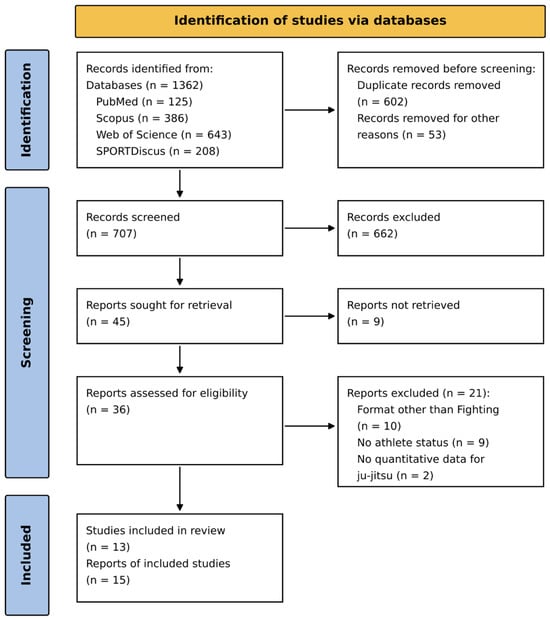

Disclaimer/Publisher’s Note: The statements, opinions and data contained in all publications are solely those of the individual author(s) and contributor(s) and not of MDPI and/or the editor(s). MDPI and/or the editor(s) disclaim responsibility for any injury to people or property resulting from any ideas, methods, instructions or products referred to in the content. |
© 2026 by the authors. Licensee MDPI, Basel, Switzerland. This article is an open access article distributed under the terms and conditions of the Creative Commons Attribution (CC BY) license.