


Abstract
The swimming start and underwater phases contribute to competitive performance, particularly in sprint events. Although both phases have been studied, biomechanical links between start execution and underwater movement remain unclear. This systematic review synthesised evidence on associations between start variables and the underwater path to breakout in front crawl, backstroke, and butterfly. PubMed, Scopus, Web of Science, EBSCOhost, and conference proceedings of Biomechanics and Medicine in Swimming and the International Society of Biomechanics in Sports were searched. Studies of competitive swimmers were eligible if they measured at least one start variable and one variable after water entry. Two reviewers independently selected studies, extracted data, and assessed methodological quality. Fifty-one studies were included and synthesised following the SWiM guideline. Most studies assessed start performance up to 15 m. Changes on the block or in start technique often altered block and flight variables without changing time to 15 m. Conditions that shortened it also changed velocity or depth after water entry, and a longer flight was associated with a shorter glide. Breakout was measured directly in 26 studies, with different definitions, and the timing of the first underwater lower-limb action was targeted by feedback in only one swimmer, never isolated experimentally. Time to 15 m, therefore, measures overall start performance but not breakout, and the evidence is insufficient to establish when underwater propulsion should begin.
1. Introduction
Competitive swimming performance is commonly analysed through four race components: starting, free swimming, turning, and finishing [1,2]. Although free swimming accounts for most race time, the start, turn(s), and finish can substantially influence performance, particularly in short events [3,4]. The start begins with contact on the block or, in backstroke, the wall and starting grips, followed by take-off, flight, and water entry [5]. Then, swimmers generally adopt a streamlined position to glide and initiate underwater propulsion before breaking out into surface swimming [6]. The momentum generated at take-off and reduced wave drag below the surface can allow swimmers to travel faster underwater than at the surface [6]. Start mechanics determine the velocity and body orientation at water entry that may influence underwater trajectory and the preservation of momentum [4,7]. Subsequent performance depends on limiting deceleration at entry, maintaining an effective glide, initiating propulsion, and transitioning to surface swimming [4,6,7].
Underwater velocity, glide distance and duration, lower-limb mechanics, and segmental coordination may influence these successive phases [6,8]. Previous reviews have addressed start biomechanics [9], underwater undulatory swimming [6,8], and how back plates and backstroke wedges affect start performance [10], but these works did not systematically synthesise how measurements from the start relate to the subsequent underwater path and breakout. This gap is relevant to applied biomechanics because frequently coaches evaluate the complete start sequence, whereas research reports its components separately. Therefore, this systematic review aimed to synthesise the evidence linking start mechanics with the underwater path to breakout in competitive front crawl, backstroke, and butterfly. Specifically, it examined which variables were measured across consecutive phases, which relationships or comparisons were tested, how glide, propulsion, and breakout were defined, and which methods were used to assess the sequence.
2. Materials and Methods
This systematic review was designed according to the PRISMA 2020 statement [11], with relevant guidance from the Cochrane Handbook [12]. The protocol was created and pre-registered as a Open Science Framework project on 25 May 2026 (https://osf.io/kn8hm, DOI 10.17605/OSF.IO/KN8HM, accessed on 17 November 2026). Regarding the registered protocol, the breaststroke exclusion terms and the swimming technique block were removed, and the term “takeoff” was added.
2.1. Eligibility Criteria
Original peer-reviewed research articles and full conference papers from Biomechanics and Medicine in Swimming and the International Society of Biomechanics in Sports were eligible regardless of publication date or language. Letters, editorials, abstracts, commentaries, and reviews were excluded. Eligibility was defined according to population, exposure, comparator, outcomes, and study design. The population comprised competitive swimmers of any sex, age, or performance level. Studies of triathletes, divers, artistic swimmers, open-water swimmers, Paralympic swimmers, or non-human models were excluded unless eligible competitive swimmer data could be extracted separately. The exposure was the start-to-breakout sequence, beginning with the response to the starting signal. For studies comparing individual and relay races, only individual starts were included, with relay changeovers and comparisons involving them being excluded.
Eligible studies were required to investigate both swimming start performance and the subsequent underwater path, reporting at least one start variable (e.g., block time, take-off velocity, flight distance, or entry angle, including the movement up to full immersion) and at least one underwater variable (e.g., glide duration, maximum depth underwater velocity, lower-limb action characteristics, or breakout distance). Even though elapsed times from the starting signal until fixed marks (e.g., 5 m) combine aerial and underwater phases, they were considered as start outcomes. When velocities measured at fixed marks (e.g., 4–5 m) were linked to the underwater phase, they were qualified as underwater variables, as well as the breakout. A direct statistical association between the variables was not required, and studies measuring consecutive phases within the same protocol were also eligible. Observational and experimental designs were considered when they reported original biomechanical data. Breaststroke was not included because its underwater rules and movement pattern differ substantially from those of the other swimming techniques.
2.2. Information Sources
Searches were conducted until 24 October 2026 in PubMed, Scopus, Web of Science (Core Collection), and EBSCOhost (all 16 databases available through the University of Porto subscription: APA PsycArticles, APA PsycBooks, APA PsycInfo, Architectural Digest Archive, Business Source Ultimate, eBook Collection, eBook EngineeringCore, eBook Subscription Psychology/Psychiatry Collection, EconLit with Full Text, Education Source Ultimate, GreenFILE, Library & Information Science Source, MathSciNet, Psychology and Behavioral Sciences Collection, Regional Business News, and Sociology Source Ultimate), as well as in the proceedings of the Biomechanics and Medicine in Swimming Symposium (bms.sport-iat.de) and the International Society of Biomechanics in Sports Congress (commons.nmu.edu/isbs, 2017–2025, volumes hosted in this archive), with no filters applied where possible. The latter sources contain peer-reviewed conference papers that provide important methodological and experimental contributions to swimming biomechanics and were considered relevant for the current review. After the automated searches, the reference lists of the included studies were screened, and prospective snowballing citation tracking was performed with OpenAlex (openalex.org), and they were checked manually.
2.3. Search Strategy
The search strategy combined free-text terms applied to the title, abstract, and keywords, organised in three blocks: (i) swimming, swim* OR “competitive swim*”; (ii) start action, start* OR “swimming start” OR “kick start” OR “kick-start” OR “take off” OR “take-off” OR takeoff OR “block time” OR “starting block” OR “flight phase” OR “entry angle” OR “entry velocity”; and (iii) underwater path, entry OR “water entry” OR glide OR “underwater glide” OR “glide phase” OR streamlin* OR “underwater phase” OR “underwater path” OR “underwater swimming” OR “underwater undulatory swimming” OR “undulatory swimming” OR “dolphin kick” OR “underwater kick*” OR breakout. The strategy was adapted to the fields and syntax of each database, and in the conference archives, where the full string returned no records, a simplified string retaining the same three blocks was used. The full strategy for each source is presented in Table 1.
Table 1.
Full search strategies for PubMed, Scopus, Web of Science, EBSCOhost, Biomechanics, and Medicine in Swimming and International Society of Biomechanics in Sports Conference proceedings databases.
2.4. Selection Process
Two authors (IB and AF) independently screened all records retrieved from the databases and performed the manual searches, as well as from the reference lists of the included studies and snowballing citation tracking. Disagreements were resolved through discussion and, when necessary, in consultation with a third author (RJF). Duplicate records were removed using Rayyan, a web-based tool for systematic reviews (Qatar Computing Research Institute, Doha, Qatar). The reason for excluding each report at the full-text stage was recorded and is given in Supplementary Tables S2 and S3.
2.5. Data Collection Process
Two authors (IB and AF) independently extracted data using a specifically tailored Microsoft Excel worksheet. Disagreements were resolved through discussion and, when necessary, in consultation with a third author (RJF). No automation tools were used for study selection or data extraction.
2.6. Data Items
The primary data items included the start action and subsequent underwater path variables, comprising block and take-off variables, flight and water entry characteristics, glide distance and duration, initiation and execution of underwater propulsion, underwater velocity, and breakout-related measures. Statistical associations between consecutive phases and comparisons between techniques, groups, or experimental conditions were also extracted when reported. Fixed-distance performance measures, such as time to 5, 10, or 15 m, were extracted as global indicators of start performance and were not considered direct measures of breakout.
Breakout was recorded as defined by the studies’ authors (body landmark, reference event, time, distance, and velocity), and average underwater velocity was analysed separately from velocity at breakout. An underwater lower-limb action was defined as a single downward or upward movement of the lower limbs, and a lower-limb action cycle as one complete downward and upward sequence. Secondary data items were obtained to characterise the included studies, comprising authors and year of publication, sample size, or number of performances analysed, participants’ sex, age, and competitive level, swimming technique, start type, experimental protocol, measurement procedures, and quantitative findings. Competitive level was retained according to the terminology used by the original authors without subsequent reclassification. Information regarding funding and conflicts of interest was also extracted.
2.7. Studies’ Methodological Quality Assessment
The methodological quality of the included studies was assessed using the Appraisal Tool for Cross-Sectional Studies (AXIS) [13], whose reporting and analysis items apply to all the designs included. Each report was classified as a cross-sectional association study, a between-group comparison, a race analysis, or a within-swimmer experimental comparison. This tool comprises 20 items covering the clarity of the study aims, appropriateness of the study design, sample size and procedures, validity and reliability of the measurements, statistical methods, consistency of the results and conclusions, reporting of study limitations, ethical procedures, and disclosure of funding sources or conflicts of interest. Since AXIS does not cover specific features regarding within-swimmer comparisons, the order of conditions, familiarisation, rest between trials, trial selection, and whether repeated trials were analysed as independent observations, this information was also documented and considered when interpreting their findings. Grouped studies were appraised from their most complete report.
2.8. Effect Measures
Studies’ descriptive and association measures were extracted where available, including means, standard deviations, differences between conditions, correlations, regression coefficients, effect sizes, confidence intervals, and p-values. Several studies examined associations between nested elapsed times, such as 10 m and 15 m split times or 15 m split time and total race time. We flagged these relationships because their magnitude is likely inflated by mathematical coupling arising from the shared interval. Consequently, such analyses cannot isolate the independent contribution of the shorter segment to overall performance.
2.9. Synthesis Methods
A narrative synthesis following the Synthesis Without Meta-analysis (SWiM) reporting guideline [14] (checklist in Supplementary Table S1) was conducted to summarise the available evidence regarding the start-to-breakout transition. The results were organised according to: (i) operational definitions of the start action and underwater path, (ii) start action variables, (iii) underwater path variables, (iv) reported associations between start action and underwater path variables, and (v) methodological characteristics of the included studies. Attention was given to whether studies merely reported start action and underwater path variables within the same experimental protocol or explicitly analysed statistical relationships between these components. Findings were grouped by type of evidence (direct associations between phase-specific variables, comparisons of experimental conditions, and descriptive measurements of consecutive phases) and by start type (grab start, kick start on a kick plate block, and backstroke start with or without a ledge), and the direction of effects was summarised. Therefore, findings were presented descriptively and critically discussed in relation to their biomechanical relevance, methodological quality, and practical implications for coaches, swimmers, and researchers. Records presenting data from the same protocol and sample in separate publications were grouped and counted as one study, but data were extracted from all of them.
3. Results
Searches from databases and conference archives identified 732 records, of which 352 were duplicates (Figure 1). Of the 380 records screened, 287 were excluded, and 93 were sought for retrieval. Three could not be retrieved, and 90 full texts were assessed, yielding 43 included reports. Reference lists of the included studies and snowballing citation tracking identified 625 additional records for title and abstract screening, resulting in 37 reports sought for retrieval. Eight could not be obtained, and 18 were excluded, resulting in 11 included. Manual checking of reference lists identified two further eligible reports, and three eligible reports were further suggested [15,16,17]. In total, 59 reports representing 51 studies were included. Fifteen reports were grouped into seven studies [5,18,19,20,21,22,23,24,25,26,27,28,29,30,31] because data gathered by one research project was separately reported in multiple publications. Supplementary Tables S2 and S3 list the records that were not retrieved and those excluded with respective causes [32,33,34,35,36,37,38,39].
Figure 1.
Search and screening process presented as a PRISMA 2020 flow diagram.
3.1. Methodological Quality of the Included Studies
Ratings for each AXIS item and study are presented in Supplementary Tables S4 and S5 and summarised in Figure 2. All 51 studies were appraised, stating their aims and defining the target population, and 50 used variables appropriate to their aims. Sample size was justified in only three studies [40,41,42], and participants were mostly volunteers or convenience samples (selection was judged unlikely to be representative in 25 studies and unclear in 18). Measurement validity or reliability was supported by data in 25 studies, whereas the remaining 26 only cited earlier work or did not report it. Limitations were discussed in 24 studies, funding and conflicts of interest were reported in 25, and ethical approval or consent was not reported in six studies (being unclear in two). In 28 studies, it was unclear whether the conclusions were justified by the results, most often because correlations or pre–post changes without a control condition were interpreted causally.
Figure 2.
Distribution of methodological quality judgements (yes, no, don’t know, and not applicable) across the 51 included studies.
Two analytical limitations weaken the validity of several findings. First, repeated trials of the same swimmers were analysed as independent observations in seven studies: [43] (42 trials from seven swimmers), [20] (24 starts from four swimmers), [44] (48 starts from 16 swimmers), [45] (24 trials from six swimmers), [46] (27 trials from nine swimmers), [47] (repeated trials from six swimmers), and [48] (50 starts from ten swimmers). Correlations and models from these studies are, therefore, interpreted as indicating direction only. Second, ten studies imposed a passive glide without lower-limb actions, which represents a controlled laboratory condition rather than a real-context competitive start [5,28,29,42,44,46,49,50,51,52,53,54]. Eighteen studies performed within-swimmer comparisons, where condition order was randomised or counterbalanced in 12, rest between trials was reported in nine, and the trial analysed was pre-specified or objectively selected in two.
3.2. Studies’ Characteristics
The 51 studies were published between 2001 and 2026 (Table 2). Twelve were grouped under association analyses, including models of overall start performance; 18 compared experimental conditions within swimmers; nine compared groups or training interventions; and 12 were race analyses or descriptive studies of consecutive phases. Eight studies analysed official competitions [24,55,56,57,58,59,60,61], and two used routine testing databases of national teams [18,62]. Studies outside competition included between 4 and 136 swimmers, while race analyses included up to 500 performances [56]. Samples were exclusively male in 23 studies, mixed in 18, and exclusively female in three [42,48,50], with no reporting in seven.
Front crawl was examined in 43 studies, backstroke in ten (six of them dedicated to methodological features [41,47,63,64,65,66]), and butterfly in eight, with one study not specifying the swimming technique [67]. Grab starts were analysed in seven studies, most of them with data collected before the kick plate block was introduced in 2010, and kick or track starts were analysed in 40. Two studies did not specify the start technique [20,57].
Table 2.
Characteristics of the included studies, grouped by type of evidence: design, participants, swimming technique, and start type, the start and underwater variables included, assessment/protocol and information regarding sibling publications, funding, and conflicts of interest.
3.3. Evidence Synthesis
Table 3 summarises the studies that analysed each phase of the swimming start, indicating the studies that made associations between phases or with overall start performance, under comparisons between conditions or groups, which studies are race analysis or descriptive, as well as the main results and corresponding limitations. A relationship between time and a fixed distance alone does not establish a link between phases.
Table 3.
Evidence by swimming start phase and analysis type, including the associations between phases or with overall start performance, under comparisons between conditions or groups, which studies are race analysis or descriptive, as well as the main results and corresponding limitations.
3.3.1. Associations Between Phases and Overall Start Performance
Table 4 provides study-level estimates and flags associations between elapsed times that share part of their measurement interval. Twelve studies related a start variable to an underwater one or modelled both against a fixed-distance time [5,18,20,44,47,48,49,54,62,68,69,70]. In the three studies that related flight to the subsequent glide or water phase, a longer flight was associated with a shorter glide [5,44,70]. In 18 swimmers performing passive glides, the correlation was r = −0.99 [5], but glide distance was measured from water entry to 5 m and is, therefore, largely the complement of flight distance. In a regression of 48 starts by 16 swimmers, glide distance was measured from the wall to head breakout and, therefore, included the flight; each additional centimetre of flight distance predicted 3 cm less glide distance, whereas a greater maximum hip depth and a higher velocity between 5 and 10 m predicted a longer glide (R2 = 0.76) [44].
For 46 national team swimmers, a longer flight predicted a shorter water distance to the 7.5 m mark (path coefficients: −0.82 for the grab start and −0.59 for the track start), partly because both distances share a fixed endpoint [70]. In the same study, mean entry velocity and mean glide velocity contributed similarly to mean underwater velocity, and the model explained nearly all the variance in time to 7.5 m, mainly through water time [70]. Because total start time is the sum of these components, however, the explained variance is high by construction. In elite swimmers, two separate regressions were fitted: in the above-water model, horizontal take-off velocity and block time explained 81% of the variance in time to 15 m, and in the underwater model, underwater descent time, ascent time, and time to 10 m explained 96% [18]. The underwater model overlaps with the outcome because cumulative time to 10 m is part of time to 15 m. In ten female swimmers, a phase model fitted to 50 starts predicted time to 15 m from block, flight, and underwater variables and was used to estimate an optimal breakout position [48]; because time to 15 m is the sum of the modelled phases and repeated starts were pooled, this estimate should be interpreted with caution.
At national team testing, distance before the first lower-limb action, maximum depth, and distance before breakout were retained as performance indicators for time to 15 m, alongside block forces, take-off velocity, and entry velocity [62], and depth at 7.5 m was one of seven indicators in a reliability study of the same system [69]. While associations with underwater velocity were consistent in direction, they relied on small samples: time to 15 m was inversely related to underwater velocity in four swimmers [20] and to mean underwater velocity and velocity over the first lower-limb action cycle in butterfly [68]. In backstroke, start time correlated with centre of mass velocity during the glide [47]. Finally, time to 10 m was associated with the deceleration during a passive glide (r = 0.75) [54], and greater maximum depth was associated with longer underwater distance and time but lower underwater velocity [20]. In eight swimmers gliding passively after a grab start, centre of mass velocities at full immersion and the rate of velocity loss during the glide loaded on the same principal component [49].
Table 4.
Quantitative findings of the included studies, grouped by type of evidence, including information regarding overlapping time intervals, non-independent trials, and passive glides.
3.3.2. Within-Swimmer Comparisons of Experimental Conditions
Eighteen studies manipulated one start condition to measure its effect on later phases (Table 4 and Table 5). Changes to the stance or kick plate position consistently altered block time and joint angles [15,22,28,29,42,50,51,72], but their effect on the underwater phase was not uniform. Placing the dominant lower limb in front reduced block time and times to 2 m and 5 m but produced a shorter and shallower passive glide [50]. A starting block with adjustable double pedals shortened block, flight, and glide times compared with the OSB12, and most of the 0.26 s gained to 5 m came from the block phase [53]. A rear-weighted stance produced larger take-off and entry angles and a longer flight but a shorter glide distance than a front-weighted stance [29]. A forward-weighted track start shortened block exit and entry times, increased entry velocity, and shortened the passive glide to 5 m, but no differences remained at 7.5 m [42].
In contrast, a neutral kick start position produced shorter times to 10 and 15 m than front- and rear-weighted positions in front crawl and butterfly, whereas a rear-weighted position lengthened the flight, the glide, and the distance to the first lower-limb action without shortening time to 15 m [15]. Time to 15 m did not differ across kick plate positions [22,72] or between preferred and non-preferred techniques [43], even when the block or entry phases themselves were shorter. Similarly, in six swimmers, a track start shortened reaction time compared with a regular start, with no differences in flight distance, underwater distance, or underwater time [45]. When a condition did reduce time to 15 m, it also changed the phases after entry. In backstroke, using a ledge or start device raised the centre of mass at take-off, lengthened the flight, increased horizontal velocity after entry (or at the 4–5 m mark), and shortened time to 15 m [63,66]. A higher ledge position, in contrast, shortened time to 5 m, but this advantage did not persist to 15 m [41].
Nine combinations of foot and handgrip positions altered limb impulses and centre of mass positions at the signal and at hand entry but did not affect underwater hip intracyclic velocity variation or time to 15 m [64]. In 61 high-school swimmers using a ledge for the first time, the device moved water entry farther from the wall and made it faster and steeper, and the head was 5 cm deeper at maximum depth with no change in head velocity; breakout and time variables were not measured [65]. A butterfly arm swing increased take-off and underwater velocities and produced shorter cumulative times from the starting signal to 7.5 m (p = 0.028), 10 m (p = 0.008), and 15 m (p < 0.001), whereas the difference at 5 m did not reach statistical significance (p = 0.056) [73]. Among three imposed trajectories, the shallow one was 0.06–0.08 s slower to 15 m than the intermediate and deep trajectories [71], a small difference whose 95% confidence intervals approached zero (lower limits 0.01–0.03 s). Trunk stabilisation exercises performed before the start reduced the velocity loss between entry and 5 m without altering flight variables, although this was a pre–post design without a control group [67]. Finally, in individual starts, block time, take-off velocity, and entry angle were correlated with start performance times (r = 0.77–0.83) [74].
3.3.3. Between-Group Comparisons and Training Studies
Table 5 summarises the direction of findings for condition and group comparisons. Compared with trained swimmers, elite swimmers produced greater impulses over shorter times and performed more underwater undulations [75]. Similarly, faster adolescent swimmers demonstrated greater flight and submersion velocities [76]. Elite swimmers also showed a shorter block phase but a longer transition from entry to the first lower-limb action than sub-elite swimmers, resulting in no significant difference in the time to 5 m [77], although these groups were formed after excluding swimmers on the basis of the outcome variable. Regarding trajectory mechanics, swimmers using a deep underwater trajectory entered with a larger angle of attack (45° vs. 38°) and reached a greater maximum depth (1.21 m vs. 0.94 m) farther from the wall than those with a flat trajectory, despite displaying similar push-off angles and times to 5 m. Furthermore, a cluster analysis of the same sample revealed that time to 15 m did not differ significantly between flat, moderate, and deep trajectories [30,31].
In three pre–post training studies lacking a control group, plyometric training yielded shorter glide times alongside higher take-off, entry, and glide velocities [46], while eight weeks of lateral-entry training led to a 6% shallower maximum depth, a 4% longer flight distance and distance to the first lower-limb action, and faster times to 5, 10, and 15 m [26]. Conversely, a controlled comparison of strength and jump training found no global effect on start performance [78], while horizontal and vertical vector resistance training increased flight distance and time similarly without altering underwater velocity to breakout [79]. In three elite swimmers, feedback on breakout distance or on the distance of the first lower-limb action changed the targeted parameter, but time to 15 m improved in only one swimmer [17].
Table 5.
Direction of the effects in the within-swimmer comparisons of start conditions and in the between-group and training studies (n = 25; [17,74] are not shown because they reported only correlations or individual descriptive data). Each column summarises the variables tested in that phase, and all times are measured from the starting signal.
3.3.4. Race Analyses and Descriptive Studies
Race analyses described the start and underwater segments without testing direct links between them (Table 4). Time to 15 m distinguished performance levels and correlated with final race time, an association partly reflecting the shared interval [55,56,60]. Underwater distance was the start variable most strongly related to 100 m freestyle time in one study [60], whereas from heats to finals, swimmers shortened the underwater phase and increased its velocity without consistent gains in race time [59]. Among eight Olympic 100 m finalists, a longer underwater time after the start (but not reaction time) was associated with faster race times, although the underwater time metric was not defined [58]. Relationships between underwater characteristics and time to 15 m at the 2000 Olympic Games varied by event and sex [57]. The remaining studies in this group provided descriptive data on the start profiles of elite sprinters [80], on individual races at European Championships [24], on the Olympic subgroup [40], and on youth age categories [61], and one was a validation study [52].
3.3.5. Initiation of Underwater Lower-Limbs Actions
The initiation of the first underwater lower-limb action was measured in eleven studies (Supplementary Table S7): as time or distance to the first lower-limb action [15,17,18,26,62,71], as glide time from feet entry to the first downward lower-limb action [68], or as the duration of the glide or transition phase from toe entry to the first lower-limb action [43,75,77,80]. Five studies timed the onset of the action [43,68,75,77,80], one measured its distance and time at completion [26], three reported its distance at onset [15,17,18], two of which also reported its time at completion [15,18], and two did not state which point was used [62,71]. Imposed underwater trajectories also changed the time of the first lower-limb action [71], and feedback targeting its distance moved it from 5.29 to 6.47 m in one swimmer without a faster time to 15 m [17], but no experiment was designed to isolate the effect of its timing, so the evidence cannot establish an optimal time or distance for initiating underwater movements. One study estimated, from the loss of velocity during a passive glide and a velocity range proposed in earlier work, that lower-limb actions could begin 5.63–6.01 m from the wall, but it did not measure their initiation [49]. Furthermore, measuring velocity over the first lower-limb action cycle [68] incorporates residual velocity carried over from entry and glide, failing to isolate how much velocity the first lower-limb action cycle itself produced.
3.3.6. Sex, Swimming Technique, and Performance Level
Male swimmers reached 15 m 0.95 s faster than female swimmers and had significantly greater take-off and underwater velocities, whereas front crawl and butterfly did not differ [18,19]. Sex and age differences in flight and underwater variables have also been documented in youth competition [61]. Evidence for backstroke came from ten studies: six examined starting devices or foot and hand positions, five of them with 13 or fewer swimmers, and the remaining four were race analyses or national team testing studies.
3.3.7. Breakout
Breakout or surfacing was measured directly in 26 studies (Supplementary Table S6), with metrics including underwater time and distance to head resurfacing [57,59,61], water break time and distance [55,56], breakout distance and time [15,16,17,18,19,48,60,71], distance before breakout [62], emersion time and distance [24,74], distance and time to head emergence [45], underwater phase duration until the head reached the surface [43,75,80] or until head breakout [68], and underwater speed from entry to breakout [79]. One study estimated an optimal breakout position from a mathematical model rather than testing it experimentally [48]. However, definitions varied regarding both the specific body landmark used and the initial event from which time was measured. For example, breakout time was measured from the starting signal, thereby inherently including reaction and flight times [60], and when head resurfacing could not be identified, one study used the point at which the hands met during the first cycle [59]. No study with a verifiable definition reported instantaneous velocity at breakout; authors reported mean underwater or emersion velocity instead, which is not equivalent. Because 25 of the 51 studies did not measure breakout at all, this evidence gap reflects both missing measurements and incompatible operational definitions.
4. Discussion
The current systematic review examined the biomechanical links between the start and the underwater path to breakout in front crawl, backstroke, and butterfly swimming. The twelve studies in the association analyses either tested links between phases or modelled overall start performance. Most evidence resulted from condition comparisons and descriptive or race analyses. Changes to kick plate position, foot position, or start technique altered block-phase variables but rarely shortened time to 15 m. Conditions that shortened time to 15 m also changed velocity or maximum depth after entry. However, most studies assessed performance at a fixed distance rather than measuring breakout directly, strengthening the evidence for time to 15 m rather than for breakout time, distance, or velocity. Time to 15 m alone gives no indication of when surface swimming happened or how much of the interval was spent at the surface.
Across the included studies, horizontal take-off velocity, entry characteristics, underwater trajectory, velocity maintenance, underwater lower-limb actions, and breakout were associated with overall start performance, most often assessed as time to 15 m. However, no single variable consistently explained fixed-distance performance across swimmers, swimming techniques, and experimental conditions. This finding extends previous reviews, which addressed start biomechanics and underwater undulatory swimming as largely separate topics [6,8,9], and agrees with the deterministic model of start performance, in which start time results from consecutive phases rather than from a single optimised action [70].
The interdependence of the start phases is particularly evident in how block performance affects the subsequent movement. Although a fast block departure may be advantageous, a shorter block time alone does not necessarily lead to a shorter time to 15 m. Changes in start technique or kick plate position modified block variables without consistently improving time to 15 m [22,43,72], although a neutral kick start position shortened time to 15 m [15]. Stance, lower limb dominance, and block design also altered block variables [28,29,42,50,51,53], but these studies imposed a passive glide and measured times only up to 5–7.5 m, so their effect on time to 15 m is unknown. In contrast, a backstroke ledge or start device, a butterfly upper limb swing, and lateral-entry training shortened time to 15 m and were accompanied by a higher velocity after entry or underwater, or by a shallower maximum depth [26,63,66,73]. These comparisons suggest that changes on the block may influence later performance through their effects on water entry and the underwater phase.
Horizontal take-off velocity was a stronger predictor of time to 15 m when considered together with block time [18]. The purpose of the block phase is, therefore, not only to leave the block as quickly as possible but to generate a combination of impulse, horizontal velocity, body orientation, and angular momentum that allows an effective flight and water entry [18,70,75,76]. Previous research on the biomechanical structure of the start has similarly emphasised that each phase should be interpreted according to its contribution to the following phases [70], and studies comparing aerial start profiles have shown that different temporal organisations can result in similar overall start performances [80,81]. The effectiveness of a block strategy may depend on how well swimmers carry the velocity and body orientation generated at take-off through flight, entry, and the underwater phase.
This interpretation also helps to explain the inconsistent effects of start devices and positional changes. Studies of kick plate placement, foot and hand positions, and backstroke ledge height show that changing the initial configuration can alter force production, take-off velocity, trajectory, or early split times without an equivalent improvement at 15 m [22,41,64,72]. In backstroke, for example, the advantage of a higher ledge position early in the start did not persist as a significant difference at 15 m [41]. Studies of ledge use and lower-limb configuration similarly suggest that changes in starting position can alter take-off mechanics with variable effects on overall start performance [82,83,84].
These findings reinforce the need to distinguish between improvements in an isolated biomechanical variable and improvements in the complete start-to-breakout sequence. They also support a swimmer-specific approach to start technique since anthropometry, strength, technical proficiency, and preferred coordination pattern may determine whether a given configuration is advantageous [22,72,82,83,84,85,86]. Elite and sub-elite swimmers differed in the timing and relative contribution of trunk and thigh movements during the block, entry, and underwater transition phases [77]. This encourages the assessment of how swimmers coordinate their movements across phases, although the study did not identify an optimal starting position (and its groups were formed after excluding swimmers on the basis of time to 5 m).
Flight and water entry link the above-water start to underwater locomotion. Faster swimmers generally showed greater horizontal flight and entry velocities, while flight distance, entry angle, maximum depth, and body orientation were associated with subsequent performance in other studies [20,57,75,76], with differences between swimming techniques and competitive settings. In the three studies that related flight to the subsequent glide or water phase, a longer flight was associated with a shorter glide [5,44,70], and a rear-weighted stance that lengthened the flight also shortened the glide [29]. In two of these studies [5,70], the glide or water distance ended at a fixed mark (5 m or 7.5 m), being, therefore, partly the complement of flight distance, but the same direction was found when the glide was measured to resurfacing [44].
Flight distance alone cannot predict the length of the underwater phase since entry mechanics and glide depth may also matter. Two of these three studies imposed a passive glide without lower-limb actions [5,44], which isolated the effect of entry on the glide, modifying the real context of the competitive start. Effective entry requires balancing horizontal travel during flight with a body orientation that limits deceleration and allows an effective underwater trajectory [70,81]. A steep or poorly aligned entry could dissipate the velocity gained at take-off, whereas a shallow entry could constrain the underwater path. These mechanical explanations are interpretations of the reported associations, and the combined effects of flight and entry variables still need to be tested directly.
After water entry, swimmers initially glide without active propulsion, while hydrodynamic drag reduces the velocity generated by the start [7]. Delaying the first underwater lower-limb action could, therefore, prolong passive deceleration, whereas starting it earlier could shorten the streamlined glide. In the included studies, underwater variables explained a large proportion of the variance in time to 15 m in a model that also included time to 10 m [18], mean underwater velocity, and glide velocity, being associated with faster performance [18,20,47,68]. Glide deceleration was associated with a slower time to 10 m [54]. The initiation of underwater lower-limb actions was measured in eleven studies [15,17,18,26,43,62,68,71,75,77,80], with different definitions and reference events.
Elite swimmers had a longer transition between glide and first lower-limb action than sub-elite swimmers, with no difference in time to 5 m [77] (the fixed point before the first lower-limb action was retained as a performance indicator in national team testing [62]), and feedback changed the distance of the first lower-limb action in one swimmer without improving time to 15 m [17], but no experiment changed its timing to isolate its effect. In butterfly, a higher horizontal velocity averaged over the first lower-limb action cycle was more strongly associated with a faster time to 15 m than the number of lower-limb actions or mean underwater velocity [68]. This measure includes velocity retained from entry and glide, which prevents the correlation from isolating the contribution of the first lower-limb action. The mechanical effectiveness of the first propulsive action and the velocity at which it begins may influence the rest of the underwater path, but existing studies have focused on the kinematics of underwater lower-limb actions once propulsion has started and provide little information on when the first action should begin.
The relationships between body configuration, lower-limb action frequency and amplitude, and segmental coordination and underwater velocity reported [68] are consistent with previous systematic evidence showing that underwater undulatory swimming performance depends on the interaction of several kinematic variables rather than on lower-limb action frequency or amplitude alone [6,8]. Another study also reported changes in body inclination, vertical amplitude, and lower-limb action effectiveness as swimmers progressed through the underwater section and approached the surface [87]. Maintaining an effective lower-limb action pattern during the approach to breakout, therefore, appears to depend on both propulsion and control of body configuration. Other work on backstroke starts has separately described neuromuscular activity and the kinematics of underwater undulatory swimming [88,89]. The results on underwater trajectory also show why a greater underwater distance should not automatically be interpreted as better performance. Intermediate and deep trajectories produced better start outcomes than a shallow trajectory [71], whereas a greater maximum depth was associated with longer underwater distance and time but lower mean underwater velocity [20].
A greater maximum hip depth also predicted a longer glide [44], and eight weeks of lateral-entry training produced a shallower maximum depth together with shorter times to 5, 10, and 15 m, although without a control group [26]. Swimming deep enough may reduce wave-related resistance, but reaching a greater depth requires an appropriate entry trajectory and a longer vertical displacement to return to the surface. Hydrodynamic drag has been shown to be relevant during the underwater phase [7], and the comparison of underwater trajectories showed that start performance depends on the interaction between depth, distance, velocity, and timing of the ascent [71]. The current evidence, therefore, supports that, instead of a single optimal underwater depth or distance, the underwater trajectory should allow the swimmer to preserve horizontal velocity while preparing an effective transition from underwater propulsion to breakout [6,8,68,71,90].
Time to 15 m was strongly associated with lap and race time in several competitive contexts [55,56,57,68], which supports its value as a practical indicator of overall start performance. Time to 15 m is part of race time, just as time to 10 m is part of time to 15 m [18]. The shared interval can contribute to the magnitude of the correlation or R2, preventing these associations from isolating the effect of a start component on race performance. Time to 15 m also differs from breakout time. Twenty-five of the 51 studies did not report breakout time, distance, or velocity, and most did not report the swimmer’s position relative to breakout at 15 m, so the amount of surface swimming included in time to 15 m could not be determined consistently.
Front crawl and butterfly swimmers achieved similar times to 15 m with different underwater strategies: butterfly swimmers remained underwater longer, and front crawl swimmers had a slightly higher mean underwater velocity [19]. Breakout distance should, therefore, not be prescribed in isolation but interpreted together with the velocity reached during the final underwater actions and the swimmer’s ability to change to surface swimming without a marked loss of velocity [19,57,68,87]. The contribution of each start phase varied with sex, swimming technique, race distance, and performance level [4,19,55,56,57,75]. Male swimmers generally had greater take-off, entry, and underwater velocities than female swimmers [19], and elite and trained swimmers differed in impulse characteristics, underwater organisation, and overall start performance [75]. These differences likely reflect interactions among anthropometric characteristics, force production, technical proficiency, underwater propulsion, and race strategy, making start and transition strategy assessments necessary according to the characteristics of the swimmer and the event.
Measurement methods affected what could be inferred from the included studies. Most studies used video analysis, but camera coverage, sampling frequency, anatomical landmarks, and calibration procedures varied. Limited two-dimensional coverage can identify broad events and fixed-distance times but may miss three-dimensional motion or rapid changes in velocity near water entry and the first lower-limb action. Official timing provided objective fixed-distance outcomes but combined mechanically distinct phases into a single elapsed time. Instrumented blocks or force plates provided more detail on impulse and take-off mechanics in 11 studies [18,26,47,62,64,69,70,71,73,75,78].
A calibrated moving camera has recently been shown to extend the area covered by two-dimensional underwater kinematic analysis [91], which may help researchers follow swimmers over a longer underwater path, although its accuracy for identifying breakouts has yet to be established. Synchronised above- and underwater video, force measurements, and continuous velocity assessment could show how movement and velocity change across consecutive phases, provided that events are clearly defined and measured reliably. The definitions of glide termination, initiation of underwater propulsion, and breakout varied across studies. Studies differed in how they identified the first lower-limb action [18,19,68] or the transition to it [62,77], whereas others used underwater duration, number of lower-limb actions, or fixed-distance time without an equivalent transition event [19,20,57,68]. These differences limited comparisons and prevented quantitative pooling since consistent definitions would allow closer comparisons across studies and provide clearer measures for coaches.
5. Practical Applications, Limitations, and Future Research
In coaching settings, synchronised or high frame rate video may help identify water entry, the first lower-limb action, head emergence, and the first surface propulsive action. Interpreted alongside times to 10 or 15 m, these observations can show whether a technical change improves the complete start and where time is gained or lost. Precise take-off velocity, instantaneous underwater velocity, and continuity between phases require validated measurement procedures or specialised equipment. Coaches should distinguish these measures from visually estimated events and avoid assuming that a faster block departure or longer underwater distance necessarily improves the complete start.
The available evidence should be interpreted with caution because small or convenience samples were common. Methodological reporting was also inconsistent, particularly regarding measurement reliability, sample size calculation, and transparency. Evidence was uneven across swimming techniques, with front crawl better represented than butterfly and backstroke. Evidence regarding backstroke was limited to ten studies, six of which focused on starting devices or foot and hand positioning.
SPORTDiscus was not available through the institutional subscription, and since the conference archives returned no records when the full search string was applied, a simplified string was used. The ISBS archive holds the proceedings from 2017 onwards; earlier ISBS papers, which are hosted in a separate archive, were identified through supplementary citation searching. The included studies span 2001–2026, a period that includes the introduction of the kick plate starting block and of the backstroke ledge, so grab start and kick start data are not directly comparable. Fifteen reports shared samples and were grouped into seven studies, and in seven studies correlations or models were computed from repeated trials of a few swimmers, which reduces the number of independent observations. In ten studies, swimmers glided without lower-limb actions after entry, so their underwater results apply to a controlled condition rather than to a competitive start.
Larger and more diverse samples are, therefore, needed, particularly for the less studied techniques. Future studies should define and report start and breakout events consistently. Synchronised video and continuous velocity measurements could test how the timing of the first lower-limb action affects deceleration and subsequent propulsion. Intervention studies are needed to determine whether changing transition timing improves complete-start performance, with both breakout measures and standardised fixed-distance times reported. Such work should consider swimmers’ take-off velocity, hydrodynamic characteristics, and capacity for underwater propulsion instead of assuming a universal glide duration, number of lower-limb actions, or breakout distance. Future studies should measure this transition directly and test whether modifying it improves the complete start.
6. Conclusions
This systematic review identified biomechanical links across the start and underwater phases in competitive front crawl, backstroke, and butterfly swimming. Time to 15 m was the most common overall performance measure, while breakout-specific time, distance, and velocity were inconsistently defined or reported. Changes made on the block altered block-phase variables but rarely time to 15 m, whereas the start conditions that shortened time to 15 m also changed velocity or depth after entry. Studies testing direct associations between start and underwater variables generally used small samples. Three studies associated a longer flight with a shorter glide or water distance. In two of them, the distances were partly complementary because they shared a fixed endpoint. Horizontal take-off velocity, entry characteristics, underwater trajectory, velocity maintenance, and underwater lower-limb actions were associated with start performance, but the strength and direction of these relationships varied across studies and conditions. Assessing consecutive phases together can help identify where changes in performance occur. The change from passive glide to active underwater propulsion is a plausible target for biomechanical assessment, but the available evidence does not establish an optimal time or distance for the first lower-limb action.
Supplementary Materials
The following supporting information can be downloaded at: https://www.mdpi.com/article/10.3390/app162211535/s1.
Author Contributions
Conceptualization, I.B., A.F., R.J.F., S.S., and J.P.V.-B.; methodology, I.B., A.F., R.J.F., S.S., and J.P.V.-B.; formal analysis, I.B. and A.F.; investigation, I.B. and A.F.; writing—original draft preparation, I.B. and A.F.; writing—review and editing, I.B., A.F., R.J.F., S.S., and J.P.V.-B.; supervision, A.F., R.J.F., S.S., and J.P.V.-B.; project administration, R.J.F., S.S., and J.P.V.-B. All authors have read and agreed to the published version of the manuscript.
Funding
The CIFI2D research unit received funding by the Portuguese Foundation for Science and Technology (reference UIDB/05913/2020, DOI 10.54499/UIDB/05913/2020).
Institutional Review Board Statement
Not applicable.
Informed Consent Statement
Not applicable.
Data Availability Statement
The study-level appraisal decisions and full-text exclusion reasons are presented in Supplementary Tables S2–S5. The extraction sheet is available from the corresponding author upon request.
Conflicts of Interest
The authors declare no conflicts of interest.
Abbreviations
The following abbreviations are used in this manuscript:
| PRISMA | Preferred Reporting Items for Systematic Reviews and Meta-Analyses |
| LEN | Ligue Européenne de Natation |
References
- Barbosa, T.M.; Bragada, J.A.; Reis, V.M.; Marinho, D.A.; Carvalho, C.; Silva, A.J. Energetics and biomechanics as determining factors of swimming performance: Updating the state of the art. J. Sci. Med. Sport 2010, 13, 262–269. [Google Scholar] [CrossRef] [Scilit]
- Vilas-Boas, J.P. Swimming biomechanics: From the pool to the lab … and back. Sports Biomech. 2025, 24, 1197–1219. [Google Scholar] [CrossRef] [Scilit] [PubMed]
- Marinho, D.A.; Barbosa, T.M.; Neiva, H.P.; Silva, A.J.; Morais, J.E. Comparison of the start, turn and finish performance of elite swimmers in 100 m and 200 m races. J. Sports Sci. Med. 2020, 19, 397–407. [Google Scholar] [PubMed]
- Born, D.P.; Kuger, J.; Polach, M.; Romann, M. Start and turn performances of elite male swimmers: Benchmarks and underlying mechanisms. Sports Biomech. 2024, 23, 484–502. [Google Scholar] [CrossRef] [Scilit] [PubMed]
- Matúš, I.; Ružbarský, P.; Vadašová, B. Key parameters affecting kick start performance in competitive swimming. Int. J. Environ. Res. Public Health 2021, 18, 11909. [Google Scholar] [CrossRef] [Scilit] [PubMed]
- Veiga, S.; Lorenzo, J.; Trinidad, A.; Pla, R.; Fallas-Campos, A.; de la Rubia, A. Kinematic analysis of the underwater undulatory swimming cycle: A systematic and synthetic review. Int. J. Environ. Res. Public Health 2022, 19, 12196. [Google Scholar] [CrossRef] [Scilit] [PubMed]
- Tor, E.; Pease, D.L.; Ball, K.A. How does drag affect the underwater phase of a swimming start? J. Appl. Biomech. 2015, 31, 8–12. [Google Scholar] [CrossRef] [Scilit] [PubMed]
- Ruiz-Navarro, J.J.; Cuenca-Fernández, F.; Sanders, R.; Arellano, R. The determinant factors of undulatory underwater swimming performance: A systematic review. J. Sports Sci. 2022, 40, 1243–1254. [Google Scholar] [CrossRef] [Scilit] [PubMed]
- de Jesus, K.; de Jesus, K.; Fernandes, R.J.; Vilas-Boas, J.P.; Sanders, R. The backstroke swimming start: State of the art. J. Hum. Kinet. 2014, 42, 27–40. [Google Scholar] [CrossRef] [Scilit] [PubMed]
- de Jesus, K.; de Jesus, K.; Fernandes, R.J.; Vilas-Boas, J.P. Back plate and wedge use and individual ventral and dorsal swimming start performance: A systematic review. Sports Biomech. 2023, 22, 1634–1658. [Google Scholar] [CrossRef] [Scilit] [PubMed]
- Page, M.J.; McKenzie, J.E.; Bossuyt, P.M.; Boutron, I.; Hoffmann, T.C.; Mulrow, C.D.; Shamseer, L.; Tetzlaff, J.M.; Akl, E.A.; Brennan, S.E.; et al. The PRISMA 2020 statement: An updated guideline for reporting systematic reviews. BMJ 2021, 372, n71. [Google Scholar] [CrossRef] [Scilit] [PubMed]
- Higgins, J.P.T.; Thomas, J.; Chandler, J.; Cumpston, M.; Li, T.; Page, M.J.; Welch, V.A. (Eds.) Cochrane Handbook for Systematic Reviews of Interventions, 2nd ed.; Wiley: Chichester, UK, 2019. [Google Scholar] [CrossRef] [Scilit]
- Downes, M.J.; Brennan, M.L.; Williams, H.C.; Dean, R.S. Development of a critical appraisal tool to assess the quality of cross-sectional studies (AXIS). BMJ Open 2016, 6, e011458. [Google Scholar] [CrossRef] [Scilit] [PubMed]
- Campbell, M.; McKenzie, J.E.; Sowden, A.; Katikireddi, S.V.; Brennan, S.E.; Ellis, S.; Hartmann-Boyce, J.; Ryan, R.; Shepperd, S.; Thomas, J.; et al. Synthesis without meta-analysis (SWiM) in systematic reviews: Reporting guideline. BMJ 2020, 368, l6890. [Google Scholar] [CrossRef] [Scilit] [PubMed]
- Matúš, I.; Eliaš, T.; Němá, K.; Vadašová, B.; Czarny, W.; Ružbarský, P. Effects of kick-start positions on 15-m start performance in freestyle and butterfly: A kinematic analysis using the OSB12 starting platform. J. Phys. Educ. Sport 2025, 25, 2538–2546. [Google Scholar] [CrossRef] [Scilit]
- Born, D.P.; Polach, M.; Staunton, C. Determining validity and reliability of an in-field performance analysis system for swimming. Sensors 2024, 24, 7186. [Google Scholar] [CrossRef] [Scilit] [PubMed]
- Tor, E.; Pease, D.L.; Maloney, M.A.; Ball, K.A.; Farrow, D. Can biomechanical feedback be used to change the underwater trajectory of a swimming start? In Biomechanics and Medicine in Swimming XIII, Proceedings of the XIIIth International Symposium on Biomechanics and Medicine in Swimming, Tsukuba, Japan, 17–21 September 2018; Impress R&D: Tokyo, Japan, 2018; pp. 157–165. [Google Scholar]
- Tor, E.; Pease, D.L.; Ball, K.A. Key parameters of the swimming start and their relationship to start performance. J. Sports Sci. 2015, 33, 1313–1321. [Google Scholar] [CrossRef] [Scilit] [PubMed]
- Tor, E.; Pease, D.; Ball, K. Characteristics of an elite swimming start. In Biomechanics and Medicine in Swimming XII, Proceedings of the 12th International Symposium on Biomechanics and Medicine in Swimming, Canberra, Australia, 28 April–2 May 2014; Mason, B., Ed.; Australian Institute of Sport: Canberra, Australia, 2014; pp. 257–263. [Google Scholar]
- Ruschel, C.; Araujo, L.G.; Pereira, S.M.; Roesler, H. Kinematical analysis of the swimming start: Block, flight and underwater phases. In Proceedings of the 25th International Symposium on Biomechanics in Sports, Ouro Preto, Brazil, 23–27 August 2007; Menzel, H.-J., Chagas, M.H., Eds.; International Society of Biomechanics in Sports: Ouro Preto, Brazil, 2007; pp. 385–388. Available online: https://ojs.ub.uni-konstanz.de/cpa/article/view/491 (accessed on 5 November 2026).
- Pereira, S.M.; Ruschel, C.; Araujo, L.G. Biomechanical analysis of the underwater phase in swimming starts. In Biomechanics and Medicine in Swimming X, Proceedings of the 10th International Symposium on Biomechanics and Medicine in Swimming, Porto, Portugal, 21–24 June 2006; Vilas-Boas, J.P., Alves, F., Marques, A., Eds.; 2006; Volume 6, pp. 79–81. Available online: https://open-archive.sport-iat.de/bms/10_79-81_Pereira.pdf (accessed on 5 November 2026).
- Cicenia Achurra, A.; Oster, C.; Mokha, G.M. Effects of standardizing kick plate position on track start biomechanics in elite swimmers. ISBS Proc. Arch. 2019, 37, 88. Available online: https://commons.nmu.edu/isbs/vol37/iss1/88 (accessed on 6 August 2026).
- Cicenia, A.; Oster, C.; Mokha, M. Kick plate position and track start biomechanics in elite swimmers. J. Exerc. Nutr. 2019, 2. Available online: https://journalofexerciseandnutrition.com/index.php/JEN/article/view/46 (accessed on 5 November 2026).
- Qiu, X.; de la Fuente, B.; Lorenzo, A.; Veiga, S. Comparison of starts and turns between individual and relay swimming races. Int. J. Environ. Res. Public Health 2021, 18, 4740. [Google Scholar] [CrossRef] [Scilit] [PubMed]
- Qiu, X.; Lorenzo Calvo, A.; de la Fuente, B.; Veiga, S. Comparison of the swimming start performance between individual and relay freestyle races. ISBS Proc. Arch. 2020, 38, 53. Available online: https://commons.nmu.edu/isbs/vol38/iss1/53 (accessed on 5 November 2026).
- Chen, C.; Gao, J.; Bačić, B.; Zhou, S. Enhancing the starting performance of elite swimmers through eight weeks of lateral entry training. Sports Biomech. 2025, 24, 2069–2084. [Google Scholar] [CrossRef] [Scilit] [PubMed]
- Chen, C.; Gao, J.; Bačić, B.; Zhou, S. Is lateral entry beneficial to elite swimmers? A preliminary study. ISBS Proc. Arch. 2023, 41, 20. Available online: https://commons.nmu.edu/isbs/vol41/iss1/20 (accessed on 5 November 2026).
- Matúš, I.; Kandráč, R. Kinematic analysis of the kick start from OSB12. Phys. Act. Rev. 2020, 8, 86–96. [Google Scholar] [CrossRef] [Scilit]
- Matúš, I.; Kandráč, R.; Vadašová, B.; Čech, P.; Ružbarský, P. Changes in the front and rear knee angles depending on the body and kick plate positions during the kick start. J. Phys. Educ. Sport 2020, 20, 3323–3329. [Google Scholar] [CrossRef] [Scilit]
- Nosiadek, L.; Wądrzyk, Ł.; Staszkiewicz, R. Comparing swimming starts of flat and deep trajectory underwater movements performed by adolescent male swimmers. Acta Bioeng. Biomech. 2024, 26, 61–68. [Google Scholar] [CrossRef] [Scilit] [PubMed]
- Wądrzyk, Ł.; Staszkiewicz, R. Kinematic analysis of the kick start underwater phase of young male swimmers. J. Kinesiol. Exerc. Sci. 2018, 28, 11–18. [Google Scholar] [CrossRef] [Scilit]
- Carvalho, D.D.; Fonseca, P.; Marinho, D.A.; Silva, A.J.; Zacca, R.; Mourão, L.; Fernandes, R.J.; Vilas-Boas, J.P. Is there any transfer between countermovement jump and swimming track start performance? ISBS Proc. Arch. 2017, 35, 186. Available online: https://commons.nmu.edu/isbs/vol35/iss1/186 (accessed on 6 August 2026).
- Tor, E.; Pease, D.; Knight, E.; Ball, K. Quantifying the underwater trajectory of a swimming start. In Proceedings of the 31st International Conference on Biomechanics in Sports, Taipei, Taiwan, 7–11 July 2013; Shiang, T.-Y., Ho, W.-H., Huang, P.C., Tsai, C.-L., Eds.; International Society of Biomechanics in Sports: Taipei, Taiwan, 2013; Available online: https://ojs.ub.uni-konstanz.de/cpa/article/view/5562 (accessed on 5 November 2026).
- Arellano, R.; Pardillo, S.; de la Fuente, B.; García, F. A system to improve the swimming start technique using force recording, timing and kinematic analyses. In Proceedings of the 18th International Symposium on Biomechanics in Sports, Hong Kong, China, 25–30 June 2000; Hong, Y., Johns, D.P., Sanders, R., Eds.; International Society of Biomechanics in Sports: Hong Kong, China, 2000; Available online: https://ojs.ub.uni-konstanz.de/cpa/article/view/2250 (accessed on 5 November 2026).
- Taladriz, S.; de la Fuente, B.; Arellano, R. The kick start: Key of its superiority. In Proceedings of the 33rd International Conference on Biomechanics in Sports, Poitiers, France, 29 June–3 July 2015; Colloud, F., Domalain, M., Monnet, T., Eds.; International Society of Biomechanics in Sports: Poitiers, France, 2015; pp. 1236–1239. Available online: https://ojs.ub.uni-konstanz.de/cpa/article/view/6640 (accessed on 5 November 2026).
- Alves, F.J.; Lopes, P.; Veloso, A.; Martins-Silva, A. Influence of body position on dolphin kick kinematics. In Proceedings of the 24th International Symposium on Biomechanics in Sports, Salzburg, Austria, 14–18 July 2006; Schwameder, H., Strutzenberger, G., Fastenbauer, V., Lindinger, S., Müller, E., Eds.; International Society of Biomechanics in Sports: Salzburg, Austria, 2006; Available online: https://ojs.ub.uni-konstanz.de/cpa/article/view/317 (accessed on 5 November 2026).
- Ozeki, K.; Suito, H.; Sakurai, S.; Urata, T. Roles of the extremities during kick start in competitive swimming. ISBS Proc. Arch. 2017, 35, 279. Available online: https://commons.nmu.edu/isbs/vol35/iss1/279 (accessed on 6 August 2026).
- Duarte, D.; de Jesus, K.; Gonçalves, P.; Medeiros, A.I.A.; Fernandes, R.J.; Vilas-Boas, J.P.; de Jesus, K. The wedge effects on vertical force-time curve instants and on backstroke start performance. ISBS Proc. Arch. 2017, 35, 286. Available online: https://commons.nmu.edu/isbs/vol35/iss1/286 (accessed on 6 August 2026).
- Houel, N.; Elipot, M.; André, F.; Hellard, P. Influence of angles of attack, frequency and kick amplitude on swimmer’s horizontal velocity during underwater phase of a grab start. J. Appl. Biomech. 2013, 29, 49–54. [Google Scholar] [CrossRef] [Scilit] [PubMed]
- Burkett, B.; Mellifont, R.; Mason, B. The influence of swimming start components for selected Olympic and Paralympic swimmers. J. Appl. Biomech. 2010, 26, 134–141. [Google Scholar] [CrossRef] [Scilit] [PubMed]
- Sato, D.; Yamashita, N.; Suito, H.; Mizukami, T.; Kusanagi, K.; Takahashi, S. Higher backstroke ledge height improves the early phase of backstroke start performance in competitive swimming. Int. J. Sports Physiol. Perform. 2025, 20, 1411–1416. [Google Scholar] [CrossRef] [Scilit] [PubMed]
- Agopyan, A.; Geyik, M.; Senol Aydogan, M.; Durgut Yalın, E.; Gunay, E. Anthropometric, lower-limb flexibility, power, and kinematic correlates of 5 m and 7.5 m performance during forward- and rear-weighted swim starts in adolescent female swimmers. Appl. Sci. 2026, 16, 5273. [Google Scholar] [CrossRef] [Scilit]
- Vantorre, J.; Seifert, L.; Fernandes, R.J.; Vilas-Boas, J.P.; Chollet, D. Biomechanical influence of start technique preference for elite track starters in front crawl. Open Sports Sci. J. 2010, 3, 137–139. [Google Scholar] [CrossRef] [Scilit]
- Hermosilla, F.; Yustres, I.; Psycharakis, S.; Santos del Cerro, J.; González-Mohíno, F.; González-Rave, J.M. Which variables may affect underwater glide performance after a swimming start? Eur. J. Sport Sci. 2022, 22, 1141–1148. [Google Scholar] [CrossRef] [Scilit] [PubMed]
- Abo-Touq, I.M.; Abdel-Fattah, O.M. A comparative study of some kinematic variables at the start of swimming in two different ways (regular method and track method). Dirasat Educ. Sci. 2020, 47, 628–637. Available online: https://dsr.ju.edu.jo/djournals/index.php/Edu/article/view/2282 (accessed on 5 November 2026). (In Arabic)
- Rejman, M.; Bilewski, M.; Szczepan, S.; Klarowicz, A.; Rudnik, D.; Maćkała, K. Assessing the impact of a targeted plyometric training on changes in selected kinematic parameters of the swimming start. Acta Bioeng. Biomech. 2017, 19, 149–160. [Google Scholar] [CrossRef]
- de Jesus, K.; de Jesus, K.; Figueiredo, P.; Gonçalves, P.; Pereira, S.M.; Vilas-Boas, J.P.; Fernandes, R.J. Biomechanical analysis of backstroke swimming starts. Int. J. Sports Med. 2011, 32, 546–551. [Google Scholar] [CrossRef] [Scilit] [PubMed]
- Xie, X.; Wei, L.; Shi, J.; Cheng, Y. Swimming start model and determination of the optimal breakout position. Sports Biomech. 2024, 23, 1751–1771. [Google Scholar] [CrossRef] [Scilit] [PubMed]
- Elipot, M.; Hellard, P.; Taïar, R.; Boissière, E.; Rey, J.L.; Lecat, S.; Houel, N. Analysis of swimmers’ velocity during the underwater gliding motion following grab start. J. Biomech. 2009, 42, 1367–1370. [Google Scholar] [CrossRef] [Scilit] [PubMed]
- Matúš, I.; Ružbarský, P.; Vadašová, B.; Čech, P. Leg dominance and OSB12 kick start performance in young competitive swimmers. Int. J. Environ. Res. Public Health 2021, 18, 13156. [Google Scholar] [CrossRef] [Scilit] [PubMed]
- Matúš, I.; Vadašová, B.; Eliaš, T.; Rydzik, Ł.; Ambroży, T.; Czarny, W. Foot placement in the basic position on the start block OSB12 of young competitive swimmers. Sports 2024, 12, 42. [Google Scholar] [CrossRef] [Scilit] [PubMed]
- Matúš, I.; Vadašová, B.; Eliaš, T.; Rydzik, Ł.; Ambroży, T.; Czarny, W. Validity and reliability of 2D video analysis for swimming kick start kinematics. J. Funct. Morphol. Kinesiol. 2025, 10, 184. [Google Scholar] [CrossRef] [Scilit] [PubMed]
- Matúš, I.; Eliaš, T.; Vadašová, B.; Czarny, W.; Rydzik, Ł.; Ambroży, T.; Szczypka, K.; Ružbarský, P. Kinematic changes in 5-m swimming start performance using the new double kick start block. Front. Sports Act. Living 2026, 7, 1720289. [Google Scholar] [CrossRef] [Scilit] [PubMed]
- Takagi, H.; Tatsumoto, T.; Sakai, S. A method of improving the measurement of kinematic parameters above and under water in swimming start. ISBS Proc. Arch. 2017, 35, 107. Available online: https://commons.nmu.edu/isbs/vol35/iss1/107 (accessed on 5 November 2026).
- Marinho, D.A.; Barbosa, T.M.; Neiva, H.P.; Moriyama, S.-I.; Silva, A.J.; Morais, J.E. The effect of the start and finish in the 50 m and 100 m freestyle performance in elite male swimmers. Int. J. Perform. Anal. Sport 2021, 21, 1041–1054. [Google Scholar] [CrossRef] [Scilit]
- Morais, J.E.; Barbosa, T.M.; Oliveira, J.P.; Sampaio, T.; Silva, A.J.; Marinho, D.A. Normative data of the start in the 50 m events at the 2021 LEN European Championships and understanding its relationship with the final race. Eur. J. Hum. Mov. 2022, 49, 71–84. [Google Scholar] [CrossRef] [Scilit]
- Cossor, J.M.; Mason, B.R. Swim start performances at the Sydney 2000 Olympic Games. In Proceedings of the 19th International Symposium on Biomechanics in Sports, San Francisco, CA, USA, 20–26 June 2001; Blackwell, J.R., Sanders, R.H., Eds.; International Society of Biomechanics in Sports: San Francisco, CA, USA, 2001; pp. 70–73. Available online: https://ojs.ub.uni-konstanz.de/cpa/article/view/3870 (accessed on 5 November 2026).
- Grznár, Ľ.; Jurák, D.; Labudová, J. The relationship between swimming performance and time parameters of the start and turn. Acta Fac. Educ. Phys. Univ. Comen. 2019, 59, 111–117. [Google Scholar] [CrossRef] [Scilit]
- Arellano, R.; Ruiz-Navarro, J.J.; Barbosa, T.M.; López-Contreras, G.; Morales-Ortíz, E.; Gay, A.; López-Belmonte, Ó.; González-Ponce, Á.; Cuenca-Fernández, F. Are the 50 m race segments changed from heats to finals at the 2021 European Swimming Championships? Front. Physiol. 2022, 13, 797367. [Google Scholar] [CrossRef] [Scilit] [PubMed]
- Gao, Q.; He, Z.; Liu, G.; Jin, X.; Zhu, H. Phase-specific determinants of 100 m freestyle performance in elite swimmers. Sci. Rep. 2025, 15, 19394. [Google Scholar] [CrossRef] [Scilit] [PubMed]
- Matúš, I.; Vadašová, B.; Eliaš, T.; Czarny, W.; Labudová, J.; Grznár, Ľ. Swim start and performance in 50 m freestyle in different age categories of competitive swimmers. Pedagog. Phys. Cult. Sports 2024, 28, 33–42. [Google Scholar] [CrossRef] [Scilit]
- Born, D.P.; Nussbaumer, L.; Buck, M.; Ruiz-Navarro, J.J.; Romann, M. Engineering elite swimming start performance: Key kinetic and kinematic variables with reference values. Bioengineering 2026, 13, 180. [Google Scholar] [CrossRef] [Scilit] [PubMed]
- Ikeda, Y.; Ichikawa, H.; Nara, R.; Baba, Y.; Shimoyama, Y. Does installation of the backstroke start device reduce 15-m start time in swimming? J. Sports Sci. 2017, 35, 189–195. [Google Scholar] [CrossRef] [Scilit] [PubMed]
- de Jesus, K.; de Jesus, K.; Abraldes, J.A.; Mourão, L.; Borgonovo-Santos, M.; Medeiros, A.I.A.; Gonçalves, P.; Chainok, P.; Fernandes, R.J.; Vaz, M.A.P.; et al. The effect of different foot and hand set-up positions on backstroke start performance. Sports Biomech. 2016, 15, 481–496. [Google Scholar] [CrossRef] [Scilit] [PubMed]
- Manz, W.J.; Greenshields, J.T.; Wright, B.V.; Goss, C.S.; Skutnik, B.C.; Stager, J.M. Head depth and head speed during competitive backstroke ledge starts. Int. J. Aquat. Res. Educ. 2019, 12, 1. [Google Scholar] [CrossRef] [Scilit]
- Sato, D.; Suito, H.; Yamashita, N.; Kusanagi, K.; Mizukami, T.; Takahashi, S. Effect of backstroke ledge on backstroke start technique for water entry. Sports Biomech. 2024, 23, 3235–3245. [Google Scholar] [CrossRef] [Scilit] [PubMed]
- Iizuka, S.; Imai, A.; Koizumi, K.; Okuno, K.; Kaneoka, K. Immediate effects of deep trunk muscle training on swimming start performance. Int. J. Sports Phys. Ther. 2016, 11, 1048–1053. [Google Scholar] [PubMed]
- Gonjo, T.; Olstad, B.H. Start and turn performances of competitive swimmers in sprint butterfly swimming. J. Sports Sci. Med. 2020, 19, 727–734. [Google Scholar] [PubMed]
- Burkhardt, D.; Born, D.P.; Singh, N.B.; Oberhofer, K.; Carradori, S.; Sinistaj, S.; Lorenzetti, S. Key performance indicators and leg positioning for the kick-start in competitive swimmers. Sports Biomech. 2023, 22, 752–766. [Google Scholar] [CrossRef] [Scilit] [PubMed]
- Fischer, S.; Kibele, A. The biomechanical structure of swim start performance. Sports Biomech. 2016, 15, 397–408. [Google Scholar] [CrossRef] [Scilit] [PubMed]
- Tor, E.; Pease, D.; Ball, K. Comparing three underwater trajectories of the swimming start. J. Sci. Med. Sport 2015, 18, 725–729. [Google Scholar] [CrossRef] [Scilit] [PubMed]
- Cicenia Achurra, A.; Oster, C.; Mokha, G.M. Using shin length to determine kick plate position optimizes select swim start mechanics in elite swimmers. ISBS Proc. Arch. 2020, 38, 222. Available online: https://commons.nmu.edu/isbs/vol38/iss1/222 (accessed on 6 August 2026).
- Szczepan, S.; Wróblewska, Z.; Rudnik, D.; Perkins, F.; Bodary, P.; Bottom, M. Kinetics, kinematics, and performance modeling of two arm swing techniques in the swimming kick-start. Sci. Rep. 2026, 16, 17588. [Google Scholar] [CrossRef] [Scilit] [PubMed]
- Qiu, X.; Veiga, S.; Lorenzo, A.; Kibele, A.; Navarro, E. Differences in the key parameters of the individual versus relay swimming starts. Sports Biomech. 2024, 23, 598–610. [Google Scholar] [CrossRef] [Scilit] [PubMed]
- Vantorre, J.; Seifert, L.; Fernandes, R.J.; Vilas-Boas, J.P.; Chollet, D. Comparison of grab start between elite and trained swimmers. Int. J. Sports Med. 2010, 31, 887–893. [Google Scholar] [CrossRef] [Scilit] [PubMed]
- Wądrzyk, Ł.; Staszkiewicz, R.; Kryst, Ł.; Żegleń, M. Kinematic analysis of above- and underwater swim start phases of male swimmers aged 16–18 years. Hum. Mov. 2022, 23, 123–132. [Google Scholar] [CrossRef] [Scilit]
- Lin, Y.; Li, S.; Yang, L.; Zhou, Z.; Baker, J.S.; Gu, Y. Coordination patterns of the swimming start: A comparative study between elite and sub-elite swimmers. J. Sports Sci. Med. 2025, 24, 801–812. [Google Scholar] [CrossRef] [Scilit] [PubMed]
- Born, D.P.; Stöggl, T.; Petrov, A.; Burkhardt, D.; Lüthy, F.; Romann, M. Analysis of freestyle swimming sprint start performance after maximal strength or vertical jump training in competitive female and male junior swimmers. J. Strength Cond. Res. 2020, 34, 323–331. [Google Scholar] [CrossRef] [Scilit] [PubMed]
- Chen, J.-R.; Ning, Y.-L.; An, T.-Y.; Tsai, Y.-L.; Tseng, K.-W.; Hsu, C.-C. Effects of horizontal and vertical vector resistance training on swim start performance: An eight-week intervention in Division One collegiate swimmers in Taiwan. J. Funct. Morphol. Kinesiol. 2025, 10, 236. [Google Scholar] [CrossRef] [Scilit] [PubMed]
- Vantorre, J.; Seifert, L.; Fernandes, R.J.; Vilas-Boas, J.P.; Chollet, D. Kinematical profiling of the front crawl start. Int. J. Sports Med. 2010, 31, 16–21. [Google Scholar] [CrossRef] [Scilit] [PubMed]
- Seifert, L.; Vantorre, J.; Lemaitre, F.; Chollet, D.; Toussaint, H.M.; Vilas-Boas, J.P. Different profiles of the aerial start phase in front crawl. J. Strength Cond. Res. 2010, 24, 507–516. [Google Scholar] [CrossRef] [Scilit] [PubMed]
- Barkwell, G.E.; Dickey, J.P. Backstroke start performance: The impact of using the Omega OBL2 backstroke ledge. Sports Biomech. 2018, 17, 429–441. [Google Scholar] [CrossRef] [Scilit] [PubMed]
- de Jesus, K.; de Jesus, K.; Abraldes, J.A.; Medeiros, A.I.A.; Fernandes, R.J.; Vilas-Boas, J.P. Are the new starting block facilities beneficial for backstroke start performance? J. Sports Sci. 2016, 34, 871–877. [Google Scholar] [CrossRef] [Scilit] [PubMed]
- Barkwell, G.E.; Dickey, J.P. Different lower-limb setup positions do not consistently change backstroke start time to 10 m. Sports 2020, 8, 43. [Google Scholar] [CrossRef] [Scilit] [PubMed]
- Nara, R.; Ikeda, Y.; Shimojo, H.; Sato, D.; Ichikawa, H.; Baba, Y.; Shimoyama, Y. Does different timing of hip and knee joint extension during take-off affect backstroke start performance? Sports Biomech. 2024, 23, 431–442. [Google Scholar] [CrossRef] [Scilit] [PubMed]
- Takeda, T.; Itoi, O.; Takagi, H.; Tsubakimoto, S. Kinematic analysis of the backstroke start: Differences between backstroke specialists and non-specialists. J. Sports Sci. 2014, 32, 635–641. [Google Scholar] [CrossRef] [Scilit] [PubMed]
- Veiga, S.; Qiu, X.; Trinidad, A.; Suz, P.; Bazuelo, B.; Navarro, E. Kinematic changes in the undulatory kicking during underwater swimming. Sports Biomech. 2025, 24, 906–920. [Google Scholar] [CrossRef] [Scilit] [PubMed]
- de Jesus, K.; de Jesus, K.; Medeiros, A.I.A.; Gonçalves, P.; Figueiredo, P.; Fernandes, R.J.; Vilas-Boas, J.P. Neuromuscular activity of upper and lower limbs during two backstroke swimming start variants. J. Sports Sci. Med. 2015, 14, 591–601. [Google Scholar] [PubMed]
- de Jesus, K.; de Jesus, K.; Machado, L.; Fernandes, R.J.; Vilas-Boas, J.P. Linear kinematics of the underwater undulatory swimming phase performed after two backstroke starting techniques. In Proceedings of the 30th International Conference on Biomechanics in Sports, Melbourne, Australia, 2–6 July 2012; Bradshaw, E.J., Burnett, A., Hume, P.A., Eds.; International Society of Biomechanics in Sports: Melbourne, Australia, 2012; pp. 371–374. Available online: https://ojs.ub.uni-konstanz.de/cpa/article/view/5307 (accessed on 5 November 2026).
- Jin, Z.; Zhou, Y.; Wang, D.; Wen, Y. The impact of side and top arm techniques during the backstroke breakout phase on 15-meter swimming performance. PeerJ 2025, 13, e18838. [Google Scholar] [CrossRef] [Scilit] [PubMed]
- Mezêncio, B.; Fernandes, A.; Pereira, G.S.; Amadio, A.C.; Serrão, J.C.; Soares, S.; Fernandes, R.J.; Vilas-Boas, J.P. Viability of 2D swimming kinematical analysis using a single moving camera. Appl. Sci. 2024, 14, 6560. [Google Scholar] [CrossRef] [Scilit]
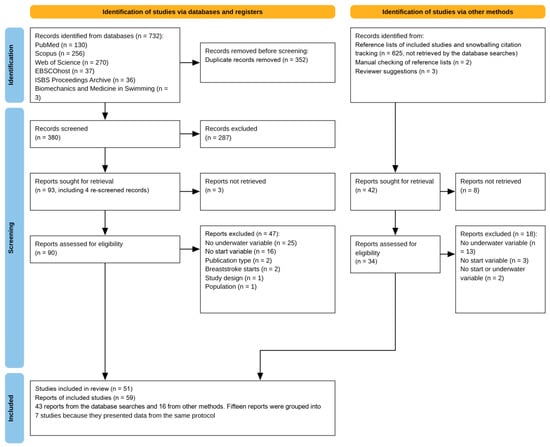
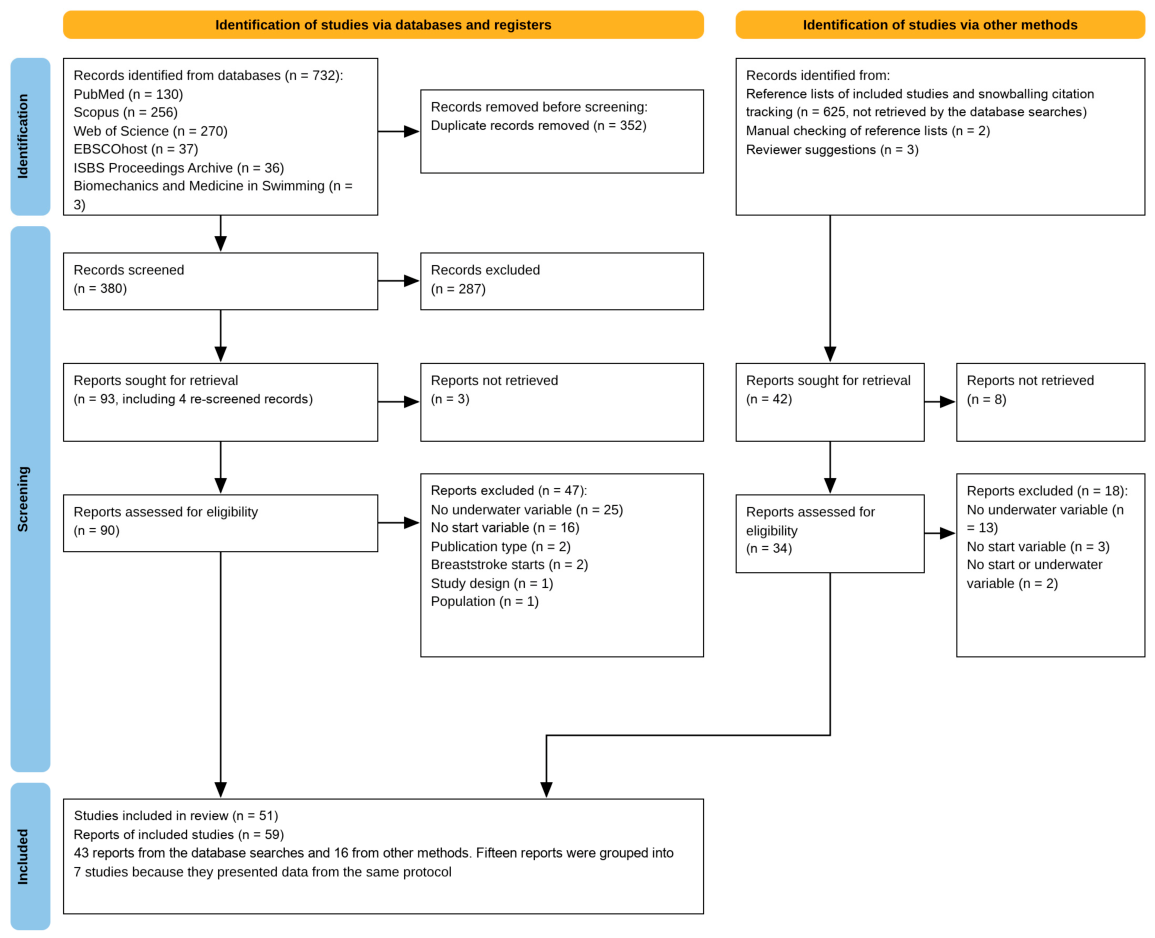
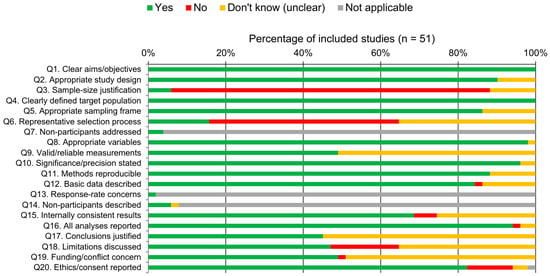
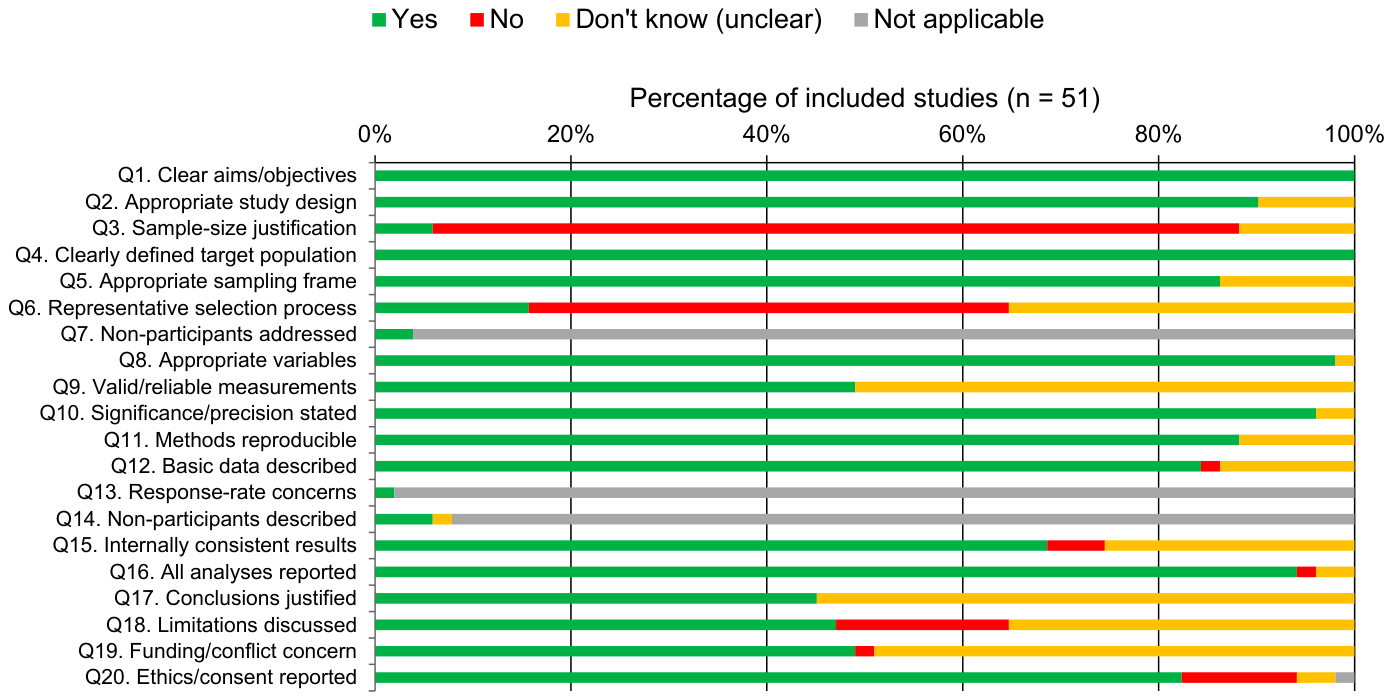

Disclaimer/Publisher’s Note: The statements, opinions and data contained in all publications are solely those of the individual author(s) and contributor(s) and not of MDPI and/or the editor(s). MDPI and/or the editor(s) disclaim responsibility for any injury to people or property resulting from any ideas, methods, instructions or products referred to in the content. |
© 2026 by the authors. Licensee MDPI, Basel, Switzerland. This article is an open access article distributed under the terms and conditions of the Creative Commons Attribution (CC BY) license.