


Abstract
Glycyrrhiza glabra (L) is an herbaceous perennial species belonging to the Fabaceae family, utilized in most ancient food production and popular medicine for its aromatic characteristics and the broad range of therapeutic activities. The phytochemical composition of licorice roots includes numerous metabolites and bioactive compounds and their extract have been extensively used in the food, pharmaceutical and cosmetic industries. More recently, increasing attention has been directed to the aerial parts of plants and processing residues of leaves, representing a source of bioactive compounds with potential applications in various industrial fields. Therefore, a comprehensive overview of the nutritional, economic, and industrial value of licorice and its processing residues was provided, highlighting their potential for the development of innovative products in the framework of a circular bioeconomy. Furthermore, this review encourages additional studies on the effect of edaphic conditions on plant chemical composition to ensure product quality and promote sustainable agricultural land use. Additional research is also warranted to explore the use of licorice plants or innovative applications, such as sustainable packaging materials, paper -based products, raw material for the textile industry, and bioproducts for cultural heritage conservation. One of the most interesting products obtained from licorice is glycyrrhizin, used as a natural sweetener, but further research on the extraction and purification of this compound is necessary to improve its recovery and broaden its applications.
1. Introduction
Licorice (Glycyrrhiza spp.) is among the oldest and most extensively used medicinal plants in traditional phytotherapy. It has been employed for millennia in numerous cultures to treat a wide range of disorders and to promote both human and animal health. The genus Glycyrrhiza, a member of the Fabaceae family, includes more than 30 species that are widely distributed throughout the world [1]. Among Glycyrrhiza species, G. glabra is the most extensively studied and commercially exploited, although G. inflata, G. aspera, G. uralensis, G. korshinskyi, and G. eurycarpa have also shown significant applications in different fields. The European Pharmacopoeia Commission [2] recognizes the roots, rhizomes, and stolons of G. glabra, G. uralensis, and less frequently G. inflata, as some of the most widely used herbal medicinal materials worldwide. Their extensive use is reflected by the large quantities harvested and exported annually and by their incorporation into numerous traditional medicinal systems, including Chinese, Japanese Kampo, Ayurvedic, Unani, and European herbal medicine [3].
Glycyrrhiza glabra includes three main botanical varieties: G. glabra var. typica L. (Spanish licorice), G. glabra var. glandulifera (Waldst. & Kit.) Boiss. Additionally, G. glabra var. violacea (Boiss.), which is native to Iran and Turkey [4]. Licorice has been cultivated in Europe since the 16th century, but there is historical evidence that it was a common remedy among Ancient Egyptians, Greeks, Romans, and East Chinese populations, from the Former Han era [5,6].
Although licorice is distributed across Asia and regions of southern Europe [7], its putative center of origin is considered to be Iraq [8]. Actually, commercial cultivation of licorice occurs in numerous countries across Europe, Asia, and North America, including Italy, Spain, Greece, France, Iran, Iraq, Turkey, Turkmenistan, Uzbekistan, Syria, Afghanistan, Azerbaijan, India, China, the United States, and the United Kingdom. In recent years, the global demand for licorice has increased considerably. Iran, the USA, France, China, and the United Arab Emirates are among the main exporting countries, with the USA, China, France, Germany, and the Netherlands the most relevant importing countries. The United States plays a prominent role in the licorice trade, being one of the major importers and exporters of licorice constituents and processed licorice products [9].
Research carried out over the last 50 years has generated extensive knowledge regarding the pharmacological and physiological properties of this plant, leading to growing interest in its therapeutic applications. The global licorice market has reached a value of approximately US$ 1650 million, supported by the growing interest in glycyrrhizin as a natural sweetener and in the use of licorice-derived compounds as pharmaceutical agents [10]. Therefore, extensive studies have been conducted on the chemical constituents of licorice, with particular emphasis on the isolation of glycyrrhizin, as well as numerous other saponins and flavonoids. Apart from the traditional uses of licorice, extensive studies have been carried out on the extraction and characterization of its chemical constituents such as glycyrrhizin, triterpene saponins and flavonoids, with their applications as pharmaceutical agents, sweeteners and food additives. Therefore, from a commercial point of view, licorice extracts are added to chewing gum, chocolate, candies, cigarettes, and snuff as a sweetening agent. They can be employed to improve the taste of bitter drugs (i.e., aloe) and to create foam in soft drinks and alcoholic beverages. Furthermore, licorice extracts are currently used as compost for mushroom cultivation and as feed for cattle, horses, and chickens. Numerous applications have also been reported in cosmetics, where licorice extracts are used as depigmenting, emollient or soothing agents. In the food industry, licorice is commercially used to prepare pastries, ice creams, puddings, and soy sauce. Owing to its sweet flavours, it is used in a variety of foods including condiments and confectionery [6,9].
Considering the available literature, as well as the nutraceutical properties and the cultivation practices of G. glabra, this review focuses on its traditional uses, its role in the circular bioeconomy, and its potential as a source of value-added bio-products for food, feed, cosmetics, and other potential sectors. Despite its long-standing use in traditional medicine, licorice has gained increasing attention for its diverse industrial applications that offer potential opportunities for the recovery and valorization of processing by-products and co-products, which, in the case of licorice, are represented by secondary products derived from the cultivation (as the leaves) or manufacturing process (exhausted roots). This approach could contribute to the reduction in production costs, minimizing waste generation, and enhancing environmental sustainability through a more efficient utilization of resources. While the roots have historically represented the main organs focus of the licorice utilization, this review highlights the recent research exploring the potential of the aerial parts of the plant, particularly the leaves, as well as the valorization of residual waste and by-products. Therefore, this review summarizes the ethnopharmacological uses, phytochemical composition, biological activities, and innovative potential applications of G. glabra across different sectors. It aims to provide insights for future research on this species, facilitating the discovery of new applications and the development of innovative bio-products for both scientific and industrial applications.
2. Botanical, Nutritional and Nutraceutical Characteristics
Licorice is a shrubby plant (Figure 1) that rarely exceeds 1.5 m in height and it is characterised by erect, branched, leathery, and dark green stems [11].
Figure 1.
Licorice plant in flowering (image kindly provided by Amarelli Fabbrica di Liquirizia SRL, located in Corigliano-Rossano, Italy).
The specific epithet glabra, meaning “hairless”, refers to the absence of hairiness on the plant [12], except for soft hairs covering only the lower surface of the leaves [13].
The species develops an extensive rhizome system from which horizontal roots and woody stolons may extend up to 8 m in length [13] and penetrate approximately 1 m into the soil, allowing the plant to tolerate prolonged drought conditions [9]. The roots are cylindrical-conical, highly branched, and represent the most economically important part of the plant. Together with the underground stems of 3–4-year-old plants, they are harvested in autumn. After drying, the roots appear dark brown externally and golden yellow internally (Figure 2), with a characteristic odour and sweet taste [13,14]. Licorice roots can be sold directly for chewing or sucking or they can be processed to obtain a concentrated black juice.
Figure 2.
Licorice roots after drying, ready to be sucked at the size about 1 cm (diameter) × 13 cm (length) (image by authors).
The leaves are 7–15 cm long [14], lanceolate, and imparipinnate, with 4–7 pairs of oblong to elliptical leaflets arranged alternately along the stem (Figure 3).
Figure 3.
Licorice leaves as by-products of licorice cultivation (image kindly provided by Amarelli Fabbrica di Liquirizia SRL, located in Corigliano-Rossano, Italy).
Each flower has a short, tubular, bell-shaped calyx with five lanceolate lobes covered in glandular hairs. The androecium consists of nine fused stamens and one free stamen, while the superior monocarpellary gynoecium is characterised by a curved style and a capitate stigma. Flowering generally occurs from June to August, and pollination is entomophilous [15]. From July to October, the plant produces flattened, leathery, glabrous, indehiscent legumes approximately 2–3 cm long [11,14]. Each pod contains 2–6 brown to blackish, kidney-shaped seeds [13].
Licorice is not generally regarded as a conventional food because it is typically consumed in limited quantities; instead, its pharmaceutical and phytochemical properties have been extensively studied. Owing to its recognized “medicine-food homology” status, licorice can also be classified both as a health food product and as a natural sweetener [16]. It may provide health benefits when consumed in moderate amounts, although excessive intake can lead to adverse effects [17].
According to the nutritional profile (Figure 4), licorice is low in fats (2.21 g/100 g) and relatively low in proteins (7.19 g/100 g), while containing high levels of carbohydrates (75.00 g/100 g) and dietary fibre (38.41 g/100 g). Simple sugars include seminose, sucrose, rhamnose, dextrose, and pectinose. In addition, 100 g of licorice provides approximately 210.52 kcal [9].
Figure 4.
Licorice nutrional profile (adapted from data by Ikram et al. [9]).
The nutritional composition of G. glabra also includes gums, sterols, starches, pectins, proteins, amino acids (alanine, glycine, serine, aspartic acid, threonine, and glutamic acid), and resins [17]. Furthermore, licorice contains coumarins, alkaloids (mainly tetrahydroxyquinoline compounds), glycosides, estrogens, tannins, and phytosterols such as stigmasterol and sitosterol, as well as various vitamins, including thiamine, riboflavin, niacin, pantothenic acid, tocopherol, and ascorbic acid [9]. Among the mineral elements identified in licorice, calcium and iron are present in the highest concentrations, whereas zinc and copper occur in lower amounts [9,14].
G. glabra is widely recognized as a nutraceutical plant because of its rich content of active compounds. More than 400 secondary metabolites have been identified in licorice [18], including approximately 300 flavonoids with distinctive functional and pharmacological properties [14]. Due to this diverse phytochemical composition, licorice has numerous applications across several sectors worldwide, including the food, pharmaceutical, animal husbandry, cosmetic industries, and environmental management [18,19].
The bioactive constituents of licorice collectively contribute to its wide range of health-promoting properties (Table 1).
Table 1.
Major bioactive constituents * of licorice.
The composition and concentration of these compounds may change considerably among cultivated and wild plants and are strongly influenced by genetic and environmental factors [11]. The occurrence of these bioactive constituents has supported the historical and widespread application of licorice in traditional Chinese medicine over thousands of years. In traditional medicine, licorice has long been recognized for its therapeutic effects against asthma, bronchitis, ulcers, and inflammatory conditions [13].
Glycyrrhizin is considered the major bioactive compound in licorice. This triterpenoid glycoside accounts for about 10% of the dry weight of licorice roots and is largely responsible for many of the plant’s pharmacological properties [1,9,14].
This compound is primarily responsible for the characteristic sweet taste of licorice, which is estimated to be about 50 times sweeter than sucrose [15,22,23]. For this reason, glycyrrhizin contributes significantly to the widespread use of licorice in functional foods and traditional preparations. Glycyrrhizin has attracted considerable scientific interest due to its broad spectrum of biological activities, including anti-inflammatory, antioxidant, antidiabetic, anti-obesity, antiulcer, antiviral, anticancer, neuroprotective, hepatoprotective, and antiallergic activities [22,23].
The distinctive yellow colour of the inner tissues of licorice roots is mainly attributed to the presence of flavonoid compounds, such as liquiritin, isoliquiritin, glabridin, and hispaglabridins A and B [13].
These compounds represent valuable constituents with potential applications in high-value-added products despite their relatively low abundance, typically below 1%, and their variability according to species, geographic origin, environmental factors, and processing conditions [22,24]. Furthermore, flavonoids represent key contributors to the nutraceutical potential of licorice, due to their diverse biological properties, including anti-inflammatory, antioxidant, and antitumoral activities, which may counteract oxidative stress and reduce the risk of chronic disease development [25]. The flavonoid profile of licorice includes a range of chemical classes, such as isoflavans, isoflavenes, isoflavones, chalcones, flavanones, and flavanonols [14].
The antioxidant properties of licorice are further enhanced by phenolic compounds and flavonoids, particularly glabridin and related polyphenols [15]. Glabridin is the major isoflavone found in licorice and accounts for approximately 0.08–0.35% of the root dry weight [26]. In addition, the presence of phenolic acids, including gallic and caffeic acids, makes a significant contribution to the antioxidant properties of licorice [15].
Notably, the accumulation of phenolic compounds and flavonoids is typically enhanced under the same conditions, while the contents of glycyrrhizin and other saponins exhibit an inverse trend, with their concentrations decreasing as phenolic and flavonoid contents increase [15,26]. Licorice is also an important source of polysaccharides [18]. Although these compounds are believed to contribute to the therapeutic properties of licorice, including anticancer, anti-inflammatory, antibacterial, antioxidant, and immunoregulatory activities, their structural characterization remains relatively limited because of their complexity [27,28]. Consequently, most studies have focused primarily on the relationship between licorice polysaccharides and their biological activities rather than on their detailed structural features [18]. Their monosaccharide composition is generally similar across different varieties but the relative proportions of individual monosaccharides can vary [21]. Among the polysaccharides identified in licorice, GPS-1 has been recognized as a novel pectic polysaccharide comprising fucose, rhamnose, arabinose, galactose, glucose, xylose, galacturonic acid, and mannuronic acid. Licorice also contains a diverse range of volatile compounds, such as geraniol, α-pentanol, hexanol, terpinen-4-ol, and terpineol, together with essential oils enriched in furfuraldehyde, propionic acid, 1,2-methyl-2-formylpyrrole, 2,3-butanediol, furfuryl formate, maltol, and trimethylpyrazine. Collectively, these volatile constituents are responsible for the characteristic aroma of licorice [14].
Overall, the synergistic interaction among these phytochemical groups underlies the nutraceutical value of licorice, explaining both its long-standing use in traditional medicine and its increasing application in functional foods and pharmaceutical products. Although the roots of G. glabra are the organs of the plant most widely utilized by the industry because of the presence of the highest concentration of phytochemical compounds, recent studies have focused on the leaves, containing valuable bioactive constituents that mainly belong to the flavonoid family [6,29]. In this context, licorice leaves may represent a renewable and sustainable resource, as they can be harvested annually, unlike the roots, but they contain very low levels of glycyrrhizin or may even lack this compound entirely. Further research is needed to explore the phytochemical composition of licorice flowers and seeds, with particular emphasis on the isolation and characterization of novel constituents [11].
3. Agricultural Practices
Licorice is commonly propagated through vegetative methods using root cuttings approximately 15–20 cm in length and 1.5–2.0 cm in diameter, which are generally planted in early spring [30]. Although sexual propagation through seeds is possible, germination rates in Glycyrrhiza species are typically low due to the physical dormancy imposed by the hard seed coat [31]. Furthermore, seedlings produced through sexual propagation exhibit slower early-stage growth compared with vegetatively propagated plants [32]. Different pre-sowing treatments based on scarification and temperature can be performed to overcome seed dormancy and increase germination rates. Mechanical or chemical scarification of seeds using sulfuric acid at high concentrations (70–98%) combined with incubation at high temperature (25–35 °C) can increase germination rates to up to 98% [33]. Moreover, seed germination and seedling growth are also affected by soil salinity and pH, with optimal germination occurring at the approximately value of pH = 6 [34]. Micropropagation represents another valuable strategy for the large-scale production of licorice seedlings, providing a 15–20-fold increase in multiplication efficiency compared to traditional stolon cutting propagation [35]. To maximize root and rhizome biomass production, cultivation practices generally recommend a minimum density of 24,000 plants ha−1, combined with row distances of 30–80 cm, intra-row spacing of 20–50 cm, and planting depths of 10–15 cm [36]. Licorice is considered a low-input crop, requiring only periodic weed control and pest management, and relatively low irrigation inputs. These characteristics make it a sustainable, multifunctional and resilient crop suitable for regenerative agricultural systems, contributing to soil erosion control, water conservation, and soil fertility maintenance [37].
As a wild perennial species, licorice exhibits high adaptability to a broad range of environmental conditions. It can thrive under mean annual temperatures ranging from 5 to 25 °C, annual rainfall levels of 400–1160 mm, and soil pH values between 5.7 and 8.2 [37]. Root development is favoured by temperatures above 15 °C, whereas lower temperatures may negatively affect rhizome texture and quality [38]. Furthermore, well-drained and sandy soils are suitable for licorice cultivation because they facilitate extensive root development [38]. Due to its morphological traits, particularly its extensive root system, and physiological characteristics, such as its nitrogen fixation capacity, licorice can naturally thrive in wild habitats, including harsh environments and areas where conventional agricultural practices are limited [39]. As a member of the Fabaceae family, licorice establishes symbiotic relationships with Rhizobium bacteria within root nodules, enabling biological nitrogen fixation [14]. This process contributes to soil fertility improvement by enhancing the availability of essential nutrients and reducing reliance on synthetic nitrogen fertilizers.
Agronomic research on licorice is essential to improve root quality, biomass production, and bioactive compound accumulation, thereby promoting sustainable agriculture and rural revitalization. Genetic screening, selection, and exploitation of wild germplasm with relatively high liquiritin and glycyrrhizin contents are of great importance in breeding programs aimed at enhancing licorice quality [40]. Furthermore, the geographical origin of different ecotypes may significantly affect glycyrrhizin accumulation, thereby influencing the therapeutic properties of licorice roots [41]. Glycyrrhizin levels are also dependent on the timing of root harvesting and are strongly influenced by environmental and agronomic factors, including soil characteristics, climatic conditions, and cultivation practices and nutrient management [42].
Within this framework, appropriate fertilization strategies are essential to ensure both high yield and product quality, as different nitrogen fertilizer sources can influence the biosynthesis and accumulation of secondary metabolites [43]. Licorice is considered a low-input crop, with nutrient recommendations of approximately 40 kg ha−1 P and 40 kg ha−1 N reported for cultivation in Indian soils [44]. Nitrogen (N) is an essential macronutrient required for plant growth and development and is primarily absorbed in the forms of nitrate (NO3−) and ammonium (NH4+). However, in some plant species, the application of NH4+ has been shown to enhance the accumulation of phenolic compounds in both roots and shoots. This nitrogen form can regulate the activity of phenylalanine ammonia-lyase (PAL), an enzyme involved in the initial step of phenolic compound biosynthesis [45].
Research has been conducted to elucidate the effects of different nitrogen sources and ratios on secondary metabolite accumulation in licorice species. In cultivated G. uralensis, variations in the NH4+/NO3− ratio significantly influenced metabolite profiles, with optimal glycyrrhizin and flavonoid accumulation observed at NH4+/NO3− ratios of 15:15 and 20:10, respectively [46]. In addition, the accumulation of glycyrrhizin and related metabolites can be modulated by the form of nitrogen supplied. A low-nitrate treatment was found to enhance the biosynthesis and accumulation of flavonoids, such as liquiritin, liquiritigenin, and isoliquiritigenin. Conversely, glycyrrhizin accumulation was stimulated by the application of suitable concentrations of either ammonium or nitrate nitrogen [47].
The production of medicinal plants and root crops in controlled environments represents a promising strategy to optimize the quality and standardization of plant-derived raw materials while enhancing their purity, bioactive potential, and biomass productivity [48]. A recent study [49] evaluated the influence of various cultivation systems, including aeroponic, hydroponic, substrate-based hydroponic, and soil-based cultivation, as well as different nitrogen sources (NH4+, NO3−, and a 1:1 molar mixture of both) on the production and accumulation of secondary metabolites in licorice. The findings revealed that nitrogen source and cultivation system significantly influence licorice growth, physiological processes, and biochemical responses, highlighting their importance in modulating plant performance and metabolite production. Among the cultivation methods, aeroponics improved nutrient uptake and physiological responses by enhancing root-zone aeration and nutrient delivery.
Environmentally sustainable strategies for meeting the nutritional requirements of licorice include symbiosis with mycorrhizal fungi and application of biochar. The use of arbuscular mycorrhizal fungi (AMF) has been shown to positively influence nutrient acquisition, plant growth, and productivity in licorice. Research has reported that AMF inoculation improves several vegetative traits, such as leaf area, shoot growth, and root weight, while stimulating the accumulation of bioactive secondary metabolites [50], photosynthetic efficiency, flavonoid accumulation, glycyrrhizin and total phenolics content [51]. Moreover, silicon supplementation (300 mg L−1) combined with Claroideoglomus etunicatum inoculation contributes to the mitigation of severe drought stress in licorice plants by improving morpho-physiological characteristics, antioxidant enzyme defence systems, biomass production, and quality parameters [52].
The application of biochar amendments in greenhouse cultivation enhances licorice growth and nutrient uptake, improving the acquisition of carbon, nitrogen, and phosphorus, while increasing soil enzyme activity and overall soil fertility [39].
4. Industrial Process, Residue Root Waste and Wastewater
Figure 5 illustrates the industrial process for the extraction of licorice juice from roots and also the potential application of the resulting residual products.
Figure 5.
Licorice juice process flowchart.
After harvesting, which is usually carried out manually or using specialized machinery, licorice roots are cleaned to remove soil and impurities and then washed with water. The cleaned roots are dried in a well-ventilated area to prevent mold formation. Once dried, they can be cut into pieces of varying lengths, which are then calibrated and classified according to their diameter to obtain three categories: thin, medium, and thick root pieces. The roots are subsequently shredded and ground to increase their contact surface area with the solvent and maximize juice yield.
In licorice processing, juice extraction can be performed using either water or ethanol. Hot-water extraction, the most commonly used method, enhances the solubilization of compounds such as glycyrrhizin and increases extraction efficiency and rate, whereas ethanol can extract a broader range of compounds, including those with limited water solubility. Water–alcohol mixtures can be useful to optimize extraction efficiency by balancing the solubility of different classes of compounds. The traditional Italian extraction method relies on the use of hot water (Figure 6).
Figure 6.
Licorice processing from dried roots (a), extracted juice concentration (b), candy polishing (c) and packaging (d) (image kindly provided by Amarelli Fabbrica di Liquirizia SRL, located in Corigliano-Rossano, Italy).
Since 1731, Amarelli srl Factory has used exclusively licorice roots that grow naturally in Calabria, southern Italy. Harvesting takes place from November to April, when rainfall softens the soil and facilitates root extraction.
The roots are stored, dried, pre-treated by cutting and fraying, and then placed in baskets, each containing approximately 400 kg of roots, for juice extraction by hot water (1000 L). The extraction process is carried out in five stages. The first three stages last about 90 min each, and the resulting liquid is collected. The liquid obtained from the final two stages is reused on the following day. If production work is interrupted for more than one day, this liquid is discarded and replaced with fresh water. The licorice juice is subsequently concentrated by heating and cooked for approximately 11 h under continuous stirring. The resulting licorice paste is removed manually and transferred to the next stage, where it is shaped into the desired form. The product is then dried, optionally polished, and packaged. At the Amarelli factory, polishing is carried out exclusively using powerful jets of water vapor that smooth the surface of the licorice and impart a glossy black appearance.
The concentrated licorice juice can be processed by extrusion using specialized machinery to produce different kinds of candies, or it can be converted into powder using a spray dryer.
For the production of the licorice extract alone, a high glycyrrhizin content and low starch and gum contents are desirable. In contrast, starch and gums are required to produce natural root fragments and confectionery products. The concentrated extract can be further purified by filtration or chromatographic techniques [53] to remove impurities and obtain glycyrrhizin in a purer form. Purified licorice extract is widely used in various sectors, including the food, herbal and traditional medicine, cosmetic, and pharmaceutical industries.
After the production of concentrated juice and extraction of bioactive compounds, fibrous residues and other plant materials remain as by-products or waste (Figure 7).
Figure 7.
Licorice root residue after juice extraction (kindly provided by Amarelli Fabbrica di Liquirizia SRL, located in Corigliano-Rossano, Italy).
Traditionally, these residues have been discarded or, in some cases, used as compost or animal feed. Within the framework of waste valorization and the circular bioeconomy, these residues can instead be valorised as sources of valuable bioactive compounds, including flavonoids, saponins, and residual amounts of glycyrrhizin, as well as dietary fiber. Their valorization can reduce the environmental impact associated with waste disposal while providing renewable alternatives to fossil-based resources and virgin cellulose for the development of sustainable bio-based products [15].
The industrial processing of licorice generates substantial amounts of spent licorice root. This material consists mainly of lignocellulosic biomass and is rich in cellulose, hemicellulose, lignin, and organic matter. Rather than being regarded as waste, it should be considered a valuable resource with significant potential within the circular bioeconomy framework. When the requirements set out in Article 184-bis of Italian Legislative Decree 152/2006 [54] are met, spent licorice root can be classified and managed as a product rather than as waste. In most cases, it can be reused after an appropriate drying process.
In addition to its traditional use in agriculture as a soil improver, the research is exploring a range of innovative applications for spent licorice roots. These include the production of biochar, activated carbon, composite materials, and bioplastics, as well as the recovery of residual bioactive compounds. Other studies are exploring its use for sustainable packaging materials, single-dose containers as alternatives to conventional plastics, paper substitutes, and even textile applications. Industrial experience has shown that the favorable chemical and physical characteristics of this material, combined with a clearly defined final end use and appropriate technical documentation, can transform residual products into a valuable resource, generating environmental, economic, and operational benefits. The quantity and chemical composition of licorice processing residues depend on the extraction method and period of boiling, which in turn influence their suitability for different applications (Table 2). However, these applications differ considerably in terms of technological maturity and the time required for market integration [15]. In detail, applications in the agri-food, cosmetics and phytotherapy sectors are already widespread. Pilot plants/prototypes for energy and biomaterials/bioplastic production are currently under development, while research activities and initial applications are underway in the fields of sustainable green building and textile industry.
Table 2.
Sector and application of licorice root residues.
However, the sustainable valorization of licorice residues as high-value underutilized resources requires the implementation of efficient and environmentally sustainable technologies for treating wastewater generated during dehydration, ensuring effective pollution control while minimizing environmental impacts [68].
In licorice processing facilities, another significant waste stream consists of a considerable volume of yellowish-brown, tea-like slurry wastewater generated during the extraction process and the periodic cleaning of processing equipment and pipelines. Licorice processing wastewater is characterized by (i) high levels of soluble and insoluble chemical oxygen demand (COD), reaching values of up to 8000 mg/L, which preclude its direct discharge into water or onto land; (ii) significant chromaticity and total suspended solids (TSS) content; and (iii) presence of coloured phenolic compounds, including flavonoids and chalcones, which may exert toxic effects on aquatic ecosystems.
Several technologies can be applied for the treatment of licorice processing wastewater, either to remove pollutants or to recover high-value bioactive compounds. These approaches include membrane-based technologies [69,70,71,72], electrocoagulation processes [73,74], as well as biological (anaerobic–aerobic systems) and post-biological treatments involving lime, alum, and ozone [75]. After appropriate treatments, licorice root extract wastewater can be reused for crop irrigation, thereby contributing to water-resource conservation and promoting circular water management.
5. Exploitation of Licorice Multifunctionality for Different Applications
The wide range of biological and chemical properties of licorice makes this plant a multifunctional resource with potential applications across different sectors, as demonstrated by its diverse uses [6].
5.1. Food Manufacturing
For more than 4000 years, rhizomes and roots of licorice have been used in the food industry [76], where they are widely employed as natural sweeteners and flavouring agents [6,9,22,77]. The principal applications of licorice in food manufacturing are summarized in Table 3. In addition to imparting sweetness and aroma, licorice is frequently used to mask undesirable bitter tastes [78,79], thereby improving the sensory acceptability of a wide range of food formulations.
Table 3.
Licorice uses in food manufacturing.
Licorice is also extensively used as a flavouring ingredient in both non-alcoholic and alcoholic beverages, including teas, soft drinks, root beer, arak, and other specialty drinks [79]. In several Middle Eastern countries, traditional licorice-based beverages, such as the non-alcoholic Egyptian drink “Erk Sous”, are especially consumed during the month of Ramadan and are appreciated for their refreshing properties, especially in hot climates [79]. In addition, licorice contributes to the characteristic flavour of alcoholic beverages such as Pernod, Pastis, Arak, Herbsaint, and certain Belgian beers [9]. Its widespread use across diverse beverage categories highlights its versatility as a flavouring ingredient and reflects its broad cultural acceptance in different regions of the world.
As described above, these applications are mainly attributed to glycyrrhizin, the major bioactive constituent of licorice. In addition to its sweetening properties, it has been reported to modulate salty taste perception, enhance flavour, and exhibit high thermal stability, making it suitable for various food-processing conditions [9]. Consequently, glycyrrhizin is incorporated into numerous food products, including ice cream, sherbets, and confectionery items. In Japan, its application has been extended to savoury foods, where it is used to reduce the perception of excessive saltiness in products such as snacks, soy sauce, and other sausages [10,80].
In addition to glycyrrhizin, licorice essential oil is used as a food additive to eliminate undesirable tastes and enhance sweetness and flavor, as well as a foaming agent in both alcoholic and non-alcoholic beverages. The oil contains volatile compounds, flavonoids, and saponins that contribute to its characteristic aroma and sensory properties [81]. International regulatory agencies have recognized licorice and its derivatives, including ammoniated glycyrrhizin, as safe (GRAS) ingredients for use in food systems [81].
The confectionery industry represents one of the major sectors for licorice utilization. Due to its characteristic sweetness and distinctive aroma, licorice is incorporated into a wide range of products, including candies, chewing gums, pastilles, lozenges, toffees, ropes, twists, and other confectionery products as well as beverages, dietary supplements, and extracts [79].
As licorice is available in numerous forms containing variable concentrations of its active compounds, determining dietary exposure to licorice remains a challenge. In 2003, the Scientific Committee on Food established an acceptable upper intake level of 100 mg/day of glycyrrhizin [78]. More recent studies have focused on the development of healthier confectionery formulations. In this context, resistant dextrin has emerged as a promising sugar substitute, enabling a significant reduction in sugar content while preserving the sensory quality and consumer acceptability of soft candies in low-calorie licorice confectionery [82].
The enduring popularity of licorice confectionery across different cultures reflects both its sensory appeal and its versatility as a natural flavouring and sweetening agent. Salty licorice, for instance, is particularly popular in Northern Europe [83], where the sweetness of glycyrrhizin is combined with the pungent flavour of ammonium chloride to create a distinctive sensory profile that is uncommon outside the region. Moreover, many commercial licorice products are flavoured with anise oil or anise extract to create the characteristic “black licorice” taste [84]. Anethole, the principal component of anise, enhances the perceived sweetness of glycyrrhizin while contributing a pungent and refreshing aromatic note. Beyond its technological applications, licorice continues to be valued for its distinctive flavour profile and versatility, supporting its use in both traditional and contemporary culinary practices.
Licorice is commercially available in several forms, each one possessing distinct functional and sensory properties that are suitable for specific applications in foods, beverages, and confectionery products. The most common commercial forms include whole root, powders, liquid extracts, concentrated extracts, and purified compounds such as glycyrrhizin (Figure 8).
Figure 8.
Common forms of licorice used in food manufacturing.
The selection of a particular form depends on factors including the desired flavour intensity, the sweetness level, solubility, processing requirements, and the characteristics of the final product. These diverse forms allow the incorporation of licorice into a broad range of products. Licorice roots are commonly processed into powders, liquid extracts, and concentrated blocks that are supplied to food and confectionery manufacturers worldwide.
Licorice extract is the principal commercial form employed by the food industry and is incorporated into beverages and confectionery products. The composition of the extract, particularly its glycyrrhizin content and other bioactive constituents, can be standardized according to the requirements of specific applications. Highly concentrated extracts, commonly supplied as liquid, blocks or semi-solid masses, are particularly important in confectionery manufacturing. Their elevated content of flavour compounds and natural sweeteners enables manufacturers to achieve the desired sensory profile with relatively small amounts of product.
In addition to imparting sweetness, purified glycyrrhizin can mask undesirable bitterness, enhance flavour perception, and improve overall sensory quality. Due to its high thermal stability, glycyrrhizin is particularly suitable for processed foods subjected to heat treatments. Deglycyrrhizinated licorice (DGL), a specialized preparation from which most of the glycyrrhizin has been removed, is commercially available as capsules, powders, and herbal teas. The development of DGL products reflects efforts to preserve the beneficial properties of licorice while minimizing the risk of glycyrrhizin-related adverse effects, such as hypertension and electrolyte disturbances, associated with excessive consumption of conventional licorice products [79,85]. Although depleted in glycyrrhizin, DGL retains many flavonoids and other bioactive constituents naturally present in licorice. Due to its reduced glycyrrhizin content, DGL has limited application as a sweetener but remains valued for its functional and health-promoting properties. Licorice syrup and paste impart the characteristic flavour and aroma of licorice to a variety of products, including candies, chewing gum, baked goods, dairy desserts, herbal infusions, and both alcoholic and non-alcoholic beverages [86,87].
Beyond conventional commercial forms, several modified glycyrrhizin derivatives have been developed to enhance technological properties such as solubility, sweetness profile, and flavour characteristics. These derivatives of glycyrrhizin can be obtained through enzymatic processing of licorice extracts or by hydrolysis and deglycosylation procedures [10]. Such ingredients are used in selected food applications, particularly in Japan and other Asian markets, where they serve as alternative sweeteners and flavour enhancers with improved sensory properties compared to conventional licorice extracts. In parallel, biotechnological approaches have been investigated to increase glycyrrhizin production and to generate derivatives with tailored functional properties, thereby expanding the potential applications of licorice-derived ingredients in food systems [88].
5.2. Applications of Glycyrrhiza spp. in Cosmetics and Personal Care Products
Extracts derived from Glycyrrhiza spp. are widely used in cosmetic products due to the bioactive properties of their specialized metabolites, which primarily belong to the flavonoid, saponin, and polysaccharide classes [89]. In response to growing consumer demand for more natural formulations and environmentally sustainable products, interest in the use of licorice in cosmetics has increased significantly in recent years. This growing attention is also associated with its potential cosmeceutical applications, which are attributed to the presence of bioactive compounds exhibiting drug-like properties.
Cosmeceuticals are cosmetic products containing biologically active ingredients that provide specific beneficial local effects on the skin, including the prevention of degenerative skin conditions and the improvement of skin tone, which are relevant aspects of the personal care industry [90]. Extracts derived from licorice roots are widely incorporated into a variety of cosmetic formulations, ranging from daily skincare products with sun protection factors to personal care products such as facial cleansers, makeup removers, toners, and shampoos [89]. Numerous creams and serums containing licorice extracts are marketed for their anti-aging properties and their potential to improve skin traits, including wrinkle formation and hyperpigmentation.
Figure 9 reported the main cosmeceutical effects documented for Glycyrrhiza spp.
Figure 9.
Potential cosmeceutical activity of Glycyrrhiza spp.
Regarding the anti-aging effect, it should be noted that several intrinsic factors such as genetics, cellular metabolism, hormonal changes, metabolic processes, as well as extrinsic factors including sun exposure, smoking, diet, and pollution contribute to the degradation of collagen and elastic fibers in the skin, resulting in wrinkle formation and skin aging [91]. In this regard, various scientific studies have demonstrated the beneficial effects of licorice extracts. Ciganović et al. [92] investigated glycerol-based licorice extracts as active ingredients for cosmeceutical formulations and dermatologic products. The results demonstrated that the glycerol-based ultrasound-assisted extraction represents a fast and effective method for obtaining a bioactive extract with strong radical-scavenging, Fe2+-chelating, and antioxidant activities. Moreover, the significant tyrosinase and elastase inhibitory activities of the extract, together with its anti-inflammatory activity, suggest a considerable anti-aging potential. These properties, combined with the use of a safe and cosmetically suitable solvent, support the potential direct application of this extract in the development of specialized cosmeceutical formulations. In vitro studies made by Garg et al. [93] showed that methanolic extract of G. glabra exhibited a maximum total antioxidant activity of 88.76% at a concentration of 100 μg/mL, compared with 90.12% for ascorbic acid, which was used as the standard. These results support the potential of G. glabra root extract as an anti-aging agent. Recently, Docimo et al. [42] studied the anti-aging properties of G. glabra leaves to explore the potential of this underexplored plant resource. Using ultrasound-assisted extraction with 70% (v/v) aqueous ethanol for 30 min. at 30 °C, the authors demonstrated that licorice leaf extract exerts a protective effect by attenuating α-synuclein toxicity, intracellular reactive oxygen species (ROS) accumulation, and cellular senescence in Saccharomyces cerevisiae. These results highlight the potential of licorice leaves as a valuable source of bioactive compounds for the prevention of aging and age-related disorders.
The topical application of formulations containing licorice extracts may represent a valuable strategy in dermatological and cosmetic products, as their high antioxidant content contributes to the maintenance of skin homeostasis [94]. Furthermore, Glycyrrhiza extracts and their bioactive constituents have demonstrated beneficial effects in the modulation and improvement of skin pigmentation disorders [95]. In addition to the effects demonstrated by licorice extracts, secondary metabolites isolated from the leaves and roots of G. glabra have also exhibited anti-melanogenic activity. Among these bioactive compounds, glabrene, isoliquiritigenin, licuraside, isoliquiritin, and licochalcone A have been identified as key constituents associated with the inhibition of tyrosinase activity [20].
The photoprotective activity of G. glabra extracts and their possible mechanism of action were also studied by several authors [96,97,98]. Among the compounds investigated for their potential role in reducing photoaging, licoricidin has been shown to prevent UV-A-induced photoaging processes [99], while licochalcone A demonstrated a significant ability to reduce UV-induced erythema in clinical tests [100]. Another photoprotective effect has been attributed to glycyrrhizin, which forms a photoprotective layer on the skin surface, potentially limiting UV radiation penetration, while licorice flavonoids contribute to the mitigation of UV-induced oxidative stress through their antioxidant activity [101].
In a recent study [102], an innovative biodegradable and dissolvable facial mask incorporating liposomal licorice extract was developed and evaluated, demonstrating an effective, well-tolerated, and environmentally sustainable approach for improving skin brightness and hydration. Photoprotection represents one of the main reasons for the use of G. glabra in cosmetic formulations, often in combination with other beneficial properties, such as the strong antioxidant activity associated with its flavonoids, isoflavones, methylated isoflavones, and chalcones [103]. Furthermore, saponins and polysaccharides derived from licorice have also demonstrated antioxidant properties, supporting their potential application in body wash cosmetic products [104,105]. In this context, licorice extracts represent promising ingredients for shampoo formulations, where they may contribute to maintaining hair health and appearance while helping to control scalp flaking, inflammation, and consequently dandruff formation [106]. Furthermore, Utami et al. [107] demonstrated that an ethanol extract of G. glabra exhibits promising hair growth-promoting activity.
Last but not least, licorice has also demonstrated promising effects in the management of Acne vulgaris, a widespread skin disorder that typically develops during puberty in association with increased androgen levels [108]. The anti-acne activity of licorice may result from multiple mechanisms, including its antimicrobial effects against acne-associated bacteria [109]. Moreover, a recent review by Keshri and Khare [110] highlighted the potential synergistic anti-acne effects of G. glabra extracts when incorporated into polyherbal formulations.
5.3. Licorice Extracts for Biocontrol in Agriculture
Among the major threats to ecosystem sustainability, the management of biotic stresses has become an increasingly urgent challenge. In agriculture, the need to reduce chemical pollution and minimize the adverse effects associated with pesticide use has prompted the European Commission to revise pesticide regulations [111], leading to a reduction in the number of approved active substances associated with specific hazards. At the same time, the adverse effects of synthetic pesticides, together with the emergence of resistance to conventional fungicides and bactericides among plant pathogens, have stimulated the search for alternative, environmentally friendly, and sustainable crop protection strategies. These challenges are further exacerbated by the accumulation of copper in soils resulting from its long-term use in organic agriculture [112]. In this context, plant-derived products, including extracts of licorice (G. glabra), have attracted increasing attention as potential biocontrol agents.
Although the antimicrobial properties of licorice root extracts have been extensively investigated in the context of human health, their agricultural applications remain comparatively underexplored [113]. Recent studies have reported promising insecticidal, nematicidal, antibacterial, antifungal, and antiviral activities. For example, an aqueous licorice root extract reduced populations of Bactrocera zonata (Saunders, 1841) by 93.33% after 72 h of treatment at a concentration of 30,000 ppm, an effect potentially associated with 42 distinct secondary metabolites identified by GC–MS [114]. B. zonata (Diptera: Tephritidae), commonly known as the peach fruit fly, is a destructive polyphagous pest capable of causing substantial damage to more than 50 fruit and vegetable crops and is considered an economically important agricultural pest. In addition, an aqueous root extract of G. glabra was investigated as a reducing agent in the biosynthesis of silver nanoparticles, which exhibited nematicidal activity against Meloidogyne incognita. The synthesized nanoparticles completely inhibited egg hatching after 48 h at a concentration of 10 ppm and caused complete mortality within 12 h at the lowest tested dose (6 ppm), highlighting the potential of the root extract for sustainable nematode management [115].
The aerial parts of licorice have also attracted attention as potential sources of bioactive compounds for crop protection. Hermann et al. [113] evaluated the potential of licorice leaf extracts to modulate the virulence of Pseudomonas syringae in Arabidopsis thaliana and tomato (Solanum lycopersicum), as well as their efficacy against important tomato pathogens, including Clavibacter michiganensis, Xanthomonas campestris, and Phytophthora infestans. Results obtained from different experimental approaches indicated that licorice leaf extracts possess direct antifungal and antibacterial activities and may enhance plant defense responses through pathways involving both salicylic acid and ethylene [113]. These findings are consistent with the evidence showing that G. glabra leaf extracts can act both directly against bacterial and oomycete pathogens and indirectly by modulating plant immune responses.
In addition, licorice leaf extract combined with the rhamnolipid Rhapynal has shown potential for protecting sugar beet and wheat against soil-borne viruses [116]. These viruses [94], transmitted by Polymyxa betae and Polymyxa graminis, respectively, are responsible for significant crop losses, while effective management strategies are still limited. Ethanolic licorice leaf extracts have also provided substantial protection against cucumber downy mildew, reducing disease severity by up to 99% under bioassay conditions and 83% under semi-commercial conditions. Phytochemical analysis revealed the presence of three flavonoids, namely glabranin, licoflavanone, and pinocembrin, which may contribute to the observed antimicrobial effects [117].
5.4. Licorice Crop and Abiotic Stress
In addition to its potential for managing biotic stresses, licorice may contribute to the mitigation of abiotic stresses and the rehabilitation of degraded soils in arid and semi-arid environments [118,119]. Its tolerance to moderate drought and its ability to grow in neutral to alkaline and calcareous soils make it particularly suitable for semi-arid and Mediterranean environments [120,121,122]. Water limitation may stimulate the expression of genes involved in secondary metabolite biosynthesis, including those associated with glycyrrhizin production [123].
Licorice cultivation may also improve soil quality and productivity in salt-affected environments. For example, Kushiev et al. (2021) demonstrated that three years of licorice cultivation increased the subsequent yield of wheat and cotton grown in highly saline soils [124]. More generally, long-term licorice cultivation has been associated with increased soil organic matter, improved formation of water-stable aggregates, reduced soil salinity and erosion, and enhanced yields of subsequent crops. Furthermore, symbiotic microorganisms associated with licorice roots may enhance nutrient availability, including that of nitrogen, phosphorus, and potassium, thereby contributing to soil fertility and the reclamation of saline and sodic soils [44,125,126].
Finally, licorice may provide broader agroecological benefits. When established as field-margin strips, it can increase the abundance and diversity of generalist predators and enhance aphid biological control in adjacent cotton crops, suggesting a potential role in promoting biological control and overall agroecosystem resilience [127].
Overall, the available evidence indicates that licorice is a promising multifunctional crop for sustainable agriculture, combining potential biocontrol activity against a range of pests and pathogens with tolerance to abiotic stresses, soil-improving effects, and the capacity to support beneficial arthropod communities. However, further field-scale studies are needed to validate these effects under diverse environmental conditions and to determine the consistency, efficacy, and practical applicability of licorice-based crop protection and soil management strategies.
5.5. Other Uses of Licorice Extracts, By-Products and Waste
5.5.1. Animal Husbandry
Licorice extracts can be profitably used as antibacterial feed additives [128], intestinal health promoters [129], and immune system enhancers in livestock [130]. Some studies have demonstrated the potential of licorice extracts to improve the production performance in sows, broilers, pigeons, and rabbits, as well as to enhance the meat quality and related traits [131].
5.5.2. Aquaculture
The increasing demand for seafood proteins has led to the intensification of aquaculture systems, in which animals may be stressed due to the high stocking densities and consequently become more susceptible to various diseases, resulting in significant economic losses. Abasubong et al. [132] have highlighted the beneficial effects of herbal supplements in aquaculture due to their health-promoting properties and biological activities. Several studies have shown that supplementing fish feed with appropriate amounts of various licorice-derived products can improve immune function, hepatoprotective responses, antimicrobial activity, and growth performance. Furthermore, the use of licorice extracts may help reduce the development of antimicrobial resistance among pathogenic bacteria associated with the excessive use of chemical drugs and antibiotics [133].
5.5.3. Tobacco Industry
Licorice extracts have been investigated for their potential role in improving selected properties of tobacco products. In traditional cigarettes, the addition of licorice may enhance smoke flavour, reduce oral and throat dryness, improve tobacco moisture retention, and contribute to product stability and shelf life, while reducing harsh sensory characteristics [65]. Moreover, licorice has been reported to reduce the levels of certain undesirable compounds, such as free radicals, in cigarette smoke, thereby potentially affecting the sensory characteristics and chemical profile of these products [134]. In electronic cigarettes, licorice-derived compounds have been associated with reduced throat irritation and improved sensory acceptability [135].
5.5.4. Cultural Heritage
The growing demand for sustainable solutions has stimulated increasing interest in naturally derived compounds and in the development of alternative products, including plant extracts and bio-based materials, which are considered more environmentally acceptable than synthetic chemicals for controlling the biodeterioration in Cultural Heritage materials [136]. In this context, the in vitro antimicrobial potential of licorice leaf extract (Trifoglio. M GmbH, Lahnau, Germany) was investigated against a panel of 20 bacterial strains representing the phyla Firmicutes, Actinobacteria, and Proteobacteria (class Gammaproteobacteria), as well as 10 fungal strains belonging to the genera Aspergillus, Fusarium, Epicoccum, Penicillium, and Cladosporium. All microbial strains were isolated from hypogeal environments and are included in the ENEA microbial strain collection. Although the fungal strains showed lower sensitivity to the extract than the bacterial strains, the intermediate inhibitory effect observed against Cladosporium and Epicoccum is particularly relevant, as these fungal genera are commonly found in hypogeal environments and are characterized by the production of melanin and other pigments that may contribute to the deterioration of cultural heritage materials [137].
5.5.5. Bio-Materials
The lignocellulosic composition of residual licorice root fibers, combined with properties such as porosity, water absorption capacity, and biodegradability, makes this waste material a suitable raw material for the production of a wide range of bio-based materials, potentially replacing fossil-based resources or virgin cellulose. Following appropriate cleaning, drying, grinding, and mixing with natural binders, licorice root residues can be effectively incorporated into sustainable building materials, improving thermal and acoustic insulation while providing lightness and breathability to decorative wall panels, lightweight plasters, and eco-compatible composite materials [63]. Licorice fibers are also suitable for papermaking through mechanical pulping or mild chemical processes. Paper and cardboard produced from licorice fibers exhibit characteristics comparable to those of products obtained from other non-wood fibers [66]. In recent decades, a growing interest has been directed toward the development of packaging materials based on natural polymers, owing to their biodegradability, renewability, non-toxicity, edibility, and sustainability. Licorice residual fibers and extracts can be used as natural fillers in the production of biodegradable packaging materials combined with biopolymers such as PLA (polylactic acid) or modified starches. Their incorporation has produced an increase in mechanical strength and thermal stability, improvement of the resistance to degradation, and conferred antioxidant and antibacterial properties [138].
5.5.6. Textile Industry
In recent years, the textile sector has shown a growing interest in the use of natural raw materials and agro-industrial wastes or by-products as alternatives to traditional synthetic additives and fibers [15]. Some studies have highlighted the potential of licorice root residual products as a source of lignocellulosic fibers for the production of sustainable technical textiles, thereby reducing the amount of waste generated along the supply chain and promoting production models based on the principles of the circular economy [63]. Furthermore, licorice extracts, which are rich in bioactive secondary metabolites, have been investigated as natural antibacterial agents for textile materials used in technical clothing, medical devices, and products intended for prolonged skin contact [139]. Licorice-derived pigments have also been extracted using aqueous or eco-friendly solvent-based processes, obtaining natural dyes with yellow to brown hues [66].
6. Market Outlook, Opportunities and Perspectives
Current forecasts suggest that global demand for licorice will continue to increase over the coming years, potentially leading to supply constraints in the European market [140]. According to Future Market Insights [141], the licorice market is projected to grow at a compound annual growth rate (CAGR) of 8.4% in China and 8.1% in India, followed by the USA (6.2%), Germany (5.8%), the UK (5.6%), and Japan (5.0%) by 2036. Reflecting this increasing demand, the global licorice root market is expected to expand from an estimated value of USD 1.0 billion in 2025 to USD 2.3 billion by 2036. The market is projected to grow at a rate of 7.4% between 2026 and 2036, resulting in an estimated incremental opportunity of USD 1.2 billion over the decade.
The pharmaceutical-grade section currently accounts for the largest market share because licorice is widely used in medicinal formulations, including cough syrups, lotions, and cosmetic products. The food-grade segment represents the second-largest market share, as licorice extracts are used in confectionery products, gummies, jellies, chocolates, soft drinks, wellness beverages, and teas. In addition, the licorice candy market is also projected to grow steadily from 2025 to 2035, supported by rising consumer interest in natural and functional products. The market value is expected to increase from USD 306.4 million in 2025 to USD 455.2 million by 2035. Several factors are driving this market expansion, including: (i) the growing number of manufacturers offering organic, gluten-free, and sugar-free licorice products; and (ii) the continued expansion of e-commerce and online retail channels, which have improved the global availability of licorice and broadened the range of flavours and formulations available to consumers. Consequently, licorice root residues are expected to gain increasing importance as strategic feedstocks for several industrial applications, supported by projected total investments exceeding € 8.5 billion between 2025 and 2035 [15]. As highlighted in this review, licorice is extensively utilized in several industrial sectors, including the food, pharmaceutical, nutraceutical, and supplement industries, as well as tobacco, chemical, environmental, and animal production applications. Moreover, recent research has increasingly focused on the potential exploitation of licorice aerial parts, particularly leaves and stems, as promising sources of bioactive compounds and value-added products.
According to the World Health Organization, the acceptable daily intake of glycyrrhizin is 100 mg. However, individual tolerance may vary considerably depending on factors such as sex, age, underlying health conditions, and concomitant medication use [142]. After oral intake, licorice constituents are converted into glycyrrhizin through metabolic processes involving the gastrointestinal tract, primarily through the action of gut microbiota. In fact, at high doses, licorice can have a toxic effect that is associated with pseudo-hyperaldosteronism, characterized by arterial hypertension, hypokalemia, and metabolic alkalosis and, although infrequent, arrhythmias, skeletal muscle paralysis, rhabdomyolysis, and impaired consciousness. Therefore, excessive licorice consumption may contribute to the development of hypertension [85]. In addition, licorice has been reported to influence sexual activity and reproductive parameters in male rats, while some flavonoids and isoflavonoids exhibit estrogenic effects [85]. Nevertheless, high or prolonged consumption of licorice may increase the risk of adverse effects. In this regard, it has been documented that excessive daily consumption of readily available products, such as flavoured candies or beverages, may result in intake exceeding the recommended safety threshold.
7. Conclusions and Future Research
This review summarizes the current knowledge on Glycyrrhiza extracts and their diverse phytochemical constituents, with particular emphasis on their characteristics and current applications. The valorization of licorice processing residues as valuable sources of bioactive compounds for the development of bio-based products is also highlighted. The first step in the valorization of licorice-based products could involve the selection of Glycyrrhiza species and genotypes based on the occurrence and accumulation levels of metabolites of interest. Moreover, studies investigating the effects of edaphic and environmental conditions on the chemical constituents of licorice should be encouraged to improve crop management strategies and ensure consistent production and quality. Finally, the optimization of suitable extraction and purification strategies is essential to maximize the yield of the desired bioactive compounds. In this regard, increasing research efforts are being focused on greener and more sustainable approaches, many of which still remain largely unexplored.
Among the numerous bioactive constituents of licorice, glycyrrhizin is one of the most extensively investigated and used due to its broad range of health-promoting properties. Therefore, further studies on the extraction and purification of this compound are needed to improve its recovery and facilitate its application. Genetic screening, selection and breeding of Glycyrrhiza genotypes and wild populations with relatively high liquiritin and glycyrrhizin contents could contribute to improving the quality of licorice and increasing the commercial value of its raw materials. Similarly, further research on spent liquorice roots is required to explore their potential for the production of biochar, activated carbon, composite materials, bioplastics, as well as for the recovery of residual bioactive compounds. Additional research should also investigate the use of residual products in innovative applications, including sustainable packaging materials and biodegradable containers as alternatives to conventional plastics, paper -based products, and textile applications.
As reported in the literature, licorice and glycyrrhizin may exhibit moderate toxic effects that require careful evaluation. Although considerable knowledge has been accumulated on the biochemical properties of this plant, further research is still needed to explore the potential of licorice and its by-products for novel applications, while assessing possible adverse effects associated with prolonged use, in order to establish appropriate dosage levels.
Finally, agronomic research on licorice may play a strategic role not only in enhancing root quality and yield but also in promoting sustainable agricultural land-use and mitigating the negative impacts of human activities and climate change. In particular, licorice cultivation could contribute to improving the economic and environmental sustainability of abandoned or marginal lands. In parallel, public–private partnerships may play a key role in establishing the necessary infrastructure and improving market access through collaborative synergies.
Author Contributions
Conceptualization, L.B., V.T. and P.C.; methodology, L.B.; software, V.T.; validation, M.A. and P.C.; formal analysis, F.D.G.; investigation, L.B., V.T. and P.C.; data curation, V.T.; writing—original draft preparation, L.B., V.T. and P.C.; writing—review and editing, L.B., V.T. and P.C.; visualization, F.D.G.; supervision, M.A. All authors have read and agreed to the published version of the manuscript.
Funding
This research received no external funding.
Institutional Review Board Statement
Not applicable.
Informed Consent Statement
Not applicable.
Data Availability Statement
No new data were reported, but data from literature were analyzed in this study. However, the data supporting the conclusions of this article will be made available by the authors on request.
Acknowledgments
The authors wish to express their gratitude to Amarelli Fabbrica di Liquirizia SRL, located in Corigliano-Rossano (Italy), for the valuable contribution in providing information and data useful for the preparation of this review on licorice.
Conflicts of Interest
Author Margherita Amarelli was employed by the company Amarelli Licorice Factory. The remaining authors declare that the research was conducted in the absence of any commercial or financial relationships that could be construed as a potential conflict of interest.
References
- Rizzato, G.; Scalabrin, E.; Radaelli, M.; Capodaglio, G.; Piccolo, O. A new exploration of licorice metabolome. Food Chem. 2017, 221, 959–968. [Google Scholar] [CrossRef] [Scilit]
- European Pharmacopoeia Online. Available online: https://pheur-online.edqm.eu/home/ (accessed on 15 July 2026).
- Liquiritiae Radix—Herbal Medicinal Product. Available online: https://www.ema.europa.eu/en/medicines/herbal/liquiritiae-radix (accessed on 29 July 2026).
- Gardner, Z.; McGuffin, M. American Herbal Products Association’s Botanical Safety Handbook; Taylor & Francis Inc.: Philadelphia, PA, USA, 2013. [Google Scholar]
- Shibata, S. A Drug over the Millennia: Pharmacognosy, chemistry, and pharmacology of licorice. Yakugaku Zasshi 2000, 120, 849–862. [Google Scholar] [CrossRef] [Scilit]
- Ding, Y.; Brand, E.; Wang, W.; Zhao, Z. Licorice: Resources, applications in ancient and modern times. J. Ethnopharmacol. 2022, 298, 115594. [Google Scholar] [CrossRef] [Scilit]
- Fiore, C.; EisenhutM, M.; Ragazzi, E.; Zanchin, G.; Armanini, D. A history of the therapeutic use of liquorice in Europe. J. Ethnopharmacol. 2005, 99, 317–324. [Google Scholar] [CrossRef] [Scilit]
- Mamedov, N.A.; Egamberdieva, D. Phytochemical constituents and pharmacological effects of licorice: A review. Plant Hum. Health 2019, 3, 1–21. [Google Scholar] [CrossRef] [Scilit]
- Ikram, A.; Shahzadi, M.; Tayyab, H.; Awlqadr, F.H.; Arshad, M.T.; Parveen, H.; Gnedeka, K.T. Licorice: A review of nutritional, medicinal, economic, and toxicity aspects. Int. J. Food Sci. Technol. 2025, 60, vvaf236. [Google Scholar] [CrossRef] [Scilit]
- Hayashi, H.; Sudo, H. Economic importance of licorice. Plant Biotechnol. 2009, 26, 101–104. [Google Scholar] [CrossRef] [Scilit]
- Li, L.; Yong, J.; Lu, C.; Tian, T. Recent Progress of Chemical Components and Biological Activities Licorice Roots. Nat. Prod. J. 2025, 15, 105. [Google Scholar] [CrossRef] [Scilit]
- Ibrahimli, S. Systematic Analysis and Taxonomy of the Genus Glycyrrhiza L. (licorice) in the flora of Azerbaijan (Legumes Fabaceae). Biodivers. J. 2025, 16, 37–40. [Google Scholar] [CrossRef] [Scilit]
- Singh, O.; Gupta, P.; Rawat, A. A review on pharmacological activities and traditional uses of Glycyrrhiza glabra (licorice). J. Pharmacogn. Phytochem. 2024, 13, 772–775. [Google Scholar] [CrossRef] [Scilit]
- Rajiv, G.; Allen, J.; Elango, K.; Shakila, S.; Gopu, B.; Jegadeeskanth, R.K.; Ravanachander, A. Liquorice: A Brief Overview of Its Nutritional Profile. In Liquorice Properties, Processing, and Health Benefits; Purewal, S.S., Singh, P.A., Eds.; CRC Press: Boca Raton, FL, USA, 2025. [Google Scholar]
- Madeo, L.; Macario, A.; Napoli, F.; De Luca, P. Licorice (Glycyrrhiza glabra): Botanical aspects, multisectoral applications, and valorization of industrial waste for the recovery of natural fiber in a circular economy perspective. Fibers 2026, 14, 14. [Google Scholar] [CrossRef] [Scilit]
- Jiang, M.; Zhao, S.; Yang, S.; Lin, X.; He, X.; Wei, X.; Song, Q.; Li, R.; Fu, C.; Zhang, J.; et al. An “Essential Herbal Medicine”-Licorice: A review of phytochemicals and its effects in combination preparations. J. Ethnopharmacol. 2020, 249, 112439. [Google Scholar] [CrossRef] [Scilit]
- Wahab, S.; Annadurai, S.; Abullais, S.S.; Das, G.; Ahmad, W.; Ahmad, M.F.; Kandasamy, G.; Vasudevan, R.; Ali, M.S.; Amir, M. Glycyrrhiza glabra (Licorice): A comprehensive review on its phytochemistry, biological activities, clinical evidence and toxicology. Plants 2021, 10, 2751. [Google Scholar] [CrossRef] [Scilit]
- Wu, L.; Ma, T.; Zang, C.; Xu, Z.; Sun, W.; Luo, H.; Yang, M.; Song, J.; Chen, S.; Yao, H. Glycyrrhiza, a commonly used medicinal herb: Review of species classification, pharmacology, active ingredient biosynthesis, and synthetic biology. J. Adv. Res. 2025, 75, 249–270. [Google Scholar] [CrossRef] [Scilit]
- Vaseghi Baba, F.; Esfandiari, Z.; Rostami, M.; Joolaei Ahranjani, P. Comparison of extraction of phytochemicals and bioactive compounds from licorice (Glycyrrhiza glabra L.) by conventional and green techniques: A systematic review. Crit. Rev. Anal. Chem. 2026, 1–15. [Google Scholar] [CrossRef] [Scilit]
- Zhu, W.; Gao, J. The use of botanical extracts as topical skin-lightening agents for the improvement of skin pigmentation disorders. J. Investig. Dermatol. Symp. Proc. 2008, 13, 20–24. [Google Scholar] [CrossRef] [Scilit]
- Liu, M.; Ma, Z.; Qing, H.; Wu, H.; Zhao, X.; Yin, Y.; Sun, L.; Chai, S.; Ren, X. Integrating HPGPC and FT-IR fingerprints with multi-block data fusion for origin authentication and quality assessment of Glycyrrhiza polysaccharides. Ind. Crops Prod. 2026, 240, 122650. [Google Scholar] [CrossRef] [Scilit]
- Shao, L.; Li, B.; Jiang, Y.; Yang, B. New insights of licorice (Glycyrrhiza genus) as a functional food. Food Chem. 2025, 492, 145332. [Google Scholar] [CrossRef] [Scilit]
- Noreen, S.; Mubarik, F.; Farooq, F.; Khan, M.; Khan, A.U.; Pane, Y.S. Medicinal uses of licorice (Glycyrrhiza glabra L.): A comprehensive review. Open Access Maced. J. Med. Sci. 2021, 9, 668–675. [Google Scholar] [CrossRef] [Scilit]
- Han, Y.; Hou, Z.; Zhang, X.; Yan, K.; Liang, Z.; He, Q. Important changes in germination, seedling tolerance, and active components content due to drought stress on three licorice (Glycyrrhiza) species. Ind. Crops Prod. 2022, 175, 114240. [Google Scholar] [CrossRef] [Scilit]
- Abdul-Majeed, A.F. The physiological effect of licorice roots on the antioxidant status of local females quail. Mesop. J. Agric. 2019, 47, 25–35. [Google Scholar]
- Simmler, C.; Pauli, G.; Chen, S. Phytochemistry and biological properties of glabridin. Fitoterapia 2013, 90, 160–184. [Google Scholar] [CrossRef] [Scilit]
- Gong, Z.; Liu, M.; Liu, H.; Deng, Z.; Qin, X.; Nie, J.; Qiao, Z.; Zhu, H.; Zhong, S. Structural features and in vitro antitumor activity of a water-extracted polysaccharide from Ganoderma applanatum. New J. Chem. 2023, 47, 13205–13217. [Google Scholar] [CrossRef] [Scilit]
- ShangZ, Z.; Liu, C.; Qiao, X.; Ye, M. Chemical analysis of the chinese herbal medicine licorice (Gan-Cao): An update review. J. Ethnopharmacol. 2022, 299, 115686. [Google Scholar] [CrossRef] [Scilit]
- Dong, Y.; Zhao, M.; Zhao, T.; Feng, M.; Chen, H.; Zhuang, M.; Lin, L. Bioactive profiles, antioxidant activities, nitrite scavenging capacities and protective effects on H2O2-injured PC12 cells of Glycyrrhiza glabra L. leaf and root extracts. Molecules 2014, 19, 9101–9113. [Google Scholar] [CrossRef] [Scilit]
- Marzi, V.; Ventrelli, A.; De Mastro, G. Influence of intercropping and irrigation on productivity of licorice (Glycyrrhiza glabra L.). Acta Hortic. 1993, 331, 71–78. [Google Scholar] [CrossRef] [Scilit]
- Abudureheman, B.; Liu, H.; Zhang, D.; Guan, K. Identification of physical dormancy and dormancy release patterns in several species (Fabaceae) of the cold desert, North-West China. Seed Sci. Res. 2014, 24, 133–145. [Google Scholar] [CrossRef] [Scilit]
- Zimnitskaya, S.A. State of the Reproductive system of populations of species of the Genus Glycyrrhiza L. (Fabaceae). Contemp. Probl. Ecol. 2009, 2, 392–395. [Google Scholar] [CrossRef] [Scilit]
- Ghadiri, H.; Bagherani Torshiz, N. Effects of scarification and temperature on germination of licorice (Glycyrrhiza glabra L.) Seeds. J. Agric. Sci. Technol. 2000, 2, 257–262. [Google Scholar]
- Chun-lei, W.U. Study on the effect of pH on seed germination and seedling growth of Glycyrrhiza uralensis. J. Anhui Agric. Sci. 2011, 14, 8270–8272. [Google Scholar]
- Mousa, N.; Siaguru, P.; Wiryowidagdo, S.; Wagih, M.E. Rapid clonal propagation of licorice (Glycyrrhiza glabra) by in vitro shoot culture. Sugar Tech 2006, 8, 292–298. [Google Scholar] [CrossRef] [Scilit]
- Douglas, J.A.; Douglas, M.H.; Lauren, D.R.; Martin, R.J.; Deo, B.; Follett, J.M.; Jensen, D.J. Effect of plant density and depth of harvest on the production and quality of licorice (Glycyrrhiza glabra) root harvested over 3 years. N. Z. J. Crop Hortic. Sci. 2004, 32, 363–373. [Google Scholar] [CrossRef] [Scilit]
- Ocamica, V.F.; Figueirêdo, M.B. Liquorice cultivation potential in Spain: A GIS-based multi-criteria assessment for sustainable rural development. Sustainability 2025, 17, 11299. [Google Scholar] [CrossRef] [Scilit]
- Karkanis, A.; Martins, N.; Petropoulos, S.A.; Ferreira, I.C.F.R. Phytochemical composition, health effects, and crop management of liquorice (Glycyrrhiza glabra L.): A medicinal plant. Food Rev. Int. 2018, 34, 182–203. [Google Scholar] [CrossRef] [Scilit]
- Egamberdieva, D.; Ma, H.; Alaylar, B.; Zoghi, Z.; Kistaubayeva, A.; Wirth, S.; Bellingrath-Kimura, S.D. Biochar amendments improve licorice (Glycyrrhiza uralensis Fisch.) growth and nutrient uptake under salt stress. Plants 2021, 10, 2135. [Google Scholar] [CrossRef] [Scilit]
- Kojoma, M.; Hayashi, S.; Shibata, T.; Yamamoto, Y.; Sekizaki, H. Variation of glycyrrhizin and liquiritin contents within a population of 5-year-old licorice (Glycyrrhiza uralensis) plants cultivated under the same conditions. Biol. Pharm. Bull. 2011, 34, 1334–1337. [Google Scholar] [CrossRef] [Scilit]
- Basar, N.; Talukdar, A.D.; Nahar, L.; Stafford, A.; Kushiev, H.; Kan, A.; Sarker, S.D. A Simple semi-preparative reversed-phase HPLC/PDA method for separation and quantification of glycyrrhizin in nine samples of Glycyrrhiza glabra root collected from different geographical origins. Phytochem. Anal. 2014, 25, 399–404. [Google Scholar] [CrossRef] [Scilit]
- Docimo, T.; Celano, R.; Lambiase, A.; Di Sanzo, R.; Serio, S.; Santoro, V.; Coccetti, P.; Russo, M.; Rastrelli, L.; Piccinelli, A.L. Exploring influence of production area and harvest time on specialized metabolite content of Glycyrrhiza glabra leaves and evaluation of antioxidant and anti-aging properties. Antioxidants 2024, 13, 93. [Google Scholar] [CrossRef] [Scilit]
- Babourina, O.; Voltchanskii, K.; McGann, B.; Newman, I.; Rengel, Z. Nitrate supply affects ammonium transport in canola roots. J. Exp. Bot. 2007, 58, 651–658. [Google Scholar] [CrossRef] [Scilit]
- Dagar, J.; Yadav, R.; Dar, S.R.; Ahmad, S. Liquorice (Glycyrrhiza glabra): A potential salt-tolerant, highly remunerative medicinal crop for remediation of alkali soils. Curr. Sci. 2015, 108, 1683–1688. [Google Scholar]
- Kováčik, J.; Klejdus, B. Induction of phenolic metabolites and physiological changes in chamomile plants in relation to nitrogen nutrition. Food Chem. 2014, 142, 334–341. [Google Scholar] [CrossRef] [Scilit]
- Yin, S.; Zhang, Y.; Gao, W.; Wang, J.; Liu, H. Effects of nitrogen source and phosphate concentration on biomass and metabolites accumulation in adventitious root culture of Glycyrrhiza uralensis Fisch. Acta Physiol. Plant. 2014, 36, 915–921. [Google Scholar] [CrossRef] [Scilit]
- Chen, Y.; Bai, Y.; Zhang, Z.; Zhang, Y.; Jiang, Y.; Wang, S.; Wang, Y.; Sun, Z. Transcriptomics and metabolomics reveal the primary and secondary metabolism changes in Glycyrrhiza uralensis with different forms of nitrogen utilization. Front. Plant Sci. 2023, 14, 1229253. [Google Scholar] [CrossRef] [Scilit]
- Gruda, N.S.; Dong, J.; Li, X. From salinity to nutrient-rich vegetables: Strategies for quality enhancement in protected cultivation. Crit. Rev. Plant Sci. 2024, 43, 327–347. [Google Scholar] [CrossRef] [Scilit]
- Roosta, H.R.; Estaji, A.; Gruda, N.S. Response of licorice to different sources of nitrogen in soil and soilless culture systems. Sci. Rep. 2025, 15, 42143. [Google Scholar] [CrossRef] [Scilit]
- Xie, W.; Hao, Z.; Yu, M.; Wu, Z.; Zhao, A.; Li, J.; Zhang, X.; Chen, B. Improved phosphorus nutrition by arbuscular mycorrhizal symbiosis as a key factor facilitating glycyrrhizin and liquiritin accumulation in Glycyrrhiza uralensis. Plant Soil 2019, 439, 243–257. [Google Scholar] [CrossRef] [Scilit]
- Chen, M.; Yang, G.; Sheng, Y.; Li, P.; Qiu, H.; Zhou, X.; Huang, L.; Chao, Z. Glomus mosseae inoculation improves the root system architecture, photosynthetic efficiency and flavonoids accumulation of liquorice under nutrient stress. Front. Plant Sci. 2017, 8, 931. [Google Scholar] [CrossRef] [Scilit]
- Haghighi, T.; Kavoosi, G.; Jowkar, A. Monitoring amino acid profile and protein quality of licorice (Glycyrrhiza glabra L.) under drought stress, silicon nutrition and mycorrhiza inoculation. Sci. Hortic. 2022, 295, 110808. [Google Scholar] [CrossRef] [Scilit]
- Lv, J.; Liang, H.; Yuan, Q.; Xu, Y.; Wang, T. Preparative purification of the major flavonoid glabridin from licorice roots by solid phase extraction and preparative high performance liquid chromatography. Sep. Sci. Technol. 2010, 45, 1104–1111. [Google Scholar] [CrossRef] [Scilit]
- Decreto Legislativo 152/2006. Gazzetta Ufficiale Della Repubblica Italiana. Available online: https://www.gazzettaufficiale.it/dettaglio/codici/materiaAmbientale (accessed on 16 July 2026).
- Hosseinifarahi, M.; Yousefi, A.; Kamyab, F.; Jowkar, M.M. Effects of organic amendment with licorice (Glycyrrhiza glabra) root residue and humic acid on the vegetative growth, fruit yield, and mineral absorption of bell pepper (Capsicum annum). J. Plant Nutr. 2024, 47, 1262–1272. [Google Scholar] [CrossRef] [Scilit]
- Muhamediyeva, D.; Mamatov, N.; Ucharov, J.; Juraev, I.; Nabijonov, R. Modeling the Use of Sweet Licorice Root to Improve the Physicochemical Properties of Saline Soils; AIP Publishing: Dushanbe, Tajikistan, 2025; p. 020048. [Google Scholar] [CrossRef] [Scilit]
- Fatih, G.; Okolie, J. Decarbonising bioenergy through biomass utilisation in chemical looping combustion and gasification: A review. Environ. Chem. Lett. 2023, 22, 121–147. [Google Scholar] [CrossRef] [Scilit]
- Pedro, A.C.; Maciel, G.M.; Lima, N.P.; Lima, N.F.; Ribeiro, S.I.; Pinheiro, D.F.; Haminiuk, W.I. Valorization of bioactive compounds from juice industry waste: Applications, challenges, and future prospects. Trends Food Sci. Technol. 2024, 152, 104693. [Google Scholar] [CrossRef] [Scilit]
- Patil, C.D.; More, R.U.; Bhandare, P.S. Hydrotropic cream preparation from licorice extract. Int. J. Trend Sci. Res. Dev. 2019, 3, 707–710. [Google Scholar]
- Gabrielli, S.; Caviglia, M.; Pastore, G.; Marcantoni, E.; Nobili, F.; Bottoni, L.; Catorci, A.; Bavasso, I.; Sarasini, F.; Tirillò, J.; et al. Chemical, thermal and mechanical characterization of licorice root, willow, holm oak, and palm leaf waste incorporated into maleated polypropylene (MAPP). Polymers 2022, 14, 4348. [Google Scholar] [CrossRef] [Scilit]
- Nigam, S.; Das, A.K.; Matkawala, F.; Patidar, M.K. An insight overview of bioplastics produced from cellulose extracted from plant material, its applications and degradation. Environ. Sustain. 2022, 5, 423–441. [Google Scholar] [CrossRef] [Scilit]
- Madeo, L.; Macario, A.; Candamano, S.; De Luca, P. Recovery of Vegetable fibers from licorice processing waste and a case study for their use in green building products. Clean Technol. 2025, 7, 55. [Google Scholar] [CrossRef] [Scilit]
- Yin, X.; Ke, T.; Zhu, H.; Xu, P.; Wang, H. Efficient removal of heavy metals from aqueous solution using licorice residue-based hydrogel adsorbent. Gels 2023, 9, 559. [Google Scholar] [CrossRef] [Scilit]
- Carmines, E.L.; Lemus, R.; Gaworski, C.L. Toxicologic evaluation of licorice extract as a cigarette ingredient. Food Chem. Toxicol. 2005, 43, 1303–1322. [Google Scholar] [CrossRef] [Scilit]
- Santulli, C.; Rallini, M.; Puglia, D.; Gabrielli, S.; Torre, L.; Marcantoni, E. Characterization of licorice root waste for prospective use as filler in more eco-friendly composite materials. Processes 2020, 8, 733. [Google Scholar] [CrossRef] [Scilit]
- Adeel, S.; Kiran, S.; Abbas, M.; Batool, F.; Hussaan, M.; Amin, N. Sustainable isolation of licorice (Glycyrrhiza glabra L.)-based yellow natural colorant for dyeing of bio-mordanted cotton. Environ. Sci. Pollut. Res. 2022, 29, 31270–31277. [Google Scholar] [CrossRef] [Scilit]
- Mao, D.; Xu, H. The antimicrobial potential of plant-based natural dyes for textile dyeing: A systematic review using prisma. AUTEX Res. J. 2024, 24, 20240016. [Google Scholar] [CrossRef] [Scilit]
- Liang, Y.; Chen, C.; Chen, Y.; Wang, H.; Zhao, Q.; Wu, Q.; Guo, W.-Q. Treatment of dehydration wastewater from licorice residue via a novel microaerobic-aerobic combined process: Performance and microbial community. Chin. Chem. Lett. 2025, 36, 110780. [Google Scholar] [CrossRef] [Scilit]
- Zangeneh, H.; Zinatizadeh, A.A.; Zinadini, S.; Mostafa, F.; Bahnemann, D. A novel photocatalytic self-cleaning PES nanofiltration membrane incorporating triple metal-nonmetal doped TiO2 (K-B-N-TiO2) for post treatment of biologically treated palm oil mill effluent. React. Funct. Polym. 2018, 127, 139–152. [Google Scholar] [CrossRef] [Scilit]
- Conidi, C.; Fucà, L.; Drioli, E.; Cassano, A. A membrane-based process for the recovery of glycyrrhizin and phenolic compounds from licorice wastewaters. Molecules 2019, 24, 2279. [Google Scholar] [CrossRef] [Scilit]
- Oulad, F.; Zinadini, S.; Zinatizadeh, A.A.; Derakhshan, A.A. Fabrication and characterization of a novel tannic acid coated boehmite/PES high performance antifouling NF membrane and application for licorice dye removal. Chem. Eng. J. 2020, 397, 125105. [Google Scholar] [CrossRef] [Scilit]
- Barahimi, V.; Taheri, R.A.; Mazaheri, A.; Moghimi, H. Fabrication of a novel antifouling TiO2/CPTES/metformin-PES nanocomposite membrane for removal of various organic pollutants and heavy metal ions from wastewater. Chem. Pap. 2020, 74, 3545–3556. [Google Scholar] [CrossRef] [Scilit]
- Shahedi, A.; Darban, A.K.; Taghipour, F.; Jamshidi-Zanjani, A. A review on industrial wastewater treatment via electrocoagulation processes. Curr. Opin. Electrochem. 2020, 22, 154–169. [Google Scholar] [CrossRef] [Scilit]
- Abbasi, S.; Mirghorayshi, M.; Zinadini, S.; Zinatizadeh, A.A. A novel single continuous electrocoagulation process for treatment of licorice processing wastewater: Optimization of operating factors using RSM. Process Saf. Environ. Prot. 2020, 134, 323–332. [Google Scholar] [CrossRef] [Scilit]
- Houshyar, E.; Bacenetti, J. Development of a full-scale wastewater treatment plant for licorice root processing factories: A hybrid biodegradation-lime-alum-ozonation process. Sci. Total Environ. 2023, 893, 164688. [Google Scholar] [CrossRef] [Scilit]
- Rasool, A.; Dar, T. Glycyrrhizin and its derivatives: An emerging secondary metabolite arsenal of Glycyrrhiza glabra. Med. Chem. Res. 2025, 34, 745–763. [Google Scholar] [CrossRef] [Scilit]
- Ji, X.; Liu, N.; Huang, S.-C.; Zhang, C. A Comprehensive review of licorice: The preparation, chemical composition, bioactivities and its applications. Am. J. Chin. Med. 2024, 52, 667–716. [Google Scholar] [CrossRef] [Scilit]
- Ozturk, M.; Hakeem, K.; Akçiçek, E.; Altay, V. Liquorice (Meyan): From Botany to Phytochemistry; Springer: Berlin/Heidelberg, Germany, 2017. [Google Scholar] [CrossRef] [Scilit]
- Omar, H.R.; Komarova, I.; El-Ghonemi, M.; Fathy, A.; Rashad, R.; Abdelmalak, H.D.; Yerramadha, M.R.; Ali, Y.; Helal, E.; Camporesi, E.M. Licorice abuse: Time to send a warning message. Ther. Adv. Endocrinol. 2012, 3, 125–138. [Google Scholar] [CrossRef] [Scilit]
- Liu, H.-M.; Sugimoto, N.; Akiyama, T.; Maitani, T. Constituents and their sweetness of food additive enzymatically modified licorice extract. J. Agric. Food Chem. 2000, 48, 6044–6047. [Google Scholar] [CrossRef] [Scilit]
- Quirós-Sauceda, A.E.; Ovando-Martínez, M.; Velderrain-Rodríguez, G.R.; González-Aguilar, G.A.; Ayala-Zavala, J.F. Licorice (Glycyrrhiza glabra Linn.) oils. In Essential Oils in Food Preservation, Flavor and Safety; Preedy, V.R., Ed.; Academic Press: San Diego, CA, USA, 2016; pp. 523–530. [Google Scholar] [CrossRef] [Scilit]
- Kuzey, K.F.; Karimidastjerd, A.; Toker, O.S.; Arici, M.; Palabiyik, I.; Tasan, M.; Konar, N. Composition of commercial licorice candies and development of sugar-reduced licorice-type extruded soft candy using resistant dextrin. ACS Omega 2025, 10, 30616–30626. [Google Scholar] [CrossRef] [Scilit]
- Weijo, H.A. Democracies of taste ruled by the law of jante? Rudiments of a nordic sociology of consumption. In Nordic Consumer Culture; Askegaard, S., Östberg, J., Eds.; Springer International Publishing: Cham, Switzerland, 2019; pp. 25–47. [Google Scholar] [CrossRef] [Scilit]
- What Gives Black Licorice Its Distinctive Flavor? Available online: https://scienceinsights.org/what-gives-black-licorice-its-distinctive-flavor/ (accessed on 16 July 2026).
- Dang, L.; Jin, Y.; Yuan, Y.; Shao, R.; Wang, Y. Licorice: Comprehensive review of its chemical composition, pharmacodynamics, and medicinal value. Acupunct. Herb. Med. 2024, 4, 136–150. [Google Scholar] [CrossRef] [Scilit]
- Burdock, G.A. Fenaroli’s Handbook of Flavor Ingredients, 6th ed.; CRC Press: Boca Raton, FL, USA, 2016. [Google Scholar] [CrossRef] [Scilit]
- World Health Organization. WHO Monographs on Selected Medicinal Plants; World Health Organization: Geneva, Switzerland, 1999; Volume 1, pp. 183–194.
- Pandey, D.K.; Ayangla, N.W. Biotechnological aspects of the production of natural sweetener glycyrrhizin from Glycyrrhiza sp. Phytochem. Rev. 2018, 17, 397–430. [Google Scholar] [CrossRef] [Scilit]
- Cerulli, A.; Masullo, M.; Montoro, P.; Piacente, S. Licorice (Glycyrrhiza glabra, G. uralensis, and G. inflata) and their constituents as active cosmeceutical ingredients. Cosmetics 2022, 9, 7. [Google Scholar] [CrossRef] [Scilit]
- Hoang, H.; Moon, J.-Y.; Lee, Y.-C. Natural antioxidants from plant extracts in skincare cosmetics: Recent applications, challenges and perspectives. Cosmetics 2021, 8, 106. [Google Scholar] [CrossRef] [Scilit]
- Campa, M.; Baron, E. Anti-aging effects of select botanicals: Scientific evidence and current trends. Cosmetics 2018, 5, 54. [Google Scholar] [CrossRef] [Scilit]
- Ciganović, P.; Jakimiuk, K.; Tomczyk, M.; Zovko Končić, M. Glycerolic licorice extracts as active cosmeceutical ingredients: Extraction optimization, chemical characterization, and biological activity. Antioxidants 2019, 8, 445. [Google Scholar] [CrossRef] [Scilit]
- Garg, C.; Khurana, P.; Garg, M. Antiaging and antiwrinkle potential of Glycyrrhiza glabra. Plant Arch. 2019, 19, 1151–1155. [Google Scholar]
- Sharma, A.; Mitra, D.S.; Sharma, D.U.; Sharma, D.K.C. Role of Aloe vera and Glycyrrhiza glabra in relation with cosmetic importance in modern times—A review. World J. Pharm. Med. Res. 2021, 7, 159–162. [Google Scholar]
- Alexis, A.; Blackcloud, P. Natural ingredients for darker skin types: Growing options for hyperpigmentation. J. Drugs Dermatol. 2013, 12, s123–s127. [Google Scholar]
- Afnan, Q.; Adil, M.D.; Nissar-Ul, A.; Rafiq, A.R.; Amir, H.F.; Kaiser, P.; Gupta, V.K.; Vishwakarma, R.; Tasduq, S.A. Glycyrrhizic Acid (GA), a triterpenoid saponin glycoside alleviates ultraviolet-b irradiation-induced photoaging in human dermal fibroblasts. Phytomedicine 2012, 19, 658–664. [Google Scholar] [CrossRef] [Scilit]
- Xuan, S.H.; Park, Y.M.; Ha, J.H.; Jeong, Y.J.; Park, S.N. The effect of dehydroglyasperin C on UVB–mediated MMPs expression in human HaCaT cells. Pharmacol. Rep. 2017, 69, 1224–1231. [Google Scholar] [CrossRef] [Scilit]
- Puri, A.; Kaur, A.; Raza, K.; Goindi, S.; Katare, O. Development and evaluation of topical microemulsion of dibenzoylmethane for treatment of UV induced photoaging. J. Drug Deliv. Sci. Technol. 2016, 37, 1–12. [Google Scholar] [CrossRef] [Scilit]
- Hun Kim, S.; Young Jeon, H.; Kyung Kim, S.; Kwang Lee, H.; Joon Kim, B. The beneficial effects of an oriental herbal complex supplement on women’s hair and scalp conditions: A 24-week, randomized, double-blind, placebo-controlled study. J. Food Nutr. Res. 2017, 5, 337–341. [Google Scholar] [CrossRef] [Scilit][Green Version]
- Kolbe, L.; Immeyer, J.; Batzer, J.; Wensorra, U.; Dieck, K.; Mundt, C.; Wolber, R.; Stäb, F.; Schoenrock, U.; Ceilley, R.; et al. Anti-inflammatory efficacy of licochalcone A: Correlation of clinical potency and in vitro effects. Arch. Dermatol. Res. 2006, 298, 23–30. [Google Scholar] [CrossRef] [Scilit]
- Patel, D.; Gurjar, V.; Patani, D.P. Liquorice as a natural sunscreen: A comprhensive review. J. Popul. Ther. Clin. Pharmacol. 2024, 31, 719–725. [Google Scholar]
- Taesotikul, T.; Pengnam, S.; Charoenying, T.; Pamornpathomkul, B.; Chaksmithanont, P.; Patrojanasophon, P.; Pornpitchanarong, C. Dissolvable face mask with liposomal licorice extract and kojic acid: An innovative approach for skin brightening. Cosmetics 2026, 13, 21. [Google Scholar] [CrossRef] [Scilit]
- Martins, N.; Barros, L.; Dueñas, M.; Santos-Buelga, C.; Ferreira, I.C.F.R. Characterization of phenolic compounds and antioxidant properties of Glycyrrhiza glabra L. rhizomes and roots. RSC Adv. 2015, 5, 26991–26997. [Google Scholar] [CrossRef] [Scilit]
- Nizioł-Łukaszewska, Z.; Bujak, T. Saponins as natural raw materials for increasing the safety of bodywash cosmetic use. J. Surfactants Deterg. 2018, 21, 767–776. [Google Scholar] [CrossRef] [Scilit]
- Rozi, P.; Abuduwaili, A.; Ma, S.; Bao, X.; Xu, H.; Zhu, J.; Yadikar, N.; Wang, J.; Yang, X.; Yili, A. Isolations, characterizations and bioactivities of polysaccharides from the seeds of three species Glycyrrhiza. Int. J. Biol. Macromol. 2020, 145, 364–371. [Google Scholar] [CrossRef] [Scilit]
- Shivakant, S.; Kaushelendra, M.; Singhai, A.K.; Purnima, S.; Nayak, S. Hair care: From natural ingredients. Eur. J. Biomed. Pharm. Sci. 2020, 7, 401–409. [Google Scholar]
- Utami, S.; Joshita, D.; Saputri, F. Using hair growth activity, physical stability, and safety tests to study hair tonics containing ethanol extract of licorice (Glycyrrhiza glabra Linn.). Int. J. Appl. Pharm. 2017, 9, 44. [Google Scholar] [CrossRef] [Scilit][Green Version]
- Sravani, V.L.; Rao, B.C.; Babu, D. Anti-acne activity of lipido-sterolic extract of Serenoa repens and hydro-alcoholic extract of Glycyrrhiza glabra in Syrian hamster ear model. Indo Am. J. Pharm. Sci. 2017, 04, 2671–2680. [Google Scholar]
- Nand, P.; Drabu, S.; Gupta, R.K.; Bhatnagar, A.; Ali, R. In vitro and in vivo assessment of polyherbal topical gel formulation for the treatment of Acne vulgaris. Int. J. Drug Deliv. 2013, 4, 434–442. [Google Scholar]
- Keshri, P.; Khare, E. Antiacne synergistic herbal face wash: Formulation and evaluation. World J. Pharm. Res. 2020, 9, 1899–1907. [Google Scholar] [CrossRef] [Scilit]
- Regulation (EC) Nr.1107/2009 of the European Parliament and of the Council of 21 October 2009 Concerning the Placing of Plant Protection Products on the Market and Repealing Council Directives 79/117/EEC and 91/414/EEC. 2009. Volume 309. Available online: http://data.europa.eu/eli/reg/2009/1107/oj (accessed on 13 July 2026).
- Thuerig, B.; James, E.E.; Schärer, H.-J.; Langat, M.K.; Mulholland, D.A.; Treutwein, J.; Kleeberg, I.; Ludwig, M.; Jayarajah, P.; Giovannini, O.; et al. Reducing copper use in the environment: The use of larixol and larixyl acetate to treat downy mildew caused by Plasmopara viticola in viticulture. Pest Manag. Sci. 2018, 74, 477–488. [Google Scholar] [CrossRef] [Scilit]
- Hermann, S.; Orlik, M.; Boevink, P.; Stein, E.; Scherf, A.; Kleeberg, I.; Schmitt, A.; Schikora, A. Biocontrol of plant diseases using Glycyrrhiza glabra leaf extract. Plant Dis. 2022, 106, 3133–3144. [Google Scholar] [CrossRef] [Scilit]
- Elhefny, A.; Salem, M.; El-Genaidy, M. Chemical composition and insecticidal activity of Glycyrrhiza glabra L., root extract against Bactrocera zonata (Saunders, 1841) (Diptera: Tephritidae). Int. J. Agric. Plant Sci. 2023, 5, 74–79. [Google Scholar]
- Rani, K.; Devi, N.; Banakar, P.; Kharb, P.; Kaushik, P. Nematicidal potential of green silver nanoparticles synthesized using aqueous root extract of Glycyrrhiza glabra. Nanomaterials 2022, 12, 2966. [Google Scholar] [CrossRef] [Scilit]
- Fomitcheva, V.; Strauch, C.J.; Bonse, S.; Bauer, P.; Kühne, T.; Niehl, A. Bio-control of soil-borne virus infection by seed application of Glycyrrhiza glabra extract and the rhamnolipid rhapynal. Planta 2024, 260, 94. [Google Scholar] [CrossRef] [Scilit]
- Scherf, A.; Treutwein, J.; Kleeberg, H.; Schmitt, A. Efficacy of leaf extract fractions of Glycyrrhiza glabra L. against downy mildew of cucumber (Pseudoperonospora cubensis). Eur. J. Plant Pathol. 2012, 134, 755–762. [Google Scholar] [CrossRef] [Scilit]
- Khaitov, B.; Urmonova, M.; Karimov, A.; Sulaymonov, B.; Allanov, K.; Israilov, I.; Sottorov, O. Licorice (Glycyrrhiza glabra)—Growth and phytochemical compound secretion in degraded lands under drought stress. Sustainability 2021, 13, 2923. [Google Scholar] [CrossRef] [Scilit]
- Gafurova, L.; Juliev, M. Soil degradation problems and foreseen solutions in Uzbekistan. In Regenerative Agriculture; Dent, D., Boincean, B., Eds.; Springer International Publishing: Cham, Switzerland, 2021; pp. 59–67. [Google Scholar] [CrossRef] [Scilit]
- Alsaadi, D.H.M.; Raju, A.; Kusakari, K.; Karahan, F.; Sekeroglu, N.; Watanabe, T. Phytochemical analysis and habitat suitability mapping of Glycyrrhiza glabra L. collected in the Hatay Region of Turkey. Molecules 2020, 25, 5529. [Google Scholar] [CrossRef] [Scilit]
- Haghighi, T.M.; Saharkhiz, M.J.; Kavoosi, G.; Zarei, M. Adaptation of Glycyrrhiza glabra L. to water deficiency based on carbohydrate and fatty acid quantity and quality. Sci. Rep. 2023, 13, 1766. [Google Scholar] [CrossRef] [Scilit]
- Eghlima, G.; Tafreshi, Y.M.; Aghamir, F.; Ahadi, H.; Hatami, M. Regional environmental impacts on growth traits and phytochemical profiles of Glycyrrhiza glabra L. for enhanced medicinal and industrial use. BMC Plant Biol. 2025, 25, 116. [Google Scholar] [CrossRef] [Scilit]
- Nasrollahi, V.; Mirzaie-Asl, A.; Piri, K.; Nazeri, S.; Mehrabi, R. The effect of drought stress on the expression of key genes involved in the biosynthesis of triterpenoid saponins in liquorice (Glycyrrhiza glabra). Phytochemistry 2014, 103, 32–37. [Google Scholar] [CrossRef] [Scilit]
- Kushiev, K.H.; Ismailova, K.M.; Rakhmonov, I.; Kenjaev, A. The rol of licorice for remediation of saline soils. Open J. Sci. Technol. 2021, 4, 10–20. [Google Scholar] [CrossRef] [Scilit]
- Belolipov, I.V.; Zaurov, D.E.; Eisenman, S.W. The geography, climate and vegetation of Uzbekistan. In Medicinal Plants of Central Asia: Uzbekistan and Kyrgyzstan; Eisenman, S.W., Zaurov, D.E., Struwe, L., Eds.; Springer: New York, NY, USA, 2013; pp. 5–7. [Google Scholar] [CrossRef] [Scilit]
- Kappas, M.; Kushiev, K.; Kenjaev, A.; Uzaydullaev, S.; Ibrakhimov, H.; Renchin, T. Strategy to restore abandoned irrigated land using Glycyrrhiza glabra: Case study from Central Asia. Int. J. Agric. Innov. Res. 2016, 5, 310–323. [Google Scholar]
- Xue, Z.; Peng, T.; Liu, B.; Liu, Y.; Zhang, Z.; Wyckhuys, K.A.G.; Wang, P.; Lu, Y. Licorice strips enhance predator-mediated biological control in China’s cotton crop. Pest Manag. Sci. 2023, 79, 781–791. [Google Scholar] [CrossRef] [Scilit]
- Alagawany, M.; Elnesr, S.S.; Farag, M.R.; Abd El-Hack, M.E.; Khafaga, A.F.; Taha, A.E.; Tiwari, R.; Yatoo, M.I.; Bhatt, P.; Marappan, G.; et al. Use of licorice (Glycyrrhiza glabra) herb as a feed additive in poultry: Current knowledge and prospects. Animals 2019, 9, 536. [Google Scholar] [CrossRef] [Scilit]
- Ibrahim, D.; Sewid, A.H.; Arisha, A.H.; abd El-fattah, A.H.; Abdelaziz, A.M.; Al-Jabr, O.A.; Kishawy, A.T.Y. Influence of Glycyrrhiza glabra extract on growth, gene expression of gut integrity, and Campylobacter jejuni colonization in broiler chickens. Front. Vet. Sci. 2020, 7, 612063. [Google Scholar] [CrossRef] [Scilit]
- Alfajaro, M.M.; Kim, H.-J.; Park, J.-G.; Ryu, E.-H.; Kim, J.-Y.; Jeong, Y.-J.; Kim, D.-S.; Hosmillo, M.; Son, K.-Y.; Lee, J.-H.; et al. Anti-Rotaviral effects of Glycyrrhiza uralensis extract in piglets with Rotavirus diarrhea. Virol. J. 2012, 9, 310. [Google Scholar] [CrossRef] [Scilit]
- Bashir, M. Effect of licorice (Glycyrrhiza glabra) extract on growth performance, carcass parameters and hematology of broilers. Pak. J. Agric. Sci. 2020, 57, 505–508. [Google Scholar]
- Abasubong, K.P.; Adjoumani, J.-J.Y.; Jiang, G.-Z.; Liu, W.; Li, X.-F.; Cao, X.-F.; Desouky, H.E. Licorice (Glycyrrhiza glabra) and its derivative (glycyrrhizic and glycyrrhetinic acid) in finfish aquaculture: A review. Aquac. Rep. 2024, 39, 102509. [Google Scholar] [CrossRef] [Scilit]
- Wang, W.-B.; Chen, P.; Liu, P.; Hui, R.-M.; Zhao, Q.; Dou, L.-L.; Wang, P.; Li, A.-H.; Zhang, Y.-B. Application of licorice in aquaculture. Acta Hydrobiol. Sin. 2020, 44, 231–236. [Google Scholar] [CrossRef]
- Wang, L.; Jiang, C.; Yang, Z.; Yi, X.; Lu, N.; Yan, L. Simultaneous determination of 14 active constituents in tobacco licorice extract by HPLC. Phys. Test. Chem. Anal. Part. B Chem. Analgsis 2020, 56, 165–171. [Google Scholar] [CrossRef]
- Yang, J.; Zhu, D.; Zhao, W.; Hong, L.; Yuan, D.; Yang, L.; Tian, Y.; Duan, Y.; Chen, Y.; Miao, M. Preparation and characterization of E-liquids which contain licorice ingredient. J. Chem. Res. Appl. 2016, 28, 1647–1653. [Google Scholar]
- Macchia, A.; Aureli, H.; Biribicchi, C.; Docci, A.; Alisi, C.; Prestileo, F.; Galiano, F.; Figoli, A.; Mancuso, R.; Gabriele, B.; et al. In situ application of anti-fouling solutions on a mosaic of the Archaeological Park of Ostia Antica. Materials 2022, 15, 5671. [Google Scholar] [CrossRef] [Scilit]
- Sprocati, A.R.; Alisi, C.; Migliore, G.; Marconi, P.; Tasso, F. Sustainable restoration through biotechnological processes: A proof of concept. In Microorganisms in the Deterioration and Preservation of Cultural Heritage; Joseph, E., Ed.; Springer International Publishing: Cham, Switzerland, 2021; pp. 235–261. [Google Scholar] [CrossRef] [Scilit]
- Cao, L.; Li, J.; Song, Y.; Shao, P.; Wang, Y.; Song, H.; Zhang, R.; Liu, J.; Meng, Y.; Wu, L.; et al. Fortification of soluble soybean polysaccharide edible films with licorice root extract for nut preservation. Int. J. Biol. Macromol. 2025, 304, 140986. [Google Scholar] [CrossRef] [Scilit]
- Yilmaz, F. Application of Glycyrrhiza glabra L. root as a natural antibacterial agent in finishing of textile. Ind. Crops Prod. 2020, 157, 112899. [Google Scholar] [CrossRef] [Scilit]
- Husain, I.; Bala, K.; Khan, I.A.; Khan, S.I. A review on phytochemicals, pharmacological activities, drug interactions, and associated toxicities of licorice (Glycyrrhiza sp.). Food Front. 2021, 2, 449–485. [Google Scholar] [CrossRef] [Scilit]
- Licorice Root Market: Global Industry Analysis and Opportunity Assessment, 2036. Available online: https://www.futuremarketinsights.com/reports/licorice-root-market (accessed on 14 July 2026).
- Ceccuzzi, G.; Rapino, A.; Perna, B.; Costanzini, A.; Farinelli, A.; Fiorica, I.; Marziani, B.; Cianci, A.; Rossin, F.; Cesaro, A.E.; et al. Liquorice toxicity: A comprehensive narrative review. Nutrients 2023, 15, 3866. [Google Scholar] [CrossRef] [Scilit]
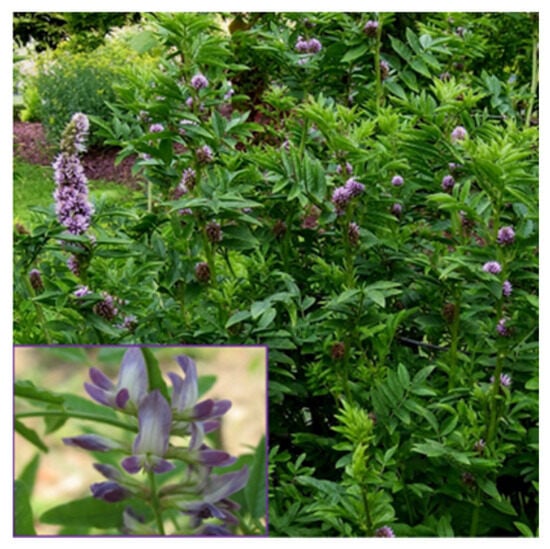
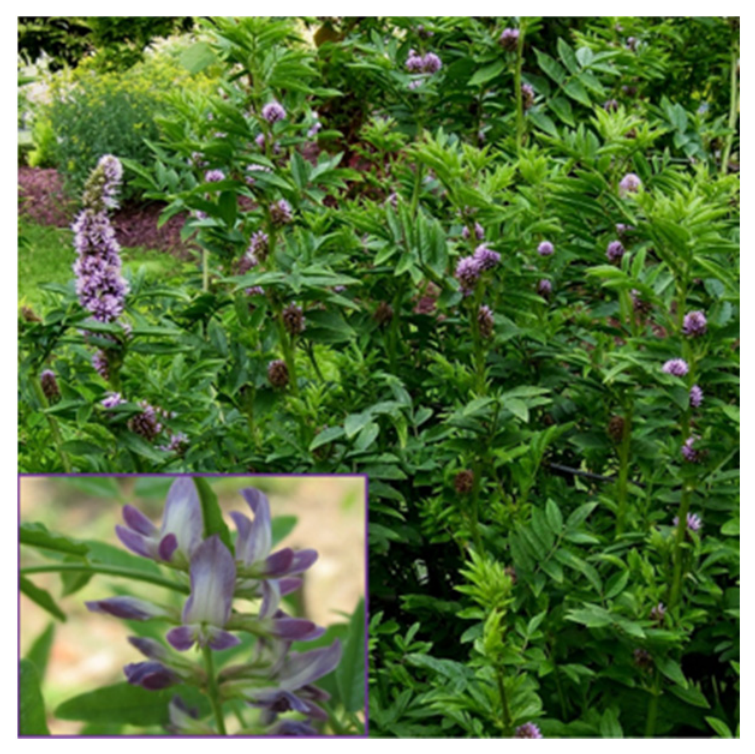
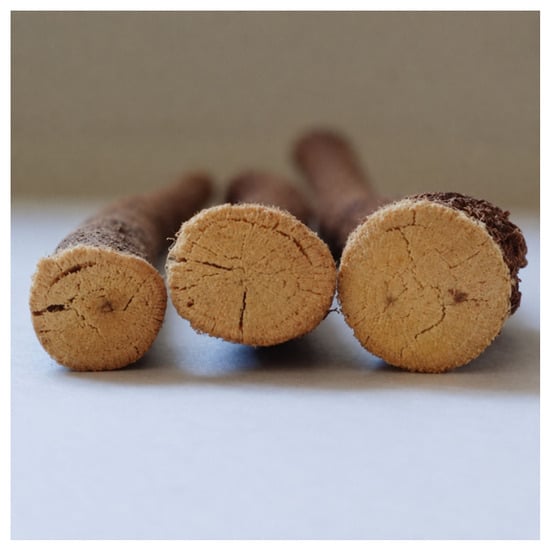
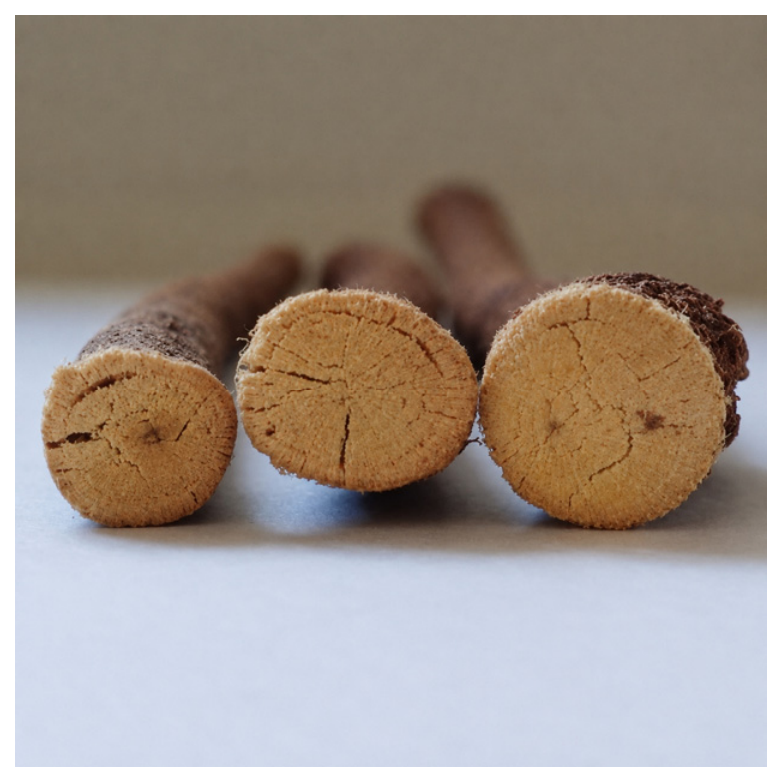
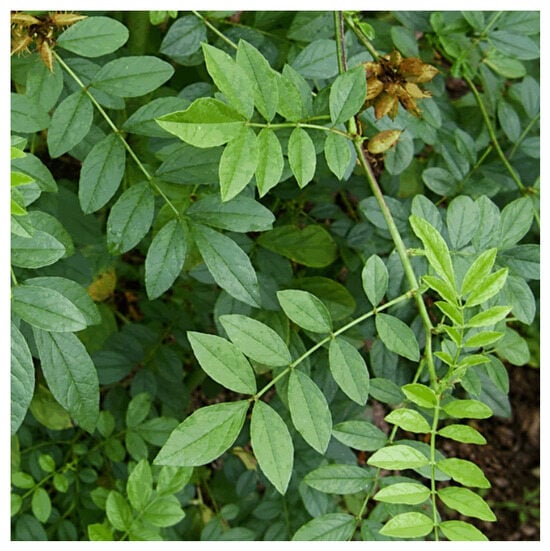
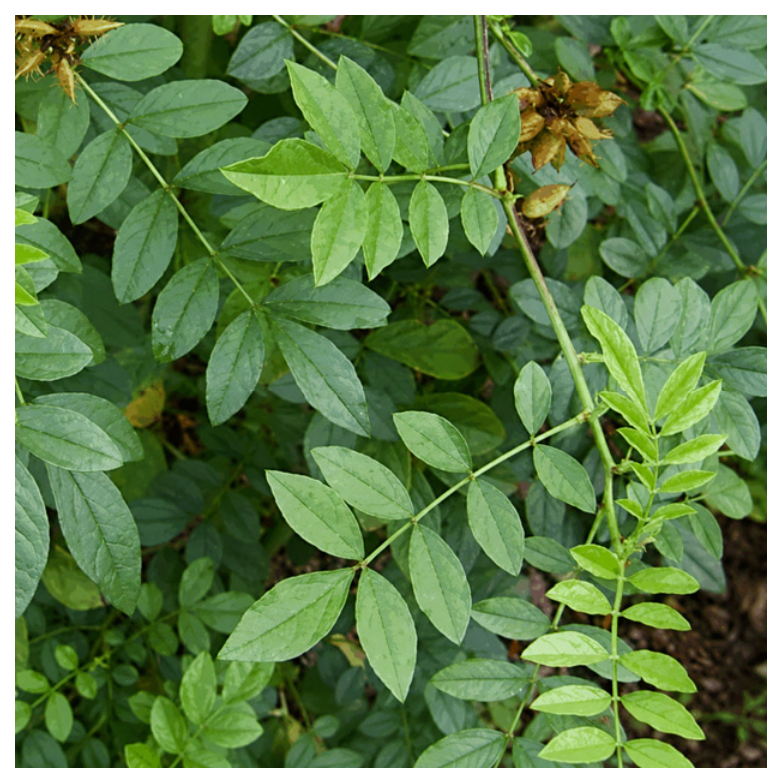
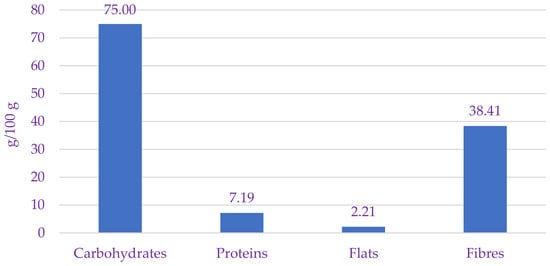
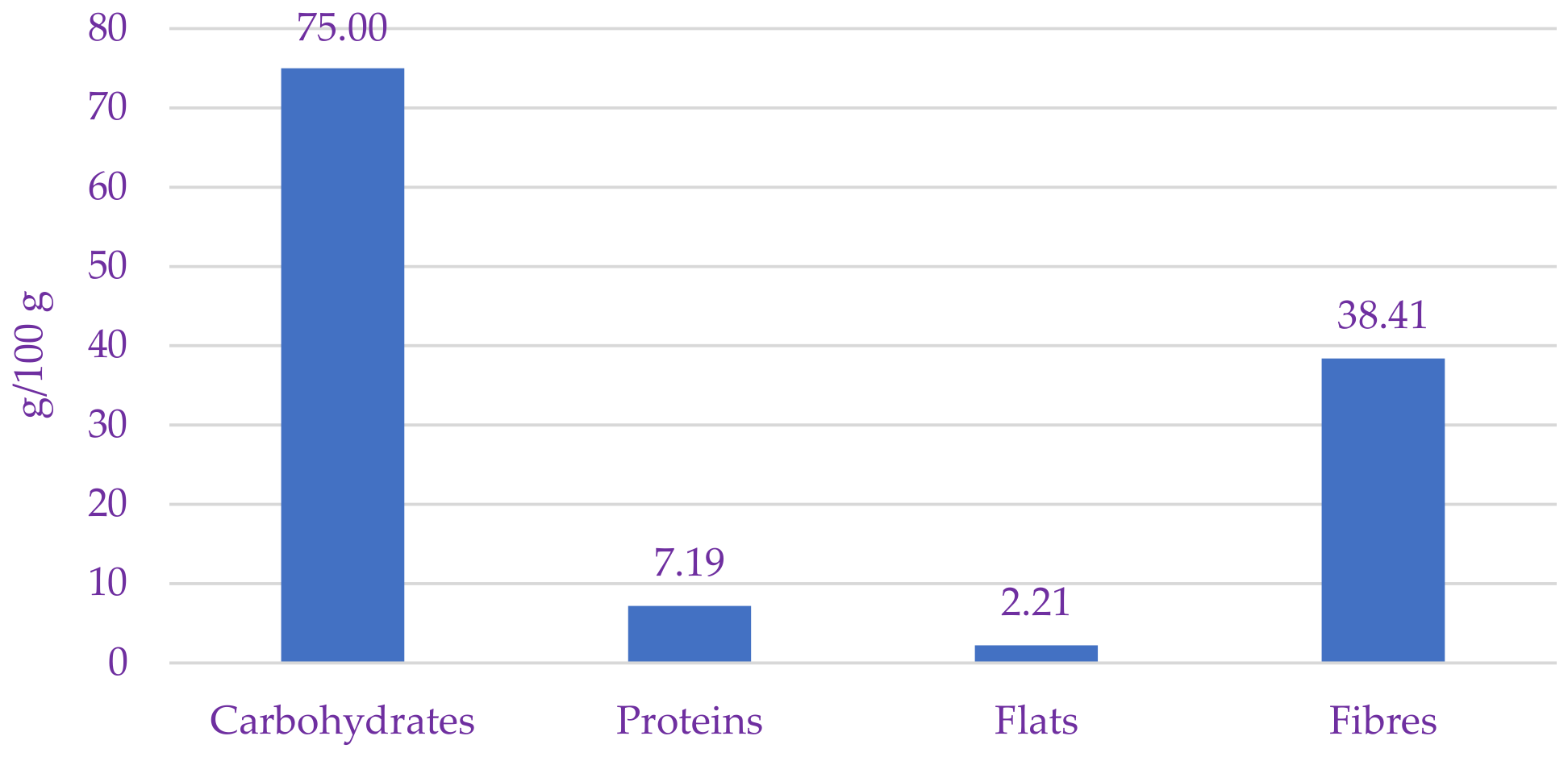
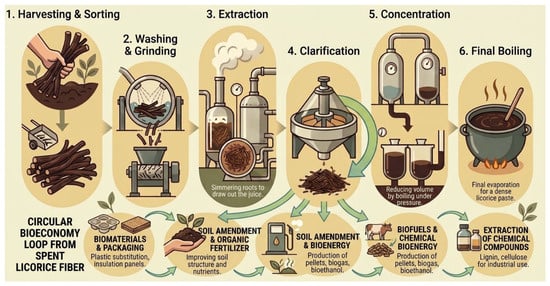
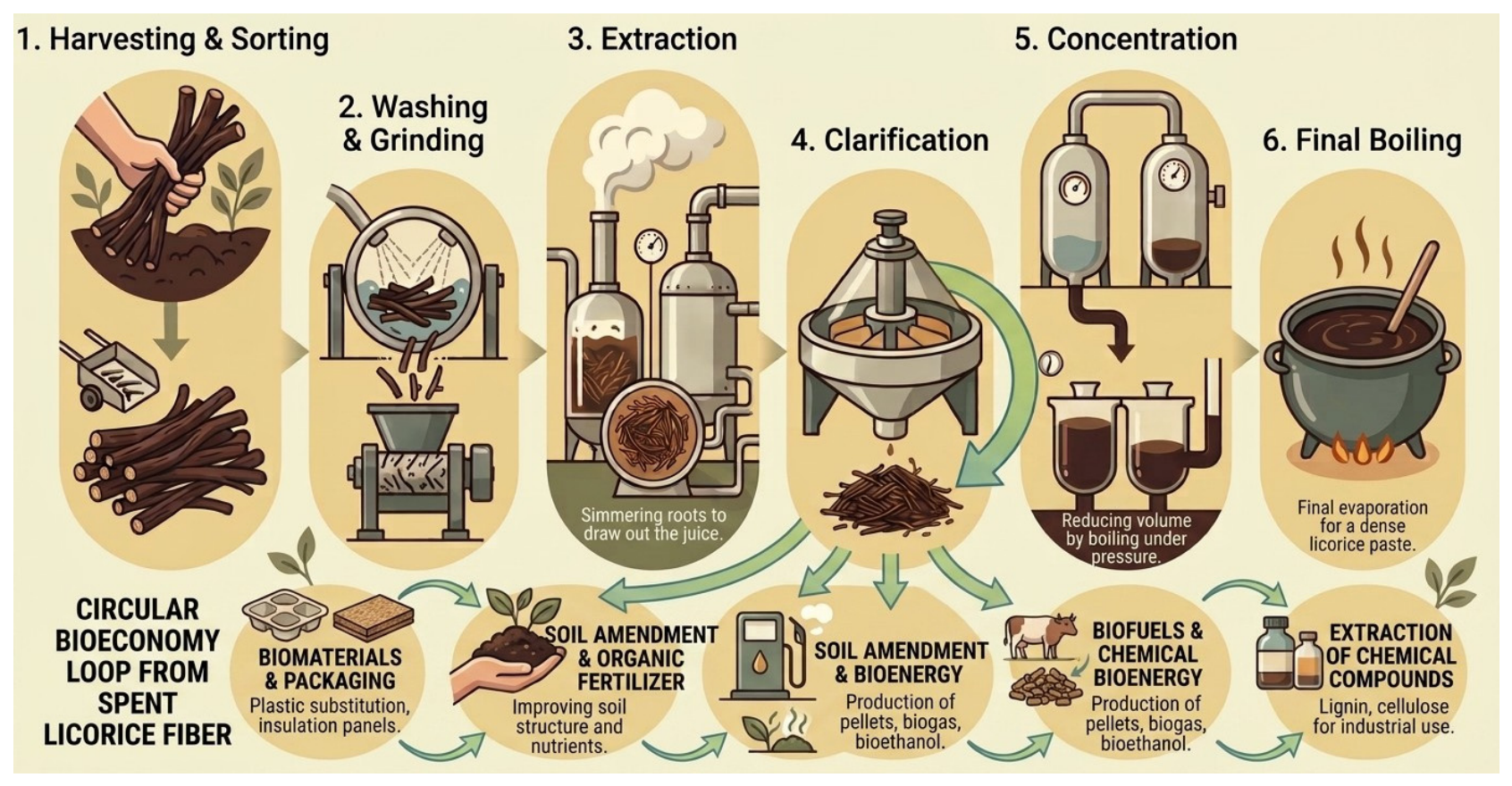
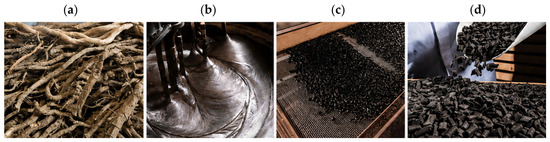
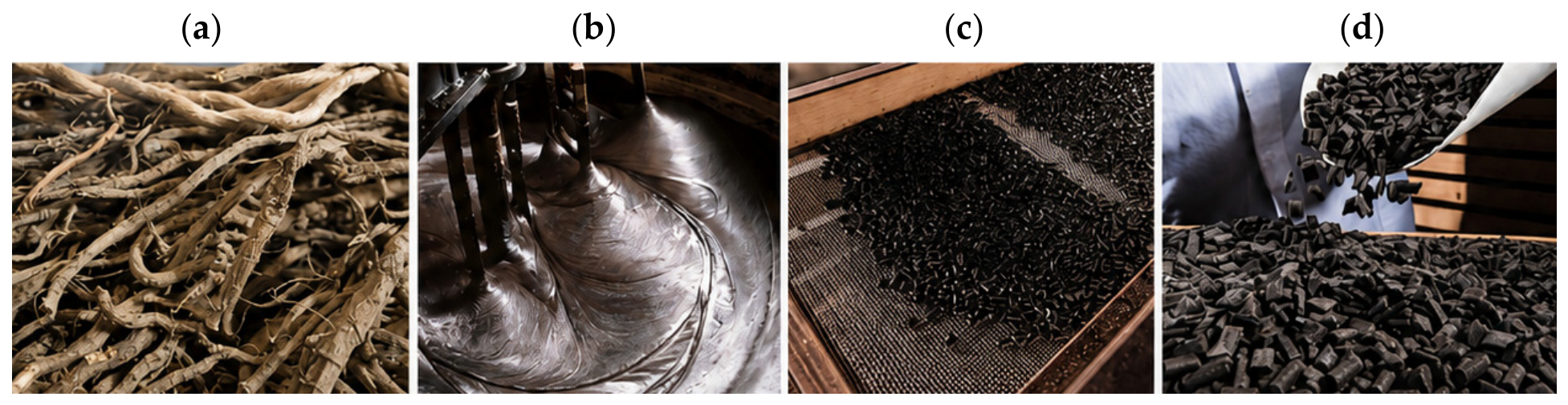
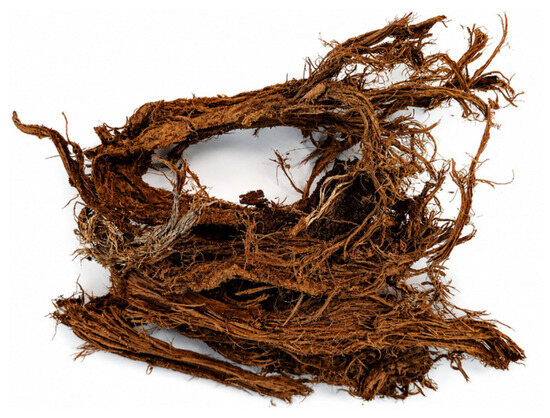
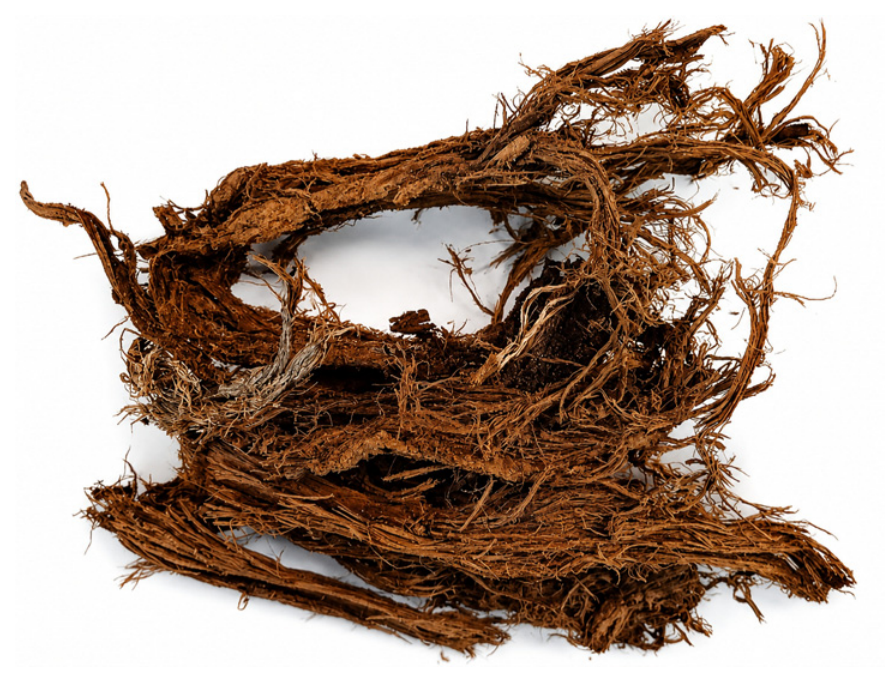
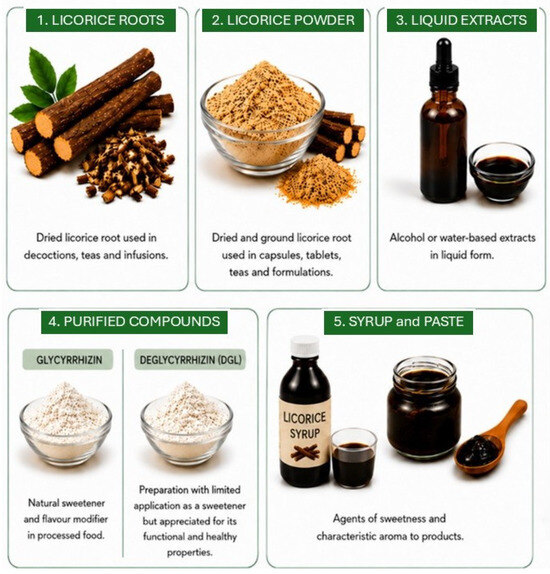
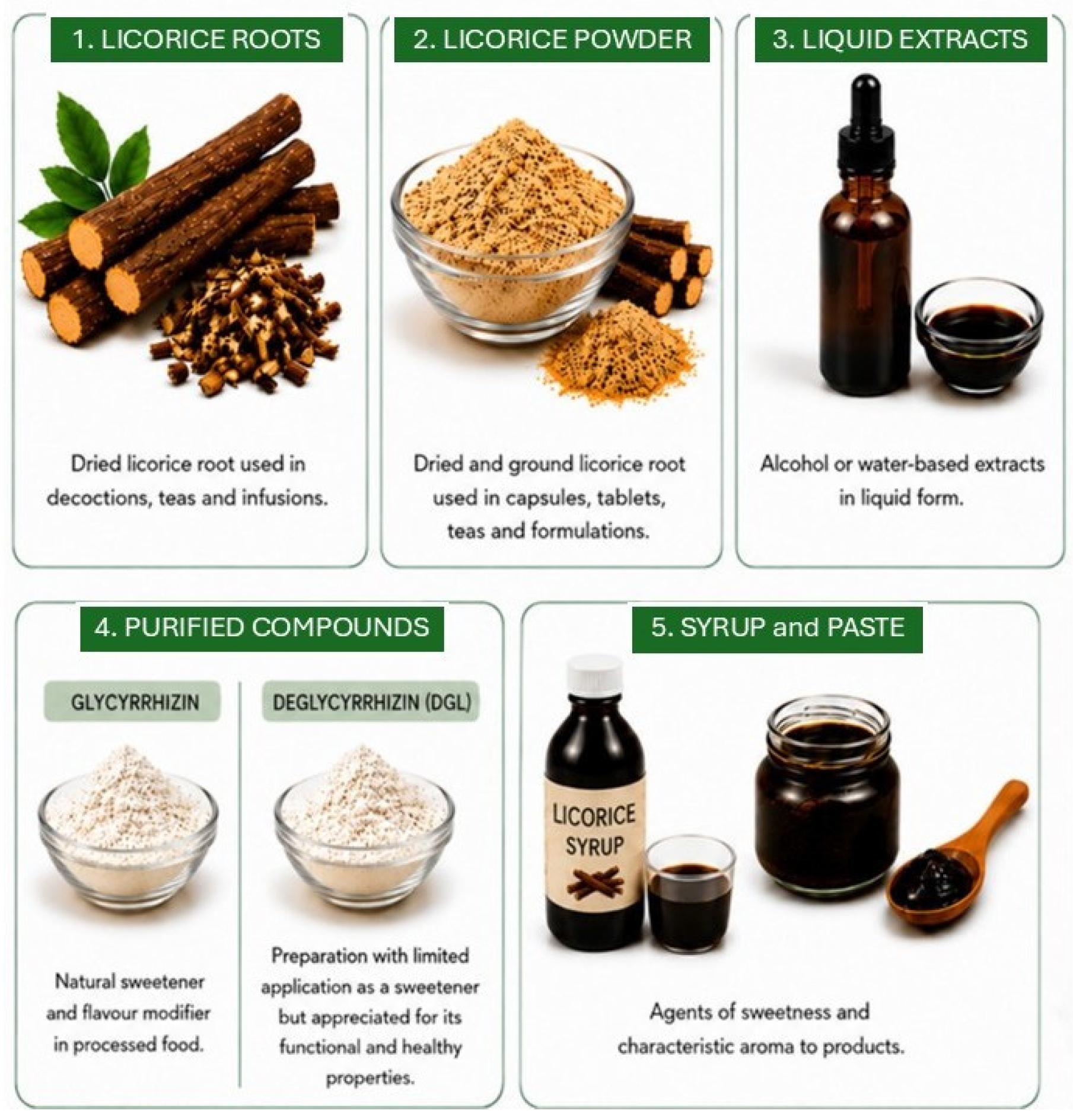
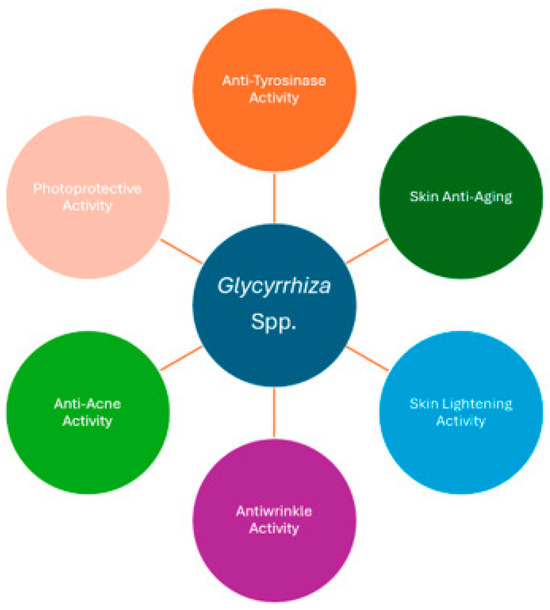
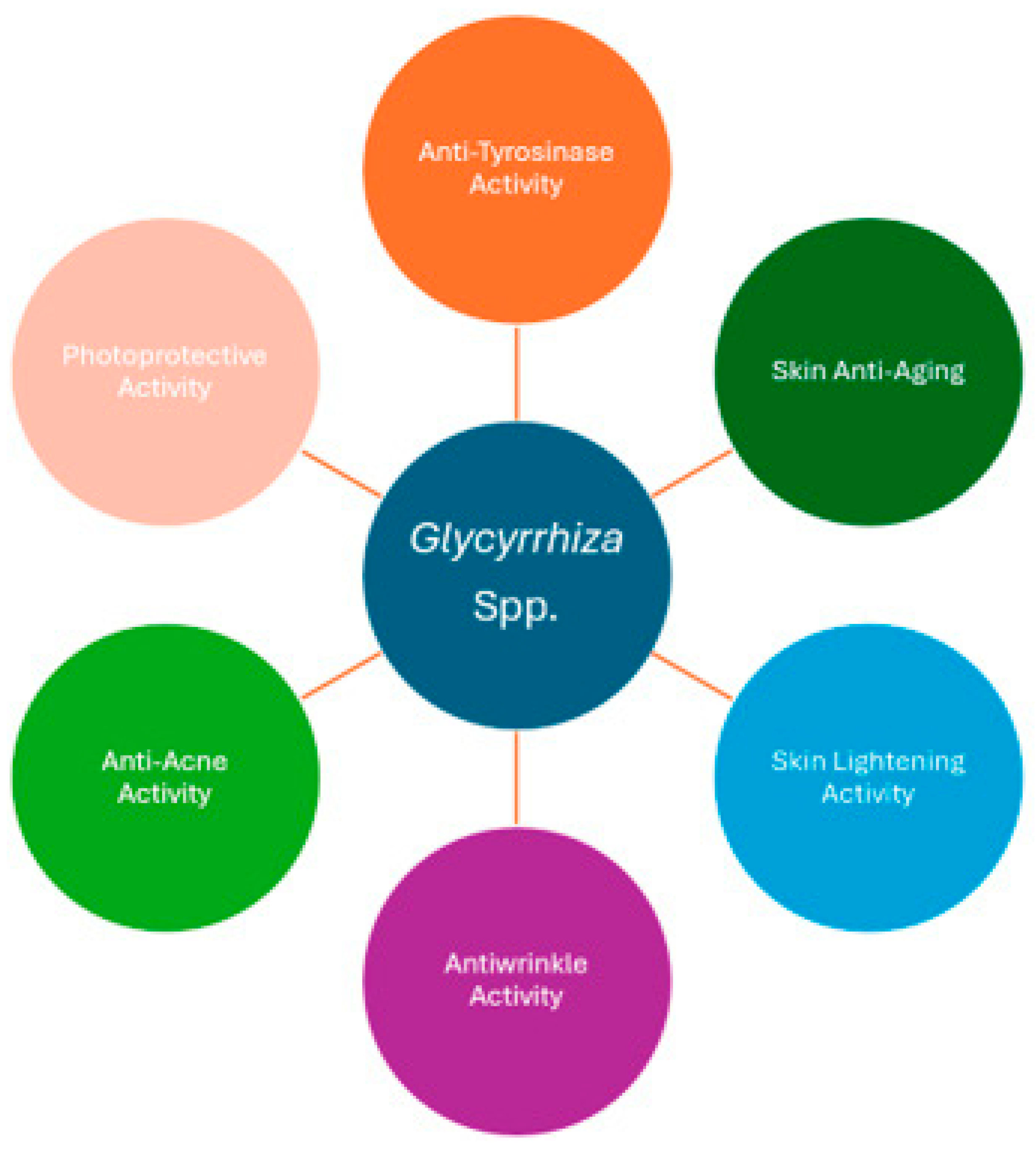

Disclaimer/Publisher’s Note: The statements, opinions and data contained in all publications are solely those of the individual author(s) and contributor(s) and not of MDPI and/or the editor(s). MDPI and/or the editor(s) disclaim responsibility for any injury to people or property resulting from any ideas, methods, instructions or products referred to in the content. |
© 2026 by the authors. Licensee MDPI, Basel, Switzerland. This article is an open access article distributed under the terms and conditions of the Creative Commons Attribution (CC BY) license.