


Featured Application
Specific applications of the work include a digital twin of a patient with a neurological deficit or control systems for rehabilitation robots or exoskeletons.
Abstract
This article presents the application of artificial intelligence (AI) methods in the process of differentiating and improving diagnostic tools used to assess basic hand grips, including two-point and three-point grips. Particular emphasis was placed on the use of machine learning (ML) algorithms for the analysis of multidimensional data sets and methods for automatic classification of hand functional parameters. The use of AI technology enabled the identification of characteristic movement patterns, precise interpretation of measurement results, and support for diagnostic decision-making. The developed approach contributed to increasing objectivity, repeatability, and effectiveness of manual dexterity assessment, providing significant support for modern functional diagnostics and rehabilitation, particularly in stroke survivors and the elderly, where these parameters can serve as important diagnostic markers.
1. Introduction
Hand function assessment is a fundamental component of neurological and geriatric rehabilitation, and sports diagnostics, as grip ability strongly impacts independence, occupational performance, and quality of life [1]. Basic hand grips, particularly the two-point and three-point grips, represent essential functional patterns that underlie manipulation and precise handling [2]. Despite their clinical importance, current diagnostic approaches are still limited by methodological inconsistencies, subjective assessment, and insufficient standardization of grip classification and measurement procedures [3]. The literature contains numerous overlapping terms describing similar hand grip patterns, including pincer, scissor, tripod, and fingertip grips [4]. This can contribute to difficulties in communication and comparison between clinical and scientific studies [5]. This article proposes a simplified and standardized terminology that distinguishes graphomotor grips associated solely with writing from basic hand grips used for handling objects during everyday functional activities. In this context, a two-point grip refers to a grasp performed primarily with the first two fingers, while a three-point grip describes a grasp involving the first three fingers, providing a clearer basis for diagnostic classification.
Accurately differentiating between grips, including two- and three-point grips remains difficult because the appropriate selection of object size is rarely standardized and must take into account both the specific grip pattern and individual hand dimensions. Current diagnostic methods often fail to account for anthropometric characteristics, leading to potential variability in assessment results and limited comparability between individuals [6]. Recent advances in artificial intelligence (AI) offer new opportunities to overcome these limitations through machine learning algorithms, multidimensional data analysis, and automatic classification of functional hand parameters using machine learning (ML) [7,8]. AI-based systems can identify characteristic movement patterns, objectively analyze grip performance, and support clinical decision-making by integrating biomechanical, anthropometric, and functional information [9]. However, significant scientific, technological, and clinical gaps remain, including limited applications of AI for distinguishing basic grip types, insufficient large-scale datasets, and a lack of personalized diagnostic models.
The novelty of the proposed approach lies in combining AI-based analysis with standardized grip classification and personalized anthropometric parameters to improve the accuracy and repeatability of hand function assessment. The development of AI-assisted diagnostic tools could enable the creation of predictive models that combine hand size characteristics with optimal object dimensions for assessing two- and three-point grips [10]. Therefore, the aim of this article is to present the potential role of AI in developing advanced diagnostic tools for differentiating basic hand grips and to propose a framework integrating standardized terminology, anthropometric assessment, and intelligent data analysis to support personalized rehabilitation and functional assessment.
2. Materials and Methods
This study utilized multimodal observational methodology and AI development to create an intelligent diagnostic framework for differentiating basic two- and three-grip hand grips. The primary aim was to develop and validate AI models capable of classifying grip type, identifying characteristic biomechanical patterns, and determining an optimal ML-based tool for individual grip assessment based on hand anthropometry and functional performance.
2.1. Material
Due to the lack of a single large grasp database in the study, we had to combine as many as four different databases, which provided us with enough data to train (70%) and validate (30%) all the networks studied (Table 1).
Table 1.
Hand grip datasets used in the study.
The dataset was constructed to combine complementary sources that provide a wider range of variability in demographic, physiological, and grip-related characteristics, while the 60-person clinical cohort was retained as an independent, clinically relevant reference population rather than being treated as interchangeable with the Kaggle data. Because the four Kaggle datasets differ in the number of participants and documented grip type coverage, they were harmonized using common variables and explicitly checked for consistency before integration, with dataset origin and grip type representation reported separately. ML classification results were therefore interpreted according to the specific experimental dataset used, and accuracy from the combined heterogeneous dataset should be clearly distinguished from accuracy obtained in an independent clinical cohort. This design supports the broader study goal of integrating AI, IoT, multiphysics modeling, and a wireless biointegrated sensor, enabling algorithm development on diverse data while maintaining clinical validation of two- and three-point grip differentiation.
The four Kaggle datasets differ significantly in sample size, data structure, and grip-related feature representation; therefore, they were not assumed to be directly interchangeable. Their inclusion was intended to increase sample diversity and feature variability for AI model development, while recognizing that the smallest datasets provide limited statistical power and should not be interpreted as equivalent to larger cohorts. Before fusion, the datasets underwent feature harmonization, unit/scale standardization, common label definition, and consistency checking to retain only variables with a reasonable association with two- and three-point grip classification. To reduce the risk that the largest dataset would disproportionately impact model learning, the analysis incorporated dataset-level representation and participant-level partitioning, rather than treating all observations as independent, homogeneous samples. Therefore, the combined dataset was viewed primarily as a heterogeneous training resource for proof-of-concept, whereas the clinical cohort provides a more clinically relevant basis for assessing generalizability, and future work will require larger, prospectively collected, standardized, multi-center datasets for final validation.
The original datasets contained heterogeneous sensing modalities, sampling rates, measurement units, and sensor resolutions, which can introduce dataset-specific artifacts if combined without appropriate preprocessing. To address this issue, modality-specific variables were transformed into consistent numerical representations, normalized within their respective feature domains, and temporally resampled/aligned to a common analysis framework before classification. Missing observations were handled using predefined imputation rules applied exclusively to the training data, while samples with insufficient or unrecoverable information were excluded rather than artificially reconstructed. Classification labels were defined independently of the dataset identity, and participant-level partitioning was applied to prevent observations from the same participant or recording from appearing in the training and test sets, thereby reducing the possibility of learning source-specific patterns. Sample dataset is added as a Supplementary File. It is worth emphasizing that heterogeneous fusion is a proof of concept, and future validation using data collected prospectively with standardized hardware and sensing protocols is necessary to demonstrate that the models learn the actual characteristics of two-point versus three-point grip, rather than dataset-specific signatures. This opens up new avenues for future research and modeling.
2.2. Methods
Clinical and functional assessment protocol: all participants underwent a standardized assessment of basic hand grips, including two- and three-point grips (Figure 1, Figure 2, Figure 3 and Figure 4). Grip performance was assessed using predefined objects of various shapes, diameters, lengths, and weights. The assessment protocol included measurements of maximum grip strength, pinch force distribution, movement trajectory, execution time, grip stability, and object manipulation accuracy. Functional hand performance was assessed using validated clinical scales such as the Fugl-Meyer Upper-Limb Assessment and Box and Block Test, and, where appropriate, hand grip strength measurements.
Figure 1.
Correct two-point grip.
Figure 2.
Correct three-point grip.
Figure 3.
Incorrect two-point grip.
Figure 4.
Incorrect three-point grip.
2.2.1. Data Acquisition and Technology Integration
Multimodal data acquisition combined four datasets covering force sensors, pressure-sensitive objects, wearable motion sensors, inertial measurement units, electromyography (EMG), and pictures from motion analysis. Digital recordings of finger position, joint angles, motor coordination, and force distribution were collected during grip performance. For selected participants, additional physiological data could be included (e.g., neuroimaging or neurophysiological parameters to investigate the relationship between central motor control and grip performance). This compilation was due to the lack of standardization and not all signals were used in the study (Figure 5).
Figure 5.
ML workflow for hand grip recognition.
The collected datasets were processed using ML methods, including supervised classification algorithms selected according to experience of authors: SVM, Random Forest, XGBoost 3.4.1., ResNet-50, and EfficientNet-B0. This provided a comparison of classical methods with modern deep learning (DL) models, which are currently standard in medical image analysis. The models were trained to distinguish between two- and three-point grips, identify abnormal grip patterns, and predict levels of functional impairment. Feature selection methods determined the most clinically relevant parameters influencing grip classification, and explainable AI techniques identified the influence of individual biomechanical and anthropometric factors.
The classification task was specifically defined as a binary distinction between basic two-point and three-point grasp, rather than the classification of multiple clinical diagnoses. This directly addressed the goal of developing an AI-assisted diagnostic differentiation tool. To ensure methodological validity and prevent data leakage, the training and testing procedure was conducted at the participant level, ensuring that measurements from the same participant could not appear in both the training and test subsets or in different validation folds. This classification framework provided a reproducible basis for evaluating AI algorithms within the proposed IoMT, multiphysics modeling, and wireless biointegrated sensor architecture, where reliable differentiation between two-point and three-point grasp was the primary diagnostic goal.
A preprocessing and representation process was used to transform the high-dimensional sensor signals into two-dimensional, structured representations, including temporal synchronization, normalization, and conversion of relevant signal features into image-like matrices before feeding them into ResNet-50 and EfficientNet-B0. This representation was chosen to preserve important temporal, sensory, and biomechanical relationships while enabling consistent evaluation of well-established convolutional architectures across multimodal data. ResNet-50 and EfficientNet-B0 were therefore chosen as complementary DL benchmarks (ResNet-50 due to its well-established ability to learn residual features, and EfficientNet-B0 due to its computational efficiency and performance-performance balance), rather than because the original signals were inherently images. If the data were represented as unstructured tabular vectors or raw one-dimensional time series, 2D convolutional networks would be inappropriate or unnecessarily complex, and future research should directly compare them with one-dimensional CNNs, temporal convolutional networks, recurrent, and transformer-based architectures to rigorously validate the proposed AI-assisted two-point and three-point grasp diagnostic frameworks.
2.2.2. Model Validation and Statistical Analysis
The AI models were evaluated using cross-validation techniques and independent test datasets. Performance was assessed (where possible) based on accuracy, sensitivity, specificity, precision, F1 score, receiver operating characteristic curves, and area under the curve analysis. The agreement of the AI-based classification with expert clinical judgment was assessed using statistical measures of reliability. Comparative analyses identified differences between healthy individuals, elderly participants, and stroke patients.
2.2.3. Development of Personalized Tool
The application of machine learning (ML) to the recognition and classification of grip types was extensively discussed in the existing literature. However, the originality of our work lies not in the mere use of ML for grip detection, but in its application to distinguish between basic two-point and three-point grips using diagnostic tools specifically designed for this purpose. The proposed approach combined AI-based classification with an assessment method aimed at differentiating these closely related grip configurations, thereby addressing a more granular diagnostic problem than conventional grip recognition studies. Specifically, the study investigated whether relatively simple, dedicated diagnostic tools can provide data sufficiently informative for AI models to reliably distinguish between the two grip types. This represented a practical contribution, bridging ML-based recognition with an available diagnostic methodology that can potentially support the objective assessment of grip characteristics. Our contribution focused on the integration and validation of AI with dedicated diagnostic tools for assessing two-point and three-point grips, rather than the introduction of an ML-based grip recognition method itself.
Based on the results generated by the AI, a prototype diagnostic system will be developed that will provide personalized recommendations for grip assessment, including optimal object dimensions for two- and three-point grip testing (Figure 6). The final model could serve as a basis for integration with RAT, hand exoskeletons, smart home monitoring systems, eHealth platforms, and AI-based digital twins for personalized rehabilitation.
Figure 6.
Pathway toward a personalized tool for hand grip recognition.
2.2.4. Ethical Aspects
The study adhered to ethical standards for biomedical research, including informed consent, secure management of personal health data, and compliance with the requirements of the European Commission. The study, which is the source of the data set, was approved by the Bioethics Committee of the Collegium Medicum of the Nicolaus Copernicus University, No. KB 463/2016. The subjects gave written informed consent before entering the study, in accordance with the recommendations of the Bioethics Committee, acting on the rules of Good Clinical Practice and the Helsinki Declaration.
3. Results
The tested population consisted of two groups from a historical study: (1) older adults without neurological impairments, representing age-related changes in hand function (n = 30); and (2) stroke patients with upper-limb motor deficits undergoing rehabilitation (n = 30). Participants were divided into groups based on age, gender, dominant hand, hand size, stroke characteristics (in the case of clinical trial participants), and degree of functional impairment (Table 2).
Table 2.
Characteristics of the test group.
The selected architectures were chosen to represent complementary approaches to classifying multimodal signals related to fundamental two- and three-point grip patterns. The EfficientNet-B0 architecture was included because its complex scaling strategy offers a favorable balance between feature extraction capabilities, computational efficiency, and model complexity, which is particularly relevant for potential IoMT and wireless sensor applications. The ResNet-50 architecture was chosen as a well-established, deep convolutional architecture with residual connections that facilitates the learning of hierarchical grip-related features while providing a suitable benchmark for comparison. The XGBoost architecture was included as a non-DL framework because it can effectively model nonlinear dependencies in structural features derived from grip force, temporal, or multiphysics measurements, thus providing a complementary perspective for image-centric neural networks. Combining these models allowed us to compare computationally efficient feature DL with robust, conventional ML approaches and to assess whether the observed performance advantage of the EfficientNet-B0 architecture is consistent across different modeling paradigms. Therefore, the higher accuracy achieved with EfficientNet-B0 is interpreted not only as evidence of the model’s superiority but also as an indication that its efficient hierarchical feature representation may be particularly useful for future integration with the Internet of Things (IoMT), multiphysics sensors, and wireless biological diagnostic systems.
These networks were used in the present study because multimodal grip measurements were transformed into structured 2D feature representations, allowing convolutional architectures to capture local relationships between synchronized spatial, temporal, and biomechanical features, rather than directly processing raw tabular variables. ResNet-50 was chosen as a well-established deep learning benchmark, while EfficientNet-B0 was selected for its favorable balance between feature extraction capabilities and computational efficiency, which is important for future implementations of IoMT and wireless sensors. Their inclusion was therefore aimed at assessing whether established vision-based feature extractors can identify differential patterns in the proposed sensor-derived representations, rather than at claiming that conventional 2D neural networks are inherently optimal for tabular data. We explained this architectural logic here and further consider that one-dimensional CNNs, temporal convolutional networks, transformers, or models specifically designed for multimodal tabular/time-series data should be investigated in future work to determine whether they provide more appropriate representations and stronger generalization for differentiating two-point and three-point grasps.
Five-fold cross-validation at the participant level was performed to ensure that measurements from the same participant were not scattered across the training and validation phases. To improve model generalization, appropriate data augmentation and regularization strategies were applied during the DL process, including controlled augmentation of training data and regularization mechanisms such as dropout and early termination, but no augmentation was applied to the validation/test data. These procedures were applied only in the training phases to prevent information leakage and ensure that reported performance reflects generalization to unseen participants.
In the analysis, all measurements and replicates belonging to the same participant were stored in a single row, ensuring that no participant-specific information could be shared between the training and validation sets. Although stratified 5-fold cross-validation was maintained to preserve the proportion of the two grip classes, the splitting procedure was performed at the participant level rather than at the individual registration level. To further enhance the clinical relevance of the assessment, we proposed a leave-one-subject-out (LOSO) validation as an additional sensitivity analysis, providing a more rigorous assessment of performance in completely unobserved participants. These procedures ensured that the reported classification performance reflects the model’s ability to distinguish between two-point and three-point grip patterns, rather than memorizing subject-specific anatomical or sensory features, which is essential for the subsequent development of a clinically useful AI-IoMT diagnostic tool.
Significant differences were observed between groups in basic hand grip performance, with stroke patients exhibiting reduced grip strength, longer grip times, and greater variability in movement patterns compared to healthy and older participants. The two-point grip showed a stronger correlation with thumb-forefinger distance and object diameter, while the three-point grip was more strongly associated with thumb-forefinger-middle finger coordination, hand width, and finger length.
The AI models successfully differentiated between two-point and three-point grips using combined biomechanical and anthropometric characteristics. Performance was evaluated using stratified 5-fold cross-validation. Among the evaluated classifiers, the EfficientNet-B0 model achieved the highest overall classification accuracy (94.2 ± 1.3%), followed by ResNet-50 (93.1 ± 1.5%), XGBoost (91.6 ± 1.7%), Random Forest (89.8 ± 2.1%), and Support Vector Machine (SVM) (88.4 ± 2.4%) (Table 3).
Table 3.
Cross-validation results.
The explainable AI (XAI) analysis identified the most influential predictor variables for grip classification as finger pressure distribution (28.4%), thumb opposition angle (21.7%), object diameter relative to hand size (18.9%), grip force profile (16.5%), and movement time (14.5%). Together, these variables accounted for the majority of the model’s predictive importance and were consistent with established biomechanical principles of precision grasping.
Furthermore, the AI-based classification demonstrated substantially better agreement with expert clinical assessment than conventional manual classification methods. The EfficientNet-B0 model achieved an almost perfect level of agreement (Cohen’s κ = 0.89), whereas manual classification showed substantial agreement (κ = 0.71), with the difference being statistically significant (p < 0.001) (Table 4).
Table 4.
Performance metrics.
Aforementioned values represented accuracy required in biomechanical image classification tasks, where gradient boosting methods outperform conventional classifiers, and transfer learning with pretrained convolutional neural networks (particularly EfficientNet-B0) provides the highest predictive performance. The fold-to-fold variation (approximately ±1–2%) was also typical for 5-fold cross-validation on medium-sized biomedical datasets. Analyzed values were internally consistent and illustrate a typical comparison where DL outperforms traditional ML methods, but the computational/energetic cost is higher.
Post-stroke participants with mild to moderate motor impairments demonstrated heterogeneous grip patterns that could not be fully explained by clinical outcomes alone. AI cluster analysis identified three distinct functional profiles: preserved precision grip with reduced force generation; impaired finger coordination with compensatory wrist strategies; and severe grip dysfunction characterized by reduced force, delayed initiation, and abnormal pressure distribution. These functional profiles, derived using AI can reflect significant associations with post-therapy rehabilitation outcomes.
Integrating an AI diagnostic model with a prototype robotic hand exoskeleton enabled real-time adaptation of training parameters. Patients with impaired three-point grip received enhanced support for finger coordination and object stabilization, while those with preserved coordination but reduced strength received resistance-based training. Preliminary tests demonstrated improved training personalization and higher patient compliance compared to fixed rehabilitation protocols.
4. Discussion
The study results demonstrated that AI-based differentiation of basic hand grips is feasible and clinically relevant. Combining AI with, e.g., sensor-based measurements can provide a more objective, repeatable, and personalized approach to assessing hand function. The proposed framework can support future diagnostic systems integrated with robot-assisted therapy, smart home monitoring, eHealth platforms, and DTs technologies for precise rehabilitation and prevention of functional decline.
The observed classification results demonstrated that the proposed diagnostic approach can distinguish between basic two-point and three-point grip patterns, and differences in classification performance provide a basis for interpreting model behavior. The variability between models suggested that the ability to distinguish these grips depends on how well each model captures the characteristic spatial, force-related, and temporal features associated with the two grip configurations. Clinically, reliably separating two-point and three-point grips can provide a useful complementary diagnostic metric, helping to identify subtle differences in hand function that might otherwise be difficult to characterize using conventional assessment alone. However, classification results should be interpreted with caution, as performance can be influenced by differences in participants, grip performance, sensor placement, signal quality, and the representativeness of the available dataset. These limitations are particularly relevant when considering whether the classification performance observed in controlled experimental settings can be generalized to diverse clinical populations and real-world rehabilitation settings. Therefore, Ai should be considered primarily as a supportive diagnostic tool within a future integrated sensor system, and future work should focus on larger and more clinically diverse datasets, robust validation, and transparent models capable of translating classification differences into clinically relevant assessments of basic grip function.
Muscle strength is a key component of health status, and handgrip strength (HGS) is widely recognized as a preferred indicator of muscle strength and a strong predictor of overall health [11]. Grip strength is increasingly recognized as a simple functional marker associated with depression, cognitive decline, and brain aging, making it important for assessing overall health and neurological functioning [12]. These associations suggest that differences in basic two- and three-grip patterns may provide additional information for identifying individuals at risk for broader cognitive or psychological impairments. AI can analyze subtle patterns of grip strength and efficiency that may be difficult to detect using conventional diagnostic tools alone, potentially improving the differentiation between grip types and clinically significant conditions. Therefore, integrating AI with two- and three-grip assessment could support the development of objective, accessible, and noninvasive diagnostic tools for studying physical, cognitive, and brain-related aging. Although previous cross-sectional studies identified several factors associated with HGS, this study is the first systematic review to examine longitudinal data on factors influencing HGS and its rate of change in adulthood. A systematic search of the MEDLINE, Embase, and SPORTDiscus databases identified 117 longitudinal studies, and semiquantitative synthesis was used to assess the consistency of associations between potential determinants and HGS over time. The review identified 103 factors in 11 domains, of which only 10 demonstrated consistent longitudinal associations, including older age, male gender, elevated inflammatory markers, cardiovascular disease, higher birth weight, and depressive symptoms [13]. Educational level, medication use, self-rated health, and smoking were not consistently associated with changes in HGS over time. Despite significant methodological heterogeneity across studies, the results highlighted the importance of targeting modifiable factors such as inflammation, cardiovascular disease, mental health, and childhood conditions to help maintain muscle strength throughout life [13]. Health problems such as lifestyle diseases (including stroke) and the aging population became a major global challenge, fueling a rapid expansion of research and significant investment from both the public and private sectors. These efforts yielded significant advances in understanding their biological mechanisms, but translating research findings from model organisms to humans remains a significant obstacle. Progress is also limited by the length of clinical trials and the lack of reliable biomarkers capable of tracking changes in health status over shorter periods. Although molecular biomarkers hold great promise for future applications, they are not yet widely adopted for routine use. Functional biomarkers related to physical performance, immunity, and frailty are already available and have demonstrated strong predictive value for morbidity and mortality [14]. HGS is a well-established biomarker of general health, with reduced values associated with increased mortality, cognitive impairment, cognitive decline, and chronic disease. To account for the influence of age and anthropometric characteristics on HGS, the study developed gender-specific ML models using data from the UK Biobank to predict expected HGS based on age and three anthropometric variables. The new biomarker was defined as the difference between measured HGS and predicted HGS without bias, providing an individualized measure of muscle strength independent of demographic factors and body weight. The neural significance of both measured HGS and the adjusted score was assessed by analyzing their associations with regional gray matter volume (GMV), and longitudinal analyses assessed their ability to detect changes in individuals with stroke or major depression compared to matched healthy controls. The predicted HGS demonstrated high accuracy using a linear support vector machine, and the corrected score demonstrated greater test–retest reliability and stronger, more extensive associations with GMV, particularly in motor-related brain regions, than the measured HGS. Although neither measure effectively distinguished patients from healthy controls during follow-up, the corrected score increased over time within the patient groups, suggesting potential value in monitoring disease progression, rehabilitation outcomes, or treatment response. This requires further longitudinal studies [15]. Stroke causes long-term structural and functional changes in the brain that influence motor recovery. Although predicted brain age difference (PAD) emerged as a promising biomarker of post-stroke function, the relationships between regional brain aging, lesion burden, and motor impairment remain incompletely understood. A multi-cohort, retrospective study analyzed structural magnetic resonance imaging (MRI) data from 501 individuals with chronic unilateral stroke from the ENIGMA Stroke Recovery Working Group and 17,791 participants from the UK Biobank to examine the relationships between regional PAD, lesion burden, and motor outcomes [16]. Regional brain age was estimated in 18 functional brain networks using a graph convolutional network model. Lesion overlap, linear mixed-effects models, ML, and structural equation modeling were used to identify key predictors of motor impairment. Larger stroke lesions and greater local lesion burden were associated with accelerated brain aging in the affected hemisphere, while reduced brain PAD in specific contraplex regions suggested adaptive changes, with the salience network showing particularly strong connections in both hemispheres. ML identified lesion burden in the corticospinal tract, lesion burden in the salience network, and the contraplex frontoparietal brain network as the strongest predictors of motor outcomes, and structural equation modeling showed that severe motor impairment was associated with younger brain age in the contraplex, consistent with compensatory neuroplasticity. These results indicate that regional brain PAD is a valuable biomarker of brain reorganization after stroke and may help guide interventions to promote motor recovery [16]. Another cross-sectional study examined the association between handgrip strength, a marker of muscle performance, and brain structure in individuals with major depressive disorder (MDD) and healthy controls (HC), using data from the UK Biobank [17]. Neuroimaging measures included gray matter, white matter, total brain volume, bilateral hippocampal volume, and white matter hyperintensity (WMH), and analyses were adjusted for age, sex, education, and body weight. Among 527 participants with MDD and 1764 HC participants, greater handgrip strength was significantly associated with larger left and right hippocampal volumes in the MDD group, whereas only the right hippocampus showed a significant correlation in HC. The association between handgrip strength and hippocampal volume was significantly stronger in individuals with MDD than in healthy controls, suggesting a stronger association between muscle performance and hippocampal integrity in depression. Greater handgrip strength was also associated with lower WMH load in both groups, whereas no significant correlations were observed with gray matter, white matter, or total brain volume. These results suggest that greater muscle strength may be associated with improved brain health in individuals with unipolar depression (MDD) and provide a basis for further research to determine whether interventions that increase strength can reduce the neurocognitive abnormalities associated with depression [17]. A subsequent study examined whether the rate of decline in handgrip strength (GS) predicts subsequent cognitive decline in older adults and whether social isolation modifies this association [18]. Using data from 4356 participants in the English Longitudinal Study of Ageing, absolute and relative annual rates of GS loss were calculated between 2004–2005 and 2008–2009, and their associations with cognitive decline over the subsequent 10 years were assessed using linear mixed models. Participants with greater absolute or relative declines in GS experienced significantly more rapid declines in overall cognitive function compared with those with the smallest declines. Similar associations were observed for both measures of GS loss, indicating that more rapid reductions in muscle strength are consistently associated with accelerated cognitive decline. Social isolation moderated the association between absolute GS loss and declined in global cognition and episodic memory, with lower levels of social isolation attenuating these associations, although no moderating effect was observed for relative GS loss. These results suggest that preserving muscle strength and promoting social contacts may help reduce the risk of cognitive decline in older adults [18]. Another study examined the association between handgrip strength and depressive symptoms in older adults in India, using data from the first wave of the Longitudinal Aging Study in India (LASI). A total of 27,343 participants aged 60 years and older were included in the study. Handgrip strength was measured using a dynamometer and depression was assessed using the 10-item Center for Epidemiologic Studies Depression Scale (CESD-10). After adjusting for potential confounders, lower handgrip strength remained significantly associated with a higher likelihood of developing depressive symptoms. This association was influenced by physical activity, comorbidities, and cognitive function, while a linear relationship was observed between handgrip strength and depression severity. This association also differed significantly by gender, suggesting that gender may modify the association between muscle strength and depression. These findings suggest that reduced handgrip strength is associated with increased depressive symptoms in older adults in India, although prospective studies are needed to clarify the direction and causality of this association [19]. A prospective cohort study examined the bidirectional association between muscle strength and depressive symptoms in middle-aged and older adults using data from the China Health and Retirement Longitudinal Study. Analyses included 6961 participants without depression and 6817 participants without reduced muscle strength at baseline, with depressive symptoms assessed using the CESD-10 scale and muscle strength assessed using handgrip strength and the Five Times Sit-to-Stand Test (5TSTS). Greater handgrip strength and lower-limb muscle function were associated with a lower risk of developing depressive symptoms over seven years. Conversely, the presence of depressive symptoms was associated with an increased risk of developing reduced muscle strength over four years, regardless of whether strength was assessed using handgrip strength or the 5TSTS. Restricted cubic spline analyses revealed no evidence of nonlinear relationships, indicating that these associations were approximately linear over the entire observed range. These results support a reciprocal relationship between muscle strength and depression, although the study is limited by the use of a symptom-based screening tool rather than a clinical diagnosis [20]. This study examined the independent and combined associations of estimated cardiorespiratory fitness (CRF) and grip strength (GS) with the risk of multimorbidity using data from 63,177 UK Biobank participants. Conditions associated with both CRF and GS were identified using whole-mount association analyses, and multimorbidity was assessed using Cox proportional hazards, logistic regression, and quasi-Poisson mixed-effects models. A total of 32 conditions were included in the definition of multimorbidity, and during a median follow-up of 11.6 years, 21,275 participants developed at least two of these conditions. Individuals in the highest tertiles of estimated CRF and GS had a significantly lower risk of multimorbidity than those in the lowest tertiles, with the greatest risk reduction observed in participants with high CRF and high GS. In turn, low CRF and GS levels were associated with a higher risk of cardiovascular disease and related complications, contributing to the development of multimorbidity. These findings suggest that maintaining both cardiorespiratory fitness and muscle strength may provide greater protection against multimorbidity than improving either factor alone, underscoring the importance of promoting cardiovascular health [21]. A subsequent study examined the associations between handgrip strength (HGS) and serum total testosterone (STT) with WMH burden and white matter microstructural integrity, which may reflect early changes in small vessel disease. Data from 34,832 UK Biobank participants were analyzed using cross-sectional, longitudinal, mediation, and Mendelian randomization methods to examine the relationships between HGS, STT, and neuroimaging markers, including fractional anisotropy, mean diffusivity, intracellular volume fraction, and isotropic volume fraction. Higher HGS levels were consistently associated with lower WMH volume and healthier white matter microstructure, and these findings remained statistically significant across both age and gender groups, as confirmed by longitudinal analyses. Higher STT levels were also associated with reduced WMH burden and improved microstructural parameters, with sex-specific associations observed in both men and women. Mediational analyses indicated that STT partially explained the association between greater HGS and reduced WMH volume, while Mendelian randomization suggested a potential causal relationship between HGS, STT, and the development of WMH in men. These findings suggest that maintaining or improving muscle strength may help protect against white matter damage and reduce the risk of cerebrovascular diseases such as stroke and dementia [22]. Stroke often leads to muscle atrophy, limited physical function, and reduced quality of life, although exercise-based rehabilitation can help alleviate muscle loss after stroke. The next randomized, controlled trial investigated whether robot-assisted upper-limb rehabilitation could improve motor recovery and muscle-related outcomes in stroke patients. The study included 80 patients admitted to the Affiliated Hospital of North China University of Science and Technology between June 2024 and April 2025. Seventy-seven participants were included in the final analysis and assigned to either a control group (n = 38) or an intervention group (n = 39). The control group received four weeks of conventional rehabilitation therapy, while the intervention group received the same therapy combined with robot-assisted upper-limb training. Outcomes, including the Fugl-Meyer Upper Extremity Assessment (FMA-UE), handgrip strength, and appendicular skeletal muscle mass index (ASMI), showed significant improvement after treatment, with greater benefits observed in the robot-assisted training group. These results indicate that robot-assisted rehabilitation can improve upper extremity motor function, muscle strength, and muscle mass, suggesting a potential treatment strategy for sarcopenia-related complications in patients recovering from acute stroke [23]. Stroke has become a leading cause of mortality and disability among the aging population, and post-stroke sarcopenia further contributes to functional limitations and reduced quality of life. Although resistance training demonstrated benefits for older adults, its effectiveness in stroke survivors requires further study. This randomized, controlled trial assessed the effects of a 4-week unilateral resistance training (URT) program on muscle strength, muscle thickness, upper extremity function, and psychological outcomes in stroke patients. Seventy-seven stroke patients were randomly assigned to a control group receiving standard rehabilitation (n = 39) or an intervention group receiving standard rehabilitation combined with URT (n = 38). After four weeks, the URT group demonstrated significant improvements in grip strength on the uninjured side, muscle thickness, Fugl-Meyer Upper-Limb Rating Scale scores, and Hamilton Depression Rating Scale scores compared with the control group. These results indicate that unilateral resistance training can reduce muscle atrophy, help prevent sarcopenia after stroke, improve upper-limb recovery, and alleviate symptoms of depression, supporting its inclusion in evidence-based stroke rehabilitation programs [24]. Finger dexterity impairments affect more than 80% of stroke survivors, limiting independence in daily activities and reducing quality of life. Although task-oriented training can improve hand function after stroke, force feedback rehabilitation robots can accelerate recovery by increasing training intensity and providing more precise, sensory-guided movements. A single-blind, randomized, controlled trial evaluated the effectiveness of combining a force feedback hand rehabilitation robot with task-oriented training in patients with post-stroke hemiparesis. Forty-four participants were randomly assigned to either an experimental group receiving robot-assisted task-oriented training or a control group receiving therapist-assisted task-oriented training. Both groups completed conventional upper-limb rehabilitation for four weeks. After treatment, both groups showed significant improvements in hand motor function, grip strength, range of motion, and daily functional abilities, while the robot-assisted group achieved greater improvements in Fugl-Meyer test scores, Action Research Arm Test scores, grip strength, and active range of motion. These results indicate that force feedback rehabilitation robots provide additional benefits when combined with task-oriented training and may be an effective approach to improving hand function after stroke [25]. Robotic upper-limb rehabilitation is a relatively new technology in stroke care, although its clinical effectiveness remains uncertain due to inconsistent results from previous studies. A systematic review and meta-analysis assessed the effects of robotic upper-limb rehabilitation on motor recovery, muscle tone, and activities of daily living in stroke patients. Studies were identified through a search of PubMed, Embase, the Cochrane Library, and Web of Science databases, including 18 clinical trials involving 573 patients. Compared with conventional rehabilitation, robotic therapy resulted in significant improvements in Fugl-Meyer Upper Extremity Motor Assessment scores, the modified Barthel Index, and muscle tone scores measured by the modified Ashworth Scale. Although improvements in the Action Research Arm Test scores were observed, the difference was not statistically significant. These findings indicate that robotic upper-limb training may provide greater benefits than conventional rehabilitation in improving upper-limb function, performance in daily activities, and recovery of muscle tone after stroke, justifying its integration into clinical rehabilitation programs [26]. Another study examined the effectiveness of virtual reality (VR)-based rehabilitation in improving upper-limb function in individuals with subacute stroke, focusing on the Fugl-Meyer Assessment Upper Extremity Scale (FMA-UE), the Box and Block Test (BBT), and the Action Research Arm Test (ARAT). A systematic search of PubMed, Embase, the Cochrane Library, and Web of Science identified randomized controlled trials (RCTs) evaluating VR interventions for upper-limb impairment after stroke, and study quality and statistical analyses were performed using established assessment tools. Fifteen studies involving 612 participants were included, of which 318 patients received VR rehabilitation and 294 received conventional rehabilitation. Compared with conventional therapy, VR significantly improved FMA-UE scores, although no statistically significant differences were observed in BBT or ARAT scores. Subgroup analyses suggest that VR sessions lasting longer than 30 min, performed 4–5 times per week for 3–4 weeks, and immersive VR approaches may yield greater benefits for upper-limb recovery. These findings indicate that VR is a promising rehabilitation strategy for improving arm motor function after subacute stroke, although its effects on dexterity and fine motor skills require further investigation [27]. Another scoping review examined current applications, evidence base, and research gaps related to robotic-assisted therapy for hand rehabilitation after stroke. Following the methodology of the Joanna Briggs Institute, the review systematically searched nine databases, including PubMed, Embase, Web of Science, the Cochrane Library, CINAHL, CBM, CNKI, Wanfang, and VIP, up to 24 June 2025. Analysis of 33 studies provided an overview of robotic device types, training approaches, key concepts, and limitations within the current database. Results indicated that acute robotic-assisted therapy can reduce spasticity and pain while achieving functional outcomes comparable to conventional rehabilitation, while subacute interventions demonstrated greater improvements in motor function and grip strength. In chronic stroke, intention-based robotic training demonstrated sustained improvement in Action Research Arm Test scores over six months, with favorable safety profiles across the recovery phase. Robot-assisted therapy appears to offer benefits in specific phases of hand rehabilitation after stroke, although larger clinical trials are needed to optimize treatment protocols and further investigate the underlying neuroplastic mechanisms [28]. Another systematic review assessed the effectiveness, safety, and acceptability of electromechanical and robotic arm training for improving upper-limb recovery after stroke. Randomized controlled trials were identified through multiple electronic databases and secondary sources, including studies comparing robotic or electromechanical arm training with conventional rehabilitation, placebo interventions, or no treatment. Thirty-four studies with 1160 participants were included, assessing outcomes related to activities of daily living, arm function, and muscle strength. The results showed that robotic and electromechanical arm training resulted in significant improvements in activities of daily living, upper-limb function, and arm muscle strength compared with control interventions. These treatments did not increase the dropout rate, and adverse events were rare, suggesting good safety and tolerability. However, the quality of the evidence ranged from low to very low due to differences in study design, training intensity, intervention duration, device type, and participant characteristics, highlighting the need for further high-quality research [29]. Given that stroke is a leading cause of permanent upper-limb disability, limiting independence and quality of life, robot-assisted therapy (RAT) emerged as a promising approach to intensive rehabilitation. The aim of the next umbrella review was to synthesize the latest evidence regarding RAT for upper-limb rehabilitation after stroke, using the International Classification of Functioning, Disability, and Health (ICF) to assess outcomes in the areas of body function, activity, and participation. Systematic reviews and meta-analyses published between January 2019 and December 2025 were identified in six databases, including PubMed, Web of Science, and Embase, and study quality was assessed using AMSTAR 2. The review included 21 meta-analyses encompassing 535 randomized controlled trials and 27,598 patients with acute, subacute, and chronic stroke, with most reviews rated as high quality. RAT demonstrated greater efficacy than conventional therapy in improving upper-limb motor function, although no significant benefits were observed in activities of daily living, and treatment effects varied depending on stroke stage, impairment severity, and robot characteristics. These findings support the efficacy of RAT as a method for supporting upper-limb motor function recovery after stroke, but further research is needed to determine its long-term functional benefits, optimize personalized treatment strategies, and assess its cost-effectiveness in clinical practice [30]. Another review examined the effects of RAT on balance function in people with stroke, within randomized controlled trials. Thirteen electronic databases were searched from inception to March 2018, and eligible studies were independently screened, extracted, and assessed for methodological quality and risk of bias using standard procedures based on Cochrane guidelines. A total of 31 randomized controlled trials involving 1249 participants were included, although many studies had some methodological limitations. The meta-analysis showed that RAT significantly improved balance, with significant increases in Berg and Fugl-Meyer balance scale scores compared with control conditions. Subgroup and sensitivity analyses indicated that the benefits of RAT were consistent regardless of the type of robot, combination with other interventions, or differences in training duration and intensity. These findings suggest that robot-assisted therapy may be effective in improving balance function after stroke, although further large-scale, multi-center, high-quality studies are needed to confirm its clinical effectiveness [31]. Next multicenter randomized controlled trial evaluated the clinical and cost-effectiveness of robot-assisted training for improving upper-limb recovery after stroke compared with enhanced upper-limb therapy and usual care. The study included 770 stroke survivors with moderate to severe arm impairment, recruited between one week and five years after their first stroke, and assessed outcomes including arm function, impairment, daily activities, quality of life, and healthcare costs. Participants were randomly assigned to robot-assisted training using the MIT-Manus robotic system, an enhanced therapy program involving repetitive functional task practice, or standard care. At three months, successful upper-limb functional recovery rates did not differ significantly among the robot-assisted training, enhanced therapy, and usual care groups. Although robot-assisted training improved upper-limb impairment compared with usual care, these gains did not result in meaningful improvements in overall arm function or activities of daily living, while enhanced therapy showed additional benefits in impairment, mobility, and daily functioning. Neither robot-assisted training nor enhanced upper-limb therapy was cost-effective at current thresholds, highlighting the need for further research to optimize rehabilitation approaches and translate improvements in impairment into meaningful functional recovery [32].
4.1. Limitations of the Study
Current AI/ML research supporting the diagnostic differentiation of basic grip functions (including two- and three-point grip) remains limited, particularly in stroke patients, older adults, and high-performance individuals such as athletes. Most existing studies were based on small, single-center datasets, limiting the generalizability of results across age groups, disease stages, functional abilities, and cultural settings [33]. The lack of standardized grip assessment protocols, including differences in task design, force application, measurement devices, and test duration, complicated comparisons between studies. Many AI models were trained using limited biomechanical parameters, ignoring important multimodal information such as electromyography, sensory feedback, cortical activity, and muscle quality. In stroke and elderly populations, factors such as spasticity, fatigue, cognitive impairment, pain, and compensatory movements are often insufficiently considered in AI-based classification systems. Current algorithms often demonstrate high accuracy in controlled laboratory settings but lack external validation in real-world clinical settings [34]. Few studies have developed longitudinal AI models that can track changes in grip performance over time or predict recovery, performance decline, or response to rehabilitation interventions. In healthy individuals, including athletes, AI-based grip analysis was still underdeveloped in terms of distinguishing subtle differences in coordination, force distribution, fine control, and performance optimization. Interpretability of AI models remained a major limitation, as it was often impossible to understand which biomechanical or neurological characteristics influence diagnostic predictions. Future research requires larger, multi-center datasets, standardized assessment protocols, understandable AI approaches, and integration of multimodal sensor technologies to develop reliable tools for precise diagnosis and personalized rehabilitation of hand grip function.
The clinical validation cohort was limited to 60 participants, including older adults and stroke patients, and the historical nature of the data limits the strength of conclusions regarding direct clinical applicability. However, the historical clinical data were retained because they provide a valid, independent, clinically relevant reference population to examine whether the proposed differentiation between two-point and three-point grips remains relevant beyond heterogeneous developmental datasets. This article clearly distinguishes the results of model development from the findings of clinical validation and highlights the small sample size, historical dataset, and population heterogeneity as important limitations. We also emphasize that prospective studies with larger, independently recruited, multicenter cohorts and standardized IoMT measurement protocols are necessary before the proposed AI-assisted diagnostic approach can be considered robust for routine clinical use.
4.2. RAT and Hand Exoskeleton as a Useful Rehabilitation Tool in Post-Stroke Elderly with Hand Deficit
Grip and hand movement parameters collected and analyzed by AI can be used as useful signals in manual robotics. RAT and hand exoskeletons emerged as promising rehabilitation tools for older stroke patients with hand motor deficits [35]. Hand impairment after stroke is common and can severely limit independence, self-care activities, and quality of life [36]. Hand exoskeletons provide repetitive, intensive, and task-specific training, assisting finger and hand movements, which can promote motor relearning and functional recovery [37]. Compared to conventional therapy alone, RAT can provide higher training intensity, precise movement control, and objective monitoring of rehabilitation progress [38]. These devices can improve hand strength, dexterity, range of motion, and upper-limb motor function by supporting neuroplastic changes in the injured brain [39]. Exoskeletons based on force feedback and sensors further enhance rehabilitation by providing real-time sensory information and supporting more precise grasping movements [40]. Clinical studies demonstrated improvements in measures such as the Fugl-Meyer Assessment of the Upper Extremity (FMA-UE), the Action Research Arm Test (ARAT), grip strength, and activities of daily living after robotic hand training [35,36,37,38,39]. RAT appears beneficial at various stages of stroke recovery, although the magnitude of improvement may depend on stroke severity, rehabilitation time, device characteristics, and training intensity. For elderly patients, robotic hand rehabilitation may be particularly valuable because it enables safe, repetitive exercise despite reduced muscle strength and endurance. Hand exoskeletons can also enhance patient engagement through interactive and virtual reality-based training environments, improving motivation and adherence to therapy [40]. Current data suggest that RAT is generally safe, with few adverse events and good patient acceptance. However, limitations remain, including variability between robotic devices, rehabilitation protocols, and study designs, as well as limited evidence regarding long-term functional benefits and cost-effectiveness. Future large-scale clinical trials are needed to optimize personalized robotic rehabilitation strategies and establish the role of hand exoskeletons as a standard component of stroke rehabilitation for older adults. AI-enhanced RAT and hand exoskeleton protocol aims to improve hand motor recovery, muscle strength, dexterity, and independence in daily activities by combining intensive repetitive training with personalized adaptive rehabilitation (Table 5).
Table 5.
AI-based RAT and hand exoskeleton rehabilitation protocol for elderly stroke patients with hand deficits (own elaboration).
4.3. Toward AI-Based DTs of Hand Grip
The development of AI-based digital twins (DTs) for hand grip rehabilitation offers a path to personalized, predictive, and adaptive healthcare for stroke patients and older adults. DTs are virtual representations of an individual’s hand function that integrate biological, clinical, and behavioral data to simulate and predict rehabilitation outcomes [41]. The first step involves collecting multimodal data, including hand grip strength, electromyography, kinematic movements, sensor-based force measurements, brain imaging, and clinical assessment. In stroke survivors and older adults, this data can capture changes related to muscle weakness, motor impairment, sarcopenia, and neuroplastic regeneration. AI algorithms can then analyze these complex data sets to identify individual impairment patterns and predict functional trajectories. ML models can estimate expected recovery, detect early declines in muscle function, and optimize rehabilitation intensity according to individual patient needs. Integration with robotic devices, hand exoskeletons, wearable sensors, and virtual reality platforms can enable a digital twin to receive continuous, real-time feedback from rehabilitation sessions. AI-based hand grip technology can dynamically adjust training parameters, such as support level, repetition count, task difficulty, and exercise progression, based on the patient’s current fitness level. For older adults, these systems can help monitor age-related grip strength loss and identify early risks for frailty, falls, cognitive decline, and disability. In stroke rehabilitation, hand grip technologies can support clinicians by providing predictive models of recovery and guiding targeted interventions to restore mobility [42]. Challenges remain related to data standardization, clinical validation, privacy protection, and integration into routine healthcare processes [43].
4.4. Directions of Further Studies in Smart Environments
Future research on AI-assisted basic grip diagnostic tools should focus on developing accurate, personalized, and clinically validated systems for stroke patients, older adults, and healthy populations such as athletes. At the local level, research should explore affordable AI-based grip monitoring solutions integrated with smart home technologies and eHealth platforms to support independent living and early detection of functional decline [44]. At the city and regional levels, research should evaluate how RATs, hand exoskeletons, and remote rehabilitation systems can be integrated into local healthcare networks to improve access and continuity of care [45]. At the national level, large multicenter studies are needed to develop standardized protocols, reference values, and AI models capable of differentiating between normal aging, pathological frailty, and rehabilitation-related recovery [46]. Future research should integrate multimodal data, including grip strength, movement kinematics, electromyography, neuroimaging, clinical parameters, and lifestyle information, to improve the accuracy of AI-based hand function diagnostics [47]. Research should also focus on explainable AI (XAI) methods that allow clinicians and patients to understand diagnostic predictions and maintain confidence in AI-assisted decision-making. From a green AI (Green AI) perspective, future development efforts should prioritize energy-efficient algorithms, lightweight, portable sensors, sustainable robotic designs, and environmentally friendly data processing strategies. Global collaboration will be necessary to create diverse datasets, validate AI models in diverse populations, and ensure equitable access to advanced rehabilitation technologies in both high- and low-resource settings [48]. Future AI research in this area should be based on four complementary pillars that balance technological advancement, safety, social responsibility, and global cooperation. The first pillar is openness and innovation, emphasizing open-source approaches, interdisciplinary collaboration, and knowledge sharing to accelerate AI’s transformation from digital applications to physical systems that can transform industries and improve societal well-being. The second pillar focuses on safety and human-centric control, requiring robust regulations, monitoring mechanisms, and ethical safeguards to ensure AI remains a reliable tool under meaningful human oversight. The third pillar emphasizes respect for cultural diversity and dialogue, encouraging the development of AI systems in line with universal human values while recognizing differences in social, cultural, and ethical perspectives across communities. The fourth pillar addresses global governance and solidarity by promoting international cooperation, common standards, and inclusive frameworks that enable all countries to benefit from AI development. Further research should therefore explore models for responsible AI innovation that combine technological progress with transparency, accountability, and equal access. Particular attention should be paid to bridging the digital divide by supporting AI capacity building, infrastructure development, and knowledge transfer in regions with limited technological resources. Sustainable AI progress requires a global approach that integrates innovation, security, cultural respect, and collaboration to ensure that AI serves human development and contributes to shared societal benefits [49,50].
A broader discussion of smart cities, green AI, e-waste, global AI governance, and the UN Sustainable Development Goals aims to place the proposed AI-IoMT framework within a broader technological and societal context. The article remains technically focused, evidence-based, and proportionate to the scope of the study, while clearly distinguishing proven results from potential applications and future research directions.
4.5. Technological Implications
AI has the potential to revolutionize the diagnosis of basic hand grip, enabling precise, objective, and personalized assessment of strength, coordination, and motor control in stroke patients, older adults, and healthy individuals such as athletes. AI-based diagnostic systems can integrate data from grip sensors, wearable devices, electromyography, motion tracking, and clinical assessments to distinguish between normal, impaired, and recurring grip patterns [51]. In stroke rehabilitation, AI algorithms can support RAT by identifying specific grip deficits, adjusting the level of robotic assistance, and optimizing repetitive training based on each patient’s motor abilities [52]. Hand exoskeletons combined with AI can provide adaptive support for finger and hand movements while continuously monitoring force production, movement accuracy, and recovery progress. Smart home technologies can extend assessment beyond the clinical setting, enabling continuous monitoring of hand function during daily activities and detecting early signs of functional decline or frailty in older adults [53]. eHealth platforms can connect patients, physicians, and AI-based systems through remote monitoring, personalized rehabilitation programs, and data-driven decision support [54]. AI-based hand function DTs can create personalized virtual models that simulate grip performance, predict rehabilitation outcomes, and recommend optimal therapeutic strategies [55]. In healthy populations, including athletes, AI-based grip analysis can identify subtle differences in neuromuscular coordination, precision, endurance, and performance potential that are undetectable with conventional tests.
4.6. Economic and Organizational Implications
AI-based diagnostic tools for basic grip assessment have significant economic and organizational implications by improving the efficiency, accessibility, and personalization of healthcare services [56]. In stroke and elderly populations, AI-based grip analysis could enable earlier detection of functional decline, enabling timely interventions that could reduce long-term disability, hospitalization costs, and caregiver dependency [57]. Integrating AI with RATs and hand exoskeletons could optimize rehabilitation resources by providing intensive, standardized, and adaptive training while reducing the burden on rehabilitation staff. Smart home technologies combined with AI monitoring could support assessment and therapy at home, reducing the need for frequent hospital visits and improving continuity of care for people with mobility limitations. eHealth platforms could facilitate remote monitoring, digital communication between patients and physicians, and more efficient allocation of rehabilitation services within healthcare systems. AI-based DTs can improve organizational decision-making by predicting recovery paths, identifying patients requiring more intensive interventions, and supporting personalized treatment planning. In sports medicine, AI-based grip diagnostics can provide cost-effective monitoring of athlete performance, injury risk, and training optimization through objective and continuous assessment. However, implementing these technologies requires investments in infrastructure, staff training, data management systems, and integration with existing clinical processes. Healthcare organizations will need new collaboration models between physicians, physical therapists, engineers, data scientists, and technology providers to ensure the effective implementation of AI-powered rehabilitation solutions [58]. Long-term economic benefits will depend on demonstrating the clinical effectiveness, cost-effectiveness, patient acceptance, and sustainable reimbursement models for AI-based grip assessment and rehabilitation technologies.
4.7. Social Implications
AI-based diagnostic tools for basic grip assessment can deliver significant societal benefits by improving access to early detection, rehabilitation, and prevention of functional decline in diverse populations. At the community level, AI-based hand assessment systems, smart home technologies, and eHealth platforms can support older adults and stroke survivors in maintaining independence and more actively participating in daily life [59]. In rehabilitation centers and municipal health services, RATs and hand exoskeletons can expand access to intensive, personalized rehabilitation, particularly where a shortage of specialized therapists limits access to care. At the city and regional levels, AI-based monitoring systems can facilitate coordinated healthcare networks by connecting hospitals, rehabilitation facilities, community services, and home care providers through shared digital platforms. At the national level, AI-based diagnostic and rehabilitation solutions can help reduce inequalities in healthcare access by providing standardized assessment tools and remote support for populations living in rural or underserved areas [60]. AI-based grip technologies can contribute to more equitable healthcare by enabling personalized strategies for prognosis, prevention, and treatment, regardless of geographic location. Globally, these technologies can support healthy aging initiatives, reduce the burden of stroke-related disability, and promote active longevity in aging societies. In healthy populations, including athletes, AI-based grip analysis can improve access to objective performance monitoring, injury prevention, and personalized training strategies. However, effective social implementation requires a focus on digital literacy, affordability, accessibility for people with disabilities, cultural acceptance, and the protection of personal health data.
4.8. Ethical and Legal Implications
AI-based diagnostic tools for basic grip assessment raise significant ethical and legal issues related to privacy, autonomy, security, and the responsible use of medical data in healthcare systems. At the community level, patients using AI-enabled devices such as smart homes, hand exoskeletons, and eHealth platforms must be protected from unauthorized data access, discrimination, and loss of personal autonomy. Rehabilitation centers and municipal healthcare networks need clear standards defining liability when AI-supported decisions impact diagnosis, RAT protocols, or rehabilitation outcomes. At the regional and national levels, regulatory frameworks must ensure that AI algorithms used for grip assessment are clinically validated, transparent, understandable, and regularly monitored for accuracy and bias across diverse populations [61]. Legal challenges include establishing the liability of clinicians, technology developers, and healthcare providers when AI-based systems or DTs generate incorrect predictions or recommendations. For elderly and stroke patients, ethical implementation requires maintaining human oversight, obtaining informed consent, and respecting individual preferences, while using AI to support, not replace, clinical judgment. For healthy populations, including athletes, AI-based grip analysis must avoid misuse of performance data, unfair selection practices, or excessive surveillance in training environments. Harmonized regulations regarding cross-border sharing of medical data, cybersecurity, algorithm integrity, and equal access to AI-based rehabilitation technologies are needed globally. Special attention should be paid to preventing inequalities resulting from differences in digital literacy, healthcare infrastructure, and economic resources between countries and communities [62].
4.9. Implications for Sustainability
AI-based diagnostic tools for basic grip assessment can contribute to sustainable healthcare by enabling earlier detection, personalized rehabilitation, and more efficient use of healthcare resources. At the community level, AI-based grip monitoring via smart home systems and eHealth platforms can support healthy aging, reduce unnecessary hospital visits, and promote independent living among older adults and stroke survivors [63]. At the city and regional level, integrating RATs, hand exoskeletons, and remote rehabilitation technologies can improve healthcare access while reducing transportation needs and associated environmental costs. At the national level, AI-based DTs and predictive models can support preventive healthcare strategies by identifying individuals at risk of functional decline, reducing the long-term burden of disability, and optimizing rehabilitation pathways [64]. From a Green AI perspective, sustainable development requires energy-efficient algorithms, responsible data management, low-power sensors, and eco-friendly design of robotic and digital rehabilitation systems. AI-based optimization of rehabilitation intensity and resource allocation can reduce unnecessary treatment, improve clinical efficiency, and support more sustainable healthcare. These technologies align with the United Nations Sustainable Development Goals (UN SDGs), specifically Goals 3 (Good Health and Well-Being), 9 (Industry, Innovation, and Infrastructure), 10 (Reducing Inequalities), and 12 (Responsible Consumption and Production). Globally, AI-based grip diagnosis and rehabilitation systems can help address issues related to an aging population, stroke-related disability, and unequal access to specialized healthcare services. However, sustainability challenges include electronic waste, energy consumption of AI infrastructure, lifecycle management of robotic devices, and equal access to advanced technologies [65].
5. Conclusions
AI represents a promising direction for improving the accuracy, objectivity, and personalization of diagnostic tools used to differentiate basic hand grips, particularly two- and three-point grip patterns. Integrating ML, multidimensional data analysis, and anthropometric parameters can overcome current limitations related to inconsistent terminology, subjective assessment, and insufficient standardization of object selection. A unified classification system for basic hand grips, combined with AI-based analysis, could provide a more reliable framework for assessing hand function in stroke patients, older adults, and healthy individuals. Future AI-based models should consider hand dimensions, grip biomechanics, movement characteristics, and clinical outcomes to establish personalized diagnostic standards and optimize rehabilitation strategies. The development of AI-assisted tools, including their integration with RATs, hand exoskeletons, eHealth platforms, and DTs, could enable continuous monitoring and adaptive intervention planning. Further multicenter studies and clinical validation are needed to translate these concepts into practical diagnostic solutions that will improve functional recovery, independence, and quality of life.
Supplementary Materials
The following supporting information can be downloaded at: https://www.mdpi.com/article/10.3390/app16199575/s1.
Author Contributions
Conceptualization, I.R., D.M. and E.M.; methodology, I.R., D.M. and E.M.; methodology software, D.M.; validation, I.R., D.M. and E.M.; formal analysis, I.R., D.M. and E.M.; investigation, I.R., D.M. and E.M.; resources, I.R., D.M. and E.M.; data curation, I.R., D.M. and E.M.; writing—original draft preparation, I.R., D.M. and E.M.; writing—review and editing, I.R., D.M. and E.M. visualization, I.R., D.M. and E.M.; supervision, I.R., D.M. and E.M.; project administration, I.R. and E.M.; funding acquisition, I.R. All authors have read and agreed to the published version of the manuscript.
Funding
This research is being carried out as part of the project funded by the Polish Minister of Science and Higher Education under the ‘Regional Initiative of Excellence’ program (RID/SP/0048/2024/01) for Kazimierz Wielki University. The work presented in this paper has been financed under a grant to maintain the research potential of Kazimierz Wielki University.
Institutional Review Board Statement
The study, which is the source of the data set, was approved by the Bioethics Committee of the Collegium Medicum of the Nicolaus Copernicus University, No. KB 463/2016. The subjects gave written informed consent before entering the study, in accordance with the recommendations of the Bioethical Committee, acting on the rules of Good Clinical Practice and the Helsinki Declaration.
Informed Consent Statement
All individuals participating in the study gave informed consent to participate in the study.
Data Availability Statement
Data are unavailable due to privacy.
Conflicts of Interest
The authors declare no conflicts of interest.
Abbreviations
The following abbreviations are used in this manuscript:
| AI | Artificial intelligence |
| ARAT | Action Research Arm Test |
| DT | Digital twin |
| FMA-UE | Fugl-Meyer Assessment of the Upper Extremity |
| ML | Machine learning |
| RAT | Robot assisted therapy |
| XAI | eXplainable AI |
References
- Visser, M.; Smith, R.; Casteleijn, D. Preschool Hand Function Assessment Instruments: A Scoping Review with Targeted Analysis of Performance-Based Instruments. Occup. Ther. Int. 2026, 2026, e4114099. [Google Scholar] [CrossRef] [Scilit] [PubMed]
- Kimmerle, M.; Mainwaring, L.; Borenstein, M. The Functional Repertoire of the Hand and Its Application to Assessment. Am. J. Occup. Ther. 2003, 57, 489–498. [Google Scholar] [CrossRef] [Scilit] [PubMed]
- Harrison, A.; Jester, A.; Mouli, S.; Fratini, A.; Jabran, A. Systematic Evaluation of IMU Sensors for Application in Smart Glove System for Remote Monitoring of Hand Differences. Sensors 2024, 25, 2. [Google Scholar] [CrossRef] [Scilit] [PubMed]
- Chen, X.; Li, R.; Jiang, W.; Hu, D.; Yang, M. Pinch strength and its variability: Novel insights into functional decline in sarcopenic obesity. Nutrition 2026, 142, 112963. [Google Scholar] [CrossRef] [Scilit] [PubMed]
- da Costa Teixeira, L.A.; Soares, L.A.; da Fonseca, S.F.; Gonçalves, G.T.; dos Santos, J.M.; Viegas, Â.A.; Parentoni, A.N.; Figueiredo, P.H.S.; Mendonça, V.A.; Lacerda, A.C.R. Analysis of body composition, functionality and muscle-specific strength of older women with obesity, sarcopenia and sarcopenic obesity: A cross-sectional study. Sci. Rep. 2024, 14, 24802. [Google Scholar] [CrossRef] [Scilit] [PubMed]
- Avila, F.R.; Carter, R.E.; McLeod, C.J.; Bruce, C.J.; Giardi, D.; Guliyeva, G.; Forte, A.J. Accuracy of Wearable Sensor Technology in Hand Goniometry: A Systematic Review. Hand 2023, 18, 340–348. [Google Scholar] [CrossRef] [Scilit] [PubMed]
- Yang, X.; Zhang, L.; Wu, F.; Wei, X.; Huang, H.; Li, J.; Hu, T. Assisting hand gesture classification and rehabilitation assessment via sEMG and finger motion data. Front. Bioeng. Biotechnol. 2026, 13, 1751763. [Google Scholar] [CrossRef] [Scilit] [PubMed]
- Gu, F.; Fan, J.; Lv, L.; Yang, J.; Zhu, Q.; Wang, H. Comparison of an AI-based hand range of motion measurement with manual goniometry: A prospective cross-sectional pilot study in patients and healthy volunteers. Sci. Prog. 2026, 109, 368504261460247. [Google Scholar] [CrossRef] [Scilit] [PubMed]
- Dinh, H.G.; Zhou, J.Y.; Benmira, A.; Kenney, D.E.; Ladd, A.L. Proof of Concept and Validation of Single-Camera AI-Assisted Live Thumb Motion Capture. Sensors 2025, 25, 4633. [Google Scholar] [CrossRef] [Scilit] [PubMed]
- Hidalgo-Carvajal, D.; Naceri, A.; Haddadin, S. From Human Hand to Grasp Surface Detection, Tracking & Analysis. In Proceedings of the 2023 45th Annual International Conference of the IEEE Engineering in Medicine & Biology Society (EMBC), Sydney, Australia, 24–27 July 2023; pp. 1–6. [Google Scholar] [CrossRef] [Scilit] [PubMed]
- Sales, W.B.; Silva, P.V.S.; Vital, B.S.B.; Câmara, M. Sarcopenia and intrinsic capacity in older adults: A systematic review. Arch. Gerontol. Geriatr. 2025, 135, 105875. [Google Scholar] [CrossRef] [Scilit] [PubMed]
- Carson, R.G. Get a grip: Individual variations in grip strength are a marker of brain health. Neurobiol. Aging 2018, 71, 189–222. [Google Scholar] [CrossRef] [Scilit] [PubMed]
- Ribeiro, L.W.; Berndt, S.; Mielke, G.I.; Doust, J.; Mishra, G.D. Factors associated with handgrip strength across the life course: A systematic review. J. Cachexia Sarcopenia Muscle 2024, 15, 2270–2280. [Google Scholar] [CrossRef] [Scilit] [PubMed]
- Furrer, R.; Handschin, C. Biomarkers of aging: From molecules and surrogates to physiology and function. Physiol. Rev. 2025, 105, 1609–1694. [Google Scholar] [CrossRef] [Scilit] [PubMed]
- Nazarzadeh, K.; Eickhoff, S.B.; Antonopoulos, G.; Hensel, L.; Tscherpel, C.; Komeyer, V.; Raimondo, F.; Müller, V.; Grefkes, C.; Patil, K.R. Machine learning-driven correction of handgrip strength: A novel biomarker for neurological and health outcomes in the UK Biobank. Biomed. Phys. Eng. Express 2026, 12, 4. [Google Scholar] [CrossRef] [Scilit] [PubMed]
- Park, G.; Khan, M.H.; Andrushko, J.W.; Banaj, N.; Borich, M.R.; Boyd, L.A.; Brodtmann, A.; Brown, T.R.; Buetefisch, C.M.; Conforto, A.B.; et al. Associations between contralesional neuroplasticity and motor impairment through deep learning-derived MRI regional brain age in chronic stroke (ENIGMA): A multicohort, retrospective, observational study. Lancet Digit. Health 2026, 8, 100942. [Google Scholar] [CrossRef] [Scilit] [PubMed]
- Firth, J.A.; Smith, L.; Sarris, J.; Vancampfort, D.; Schuch, F.; Carvalho, A.F.; Solmi, M.; Yung, A.R.; Stubbs, B.; Firth, J. Handgrip Strength Is Associated with Hippocampal Volume and White Matter Hyperintensities in Major Depression and Healthy Controls: A UK Biobank Study. Psychosom. Med. 2020, 82, 39–46. [Google Scholar] [CrossRef] [Scilit] [PubMed]
- Li, Y.; Zhu, L.; Zhang, C.; Zhao, H.; Wang, W.; Guo, L.; Lu, C. The Grip Strength Loss Rate and the Subsequent Cognitive Decline Rate in Older Adults: The Moderating Role of Social Isolation. Innov. Aging 2024, 8, igae055. [Google Scholar] [CrossRef] [Scilit] [PubMed]
- Wang, J.; Zhou, X.; Qiu, S.; Deng, L.; Li, J.; Yang, L.; Wei, Q.; Dong, B. The Association Between Grip Strength and Depression Among Adults Aged 60 Years and Older: A Large-Scaled Population-Based Study from the Longitudinal Aging Study in India. Front. Aging Neurosci. 2022, 14, 937087. [Google Scholar] [CrossRef] [Scilit] [PubMed]
- Guo, T.; Meng, F.; Liang, S.; Zhao, G.; Liu, J.; Wang, X.; Zhang, L.; Wang, G. Bilateral association between muscle strength and depression: Evidence from a prospective cohort study. BMC Public Health 2025, 25, 3839. [Google Scholar] [CrossRef] [Scilit] [PubMed]
- Chen, X.; Su, K.; Chen, C.; Yang, Y.; Chen, X.; Liu, S.; Yi, J.; Zhuang, J.; Yang, H.; He, F. Estimated Cardiorespiratory Fitness and Grip Strength: Independent and Combined Associations with Multimorbidity Risk and Patterns in a Large-Scale Prospective Cohort Study. J. Am. Heart Assoc. 2025, 14, e043830. [Google Scholar] [CrossRef] [Scilit] [PubMed]
- Li, Y.; Tian, S.; Qiao, Y.; Cong, C.; Yang, J.; Cao, S.; Zhu, X.; Zhao, L.; Li, P.; Su, J. Associations of Handgrip Strength and Testosterone with Cerebral White Matter Hyperintensity and Microstructural Injury. J. Cachexia Sarcopenia Muscle 2025, 16, e13833. [Google Scholar] [CrossRef] [Scilit] [PubMed]
- Niu, A.; Tao, Y.; Wang, X.; Dong, J.; Xue, Z.; Cai, F.; Xue, X. The role of early intervention with upper limb rehabilitation robots in upper limb functional reconstruction and improving sarcopenia-related indicators in stroke patients. Sci. Rep. 2026, 16, 13363. [Google Scholar] [CrossRef] [Scilit] [PubMed]
- Feng, T.; Zhao, C.; Dong, J.; Xue, Z.; Cai, F.; Li, X.; Hu, Z.; Xue, X. The effect of unaffected side resistance training on upper limb function reconstruction and prevention of sarcopenia in stroke patients: A randomized controlled trial. Sci. Rep. 2024, 14, 25330. [Google Scholar] [CrossRef] [Scilit] [PubMed]
- Li, Y.; Lian, Y.; Chen, X.; Zhang, H.; Xu, G.; Duan, H.; Xie, X.; Li, Z. Effect of task-oriented training assisted by force feedback hand rehabilitation robot on finger grasping function in stroke patients with hemiplegia: A randomised controlled trial. J. Neuroeng. Rehabil. 2024, 21, 77. [Google Scholar] [CrossRef] [Scilit] [PubMed]
- Su, T.; Wang, M.; Chen, Z.; Feng, L. Effect of Upper Robot-Assisted Training on Upper Limb Motor, Daily Life Activities, and Muscular Tone in Patients with Stroke: A Systematic Review and Meta-Analysis. Brain Behav. 2024, 14, e70117. [Google Scholar] [CrossRef] [Scilit] [PubMed]
- Wu, C.; Zhu, J.; Pan, H.; Zhou, Y.; Wang, J.; Zhou, X.; Zhang, L.; Kong, F. The influence of virtual reality technology on upper limb motor function in subacute stroke: A systematic review and meta-analysis. PeerJ 2026, 14, e21073. [Google Scholar] [CrossRef] [Scilit] [PubMed]
- Hu, C.; Zheng, Y.; Han, X.; Gong, H.; Xing, S.; Zhao, R.; Wang, X.; Wang, J.; Yang, Y.; Lv, H. The Application Effect of Robot-Assisted Therapy for Hand Dysfunction After Stroke: A Scoping Literature Review. Am. J. Phys. Med. Rehabil. 2026, 105, 271–289. [Google Scholar] [CrossRef] [Scilit] [PubMed]
- Mehrholz, J.; Pohl, M.; Platz, T.; Kugler, J.; Elsner, B. Electromechanical and robot-assisted arm training for improving activities of daily living, arm function, and arm muscle strength after stroke. Cochrane Database Syst. Rev. 2015, 2015, CD006876. [Google Scholar] [CrossRef] [Scilit] [PubMed]
- Liu, S.; Zhang, X.; Zhou, L.; Zhang, J.; Liu, J.; He, C. Robot-Assisted Therapy for Upper Limb Rehabilitation After Stroke: Umbrella Review. J. Med. Internet Res. 2026, 28, e79363. [Google Scholar] [CrossRef] [Scilit] [PubMed]
- Zheng, Q.X.; Ge, L.; Wang, C.C.; Ma, Q.-S.; Liao, Y.-T.; Huang, P.-P.; Wang, G.-D.; Xie, Q.-L.; Rask, M. Robot-assisted therapy for balance function rehabilitation after stroke: A systematic review and meta-analysis. Int. J. Nurs. Stud. 2019, 95, 7–18. [Google Scholar] [CrossRef] [Scilit] [PubMed]
- Rodgers, H.; Bosomworth, H.; Krebs, H.I.; van Wijck, F.; Howel, D.; Wilson, N.; Finch, T.; Alvarado, N.; Ternent, L.; Fernandez-Garcia, C.; et al. Robot-assisted training compared with an enhanced upper limb therapy programme and with usual care for upper limb functional limitation after stroke: The RATULS three-group RCT. Health Technol. Assess. 2020, 24, 1–232. [Google Scholar] [CrossRef] [Scilit] [PubMed]
- Reissner, L.; Fischer, G.; List, R.; Taylor, W.R.; Giovanoli, P.; Calcagni, M. Minimal detectable difference of the finger and wrist range of motion: Comparison of goniometry and 3D motion analysis. J. Orthop. Surg. Res. 2019, 14, 173. [Google Scholar] [CrossRef] [Scilit] [PubMed]
- Molla-Casanova, S.; Llorens, R.; Borrego, A.; Salinas-Martínez, B.; Serra-Añó, P. Validity, reliability, and sensitivity to motor impairment severity of a multi-touch app designed to assess hand mobility, coordination, and function after stroke. J. Neuroeng. Rehabil. 2021, 18, 70. [Google Scholar] [CrossRef] [Scilit] [PubMed]
- Rustamzadeh, O.; Hosseini, S.A.; Tanha, R.R.; Akbarfahimi, N. Robotic rehabilitation and intelligent algorithms improving the performance skills of stroke patients: A scoping review. J. Bodyw. Mov. Ther. 2026, 46, 308–331. [Google Scholar] [CrossRef] [Scilit] [PubMed]
- Adomavičienė, A.; Daunoravičienė, K.; Kubilius, R.; Varžaitytė, L.; Raistenskis, J. Influence of New Technologies on Post-Stroke Rehabilitation: A Comparison of Armeo Spring to the Kinect System. Medicina 2019, 55, 98. [Google Scholar] [CrossRef] [Scilit] [PubMed]
- Rampioni, M.; Leonzi, S.; Antognoli, L.; Mura, A.; Stara, V. Poststroke eHealth Technologies-Based Rehabilitation for Upper Limb Recovery: Systematic Review. J. Med. Internet Res. 2025, 27, e57957. [Google Scholar] [CrossRef] [Scilit] [PubMed]
- Chen, J.; Or, C.K.; Chen, T. Effectiveness of Using Virtual Reality-Supported Exercise Therapy for Upper Extremity Motor Rehabilitation in Patients with Stroke: Systematic Review and Meta-analysis of Randomized Controlled Trials. J. Med. Internet Res. 2022, 24, e24111. [Google Scholar] [CrossRef] [Scilit] [PubMed]
- Song, Q.; Qin, Q.; Suen, L.K.P.; Liang, G.; Qin, H.; Zhang, L. Effects of wearable device training on upper limb motor function in patients with stroke: A systematic review and meta-analysis. J. Int. Med. Res. 2024, 52, 3000605241285858. [Google Scholar] [CrossRef] [Scilit] [PubMed]
- Rojek, I.; Kaczmarek, M.; Kotlarz, P.; Kempiński, M.; Mikołajewski, D.; Szczepański, Z.; Kopowski, J.; Nowak, J.; Macko, M.; Szczepańczyk, A.; et al. Hand Exoskeleton—Development of Own Concept. Appl. Sci. 2023, 13, 3238. [Google Scholar] [CrossRef] [Scilit]
- Mikołajewska, E.; Rogalla-Ładniak, U.; Masiak, J.; Panas, E.; Mikołajewski, D. Cyber–Physical Systems in Healthcare Based on Medical and Social Research Reflected in AI-Based Digital Twins of Patients. Appl. Sci. 2026, 16, 318. [Google Scholar] [CrossRef] [Scilit]
- Jarzyńska, M.; Nierychlok, A.; Olender-Skóra, M. The Concept of a Hierarchical Digital Twin. Appl. Sci. 2026, 16, 605. [Google Scholar] [CrossRef] [Scilit]
- Lukač, L.; Fister, I., Jr.; Fister, I. Digital Twin in Sport: From an Idea to Realization. Appl. Sci. 2022, 12, 12741. [Google Scholar] [CrossRef] [Scilit]
- Yang, C.L.; Cheng, Y.Y.; Lin, C.H.; Menon, C.; Eng, J.J. Quantifying the reach-and-grasp practice using novel wearable technology: Application in a stroke rehabilitation setting. J. Hand Ther. 2025, 38, 841–847. [Google Scholar] [CrossRef] [Scilit] [PubMed]
- Connell, L.A.; McMahon, N.E.; Simpson, L.A.; Watkins, C.L.; Eng, J.J. Investigating measures of intensity during a structured upper limb exercise program in stroke rehabilitation: An exploratory study. Arch. Phys. Med. Rehabil. 2014, 95, 2410–2419. [Google Scholar] [CrossRef] [Scilit] [PubMed]
- Simpson, L.A.; Barclay, R.; Bayley, M.T.; Dukelow, S.P.; MacIntosh, B.J.; MacKay-Lyons, M.; Menon, C.; Ben Mortenson, W.; Peng, T.-H.; Pollock, C.L.; et al. Virtual Arm Boot Camp (V-ABC): Study protocol for a mixed-methods study to increase upper limb recovery after stroke with an intensive program coupled with a grasp count device. Trials 2022, 23, 129. [Google Scholar] [CrossRef] [Scilit] [PubMed]
- Kim, G.J.; Parnandi, A.; Eva, S.; Schambra, H. The use of wearable sensors to assess and treat the upper extremity after stroke: A scoping review. Disabil. Rehabil. 2022, 44, 6119–6138. [Google Scholar] [CrossRef] [Scilit] [PubMed]
- Liu, Y.; Vergara-Diaz, G.; Pugliese, B.L.; Black-Schaffer, R.; Kim, G.; Bonato, P.; Lee, S.I. Beyond the Wrist: Finger-Worn Accelerometers Enhance Assessment of Post-Stroke Motor Performance. Neurorehabil. Neural Repair. 2026, 40, 16–24. [Google Scholar] [CrossRef] [Scilit] [PubMed]
- Gagné-Pelletier, L.; Poitras, I.; Roig, M.; Mercier, C. Factors associated with upper extremity use after stroke: A scoping review of accelerometry studies. J. Neuroeng. Rehabil. 2025, 22, 33. [Google Scholar] [CrossRef] [Scilit] [PubMed]
- Höhler, C.; Endo, S.; Hermsdörfer, J.; Cazenave, L.; Kavianirad, H.; Jahn, K.; Krewer, C. Repetitive Grasping After Stroke Assisted by Functional Electrical Stimulation. Artif. Organs 2025, 49, 1733–1744. [Google Scholar] [CrossRef] [Scilit] [PubMed]
- Yoon, M.J.; Song, K.; Ji, Y.; Choi, S.; Lee, H.; Jung, J.Y.; Song, S.; Kim, J.Y.; Kim, M.; Won, C.W.; et al. Innovative stimulated muscle contraction signals based digital muscle marker: A reliable tool for assessing muscle in persons with stroke. J. Neuroeng. Rehabil. 2025, 22, 232. [Google Scholar] [CrossRef] [Scilit] [PubMed]
- Zhou, Z.; Ai, Q.; Li, M.; Meng, W.; Liu, Q.; Xie, S.Q. The Design and Adaptive Control of a Parallel Chambered Pneumatic Muscle-Driven Soft Hand Robot for Grasping Rehabilitation. Biomimetics 2024, 9, 706. [Google Scholar] [CrossRef] [Scilit] [PubMed]
- Ismail, R.; Ariyanto, M.; Setiawan, J.D.; Hidayat, T.; Nuswantara, L.K. Design and testing of fabric-based portable soft exoskeleton glove for hand grasping assistance in daily activity. HardwareX 2024, 18, e00537. [Google Scholar] [CrossRef] [Scilit] [PubMed]
- Jin, Y.; Wang, H.; Ge, H.; Bao, G. Design of a Hierarchical Control Architecture for Fully-Driven Multi-Fingered Dexterous Hand. Biomimetics 2025, 10, 422. [Google Scholar] [CrossRef] [Scilit] [PubMed]
- Barria, P.; Riquelme, M.; Reppich, H.; Cisnal, A.; Fraile, J.-C.; Pérez-Turiel, J.; Sierra, D.; Aguilar, R.; Andrade, A.; Nuñez-Espinosa, C. Hand rehabilitation based on the RobHand exoskeleton in stroke patients: A case series study. Front. Robot. AI 2023, 10, 1146018. [Google Scholar] [CrossRef] [Scilit] [PubMed]
- Cui, J. An adaptive hand exoskeleton rehabilitation training system integrating virtual reality and an AI-based assessment engine. Front. Sports Act. Living 2025, 7, 1724021. [Google Scholar] [CrossRef] [Scilit] [PubMed]
- Jacobs, M.M.; Ellis, C., Jr. Financial toxicity of stroke: Racial and ethnic disparities among working-age and elderly stroke survivors. J. Natl. Med. Assoc. 2026, 118, 716–725. [Google Scholar] [CrossRef] [Scilit] [PubMed]
- Morita, K.; Abe, S.; Ono, K.; Takahashi, R.; Ara, Y.; Abe, M.; Shirasaka, T. Predicting Motor FIM at Discharge for Recovery Stroke Patients in a Rehabilitation Ward Using an AI Predictive Analysis Tool. Jpn. J. Compr. Rehabil. Sci. 2026, 17, 40–45. [Google Scholar] [CrossRef] [Scilit] [PubMed]
- Zhang, P.; Zhou, Z.; Yao, K.; Hu, W.; Zhang, T.; Zou, L.; Liu, X.; Liu, Y.; Shi, J. Characteristics of referral networks for stroke patients among medical institutions under a tiered healthcare system: A social network analysis. BMC Health Serv. Res. 2026. [Google Scholar] [CrossRef] [Scilit] [PubMed]
- Duncan, P.W.; Bushnell, C.D.; Jones, S.B.; Johnson, A.M.; Sissine, M.E.; Gesell, S.B.; Psioda, M.A.; D’Agostino, R., Jr.; Coleman, S.W.; Barton-Percival, B.F.; et al. Comparing a Care Program and Usual Care to Help Patients Transition Home from the Hospital After a Stroke—The COMPASS Study; Patient-Centered Outcomes Research Institute (PCORI): Washington, DC, USA, 2022. [Google Scholar]
- Pan, A.; Zeng, Y.; Zhang, Z.; Zhang, Y. Early functional recovery and clinical risk profiles predict distinct trajectories of post-stroke depression: A one-year longitudinal analysis. BMC Neurol. 2025, 25, 506. [Google Scholar] [CrossRef] [Scilit] [PubMed]
- Huang, Y.; You, J.; Wang, Q.; Wen, W.; Yuan, C. Trajectory and predictors of post-stroke depression among patients with newly diagnosed stroke: A prospective longitudinal study. J. Stroke Cerebrovasc. Dis. 2024, 33, 108092. [Google Scholar] [CrossRef] [Scilit] [PubMed]
- Hongwei, Y.; Juan, W.; Hui, J.; Zhongjian, L.; Xuechun, L.; Yaqiong, A.; Mingyue, Z.; Lingmei, R.; Xiaoqian, W. Factors influencing the caregiver burden on primary family caregivers of stroke survivors: A scoping review. Qual. Life Res. 2026, 35, 119. [Google Scholar] [CrossRef] [Scilit] [PubMed]
- Bartoli, D.; Petrizzo, A.; Vellone, E.; Alvaro, R.; Pucciarelli, G. Impact of telehealth on stroke survivor-caregiver dyad in at-home rehabilitation: A systematic review. J. Adv. Nurs. 2024, 80, 4003–4033. [Google Scholar] [CrossRef] [Scilit] [PubMed]
- Qiang, S.; Zhang, H.; Liao, Y.; Zhang, Y.; Gu, Y.; Wang, Y.; Xu, Z.; Shi, H.; Han, N.; Yu, H. Application of Large Language Models in Stroke Rehabilitation Health Education: 2-Phase Study. J. Med. Internet Res. 2025, 27, e73226. [Google Scholar] [CrossRef] [Scilit] [PubMed]
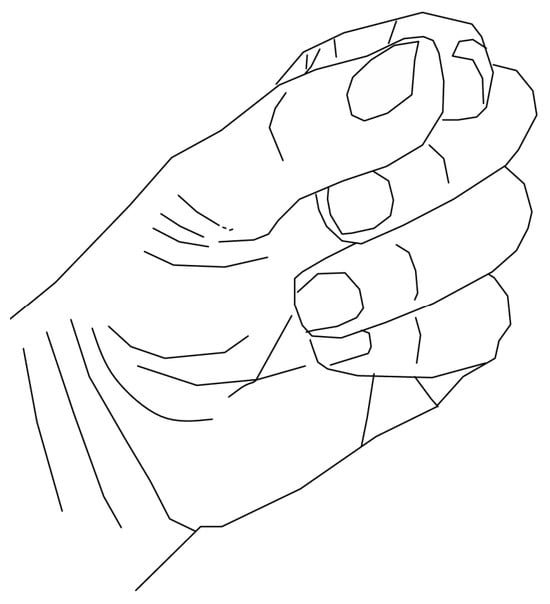
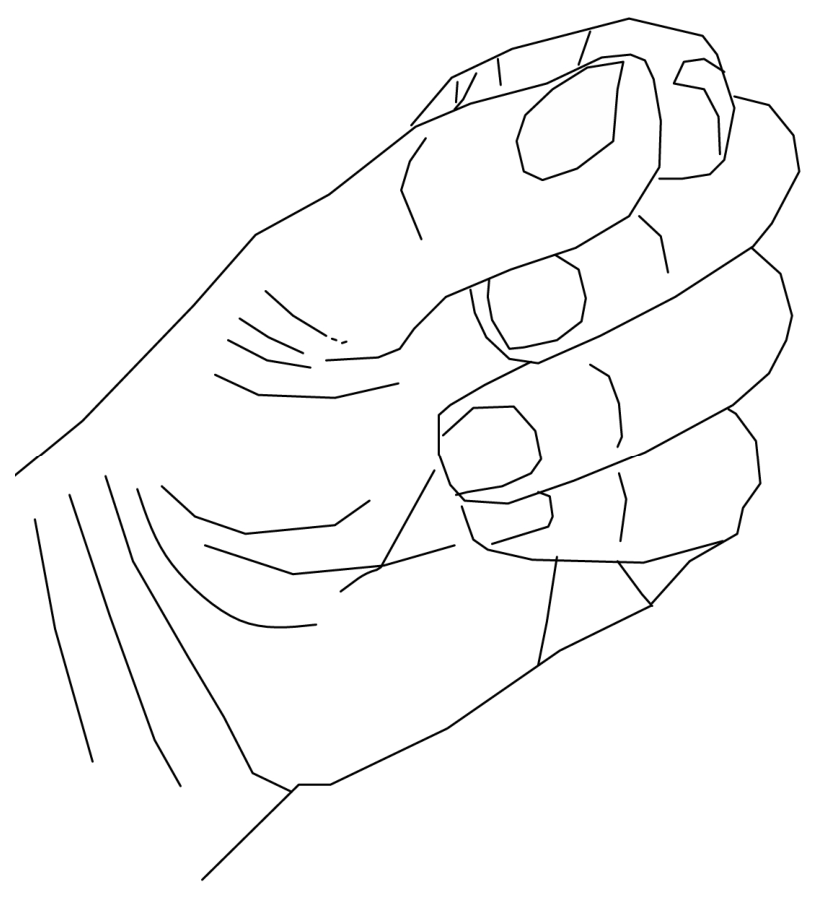
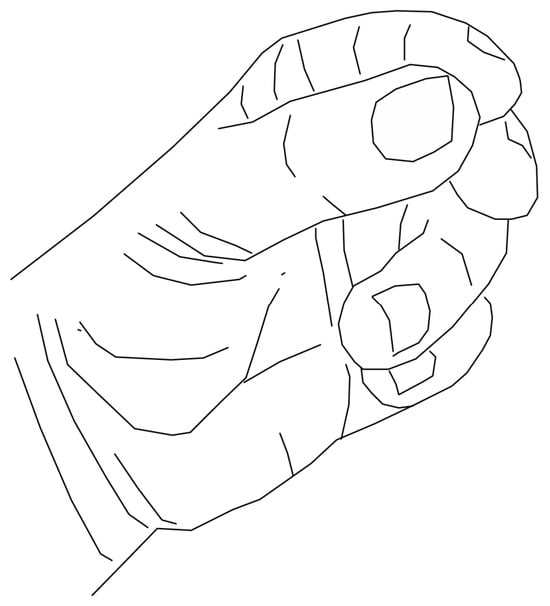
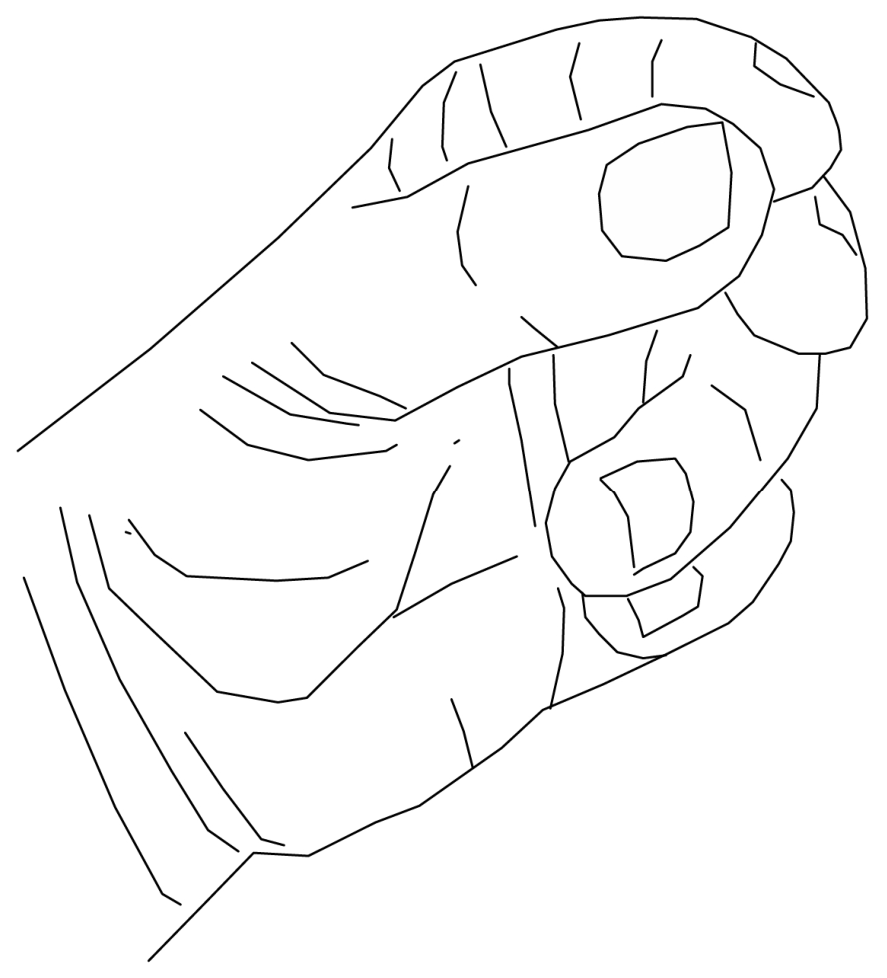
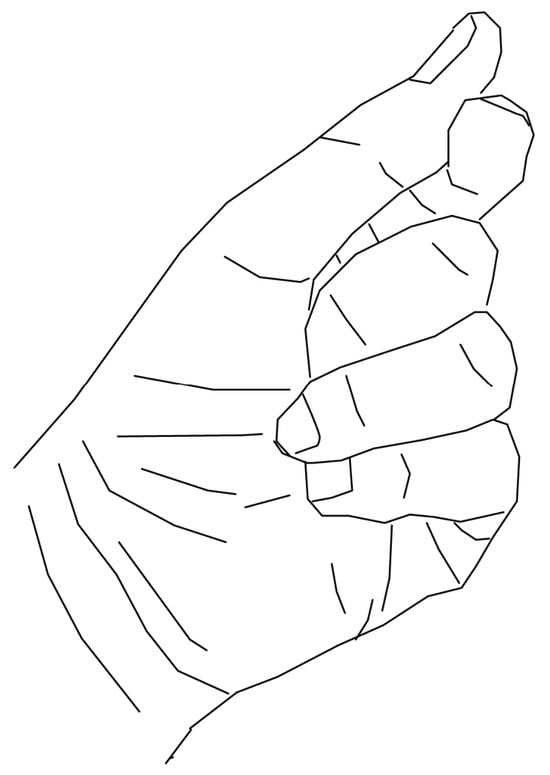
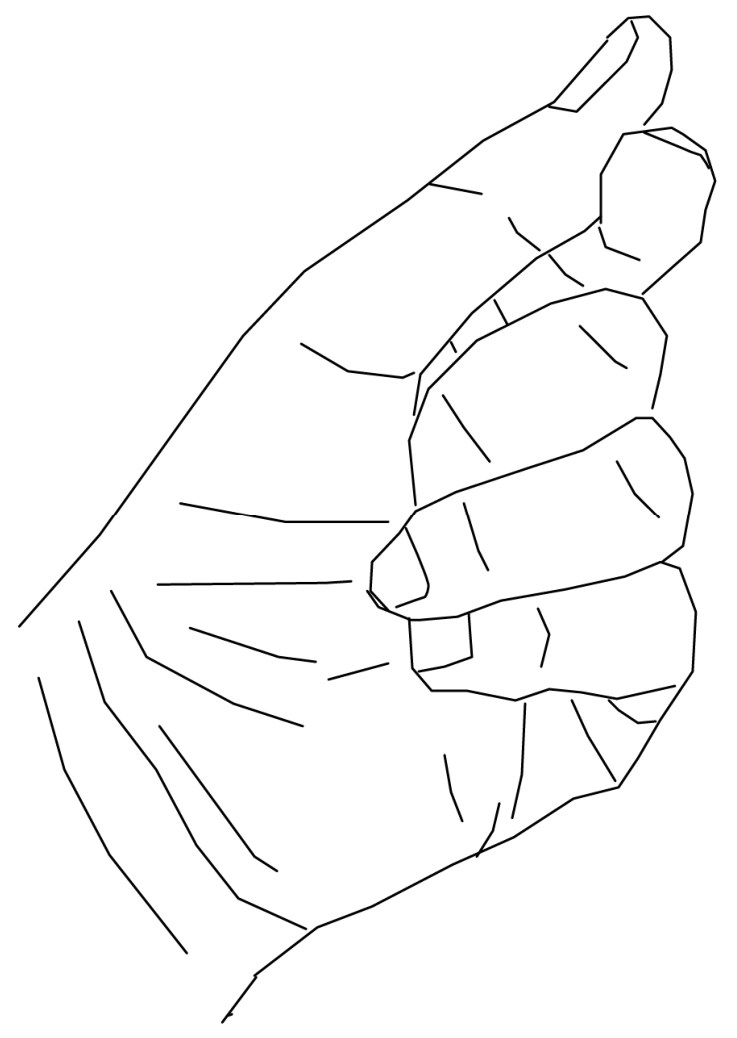
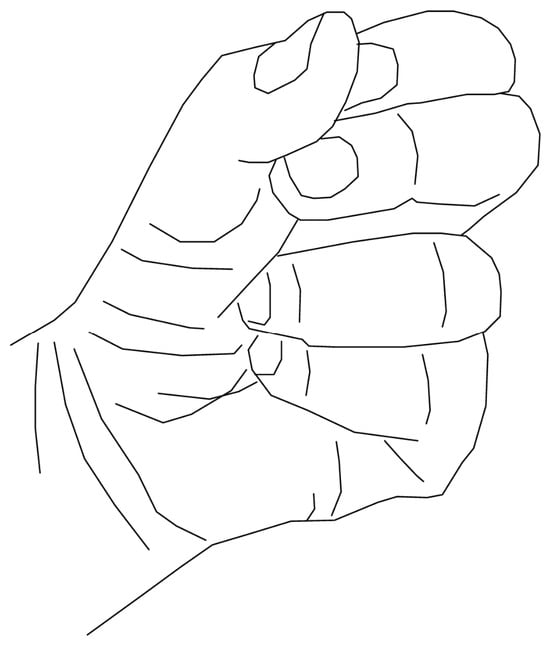
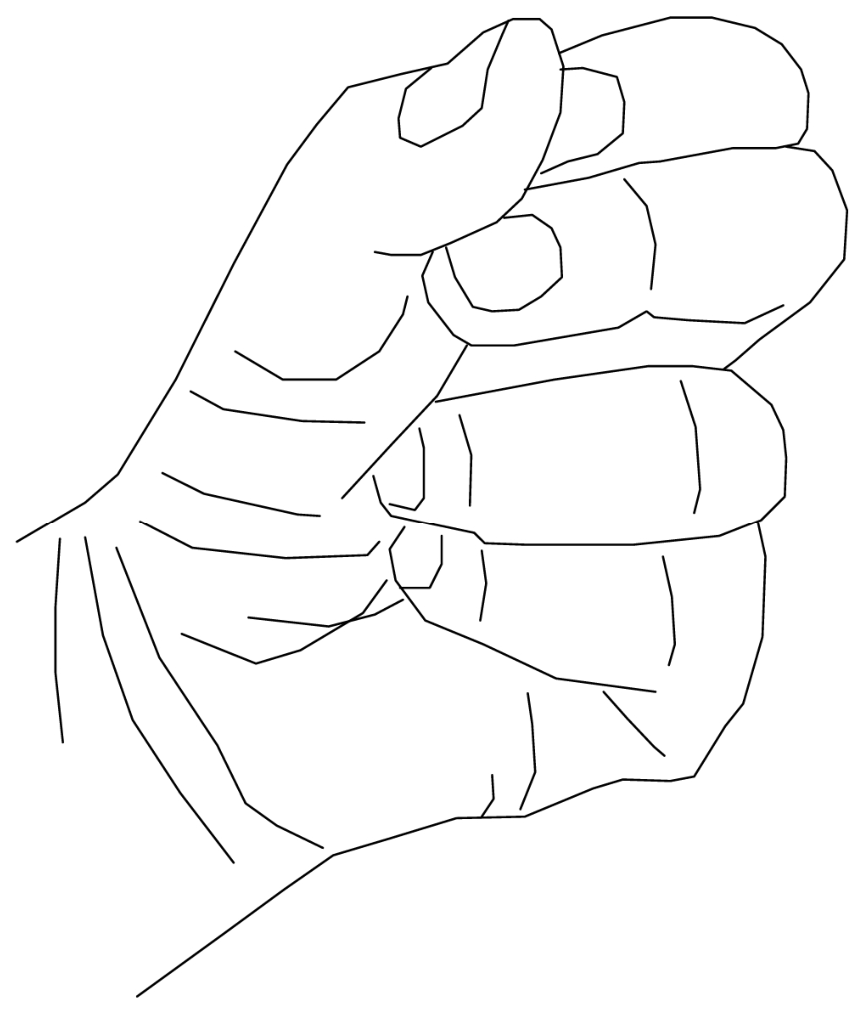
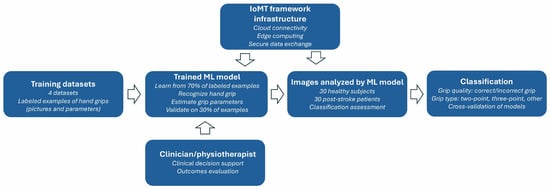
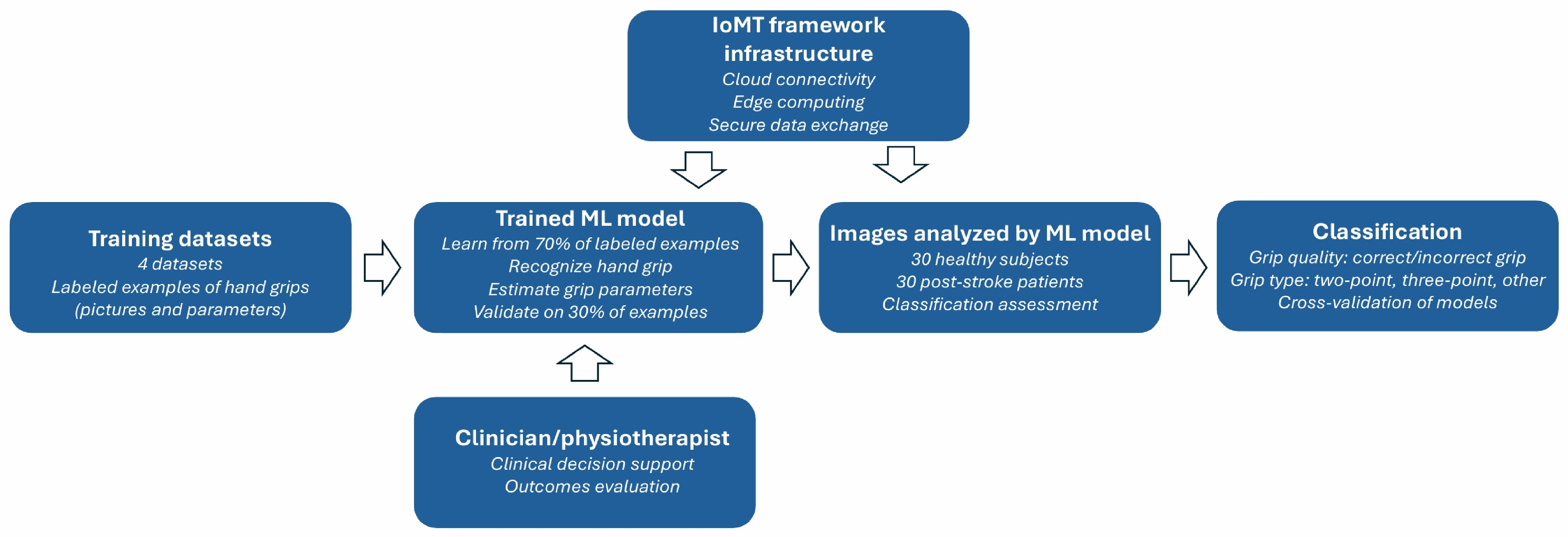
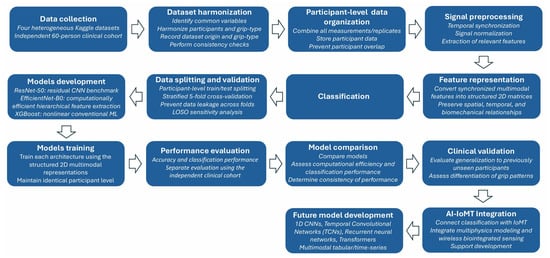
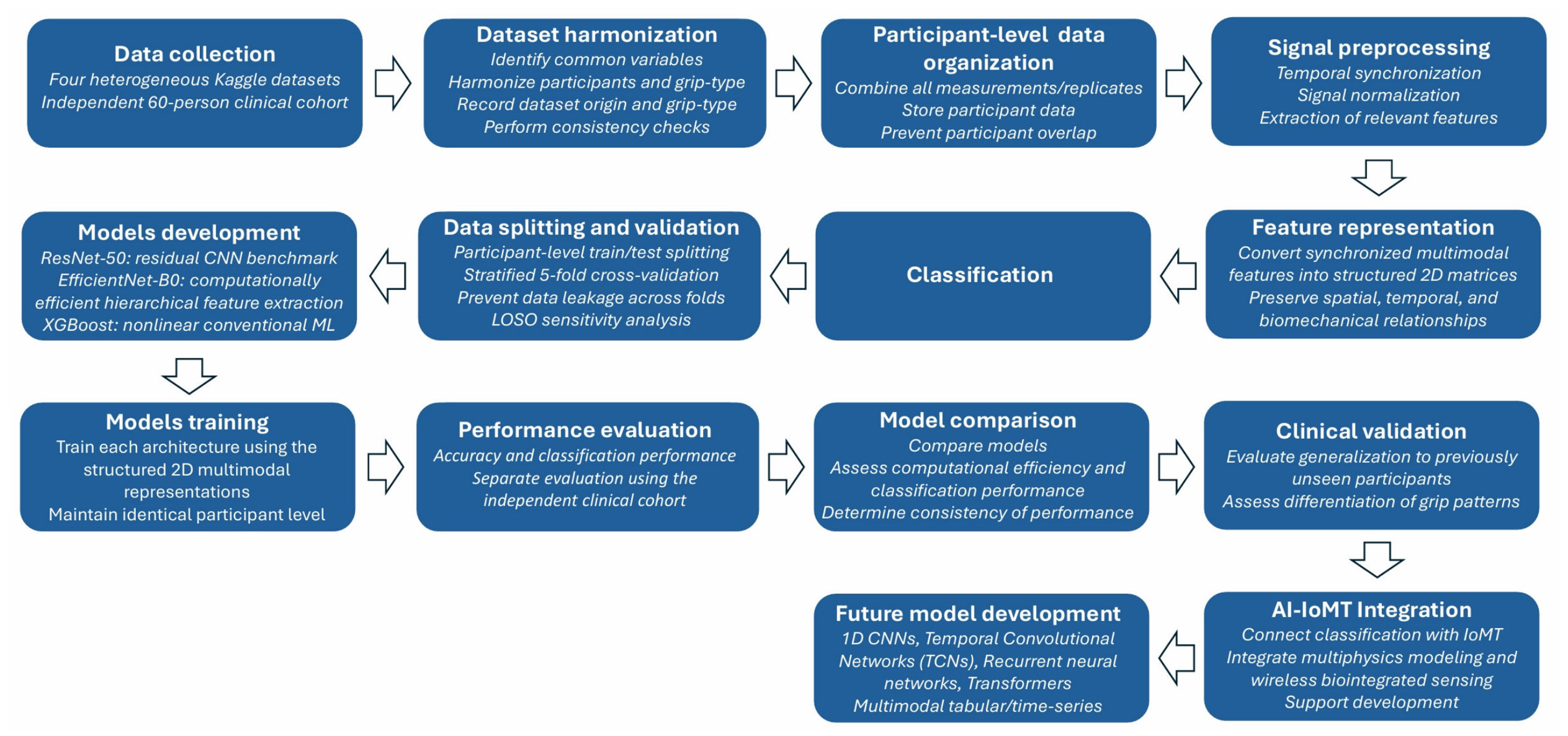

Disclaimer/Publisher’s Note: The statements, opinions and data contained in all publications are solely those of the individual author(s) and contributor(s) and not of MDPI and/or the editor(s). MDPI and/or the editor(s) disclaim responsibility for any injury to people or property resulting from any ideas, methods, instructions or products referred to in the content. |
© 2026 by the authors. Licensee MDPI, Basel, Switzerland. This article is an open access article distributed under the terms and conditions of the Creative Commons Attribution (CC BY) license.