


Abstract
This study examines the forensic classification and identification of counterfeit banknotes through an integrated analysis of empirical observations obtained during field and laboratory investigations. Particular attention is given to the procedural workflow of forensic examination and to the complementary use of macroscopic, microscopic, optical, and physicochemical methods. Preliminary field assessments were conducted using document examination loupes and other optical magnification devices, while laboratory investigations employed advanced analytical systems and specialized software to characterize the substrate, printing inks, graphic elements, and security features. The findings demonstrate that reliable counterfeit banknote identification cannot be based solely on visual inspection. A multidisciplinary approach integrating morphological, optical, and compositional evidence is essential for distinguishing sophisticated counterfeits from genuine banknotes and for formulating scientifically robust forensic conclusions. This study also highlights the need for continuously updated examination procedures in response to the increasing technological sophistication of banknote counterfeiting.
1. Introduction
Although banknote examination is conventionally classified under the technical examination of documents, it presents distinct practical challenges compared with other document research subfields. These challenges stem from its specific classification methods and the procedural workflows used to determine authenticity or detect counterfeiting [1,2,3]. Consequently, banknote examination involves unique theoretical nuances [4,5]. Generally, any document—whether old or in daily use—can be targeted for counterfeiting. Such documents may be individually identified or categorized by type, class, category, model, and issue [6]. In addition to circulating banknotes, which are frequently targeted, the counterfeiting of numismatic (collectible) banknotes and coins [7,8,9] has become an increasingly common practice.
Furthermore, in close connection with the topic under discussion, it is important to mention counterfeits that may also target other categories of items belonging to the same sphere, such as pre-monetary objects that served, at certain historical stages, as currency [10], as well as related items such as seals, stamps, medals, plaques, and other similar objects [11,12,13]. This category also includes the lawful production of replicas of certain coins and banknotes, particularly those of high historical and cultural value, as well as fanciful creations classified within the same category of goods. Although such activities may be carried out within the applicable regulatory framework, the resulting items may, in certain contexts, be used to mislead amateur collectors and, at times, even experts in the field.
Banknote counterfeiting remains operationally relevant despite the relatively low proportion of counterfeits in circulation. According to the European Central Bank, approximately 444,000 counterfeit euro banknotes were withdrawn from circulation in 2025, representing 14 counterfeits per million genuine banknotes in circulation and a decrease of approximately 20% compared with 2024. The 20 EUR and 50 EUR denominations accounted for approximately 80% of the counterfeits detected in 2025. These figures followed 554.000 counterfeit euro banknotes detected in 2024, corresponding to approximately 18 counterfeits per million genuine notes. At the national level, data published by the National Bank of Romania also demonstrate the continuing relevance of the phenomenon: in 2023, 5864 counterfeit Romanian banknotes were examined, of which 5.750 were 100 lei notes, corresponding to 3.07 counterfeits per million genuine banknotes in circulation. Although these ratios remain low relative to the total volume of circulating currency, the persistence and technical evolution of counterfeiting justify the continued development of reliable forensic examination procedures [14].
Existing banknote-authentication approaches nevertheless present method-specific limitations. Visual and tactile examination is rapid and non-destructive but may be influenced by examiner experience and becomes less reliable when high-quality counterfeits reproduce the general morphology and optical appearance of genuine security features. Automated authentication devices are valuable screening tools, although their performance depends on the security features examined and the counterfeit types represented during testing, and they cannot completely replace expert assessment. Optical and microscopic approaches provide highly useful morphological information but may be sensitive to illumination geometry, observation angle, surface wear, contamination, and image-acquisition conditions. Spectroscopic techniques offer additional molecular information, although overlapping spectral features and variations caused by sampling position or surface condition may complicate interpretation. Elemental methods such as SEM-EDX provide highly localized compositional information and therefore require careful sampling and should not be used to infer universal elemental markers from isolated measurements. Consequently, robust forensic conclusions are best obtained by correlating morphological, optical, and physicochemical evidence rather than relying on an individual analytical technique [15,16].
Accordingly, the novelty of the present work does not lie in proposing a new instrumental analytical technique. Rather, the study provides a casework-oriented framework that integrates three elements:
- (i)
- An operational classification encompassing conventional counterfeits together with altered, souvenir, fantasy and prop-type banknotes when these acquire forensic relevance through fraudulent use;
- (ii)
- A sequential examination strategy progressing from macroscopic and optical screening to targeted physicochemical analysis according to the complexity of the questioned specimen;
- (iii)
- An illustrative multimodal 500 EUR case study demonstrating how printing characteristics, optical security responses, micromorphology, elemental composition and molecular information can be correlated in a forensic conclusion. The framework is intended as a structured decision aid rather than as a replacement for established institutional examination protocols.
2. Experimental
2.1. Study Design and Banknote Samples
The study comprised a total of 11 banknotes, including 2 genuine reference specimens and 5 non-genuine/questioned banknotes (EUR, USD, RON). Of the total sample, 4 notes originated from private/reference collections and 7 originated from forensic casework. All case-related serial numbers and identifying information were anonymized before inclusion in the study.
Four (4) of the banknotes examined were exclusively collectible specimens originating from private collections.
The sample was selected purposively to illustrate distinct forensic categories encountered during practical banknote examination, including (counterfeit, altered and genuine banknotes, souvenir and fantasy banknotes, etc.). Consequently, the sample should be regarded as a casework-oriented illustrative collection rather than a statistically representative sample of counterfeit currency prevalence.
The detailed instrumental case study was performed on one questioned 500 EUR banknote and one genuine 500 EUR reference specimen. Corresponding regions from the questioned and reference banknotes were examined by optical microscopy, SEM-EDX and ATR-FTIR.
2.2. Macroscopic and Optical Examination
The examination of the banknotes was conducted using a combination of stereomicroscopic and multispectral imaging techniques in order to document and compare their morphological, optical, and security-related features. Both genuine and questioned banknotes were examined under controlled and, where applicable, identical observation and imaging conditions, allowing direct comparison of corresponding areas and features.
The examination involved different illumination modes, including incident, transmitted, oblique, ultraviolet (UV), and infrared (IR) illumination, selected according to the characteristics of the feature under investigation (Table 1). Optical magnification was varied according to the instrument and examination requirements. For each designated banknote, observations and image acquisitions were performed at three independent locations within morphologically comparable regions, providing repeated observations while reducing the influence of local variation.
Table 1.
Devices and parameters used for macroscopic and optical examination.
The equipment, optical magnifications, illumination conditions, sampling locations, and image-acquisition parameters used throughout the examination are summarized below. Unless otherwise specified, illumination and imaging conditions were kept constant when making direct questioned-to-reference comparisons. Illumination intensity was adjusted to prevent detector saturation; absolute irradiance was not independently measured.
2.3. Materials and Methods
The banknotes selected for this study originated partly from the authors’ private collections and partly from forensic casework; for the latter, all serial identification numbers were fully anonymized. As primary methodologies, preliminary macro-examinations were conducted using a Regula 1025 Professional universal device (Regula Forensics, Latvia), equipped with a 10× magnification loupe and diverse light sources, including white light at varying incident angles and UV illumination (254–365 nm). Subsequent laboratory investigations involved optical microscopy (OM) and reflectography analysis via a specialized VSC8000 HS Foster + Freeman document examination system coupled with a Leica M205C microscope (16× magnification). Whenever compositional analysis or microstructural morphology characterization was required, a VEGA II LSH scanning electron microscope (SEM) (TESCAN, Brno-Kohoutovice, Czech Republic) was utilized, coupled with a QUANTAX QX2 energy-dispersive X-ray (EDX) detector (BRUKER/ROENTEC, Berlin, Germany). Samples were analysed at magnifications ranging from 200× to 1000×, under an acceleration voltage of 30 kV and a chamber pressure below 1 × 10⁻² Pa. Images were acquired using both secondary electron (SE) and backscattered electron (BSE) modes. Furthermore, the elemental composition obtained from SEM-EDX analysis was correlated with data collected via attenuated total reflectance Fourier-transform infrared spectroscopy (ATR-FTIR). Fourier-transform infrared spectra were recorded using a Bruker LUMOS spectrometer (Bruker Corporation, Karlsruhe, Germany) equipped with a diamond crystal ATR module. Due to the non-destructive nature of this configuration, the samples were placed directly onto the ATR crystal for infrared investigation. All spectra were collected in the 500–4000 cm−1 wavenumber range, with measurements computed as an average of 64 scans at a resolution of 2 cm−1. The approximate ambient temperature in the laboratory at the time was 21 °C.
For each designated region (P1L–P4L and P1S–P4S), EDX spectra were acquired from 3 independent points/areas selected within morphologically comparable regions. The same accelerating voltage, working distance, acquisition time and detector settings were maintained for questioned/reference comparisons.
3. Results and Discussions
3.1. General Considerations Regarding Specific Work Procedures
To evaluate the authenticity of suspected counterfeit banknotes, forensic laboratories generally adhere to standardized operational workflows. These procedures integrate theoretical knowledge with accumulated empirical expertise to ensure the validity of examinations and the accuracy of final conclusions. Typically developed for internal institutional use, these workflows govern more than the core analytical phase of banknote or document examination. They regulate all associated activities across the pre-analytical and post-analytical phases, ending with the return of evidence and the final report to the requesting authority. Crucially, these protocols encompass sample traceability, packaging, sealing, and secure storage in controlled environments designed to prevent any alteration, degradation, or cross-contamination. Depending on the laboratory and jurisdiction, these operational workflows may be accredited by an external authority. However, accreditation does not inherently guarantee indisputable findings. Regardless of the level of standardization or the sophistication of the instrumentation used, forensic analysis ultimately relies on data synthesis and interpretation by the expert, an analytical process that introduces an unavoidable degree of subjective evaluation. Consequently, accreditation serves as an institutional guarantee that the investigative process follows clearly defined, standardized phases, thereby providing formal verification of compliance with established quality requirements.
In this context, every laboratory inherently operates under institutional regulations and workflows that govern infrastructure requirements, specific testing protocols, best practice manuals, and codes of conduct, regardless of whether an external body officially validates them. Furthermore, certain forensic disciplines or subfields cannot be accredited due to objective constraints, even if the laboratory intends to pursue certification. A prominent example is toolmark examination (traceology), which encompasses numerous highly specialized subfields that preclude a single, unified operational protocol. When the sample throughput within a specific subfield remains low over a standard reporting period (such as a semester or a calendar year), external bodies are unlikely to grant accreditation. From an economic perspective, undergoing an external accreditation audit for a rarely utilized procedure is neither cost-effective nor financially justifiable.
Another controversial example regarding accredited versus non-accredited operational protocols involves the examination of copied handwriting and signatures. This includes impressions generated via carbonless copy paper, carbon paper, or those resulting from the mechanical pressure exerted by a writing instrument on underlying sheets. The latter manifests as latent indented writing (without ink, gel, or paste deposition), which can be visualized using oblique (incident) lighting [17] at an optimized projection angle to reveal the indented traces on both sides (the obverse and reverse). Similarly, the technical examination of photocopied documents represents complex challenges, particularly when a contracting party claims the copy depicts a forgery, or when reasonable suspicion exists that the document was falsified before copying, often presented during transactions under the pretext that the original was lost or destroyed [18]. Consequently, most forensic laboratories refuse to conduct examinations in such scenarios, and accreditation bodies routinely exclude these specific subfields from their scopes of accreditation.
Furthermore, specific operational protocols evolve over time to adapt to practical needs and accumulated expert experience. In well-defined scenarios, these updates may streamline and simplify the examination process. For instance, within the standard protocols for evaluating documents with security features, a category that includes banknotes and coins [19], certain conditions have been established where the use of a physical specimen document or a similar reference material is no longer mandatory [20]. This exception is justified by specific real-world casework. A primary example involves fantasy documents, where acquiring an authentic specimen is inherently impossible. Similarly, this rule applies to obvious alterations that are easily identified during preliminary macro-examinations, even by less experienced personnel. It also covers instances involving legal replicas, scale models (such as those intended for collectors), or similar products. Such items pose a financial risk only if exploited to commit fraud [21,22], a topic that will be detailed further in the subsequent sections of this paper.
3.2. Discussion on Banknote Counterfeit Classification: Illustrative Selections from Field and Laboratory Casework
Within the field of forensic document examination, counterfeits are traditionally divided into two major categories: counterfeits (fully simulated documents) and forgeries (altered documents) [23]. However, in the specific context of paper and polymer currency, other distinct categories emerge. From a strict theoretical standpoint, these additional categories cannot be classified as either counterfeit or altered banknotes, provided they are retained or utilized according to their original, sometimes ostensibly benign, intent. Nevertheless, if these items are exploited, frequently following deliberate modifications, to produce legal effects [24] or inflict financial damage on individuals, their status changes. Depending on the general and specific features that define these banknotes (particularly their graphic composition, colour profile, dimensions, and core security features), they can be systematically associated with an expanded framework of currency counterfeiting.
Archaeological and numismatic research demonstrates that monetary counterfeiting has occurred since antiquity [25]. Such illicit practices have been documented even among monetary precursors and raw materials used as commodity money in early trade transactions. A prominent historical case from around 1750 BCE in Mesopotamia is recorded in cuneiform script on a clay tablet preserved at the British Museum. This artifact preserves a letter from a buyer named Nanni to the merchant Ea-Nāṣir of Ur, detailing a delivery of copper ingots that proved to be of sub-standard quality. Believing he was deceived and treated with contempt, Nanni noted that while he owed Ea-Nāṣir a mina of silver, he was also entitled to recover a specific sum of uncoined currency from him [26,27,28].
Given that counterfeit currency holds significant interest and is highly sought after by numismatists, collectors, and antiquity dealers [29], comprehensive examination protocols are vital. This elevated market interest also applies to modern currency displaying genuine mint errors, commemorative issues, and items struck specifically for numismatic collections. Consequently, a detailed and meticulous technical evaluation is essential for all currency categories. This rigorous approach is particularly imperative for forensic specialists tasked with conducting authenticity examinations and structural verification [30,31].
The illustrative examples in Figure 1 display various banknote categories: a historical 1946 Romanian banknote characterized by a distinctive wavy left edge and specialized graphics that provide a stylized representation of post-WWII rural life (Figure 1a), a highly sought-after polymer commemorative banknote, issued by the National Bank of Romania to mark the total solar eclipse of 11 August 1999, featuring an event-specific graphic design (Figure 1b), a „0 Euro” souvenir banknote depicting European art and architectural monuments (Figure 1c); although printed on authentic banknote paper substrate, this item integrates a substantial number of genuine security features. Consequently, such souvenir issues present an operational risk, as they can serve as raw materials for raised-value counterfeiting via the fraudulent addition of digits. This altered currency is typically deployed to commit fraud in countries outside the Eurozone under the pretext of being a rare commemorative issue, thus constituting an atypical category of forgery and a 100 Lei commemorative collector banknote issued by the National Bank of Romania, featuring historical themes dedicated to the Centenary of the Great Union (Figure 1d).
Figure 1.
Various types of banknotes holding specific significance for collectors and antiquity dealers.
Another currency category requiring rigorous forensic scrutiny comprises movie prop money, commonly designated as „prop notes” or „prop-copies”. Extensive casework reveals that these items frequently replicate the exact dimensions, graphic design, layout, and colour profiles of genuine banknotes. Consequently, their distinctive counterfeit markings can be highly challenging to detect upon initial visual inspection of the obverse and reverse surfaces. This risk is further compounded when such notes are handled by individuals who do not routinely manipulate Euro currency. Detailed examinations of these prop notes typically reveal printed disclaimers, sometimes restricted to a single side. These include English markings such as: „This note is not legal tender, it is to be used for motion props”, „For motion picture use only”, „Movie money”, „Prop”, or „Prop-copy”. Frequently, similar disclaimers are printed in non-Latin scripts (predominantly Cyrillic) or less widely understood languages, such as: „Сувенирная прoдукция” (Souvenir product) or „Не является платежным средствoм!” (Not a means of payment). However, due to their font size, deliberate positioning, colour integration, and overall graphic context, these warnings are easily overlooked or obscured. This is illustrated in Figure 2a, which shows a prop-copy note successfully used in a fraudulent transaction, where the deception was only identified post-factum. For a comprehensive comparative overview, a genuine specimen banknote of the same denomination is provided as reference (Figure 2b). Direct visual comparison demonstrates that the similarities between the 200 EUR prop note and the authentic currency are remarkably high. Furthermore, the distinctive indicators on the prop note are insufficiently prominent to mitigate the risk of fraud, particularly for victims unaccustomed to handling Euro banknotes.
Figure 2.
A 200 EUR banknote successfully exploited in a private fraudulent transaction: (a) Prop-copy banknote. (b) Genuine 200 EUR specimen banknote presented as reference material.
When movie prop notes or similar reproductions are deployed to achieve legal effects in real-world scenarios, rather than fulfilling their ostensibly benign purpose of simulating currency, a forensic consensus applies. Provided these items exhibit significant morphological similarities to authentic currency that impede easy differentiation during routine macroscopic screening by general users, they are systematically classified under the broader framework of „counterfeits” within official expert reports. Figure 3a,b illustrate a method of subtly integrating a „prop-copy” disclaimer by blending Latin and Greek typographic characters within the graphic layout, making the warning difficult to detect. Furthermore, Figure 3c,d provide magnified images of printed markings that identify these items as souvenir or movie prop banknotes.
Figure 3.
Types of printed disclaimers identifying Euro banknotes as „prop-copies”: by blending Latin and Greek characters (a,b), using Cyrillic characters (c), and using Latin characters (d).
Figure 4 illustrates further examples of equivalent disclaimers printed on non-genuine banknotes, integrated either as microtext or positioned in layouts that render them visible only upon detailed, close examination.
Figure 4.
Variant disclaimers on banknotes indicating movie prop status, printed in: Cyrillic script (a) and Latin script, rendered in distinct inks (b,c).
Although partial alteration is frequently observed in other document categories and less commonly in currency, cases still exist where genuine banknotes are falsified by modifying their denomination inscriptions. These altered notes are typically introduced into circulation during private transactions as part of deliberate fraudulent schemes orchestrated by counterfeiters or their accomplices. Findings indicate that partial currency alteration is predominantly executed when banknotes of differing face values within a specific monetary system exhibit significant morphological similarities, particularly regarding dimensions, colour profiles, and graphic layouts. These counterfeits are usually deployed as foreign currency in regions where the general public does not routinely handle those specific denominations, or through the meticulous selection of target victims. To illustrate this phenomenon, two banknotes with an apparent face value of 100 USD are examined below. The first represents an atypical alteration (Figure 5), given that counterfeiters targeting US Dollar currency conventionally prefer altering 1 USD bills to mimic 100 USD denominations.
Figure 5.
An altered banknote with an apparent face value of 100 USD, obtained by modifying a genuine 10 USD bill.
The second banknote was selected for illustrative purposes. It allows direct visual comparison with the altered banknote shown in Figure 6. This constitutes a counterfeit banknote, and it was produced through the unauthorized reproduction of the genuine banknote design.
Figure 6.
A counterfeit (complete forgery) with a face value of 100 USD.
In international discussions among central banks and forensic specialists regarding advanced anti-counterfeiting measures, switching to polymer substrates has long been considered highly effective. However, recent counterfeiting trends in Romania (where polymer banknotes were introduced in 1999 and 2000, becoming the exclusive substrate since 2005) demonstrate that polymer-based counterfeits have achieved a qualitative level comparable to paper-based alternatives. Official data from forensic investigations indicate that these high-quality counterfeits have been successfully introduced into supermarket networks and banking institutions. Given these challenges, specialized training in counterfeit detection is imperative for cash-handling personnel across both public and private sectors. To illustrate this issue, Figure 7 displays a counterfeit 100 RON polymer banknote photographed against a dark background.
Figure 7.
A counterfeit with a face value of 100 RON.
This specimen forms part of a highly deceptive counterfeit batch exhibiting consistent and uniform characteristics, which was rapidly distributed through multiple supermarket chains over a period of only a few days. Although macro-examination reveals an exceptional reproduction of the background pattern, graphic elements, text strings, and the transparent window feature, coupled with tactile properties almost identical to a genuine note, microscopic screening exposes the fraud. Closer inspection via a portable magnifier reveals the complete absence of authentic offset printing, which was replaced by high-quality colour inkjet printing. This inkjet technique was combined with secondary processes to simulate specific security elements and advanced printing methodologies, such as intaglio printing.
Figure 8 displays conclusive analytical features demonstrating the lack of authenticity of the questioned banknote. Specifically, it reveals the characteristic ink dots from colour inkjet printing deposited onto the opaque white layer applied over the transparent polymer film (Figure 8a,b,g,h). Furthermore, it illustrates the simulation methods used for specific security features, such as the micro perforations forming the denomination pattern under transmitted light (Figure 8c,d), the stylized theatre masks within the transparent window, and the watermark reproducing the National Bank of Romania—“BNR” monogram examined under both transmitted light and fluorescent illumination (Figure 8e,f).
Figure 8.
Several details demonstrating the lack of authenticity of the banknote shown in Figure 7, specifically the ink dots characteristic of inkjet printing, deposited on the opaque white layer previously applied to the transparent film (a,b,g,h), as well as the manner in which certain security features are imitated (c,d,e,f).
Returning to procedural aspects, we argue that physical specimen documents are no longer mandatory during the forensic examination or verification process to formally establish a lack of authenticity under certain conditions. This exception applies directly to cases involving altered banknotes (e.g., the bill illustrated in Figure 5), movie props, or fantasy productions that utilize the graphic design and colour profile of genuine currency. A prime example of such a fantasy production would be a banknote closely mimicking the 100 RON note shown in Figure 7 but substituting the authentic portrait and monument of playwright I.L. Caragiale with those of the symbolist poet George Bacovia. In these scenarios, demonstrating the forgery can be sufficiently achieved by detailing the explicit text disclaimers (as shown in Figure 3 and Figure 4) or by highlighting internal content contradictions, cross-referenced with publicly accessible, official data published by the issuing authority.
Conversely, when dealing with sophisticated counterfeits manufactured through deliberate engineering, previously optimized processes, and high-quality equipment that replicate authentic printing techniques, standard comparison remains imperative. In these scenarios, structured demonstrations utilizing a genuine specimen are vital to expose the subtle differentiating details that prove non-authenticity beyond a reasonable doubt. Furthermore, from a research perspective, comprehensive analysis of highly deceptive cases requires deeper analytical testing. Systematically archiving, comparing, and correlating these elemental and molecular data across similar cases enables a rigorous interpretive process, yielding robust scientific conclusions essential for judicial investigations.
The following section presents a comprehensive case study of a 500 EUR banknote. In addition to standard screening methods utilizing optical microscopy and examination under the visible and invisible electromagnetic radiation spectra, the questioned currency was subjected to advanced, high-resolution instrumental analyses.
3.3. Case Study—Detailed Analysis of a Counterfeit 500 EUR Banknote
As demonstrated by the initial macroscopic examination, the graphic composition of the questioned banknote (Figure 9) closely corresponds to the established graphic layout of an authentic banknote (Figure 10). Consequently, the overall visual design is addressed only briefly, the examination being focused primarily on those features of evidential relevance to the subsequent forensic examination.
Figure 9.
The questioned banknote with a face value of 500 EUR.
Figure 10.
A specimen banknote with a face value of 500 EUR.
The obverse exhibits core graphic features, including the 500 Euro face value (with the currency designation printed in both Greek and Latin scripts), the European Union flag, and the multi-language initials of the European Central Bank—ECB alongside the issue year. A simulated signature of the President of the ECB is located beneath these text character blocks. The background design incorporates a complex architecture-themed layout from the modern period, dominated by depictions of windows and gateways. Additionally, the obverse includes the European Union symbol represented by twelve stars arranged in a circular pattern. The reverse features a corresponding graphic complex on the same architectural theme, predominantly depicting bridges, a map of Europe, and stellar graphic figures mirroring the EU symbol. The reverse layout also features the 500 Euro denomination inscriptions and the unique alphanumeric serial characters. On both the obverse and reverse surfaces, the background pattern consists of planar geometric structures and high-security guilloche vector graphics, with violet serving as the dominant colour profile.
Following specialized comparative examinations between the questioned and specimen banknotes, macroscopic evaluation confirmed that the graphic components, security elements, and their overarching structural layouts aligned seamlessly, sharing a similar background printing technique. However, microscopic analysis exposed critical discrepancies in their fundamental characteristics. Furthermore, several embedded security features diverged significantly in terms of fabrication techniques, micromorphology, and simulated optical effects. To illustrate these findings, the essential technical discrepancies critical to establishing the authenticity of the questioned banknote are detailed below. In the images from Figure 11, minimal differences in colour shade are evident, as well as the fact that the fine, sinuous lines, which are part of the background design, lack continuity within the star-shaped graphic figure containing negative microtext in the disputed banknote (Figure 11a,c), just as they do in the specimen (Figure 11b,d). Microscopic examination revealed that the printing methodology employed for the background pattern matched the genuine standard in both technique and variant.
Figure 11.
Microscopic details displaying similarities and discrepancies between the questioned banknote (a,c) and the specimen (b,d); note the absence of continuous fine wavy background lines within the star-shaped graphic element featuring reverse microtext on the questioned note.
The print quality of the questioned banknote closely mirrored that of the official specimen, faithfully reproducing most structural details, including high-security features such as microtext. Specifically, both the questioned and specimen banknotes utilized Pantone offset printing for the background design, graphic elements, and text strings. Under microscopic magnification, the primary ink layers within the images appeared distinct and homogeneous, exhibiting continuous stroke paths and well-defined contours, as illustrated in the subsequent figures. Nonetheless, subtle anomalies were identified regarding colour gradients, the relative contrast enhancement of specific graphic elements, and minor proportional discrepancies within the micromorphological details, which failed to match perfectly. The images in Figure 11 show minimal variations in tonal profiles, with the fine wavy background lines lacking continuity inside the star-shaped graphic element featuring reverse microtext in both the questioned (Figure 11a,c) and specimen (Figure 11b,d) samples. This observed structural discontinuity is consistent across both the litigated document and the reference standard.
Another security feature selected for illustration is the denomination numeral located in the bottom right corner of the reverse side. This element is screen-printed [32,33] using optically variable ink (OVI) containing metallic pigments, on both the questioned banknote and the specimen banknote. Figure 12 and Figure 13 display corresponding macroscopic and microscopic views illustrating the colour-shifting responses of the optically variable ink under varying light incident angles for the questioned banknote (Figure 12a–c) and specimen banknote (Figure 13a–c).
Figure 12.
Optically variable ink (OVI) security feature on the questioned banknote, examined under white light at varying incident angles: (a) macroscopic view; (b,c) microscopic images.
Figure 13.
Optically variable ink (OVI) security feature on the specimen banknote, examined under white light at varying incident angles: (a) macroscopic view; (b,c) microscopic images.
Upon evaluation under varying viewing and light incident angles, this security feature generates an alternating two-colour optical effect shifting between violet and brown. This chromatic transition results from the differential reflection of specialized pigments within the ink, which is deposited in multiple layers and varying spatial orientations onto the substrate. Although this numeral on the questioned banknote was executed using the identical printing technique, its optical response (specifically the tonal profiles and chromatic contrast levels) failed to match the reference standard perfectly. Furthermore, high-magnification microscopic inspection of the printed tracks revealed distinct differences in the packing density of the metallic pigments.
It should be emphasized that these diagnostic discrepancies regarding the screen-printed OVI numeral are readily discernible only during a direct, side-by-side comparative analysis between the questioned banknote and the genuine specimen. Conversely, when evaluating standalone counterfeits without direct reference to authentic optical effects and lacking specialized instrumentation to quantify the security feature’s optical response, verifying the non-genuine nature of the optically variable ink becomes exceedingly challenging.
Microscopic inspection of corresponding regions along the printed tracks (illustrated in Figure 12 and Figure 13), captured under oblique lighting at a 10x magnification factor, clearly reveals variations in particle density. Specifically, a distinct difference in the packing density of the metallic-effect pigment particles is observed between the questioned banknote (Figure 14a) and the genuine specimen reference (Figure 14b).
Figure 14.
Microscopic details captured under oblique lighting at a 10× magnification factor, illustrating variations in the distribution density of metallic-effect pigment particles: (a) The questioned banknote. (b) The specimen banknote.
Regarding the genuine specimen, the serial number is printed in two distinct locations on the reverse side using the identical methodology, specifically, high-security letterpress printing (Figure 15b,d). However, these entries utilize inks of differing colour profiles: black for the upper alphanumeric string (Figure 15b) and violet for the lower string (Figure 15d). Conversely, the questioned banknote displays a hybrid digital fabrication method. The upper serial number is executed via an electrophotographic technique using monochrome laser toner (Figure 15a), whereas the lower serial number is printed using monochrome violet inkjet ink (Figure 15c). These two disparate digital techniques were most likely selected by the counterfeiters to exploit perceived macroscopic similarities to authentic currency, aiming to simulate the visual profile of authentic ink deposition during routine eye-level inspections.
Figure 15.
Microscopic details illustrating segments of the printed stroke paths from the banknotes’ serial numbers, executed via differing methods: (a) monochrome toner; (b) letterpress printing; (c) inkjet printing; (d) letterpress printing.
In recent literature on currency counterfeiting, particular attention has been directed toward the high quality of simulated optically variable devices (OVDs), specifically those featuring an independent metallized carrier integrated directly into the banknote’s paper substrate. These security features are fabricated using superior materials and advanced processing techniques, yielding highly deceptive final products that exhibit negligible discrepancies compared with genuine counterparts found on corresponding specimen banknotes. This high degree of fidelity is particularly problematic during macroscopic screening and real-world transactions, where transacting parties lack the specialized technical instrumentation of a forensic document laboratory and rarely possess an authentic reference specimen to conduct an immediate, side-by-side comparative examination.
Such a security feature was also found embedded in the paper substrate of the questioned banknote evaluated in this case study. Unambiguous identification of its discrepancies relative to the authentic reference standard was only achieved during laboratory testing. As illustrated in the subsequent figures, the questioned OVD element fails to match the reference standard at the micromorphological level, exhibiting noticeable variations in feature proportions and spatial dimensions. Furthermore, while the counterfeit element successfully produces light-reflection effects, its diffractive optical behaviour is not perfectly identical to that of the comparison standard.
In other words, the optically variable device on the case-study banknote is fabricated on an integrated substrate, specifically a specialized metallized carrier foil. This foil features a combination of graphic elements and text characters that utilize differential light reflection to generate specialized chromatic shifts and sequentially highlight design content aligned with the banknote’s theme and denomination. Although this security feature relies on an identical type of integrated carrier matrix in both samples (questioned vs. specimen), subtle discrepancies remain hidden until the laboratory phase. The images in Figure 16 illustrate these visual similarities and variations under different light incident angles and transmitted light illumination. Furthermore, under a focused transmitted light source, both positive and negative microtext elements are visible, alongside fine patterns generated by central micro perforations. While these structures appear highly deceptive across both the questioned (Figure 16a–d) and specimen (Figure 16e–h) banknotes, meticulous analysis reveals clear discrepancies in the stroke width profiles and geometric calibration of the microprinted paths.
Figure 16.
Partial similarities and discrepancies in optical responses between the questioned note (a–d) and the specimen standard (e–h) under light incidence at varying projection angles: 60° (a,e), 52.5° (b,f), and 30° (c,g) and under a focused transmitted light source (d,h).
Under ultraviolet (UV) illumination, the UV-sensitive graphic components exhibited luminescent emissions with subtle variations in chromatic nuances. The paper substrate displayed a distinct overall optical response across both samples; while both substrates appeared non-fluorescent (UV-dull), the authentic specimen displayed a noticeably darker background. On the specimen banknote, the UV-sensitive elements consist of polychrome fluorescent security inks used to execute specific graphic features, alongside luminescent security fibres embedded directly into the paper matrix.
Furthermore, examination of the paper substrates under transmitted light revealed that, unlike the genuine standard, the questioned banknote lacks a true embedded watermark. Instead, it incorporates a simulated image that closely mimics the macroscopic appearance of this security feature under conventional screening.
Additionally, the security thread deviated from the reference standard in terms of both spatial positioning and width. Due to these prominent discrepancies, no further destructive testing was performed on the security thread to preserve the integrity of the questioned banknote, ensuring its safe return to the judicial investigation authorities for archival storage. Microscopic and oblique light screening established that the counterfeit watermark was reproduced via screen printing using a chromatically neutral ink layer (closely matching the background paper tone). This process generated a negative image to simulate the density gradients of the authentic embedded watermark. A critical diagnostic indicator of this surface-printed simulation emerged under ultraviolet (UV) illumination. While genuine watermarks and security threads are integrated directly into the paper pulp matrix during manufacturing and must be visualized strictly via transmitted light or backlighting, the counterfeit watermark became visibly fluorescent. Figure 17 illustrates the overall behaviour of the banknotes under UV illumination (254 nm), showing clear variations in fluorescence intensity and emission gradients. Notably, on the questioned note (Figure 17a), the simulated watermark is clearly visualized along the right margin, serving as primary evidence of its non-genuine nature when cross-referenced with the inert response of the specimen standard (Figure 17b).
Figure 17.
Subtle variations in the luminescent response of the substrates and UV-sensitive graphic features under ultraviolet (UV 254 nm) illumination, evaluated on the reverse side: (a) The questioned banknote. (b) The specimen banknote.
Figure 18 details the substrate zone under transmitted light, revealing diagnostic microstructural variations. The counterfeit watermark (Figure 18a) is a negative image printed on the surface via an opaque, almost chromatically neutral ink layer coating the background of the design. In contrast, the authentic specimen watermark (Figure 18b) relies on localized thickness and density gradients inside the paper pulp matrix. This internal structure creates varying optical density profiles under transmitted light relative to the surrounding paper substrate.
Figure 18.
Detailed structural views of the watermark and security thread zones within the paper substrates of the two evaluated banknotes examined under transmitted light: (a) The questioned banknote. (b) The specimen banknote (red highlights indicate key points of interest).
Generally, regarding the composition of the banknote paper substrates, it must be emphasized that the core fibre network varies inherently by paper grade, dictated strictly by its intended manufacturing purpose. Consequently, substituting an alternative paper type may be identified during preliminary organoleptic and tactile examinations, unless a high degree of structural similarity exists in fundamental characteristics between the questioned item and the reference standard. Ultimately, data acquired through disparate analytical workflows within the forensic testing process must be comprehensively correlated to yield methodologically sound conclusions, regardless of the perceived level of similarity or the diagnostic discrepancies identified between the questioned banknote and the specimen standard. In the final assessment, all observed anomalies require systematic, evidence-based explanations to establish their status as primary and decisive indicators for confirming or disproving authenticity.
In the manufacturing of security-grade document paper, particularly currency substrates requiring an exceptional level of protection, chemical bleaching agents and optical brighteners are systematically omitted. This directly contrasts with commercial-grade paper routinely available in retail stationery stores. To ensure long-term durability and structural integrity under prolonged circulation, specialized sizing agents and additives are incorporated, either blended into the core paper pulp matrix or applied as a protective surface coating layer. Furthermore, the formulation of paper substrates for high-security official documents, which are handled routinely and carry significant legal or socioeconomic implications, demands enhanced resistance to mechanical stress and environmental degradation. Consequently, the primary raw materials conventionally utilized include cotton linter, silk, and specialized textile fibres. In stark contrast, standard commercial paper matrices typically rely on wood, straw, or equivalent vegetable-derived chemical and mechanical wood pulps.
In addition to the primary substrate matrix, several security features embedded into the paper pulp are of critical diagnostic relevance. These include metallized optically variable devices (OVDs), security threads, planchets, and synthetic or natural luminescent fibres. Evaluating these elements is essential to determine their degree of structural alignment relative to authentic reference standards, preferably sourced from a genuine specimen belonging to the identical issuing series.
The specific sampling areas selected for elemental and molecular [34,35,36] characterization from both the questioned and specimen banknotes comprised the printed stroke paths of the alphanumeric denomination numerals that were executed using metallic pigment, called optically variable ink (OVI), via screen printing. Additionally, testing was performed on the metallized carrier foil of the integrated optically variable device (OVD) security element and the bare paper substrates sampled from the proximal regions to these features. The nomenclature and designations utilized for the analysed samples were as follows:
- *
- P1L (Questioned sample No. 1): OVI numeral (Figure 19a);Figure 19. SEM micrographs illustrating the printed stroke paths executed with optically variable ink (OVI) and the adjacent paper substrates: (a,b) Questioned banknote. (c,d) Specimen banknote.
- *
- P2L (Questioned sample No. 2): Paper substrate adjacent to the OVI numeral (Figure 19b);
- *
- P3L (Questioned sample No. 3): Metallized OVD feature (Figure 20a,b);Figure 20. SEM micrographs of the metallized OVD surface captured at differing magnifications: 100× (a,c) and 500× (b,d), for the questioned sample ((a,b)—sample P3L) and the specimen standard ((c,d)—sample P3S).
- *
- P4L (Questioned sample No. 4): Paper substrate adjacent to the metallized OVD feature;
- *
- P1S (Specimen reference sample No. 1): OVI numeral (Figure 19c);
- *
- P2S (Specimen reference sample No. 2): Paper substrate adjacent to the OVI numeral (Figure 19d);
- *
- P3S (Specimen reference sample No. 3): Metallized OVD feature (Figure 20c,d);
- *
- P4S (Specimen reference sample No. 4): Paper substrate adjacent to the metallized OVD feature.
These samples were investigated via scanning electron microscopy coupled with energy-dispersive X-ray spectroscopy (SEM-EDX). This analytical approach remains vital in forensic characterization, as it enables the direct correlation of surface micromorphology with localized elemental composition, providing precise and non-destructive material identification [37,38]. SEM analysis reveals a highly ordered, homogeneous microstructure in genuine banknotes, which contrasts with the disordered, heterogeneous morphology and chaotic textual domains found in the questioned samples. This structural distinction is consistently demonstrated across the printed layers, the metallized OVD element, and the paper substrate, providing additional microstructural evidence differentiating the questioned specimen from the genuine reference. In Figure 20, SEM micrographs display the microstructure of the integrated metallized OVD carrier foil at 100× and 500× magnifications, highlighting the structural discontinuities and heterogeneous morphology of the questioned sample (P3L) in contrast to the uniform, well-defined microstructure of the authentic specimen (P3S).
Another major advantage of SEM-EDX is its capability to determine the elemental composition of extremely minute features, far below the detection thresholds of conventional techniques. Consequently, the EDX method can effectively characterize the elemental profiles of inks formulated with various inorganic pigments, metals, and oxides. The quantitative data obtained from the EDX analysis are summarized in Table 2. The EDX profiles reveal significant discrepancies between the questioned samples (P1L—P4L) and the genuine specimen standards (P1S—P4S) regarding both the spatial distribution of inorganic elements and their relative weight percentages (wt.%). These chemical metrics are critical for characterizing the specialized security inks and substrates utilised in EUR currency [31]. The authentic specimen samples (P1S–P4S) exhibit high carbon contents (14–24 wt.%), which are typically associated with ink layers richer in organic binders. Conversely, the questioned samples (P1L–P4L) yield substantially lower carbon values (7–14 wt.%), indicating an alternative chemical formulation or a significantly thinner ink deposition layer. Furthermore, diagnostic inorganic elements characteristic of genuine security inks, such as Mg, Al, Si, and Fe, are consistently detected in the authentic specimens. For instance, samples P1S and P2S contain distinct concentrations of Mg (4.9–6.3 wt.%) and Fe (0.6–1 wt.%), which are associated with optically variable interference pigments and metallic compounds conventional in OVI and intaglio formulations. In stark contrast, the questioned samples P1L and P2L completely lack Mg and Fe, while exhibiting dramatically elevated Si concentrations (13–14 wt.%). This chemical fingerprint indicates the utilization of alternative inorganic pigments, likely lower-grade silicates commonly encountered in counterfeit casework. Additionally, the presence of Ca, Cl, and Cr in the questioned specimens (e.g., P1L: Ca 4.49%, Cl 6.20%, Cr 5.11%) suggests the integration of minerals and colourants uncharacteristic of genuine Euro security inks, for which such concentrations are unreported in the forensic literature. In the authentic samples, these elements are entirely absent or occur only at trace levels, reflecting the strict composition control mandated for genuine security materials.
Table 2.
Elemental composition (wt.%) of the analysed samples determined via SEM-EDX.
Samples P3S and P4S exhibit distinct concentrations of Ba (7.09 wt.% and 4.59 wt.%, respectively), an element characteristic of barium sulphate pigments conventional in specialized surface treatments and coatings of authentic banknotes. In contrast, the questioned specimens completely lack Ba, serving as a further diagnostic indicator of material non-conformity.
Overall, the genuine specimen samples demonstrate a complex elemental profile characterized by a highly balanced distribution between organic binders and inorganic components. Conversely, the questioned samples exhibit a simplified elemental profile dominated heavily by Si, Cl, and Ca. Within the specific regions examined in this study, the questioned and reference specimens showed substantial differences in elemental composition. Mg, Fe and Ba were detected in selected regions of the reference specimen but were absent from the corresponding questioned regions, whereas the questioned regions exhibited different relative contributions of Si, Ca, Cl and/or Cr. These findings demonstrate material non-equivalence between the analysed regions of the two banknotes. However, because the measurements were obtained from localized areas of a single questioned/reference pair, the individual elements should not be regarded as universal markers of euro-banknote authenticity. Rather, the elemental discrepancies provide complementary evidence that supports the non-authenticity assessment when considered together with the printing, morphological and optical findings.
Although SEM-EDX provides invaluable elemental data, combining it with complementary laboratory techniques, such as attenuated total reflectance Fourier transform infrared spectroscopy (ATR-FTIR), enhances the identification of discrepancies between counterfeit and authentic currency. Infrared spectroscopy resolves subtle variations in the molecular framework of both paper matrices and ink layers, delivering a robust analytical criterion to differentiate non-genuine materials from original formulations [35]. Thus, IR becomes an essential tool because differences in the composition of the paper, inks, and additives are reflected in variations in molecular vibrations, generating spectra that are distinct from those of authentic banknotes.
Initial evaluation of the acquired infrared profiles reveals striking discrepancies in absorption band intensities (Figure 21, Figure 22 and Figure 23); the vibrational peaks of the official specimen standard appear substantially more intense and well-resolved than those of the counterfeit sample. Decreased band intensities indicate deviations from the authentic paper composition, a finding also reported in studies dedicated to the authentication of euro banknotes via FT-IR, where counterfeits exhibit changes in the ratio between cellulose bands and those of auxiliary components [31]. Figure 21 illustrates the IR spectra recorded on the numeral printed with OVI ink (ink containing specific metallic pigments) for both the specimen (P1S) and the disputed sample (P1L). In addition to the different intensities of the two samples, differences in the characteristic bands can also be observed. Thus, the specimen (P1S) exhibits additional bands that can be attributed to the ink layer, such as the ester carbonyl band around ~1725 cm−1, C–H stretching bands at ~1448 cm−1, as well as vibrations in the 800–900 cm−1 region, characteristic of polymeric systems and pigments used in security inks [32]. Both the specific bands and the higher peak intensities indicate the use of a more developed ink layer, with a higher content of polymeric binder and/or pigments specific to security inks. In contrast, the attenuated profile of the disputed sample (P1L) suggests a thinner ink film or a different formulation, with a lower content of organic and inorganic components [31].
Figure 21.
FTIR spectrum showing differences between the disputed sample 1 and the reference sample from a molecular perspective (P1L and P1S).
Figure 22.
FTIR spectrum showing differences between disputed Sample 2 and the reference sample from a molecular perspective (P2L and P2S).
Figure 23.
FTIR spectrum showing differences between the disputed samples 3 and 4 and the reference samples, respectively, in terms of molecular composition (P3L, P4L, and P3S and P4S, respectively).
For the IR spectra recorded on the paper substrate proximal to the OVI track (Figure 22), both the specimen (P2S) and questioned item (P2L) exhibit bands characteristic of cellulose substrates with specific vibrations at ~3266 cm−1 (specific to -OH bonds), ~2918 cm−1 (C–H groups), and vibrations of the C–H and C–O–C groups specific to the polysaccharide network at ~1316 cm−1 and 1056 cm−1, respectively [35]. Both the positions of the bands and their intensities, which are more attenuated in the disputed sample, indicate a cellulose substrate with a less compact cellulose structure or a lower degree of surface treatment, compared with the authentic paper used in the specimen. The same spectral variations in peak intensities and characteristic bands are replicated in samples P3 and P4 (Figure 23). Recorded across the metallized security feature and its proximal zone, these profiles are consistent with and provide complementary support for the microstructural and molecular anomalies established above.
The spectra showed differences in both the presence/position of selected absorption bands and their relative intensities. Greater interpretive weight was assigned to reproducible differences in spectral features and band positions. Differences in absolute intensity were treated as supporting observations only.
3.4. Recovery of Latent Traces from Authentic or Counterfeit Banknotes
While extensive research already addresses the visualization and recovery of fingerprints from diverse substrates, including paper and plastics, we will briefly address an issue reserved for a separate, forthcoming study. Aimed at expanding the scope of banknote forensic examinations, this highly contextual aspect involves the recovery of biological traces and subsequent DNA profiling from banknotes.
In 1984, Sir Alec Jeffreys and his team of researchers at the University of Leicester discovered that certain regions of DNA can be used to compare and distinguish individuals, much like fingerprints, thus giving rise to the forensic technique of DNA analysis (DNA fingerprinting) [39]. Today, DNA analysis is routinely used by forensic laboratories to identify perpetrators of criminal acts based on genetic profiles. Among these crimes are some in which banknotes serve as the primary evidence. Whether we are considering crimes such as theft, bribery, or counterfeiting, banknotes can serve as primary evidence to demonstrate the connection between suspects and the banknotes in question. Traditionally, banknotes were made from paper derived from the cotton plant, but an increasing number of countries have adopted banknotes made from polymers [40]. From a forensic perspective, polymer banknotes are considered evidence with a surface made of non-porous, non-absorbent material; therefore, the best technique for collecting biological material remaining on the surface of the evidence is to use a cotton swab moistened with 40–80 µL of solution; during collection, the swab must form an angle of approximately 60° with the evidence and be rotated constantly. In contrast, paper banknotes can be considered to be made of a porous, absorbent material, which means they can trap cells deposited upon contact; thus, the double-swabbing method, which involves swabbing the surface of the sample with a swab moistened with liquid, followed by a second swab, this time dry, increases the likelihood of recovering cells and obtaining a DNA profile. Other studies suggest that sampling from paper is most effective when using filter-based suction techniques [38]. Concerning banknote counterfeiting offenses, it has been demonstrated that a DNA profile can be obtained from counterfeit banknotes, which most likely contain the counterfeiter’s biological material, trapped between the adhesive parts of the banknote (e.g., the hologram) and the body of the banknote. Thus, it has been demonstrated that by separating the components of the banknote, significant amounts of DNA were obtained following Chelex extraction [39]. Many other recent studies have explored advanced approaches for banknote authentication, including fuzzy graph analysis, graph-based chemometrics, snapshot hyperspectral imaging, and portable microscopy coupled with smartphone-based image acquisition, that could strengthen the identification [16,41,42,43,44,45].
3.5. Comparisons with Previous Studies
The present results are consistent with previous studies demonstrating that banknote authentication benefits from combining information obtained from several analytical domains. Itrić et al. [36] demonstrated the applicability of ATR-FTIR for discriminating genuine and counterfeit euro banknotes, although their study, similar to the present detailed case analysis, was based on a limited number of genuine and counterfeit specimens. In contrast, Oliveira et al. [46] analysed 300 authentic and 227 counterfeit Brazilian banknotes using portable NIR spectroscopy combined with chemometric classification, demonstrating the advantages of larger sample sets for developing statistically validated discrimination models. Guo et al. [47] examined 21 counterfeit banknote paper samples originating from 13 forensic cases by X-ray fluorescence and multivariate analysis, showing that elemental profiles may assist not only in discrimination but also in linking materials originating from different cases. More recent optical approaches have included portable smartphone microscopy [16], spectral-domain optical coherence tomography [48], and hyperspectral imaging [45]. These studies collectively support the value of non-destructive optical examination while also demonstrating that performance depends on the selected banknote region, security feature, and sample population. Unlike studies primarily designed to construct automated classification models, the present investigation focuses on a casework-oriented sequential workflow in which macroscopic, microscopic, optical, elemental, and molecular observations are correlated to reach a forensic conclusion.
4. Conclusions
The societal challenges and technical aspects directly or indirectly connected to banknote counterfeiting demand heightened attention and increased research interest. From a forensic science perspective, this field is characterized by continuous dynamics, driven by rapid technological and scientific advancements that provide counterfeiters with sophisticated methodologies to produce high-quality fraudulent products. Furthermore, the circulation and utilization of counterfeit banknotes exert a major impact on both state institutions and private entities, resulting in significant consequences that reflect subtly yet tangibly in daily socioeconomic life.
The conducted analysis highlights that the investigated banknote exhibits a set of characteristics incompatible with its authenticity, even though it reproduces the general appearance of a genuine banknote with a high degree of fidelity at the macroscopic level. The corroboration of the results obtained through macroscopic and microscopic examinations, alongside instrumental investigations, allowed for the identification of relevant discrepancies in printing techniques, security features, and the composition of the materials used.
Firstly, the detailed examination revealed observable differences in the structure and morphology of the graphic elements, as well as in the reproduction of certain security components. This indicates the use of replication processes unsuitable for the specific printing standards of authentic banknotes. Secondly, compositional analyses highlighted inconsistencies between the sample under investigation and the reference materials, from both elemental and molecular perspectives, thereby confirming the inauthentic nature of the substrate and the utilised inks.
Furthermore, the obtained results demonstrate the critical importance of a multidisciplinary approach in banknote forensics. Only an integrated examination of morphological, optical, and physicochemical clues enables the formulation of a rigorous and scientifically grounded conclusion. Consequently, while the analysed banknote falls into the category of high-quality counterfeits, it fails to meet the criteria necessary to be considered authentic.
Author Contributions
Conceptualization, methodology, investigation, writing—original draft preparation: V.D.; conceptualization, supervision, data curation: I.S.; methodology, investigation, formal analysis: L.M.G.; data curation, writing—review and editing, visualization: I.C.N.; data curation, interpretation, validation: D.P.; data curation, validation: B.H.; investigation, data curation, validation: L.L.-G.; writing—review and editing, data curation, validation: A.V.S. All authors have read and agreed to the published version of the manuscript.
Funding
This research received no external funding.
Institutional Review Board Statement
Not applicable.
Informed Consent Statement
Not applicable.
Data Availability Statement
The original contributions presented in this study are included in the article. Further inquiries can be directed to the corresponding authors.
Acknowledgments
All banknotes examined in this study were analysed by the authors or are held in their laboratories or personal research collections. All photographs were taken by the authors; specimens related to judicial investigations were subsequently returned to the competent authorities together with the corresponding expert reports.
Conflicts of Interest
The authors, Vasile Drobotă and Vasile Drobotă, belong to the Iași County Police Inspectorate. The authors, Ion Sandu and Andrei Victor Sandu, belong to the Romanian Inventors’ Forum. Authors Ioan Cristinel Negru and Daniel Potolincă belong to the Iași Territorial Border Police Inspectorate. The remaining authors declare that the research was conducted in the absence of any commercial or financial relationships that could be construed as potential conflicts of interest.
References
- Sandu, I.; Cotiugă, V. Cercetarea Bunurilor de Patrimoniu și a Documentelor Falsificate [Forensic Investigation of Cultural Heritage Items and Counterfeit Documents]; AIT Laboratory: Bucharest, Romania, 2011. (In Romanian) [Google Scholar]
- Sandu, D. Falsul în Acte [Forgery of Documents]; Editura Dacia: Cluj-Napoca, Romania, 1977; pp. 11–23. (In Romanian) [Google Scholar]
- Hollegie, J.H.J. Basic Knowledge Document Recognition; SDU Publishers: The Hague, The Netherlands, 2004; pp. 323–358. [Google Scholar]
- Vochescu, I.; Bercheșan, V. Bancnota și Falsificatorii de Bancnote [Banknotes and Banknote Counterfeiters]; Casa de Editură și Presă Șansa S.R.L.: Bucharest, Romania, 1996; pp. 65–155. (In Romanian) [Google Scholar]
- Buzatu, N.; Popa, G. Expertiza Bancnotelor și a Altor Instrumente de Plată [Expert Examination of Banknotes and Other Payment Instruments], revised and expanded ed.; Editura Little Star: Bucharest, Romania, 2005; pp. 20–63. (In Romanian) [Google Scholar]
- Ionescu, L.; Sandu, D. Identificarea Criminalistică [Forensic Identification]; Editura Științifică: Bucharest, Romania, 1990; pp. 102–122. (In Romanian) [Google Scholar]
- Preda, C. Istoria Monedei în Dacia Preromană [The History of Coinage in Pre-Roman Dacia]; Editura Enciclopedică: Bucharest, Romania, 1998; pp. 231–237. (In Romanian) [Google Scholar]
- Donoiu, I. Monede Daco-Getice și Efigii Romane [Dacian-Getic Coins and Roman Effigies]; Editura Militară: Bucharest, Romania, 1980; pp. 13–184. (In Romanian) [Google Scholar]
- Condurachi, E.; Bălăcescu, C.; Buzdugan, G.; Iliescu, O.; Ioniță, M.; Luchian, O.; Mitrea, B.; Preda, C. Buletinul Societății Numismatice Române—Anii XLII–LXVI (1948–1972), Nr. 96–120 [Bulletin of the Romanian Numismatic Society—Years XLII–LXVI (1948–1972), Nos. 96–120]; Editura Litera: Bucharest, Romania, 1974; pp. 83–89. (In Romanian) [Google Scholar]
- Kirițescu, C.C. Moneda: Mică Enciclopedie [Coins: A Short Encyclopedia]; Editura Științifică și Enciclopedică: Bucharest, Romania, 1982; pp. 212–213. (In Romanian) [Google Scholar]
- Seibt, W. Issues of the Historical Geography of Bulgaria in the Late 10th and 11th Centuries—A Sigillographic Contribution. In Numismatic and Sphragistic Contributions to the History of the Western Black Sea Coast, Proceedings of the International Conference, Varna, Bulgaria, 12–15 September 2001; Yotov, V., Lazarenko, I., Eds.; Regional Historical Museum: Varna, Bulgaria, 2004; Acta Musei Varnaensis; Volume 2, pp. 253–262. [Google Scholar]
- Koseva, D.; Dermendzhiev, E. The Molivdovul from the Collection of the Historical Museum in Veliko Tarnovo. In Numismatic and Sphragistic Contributions to the History of the Western Black Sea Coast, Proceedings of the International Conference, Varna, Bulgaria, 12–15 September 2001; Yotov, V., Lazarenko, I., Eds.; Regional Historical Museum: Varna, Bulgaria, 2004; Acta Musei Varnaensis; Volume 2, pp. 276–278. [Google Scholar]
- Totev, K. On the Iconography and Inscriptions on Two Patriarchal Seals from the Second Bulgarian Kingdom. In Numismatic and Sphragistic Contributions to the History of the Western Black Sea Coast, Proceedings of the International Conference, Varna, Bulgaria, 12–15 September 2001; Yotov, V., Lazarenko, I., Eds.; Regional Historical Museum: Varna, Bulgaria, 2004; Acta Musei Varnaensis; Volume 2, pp. 348–356. [Google Scholar]
- European Central Bank. Annual Report 2025; European Central Bank: Frankfurt am Main, Germany, 2026; Available online: https://www.ecb.europa.eu/press/annual-reports-financial-statements/annual/html/ecb.ar2025~b7f898b33d.en.html (accessed on 20 August 2026).
- Banco de España. Successfully Tested Banknotes Authentication Devices. Available online: https://www.bde.es/f/webbde/EYC/billemone/euro/billetes/ficheros/en/Tests_results.pdf (accessed on 28 August 2026).
- Costa, R.A.; Vittorazzi, B.V.; Barbosa, A.P.; da Rocha, V.B.; Brandão, J.M.O.B.; Lacerda, V., Jr.; Filgueiras, P.R.; Romão, W. Use of a portable microscope combined with a smartphone to determine the authenticity of Brazilian banknotes and national driver’s licenses. J. Braz. Chem. Soc. 2022, 33, 437–445. [Google Scholar] [CrossRef] [Scilit]
- Bercheșan, V.; Ruiu, M. Tratat de Tehnică Criminalistică [Treatise on Forensic Science Techniques]; Editura Little Star: Bucharest, Romania, 2004; p. 182. (In Romanian) [Google Scholar]
- Bruna, A.; Farinella, G.M.; Guarnera, G.C.; Battiato, S. Forgery Detection and Value Identification of Euro Banknotes. Sensors 2013, 13, 2515–2529. [Google Scholar] [CrossRef] [Scilit]
- Negrea, R. Moneda: De la Scoicile-Monedă la Cecul Electronic [Currency: From Shell Money to the Electronic Check]; Editura Albatros: Bucharest, Romania, 1988; pp. 124–132. (In Romanian) [Google Scholar]
- Lazăr, A.; Alămoreanu, S. Expertiza Criminalistică a Documentelor: Aspecte Tactice și Tehnice [Forensic Document Examination: Tactical and Technical Aspects]; Editura Lumina Lex: Bucharest, Romania, 2008; pp. 188–193. (In Romanian) [Google Scholar]
- Innes, B. Falsuri și Contrafaceri [Forgeries and Counterfeits]; Ionescu, P.; Vlad, V.C.; Chifu, A., Translators; Mladinska Knjiga: Bucharest, Romania, 2007; pp. 9–38. (In Romanian) [Google Scholar]
- Popescu, M. Povestea Falsei Coroane de aur a Regelui Scit Saitapherne Achiziționată de Luvru în 1896 [The Story of the False Golden Crown of the Scythian King Saitaphernes Acquired by the Louvre in 1896]. Available online: https://curatorial.ro/arta/povestea-falsei-coroane-de-aur-a-regelui-scit-saitapherne-achizitionata-de-luvru-in-1896/ (accessed on 24 March 2026). (In Romanian)
- Braz, A.C.F.; Brandão, J.M.; dos Santos, N.A.; Nascimento, M.H.; Siqueira, B.M.; Filgueiras, P.R.; Romão, W. Authenticity Study of One-Hundred Real Banknotes by Mid- and Near-Infrared Spectroscopy Combined with Chemometrics. Quím. Nova 2025, 48, e20250232. [Google Scholar] [CrossRef] [Scilit]
- Alămoreanu, S. Falsul în Acte: Aspecte Clasice și Moderne în Cercetarea sa Criminalistică [Forgery of Documents: Classical and Modern Aspects of Forensic Investigation]; Pro Universitaria: Bucharest, Romania, 2021; p. 17. (In Romanian) [Google Scholar]
- Damian-Barbu, N.; Baciu, A.M. Manual—Câteva Considerații Privind Falsificarea Monedelor și a Bancnotelor Electronice [Manual—Some Considerations on the Counterfeiting of Coins and Electronic Banknotes]; Editura Amurg Sentimental: Bucharest, Romania, 2007; pp. 33–46. (In Romanian) [Google Scholar]
- Ispas, A. Scrisoare din Mesopotamia: Cea Mai Veche Plângere din Istorie, Redactată Acum Aproape 4000 de ani [A Letter from Mesopotamia: The Oldest Complaint in History, Written Almost 4000 Years Ago]. Available online: https://www.omofon.com/scrisoare-din-mesopotamia-cea-mai-veche-plangere-din-istorie-redactata-acum-aproape-4000-de-ani/ (accessed on 6 April 2026). (In Romanian)
- Incredibilia. Reclamația de Patru Milenii [The Four-Millennia-Old Complaint]. Available online: https://incredibilia.ro/reclamatia-de-patru-milenii/ (accessed on 6 April 2026). (In Romanian)
- Oppenheim, A.L., Translator; Letters from Mesopotamia: Official, Business, and Private Letters on Clay Tablets from Two Millennia; University of Chicago Press: Chicago, IL, USA; London, UK; University of Toronto Press: Toronto, ON, Canada, 1967; pp. 82–83. [Google Scholar]
- Lipovanu, I. Un deceniu de falsificare monetară [A Decade of Currency Counterfeiting]. Colecț. Rom. 2009, 7, 35–42. (In Romanian) [Google Scholar]
- Negru, I.C.; Potolincă, D.; Vasilache, V.; Sandu, I. Falsificarea substraturilor din polimeri întâlnite în bancnote și documente de călătorie [Counterfeiting of Polymer Substrates Found in Banknotes and Travel Documents]. In Proceedings of the 5th International Scientific Conference “Romanian Educational System of Forensic Science”, Bucharest, Romania, 27–28 April 2017; pp. 127–136. (In Romanian) [Google Scholar]
- Potolincă, D.; Negru, I.C.; Tanasa, O.P.; Sandu, I. The Investigation of Security Features in Forged or Counterfeit Documents. In Proceedings of the 5th International Scientific Conference “Romanian Educational System of Forensic Science”, Bucharest, Romania, 27–28 April 2017; pp. 161–170. [Google Scholar]
- Mitrofan, A.; Panfil, G.; Enache, P. Traseele Scripturale—Fundamente Criminalistice [Handwriting Traits—Forensic Fundamentals]; Editura Research & Science: Bucharest, Romania, 2016; pp. 115–119. (In Romanian) [Google Scholar]
- Jeffreys, A.J.; Wilson, V.; Thein, S.L. Individual-Specific “Fingerprints” of Human DNA. Nature 1985, 316, 76–79. [Google Scholar] [CrossRef] [Scilit]
- Wang, M.; Liu, H.; Huang, P.; Wu, Z. Penetrating Imaging of Concealed Features in Banknotes with Near-Field Scanning Microwave Microscopy. Electronics 2024, 13, 4729. [Google Scholar] [CrossRef] [Scilit]
- Zadora, G.; Michalska, A. Scanning Electron Microscopy. In Analytical Techniques in Forensic Science, 1st ed.; Wolstenholme, R., Jickells, S., Forbes, S., Eds.; John Wiley & Sons: Chichester, UK, 2021; pp. 185–217. [Google Scholar] [CrossRef] [Scilit]
- Itrić, K.; Vukoje, M.; Banić, D. FT-IR Spectroscopy as a Discrimination Method for Establishing Authenticity of Euro Banknotes. Acta Graph. 2018, 29, 27–30. [Google Scholar] [CrossRef] [Scilit]
- Negru, I.C.; Vasilache, V.; Sandu, I.; Olariu, R.I.; Tanasa, P.O.; Potolincă, D.; Sandu, I.C.A. Depth Profiling of Diffraction-Based Security Features in Authentic and Counterfeit Banknotes. Mater. Plast. 2017, 54, 321–325. [Google Scholar] [CrossRef] [Scilit]
- Potolincă, D.; Negru, I.C.; Vasilache, V.; Arsene, C.; Păduraru, M.; Sandu, I. Forensic Expertise of the Paper Support of Counterfeit Documents. Mater. Plast. 2017, 54, 186–189. [Google Scholar] [CrossRef] [Scilit]
- Stuart, B. Infrared Spectroscopy. In Analytical Techniques in Forensic Science, 1st ed.; Wolstenholme, R., Jickells, S., Forbes, S., Eds.; John Wiley & Sons: Chichester, UK, 2021; pp. 145–160. [Google Scholar] [CrossRef] [Scilit]
- McClintock, R.; Whymark, R. Bank of England Notes: The Switch to Polymer. Bank Engl. Q. Bull. 2016, 56, 23–32. [Google Scholar]
- Morgan, A.G.; Prinz, M. Development of Improved DNA Collection and Extraction Methods for Handled Documents. Genes 2023, 14, 761. [Google Scholar] [CrossRef] [Scilit]
- Kwok, R.; Kenny, D.; Williams, G.A. Evaluating the Viability of Obtaining DNA Profiles from DNA Encapsulated between the Layers of Composite Counterfeit Banknotes. Forensic Sci. Int. Genet. Suppl. Ser. 2019, 7, 438–440. [Google Scholar] [CrossRef] [Scilit]
- Hassan, N.; Ahmad, T.; Mahat, N.A.; Maarof, H.; Abdullahi, M.; Ajid, N.F.D.; Jasmi, Z.S.; How, F.K. Authentication of Counterfeit Hundred Ringgit Malaysian Banknotes Using Fuzzy Graph Method. Mathematics 2023, 11, 1002. [Google Scholar] [CrossRef] [Scilit]
- Hassan, N.; Ahmad, T.; How, F.K. Counterfeit Fifty Ringgit Malaysian Banknotes Authentication Using Novel Graph-Based Chemometrics Method. Sci. Rep. 2022, 12, 4826. [Google Scholar] [CrossRef] [Scilit]
- Mukundan, A.; Tsao, Y.-M.; Cheng, W.-M.; Lin, F.-C.; Wang, H.-C. Automatic Counterfeit Currency Detection Using a Novel Snapshot Hyperspectral Imaging Algorithm. Sensors 2023, 23, 2026. [Google Scholar] [CrossRef] [Scilit]
- da Silva Oliveira, V.; Honorato, R.S.; Honorato, F.A.; Pereira, C.F. Authenticity assessment of banknotes using portable near infrared spectrometer and chemometrics. Forensic Sci. Int. 2018, 286, 121–127. [Google Scholar] [CrossRef] [Scilit]
- Guo, H.; Yin, B.; Zhang, J.; Quan, Y.; Shi, G. Forensic classification of counterfeit banknote paper by X-ray fluorescence and multivariate statistical methods. Forensic Sci. Int. 2016, 266, e43–e47. [Google Scholar] [CrossRef] [Scilit]
- Wang, L.; Wu, D.; Yv, S.; Wang, C.; Guang, X.; Shi, G.; Yan, Y.; Xie, L.; Huang, W.; Li, Z.; et al. Structural and optical characterization of banknotes using spectral-domain optical coherence tomography. J. Forensic Sci. 2022, 67, 2073–2081. [Google Scholar] [CrossRef] [Scilit]
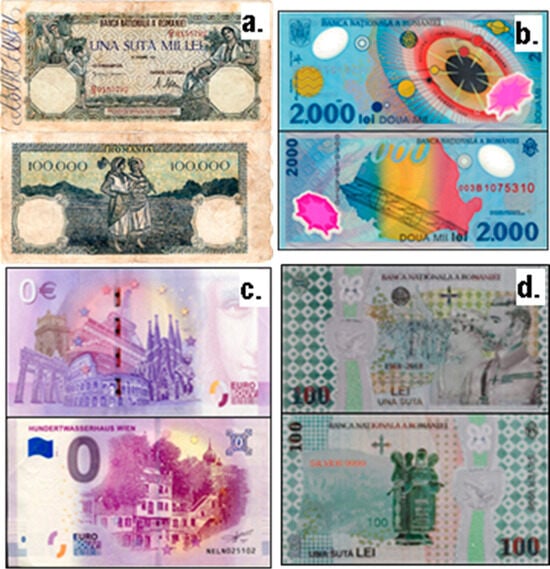
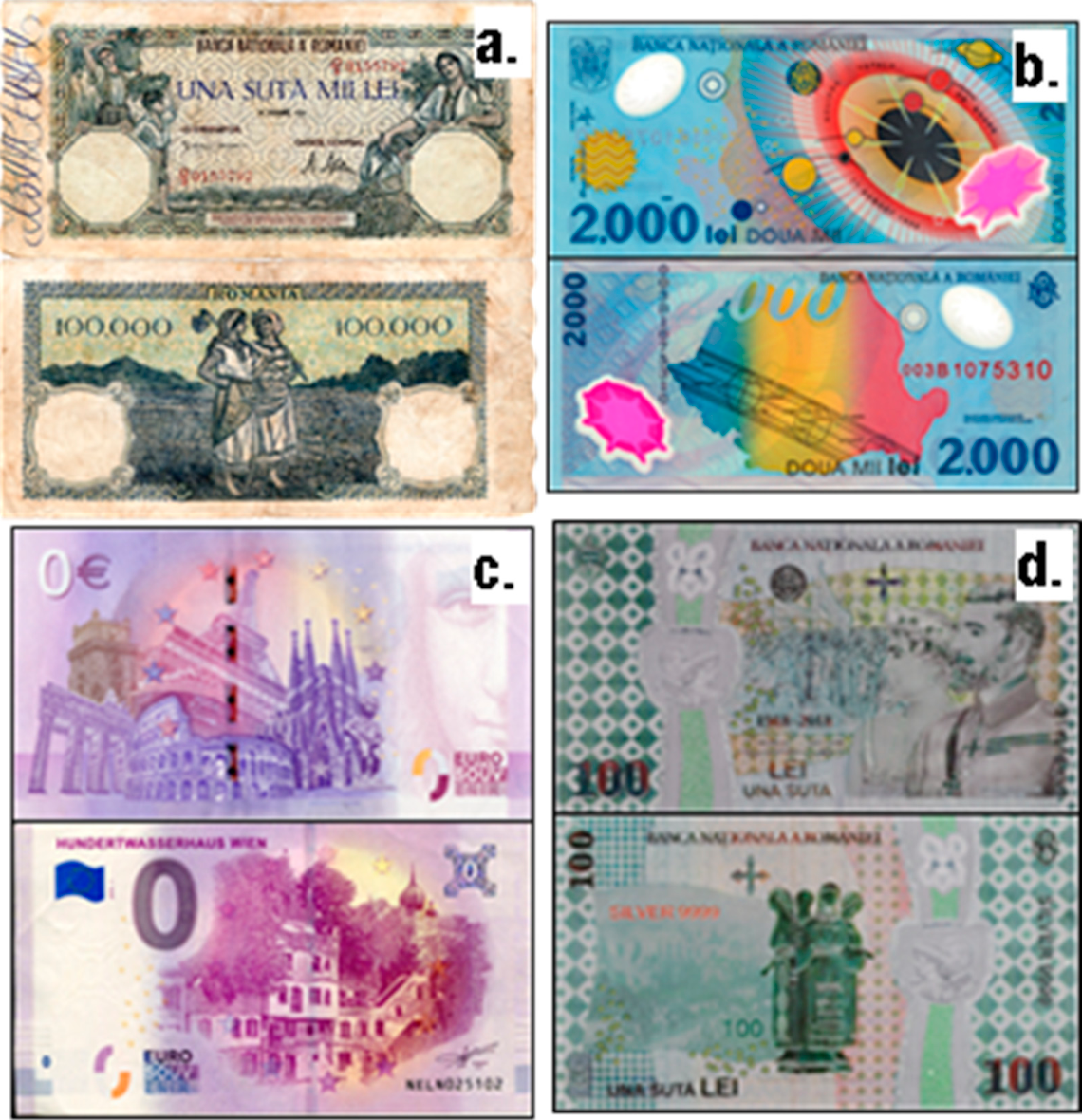
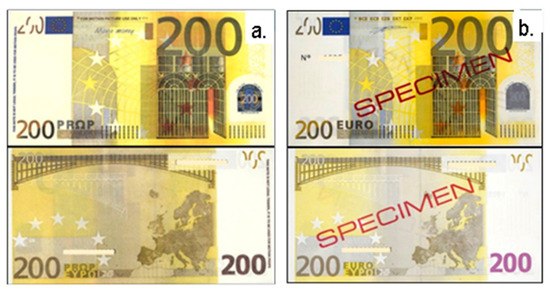
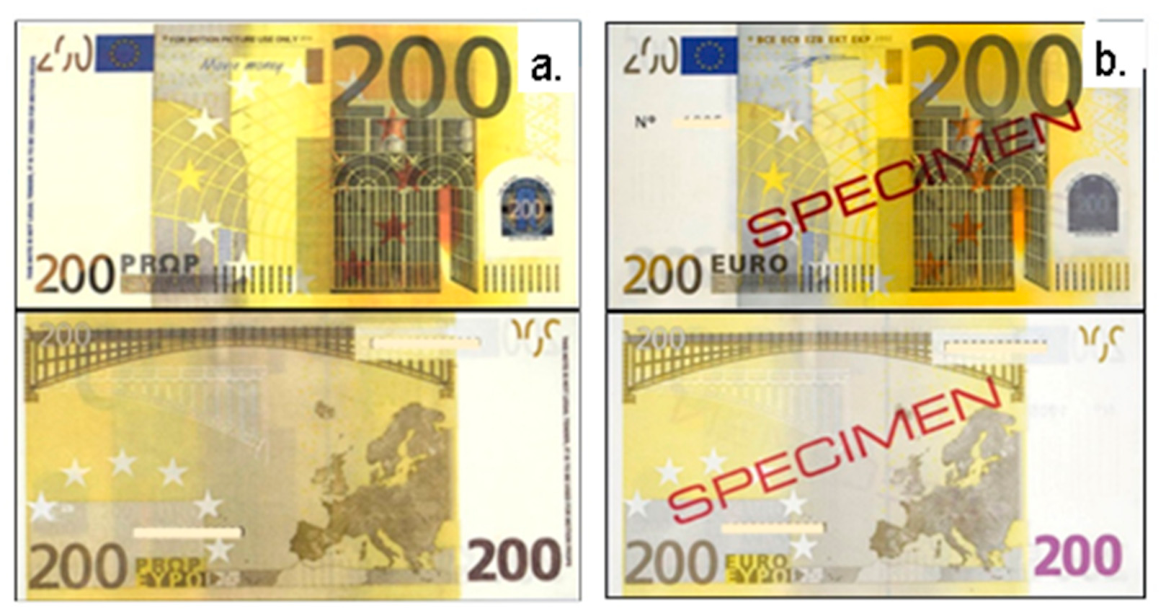
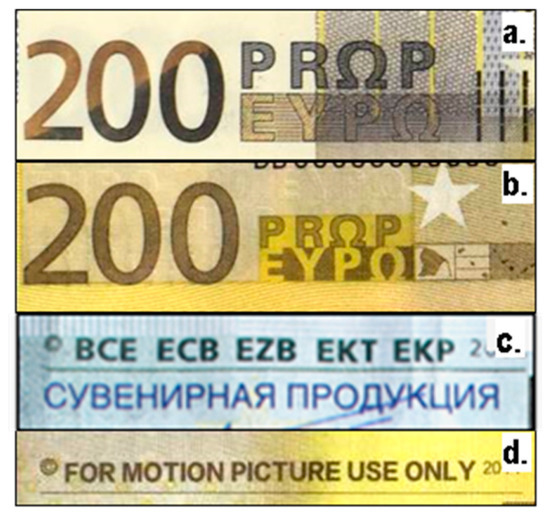
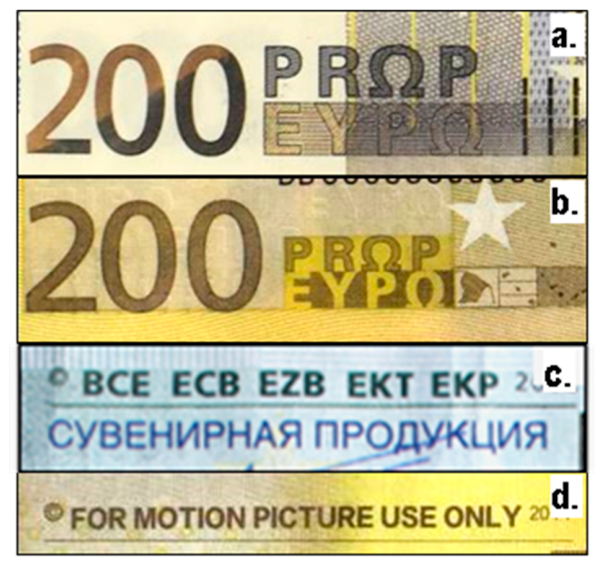
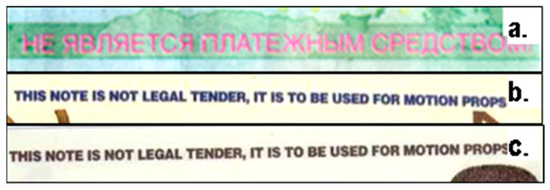

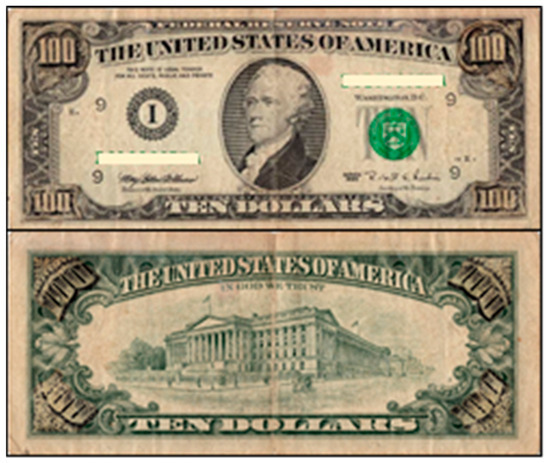
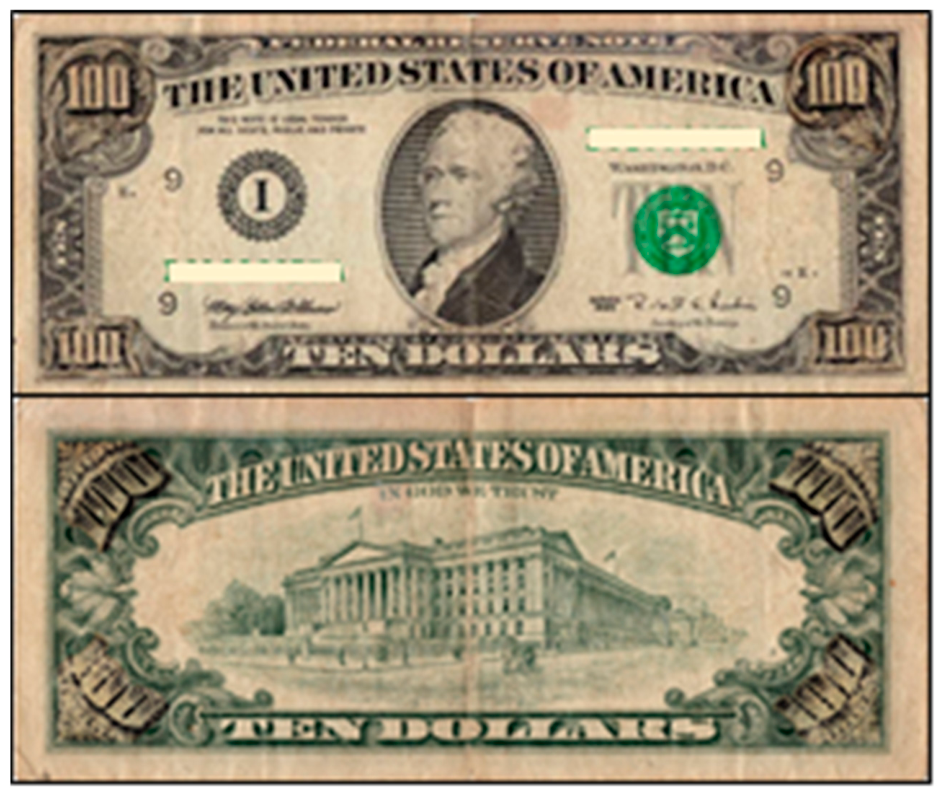
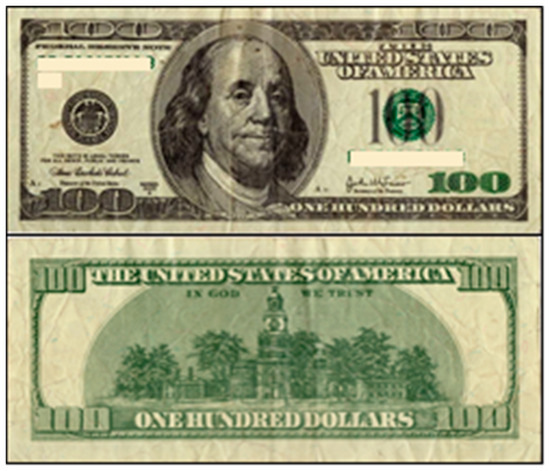
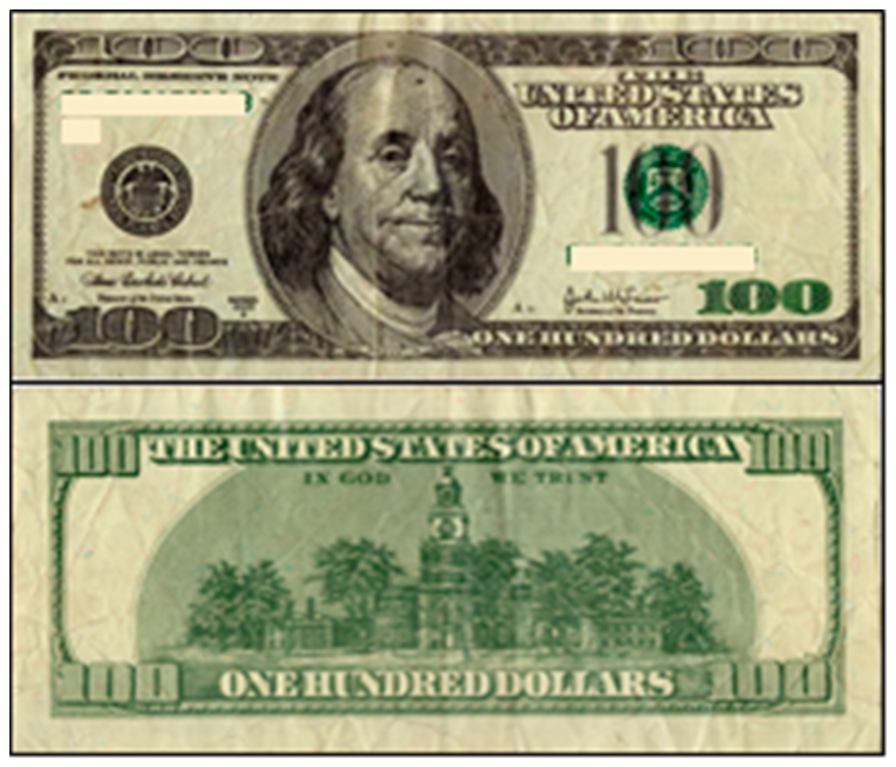
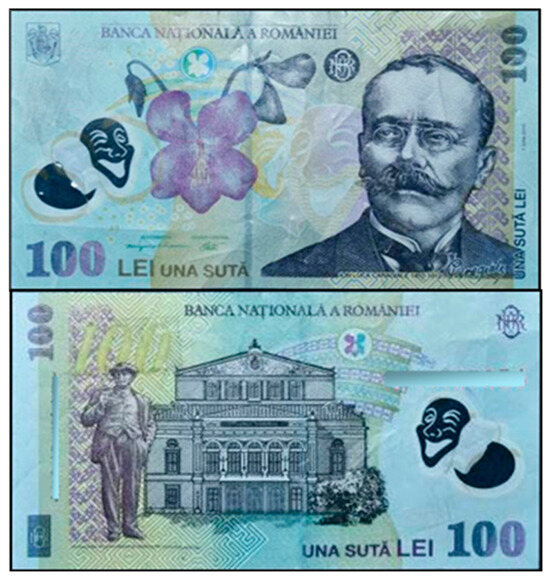
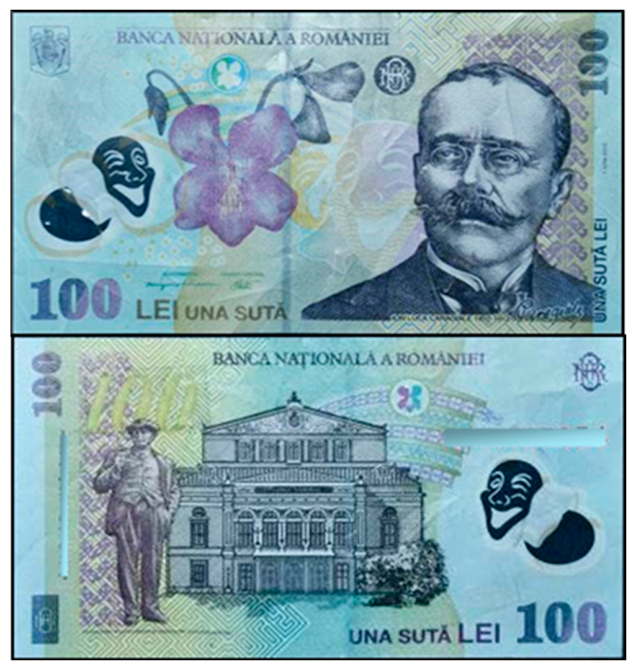
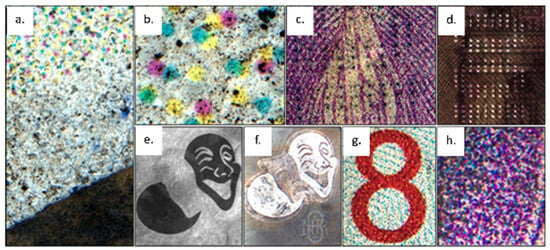
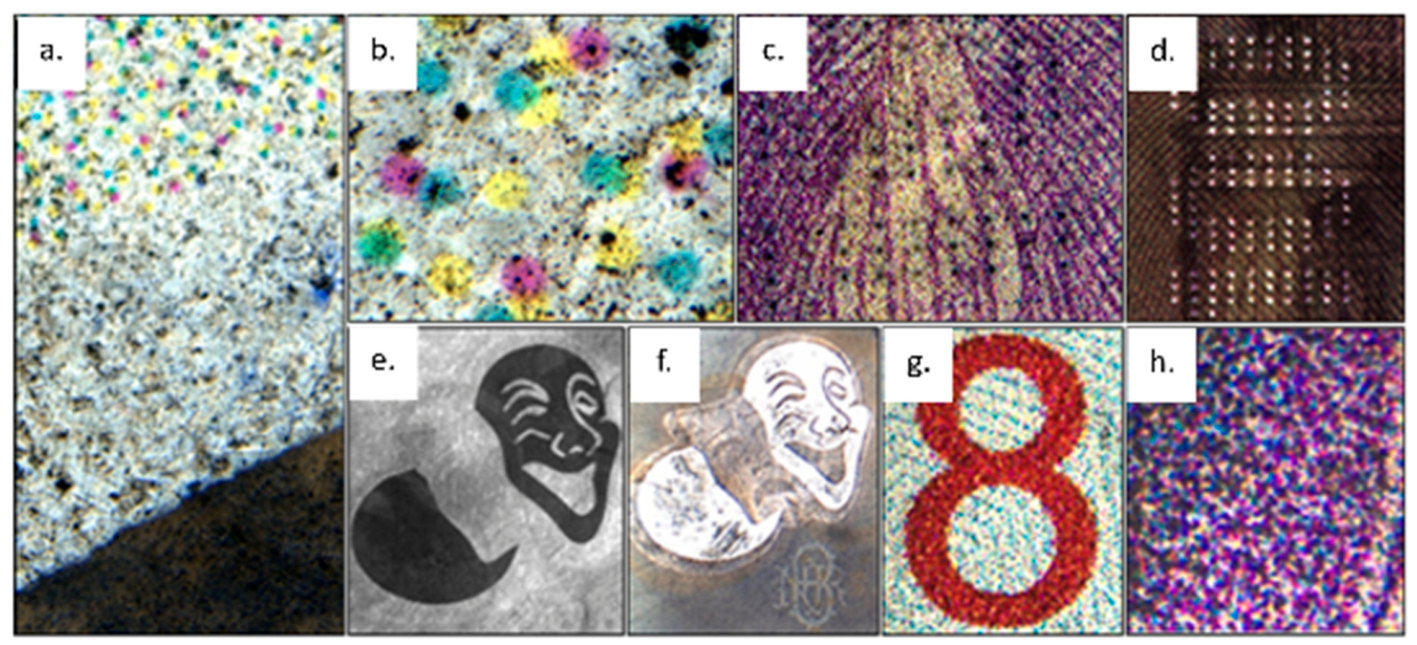
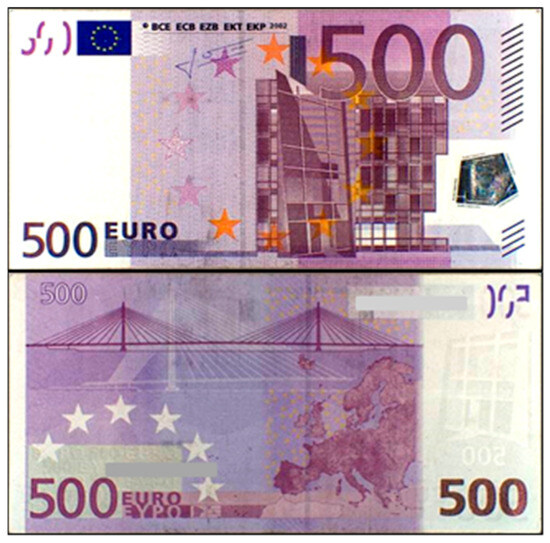
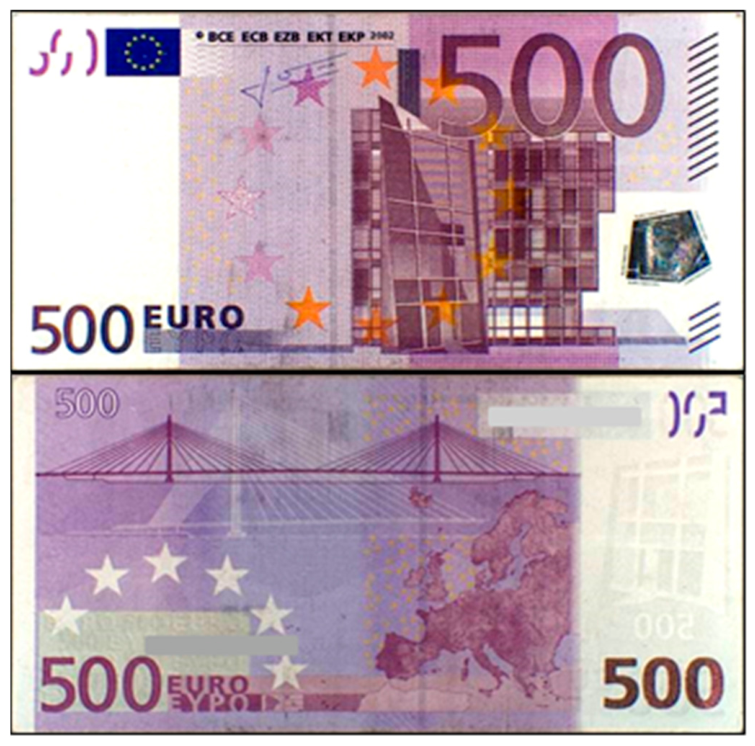
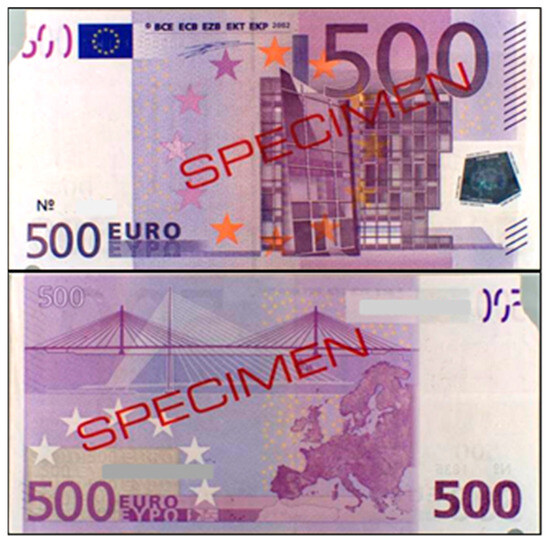
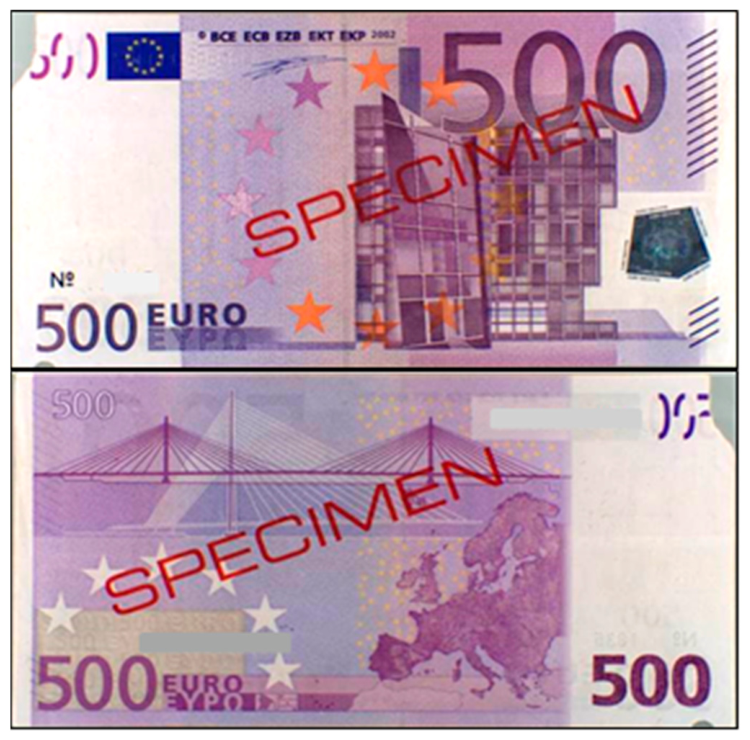
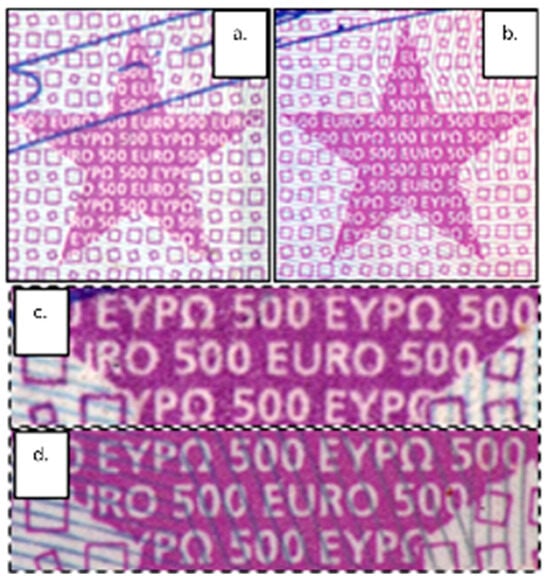
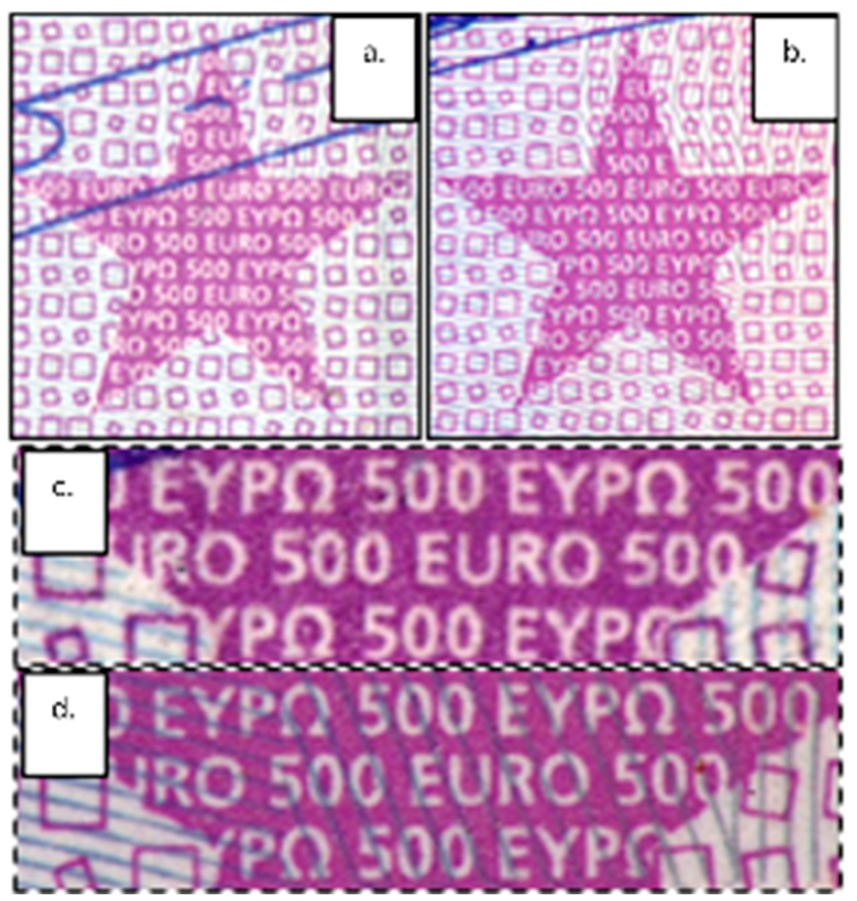
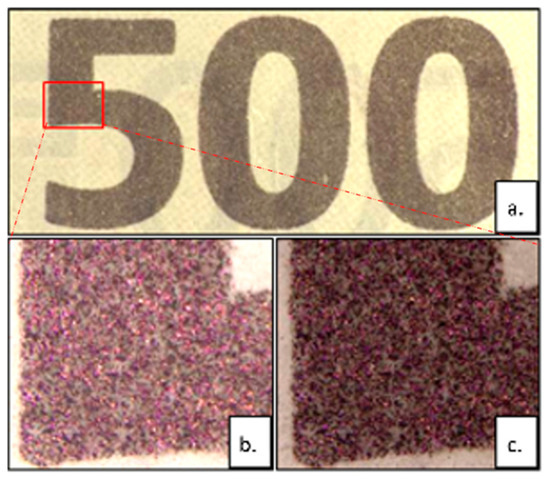
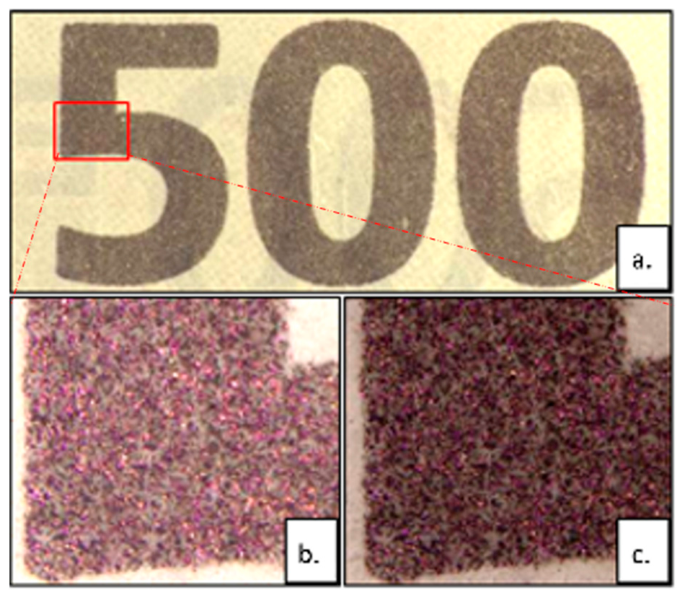
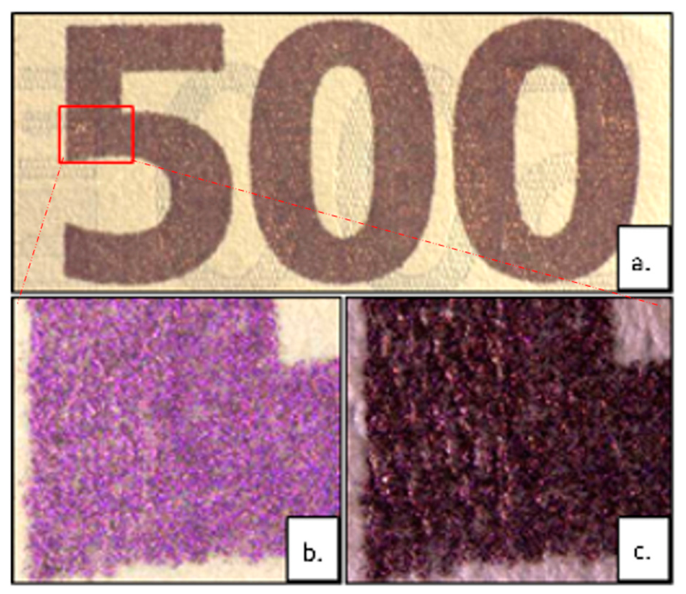
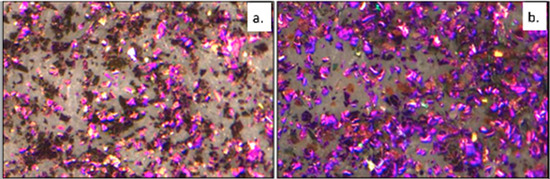
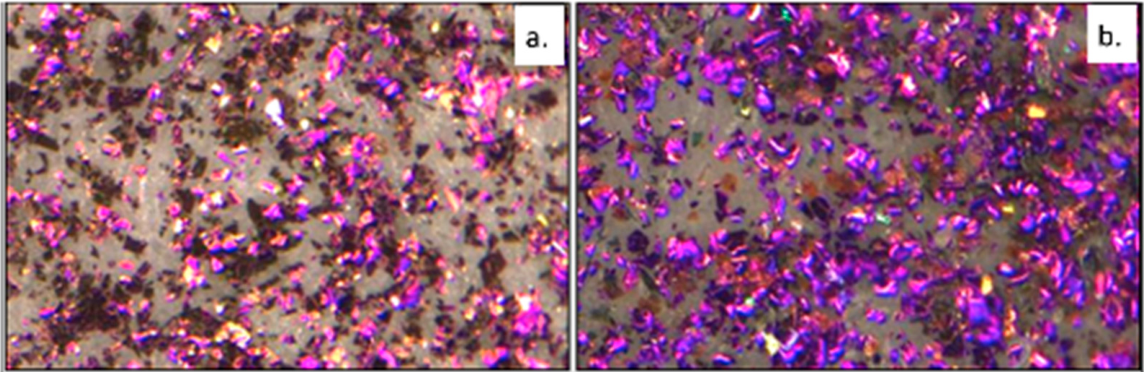
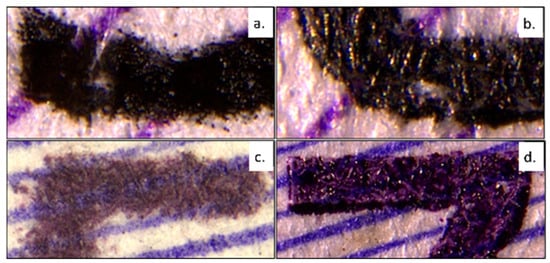
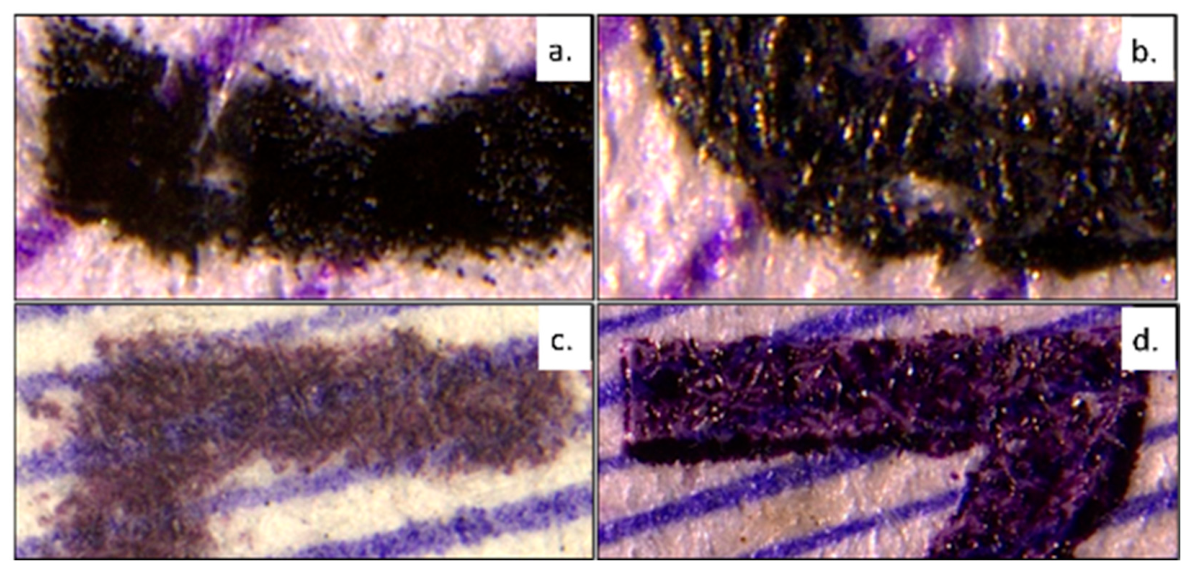
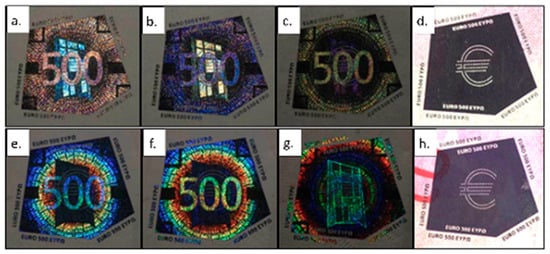
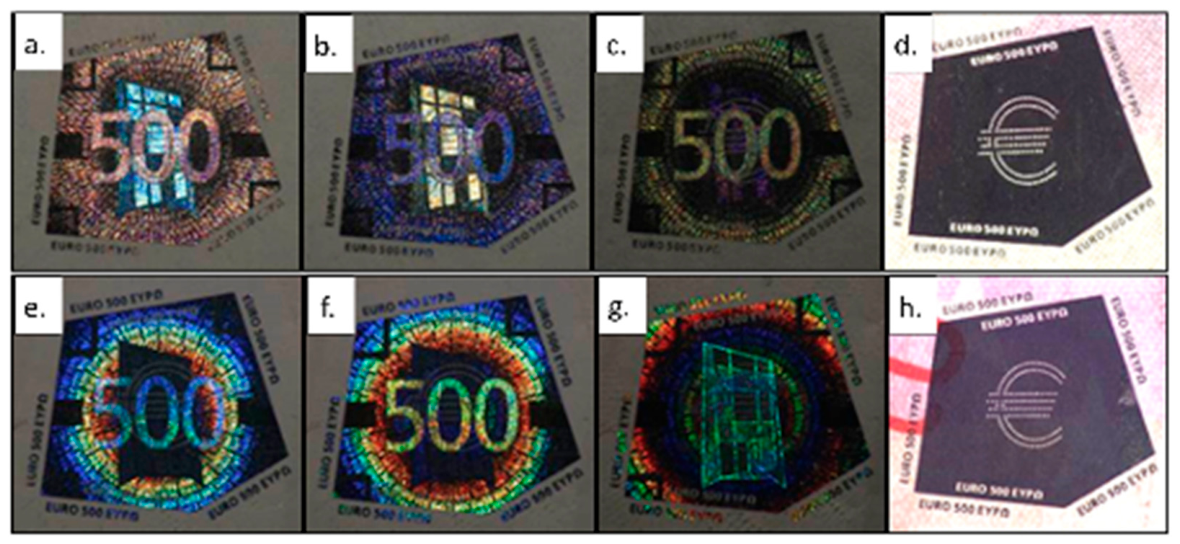
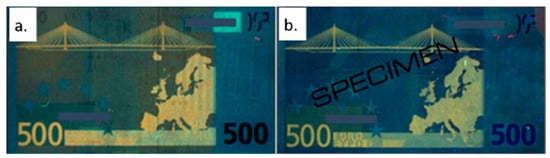
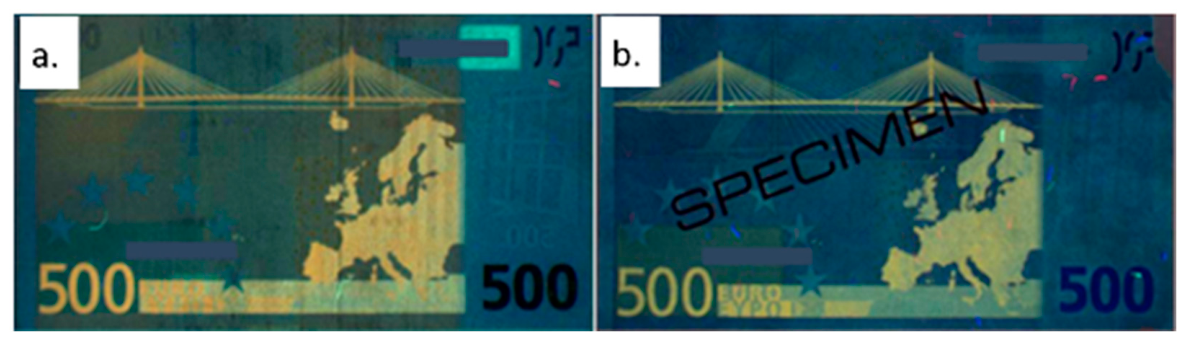
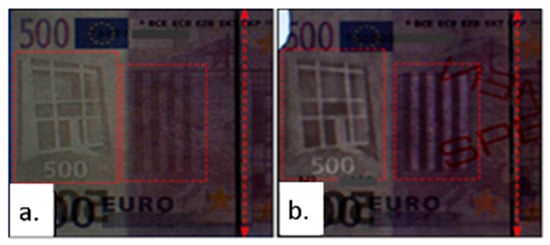
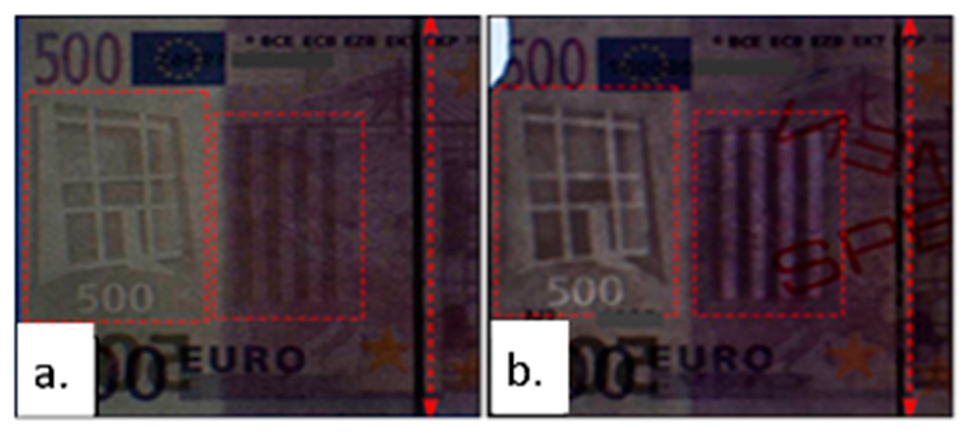
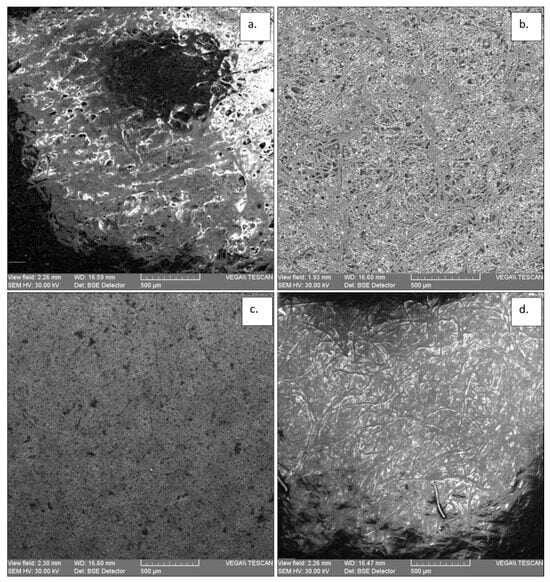
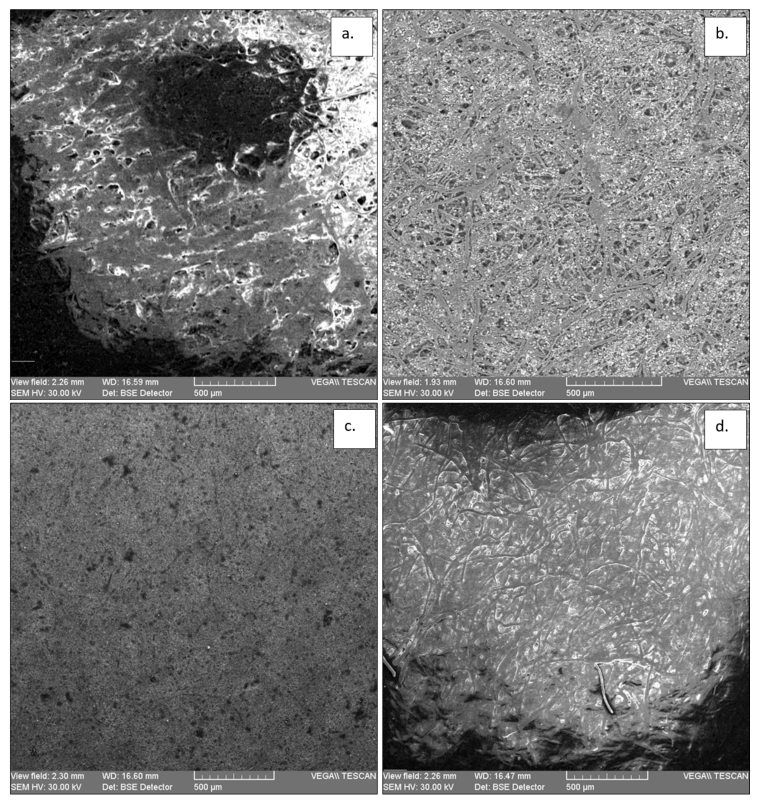
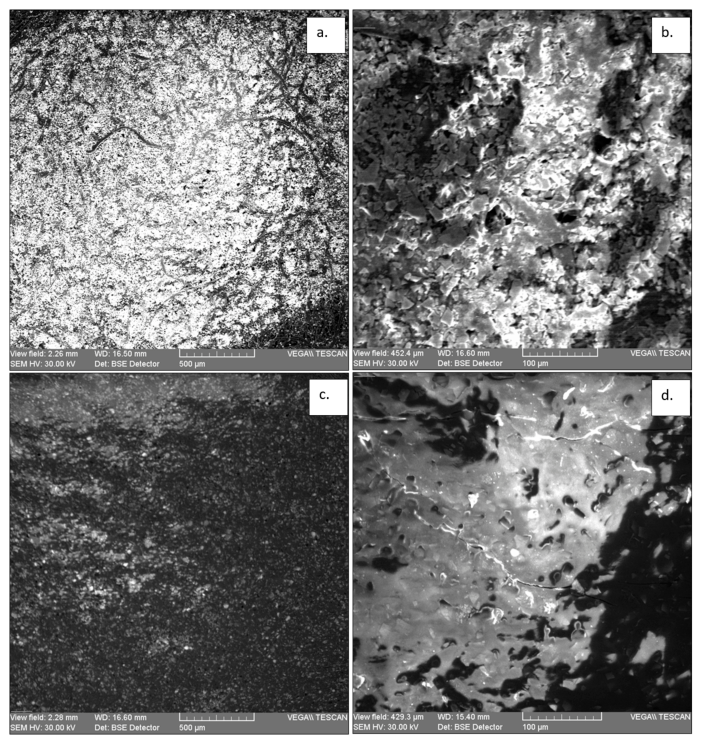
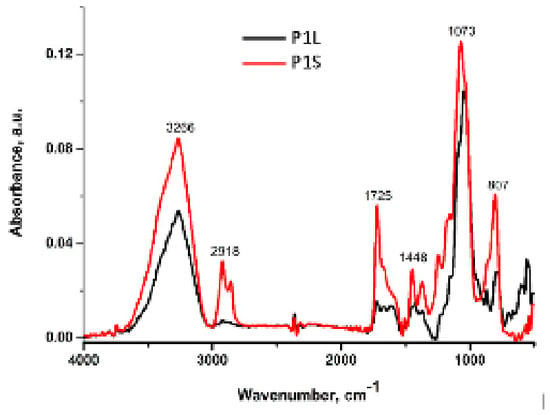
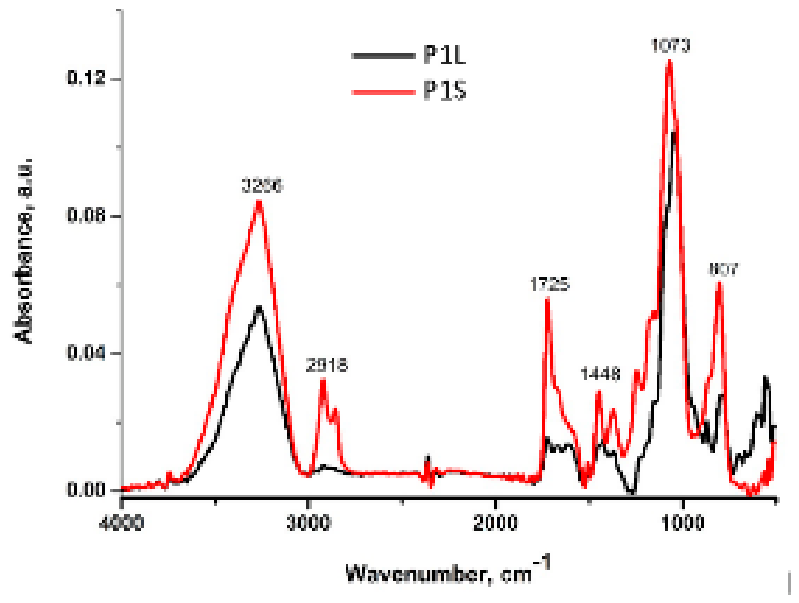
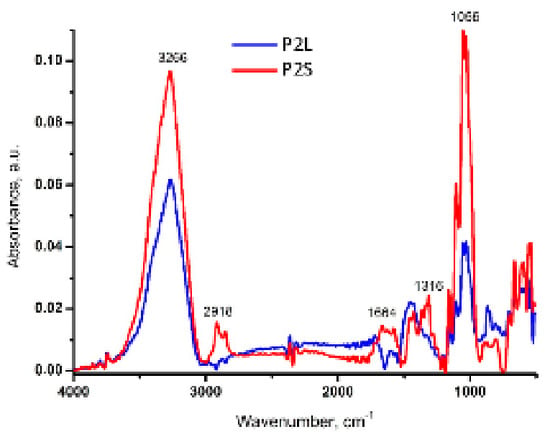
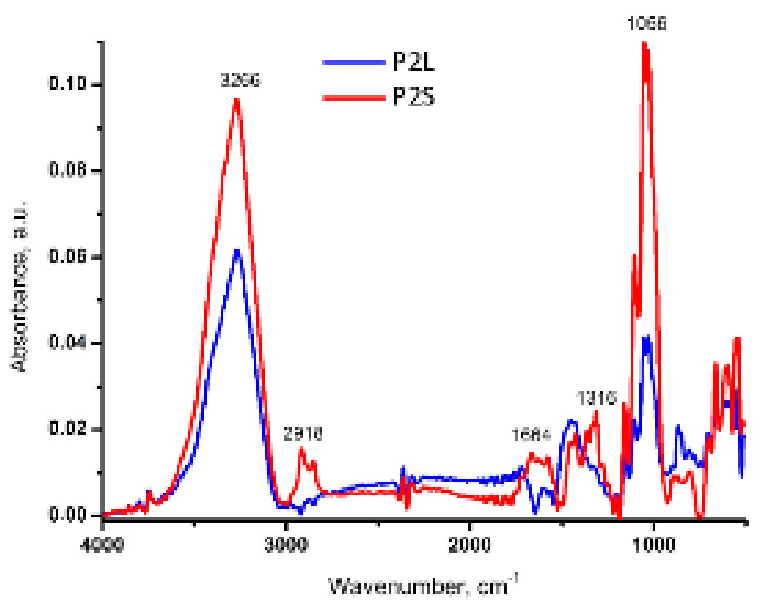
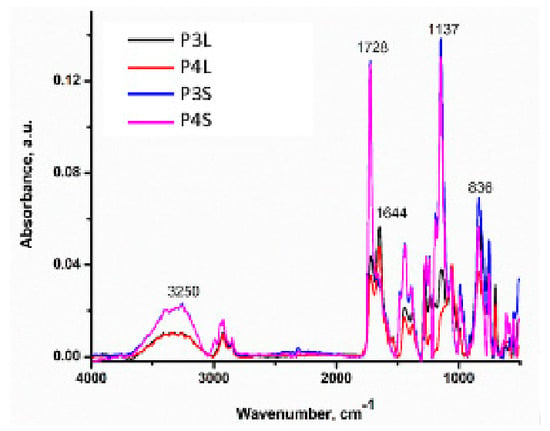
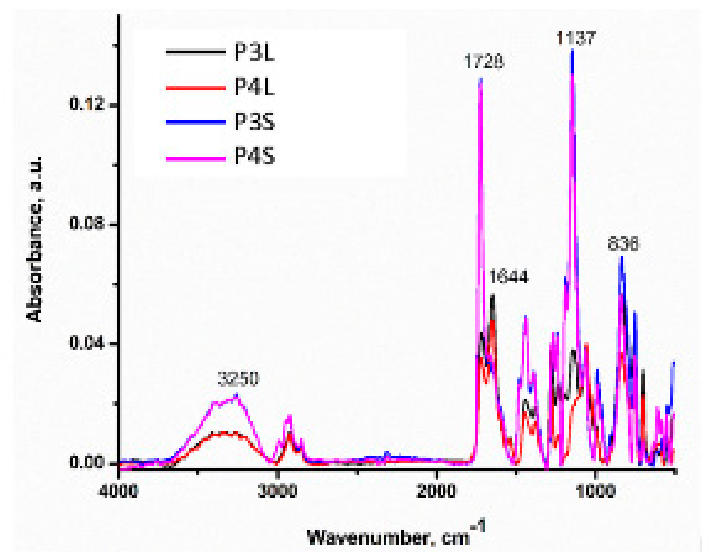

Disclaimer/Publisher’s Note: The statements, opinions and data contained in all publications are solely those of the individual author(s) and contributor(s) and not of MDPI and/or the editor(s). MDPI and/or the editor(s) disclaim responsibility for any injury to people or property resulting from any ideas, methods, instructions or products referred to in the content. |
© 2026 by the authors. Licensee MDPI, Basel, Switzerland. This article is an open access article distributed under the terms and conditions of the Creative Commons Attribution (CC BY) license.