


Abstract
Over the past few years, a substantial amount of research has been conducted on the use of artificial intelligence (AI) in education. The latest AI achievements are very important for education because they expand access and can support personalization of learning at a new level. Personalized educational technologies leverage data analytics, machine learning, and adaptive learning algorithms to tailor educational content, learning pathways, and assessment methods to the individual needs, preferences, and abilities of learners. This review analyzes and classifies the recent advances in intelligent technologies that support the personalization of e-learning from a technological perspective. During our literature search, we used major academic search engines and digital libraries (such as Google Scholar, Scopus, IEEE Xplore, and Web of Science) together with bibliometric analysis tools to identify relevant and reputable scientific publications on the use of artificial intelligence in personalized e-learning. We comprehensively discuss the strengths, drawbacks, and the state of current use of each type of intelligent technology in personalized education. This paper also examines current trends in AI-driven personalized education, including the use of machine learning, learning analytics, adaptive assessment, ontologies, and Generative AI applications and tools. Furthermore, the study explores future directions in personalized learning, highlighting the potential of integrating advanced AI models and technologies to enable real-time personalized learning support. The findings suggest that AI-powered personalized educational technologies have the potential to significantly improve education by creating more inclusive, efficient, and learner-centered experiences.
1. Introduction
Nowadays, modern education systems tend to shift significantly from traditional teacher-centered approaches toward learner-centered models that recognize individual differences among students and provide personalized content. This transformation is driven by globalization, technological advancement, and the increasing demand for high-quality education. Educational personalization is a systematic process of adapting learning content, presentation, feedback, assessment, or task sequencing to a learner’s evolving state based on observable evidence, such as interaction data, code submissions, test results, errors, and dialog [1]. Personalization in e-learning can be achieved through intelligent assistants that support learner interaction and reasoning, personalized worked examples, and practice sets aligned with the learner’s current state and course context. It also includes flexible assessment workflows, such as dynamically generated tests, rubric-aligned feedback, and explanation-rich grading. Computer-based tools and advanced algorithms are the primary mechanisms for implementing personalization in e-learning environments.
Personalized e-learning is a variant of technology-enhanced learning in which digital technologies are used to support or improve learning by adapting the educational process to individual learner needs. Research on personalization has been conducted across almost all types of educational systems, including learning management systems (LMS), online courses and MOOCs, mobile learning applications, and AI-based educational tools. Personalized education is not yet fully applied in practical educational systems. Although many modern platforms incorporate personalization features such as adaptive quizzes, recommendations for educational content, learning analytics, and AI-based tutoring, these capabilities fall short of enabling truly dynamic personalization throughout the entire learning process. In practice, implementing fully personalized education remains a significant challenge due to technological limitations, limited data availability, high implementation costs, and the complexity of accurately modeling individual learner needs and preferences. It is important to determine to what extent recent advances in AI technologies can help achieve more effective, higher-quality personalization in education. Modern AI methods, especially machine learning, deep learning, and large language models (LLMs) [2], are highly useful in the educational domain and enable educational systems to better analyze learner behavior, preferences, performance, and learning patterns in real time. These technologies may support the easier development of more adaptive learning environments that can provide personalized content, intelligent feedback, and customized learning paths according to individual learner needs. The focus of this survey is on the recent advances in intelligent technologies and the evaluation of their usefulness and effects on personalized education. The author’s goals are to analyze the current use of different types of AI in education, examine their future prospects, and explore the possibilities for integrating multiple AI approaches to enhance personalized learning.
The author’s research questions are:
- RQ1: Which types of artificial intelligence techniques have gained significant importance in personalized education?
- RQ2: What are the specifics, strengths, and limitations of Symbolic AI technologies in the context of personalization of education?
- RQ3: How are large language models (LLMs) used to support personalized education, and what educational functions do they perform?
- RQ4: Which statistical, machine learning, and deep learning techniques are employed to support personalization, and for which e-learning tasks are they most commonly used?
- RQ5: What are the strengths, limitations, and challenges associated with different artificial intelligence techniques in personalized education?
- RQ6: What are the current trends, emerging developments, and future research directions in the application of artificial intelligence to personalized education?
Discussing the specifics of this transformation is the backbone of the research.
This review aims to analyze and synthesize research developments in intelligent and personalized education between 2016 and 2026, while critically examining the role of emerging technologies in enhancing learning engagement, effectiveness, adaptability, and reusability. The central hypothesis of this study is that recent advances in artificial intelligence (AI) are transforming education by creating new opportunities for personalization, flexibility, adaptive instruction, and enriched learner experiences. In particular, AI-driven technologies such as learning analytics, machine learning, and Generative AI are increasingly enabling educational environments to respond dynamically to individual learner needs and preferences. The exploration of these developments, together with their pedagogical implications and relationships with Symbolic AI technologies, constitutes the foundation of this review.
2. Materials and Methods
This survey analyzes papers published between 2016 and 2026 related to personalized education with a particular focus on artificial intelligence-driven learning systems. It aims to identify research trends in the area of personalized education from a technological point of view. Based on previous knowledge of personalized education and AI technologies, we first formulated hypotheses regarding the most important keywords and phrases in this research area. A bibliometric analysis of results from academic search engines was then conducted to validate the significance of the selected keywords and identify relationships among them.
2.1. AI Perspective for Personalized Education
Personalization in e-learning is mainly achieved by using computational models, software systems, and tools that adapt the learning and tutoring process to individual learners’ needs, behaviors, and goals. Instead of proposing a fixed curriculum, personalized educational systems optimize the presentation, content, or workflow of learning materials according to every specific educational context. AI-driven systems can simulate key aspects of one-on-one tutoring by diagnosing learners’ errors, providing step-by-step guidance, adapting explanations, or proposing specific materials. Personalized education leverages AI-driven tools, knowledge, and data-driven learner models, machine learning, and LLM-based approaches to propose suitable instructional content, feedback, and personalized learning pathways to individual learners. These approaches support the adaptation of teaching to each learner’s needs and may include intelligent tutoring systems (ITS), conversational agents, AI tutors, or other AI-based tools and mechanisms for use in the educational process.
2.2. Search Engines as Data Sources
Education is a multidisciplinary field that integrates theory and methods from diverse domains, including psychology, pedagogy, neuroscience, computer science, statistics, methodology, and domain-specific knowledge.
There is a vast amount of scientific literature in the field of education and educational personalization, and it is crucial to systematically identify reputable sources that align with specific research goals. As education covers a broad range of disciplines, the multidisciplinary indexing and search engine Google Scholar is one of the best searching tools for our goal. There are two main problems related to Google Scholar searches: it usually returns a huge number of results, but only 1000 of them are practically reachable. Another issue concerns the relevance criteria, which are unclear to users. On the one hand, manually reviewing 1000 results is impractical; on the other hand, reputable and highly relevant results may be excluded simply because they fall beyond the first 1000 items. Therefore, to identify the most reputable content, we decided to use the academic indexing databases Scopus and Web of Science (WoS). The drawbacks of these sources relate to two main issues: not all qualified research papers in our area are indexed in these databases, and searches in these databases are typically limited to titles, keywords, and article abstracts, which may result in the omission of relevant sources. Therefore, we decided to search both Google Scholar and the indexes of Scopus and WoS and combine the results. To ensure the reachability of the Google Scholar results, we performed searches that returned more than 1000 results, year by year. To ensure the quality of Google Scholar results, we defined gradual relevance criteria. The number of scientific publications related to the use of AI in education is very large. We agree that some extraction criteria, applied during the selection, evaluation, inclusion, and exclusion of the retrieved results, are somewhat subjective, and that it is possible that we have overlooked some of the vast number of results relevant to the topic. For this reason, we classify this review as a narrative rather than a systematic review, despite our efforts to provide thorough and comprehensive coverage of the research area.
2.3. Data Collection and Extraction Methodology
The main research steps of the research methodology are:
- Selection of reputable scientific repositories and relevant keywords aligned with the research objectives.
- Systematic search of scientific paper repositories using the selected keywords and search queries.
- Definition and application of inclusion and exclusion criteria to filter the retrieved studies.
- Detailed analysis, evaluation, and synthesis of the selected studies, followed by a summarization of the findings.
2.3.1. Selection of Repositories and Formulating Queries
In accordance with the considerations discussed above, the authors used Google Scholar, IEEE Xplore, Scopus, and WoS for searching the scientific literature.
The authors formulated the following search queries:
For exploring the application of AI technologies in education in general:
SQ1: “Personalized education” and AI.
SQ2: “Personalized e-learning” and AI.
The bibliometric analysis tool VOSviewer 1.6.20 was used to construct, analyze, and visualize bibliometric networks, based on the co-occurrence of keywords. This is useful for selecting keywords closely related to personalized education and artificial intelligence (AI)-based technologies. Figure 1 presents the result of the bibliometric analysis of publications retrieved from the Scopus database using the query “personalized e-learning”, within the subject area of Computer Science for the period 2016–2026. The selected 10-year study period, together with the substantial volume of high-quality research included in the analysis, ensures the significance and reliability of the results. All keywords were initially considered in the analysis. Given the substantial number of documents and keywords, a minimum occurrence threshold of five was applied to identify the most frequently used keywords in the field and examine their co-occurrence relationships. This threshold enabled the analysis to focus on the most representative terms in the personalized e-learning field while reducing the influence of infrequently occurring keywords. A total of 50 keywords met this threshold and were grouped into five clusters. A thesaurus file was applied to normalize terminology by merging synonymous and variant terms. A minimum link strength threshold of four was also applied to improve the readability of the co-occurrence network by displaying only the most significant relationships among keywords. The map indicates that AI technologies, including deep learning, machine learning, ontologies (related to semantics, learner models), educational data mining, learning analytics, and knowledge graphs, are key concepts closely related to personalized learning. This comprehensive analytical map provides valuable insights that support the identification, exploration, and classification of intelligent technologies in education. Based on semantic analysis, these concepts were grouped into three categories: Symbolic AI concepts (including SSSSD ontology, KG), Generative AI technologies (including LLM), and statistically driven AI technologies (including ML and LA).
Figure 1.
Bibliometric network visualization (keyword co-occurrence) based on the first 200 Scopus-indexed publications retrieved using the query “personalized e-learning”, ranked by relevance, covering the period 2016–2026.
To explore the application of Symbolic AI technologies in education, the following queries were formulated:
SQ3: “Personalized education” and KG.
SQ4: “Personalized e-learning” and KG.
SQ5: “Personalized education” and Ontology.
SQ6: “Personalized e-learning” and Ontology.
To explore the application of Generative AI technologies in education, the following queries were formulated:
SQ7: “Personalized education” and LLM.
SQ8: “Personalized e-learning” and LLM.
To explore the application of Statistically Driven AI technologies in education, the following queries were formulated:
SQ9: “Personalized education” and LA.
SQ10: “Personalized e-learning” and Learning Analytics.
SQ11: “Personalized education” and ML.
SQ12: “Personalized e-learning” and ML.
To explore the application of combinations of AI technologies in education, the following queries were formulated (using abbreviations or full names and removing duplicates from returned results):
SQ13: “Personalized e-learning” and LA and Ontology.
SQ14: “Personalized education” and LA and Ontology.
SQ15: “Personalized education” and ML and KG.
SQ16: “Personalized e-learning” and ML and Ontology.
SQ17: “Personalized education” and ML and LLM.
SQ18: “Personalized education” and LLM and Ontology.
SQ19: “Personalized education” and ML and LLM and ontology.
SQ20: “Personalized education” and ML and LLM and KG.
2.3.2. Searching Strategy
The search queries were submitted to Google Scholar, IEEE Xplore, Web of Science, and Scopus. Different search engines were used for distinct purposes (i.e., Google Scholar to identify trends in overall research activity and locate accessible full-text publications; WoS and IEEE Xplore to identify high-quality, peer-reviewed literature; and Scopus was employed mainly for bibliometric analysis). Search engine filters were applied to exclude non-English publications and books. In Web of Science (WoS) and IEEE Xplore, keyword-based searches were performed, while Scopus was searched using the advanced search function. In Google Scholar, the search results were sorted by relevance, and the search was conducted year by year to ensure that all relevant results could be accessed. Formal duplicate removal between search engines was not initially performed. Duplicate records were removed between pairs of similar search queries (SQ3 and SQ4; SQ5 and SQ6; SQ7 and SQ8; SQ9 and SQ10; SQ11 and SQ12; SQ13 and SQ14). Nevertheless, we systematically collected records retrieved from different search engines and removed duplicates during the exploration of the retrieved results. Based on an initial search and applying brief exclusion and weak relevance criteria to titles and snippets, 943 potentially relevant records were identified through Google Scholar, 382 through IEEE Xplore, 640 through Web of Science (WoS), and 423 through Scopus. After removing duplicate records, 978 unique studies remained. Following a careful screening of titles and abstracts, 325 papers were selected. After excluding papers for which the full text was unavailable, as well as those for which a brief full-text review was sufficient to classify them as irrelevant, 236 papers were retained for full-text reading. The full text of most of these papers can be retrieved through Google Scholar after locating them using other reputable search engines. Google Scholar often provides multiple versions of the same paper, including freely accessible full-text copies. Searches were performed between 20 May and 14 June, and 80 studies meeting the inclusion criteria were included in the final review. The remaining papers were excluded because they reported findings similar to those of the selected studies but with lower methodological quality than the selected studies or were deemed irrelevant to the scope of the review. Between 28 June and 1 August 2026, we reran most of our search queries and rechecked the retrieved results to ensure the reliability of the review. During this stage, eight records from the initially selected studies were excluded: three were removed due to weak relevance (more relevant papers were found), two because they were inaccessible, and three because they represented older versions of more recent publications. In addition, 13 newly identified records were included. Consequently, the final review comprised 85 records.
During the screening process, records were initially assessed based on their titles, abstracts, and keywords to identify studies eligible for full-text review.
Finding appropriate scientific literature requires the ability to effectively search, filter, evaluate, and synthesize results obtained from multiple information retrieval systems. Boolean topic searches using combined queries in Web of Science or Scopus retrieved only a small number of relevant publications, while semantic searches (especially those based on queries submitted to Google Scholar) produced an enormous result set, with more than half of the retrieved records being irrelevant to the research topic. Therefore, we relied on reputable scientific databases to identify high-quality research papers, and we also used the broad search capabilities of Google Scholar to analyze research trends and to discover relevant publications that are not indexed in Web of Science or Scopus, as well as publications in which our keywords do not explicitly appear in the title, abstract, or keyword sections. We used Smart Search in Web of Science and semantic search in Google Scholar, followed by the removal of irrelevant results during the trend identification task.
Both queries, including “personalized education” and “personalized e-learning”, were submitted to the search engines due to the limitations of keyword-based searches. In some cases, the two queries yielded similar results, while in others the returned results differed significantly.
2.3.3. Formulate and Apply Inclusion and Exclusion Criteria
The first exclusion criterion is language. All searches were performed within English-language content. Another exclusion criterion is publication year. We included only publications published in 2016 or later. Relevance is also an important criterion. In search engines, we sorted results by relevance and then browsed the newest relevant results first, based on snippets.
For comprehensive reading and analysis, we primarily selected well-structured papers with clearly defined research questions stated in the abstract and introduction. Preference was given to reputable publications, particularly those appearing in Q1 and Q2 journals, as well as to sources with a substantial number of citations. However, these criteria were applied flexibly rather than as strict inclusion requirements. An important flexible inclusion criterion is the number of citations. A high citation count (for example, 80–100 or more citations for papers published after 2024, or 200 or more citations for papers published before 2020) can serve as an indicator of the paper’s quality and impact within the field.
For some evaluation goals, we also defined gradual relevance criteria:
A study was considered strongly relevant if the discussed technology was explored in depth, applied in practice, and successfully evaluated. Accordingly, Table 1 contains predominantly strongly relevant studies, supplemented by a limited number of relevant ones. A result was relevant if the discussed technology was comprehensively explored and used, but comprehensive evaluation was not a requirement. Strongly relevant results were also included in the group of relevant results.
A study was classified as weakly relevant if the technology under discussion was at least briefly mentioned without substantive analysis, or represented a minor aspect of the study, or was merely reported as having been used without evaluation. Weak relevance was considered sufficient for assessing the popularity of a technology, without implying that the publication constituted a substantial contribution to the research field. Accordingly, weakly relevant publications were included in the analysis of publication trends based on Google Scholar or WoS results. For example, a review article may briefly discuss several technologies or tools in only a few sentences, without providing a deeper analysis or evaluation. Such a review would have been classified as weakly relevant with respect to the technologies discussed. Most papers whose full texts were not accessible and that appeared to be relevant were classified as only weakly relevant. Relevant and strongly relevant results were also used as weakly relevant in Google Scholar-based trends.
2.3.4. Detailed Analysis of the Returned Results and Summarization of the Content
We conducted keyword-based Boolean searches in WoS and advanced searches in Scopus databases in abstracts, titles, and keywords. This approach yielded high-precision results (based on our experience, about 90–100% of the results were relevant). We then used Google Scholar to retrieve full-text versions of the identified papers. We also performed bibliometric analysis using the VOSviewer tool on selected results returned by Scopus, and statistical management and visualization of most of the results through diagrams. To outline research interests and relations between research topics, a bibliometric method was applied through the construction of bibliometric maps. The bibliographic data were collected from the Scopus scientific database on 28 May 2026 using several search queries related to the application of AI in personalized education. The searches were conducted within article titles, abstracts, and keywords, and the results were sorted, taking into account publication relevance. The created bibliometric maps with VOSviewer are distance-based. The VOSviewer maps show the importance of the items through different sizes of circles and label sizes. Related items are grouped in clusters, and every cluster is visualized in a different color.
To summarize, visualize, and identify trends in the returned results across the outlined research areas, we also used Microsoft Excel spreadsheets and charts. Built-in analytics tools available in Scopus and Web of Science (WoS) were also used.
To answer the research questions, we performed thematic synthesis of selected papers, based on reading of the studies. We thoroughly examined the selected articles, categorized them according to the discussed AI types and properties, and identified those valuable for education (see Table 1). During the reading, we aggregated and systematized trends across various AI types and personalization approaches to address our research questions. Classification and aggregation were performed through repeated reading of the studies, manual segmentation, and analysis of relevant texts.
3. Results
Adaptive content recommendation and real-time personalization remain the main personalization-related goals in intelligent tutoring systems. Research on the use of emerging intelligent technologies to enhance learning by personalization is analyzed and discussed in [3]. The use of AI in the content creation process, including AI-enhanced VR platforms and the development of assessment materials and new assessment methods, is also discussed. As a result of our research, we classify data analysis and artificial intelligence techniques and tools used for personalization of education into the following four categories based on their foundational characteristics (see Figure 2 and Figure 3):
Figure 2.
Classification of AI- based technologies, used in education (RQ1).
Figure 3.
Classification of AI-powered tools used in education (RQ1).
- Symbolic AI;
- Generative AI;
- Statistically driven intelligence/machine learning;
- AI-powered tools.
This section presents an overview of AI technologies and their perspectives, drawing on selected significant findings from the scientific literature identified through our literature search. The findings addressing RQ1 are presented in the following subsections, organized according to the different types of AI technologies employed in personalized education.
3.1. Use of Emerged Symbolic AI Technologies for Personalization of E-Learning (RQ2)
Symbolic AI technologies use explicit knowledge representation by rules, ontologies, knowledge graphs, and logical reasoning rather than statistical operations, interpolation, prediction, or machine learning. In educational contexts, Symbolic AI is commonly used in rule-based educational systems, intelligent tutoring systems, and rule-based assessment tools.
Expert system-based educational systems are a relatively old research area [4,5,6]. These systems emulate the decision-making processes of human experts through rule-based or case-based reasoning. They frequently use structured knowledge bases to model pedagogical knowledge or learners’ knowledge. These systems can propose diagnoses of learners’ educational problems, deliver adaptive feedback, provide some personalized guidance, and support problem-solving. Their advantages are transparency, consistency, and explainability of decisions [6]. The limited flexibility and extensibility of these systems, combined with the challenges involved in developing sophisticated knowledge bases, reduce their overall viability. The author found that the future of expert system-based intelligent approaches in education lies in their integration with data-driven and LLM-based AI.
Most of the rule-based personalized intelligent educational systems are expert system-driven platforms that use structured domain knowledge and apply pedagogical rules to adapt instruction, feedback, and learning paths to individual learners [6]. The rule-based approach in personalized education ensures interpretability and pedagogical control, and it is frequently used in combination with other AI approaches in ITS. Its use is limited due to scalability and adaptability constraints. Data-driven personalization methods are frequently used instead. A restricted set of rules can be successfully combined with ontology-based and knowledge graph-based models.
Ontologies are increasingly used to represent structured educational knowledge in a machine-processable way. They can be used for modeling learners’ profiles, learning goals, educational domain content, and relationships among them [7]. Ontologies enable personalization to be driven by semantic knowledge structures rather than relying solely on statistical methods. The hypotheses of the usefulness of ontologies for strengthening the formal structure of educational content and increasing the effectiveness of learning recommendations are discussed and proved in [8]. The multi-agent system-based prototype, which uses profile, domain, and resource ontologies, was developed. It shows how the semantic web and ontologies can promote personalization, collaboration, and interoperability in distance learning. Researchers conclude that working together, domain, user, and resource ontologies, and rules can increase the relevance of the proposed educational resources and enrich the learning experience. The framework for developing intelligent educational technologies where knowledge graphs, ontologies, and intelligent agents can be used to improve the adaptability of educational content and enhance personalization in education is proposed in [9]. It is mainly intended for educational resource discovery and knowledge sharing in educational environments.
The strengths of ontologies for personalized learning include interpretability and explainability, support for logical reasoning and control, and explicit representation of domain knowledge. Ontologies were used for learner models, tutoring domain knowledge representation, and pedagogy-related knowledge representation, supporting learning path selection, recommendations, and assessment decisions. Recently, the application of ontologies in e-learning has shifted toward competency frameworks, learning outcomes, and skills ontologies (often aligned with standards such as ESCO or Bloom’s taxonomy) to support outcome-based education, inclusive education, lifelong learning, competency-based education, and ensure interoperability between e-learning systems. However, their limitations include low scalability, limited adaptability to complex and unstructured data, and significant development and maintenance challenges. Ontologies are also very useful in combination with learning analytics techniques to support the structuring and integration of learning analytics data, enabling semantic interoperability across LMSs, MOOCs, and assessment systems. However, their limitations include low scalability, limited adaptability to complex and unstructured data, and significant development and maintenance challenges. To address the complexity problem, there is a trend toward lightweight, modular ontologies that are easier to design, extend, and maintain compared to large monolithic models. Educational ontologies are increasingly deployed as knowledge graphs, decreasing complexity and enabling richer semantic search, recommendation, and reasoning across educational resources.
Knowledge graphs structure knowledge as interconnected entities and relationships, enabling intelligent systems to understand both the content being taught and the learner’s individual characteristics. They have emerged as an important technology for enhancing personalized e-learning by representing relationships among learners, learning resources, concepts, skills, assessments, and educational activities [9]. One of the main applications of KGs is the creation of dynamic learner models, including learner competencies, prior knowledge, and history, learning goals, and interests. KGs can support adaptive learning pathways by representing dependencies between concepts and skills [10]. Challenges related to the use of KGs in personalized e-learning and their limitations include KG construction complexity, difficulty in representing learner emotions and behaviors, scalability, and maintenance problems [10]. Although KGs provide structured knowledge, they usually require additional AI techniques for advanced personalization. Combining KGs with machine learning, deep learning, natural language processing, and large language models can improve prediction and adaptation.
3.2. Generative AI and Personalized E-Learning (RQ3)
Our review indicates a rapid growth in research on the use of LLMs in personalized education over the past five years. LLMs can provide context-aware explanations, generate worked examples (including programming code and text), and deliver adaptive feedback, making personalized learning more feasible and effective. LLMs are very useful in finding syntax or natural language semantic errors. The use of Generative AI in educational contexts (e.g., automated explanation generation, conversational interactions, and contextual hints) is a rapidly growing trend. Recent systematic reviews show the role of LLMs in explanatory feedback, adaptive artifact review, and AI-augmented assessments [1]. Personalized educational systems can use LLMs in two different ways:
- Implement or enable GenAI-based personalization;
- Only use generic AI technologies.
GenAI-powered personalization means that LLMs use one or more of the following: past behavior, preferences, goals, and context (location, device, and time), intent, language, tone, style, etc., when generating texts, recommendations, explanations, or conversations.
GenAI-powered personalization differs from traditional personalization across several dimensions:
- Recommender systems primarily propose what learning content should be presented in the next step, whereas GenAI-based personalization mainly determines how that content is presented, explained, and adapted to the individual learner.
- Recommender systems require the collection and management of some data before every adaptation step, and this makes adaptation slower. GenAI-based adaptation is performed in real time.
- The pedagogical focus of classical adaptation is curriculum sequencing, whereas the main goal of GenAI-based personalization is understanding.
- Typical recommender systems information collection techniques are collaborative filtering and knowledge tracing, whereas GenAI-based techniques include LLMs, and the results depend on prompting.
- Recommender systems typically rely on information collection and modeling techniques such as collaborative filtering and knowledge tracing. GenAI-based personalization leverages the contextual reasoning capabilities embedded in LLMs, with the quality and characteristics of the generated output largely depending on the prompt and the contextual information provided.
GenAI is used for personalized content generation, including customized explanations, content relevant to learner interests, summaries at different difficulty levels, or other alternative learning materials. GenAI can also be used for personalized assessment, including dynamic quiz creation, generating adaptive difficulty questions, or practice exercises focused on weak areas [11]. AI can also provide detailed instant feedback, skill gap analysis, and personalized recommendations for next steps, as well as personalized language and accessibility support, including translating learning materials, simplifying complex texts, and adapting content to accommodate learners’ language proficiency and accessibility needs.
Most LLMs act as virtual tutors. Large language models are not personalized. Personalization is performed during interaction through prompting. LLMs use the conversational context when generating responses. Because they automatically incorporate relevant personal and contextual information into the prompt context, the responses they generate are inherently context-dependent. Personalized educational systems can use personalization strategies during prompt generation to produce personalized answers.
GenAI-enabled personalization can also be achieved by incorporating generative capabilities into educational games. This may include personalized storylines and dialogs, adaptive hints and explanations, reflective prompts accompanied by personalized feedback, and real-time adaptation of gameplay based on the learner’s interactions and progress [11].
Despite the significant potential of GenAI to support personalized education, several challenges and limitations are associated with its use. A major problem related to GenAI use is the reliability of AI-generated content, as systems can produce inaccurate information, fabricated references, and biased outputs that may mislead learners. LLMs are trained on large internet datasets that may contain cultural, gender, or language bias. Such biases may negatively affect learners from diverse backgrounds. Privacy and data security concerns also arise from the collection and processing of student information. Moreover, unequal access to AI technologies may widen existing educational disparities [11]. Personalization can improve engagement and motivation, but the quality of adaptation depends on the accuracy of the learner’s prompts and the model’s interpretation of their needs. LLMs rely on contextual information, but the context they receive may be incomplete or ambiguous, which can lead to the generation of inaccurate or limited information. The absence of a sound pedagogical foundation and the ease of accessing information do not necessarily enhance the learning process. While LLMs provide rapid access to knowledge, effective education requires structured guidance, critical thinking, and instructional design rather than information alone. LLMs are a relatively young technology, and there is currently insufficient evidence to support claims of their universal effectiveness across all educational contexts. They have demonstrated benefits in writing support, formative feedback, language learning, programming education, some personalization tasks, and teacher assistance. Evidence remains limited regarding their effectiveness in fostering higher-order thinking and replacing human pedagogical guidance across diverse educational contexts.
The research [12] proposes an approach to utilize LLMs in higher education curriculum modeling, combined with KGs to create recommendations based on personalized learning paths. The research was focused on modeling educational domain topics and linking them to corresponding domain models, used in different faculties and institutions. Domain, curriculum, and user models for university modules are developed and used. This is a promising approach, as personalization based solely on LLMs remains a significant challenge. Current LLMs primarily rely on short-term conversational context rather than well-structured representations of learners, pedagogical strategies, tutoring processes, or learner reasoning. As a result, their ability to provide truly personalized educational support is limited. Integrating LLM-powered technologies with symbolic knowledge management systems or other AI-driven technologies and tools could enhance personalization by enabling more accurate reasoning about learners’ needs, learning progress, and instructional objectives.
3.3. Statistics-Driven Intelligence for Personalization of E-Learning (RQ4)
Statistics-driven AI encompasses data-driven approaches that analyze educational data to support personalization and decision-making in learning environments. Statistical models, including learning analytics, educational data mining, and machine learning techniques, are employed to infer learner characteristics, predict academic performance, identify learning patterns, and adapt instructional content to individual needs. Although Generative AI is also grounded in statistical modeling, its distinctive capabilities—such as content generation, natural language interaction, creative problem-solving, and absence of explicit relationships to personalized education—differentiate it from traditional data-driven approaches. Consequently, this review considers generative AI as a separate category within the broader landscape of AI-powered educational technologies.
Statistics-driven approaches can be classified as model-based and statistical algorithm-based. Model-based approaches include machine learning models (e.g., decision trees, random forests, and neural networks) and probabilistic models (e.g., Bayesian networks and Hidden Markov models). Statistical algorithm-based approaches include collaborative filtering, matrix factorization, clustering, and predictive analytics for learner profiling. Clustering and classification models segment learners based on engagement and outcomes.
Statistics-driven AI algorithms are usually used for predictions and as a source of information for personalized instruction. The learning activities were designed and reconstructed to create a personalized learning scenario and collect data describing students’ learning behavior [13]. The collected data can subsequently be analyzed using learning analytics techniques to predict students’ performance.
Statistics-driven AI systems in education rely on the collection and analysis of large volumes of student data, including information related to learners’ knowledge states, learning performance, and behavior. This data often includes sensitive personal information, making data protection critical. The main strengths of statistics-driven algorithms are their high adaptability and scalability when processing large and diverse datasets, including complex, high-dimensional, and unstructured data. They are particularly useful for real-time personalization in MOOCs and LMS platforms. Limitations of these approaches include limited interpretability and explainability, and reduced pedagogical and domain transparency compared to rule-based or ontology-driven approaches.
Table 1 presents the categorization of statistical algorithms used in personalized education and their main application goals.
Statistical algorithms’ results depend heavily on learner data. Poor-quality data reduces accuracy. Another problem related to statistics-based algorithms involves privacy and ethical concerns. Some algorithms are designed to optimize statistical accuracy rather than educational effectiveness, which may not always support learners’ needs. Other challenges include interoperability among different systems and the large amount of data generated and collected.
Table 1.
Statistical algorithms used in personalized e-learning (RQ4).
Machine learning is used in personalized learning to analyze learners’ data and provide the basis for adapting educational content, teaching strategies, and learning paths according to the needs of individual learners or groups of students. Based on information about learners’ performance, behavior, preferences, progress, and interaction patterns, machine learning algorithms can identify strengths, weaknesses, knowledge, or other specific characteristics of learners and predict their future learning outcomes. Based on this analysis, educational systems can recommend personalized learning materials, adjust the difficulty level of tasks, provide adaptive assessments, and generate individualized feedback in real time. Machine learning is commonly applied in intelligent tutoring systems, learning management systems (LMS), adaptive learning platforms, MOOCs, and mobile learning applications [16] to improve learner engagement, efficiency, and academic performance.
Machine learning techniques were most frequently used in personalization-related tasks such as:
- Identifying learners’ learning styles [16];
- Identifying students who are likely to drop out before it happens by learning patterns associated with previous dropouts and predicting future risks [17,18].
- Applying machine learning technologies in online education platforms to support learning behavior analysis using learning behavior data from online education platforms [19].
- Using facial emotions to detect the real-time engagement of online learners using a deep learning approach [20].
- Dynamic educational content sequencing using deep reinforcement learning algorithms [21].
- Enhanced learner profiling through the use of a multimodal clustering algorithm [21].
ML techniques have been evaluated in MOOCs and university LMSs, particularly in domains such as mathematics, programming, and language learning. Their applications include adaptive tutoring, adaptive content recommendation, and predictions in educational systems. Strong evidence supports the effectiveness of ML techniques in predicting student success, identifying learners at risk of failure or dropout, and providing adaptive content recommendations to enhance learning. The results of studies evaluating ML techniques in educational contexts are not uniformly positive. Unlike human teachers, ML models identify statistical patterns rather than understanding emotions, motivation, or classroom dynamics. Adaptive recommendations improve engagement, but they rely heavily on accurate learner data. Incomplete or biased data may lead to inappropriate learning paths that limit student growth. Prediction models are probabilistic rather than definitive. Incorrect predictions (false positives or false negatives) may unfairly label students or overlook those who need support.
Recommendation systems may create “learning bubbles,” repeatedly suggesting similar content and limiting exposure to broader perspectives or more challenging topics.
Multimodal data include data collected from multiple types of sources, including multimodal and multisensory interfaces such as depth cameras or Internet of Things devices. Such data provide important information about the learning process. Multimodal data can enrich learner models and task representations, thereby enabling more accurate adaptation and more effective personalization. The exploration of these data sources has led to the development of Multimodal Learning Analytics (MMLA), which is a valuable trend in personalized education. Multimodal Learning Analytics (MMLA) focuses on collecting and analyzing data from multiple aspects of the learning process to better understand and improve learning. By integrating and analyzing data from multiple modalities, MMLA can provide valuable insights into learning dynamics, thereby supporting the design of more effective and personalized feedback [22].
The use of deep learning models, especially DNNs, for emotion detection from facial expressions in real-time personalized applications is a key trend in personalized learning [23]. Machine learning and deep learning techniques are increasingly used in tutoring systems to support personalized e-learning experiences. Machine learning models analyze learner behavior, preferences, and performance to adapt content, assessments, and recommendations. Deep learning approaches, such as neural networks and Deep Knowledge Tracing (DKT), improve the modeling of learner knowledge and enable more accurate predictions of student progress. Additionally, natural language processing and large language models facilitate conversational tutoring and personalized feedback. Typical application areas and purposes of machine learning (including deep learning) techniques and algorithms for personalization of e-learning are presented in Table 2.
Table 2.
Typical purposes of Machine Learning techniques and algorithms in personalization subtasks (RQ4).
Technical and contextual limitations of deep learning in education include high GPU/TPU costs and maintenance, the need for large, high-quality datasets, poor performance on underrepresented languages/cultures, and misalignment with instructional design [21].
Our analysis indicates that different AI technologies possess distinct strengths and limitations, making them suitable for different personalization tasks depending on the specific requirements of each application. Based on the literature reviewed, we conclude that the choice of technology should be guided by the nature of the task, the available data, and the desired outcomes. Below, we summarize the key strengths and limitations of each AI technology, together with our assessment of their recommended use and supporting evidence reported in the literature. To ensure a transparent and consistent interpretation of the strength of evidence, this review adopts the terminology of the GRADE (Grading of Recommendations Assessment, Development and Evaluation) framework, which is widely recognized for assessing the certainty and quality of evidence. Strengths and limitations of the above-discussed three types of AI technologies are summarized in Table 3 (RQ5).
Table 3.
Strengths and limitations of different types of AI technologies used in e-learning (RQ5).
Table 4 presents the key evaluation contexts, outcomes, and the strength of the evidence for intelligent technologies used in personalized education.
Table 4.
Intelligent technologies for personalized e-learning, evaluation contexts, outcomes and evidence strength.
The number of relevant WoS results returned by queries including Symbolic AI (SQ3–SQ6), Generative AI (SQ7, SQ8), and Statistically Driven AI (SQ9–SQ12) indicates a stable, slowly growing scientific interest in Symbolic AI applications and rapidly growing research on Generative AI and Statistically Driven AI applications in personalized education (see Figure 4, RQ6).
Figure 4.
Trends in overall research activity, related to the use of AI technologies in personalized education (RQ6) (Relevant or weakly relevant WoS results).
3.4. AI-Powered Tools for Personalized Education
In this category, we group tools used in personalized e-learning with built-in intelligent capabilities, including chatbots, AI tutors, gaming tools, sensor-based intelligent tools, assessment tools, and virtual reality tools.
Chatbots and virtual assistants typically leverage built-in intelligence to provide interactive guidance and to support learner motivation throughout the learning process [27]. AI-powered chatbots are used to support students during learning and homework activities, including the development of various skills. Chatbots also offer significant benefits for educators by providing time-saving assistance and supporting improvements in teaching practices and pedagogical strategies. However, Ref. [27] also identifies significant challenges and critical factors related to the application of AI tools, such as reliability, accuracy, and ethical considerations.
Affective computing, including facial expression and multimodal emotion recognition for personalization in education, continues to grow as a major research area [28]. Emotional states (e.g., engagement, frustration), emotion models, and multimodal fusion approaches are increasingly seen as crucial for adaptive learning systems.
Some assessment tools for dynamic test generation, automated scoring, rubric-aligned feedback, and diagnostic insights have built-in intelligence. Computerized adaptive testing frequently uses NLP and classification models.
A framework for simplifying the development of personalized educational content and a detailed methodology for integrating GenAI into curriculum design processes to reduce developers’ workload are proposed in [29].
Intelligent personalized educational gaming tools are AI-driven learning environments that integrate serious games, adaptive learning technologies, learning analytics, and intelligent tutoring systems to provide individualized educational experiences. These tools continuously monitor learner performance, engagement, cognitive progress, and behavioral patterns, using techniques such as machine learning, reinforcement learning, knowledge tracing, and psychometric modeling to dynamically adjust game difficulty, learning content, feedback, and rewards [30]. By combining educational objectives with game-based interaction, intelligent gaming tools enhance learner motivation, knowledge retention, and skill development while supporting personalized learning pathways. Research has demonstrated that adaptive serious games can improve learning outcomes through context-aware personalization and learner-centered progression [31], while AI-supported gamification and game analytics enable real-time adaptation, predictive assessment, and targeted interventions tailored to individual learner needs.
Knowledge tracing engines in educational systems are AI-powered tools that model and predict a learner’s evolving knowledge state over time by analyzing their interactions with educational content, such as quiz responses, problem-solving attempts, and learning activities. They estimate the probability that a student has mastered specific skills or concepts and use this information to personalize instruction, recommend appropriate learning resources, and adapt the difficulty and sequence of learning tasks. Advanced knowledge tracing models include attention-based and transformer-based architectures, which can improve the accuracy of student knowledge predictions and adaptive learning recommendations [32].
AI tutors function as always-available assistants that can explain concepts, generate examples, debug programming code, and give hints. This can reduce the bottleneck of waiting for an instructor or teaching assistant to help, especially in large classes. One of the strongest advantages is personalized pacing. Students in programming courses, for example, typically have widely varying backgrounds: some struggle with loops and variables, while others are ready for recursion or data structures. An AI tutor can adapt explanations, offering simpler analogies for beginners and more advanced optimizations or edge cases for stronger students [33]. Integrating AI tutors can significantly reshape how students learn, how instructors teach, and how assessment works.
AI-powered virtual reality (VR) is widely used in medical simulations (e.g., surgery practice with adaptive feedback) [34], engineering labs (virtual equipment troubleshooting), programming, and STEM education with interactive 3D models. AI adjusts difficulty, provides hints, or acts as a virtual tutor inside such environments. The key challenges associated with the use of AI technologies in virtual reality (VR)-based educational tools include the high computational demands of AI-powered applications, which can constrain real-time performance, latency issues that may reduce the quality of immersive experiences, concerns related to safety and behavioral control, and limited accessibility due to the high cost of VR hardware.
Recent research has increasingly focused on integrating multiple AI techniques within VR learning environments. Many studies explore hybrid AI approaches that combine two or more AI technologies with advanced visualization and interaction tools, often incorporating built-in intelligent functionalities to provide more adaptive, personalized, and immersive learning experiences. With our comprehensive analysis of AI technologies and tools for personalized education in mind, we propose the following classification (see Figure 3).
3.5. Approaches Combining Tools, Statistically Driven and Symbolic Intelligence
The integration of Statistically Driven AI and virtual reality technologies with ontological frameworks and semantic data represents an important recent trend in educational technology [35]. This synergy enhances formal educational models by enabling interactive learning experiences while supporting the effective integration and use of multimodal educational content.
AI-based personalized learning is rapidly evolving from rule-based adaptive systems toward multimodal and data-driven AI frameworks. AI-based digital assistants can act as interactive intermediaries between learners, intelligent tools, content, and teachers [36]. Hybrid algorithms used in AI-based intelligent personalized learning systems are discussed in [37]. Natural language processing, computer vision, 3D modeling, image processing, and AI-based techniques were discussed. Natural language approaches remain dominant, but research is increasingly exploring broader multimodal capabilities to more fully tailor learning experiences. Emerging research highlights the importance of multimodal NLP, which integrates text, images, audio, and video to interpret information and generate richer, more adaptive content tailored to the needs of specific types of learners. Computer vision is less mature than NLP but is growing quickly, especially where visual content is needed or dynamically generated information about learners is crucial for personalization in adaptive systems. Research includes object recognition, gesture interpretation, and learner affect recognition in educational settings.
Multimodal fusion combining facial, gesture, physiological, and interaction data is increasingly viewed as essential for robust affect detection to support personalized education [38].
A major focus in ITS research is on automating personalized feedback using machine learning (ML) and natural language processing (NLP), replacing hand-crafted rules with data-driven generation of hints, corrective feedback, and contextual explanations tailored to each student’s needs [35]. Emerging LLM-based techniques are more frequently used. These techniques can significantly improve performance and student perceptions of feedback quality. Modern ITS research connects feedback and assessment modules with learning analytics, using student interaction logs and performance patterns to inform both formative assessment and predictive models of future achievement [28].
The number of results returned for queries involving combinations of Symbolic AI and Statistically Driven AI (SQ13–SQ17), as well as combinations of Statistically Driven AI and GenerativeSD AI (SQ18–SQ20), in Scopus or WoS is very small and insufficient for trend evaluation. Google Scholar returns a sufficient number of results. We selected Google Scholar as a search engine for evaluating overall research activity related to the integrated use of AI technologies because it provides the broadest coverage of scholarly literature. Its search results include journal articles, conference papers, theses, dissertations, and preprints, offering a comprehensive overview of research output on a given topic. Although Google Scholar also indexes non-peer-reviewed sources, their inclusion is valuable when assessing overall research activity, as our objective is to capture the full extent of scholarly interest rather than only peer-reviewed publications. Our trend analysis indicates the growing adoption of integrated AI approaches in personalized education (see Figure 5).
Figure 5.
Trends in overall research activity related to the use of combinations of AI technologies in personalized education (RQ6) (weakly relevant Google Scholar results).
A key trend in the use of Statistically driven intelligence in education is its integration with symbolic and ontology-based models, combining predictive power with explainability and pedagogical control in hybrid personalized learning systems.
Selected relevant or strongly relevant papers and the application contexts of the AI-powered technologies used are systematized and shortly presented in Table 5.
Table 5.
Papers presenting personalized e-learning systems using AI-powered technologies.
3.6. Trends in Applying the Three Different Types of AI in Personalized Education (RQ6)
We integrated the results from different search queries belonging to the same AI category (e.g., SQ3–SQ6 for Symbolic AI) to obtain the total number of retrieved results for each AI type used in personalized education. The aggregated results for General AI, Symbolic AI, Generative AI, and Statistically Driven AI are graphically presented in Figure 6. Their graphical representation reveals the relative prevalence and usage trends of these AI categories in the context of personalized education. Symbolic AI techniques show a slight but steady increase over time, whereas Generative AI, Statistically Driven AI, and General AI applications exhibit rapid growth, particularly in the context of personalized education over the last three to four years (see Figure 6). The visualization is based on weakly relevant results returned by WoS Smart Search from 2016 to 2025. Learning analytics (LA) is not classified as an AI technology in many studies. This is the main reason the general AI curve remains lower than the Statistically Driven AI curve during the period before 2023. The rapid growth of LLM-related research after 2023 reflects the broader expansion of AI technologies in personalized education over the last few years.
Figure 6.
Trends in overall research activity related to the use of Generative AI, Symbolic AI, Statistically Driven AI, and General AI applications in personalized education.
Interesting conclusions related to the trends in the use of AI technologies in personalized education can also be drawn from the bibliometric analysis of Scopus-indexed publications related to personalized education, combined with ontology, KGs, and LLM queries. As research on the use of LLMs in personalized education has been conducted only during the last three to four years, the number of reputable publications is limited. Only 58 publications were retrieved from the Scopus database using the advanced query “personalized education” AND LLM for the period of 2023–2026. A total of 465 keywords were extracted from the dataset.
To ensure the inclusion of the most relevant terminology while maintaining a comprehensive analysis of research trends and terminological relationships, a minimum occurrence threshold of four was applied. As a result, 31 keywords met this criterion and were included in the co-occurrence analysis. The analysis identified four distinct keyword clusters, representing the major thematic areas of personalization, intelligent tools, LLMs, and semantics. Overlay visualization was used because it is particularly suitable for identifying temporal trends and emerging research topics by representing keywords according to their average publication year. A minimum link strength threshold of three was also applied to ensure the readability of the co-occurrence network and display only the most significant relationships among keywords. The analysis reveals not only strong and tight relationships between personalized education and large language models, but also that relatively old concepts, such as intelligent tutoring, machine learning, semantics (related to ontologies), and intelligent tutoring systems, are re-emerging as prominent themes in the context of LLM-based research (see Figure 7). An important conclusion, therefore, is that LLMs introduce new perspectives and renewed relevance to personalized education.
Figure 7.
VOSviewer overlay visualization of the Scopus search results for the advanced query “personalized education” AND LLM, min cluster size five.
Relationships between the emerging concept of the “knowledge graph”, e-learning, ontologies and LLMs also reaffirm the growing role of Symbolic AI technologies, represented by knowledge graphs, in personalized education. To evaluate this hypothesis more comprehensively, a bibliometric analysis was conducted using publications retrieved from the Scopus database with the advanced query “personalized education” AND “knowledge graph” for the period 2016–2026, yielding 77 publications (see Figure 8 and Figure 9). A total of 664 keywords were extracted, of which 49 met the inclusion threshold of four occurrences. Using a minimum occurrence threshold of four, three keyword clusters were identified with a minimum cluster size of five and a resolution parameter of 1.0, while the Merge small clusters option was enabled (see Figure 8). Several interesting observations can be drawn from the resulting visualization presented in Figure 8. Relatively old concepts such as knowledge management, data mining, ontologies, and semantics are re-emerging as prominent themes in the context of KG-based research and learning systems. Figure 9 shows the overlay map generated using the same query and parameters as those used for Figure 8, but with the occurrence threshold increased to two. The resulting map contains 151 items organized into nine clusters, with a minimum cluster size of five. This visualization provides a broad overview of the terminology associated with personalized education and knowledge graphs (KGs), highlighting the main thematic areas and their interrelationships.
Figure 8.
VOSviewer network visualization on the relevant results of Scopus query “personalized education” and KG, 2016–2026, 77 publications, threshold four, min cluster size five.
Figure 9.
VOSviewer chart, made on the relevant results of Scopus query “personalized education” and KG, 77 publications, Overlay visualization from oldest to newest concepts, 664 keywords, threshold two, 151 items, nine clusters, and min cluster size five.
Relationships between relatively old concepts of personalized education and emergent concepts related to Statistically Driven AI, such as “data mining”, “educational data mining”, and “deep learning,” can also be seen on the bibliometric maps (see Figure 9 and Figure 10).
Figure 10.
VOSviewer chart, made on the relevant results of Scopus query (“personalized e-learning” OR “personalized education”) AND ontology, 2016–2026, 74 publications, 423 keywords, threshold four, 25 meet threshold, min cluster size five.
The question of the importance of the well-known semantic web knowledge representation technology, “ontology”, arises, as it cannot be seen on some of the diagrams presented above. We generated the VOSviewer overlay map from the Scopus query (“personalized e-learning” OR “personalized education”) AND ontology (74 documents, 2016–2026, see Figure 10). A total of 423 keywords were extracted from the dataset.
To ensure the inclusion of the most relevant terminology while maintaining a comprehensive analysis of research trends and terminological relationships, a minimum occurrence threshold of four was applied. As a result, 21 keywords met this criterion and were included in the co-occurrence analysis. The analysis identified four distinct keyword clusters, representing the major thematic areas of personalization, education, ML, and semantics. Overlay visualization was used because it is particularly suitable for identifying temporal trends and emerging research topics by representing keywords according to their average publication year. A minimum link strength threshold of three was also applied to ensure the readability of the co-occurrence network and display only the most significant relationships among keywords. In the map, ontology-related keywords appear as strongly connected nodes within the educational research cluster. Their central position and high link strength indicate that ontologies remain an important and well-established research theme in personalized e-learning. However, the overlay visualization suggests that ontology-related terms are not among the most recent or rapidly emerging topics, as newer themes tend to be represented by more recent average publication years and appear in the latest areas of the network. Therefore, ontologies can be seen as a mature and foundational topic rather than an emerging research frontier.
Search results from Scopus also confirm rapidly growing scientific interest in LLMs for personalized education and its close relationship with growing scientific interest in knowledge graphs (KGs) as a Symbolic AI technology (see Figure 11 and Figure 12). This trend once again highlights the complementary roles of LLMs and Symbolic AI technologies.
Figure 11.
Visualization of the number of Scopus results of the search query “personalized e-learning” OR “personalized education” AND “knowledge graph”.
Figure 12.
Visualization of the number of Scopus results of the query TITLE-ABS-KEY (“personalized e-learning” OR “personalized education” AND “ Large Language Model”) on the left and TITLE-ABS-KEY (“personalized e-learning” AND ontology) to the right.
4. Discussion
Personalized recommendation (including personalized content and its selection algorithms) and personalized tutoring (including personalized interaction or personalized learning paths) are basic functionalities of intelligent personalized educational systems. Modeling knowledge about learners, learning content, pedagogy, knowledge tracing, and learning content presentation are important activities for ensuring personalization. Ontologies, knowledge graphs, and Bayesian or neural network models are crucial for knowledge modeling. Knowledge tracing is an important technique for updating knowledge models over time. Probabilistic or deep knowledge tracing methods are most frequently used. Sophisticated tools (including built-in intelligence and generative capabilities) can be most valuable for effectively presenting learning content. Therefore, all three discussed types of AI should be combined in personalized intelligent educational systems. An important objective of this research is to examine how and to what extent these technologies have been incorporated into recent scientific studies on personalized education and how the symbiotic relationship between AI and education has evolved over the last decade. Based on the selection of relevant returned results, their numerical analysis, a bibliographic analysis, and a reading of the selected papers, the author discusses achievements closely related to the research goals.
4.1. Frameworks, Combining Two or More Types of Intelligent Technologies
Personalization of the learning process requires modeling and storing knowledge about learners, as well as knowledge tracing. Knowledge tracing is the task of estimating a learner’s mastery of skills or concepts as they interact with learning activities (questions, exercises, videos). The goal of knowledge tracing is to predict the probability that a learner will correctly perform the next task or has mastered a given skill. Learner knowledge is typically modeled using Symbolic AI technologies such as ontologies or knowledge graphs (KGs). To make dynamic predictions, a variety of approaches can be employed [52], including probabilistic models, deep learning methods [25], learning analytics-based techniques, and transformer-based architectures [49]. Learning analytics technologies provide the data infrastructure and analytical framework that enable knowledge tracking, while knowledge tracing models perform the core task of estimating learners’ knowledge states over time. Therefore, knowledge tracing is crucial for personalized learning, and its effective realization requires both Symbolic AI and Statistically Driven AI techniques. Generative AI has also been increasingly adopted in modern personalized educational systems.
The implementation of all these techniques requires significant effort. In practice, most studies on the application of AI-powered technologies focus on individual technologies or pairwise integrations, leaving a significant gap in understanding how ecosystems comprising multiple AI technologies can collectively enhance learner adaptation, engagement, and educational outcomes. Research on integrated frameworks combining two or more types of intelligent technologies for personalized education remains limited. Some examples combine ML, LLMs, and KGs or ontologies. The study [47] explores combining LLMs and KGs to create adaptive, personalized systems. Some systems use the sophisticated natural language understanding and generation capabilities of LLMs to support dynamic interactions and ensure real-time feedback and personalized guidance. Knowledge graphs are used to structure educational materials, detailing the relationships among concepts, skills, and learner profiles. The study [2] presents a personalized programming learning system that integrates an LLM, an ontology-based knowledge base, and reinforcement learning to deliver adaptive learning experiences. The approach provides a dynamic and personalized tutoring framework that adapts to both the rapidly evolving programming domain and the individual learner’s needs. Large language models facilitate programming education through code generation, supporting both theoretical learning and practical skill development.
Research trends in the use of integrated AI technologies and evidence of their pedagogical impact were identified through both reputable survey studies and an analysis of research papers describing systems for personalized education. The findings of this review are summarized in Table 6.
Table 6.
Research trends on combined AI technologies and evidence of pedagogical impact.
Based on our analysis of trends in the combined use of AI technologies to enhance personalized education, we conclude that most of the existing approaches remain theoretical. Only a few personalized educational systems integrate all three types of AI technologies, and these are primarily research prototypes rather than mature, widely deployed solutions. Consequently, the available evidence regarding their pedagogical impact is still limited and does not allow for definitive conclusions. An important conclusion is that systems based on hybrid AI technologies achieve better results when they are combined appropriately with human intelligence.
4.2. Intelligent Technologies and Workflow of Personalized Education
Core artificial intelligence-related technologies in personalized education are learning analytics, machine learning, LLMs, NLP, and semantic technologies, including knowledge graphs, and ontologies. To illustrate the role and importance of these advanced AI technologies, we examine the typical workflow of a personalized learning or intelligent tutoring process. Important steps are:
- Collecting data about learners.
- Learner modeling.
- Learning content analysis and annotation.
- Defining personalization strategies and implementing personalization algorithms.
- Ensuring adaptive delivery or recommendation of learning content.
- Performing continuous assessment and feedback.
Collecting data about learners requires systematic gathering and storage of learner data, including test scores, interaction and learning behavior information, engagement metrics, and preferences. LMS and mobile apps have effective tools for generating and storing such information in databases. Learning analytics and educational data mining technologies are widely used to manage and display these data.
To make all these data usable by intelligent tools, they should be well-structured. Learner modeling is therefore of fundamental importance, and semantic technologies, such as ontologies and KGs, provide effective tools for modeling learner data. Ontology-based learner profiles include structured information about knowledge level, strengths, weaknesses, learning styles, motivation, goals, etc.; learner models are dynamic and in many cases require continuous updating.
Learning content analysis and annotation with semantic metadata such as topics, difficulty levels, prerequisite concepts, competencies, and semantic relationships between such metadata are very important for personalized delivery and recommendation of learning content. Automated analysis and annotation are typically supported by well-structured metadata organized using ontologies or KGs. Therefore, KGs are an effective technology for providing structured, explicit, and interpretable domain knowledge. Educational data sources can be automatically transformed into KGs or ontological representations using suitable LLMs combined with expert or teacher validation. This step ensures a structured representation of educational knowledge that is usable for logical reasoning.
General-purpose LLMs demonstrate strong language understanding and generation capabilities, but they are not aligned with the specific content, structure, and pedagogical requirements of particular learning materials or curricula. RAG addresses this limitation by grounding LLM responses in relevant educational resources. RAG enables the injection of educational domain knowledge into general-purpose LLMs by retrieving relevant, external knowledge sources and incorporating them into the model’s context during inference. This allows general LLMs to generate context-aware responses aligned with educational requirements without costly retraining or fine-tuning. In this way, LLMs can provide natural language understanding, reasoning, synthesis, and interaction capabilities, aligned with the educational course. A system that combines an aligned LLM with a KG- or ontology-based representation of course knowledge is capable of supporting both logical and natural language-based reasoning. Such an architecture integrates symbolic knowledge representations with statistical learning capabilities, combining the interpretability and structured reasoning of symbolic approaches with the flexibility and generative power of LLMs, and can ensure high-quality strategy-based personalization.
Defining personalization strategies and implementing personalization algorithms include AI-based decisions about what content to show, in what sequence, or at what difficulty level. Techniques such as ML-based prediction, semantic reasoning, LLM-based personalization, and recommendation algorithms are used depending on the type of personalization. Main personalization types and effective AI technologies are shown in Table 7.
Table 7.
Personalization types and related AI technologies.
Ensuring adaptive delivery or recommendation of learning content is possible only when personalized lessons, adaptive exercises, and customized assessments have been developed. Therefore, AI-powered technologies for learning content development are also needed. These include LLMs, as well as easy-to-use tools for ontology and KG development, visualization, and maintenance.
Continuous assessment and feedback are essential for collecting dynamically evolving learner data and metadata required to support personalization. This requires continuous evaluation of learners’ progress, engagement, mastery, and emotional signals. AI should update the learner model in real time. Predictive analytics can identify at-risk learners, inform early alerts, and guide interventions.
4.3. Related Work (Other Surveys on Using AI Technologies for Personalization)
A large number of review studies on AI applications in personalized education can be found through academic search engines. By analyzing these surveys, we seek to answer two main research questions. The first concerns the extent to which AI technologies are used in combination within personalized educational environments. The second addresses the necessity and role of the present survey in the context of the existing literature.
According to their structure, existing reviews can be broadly classified into systematic reviews and narrative (or non-systematic) reviews, which differ in rigor, coverage, and reproducibility. Based on their scope, these reviews can be classified into two categories: general reviews and specific reviews. General reviews cover the entire landscape of AI applications in personalized education [61,62], while specific surveys focus on particular techniques (such as learning analytics [14] or knowledge graph construction [53]) or tasks (such as assessment [63]) or personalized learning path recommendation [55,64] or application subdomains (such as knowledge tracing [65]).
Most recent literature reviews in personalized learning, AI-based e-learning, and smart education are restricted in scope, tending to evaluate specific approaches or technologies rather than providing a full end-to-end analysis of personalized learning systems with combined applications of AI technologies. Examples include reviews of recommender systems, algorithms (collaborative filtering, content-based, hybrid), or e-learning approaches [41,66]. Other surveys discuss only research in selected countries [67,68]. Other examples include analyses of AI techniques for knowledge tracing [24] and adaptive content delivery, as well as surveys of intelligent tutoring systems (ITS) [40] and specific educational platforms. The study [69] reviews the use of AI in personalized education, aiming to show the challenges and benefits of integrating AI into education. The work discusses the use of AI in personalized learning based on learning style and ability. It concerns the utilization of tools such as chatbots, gamification, intelligent tutoring systems, and readily available assessments for improving the efficiency of teaching. Disadvantages and problems such as cost, potential bias, lack of trust, privacy and security concerns, and ethical issues, such as transparency, fairness, and accessibility, are also discussed.
The paper [70] is a systematic review that analyzed the literature on the concept and impact of personalized adaptive learning systems. It interprets research from three aspects: learner models, learning resource models, and algorithms for learning recommendations. Shortcomings are summarized, and future development directions of personalized adaptive learning systems are also outlined.
A survey [71] explores the transformative impact of AI-powered educational tools on modern learning environments, focusing on their ability to provide adaptive learning, virtual tutoring, and intelligent content delivery. Perceptions regarding AI’s potential to support comprehension are largely positive. The study underscores the importance of structured training and real-time feedback for improved learning outcomes. Ethical evaluation of AI tools and targeted recommendations for educators and policymakers are also discussed.
The study [72] examines the abilities of multimodal large language models (MLLMs) to increase engagement and comprehension by leveraging the student’s ability to process and generate contextually relevant content. The key findings highlight the transformative potential of MLLMs in modern education. The paper also examines emerging trends in education, related to continued research on the capabilities of MLLMs, and the ethical considerations associated with their adoption in educational settings.
The systematic review [68], for example, aims to organize the vast literature on the use of AI for personalization. It includes 353 relevant English-language papers published from 2019 to 2021, indexed in IEEE Xplore, from countries such as China, India, and the USA [68]. However, the research excludes papers that focused on computer science theories, including deep learning and other methods and applications of AI.
Reference [16] presents a review and analysis of current trends in the emerging field of applying ML techniques to develop more intelligent and adaptive e-learning environments through the automatic detection of learners’ learning styles.
Other surveys focus on personalized learning software systems and examine how these systems adapt to learners. AI appears only in the learner modeling or adaptation mechanisms [73,74]. These are comprehensive surveys, but their general viewpoint is mostly pedagogical rather than focused on AI-based technology. Refs. [75,76] offer a qualitative exploration of themes related to AI in education, but they are relatively old and do not discuss emerging AI technologies, such as LLMs. As a result of our analysis, the reviews discussed are summarized in Table 8.
Table 8.
Recent surveys related to the use of AI for personalization.
Some previous surveys focus on the general exploration of innovations in AI and personalized education, highlighting current trends and outlining future directions, while others are tightly focused on specific applications of AI in personalized education. This paper provides a comprehensive survey of intelligent technologies for personalized e-learning, analyzing their underlying characteristics, functionalities, and contributions to personalized education. It reviews current usage trends, examines their applications in adaptive learning environments, and explores future research directions and emerging opportunities for their integration into personalized educational systems.
4.4. The Role of Large Language Models in Personalized Education and Some Approaches to Overcome Their Limitations
The increasing use of LLMs for educational personalization has emerged as one of the most significant trends in e-learning since 2022 (RQ6). LLMs can support personalized e-learning by enabling content adaptation, providing instant feedback, adjusting the learning pace, and offering personalized interaction styles tailored to individual learners. The main application areas of LLMs in supporting personalized e-learning are summarized in Table 9.
Table 9.
Usefulness of LLMs in personalized education areas.
However, LLMs also have important limitations: they may generate incorrect or misleading information (“hallucinations”), provide answers not relevant to the tutoring context, misunderstand learner intent, have insufficient contextual information, and have insufficient pedagogical expertise. Privacy and data security are additional concerns when learner data is used for personalization. Risks introduced by the use of LLMs in personalized education and the main approaches addressing these problems are summarized in Table 10.
Table 10.
Risks introduced by the use of LLMs in personalized education, and approaches to overcome problems.
Therefore, to overcome some of the problems that arise during the use of LLMs in personalized learning and improve learning outcomes, educators should combine LLMs with verified educational content, other intelligent technologies, and human oversight.
An effective approach for enhancing the quality of LLM responses through ontologies is the integration of ontological knowledge into RAG architectures. In such systems, ontologies guide the retrieval of relevant domain concepts, relationships, and constraints, allowing the LLM to generate responses grounded in structured knowledge. General-purpose LLMs are trained on broad knowledge from many domains. RAG narrows the information space. RAG combined with educational ontologies can act as factual and semantic guardrails that reduce LLM hallucinations by grounding responses in validated domain knowledge and constraining generation according to educational concepts and relationships.
The recent literature suggests that the successful implementation of LLMs and other AI technologies in personalized education also depends on ensuring responsible governance. Although combined AI technologies can enhance personalization, tutoring, and feedback, they also introduce risks related to bias, privacy, opacity, and overdependence [79]. ML- and LA-related security and privacy discussions have focused primarily on protecting student records. Recent studies argue that LLMs introduce broader privacy risks because they process large volumes of conversational and behavioral data, potentially revealing learning difficulties, emotions, or personal characteristics [80]. Ref. [81] provides empirical evidence that current frontier LLMs can generate personalized educational content with measurable demographic biases, highlighting the need for bias evaluation before deployment in educational settings. Adaptive learning systems and recommender systems may unintentionally reinforce existing educational inequalities when trained on data that are inappropriate for pedagogical contexts or incomplete data [82]. The researchers argue that simply optimizing mathematical fairness metrics is insufficient. Educational AI should pursue equity, ensuring that AI systems improve learning opportunities for all students.
Personalization requires explainability to build trust and support informed educational decision-making, but many AI-powered personalized systems operate as “black boxes”. Teachers and students need understandable explanations of recommendations, assessments, and proposed learning pathways to build trust and support informed educational decision-making. One of the most relevant papers on the implementation of explainability in educational AI is [83]. The authors argue that explanations should be adapted to the learner or teacher and presented as part of the learning experience.
AI governance encompasses algorithmic bias, data privacy, and transparency. The governance challenges are interconnected and require multidisciplinary solutions involving technical safeguards, transparent institutional policies, regulatory compliance, and continuous human oversight. Trustworthy educational AI should be fair, transparent, privacy-preserving, and accountable [84,85].
4.5. Findings Summarization
The analysis above indicates that the development of systems integrating multiple AI technologies is not merely a theoretical ambition of researchers. However, achieving true real-time personalization remains highly complex and challenging, particularly at scale. Only sophisticated, multi-component educational systems that integrate complementary AI techniques are capable of delivering meaningful real-time personalization in practice. Most real-world systems today achieve only partial or “practical personalization”. Significant research and development efforts are still needed to effectively integrate all of the AI technologies discussed above into comprehensive personalized education systems.
Trends in LLM use include the use of domain-specific LLMs (e.g., for math, science, and language learning), which are smaller, can run on local devices at a lower cost, and are more effective. Other trends include the use of more sophisticated personalization in educational environments by combining LLMs with knowledge graphs (for linking curriculum topics and tailoring learning pathways), and the use of several different LLMs to enhance tutoring quality. The dynamic integration of LLMs with ontologies and knowledge graphs appears promising but requires further research.
The use of semantic technologies, including KGs and ontologies, has become increasingly important for the context-aware semantic interpretation of gestures and affect, linking behavior with learning outcomes.
The symbiosis between AI and education has evolved significantly over the last ten years, progressing from the use of isolated intelligent tutoring systems to the widespread integration of AI-driven technologies and AI-powered tools across various aspects of teaching and learning, including e-learning systems and personalized education.
In early systems, AI in education was primarily associated with adaptive learning platforms and intelligent tutoring systems that provided personalized content and feedback based on learner performance and ontology-based knowledge models [6]. These systems relied mainly on rule-based methods and single ontologies, rarely using machine learning algorithms and learning analytics to support individualized instruction.
As educational data became more abundant and computational capabilities improved, AI applications expanded to include more sophisticated learning analytics algorithms, sometimes two or more ontologies or KGs, predictive modeling, recommendation systems, automated assessment, and student performance monitoring. Educational institutions increasingly use AI to identify learning difficulties, predict academic outcomes, and support data-driven decision-making.
The emergence of deep learning, advances in natural language processing, and the introduction of Generative AI technologies in the early 2020s further transformed the field. AI systems became capable of understanding and generating human language, enabling more sophisticated educational applications such as conversational agents, virtual tutors, including LLM-powered ones, automated feedback systems, and intelligent content generation using LLMs. AI evolved from being primarily a background analytical tool to becoming an active educational partner that can engage directly with learners and educators.
Ethical and deployment issues, including privacy and real-world deployment challenges, are also critical research considerations [6].
The use of LLMs to enhance learning is an important emerging trend in personalized tutoring. LLMs can provide instant answers to questions, explanations in multiple styles (visual, step-by-step, explanatory, and example-based), conversational practice, and easy text generation in multiple styles. LLMs can significantly enhance personalized education by supporting adaptive tutoring, individualized feedback, personalized content development, and conversational learning experiences. Systems powered by LLMs enable scalable, near-context-based personalization and continuous learner support. However, LLMs’ integration into personalized education systems also introduces challenges related to possible information inaccuracy, bias, privacy, academic integrity, and learner overdependence. Tutors remain essential for supervising the use of AI, validating educational content, fostering critical thinking, and ensuring the ethical, pedagogically sound integration of multiple AI technologies within personalized learning environments. The main research directions include autonomous intelligent tutoring systems, lifelong personalized learning, predictive education, and semantic learner models.
Table 11 summarizes the main results of this review by mapping each research question to the corresponding evidence analyzed, the key findings synthesized from the reviewed studies, and their implications for personalized education research and practice.
Table 11.
Summary of the main findings of this review and their implications for education.
The integration of ontologies, KGs, ML, LA, and LLMs is a significant research trend toward intelligent, adaptive, and explainable personalized e-learning systems. Current evidence demonstrates technological benefits, including enhanced knowledge representation, more accurate learner modeling and prediction, improved recommendation of learning resources, and greater transparency through explainable AI. Empirical evidence of their pedagogical effectiveness remains limited [21,57]. There is insufficient evidence that these integrated AI approaches consistently improve practical learning at scale and across diverse educational contexts. Further practice-oriented studies are needed to establish their educational value beyond improvements in technical system performance.
Recent systematic reviews argue that ethical AI cannot be achieved through technical improvements alone. Instead, responsible implementation depends on comprehensive governance frameworks that integrate ethical principles into institutional policies, procurement, teacher training, and regulatory compliance. The current literature identifies accountability, stakeholder participation, transparency, and AI literacy as key governance priorities [84,85].
Intelligent technologies used to support personalized e-learning (including ontologies, KGs, ML, and LLMs) have demonstrated considerable promise in educational research. However, most of them have struggled to scale or transition from computer science prototypes to practical use in educational systems. This is due to a combination of technical, pedagogical, ethical, and motivational factors and, in a few cases, to shortcomings of the technologies themselves. Technical factors include the expensive development of ontologies and KGs, limited availability of high-quality educational data for ML, and poor transferability between different educational contexts. Pedagogical factors include very low teacher trust and acceptance and weak alignment with pedagogy. Therefore, intelligent personalized systems are technically sophisticated and costly, and may have limited educational value, as in many cases they do not fit classroom practice. Ethical factors include the need for informed consent, algorithmic bias, data protection, and transparency. Technological factors include the immaturity or inherent limitations of certain intelligent technologies, such as the high computational complexity and knowledge engineering requirements of Symbolic AI, the dependence of ML models on large, high-quality datasets, rapid changes in the field of LLMs, and challenges related to scalability, interoperability, and maintenance. Limited evidence of long-term educational impact and the scarcity of evaluations conducted in authentic educational settings are additional factors contributing to the limited adoption of these technologies in practice.
4.6. Limitations and Future Research Directions
While this review provides a comprehensive synthesis of recent advances related to the use of most AI technologies and tools for personalizing education, it has a few limitations. The scope of this review is limited to English-language studies published between January 2016 and May 2026 and indexed in reputable scientific databases. Consequently, some relevant research may have been excluded. Furthermore, by restricting the review period to studies published up to May 2026, we were unable to examine the most recent developments in the rapidly evolving field of large language models (LLMs) in education, including emerging applications and pedagogical approaches reported after May 2026. In addition, the diversity of artificial intelligence methods and educational contexts made it difficult to apply uniform criteria for comparing all the research. Only partial comparisons were made.
Future research directions include combining LLMs with KGs and other Symbolic AI techniques, such as ontologies, to improve explainability, factual consistency, reasoning capabilities, and curriculum alignment. Future directions also include research on the use of retrieval-augmented generation (RAG) techniques to incorporate course-specific knowledge into large language models. Neural and symbolic components of AI have complementary roles in personalized e-learning. Further research is needed to explore how these components can be integrated and coordinated to provide more reliable and pedagogically sound learning experiences.
5. Conclusions
Modern technologies play a central role in personalized e-learning by adapting educational content, learning pathways, and support to the individual needs, preferences, and performance of each learner. Intelligent technologies enable the development of smart educational environments that respond dynamically to learners’ characteristics and progress.
This survey analyzes and summarizes the technological foundations of personalized e-learning. Various intelligent technologies, including Symbolic AI, machine learning, LA, and LLMs, contribute uniquely to personalized learning by supporting adaptation, prediction, recommendation, feedback, and learner support. Symbolic AI provides explicit rules, the development of ontology-based knowledge models, logical reasoning, and knowledge representation. Machine learning extracts data, identifies patterns, handles uncertain or imprecise knowledge, and predicts learner needs from data. LA tracks and analyzes learner behavior and performance. Large language models (LLMs) enable natural-language interaction and reasoning, tutoring, content generation, and personalized feedback. Together, these technologies can create more effective and adaptive personalized learning environments.
Ontologies can be very useful as components of knowledge tracing and predictive models. They can enhance both the accurate interpretation and prediction of student learning behavior. To overcome scalability and adaptability limitations, ontologies are increasingly combined with machine learning and deep learning. In these hybrid systems, ontologies provide structure and explainability, while data-driven models handle uncertainty, large-scale data management, and adaptation.
We have observed growing interest in the use of knowledge graphs and LLMs in educational contexts over recent years, indicating growth in both research and applications. Research using KGs is mainly focused on knowledge representation, personalized learning, and recommendation systems. LLMs have significantly transformed personalized education by enabling adaptive, interactive, and scalable learning experiences. Unlike traditional educational technologies, LLM-based systems can easily generate context-aware explanations, tailor learning materials to individual student needs, and provide real-time feedback. Their ability to process natural language allows students to interact with educational content in a more intuitive and personalized manner. In addition, LLMs can support educators by assisting with curriculum design, content generation, and learning analytics. These capabilities of LLMs enable differentiated instruction and enhance learner engagement across diverse educational settings.
Statistically driven approaches have become fundamental components of modern personalized learning systems, enabling more accurate and dynamic adaptation of educational experiences. These advances open new perspectives for adaptive learning environments, retrieval-augmented generation (RAG) systems, and AI-assisted pedagogical frameworks aimed at improving learning outcomes and accessibility.
The symbiosis between AI and education has evolved over the last 10 years from the application of simple personalization mechanisms to a multifaceted partnership in which AI can, to some extent, support personalized learning, teaching, assessment, and educational management, but educators and human experts remain responsible for the use, development, and deployment of AI technologies that support personalized education.
Funding
This work has been accomplished with financial support from the European Regional Development Fund within the Operational Program “Bulgarian National recovery and resilience plan”, procedure for direct provision of grants “Establishing of a network of research education institutions in Bulgaria”, and under project №BG-RRP-2.004-0005 “Improving the research capacity and quality to achieve international recognition and resilience of TU-Sofia (IDEAS)”.
Institutional Review Board Statement
Not applicable.
Informed Consent Statement
Not applicable.
Data Availability Statement
The original contributions presented in this study are included in the article. Further inquiries can be directed to the corresponding author.
Acknowledgments
During the preparation of this manuscript/study, the authors used ChatGPT 5.2 online version for the purposes of minor improvements in grammar and style of some sentences. The authors have reviewed and edited the output and take full responsibility for the content of this publication.
Conflicts of Interest
The author declares no conflicts of interest.
Abbreviations
The following abbreviations are used in this manuscript:
| AI | Artificial Intelligence |
| CBF | Content-Based Filtering |
| CF | Collaborative Filtering |
| ChatGPT | Chat Generative Pre-Training Transformer |
| DNNs | Deep Neural Networks |
| EDM | Educational Data Mining |
| FL | Federated Learning |
| ITS | Intelligent Tutoring Systems |
| KG | Knowledge Graphs |
| KT | Knowledge Tracing |
| LLMs | Large Language Models |
| LMS | Learning Management System |
| LMS LD | Learning Management Systems Learning Design |
| ML | Machine Learning |
| MMLA | Multimodal Learning Analytics |
| MOOC | Massive Open Online Course |
| NLP | Natural Language Processing |
| OL | Ontology Learning |
| PA | Predictive Algorithms |
| RAG | Retrieval-Augmented Generation |
| STEM | Science, Technology, Engineering, and Mathematics |
References
- Reihanian, I.; Hou, Y.; Sun, Q. From Pilots to Practices: A Scoping Review of GenAI-Enabled Personalization in Computer Science Education. AI 2025, 7, 6. [Google Scholar] [CrossRef] [Scilit]
- Li, C.; Lee, X.; Wu, X. Provide personalized programming learning for individuals based on large language models. Alex. Eng. J. 2025, 132, 396–406. [Google Scholar] [CrossRef] [Scilit]
- Ayeni, O.O.; Al Hamad, N.M.; Chisom, O.N.; Osawaru, B.; Adewusi, O.E. AI in education: A review of personalized learning and educational technology. GSC Adv. Res. Rev. 2024, 18, 261–271. [Google Scholar] [CrossRef] [Scilit]
- Bradáč, V.; Smolka, P.; Kotyrba, M.; Průdek, T. Design of an intelligent tutoring system to create a personalized study plan using expert systems. Appl. Sci. 2022, 12, 6236. [Google Scholar] [CrossRef] [Scilit]
- Ivanova, T. Concept maps, knowledge graphs, ontologies and intelligent semantics-based approaches for personalized learning. In EDULEARN23 Proceedings; IATED: Valencia, Spain, 2023; pp. 6266–6275. [Google Scholar] [CrossRef] [Scilit]
- Lin, C.C.; Huang, A.Y.; Lu, O.H. Artificial intelligence in intelligent tutoring systems toward sustainable education: A systematic review. Smart Learn. Environ. 2023, 10, 41. [Google Scholar] [CrossRef] [Scilit]
- Villegas-Ch, W.; García-Ortiz, J. Enhancing learning personalization in educational environments through ontology-based knowledge representation. Computers 2023, 12, 199. [Google Scholar] [CrossRef] [Scilit]
- Alseny, C.; Ilham, D.; El Khatir, H. Revolutionizing Distance Learning: The Impact of Ontology and the Semantic Web. Comput. Sci. Math. Forum 2025, 10, 16. [Google Scholar] [CrossRef] [Scilit]
- Wang, L.; Han, W.; Xi, Z. Exploring semantic web tools in education to boost learning and improve organizational efficiency. Int. J. Semant. Web Inf. Syst. (IJSWIS) 2025, 21, 1–27. [Google Scholar] [CrossRef] [Scilit]
- Li, A.; Li, Y.; Gao, X. Personalized Learning Path Recommendation Based on Knowledge Graphs: A Survey. Electronics 2026, 15, 238. [Google Scholar] [CrossRef] [Scilit]
- Moon, J.; Lee, U.; Koh, J.; Jeong, Y.; Lee, Y.; Byun, G.; Lim, J. Generative artificial intelligence in educational game design: Nuanced challenges, design implications, and future research. Technol. Knowl. Learn. 2025, 30, 447–459. [Google Scholar] [CrossRef] [Scilit]
- Abu-Rasheed, H.; Jumbo, C.; Al Amin, R.; Weber, C.; Wiese, V.; Obermaisser, R.; Fathi, M. Llm-assisted knowledge graph completion for curriculum and domain modelling in personalized higher education recommendations. In Proceedings of the 2025 IEEE Global Engineering Education Conference (EDUCON); IEEE: New York, NY, USA, 2025; pp. 1–5. [Google Scholar] [CrossRef] [Scilit]
- Xu, Z.; Yuan, H.; Liu, Q. Student performance prediction based on blended learning. IEEE Trans. Educ. 2020, 64, 66–73. [Google Scholar] [CrossRef] [Scilit]
- Leitner, P.; Khalil, M.; Ebner, M. Learning analytics in higher education—A literature review. In Learning Analytics: Fundaments, Applications, and Trends; Springer: Cham, Switzerland, 2017; pp. 1–23. [Google Scholar] [CrossRef] [Scilit]
- Bin, Q.; Zuhairi, M.F.; Morcos, J. A comprehensive study on personalized learning recommendation in e-learning system. IEEE Access 2024, 12, 100446–100482. [Google Scholar] [CrossRef] [Scilit]
- Essa, S.G.; Celik, T.; Human-Hendricks, N.E. Personalized adaptive learning technologies based on machine learning techniques to identify learning styles: A systematic literature review. IEEE Access 2023, 11, 48392–48409. [Google Scholar] [CrossRef] [Scilit]
- Krueger, J.G.C.; de Souza Britto, A., Jr.; Barddal, J.P. An explainable machine learning approach for student dropout prediction. Expert Syst. Appl. 2023, 233, 120933. [Google Scholar] [CrossRef] [Scilit]
- Tamada, M.M.; de Magalhães Netto, J.F.; de Lima, D.P.R. Predicting and reducing dropout in virtual learning using machine learning techniques: A systematic review. In Proceedings of the 2019 IEEE Frontiers in Education Conference (FIE); IEEE: New York, NY, USA, 2019; pp. 1–9. [Google Scholar] [CrossRef] [Scilit]
- Ma, F. Learning behavior analysis and personalized recommendation system of online education platform based on machine learning. Comput. Educ. Artif. Intell. 2025, 8, 100408. [Google Scholar] [CrossRef] [Scilit]
- Gupta, S.; Kumar, P.; Tekchandani, R.K. Facial emotion recognition based real-time learner engagement detection system in online learning context using deep learning models. Multimed. Tools Appl. 2023, 82, 11365–11394. [Google Scholar] [CrossRef] [Scilit] [PubMed]
- Hariyanto; Kristianingsih, F.X.D.; Maharani, R. Artificial intelligence in adaptive education: A systematic review of techniques for personalized learning. Discov. Educ. 2025, 4, 458. [Google Scholar] [CrossRef] [Scilit]
- Di Mitri, D.; Schneider, J.; Drachsler, H. Keep me in the loop: Real-time feedback with multimodal data. Int. J. Artif. Intell. Educ. 2022, 32, 1093–1118. [Google Scholar] [CrossRef] [Scilit]
- Salloum, S.A.; Alomari, K.M.; Alfaisal, A.M.; Aljanada, R.A.; Basiouni, A. Emotion recognition for enhanced learning: Using AI to detect students’ emotions and adjust teaching methods. Smart Learn. Environ. 2025, 12, 21. [Google Scholar] [CrossRef] [Scilit]
- Zanellati, A.; Di Mitri, D.; Gabbrielli, M.; Levrini, O. Hybrid models for knowledge tracing: A systematic literature review. IEEE Trans. Learn. Technol. 2024, 17, 1021–1036. [Google Scholar] [CrossRef] [Scilit]
- Pu, S.; Yudelson, M.; Ou, L.; Huang, Y. Deep knowledge tracing with transformers. In Proceedings of the International Conference on Artificial Intelligence in Education; Springer International Publishing: Cham, Switzerland, 2020; pp. 252–256. [Google Scholar] [CrossRef] [Scilit]
- Mudawi, N.A.; Pervaiz, M.; Alabduallah, B.I.; Alazeb, A.; Alshahrani, A.; Alotaibi, S.S.; Jalal, A. Predictive analytics for Sustainable E-learning: Tracking student behaviors. Sustainability 2023, 15, 14780. [Google Scholar] [CrossRef] [Scilit]
- Labadze, L.; Grigolia, M.; Machaidze, L. Role of AI chatbots in education: Systematic literature review. Int. J. Educ. Technol. High Educ. 2023, 20, 56. [Google Scholar] [CrossRef] [Scilit]
- Ingkavara, T.; Wongkia, W.; Panjaburee, P. Trends of Adaptive/Personalized Learning and Intelligent Tutoring Systems in Mathematics: A Review of Academic Publications from 2010 to 2022. Eng. Proc. 2023, 55, 34. [Google Scholar] [CrossRef] [Scilit]
- Dickey, E.; Bejarano, A. Gaide: A framework for using generative ai to assist in course content development. In Proceedings of the 2024 IEEE Frontiers in Education Conference (FIE); IEEE: New York, NY, USA, 2024; pp. 1–9. [Google Scholar] [CrossRef] [Scilit]
- Bulut, A.; Ulusoy, F. Artificial intelligence in gamification: A systematic review. Entertain. Comput. 2026, 57, 101112. [Google Scholar] [CrossRef] [Scilit]
- Shum, L.C.; Rosunally, Y.; Scarle, S.; Munir, K. Personalised learning through context-based adaptation in the serious games with gating mechanism. Educ. Inf. Technol. 2023, 28, 13077–13108. [Google Scholar] [CrossRef] [Scilit]
- Adhikary, P.D.; Metsämuuronen, J.; Laakso, M.J.; Heikkonen, J. Knowledge Tracing Models in Educational Data Mining: Historical Evolution, Categorization, and Empirical Evaluation. IEEE Access 2026, 14, 49582–49606. [Google Scholar] [CrossRef] [Scilit]
- Ma, I.; Krone-Martins, A.; Videira Lopes, C. Integrating AI tutors in a programming course. In Proceedings of the 2024 on ACM Virtual Global Computing Education Conference; ACM: New York, NY, USA, 2024; Volume 1, pp. 130–136. [Google Scholar] [CrossRef] [Scilit]
- Kumar, A.; Saudagar, A.K.J.; Kumar, A.; Alkhrijah, Y.M.; Raja, L. Innovating medical education using a cost effective and scalable VR platform with AI-Driven haptics. Sci. Rep. 2025, 15, 26360. [Google Scholar] [CrossRef] [Scilit] [PubMed]
- Chheang, V.; Sharmin, S.; Márquez-Hernández, R.; Patel, M.; Rajasekaran, D.; Caulfield, G.; Barmaki, R.L. Towards anatomy education with generative AI-based virtual assistants in immersive virtual reality environments. In Proceedings of the 2024 IEEE International Conference on Artificial Intelligence and eXtended and Virtual Reality (AIxVR); IEEE: New York, NY, USA, 2024; pp. 21–30. [Google Scholar] [CrossRef] [Scilit]
- Papachristou, E.; Troussas, C.; Krouska, A.; Sgouropoulou, C. AI-Powered Digital Assistants in Teaching: Exploring Educators’ Needs, Attitudes and Integration Strategies. In Proceedings of the Novel & Intelligent Digital Systems Conferences; Springer Nature: Cham, Switzerland, 2025; pp. 95–111. [Google Scholar] [CrossRef] [Scilit]
- Farhood, H.; Nyden, M.; Beheshti, A.; Muller, S. Artificial intelligence-based personalised learning in education: A systematic literature review. Discov. Artif. Intell. 2025, 5, 331. [Google Scholar] [CrossRef] [Scilit]
- Wang, Y.; Song, W.; Tao, W.; Liotta, A.; Yang, D.; Li, X.; Zhang, W. A systematic review on affective computing: Emotion models, databases, and recent advances. Inf. Fusion 2022, 83, 19–52. [Google Scholar] [CrossRef] [Scilit]
- Kochmar, E.; Vu, D.D.; Belfer, R.; Gupta, V.; Serban, I.V.; Pineau, J. Automated data-driven generation of personalized pedagogical interventions in intelligent tutoring systems. Int. J. Artif. Intell. Educ. 2022, 32, 323–349. [Google Scholar] [CrossRef] [Scilit]
- Létourneau, A.; Deslandes Martineau, M.; Charland, P.; Karran, J.A.; Boasen, J.; Léger, P.M. A systematic review of AI-driven intelligent tutoring systems (ITS) in K-12 education. npj Sci. Learn. 2025, 10, 29. [Google Scholar] [CrossRef] [Scilit] [PubMed]
- Boubaker, N.B.H.; Kodia, Z.; Ayadi, N.Y. Personalized e-learning knowledge graph-based recommender system using ensemble attention networks. In International Conference on Management of Digital; Springer Nature: Cham, Switzerland, 2024; pp. 84–100. [Google Scholar] [CrossRef] [Scilit]
- Aeiad, E.; Meziane, F. An adaptable and personalized E-learning system applied to computer science Programmes design. Educ. Inf. Technol. 2019, 24, 1485–1509. [Google Scholar] [CrossRef] [Scilit]
- Bouihi, B.; Bahaj, M. Ontology and rule-based recommender system for e-learning applications. Int. J. Emerg. Technol. Learn. (iJET) 2019, 14, 4–13. [Google Scholar] [CrossRef] [Scilit]
- Hwang, G.J.; Sung, H.Y.; Chang, S.C.; Huang, X.C. A fuzzy expert system-based adaptive learning approach to improving students’ learning performances by considering affective and cognitive factors. Comput. Educ. Artif. Intell. 2020, 1, 100003. [Google Scholar] [CrossRef] [Scilit]
- Zhu, H.; Tian, F.; Wu, K.; Shah, N.; Chen, Y.; Ni, Y.; Zhang, X.; Chao, K.-M.; Zheng, Q. A multi-constraint learning path recommendation algorithm based on knowledge map. Knowl. Based Syst. 2018, 143, 102–114. [Google Scholar] [CrossRef] [Scilit]
- Zhang, H.; Huang, T.; Lv, Z.; Liu, S.; Yang, H. MOOCRC: A highly accurate resource recom mendation model for use in MOOC environments. Mob. Netw. Appl. 2019, 24, 34–46. [Google Scholar] [CrossRef] [Scilit]
- Wasnik, H.H.; Shrivastava, T. Adaptive Machine Learning Frameworks Integrating LLMs and Knowledge Graphs for Tailored Education. In Proceedings of the 2025 8th International Conference on Circuit, Power & Computing Technologies (ICCPCT); IEEE: New York, NY, USA, 2025; pp. 1509–1514. [Google Scholar] [CrossRef] [Scilit]
- Pleskach, V.; Tkachenko, K.; Tkachenko, O.; Tkachenko, O. Using Ontologies and Knowledge Graphs to Individualize in E-Learning System. In Proceedings of the Information Technology and Implementation (IT&I-2023), Kyiv, Ukraine, 20–21 November 2023; pp. 106–115. Available online: https://ceur-ws.org/Vol-3646/Paper_11.pdf (accessed on 26 July 2026).
- Ke, F.; Wang, W.; Tan, W.; Du, L.; Jin, Y.; Huang, Y.; Yin, H. HiTSKT: A hierarchical transformer model for session-aware knowledge tracing. Knowl.-Based Syst. 2024, 284, 111300. [Google Scholar] [CrossRef] [Scilit]
- Zhao, S. Personalized Learning Path Recommendation Strategy Based on Subject Knowledge Graph. In Proceedings of the 2024 3rd International Conference on Artificial Intelligence and Education; ACM: New York, NY, USA, 2024; pp. 398–402. [Google Scholar] [CrossRef] [Scilit]
- Vadivel, S.; Banupriya, R.; Nivodhini, M.K.; Surendhar, N.D.; Subashree, N.; Murali, M.S. AI-powered personalization in online learning systems for enhanced engagement and effective learning using collaborative and content-based filtering algorithms. In International Conference on Sustainability Innovation in Computing and Engineering (ICSICE 2024); Atlantis Press: Dordrecht, The Netherlands, 2025; pp. 1114–1139. [Google Scholar] [CrossRef] [Scilit] [PubMed]
- Abdelrahman, G.; Wang, Q.; Nunes, B. Knowledge tracing: A survey. ACM Comput. Surv. 2023, 55, 1–37. [Google Scholar] [CrossRef] [Scilit]
- Abu-Salih, B.; Alotaibi, S. A systematic literature review of knowledge graph construction and application in education. Heliyon 2024, 10, e25383. [Google Scholar] [CrossRef] [Scilit] [PubMed]
- Sharma, S.; Mittal, P.; Kumar, M.; Bhardwaj, V. The role of large language models in personalized learning: A systematic review of educational impact. Discov. Sustain. 2025, 6, 243. [Google Scholar] [CrossRef] [Scilit]
- Liang, B.; Wang, Y.; Tong, C. AI reasoning in deep learning era: From symbolic AI to neural–symbolic AI. Mathematics 2025, 13, 1707. [Google Scholar] [CrossRef] [Scilit]
- Costa, L.A.; Sanches, L.M.P.; Amorim, R.J.R.; Salvador, L.D.N.; Souza, M.V.d.S. Monitoring academic performance based on learning analytics and ontology: A systematic review. Inform. Educ. 2020, 19, 361–397. [Google Scholar] [CrossRef] [Scilit]
- Cukurova, M. The interplay of learning, analytics and artificial intelligence in education: A vision for hybrid intelligence. Br. J. Educ. Technol. 2025, 56, 469–488. [Google Scholar] [CrossRef] [Scilit]
- Abu-Rasheed, H.; Dornhöfer, M.; Weber, C.; Kismihók, G.; Buchmann, U.; Fathi, M. Building contextual knowledge graphs for personalized learning recommendations using text mining and semantic graph completion. In Proceedings of the 2023 IEEE International Conference on Advanced Learning Technologies (ICALT); IEEE: New York, NY, USA, 2023; pp. 36–40. [Google Scholar] [CrossRef] [Scilit]
- Li, Q.; Xie, Y.; Chakravarty, S.; Lee, D. EduMAS: A novel LLM-powered multi-agent framework for educational support. In Proceedings of the 2024 IEEE International Conference on Big Data (BigData); IEEE: New York, NY, USA, 2024; pp. 8309–8316. [Google Scholar] [CrossRef] [Scilit]
- Ciatto, G.; Agiollo, A.; Magnini, M.; Omicini, A. Large language models as oracles for instantiating ontologies with domain-specific knowledge. Knowl.-Based Syst. 2025, 310, 112940. [Google Scholar] [CrossRef] [Scilit]
- Zhai, X.; Chu, X.; Chai, C.S.; Jong, M.S.Y.; Istenic, A.; Spector, M.; Li, Y. A Review of Artificial Intelligence (AI) in Education from 2010 to 2020. Complexity 2021, 2021, 8812542. [Google Scholar] [CrossRef] [Scilit]
- Zhang, K.; Aslan, A.B. AI technologies for education: Recent research & future directions. Comput. Educ. Artif. Intell. 2021, 2, 100025. [Google Scholar] [CrossRef] [Scilit]
- Gao, R.; Merzdorf, H.E.; Anwar, S.; Hipwell, M.C.; Srinivasa, A.R. Automatic assessment of text-based responses in post-secondary education: A systematic review. Comput. Educ. Artif. Intell. 2024, 6, 100206. [Google Scholar] [CrossRef] [Scilit]
- Huang, J.; Johar, M.G.M. A review of algorithms and challenges for personalized learning path recommendation in E-learning. Adv. Comput. Commun. 2025, 6, 112–119. [Google Scholar] [CrossRef] [Scilit]
- Shen, S.; Liu, Q.; Huang, Z.; Zheng, Y.; Yin, M.; Wang, M.; Chen, E. A survey of knowledge tracing: Models, variants, and applications. IEEE Trans. Learn. Technol. 2024, 17, 1858–1879. [Google Scholar] [CrossRef] [Scilit]
- Raj, N.S.; Renumol, V.G. A systematic literature review on adaptive content recommenders in personalized learning environments from 2015 to 2020. J. Comput. Educ. 2022, 9, 113–148. [Google Scholar] [CrossRef] [Scilit]
- Ivanova, E.; Zlatarov, P. An Artificial Intelligence-Based Concept and Survey for Personalized Learning in Schools in the Republic of Bulgaria. In Proceedings of the Computational Methods in Systems and Software; Springer International Publishing: Cham, Switzerland, 2023; pp. 1–13. [Google Scholar] [CrossRef] [Scilit]
- Bhutoria, A. Personalized education and artificial intelligence in the United States, China, and India: A systematic review using a human-in-the-loop model. Comput. Educ. Artif. Intell. 2022, 3, 100068. [Google Scholar] [CrossRef] [Scilit]
- Gupta, G. Survey and Review on AI for Personalized Learning. In Proceedings of the International Conference on Recent Innovations in Computing; Springer Nature: Singapore, 2024; pp. 12–20. [Google Scholar] [CrossRef] [Scilit]
- Tian, B.; Wang, C.; Hong, H. A survey of personalized adaptive learning system. In Proceedings of the 2023 2nd International Conference on Artificial Intelligence and Computer Information Technology (AICIT); IEEE: New York, NY, USA, 2023; pp. 1–6. [Google Scholar]
- Imamguluyev, R.; Hasanova, P.; Imanova, T.; Mammadova, A.; Hajizada, S.; Samadova, Z. Ai-powered educational tools: Transforming learning in the digital era. Int. Res. J. Mod. Eng. Technol. Sci. 2024, 6, 920–929. [Google Scholar] [CrossRef] [Scilit]
- Xing, W.; Zhu, T.; Wang, J.; Liu, B. A survey on MLLMs in education: Application and future directions. Future Internet 2024, 16, 467. [Google Scholar] [CrossRef] [Scilit]
- Ismail, H.; Hussein, N.; Harous, S.; Khalil, A. Survey of personalized learning software systems: A taxonomy of environments, learning content, and user models. Educ. Sci. 2023, 13, 741. [Google Scholar] [CrossRef] [Scilit]
- Murtaza, M.; Ahmed, Y.; Shamsi, J.A.; Sherwani, F.; Usman, M. AI-based personalized e-learning systems: Issues, challenges, and solutions. IEEE Access 2022, 10, 81323–81342. [Google Scholar] [CrossRef] [Scilit]
- Jeon, H.B.; Chung, H.; Kang, B.O.; Lee, Y.K. Survey of recent research in education based on artificial intelligence. Electron. Telecommun. Trends 2021, 36, 71–80. [Google Scholar] [CrossRef]
- Chassignol, M.; Khoroshavin, A.; Klimova, A.; Bilyatdinova, A. Artificial Intelligence trends in education: A narrative overview. Procedia Comput. Sci. 2018, 136, 16–24. [Google Scholar] [CrossRef] [Scilit]
- Razafinirina, M.A.; Dimbisoa, W.G.; Mahatody, T. Pedagogical alignment of large language models (llm) for personalized learning: A survey, trends and challenges. J. Intell. Learn. Syst. Appl. 2024, 16, 448–480. [Google Scholar] [CrossRef]
- Tlili, A.; Shehata, B.; Adarkwah, M.A.; Bozkurt, A.; Hickey, D.T.; Huang, R.; Agyemang, B. What if the devil is my guardian angel: ChatGPT as a case study of using chatbots in education. Smart Learn. Environ. 2023, 10, 15. [Google Scholar] [CrossRef] [Scilit]
- Yan, Y.; Liu, H.; Chau, T. A systematic review of AI ethics in education: Challenges, policy gaps, and future directions. J. Glob. Inf. Manag. (JGIM) 2025, 33, 1–50. [Google Scholar] [CrossRef] [Scilit]
- Chinta, S.V.; Wang, Z.; Yin, Z.; Hoang, N.; Gonzalez, M.; Quy, T.L.; Zhang, W. FairAIED: Navigating fairness, bias, and ethics in educational AI applications. arXiv 2024, arXiv:2407.18745. [Google Scholar] [CrossRef] [Scilit]
- Weissburg, I.; Anand, S.; Levy, S.; Jeong, H. Llms are biased teachers: Evaluating llm bias in personalized education. In Findings of the Association for Computational Linguistics: NAACL 2025; Association for Computational Linguistics: Stroudsburg, PA, USA, 2025; pp. 5650–5698. [Google Scholar] [CrossRef] [Scilit]
- Baker, R.S.; Hawn, A. Algorithmic bias in education. Int. J. Artif. Intell. Educ. 2022, 32, 1052–1092. [Google Scholar] [CrossRef] [Scilit]
- Khosravi, H.; Shum, S.B.; Chen, G.; Conati, C.; Tsai, Y.S.; Kay, J.; Gašević, D. Explainable artificial intelligence in education. Comput. Educ. Artif. Intell. 2022, 3, 100074. [Google Scholar] [CrossRef] [Scilit]
- Holmes, W.; Porayska-Pomsta, K.; Holstein, K.; Sutherland, E.; Baker, T.; Shum, S.B.; Koedinger, K.R. Ethics of AI in education: Towards a community-wide framework. Int. J. Artif. Intell. Educ. 2022, 32, 504–526. [Google Scholar] [CrossRef] [Scilit]
- Gunasekara, L.; El-Haber, N.; Nagpal, S.; Moraliyage, H.; Issadeen, Z.; Manic, M.; De Silva, D. A systematic review of responsible artificial intelligence principles and practice. Appl. Syst. Innov. 2025, 8, 97. [Google Scholar] [CrossRef] [Scilit]
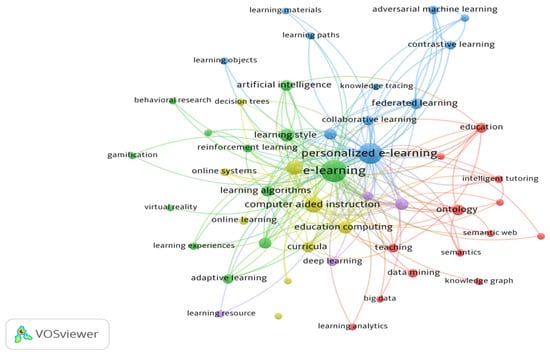
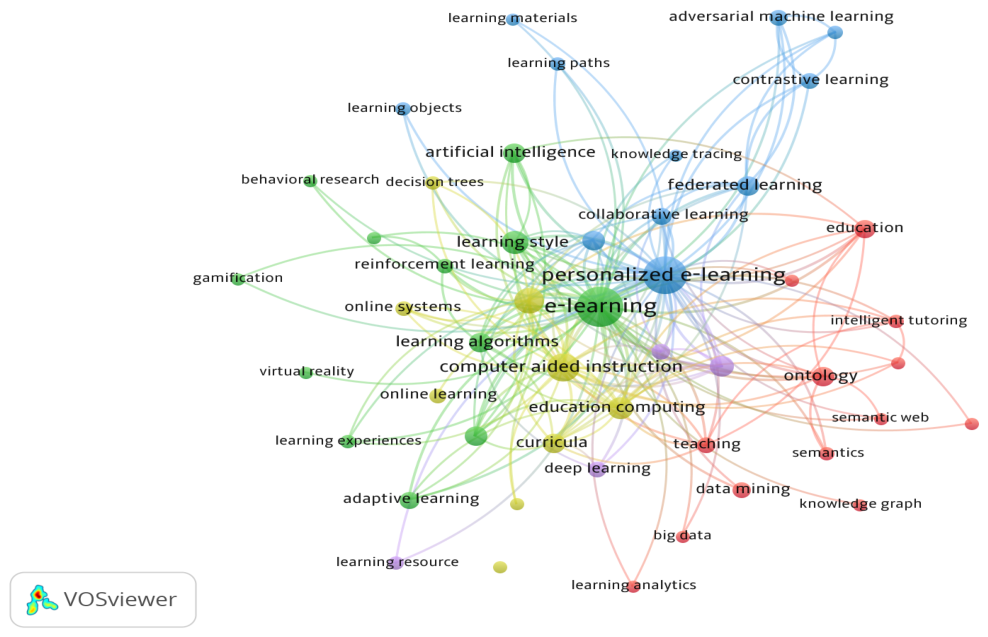
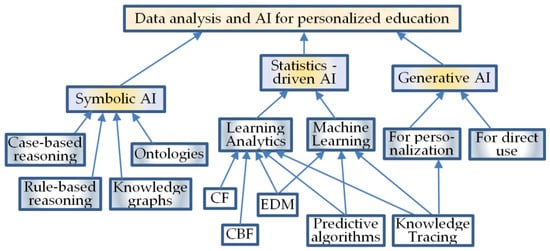
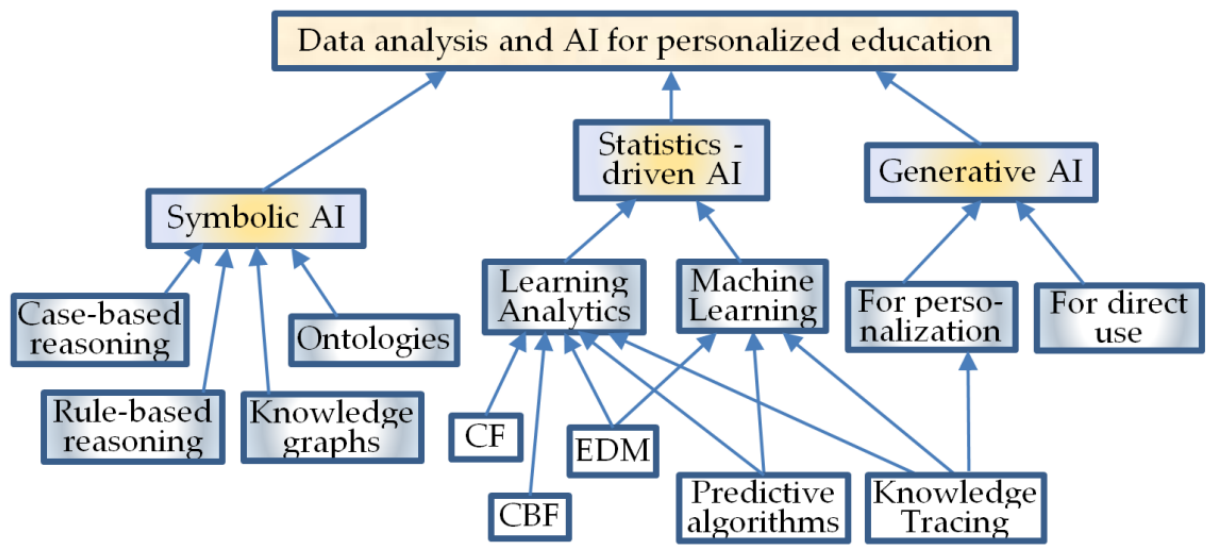
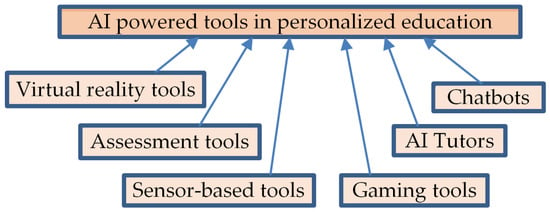
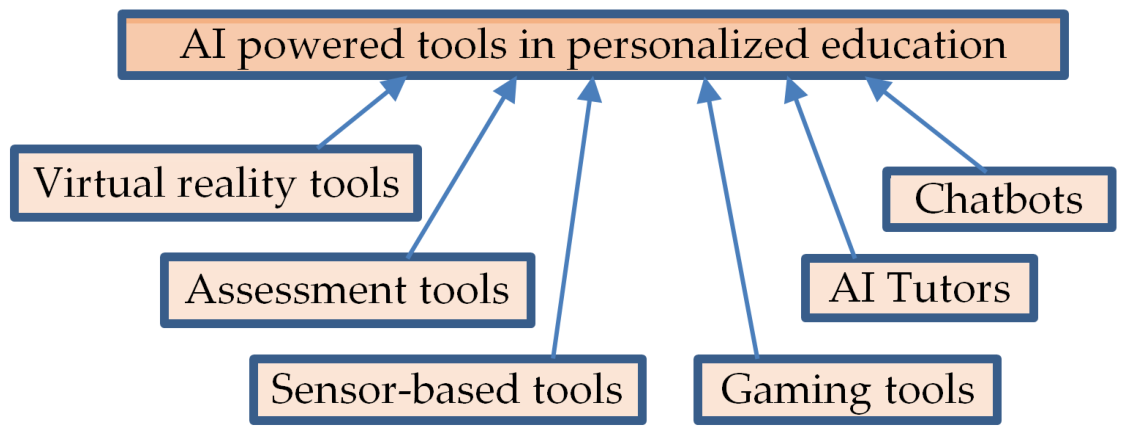
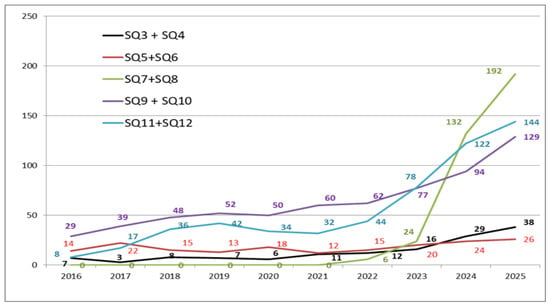
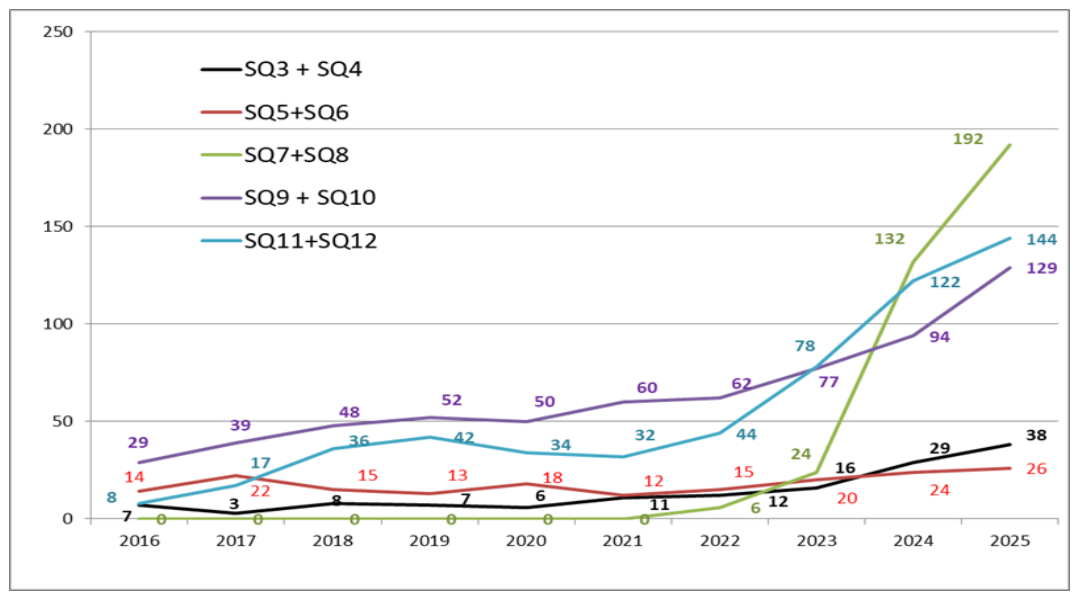
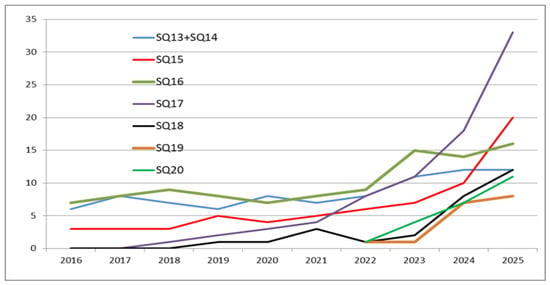
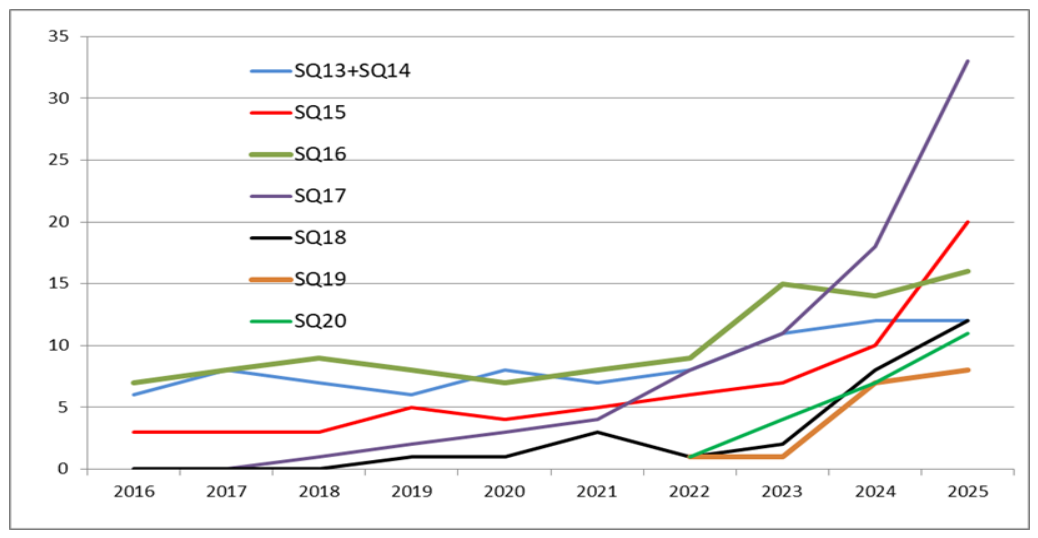
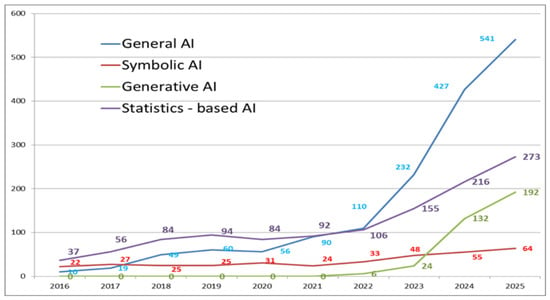
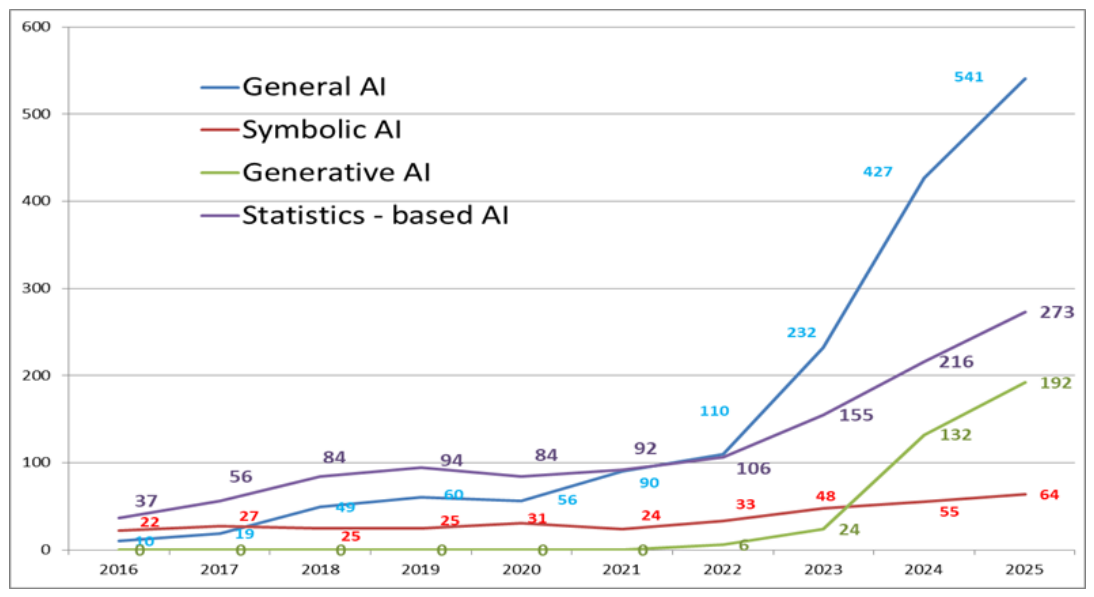
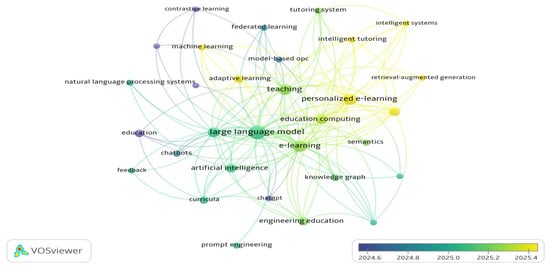
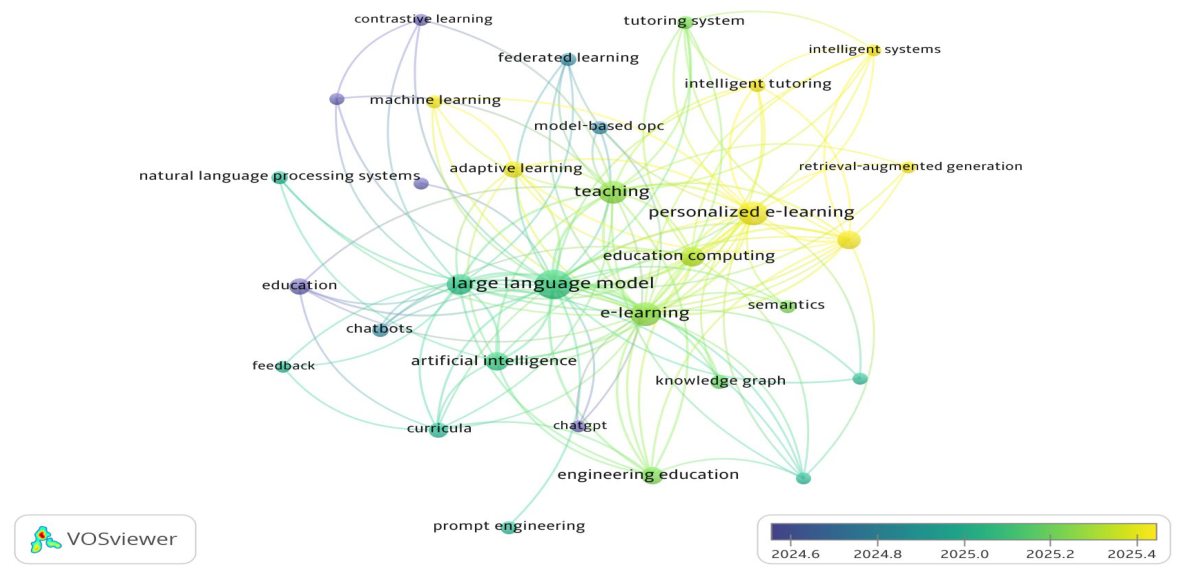
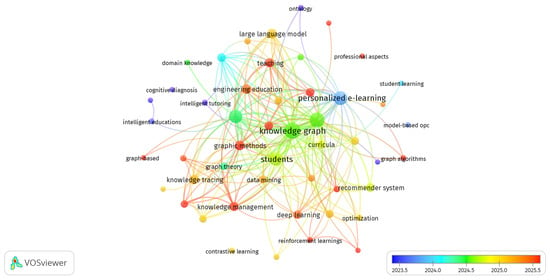
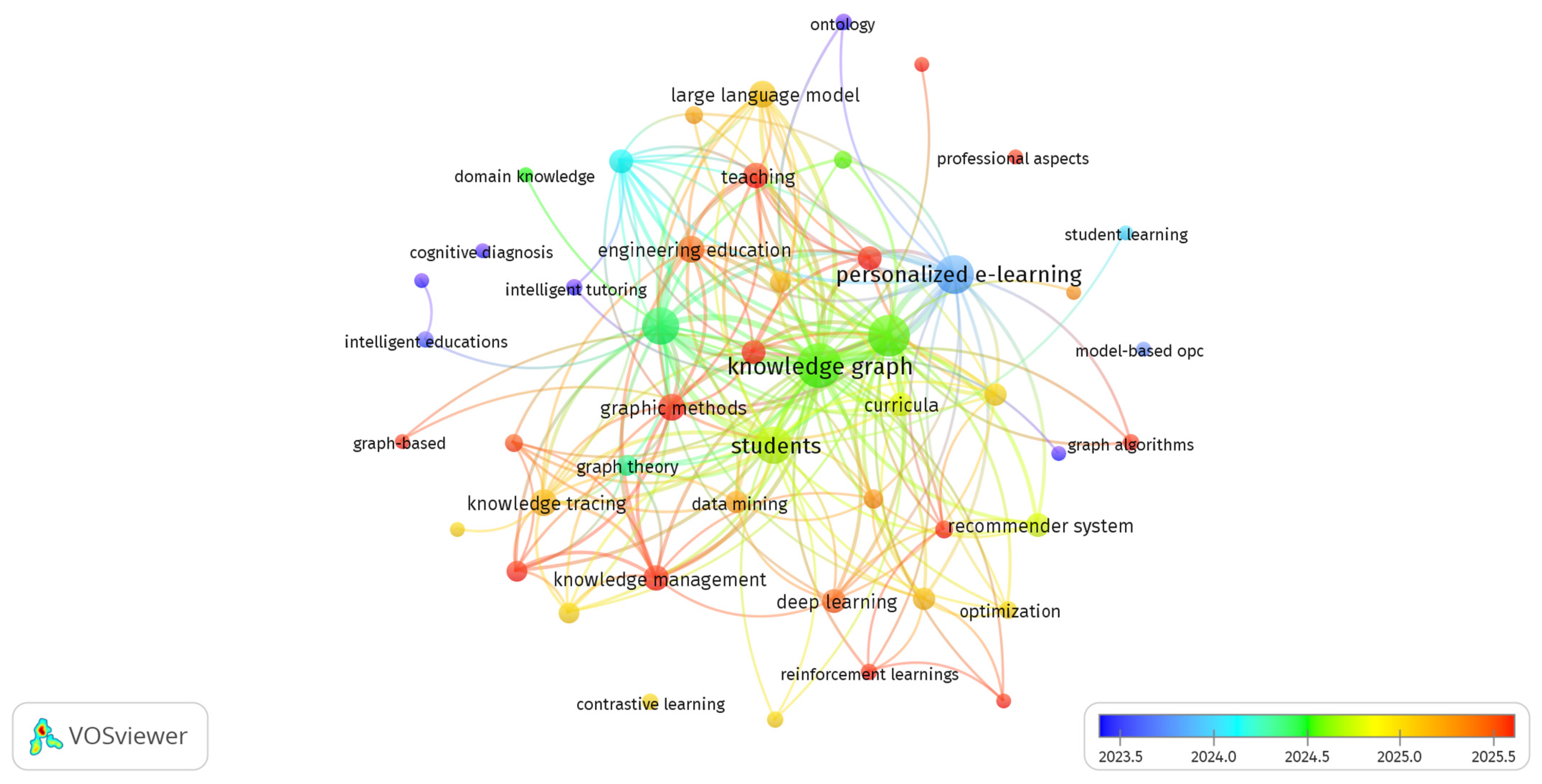
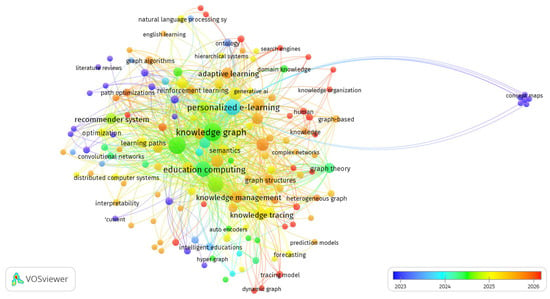
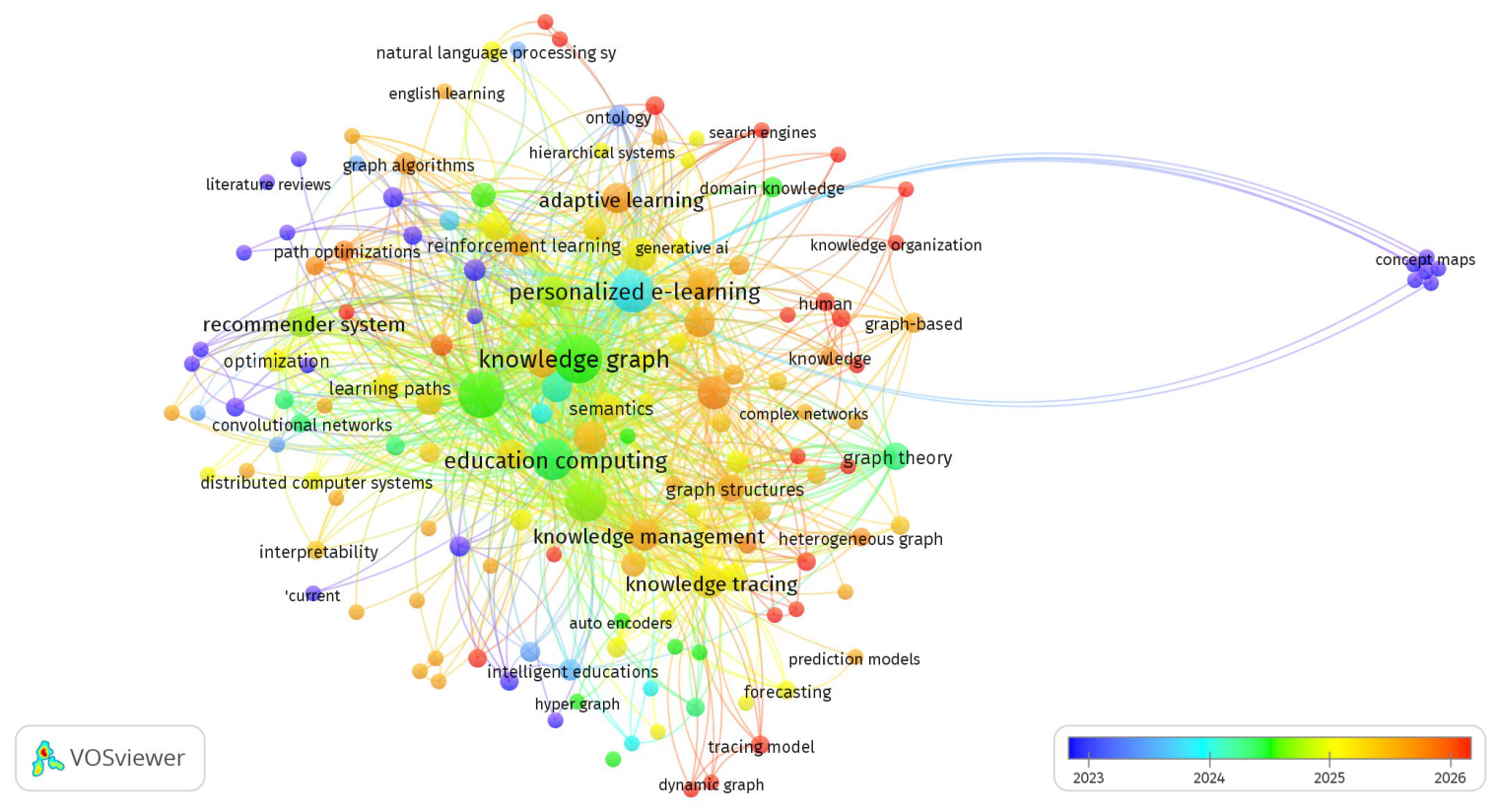
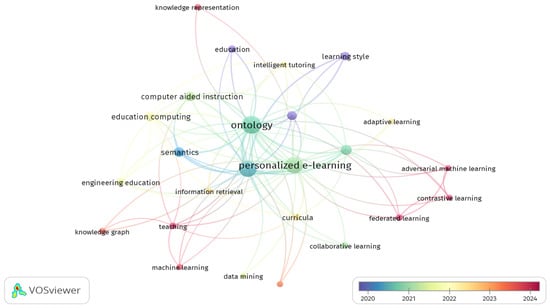
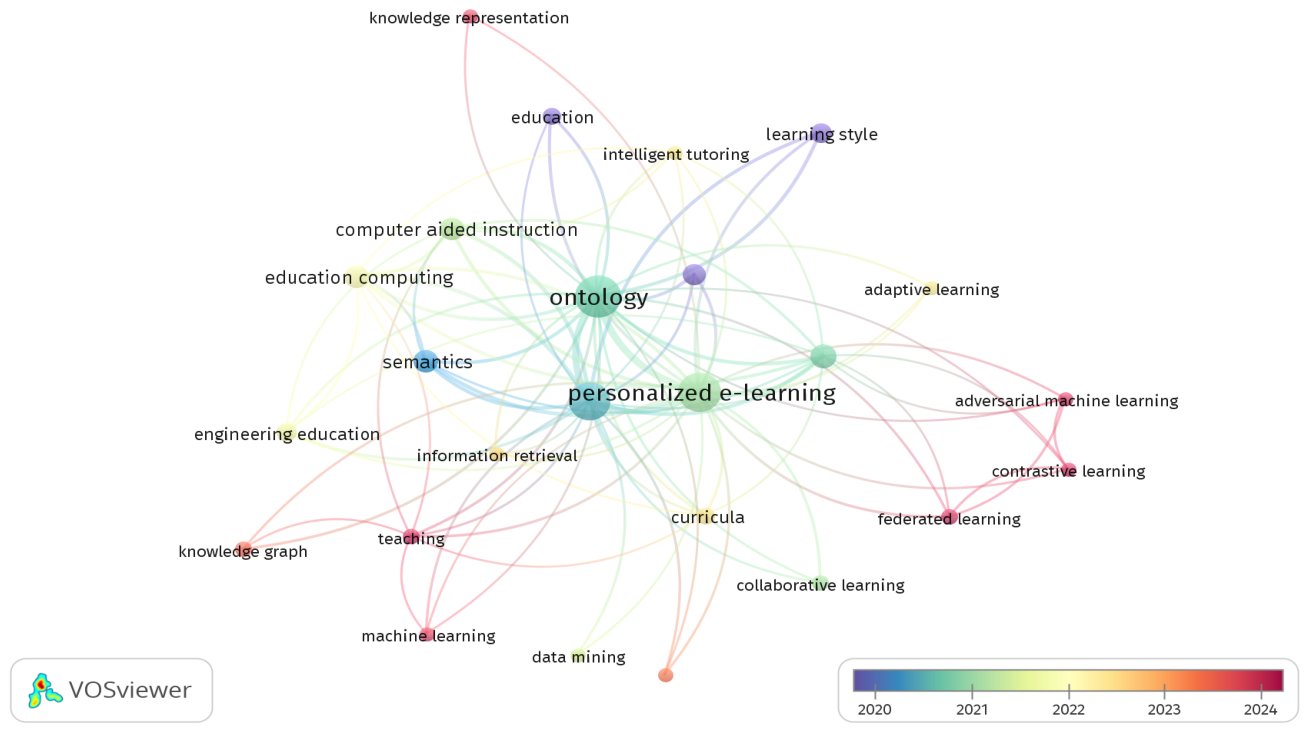
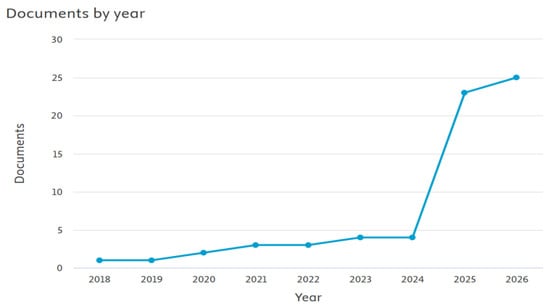
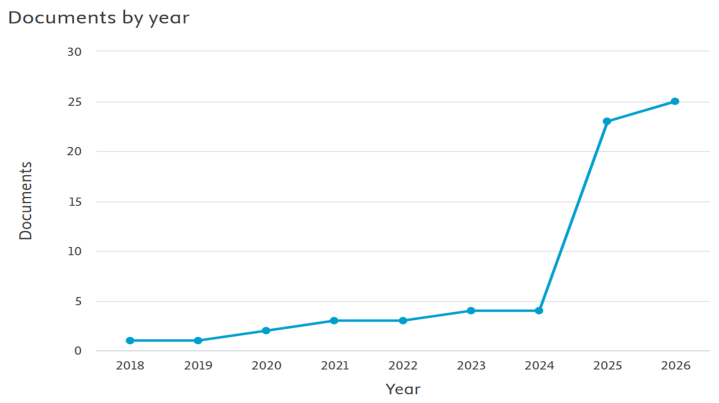
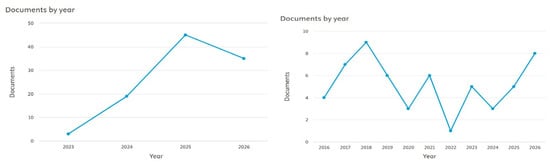
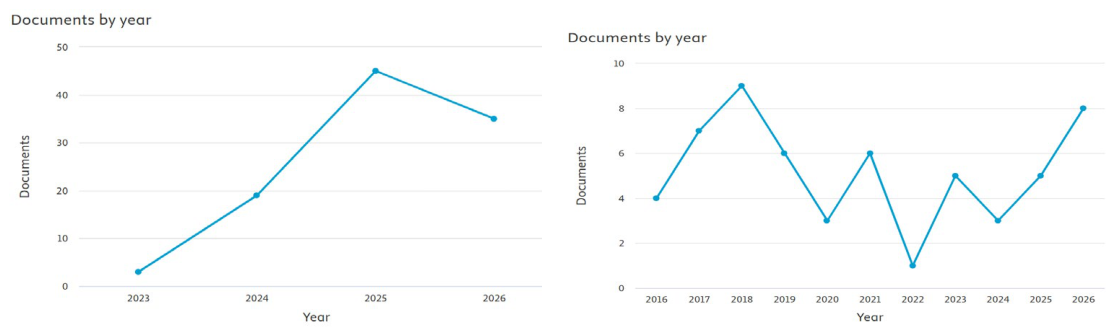

Disclaimer/Publisher’s Note: The statements, opinions and data contained in all publications are solely those of the individual author(s) and contributor(s) and not of MDPI and/or the editor(s). MDPI and/or the editor(s) disclaim responsibility for any injury to people or property resulting from any ideas, methods, instructions or products referred to in the content. |
© 2026 by the author. Licensee MDPI, Basel, Switzerland. This article is an open access article distributed under the terms and conditions of the Creative Commons Attribution (CC BY) license.