


Abstract
The present study explores the effect of incorrect tire mounting on vehicle braking performance with a specific focus on its interaction with the Anti-Lock Braking System (ABS). Experimental testing was conducted utilizing a passenger vehicle under controlled conditions according to ISO 21994. Two tire configurations were studied: a complying axle-wise configuration and a non-compliant asymmetric arrangement with the same tires mounted longitudinally on each side of the vehicle. ABS was switched on and off throughout the braking testing. The dynamics of the vehicle and its brake parameters were recorded and analyzed using nonlinear statistical modelling. The obtained coefficients of determination of the suggested nonlinear model were in the range of 0.8265 to 0.9938 and showed a satisfactory agreement with the experimental data. Chow-type statistical testing revealed significant differences across all tire designs and ABS operational modes tested (p < 0.001). Ljung–Box test indicated the lateral acceleration signals were significantly temporally dependent. The results indicate that the incorrect asymmetric tire mounting has a negative influence on the braking dynamics and this effect is more significant when the ABS is turned off. While ABS mitigates these effects to some degree, we still observe statistically significant disparities in performance. The results give empirically validated proof of the need for proper tire installation for the preservation of braking performance and vehicle safety and contribute to a better understanding of tire–road interaction and braking dynamics under asymmetric tire configurations.
1. Introduction
Vehicle stability is one of the most important factors in road safety, determining the driver’s ability to maintain the desired trajectory under various operating conditions [1,2]. In modern vehicles, stability is determined by a complex interaction between the chassis structure, tire characteristics, road surface properties, and electronic control systems [3,4,5]. The contact of the tires with the road surface plays a particularly important role, since it is through this contact that longitudinal and transverse forces responsible for vehicle control, braking, and directional stability are transmitted [6,7,8].
The dynamic behavior of a vehicle during intensive maneuvers is closely related to its stability reserves [9]. Many studies of different vehicle and caravan combinations have demonstrated that slight adjustments in load distribution or structural factors can have a considerable impact on the stability of the vehicle’s path and its response to steering input. The modeling results indicate that stability characteristics are particularly sensitive to external disturbances and the distribution of forces between the axles; therefore, it is necessary to assess not only the vehicle structure but also the conditions under which the movement occurs [10].
When analyzing the dynamics of the vehicle and trailer systems, it was also found that changes in the load position can lead to significant differences in stability indicators. The shift of the load center changes the mass moments of inertia and the distribution of vertical reactions between the wheels; therefore, directly affecting the behavior of the vehicle during turns and braking. Such results indicate that stability is a complex phenomenon that depends not only on the chassis parameters but also on the interaction of the wheels with the surface and load distribution [11].
An equally important factor is the vertical dynamic effects that occur when driving on uneven roads. Experimental studies have indicated that the reaction of the chassis and wheel system to road irregularities causes additional vibrations, which change the wheel load and can affect the adhesion conditions. As a result, even short-term load fluctuations affect the ability of the wheels to transmit braking forces and maintain the directional stability of the vehicle [12].
Similar conclusions were obtained when studying the effect of individual obstacles on vehicle dynamics. It was found that driving over local road obstacles generates additional vibrations that change the contact conditions between the tire and the pavement. These processes become especially important during braking, when maximum use of adhesion is necessary to ensure a short braking distance and maintain vehicle stability [13].
Therefore, modern transport dynamics studies pay more and more attention not only to braking efficiency but also to maintaining stability under different adhesion conditions [14,15]. Since tires are the only element of a vehicle that is in direct contact with the road surface, their condition, placement, and interaction with the surface become one of the most important factors determining the safe braking and direction maintenance of the vehicle [16,17].
One of the most important factors determining the braking efficiency and stability of a vehicle is the interaction between the tire and the road surface [18,19,20]. The adhesion coefficient between the tire and the surface directly affects the maximum transmitted longitudinal and transverse forces; therefore, even small changes in the properties of the surface can significantly change the dynamic behavior of the vehicle [21,22]. For this reason, in recent years, much attention has been paid to methods that allow real-time identification of the type of road surface and assessment of its condition [23,24].
Traditional methods of pavement assessment are usually based on specialized measuring devices or laboratory tests, but their application in real operating conditions is limited [25,26,27]. With the development of sensor technologies and digital data processing methods, it has become possible to use accelerometers and other sensors installed in the vehicle to determine the characteristics of the road surface. Such methods allow assessing the properties of the surface based on the dynamic response of the vehicle to road surface irregularities and structure [28,29,30].
One of the most advanced solutions in this direction is neural network-based road surface classification using accelerometer signals [31,32,33]. Studies have shown that properly processed vibration data can be effectively used to identify different types of pavement [34,35,36]. This creates the opportunity not only to classify the pavement, but also to assess its impact on vehicle dynamics. The advantage of this method is the ability to obtain information in real time without additional infrastructure or expensive measurement systems [37,38,39]. Such systems can become an important part of smart vehicles and advanced driver assistance systems, as they allow for early identification of potentially dangerous adhesion conditions and adjustment of control algorithms [40]. Along with road surface recognition technologies, the application of machine learning methods in various engineering fields is also rapidly developing. Modern artificial intelligence systems allow analyzing large amounts of data, detecting complex patterns and predicting the states of technical systems. In industry, neural networks are already successfully used to increase equipment reliability, predict failures and monitor technological processes. Research shows that advanced neural network architectures can significantly improve the diagnostic accuracy of complex systems and reduce uncertainty in decision-making [41].
Similar trends are observed in the field of technical diagnostics. Artificial intelligence methods make it possible to identify faults even in cases where there is no detailed data on emergency or non-standard system states. This is especially relevant in transport systems, where collecting real fault data is often difficult or economically inefficient. Neural networks are able to learn from normal operating data and detect deviations, therefore becoming a promising tool for vehicle condition monitoring and preventive maintenance [42].
The integration of these technologies into transport systems opens up new opportunities for vehicle stability, braking efficiency, and safety research. The more accurately the road surface properties and vehicle condition are identified, the more effectively systems such as ABS, stability control, or traction control algorithms can be controlled [39,43]. Therefore, machine learning methods are becoming an important direction in modern vehicle dynamics research.
Modern research of transport systems is increasingly based not just on experimental measurements but also on complex modeling and data analysis approaches. There are several interconnected aspects affecting vehicle dynamics, including road surface parameters, tire condition, load distribution, driver actions, and the operation of electronic control systems. For this reason, traditional analytical methods often do not allow for a sufficiently accurate description of all the processes taking place, which is why digital modeling, artificial intelligence, and big data analysis are gaining an increasingly important role [44,45].
One of the main advantages of modern research on transport systems is the ability to conduct virtual experiments, which allow for analyzing complex situations without experiencing the costs and risks of real experiments. Modeling makes it possible to assess the influence of various parameters on the behavior of a vehicle even before physical tests are performed. In this way, it is possible to analyze different operating scenarios, assess possible critical situations, and optimize vehicle design solutions.
This direction is particularly important in the field of vehicle maintenance and automated systems. Research on robotic inspections and automated data collection systems has shown that systematic data collection and analysis allow for effective identification of changes in the condition of technical objects and better prediction of possible operational failures. Such technologies are becoming an important part of modern transport and industrial systems, as they provide an opportunity to switch from reactive to preventive maintenance strategies [46].
The importance of data analysis methods is particularly high when studying vehicle dynamics [47]. The processes occurring during braking are complex and often characterized by nonlinearity. Wheel slip, changes in the adhesion coefficient, load redistribution between axles, and the intervention of electronic control systems form a complex dynamic system, the behavior of which is difficult to describe using deterministic models alone [48,49]. Therefore, statistical methods become an important tool for assessing the reliability of experimental data, determining significant differences between different operating conditions, and identifying the main factors determining the processes [50,51].
Time series analysis plays a particularly important role. Vehicle speed, acceleration, wheel angular velocity, or braking force signals are often characterized by autocorrelation and dependencies between adjacent measurement moments. Analysis of such processes allows for a better understanding of the vehicle’s reaction to external disturbances and the operation of electronic control systems. For this reason, regression models, hypothesis testing methods, and time series analysis tools are widely used in modern research.
In research on vehicle braking processes, special attention is paid not only to the assessment of the braking distance but also to maintaining trajectory stability. Although braking efficiency is usually assessed in terms of speed reduction and stopping distance, in practice it is no less important to ensure that the vehicle maintains directional stability during braking. This problem becomes especially relevant in the case of uneven grip conditions or improperly installed tires, when different wheels can generate uneven braking forces.
Therefore, modern research on transport systems increasingly combines experimental measurements, mathematical models, and advanced statistical analysis methods. Such an integrated methodology allows not only for a more accurate description of vehicle dynamics but also for identifying factors that determine braking efficiency and vehicle stability in real-world operating conditions.
Vehicle braking systems have become one of the most important elements of active safety in recent decades. Among them, a special place is occupied by the anti-lock braking system (ABS), the main purpose of which is to maintain wheel rotation during braking and prevent their complete locking. The operation of ABS allows you to maintain wheel and road surface adhesion, improve vehicle controllability, and reduce the risk of directional instability in extreme braking situations. However, the effectiveness of the system depends not only on the control algorithm but also on adhesion conditions, road surface properties, and tire characteristics.
One of the most important issues of the current braking systems is the capacity to swiftly and precisely detect the adhesion of the road surface. Advanced approaches for identifying road surface conditions can improve the efficacy of ABS control greatly, studies suggest. Using advanced state observers and adaptive slip ratio estimation methods, it is possible to more accurately determine the adhesion coefficient of the surface and adapt braking control parameters to changing operating conditions more quickly. It has been found that such methods allow for shorter ABS response times and faster identification of road surface changes, which directly contributes to increasing braking safety and reducing braking distances [52].
Monitoring the interaction between tires and the road surface is also of great importance. With the development of smart tire technologies, it is possible to monitor tire deformations, vibrations, and other parameters directly related to grip conditions in real time. Such solutions allow for early detection of dangerous grip changes and transfer this information to vehicle control systems. Studies have shown that smart tires, together with neural networks, can identify changes in grip coefficient with high accuracy even in difficult winter operating conditions. This provides an opportunity to adjust braking strategies in advance before significant wheel slip occurs [53].
It is also necessary to consider the stability of the vehicle under asymmetric grip circumstances. Further steering torques arise during braking if the left and right wheels roll on surfaces with differing grip. This might lead to a deviation of the vehicle from the target trajectory. Studies have shown that traditional ABS operation alone is often not enough to maximize the braking potential in such conditions. More effective results are achieved by combining braking force control with active steering angle adjustment. Such integrated solutions allow for reducing lateral deviations and keeping the vehicle in the lane even with significant differences in grip between the wheels [54].
Similar trends are observed in chassis control systems for electrified vehicles. Current research shows that braking, traction, and stability control functions are increasingly integrated into overall vehicle dynamics control architectures. This creates the possibility of coordinated control of wheel torques, braking forces, and directional stability, taking into account the existing adhesion conditions. However, several challenges remain related to real-time road surface identification, adaptive control, and integration of various electronic systems into a unified safety system [55].
It can be stated that modern ABS systems are becoming increasingly dependent on accurate information about the interaction between tires and the road surface. Advanced sensors, artificial intelligence technologies, and integrated control structures allow not only a more effective regulation of the braking process but also a greater assurance of vehicle stability in difficult operating conditions. This provides the theoretical framework for a study of the influence of various tire arrangements and ABS operation on the dynamics of braking and directional stability.
Previous research has extensively studied vehicle stability, road surface identification, tire–road interaction, and ABS control techniques. However, the existing studies mainly include the variability of road adhesion, control of wheel slip, and control algorithms of vehicles. The effect of poor asymmetric tire fitting (i.e., fitting identical tires longitudinally on either side of a vehicle) on the braking dynamics and its interplay with the operation of ABS is yet to be directly studied. Furthermore, quantitative statistical evaluation of velocity and acceleration dynamics under such tire configurations has not been sufficiently addressed.
Therefore, the present study aims to fill this gap by experimentally investigating the influence of asymmetric tire configurations and ABS operation on vehicle braking dynamics using nonlinear modeling and hypothesis testing. The study proposes a novel model for describing lateral velocity during braking, which enables a quantitative characterization of transient lateral vehicle behavior under different braking conditions. Moreover, the manuscript introduces methods for assessing the significance of differences in vehicle behavior during braking, with particular attention to the effects of tire configuration and ABS operation. The contribution of the work lies in providing a model-based and statistically supported approach for identifying and comparing changes in lateral vehicle dynamics during braking.
2. Materials and Methods
Based on the readings of brake pedal force, car speed, velocity and acceleration in longitudinal (in the direction of travel) and lateral axes, the analysis of speed and acceleration in the lateral axis, which are responsible for stabilizing the vehicle’s trajectory during braking.
To facilitate the interpretation of the mathematical model presented in the following subsection, the adopted vehicle-fixed coordinate system is illustrated in Figure 1. The figure defines the reference axes and the corresponding kinematic variables used throughout the mathematical formulation.
Figure 1.
Vehicle-fixed coordinate system adopted in the present study. The X-axis represents the longitudinal direction corresponding to the vehicle heading, whereas the Y-axis represents the lateral direction. The figure defines the velocity and acceleration components used in the proposed mathematical model.
Figure 1 establishes the body-fixed coordinate system adopted throughout the manuscript. All velocity, acceleration, and model variables presented in the following sections are defined with respect to this coordinate system, which is consistently used in the mathematical formulation, statistical analysis, and interpretation of the experimental results.
2.1. Maintaining Vehicle Speed in the Lateral Axis During Braking
Let denote brake of moments and values of vehicle lateral velocity readings, —number of recording samples in interval during braking. The lateral velocity of a vehicle was modeled, that is, the velocity of the vehicle’s sideways motion relative to its direction of travel; then, the model can be interpreted as a description of decaying lateral oscillations of the vehicle with a possible drift trend. The lateral velocity behavior can be expressed by the formula
where —vector of structural parameters for the model (1). The parameter [m/s] denotes the constant component of lateral velocity (sideways drift of the vehicle), [m/s2]—trend/acceleration in lateral velocity over time, [m/s] initial amplitude of lateral velocity oscillations, —damping parameter of lateral oscillations, [s]—period of lateral oscillations, [rad]—initial phase of the oscillation. Physically, this model describes a situation in which the vehicle undergoes damped lateral oscillations after a disturbance (sudden braking → lateral oscillations → gradual stabilization). The relationship between time and lateral velocity in (1) is nonlinear; to identify the vector of structural parameters the nonlinear least squares method was used, where the Levenberg–Marquardt (LM) [56] method is used to determine the structural parameters recursively.
In Formula (1), the component is responsible for the general velocity trend in the lateral axis, while the component is responsible for the damping of periodic fluctuations occurring during braking (), where —damping of the vibration amplitude, —periodicity of velocity changes and the quantity represents the angular velocity, —the displacement. The series denotes a series of residuals, which was identified using a sequence of random variables with an distribution. Formula (1) represents the authors’ original model proposed to describe the vehicle’s lateral behavior during braking.
After applying LM method, the estimator and calculating the residuals , was obtained. The variance of residuals [57,58] is defined as follows
Additionally, the Jacobian matrix was computed as follows:
The approximate covariance matrix of the unknown parameters [57,58] is equal
Accordingly, the variances of the unknown parameters are the elements of the diagonal and standard errors for .
To test the hypothesis that the structural parameter differs significantly from zero [57,58,59], a test statistic was calculated as follows:
which has t-distribution with degrees of freedom. The determination coefficient (see, e.g., [57,58]) is equal shows what portion of the variability in velocity along the lateral axis is explained by the model, where .
2.2. Comparison of the Significance of Differences in the Structural Parameters of the Model for Different Sets
In order to determine the significance of the effect of both tire configurations and ABS operation during braking, the Chow-type test was used. The classic Chow-type test is a linear regression test (see, e.g., [57,58]), while in the case of comparing differences in structural parameters for a nonlinear function, the asymptotic F-type test was used. Let —a set of reading moments and velocity values in the Y axis during braking in type I conditions, —a set of reading moments and velocity values in the Y axis during braking in type II conditions. By comparing different tire configurations and enable/disable ABS at a significance level of α = 0.05, the null hypothesis was defined:
H0:
(the structural parameters of the function f(t,Ψ) estimated based on sets and are identical or differ insignificantly, i.e., the vehicle’s behavior in conditions I and II are similar);
And the alternative hypothesis
H1:
(the structural parameters of the function f(t,Ψ) estimated based on sets and differ significantly, i.e., the vehicle’s behavior in conditions I and II differs significantly). For the model (1) using the nonlinear least squares method, the estimators of the structural parameters and the sequence of residuals from the set were determined, the estimators of the structural parameters and the sequence of residuals from the set were determined, and the estimators of the structural parameters and the sequence of residuals from the set ∪ ) have been estimated too. Based on the obtained results, we estimate the sums of squared residuals for (1) identified on the sets , and ∪ , respectively.
The test statistic is given by the formula [58]:
The test probability is equal to
where the random variable F has an asymptotic distribution F with (k, n − 2k) degrees of freedom [58]. If pval < 0.05 then the null hypothesis is rejected in favor of the alternative hypothesis, therefore the structural parameters of the function f(t,Ψ) estimated on the basis of sets and differ significantly, i.e., the structural parameters of the function f(t,Ψ) describing the vehicle dynamics (e.g., speed) estimated on the basis of sets and differ significantly, i.e., the vehicle dynamics in conditions I and II differ significantly.
2.3. Analysis of Lateral Acceleration Randomness
Let denote the set of moments and values of vehicle acceleration readings in the transverse axis. Using the Ljung–Box test [60,61,62], the existence of autocorrelation in the time series representing acceleration during braking was examined- more precisely, whether there are significant autocorrelations at different decelerations. For this purpose, the values of the correlation coefficient was estimated as follows
where for . The number k denotes the largest shift in the time series considered. At a significance level of , the null hypothesis assumes:
H0:
, the elements of the series are independent,
And the alternative hypothesis:
H1:
, the elements of the series are not independent.
The test statistic is given by formula
has a distribution with k degrees of freedom. The test probability for the Ljung–Box test is equal to:
where X is a random variable with a distribution with k degrees of freedom [60,61,62]. If pval < 0.05, the null hypothesis is rejected in favor of the alternative hypothesis; therefore, the elements of the series describing the acceleration behavior in the lateral axis are not independent.
2.4. Experimental Research Methodology
To determine the braking performance of a passenger car and the numerical difference in braking parameters when the car is equipped with tires of the same tread pattern on both axles and when tires with different tread patterns are used on one or both sides (hereinafter referred to as “improper tire mounting”), whereas the vehicle itself remained in full technical compliance with the manufacturer’s specifications and mandatory technical inspection requirements. With the anti-lock braking system (ABS) deactivated, the tests were conducted in accordance with the methodology set forth in the standard “ISO 21994:2022 Passenger cars—Stopping distance at straight line braking with ABS—Open-loop test method.” This standard specifies a method to determine the braking distances characterizing the deceleration build-up phase at the beginning of a braking manoeuver and at full braking until the vehicle comes to a standstill. The presented methodology shows the driving situation of an emergency or panic braking phase (pushing the brake pedal with a very high activation speed) during straight-ahead driving on an even and dry road surface with a high coefficient of friction. During the tests, the main results are presented and analyzed in the next section:
- Stopping distance from initial brake pedal contact until the vehicle comes to a standstill (SA100);
- ABS braking distance, describing the distance traveled under full ABS-controlled braking from 90 km/h until the vehicle comes to a standstill (SL90);
- Estimation of the build-up distance from initial brake pedal contact until a velocity reduction of 10 km/h is achieved (SF10).
Additionally, measured values were longitudinal velocity, time of brake pedal actuation (t0), longitudinal distance (s), brake pedal actuation force (Fp) (verify against the data provided in the article).
To make the testing results comparable, all braking tests were performed under the same conditions on the same test track. The measurements were carried out on a newly built smooth, clean, dry asphalt surface with a longitudinal gradient not exceeding 1% and a transverse gradient below 2%, completely fulfilling the requirements of ISO 21994:2022. The experiments were completed on the same day under stable environmental conditions (ambient temperature 17 °C, relative humidity 54%, south-west wind speed 5–6 m/s). Prior to each measurement series, the tires and braking system were conditioned using two controlled braking cycles from approximately 100 km/h, followed by normal driving to avoid excessive brake overheating. During the experiments, the brake disc temperature varied between 143 °C and 186 °C.
Each scenario (tyre mounting pattern and ABS on/off) was tested three times on the same vehicle in good technical condition, whose technical parameters are presented in Table 1. Tests were used to assess the significance of a vehicle’s lateral behaviour. The statistical assessment is understood as an evaluation of the significance of differences observed between the tested cases, with particular attention to the influence of tire configuration and ABS operation on the vehicle’s lateral behavior. The statistical tests were used to determine whether changes in the structural parameters of the proposed model, as well as differences in lateral acceleration response, are relevant for distinguishing the analyzed braking scenarios.
Table 1.
Technical specifications of the vehicle used in tests.
The proposed nonlinear model is not intended to explicitly describe the physical mechanisms governing load transfer during braking. Instead, it statistically characterizes the measured transient lateral vehicle response, in which the combined effects of tire–road interaction, load redistribution, suspension dynamics, and ABS operation are inherently reflected in the experimentally recorded signals. The proposed approach constitutes the first stage of a broader research framework that will be further developed for the identification of abnormal braking behavior under various operating conditions.
The tested vehicle was equipped with a dual-circuit hydraulic brake system with vented disc brakes on the front axle and solid disc brakes on the rear axle, supplemented by an Anti-lock Braking System (ABS). Before the testing campaign, the braking system was visually inspected to verify its technical condition (brake pads, brake discs, brake fluid level, and ABS functioning). No faults or anomalies were found that might compromise the braking performance.
All the tests were conducted on summer tires for a passenger car size of 195/65 R15. Prior to the testing, the tires were checked to ensure that they did not have evident structural damage, abnormal wear, or loss of pressure. The tires were inflated to the recommended pressure by the vehicle manufacturer before each series of measurements. The tire tread depth was above the minimum permitted tread depth and was even over the contact surface. The studies were carried out using tires of the same age and similar service conditions to reduce the effect of tire degradation on the braking performance. Furthermore, all measurements were carried out on the same day and under the same ambient and road circumstances to minimize the influence of temperature, road surface condition, and other external influences on the experimental results.
The vehicle’s braking parameters (vehicle speed, acceleration, braking force, and braking distance) were recorded using a Dewesoft inertial navigation system (INS) (manufactured by Dewesoft d.o.o., Trbovlje, Slovenia), designed for precise measurements of position, object location, speed, and acceleration (see Figure 2). The system features a new Kalman filter algorithm that integrates GNSS (Global Navigation Satellite System) data with information from a MEMS (Micro-Electromechanical Systems)-based inertial measurement unit, ensuring the accuracy and stability of braking parameter measurements.
Figure 2.
Example of a vehicle braking test in a compliant configuration with identical tires mounted on each axle and ABS interaction: brake pedal force, vehicle speed, and lateral and longitudinal vehicle dynamics.
The measurements were performed using a Dewesoft NAVION i2 inertial navigation system. The system combines a high-performance 9 Degrees of Freedom (9-DOF) inertial measurement unit with a multi-constellation, multi-frequency GNSS receiver. The MEMS-based accelerometer operates within a range of ±16 g with a bias in-run stability of 0.03 mg and a velocity random walk of 0.03 m/s/√h. The MEMS-based gyroscope operates within a range of ±490 °/s with a bias in-run stability of 5 °/h and an angle random walk of 0.25 °/√h. The GNSS receiver can track GPS, GLONASS, Galileo, Beidou and NavIC constellations. RTK mode location precision up to 0.01 m, dynamic velocity accuracy up to 0.015 m/s. The roll and pitch accuracy is 0.03°, the heading accuracy is 0.08°, and the system offers data gathering with sampling rates up to 100 Hz.
The exact pavement texture characteristics are stored in the Lithuanian national road infrastructure database. The database is not open access. However, the selected test section complied with the surface quality requirements of ISO 21994:2022, ensuring uniform pavement conditions for the experimental program.
Figure 2 illustrates the vehicle’s behavior during a test conducted with identical tires mounted on both axles and the ABS active. During the test, the vehicle accelerated from standstill to approximately 29 m/s, and the longitudinal velocity profile closely followed the overall vehicle speed. The small values of lateral velocity indicate that the vehicle moved essentially along a straight path, with only minor lateral deviations. During the acceleration phase, the longitudinal acceleration was positive, while the short-term reductions in its value corresponded to successive gear shifts.
The lateral acceleration remained relatively low and oscillated around zero, confirming the absence of significant steering maneuvers. During intensive braking, the longitudinal velocity decreased to zero, the longitudinal acceleration reached large negative values, and the transient variations in the lateral signals were associated with the vehicle dynamics in the final phase of the test. The signals shown in the figure correspond to the raw outputs provided by the integrated INS/GNSS navigation solution and were not additionally corrected or normalized.
The lateral velocity shown in Figure 2 represents the lateral velocity component estimated by the Dewesoft NAVION i2 inertial navigation system through fusion of GNSS observations and MEMS inertial measurements using an integrated Kalman filter. During the initial acceleration phase, the vehicle travelled approximately along a straight path; therefore, the observed small non-zero lateral velocity values should be interpreted as the combined effect of inertial navigation estimation uncertainty, sensor noise, GNSS positioning accuracy, minor steering corrections, and natural trajectory deviations rather than as significant lateral vehicle motion.
3. Results
This section presents the experimental results obtained for the investigated tire configurations and ABS operating conditions. The results are organized into three parts. First, the proposed nonlinear model is used to describe the lateral velocity response during braking and to evaluate its goodness of fit. The Chow-type statistical test is used to determine the significance of changes between braking conditions. Finally, the lateral acceleration signals are analyzed by descriptive statistics and the Ljung–Box test to explore their temporal dependency and dynamic features.
Figure 2 shows the course of a vehicle braking test, in which the braking phase was determined based on the brake pedal force signal—from the moment of a sudden increase in pedal force until the vehicle came to a complete stop. The vehicle speed plot shows that during the driving phase, the vehicle accelerates to approximately 30 m/s, and then, during the braking phase, its speed rapidly decreases to zero. The longitudinal behavior confirms this course: the longitudinal velocity changes clearly during braking, while the longitudinal acceleration reaches high values corresponding to intensive speed reduction. Particularly important is the analysis of the vehicle’s lateral behavior in this interval, including changes in lateral velocity and lateral acceleration during braking. After braking begins, clear disturbances in lateral velocity are visible, including a short-term decline in value followed by oscillations, indicating a transient lateral response of the vehicle. At the same time, lateral acceleration shows increased variability during the braking phase, confirming the occurrence of dynamic lateral effects associated with the speed reduction process. After the vehicle stops, the lateral velocity and lateral acceleration signals stabilize, corresponding to the transition to the stationary state.
3.1. Identification of Lateral Velocity Dynamics
Figure 3 shows the actual and predicted lateral velocity due to tire configurations and ABS operation according to model (1). In each graph, the horizontal axis represents time [s] and the vertical axis represents velocity [m/s]. The blue line shows the actual values, and the red line shows the predicted values. The time axis represents the original data-acquisition timeline; therefore, the beginning and end of the plotted intervals differ between cases because braking started at different times and its duration varied depending on the tire configuration and ABS operating condition. The signals were not stretched or normalized in time, and each subplot shows the complete braking interval identified for the corresponding test. Table 2 presents braking onset, braking completion, and braking duration for each tire configuration and ABS operating conditions corresponding to the examples shown in Figure 3.
Figure 3.
Comparison of lateral velocity dynamics during the braking state due to tire configurations and ABS operation.
Table 2.
Braking onset, braking completion, and braking duration for different tire configurations and ABS operating conditions.
The negative values shown in Figure 3a,b,d do not indicate that the vehicle moved backward. The plotted quantity is the lateral velocity component, not the scalar vehicle speed. Therefore, its sign depends on the adopted vehicle coordinate system: positive values correspond to lateral motion in one direction with respect to the vehicle body-fixed axis, whereas negative values indicate lateral motion in the opposite direction. In Figure 3a, the lateral velocity changes sign during braking, which means that the vehicle exhibits a transient lateral response with a short reversal of the sideways motion. This behavior is associated with the dynamic effects occurring during braking and ABS operation, where the lateral motion oscillates around zero before stabilization. In contrast, in Figure 3c, the lateral velocity remains positive and decreases more smoothly, indicating that the sideways motion is reduced without crossing the zero-lateral-velocity line.
For each analyzed case, the structural parameters of the model (1) were estimated by applying the Levenberg–Marquardt(LM) [56] method, the variance of the residuals (2), the covariance matrix of the structural parameters (4), the standard deviations of these parameters , the test statistic by Formula (5), and the test probability were estimated, for . To ensure consistency in the nonlinear model estimation, the time variable used for fitting was referenced to the onset of braking in each individual test, so that t = 0 corresponds to the beginning of the braking phase. Consequently, the estimated model parameters are based on the elapsed braking time rather than on the absolute acquisition time and can therefore be compared across the analyzed experimental scenarios. The determination coefficient was also estimated. The calculation results are presented below.
The values of the estimators of the structural parameters of model (1), the standard deviation of these parameters, the test statistic, and the test probability in the case of identical wheels on each of the axles with ABS activated are given in Table 3.
Table 3.
The estimators and standard deviation of structural parameters, test statistic, and test probability for identical wheels on each axle with ABS enabled.
Table 4 presents values of estimators of structural parameters of model (1), standard deviation of these parameters, test statistic, and test probability in the case of identical wheels on each side with active ABS.
Table 4.
The estimators and standard deviation of structural parameters, test statistic, and test probability for identical wheels on each side with ABS enabled.
Values of estimators of structural parameters of model (1), standard deviation of these parameters, test statistic, and test probability in the case of identical wheels on each of the axles with ABS disabled are given in Table 5.
Table 5.
The estimators and standard deviation of structural parameters, test statistic, and test probability for identical wheels on each axle with ABS disabled.
Table 6 presents values of estimators of structural parameters of model (2.1), standard deviation of these parameters, test statistic, and test probability in the case of identical wheels on each side and disabled ABS.
Table 6.
The estimators and standard deviation of structural parameters, test statistic, and test probability for identical wheels on each side with ABS disabled.
Figure 3a shows the case of maintaining speed for identical wheels on an axle with ABS enabled. The speeds are low and oscillate close to zero. Figure 3b shows identical wheels on an axle with ABS disabled. A more pronounced speed change is visible: first, a drop below zero, then an increase to approximately 0.6 m/s. Figure 3c shows identical wheels on one side of the vehicle with ABS enabled. The speed remains positive and gradually decreases over time. The model correctly reproduces the decreasing trend, but it is less accurate in reproducing local fluctuations in the actual signal, especially around 20–21 s. Figure 3d shows identical wheels on one side of the vehicle with ABS disabled. This is the case with the largest amplitude of change: the speed increases to approximately 1.0 m/s and then drops below zero. The model reproduces very well both the shape of the curve, the maximum values, and the final decrease. The figure shows that model (1) reproduces the speed curve well under various operating conditions: tire configurations and ABS operation.
Table 7 presents the values of the standard deviation of residuals for the model and the determination coefficient for various tire configurations and ABS operation. Analyzing the coefficient of determination, the model explains the behavior of lateral velocity quite well, both across different wheel configurations (identical on the axle or on the side) and for active and inactive ABS.
Table 7.
Standard deviation of residuals and determination coefficient for various tire configurations and ABS operation for the model.
3.2. Verification of the Existence of Differences in Lateral Velocity Behavior
To verify the significance of differences during braking due to wheel configuration and active or inactive ABS, the Chow test was used. With the ABS state fixed, the velocity behavior along the transverse axis was compared for cases of mounting identical wheels on one axle with the velocity behavior for the case of mounting identical wheels on each side of the vehicle. Also, with the same mounting method for identical wheels, the velocity dynamics were compared in the case of active ABS with the velocity dynamics when ABS is inactive. Table 8 presents the results of comparisons using the Chow test, namely the significance of changes in velocity dynamics along the transverse axis related to the wheel configuration on the vehicle and whether the ABS system was active. For each of the comparisons, Table 8 also includes the test statistic values, degrees of freedom, and p-values.
Table 8.
Verification of the significance of differences in the lateral velocity dynamics.
In all analyzed cases, the values of the test statistic ϕ estimated from Formula (7) are very high, and the corresponding pval values determined using (8) are extremely small. This means the model parameters are significantly different in each comparison. In other words, both the ABS system status and the tire configuration have a significant impact on the parameters of the nonlinear model describing the speed dynamics along the Y axis.
3.3. Identification of Lateral Acceleration Dynamics
Figure 4 shows lateral acceleration due to tire configurations and ABS operation. In each graph, the horizontal axis represents time [s], and the vertical axis represents acceleration [m/s2]. Activating ABS causes a more impulsive, oscillatory acceleration curve but helps maintain values closer to zero after initial disturbances. This is particularly visible when comparing the graphs: with ABS, the signal stabilizes over time (Figure 4a,c), while without ABS, a trend is observed (Figure 4b,c). In Figure 4, the time axis reflects the original data-acquisition timeline. Consequently, the displayed intervals begin and end at different times because the onset and duration of braking varied among the individual test cases.
Figure 4.
Lateral acceleration dynamics during braking under different tire configurations and ABS operating conditions.
For the “identical wheels on each axle” configuration, disabling ABS leads to a significant decrease in acceleration at the end of the measurement. For the “identical wheels on each side” configuration, disabling ABS leads to the opposite—an increase in acceleration at the end of the measurement. This indicates that wheel arrangement has a significant impact on vehicle dynamics, and ABS limits extreme system behavior. In general, ABS improves stability, although it generates rapid control oscillations. Without ABS, the curve is less impulsive but more drifty and potentially unstable.
To verify the hypothesis that accelerations are not random, the Ljung–Box test was used. Table 9 provides basic acceleration statistics during braking for various wheel configurations and ABS operation. Additionally, the values of the (9) statistic and the test probability for the Ljung–Box test, which tests for autocorrelation (i.e., the dependence of subsequent samples on each other), are presented.
Table 9.
Basic characteristics of lateral acceleration and results of the Ljung–Box test.
For a system of identical wheels on each axle, the activation of ABS leads to a large shift of the mean acceleration towards the positive side, although the variability (standard deviation) is fairly similar. This shows that in this arrangement, ABS did not help to greatly reduce the acceleration dispersion, but it changed the overall distribution of values. For a system of identical wheels on each side, disabling ABS shifts the mean from slightly negative to positive, while the variability remains similar, although slightly lower than when ABS is activated. The Q statistic values according to Formula (10) are high for each case, and the test probability values are very low, meaning that in each of the four cases, the null hypothesis of the Ljung–Box test, which states that the data lack significant autocorrelation, should be rejected. In other words, the lateral accelerations are not random white noise, and subsequent acceleration values are dependent on the preceding values. In all cases, lateral acceleration along the transverse axis exhibits significant time dependence, especially with ABS disabled. This means that the vehicle’s reaction is not random but results from the dynamics of the wheel system, the operation or lack of operation of the ABS, and the conditions of contact between the wheels and the road.
4. Discussion
The results demonstrate that both tire configuration and ABS operation significantly affect vehicle braking dynamics. The nonlinear modeling results together with the Chow-type statistical tests indicate that the lateral velocity response during braking changes significantly when identical tires are mounted on each axle compared with the asymmetric configuration in which identical tires are mounted longitudinally on each side of the vehicle. The obtained results confirm that improper tire installation modifies the dynamic interaction between the tires and the road surface, leading to measurable changes in braking behavior.
In the present work, the term “improper tire mounting” is used only for a tire arrangement in which tires with distinct tread patterns are placed on opposite sides of the vehicle, which leads to differing tire properties on the same axle. It is not caused by an inaccurate mechanical mounting of the tire on the wheel, flaws in the wheel alignment or other defects linked to the assembly.
The observed differences can be explained by the asymmetric distribution of tire characteristics across the vehicle axle. Although the tires used in the asymmetric configuration were technically serviceable, the arrangement resulted in different tire properties acting simultaneously on the same axle. Such asymmetry may influence transverse force generation, tire stiffness, transient slip behavior, and load transfer during braking. As a result, the left and right wheel braking forces will be unbalanced, and the entire vehicle dynamic response will be influenced. Similar mechanisms have been reported in previous studies investigating vehicle stability under varying loading conditions and dynamic force redistribution. Earlier research demonstrated that changes in load position, wheel loading, and road excitation can substantially modify vehicle dynamic behavior and stability margins. The present study extends this knowledge by demonstrating that tire placement itself may become an additional factor influencing braking dynamics and directional stability.
The obtained results should also be interpreted in the broader context of tire–road interaction mechanisms. During emergency braking, the generation of longitudinal tire forces depends not only on the available friction coefficient but also on tire structural properties, tread characteristics, contact patch deformation, and transient slip development. In the asymmetric tire configuration investigated in this study, different tire characteristics were effectively introduced across the axle, potentially leading to unequal force generation and different dynamic responses of the left and right wheels. Although the present study did not directly measure wheel slip or tire contact forces, the statistically significant differences observed in both velocity and acceleration dynamics strongly suggest that the tire arrangement altered the force transmission process between the tires and the pavement.
The effect of ABS operation was clearly visible in both velocity and acceleration responses. Vehicles equipped with active ABS exhibited more oscillatory acceleration signals but generally maintained a more stable dynamic behavior. This observation is consistent with the operating principle of ABS, which continuously modulates brake pressure to maintain wheel slip within a range that maximizes tire–road adhesion. As a result, the oscillations detected in the acceleration data are compatible with the control system’s intended functioning and do not indicate instability. However, the ABS was removed, resulting in higher speed shifts and faster acceleration, especially when combined with the asymmetric tire configuration. The results indicate that ABS can partially compensate for the negative effects caused by incorrect tire fitting; however, they cannot be entirely eliminated.
Another key factor relates to the role of modern electronic safety systems. Modern automobiles are increasingly based on integrated control designs combining braking, traction, and stability control capabilities. The results obtained in this study indicate that ABS effectively mitigates part of the adverse effects caused by asymmetric tire configurations. However, the persistence of statistically significant differences under ABS operation suggests that control algorithms can compensate only partially for physical asymmetries introduced at the tire–road interface. This observation is particularly important from an engineering perspective because it demonstrates that electronic systems cannot completely replace proper vehicle maintenance practices.
An important finding of this study is the significantly stronger influence of tire configuration when ABS was disabled. The largest differences between configurations were observed under non-ABS braking conditions. This result indicates that the asymmetric tire arrangement directly affects the tire–road interaction process and that electronic control systems play an important role in mitigating these effects. However, even with active ABS, statistically significant differences between tire configurations remained present. Therefore, correct tire installation remains essential for ensuring optimal braking performance and should not be regarded as a condition that can be fully compensated for by modern vehicle control systems.
The nonlinear velocity model provided a satisfactory description of the measured data. The high determination coefficients obtained for all analyzed cases indicate that the proposed model successfully captures the dominant characteristics of the braking process. Furthermore, the Chow-type tests confirmed that both tire configuration and ABS operation produce statistically significant changes in model parameters. This suggests that the proposed modeling framework can be used not only for describing braking dynamics but also as a tool for identifying changes in vehicle behavior resulting from different operational conditions.
The Ljung–Box analysis revealed significant temporal dependence in all acceleration signals. The rejection of the null hypothesis in every analyzed case indicates that acceleration during braking cannot be treated as a purely random process. Instead, the observed acceleration profiles are governed by deterministic dynamic mechanisms associated with wheel–road interaction, load transfer, braking force generation, and ABS operation. The stronger autocorrelation observed in several non-ABS cases may indicate that the absence of brake pressure modulation allows dynamic effects to develop more freely, resulting in more persistent acceleration patterns.
The observed acceleration oscillations under active ABS operation give further insight into braking control dynamics. While these oscillations may appear undesirable from a purely signal-processing perspective, they are in fact a consequence of rapid brake pressure modulation intended to maintain wheel slip near the optimum adhesion region. Therefore, the increased oscillatory character of acceleration should not be interpreted as reduced stability. On the other hand, the smoother but more persistent patterns in acceleration observed in some non-ABS cases indicate a less regulated braking procedure and a potentially greater propensity to directional instability.
The results point to a major road safety issue from a practical standpoint. Improper tire installation is sometimes seen as a secondary maintenance problem if all tires meet legal criteria. However, the present results show that the position of the tire itself can affect the braking dynamics and the stability of the vehicle. Thus, adherence to the specified techniques for tire installation must be seen as a critical safety requirement, not a maintenance recommendation.
The practical consequences of the results may go beyond the specific tire combinations studied in this paper. In real-world vehicle operation, asymmetric tire arrangements may occur due to improper maintenance, replacement of only selected tires, differences in tire wear, or the use of tires from different manufacturers. Although such configurations may satisfy minimum legal requirements, the present results suggest that they can still affect braking performance. Consequently, recommendations concerning tire replacement and installation should emphasize not only tire condition but also their proper distribution across vehicle axles.
The proposed nonlinear modeling framework demonstrated a strong ability to identify differences between braking scenarios. Beyond its application in the present study, the methodology may be useful for future investigations involving tire wear, inflation pressure variations, different road surfaces, or advanced braking control systems. The combination of nonlinear parameter estimation, structural parameter comparison, and time-series analysis provides a comprehensive approach for investigating complex vehicle dynamic phenomena and may support future developments in vehicle safety assessment and intelligent diagnostic systems.
Several limitations should be acknowledged. The experimental investigation was conducted using a single vehicle type, a single tire size, and one road surface condition. Furthermore, three repetitions were performed for each scenario. Although statistically significant differences were observed, future investigations should incorporate a larger experimental sample, a variety of vehicle classes, varying road adhesion conditions, and additional tire variables, including wear level, inflation pressure, and tread design. Furthermore, the lateral dynamics, yaw behavior, and stopping distance measurements should be taken into account in future studies for a fuller assessment of the safety implications of asymmetric tire configurations.
Although the experimental campaign was intentionally conducted under tightly controlled conditions to minimize external variability, the obtained quantitative results should be interpreted within the scope of the investigated vehicle, tire configuration, and road conditions. The primary objective of the study was a comparative assessment of braking behavior rather than the development of universally applicable performance characteristics. Consequently, further experimental validation involving additional vehicle classes, tire types, and road conditions will be necessary to extend the general applicability of the proposed findings.
In conclusion, the present investigation indicates that the incorrect asymmetric mounting of the tires has a considerable effect on the braking dynamics of the vehicle and that the ABS only lessens but does not entirely eliminate these effects. The results help to understand the impacts of the tire configuration on the braking performance and experimentally validate the relevance of the correct tire installation in modern passenger vehicles. The present work was deliberately focused on the statistical characterization of transitory lateral vehicle reaction during braking. Additional quantities such as yaw rate, steering input, trajectory deviation and wheel slip could provide a more holistic view of braking behavior but were outside the scope of this investigation and thus constitute an important direction for future experimental studies.
5. Conclusions
The influence of asymmetric tire configurations and ABS operation on the brake dynamics of passenger vehicles was experimentally investigated in this study. The tests were conducted under controlled straight-line braking conditions using two tire mounting configurations and two ABS operating states. The results demonstrate that both tire configuration and ABS operation have a statistically significant effect on lateral vehicle dynamics during braking.
The nonlinear modelling of lateral velocity showed that the proposed model adequately reproduced the measured braking response under all analyzed conditions. The obtained determination coefficients confirmed that the model captured the dominant trends of lateral velocity variation during braking. The comparison of structural model parameters using the Chow-type test indicated significant differences between the compliant axle-wise tire configuration and the asymmetric side-wise tire configuration, both with ABS enabled and disabled. This confirms that the dynamic braking response of the vehicle is altered by improper tire placement.
The effect of tire design was more pronounced with ABS off. The asymmetric tire configuration has resulted in larger variances in the behavior of the lateral velocity and acceleration in the non-ABS braking case. This reveals that the physical asymmetry (different tire properties along the axle) dominates the tire–road force transfer and the vehicle dynamic response without the braking pressure modulation.
The ABS helped a little against the negative effects of fitting tires asymmetrically. However, statistically significant disparities across tire configurations remained even with ABS engaged. Therefore, ABS does not have to be viewed as a way to compensate for the wrong fitting of the tire in all situations. Correct mounting of the tires is still important to predictable braking behavior and vehicle safety.
The Ljung–Box test results show significant autocorrelation in the lateral acceleration signals for all analyzed cases. This confirms that acceleration during braking is not a random process but is governed by deterministic mechanisms associated with tire–road interaction, load transfer, braking force generation, and ABS control action. The strongest temporal dependencies were observed in non-ABS cases, suggesting a more persistent and less regulated dynamic response.
From a practical road safety perspective, the results show that incorrect asymmetric tire mounting can negatively affect braking dynamics even when all tires are technically serviceable. The results highlight that tire mounting should be considered not just as a maintenance issue but also as a safety-critical factor affecting braking performance and vehicle stability.
Future studies will involve extending the experimental database with more brake trials, different vehicle classes, other road surface conditions, and a wider range of tire variables, including tread wear, inflation pressure, age, and tread design. The planned experiments will combine controlled full-scale car braking testing with supplementary laboratory measurements of tire properties and computational models of vehicle dynamics. The integrated experimental-numerical approach will provide extensive studies of stopping distance, wheel slip, yaw rate, lateral deviation, tire–road contact forces, and transient vehicle stability for different asymmetric tire configurations.
Author Contributions
Conceptualization, E.K. and J.M.; methodology, E.K. and B.P.; software, E.K. and B.P.; validation, E.K., V.S. and D.N.; formal analysis, E.K. and B.P.; investigation, V.S., D.N. and J.M.; resources, V.S., D.N. and J.M.; data curation, V.S. and D.N.; writing—original draft preparation, E.K. and J.M.; writing—review and editing, V.S., D.N. and B.P.; visualization, E.K. and B.P.; supervision, J.M.; project administration, J.M.; funding acquisition, E.K. and J.M. All authors have read and agreed to the published version of the manuscript.
Funding
This research received no external funding.
Institutional Review Board Statement
Not applicable.
Informed Consent Statement
Not applicable.
Data Availability Statement
The data presented in this study are available on request from the corresponding author.
Acknowledgments
This article is the result of Bartosz Przysucha scientific internship that took place at the Mechanical Science Institute, Vilnius Gediminas Technical University from 25 November 2024 to 24 December 2024.
Conflicts of Interest
The authors declare no conflicts of interest.
Abbreviations
The following abbreviations are used in this manuscript:
| ABS | Anti-lock Braking System |
| ANOVA | Analysis of Variance |
| GNSS | Global Navigation Satellite System |
| INS | Inertial Navigation System |
| MEMS | Micro-Electro-Mechanical Systems |
| LM | Levenberg–Marquardt |
| NLS | Nonlinear Least Squares |
| RMSE | Root Mean Square Error |
| ISO | International Organization for Standardization |
| SA100 | Stopping distance from initial brake pedal contact until vehicle standstill |
| SL90 | ABS braking distance from 90 km/h until vehicle standstill |
| SF10 | Build-up distance from brake pedal contact until 10 km/h speed reduction |
| DOF | Degrees of Freedom |
| Probability Density Function | |
| Y-axis | Lateral vehicle axis |
References
- Čižiūnienė, K.; Matijošius, J.; Liebuvienė, J.; Sokolovskij, E. Comparison of the Relative Importance of Factors Affecting the Conveyance of Bulk and Liquid Cargo. Appl. Sci. 2024, 14, 1151. [Google Scholar] [CrossRef] [Scilit]
- Žuraulis, V.; Sokolovskij, E. Vehicle Velocity Relation to Slipping Trajectory Change: An Option for Traffic Accident Reconstruction. PROMET-TrafficTransportation 2018, 30, 395–406. [Google Scholar] [CrossRef] [Scilit]
- Selech, J.; Matijosius, J.; Kilikevicius, A.; Marinkovic, D. Reliability Analysis and the Costs of Corrective Maintenance for a Component of a Fleet of Trams. Teh. Vjesn. 2025, 32, 205–216. [Google Scholar] [CrossRef] [Scilit]
- Selech, J.; Rogula-Kozłowska, W.; Piątek, P.; Walczak, A.; Pieniak, D.; Bondaronok, P.; Marcinkiewicz, J. Failure and Reliability Analysis of Heavy Firefighting and Rescue Vehicles: A Case Study. Eksploat. Niezawodn. Maint. Reliab. 2023, 26, 175505. [Google Scholar] [CrossRef] [Scilit]
- Pieniak, D.; Niewczas, A.; Guzik, M.; Kasperek, D.; Hołyszko, P.; Kupicz, W. Tests of Operational Wear of Trolleybus Traction Wires—A Case Study. Appl. Sci. 2025, 15, 12716. [Google Scholar] [CrossRef] [Scilit]
- Jovanović, V.; Janošević, D.; Marinković, D.; Petrović, N.; Djokić, R. Analysis of Influential Parameters in the Dynamic Loading and Stability of the Swing Drive in Hydraulic Excavators. Machines 2024, 12, 737. [Google Scholar] [CrossRef] [Scilit]
- Koniak, M.; Jaskowski, P.; Madleňák, R.; Zaranka, J. Analysis of Real-Time Energy Transfer Possibilities at Intersections with Consideration of Energy Storage. Arch. Transp. 2025, 73, 195–206. [Google Scholar] [CrossRef] [Scilit]
- Kozłowski, E.; Traczyński, M.; Skoczyński, P.; Jaskowski, P.; Madlenak, R. Risk Factor Analysis of Single Motorcycle Accidents in Road Traffic. Appl. Sci. 2026, 16, 1629. [Google Scholar] [CrossRef] [Scilit]
- Alic, D.; Matijošius, J.; Kilikevičius, A. Numerical Modelling Of The Crosswind Influence On Vehicle Aerodynamics In Highway Traffic Conditions. Facta Univ. Ser. Mech. Eng. 2025, 23, 065–077. [Google Scholar] [CrossRef] [Scilit]
- Dižo, J.; Blatnický, M.; Lovska, A.; Moravec, J. Research into Driving Stability of an SUV–Trailer Combination for Driving Maneuvers by Simulation Computations. Appl. Sci. 2025, 15, 11918. [Google Scholar] [CrossRef] [Scilit]
- Dižo, J.; Blatnický, M.; Droździel, P.; Melnik, R.; Caban, J.; Kafrik, A. Investigation of Driving Stability of a Vehicle–Trailer Combination Depending on the Load’s Position Within the Trailer. Acta Mech. Autom. 2023, 17, 60–67. [Google Scholar] [CrossRef] [Scilit]
- Barta, D.; Blatnický, M.; Lovska, A.; Kowalski, S.; Slíva, A.; Dižo, J. Dynamic Responses of a Single-Axle Trailer When Driving Over a Road Obstacle. Sensors 2025, 25, 5246. [Google Scholar] [CrossRef] [Scilit] [PubMed]
- Barta, D.; Dižo, J.; Blatnický, M.; Molnár, D. Experimental Research of Vibrational Properties of a Single-Axle Trailer When Crossing an Individual Road Obstacle. Stroj. Časopis-J. Mech. Eng. 2022, 72, 19–26. [Google Scholar] [CrossRef] [Scilit]
- Zhu, J.; Liu, H.; Xing, B.; Chen, J.; Fan, A. A Review of Control Strategies for Brake Energy Recovery Systems. Energies 2026, 19, 2275. [Google Scholar] [CrossRef] [Scilit]
- Li, D.; Mi, R.; Chen, L.; Dai, J. A Review of Tribological Behavior of Brake Pads for High-Speed Train. Proc. Inst. Mech. Eng. Part J J. Eng. Tribol. 2026, 240, 701–727. [Google Scholar] [CrossRef] [Scilit]
- Lu, D.; Wang, X.; Wu, H. Tire–Deformable Terrain Interaction Model for Longitudinal Slip Based on Contact Characteristics. Tire Sci. Technol. 2026, 54, 115–143. [Google Scholar] [CrossRef] [Scilit]
- Wang, W.; Bai, S.; Ding, H.; Pi, D.; Yin, G. A Dual-Event-Driven Fusion Estimation Method for Road Friction Coefficient Based on Image and Vehicle Dynamics. IEEE Trans. Veh. Technol. 2026, 1–16. [Google Scholar] [CrossRef] [Scilit]
- Zhang, B.; Wang, Z.; Yang, Z.; Zhou, N.; Chen, Z. Integrated Braking Control for Electric Vehicles Toward Enhanced Energy Recovery and Dynamic Stability. Int. J. Automot. Technol. 2026. [Google Scholar] [CrossRef] [Scilit]
- Qiu, M.; Wang, Q.; Liu, S.; Huang, K.; Wang, Y. Integrated Steering and Braking Control for Vehicle Trajectory Tracking under Extreme Conditions Considering Road Adhesion Coefficient—A Dynamic Weight Coefficient Allocation Strategy. J. Vib. Control 2026. [Google Scholar] [CrossRef] [Scilit]
- Gravante, G.; Santos, J.; Es-Sabar, A.; Louis, S.; Cerezo, V. Unveiling the Relationship Between Pavement Surface Texture and Roughness and the Energy Loss of a Tire: The Rolling Resistance in a Battery Electric Vehicle. Proc. Inst. Mech. Eng. Part J J. Eng. Tribol. 2026, 240, 1388–1400. [Google Scholar] [CrossRef] [Scilit]
- Zhang, Q.; Hao, Y.; Li, J.; Xu, P.; Huang, J.; Li, J. Modeling to Simulate Static and Dynamic Tire-Pavement Contact: An Emphasis on Three-Dimensional Pavement Surface Texture. Front. Mater. 2026, 13, 1835471. [Google Scholar] [CrossRef] [Scilit]
- Ding, Q.; Yang, J.; Guo, H.; Cui, Y. Study on the Dynamic Interaction Characteristics of Aircraft Tires and Snow under Different Slip Conditions. Cold Reg. Sci. Technol. 2026, 247, 104922. [Google Scholar] [CrossRef] [Scilit]
- Rajavolu, R.K.; Langoju, L.R.R. A Novel Hybrid Feature Optimization Framework for Road Surface Identification with Vision Transformer and EGWO-SVM. Eng. Technol. Appl. Sci. Res. 2026, 16, 32498–32505. [Google Scholar] [CrossRef] [Scilit]
- Harinder, D.; Tejasri, D.; Poojari, Y.; Noolu, V. Assessment of Pavement Prioritization Method for Effective Maintenance of Urban Roads. Innov. Infrastruct. Solut. 2026, 11, 59. [Google Scholar] [CrossRef] [Scilit]
- Asadi, Y. Paving the Future of Intelligent Pavement Defect Detection with Machine Learning: A Comprehensive Survey of Techniques and Applications. Int. J. Pavement Res. Technol. 2026. [Google Scholar] [CrossRef] [Scilit]
- Mahbubi Motlagh, N.; Alimoradi, H.; Shamsi, M. DEM–Field Investigation on Aircraft Wheel Size and Load–Settlement Performance of Apron Pavements Improved with Cement-Treated Lean Concrete. Constr. Build. Mater. 2026, 528, 146513. [Google Scholar] [CrossRef] [Scilit]
- López-González, P.J.; Reyes-González, D.; Moreno-Vázquez, O.; Vivar-Ocampo, R.; Zamora-Castro, S.A.; Santos Cortés, L.d.C.; Trujillo-García, B.S.; Sangabriel-Lomelí, J. Inspection and Evaluation of Urban Pavement Deterioration Using Drones: Review of Methods, Challenges, and Future Trends. Future Transp. 2026, 6, 10. [Google Scholar] [CrossRef] [Scilit]
- Yiliguoqi, B.; Siriguleng, B.; Arong; Guo, G.; Wang, J. Research on the Evaluation and Analysis of Road Surface Roughness Based on Smartphone Sensors and SVM. Sci. Rep. 2026, 16, 4409. [Google Scholar] [CrossRef] [Scilit] [PubMed]
- Ahmed, I.U.D. Smartphone-Based Assessment of Road Surface Roughness Using Accelerometer Data and GIS Mapping. Vibroeng. Procedia 2026, 61, 115–122. [Google Scholar] [CrossRef] [Scilit]
- Khan, M.S.A.; Majeed, H.; Aqeel, A.B. Investigation of the Road Surface Defects Using Robust Techniques with Multi-Sensor Integration. Res. Sq. 2026, 1, V1. [Google Scholar] [CrossRef] [Scilit] [PubMed]
- Barai, C.; Sarkar, M.; Sarkar, U.; Mazumder, S.; Chandra, A.; Samanta, T.; Pandey, H.K. Neural Network-Based LoRa Received Signal Strength Indicator Fingerprint Identification for Indoor Localization of Mobile Robots. Sensors 2026, 26, 2127. [Google Scholar] [CrossRef] [Scilit] [PubMed]
- Kumar L, M.; Khan R, M.S.; Suthi, G.; Rajan, C. A Hybrid CNN-CCT Based Road Surface Anomaly Detection System for Real-Time Pothole Identification: A Comparative Study with Deep Learning Models. In Proceedings of the 2026 4th International Conference on Artificial Intelligence and Machine Learning Applications Theme: Healthcare and Internet of Things (AIMLA), Namakkal, India, 16–17 April 2026; pp. 1–6. [Google Scholar] [CrossRef] [Scilit]
- Sümbül, H.; Böğrek, A. A Novel Vehicle Speed Classification System with Neural Network Based on the Acceleration Signals. Proc. Inst. Mech. Eng. Part J. Automob. Eng. 2026, 240, 310–326. [Google Scholar] [CrossRef] [Scilit]
- Christodoulou, S.E.; Kyriakou, C.; Hadjidemetriou, G. Chapter 18—Pavement Patch Defects Detection and Classification Using Smartphones, Vibration Signals, and Video Images. In Mobility Patterns, Big Data and Transport Analytics: Tools and Applications for Modeling, 2nd ed.; Antoniou, C., Dimitriou, L., Pereira, F.C., Eds.; Elsevier: Amsterdam, The Netherlands, 2026; pp. 637–659. [Google Scholar] [CrossRef] [Scilit]
- Qiu, B.; Jettanasen, C. A Method for Road Spectrum Identification in Real-Vehicle Tests by Fusing Time-Frequency Domain Features. Computation 2026, 14, 36. [Google Scholar] [CrossRef] [Scilit]
- Dong, Q.; Cao, Y.; Wang, X.; Xie, S.; Ma, Z. Prediction Model for Void Sizes beneath Airport Concrete Pavement Slab Based on Vibration Monitoring Measurement. Measurement 2026, 266, 120475. [Google Scholar] [CrossRef] [Scilit]
- Sugumar, R. Performance Optimization Frameworks for Financial Web Platforms with Real-Time Transaction Processing. Int. J. Eng. Ext. Technol. Res. IJEETR 2026, 8, 600–611. [Google Scholar] [CrossRef]
- Golmohammadi, A.; Yaghoubi, V.; Hasheminejad, N.; Ghaderi, N.; Hernando, D. Scalable Road Infrastructure Monitoring Using Embedded Fiber Bragg Grating Sensors Based on Wavelet Scattering-Long Short-Term Memory Autoencoder. Autom. Constr. 2026, 182, 106724. [Google Scholar] [CrossRef] [Scilit]
- Lis, M.; Mądziel, M. Green Transportation Planning for Smart Cities: Digital Twins and Real-Time Traffic Optimization in Urban Mobility Networks. Appl. Sci. 2026, 16, 678. [Google Scholar] [CrossRef] [Scilit]
- Surblys, V.; Kozłowski, E.; Matijošius, J.; Gołda, P.; Laskowska, A.; Kilikevičius, A. Accelerometer-Based Pavement Classification for Vehicle Dynamics Analysis Using Neural Networks. Appl. Sci. 2024, 14, 10027. [Google Scholar] [CrossRef] [Scilit]
- Rymarczyk, T.; Kulisz, M.; Kłosowski, G.; Wójcik, D.; Kowalski, M.; Król, K. Improving the Reliability of Industrial Reactors by Using Differential Neural Network Architecture in Ultrasonic Tomography. Eksploat. Niezawodn. Maint. Reliab. 2025, 28, 208883. [Google Scholar] [CrossRef] [Scilit]
- Pawlik, P.; Kania, K.; Przysucha, B. Fault Diagnosis of Machines Operating in Variable Conditions Using Artificial Neural Network Not Requiring Training Data from a Faulty Machine. Eksploat. Niezawodn. Maint. Reliab. 2023, 25, 168109. [Google Scholar] [CrossRef] [Scilit]
- Atay, A.; Palazli, Z.; Gürdal, I.; Üşümez, A.; Atay, A.; Palazli, Z.; Gürdal, I.; Üşümez, A. Color Change of Different Dual-Cure Resin Cements After Thermocycling. Odovtos Int. J. Dent. Sci. 2019, 21, 53–62. [Google Scholar] [CrossRef]
- Cao, H.; Cai, L.; Yue, M.; Bao, H.; Guan, H. Prediction-Loss-Guided Long-Tail Augmentation and Uncertainty-Aware Reinforcement Learning for Car-Following Control. IEEE Internet Things J. 2026, 1–17. [Google Scholar] [CrossRef] [Scilit]
- Zhou, Q.; Zhang, Y.; Gu, Y.; Wang, Y.; Yan, Z.; Li, Z.; Chung, C.Y.; Yang, H. Model Fusion for Scalable and Sustainable Artificial Intelligence: A Review and Outlook. J. Mod. Power Syst. Clean Energy 2026, 14, 37–49. [Google Scholar] [CrossRef] [Scilit]
- Rea, P.; Ottaviano, E.; Antosz, K.; Kozlowski, E.; Lopes, H.; Machado, J. Simulation of Robotic Inspections Based on Systematic Data Acquisition and Analysis. Int. J. Simul. Model. 2025, 24, 29–40. [Google Scholar] [CrossRef] [Scilit]
- Kilikevičienė, K.; Skeivalas, J.; Kilikevičius, A.; Pečeliūnas, R.; Bureika, G. The Analysis of Bus Air Spring Condition Influence upon the Vibration Signals at Bus Frame. Eksploat. Niezawodn. Maint. Reliab. 2015, 17, 463–469. [Google Scholar] [CrossRef] [Scilit]
- Utsho, M.F.U.; Ameen, M.R.; Islam, A.; Rashed, M.G.; Das, D. Empirical Evidence of Complexity-Induced Limits in Large Language Models on Finite Discrete State-Space Problems with Explicit Validity Constraints. arXiv 2026, arXiv:2604.13371. [Google Scholar] [CrossRef] [Scilit]
- Bara, C. Exploring Complex System Behaviors via Information-Theoretic Measures: Applications to Physiological Dynamics and Machine Learning. Ph.D. Thesis, University of Palermo, Palermo, Italy, 2026. Available online: https://hdl.handle.net/10447/708604 (accessed on 14 July 2026).
- Bisaria, C.; Madhubala Kumari, D.S.S.; Patel, B.K. Research Methodology: Tools and Techniques; BR Publications: Tamil Nadu, India, 2026. [Google Scholar]
- Song, X.; Lee, L.; Xie, K.; Liu, X.; Deng, X.; Hong, Y. StatLLM: A Dataset for Evaluating the Performance of Large Language Models in Statistical Analysis. Sci. Data 2026, 13, 369. [Google Scholar] [CrossRef] [Scilit] [PubMed]
- Yu, L.; Chen, Z.; Liu, S.; Zhao, J.; Zhao, H.; Liu, J. An ABS Control Strategy for EMB System Based on the Improved Road Identification Method with Preset Slip Ratio. Int. J. Automot. Technol. 2026. [Google Scholar] [CrossRef] [Scilit]
- Ni, Z.; Wang, W.; Gu, J.; Li, Z.; Li, B. Intelligent Tire-Based Road Friction Estimation for Enhanced Stability Control of E-Chassis on Snowy Roads. World Electr. Veh. J. 2026, 17, 214. [Google Scholar] [CrossRef] [Scilit]
- Karyotakis, E.; Jonasson, M.; Yang, D.; Sjöberg, J. Minimum Stopping Distance on Split Friction Roads via Joint Control of Steering and Individual Wheel Braking. Veh. Syst. Dyn. 2026, 1–25. [Google Scholar] [CrossRef] [Scilit]
- Yu, X.; Fan, X.; Wang, L.; Chen, M.; Zhao, K. A Review of Longitudinal/Lateral Integrated Control Technology for in-Wheel Motor Automotive Chassis. Proc. Inst. Mech. Eng. Part J. Automob. Eng. 2026, 240, 3–35. [Google Scholar] [CrossRef] [Scilit]
- Nocedal, J.; Wright, S.J. Numerical Optimization, 2nd ed.; Springer Series in Operations Research; Springer: New York, NY, USA, 2006. [Google Scholar]
- James, G.; Witten, D.; Hastie, T.; Tibshirani, R. Introduction. In An Introduction to Statistical Learning; Springer Texts in Statistics; Springer: New York, NY, USA, 2021; pp. 1–14. [Google Scholar]
- Hastie, T.; Tibshirani, R.; Friedman, J. The Elements of Statistical Learning; Springer Series in Statistics; Springer: New York, NY, USA, 2009. [Google Scholar]
- Kozłowski, E.; Zimakowska-Laskowska, M.; Wiśniowski, P.; Šnauko, B.; Laskowski, P.; Laskowski, J.; Matijošius, J.; Świderski, A.; Torok, A. Analysis of Instantaneous Energy Consumption and Recuperation in Electric Buses During SORT Tests Using Linear and Neural Network Models. Energies 2025, 18, 5107. [Google Scholar] [CrossRef] [Scilit]
- Box, G.E.P.; Jenkins, G.M.; Reinsel, G.C.; Ljung, G.M. Time Series Analysis: Forecasting and Control, 5th ed.; Wiley: Hoboken, NJ, USA, 2015. [Google Scholar]
- Ljung, G.M.; Box, G.E.P. On a Measure of Lack of Fit in Time Series Models. Biometrika 1978, 65, 297–303. [Google Scholar] [CrossRef]
- Hyndman, R.J.; Athanasopoulos, G. Forecasting: Principles and Practice, 3rd ed.; OTexts: Melbourne, Australia, 2021. [Google Scholar]
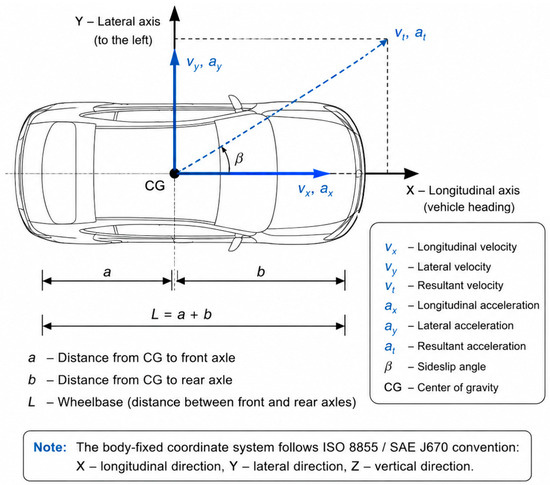
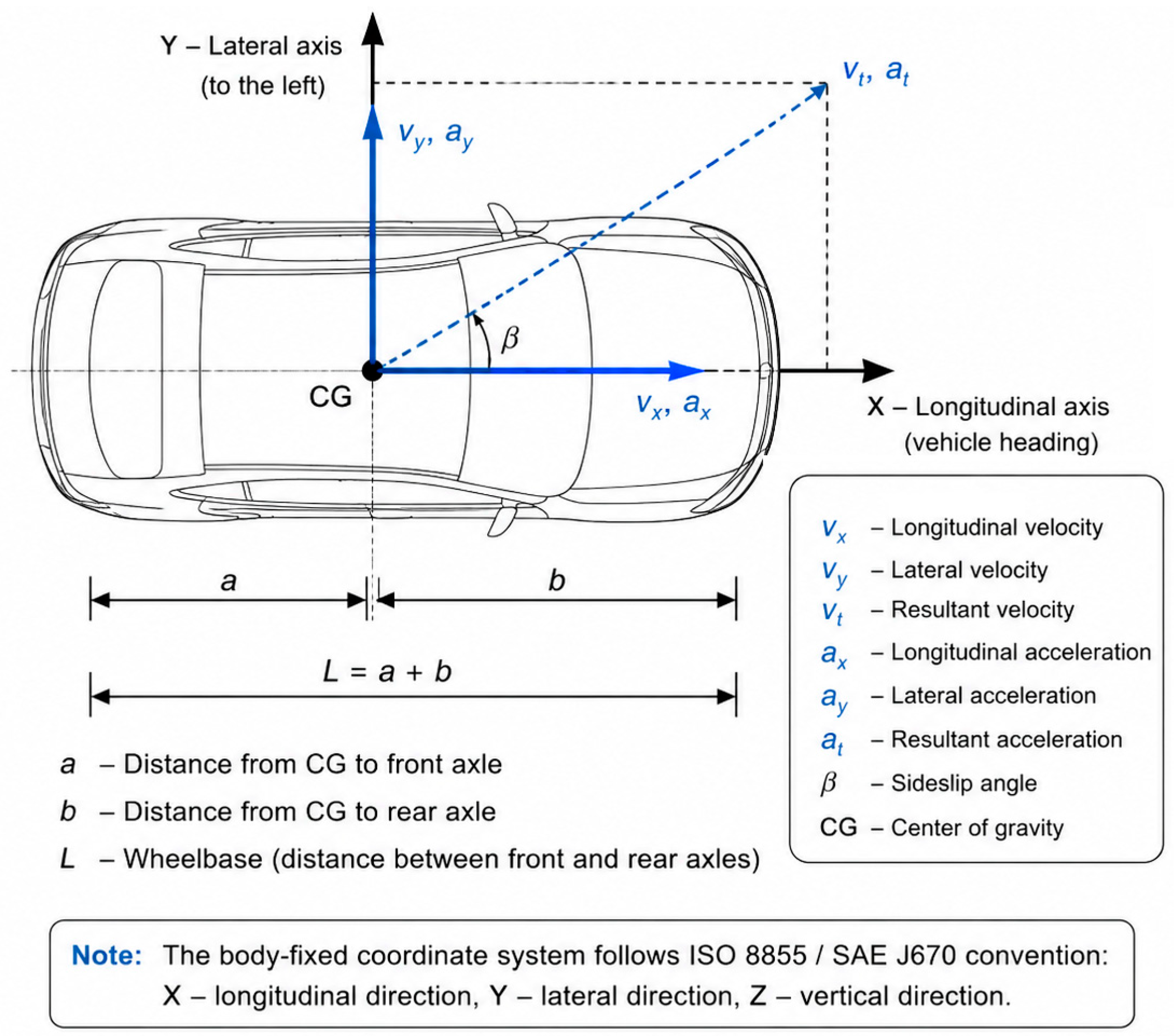
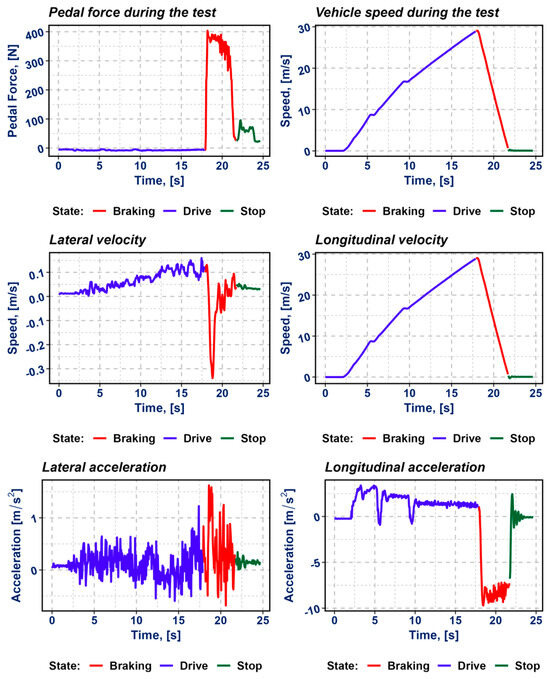
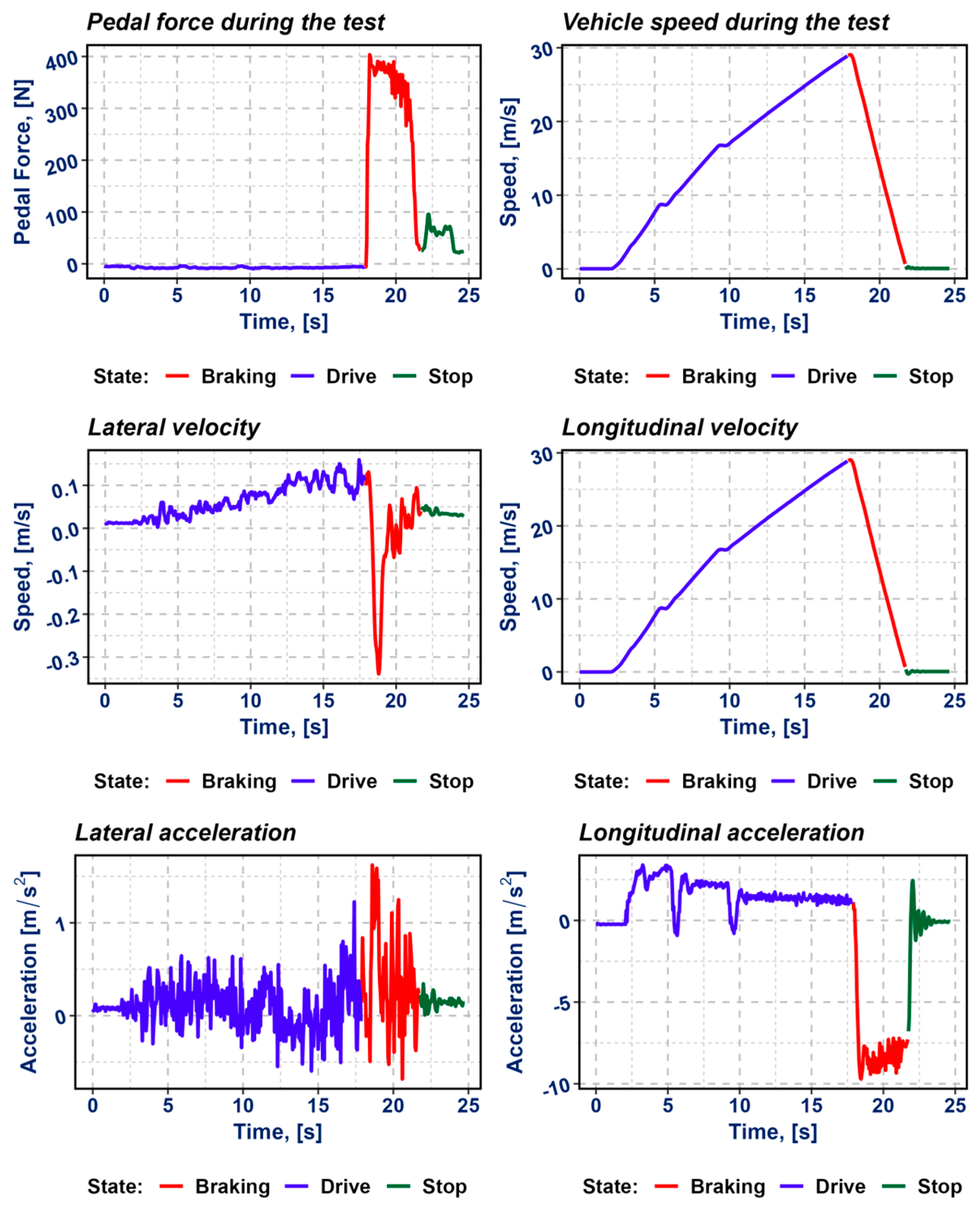
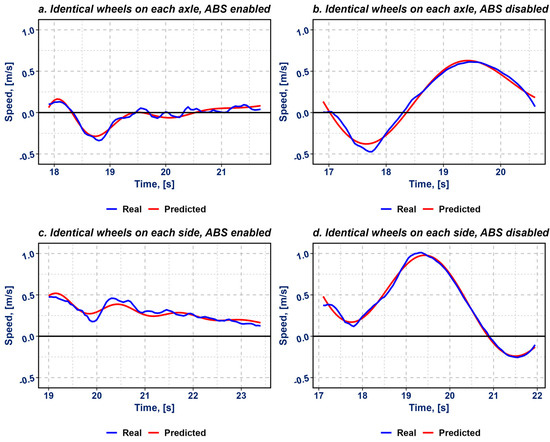
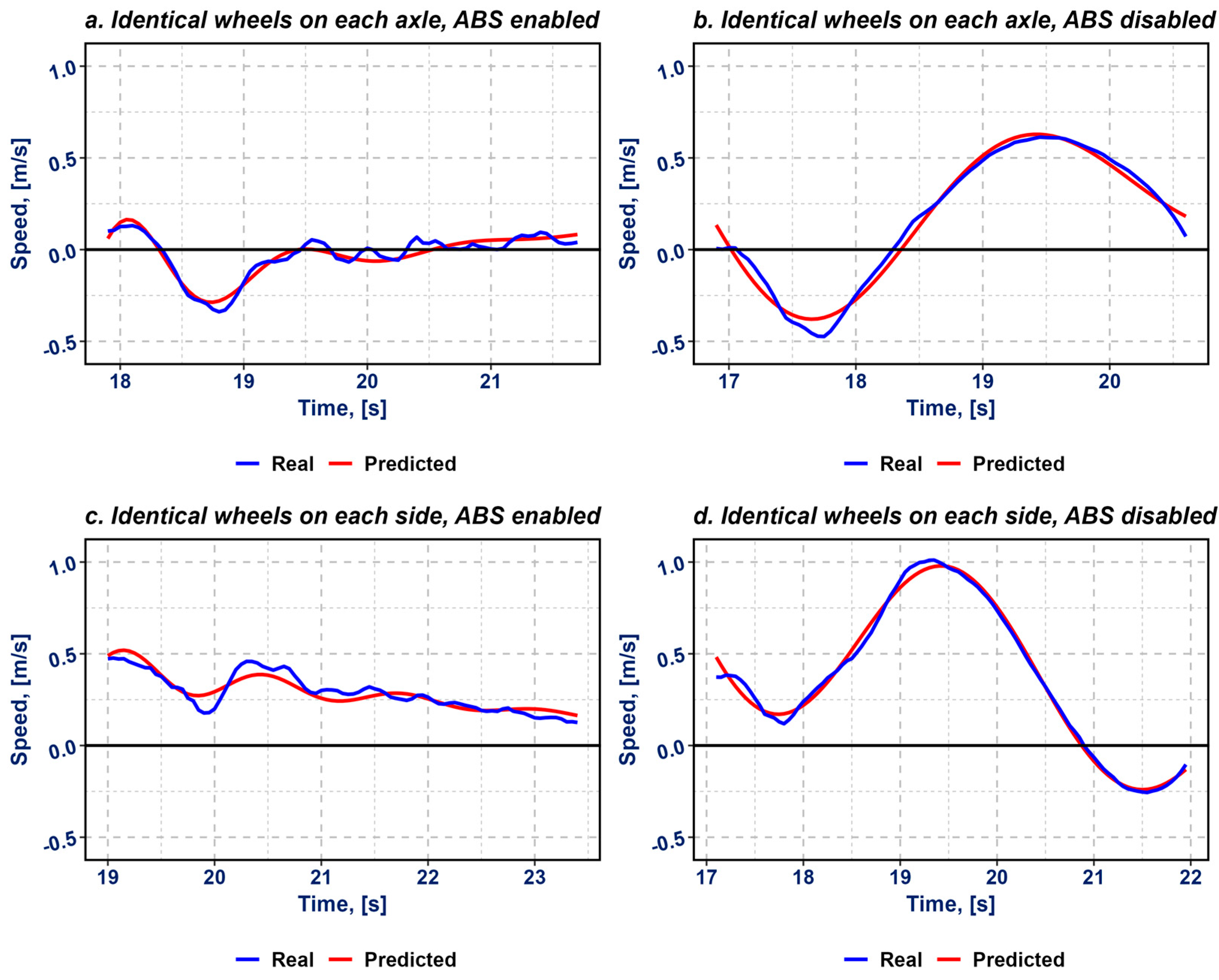
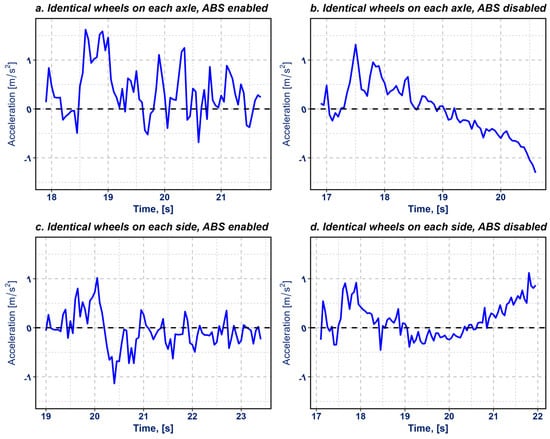
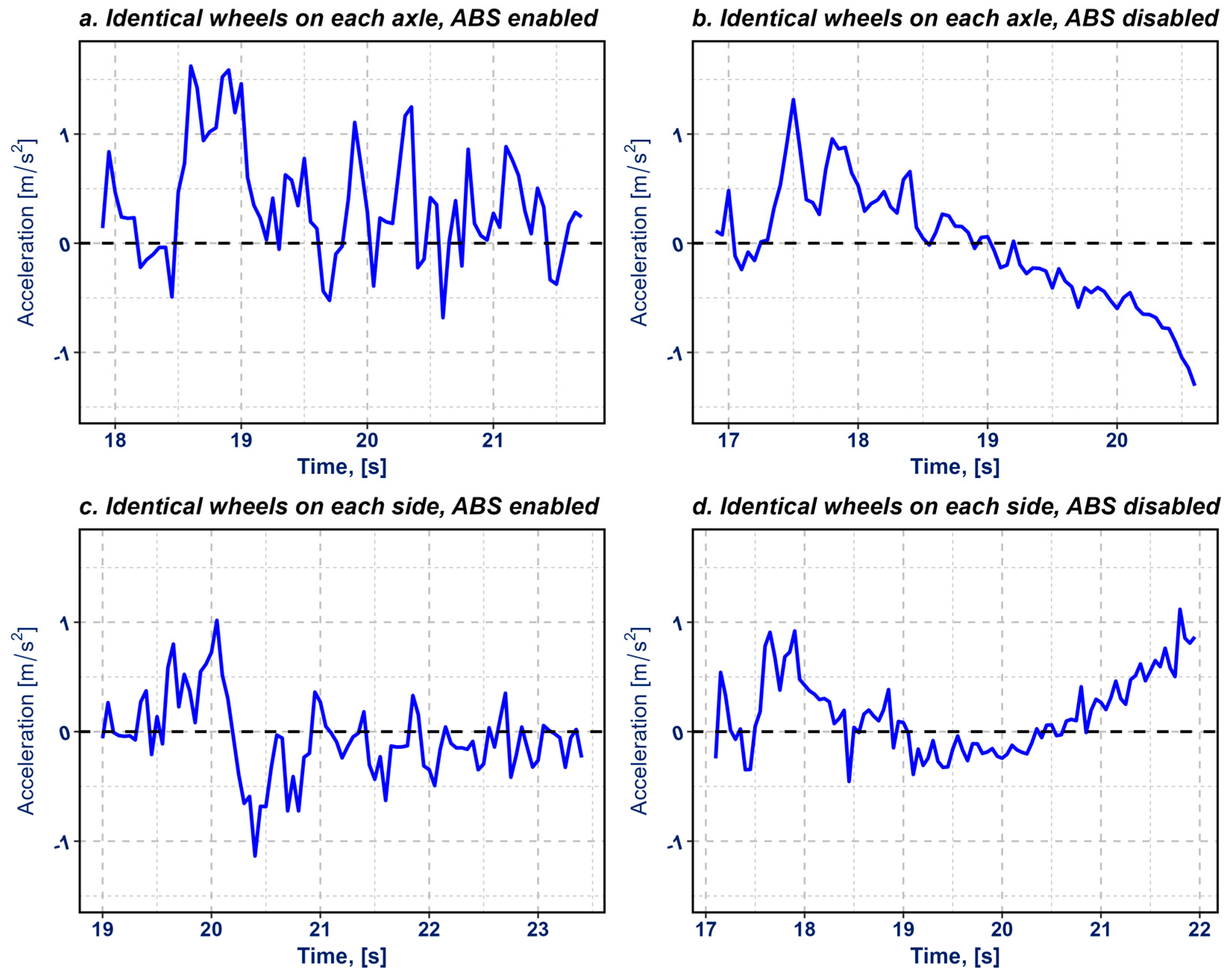

Disclaimer/Publisher’s Note: The statements, opinions and data contained in all publications are solely those of the individual author(s) and contributor(s) and not of MDPI and/or the editor(s). MDPI and/or the editor(s) disclaim responsibility for any injury to people or property resulting from any ideas, methods, instructions or products referred to in the content. |
© 2026 by the authors. Licensee MDPI, Basel, Switzerland. This article is an open access article distributed under the terms and conditions of the Creative Commons Attribution (CC BY) license.