


Abstract
This study evaluated the effect of evening primrose seed, cold-pressed oil, and defatted seed meal on the fatty acid composition, tocopherol content, physical properties, sensory acceptance, and oxidative stability of dark chocolate. Samples were prepared under controlled laboratory conditions with 2.5% or 5% of the tested ingredients and stored for 8 months. All ingredients introduced α-linolenic and γ-linolenic acids, and increased tocopherol content, with the strongest effect observed in the oil-fortified chocolate. After storage, moderate losses of tocopherols were detected, while oxidation indices confirmed acceptable oxidative stability of the fortified chocolates. Viscosity dependent on the type of added ingredient, with the oil-containing formulation showing the most favorable technological profile. Color parameters remained largely unchanged, except for the sample with added oil, and hardness was affected mainly by seed and meal additions. Sensory scores remained within the acceptable range for all samples (5–8.5 points on a 9-point hedonic scale). Overall, evening primrose ingredients can be successfully used as functional additives in dark chocolate. Among the tested formulations, evening primrose oil provided the greatest improvement in the lipid profile and maintained acceptable physical and sensory properties. However, the slightly greater changes observed in this formulation may be important when determining shelf life.
1. Introduction
Dietary lipids are no longer regarded merely as energy sources but as critical structural and regulatory modulators of human physiology. Beyond their roles in maintaining cell membrane integrity and supporting hormone synthesis, lipids also facilitate the bioavailability of fat-soluble vitamins (A, D, E, and K) [1,2]. In modern food science, the qualitative profile of fatty acids—particularly the ratio of omega-6 to omega-3 polyunsaturated fatty acids (PUFAs)—is considered a primary determinant of the functional value of food products [3,4,5]. While long-chain omega-3 PUFAs, such as eicosapentaenoic acid (EPA) and docosahexaenoic acid (DHA), are predominantly derived from marine sources [3,5], plant-based diets provide short-chain omega-3 PUFAs in the form of α-linolenic acid (ALA), which is found in flaxseeds, chia seeds, hemp seeds, and walnuts [6,7]. In parallel, omega-6 fatty acid, linoleic acid (LA), is abundant in plant matrices, including sunflower, soybean, and corn oils, as well as various nuts and seeds [8,9,10]. Although the health benefits of omega-3 PUFAs are well documented [3,5,7], certain omega-6 metabolite, such as γ-linolenic acid (GLA), has also attracted increasing interest. GLA is a biologically active omega-6 fatty acid that serves as a direct precursor of dihomo-γ-linolenic acid (DGLA), a source of anti-inflammatory eicosanoids [3,11]. In contrast to ALA, which undergoes limited and inefficient conversion to long-chain omega-3 PUFAs, GLA is more efficiently metabolized, leading to a more predictable formation of bioactive lipid mediators [3]. Consequently, GLA may complement omega-3 fatty acids in the modulation of inflammatory processes, particularly in diets with limited intake of marine-derived EPA and DHA [2,5,11]. Despite its biological relevance, GLA is present only in limited amounts in conventional diets, which poses challenges for its adequate dietary intake and highlights the need for suitable food-based delivery strategies [5,6,10]. A promising solution to this limitation is evening primrose (Oenothera biennis L.), which represents one of the few concentrated botanical sources of GLA [10,11,12]. Furthermore, the lipid fraction of evening primrose seeds is naturally rich in tocopherols, which act as potent endogenous antioxidants. From a technological perspective, these compounds contribute to oxidative stability within the food matrix, thereby protecting oxidation-sensitive PUFAs during processing and storage. Beyond their protective role in the product, tocopherols also function as biologically active vitamin E homologues. In the human body, they provide essential antioxidant protection by safeguarding cellular membranes against oxidative stress [9,13,14].
Dark chocolate has emerged as an attractive, albeit technologically complex, vehicle for the delivery of such bioactive compounds [15]. As a multiphase lipid matrix, its quality is strongly dependent on the polymorphic behavior of cocoa butter, particularly the maintenance of the stable form V crystal structure. However, the incorporation of exogenous lipids may significantly disrupt the triacylglycerol (TAG) network, thereby altering crystallization kinetics, melting behavior, and the characteristic “snap” of the final product [16,17,18]. Therefore, any fortification strategy must balance improved nutritional value with preservation of the desirable physical properties of chocolate [19].
Chocolate fortification has been widely investigated using diverse plant-derived materials to improve nutritional quality, including omega-3 PUFAs and antioxidant enrichment [15,19]. However, most previous studies have focused on isolated oils or extracts. Available research on functional chocolate products has predominantly examined the incorporation of individual bioactive ingredients, including Spirulina platensis, dabai, cocoa shell, encapsulated omega-3, cocoa and fruit polyphenol extracts, jackfruit flour, microalgal biomass, cocoa by-product extracts, essential oils, probiotic microcapsules, and psyllium mucilage. These studies demonstrate that such fortification strategies can modify antioxidant capacity, nutritional composition, sensory properties, volatile profiles, and physicochemical characteristics of chocolate-based products [20,21,22,23,24,25,26,27,28,29,30,31,32,33]. Nevertheless, these studies generally evaluate single fortifying agents or materials derived from different sources, and a comprehensive comparison of the technological potential of multiple seed-derived ingredients originating from the same botanical source within a chocolate matrix remains lacking. Evening primrose is a notable example: its oil is a recognized source of LA and GLA and provides tocopherols and other minor lipophilic constituents that may improve the lipid profile of enriched foods [11,34]. Moreover, the use of whole seeds or seed meal, obtained as a by-product of cold-pressing, enables the simultaneous incorporation of both lipid and non-lipid bioactive constituents [35,36], thereby enhancing formulation versatility and the functional potential of the chocolate product.
Several studies have investigated evening primrose oil in food emulsions, hydrogels, oleogels, and encapsulated oils; however, its application in chocolate has not yet been reported [37,38,39]. In contrast, previous studies have demonstrated the feasibility of incorporating microencapsulated fish oil and plant polyphenols into chocolate [40,41], confirming the technological viability of lipid-based bioactive fortification in such matrices. These findings suggest that the technological basis for such applications already exists, yet evening primrose oil has not been experimentally evaluated in chocolate products. To date, only one source has proposed this as a potential application, without experimental validation [42].
Therefore, this study evaluates the feasibility of incorporating different evening primrose derivatives (whole seeds, cold-pressed oil, and seed meal) into dark chocolate, with a particular focus on their distinct functional role. Unlike previous studies that primarily determined single incorporated ingredients (e.g., oils, extracts, or encapsulated bioactives), this work provides a systematic, within-source comparison of multiple fractions obtained from the same botanical material. This approach enables a more mechanistic understanding of how the matrix complexity influences their incorporation, stability, and functionality of bioactive compounds in chocolate. Specifically, the effects of these ingredients on fatty acid composition, tocopherol profile (including vitamin E activity), textural properties, fat quality, and consumer sensory acceptability were evaluated.
2. Materials and Methods
2.1. Chemicals
Chloroform, methanol, sulfuric acid, isopropanol, and zinc were purchased from Merck Life Science (Poznań, Poland). Chromatographic-grade n-hexane, tocopherol standards (α-, β-, γ-, and δ-tocopherol), and Supelco 37 Component FAME Mix were purchased from Sigma-Aldrich (Poznań, Poland). Helium (99.999% purity), used as the carrier gas for gas chromatography, was obtained from Eurogaz-Bombi (Olsztyn, Poland).
2.2. Experimental Materials and Chocolate Preparation
Dark chocolate samples were prepared in the laboratory using a commercial chocolate base consisting of 55–60% cocoa solids, 35–38% sugar, 0.4–0.5% soy lecithin as an emulsifier, and 0.1–0.2% natural vanilla flavor (Union Chocolate, Żychlin, Poland). According to the product nutrition declaration, 100 g of the chocolate base provided 2138 kJ (514 kcal), 34 g of fat (including 21 g of saturated fatty acids), 39 g of carbohydrates (of which 34 g were sugars), 7.6 g of protein and 0.01 g of salt. Production was conducted under controlled laboratory conditions (ambient temperature: 20–22 °C; relative humidity: 45–55%) to ensure process stability and minimize environmental variability. Chocolate mass was processed using a professional Le Pavoni Italia minitemperer (Suisio, Italy) following established β-V polymorph tempering protocol for dark chocolate: complete melting at 45 °C, controlled cooling to 27 °C to promote nucleation, reheating to 31 °C to develop stable seed crystals, and final molding at 29–30 °C. The tempered mass was poured into standardized silicone molds with dimensions of 155 mm × 75 mm × 7 mm (L × W × H), yielding samples of 100 ± 0.5 g each. This methodology ensured the formation of stable form V crystals (melting point 33–34 °C), uniform sample thickness of 5.0 ± 0.2 mm across all specimens, and excellent batch-to-batch reproducibility (n = 5 independent replicates per formulation variant). Post-molding, samples were allowed to crystallize fully for 24 h at 15–18 °C before demolding and subsequent analysis.
Evening primrose (Oenothera biennis L.) derivatives were sourced from Semco (Szamotuły, Poland), meeting food-grade standards. Materials included:
- whole seeds (S; seed size < 2 mm; moisture 7%);
- cold-pressed seed oil (O; peroxide value 0.5 mEq O2/kg);
- defatted seed meal (M), obtained by milling press cake (post oil extraction residue) using an A10 laboratory mill (IKA Labortechnik, Staufen, Baden-Württemberg, Germany) to achieve fine powder (particle size < 80 µm; moisture < 8%).
Additives were incorporated into the molten chocolate mass (45–50 °C) in predefined proportions corresponding to the experimental design during the chocolate processing stage under continuous mixing to ensure their uniform dispersion and homogeneous distribution within the chocolate matrix verified by visual uniformity.
The following chocolate variants were prepared for analysis:
- control (C)—base chocolate;
- chocolate with 5% evening primrose seeds (CS);
- chocolate with 2.5% evening primrose seed oil (CO);
- chocolate with 5% evening primrose seed meal (CM);
- chocolate with a combination of 2.5% evening primrose seeds and 2.5% evening primrose seed meal (CSM).
All chocolate samples were analyzed and stored at room temperature (20–24 °C) under dry and dark conditions corresponding to typical household storage. The same preparation and storage protocol was applied to all experimental batches to minimize variability and ensure reproducibility of the results.
2.3. Lipid Extraction
Chocolate samples were homogenized using a laboratory mortar, whereas evening primrose seeds were ground with a laboratory mill (A10, IKA Labortechnik, Staufen, Germany). Portions of 20 g of chocolate and 35 g of evening primrose seeds or defatted seed meal were accurately weighed using an analytical balance (PS 600/C/2, RADWAG, Radom, Poland). Each sample was prepared in triplicate.
Total lipids were extracted using a Soxhlet apparatus (FoodAlyt R 60, Omnilab-Laborzentrum, Bremen, Germany). Briefly, the weighed and homogenized materials were subjected to continuous extraction with n-hexane for 16 h. After extraction, the solvent was removed under reduced pressure using a rotary evaporator (R-210, BÜCHI Labortechnik AG, Flawil, Switzerland). The recovered lipid fraction was stored at 4 °C until further analysis.
2.4. Determination of Fatty Acid Composition
Fatty acid composition was determined using a modified direct methylation procedure described in the work of Mikołajczak et al. [8]. For each sample, one drop (~20 µL) of extracted lipids or evening primrose seed oil was placed into 5 mL glass ampoules. A freshly prepared methylation reagent (2 mL; chloroform:methanol:sulfuric acid, 100:100:1, v/v/v) was added. The ampoules were vortex-mixed, flame-sealed under a nitrogen atmosphere, and incubated at 70 ± 1 °C for 2 h in a thermostated block to obtain fatty acid methyl esters (FAMEs). Post-incubation, ampoules were cooled to room temperature and opened. Neutralization was performed by adding ~10 mg metallic zinc powder, followed by evaporation of solvents under a gentle nitrogen stream (40 °C). The dry FAME residue was dissolved in 2 mL n-hexane, vortexed (30 s), transferred to 2 mL Eppendorf tubes, and centrifuged (16,000× g, 10 min, 4 °C) using an Eppendorf 5417R refrigerated microcentrifuge (Eppendorf AG, Hamburg, Germany).
The clear supernatant was transferred to 1.5 mL chromatographic vials for GC–MS analysis using a Shimadzu GC–MS QP2010 PLUS system (Shimadzu Corporation, Kyoto, Japan) equipped with a BPX-70 capillary column (25 m × 0.22 mm i.d., 0.25 µm film thickness; SGE Analytical Science, Ringwood, VIC, Australia). Helium was employed as carrier gas at 1.3 mL/min (constant flow mode). Injector interface and ion source temperatures were maintained at 240 °C. The oven temperature program was initiated at 150 °C (held for 2 min) and was ramped at 5 °C/min to 250 °C (held for 5 min). FAMEs were identified by matching experimental mass spectra and retention times against standards (37 Component FAME Mix), with quantification performed using relative peak area normalization expressed as a percentage of total identified fatty acids (%TFA).
2.5. Determination of Tocopherol Content and Vitamin E Calculation
Tocopherol content was determined using the HPLC method described by Mikołajczak et al. [8]. Approximately 0.1 g of extracted lipids or evening primrose seed oil was weighed into 10 mL volumetric flasks, dissolved in n-hexane, and made up to volume with the same solvent. Solutions were transferred to 2 mL Eppendorf tubes and centrifuged at 16,000× g for 10 min at 4 °C using an Eppendorf 5417R refrigerated microcentrifuge (Eppendorf AG, Hamburg, Germany). Clear supernatants were collected in 1.5 mL glass vials and stored at 4 °C until analysis. Separation was performed using an Agilent 1200 Series HPLC system (Agilent Technologies, Santa Clara, CA, USA) with fluorescence detection and a LiChrospher Si 60 column (250 mm × 4 mm, 5 µm; Merck KGaA, Darmstadt, Germany). The mobile phase was 0.7% (v/v) isopropanol in n-hexane at a flow rate of 0.7 mL/min. Detection used excitation/emission wavelengths of 296/330 nm. Tocopherols were identified by comparing retention times with standards and quantified using external calibration curves. The repeatability for α-, γ-, and δ-tocopherol determinations (expressed as coefficients of variation) was 2.5%. The limits of quantification were 0.45, 0.4, and 0.2 μg/g, respectively, of sample, while the linearity of the calibration curve was confirmed in the range of 0.02–16 mg/L.
Vitamin E content was calculated as α-tocopherol equivalents (mg/100 g) based on the determined concentrations of individual tocopherols, according to the method described by Sabolová et al. [43]. The calculation was performed using Equation (1).
where α-tocopherol, β-tocopherol, γ-tocopherol, and δ-tocopherol represent the contents of the respective tocopherol homologues expressed in mg per 100 g of product.
Vitamin E = (1.0 × α-tocopherol) + (0.25 × β-tocopherol) + (0.25 × γ-tocopherol) + (0.01 × δ-tocopherol)
2.6. Measurement of Physical Properties
Chocolate hardness and color were evaluated as key physical properties. Hardness was determined using an Instron series 5942 universal testing machine (Instron Corp., Norwood, MA, USA), equipped with Bluehill 2 software, version 2.27.828 (Instron Corp., Norwood, MA, USA). A uniaxial compression test employed a flat-ended cylindrical probe (12.6 mm diameter) at a crosshead speed of 10 mm/min. Individual chocolate pieces (20 ± 0.5 g) were centrally positioned on the test platform and compressed to 50% deformation. Ten replicate measurements (n = 10) were performed per formulation, with hardness expressed as maximum force.
Viscosity of the chocolate mass was measured using a DV-II+ Pro rotational viscometer (Brookfield Engineering Laboratories, Inc., Middleboro, MA, USA). Approximately 20 g of each chocolate sample was heated to 50 °C until completely melted and homogenized. The melted chocolate mass was then transferred to the measurement vessel. Spindle No. 6 was attached to the viscometer, and the measurement conditions were set to 40 °C and 1000 rpm. After the sample reached the target temperature, the spindle was started, and the viscosity was recorded.
Color was determined by digital image analysis (DIA) using a CCD-based system equipped with a Nikon DXM-1200 color camera (Nikon Instruments, Melville, NY, USA) and a Kaiser RB 5004 HF High Frequency Daylight Copy Light set (4 × 36 W fluorescent light tubes; color temperature approximately 5400 K) (Kaiser Fototechnik GmbH & Co. KG, Buchen, Germany). Images were analyzed using LUCIA G software (Laboratory Universal Computer Image Analysis, version 4.8), and color parameters were expressed in the CIEL*a*b* color space. The total color difference (ΔE) between the control sample (C) and enriched chocolate samples (X) was calculated according to Equation (2) [44].
The L* parameter represented lightness, from the darkest black as L* = 0 to the brightest white as L* = 100. The a* parameter represented green/red color (negative/positive values), while the b* parameter represented blue/yellow color (negative/positive values). Measurements were performed in triplicate on the chocolate surface immediately after production, following the approach described by Hakonen et al. [44].
2.7. Sensory Acceptance Test
Consumer acceptance was evaluated using a 9-point hedonic scale, where 1 = “dislike extremely” and 9 = “like extremely”, following the procedure of Wichchukit and O’Mahony [45]. Panelists rated nine attributes: color, upper and lower surface appearance, texture (hardness and smoothness), snap, aroma, taste, melting behavior, and off-flavors. The test was conducted with 37 untrained panelists (19 men and 18 women, aged 18–43 years), recruited from an initial group of 64 regular chocolate consumers who expressed willingness to participate. Panelists were selected on the basis of their willingness to taste chocolate samples and their habitual consumption of dark chocolate. Individuals with self-reported allergies or intolerances to chocolate ingredients, as well as those with taste or smell impairments, were excluded. All panelists gave informed consent prior to participation, and the study was conducted in accordance with the applicable ethical requirements of the host institution.
Sensory evaluation was performed 5 weeks after production. Samples were served as approximately 10 g portions in odor-free plastic containers with lids and identified by random three-digit codes. Presentation order was randomized for each participant to minimize order and carry-over effects. Panelists evaluated the samples individually in separate sensory booths under controlled environmental conditions (temperature 20–22 °C, normalized lighting of 400–500 lux, daylight 5400 K). Between samples, panelists were provided with water and unsweetened crackers as palate cleansers, and 30 s interval was maintained between evaluations. Each panelist assessed all samples during a single session lasting approximately 20 min. Data were recorded immediately after evaluation and used for statistical analysis of mean hedonic scores and differences among samples.
2.8. Storage Test and Quality Changes
The chocolate samples were stored for 8 months at 18–20 °C in packaging designed to simulate typical commercial products. Three samples of each formulation were wrapped in aluminum foil and placed in cardboard boxes, which provided protection against light and reflected standard market packaging conditions. The storage test was conducted to evaluate changes in oxidative stability and bioactive compound retention during prolonged storage.
The oxidative stability of the chocolate samples was assessed by determining the acid value (AV), peroxide value (PV), p-anisidine value (p-AV), and Totox index (Totox). The acid value was determined according to ISO 660, the peroxide value according to ISO 3960, and the p-anisidine value according to ISO 6885. The Totox index was calculated using the following equation: Totox = 2PV + p-AV. These parameters were used to evaluate the primary and secondary oxidation products formed during storage.
The retention of bioactive compounds, including polyunsaturated fatty acids and tocopherols, was also monitored. The detailed procedures for fatty acid composition and tocopherol content determinations were described previously in Section 2.4 and Section 2.5, respectively. These analyses enabled the assessment of changes in the nutritionally valuable lipid fraction during storage and provided additional information on the stability of the fortified chocolate formulations.
2.9. Data Analysis
All statistical analyses were performed using Statistica 13.3 PL software (StatSoft, Kraków, Poland). Statistical significance was established at p ≤ 0.05. Prior to one-way ANOVA, the assumptions of normality and homogeneity of variance were verified. The Shapiro–Wilk test was used to assess normality, and Levene’s test was applied to check the homogeneity of variances. Differences between samples were determined using one-way ANOVA followed by Tukey’s post hoc test. For each ANOVA model, the F statistic, exact p-value, and eta squared (η2) were reported as measures of significance and effect size. Sensory data were also assessed for compliance with the assumptions of parametric analysis and, as these assumptions were satisfied, were analyzed using the same statistical procedure.
3. Results
3.1. Fatty Acid Composition and Tocopherol Content in Evening Primrose Ingredients
The fatty acid profiles of the additives used for chocolate fortification are presented in Table 1. In all analyzed materials, linoleic acid (LA; C18:2, omega-6) was the predominant fatty acid. Its content ranged from 74.96% in evening primrose oil (O) to 75.40% in evening primrose seeds (S) and 75.30% in evening primrose seed meal (M), confirming that LA accounted for approximately three-quarters of the total fatty acids in each additive.
Table 1.
Fatty acid composition (in %) of additives introduced into chocolates.
Palmitic acid (C16:0) and oleic acid (C18:1) were the next most abundant fatty acids in all additives, each contributing approximately 6–7% of total fatty acids. Palmitic acid content ranged from 6.08% (M) to 6.87% (O), whereas oleic acid varied from 6.69% (S) to 6.88% (O). No statistically significant differences were observed among the analyzed additives for these fatty acids (p > 0.05). Stearic acid (C18:0), by contrast, differed significantly between samples (p ≤ 0.05), with the highest content detected in S (1.79%), followed by O (1.74%), and the lowest level observed in M (1.58%). This pattern may indicate partial redistribution or loss of stearic acid during oil extraction and subsequent processing.
Minor fatty acids, including myristic (C14:0), palmitoleic (C16:1), margaric (C17:0), arachidic (C20:0), eicosenoic (C20:1), and behenic acids (C22:0), were detected in all additives at concentrations below 1%. Although these fatty acids represented only a small fraction of the total lipid profile, statistically significant differences among additives were observed for several of them, particularly arachidic, eicosenoic, and behenic acids, indicating matrix-dependent variation in long-chain fatty acid distribution.
The total proportion of polyunsaturated fatty acids (PUFAs), classified as essential fatty acids, exceeded 83% in all evaluated additives. The combined omega-6 fatty acid content, represented by LA and γ-linolenic acid (GLA; γ-C18:3), was highest in M (84.80%; 75.30% LA + 9.50% GLA), followed by S (84.44%; 75.40% LA + 9.04% GLA), whereas the lowest value was observed in O (83.39%; 74.96% LA + 8.43% GLA). The slightly lower omega-6 content in O may be attributed to selective extraction and fractionation of lipid components during pressing, which may influence the relative proportions of individual fatty acids. α-Linolenic acid (ALA, α-C18:3, omega-3) was detected at low levels in all additives. Its content was significantly higher in O (0.26%) than in S (0.14%) and M (0.15%) (p ≤ 0.05). Although the contribution of ALA to the total fatty acid pool was limited, these differences suggest that oil extraction may concentrate minor omega-3 fatty acids relative to the solid fractions.
The tocopherol profile further differentiated the analyzed fractions (Table 1). O contained the highest concentrations of α-, γ-, and δ-tocopherols, with γ-tocopherol identified as the dominant homologue. S also contained substantial levels of tocopherols, whereas M exhibited the lowest concentrations, which may be associated with partial removal of the lipid fraction during oil processing.
3.2. Lipophilic Compounds in Enriched Chocolates
3.2.1. Fatty Acid Composition
Minor fatty acids, including myristic (C14:0), palmitoleic (C16:1), margaric (C17:0), arachidic (C20:0), eicosenoic (C20:1), and behenic acids (C22:0), were detected at low levels, generally below 1% of total fatty acids. Eicosenoic acid (C20:1) was detected only in chocolates containing evening primrose oil (CO) or formulation including defatted seed meal (CM and CSM) and was absent in C and CS.
The fatty acid composition of the analyzed chocolates is presented in Table 2. All chocolate variants, including the control sample (C) and chocolates fortified with materials derived from evening primrose seeds (CS, CO, CM, and CSM), exhibited a fatty acid profile characteristic of cocoa butter. Stearic acid (C18:0) was the predominant fatty acid in all samples, accounting for 34.17–36.35% of total fatty acids. The highest proportion was observed in the control sample (36.35%), whereas the lowest value was recorded in CO (34.17%). Oleic acid (C18:1) was the second most abundant fatty acid, ranging from 32.25% (CO) to 33.78% (C), while palmitic acid (C16:0) accounted for 23.57–24.93% of total fatty acids, confirming the predominance of cocoa butter lipids across all formulations.
Table 2.
Fatty acid composition (in %) of the produced chocolates.
The incorporation of bioactive plant-derived materials resulted in statistically significant changes (p ≤ 0.05) in the content of polyunsaturated fatty acids. Linoleic acid (LA; C18:2, omega-6) increased markedly in all enriched chocolates compared with the control sample (3.19%). The highest LA content was observed in CO (7.57%), which differed significantly from all other variants. Lower, but still significantly elevated, LA levels were recorded in CS (4.82%), CSM (4.70%), and CM (4.04%). γ-Linolenic acid (GLA; γ-C18:3, omega-6) was not detected in the control chocolate but was present in all fortified variants. The highest GLA content was found in CO (0.52%), followed by CS (0.22%) and CSM (0.19%), whereas the lowest level among enriched samples was observed in CM (0.12%). α-Linolenic acid (ALA; α-C18:3, omega-3) was also not detected in the control sample but was present in all fortified chocolates, with values ranging from 0.12% (CSM) to 0.16% (CM). Comparable ALA levels were observed in CS and CO (0.14%).
Minor fatty acids, including myristic (C14:0), palmitoleic (C16:1), margaric (C17:0), arachidic (C20:0), eicosenoic (C20:1), and behenic acids (C22:0), were detected at low levels, generally below 1% of total fatty acids. Eicosenoic acid (C20:1) was detected in CO, CM, CSM and was absent in C and CS.
3.2.2. Tocopherol Content and Vitamin E Activity
Tocopherols (α-, β-, γ-, and δ-) were identified by comparison with authentic standards and quantified using external calibration curves. As shown in Table 3, γ-tocopherol was the predominant homologue in all chocolate samples (5.44–6.52 mg/100 g), which is consistent with the typical tocopherol pattern of cocoa-based matrices, where γ-tocopherol often constitutes the major fraction.
Table 3.
Content of tocopherols (in mg/100 g) and vitamin E activity (in mg/100 g) in the produced chocolates.
Fortification with evening primrose raw materials generally increased the tocopherol content compared with the control, although the magnitude of the effect depended on the type of additive. The highest γ-tocopherol level was observed in the CO (6.52 mg/100 g), and this value was significantly higher (p ≤ 0.05) than that of C (5.44 mg/100 g), indicating that lipid-phase enrichment was the most effective strategy for increasing this lipophilic antioxidant. A similar trend was observed for α-tocopherol: CO demonstrated the highest concentration (0.54 mg/100 g), whereas the remaining fortified variants exhibited intermediate values (0.47–0.48 mg/100 g) relative to the control (0.43 mg/100 g). These results suggest that the direct incorporation of the oil fraction promotes the transfer and retention of tocopherols in the chocolate fat phase, while seed- or meal-based additions may dilute or partially limit the availability of tocopherols due to the presence of non-lipid components and matrix interactions. In contrast, δ-tocopherol levels were low (0.04–0.08 mg/100 g) and did not differ significantly among samples (p > 0.05), implying that fortification primarily affected the major homologues rather than uniformly increasing all tocopherol forms.
Vitamin E content, expressed as α-tocopherol equivalents, differed significantly (p ≤ 0.05) among the analyzed chocolates (Table 3). The control sample (C) exhibited the lowest value (1.79 mg/100 g), whereas all fortified variants indicated higher vitamin E levels, confirming that the incorporation of formulation additives enhanced the cumulative tocopherol contribution to the lipid fraction.
The greatest increase was observed for CO (2.17 mg/100 g), which was significantly higher than all other samples (p ≤ 0.05). This result is consistent with the tocopherol profile (Table 3), where CO also contained the highest α- and γ-tocopherol concentrations. Because α-tocopherol has the highest biological activity in the α-tocopherol equivalent calculation, even relatively small increases in α-tocopherol can contribute disproportionately to the final vitamin E value, explaining the marked effect of the oil-based fortification.
CS (2.04 mg/100 g) and CSM (2.02 mg/100 g) formed an intermediate group, indicating that solid seed-derived fractions can also improve vitamin E activity, although less effectively than direct oil incorporation. CM (1.89 mg/100 g) presented the smallest increase relative to the control, which may be attributed to the lower contribution of the lipid fraction in this additive and a higher share of non-lipid components that dilute the fat phase on a product basis.
3.3. Physical Characteristics of Enriched Chocolates
3.3.1. Hardness
Instrumental hardness of the obtained chocolates is presented in Figure 1. The maximum compression force (Fmax) differed among formulations, indicating that the type of additive influenced the mechanical resistance of the chocolate matrix (p ≤ 0.05). C exhibited intermediate hardness (67.00 N), whereas CS demonstrated a slightly higher value (78.45 N), although without a clear separation into distinct statistical groups. The lowest hardness was recorded for CO (62.37 N), while CM (82.46 N) and CSM (86.90 N), exhibited the highest resistance to compression.
Figure 1.
Hardness of the produced chocolates. Data are expressed as mean ± SD (n = 10). Different letters (a–c) indicate significant differences among samples (one-way ANOVA followed by Tukey’s post hoc test, p ≤ 0.05). For the ANOVA, the F statistic, exact p-value, and eta squared (η2) were calculated and were as follows: F = 29.64, p < 0.001, η2 = 0.888.
3.3.2. Viscosity Parameters
Viscosity is strongly affected by fat content, particle size distribution, dispersed solids, particle surface area, and particle–particle interactions. Results of analysis (Figure 2) demonstrated that CO was the most technologically advantageous formulation, as it reduced viscosity from 5300 mPa·s in C to 4400 mPa·s. This decrease suggests improved flow behavior and may support easier processing and handling of the chocolate mass. In contrast, formulations containing solid plant fractions was associated with higher viscosity values, with 5400 mPa·s for CS, 5800 mPa·s for CM, and the highest value of 7000 mPa·s for CSM. The particularly high viscosity observed in CSM indicates that the combined incorporation of solid components may increase resistance to flow, likely associated with an increased volume fraction of suspended particles, which enhanced particle–particle interactions within the chocolate matrix.
Figure 2.
Viscosity of the produced chocolates. Data are expressed as mean ± SD (n = 10). Different letters (a–c) within the same row indicate significant differences among samples (one-way ANOVA followed by Tukey’s post hoc test, p ≤ 0.05). For the ANOVA, the F statistic, exact p-value, and eta squared (η2) were calculated and were as follows: F = 21.24, p < 0.001, η2 = 0.89.
3.3.3. Color Parameters
Instrumental color parameters of the chocolates are presented in Figure 3. No statistically significant differences (p > 0.05) were observed in lightness (L*) among the analyzed samples (49.79–52.02; all values marked “a”), indicating that the incorporation of formulation components did not measurably affect the overall brightness of the chocolate surface. Similarly, the a* coordinate (−3.94 to −2.59; all values marked “a”), representing the green–red axis, remained statistically unchanged, suggesting that formula changes did not affect the color tone toward either red or green hues.
Figure 3.
Color parameters of the produced chocolates. Data are expressed as mean ± SD (n = 10). Different letters on the plot (a,b) indicate significant differences among samples (one-way ANOVA followed by Tukey’s post hoc test, p ≤ 0.05). For the ANOVA, the F statistic, exact p-value, and eta squared (η2) were calculated for L* (F = 1.48, p = 0.287, η2 = 0.156), a* (F = 0.31, p = 0.865, η2 = 0.037), and b* (F = 1.61, p = 0.256, η2 = 0.166).
In contrast, more pronounced differences were observed for the b* coordinate, corresponding to the blue–yellow axis. CO exhibited the highest b* value (31.64), indicating a significantly greater yellow hue compared with C (28.50), CS (28.98), and CSM (28.69) (p ≤ 0.05). CM exhibited an intermediate b* value (30.09), which did not differ significantly from either CO or the samples with lower b* values (C, CS, and CSM).
3.4. Sensory Acceptance of Enriched Chocolates
The consumer acceptance results (Table 4) demonstrated that the type of evening primrose-derived additive significantly affected several sensory attributes, as indicated by differences in superscript letters (Tukey’s test, p ≤ 0.05).
Table 4.
Results of consumer sensory acceptance of the produced chocolates.
For color, the control chocolate received the highest consumer rating (8.4), scoring significantly higher than CO and CSM variants, which received the lowest scores (7.3 and 6.8, respectively). A similar trend was observed for upper surface appearance, where C (8.3) was rated more favorably than CO and CM, while CS and CSM received intermediate scores. This suggests that seed-based additions were visually more acceptable than formulations containing oil or seed meal alone. In contrast, bottom surface appearance was rated highest for CSM (8.5), which scored significantly higher than CO (7.5) and comparably to C (8.2), indicating that the combined seed–meal fraction did not negatively affect this attribute and may even have improved it.
Texture-related preferences were strongly dependent on formulation. Consumers assigned the highest scores for texture (hardness and smoothness) to CO (8.5), whereas CM received the lowest rating (6.5), indicating that the incorporation of seed meal alone reduced perceived texture quality. A similar pattern was observed for snap. CO (8.5) was clearly preferred and scored significantly higher than the control (6.7) and the meal-containing variants (CSM: 5.1 and CM: 5.6). These results suggest that oil addition was perceived as most compatible with the desired fracture characteristics of chocolate, whereas meal-containing formulations were less acceptable, likely due to structural changes affecting mouthfeel.
For aroma, no significant differences in hedonic scores were observed among the analyzed samples, indicating that fortification did not markedly influence aroma perception. In terms of taste, CO maintained a high level of sensory acceptability (7.7), whereas CS, CM, and particularly CSM received significantly lower ratings, with CSM evaluated least favorably (5.0). The perceived melting rate was rated more positively in the fortified chocolates (CO and CSM, 7.8; CS, 7.4) than in the control sample (6.1), suggesting improved melt perception in the enriched variants. Finally, the assessment of off-flavor perception clearly differentiated the samples: C and CO received the most favorable ratings, whereas CS and CM were less preferred, and CSM obtained the lowest score (4.4), indicating that the combination of seeds and meal increased the likelihood of undesirable flavor notes.
3.5. Oxidative Stability of Enriched Chocolates
The storage-induced changes in the AV and p-AV parameters indicate that the type of evening primrose-derived ingredient influenced the oxidative behavior of the chocolate matrix during storage (Table 5). AV values ranged from 1.50 to 3.66 mg KOH/g, while p-AV values ranged from 0.55 to 1.28. CM confirmed the highest AV value (3.66 mg KOH/g), whereas CSM and CS exhibited the highest p-AV values (1.28 and 1.25, respectively). CO also presented a higher p-AV value than the control (0.98 vs. 0.55). These differences may reflect not only the distinct lipid composition of the added ingredients, but also their interaction with the cocoa butter matrix. Evening primrose oil is particularly rich in polyunsaturated fatty acids, including linoleic and γ-linolenic acids, which are inherently more susceptible to oxidative degradation than saturated fatty acids. At the same time, the presence of tocopherols in the fortified chocolates may have partially limited lipid oxidation, since these compounds function as chain-breaking antioxidants in lipid-rich systems. This is also reflected in the relatively low PV values (1.25–1.68 mEq O2/kg) and Totox index values (3.05–4.61) after storage.
Table 5.
Oxidation-related parameters of chocolates after 8 months of storage.
3.6. Bioactive Compounds Retention in Stored Enriched Chocolates
As shown in Table 6, after storage, the fatty acid profile of the chocolate samples remained dominated by saturated fatty acids (SFA; 59.29–62.87%), mainly stearic (34.21–36.37%) and palmitic acids (23.61–24.94%), followed by monounsaturated fatty acids (MUFA; 33.18–34.02%), primarily oleic acid (32.83–33.80%), while PUFA accounted for the smallest fraction of total lipids (3.11–7.53%). In the control chocolate, only minor changes were observed after storage, with slight decreases in SFA, MUFA, and PUFA content, reaching 62.87%, 34.02%, and 3.11%, respectively. Similarly, CS displayed limited alterations in its fatty acid composition, with 61.70% SFA, 33.37% MUFA, and 4.93% PUFA. Among all formulations, CO exhibited the highest PUFA content both before and after storage, reaching 7.53% after storage. In this sample, PUFA decreased slightly after storage, whereas MUFA increased marginally to 33.18% and SFA changed only minimally, reaching 59.29%. CM also presented small shifts in fatty acid composition, with a slight decrease in PUFA to 4.23% and relatively stable SFA and MUFA levels of 62.25% and 33.52%, respectively. In contrast, CSM was characterized by a small increase in SFA and MUFA, reaching 61.54% and 33.73%, respectively, and a slight decline in PUFA to 4.73% after storage.
Table 6.
Fatty acid composition (%) of chocolates after 8 months of storage.
At the level of individual fatty acids, palmitic (23.61–24.94%), stearic (34.21–36.37%), and oleic acids (32.83–33.80%) remained the predominant components across all samples and were only minimally affected by storage. The most noticeable changes were observed for linoleic acid (3.11–6.98%) and, to a lesser extent, for minor PUFA fractions such as γ-linolenic (0.00–0.42%) and α-linolenic acids (0.00–0.15%). Overall, storage had a limited effect on the fatty acid profile of the chocolates.
The stored C exhibited the highest γ-tocopherol content (5.35 mg/100 g), followed by lower levels of α-tocopherol (0.44 mg/100 g) and trace amounts of δ-tocopherol (0.05 mg/100 g). Compared with C, CS contained higher δ-tocopherol (0.06 mg/100 g), γ-tocopherol (5.81 mg/100 g), and α-tocopherol (0.45 mg/100 g) contents (Table 7).
Table 7.
Content of tocopherols (mg/100 g) and vitamin E activity (mg/100 g) in chocolates after 8 months of storage.
After storage, CO had higher levels of α- and γ-tocopherols than the control (0.51 and 6.21 mg/100 g, respectively), and δ-tocopherol was also higher (0.07 mg/100 g), although the difference was not significant. CM was characterized by slightly higher α- and γ-tocopherol levels (0.46 and 5.47 mg/100 g, respectively), whereas δ-tocopherol decreased markedly (0.03 mg/100 g). In chocolate containing both evening primrose seeds and flour, γ-tocopherol and α-tocopherol were higher than in the control (5.49 and 0.50 mg/100 g, respectively), and δ-tocopherol was also elevated (0.07 mg/100 g).
Overall, storage resulted in a reduction of most tocopherols. Across all formulations, tocopherol levels decreased compared with chocolates analyzed immediately after production. After 8 months of storage, vitamin E content was characterized by the smallest deviation in chocolate with evening primrose seed flour (1.82 mg/100 g), while the largest decrease was observed in chocolates containing evening primrose seeds and seed flour (1.87 mg/100 g).
4. Discussion
The fatty acid composition of the evening primrose-derived ingredients differed markedly from that of cocoa butter, the principal lipid component of chocolate. Cocoa butter is dominated by saturated and monounsaturated fatty acids, mainly palmitic (C16:0), stearic (C18:0), and oleic acids (C18:1), which together account for more than 90% of total fatty acids and are responsible for its characteristic melting behavior and oxidative stability [16,17,18]. In contrast, evening primrose seed, oil, and meal were enriched in polyunsaturated fatty acids, with linoleic acid (LA) contributing approximately 75%, γ-linolenic acid (GLA) 8–10% and α-linolenic acid (ALA) 0.1–0.5% of total fatty acids. Because these fatty acids occur only in trace amounts in cocoa butter, their incorporation into chocolate increased the content of nutritionally desirable unsaturated lipids but also introduced a more oxidation-sensitive fraction.
The results show that the physical form of the ingredient affected the extent of lipid enrichment. Among the tested raw materials, the meal exhibited the highest combined omega-6 content, whereas the oil contained the highest proportion of ALA among the evening primrose ingredients. This indicates that seeds, oil, and meal can modify the fatty acid profile of chocolate in different ways, depending on the intended nutritional target. Notably, evening primrose oil is a recognized source of GLA, a bioactive fatty acid associated with inflammatory regulation and skin barrier function. Clinical studies have shown beneficial effects of evening primrose oil supplementation in atopic dermatitis, and these effects are mechanistically linked to conversion of γ-linolenic acid to dihomo-γ-linolenic acid (DGLA), a precursor of less pro-inflammatory eicosanoids [46]. Clinical evidence suggests that regular intake of evening primrose oil may induce measurable physiological effects, particularly in inflammatory skin disorders such as atopic dermatitis. A representative example is the randomized placebo-controlled trial by Senapati et al. [47], in which patients with atopic dermatitis received 500 mg capsules of evening primrose oil (8–10% GLA) for 5 months. In adults, the maximum dose corresponded to approximately 6 g oil/day (480–600 mg GLA/day). Clinical improvement was observed in 96% of patients receiving evening primrose oil compared with 32% in the placebo group, accompanied by significant reductions in pruritus, skin dryness, and lesion severity, without major adverse effects. Similarly, Chung et al. [48] reported that 4-month supplementation with evening primrose oil (approximately 320 mg GLA/day) significantly reduced Eczema Area and Severity Index scores, improved skin hydration, and decreased transepidermal water loss in patients with mild atopic dermatitis. These findings are mechanistically supported by the metabolic role of GLA, which is converted to dihomo-γ-linolenic acid (DGLA), a precursor of less pro-inflammatory eicosanoids compared with those derived from arachidonic acid. Accordingly, increased dietary intake of γ-linolenic acid may shift lipid mediator synthesis toward a less inflammatory profile. This is consistent with metabolic studies demonstrating increased DGLA levels in plasma phospholipids following supplementation with evening primrose oil [49,50]. Based on the measured fatty acid profile and total fat content, the oil-fortified chocolate in the present study supplied approximately 53 mg of GLA per 25 g serving. These levels remain markedly lower than the daily doses typically employed in clinical evening primrose oil interventions. Nevertheless, regular consumption may still contribute to sustained dietary intake and long-term modulation of inflammatory processes. This is particularly relevant given the growing market importance of GLA, with the global market valued at USD 197.2 million in 2025 and projected to reach USD 269.8 million by 2035 [51], highlighting the increasing demand for evidence-based bioactive lipids and the functional potential of evening primrose oil–enriched products. While chocolate provides a smaller amount than clinical supplementation, fortified chocolate may nonetheless offer a convenient vehicle for regular intake of these bioactive lipids.
At the same time, evening primrose oil was the most efficient carrier of both fatty acids and tocopherols, whereas seeds and meals contributed to residual oil and associated lipophilic compounds depending on the degree of oil removal. These findings are consistent with the detailed composition reported by Timoszuk et al. [11] and with the presence of tocopherols in evening primrose oil confirmed by Ogrodowska et al. [38]. The increase in α- and γ-tocopherol is relevant not only nutritionally, but also technologically, because tocopherols act as chain-breaking antioxidants in lipid systems. Therefore, the higher tocopherol content observed especially in the formulation with oil may improve the oxidative stability of the chocolate lipid phase during storage, although this effect should be considered together with the overall unsaturation level and the balance of pro-oxidants and antioxidants in the product [43,44].
The technological consequences of fortification were also formulation-dependent. Hardness decreased following oil addition but increased markedly in meal-containing chocolates, indicating that the physical form of the additive strongly influenced chocolate microstructure. This pattern is consistent with the central role of cocoa butter crystallization and polymorphism in determining chocolate texture, snap, gloss, and resistance to fat bloom. Even modest modifications of the fat phase may alter the balance between crystal network formation and structural lubrication. The oil-based formulation appears to have preserved a more favorable matrix organization, whereas meal-based variants likely introduced insoluble particles, fiber, proteins, and phenolic compounds that increased rigidity and reduced textural smoothness [16]. In practical terms, these findings suggest that nutritional enrichment can be achieved without substantial sensory deterioration only when the additive is structurally compatible with the chocolate matrix.
The observed changes in hardness may be explained by interactions between evening primrose ingredients and the cocoa butter crystal network. Cocoa butter polymorphism is fundamental to chocolate structure, as specific crystalline forms control snap, firmness, and melting behavior, while differences in triacylglycerol packing can influence the stability and compactness of the fat matrix. In this context, the oil formulation may have acted as a partial plasticizer, modifying the continuous fat phase and slightly disrupting crystal aggregation, which would account for the reduction in hardness. In contrast, meal-containing samples likely exhibited increased firmness because the fiber-rich solid fraction introduced additional particle–particle interactions, restricted matrix mobility, and interfered with the uniform development of the cocoa butter network. It should be noted, however, that these mechanistic interpretations are inferential: the present study did not directly characterize cocoa butter polymorphism or crystal network organization, and the proposed mechanisms therefore rely on previously published literature rather than on direct experimental confirmation. Thus, hardness was influenced not only by total lipid content but also by the extent to which each ingredient may have affected fat crystallization and the spatial organization of the chocolate microstructure [16,52,53].
Viscosity demonstrated a similar dependence on formulation architecture. Chocolate flow behavior is governed by fat content, particle size distribution, particle morphology, surface area, and interparticle interactions. Fat acts as a lubricant, lowering friction within the dispersed system; consequently, even small changes in the composition of the lipid phase can substantially influence viscosity. This is particularly relevant for evening primrose oil, which is rich in linoleic and γ-linolenic acids and contains minor bioactive compounds such as tocopherols and phytosterols, making it both a nutritional ingredient and a modulator of the continuous fat phase [14]. In contrast, solid ingredients such as seed flour can increase the effective volume fraction of dispersed particles and intensify particle–particle interactions, thereby raising resistance to flow. The present findings therefore reflect a balance between lubrication by the oil fraction and thickening effects associated with solid particulate additions. This interpretation is consistent with broader chocolate rheology studies showing that fat level and particle-scale interactions are among the dominant determinants of viscosity [52,54].
Color changes were comparatively modest, which is technologically important because the visual appearance of chocolate strongly influences consumer acceptance. The limited effect of fortification suggests that the formulations retained the characteristic dark chocolate profile, despite the introduction of plant-derived ingredients. This outcome is in line with reports showing that color responses depend primarily on the type, concentration, and physical form of the added ingredient, with oil-based additions generally producing smaller changes than particulate materials. For example, in chocolate spread fortified with jackfruit flour and red palm olein, changes in L*, a*, and b* values were reported, although the product retained its characteristic dark color profile [25]. Similarly, dark chocolate enriched with microencapsulated fish oil exhibited increased lightness and redness, with more pronounced color differences observed at higher enrichment levels [40]. In white chocolate containing Cinnamomum burmannii essential oil, color was identified as an important quality attribute, and low-level essential oil addition did not result in substantial color changes [30]. In a market context, this is an important advantage, because it indicates that nutritional enhancement can be achieved without compromising the expected appearance of chocolate [20,21,54].
Sensory data further confirmed the superior compatibility of the oil-based formulation. CO exhibited the most favorable hedonic response, as reflected in higher texture and snap scores, greater taste acceptability, and lower perception of off-flavors. In contrast, chocolates containing meal, particularly formulations combining seeds and meal, were less preferred, probably due to the higher proportion of insoluble particles and their associated structural and flavor-related effects. These differences may be attributed to the distinct technological roles of oil and meal fractions within the chocolate matrix. Cocoa butter crystallization and polymorphic behavior are known to determine key sensory attributes of chocolate, including texture, snap, gloss, melting behavior, and resistance to fat bloom [16,17]. Consequently, reformulation involving modification of the fat phase or partial replacement of cocoa butter may influence the structural and sensory properties of chocolate [18]. In the present study, the CO formulation appeared to maintain a more advantageous balance between functional enrichment and sensory quality, whereas the incorporation of meal-based ingredients may have introduced insoluble particles, fiber, protein, or phenolic compounds that negatively affected smoothness, taste, and off-flavor perception. The sensory findings are therefore consistent with these microstructural effects. Samples enriched with evening primrose oil were generally better accepted, likely because the oil preserved a more homogeneous fat phase, thereby supporting smoother texture, more regular snap, and a less disruptive mouthfeel. Conversely, the lower preference for meal-containing formulations may be explained by the presence of insoluble fiber, proteins, and other particulate components, which can increase roughness, reduce smoothness, and decrease matrix uniformity during fracture and oral processing. Since sensory perception in chocolate is closely associated with cocoa butter crystallization, particle distribution, and the balance between the solid structure and lubricating fat phase, the reduced scores observed for meal-based samples are consistent with a more rigid and less refined microstructure. Overall, these results indicate that the physical form of the fortifying ingredient is a critical determinant of whether nutritional enrichment can be achieved without compromising sensory quality [52,54,55]. However, these sensory results should be interpreted as exploratory, as the evaluation was conducted with a relatively small panel of untrained assessors, which limits the generalizability of the findings.
These findings are consistent with previous reports showing that functional chocolate fortification may improve nutritional and antioxidant properties, but its sensory success depends strongly on the type, concentration, and physicochemical characteristics of the added ingredient. Reviews on chocolate fortification emphasize that plant-derived ingredients may enhance the functional value of chocolate; however, their effects on rheology, texture, shelf life, flavor, and consumer acceptance require careful optimization [15,33]. Similar trends have been reported for other fortified chocolate products. For example, dark chocolate with Spirulina platensis was generally well accepted by consumers, although the non-fortified control received higher scores for flavor and aroma [20]. High levels of dabai oleoresin reduced flavor, aroma, and overall acceptability of cocoa bars [21], whereas jackfruit flour-fortified chocolate spread reflected favorable sensory potential, particularly at a 10% inclusion level, with high scores for aroma, taste, and texture [25]. Other studies investigating plant sterol-enriched dark chocolate, cocoa shell, omega-3 nanocapsules, cocoa and cherry polyphenol extracts, single-origin chocolates, phenolic-rich cocoa powder, microalgae, cocoa by-product extracts, cinnamon essential oil, probiotics, and psyllium mucilage have primarily focused on bioactive composition, antioxidant capacity, volatile profile, texture, or technological quality rather than comprehensive consumer acceptance [19,22,23,24,26,27,28,29,30,31,32].
The storage results show that the fortified chocolates remained relatively stable, although formulation-specific differences were evident. Acid value, peroxide value, anisidine value, and Totox index changed only moderately, indicating that the cocoa butter matrix retained a substantial protective effect during storage. The higher unsaturation of the evening primrose lipids likely increased susceptibility to oxidation, yet the overall accumulation of primary oxidation products remained limited, as reflected by the low peroxide values. The rise in anisidine and Totox values in some samples indicates that secondary oxidation products were formed, but not to an extent that would suggest major quality loss [43,44]. In this respect, the oil-enriched chocolate again offered the best compromise between enrichment and stability, probably because the added oil was more compatible with the lipid phase of chocolate than the particulate ingredients [52,54].
The retention of tocopherols followed a similar pattern. Chocolate enriched with evening primrose oil maintained the highest tocopherol content, which can be attributed to the intrinsic tocopherol richness of the oil and its more efficient incorporation into the chocolate lipid phase. Seed- and meal-containing samples evidenced lower retention, likely because tocopherol accessibility was reduced by the more heterogeneous matrix structure and by interactions with fiber- and protein-rich components. Since tocopherols are chain-breaking antioxidants, their persistence during storage is relevant not only nutritionally, but also for the protection of unsaturated lipids against oxidative degradation [43,44]. Even though the losses observed over 8 months were modest, they confirm that storage conditions still exerted a measurable effect on the bioactive fraction. This makes additive form a key determinant of both bioactive retention and shelf-life performance in functional chocolate.
Taken together, the data show that the form of evening primrose ingredient is the primary driver of product performance. Oil provided the most efficient enrichment in unsaturated fatty acids and tocopherols, while also preserving favorable rheological, sensory, and storage characteristics. Seed meal and other solid fractions altered the matrix more strongly, which may be useful when higher structural firmness is desired, but is less advantageous when smooth texture, flowability, and hedonic acceptance are priorities. The broader implication is that functional chocolate design should not focus on bioactive content alone; the physical form of the fortifying ingredient is equally critical for determining whether nutritional enhancement can be translated into a product with acceptable technological and sensory quality.
Taken together, the data indicate that the form of the evening primrose ingredient is the primary determinant of product performance. Oil enabled the most efficient enrichment in unsaturated fatty acids and tocopherols while maintaining favorable rheological, sensory, and storage properties. In contrast, seed meal and other solid fractions induced more pronounced changes in the matrix, which may be advantageous when increased structural firmness is desired, but less suitable when smooth texture, flowability, and consumer acceptance are key. These findings highlight that functional chocolate design should not focus solely on bioactive composition; the physical form of the fortifying ingredient is equally critical in determining whether nutritional enhancement translates into acceptable technological and sensory quality. However, the present study did not directly assess structural and thermal properties of the fortified chocolates, limiting mechanistic interpretation. Future work should therefore include Differential Scanning Calorimetry (DSC), X-ray Diffraction (XRD), and melting profile analyses to elucidate phase behavior and microstructural changes associated with different ingredient forms.
5. Conclusions
The present findings provide analytical, technological, and sensory evidence supporting the use of evening primrose-derived ingredients (seeds, oil, and defatted seed meal) as sources of polyunsaturated fatty acids (PUFAs) and tocopherols in dark chocolate fortification. Their incorporation increased total PUFA content by 1–5 percentage points and total tocopherol levels by 5–20%, depending on the formulation relative to the control sample. The most pronounced compositional changes were observed following the addition of 2.5% evening primrose oil, whereas the least pronounced enrichment in bioactive lipid constituents was observed in chocolate containing 5% defatted seed meal. Notably, all tested evening primrose-derived materials introduced γ-linolenic acid (GLA; an omega-6 fatty acid) and α-linolenic acid (ALA; an omega-3 fatty acid), neither of which was detected in the control chocolate. The highest GLA content was observed in oil-enriched chocolate, reaching up to 0.5 percentage points, whereas ALA reached up to 0.16 percentage points in formulations containing defatted seed meal.
Although these changes may appear quantitatively modest, their nutritional relevance depends on realistic chocolate consumption patterns. Assuming a daily consumption of 10–20 g of dark chocolate (approximately one to two small squares), the enriched formulations could contribute an additional 21–42 mg of GLA and 0.7–1.3 mg of ALA per day. While this represents a meaningful addition to dietary intake of omega fatty acids, it is unlikely to fully meet recommended daily intakes for ALA (approximately 1.1–1.6 g/day for adults) or GLA (which has no established reference intake). Therefore, fortified chocolate should be viewed as a complementary source of these bioactive fatty acids rather than as a primary dietary supplier.
The observed increases in GLA and ALA are nutritionally relevant at a qualitative level, as they introduce fatty acids that are not naturally present in the control matrix and improve the lipid profile of fortified chocolate. However, health claims supporting specific benefits would require more substantial intake levels and additional evidence from clinical studies. Furthermore, fortification levels would need to comply with regulatory thresholds for omega fatty acid claims under relevant food labeling regulations (e.g., EU Regulation No 1924/2006 on nutrition and health claims), which typically require a minimum content of omega-3 fatty acids to support claims such as “source of omega-3.” The formulations tested in this study may approach or meet such thresholds depending on the specific regulatory context, but this requires further verification.
From a technological perspective, the applied fortification strategy did not substantially impair the visual quality of the chocolates. The color coordinates L* and a* remained largely unchanged across formulations, whereas only a moderate increase in b* values (yellowness) was observed in oil-enriched chocolate. More pronounced differences were identified in textural properties. The addition of evening primrose oil slightly reduced chocolate hardness, whereas formulations containing defatted seed meal exhibited increased firmness. These instrumental observations were reflected in consumer responses. Among the tested variants, chocolate enriched with evening primrose oil confirmed the most favorable balance between nutritional improvement and sensory acceptance, particularly with respect to texture and taste. In contrast, formulations containing seeds and defatted seed meal, especially the seed–meal combination, received lower taste scores and were more frequently associated with perceived off-flavor. These findings indicate that the selection of the evening primrose-derived ingredient is critical not only for nutritional enhancement but also for maintaining desirable sensory and technological attributes.
In summary, evening primrose seeds and their processing derivatives represent promising functional ingredients for the development of nutritionally enhanced dark chocolate. Their application supports sustainable and clean-label fortification strategies aimed at producing confectionery products with improved PUFA and vitamin E content. Among the tested variants, evening primrose oil proved to be the most promising functional additive, providing the most advantageous combination of bioactive lipid enrichment and consumer acceptability. Further optimization of formulations containing defatted seed meal is recommended to reduce sensory limitations and improve overall product acceptance. Future work should include clinical studies and regulatory assessment to determine whether health claims can be substantiated for these enriched chocolate formulations.
Author Contributions
Conceptualization, P.T. and M.T.; methodology, P.T. and M.T.; software, M.T.; validation, P.T. and M.T.; formal analysis, P.T. and M.T.; investigation, P.T. and M.T.; resources, P.T.; data curation, P.T. and M.T.; writing—original draft preparation, P.T. and M.T.; writing—review and editing, M.T.; visualization, P.T. and M.T.; and supervision, M.T.; project administration, P.T.; funding acquisition, P.T. and M.T. All authors have read and agreed to the published version of the manuscript.
Funding
This research received no external funding.
Institutional Review Board Statement
Use, under the applicable national regulations, sensory evaluation of food products by adult volunteers does not require approval from an ethics committee. Participation in the sensory evaluation was voluntary. All participants provided informed consent prior to participation and were informed that they could withdraw from the study at any time without providing a reason or experiencing any negative consequences. The study posed no more than minimal risk to the participants.
Informed Consent Statement
Not applicable.
Data Availability Statement
The original contributions in this study are included in the article. Further inquiries can be directed to the corresponding author.
Conflicts of Interest
The authors declare no conflicts of interest.
References
- Youness, R.A.; Kassem, H.; Awad, A.R.; Ghallab, H.; Farid, A.M.; Hamza, A.H. Fat-soluble vitamins: Updated review. Nutr. Metab. 2022, 19, 83. [Google Scholar] [CrossRef] [Scilit] [PubMed]
- Krajewska, M.; Zdybel, B.; Andrejko, D.; Śląska-Grzywna, B.; Tańska, M. Właściwości chemiczne wybranych olejów tłoczonych na zimno. Acta Agrophys. 2017, 24, 579–590. (In Polish). Available online: https://agro.icm.edu.pl/agro/element/bwmeta1.element.agro-a2db1613-a3ec-4839-8cd4-63a4dce7d9c7/c/AA24_4_579-590.pdf (accessed on 14 February 2026).
- Djuricic, I.; Calder, P.C. Beneficial outcomes of omega-6 and omega-3 polyunsaturated fatty acids on human health: An update for 2021. Nutrients 2021, 13, 2421. [Google Scholar] [CrossRef] [Scilit] [PubMed]
- Simopoulos, A.P. An increase in the omega-6/omega-3 fatty acid ratio increases the risk for obesity. Nutrients 2016, 8, 128. [Google Scholar] [CrossRef] [Scilit] [PubMed]
- Schmitz, G.; Ecker, J. The opposing effects of n−3 and n−6 fatty acids. Prog. Lipid Res. 2008, 47, 147–155. [Google Scholar] [CrossRef] [Scilit] [PubMed]
- Tańska, M.; Roszkowska, B.; Skrajda, M.; Dąbrowski, G. Commercial cold pressed flaxseed oils quality and oxidative stability at the beginning and the end of their shelf life. J. Oleo Sci. 2016, 65, 111–121. [Google Scholar] [CrossRef] [Scilit] [PubMed]
- Rajaram, S. Health benefits of plant-derived α-linolenic acid. Am. J. Clin. Nutr. 2014, 100, 443S–448S. [Google Scholar] [CrossRef] [Scilit] [PubMed]
- Mikołajczak, N.; Tańska, M.; Ogrodowska, D.; Czaplicki, S. Efficacy of canolol and guaiacol in the protection of cold-pressed oils being a dietary source linoleic acid against oxidative deterioration. Food Chem. 2022, 393, 133390. [Google Scholar] [CrossRef] [Scilit] [PubMed]
- Rabiej-Kozioł, D.; Momot-Ruppert, M.; Stawicka, B.; Szydłowska-Czerniak, A. Health benefits, antioxidant activity, and sensory attributes of selected cold-pressed oils. Molecules 2023, 28, 5484. [Google Scholar] [CrossRef] [Scilit] [PubMed]
- Petersen, K.S.; Maki, K.C.; Calder, P.C.; Belury, M.A.; Messina, M.; Kirkpatrick, C.F.; Harris, W.S. Perspective on the health effects of unsaturated fatty acids and commonly consumed plant oils high in unsaturated fat. Br. J. Nutr. 2024, 132, 1039–1050. [Google Scholar] [CrossRef] [Scilit] [PubMed]
- Timoszuk, M.; Bielawska, K.; Skrzydlewska, E. Evening primrose (Oenothera biennis) biological activity dependent on chemical composition. Antioxidants 2018, 7, 108. [Google Scholar] [CrossRef] [Scilit] [PubMed]
- Chung, S.; Kong, S.; Seong, K.; Cho, Y. Gamma-linolenic acid in borage oil reverses epidermal hyperproliferation in Guinea pigs. J. Nutr. 2002, 132, 3090–3097. [Google Scholar] [CrossRef] [Scilit] [PubMed]
- Min, Y.R.; Yoon, H.W.; Kim, J.H.; Jang, H.W. A study on the composition and physiological activation function of evening primrose oil. Korean J. Food Sci. Technol. 2023, 55, 315–321. [Google Scholar] [CrossRef] [Scilit]
- Farag, M.A.; Reda, A.; Nabil, M.; Elimam, D.M.; Zayed, A. Evening primrose oil: A comprehensive review of its bioactives, extraction, analysis, oil quality, therapeutic merits, and safety. Food Funct. 2023, 14, 8049–8070. [Google Scholar] [CrossRef] [Scilit] [PubMed]
- Abedini, A.; Dakhili, S.; Bazzaz, S.; Kamaladdin Moghaddam, S.; Mahmoudzadeh, M.; Andishmand, H. Fortification of chocolates with high-value-added plant-based substances: Recent trends, current challenges, and future prospects. Food Sci. Nutr. 2023, 11, 3686–3705. [Google Scholar] [CrossRef] [Scilit] [PubMed]
- Ghazani, S.M.; Marangoni, A.G. Molecular origins of polymorphism in cocoa butter. Annu. Rev. Food Sci. Technol. 2021, 12, 567–590. [Google Scholar] [CrossRef] [Scilit] [PubMed]
- Loisel, C.; Keller, G.; Lecq, G.; Bourgaux, C.; Ollivon, M. Phase transitions and polymorphism of cocoa butter. J. Am. Oil Chem. Soc. 1998, 75, 425–439. [Google Scholar] [CrossRef] [Scilit]
- Kjh Ewens, H.; Metilli, L.; Simone, E. Analysis of the effect of recent reformulation strategies on the crystallization behaviour of cocoa butter and the structural properties of chocolate. Curr. Res. Food Sci. 2021, 4, 105–114. [Google Scholar] [CrossRef] [Scilit] [PubMed]
- Topka, P.; Rudzińska, M.; Poliński, S.; Szydłowska-Czerniak, A.; Tańska, M. Enhancing antioxidant activity and nutritional profile of dark chocolate through enrichment with plant sterols: A study on phytosterol concentrations and functional properties. Foods 2024, 13, 3578. [Google Scholar] [CrossRef] [Scilit] [PubMed]
- Asti, G.K.; Ekantari, N. Consumer preferences for dark chocolate products fortified with Spirulina platensis using analytical hierarchy process method. E3S Web Conf. 2020, 147, 03021. [Google Scholar] [CrossRef] [Scilit]
- Azlan, A.; Khoo, H.E.; Shapie, W.K.; Abdul Kadir, N.A.A.; Sultana, S. Nutritional quality and sensory evaluation of dabai-fortified cocoa bar. Int. J. Food Prop. 2020, 23, 1324–1336. [Google Scholar] [CrossRef] [Scilit]
- Barišić, V.; Stokanović, M.C.; Flanjak, I.; Doko, K.; Jozinović, A.; Babić, J.; Šubarić, D.; Miličević, B.; Cindrić, I.; Ačkar, Đ. Cocoa shell as a step forward to functional chocolates—Bioactive components in chocolates with different composition. Molecules 2020, 25, 5470. [Google Scholar] [CrossRef] [Scilit] [PubMed]
- da Costa Vieira, M.; Bakof, K.K.; Schuch, N.J.; Skupien, J.A.; Boeck, C.R. The benefits of omega-3 fatty acid nanoencapsulation for the enrichment of food products: A review. Rev. Nutr. 2020, 33, e190165. [Google Scholar] [CrossRef] [Scilit]
- Felice, F.; Fabiano, A.; de Leo, M.; Piras, A.M.; Beconcini, D.; Cesare, M.M.; Braca, A.; Zambito, Y.; Di Stefano, R. Antioxidant effect of cocoa by-product and cherry polyphenol extracts: A comparative study. Antioxidants 2020, 9, 132. [Google Scholar] [CrossRef] [Scilit] [PubMed]
- Nur Fitriani, U.A.; Muhammad, Y.; Pirman, P.; Syahriati, S.; Rahmiah, S. Physicochemical, antioxidant and sensory properties of chocolate spread fortified with jackfruit (Artocarpus heterophyllus) flour. Food Res. 2020, 4, 2147–2155. [Google Scholar] [CrossRef] [Scilit] [PubMed]
- Godočiková, L.; Ivanišová, E.; Zagula, G.; Noguera-Artiaga, L.; Carbonell-Barrachina, A.A.; Kowalczewski, P.Ł.; Kačániová, M.M. Antioxidant activities and volatile flavor components of selected single-origin and blend chocolates. Molecules 2020, 25, 3648. [Google Scholar] [CrossRef] [Scilit] [PubMed]
- González-Barrio, R.; Nuñez-Gomez, V.; Cienfuegos-Jovellanos, E.; García-Alonso, J.; Periago, M.J. Improvement of the flavanol profile and the antioxidant capacity of chocolate using a phenolic rich cocoa powder. Foods 2020, 9, 189. [Google Scholar] [CrossRef] [Scilit] [PubMed]
- Hlaing, S.A.A.; Sadiq, M.B.; Anal, A.K. Enhanced yield of Scenedesmus obliquus biomacromolecules through medium optimization and development of microalgae based functional chocolate. J. Food Sci. Technol. 2020, 57, 1090–1099. [Google Scholar] [CrossRef] [Scilit] [PubMed]
- Manuela, P.; Drakula, S.; Cravotto, G.; Radojčić Redovniković, I.; Radošević, K. Biological activity and sensory evaluation of cocoa by-products NADES extracts used in food fortification. Innov. Food Sci. Emerg. Technol. 2020, 66, 102514. [Google Scholar] [CrossRef] [Scilit]
- Muhammad, D.R.A.; Lemarcq, V.; Alderweireldt, E.; Vanoverberghe, P.; Praseptiangga, D.; Juvinal, J.G.; Dewettinck, K. Antioxidant activity and quality attributes of white chocolate incorporated with Cinnamomum burmannii Blume essential oil. J. Food Sci. Technol. 2020, 57, 1731–1739. [Google Scholar] [CrossRef] [Scilit] [PubMed]
- Mulyaningsih, R.D.; Nurhidayat, N.; Mangunwardoyo, W. Viability microcapsules Lactobacillus plantarum Mar 8 and KMar C2 in chocolate (Theobroma cacao L.) for probiotic purposes. J. Phys. Conf. Ser. 2020, 1567, 042073. [Google Scholar] [CrossRef] [Scilit]
- Souza, G.S.R.; Santos, S.S.; Bergamasco, R.C.; Antigo, J.L.D.; Madrona, G.S. Antioxidant activity, extraction and application of psyllium mucilage in chocolate drink. Nutr. Food Sci. 2020, 50, 1175–1185. [Google Scholar] [CrossRef] [Scilit]
- Tuigunov, D.; Smagul, G.; Sinyavskiy, Y.; Omarov, Y.; Barmak, S. Functionalization of chocolate: Current trends and approaches to health-oriented nutrition. Processes 2025, 13, 1431. [Google Scholar] [CrossRef] [Scilit]
- Fecker, R.; Avram, Ș.; Cocan, I.; Alexa, E.; Bora, L.; Minda, D.; Magyari-Pavel, I.Z.; Dehelean, C.A.; Danciu, C. In vitro and in ovo evaluation of Oenothera biennis L. oil as an alternative preservative for oil-based products. Foods 2025, 14, 332. [Google Scholar] [CrossRef] [Scilit] [PubMed]
- Dudasova Petrovicova, O.; Dabetic, N.; Zrnic Ciric, M.; Djordjevic, B.; Todorovic, V. Nutritional and antioxidant comparison of oil press cakes and wheat flours. Molecules 2025, 30, 4781. [Google Scholar] [CrossRef] [Scilit] [PubMed]
- Szydłowska-Czerniak, A.; Poliński, S.; Momot, M. Optimization of ingredients for biscuits enriched with rapeseed press cake—Changes in their antioxidant and sensory properties. Appl. Sci. 2021, 11, 1558. [Google Scholar] [CrossRef] [Scilit]
- Stępień, A.; Juszczak, L.; Kowalski, G.; Synkiewicz-Musialska, B.; Zachariasz, P.; Jamróz, E. Technological properties of the furcellaran–whey protein isolate emulgels with various evening primrose oil concentration. Int. J. Biol. Macromol. 2025, 293, 139140. [Google Scholar] [CrossRef] [Scilit] [PubMed]
- Ogrodowska, D.; Tańska, M.; Brandt, W.; Czaplicki, S. The influence of emulsion drying on the fatty acid composition, bioactive compounds content and oxidative stability of encapsulated bio-oils. CyTA J. Food 2019, 17, 949–959. [Google Scholar] [CrossRef] [Scilit]
- Hyun, J.E.; Chun, J.-Y. Production of evening primrose oil in water (O/W) emulsion by high speed or high pressure homogenization. Food Eng. Prog. 2019, 23, 243–250. [Google Scholar] [CrossRef] [Scilit]
- Hadnađev, M.; Kalić, M.; Krstonošić, V.; Jovanović-Lješković, N.; Erceg, T.; Škrobot, D.; Dapčević-Hadnađev, T. Fortification of chocolate with microencapsulated fish oil: Effect of protein wall material on physicochemical properties of microcapsules and chocolate matrix. Food Chem. X 2023, 17, 100583. [Google Scholar] [CrossRef] [Scilit] [PubMed]
- Šeremet, D.; Tuzla, B.; Vrsaljko, D.; Vukosav, P.; Mišić Radić, T.; Kuzmić, S.; Žižek, K.; Sokač, K.; Mandura Jarić, A.; Vojvodić Cebin, A.; et al. Development of new chocolate formulations by incorporating spray-dried and liposomal encapsulates of ground ivy (Glechoma hederacea L.) polyphenolic extract. Food Chem. 2025, 480, 143907. [Google Scholar] [CrossRef] [Scilit] [PubMed]
- Talbot, G. Specialty oils and fats in confectionery. In Specialty Oils and Fats in Food and Nutrition: Properties, Processing and Applications; Talbot, G., Ed.; Woodhead Publishing: Cambridge, UK, 2015; pp. 299–316. [Google Scholar] [CrossRef] [Scilit]
- Sabolová, M.; Czorny, Š.; Fišnar, J.; Doležal, M.; Sosnová, D.; Matějková, K.; Réblová, Z. Tocochromanol content in commercially prepared fried foods. Czech J. Food Sci. 2018, 36, 392–402. [Google Scholar] [CrossRef] [Scilit]
- Hakonen, S.A.; Damerau, A.; Ogrodowska, D.; Seubert, A.; Brandt, W.; Laaksonen, O.; Tańska, M.; Linderborg, K.M. Sensory profiles and oxidative stability of linseed oil microencapsulated with pea, soy, and whey proteins in high-fat food models. LWT 2025, 216, 117305. [Google Scholar] [CrossRef] [Scilit]
- Wichchukit, S.; O’Mahony, M. The 9-point hedonic scale and hedonic ranking in food science: Some reappraisals and alternatives. J. Sci. Food Agric. 2015, 95, 2167–2178. [Google Scholar] [CrossRef] [Scilit] [PubMed]
- Kaźmierska, A.; Gawor, E. Wpływ oleju z wiesiołka na skórę, ze szczególnym uwzględnieniem działania kwasu gamma-linolenowego (GLA). Kosmetol. Estet. 2015, 4, 335–338. (In Polish). Available online: https://www.google.com/url?sa=t&source=web&rct=j&opi=89978449&url=https://aestheticcosmetology.com/wp-content/uploads/2019/02/ke2015.4-2.pdf&ved=2ahUKEwim9bu3lZqUAxX0TVUIHdM6EaAQFnoECBcQAQ&usg=AOvVaw1vb3cFn5JGcYIjqG0Ycx9G (accessed on 14 February 2026).
- Senapati, S.; Banerjee, S.; Gangopadhyay, D.N. Evening primrose oil is effective in atopic dermatitis: A randomized placebo-controlled trial. Indian J. Dermatol. Venereol. Leprol. 2008, 74, 447. [Google Scholar] [CrossRef] [Scilit] [PubMed]
- Chung, B.Y.; Park, S.Y.; Jung, M.J.; Kim, H.O.; Park, C.W. Effect of evening primrose oil on Korean patients with mild atopic dermatitis: A randomized, double-blinded, placebo-controlled clinical study. Ann. Dermatol. 2018, 30, 409–416. [Google Scholar] [CrossRef] [Scilit] [PubMed]
- Sergeant, S.; Rahbar, E.; Chilton, F.H. Gamma-linolenic acid, dihomo-gamma-linolenic acid, eicosanoids and inflammatory processes. Eur. J. Pharmacol. 2016, 785, 77–86. [Google Scholar] [CrossRef] [Scilit] [PubMed]
- Simon, D.; Eng, P.A.; Borelli, S.; Kägi, R.; Zimmermann, C.; Zahner, C.; Drewe, J.; Hess, L.; Ferrari, G.; Lautenschlager, S.; et al. Gamma-linolenic acid levels correlate with clinical efficacy of evening primrose oil in patients with atopic dermatitis. Adv. Ther. 2014, 31, 180–188. [Google Scholar] [CrossRef] [Scilit] [PubMed]
- Future Market Insights. Gamma Linolenic Acid Market Analysis—Size, Share, and Forecast Outlook for 2025 to 2035. 2025. Available online: https://www.futuremarketinsights.com/reports/gamma-linolenic-acid-market (accessed on 30 March 2026).
- Lipkin, E.M.; Cohen, M.L.; Hartel, R.W. Microstructure and rheology of chocolate. Annu. Rev. Mater. Res. 2025, 55, 469–489. [Google Scholar] [CrossRef] [Scilit]
- Bhatti, V.; Sirame, S.; Singh, S.; Verma, N.; Panwar, P.; Prajapati, C. Polymorphism and phase transitions of cocoa butter: Composition, crystallization and implications for chocolate quality. Eur. J. Nutr. Food Saf. 2026, 18, 162–173. [Google Scholar] [CrossRef] [Scilit]
- Feichtinger, A.; Scholten, E.; Sala, G. Effect of particle size distribution on rheological properties of chocolate. Food Funct. 2020, 11, 9547–9559. [Google Scholar] [CrossRef] [Scilit] [PubMed]
- Mousazadeh, M.; Mousavi, M.; Emam-Djomeh, Z.; Ahmed, S.A.; Hadinezhad, M.; Hassanzadeh, H. Sensorial, textural, and rheological analysis of novel pistachio-based chocolate formulations by quantitative descriptive analysis. Food Sci. Nutr. 2023, 11, 7120–7129. [Google Scholar] [CrossRef] [Scilit] [PubMed]
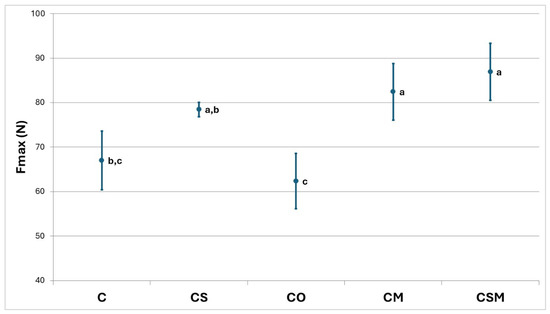
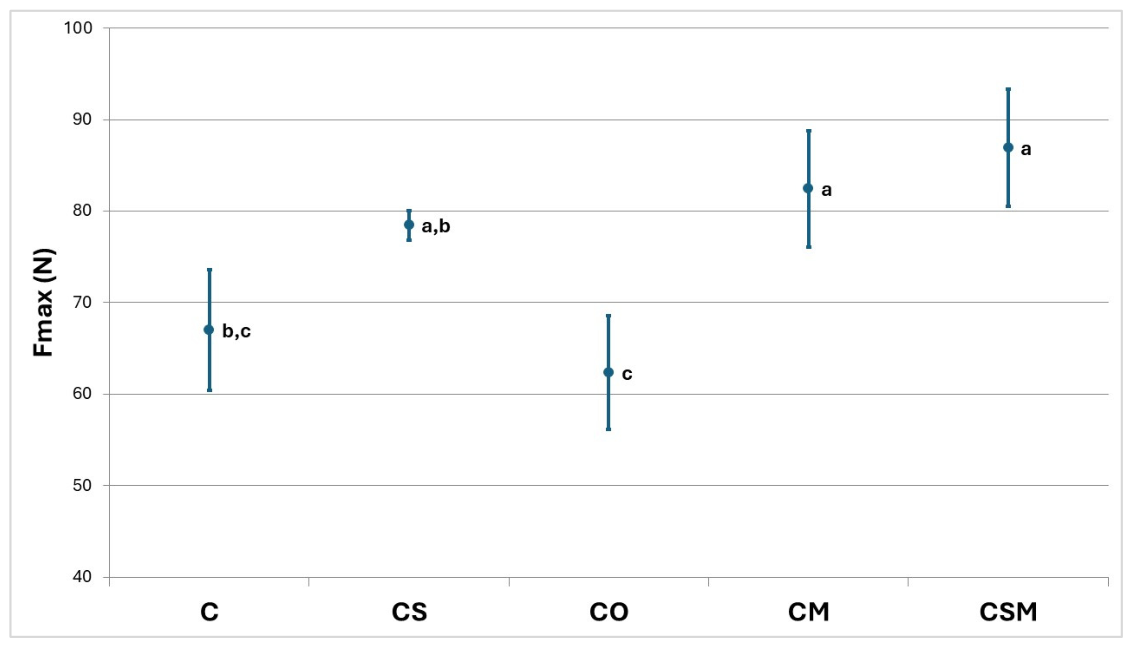
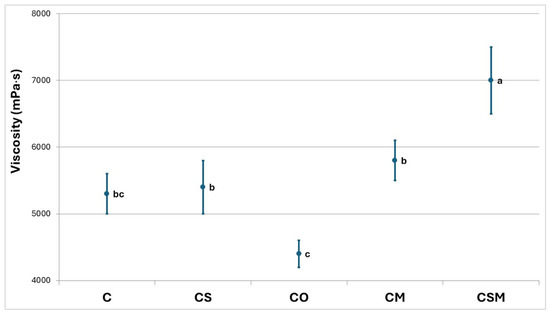
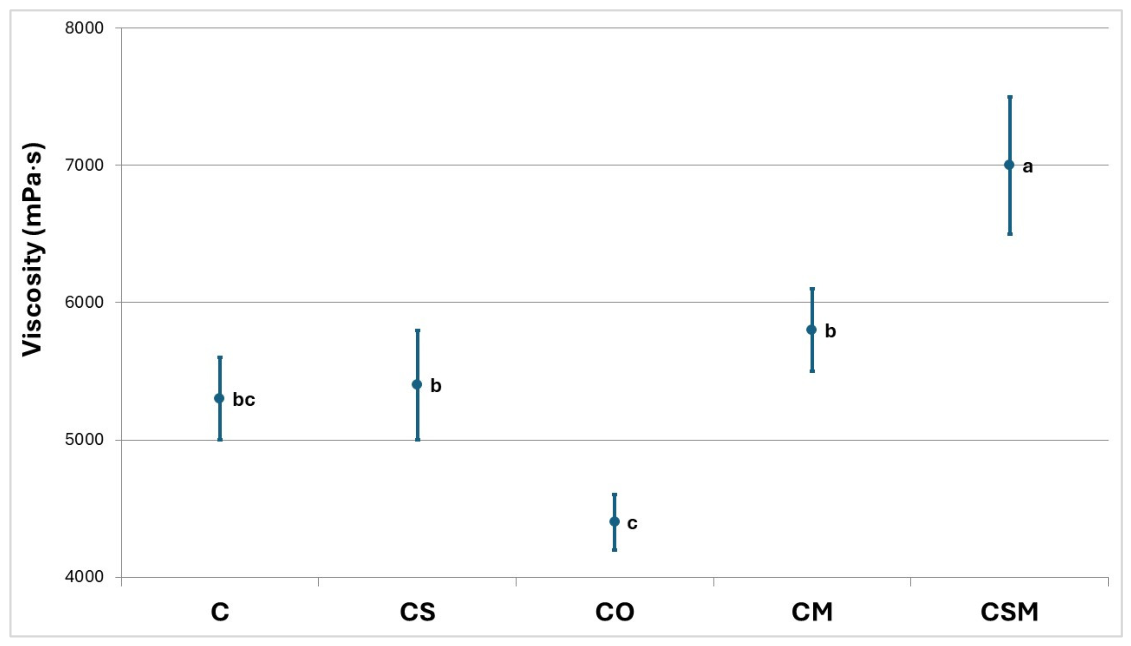
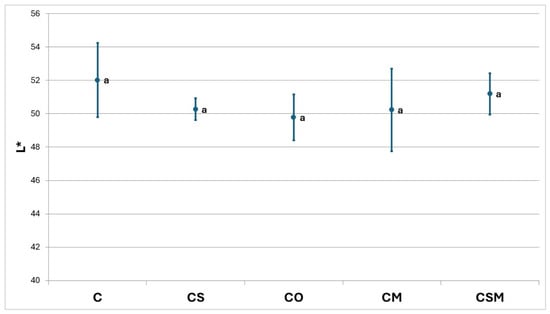
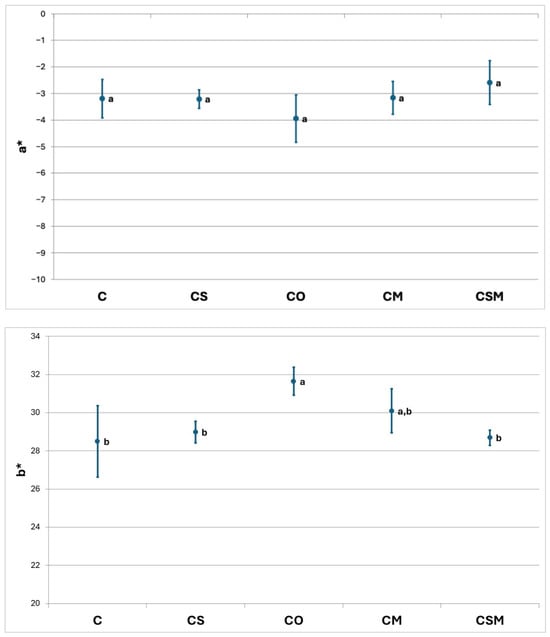
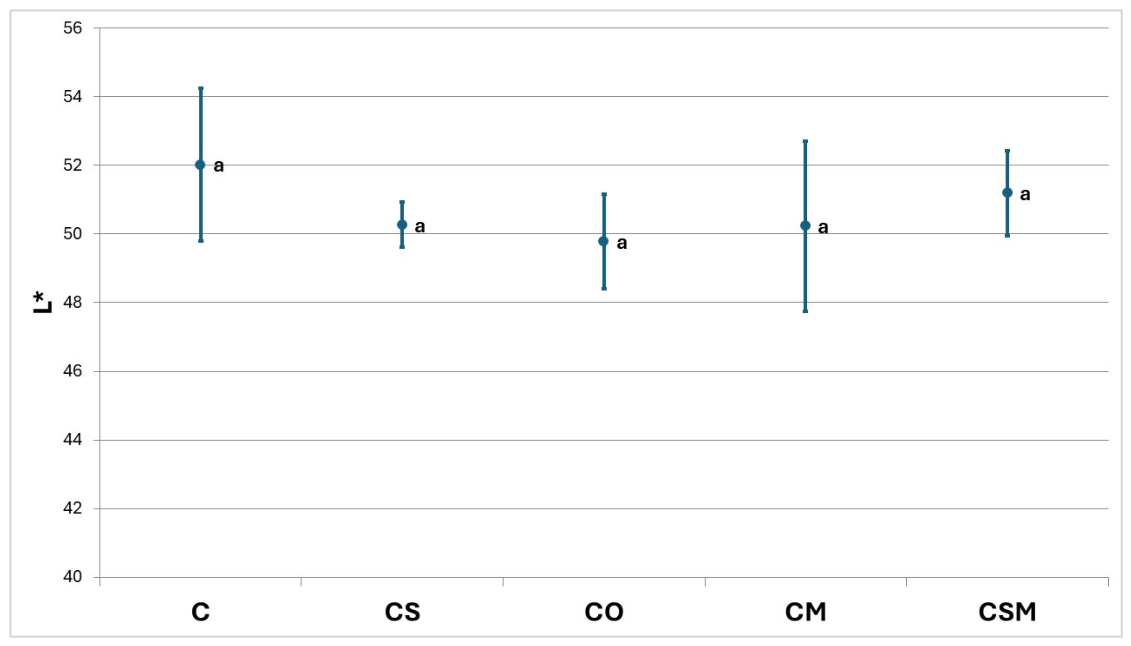
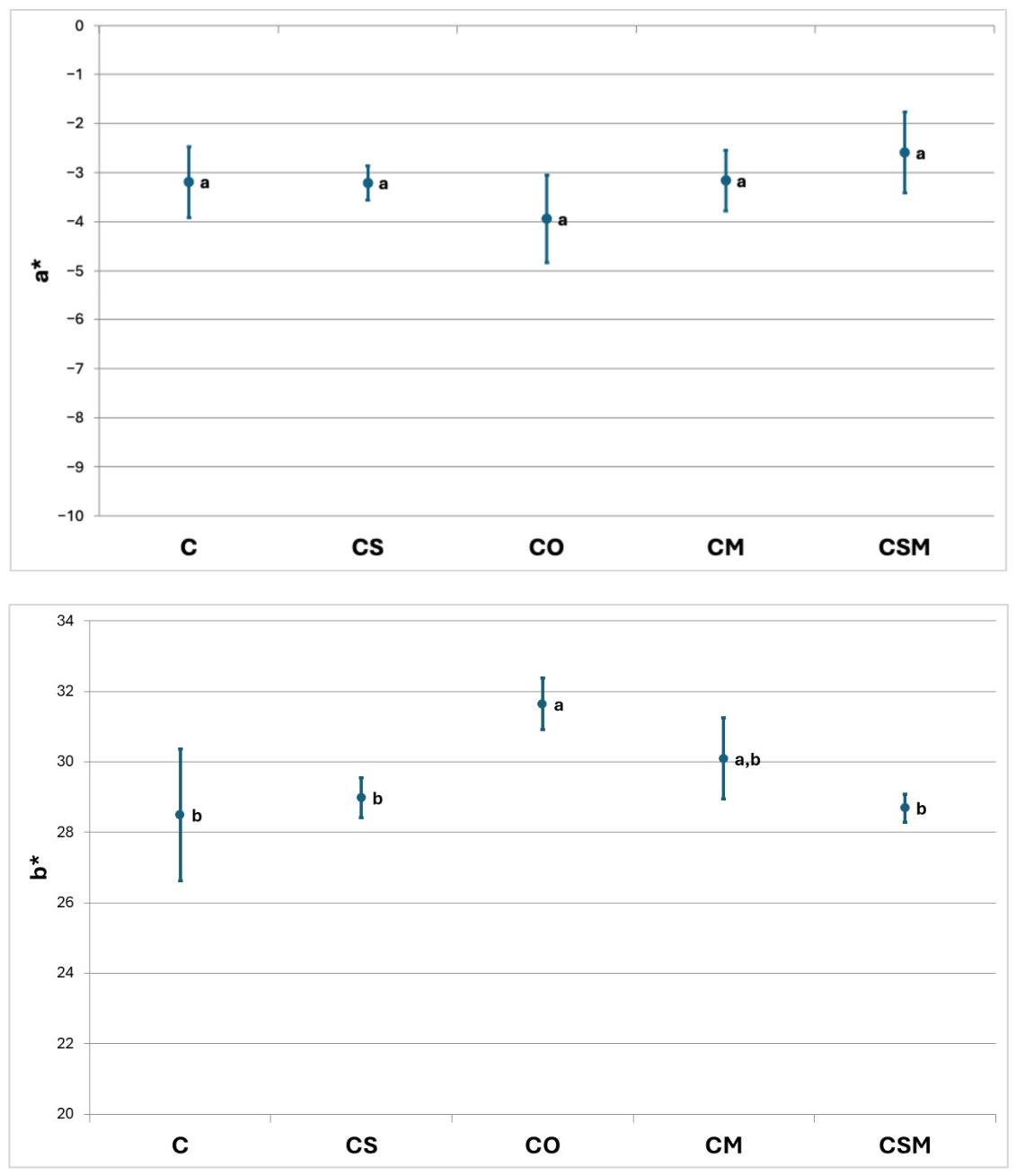

Disclaimer/Publisher’s Note: The statements, opinions and data contained in all publications are solely those of the individual author(s) and contributor(s) and not of MDPI and/or the editor(s). MDPI and/or the editor(s) disclaim responsibility for any injury to people or property resulting from any ideas, methods, instructions or products referred to in the content. |
© 2026 by the authors. Licensee MDPI, Basel, Switzerland. This article is an open access article distributed under the terms and conditions of the Creative Commons Attribution (CC BY) license.