


Abstract
Background: Rifle shooting performance depends on precise postural control, rifle stability, and coordinated upper-limb force production. Although previous studies have examined postural balance and aiming stability in rifle shooters, the role of upper-limb inter-limb strength asymmetry across different shooting positions remains unclear. This study explored the association between joint-specific upper-limb strength asymmetry and rifle shooting performance in elite athletes across prone, kneeling, and standing positions. Methods: Thirteen elite rifle shooters completed a 20-shot series in each position according to ISSF rules. Bilateral maximal isokinetic strength of the wrist, elbow, and shoulder was assessed at 60°/s using a Biodex System 4 dynamometer, and handgrip strength was measured with a handheld dynamometer. Inter-limb asymmetry indices were calculated for each joint action. Position-specific shooting scores and good-10 hits (≥10.0) were recorded. Associations between asymmetry indices and performance outcomes were examined using Spearman correlation analyses and simple linear regression models. Results: In exploratory analyses, greater asymmetry in selected shoulder actions showed large negative associations with lower prone, kneeling, and standing scores, and standing performance also showed a negative association with wrist flexion asymmetry. Good-10 hits were negatively associated with selected shoulder and wrist asymmetry indices. Exploratory regression models showed large apparent proportions of explained variance for selected position-specific associations, but these estimates should be interpreted cautiously because of the small sample size and the absence of validation. Conclusions: Position-specific upper-limb strength asymmetry, particularly at the shoulder and wrist, was associated with rifle shooting performance and may represent a relevant consideration for training and monitoring in elite rifle athletes.
1. Introduction
Rifle shooting is a precision sport that tightly couples visual aiming with fine postural and neuromuscular control. Elite-level studies have shown that expert rifle shooters exhibit smaller center-of-pressure excursions and lower sway velocity than less experienced athletes, indicating that subtle improvements in postural stability are closely related to higher shooting scores [1,2]. In rifle events, athletes must stabilize the rifle and body for prolonged periods while executing highly consistent trigger actions; even minute deviations in posture or muzzle alignment can result in substantial differences in impact point and final score. Competition-based analyses further demonstrate that variations in quiet-stance stability and aim-point fluctuation are strongly associated with performance level in Olympic rifle events [3]. Previous work has shown that shooting performance is influenced not only by aiming accuracy but also by global postural balance and segmental control of the upper limbs, which bear the rifle load and transmit muscular tremor to the muzzle [4]. In line with this view, postural stability has repeatedly been identified as a key biomechanical determinant of aiming quality and shot precision in elite marksmen [5].
Upper-limb strength and coordination play a central role in stabilizing the rifle and minimizing muzzle sway. Studies in pistol and rifle shooters have reported significant associations between handgrip strength, shoulder abduction strength and shooting scores, suggesting that insufficient strength may increase rifle tremor and degrade performance [6,7]. Early work on pistol shooting also showed that stronger athletes achieved better performance when strength was functionally directed toward stabilizing the weapon, highlighting the relevance of both force capacity and control of force direction [8]. However, excessive or poorly coordinated force production may also disrupt movement synergies and increase unwanted oscillations [9]. Research on tremor and fine motor control indicates that increased co-contraction and stiffness may elevate tremor amplitude and impair manual precision, which is consistent with the potential negative effects of poorly coordinated strength in shooting tasks [10]. As a result, the quality and balance of force output, rather than maximal force alone, may be more relevant for high-level shooting performance. Athletes who maintain steadier hold characteristics and more controlled neuromuscular activation typically achieve more consistent shot outcomes, underscoring the importance of coordinated rather than purely maximal force production in precision shooting. However, most rifle shooting studies have focused on postural balance, aiming trajectory, or absolute strength characteristics [11]. Whether side-to-side strength imbalance of the upper limbs is associated with shooting performance, and whether this association differs across prone, kneeling, and standing positions, remains insufficiently examined.
Three standardized shooting positions (prone, kneeling and standing) differ markedly in base of support, joint angles and load distribution. Prone provides the most stable support surface, whereas kneeling introduces a more complex interaction between lower-limb support and upper-limb control [12]. Kinematic analyses of rifle postures have shown that the kneeling position imposes asymmetric loading on the trunk and shoulder complex, which increases the reliance on upper-limb control to maintain muzzle stability compared with the prone position [13]. Standing is mechanically most demanding, requiring the upper limbs to support the entire rifle while maintaining whole-body balance on a narrow base of support. Studies have shown that postural sway and rifle stability deteriorate following physical load, particularly in the standing position, highlighting the interactive effects of fatigue, balance and upper-limb control in more unstable positions [14]. Field data from international competitions confirm that the standing event is characterized by the largest sway amplitudes and greatest aiming instability, reinforcing its status as the most technically demanding of the three rifle positions [5,11]. Moreover, research in other precision sports, such as archery, has linked upper-limb muscular control and postural balance with accuracy, underscoring the importance of upper-limb stability for fine motor tasks [15]. Evidence from elite archery further indicates that reductions in sway velocity and improved stance stability are associated with higher shot consistency, suggesting that similar postural control mechanisms may operate across different precision sports [16].
Despite growing interest in the role of strength in precision sports, most studies have focused on absolute force levels rather than inter-limb strength balance or asymmetry. In unilateral or bilateral sports, inter-limb strength asymmetry has been proposed as a meaningful functional indicator that reflects the quality of neuromuscular coordination between sides. Recent reviews on inter-limb asymmetry have reported that strength and power imbalances between limbs can be linked to reductions in performance and, in some cases, to elevated injury risk, although the precise thresholds and mechanisms remain debated [17,18]. Greater asymmetry has been associated with impaired performance and increased injury risk in various team and racket sports. In rifle shooting, asymmetric load distribution or strength imbalances across joints may amplify muzzle tremor and alter aiming strategy, particularly in more demanding positions such as standing. Conceptual work on asymmetry has also emphasized that its impact is task- and context-dependent, implying that even modest upper-limb asymmetries may become more detrimental under the high stability demands of standing rifle shooting [19].
To date, however, few studies have systematically examined how upper-limb inter-limb strength asymmetry at different joints relates to shooting performance across prone, kneeling and standing positions, or how these relationships contribute to high-precision outcomes such as good-10 hits. Furthermore, elite shooters exhibit substantial inter-individual variability in technique and performance, which may obscure group-level relationships if only absolute performance metrics are considered [20]. Previous profiling studies of elite rifle shooters have highlighted marked individual differences in postural control strategies, aiming behavior and technical execution, reinforcing the need to consider athlete-specific patterns rather than relying solely on group averages [5,20].
Therefore, the present study aimed to (1) quantify upper-limb inter-limb strength asymmetry at multiple joints using isokinetic and handgrip testing in elite rifle athletes; (2) examine the relationships between position-specific shooting scores (prone, kneeling, standing) and all joint-specific asymmetry indices; and (3) explore whether upper-limb asymmetry indices were associated with overall high-precision shooting, indexed by the number of good-10 hits (≥10.0). We hypothesized that greater upper-limb inter-limb asymmetry would be associated with lower shooting scores across all three positions, that standing performance would show the strongest associations with asymmetry indices, and that good-10 hits would show exploratory associations with selected upper-limb asymmetry measures.
2. Materials and Methods
This study was a cross-sectional observational study conducted to examine the associations between upper-limb inter-limb strength asymmetry and shooting performance in elite rifle shooters. The methods were reported in accordance with the Strengthening the Reporting of Observational Studies in Epidemiology (STROBE) statement [21].
Data were collected between October and November 2025 at the National Shooting and Archery Training Center during routine athlete monitoring sessions.
Thirteen elite rifle shooters (7 males, 6 females) volunteered to participate in this study. All participants were active members of provincial- or national-level shooting teams and were engaged in systematic training at the time of data collection. Participants were recruited by convenience sampling through direct contact by the primary author during routine team monitoring sessions. Athletes were eligible if they were currently training and competing in elite rifle shooting and were excluded if they had a current shoulder injury or had reported an upper-limb injury within the previous six months. The mean age of the sample was 23.0 ± 3.0 years (range: 19–29 years), and the mean training experience was 10.2 ± 2.9 years (range: 7–16 years). Six athletes were right-handed, and seven were left-handed. The relatively high proportion of left-handed athletes in the present sample may reflect characteristics of this specific elite shooting cohort rather than population-level handedness prevalence; however, the small sample size prevents any firm interpretation regarding potential selection effects. Because the study involved a highly specialized elite athlete population, the sample size was determined by the number of athletes available and eligible during the routine monitoring period rather than by an a priori power calculation. No formal a priori power analysis was conducted. Therefore, the analyses were treated as exploratory, and the findings should be interpreted as preliminary evidence requiring confirmation in larger samples.
The study was conducted in accordance with the Declaration of Helsinki and was approved by the Institutional Ethics Committee of Beijing Sport University (protocol code: 202561211). All participants were informed of the study procedures, potential risks, and their right to withdraw at any time, and written informed consent was obtained before data collection. The assessments consisted of non-invasive performance and strength tests conducted during routine athlete monitoring, and no experimental intervention beyond the standard testing procedures was implemented.
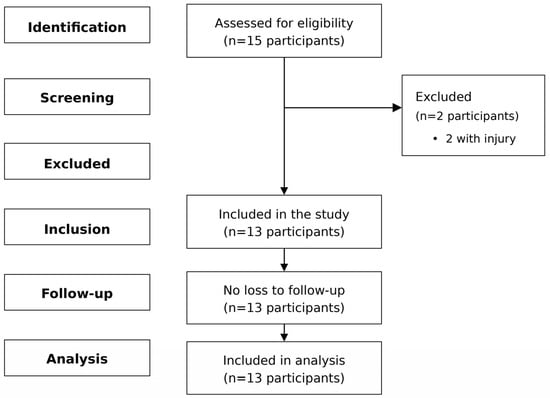
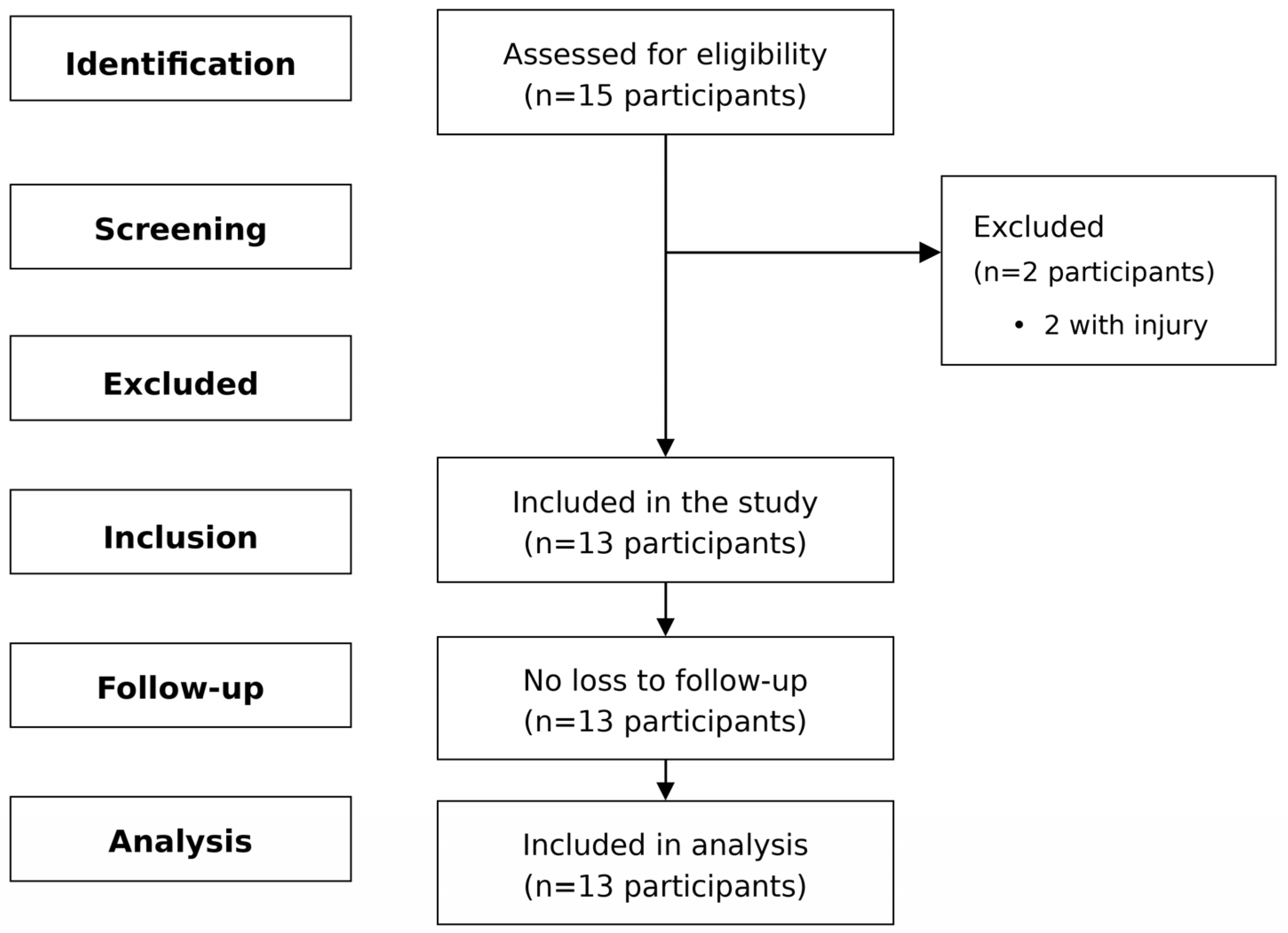
The participant recruitment and inclusion process is summarized in a STROBE-style flow diagram (Figure 1).
Figure 1.
A Strobe flow diagram illustrating recruitment.
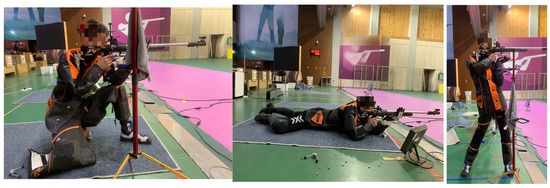
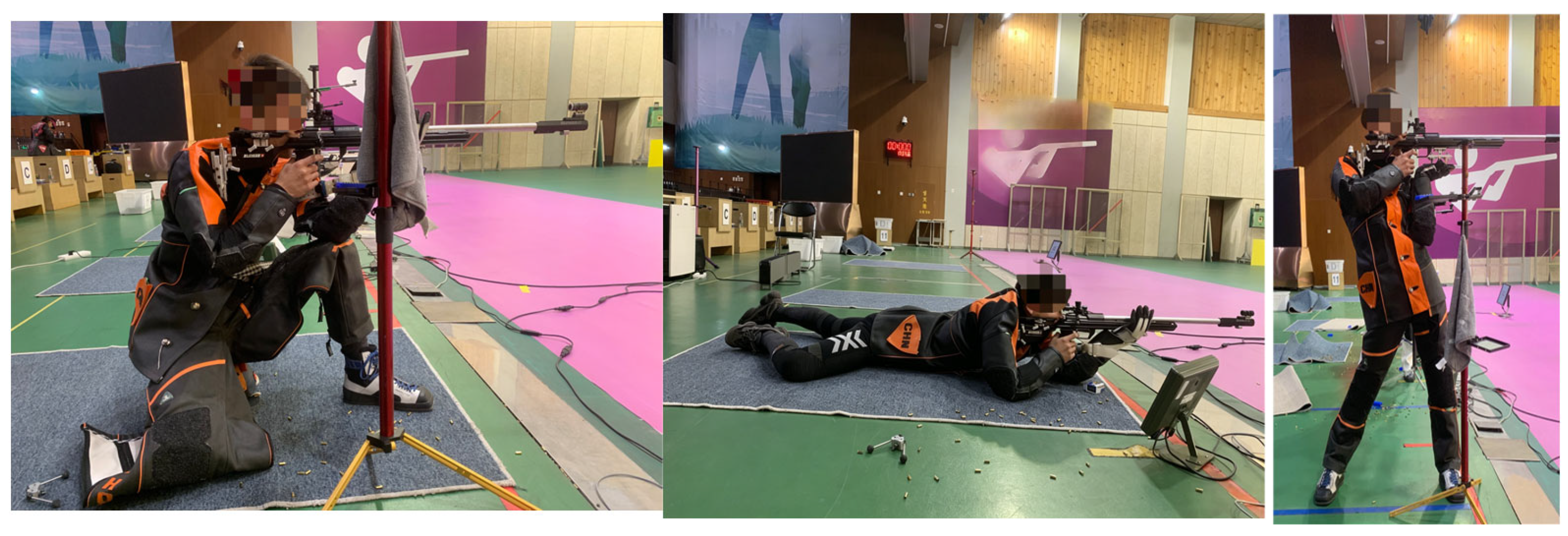
Shooting performance was evaluated using a 20-shot series in each of the three standard rifle positions: prone, kneeling and standing (Figure 2). All tests were conducted on a standard indoor range according to ISSF rules, using each athlete’s own competition rifle and match-grade pellets. Target scoring was recorded in decimal rings. For each position, the total score (points) and the number of good-10 hits (shots with a score of at least 10.0) were obtained.
Figure 2.
The three standard rifle positions: prone, kneeling and standing.
In the present analysis, position-specific performance metrics included prone score, kneeling score and standing score (every 20-shot totals, points). Overall precision was indexed by the total number of good-10 hits across positions. The three shooting positions were assessed in a fixed order (prone, kneeling, standing) within a single session, with standardized rest intervals between series. This order reflected the routine monitoring protocol used by the team. Because the order was not randomized or counterbalanced, standing performance was always assessed after the prone and kneeling series. Therefore, cumulative fatigue or reduced attentional resources may have contributed to the stronger associations observed in the standing position. Hand dominance was self-reported and was used only to label the dominant and non-dominant limbs for the calculation of the absolute asymmetry index. In rifle shooting, the self-reported dominant limb does not necessarily correspond to the supporting limb or the triggering limb. Therefore, the present asymmetry index quantified the magnitude of between-limb strength difference, but did not identify whether the supporting or triggering side was stronger. This issue was considered when interpreting the findings.
All performance and strength measurements were conducted by a single experienced technician using standardized testing protocols and the same equipment for all participants. Testing was performed within the same time window of the day (within 1 h) to reduce potential diurnal variation. These procedures were implemented to improve measurement consistency and reduce assessor-related bias. Shooting assessment, isokinetic strength testing, and handgrip strength testing were completed on the same day during a single routine monitoring visit. To reduce the potential acute fatigue effect of maximal strength testing on shooting performance, the shooting assessment was completed before the isokinetic and handgrip strength tests. A standardized rest period was provided between the shooting assessment and the strength-testing procedures.
Upper-limb strength was assessed using a Biodex System 4 isokinetic dynamometer (Biodex Medical Systems, Shirley, NY, USA). The dynamometer was calibrated according to the manufacturer’s instructions before each testing session. All tests were performed on the dominant and non-dominant limbs at an angular velocity of 60°/s, a value selected to provide a standardized and reliable condition for maximal isokinetic torque assessment, commonly used in strength testing protocols [22]. The following joint actions were tested: wrist flexion and extension; elbow flexion and extension; shoulder flexion and extension; shoulder internal and external rotation; and shoulder adduction and abduction in a discipline-specific rifle-support posture (discipline-specific shoulder abduction/adduction). Before isokinetic testing, participants completed a standardized 10 min warm-up. The warm-up consisted of 5 min of light upper-limb and shoulder-girdle mobility exercises, followed by 5 min of submaximal familiarization movements for the joint action to be tested. For each joint action, participants performed two to three submaximal practice repetitions before the maximal trials to ensure that they understood the movement direction, range of motion, and testing speed.
Participants completed a standardized warm-up and familiarization before testing. For each joint action, three maximal repetitions were performed per limb, and the highest peak torque (Nm) was used for analysis. Body and limb segments were stabilized using straps, and joint angles and axes were aligned according to the manufacturer’s recommendations. Observer bias was limited by using peak torque values recorded automatically by the dynamometer software.
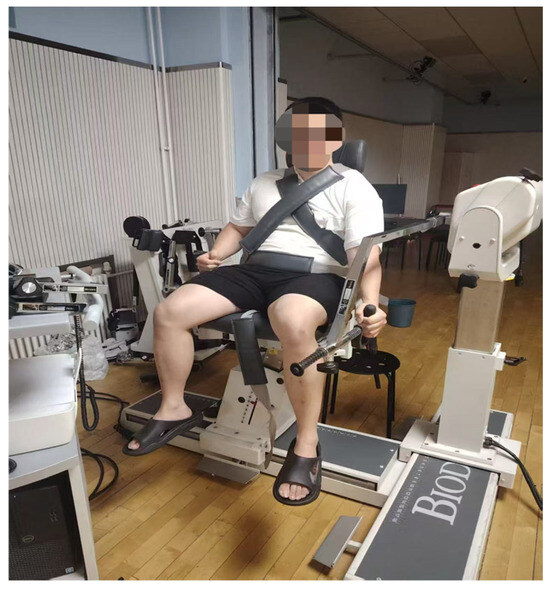
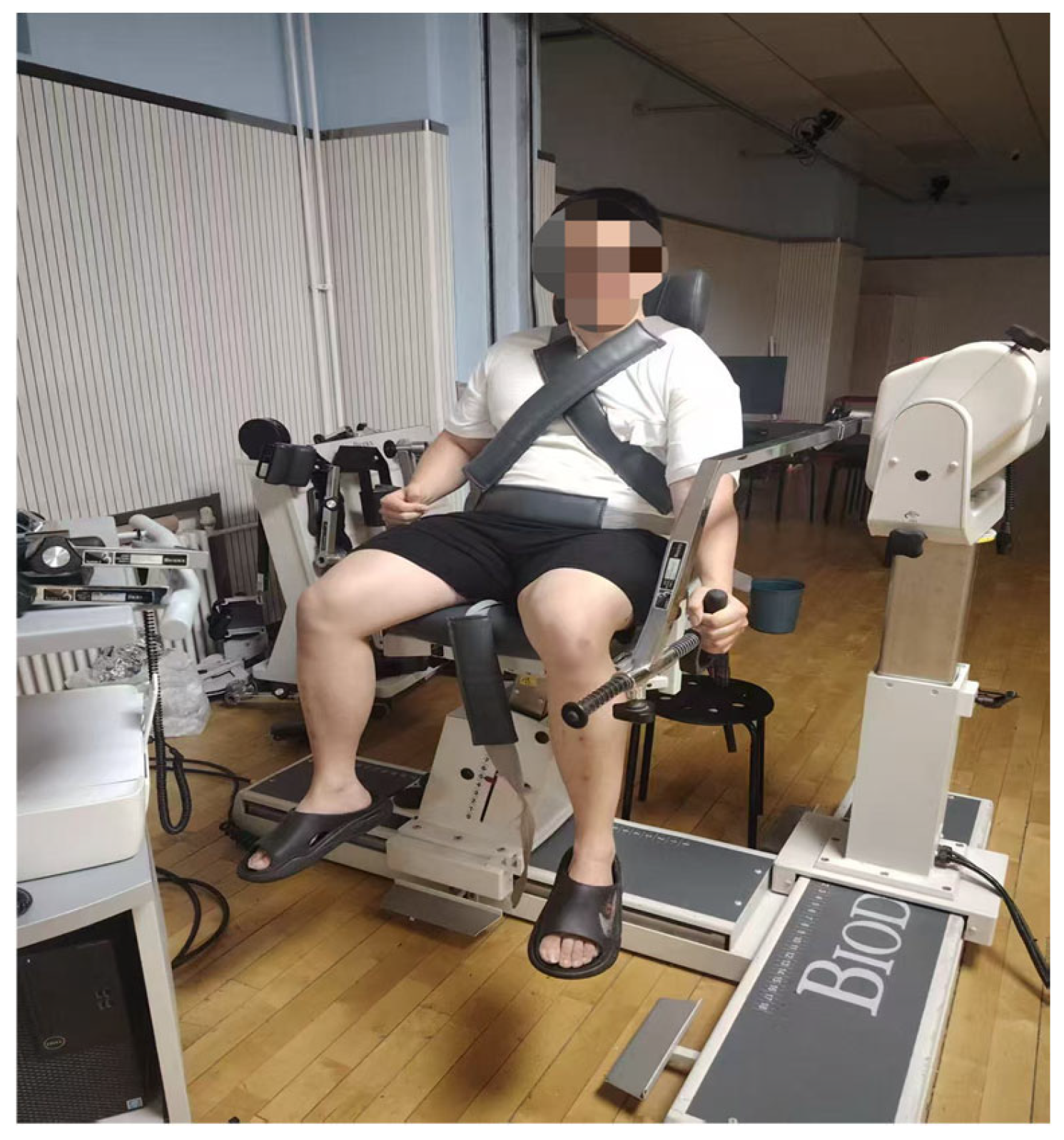
For the discipline-specific shoulder abduction/adduction assessment, participants were seated and stabilized using chest and pelvic straps (Figure 3). The testing shoulder was positioned in a rifle-support posture with the arm slightly abducted in the scapular plane and the elbow extended. The dynamometer rotational axis was aligned with the glenohumeral joint center, and the resistance attachment was secured proximal to the wrist joint. Participants performed shoulder abduction and adduction through a predefined range of motion at 60°/s. Figure 3 illustrates the positioning and stabilization used during testing.
Figure 3.
Positioning for discipline-specific testing using the Biodex System 4 dynamometer.
No separate laboratory-based test–retest reliability study for the asymmetry indices was conducted because the data were collected from a small elite athlete cohort during routine monitoring. Therefore, reliability was supported by strict standardization of the testing procedure and by published evidence for Biodex-based upper-limb isokinetic testing. Previous reliability studies using Biodex-based isokinetic dynamometry have reported acceptable to excellent test–retest reliability for upper-limb torque measurements, including shoulder, elbow, forearm, and wrist actions tested under comparable standardized angular-velocity conditions. Because the asymmetry indices were calculated from bilateral peak torque values rather than measured directly, no laboratory-specific test–retest reliability estimate for these derived indices was available. In the present study, all isokinetic tests were performed at 60°/s; the same technician conducted all assessments; the dynamometer was calibrated before each testing session; and peak torque values were automatically recorded by the Biodex Advantage Software v5.0 (Biodex Medical Systems, Shirley, NY, USA).
Maximal isometric handgrip strength was measured bilaterally using a JTech Commander PowerTrack II handheld dynamometer (JTECH Medical, Salt Lake City, UT, USA). Participants were tested in a standing position with the elbow extended and wrist in neutral. Three maximal attempts were performed on each side with 30 s rest between trials, and the highest peak force (N) for each hand was used in the analysis.
For each joint action and for handgrip strength, inter-limb strength asymmetry was calculated as
where F denotes peak torque (isokinetic tests) or peak force (handgrip). This index ranges from 0 to 1, with 0 indicating perfect symmetry and higher values indicating greater inter-limb strength asymmetry (poorer strength balance).
All analyses were performed using SPSS 22.0 and Python version 3.11.7 with SciPy version 1.11.4 and Statsmodels version 0.14.1. Descriptive statistics are presented as mean, standard deviation (SD) and range. Normality of continuous variables was assessed using the Shapiro–Wilk test. The four performance variables (prone, kneeling, standing scores and good-10 hits) did not differ significantly from normality, whereas several asymmetry indices exhibited mild deviations from normality.
Given the small sample size and non-normality of some predictors, Spearman’s rank correlation coefficients were used to examine associations between asymmetry indices and shooting performance. Simple linear regression models were constructed for prone score as a function of shoulder adduction asymmetry, kneeling score as a function of shoulder extension asymmetry, and standing score as a function of shoulder flexion asymmetry. Multivariate models were not emphasized to avoid overfitting. Model fit was evaluated using adjusted R2, F-statistics, and p-values, and regression assumptions were checked visually.
Sex differences in discipline-specific shoulder abduction asymmetry were examined using independent-samples t-tests with Welch’s correction. Differences between elbow flexion and extension asymmetry were explored using paired-samples t-tests on within-subject differences. Effect sizes for between-group comparisons were expressed as Cohen’s. The significance level was set at, and p-values are interpreted cautiously given the exploratory nature of the study. There was no missing data identified.
Given the small sample size (n = 13), multivariable adjustment for potential confounders was not performed because such models were likely to be unstable and prone to overfitting. The analyses were therefore treated as exploratory and focused on bivariate associations and simple regression models.
The sample size was determined by the number of elite athletes available and eligible during the routine monitoring period at the national training center; no a priori sample size calculation was performed because of the limited accessibility of this highly specialized athlete population.
This study involved non-invasive performance and strength assessments conducted as part of routine athlete monitoring. The study was conducted in accordance with the Declaration of Helsinki and approved by the Institutional Ethics Committee of Beijing Sport University (protocol code: 202561211). All participants were informed of the study procedures and provided written informed consent prior to participation.
3. Results
The results are presented according to the analytic sequence of the study: first, participant characteristics and inter-limb asymmetry profiles; second, complete exploratory correlations between all measured asymmetry indices and shooting performance; and third, exploratory descriptive regression models for selected position-specific asymmetry-score associations.
Age and training experience were relatively homogeneous (23.0 ± 3.0 years; 10.2 ± 2.9 years). Mean 20-shot scores were 197.1 ± 1.6 points (prone), 196.8 ± 1.8 points (kneeling) and 196.5 ± 1.8 points (standing). The mean number of good-10 hits was 35.1 ± 4.1, as shown in Table 1.
Table 1.
Descriptive statistics of participant characteristics and shooting performance (n = 13).
Mean inter-limb asymmetry indices ranged from approximately 0.04 (elbow flexion) to 0.09 (handgrip, wrist flexion, shoulder internal rotation), corresponding to relative strength differences of 4–9% between limbs. Discipline-specific shoulder abduction asymmetry averaged 0.08–0.09, as shown in Table 2.
Table 2.
Descriptive statistics of upper-limb inter-limb strength asymmetry indices.
Overall, the asymmetry values indicated that the athletes were not highly asymmetric in absolute terms, with most mean asymmetry indices remaining below 10%. However, even within this relatively narrow range, shoulder- and wrist-related asymmetry showed meaningful variability across athletes. The largest mean asymmetry values were observed for handgrip, wrist flexion, shoulder internal rotation, shoulder external rotation, and discipline-specific shoulder abduction. This pattern suggests that strength imbalance in rifle athletes may be more evident in joint actions directly involved in rifle stabilization and upper-limb positioning than in elbow flexion or extension.
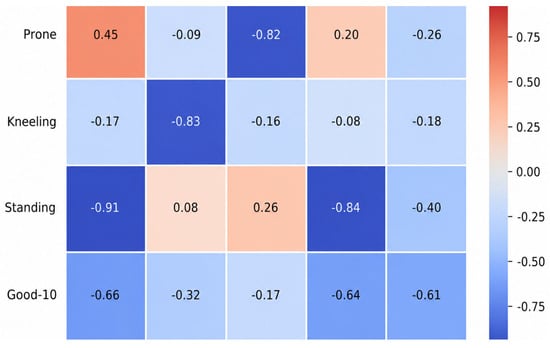
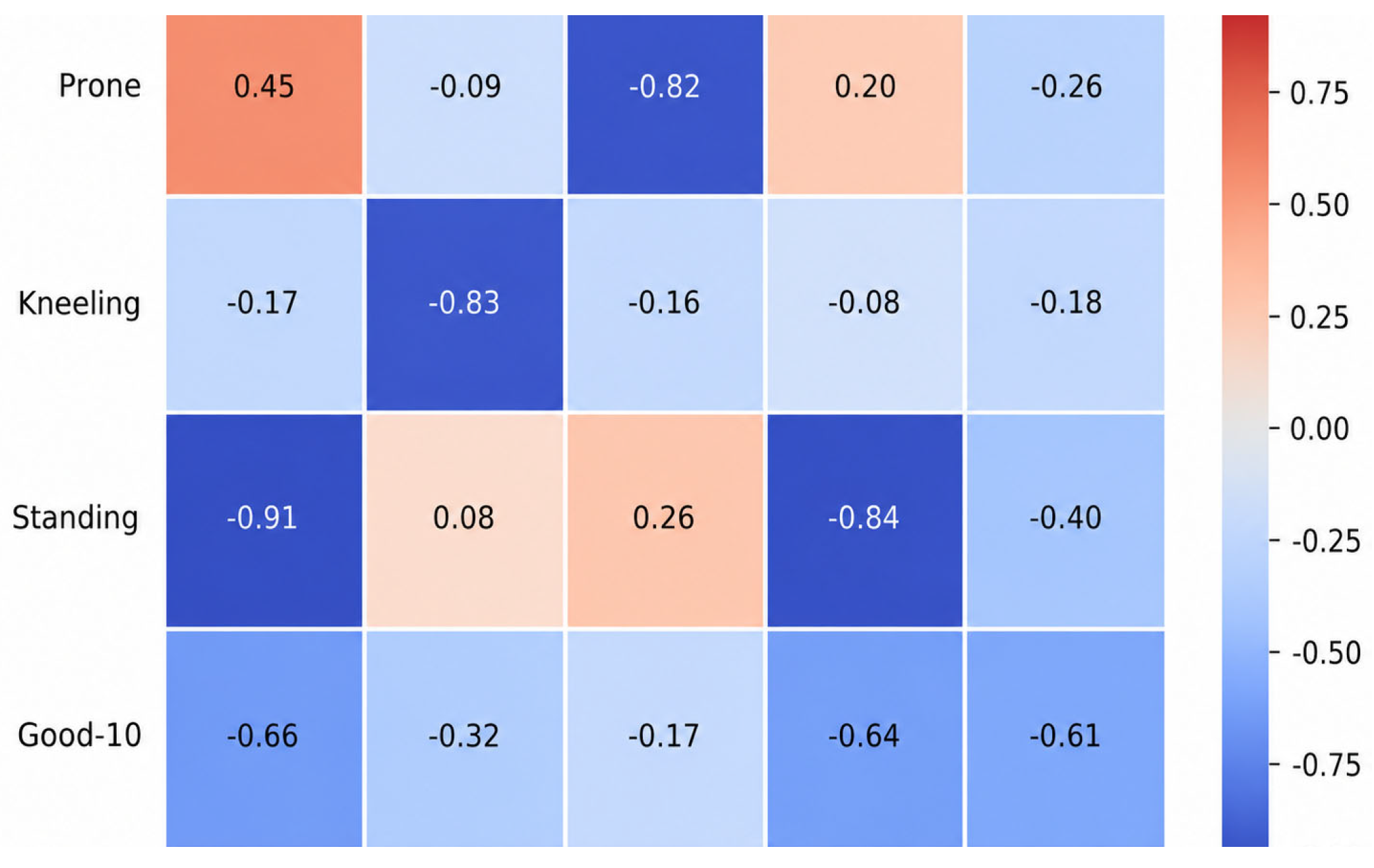
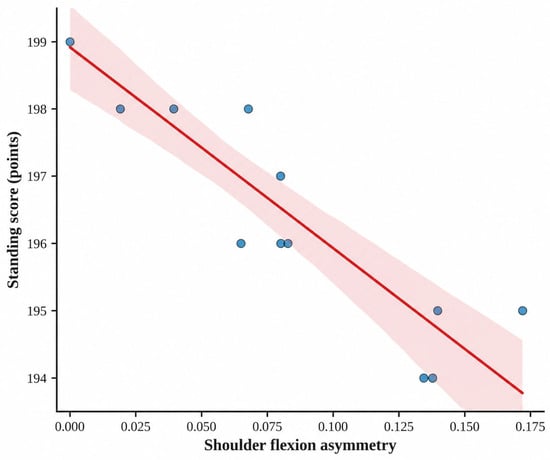
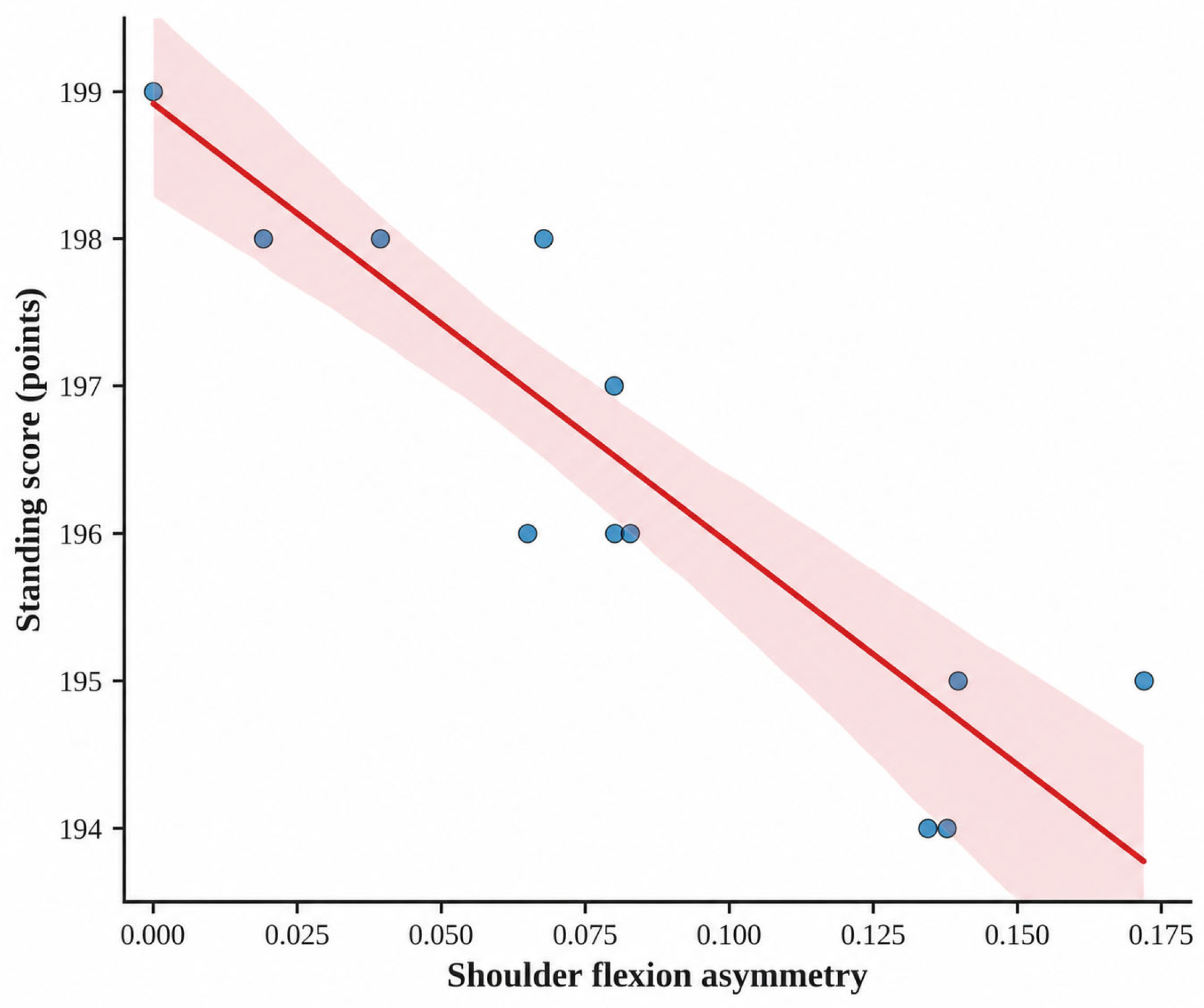
Spearman correlation analysis was expanded to include all 11 measured asymmetry indices and all four performance outcomes. After FDR correction across the 44 correlations, prone score was negatively associated with shoulder adduction asymmetry (ρ = −0.82, FDR q = 0.007), kneeling score was negatively associated with shoulder extension asymmetry (ρ = −0.83, FDR q = 0.006), and standing score was negatively associated with shoulder flexion asymmetry (ρ = −0.91, FDR q < 0.001) and wrist flexion asymmetry (ρ = −0.84, FDR q = 0.006). Good-10 hits showed uncorrected negative associations with wrist flexion, wrist extension, and shoulder flexion asymmetry, but these associations did not remain significant after FDR correction. Discipline-specific shoulder abduction asymmetry was fully analyzed and showed weak-to-moderate, non-significant associations with prone, kneeling, standing, and good-10 outcomes. The full correlation results are presented in Table 3 and visualized in Figure 4. Standing score showed a strong negative association with shoulder flexion asymmetry, as illustrated in Figure 5.
Table 3.
Spearman correlations between shooting performance variables and all upper-limb asymmetry indices.
Figure 4.
Spearman correlation heatmap of shooting performance variables and upper-limb strength asymmetry indices. Cells represent Spearman ρ correlation coefficients, with color intensity indicating correlation strength and direction.
Figure 5.
Relationship between standing score and shoulder flexion asymmetry in elite rifle athletes. Each point represents one athlete. The regression line illustrates the negative association between shoulder flexion asymmetry and standing performance.
The full correlation matrix also showed that not all asymmetry indices were uniformly associated with performance across positions. Handgrip, elbow flexion/extension, shoulder internal/external rotation, and discipline-specific shoulder abduction asymmetry showed limited or non-significant associations with shooting outcomes after FDR correction. Shoulder adduction asymmetry was most relevant to the prone score, shoulder extension asymmetry was most relevant to the kneeling score, and shoulder flexion and wrist flexion asymmetry showed the strongest associations with the standing score. This position-specific pattern is important because it suggests that upper-limb asymmetry should not be interpreted as a single general characteristic. Instead, the relevance of asymmetry may depend on the mechanical demands of each shooting posture.
Regression models
Exploratory simple linear regression models were used to summarize the magnitude and direction of selected bivariate associations identified in the correlation analysis. These models were not intended to establish validated prediction equations. The selected asymmetry indices showed large apparent proportions of explained variance for position-specific shooting scores; however, because the predictors were selected from the observed correlation pattern within the same small sample, the R2 values may be inflated. Therefore, the regression results should be interpreted as descriptive summaries of the present sample rather than as stable predictive estimates for the wider elite rifle athlete population. The regression models are presented in Table 4.
Table 4.
Exploratory descriptive regression models summarizing selected bivariate relationships.
Male shooters exhibited greater discipline-specific shoulder abduction asymmetry than female shooters, with a large between-group difference, whereas other asymmetry indices did not show statistically significant sex differences. This finding suggests that sex-related variation may exist for selected discipline-specific shoulder actions, although the small subgroup sizes prevent firm interpretation. Therefore, the sex comparison should be viewed as descriptive and exploratory. The paired comparison between elbow flexion and extension asymmetry showed that elbow extension asymmetry was greater than elbow flexion asymmetry. This indicates that agonist–antagonist asymmetry profiles may differ within the same joint, even when the joint itself shows limited association with shooting outcomes (Table 5 and Table 6).
Table 5.
Sex differences in discipline-specific shoulder abduction asymmetry.
Table 6.
Paired comparison between elbow flexion and extension asymmetry.
4. Discussion
This study investigated how upper-limb inter-limb strength asymmetry relates to rifle shooting performance across prone, kneeling and standing positions in elite rifle athletes. In this small exploratory sample, greater asymmetry at selected shoulder actions was associated with lower position-specific scores, and standing performance showed the largest observed associations with shoulder and wrist asymmetry. These findings should be interpreted as preliminary association patterns because the sample size was limited, and the observed relationships require confirmation in larger independent samples. Classic biomechanical analyses of the aiming process in rifle shooting similarly indicate that expert marksmen are characterized by reduced rifle and body fluctuations during the final phase of aiming, supporting the idea that subtle changes in neuromuscular control can have a large impact on shot precision [23]. More broadly, conceptual models of neuromuscular and core stability in sport propose that trunk and proximal control are critical for regulating distal segment motion, which may help explain how shoulder-level asymmetries can propagate to muzzle instability in high-precision tasks [24].
The position-specific associations observed in this study are broadly consistent with previous work showing that shooting performance is closely related to postural control, rifle stability, and upper-limb function [4,5,12,13]. Our findings extend this literature by showing that, beyond absolute strength capacity, the inter-limb balance of force production at specific upper-limb joints is also associated with performance, and that these relationships appear to be position-specific. In prone, shoulder adduction asymmetry was most strongly related to score, which may reflect the role of this action in maintaining the rifle-support line. In kneeling, shoulder extension asymmetry showed the strongest association, possibly because of the greater asymmetrical interaction between trunk support and upper-limb control in this posture [13]. In standing, the strong negative associations with shoulder flexion and wrist flexion asymmetry reinforce earlier observations that the standing position places the greatest demands on fine postural and upper-limb control [14,15]. A possible biomechanical explanation is that the standing position provides the least external support among the three rifle positions, requiring the shoulder girdle to contribute substantially to rifle elevation, anterior support, and fine muzzle stabilization. Shoulder flexion strength is relevant to maintaining the elevation of the rifle-supporting upper limb and controlling the anterior load created by the rifle. When shoulder flexion capacity differs markedly between limbs, the athlete may rely on asymmetric shoulder-girdle tension, scapulothoracic positioning, or trunk compensation to maintain the aiming line. These compensatory adjustments may increase small-amplitude oscillations of the rifle barrel, especially during the final aiming phase. In addition, asymmetrical shoulder flexion capacity may accelerate local fatigue on the weaker side, reducing the consistency of rifle support across repeated shots. This mechanism is particularly plausible in standing because the rifle–body system is supported on a narrow base of support and is more sensitive to subtle changes in upper-limb and trunk control than in prone or kneeling positions. Recent accelerometry-based work on pistol and rifle shooters has similarly shown that lower hand tremor amplitude and better arm stability are characteristic of higher-performing athletes [25], supporting the interpretation that asymmetrical force production may compromise muzzle stability in the most demanding shooting posture.
From a practical perspective, these findings suggest that upper-limb asymmetry may be a relevant consideration when designing and monitoring strength-training programs for elite shooters. Functional, discipline-specific exercises that mimic the shooting posture and emphasize symmetrical loading may be especially valuable. Monitoring changes in asymmetry over time may help coaches evaluate the effectiveness of physical preparation and identify athletes at risk of performance decline. In parallel, evidence from pistol shooters indicates that respiratory muscle strength and pulmonary function are positively associated with shooting performance, suggesting that the ability to control breathing under load contributes to maintaining postural and weapon stability [26]. Comparable findings in young and adult archers have shown that better respiratory capacities and stronger inspiratory muscles are linked to improved shooting accuracy, highlighting that conditioning of the respiratory system can complement upper-limb strength and balance training in precision sports [27,28].
This study has several limitations. The sample size was small, limiting statistical power and generalizability. The cross-sectional design precludes causal inference; longitudinal or intervention studies are needed to determine whether targeted training to reduce asymmetry leads to improved shooting performance. In addition, rifle shooting primarily involves isometric or near-isometric postural stabilization, whereas the present study used isokinetic testing at 60°/s. Although this angular velocity provided a standardized and reliable condition for maximal torque assessment, it may not fully reflect the specific neuromuscular demands of rifle holding. Although published studies support the reliability of Biodex-based upper-limb isokinetic strength measurements, the present study did not conduct a separate laboratory-specific test–retest reliability analysis for the derived asymmetry indices. Therefore, the asymmetry findings should be interpreted cautiously. Future studies may benefit from incorporating isometric torque or rate-of-force-development assessments to improve ecological validity. Second, the shooting positions were tested in a fixed order (prone → kneeling → standing), and the standing series was always performed last. Because standing also showed the strongest associations with asymmetry, these findings may partly reflect cumulative fatigue, reduced postural endurance, or attentional decline across the testing session rather than a purely position-specific asymmetry effect. Future studies should use randomized or counterbalanced position orders and include direct fatigue markers to separate position effects from order effects. Finally, we did not include other potentially relevant variables such as postural sway, aiming trajectory or psychological factors. Psychological load is particularly relevant, as studies in female pistol shooters have shown that competitive anxiety can alter trigger timing, reduce shooting efficiency and contribute to performance decrements during qualification and finals [29,30]. More recent work combining physiological and psychological markers suggests that state anxiety, heart rate variability and neural activity patterns before the shot are closely related to shot quality, indicating that psychophysiological regulation interacts with mechanical and neuromuscular factors in precision shooting [31]. Changes in gaze behavior and visual search strategies between low- and high-pressure conditions have also been documented in pistol shooters, implying that visuomotor control may either compensate for or amplify the effects of upper-limb asymmetry under stress [32].
5. Conclusions
In this small sample of elite rifle athletes, upper-limb inter-limb strength asymmetry was associated with rifle shooting performance across prone, kneeling, and standing positions. The strongest exploratory associations were observed for shoulder and wrist asymmetry in the standing position. These findings should be interpreted as hypothesis-generating and require confirmation in larger samples with validation procedures. Position-specific asymmetry at shoulder adduction, extension and flexion is particularly important and standing performance showed strong associations with upper-limb asymmetry and high-precision shooting indicators in this exploratory sample.
Overall, the findings suggest that upper-limb asymmetry monitoring may provide descriptive information for athlete profiling in elite rifle shooters. Future longitudinal and intervention studies are needed to determine whether reducing specific shoulder or wrist asymmetries can lead to measurable improvements in shooting performance.
Author Contributions
Conceptualization, Y.W.; methodology, Y.W., S.L. and S.S.; literature review, S.C.; data collection, Y.W., S.L. and S.C.; data analysis and interpretation, Y.W., S.S. and A.S.; statistical analysis, Y.W. and S.S.; writing—original draft preparation, Y.W. and S.S.; writing—review and editing, S.L., S.C. and A.S.; supervision, A.S.; project administration, A.S. All authors have read and agreed to the published version of the manuscript.
Funding
This research received no external funding.
Institutional Review Board Statement
The study was conducted in accordance with the Declaration of Helsinki and approved by the Sports Science Experiment Ethics Committee of Beijing Sport University (approval code: 202561211; date of approval: 29 September 2025).
Informed Consent Statement
Informed consent was obtained from all subjects involved in the study.
Data Availability Statement
The data presented in this study are available on request from the corresponding author. The data are not publicly available due to privacy and ethical restrictions.
Conflicts of Interest
The authors declare no conflicts of interest.
Abbreviations
The following abbreviations are used in this manuscript:
| ISSF | International Shooting Sport Federation |
| SD | Standard Deviation |
References
- Aalto, H.; Pyykkö, I.; Ilmarinen, R.; Kähkönen, E.; Starck, J. Postural stability in shooters. ORL J. Otorhinolaryngol. Relat. Spec. 1990, 52, 232–238. [Google Scholar]
- Era, P.; Konttinen, N.; Mehto, P.; Saarela, P.; Lyytinen, H. Postural stability and skilled performance—A study on top-level and naive rifle shooters. J. Biomech. 1996, 29, 301–306. [Google Scholar] [CrossRef] [Scilit]
- Mon, D.; Zakynthinaki, M.; Cordente, C.; Barriopedro, M.; Sampedro, J. Body sway and performance at competition in male pistol and rifle Olympic shooters. Biomed. Hum. Kinet. 2014, 6, 56–62. [Google Scholar] [CrossRef] [Scilit]
- Lang, D.; Zhou, A. Relationships between postural balance, aiming technique and performance in elite rifle shooters. Eur. J. Sport Sci. 2022, 22, 1493–1498. [Google Scholar] [PubMed]
- Mononen, K.; Konttinen, N.; Viitasalo, J.; Era, P. Relationships between postural balance, rifle stability and shooting accuracy among novice rifle shooters. Scand. J. Med. Sci. Sports 2007, 17, 180–185. [Google Scholar] [PubMed]
- Mon-López, D.; Zakynthinaki, M.S.; Cordente, C.A.; García-González, J. The relationship between pistol Olympic shooting performance, handgrip and shoulder abduction strength. J. Hum. Kinet. 2019, 69, 39–46. [Google Scholar] [CrossRef] [Scilit]
- Mon, D.; Zakynthinaki, M.S.; Cordente, C.A.; Antón, A.J.; Rodríguez, B.R.; Jiménez, D.L. Finger flexor force influences performance in senior male air pistol Olympic shooting. PLoS ONE 2015, 10, e0129862. [Google Scholar]
- Sattlecker, G.; Buchecker, M.; Müller, E.; Lindinger, S. Postural balance and rifle stability during standing shooting on an indoor gun range without physical stress in different groups of biathletes. Int. J. Sports Sci. Coach. 2014, 9, 171–184. [Google Scholar] [CrossRef] [Scilit]
- Lakie, M. The influence of muscle tremor on shooting performance. Exp. Physiol. 2010, 95, 441–450. [Google Scholar] [CrossRef] [Scilit]
- Morrison, S.; Newell, K.M. Postural and resting tremor in the upper limb. Clin. Neurophysiol. 2000, 111, 651–663. [Google Scholar] [CrossRef] [Scilit]
- Ball, K.A.; Best, R.J.; Wrigley, T.V. Body sway, aim point fluctuation and performance in rifle shooters: Inter- and intra-individual analysis. J. Sports Sci. 2003, 21, 559–566. [Google Scholar] [CrossRef] [Scilit]
- Ihalainen, S.; Linnamo, V.; Mononen, K.; Kuitunen, S. Relation of elite rifle shooters’ technique-test measures to competition performance. Int. J. Sports Physiol. Perform. 2016, 11, 671–677. [Google Scholar] [CrossRef] [Scilit]
- Ihalainen, S.; Kuitunen, S.; Mononen, K.; Linnamo, V. Determinants of elite-level air rifle shooting performance. Scand. J. Med. Sci. Sports 2016, 26, 266–274. [Google Scholar] [CrossRef] [Scilit]
- Sadowska, D.; Krzepota, J.; Klusiewicz, A. Postural balance and rifle stability in a standing shooting position after specific physical effort in biathletes. J. Sports Sci. 2019, 37, 1892–1898. [Google Scholar] [CrossRef] [Scilit]
- Sarro, K.J.; Viana, T.C.; De Barros, R.M.L. Relationship between bow stability and postural control in recurve archery. Eur. J. Sport Sci. 2021, 21, 515–520. [Google Scholar]
- Bishop, C.; de Keijzer, K.L.; Turner, A.N.; Beato, M. Measuring interlimb asymmetry for strength and power: A brief review of assessment methods, data analysis, current evidence, and practical recommendations. J. Strength Cond. Res. 2023, 37, 745–750. [Google Scholar] [CrossRef] [Scilit]
- Afonso, J.; Peña, J.; Sá, M.; Virgile, A.; García-de-Alcaraz, A.; Bishop, C. Why sports should embrace bilateral asymmetry: A narrative review. Symmetry 2022, 14, 1993. [Google Scholar] [CrossRef] [Scilit]
- Ličen, U.; Kozinc, Ž. The influence of inter-limb asymmetries in muscle strength and power on athletic performance: A systematic review. Monten. J. Sports Sci. Med. 2023, 12, 75–86. [Google Scholar]
- D’Hondt, J.; Chapelle, L.; Bishop, C.; Aerenhouts, D.; De Pauw, K.; Clarys, P.; D’Hondt, E. Association between inter-limb asymmetry and determinants of middle- and long-distance running performance in healthy populations: A systematic review. Sports Med. Open 2024, 10, 127. [Google Scholar] [CrossRef] [Scilit]
- Gorgulu, R. An examination of ironic effects in air-pistol shooting under pressure. J. Funct. Morphol. Kinesiol. 2019, 4, 20. [Google Scholar] [CrossRef] [Scilit]
- von Elm, E.; Altman, D.G.; Egger, M.; Pocock, S.J.; Gøtzsche, P.C.; Vandenbroucke, J.P.; STROBE Initiative. The Strengthening the Reporting of Observational Studies in Epidemiology (STROBE) statement: Guidelines for reporting observational studies. J. Clin. Epidemiol. 2008, 61, 344–349. [Google Scholar] [CrossRef] [Scilit]
- Nardim, H.C.B.; Sugano, R.M.M.; Fifolato, T.M.; Silva, M.F.; Lopes, E.R.C.; de Salvo Mauad, L.D.; Xavier Dos Santos, G.M.; Fonseca, M.C.R. Reliability of an upper limb isokinetic evaluation in healthy individuals. J. Bodyw. Mov. Ther. 2025, 43, 353–358. [Google Scholar] [CrossRef] [Scilit]
- Zatsiorsky, V.M.; Aktov, A.V. Biomechanics of highly precise movements: The aiming process in air rifle shooting. J. Biomech. 1990, 23, 35–41. [Google Scholar] [CrossRef] [Scilit]
- Zemková, E.; Zapletalová, L. The role of neuromuscular control of postural and core stability in functional movement and athlete performance. Front. Physiol. 2022, 13, 796097. [Google Scholar] [CrossRef] [Scilit]
- Liu, Y.; Hu, N.; Sun, M.; Qu, F.; Zhou, X. The effects of hand tremors on the shooting performance of air pistol shooters with different skill levels. Sensors 2024, 24, 2438. [Google Scholar] [CrossRef] [Scilit]
- Karaduman, E.; Bostancı, Ö.; Karakaş, F.; Kabadayı, M.; Yılmaz, A.K.; Akyildiz, Z.; Badicu, G.; Cataldi, S.; Fischetti, F. Pistol shooting performance correlates with respiratory muscle strength and pulmonary function in police cadets. Sustainability 2022, 14, 7515. [Google Scholar] [CrossRef] [Scilit]
- Bostancı, Ö.; Kabadayı, M.; Mayda, H.; Yılmaz, A.K.; Yilmaz, C. The relationship between shooting performance and respiratory muscle strength in archers aged 9–12. Balt. J. Health Phys. Act. 2021, 13, 31–36. [Google Scholar] [CrossRef] [Scilit]
- Selçuk, Z.; Saka, S.; Ertan, H. The effect of pulmonary functions and respiratory muscle strength on sports performance in elite archers. J. Sports Med. Phys. Fit. 2025, 65, 1150–1155. [Google Scholar]
- Mon-López, D.; Olivares, E.M.; Zakynthinaki, M.S.; Díaz, A. Competitive anxiety and trigger timing in female sport pistol shooters. Cult. Cienc. Deporte 2022, 17, 21–28. [Google Scholar]
- Soodan, J.S.; Kaur, S.; Kumar, A. Effect of competitive anxiety on heart rate and shooting efficiency of female air pistol shooters (10 mts). J. Exerc. Sci. Physiother. 2017, 13, 67–70. [Google Scholar] [CrossRef] [Scilit]
- Zhao, C.; Wang, K.; Li, D.; Li, Y.; Wang, Z.; Liu, Y.; Zhang, T. Relationship between state anxiety, heart rate variability, and shooting performance in adolescent shooters. BMC Psychol. 2024, 12, 736. [Google Scholar] [CrossRef] [Scilit]
- de Amorim, V.P.; Meira, C.M., Jr.; Vickers, J.N. Pistol shooting performance under pressure: Longitudinal changes in gaze behavior of male and female Army cadets. Hum. Mov. Sci. 2024, 95, 103217. [Google Scholar] [CrossRef] [Scilit]

Disclaimer/Publisher’s Note: The statements, opinions and data contained in all publications are solely those of the individual author(s) and contributor(s) and not of MDPI and/or the editor(s). MDPI and/or the editor(s) disclaim responsibility for any injury to people or property resulting from any ideas, methods, instructions or products referred to in the content. |
© 2026 by the authors. Licensee MDPI, Basel, Switzerland. This article is an open access article distributed under the terms and conditions of the Creative Commons Attribution (CC BY) license.