


Highlights
- Females exhibit greater antioxidant resilience, largely mediated by estrogen-dependent mechanisms.
- Males show higher baseline oxidative stress and increased susceptibility to redox-related diseases.
- Nutraceutical efficacy is influenced by sex-specific differences in metabolism and hormonal signaling.
- A sex-informed approach is essential for developing personalized antioxidant and nutraceutical therapies.
- Premenopausal women exhibit enhanced antioxidant defenses compared to men, largely mediated by estrogen-driven upregulation of enzymatic systems such as superoxide dismutase and glutathione peroxidase.
- Evidence from human and experimental studies indicates that males generally display higher baseline oxidative stress levels and earlier onset of redox-related diseases.
Abstract
Oxidative stress occurs when reactive oxygen species exceed the capacity of antioxidant defenses, causing molecular damage and alterations in cellular signaling. This process is characterized by interindividual variability, particularly based on biological sex. Hormones such as estrogens, which exert antioxidant effects, and androgens, which can act as pro-oxidants in certain contexts, along with genetic and epigenetic factors linked to sex chromosomes, contribute to the sex-specific regulation of redox homeostasis. Nutraceuticals, including polyphenols, vitamins, carotenoids, and omega-3 fatty acids, influence oxidative processes through both direct and indirect mechanisms. This review evaluates the impact of biological sex on oxidative stress mechanisms and responses to nutraceutical antioxidants, synthesizing the results of molecular, metabolic, and clinical studies published over the past decade. The current literature indicates that biological sex influences both basal redox balance and individual responses to antioxidant mechanisms. Generally, males have a higher oxidative load and may benefit more from supplementation, while females typically possess greater antioxidant capacity, primarily due to hormonal influences. Greater consideration of sex as a biological variable is essential to optimize nutraceutical strategies and develop personalized interventions for oxidative stress-related diseases.
1. Introduction
A disruption in redox homeostasis results in a pro-oxidative state. This can occur throughout the body or within a single organ [1]. Reactive oxygen species (ROS) include free radicals, such as the superoxide anion radical (O2•−) and the hydroxyl radical (•OH), as well as non-radical molecules such as hydrogen peroxide (H2O2) [2]. ROS are continuously produced through mitochondrial electron transport chain leakage and enzyme-catalyzed reactions, including those mediated by NADPH oxidases (NOX) [3].
Increased levels of reactive ROS cause irreversible oxidative damage to genomic DNA, protein carbonylation, and lipid peroxidation. In particular, lipid peroxidation reduces membrane fluidity and compromises organelle stability by activating pro-inflammatory signaling pathways, including nuclear factor kappa B (NF-κB) and mitogen-activated protein kinases (MAPKs). These processes determine cell fate by promoting apoptosis or necrosis [4]. The clinical outcomes of redox imbalance, defined as an imbalance between molecules that promote oxidation (oxidants) and those that prevent it (antioxidants) in the body, are influenced by genetic predisposition, environmental factors, lifestyle, and biological sex. These considerations highlight the need for individualized therapeutic strategies that specifically target redox processes, i.e., biochemical pathways related to oxidation and reduction in cells [5].
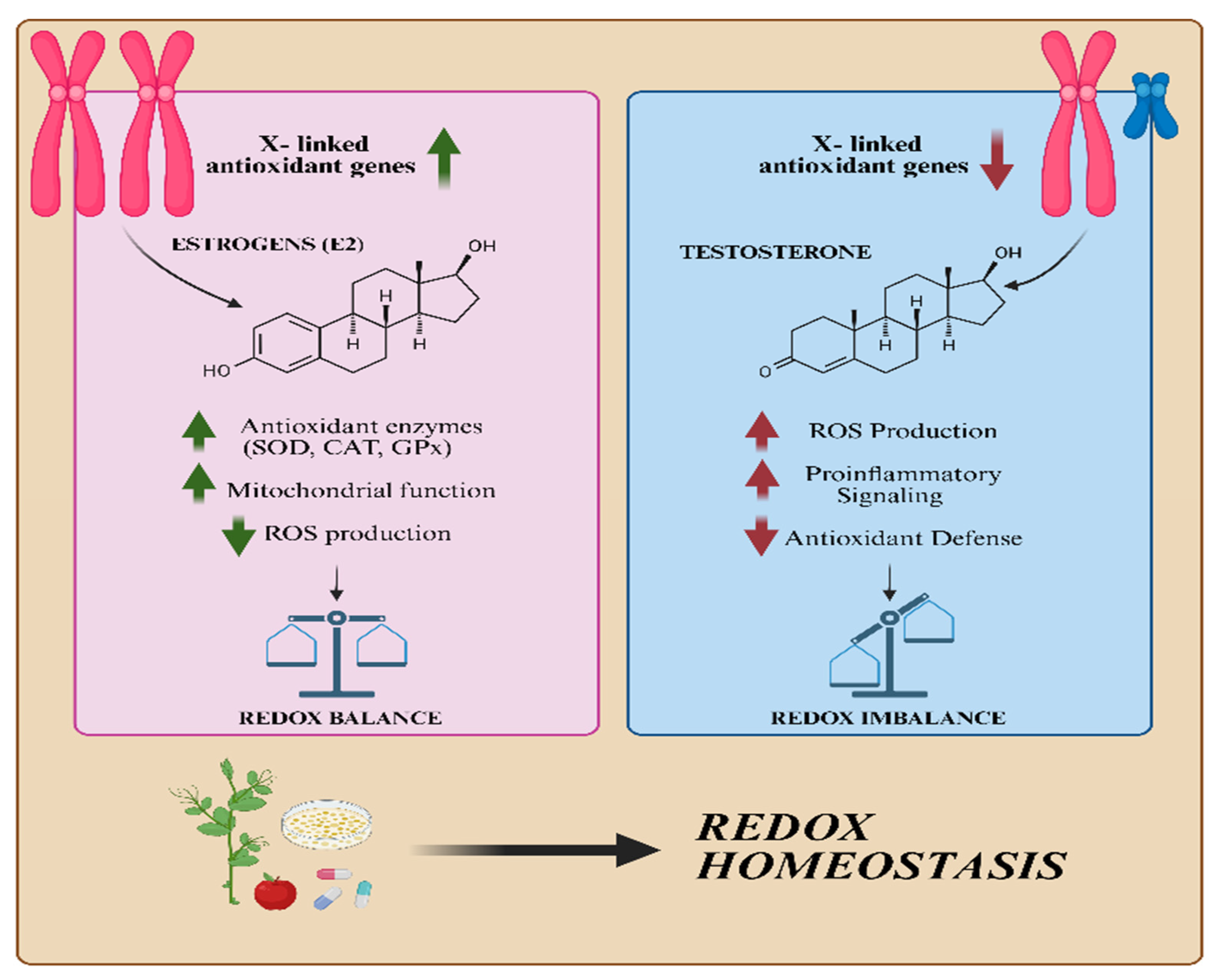
Within this context, increasing attention has been directed toward biological variables that modulate redox homeostasis, particularly biological sex. Biological sex acts as a fundamental determinant of redox homeostasis, thanks to a specific relationship between gonadal steroids and sex chromosome complement: estrogens, specifically 17β-estradiol (E2), show powerful antioxidant effects by upregulating the expression and catalytic activity of key antioxidant enzymes, including superoxide dismutase (SOD), catalase (CAT), and glutathione peroxidase (GPx) via genomic and non-genomic pathways [6,7,8,9]. In addition, E2 further optimizes mitochondrial bioenergetics, enhancing the efficiency of the electron conduction chain and significantly attenuating ROS leakage [10,11,12,13,14].
In contrast, androgens frequently promote a pro-oxidant environment by increasing ROS production and altering redox balance in a manner that depends on tissue type, hormone concentration, developmental stage, and metabolic context. In addition to these hormonal effects, sex chromosome composition (XX versus XY) influences redox regulation through gene dosage, the presence of X-linked antioxidant genes such as glucose-6-phosphate dehydrogenase (G6PD), and distinct epigenetic profiles that modulate the oxidative stress response [15,16,17,18]. Collectively, these mechanisms indicate that the regulation of oxidative stress is significantly shaped by sex-specific hormonal and genetic determinants. This understanding underscores the critical implications of biological differences for the development of antioxidant-based therapeutic strategies. Moreover, the identification of sex-specific variations in redox profiles has established biological sex as a key independent variable in biomedical research, especially in investigations of the pharmacodynamics of antioxidant therapy [19]. Nutraceuticals are bioactive compounds, derived from foods, that establish a link between nutrition and pharmacology [20,21]. Polyphenols (including flavonoids and resveratrol), carotenoids (such as beta-carotene and lycopene), vitamins C and E, and omega-3 polyunsaturated fatty acids (PUFAs) exert therapeutic effects through multiple mechanisms. These mechanisms include direct neutralization of reactive species, chelation of pro-oxidant transition metals, and activation of endogenous cytoprotective pathways, such as the nuclear factor erythroid 2-related factor 2 (Nrf2)-Keap1 axis [21,22]. These compounds modulate signaling pathways and reduce pro-inflammatory gene expression. However, their biological activity appears to be influenced by several host factors, including hormonal status and sex-specific metabolic pathways. Although these compounds demonstrate significant therapeutic potential, clinical outcomes remain heterogeneous and are often confounded by variability in bioavailability, metabolic processing, and the gut microbiome. Biological sex represents a fundamental source of complexity, as sex-specific hormonal environments, differences in body composition such as adipose-to-lean mass ratios, and variations in enzymatic expression including cytochrome P450 isoforms substantially influence the pharmacokinetics and pharmacodynamics of these biologically active molecules [23,24].
Recent studies indicate that the efficacy of certain nutraceuticals varies according to their interactions with estrogen or androgen signaling pathways. These effects may differ substantially following menopause or during andropause [25,26,27]. A significant knowledge gap persists, as most studies lack adequate statistical power to detect sex differences. This study reviews the literature from the past 10 to 15 years regarding the influence of biological sex on redox modulation by nutraceuticals, integrating findings from endocrinology, genomics, and metabolic science. By clarifying the impact of sex on antioxidant responses, this work aims to inform the development of personalized nutrition strategies and targeted therapies for chronic oxidative diseases.
2. Materials and Methods
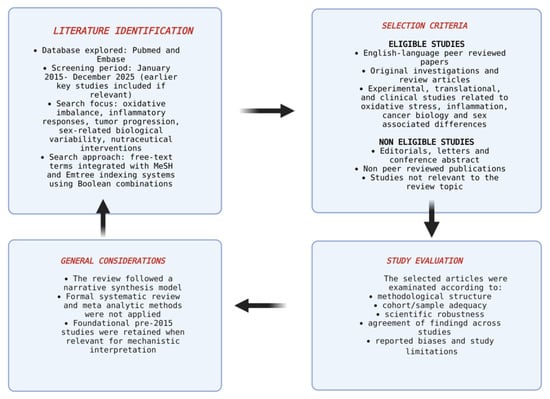
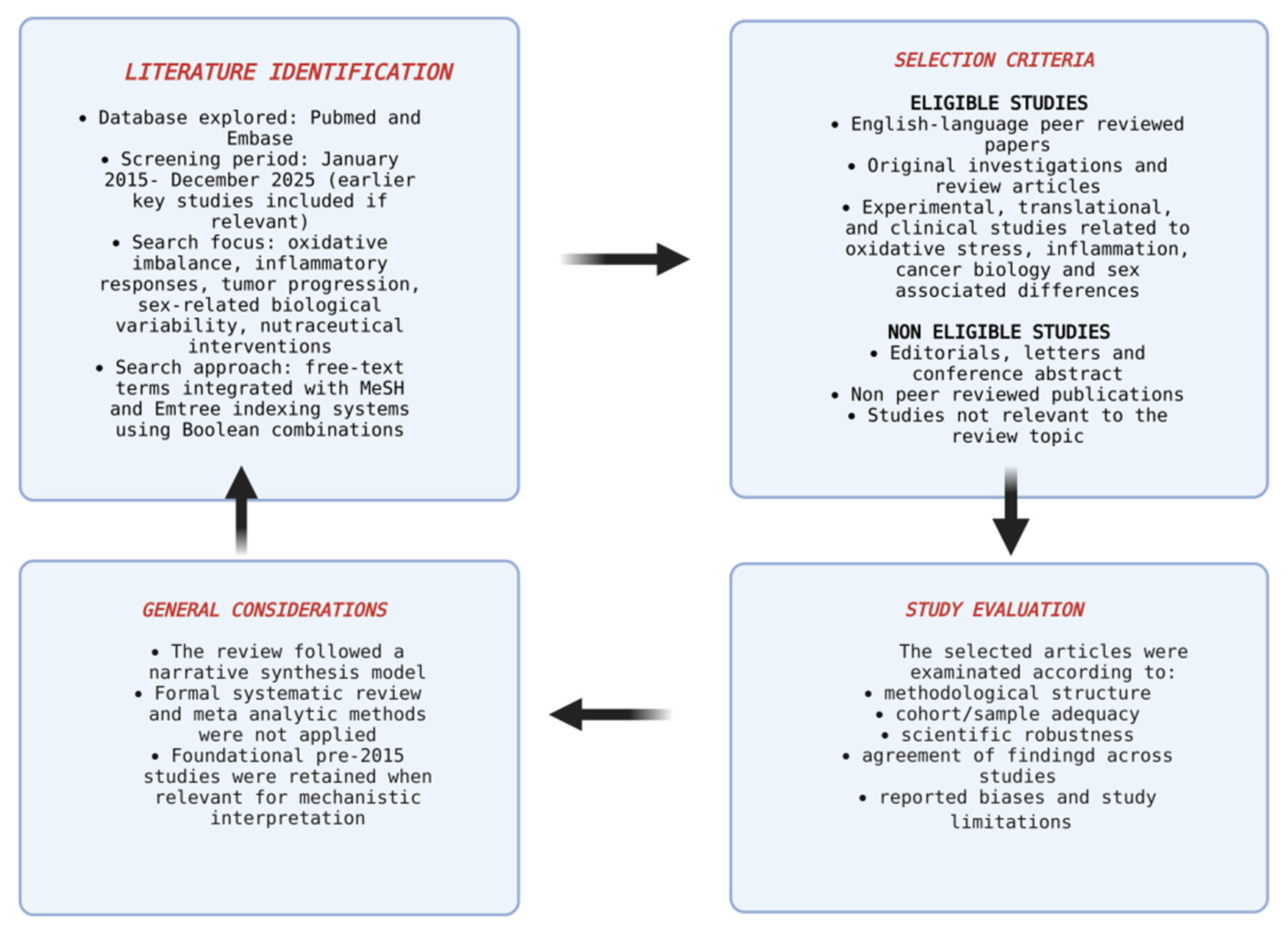
A narrative literature review was conducted using PubMed and Embase to identify relevant articles published between January 2015 and December 2025 (Figure 1). The search strategy combined free-text terms and database-specific indexing terms (MeSH in PubMed and Emtree in Embase), utilizing Boolean operators (AND, OR). The primary search terms included: “oxidative stress”, “chronic inflammation”, “cancer”, “sex differences” or “gender”, “immune dysregulation”, and “nutraceuticals”. Inclusion criteria were peer-reviewed articles published in English, original research articles or reviews, and studies providing mechanistic, preclinical, or clinical data related to oxidative stress, inflammation, cancer, and sex/gender differences. Exclusion criteria comprised editorials, conference abstracts, non-peer-reviewed publications, and studies that did not directly address the interaction between these variables. Articles were screened for relevance through title and abstract evaluation, followed by full-text assessment when necessary. Selection was based on relevance to the review objectives.
Figure 1.
Literature search strategy and eligibility criteria for the narrative review. Summary of databases, search terms, inclusion/exclusion criteria, and qualitative assessment approach. The review was conducted as a narrative synthesis without a formal systematic review protocol; seminal pre-2015 studies and non-sex-stratified studies were included when relevant.
Study quality and potential sources of bias were evaluated qualitatively by considering study design, sample size, methodological rigor, and consistency of findings across studies. Particular attention was given to potential confounding factors and reported limitations.
Although the primary focus was on research from the past decade, seminal studies published before 2015 were included when essential for contextual or mechanistic understanding. This approach complemented the narrative synthesis, which did not follow a formal systematic review or meta-analysis protocol. As a result, a comprehensive perspective aligned with the review objectives was ensured.
Additionally, studies including both male and female participants without explicit sex-stratified analyses were considered if they provided relevant data on nutraceutical modulation of oxidative stress. Inclusion of these studies allowed for a broader interpretation of antioxidant mechanisms and facilitated identification of pathways potentially shared across sexes, even in the absence of directly reported sex-specific outcomes.
3. Sex Differences in Oxidative Stress Mechanisms
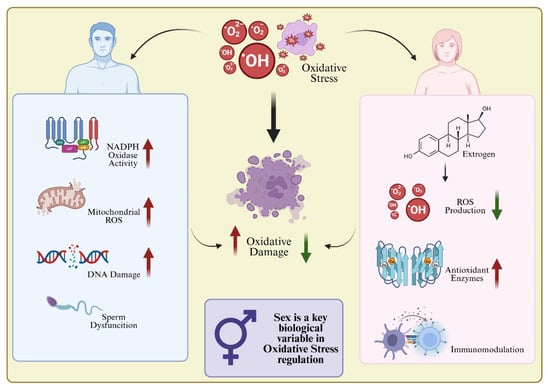
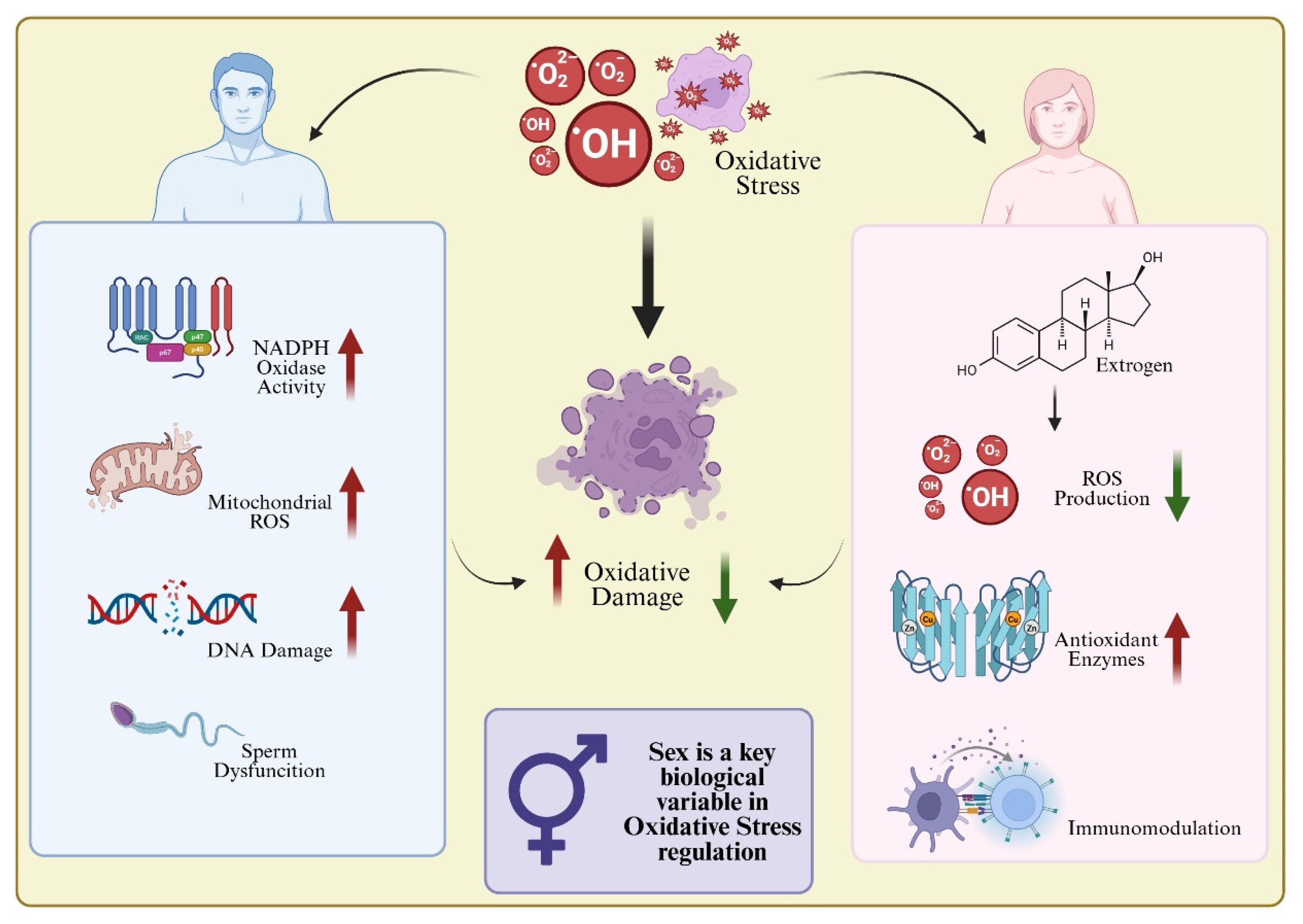
Recent research has increasingly examined the specific effects of biological sex on the regulation of redox homeostasis. Oxidative stress is a heterogeneous biological phenomenon, with characteristics that differ depending on the specific biomarker assessed, the tissue examined, and individual biological variables such as age and sex [28] (Figure 2). Several studies indicate that males and females diverge in several facets of oxidative metabolism, including mitochondrial efficiency, inflammatory pathways, and antioxidant defense mechanisms. Generally, women, especially during reproductive years, show lower levels of oxidative damage than men; however, this benefit may vary with hormonal fluctuations, aging, and disease [7,17,27].
Figure 2.
Oxidative stress results from an imbalance between reactive oxygen species (ROS) production and antioxidant defenses. Sex-related differences in redox regulation are influenced by hormonal and metabolic factors. In males, increased ROS generation, often associated with enhanced NADPH oxidase (NOX) activity and mitochondrial dysfunction, may contribute to DNA damage, lipid peroxidation, impaired sperm function, and increased susceptibility to oxidative damage. In females, estrogen signaling contributes to redox homeostasis by reducing ROS production and enhancing antioxidant enzyme activity, thereby supporting mitochondrial function and immune regulation. These effects are context-dependent and may vary according to aging, menopausal status, and disease conditions. The figure provides a simplified schematic overview of sex-related differences in oxidative stress regulation. Red arrows show detrimental effects; Green ones highlight positive properties.
Kander’s review suggests that sex differences in oxidative stress may contribute to the distinct cardiovascular risk profiles observed between men and women. Under physiological conditions, females exhibit greater protection against oxidative damage compared to males. This protection is primarily attributed to the antioxidant properties of estrogens and their regulatory effects on ROS-generating systems, such as NOX. However, the precise molecular mechanisms remain only partially understood [7]. The elevated cardiovascular risk observed in women after menopause provides additional evidence that hormonal factors play a significant role in redox regulation. Nevertheless, the modest protective effect of hormone replacement therapy on cardiovascular outcomes indicates that mechanisms other than estrogen signaling are involved in sex-related differences in oxidative pathways [7].
Sex-dependent differences in mitochondrial oxidative stress have been documented. Farhat’s experimental study demonstrated that sedentary female rats possess greater mitochondrial resilience to oxidative stress in skeletal muscle compared to males. This observation was associated with lower malondialdehyde levels and reduced antioxidant enzyme activity in females, suggesting a lower intrinsic oxidative burden rather than diminished antioxidant defenses [29]. Endurance training improved mitochondrial performance in both sexes; however, the beneficial effects were more pronounced in males, particularly in terms of mitochondrial energetic efficiency, reduced ROS production, and enhanced resistance to oxidative stress. In contrast, the susceptibility of mitochondrial function to oxidative damage remained largely unchanged in trained females. These findings indicate that sex influences both baseline redox status and adaptive responses to physiological stressors such as physical exercise [29]. In addition to physiological adaptation, sex-dependent oxidative mechanisms may further explain variations in disease susceptibility and progression.
Allegra et al. identify substantial differences between men and women in cancer incidence, progression, and survival rates [17]. The reviewed evidence indicates that NOX activity and superoxide production are lower in females, potentially resulting in reduced oxidative damage. Conversely, a more oxidative intracellular environment in males may facilitate processes linked to carcinogenesis. Although the mechanisms connecting sex, oxidative stress, and tumor development remain complex, the authors suggest that hormonal regulation of redox signaling and mitochondrial function may explain sex-specific patterns of cancer susceptibility and progression [17]. Beyond experimental and mechanistic evidence, computational methods have been employed to investigate the relationship between sex and oxidative stress in carcinogenesis. For instance, Ali conducted large-scale text mining of the scientific literature and systematically analyzed toxicological databases to identify sex-specific carcinogenic mechanisms [30]. The results demonstrated that, in experimental models, oxidative stress-related processes are more frequently linked to carcinogens that specifically affect males than to those that specifically affect females [30].
Furthermore, the analysis identified recurring patterns that suggest a possible association between oxidative stress pathways and androgen-related mechanisms. [30]. While evidence from high-throughput toxicological datasets aligns only partially with the existing literature, the findings suggest that oxidative stress plays a more prominent role in male-specific carcinogenic processes [30]. These sex-related oxidative differences extend beyond cancer biology. Cristallo and colleagues review the influence of hormonal fluctuations on inflammatory pathways and the cellular mechanisms that regulate the production of reactive oxygen and nitrogen species in allergic disorders [15]. Current evidence indicates that the prevalence of many allergic diseases varies according to sex and age. Boys are more frequently affected during childhood, whereas girls exhibit higher prevalence after puberty. Hormonal fluctuations throughout the menstrual cycle can alter allergy markers such as immunoglobulin E (IgE) and sensitivities. These findings support the hypothesis that sex hormones modulate immune responses and oxidative stress [15]. Building on this, evidence from large human cohorts further highlights the complexity and heterogeneity of sex-associated oxidative profiles. For example, the MARK-AGE study, which analyzed multiple biomarkers of oxidative damage and antioxidant defense in a large human cohort, demonstrated that associations with sex and age vary substantially across different biomarkers [28]. Plasma malondialdehyde levels were found to be lower in women than in men, but these levels increased with age in females, particularly around the menopausal transition. In contrast, other oxidative markers, including protein carbonyls and 3-nitrotyrosine, did not demonstrate significant associations with either sex or aging. Distinct patterns were also identified among antioxidant molecules, with certain antioxidants exhibiting higher concentrations in women and others in men. These results indicate that oxidative stress is a multifaceted process characterized by several distinct biomarkers. Consequently, meaningful evaluation of oxidative stress requires consideration of the specific biomarker assessed and the individual’s biological characteristics, such as sex and age [28]. Comparable sex-dependent patterns of oxidative stress have been observed in various neurological disorders. Bizoń’s study investigated the pro-oxidant and antioxidant balance in patients with relapsing-remitting multiple sclerosis, reporting significant alterations in several antioxidant enzymes relative to control subjects.
Specifically, GPx activity was reduced, while CAT activity was elevated in patients. The study further identified sex-dependent differences: male patients exhibited higher total antioxidant capacity and lower CAT activity compared to female patients. These findings suggest that sex may modulate antioxidant responses in relapsing-remitting multiple sclerosis [31]. The evidence indicates that oxidative profiles in multiple sclerosis are influenced by disease mechanisms, biological sex, and therapeutic interventions.
Collectively, these studies demonstrate that biological sex significantly influences oxidative stress pathways. In various physiological contexts, females, particularly prior to menopause, display reduced susceptibility to oxidative damage. This phenomenon is attributed to the regulatory effects of estrogens on mitochondrial function, ROS production, and antioxidant defense systems [7,17,28,29]. However, the magnitude of the protective effect differs depending on the specific biomarker, tissue type, and physiological or pathological condition. [15,28,31]. Furthermore, several lines of evidence indicate that oxidative stress contributes more significantly to disease susceptibility in males, especially regarding carcinogenesis [17,30]. These findings underscore the importance of accounting for sexual dimorphism in studies of oxidative stress mechanisms and in the evaluation of therapies or nutraceuticals that target redox balance.
The studies analyzed in this section demonstrate that sex-related variability in oxidative stress is highly context-dependent and cannot be explained by a single unifying pattern. Differences are observed not only between males and females but also across tissues, biomarkers, and physiological or pathological conditions, which underscores the complexity of redox regulation.
This heterogeneity indicates that oxidative stress should be understood as a multidimensional process shaped by interactions among biological sex, hormonal status—especially the modulatory role of estrogen in antioxidant defense pathways—and environmental factors, rather than as a fixed, sex-determined trait [15,28,31]. Furthermore, the predominance of preclinical and observational evidence restricts the capacity to establish definitive conclusions about causality and clinical translation. Although biological sex modulates oxidative pathways, its influence is dynamic and context-dependent. Additional research employing standardized methodologies and sufficiently powered, sex-stratified clinical studies is required to clarify the clinical significance of these differences.
Table 1 presents a structured, sex-stratified summary of key oxidative stress features identified in the studies discussed above.
Table 1.
Sex-stratified features of oxidative stress.
4. Role of Dietary and Nutraceutical Antioxidants: Sex Differences
4.1. Curcumin and Curcuminoids: Sex-Dependent Modulation of Oxidative Stress
Natural antioxidants, such as estrogenic compounds, have attracted significant interest as modulators of oxidative damage via mechanisms mediated by estrogen receptors [32]. Curcumin, a polyphenol derived from turmeric, has been extensively investigated for its capacity to scavenge free radicals and regulate antioxidant pathways [33,34].
Recent research examined whether the physiological effects of curcumin vary by sex, with a focus on its impact on oxidative stress and reproductive traits. The results demonstrate that the biological response to curcumin is dependent on sex. In males, curcumin supplementation was associated with reduced markers of oxidative damage and improvements in physiological traits linked to reproductive function. These findings suggest that curcumin enhances antioxidant defenses and mitigates the detrimental effects of ROS. This outcome supports the hypothesis that males face greater oxidative challenges due to the metabolic demands of reproductive investment and the development of sexually selected traits. In contrast, females exhibited a weaker or qualitatively different response to curcumin supplementation. Antioxidant treatment did not produce the same level of improvement observed in males, and in some cases, changes in oxidative stress indicators were minimal. This pattern suggests that females may employ alternative physiological strategies to maintain oxidative balance, potentially related to their distinct allocation of resources between somatic maintenance and reproduction. The findings support the perspective that males and females utilize different mechanisms to regulate oxidative stress, and that antioxidant interventions can result in sex-specific outcomes. These results underscore the importance of considering sex as a critical biological variable in research on oxidative physiology and the effects of antioxidant molecules [33,35,36].
In addition to research focused on sex-dependent effects, a substantial body of experimental and translational studies supports the role of curcumin and curcuminoids in modulating oxidative stress. These investigations consistently demonstrate their capacity to influence critical redox-related processes, such as the regulation of oxidative stress markers, mitochondrial function, and inflammatory pathways [33,35,37].
At the molecular level, curcumin exerts antioxidant effects by modulating several redox-sensitive pathways. Curcumin activates the Nrf2 signaling pathway, which results in the upregulation of key antioxidant enzymes, such as SOD, CAT, and GPx [21,22]. Curcumin inhibits pro-oxidant systems such as NOX, thereby reducing intracellular ROS generation and limiting oxidative damage. Furthermore, curcumin modulates mitochondrial function by improving electron transport chain efficiency and reducing electron leakage, a primary source of ROS production. It also downregulates pro-inflammatory signaling pathways, including NF-κB, which are closely associated with oxidative stress and redox imbalance. These mechanisms may be regulated differently between sexes. In females, hormonal factors, particularly estrogens, can interact with Nrf2 signaling and antioxidant enzyme expression, potentially enhancing curcumin-induced antioxidant responses compared to males. This interaction may account for observed sex-based differences in oxidative stress outcomes [34].
Curcumin-related compounds, known as curcuminoids, have been studied in experimental models to clarify gender differences in oxidative stress regulation.
These studies investigate the role of curcuminoids in modulating oxidative stress in Drosophila melanogaster, with particular emphasis on elucidating sex-dependent differences, especially in the oxidative stress responses of females [33,35]. Curcuminoids possess antioxidant properties that limit the accumulation of reactive molecules and influence cellular pathways involved in stress response and redox regulation. Dietary supplementation with curcuminoids correlates with reduced lipid peroxidation and increased resistance to oxidative challenges caused by pro-oxidant agents. Importantly, the effects of curcuminoid treatment vary by sex. In males, curcumin supplementation confers greater resistance to oxidative stress and is associated with improved survival, suggesting enhanced antioxidant defense mechanisms and a heightened ability to endure stressful conditions. In females, while oxidative damage is diminished, the effects on survival and physiological parameters are less substantial compared to males. These findings suggest that males and females employ different physiological strategies to maintain redox balance [38]. Males appear to derive greater benefit from curcuminoid supplementation, possibly as a result of higher baseline oxidative stress or less efficient endogenous antioxidant systems. In contrast, females may depend on more effective intrinsic mechanisms to maintain oxidative balance. These results align with experimental studies in Drosophila melanogaster, which demonstrate that curcumin enhances resistance to oxidative stress and improves survival under stress conditions [35]. Nevertheless, despite the promising antioxidant effects observed, the current evidence remains fragmented and largely based on experimental models, making it difficult to establish whether these sex-dependent responses are directly translatable to human oxidative stress physiology.
4.2. Resveratrol and Sex Differences in Antioxidant Response
Numerous plant-derived molecules enhance antioxidant defenses and regulate redox signaling pathways [39,40,41]. Among these compounds, resveratrol, a natural polyphenol present in grapes and various other plant sources, has been widely studied for its cytoprotective effects in females [39,42,43]. Experimental and translational evidence suggests that resveratrol can reduce ROS accumulation through both direct scavenging activity and activation of endogenous antioxidant defenses, thereby contributing to the preservation of mitochondrial function and cellular homeostasis [40,44]. In female systems, these antioxidant effects also appear to interact with neuronal and inflammatory signaling pathways involved in cellular resilience and neuroprotection [45,46].
At the molecular level, resveratrol activates redox-sensitive pathways, including Nrf2, leading to increased expression of antioxidant enzymes such as SOD, CAT, and GPx [40].
In addition, modulation of the SIRT1/AMPK axis has been associated with improved mitochondrial biogenesis and energy metabolism in women, whereas inhibition of NOX activity and NF-κB-dependent signaling may contribute to the attenuation of oxidative and inflammatory responses [39,42,44].
However, accumulating evidence indicates that the antioxidant and metabolic effects of resveratrol may differ between males and females, suggesting that sex hormones and sex-specific metabolic regulation could influence its biological activity under oxidative and inflammatory conditions [47]. Evidence derived from diabetes models and female clinical cohorts further supports the role of resveratrol in modulating oxidative stress and mitochondrial dysfunction, although the currently available literature remains heterogeneous and largely based on preclinical or disease-specific settings [48]. Consequently, the precise mechanisms underlying sex-dependent responses to resveratrol have not yet been fully clarified, and further sex-stratified clinical investigations are required to establish their translational relevance.
4.3. Vitamins and Sex-Specific Antioxidant Capacity
The antioxidant effects of vitamins extend beyond direct ROS scavenging and include the modulation of interconnected inflammatory, metabolic, mitochondrial, and redox-sensitive pathways. Emerging evidence indicates that these mechanisms, especially in the context of female physiology, are heterogeneous and may be substantially affected by sex-specific hormonal and metabolic regulation [27]. Sex hormones modulate micronutrient homeostasis, antioxidant enzyme activity, mitochondrial bioenergetics, and immune signaling, thereby contributing to sex-specific variability in oxidative stress responses [49]. Among antioxidant vitamins, vitamin D is recognized as a significant regulator of oxidative and inflammatory signaling, rather than merely a micronutrient associated with calcium metabolism. Experimental evidence demonstrates that vitamin D signaling modulates pathways related to cellular survival and redox homeostasis, including NF-κB-mediated inflammatory responses, regulation of antioxidant enzymes, and mitochondrial function [50,51]. These effects are influenced by hormonal context. Recent evidence indicates that estrogen signaling interacts with vitamin D receptor (VDR)-related pathways, thereby modulating immune responses, oxidative stress, and cellular proliferation in a context-dependent manner [52]. This interaction may contribute to the observed heterogeneity in antioxidant responses between sexes and among various disease conditions.
Clinical evidence further supports the concept that vitamin-dependent modulation of oxidative stress is influenced by endocrine and metabolic status. In hormonally regulated disorders such as polycystic ovary syndrome, vitamin D supplementation has been associated with reductions in high-sensitivity C-reactive protein (hs-CRP), insulin resistance, and endocrine dysregulation. These findings suggest a mechanistic interplay among inflammatory signaling, metabolic homeostasis, and redox regulation [53].
Vitamins C and E contribute to redox homeostasis not only through direct ROS scavenging but also by preserving membrane stability, regenerating endogenous antioxidant systems, and modulating inflammatory and immune responses under oxidative conditions [54,55,56,57,58]. This integrated antioxidant activity may be particularly relevant in chronic low-grade inflammatory states characterized by persistent oxidative imbalance and mitochondrial dysfunction. Experimental and clinical evidence indicates that antioxidant vitamin activity is influenced by metabolic and hormonal factors, especially in conditions characterized by chronic low-grade inflammation and oxidative imbalance. Nevertheless, although the biological relevance of these mechanisms is well recognized, current evidence is constrained by heterogeneous study designs and insufficiently powered sex-stratified analyses. This limitation hinders the determination of whether males and females demonstrate distinct antioxidant responses or differential susceptibility to oxidative stress-related damage [27]. Current evidence indicates that vitamin-mediated antioxidant effects are highly context-dependent and are modulated by interactions among sex hormones, mitochondrial activity, inflammatory signaling, and cellular redox pathways. Additional mechanistic and sex-stratified clinical studies are necessary to elucidate how these interactions influence differential susceptibility and therapeutic outcomes in diseases related to oxidative stress.
4.4. Selenium and Coenzyme Q10: Sex-Dependent Effects on Redox Balance
Selenium and coenzyme Q10 (CoQ10) are essential micronutrients that regulate cellular redox balance and protect tissues from oxidative damage. Selenium is primarily incorporated into selenoproteins, such as GPx and thioredoxin reductases, which detoxify ROS and maintain intracellular redox homeostasis. CoQ10 is a critical component of the mitochondrial electron transport chain and functions as a lipid-soluble antioxidant [59,60]. The biological effects of these compounds differ between males and females due to sex-specific physiological and metabolic characteristics that influence oxidative stress regulation. Males typically exhibit higher basal ROS production and increased activity of pro-oxidant pathways, which increases their susceptibility to oxidative injury. Supplementation with selenium and CoQ10 may therefore provide significant protective benefits in males by enhancing antioxidant defenses and supporting mitochondrial function. In contrast, females often demonstrate more efficient antioxidant regulation, partly as a result of the modulatory effects of sex hormones. As a result, the dependence on exogenous antioxidant micronutrients may be lower in females. These findings suggest that the protective effects of these compounds are more pronounced in males [61,62,63,64].
4.5. Plant-Derived Nutraceuticals and Metabolic Disorders
Plant-based nutraceuticals have been studied for their antioxidant and anti-inflammatory effects in metabolic disorders, with particular focus on type 2 diabetes mellitus [65,66]. These compounds are capable of reducing ROS production, attenuating lipid peroxidation, and modulating inflammatory pathways [66]. Curcumin and resveratrol modulate redox-sensitive pathways associated with mitochondrial function and inflammatory processes [66]. Cinnamon polyphenols are associated with improved insulin sensitivity and enhanced oxidative stress markers [66]. Current research indicates that nutraceuticals can enhance oxidative balance and support metabolic homeostasis in individuals with diabetes [66,67,68]. Biological sex influences the regulation of oxidative stress and antioxidant responses in metabolic diseases. Males typically exhibit higher basal oxidative stress and increased susceptibility to oxidative injury, while females generally demonstrate more efficient endogenous antioxidant regulation, which is partly attributable to hormonal and metabolic factors [27]. Therefore, responses to nutraceutical supplementation may vary between sexes; however, current sex-specific evidence remains both limited and inconsistent [23,25]. In addition to metabolic disorders, dietary patterns high in antioxidant nutraceuticals have been examined in the context of immune-mediated and endocrine diseases. The Mediterranean diet, characterized by an abundance of plant-based foods and unsaturated fatty acids, has been associated with enhanced oxidative balance [69,70]. Among patients with Hashimoto’s thyroiditis, increased adherence to the Mediterranean diet is associated with reduced oxidative stress and decreased markers of inflammation [69,70]. Given the higher prevalence of autoimmune thyroid diseases in women, hormonal, dietary, and immune factors are likely to contribute to sex differences in oxidative and inflammatory responses [70,71].
Sex-related oxidative mechanisms have been investigated within the context of reproductive and sexual health. Oteri et al. report that adherence to the Mediterranean diet, compared to non-adherence, may enhance sexual function in individuals with metabolic syndrome by modulating oxidative stress and inflammatory pathways [72]. Oxidative stress has a more pronounced effect on sperm function and mitochondrial activity in males. In contrast, hormonal regulation in females can partially maintain antioxidant protection; however, this equilibrium may be disrupted in the presence of metabolic disorders [72]. Nutraceutical interventions and antioxidant-rich dietary patterns modulate oxidative stress through several interconnected mechanisms, including mitochondrial regulation, inflammatory signaling, and endogenous antioxidant systems. Nevertheless, the current evidence base is constrained by heterogeneity in study designs, variability in population characteristics, and a lack of sufficient sex-stratified analyses [23,25] (Table 2).
Table 2.
Sex-dependent effects of nutraceuticals on oxidative stress: mechanistic and study-based evidence. ↑ = augmented values, ↓ = reduced values.
5. Sex Differences in Oxidative Stress: Clinical Practice
Current evidence indicates that sex-related differences in oxidative stress pathways have substantial clinical implications across multiple disease contexts, particularly in relation to disease susceptibility, progression, and therapeutic response (Figure 3). In oncology, sex-dependent regulation of oxidative stress and mitochondrial function is associated with variations in cancer incidence, progression, and treatment outcomes. Hormonal regulation of antioxidant systems may account for the observed increased protection and survival in females compared to males in these disease contexts [17,30,75,76,77,78,79]. Furthermore, sex-related differences in microRNA expression contribute to variability in tumor behavior and therapeutic response. This association underscores the potential of sex-specific molecular profiling to improve clinical management through more individualized therapeutic strategies [75,80,81,82].
Figure 3.
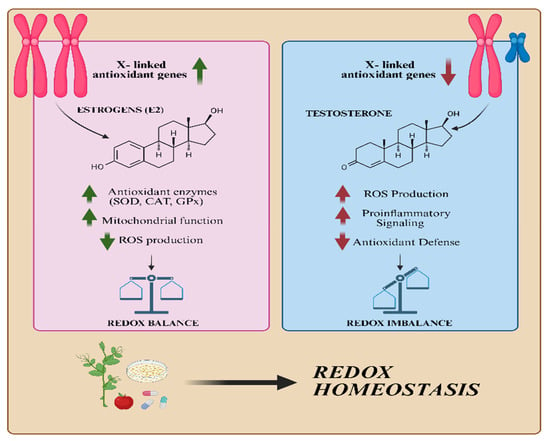
Schematic representation of sex-related differences in redox homeostasis. Oxidative stress arises from an imbalance between ROS generation and antioxidant defenses. Estrogen-associated signaling promotes antioxidant enzyme activity and mitochondrial efficiency, contributing to improved redox regulation, whereas males may exhibit a relatively enhanced pro-oxidant and pro-inflammatory state. Nutraceutical interventions may modulate these pathways and support redox homeostasis through antioxidant and anti-inflammatory mechanisms in a sex-dependent manner.
In allergic and immune-mediated diseases, sex hormones and genetic factors modulate oxidative stress and inflammation, thereby influencing disease incidence and progression. These sex-specific differences underscore the need for targeted therapies that address the distinct oxidative and immune pathways affected by sex [15]. Oxidative stress contributes directly to disease pathogenesis and may function as both a biomarker and a therapeutic target.
Experimental evidence regarding gut microbiota and neuroimmune interactions demonstrates that interventions targeting the microbiota can elicit sex-dependent effects. In chronic stress models, prebiotic supplementation has produced earlier and more pronounced improvements in anxiety-like behavior and barrier integrity in females compared to males. These findings further underscore the significant influence of the gut microbiota on neuroimmune outcomes [83,84]. Similarly, probiotic supplementation has been shown to reduce sex-dependent differences in nociception and gut dysbiosis resulting from prenatal opioid exposure. These findings indicate that microbiota modulation represents a relevant therapeutic target with distinct sex-specific effects, as such interventions can differentially alter outcomes based on sex [85,86]. Dietary and nutraceutical interventions demonstrate sex-dependent effects in cardiovascular and metabolic diseases. Higher intake of fish and omega-3 fatty acids is linked to reduced cardiovascular risk and cognitive decline, with evidence from both observational and randomized studies suggesting a greater benefit in women [87,88]. Similarly, berberine supplementation improves glycemic and insulin-related parameters. Subgroup analyses indicate potentially greater effects in women. However, these findings require further validation because of the limited availability of sex-stratified data [89].
Nutritional factors play a significant role in modulating oxidative stress in a manner that depends on biological sex. Differences in vitamin metabolism and antioxidant activity influence cardiometabolic risk and the efficacy of supplementation, highlighting the necessity for sex-specific nutritional interventions [27]. Magnesium homeostasis, which is regulated by hormones, varies between sexes and may influence cardiovascular, metabolic, and bone health outcomes [49]. Furthermore, probiotics have been associated with improvements in cardiovascular risk factors; however, variability in individual responses highlights the importance of considering sex, dosage, and treatment duration [90]. Vitamin D deficiency frequently occurs in all subtypes of irritable bowel syndrome and is ameliorated by supplementation. Sex-specific differences have been identified in certain subgroups, suggesting that sex may modulate clinical response. Additionally, interactions among vitamin D, the microbiota, and immune regulation are shaped by sex hormones and aging, which may affect inflammatory status and the risk of immune-mediated diseases [16]. A comprehensive understanding of the effects of nutraceutical antioxidants requires consideration of the underlying redox-regulatory networks in which these compounds function. Notably, compounds such as curcumin and resveratrol do not act exclusively as direct scavengers of reactive species; instead, they modulate various cellular processes involved in the regulation of oxidative stress [34,40,41]. These compounds modulate key signaling pathways, such as Nrf2, NF-κB, and mitochondrial bioenergetics, and thereby support cellular redox homeostasis rather than acting solely as conventional antioxidants [21,22,46,65]. The interaction between these pathways and biological sex represents a critical yet insufficiently investigated dimension. Sex hormones modulate many of the same molecular targets as nutraceuticals, such as antioxidant enzyme expression, mitochondrial function, and inflammatory signaling. Consequently, the baseline redox environment varies between males and females, which may influence both the magnitude and direction of responses to antioxidant interventions [7,8,15,17].
A key consideration identified in the literature is that the analysis of sex differences should encompass not only divergent responses but also the investigation of shared biological mechanisms. Multiple studies in mixed populations, even without sex-stratified analyses, consistently highlight common oxidative stress pathways modulated by nutraceuticals, including mitochondrial regulation, activation of antioxidant enzyme systems, and reduction in inflammatory signaling [23,25,27,65].
Available evidence suggests that several fundamental redox processes may be conserved between sexes despite underlying biological differences. The relative contribution of these mechanisms may vary according to hormonal status, disease context, and metabolic conditions [28,43,65].
In some cases, nutraceutical interventions appear to exert comparable effects in both males and females, indicating that the absence of sex differences may be biologically meaningful rather than simply reflecting insufficient statistical power. Therefore, interpretation of the available evidence should consider both sex-specific variability and shared underlying mechanisms.
Adopting this dual perspective can enhance understanding of oxidative stress modulation and facilitate the identification of both broadly applicable targets and those necessitating sex-specific strategies.
These findings underscore the importance of incorporating sex as a relevant biological variable in clinical research and practice. Nonetheless, several limitations must be considered. Much of the current evidence is derived from preclinical or observational studies, and mechanistic insights are not consistently translated into clinical outcomes. In addition, the absence of sex-stratified analyses in many studies limits the ability to determine whether the observed effects are truly sex-dependent. In some cases, the reported variability may instead reflect broader biological or methodological heterogeneity. Future research should integrate molecular, clinical, and sex-specific data to clarify the role of nutraceuticals in modulating oxidative stress and to inform the development of personalized therapeutic strategies. Additionally, confounding variables such as diet, lifestyle, and hormonal status are not consistently controlled, complicating interpretation. Standardized methodologies and rigorously designed sex-stratified clinical studies should be prioritized in future investigations.
6. Conclusions and Future Perspectives
The reviewed evidence emphasizes the necessity of recognizing biological sex as a central dimension in redox biology and nutraceutical research. Sex should be regarded as a dynamic factor that interacts with hormonal, metabolic, and molecular pathways to influence the regulation of oxidative stress. The current literature highlights not only the existence of sex-related differences but also the inconsistency and fragmentation of available data. Variability in study design, the absence of standardized biomarkers, and the frequent omission of sex-stratified analyses restrict the interpretability and clinical relevance of findings. Consequently, it is difficult to ascertain whether observed effects represent genuine biological differences or are artifacts of methodological limitations. Another significant concern is the gap between mechanistic understanding and clinical application. Although several redox-regulatory pathways have been identified as targets for nutraceutical compounds, their incorporation into evidence-based therapeutic strategies remains limited. This gap underscores the need for a systematic approach that connects molecular discoveries to clinical outcomes. Future research should progress beyond descriptive studies and implement designs that specifically capture sex-dependent responses. This approach includes the use of sex-stratified analyses, consideration of hormonal status and aging, and the application of standardized oxidative stress markers. Simultaneously, greater focus should be placed on translating mechanistic insights into clinically meaningful interventions. Ultimately, achieving a more precise and individualized approach to oxidative stress modulation will require the integration of sex as a fundamental biological variable rather than treating it as a secondary factor.
Author Contributions
Conceptualization, S.G.; methodology, S.G. and M.C.; writing—original draft preparation, E.D., A.V. and M.D.S.; writing—review and editing, E.D., A.V. and M.D.S.; supervision, S.G. and M.C. All authors have read and agreed to the published version of the manuscript.
Funding
The authors acknowledge support from the University of Messina through the APC initiative.
Data Availability Statement
Not applicable.
Acknowledgments
The authors acknowledge support from the University of Messina through the APC initiative. During the preparation of this manuscript, the authors used ChatGPT and Gemini (OpenAI) (https://chatgpt.com, https://gemini.google.com, accessed 25 May 2026) for the purposes of formal and language revision. The authors have reviewed and edited the output and take full responsibility for the content of this publication.
Conflicts of Interest
The authors declare no conflicts of interest.
Abbreviations
| CAT | Catalase |
| G6PD | Glucose-6-phosphate dehydrogenase |
| GPx | Glutathione peroxidase |
| H2O2 | Hydrogen peroxide |
| hs-CRP | high-sensitivity C-reactive protein |
| •OH | Hydroxyl radical |
| PUFAs | Polyunsaturated fatty acids |
| ROS | Reactive oxygen species |
| O2•− | Superoxide anion radical |
| SOD | Superoxide dismutase |
| E2 | 17β-estradiol |
| NOX | NADPH oxidases |
| Nrf2 | Nuclear factor erythroid 2-related factor 2 |
| SIRT1 | Sirtuin 1 |
| AMPK | AMP-activated protein kinase |
| CoQ10 | Coenzyme Q10 |
| MAPK | Mitogen-activated protein kinase |
References
- Preiser, J. Oxidative Stress. J. Parenter. Enter. Nutr. 2012, 36, 147–154. [Google Scholar] [CrossRef] [Scilit]
- Qin, Y.; Qian, C.; Li, W.; Wang, Q.; Sheng, Q.; Chen, Z.; Zhang, W.; Li, W.; Ge, G.; Yan, Z.; et al. Oxidative Stress: Molecular Mechanisms, Diseases, and Therapeutic Targets. MedComm 2026, 7, e70600. [Google Scholar] [CrossRef] [Scilit]
- Palma, F.R.; Gantner, B.N.; Sakiyama, M.J.; Kayzuka, C.; Shukla, S.; Lacchini, R.; Cunniff, B.; Bonini, M.G. ROS Production by Mitochondria: Function or Dysfunction? Oncogene 2024, 43, 295–303. [Google Scholar] [CrossRef] [Scilit]
- Ji, L.L.; Yeo, D. Oxidative Stress: An Evolving Definition. Fac. Rev. 2021, 10, 13. [Google Scholar] [CrossRef] [Scilit]
- Gao, Q.; Jiang, L.; Sun, Y.; An, X.; Sun, W.; Tang, S.; Kang, X.; Zhao, X.; Li, Z.; Liu, C.; et al. Oxidative Stress: From Molecular Studies to Clinical Intervention Strategies. Front. Mol. Biosci. 2025, 12, 1638042. [Google Scholar] [CrossRef] [Scilit]
- Tower, J.; Pomatto, L.C.D.; Davies, K.J.A. Sex Differences in the Response to Oxidative and Proteolytic Stress. Redox Biol. 2020, 31, 101488. [Google Scholar] [CrossRef] [Scilit] [PubMed]
- Kander, M.C.; Cui, Y.; Liu, Z. Gender Difference in Oxidative Stress: A New Look at the Mechanisms for Cardiovascular Diseases. J. Cell. Mol. Med. 2017, 21, 1024–1032. [Google Scholar] [CrossRef] [Scilit] [PubMed]
- Tiberi, J.; Cesarini, V.; Stefanelli, R.; Canterini, S.; Fiorenza, M.T.; La Rosa, P. Sex Differences in Antioxidant Defence and the Regulation of Redox Homeostasis in Physiology and Pathology. Mech. Ageing Dev. 2023, 211, 111802. [Google Scholar] [CrossRef] [Scilit]
- Colom, B.; Alcolea, M.; Valle, A.; Oliver, J.; Roca, P.; García-Palmer, F. Skeletal Muscle of Female Rats Exhibit Higher Mitochondrial Mass and Oxidative-Phosphorylative Capacities Compared to Males. Cell Physiol. Biochem. 2007, 19, 205–212. [Google Scholar] [CrossRef] [Scilit] [PubMed]
- Brunelli, E.; Domanico, F.; Russa, D.; Pellegrino, D. Sex Differences in Oxidative Stress Biomarkers. Curr. Drug Targets 2014, 15, 811–815. [Google Scholar] [CrossRef] [Scilit]
- Busler, J.N.; Slate, S.R.; Liao, H.; Lyndon, S.; Taylor, J.; Lin, A.P.; Mahon, P.B. Sex Hormones as Correlates of Oxidative Stress in the Adult Brain. Psychiatry Res. Neuroimaging 2023, 334, 111681. [Google Scholar] [CrossRef] [Scilit]
- Bellanti, F.; Matteo, M.; Rollo, T.; De Rosario, F.; Greco, P.; Vendemiale, G.; Serviddio, G. Sex Hormones Modulate Circulating Antioxidant Enzymes: Impact of Estrogen Therapy. Redox Biol. 2013, 1, 340–346. [Google Scholar] [CrossRef] [Scilit]
- Viña, J.; Sastre, J.; Pallardó, F.V.; Gambini, J.; Borrás, C. Role of Mitochondrial Oxidative Stress to Explain the Different Longevity between Genders. Protective Effect of Estrogens. Free Radic. Res. 2006, 40, 1359–1365. [Google Scholar] [CrossRef] [Scilit]
- Chang, S.-H.; Chang, C.-H.; Yang, M.-C.; Hsu, W.-T.; Hsieh, C.-Y.; Hung, Y.-T.; Su, W.-L.; Shiu, J.-J.; Huang, C.-Y.; Liu, J.-Y. Effects of Estrogen on Glutathione and Catalase Levels in Human Erythrocyte during Menstrual Cycle. Biomed. Rep. 2015, 3, 266–268. [Google Scholar] [CrossRef] [Scilit]
- Cristallo, M.; Furci, F.; Casciaro, M.; Gangemi, S.; Nettis, E. Sex Differences in Oxidative Stress Concerning Allergic Diseases. Biomolecules 2025, 15, 1461. [Google Scholar] [CrossRef] [Scilit] [PubMed]
- Murdaca, G.; Tagliafico, L.; Page, E.; Paladin, F.; Gangemi, S. Gender Differences in the Interplay between Vitamin D and Microbiota in Allergic and Autoimmune Diseases. Biomedicines 2024, 12, 1023. [Google Scholar] [CrossRef] [Scilit]
- Allegra, A.; Caserta, S.; Genovese, S.; Pioggia, G.; Gangemi, S. Gender Differences in Oxidative Stress in Relation to Cancer Susceptibility and Survival. Antioxidants 2023, 12, 1255. [Google Scholar] [CrossRef] [Scilit]
- Peterle, L.; Sanfilippo, S.; Borgia, F.; Cicero, N.; Gangemi, S. Alopecia Areata: A Review of the Role of Oxidative Stress, Possible Biomarkers, and Potential Novel Therapeutic Approaches. Antioxidants 2023, 12, 135. [Google Scholar] [CrossRef] [Scilit] [PubMed]
- Kane, A.E.; Howlett, S.E. Differences in Cardiovascular Aging in Men and Women. Adv. Exp. Med. Biol. 2018, 1065, 389–411. [Google Scholar] [CrossRef] [Scilit] [PubMed]
- Das, L.; Bhaumik, E.; Raychaudhuri, U.; Chakraborty, R. Role of Nutraceuticals in Human Health. J. Food Sci. Technol. 2012, 49, 173–183. [Google Scholar] [CrossRef] [Scilit]
- Andrews, R.R.; Anderson, K.R.; Fry, J.L. Sex-Specific Variation in Metabolic Responses to Diet. Nutrients 2024, 16, 2921. [Google Scholar] [CrossRef] [Scilit] [PubMed]
- Coulter, I.D.; Hardy, M.L.; Morton, S.C.; Hilton, L.G.; Tu, W.; Valentine, D.; Shekelle, P.G. Antioxidants Vitamin C and Vitamin E for the Prevention and Treatment of Cancer. J. Gen. Intern. Med. 2006, 21, 735–744. [Google Scholar] [CrossRef] [Scilit] [PubMed]
- AlAli, M.; Alqubaisy, M.; Aljaafari, M.N.; AlAli, A.O.; Baqais, L.; Molouki, A.; Abushelaibi, A.; Lai, K.-S.; Lim, S.-H.E. Nutraceuticals: Transformation of Conventional Foods into Health Promoters/Disease Preventers and Safety Considerations. Molecules 2021, 26, 2540. [Google Scholar] [CrossRef] [Scilit]
- Berry, S.E.; Valdes, A.M.; Drew, D.A.; Asnicar, F.; Mazidi, M.; Wolf, J.; Capdevila, J.; Hadjigeorgiou, G.; Davies, R.; Al Khatib, H.; et al. Human Postprandial Responses to Food and Potential for Precision Nutrition. Nat. Med. 2020, 26, 964–973. [Google Scholar] [CrossRef] [Scilit]
- Wunderle, C.; Suter, S.S.; Endner, N.; Haenggi, E.; Kaegi-Braun, N.; Tribolet, P.; Stanga, Z.; Mueller, B.; Schuetz, P. Sex Differences in Clinical Presentation, Treatment Response, and Side Effects of Nutritional Therapy among Patients at Nutritional Risk: A Secondary Analysis of the Randomized Clinical Trial EFFORT. Am. J. Clin. Nutr. 2024, 120, 1225–1232. [Google Scholar] [CrossRef] [Scilit]
- Di Renzo, L.; Gualtieri, P.; Frank, G.; De Santis, G.L.; Cianci, R.; Bigioni, G.; De Lorenzo, A. Sex Differences in the Efficacy of Mediterranean Diet Treatment: A Nutrigenomics Pilot Study. Genes 2023, 14, 1980. [Google Scholar] [CrossRef] [Scilit]
- Wróblewska, J.; Długosz, A.; Wróblewski, M.; Nuszkiewicz, J.; Wróblewska, W.; Woźniak, A. Sex Differences in Vitamin Metabolism and Their Role in Oxidative Stress Regulation and Cardiometabolic Health. Nutrients 2025, 17, 2697. [Google Scholar] [CrossRef] [Scilit]
- Pinchuk, I.; Weber, D.; Kochlik, B.; Stuetz, W.; Toussaint, O.; Debacq-Chainiaux, F.; Dollé, M.E.T.; Jansen, E.H.J.M.; Gonos, E.S.; Sikora, E.; et al. Gender- and Age-Dependencies of Oxidative Stress, as Detected Based on the Steady State Concentrations of Different Biomarkers in the MARK-AGE Study. Redox Biol. 2019, 24, 101204. [Google Scholar] [CrossRef] [Scilit]
- Farhat, F.; Amérand, A.; Simon, B.; Guegueniat, N.; Moisan, C. Gender-Dependent Differences of Mitochondrial Function and Oxidative Stress in Rat Skeletal Muscle at Rest and after Exercise Training. Redox Rep. 2017, 22, 508–514. [Google Scholar] [CrossRef] [Scilit] [PubMed]
- Ali, I.; Högberg, J.; Hsieh, J.-H.; Auerbach, S.; Korhonen, A.; Stenius, U.; Silins, I. Gender Differences in Cancer Susceptibility: Role of Oxidative Stress. Carcinogenesis 2016, 37, 985–992. [Google Scholar] [CrossRef] [Scilit]
- Bizoń, A.; Chojdak-Łukasiewicz, J.; Budrewicz, S.; Pokryszko-Dragan, A.; Piwowar, A. Exploring the Relationship between Antioxidant Enzymes, Oxidative Stress Markers, and Clinical Profile in Relapsing–Remitting Multiple Sclerosis. Antioxidants 2023, 12, 1638. [Google Scholar] [CrossRef] [Scilit] [PubMed]
- Di Salvo, M.; Ventre, A.; Dato, E.; Casciaro, M.; Gangemi, S. Nutraceuticals Against Oxidative Stress in Allergic Diseases. Biomolecules 2025, 15, 1347. [Google Scholar] [CrossRef] [Scilit]
- Esquivel, A.R.; Douglas, J.C.; Loughran, R.M.; Rezendes, T.E.; Reed, K.R.; Cains, T.H.L.; Emsley, S.A.; Paddock, W.A.; Videau, P.; Koyack, M.J.; et al. Assessing the Influence of Curcumin in Sex Specific Oxidative Stress, Survival, and Behavior in Drosophila melanogaster. J. Exp. Biol. 2020, 223, jeb.223867. [Google Scholar] [CrossRef] [Scilit]
- Hoffman, T.R.; Emsley, S.A.; Douglas, J.C.; Reed, K.R.; Esquivel, A.R.; Koyack, M.J.; Paddock, B.E.; Videau, P. Assessing Curcumin Uptake and Clearance and Their Influence on Superoxide Dismutase Activity in Drosophila Melanogaster. BioTech 2023, 12, 58. [Google Scholar] [CrossRef] [Scilit] [PubMed]
- Nguyen, T.T.; Vuu, M.D.; Huynh, M.A.; Yamaguchi, M.; Tran, L.T.; Dang, T.P.T. Curcumin Effectively Rescued Parkinson’s Disease-Like Phenotypes in a Novel Drosophila melanogaster Model with dUCH Knockdown. Oxidative Med. Cell. Longev. 2018, 2018, 2038267. [Google Scholar] [CrossRef] [Scilit]
- Xu, X.-Y.; Meng, X.; Li, S.; Gan, R.-Y.; Li, Y.; Li, H.-B. Bioactivity, Health Benefits, and Related Molecular Mechanisms of Curcumin: Current Progress, Challenges, and Perspectives. Nutrients 2018, 10, 1553. [Google Scholar] [CrossRef] [Scilit]
- Al-Dosari, D.; Ahmed, M.; Al-Rejaie, S.; Alhomida, A.; Ola, M. Flavonoid Naringenin Attenuates Oxidative Stress, Apoptosis and Improves Neurotrophic Effects in the Diabetic Rat Retina. Nutrients 2017, 9, 1161. [Google Scholar] [CrossRef] [Scilit]
- Akinyemi, A.J.; Oboh, G.; Ogunsuyi, O.; Abolaji, A.O.; Udofia, A. Curcumin-Supplemented Diets Improve Antioxidant Enzymes and Alter Acetylcholinesterase Genes Expression Level in Drosophila melanogaster Model. Metab. Brain Dis. 2018, 33, 369–375. [Google Scholar] [CrossRef] [Scilit]
- Brisdelli, F.; D’Andrea, G.; Bozzi, A. Resveratrol: A Natural Polyphenol with Multiple Chemopreventive Properties (Review). Curr. Drug Metab. 2009, 10, 530–546. [Google Scholar] [CrossRef] [Scilit] [PubMed]
- Diaz-Gerevini, G.T.; Repossi, G.; Dain, A.; Tarres, M.C.; Das, U.N.; Eynard, A.R. Beneficial Action of Resveratrol: How and Why? Nutrition 2016, 32, 174–178. [Google Scholar] [CrossRef] [Scilit]
- Mannucci, C.; Casciaro, M.; Sorbara, E.E.; Calapai, F.; Di Salvo, E.; Pioggia, G.; Navarra, M.; Calapai, G.; Gangemi, S. Nutraceuticals against Oxidative Stress in Autoimmune Disorders. Antioxidants 2021, 10, 261. [Google Scholar] [CrossRef] [Scilit]
- Szekeres, T.; Saiko, P.; Fritzer-Szekeres, M.; Djavan, B.; Jäger, W. Chemopreventive Effects of Resveratrol and Resveratrol Derivatives. Ann. N. Y. Acad. Sci. 2011, 1215, 89–95. [Google Scholar] [CrossRef] [Scilit] [PubMed]
- Frombaum, M.; Le Clanche, S.; Bonnefont-Rousselot, D.; Borderie, D. Antioxidant Effects of Resveratrol and Other Stilbene Derivatives on Oxidative Stress and NO Bioavailability: Potential Benefits to Cardiovascular Diseases. Biochimie 2012, 94, 269–276. [Google Scholar] [CrossRef] [Scilit]
- Vega, C.C.; Reyes-Castro, L.A.; Rodríguez-González, G.L.; Bautista, C.J.; Vázquez-Martínez, M.; Larrea, F.; Chamorro-Cevallos, G.A.; Nathanielsz, P.W.; Zambrano, E. Resveratrol Partially Prevents Oxidative Stress and Metabolic Dysfunction in Pregnant Rats Fed a Low Protein Diet and Their Offspring. J. Physiol. 2016, 594, 1483–1499. [Google Scholar] [CrossRef] [Scilit]
- Vogelgesang, S.; Niebert, S.; Renner, U.; Möbius, W.; Hülsmann, S.; Manzke, T.; Niebert, M. Analysis of the Serotonergic System in a Mouse Model of Rett Syndrome Reveals Unusual Upregulation of Serotonin Receptor 5b. Front. Mol. Neurosci. 2017, 10, 61. [Google Scholar] [CrossRef] [Scilit]
- De Filippis, B.; Chiodi, V.; Adriani, W.; Lacivita, E.; Mallozzi, C.; Leopoldo, M.; Domenici, M.R.; Fuso, A.; Laviola, G. Long-Lasting Beneficial Effects of Central Serotonin Receptor 7 Stimulation in Female Mice Modeling Rett Syndrome. Front. Behav. Neurosci. 2015, 9, 86. [Google Scholar] [CrossRef] [Scilit]
- Wagnerova, A.; Babickova, J.; Liptak, R.; Vlkova, B.; Celec, P.; Gardlik, R. Sex Differences in the Effect of Resveratrol on DSS-Induced Colitis in Mice. Gastroenterol. Res. Pract. 2017, 2017, 8051870. [Google Scholar] [CrossRef] [Scilit]
- Szkudelski, T.; Szkudelska, K. Resveratrol and Diabetes: From Animal to Human Studies. Biochim. Biophys. Acta (BBA) Mol. Basis Dis. 2015, 1852, 1145–1154. [Google Scholar] [CrossRef] [Scilit] [PubMed]
- Mazza, E.; Maurotti, S.; Ferro, Y.; Castagna, A.; Pujia, C.; Sciacqua, A.; Pujia, A.; Montalcini, T. Magnesium: Exploring Gender Differences in Its Health Impact and Dietary Intake. Nutrients 2025, 17, 2226. [Google Scholar] [CrossRef] [Scilit]
- Câmara, A.B.; Brandão, I.A. The Relationship between Vitamin D Deficiency and Oxidative Stress Can Be Independent of Age and Gender. Int. J. Vitam. Nutr. Res. 2021, 91, 108–123. [Google Scholar] [CrossRef] [Scilit] [PubMed]
- Tang, L.; Fang, W.; Lin, J.; Li, J.; Wu, W.; Xu, J. Vitamin D Protects Human Melanocytes against Oxidative Damage by Activation of Wnt/β-Catenin Signaling. Lab. Investig. 2018, 98, 1527–1537. [Google Scholar] [CrossRef] [Scilit]
- Guo, Q.; Chen, Y.; Zhou, Q.; Dong, D.; Huang, S.; Shan, M.; Zhang, B.; Pan, L.; Zhao, Y. The Vitamin D3 Axis in Laryngeal Cancer: A Double-Edged Sword Modulated by Estrogen Signaling. Front. Immunol. 2025, 16, 1688589. [Google Scholar] [CrossRef] [Scilit]
- Wu, B.; Yao, J. A Meta-Analysis of the Effects of Vitamin D Supplementation on Endocrine Metabolic and Inflammatory Markers in Patients with Polycystic Ovarian Syndrome. Medicine 2026, 105, e46892. [Google Scholar] [CrossRef] [Scilit] [PubMed]
- Calder, P.C.; Kreider, R.B.; McKay, D.L. Enhanced Vitamin C Delivery: A Systematic Literature Review Assessing the Efficacy and Safety of Alternative Supplement Forms in Healthy Adults. Nutrients 2025, 17, 279. [Google Scholar] [CrossRef] [Scilit]
- Bozonet, S.M.; Carr, A.C. The Role of Physiological Vitamin C Concentrations on Key Functions of Neutrophils Isolated from Healthy Individuals. Nutrients 2019, 11, 1363. [Google Scholar] [CrossRef] [Scilit]
- Carr, A.C.; Rosengrave, P.C.; Bayer, S.; Chambers, S.; Mehrtens, J.; Shaw, G.M. Hypovitaminosis C and Vitamin C Deficiency in Critically Ill Patients despite Recommended Enteral and Parenteral Intakes. Crit. Care 2017, 21, 300. [Google Scholar] [CrossRef] [Scilit] [PubMed]
- Van Gorkom, G.; Klein Wolterink, R.; Van Elssen, C.; Wieten, L.; Germeraad, W.; Bos, G. Influence of Vitamin C on Lymphocytes: An Overview. Antioxidants 2018, 7, 41. [Google Scholar] [CrossRef] [Scilit]
- Jiang, Q. Natural Forms of Vitamin E: Metabolism, Antioxidant, and Anti-Inflammatory Activities and Their Role in Disease Prevention and Therapy. Free Radic. Biol. Med. 2014, 72, 76–90. [Google Scholar] [CrossRef] [Scilit] [PubMed]
- Alehagen, U.; Aaseth, J.O.; Schomburg, L.; Opstad, T.B.; Larsson, A.; Alexander, J. Selenium and Coenzyme Q10 Supplementation and Sex Differences in Cardiovascular Mortality Results from a Prospective Randomized Double-Blind Placebo-Controlled Trial in Elderly People Low in Selenium. Antioxidants 2025, 14, 685. [Google Scholar] [CrossRef] [Scilit]
- Regitz-Zagrosek, V.; Kararigas, G. Mechanistic Pathways of Sex Differences in Cardiovascular Disease. Physiol. Rev. 2017, 97, 1–37. [Google Scholar] [CrossRef] [Scilit]
- Atalay Ekiner, S.; Gęgotek, A.; Domingues, M.R.; Domingues, P.; Skrzydlewska, E. The Effects of Lipid Extracts from Microalgae Chlorococcum Amblystomatis and Nannochloropsis Oceanica on the Proteome of 3D-Cultured Fibroblasts Exposed to UVA Radiation. Antioxidants 2025, 14, 545. [Google Scholar] [CrossRef] [Scilit] [PubMed]
- Wang, J.; Zhang, Y.; Hu, S.; Ge, S.; Jia, M.; Wang, N. Resveratrol Inhibits MRGPRX2-Mediated Mast Cell Activation via Nrf2 Pathway. Int. Immunopharmacol. 2021, 93, 107426. [Google Scholar] [CrossRef] [Scilit]
- Emanuelli, M.; Sartini, D.; Molinelli, E.; Campagna, R.; Pozzi, V.; Salvolini, E.; Simonetti, O.; Campanati, A.; Offidani, A. The Double-Edged Sword of Oxidative Stress in Skin Damage and Melanoma: From Physiopathology to Therapeutical Approaches. Antioxidants 2022, 11, 612. [Google Scholar] [CrossRef] [Scilit]
- Regueiras, A.; Huguet, Á.; Conde, T.; Couto, D.; Domingues, P.; Domingues, M.R.; Costa, A.M.; Silva, J.L.D.; Vasconcelos, V.; Urbatzka, R. Potential Anti-Obesity, Anti-Steatosis, and Anti-Inflammatory Properties of Extracts from the Microalgae Chlorella Vulgaris and Chlorococcum Amblystomatis under Different Growth Conditions. Mar. Drugs 2021, 20, 9. [Google Scholar] [CrossRef] [Scilit]
- Ormseth, M.J.; Oeser, A.M.; Chung, C.P.; Stein, C.M. Ambulatory Blood Pressure in Patients with Rheumatoid Arthritis: Association with Immune Activation. J. Rheumatol. 2024, 51, 870–876. [Google Scholar] [CrossRef] [Scilit]
- Banaszak, M.; Górna, I.; Woźniak, D.; Przysławski, J.; Drzymała-Czyż, S. The Impact of Curcumin, Resveratrol, and Cinnamon on Modulating Oxidative Stress and Antioxidant Activity in Type 2 Diabetes: Moving beyond an Anti-Hyperglycaemic Evaluation. Antioxidants 2024, 13, 510. [Google Scholar] [CrossRef] [Scilit]
- Sementina, A.; Cierzniakowski, M.; Rogalska, J.; Piechowiak, I.; Spichalski, M.; Araszkiewicz, A. A Novel Approach to Alpha-Lipoic Acid Therapy in the Treatment of Diabetic Peripheral Neuropathy. J. Med. Sci. 2022, 91, e714. [Google Scholar] [CrossRef] [Scilit]
- Vitale, M.; Masulli, M.; Rivellese, A.A.; Bonora, E.; Cappellini, F.; Nicolucci, A.; Squatrito, S.; Antenucci, D.; Barrea, A.; Bianchi, C.; et al. IT Study Group; et al. Dietary Intake and Major Food Sources of Polyphenols in People with Type 2 Diabetes: The TOSCA.IT Study. Eur. J. Nutr. 2018, 57, 679–688. [Google Scholar] [CrossRef] [Scilit]
- Ruggeri, R.M.; Giovinazzo, S.; Barbalace, M.C.; Cristani, M.; Alibrandi, A.; Vicchio, T.M.; Giuffrida, G.; Aguennouz, M.H.; Malaguti, M.; Angeloni, C.; et al. Influence of Dietary Habits on Oxidative Stress Markers in Hashimoto’s Thyroiditis. Thyroid 2021, 31, 96–105. [Google Scholar] [CrossRef] [Scilit] [PubMed]
- Laganà, M.; Piticchio, T.; Alibrandi, A.; Le Moli, R.; Pallotti, F.; Campennì, A.; Cannavò, S.; Frasca, F.; Ruggeri, R.M. Effects of Dietary Habits on Markers of Oxidative Stress in Subjects with Hashimoto’s Thyroiditis: Comparison Between the Mediterranean Diet and a Gluten-Free Diet. Nutrients 2025, 17, 363. [Google Scholar] [CrossRef] [Scilit] [PubMed]
- Manzel, A.; Muller, D.N.; Hafler, D.A.; Erdman, S.E.; Linker, R.A.; Kleinewietfeld, M. Role of “Western Diet” in Inflammatory Autoimmune Diseases. Curr. Allergy Asthma Rep. 2014, 14, 404. [Google Scholar] [CrossRef] [Scilit] [PubMed]
- Oteri, V.; Galeano, F.; Panebianco, S.; Piticchio, T.; Le Moli, R.; Frittitta, L.; Vella, V.; Baratta, R.; Gullo, D.; Frasca, F.; et al. Influence of Mediterranean Diet on Sexual Function in People with Metabolic Syndrome: A Narrative Review. Nutrients 2024, 16, 3397. [Google Scholar] [CrossRef] [Scilit] [PubMed]
- Darmian, M.A.; Hoseini, R.; Amiri, E.; Golshani, S. Downregulated Hs-CRP and MAD, Upregulated GSH and TAC, and Improved Metabolic Status Following Combined Exercise and Turmeric Supplementation: A Clinical Trial in Middle-Aged Women with Hyperlipidemic Type 2 Diabetes. J. Diabetes Metab. Disord. 2022, 21, 275–283. [Google Scholar] [CrossRef] [Scilit]
- Jiménez-Osorio, A.S.; García-Niño, W.R.; González-Reyes, S.; Álvarez-Mejía, A.E.; Guerra-León, S.; Salazar-Segovia, J.; Falcón, I.; Montes De Oca-Solano, H.; Madero, M.; Pedraza-Chaverri, J. The Effect of Dietary Supplementation with Curcumin on Redox Status and Nrf2 Activation in Patients with Nondiabetic or Diabetic Proteinuric Chronic Kidney Disease: A Pilot Study. J. Ren. Nutr. 2016, 26, 237–244. [Google Scholar] [CrossRef] [Scilit]
- Caserta, S.; Gangemi, S.; Murdaca, G.; Allegra, A. Gender Differences and miRNAs Expression in Cancer: Implications on Prognosis and Susceptibility. Int. J. Mol. Sci. 2023, 24, 11544. [Google Scholar] [CrossRef] [Scilit]
- Dorak, M.T.; Karpuzoglu, E. Gender Differences in Cancer Susceptibility: An Inadequately Addressed Issue. Front. Genet. 2012, 3, 268. [Google Scholar] [CrossRef] [Scilit]
- Ashley, D.J. A Male-Female Differential in Tumour Incidence. Br. J. Cancer 1969, 23, 21–25. [Google Scholar] [CrossRef] [Scilit]
- Cook, M.B.; McGlynn, K.A.; Devesa, S.S.; Freedman, N.D.; Anderson, W.F. Sex Disparities in Cancer Mortality and Survival. Cancer Epidemiol. Biomark. Prev. 2011, 20, 1629–1637. [Google Scholar] [CrossRef] [Scilit]
- Seifarth, J.E.; McGowan, C.L.; Milne, K.J. Sex and Life Expectancy. Gend. Med. 2012, 9, 390–401. [Google Scholar] [CrossRef] [Scilit] [PubMed]
- Warnefors, M.; Mössinger, K.; Halbert, J.; Studer, T.; VandeBerg, J.L.; Lindgren, I.; Fallahshahroudi, A.; Jensen, P.; Kaessmann, H. Sex-Biased microRNA Expression in Mammals and Birds Reveals Underlying Regulatory Mechanisms and a Role in Dosage Compensation. Genome Res. 2017, 27, 1961–1973. [Google Scholar] [CrossRef] [Scilit]
- Bezler, A.; Braukmann, F.; West, S.M.; Duplan, A.; Conconi, R.; Schütz, F.; Gönczy, P.; Piano, F.; Gunsalus, K.; Miska, E.A.; et al. Tissue- and Sex-Specific Small RNAomes Reveal Sex Differences in Response to the Environment. PLoS Genet. 2019, 15, e1007905. [Google Scholar] [CrossRef] [Scilit]
- Carè, A.; Bellenghi, M.; Matarrese, P.; Gabriele, L.; Salvioli, S.; Malorni, W. Sex Disparity in Cancer: Roles of microRNAs and Related Functional Players. Cell Death Differ. 2018, 25, 477–485. [Google Scholar] [CrossRef] [Scilit]
- Jiang, J.; Fu, Y.; Tang, A.; Gao, X.; Zhang, D.; Shen, Y.; Mou, T.; Hu, S.; Gao, J.; Lai, J. Sex Difference in Prebiotics on Gut and Blood–Brain Barrier Dysfunction Underlying Stress-induced Anxiety and Depression. CNS Neurosci. Ther. 2023, 29, 115–128. [Google Scholar] [CrossRef] [Scilit]
- Ansari, F.; Pourjafar, H.; Tabrizi, A.; Homayouni, A. The Effects of Probiotics and Prebiotics on Mental Disorders: A Review on Depression, Anxiety, Alzheimer, and Autism Spectrum Disorders. Curr. Pharm. Biotechnol. 2020, 21, 555–565. [Google Scholar] [CrossRef] [Scilit]
- Singh, S.; Abu, Y.; Antoine, D.; Gomez, D.; Tao, J.; Truitt, B.; Roy, S. Probiotic Supplementation Mitigates Sex-Dependent Nociceptive Changes and Gut Dysbiosis Induced by Prenatal Opioid Exposure. Gut Microbes 2025, 17, 2464942. [Google Scholar] [CrossRef] [Scilit] [PubMed]
- Mogil, J.S. Qualitative Sex Differences in Pain Processing: Emerging Evidence of a Biased Literature. Nat. Rev. Neurosci. 2020, 21, 353–365. [Google Scholar] [CrossRef] [Scilit] [PubMed]
- Welty, F.K.; Daher, R.; Garelnabi, M. Fish and Omega-3 Fatty Acids: Sex and Racial Differences in Cardiovascular Outcomes and Cognitive Function. Arterioscler. Thromb. Vasc. Biol. 2024, 44, 89–107. [Google Scholar] [CrossRef] [Scilit] [PubMed]
- Bassuk, S.S.; Chandler, P.D.; Buring, J.E.; Manson, J.E.; for the VITAL Research Group. The VITamin D and OmegA-3 TriaL (VITAL): Do Results Differ by Sex or Race/Ethnicity? Am. J. Lifestyle Med. 2021, 15, 372–391. [Google Scholar] [CrossRef] [Scilit]
- Zhao, J.V.; Huang, X.; Zhang, J.; Chan, Y.-H.; Tse, H.-F.; Blais, J.E. Overall and Sex-Specific Effect of Berberine on Glycemic and Insulin-Related Traits: A Systematic Review and Meta-Analysis of Randomized Controlled Trials. J. Nutr. 2023, 153, 2939–2950. [Google Scholar] [CrossRef] [Scilit]
- Düzen Oflas, N.; Yılmaz Ürün, Y. Vitamin D Deficiency and Supplementation in Irritable Bowel Syndrome: Retrospective Evaluation of Subtype and Sex-Based Differences. Medicina 2025, 61, 1229. [Google Scholar] [CrossRef] [Scilit]

Disclaimer/Publisher’s Note: The statements, opinions and data contained in all publications are solely those of the individual author(s) and contributor(s) and not of MDPI and/or the editor(s). MDPI and/or the editor(s) disclaim responsibility for any injury to people or property resulting from any ideas, methods, instructions or products referred to in the content. |
© 2026 by the authors. Licensee MDPI, Basel, Switzerland. This article is an open access article distributed under the terms and conditions of the Creative Commons Attribution (CC BY) license.