


Featured Application
This work proposes a structured evaluation framework to improve the translation of marine-derived bioactive compounds into functional food ingredients, supporting more reliable development of natural preservatives, antioxidants, and colorants for food applications.
Abstract
Marine-derived compounds are increasingly being reported as promising candidates for use in food products due to their antioxidant, antimicrobial, and other bioactive properties. However, the successful translation of these compounds into effective food ingredients lags far behind the growing body of bioactivity data. This discrepancy reflects the tendency to equate activity measured under simplified laboratory conditions with functionality in real food systems. This article argues that such an assumption is often misleading. The performance of marine bioactives in food matrices is affected by factors such as instability, interactions with surrounding components, processing conditions, and loss of efficacy over time. Consequently, conventional in vitro screening often overestimates application potential and has limited predictive value for practical use. To advance the field, we propose a functionality-driven translation framework that shifts the evaluation focus away from bioactivity-centred screening towards assessing stability, matrix compatibility, feasible dosages and performance under conditions mimicking food matrix complexity. Better alignment between discovery and application is essential if the diversity of marine chemicals is to generate robust and effective solutions for food systems.
1. Introduction
Marine biotechnology has become highly effective at identifying compounds with promising bioactive properties. The functional effectiveness of these compounds in real food systems [1,2] is a limiting step for the concrete application of these bioactivities in the food sector. This imbalance has become more apparent as interest in marine-derived ingredients has grown in areas such as food preservation, functional formulation, packaging and clean-label innovation [3,4]. While the field now generates a large volume of evidence on antioxidant, antimicrobial, anti-inflammatory, and emulsifying activities, for example, the number of cases in which such properties translate into robust and reproducible food performance remains comparatively limited [2,5].
This is not a minor methodological issue. It reflects a deeper conceptual tendency to treat bioactivity and functionality as interchangeable. In practice, however, they are not. Bioactivity is typically determined under simplified, highly controlled experimental conditions designed to detect whether a compound or extract can elicit a measurable response. By contrast, functionality depends on whether that response is retained, expressed and sustained within the constraints of a target application [5,6]. In food systems, this distinction is particularly important because the matrix itself is chemically and physically complex, highly variable and often disruptive to compound performance [7].
Marine environments are an exceptional source of chemical diversity. Organisms living in habitats characterised by competition, predation, fouling pressure, variable light levels, nutrient limitation, osmotic shifts and other selective pressures have evolved a wide range of metabolites and structural molecules that are ecologically and functionally relevant [8]. Macroalgae, microalgae, cyanobacteria, invertebrates and marine-associated microorganisms have all been identified as sources of compounds that could be used in food systems. These include polyphenols, sulphated polysaccharides, carotenoids, peptides, proteins, sterols, fatty acids and complex extracts with multifunctional properties [9,10,11,12]. Several of these compound classes have already found concrete applications in food biotechnology. Fucoxanthin, a xanthophyll carotenoid from brown macroalgae, is recognised for its antioxidant and anti-obesity properties and has been incorporated into functional beverages and supplements [13]. Carrageenan and agar, sulphated polysaccharides extracted from red seaweeds, are widely used as gelling and stabilising agents in dairy products, confectionery and plant-based foods. Marine-derived omega-3 fatty acids, particularly EPA and DHA from microalgae such as Aurantiochytrium sp., are established functional ingredients in infant formula, fortified foods and dietary supplements [14]. Phlorotannins from brown seaweeds have shown strong antioxidant activity and are under active investigation as natural preservatives [15]. These examples illustrate the breadth of marine chemical diversity and its potential for food system application, while also highlighting that successful translation remains the exception rather than the rule. This diversity helps to explain why marine resources are such a popular source of novel ingredients that align with the current demand for “clean label”, multifunctionality and sustainability [16,17].
However, the transition from chemical promise to functional performance is far from straightforward. Many of the assays used to support application claims are reductionist by design. Although radical scavenging tests, inhibition zone assays, minimum inhibitory concentration screens and enzyme-based activity tests can be useful at the discovery stage, they do not necessarily predict how a compound will behave once incorporated into a food product [18,19]. In real systems, efficacy is shaped by factors often absent from initial screening, such as pH, ionic strength, water activity, redox conditions, oxygen exposure, light, temperature, processing settings, matrix microstructure, and storage duration [7,20,21]. Furthermore, compounds may interact with proteins, lipids, carbohydrates, minerals or other ingredients in ways that reduce solubility, alter stability, limit accessibility or suppress the intended effect [22].
This helps to explain why promising marine compounds often perform inconsistently when they move beyond the laboratory screening stage. For example, extracts with strong antioxidant activity in solvent systems may have little impact on the oxidative stability of lipid-rich foods. Similarly, antimicrobial compounds may lose their effectiveness in complex matrices, or they may require concentrations that compromise flavour, colour, texture or consumer acceptance [6,21]. Even when initial efficacy is observed, the effect may not persist throughout processing and storage, which is often the most important timeframe in practical applications. These difficulties are not exceptional. They are part of a broader pattern in which application potential is inferred too early and validated too late.
In the case of marine-derived ingredients, this issue is exacerbated by additional sources of variability. The composition of an ingredient can differ depending on species identity, geographic origin, season, life stage, extraction protocol, purification level and formulation strategy. All of these factors can influence the performance of the ingredient in subsequent processes [23]. Consequently, the same ingredient category can produce vastly different results across studies, hindering the ability to compare outcomes and establish realistic expectations. This variability should not merely be treated as noise. It forms part of the functional identity of these materials and must be considered directly when assessing their suitability for use in food products.
Food systems are therefore more than a convenient application area for marine biotechnology. They are a demanding test of whether reported bioactivity has genuine technological relevance. If a marine-derived compound is to function as a preservative, stabilizer, coating component, or health-promoting ingredient, it must operate under conditions that are dynamic, multicomponent, and constrained by practical, sensory, regulatory, and economic realities [24,25]. This makes food applications particularly useful for exposing the gap between measured activity and actual performance. The challenge is not simply to discover more compounds with interesting properties, but to identify which of them can retain those properties in forms and contexts that matter.
This perspective is based on that premise. We argue that the field would benefit from moving beyond a bioactivity-centred approach to evaluating marine-derived compounds in food systems and adopting a functionality-driven framework instead [5]. This would place greater emphasis on stability, matrix compatibility, processing resilience, realistic dose ranges and performance over time rather than relying on initial screening data to infer application potential. The aim of reframing the discussion in this way is not to diminish the value of marine chemical diversity, but rather to strengthen the translation of that diversity into credible and effective food applications [2,17].
2. The Bioactivity–Functionality Gap in Food Systems
2.1. Literature Approach
The examples and case studies discussed in this article were selected through a non-systematic search of the scientific literature, conducted in Web of Science and Scopus using the terms “marine bioactives”, “food systems”, “functionality”, “matrix interactions”, “antioxidant”, “antimicrobial”, and “marine-derived compounds”, covering publications from 2015 to 2025. Studies were included on the basis of their relevance to the bioactivity–functionality gap, their use of real or model food systems, and their capacity to illustrate the mechanisms or patterns discussed. Priority was given to papers reporting performance data in applied conditions rather than solely in simplified assays, and to reviews and perspective articles that contextualise the field. The selection was not exhaustive but was designed to be representative of recurring patterns across compound classes.
2.2. Bioactivity Is Not Functionality
Bioactivity is commonly defined as the ability of a compound or extract to produce a measurable effect in a controlled experimental setting. In the context of marine-derived ingredients, this is usually evaluated using standardised in vitro assays that measure antioxidant capacity, antimicrobial activity, enzyme inhibition, and similar responses [2]. These approaches are effective for identifying relevant compounds and for comparing the activity of different samples. However, they are inherently reductionist, as they isolate specific mechanisms under simplified and highly controlled conditions.
By contrast, functionality refers to a compound’s capacity to deliver a consistent and meaningful effect within a defined application context. In food systems, this implies that the compound retains its activity within a complex matrix, under processing conditions and over storage periods relevant to product performance, at levels that comply with quality requirements [5]. Functionality therefore integrates multiple dimensions, including stability, accessibility, compatibility with the matrix and persistence of effect over time.
The distinction between these two concepts is often overlooked. Bioactivity is often used as a proxy for application potential, based on the assumption that activity observed under simplified conditions will result in functional performance in real systems [6]. While this may be true in specific cases, it is not generally valid. For example, a compound may exhibit strong bioactivity in vitro yet fail to produce a measurable or useful effect once incorporated into a food matrix.
This discrepancy arises because bioactivity reflects intrinsic chemical potential, whereas functionality emerges from the interaction between that potential and the constraints of the target system. In other words, bioactivity answers the question of whether a compound can act, while functionality addresses whether it acts under the relevant conditions. Recognising this distinction is essential as it shifts the focus of the evaluation of marine-derived compounds from isolated activity to performance within real application environments [5]. This distinction is not merely conceptual: it directly explains why many marine-derived compounds repeatedly fail to demonstrate consistent efficacy when transferred from laboratory assays to real food systems [7].
2.3. Overestimation of Potential Under Simplified Screening Conditions
Widespread reliance on simplified screening approaches directly contributes to the systematic overestimation of the application potential of marine-derived compounds. Assays such as 2,2-diphenyl-1-picrylhydrazyl (DPPH), 2,2′-azino-bis(3-ethylbenzothiazoline-6-sulfonic acid) (ABTS) and ferric reducing antioxidant power (FRAP), as well as standard antimicrobial tests, are designed to maximise sensitivity, reproducibility and comparability by isolating specific reaction pathways under controlled conditions [18,26]. While these tools are appropriate for early-stage screening, they only provide a partial representation of how compounds behave in real systems.
In these assays, compounds are usually evaluated in homogeneous solutions at a controlled pH with defined substrates and in the absence of competing interactions. Under such conditions, diffusion is unrestricted, binding is minimal and degradation pathways are often limited. The measured response therefore reflects intrinsic chemical reactivity rather than effective performance within a complex environment [7]. This distinction is important because food systems rarely reproduce these simplified conditions.
Moreover, screening protocols often operate within concentration ranges that do not reflect practical use. For example, compounds may demonstrate strong activity at levels that are incompatible with sensory acceptance, formulation constraints or regulatory limits in food products [21]. Consequently, the apparent efficacy observed during screening may not be achievable under realistic conditions, thereby exacerbating the discrepancy between perceived and actual performance.
Another limitation lies in the static nature of most in vitro assays. These tests capture responses at a single point in time, typically immediately following the addition of the compound, without considering temporal changes in stability or activity. In contrast, food systems require sustained functionality throughout processing and storage periods, during which time compounds may degrade, transform, migrate, or become unavailable [2]. Therefore, the absence of a temporal dimension in screening approaches contributes to an incomplete assessment of functional potential.
These factors suggest that simplified assays favour the detection of potential over performance validation. While they are effective at identifying whether a compound can act under ideal conditions, they offer limited predictive value as to whether it will act when exposed to the constraints of a real food system. Continued reliance on these approaches without complementary validation steps therefore reinforces a structural bias towards overestimating the applicability of marine-derived bioactives [5].
2.4. Food Systems as Constraining Environments
Food systems impose physicochemical, structural and temporal constraints that fundamentally influence the behaviour and efficacy of added bioactive compounds. Rather than acting as passive carriers, these systems are heterogeneous, dynamic environments in which multiple interactions often occur simultaneously, limiting accessibility, stability and effective activity expression [7,27]. Consequently, the functionality of a compound in food cannot be inferred from its intrinsic properties alone; it must be understood as an emergent outcome of the interaction between the compound and the system.
At a basic level, food matrices comprise multiple phases and components, such as proteins, lipids, carbohydrates, minerals and water. These are organised into structures that differ widely across products [27]. Once incorporated into these environments, bioactive compounds no longer operate in isolation. Their behaviour is shaped by the surrounding matrix, processing, transport, and storage conditions and the temporal evolution of the system itself [7,22]. This means that activity measured under simplified laboratory conditions may not be retained, expressed or sustained once the compound is transferred into a real food context.
This shift from intrinsic activity to system-dependent performance is central to distinguishing between bioactivity and functionality. In vitro assays are usually designed to minimise variability and isolate specific mechanisms. However, food systems introduce complexity, heterogeneity and multiple simultaneous constraints [18]. Under these conditions, a compound’s performance depends not only on its ability to act, but also on its ability to do so within a matrix that may restrict access, alter behaviour and change over time [5].
Therefore, recognising food systems as constraining environments reframes the evaluation of marine-derived bioactives. The focus shifts from identifying compounds that can act under ideal conditions to identifying those that can maintain performance in realistic and often restrictive contexts [6]. Figure 1 summarises the conceptual relationship between intrinsic activity, system-level constraints, and resulting functionality. The following section examines the main mechanisms through which functionality is reduced or lost in applied systems.
Figure 1.
The bioactivity–functionality gap in food systems and the proposed functionality-driven translation framework. Strong bioactivity observed under simplified laboratory conditions does not necessarily translate into effective performance in real food systems, where functionality is constrained by instability, matrix interactions, spatial limitations, dose feasibility, and temporal decay. The framework proposes a stepwise pathway from initial screening to system-relevant and integrated validation.
3. Mechanisms of Functional Loss in Food Systems
3.1. Chemical Instability and Transformation
One of the main reasons why promising marine-derived bioactives lose their functionality in food systems is that their chemical structure is often unstable under conditions relevant to their application [2]. Initial screening assays typically measure activity at the time of extraction, solubilisation or assay preparation, often under conditions intended to minimise degradation. However, real food systems can expose compounds to oxygen, light, temperature fluctuations, variable pH levels, changes in water activity, and processing-induced stress. These factors can alter the molecular structure of compounds and reduce their efficacy [7,20].
This distinction is particularly relevant for marine-derived compounds because many of them owe their reported activity to reactive or structurally sensitive chemical features. Phenolic compounds, pigments, polyunsaturated lipids, peptides and sulphated or otherwise modified biomolecules may all undergo oxidation, hydrolysis, cleavage, isomerisation or conformational change once incorporated into food systems [11,13,28]. While these transformations do not necessarily eliminate the molecule entirely, they may alter the structural determinants responsible for its antioxidant, antimicrobial, or other functional properties. Consequently, a compound that appears highly active at the time of screening may become partially active, differently active, or effectively inactive during processing or storage.
Oxidation is one of the most common mechanisms of functional loss. Many marine-derived compounds are chemically susceptible to oxidation, either directly or via reactions promoted by light, heat, trace metals or exposure to air [28]. This is particularly relevant in food systems, where exposure to oxygen is often unavoidable and oxidative conditions may intensify during processes such as mixing, packaging, or during the product’s shelf life. In such contexts, antioxidant compounds may be rapidly oxidised themselves, and antimicrobial or colour-active compounds may lose integrity before they can provide long-term benefits [21]. The paradox is clear: compounds selected for their reactivity may also be vulnerable because of it.
Hydrolytic and pH-dependent transformations represent an additional source of instability. Food products can vary widely in terms of their acidity, moisture content, and ionic composition. These factors can affect bond stability, charge distribution, solubility, and molecular conformation [27]. Following hydrolysis or denaturation, marine-derived peptides may lose activity, pigments may change form, and complex extracts may undergo compositional shifts that alter their net functional profile [13]. Such changes are rarely captured by basic screening pipelines, yet they can decisively influence whether the ingredient remains effective when incorporated into a real matrix.
Further processing amplifies these effects. Thermal treatments, dehydration, freezing-thawing cycles, homogenisation and fermentation can all accelerate chemical change, either directly or by modifying the local environment around the compound [7]. Even mild processing may reduce efficacy if the active fraction is structurally fragile or present in low concentrations. Importantly, degradation is not always abrupt. In many cases, it is progressive, meaning that a compound may appear effective shortly after formulation, yet lose functionality before the product’s intended shelf life expires [13].
Chemical instability therefore introduces a central asymmetry between discovery and application. Screening assays tend to capture what a compound can do before transformation, whereas food systems reveal what remains after transformation. For marine-derived ingredients, this means that functional evaluation cannot rely solely on initial activity measurements because the active entity identified at the start of the process may not be present during actual use [29]. Therefore, recognising chemical instability as a core determinant of performance is essential for moving from claims of potential to realistic assessments of functional value.
3.2. Matrix Interactions and Sequestration
Even when marine-derived compounds remain chemically stable, their functionality in food systems can be significantly reduced by their interaction with the surrounding matrix. Food matrices are not inert environments; they are complex systems in which proteins, lipids, carbohydrates, minerals and water continuously interact with added compounds, often altering their availability and mode of action [7,27]. Consequently, the fraction of a compound that remains functionally accessible may be substantially lower than the initial amount added.
A key mechanism underlying this effect is binding or association with macromolecules. Polyphenols and other reactive compounds can form non-covalent or covalent interactions with proteins, thereby reducing their mobility and limiting their ability to interact with target substrates or microorganisms [22,30]. Similarly, hydrophobic compounds may partition into lipid phases, decreasing their effective concentration in aqueous regions where oxidative or microbial processes often occur [31]. While these interactions do not necessarily remove the compound from the system, they can sequester it in forms that are functionally inactive or less effective.
In addition to binding, physical entrapment and spatial heterogeneity can further restrict accessibility. Food systems often exhibit structured microenvironments, such as emulsions, gels or solid matrices, in which diffusion is limited and local conditions differ from those of the bulk phase [27]. Bioactive compounds may become confined within specific domains, thereby reducing their ability to reach target molecules or microbial cells. This is particularly relevant for antimicrobial applications, where direct contact is often necessary for efficacy [21].
These interactions also influence reaction kinetics. Even when a compound retains its intrinsic activity, reduced mobility and limited access to substrates can slow the rate at which it acts, leading to diminished or delayed functional effects [28]. In time-dependent systems such as food preservation, this can be critical, as delayed action may fail to prevent oxidation or microbial growth within the required timeframe.
It is important to note that matrix interactions are highly context-dependent. The same compound may behave differently depending on the composition and structure of the food system, resulting in variability in performance observed across studies and applications [7]. This makes it difficult to extrapolate results from simplified systems or from one food model to another.
Therefore, matrix interactions introduce a second major source of functional loss that is independent of chemical degradation. While instability determines whether a compound remains intact, sequestration and interaction dictate its availability and effectiveness. Together, these processes help to explain why compounds that appear promising in isolation often underperform when embedded within real food systems [29].
3.3. Dose–Performance Mismatch
Another often-overlooked limitation in the application of marine-derived bioactives to food systems is the discrepancy between the effective doses identified during screening and those feasible in practical applications. Often, the concentrations required to achieve measurable antioxidant or antimicrobial effects in vitro exceed those that can be realistically incorporated into food products without compromising sensory quality, formulation stability or regulatory compliance [21,32].
Screening assays are usually designed to explore activity across a wide range of concentrations, often under conditions where sensory attributes such as taste, aroma, colour and texture are irrelevant. Under these circumstances, compounds may demonstrate strong dose-dependent responses, leading to their classification as highly active [33]. However, when transferred to food systems, these same concentrations may introduce undesirable bitterness, astringency, off-flavours, colour changes or textural alterations that limit their practical use [32]. Consequently, the concentration window within which a compound is both effective and acceptable may be narrow or even non-existent.
Regulatory frameworks impose additional constraints. Maximum allowable levels, safety considerations and the requirement for ingredient approval may restrict the range of concentrations that can be used in food products [24]. Even when compounds are derived from natural sources, they cannot be used unrestrictedly, and compliance with food safety standards can limit the extent to which their bioactive properties can be exploited.
This issue is particularly pertinent for complex extracts, where the active fraction may constitute only a small proportion of the total material. Increasing the dose to achieve functional performance therefore often requires the addition of large amounts of extract, which amplifies sensory and compositional impacts while diluting the apparent efficiency of the active component [23]. In such cases, the relationship between concentration and performance becomes nonlinear and context-dependent, further complicating formulation strategies.
Another aspect of dose–performance mismatch is the difference between initial and sustained efficacy. Even if a compound is effective at an acceptable concentration at the time of incorporation, its activity may decline over time due to degradation or interaction with the matrix. Therefore, maintaining functional performance throughout the product’s shelf life may require an initial dose that is higher than that suggested by short-term assays [13]. This further widens the gap between activity as determined by experiments and practical applicability.
Overall, these factors emphasise that functional performance depends not only on a compound’s ability to act, but also on its capacity to do so within a realistic and constrained concentration range. Failing to account for this limitation can lead to an inflated perception of applicability, reinforcing the disconnect between promising bioactivity data and successful implementation in the food industry [5,33].
3.4. Spatial and Structural Constraints
In addition to chemical stability, interactions and dosage limitations, the physical structure of food systems introduces spatial constraints that can further reduce the effectiveness of marine-derived bioactives. Many food matrices are not homogeneous, but instead consist of complex microstructures such as emulsions, gels, foams and solid networks. In these structures, the distribution and mobility of compounds are inherently limited [27]. In such environments, the functionality of a compound depends not only on its presence, but also on its ability to reach and interact with its intended target.
Diffusion is a central limiting factor. In structured systems, the movement of bioactive compounds may be slowed by viscosity, phase boundaries, or physical barriers, thereby reducing the rate at which they can access reactive substrates or microbial cells [28]. This is particularly relevant for antimicrobial applications, where efficacy often requires direct contact with microorganisms. If compounds are unevenly distributed or confined to specific regions of the matrix, their ability to inhibit microbial growth may be significantly reduced, even when present at adequate concentrations [21].
Phase partitioning further contributes to spatial constraints. In multiphase systems, such as oil-in-water emulsions, compounds may localise preferentially within a specific phase. This limits their presence in regions where oxidative reactions or microbial activity are most relevant [34]. For instance, hydrophobic compounds tend to accumulate in lipid domains, whereas oxidative processes tend to occur at interfaces or in aqueous phases. This reduces the effectiveness of antioxidant activity in practice [31].
Structural features can also create microenvironments with distinct physicochemical conditions. Local variations in pH, oxygen availability or water activity may influence reaction kinetics and compound stability in ways that are not captured by bulk measurements [27]. Consequently, a compound that appears stable and active at the system level may exhibit different behaviour at the microscale, where functional interactions occur.
Importantly, these spatial constraints are rarely considered during the initial screening process, in which compounds are evaluated in well-mixed and uniform solutions. Transitioning from these conditions to structured food systems introduces a spatial dimension to functionality, which can significantly alter performance outcomes [18]. In this context, it is not only important to establish whether a compound retains its activity, but also to determine whether it can effectively access the locations within the matrix where that activity is required.
Therefore, spatial and structural constraints represent an additional layer of limitation that operates independently of chemical degradation and matrix binding. Even when a compound is stable, present at an acceptable concentration and not strongly sequestered, its functional impact may be reduced if it cannot reach its target quickly and effectively [28,34]. Recognising these constraints highlights the importance of evaluating marine-derived bioactives within structured systems that reflect real application conditions rather than relying solely on homogeneous assay environments.
3.5. Temporal Decay and Loss of Persistence
A final and frequently overlooked source of functional loss in food systems is the decline in efficacy over time. While many screening approaches capture bioactivity at a single time point, food applications require sustained performance throughout processing, distribution and storage periods that can last days, weeks or even months [13,32]. This temporal dimension introduces an additional constraint that is rarely considered during the initial evaluation stage, despite being central to practical functionality.
Several processes contribute to this decay. Chemical degradation, as previously discussed, can progressively reduce the concentration of active compounds. At the same time, matrix interactions can increase, leading to further sequestration or inactivation. Structural changes to the food matrix itself, such as phase separation, moisture redistribution or protein aggregation, can also affect the accessibility and effectiveness of bioactive compounds [7,28]. As these processes often occur simultaneously, it is difficult to predict how functionality will evolve from initial incorporation to the end of shelf-life.
In addition, the targets of bioactivity are not static. Microbial populations may adapt, recover or redistribute within the matrix, and oxidative processes may accelerate or shift depending on environmental conditions such as temperature and oxygen exposure [21]. Therefore, to maintain functional performance, it is necessary not only for the compound to remain active, but also for its activity to be sustained at a sufficient level to counter dynamic and evolving processes.
A key implication of this temporal dimension is that initial efficacy is often a poor predictor of long-term performance. Compounds that demonstrate strong effects immediately after formulation may lose their effectiveness before the product’s intended shelf-life ends, resulting in inconsistent or insufficient protection [32]. Conversely, some compounds may exhibit delayed or cumulative effects that are not captured in short-term assays. In both cases, single-point measurements fail to reflect the temporal reality of food systems [33].
This limitation is particularly pertinent to marine-derived bioactives, which are often evaluated in the early stages of development without a systematic assessment of their stability and persistence over time [2]. Consequently, their application potential may be inferred from transient effects rather than sustained functionality. This perpetuates the tendency to select compounds based on initial performance rather than their durability under realistic conditions.
Temporal decay therefore represents a critical dimension of the bioactivity–functionality gap. It demonstrates that functionality depends not only on whether a compound works, but also on whether it continues to work for as long as required. To address this challenge, we must move beyond static evaluation frameworks and incorporate time-resolved assessment into the validation of marine-derived ingredients for food systems [20].
3.6. Unique Structural Features of Marine Bioactives
Beyond the general mechanisms of functional loss described above, marine-derived compounds present structural characteristics that make their translational challenges particularly distinctive. Unlike most terrestrial phytochemicals, many marine bioactives contain structural features that are rare or absent in land plants. Halogenated compounds, produced by marine algae and invertebrates as chemical defence metabolites, exhibit high reactivity that can enhance bioactivity under controlled conditions but also increases susceptibility to transformation in food matrices [8]. Highly sulphated polysaccharides, such as fucoidans and carrageenans, interact differently with food matrix components compared to their terrestrial counterparts, due to their charge density and conformational flexibility [11]. Marine polyunsaturated fatty acids, particularly EPA and DHA, are exceptionally prone to oxidation owing to their high degree of unsaturation, making their incorporation into food systems a persistent stability challenge [28]. Marine peptides, often derived from enzymatic hydrolysis of fish or algal proteins, may exhibit activity that is highly sequence-dependent and sensitive to pH and ionic conditions encountered during processing [12]. These structural specificities mean that the mechanisms of functional loss described in Section 3.1, Section 3.2, Section 3.3, Section 3.4 and Section 3.5 operate with particular intensity for marine-derived materials, reinforcing the need for evaluation frameworks that explicitly account for their chemical nature.
4. Evidence of the Bioactivity–Functionality Gap in Food Systems
Despite the growing body of literature reporting on the potential of marine-derived bioactives, there is comparatively little evidence of consistent performance in real food systems. Rather than representing isolated inconsistencies, this pattern reflects a recurring discrepancy between activity measured under controlled conditions and functionality expressed within complex application contexts [32,33]. The following examples illustrate how this discrepancy emerges across different classes of marine-derived compounds.
4.1. Marine Polyphenols and Antioxidant Performance
Marine polyphenols, particularly phlorotannin-rich extracts from brown seaweed, are frequently recognised for their potent antioxidant properties, as demonstrated by assays such as DPPH, ABTS and FRAP [35,36]. However, when these compounds are incorporated into food systems, the expected improvement in oxidative stability tends to be less pronounced, more variable, or highly dependent on the conditions of the formulation.
This has been documented in several studies. Agregán et al. [32] tested Fucus vesiculosus extract at three concentrations (250, 500 and 1000 mg/kg) in oleogel-based pork patties. While the highest concentration reduced TBARS and carbonyl values relative to the control group, the extract failed to outperform BHT at a concentration of 200 mg/kg over 18 days of refrigerated storage, and it had no significant impact on colour stability or odour attributes. Hermund et al. [37] reported a similar pattern: the ethyl acetate fraction of Icelandic F. vesiculosus was effective at 2 g/kg in fish-oil-enriched mayonnaise, reducing peroxide values and preserving n-3 PUFA. However, although antioxidant efficacy was observed in both systems, it was concentration-dependent and more pronounced in mayonnaise than in milk. Jónsdóttir et al. [33] further demonstrated that the in vitro radical scavenging and metal chelating capacity of a F. vesiculosus extract did not reliably predict its performance in fish muscle mince or fish oil emulsions; efficacy depended on the model system used. These results illustrate that strong in vitro activity does not guarantee proportional protection in structured matrices.
This contrast reflects the fact that the performance of antioxidants in food systems depends not only on their intrinsic reactivity, but also on how they are distributed, retained and expressed within the matrix. In multiphase systems, effectiveness is closely linked to localisation at sites where oxidation occurs, such as oil–water interfaces. Variations in polarity, molecular size and phase affinity can therefore result in reduced effective concentrations in critical regions of the system [34]. Additionally, interactions with proteins and other components may limit accessibility further or alter reactivity, contributing to variability in observed outcomes [22].
Stability also contributes to this discrepancy. Marine polyphenols, including phlorotannins, are susceptible to oxidative and structural changes under conditions commonly encountered during processing and storage. This can reduce their functional contribution over time [13]. Consequently, the antioxidant effects observed shortly after incorporation may not be sustained throughout the product’s shelf life.
However, it should be noted that these outcomes do not indicate universal failure. Hermund et al. [37] demonstrated that antioxidant efficacy could be achieved in mayonnaise at sufficient concentrations, while Jónsdóttir et al. [33] discovered that the seaweed extract was more effective than a cod protein hydrolysate in fish muscle systems. These conditional successes reinforce the central argument that performance is system-dependent and cannot be inferred from in vitro data alone. A functionality-driven framework aims to identify and exploit their occurrence under specific conditions.
4.2. Antimicrobial Compounds and Matrix-Dependent Efficacy
Marine-derived antimicrobial compounds are often touted as promising natural preservatives due to their clear inhibitory effects against bacteria and fungi in laboratory settings [11,38]. However, when transferred from broth-based assays or agar diffusion tests to real or model food matrices, the efficacy of these compounds is often reduced, inconsistent or dependent on substantially higher concentrations [39]. This discrepancy highlights the difference between antimicrobial bioactivity and preservative functionality.
This reduction is partly because antimicrobial performance in food systems depends not only on intrinsic activity, but also on the ability of the compound to access microbial targets within a structured and compositionally complex environment. in vitro assays typically maximise contact between the antimicrobial agent and microbial cells; however, in food systems, microorganisms may be embedded within viscous phases, gels, emulsions or solid structures that reduce exposure [27,39]. Wang et al. [39] reviewed cases where antimicrobials effective in broth or agar systems showed decreased log reductions when applied to meat, cheese or ready-to-eat products. They attributed this to limited diffusion through solid matrices and binding to food proteins and lipids. Consequently, compounds that appear highly active under fluid homogeneous conditions may exhibit weaker or delayed effects in practical applications.
Matrix interactions can reduce the effectiveness of antimicrobial action. Binding to proteins or association with lipid phases can reduce the concentration of the active compound in aqueous microenvironments where microbial proliferation occurs [40]. In some cases, food components may interfere with the mechanism of action itself, for instance by reducing membrane interactions or neutralising reactive groups [21]. While these effects do not necessarily eliminate activity, they can substantially alter its magnitude and consistency.
Dose constraints introduce an additional practical limitation. Concentrations sufficient to inhibit growth in vitro may be impractical in foods when sensory effects, formulation constraints, cost or regulatory boundaries are considered [32]. Furthermore, even when initial inhibition is observed, efficacy may decline during storage due to degradation, sequestration or microbial adaptation [4].
Taken together, these observations demonstrate that the presence of antimicrobial bioactivity does not necessarily equate to preservative functionality. In food systems, efficacy emerges from the interaction between the properties of compounds, the structure of the matrix, microbial ecology and time. This makes marine-derived antimicrobials a clear example of the bioactivity–functionality gap in practice [5,39].
4.3. Marine-Derived Pigments and Functional Stability
Marine-derived pigments, including carotenoids such as fucoxanthin and astaxanthin, as well as phycobiliproteins from microalgae and cyanobacteria, are being explored more and more for their dual role as natural colourings and bioactive compounds in food systems [11,15,36]. In practice, however, their performance is often limited by their instability during processing and storage, which leads to a progressive loss of colour intensity and associated bioactivity.
Gómez-Zavaglia et al. [13] reviewed fucoxanthin degradation in various food processing scenarios, documenting that exposure to temperatures above 100 °C, low pH (2–4) and light promoted cis–trans isomerisation, epoxidation and cleavage of the allenic bond. This generates derivatives such as fucoxanthinol and apo-fucoxanthinone, which have altered antioxidant capacity. The review also noted that certain matrices could tolerate mild processing (e.g., yoghurt preparation at 80 °C for 30 min), but stability varied substantially depending on the food system. This highlights the matrix-dependent nature of pigment persistence.
Matrix effects can also influence the stability and functionality of pigments. In multiphase systems, for example, hydrophobic pigments may localise within lipid domains, while hydrophilic pigments remain in aqueous phases. This affects their protection from degradation and their contribution to antioxidant activity in relevant regions of the matrix [34]. Interactions with proteins, emulsifiers or other components may also promote aggregation or structural alteration, thereby reducing colour intensity and limiting functional performance [22].
Processing conditions often exacerbate these effects. Thermal treatments, mechanical processing and exposure to light during storage can accelerate degradation or induce structural changes that compromise visual and bioactive properties [7]. Even when stabilisation strategies such as encapsulation are employed, ensuring that pigments remain functional throughout the entire product life cycle remains challenging [2].
These observations highlight the difficulty of realising the multifunctional potential of marine pigments under real conditions. While they combine colour and bioactivity at an intrinsic level, their functionality in food systems is severely limited by factors such as stability, matrix compatibility and time. The fact that some matrices (e.g., mayonnaise and yoghurt) offer partial protection, while others (e.g., milk and low-pH beverages) accelerate degradation, demonstrates that performance is conditional rather than intrinsic [13,41].
4.4. Complex Extracts and Variability of Outcomes
A significant amount of research on marine bioactives centres on crude or partially purified extracts, which frequently exhibit broad-spectrum antioxidant, antimicrobial or multifunctional properties in controlled environments [2,42]. These extracts are often considered advantageous due to the potential for synergistic interactions among multiple components. However, when transferred to food systems, their performance is often less predictable and more variable than initial screening results suggest.
The work of Hermund et al. [37,43] illustrates this variability well. Water, ethanol, acetone and ethyl acetate fractions of Fucus vesiculosus were tested across multiple food systems. The ethyl acetate fraction, which was the most phenolic-rich, was the most effective antioxidant in mayonnaise; however, in fish-oil-enriched milk, its performance was concentration-dependent and less consistent. Furthermore, the water extract, which exhibited moderate in vitro radical scavenging activity, provided significant antioxidant protection in mayonnaise at a concentration of 2 g/kg, but was less effective at lower concentrations, suggesting a narrow functional range. These results demonstrate that extract fractions of the same species behave differently depending on the matrix, concentration and extraction solvent used.
Also, variability is closely linked to compositional heterogeneity. The chemical profile of marine extracts can differ significantly depending on species identity, geographic origin, season, life stage and environmental conditions, as well as extraction and processing methods [14,23,36]. Consequently, extracts classified under the same category may not be functionally equivalent, which makes it difficult to compare results across studies or establish consistent performance expectations.
The complexity of these extracts also presents challenges at the application stage. Individual components may respond differently to the constraints of the food matrix, with some remaining active while others degrade, bind or become inaccessible. This can alter the balance of interactions that underpinned the initial bioactivity, leading to reduced, inconsistent, or formulation-dependent outcomes [7]. In such cases, the apparent multifunctionality observed in vitro may not be preserved in practice.
Dose-related limitations further complicate their use. As the active fraction may account for only a small proportion of the total extract, achieving functional effects in food systems may necessitate relatively high inclusion levels. This can introduce undesirable sensory characteristics, such as bitterness, colour changes or off-aromas, and may affect the overall composition of the product [32]. Furthermore, increasing the dose does not necessarily lead to proportional improvements in functionality, particularly when interactions within the matrix limit the availability of active components [33].
Reproducibility is an additional constraint that is often underestimated. Variability in extract composition across batches can lead to inconsistent functional outcomes, making scale-up difficult and limiting confidence in performance under industrial conditions [1,44]. Without rigorous standardisation and characterisation, it becomes difficult to attribute observed effects to specific compounds or ensure consistent behaviour across applications.
These observations suggest that, although complex extracts have the potential to offer advantages in terms of chemical diversity and multifunctionality, they also introduce structural uncertainty. In this context, variability is a defining feature that can limit the translation of bioactivity into consistent functionality, rather than simply being noise [5]. Complex marine extracts therefore demonstrate how, while compositional diversity is valuable at the discovery stage, it can become a constraint when reliable performance is required in food systems [1].
The inverse case is equally informative. Augusto and co-workers [45] evaluated four seaweed extracts as post-harvest treatments for minimally processed Fuji apples. They found that the Codium tomentosum extract, which was considered the least promising based on in vitro bioactivity screening, was in fact the most effective in the food system. It significantly reduced the browning index and inhibited polyphenol oxidase (PPO) and peroxidase (POD) activity over 20 days of refrigerated storage. This result was subsequently validated on a pilot scale under industrial production conditions, confirming that the anti-browning functionality was reproducible and not an artefact of laboratory-scale testing [46]. Subsequent work further established that extraction temperature is the primary determinant of anti-browning efficacy in aqueous C. tomentosum extracts, with galactans identified as the key functional components responsible for the observed effects [47]. This example illustrates that simplified screening can be misleading in both directions, both overestimating the potential of highly active compounds and underestimating the value of candidates whose functionality only becomes apparent within the target matrix. It reinforces the central premise that application performance cannot be reliably predicted from intrinsic bioactivity data alone.
Across these examples, a consistent pattern becomes evident (Table 1). Marine-derived compounds and extracts that demonstrate strong bioactivity under simplified conditions often show reduced, variable, or short-lived functionality when transferred to real food systems. The recurrence of these limitations across polyphenols, antimicrobial compounds, pigments, and complex extracts indicates that the bioactivity–functionality gap is not a series of isolated exceptions, but a structural feature of the field [5].
Table 1.
Summary of reported outcomes when marine-derived bioactives are transferred from in vitro screening to food systems.
This applied evidence reinforces the need for a more structured and application-oriented approach to validation. The following section therefore proposes a functionality-driven translation framework to improve alignment between early-stage discovery and effective use in food systems.
5. A Functionality-Driven Translation Framework for Marine Bioactives in Food Systems
The recurring discrepancy between bioactivity and functionality suggests that the conditions under which marine-derived compounds are applied are not adequately reflected in current evaluation strategies. Although screening approaches are vital for identifying promising candidates, they offer little insight into their potential effectiveness in food systems.
Here, we propose a functionality-driven translation framework designed to guide the evaluation of marine-derived compounds, from initial bioactivity screening through to validated performance in food systems [5]. Rather than replacing existing methodologies, the framework reorganises the evaluation process into a sequence of progressively more relevant validation steps, each of which reduces the gap between controlled experimental conditions and real application environments.
5.1. From Screening to System-Relevant Evaluation
Within the proposed functionality-driven translation framework, the evaluation of marine-derived compounds starts with conventional in vitro screening, albeit with a redefined role. Rather than serving as a proxy for application potential, screening is strictly used as an initial filter to identify intrinsic bioactivity under controlled conditions [36]. The purpose of screening is not to predict performance in food systems, but rather to reduce the candidate space prior to more context-relevant evaluation steps. This change in approach is crucial to prevent the overestimation of the applicability of compounds based solely on simplified assay results [18,33].
A key implication is that the transition from screening to application-oriented evaluation should occur early in the development process. Compounds demonstrating promising activity under idealised conditions should be rapidly tested under physicochemical conditions that resemble those encountered in food systems. This includes variation in pH, ionic strength, temperature, water activity and exposure to oxygen and light [7]. Introducing these factors at an early stage enables the identification of compounds whose activity is highly sensitive to environmental conditions, thereby reducing the risk of advancing candidates that will subsequently fail under realistic constraints.
Importantly, full incorporation into complex food matrices is not required for this step. Instead, controlled model systems can be used that introduce relevant stressors systematically while maintaining experimental tractability [34]. Evaluating antioxidant performance under lipid-rich versus aqueous conditions, for example, or antimicrobial activity under varying ionic strengths, can reveal early signs of context dependence that are not captured in standard assays [43].
This progression from simplified screening to system-relevant evaluation also changes how results are interpreted. Rather than focusing solely on maximum activity, emphasis should be placed on robustness across conditions. Compounds that retain moderate activity across a range of relevant environments may be more viable candidates than those that exhibit high activity under ideal conditions but lose effectiveness quickly when faced with constraints [6].
This step redefines the role of screening within a broader validation pathway, helping to align early-stage evaluation with downstream application requirements. The emphasis shifts from identifying what a compound can do under optimal conditions to understanding how its performance responds to the constraints that define real food systems. This transition is crucial for bridging the gap between initial discovery and practical functionality.
The following example illustrates how the proposed framework may operate in practice. For instance, a marine-derived antioxidant extract initially identified through radical scavenging assays would first be evaluated under system-relevant physicochemical conditions, such as lipid- and protein-rich environments, to assess the robustness of its response [33]. It could then be incorporated into model matrices, such as emulsions, to determine its localisation and accessibility at sites of oxidation [34]. Subsequent steps would assess whether effective performance can be achieved within acceptable concentration ranges [32] and whether this performance is maintained during storage [13]. Through this process, a compound that appears highly active under simplified conditions may ultimately be classified as having limited, conditional or robust functional applicability, depending on how its performance changes as system complexity increases.
The progressive filtering of functional performance across increasing levels of system complexity is conceptually illustrated in Figure 2.
Figure 2.
Functional performance of marine-derived bioactives across increasing levels of system realism and complexity. Compounds with strong intrinsic bioactivity under simplified in vitro conditions may show progressively reduced or variable functionality as evaluation advances toward model systems, real food matrices, storage conditions, and commercial application contexts. Different trajectories illustrate how system-level constraints progressively filter functional applicability. The dashed line represents an indicative threshold below which functionality may become insufficient for practical use.
5.2. Integrating Matrix Compatibility and Accessibility
A critical step in functionality-driven validation is assessing how marine-derived compounds behave when introduced into representative food matrices. Even when compounds remain chemically stable under the relevant physicochemical conditions, their functionality may be significantly impacted by interactions with matrix components and limitations in accessibility [7,39]. It is essential to evaluate these factors early to distinguish between intrinsic activity and effective functionality.
This stage shifts the focus from homogeneous systems to structured models that capture the essential characteristics of real foods, such as emulsions, protein-rich environments, gels and multiphase systems [27]. The objective is not to reproduce full product complexity, but rather to introduce the types of interactions that determine the behaviour of compounds in practice. Within these systems, compounds may bind to proteins, partition into lipid phases or become physically entrapped, all of which can reduce their effective availability [22,31].
Accessibility becomes a central parameter at this stage. Functional performance depends not only on the presence of a compound, but also on its availability to interact with its target. For antioxidant applications, for example, this may involve localisation at interfaces where oxidation occurs [34]. For antimicrobial applications, sufficient contact with microbial cells within structured matrices is required [39]. Therefore, assessing distribution and partitioning can provide critical insight into whether a compound can act where it is needed [28].
Matrix compatibility also involves evaluating any unintended interactions that could affect the product’s functionality. These interactions may involve changes in solubility, aggregation or the modification of the compound’s structure [22]. While such interactions may occasionally enhance performance, they more often reduce or destabilise the intended effect [43]. Identifying these responses early on enables informed decisions to be made regarding formulation strategies or the need for stabilisation approaches.
Importantly, this step shifts the focus from evaluating compounds in isolation to evaluating them as components of a system. It recognises that functionality is not an intrinsic property, but rather an emergent outcome shaped by the interaction between the compound and the matrix [5]. Incorporating matrix compatibility and accessibility into the validation process enables the identification of candidates that are active and capable of maintaining that activity within realistic application environments. It is worth noting, however, that matrix interactions are not exclusively limiting. In some cases, they can be deliberately exploited to protect and deliver bioactives more effectively. For instance, whey proteins have been used to encapsulate marine omega-3 fatty acids, improving their oxidative stability and masking off-flavours during storage [31]. Similarly, marine polysaccharides such as alginate and carrageenan have been used to form structured hydrogels and protective matrices that extend the functional lifespan of encapsulated compounds [11]. Recognising this dual nature of matrix interactions—as both a source of functional loss and a resource for formulation design—is essential for a complete functionality-driven evaluation.
5.3. Addressing Dose Constraints and Practical Feasibility
A functionality-driven framework must explicitly consider the constraints governing the realistic use of marine-derived compounds in food systems. Although screening assays typically examine activity across broad concentration ranges, the actual performance of these compounds in practical applications is limited by factors such as sensory acceptance, formulation compatibility, cost and regulatory constraints [21,24]. Failing to consider these constraints at an early stage can lead to an overestimation of the potential for application.
At this stage, evaluations should use concentration ranges that reflect realistic use scenarios rather than optimal laboratory conditions. This involves identifying the maximum acceptable dose from sensory and regulatory perspectives and assessing whether meaningful functional effects can be achieved within this range [32]. Compounds that require concentrations exceeding these limits to deliver measurable performance are unlikely to be viable, regardless of their intrinsic bioactivity.
This constraint is particularly relevant for complex extracts, where the active fraction may represent only a small proportion of the total material. Increasing the dose to compensate for limited activity can amplify undesirable sensory effects, such as bitterness, astringency or colour changes, and can also affect product composition and stability [48]. Consequently, the relationship between dose and performance is frequently non-linear, meaning that higher concentrations do not necessarily result in proportionally greater functionality [33].
Practical feasibility also encompasses economic and technological considerations. High extraction costs, low yields of active compounds or difficulties in incorporation may further restrict the range of feasible concentrations [1]. For marine bioactives specifically, techno-economic assessment (TEA) is often the primary barrier to translation. The yield of complex marine bioactives can be so low that achieving a functional dose in a bulk food product becomes economically unviable, regardless of biological efficacy. Factors such as biomass availability, extraction solvent costs, downstream processing and regulatory compliance all contribute to the overall cost of production and must be evaluated alongside functional performance to determine whether a candidate has a credible implementation pathway [17,24]. In this context, compounds with moderate activity but favourable integration profiles may be more realistic candidates than highly active compounds with narrow feasibility margins.
An important implication of this step is that efficacy and efficiency must both be evaluated. Rather than focusing solely on maximum activity, functional ingredients should be assessed based on the balance between achievable performance and required dose. This shifts the selection criteria towards compounds that can deliver consistent effects within realistic constraints, aligning the evaluation process with the conditions that determine successful application [5].
By integrating dose–performance relationships and practical feasibility into the validation process, this step helps to ensure that only candidates with credible implementation pathways are advanced. This reinforces the principle that functionality is defined by what a compound can achieve within the limits imposed by real food systems, rather than by what it can do in principle.
5.4. Incorporating Temporal Performance and Stability
Assessing time-dependent compound performance is essential within the proposed functionality-driven validation framework. While early-stage evaluations often rely on single-point measurements taken shortly after the addition of the compound, real food systems require sustained functionality throughout processing, storage and distribution [13,32]. Failing to consider this temporal dimension can lead to a systematic overestimation of effectiveness, as initial activity is often not maintained under realistic conditions.
At this stage, validation should therefore include a time-resolved assessment of both compound stability and functional efficacy. This involves monitoring changes in chemical integrity, accessibility and performance under conditions that reflect the intended storage environment, such as temperature, light exposure, oxygen availability and packaging, taking into account realistic storage conditions and expected shelf-life [13,28]. Rather than asking whether a compound is active, the key question becomes whether it remains active for as long as required.
Temporal evaluation also enables the identification of different performance profiles. Some compounds exhibit rapid initial activity, followed by a decline, while others show slower but more sustained effects. In food applications, sustained performance is often more important than peak activity, particularly for processes such as oxidation control or microbial inhibition, which occur over extended periods [43]. Adopting this approach shifts the selection criteria towards durability and consistency rather than short-term efficacy.
Additionally, temporal assessment should consider interactions between compound degradation and matrix evolution. As food matrix undergoes processes such as moisture redistribution, phase separation or microbial growth, the efficacy of bioactive compounds may also fluctuate [7]. Evaluating these coupled dynamics provides a more realistic understanding of functional performance than static measurements [39].
Incorporating time into the validation process also helps to identify the need for stabilisation strategies, such as encapsulation, formulation adjustments or packaging modifications [2]. While these approaches may extend the functional lifespan of compounds, their effectiveness can only be assessed through time-resolved testing.
Incorporating temporal performance into the validation process addresses a key limitation of conventional evaluation frameworks. This ensures that compounds are selected for their ability to maintain an action over the timescales that define real-world food applications. This is crucial for aligning laboratory assessment with practical functionality, and for bridging the gap between initial promise and sustained performance [5].
5.5. Toward Integrated and Predictive Evaluation
Within the proposed functionality-driven translation framework, the final step is to integrate the multiple dimensions that determine functional performance. Chemical stability, matrix interactions, spatial accessibility, dose constraints and temporal dynamics do not operate independently; rather, they interact to determine whether a compound can consistently deliver effects in real food systems [5,7]. While evaluating these factors in isolation provides useful information, it remains insufficient to predict application outcomes. Therefore, functionality must be assessed as an emergent property of their combined influence.
This integration involves shifting from single-parameter optimisation to multi-criteria assessment. Instead of selecting compounds based on maximum bioactivity, the evaluation should consider robustness across conditions, stability over time, compatibility with the matrix and effectiveness within realistic dose ranges [6]. In this context, functionality can be understood as a multidimensional outcome reflecting the balance between these interacting constraints. Ultimately, compounds that perform moderately well across several dimensions may be more viable than those that excel in one area but perform poorly in others [33].
Advancing toward truly predictive evaluation also requires engagement with computational and data-driven tools. Empirical testing of all possible matrix permutations is inherently inefficient, and the complexity of food systems makes exhaustive experimental coverage impractical. Molecular dynamics simulations can be used to model the behaviour of marine compounds at food interfaces, predicting how peptides or polyphenols interact with proteins or lipid membranes under specific conditions [28]. Machine learning approaches offer additional potential by identifying patterns across large datasets of physicochemical and functional measurements, enabling the prediction of matrix compatibility or stability outcomes without requiring a physical trial for every combination [5]. For example, such tools could predict whether a marine peptide will be sequestered by casein in a dairy matrix, or whether a pigment will degrade under a given thermal treatment, thereby guiding experimental prioritisation. While these approaches are still emerging in food science, their integration into functionality-driven frameworks represents a logical and necessary step toward more efficient and predictive evaluation of marine-derived ingredients.
One important implication is the need for more predictive evaluation strategies. By combining data from different stages of validation, patterns indicating likely success or failure in applied systems can be identified. For instance, Hermund et al. [37] employed this method to characterise Fucus vesiculosus extracts across in vitro assays, octanol–water partitioning and performance in two distinct food matrices—fish-oil-enriched milk and mayonnaise—revealing that antioxidant efficacy depended on concentration and matrix and could not be predicted from in vitro data alone. Compounds that are highly sensitive to pH or prone to rapid degradation can be deprioritised early on, while those demonstrating stability and consistent performance across conditions can be advanced with greater confidence [13].
Integration also enables the development of targeted solutions to improve functionality. Understanding which constraints are most limiting enables the design of mitigation strategies, such as encapsulation to improve stability, formulation adjustments to enhance distribution or combination approaches that exploit complementary mechanisms [2,43]. In this way, validation is a filtering process and a guide for optimisation.
Crucially, an integrated framework cannot eliminate uncertainty, especially considering the variability inherent in marine-derived materials and food systems [1,23]. However, it facilitates more informed and transparent decision-making, explicitly considering trade-offs between activity, stability, feasibility and performance. This represents a shift from the opportunistic application of bioactive compounds towards a more systematic and predictive approach to their development. To operationalise this framework, future work should seek to define measurable thresholds for each validation stage. These might include acceptable limits for activity retention during storage, such as no more than 30% loss of antioxidant or antimicrobial efficacy over the intended shelf-life; minimum performance criteria in model food systems before advancing to real matrix testing; and concentration windows within which functional effects are both measurable and sensorially acceptable. Establishing such benchmarks, even provisionally, would transform the framework from a conceptual guide into a practical decision-support tool, enabling researchers and developers to make transparent and reproducible assessments of functional viability.
By aligning evaluation strategies with the complexity of real food systems, integrated and predictive validation reduces the bioactivity–functionality gap. It supports the selection of candidates with credible application potential and facilitates the design of strategies to enhance their performance. In doing so, it contributes to the efficient translation of marine chemical diversity into effective, reliable food ingredients [1,36].
Together, these steps define a functionality-driven translation framework that provides a structured pathway from initial bioactivity screening to validated performance in food systems.
6. Concluding Remarks
There is a strong interest in marine-derived compounds as sources of functional ingredients for food systems, supported by an expanding body of evidence demonstrating their diverse bioactive properties. This work argues that the translation of these properties into consistent and effective functionality remains limited. This limitation does not stem from a lack of chemical potential, but rather from a persistent misalignment between the assessment of bioactivity and the expression of functionality in real food environments [1,5].
The distinction between bioactivity and functionality is therefore significant. It defines the difference between compounds that can act under ideal conditions and those that can perform under the constraints imposed by complex, structured and dynamic systems. Chemical instability, matrix interactions, spatial limitations, dose constraints and temporal decay all shape this outcome, often reducing or altering the effects initially observed during screening. As demonstrated across various marine-derived compound classes, these factors do not operate in isolation but rather interact to determine whether functionality is retained or lost in practice.
Closing this gap requires a shift in evaluation strategies. A framework driven by functionality, which integrates system-relevant conditions, matrix compatibility, realistic dosing and temporal performance, will provide a more robust basis for assessing application potential. While this approach does not replace the need for discovery, it ensures that discovery is aligned with the conditions that ultimately determine success. In this context, the question is no longer whether marine compounds exhibit bioactivity, but whether they can deliver consistent performance within real food systems.
A greater emphasis on system-level validation combined with more integrated and predictive evaluation strategies is paramount to improve the translation of marine chemical diversity into practical applications. This shift is particularly relevant in a context where the demand for natural and sustainable ingredients continues to grow [4]. Unlocking the full potential of marine bioactives depends not only on identifying new compounds but also on understanding and designing for the conditions in which these compounds will deliver functionality as food additives effectively [36]. Without such a shift, the continued expansion of bioactivity data could widen the gap between discovery and application.
Author Contributions
Conceptualization, M.F.L.L.; methodology, M.F.L.L., S.F.J.S. and A.A.; validation, M.F.L.L., S.F.J.S. and A.A.; investigation, M.F.L.L., S.F.J.S. and A.A.; writing—original draft preparation, M.F.L.L.; writing—review and editing, M.F.L.L., S.F.J.S. and A.A.; visualization, M.F.L.L. All authors have read and agreed to the published version of the manuscript.
Funding
This work was financially supported by Fundação para a Ciência e Tecnologia, I. P (FCT) to MARE UID/04292/2025 (doi.org/10.54499/UID/04292/2025) and ARNET LA/P/0069/2020 (doi.org/10.54499/LA/P/0069/2020). The present work was supported by the project UNEDO4ALL—Estratégias inovadoras para conservação e valorização integral do Medronho na indústria alimentar (COMPETE2030-FEDER-02044600), funded by COMPETE2030, and POSEIDON- Produção e Otimização de Soluções Edíveis Inovadoras Derivadas do OceaNo (CENTRO2030-FEDER-02476000). This work also received financial support from the European Maritime and Fisheries Fund, and by the European Union, through the project Interreg EAPA-0032/2022—BEAP-MAR. Ana Augusto acknowledges FCT for the financial support through the Individual Scientific Employment Stimulus (2024.08565.CEECIND).
Institutional Review Board Statement
Not applicable.
Informed Consent Statement
Not applicable.
Data Availability Statement
No new data were created or analyzed in this study. Data sharing is not applicable to this article.
Conflicts of Interest
The authors declare no conflicts of interest.
References
- Augusto, A.; Lemos, M.F.L.; Silva, S.F.J. Exploring Marine-Based Food Production: The Challenges for a Sustainable and Fast Biotechnology-Based Development. Appl. Sci. 2024, 14, 8255. [Google Scholar] [CrossRef] [Scilit]
- Senadheera, T.R.L.; Hossain, A.; Shahidi, F. Marine Bioactives and Their Application in the Food Industry: A Review. Appl. Sci. 2023, 13, 12088. [Google Scholar] [CrossRef] [Scilit]
- Cadar, E.; Popescu, A.; Dragan, A.M.L.; Pesterau, A.M.; Pascale, C.; Anuta, V.; Prasacu, I.; Velescu, B.S.; Tomescu, C.L.; Bogdan-Andreescu, C.F.; et al. Bioactive Compounds of Marine Algae and Their Potential Health and Nutraceutical Applications: A Review. Mar. Drugs 2025, 23, 152. [Google Scholar] [CrossRef] [Scilit]
- Chauhan, K.; Rao, A. Clean-label alternatives for food preservation: An emerging trend. Heliyon 2024, 10, e35815. [Google Scholar] [CrossRef] [Scilit] [PubMed]
- Granato, D.; Barba, F.J.; Bursać Kovačević, D.; Lorenzo, J.M.; Cruz, A.G.; Putnik, P. Functional Foods: Product Development, Technological Trends, Efficacy Testing, and Safety. Annu. Rev. Food Sci. Technol. 2020, 11, 93–118. [Google Scholar] [CrossRef] [Scilit]
- Granato, D.; Nunes, D.S.; Barba, F.J. An integrated strategy between food chemistry, biology, nutrition, pharmacology, and statistics in the development of functional foods: A proposal. Trends Food Sci. Technol. 2017, 62, 13–22. [Google Scholar] [CrossRef] [Scilit]
- Shahidi, F.; Pan, Y. Influence of food matrix and food processing on the chemical interaction and bioaccessibility of dietary phytochemicals: A review. Crit. Rev. Food Sci. Nutr. 2022, 62, 6421–6445. [Google Scholar] [CrossRef] [Scilit]
- Carroll, A.R.; Copp, B.R.; Grkovic, T.; Keyzers, R.A.; Prinsep, M.R. Marine natural products. Nat. Prod. Rep. 2025, 42, 257–297. [Google Scholar] [CrossRef] [Scilit]
- Barzkar, N.; Sukhikh, S.; Babich, O. Study of marine microorganism metabolites: New resources for bioactive natural products. Front. Microbiol. 2024, 14, 1285902. [Google Scholar] [CrossRef] [Scilit]
- Hamed, I. The Evolution and Versatility of Microalgal Biotechnology: A Review. Compr. Rev. Food Sci. Food Saf. 2016, 15, 1104–1123. [Google Scholar] [CrossRef] [Scilit]
- Hamed, I.; Özogul, F.; Özogul, Y.; Regenstein, J.M. Marine Bioactive Compounds and Their Health Benefits: A Review. Compr. Rev. Food Sci. Food Saf. 2015, 14, 446–465. [Google Scholar] [CrossRef] [Scilit]
- Shahidi, F.; Saeid, A. Bioactivity of Marine-Derived Peptides and Proteins: A Review. Mar. Drugs 2025, 23, 157. [Google Scholar] [CrossRef] [Scilit]
- Gomez-Zavaglia, A.; Barros, L.; Prieto, M.A.; Cassani, L. Recent Progress in Understanding the Impact of Food Processing and Storage on the Structure–Activity Relationship of Fucoxanthin. Foods 2023, 12, 3167. [Google Scholar] [CrossRef] [Scilit]
- Reboleira, J.; Félix, R.; Vicente, T.F.L.; Januário, A.P.; Félix, C.; De Melo, M.M.R.; Silva, C.M.; Ribeiro, A.C.; Saraiva, J.A.; Bandarra, N.M.; et al. Uncovering the Bioactivity of Aurantiochytrium sp.: A Comparison of Extraction Methodologies. Mar. Biotechnol. 2022, 24, 40–54. [Google Scholar] [CrossRef] [Scilit]
- Catarino, M.D.; Amarante, S.J.; Mateus, N.; Silva, A.M.S.; Cardoso, S.M. Brown Algae Phlorotannins: A Marine Alternative to Break the Oxidative Stress, Inflammation and Cancer Network. Foods 2021, 10, 1478. [Google Scholar] [CrossRef] [Scilit]
- Reboleira, J.; Silva, S.; Chatzifragkou, A.; Niranjan, K.; Lemos, M.F.L. Seaweed fermentation within the fields of food and natural products. Trends Food Sci. Technol. 2021, 116, 1056–1073. [Google Scholar] [CrossRef] [Scilit]
- Zayed, A.; El-Seadawy, H.M.; Attia, E.Z.; Rushdi, M.I.; Abdelmohsen, U.R. Adopting biorefinery and a circular bioeconomy for extracting and isolating natural products from marine algae. Front. Nat. Prod. 2024, 3, 1425242. [Google Scholar] [CrossRef] [Scilit]
- Schaich, K.M.; Tian, X.; Xie, J. Hurdles and pitfalls in measuring antioxidant efficacy: A critical evaluation of ABTS, DPPH, and ORAC assays. J. Funct. Foods 2015, 14, 111–125. [Google Scholar] [CrossRef] [Scilit]
- Wołosiak, R.; Drużyńska, B.; Derewiaka, D.; Piecyk, M.; Majewska, E.; Ciecierska, M.; Worobiej, E.; Pakosz, P. Verification of the Conditions for Determination of Antioxidant Activity by ABTS and DPPH Assays—A Practical Approach. Molecules 2021, 27, 50. [Google Scholar] [CrossRef] [Scilit] [PubMed]
- Conte, A.; Martini, S.; Tagliazucchi, D. Influence of Processing and Digestion on the Stability, Bioaccessibility and Bioactivity of Food Polyphenols. Foods 2023, 12, 851. [Google Scholar] [CrossRef] [Scilit]
- Pisoschi, A.M.; Pop, A.; Georgescu, C.; Turcuş, V.; Olah, N.K.; Mathe, E. An overview of natural antimicrobials role in food. Eur. J. Med. Chem. 2018, 143, 922–935. [Google Scholar] [CrossRef] [Scilit]
- Guan, H.; Zhang, W.; Sun-Waterhouse, D.; Jiang, Y.; Li, F.; Waterhouse, G.I.N.; Li, D. Phenolic-protein interactions in foods and post ingestion: Switches empowering health outcomes. Trends Food Sci. Technol. 2021, 118, 71–86. [Google Scholar] [CrossRef] [Scilit]
- Park, E.; Yu, H.; Lim, J.H.; Hee Choi, J.; Park, K.J.; Lee, J. Seaweed metabolomics: A review on its nutrients, bioactive compounds and changes in climate change. Food Res. Int. 2023, 163, 112221. [Google Scholar] [CrossRef] [Scilit]
- EFSA Panel on Nutrition, Novel Foods and Food Allergens (NDA); Turck, D.; Bohn, T.; Castenmiller, J.; de Henauw, S.; Hirsch-Ernst, K.I.; Maciuk, A.; Mangelsdorf, I.; McArdle, H.J.; Naska, A.; et al. Guidance on the scientific requirements for an application for authorisation of a novel food in the context of Regulation (EU) 2015/2283. EFSA J. 2024, 22, e8961. [Google Scholar] [CrossRef] [Scilit]
- Precup, G.; Marini, E.; Zakidou, P.; Beneventi, E.; Consuelo, C.; Fernández-Fraguas, C.; Ruiz, E.G.; Laganaro, M.; Magani, M.; Mech, A.; et al. Novel foods, food enzymes, and food additives derived from food by-products of plant or animal origin: Principles and overview of the EFSA safety assessment. Front. Nutr. 2024, 11, 1390734. [Google Scholar] [CrossRef] [Scilit]
- Kotha, R.R.; Tareq, F.S.; Yildiz, E.; Luthria, D.L. Oxidative Stress and Antioxidants—A Critical Review on in vitro Antioxidant Assays. Antioxidants 2022, 11, 2388. [Google Scholar] [CrossRef] [Scilit]
- Aguilera, J.M. The food matrix: Implications in processing, nutrition and health. Crit. Rev. Food Sci. Nutr. 2019, 59, 3612–3629. [Google Scholar] [CrossRef] [Scilit]
- Hennebelle, M.; Villeneuve, P.; Durand, E.; Lecomte, J.; Van Duynhoven, J.; Meynier, A.; Yesiltas, B.; Jacobsen, C.; Berton-Carabin, C. Lipid oxidation in emulsions: New insights from the past two decades. Prog. Lipid Res. 2024, 94, 101275. [Google Scholar] [CrossRef] [Scilit]
- Galanakis, C.M. Functionality of Food Components and Emerging Technologies. Foods 2021, 10, 128. [Google Scholar] [CrossRef] [Scilit] [PubMed]
- Feng, Y.; Jin, C.; Lv, S.; Zhang, H.; Ren, F.; Wang, J. Molecular Mechanisms and Applications of Polyphenol-Protein Complexes with Antioxidant Properties: A Review. Antioxidants 2023, 12, 1577. [Google Scholar] [CrossRef] [Scilit] [PubMed]
- McClements, D.J.; Decker, E. Interfacial Antioxidants: A Review of Natural and Synthetic Emulsifiers and Coemulsifiers That Can Inhibit Lipid Oxidation. J. Agric. Food Chem. 2018, 66, 20–35. [Google Scholar] [CrossRef] [Scilit]
- Agregán, R.; Barba, F.J.; Gavahian, M.; Franco, D.; Khaneghah, A.M.; Carballo, J.; Ferreira, I.C.F.R.C.; da Silva Barretto, A.C.; Lorenzo, J.M. Fucus vesiculosus extracts as natural antioxidants for improvement of physicochemical properties and shelf life of pork patties formulated with oleogels. J. Sci. Food Agric. 2019, 99, 4561–4570. [Google Scholar] [CrossRef] [Scilit]
- Jónsdóttir, R.; Geirsdóttir, M.; Hamaguchi, P.Y.; Jamnik, P.; Kristinsson, H.G.; Undeland, I. The ability of in vitro antioxidant assays to predict the efficiency of a cod protein hydrolysate and brown seaweed extract to prevent oxidation in marine food model systems. J. Sci. Food Agric. 2016, 96, 2125–2135. [Google Scholar] [CrossRef] [Scilit] [PubMed]
- Berton-Carabin, C.; Villeneuve, P. Targeting Interfacial Location of Phenolic Antioxidants in Emulsions: Strategies and Benefits. Annu. Rev. Food Sci. Technol. 2023, 14, 63–83. [Google Scholar] [CrossRef] [Scilit] [PubMed]
- Gunathilake, T.; Akanbi, T.O.; Suleria, H.A.R.; Nalder, T.D.; Francis, D.S.; Barrow, C.J. Seaweed Phenolics as Natural Antioxidants, Aquafeed Additives, Veterinary Treatments and Cross-Linkers for Microencapsulation. Mar. Drugs 2022, 20, 445. [Google Scholar] [CrossRef] [Scilit]
- Jacobsen, C.; Sørensen, A.D.M.; Holdt, S.L.; Akoh, C.C.; Hermund, D.B. Source, Extraction, Characterization, and Applications of Novel Antioxidants from Seaweed. Annu. Rev. Food Sci. Technol. 2019, 10, 541–568. [Google Scholar] [CrossRef] [Scilit] [PubMed]
- Hermund, D.B.; Yeşiltaş, B.; Honold, P.; Jónsdóttir, R.; Kristinsson, H.G.; Jacobsen, C. Characterisation and antioxidant evaluation of Icelandic F. vesiculosus extracts in vitro and in fish-oil-enriched milk and mayonnaise. J. Funct. Foods 2015, 19, 828–841. [Google Scholar] [CrossRef] [Scilit]
- Cabral, E.M.; Oliveira, M.; Mondala, J.R.M.; Curtin, J.; Tiwari, B.K.; Garcia-Vaquero, M. Antimicrobials from Seaweeds for Food Applications. Mar. Drugs 2021, 19, 211. [Google Scholar] [CrossRef] [Scilit]
- Wang, L.; Dekker, M.; Heising, J.; Zhao, L.; Fogliano, V. Food matrix design can influence the antimicrobial activity in the food systems: A narrative review. Crit. Rev. Food Sci. Nutr. 2024, 64, 8963–8989. [Google Scholar] [CrossRef] [Scilit]
- Zhang, K.; Huang, J.; Wang, D.; Wan, X.; Wang, Y. Covalent polyphenols-proteins interactions in food processing: Formation mechanisms, quantification methods, bioactive effects, and applications. Front. Nutr. 2024, 11, 1371401. [Google Scholar] [CrossRef] [Scilit]
- Yusof, Z.; Khong, N.M.H.; Choo, W.S.; Foo, S.C. Opportunities for the marine carotenoid value chain from the perspective of fucoxanthin degradation. Food Chem. 2022, 383, 132394. [Google Scholar] [CrossRef] [Scilit]
- Han, Y.; Kim, D.H.; Pack, S.P. Marine-Derived Bioactive Ingredients in Functional Foods for Aging: Nutritional and Therapeutic Perspectives. Mar. Drugs 2024, 22, 496. [Google Scholar] [CrossRef] [Scilit] [PubMed]
- Hermund, D.B.; Karadağ, A.; Andersen, U.; Jónsdóttir, R.; Kristinsson, H.G.; Alasalvar, C.; Jacobsen, C. Oxidative Stability of Granola Bars Enriched with Multilayered Fish Oil Emulsion in the Presence of Novel Brown Seaweed Based Antioxidants. J. Agric. Food Chem. 2016, 64, 8359–8368. [Google Scholar] [CrossRef] [Scilit]
- Martins, A.; Silva, J.; Alves, C.; Pinteus, S.; Félix, C.; Augusto, A.; Pedrosa, R.; Mestre, A.S.; Santos, R.M.; Carvalho, A.P.; et al. Towards a zero-waste sustainable biorefinery of Codium sp. seaweed: From bioactives application to soil enhancement materials. J. Clean. Prod. 2024, 453, 142191. [Google Scholar] [CrossRef] [Scilit]
- Augusto, A.; Simões, T.; Pedrosa, R.; Silva, S.F.J. Evaluation of seaweed extracts functionality as post-harvest treatment for minimally processed Fuji apples. Innov. Food Sci. Emerg. Technol. 2016, 33, 589–595. [Google Scholar] [CrossRef] [Scilit]
- Augusto, A.; Miranda, A.; Costa, L.; Pinheiro, J.; Campos, M.J.; Raimundo, D.; Pedrosa, R.; Mitchell, G.; Niranjan, K.; Silva, S.F. A pilot plant scale testing of the application of seaweed-based natural coating and modified atmosphere packaging for shelf-life extension of fresh-cut apple. J. Food Process. Preserv. 2022, 46, e16630. [Google Scholar] [CrossRef] [Scilit]
- Augusto, A.; Dias, J.R.; Martins, A.; Gaspar, H.; Oruna-Concha, M.; Alves, N.; Mitchell, G.; Silva, S.F.; Niranjan, K. Exploring the relationships between extraction conditions and anti-browning functionality of Codium sp. aqueous extract. J. Chem. Technol. Biotechnol. 2025, 100, 1201–1212. [Google Scholar] [CrossRef] [Scilit]
- Espinosa-Ramírez, J.; Mondragón-Portocarrero, A.C.; Rodríguez, J.A.; Lorenzo, J.M.; Santos, E.M. Algae as a potential source of protein meat alternatives. Front. Nutr. 2023, 10, 1254300. [Google Scholar] [CrossRef] [Scilit]
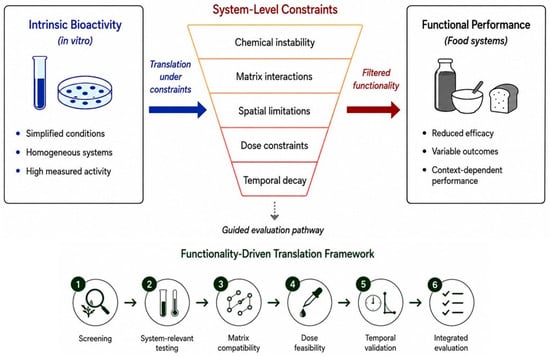
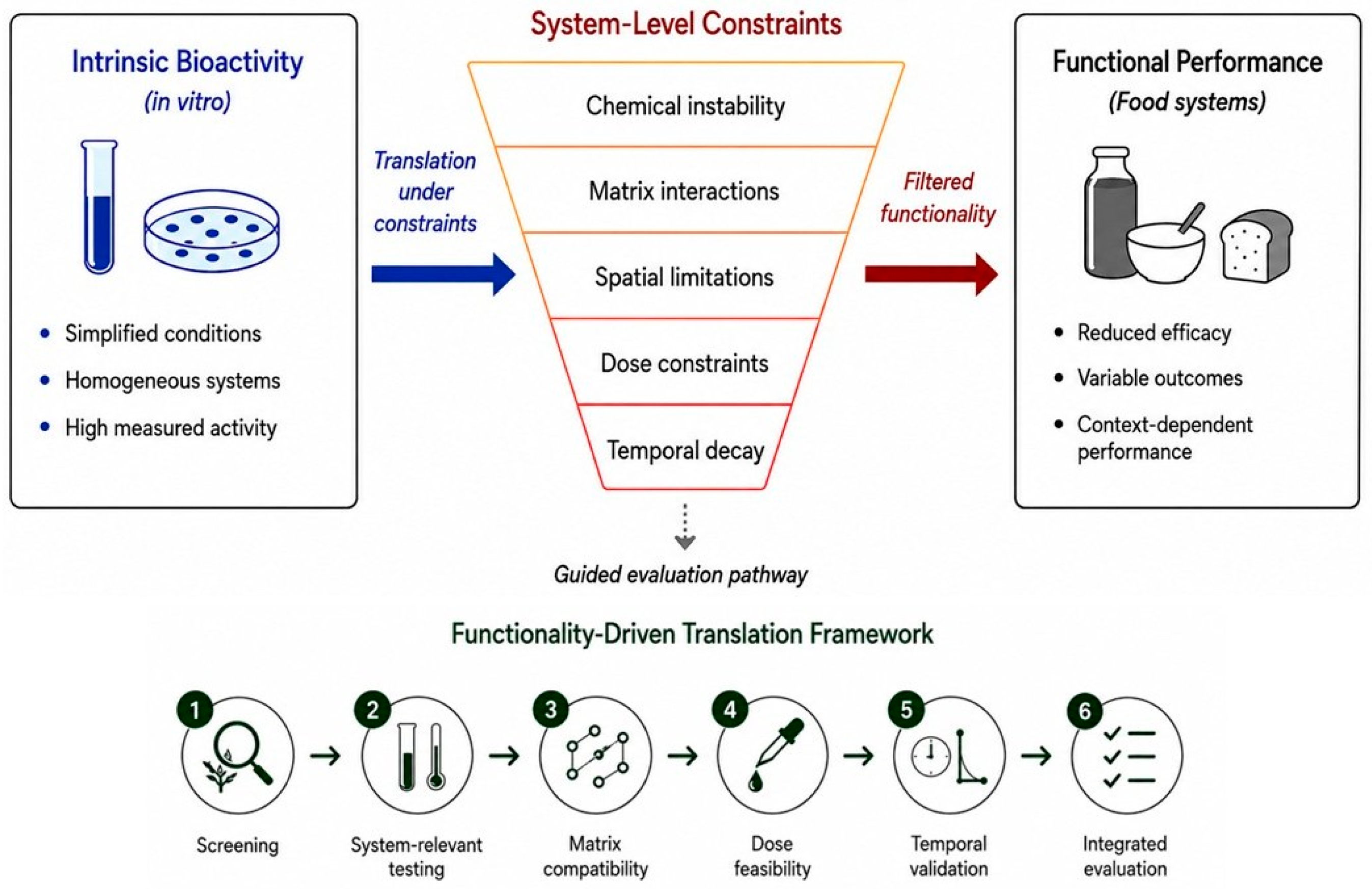
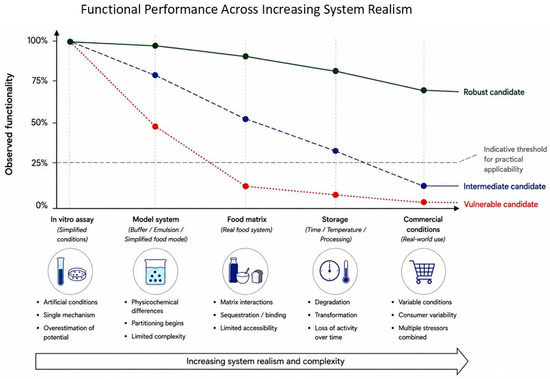
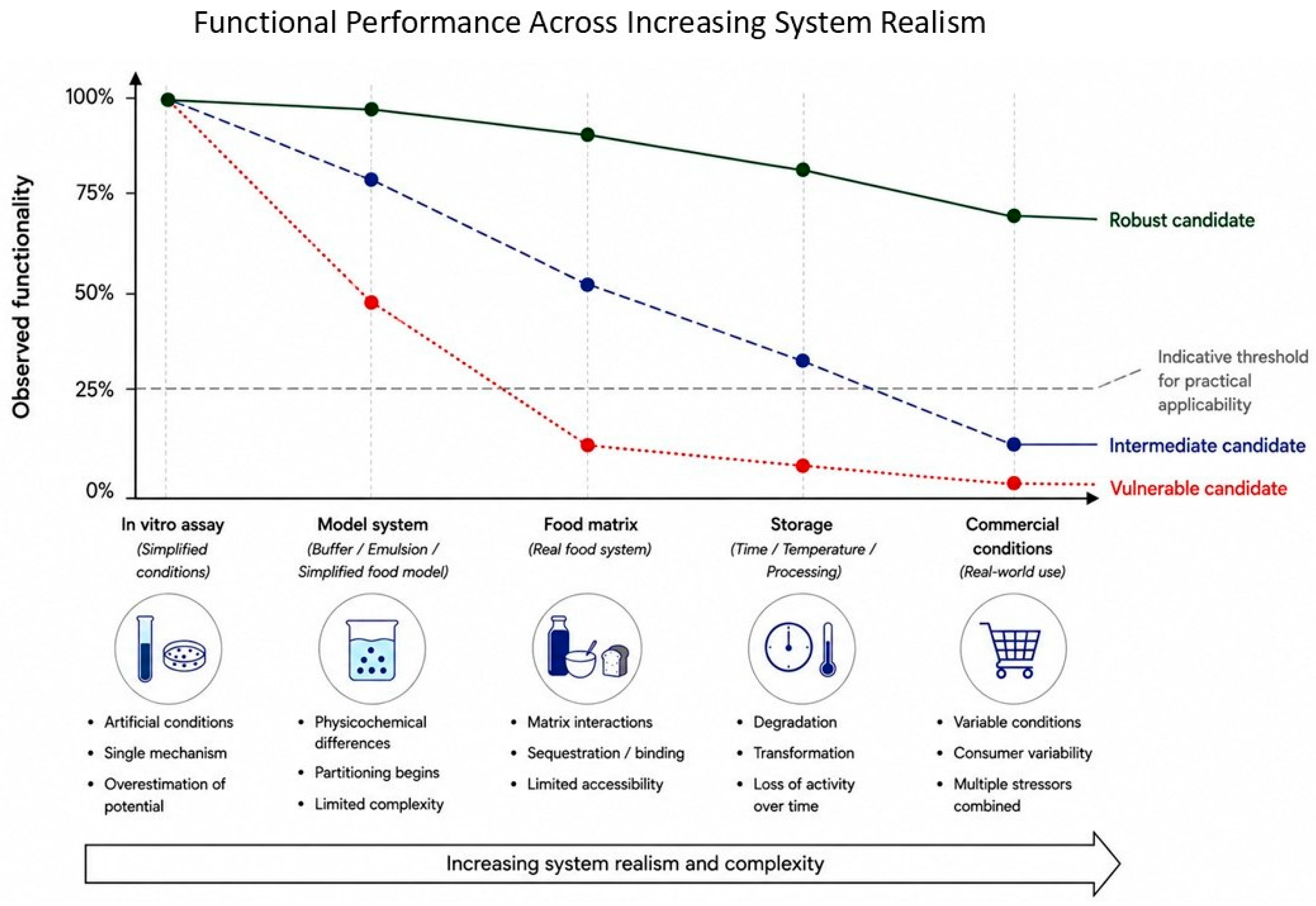

Disclaimer/Publisher’s Note: The statements, opinions and data contained in all publications are solely those of the individual author(s) and contributor(s) and not of MDPI and/or the editor(s). MDPI and/or the editor(s) disclaim responsibility for any injury to people or property resulting from any ideas, methods, instructions or products referred to in the content. |
© 2026 by the authors. Licensee MDPI, Basel, Switzerland. This article is an open access article distributed under the terms and conditions of the Creative Commons Attribution (CC BY) license.