Article

Bank Customer Segmentation and Marketing Strategies Based on Improved DBSCAN Algorithm

1
School of Electronic Information Engineering, Shenyang Aerospace University, Shenyang 110136, China
2
School of Information Engineering, Zhengzhou Institute of Technology, Zhengzhou 450000, China
3
School of Mechanical and Electrical Engineering, Henan Institute of Science and Technology, Xinxiang 453003, China
*
Authors to whom correspondence should be addressed.
Appl. Sci. 2025, 15(6), 3138; https://doi.org/10.3390/app15063138
Submission received: 18 December 2024 / Revised: 9 February 2025 / Accepted: 11 February 2025 / Published: 13 March 2025

Abstract

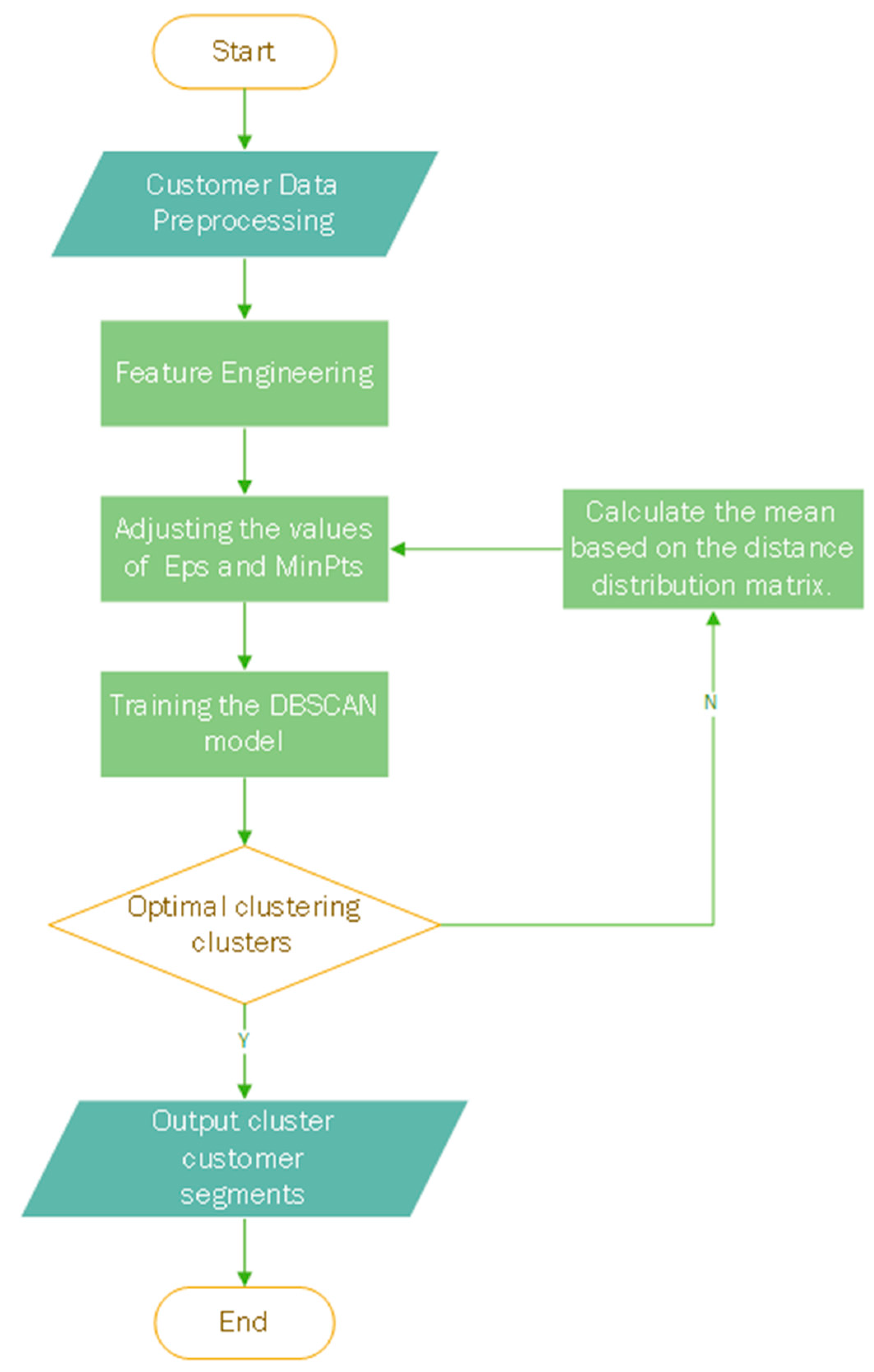
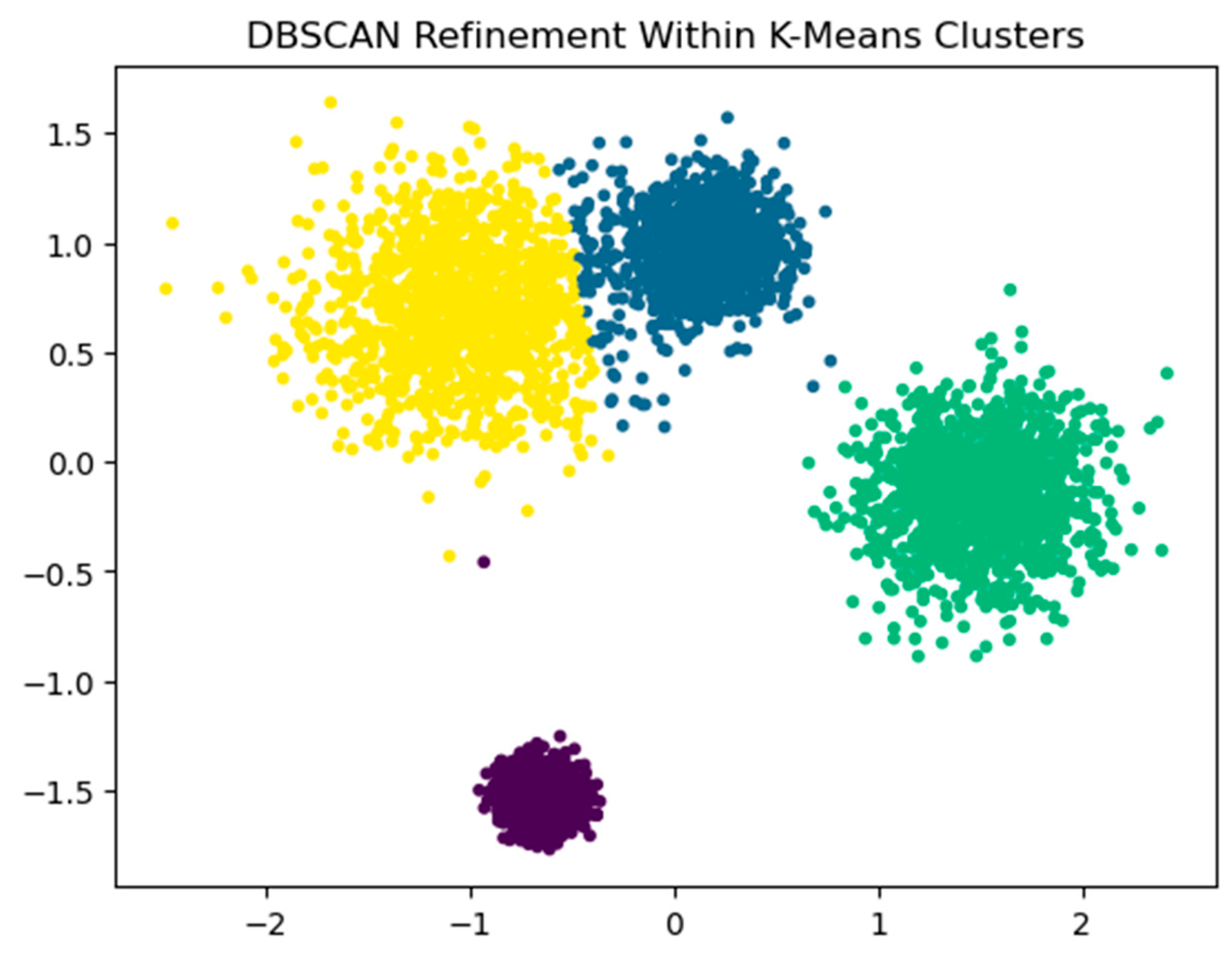
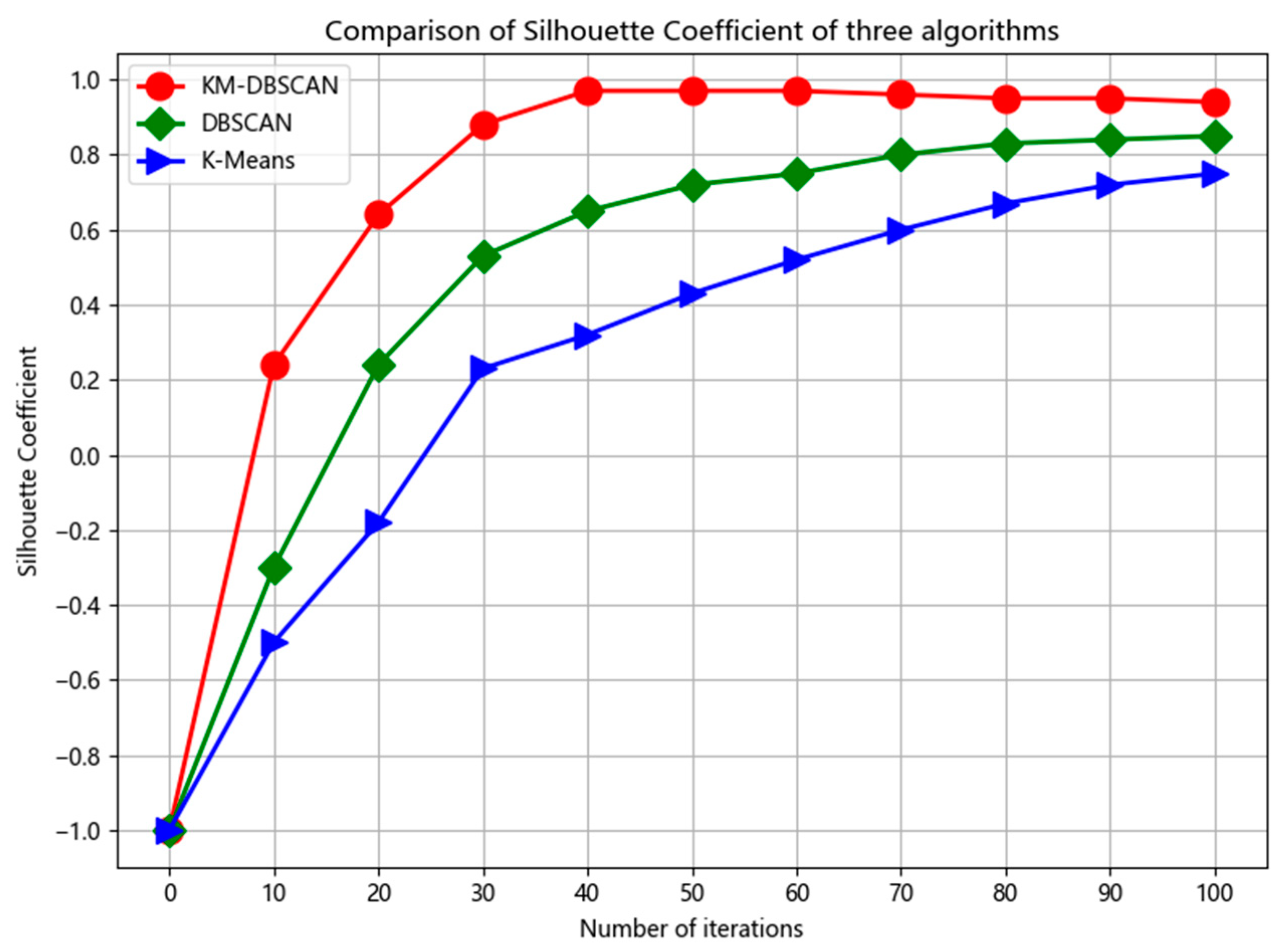
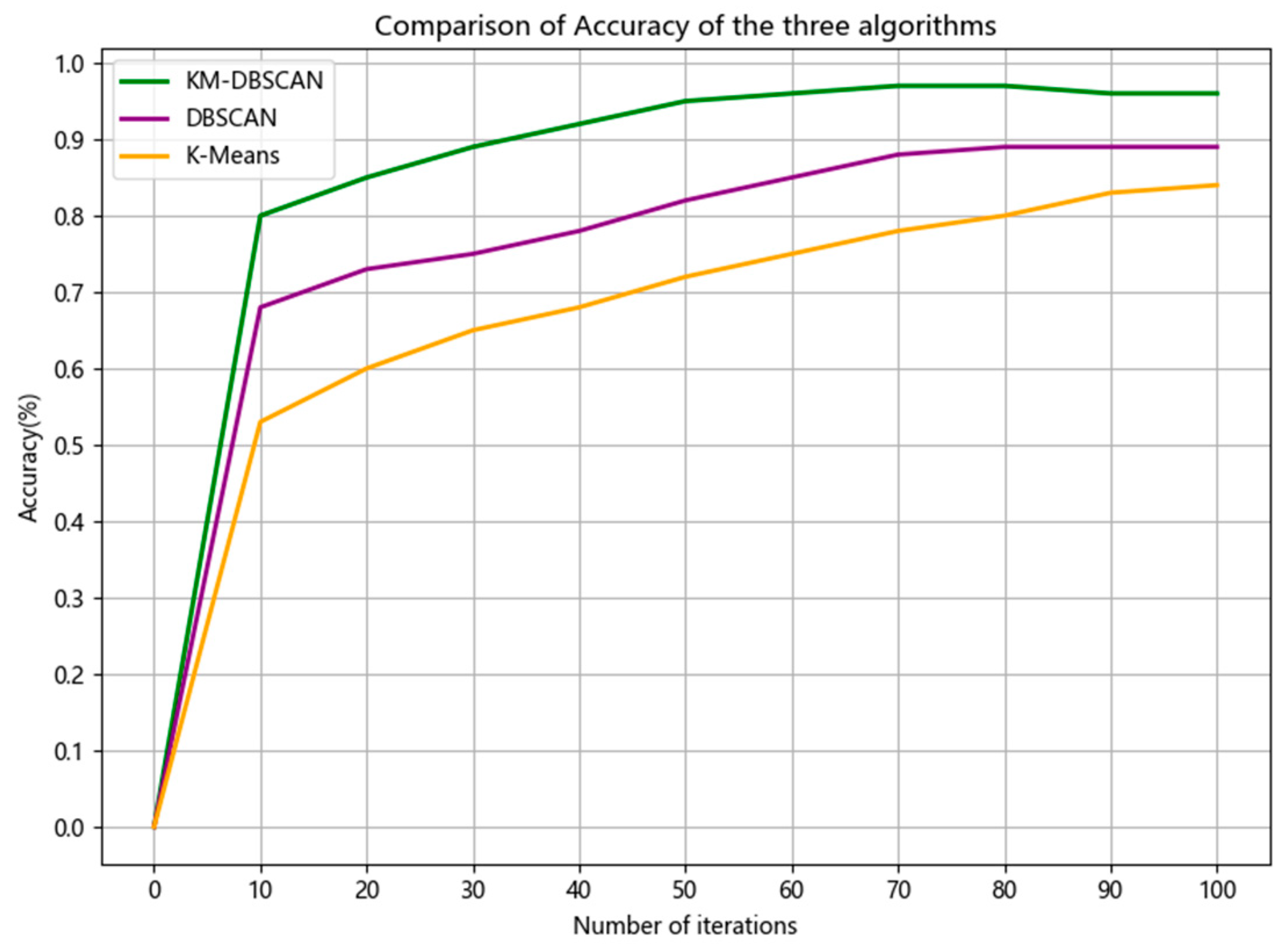
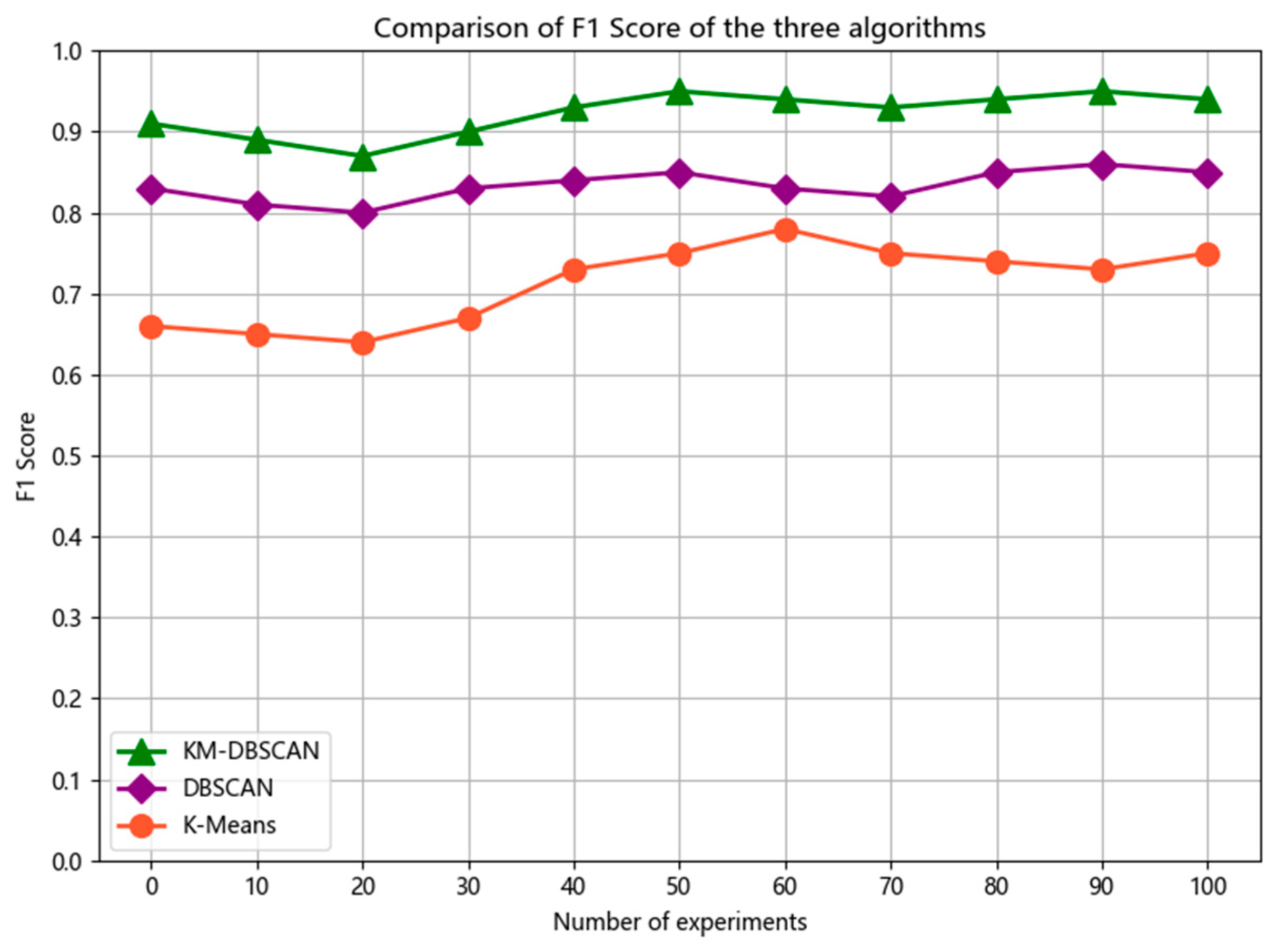
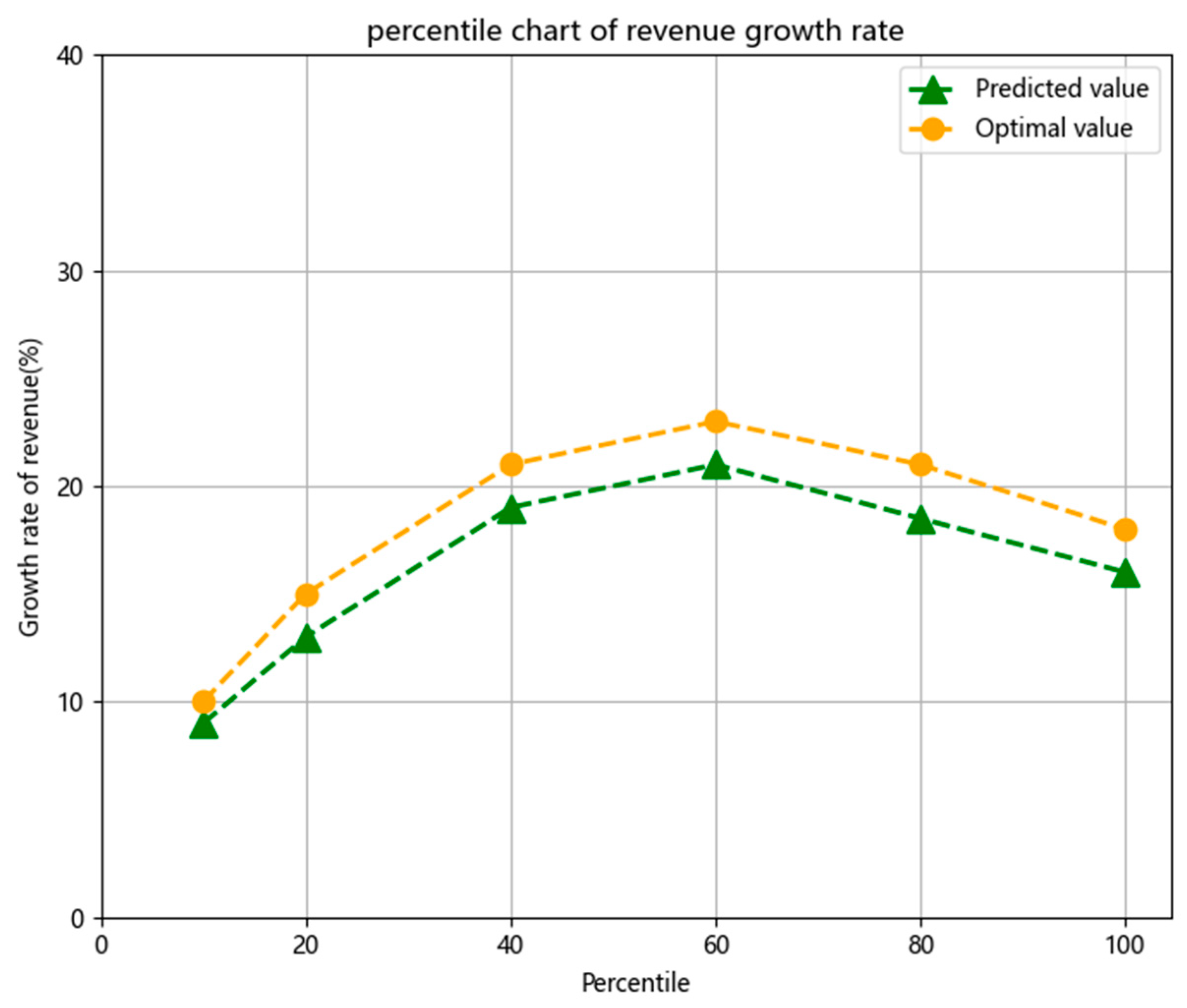
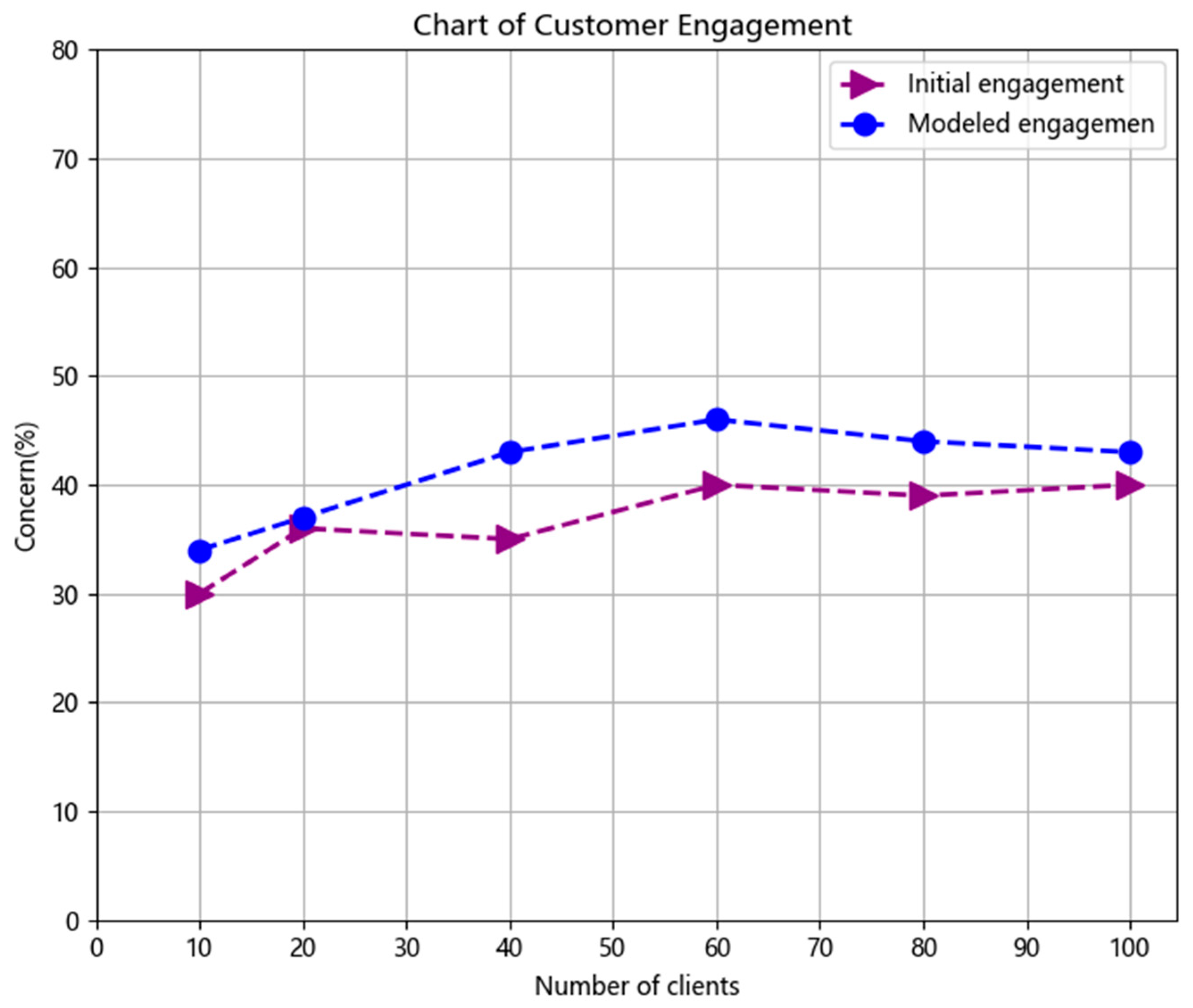
This study conducts a case study on the characteristics of fixed deposit businesses in a Portuguese bank, analyzing the current customer data features and the limitations of marketing strategies. It also highlights the limitations of the traditional DBSCAN algorithm, including issues with parameter selection and a lack of diverse clustering metrics. Using machine learning techniques, the study explores the relationship between customer attribute features and fixed deposits. The proposed KM-DBSCAN algorithm, which combines K-means and DBSCAN, is used for customer segmentation. This method integrates both implicit and explicit customer indicators, incorporates weight factors, constructs a distance distribution matrix, and optimizes the process of selecting the neighborhood radius and density threshold parameters. As a result, the clustering accuracy of customer segmentation is improved by 15%. Based on the clustering results, customers are divided into four distinct groups, and personalized marketing strategies for customer deposits are proposed. Differentiated marketing plans are implemented, with a focus on customer relationship management and feedback. The model’s performance is evaluated using silhouette coefficients, accuracy, and F1 score. The model is then applied in a real-world scenario, leading to an average business revenue growth rate of 16.08% and a 4.5% increase in customer engagement.
Keywords: KM-DBSCAN algorithm; customer segmentation; differentiated marketing strategy; evaluation metrics KM-DBSCAN algorithm; customer segmentation; differentiated marketing strategy; evaluation metrics