


Abstract
Rapid or semi-rapid maxillary expansion is a well-established method of treating severe transversal maxillary deficiency or transversal dental arch discrepancy. Pain is considered an inevitable undesirable adverse effect of orthodontic treatment. The aim of the present study was to compare pain levels experienced from the semi-RME (SRME) procedure between adults and adolescents and the lower fixed appliance (FA) procedure in the same patients. The study comprised 95 patients (51 adults and 44 adolescents) treated with a bonded acrylic Hass-type expander and the following month (after blocking the screw) with a lower fixed orthodontic appliance. Pain was assessed using a numerical rating scale from 0 to 10. During screw activation, adolescent patients reported a statistically significantly higher median pain level (5.00) compared to adults (3.00) [p = 0.009]. During the fixed appliance treatment, adolescent patients reported similar pain level to adults (4.5 and 4.0, respectively; p = 0.49). Interestingly, the median pain level for SRME in the whole group was 4, and was not different from the fixed appliance treatment sensations. Adolescent females had the highest pain sensation, while adult males had the lowest during both procedures, SRME and FA. The difference between the midpalatal suture opening (appearance of diastema) in adolescents (81.82%) vs. adults (64.71%) was not statistically significant (p = 0.062). The oldest patients with diastema were a 36y-2mo-old man and a 42-year-old woman, whereas the youngest patients without diastema were an 11y-11mo-old girl and a 13y-2mo-old boy. Moreover, all female patients between 30 to 42 years of age (eight women) had presented with diastema. In both age groups, the biggest disadvantage during SRME, reported by 50.53% of all patients (45.45% of adolescents and 54.9% of adults; p = 0.062), were speech problems, whereas only 18.95% of the total group (27.27% of adolescents vs. 11.76% of adults; p = 0.054) considered pain as the main disadvantage. During FA therapy, 32.63% of all patients reported pressure sores as the main disadvantage (29.55% of adolescents and 35.29% of adults; p = 0.551).
Keywords:
diastema; discomfort; Hass-type acrylic splint expander; maxillary expansion; orthodontics; pain; RME; speech 1. Introduction
It is well established that most patients undergoing different types of orthodontic treatment experience pain [1,2,3,4,5,6,7,8,9,10]. Pain perceived during orthodontic treatment is considered an inevitable undesirable adverse effect caused by stimulating the trigeminal nerve by inflammatory factors and cytokines [11,12]. In general, it usually begins 4 h after the onset of orthodontic force [13]. A significant effect on orthodontic pain arises from age and sex [14].
Semi-rapid maxillary expansion (SRME) has been defined as 1 mm to 1.5 mm expansion per week, producing lower forces than RME [6,15,16]. Activation of a Penn expander supported on four miniscrews resulted in discomfort and functional impairment that were higher in patients who had the appliance activated twice a day compared to those who had the screw activated once a day [17]. Similar results related to comparisons between one versus two turns daily were reported in other studies [5,6,16,17,18]. All of the above studies concluded that one turn a day was less painful than two turns a day for patients in different ages.
Pain experienced during rapid maxillary expansion (RME) has been investigated from different points of view [5,6,7,8,9,10,15,16,17,18,19,20]. Hasson et al. (2023), as well as Jawad and Alhashimi (2021), compared RME to a quadhelix appliance and found no difference in pain or discomfort levels [10,19]. A recent systematic review by Rutili et al. (2022) proved that pain was characterized by a lower intensity in SME than in RME, only during the first week of treatment [6]. A comparison between tooth-borne RME with special predetermined MEMORIA® Leaf springs, calibrated with constant forces released by a nickel–titanium hybrid Hyrax expander showed no statistically significant difference in pain levels. According to Ugolini et al. (2020) and Nieri et al., the use of a Hyrax appliance was associated with a significantly higher pain than of the LEAF expander [6,7,8]. However, a recent systematic review showed inconclusive results regarding pain levels from various maxillary expansion appliances in growing patients [20].
Pain appears difficult to objectively quantify; moreover, pain level related to the same procedure can be sensed differently among people [21]. To our knowledge, no studies compared the pain perceived during two different orthodontic procedures in the same patients. Nevertheless, conducting a comparison between SRME and another orthodontic procedure performed on the same persons at the same time may provide the most reliable answer to the questions related to discomfort with the SRME procedure.
Thus, the aim of the present study was to analyze pain and discomfort related to SRME according to chronological age, gender, skeletal maturation and presence/absence of diastema, and comparing them to pain and discomfort related to the fixed appliance (FA) procedure. The null hypothesis was that to adults, both procedures (SRME and FA therapies) would be more painful than to adolescents. The second hypothesis was that SRME would be more painful than FA therapy.
2. Materials and Methods
The study group consisted of 95 patients who were treated between 2007 and 2021. The inclusion criteria for the study were age above 10 years; permanent dentition; transversal maxillary deficiency above 5 mm referring to the lower dental arch, visible as unilateral or bilateral cross-bite; Class II malocclusion (with maxillary deficiency) with upper airways constriction visible on lateral cephalograms; Class III malocclusion (with maxillary deficiency); and normal health status. The diagnosis of a sagittal malocclusion was confirmed via cephalometric analysis by Bjork. In the lower dental arch, the patients had a Little’s irregularity index between 2 and 3 mm. The exclusion criteria were previous orthodontic treatment, craniofacial deformities (including cleft lip or palate) and missing permanent teeth (except for the third molars).
The sample size was verified using a standard sample size calculator for two-sample t-tests for an estimated effect size of 0.83, power of 80%, level of significance (alpha) of 0.05, and the required sample size per group yielded 26.
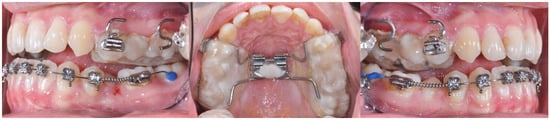
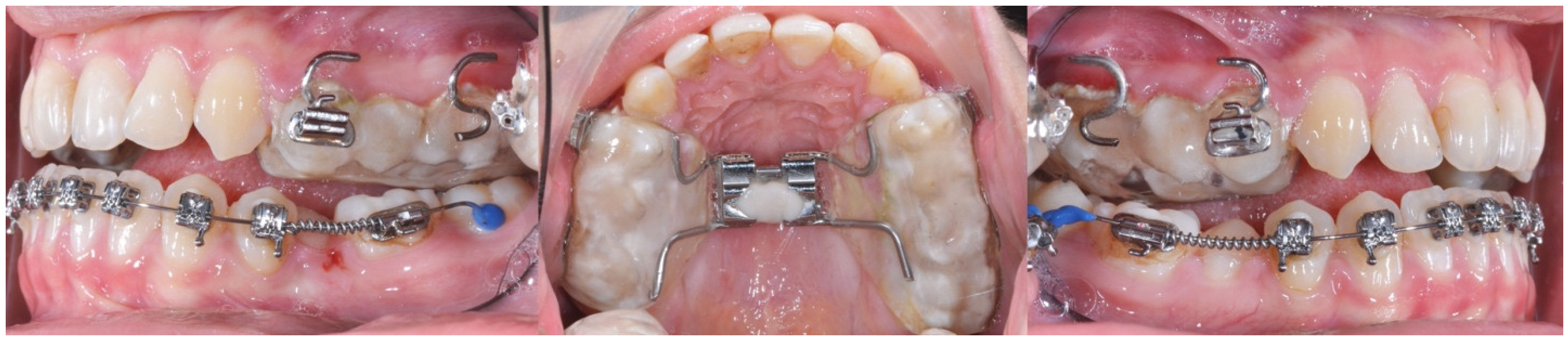
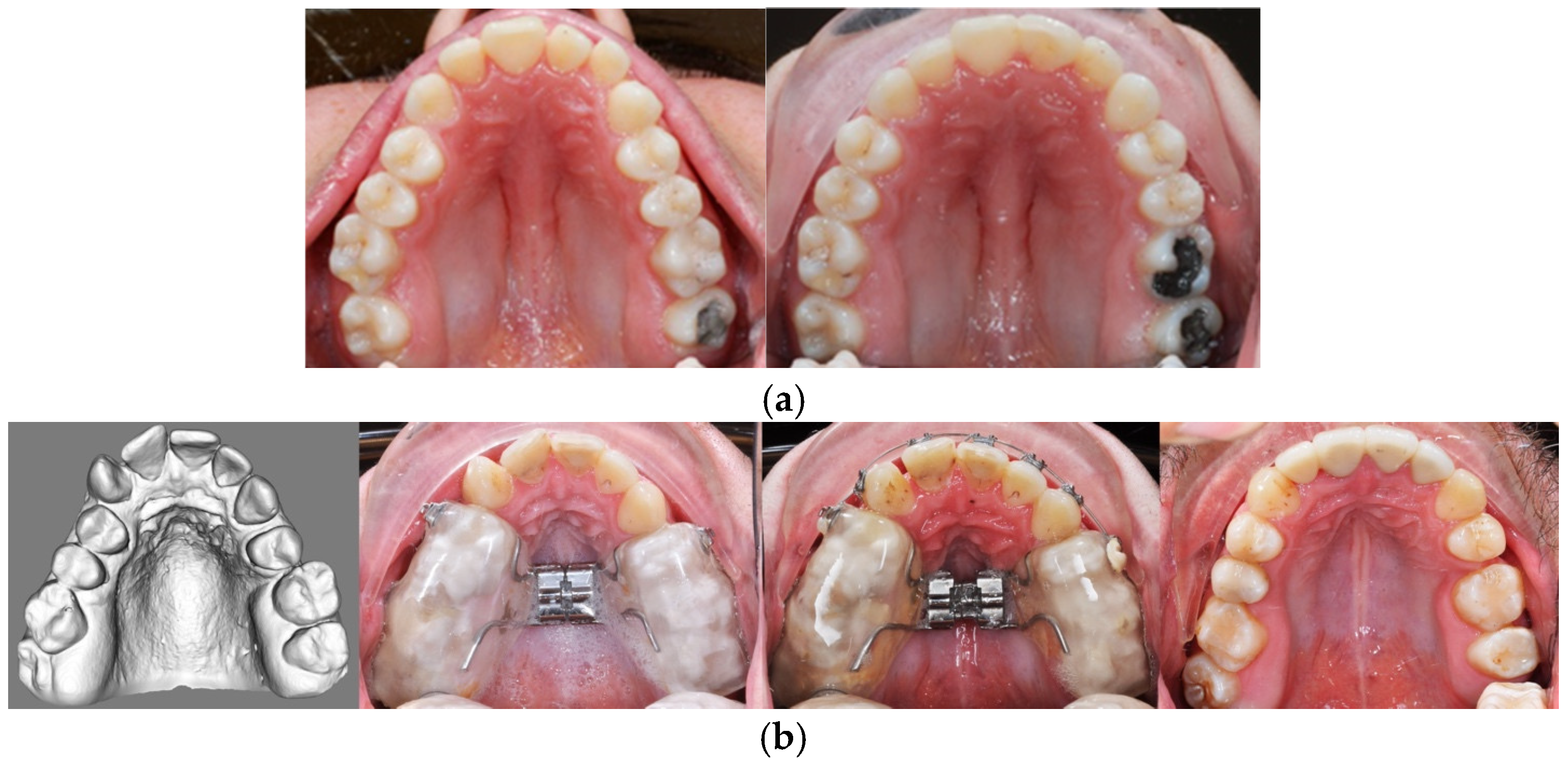
All patients included were treated during one orthodontic practice by the same experienced orthodontist (MKM). The appliances used were bonded acrylic Hass-type expanders, with a Hyrax screw (Dentaurum, Phorzheim, Germany) bonded on permanent teeth from the first premolar to the first or second molar with a chemical-cure adhesive (Excel, Reliance, USA) and a fixed appliance with MBT 0.022 slot brackets (Carriere 2007, Henry Schein Orthodontics, Melville, NY, USA) as presented in Figure 1.
Figure 1.
Appliances used in the present study (bonded acrylic Hass-type expander and fixed appliance—Carriere brackets).
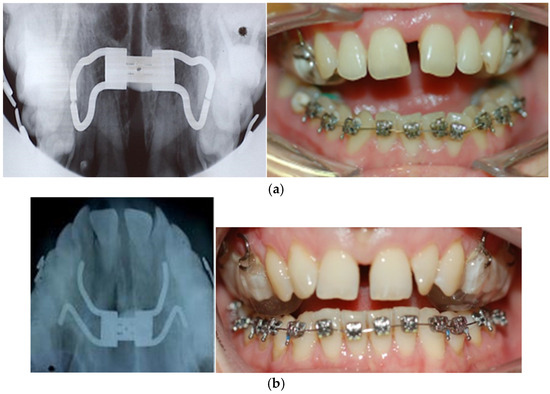
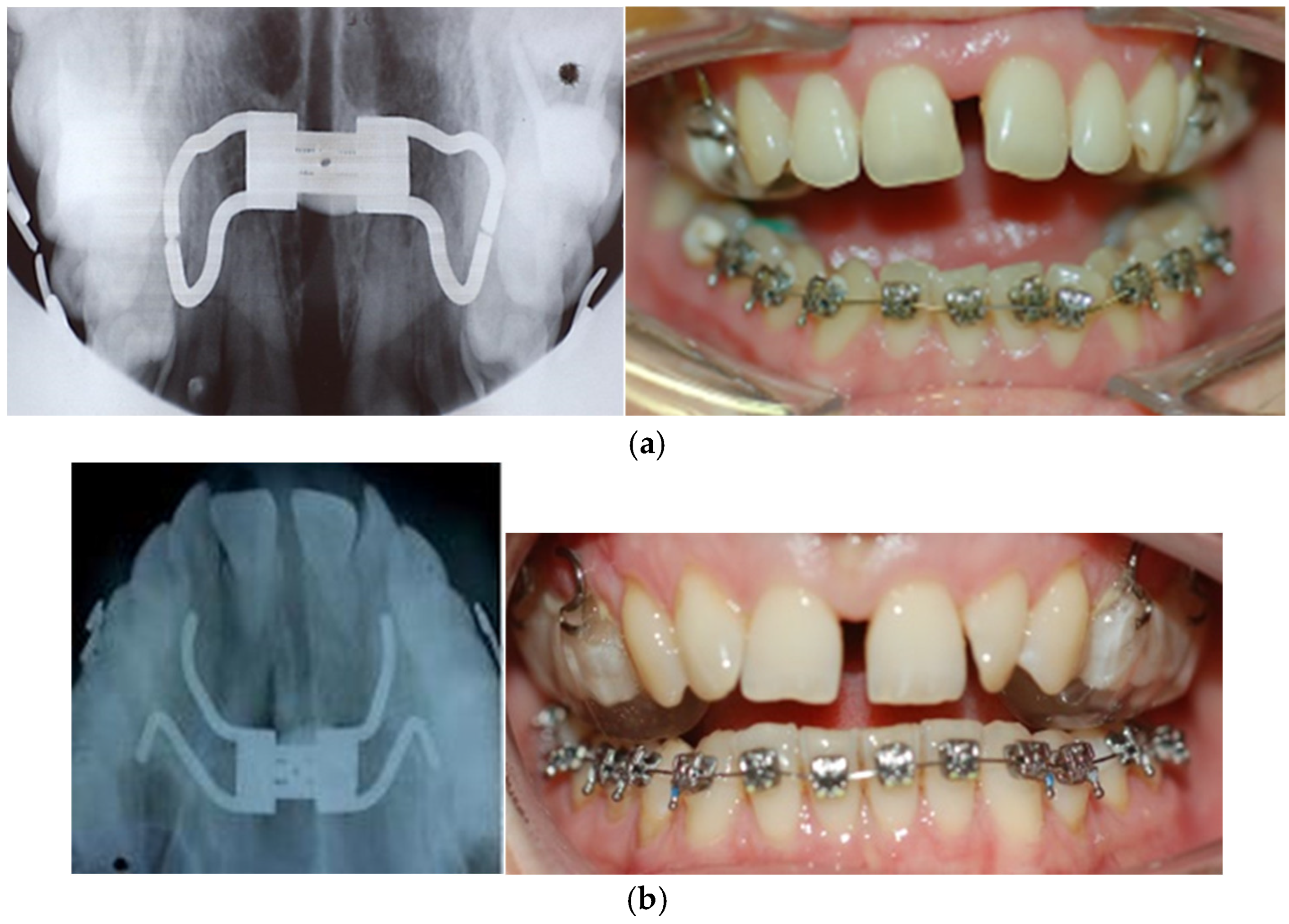
The semi-rapid maxillary expansion (SRME) protocol included one quarter turn of the screw per day [22,23], carried out just before bedtime. It was recommended to activate the screw with a slow movement. Opening of the palatal suture was checked clinically by the presence of a diastema and radiologically via intraoral radiographs (Figure 2a,b).
Figure 2.
(a) 25-year-old female patient at the day of blocking the screw. (b) 33-year-old female patient (32y 10m) at the day of blocking the screw.
The minimum expansion included 10 turns of the screw, and the maximum was 28 turns. Expansion was considered as sufficient when the palatal cusps of the upper permanent first molars approximated the buccal cusps of the lower permanent first molars (stop of activation). The appliance was kept on the teeth as a passive retainer for 5 months.
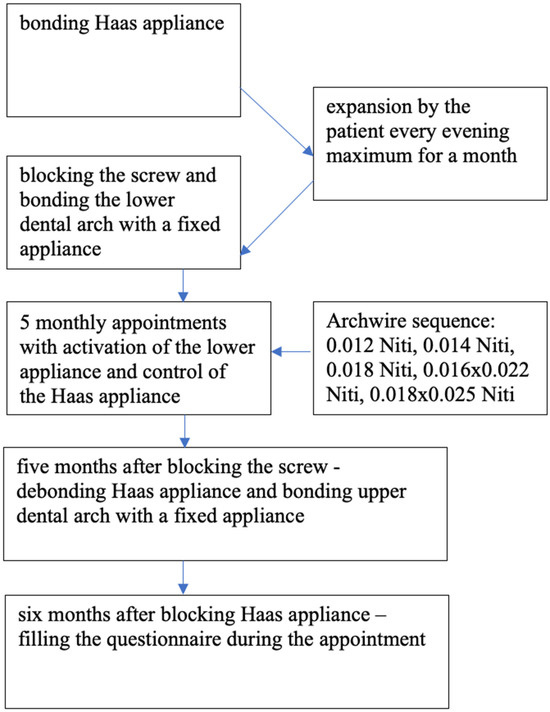
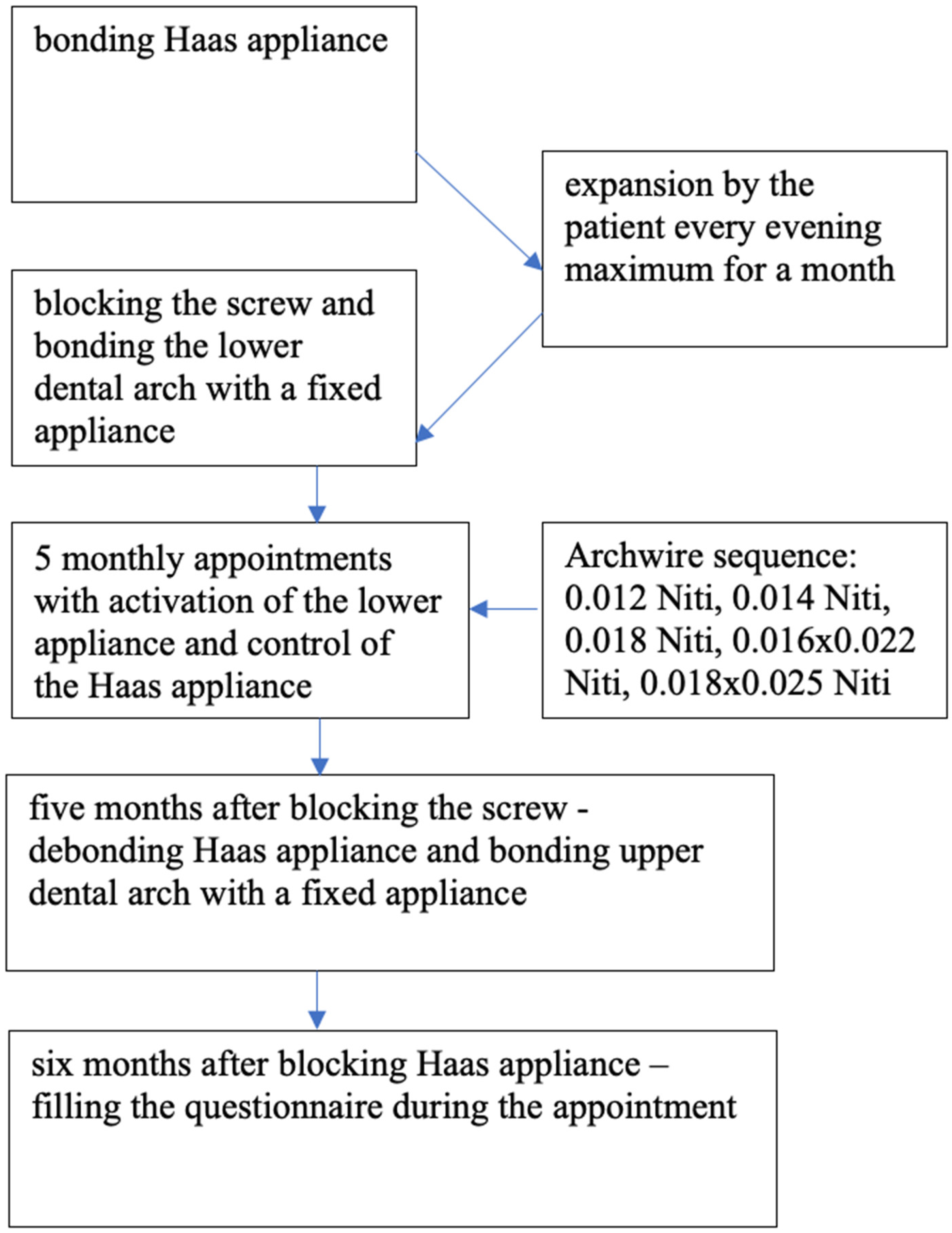
The course of the study is presented in Figure 3.
Figure 3.
The course of the study.
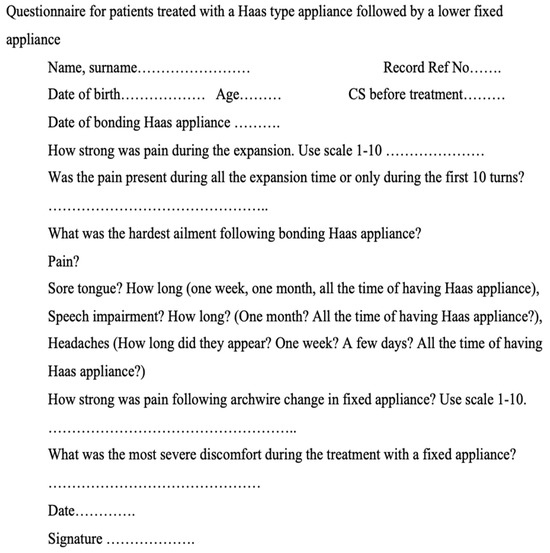
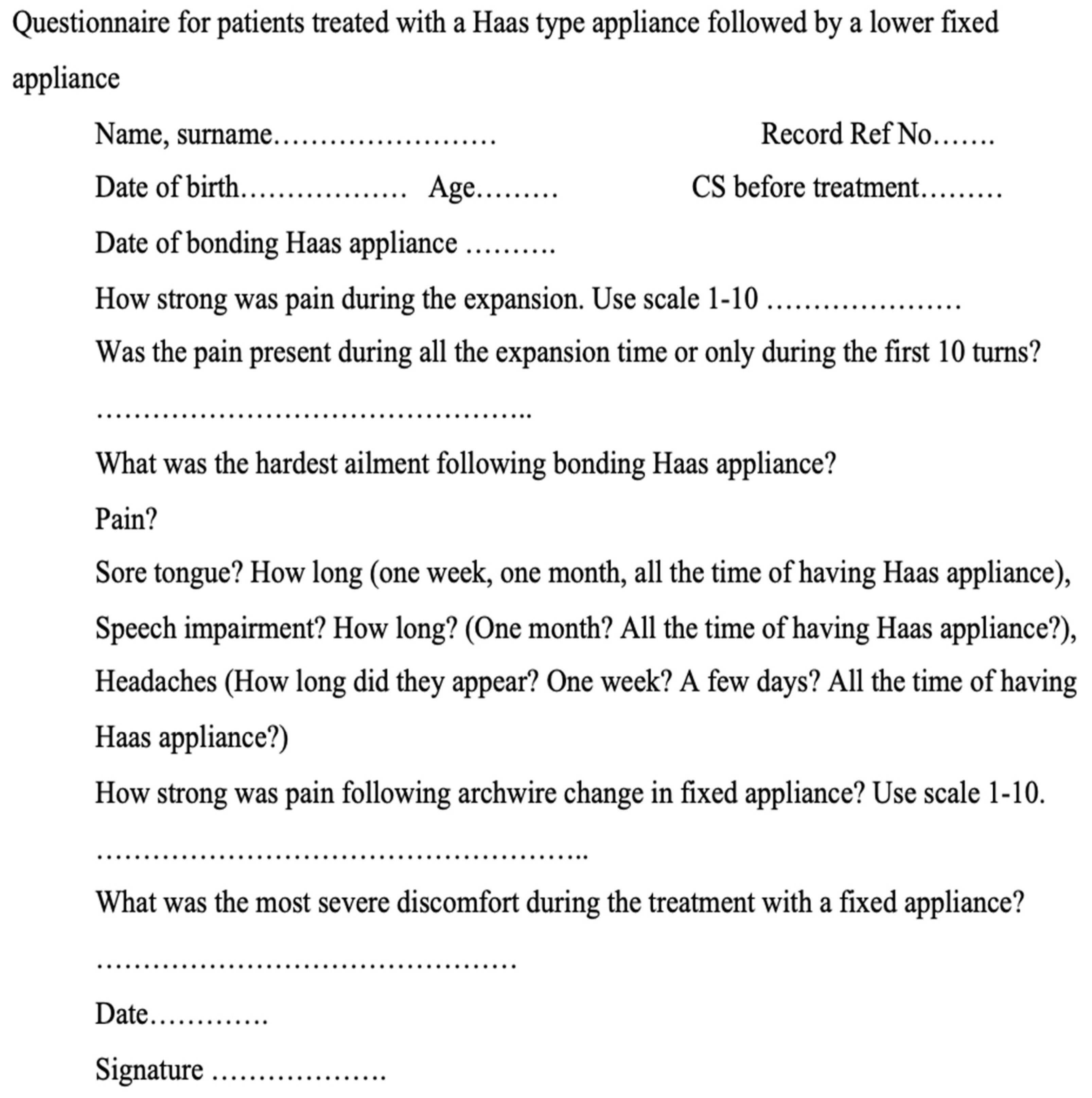
The questionnaires, delivered one month after debonding the Haas-type expanders, concerned pain and other discomfort related to the RME and fixed appliance procedures, as presented in Figure 4.
Figure 4.
Questionnaire for the patients.
No patient refused to fill in the questionnaire, and drop-out during the treatment phases described was noted only for one 11-year-old boy (who moved to another country just after bonding a Haas-type appliance). Informed consent was signed by all patients and/or their relatives before the proposed treatment. The distributions of the study group, according to age, sex and type of sagittal skeletal classes, are presented in Table 1.
Table 1.
Characteristics of the study group according to age, sex and type of skeletal sagittal morphology.
The age ranged from 10y 1m to 41y 11m. The cohort was almost evenly split between adults (equal and above 18 years) and pediatric patients (between the age of 10 to under 18 years), with a preponderance of females in both age groups. The difference in sex distribution, with 68.63% females in the adult subgroup compared to 56.82% in the pediatric subgroup, was statistically insignificant (p = 0.234). The distribution of skeletal classes enrolled in the study was 9.47% Class I patients, 18.95% Class II patients and 71.58% Class III patients, as presented in Table 1.
In order to assess pain, an NRS—numerical rating scale—from 0 to 10 was used, where 0 was no pain, and 10 was an extreme amount of pain [21]. The patients were asked to report the highest pain perceived.
3. Statistical Analysis
Analyses were performed using the R Statistical language (version 4.3.1; R Core Team, 2023) on Windows 10 pro 64 bit (build 19045), using the packages sjPlot (version 2.8.15; Lüdecke D, 2023), report (version 0.5.7; Makowski D et al., 2023), ggstatsplot (version 0.12.1; Patil I, 2021), gtsummary (version 1.7.2; Sjoberg D et al., 2021), MASS (version 7.3.60; Venables WN, Ripley BD, 2002) and dplyr (version 1.1.3; Wickham H et al., 2023).
The threshold for significance was set at 0.05. The Shapiro–Wilk test was used to assess the distribution of parametric variables. The median and first and third quartiles were presented for variables not conforming to a normal distribution. For non-parametric variables, frequencies and percentages were reported.
For the analysis of two independent groups with parametric data that did not adhere to a normal distribution, the Mann–Whitney U test was employed. The association between two categorical variables was examined using Pearson’s chi-square test or Fisher’s exact test, depending on the cell frequencies expected in the contingency tables.
When analyzing differences among more than two groups with non-normally distributed numerical data, the Kruskal–Wallis test was applied, followed by Dunn’s test for post hoc analysis, adjusting the p-values using Holm’s method to control for the type I error rate.
Differences between two proportions from a dichotomous variable were analyzed using Pearson’s goodness-of-fit test. For multivariate analyses with a numeric outcome, a robust linear regression model was employed, while for binary outcomes, we used a generalized linear model with a logit link function.
4. Results
The distributions of clinical variables in the study groups are presented in Table 2.
Table 2.
Comparative analysis of clinical parameters and adverse effects associated with the use of Haas-type expanders and fixed orthodontic appliances for overall cohort and stratified by age groups.
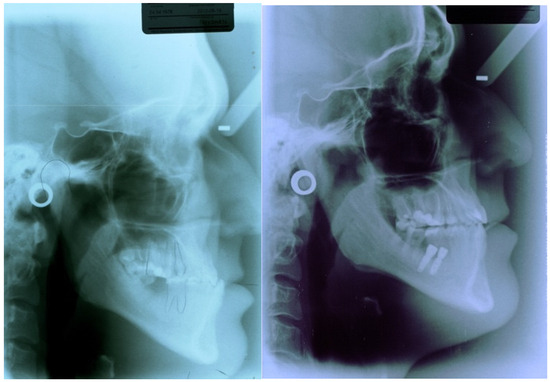
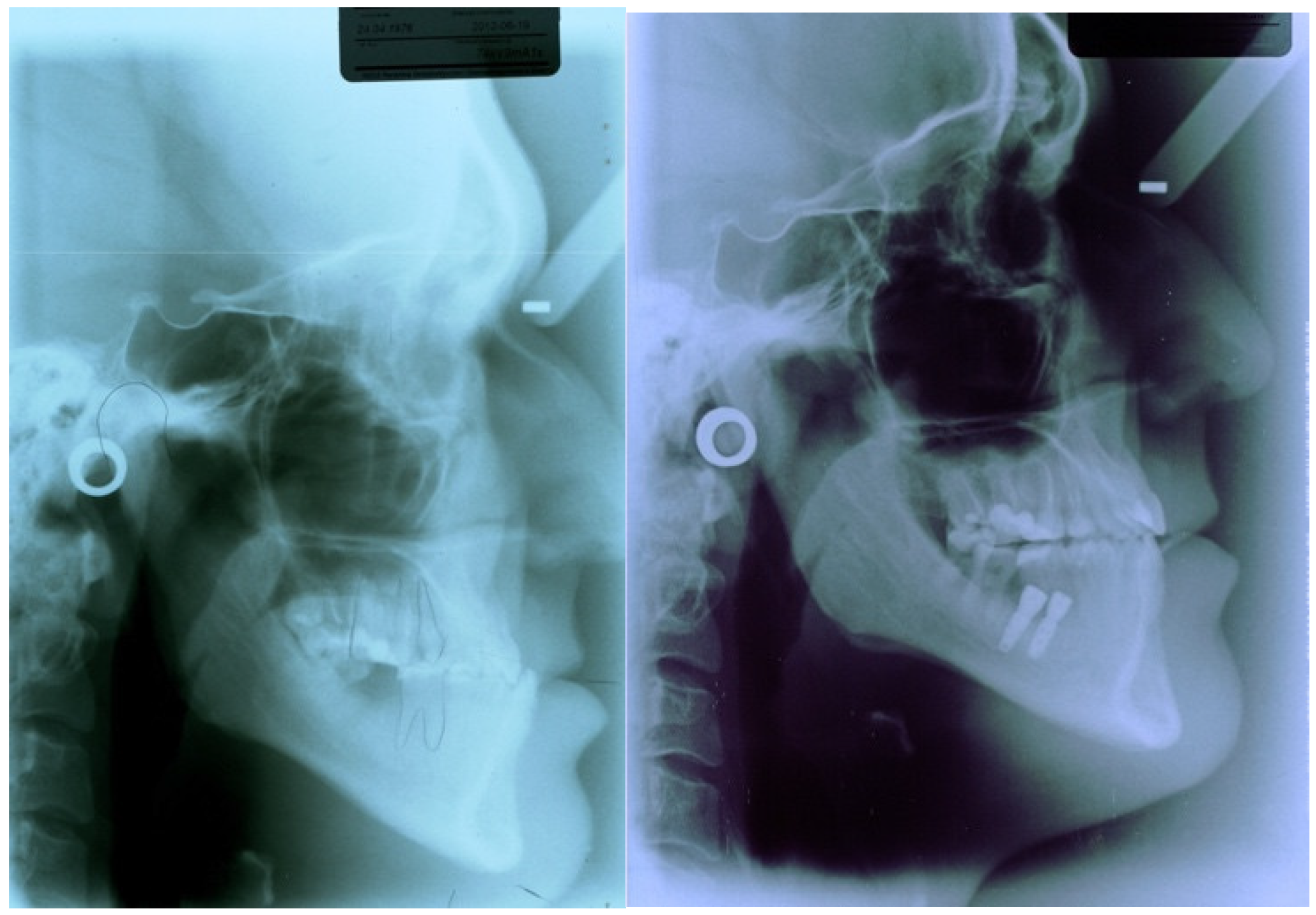
Palatal suture opening, confirmed by opening a diastema between the upper central incisors and being visible on intraoral radiographs, was successful in 69 patients (72.6% of total group of patients), including 36 growing patients (81.82% of adolescents) and 33 adults (66.67% of adult patients), as presented in Figure 2a,b. The difference in diastema occurrence between the adolescent group and the adult group was statistically insignificant (p = 0.062). The youngest patients without a diastema were an 11y-11mo-old girl and a 13y-2mo-old boy. The oldest male patient with a diastema was a 36y-2mo-old Class III male whose orthopedic nonsurgical treatment with an SRME Haas-type acrylic bonded expander, face mask and fixed appliance was associated with marked changes, both on the dental and skeletal level, as seen in Figure 5, whereas the oldest female patient was a 41y-11m-old Class III woman.
Figure 5.
Cephalograms before and after nonsurgical treatment of the oldest male (Class III patient with appearance of diastema during SRME with Haas-type acrylic expander).
No statistically significant differences referred to pain or discomfort were found between patients with and without diastema, neither in the whole study group nor in the age subgroups.
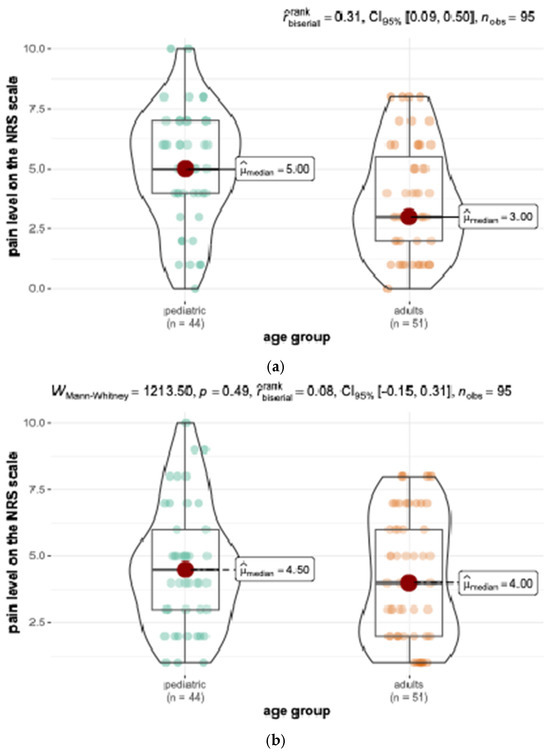
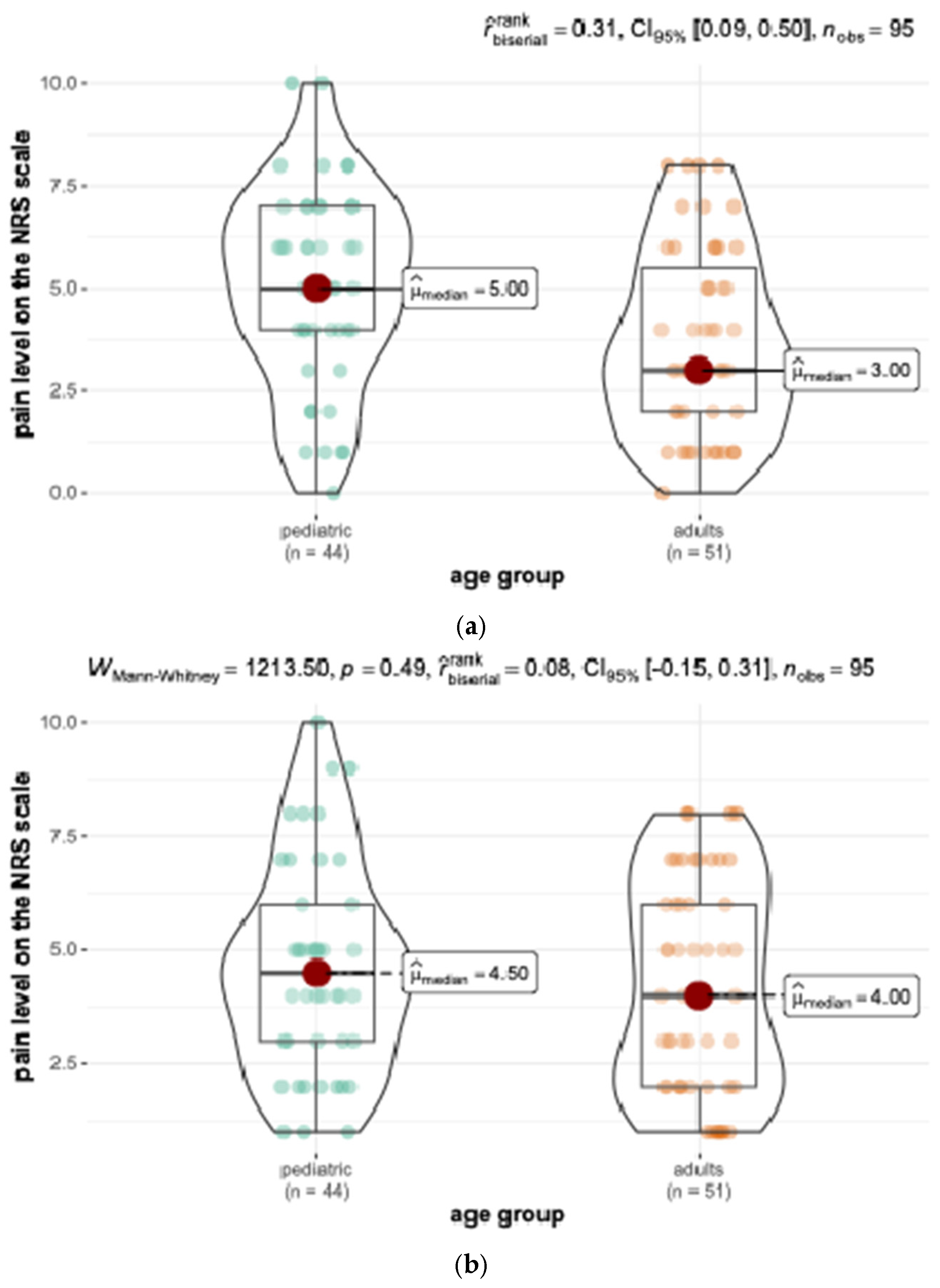
The average pain level reported on the NRS in the whole group of patients during SRME screw activation and FA therapy was equal (4.00). A statistically significant difference (p = 0.009) was apparent in pain levels during the SRME screw activation of the Haas-type appliance between adolescent patients, who reported a significantly higher median pain level (5.00), compared to adults (3.00) (Figure 6a). When comparing pain levels during the treatment with an FA, a similar level was found for both age groups (NRS = 4.5 in adolescents and 4.0 in adults) (Figure 6b). Graphical visualizations of the comparisons are presented in Figure 6a,b.
Figure 6.
(a) Pain levels during SRME according to age. (b) Pain levels during the treatment with lower FA according to age.
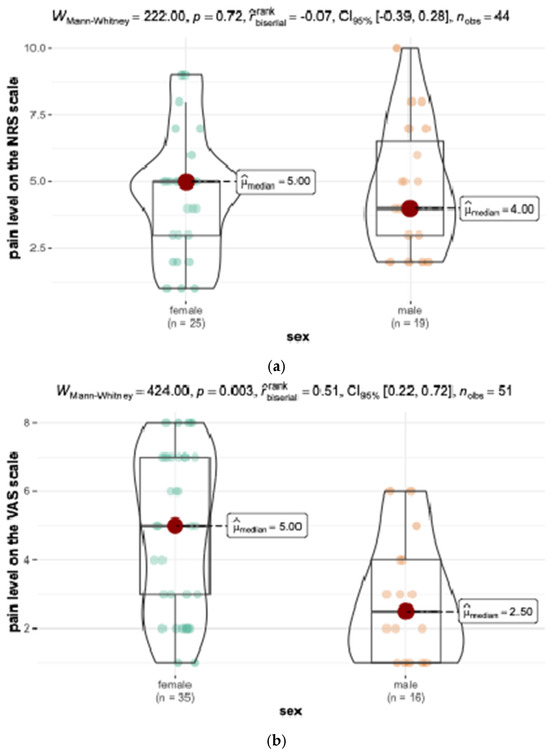
Further analysis of pain revealed that merely 18 persons (18.95% of total group) considered pain during SRME as the main disadvantage. In the above group, the percentage of adolescent patients was 27.27% compared to 11.76% of adults; the difference was statistically insignificant (p = 0.054). The highest value of pain, equaling 10 in the NRS, was reported by two adolescent patients: an 11y-6m-old boy and a 13y-10m-old girl. In the whole study group, no statistically significant difference in pain level was found between the sexes in relation to Haas-type SRME or FA procedures.
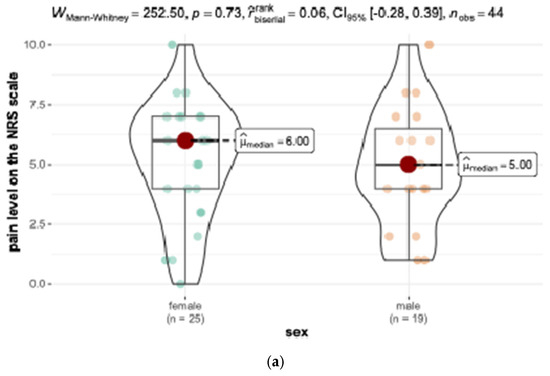
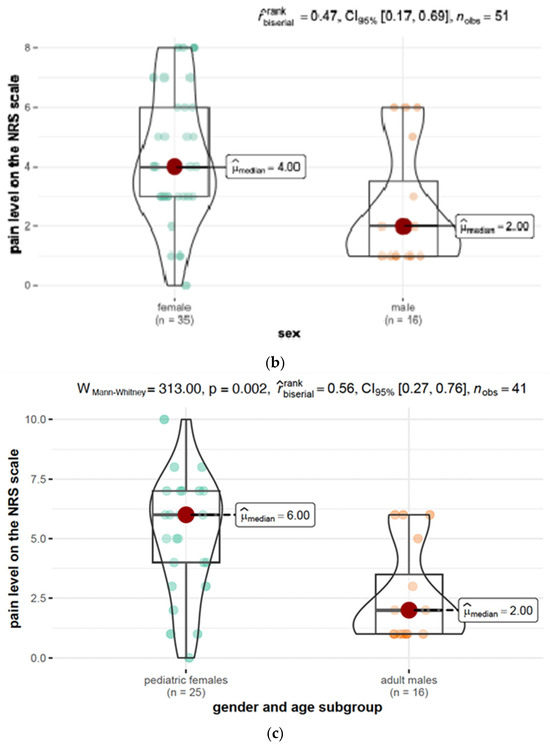
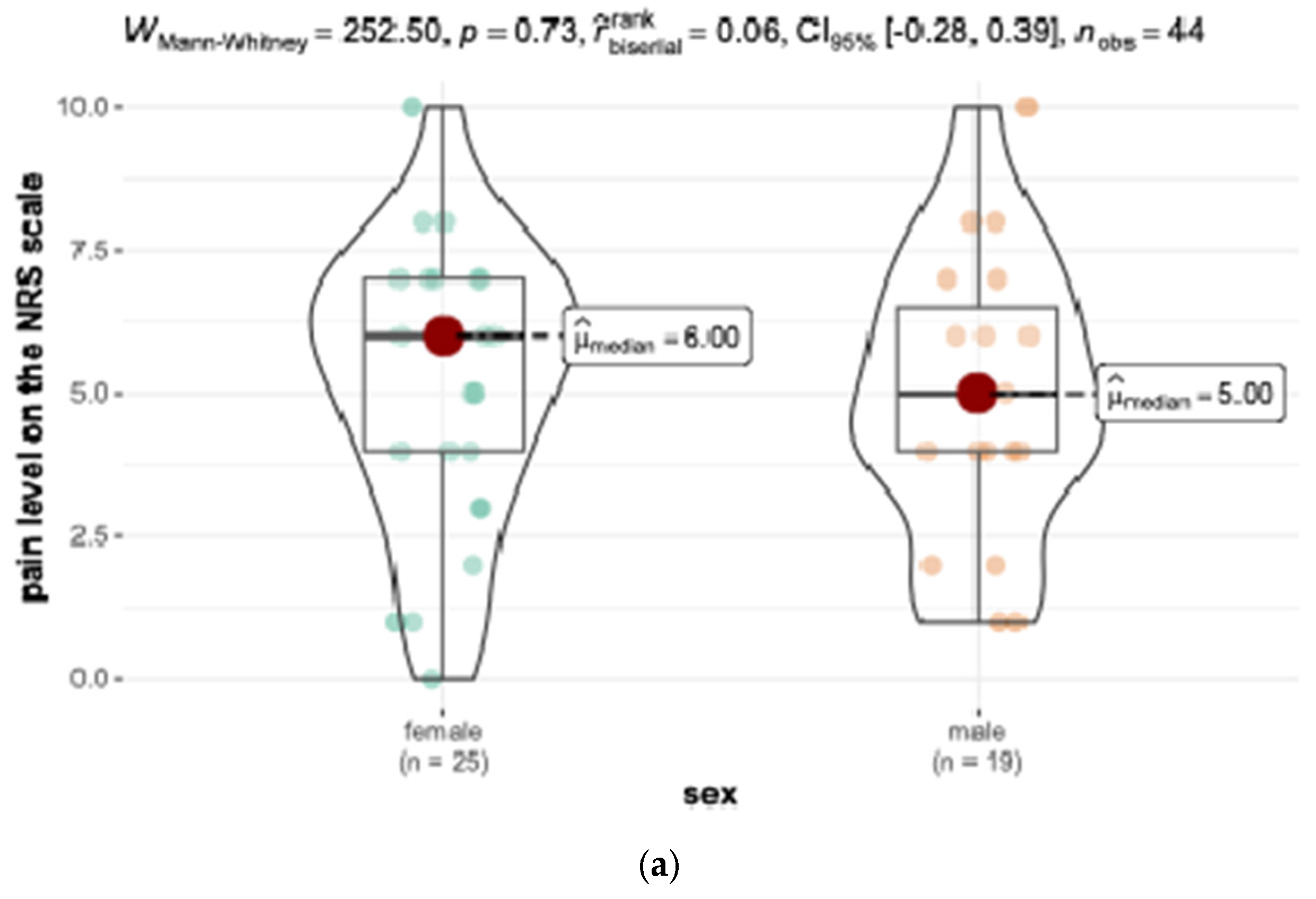
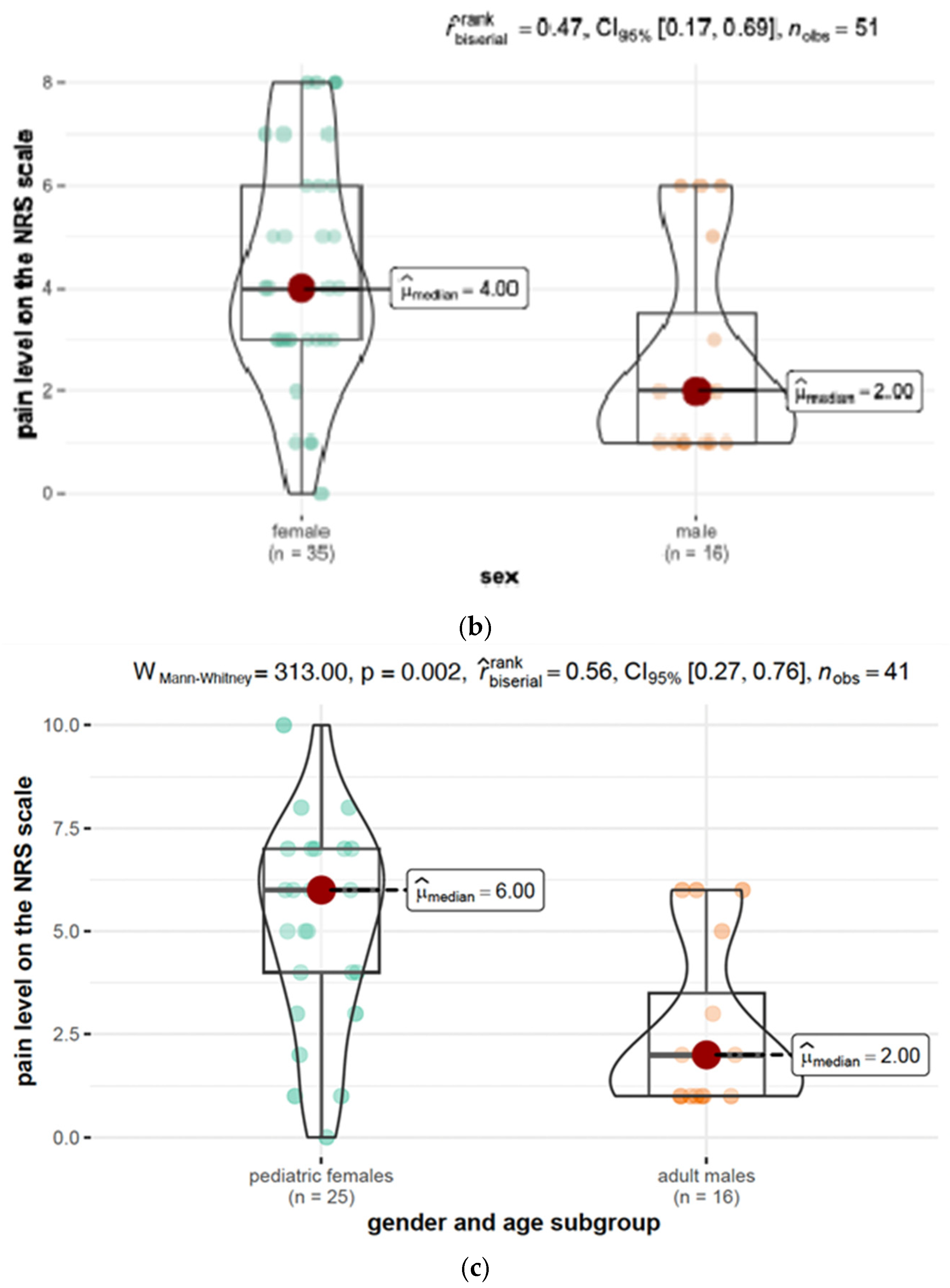
However, when comparisons of pain/sex sensitivity during the SRME procedure were made separately for adolescents and adults, it showed that adolescent females felt the highest pain level (NRS = 6) among the four age and sex subgroups. Adult females reported a significantly higher mean pain level (NRS = 4.0) than adult males (NRS = 2.0) (p = 0.007). Additionally, the difference between adolescent females and adult males was highly statistically significant (p = 0.002) (Figure 7a–c).
Figure 7.
(a) SRME—Pain levels in adolescent group according to sex. (b) SRME—Pain levels in adult group according to sex. (c) SRME—Pain levels according to sex—a comparison between adolescent females and adult males.
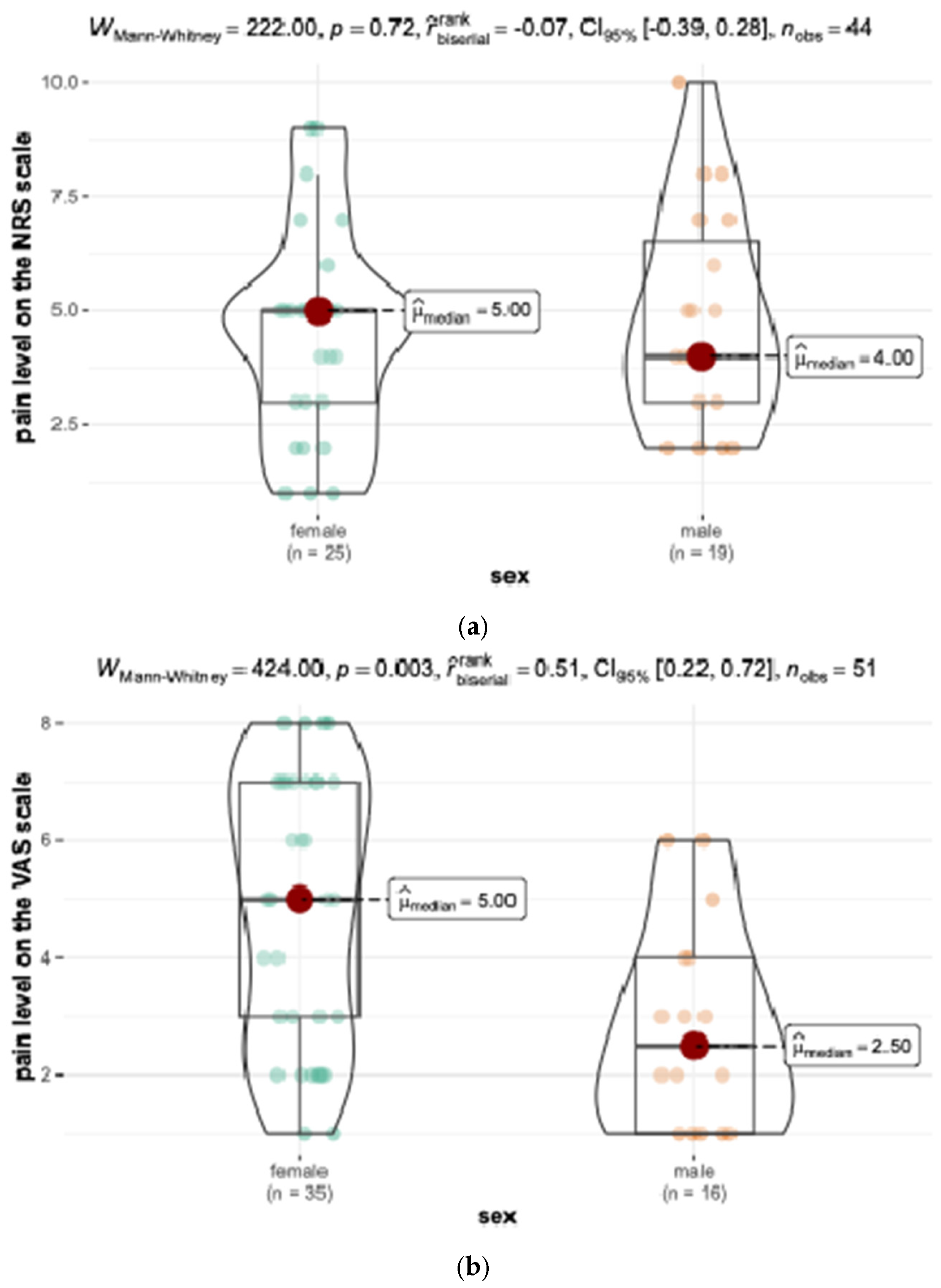
A similar comparison of pain levels according to age and sex is presented for the FA treatment (Figure 8a,b).
Figure 8.
(a) FA—Pain level in adolescent group according to sex. (b) FA—Pain level in adult group according to sex.
Comparisons of pain level during FA therapy related to age and sex in the whole study group revealed no statistically significant differences in pain level reported by adolescents (NRS = 4.5) vs. adults (NRS = 4.0), as well as females (NRS = 5.0) vs. males (NRS = 4.0).
However, when the comparison of pain or sex sensitivity during FA therapy was conducted separately for adolescents and for adults, adolescent females felt insignificantly higher pain (NRS = 5.0) than adolescent males (NRS = 4.0), whereas adults females reported significantly higher mean pain (NRS = 5.0) than males (NRS = 2.5) (p = 0.003).
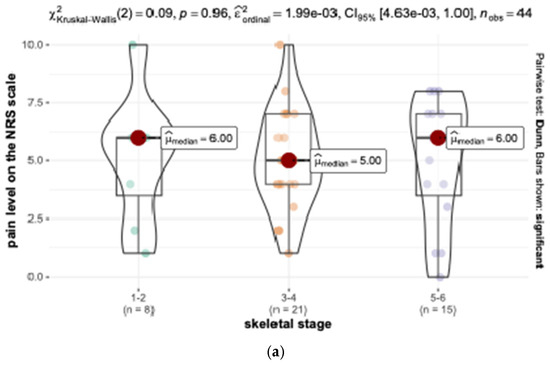
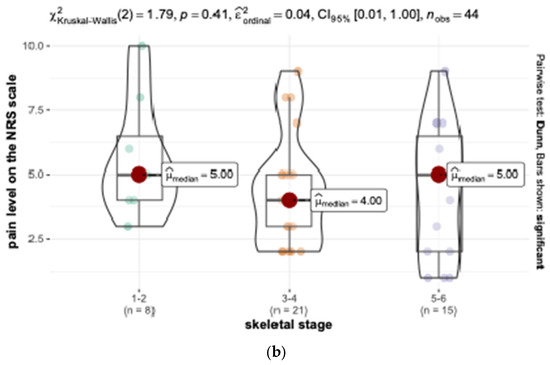
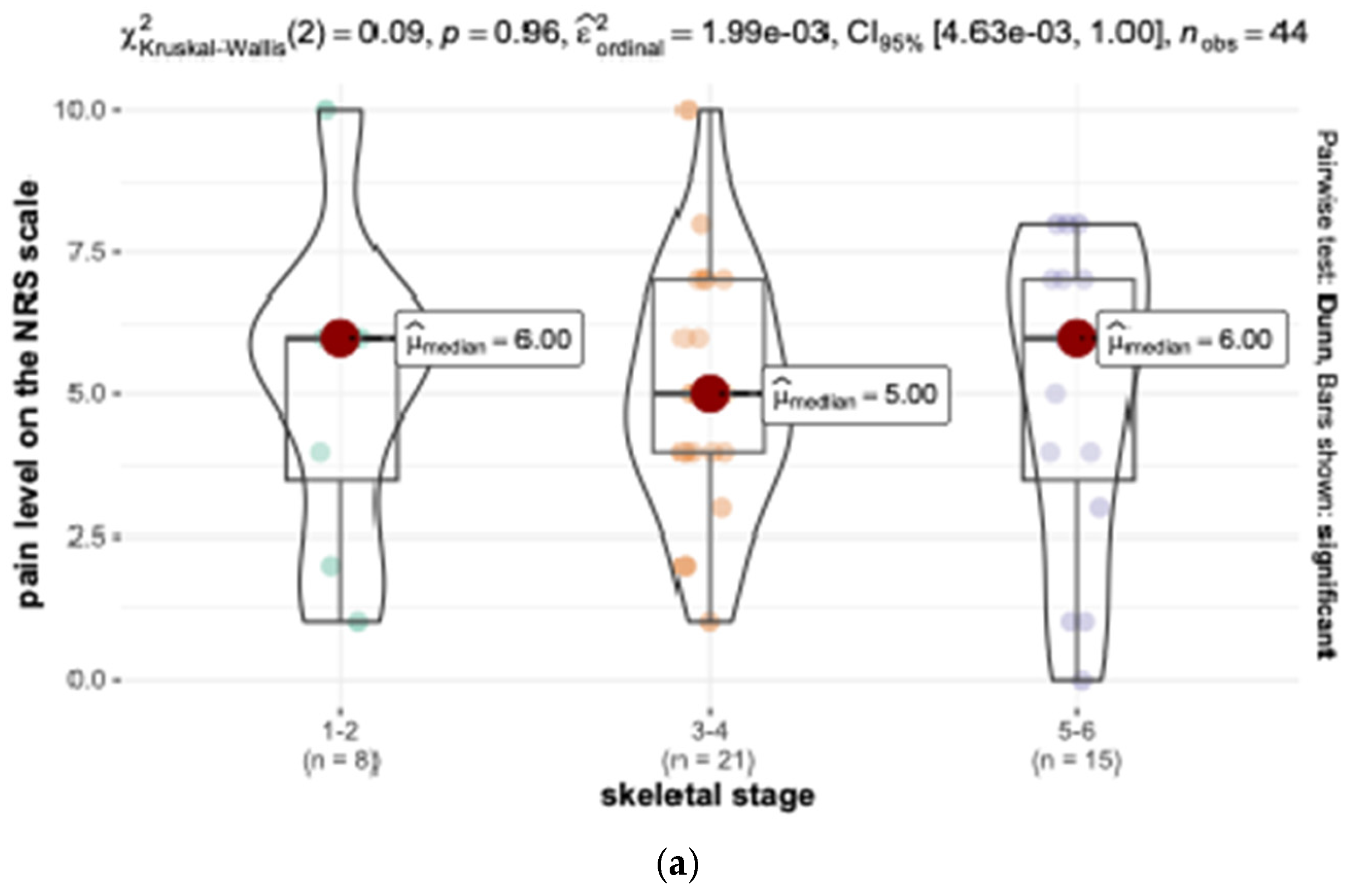
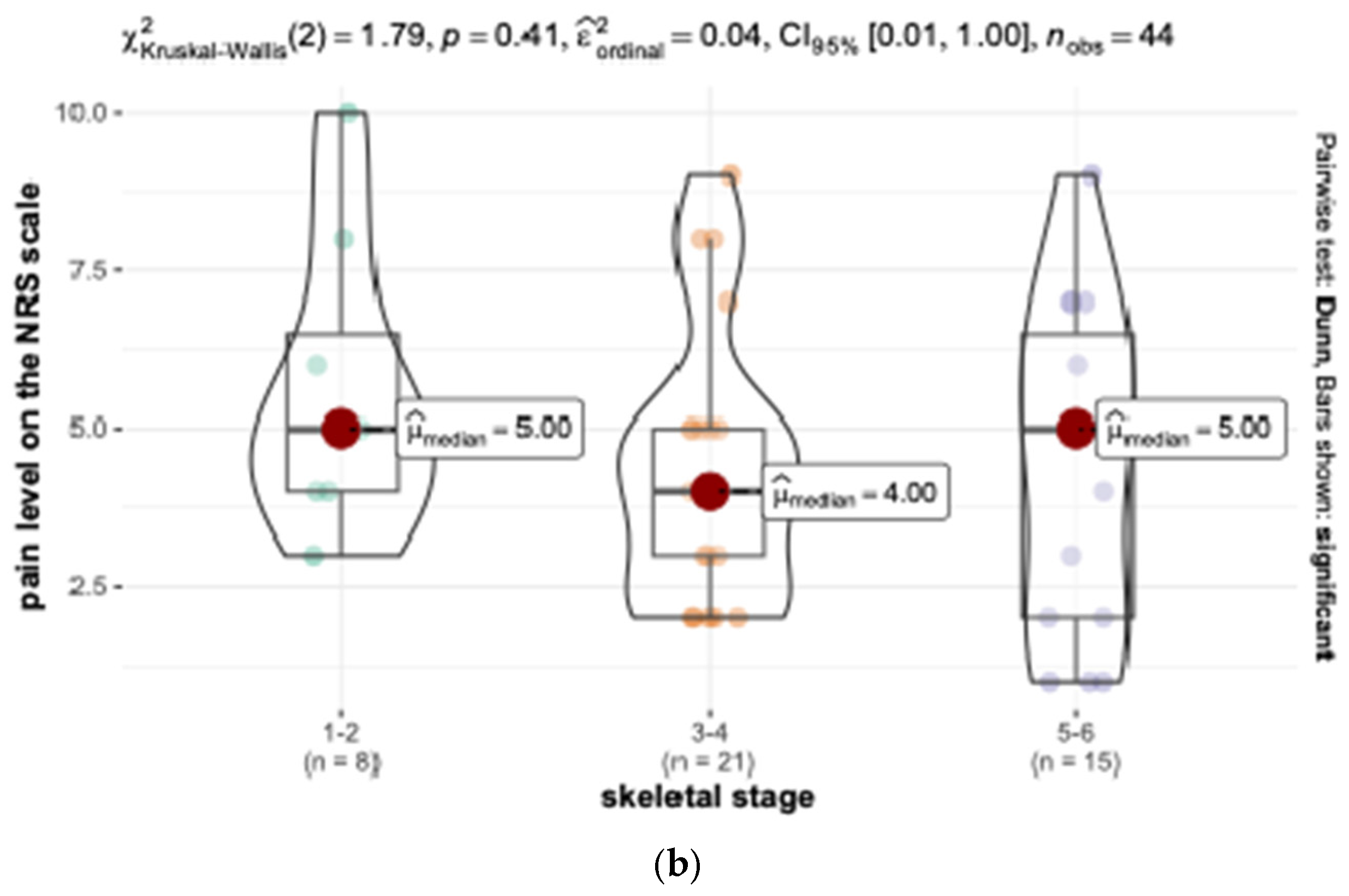
Interestingly, for adolescents during the period of peak pubertal growth (CS3–4), both treatment modalities were less painful in comparison to pre- and postpubertal stages, as presented in Figure 9a,b.
Figure 9.
(a) Pain during a Haas-type SRME according to CS. (b) Pain during FA treatment according to CS.
When examining other adverse effects, no significant differences were observed in the occurrence of pressure sores or speaking difficulties between the two age groups, indicating that these complications are similarly experienced across age demographics.
Specifically, speaking difficulties were reported by a substantial portion of the overall cohort (50.53%), suggesting that the Haas-type acrylic bonded appliance commonly impacts speech, regardless of the patient’s age.
Headaches were only reported by two adults: an 18-year-old female and a 21-year-old male with severe skeletal maxillary deficiency (Figure 10a,b).
Figure 10.
(a) Changes in the shape of the upper arch in an 18-year-old female reporting headaches during SRME treatment. (b) Changes in the shape of the upper arch in a 21-year-old male reporting headaches during SRME treatment.
5. Discussion
Contemporary indications for RME comprise maxillary deficiency, often concurrent with Class II or Class III malocclusion [24].
The data presented in the present study offer a comprehensive insight into the clinical parameters and discomfort associated with the use of Haas-type acrylic expanders and fixed orthodontic appliances, stratified by adolescent and adult age groups. This analytical approach facilitates a comprehensive understanding of the impact of orthodontic appliances on different age demographics within the cohort.
Our research describes one of few studies referring to pain and discomfort in patients treated with RME devices anchored on acrylic splints (bonded RME) with acrylic extensions on the palate [23,24,25,26,27]. It is important to underline that most studies refer to RME anchored on two or four separated bands overloading supported teeth [7,8,9,10,16,19,20,28,29,30,31]. Both the rate of screw turning and the design of the appliance might have an impact on the pain levels reported [5].
The findings of previous studies on pain reported during RME or SRME are presented in Table 3.
We decided to compare adolescents’ and adults’ pain perceptions during two potentially painful orthodontic procedures, i.e., SRME (semi-RME) and FA, in the same patients. To our knowledge, this is the first study reporting such a comparison.
No consistency exists in the literature referring to the definition of SRME. Baldini et al. [16] consider SRME as one quarter-turn activation per day, while Ramoglu and Sari (2010) defined SRME as two quarter turns per day for the first week followed by one quarter turn per day, every other day [23]. In contrast—rapid maxillary expansion (RME) is performed as two to four quarter-turn screw activations per day during the whole treatment [6,16,18,27,28,32].
In the present study, an NRS was chosen for its simplicity compared to a VAS [21].
The NRS has been widely used in diverse populations, since pain cannot be directly measured and is believed to range across a continuum of values. The level of pain in the present study can be assumed as moderate grade, as it was equal to 4.00 on the NRS, and only 18.95% of the total group considered pain as the main disadvantage during SRME. The relatively moderate level of pain in our study could be related to a few factors.
The first factor might be the design of appliance. Connecting six to eight upper teeth (from first premolar to the first or second molar) increases the support for optimal distribution of the force, instead of devices anchored on two or four bands (as in most studies published), potentially overloading separated, supported teeth. Alpernern and Yurosko claim that acrylic splints counteract possible fracture of the buccal bone plate and gingival recessions usually described in the literature [33]. Moreover, the study by Altuhafy et al. reported that the Hyrax expander is more painful than the Haas appliance [20].
The second factor seems to be the rate of expanding the screw. In the present study, it was one quarter turn per day. The activation protocol was chosen following that used by Haas and Handelman [22]. Similarly to the present study, Handelman et al. used a typical Haas appliance on four bands and acrylic extensions on the palate and found pain or swelling only in 19.15% of patients. On the contrary, Capelozza et al. used a Hyrax expander on four bands turned four times a day and reported pain, swelling and ulceration in 68% of patients [32]. A more recent study by Baldini et al. used an RME device with a stainless-steel expander cemented to the maxillary first molars, comparing two protocols of expansion, and concluded that patients treated with two activations per day reported significantly higher pain levels compared to patients treated with one activation per day. The difference was more than twice as much between groups with one turn vs. two turns daily [16]. Similar findings were reported in other studies [5,6,17,18,34], whereas Halicioglu et al. reported no correlation between pain and activation protocols [35]. However, a more detailed insight into three protocols, described by Halicioglu et al., reveals that the first study group with a protocol of six turns daily had been treated with a memory screw combining intermittent and continuous force modules, while the second and third study groups had been treated with another type of appliance, i.e., the conventional Hyrax screw. Moreover, the groups with Hyrax turned the screw in the same protocol two times a day during the most painful period, i.e., the first ten turns [16,28]. Thus, the results, despite the three different protocols, were not statistically different.
Table 3.
Previous studies on pain reported during RME or SRME.
The third factor is the time of screw expansion. The Haas-type acrylic splint appliance in our study was expanded in the evening, just before going to bed, in order to reduce the pain sensation. In general, pain usually starts 4 h after the onset of the orthodontic force [13]; thus, screw turning before going to bed drives the pain into sleep time. Additionally, pain during the RME procedure might be related to the level of cortisol, a critical regulator of metabolism [36] that has its lowest level after lights off, at the onset of sleep, with peak levels occurring in every individual around waking [37,38]. An inhibition of proliferation of the periosteal cells, which gives rise to osteoblasts, is a primary effect of cortisol on bone growth [39] and down-regulation of the synthesis of collagen [40]. Therefore, small amounts of cortisol are necessary for normal bone development to reduce the initial resistance to expansion, while glucocorticoid excess inhibits bone formation and calcium absorption from the gut and increases bone resorption and osteoporosis [36,41,42]. Thus, there is a circadian turnover of the bone, with bone resorption in the morning and increasing formation at night [43]. Therefore, pain sensation during RME is opposite to the pain sensation related to treatment with fixed appliances, which is proved to be lower in the morning than in the evening [44] and achieves the lowest level during the afternoon [14].
In the present study, the average pain level reported on the NRS in the whole group of patients during SRME screw activation was compared with the pain during FA therapy, considered as a perfectly matching control group, and was equally moderate for both procedures. However, a comparison carried out between two age groups revealed that pain levels during the SRME screw activation of the Haas-type acrylic appliance in adolescent patients was more painful (NRS = 5.00) compared to adults (NRS = 3.00) with statistical significance (p = 0.009), contrary to the common opinion that for adults, the RME procedure might be more painful. A similar comparison between adolescents and adults carried out for lower FA therapy resulted in a similar moderate grade level for both age groups. During the leveling phase of orthodontic treatment, higher pain levels were reported in the lower arch compared to the upper arch at 6 h and at day 7 [45]. Lower pain levels were reported in the evening than in the morning for days 2–6, independent of patients’ age, sex and irregularity [45], which is in disagreement with the study by Satpal S et al. [44].
The finding that adolescents experience greater discomfort during the initial stages of SRME treatment may be attributed to a lower tolerance for pain or the higher sensitivity of developing tissues in midpalatal sutures during maxillary expansion. Our study supports previous findings that adolescence is a developmental period when pain is highly prevalent, and girls experience pain more often than boys [46,47,48]. Nevertheless, in the literature, there is no agreement referring to pain during RME in relation to age and sex. Some studies reported an association with patients’ age [16,25,28,44], while others showed no correlation to age [19,35].
The present finding that both treatment modalities were less painful for adolescents during the period of peak pubertal growth (CS 3–4) in comparison to pre- and postpubertal stages is opposite to the results presented in a study based on the Turkish population by Gecgelen et al. 2012, where they found that the mean pressure pain threshold values of post-peak subjects were significantly higher than the mean pressure pain threshold values of pubertal-peak subjects [25]. It might be supposed that the lack of statistical significance in the present study might be related to the sizes of the skeletal-stage subgroups. The authors suppose that prepubertal growth stage is associated with higher pain. Similarly, the finding by Almallah et al. of 2020 that younger patients reported stronger pain relief after low-level laser treatment compared to older patients is possibly due to differences in tissue response or pain perception [49].
The questionnaire filled in by the patients at the appointment following RME debonding aimed to cover all possibly painful procedures, including debonding (the last procedure associated to SRME), which sometimes is inconvenient for the patients. However, it is difficult to assess if the delayed description of experienced pain could influence the reported pain level experienced during screw turning. In the literature, there is no agreement on the influence of time on describing pain intensity [50]; however, it seems a very interesting issue (within the field of psychology—useful for clinical orthodontics), whether and how the memory on pain changes with time.
Referring to the lack of significant differences between the sexes in the whole group, in the literature, there is no agreement related to pain during RME in relation to sex. Some studies showed that pain was more intense in girls [9,16,25], whereas other research showed no correlation to sex [18,19,27,35]. Referring to the comparison of pain sensitivity during SRME procedures between the sexes carried out separately for adolescents and adults that showed that adolescent females felt the highest pain level among the four age and sex subgroups, our finding is in agreement with some studies [9,16,25]. As far as statistically significantly higher pain levels reported by adult females than by adult males (who had the lowest pain levels among the four age/sex subgroups), and similar results for FA therapy in separated age groups, no suitable studies could be found in the literature for comparison. The biggest significant difference was observed between adolescent females and adult males. The highest pain threshold in adult males in both procedures (SRME or FA, average NRS = 2.25) is in agreement with the study by Gecgelen et al. [25].
The success rates of palatal suture openings in adults in the literature are 54% in the Polish population treated with the Biderman appliance on four bands [51]; 82% in the Brazilian population treated with typical Haas appliance [32]; and 100% in the American population also treated with Haas appliance [22]. In our study, it was 64.71%. All female patients between 30 and 42 years of age (8 women) presented with diastema, which is in agreement with the study by Chamberland (2023), who claimed that “the success rate decreases in males older than 25 years, whereas females in their 30s have a favorable response” [52]. Palatal suture opening in the oldest (36-year-old) male patient included was probably due to a remarkable plasticity of the facial skeleton, visible during the treatment with RME and facemask. Also, in the study which established the classification of midpalatal suture maturation the researchers found a great variability in sutural maturation in adolescents and adults (53). The greater percentage of subjects in stage C was during adolescent group (25% of girls at the age 11–14 y, 26.32% of girls at the age 14–18 y; 29.16% of boys at the age 11–14 y and 53.84% of boys at the age of 14–18%) than in adult group (15.8% of females and 7.7% of males). Even early fusion of the midpalatal suture (stages D and E) was detected in adolescent girls (20.83% at the age 11–14 y and 42.1% at the age of 14–18 y). On this account our results suports the uncertainty in the literature of the strict correlation between the metrical age and palatal suture resistance to opening (54–56). Therefore, more research is essential to determine the dilemma related to the relationship between palatal suture opening and metrical age of patients.
Thus, it can be assumed that the present protocol of screw activation, i.e., one quarter turn per day, just before going to sleep, allows the patients to manage the screw activation period of treatment relatively comfortably. Probably, the design of the expander, i.e., Haas-type expander with acrylic splints and acrylic palatal extension, also helped reduce pain levels, which is consistent with the study by Altuhafy et al., who reported a lower pain intensity in patients treated with the Haas appliance compared to the Hyrax [20].
Overall, the data indicate that the Haas-type appliance does pose moderate pain and discomfort; however, pain is experienced more strongly by adolescent patients. Thus, the use of ketoprofen lysine salt (KLS) could be recommended for adolescents, as KLS is considered to be more effective in reducing pain than paracetamol [31].
Finally, the null hypothesis that SRME and FA therapies are more painful to adults than to adolescents is rejected, similarly as is the other hypothesis that SMRE is more painful than FA therapy.
A possible limitation of the present study refers to the subjective assessment of pain, as well as still insufficient numbers (44 patients) of adolescent patients to achieve statistically significant results of pain related to skeletal stages.
6. Conclusions
Based on above findings, the following can be assumed:
- -
- SRME with activating the screw in Haas-type acrylic splint expander by one turn daily just before going to bed is a relatively untroublesome procedure.
- -
- SRME is more painful for adolescents than for adults.
- -
- Adult males reported the lowest pain level, whereas adolescent females reported the highest pain level, both during SRME and FA treatments.
- -
- Both SRME and FA therapies seemed to be less painful for adolescents during peak pubertal growth than during other stages.
- -
- The relation between palatal suture opening and metrical age of patients needs more research on larger groups of adult and adolescent patients.
- -
- Speaking difficulties were most pronounced during the treatment with the Haas-type acrylic splint expander, while pressure sores were most uncomfortable during FA therapy.
Author Contributions
Conceptualization, M.K.-M. and J.J.-O.; methodology, M.K.-M.; software, M.P.; validation, J.J.-O.; formal analysis, M.K.-M. and J.J.-O.; investigation, M.K.-M. and M.P.; resources, M.P.; data curation, M.P.; writing—original draft preparation, M.K.-M. and J.J.-O.; writing—review and editing, M.K.-M. and J.J.-O.; visualization, M.K.-M.; supervision, J.J.-O.; project administration, M.K.-M. and J.J.-O. All authors have read and agreed to the published version of the manuscript.
Funding
This research received no external funding.
Institutional Review Board Statement
The study was conducted in accordance with the Declaration of Helsinki, and ethical approval was waived by the Bioethics Committee of Pomeranian Medical University (decision Reference No KB.006.89.2024), as the investigation did not influence the course of diagnosis or treatment.
Informed Consent Statement
Informed consent was obtained from all subjects involved in the study.
Data Availability Statement
Raw data may be accessed from the first author upon reasonable request.
Conflicts of Interest
The authors declare no conflicts of interest.
References
- Negruțiu, B.M.; Vaida, L.L.; Judea-Pusta, C.; Romanec, C.; Moca, A.E.; Costea, C.P.; Staniș, C.E.; Rus, M. Orthodontic Pain and Dietary Impact Considering Age Groups: A Comparative Study. J. Clin. Med. 2024, 13, 1069. [Google Scholar] [CrossRef] [Scilit] [PubMed]
- Ganzer, N.; Feldmann, I.; Bondemark, L. Pain and discomfort following insertion of miniscrews and premolar extractions: A randomized controlled trial. Angle Orthod. 2016, 86, 891–899. [Google Scholar] [CrossRef] [Scilit]
- Diddige, R.; Negi, G.; Kiran, K.V.S.; Chitra, P. Comparison of pain levels in patients treated with 3 different orthodontic appliances—A randomized trial. Med. Pharm. Rep. 2020, 93, 81–88. [Google Scholar] [CrossRef] [Scilit] [PubMed] [PubMed Central]
- de Paiva, T.T.; Barros, D.M.C.; Bittencourt, R.C.; Savelli, M.B.B.; Lorenzoni, D.C.; de Alcantara Cury-Saramago, A.; Mattos, C.T. Pain perception and expectation related to interradicular mini-implants insertion: A systematic review and meta-analysis. Clin. Oral. Investig. 2023, 27, 7029–7043. [Google Scholar] [CrossRef] [Scilit]
- Barone, M.; De Stefani, A.; Cavallari, F.; Gracco, A.; Bruno, G. Pain during Rapid Maxillary Expansion: A Systematic Review. Children 2023, 10, 666. [Google Scholar] [CrossRef] [Scilit]
- Rutili, V.; Nieri, M.; Franceschi, D.; Pierleoni, F.; Giuntini, V.; Franchi, L. Comparison of rapid versus slow maxillary expansion on patient-reported outcome measures in growing patients: A systematic review and meta-analysis. Prog. Orthod. 2022, 12, 23–47. [Google Scholar] [CrossRef] [Scilit] [PubMed]
- Ugolini, A.; Cossellu, G.; Farronato, M.; Silvestrini-Biavati, A.; Lanteri, V. A multicenter, prospective, randomized trial of pain and discomfort during maxillary expansion: Leaf expander versus hyrax expander. Int. J. Paediatr. Dent. 2020, 30, 421–428. [Google Scholar] [CrossRef] [Scilit]
- Nieri, M.; Paoloni, V.; Lione, R.; Barone, V.; Marino Merlo, M., Jr.; Giuntini, V.; Cozza, P.; Franchi, L. Comparison between two screws for maxillary expansion: A multicenter randomized controlled trial on patient’s reported outcome measures. Eur. J. Orthod. 2021, 43, 293–300. [Google Scholar] [CrossRef] [Scilit]
- Pasqua, B.P.M.; André, C.B.; Paiva, J.B.; Rino Neto, J. Short-term assessment of pain and discomfort during rapid maxillary expansion with tooth-bone-borne and tooth-borne appliances: Randomized clinical trial. Dental Press. J. Orthod. 2023, 28, e2322220. [Google Scholar] [CrossRef] [Scilit]
- Hansson, S.; Josefsson, E.; Lindsten, R.; Magnuson, A.; Bazargani, F. Pain and discomfort during the first week of maxillary expansion using two different expanders: Patient-reported outcomes in a randomized controlled trial. Eur. J. Orthod. 2023, 45, 271–280. [Google Scholar] [CrossRef] [Scilit] [PubMed]
- Tang, Z.; Zhou, J.; Long, H.; Gao, Y.; Wang, Q.; Li, X.; Wang, Y.; Lai, W.; Jian, F. Molecular mechanism in trigeminal nerve and treatment methods related to orthodontic pain. J. Oral. Rehabil. 2022, 49, 125–137. [Google Scholar] [CrossRef] [Scilit] [PubMed]
- Wang, S.; Ko, C.C.; Chung, M.K. Nociceptor mechanisms underlying pain and bone remodeling via orthodontic forces: Toward no pain, big gain. Front. Pain Res. 2024, 22, 1365194, eCollection 2024. [Google Scholar] [CrossRef] [Scilit] [PubMed]
- Krishnan, V. Orthodontic pain: From causes to management—A review. Eur. J. Orthod. 2007, 29, 170–179. [Google Scholar] [CrossRef] [Scilit] [PubMed]
- Sandhu, S.S.; Sandhu, J. Orthodontic pain: An interaction between age and sex in early and middle adolescence. Angle Orthod. 2013, 83, 966–972. [Google Scholar] [CrossRef] [Scilit]
- Banker, A.M.; Thakkar, M.N.; Desai, B.B.; Huja, S.S. Post-Expansion and End of Treatment Outcomes of Semi-Rapid Maxillary Expansion with a Modified Removable Appliance. Indian J. Dent. Res. 2022, 33, 63–68. [Google Scholar] [CrossRef] [Scilit]
- Baldini, A.; Nota, A.; Santariello, C.; Assi, V.; Ballanti, F.; Cozza, P. Influence of activation protocol on perceived pain during rapid maxillary expansion. Angle Orthod. 2015, 85, 1015–1020. [Google Scholar] [CrossRef] [Scilit]
- Yacout, Y.M.; Abdalla, E.M.; El Harouny, N.M. Patient-reported outcomes of slow vs rapid miniscrew-supported maxillary expansion in adolescents: Secondary outcomes of a randomized clinical trial. Angle Orthod. 2022, 93, 151–158. [Google Scholar] [CrossRef] [Scilit] [PubMed]
- Needleman, H.L.; Hoang, C.D.; Allred, E.; Hertzberg, J.; Berde, C. Reports of pain by children undergoing rapid palatal expansion. Pediatr. Dent. 2000, 22, 221–226. [Google Scholar]
- Abed Al Jawad, F.H.; Alhashimi, N.A. Evaluation of self-perceived pain and jaw function impairment in children undergoing slow and rapid maxillary expansion. Angle Orthod. 2021, 91, 725–732, Bihelix vs Hyrax on 4 bands. [Google Scholar] [CrossRef] [Scilit] [PubMed]
- Altuhafy, M.; Jabr, L.; Michelogiannakis, D.; Khan, J. Self-perceived pain in Hyrax versus other maxillary expansion orthodontic appliances: A systematic review of clinical studies. Eur. Arch. Paediatr. Dent. 2023, 24, 279–292. [Google Scholar] [CrossRef] [Scilit] [PubMed]
- Williamson, A.; Hoggart, B. Pain: A review of three commonly used pain rating scales. J. Clin. Nurs. 2005, 14, 798–804. [Google Scholar] [CrossRef] [Scilit] [PubMed]
- Handelman, C.S.; Wang, L.; BeGole, E.A.; Haas, A.J. Nonsurgical rapid maxillary expansion in adults: Report on 47 cases using the Haas expander. Angle Orthod. 2000, 70, 129–144. [Google Scholar] [PubMed]
- Ramoglu, S.I.; Sari, Z. Maxillary expansion in the mixed dentition: Rapid or semi-rapid? Eur. J. Orthod. 2010, 32, 11–18. [Google Scholar] [CrossRef] [Scilit] [PubMed]
- Bin Dakhil, N.; Bin Salamah, F. The Diagnosis Methods and Management Modalities of Maxillary Transverse Discrepancy. Cureus 2021, 13, e20482. [Google Scholar] [CrossRef] [Scilit] [PubMed] [PubMed Central]
- Gecgelen, M.; Aksoy, A.; Kirdemir, P.; Doguc, D.K.; Cesur, G.; Koskan, O.; Ozorak, O. Evaluation of stress and pain during rapid maxillary expansion treatments. J. Oral. Rehabil. 2012, 39, 767–775. [Google Scholar] [CrossRef] [Scilit] [PubMed]
- Basciftci, F.A.; Karaman, A.I. Effects of a modified acrylic bonded rapid maxillary expansion appliance and vertical chin cap on dentofacial structures. Angle Orthod. 2002, 72, 61–71. [Google Scholar] [CrossRef] [PubMed]
- Önçağ, G.; Dindaroğlu, F.; Doğan, S. Perception of pain during rapid palatal expansion. Turk. J. Orthod. 2011, 24, 111–122. [Google Scholar] [CrossRef] [Scilit]
- Feldmann, I.; Bazargani, F. Pain and discomfort during the first week of rapid maxillary expansion (RME) using two different RME appliances: A randomized controlled trial. Angle Orthod. 2017, 87, 391–396. [Google Scholar] [CrossRef] [Scilit]
- Ghergu Jianu, A.; Chaqués-Asensi, J.; Llamas Carreras, J.M.; Perillo, L. Nonsurgical maxillary expansion in adults: Report on clinical cases using the Hyrax expander. Minerva Stomatol. 2019, 68, 95–103. [Google Scholar] [CrossRef] [Scilit] [PubMed]
- Cerritelli, L.; Hatzopoulos, S.; Catalano, A.; Bianchini, C.; Cammaroto, G.; Meccariello, G.; Iannella, G.; Vicini, C.; Pelucchi, S.; Skarzynski, P.H.; et al. Rapid Maxillary Expansion (RME): An Otolaryngologic Perspective. J. Clin. Med. 2022, 11, 5243. [Google Scholar] [CrossRef] [Scilit] [PubMed] [PubMed Central]
- Cossellu, G.; Lanteri, V.; Lione, R.; Ugolini, A.; Gaffuri, F.; Cozza, P.; Farronato, M. Efficacy of ketoprofen lysine salt and paracetamol/ acetaminophen to reduce pain during rapid maxillary expansion: A randomized controlled clinical trial. Int. J. Paediatr. Dent. 2019, 29, 58–65. [Google Scholar] [CrossRef] [Scilit] [PubMed]
- Capelozza Filho, L.; da Silva Filho, O.G.; Ursi, W.J. Non-surgically assisted rapid maxillary expansion in adults. Int. J. Adults Orthodon Orthognath. Surg. 1996, 11, 57–66. [Google Scholar]
- Alpernern, M.C.; Yurosko, J. Rapid palatal expansion in adults with and without surgery. Angle Orthod. 1987, 3, 245–263. [Google Scholar]
- El Naghy, R.; Al-Qawasmi, R.; Hasanin, M. Do patient-reported outcomes of miniscrew-supported maxillary expansion in adolescent patients differ between slow and rapid activation protocol? Evid. Based Dent. 2023, 24, 28–29. [Google Scholar] [CrossRef] [Scilit] [PubMed]
- Halicioglu, K.; Kiki, A.; Yayuz, I. Subjective symptoms of RME patients treated with three different screw activation protocols: A randomised clinical trial. Aust. Orthod. J. 2012, 28, 225–231. [Google Scholar]
- Canalis, E.; Delany, A.M. Mechanisms of glucocorticoid action in bone. Ann. N. Y Acad. Sci. 2002, 966, 73–81. [Google Scholar] [CrossRef] [Scilit]
- Debono, M.; Ghobadi, C.; Rostami-Hodjegan, A.; Huatan, H.; Campbell, M.J.; Newell-Price, J.; Darzy, K.; Merke, D.P.; Arlt, W.; Ross, R.J. Modified-release hydrocortisone to provide circadian cortisol profiles. J. Clin. Endocrinol. Metab. 2009, 94, 1548–1554. [Google Scholar] [CrossRef] [Scilit]
- Bhake, R.C.; Kluckner, V.; Stassen, H.; Russell, G.M.; Leendertz, J.; Stevens, K.; Linthorst, A.C.E.; Lightman, S.L. Continuous Free Cortisol Profiles—Circadian Rhythms in Healthy Men. J. Clin. Endocrinol. Metab. 2019, 104, 5935–5947. [Google Scholar] [CrossRef] [Scilit]
- Chyun, Y.S.; Kream, B.E.; Raisz, L.G. Cortisol Decreases Bone Formation by Inhibiting Periosteal Cell Proliferation. Endocrinology 1984, 114, 477–480. [Google Scholar] [CrossRef] [Scilit]
- Kucharz, E.J. Hormonal control of collagen metabolism. Part. II. Endocrinol. 1988, 26, 229–237. [Google Scholar] [PubMed]
- Chiodini, I.; Scillitani, A. Role of cortisol hypersecretion in the pathogenesis of osteoporosis. Recenti Prog. Med. 2008, 99, 309–313. [Google Scholar] [PubMed]
- Chotiyarnwong, P.; McCloskey, E.V. Pathogenesis of glucocorticoid-induced osteoporosis and options for treatment. Nat. Rev. Endocrinol. 2020, 16, 437–447. [Google Scholar] [CrossRef] [Scilit] [PubMed]
- Heshmati, H.M.; Riggs, B.L.; Burritt, M.F.; McAlister, C.A.; Wollan, P.C.; Khosla, S. Effects of the circadian variation in serum cortisol on markers of bone turnover and calcium homeostasis in normal postmenopausal women. J. Clin. Endocrinol. Metab. 1998, 83, 751–756. [Google Scholar] [CrossRef] [Scilit] [PubMed]
- Sandhu, S.S.; Leckie, G. Diurnal variation in orthodontic pain: Clinical implications and pharmacological management. Semin. Orthod. 2018, 24, 217–224. [Google Scholar] [CrossRef] [Scilit]
- Inauen, D.S.; Papadopoulou, A.K.; Eliades, T.; Papageorgiou, S.N. Pain profile during orthodontic levelling and alignment with fixed appliances reported in randomized trials: A systematic review with metaanalyses. Clinical Oral. Investig. 2023, 27, 1851–1868. [Google Scholar] [CrossRef] [Scilit]
- Lord, S.M.; Kepreotes, E.A. Pain in adolescence: A time of vulnerability and opportunity. Pain. Manag. Today 2017, 4, 6–14. [Google Scholar]
- Gobina, I.; Villberg, J.; Välimaa, R.; Tynjälä, J.; Whitehead, R.; Cosma, A.; Brooks, F.; Cavallo, F.; Ng, K.; de Matos, M.G.; et al. Prevalence of self-reported chronic pain among adolescents: Evidence from 42 countries and regions. Eur. J. Pain. 2019, 23, 316–326. [Google Scholar] [CrossRef] [Scilit] [PubMed]
- Chambers, C.T.; Dol, J.; Tutelman, P.R.; Langley, C.L.; Parker, J.A.; Cormier, B.T.; Macfarlane, G.J.; Jones, G.T.; Chapman, D.; Proudfoot, N.; et al. The prevalence of chronic pain in children and adolescents: A systematic review update and meta-analysis. Pain. 2024, 165, 2215–2234. [Google Scholar] [CrossRef] [Scilit] [PubMed] [PubMed Central]
- Almallah, M.M.E.; Hajeer, M.Y.; Almahdi, W.H.; Burhan, A.S.; Latifeh, Y.; Madkhaneh, S.K. Assessment of a single versus double application of low-level laser therapy in pain reduction following orthodontic elastomeric separation: A randomized controlled trial. Dent. Med. Probl. 2020, 57, 45–52. [Google Scholar] [CrossRef] [Scilit]
- Adamczyk, W.M.; Farley, D.; Wiercioch-Kuzianik, K.; Bajcar, E.A.; Buglewicz, E.; Nastaj, J.; Gruszka, A.; Bąbel, P. Memory of pain in adults: A protocol for systematic review and meta-analysis. Syst. Rev. 2019, 8, 201. [Google Scholar] [CrossRef] [Scilit] [PubMed] [PubMed Central]
- Kamińska, I. Orthodontic effects of midpalatal suture separation. Ann. Acad. Medicae Stetin. 2008, 54, 94–105. [Google Scholar]
- Chamberland, S. Maxillary expansion in nongrowing patients. Conventional, surgical, or miniscrew-assisted, an update. J. World Fed. Orthod. 2023, 12, 173–183. [Google Scholar] [CrossRef] [Scilit] [PubMed]

Disclaimer/Publisher’s Note: The statements, opinions and data contained in all publications are solely those of the individual author(s) and contributor(s) and not of MDPI and/or the editor(s). MDPI and/or the editor(s) disclaim responsibility for any injury to people or property resulting from any ideas, methods, instructions or products referred to in the content. |
© 2025 by the authors. Licensee MDPI, Basel, Switzerland. This article is an open access article distributed under the terms and conditions of the Creative Commons Attribution (CC BY) license (https://creativecommons.org/licenses/by/4.0/).