Article

Does the Energy Performance Certification Effectively Support Building-Energy Efficiency and Resilience to Climate Change?


by
Cristina Piselli
1,
Claudia Fabiani
2 and
Veronica Lucia Castaldo
3,*
1
Department of Architecture (DIDA), University of Florence, via della Mattonaia 8, 50121 Florence, Italy
2
Department of Engineering, University of Perugia, via G. Duranti 93, 06125 Perugia, Italy
3
RSE S.p.A.—Ricerca Sul Sistema Energetico, Via Maresciallo Pilsudski 124, 00197 Roma, Italy
*
Author to whom correspondence should be addressed.
Appl. Sci. 2025, 15(18), 10124; https://doi.org/10.3390/app151810124
Submission received: 6 August 2025 / Revised: 9 September 2025 / Accepted: 12 September 2025 / Published: 17 September 2025

Abstract

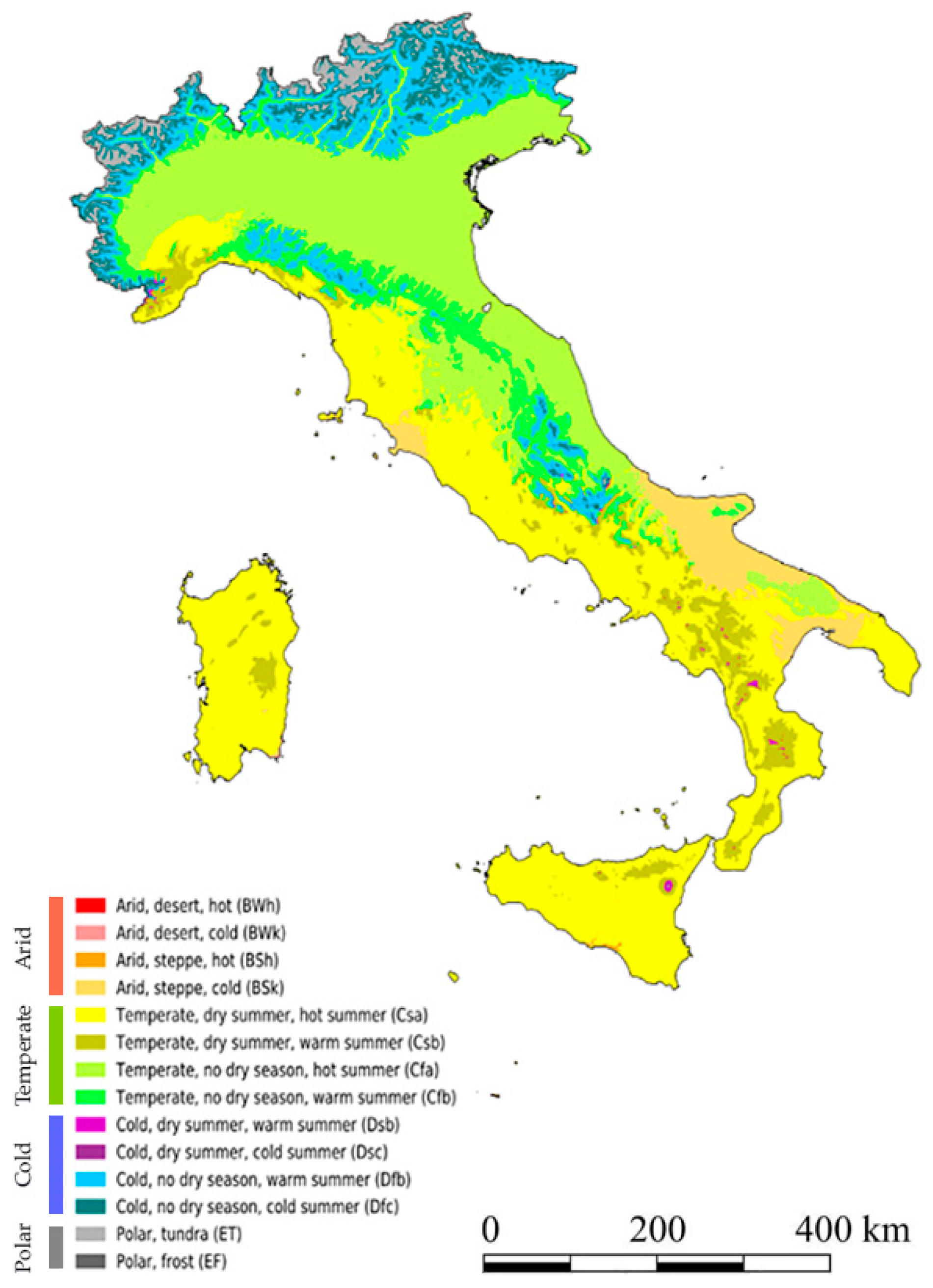
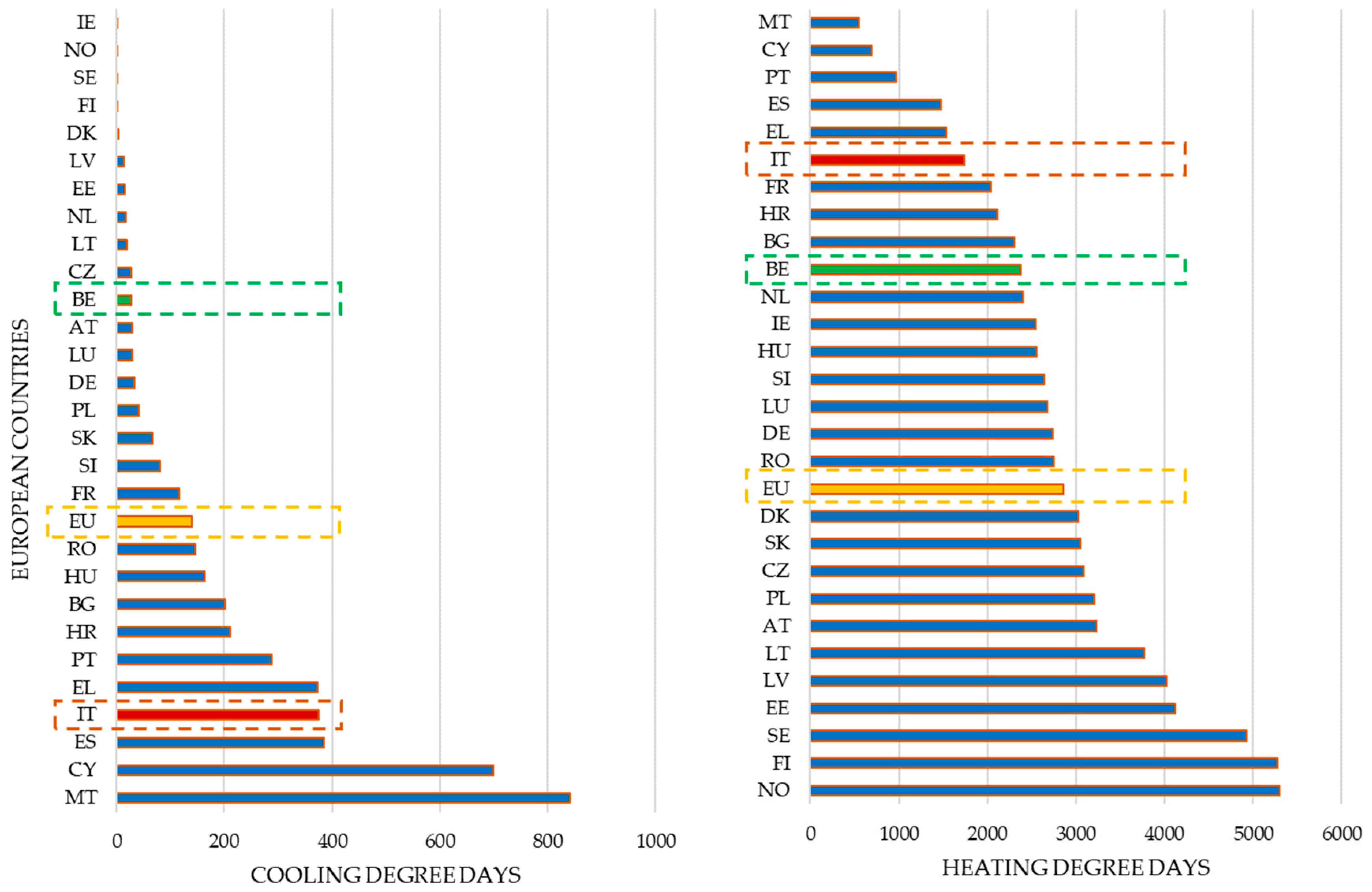
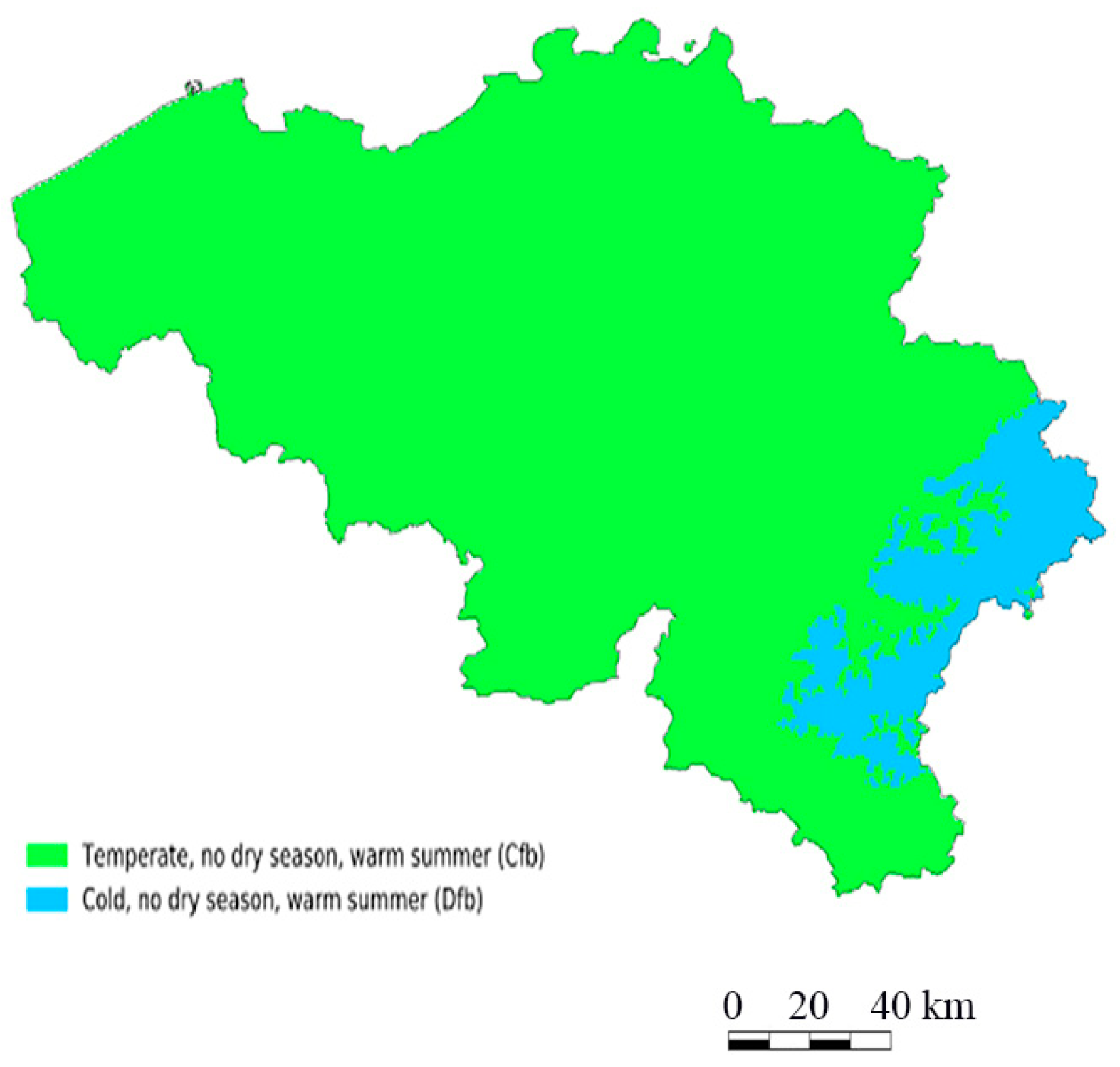
Given the impacts of the building sector on energy consumption and greenhouse gas emissions, the European Union has defined regulations to improve buildings’ energy performance. Among these provisions, there is the requirement, in each member state, to set up a framework for the energy performance certification of buildings; this is a tool to quantify and unequivocally identify the overall energy performance of buildings based on accountable and comparable criteria. Did member states implement similar approaches in their definitions of their energy certification framework and goals? Does this approach provide an effective solution to drive building-energy efficiency and sustainability improvement? This work investigates and compares the process of the energy certification of buildings in two European countries: Italy and Belgium. The purpose is to identify the pros and cons of the framework in each country, in addition to the similarities and differences between them. The comparative analysis showed non-negligible differences between the two approaches, in terms of both methodology and outcomes. The climate context was found to play a key role in determining the methodological discrepancy. Moreover, both of the developed approaches show balanced pros and cons that should be further questioned to provide shared tools that can effectively support building-energy efficiency enhancement and resilience to climate change.
Keywords: building energy efficiency; climate change; resilience; energy performance certification; high-performance buildings building energy efficiency; climate change; resilience; energy performance certification; high-performance buildings