Article

Development of Passive Fire Protection Mortars
1
Department of Civil Engineering, University of Coimbra, ISISE, Rua Luís Reis Santos, 3030-790 Coimbra, Portugal
2
Department of Chemical Engineering, University of Coimbra, CIEPQPF, Rua Sílvio Lima, 3030-790 Coimbra, Portugal
*
Author to whom correspondence should be addressed.
Appl. Sci. 2022, 12(4), 2093; https://doi.org/10.3390/app12042093
Submission received: 23 December 2021 / Revised: 31 January 2022 / Accepted: 7 February 2022 / Published: 17 February 2022
(This article belongs to the Special Issue New Challenges in Civil Structure for Fire Response)

Abstract

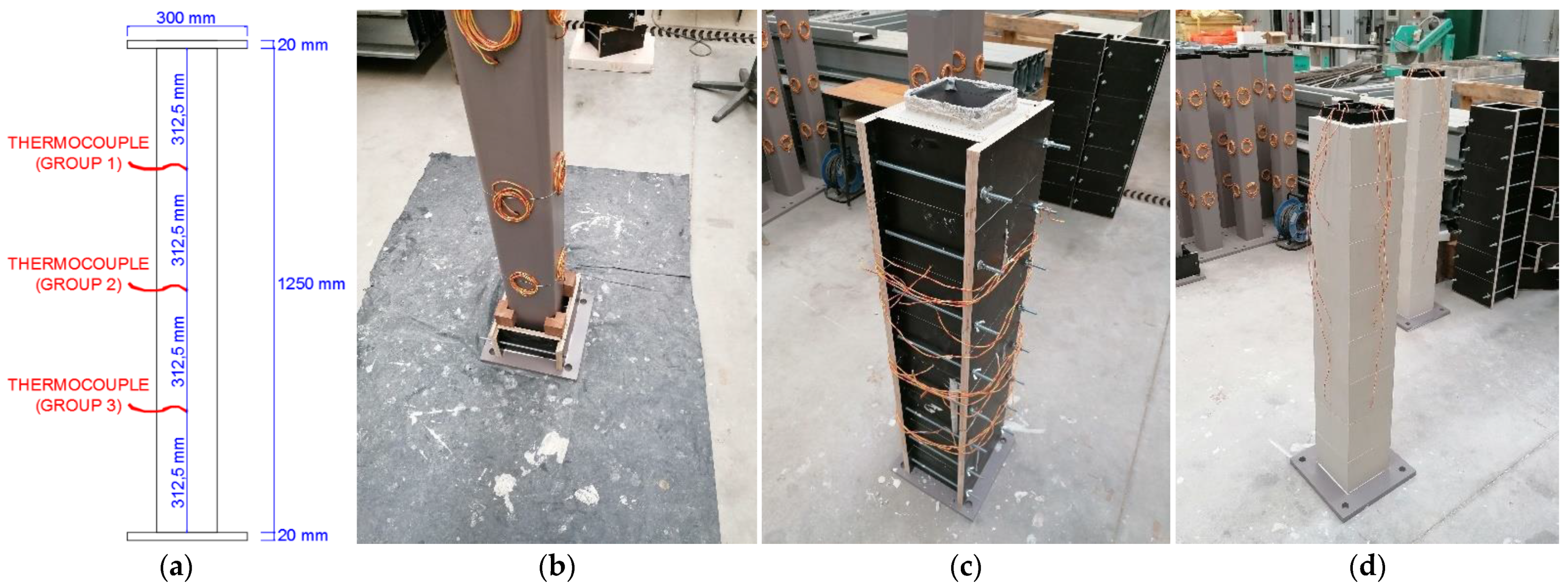
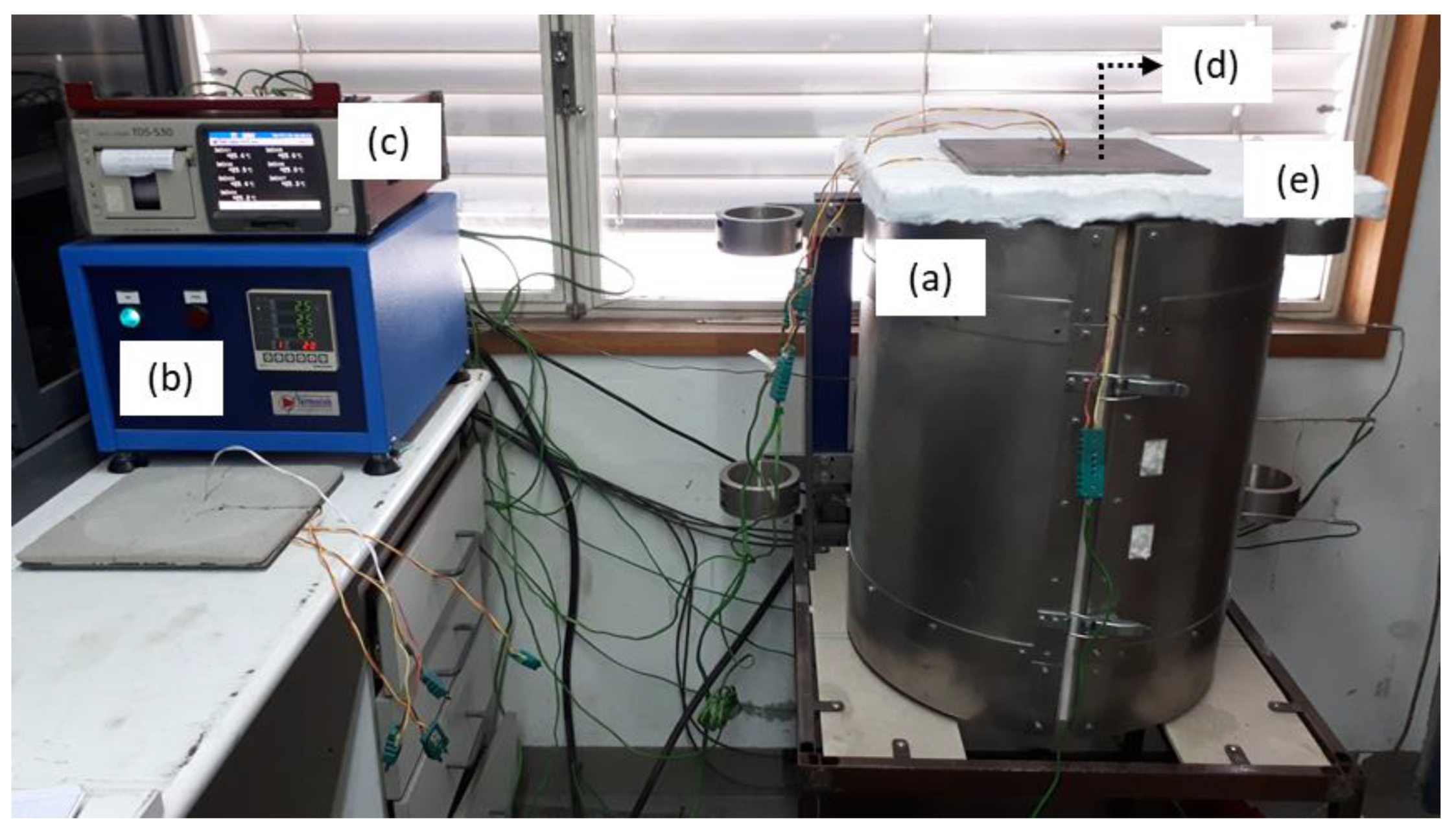
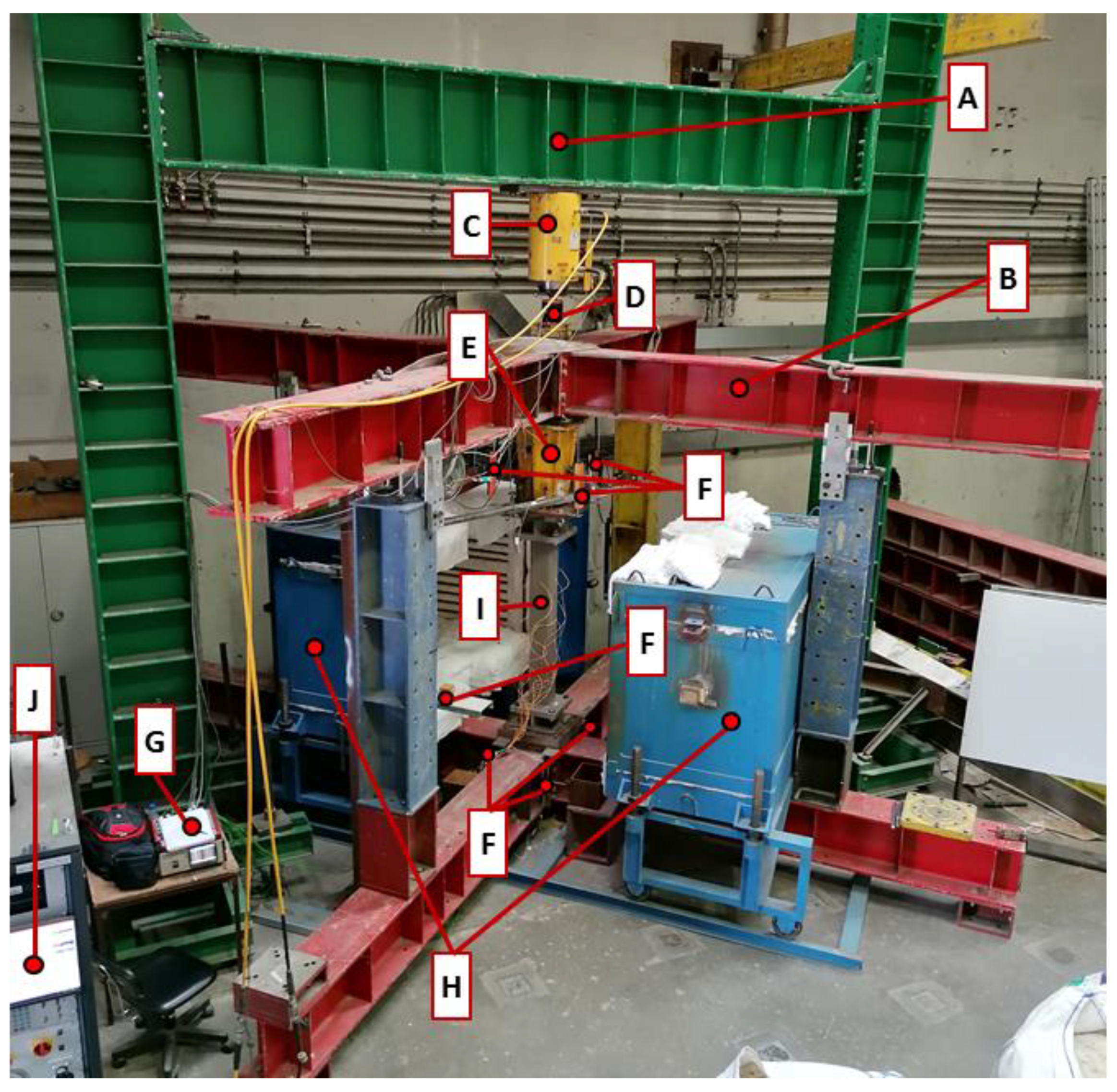
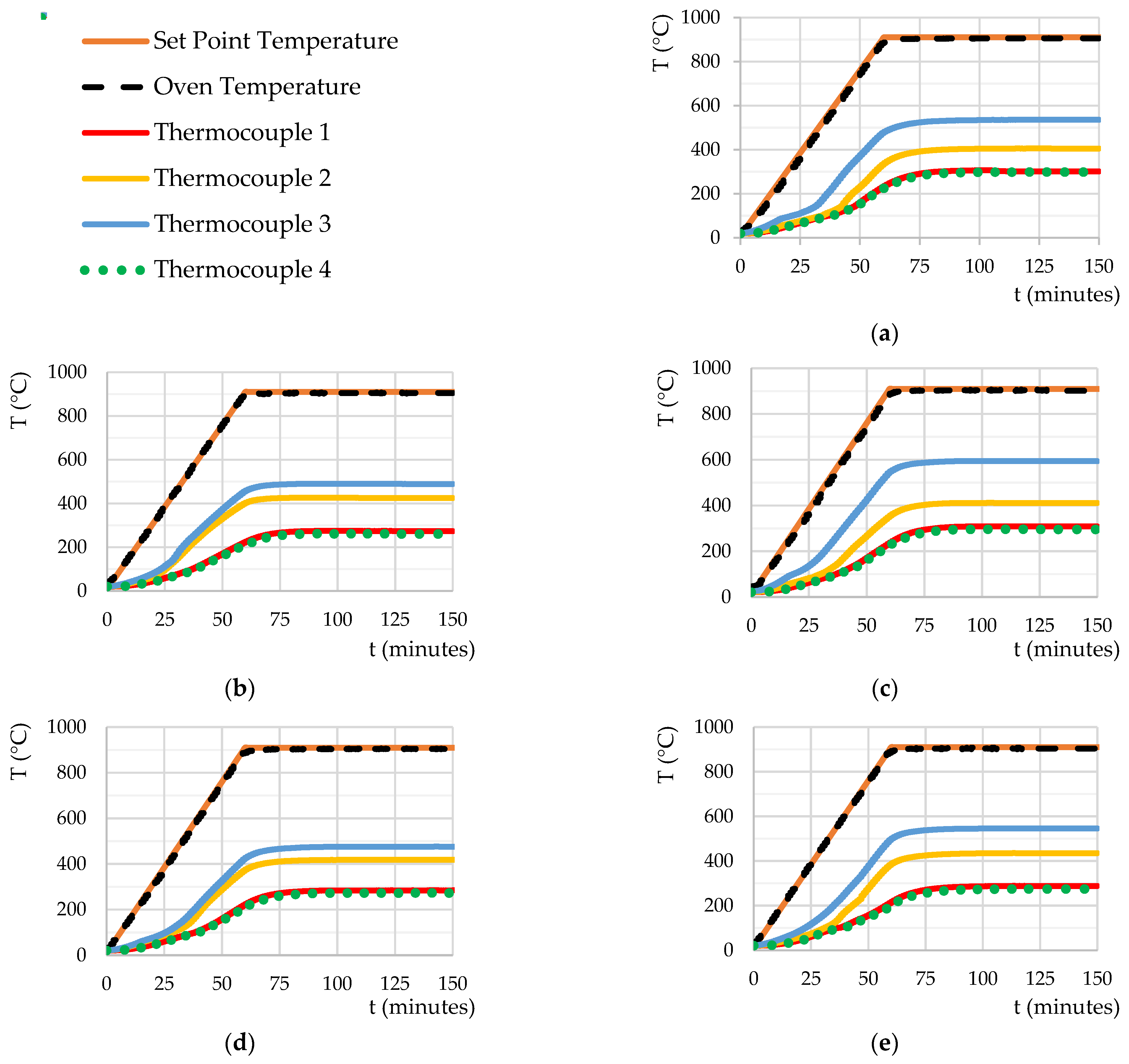
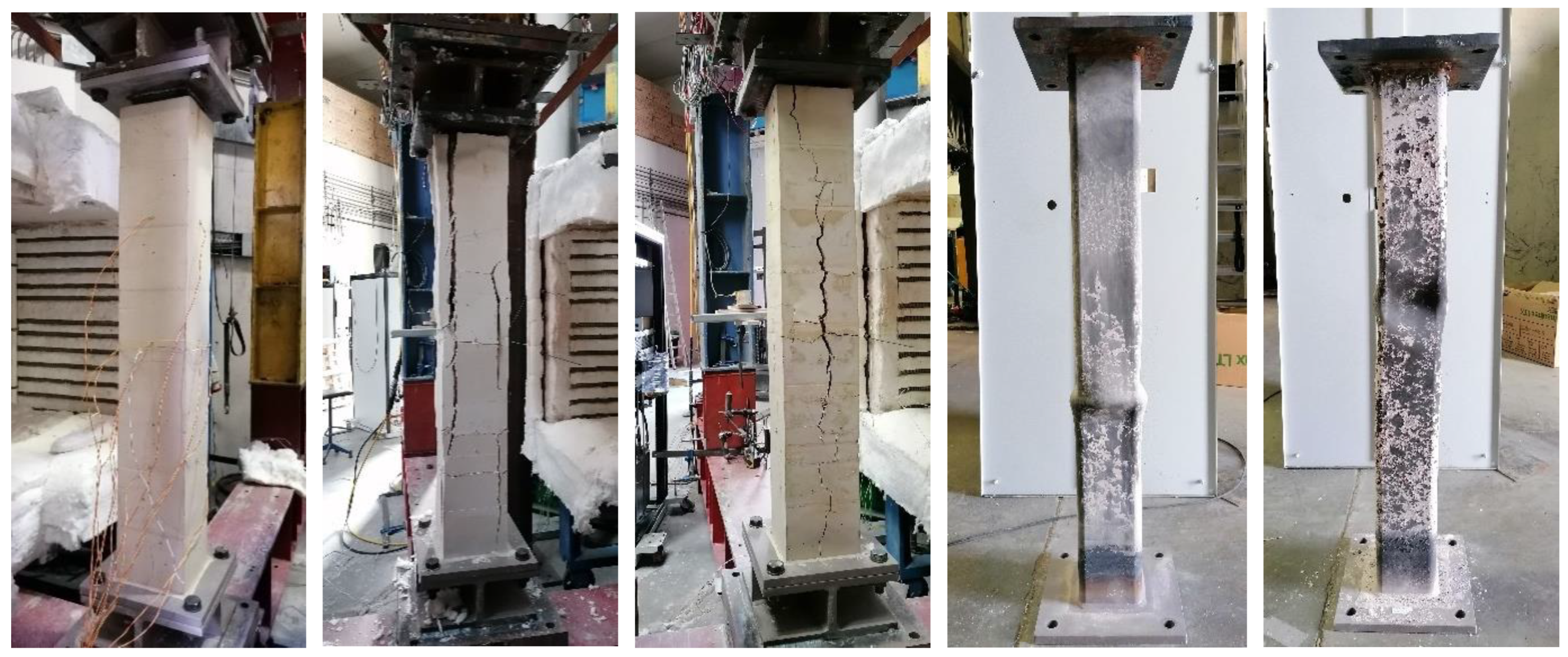
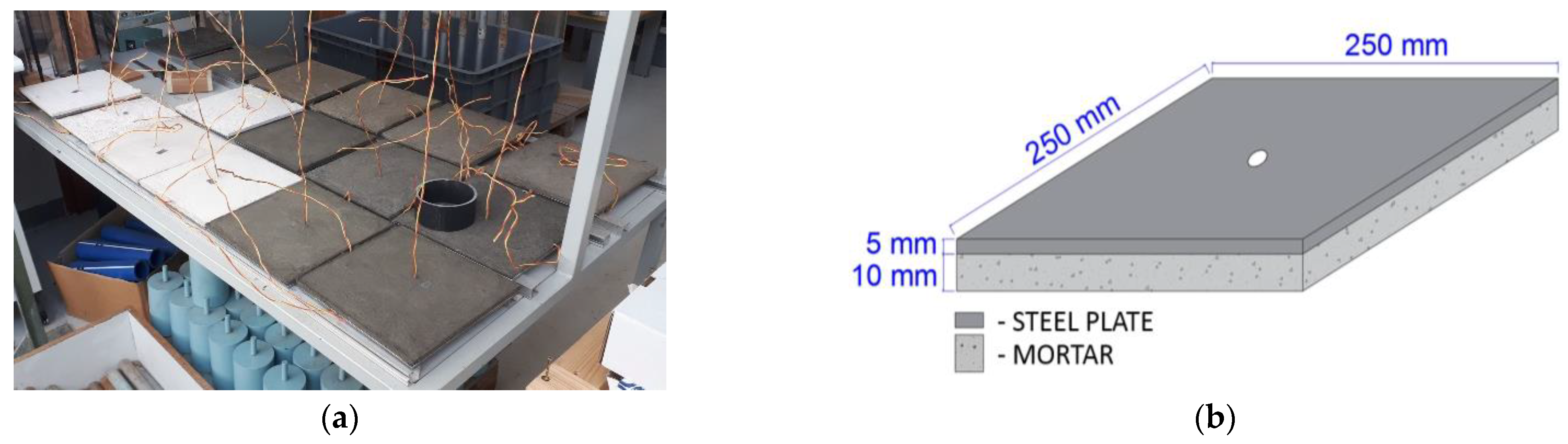
During a fire event, the stability of steel structures may be compromised, and structural collapse may occur due to the loss of their mechanical resistance as the temperature increases. One of the solutions to reduce this problem is the protection with a coating using enhanced fire-resistant mortars. This paper reports a detailed experimental work aiming to develop gypsum and cement-based mortars for passive fire protection and evaluate their composition’s effect in the final thermal performance. Two types of specimens were tested: (i) small specimens composed of a mortar coating (10 mm thick) and one steel plate and (ii) square section short tubular steel columns with 20 mm of coating. The evaluation of the thermal protection was carried out by (a) measuring the thermal gradient between the exposed surface of the protected steel plate under high temperatures and the mortar-steel interface and (b) assessing the fire resistance of the short steel columns. It was concluded that the compositions with gypsum binder present better thermal insulation than the cementitious compositions. Additionally, the introduction of nano- and microparticles of silica still slightly improved the thermal insulation of the tested compositions.
Keywords: steel columns; nano- and microsilica; gypsum; cement; mortar; passive fire protection; insulation; fire; heat transfer steel columns; nano- and microsilica; gypsum; cement; mortar; passive fire protection; insulation; fire; heat transfer