


Abstract
In Mexico, women entrepreneurs represent a significant portion of the population that contributes economically to the country. Few studies describe the challenges they face in creating and maintaining businesses, such as access to resources and the motivations that influence their intention and commitment to entrepreneurship, given that it is considered a predominantly male activity. To describe this behavioral intention that precedes entrepreneurship, the Theory of Reasoned Action (TRA) is used as a theoretical framework. However, unlike previous applications of TRA in entrepreneurship research—which predominantly treat intention as a static predictor of the decision to start a business—we broaden the framework by conceptualizing behavioral intention as a continuous motivational force that sustains entrepreneurial passion and deepens organizational commitment in the entrepreneurial process. In doing so, the study addresses a gap in the literature: TRA has been criticized for neglecting the psychological mechanisms that underpin entrepreneurial behavior once the business has been launched. Based on in-depth interviews with ten women entrepreneurs in Cuernavaca, Morelos (Mexico), the findings show that entrepreneurial intention does not dissolve once the business is created: it re-emerges as entrepreneurial passion during the uncertain early stages of the venture and, as the business incorporates employees and customers, crystallizes into organizational commitment, which in turn feeds back into and reinforces entrepreneurial passion. These findings are synthesized into an integrative, sequential model—intention, behavior, passion, and commitment—that offers a novel processual account of women’s entrepreneurship beyond the moment of business creation.
1. Introduction
Entrepreneurship is one of the central drivers of business creation, job creation, and economic stability in a country or region (Xanthopoulou et al., 2025). However, the recent literature agrees that the entrepreneurial process cannot be understood apart from the cultural environment in which it is inserted: the beliefs, attitudes, and subjective norms that precede entrepreneurial behavior are shaped by the culture of the person (Köpke & Schmitt-Rodermund, 2025). This influence is particularly marked in the case of women entrepreneurs, whose entrepreneurial intention and behavior are crossed by gender stereotypes, family role expectations, and the availability of female role models in their immediate environment (Liao et al., 2023). Understanding female entrepreneurship therefore requires situating entrepreneurial intent and behavior within the system of cultural norms that women must negotiate, rather than treating them as universal and decontextualized psychological processes.
In Mexico, this cultural framework is expressed in the persistence of a traditional model in which the role of women is focused on the care and education of children, while entrepreneurship is perceived as a masculine activity (Asociación de Emprendedores de México [ASEM], 2025). Although Mexican women are currently increasingly participating in the labor market and in the generation of family income, this transition has not eliminated the underlying normative tensions: entrepreneurship continues to require reconciling the subjective norm of the immediate environment—family, couple, community—with one’s own attitudes towards the business, a mechanism that the TRA allows to be explicitly modeled (Trinh et al., 2026). According to the Mexican Institute for Competitiveness (IMCO), 47% of business owners are women, and they hold more than half of the leadership positions in one out of every five micro, small, and medium-sized enterprises (SMEs). In addition, 62% of women entrepreneurs are between 25 and 44 years old, while only 2.1% started their company between 55 and 64 years old, and 65% of the workers in these businesses are also women (IMCO, 2025). These figures are not only descriptive: they reflect how the family, economic, and care conditions faced by Mexican women—particularly those over 35 years of age with school-age children—shape both the initial intention to undertake and the ability to sustain the business over time (Ortiz-González & Sánchez-Limón, 2024). The specific context of this study is the city of Cuernavaca, Morelos, a municipality that concentrates more than 29,949 registered companies and businesses and is the third most densely populated in the country, and combines urban areas with rural communities, which offers a heterogeneous scenario to observe the female entrepreneurial experience.
Faced with this panorama, the model proposed in this article seeks to overcome the visions that historically framed women entrepreneurs from the deficit—less access to capital, less previous business experience, greater care burdens—to instead situate the analysis in the psychological resources that these women mobilize to start, sustain, and grow their businesses (J. Feng et al., 2022; Margaça et al., 2021).
1.1. Research Problem and Gap
The research problem that gives rise to this work can be formulated as follows: although there is evidence that entrepreneurial intention precedes behavior (Tsou et al., 2023) and that entrepreneurial passion and organizational commitment are psychological variables relevant to the creation and permanence of a business, the literature has studied these three variables in a predominantly isolated manner and in mostly university populations (Wang & Liu, 2024), without examining how they are articulated sequentially in the trajectory of the same woman entrepreneur, from the formation of her intention to the consolidation of her commitment to the organization she founded.
This omission constitutes the research gap that this study seeks to address. It has been documented that women present, on average, lower levels of entrepreneurial intention and a more pessimistic assessment of their own entrepreneurial competencies (Köpke & Schmitt-Rodermund, 2025), and that research on entrepreneurial passion in women carries a historical gender bias in the samples used (Fu et al., 2022); however, as far as is known, no study has integrated entrepreneurial intention—under the TRA, entrepreneurial passion, and organizational commitment—in the same processual model applied specifically to Mexican women entrepreneurs (Contreras et al., 2020; Hincapié-Mesa et al., 2023). Closing this gap is relevant not only in theoretical terms but also to guide public policies and programs to support female entrepreneurship more precisely by making it possible to identify at which stage of the entrepreneurial process—formation of intention, transition to behavior, passionate support, or consolidation of commitment—the greatest needs for intervention are concentrated.
1.2. Objective and Research Questions
Based on this approach, the present study had a double objective: (1) to qualitatively explore the experiences of women entrepreneurs in the city of Cuernavaca, Morelos, and (2) to propose an integrative model of three variables—entrepreneurial behavior intention, entrepreneurial passion, and organizational commitment of the entrepreneur—that allows evidencing the relationship between them and anticipating actions that support the growth of female entrepreneurship. The following research questions are derived from this objective:
RQa. How are the attitudes towards entrepreneurship and the subjective norm—in the sense of the TRA—related to the formation of entrepreneurial intention in Mexican women?
RQb. How does entrepreneurial intention translate into effective entrepreneurial behavior (business creation) and, subsequently, into the development of entrepreneurial passion during the initial stages of greater uncertainty?
RQc. How is the entrepreneur’s organizational commitment to her own company activated and strengthened as the business incorporates employees, suppliers, and customers, and how does this commitment relate to the previously developed entrepreneurial passion?
2. Entrepreneurship: Conceptual Approach
Various characteristics of the concept of entrepreneurship stand out, such as innovation, the identification of opportunities, the will and capacity of the person, the exploitation of opportunities, and the identification of resources (Ismail et al., 2021). In this sense, an entrepreneur is defined as one who starts a new business, whether innovative or not, to take advantage of an identified opportunity and achieve monetary gain or personal satisfaction, such as work independence or social status (Querejazu, 2020). Research shows that there is no single definition of entrepreneur, which has led to a certain conceptual dispersion and makes it necessary to better conceptualize and measure the term, since there is not just one way to start a business but an activity that involves numerous and diverse behaviors (Prince et al., 2021). It has also been understood as a process of identifying business opportunities (Ratten, 2023) that requires constant assessment and feedback, given that such opportunities vary over time (Frese & Gielnik, 2023).
In recent years, the literature shows an increase in research on entrepreneurship that addresses issues such as financing, entrepreneurial training, and the skills and knowledge required (Liao et al., 2023); however, in the specific case of female entrepreneurship, research has focused, in a fragmented way, by describing characteristics of women entrepreneurs, with little application and theoretical development (Hincapié-Mesa et al., 2023). Regarding the personal or psychological aspects studied in relation to women entrepreneurs, variables such as the need to achieve, risk-taking, tolerance to ambiguity, locus of control, self-efficacy, motivation, and entrepreneurial intention are identified (Xanthopoulou et al., 2025). This study includes entrepreneurial intention as an input variable for female entrepreneurship, in which personal and social factors interact (Contreras-Barraza et al., 2021).
This study further departs from conventional applications of the TRA by situating the model within the gender context of Mexican entrepreneurship. Research by Gimenez-Jimenez et al. (2022) and Kyriakopoulos et al. (2024) has begun to address these contextual moderators; however, their integration into a post-entry intention model remains to be done. By grounding the TRA in the specific structural conditions faced by Mexican women entrepreneurs, this study contributes to a theoretical approach that views context not as a control variable but as a constitutive element of entrepreneurial cognition and motivation.
2.1. Article Structure
This article is organized as follows: first, the theoretical framework of entrepreneurial intention, entrepreneurial passion, and organizational commitment is reviewed; then, the proposed integrative model is presented, with its derived theoretical propositions.
Theoretical framework.
2.2. Entrepreneurial Intention
One of the most studied variables from the psychological approach in entrepreneurship is entrepreneurial intention; that is, wanting to carry out an action with a certain intensity, effort, and direction so that entrepreneurial behavior occurs. Intention is the motivational factor that leads the person to turn their venture into actions. If you ask anyone if they would like to have a company, it is possible that most will answer in the affirmative, but there are few who put their idea into practice. Research on the topic argues that the link between intentions and actions is theoretically much more important in entrepreneurship and that the relationship between entrepreneurial intentions and behavior should be the subject of further studies and methodological approaches—including construct validity issues—to advance how to move from good intentions and entrepreneurial ideas to having a running business (Frese & Gielnik, 2023).
The importance of knowing the intention to form a business lies in the fact that it is the best predictor of behavior, particularly when such behavior is difficult to observe or involves unpredictable time lapses (Tsou et al., 2023). Entrepreneurial behavior intention has been studied mainly in university students (Khetarpal et al., 2025) and, to a lesser extent, in other populations such as unemployed people, employed people, or teachers (Liao et al., 2023).
Among the theories that have been used to study entrepreneurial intention, the TRA (Contreras-Barraza et al., 2021) stands out. This theory indicates that the person evaluates the attributes or consequences of carrying out entrepreneurial behavior (Trinh et al., 2026) and states that starting a business is not a thoughtless action but a rational one, determined by a person’s predisposition to carry out his or her purpose. Behavioral intention is thus the result of an evaluation of personal beliefs and social aspects, such as subjective norms or social pressure perceived by the entrepreneur (Neema et al., 2026). Beliefs are based on the evaluation of the positive consequences of carrying out entrepreneurship through its association with the characteristics, qualities, and benefits that it has (Bogatyreva et al., 2019). These beliefs function as cognitive structures that serve as a frame of reference for information processing, with a strong influence of the person’s culture (Chi et al., 2023). On the other hand, the subjective norm is a way of feeling, thinking, or acting in which the people important to the entrepreneur—family, friends, colleagues—agree and confirm that the project is successful (Pham et al., 2023), which includes having family members or friends with successful entrepreneurship experiences (Yasir et al., 2022).
The TRA (Trinh et al., 2026) was used to explain and predict entrepreneurial behavior intention given the empirical evidence accumulated and its validity in studies published between 2023 and 2025 in populations of women entrepreneurs and students from different countries—China (Wang & Liu, 2024), Pakistan, Algeria, and Germany (Köpke & Schmitt-Rodermund, 2025)—which does not occur with the same intensity with respect to other theories such as the Entrepreneurial Event Model, the Bird model, or the model of Krueger (Liao et al., 2023; Trinh et al., 2026), whose use in the recent literature is comparatively less and is usually combined with the TRA and not autonomously.
2.3. Entrepreneurial Passion
A variable that has gained importance in relation to starting and sustaining a business, despite the inconveniences that may arise, is entrepreneurial passion. It is considered a motivating variable because it drives the start and growth of new companies, leads to overcoming obstacles, and maintains commitment to the established goals (McSweeney et al., 2022). Its study has increased in recent years and has generated the interest of researchers in its conceptualization and organizational results (Schwarte et al., 2023). Entrepreneurial passion is defined as the intense feelings experienced when participating in entrepreneurial activities (Yaseen et al., 2025), i.e., a strong inclination towards an activity that generates pleasure and is considered valuable in life, in which time and energy are invested in a regular and sustained manner (Salessi, 2020). It influences aspects such as motivation, tenacity, unconventional risk-taking, and an unwavering belief in a dream (McSweeney et al., 2022) and also generates motivation in those around the entrepreneur—customers and employees—and makes it easier to attract new investors and interest them in providing financing in the initial phase (B. Feng & Chen, 2020).
Entrepreneurial passion is not a personality trait but results from the interaction between the characteristics of the entrepreneur and a strong influence of the environment, such as the opinions of people close to them, the stories of other successful entrepreneurs, education, national culture, stereotypes, and gender. In this sense, the research by Kyriakopoulos et al. (2024) shows differences between national cultures (Greece and the United Kingdom) and finds that women have a greater entrepreneurial passion than men, although stereotypes about entrepreneurship cause many of them to reduce their efforts and not sustain their company over time. Passion is also sensitive to the emotional support perceived by the entrepreneur because of their social environment and business bond, as well as to the financial support that generates confidence to continue with their entrepreneurial actions (Pettersen et al., 2025).
This variable has been related to other aspects such as entrepreneurial intention (Bignetti et al., 2021), organizational commitment (Zou, 2022), recognition of opportunities, development of entrepreneurial self-efficacy (Li et al., 2020), entrepreneurial learning, creativity (Zou, 2022), and psychological capital (Salessi, 2020). According to Liao et al. (2023), the study of entrepreneurial passion is approached from three role identities: (1) inventor, focused on identifying, inventing, and exploring new opportunities; (2) founder, focused on establishing a business to market and exploit opportunities; and (3) developer, who carries out activities related to nurturing, growing, and expanding the company already created. This passion can manifest itself in a similar way in all three roles or be greater in some of them, depending on the context and the importance of the role for the entrepreneur or their business (Schwarte et al., 2023).
In the integrative model proposed in this article, entrepreneurial passion is located as a mediating variable between the initial entrepreneurial behavior (creation of the business) and its subsequent consolidation, insofar as it constitutes the emotional and motivational engine that allows the entrepreneur to persist in the initial stages of greater uncertainty, before the business has a stable base of employees and customers.
2.4. Entrepreneur’s Organizational Commitment
Among the variables that most strongly support the permanence of companies over time is the organizational commitment, both of the founder and of its workers and investors. It is the psychological link that people establish with the organization (Meyer, 2025). Transferring this construct to the study of entrepreneurship implies a relevant conceptual shift: in the case of the entrepreneur, organizational commitment is not directed towards an external organization of which he or she is employed, but towards the organization that he or she has founded. This commitment is progressively activated and strengthened as the business ceases to be an individual project and incorporates employees and customers, that is, when the entrepreneur goes from managing an idea to managing an organization with labor relations, responsibilities to third parties, and its own organizational identity (Ramírez-Solis et al., 2022).
In the case of women entrepreneurs, commitment begins when various investments of time and effort are made, betting that the new business will bring them greater profits than other possible future jobs or businesses (Valéau et al., 2022). This makes the entrepreneur show consistent behaviors, as she recognizes that she must act according to the needs of the business—extra-role behaviors, investment of personal capital, and more time and effort—so as not to lose what she invested. This recognition of what has been invested is an important component of commitment, because if the person considers that their contribution is excessive or that they cannot act as expected, their commitment decreases or is even abandoned in favor of new alternatives. The organizational commitment of entrepreneurs is evidenced by a strong attachment, willingness to work, and desire to continue and try again (T. S. Ahmad et al., 2022; S. Ahmad et al., 2025; Meyer et al., 2025).
Organizational commitment (Meyer, 2025) is made up of three dimensions: continuity, affective, and normative. The continuity manifests the entrepreneur’s attachment to the economic gains obtained; stay in your business because you’ve invested time, effort, or money, and quitting would mean losing your investment. The affective arises when the entrepreneur gets involved with her business and establishes emotional ties when she perceives the satisfaction of her needs and expectations, which also leads her to seek the well-being of the company. The normative consists of a strong feeling of obligation to maintain and sustain the enterprise over time, whose origin is found in the family background of the entrepreneur and in her first experiences of loyalty to those who are now her employees (Zainuddin et al., 2022). They point out that these dimensions are influenced in a differentiated way: the affective by the passion, values, and personality of the entrepreneur; the normative by internalized norms, responsibility, and rectitude; and that of continuity, due to the investments made and the lack of alternatives (Pham et al., 2023). Similarly, employee engagement drives organizational growth, with a positive influence on high performance, innovative work behavior, and staff retention (Santana-Martins et al., 2022).
In the specific case of the founding entrepreneur, it is proposed that organizational commitment fulfills a positive feedback function: the presence of employees who depend on her leadership and customers who trust her offer reinforces her affective identification with the organization, her perception of regulatory responsibility towards those who are part of it, and her assessment of the costs—economic, social, and reputational factors—to abandon the project, thus consolidating the venture and reducing the likelihood of closure or abandonment. In this way, organizational commitment closes the cycle of the proposed model: while entrepreneurial passion motivates and sustains the effort in the early stages, organizational commitment consolidates this effort once the organization acquires its own relational dimension, with people—employees and customers—whose well-being depends, in part, on business continuity.
2.5. Female Entrepreneurship: Panorama and Psychosocial Determinants
The recent literature identifies socioeconomic, business, political, and psychological determinants that affect a women’s decision to become entrepreneurs, including the search for economic independence, flexibility to reconcile family and work responsibilities, and the identification of business opportunities not taken advantage of by the market (Hincapié-Mesa et al., 2023). Comparative studies between men and women consistently show that women have, on average, lower levels of entrepreneurial intention, as well as a more pessimistic assessment of their own entrepreneurial competencies, which has been related to less exposure to female role models in the business world and to greater demands for reconciling the entrepreneurial role and the family role (Köpke & Schmitt-Rodermund, 2025).
For its part, research on entrepreneurial passion in women has documented a historical gender bias in the study samples, with a significantly lower representation of women entrepreneurs compared to entrepreneurs in the empirical literature (Fu et al., 2022). Overall, this panorama suggests the need for models that not only explain the formation of female entrepreneurial intention—a task in which the TRA has proven to be particularly effective in incorporating the subjective norm as a means of family and social influence—but also account for the motivational and organizational processes that allow women to sustain and consolidate their ventures once they have begun. This is precisely the function of the integrative model proposed in the next section.
2.6. Proposed Integrative Model: From Intention to Entrepreneurial Behavior, Passion, and Organizational Commitment
Based on the foundations reviewed, an integrative model of a sequential and processual nature is proposed that articulates the TRA (Barba-Sánchez & Atienza-Sahuquillo, 2022) with two central variables of organizational psychology: entrepreneurial passion and organizational commitment. The model assumes four analytically differentiated, although empirically continuous, moments in the trajectory of women entrepreneurs.
In the first moment, entrepreneurial intention is formed from the attitude towards entrepreneurship and the subjective norm, according to the TRA (Barba-Sánchez & Atienza-Sahuquillo, 2022). In the second stage, this intention translates into entrepreneurial conduct, that is, in the realization of concrete actions aimed at the effective formation of the business (legal registration, initial investment, development of the value offer). In the third moment, entrepreneurial passion acts as a motivational variable that sustains the effort and persistence of the entrepreneur during the early consolidation stage of the business, especially in the face of the difficulties and uncertainty of the first years of a company’s life (McSweeney et al., 2022; Fu et al., 2022). In the fourth moment, once the business has employees, suppliers, and customers, the entrepreneur’s organizational commitment to her own company is activated and strengthened, consolidating the venture and reducing the risk of closure or abandonment (Meyer, 2025; Ramírez-Solis et al., 2022).
2.6.1. Model Sequential Diagram
Synthetically, the proposed causal flow can be represented as follows:
Attitude + Subjective norm → Entrepreneurial intention → Entrepreneurial behavior (business creation) → Entrepreneurial passion (motivational engine) → Incorporation of employees and customers → Organizational commitment of the entrepreneur → Strengthening and consolidation of entrepreneurship.
2.6.2. Theoretical Propositions of the Model
From the proposed model, the following theoretical propositions are derived, susceptible to empirical contrast in future research:
Q1. The attitude towards entrepreneurship and the subjective norm are positively and significantly related to entrepreneurial intention in women.
Q2. Entrepreneurial intention is positively related to effective entrepreneurial behavior (business creation).
Q3. Entrepreneurial behavior is positively related to the development of entrepreneurial passion, particularly its harmonious component.
Q4. Harmonious entrepreneurial passion mediates the relationship between the initial entrepreneurial behavior and the persistence of the entrepreneur during the early stages of the business.
Q5. The incorporation of employees, suppliers, and customers into the business is positively related to the development of the entrepreneur’s organizational commitment (affective, continuity, and normative) towards her own company.
Q6. The entrepreneur’s organizational commitment is positively related to the consolidation and sustainability of the venture over time and positively feeds back into entrepreneurial passion.
Together, the revised theoretical framework and the proposed integrative model (Figure 1) offer a direct answer to the research questions posed in the Introduction: while the Theory of Reasoned Action explains the formation of entrepreneurial intention based on attitude and subjective norm (RQa), the review of entrepreneurial passion and organizational commitment shows how this intention can be translated into effective behavior and sustained over time through the progressive incorporation of employees and customers (RQb and RQc). The six propositions derived from the model constitute, in this sense, the conceptual basis on which both the methodological discussion and the theoretical and practical implications that are developed in the following sections of the article are based.
Figure 1.
Proposed Model.
3. Materials and Methods
Before beginning the research, formal authorization was requested from the director of the Faculty of Accounting, Administration, and Informatics (FCAI) at UAEM to invite potential participants from the faculty’s Business Attraction Centre (CAN). The entrepreneurs were informed that the researchers were affiliated with UAEM/INNN and that the study’s objective was to better understand their motivations for starting a business.
A qualitative, exploratory, and descriptive study was conducted using semistructured interviews with a relational and voice-centered approach to describe the entrepreneurial experience patterns of a group of women (Chandler, 2023). Their attitudes, thoughts, ideas, and feelings about their motivations for developing their businesses and the difficulties they encountered in their implementation were identified. The interviews took place between December 2025 and February 2026 in a quiet and private setting that fostered open exchange. They were recorded with the interviewees’ permission and lasted between 40 and 90 min. The initial question in the semi-structured interview was What led you to become an entrepreneur? The topics covered were related to the intention to start a business, its creation, motivations, and consolidation, with questions such as How did you decide to start your business? What actions did you take to launch your business? How did the idea for your business come about? Do you have family members or friends who own businesses? What problems have you faced with your entrepreneurial venture? How have you resolved them? Now that you have employees and clients, what challenges are you facing? And how do you share your passion for this project?
Participants signed a consent form before the interview. The study was conducted in accordance with the Declaration of Helsinki, and the protocol was approved by the Ethics Committee of the National Institute of Neurology and Neurosurgery (143/25) on 12 November 2025. The researchers, who held doctoral degrees and had experience in qualitative research, conducted the semi-structured interviews. At the time of the study, four researchers worked as faculty members at UAEM, and one was a researcher at INNN.
3.1. Sample
The selection criteria for interviewees were as follows: (1) owning a business for one year or more, (2) having a business in Morelos, Mexico, (3) being between 20 and 60 years old, and (4) being female. The sample was obtained using initial selection and chain sampling. No participant declined to participate or withdrew from the study. Ten women entrepreneurs were invited to participate in the interviews. The conversations were recorded, and a point of sufficiency was reached, recognizing the empirical breadth and diversity of the testimonies obtained, as well as the suitability of the analysis strategy and the richness of the data collected. Furthermore, a point of saturation was reached upon identifying the conceptual depth of the data obtained during the comparative analysis of the categories that emerged from the interviews. It is important to mention that the interviewees’ identities were de-identified. Therefore, their data were anonymized, and each was assigned a unique code, which allowed for the coding of their responses. Verbal informed consent was obtained for inclusion in the study, and responses were recorded for analysis. Demographic data are presented in Table 1.
Table 1.
Demographic characteristics of the surveyed women entrepreneurs.
3.2. Data Analysis
The first step in data analysis was to transcribe all recordings verbatim. These were then coded using predefined categories from the interview guide and classified in a table of testimonies by category. Field notes were incorporated into the written text.
The voice-cantered relational method is based on three or more iterative readings of the interview transcript, listening to the recordings simultaneously. In the first reading, the overall plot and the story the interviewee was telling were identified, paying attention to recurring words, metaphors, and contradictions in the narrative. In the second reading, the interviewee’s internal dialogue and its relationship to the project were examined. In the third reading, the experiences were analyzed within the context of the project. In the fourth reading, the relationships with the social, cultural, and political aspects of the project were observed (Chandler, 2023). In some cases, subthemes were established to allow for greater differentiation of the topics addressed. Once each researcher had completed their reading, the interview analysis was conducted, and emerging themes identified later in the coding process were incorporated. After the data reduction and systematization process, the analysis was performed by dimensions, themes, and subthemes to triangulate testimonies, authors, and concepts to generate interpretations and confirm the findings.
Subsequently, following the principles of Grounded Theory and, particularly, inductive principles, the data obtained were examined and interpreted carefully, exhaustively, and meticulously. This includes the interaction between the data and the researcher during the data collection and analysis process (Vives & Hamui, 2021). The objective is to present the results as a form of narrative or constructivist grounded theory, seeking to understand subjectivity, identity, and deep social relationships. Figure 2 summarizes this six-step analytical sequence as a flowchart to make the procedure transparent and reproducible.
Figure 2.
Step-by-step data analysis procedure (Chandler, 2023; Vives & Hamui, 2021).
To reinforce the trustworthiness of the categories reported, transcripts were read independently by the members of the research team involved in the analysis, and differences in the labelling or scope of a category, theme, or subtheme were resolved through discussion until consensus was reached. This investigator triangulation, together with the triangulation of testimonies, authors, and concepts described above, constituted the main validation strategy for the results (Vives & Hamui, 2021).
It is important to mention the potential self-selection bias inherent in convenience sampling. It is also possible that participants omitted information during the interviews, although this is inherent to the intersubjective nature of communication. Another important point concerns the generalizability of the data. Since these are developing entrepreneurs, they may lack the necessary life experience, and therefore the qualitative data from this study cannot be extrapolated to other entrepreneurial ventures. However, the epistemological and methodological approach is transferable to other studies for comparison.
4. Results
The sample includes a group of young women driving their entrepreneurial projects who have undergraduate and master’s-level educational backgrounds, providing a different vision of their role as entrepreneurs. On the other hand, there is a small group of older entrepreneurs who are equally committed to developing new skills and knowledge to support their entrepreneurial performance—managing the business, developing a business plan with a future vision, and being formal entrepreneurs. In both groups, entrepreneurs seek to support their growth by accessing financial support from government institutions.
Table 2 and Table 3 present each of the four analytical categories—the corresponding dimension, themes, and subthemes—together with the responses of participants. Table S1 (Supplementary Materials) provides exemplar quotes of the testimonies, attitudes, thoughts, ideas, and feelings about their motivations for developing their businesses and the difficulties they encountered in their implementation for each of the analytical categories—the corresponding dimension, themes, and subthemes. Additionally, Table S2 (Supplementary Materials) provides a consolidated summary of the complete dimension–theme–subtheme structure that emerged from the content analysis, offering readers a single, compact overview of the results reported in this section.
Table 2.
Coding of the participants for Entrepreneurial Behavioral Intention and Entrepreneurial Passion.
Table 3.
Coding of the participants for Organizational Commitment, Economic Aspect and Female Entrepreneurship.
4.1. Entrepreneurial Behavioral Intention and Entrepreneurial Passion
Entrepreneurial behavioral intention indicates that the person values her beliefs and her possibilities of starting a new business. In this study, the entrepreneurs mentioned aspects from the past that led them to have a strong entrepreneurial intention, where the inconsistency between saying something and not acting accordingly was minimized. Entrepreneurial behavioral intention has led them to different results according to their environment, which currently shows progress in their initial project.
As seen in this section on entrepreneurial intention, the interviewees mentioned that subjective norms and perceived behavioral control led them to entrepreneurial conduct. As a rule, the more favorable the attitude, subjective norm, and perceived control are, the stronger the person’s intention will be to perform the behavior to start a business. Entrepreneurial action is influenced by psychosocial aspects, both through objective reasons and psychological elements. Therefore, it is assumed that intention is the immediate antecedent of behavior.
Difficulty in finding a job because of the market. Entrepreneurial intentions reflect a person’s purpose of choosing an alternative career path that involves starting a new company instead of seeking employment in an existing one. On the other hand, it is expected that entrepreneurs seek risks in unfavorable circumstances because they feel they have little to lose (Li et al., 2020). Here, the immediate personal environment of the entrepreneur is manifested.
Entrepreneurial family background. The importance of subjective norm, according to the TRA (Ratnaningrum et al., 2023), links entrepreneurship in a social context that has to do with whether others support or reject the decision to start a business. In the interviews, several entrepreneurs acknowledged that important people in their lives—like their families—had undertaken entrepreneurial projects and that their own actions aligned with this vision of others.
Convinced of their entrepreneurial decision. Beliefs regarding the presence of factors that can facilitate or hinder the performance of a behavior (control beliefs) generate a favorable or unfavorable attitude toward that behavior, though not necessarily toward the achievement of the objectives. The TRA posits that individuals’ perceptions of the degree of control they have over a behavior—based on the ease of carrying it out—accurately reflect their actual control, an aspect linked to the entrepreneurs’ skills and resources (Tsaknis & Sahinidis, 2024).
Sharing the benefit of their entrepreneurship with others. This subsection addresses beliefs about the possible consequences of behavior (behavioral beliefs). According to the TRA, people evaluate the consequences of being an entrepreneur and creating a new company. The consequences of being an entrepreneur are the following: (1) being able to face new challenges, and (2) creating jobs for other people. These have to do with the beliefs and evaluations of the interviewees about the results of their entrepreneurship, which lead them to have a positive attitude despite the inconveniences and to consider that they can achieve greater benefits.
Another category mentioned by the entrepreneurs is entrepreneurial passion, which is understood as an affective state that supports entrepreneurial behavioral intention and business implementation, as it facilitates overcoming barriers or environmental obstacles (Tsaknis & Sahinidis, 2024). It is a powerful motivator for hard work, sacrifice in business, and the desire to drive change (Syed et al., 2020), and it influences employee commitment (Valéau et al., 2022).
In the literature on entrepreneurship, passion is described as fueling motivation, perseverance, and performance in business (Hussain et al., 2024) and is self-determined (Ratnaningrum et al., 2023). The entrepreneurs interviewed mentioned different types of passion in their ventures (Liao et al., 2023; Trinh et al., 2026), such as passion for founding, invention, and development.
Innovation and creativity. Passion for invention appears mainly when a business is started and focuses on activities related to identifying, inventing, and exploring new business opportunities (Liao et al., 2023). It refers to the entrepreneur’s passion for scanning the environment in search of new market opportunities and creating new products or services (Ferreira-Neto et al., 2023).
Diversifying different entrepreneurial projects. Entrepreneurial passion also seeks greater competency in business opportunities; they seek new responses to market needs and demands (Yaseen et al., 2025).
Business expansion. A passion for development. The drive to grow and develop an already established business reflects the ‘attraction’ motivation (intrinsic desire), which ensures that entrepreneurs maintain a constant level of energy to achieve the milestones that lie ahead on their path to business success. The passion for founding has also been marked by activities related to obtaining the necessary financial, human, and social resources to launch a new venture, and in the case of the surveyed female entrepreneurs, they orient this toward the expansion and growth of their business.
Progress of her project. Performance is evaluated at the individual level in terms of revenue growth, increase in assets, and increase in employees (Schulte-Holthaus & Kuckertz, 2024). In this section, the women entrepreneurs mentioned that they positively assessed the progress of their project and consider that their business is growing, although they remain cautious about how they measure the progress of their work.
Entrepreneurship and time dedicated. Work passion acts as a mediating mechanism (Hussain et al., 2024). Work passion is especially crucial for entrepreneurs, as it can drive motivation, perseverance, and performance (Newman et al., 2021). This is because entrepreneurs who are passionate about their business are willing to devote the time and effort necessary for it to succeed (Mitchell et al., 2020).
Enjoying her entrepreneurship. Developer passion. The tendency to grow and develop a business once it is established and because of this, the women entrepreneurs enjoy activities such as promotion, hiring, and training employees, as well as attracting new investors (Fesharaki, 2019).
Failures and motivation to continue. Setbacks also generate motivation in the entrepreneur with her clients and employees and make it easier to attract new venture capital investors and get them interested in providing funding in the initial phase (B. Feng & Chen, 2020). Passion is also about developing talents and moving them toward efficient management of their venture (Schulte-Holthaus & Kuckertz, 2024).
Training. González-Tejero and Molina (2022) indicate that entrepreneurial training is a process of developing the knowledge, skills, and attitudes necessary to start and run a business. It can be formal, such as attending a course or workshop, or informal, such as learning from experienced entrepreneurs or through trial and error. It can also have a positive impact on entrepreneurial competencies, attitudes, and behaviors (Bilal & Fatima, 2022) and helps increase sales and generate new jobs (Hussain et al., 2024).
Family support for the entrepreneur’s motivation. The family also plays an essential role in the initial stage of entrepreneurial development (Suvittawat, 2019; Ratnaningrum et al., 2023), especially in maintaining continuity through the mobilization of physical, financial, and labor resources.
4.2. Organizational Commitment, Economic Aspect, and Female Entrepreneurship
The enthusiasm and self-efficacy in entrepreneurial passion are linked to work commitment (Suvittawat, 2019; Ratnaningrum et al., 2023). Employee commitment also drives entrepreneurial passion (Valéau et al., 2022), and affective commitment has been associated with creative and inventive passion. Meanwhile, developmental passion has also been linked to this same type of commitment (Lee & Herrmann, 2021). Further research is needed on the relationship between entrepreneurial passion and other types of commitment (continuance and normative).
4.3. Types of Commitment to the Company on the Part of the Entrepreneur
Continuance, Affective, and Normative Commitments. Studies on organizational commitment have focused more on the relationship of employees with the business (Valéau et al., 2022). The study by Abdelwahed et al. (2023) showed that entrepreneurial passion was positively related to job satisfaction, organizational commitment, and the intention to remain in the organization. The entrepreneurs commented on organizational commitment as the degree of commitment to contributing to the achievement of the organization’s objectives, which involves their levels of identification, involvement, and loyalty.
4.4. Focuses of Commitment
Employees. In this section, the entrepreneurs mentioned having loyalty toward their employees and seeking their well-being, which reflects their commitment to an important focus of their venture, namely the workers employed in their business (Iqbal et al., 2021). Here, the psychological contract and reciprocity are part of the entrepreneurs’ normative commitment (Meyer et al., 2025).
Commitment to customer service. This highlights the focus on what drives experience, value, and satisfaction, ensuring customer loyalty and confidence in the product (Meyer, 2025), which is fundamental in organizational commitment to customers. The entrepreneurs mentioned their commitment to identifying and proactively taking advantage of opportunities and the conviction and enthusiasm of their customers (Valéau et al., 2022), as well as strategic adaptability, initiative, resource utilization, and constant innovation (Chukwuka & Apaokueze, 2025), all focused on acquiring and retaining clients.
4.5. Economic Aspect
In this dimension, several topics mentioned by the entrepreneurs in the interviews were grouped, such as discrimination against women regarding unequal opportunities, power, and business management. The theme of the role assigned to women is highlighted, such as caring for children and family and assuming the dual role of work and family that women must take on, which they try to balance according to family and business needs. It also addresses the necessary characteristics required in female entrepreneurship and how working women indicate that flexibility in work leads to better results in female entrepreneurship.
Money and entrepreneurship. This area is one of the most prominent in entrepreneurship, since one of the purposes of starting a business is generating economic profit. In this regard, the entrepreneurs indicate that they have earned money, but that their business income is irregular and has not been sufficient to provide a stable economic situation or generate wealth. Business performance has been related to organizational commitment (Bakotic, 2022). Entrepreneurial passion is related to economic gain and success (Newman et al., 2021).
Financing. One of the major problems women face in starting and sustaining their business is the lack of financing. Most of the interviewees mentioned that they started their business with their own resources, and several have not even attempted to seek financing due to the difficulty of the procedures and their belief that they cannot access bank or government support. Contreras et al. (2020, p. 231) mention that, during the growth stage, entrepreneurs also face difficult situations, ranging from performing multiple roles within the company, not receiving a fixed salary, and marketing their products and services as a task that will allow them to position themselves in the market, but which affects their income. On the other hand, some entrepreneurs are seeking to learn how to access credit and carry out the necessary procedures. Only one of the entrepreneurs received institutional financing.
Problems that hinder female entrepreneurship (social, economic, and other contexts). Ratnaningrum et al. (2023) mention that living the passion also means organizing life and the environment so that the passion can flourish and expand into the realm of successful entrepreneurial initiatives. However, as the entrepreneurs mention, they face a very difficult social and economic environment, which is an added burden for any enterprise, especially those run by women (Hernández Coronado, 2023).
Women’s role in entrepreneurship. At this point, it is emphasized that the work of women entrepreneurs also carries a burden of manual labor necessary for certain ventures, in which women are more willing to engage and to support each other so that their ventures do not fail (Gimenez-Jimenez et al., 2022).
Work–family and female entrepreneurship. This aspect highlights the concern of women entrepreneurs about having to fulfill the dual role, as mentioned by entrepreneurs in Mexico: growing a business without neglecting their children and developing different types of skills and abilities. In this subcategory, the recognition of the needs of other women (their employees) was also mentioned, supporting them and improving company outcomes by providing flexibility in tasks and schedules, as noted in various studies (Eib & Siegert, 2019; Ratnaningrum et al., 2023; Suvittawat, 2019). Entrepreneurship is often praised for offering greater independence, which can help people balance work, home, and childcare responsibilities by allowing them to work with flexible schedules.
Discrimination against women entrepreneurs. Gender restrictions and power asymmetries were mentioned by the entrepreneurs as barriers to the advancement of their ventures. Discrimination against women is structural. According to CONAPRED (2021), 51.2% of the Mexican population has been a victim of exclusion in Mexico in different contexts (INEGI, 2020). Discrimination is an everyday practice that consists of giving unfavorable treatment or undeserved contempt to a certain person or group—something we sometimes do not notice, but that, at some point, we have either caused or received. The effects of discrimination in people’s lives are negative, painful, and violate dignity because they involve the loss of rights and inequality in accessing them.
Necessary aspects for female entrepreneurship. The ability to take risks and manage uncertainty is important in any entrepreneurial venture, and, in this sense, the women interviewed mentioned that the ability to identify, measure, and mitigate risk, as well as to accept the unknown, is key in entrepreneurial action (Karan, 2024). This variable has been linked to entrepreneurial intention (Gimenez-Jimenez et al., 2022). They also emphasized that women entrepreneurs must trust their own abilities and knowledge to assess risks more effectively before making decisions that could endanger their businesses (Akinyele et al., 2021).
4.6. Integrative Model
It should be noted that the review for this study found previous research that incorporated two of the three variables considered here (behavioral intention, entrepreneurial passion, and organizational commitment), but none that combined all three. This article presents a theoretical model based on a qualitative study conducted with women entrepreneurs, which still requires validation through both qualitative and quantitative research with women entrepreneurs at different stages of their entrepreneurial journey, to analyze the relationship between these variables.
The dimensions of organizational commitment of women entrepreneurs, as reflected in the qualitative study, support better integration into the entrepreneurial project (Figure 3).
Figure 3.
Model of the influence of behavioral intention on entrepreneurial passion and organizational commitment of women.
This proposed model incorporates the perspective of positive organizational psychology, which emphasizes people’s strengths by considering the motivation and commitment of all stakeholders (entrepreneur, investors, employees, and customers). It fosters a positive and collaborative work environment that supports not only the implementation of the business but also provides resilience in the most difficult moments, when women step into the role of business owners and must consolidate their project. This is especially critical during periods of turbulence and change, enabling them not only to survive these critical stages but also to learn lessons and emerge stronger (T. S. Ahmad et al., 2022).
This work has argued that the TRA (Liao et al., 2023; Trinh et al., 2026) is insufficient to capture the complexity of entrepreneurial behavior in organizational contexts, not because its assumptions are generally incorrect, but because they were designed for a radically different type of behavior: deliberate, evaluable in its consequences, socially codified, and without a deep role identification burden. Entrepreneurship is the complete opposite.
The proposed integrative perspective does not invalidate the TRA but rather reframes it as a component of a broader system in which entrepreneurial passion acts as an affective and identity-based modulator of the attitude–intention relationship, and organizational commitment acts as a dynamic mediator of the intention–behavior relationship. This system, unlike the original TRA, can explain why two individuals with equally intense intentions undertake entrepreneurial ventures in radically different ways; why some passionate entrepreneurs remain in their organizations while others leave; and why measuring entrepreneurial intentions in cross-sectional surveys consistently has low predictive power.
5. Discussion
In this study, drawing on the review of the literature on women entrepreneurs, the aim was to determine the variables with the greatest impact on starting a business, stabilizing it, and sustaining it over time. This information was analyzed considering theoretical foundations, prior research on the subject, and qualitative study data, which made it possible to identify the relevant variables of the model described below.
These results provide a direct, empirically grounded answer to the three research questions that guided this study. Regarding RQa, the interviews show that entrepreneurial intention among the women in this sample was shaped jointly by a favorable attitude toward entrepreneurship—expressed as conviction about their own decision and a positive evaluation of its consequences—and by the subjective norm transmitted mainly through the entrepreneurial family background and the explicit or implicit support of significant others, consistent with the Theory of Reasoned Action (Barba-Sánchez & Atienza-Sahuquillo, 2022). Regarding RQb, the findings demonstrate that intention translates into effective entrepreneurial behavior and, subsequently, into entrepreneurial passion, which participants described through the inventor, founder, and developer role identities (Liao et al., 2023), particularly during the uncertain early stages of the venture. Regarding RQc, as the businesses incorporated employees, suppliers, and customers, participants’ narratives increasingly reflected the affective, normative, and continuance dimensions of organizational commitment (Meyer, 2025), which in turn appeared to reinforce, rather than replace, their entrepreneurial passion, supporting the feedback loop proposed in the integrative model (Section 2.6).
In the category of personal characteristics, demographic data of the entrepreneurs such as age and education level were included. Although research reports contradictory data on these variables regarding the formation and maintenance of commitment, they were incorporated to establish the characteristics of the entrepreneurs. Personal beliefs that shape attitudes (predisposition, favorable or unfavorable to starting a business), subjective norms (motivation to be consistent with the wishes of important people or groups for the entrepreneur), and behavioral intention (the purpose of initiating a project in the future) were also considered. These form the basis of female entrepreneurship, which is then reflected in entrepreneurial behavior. This evidence shows a marked difference in experience and in the ability to address challenges to keep a business afloat.
In Latin America, women entrepreneurs are often invisible because a high percentage of their microenterprises are informal. This is mainly due to limited access to credit, lack of networks, opportunities, and social support, as well as facing legal and regulatory barriers (GEM, 2023, 2024). For example, India has achieved parity in entrepreneurship; Saudi Arabia reports eight women entrepreneurs for every ten men; in China, Colombia, Ecuador, Thailand, and Lithuania, the rate of female entrepreneurship equals or exceeds that of men. Women also tend to start businesses at a younger age than men, particularly in low-income countries. Their educational level is higher than men, and a significant proportion have postgraduate studies. However, it is more likely that women entrepreneurs report lower household incomes. Stereotypes persist regarding women entrepreneurs, often viewing them as a disadvantaged group lacking the same competence as men to run a business. Furthermore, the existence of cultural and social norms, personal factors, and stereotypes about women’s roles creates additional obstacles.
The information presented, both at the national and international levels, shows that women entrepreneurs face a variety of obstacles that hinder the progress of their ventures—family, social, economic, financial, and lower-income conditions. They must also resolve family dynamics as caregivers and heads of households. On the other hand, young women entrepreneurs often have stronger educational backgrounds that can support their business ventures. Entrepreneurship has become increasingly important for young women, perhaps because they have fewer family responsibilities and more time to dedicate to a business.
Another key variable is entrepreneurial passion, which drives business initiation and, despite difficulties, sustains ongoing efforts across different roles (inventor, founder, developer). It is important to note that the passion for inventing and developing positively influences employee commitment (Liao et al., 2023).
Entrepreneurial passion is not a personality trait; rather, it arises from the interaction between the entrepreneur’s characteristics and their environment, influenced by the opinions of close contacts (stories of other successful entrepreneurs), as well as education, national culture, stereotypes, and gender. Research by Kyriakopoulos et al. (2024) comparing national cultures (Greece and the United Kingdom) shows that women exhibit greater entrepreneurial passion than men. However, stereotypes about entrepreneurship often cause women to reduce their efforts and fail to sustain their businesses over time. Passion is also sensitive to perceived emotional support from the social and business environment, as well as financial backing, which provides confidence to continue entrepreneurial actions (Stenholm & Nielsen, 2019).
Entrepreneurial passion can be approached through three role identities assumed by entrepreneurs: (1) Inventor—focused on identifying, inventing, and exploring new opportunities. (2) Founder—focused on establishing a business to commercialize and exploit opportunities. (3) Developer—focused on nurturing, growing, and expanding the business once created. This passion can manifest equally across the three roles or be stronger in one, depending on the context and the role’s importance for the entrepreneur and the business.
Entrepreneurial intention is higher in low-income countries, where about 28% of women expressed such an intention. Additionally, one in ten women entrepreneurs worldwide were in the early stages of starting a business.
Other factors that influence women’s entrepreneurial intention include unemployment, dissatisfaction with the workforce, an inflexible labor market, and the need to generate income for living and economic progress (Tsaknis & Sahinidis, 2024).
Organizational commitment among women entrepreneurs leads them to maintain a psychological bond with their business and employees, increasing their willingness to work so that the business develops successfully over time (Meyer, 2025). Equally important is the commitment to focus on customers. Entrepreneurial commitment entails a constant effort to improve product quality and penetrate broader markets (T. S. Ahmad et al., 2022). Organizational commitment is evidenced by strong attachment, willingness to work, and the desire to persevere and try again (Meyer et al., 2025; T. S. Ahmad et al., 2022).
In the context of business activities, different variables influence the three components of commitment: affective commitment is influenced by passion, values, and personality; normative commitment is shaped by internalized norms, responsibility, and integrity of the founders; and continuance commitment is affected by the entrepreneur’s investment in the project and lack of alternatives (Iqbal et al., 2021). Similarly, employee commitment drives organizational growth, positively influencing high performance, innovative work behavior, and employee retention (Santana-Martins et al., 2022).
5.1. Limitations
This study has several limitations that should be considered when interpreting its findings. First, the sample comprised ten women entrepreneurs recruited through the Business Attraction Centre (CAN) of a single public university in Cuernavaca, Morelos; although data collection continued until sufficiency and saturation were reached, consistent with the aims and scope of qualitative, voice-centered relational research, the small, geographically and institutionally bounded sample limits the generalizability of the findings to other regions, sectors, or informal-sector women entrepreneurs not linked to a university incubation program. Second, participants were recruited through initial and chain sampling, a convenience-based strategy that may have introduced self-selection bias, as women who agreed to participate could differ systematically from those who declined. Third, the data are cross-sectional and based on a single retrospective interview per participant; consequently, the sequential relationships proposed in the integrative model—from intention to behavior, passion, and organizational commitment—are inferred from participants’ retrospective narratives rather than observed prospectively over time and are therefore susceptible to recall and self-presentation bias. Fourth, the six theoretical propositions (Q1–Q6) derived from the model are, at this stage, conceptual rather than empirically tested; the model requires future validation through longitudinal qualitative designs and, eventually, quantitative structural approaches capable of estimating the strength and direction of the proposed relationships. Finally, all interviews were conducted in Spanish and analyzed by a Mexican research team, so cultural nuances specific to this context should be considered when transferring the categories and interpretations to other cultural or national settings; as noted in Section 3.2, it is the epistemological and methodological approach—rather than the specific findings—that is proposed as transferable to other qualitative studies on women’s entrepreneurship.
5.2. Future Studies
Future studies should empirically test the six theoretical propositions (Q1–Q6) derived from the proposed model, ideally through longitudinal qualitative designs that follow women entrepreneurs from the formation of intention through business consolidation and through quantitative structural models capable of estimating the strength of the relationships proposed here. Comparative studies across regions, sectors, and countries, as well as studies that include women entrepreneurs outside university-linked incubation programs, would help establish the boundary conditions of the model. Finally, further research is needed on the relationship between entrepreneurial passion and the continuance and normative dimensions of organizational commitment, which the interviews suggest but which, as noted in Section 2.4, remain comparatively understudied.
6. Conclusions
The qualitative analysis of ten women entrepreneurs in Cuernavaca, Morelos, shows that entrepreneurial intention functions not as a one-time predictor of the decision to start a business, but as a continuous motivational force. Intention was shaped by participants’ attitude toward entrepreneurship and by the subjective norm transmitted mainly through family background; once translated into effective entrepreneurial behavior, it re-emerged as entrepreneurial passion—expressed through inventor, founder, and developer role identities—that sustained the entrepreneurs during the most uncertain early stages of their ventures. As the businesses incorporated employees, suppliers, and customers, this passion was progressively channeled into affective, normative, and continuance organizational commitment, which in turn reinforced entrepreneurial passion, closing a positive feedback loop. Alongside this psychological trajectory, participants described structural barriers—limited access to financing, informality, discrimination, and the double burden of business and family responsibilities—that condition the entrepreneurial experience of Mexican women.
This study contributes to the literature in three ways. Theoretically, it extends the Theory of Reasoned Action beyond the formation of entrepreneurial intention by integrating it with entrepreneurial passion and organizational commitment in a single, sequential, and processual model—intention, behavior, passion, and commitment—that had not previously been examined jointly in the same population. Empirically, it provides an in-depth, voice-centered account of Mexican women entrepreneurs in Morelos, a population and regional context that remains underrepresented in the entrepreneurship literature. Practically, it offers evidence to inform university training programs, public policy, and financing schemes aimed at supporting women at different stages of their entrepreneurial journey, from the formation of intention to the consolidation of their commitment to the business they founded.
Supplementary Materials
The following supporting information can be downloaded at: https://www.mdpi.com/article/10.3390/admsci16090449/s1, Table S1: Dimensions y Quotes Meaning of study, Table S2: Analysis categories resulting from content analysis.
Author Contributions
Conceptualization, N.B.D. and F.P.R.; methodology, N.B.D. and F.P.R.; software, N.B.D. and F.P.R.; validation, N.B.D. and F.P.R.; formal analysis, N.B.D., J.O.-G., M.L.E.-D. and F.P.R.; investigation, N.B.D., J.O.-G. and F.P.R.; resources, N.B.D. and F.P.R.; data curation, N.B.D., J.O.-G., M.L.E.-D., L.P. and F.P.R.; writing—original draft preparation, N.B.D. and F.P.R.; writing—review and editing, N.B.D., J.O.-G., M.L.E.-D., L.P. and F.P.R.; visualization, N.B.D. and F.P.R.; supervision, N.B.D. and F.P.R.; project administration, N.B.D. and F.P.R.; funding acquisition, N.B.D. and F.P.R. All authors have read and agreed to the published version of the manuscript.
Funding
This research received no external funding.
Institutional Review Board Statement
The study was conducted in accordance with the Declaration of Helsinki, and the protocol was approved by the Ethics Committee of National Institute of Neurology and Neurosurgery (143/25) on [12 November 2025] for studies involving humans.
Informed Consent Statement
Informed consent was obtained from all subjects involved in the study.
Data Availability Statement
Data will be made available on request.
Acknowledgments
During the preparation of this study, the authors used the Business Attraction Centre (CAN) of the FCAI (Faculty of Accounting, Administration, and Informatics) of the UAEM for the purpose of recruiting the study sample.
Conflicts of Interest
The authors declare no conflicts of interest.
Abbreviations
The following abbreviations are used in this manuscript:
| ASEM | Association of Entrepreneurs of Mexico |
| INNN | National Institute of Neurology and Neurosurgery |
| UAEM | University Autonomy State of Morelos |
| FCAI | Faculty of Accounting, Administration, and Informatics |
| GEM | Global Entrepreneurship Monitor |
| CONAPRED | National Council to Prevent Discrimination |
| INEGI | National Institute of Statistics and Geography |
| IMCO | Mexican Institute for Competitiveness |
| SAT | Tax Administration System |
| TRA | Theory of Reasoned Action |
| AMMJE | Mexican Association of Women Heads of Businesses |
References
- Abdelwahed, N. A. A., Soomro, B. A., & Shah, N. (2023). Predicting employee performance through transactional leadership and entrepreneur’s passion among the employees of Pakistan. Asia Pacific Management Review, 28(1), 60–68. [Google Scholar] [CrossRef] [Scilit]
- Ahmad, S., Zhang, Q., Ali, H. M., & Mahmood, S. (2025). Entrepreneurial success through learning, capital, and work engagement: Market and service orientation perspective. Acta Psycholagica, 258, 105188. [Google Scholar] [CrossRef] [Scilit] [PubMed]
- Ahmad, T. S., Ahmad, S., & Afriyani, A. (2022). Entrepreneurial commitment, entrepreneurial competence, towards business performance through business competitiveness development. Jurnal Penelitian Pendidikan Indonesia, 8(3), 568–578. [Google Scholar] [CrossRef] [Scilit]
- Akinyele, T. S., Akinyele, F. E., & Ajiboye, S. A. (2021). Entrepreneurial orientation and performance of women entrepreneurs in small scale enterprises: A study of selected firms in Odeda local government area, Ogun state, Nigeria. African Scholar Publications & Research International, 23(7), 77–116. [Google Scholar]
- Asociación de Emprendedores de México [ASEM]. (2025). Radiografía del emprendimiento en México 2025: Edición mujeres (Informe de resultados). ASEM. Available online: https://asem.mx/REMMujeres2025_Informe (accessed on 28 October 2025).
- Bakotic, D. (2022). How do demographic characteristics relate to organizational commitment? Evidence from Croatia. Economic Research—Ekonomska Istraživanja, 35(1), 3551–3570. [Google Scholar] [CrossRef] [Scilit]
- Barba-Sánchez, V., & Atienza-Sahuquillo, C. (2022). Entrepreneurship and unemployment: An organizational perspective on entrepreneurial intention and behavior. Journal of Business Research, 144, 361–369. [Google Scholar]
- Bignetti, B., Santos, A. C. M. Z., Hansen, P. B., & Henriqson, E. (2021). The influence of entrepreneurial passion and creativity on entrepreneurial intentions. RAM Revista de Administração Mackenzie, 22(2), eRAMR210082. [Google Scholar] [CrossRef] [Scilit]
- Bilal, A. R., & Fatima, T. (2022). Deliberate practice and individual entrepreneurial orientation training retention: A multi-wave field experiment. European Journal of Work and Organizational Psychology, 31(3), 352–366. [Google Scholar] [CrossRef] [Scilit]
- Bogatyreva, K., Edelman, L. F., Manolova, T. S., Osiyevskyy, O., & Shirokova, G. (2019). When do entrepreneurial intentions lead to actions? The role of national culture. Journal of Business Research, 96, 309–321. [Google Scholar] [CrossRef] [Scilit]
- Chandler, K. (2023). Adapting voice-centred relational method to understand students’ experiences of synchronous online tuition. International Journal of Research & Method in Education, 46(3), 271–284. [Google Scholar] [CrossRef] [Scilit]
- Chi, K., Wang, S., & Ahmad, M. (2023). Entrepreneurs’ cognitive schemas and new venture business model innovativeness: The mediating effect of environmental scanning. Sustainability, 15(4), 3299. [Google Scholar] [CrossRef] [Scilit]
- Chukwuka, E. J., & Apaokueze, T. N. (2025). Entrepreneurial competencies in home economics education for national economic development of Nigeria. British Journal of Contemporary Education, 5(2), 1–13. [Google Scholar] [CrossRef] [Scilit]
- Consejo Nacional para Prevenir la Discriminación [CONAPRED]. (2021). Ficha temática. Discriminación contra las mujeres. Available online: https://sindis.conapred.gob.mx/investigaciones/discriminacion-en-contra-de-mujeres (accessed on 8 August 2025).
- Contreras, P., Vargas, E., Cruz, G., & Serrano, R. (2020). Emprendimientos femeninos: De lo económico a lo sustentable. Revista Espacios, 41(31), 225–237. [Google Scholar]
- Contreras-Barraza, N., Espinosa-Cristia, J. F., Salazar-Sepulveda, G., & Vega-Muñoz, A. (2021). Entrepreneurial intention: A gender study in business and economics students from Chile. Sustainability, 13(9), 4693. [Google Scholar] [CrossRef] [Scilit]
- Eib, C., & Siegert, S. (2019). Is female entrepreneurship only empowering for single women? Evidence from France and Germany. Social Sciences, 8(4), 128. [Google Scholar] [CrossRef] [Scilit]
- Feng, B., & Chen, M. (2020). The impact of entrepreneurial passion on psychology and behavior of entrepreneurs. Frontiers in Psychology, 11, 1733. [Google Scholar] [CrossRef] [Scilit] [PubMed]
- Feng, J., Ahmad, Z., & Zheng, W. (2022). Entrepreneurial passion and entrepreneurial success—The role of psychological capital and entrepreneurial policy support. Frontiers in Psychology, 13, 792066. [Google Scholar] [CrossRef] [Scilit] [PubMed]
- Ferreira-Neto, M. N., de Carvalho, C. J. L., de Sousa-Filho, J. M., & de Souza, L. B. (2023). The role of self-efficacy, entrepreneurial passion, and creativity in developing entrepreneurial intentions. Frontiers in Psychology, 14, 1134618. [Google Scholar] [CrossRef] [Scilit] [PubMed]
- Fesharaki, F. (2019). Entrepreneurial passion, self-efficacy, and spiritual intelligence among Iranian SME owner–managers. Psychological Studies, 64(4), 429–435. [Google Scholar] [CrossRef] [Scilit]
- Frese, M., & Gielnik, M. M. (2023). The psychology of entrepreneurship: Action and process. Annual Review of Organizational Psychology and Organizational Behavior, 10, 137–164. [Google Scholar] [CrossRef] [Scilit]
- Fu, X., Ran, Y., Xu, Q., & Chu, T. (2022). Longitudinal research on the dynamics and internal mechanism of female entrepreneurs’ passion. Frontiers in Psychology, 13, 1037974. [Google Scholar] [CrossRef] [Scilit] [PubMed]
- Gimenez-Jimenez, D., Edelman, L. F., Dawson, A., & Calabró, A. (2022). Women entrepreneurs’ progress in the venturing process: The impact of risk aversion and culture. Small Business Economics, 58(2), 1091–1111. [Google Scholar] [CrossRef] [Scilit]
- Global Entrepreneurship Monitor [GEM]. (2023). GEM 2022/2023 Women’s entrepreneurship report: Challenging bias and stereotypes. Global Entrepreneurship Research Association, London Business School. [Google Scholar]
- Global Entrepreneurship Monitor [GEM]. (2024). GEM 2023/2024 Global report: 25 years and growing. GEM. [Google Scholar]
- González-Tejero, C. B., & Molina, C. M. (2022). Training, corporate culture and organizational work models for the development of corporate entrepreneurship in SMEs. Journal of Enterprising Communities: People and Places in the Global Economy, 16(1), 168–188. [Google Scholar] [CrossRef] [Scilit]
- Hernández Coronado, D. G. (2023). Negocios bajo el fuego, una protección que inquieta. Available online: https://www.researchgate.net/publication/376032517_Negocios_bajo_el_fuego_una_proteccion_que_inquieta (accessed on 8 August 2025).
- Hincapié-Mesa, F. A., Montoya-Morales, A. J., & Duque-Hurtado, P. (2023). Emprendimiento femenino en América Latina: Una aproximación teórica. Económicas CUC, 44(2), 191–234. [Google Scholar] [CrossRef] [Scilit]
- Hussain, S., Rafiq, M., Mahmood, K., Nasir, S., & Zahid, A. (2024). Impact of entrepreneurial training on career outcomes: Mediated by work passion in Pakistani business owners. European Journal of Training and Development, 48(7–8), 673–686. [Google Scholar] [CrossRef] [Scilit]
- Instituto Mexicano para la Competitividad [IMCO]. (2025). Mujeres en los negocios. Available online: https://imco.org.mx/en/women-in-business-2025/ (accessed on 28 August 2026).
- Instituto Nacional de Estadística y Geografía [INEGI]. (2020). Censo de población y vivienda (CPV) 2020. Instituto Nacional de Estadística y Geografía (INEGI). Available online: https://www.inegi.org.mx/programas/ccpv/2020/ (accessed on 28 November 2025).
- Iqbal, S., Moleiro Martins, J., Nuno Mata, M., Naz, S., Akhtar, S., & Abreu, A. (2021). Linking entrepreneurial orientation with innovation performance in SMEs: The role of organizational commitment and transformational leadership using smart PLS-SEM. Sustainability, 13, 4361. [Google Scholar] [CrossRef] [Scilit]
- Ismail, N. N. H. M., Nasir, M. K. M., & Rahman, R. S. A. R. A. (2021). Factors that influence women to be involved in entrepreneurship: A case study in Malaysia. Creative Education, 12(4), 837–847. [Google Scholar] [CrossRef]
- Karan, R. (2024). The significance of risk taking in entrepreneurial growth: A multifaceted relationship. International Journal of Research in Management, 6(2), 241–243. [Google Scholar] [CrossRef] [Scilit]
- Khetarpal, R., Jain, D., & Mitra, B. (2025). The role of entrepreneurship education, entrepreneurial motivation, and entrepreneurial readiness in mapping entrepreneurial intention of youth. The International Journal of Management Education, 23(3), 101272. [Google Scholar] [CrossRef] [Scilit]
- Köpke, U., & Schmitt-Rodermund, E. (2025). Why more males? Differences in entrepreneurial intentions of male and female university students and graduates. Journal of Global Entrepreneurship Research, 15(1), 23. [Google Scholar] [CrossRef] [Scilit]
- Kyriakopoulos, P., Herbert, K., & Piperopoulos, P. (2024). I am passionate therefore I am: The interplay between entrepreneurial passion, gender, culture and intentions. Journal of Business Research, 172, 114409. [Google Scholar] [CrossRef] [Scilit]
- Lee, Y., & Herrmann, P. (2021). Entrepreneurial passion: A systematic review and research opportunities. Journal of Small Business Strategy, 31(3), 122–147. [Google Scholar] [CrossRef] [Scilit]
- Li, C., Murad, M., Shahzad, F., Khan, M. A. S., Ashraf, S. F., & Dogbe, C. S. K. (2020). Entrepreneurial passion to entrepreneurial behavior: Role of entrepreneurial alertness, entrepreneurial self-efficacy and proactive personality. Frontiers in Psychology, 11, 1611. [Google Scholar] [CrossRef] [Scilit] [PubMed]
- Liao, Y.-K., Nguyen, V. H. A., Yeong, H. Y., Hong Vu, V. T., & Trinh, H. T. (2023). Unraveling the effects of entrepreneurial passion and entrepreneurship education on entrepreneurial intention: The moderating role of demographic characteristics. Global Business and Organizational Excellence, 42, 34–58. [Google Scholar] [CrossRef] [Scilit]
- Margaça, C., Hernández-Sánchez, B., Sánchez-García, J. C., & Cardella, G. M. (2021). The roles of psychological capital and gender in university students’ entrepreneurial intentions. Frontiers in Psychology, 11, 615910. [Google Scholar] [CrossRef] [Scilit] [PubMed]
- McSweeney, J. J., McSweeney, K. T., Webb, J. W., & Sandoval, R. G. (2022). Passion drove me here: Exploring how types of entrepreneurial passion influence different entrepreneurial intentions. Journal of Business Venturing Insights, 18, e00352. [Google Scholar] [CrossRef] [Scilit]
- Meyer, J. P. (2025). Concise introduction to workplace commitments. Edward Elgar Publishing. [Google Scholar] [CrossRef] [Scilit]
- Meyer, J. P., Morin, A. J. S., & McInerney, D. M. (2025). Multi-target commitment profiles and their links to motivational orientation, turnover intentions, and personal adjustment: An investigation with Hong Kong teachers. Current Psychology: A Journal for Diverse Perspectives on Diverse Psychological Issues, 44(4), 2594–2611. [Google Scholar] [CrossRef] [Scilit]
- Mitchell, J. R., Israelsen, T., & Mitchell, R. K. (2020). Entrepreneurial cognition research—An update. In M. Gielnik, M. S. Cardon, & M. F. Rese (Eds.), The psychology of entrepreneurship. Routledge. [Google Scholar] [CrossRef] [Scilit]
- Neema, M., Sakarias, S. L., & Asa, A. R. (2026). Entrepreneurial intention: The influence of experiential antecedents and mediating role of perceived entrepreneurial opportunity. Cogent Business & Management, 13(1), 2681332. [Google Scholar] [CrossRef] [Scilit]
- Newman, A., Obschonka, M., Moeller, J., & Chandan, G. G. (2021). Entrepreneurial passion: A review, synthesis, and agenda for future research. Applied Psychology, 70, 816–860. [Google Scholar] [CrossRef] [Scilit]
- Ortiz-González, D. J., & Sánchez-Limón, M. L. (2024). Estudiantes universitarias mexicanas y la intención de emprender. Un enfoque desde la teoría de la acción planificada. Revista de Educación en Contabilidad, Finanzas y Administración de Empresas, 15, 47–63. [Google Scholar] [CrossRef] [Scilit]
- Pettersen, I. B., Van Der Lingen, E., & Åmo, B. W. (2025). The emotional drive towards entrepreneurship. Entrepreneurship Education and Pedagogy. [Google Scholar] [CrossRef] [Scilit]
- Pham, V. H., Nguyen, T. K. C., Nguyen, T. B. L., Tran, T. T. T., & Nguyen, T. V. N. (2023). Subjective norms and entrepreneurial intention: A moderated-serial mediation model. Journal of Entrepreneurship, Management, and Innovation, 19(1), 113–140. [Google Scholar] [CrossRef] [Scilit] [PubMed]
- Prince, S., Chapman, S., & Cassey, P. (2021). The definition of entrepreneurship: Is it less complex than we think? International Journal of Entrepreneurial Behavior & Research, 27(9), 26–47. [Google Scholar] [CrossRef] [Scilit]
- Querejazu, V. C. V. (2020). Theoretical approach to the causes of entrepreneurship. Economía Teoría y Práctica Nueva Época, 52, 69–98. [Google Scholar] [CrossRef] [Scilit]
- Ramírez-Solis, E. R., Llonch-Andreu, J., & Malpica-Romero, A. D. (2022). Relational capital and strategic orientations as antecedents of innovation: Evidence from Mexican SMEs. Journal of Innovation and Entrepreneurship, 11(1), 42. [Google Scholar] [CrossRef] [Scilit]
- Ratnaningrum, R., Susilowati, H., Hargyatni, T., Widyaningsih, D., & Zaenuri, A. (2023). Type of passion, family life, government support: Explaining the success of MSME women entrepreneurs. International Journal of Entrepreneurship and Sustainability Studies, 3(1), 18–33. [Google Scholar] [CrossRef] [Scilit]
- Ratten, V. (2023). Entrepreneurship: Definitions, opportunities, challenges, and future directions. Global Business and Organizational Excellence, 42(5), 79–90. [Google Scholar] [CrossRef] [Scilit]
- Salessi, S. (2020). Capital psicológico, pasión por el trabajo y comportamiento innovador: Un estudio exploratorio con docentes santafesinos. Revista de Psicología (UNLP), 19, 88–103. [Google Scholar] [CrossRef] [Scilit]
- Santana-Martins, M., Sánchez-Hernández, M. I., & Nascimento, J. L. (2022). Dual commitment to leader and organization: Alternative models based on employees’ emotional awareness. Sustainability, 14, 9421. [Google Scholar] [CrossRef] [Scilit]
- Schulte-Holthaus, S., & Kuckertz, A. (2024). How life context affects entrepreneurs’ passion and performance. Review of Managerial Science, 18, 1221–1251. [Google Scholar] [CrossRef] [Scilit]
- Schwarte, Y., Song, Y., Hunt, R. A., & Lohrke, F. T. (2023). Passion as process: Three perspectives on entrepreneurial passion and an integrated path forward. Journal of Business Research, 156, 113474. [Google Scholar] [CrossRef] [Scilit]
- Stenholm, P., & Nielsen, M. S. (2019). Understanding the emergence of entrepreneurial passion: The influence of perceived emotional support and competences. International Journal of Entrepreneurial Behavior & Research, 25(6), 1368–1388. [Google Scholar] [CrossRef] [Scilit]
- Suvittawat, A. (2019). Passions and enthusiasm of small and medium enterprises (SMEs): A case study of Nakorn Ratchasima province, Thailand. Entrepreneurship and Sustainability Issues, 6(3), 1369–1379. [Google Scholar] [CrossRef] [Scilit] [PubMed]
- Syed, I., Butler, J. C., Smith, R. M., & Cao, X. (2020). From entrepreneurial passion to entrepreneurial intentions: The role of entrepreneurial passion, innovativeness, and curiosity in driving entrepreneurial intentions. Personality and Individual Differences, 157, 109758. [Google Scholar] [CrossRef] [Scilit]
- Trinh, H. T., Do, N. M., Nguyen, H. H., & Nguyen, V. H. A. (2026). Women’s entrepreneurial intention in Taiwan: Unpacking the interplay of role models, knowledge, passion and cognitive antecedents. Journal of Enterprising Communities: People and Places in the Global Economy, 20(4), 1079–1108. [Google Scholar] [CrossRef] [Scilit]
- Tsaknis, P. A., & Sahinidis, A. G. (2024). Do personality traits affect entrepreneurial intention? The mediating role of the theory of planned behavior. Development and Learning in Organizations: An International Journal, 38(6), 31–34. [Google Scholar] [CrossRef] [Scilit]
- Tsou, E., Steel, P., & Osiyevskyy, O. (2023). The relationship between entrepreneurial intention and behavior: A meta-analytic review. The International Journal of Entrepreneurship and Innovation. [Google Scholar] [CrossRef] [Scilit]
- Valéau, P., Gabay-Mariani, L., & Paillé, P. (2022). How initial and long-term commitment profiles shape entrepreneurial persistence over time. Journal of Business Research, 170, 114332. [Google Scholar] [CrossRef] [Scilit]
- Vives, V. T., & Hamui, S. L. (2021). La codificación y categorización en la teoría fundamentada, un método para el análisis de los datos cualitativos. Investigación en Educación Médica, 10(40), 97–104. [Google Scholar] [CrossRef] [Scilit]
- Wang, R., & Liu, R. (2024). Factors influencing female students’ entrepreneurial intention in vocational colleges: A multi-group analysis based on household income. PLoS ONE, 19(5), e0304232. [Google Scholar] [CrossRef] [Scilit] [PubMed]
- Xanthopoulou, P., Sahinidis, A., Vassiliou, E. E., & Kavoura, A. (2025). When intentions stall: Exploring the quasi-longitudinal divide between entrepreneurial intention and action. Administrative Sciences, 16(1), 14. [Google Scholar] [CrossRef] [Scilit]
- Yaseen, A., Naheed, K., & Haseeb, K. K. M. (2025). A systematic study on entrepreneurial passion: Critical review and future research guide. Journal of Law & Social Studies (JLSS), 6(4), 440–458. [Google Scholar] [CrossRef] [Scilit]
- Yasir, N., Xie, R., & Zhang, J. (2022). The impact of personal values and attitude toward sustainable entrepreneurship on entrepreneurial intention to enhance sustainable development: Empirical evidence from Pakistan. Sustainability, 14(11), 6792. [Google Scholar] [CrossRef] [Scilit]
- Zainuddin, M. N., Tasnim, R., & Mukhtar, D. (2022). A quest from deep within: The construction of entrepreneurial identity and progression of entrepreneurial passion. On the Horizon: The International Journal of Learning Futures, 30(4), 190–217. [Google Scholar] [CrossRef] [Scilit]
- Zou, S. (2022). From entrepreneurial passion to business model innovation: The role of entrepreneurial learning and curiosity. Frontiers in Psychology, 13, 1028906. [Google Scholar] [CrossRef] [Scilit] [PubMed]
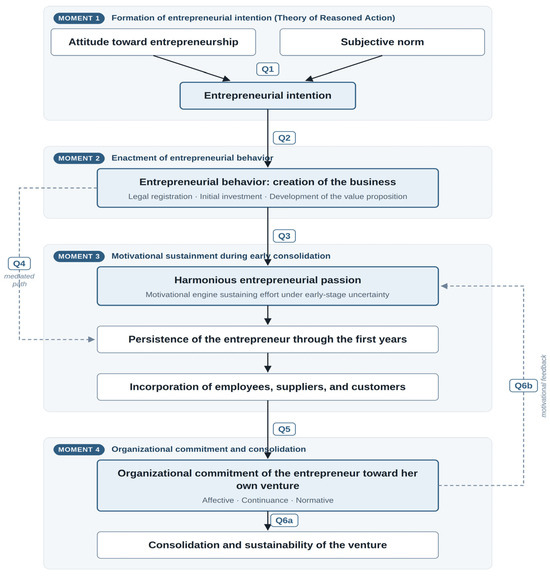
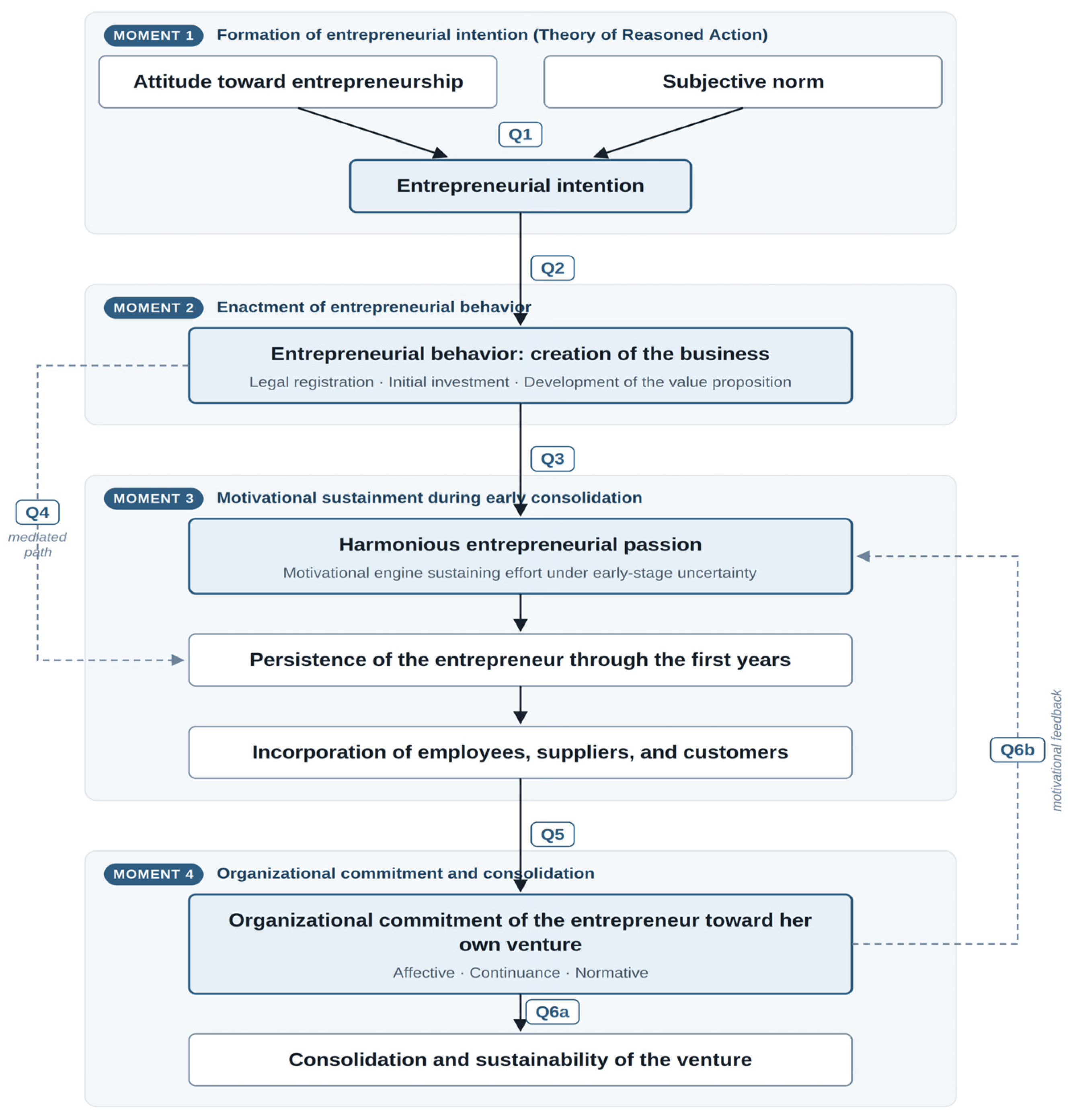
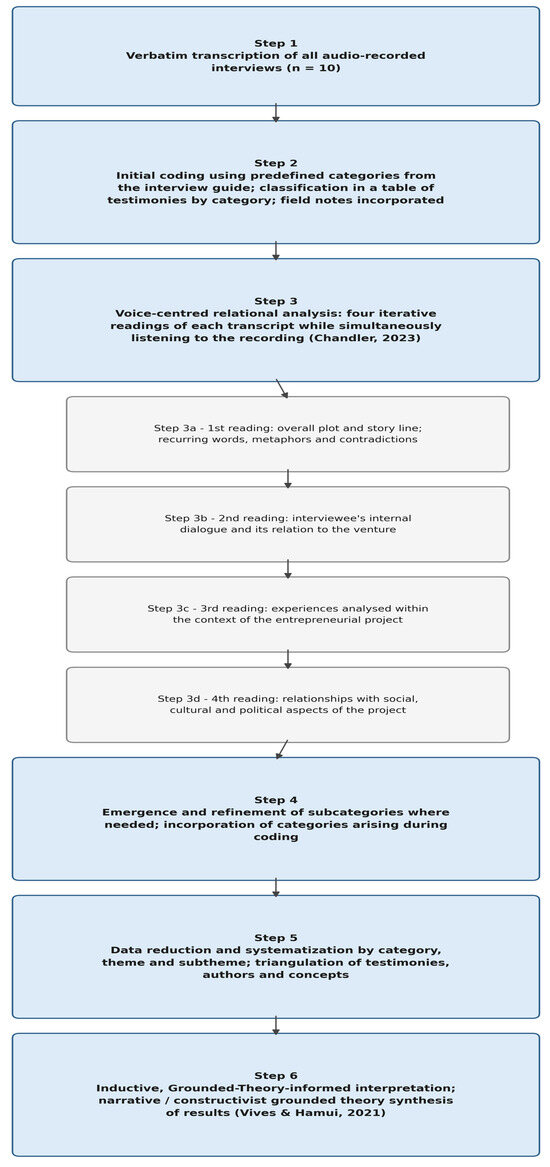
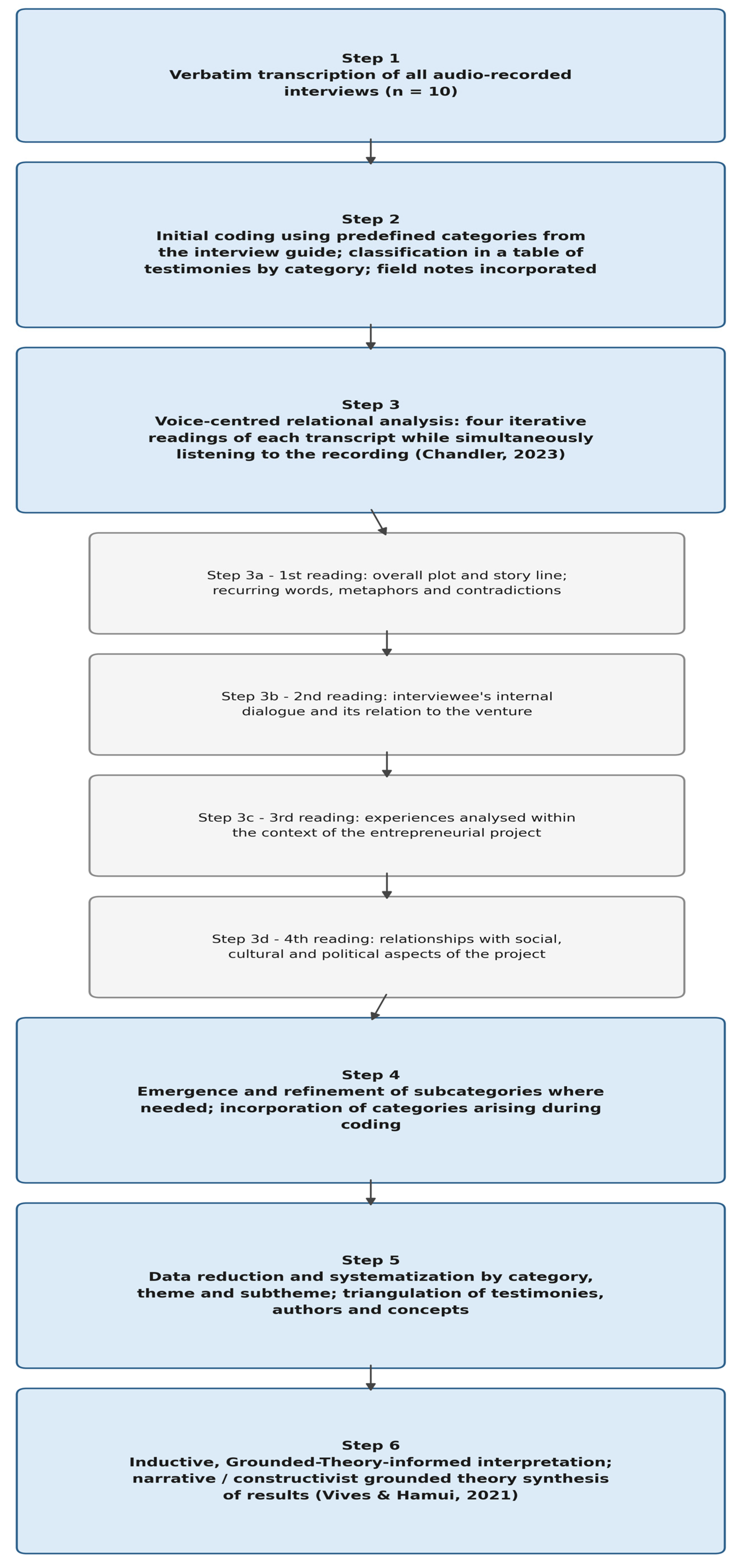
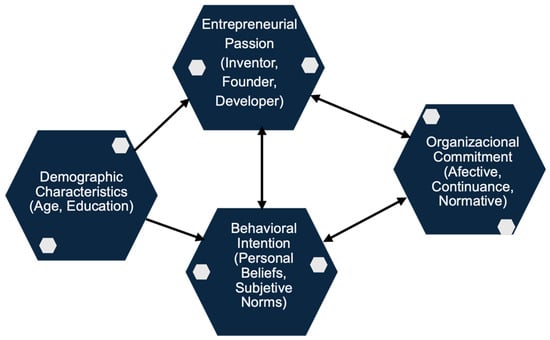

Disclaimer/Publisher’s Note: The statements, opinions and data contained in all publications are solely those of the individual author(s) and contributor(s) and not of MDPI and/or the editor(s). MDPI and/or the editor(s) disclaim responsibility for any injury to people or property resulting from any ideas, methods, instructions or products referred to in the content. |
© 2026 by the authors. Licensee MDPI, Basel, Switzerland. This article is an open access article distributed under the terms and conditions of the Creative Commons Attribution (CC BY) license.