


Abstract
While most studies seem to be of the view that job-insecure employees are more likely to engage in knowledge hiding, the recent literature has contradicted this view by arguing that employees who work in a highly uncertain environment are also likely to decline from hiding knowledge as they view the act of knowledge exchange to be essential for their internal and external employability. Thus, to have a clearer view of this type of proposition, this study examines the intricate interplay among perceived job insecurity, job involvement, co-worker and supervisor incivility, and knowledge hiding among a sample of 171 blue-collar employees in an unstable labor and economic environment. Structural equation modeling was performed to assess the direct and indirect relationship between perceived job insecurity and knowledge hiding through job involvement, as well as the moderating influence of incivility behavior in the indirect relationship. Results indicate that increasing job insecurity manifests itself in a decreased level of knowledge hiding. While job involvement fails to mediate the relationship between these two variables, it is, however, negatively related to knowledge hiding. Furthermore, both co-worker and supervisor incivility exert negative effects on employee job involvement and positive effects on knowledge hiding. With these results, this study delivers crucial insights into how structural features, contextual factors—such as labor market conditions, occupational structures, and workplace culture of blue-collar work—may weaken the psychological pathways typically proposed in mainstream organizational behavior theories.
1. Introduction
As countries all over the world continue to reel from the spillover effect of the COVID-19 pandemic, many economies have stagnated, resulting in massive job losses in those industries whose activities have been most affected by this shock (Fouad, 2020). At the country level, the Nigerian aviation industry has been projected to be at risk of losing out on 91,380 jobs, while a total of 24,000 jobs and an 108.7% increase in loss have already been, respectively, recorded in the national hospitality and manufacturing industries (Iloani et al., 2020), both of which represent the highest point in job losses within these sectors in three years (Amokeoja, 2024). In addition, the national unemployment rate has worsened to an all-time high of 33 percent (Owoeye, 2021) while the economic growth forecast has been revised down to 2.9% from the initially projected 3.2% in April 2024 by the International Monetary Fund (Osidipe, 2024). What this seems to suggest is that the trend of job loss is likely to continue unabated, while such an adverse scenario is also likely to culminate in an intensified level of perceived insecurity among employees who are still in the labor force (Kim & Kim, 2024; Låstad et al., 2025).
Perceived job insecurity refers to the level of uncertainty a person feels about their job continuity (Hui & Lee, 2000) and the sense of uncontrollability that arises from the threat of future deterioration in job conditions, including the nature of job tasks, methods of accomplishment, existing organizational culture, and the availability of desired opportunities for advancement (Shoss, 2018). Given its emergence as one of the most prominent work stressors, which continues to menace employees whose jobs are being replaced by automation, robots, and artificial intelligence, or those whose jobs are being threatened as a result of environmental shocks and economic uncertainty (Lee et al., 2018), there is a growing trend in studies focusing on how it exacerbates individual and organizational outcomes (Shin et al., 2019). Meanwhile, while research evidence has linked its effects to increased burnout (Aybas et al., 2015), decreased well-being (Green, 2011), reduced life satisfaction (Sora et al., 2010), and impaired employee job performance (H. Wang et al., 2015), there is not yet sufficient knowledge on how this stressor may impact employee knowledge hiding behavior (Abdullah et al., 2019), even though the existing body of theoretical and empirical evidence suggests that victims of self-perceived job insecurity tend to reciprocate through knowledge hiding behavior due to the perceived feeling that their psychological contracts have been violated by the organization (see Webster et al., 2008; C. E. Connelly et al., 2012).
Knowledge hiding is an intentional attempt by employees to conceal or withhold knowledge that others (team members, co-workers, supervisors, and managers) have requested, thereby impeding overall organizational creativity outcomes (Černe et al., 2014). As C. E. Connelly et al. (2019) have argued, knowledge hiding should not be deemed the inverse of knowledge sharing; it is noteworthy that organizational practices that promote knowledge sharing do not necessarily mitigate knowledge hiding (Zhi et al., 2025). Accordingly, the detrimental outcome of knowledge hiding has been demonstrated at both the individual and team level, as well as on organizational productivity and performance (see L. Wang et al., 2019; Zhao et al., 2019). This is more so as it has been linked to impaired interpersonal relationships and organizational learning (Y. Wang et al., 2019), self and others’ creativity, and interpersonal trust (see Bogilović et al., 2017). Similarly, Abdullah et al. (2019) reported that knowledge hiding imposes a total cost of 31.5 billion US dollars on Fortune 500 companies yearly, while 76% of the employees surveyed by C. E. Connelly et al. (2012) have admitted to having engaged in some form of knowledge hiding. Furthermore, in the study by Peng (2013), it was revealed that as much as 46% of the Chinese respondents surveyed acknowledged that they had hidden knowledge, all of which tends to underscore the immense importance of having a comprehensive knowledge of its important antecedents, as such critical knowledge can be potentially useful for developing interventions for employees who engage in knowledge hiding behavior (Låstad et al., 2025).
Based on the existing literature, both internal competition and psychological entitlement have been identified by Wen and Ma (2021), and the combination of HRM practices and weak social connections has been identified by other authors (e.g., Oo & Ling, 2025; Talshyn & Durst, 2025), while the meta-analysis by Shen et al. (2024) has also highlighted leadership style, HRM practices and personality traits as another set of significant predictors. Meanwhile, despite the widespread assumption that job insecurity tends to induce employees to engage in knowledge hiding because of a perceived breakdown of the psychological contract as well as psychological safety (see Rousseau, 1995; Jeong et al., 2023), this assumption is increasingly being challenged by some of the recent literature (e.g., Harviainen et al., 2022; Xue et al., 2024), through the argument that employees who work in a highly uncertain environment are more likely to decline from hiding knowledge because they view the act of knowledge exchange to be essential for their internal and external employability and as a strategy of job preservation (Vincent & Venugopalan, 2023). Thus, in the current study, we aim to advance research in this area by focusing on blue-collar employees in the aviation, hospitality, and manufacturing industries, as this category of employees has been reported to be at higher risk of job insecurity as a result of the oversupply of their skills type, the decreasing demand for them by employers (Kekana et al., 2023), and the fact that they are an understudy group in terms of knowledge management in an organizational context (Decius et al., 2021). Stated more explicitly, we draw on past research on impression management and the job preservation motivation theory (see Shoss & Probst, 2012; Akhtar et al., 2024) and argue in line with recent work on employability and workplace self-preservation (see Shoss et al., 2022; Sameer & Priyadarshi, 2023; Doden et al., 2024) that under a situation of high economic and employment uncertainty, such as the one that currently predominates in Nigeria, the assumed positive relationship between job insecurity and knowledge would be counterintuitive such that blue-collar employees who are victims of job insecurity would be motivated to obtain new resources by declining to engage in knowledge hiding but, rather, would engage in strategically sharing more knowledge through the facade of conformity, to improve their internal rating among higher-ups and, thus, avoid the incidence of job loss (Doden et al., 2024).
Also, with respect to the need to provide answers to the call by addressing the “why” of how job insecurity affects knowledge hiding and the “what factors” that strengthen or attenuate its effects in an organization, as proposed by Jiang and Lavaysse (2018), several types of potential mediators (see Sverke et al., 2002; Cheng & Chan, 2008; Hngoi et al., 2024; Kim & Kim, 2024; Hennicks et al., 2025) have been identified. From this set of mediators, job involvement has been noted across studies as one of the most important, partly because of its role as a correlate of job-related uncertainty and job-related anxiety (Salessi & Omar, 2019; Ruppel et al., 2022), and its role as an important driver for identifying less with organizational objectives (Hngoi et al., 2024). This view also aligns with the theoretical perspective of psychological contract theory by Rousseau (1989), which argues that employees who have a perception of psychological contract breach regarding job stability would become disengaged, leading to the need for reciprocation through counterproductive work behavior, one of which is the act of knowledge hiding (Ülbeği & İplik, 2025). Nevertheless, despite the above theoretical assumptions as well as the above empirical positioning, we rely on the signal theory (see Spence, 1973) in this study and argue that this type of assumption may not hold in the highly competitive and precarious labor market of Nigeria. This is because in such a turbulent labor market, where employment opportunities are limited and retention decisions are often influenced by observable workplace behaviors, blue-collar employees may respond to job insecurity by increasing their job involvement to signal commitment, reliability, and organizational value, or simply tend to exhibit a level of job involvement that is completely independent of job insecurity (B. L. Connelly et al., 2025).
Furthermore, we also introduce the construct of workplace incivility partly as one of the factors that strengthen or attenuate the effects of job insecurity in an organization, and as a result of previous research that has mainly focused on moderators that can mitigate the negative effects of job insecurity (Darvishmotevali et al., 2017), even though it is also necessary to examine moderators that can aggravate its negative effects with the view of preventing or reducing negative outcomes (Öztürk et al., 2017). More precisely, we also aim to test the two components of incivility behavior (co-worker incivility and supervisor incivility) as one of the moderators of this relationship by arguing that while these two components would impact negatively on employee job involvement, the proposed counterintuitive negative relationship between job insecurity and knowledge hiding would be positively moderated in such a way that every unit increase in these components of incivility would weaken this relationship. This is based on well-documented evidence of the critical role played by abusive leadership as well as abusive interaction in high-quality interpersonal relationships where it may be required for team members to share knowledge (see Agarwal et al., 2021; Farooq & Sultana, 2021; Offergelt & Venz, 2022); and the fact that it has been established by previous research that victims of workplace incivility are also likely to experience a reduction in work engagement as well as organizational citizenship behavior, both of which are classified as correlates of job involvement (Iqbal & Piwowar-Sulej, 2025).
All in all, our contributions in this research are threefold: first, by building on recent work on internal employability as well as the theory of job-preservation and impression management (see Sameer & Priyadarshi, 2023; Goffman, 1959), we aim to contribute to the nascent field of job insecurity by providing nuanced knowledge on whether victims of perceived job insecurity in a highly turbulent labor market and an environment of high economic and employment uncertainty would react differently to this perception. With this, we aim to shed more light on the potential influence that may be played by structural features, contextual factors, and labor market conditions on the relationship between job insecurity and knowledge hiding. Secondly, by examining whether structural and/or environmental factors would affect the strength or direction of the potential role that job involvement may play as a mediator in the relationship between job insecurity and knowledge hiding, our research contributes to the nascent literature on the underlying mechanism of this relationship, and also provides more clarification on whether the assumption behind the psychological contract theory (see Rousseau, 1989) will hold across different situations regardless of socio-cultural or economic factors.
Third, by introducing the two facets of incivility as a potential moderator in our research model, our research also contributes by providing an answer to the call by authors (see, Y. Wang et al., 2019; Zhao et al., 2019; C. E. Connelly et al., 2019) on the need to further explore the degree to which interpersonal relational dynamics and interpersonal justice may contribute to knowledge hiding behavior in organizational contexts, and also provide more insight into the unequivocal nature of previous findings concerning job insecurity and knowledge hiding. Methodologically, our research contributes by introducing a more sophisticated research design for measuring the antecedents of knowledge hiding and how it unfolds over time.
2. Literature Review: Theoretical Framework
2.1. Perceived Job Insecurity and Knowledge Hiding
Based on the theoretical lens of impression management, individuals tend to influence how others perceive them through a range of conscious or subconscious behaviors, some of which may take the form of suppressing emotional responses in certain settings or actively curating their image on public platforms (Goffman, 1959). It is a self-presentation process in which individuals consciously control their behaviors to influence the target audience’s perception or impression of them (Leary & Kowalski, 1990), or a series of organization-based behaviors usually exhibited by employees to be viewed favorably at work (Carlson et al., 2019). By implication, this tends to suggest that instead of being victims, job-insecure employees may engage in social influence tactics by making use of impression management among their supervisors and colleagues to strengthen their position within the organization.
According to job preservation/motivation theory (see Shoss & Probst, 2012; Akhtar et al., 2024), employees are usually driven by the desire or motivation to protect their employment and resources when faced with perceived job insecurity. Grounded in behavioral psychology and organizational science, this theory explains how threat perception triggers a promotive action as a strategic action to secure one’s position. It stresses that the survival-mode motivation that often accompanies high job insecurity often thwarts the three basic psychological needs of autonomy, competence, and relatedness, leading to anxiety and reduced intrinsic interest, making employees work merely to comply and survive instead of working for growth (Akhtar et al., 2024). Consistent with this view, the above authors indicated that in a highly unstable economic environment with no alternative employment, employees facing the threat of job stability might be motivated to engage in facades of conformity by improving their image, demonstrating their fit with organizational culture, and feigning agreement with dominant organizational views and approaches. Based on the submission by Shoss et al. (2022), this is because of their belief that such an approach is capable of allowing them to keep their job or prevent job feature loss from occurring. Thus, employees might endeavor to demonstrate their worth to the employer by devoting extra effort towards creative behaviors that will be noticed and valued (see Adekiya, 2015; Adekiya et al., 2019); or portray themselves as an ideal employee by suppressing personal values and pretending to embrace organizational values through facades of conformity (Hewlin et al., 2016). Instead of being victims, job-insecure employees may engage in social influence tactics by making use of impression management among their supervisors and colleagues to strengthen their position within the organization, or spur them to invest in employability tactics, one of which is sharing knowledge, to make them feel more employable (Doden et al., 2024).
In line with this view, Rothwell and Arnold (2007) noted that job-insecure employees may want to invest proactively in internal employability, which has been defined as the ability to keep the job within the organization. According to Shoss (2017), this may be unconnected to the fact that the absence of internal employability negatively affects employees’ perception of their job security both in terms of its continuation and retention, while its presence has been highlighted as a useful coping tool to reduce job insecurity (see De Gennaro, 2019). According to Van der Heijde and Van der Heijden (2006), in turbulent economies characterized by downsizing, restructuring, inflation, technological disruption, informalization, and intense competition for limited employment opportunities, employees increasingly perceive knowledge sharing not merely as cooperative behavior but as a strategic investment in employability. Thus, rather than withholding knowledge to protect personal advantage, insecure employees may deliberately avoid knowledge hiding because visible knowledge contribution enhances their perceived organizational value, indispensability, and future labor market attractiveness (Vanhercke et al., 2014).
Furthermore, from the perspective of employability theory, employability refers to an individual’s capacity to obtain, maintain, and secure future employment through the continuous demonstration of valuable competencies, adaptability, relational capability, and professional relevance. Hence, in unstable labor markets, employees are more likely to become acutely aware that retaining employment often depends not only on technical performance, but also on how visible, collaborative, adaptable, and organizationally useful they appear to decision-makers (Granovetter, 1985). Consequently, knowledge sharing may become a form of strategic self-presentation through which employees actively construct perceptions of indispensability. For instance, in precarious labor markets, employees are not merely competing on individual productivity but also on perceived replaceability, which creates a situation in which those who engage in broad knowledge sharing become central nodes within organizational networks (N. Lin, 2001). Through the lens of social capital theory, knowledge sharing helps employees accumulate relational resources, reciprocity obligations, trust, and network centrality (N. Lin, 2001). Thus, under such a situation, employees who become informational connectors and collaborative contributors may be perceived as harder to replace because they facilitate coordination, learning, and operational continuity across teams, in contrast to employees who hide knowledge and risk social isolation and reduced relational embeddedness, making them more vulnerable during layoffs or restructuring exercises (Fugate et al., 2004).
This dynamic becomes especially salient in the Nigerian labor market and similar turbulent economies where unemployment rates, underemployment, and labor informality intensify fears of economic exclusion. In such contexts, employees may recognize that employability depends heavily on visibility and social reputation within organizations. Hence, not hiding knowledge may therefore become a survival-oriented behavior aimed at enhancing both internal employability (retention within the organization) and external employability (future labor market attractiveness). The above perspectives challenge traditional assumptions derived from purely defensive interpretations of job insecurity. It indicates that, rather than responding to insecurity solely through withdrawal, territoriality, or self-protection, employees in precarious labor markets may adopt proactive employability-enhancing strategies centered on cooperation, visibility, and knowledge contribution. In this sense, not hiding knowledge becomes an adaptive labor-market survival strategy.
Meanwhile, as previous empirical studies have established a direct link between employee participation and workplace relationship on one hand (Wrzesniewski & Dutton, 2001; Akkermans et al., 2021), and internal employability on the other hand, while internal employability itself may be viewed as an important component of job security (Fugate et al., 2021), we rely on this argument and present the following hypotheses:
H1.
There is a significant negative relationship between perceived job insecurity and knowledge hiding behavior.
2.2. Job Involvement as a Mediator
Some previous studies (see Sverke et al., 2002; Sora et al., 2013; Widjajani et al., 2017; Mendoza, 2019) have shown that job involvement, which is the psychological and emotional extent to which a person identifies with their work, serves as a strong correlate of perceived job insecurity because when job insecurity rises, the perception of organizational support diminishes, which can quickly erode the employee’s level of job involvement and lead to turnover intentions (Bella et al., 2025). Also, theoretical perspective, such as the psychological contract theory (Rousseau, 1989), is of the opinion that perceived job insecurity automatically reduces job involvement, which then leads to counterproductive work behaviors such as knowledge hiding. Meanwhile, other theoretical perspectives have, however, suggested several reasons why this relationship may be weak, insignificant, or even positive in a turbulent economic environment and unstable labor market like Nigeria. According to the signaling theory (see Spence, 1973; Drover et al., 2018; B. L. Connelly et al., 2025), in the face of uncertainty, individuals use observable behaviors to communicate unobservable qualities, intentions, or value to important audiences. Thus, in organizational or employment settings, employees may signal their competence, commitment, reliability, and organizational value to employers. According to Shao et al. (2022), in such a situation, employees may view job insecurity as a signal that they need to demonstrate their value to the organization in such a way that, rather than psychologically withdrawing, they become more invested in their jobs. This aligns with the assertion of Anand (2024), who noted that job-insecurity-threatened employees may become motivated to send positive signals to management regarding their worth by making use of job involvement as a sign of commitment, reliability, loyalty, productivity, and dependability. For instance, in many developing labor markets, including Nigeria, blue-collar workers often operate under chronic employment uncertainty and limited alternative job opportunities. Hence, job insecurity may not significantly reduce job involvement in such environments because employees remain highly engaged in their work primarily for economic survival rather than psychological identification with the job (Serenko & Bontis, 2016). Based on this, the following hypothesis is proposed.
H2.
There is no significant relationship between perceived job insecurity and job involvement.
H3.
Job involvement would not mediate the relationship between perceived job insecurity and knowledge hiding behavior.
2.3. Moderating Role of Incivility
Supervisor incivility and co-worker incivility have been labeled by Reio (2011) as sarcastic, rude, and hostile verbal and non-verbal behavior perpetrated by workplace employees. Incivility behavior could be in the form of ignoring the target’s greeting, using offensive nicknames, making demeaning or sarcastic comments about the target, and not giving credit when it is deserved (Pearson, 2011). Previous research (see Harrilall & De-Beer, 2024) has established a negative link between workplace incivility and work engagement as well as organizational citizenship behavior, both of which are classified as correlates of job involvement (Iqbal & Piwowar-Sulej, 2025).
Furthermore, other streams of research (see Arshad & Ismail, 2018) have confirmed the existence of a negative relationship between this type of incivility and knowledge sharing, while the assertion by Pearson et al. (2005) and Estes and Wang (2008) has noted that workplace incivility impacts negatively on workplace learning by creating a toxic work environment that is unfavorable to employee learning and growth.
According to Folkman and Lazarus (1988), workplace events usually manifest in affective reactions, leading to behavioral responses. On the one hand, perceived job insecurity as a stressful event is expected to manifest in negative emotions (see Folkman & Lazarus, 1988), while on the other hand, this negative emotion, when coupled with other negative emotions from another unpleasant job event (incivility behavior), should result in more deleterious outcomes (Shin & Hur, 2019). Accordingly, the job demands-resources (JD-R) theory identifies work engagement as a construct that requires a significant equilibrium between job resources and job demands, with job resources being the primary originator of engagement (Bakker, 2022). Also, as job resources tend to impact negatively on job demands (Bakker, 2022), while job demands tend to culminate in physical, intellectual, or emotional costs, all of which have been linked to lower engagement, poor communication and lack of accountability (Richardsen et al., 2006), behavioral incivility is identified in this study as a key job demand while the civility version of it, such as showing care, compassion and concern, is highlighted as an important job resource (Patterson, 2016), meaning that both co-worker and supervisor incivility can potentially act to suppress the workplace involvement of employees as well as aggravate their tendency to hide knowledge.
The dynamism between workplace incivility and teamwork, effective communication, and dissension has been well documented in the literature (see MacLennan, 2020; Ota et al., 2023). Accordingly, social support has been highlighted as one of the resources through which the negative effects of stressors could be buffered (see Hobfoll et al., 2018). In contrast, the engagement in social interaction that results in uncivil behavior makes employees vulnerable to future resource loss (Hobfoll, 1989), thereby making them helpless and exhausted when facing job insecurity (Shin & Hur, 2019). Furthermore, as altruism and caring behavior from group members will manifest in positive reciprocal responses such as openness, trust, and cooperation (see Blau, 1964), uncivil behavior, either from supervisors or team members, should result in reduced mutual distrust and thus aggravate the negative outcome that may emanate from perceived job insecurity. This is because perceived trust, either in management or organization, has been found to consistently buffer the relationships between job insecurity and job-related outcomes (Jiang & Probst, 2016).
Nevertheless, while the above set of research provides evidence that behavioral incivility may interact with job insecurity to potentially aggravate its negative consequences on outcomes, another set of research provides a dissenting view. Thus, in this regard, the threat rigidity theory advanced by Staw et al. (1981) noted that while incivility may aggravate the effects of job insecurity in a stable market because employees experience both interpersonal resource loss and employment-related resource loss simultaneously, in a turbulent economy characterized by high unemployment, economic instability, inflation, and limited alternative employment opportunities, employees may focus primarily on protecting employment-related resources regardless of whether co-workers or supervisors behave civilly or uncivilly, thereby making knowledge hiding a response to job insecurity itself rather than to the interpersonal environment (Hobfoll et al., 2018). According to this theory, when individuals face severe threats, they narrow their behavioral repertoire and rely on familiar self-protective responses such as trying to maintain uniqueness, reduce replaceability, and preserve bargaining power. Once job insecurity reaches a sufficiently high level, employees’ responses become rigid and defensive regardless of interpersonal treatment (Staw et al., 1981). Stated more explicitly, what this tends to suggest is that under these conditions, incivility may contribute little additional explanatory power because employees have already entered a threat-induced defensive state. In sum, despite the plethora of research and theoretical lenses that have been presented above, it is not yet clear what the situation may be regarding the Nigerian labor market and the blue-collar employees that are the main focus of this study. Based on this reality, we also present the following hypotheses.
H4a.
There is a significant negative relationship between co-worker incivility and job involvement.
H4b.
There is a significant positive relationship between co-worker incivility and knowledge hiding.
H5a.
There is a significant negative relationship between supervisor incivility and job involvement.
H5b.
There is a significant positive relationship between supervisor incivility and knowledge hiding.
H6a.
The relationship between perceived job insecurity and knowledge hiding is moderated by co-worker incivility, such that this relationship is weaker when co-worker incivility is high.
H6b.
The relationship between perceived job insecurity and knowledge hiding is moderated by supervisor incivility, such that this relationship is weaker when supervisor incivility is high.
3. Materials and Methods
3.1. Procedures/Sampling/Participants
Data was collected at 3 time points spanning 9 months (from February 2021 to October 2021), from a sample of blue-collar job employees in 3 industries whose employees have higher potential of experiencing a high level of job insecurity in Nigeria, due to the effects of COVID-19 as well as the volatile economic atmosphere in the country: the hospitality industry, the airlines industry, and the manufacturing industry located within Kano Metropolitan areas, in the northwestern region of the country. Based on the information obtained from the Human Resource Department of this organization as of January 2021, the total population of this category of employees is 655. Furthermore, we borrowed insight from Zikmund (2005) formula on sample size and sample size determination and arrived at a total sample size of 241 by making use of the statistical formula below. Making use of established benchmarks from previous research (see Cohen, 1988; Franz et al., 2007), the expected overall variance explained (R2) was determined as 15%. Thus, using the non-central F distribution, a priori power analysis based on Cohen’s (1988) guidelines was conducted for a multiple regression model with four predictors. Assuming a medium effect size (), an alpha level of 0.05, and desired power of 0.80, the minimum required sample size was approximately 85 participants, which tends to suggest that the recruitment target of 171 exceeds this minimum by a substantial margin, providing adequate statistical power for the structural equation (Preacher et al., 2007; J. F. Hair et al., 2019). Even though a larger sample size is required to provide more adequate power for detecting moderated mediation effects, Hayes (2022) has, however, recommended that the minimum threshold of 85 participants can be reported as long as it is advised that caution be taken in interpreting the results.
Sample size calculation formula:
where
n = X2 × N × P × (1 − P)
------------------------------------------------------------
(ME2 (N − 1)) + (X2 × P × (1 − P))
------------------------------------------------------------
(ME2 (N − 1)) + (X2 × P × (1 − P))
- n = required sample size;
- X2 = the table value of chi-square for 1 degree of freedom at the desired confidence level;
- N = the population size;
- P = the population proportion (assumed to be 0.50 as this would provide the maximum sample size);
- ME = desired margin of error (expressed as proportion).
Thus, by applying this formula, the figures below are calculated.
These figures were arrived at by making use of the proportionate stratified sampling technique in stratifying the organizations into strata, while the number of employees drawn from each stratum was calculated based on the total population in the strata in relation to the total research population when expressed as a percentage of the total sample size: hotels (N = 186), 6 airlines (N = 157), and 4 manufacturing companies (N = 312). Finally, after obtaining the sampling frame of the employees from the management of these organizations, the simple random sampling technique was utilized in picking the sampling units.
During the first wave (Time 1), perceived job insecurity (independent variable), supervisor incivility and co-worker incivility (moderating variables), social desirability bias (control variable), and demographic variables were assessed. Also, job involvement was evaluated at Time 1 and Time 2, while knowledge hiding was assessed at Time 1 and Time 3. Based on the number of those who returned the questionnaires at Time 1, the second wave (Time 2) was administered 3 months later, after seeking assistance and cooperation of the Human Resource Managers of the respective organizations in carrying out a match by utilizing the anonymous identifier on each questionnaire. In this regard, the names of respondents were recorded on the paper-based survey that was filled out at T1, and this was used to assign identification codes to the survey so that the data collected at both T2 and T3 could be matched. After the coding process, names on surveys were removed, leaving only the data with unique identification to be stored, with the view of keeping the data entirely confidential. Based on the number of those who returned the questionnaires at Time 2, another round of questionnaires was distributed in the third wave (Time 3) by following the same matching procedures 3 months later. Thus, the total number of employees who returned the questionnaire in this third round of survey administration makes up the final sample. A time lag of three months between Time 1 (T1), Time 2 (T2), and Time 3 (T3) surveys was employed because work stressors have been found to affect employee work outcomes within a shorter (two- to three-month) rather than a longer (six- to eight-month) period (Rhee et al., 2017).
From the administration, a total of 239 properly filled-out questionnaires were received in Time 1. After matching the credentials of each respondent to their responses, a total of 196 filled-out questionnaires were obtained in Time 2. Consequently, we also utilized the same matching procedure to arrive at a total figure of 171 responses at Time 3, which was consequently utilized in carrying out the analysis. From this total number of 171, 134 (78.4%) were males, while the remaining 37 (21.6%) were females. Also, 14 (8.2%) of the respondents were between 18 and 25 years, 87 (50.9%) of them were within the age range of 26 and 35, and a total of 49 (28.7%) were within the age range of 36 to 45 years old. A total of 17 (9.9%) were between 46 and 55 years old, while just 4 (2.3%) of them were 56 years old and above. With respect to educational status, our analysis revealed that a total of 15 (8.8%) were holders of the Senior Secondary School Certificate, 42 (24.6%) were holders of the Ordinary National Diploma, and a total of 94 (55%) were holders of a first degree. Furthermore, a total of 18 (10.5%) were holders of various forms of postgraduate degrees, while the remaining 2 (1.2%) indicated that they have other academic qualifications. Accordingly, we also discovered that 64 (37%) of them were single, while a total of 106 (62%) and 1 (0.6%) were, respectively, married and divorced. Lastly, 83 (48.5%) of them were employees of the hotel industry, 30 (17.5%) of them were employees of the airline industry, and the remaining 58 (33.9%) of them were in the manufacturing industry.
3.2. Items of Data Collection
3.2.1. Perceived Job Insecurity
Perceived job insecurity was measured using the Job Insecurity Scale (JIS), developed by De-Witte (2000), which has been validated in English, Spanish, Dutch, Flemish, and Swedish. Sample items include “I think that I will lose my job in the near future”.
3.2.2. Job Involvement
The job involvement questionnaire (JIQ), developed and validated by Kanungo (1982), was employed in measuring employee job involvement. This is a 10-item scale that measures an employee’s attitude towards his or her job. Over the past 26 years, the instrument has test–retest reliabilities of 0.87 and 0.85, respectively (Elloy et al., 1995; Kanungo, 1982), and has been confirmed with a high level of measurement reliability (Somech & Ron, 2007; Wegge et al., 2007). Sample items in the job involvement questionnaire include “the most important things that happen to me that involve my work.
3.2.3. Knowledge Hiding
Knowledge hiding was measured by a 12-item scale adopted from C. E. Connelly et al. (2012). In a previous study, a reliability coefficient of 0.77 was obtained for these items.
3.2.4. Co-Worker Incivility
Furthermore, co-worker incivility was measured by a 4-item scale adopted from Sliter et al. (2012). It has an internal coefficient reliability of 0.89. “How often does your co-worker ignore you while at work?” and “how often is your co-worker rude to you at work?” (a = 0.89).
3.2.5. Supervisor Incivility
Finally, supervisor incivility was measured by a 7-item scale originally developed by Cortina et al. (2001). This instrument measures the extent to which employees have experienced supervisor-initiated incivility in the past year up to that moment. As reported by these authors, a Cronbach’s alpha internal consistency value of 0.91 was obtained for the items.
3.3. Control Variables
Gender, age, organizational tenure, and educational level were included as control variables as these variables have the potential to exercise an influence on the relationship between perceived job insecurity and its outcome variables (Richter et al., 2018), and knowledge hiding (Peng, 2013). Also, because the participants were recruited from different organizations that are characterized by contextual factors such as organizational climate, unionization, culture, and pandemic-related job disruptions, which could potentially impact how they react to the perception of job insecurity across organizations, organization type was included as a control variable. Additionally, as the main constructs in this study dealt with relatively sensitive issues, social desirability was also included as a control variable based on the recommendation from Valentine and Fleischman (2018). This variable was measured by a 5-item social desirability response set scale, adopted from Hays et al. (1989). Sample items include “I am always courteous, even to people who are disagreeable”. Based on the report obtained from previous research, the internal consistency value of these items is 0.86.
3.4. Data Analysis
The presence of attrition bias was assessed using various statistical methods. First, an extrapolation procedure was conducted by dividing those who completed all three waves and those who dropped out after T1 and T2 into two independent groups (I. F. Lin & Schaeffer, 1995), all with the view of determining if there was any significant difference in their responses across the study variables (Miller & Smith, 1983). Thus, from the t-test comparison, we found that the t-test for equality of means was greater than 0.05 and non-significant across the 5 variables, suggesting no significant difference between the means and standard deviations of the two independent groups, and that the observed difference is a chance occurrence. Additionally, we also followed recommendations from Goodman and Blum (1996) by testing systematic biases between participants who completed the survey at Time 3 and those who dropped out of the study at both Time 1 and Time 2 before Time 3, by performing logistic regression analyses to predict the probability of being part of the final sample, along with participants’ socio-demographic variables and the focal variables in the study: gender, age, organizational tenure, educational level and organization type, in addition to knowledge hiding Time 1, perceived job insecurity Time 1, supervisor incivility T1, co-worker incivility T1, and social desirability bias T1. From the regression analysis focusing on non-random sampling, we found no differences for these variables with respect to the likelihood of belonging to the final sample (see Babic et al., 2019). To ascertain the absence or non-absence of missing values in the dataset, a missing value analysis was carried out across variables (column-wise approach), and the results suggest that there is no missing value both in terms of count and percentage (Jakobsen et al., 2017), thereby indicating that the dataset is in line with conventional statistical assumptions.
Furthermore, all assumptions of regression analysis, such as linearity, multicollinearity, homoscedasticity, and normality, were checked to ensure that the dataset meets the assumption of robustness (J. Hair et al., 2010; Norusis, 2008; Koop, 2005). As all measures in this study rely on self-reported questionnaires, which increases the risk of common method variance, the presence or absence of common method bias was ascertained by making use of the Harman one-factor analysis as prescribed by Podsakoff et al. (2003). In this regard, we obtained a total figure of 42 percent as the total variance extracted by one factor, which is below the 50 percent threshold recommended by authors (see Williams et al., 1989; Podsakoff et al., 2003).
Confirmatory factor analysis was utilized to test the discriminant validity and fit of all the scales utilized. In line with established practices (see Hu & Bentler, 1999), various indices were utilized to determine how well the model satisfies the assumption of fitness. From our analysis, values of 0.945, 0.06, 0.96, 0.94, 0.057 were, respectively, obtained for χ2/df, standardized root-mean-square residual (SRMR), Comparative Fit Index (CFI), Tucker–Lewis Index (TLI), and the root mean square of approximation (see Byrne, 2013). Thus, it was confirmed beyond any reasonable doubt through our analysis that the eight-factor model (perceived job insecurity T1, job involvement T1, job involvement T2, knowledge hiding T1, knowledge hiding T3, supervisor incivility T1, co-worker incivility T1, social desirability bias T1) fit the data best compared to the 1-factor model, 2-factor model, 3-factor model, and 5-factor model. Convergent validity was ascertained by the factor loadings, corrected item–total correlation, and the average variance extracted (AVE), which are supposed to be above 0.5. Thus, as indicated by the analysis, convergent validity is supported (Malhotra et al., 2017). Furthermore, in line with the assumption of discriminant validity, the square root of the AVE of the dataset is expected to be larger than the highest inter-construct correlation value (J. F. Hair et al., 2014; Malhotra et al., 2017). Based on the analysis, the square root of the AVE of each construct in the model is larger than the inter-construct correlation coefficients, thereby suggesting that they discriminate from each other. Lastly, we also obtained Cronbach alpha internal consistency coefficients of 0.74, 0.81, 0.78, 0.72, 0.87, 0.71, 0.83 and 0.76 for perceived job insecurity T1, job involvement T1, knowledge hiding T1, co-worker incivility T1, supervisor incivility T1, social desirability T1, job involvement T2 and knowledge hiding T3, respectively, all of which tend to suggest that these items are valid and reliable and that it is safe to embark on the main analysis (see J. F. Hair et al., 2014).
3.5. Results
Structural Model
To examine the structural model through moderated mediated analysis, we employed AMOS version 23 by conforming to the structural equation modeling procedure. Specifically, we integrated moderation and moderated analysis to explore the extent to which perceived job insecurity affects knowledge hiding, focusing on the mediating role of job involvement, and then considering both supervisor incivility and co-worker incivility as moderating variables that could aggravate the increasing effect of job insecurity on knowledge hiding. In this regard, a new product indicator (interaction) was created by modeling the interaction at the latent level, as this approach is generally considered a more robust and statistically powerful method because of its ability to account for measurement error (Schoemann & Jorgensen, 2021). Thus, by multiplying each of the four items on co-worker incivility T1 and the seven items on supervisor incivility T1 on one side, by each of the four items on job insecurity T1 on the other side, product indicators were formed, which then served as measures for a new latent interaction variable on Time 3 job insecurity, within a model that also included the main effect latent variables (Holtmann & Koslowski, 2025).
We then measured the values of the variance inflation factors (VIFs) and tolerances of all the predictor variables and then uncovered a tolerance value of 0.556 for perceived job insecurity, 0.533 for job involvement, 0.639 for supervisor incivility and 0.517 for co-worker incivility (see Koop, 2005). Also, variance inflated factors of 1.799, 1.875, 1.566, and 1.642 were, respectively, obtained for these variables, all of which seem to suggest that these variables are relatively free of multicollinearity (J. Hair et al., 2010). Following the established procedure as prescribed by H. Wang et al. (2015) regarding the handling of multiwave data, we included all the control variables such as gender, age, education, marital status, industry type, knowledge hiding T1, and job involvement T1 into our research model and, thus, controlled for the effect of these variables based on the laid down procedure as prescribed by Tarcan et al. (2017). Our analysis revealed that perceived job insecurity at T1 exerts a significant and negative direct effect on knowledge hiding at T3 (β = −0.5174, p = 0.0248, p < 0.05), meaning that hypothesis 1 is supported. While job involvement impacts negatively and significantly on knowledge hiding (β = −0.0622, p = 0.041, p < 0.05), the relationship between perceived job insecurity T1 and job involvement T2 is insignificant (β = −0.1265, p = 0.5189, p > 0.05). This tends to suggest that acceptance is also obtained for hypothesis 2. Because the traditional approaches such as the causal steps approach proposed by Baron and Kenny or the Sobel test tend to have lower statistical power and are more vulnerable to Type II errors, as they assume normality of the indirect effect distribution (MacKinnon et al., 2004), the bootstrapping technique was utilized in testing the indirect effect of the relationship between perceived job insecurity and knowledge hiding as this procedure does not rely on the assumption that indirect effects are normally distributed. Indirect effects are typically calculated as the product of two regression paths (e.g., ), and the sampling distribution of this product is often skewed and non-normal, especially in smaller or moderately sized samples (Hayes, 2013). Thus, using a bias-corrected bootstrapping procedure with a 5000 bootstrap sample and a 95% confidence level, the result in Table 1 shows an indirect effect of perceived job insecurity through knowledge hiding, which is β = 0.0622, p = 0.4017, p > 0.05, and not significant, meaning that hypothesis 3 is also supported. This is evident by the upper bound and lower bound of the mediation analysis in the same table, which do not contain the value of zero.
Table 1.
Results of the structural model.
Furthermore, co-incivility T1 exercises a significant and negative effect on job involvement T2 (β = −0.1457, p = 0.021, p < 0.05) and a positive and significant influence on knowledge hiding (β = 0.5805, p = 0.0012, p < 0.05), meaning that support is obtained for both hypotheses 4a and 4b. Additionally, our results also reveal that the direct effect of supervisor incivility T1 on job involvement T2 is negative and significant (β = −0.0289, p = 0.036, p < 0.05) while this component of incivility is also shown as having a positive and significant effect on knowledge hiding T3 (β = 0.5325, p = 0.000, p < 0.05). Thus, by implication, support is obtained for hypotheses 5a and 5b.
Furthermore, there is an insignificant interaction effect of perceived job insecurity T1 and co-worker incivility T1 on knowledge hiding T3 through job involvement (β = 0.0068, p = 0.7248, p > 0.05), meaning that hypothesis 6a is not supported. Lastly, the interaction term between perceived job insecurity T1 and supervisor incivility T1 on knowledge hiding T3 through job involvement T2 is also insignificant (β = 0.0027, p = 0.9143, p > 0.05), which also tends to indicate a lack of support for hypothesis 6b. See Figure 1 for the structural model of the relationship.
Figure 1.
Structural model of the interrelationship.
4. Discussion of Findings
In this study, we examined the effect of perceived job insecurity on knowledge hiding as well as the mediating and moderating influences of job involvement and incivility behavior. In line with our prediction, our data support the proposition that perceived job insecurity would significantly exert a negative effect on knowledge hiding, such that an increase in job insecurity manifests itself in the reduction in knowledge hiding among the group of employees surveyed. Even though most previous studies on job insecurity are consensually aligned with the view that individuals faced with the threat of losing resources may become defensive and engage in protective and resource preservation strategies such as work withdrawal, psychological disengagement, knowledge hiding, lower organizational citizenship behavior, reduced participation in extra-role activities, reduced innovation, and other cooperative behaviors (Niesen et al., 2014; Jiang & Lavaysse, 2018), our novel and counterintuitive findings provide evidence that such an assumption may not hold within the Nigerian context.
This type of finding may be potentially explained in light of certain structural and socio-economic realities being driven by environmental and contextual factors. First, within highly precarious labor environments such as Nigeria, job insecurity may motivate workers to deceptively engage in impression management tactics that employees usually exhibit to be regarded as favorable at work among their supervisors and colleagues to strengthen their position within the organization (Carlson et al., 2019). In this regard, they may demonstrate usefulness and cooperation rather than engage in protective withholding behaviors (Sulistiawan et al., 2022). When employment opportunities are limited and job loss carries significant economic consequences, workers may signal commitment and indispensability by actively sharing knowledge with colleagues and supervisors. In this context, knowledge sharing becomes a self-preservation strategy in which employees seek to maintain their reputation as reliable team members and avoid being perceived as uncooperative or replaceable (Låstad et al., 2025).
Furthermore, as the employees in the blue-collar category have been reported to be at higher risk of job insecurity as a result of the oversupply of their skill type and the decreasing demand for them by employers (Kekana et al., 2023), their behavior in this study may also be understood through the theoretical lens of impression management theory (Bolino et al., 2008). This theory argues that employees consciously regulate their workplace behavior to create favorable impressions among supervisors and decision-makers in periods of economic instability. During these periods, organizational leaders often make difficult decisions regarding workforce reductions, promotions, or contract renewals. Under such conditions, employees become increasingly motivated to demonstrate that they are dependable, cooperative, and committed members of the organization. Knowledge sharing, therefore, becomes an important impression management strategy through which employees signal that they contribute beyond their formal job responsibilities. By willingly assisting co-workers, sharing operational expertise, solving production problems, and mentoring less experienced colleagues, employees project an image of organizational citizenship that may increase their perceived employability within the organization. According to B. L. Connelly et al. (2011), employees who consistently share task-related knowledge, train colleagues, solve technical problems, and contribute to operational efficiency become embedded within the organization’s workflow, making their expertise to increasingly integrate into daily production processes more difficult and costly to replace. Thus, for blue-collar workers whose tasks often involve tacit operational knowledge acquired through experience rather than formal education, being able to demonstrate such practical expertise can substantially enhance perceptions of indispensability (De Cuyper et al., 2012). Rather than concealing knowledge, these employees may therefore use knowledge sharing to reinforce their strategic importance within production teams, thereby reducing the likelihood of redundancy (Fugate et al., 2004).
Unlike most previous studies (see Webster et al., 2008; C. E. Connelly et al., 2012; Niesen et al., 2014; Hobfoll et al., 2018) where job-insecure employees were described as those who usually engage in defensive strategies against resource loss, and, thus, view knowledge, expertise, and social capital as critical for survival, with the need to intentionally protect these resources from others, the results in this study show that it is also possible that in other job-insecure contexts, employees may be motivated to invest these resources into protecting against threats to stable employment. It shows that for blue-collar workers facing employment uncertainty, social capital, reputation, and perceived usefulness may represent critical resources for maintaining employment. This tends to suggest that these employees may invest in knowledge sharing as a proactive resource-building behavior that enhances their visibility and perceived value within the organization. While knowledge hiding has sometimes been framed as a protective strategy, employees may instead engage in resource-investment behaviors to secure future benefits. In this context, openly sharing knowledge may help employees build social capital, visibility, and reputational resources that enhance their perceived indispensability within the organization (cf. Hobfoll, 1989; Doden et al., 2024). This line of reasoning has been supported by Allen and Meyer (1996), who pointed out that even in the face of uncertainty, it is possible to remain committed to an organization in an environment where there is a lack of alternative employment opportunities.
Second, the task interdependence characteristic of many blue-collar occupations may reduce the feasibility of knowledge hiding (C. E. Connelly et al., 2019). For instance, many manual and operational roles rely heavily on coordination and collective problem-solving. Thus, when workers perceive their jobs to be at risk, withholding knowledge could disrupt workflow and attract managerial scrutiny, thereby making employees share knowledge more openly to ensure smooth task completion and reinforce their value to the organization (Hewlin et al., 2016). According to B. L. Connelly et al. (2025), when job stability is uncertain, workers may attempt to signal competence, commitment, and cooperative intent through visible behaviors (see Flammer, 2018). In this context, not hiding knowledge, therefore, becomes a strategic signal that demonstrates productivity and team orientation to supervisors and peers, potentially improving employees’ chances of retention during periods of workforce uncertainty.
Third, collectivist cultural tendencies and informal solidarity networks among Nigerian blue-collar workers may also shape behavior during periods of insecurity. In environments where workers rely on peer support to navigate demanding working conditions, knowledge sharing may serve as a mechanism for maintaining group cohesion. Thus, rather than competing individually, employees may cooperate to protect the group’s productivity and stability, particularly when management decisions regarding layoffs or job retention are perceived as performance-based at the group level. According to social exchange theory, employee behavior is influenced by reciprocal relationships and the desire to maintain favorable exchanges with colleagues and supervisors (Ahmad et al., 2023). Thus, when employees perceive their jobs to be threatened, they may increase cooperative behaviors such as knowledge sharing to strengthen relational ties and maintain their standing within the organization (see Cropanzano & Mitchell, 2005). In other words, under conditions of job insecurity, blue-collar employees may increase cooperative behaviors such as knowledge sharing to maintain positive relational exchanges with colleagues and supervisors to strengthen interpersonal trust, demonstrate loyalty, and reinforce their relationship with another colleague. This aligns with prior research on knowledge hiding where interpersonal trust and social relationships has been found to significantly influence employees’ willingness to share knowledge rather than conceal it (see C. E. Connelly et al., 2012).
Fourth, the limited career mobility typical of many blue-collar labor segments may weaken the strategic value of knowledge hiding (Kekana et al., 2023; Schinnenburg & Böhmer, 2025). Unlike knowledge-intensive professionals who possess specialized intellectual capital that can be strategically withheld, blue-collar workers often rely on practical, observable skills that are easily learned through observation and collaboration (Li et al., 2019). As a result, concealing knowledge may provide little competitive advantage, making knowledge sharing a more rational response when job security is threatened. Taken together, these contextual factors suggest that in the Nigerian blue-collar sector, job insecurity may shift employees’ behavioural strategies from defensive knowledge protection toward cooperative visibility and performance signaling, and, thus, help clarify the potential reasons behind the counterintuitive nature of this finding. Instead of hiding knowledge to maintain a competitive advantage, workers may actively share information to build social resources, signal value, and strengthen reciprocal relationships within the workplace. Our findings thus reinforce the assertions by Shoss et al. (2020) and Låstad et al. (2025), which stated that in a threatened job situation, individuals faced with no viable alternative may invest resources to stave off job insecurity either by heightening visibility in the organization or by strategically sharing more knowledge in a bid to seek positive feedback to prevent job loss. This study was carried out in a period when the environmental settings, as well as the industries where both the organizations and employees focused upon are located, were undergoing a serious economic crisis, partly due to the economic and job loss implications of COVID-19, and as a result of a prevailing national economic recession that has resulted in limited job creation and alternative employment opportunities. All these may have collectively prevented the employees from engaging in any form of knowledge hiding. This line of reasoning has been supported by Allen and Meyer (1996), who pointed out that even in the face of uncertainty, it is possible to remain committed to an organization in an environment with limited alternative employment opportunities. All in all, these findings reinforce the theoretical lens of impression management (Goffman, 1959) and job preservation/motivation theories (see Shoss & Probst, 2012; Akhtar et al., 2024), both of which argue that employees may engage in deceptive promotive behaviors to enhance the prospect of job security and organizational survival.
We also found that, even though job involvement exerted a negative and significant effect on knowledge hiding, this type of involvement was found not to play any significant mediating role in the relationship between job insecurity and knowledge hiding, thereby challenging assumptions derived from many studies conducted among professional and knowledge-intensive employees, where job involvement is often considered an important motivational mechanism linking workplace experiences to discretionary behaviors (Lodahl & Kejner, 1965). Although theoretical frameworks such as psychological contract theory suggest that perceived job insecurity should reduce employees’ psychological attachment to their work (job involvement), which in turn may encourage defensive behaviors like knowledge hiding, this mediation pathway may not have hold in the Nigerian blue-collar sector for several contextual reasons. First, blue-collar employees in developing countries like Nigeria often operate under chronic employment uncertainty and limited alternative employment opportunities, which may prevent job insecurity from significantly reducing the effect of job involvement on knowledge hiding because employees remain highly engaged in their work primarily for economic survival rather than psychological identification with the job (Shoss & Probst, 2012; Shoss et al., 2020). As noted by Shoss (2018), in unstable economies characterized by high unemployment, limited social protection, inflation, and organizational restructuring, employees often prioritize employment preservation above psychological attachment to work. Consequently, the strategic sharing of knowledge to signal competence may occur irrespective of how psychologically involved employees feel about their jobs, making survival a motive to bypass job involvement altogether (C. E. Connelly et al., 2012).
In a more theoretically nuanced manner, precarious work arrangements tend to weaken psychological attachment structure in such a way that this form of instability reduces the relevance of traditional job involvement constructs, so that employees undergoing such employment situations psychologically detach from organizational identity while still performing their duties intensively. This, therefore, results in a situation whereby their knowledge hiding behavior is more shaped by transactional employment relationships, survival concerns and resource preservation, rather than levels of job involvement (C. E. Connelly et al., 2012). Thus, in line with this view, the signaling theory (see Spence, 1973; Drover et al., 2018; B. L. Connelly et al., 2025) noted that in job-threatening situations, employability signaling may override job involvement in such a way that insecure employees may strategically avoid hiding knowledge to signal competence, indispensability, adaptability, and collaborative value to supervisors and colleagues, thereby making knowledge sharing a reputational investment rather than a function of job involvement, because the underlying driver is strategic impression management rather than psychological immersion in work (Serenko & Bontis, 2016).
Under the career construction theory (see Savickas, 2005), employees who fear layoffs, downsizing, contract termination, or reduced opportunities may tend to reduce knowledge hiding because collaborative behavior enhances future career opportunities both inside and outside the organization. What this suggests is that this mechanism of employability, as a critical asset, may bypass job involvement because the motivation is future-oriented career security rather than present job attachment (see Fugate et al., 2004). Another explanation for why the mediation path did not hold is that the motivational meaning of job involvement differs substantially between blue-collar and white-collar occupations (Kanungo, 1982). For instance, in white-collar occupations, employees often derive personal identity, career advancement, and professional reputation directly from their work, making job involvement an important determinant of collaborative behaviors such as knowledge sharing. In contrast, blue-collar work is typically characterized by standardized procedures, routine operations, lower decision-making autonomy, and clearly prescribed task responsibilities rather than being identity-based (Oni, 2017), which may make them view their work mainly as a means of fulfilling assigned duties rather than as a source of psychological identity or self-definition (Pérez-Nebra et al., 2026). Thus, under these conditions, employees may perform their jobs effectively without developing a strong psychological attachment to the work itself as their involvement often reflects commitment to completing assigned tasks rather than identification with broader organizational goals or collaborative knowledge exchange (Lodahl & Kejner, 1965). This means that the conceptual connection between job involvement and discretionary behaviors such as knowledge hiding may be weaker than in knowledge-intensive or white-collar contexts (Saari et al., 2021).
In sum, the absence of mediation suggests that the counterintuitive negative relationship between perceived job insecurity and knowledge hiding is likely driven by strategic, relational, and employability-oriented mechanisms rather than attitudinal attachment to work, all of which tend to indicate that in precarious labor markets and turbulent economies, employees may respond to insecurity not through withdrawal, but through adaptive cooperation aimed at enhancing visibility, reciprocity, social protection, and long-term survival (Savickas, 2005; Halbesleben et al., 2014).
Furthermore, in tandem with our earlier prediction, our data revealed that both components of incivility (co-worker incivility and supervisor incivility) exercise a significant negative effect on job involvement on one hand, and a positive effect on knowledge hiding on the other hand. Thus, apart from consolidating the job demands-resources (JD-R) theory, which identifies an impolite conduct like workplace incivility as a job demand that can culminate in physical, intellectual, or emotional costs, all of which have links to lower engagement, poor teamwork and communication, lack of accountability, and dissension (MacLennan, 2020; Bakker, 2022), it also aligns with previous empirical studies (e.g., Harrilall & De-Beer, 2024; Iqbal & Piwowar-Sulej, 2025) where a link has been established between workplace incivility on one side, and employee negative attitude, as well as counterproductive behavioral manifestation, on the other side.
Lastly, despite the assertion from Shin and Hur (2019) that negative emotion (job insecurity) when coupled with other negative emotions from another unpleasant job event (incivility behavior) should result in more deleterious outcomes, our data revealed that both co-worker incivility and supervisor incivility fail to exercise any moderating influence on the indirect relationship between perceived job insecurity and knowledge hiding. Accordingly, this unexpected finding may also be unconnected to the contextual and behavioural dynamics in Nigerian blue-collar workplaces. As was earlier pointed out based on evidence from previous studies, employees facing an insecure job condition or position in a precarious labor market such as in Nigeria could experience a greater perceived cost to leaving the organization, as alternatives for employment may be limited in such a way that the natural response that usually emanates from perceived job insecurity may fail to manifest (Hermida et al., 2022; Doden et al., 2024). Thus, in such a situation, job-insecure employees may become more resilient and fail to exhibit the assumed natural reaction to incivility conduct or social stressors, but, rather, engage in impression management as they believe that the importance of either keeping the job or any of its features far outweighs the importance of workplace incivility (see Shoss, 2018).
From the perspective of job preservation/motivation theories (see Shoss & Probst, 2012; Akhtar et al., 2024), workers facing job insecurity may become primarily motivated by the need to build a resource gain cycle for employment continuity (Shoss et al., 2022). Thus, in such situations, knowledge sharing may function as a strategic survival mechanism designed to increase indispensability, maintain organizational relevance, and preserve employability (Ugwu et al., 2023). This means that even when supervisors or co-workers behave in an uncivil manner, job-insecure employees may still avoid hiding knowledge, because they feel that the broader threat of economic displacement is more psychologically salient than interpersonal disrespect. This tends to suggest that macroeconomic insecurity may neutralize the weakening effects of incivility on job involvement and cooperative behavior (see Burawoy, 1979), most especially within the Nigerian context, which is characterized by unemployment, inflation, informalization and weak social protection systems. In such a situation, economic survival pressures may overshadow the interpersonal effects of incivility, thereby making employees prioritize job retention above interpersonal discomfort.
Additionally, like in many blue-collar workplaces characterized by strict hierarchy, supervisory control, and high production pressure (Kekana et al., 2023), those behaviors that might be classified as incivility may be normalized as part of everyday work interactions. Thus, when such a situation becomes a routine aspect of the work climate, employees may no longer interpret it as a significant stressor capable of altering behavioural responses such as knowledge hiding (Notebaert et al., 2025). Another notable reason for this finding could be explained in terms of stressor salience, in which perceived job insecurity may represent a far more salient and immediate threat than interpersonal incivility in an environmental context characterized by high unemployment and limited job opportunities (see Zhang et al., 2022). Consequently, employees’ behavioural responses—particularly defensive behaviors such as knowledge hiding—may be driven primarily by job insecurity itself, leaving little room for workplace incivility to significantly strengthen or weaken the relationship. Lastly, blue-collar work often involves team-based production systems where workers depend on one another to complete tasks. Thus, research on occupational communities suggests that strong peer solidarity frequently develops among workers facing similar organizational constraints (see Paul & Charles, 2018). These collective coping mechanisms may buffer the interpersonal effects of incivility, reducing its influence on knowledge-related behaviors (Halbesleben et al., 2014; Omidi et al., 2023).
Taken together, by examining both mediating and moderating dynamics in the relationship between perceived job insecurity and knowledge hiding, this study offers a different perspective from previous studies by delivering crucial insights in terms of the intricate nature of this relationship and the potential influence that environmental factors or economic turbulence may play with respect to employee attitude and organizational behavior. By so doing, this study challenges the assumption commonly derived from research conducted in Western and white-collar contexts that individuals strive to obtain, retain, and protect valued resources by withholding knowledge. The findings suggest that contextual factors—such as labor market conditions, occupational structures, and workplace culture—play a critical role in shaping the psychological mechanisms linking job insecurity to employee behavior. This highlights the importance of incorporating developing-economy and blue-collar perspectives into mainstream organizational behavior theory.
5. Conclusions
Our findings in this study offer some practical and managerial implications. First, it shows that in highly insecure contexts with few alternatives, employees may mobilize knowledge sharing, and not hiding, as a job-preservation strategy, which seems to be in line with recent work on employability and relational crafting by expanding workplace relations (Sameer & Priyadarshi, 2023). Nevertheless, it is, however, noteworthy that evidence from research has proven that this decrease in knowledge hiding is often associated with the need for victims of perceived job insecurity to engage in social influence tactics by making use of impression management to strengthen their position within the organization (Doden et al., 2024). According to Hermida et al. (2022), this type of reaction is what has been coined as “facades of conformity” or a self-preservation strategy in which employees strive to gain favor with management with the intent of securing their current position due to the perception of a lack of an alternative route to survival. Meanwhile, Shoss et al. (2022) have noted that such an endeavor is usually short-term and can lead to negative consequences like stress, burnout, turnover intentions, and disengagement, as shown by Peene (2009) in their study of 150 Dutch workers. This tends to suggest that this strategy of forced conformity may not translate into a long-term sustainability strategy, as it may sharply drop over time due to the influence of job-related physical and psychological stress that normally manifests from resource depletion (Hobfoll, 2001; Adekiya et al., 2019). Thus, from the perspective of employee and occupational and public health management, managers as well as government and society must be aware of the long-term implications of this resilience on employee health and well-being, as well as the potential strain it may exert on the national and community healthcare infrastructure. This is due to its direct links to increased stress, anxiety, workplace, depression, burnout, elevated blood pressure, headaches, mental health problems, drug abuse, and ischemic heart disease (Burgard et al., 2009; Mikucka et al., 2025). From an organizational perspective, the long-term implications of job insecurity may be in the form of various counterproductive work behaviors, such as decreased organizational commitment, distraction, drop in job quality, organizational sabotage, workplace aggression, and workplace bullying (Sverke et al., 2019; Cai & Ma, 2022), all of which suggest the importance of systematically and strategically monitoring job insecurity over time and making sure it does not get to a tipping point capable of manifesting in these types of counterproductive behavior.
Lastly, the implication of these findings for collective learning processes, knowledge flows, and the design of learning interventions is that while employees in blue-collar positions who are victims of perceived job insecurity in times of economic and employment uncertainty may tend to engage in relational crafting and or knowledge sharing as a means of job preservation or as a boost to internal employability, the long-term implication of these strategies could pose grave danger to collective learning and knowledge flow among them as it can potentially make them engage in knowledge hostility, knowledge manipulation or sharing of untruthful information in the long run (see Sarkadi et al., 2021). Having this in mind, a potential intervention strategy for managers could be in the forms of reducing job insecurity by providing social support for employees through the enhancement of organizational justice principles, or providing them with adequate training as a more reasonable means to improve their perceived internal employability—as these strategies can potentially limit the perception of insecure job positions and job conditions (see Doden et al., 2024). Alternatively, in the case of highly unstable labor markets where the above strategies are not potent enough to achieve a desirable level of reduction in job insecurity, managers may also focus on ensuring that the positive effects of knowledge sharing, triggered by job insecurity, are not neutralized by a toxic social work environment. For instance, as knowledge sharing requires employees to believe they can contribute ideas, ask questions, and admit mistakes without negative interpersonal consequences, while employees are more willing to exchange knowledge when they perceive interpersonal risk to be low, managers are therefore encouraged to always engage in open dialogue, welcome diverse viewpoints, acknowledge employee contributions, and respond constructively to errors rather than assigning blame (see Edmondson, 1999). In addition, as organizations facing downsizing or restructuring sometimes unintentionally create excessive internal competition by rewarding only individual performance (Tajfel & Turner, 1986), while such systems encourage knowledge hoarding and interpersonal conflict, managers should instead recognize team achievements, collaborative problem-solving, mentoring, and voluntary knowledge exchange (Blau, 1964). Rather than emphasizing individual survival during economic turbulence, managers should reinforce collective organizational objectives, such as cross-functional projects, team-based problem-solving sessions, and communities of practice, to encourage employees to view colleagues as partners rather than competitors.
Also, as the relationship between job involvement and knowledge hiding is positive and significant, conducting further intervention studies to increase and enhance job involvement, or increasing the involvement of employees in decision making, could offer practical insights for organizations trying to limit the incidence of knowledge hiding, as this could dissuade them from engaging in knowledge hiding (Pankkonen et al., 2025).
Furthermore, the negative and significant effects exerted by both facets of incivility behavior on job involvement, as well as their positive effect on knowledge hiding, make it important for managers to leverage the principles of fair workplace practices and supportive and civil work climates, as these can potentially increase the perception of organizational trust, leading to a higher level of engagement and job involvement for employees (Tricahyadinata et al., 2020). Apart from institutionalizing organizational policies that monitor and mete out punishment to perpetrators of uncivil behavior, training programs that inculcate the principles of role learning and experiential learning can be implemented by the organization to heighten the awareness of employees on the negative effects and potential consequences of engaging in uncivil conduct, and, thus, reduce the incidence of knowledge hiding (Rhee et al., 2017). Also, managerial support such as counselling programs should be initiated for victims of workplace incivility, as this type of support has been useful in designing interventions for employees in blue-collar settings, most especially in periods when the process of collective learning and knowledge flow is being threatened in times of economic uncertainty (Reio & Ghosh, 2009).
Lastly, even though no significant moderating influence of co-worker and supervisor incivility was found for the indirect relationship between job insecurity and knowledge hiding in this study, the unique nature of the environment where this research was conducted may make it erroneous to conclude that organizational managers should be indifferent or unconcerned about the potential negative influence that may be exercised by uncivil conduct in a population of job-insecure employees. For instance, it has been advised by Tajfel and Turner (1986) that organizations be cognizant of the fact that workplace civility is not merely an interpersonal “soft issue” but a strategic organizational resource that preserves trust, cooperation, and knowledge exchange. Thus, when employees perceive disrespect, exclusion, humiliation, or interpersonal hostility during periods of uncertainty, they are more likely to withdraw psychologically, reduce discretionary cooperation, and protect valuable knowledge resources. Consequently, fostering civility becomes essential for maintaining organizational learning, coordination, and resilience during crisis periods (Carmeli et al., 2008). As such, a notable point of advice for managers is to institutionalize civility as a core leadership competency, especially among supervisors and middle managers who directly communicate restructuring decisions. For instance, based on the framework of social information processing theory (see Salancik & Pfeffer, 1978), managerial conduct shapes how employees interpret uncertainty and organizational intentions. Leaders who communicate respectfully, listen actively, avoid public criticism, and acknowledge employee concerns help preserve psychological stability and relational trust. Conversely, abrasive supervisory behavior may intensify fear, defensiveness, and knowledge protection tendencies. Hence, organizations should incorporate civility training into leadership development programs, emphasizing respectful communication, emotional regulation, conflict management, and empathetic supervision during periods of change.
Secondly, as employees are more likely to continue exchanging knowledge when they perceive procedural fairness and respectful treatment, organizations should provide timely information about restructuring decisions, explain the rationale for changes, clarify future expectations, and minimize uncertainty where possible, as silence, ambiguity, or inconsistent communication often creates rumor cycles, distrust, and territorial behaviors that undermine knowledge sharing (Andersson & Pearson, 1999). According to Edmondson (1999), this could be done by establishing regular communication forums, departmental briefings, and open question-and-answer sessions to sustain transparency and reduce anxiety-driven withdrawal. Third, as civility-oriented practices such as respectful feedback, inclusive discussions, non-punitive error management, and recognition of employee contributions help preserve openness and collaborative engagement, managers should therefore discourage ridicule, dismissive communication, blame culture, and aggressive supervisory monitoring.
As with other studies, this study is not without its own limitations. First, as knowledge hiding was explored as a unidimensional construct in this study, while it has been previously argued that differences exist in terms of antecedents and outcomes for the different components of knowledge hiding (see C. E. Connelly et al., 2019), an area of potential interest for future researchers may be to research this further by investigating the three components of knowledge hiding (evasive hiding, playing dumb, and rationalized hiding), and how these have linkages with the proposed antecedents and moderator.
Second, although the confounding effect of social desirability bias was accounted for in this study to mitigate the tendency of over-reporting “good behavior” or under-reporting “bad” or undesirable behavior by the participants (Hays et al., 1989), this approach may not provide an absolute guarantee of the complete elimination of this bias, as the concept of knowledge hiding is a quite sensitive phenomenon which is highly prone to distortion (Krumpal, 2013). Thus, future researchers could assess knowledge hiding from multiple perspectives to incorporate multiple levels of assessment, comprising those from colleagues, supervisors, and self-assessment. Third, even though the Harman single factor was utilized as a statistical remedy to ascertain that common method variance was not an issue in the self-reported dataset employed in this study (Richter et al., 2018), the low statistical power of this analysis, its inability to control for bias and its insensitivity in detecting small to moderate levels of common method bias make it imperative for future researchers to also make use of a more rigorous assessment, like a marker variable analysis, as a complement to this test.
Though the data in this study were collected from different types of organizations to increase its robustness, the final sample size of 171 employed is, however, modest for a complex structural model involving latent interaction product indicators. Thus, as a result of this important limitation, it is explicitly stated that caution should be taken in interpreting the results or in generalizing the results. A potential area of exploration for future researchers could be to increase this sample size to cover more geographical environments and organizations to provide more adequate power for detecting moderated mediation effects (see Hayes, 2022). Lastly, apart from the modest sample size of 171 being identified above, the focus on the blue-collar segment of the labor market and on a particular socio-economic environment also makes the findings rather difficult to generalize to other occupational segments or economic environments. Therefore, future researchers could also investigate whether these findings would hold for white-collar professionals or in more stable economies.
Author Contributions
Conceptualization, A.A.; methodology, A.A. and E.N.; software, A.A.; validation, A.A. and E.N.; investigation, A.A. and E.N.; resources, A.A. and E.N.; data curation, A.A.; writing—original draft preparation, A.A. and E.N.; writing—review and editing, A.A. and E.N.; visualization, A.A.; supervision, A.A. and E.N.; project administration, A.A.; funding acquisition, E.N. and A.A. All authors have read and agreed to the published version of the manuscript.
Funding
The publication of this study is supported by funding from the University of Witwaterstrand Research office.
Institutional Review Board Statement
The study was conducted in accordance with the Declaration of Helsinki, and approved by the Research Ethics Committee of Department of Business Administration and Entrepreneurship, Faculty of Management Sciences, Bayero University, (protocol code: BUK/BAE/202X/009 and date of approval: 6 January 2021).
Informed Consent Statement
Informed consent was obtained from all subjects involved in the study.
Data Availability Statement
The datasets analyzed and generated during the current study are available from the corresponding author on reasonable request or may be accessed at https://doi.org/10.6084/m9.figshare.1407024.
Acknowledgments
All effort by the management of the organizations whose employees participated in this study is highly appreciated.
Conflicts of Interest
The authors declare no conflicts of interest.
References
- Abdullah, M., Dechun, H., Ali, M., & Usman, M. (2019). Ethical leadership and knowledge hiding: A moderated mediation model of relational social capital, and instrumental thinking. Frontiers in Psychology, 10, 2403. [Google Scholar] [CrossRef] [Scilit] [PubMed]
- Adekiya, A. A. (2015). Perceived job insecurity: Its individual, organisational and societal effects. European Scientific Journal, 11(10), 100–118. Available online: https://eujournal.org/index.php/esj/article/view/6682 (accessed on 24 August 2021).
- Adekiya, A. A., Adepoju, B., Garba, B. B., & Oscar, B. (2019). The effect of self efficacy on perceived job insecurity in the Nigerian banking industry: The mediating role of employee self esteem. Romanian Journal of Psychology, 21(1), 11–20. [Google Scholar] [CrossRef] [Scilit]
- Agarwal, U. A., Avey, J., & Wu, K. (2021). How and when abusive supervision influences knowledge hiding behavior: Evidence from India. Journal of Knowledge Management, 26(1), 209–231. [Google Scholar] [CrossRef] [Scilit]
- Ahmad, R., Nawaz, M. R., Ishaq, M. I., Khan, M. M., & Ashraf, H. A. (2023). Social exchange theory: Systematic review and future directions. Frontiers in Psychology, 13, 1015921. [Google Scholar] [CrossRef] [Scilit] [PubMed]
- Akhtar, M. W., Karatepe, O. M., Rescalvo-Martin, E., & Rizwan, M. (2024). Thriving at work as a mediator between high-performance human resource practices and innovative behavior in the hotel industry: The moderating role of self-enhancement motive. International Journal of Hospitality Management, 123, 103897. [Google Scholar] [CrossRef] [Scilit]
- Akkermans, J., Collings, D. G., Da Motta Veiga, S. P., Post, C., & Seibert, S. (2021). Toward a broader understanding of career shocks: Exploring interdisciplinary connections with research on job search, human resource management, entrepreneurship, and diversity. Journal of Vocational Behavior, 126, 103563. [Google Scholar] [CrossRef] [Scilit]
- Allen, N. J., & Meyer, J. P. (1996). Affective, continuance, and normative commitment to the organization: An examination of construct validity. Journal of Vocational Behavior, 49(3), 252–276. [Google Scholar] [CrossRef] [Scilit] [PubMed]
- Amokeoja, O. (2024). Manufacturing job losses hit a three-year high in Nigeria in H1 amid imf’s downgraded growth forecast to 2.9%. Forbes Africa. [Google Scholar]
- Anand, P. (2024). Working remotely and feeling lonely? Knowledge hiding and the role of work characteristics. Knowledge Management Research & Practice, 22(5), 500–513. [Google Scholar] [CrossRef] [Scilit]
- Andersson, L. M., & Pearson, C. M. (1999). Tit for tat? The spiraling effect of incivility in the workplace. Academy of Management Review, 24(3), 452–471. [Google Scholar] [CrossRef] [Scilit]
- Arshad, R., & Ismail, I. R. I. (2018). Workplace incivility and knowledge hiding behavior: Does personality matter? Journal of Organizational Effectiveness, 5(3), 278–288. [Google Scholar] [CrossRef] [Scilit]
- Aybas, M., Elmas, S., & Dündar, G. (2015). Job insecurity and burnout: The moderating role of employability. European Journal of Business and Management, 7, 195–203. [Google Scholar]
- Babic, A., Tokalic, R., Silva Cunha, J. A., Novak, I., Suto, J., Vidak, M., Miosic, I., Vuka, I., Pericic, T. P., & Puljak, L. (2019). Assessments of attrition bias in Cochrane systematic reviews are highly inconsistent and thus hindering trial comparability. BMC Medical Research Methodology, 19, 76. [Google Scholar] [CrossRef] [Scilit] [PubMed]
- Bakker, A. B. (2022). The social psychology of work engagement: State of the field. Career Development International, 27(1), 36–53. [Google Scholar] [CrossRef] [Scilit]
- Bella, O., Sry, R., & Ahmad, N. U. (2025). The influence of perceived organizational support on job insecurity with job involvement as a moderating variable. International Journal of Economics, Business and Innovation Research, 4(4), 652–665. [Google Scholar] [CrossRef] [Scilit]
- Blau, P. M. (1964). Justice in social exchange. Sociological Inquiry, 34, 193–206. [Google Scholar] [CrossRef] [Scilit]
- Bogilović, S., Černe, M., & Škerlavaj, M. (2017). Hiding behind a mask? Cultural intelligence, knowledge hiding, and individual and team creativity. European Journal of Work and Organizational Psychology, 26(5), 710–723. [Google Scholar] [CrossRef] [Scilit]
- Bolino, M. C., Kacmar, K. M., Turnley, W. H., & Gilstrap, J. B. (2008). A multi-level review of impression management motives and behaviors. Journal of Management, 34(6), 1080–1109. [Google Scholar] [CrossRef] [Scilit]
- Burawoy, M. (1979). Manufacturing Consent: Changes in the labor process under monopoly capitalism. University of Chicago Press. [Google Scholar]
- Burgard, S. A., Brand, J. E., & House, J. S. (2009). Perceived job insecurity and worker health in the united states. Social Science & Medicine, 69(5), 777. [Google Scholar] [CrossRef] [Scilit] [PubMed]
- Byrne, B. M. (2013). Structural equation modeling with Mplus: Basic concepts, applications, and programming. Routledge. [Google Scholar] [CrossRef] [Scilit]
- Cai, R., & Ma, Y. (2022). Knowledge-sharing hostility, knowledge manipulation, and new product development performance. Frontiers in Psychology, 13, 793712. [Google Scholar] [CrossRef] [Scilit] [PubMed]
- Carlson, D. S., Thompson, M. J., & Kacmar, K. M. (2019). Double crossed: The spillover and crossover effects of work demands on work outcomes through the family. The Journal of Applied Psychology, 104(2), 214–228. [Google Scholar] [CrossRef] [Scilit] [PubMed]
- Carmeli, A., Brueller, D., & Dutton, J. E. (2008). Learning behaviours in the workplace: The role of high-quality interpersonal relationships and psychological safety. Systems Research and Behavioral Science, 26(1), 81–98. [Google Scholar] [CrossRef] [Scilit]
- Cheng, G. H. L., & Chan, D. K. S. (2008). Who suffers more from job insecurity? A meta-analytic review. Applied Psychology, 57(2), 272–303. [Google Scholar] [CrossRef] [Scilit]
- Cohen, J. (1988). Statistical power analysis for the behavioral sciences (2nd ed.). Routledge. [Google Scholar]
- Connelly, B. L., Certo, S. T., Ireland, R. D., & Reutzel, C. R. (2011). Signaling theory: A review and assessment. Journal of Management, 37(1), 39–67. [Google Scholar] [CrossRef] [Scilit]
- Connelly, B. L., Certo, S. T., Reutzel, C. R., DesJardine, M. R., & Zhou, Y. S. (2025). Signaling theory: State of the theory and its future. Journal of Management, 51(1), 24–61. [Google Scholar] [CrossRef] [Scilit]
- Connelly, C. E., Cerne, M., Dysvik, A., & Škerlavaj, M. (2019). Understanding knowledge hiding in organizations. Journal of Organizational Behaviour, 40(7), 779–782. [Google Scholar] [CrossRef] [Scilit]
- Connelly, C. E., Zweig, D., Webster, J., & Trougakos, J. P. (2012). Knowledge hiding in organizations. Journal of Organizational Behavior, 33(1), 64–88. [Google Scholar] [CrossRef] [Scilit]
- Cortina, L. M., Magley, V. J., Williams, J. H., & Langhout, R. D. (2001). Incivility in the workplace: Incidence and impact. Journal of Occupational Health Psychology, 6(1), 64–80. [Google Scholar] [CrossRef]
- Cropanzano, R., & Mitchell, M. S. (2005). Social exchange theory: An interdisciplinary review. Journal of Management, 31(6), 874–900. [Google Scholar] [CrossRef] [Scilit]
- Černe, M., Nerstad, C. G., Dysvik, A., & Škerlavaj, M. (2014). What goes around comes around: Knowledge hiding, perceived motivational climate, and creativity. Academy of Management Journal, 57, 172–192. [Google Scholar] [CrossRef] [Scilit]
- Darvishmotevali, M., Arasli, H., & Kilic, H. (2017). Effect of job insecurity on frontline employees’ performance: Looking through the lens of psychological strains and leverage. International Journal of Contemporary Hospitality Management, 29, 1724–1744. [Google Scholar] [CrossRef] [Scilit]
- Decius, J., Schaper, N., & Seifert, A. (2021). Work characteristics or workers’ characteristics? An input-process-output perspective on informal workplace learning of blue-collar workers. Vocations and Learning, 14(2), 285–326. [Google Scholar] [CrossRef] [Scilit]
- De Cuyper, N., Mäkikangas, A., Kinnunen, U., Mauno, S., & De Witte, H. (2012). Cross-lagged associations between perceived employability and well-being among Finnish and Belgian employees. International Archives of Occupational and Environmental Health, 85(2), 153–163. [Google Scholar]
- De Gennaro, D. (2019). Job crafting: The art of redesigning a job. Emerald Publishing. [Google Scholar] [CrossRef] [Scilit]
- De-Witte, H. (2000). Arbeidse-thos en jobonzekerheid: Meting en gevolgen voor welzijn, tevredenheid en inzet op het werk. In R. Bouwen, K. De Witte, H. De Witte, & T. Taillieu (Eds.), Van groep naar gemeenschap. Liber amicorum Prof. Dr Leo Lagrou (pp. 325–350). Garant. [Google Scholar]
- Doden, W., Grosemans, I., De Cuyper, N., Tschopp, C., & Grote, G. (2024). Employability in the post-job security era: Testing competing effects of perceived job insecurity on perceived employability change. European Journal of Work and Organizational Psychology, 33(1), 11–23. [Google Scholar] [CrossRef] [Scilit]
- Drover, W., Wood, M. S., & Corbett, A. C. (2018). Toward a cognitive view of signalling theory: Individual attention and signal set interpretation. Journal of Management Studies, 55(2), 209–231. [Google Scholar]
- Edmondson, A. (1999). Psychological safety and learning behavior in work teams. Administrative Science Quarterly, 44(2), 350–383. [Google Scholar] [CrossRef] [Scilit]
- Elloy, D. F., Everett, J. E., & Flynn, R. W. (1995). Multidimensional mapping of the correlates of job involvement. Canadian Journal of Behavioral Science, 27(1), 79–91. [Google Scholar] [CrossRef] [Scilit]
- Estes, B., & Wang, J. (2008). Workplace incivility: Impacts on individual and organizational performance. Human Resource Development Review, 7(2), 218–240. [Google Scholar] [CrossRef] [Scilit]
- Farooq, R., & Sultana, A. (2021). Abusive supervision and its relationship with knowledge hiding: The mediating role of distrust. International Journal of Innovation Science, 13(5), 709–731. [Google Scholar] [CrossRef] [Scilit]
- Flammer, C. (2018). Competing for government procurement contracts: The role of corporate social responsibility. Strategic Management Journal, 39, 1299–1324. [Google Scholar] [CrossRef] [Scilit]
- Folkman, S., & Lazarus, R. S. (1988). Coping as a mediator of emotion. Journal of Personality and Social Psychology, 54(3), 466–475. [Google Scholar] [CrossRef]
- Fouad, N. (2020). Editor-in-Chief’s introduction to essays on the impact of COVID-19 on work and workers. Journal of Vocational Behavior, 119, 103441. [Google Scholar] [CrossRef] [Scilit] [PubMed]
- Franz, M. J., VanWormer, J. J., Crain, A. L., Boucher, J. L., Histon, T., Caplan, W., Bowman, J. D., & Pronk, N. P. (2007). Weight-loss outcomes: A systematic review and meta-analysis of weight-loss clinical trials with a minimum 1-year follow-up. Journal of the American Dietetic Association, 107(10), 1755–1767. [Google Scholar] [CrossRef] [Scilit] [PubMed]
- Fugate, M., Kinicki, A. J., & Ashforth, B. E. (2004). Employability: A psycho-social construct, its dimensions, and applications. Journal of Vocational Behavior, 65, 14–38. [Google Scholar] [CrossRef] [Scilit]
- Fugate, M., Van der Heijden, B. I. J. M., De Vos, A., Forrier, A., & De Cuyper, N. (2021). Is what’s past prologue? A review and agenda for contemporary employability research. Academy of Management Annals, 15, 1. [Google Scholar] [CrossRef] [Scilit]
- Goffman, E. (1959). The presentation of self in everyday life. Doubleday. [Google Scholar]
- Goodman, J. S., & Blum, T. C. (1996). Assessing the non-random sampling effects of subject attrition in longitudinal research. Journal of Management, 22(4), 627–652. [Google Scholar] [CrossRef]
- Granovetter, M. S. (1985). Economic action and social structure: The problem of embeddedness. American Journal of Sociology, 91(3), 481–510. [Google Scholar] [CrossRef] [Scilit]
- Green, F. (2011). Unpacking the misery multiplier: How employability modifies the impacts of unemployment and job insecurity on life satisfaction and mental health. Journal of Health Economics, 30, 265–276. [Google Scholar] [CrossRef] [Scilit] [PubMed]
- Hair, J., Black, W., Babin, B., & Anderson, R. (2010). Multivariate data analysis (7th ed.). Pearson. [Google Scholar]
- Hair, J. F., Black, W. C., Babin, B. J., & Anderson, R. E. (2019). Multivariate data analysis (8th ed.). Cengage. [Google Scholar]
- Hair, J. F., Jr., Sarstedt, M., Hopkins, L., & G Kuppelwieser, V. (2014). Partial least squares structural equation modelling (PLS-SEM): An emerging tool in business research. European Business Review, 26, 106–121. [Google Scholar] [CrossRef] [Scilit]
- Halbesleben, J. R., Neveu, J. P., Paustian-Underdahl, S., & Westman, M. (2014). Getting to the COR: Understanding the role of resources in conservation of resources theory. Journal of Management, 40, 1334–1364. [Google Scholar] [CrossRef] [Scilit]
- Harrilall, S., & De-Beer, L. T. (2024). The impact of (in)civility on selected individual and organisational outcomes in financial services. SA Journal of Human Resource Management/SA Tydskrif vir Menslikehulpbronbestuur, 22, a2752. [Google Scholar] [CrossRef] [Scilit]
- Harviainen, J. T., Lehtonen, M. J., & Kock, S. (2022). Timeliness in information sharing within creative industries. Case: Finnish game design. Journal of Documentation, 78(1), 83–95. [Google Scholar]
- Hayes, A. F. (2013). Introduction to mediation, moderation, and conditional process analysis: A regression-based approach. Guilford Press. [Google Scholar]
- Hayes, A. F. (2022). Introduction to mediation, moderation, and conditional process analysis: A regression-based approach (3rd ed.). The Guilford Press. [Google Scholar]
- Hays, R. D., Hayashi, T., & Stewart, A. L. (1989). A five-item measure of socially desirable response set. Educational and Psychological Measurement, 49(3), 629–636. [Google Scholar] [CrossRef] [Scilit]
- Hennicks, E., Heyns, M., & Rothmann, S. (2025). Social well-being at work: The effect of job insecurity and different foci of trust. SA Journal of Human Resource Management, 23, a3064. [Google Scholar] [CrossRef] [Scilit]
- Hermida, M., Imlig-Iten, N., Schrackmann, I., & Marinus, E. (2022). Assessing and priming pre-service teachers’ attitudes about online privacy and their protection strategies for social networks, email, and cloud storage. Teaching Education, 34(3), 265–282. [Google Scholar] [CrossRef] [Scilit]
- Hewlin, P. F., Kim, S. S., & Song, Y. H. (2016). Creating facades of conformity in the face of job insecurity: A study of consequences and conditions. Journal of Occupational and Organizational Psychology, 89(3), 539–567. [Google Scholar] [CrossRef] [Scilit]
- Hngoi, C. L., Abdullah, N. A., Wan Sulaiman, W. S., & Zaiedy Nor, N. I. (2024). Relationship between job involvement, perceived organizational support, and organizational commitment with job insecurity: A systematic literature review. Frontiers in Psychology, 13, 1066734. [Google Scholar] [CrossRef] [Scilit] [PubMed]
- Hobfoll, S. E. (1989). Conservation of resources: A new attempt at conceptualizing stress. American Psychologist, 44, 513–524. [Google Scholar] [CrossRef] [PubMed]
- Hobfoll, S. E. (2001). The influence of culture, community, and the nested-self in the stress process: Advancing conservation of resources theory. Applied Psychology: An International Review, 50(3), 337–369. [Google Scholar] [CrossRef] [Scilit]
- Hobfoll, S. E., Halbesleben, J., Neveu, J.-P., & Westman, M. (2018). Conservation of resources in the organizational context: The reality of resources and their consequences. Annual Review of Organizational Psychology and Organizational Behavior, 5(1), 103–128. [Google Scholar] [CrossRef] [Scilit]
- Holtmann, J., & Koslowski, K. (2025). Modeling within-level latent interaction effects in multilevel vector-autoregressive models. Behavior Research Methods, 57, 277. [Google Scholar] [CrossRef] [Scilit] [PubMed]
- Hu, L., & Bentler, P. M. (1999). Cutoff criteria for fit indexes in covariance structure analysis: Conventional criteria versus new alternatives. Structural Equation Modeling, 6(1), 1–55. [Google Scholar] [CrossRef] [Scilit]
- Hui, C., & Lee, C. (2000). Moderating effects of organizational-based self–esteem on organizational uncertainty: Employee response relationships. Journal of Management, 26(2), 215–232. [Google Scholar] [CrossRef]
- Iloani, F. A., Ogwu, S. M., & Aliyu, A. (2020, April 5). Nigeria: Job cuts loom as COVID-19 takes toll on private sector. Daily Trust. Available online: https://dailytrust.com/job-cuts-loom-as-covid-19-takes-toll-on-private-sector/ (accessed on 24 August 2021).
- Iqbal, Q., & Piwowar-Sulej, K. (2025). Employees’ neuroticism, job involvement, workplace incivility, and cheating behavior. Academy of Management Annual Meeting Proceedings, 2025(1). [Google Scholar] [CrossRef] [Scilit]
- Jakobsen, J. C., Gluud, C., Wetterslev, J., & Winkel, P. (2017). When and how multiple imputation should be used for handling missing data in randomised clinical trials—A practical guide with flowcharts. BMC Medical Research Methodology, 24(17), 162. [Google Scholar] [CrossRef] [Scilit] [PubMed]
- Jeong, J., Kim, B.-J., & Lee, J. (2023). The effect of knowledge hiding behavior: The mediation of psychological safety and the moderation of servant leadership. Frontiers in Public Health, 11, 1108881. [Google Scholar] [CrossRef] [Scilit] [PubMed]
- Jiang, L., & Lavaysse, L. M. (2018). Cognitive and affective job insecurity: A meta-analysis and a primary study. Journal of Management, 44, 2307–2342. [Google Scholar] [CrossRef] [Scilit]
- Jiang, L., & Probst, T. (2016). The moderating effect of trust in management on the consequences of job insecurity. Economic and Industrial Democracy, 40(2), 409–433. [Google Scholar] [CrossRef] [Scilit]
- Kanungo, R. (1982). Measurement of job and work involvement. Journal of Applied Psychology, 67, 341–349. [Google Scholar] [CrossRef] [Scilit]
- Kekana, H. N., Ruhiiga, T. M., Ndou, N. N., & Palamuleni, L. G. (2023). Environmental justice in South Africa: The dilemma of informal settlement residents. GeoJournal, 88, 3709–3725. [Google Scholar] [CrossRef] [Scilit] [PubMed]
- Kim, B.-J., & Kim, M.-J. (2024). How artificial intelligence-induced job insecurity shapes knowledge dynamics: The mitigating role of artificial intelligence self-efficacy. Journal of Innovation & Knowledge, 9(4), 100590. [Google Scholar] [CrossRef] [Scilit]
- Koop, G. (2005). Analysis of economic data (2nd ed.). John Wiley & Son. [Google Scholar]
- Krumpal, I. (2013). Determinants of social desirability bias in sensitive surveys: A literature review. Quality & Quantity: International Journal of Methodology, 47(4), 2025–2047. [Google Scholar] [CrossRef] [Scilit]
- Låstad, L., Pienaar, J., Näswall, K., Richter, A., Hellgren, J., & Sverke, M. (2025). Moving on up now? A meta-analysis of the associations between job insecurity and career-related outcomes. Scandinavian Journal of Work and Organizational Psychology, 10(1), 2. [Google Scholar] [CrossRef] [Scilit]
- Leary, M. R., & Kowalski, R. M. (1990). Impression management: A literature review and two-component model. Psychological Bulletin, 107, 34–47. [Google Scholar] [CrossRef]
- Lee, C., Huang, G. H., & Ashford, S. J. (2018). Job insecurity and the changing workplace: Recent developments and the future trends in job insecurity research. Annual Review of Organizational Psychology and Organizational Behavior, 5, 335–359. [Google Scholar] [CrossRef] [Scilit]
- Li, Y., Song, Y., Wang, J., & Li, C. (2019). Intellectual capital, knowledge sharing, and innovation performance: Evidence from the Chinese construction industry. Sustainability, 11(9), 2713. [Google Scholar] [CrossRef] [Scilit]
- Lin, I. F., & Schaeffer, N. C. (1995). Using survey participants to estimate the impact of nonparticipation. Public Opinion Quarterly, 59(2), 236–258. [Google Scholar] [CrossRef] [Scilit]
- Lin, N. (2001). Social capital: A theory of social structure and action. Cambridge University Press. [Google Scholar]
- Lodahl, T. M., & Kejner, M. (1965). The definition and measurement of job involvement. Journal of Applied Psychology, 49(1), 24–33. [Google Scholar] [CrossRef] [Scilit] [PubMed]
- MacKinnon, D. P., Lockwood, C. M., & Williams, J. (2004). Confidence limits for the indirect effect: Distribution of the product and resampling methods. Multivariate Behavioral Research, 39(1), 99–128. [Google Scholar] [CrossRef] [Scilit] [PubMed]
- MacLennan, H. (2020). Workplace incivility: Implications and solutions. In L. Wilkin, & T. Belak (Eds.), From discord to harmony: Making your workplace hum (pp. 35–47). Information Age Publishing, Inc. [Google Scholar]
- Malhotra, N. K., Nunan, D., & Birks, D. F. (2017). Marketing research: An applied approach (5th ed.). Pearson Education. [Google Scholar]
- Mendoza, E. C. (2019). The mediating role of job involvement between job satisfaction and organizational commitment in a small and medium-sized business enterprise. International Review of Management and Marketing, 9, 74–81. [Google Scholar] [CrossRef] [Scilit]
- Mikucka, M., Becker, O. A., & Wolf, C. (2025). Short- and long-term health effects of job insecurity. fixed effects panel analysis of German data. Scandinavian Journal of Work, Environment & Health, 51(2), 68–76. [Google Scholar] [CrossRef] [Scilit] [PubMed]
- Miller, L. E., & Smith, K. L. (1983). Handling non response issues. Journal of Extension, 21, 45–50. [Google Scholar] [CrossRef] [Scilit]
- Niesen, W., Witte, H. D., & Battistelli, A. (2014). An explanatory model of job insecurity and innovative work behavior: Insights from social exchange and threat rigidity theory. Contemporary Occupational Health Psychology: Global Perspectives on Research and Practice, 3, 18–34. [Google Scholar] [CrossRef] [Scilit]
- Norusis, M. J. (2008). SPSS 16.0 guide to data analysis. Prentice Hall. [Google Scholar]
- Notebaert, L., Crane, M., Carpini, J. A., Timming, A. R., & Eastham, J. (2025). Resilience to workplace incivility: How different recovery experiences influence resilience dimensions. Adversity and Resilience Science, 6, 431–445. [Google Scholar] [CrossRef] [Scilit]
- Offergelt, F., & Venz, L. (2022). The joint effects of supervisor knowledge hiding, abusive supervision, and employee political skill on employee knowledge hiding behavior. Journal of Knowledge Management, 27(5), 1209–1227. [Google Scholar] [CrossRef] [Scilit]
- Omidi, A., Dal Zotto, C., & Gandini, A. (2023). Labor process theory and critical HRM: A systematic review and agenda for future research. European Management Journal, 41(6), 899–913. [Google Scholar] [CrossRef] [Scilit]
- Oni, T. (2017). Task-oriented versus relationship-oriented leadership styles: Perceptions of the Nigerian work environment. International Journal of Economics, Commerce and Management, 5(11), 414–435. [Google Scholar]
- Oo, T., & Ling, Y. (2025). Antecedents of knowledge hiding: The indirect roles of positive affect and perceived organizational support. Knowledge Management Research & Practice, 24, 414–428. [Google Scholar] [CrossRef] [Scilit]
- Osidipe, O. (2024). Manufacturers cut production, jobs over economic downturn—MAN (24th ed.). Punch. [Google Scholar]
- Ota, M., Lam, L., Gilbert, J., Willetts, G., & Hills, D. (2023). Fostering civility amongst nurses: A leadership perspective. Australian Nursing & Midwifery Journal, 28(1), 34–35. [Google Scholar]
- Owoeye, F. (2021, March 15). NBS: Nigeria’s unemployment rate hits 33.3%—Highest ever. The Cable.
- Öztürk, E., Karagonlar, G., & Emirza, S. (2017). Relationship between job insecurity and emotional exhaustion: Moderating effects of prevention focus and affective organizational commitment. International Journal of Stress Management, 24, 247–269. [Google Scholar] [CrossRef] [Scilit]
- Pankkonen, O., Moazami-Goodarzi, A., & Vuori, J. (2025). Effects of a competence development intervention on informal learning and work engagement—A randomized controlled trial. European Journal of Training and Development, 49, 67–83. [Google Scholar] [CrossRef] [Scilit]
- Patterson, A. (2016). A construct analysis of civility in the workplace [Doctoral thesis, University of Guelph]. [Google Scholar]
- Paul, S. A., & Charles, H. (2018). Collaboration as an organization design for shared purpose. Research in the Sociology of Organizations, 57, 81–111. [Google Scholar] [CrossRef] [Scilit]
- Pearson, C. M. (2011). Research on workplace incivility and its connection to practice. In J. Greenberg (Ed.), Insidious workplace behavior (pp. 149–174). Routledge. [Google Scholar]
- Pearson, C. M., Andersson, L. M., & Porath, C. L. (2005). Workplace incivility. In S. Fox, & P. E. Spector (Eds.), Counterproductive work behavior: Investigations of actors and targets (pp. 177–200). American Psychological Association. [Google Scholar] [CrossRef] [Scilit]
- Peene. (2009). Insecure times: Job insecurity and its consequences on organizational commitment, occupational commitment as a moderating variable [Master’s dissertation, Tilburg University]. [Google Scholar]
- Peng, H. (2013). Why and when do people hide knowledge? Journal of Knowledge Management, 17, 398–415. [Google Scholar] [CrossRef] [Scilit]
- Pérez-Nebra, A. R., Queiroga, F., Lindolfo Araújo, L., Rodríguez, E. M. L., Martín-Hernández, P., & Gil-Lacruz, M. (2026). Career and occupation in the educational context: Does work characteristics centrality change? Current Psychology, 45, 219. [Google Scholar] [CrossRef] [Scilit]
- Podsakoff, P. M., MacKenzie, S. B., Lee, J. Y., & Podsakoff, N. P. (2003). Common method biases in behavioral research: A critical review of the literature and recommended remedies. Journal of Applied Psychology, 88(5), 879–903. [Google Scholar] [CrossRef] [Scilit] [PubMed]
- Preacher, K. J., Rucker, D. D., & Hayes, A. F. (2007). Addressing moderated mediation hypotheses: Theory, methods, and prescriptions. Multivariate Behavioral Research, 42(1), 185–227. [Google Scholar] [CrossRef] [Scilit] [PubMed]
- Reio, T. C. (2011). Supervisor and coworker incivility: Testing the work frustration-aggression model. Advances in Developing Human Resources, 13, 54–68. [Google Scholar] [CrossRef] [Scilit]
- Reio, T. C., & Ghosh, R. (2009). Antecedents and outcomes of workplace incivility: Implications for human resource development research and practice. Human Resource Development Quarterly, 20, 237–264. [Google Scholar] [CrossRef] [Scilit]
- Rhee, S., Hur, W. M., & Kim, M. (2017). The relationship of coworker incivility to job performance and the moderating role of self-efficacy and compassion at work: The job demands-resources (JD-R) approach. Journal of Business and Psychology, 32, 711–726. [Google Scholar] [CrossRef] [Scilit]
- Richardsen, A. M., Burke, R. J., & Martinussen, M. (2006). Work and health outcomes among police officers: The mediating role of police cynicism and engagement. International Journal of Stress Management, 13(4), 555–574. [Google Scholar] [CrossRef] [Scilit]
- Richter, A., Tavfelin, S., & Sverke, M. (2018). The mediated relationship of leadership on job insecurity. Scandinavian Journal of Work and Organizational Psychology, 3(1), 2. [Google Scholar] [CrossRef] [Scilit]
- Rothwell, A., & Arnold, J. (2007). Self-perceived employability: Development and validation of a scale. Personnel Review, 36, 23–41. [Google Scholar] [CrossRef] [Scilit]
- Rousseau, D. M. (1989). Psychological and implied contracts in organizations. Employee Responsibilities and Rights Journal, 2, 121–139. [Google Scholar] [CrossRef] [Scilit]
- Rousseau, D. M. (1995). Psychological contracts in organizations: Understanding written and unwritten agreements. Sage Publications, Inc. [Google Scholar] [CrossRef] [Scilit]
- Ruppel, C., Stranzl, J., & Einwiller, S. (2022). Employee-centric perspective on organizational crisis: How organizational transparency and support help to mitigate employees’ uncertainty, negative emotions and job disengagement. Corporate Communications: An International Journal, 27(5), 1–22. [Google Scholar] [CrossRef] [Scilit]
- Saari, T., Leinonen, M., & Tapanila, K. (2021). Sources of meaningful work for blue-collar workers. Social Sciences, 11(1), 2. [Google Scholar] [CrossRef] [Scilit]
- Salancik, G. R., & Pfeffer, J. (1978). A social information processing approach to job attitudes and task design. Administrative Science Quarterly, 23(2), 224–253. [Google Scholar] [CrossRef] [Scilit]
- Salessi, S., & Omar, A. (2019). Job involvement in current research: Update and state of the art. Papeles del Psicólogo/Psychologist Papers, 40(1), 46–56. [Google Scholar] [CrossRef] [Scilit]
- Sameer, S. K., & Priyadarshi, P. (2023). How emotionally intelligent employees manage their internal employability through role-based job crafting?—Evidence from public sector enterprises. International Review of Public Administration, 28(3), 265–287. [Google Scholar] [CrossRef] [Scilit]
- Sarkadi, Ş., Rutherford, A., McBurney, P., Parsons, S., & Rahwan, I. (2021). The evolution of deception. Royal Society Open Science, 8, 201032. [Google Scholar] [CrossRef] [Scilit] [PubMed]
- Savickas, M. L. (2005). The theory and practice of career construction. In S. D. Brown, & R. W. Lent (Eds.), Career development and counseling: Putting theory and research to work (pp. 42–70). John Wiley. [Google Scholar]
- Schinnenburg, H., & Böhmer, N. (2025). Re-focusing talent management: Frontline and essential work as the contemporary challenge. Human Resource Management Review, 35(3), 101090. [Google Scholar] [CrossRef] [Scilit]
- Schoemann, A. M., & Jorgensen, T. D. (2021). Testing and interpreting latent variable interactions using the semtools package. Psych, 3(3), 322–335. [Google Scholar] [CrossRef] [Scilit]
- Serenko, A., & Bontis, N. (2016). Understanding counterproductive knowledge behavior: Antecedents and consequences of intraorganizational knowledge hiding. Journal of Knowledge Management, 20(6), 1199–1224. [Google Scholar] [CrossRef] [Scilit]
- Shao, H., Fu, H., Ge, Y., Jia, W., Li, Z., & Wang, J. (2022). Moderating effects of transformational leadership, affective commitment, job performance, and job insecurity. Frontiers in Psychology, 13, 847147. [Google Scholar] [CrossRef] [Scilit] [PubMed]
- Shen, Y., Lythreatis, S., Singh, S. K., & Cooke, F. L. (2024). A meta-analysis of knowledge hiding behavior in organizations: Antecedents, consequences, and boundary conditions. Journal of Business Research, 186, 114963. [Google Scholar] [CrossRef] [Scilit]
- Shin, Y., & Hur, W. (2019). When do service employees suffer more from job insecurity? The moderating role of coworker and customer incivility. International Journal of Environmental Research and Public Health, 16, 1298. [Google Scholar] [CrossRef] [Scilit] [PubMed]
- Shin, Y., Hur, W., Moon, T., & Lee, S. (2019). A motivational perspective on job insecurity: Relationships between job insecurity, intrinsic motivation, and performance and behavioral outcomes. International Journal of Environmental Research and Public Health, 16, 1812. [Google Scholar] [CrossRef] [Scilit] [PubMed]
- Shoss, M. K. (2017). Job insecurity: An integrative review and agenda for future research. Journal of Management, 43(6), 1911–1939. [Google Scholar] [CrossRef] [Scilit]
- Shoss, M. K. (2018). Addressing job insecurity in the 21st century. Work science center thinking forward report series. Georgia Institute of Technology. [Google Scholar]
- Shoss, M. K., Kueny, C., & Jundt, D. K. (2020). The benefits of individual proactive and adaptive performance: An organizational learning perspective. In Handbook of research on stress and well-being in the public sector. Edward Elgar Publishing. [Google Scholar]
- Shoss, M. K., & Probst, T. (2012). Multilevel outcomes of economic stress: An agenda for future research. In P. Perrewé, J. Halbesleben, & C. Rosen (Eds.), The role of the economic crisis on occupational stress and well-being (pp. 43–86). Emerald Group Publishing Limited. [Google Scholar]
- Shoss, M. K., Su, S., Schlotzhauer, A. E., & Carusone, N. (2022). Working hard or hardly working? An examination of job preservation responses to job insecurity. Journal of Management, 49(7), 2387–2414. [Google Scholar] [CrossRef] [Scilit]
- Sliter, M. T., Sliter, K. A., & Jex, S. M. (2012). The employee as a punching bag: The effect of multiple sources of incivility on employee withdrawal behavior and sales performance. Journal of Organizational Behavior, 33, 121–139. [Google Scholar] [CrossRef] [Scilit]
- Somech, A., & Ron, I. (2007). Promoting organizational citizenship behavior in schools: The impact of individual and organizational characteristics. Educational Administrative Quarterly, 43(1), 38–66. [Google Scholar] [CrossRef] [Scilit]
- Sora, B., Caballer, A., & Peiró, J. M. (2010). The consequences of job insecurity for employees: The moderator role of job dependence. International Labour Review, 149(1), 59–72. [Google Scholar] [CrossRef] [Scilit]
- Sora, B., De-Cuyper, N., Caballer, N., Peiró, J. M., & De-Witte, H. (2013). Outcomes of job insecurity climate: The role of climate strength. Applied Psychology: An International Review, 62(3), 382–405. [Google Scholar] [CrossRef] [Scilit]
- Spence, M. (1973). Job market signaling. Quarterly Journal of Economics, 87(3), 355–374. [Google Scholar] [CrossRef] [Scilit]
- Staw, B. M., Sandelands, L. E., & Dutton, J. E. (1981). Threat-rigidity effects in organizational behavior. Administrative Science Quarterly, 26(4), 501–524. [Google Scholar] [CrossRef] [Scilit]
- Sulistiawan, J., Moslehpour, M., Diana, F., & Lin, P.-K. (2022). Why and when do employees hide their knowledge? Behavioral Sciences, 12(12), 56. [Google Scholar] [CrossRef] [Scilit] [PubMed]
- Sverke, M., Hellgren, J., & Näswall, K. (2002). No security: A meta-analysis and review of job insecurity and its consequences. Journal of Occupational Health Psychology, 7(3), 242–264. [Google Scholar] [CrossRef]
- Sverke, M., Låstad, L., Hellgren, J., Richter, A., & Näswall, K. (2019). A meta-analysis of job insecurity and employee performance: Testing temporal aspects, rating source, welfare regime, and union density as moderators. International Journal of Environmental Research and Public Health, 16(14), 2536. [Google Scholar] [CrossRef] [Scilit] [PubMed]
- Tajfel, H., & Turner, J. C. (1986). The social identity theory of intergroup behavior. In S. Worchel, & W. Austin (Eds.), Psychology of intergroup relations (pp. 7–24). Nelson-Hall. [Google Scholar]
- Talshyn, T., & Durst, S. (2025). Navigating knowledge hiding: Perspectives from hiders and targets in group settings. The Bottom Line. [Google Scholar] [CrossRef] [Scilit]
- Tarcan, M., Hikmet, N., Schooley, B., Top, M., & Tarcan, G. Y. (2017). An analysis of the relationship between burnout, socio-demographic and workplace factors, and job satisfaction among emergency department health professionals. Applied Nursing Research, 34, 40–47. [Google Scholar] [CrossRef] [Scilit] [PubMed]
- Tricahyadinata, I., Hendryadi, H., Suryani, S., Zainurossalamia, Z. A. S., & Riadi, S. S. (2020). Workplace incivility, work engagement, and turnover intentions: Multi-group analysis. Cogent Psychology, 7(1), 1743627. [Google Scholar] [CrossRef] [Scilit]
- Ugwu, F. O., Onyishi, I. E., Ugwu, L. E., Mazei, J., Ugwu, J. N., Uwouku, J. M., & Ngbea, K. M. (2023). Supervisor and customer incivility as moderators of the relationship between job insecurity and work engagement: Evidence from a new context. Ec nomic and Industrial Democracy, 44(2), 504–525. [Google Scholar] [CrossRef] [Scilit]
- Ülbeği, İ. D., & İplik, E. (2025). Counterproductive work behavior: A comprehensive bibliometric analysis. Sage Open, 15(3), 21582440251. [Google Scholar] [CrossRef] [Scilit]
- Valentine, S., & Fleischman, G. (2018). From schoolyard to workplace: The impact of bullying on sales and business employees’ machiavellianism, job satisfaction, and perceived importance of an ethical issue. Human Resource Management, 57, 293–305. [Google Scholar] [CrossRef] [Scilit]
- Van der Heijde, C. M., & Van der Heijden, B. I. J. M. (2006). A competence-based and multidimensional operationalization and measurement of employability. Human Resource Management, 45(3), 449–476. [Google Scholar] [CrossRef] [Scilit]
- Vanhercke, D., De Cuyper, N., Peeters, E., & De Witte, H. (2014). defining perceived employability: A psychological approach. Personnel Review, 43(4), 592–605. [Google Scholar] [CrossRef] [Scilit]
- Vincent, P., & Venugopalan, M. (2023). Networking and perceived employability as a buffer for job insecurity: A qualitative approach. International Journal of Business and Economics, 22, 203–227. [Google Scholar]
- Wang, H., Lu, C., & Siu, O. (2015). Job insecurity and job performance: The moderating role of organizational justice and the mediating role of work engagement. Journal of Applied Psychology, 100(4), 1249–1258. [Google Scholar] [CrossRef] [Scilit] [PubMed]
- Wang, L., Law, K. S., Zhang, M. J., Li, Y. N., & Liang, Y. (2019). It is mine! psychological ownership of one’s job explains positive and negative workplace outcomes of job engagement. Journal of Applied Psychology, 104, 229–246. [Google Scholar] [CrossRef] [Scilit] [PubMed]
- Wang, Y., Han, M. S., Xiang, D., & Hampson, D. P. (2019). The double-edged effects of perceived knowledge hiding: Empirical evidence from the sales context. Journal of Knowledge Management, 23, 279–296. [Google Scholar] [CrossRef] [Scilit]
- Webster, J., Brown, G., Zweig, D., Connelly, C. E., Brodt, S., & Sitkin, S. (2008). Beyond knowledge sharing: Withholding knowledge at work. In J. J. Martocchio (Ed.), Research in personnel and human resources management (pp. 1–37). Emerald Group. [Google Scholar]
- Wegge, J., Schmidt, K., Parkes, C., & Dick, R. (2007). Taking a sickie: Job satisfaction and job involvement as interactive predictors in absenteeism in a public organization. Journal of occupational and organizational psychology, 80, 77–89. [Google Scholar] [CrossRef] [Scilit]
- Wen, J., & Ma, R. (2021). Antecedents of knowledge hiding and their impact on organizational performance. Frontiers in Psychology, 12, 796976. [Google Scholar] [CrossRef] [Scilit] [PubMed]
- Widjajani, R., Nimran, U., & Utami, H. N. (2017). The effect of trust, job involvement, organizational commitment, knowledge sharing behavior on employee performance. International Journal of Business and Management Invention, 6(11), 69–75. [Google Scholar]
- Williams, L. J., Cote, J. A., & Buckley, M. R. (1989). Lack of method variance in self-reported affect and perceptions at work: Reality or artifact? Journal of Applied Psychology, 74(3), 462–468. [Google Scholar] [CrossRef]
- Wrzesniewski, A., & Dutton, J. E. (2001). Crafting a job: Revisioning employees as active crafters of their work. Academy of Management Review, 26, 179–201. [Google Scholar] [CrossRef] [Scilit]
- Xue, J., Liu, M. T., & Loi, H. N. (2024, September 1–2). Exploring factors triggering individual knowledge hiding at the e-commerce operation workplace. 23rd European Conference on Knowledge Management, Naples, Italy. [Google Scholar] [CrossRef] [Scilit]
- Zhang, W., Kaldewaij, R., Hashemi, M. M., Koch, S. B. J., Smit, A., Beckmann, C. F., Klumpers, F., & Roelofs, K. (2022). Acute-stress-induced change in salience network coupling prospectively predicts post-trauma symptom development. Translational Psychiatry, 12, 63. [Google Scholar] [CrossRef] [Scilit] [PubMed]
- Zhao, Q. X., Xia, C. X., & Shi, J. J. (2019). Scientific and technological talent agglomeration, industrial agglomeration and regional innovation capability: An empirical analysis based on Beijing Tianjin Hebei, Yangtze river delta and pearl river delta. Research on Science and Technology Management, 39(24), 54–62. [Google Scholar]
- Zhi, R., Lockett, M., & Zhou, A. J. (2025). From hiding to sharing: A knowledge hiding perspective on knowledge management in mnes. Journal of Knowledge Management, 29(8), 2551–2577. [Google Scholar] [CrossRef] [Scilit]
- Zikmund, W. G. (2005). Sampling designs and sampling procedures: Business research methods. Ohio, South-Western. [Google Scholar]
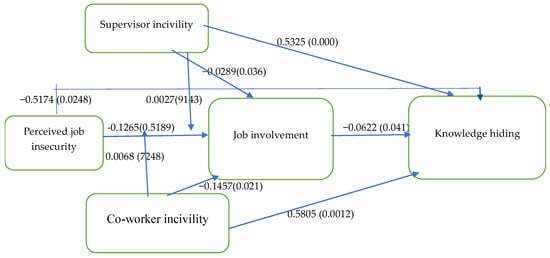
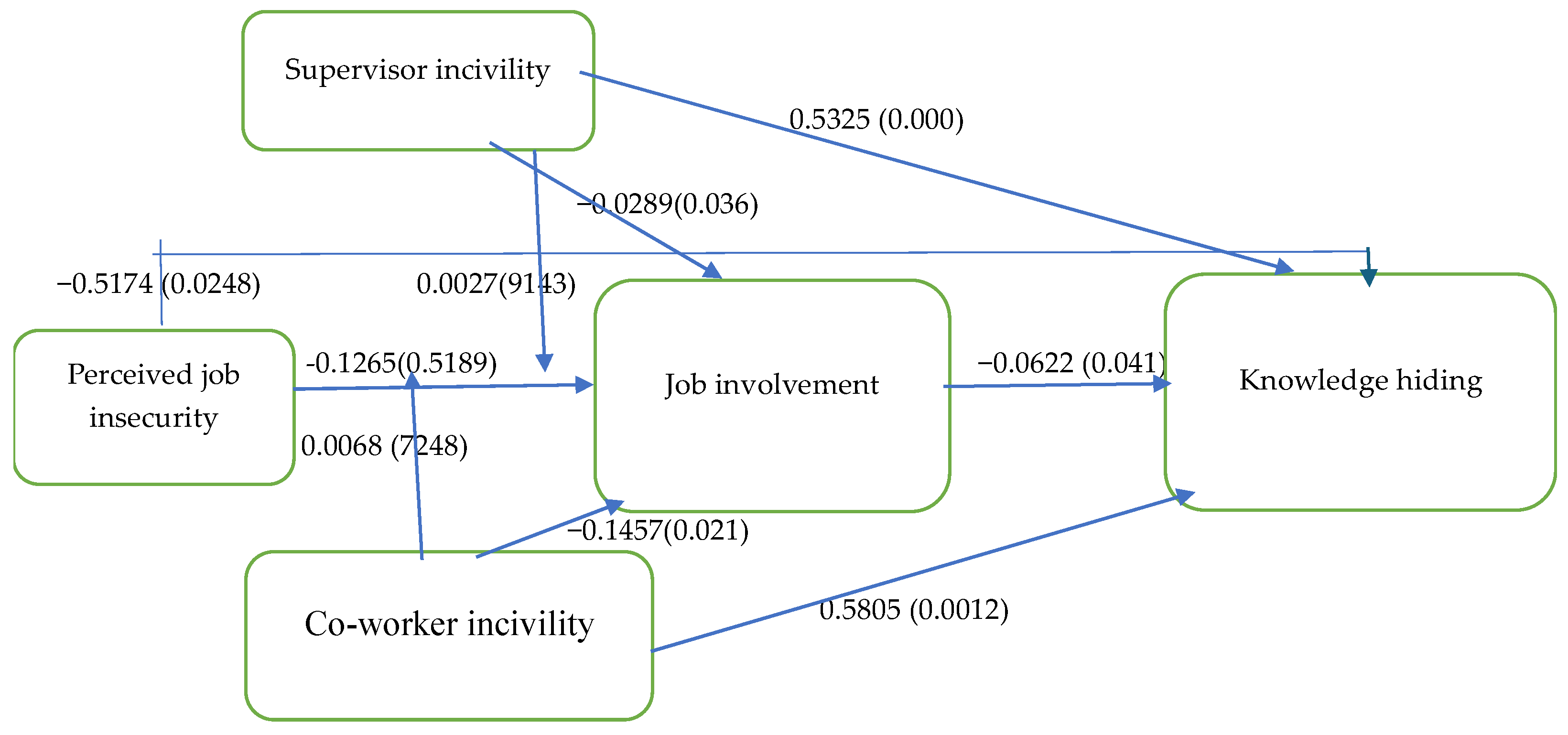

Disclaimer/Publisher’s Note: The statements, opinions and data contained in all publications are solely those of the individual author(s) and contributor(s) and not of MDPI and/or the editor(s). MDPI and/or the editor(s) disclaim responsibility for any injury to people or property resulting from any ideas, methods, instructions or products referred to in the content. |
© 2026 by the authors. Licensee MDPI, Basel, Switzerland. This article is an open access article distributed under the terms and conditions of the Creative Commons Attribution (CC BY) license.