


Abstract
Artificial intelligence (AI) is reshaping how organizations plan, execute, and govern projects, yet management scholarship has not defined the “AI project manager” as a distinct organizational role, treating AI-related competencies mainly as prerequisites for AI readiness rather than as constituents of an evolving role. This study conceptualizes the AI project manager from practitioners’ perspectives and delineates the associated competency profile. Adopting an exploratory qualitative design, we combined Morse’s concept-development method with framework analysis across eight semi-structured expert interviews with practitioners self-identifying as AI project managers in six countries and the IT, fintech, and edtech sectors. Nine role attributes were derived from the literature and tested against the interview data; seven were confirmed, while data-driven decision-making and human-AI collaboration were reclassified as distinguishing rather than universal. Framework analysis distinguished competencies participants raised unprompted from those named in the interview questions. Prompt engineering was the most widely volunteered (six of eight) and is the study’s principal emergent finding, while AI literacy, AI ethics, adaptability, emotional intelligence, and leadership were endorsed by all eight but under direct prompting and are therefore reported as confirmed rather than emergent; competency development was largely self-organized. The study offers an empirically grounded role concept for organization and management scholarship, practical implications for human resource development and professional certification, and a transferable methodological template for conceptualizing emerging roles under technological change.
1. Introduction
Artificial intelligence (AI) is becoming a significant force in modern organizations, prompting shifts across many spheres of managerial and organizational life (Singh, 2024). Its disruptive nature has reshaped businesses worldwide, and the management of projects is no exception (Zia et al., 2024). AI technologies such as machine learning, natural language processing (NLP), and predictive analytics have transformed conventional project management practices by providing tools for planning, execution, monitoring, and control (Shamim, 2024), thereby automating many functions performed by project managers (Ząb, 2024). Increasingly, AI is understood not only as a technological enabler of project processes but as an organizational force reshaping the project manager’s role, integrating human endeavor and creativity with AI’s analytical power (Hughes et al., 2025). As AI is embedded into project work, it has become evident that project managers’ roles and competencies—core objects of interest in organization and human resource studies—are undergoing significant transformation (Hughes et al., 2025; Momčilović et al., 2024).
As project management evolves in response to external changes such as the introduction of AI, scholars are reconsidering the nature of project managers’ competencies, moving away from viewing them as a static construct toward a continuous, dynamic one (Chen et al., 2019; Fridgeirsson et al., 2021; Rastovski et al., 2025), prompting the idea of a constantly changing competency profile. Traditional skills that have long been sufficient to fulfill a project manager’s responsibilities are now being reassessed in light of AI’s adoption, which may signal the potential erosion of these competencies and a broader rethinking of the role (Bushuyev et al., 2024). Despite AI’s extensive potential, many researchers and practitioners expect AI to augment rather than replace human capabilities, emphasizing a supportive role—assistant or advisor (Bodea et al., 2020; Hettrich et al., 2025; Hughes et al., 2025; Lahmann, 2018; Momčilović et al., 2024).
Although researchers increasingly agree that the ongoing adoption of AI has driven the evolution of the project manager’s role (Hughes et al., 2025), the management community has yet to define the concept of an AI project manager. The term is common in practice, but scholars have described the new stage of the profession cautiously as “future project managers” (Dani et al., 2025; Hughes et al., 2025; Ingason et al., 2025), “AI-driven project managers” (Nejad et al., 2025), or “AI-enhanced project managers” (Momčilović et al., 2024). A review of the literature indicates that changes in competencies and skills are predominantly treated as prerequisites for project AI readiness or as challenges to AI adoption (Jöhnk et al., 2021; Sobchenko et al., 2024; Zia et al., 2024; Zulkieflimansyah et al., 2025), rather than theorized as a standalone construct. The lack of systematic conceptualization of the term “AI project manager,” combined with sporadic and unstructured descriptions of AI-driven project managers’ competencies, has created a persistent research gap that limits consistent theorizing and cumulative research in project and organization studies. In practice, this gap hampers the ability of organizations, professional institutes, and training centers to pinpoint essential competencies and embed them in recruitment, training, and professional development—core functions of human resource management. The absence of such guidance may lead to persistent competency gaps, insufficient preparedness, and reduced competitiveness among future generations of project managers.
This research addresses the gap by conceptualizing the AI project manager role from practitioners’ perspectives and delineating the capabilities and competency expectations associated with it. The study aims to define the concept of the “AI project manager” by identifying and verifying the role-specific attributes and competency requirements that practitioners perceive as essential for managing projects in AI-driven environments. To reach this aim, the study answers the following research questions:
- RQ1: What are the abstract and universal attributes of the concept “AI project manager”?
- RQ2: Which competencies do practitioners perceive as necessary or desirable for the effective performance of an AI project manager?
- RQ3: How do practicing AI project managers acquire, train, and develop the competencies required for this emerging role?
These questions are theoretically and methodologically grounded in concept development and competency-based perspectives. Following Morse’s (1995) recommendations for developing immature and insufficiently theorized concepts, the analytical task is to use rules of relation to identify and verify a concept’s abstract and universal attributes. Accordingly, RQ1 focuses on identifying and verifying the defining role-specific attributes of the AI project manager as an emerging concept. Because the study defines the role through the prism of competencies, RQ2 extends the concept-development approach through a competency-based perspective, identifying competencies recognized by practitioners but underrepresented in the academic literature; to answer it, framework analysis was used to build a cross-framework matrix of the most significant and recurring competencies. RQ3 further develops this perspective by exploring how these competencies were acquired, developed, and trained.
The contribution of this study is threefold. Theoretically, it advances the empirically grounded concept development of the “AI project manager” as an emerging, theoretically underdeveloped role concept in project and organization studies, and shows that conceptual development of a role cannot be separated from the development of its competency profile—positioning the paper within the management literature on organizational roles and competencies. Practically, it offers guidance for organizations, professional bodies, universities, and training centers on recruitment, training, and professional development for AI-driven project roles, contributing to the human resource development agenda. Methodologically, it demonstrates the value of combining concept development with framework analysis for role conceptualization in management research, and shows that changes in priorities, functionalities, and competency requirements can serve as role-specific attributes for defining an emerging profession or role.
2. Theoretical Framework
As the management community has recognized the potential of AI in project work, research has increasingly documented both its benefits and the challenges of its adoption (Almeida et al., 2025; Bočková et al., 2025; Bushuyev et al., 2025b; Dimcheva, 2024; Fridgeirsson et al., 2021; Hettrich et al., 2025; Mohammad & Chirchir, 2024; Serra et al., 2025), examining its impact across project phases (Dimcheva, 2024) and knowledge areas (Almeida et al., 2025; Bočková et al., 2025; Fridgeirsson et al., 2021). AI’s advantages stem from its superiority over humans in analyzing large datasets, identifying patterns, solving optimization problems, and maintaining consistency, whereas humans excel at creativity, ethical judgment, and social and emotional intelligence (Glavas et al., 2025). This division of “dominance zones” between human experts and AI systems shapes which knowledge areas and functions will be most heavily influenced or taken over by AI, raising the issue of rethinking the project manager’s role. Academics and practitioners consistently identify AI’s core advantage as the automation and streamlining of routine tasks (Alam et al., 2025; Bočková et al., 2025; Lahmann, 2018; Momčilović et al., 2024), which delivers higher-quality, more consistent work with less human error and frees the manager’s time for strategic activities (Barcaui & Monat, 2023; Lahmann, 2018; Momčilović et al., 2024). AI’s capacity to process vast datasets in real time further enables forecasting, trend analysis, improved decision-making, and risk management (Barcaui & Monat, 2023; Bočková et al., 2025; Momčilović et al., 2024; Project Management Institute Sweden, 2024). Consequently, the areas where AI is poised to have the greatest impact are scheduling, task allocation, communication, resource management, and risk management (Almeida et al., 2025; Mohammad & Chirchir, 2024; Project Management Institute Sweden, 2024), echoing Fridgeirsson et al.’s (2021) conclusions on the most affected knowledge areas. Overall, AI serves as a multifaceted enhancer of the project manager’s abilities across many functions of the role (Felicetti et al., 2024).
Despite growing research interest in AI in project management (Nenni et al., 2025; Taboada et al., 2023), the literature still lacks a consolidated, clearly defined concept of an AI project manager as a distinct evolutionary stage of the profession. Although the concept remains underdeveloped and immature in the academic literature, the term “AI project manager” is already in use as an occupational title in practitioner and recruitment contexts, appearing in vacancy postings and position descriptions on professional networking platforms such as LinkedIn. We make no claim about the prevalence of the title: postings are transient and cannot be cited reproducibly, so no systematic sweep was undertaken and the observation is offered as context rather than as evidence of scale. The term appears sporadically in practitioner-oriented publications, which define it as a project manager who uses AI tools to perform their duties and liken the role to a bridge connecting traditional project management with AI (Simplilearn, 2025). Chauhan (2025) described this role in the personal blog as “someone who blends traditional project management with the world of AI and machine learning.” In contrast, Ahmad (2026) offered a different definition of the term “AI project manager,” describing it as a professional who leads AI projects. A similar definition was provided by Emlyon Business School in their marketing blog for the Master’s program in “Data Science and Artificial Intelligence Strategy”, which described this role as “planning, executing, and delivering projects involving artificial intelligence solutions” (Emlyon Business School, 2026).
Among the few academics to use the term, Psyché et al. (2023) developed a competency framework capturing its main competencies but did not explore in depth the conceptualization or segmentation of the AI project manager as a distinct category. Although this study did not provide a clear conceptual definition and attributes of an AI project manager, the authors identified the competency needs of an AI project manager for training and professional development, thereby indirectly forming the competency profile of an AI project manager (Psyché et al., 2023).
Some works frame the arrival of AI as the beginning of a new era in project management that reshapes workers’ roles and skills (Bugarčić & Slavković, 2023). As AI is embedded into practice, project leaders must address new challenges, including changes to the skill sets required of managers and teams (Rehan et al., 2024), which in turn is prompting shifts in education and training (Obi et al., 2025). Changes in skills and competencies are now treated as a necessary non-technical condition for successful AI adoption, prompting greater investment in training to close the skills gap (Bodea et al., 2020; Zulkieflimansyah et al., 2025).
2.1. AI-Related Competencies of “Future” Project Managers
Scholars agree that effective performance in an AI-driven environment requires competencies beyond traditional project management (Obi et al., 2025). Referred to as AI-related competencies or AI skills—sometimes within a broader cluster of digital skills (Marnewick & Marnewick, 2021)—these are mentioned only intermittently in the literature, yet there are clear signals of a growing need to equip future project managers with them (Marnewick & Marnewick, 2021; Obi et al., 2025; Vettori & Warm, 2025).
The academic community justifies this call by pointing to the value of AI-related skills for both project outcomes and professional development. Such skills—particularly in the European construction industry—are increasingly linked to project success, efficiency, innovation, and competitiveness through process automation, predictive analytics, and data-driven decision-making (Jing et al., 2025). AI-specific knowledge among team members can also build trust within the project (Paparic & Bodea, 2024), whereas the lack of such competencies (the “skills/knowledge gap”) is a major impediment to successful AI adoption (Fridgeirsson et al., 2021; Obi et al., 2025). Despite growing recognition, studies that systematically examine these skills remain limited (Obi et al., 2025).
Practitioners echo the scholarly view, recognizing the knowledge gap as a critical barrier to effective AI adoption and stressing the importance of AI skills in overcoming it (Bodea et al., 2020; Momčilović et al., 2024). They advise investing in comprehensive training tailored to AI project management contexts (Bodea et al., 2020; Momčilović et al., 2024; Project Management Institute Sweden, 2024) and note that project managers increasingly recognize the need to acquire AI-related skills to stay competitive (Project Management Institute Sweden, 2024). This alignment between academics and practitioners reinforces calls to integrate AI-related competencies into training, education, and professional development.
The highest priority among AI-related competencies belongs to “AI literacy,” a foundational enabler of effective project management in an AI-driven context. Because the term has not yet gained consistent academic recognition, it is expressed through varied formulations—from AI/ML fundamentals (Obi et al., 2025) to “data and AI literacy” (Marnewick & Marnewick, 2021)—and is variously tied to “digital” (Dani et al., 2025) or “data” literacy (Marnewick & Marnewick, 2021). Many researchers invoke it implicitly, defining it as the knowledge of “understanding and applying AI technology, AI tools, and processes” (Bushuyev & Ivko, 2024; Fridgeirsson et al., 2021; Liu et al., 2022; Paparic & Bodea, 2024).
Beyond literacy, project managers must understand the assumptions and biases of AI systems well enough to judge whether to trust their outputs and how to interpret them for stakeholders (Daniels et al., 2025). This ability to sense ethical issues, interpret AI results, and recognize AI bias—commonly termed AI ethics—shifts from a peripheral to an essential skill, making it as important as AI literacy.
The literature also identifies adjacent AI-related competencies that have been highlighted as essential skills in the broader context of digitalization and the Fourth Industrial Revolution and may therefore become integral to the AI project manager’s profile: (AI-enabled) data-driven decision-making, the ability to make data-driven decisions (Georgiev et al., 2024); data management or data governance, the responsible handling, safeguarding, and storing of large volumes of data in line with intellectual-property and privacy standards (Marnewick & Marnewick, 2021), with Hughes et al.’s (2025) “data governance” treated as equivalent; and data science and analytics, using and analyzing data to extract insights for decision-making, discussed as a crucial future skill (Cabeças & Marques Da Silva, 2021; Georgiev et al., 2024; Liu et al., 2022). Several scholars also note machine learning, deep learning, and coding/programming as potentially relevant to future project managers (Hughes et al., 2025; Obi et al., 2025), though it remains unclear whether practitioners regard these as core to their profiles.
2.2. Traditional (Transversal) Competencies of “Future” Project Managers
The project manager’s role is not limited to the technical processes AI is expected to assume; transversal competencies, whose impact on project success is long established, remain essential. Human skills that AI cannot fully replicate—soft skills and cognitive abilities—are expected to stay critically important (Lahmann, 2018), and managers must safeguard them against deskilling even amid digitalization (Marnewick & Marnewick, 2021). Several scholars stress cognitive and interpersonal skills specifically: Paparic and Bodea (2024) argue that strategic and critical thinking, communication, and AI-specific competencies improve the effective use of GenAI tools and build project trust; Vettori and Warm (2025) emphasize transferable skills such as innovativeness, creativity, critical thinking, and flexibility; and Felicetti et al. (2024) call on organizations to cultivate an innovative mindset, arguing that pairing AI tools with managers’ creativity expands idea generation and improves performance while increasing willingness to use GenAI. Sobchenko et al. (2024) likewise identify leadership as a key transversal competency for AI readiness among engineering project managers.
Practitioners share this emphasis on soft skills. Lahmann (2018) urges a focus on “human skills” such as leadership, communication, stakeholder management, and emotional intelligence; Momčilović et al. (2024) predict a shift toward strategic leadership in which communication, stakeholder management, and creativity gain significance; and Bodea et al. (2020) identify non-IT cognitive skills—analytical, creative, and strategic thinking, problem-solving, and learning—as necessary for successful AI adaptation.
Researchers particularly emphasize cultural, social, and emotional intelligence (EI) in the future project manager’s profile. Marnewick and Marnewick (2021) consider social and emotional intelligence essential skills to have in the future, while Hughes et al. (2025) argue that EI will not diminish but become central to decision-making by 2030, equipping managers with the empathy and self-awareness vital for team cohesion, conflict resolution, and navigating ethical dilemmas. This emphasis reflects the observation that AI systems cannot yet fully recognize emotions (Glavas et al., 2025; Luong et al., 2021); until they can, EI is expected to remain indispensable. A high level of cultural intelligence likewise helps managers use AI to anticipate cultural conflicts in diverse projects (Jing et al., 2025).
Finally, despite these benefits, overreliance on AI tools such as GenAI chatbots carries risks: it can erode some managers’ abilities (Almeida et al., 2025; Hettrich et al., 2025) and lead to a loss of competence and deprofessionalization (Paparic & Bodea, 2024).
3. Materials and Methods
Given that the concept “AI project manager” is immature and not yet rigorously defined, the study adopted an exploratory qualitative design, following Morse et al.’s (1996) recommendation to select the optimal research approach for the phenomenon under study. Because of limited information and scarce literature on this concept, we selected expert-interview-based concept development and framework analysis as our primary methods. Expert interviews served as the sole data source to capture practitioners’ perceptions of the role. The research design is shown in Figure 1: a sequential process from problem formulation through data collection, after which the interview material was analyzed along three parallel streams—inductive qualitative concept development, framework analysis, and narrative synthesis with thematic analysis—each yielding a distinct output.
Figure 1.
Qualitative research design for developing and verifying the concept of the AI project manager, showing the sequential research process and the three parallel analysis streams applied to the interview material. Source: developed by the authors.
3.1. Data Collection
The study used semi-structured, one-to-one expert interviews with practitioners working in AI-driven project environments as the primary data collection method. This interview type was chosen because the concept remains underdeveloped, necessitating an exploratory qualitative approach (Morse et al., 1996) that allows interviewees to articulate their experiences, interpretations, and views regarding role-related attributes (DeJonckheere & Vaughn, 2019). Semi-structured interviews provide systematic data collection and enable exploration of unknown and complex issues while preserving flexibility (Wilson, 2014). The choice was also driven by the anticipated analysis methods—framework analysis and inductive concept development—which require systematicity, information homogeneity, and iterative comparability; these requirements were readily met by semi-structured interviews (Chand, 2025). The one-on-one format ensured confidentiality, allowing participants to answer openly while the researcher focused on individual experiences. Questions were prepared in accordance with the research objectives, and open-ended questions kept the interview focused on the target topics (Kvale & Brinkmann, 2009).
Interviews were conducted in English and Russian to accommodate participants’ first languages and elicit richer accounts. Russian-language interviews were transcribed verbatim and the illustrative quotations reported in this paper were translated into English by the bilingual author team; translated quotations were checked against the original transcripts for meaning equivalence, and participants received their anonymized transcripts for approval (member checking), providing a safeguard for quote fidelity.
A purposive sampling strategy was used to recruit practitioners currently working in project management roles involving AI tools, systems, or data-driven decision-making who self-identify as AI project managers. The main eligibility criteria were as follows:
- Actively performing the function and role of a project/program manager in an AI-driven environment involving constant interaction with AI tools, systems, and relevant algorithms.
- Self-identifying as an AI project manager, AI program manager, “AI-driven project manager,” or “AI-enabled project manager” on LinkedIn. Self-identification was confirmed by active use of AI in the role of (technical) project manager, or by the official job title “AI project manager.”
Selection was not constrained by organizational, industrial, or country-specific restrictions and was based solely on these criteria. Interviewees were identified through the Project Management Institute (PMI) community and LinkedIn. Recruitment proceeded through purposive outreach; approximately 200 contact invitations and 140 direct messages were sent via LinkedIn, resulting in eight completed interviews with fully eligible participants. Given the difficulty of attracting candidates—owing to their inaccessibility and limited availability for academic contribution—the final sample should be understood as purposive and pragmatically bounded rather than as meeting a formal saturation threshold. We therefore make no claim of thematic saturation; instead, we note that the interviews provided sufficiently rich and recurring evidence to support the concept development and framework analysis appropriate to an exploratory study.
Interviews were conducted in February–March 2026 via Zoom at pre-arranged times; interviews were scheduled for approximately 35–55 min, and several participants chose to continue beyond the scheduled time with their agreement, giving an actual range of 35–140 min. All interviews were conducted directly by the authors. The study protocol, interview guide, participant information sheet, and written consent form were reviewed and approved by the Research Ethics Committee of Astana IT University, Astana, Kazakhstan (protocol code No. 7, 9 February 2026), and data collection commenced only after that approval; the study was conducted in accordance with the Declaration of Helsinki. Participants were practicing professionals recruited based on their project management experience in AI-driven environments, and participation was entirely voluntary. Before each interview, participants received a participant information sheet setting out the purpose of the study, what participation involved, the right to withdraw without reason or consequence, the confidentiality and data-handling arrangements, and the intended use of the results, together with a written consent form. Written informed consent was obtained from all participants prior to the interview. Where a participant had not returned the signed form in advance, consent was confirmed verbally and audio-recorded at the start of the interview, in accordance with the approved protocol. Consent to audio recording was given explicitly within the signed consent form, and a separate quotation agreement recorded each participant’s permissions for the use of direct quotations. No personal identifiers were collected; each participant was assigned a code (P1–P8), and any identifying information mentioned incidentally was removed at transcription. Audio recordings were transcribed using Turboscribe and exported to ATLAS.ti for coding; anonymized transcripts were returned to interviewees for review and correction before analysis.
3.2. Data Analysis
The interview data were analyzed using a hybrid, multi-stage qualitative strategy matched to the analytical objectives of each interview cluster. Because the study combined inductive concept development, framework analysis, and inductive content analysis, we applied complementary approaches across clusters to ensure methodological rigor. Following the classification of indicators from data sources provided by Morse et al. (1996), this type of concept analysis is identified as concept development. Coding was computer-assisted using ATLAS.ti (version 26.1.034447): the software was used to organize, tag, and retrieve coded segments, while the interpretive work of category construction, comparison, and abstraction was performed by the authors.
To support the trustworthiness of the analysis, we adopted several established procedures. Primary coding was conducted by the lead author and reviewed collaboratively by the co-authors; coding disagreements were resolved through discussion to reach consensus, and an evolving codebook and audit trail of analytical decisions were maintained in ATLAS.ti. Member checking (transcript approval by participants), the use of verbatim illustrative quotations, and reflexive discussion among the author team were used to enhance credibility and confirmability. Because analysis was primarily led by one coder, we do not report a formal inter-coder reliability coefficient; instead, consensus coding and the audit trail are offered as the basis for dependability, consistent with common practice in interpretive concept-development research.
Interview data were transcribed, then dissected and analyzed using grounded-theory-like coding procedures (open and axial coding) to inductively identify core categories and attributes associated with the concept of an AI project manager. Attributes are a key part of concept development (Morse, 1995; Morse et al., 1996). The chosen method includes three steps: identifying attributes, verifying attributes, and identifying the concept’s manifestations (Morse, 1995). Attributes were defined as the characteristic features, functions, and responsibilities of the role as articulated by practitioners who identify with it, considered in relation to the competencies attributed to project managers in the established literature. Competencies were defined, distinctly, as capabilities attributed to the role-holder—what a person occupying the role must be able to do. The two constructs are related but not equivalent: an attribute is a property of the role and a competency is a capability of its holder. The two analytic stages drew on overlapping interview material, and four of the nine attributes (A4, A5, A6, A7) are themselves defined in terms of a capability, so their correspondence with competencies recovered in the framework analysis is definitional rather than independent; this is addressed in Section 5.
Identifying the attributes of the concept. The first stage identified the abstract attributes (components or characteristics) that indicate the concept (Morse, 1995). Morse (1995) recommends identifying all useful information and assumptions across the available literature at this stage. Following her guidance, we “bracketed” the distinguishing characteristics of the AI project manager role from fragments of the literature on the future project manager’s role. In the absence of direct information about AI project managers, we searched for role characteristics based on mentions of “future project managers,” “AI-enhanced project managers,” “AI-driven project managers,” and “AI-enabled project managers” in articles available in the Scopus database and in practitioners’ reports released by project management bodies.
After all attributes were identified, we compiled them into a tentative structure—a framework for the AI project manager’s attributes.
Verifying the attributes of the concept. The pre-identified conceptual attributes were verified by applying the rules of relation to search for indicators of those characteristics in interviewees’ professional experience (Morse, 1995). In this deductive phase, we compared interviewees’ responses across all attributes, seeking similarities and commonalities that fit within the inductively derived framework (Morse, 1995).
Identifying manifestations of the concept. After defining and verifying the concept’s abstract and universal attributes, the final step compared interviewees’ responses across components to introduce additional variation (Morse & Doberneck, 1995). Data from each interviewee’s responses were compared across components to identify the different ways each concept attribute appears. While the abstract and universal components of the concept remain, all unique conditions in each interviewee’s answer that contribute to variation were identified and presented in tabular form.
The collected data on competencies were analyzed using framework analysis to identify the competencies deemed necessary based on expert-interview responses. Framework analysis is a rigorous method for analyzing qualitative data and is particularly applicable to interviews (Furber, 2010). First described and applied by Jane Ritchie and Liz Spencer in the 1980s (Gale et al., 2013; Klingberg et al., 2024; Rosen et al., 2023), its distinguishing feature is the presentation of final results as a matrix (Collaço et al., 2021; Gale et al., 2013; Klingberg et al., 2024; Rosen et al., 2023). The widely used version involves seven stages, from “familiarization” to “interpreting the data” (Gale et al., 2013; Klingberg et al., 2024); the study employed all seven stages, with two adaptations. First, transcription was performed by automated speech recognition (Turboscribe) rather than manually, and the anonymized transcripts were returned to the interviewees for review and correction before analysis, as described in Section 3.1. Second, the charting stage produced a binary competency-by-participant matrix rather than a thematic summary matrix, because the analytic object was the presence or absence of a named competency in each account. Familiarization, coding, development and application of the analytical framework, and interpretation of the data followed Gale et al. (2013) without modification; the interpretation stage is reported in Section 4 and developed in Section 5.
The framework analysis began with transcription. All transcripts were reviewed for the familiarization stage. We then coded all competencies identified in the transcripts. From these codes, an analytical framework was iteratively developed, with competency categories added or refined. The framework was applied consistently across all interviews, and the results were charted in a competency framework matrix, presented as a table with rows labeled by the competencies identified and columns numbered to identify participants (P1, P2, P3, … P8).
The final cluster of interview data was analyzed using inductive qualitative content analysis. The same coding techniques were used to identify training and competency development methods. Open coding was applied to the transcripts, assigning codes to text fragments describing training methods and formats for acquiring new competencies. Initial codes were compared iteratively to detect recurring patterns, and the final result was presented as a consolidated description of the main training and qualification-improvement methods used in practice by project managers working in AI-driven environments.
3.3. Use of Generative AI Tools
Generative AI (GenAI) tools were used in a supporting capacity only and are disclosed here in full. Scite.ai, SciSpace, and Consensus were used to search for and identify literature; ChatGPT-5.4, ChatGPT-5.5, and ChatGPT-5.6 assisted with structuring the Abstract and Introduction; Grammarly v1.2.293.1952 (Word plugin) and ChatGPT were used for grammar correction and for rendering author-drafted text into English; Turboscribe Unlimited produced the verbatim interview transcripts; and AI assistants embedded in ATLAS.ti (version 26.1.034447), Adobe Acrobat Reader 226.001.21789, and Word 365 were used while reviewing article content, that is, the manuscript text and the published literature consulted for it. The AI-assisted features of ATLAS.ti were not applied to the interview transcripts: coding of the transcripts, attribute classification, and category construction were performed manually by the authors, and ATLAS.ti was used for the transcripts only to organize, tag, and retrieve coded segments. GenAI tools were not used to generate original research ideas, to code or analyze the interview data, or to draw conclusions. All coding decisions, attribute classifications, and interpretations reported in this article were made by the authors, who verified all GenAI-assisted output and take full responsibility for the accuracy and integrity of the content.
4. Results
Stage 1. Identifying the attributes of the concept. Because no study explicitly defines the AI project manager, we derived the concept’s attributes from fragmented references to “future project managers,” “project managers in an AI-driven environment in 2030,” and “project managers in Industry 5.0” (Dani et al., 2025; Hughes et al., 2025). Although these works do not conceptualize the role directly, they reveal convergent patterns in the evolving responsibilities, expectations, and competencies of project managers in AI-driven settings, from which we derived nine abstract and universal attributes:
A1. A change in the priorities of the project manager’s activities. AI’s ability to automate and streamline routine tasks (planning, scheduling, task and resource allocation) is expected to improve quality, reduce errors, and free time for strategy, creativity, innovation, and team leadership (Hughes et al., 2025; Lahmann, 2018; Momčilović et al., 2024; Project Management Institute Sweden, 2024).
A2. Data-driven decision-making. Rather than relying on experience and intuition alone, the evolving project manager is expected to draw on AI’s predictive analytics to forecast outcomes and identify optimal courses of action (Hughes et al., 2025; Momčilović et al., 2024; Project Management Institute Sweden, 2024).
A3. Using AI agents as a collaborative partner, advisor, or assistant. The literature frames AI not as a replacement but as an assistant or advisor that augments human capability, underscoring the profession’s human-centered future (Hettrich et al., 2025; Lahmann, 2018).
A4. Necessity to be AI literate. Managers must understand how and when to apply AI tools; a lack of basic AI literacy undermines effective adoption (Bodea et al., 2020; Fridgeirsson et al., 2021; Hughes et al., 2025; Mariani et al., 2026).
This attribute can be interpreted as a competency called “AI literacy”. Scholars writing on project-management competencies in the AI era have begun to treat it as a competency in its own right. So far, scholars have not reached a consensus on how to define this competency. Some interpret it as a collective term for all AI skills needed by a project manager in the AI era (Mariani et al., 2026), while others see it as a separate skill that reflects an understanding of AI tools, their capabilities and limitations, and the ability to use them freely (Bushuyev et al., 2025a; Bushuyeva et al., 2025). From this point on, we followed the second interpretation.
A5. Ethical “gatekeeping. “ Managers are expected to ensure ethical AI use, addressing data privacy, transparency, and algorithmic bias, and to exercise “ethical leadership” that cultivates responsible AI use across the project (Daniels et al., 2025; Hughes et al., 2025).
This role of an AI project manager can be associated with the competency called AI ethics. Similar to AI literacy, AI ethics is a collective term for skills that enable the critical evaluation of AI outputs, the identification of system biases and underlying assumptions, and the assessment of their effects on stakeholders (Daniels et al., 2025). However, various authors have used different interpretations to describe this competency, such as “ethical AI governance” (Bushuyev et al., 2025a), “ethical decision-making” (Hughes et al., 2025), “ethical oversight of intelligent systems” (Bushuyeva et al., 2025), “hallucination detection”.
A6. Emotional intelligence (EI). EI grows in importance as human–machine collaboration deepens, since AI cannot yet comprehend or empathize with human emotion at a human level (Glavas et al., 2025; Hughes et al., 2025; Luong et al., 2021).
A7. Continuous adaptability and learning. Adaptability is dual: responding flexibly to novel situations (Daniels et al., 2025) and continuously upskilling to integrate emerging AI technologies as a “technological integrator” (Hughes et al., 2025).
A8. A change of leadership style. AI is expected to shift leadership from a structural-hierarchical model toward horizontal, proactive, ethical, service-oriented leadership that fosters innovation and collaboration (Hughes et al., 2025), with strong proactive leadership enabling smooth technology adoption (Alshahrani, 2025).
A9. Human-AI collaboration. Because AI cannot fully self-organize project execution, a hybrid approach is expected in which the manager coordinates “hybrid teams” of AI agents and human members (Hettrich et al., 2025; Hughes et al., 2025).
Stage 2. Verifying the attributes. We verified the attributes against the responses of eight practicing AI project managers who self-identify as such, with three months to 2.5 years of experience—a short tenure reflecting the role’s novelty. Participants come from Russia, the UAE, Nigeria, India, Italy, and Germany, and work mainly in IT solutions, fintech, and edtech. Aggregate sample characteristics are summarized in Table A1 (Appendix A); they are reported in aggregate rather than per participant because per-participant reporting at this sample size would permit re-identification. Full results appear in Table 1.
Table 1.
Verification of the nine conceptual attributes (A1–A9) of the AI project manager against eight practitioner interviews (P1–P8). Source: authors’ analysis of expert-interview data.
A retention rule was applied uniformly across the nine attributes. An attribute was retained as universal only where all eight accounts were consistent with its substantive claim, allowing variation in how the attribute was enacted; where accounts diverged on whether the attribute held at all, that is, where divergence was in kind rather than in degree, the attribute was reclassified as distinguishing rather than universal. Applying this rule, seven of the nine attributes were confirmed (with minor adjustments), while two were reclassified owing to divergence in kind; following Morse (1995), attributes needing minor revision were adjusted rather than discarded. Competencies are reported in two evidentiary strata, and this is the reporting convention adopted throughout. Competencies named in the interview questions are reported as elicited confirmation; competencies participants introduced without prompting are reported as the emergent stratum. The convention is adopted for methodological transparency: it allows readers to distinguish what the interview instrument supplied from what the participants contributed independently, and it prevents the elicited competencies from being read as discoveries of this study.
A1. Participants stressed that current AI cannot fully automate routine work and requires oversight, so the attribute is better described as “partial automation” and “task optimization” to save time. P8 described the function of AI with two words: “automation of routine”. Overall, all eight reported positive experiences using AI for documentation, emails, and summarizing meetings and reports, though views differed on delegating specific tasks—e.g., P1 avoided AI-generated presentations for quality reasons while P5 used AI for slides—and some tasks, such as task breakdown and allocation, were reserved for the manager. Interpersonal coordination with stakeholders and teams still consumed much of their time, remaining central for both traditional and AI-driven managers, even as some shifted partly toward strategic and analytical work. In contrast to the majority, P1 noted that “they make a lot of presentations on the same subject.”
A2. Views on decision-making diverged on whether AI outputs drive decisions at all, a divergence in kind rather than degree, so under the rule stated in Section 3, this attribute was reclassified as distinguishing rather than universal. Two of eight explicitly grounded decisions in AI outputs: P3 described deciding “based on the AI outputs” and P7 reported “decision-making based on AI insights.” Two further accounts sit at the boundary of this criterion and are reported as such rather than resolved: P4 described decision-making as “Data-driven” and P6 as “based on the results of each test,” neither identifying AI as the source of those inputs. The remaining four stated that AI does not drive their decisions at all: P1 reported “No trust in AI in the decision-making,” P2 that “Data informs, but doesn’t decide,” P5 that decisions rest on their own experience, and P8 that “Integration of AI didn’t change the process of decision-making.” Because these four deny that the attribute holds rather than enacting it differently, the divergence is one of kind, and the attribute was reclassified accordingly on that basis, which holds whether the opposing group is counted as two or as four. Those participants granted AI a limited informant role while retaining the “final say.”
A3. All eight participants described AI agents as an “assistant,” “advisor,” “consultant,” or “helper,” speaking positively of their capabilities despite issues such as “hallucinations.”
A4. Participants treated understanding AI’s capabilities and limitations as a foundational prerequisite. Notably, none had taken formal courses; several held that modern AI is learned natively through practice and “trial and error”. As one of the participants said to describe the simplicity of working with AI: “you don’t need to be a genius to understand how to work with AI.” Whether standardized AI-literacy training would be beneficial is a question this design cannot answer: the absence of formal training among eight early-career role-holders establishes how these practitioners learned, not what training provision ought to be. Advanced skills such as coding were deemed unnecessary, though a grasp of AI/ML fundamentals was seen as beneficial.
A5. Facing persistent hallucinations, participants warned against absolute trust in AI and emphasized “ethical gatekeeping”—continuous human oversight and critical evaluation of AI content, plus controlling access to confidential information through closed-access models.
A6. All eight participants rated EI as highly important (Table 2), largely because their work still centers on communicating with people; “without empathy, rapport is hard to build”. As one put it, “emotional intelligence is what distinguishes us from machines,” echoing the view that humans outperform AI on EI (Glavas et al., 2025).
Table 2.
Common and differentiating characteristics contributing to the patterns of the “AI project manager” across the two identified groups of participants. Rows spanning both profile columns denote characteristics shared by both groups. Source: authors’ analysis of expert interviews (P1–P8).
A7. One important distinguishing feature of an AI project manager is the need for continuous learning and adaptability. P5 stated that “you definitely need to adapt” to remain competitive as an AI project manager. P4 noted regarding the role of adaptability: “if I don’t adapt, I will not sustain (in this environment).” P7 described an increasing need to study and adapt new AI system methods following the transition from a traditional project manager role. Participants who had made that transition therefore described an intensified demand for adaptability and continuous learning. Since no traditional project managers were interviewed, this reflects how transitioning practitioners characterize their own experience rather than a measured difference between the two roles.
A8. Participants represented a “new generation” favoring client-oriented, adaptive, proactive, human-friendly, horizontal/matrix leadership grounded in trust and high EI; one described an “ethically oriented style”, aligning with Hughes et al. (2025), who cast the AI project manager’s leadership as extending to cultivating a culture of ethical AI use.
A9. Opinions divided on whether human-AI “hybrid teams” are yet feasible: six of eight judged this stage unreached given current AI limits (P1, P3, P4, P5, P7, P8), while two described their teams as hybrid: P2 characterized the team as “a hybrid team, a combination of human collaborators and AI agents,” and P6 reported “already operating as a hybrid team.” Because the divergence concerned whether the attribute holds at all rather than how it is enacted, and because six viewed AI agents as “tools”, “assistants”, “consultants” or “interns” rather than full members, this attribute was reclassified as distinguishing rather than universal under the rule stated in Section 3, and was excluded from the universal set.
Stage 3. Identifying manifestations of the concept. The third stage identified the concept’s variations and grouped participants accordingly (Table 2). Responses split into two profiles by the object of the projects managed: the “AI-solution project manager” (Profile A), whose projects deliver AI products or AI transformation, and the “AI-enabled project manager” (Profile B), who applies AI tools and data-driven insights to deliver projects of any type. The typology also reflected differing definitions of the role: P1 and P2 saw an AI project manager as one managing AI-centric projects, whereas P8 saw little difference from a traditional manager beyond a new AI toolset (even though P8 did not rule out the possibility of duality in defining the concept). The divided attributes—“data-driven decision-making” and “human-AI collaboration”—did not map cleanly onto the two profiles; managers on AI-solution projects often decided as traditional managers do, with skepticism toward AI insights. The two divisions are also not produced by the same respondents. Cross-tabulating A2 against A9 shows that of the two participants who grounded decisions explicitly in AI outputs (P3, P7), neither described their team as hybrid, while the two who did describe a hybrid team (P2, P6) fall on opposite sides of the decision-making division. No participant holds the AI-forward position on both attributes. Variation in decision-making may reflect differing AI-integration levels and organizational AI maturity, but the present design establishes no correlation, and with eight participants the cross-tabulation is reported as a description of this sample rather than as evidence of an association.
Overall, the two-stage development retained A1 and A3–A8 as general, abstract characteristics. Two adjustments are worth noting: A1 was recast as “partial automation/optimization,” since communication with stakeholders and teams remains a primary focus and participants rarely cited creativity, innovation, or (except one) strategic activity as central—diverging from academic expectations; and A4 was qualified by the finding that, in this sample, AI literacy was acquired through self-organized, practice-based learning rather than formal instruction. A8 was narrowed accordingly: all eight accounts describe a move away from structural-hierarchical leadership, but the style adopted varied across participants, spanning matrix, horizontal, and more democratic, mixed approaches. The shared movement is therefore retained as the universal component of A8, while the specific leadership style is reported as a distinguishing characteristic in Table 2.
The framework analysis. Interviews yielded 28 competencies (Table 3: 23 in Panel A and 5 in Panel B). AI literacy, emotional intelligence, leadership, adaptability, and AI ethics were each named in the interview questions and are therefore reported as competencies confirmed under prompting rather than as emergent findings; the remaining competencies, prompt engineering among them, were raised by participants unprompted. Participants interpreted the prompted competencies variously—AI ethics, for instance, surfaced as “ethical judgment,” “fact-checking,” or “monitoring/flagging hallucinations” rather than by that label.
Table 3.
Competency framework matrix: the competencies of the AI project manager identified across eight interviews (P1–P8). Competencies are reported in two evidentiary strata. Panel A lists competencies participants raised without prompting. Panel B lists competencies named in the interview questions, whose endorsement is therefore confirmation under prompting rather than emergent salience; the guide questions are reproduced in the Supplementary Materials and archived at Zenodo (Shakenov et al., 2026). Panel A contains 23 competency rows and Panel B contains 5, giving the 28 competencies reported in Section 4; “Decision-making” and “Delegating” are two separate rows, each raised by a single participant. Source: authors’ analysis of expert-interview data.
A competency term could also denote a same-named function: “stakeholder management” and “team management” usually described the manager’s function, so they were counted as competencies only when a participant named them explicitly. “Prompt engineering” was named as a core competency only once, yet five other participants stressed proper prompting to mitigate AI “hallucinations,” implying the underlying skill. Among competencies participants introduced without prompting (Panel A), prompt engineering was the most widely shared, raised by six of eight, followed by communication and specific industry knowledge (four each) and by analytical abilities and result orientation (three each). As an unprompted convergence, prompt engineering carries greater evidentiary weight regarding salience than the elicited competencies. Five competencies were endorsed by all eight participants—AI literacy, emotional intelligence, leadership, adaptability, and AI ethics (Panel B)—but each was named in the interview questions, so their unanimity is a property of the instrument as much as of the phenomenon and is reported here as confirmation under prompting rather than as emergent salience. Prompt engineering was closely tied to the role itself, and specific industry knowledge was considered a prerequisite for delivering domain-specific projects.
Training and learning methods. Participants relied on self-organized, practice-based learning rather than formal training, describing hands-on experimentation and trial and error. This establishes how these practitioners acquired their competencies; it does not establish whether formal provision would be beneficial, a question a purposive sample of eight cannot answer. For specific knowledge, they used specialized websites found via “web surfing,” YouTube, and MOOCs such as Coursera. Only one cited corporate training and workshops, available as a “privilege” of a large organization with a developed development program. Otherwise, learning was spontaneous, unstructured, self-organized, and adaptive to current needs.
5. Discussion
This study set out to conceptualize the AI project manager and to identify the competencies practitioners associate with the role. The findings both corroborate and qualify the emerging management literature. Seven of the nine literature-derived attributes were confirmed against practitioner accounts, indicating that scholarly anticipations of the evolving project-management role—partial automation of routine work, the framing of AI as an assistant, the salience of AI literacy and AI ethics, the centrality of emotional intelligence, continuous adaptability, and a shift in leadership style—are broadly consistent with lived practice (Hughes et al., 2025; Lahmann, 2018; Momčilović et al., 2024). At the same time, two widely assumed attributes—data-driven decision-making and human-AI collaboration in “hybrid teams”—were not universal, suggesting that parts of the academic vision run ahead of current organizational practice.
Three findings merit emphasis for management and organization scholarship. First, the role is defined less by the wholesale automation of managerial work than by a re-prioritization of the manager’s attention: routine documentation and reporting are increasingly delegated to AI, while interpersonal coordination with stakeholders and teams remains the manager’s core work. This tempers strong “replacement” narratives and supports an augmentation view of AI in organizations (Bodea et al., 2020; Hettrich et al., 2025; Hughes et al., 2025). Second, the competency profile is reported in two evidentiary strata rather than as a single ranked set. The principal emergent finding is prompt engineering, volunteered by six of eight participants and absent from the interview guide. Alongside it stands a set of competencies endorsed by all eight participants, but under direct prompting, and therefore reported as elicited confirmation rather than discovery—AI literacy, emotional intelligence, leadership, adaptability, and AI ethics—within which distinctly human and ethical capabilities sit alongside technical literacy. The prominence of emotional intelligence and ethical gatekeeping aligns with arguments that human-centered competencies gain rather than lose importance as AI diffuses (Hughes et al., 2025). All traditional key competencies that underpin the AI project manager concept as abstract attributes are extensively represented in academic literature and official project management competency frameworks. These include widely recognized standards such as the Individual Competence Baseline 4.0 (ICB 4.0), the Project Manager Competence Development Framework (PMCD Framework), and the APM Competence Framework. However, AI-related competencies such as AI literacy and AI ethics are not reflected in the aforementioned competency frameworks. This may be explained by the fact that these competency frameworks were designed to provide only a broad and general representation of a project manager’s essential competencies, including universal, industry-neutral skills, without claims or references to technically specific or context-specific competencies. Another explanation could be that these frameworks were released before the widespread adoption of AI in project management.
Third, in addition to the core set of competencies, the participants emphasized further competencies, among them “result orientation,” “prompt engineering,” and “specific industry knowledge.” Competencies such as “result orientation” and “specific industry knowledge” are long established in the scholarly literature, and both appear in major competency frameworks, among them the Individual Competence Baseline 4.0, which lists “Results orientation” (Ergebnisorientierung) as People competence 10 (Deutsche Gesellschaft für Projektmanagement & International Project Management Association, 2017); Tumpa et al. (2023) compare competency coverage across ICB 4.0, the PMCD framework, the APM Competence Framework, and the PMI Talent Triangle. Many of the supplementary competencies mentioned by the participants are well represented in the traditional competency frameworks, such as ICB 4.0, PMCD framework and APM Competence framework. For example, competencies such as Stakeholder Management, Team Management, Quality Management, Time/Schedule Management, and communication are represented in all of the frameworks mentioned above (Association for Project Management, 2023; Deutsche Gesellschaft für Projektmanagement & International Project Management Association, 2017; Project Management Institute, 2017). Another example: ICB 4.0 directly includes the “result orientation” competency, which was highly praised by participants in this research (Deutsche Gesellschaft für Projektmanagement & International Project Management Association, 2017). Constructs adjacent to business acumen are present in both frameworks, though neither uses that term: the APM Competence Framework includes “Business case” and “Financial management” among its twenty-nine competences, while ICB 4.0 addresses the commercial justification of projects under Perspective 1 (Strategy), which requires the individual to develop and sustain the business or organizational reasons for the project, and covers project finance under Practice 7 (Finance). Regarding AI- and data-related competencies, such as “prompt engineering” and “specific advanced AI skills”, their presence in these frameworks is either weakly expressed or absent altogether. The absence is documented rather than merely inferred. A full-text examination of the two baselines confirms this. The APM Competence Framework (Association for Project Management, 2023, 3rd edition) returns no occurrence of the terms “AI”, “artificial intelligence”, “machine learning”, “automation”, “digital”, “technology”, “software” or “algorithm” across its fifty-six pages and twenty-nine competences; “data” appears only in the sense of sources of evidence informing human judgement. ICB 4.0 shows the same pattern across its twenty-nine competence elements: no occurrence of “artificial intelligence”, “KI”, “machine learning”, “automation”, “digital” or “algorithm”, with “software” appearing twice, both times as an example domain rather than a competence, and “data” confined to estimation inputs and analytical reasoning. Neither of the two competence baselines that the certifying bodies maintain therefore contains an AI-related competence, which corroborates the argument that AI-related capabilities are not yet institutionalized in the profession’s formal competence architecture. Furthermore, prompt engineering, despite its enormous potential for working with GenAI tools, has received little academic attention to date, with only brief, occasional mentions in the scholarly literature (Hughes et al., 2025; Karnouskos, 2024; Li et al., 2026). Given how strongly the participants recognized it, the academic literature appears to have underestimated its significance. As GenAI tools grow more reliable and more deeply embedded in project practice, this competency should attract the scholarly attention it currently lacks.
Compared to the closest prior research involving the direct application of the AI project manager concept, each of the five core competencies identified here has a recognizable counterpart in the framework of Psyché et al. (2023), although the terminology differs and the mapping is therefore interpretive rather than exact. Because the five competencies were themselves elicited through questions derived from the same broader literature on which Psyché et al. (2023) draw, this correspondence is better described as consistency with prior frameworks than as independent convergent validation. The more informative comparison lies in the competencies that do not overlap, particularly those the participants volunteered. The overlaps with Psyché et al. (2023) extend beyond these key competencies to include additional shared competencies such as data management, proactivity, and specific industry knowledge. Competencies such as prompt engineering, system architecture, and result orientation, by contrast, have no counterpart we could locate in that framework.
The finding that competency development was largely self-organized, practice-based, and unstructured has direct implications for human resource development and management education. Participants had rarely undertaken formal AI training and generally judged standardized AI-literacy courses unnecessary, learning instead through experimentation and informal resources. For organizations and professional bodies, this signals both an opportunity and a risk: reliance on self-directed learning may accelerate adoption among motivated individuals but leaves competency development uneven and difficult to assure across a workforce. Many scholars emphasize the need for organizations to invest in AI knowledge-focused training and professional development to build the skills required to work effectively with AI, with some studies explicitly framing these capabilities as AI-related competencies or skills (Bodea et al., 2020; Bushuyev et al., 2024; Obi et al., 2025; Zulkieflimansyah et al., 2025). This study cannot confirm that such provision is necessary. Most participants reported that self-organized, practice-based learning had been sufficient for them, which leaves the case for standardized training in AI literacy and AI ethics open to future research. However, the self-organized nature of training among the surveyed project participants may not indicate that the development path they have chosen is the most appropriate for acquiring AI-related competencies; it could instead result from insufficient employer attention and funding for training.
Theoretically, the study contributes an empirically grounded concept of the AI project manager and clarifies the relation between a role concept and its competency profile. Where a role attribute is itself defined in terms of a capability, as four of the nine attributes are (A4, A5, A6, A7), the corresponding competency is entailed by the definition rather than independently observed, so the correspondence between the two analytic stages is in part definitional. The analytically informative cases are those where attribute and competency do not correspond, notably the competencies participants volunteered, prompt engineering among them, which have no counterpart in the literature-derived attribute set. Methodologically, combining Morse’s concept development with framework analysis offered a transferable template for conceptualizing emerging organizational roles under technological change—an approach applicable beyond project management to other roles being reshaped by AI.
Limitations and Future Research
Several limitations bound these contributions. The study is exploratory and based on eight expert interviews; although the sample was purposive and information-rich, we make no claim of thematic saturation, and the findings are analytically rather than statistically generalizable. Analysis was primarily led by one coder, mitigated through consensus coding, an audit trail, and member checking, but without a formal inter-coder reliability statistic. The role’s novelty means participants had short tenures (three months to 2.5 years), and the fast pace of AI development may quickly alter the competencies in demand. Interviews spanned several countries and sectors, introducing heterogeneity that is a strength for exploration but limits comparative claims. Two further boundaries should be stated. First, no contrast group of traditional project managers was recruited, and no border or contrary cases were sought. Morse’s concept-development apparatus treats model cases as one input among several for establishing concept boundaries; because only model cases were available here, the boundaries of the concept remain provisional, and the attributes reported should be read as characteristics of self-identifying AI project managers rather than as features demonstrated to distinguish them from project managers generally. Consistent with this, P8 described the role as differing little from that of a traditional manager beyond a new AI toolset, representing an internal border case that weighs against strong distinctiveness, while not ruling out the possibility of a dual interpretation of the term “AI project manager.” Second, five of the competencies reported here were named in the interview questions, so their near-universal endorsement reflects the instrument as well as the phenomenon; only the volunteered competencies can be read as evidence of unprompted salience. Future research could test and extend the proposed concept and competency profile with larger and more targeted samples, quantitative validation (for example, survey-based competency modeling), longitudinal designs that track how the role and its competencies evolve, and comparative studies across industries, organizational AI-maturity levels, and cultural contexts. Investigating the relationship between organizational AI maturity and data-driven decision-making, unresolved here, would be a valuable next step.
6. Conclusions
This study conceptualized the AI project manager as an emerging organizational role and delineated the competencies practitioners associate with it. Drawing on eight expert interviews analyzed through Morse’s concept-development method and framework analysis, it derived nine candidate attributes from the literature, confirmed seven, and reclassified two—data-driven decision-making and human-AI collaboration—as distinguishing rather than universal. The role is characterized less by automation than by a re-prioritization of managerial attention toward interpersonal coordination, strategy, and oversight, with AI positioned as an assistant. Its competency profile is reported in two evidentiary strata. Prompt engineering, volunteered by six of eight participants and absent from the interview guide, is the principal emergent finding and remains under-theorized in the literature. AI literacy, emotional intelligence, leadership, adaptability, and AI ethics were endorsed by all eight, but under direct prompting, and are therefore reported as confirmed rather than discovered. Competency development occurred largely through self-organized, practice-based learning. Because no contrast group of traditional project managers was studied, these characteristics describe self-identifying AI project managers rather than features demonstrated to distinguish them from project managers generally. The study offers management and organization scholars an empirically grounded role concept, provides guidance for organizations and professional bodies seeking to embed AI-related competencies into human resource development, and demonstrates a transferable method for conceptualizing emerging roles under technological change. As AI continues to diffuse through organizations, defining and developing the roles and competencies it reshapes will remain a central task for management research and practice.
Supplementary Materials
The following supporting information is archived at Zenodo and can be cited independently: S1, Semi-structured interview guide, https://doi.org/10.5281/zenodo.22154393 (CC BY 4.0), accessed on 22 August 2026.
Author Contributions
Conceptualization, D.S.; methodology, D.S.; software, D.S.; validation, D.S.; formal analysis, D.S.; investigation, D.S.; resources, D.S.; data curation, D.S.; writing—original draft preparation, D.S.; writing—review and editing, G.Y. and K.B.-M.; visualization, D.S.; supervision, G.Y. and K.B.-M.; project administration, G.Y. All authors have read and agreed to the published version of the manuscript.
Funding
This research received no external funding.
Institutional Review Board Statement
The study was conducted in accordance with the Declaration of Helsinki, and approved by the Research Ethics Committee of Astana IT University (Astana IT University LLP), Astana, Kazakhstan (protocol code No. 7 (Extract from the Minutes of Meeting No. 7 of the Research Ethics Committee) and date of approval 9 February 2026).
Informed Consent Statement
Informed consent was obtained from all subjects involved in the study. Before the study began, prospective participants were sent a participant information sheet and a written consent form setting out the purpose of the study, what participation involved, the voluntary nature of participation, the right to withdraw without reason or consequence, the confidentiality and data-handling arrangements, and the intended use of the results. Written informed consent was obtained from all participants before the interview. Where a participant had not returned the signed form in advance, consent was confirmed verbally and audio-recorded at the start of the interview, in accordance with the approved protocol. Separate explicit consent was obtained for audio recording, and a separate agreement governed the use of direct quotations. All participants were adults taking part in a professional capacity; no vulnerable groups were involved. No personal identifiers were collected, participants were identified only by code, and anonymized transcripts were returned to participants for review and correction prior to analysis. Written informed consent has been obtained from the participants to publish anonymized quotations from their interviews.
Data Availability Statement
The semi-structured interview guide used in the study is openly available at Zenodo: https://doi.org/10.5281/zenodo.22154393, licensed CC BY 4.0, accessed on 22 August 2026. This is the concept DOI for the deposit and always resolves to the most recent version; the individual versions carry their own DOIs and are listed on the record page. The interview data generated during the study are not publicly available due to ethical restrictions. All recordings, transcripts, and notes contain potentially identifiable and sensitive information, and although informed consent was obtained, it does not extend to public sharing of the raw interview data. The purposive sample is small enough that de-identification would not prevent re-identification. Under the approved protocol, recordings and transcripts are stored on password-protected equipment accessible only to the research team, are retained for approximately six months following publication, and are then securely deleted by the first author, who documents that the deletion has been carried out.
Acknowledgments
During the preparation of this manuscript, the authors used Scite.ai, SciSpace, and Consensus for literature searching and source identification; ChatGPT-5.4, ChatGPT-5.5, and ChatGPT-5.6 for structuring the Abstract and Introduction and for language refinement; Grammarly v1.2.293.1952 (Word plugin) for grammar correction and translation of author-drafted text into English; Turboscribe Unlimited for transcription; and AI assistants embedded in ATLAS.ti (version 26.1.034447), Adobe Acrobat Reader 226.001.21789, and Word 365 while reviewing article content; these AI-assisted features were not applied to the interview transcripts. These tools were not used to generate original research ideas, to analyze data, or to draw conclusions. The authors have reviewed and edited the output and take full responsibility for the content of this publication.
Conflicts of Interest
The authors declare no conflicts of interest.
Appendix A
Table A1.
Aggregate characteristics of the interview sample (P1–P8). Characteristics are reported in aggregate rather than per participant because the sample of eight spans six countries and three sectors, so a per-participant row combining country, sector, and tenure would permit re-identification and exceeds the confidentiality terms of the approved consent. Source: as cited in the final column.
References
- Ahmad, M. (2026). AI project manager: Role, skills, salary & how to become one [2026]. Available online: https://k21academy.com/ai-ml/what-is-an-ai-project-manager/ (accessed on 22 August 2026).
- Alam, K., Haq Bhuiyan, M., Shafiqul Islam, M., Hossain Chowdhury, A., Ahmed Bhuiyan, Z., & Ahmmed, S. (2025). Co-pilot for project managers: Developing a pdf-driven AI chatbot for facilitating project management. IEEE Access, 13, 43079–43096. [Google Scholar] [CrossRef] [Scilit]
- Almeida, P. M., Fernandes, G., & Santos, J. M. R. C. A. (2025). Artificial intelligence tools for project management: A knowledge-based perspective. Project Leadership and Society, 6, 100196. [Google Scholar] [CrossRef] [Scilit]
- Alshahrani, A. (2025). Adopting emerging technologies in digital government: A multi-case analysis of drivers, enablers, and challenges in Saudi Arabia. Digital Government: Research and Practice, 6(3), 1–26. [Google Scholar] [CrossRef] [Scilit]
- Association for Project Management. (2023). APM competence framework (3rd ed.). Association for Project Management. Available online: https://www.apm.org.uk/media/1cflfk3t/apm-competence-framework-3rd-editionfinalrevised.pdf (accessed on 22 August 2026).
- Barcaui, A., & Monat, A. (2023). Who is better in project planning? Generative artificial intelligence or project managers? Project Leadership and Society, 4, 100101. [Google Scholar] [CrossRef] [Scilit]
- Bočková, K., Procházka, D. A., & Bartoš, P. (2025). The role of artificial intelligence in managing scientific research projects funded by KEGA and VEGA grant schemes. Journal of Ecohumanism, 4(1), 1448–1476. [Google Scholar] [CrossRef] [Scilit]
- Bodea, C., Ding, R., Stanciu, O., & Mitea, C. (2020). Artificial intelligence impact in project management. Available online: https://www.ipma.world/assets/IPMA_PwC_AI_Impact_in_PM_-_the_Survey_Report.pdf (accessed on 1 February 2026).
- Bugarčić, M., & Slavković, M. (2023). Does digitalization supports project management effectiveness? New insight on the role of intellectual capital. Buildings, 13(8), 1898. [Google Scholar] [CrossRef] [Scilit]
- Bushuyev, S., Bushuiev, D., Bushuieva, V., Bushuyeva, N., & Murzabekova, S. (2024). The erosion of competencies in managing innovation projects due to the impact of ubiquitous artificial intelligence systems. Procedia Computer Science, 231, 403–408. [Google Scholar] [CrossRef] [Scilit]
- Bushuyev, S., Bushuiev, D., Bushuieva, V., Ilin, O., & Murovansky, G. (2025a). Managing digital transformation projects under the influence of AI. In S. Bushuyev, N. Kunanets, V. Pasichnyk, & N. Veretennikova (Eds.), CEUR workshop proceedings (Vol. 4023, pp. 59–70). CEUR-WS. Available online: https://ceur-ws.org/Vol-4023/paper6.pdf (accessed on 22 August 2026).
- Bushuyev, S., Chumachenko, I., Galkin, A., Bushuiev, D., & Dotsenko, N. (2025b). Sustainable development projects implementing in BANI environment based on AI tools. Sustainability, 17(6), 2607. [Google Scholar] [CrossRef] [Scilit]
- Bushuyev, S., & Ivko, A. (2024). Construction of models and application of syncretic innovation project management in the era of artificial intelligence. Eastern-European Journal of Enterprise Technologies, 129(3), 44–54. [Google Scholar] [CrossRef] [Scilit]
- Bushuyeva, N., Lobok, Y., & Murovansky, G. (2025). Evolving competencies in project management amid the exponential rise of AGI. In S. Bushuyev, N. Kunanets, V. Pasichnyk, & N. Veretennikova (Eds.), CEUR workshop proceedings (Vol. 4023, pp. 48–58). CEUR-WS. Available online: https://ceur-ws.org/Vol-4023/paper5.pdf (accessed on 22 August 2026).
- Cabeças, A., & Marques Da Silva, M. (2021). Project management in the fourth industrial revolution. TECHNO REVIEW. International Technology, Science and Society Review/Revista Internacional De Tecnología, Ciencia Y Sociedad, 9(2), 79–96. [Google Scholar] [CrossRef] [Scilit]
- Chand, S. P. (2025). Methods of data collection in qualitative research: Interviews, focus groups, observations, and document analysis. Advances in Educational Research and Evaluation, 6(1), 303–317. [Google Scholar] [CrossRef] [Scilit]
- Chauhan, A. (2025). AI project manager: What it is & how to become one. Available online: https://staragile.com/blog/ai-project-manager (accessed on 22 August 2026).
- Chen, T., Fu, M., Liu, R., Xu, X., Zhou, S., & Liu, B. (2019). How do project management competencies change within the project management career model in large Chinese construction companies? International Journal of Project Management, 37(3), 485–500. [Google Scholar] [CrossRef] [Scilit]
- Collaço, N., Wagland, R., Alexis, O., Gavin, A., Glaser, A., & Watson, E. K. (2021). Using the framework method for the analysis of qualitative dyadic data in health research. Qualitative Health Research, 31(8), 1555–1564. [Google Scholar] [CrossRef] [Scilit] [PubMed]
- Dani, I., Ke, Y., & Kilani, S. A. (2025). The future of project management in industry 5.0: A narrative literature review. Project Management Journal, 57(2), 222–239. [Google Scholar] [CrossRef] [Scilit]
- Daniels, M., Kelly, É., Flynn, S., & Kelly, J. (2025). Advancing project leadership education through AI-enhanced game-based learning. Project Leadership and Society, 6, 100189. [Google Scholar] [CrossRef] [Scilit]
- DeJonckheere, M., & Vaughn, L. M. (2019). Semistructured interviewing in primary care research: A balance of relationship and rigour. Family Medicine and Community Health, 7(2), e000057. [Google Scholar] [CrossRef] [Scilit] [PubMed]
- Deutsche Gesellschaft für Projektmanagement & International Project Management Association (Eds.). (2017). Individual competence baseline für projektmanagement (1. aktualisierte Auflage). GPM, Deutsche Gesellschaft für Projektmanagement e. V. [Google Scholar]
- Dimcheva, G. (2024). Opportunities for application of artificial intelligence in telecommunication projects. Engineering Proceedings, 70, 18. [Google Scholar] [CrossRef] [Scilit]
- Emlyon Business School. (2026, February 25). AI project manager. Available online: https://em-lyon.com/en/student/guides/jobs/ai-project-manager (accessed on 22 August 2026).
- Felicetti, A. M., Cimino, A., Mazzoleni, A., & Ammirato, S. (2024). Artificial intelligence and project management: An empirical investigation on the appropriation of generative Chatbots by project managers. Journal of Innovation & Knowledge, 9(3), 100545. [Google Scholar] [CrossRef] [Scilit]
- Fridgeirsson, T. V., Ingason, H. T., Jonasson, H. I., & Jonsdottir, H. (2021). An authoritative study on the near future effect of artificial intelligence on project management knowledge areas. Sustainability, 13(4), 2345. [Google Scholar] [CrossRef] [Scilit]
- Furber, C. (2010). Framework analysis: A method for analysing qualitative data. African Journal of Midwifery and Women’s Health, 4(2), 97–100. [Google Scholar] [CrossRef] [Scilit]
- Gale, N. K., Heath, G., Cameron, E., Rashid, S., & Redwood, S. (2013). Using the framework method for the analysis of qualitative data in multi-disciplinary health research. BMC Medical Research Methodology, 13(1), 117. [Google Scholar] [CrossRef] [Scilit] [PubMed]
- Georgiev, S., Polychronakis, Y., Sapountzis, S., & Polychronakis, N. (2024). The role of artificial intelligence in project management: A supply chain perspective. Supply Chain Forum: An International Journal, 27(2), 179–192. [Google Scholar] [CrossRef] [Scilit]
- Glavas, D., Grolleau, G., & Mzoughi, N. (2025). IT professionals trust in artificial intelligence vs. human experts for achieving sustainable development goals. Sustainable Futures, 10, 101153. [Google Scholar] [CrossRef] [Scilit]
- Hettrich, B., Krings, N., & Kock, A. (2025). Bridging the expertise gap: The role of generative AI in supporting project planning tasks for novices and professionals. Creativity and Innovation Management, 34(4), 789–805. [Google Scholar] [CrossRef] [Scilit]
- Hughes, L., Mavi, R. K., Aghajani, M., Fitzpatrick, K., Gunaratnege, S. M., Shekarabi, S. A. H., Hughes, R., Khanfar, A., Khatavakhotan, A., Mavi, N. K., Li, K., Mahmoud, M., Malik, T., Mutasa, S., Nafar, F., Yates, R., Alahmad, R., Jeon, I., & Dwivedi, Y. K. (2025). Impact of artificial intelligence on project management (PM): Multi-expert perspectives on advancing knowledge and driving innovation toward PM2030. Journal of Innovation & Knowledge, 10(5), 100772. [Google Scholar] [CrossRef] [Scilit]
- Ingason, H. T., Aaltonen, K., Asmundarson, A. S., Fridgeirsson, T. V., Huemann, D., Huemann, M., Kujala, J., Lampela, H., Mancini, M., Mariani, C., & Ringhofer, C. (2025). Personalised learning in project management education: Insights from an artificial intelligence-driven chatbot. Project Leadership and Society, 6, 100193. [Google Scholar] [CrossRef] [Scilit]
- Jing, L., Marian, M. L., Junqi, W., Alturise, F., & Alkhalaf, S. (2025). Exploring the association between cultural intelligence and project performance with the mediation of artificial intelligence abilities. Journal of Organizational and End User Computing, 37(1), 1–28. [Google Scholar] [CrossRef] [Scilit]
- Jöhnk, J., Weißert, M., & Wyrtki, K. (2021). Ready or not, AI comes—An interview study of organizational AI readiness factors. Business & Information Systems Engineering, 63(1), 5–20. [Google Scholar] [CrossRef] [Scilit]
- Karnouskos, S. (2024). The relevance of large language models for project management. IEEE Open Journal of the Industrial Electronics Society, 5, 758–768. [Google Scholar] [CrossRef] [Scilit]
- Klingberg, S., Stalmeijer, R. E., & Varpio, L. (2024). Using framework analysis methods for qualitative research: AMEE guide no. 164. Medical Teacher, 46(5), 603–610. [Google Scholar] [CrossRef] [Scilit] [PubMed]
- Kvale, S., & Brinkmann, S. (2009). InterViews: Learning the craft of qualitative research interviewing (2nd ed.). Sage Publications. [Google Scholar]
- Lahmann, M. (2018). AI will transform project management. Are you ready? Available online: https://www.pwc.ch/en/publications/2019/ai-will-transform-project-management-en2019-web.pdf (accessed on 7 March 2026).
- Li, K., Zhang, F., Hughes, L., & Griffin, M. A. (2026). Leveraging generative AI for project management: The role of mindfulness and job crafting. International Journal of Project Management, 44(2), 102816. [Google Scholar] [CrossRef] [Scilit]
- Liu, H., Zhang, H., Zhang, R., Jiang, H., & Ju, Q. (2022). Competence model of construction project manager in the digital era—The case from China. Buildings, 12(9), 1385. [Google Scholar] [CrossRef] [Scilit]
- Luong, T. T., Sivarajah, U., & Weerakkody, V. (2021). Do agile managed information systems projects fail due to a lack of emotional intelligence? Information Systems Frontiers, 23(2), 415–433. [Google Scholar] [CrossRef] [Scilit]
- Mariani, C., Mancini, M., & Aaltonen, K. (2026). Mind the gap: Project managers, AI literacy, and the future of project management competences. Project Leadership and Society, 7, 100219. [Google Scholar] [CrossRef] [Scilit]
- Marnewick, C., & Marnewick, A. (2021). Digital intelligence: A must-have for project managers. Project Leadership and Society, 2, 100026. [Google Scholar] [CrossRef] [Scilit]
- Mohammad, A., & Chirchir, B. (2024). Challenges of integrating artificial intelligence in software project planning: A systematic literature review. Digital, 4(3), 555–571. [Google Scholar] [CrossRef] [Scilit]
- Momčilović, A., Wagner, R., & Vlahov, R. (2024). IPMA AI SIG initial AI survey 2024 report. Available online: https://publications.ipma.world/wp-content/uploads/2025/01/Initial-AI-Survey-2024-Report.pdf (accessed on 7 April 2026).
- Morse, J. M. (1995). Exploring the theoretical basis of nursing using advanced techniques of concept analysis. Advances in Nursing Science, 17(3), 31–46. [Google Scholar] [CrossRef] [Scilit] [PubMed]
- Morse, J. M., & Doberneck, B. (1995). Delineating the concept of hope. Image: The Journal of Nursing Scholarship, 27(4), 277–285. [Google Scholar] [CrossRef] [Scilit] [PubMed]
- Morse, J. M., Hupcey, J. E., Mitcham, C., & Lenz, E. R. (1996). Concept analysis in nursing research: A critical appraisal. Scholarly Inquiry for Nursing Practice, 10(3), 253–277. [Google Scholar] [CrossRef] [Scilit]
- Nejad, A. A. F., Arabikhan, F., Gegov, A., & Ichtev, A. (2025, June 13–15). Evaluating project manager competencies using explainable artificial intelligence. 2025 International Conference Automatics, Robotics and Artificial Intelligence (ICARAI) (pp. 1–6), Sozopol, Bulgaria. [Google Scholar] [CrossRef] [Scilit]
- Nenni, M. E., De Felice, F., De Luca, C., & Forcina, A. (2025). How artificial intelligence will transform project management in the age of digitization: A systematic literature review. Management Review Quarterly, 75(2), 1669–1716. [Google Scholar] [CrossRef] [Scilit]
- Obi, L. I., Osuizugbo, I. C., & Awuzie, B. O. (2025). Closing the artificial intelligence skills gap in construction: Competency insights from a systematic review. Results in Engineering, 27, 106406. [Google Scholar] [CrossRef] [Scilit]
- Paparic, M., & Bodea, C.-N. (2024). Building trust through responsible usage of generative artificial intelligence in projects: A case study. Issues in Information Systems, 25(4), 143–157. [Google Scholar] [CrossRef] [Scilit]
- Project Management Institute (Ed.). (2017). Project manager competency development framework (3rd ed.). Project Management Institute. [Google Scholar]
- Project Management Institute Sweden. (2024). Artificial intelligence and project management: A global chapter-led survey. Available online: https://www.pmi.org/-/media/pmi/documents/public/pdf/artificial-intelligence/community-led-ai-and-project-management-report.pdf?rev=bca2428c1bbf4f6792f521a95333b4d (accessed on 2 February 2026).
- Psyché, V., Tremblay, D.-G., Miladi, F., & Yagoubi, A. (2023). A competency framework for training of AI projects managers in the digital and AI era. Open Journal of Social Sciences, 11(5), 537–560. [Google Scholar] [CrossRef]
- Rastovski, T., Vukomanović, M., & Vlahov, R. D. (2025). Key project management competencies in the last two decades: A bibliometric and content analysis. Systems, 13(11), 972. [Google Scholar] [CrossRef] [Scilit]
- Rehan, A., Thorpe, D., & Heravi, A. (2024). Project manager’s leadership behavioural practices—A systematic literature review. Asia Pacific Management Review, 29(2), 165–178. [Google Scholar] [CrossRef] [Scilit]
- Rosen, R. K., Gainey, M., Nasrin, S., Garbern, S. C., Lantini, R., Elshabassi, N., Sultana, S., Hasnin, T., Alam, N. H., Nelson, E. J., & Levine, A. C. (2023). Use of framework matrix and thematic coding methods in qualitative analysis for mHealth: The FluidCalc app. International Journal of Qualitative Methods, 22, 16094069231184123. [Google Scholar] [CrossRef] [Scilit] [PubMed]
- Serra, F. A. R., Sá, M. M., Penha, R., & Ferrari, C. A. R. (2025). Artificial intelligence in project management: An analysis of patent trends and task-technology fit. International Journal of Innovation, 13(3), e28348. [Google Scholar] [CrossRef] [Scilit]
- Shakenov, D., Yeshenkulova, G., & Bratnicka-Myśliwiec, K. (2026). Semi-structured interview guide for a qualitative study of the AI project manager role [data set]. Zenodo. [Google Scholar] [CrossRef]
- Shamim, M. I. (2024). Artificial intelligence in project management: Enhancing efficiency and decision-making. Global Mainstream Journal, 1(1), 1–6. [Google Scholar] [CrossRef] [Scilit]
- Simplilearn. (2025, August 31). What is an AI project manager? (And how to become one). Available online: https://www.simplilearn.com/ai-project-manager-article (accessed on 28 January 2026).
- Singh, S. (2024). The impact of artificial intelligence (AI) on human life: Opportunities and challenges: मानव जीवन पर कृत्रिम बुद्धिमत्ता (AI) का प्रभाव : संभावनायें एवं चुनौतियाँ. Research Review Journal of Social Science, 4(2), 01–06. [Google Scholar] [CrossRef] [Scilit]
- Sobchenko, V., Bashynskyi, A., Piatkov, M., Shaforost, S., & Chmyr, V. (2024). Artificial intelligence for enhancing engineering project management during emergencies: Perception-based analysis. Quality Innovation Prosperity, 28(3), 46–62. [Google Scholar] [CrossRef] [Scilit]
- Taboada, I., Daneshpajouh, A., Toledo, N., & De Vass, T. (2023). Artificial intelligence enabled project management: A systematic literature review. Applied Sciences, 13(8), 5014. [Google Scholar] [CrossRef] [Scilit]
- Tumpa, R. J., Skaik, S., Ham, M., & Chaudhry, G. (2023). Enhancing project management graduates’ employability through group assessment innovations: An empirical study. Project Leadership and Society, 4, 100084. [Google Scholar] [CrossRef] [Scilit]
- Vettori, O., & Warm, J. (2025). The race for AI skills as an obstacle course: Institutional challenges and low threshold suggestions. Project Leadership and Society, 6, 100183. [Google Scholar] [CrossRef] [Scilit]
- Wilson, C. (2014). Interview techniques for UX practitioners: A user-centered design method. Morgan Kaufmann. [Google Scholar]
- Ząb, E. (2024). Will artificial intelligence replace project managers? A case study on the use of three leading tools: Wrike AI, JIRA with Atlassian intelligence, and Microsoft project with copilot AI. Informatyka Ekonomiczna, 2024(1–2), 106–116. [Google Scholar] [CrossRef] [Scilit]
- Zia, M. T., Nadim, M., Khan, M. A., Akram, N., & Atta, F. (2024). The role and impact of artificial intelligence on project management. The Asian Bulletin of Big Data Management, 4(2), 178–185. [Google Scholar] [CrossRef] [Scilit]
- Zulkieflimansyah, Khadafie, M., & Furqon, D. A. (2025). A systematic review of the literature on the technologyits application and integration needs. International Journal of Accounting and Economics Studies, 12(4), 607–626. [Google Scholar] [CrossRef] [Scilit]
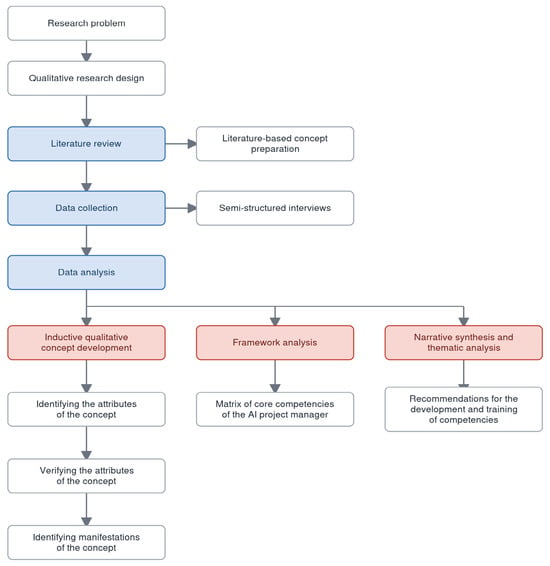
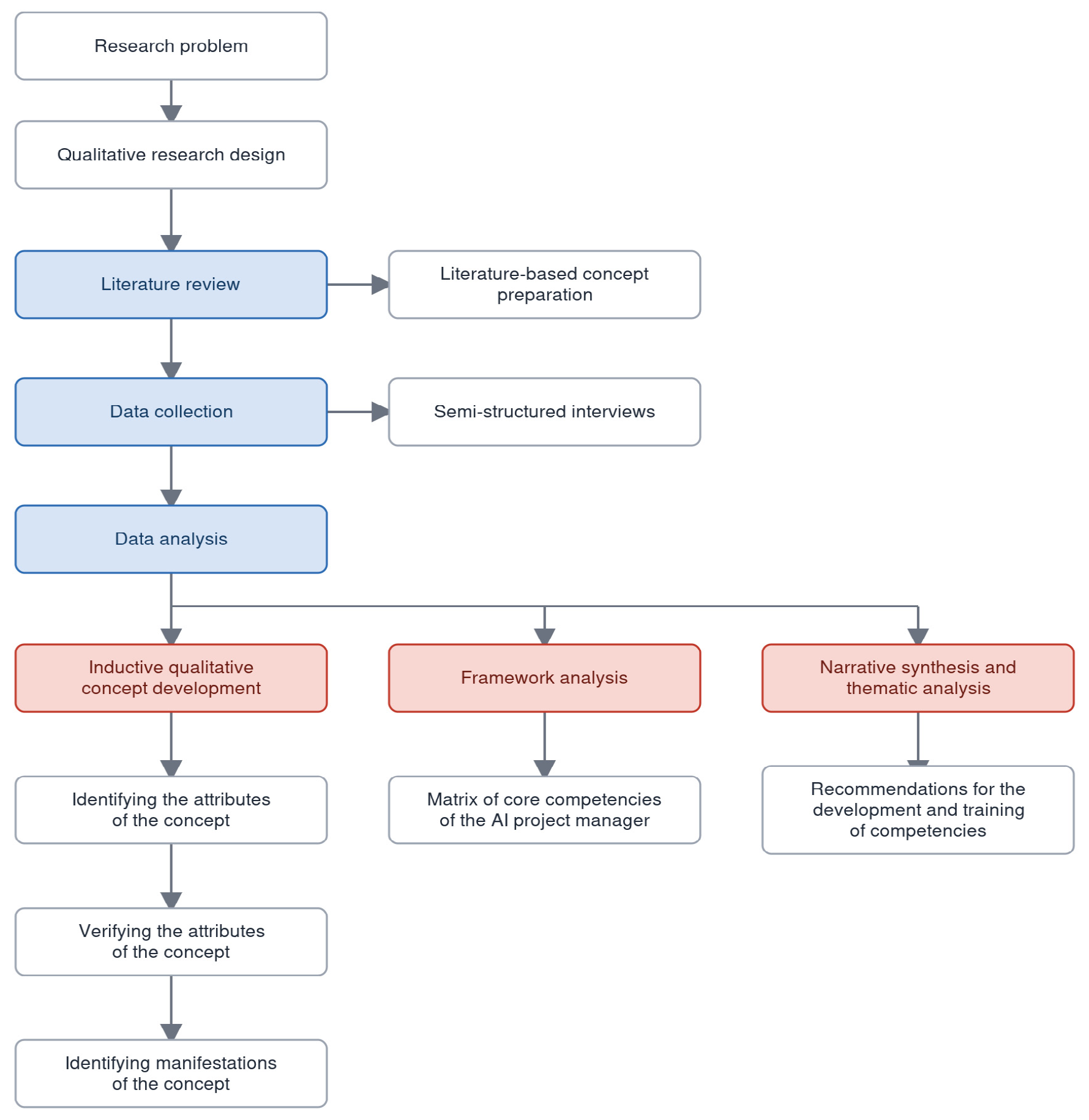

Disclaimer/Publisher’s Note: The statements, opinions and data contained in all publications are solely those of the individual author(s) and contributor(s) and not of MDPI and/or the editor(s). MDPI and/or the editor(s) disclaim responsibility for any injury to people or property resulting from any ideas, methods, instructions or products referred to in the content. |
© 2026 by the authors. Licensee MDPI, Basel, Switzerland. This article is an open access article distributed under the terms and conditions of the Creative Commons Attribution (CC BY) license.