


Abstract
Small and medium-sized enterprises (SMEs) in emerging markets face a critical challenge: how to leverage digital transformation to improve efficiency and sustain competitive advantage despite constrained financial and human resources. This study addresses this problem by examining how distinct dimensions of digital transformation affect SME operational efficiency and, in turn, sustained competitive advantage. Grounded in the Resource-Based View (RBV) and Industrial Organization-Based Strategy (IO), the present study conceptualizes digital transformation through three theoretically distinct sub-dimensions, digital strategic orientation (DSO), digital adaptive capability (DAC), and digital technology sophistication (DTS), and model operational efficiency as a mediating pathway to sustained competitive advantage. Data collected via a structured survey administered to 216 Turkish manufacturing and service SMEs operating in Istanbul were analyzed using variance-based structural equation modeling (PLS-SEM) with SmartPLS 4. The findings reveal that all three digital transformation sub-dimensions positively and significantly influence operational efficiency, which in turn strongly predicts sustained competitive advantage. A formal mediation analysis confirms that operational efficiency mediates the effects of all three digital transformation dimensions on sustained competitive advantage, with partial mediation for digital strategic orientation and indirect-only mediation for digital adaptive capability and digital technology sophistication. These results advance theoretical understanding by demonstrating that digital transformation operates as a capability-building process consistent with RBV logic, and that strategic digital orientation, rather than technological sophistication, is the dominant driver of efficiency gains. Practically, the findings indicate that SMEs should prioritize embedding digital strategy into corporate planning, developing structured digital upskilling programs for managers and employees, and investing in scalable cloud-based and AI-enabled infrastructure to achieve cost efficiency and competitive positioning.
1. Introduction
While the importance of digitalization is often acknowledged in today’s economy, the precise mechanisms through which digital transformation improves SME efficiency and sustains competitive advantage, particularly in emerging market contexts, remain insufficiently understood (Lee & Falahat, 2019; Zhang et al., 2022). SMEs represent a distinctly important yet underserved context for such inquiry. Unlike large corporations, SMEs typically operate under severe resource constraints: limited financial capital, restricted access to digital talent, and greater vulnerability to the upfront costs of technology adoption (Civelek et al., 2023; Khurana et al., 2022; Omrani et al., 2024). These structural disadvantages mean that the nature and impact of digital transformation in SMEs differ fundamentally from those observed in large firms, and findings from large-firm studies cannot be directly applied to the SME context.
Despite a growing body of research on SME digitalization, existing studies remain fragmented in three important ways. First, digital transformation is frequently operationalized narrowly as technology adoption or digital-tool usage, overlooking its strategic and capability-building dimensions (Omrani et al., 2024; Pfister & Lehmann, 2023). Second, prior studies largely examine isolated aspects of digitalization rather than integrating strategic orientation, adaptive capability, and technological sophistication into a unified framework (Khin & Ho, 2019; Zhang et al., 2022). Third, while digitalization is commonly associated with improved performance, the mechanism through which it translates into sustained competitive advantage, particularly via operational efficiency, remains insufficiently theorized and tested in SME settings (Lee & Falahat, 2019; Mishrif & Khan, 2023).
The relationship between digitalization and operational efficiency itself is comparatively well established: digital transformation reduces operating costs and raises productivity by automating routine tasks, enabling access to new markets, and supporting data-driven decision-making (Khin & Ho, 2019; Kyshakevych et al., 2024; Matalamäki & Joensuu-Salo, 2022; Rossato & Castellani, 2020; Saáry et al., 2022; Vide et al., 2022). What is missing is an integrated account of how the strategic, adaptive, and technological facets of digital transformation jointly convert into efficiency, and how that efficiency in turn secures durable competitive advantage.
The present study addresses these gaps by developing and empirically testing a multidimensional digital transformation framework grounded in the Resource-Based View and the dynamic-capabilities perspective. A central question in business research is: why do certain firms consistently outperform others? Over the years, two dominant theoretical perspectives have emerged to explain this phenomenon: Industrial Organization-Based Strategy (IO) and the Resource-Based View (RBV). The IO framework emphasizes external opportunities and threats, as seen in SWOT analysis, while the RBV focuses on internal strengths and weaknesses. These theories provide distinct yet complementary explanations for differences in firm performance (McGahan & Porter, 1997). In the context of digital transformation, these perspectives intersect—digitalization represents an external force that reshapes competition, requiring firms to develop internal capabilities to adapt and remain competitive. Accordingly, the present study conceptualizes digital transformation through three interrelated but theoretically distinct dimensions, digital strategic orientation, digital adaptive capability, and digital technology sophistication, and examines how each influences sustained competitive advantage through operational efficiency. The contribution is therefore mechanism-oriented rather than a confirmation of the raw digitalization–performance association: it specifies operational efficiency as the direct channel that links capability-building to durable advantage, and it identifies which dimension of digital transformation matters most in a resource-constrained emerging-market setting.
In light of the gap outlined above, the present study addresses two research questions: (1) Do the individual dimensions of digital transformation, digital strategic orientation (DSO), digital adaptive capability (DAC), and digital technology sophistication (DTS), each independently and positively influence operational efficiency in SMEs? (2) Does operational efficiency mediate the relationship between these digital transformation dimensions and sustained competitive advantage?
This study offers a novel contribution to the SME literature by demonstrating that digital transformation is not merely a technological upgrade but a strategic necessity for enhancing operational efficiency in a competitive business environment. This integration of digital transformation, efficiency, and competitiveness is a key contribution to the SME literature.
In this context, this paper argues that digitalization is both an external challenge and an internal capability-building tool. SMEs must integrate digital strategy into corporate strategy, understand available technologies, and develop adaptive capability to leverage digitalization for operational efficiency and competitive advantage. By adopting this integrated approach, firms can not only respond to external market pressures but also build distinctive capabilities that differentiate them from competitors.
2. Theoretical Framework
2.1. Digital Transformation and Its Dimensions
Digitalization and digital transformation are essential for enhancing firms’ efficiency, effectiveness, and performance (Gonzalez et al., 2024). To leverage the opportunities presented by digitalization, organizations must fully integrate it into their operations. Digitalization offers a wide range of operational benefits. These include access to new markets (Matalamäki & Joensuu-Salo, 2022), automation of routine tasks, and personalization of products and services (Lähteenmäki et al., 2022). Firms also benefit from improved access to financial services, facilitated e-commerce, support for internationalization, and more effective long-term business planning (Costa & Castro, 2021; Lányi et al., 2021; Rossato & Castellani, 2020; Vide et al., 2022). Pfister and Lehmann (2023) identified five benefits of digital transformation: increased revenue-generating capacity, improved customer and employee satisfaction, greater efficiency, and higher productivity. Together, these factors enable SMEs to gain a competitive advantage (Ciurea et al., 2021; Costa & Castro, 2021; Kahveci, 2021; Khurana et al., 2022; Martínez-Peláez et al., 2023; Neumeyer et al., 2021; Rossato & Castellani, 2020; Sousa-Zomer et al., 2020).
Digitalization facilitates the utilization of digital information to enhance business performance, create new revenue streams, reduce operational costs (Kyshakevych et al., 2024), and improve customer experiences (Lähteenmäki et al., 2022; Radicic & Petković, 2023). Digital strategic orientation reflects the degree to which firms embed digital technologies and digital thinking into their strategic planning and decision-making processes (Kahveci et al., 2024; Mishrif & Khan, 2023; Pfister & Lehmann, 2023). It offers significant value through the strategic application of digital technologies (Kahveci et al., 2026; Vial, 2019). Additionally, digitally capable firms should demonstrate commitment and readiness to embrace new technologies, allowing them to develop innovative products that confer a sustained competitive advantage (Khin & Ho, 2019; Zhang et al., 2022). Although investments in and adoption of digital technologies may negatively impact short-term firm performance due to high costs (Wong et al., 2020), they positively affect firm performance in the long run (Gergin et al., 2019; Roman & Rusu, 2022). Lee and Falahat (2019) also suggest that firms should not expect immediate gains from digitalization, particularly with respect to price, as digitalization can be costly and may not yield short-term financial benefits.
The findings of Khalil and Belitski’s (2020) emphasize the critical importance of IT governance mechanisms in harnessing digital capabilities due to the substantial direct effect on firm performance compared to the operational domain. This implies that to achieve higher firm performance in sales and new product development, managers should prioritize the development of digital capabilities with an emphasis on digital skills within the managerial and strategic domains of IT governance. Ardiansyah (2023) finds that technology awareness, resource availability, digital skills, and the regulatory environment all significantly shape SMEs’ adoption of digital business models. Once adopted, these models help firms expand their market reach and broaden their customer base. They also drive operational efficiency gains and strengthen overall competitiveness.
Merely prioritizing investment in digital technologies is insufficient; It is equally crucial to evaluate existing technologies and develop a digitalization roadmap (Omrani et al., 2024). This roadmap should prioritize investment in digital skills and competencies, including training and e-skills development (Al-Ajlouni et al., 2024; Civelek et al., 2023; Omrani et al., 2024; Roman & Rusu, 2022). It should also address improvements in information system efficiency and strategic IT budget allocation (Roman & Rusu, 2022). Beyond technology investment, fostering information literacy and equipping growth-oriented managers with combined ICT, management, and entrepreneurship skills are equally important (Griffy-Brown & Chun, 2007; Khalil & Belitski, 2020; Sousa-Zomer et al., 2020). A fully integrated approach is crucial for successful digital transformation (Omrani et al., 2024). Civelek et al. (2023) emphasize that SME executives’ perceptions play a crucial role in addressing the challenges encountered throughout the digital transformation process. Digital strategic orientation reflects management’s commitment to making digitalization a strategic priority. It encompasses the alignment of digital initiatives with corporate objectives and the deliberate use of digital technologies to strengthen competitive positioning (Omrani et al., 2024).
Wang and Bai (2024) suggest that digitalization plays a significant role in the business recovery process of firms by enhancing restructuring outcomes. Specifically, digitalization positively moderates the impact of asset and cost reductions on firm recovery. It also strengthens the effect of new product introductions, ultimately supporting renewed growth and improving the effectiveness of restructuring efforts (Khurana et al., 2022; Radicic & Petković, 2023). The results of Hwang and Kim (2022) demonstrate that incorporating digital technologies (DTs) such as AI, Big Data, and robotics into production significantly boosts productivity for adopters compared to non-adopters. They also emphasize the importance of forming strategic alliances, which are crucial for SMEs looking to implement new technologies effectively.
Martinelli et al. (2021) argue that digital transformation strategies must be shaped by redefining core business concepts—such as efficiency, performance, competitiveness, productivity, cost advantage, and economies of scale—through the lens of emerging digital technologies.
Bai et al. (2023) examined the relationship between IT capability, firm agility, and performance, finding that IT capability directly enhances agility and indirectly improves performance through agility, indicating a partial mediation effect. As a dynamic capability, IT enables firms to adapt to market changes, thereby fostering agility and strengthening competitive advantage.
Neumeyer et al. (2021) emphasize the role of digital literacy in enhancing technology absorption capacity, which positively influences technology adoption, leading to improved efficiency, value creation, and innovation. Similarly, Espina-Romero et al. (2025) highlight digital competencies as the primary driver of digital transformation, directly impacting a firm’s ability to adopt and integrate new technologies. Alrub and Sánchez-Cañizares (2025) further underscore the importance of digital capabilities and strategic planning for digital transformation.
2.2. Operational Efficiency
Operational efficiency refers to performing tasks in the most optimal way, achieving the desired output with the least amount of resources (time, money, effort) (Achabal et al., 1984; Andrejić, 2013; Markovits-Somogyi & Bokor, 2014). Within the RBV framework, operational efficiency constitutes a valuable organizational capability: firms that develop digital resources enabling more efficient production and service delivery are better positioned to sustain competitive advantage (J. Barney, 1991). From an IO perspective, operational efficiency reduces cost structures and strengthens competitive positioning within the industry (Porter, 1998). Operational effectiveness generally means achieving the desired outcomes or goals—doing the “right things” to deliver value, often maximizing impact with minimal resources (Achabal et al., 1984; Andrejić, 2013) Digitalization enhances efficiency and productivity by optimizing both input and output processes. It allows companies to increase output without raising input levels, reduce inputs while maintaining output, or achieve both simultaneously. The model in this paper uses operational efficiency as a mediating variable linking digital transformation dimensions (DSO, DAC, DTS) to sustained competitive advantage.
Kyshakevych et al. (2024) analyzed European countries to assess digital adoption efficiency based on economic outcomes. Their findings reveal that, surprisingly, some countries with strong macroeconomic indicators exhibit lower digital efficiency, suggesting that less developed or developing countries may use digitalization more effectively. Additionally, they found that larger corporations are generally more efficient in their digital transformation than SMEs, with investments in digitalization yielding more impactful results for these larger firms. Specifically, digital transformation efforts in large businesses within EU countries have shown higher economic impacts, especially regarding economic growth, investment, and international trade, compared to those observed in SMEs. Their study demonstrates that digital transformation expenses are more effectively compensated by large firms than by SMEs in the EU (Kyshakevych et al., 2024).
Efficiency refers to the ratio of actual input (e.g., production, labor, capital utilization) to the potential output that could be achieved with existing resources, knowledge, and technology. It emphasizes maximizing output while minimizing resource use, effort, or waste (Achabal et al., 1984; Andrejić, 2013; Markovits-Somogyi & Bokor, 2014). Efficiency can be improved by increasing output while maintaining input levels, reducing inputs while keeping output constant, or simultaneously increasing output and reducing inputs. Additionally, firms may enhance efficiency by utilizing existing labor and capital more effectively, potentially at lower compensation levels.
Digitalization plays a crucial role in enhancing efficiency by enabling companies to optimize resource utilization, streamline processes, and automate repetitive tasks. By integrating digital technologies, firms can achieve higher output with fewer resources, reduce operational inefficiencies, and enhance decision-making through data-driven insights (Khin & Ho, 2019). As a result, digital transformation not only improves cost efficiency but also boosts overall business performance and competitiveness. Hossain et al. (2024) demonstrated that the adoption of e-commerce platforms among SMEs positively impacts entrepreneurial performance.
While efficiency focuses on optimal utilization of resources, effectiveness is concerned with achieving strategic goals and ensuring that outputs align with intended objectives—essentially, “doing the right things” (Achabal et al., 1984; Andrejić, 2013; Markovits-Somogyi & Bokor, 2014). In contrast, performance typically measures the ratio of actual output to a predefined standard or expected level (Mentzer & Konrad, 1991).
2.3. Competitive Advantage
2.3.1. Competitive Advantage and Its Theoretical Foundations
Competitive advantage refers to a firm’s ability to outperform its competitors by leveraging unique skills, competencies, resources, knowledge, strategies, or other assets that differentiate it in the marketplace. Competitive advantage is achieved when a firm creates more value for customers than that of its competitors (Feurer & Chaharbaghi, 1994; Kaleka & Berthon, 2006). Methods for gaining competitive advantage include offering competitive prices, delivering higher quality products or services, differentiating the markets, and responding more swiftly to changing customer demands. The literature suggests that businesses can follow three fundamental strategies to achieve competitive advantage: low-cost leadership, differentiation, and focus strategy, which target only a specific market segment within the scope of these two approaches (Porter, 1998). Competitive advantage can be achieved through strategies that either reduce costs while maintaining revenue, increase revenue through differentiation while holding costs steady, or adjust both costs and revenue simultaneously—known as ambidextrous strategies. In their eight case studies of German SMEs, Pfister and Lehmann (2023) empirically demonstrated the strategic benefits of digitalization on firm performance.
The IO-based strategy, developed by Porter (1998), is rooted in industrial economics and the Structure–Conduct–Performance paradigm. According to this theory, competitive advantage is derived from the structure of the industry in which a firm operates. The key idea is that the structure of an industry—determined by factors such as competitive rivalry, entry barriers, and the bargaining power of buyers and suppliers—dictates the performance of firms within that industry. Firms with significant market power can set prices above competitive levels and protect their position through entry barriers. This leads to sustained performance differences among firms, with those in more protected or less competitive industries enjoying better performance (McGahan & Porter, 1997).
In contrast, the Resource-Based View (RBV), developed by scholars such as J. Barney (1991), J. B. Barney (2001), Rumelt (1984), and Wernerfelt (1984, 1989), focuses on the firm’s internal resources and capabilities. This theory argues that it is not the external environment but rather a firm’s unique resources—such as its knowledge, skills, competencies, and assets—that drive its competitive advantage. According to the RBV, firms possessing valuable, rare, inimitable, and non-substitutable (VRIN) resources can sustain superior performance because these resources are difficult for competitors to replicate (J. Barney, 1991). Firms that effectively combine and leverage these resources can deliver greater value to customers, which in turn enhances their performance. The RBV explains performance differences between firms based on the heterogeneity of their resources and capabilities (Makadok & Barney, 2001; Peteraf, 1993; Teece et al., 1997).
2.3.2. Digital Transformation and Competitive Advantage
In this context, digitalization can be viewed through both theoretical lenses, highlighting its complex role in modern business strategy. From Porter’s (1998) perspective, digitalization reshapes the industry structure, intensifying competition and reshaping interactions among market players. Digital technologies lower barriers to entry by reducing operational costs and enabling new entrants to challenge established firms like electric cars did in the automotive industry. Furthermore, digitalization empowers consumers with more information and choices, increasing their bargaining power, while suppliers can optimize their operations through digital platforms, shifting industry dynamics. Therefore, digitalization, in the industry structure framework, acts as an external force that reshapes the competitive landscape and firms’ relationships within it.
On the other hand, Barney’s resource-based view (RBV) considers digitalization as a firm-specific capability that can sustain competitive advantage. Firms that effectively integrate digital technologies—such as artificial intelligence, cloud computing, big data analytics, and automation—can develop unique and inimitable resources. These digital capabilities enhance operational efficiency, improve decision-making, and enable innovation, enabling firms to outperform competitors. When embedded in a firm’s strategy, digitalization becomes a valuable resource that is difficult for rivals to replicate, aligning with Barney’s criteria of resources being valuable, rare, inimitable, and non-substitutable (VRIN).
Bokša et al. (2020) support Porter’s view, noting that during economic recessions, SMEs experience intensified pressure to increase efficiency, particularly benefiting those with advanced digitalization programs. On the other hand, during the economic boom, this pressure to enhance efficiency and optimize operations through digitalization is significantly reduced (Bokša et al., 2020). Similarly, Rajala and Hautala-Kankaanpää (2023) find that the impact of platform-based digital connectivity depends on the level and type of environmental turbulence; in highly turbulent environments, PDC can improve operational performance. Additionally, Shahzad and Hafeez (2022) discover that engaging with external actors facilitates SMEs in adopting emerging technologies which in turn helps them to achieve business model innovation and sustain competitive advantage. In contrast, Omrani et al. (2024) suggest that SMEs’ digital technology adoption is driven primarily by internal factors, with external pressures playing a minimal role. Their findings align with Barney’s perspective, suggesting that digitalization acts as an internal resource enabling competitive advantage. The decision to adopt digital technologies is shaped primarily by the technological context—such as existing IT infrastructure and prior digital exposure among organization members—followed by the organizational context, which includes factors like innovation rate, employee skills, corporate regulations, and financial resources.
2.3.3. Operational Efficiency as the Mediating Mechanism
Evidence on the digitalization–advantage link is mixed in a theoretically informative way. Lee and Falahat (2019) show that, for Malaysian SMEs, digitalization on its own cannot guarantee sustained competitive advantages in price, product, or service in international markets. Rather, it indirectly supports competitiveness by helping firms develop international capabilities, which in turn enhances product and service advantages. Thus, digitalization serves as an essential but indirect driver of SMEs’ international competitiveness (Lee & Falahat, 2019).
Mishrif and Khan (2023) similarly report that continuous digital transformation is essential for SMEs to sustain customer satisfaction and remain competitive. Their study demonstrates a significant partial mediation effect of digitalization, technology adoption, and e-commerce usage on the relationship between operational factors (such as sales and customer satisfaction) and SMEs’ overall performance during COVID-19. COVID-19 accelerated the SME’s technology transformation process.
Oh and Kim (2023) explore the impact of advanced digital technologies (ADTs) on firm performance indicators, such as sales growth, labor productivity, and exports. The study finds that the benefits of ADT adoption are influenced by a firm’s productivity level and performance types, with high-productivity firms seeing the most significant advantages due to their complementary assets and ability to leverage multiple technologies in synergy. This suggests that more productive firms gain greater benefits from ADT adoption (Oh & Kim, 2023). Pfister and Lehmann (2023) categorize the benefits of digitalization into two main areas: financial and strategic. Financial benefits include efficiency, cost reduction, productivity growth, improved competitive positioning, and increased sales. Strategic benefits involve enhanced customer satisfaction, access to new markets, innovation, brand awareness, strengthened security, improved employee satisfaction, environmental protection, and knowledge gains. The impact of digitalization on firm performance can be assessed through metrics such as market share, productivity increase, and cost reduction (Calderon-Monge & Ribeiro-Soriano, 2024; Pfister & Lehmann, 2023).
The literature reviewed above converges on a single implication: the strategic, adaptive, and technological dimensions of digital transformation are antecedents of capability, but their competitive payoff materializes only once they have improved how the firm operates. Operational efficiency is the natural locus of that conversion. It is the point at which digital strategy (DSO), the capacity to absorb digital change (DAC), and the sophistication of deployed technologies (DTS) translate into lower cost, faster delivery, reduced waste, and more reliable production, the tangible improvements that customers and markets reward. Modeling efficiency as the mediator therefore aligns the empirical specification with the theoretical mechanism implied by both the RBV and IO traditions and explains why prior studies that tested a direct digitalization–advantage path (e.g., Lee & Falahat, 2019) obtained weak or null results. This reasoning leads to the hypotheses developed in Section 2.4.
2.4. Hypotheses and Conceptual Framework
The research framework has been built up from the literature (Figure 1). There is no clear consensus in the literature regarding the subcategories of digital transformation, which is defined as the change in business processes, models, and organizational structures through the adoption of digital technologies (Galindo-Martín et al., 2019; Kahveci, 2025; Li et al., 2023). It enables cost savings, advanced technology applications, efficient resource allocation, and diversified innovation strategies (Kahveci, 2025; Li et al., 2023).
Figure 1.
Research Model.
To measure the impact of digital transformation on operational efficiency and sustained competitive advantage, rather than using a single variable, the present study constructs three subcategories—DSO, DAC, and DTS—and theorizes their effect on operational efficiency, which in turn is expected to enhance sustained competitive advantage.
Digital strategy orientation reflects the degree to which firms embed digital technologies and digital thinking into strategic planning and decision-making (Mishrif & Khan, 2023; Pfister & Lehmann, 2023). Digital technology sophistication captures the breadth, depth, and advancement of digital technologies deployed within an organization (Oh & Kim, 2023). Digital adaptive capability represents a firm’s ability to effectively adapt to and integrate new digital technologies, platforms, infrastructures, and business models (Leso et al., 2024; Prakasa & Jumani, 2024; Schönberger, 2023). Treating these as distinct but complementary facets allows the study to test which aspect of digital transformation most strongly drives efficiency, rather than collapsing digitalization into a single undifferentiated construct.
When firms embed digitalization into corporate and operational strategy, develop the capability to adapt digital tools, and deploy sophisticated technologies, they are better able to enter new markets, automate routine tasks, raise product and service quality, accelerate delivery, and support long-term planning. These improvements reduce cost and raise productivity, improving operational efficiency, which ultimately yields durable competitive advantage. Accordingly, the following hypotheses are proposed:
H1.
Digital strategic orientation has a positive impact on operational efficiency.
H2.
Digital adaptive capacity positively affects operational efficiency.
H3.
Digital technology sophistication positively influences operational efficiency.
H4.
Operational efficiency positively impacts sustained competitive advantage.
Hypotheses and supporting literature are given in Table 1.
Table 1.
Hypotheses and supporting literature.
3. Materials and Methods
This section details the methodology and data collection. Figure 2 illustrates the flow diagram of the research methodology.
Figure 2.
Research Methodology Diagram.
Survey and Data Gathering
To test the hypothesis and assess the impact of digitalization on SMEs’ operational efficiency and competitive advantage in Türkiye, a structured questionnaire was designed to capture key variables, including digitalization strategy, digital technology adaptation capacity, digital technology level, operational efficiency, and competitive advantage. Prior to full-scale data collection, a pilot study was conducted with 10 participants to verify the survey instrument’s clarity, validity, and reliability. Based on pilot feedback, minor revisions were made to improve question wording and structure.
To ensure linguistic accuracy and conceptual consistency, the survey was translated into Turkish using a back-translation technique. A second translator independently translated the Turkish version back into English, and discrepancies were resolved through discussion. This process minimized translation-related biases and improved the reliability of responses (Gölgeci et al., 2019).
The study focused on SMEs in Türkiye’s manufacturing and service sectors, particularly those operating in Istanbul. Istanbul was selected due to its economic significance, hosting over quarter of Türkiye’s SME activity and serving as a hub for digital transformation (Istanbul Development Agency, 2024). Firms were identified through databases from the Union of Chambers and Commodity Exchanges of Turkey and the Istanbul Chamber of Commerce, ensuring a representative sample of active businesses. Sectoral classifications were based on official data from the Social Security Institution to achieve a balanced industry representation.
Data were collected by a professional survey firm from small and medium-sized enterprises operating in Istanbul, Turkey. The data collection was conducted as part of a broader multi-study research program examining digital transformation, resilience, and competitiveness in Turkish SMEs, with each study addressing distinct research questions and theoretical frameworks. Related studies from this research program include Kahveci et al. (2024), which examined Industry 4.0 implementation and the mediating role of process management, and Kahveci et al. (2025), which investigated flexibility, digitalization, and crisis response strategies during COVID-19. The present study introduces the three-dimensional digital transformation framework (DSO, DAC, DTS) and examines operational efficiency as a mediator between digital transformation and sustained competitive advantage, constructs and relationships not examined in prior studies within this program.
Using a simple random sampling method, 500 firms were invited to participate in the survey. To enhance response rates, the survey firm conducted follow-ups and assured respondents of confidentiality. Of the 500 firms contacted, 216 provided valid responses, yielding a response rate of 43.2%. This response rate is considered strong given the inherent challenges of survey-based research, particularly in engaging senior management and addressing confidentiality concerns in the Turkish SME context.
Data collection involved a structured questionnaire with a 5-point Likert scale ranging from 1 (strongly disagree) to 5 (strongly agree). Demographic questions about company characteristics and respondent profiles were also included.
Survey questions were adapted from established scales in the literature. To measure the impact of digitalization on operational efficiency, three key variables were used: digital strategic orientation (DSO) (adopted from Kahveci et al. (2024), Nwaiwu et al. (2020), digital adaptive capability (DAC) and digital technology sophistication (DTS) (adopted from H. Guo et al. (2020), Kahveci et al. (2025) and Khin and Ho (2019)). Consequently, operational efficiency (OE) and sustained competitive advantage (SCA) (adopted from Kahveci et al. (2024), Nwaiwu et al. (2020)). In each case, construct items were selected and adapted to align with the specific theoretical framework of the present study.
4. Results
This paper utilized variance-based structural equation modeling (PLS-SEM) to analyze the proposed research model (Figure 1) by using the Smart PLS software (Smartpls4) (Ringle et al., 2022). PLS-SEM was selected because the study aims to examine theoretically derived relationships while maintaining a predictive orientation. In addition, PLS-SEM is suitable for models involving multiple latent constructs, mediation effects, and potentially non-normally distributed indicators (Hair et al., 2017).
4.1. Sample Characteristics
The majority of respondents (75.5%) were either the owner or a senior manager. The sample comprises 23.6% manufacturing firms and 76.4% service firms. In terms of business longevity, 54.6% of firms have been operating for less than 14 years, while 45.4% have been in business for more than 14 years. Regarding firm size, 67.6% of the sample consists of micro-enterprises, while 23.3% are small and medium-sized enterprises (SMEs). Among the respondents, 54.4% were women, 62% held a bachelor’s degree or higher, and 69.1% had more than 10 years of experience at their company.
Detailed descriptive statistics about the participating enterprises are presented in Table 2.
Table 2.
Demographic characteristics of the sample.
4.2. Measurement Model: Reliability and Convergent Validity
To ensure construct validity, a confirmatory measurement model was estimated and assessed for convergent and discriminant validity. Convergent validity reflects how well a given construct correlates with other indicators measuring the same underlying concept (Hair et al., 2017).
To evaluate this, the following measures are examined Cronbach’s alpha (α), Composite Reliability (CR), Average Variance Extracted (AVE), and factor loadings (Fornell & Larcker, 1981). Table 3 presents the internal consistency reliability, where α values exceed the recommended threshold of 0.70 (Hair et al., 2017). Additionally, CR values for all constructs surpass 0.80, reinforcing their reliability. Lastly, as all AVE values are above 0.50, convergent validity is supported (Fornell & Larcker, 1981).
Table 3.
Measurement model assessment: Reliability and convergent validity.
The factor loadings of the indicators exceed the acceptable threshold of 0.70, confirming strong measurement quality (Malhotra, 2020). Moreover, the Variance Inflation Factor (VIF) values for all indicators remain below the recommended threshold of 5, indicating that multicollinearity was not a concern (Hair et al., 2017). These findings validate the robustness of the measurement model, ensuring its reliability for subsequent structural analysis and establishing a solid foundation for assessing the structural relationships between the constructs.
4.3. Discriminant Validity
Discriminant validity was assessed using the Fornell-Larcker criterion, which evaluates whether constructs are distinct from one another within the measurement model. According to this criterion, the square root of each construct’s AVE should exceed its highest correlation with any other construct (Fornell & Larcker, 1981).
As shown in Table 4, the square roots of the AVE values (diagonal elements) for all constructs exceeded their corresponding inter-construct correlations (off-diagonal elements), satisfying the Fornell–Larcker criterion. For instance, the AVE square root for DSO was 0.800, exceeding its highest correlation with OE (0.670). Similarly, the AVE square root for DAC was 0.853, which was higher than its strongest correlation of 0.678 with DTS. These findings confirm that each construct is uniquely measured and empirically distinct from the others, providing strong evidence of discriminant validity and supporting the overall reliability and validity of the research.
Table 4.
Discriminant validity- The Fornell and Larcker criterion.
Additionally, the Heterotrait–Monotrait Ratio (HTMT) is applied to further validate discriminant validity (Henseler et al., 2016). The HTMT threshold is 0.85; values below this level indicate satisfactory discriminant validity. The HTMT matrix confirmed that all constructs met this criterion, with values ranging from 0.425 to 0.803—well within the acceptable range (Table 5). These results further strengthen the evidence for the model’s validity and reliability.
Table 5.
HTMT Ratio for assessing discriminant validity.
Additionally, indicator-level discriminant validity was assessed using the cross-loadings matrix (Appendix A, Table A1). Each indicator loaded highest on its respective construct and substantially lower on the remaining constructs, providing further evidence that the measurement items were empirically distinct. Certain indicators (e.g., DAC1, DTS5, OE3) exhibit cross-loadings above 0.50 on adjacent constructs; however, in every case the indicator’s loading on its own construct remains the highest value in its row, which satisfies the cross-loadings criterion for discriminant validity (Chin, 1998; Hair et al., 2020).
4.4. Structural Model
After confirming reliability and validity, the structural model was evaluated using R2 and Q2 (Table 6). The R2 value represents the proportion of variance explained by the independent variables for each dependent construct, while the Q2 value assesses the predictive relevance of the model (Hair et al., 2020).
Table 6.
Explanatory power and predictive relevance of the structural model.
As shown in Table 6, the R2 values indicate that the model explains a substantial amount of variance in key constructs. Specifically, the R2 value for SCA is 0.434, and for OE, it is 0.559, meaning that the model accounts for 43.4% and 55.9% of the variance in these constructs, respectively. According to Chin (1998), R2 values above 0.33 indicate moderate explanatory power, while values above 0.50 suggest substantial explanatory strength. Therefore, the results suggest that the model has moderate to high explanatory power for these dependent variables. Moreover, the adjusted R2 values were very close to the corresponding R2 values, indicating the stability and robustness of the structural model.
To further assess the predictive relevance of the model, the Q2 values were examined using the methodology outlined by Afum et al. (2020). As per Hair et al. (2017), a Q2 value greater than zero confirms that the model has predictive validity. The Q2 value for SCA is 0.334, indicating moderate predictive relevance, while the Q2 value for OE is 0.536, suggesting strong predictive power for this construct. These findings reinforce the robustness of the structural model in terms of both explanatory and predictive capabilities. In addition, the inner VIF values ranged from 1.301 to 2.262, remaining well below the recommended threshold of 3.3, indicating that multicollinearity was not a concern. Furthermore, the SRMR value of 0.057 was below the recommended threshold of 0.08, suggesting that the structural model indicating a satisfactory level of model fit according to commonly used PLS-SEM criteria.
As shown in Table 7, the effect size (f2) analysis indicated that DSO exerted a large effect on OE (f2 = 0.418), making it the strongest predictor of OE in the proposed model. In contrast, DAC (f2 = 0.083) and DTS (f2 = 0.021) exhibited small effect sizes. Furthermore, OE had a large effect on SCA (f2 = 0.765), highlighting its substantial contribution to explaining firms’ sustained competitive advantage.
Table 7.
Effect sizes (f2) of the structural model.
Figure 3 illustrates the structural model and presents the standardized path coefficients and significance levels of the hypothesized relationships among the constructs.
Figure 3.
Structural model estimation results.
4.5. Hypothesis Testing: Direct and Indirect Effects
The hypothesized direct relationships were assessed, and the results are presented in Table 8. All four hypothesized relationships were statistically significant, providing support for H1–H4.
Table 8.
Hypothesis Testing.
The results indicate that Digital Strategic Orientation has a significant positive effect on Operational Efficiency (β = 0.490, t = 9.623, p < 0.001), supporting H1. This finding suggests that firms with a stronger digital strategic orientation are better positioned to enhance their operational efficiency. Similarly, Digital Adaptive Capability positively influences Operational Efficiency (β = 0.272, t = 4.011, p < 0.001), supporting H2, indicating that firms’ ability to adapt to digital transformation contributes to improved operational performance. Furthermore, Digital Technology Sophistication has a significant positive effect on Operational Efficiency (β = 0.134, t = 2.117, p = 0.034), supporting H3. Although the magnitude of this effect is smaller than those of DSO and DAC, the relationship remains statistically significant. Finally, Operational Efficiency positively affects Sustained Competitive Advantage (β = 0.468, t = 6.170, p < 0.001), supporting H4 and demonstrating that improvements in operational efficiency contribute to firms’ ability to achieve sustainable competitive advantage.
To further examine whether Operational Efficiency acts as a mechanism linking digital capabilities to Sustained Competitive Advantage, a mediation analysis was conducted. Direct and indirect effects were simultaneously assessed to determine the nature of the mediation relationships. The mediation results are presented in Table 9.
Table 9.
Mediation Analysis: Direct, Indirect, and Total Effects.
The indirect effect of Digital Adaptive Capability on Sustained Competitive Advantage through Operational Efficiency was positive and statistically significant (β = 0.127, t = 3.177, p = 0.001), whereas the corresponding direct effect was not significant (β = 0.124, p = 0.146). Accordingly, Operational Efficiency fully mediated the relationship between Digital Adaptive Capability and Sustained Competitive Advantage, suggesting that adaptive digital capabilities create competitive value primarily through operational efficiency improvements.
Similarly, the indirect effect of Digital Strategic Orientation on Sustained Competitive Advantage through Operational Efficiency was significant (β = 0.229, t = 5.053, p < 0.001). Since the corresponding direct effect also remained significant (β = 0.236, p = 0.001), Operational Efficiency partially mediated the relationship between Digital Strategic Orientation and Sustained Competitive Advantage.
Finally, the indirect effect of Digital Technology Sophistication on Sustained Competitive Advantage through Operational Efficiency was significant (β = 0.062, t = 2.070, p = 0.038), whereas the corresponding direct effect was not statistically significant (β = −0.082, p = 0.296). Therefore, Operational Efficiency fully mediated the relationship between Digital Technology Sophistication and Sustained Competitive Advantage. This finding suggests that technological sophistication alone may not directly generate competitive advantage unless it is translated into improved operational efficiency. The total effects further confirm the overall influence of each digital transformation dimension to sustained competitive advantage, with the strongest total effect observed for digital strategic orientation.
A graphical representation of the final structural model is provided in Figure 4. The figure summarizes the standardized path coefficients, the R2 values of the endogenous constructs, and the additional direct paths estimated to assess the mediating role of Operational Efficiency.
Figure 4.
Final structural model with mediation effects. Note: Solid arrows represent the hypothesized relationships (H1–H4). Dashed arrows represent the direct paths included in the mediation analysis. The indirect effects were estimated using bootstrapping. * p < 0.05, ** p < 0.01, *** p < 0.001; n.s. = not significant.
5. Discussion
This study examined how three complementary dimensions of digital transformation—digital strategic orientation, digital adaptive capability, and digital technology sophistication—contribute to operational efficiency and, through this mechanism, enhance SMEs’ sustained competitive advantage.
These findings regarding the individual impacts of the three digital transformation dimensions on operational efficiency are consistent with prior research. However, while previous studies have examined different aspects of digital transformation, the integrated framework combining DSO, DAC, and DTS within a single model remains relatively underexplored. With respect to DSO specifically, findings align with Kahveci and Tambunan (2023) and Omrani et al. (2024), who document the role of strategic digital orientation in firm efficiency. Importantly, among the three dimensions examined, DSO demonstrated the strongest influence on OE, suggesting that strategic alignment may be a prerequisite for realizing value from digital transformation initiatives. This finding suggests that strategic commitment to digital transformation provides the organizational direction necessary for translating digital initiatives into measurable operational improvements. This may also explain why DSO exhibited the largest effect size among the three digital transformation dimensions. Regarding DAC and DTS, the results are consistent with studies by Khin and Ho (2019), L. Guo and Xu (2021), Kyshakevych et al. (2024), and Amankwah-Amoah et al. (2021), which investigated how digital capabilities and technology adoption improve operational outcomes. More broadly, the present findings support the growing body of evidence that digital transformation enhances operational efficiency by strengthening organizational capabilities and improving business processes (Fauzi & Sheng, 2022; Matalamäki & Joensuu-Salo, 2022; Saáry et al., 2022; Vide et al., 2022). These studies further suggest that improvements in operational efficiency and productivity enable SMEs to develop and sustain competitive advantage (Ciurea et al., 2021; Costa & Castro, 2021; Kahveci, 2021; Neumeyer et al., 2021; Rossato & Castellani, 2020; Sousa-Zomer et al., 2020).
The result confirms that operational efficiency serves as a key driver of sustained competitive advantage. The findings indicate that operational efficiency acts as an important pathway through which digital transformation contributes to sustained competitive advantage by enabling firms to improve productivity, reduce inefficiencies, respond more rapidly to market changes, and strengthen their competitive position. This finding is in line with previous studies by Ciurea et al. (2021), Costa and Castro (2021), Neumeyer et al. (2021), Rossato and Castellani (2020), Sousa-Zomer et al. (2020), which found that operational efficiency, driven by digital factors, enables SMEs to gain a sustained competitive advantage. This finding differs from Lee and Falahat (2019), who reported limited direct effects of digitalization on competitive advantage. This difference suggests that examining operational efficiency as an intermediate mechanism may provide a more nuanced explanation of how digital transformation generates competitive value. Operational efficiency is one important pathway, but not the only one: as the literature reviewed above indicates, digitalization also creates competitive value by capturing and creating new customer value, opening new markets, and enabling innovation (Pfister & Lehmann, 2023; Rossato & Castellani, 2020).
An additional contribution of this study concerns the mediating role of operational efficiency. The mediation analysis revealed that operational efficiency fully mediated the relationships between digital adaptive capability and sustained competitive advantage, and between digital technology sophistication and sustained competitive advantage, while partially mediating the relationship between digital strategic orientation and sustained competitive advantage. These findings indicate that digital capabilities alone are insufficient to generate sustained competitive advantage unless they are translated into operational improvements. In contrast, digital strategic orientation contributes both directly and indirectly through operational efficiency, highlighting the strategic importance of aligning digital initiatives with broader organizational objectives.
This discrepancy highlights the importance of this study, which investigates the relationship between digital transformation and operational efficiency rather than the direct link from digitalization to sustained competitive advantage. The findings suggest that digital transformation enables SMEs to conduct e-commerce business, reduces costs, increases revenue by expanding market reach and attracting new customers, enhances product and service quality, accelerates delivery time, and overall improves efficiency. Consequently, increased operational efficiency ultimately leads to a stronger competitive advantage.
5.1. Theoretical Contributions
The study makes three theoretical contributions. First, it integrates the strategic, adaptive, and technological angles of digital transformation into a single tested framework, rather than treating digitalization as one undifferentiated construct. Second, and most notably, it shows that digital strategic orientation (β = 0.490) exhibits a larger standardized path coefficient and effect size than the other predictors, digital adaptive capability and digital technology sophistication. This is the study’s least obvious finding: in resource-constrained SMEs, embedding digitalization into strategy matters more than the sophistication of the technology deployed, which qualifies the common assumption that advanced technology adoption is the primary lever. Third, by identifying operational efficiency as a key mediating mechanism between digital transformation dimensions and sustained competitive advantage, the study clarifies the mechanism connecting capability-building to durable advantage and explains why studies testing a direct digitalization–advantage path—such as Lee and Falahat (2019)—find weak or null effects. This interpretation is consistent with RBV logic, suggesting that digital resources generate strategic value when they are embedded into organizational capabilities and efficient routines.
A terminological clarification is warranted. The outcome construct is sustained competitive advantage in the Barney (J. Barney, 1991) sense of durable, hard-to-imitate advantage, not sustainability (environmental or ESG) performance. The two are distinct, and the present model speaks to the former. That said, because efficiency-driven competitiveness is associated with firm longevity (Rossato & Castellani, 2020), the findings carry an indirect implication for the long-term viability of SMEs.
5.2. Practical and Policy Implications
Beyond its theoretical contributions, this study also offers important managerial and policy implications. The findings provide practical guidance for SMEs and policymakers in designing and implementing digital transformation initiatives. The results suggest that:
- SMEs should approach digital transformation holistically, treating it as a comprehensive business transformation process.
- Digitalization strategy should be an integral component of corporate strategy.
- SMEs should prioritize awareness and adoption of various digital technologies and e-commerce applications.
Collectively, these recommendations emphasize that digital transformation should be viewed as a strategic organizational capability rather than solely a technological investment. In practical terms, SMEs that fail to embrace digitalization as a core business strategy risk falling behind in today’s competitive marketplace.
Moreover, policymakers and industry leaders should create enabling environments to accelerate SMEs’ digital transformation through specific, targeted measures. Policymakers should support SME digital transformation through financial incentives, digital infrastructure development, and targeted capability-building programs. Concretely, governments should provide tax incentives or co-financing schemes for SME investments in cloud computing infrastructure, AI-powered process automation, and e-commerce platforms—technologies directly linked to operational efficiency gains evidenced in this study. Digital upskilling programs should go beyond general awareness campaigns and instead focus on practical competencies: training owners and managers in using data analytics tools for operational decision-making, and equipping employees with skills for operating digital business models. Infrastructure support should specifically prioritize expanding high-speed broadband connectivity in industrial zones and providing subsidized access to enterprise resource planning and customer relationship management systems suited to SME scale.
Since SMEs are the main drivers of economic development in many emerging economies, fostering their digital transformation is not only beneficial at the firm level but also crucial for broader economic growth (Kahveci & Gurgur, 2025), competitiveness, and resilience.
Digital transformation has become a strategic necessity for SMEs to survive and succeed in today’s business context. By integrating digitalization strategy into a firm’s overall strategy and embedding technology tools into daily business and e-commerce operations, SMEs can reduce costs, increase market responsiveness, boost efficiency, and secure a long-term competitive edge.
5.3. Limitations and Future Research Directions
Despite its contributions, this study has several limitations that offer opportunities for future research. First, the study focuses on SMEs in Istanbul, Turkey’s economic and technological hub, where approximately 25% of the country’s SMEs operate. While this setting provides a relevant case for examining digital transformation in an emerging economy context, the findings may not fully represent the experiences of SMEs in other regions and countries with different economic structures, institutional and cultural frameworks, digital maturity, and access to technological resources. Future research could replicate the study in other major Turkish business centres, such as Ankara, İzmir, Bursa, and Kocaeli, and examine whether the relationships identified in this study vary across regional business environments. A cross-country comparative approach could also explore how national policies, infrastructure, and innovation ecosystems influence SMEs’ digital transformation.
Second, the study adopts a cross-sectional design, capturing data at a single point in time. While the findings offer valuable insights into the relationship between digital transformation, operational efficiency, and sustained competitive advantage, longitudinal studies tracking SMEs’ digital transformation journeys over time would offer deeper insights. Moreover, because all variables were measured through self-reported responses collected from the same respondents, the results may be subject to common-method and perceptual biases. Future studies could combine survey responses with objective financial and operational indicators and collect information from multiple respondents within each firm.
Third, this research focuses on SMEs without sectoral differentiation. Different industries may face unique digitalization challenges and opportunities due to variations in technological infrastructure, regulatory environments, and competitive pressures. Future studies could conduct industry-specific analyses, comparing digital transformation strategies in manufacturing, retail, finance, and service sectors to uncover sector-based digitalization patterns.
Fourth, digital transformation may expose SMEs to implementation and operational risks that are not directly examined in the present model. These include cybersecurity threats, data-privacy concerns, high implementation and maintenance costs, employee resistance, dependence on external technology providers, and the possibility that digital investments may not produce efficiency gains when they are not supported by appropriate strategic and organizational capabilities. Future research could examine these risks as moderators or boundary conditions affecting the relationship between digital transformation and firm outcomes.
Finally, while this study emphasizes digital strategic orientation, digital technology sophistication, and digital adaptive capability, other factors may also play a critical role in shaping digital transformation outcomes. Future research could explore additional variables such as awareness of digital technologies, organizational culture, leadership commitment, financial constraints, and external environmental factors (e.g., government policies, market competition, and supply chain digitalization). Incorporating such factors may provide a more holistic understanding of the impact of digital transformation on SMEs.
6. Conclusions
From the literature, this paper has identified three key dimensions of digital transformation: digital strategic orientation, digital adaptive capability, and digital technology sophistication. It demonstrates that SMEs that integrate digitalization strategy into their corporate strategy, possess a comprehensive understanding of available digital technologies, and successfully adapt these technologies into their business processes and e-commerce applications are more likely to achieve operational efficiency, ultimately gaining a sustained competitive advantage.
The empirical results show that each of the three digital transformation dimensions—DSO, DAC, and DTS—individually and positively influences operational efficiency, which in turn enhances sustained competitive advantage. It is important to note that this study does not establish digital transformation as the only driver of operational efficiency, as other factors not included in the model may also contribute. By examining the separate and distinct impacts of each digital transformation dimension on operational efficiency, the study offers both theoretical contributions and actionable managerial insights, emphasizing the necessity of a multi-dimensional strategic approach to digital transformation.
Overall, the findings demonstrate that digital transformation creates strategic value not simply through the adoption of digital technologies, but through their strategic alignment and effective integration into organizational operations. By identifying operational efficiency as the key mechanism linking digital transformation to sustained competitive advantage, this study contributes to a more nuanced understanding of how SMEs can translate digital initiatives into long-term competitive success.
Author Contributions
Conceptualization, E.K.; methodology, E.K., T.G. and Z.B.A.; software, T.G. and Z.B.A.; validation, T.G. and Z.B.A.; formal analysis, E.K., T.G. and Z.B.A.; resources, E.K.; writing—original draft preparation, E.K.; writing—review and editing, E.K., T.G. and Z.B.A.; visualization, E.K. and Z.B.A.; supervision, E.K. and T.G. All authors have read and agreed to the published version of the manuscript.
Funding
This research received no external funding.
Institutional Review Board Statement
Not applicable.
Informed Consent Statement
Not applicable.
Data Availability Statement
The data presented in this study are available on request from the corresponding author.
Correction Statement
This article has been republished with a minor correction to the existing affiliation information. This change does not affect the scientific content of the article.
Conflicts of Interest
The authors declare no conflicts of interest.
Abbreviations
The following abbreviations are used in this manuscript:
| AI | Artificial Intelligence |
| AVE | Average Variance Extracted |
| CR | Composite Reliability |
| DAC | Digital Adaptive Capacity |
| DSO | Digital Strategy Orientation |
| DT | Digital Technologies |
| DTS | Digital Technology Sophistication |
| ESG | Environmental, Social, and Governance |
| HTMT | Heterotrait–Monotrait Ratio |
| ICT | Information and Communication Technology |
| IoT | Internet of Things |
| IT | Information Technology |
| OE | Operational Efficiency |
| PLS-SEM | Variance-based structural equation modeling |
| SCA | Sustained Competitive Advantage |
| VIF | Variance Inflation Factor |
Appendix A
Table A1.
Cross-loadings of indicators for supplementary assessment of discriminant validity.
References
- Achabal, D., Heineke, J. M., & McIntyre, S. H. (1984). Issues and perspectives on retail productivity. Journal of Retailing, 60(3), 107–129. [Google Scholar]
- Afum, E., Agyabeng-Mensah, Y., Sun, Z., Frimpong, B., Kusi, L. Y., & Acquah, I. S. K. (2020). Exploring the link between green manufacturing, operational competitiveness, firm reputation and sustainable performance dimensions: A mediated approach. Journal of Manufacturing Technology Management, 31(7), 1417–1438. [Google Scholar] [CrossRef] [Scilit]
- Al-Ajlouni, M. I., Hijazi, R., & Nawafleh, S. (2024). A model of barriers, drivers, government responses, recovery expectations and expected future changes in SME performance: Digitalisation as a moderator. Business Process Management Journal, 30(3), 699–725. [Google Scholar] [CrossRef] [Scilit]
- Alrub, Y. A., & Sánchez-Cañizares, S. M. (2025). Dynamic capabilities and digital transformation: Toward strategic planning in the digital age—Evidence from palestine. Administrative Sciences, 15(1), 21. [Google Scholar] [CrossRef] [Scilit]
- Amankwah-Amoah, J., Khan, Z., Wood, G., & Knight, G. (2021). COVID-19 and digitalization: The great acceleration. Journal of Business Research, 136, 602–611. [Google Scholar] [CrossRef] [Scilit] [PubMed]
- Andrejić, M. M. (2013). Measuring efficiency in logistics. Vojnotehnicki Glasnik, 61(2), 84–104. [Google Scholar] [CrossRef] [Scilit]
- Ardiansyah, M. (2023). Analysis of adoption and impact of digital business models: A qualitative study of the experience and view of small and medium enterprises (SMEs). Journal Markcount Finance, 2(1), 18–27. [Google Scholar] [CrossRef] [Scilit]
- Bai, B., Um, K.-H., & Lee, H. (2023). The strategic role of firm agility in the relationship between IT capability and firm performance under the COVID-19 outbreak. Journal of Business & Industrial Marketing, 38(5), 1041–1054. [Google Scholar] [CrossRef] [Scilit]
- Barney, J. (1991). Firm resources and sustained competitive advantage. Journal of Management, 17(1), 99–120. [Google Scholar] [CrossRef] [Scilit]
- Barney, J. B. (2001). Resource-based theories of competitive advantage: A ten-year retrospective on the resource-based view. Journal of Management, 27(6), 643–650. [Google Scholar] [CrossRef]
- Bokša, M., Šaroch, S., & Bokšová, J. (2020). Digitalization of SMEs. International Advances in Economic Research, 26(2), 175–177. [Google Scholar] [CrossRef] [Scilit]
- Calderon-Monge, E., & Ribeiro-Soriano, D. (2024). The role of digitalization in business and management: A systematic literature review. Review of Managerial Science, 18(2), 449–491. [Google Scholar] [CrossRef] [Scilit]
- Chin, W. W. (1998). The partial least squares approach to structural equation modeling. In G. A. Marcoulides (Ed.), Modern methods for business research (pp. 295–336). Lawrence Erlbaum Associates. [Google Scholar]
- Ciurea, J., Dinu, L., & Dinu, G. (2021). The influence of digitalisation on SMEs. “Ovidius” University Annals, 21(1), 490–495. [Google Scholar] [CrossRef] [Scilit]
- Civelek, M., Krajčík, V., & Ključnikov, A. (2023). The impacts of dynamic capabilities on SMEs’ digital transformation process: The resource-based view perspective. Oeconomia Copernicana, 14, 1367–1392. [Google Scholar] [CrossRef] [Scilit]
- Costa, J., & Castro, R. (2021). SMEs must go online—E-commerce as an escape hatch for resilience and survivability. Journal of Theoretical and Applied Electronic Commerce Research, 16(7), 3043–3062. [Google Scholar] [CrossRef] [Scilit]
- Espina-Romero, L., Chafloque-Céspedes, R., Izaguirre Olmedo, J., Albarran Taype, R., & Ochoa-Díaz, A. (2025). Driving digital transformation in Lima’s SMEs: Unveiling the role of digital competencies and organizational culture in business success. Administrative Sciences, 15(1), 19. [Google Scholar] [CrossRef] [Scilit]
- Fauzi, A. A., & Sheng, M. L. (2022). The digitalization of micro, small, and medium-sized enterprises (MSMEs): An institutional theory perspective. Journal of Small Business Management, 60(6), 1288–1313. [Google Scholar] [CrossRef] [Scilit]
- Feurer, R., & Chaharbaghi, K. (1994). Defining competitiveness: A holistic approach. Management Decision, 32(2), 49–58. [Google Scholar] [CrossRef] [Scilit]
- Fornell, C., & Larcker, D. F. (1981). Evaluating structural equation models with unobservable variables and measurement error. Journal of Marketing Research, 18(1), 39–50. [Google Scholar] [CrossRef] [Scilit]
- Galindo-Martín, M.-Á., Castaño-Martínez, M.-S., & Méndez-Picazo, M.-T. (2019). Digital transformation, digital dividends and entrepreneurship: A quantitative analysis. Journal of Business Research, 101, 522–527. [Google Scholar] [CrossRef] [Scilit]
- Gergin, Z., Üney-Yüksektepe, F., Güneş Gençyılmaz, M., Tülin Aktin, A., Gülen, K. G., İlhan, D. A., Dündar, U., Cebeci, Ö., & Çavdarlı, A. İ. (2019). Industry 4.0 scorecard of Turkish SMEs. In N. M. Durakbasa, & M. G. Gencyilmaz (Eds.), Proceedings of the international symposium for production research 2018 (pp. 426–437). Springer International Publishing. [Google Scholar] [CrossRef] [Scilit]
- Gonzalez, R., Gasco, J., & Llopis, J. (2024). Towards organisation 4.0. An empirical study. International Journal of Information Management, 75, 102746. [Google Scholar] [CrossRef] [Scilit]
- Gölgeci, I., Gligor, D. M., Tatoglu, E., & Arda, O. A. (2019). A relational view of environmental performance: What role do environmental collaboration and cross-functional alignment play? Journal of Business Research, 96, 35–46. [Google Scholar] [CrossRef] [Scilit]
- Griffy-Brown, C., & Chun, M. (2007). Aligning business strategies and is resources in Japanese SMEs: A resource-based view. Journal of Global Information Technology Management, 10(3), 28–51. [Google Scholar] [CrossRef] [Scilit]
- Guo, H., Yang, Z., Huang, R., & Guo, A. (2020). The digitalization and public crisis responses of small and medium enterprises: Implications from a COVID-19 survey. Frontiers of Business Research in China, 14(1), 19. [Google Scholar] [CrossRef] [Scilit]
- Guo, L., & Xu, L. (2021). The effects of digital transformation on firm performance: Evidence from China’s manufacturing sector. Sustainability, 13(22), 12844. [Google Scholar] [CrossRef] [Scilit]
- Hair, J. F., Howard, M. C., & Nitzl, C. (2020). Assessing measurement model quality in PLS-SEM using confirmatory composite analysis. Journal of Business Research, 109, 101–110. [Google Scholar] [CrossRef] [Scilit]
- Hair, J. F., Hult, G. T. M., Ringle, C. M., & Sarstedt, M. (2017). A primer on partial least squares structural equation modeling (PLS-SEM) (2nd ed.). SAGE. [Google Scholar]
- Henseler, J., Hubona, G., & Ray, P. A. (2016). Using PLS path modeling in new technology research: Updated guidelines. Industrial Management & Data Systems, 116(1), 2–20. [Google Scholar] [CrossRef] [Scilit]
- Hossain, M. A., Jahan, N., Al Masud, A., Nabi, M. N., Hossain, M. S., & Ahmed, S. (2024). Dynamic effect of critical success factors of SMEs on entrepreneurial performance via e-commerce performance. The Journal of High Technology Management Research, 35(2), 100515. [Google Scholar] [CrossRef] [Scilit]
- Hwang, W.-S., & Kim, H.-S. (2022). Does the adoption of emerging technologies improve technical efficiency? Evidence from Korean manufacturing SMEs. Small Business Economics, 59(2), 627–643. [Google Scholar] [CrossRef] [Scilit] [PubMed]
- Istanbul Development Agency. (2024). 2024–2028 Istanbul bölge plani (pp. 1–258). Istanbul Development Agency. Available online: https://www.istka.org.tr/media/133573/2024-2028-%C4%B0stanbul-b%C3%B6lge-plan%C4%B1-taslak.pdf (accessed on 25 July 2026).
- Kahveci, E. (2021). Surviving COVID-19 and beyond: A conceptual framework for SMEs in crisis. Business: Theory and Practice, 22(1), 167–179. [Google Scholar] [CrossRef] [Scilit]
- Kahveci, E. (2025). Digital transformation in SMEs: Enablers, interconnections, and a framework for sustainable competitive advantage. Administrative Sciences, 15(3), 107. [Google Scholar] [CrossRef] [Scilit]
- Kahveci, E., Akgul, A. K., Daim, T., & Meissner, D. (2024). The critical mediator role of process management for effective industry 4.0 implementation in SMEs. IEEE Transactions on Engineering Management, 72, 4–17. [Google Scholar] [CrossRef] [Scilit]
- Kahveci, E., Avunduk, Z. B., Daim, T., & Zaim, S. (2025). The role of flexibility, digitalization, and crisis response strategy for SMEs: Case of COVID-19. Journal of Small Business Management, 63(3), 1198–1235. [Google Scholar] [CrossRef] [Scilit]
- Kahveci, E., & Gurgur, T. (2025). Digital payments and sustainable economic growth: Transmission mechanisms and evidence from an emerging economy, Turkey. Journal of Theoretical and Applied Electronic Commerce Research, 20(2), 142. [Google Scholar] [CrossRef] [Scilit]
- Kahveci, E., & Tambunan, T. T. H. (2023). A Co-design study: The use of ICT by MSMEs in Turkey and Indonesia (Policy Discussion Paper 11; Policy Discussion Series, p. 31). Center for Industry, SME and Business Competition Studies. Available online: http://www.usakti-cisbucs.com/index.php/archives/policy-discussion-series/209-a-co-design-study-the-use-of-ict-by-msmes-in-turkey-and-indonesia (accessed on 12 February 2026).
- Kahveci, E., Toprak, B., Nebati, E. E., & Zaim, S. (2026). Assessing digital maturity in the textile sector: An integrated MEREC and OCRA approach. Administrative Sciences, 16(3), 135. [Google Scholar] [CrossRef] [Scilit]
- Kaleka, A., & Berthon, P. (2006). Learning and locale: The role of information, memory and environment in determining export differentiation advantage. Journal of Business Research, 59(9), 1016–1024. [Google Scholar] [CrossRef] [Scilit]
- Khalil, S., & Belitski, M. (2020). Dynamic capabilities for firm performance under the information technology governance framework. European Business Review, 32(2), 129–157. [Google Scholar] [CrossRef] [Scilit]
- Khin, S., & Ho, T. C. (2019). Digital technology, digital capability and organizational performance: A mediating role of digital innovation. International Journal of Innovation Science, 11(2), 177–195. [Google Scholar] [CrossRef] [Scilit]
- Khurana, I., Dutta, D. K., & Singh Ghura, A. (2022). SMEs and digital transformation during a crisis: The emergence of resilience as a second-order dynamic capability in an entrepreneurial ecosystem. Journal of Business Research, 150, 623–641. [Google Scholar] [CrossRef] [Scilit]
- Kyshakevych, B., Maksyshko, N., Hrytsenko, K., Voronchak, I., & Demediuk, B. (2024). Analyzing the efficiency of digitalization in small and medium-sized enterprises across EU countries using DEA models. Financial and Credit Activity Problems of Theory and Practice, 3(56), 215–229. [Google Scholar] [CrossRef] [Scilit]
- Lähteenmäki, I., Nätti, S., & Saraniemi, S. (2022). Digitalization-enabled evolution of customer value creation: An executive view in financial services. Journal of Business Research, 146, 504–517. [Google Scholar] [CrossRef] [Scilit]
- Lányi, B., Hornyák, M., & Kruzslicz, F. (2021). The effect of online activity on SMEs’ competitiveness. Competitiveness Review: An International Business Journal, 31(3), 477–496. [Google Scholar] [CrossRef] [Scilit]
- Lee, Y. Y., & Falahat, M. (2019). The impact of digitalization and resources on gaining competitive advantage in international markets: Mediating role of marketing, innovation and learning capabilities. Technology Innovation Management Review, 9(11), 26–38. [Google Scholar] [CrossRef] [Scilit] [PubMed]
- Leso, B. H., Cortimiglia, M. N., Ghezzi, A., & Minatogawa, V. (2024). Exploring digital transformation capability via a blended perspective of dynamic capabilities and digital maturity: A pattern matching approach. Review of Managerial Science, 18(4), 1149–1187. [Google Scholar] [CrossRef] [Scilit]
- Li, S., Gao, L., Han, C., Gupta, B., Alhalabi, W., & Almakdi, S. (2023). Exploring the effect of digital transformation on Firms’ innovation performance. Journal of Innovation & Knowledge, 8(1), 100317. [Google Scholar] [CrossRef] [Scilit]
- Makadok, R., & Barney, J. B. (2001). Strategic factor market intelligence: An application of information economics to strategy formulation and competitor intelligence. Management Science, 47(12), 1621–1638. [Google Scholar] [CrossRef] [Scilit]
- Malhotra, N. K. (2020). Marketing research: An applied orientation (7th ed., global edition). Pearson. [Google Scholar]
- Markovits-Somogyi, R., & Bokor, Z. (2014). Assessing the logistics efficiency of European countries by using the DEA-PC methodology. Transport, 29(2), 137–145. [Google Scholar] [CrossRef] [Scilit]
- Martinelli, E. M., Farioli, M. C., & Tunisini, A. (2021). New companies’ DNA: The heritage of the past industrial revolutions in digital transformation. Journal of Management and Governance, 25(4), 1079–1106. [Google Scholar] [CrossRef] [Scilit]
- Martínez-Peláez, R., Ochoa-Brust, A., Rivera, S., Félix, V. G., Ostos, R., Brito, H., Félix, R. A., & Mena, L. J. (2023). Role of digital transformation for achieving sustainability: Mediated role of stakeholders, key capabilities, and technology. Sustainability, 15(14), 11221. [Google Scholar] [CrossRef] [Scilit]
- Matalamäki, M. J., & Joensuu-Salo, S. (2022). Digitalization and strategic flexibility—A recipe for business growth. Journal of Small Business and Enterprise Development, 29(3), 380–401. [Google Scholar] [CrossRef] [Scilit]
- McGahan, A. M., & Porter, M. E. (1997). How much does industry matter, really? Strategic Management Journal, 18, 15–30. [Google Scholar] [CrossRef] [Scilit]
- Mentzer, J. T., & Konrad, B. P. (1991). An efficiency/effectiveness approach to logistics performance analysis—ProQuest. Journal of Business Logistics, 12(1), 33–62. [Google Scholar]
- Mishrif, A., & Khan, A. (2023). Causal analysis of company performance and technology mediation in small and medium enterprises during COVID-19. Journal of the Knowledge Economy, 14(4), 4730–4753. [Google Scholar] [CrossRef] [Scilit] [PubMed]
- Neumeyer, X., Santos, S. C., & Morris, M. H. (2021). Overcoming barriers to technology adoption when fostering entrepreneurship among the poor: The role of technology and digital literacy. IEEE Transactions on Engineering Management, 68(6), 1605–1618. [Google Scholar] [CrossRef] [Scilit]
- Nwaiwu, F., Duduci, M., Chromjakova, F., & Otekhile, C.-A. F. (2020). Industry 4.0 concepts within the Czech SME manufacturing sector: An empirical assessment of critical success factors. Business: Theory and Practice, 21(1), 58–70. [Google Scholar] [CrossRef] [Scilit]
- Oh, I., & Kim, J. (2023). Frontiers and laggards: Which firms benefit from adopting advanced digital technologies? Managerial and Decision Economics, 44(2), 753–766. [Google Scholar] [CrossRef] [Scilit]
- Omrani, N., Rejeb, N., Maalaoui, A., Dabić, M., & Kraus, S. (2024). Drivers of digital transformation in SMEs. IEEE Transactions on Engineering Management, 71, 5030–5043. [Google Scholar] [CrossRef] [Scilit]
- Peteraf, M. A. (1993). The cornerstones of competitive advantage: A resource-based view. Strategic Management Journal, 14(3), 179–191. [Google Scholar] [CrossRef] [Scilit]
- Pfister, P., & Lehmann, C. (2023). Measuring the success of digital transformation in German SMEs. Journal of Small Business Strategy, 33(1), 1–19. [Google Scholar] [CrossRef] [Scilit]
- Porter, M. E. (1998). Competitive strategy: Techniques for analyzing industries and competitors: With a new introduction (1st ed.). Free Press. [Google Scholar]
- Prakasa, Y., & Jumani, Z. A. (2024). Linking digital capability to small business performance: The mediating role of digital business transformation. Cogent Business & Management, 11(1), 2342486. [Google Scholar] [CrossRef] [Scilit]
- Radicic, D., & Petković, S. (2023). Impact of digitalization on technological innovations in small and medium-sized enterprises (SMEs). Technological Forecasting and Social Change, 191, 122474. [Google Scholar] [CrossRef] [Scilit]
- Rajala, A., & Hautala-Kankaanpää, T. (2023). Exploring the effects of SMEs’ platform-based digital connectivity on firm performance—The moderating role of environmental turbulence. Journal of Business & Industrial Marketing, 38(13), 15–30. [Google Scholar] [CrossRef] [Scilit]
- Ringle, C. M., Wende, S., & Becker, J.-M. (2022). SmartPLS 4. Oststeinbek: SmartPLS. Available online: https://www.smartpls.com/ (accessed on 28 July 2026).
- Roman, A., & Rusu, V. D. (2022). Digital technologies and the performance of small and medium enterprises. Studies in Business and Economics, 17(3), 190–203. [Google Scholar] [CrossRef] [Scilit]
- Rossato, C., & Castellani, P. (2020). The contribution of digitalisation to business longevity from a competitiveness perspective. The TQM Journal, 32(4), 617–645. [Google Scholar] [CrossRef] [Scilit]
- Rumelt, R. P. (1984). Towards a strategic theory of the firm. In R. Lamb (Ed.), Competitive strategic management (pp. 556–570). Prentice-Hall. [Google Scholar]
- Saáry, R., Kárpáti-Daróczi, J., & Tick, A. (2022). Profit or less waste? Digitainability in SMEs: A comparison of Hungarian and Slovakian SMEs. Serbian Journal of Management, 17(1), 33–49. [Google Scholar] [CrossRef] [Scilit]
- Schönberger, M. (2023). Artificial intelligence for small and medium-sized enterprises: Identifying key applications and challenges. Journal of Business Management, 21, 89–112. [Google Scholar] [CrossRef] [Scilit]
- Shahzad, K., & Hafeez, S. (2022). Digitalization of SMEs: An ecosystem-based perspective. In Innovating in a digital world: XXXIII ISPIM innovation conference: 5–8 June 2022, Copenhagen, Denmark. LUT Scientific and Expertise Publications. Available online: https://www.proquest.com/docview/2694494442?accountid=14797 (accessed on 11 May 2024).
- Sousa-Zomer, T. T., Neely, A., & Martinez, V. (2020). Digital transforming capability and performance: A microfoundational perspective. International Journal of Operations & Production Management, 40(7/8), 1095–1128. [Google Scholar] [CrossRef] [Scilit]
- Teece, D. J., Pisano, G., & Shuen, A. (1997). Dynamic capabilities and strategic management. Strategic Management Journal, 18(7), 509–533. [Google Scholar] [CrossRef] [Scilit]
- Vial, G. (2019). Understanding digital transformation: A review and a research agenda. The Journal of Strategic Information Systems, 28(2), 118–144. [Google Scholar] [CrossRef] [Scilit]
- Vide, R. K., Hunjet, A., & Kozina, G. (2022). Enhancing sustainable business by SMEs’ digitalization. Journal of Strategic Innovation and Sustainability, 17(1), 13–22. [Google Scholar] [CrossRef] [Scilit]
- Wang, J., & Bai, T. (2024). How digitalization affects the effectiveness of turnaround actions for firms in decline. Long Range Planning, 57(1), 102140. [Google Scholar] [CrossRef] [Scilit]
- Wernerfelt, B. (1984). A resource-based view of the firm. Strategic Management Journal, 5(2), 171–180. [Google Scholar] [CrossRef] [Scilit]
- Wernerfelt, B. (1989). From critical resources to corporate strategy. Journal of General Management, 14(3), 4–12. [Google Scholar] [CrossRef] [Scilit]
- Wong, L.-W., Leong, L.-Y., Hew, J.-J., Tan, G. W.-H., & Ooi, K.-B. (2020). Time to seize the digital evolution: Adoption of blockchain in operations and supply chain management among Malaysian SMEs. International Journal of Information Management, 52, 101997. [Google Scholar] [CrossRef] [Scilit]
- Zhang, X., Xu, Y., & Ma, L. (2022). Research on successful factors and influencing mechanism of the digital transformation in SMEs. Sustainability, 14(5), 2549. [Google Scholar] [CrossRef] [Scilit]
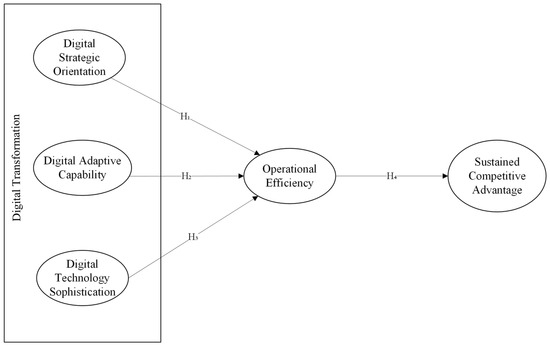
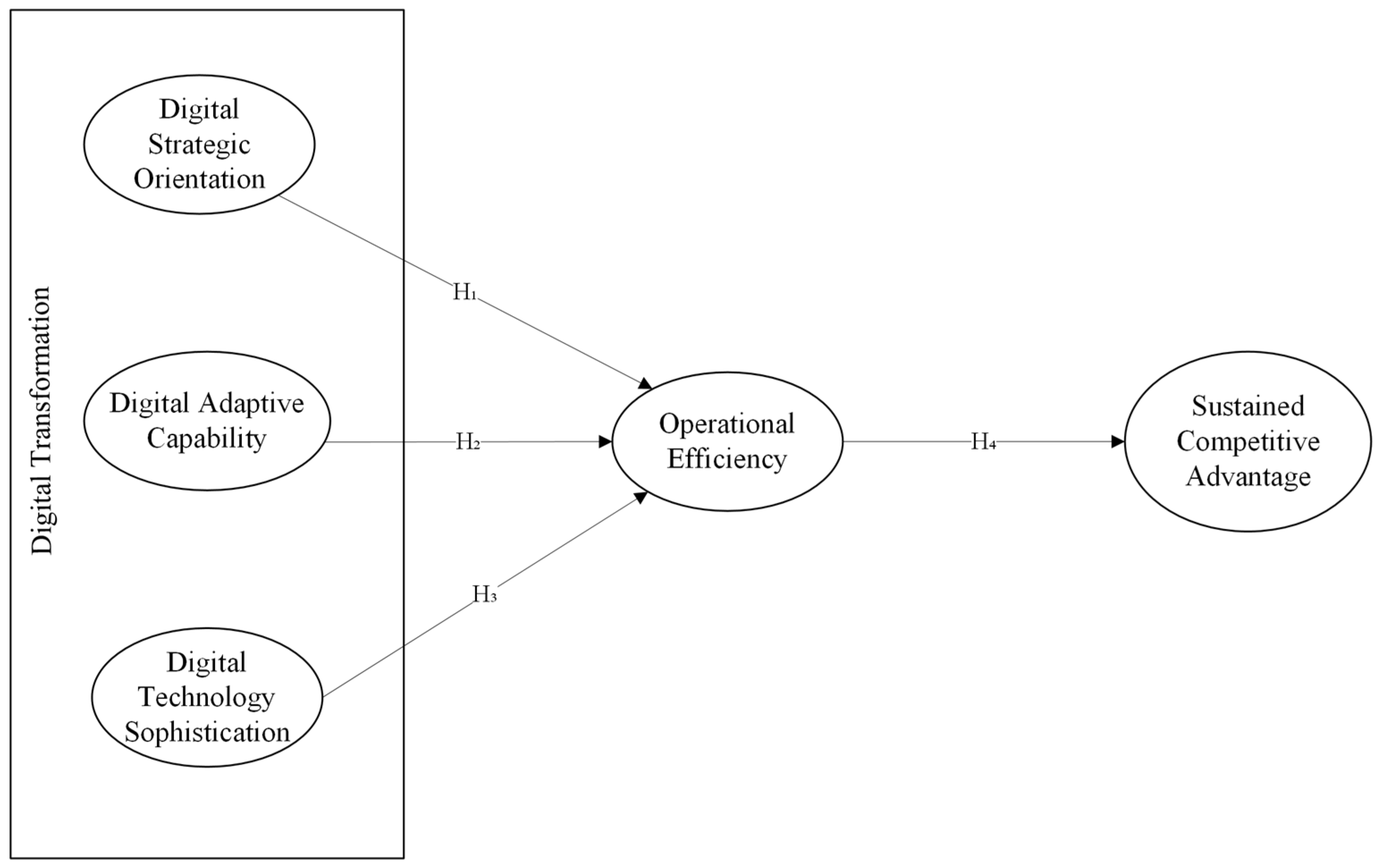
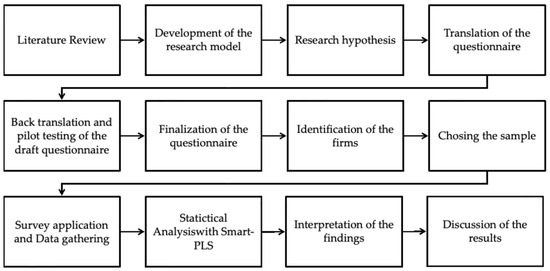
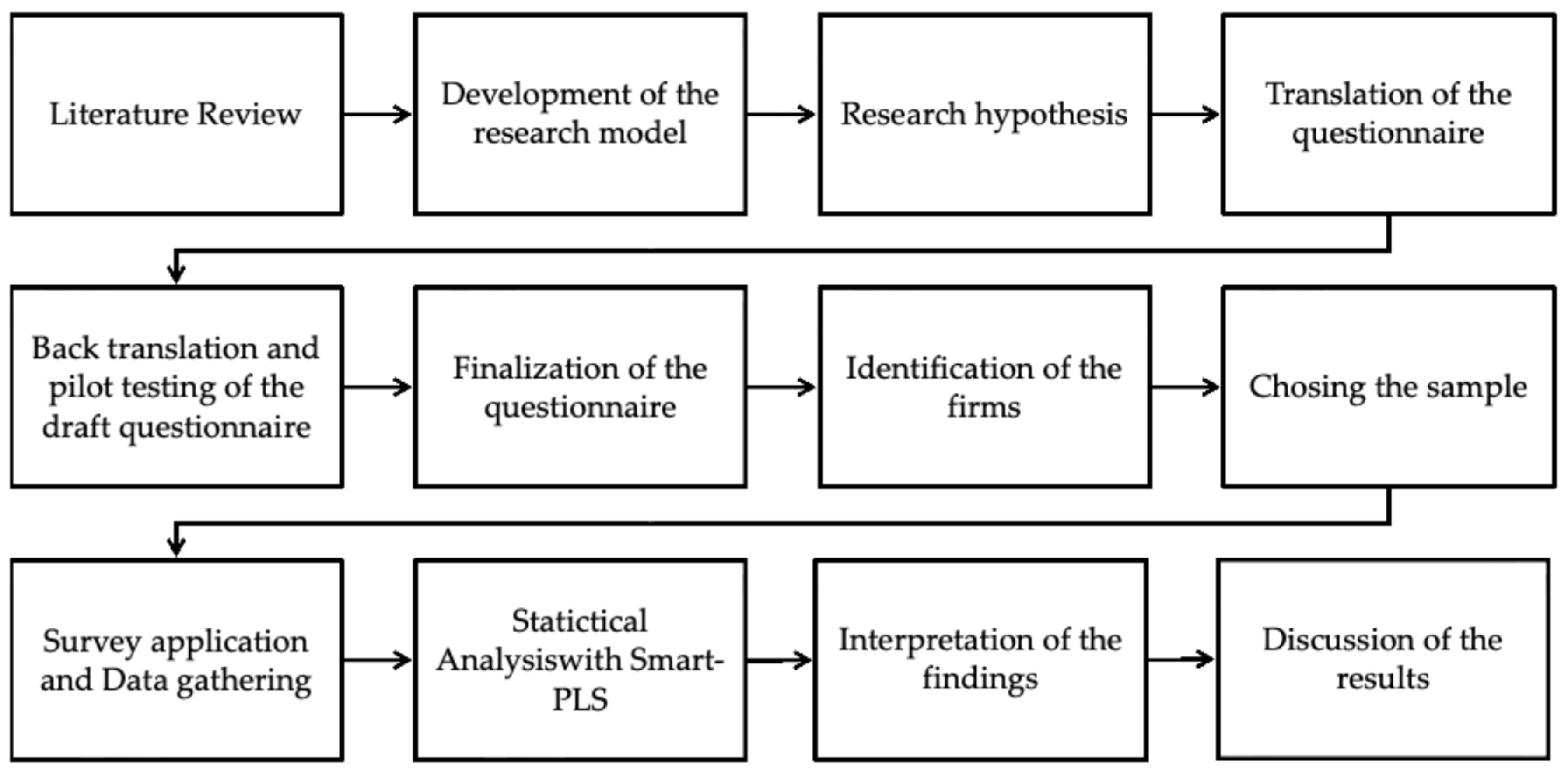
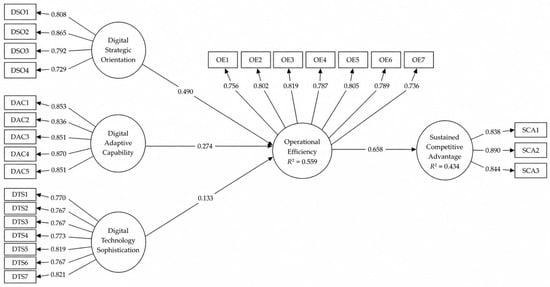
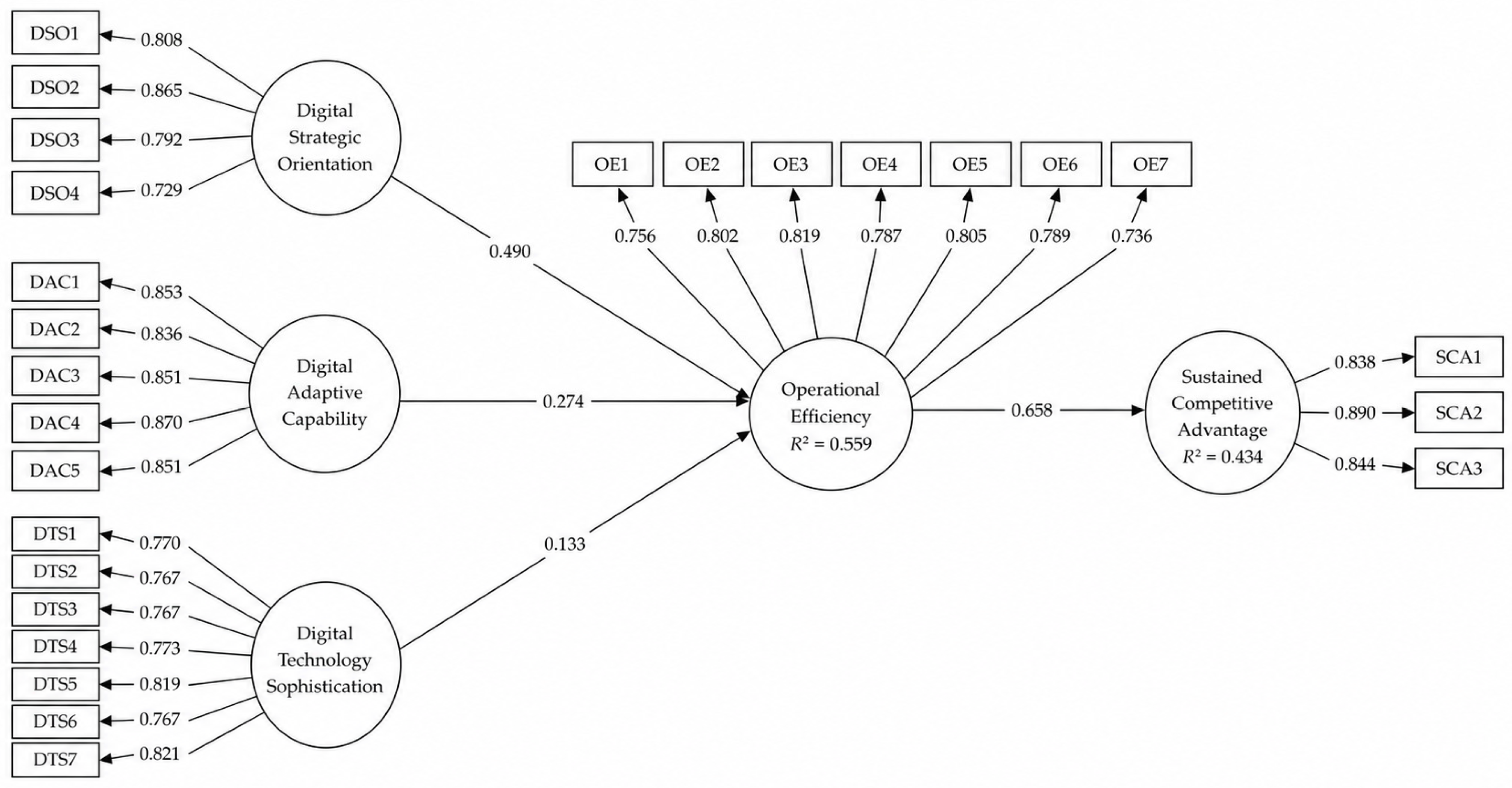
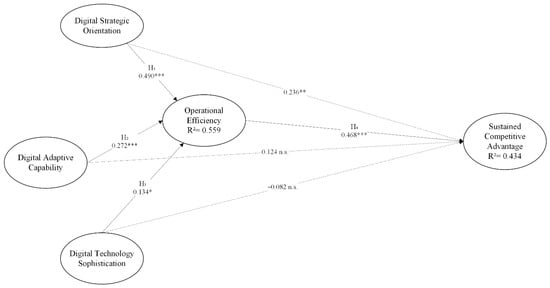
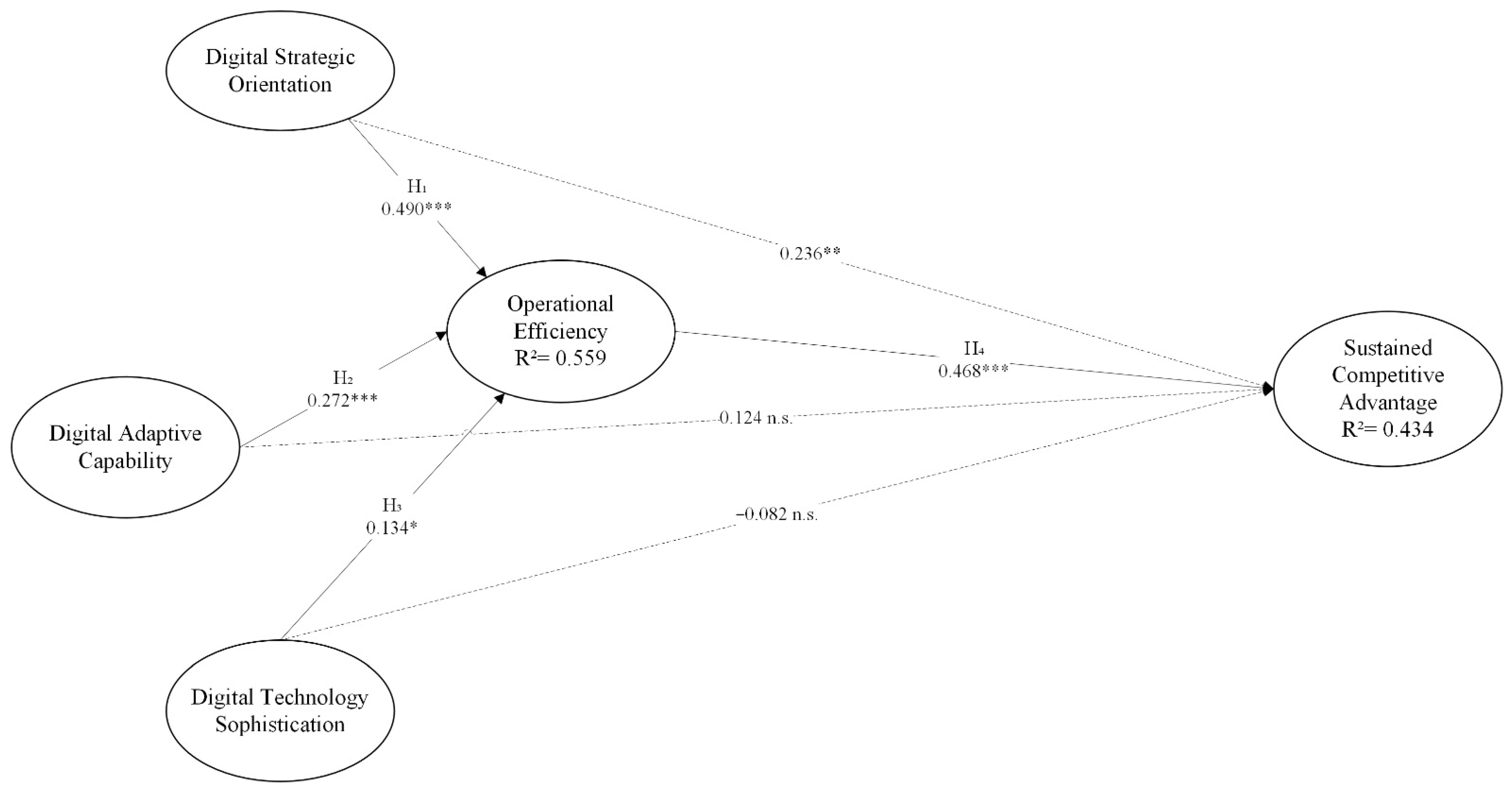

Disclaimer/Publisher’s Note: The statements, opinions and data contained in all publications are solely those of the individual author(s) and contributor(s) and not of MDPI and/or the editor(s). MDPI and/or the editor(s) disclaim responsibility for any injury to people or property resulting from any ideas, methods, instructions or products referred to in the content. |
© 2026 by the authors. Licensee MDPI, Basel, Switzerland. This article is an open access article distributed under the terms and conditions of the Creative Commons Attribution (CC BY) license.