


Abstract
This study examines how tourism platform ecosystems have evolved into mechanisms supporting sustainable, resilient, and digitally transformed tourism systems amid rapid advances in artificial intelligence (AI), immersive technologies, and data-driven platform governance. While previous research has extensively explored smart tourism technologies and digital transformation, limited attention has been devoted to understanding how tourism platforms have evolved from digital infrastructures into ecosystem-level coordination mechanisms shaping sustainability, resilience, adaptive governance, and digitally mediated stakeholder interactions in tourism marketing. To address this gap, the study develops a longitudinal evolutionary analysis of tourism platform ecosystems by combining a bibliometric analysis of 447 Web of Science-indexed publications (2015–2026) with an exploratory discourse analysis of Booking.com corporate communications. The findings reveal a progressive transformation of tourism platforms from digital infrastructure ecosystems (2015–2019) to adaptive coordination systems (2020–2022) and, ultimately, to AI-driven intelligent ecosystem orchestrators (2023–2026). Across these stages, tourism research increasingly integrates AI-enabled personalization, conversational interaction, immersive technologies, ecosystem governance, sustainability coordination, destination resilience, predictive analytics, and customer engagement. The study proposes a longitudinal evolutionary framework explaining how tourism platforms transition toward intelligent ecosystem orchestration supporting sustainability-oriented governance, adaptive destination management, personalized visitor experiences, and long-term competitiveness. The framework advances an ecosystem intelligence perspective that extends existing digitalization and technology-adoption narratives within tourism research.
1. Introduction
The rapid expansion of artificial intelligence (AI), big data analytics, blockchain, IoT, immersive technologies, and platform-based digital infrastructures is reshaping tourism ecosystems and the ways in which digital platforms coordinate interactions among travelers, destinations, accommodation providers, mobility services, and intermediaries (Buhalis et al., 2023; H. Shin et al., 2026; Baggio & Del Chiappa, 2014; Popova et al., 2023). Accordingly, smart tourism research has evolved from infrastructure-oriented digitalization toward AI-enabled platform ecosystems characterized by adaptive interaction, predictive analytics, immersive experiences, and governance-oriented coordination (Wider et al., 2024; Tuo et al., 2025). This transformation reflects a broader shift in the role of tourism platforms, from facilitating digital transactions and information exchange to orchestrating increasingly intelligent and interconnected ecosystem relationships among multiple stakeholders, with growing implications for tourism sustainability, destination resilience, and long-term competitiveness.
Recent studies increasingly conceptualize tourism platforms as ecosystem orchestrators rather than transactional intermediaries, emphasizing the role of generative AI, conversational agents, metaverse tourism, blockchain-enabled trust systems, interoperability, stakeholder coordination, and sustainability management in shaping tourism experiences, destination governance, and digital business models (Fakfare et al., 2026; P. Chen, 2021; Alzua-Sorzabal et al., 2025; Maghsoudi et al., 2026). Consequently, tourism platforms are progressively emerging as ecosystem-level coordination mechanisms capable of integrating technological innovation, customer engagement, governance processes, and sustainability objectives within unified digital environments, supporting more resilient and adaptive tourism systems.
Despite this expansion, existing research remains fragmented across smart tourism, hospitality technologies, tourism digitalization, AI adoption, and platform economy research. Previous bibliometric studies have mostly examined smart tourism technologies or AI applications separately, while limited attention has been devoted to the longitudinal evolution of digital platform ecosystems in tourism and to the convergence between AI-enabled personalization, immersive experiences, platform governance, and sustainability-oriented coordination (Harahap et al., 2026; Wider et al., 2024; Cassia et al., 2020; Alzua-Sorzabal et al., 2025). In addition, recent research calls for stronger integration between AI, big data, governance, resilience, interoperability, and digital trust perspectives within smart tourism ecosystems (Popova et al., 2023; Syah & Binesh, 2025; Casanovas, 2025). As a result, the evolutionary pathways through which tourism platforms have developed from digital infrastructures into intelligent ecosystem orchestrators remain insufficiently understood, particularly regarding their contribution to sustainable tourism transformation and resilience-oriented ecosystem governance.
A further limitation concerns the weak connection between academic knowledge production and platform-level strategic practice. Although recent studies emphasize AI-driven ecosystems, intelligent tourism infrastructures, and adaptive governance, limited research examines whether these technological paradigms are reflected in the strategic discourse of major tourism platforms (H. Shin et al., 2026; Maghsoudi et al., 2026).
To address these gaps, this study develops a longitudinal evolutionary analysis of tourism platform ecosystems by combining bibliometric analysis with an exploratory platform discourse analysis. The study seeks to explain how tourism platforms have evolved from digital infrastructures into AI-driven ecosystem orchestrators supporting sustainability, resilience, and adaptive governance.
Beyond mapping thematic developments, the study seeks to advance the conceptual understanding of tourism platform ecosystems. Existing bibliometric studies have primarily identified technological trends, research clusters, and emerging innovation trajectories, but have devoted limited attention to explaining how the role of tourism platforms has evolved over time. In response, this study develops a longitudinal evolutionary framework explaining how tourism platforms transition from digital infrastructure systems to adaptive coordination mechanisms and, ultimately, to AI-driven intelligent ecosystem orchestrators. Rather than merely identifying thematic trends, the framework explains the mechanisms through which tourism platforms progressively expand their role from technological infrastructures to socio-technical systems supporting sustainability, resilience, and adaptive destination management. By integrating bibliometric evidence with platform-level discourse, the study contributes to digital platform ecosystem and smart tourism research by advancing an ecosystem intelligence perspective that connects technological innovation, ecosystem governance, intelligent personalization, immersive interaction, and sustainability-oriented coordination within a unified conceptual trajectory, highlighting their role in supporting sustainable and resilient tourism systems. In doing so, the study extends existing digitalization and technology-adoption perspectives by explaining how tourism platforms evolve as ecosystem-level coordination mechanisms.
Unlike conventional bibliometric studies that primarily describe publication trends, keyword networks, and thematic clusters, this study uses bibliometric evidence as a foundation for theory development. Specifically, the proposed longitudinal evolutionary framework explains the mechanisms through which tourism platforms evolve from digital infrastructures into AI-driven ecosystem orchestrators. By integrating bibliometric findings with an exploratory analysis of platform discourse, the study moves beyond descriptive mapping toward a conceptual explanation of ecosystem transformation, governance evolution, and sustainability-oriented coordination. The proposed framework therefore contributes not only by identifying thematic developments but also by explaining the mechanisms through which tourism platform ecosystems progressively evolve toward intelligent ecosystem orchestration.
The primary objective of this study is to develop a longitudinal evolutionary framework explaining how tourism platform ecosystems have evolved from digital infrastructures into AI-driven intelligent ecosystem orchestrators supporting sustainability, resilience, and adaptive governance. To achieve this overarching objective, the study pursues the following specific objectives: to identify the longitudinal evolution and thematic transformation of digital platform ecosystem research in tourism between 2015 and 2026 (O1); to map the conceptual structure of the field through keyword co-occurrence and thematic cluster analysis, with emphasis on the convergence between AI, immersive technologies, governance, personalization, and sustainability, resilience, and tourism ecosystem governance (O2); to examine how tourism platforms are reframed as intelligent ecosystem-based coordination mechanisms characterized by predictive analytics, adaptive interaction, and digitally mediated customer engagement and sustainability-oriented destination coordination (O3); and to explore whether these emerging academic themes are reflected in Booking.com corporate communications during 2023–2026 (O4).
An earlier version of this study was made publicly available as a preprint on Research Square (Ivasciuc, 2026). The present article substantially extends and refines the preprint by strengthening the sustainability and resilience perspective, introducing the concept of ecosystem intelligence, further developing the discussion of AI-driven ecosystem orchestration and governance, and advancing a longitudinal evolutionary framework explaining the transformation of tourism platforms from digital infrastructures into intelligent ecosystem orchestrators.
An important contribution lies in bridging academic knowledge production and platform practice. By examining the alignment between scholarly developments and Booking.com’s strategic discourse, the study provides preliminary evidence regarding the convergence between academic conceptualizations of intelligent tourism ecosystems and platform-level approaches to AI-enabled orchestration, governance, ecosystem partnerships, and sustainability coordination and destination resilience strategies.
The remainder of the article is organized as follows. Section 2 reviews the literature on digital platform ecosystems, smart tourism, and emerging technologies in tourism. Section 3 presents the research methodology and bibliometric procedures. Section 4 reports the bibliometric findings and exploratory platform discourse analysis. Section 5 discusses the theoretical and managerial implications, limitations, and future research directions.
2. Literature Review
2.1. Digital Platform Ecosystems in Tourism
The rapid digitalization of tourism has transformed tourism systems into increasingly interconnected platform-based ecosystems characterized by data exchange, stakeholder interdependence, and digitally mediated value creation. Early smart tourism research primarily conceptualized tourism ecosystems as socio-technical infrastructures integrating ICT systems, tourism actors, and real-time information flows to support destination intelligence and service integration (Gretzel et al., 2015). More recent studies extend this perspective by emphasizing platformization processes through which tourism platforms coordinate interactions among tourists, service providers, destinations, and third-party actors within digitally interconnected ecosystems (Foster & Bentley, 2022; Dóra, 2021), thereby supporting more adaptive, sustainable, and resilient tourism systems.
Within this context, digital platforms increasingly operate as ecosystem orchestrators rather than transactional intermediaries, supporting interoperability, service integration, stakeholder coordination, and platform-enabled value co-creation across tourism environments (Alzua-Sorzabal et al., 2025; Marchesani & Masciarelli, 2026) while facilitating sustainability-oriented collaboration among tourism stakeholders. Recent bibliometric studies further demonstrate that smart tourism research progressively evolved from isolated ICT applications toward integrated digital platform ecosystems characterized by interconnected infrastructures and ecosystem coordination mechanisms (Harahap et al., 2026; K. Park & Lee, 2026).
Recent platform ecosystem research (Hein et al., 2020; Acs et al., 2021; Van Dijck et al., 2023) increasingly suggests that competitive advantage no longer derives solely from technological infrastructure or transactional efficiency, but from the ability of platforms to orchestrate complex networks of actors, resources, data flows, and complementary services, while supporting sustainable value creation and long-term destination competitiveness. Ecosystem orchestration therefore represents a higher-order coordination capability through which platforms facilitate value co-creation, govern interactions, and align heterogeneous stakeholders within digitally interconnected environments, supporting sustainability objectives, destination resilience, and adaptive tourism governance. In tourism contexts, these orchestration functions increasingly extend beyond intermediation to encompass intelligent coordination of customer experiences, destination resources, sustainability initiatives, and ecosystem partnerships (Almeida-Santana et al., 2020; Sigala, 2022).
Taken together, these developments suggest that tourism platforms have undergone a progressive functional transformation. Early platform architectures primarily focused on digital connectivity and information exchange, whereas contemporary platforms increasingly perform ecosystem-level coordination, governance, and orchestration functions. Understanding this evolutionary transition is important because it provides insights into how technological innovation reshapes the strategic role of platforms within tourism ecosystems, contributing to sustainable tourism transformation and resilience-oriented destination management. Accordingly, Objective O1 examines the longitudinal evolution of tourism platform ecosystem research between 2015 and 2026.
From a theoretical perspective, this evolution can be interpreted through platform ecosystem theory, which conceptualizes digital platforms as orchestrators of value creation among heterogeneous actors rather than simple intermediaries. As platform ecosystems mature, their competitive advantage increasingly depends on ecosystem orchestration capabilities, including governance, coordination, interoperability, and resource integration across multiple stakeholders (Hein et al., 2020; Van Dijck et al., 2023). This perspective provides an appropriate theoretical foundation for interpreting the longitudinal transformation identified in this study.
The increasing integration of artificial intelligence, data analytics, interoperability mechanisms, and ecosystem governance also points toward the emergence of what may be described as ecosystem intelligence, namely the capacity of platform ecosystems to continuously sense, coordinate, adapt, and optimize interactions among multiple stakeholders through digitally enabled decision-making processes. This perspective provides a useful lens for understanding the ongoing transformation of tourism platforms from digital infrastructures into intelligent ecosystem orchestrators capable of supporting sustainability-oriented coordination, adaptive governance, and long-term ecosystem resilience.
2.2. AI-Driven Smart Tourism Ecosystems
Artificial intelligence, machine learning, big data analytics, and IoT increasingly constitute the intelligence layer of contemporary tourism platform ecosystems. Recent research emphasizes how AI-driven systems support predictive analytics, intelligent recommendation systems, conversational interaction, and adaptive tourism services within smart tourism environments (Popova et al., 2023). The growing diffusion of generative AI further accelerates the transformation of tourism platforms into intelligent ecosystems capable of automated decision-making, dynamic customer engagement, and personalized service orchestration (H. Shin et al., 2026).
Beyond supporting automation and efficiency, AI increasingly functions as a strategic coordination capability within tourism platform ecosystems (Kırtıl & Aşkun, 2021; Samara et al., 2020). Through predictive analytics, machine learning, and generative AI applications, platforms are becoming capable of continuously sensing user preferences, anticipating behavioral patterns, and dynamically adapting service configurations. As a result, intelligence is progressively embedded into ecosystem operations, enabling platforms to move beyond information intermediation toward adaptive orchestration of interactions among travelers, service providers, destinations, and complementary actors (Chi et al., 2022) while facilitating more responsive destination management and sustainability-oriented service coordination.
Research also highlights the increasing role of data-driven infrastructures in behavioral prediction, operational optimization, and digitally mediated interaction. IoT-enabled systems and big data analytics support real-time monitoring and intelligent tourism management, while network-based studies reveal growing structural complexity through platform hubs, interaction patterns, and algorithmically mediated customer behavior (Maghsoudi et al., 2026). At the same time, AI adoption generates new challenges regarding privacy, transparency, and algorithmic control within tourism ecosystems (Popova et al., 2023). These developments suggest that AI adoption should not be viewed solely as a technological innovation process, but also as a governance transformation. As algorithms increasingly influence information visibility, recommendation systems, customer engagement, and resource allocation, questions of transparency, accountability, trust, and platform governance become central dimensions of intelligent tourism ecosystems.
Taken together, these developments indicate that AI is becoming a foundational mechanism through which tourism platforms acquire ecosystem intelligence. From a theoretical perspective, the emerging notion of ecosystem intelligence is consistent with the dynamic capabilities perspective, which conceptualizes competitive advantage as the ability to continuously sense environmental changes, seize emerging opportunities, and reconfigure organizational resources in response to evolving conditions (D. J. Teece, 2007; D. Teece et al., 2016). Within tourism platform ecosystems, AI, predictive analytics, and data-driven coordination enhance these adaptive capabilities by enabling platforms to monitor ecosystem dynamics, coordinate heterogeneous stakeholders, and continuously reconfigure service offerings and governance mechanisms. In this sense, ecosystem intelligence extends the dynamic capabilities perspective from the organizational level to the ecosystem level, where intelligent platforms orchestrate interactions, knowledge flows, and sustainability-oriented coordination across interconnected tourism actors.
Rather than merely supporting operational processes, AI increasingly enables adaptive coordination, intelligent personalization, predictive decision-making, and ecosystem-wide orchestration. This transformation represents a critical stage in the evolution of tourism platforms, as intelligence becomes embedded within platform architectures and coordination processes. Consequently, Objective O2 seeks to identify how AI-enabled personalization, intelligent interaction, ecosystem intelligence and sustainability-oriented tourism transformation have evolved within smart tourism research between 2015 and 2026.
2.3. Platform Governance, Immersive Technologies, and Sustainability
Recent research increasingly connects tourism platform ecosystems with governance, sustainability, resilience, and immersive experiential transformation. Studies on accessibility and inclusive tourism demonstrate how digital platforms support service coordination, information accessibility, and user inclusion through platform-enabled interaction and universal design approaches (Cassia et al., 2020). Sustainability-oriented studies further emphasize the role of digital ecosystems in supporting environmental management, community engagement, resilience, and adaptive destination governance (Sangkakorn et al., 2025; Parra-Sánchez, 2025). Beyond facilitating stakeholder interactions, tourism platforms increasingly perform governance functions by shaping information flows, coordination mechanisms, and sustainability practices across interconnected ecosystems.
At the same time, tourism platforms increasingly integrate immersive technologies, AI-supported interfaces, and digital storytelling mechanisms into customer interaction systems designed to facilitate emotional engagement, co-creation, and digitally mediated tourism experiences. Innovation-oriented studies further show that ecosystem collaboration, organizational learning, and digital capability development are becoming central drivers of competitiveness and platform-enabled tourism innovation (Schuhbert et al., 2024; Lerro et al., 2024).
The convergence between immersive technologies, governance coordination, sustainability management, and ecosystem orchestration highlights the growing maturity of tourism platform ecosystems. Together, these developments suggest that the evolution of tourism platforms extends beyond technological innovation toward intelligent ecosystem orchestration, where governance, sustainability, and customer experience become integral components of ecosystem coordination. Therefore, Objective O3 investigates how governance, sustainability coordination, immersive interaction, and ecosystem-level orchestration increasingly shape the conceptual structure of smart tourism ecosystems. In parallel, Objective O4 explores whether these emerging themes are reflected in platform-level strategic communication through an exploratory qualitative analysis of Booking.com corporate communications published during 2023–2026.
3. Methodology
This study employs a mixed-method approach combining bibliometric analysis and exploratory platform discourse analysis to investigate the longitudinal evolution of tourism platform ecosystems and emerging technologies in tourism research. Bibliometric methods are widely used to identify thematic structures, conceptual relationships, and emerging research trajectories within interdisciplinary fields (van Eck & Waltman, 2010). The approach is particularly suitable for tourism platform research, where digital transformation, artificial intelligence, governance, sustainability, and smart tourism intersect across multiple disciplines.
The bibliometric dataset was collected from the Web of Science Core Collection on 15 May 2026. The final period represents a partial observation window. Web of Science Core Collection was selected as the sole bibliographic source because it applies rigorous journal selection criteria, provides standardized bibliographic metadata, and offers reliable citation indexing widely adopted in bibliometric research (van Eck & Waltman, 2010; Donthu et al., 2021). Compared with multi-source approaches, the use of a single curated database reduces duplicate records, metadata inconsistencies, and differences in indexing practices that may affect longitudinal analyses. Although Scopus and Dimensions provide broader journal coverage, previous comparative studies have shown that important differences exist in their indexing policies, metadata structure, and source coverage, potentially influencing publication counts and thematic patterns (Singh et al., 2021; Martín-Martín et al., 2021). Given the objective of examining the longitudinal conceptual evolution of tourism platform ecosystem research rather than maximizing publication coverage, Web of Science was considered the most appropriate and methodologically consistent data source for the present study.
The search query was applied to the Topic field (TS), including titles, abstracts, and keywords:
TS = (“digital ecosystem*” OR “platform ecosystem*” OR “digital platform*” OR “platform economy” OR “smart tourism”)
The filtering process was designed to ensure thematic consistency and analytical relevance. The analysis included English-language articles, review articles, proceedings papers, and early access publications indexed in Web of Science between 2015 and 2026 across relevant tourism, management, business, and technology-related categories. To capture the longitudinal evolution of the field, the dataset was divided into three temporal periods: 2015–2019, 2020–2022, and 2023–2026, corresponding respectively to the expansion of smart tourism infrastructures, pandemic-driven digital acceleration and resilience adaptation, and the emergence of AI-driven tourism ecosystems characterized by increasing attention to sustainability and ecosystem governance. The periodization was theory-informed rather than based on equal chronological intervals. It was designed to capture major technological and conceptual transitions in the evolution of tourism platform ecosystems. The first period (2015–2019) represents the consolidation of smart tourism and digital platform infrastructures prior to the COVID-19 pandemic. The second period (2020–2022) captures the pandemic-driven acceleration of digital transformation, characterized by increased attention to resilience, virtualization, and AI-supported tourism services. The third period (2023–2026) reflects the rapid emergence of generative AI, intelligent ecosystem orchestration, and sustainability-oriented platform governance. Alternative periodizations, such as equal-length intervals, were considered conceptually but were not adopted because they would have fragmented these major transition points and reduced the interpretability of the longitudinal evolutionary framework. Accordingly, the selected periods should be interpreted as analytically meaningful evolutionary stages rather than arbitrary chronological intervals. The final dataset comprised 447 publications, including 85 documents for 2015–2019, 140 for 2020–2022, and 222 for 2023–2026, indicating a substantial increase in research interest over time.
Before the bibliometric analysis, the dataset was inspected to verify its consistency and completeness. Duplicate records were checked during the screening stage; however, no duplicate publications were identified after applying the Web of Science export and filtering criteria. Author names and institutional affiliations were retained as indexed by the Web of Science Core Collection, which provides standardized bibliographic metadata. No manual harmonization of author names, institutional affiliations, or keyword variants was performed. This decision was intended to preserve the original indexing and terminology of the source database while ensuring methodological transparency and reproducibility.
The bibliometric analysis was conducted using VOSviewer (version 1.6.20). The analysis was performed directly on the standardized Web of Science bibliographic records without additional manual thesaurus-based normalization. Bibliographic records exported from Web of Science were processed using the “Create a map based on text data” function. Text mining procedures were applied to titles and abstracts using the full counting method, while structured abstract labels and copyright statements were excluded to improve conceptual consistency. A minimum occurrence threshold of 5 was applied for term inclusion. VOSviewer clustering algorithms were subsequently used to generate co-occurrence networks and identify thematic structures, conceptual relationships, and emerging technological trajectories within the literature (van Eck & Waltman, 2010).
To complement the bibliometric findings, the study also incorporated an exploratory qualitative analysis of Booking.com corporate communications published between 2023 and 2026. Booking.com was selected as an illustrative rather than representative case due to its global market presence, extensive integration of digital technologies, and strategic relevance within contemporary tourism platform ecosystems, making it a suitable context for examining how emerging technological and governance paradigms are translated into platform-level narratives and into sustainability-oriented destination management and ecosystem coordination practices. The analysis focused exclusively on the 2023–2026 period to ensure direct alignment with the most recent bibliometric phase characterized by AI-driven platform ecosystems, generative AI adoption, intelligent personalization, immersive experiences, sustainability governance, and platform-based ecosystem coordination.
The Booking.com materials were collected from the company’s official newsroom on 15 May 2026. A total of 42 communications published between 2023 and 2026 were selected based on their relevance to artificial intelligence, digital transformation, customer experience, ecosystem partnerships, sustainability, governance, resilience, and destination management. The analysis followed a deductive thematic approach in which the selected communications served as predefined analytical categories.
The qualitative analysis followed a deductive coding approach guided by the thematic dimensions identified through the bibliometric analysis. First, the selected communications were screened to identify explicit references to AI, digital transformation, ecosystem partnerships, sustainability, governance, resilience, customer experience, and platform innovation. Second, these themes were manually coded and compared with the bibliometric clusters generated through the keyword co-occurrence analysis. Rather than quantifying theme frequencies, the objective was to assess whether the strategic narratives communicated by Booking.com reflected the conceptual developments identified in the academic literature. This coding process enabled a systematic comparison between scholarly knowledge production and platform-level strategic discourse.
Rather than functioning as a formal content analysis, the exploratory review was designed to provide qualitative triangulation for the bibliometric findings. The selected communications were interpreted according to the thematic dimensions emerging from the bibliometric clusters, including AI-enabled personalization, ecosystem orchestration, immersive interaction, governance, sustainability coordination, and destination resilience. This approach provides illustrative evidence regarding the convergence between academic knowledge production and platform-level strategic discourse. It also enables the exploration of how sustainability, resilience, and ecosystem governance themes identified in academic research are reflected in the strategic communication of a leading tourism platform. Although exploratory in nature, the discourse analysis serves as a complementary source of evidence that helps contextualize and interpret the longitudinal patterns identified through the bibliometric analysis.
4. Results
4.1. Subject Categories Overview
The analysis of Web of Science subject categories shows an evolving interdisciplinary structure across the three temporal periods. In the first period (2015–2019), the most represented categories were Computer Science Theory Methods (27.1%), Computer Science Information Systems (23.5%), Hospitality Leisure Sport Tourism (21.2%), and Engineering Electrical Electronic (20.0%). Additional categories included Computer Science Interdisciplinary Applications (12.9%), Business (11.8%), and Green Sustainable Science Technology (10.6%).
During the second period (2020–2022), Computer Science Information Systems became the dominant category (32.1%), followed by Hospitality Leisure Sport Tourism (29.3%), Telecommunications (22.9%), and Engineering Electrical Electronic (21.4%). The categories Management (16.4%), Computer Science Theory Methods (11.4%), and Computer Science Interdisciplinary Applications (10.0%) also increased in representation.
In the third period (2023–2026), Hospitality Leisure Sport Tourism became the most represented category (36.9%), followed by Computer Science Information Systems (18.5%), Computer Science Interdisciplinary Applications (18.0%), and Management (17.1%). The categories Business (14.4%), Engineering Electrical Electronic (10.8%), Environmental Studies (9.9%), and Computer Science Artificial Intelligence (9.5%) also showed notable representation.
Through the three periods, the disciplinary composition of the field evolved from a predominantly technology-oriented focus toward a more balanced integration of tourism, management, business, sustainability, and artificial intelligence perspectives. The presence of Green Sustainable Science Technology in the first period and the growing representation of Environmental Studies in the most recent period further suggest that sustainability-related concerns have become increasingly integrated into tourism platform ecosystem research. This shift reflects the increasing conceptual maturity of the field, moving beyond technological infrastructures toward broader concerns related to ecosystem coordination, governance, intelligent services, sustainability-oriented value creation, and adaptive destination management.
4.2. Trends of Publications and Citations
Figure 1 presents the annual distribution of publications and citations between 2015 and 2026. The dataset shows a progressive increase in scientific production over the period analyzed, with a particularly visible growth after 2019. Publication output increased from 5 documents in 2015 to 35 documents in 2019 within the first slice. During the second period (2020–2022), annual publications remained above 38 documents and reached 58 publications in 2022. In the most recent period (2023–2026), publication activity continued to increase, with 82 publications recorded in 2025.
Figure 1.
Annual trends of publications and citations (2015–2026). Source: Web of Science, https://www.webofscience.com/.
The citation trend followed a similar trajectory, showing a continuous increase across the analyzed years. Citation growth became more pronounced after 2020 and reached its highest level in 2025. The lower citation level observed for 2026 is associated with the recency of publications and shorter citation accumulation time.
The most cited publications also reflect the thematic evolution of the field across the three temporal periods. In the first period (2015–2019), highly cited studies focused primarily on smart tourism, digital transformation, and connected technologies. The most cited article was “Smart tourism: foundations and developments” by Gretzel et al. (2015), published in Electronic Markets, with 1049 citations. Other influential publications included “Internet of Things and Big Data Analytics for Smart and Connected Communities” (Sun et al., 2016), with 583 citations, and “The digital revolution in the travel and tourism industry” (Pencarelli, 2020), with 404 citations.
During the second period (2020–2022), the most cited publications increasingly addressed artificial intelligence, robotics, and smart tourism infrastructures. The article “Realizing the Potential of Internet of Things for Smart Tourism with 5G and AI” (W. Wang et al., 2020) received 203 citations, followed by “The adoption of artificial intelligence and robotics in the hotel industry: prospects and challenges” (Nam et al., 2021), with 198 citations. Another highly cited contribution was “Artificial intelligence: a systematic review of methods and applications in hospitality and tourism” (Doborjeh et al., 2022), with 187 citations.
In the third period (2023–2026), the most cited studies focused on Industry 4.0, AI-enabled tourism services, personalization, and virtual environments. The article “Charting the progress of technology adoption in tourism and hospitality in the era of Industry 4.0” (Buhalis et al., 2024) emerged as the most cited publication within this period. Additional highly cited studies addressed personalized tourism recommendation systems and metaverse-based tourism experiences. Taken together, the evolution of highly cited publications mirrors the broader thematic transition identified in the literature, from foundational studies on digitalization and smart tourism infrastructures toward research emphasizing artificial intelligence, intelligent personalization, immersive technologies, and ecosystem-level coordination and the increasing integration of sustainability, governance, and resilience considerations within tourism platform ecosystems.
4.3. Keyword Co-Occurrence Patterns
Keyword co-occurrence analysis was conducted using VOSviewer to identify the conceptual structure and thematic evolution of research on digital platform ecosystems in tourism. Separate co-occurrence maps were generated for each temporal period using author keywords and full counting. Figure 2, Figure 3 and Figure 4 present the resulting keyword networks for the three time slices.
4.3.1. Keyword Co-Occurrence Patterns (2015–2019)
The co-occurrence analysis for the first period (2015–2019) generated a relatively dispersed network composed of several interconnected technology- and tourism-related themes. As shown in Figure 2, the network was structured around keywords associated with smart tourism systems, digital infrastructures, and platform-enabled services. The largest nodes in the network included value (32 occurrences), IoT (24 occurrences), user (24 occurrences), smart city (23 occurrences), platform (22 occurrences), and network (21 occurrences).
Figure 2.
Keyword co-occurrence network for the period 2015–2019. Source: authors’ processing in VOSviewer, using Web of Science-indexed articles.
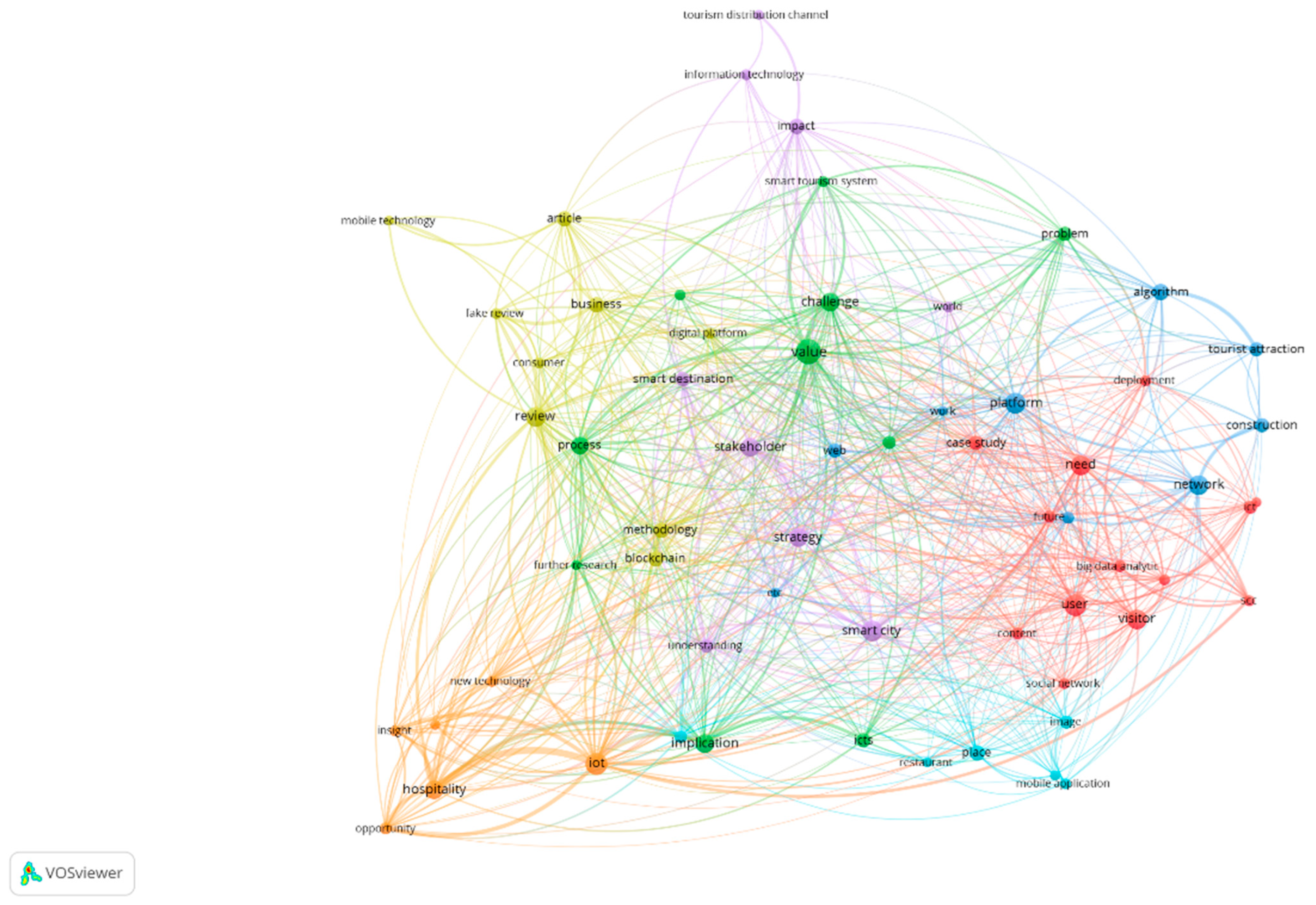
Figure 2 also shows the strong presence of smart tourism and digital infrastructure concepts, including smart destination, ICT, digital platform, mobile application, blockchain, and big data analytics. Tourism-oriented terms such as hospitality, tourist attraction, stakeholder, and visitor were closely connected with technological keywords, indicating an emerging integration between tourism services and digital technologies during this period. Overall, the network reflects an early stage of ecosystem development in which tourism research primarily emphasized digital infrastructures, connectivity, and information exchange as the technological foundations of emerging platform ecosystems providing the basis for subsequent developments related to ecosystem governance, sustainability, and destination management.
4.3.2. Keyword Co-Occurrence Patterns (2020–2022)
The keyword network for the second period (2020–2022) became substantially denser and more interconnected. Figure 3 illustrates the expansion of digitalization- and AI-related concepts within the research field. The most frequently occurring keywords included algorithm (40 occurrences), effect (40 occurrences), literature (36 occurrences), factor (35 occurrences), intention (34 occurrences), hospitality (27 occurrences), and knowledge (27 occurrences).
Figure 3.
Keyword co-occurrence network for the period 2020–2022. Source: authors’ processing in VOSviewer, using Web of Science-indexed articles.
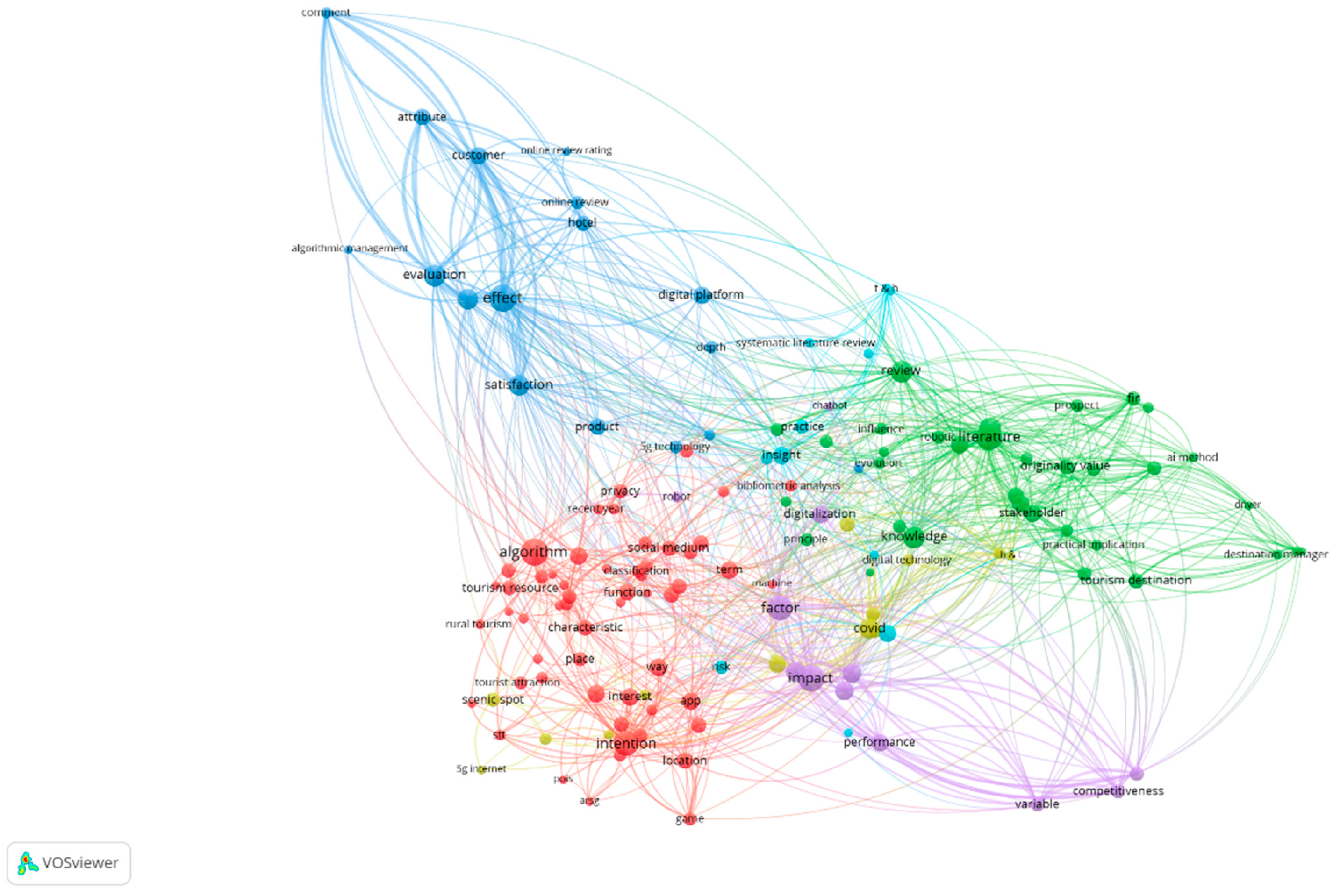
As shown in Figure 3, the network included a larger number of technology-oriented nodes, such as artificial intelligence algorithm, chatbot, cloud computing, virtual reality, blockchain technology, and 5g technology. Terms associated with tourism digitalization and online interaction, including digital platform, digitalization, customer, online review, social media, and smart tourism destination, also occupied central positions within the network.
Figure 3 further demonstrates the growing presence of review- and synthesis-oriented research terms, including bibliometric analysis, systematic review, literature review, and integrative conceptual framework. Compared with the previous period, the network reveals a transition from infrastructure-oriented digitalization toward more adaptive and data-driven platform environments characterized by AI-enabled interaction, behavioral analytics, digitally mediated service coordination and increasing attention to resilience, adaptive management, and tourism system recovery.
4.3.3. Keyword Co-Occurrence Patterns (2023–2026)
The third period (2023–2026) produced the most complex and diversified keyword network. As presented in Figure 4, the network structure expanded considerably, incorporating a broader range of AI-driven, governance-related, and immersive technology concepts. The most frequent keywords included hospitality (54 occurrences), intention (52 occurrences), algorithm (47 occurrences), engagement (39 occurrences), performance (39 occurrences), metaverse (37 occurrences), relationship (37 occurrences), and gap (35 occurrences).
Figure 4.
Keyword co-occurrence network for the period 2023–2026. Source: authors’ processing in VOSviewer, using Web of Science-indexed articles.
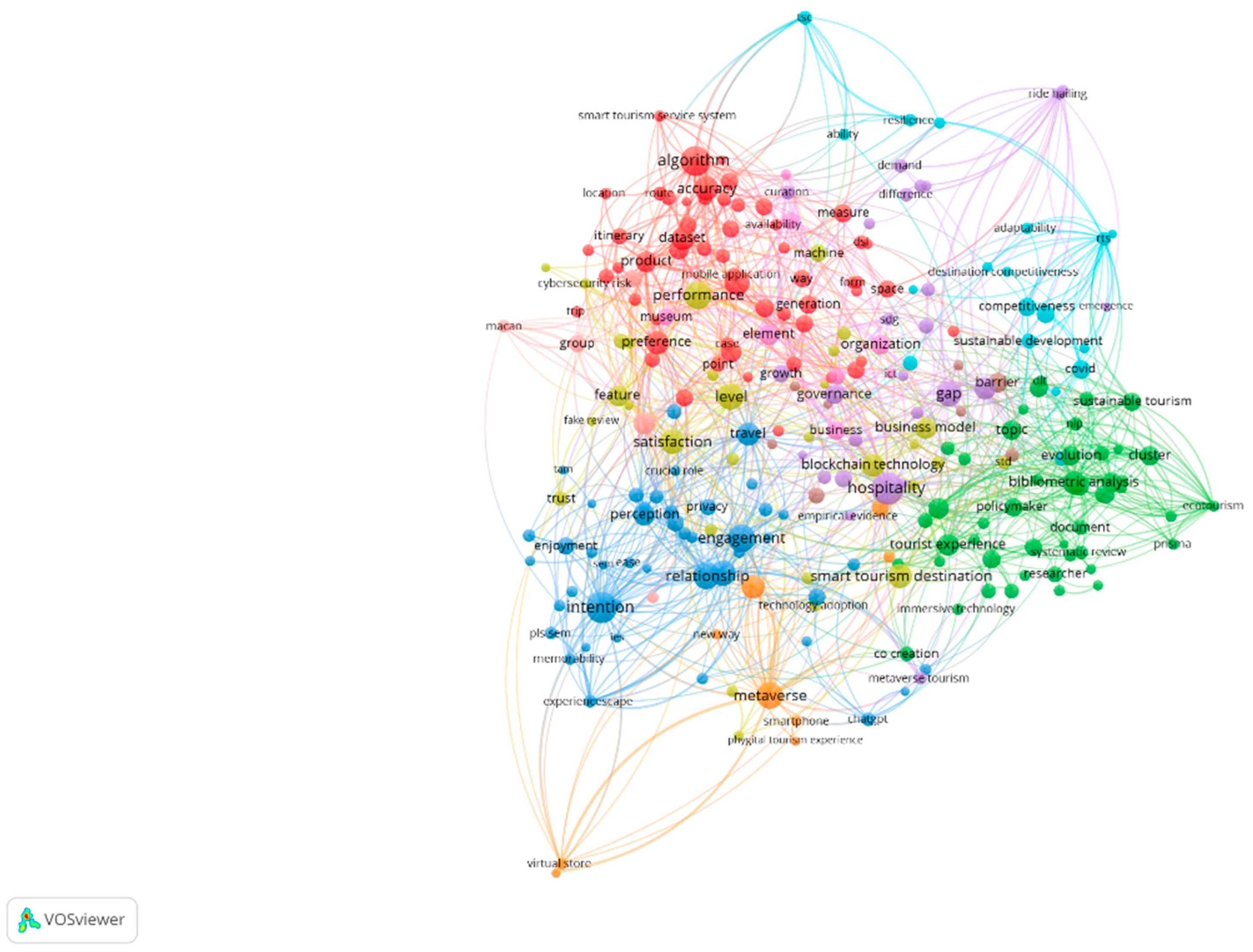
Figure 4 highlights the increasing visibility of AI-related terms, including generative artificial intelligence, ChatGPT, machine learning, natural language processing, AI adoption, and conversational agent. Additional emerging technology concepts included metaverse tourism, immersive technology, digital ecosystem, smart technology, and blockchain technology.
The network shown in Figure 4 also contained governance- and sustainability-related keywords, such as governance, business model, privacy, cybersecurity risk, sustainable tourism, and sustainable development indicating that contemporary tourism platform ecosystem research increasingly addresses sustainability, responsible governance, and long-term destination development alongside technological innovation. Tourism experience and interaction terms, including tourist experience, visitor experience, personalization, engagement, and value co-creation, were strongly interconnected with technological and platform-related concepts. The growing prominence of AI-related, governance-oriented, and sustainability-focused concepts suggests that tourism platforms are increasingly being conceptualized as intelligent ecosystem orchestrators capable of supporting sustainable tourism transformation, ecosystem resilience, and adaptive destination governance rather than functioning solely as technology-enabled intermediaries.
Across the three temporal periods, the keyword co-occurrence networks reveal a clear conceptual evolution of tourism platform ecosystem research. The field progressively evolved from a focus on digital infrastructures and connectivity (2015–2019), toward adaptive platform coordination supported by AI, analytics, and digital interaction (2020–2022), and ultimately toward intelligent ecosystem orchestration integrating personalization, governance, sustainability, and immersive experiences (2023–2026). These findings suggest that sustainability and resilience have become increasingly embedded within the conceptual structure of tourism platform ecosystem research, alongside advances in artificial intelligence and digital transformation.
The increasing centrality of AI-related concepts should not be interpreted merely as a reflection of technological innovation. Rather, it signals a broader transformation in the role of tourism platforms within digital ecosystems. As tourism ecosystems become increasingly data-intensive, interconnected, and experience-oriented, AI evolves from a supporting technology into a core coordination capability that enables ecosystem orchestration through predictive analytics, intelligent personalization, automated decision-making, and adaptive stakeholder coordination. This evolution is consistent with platform ecosystem theory, which emphasizes the strategic role of digital platforms in orchestrating interactions among multiple actors, and with the dynamic capabilities perspective, whereby AI strengthens platforms’ ability to sense environmental changes, seize emerging opportunities, and continuously reconfigure ecosystem resources. Consequently, the growing prominence of AI-related themes reflects a conceptual shift toward intelligent ecosystem governance rather than simply the diffusion of new digital technologies. This finding reinforces the proposed longitudinal framework by explaining why AI increasingly functions as a coordination capability within tourism platform ecosystems.
4.4. Thematic Clusters
The thematic structure of the field was examined through keyword co-occurrence analysis for the three time slices. This approach makes it possible to observe not only the dominant topics in each period, but also the evolution of conceptual linkages among digital platforms, smart tourism technologies, data-driven management, platform governance, and emerging technology-enabled tourism ecosystems.
4.4.1. Thematic Clusters (2015–2019)
The keyword co-occurrence analysis for 2015–2019 identified 62 items grouped into seven clusters, reflecting the formative stage of smart tourism and digital platform ecosystem research. The dominant keywords included “value”, “IoT”, “user”, “platform”, “network”, “stakeholder”, “strategy”, and “smart city”, indicating that early studies primarily focused on ICT infrastructures, connectivity, interoperability, and the integration of digital technologies into tourism systems.
The red cluster (C1) emphasized big data analytics, social networks, cultural heritage, and user experience, highlighting the increasing use of user-generated content, online reviews, and ICT-supported destination intelligence systems for visitor engagement and heritage interpretation (Marine-Roig & Clavé, 2015; Colladon et al., 2019; Silva et al., 2019). The green cluster (C2) conceptualized smart tourism as an integrated socio-technical system linking ICT infrastructures, operational processes, and technology-mediated tourism experiences (Gretzel et al., 2015; Gautam et al., 2016). The blue cluster (C3) reflected the emergence of platform- and network-based tourism infrastructures through algorithms, sensors, recommendation systems, and web-based service architectures (X. Peng & Huang, 2017; Angelaccio & Buttarazzi, 2016).
The yellow cluster (C4) focused on blockchain, digital platforms, mobile technologies, and fake reviews, indicating growing concern regarding trust, transparency, and verification mechanisms in digital tourism environments (Reyes-Menendez et al., 2019; Kizildag et al., 2020). The purple cluster (C5) emphasized smart destinations, stakeholders, governance, and tourism distribution channels, reflecting increasing attention toward destination competitiveness, ecosystem coordination, and smart city integration and the foundations of sustainable destination management (Buhalis & Leung, 2018; Moreno-Izquierdo et al., 2018). The turquoise cluster (C6) captured the early use of augmented reality, mobile applications, and immersive technologies in hospitality and cultural tourism (Katkuri et al., 2019; Boletsis & Chasanidou, 2018). Finally, the orange cluster (C7) highlighted IoT-enabled hospitality systems, customer analytics, and intelligent tourism services supporting operational efficiency and customer satisfaction (Car et al., 2019; Kim et al., 2017).
Overall, the 2015–2019 clusters conceptualized tourism platforms primarily as digital infrastructures focused on connectivity, interoperability, smart destination integration, and the technological foundations of emerging tourism ecosystems providing the technological basis for later developments related to sustainability, resilience, and ecosystem governance. At this stage, platform value was predominantly associated with information exchange, service integration, and digital connectivity rather than ecosystem-level orchestration capabilities.
4.4.2. Thematic Clusters (2020–2022)
The keyword co-occurrence analysis for 2020–2022 identified 143 items grouped into six clusters, indicating the rapid expansion and technological maturation of smart tourism and digital platform ecosystem research. Compared with the previous period, the literature increasingly emphasized AI-enabled systems, behavioral analytics, digital coordination, immersive experiences, and platform-mediated tourism services. Dominant keywords included “algorithm”, “impact”, “intention”, “hospitality”, “behavior”, “satisfaction”, “covid”, and “relationship”.
The red cluster (C1) reflected the consolidation of smart tourism as a computational and data-intensive ecosystem integrating AI algorithms, blockchain infrastructures, cloud computing, privacy, and immersive technologies. Research increasingly focused on machine learning, recommendation systems, route optimization, cybersecurity, and data governance within interconnected tourism environments (R. Peng et al., 2020; R. Wang et al., 2020; Tyan et al., 2020; Olasumbo Afolabi et al., 2021). The green cluster (C2) emphasized conceptual consolidation and ecosystem governance through literature reviews, stakeholder coordination, smart destination management, and digital transformation frameworks (Kontogianni & Alepis, 2020; Molina-Collado et al., 2022; Buhalis et al., 2023).
The blue cluster (C3) highlighted the growing importance of platform-mediated customer behavior, personalization, online reviews, and real-time connectivity enabled by digital platforms and 5G technologies (Huda et al., 2021; S. Park et al., 2020; P. Chen, 2021). The yellow cluster (C4) captured the acceleration of virtualization and digitally mediated tourism experiences during the COVID-19 pandemic, particularly through VR/AR applications, contactless technologies, and technology acceptance models associated with immersive tourism experiences (Lee, 2022; Lacka, 2020; Yang & Zhang, 2022).
The purple cluster (C5) focused on automation, robotics, chatbot systems, and digital transformation as drivers of organizational competitiveness and operational resilience in tourism and hospitality (Nam et al., 2021; Blöcher & Alt, 2021; Barna et al., 2021). Finally, the turquoise cluster (C6) emphasized big social data, smart tourism destinations, gamification, sustainability-oriented innovation, and destination intelligence supported by social media analytics and behavioral data (Solazzo et al., 2022; del Vecchio et al., 2022; Shafiee et al., 2023).
The 2020–2022 clusters reveal the transition from infrastructure-oriented smart tourism toward adaptive platform coordination systems characterized by resilience, virtualization, behavioral analytics, digitally mediated interaction, and increasing attention to sustainability-oriented tourism transformation. Compared with the previous period, platforms increasingly emerged as adaptive coordination mechanisms capable of integrating data-driven decision-making, customer engagement, and operational resilience across interconnected tourism ecosystems.
4.4.3. Thematic Clusters (2023–2026)
The keyword co-occurrence analysis for 2023–2026 identified 252 items grouped into six clusters, reflecting the diversification and increasing complexity of AI-driven tourism platform ecosystems. The dominant keywords included “hospitality”, “intention”, “algorithm”, “engagement”, “metaverse”, “relationship”, “behavior”, “satisfaction”, and “smart tourism destination”, indicating a clear shift toward AI-enabled personalization, intelligent interaction, immersive tourism, ecosystem governance, and sustainability-oriented coordination.
The red cluster (C1) emphasized AI-supported service infrastructures through keywords such as machine learning, natural language processing, conversational agents, IoT technologies, and augmented reality. Research increasingly focused on predictive analytics, deep learning, chatbot systems, recommendation accuracy, and adaptive tourism services enabled by generative AI and intelligent interaction systems (Weng & Zhang, 2023; Shen et al., 2024; Fakfare et al., 2026; X. Chen et al., 2025). The green cluster (C2) reflected the growing maturity of the field through bibliometric analyses, systematic reviews, digitalization studies, and customer experience research examining AI, blockchain, VR, IoT, and ecosystem governance within smart tourism environments (Wider et al., 2024; Sharma & Sharma, 2025; Troisi et al., 2023).
The blue cluster (C3) captured the behavioral and experiential turn in smart tourism research through concepts such as engagement, trust, perception, generative AI, ChatGPT, and technology acceptance. Studies increasingly examined AI-mediated customer interaction, emotional attachment, behavioral intention, and trust-building mechanisms associated with intelligent tourism services and anthropomorphic AI systems (Baran & Karaca, 2026; Chiengkul et al., 2025; Gao et al., 2026). The yellow cluster (C4) connected metaverse tourism, blockchain technologies, immersive interaction, online reviews, cybersecurity, and phygital tourism experiences, reflecting the growing integration of immersive environments, decentralized trust systems, and AI-enabled customer analytics within tourism ecosystems (S. Shin et al., 2026; Lin et al., 2025; W. Chen & Chen, 2025).
The purple cluster (C5) emphasized ecosystem-level transformation through digital governance, personalization, AI adoption, sustainable development, and open-data infrastructures. Research increasingly conceptualized tourism platforms as interconnected ecosystems integrating AI, IoT, big data, and governance-oriented coordination mechanisms supporting destination competitiveness and intelligent tourism management and sustainability-oriented ecosystem governance (Bingöl & Yang, 2025; Ferreira et al., 2024; Ordóñez-Martínez et al., 2024). Finally, the turquoise cluster (C6) focused on resilience, competitiveness, adaptive governance, and sustainable tourism development, highlighting the growing strategic importance of AI-enabled coordination for long-term destination sustainability and resilience (Jankova et al., 2023; Halkiopoulos et al., 2022; Gao et al., 2026).
Overall, the 2023–2026 clusters demonstrate the emergence of AI-driven intelligent tourism ecosystems integrating personalization, immersive interaction, governance coordination, sustainability management, and ecosystem-level orchestration. The increasing convergence between artificial intelligence, governance, customer experience, sustainability, and resilience themes suggests that tourism platforms are no longer conceptualized merely as intermediaries or coordination mechanisms, but increasingly as intelligent ecosystem orchestrators capable of shaping and coordinating complex stakeholder relationships across digitally interconnected environments. This transition reflects the growing recognition that AI enables higher-order ecosystem functions extending beyond automation. Rather than replacing existing digital infrastructures, AI increases the capacity of platforms to coordinate heterogeneous actors, integrate real-time information flows, and support adaptive governance mechanisms. The observed thematic evolution therefore represents a conceptual maturation of tourism platform ecosystems toward intelligent ecosystem orchestration.
Across the three temporal periods, the thematic clusters reveal a progressive transformation in the conceptual role attributed to tourism platforms. The first period (2015–2019) was primarily characterized by digital infrastructures, connectivity, and smart tourism foundations. The second period (2020–2022) marked a transition toward adaptive platform coordination systems emphasizing resilience, behavioral analytics, virtualization, and digitally mediated interaction. The third period (2023–2026) reflected the emergence of AI-driven intelligent ecosystems integrating personalization, immersive technologies, governance coordination, and sustainability-oriented orchestration. Collectively, the thematic evolution suggests that sustainability and resilience have become increasingly embedded within the conceptual structure of tourism platform ecosystem research, alongside advances in artificial intelligence, governance, and digital transformation.
4.5. Exploratory Platform Discourse Analysis: Booking.com (2023–2026)
To ensure analytical consistency with the thematic structure identified in Section 4.4.3, the exploratory platform discourse analysis was organized into three overarching dimensions: (1) AI-enabled personalization and intelligent interaction (Clusters 1 and 3); (2) platform ecosystems, immersive experiences, and digital governance (Clusters 2, 4, and 5); and (3) sustainability, resilience, and destination coordination (Cluster 6). The analysis included 42 Booking.com newsroom communications published between 2023 and 2026. Clusters 1 and 2 accounted for the largest share of the dataset (8 communications each), followed by Cluster 4 (7), Clusters 3 and 6 (6 each), and Cluster 5 (5). Rather than testing causal relationships, the discourse analysis was intended to explore whether the evolutionary patterns identified in the bibliometric analysis are also reflected in platform-level strategic narratives.
4.5.1. AI-Enabled Personalization and Intelligent Interaction
The analyzed communications strongly reflect the themes identified in Clusters 1 and 3, particularly AI-enabled personalization, intelligent interaction systems, conversational assistance, and behavior-driven customer engagement. Booking.com increasingly frames AI not simply as a technological enhancement, but as an infrastructural mechanism supporting adaptive recommendation systems, predictive analytics, and digitally mediated tourism experiences.
Several communications emphasize the growing role of generative AI and conversational interfaces in tourism intermediation. The launch of the AI Trip Planner and later Agentic AI innovations positioned AI-supported systems as tools for adaptive travel planning, conversational interaction, and context-aware customer assistance throughout the tourism decision-making process (Booking.com, 2023f, 2025c, 2026c). These narratives closely correspond to the bibliometric clusters centered on machine learning, natural language processing, conversational agents, and intelligent tourism infrastructures.
The discourse also increasingly frames AI adoption through trust, transparency, emotional engagement, and behavioral intention. Booking.com’s Global AI Sentiment Report highlighted both enthusiasm and concerns regarding AI-supported travel services, particularly related to privacy, transparency, and responsible AI use (Booking.com, 2025f, 2025i). Similarly, trend-oriented communications and research on neurodivergent travelers emphasized adaptive personalization, accessibility, and emotionally meaningful tourism experiences supported by intelligent systems and predictive analytics (Booking.com, 2023i, 2025b). These themes strongly align with recent smart tourism research emphasizing AI-mediated engagement, technology acceptance, behavioral analytics, and user-centered tourism ecosystems.
Communications additionally demonstrate increasing emphasis on ecosystem interoperability and integrated digital services. Strategic integrations such as the FareHarbor partnership illustrate how digitally connected tourism infrastructures increasingly support coordinated platform ecosystems and adaptive customer journeys (Booking.com, 2025j). Overall, the discourse suggests that AI-supported personalization and intelligent interaction systems are becoming central mechanisms structuring customer engagement, tourism platform coordination, and adaptive service delivery within sustainable and resilient tourism ecosystems, supporting the broader transition toward AI-enabled ecosystem orchestration identified in the bibliometric analysis.
4.5.2. Platform Ecosystems, Immersive Experiences, and Digital Governance
The communications associated with Clusters 2, 4, and 5 reveal the growing convergence between platform governance, immersive tourism experiences, ecosystem integration, and digitally mediated consumer engagement. Booking.com increasingly positions tourism platforms as interconnected socio-technical ecosystems linking destinations, entertainment industries, hospitality services, and platform-mediated experiences.
Several communications emphasize digital transformation and organizational adaptation within platform ecosystems. Initiatives such as the AI Tech Stack Advisor framed AI-supported decision systems as mechanisms for accelerating hospitality digitalization, improving operational efficiency, supporting technology adoption and enhancing the competitiveness and adaptive capacity of tourism organizations, among accommodation providers (Booking.com, 2024f). Similarly, communications regarding workforce preparedness and hospitality-sector skills gaps highlighted the strategic importance of AI capabilities and organizational adaptation within digitally mediated tourism ecosystems (Booking.com, 2026b).
The discourse also demonstrates the increasing platformization of immersive and emotionally engaging tourism experiences. Collaborations with Ludacris and Warner Bros. transformed tourism consumption into branded and narrative-driven experiences integrating entertainment culture, emotional storytelling, and digital engagement (Booking.com, 2024d, 2023e). Communications promoting “Instagrammable” destinations and immersive hospitality environments further illustrate how tourism platforms increasingly integrate social visibility, sensory immersion, and lifestyle-oriented branding into tourism intermediation (Booking.com, 2023j, 2024a). Similarly, the Traveller Review Awards reinforced the growing importance of online reviews, customer-generated visibility, and digitally mediated reputation systems within platform ecosystems (Booking.com, 2025h).
Cluster 5 communications additionally highlighted ecosystem partnerships and destination-level coordination. Collaborations with organizations such as Sydney WorldPride, Eurovision, Major League Baseball, and IGLTA demonstrate how Booking.com increasingly positions itself within globally interconnected cultural, entertainment, and identity-based tourism ecosystems (Booking.com, 2023a, 2023b, 2023c, 2023d, 2023g, 2023h, 2023k, 2023l, 2025e). Overall, the discourse confirms the increasing convergence between immersive tourism, ecosystem governance, strategic partnerships, digitally coordinated platform ecosystems, and destination-level collaboration supporting sustainable tourism development.
4.5.3. Sustainability, Resilience, and Destination Coordination
The communications associated with Cluster 6 highlight the growing centrality of sustainability, resilience, adaptive governance, and destination-level coordination within tourism platform ecosystems. Booking.com increasingly frames sustainability as a governance-oriented and data-driven process involving stakeholder collaboration, behavioral transformation, and long-term destination resilience.
Several communications emphasize collaborative sustainability governance and ecosystem-wide coordination mechanisms. Sustainability-oriented reports repeatedly stressed the importance of cooperation among destinations, accommodation providers, certification systems, tourism stakeholders, and travelers in facilitating sustainable tourism practices (Booking.com, 2024b, 2024c, 2025d, 2026d). The discourse also demonstrates the increasing role of data-driven sustainability frameworks in shaping tourist behavior and destination management strategies. Communications promoting sustainable destinations and resident-informed tourism practices framed sustainability through accessibility, responsible tourism behavior, and community-centered governance (Booking.com, 2025a, 2026a).
Institutional trust and standardization also emerged as important dimensions of sustainability governance. Booking.com’s transition toward prioritizing third-party sustainability certifications reflected efforts to strengthen transparency, accountability, and informational credibility within tourism platform ecosystems (Booking.com, 2024e). In parallel, sustainability programs targeting accommodation providers increasingly positioned the platform as a coordinator of operational transformation, encouraging tourism stakeholders to adopt sustainability-oriented reporting mechanisms and governance standards (Booking.com, 2025g).
The analyzed communications reinforce the bibliometric findings by demonstrating that contemporary tourism platforms increasingly combine intelligent personalization, ecosystem governance, strategic partnerships, sustainability coordination, and destination management within integrated digital ecosystems. These patterns provide qualitative support for the interpretation that tourism platforms are evolving toward AI-driven intelligent ecosystem orchestrators. Taken together, the Booking.com communications reveal a strategic narrative closely aligned with the thematic evolution identified in the bibliometric analysis. Across the analyzed materials, AI-enabled personalization, ecosystem partnerships, immersive customer experiences, governance mechanisms, and sustainability initiatives emerge as interconnected dimensions of platform development. The convergence between academic discourse and platform-level communication suggests that tourism platforms increasingly operate as intelligent ecosystem orchestrators coordinating technological, organizational, and sustainability-related capabilities across complex stakeholder networks. Beyond facilitating digital interactions, these platforms increasingly function as mechanisms supporting sustainable tourism transformation, destination competitiveness, adaptive governance, and long-term ecosystem resilience.
5. Discussion
The findings reveal a clear longitudinal transformation in the conceptualization of tourism platform ecosystems between 2015 and 2026. Rather than representing a simple accumulation of technology-oriented themes, the thematic evolution identified across the three periods reflects a broader transition from infrastructure-centered digitalization toward AI-driven ecosystem orchestration. Across the identified clusters, tourism platforms progressively evolved from being conceptualized as enabling digital infrastructures, into adaptive coordination systems during the pandemic period, and ultimately into intelligent platform ecosystems characterized by AI-enabled personalization, immersive interaction, sustainability coordination, and governance-oriented orchestration.
The first period (2015–2019) primarily conceptualized tourism platforms as foundational digital infrastructures embedded within the expansion of smart tourism and smart city ecosystems. Clusters C1, C2, and C3 were strongly centered on ICT, IoT, smart tourism systems, algorithms, digital platforms, sensors, and network-based infrastructures, indicating that early research focused mainly on connectivity, interoperability, destination intelligence, and platform-enabled information exchange (Gretzel et al., 2015; Sun et al., 2016; Buhalis & Leung, 2018). Cluster C1 emphasized digital analytics, social networks, user experience, and visitor-oriented data ecosystems, while Cluster C2 framed smart tourism as an integrated socio-technical system linking ICT infrastructures, operational processes, and smart tourism experiences. Cluster C3 further reinforced the infrastructural logic of early smart tourism research through the association between algorithms, networks, platforms, and sensor-enabled destination services. Simultaneously, Clusters C4 and C5 introduced early concerns regarding platform governance, trust, blockchain, stakeholder coordination, and smart destination management, whereas Clusters C6 and C7 highlighted the growing role of mobile applications, augmented reality, IoT, and intelligent hospitality services in shaping digitally mediated tourism experiences. Overall, the first phase conceptualized tourism platforms primarily as digital infrastructures supporting connectivity, service integration, destination-level digital transformation, and the foundations of sustainable destination development.
The second period (2020–2022) reflects a major conceptual transition toward adaptive and data-driven platform coordination systems. Compared with the earlier phase, the thematic structure became substantially denser and more interconnected, reflecting the acceleration of digital transformation during the COVID-19 pandemic. Cluster C1 increasingly emphasized artificial intelligence algorithms, blockchain technologies, cloud computing, privacy, cybersecurity, and immersive technologies, indicating that tourism platforms were progressively conceptualized as computational and data-intensive infrastructures capable of supporting intelligent tourism services. Cluster C2 marked a stronger move toward conceptual consolidation and ecosystem theorization through themes related to adoption, stakeholder coordination, destination management, literature reviews, and integrative frameworks. In parallel, Cluster C3 demonstrated the growing relevance of platform-mediated customer behavior, online reviews, satisfaction, recommender systems, and real-time connectivity enabled through digital platforms and 5G technologies. Cluster C4 strongly reflected pandemic-driven virtualization through the increasing visibility of virtual reality, contactless technologies, and digitally mediated tourism experiences. At the organizational level, Cluster C5 highlighted digitalization, robotics, chatbot interaction, operational performance, and AI-assisted service systems, suggesting that tourism platforms increasingly operated as adaptive coordination mechanisms supporting resilience and operational continuity under uncertainty. Finally, Cluster C6 introduced growing concerns regarding big social data, smart tourism destinations, sustainability-oriented innovation, gamification, and governance-related risks within interconnected tourism ecosystems. Together, these clusters demonstrate that the pandemic period accelerated the transformation of tourism platforms from infrastructural systems into adaptive socio-technical coordination environments characterized by digital resilience, behavioral analytics, platform-mediated service orchestration, and sustainability-oriented adaptation.
The third period (2023–2026) marks the transition toward AI-driven intelligent tourism ecosystems. The thematic structure identified during this phase became considerably more diversified, integrating generative artificial intelligence, machine learning, conversational agents, metaverse tourism, immersive interaction, ecosystem governance, sustainability coordination, and predictive personalization into increasingly interconnected platform ecosystems. Cluster C1 demonstrated the strong consolidation of AI-enabled service infrastructures through keywords such as algorithm, machine learning, natural language processing, conversational agent, IoT technology, and augmented reality. Unlike earlier periods, AI was no longer framed merely as a supporting technology, but increasingly as a core mechanism for adaptive interaction, intelligent recommendation systems, predictive analytics, and real-time personalization. Cluster C2 reflected the growing maturity of the field through stronger emphasis on digitalization, customer experience, systematic reviews, hospitality transformation, and ecosystem governance. This suggests that smart tourism research increasingly evolved toward reflexive and integrative approaches examining AI-driven digital transformation at both organizational and ecosystem levels.
At the behavioral level, Cluster C3 highlighted the growing convergence between generative AI, engagement, trust, perception, satisfaction, and behavioral intention. The emergence of terms such as “ChatGPT,” “generative artificial intelligence,” and “technology acceptance model” demonstrates that recent research increasingly conceptualizes AI as an experiential mediator shaping emotional engagement, perceived usefulness, trust formation, and digitally mediated tourism interaction. Simultaneously, Cluster C4 connected immersive tourism experiences with metaverse environments, blockchain technologies, sentiment analysis, online reviews, cybersecurity risk, and phygital interaction systems. These findings indicate that tourism platforms increasingly integrate entertainment ecosystems, immersive environments, customer-generated reputation systems, and AI-enabled personalization within unified digital experience architectures.
At the ecosystem level, Cluster C5 strongly emphasized governance, personalization, digital ecosystems, AI adoption, sustainable development, and tourism growth. This cluster reflects the increasing transformation of tourism platforms into intelligent ecosystem orchestrators coordinating data infrastructures, destination management systems, personalization mechanisms, and governance-oriented digital ecosystems simultaneously, supporting destination competitiveness and sustainability-oriented ecosystem coordination. Finally, Cluster C6 positioned resilience, adaptability, sustainability, competitiveness, and destination management as central ecosystem dimensions, indicating that post-pandemic tourism research increasingly frames digital innovation as a strategic capability supporting long-term destination coordination, destination competitiveness, sustainable tourism development, and adaptive governance under conditions of uncertainty.
Importantly, the findings demonstrate that this transformation is not exclusively technological, but increasingly behavioral, organizational, governance-oriented, and sustainability-driven. Throughout the three periods, the thematic clusters progressively shifted from infrastructure-centered digitalization toward ecosystem-level orchestration integrating AI-enabled personalization, immersive interaction, platform governance, sustainability coordination, destination resilience, competitiveness, and adaptive destination management simultaneously. The increasing interconnection between Clusters C1, C3, C5, and C6 during the most recent period particularly suggests that tourism platforms increasingly function as intelligent socio-technical ecosystems rather than simple digital intermediaries.
The exploratory analysis of Booking.com communications further reinforces this longitudinal trajectory. The platform discourse closely mirrors the thematic evolution identified in the bibliometric analysis, particularly regarding AI-enabled personalization, conversational interfaces, ecosystem partnerships, immersive tourism experiences, sustainability governance, and adaptive destination coordination. Booking.com increasingly frames AI as an infrastructural capability supporting intelligent recommendation systems, predictive customer engagement, adaptive interaction, and platform interoperability rather than merely as a technological add-on. Simultaneously, sustainability and governance are progressively integrated into broader ecosystem coordination narratives involving destinations, accommodation providers, local communities, certification systems, and digitally mediated customer experiences.
Overall, the findings suggest a growing convergence between academic smart tourism research and platform-level strategic discourse. While early smart tourism studies primarily emphasized ICT infrastructures, digital connectivity, and platform-enabled services, contemporary tourism ecosystems increasingly integrate AI-driven personalization, immersive interaction systems, governance coordination, sustainability management, destination resilience, competitiveness, and predictive ecosystem intelligence within unified platform architectures. The study therefore contributes to the smart tourism and digital platform literature by proposing a longitudinal conceptual interpretation of tourism platform evolution structured around three interconnected stages: (1) platforms as digital infrastructures (2015–2019), (2) platforms as adaptive coordination systems (2020–2022), and (3) platforms as AI-driven intelligent ecosystems (2023–2026). This evolutionary framework extends existing bibliometric and smart tourism research by demonstrating how tourism platforms progressively evolved from digital infrastructures into AI-driven intelligent ecosystem orchestrators in response to digital transformation, pandemic-driven acceleration, and increasing ecosystem governance complexity.
These longitudinal transformations are conceptually synthesized in Figure 5, which illustrates the evolutionary transition from infrastructural digital tourism platforms toward AI-driven intelligent ecosystem orchestration.
Figure 5.
Evolutionary framework of tourism platform ecosystems supporting sustainability and resilience (2015–2026). Source: Authors’ own elaboration based on the bibliometric findings and exploratory platform discourse analysis; visual synthesis supported by generative AI.
The proposed framework conceptualizes the evolution of tourism platforms as a transition from connectivity-oriented digital infrastructures toward intelligent ecosystem orchestrators integrating AI-enabled personalization, immersive interaction, adaptive governance, sustainability-oriented coordination mechanisms, destination resilience, and long-term tourism competitiveness. More specifically, the framework suggests that ecosystem orchestration emerges as the dominant coordinating capability of contemporary tourism platforms, while ecosystem intelligence represents the mechanism through which AI enables adaptive and governance-oriented coordination across increasingly complex stakeholder networks. From a sustainability perspective, the framework suggests that contemporary tourism platforms increasingly function as socio-technical coordination mechanisms capable of supporting sustainable tourism transformation, adaptive destination governance, and long-term ecosystem resilience.
6. Conclusions
6.1. General Conclusion
This study examined the longitudinal evolution of digital platform ecosystems in tourism between 2015 and 2026 and explained how tourism platforms have progressively evolved into mechanisms supporting sustainable, resilient, and digitally transformed tourism systems. The findings addressed O1 by demonstrating that tourism platforms evolved through three interconnected developmental stages: (1) digital infrastructure ecosystems (2015–2019), (2) adaptive platform coordination systems (2020–2022), and (3) AI-driven intelligent tourism ecosystems supporting sustainability and resilience (2023–2026).
The study further addressed O2 and O3 by showing that recent smart tourism research increasingly integrates AI-enabled personalization, conversational interaction, immersive technologies, governance coordination, sustainability management, destination resilience, and ecosystem-level orchestration within interconnected tourism platform architectures. The findings therefore suggest that tourism platforms can no longer be understood solely through digitalization or smart tourism perspectives but increasingly require an ecosystem intelligence perspective integrating AI orchestration, adaptive governance, behavioral analytics, sustainability-oriented coordination mechanisms, and resilience-oriented destination management. This perspective explains how tourism platforms expand their role from technological infrastructures to ecosystem-level coordination mechanisms that integrate sustainability objectives, stakeholder collaboration, and adaptive governance processes.
The study also addressed O4 by demonstrating that Booking.com’s strategic communications increasingly reflect the same technological and governance-oriented transformations identified in academic literature, particularly regarding generative AI, intelligent recommendation systems, immersive engagement, ecosystem partnerships, and sustainability coordination. Together, the findings indicate a growing convergence between smart tourism research and platform-level digital transformation within increasingly intelligent tourism ecosystems, supporting sustainability objectives, adaptive governance, and long-term destination resilience.
Figure 5 synthesizes these findings into a longitudinal evolutionary framework illustrating how tourism platforms progressively evolved from digital infrastructure ecosystems to adaptive coordination systems and, ultimately, to AI-driven intelligent ecosystem orchestrators supporting sustainability and resilience. From a sustainability perspective, the findings suggest that contemporary tourism platforms increasingly function as socio-technical coordination mechanisms that support sustainable tourism transformation, adaptive destination governance, ecosystem resilience, and long-term tourism competitiveness. Accordingly, sustainability, resilience, and governance should be viewed not as peripheral outcomes of digital transformation, but as increasingly central dimensions of contemporary tourism platform ecosystems.
6.2. Theoretical Implications
The study contributes to the smart tourism and digital platform ecosystem literature by moving beyond descriptive bibliometric mapping toward a longitudinal conceptual interpretation of tourism platform evolution. Specifically, the findings support an evolutionary framework in which tourism platforms progressively transition from digital infrastructure ecosystems to adaptive platform coordination systems, and ultimately to AI-driven intelligent ecosystem orchestrators supporting sustainability and resilience. This framework extends existing smart tourism research by explaining how the strategic role of platforms evolves over time rather than focusing exclusively on technology adoption or digital transformation processes. It also contributes to sustainable tourism research by illustrating how digital platform ecosystems increasingly support sustainability-oriented coordination, adaptive governance, and destination resilience. More broadly, the findings contribute to emerging debates on sustainable tourism transformation by explaining how digital platform ecosystems evolve into socio-technical mechanisms capable of integrating technological innovation, governance processes, and sustainability objectives within tourism systems.
A second theoretical contribution concerns the concept of ecosystem orchestration. The findings indicate that contemporary tourism platforms increasingly derive value not only from connectivity and service integration, but also from their ability to coordinate stakeholder relationships, customer experiences, governance mechanisms, sustainability initiatives, and data-driven decision-making processes across interconnected ecosystems. Ecosystem orchestration therefore emerges as a defining capability of advanced tourism platform ecosystems. From a sustainability perspective, ecosystem orchestration can be understood as a coordination mechanism through which platforms align technological innovation, stakeholder collaboration, and sustainability objectives across tourism ecosystems.
Third, the study advances an ecosystem intelligence perspective by conceptualizing artificial intelligence as an enabling coordination capability rather than merely a technological resource. From this perspective, AI supports adaptive personalization, predictive analytics, intelligent interaction, governance coordination, and ecosystem-level decision-making, allowing tourism platforms to operate as intelligent socio-technical ecosystems rather than traditional digital intermediaries. This perspective extends existing research on AI adoption by conceptualizing artificial intelligence not only as a technological resource but also as an ecosystem-level coordination capability. It also broadens digital transformation research by explaining how AI supports the transition from digital infrastructures to intelligent ecosystem orchestration, while contributing to sustainability and platform governance through adaptive coordination, stakeholder collaboration, and resilience-oriented decision-making. Accordingly, ecosystem intelligence represents an integrative theoretical perspective that explains how AI enables the transition from technology-driven platforms to intelligent ecosystem orchestrators. The findings further suggest that ecosystem intelligence contributes to sustainability-oriented governance by enabling adaptive responses to changing stakeholder needs, destination challenges, and resilience requirements.
Methodologically, the integration of bibliometric analysis with exploratory platform discourse analysis contributes by linking longitudinal academic knowledge production with platform-level strategic narratives. This approach provides complementary evidence regarding the convergence between emerging smart tourism research and contemporary platform ecosystem practices. By combining academic and platform-level perspectives, the study also provides insights into how sustainability, resilience, and governance themes identified in the literature are increasingly reflected in tourism platform strategies and ecosystem practices.
6.3. Managerial Implications
The findings suggest that tourism platforms increasingly compete through ecosystem intelligence, AI-enabled personalization, adaptive coordination, and sustainability-oriented governance rather than transactional efficiency alone. The Booking.com analysis illustrates how leading tourism platforms increasingly integrate generative AI, conversational systems, predictive analytics, ecosystem partnerships, immersive engagement, and sustainability-oriented initiatives into platform strategies and digitally mediated customer experiences.
The results further indicate that tourism organizations and destination managers should increasingly prioritize interoperability, ethical AI governance, ecosystem collaboration, sustainability coordination, destination resilience, and data-driven decision-making capabilities to remain competitive within rapidly evolving digital tourism ecosystems. For platform managers, competitive advantage increasingly depends on the ability to orchestrate ecosystem relationships rather than merely facilitating transactions, highlighting the strategic importance of AI-enabled coordination, governance capabilities, sustainability-oriented ecosystem management, and adaptive responses to evolving environmental, social, and technological challenges.
More broadly, the findings suggest that tourism platforms are increasingly emerging as strategic mechanisms supporting sustainable tourism transformation, destination competitiveness, and resilience-oriented governance. Consequently, tourism organizations should view AI not only as a technological innovation, but also as a capability that can support stakeholder coordination, sustainability objectives, adaptive destination management, and long-term ecosystem resilience.
6.4. Limitations and Future Research
The study has several limitations. First, the bibliometric analysis relied exclusively on Web of Science-indexed English-language publications. Although this database provides high-quality and standardized bibliographic records, relevant publications indexed exclusively in Scopus, Dimensions, or other databases may not have been captured. In addition, citation-based analyses may be affected by citation bias, whereby highly cited or earlier publications receive greater visibility regardless of their theoretical contribution. Consequently, the identified thematic structures and longitudinal trends should be interpreted as representative of the Web of Science corpus rather than the entire body of tourism platform ecosystem research.
Second, the exploratory discourse analysis focused only on Booking.com as an illustrative platform case. Future research could incorporate additional databases, comparative platform analyses, and empirical approaches capable of testing the proposed framework across different tourism ecosystems.
Given the rapid evolution of artificial intelligence, particularly generative AI technologies, the conceptual structure of tourism platform ecosystem research is likely to evolve quickly. Consequently, the proposed evolutionary framework should be regarded as a dynamic conceptual model that may require periodic refinement as new technological developments emerge. Future studies may also examine how AI-enabled platform ecosystems contribute to sustainable tourism development, destination competitiveness, and long-term ecosystem resilience across different tourism contexts.
In addition, the proposed evolutionary framework was derived from bibliometric and exploratory qualitative evidence and therefore requires further validation through empirical studies examining platform ecosystems across different tourism contexts. Attention should be devoted to understanding how ecosystem intelligence and platform orchestration capabilities influence sustainability outcomes, stakeholder collaboration, and resilience-oriented destination management.
Funding
This research was funded by Transylvania University of Brasov, 29, Eroilor Str., Brasov 500036, Romania, VAT: RO 14151658.
Institutional Review Board Statement
Not applicable.
Informed Consent Statement
Not applicable.
Data Availability Statement
Data are contained within the article.
Acknowledgments
ChatGPT (version 5.3), developed by OpenAI, was used responsibly for language improvement. Following this process, the author reviewed and edited the content as needed and takes full responsibility for the content of this article.
Conflicts of Interest
The author declares no conflicts of interest.
References
- Acs, Z. J., Song, A. K., Szerb, L., Audretsch, D. B., & Komlósi, É. (2021). The evolution of the global digital platform economy: 1971–2021. Small Business Economics, 57(4), 1629–1659. [Google Scholar] [CrossRef] [Scilit]
- Almeida-Santana, A., David-Negre, T., & Moreno-Gil, S. (2020). New digital tourism ecosystem: Understanding the relationship between information sources and sharing economy platforms. International Journal of Tourism Cities, 6(2), 335–345. [Google Scholar] [CrossRef] [Scilit]
- Alzua-Sorzabal, A., Herasimovich, V., Guereño-Omil, B., & Thiel-Ellul, D. (2025). Extended destination ecosystems in smart tourism: Networking behaviours and leadership. Journal of Hospitality and Tourism Insights, 8(11), 276–293. [Google Scholar] [CrossRef] [Scilit]
- Angelaccio, M., & Buttarazzi, B. (2016). STREET web: A framework for “web on the road” smart services. In Proceedings of the 12th international conference on web information systems and technologies (WEBIST) (Vol. 1, pp. 299–302). SciTePress. [Google Scholar] [CrossRef] [Scilit]
- Baggio, R., & Del Chiappa, G. (2014). Real and virtual relationships in tourism digital ecosystems. Information Technology & Tourism, 14(1), 3–19. [Google Scholar] [CrossRef] [Scilit]
- Baran, Z., & Karaca, S. (2026). Factors affecting customer experience, attitude, and repurchase intention on smart tourism applications. Current Issues in Tourism, 29(5), 902–920. [Google Scholar] [CrossRef] [Scilit]
- Barna, M., Melnyk, I., & Baran, R. (2021). Factors of digitalization of the marketing activity of tourist enterprises of Ukraine in the conditions of global digitalization. Baltic Journal of Economic Studies, 7(3), 29–36. [Google Scholar] [CrossRef] [Scilit]
- Bingöl, S., & Yang, Y. (2025). Integrating smart technologies and artificial intelligence to build smart tourism destination ecosystems: A model for smart destination management. Tourism Management Perspectives, 58, 101380. [Google Scholar] [CrossRef] [Scilit]
- Blöcher, K., & Alt, R. (2021). AI and robotics in the European restaurant sector: Assessing potentials for process innovation in a high-contact service industry. Electronic Markets, 31(3), 529–551. [Google Scholar] [CrossRef] [Scilit]
- Boletsis, C., & Chasanidou, D. (2018). Smart tourism in cities: Exploring urban destinations with audio augmented reality. In Proceedings of the 11th PErvasive technologies related to assistive environments conference (pp. 515–521). Association for Computing Machinery. [Google Scholar] [CrossRef] [Scilit]
- Booking.com. (2023a, January 11). Booking.com announced as major partner and exclusive digital travel provider of Sydney WorldPride. Booking.com Newsroom. Available online: https://news.booking.com/en-us/bookingcom-announced-as-major-partner-and-exclusive-digital-travel-provider-of-sydney-worldpride/ (accessed on 15 May 2026).
- Booking.com. (2023b, March 23). Booking.com hits a home run as the official online travel partner of Major League Baseball. Booking.com Newsroom. Available online: https://news.booking.com/en-us/bookingcom-hits-a-home-run-as-the-official-online-travel-partner-of-major-league-baseball/ (accessed on 15 May 2026).
- Booking.com. (2023c, April 19). For the third year running, Booking.com announces it is the official travel partner of the Eurovision Song Contest 2023. Booking.com Newsroom. Available online: https://news.booking.com/en-us/for-the-third-year-running-bookingcom-announces-it-is-the-official-travel-partner-of-the-eurovision-song-contest-2023/ (accessed on 15 May 2026).
- Booking.com. (2023d, May 10). Booking.com reveals the destinations behind the latest street racing blockbuster. Booking.com Newsroom. Available online: https://news.booking.com/en-us/bookingcom-reveals-the-destinations-behind-the-latest-street-racing--blockbuster/ (accessed on 15 May 2026).
- Booking.com. (2023e, June 1). Booking.com reveals the contrasting world of caution and confidence for LGBTQ+ travelers in 2023. Booking.com Newsroom. Available online: https://news.booking.com/en-us/bookingcom-reveals-the-contrasting-world-of-caution-and-confidence-for-lgbtq-travelers-in-2023/ (accessed on 15 May 2026).
- Booking.com. (2023f, June 27). Booking.com launches new AI trip planner to enhance travel planning experience. Booking.com Newsroom. Available online: https://news.booking.com/en-us/bookingcom-launches-new-ai-trip-planner-to-enhance-travel-planning-experience/ (accessed on 15 May 2026).
- Booking.com. (2023g, July 11). Five stunning stays to celebrate National Swimming Pool Day. Booking.com Newsroom. Available online: https://news.booking.com/en-us/five-stunning-stays-to-celebrate-national-swimming-pool-day/ (accessed on 15 May 2026).
- Booking.com. (2023h, September 19). IGLTA welcomes Booking.com as newest global partner. Booking.com Newsroom. Available online: https://news.booking.com/en-us/iglta-welcomes-bookingcom-as-newest-global-partner/ (accessed on 15 May 2026).
- Booking.com. (2023i, October 18). Out of autopilot and into our best life: Booking.com shares its seven predictions for travel in 2024. Booking.com Newsroom. Available online: https://news.booking.com/en-us/out-of-autopilot-and-into-our-best-life-bookingcom-shares-its-seven-predictions-for-travel-in-2024/ (accessed on 15 May 2026).
- Booking.com. (2023j, November 9). Booking.com launches cruises in the US, further expanding choice and ease for travelers. Booking.com Newsroom. Available online: https://news.booking.com/en-us/bookingcom-launches-cruises-in-the-us--further-expanding-choice-and-ease-for-travelers/ (accessed on 15 May 2026).
- Booking.com. (2023k, December 5). Booking.com and UNWTO launch new online training series to support accommodations to become more sustainable. Booking.com Newsroom. Available online: https://news.booking.com/en-us/bookingcom-and-unwto-launch-new-online-training-series-to-support-accommodations-to-become-more-sustainable/ (accessed on 15 May 2026).
- Booking.com. (2023l, December 15). Booking.com shares the inspiring destinations behind the chocolate wonders of Wonka’s world. Booking.com Newsroom. Available online: https://news.booking.com/en-us/bookingcom-shares-the-inspiring-destinations-behind-the-chocolate-wonders-of-wonkas-world/ (accessed on 15 May 2026).
- Booking.com. (2024a, February 23). Cozy opulence: Booking.com shares six hotels around the world that embody this hot new interiors trend. Booking.com Newsroom. Available online: https://news.booking.com/cozy-opulence-bookingcom-shares-six-hotels-around-the-world-that-embody-this-hot-new-interiors-trend/ (accessed on 15 May 2026).
- Booking.com. (2024b, March 25). Booking.com moves towards prioritizing third-party certifications in its commitment to make more sustainable travel choices easier for everyone. Booking.com Newsroom. Available online: https://news.booking.com/bookingcom--prioritizing-third-party-certifications/ (accessed on 15 May 2026).
- Booking.com. (2024c, April 22). Latest Booking.com sustainable travel data reveals ongoing challenges for consumers and highlights a heightened opportunity for cross-industry collaboration. Booking.com Newsroom. Available online: https://news.booking.com/latest-bookingcom-sustainable-travel-data-reveals-ongoing-challenges-for-consumers--highlights-a-heightened-opportunity-for-cross-industry-collaboration/ (accessed on 15 May 2026).
- Booking.com. (2024d, August 15). Ludacris becomes Booking.com’s newest host, offering the ultimate family travel experience at his Atlanta home. Booking.com Newsroom. Available online: https://news.booking.com/ludacris-becomes-bookingcoms-newest-host-offering-the-ultimate-family-travel-experience-at-his-atlanta-home/ (accessed on 15 May 2026).
- Booking.com. (2024e, October 28). Booking.com launches the next phase of its sustainability program for accommodation partners. Booking.com Newsroom. Available online: https://news.booking.com/bookingcom-launches-the-next-phase-of-its-sustainability-program-for-accommodation-partners/ (accessed on 15 May 2026).
- Booking.com. (2024f, November 27). Booking.com and HotelTechReport.com launch AI Tech Stack Advisor to empower digitalization among hoteliers. Booking.com Newsroom. Available online: https://news.booking.com/bookingcom-and-hoteltechreportcom-launch-ai-tech-stack-advisor-to-empower-digitalization-among-hoteliers/ (accessed on 15 May 2026).
- Booking.com. (2025a, January 27). Booking.com’s Traveller Review Awards 2025 recognize a record 1.71 million partners, and unveil the year’s most welcoming destinations. Booking.com Newsroom. Available online: https://news.booking.com/bookingcoms-traveller-review-awards-2025-recognize-a-record-171-million-partners-and-unveil-the-years-most-welcoming-destinations/ (accessed on 15 May 2026).
- Booking.com. (2025b, March 17). Booking.com research highlights the more inclusive must haves for neurodivergent travelers. Booking.com Newsroom. Available online: https://news.booking.com/bookingcom-research-highlights-the-more-inclusive-must-haves-for-neurodivergent-travelers/ (accessed on 15 May 2026).
- Booking.com. (2025c, April 22). Booking.com’s 2025 research reveals growing traveler awareness of tourism impact on communities both at home and abroad. Booking.com Newsroom. Available online: https://news.booking.com/bookingcoms-2025-research-reveals-growing-traveler-awareness-of-tourism-impact-on-communities-both-at-home-and-abroad/ (accessed on 15 May 2026).
- Booking.com. (2025d, April 22). Booking.com reveals 10 destinations that make it easier to travel more sustainably in 2025. Booking.com Newsroom. Available online: https://news.booking.com/bookingcom-reveals-10-destinations-that-make-it-easier-to-travel-sustainably-in-2025/ (accessed on 15 May 2026).
- Booking.com. (2025e, May 13). Booking.com named the official online travel partner of the NBA and WNBA. Booking.com Newsroom. Available online: https://news.booking.com/bookingcom-named-the-official-online-travel-partner-of-the-wnba-and-nba/ (accessed on 15 May 2026).
- Booking.com. (2025f, July 23). Booking.com releases the global AI sentiment report. Booking.com Newsroom. Available online: https://news.booking.com/bookingcom-releases-the-global-ai-sentiment-report/ (accessed on 15 May 2026).
- Booking.com. (2025g, August 14). Booking.com launches credit card that makes it easier to earn and use rewards for travel. Booking.com Newsroom. Available online: https://news.booking.com/bookingcom-launches-credit-card-that-makes-it-easier-to-earn-and-use-rewards-for-travel/ (accessed on 15 May 2026).
- Booking.com. (2025h, September 30). Booking.com further expands attractions and activities offerings through new global integration with FareHarbor. Booking.com Newsroom. Available online: https://news.booking.com/bookingcom-further-expands-attractions-and-activities-offerings-through-new-global-integration-with-fareharbor/ (accessed on 15 May 2026).
- Booking.com. (2025i, October 9). Booking.com debuts agentic AI innovations, adding to its robust suite of GenAI tools for customers. Booking.com Newsroom. Available online: https://news.booking.com/bookingcom-debuts-agentic-ai-innovations-adding-to-its-robust-suite-of-genai-tools-for-customers/ (accessed on 15 May 2026).
- Booking.com. (2025j, October 15). The Era of YOU: Booking.com predicts the top trends defining travel in 2026, with individuality taking center stage. Booking.com Newsroom. Available online: https://news.booking.com/the-era-of-you-bookingcom-predicts-the-top-trends-defining-travel-in-2026-with-individuality-taking-center-stage/ (accessed on 15 May 2026).
- Booking.com. (2026a, February 13). Global love stories: Valentine’s traditions across the globe. Booking.com Newsroom. Available online: https://news.booking.com/global-love-stories-valentines-traditions-across-the-globe/ (accessed on 15 May 2026).
- Booking.com. (2026b, March 3). Booking.com research reveals widening gap between future skills ambitions and current training priorities in Europe’s hospitality sector. Booking.com Newsroom. Available online: https://news.booking.com/bookingcom-research-reveals-widening-gap-between-future-skills-ambitions-and-current-training-priorities-in-europes-hospitality-sector/ (accessed on 15 May 2026).
- Booking.com. (2026c, March 4). Amsterdam court upholds key elements of Booking.com’s position in German price parity case. Booking.com Newsroom. Available online: https://news.booking.com/amsterdam-court-upholds-key-elements-of-bookingcoms-position-in-german-price-parity-case/ (accessed on 15 May 2026).
- Booking.com. (2026d, April 20). What locals want: Booking.com’s guide to more sustainable travel habits informed by residents. Booking.com Newsroom. Available online: https://news.booking.com/what-locals-want-bookingcoms-guide-to-more-sustainable-travel-habits-informed-by-residents/ (accessed on 15 May 2026).
- Buhalis, D., Efthymiou, L., Uzunboylu, N., & Thrassou, A. (2024). Charting the progress of technology adoption in tourism and hospitality in the era of industry 4.0. EuroMed Journal of Business, 19(1), 1–20. [Google Scholar] [CrossRef] [Scilit]
- Buhalis, D., Leung, D., & Lin, M. (2023). Metaverse as a disruptive technology revolutionising tourism management and marketing. Tourism Management, 97, 104724. [Google Scholar] [CrossRef] [Scilit]
- Buhalis, D., & Leung, R. (2018). Smart hospitality—Interconnectivity and interoperability towards an ecosystem. International Journal of Hospitality Management, 71, 41–50. [Google Scholar] [CrossRef] [Scilit]
- Car, T., Stifanich, L. P., & Šimunić, M. (2019). Internet of things (iot) in tourism and hospitality: Opportunities and challenges. Tourism in South East Europe, 5(3), 163–175. [Google Scholar] [CrossRef] [Scilit]
- Casanovas, P. (2025). A regulatory framework for legal ecosystems in the context of emerging web-based systems and the European AI value chain regulations. In Governance and control of data and digital economy in the European single market: Legal framework for new digital assets, identities and data spaces (pp. 23–53). Springer. [Google Scholar] [CrossRef] [Scilit]
- Cassia, F., Castellani, P., Rossato, C., & Baccarani, C. (2020). Finding a way towards high-quality, accessible tourism: The role of digital ecosystems. The TQM Journal, 33(1), 205–221. [Google Scholar] [CrossRef] [Scilit]
- Chen, P. (2021, June). Smart tourism scenic spot platform based on 5G Internet of Things virtual reality technology. In 2021 International wireless communications and mobile computing (IWCMC) (pp. 884–887). IEEE. [Google Scholar] [CrossRef] [Scilit]
- Chen, W., & Chen, Z. (2025). Digital tourism: Exploring the ChatGPT–metaverse synergy. Tourism Review, 1–20. [Google Scholar] [CrossRef] [Scilit]
- Chen, X., Luo, X., & Gao, J. (2025). Exploring the impact of artificial intelligence technologies on tourists’ smart experiences: The moderating role of emotional arousal level. Asia Pacific Journal of Tourism Research, 30(1), 57–71. [Google Scholar] [CrossRef] [Scilit]
- Chi, O. H., Gursoy, D., & Chi, C. G. (2022). Tourists’ attitudes toward the use of artificially intelligent (AI) devices in tourism service delivery: Moderating role of service value seeking. Journal of Travel Research, 61(1), 170–185. [Google Scholar] [CrossRef] [Scilit]
- Chiengkul, W., Kumjorn, P., Tantipanichkul, T., & Suphan, K. (2025). Engaging with AI in tourism: A key to enhancing smart experiences and emotional bonds. Asia-Pacific Journal of Business Administration, 17(5), 1421–1440. [Google Scholar] [CrossRef] [Scilit]
- Colladon, A. F., Guardabascio, B., & Innarella, R. (2019). Using social network and semantic analysis to analyze online travel forums and forecast tourism demand. Decision Support Systems, 123, 113075. [Google Scholar] [CrossRef] [Scilit]
- del Vecchio, P., Malandugno, C., Passiante, G., & Sakka, G. (2022). Circular economy business model for smart tourism: The case of Ecobnb. EuroMed Journal of Business, 17(1), 88–104. [Google Scholar] [CrossRef] [Scilit]
- Doborjeh, Z., Hemmington, N., Doborjeh, M., & Kasabov, N. (2022). Artificial intelligence: A systematic review of methods and applications in hospitality and tourism. International Journal of Contemporary Hospitality Management, 34(3), 1154–1176. [Google Scholar] [CrossRef] [Scilit]
- Donthu, N., Kumar, S., Mukherjee, D., Pandey, N., & Lim, W. M. (2021). How to conduct a bibliometric analysis: An overview and guidelines. Journal of Business Research, 133, 285–296. [Google Scholar] [CrossRef] [Scilit]
- Dóra, B. (2021). Digital ecosystems-A possible approach to defining the sharing economy. Space & Society/Tér és Társadalom, 35(3), 131–153. [Google Scholar] [CrossRef] [Scilit]
- Fakfare, P., Andrianto, T., Susanto, E., Septyandi, C. B., Worrachananun, M., & Rittichainuwat, B. (2026). Generative AI and ethical travel engagement: A cognitive–affective–behavioral approach in smart tourism destinations. International Journal of Tourism Cities, 1–19. [Google Scholar] [CrossRef] [Scilit]
- Ferreira, D., Costa, R., & Pacheco, O. (2024, June). Architectural frameworks in destination management systems for low-density regions: A systematic review. In Iberian conference on information systems and technologies (pp. 84–91). Springer Nature Switzerland. [Google Scholar] [CrossRef] [Scilit]
- Foster, C., & Bentley, C. (2022). Examining ecosystems and infrastructure perspectives of platforms: The case of small tourism service providers in Indonesia and Rwanda. Communications of the Association for Information Systems, 50(1), 41. [Google Scholar] [CrossRef] [Scilit]
- Gao, J., Guo, J., Yao, S., & Yin, Y. (2026). The impact of anthropomorphic AI devices on tourists’ revisit intentions: Based on the stimulus-organism-response framework. Tourism Review, 81, 1631–1648. [Google Scholar] [CrossRef] [Scilit]
- Gautam, B. P., Asami, H., Batajoo, A., & Fujisaki, T. (2016, August). Regional revival through IOT enabled smart tourism process framework (STPF): A proposal. In 2016 Joint 8th international conference on soft computing and intelligent systems (SCIS) and 17th international symposium on advanced intelligent systems (ISIS) (pp. 743–748). IEEE. [Google Scholar] [CrossRef] [Scilit]
- Gretzel, U., Werthner, H., Koo, C., & Lamsfus, C. (2015). Conceptual foundations for understanding smart tourism ecosystems. Computers in Human Behavior, 50, 558–563. [Google Scholar] [CrossRef] [Scilit]
- Halkiopoulos, C., Antonopoulou, H., & Kostopoulos, N. (2022, September). Integration of blockchain technology in tourism industry: Opportunities and challenges. In International conference of the international association of cultural and digital tourism (pp. 353–368). Springer International Publishing. [Google Scholar] [CrossRef] [Scilit]
- Harahap, E. P., Sediyono, E., Hasibuan, Z. A., Rahardja, U., & Dayanti, M. T. (2026). Thematic analysis smart tourism ecosystems: A decade of technological advancement and sustainable impact. Human Behavior and Emerging Technologies, 2026(1), 8688311. [Google Scholar] [CrossRef] [Scilit]
- Hein, A., Schreieck, M., Riasanow, T., Setzke, D. S., Wiesche, M., Böhm, M., & Krcmar, H. (2020). Digital platform ecosystems. Electronic Markets, 30(1), 87–98. [Google Scholar] [CrossRef] [Scilit]
- Huda, C., Ramadhan, A., Trisetyarso, A., Abdurachman, E., & Heryadi, Y. (2021). Smart tourism recommendation model: A systematic literature review. International Journal of Advanced Computer Science and Applications, 12(12), 167–174. [Google Scholar] [CrossRef] [Scilit]
- Ivasciuc, I.-S. (2026). The evolution of digital ecosystems in tourism under emerging technologies and platform discourse dynamics. Research Square. [Google Scholar] [CrossRef] [Scilit] [PubMed]
- Jankova, L., Auzina, A., & Zvirbule, A. (2023). Regional smart cultural tourism destinations in a region of Latvia. Worldwide Hospitality and Tourism Themes, 15(5), 507–516. [Google Scholar] [CrossRef] [Scilit]
- Katkuri, P. K., Mantri, A., & Anireddy, S. (2019, October). Innovations in tourism industry & development using augmented reality (AR), virtual reality (VR). In TENCON 2019-2019 IEEE region 10 conference (TENCON) (pp. 2578–2581). IEEE. [Google Scholar] [CrossRef] [Scilit]
- Kim, K., Park, O. J., Yun, S., & Yun, H. (2017). What makes tourists feel negatively about tourism destinations? Application of hybrid text mining methodology to smart destination management. Technological Forecasting and Social Change, 123, 362–369. [Google Scholar] [CrossRef] [Scilit]
- Kizildag, M., Dogru, T., Zhang, T., Mody, M. A., Altin, M., Ozturk, A. B., & Ozdemir, O. (2020). Blockchain: A paradigm shift in business practices. International Journal of Contemporary Hospitality Management, 32(3), 953–975. [Google Scholar] [CrossRef] [Scilit]
- Kırtıl, İ. G., & Aşkun, V. (2021). Artificial intelligence in tourism: A review and bibliometrics research. Advances in Hospitality and Tourism Research (AHTR), 9(1), 205–233. [Google Scholar] [CrossRef] [Scilit]
- Kontogianni, A., & Alepis, E. (2020). Smart tourism: State of the art and literature review for the last six years. Array, 6, 100020. [Google Scholar] [CrossRef] [Scilit]
- Lacka, E. (2020). Assessing the impact of full-fledged location-based augmented reality games on tourism destination visits. Current Issues in Tourism, 23(3), 345–357. [Google Scholar] [CrossRef] [Scilit]
- Lee, U. K. (2022). Tourism using virtual reality: Media richness and information system successes. Sustainability, 14(7), 3975. [Google Scholar] [CrossRef] [Scilit]
- Lerro, A., Santarsiero, F., Carlucci, D., Lagrutta, R., & Schiuma, G. (2024). Participatory events fostering innovation dynamics in cultural tourism: Designing and testing methods and tools. In Translating knowledge into innovation dynamics (pp. 1681–1695). IKAM. [Google Scholar]
- Lin, S., Ren, Y., Ye, S., Ma, S., & Hu, X. (2025). How interactive videos shape travel intentions of Generation Z: An extension of presence theory. Journal of Hospitality and Tourism Technology, 1–28. [Google Scholar] [CrossRef] [Scilit]
- Maghsoudi, M., Aliakbar, S., & Mohammadi, A. (2026). Exploring the digital tourism ecosystem: Unveiling user behavior through social network analysis. Humanities and Social Sciences Communications, 13(1), 441. [Google Scholar] [CrossRef] [Scilit]
- Marchesani, F., & Masciarelli, F. (2026). Toward integrating tourism and smart city ecosystems: Synergies for urban digital technologies and sustainability in Italy. Cornell Hospitality Quarterly, 19389655261424853. [Google Scholar] [CrossRef] [Scilit]
- Marine-Roig, E., & Clavé, S. A. (2015). Tourism analytics with massive user-generated content: A case study of Barcelona. Journal of Destination Marketing & Management, 4(3), 162–172. [Google Scholar] [CrossRef] [Scilit]
- Martín-Martín, A., Thelwall, M., Orduna-Malea, E., & Delgado López-Cózar, E. (2021). Google Scholar, Microsoft Academic, Scopus, Dimensions, Web of Science, and OpenCitations’ COCI: A multidisciplinary comparison of coverage via citations. Scientometrics, 126(1), 871–906. [Google Scholar] [CrossRef] [Scilit] [PubMed]
- Molina-Collado, A., Gómez-Rico, M., Sigala, M., Molina, M. V., Aranda, E., & Salinero, Y. (2022). Mapping tourism and hospitality research on information and communication technology: A bibliometric and scientific approach. Information Technology & Tourism, 24(2), 299–340. [Google Scholar] [CrossRef] [Scilit]
- Moreno-Izquierdo, L., Ramón-Rodríguez, A., & Such-Devesa, M. (2018). The challenge of long-term tourism competitiveness in the age of innovation: Spain as a case study [El reto de la competitividad turística a largo plazo en la era de la innovación: España como caso de estudio]. Investigaciones Regionales, (42), 13–34. Available online: https://www.proquest.com/scholarly-journals/challenge-long-term-tourism-competitiveness-age/docview/2169574891/se-2 (accessed on 3 May 2026).
- Nam, K., Dutt, C. S., Chathoth, P., Daghfous, A., & Khan, M. S. (2021). The adoption of artificial intelligence and robotics in the hotel industry: Prospects and challenges. Electronic Markets, 31(3), 553–574. [Google Scholar] [CrossRef] [Scilit]
- Olasumbo Afolabi, O., Ozturen, A., & Ilkan, M. (2021). Effects of privacy concern, risk, and information control in a smart tourism destination. Economic Research-Ekonomska Istraživanja, 34(1), 3119–3138. [Google Scholar] [CrossRef] [Scilit]
- Ordóñez-Martínez, D., Seguí-Pons, J. M., & Ruiz-Pérez, M. (2024). Toward establishing a tourism data space: Innovative geo-dashboard development for tourism research and management. Smart Cities, 7(1), 633–661. [Google Scholar] [CrossRef] [Scilit]
- Park, K., & Lee, S. S. (2026). Mapping seventeen years of technology research in hospitality and tourism: A bibliometric and thematic analysis (2008–2024). Journal of Hospitality and Tourism Insights, 1–21. [Google Scholar] [CrossRef] [Scilit]
- Park, S., Xu, Y., Jiang, L., Chen, Z., & Huang, S. (2020). Spatial structures of tourism destinations: A trajectory data mining approach leveraging mobile big data. Annals of Tourism Research, 84, 102973. [Google Scholar] [CrossRef] [Scilit]
- Parra-Sánchez, D. T. (2025). Digital pathways to nature-based tourism in Río de Oro (Cesar, Colombia): Community, territory, and ecosystem assets for sustainable development. Journal of Ecotourism, 1–26. [Google Scholar] [CrossRef] [Scilit]
- Pencarelli, T. (2020). The digital revolution in the travel and tourism industry. Information Technology & Tourism, 22(3), 455–476. [Google Scholar] [CrossRef] [Scilit]
- Peng, R., Lou, Y., Kadoch, M., & Cheriet, M. (2020). A human-guided machine learning approach for 5G smart tourism IoT. Electronics, 9(6), 947. [Google Scholar] [CrossRef] [Scilit]
- Peng, X., & Huang, Z. (2017). A novel popular tourist attraction discovering approach based on geo-tagged social media big data. ISPRS International Journal of Geo-Information, 6(7), 216. [Google Scholar] [CrossRef] [Scilit]
- Popova, P., Marinova, K., & Popov, V. (2023). Internet of Things and big data analytics for risk management in digital tourism ecosystems. Risks, 11(10), 180. [Google Scholar] [CrossRef] [Scilit]
- Reyes-Menendez, A., Saura, J. R., & Filipe, F. (2019). The importance of behavioral data to identify online fake reviews for tourism businesses: A systematic review. PeerJ Computer Science, 5, e219. [Google Scholar] [CrossRef] [Scilit] [PubMed]
- Samara, D., Magnisalis, I., & Peristeras, V. (2020). Artificial intelligence and big data in tourism: A systematic literature review. Journal of Hospitality and Tourism Technology, 11(2), 343–367. [Google Scholar] [CrossRef] [Scilit]
- Sangkakorn, K., Traisaeng, A., Intawong, K., & Panyadee, C. (2025). Intelligent digital ecosystems for safe and sustainable wellness tourism. Journal of Internet Technology, 26(7), 903–912. [Google Scholar] [CrossRef] [Scilit]
- Schuhbert, A., Thees, H., & Pechlaner, H. (2024). Deep and organizational learning as innovation catalyzer in digital business ecosystems—A scenario analysis on the tourism destination Berlin. European Journal of Innovation Management, 27(8), 2419–2456. [Google Scholar] [CrossRef] [Scilit]
- Shafiee, S., Jahanyan, S., Ghatari, A. R., & Hasanzadeh, A. (2023). Developing sustainable tourism destinations through smart technologies: A system dynamics approach. Journal of Simulation, 17(4), 477–498. [Google Scholar] [CrossRef] [Scilit]
- Sharma, A. K., & Sharma, R. (2025). Smart tourism in the digital age: Overcoming barriers and unlocking new possibilities. Revista de Gestão, 32(3), 224–237. [Google Scholar] [CrossRef] [Scilit]
- Shen, Y., Wu, Y., Song, J., Kong, X., & Pau, G. (2024). Enabling personalized smart tourism with location-based social networks. PeerJ Computer Science, 10, e2375. [Google Scholar] [CrossRef] [Scilit] [PubMed]
- Shin, H., Jo, Y., Kim, H., & Xu, J. B. (2026). Exploring service innovation archetypes of generative artificial intelligence in tourism: Integrating the views of tourists and tourism technology entrepreneurs. Tourism Management, 115, 105413. [Google Scholar] [CrossRef] [Scilit]
- Shin, S., Park, J., Kim, J., & Koo, C. (2026). A sociotechnical perspective on metaverse in the hospitality and tourism. International Journal of Contemporary Hospitality Management, 1–19. [Google Scholar] [CrossRef] [Scilit]
- Sigala, M. (2022). Sharing and platform economy in tourism: An ecosystem review of actors and future research agenda. In Handbook of e-tourism (pp. 1521–1543). Springer International Publishing. [Google Scholar] [CrossRef] [Scilit]
- Silva, M., Assaf, R., Pollini, D., Morais, D., & Teixeira, L. (2019, October). The apprentice gaze-AR experience on serralves museum. In Proceedings of the 9th international conference on digital and interactive arts (pp. 1–4). Association for Computing Machinery. [Google Scholar] [CrossRef] [Scilit]
- Singh, V. K., Singh, P., Karmakar, M., Leta, J., & Mayr, P. (2021). The journal coverage of Web of Science, Scopus and Dimensions: A comparative analysis. Scientometrics, 126(6), 5113–5142. [Google Scholar] [CrossRef] [Scilit]
- Solazzo, G., Maruccia, Y., Lorenzo, G., Ndou, V., Del Vecchio, P., & Elia, G. (2022). Extracting insights from big social data for smarter tourism destination management. Measuring Business Excellence, 26(1), 122–140. [Google Scholar] [CrossRef] [Scilit]
- Sun, Y., Song, H., Jara, A. J., & Bie, R. (2016). Internet of things and big data analytics for smart and connected communities. IEEE Access, 4, 766–773. [Google Scholar] [CrossRef] [Scilit]
- Syah, A., & Binesh, N. (2025). AI-enabled nudging in tourism and hospitality: A systematic review and research agenda through the lens of “MINDSPACE”. Tourism and Hospitality Research, 14673584251409417. [Google Scholar] [CrossRef] [Scilit]
- Teece, D., Peteraf, M., & Leih, S. (2016). Dynamic capabilities and organizational agility: Risk, uncertainty, and strategy in the innovation economy. California Management Review, 58(4), 13–35. [Google Scholar] [CrossRef] [Scilit]
- Teece, D. J. (2007). Explicating dynamic capabilities: The nature and microfoundations of (sustainable) enterprise performance. Strategic Management Journal, 28(13), 1319–1350. [Google Scholar] [CrossRef] [Scilit]
- Troisi, O., Visvizi, A., & Grimaldi, M. (2023). Digitalizing business models in hospitality ecosystems: Toward data-driven innovation. European Journal of Innovation Management, 26(7), 242–277. [Google Scholar] [CrossRef] [Scilit]
- Tuo, Y., Wu, J., Zhao, J., & Si, X. (2025). Artificial intelligence in tourism: Insights and future research agenda. Tourism Review, 80(4), 793–812. [Google Scholar] [CrossRef] [Scilit]
- Tyan, I., Yagüe, M. I., & Guevara-Plaza, A. (2020). Blockchain technology for smart tourism destinations. Sustainability, 12(22), 9715. [Google Scholar] [CrossRef] [Scilit]
- Van Dijck, J., de Winkel, T., & Schäfer, M. T. (2023). Deplatformization and the governance of the platform ecosystem. New Media & Society, 25(12), 3438–3454. [Google Scholar] [CrossRef] [Scilit]
- van Eck, N. J., & Waltman, L. (2010). Software survey: VOSviewer, a computer program for bibliometric mapping. Scientometrics, 84(2), 523–538. [Google Scholar] [CrossRef] [Scilit] [PubMed]
- Wang, R., Luo, J., & Huang, S. S. (2020). Developing an artificial intelligence framework for online destination image photos identification. Journal of Destination Marketing & Management, 18, 100512. [Google Scholar] [CrossRef] [Scilit]
- Wang, W., Kumar, N., Chen, J., Gong, Z., Kong, X., Wei, W., & Gao, H. (2020). Realizing the potential of the internet of things for smart tourism with 5G and AI. IEEE Network, 34(6), 295–301. [Google Scholar] [CrossRef] [Scilit]
- Weng, G., & Zhang, J. (2023). Application Analysis of Smart Tourism Management Model under the Background of Big Data and IOT. Journal of Information Processing Systems, 19(3), 347–354. [Google Scholar] [CrossRef]
- Wider, W., Jiang, L., Lin, J., Fauzi, M. A., Li, J., & Chan, C. K. (2024). Metaverse chronicles: A bibliometric analysis of its evolving landscape. International Journal of Human–Computer Interaction, 40(17), 4873–4886. [Google Scholar] [CrossRef] [Scilit]
- Yang, X., & Zhang, L. (2022). Smart tourism technologies towards memorable experiences for museum visitors. Tourism Review, 77(4), 1009–1023. [Google Scholar] [CrossRef] [Scilit]
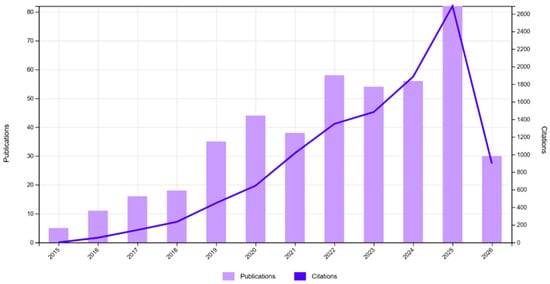
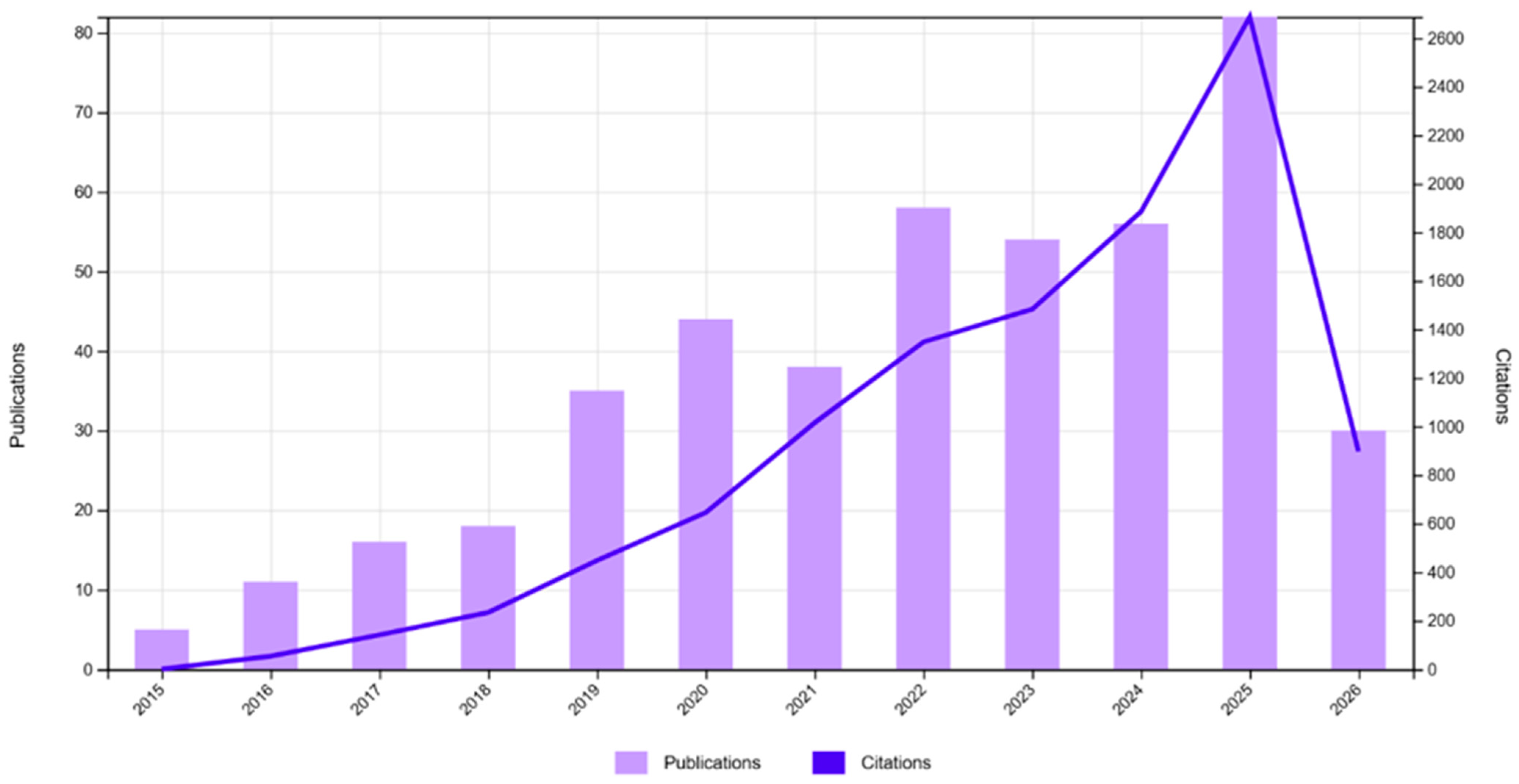
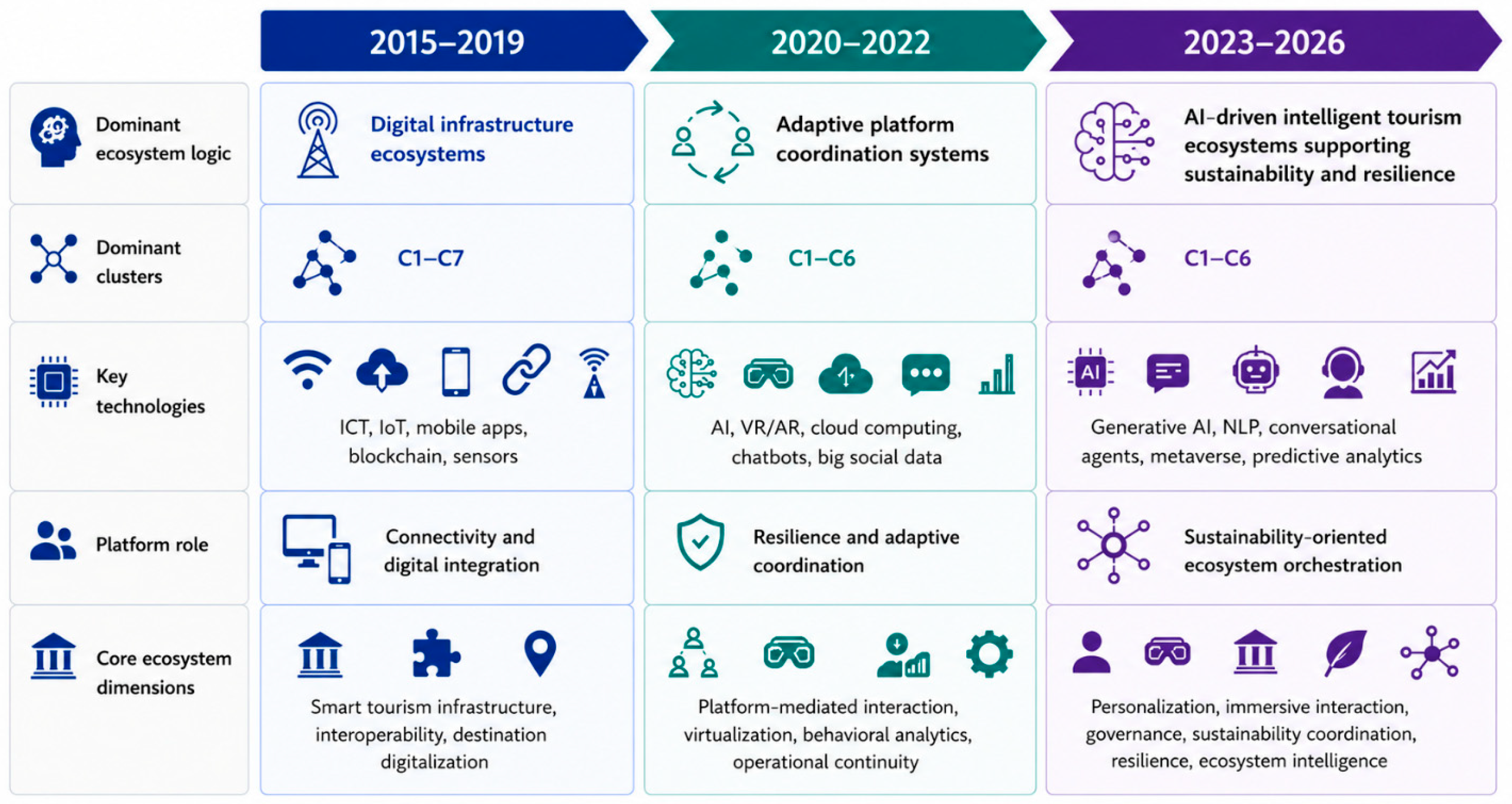
Disclaimer/Publisher’s Note: The statements, opinions and data contained in all publications are solely those of the individual author(s) and contributor(s) and not of MDPI and/or the editor(s). MDPI and/or the editor(s) disclaim responsibility for any injury to people or property resulting from any ideas, methods, instructions or products referred to in the content. |
© 2026 by the author. Licensee MDPI, Basel, Switzerland. This article is an open access article distributed under the terms and conditions of the Creative Commons Attribution (CC BY) license.