


Abstract
This study examines how Corporate Social Responsibility (CSR) can contribute to the development of a responsible governance orientation in hotel companies located in inland tourism destinations through internal organizational capabilities. Unlike approaches focused primarily on the external dimension of CSR, this research directs attention to the internal mechanisms that enable responsible commitments to be transformed into ethical, verifiable, and sustained management practices. Drawing on stakeholder theory and the resource-based view, the proposed model analyzes the effects of ethical organizational design, internal CSR implementation, and accountability and evaluation mechanisms on responsible hotel governance orientation. The empirical analysis is based on a sample of 112 hotel managers in Extremadura, Spain, and uses partial least squares structural equation modeling (PLS-SEM), complemented by a multigroup analysis based on hotel category. The results show that ethical organizational design is the model’s primary antecedent, positively influencing internal CSR implementation, accountability and evaluation mechanisms, and responsible hotel governance orientation. Internal CSR implementation and accountability and evaluation mechanisms also act as explanatory pathways linking ethical structures to responsible governance. The multigroup analysis reveals distinct patterns across hotel categories, particularly in the relationships associated with ethical organizational design. At the practical level, this study offers guidance for strengthening responsible management in hotel companies through ethical structures, internal training, and continuous monitoring and improvement systems.
1. Introduction
Corporate Social Responsibility (CSR) has become a key dimension for understanding the sustainability, legitimacy, and competitiveness of tourism companies (Aguinis & Glavas, 2012; Carroll, 1999; Font & Lynes, 2018). In the hotel sector, its relevance is particularly significant because hotels maintain direct relationships with employees, tourists, suppliers, public administrations, the local community, and other destination stakeholders (Rhou & Singal, 2020; Waligo et al., 2013). Consequently, their organizational decisions can influence not only service quality but also trust, transparency, and the sustainability of the tourism system in which they operate (Beritelli et al., 2007; Rhou & Singal, 2020; Waligo et al., 2013).
The literature on CSR in tourism and hospitality has extensively analyzed dimensions such as environmental protection, corporate reputation, and relationships with the local community (Font & Lynes, 2018; Garay & Font, 2012; Úbeda-García et al., 2021). Similarly, recent studies have linked CSR to corporate sustainability; Environmental, Social, and Governance (ESG) criteria; and financial performance, as well as to positive employee outcomes such as job satisfaction, commitment, and well-being (Back, 2024; González-De-la-Rosa et al., 2023; H. L. Kim et al., 2017; Maneethai et al., 2024; Shin et al., 2026; Theodoulidis et al., 2017). These contributions have made it possible to understand CSR as a strategic response to market and stakeholder expectations and to current corporate sustainability frameworks.
Despite these advances, there remains a need to explain more precisely how hotels articulate CSR internally and transform it into responsible, verifiable, and sustained management practices. In particular, greater attention should be paid to the process through which responsible commitments are integrated into the organization and sustained in the establishment’s day-to-day management (Aguinis & Glavas, 2012; Branco & Rodrigues, 2006; de los Ríos-Berjillos et al., 2026; Montañés-Del Río et al., 2025). This issue is relevant because hotel CSR is manifested not only through external sustainability actions, general policies, or corporate declarations, but also through organizational capabilities that enable ethical, transparent, and verifiable management (Kaptein, 2011; Shin et al., 2026; Weaver et al., 1999). Moreover, the formal existence of responsible structures does not in itself guarantee their effective application, because hotels may face resource constraints, operational pressures, and different levels of internal development (Baum, 2015; Sampaio et al., 2025; Sarwar et al., 2024).
To address this gap, this study examines how ethical organizational design, internal CSR implementation, and accountability and evaluation mechanisms are related to the development of a responsible hotel governance orientation in the context of inland tourism destinations. The objective is to analyze whether internal capabilities related to ethics, training, procedures, oversight, and evaluation can strengthen hotel management that is more responsible and consistent with stakeholder expectations (Donaldson & Preston, 1995; Freeman, 1984; Guix et al., 2019). The study also analyzes whether these relationships vary by hotel category, understood as an indicator of differences in resources, professionalization, and organizational complexity (Sampaio et al., 2025; Sarwar et al., 2024).
In this regard, this study considers internal CSR to be an organizational foundation from which hotels can develop a responsible governance orientation by promoting consistency among their ethical commitments, internal operations, and relationships with destination stakeholders (de los Ríos-Berjillos et al., 2026; Font et al., 2012; Guix et al., 2019). This approach is particularly relevant in destinations such as Extremadura, an inland Spanish region where tourism competitiveness depends largely on service quality, institutional trust, cooperation among actors, and social and territorial sustainability (Bramwell & Lane, 2011; Observatorio de Turismo de Extremadura, 2025). In addition, its hotel structure comprises establishments with different categories, sizes, and resources, making it possible to analyze differences in the formalization of internal CSR (Sampaio et al., 2025; Sarwar et al., 2024).
Within this framework, the research draws on two complementary theoretical approaches. Stakeholder theory helps explain why hotels must respond responsibly to employees, tourists, suppliers, public administrations, the local community, and destination institutions (Donaldson & Preston, 1995; Freeman, 1984). The resource-based view, in turn, explains how ethical structures, internal CSR processes, and evaluation mechanisms can be configured as organizational capabilities that create value, reinforce internal consistency, and sustain a responsible orientation over time (Barney, 1991; Branco & Rodrigues, 2006; Wernerfelt, 1984).
This study makes three main contributions. First, it extends the hotel CSR literature by shifting attention from its external manifestations and outcomes to the internal mechanisms that transform social responsibility into effective organizational practice. Second, it integrates stakeholder theory and the resource-based view to explain responsible hotel governance orientation as the outcome of internal capabilities related to ethics, CSR implementation, and accountability. Third, it incorporates hotel category as a comparative criterion, making it possible to examine whether the capacity to develop a responsible orientation varies according to establishments’ levels of resources, professionalization, and organizational complexity.
2. Theoretical Framework
This research is grounded in two complementary theoretical approaches: stakeholder theory and the resource-based view (RBV). Stakeholder theory holds that a company should manage its activities by taking into account the groups that affect or are affected by its decisions (Freeman, 1984). This perspective has been widely used in Corporate Social Responsibility (CSR) research because it allows corporate responsibility to be interpreted as a relationship with multiple stakeholders rather than solely as a strategy focused on economic performance (Donaldson & Preston, 1995; Freeman, 1984). In the hotel sector, this approach is particularly relevant because hotels interact directly with numerous actors—employees, tourists, suppliers, public administrations, and the local community—who participate in shaping the social and economic configuration of the tourism destination (Farmaki, 2019; Farmaki & Farmakis, 2018; Theodoulidis et al., 2017).
The resource-based view (RBV) holds that companies can generate competitive advantages when they develop valuable resources and capabilities that are difficult to imitate and properly integrated into their internal processes (Barney, 1991; Wernerfelt, 1984). From this perspective, CSR can be understood as an organizational capability when it is embedded in the company’s routines, structures, and management systems (Aguinis & Glavas, 2012; Branco & Rodrigues, 2006). This interpretation places social responsibility within the development of internal organizational capabilities, understood as the allocation of resources to practices, procedures, and mechanisms that strengthen ethical management, internal responsibility, and accountability. Consequently, CSR acquires organizational value when it is expressed through internal structures, control systems, training processes, ethical culture, and continuous improvement mechanisms that institutionalize social responsibility within the organization. In tourism, and particularly in hospitality, this approach is relevant because CSR acquires strategic value when it is translated into organizational capabilities that guide internal behavior, strengthen consistency between principles and practices, and sustain responsible management in relation to different stakeholders (González-De-la-Rosa et al., 2023; Rhou & Singal, 2020; Úbeda-García et al., 2021).
Together, these approaches more clearly delimit the roles of external relationships and internal capabilities in the study. Stakeholder theory justifies the need for hotels to respond responsibly to the various actors associated with the destination, whereas the RBV explains how this response can be built through internal capabilities such as ethical organizational design, internal CSR implementation, and accountability and evaluation mechanisms. In this way, the theoretical framework connects the relational dimension of hotel responsibility with the organizational resources and capabilities that enable its integration into daily management.
Based on these theoretical foundations, the proposed model conceives hotel CSR as an organizational orientation that requires, on the one hand, responding to stakeholder expectations and, on the other, developing internal capabilities that institutionalize responsible practices in day-to-day management. Within this framework, ethical organizational design (EOD) constitutes the structural foundation of the model by integrating standards, protocols, preventive resources, and communication channels intended to guide organizational behavior. Internal CSR implementation (ICSR) represents the effective translation of these principles into the hotel’s daily management through training, employee participation, process adaptation, and internal monitoring. In this regard, ICSR differs from general CSR governance frameworks, which tend to focus on broader structures of oversight, compliance, transparency, control bodies, and accountability to stakeholders (Jamali et al., 2008; Jo & Harjoto, 2011; Naciti, 2019). In this study, ICSR is understood more specifically as an internal organizational capability aimed at embedding responsible commitments in the routines, procedures, and daily practices of the hotel establishment (Aguinis & Glavas, 2012; Branco & Rodrigues, 2006). Accountability and evaluation mechanisms (AEM), in turn, reflect the hotel’s capacity to oversee, review, and update its responsible internal practices through monitoring, verification, and improvement processes. Although these constructs are related, they are not equivalent: EOD captures the ethical infrastructure that guides organizational action, ICSR represents the operational application of CSR in hotel routines, and AEM captures the evaluation and updating of those practices. The model thus distinguishes among the existence of an ethical structure, its day-to-day implementation, and its subsequent oversight.
These dimensions converge in responsible hotel governance orientation (RHGO), which is understood in this study as the model’s dependent variable. RHGO is conceptualized as a management orientation developed at the hotel-establishment level and based on ethics, transparency, internal responsibility, accountability, and stakeholder engagement (Farmaki, 2019; Guix et al., 2019). It is therefore not interpreted as the destination’s institutional governance in a broad sense, but rather as the organizational outcome toward which internal CSR-related capabilities are directed. From the perspective of stakeholder theory, this orientation reflects the hotel’s ability to respond consistently to employees, tourists, suppliers, public administrations, the local community, and other destination-related actors. From the RBV perspective, RHGO can be understood as the outcome of organizational capabilities that transform responsible commitments into routines, procedures, control systems, and verifiable practices. Consequently, the model positions RHGO as the dependent construct because it represents the final manifestation of an internal process through which ethical organizational design, internal CSR implementation, and accountability and evaluation mechanisms contribute to strengthening responsible hotel management.
This logic links the hotel’s internal processes to its responsible governance orientation within the tourism system in which it operates. The destination governance literature has indicated that the sustainability of the tourism system depends on coordination, trust, transparency, and shared responsibility among territorial actors, including tourism companies, public administrations, the local community, and other destination stakeholders (Beritelli et al., 2007; Bramwell & Lane, 2011; Volgger & Pechlaner, 2014). From this perspective, hotels’ internal structures are not confined to the organizational sphere; they can also influence the destination’s responsible functioning when they foster practices consistent with accountability, materiality, and transparency in hotel sustainability (Font et al., 2012; Guix et al., 2019). Responsible hotel governance orientation is therefore understood as a bridge between the establishment’s internal management and destination governance, insofar as it helps reinforce trust, consistency, and shared responsibility within the tourism system.
This specificity distinguishes governance in tourism organizations from that in other sectors, where responsible governance is generally analyzed primarily within the company’s internal boundaries, as is the case in many corporate governance approaches applied to industrial, financial, or manufacturing sectors (Jamali et al., 2008; Jo & Harjoto, 2011). In tourism, by contrast, hotels’ organizational decisions have a more visible territorial dimension because they can influence the visitor experience, relationships with the local community, coordination with other suppliers, and destination sustainability (Beritelli et al., 2007; Bramwell & Lane, 2011).
Finally, hotel category (HC) is incorporated as a comparative criterion because it may reflect relevant differences among establishments in terms of resource availability, degree of professionalization, and organizational complexity. These differences may condition hotels’ capacity to implement formal management systems, develop training programs, establish internal channels, and evaluate their responsible practices, as previous studies on organizational compliance and sustainable performance in the hotel sector have noted (Sarwar et al., 2024).
2.1. Ethical Organizational Design, Internal CSR Implementation, and Accountability and Evaluation Mechanisms
Ethical organizational design (EOD) constitutes the structural foundation from which an organization can orient its internal functioning toward criteria of ethics, responsibility, and control. In this study, EOD is understood as the set of internal structures, procedures, resources, and mechanisms that transform ethical principles into standards, responsibilities, and verifiable management practices. This conceptualization is not limited to the existence of codes of conduct or formal statements of values; it also includes internal standards, action protocols, preventive resources, communication channels, disciplinary systems, and periodic oversight and review procedures (Kaptein, 2008, 2011; Treviño et al., 1998; Weaver et al., 1999).
The literature on ethical climate, ethical culture, and organizational ethical infrastructure has shown that shared norms, oversight systems, and control mechanisms influence the behavior of organizational members and help reduce normative ambiguity (Kaptein, 2008, 2011; Treviño et al., 1998; Victor & Cullen, 1988). Studies of ethics and compliance programs have likewise indicated that formal prevention, communication, and disciplinary structures promote consistency between stated values and actual practices by providing specific procedures for identifying risks, correcting deviations, and strengthening internal responsibility (Miceli et al., 2008; Paine, 1994; Weaver et al., 1999).
In the hotel sector, this ethical infrastructure is particularly important because service quality, the visitor experience, and stakeholder relationships depend largely on the everyday decisions of managers and employees. Hotels operate in a highly interaction-intensive environment in which social responsibility requires not only formal commitments but also clear procedures, training, internal channels, and monitoring mechanisms that translate those commitments into daily management (Farmaki, 2019; Rhou & Singal, 2020; Theodoulidis et al., 2017). A well-developed EOD can therefore provide an essential organizational foundation for integrating social responsibility into the establishment’s internal operations.
From the RBV perspective, EOD can be understood as an internal organizational capability that makes it possible to organize resources, establish guidelines for action, and create favorable conditions for responsible management (Barney, 1991; Branco & Rodrigues, 2006; Wernerfelt, 1984). In the hotel context, previous studies on organizational compliance and responsible management have shown that internal protocols, oversight standards, and formal channels can play a relevant role in risk prevention, improved internal control, and the consolidation of responsible practices (Sarwar et al., 2024). Accordingly, when a hotel has a clearly defined ethical structure, CSR principles are more likely to be translated into specific management practices.
Internal CSR implementation (ICSR) represents the effective application of these principles in the hotel’s daily activities. This dimension distinguishes between the formal existence of responsible standards and their actual incorporation into internal processes through training, procedure adaptation, rule monitoring, and employee participation (Aguinis & Glavas, 2012; Freire et al., 2022; González-De-la-Rosa et al., 2023). Employee-oriented CSR practices have been shown to be associated with positive outcomes such as job satisfaction, commitment, well-being, and quality of working life (Freire et al., 2022; González-De-la-Rosa et al., 2023; H. L. Kim et al., 2017; H. Kim et al., 2020; Makki et al., 2026). Following this logic, ethical organizational design provides the structural conditions needed to integrate CSR more consistently into the establishment’s daily management by ensuring that responsible commitments are supported by clear standards, internal procedures, and monitoring mechanisms. Nevertheless, the existence of a formal ethical structure does not in itself guarantee the effective implementation of CSR, which requires sufficient resources, organizational involvement, and genuine incorporation into the establishment’s daily routines (Aguinis & Glavas, 2012; Baum, 2015). In this context, the following hypothesis is proposed:
H1.
Ethical organizational design (EOD) positively influences the internal implementation of CSR practices (ICSR) in hotels.
Alongside implementation, social responsibility requires mechanisms for reviewing, controlling, and updating internal practices (Aguinis & Glavas, 2012; Font et al., 2012; Guix et al., 2019). Accountability and evaluation mechanisms (AEM) express the hotel’s capacity to verify the effectiveness of its procedures, identify deviations, respond to stakeholders, and improve its management systems. The CSR literature has warned that a substantial gap may exist between organizations’ stated commitments and their actual performance, making it necessary to strengthen internal monitoring and verification systems (Aguinis & Glavas, 2012; Font et al., 2012). In hotels, accountability requires identifying relevant issues, determining the stakeholders to whom the organization must answer, and establishing appropriate evaluation processes (Guix et al., 2019).
From this perspective, a well-developed ethical organizational design facilitates the emergence of evaluation mechanisms by providing the standards, responsibilities, internal channels, and action criteria on which the review process can be based. Without this infrastructure, it is more difficult to determine what should be evaluated, who should be held accountable, and how internal procedures should be updated. Hotels with higher levels of EOD can therefore be expected to have a greater capacity to develop accountability and evaluation processes. On this basis, the following hypothesis is proposed:
H2.
Ethical organizational design (EOD) positively influences the development of accountability and evaluation mechanisms (AEM).
2.2. Internal CSR Implementation and Responsible Hotel Governance Orientation
In the hotel context, responsible hotel governance orientation (RHGO) connects the establishment’s internal management with the role that hotels play within the tourism destination (Farmaki, 2019; Guix et al., 2019). This orientation is especially important because hotels are service organizations in direct contact with employees, tourists, suppliers, public administrations, and the local community (Rhou & Singal, 2020). Destination governance studies have emphasized that tourism-system sustainability depends on coordination, trust, transparency, and shared responsibility among companies, institutions, residents, visitors, and other territorial actors (Beritelli et al., 2007; Bramwell & Lane, 2011; Volgger & Pechlaner, 2014).
Within this framework, internal CSR implementation (ICSR) plays a relevant role because it enables responsible principles to be translated into training, procedure adaptation, internal monitoring, and employee participation. These practices reinforce consistency between the hotel’s stated values and its organizational behavior, narrowing the gap between formally assumed responsibility and its actual application in daily management (Aguinis & Glavas, 2012; González-De-la-Rosa et al., 2023; H. L. Kim et al., 2017). From the perspective of stakeholder theory, this relationship can be explained by the fact that corporate responsibility is constructed through attention to multiple internal and external actors who participate in tourism activity and in shaping the destination (Donaldson & Preston, 1995; Farmaki & Farmakis, 2018; Freeman, 1984).
Hotels’ capacity to implement CSR internally may also vary according to their organizational characteristics. Factors such as establishment size, hotel category, chain affiliation, available resources, management professionalization, and reputational pressure associated with market position may condition the degree to which responsible practices are formalized and the capacity to sustain them over time (Baum, 2015; Sampaio et al., 2025; Sarwar et al., 2024). The contribution of ICSR to RHGO therefore depends not only on the existence of responsible commitments but also on the hotel’s organizational capacity to integrate them into its routines, procedures, and everyday decisions.
Thus, ICSR allows social responsibility to extend from the hotel’s internal processes toward a more responsible governance orientation. An establishment that integrates CSR into its daily practices can improve its relationship with employees, strengthen service quality, increase the transparency of its decisions, and contribute to trust among actors in the tourism system. Moreover, by incorporating CSR into procedures, training, and internal monitoring, the hotel can act more consistently toward the destination’s various stakeholders and narrow the gap between stated responsible commitments and their effective application. Consequently, internal CSR implementation can constitute an important organizational pathway for strengthening responsible governance developed within the hotel establishment itself. Therefore, the following hypothesis is proposed:
H3.
Internal implementation of CSR practices (ICSR) positively influences responsible hotel governance orientation (RHGO).
2.3. Accountability and Evaluation Mechanisms and Responsible Hotel Governance Orientation
Accountability and evaluation mechanisms (AEM) constitute a fundamental pathway for consolidating responsible hotel governance orientation (de los Ríos-Berjillos et al., 2026; Font et al., 2012; Guix et al., 2019). CSR entails ethical and social commitments, but its effectiveness depends on the organization’s capacity to verify compliance, correct deviations, and update its practices (Aguinis & Glavas, 2012; de los Ríos-Berjillos et al., 2026; Weaver et al., 1999). In this regard, evaluation makes it possible to configure social responsibility as a continuous process of review and learning rather than as a corporate declaration disconnected from actual management (Font et al., 2012; Guix et al., 2019; Shin et al., 2026).
The credibility of responsible practices in the hotel sector also depends largely on the organization’s capacity to account for its decisions and results (de los Ríos-Berjillos et al., 2026; Font et al., 2012; Guix et al., 2019). In this context, accountability, materiality, and transparency have been shown to strengthen the correspondence between the commitments assumed and the actions undertaken by the establishment (Font et al., 2012; Guix et al., 2019). From the perspective of stakeholder theory, accountability enables the company to respond more clearly to the actors affected by its decisions, thereby reinforcing the legitimacy of its organizational behavior (Donaldson & Preston, 1995; Freeman, 1984).
In tourism destinations, hotels’ capacity to evaluate their internal practices can help generate trust among actors and strengthen the institutional quality of the tourism system (Beritelli et al., 2007; de los Ríos-Berjillos et al., 2026; Volgger & Pechlaner, 2014). Destination governance requires organizations capable of acting predictably, transparently, and responsibly, especially when their decisions influence the tourism experience and territorial sustainability (Beritelli et al., 2007; Volgger & Pechlaner, 2014). Hotels with higher levels of evaluation and accountability can therefore be expected to develop a stronger responsible governance orientation. Consequently, the following hypothesis is proposed:
H4.
Accountability and evaluation mechanisms (AEM) positively influence responsible hotel governance orientation (RHGO).
2.4. Ethical Organizational Design and Responsible Hotel Governance
Ethical organizational design may also exert a direct effect on responsible hotel governance orientation (Kaptein, 2011; Weaver et al., 1999). The existence of standards, protocols, preventive resources, and internal channels establishes a framework for action that can guide hotel decisions toward criteria of ethics, transparency, and responsibility (Kaptein, 2011; Leal-Solís & Robina-Ramírez, 2022; Weaver et al., 1999). According to the RBV, this design represents a structural capability that makes it possible to coordinate internal resources, reduce uncertainty, and establish shared patterns of behavior (Barney, 1991; Wernerfelt, 1984). From the perspective of stakeholder theory, these structures facilitate a more consistent response to the expectations of employees, tourists, the local community, and institutions (Donaldson & Preston, 1995; Freeman, 1984).
Previous evidence from the hotel sector shows that establishments with more developed internal compliance systems tend to have oversight standards, protocols, and formal channels aimed at preventing inappropriate conduct (Leal-Solís & Robina-Ramírez, 2022). These elements can directly strengthen the hotel’s responsible orientation by establishing an internal framework that guides decision-making and improves the ethical consistency of management. Thus, EOD not only promotes the implementation of responsible practices or the development of evaluation mechanisms but may also contribute directly to shaping more responsible hotel governance. Under this approach, the following hypothesis is proposed:
H5.
Ethical organizational design (EOD) directly influences responsible hotel governance orientation (RHGO).
2.5. Mediating Role of Internal CSR Implementation and Evaluation Mechanisms
Ethical organizational design provides the structural foundations for responsible management, but its influence on responsible hotel governance may depend on how these structures are transformed into internal practices and review processes (Aguinis & Glavas, 2012; Branco & Rodrigues, 2006; Leal-Solís & Robina-Ramírez, 2022). From this perspective, internal CSR implementation and accountability and evaluation mechanisms may act as explanatory pathways linking organizational design to the hotel’s responsible orientation.
First, ICSR may mediate the relationship between EOD and RHGO. A hotel may have standards, protocols, and internal channels, but these elements acquire greater value when they are incorporated into training, procedure monitoring, and daily management (Branco & Rodrigues, 2006; Freire et al., 2022; González-De-la-Rosa et al., 2023; H. L. Kim et al., 2017). This perspective is consistent with the RBV according to which organizational resources and capabilities create value when they are effectively deployed in the company’s internal processes (Barney, 1991; Branco & Rodrigues, 2006). Moreover, the internal CSR literature has emphasized that responsible commitments must be perceived and experienced by employees to produce relevant organizational effects (Freire et al., 2022; González-De-la-Rosa et al., 2023; H. L. Kim et al., 2017).
Second, AEM may mediate the relationship between EOD and RHGO by transforming internal structures into verifiable control, review, and improvement processes (Font et al., 2012; Guix et al., 2019; Leal-Solís & Robina-Ramírez, 2022). Accountability makes it possible to verify whether internal standards function, whether procedures are applied correctly, and whether the organization responds transparently to its stakeholders (Donaldson & Preston, 1995; Freeman, 1984; Guix et al., 2019). This approach is consistent with hotel sustainability studies that emphasize the importance of accountability and materiality in preventing CSR from being limited to general commitments or corporate communications (Font et al., 2012; Guix et al., 2019). Consequently, the following mediation hypotheses are proposed:
H6a.
Internal CSR implementation (ICSR) mediates the relationship between ethical organizational design (EOD) and responsible hotel governance orientation (RHGO).
H6b.
Accountability and evaluation mechanisms (AEM) mediate the relationship between ethical organizational design (EOD) and responsible hotel governance orientation (RHGO).
2.6. Hotel Category as a Comparative Criterion
Hotel category (HC) may serve as a relevant criterion for explaining differences in establishments’ capacity to develop internal CSR practices and a responsible governance orientation (Sampaio et al., 2025; Sarwar et al., 2024). From the RBV perspective, HC can be interpreted as an indirect indicator of organizational resources and capabilities because higher-category hotels generally have more resources, more formalized structures, greater professionalization, and stronger reputational pressure (Barney, 1991; Sampaio et al., 2025; Sarwar et al., 2024; Wernerfelt, 1984). These conditions can facilitate the implementation of formal management systems, training programs, internal channels, and evaluation mechanisms. Evidence from the Spanish hotel sector points in this direction by showing differences between lower- and higher-category hotels in the adoption of compliance systems, oversight standards, and internal channels (Leal-Solís & Robina-Ramírez, 2022; Sarwar et al., 2024). Recent studies have also indicated that the relationship among human resources, CSR, and sustainable performance may vary by hotel category (Sarwar et al., 2024).
Nevertheless, these differences do not imply that hotel category automatically guarantees a stronger responsible orientation. Higher-category hotels may have better organizational conditions, but they may also face greater internal complexity, more procedures, and higher coordination demands. By contrast, lower-category hotels may have simpler structures and more direct relationships with employees and customers, although they generally have fewer resources, less formalization, and more limited capabilities for developing evaluation, monitoring, or accountability systems (Baum, 2015; Garay & Font, 2012). It is therefore reasonable to expect that the relationships proposed in the model will not be equally strong across all establishments, because resource availability, degree of professionalization, and organizational complexity associated with hotel category may influence how EOD, ICSR, and AEM relate to RHGO. On this basis, the following hypothesis is proposed:
H7.
Hotel category (HC) introduces differences in the strength of the model’s relationships, such that the effects among ethical organizational design (EOD), internal CSR implementation (ICSR), accountability and evaluation mechanisms (AEM), and responsible hotel governance orientation (RHGO) may vary between lower- and higher-category hotels.
Unlike the preceding hypotheses, H7 does not represent an additional structural path within the model, but rather a between-group comparison hypothesis. It is therefore tested through a multigroup analysis, using hotel category as the grouping criterion to examine whether the strength of the proposed relationships varies between lower- and higher-category hotels.
The proposed model is presented in Figure 1.
Figure 1.
Model and hypotheses. Note. EOD = ethical organizational design; ICSR = internal CSR implementation; AEM = accountability and evaluation mechanisms; RHGO = responsible hotel governance orientation; HC = hotel category. H1–H5 represent direct effects. H6a and H6b represent the indirect effects of EOD on RHGO through ICSR and AEM, respectively. H7 is analyzed using HC as the grouping criterion in the multigroup analysis.
3. Methodology
3.1. Research Context
This research was conducted in Extremadura, Spain, an inland region where tourism activity has undergone significant recent development and where hotel establishments play an important role in shaping the destination (Figure 2) (Observatorio de Turismo de Extremadura, 2025). The choice of this territorial context is justified by a combination of three elements: the region’s tourism dynamism, the diversity of its hotel supply, and the importance of hotels as organizational actors in inland destinations that depend largely on service quality, institutional trust, and responsible management. In this regard, Extremadura provides a theoretically appropriate setting for this study because it makes it possible to analyze internal CSR within a tourism system where relationships among hotels, institutions, residents, tourists, and other territorial actors help explain how establishments’ internal practices can contribute to a destination-related responsible hotel governance orientation.
Figure 2.
Study area. Note. Authors’ own elaboration.
The most recent data confirm the territory’s relevance within the regional tourism system. According to the latest available records for 2026, hotel and non-hotel accommodations in Extremadura received 213,349 travelers and recorded 419,757 overnight stays, the highest figures in the historical series beginning in 2010 for that reference period (Junta de Extremadura, 2026). In the hotel sector specifically, establishments in the region received 139,306 travelers and recorded 255,838 overnight stays, representing year-over-year increases of 0.66% and 3.94%, respectively (Instituto de Estadística de Extremadura, 2026). This trend shows that Extremadura’s hotel industry remains a central component of the destination and an appropriate context for analyzing internal responsible-management practices, particularly in a setting where service quality, trust, and organizational sustainability are becoming increasingly important.
The relevance of this context is further reinforced by Extremadura’s positioning as an inland, rural, cultural, and nature-based destination. The 2025 Extremadura Tourism Report highlights the region’s strategic interest in inland, rural, and cultural tourism and the need to advance proposals aimed at strengthening its tourism development (Observatorio de Turismo de Extremadura, 2025). In this setting, hotels not only fulfill their accommodation function but also participate in the visitor experience, the relationship with the territory, and the building of trust among companies, institutions, residents, and tourists.
The regional hotel structure also makes it possible to analyze establishments with different levels of resources, professionalization, and organizational complexity. Because Extremadura has one- to five-star hotels, it provides an appropriate framework for examining whether hotel category conditions establishments’ capacity to implement internal ethical-management structures, training programs, communication channels, preventive protocols, and evaluation mechanisms. This diversity is useful for studying internal CSR as an organizational capability that may vary according to establishment characteristics and, at the same time, for analyzing how these practices may extend toward a destination-related responsible hotel governance orientation. In inland destinations, where tourism competitiveness depends largely on cooperation among actors, service quality, and the territory’s social and institutional sustainability, hotels’ internal management assumes strategic importance for understanding the relationship between internal CSR and responsible hotel governance in the tourism context.
3.2. Questionnaire Design, Data Collection, and Sample
To obtain information from the organizational actors directly responsible for ethical management and internal CSR practices, this study used a census-based purposive sampling technique (Etikan et al., 2016; Saunders et al., 2019). The target population comprised 170 officially registered hotels in Extremadura. Because this population is finite, identifiable, and territorially delimited, all hotel managers in the region were invited to participate in the study rather than selecting only a subset of establishments (Saunders et al., 2019). This approach ensured the inclusion of establishments across all categories—from one to five stars—and reflected the diversity of organizational structures, resource availability, and levels of professionalization within the regional hotel system. Purposive sampling was appropriate because managers are key informants capable of providing valid information on internal ethical design, CSR implementation, and accountability mechanisms (Etikan et al., 2016). The census logic, in turn, helped minimize selection bias by seeking full coverage of the regional hotel population.
A structured questionnaire addressed to hotel managers was used as the data-collection technique. The initial questionnaire was developed from the literature on ethical management, CSR, internal prevention mechanisms, accountability, and hotel governance (Aguinis & Glavas, 2012; Farmaki, 2019; Guix et al., 2019; Kaptein, 2011). This first version collected general information about the establishment, assessed the degree of development of internal responsible-management practices, and proposed an initial set of constructs and items linked to the theoretical model.
Before the final data collection, a pilot study was conducted with 39 hotels in Extremadura. This preliminary phase included establishments from different categories: eight five-star hotels, seven four-star hotels, nine three-star hotels, ten two-star hotels, and five one-star hotels. The objective was to verify the questionnaire’s clarity, comprehensibility, relevance, and suitability for the hotel context and to adapt its content to the managerial realities of the participating establishments (Presser et al., 2004). The responses obtained during this phase were used exclusively to refine the questionnaire and were not included in the final data set used for the statistical analyses.
During the pilot study, two online meetings were held with the participating hotel managers. The first meeting presented the study objectives, the model’s general logic, and the constructs initially considered. Based on the discussion with the experts, the constructs directly related to internal ethical management, CSR implementation, evaluation, and responsible governance were retained, whereas dimensions further removed from the study’s focus—such as external reputation, commercial communication of CSR, and customer satisfaction—were excluded. The second meeting reviewed the relevance of the items associated with the selected constructs. This process began with an initial version comprising 18 items. As a result of the review, three items were removed because of conceptual overlap, three were reformulated to improve their precision, and twelve were linguistically adapted to the hotel context.
The final questionnaire consisted of 15 items distributed across four constructs: ethical organizational design (EOD), with 6 items; internal corporate social responsibility implementation (ICSR), with 3 items; accountability and evaluation mechanisms (AEM), with 3 items; and responsible hotel governance orientation (RHGO), with 3 items. All model items were measured on a 7-point Likert scale, where 1 indicated “strongly disagree” and 7 indicated “strongly agree.” The questionnaire also included questions characterizing the establishment, including hotel category, and general questions on the degree of development of internal responsible-management practices. Table 1 presents the constructs, final items, and references used for their adaptation.
Table 1.
Constructs and Items.
Additionally, because the information was collected through a self-reported questionnaire completed by a single informant at each establishment, several procedural measures were incorporated to reduce potential common method bias (Podsakoff et al., 2003). During questionnaire administration, the anonymity and confidentiality of responses were guaranteed, and participants were informed that there were no correct or incorrect answers. The items were also worded clearly and neutrally and adapted to the hotel context, avoiding ambiguous or evaluative expressions. The questionnaire blocks were organized separately to conceptually distinguish the constructs analyzed.
The final data collection took place during 2025 and early 2026 through interviews with those responsible for managing the hotel establishments. A team of four interviewers coordinated the fieldwork in Extremadura’s main cities with the highest concentrations of hotels: Badajoz, Cáceres, and Mérida. Establishments located in other municipalities in the region were contacted by telephone. This procedure combined in-person data collection in cities with higher hotel concentrations with access to hotels distributed throughout the rest of the region.
A total of 112 hotels participated, representing a response rate of 65.9% from a target population of 170 establishments. The sample comprised 32 one-star hotels, 35 two-star hotels, 21 three-star hotels, 19 four-star hotels, and 5 five-star hotels. Table 2 presents the main organizational characteristics of the establishments analyzed, including size, age, chain affiliation, ownership structure, occupancy rates, revenue performance, and managerial experience. These data characterize the composition of the participating hotels and reflect the presence of establishments with different levels of resources, operating history, business structure, and professionalization.
Table 2.
Organizational Characteristics of Hotels.
To address statistical-power considerations, an a priori sample-size calculation was performed using G*Power version 3.1 (Heinrich Heine University Düsseldorf, Düsseldorf, Germany; https://www.gpower.hhu.de) (Faul et al., 2007). Following a conservative multiple-regression approach, the minimum required sample size was estimated by considering five predictors, a medium effect size (f2 = 0.15), a significance level of α = 0.05, and statistical power of 0.80. The analysis indicated a minimum requirement of N = 92 cases. In addition, the inverse square root method recommended for PLS-SEM studies was applied (Kock & Hadaya, 2018). Considering a minimum detectable coefficient of r = 0.30, a significance level of α = 0.05, and power of 0.80, this procedure indicated an approximate minimum sample size of N = 88 cases. The final sample of 112 hotel managers therefore exceeds both thresholds, supporting the adequacy of the sample size for detecting medium effects in the main structural model and aligning with recent methodological recommendations in sustainability and environmental-performance studies that use similar modeling approaches (Al Karim et al., 2026). Nevertheless, some subgroup sizes used in the multigroup analysis by hotel category are relatively small; therefore, those results should be interpreted with caution.
3.3. Data Analysis
The data were analyzed using partial least squares structural equation modeling (PLS-SEM) with SmartPLS 4 software (SmartPLS GmbH, Oststeinbek, Germany; https://www.smartpls.com). This technique is suitable for examining models composed of latent variables and observable indicators, particularly when working with moderate sample sizes (Hair et al., 2022). The analysis followed the conventional two-stage procedure: the measurement model was evaluated first, followed by the structural model.
In the first stage, construct reliability and validity were examined. Individual indicator reliability was evaluated through outer loadings, with values equal to or greater than 0.70 considered acceptable (Hair et al., 2022). Cronbach’s alpha, composite reliability, and average variance extracted (AVE) were also calculated. Convergent validity was assessed using AVE values above 0.50, whereas discriminant validity was examined using the Fornell–Larcker criterion and the heterotrait–monotrait ratio (HTMT) (Fornell & Larcker, 1981; Henseler et al., 2015).
In the second stage, the structural model was estimated to test the research hypotheses. Path coefficients, their significance levels, and the explained variance of the endogenous variables were analyzed using the coefficient of determination R2. The statistical significance of the structural relationships was tested through a bootstrapping procedure with 5000 subsamples, whereas potential collinearity among predictors was evaluated using inner VIF values (Hair et al., 2022).
The model’s predictive capacity was examined using Stone-Geisser’s Q2 criterion, obtained through the blindfolding technique (Stone, 1974). Overall model fit was also evaluated using the SRMR indicator, with values below 0.08 considered adequate (Hair et al., 2022).
Because hotel category could introduce meaningful differences in how the model operates, a complementary multigroup analysis was conducted (Henseler et al., 2009; Sarstedt et al., 2011). For this purpose, the sample was divided into two groups: 1- and 2-star hotels (n = 67) and 3-, 4-, and 5-star hotels (n = 45). Before comparing the structural relationships, measurement invariance was assessed using the MICOM procedure to ensure construct comparability across the two groups (Henseler et al., 2016). A formal between-group comparison was then conducted using a permutation test with 5000 permutations. For each structural relationship, the difference between the path coefficients was estimated (Δβ = β Group 1 − β Group 2), together with its corresponding permutation p-value. Between-group differences were considered statistically significant when p < 0.05.
As complementary checks, and because the data came from a single informant at each establishment and were collected through a questionnaire, potential common method bias was assessed using Harman’s single-factor test, a single-factor confirmatory factor analysis model, and a marker-variable technique (Lindell & Whitney, 2001; Podsakoff et al., 2003).
4. Results
4.1. Measurement Model
Before evaluating the reliability and validity of the measurement model, the results of the tests applied to detect potential common method bias (CMB) were analyzed. First, Harman’s single-factor test, based on an unrotated factor solution, showed that the first factor explained 38.7% of the total variance, below the 50% threshold commonly used to indicate serious CMB problems (Podsakoff et al., 2003). Second, the single-factor confirmatory factor analysis (CFA) model exhibited a substantially poorer fit than the proposed multifactor measurement model, confirming the empirical distinctiveness of the constructs. Finally, the marker-variable technique produced negligible changes in the structural-relationship coefficients (mean Δβ = 0.015), in accordance with the approach proposed by Lindell and Whitney (2001). Taken together, these results suggest that common method bias does not significantly distort the study’s findings. Nevertheless, because the data were collected using a single self-report instrument, some residual method variance cannot be completely ruled out.
The measurement-model assessment began with an analysis of individual indicator reliability, estimated through standardized outer loadings. As shown in Table 3, all loadings exceeded the recommended threshold of 0.70, supporting the adequacy of the reflective indicators used (Hair et al., 2022).
Table 3.
Indicator Outer Loadings.
Internal reliability, convergent validity, and discriminant validity were then analyzed (Table 4). The results show adequate values in all cases (Hair et al., 2022). Cronbach’s alpha ranged from 0.819 to 0.918, whereas composite reliability ranged from 0.812 to 0.921. Average variance extracted was also above the recommended threshold of 0.50 in all cases, with values ranging from 0.591 to 0.663 (Fornell & Larcker, 1981; Hair et al., 2022). In addition, the square root of each construct’s AVE exceeded its correlations with the other constructs, confirming discriminant validity according to the Fornell–Larcker criterion. These results support the internal reliability, convergent validity, and discriminant validity of the scales used.
Table 4.
Reliability, Convergent Validity, and Fornell–Larcker Criterion.
Discriminant validity was also evaluated using the heterotrait–monotrait ratio (HTMT). As shown in Table 5, all values were below the 0.90 threshold, confirming discriminant validity among the model constructs (Henseler et al., 2015). These results support the empirical distinctiveness of the constructs. Although EOD, ICSR, AEM, and RHGO are theoretically related, the convergent- and discriminant-validity indicators show that each construct captures a specific dimension within the model analyzed.
Table 5.
Heterotrait–Monotrait Ratio (HTMT).
4.2. Structural Model
Once the adequacy of the measurement model had been confirmed, potential collinearity among predictors was assessed before interpreting the structural relationships. Inner VIF values were calculated for this purpose. As shown in Table 6, all values were below the conservative threshold of 3.3, indicating no relevant collinearity problems in the structural model (Hair et al., 2022).
Table 6.
Inner VIF Values of the Structural Model.
After this check, the structural model was estimated to test the proposed hypotheses. As shown in Table 7, all proposed direct relationships were positive and statistically significant. Ethical organizational design (EOD) had a positive effect on internal CSR implementation (ICSR) (β = 0.506; t = 7.036; p < 0.001), supporting H1. This result indicates that hotels with more developed internal structures have a greater capacity to translate responsible principles into daily management. EOD also positively influenced accountability and evaluation mechanisms (AEM) (β = 0.594; t = 9.887; p < 0.001), supporting H2. This effect suggests that the existence of standards, protocols, internal channels, and preventive resources promotes the development of processes for reviewing, controlling, and updating internal practices.
Table 7.
Structural Model Hypothesis Testing.
The results also show that internal CSR implementation (ICSR) positively influenced responsible hotel governance orientation (RHGO) (β = 0.346; t = 3.742; p < 0.001), supporting H3. Likewise, accountability and evaluation mechanisms (AEM) had a positive effect on RHGO (β = 0.337; t = 4.391; p < 0.001), supporting H4. These results show that both the effective application of internal CSR practices and the existence of evaluation mechanisms contribute to strengthening a more ethical, transparent, and responsible management orientation.
Finally, EOD had a positive direct effect on RHGO (β = 0.331; t = 3.845; p < 0.001), supporting H5. This result shows that internal ethical management structures not only promote CSR implementation and the evaluation of internal practices but also contribute directly to a stronger responsible hotel governance orientation.
4.3. Indirect Effects
To test the mediation hypotheses H6a and H6b, specific indirect effects were analyzed through bootstrapping with 5000 subsamples within the PLS-SEM model. The significance of mediation was evaluated using the indirect coefficient, t-value, p-value, and 95% bootstrap confidence interval, with mediation considered significant when the interval did not include zero. As shown in Table 8, the indirect effect of EOD on RHGO through ICSR was positive and statistically significant (β = 0.173; t = 3.200; p = 0.001; 95% bootstrap CI [0.076; 0.286]), supporting H6a. Likewise, the indirect effect of EOD on RHGO through AEM was also positive and significant (β = 0.202; t = 3.880; p < 0.001; 95% bootstrap CI [0.105; 0.315]), supporting H6b. These results indicate that internal CSR implementation and accountability and evaluation mechanisms act as mediating mechanisms through which ethical organizational design contributes to strengthening responsible hotel governance orientation.
Table 8.
Indirect Effects of the Model.
4.4. Explanatory Power, Predictive Relevance, and Model Fit
The model’s explanatory power and predictive relevance are presented in Table 9. Explanatory power was evaluated using the coefficient of determination R2. The results show that the model explains 25.6% of the variance in internal CSR implementation (ICSR), 35.3% of the variance in accountability and evaluation mechanisms (AEM), and 74.3% of the variance in responsible hotel governance orientation (RHGO). The latter value indicates high explanatory power for the model’s main dependent construct.
Table 9.
Coefficients of Determination and Predictive Relevance.
Predictive relevance was examined using Stone–Geisser’s Q2 criterion. As shown in Table 9, all endogenous constructs had values above zero, confirming the model’s predictive capacity (Stone, 1974). Overall model fit was also adequate, with an SRMR value of 0.07, below the recommended threshold of 0.08 (Hair et al., 2022).
4.5. Multigroup Analysis by Hotel Category
Before conducting the multigroup analysis by hotel category, measurement invariance was assessed using the MICOM procedure (Henseler et al., 2016). This assessment was performed for the two groups used to test H7: 1- and 2-star hotels and 3-, 4-, and 5-star hotels. Configural invariance was established by applying the same model specification and data treatment procedures to both groups. Compositional invariance was also confirmed through permutation tests, indicating that the construct composite scores were equivalent across hotel categories. The assessment of equality of means and variances showed partial invariance. Accordingly, the multigroup comparisons were considered appropriate for analyzing structural patterns across hotel categories, although the findings should be interpreted with caution given the partial nature of measurement invariance.
The results reveal distinct patterns according to hotel category (Table 10). In 3-, 4-, and 5-star hotels, all structural relationships were positive and statistically significant. By contrast, in 1- and 2-star hotels, ethical organizational design (EOD) did not have significant effects on accountability and evaluation mechanisms (AEM) or responsible hotel governance orientation (RHGO). Nevertheless, because a relationship being significant in one group and nonsignificant in the other does not, by itself, demonstrate that the coefficients differ significantly, a formal between-group comparison was conducted using a permutation test.
Table 10.
Multigroup Analysis by Hotel Category.
The most notable descriptive patterns were observed in the relationships originating from EOD. The effect of EOD on internal CSR implementation (ICSR) was significant in both groups, although the coefficient was higher in 3-, 4-, and 5-star hotels (β = 0.501; p < 0.001) than in 1- and 2-star hotels (β = 0.327; p = 0.010). However, the difference between the two coefficients was not statistically significant (Δβ = −0.174; p = 0.214). The EOD → RHGO relationship was significant only in 3-, 4-, and 5-star hotels (β = 0.432; p < 0.001), whereas it was positive but nonsignificant in 1- and 2-star hotels (β = 0.218; p = 0.067). In this case, the formal comparison likewise showed no statistically significant difference between the coefficients of the two groups (Δβ = −0.214; p = 0.109).
By contrast, the difference associated with the EOD → AEM relationship was statistically significant (Δβ = −0.393; p = 0.023). This relationship was stronger in 3-, 4-, and 5-star hotels (β = 0.631; p < 0.001) than in 1- and 2-star hotels (β = 0.238; p = 0.154). This difference may be explained by the lower degree of organizational formalization that typically characterizes lower-category establishments (Baum, 2015; Sarwar et al., 2024). In these hotels, ethical organizational design may be present as a general management orientation but may not necessarily translate immediately into formal accountability and evaluation mechanisms. By contrast, 3-, 4-, and 5-star hotels tend to have more formalized internal structures, greater resource availability, and more developed management procedures, which may facilitate the transformation of ethical design into verifiable responsible management practices (Sampaio et al., 2025; Sarwar et al., 2024).
The ICSR → RHGO and AEM → RHGO relationships, however, were significant in both groups. The ICSR → RHGO relationship had a coefficient of β = 0.366 in 1- and 2-star hotels and β = 0.207 in 3-, 4-, and 5-star hotels. However, the difference between the two coefficients was not statistically significant (Δβ = 0.159; p = 0.294). Similarly, the AEM → RHGO relationship yielded coefficients of β = 0.371 and β = 0.305, respectively, with no significant between-group difference (Δβ = 0.066; p = 0.587). The fact that both relationships were significant in both groups, together with the absence of statistically significant differences between their respective coefficients, suggests that these capabilities contribute to a responsible governance orientation in both lower- and higher-category hotels.
Overall, the findings provide partial support for H7, as the formal between-group comparison identified a statistically significant difference only in the EOD → AEM relationship. Thus, hotel category does not modify all relationships in the model uniformly; rather, its differentiating effect is concentrated in the capacity of ethical organizational design to foster the development of accountability and evaluation mechanisms. The differences observed in the remaining relationships should be interpreted as descriptive patterns because they did not reach statistical significance in the permutation test. Nevertheless, this interpretation should be regarded as indicative rather than conclusive because of the partial nature of measurement invariance and the relatively small group sizes used in the multigroup analysis.
5. Discussion and Implications
The findings of this research allow responsible hotel governance orientation (RHGO) to be interpreted as the outcome of an internal process of organizational construction. Rather than depending solely on general CSR commitments, RHGO is based on the hotel’s capacity to establish ethical structures, translate them into day-to-day management, and subject them to review mechanisms. This interpretation is important in inland destinations such as Extremadura, where tourism competitiveness depends largely on service quality, trust among actors, and the consistency of practices developed by hotel establishments with different levels of resources and professionalization. In this regard, this study extends the scope of research that has addressed hotel CSR primarily from the perspective of its effects on employees, customers, reputation, performance, or environmental sustainability by showing that responsibility must also be analyzed through the internal conditions that sustain it over time (Aguinis & Glavas, 2012; Farmaki, 2019; González-De-la-Rosa et al., 2023; H. L. Kim et al., 2017; Rhou & Singal, 2020; Theodoulidis et al., 2017). In contrast to approaches focused on the external outcomes of CSR, this study provides a more detailed view of how such commitments are organized within the hotel establishment through verifiable management structures, practices, and mechanisms.
The role of ethical organizational design (EOD) is particularly relevant to understanding this dynamic. The results show that internal standards, protocols, communication channels, preventive resources, and control systems do not operate as isolated elements, but rather as an organizational infrastructure that facilitates the incorporation of CSR into hotel routines. This evidence is consistent with the ethical-culture literature, which has emphasized that an organization’s formal and informal systems guide behavior, reduce normative ambiguity, and strengthen consistency between corporate values and actual practices (Kaptein, 2011; Treviño et al., 1998; Weaver et al., 1999). However, this finding adds a context-specific nuance for hotels: EOD functions not only as a prevention or compliance mechanism but also as an organizational foundation from which CSR practices, evaluation mechanisms, and a more responsible management orientation are deployed. Moreover, from the RBV perspective, this result allows EOD to be interpreted as an internal capability that helps the hotel coordinate resources, organize procedures, and create favorable organizational conditions for responsible management (Barney, 1991; Branco & Rodrigues, 2006; Wernerfelt, 1984; Úbeda-García et al., 2021).
The relationship between EOD and internal CSR implementation (ICSR) indicates that responsible commitments acquire organizational meaning when they are translated into training, procedure adaptation, rule monitoring, and employee participation. In hotels, this issue is particularly important because the tourism experience is constructed largely through everyday interactions among employees, managers, tourists, and other destination actors. ICSR should therefore be understood not as the mere operational application of responsible principles, but as the mechanism linking the establishment’s ethical orientation to everyday service practice. This interpretation aligns with studies that have highlighted the role of internal CSR in employee satisfaction, commitment, organizational identification, workplace well-being, and positive behaviors (Freire et al., 2022; González-De-la-Rosa et al., 2023; H. L. Kim et al., 2017; H. Kim et al., 2020). Unlike those studies, however, which have focused largely on employees’ attitudinal or behavioral responses, this research shows that internal CSR implementation can also act as an organizational pathway for strengthening the hotel’s responsible governance orientation.
Accountability and evaluation mechanisms (AEM) introduce an additional dimension into the construction of RHGO. The existence of responsible practices does not in itself guarantee their continuity or organizational consistency if the hotel lacks procedures for reviewing their application, detecting deviations, and updating its internal systems. In this regard, AEM helps narrow the gap between stated commitments and the hotel’s actual operations. This result is consistent with several hotel-sustainability studies that have emphasized the importance of accountability, materiality, and transparency in strengthening stakeholder trust and avoiding merely declarative approaches to CSR (Font et al., 2012; Guix et al., 2019). It also connects with recent research highlighting the need to incorporate ethics, transparency, and governance into tourism-sustainability models (de los Ríos-Berjillos et al., 2026; Shin et al., 2026). From this perspective, the positive relationship between AEM and RHGO suggests that accountability is relevant not only as a transparency requirement but also as part of the internal functioning that enables hotels to review, sustain, and improve their responsible practices.
The contribution of ICSR and AEM to RHGO shows that responsible governance is shaped through verifiable internal practices. From the perspective of stakeholder theory, this evidence is consistent with the idea that a company must respond to the groups that affect or are affected by its decisions (Donaldson & Preston, 1995; Freeman, 1984). In the hotel context, this responsibility is not limited to relationships with customers or owners but also includes employees, suppliers, public administrations, residents, and the local community. A hotel that integrates CSR into its internal processes and evaluates its application can therefore strengthen its organizational legitimacy and contribute to more transparent relationships with destination actors (Farmaki, 2019; Farmaki & Farmakis, 2018; Theodoulidis et al., 2017). This result distinguishes RHGO from a generic conception of destination governance by positioning it as a responsible management orientation developed within the hotel establishment itself.
These results also connect the hotel’s internal management with the tourism environment in which it operates, without equating RHGO with the destination’s institutional governance. The destination governance literature has indicated that territorial sustainability depends on coordination, trust, and shared responsibility among companies, institutions, the local community, and other actors in the tourism system (Beritelli et al., 2007; Bramwell & Lane, 2011; Volgger & Pechlaner, 2014). Within this framework, hotels can contribute to more responsible destination functioning not only through participation in networks, collective strategies, or institutional initiatives but also through the ethical quality, transparency, and consistency of their own internal processes. Thus, this study refines the prior literature by showing that the relationship between CSR and tourism governance can also be analyzed at the organizational level of the establishment.
The mediation of ICSR and AEM provides a more precise view of the process analyzed. EOD supplies the structural foundation, but its contribution to RHGO is strengthened when that foundation is transformed into internal practices and evaluation processes. This combination of structure, implementation, and accountability makes it possible to understand hotel CSR as an organizational capability that requires integration, monitoring, and continuous improvement. In this regard, the findings are consistent with studies that consider CSR a strategic resource and, at the same time, clarify that its value depends on its effective incorporation into internal processes and its capacity to generate transparency for stakeholders (Aguinis & Glavas, 2012; Branco & Rodrigues, 2006; Font et al., 2012; Guix et al., 2019; Rhou & Singal, 2020). Thus, this result not only confirms positive relationships among variables but also explains how ethical design becomes responsible governance through two complementary organizational pathways: internal implementation and evaluation.
Finally, hotel category (HC) introduces a more specific contingent dimension. The formal between-group comparison showed that the difference across categories is concentrated in the relationship between EOD and AEM, whose effect was stronger in 3-, 4-, and 5-star hotels. This greater intensity may be associated with the higher availability of resources, greater professionalization, and greater organizational complexity that characterize these establishments. This interpretation is consistent with studies linking establishment characteristics to internal capabilities, management systems, and sustainable performance (Baum, 2015; Sampaio et al., 2025; Sarwar et al., 2024). However, the absence of significant differences in the remaining relationships indicates that hotel category does not act as a general conditioning factor in the model. Lower-category hotels can also progress toward a responsible governance orientation when they successfully implement internal CSR practices and evaluation mechanisms. In this regard, HC does not determine a hotel’s responsible orientation but appears to influence more specifically its capacity to formalize and consolidate monitoring and accountability mechanisms. This evidence helps refine the discussion by showing that some responsible capabilities are shared across the hotel sector, whereas others depend more heavily on the establishment’s degree of formalization, resource availability, and organizational complexity.
5.1. Theoretical Implications
From a theoretical perspective, this study contributes to the literature on CSR in tourism and hospitality by shifting attention from the external dimensions of social responsibility to its internal foundations. The results show that hotel CSR should not be understood solely as a strategic response to the market, reputation, or external expectations, but as an organizational orientation that requires structures, practices, and evaluation mechanisms integrated into daily management.
Second, the research reinforces the complementarity between stakeholder theory and the RBV. Stakeholder theory makes it possible to understand the hotel’s responsible orientation as a response to employees, tourists, the local community, institutions, and other destination actors. The RBV, in turn, helps explain why this orientation depends on internal capabilities such as ethical design, training, procedures, communication channels, and evaluation systems. Combining both approaches makes it possible to interpret internal CSR as an organizational capability aimed at responding more consistently to stakeholders.
Third, the study contributes to the destination governance literature by showing that responsible governance is constructed not only at the institutional or territorial level but also through the internal practices of the organizations that form part of the destination. Hotels can act as governance agents when their internal processes promote ethics, transparency, accountability, and responsibility toward actors in the tourism system. This contribution is supported by the model’s high explanatory power for responsible hotel governance orientation (RHGO) (R2 = 0.743), showing that this orientation can be explained to a large extent by internal capabilities related to ethical organizational design, CSR implementation, and accountability.
Finally, incorporating hotel category advances a more contingent understanding of internal CSR. The results show that the effect of ethical organizational design on accountability and evaluation mechanisms varies across hotel categories, whereas the remaining relationships do not differ significantly between groups. This evidence provides a more precise interpretation of the conditions that facilitate or constrain the integration of responsible practices in hotels.
5.2. Practical Implications
At the practical level, the results offer useful guidance for hotel managers, destination managers, and public administrations. First, given the role of ethical organizational design in the model, hotels should develop internal structures that integrate social responsibility into routine management. This entails defining clear standards, establishing action protocols, providing internal communication channels, allocating preventive resources, and creating systems that guide the ethical behavior of managers and employees. In inland destinations such as Extremadura, where hotels of different categories, sizes, and organizational capacities coexist, these structures need not necessarily take complex forms; instead, they can be adapted to each establishment’s degree of formalization. For example, hotels could develop internal codes of conduct, protocols for preventing malpractice, confidential channels for reporting incidents, and basic procedures for managing possible noncompliance (de los Ríos-Berjillos et al., 2026; Shin et al., 2026). In this way, CSR can be supported by a clear organizational architecture rather than depending solely on informal decisions or isolated initiatives.
Second, internal CSR implementation should occupy a central place in hotel management. The results show that responsible governance is strengthened when responsible principles are translated into training, procedure adaptation, monitoring of internal standards, and employee participation. In practice, this means incorporating CSR into processes such as onboarding new employees, continuing training, shift management, customer service, supplier relationships, and internal communication (González-De-la-Rosa et al., 2023; Sarwar et al., 2024). For hotels located in inland destinations, this integration is relevant because the tourism experience depends largely on direct interaction among employees, tourists, local suppliers, and the surrounding community. CSR should therefore not be limited to external or communication-oriented actions but should be integrated into the establishment’s organizational routines.
Third, accountability and evaluation mechanisms are essential for strengthening the credibility of responsible management. Hotels should therefore periodically review their internal practices, consult employees about the effectiveness of procedures, verify possible noncompliance, and update their management systems. These actions transform CSR into a continuous-improvement process rather than a formal declaration disconnected from actual practice (Font et al., 2012; Guix et al., 2019). Specific measures could include simplified internal audits, periodic monitoring meetings, basic compliance indicators, internal surveys on ethical climate, or brief reports on the establishment’s responsible actions. These tools can help strengthen trust among hotels, employees, suppliers, public administrations, and other destination actors.
The results also suggest the need to design differentiated strategies by hotel category. Higher-category hotels appear to have more resources and structures for developing complex internal systems. However, lower-category hotels can also strengthen their responsible orientation when they succeed in implementing specific CSR practices and basic evaluation mechanisms. Public administrations and destination management organizations could therefore offer targeted support tools for these establishments, such as simplified guides, training programs, model internal protocols, self-assessment templates, and shared monitoring systems (Sampaio et al., 2025). This type of support may be particularly useful in regions such as Extremadura, where the hotel structure combines establishments with different sizes and degrees of professionalization and where a lack of specialized personnel or financial resources may constrain the formalization of responsible practices.
Finally, the findings have implications for tourism destination governance. If hotels improve their internal responsibility, evaluation, and transparency processes, they can also help strengthen trust among actors, the destination’s institutional quality, and the consistency of tourism-sustainability strategies. Responsible hotel management should therefore be understood as part of a broader territorial-governance agenda, especially in inland destinations where cooperation among companies, institutions, and the local community is essential to the sustainability of the tourism system. From this perspective, destination management organizations could incorporate criteria related to internal CSR, transparency, and accountability into their tourism quality, sustainability, and promotion programs (de los Ríos-Berjillos et al., 2026; Shin et al., 2026), through instruments such as good-practice guides, self-assessment systems, shared training activities, or basic responsible-management indicators adapted to the realities of hotel establishments.
6. Conclusions
This research shows that a responsible hotel governance orientation is constructed from within the organization rather than solely from general social responsibility commitments. In response to the study objective, the results confirm that ethical organizational design acts as a structural foundation capable of promoting internal CSR implementation, the development of accountability and evaluation mechanisms, and more responsible hotel management. Combining stakeholder theory and the resource-based view made it possible to ground the model in two complementary dimensions: the need to respond to destination stakeholders and the importance of having internal capabilities that make such a response possible. The direct and indirect effects obtained confirm the existence of an organizational process in which ethical structures, internal CSR practices, and review systems operate in a complementary manner. The results also show that this logic does not operate uniformly across all establishments, as hotel category conditions the capacity to translate internal ethical design into accountability and evaluation mechanisms. Accordingly, the recommendations derived from the study point to strengthening internal ethical structures, consolidating employee training and participation, and establishing monitoring mechanisms that make it possible to evaluate the actual application of responsible commitments. Ultimately, this study advances a more organizational and territorial understanding of hotel CSR, in which internal ethical management not only improves the establishment’s operations but can also reinforce trust, shared responsibility, and the institutional quality of the tourism destination.
Despite these contributions, this study has several limitations that open avenues for future research. First, the cross-sectional design prevents analysis of the temporal evolution of internal CSR practices and responsible-governance mechanisms. In this regard, although procedural and statistical measures were applied to reduce and assess potential common method bias, it cannot be completely ruled out because the use of a self-reported questionnaire, a single informant per hotel, and data collected at a single point in time may generate some residual method variance. Future studies could therefore adopt longitudinal approaches and complement managers’ perceptions with external documentary sources or objective establishment data.
Second, the research focuses on hotels in an inland region, suggesting the need to test the model in other tourism destinations—urban, rural, coastal, or island destinations—with different levels of tourism pressure, business structures, and institutional development. Such an extension would make it possible to determine whether the observed relationships hold in hotel contexts with greater competitive intensity, different territorial-governance frameworks, or different levels of organizational formalization.
Third, the structural model does not incorporate several relevant hotel characteristics as control variables, such as hotel size, age, chain affiliation, ownership structure, occupancy rates, revenue performance, and managerial experience. These factors may influence the development of ethical organizational design, internal CSR implementation, and accountability mechanisms, potentially affecting responsible governance orientation. Their omission may introduce omitted-variable bias into the estimated relationships, insofar as part of the variance attributed to ethical structures and internal practices could be partially explained by these unobserved characteristics. Future research should therefore include these variables as controls or grouping criteria in the structural model to better isolate the net effects of internal CSR capabilities on responsible hotel governance and refine the interpretation of differences based on hotel category.
Finally, although this study focuses on managers’ perceptions because of their role as key informants, future research could incorporate the perspectives of other actors, such as employees, tourists, suppliers, residents, and public officials. This would make it possible to contrast the managerial perspective with the experiences of those who participate directly or indirectly in the hotel’s responsible management, offering a more comprehensive understanding of how internal CSR practices are applied, perceived, and legitimized within the tourism system.
Author Contributions
Conceptualization, M.J.S.-G., R.R.-R. and A.L.-S.; Methodology, M.J.S.-G., R.R.-R. and A.L.-S.; Software, R.R.-R.; Validation, R.R.-R.; Formal analysis, M.J.S.-G. and R.R.-R.; Investigation, M.J.S.-G., R.R.-R. and A.L.-S.; Resources, M.J.S.-G. and R.R.-R.; Data curation, R.R.-R.; Writing—original draft, M.J.S.-G. and A.L.-S.; Writing—review & editing, M.J.S.-G. and A.L.-S.; Visualization, M.J.S.-G. and R.R.-R.; Supervision, M.J.S.-G. and A.L.-S.; Project administration, M.J.S.-G. and A.L.-S. All authors have read and agreed to the published version of the manuscript.
Funding
This research received no external funding.
Institutional Review Board Statement
This study involved anonymous questionnaire-based research conducted with adult hotel managers and professionals from the tourism sector. The research did not include medical procedures, psychological interventions, experimental manipulation, vulnerable populations, or the collection of special category personal data. Participation was entirely voluntary, responses were collected anonymously, and no information capable of identifying participants was requested, stored, or processed. The study was conducted in accordance with the ethical principles of the Declaration of Helsinki (1975, revised in 2013), Regulation (EU) 2016/679 (GDPR), and Organic Law 3/2018 of 5 December on the Protection of Personal Data and Guarantee of Digital Rights (Spain). Given the anonymous, non-interventional, and minimal-risk nature of the research, formal approval from the Ethics Committee of the University of Extremadura was not required because of the anonymous, non-interventional, and minimal-risk nature of the research.
Informed Consent Statement
Informed consent was obtained from all subjects involved in the study.
Data Availability Statement
The data presented in this study are available upon reasonable request from the corresponding author. The data are not publicly available due to privacy, confidentiality, and ethical considerations associated with the information provided by the participating hotel managers.
Conflicts of Interest
The authors declare no conflict of interest.
References
- Aguinis, H., & Glavas, A. (2012). What we know and do not know about corporate social responsibility: A review and research agenda. Journal of Management, 38(4), 932–968. [Google Scholar] [CrossRef] [Scilit]
- Al Karim, R., Rabiul, M. K., Murtaza, F. N. Y., & Khan, I. A. (2026). Fostering environmental performance through green human resource management practices: Mediating role of green motivation. Journal of Economic and Administrative Sciences. Advance online publication. [Google Scholar] [CrossRef] [Scilit]
- Back, K.-J. (2024). ESG for the hospitality and tourism research: Essential demanded research area for all. Tourism Management, 105, 104954. [Google Scholar] [CrossRef] [Scilit]
- Barney, J. B. (1991). Firm resources and sustained competitive advantage. Journal of Management, 17(1), 99–120. [Google Scholar] [CrossRef] [Scilit]
- Baum, T. (2015). Human resources in tourism: Still waiting for change? Tourism Management, 50, 204–212. [Google Scholar] [CrossRef] [Scilit]
- Beritelli, P., Bieger, T., & Laesser, C. (2007). Destination governance: Using corporate governance theories as a foundation for effective destination management. Journal of Travel Research, 46(1), 96–107. [Google Scholar] [CrossRef] [Scilit]
- Bramwell, B., & Lane, B. (2011). Critical research on the governance of tourism and sustainability. Journal of Sustainable Tourism, 19(4–5), 411–421. [Google Scholar] [CrossRef] [Scilit]
- Branco, M. C., & Rodrigues, L. L. (2006). Corporate social responsibility and resource-based perspectives. Journal of Business Ethics, 69(2), 111–132. [Google Scholar] [CrossRef] [Scilit]
- Carroll, A. B. (1999). Corporate social responsibility: Evolution of a definitional construct. Business & Society, 38(3), 268–295. [Google Scholar] [CrossRef] [Scilit]
- Christopher, J., Sarens, G., & Leung, P. (2009). A critical analysis of the independence of the internal audit function: Evidence from Australia. Accounting, Auditing & Accountability Journal, 22(2), 200–220. [Google Scholar] [CrossRef] [Scilit]
- de los Ríos-Berjillos, A., Albort-Morant, G., Millán-Lara, S., & Ruiz-Lozano, M. (2026). Sustainability and transparency of ethics in the tourism sector: The role of corporate social responsibility policies and the Global Code of Ethics for Tourism. Future Business Journal, 12, 107. [Google Scholar] [CrossRef] [Scilit]
- Donaldson, T., & Preston, L. E. (1995). The stakeholder theory of the corporation: Concepts, evidence, and implications. Academy of Management Review, 20(1), 65–91. [Google Scholar] [CrossRef] [Scilit]
- Etikan, I., Musa, S. A., & Alkassim, R. S. (2016). Comparison of convenience sampling and purposive sampling. American Journal of Theoretical and Applied Statistics, 5(1), 1–4. [Google Scholar] [CrossRef] [Scilit]
- Farmaki, A. (2019). Corporate social responsibility in hotels: A stakeholder approach. International Journal of Contemporary Hospitality Management, 31(6), 2297–2320. [Google Scholar] [CrossRef] [Scilit]
- Farmaki, A., & Farmakis, P. (2018). A stakeholder approach to CSR in hotels. Annals of Tourism Research, 68, 58–60. [Google Scholar] [CrossRef] [Scilit]
- Faul, F., Erdfelder, E., Lang, A.-G., & Buchner, A. (2007). G*Power 3: A flexible statistical power analysis program for the social, behavioral, and biomedical sciences. Behavior Research Methods, 39(2), 175–191. [Google Scholar] [CrossRef] [Scilit] [PubMed]
- Font, X., & Lynes, J. (2018). Corporate social responsibility in tourism and hospitality. Journal of Sustainable Tourism, 26(7), 1027–1042. [Google Scholar] [CrossRef] [Scilit]
- Font, X., Walmsley, A., Cogotti, S., McCombes, L., & Häusler, N. (2012). Corporate social responsibility: The disclosure–performance gap. Tourism Management, 33(6), 1544–1553. [Google Scholar] [CrossRef] [Scilit]
- Fornell, C., & Larcker, D. F. (1981). Evaluating structural equation models with unobservable variables and measurement error. Journal of Marketing Research, 18(1), 39–50. [Google Scholar] [CrossRef] [Scilit]
- Freeman, R. E. (1984). Strategic management: A stakeholder approach. Pitman. [Google Scholar]
- Freire, C., Gonçalves, J., & Carvalho, M. R. (2022). Corporate social responsibility: The impact of employees’ perceptions on organizational citizenship behavior through organizational identification. Administrative Sciences, 12(3), 120. [Google Scholar] [CrossRef] [Scilit]
- Garay, L., & Font, X. (2012). Doing good to do well? Corporate social responsibility reasons, practices and impacts in small and medium accommodation enterprises. International Journal of Hospitality Management, 31(2), 329–337. [Google Scholar] [CrossRef] [Scilit]
- González-De-la-Rosa, M., Armas-Cruz, Y., Dorta-Afonso, D., & García-Rodríguez, F. J. (2023). The impact of employee-oriented CSR on quality of life: Evidence from the hospitality industry. Tourism Management, 97, 104740. [Google Scholar] [CrossRef] [Scilit]
- Guix, M., Bonilla-Priego, M. J., & Font, X. (2019). Materiality: Stakeholder accountability choices in hotels’ sustainability reports. International Journal of Contemporary Hospitality Management, 31(6), 2321–2338. [Google Scholar] [CrossRef] [Scilit]
- Hair, J. F., Hult, G. T. M., Ringle, C. M., & Sarstedt, M. (2022). A primer on partial least squares structural equation modeling (PLS-SEM) (3rd ed.). SAGE. [Google Scholar]
- Henseler, J., Ringle, C. M., & Sarstedt, M. (2015). A new criterion for assessing discriminant validity in variance-based structural equation modeling. Journal of the Academy of Marketing Science, 43(1), 115–135. [Google Scholar] [CrossRef] [Scilit]
- Henseler, J., Ringle, C. M., & Sarstedt, M. (2016). Testing measurement invariance of composites using partial least squares. International Marketing Review, 33(3), 405–431. [Google Scholar] [CrossRef] [Scilit]
- Henseler, J., Ringle, C. M., & Sinkovics, R. R. (2009). The use of partial least squares path modeling in international marketing. Advances in International Marketing, 20, 277–319. [Google Scholar] [CrossRef] [Scilit]
- Hjalager, A.-M., & Andersen, S. (2001). Tourism employment: Contingent work or professional career? Employee Relations, 23(2), 115–129. [Google Scholar] [CrossRef] [Scilit]
- Instituto de Estadística de Extremadura. (2026). Coyuntura turística hotelera. Junta de Extremadura. Available online: https://www.juntaex.es/w/coyuntura-turistica-hotelera-marzo-2026 (accessed on 15 March 2026).
- Jamali, D., Safieddine, A. M., & Rabbath, M. (2008). Corporate governance and corporate social responsibility synergies and interrelationships. Corporate Governance: An International Review, 16(5), 443–459. [Google Scholar] [CrossRef] [Scilit]
- Jo, H., & Harjoto, M. A. (2011). Corporate governance and firm value: The impact of corporate social responsibility. Journal of Business Ethics, 103(3), 351–383. [Google Scholar] [CrossRef] [Scilit]
- Junta de Extremadura. (2026). Los alojamientos de Extremadura logran el mejor abril con más de 213.000 viajeros y 419.700 pernoctaciones. Available online: https://www.juntaex.es/w/datos-alojamientos-hoteleros-extrahoteleros-abril (accessed on 10 April 2026).
- Kaptein, M. (2008). Developing and testing a measure for the ethical culture of organizations: The corporate ethical virtues model. Journal of Organizational Behavior, 29(7), 923–947. [Google Scholar] [CrossRef] [Scilit]
- Kaptein, M. (2011). Understanding unethical behavior by unraveling ethical culture. Human Relations, 64(6), 843–869. [Google Scholar] [CrossRef] [Scilit]
- Kim, H., Rhou, Y., Topcuoglu, E., & Kim, Y. G. (2020). Why hotel employees care about corporate social responsibility: Using need satisfaction theory. International Journal of Hospitality Management, 87, 102505. [Google Scholar] [CrossRef] [Scilit]
- Kim, H. L., Rhou, Y., Uysal, M., & Kwon, N. (2017). An examination of the links between corporate social responsibility and its internal consequences. International Journal of Hospitality Management, 61, 26–34. [Google Scholar] [CrossRef] [Scilit]
- Knuplesch, D., Reichert, M., & Kumar, A. (2017). A framework for visually monitoring business process compliance. Information Systems, 64, 381–409. [Google Scholar] [CrossRef] [Scilit]
- Kock, N., & Hadaya, P. (2018). Minimum sample size estimation in PLS-SEM: The inverse square root and gamma-exponential methods. Information Systems Journal, 28(1), 227–261. [Google Scholar] [CrossRef] [Scilit]
- Leal-Solís, A., & Robina-Ramírez, R. (2022). Tourism planning in underdeveloped regions—What has been going wrong? The case of Extremadura (Spain). Land, 11, 663. [Google Scholar] [CrossRef] [Scilit]
- Lindell, M. K., & Whitney, D. J. (2001). Accounting for common method variance in cross-sectional research designs. Journal of Applied Psychology, 86(1), 114–121. [Google Scholar] [CrossRef] [Scilit] [PubMed]
- Makki, M., Jabbour Al Maalouf, N., Chouaa, M. J., & Freiha, S. (2026). Bridging ESG and sustainable HRM: Evidence from Lebanon’s crisis-driven work environment. Administrative Sciences, 16(3), 108. [Google Scholar] [CrossRef] [Scilit]
- Maneethai, D., Beiza, A., Torres, F. J., & Madera, J. M. (2024). The impact of corporate social responsibility on employee outcomes in the hospitality industry: A multi-motive and cross-cultural meta-analysis. Journal of Hospitality and Tourism Management, 61, 45–56. [Google Scholar] [CrossRef] [Scilit]
- Miceli, M. P., Near, J. P., & Dworkin, T. M. (2008). Whistle-blowing in organizations. Routledge. [Google Scholar] [CrossRef] [Scilit]
- Montañés-Del Río, M. Á., Rodríguez-Cornejo, M. V., Rodríguez-Castro, P. I., & Herrera-Madueño, J. (2025). The implementation of corporate social responsibility policies in the tourism industry and sustainable development goals: A review of progress, challenges, and opportunities. Sustainability, 17(13), 6044. [Google Scholar] [CrossRef] [Scilit]
- Naciti, V. (2019). Corporate governance and board of directors: The effect of a board composition on firm sustainability performance. Journal of Cleaner Production, 237, 117727. [Google Scholar] [CrossRef] [Scilit]
- Observatorio de Turismo de Extremadura. (2025). Memoria turística de extremadura. Año 2025 [2025 extremadura tourism report]. Servicio de Publicaciones, Universidad de Extremadura. Available online: https://publicauex.unex.es/libro/memoria-turistica-de-extremadura-ano-2025_168926/ (accessed on 4 March 2026).
- Paine, L. S. (1994). Managing for organizational integrity. Harvard Business Review, 72(2), 106–117. [Google Scholar]
- Parker, C., & Gilad, S. (2011). Internal corporate compliance management systems: Structure, culture and agency. In C. Parker, & V. L. Nielsen (Eds.), Explaining compliance: Business responses to regulation (pp. 170–195). Edward Elgar Publishing. [Google Scholar] [CrossRef] [Scilit]
- Pater, A., & Van Gils, A. (2003). Stimulating ethical decision-making in a business context: Effects of ethical and professional codes. European Management Journal, 21(6), 762–772. [Google Scholar] [CrossRef] [Scilit]
- Podsakoff, P. M., MacKenzie, S. B., Lee, J.-Y., & Podsakoff, N. P. (2003). Common method biases in behavioral research: A critical review of the literature and recommended remedies. Journal of Applied Psychology, 88(5), 879–903. [Google Scholar] [CrossRef] [Scilit] [PubMed]
- Presser, S., Couper, M. P., Lessler, J. T., Martin, E., Martin, J., Rothgeb, J. M., & Singer, E. (2004). Methods for testing and evaluating survey questions. Public Opinion Quarterly, 68(1), 109–130. [Google Scholar] [CrossRef] [Scilit]
- Ramezani, E., Fahland, D., van der Werf, J. M., & Mattheis, P. (2011). Separating compliance management and business process management. In International conference on business process management (pp. 459–464). Springer. [Google Scholar]
- Rhou, Y., & Singal, M. (2020). A review of the business case for CSR in the hospitality industry. International Journal of Hospitality Management, 84, 102330. [Google Scholar] [CrossRef] [Scilit]
- Sampaio, C., Régio, M., & Sebastião, J. R. (2025). Beyond financial metrics: A systematic and bibliometric review of hotel business performance. Administrative Sciences, 15(5), 179. [Google Scholar] [CrossRef] [Scilit]
- Sarstedt, M., Henseler, J., & Ringle, C. M. (2011). Multigroup analysis in partial least squares path modeling: Alternative methods and empirical results. Advances in International Marketing, 22, 195–218. [Google Scholar] [CrossRef] [Scilit]
- Sarwar, H., Ishaq, M. I., & Franzoni, S. (2024). Influence of HRM on CSR and performance of upscale hotels in developed and developing countries. Environment, Development and Sustainability, 26(1), 335–357. [Google Scholar] [CrossRef] [Scilit] [PubMed]
- Saunders, M. N. K., Lewis, P., & Thornhill, A. (2019). Research methods for business students (8th ed.). Pearson. [Google Scholar]
- Shin, H., Jo, Y., Lee, S., Park, J., Cho, J., & Kim, H. (2026). ESG for sustainability in hospitality and tourism: A theoretical and practical review with a future research agenda. Journal of Travel Research, 65(1), 3–36. [Google Scholar] [CrossRef] [Scilit]
- Stone, M. (1974). Cross-validatory choice and assessment of statistical predictions. Journal of the Royal Statistical Society: Series B, 36(2), 111–147. [Google Scholar] [CrossRef] [Scilit]
- Theodoulidis, B., Diaz, D., Crotto, F., & Rancati, E. (2017). Exploring corporate social responsibility and financial performance through stakeholder theory in the tourism industries. Tourism Management, 62, 173–188. [Google Scholar] [CrossRef] [Scilit]
- Treviño, L. K., Butterfield, K. D., & McCabe, D. L. (1998). The ethical context in organizations: Influences on employee attitudes and behaviors. Business Ethics Quarterly, 8(3), 447–476. [Google Scholar] [CrossRef]
- Úbeda-García, M., Claver-Cortés, E., Marco-Lajara, B., & Zaragoza-Sáez, P. (2021). Corporate social responsibility and firm performance in the hotel industry: The mediating role of green human resource management and environmental outcomes. Journal of Business Research, 123, 57–69. [Google Scholar] [CrossRef] [Scilit]
- Victor, B., & Cullen, J. B. (1988). The organizational bases of ethical work climates. Administrative Science Quarterly, 33(1), 101–125. [Google Scholar] [CrossRef] [Scilit]
- Volgger, M., & Pechlaner, H. (2014). Requirements for destination management organizations in destination governance: Understanding DMO success. Tourism Management, 41, 64–75. [Google Scholar] [CrossRef] [Scilit]
- Waligo, V. M., Clarke, J., & Hawkins, R. (2013). Implementing sustainable tourism: A multi-stakeholder involvement management framework. Tourism Management, 36, 342–353. [Google Scholar] [CrossRef] [Scilit]
- Weaver, G. R., Treviño, L. K., & Cochran, P. L. (1999). Integrated and decoupled corporate social performance: Management commitments, external pressures, and corporate ethics practices. Academy of Management Journal, 42(5), 539–552. [Google Scholar] [CrossRef] [Scilit]
- Wernerfelt, B. (1984). A resource-based view of the firm. Strategic Management Journal, 5(2), 171–180. [Google Scholar] [CrossRef] [Scilit]
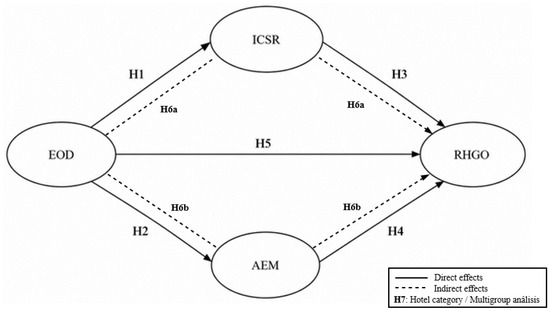
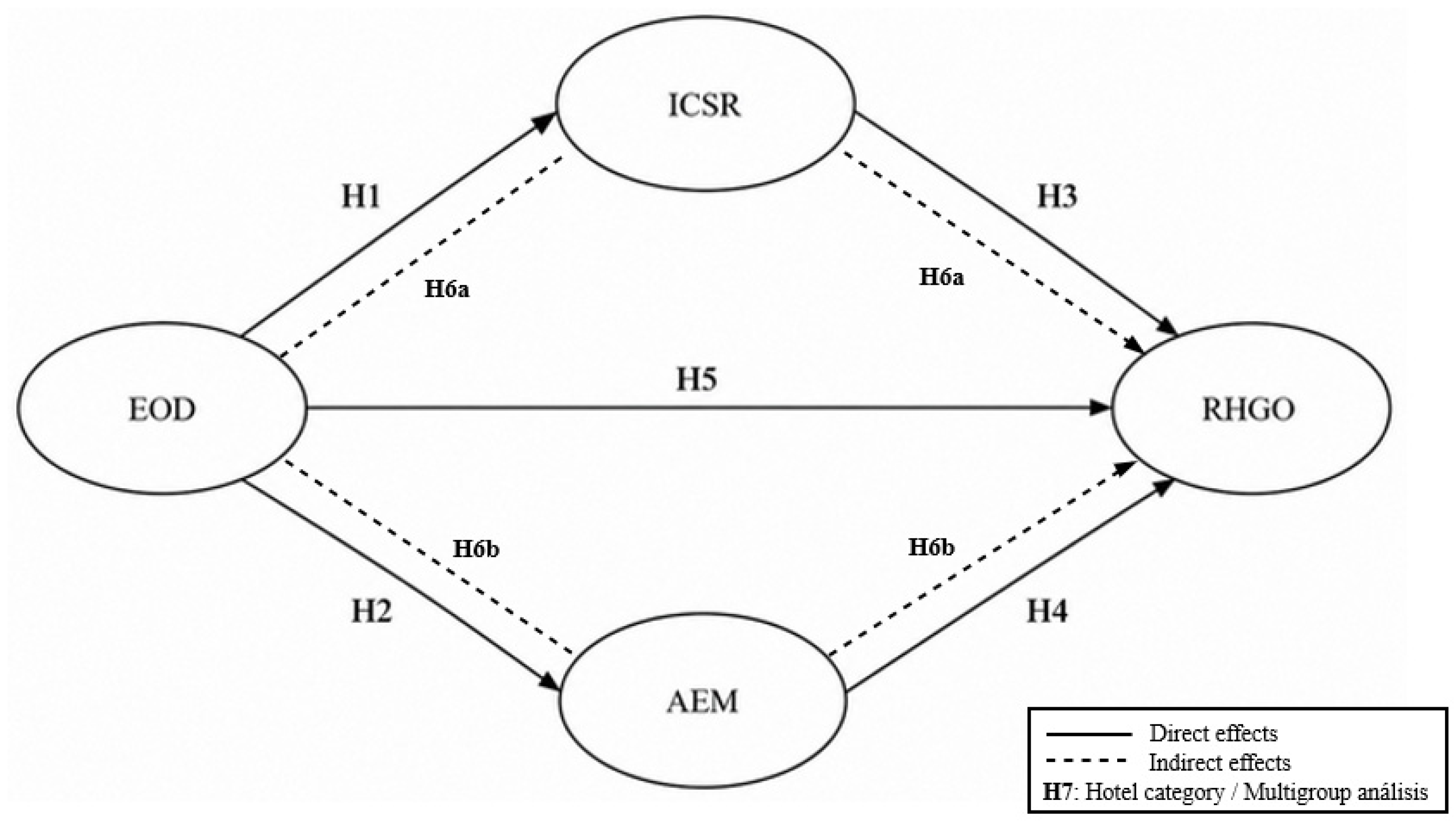
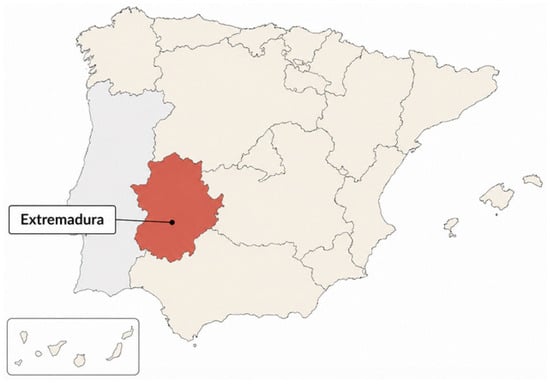
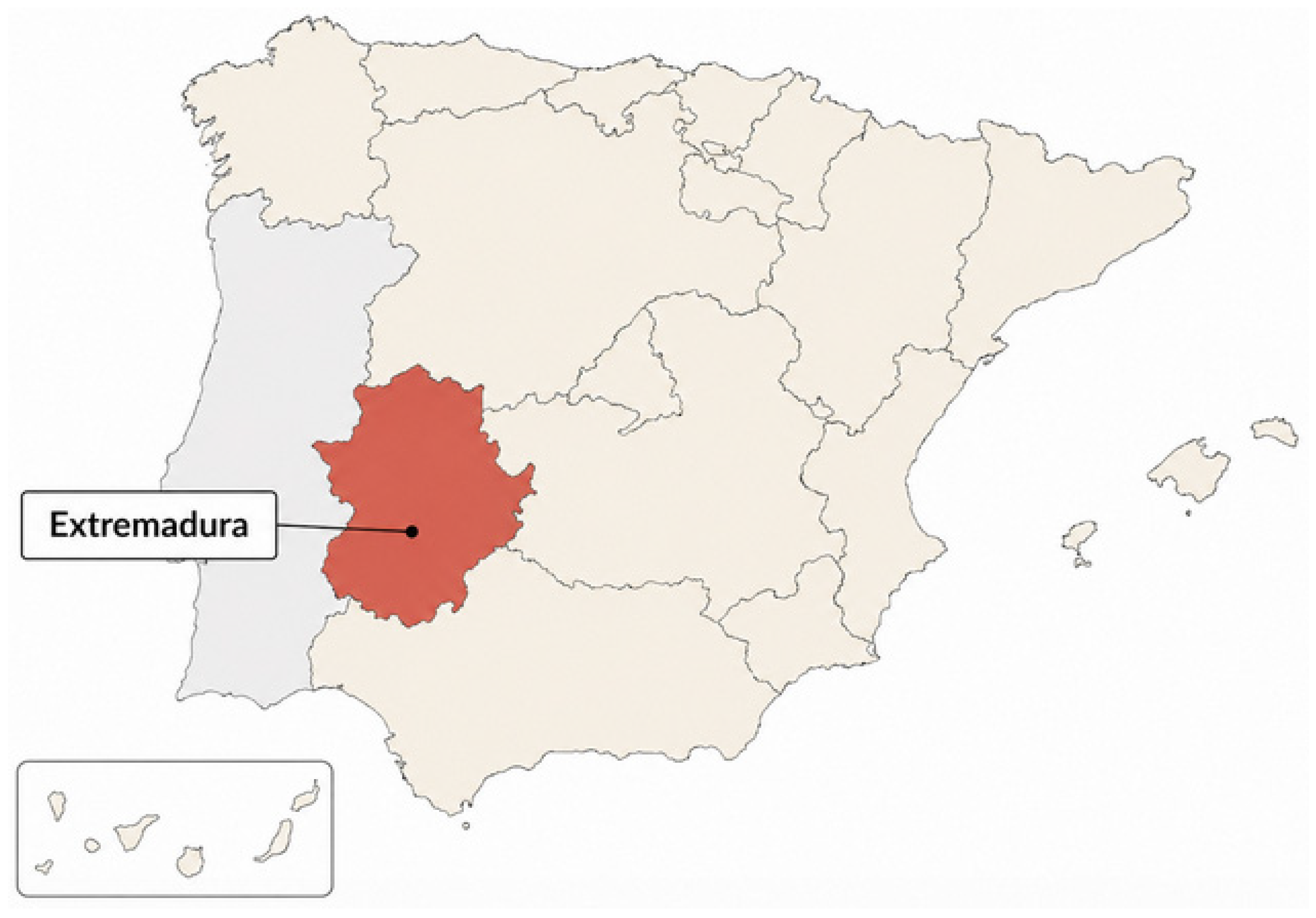

Disclaimer/Publisher’s Note: The statements, opinions and data contained in all publications are solely those of the individual author(s) and contributor(s) and not of MDPI and/or the editor(s). MDPI and/or the editor(s) disclaim responsibility for any injury to people or property resulting from any ideas, methods, instructions or products referred to in the content. |
© 2026 by the authors. Licensee MDPI, Basel, Switzerland. This article is an open access article distributed under the terms and conditions of the Creative Commons Attribution (CC BY) license.