


Abstract
This study tests an extended Theory of Planned Behavior (TPB), examining how culture, religion, and spirituality shape entrepreneurial cognition among final-year university students in South Korea and China—two Confucian-heritage societies with sharply divergent religious compositions (30.4% vs. 9.2% religiously affiliated). Using a mixed-methods design, we analyzed survey data from 411 students and alumni via PLS-SEM, triangulated with four focus groups. The core TPB chain held in both countries: attitudes, subjective norms, and perceived behavioral control predicted entrepreneurial intention, which predicted behavior. Spirituality, however, operated differently across contexts. In the religiously diverse Korean sample, it directly affected intention and behavior and amplified the intention–behavior link; in the predominantly non-religious Chinese sample, its effects were null—focus groups there emphasized practical capability and social support instead. We propose a context-contingent model distinguishing spirituality as a direct driver (in religiously diverse settings) from spirituality as an amplifier (moderating TPB relationships). Because the sample comprises pre-entrepreneurial students, findings speak to early-stage cognition rather than practicing founders. Integrative entrepreneurship models should incorporate cultural and religious boundary conditions; future work should adopt longitudinal designs and include practicing entrepreneurs across more varied populations.
1. Introduction
In recent years, entrepreneurship has received significant attention from scholars and policymakers as a vital engine for economic growth, job creation, and innovation across various industries (Ndofirepi, 2020; Karimi et al., 2014). According to Shane (1993), entrepreneurship is defined as the systematic scholarly investigation into the processes through which opportunities for creating future goods and services are discovered, evaluated, and exploited, including the mechanisms, actors, and consequential effects involved. This process-oriented definition emphasizes that entrepreneurship involves the continuous interaction between individuals and opportunities rather than a single discrete event. This focus is particularly relevant in dynamic market environments characterized by rapid trends, diverse consumer bases, and substantial untapped potential. Despite this recognition, limited understanding persists regarding the complex factors shaping entrepreneurial intention (EI) and its translation into entrepreneurial behavior (EB), particularly within East Asian contexts where graduate employment has become increasingly challenging. Both South Korea and China have faced deteriorating youth employment prospects, with South Korea’s youth unemployment rate (ages 15–29) reaching 6.2% in 2024 (APCDA, 2024) while China’s youth unemployment (ages 16–24) stood at 14.9% as of December 2024 (Global News, 2024).
The Theory of Planned Behavior (TPB) has emerged as a predominant framework for explaining the antecedents of entrepreneurial activity (Krueger et al., 2000). Developed by Ajzen (1991), building on earlier work concerning the attitude-behavior relationship, the TPB posits that human behavior is planned and directly predicted by intention, which is in turn influenced by three core factors: attitude towards the behavior (ATB), subjective norms (SN), and perceived behavioral control (PBC). In this study, Entrepreneurship (ENT) is a second-order reflective construct formed by the three TPB antecedents (ATB, SN, PBC). This follows established practice in entrepreneurial intention research (Liñán & Chen, 2009; Kautonen et al., 2015), where the three components collectively represent an individual’s overall entrepreneurial readiness. While the foundational theoretical statements date to 1991, the model has been continuously validated and refined through recent empirical work, including large-scale longitudinal studies (Kautonen et al., 2015, with n = 969 from adult populations in Austria and Finland) and meta-analytic reviews (Bosnjak et al., 2020). Nevertheless, empirical findings on the TPB remain inconsistent, particularly concerning the relative influence of its components across different cultural settings (Amrouni & Azouaou, 2024; Mothibi et al., 2024). Existing research has largely overlooked how cultural contexts and spiritual dimensions may impact these entrepreneurial processes.
Most prior TPB entrepreneurship research has relied on student samples (Krueger et al., 2000). While this is appropriate for studying entrepreneurial intentions, which form before entrepreneurial experience, our study explicitly acknowledges this limitation and restricts its claims to pre-entrepreneurial cognition among university students rather than generalizing to all entrepreneurs. This study addresses this gap by exploring how cultural and spiritual factors may influence the pathways between TPB antecedents, EI, and EB within a student population. The investigation focuses specifically on South Korea and China, two nations with developing entrepreneurial ecosystems and distinct cultural backgrounds that may shape entrepreneurial development patterns differently.
Three critical gaps remain unresolved in the literature. First, while the TPB has been extensively validated, most studies assume the universal applicability of its causal structure without testing whether the mechanisms of entrepreneurial cognition differ across cultural and religious contexts. Second, spirituality has been treated as either uniformly present or absent in entrepreneurial populations, ignoring the possibility that its role may shift from direct driver to moderator depending on the base rate of spiritual beliefs in the population. Third, cross-cultural TPB research has largely relied on Western cultural frameworks without adequately incorporating East Asian cultural concepts such as Confucian relationalism and Yin–Yang dynamics. This study addresses all three gaps by comparing two Confucian-heritage societies that diverge sharply in religious composition.
This study addresses these gaps by exploring how cultural and spiritual factors may influence the pathways between TPB antecedents, EI, and EB. Rather than merely adding spirituality as an additional predictor (an additive extension), we propose and test a context-contingent model in which spirituality operates through two theoretically derived mechanisms: as a direct driver (where spiritual beliefs are normatively prevalent) and as an amplifier (moderating existing TPB relationships regardless of base rates). These mechanisms are derived from prior theoretical work on spirituality and meaning-making (Baron, 2008; Morris et al., 2011; Vedula & Agrawal, 2024), which suggests that spirituality can function both as a motivational resource that directly shapes cognitions and as a meaning system that strengthens existing psychological processes. Both South Korea and China share a Confucian heritage (A. Chan, 1996; Tu, 1998), which controls a significant portion of cultural variance, but diverge sharply in religious adherence: 52% of South Koreans in the Pew Research Center sample report no religious affiliation compared to 90% of Chinese respondents (Pew Research Center, 2024). This divergence provides a natural experiment for testing the boundary conditions of spirituality’s role in entrepreneurial cognition.
This study pursues three primary aims. First, we test the core TPB chain—specifically, whether attitudes, subjective norms, and perceived behavioral control predict entrepreneurial intention, and whether intention predicts entrepreneurial behavior—within the context of university student populations in two East Asian countries. Second, we conduct a comparative analysis between South Korea and China to examine whether these relationships differ across two Confucian-heritage societies that diverge sharply in religious composition. Third, we assess the direct and moderating role of spirituality in the entrepreneurial cognition process, proposing and testing a context-contingent model in which spirituality functions as a direct driver in religiously diverse contexts and as an amplifier across both contexts.
By conducting a comparative analysis between these nations, this research seeks to understand the potential roles of culture and spirituality within an extended TPB (eTPB) framework. We adopt a cross-sectional design, recognizing that longitudinal data would be necessary to establish causal ordering definitively (Kautonen et al., 2015). This approach aims to enhance the model’s cross-cultural applicability and provide new perspectives on how contextual factors might impact established psychological constructs in entrepreneurial processes.
In line with these objectives, this paper is structured as follows. The next section reviews relevant literature on TPB, spirituality, and cross-cultural entrepreneurship, leading to the development of research questions and a conceptual framework. This is followed by a detailed description of the research methodology, which employs a mixed-methods approach combining four focus group interviews with survey data collection, analyzed using Partial Least Squares Structural Equation Modeling (PLS-SEM) in SmartPLS. We then present the results, discuss key findings with explicit attention to the boundary conditions imposed by our sample (students rather than practicing entrepreneurs; cross-sectional rather than longitudinal), and conclude by outlining theoretical and practical implications, acknowledging limitations, and suggesting avenues for future research.
2. Theoretical Foundations and Hypotheses Development
2.1. TPB in Entrepreneurship
The Theory of Planned Behavior (TPB), developed by Ajzen (1991) within social psychology to explain and predict human behavior, has become a widely adopted framework in entrepreneurship research, particularly following its application to entrepreneurial intention (EI) by Krueger et al. (2000). Although the foundational theoretical statement dates to 1991, the model has been extensively validated in more recent empirical studies. For example, Kautonen et al. (2015) demonstrated the robustness of the TPB in predicting entrepreneurial intentions and actions using longitudinal data from adult populations in Austria and Finland. Similarly, Bosnjak et al. (2020) provided a meta-analytic review confirming the predictive validity of the TPB across multiple behavioral domains, including entrepreneurship. Ajzen’s theory is grounded in the premise that human behavior is planned and intentional, with behavioral intentions serving as the most direct predictor of actual behavior (Ajzen, 1991). According to the TPB, the intention to perform a behavior, such as launching a venture, can be reliably forecast by examining three primary predictors: attitude towards the behavior (ATB), subjective norms (SNs), and perceived behavioral control (PBC) (Ajzen, 1991, 2011).
Attitude Towards the Behavior (ATB) is shaped by behavioral beliefs and denotes the extent to which a person evaluates the behavior as either beneficial or undesirable (Ajzen, 1991, 2011). In the context of entrepreneurship, this refers to the degree to which an individual holds a favorable or unfavorable appraisal of starting a business. A positive ATB may be driven by the appeal of autonomy, potential for financial gain, and the opportunity for creative expression and innovation (Krueger et al., 2000).
Subjective Norms (SN) capture the social expectations an individual perceives regarding whether or not to engage in a specific behavior (Ajzen, 1991), reflecting the perceived social pressure from family, friends, peers, and society at large to participate (or not participate) in entrepreneurial activities. The influence of SN can vary significantly across different cultural contexts (House et al., 2004).
Perceived Behavioral Control (PBC) reflects an individual’s perception of the ease or difficulty in performing a behavior, incorporating factors such as self-efficacy, skills, and the availability of resources (Ajzen, 1991). In entrepreneurship, PBC is influenced by factors such as access to capital, industry knowledge, and prior experience. The TPB posits that individuals who believe they possess the necessary capabilities and resources are more likely to form a strong intention to start a business and to subsequently translate that intention into action (Kautonen et al., 2015).
Entrepreneurship (ENT) is a second-order reflective construct formed by the three TPB antecedents (Attitude, Norm, Control). This follows established practice in entrepreneurial intention research (Liñán & Chen, 2009; Kautonen et al., 2015), where the three components collectively represent an individual’s overall entrepreneurial readiness.
Over the past three decades, the TPB has been extensively applied and validated in entrepreneurial studies (Milohnic & Licul, 2025; Mothibi et al., 2024; Krueger et al., 2000). Recent applications continue to affirm the model’s utility. For example, Ilomo and Mwantimwa (2023) examined entrepreneurial intentions among undergraduate students with a focus on the moderating role of entrepreneurial knowledge, while Mothibi et al. (2024) investigated how environmental factors and risk-taking propensity moderate the intention–behavior relationship. The model continues to be refined and applied in diverse contexts, underscoring its robustness (Bosnjak et al., 2020). To enhance its explanatory power in specific contexts, researchers often extend the model by incorporating additional variables deemed relevant. In this study, we propose an extended TPB (eTPB) model that integrates cultural dimensions and spirituality as salient factors influencing the core antecedents of entrepreneurial intention among university students in South Korea and China. We explicitly limit our claims to this student population, recognizing that practicing entrepreneurs may exhibit different cognitive and behavioral patterns (Krueger et al., 2000; Kautonen et al., 2015). Figure 1 refers to the conceptual model of the eTPB.
Figure 1.
Conceptual Model of eTPB. ENT refers to Entrepreneurship (Second-order construct of Attitude, Norm, Control).
2.2. The Influence of Culture and Spirituality on Entrepreneurship
2.2.1. Culture
Culture is a multifaceted construct that shapes values, beliefs, and behaviors. From a Western scholarly perspective, Hofstede et al. (2010, p. 6) characterize culture as a form of collective mental programming that serves to differentiate one group of people from another. His dimensional model, which includes constructs like individualism–collectivism and uncertainty avoidance, has been widely applied to understand cross-national differences in entrepreneurial activity (Shane, 1993). Shane (1993) demonstrated that cultural values explain national rates of innovation, providing early empirical evidence for the relevance of culture to entrepreneurial processes.
Expanding on this, House et al. (2004), through the GLOBE project, provided a more nuanced view by distinguishing between cultural practices, which reflect how things are actually done, and cultural values, which represent how things ought to be. This distinction offers deeper insights into how societal expectations influence leadership and organizational behavior. Furthermore, Trompenaars and Hampden-Turner (2011) conceptualized culture through a series of dilemmas, such as universalism versus particularism, which have direct implications for entrepreneurial contexts, including business ethics, negotiation strategies, and partnership formation.
While Hofstede et al. (2010) and House et al. (2004) provide useful dimensional frameworks, scholars have critiqued these Western paradigms for failing to capture the relational dynamics of East Asian societies (Tung & Verbeke, 2010; Terpstra-Tong & Ralston, 2025). In Confucian-heritage cultures, the self is not conceived as an autonomous individual but as a node in a network of relational obligations—what Tu (1998) termed ‘relational selfhood’ and Fang (2012) conceptualized through the complementary dynamics of Yin and Yang. Yau (1988) and B. Lee (2026) similarly identified ‘Ren orientation’ (benevolence and relational harmony) as a core dimension of Chinese value systems with no direct equivalent in Western cultural frameworks.
The comparative investigation of South Korea and China offers considerable scholarly value. Both nations share a Confucian heritage, which acts as a control for a significant portion of cultural variance, while differing substantially in religious composition and certain cultural dimensions. This configuration allows us to isolate the role of religious diversity while holding Confucian cultural heritage relatively constant, enabling a more precise test of how spirituality operates under different normative conditions.
2.2.2. Spirituality
Spirituality is a multifaceted construct encompassing an individual’s search for meaning, connection to something greater than oneself, and internal value system (Vedula & Agrawal, 2024). Unlike religiosity, which typically refers to formal institutional affiliation and adherence to prescribed doctrines, spirituality emphasizes personal experience, inner peace, and existential meaning (Singh & Awasthy, 2025). This distinction is particularly relevant in East Asian contexts, where individuals may identify as non-religious while maintaining rich spiritual lives through practices such as meditation, mindfulness, or engagement with philosophical traditions like Confucianism and Taoism (Pew Research Center, 2024).
In entrepreneurship research, spirituality has been conceptualized as operating through multiple pathways (Morris et al., 2011; Baron, 2008; Vedula & Agrawal, 2024). First, spirituality can function as a direct driver of entrepreneurial cognition by providing a sense of calling or meaningful vocation that shapes attitudes toward entrepreneurial activity (Vedula & Agrawal, 2024). Second, spirituality can serve as an amplifier, strengthening existing psychological processes by providing a coherent meaning system that enhances the translation of attitudes, norms, and control into intention, and intention into behavior (Baron, 2008; Morris et al., 2011). These two mechanisms are not mutually exclusive but are theorized to operate differently depending on the normative prevalence of spiritual beliefs in a given context.
The direct driver mechanism is expected to be more salient in contexts where spiritual beliefs are normatively prevalent—that is, where a substantial proportion of the population holds spiritual or religious beliefs and where such beliefs are socially sanctioned. In such contexts, spirituality becomes a socially available resource that individuals can draw upon to shape their cognitions and behaviors (Baron, 2008). Conversely, in contexts where spiritual beliefs are not normatively prevalent, spirituality may still operate as an amplifier for those individuals who hold such beliefs, but it is unlikely to function as a widespread direct driver because the social and cultural infrastructure supporting spiritual meaning-making is less developed.
This theoretical distinction, derived from prior work on spirituality and meaning-making (Morris et al., 2011; Baron, 2008; Vedula & Agrawal, 2024), provides the foundation for our context-contingent model. Unlike prior TPB extensions that add variables as parallel predictors, our eTPB model specifies differential pathways based on the normative prevalence of spiritual beliefs in the population.
The two-mechanism framework advances beyond prior TPB extensions by specifying how spirituality enters the entrepreneurial cognition process, rather than merely testing whether it adds explanatory power (an additive extension). Therefore, integrating spirituality into an extended TPB (eTPB) offers a more holistic tool for understanding the dynamics of entrepreneurship across different cultural contexts.
Unlike prior TPB extensions that add variables as parallel predictors, our eTPB model specifies differential pathways: (a) spirituality directly predicts entrepreneurship (ENT) components (attitudes, norms, control) in all contexts; (b) spirituality directly predicts intention and behavior only in contexts where spiritual beliefs are normatively prevalent (South Korea); (c) spirituality moderates the ENT-Intention and Intention–Behavior relationships in all contexts, though the strength of moderation varies with cultural–religious context. This specification moves beyond additive extension toward a context-contingent model of entrepreneurial cognition.
2.3. Hypothesis Development
2.3.1. Relationship Between Attitudes, Norms, Control, and Entrepreneurship
The Theory of Planned Behavior (TPB) posits that entrepreneurial intention is grounded in three fundamental antecedents: attitudes, subjective norms, and perceived behavioral control (Ajzen, 1991). These constructs form a robust framework for understanding the cognitive precursors to entrepreneurial behavior (Al-Mamary et al., 2020). Attitudes represent an individual’s positive or negative evaluation of engaging in entrepreneurship, shaped by personal experiences, education, and societal influences (Liñán & Chen, 2009). Individuals who perceive entrepreneurship as a viable and rewarding career are more likely to develop favorable attitudes toward it.
Subjective norms encompass the perceived social pressure from significant others, such as peers and family, to engage in entrepreneurial behavior (Fayolle & Liñán, 2014). An environment that values entrepreneurship can significantly encourage individuals to pursue entrepreneurial ventures. Furthermore, perceived behavioral control reflects an individual’s belief in their capability to execute entrepreneurial tasks, a factor influenced by prior experience and access to resources (Ajzen, 1991). Empirical evidence consistently indicates that higher levels of perceived control are correlated with stronger entrepreneurial intentions. The synergistic effect of these factors is well-documented. Liñán and Chen (2009), for example, demonstrated that individuals with positive attitudes, supportive social norms, and high perceived control were significantly more likely to express intentions to start a business. Therefore, we propose the following hypothesis:
H1
(Entrepreneurship construct validity). Entrepreneurship is a second-order reflective construct formed by attitudes, subjective norms, and perceived behavioral control in both South Korean and Chinese student samples.
2.3.2. Direct Relationship Between Entrepreneurship and Entrepreneurial Intention
The causal pathway from the cognitive constructs of entrepreneurship to the formation of entrepreneurial intention is critical. The TPB establishes that attitudes, norms, and control are direct antecedents to intention (Ajzen, 1991). By cultivating positive attitudes, fostering supportive social norms, and enhancing perceived behavioral control, key stakeholders can effectively promote the development of entrepreneurial intentions, which are a vital precursor to action. Consequently, we hypothesize:
H2
(Entrepreneurship → Intention). Entrepreneurship positively predicts entrepreneurial intention in both South Korean and Chinese student samples.
2.3.3. Direct Relationship Between Entrepreneurial Intention and Behavior
The translation of intention into behavior is a cornerstone of the entrepreneurial process. A causal relationship exists whereby entrepreneurial intention serves as the primary antecedent to entrepreneurial action (Gieure et al., 2020; Wathanakom et al., 2020). The TPB asserts that intention is the most immediate predictor of planned behavior (Ajzen, 1991), suggesting that a clear intent to start a business heightens the likelihood of undertaking concrete steps toward that goal.
Empirical studies substantiate this relationship. Krueger et al. (2000) found that strong entrepreneurial intentions significantly predicted subsequent business creation. The intention–behavior link, however, can be influenced by contextual factors such as access to resources, support networks, and a conducive environment (Fayolle & Liñán, 2014). Furthermore, entrepreneurship education plays a pivotal role by boosting individuals’ confidence and preparedness, thereby facilitating the transition from intention to action (Peterman & Kennedy, 2003). Based on this, we propose:
H3
(Intention → Behavior). Entrepreneurial intention positively predicts entrepreneurial behavior in both South Korean and Chinese student samples.
2.3.4. Direct Impact of Spirituality on Entrepreneurship, Entrepreneurial Intention, and Entrepreneurial Behavior
Drawing on the theoretical distinction between spirituality as a direct driver and as an amplifier, we propose that spirituality’s direct effects will be context-dependent. In contexts where spiritual beliefs are normatively prevalent—such as South Korea, with its higher religious diversity—spirituality is expected to directly influence entrepreneurial cognition and behavior by providing a socially available meaning system that shapes attitudes, norms, and control, and by offering a sense of calling that directly motivates intention and action (Vedula & Agrawal, 2024; Baron, 2008). In contexts where spiritual beliefs are not normatively prevalent—such as China, with its predominantly non-religious population—spirituality is not expected to function as a widespread direct driver because the social and cultural infrastructure supporting spiritual meaning-making is less developed.
However, we hypothesize that spirituality’s direct effects on entrepreneurship (the TPB antecedents) may be observable in both contexts because spirituality can shape personal attitudes, norms, and control even when not normatively prevalent. For individuals who hold spiritual beliefs, these beliefs provide a coherent meaning system that influences how they evaluate entrepreneurial activity, perceive social expectations, and assess their capabilities.
In contrast, we expect spirituality’s direct effects on intention and behavior to differ across contexts. The direct driver mechanism—where spirituality provides a socially available motivational resource that directly shapes intention and behavior—should be more salient in South Korea, where spiritual beliefs are normatively prevalent. In China, where such beliefs are not normatively prevalent, spirituality is unlikely to function as a widespread direct driver of intention and behavior, though it may still influence the small minority of individuals who hold spiritual beliefs.
Spirituality, as a system of personal beliefs and a search for meaning, is increasingly recognized as an influential factor in entrepreneurship. It is posited to have a direct effect on how individuals perceive and engage with entrepreneurship. We propose that spirituality exerts a direct influence on the core constructs of entrepreneurship (attitudes, norms, control), on the formation of entrepreneurial intention, and on the enactment of entrepreneurial behavior itself. However, we expect these direct effects to differ across contexts due to variations in the normative prevalence of spiritual beliefs.
H4
(Spirituality → Entrepreneurship). Spirituality positively predicts entrepreneurship (attitudes, norms, and control) in both South Korean and Chinese student samples.
H5
(Spirituality → Intention). Spirituality positively predicts entrepreneurial intention in the South Korean student sample (where spiritual beliefs are normatively prevalent), but this direct effect is not significant in the Chinese student sample (where spiritual beliefs are not normatively prevalent).
H6
(Spirituality → Behavior). Spirituality positively predicts entrepreneurial behavior in the South Korean student sample (where spiritual beliefs are normatively prevalent), but this direct effect is not significant in the Chinese student sample (where spiritual beliefs are not normatively prevalent).
2.3.5. Moderating Effect of Spirituality on Entrepreneurship and Entrepreneurial Intention
Beyond its direct effects, spirituality may also function as a moderating variable. This amplifier mechanism is theorized to operate regardless of the normative prevalence of spiritual beliefs, because for individuals who hold spiritual beliefs, these beliefs provide a coherent meaning system that strengthens existing psychological processes (Baron, 2008; Morris et al., 2011). Recent research highlights spirituality’s capacity to shape values, motivations, and decision-making processes, thereby potentially altering the strength of established relationships in entrepreneurial models. Entrepreneurs who integrate spirituality often demonstrate enhanced ethical decision-making and resilience (Morris et al., 2011). Morris et al. (2011) found that spiritual values manifest in entrepreneurial orientation, particularly in contexts where financial motives are not primary. By providing a sense of purpose and access to supportive communities, spirituality can influence how the core constructs of entrepreneurship translate into intention. Thus, we expect spirituality to moderate the relationship between entrepreneurship and intention in both contexts, though the strength of moderation may vary. Hence, we hypothesize:
H7
(Spirituality moderates Entrepreneurship → Intention). Spirituality positively moderates the relationship between entrepreneurship and entrepreneurial intention in both South Korean and Chinese student samples.
2.3.6. Moderating Role of Spirituality in the Relationship Between Entrepreneurial Intention and Entrepreneurial Behavior
The path from intention to behavior is often fraught with challenges. Spirituality may play a critical moderating role in this phase by strengthening an individual’s resolve. Research indicates that spiritual beliefs can foster greater ethical awareness, resilience, and commitment. Individuals with strong spiritual convictions may pursue entrepreneurial goals with heightened purpose and integrity, thereby enhancing their likelihood of taking decisive action. By providing a framework for perseverance, spirituality can equip entrepreneurs to navigate setbacks and strengthen the intention–behavior link. This amplifier mechanism is expected to operate in both contexts, as it functions at the individual level for those who hold spiritual beliefs, regardless of the normative prevalence of such beliefs (Baron, 2008). This leads to our final hypothesis:
H8
(Spirituality moderates Intention → Behavior). Spirituality positively moderates the relationship between entrepreneurial intention and entrepreneurial behavior in both South Korean and Chinese student samples.
Figure 2 refers to the Research model of this study, comprising eight hypotheses.
Figure 2.
Research Model.
3. Methodology
This study employed a dual approach, integrating both a dual sampling strategy and a mixed-method data collection process. We explicitly acknowledge that our sample consists of university students, not practicing entrepreneurs, and therefore our findings pertain to pre-entrepreneurial cognition among young, highly educated potential entrepreneurs. Generalization to experienced entrepreneurs requires further empirical testing (Kautonen et al., 2015; Krueger et al., 2000).
Dual Sampling Strategy
The first component of our approach involved drawing two distinct samples: one from South Korea and another from China. This dual sampling strategy allows for a comprehensive comparison and analysis of the constructs across different cultural and educational contexts, ensuring that findings would be representative of the respective student populations in each country.
Mixed-Method Data Collection
The second component of our methodology was a mixed-method approach, integrating both quantitative and qualitative data collection techniques. Surveys served as our primary quantitative method, complemented by focus group interviews (FGIs) to gather qualitative insights. The qualitative data served three purposes: (a) to enrich and contextualize quantitative findings, (b) to triangulate and interpret null results—particularly the non-significant effects of spirituality in the Chinese sample (see Section 4.4), and (c) to provide deeper understanding of participants’ subjective experiences and meaning-making processes. Following Kock (2025), we treat qualitative data not as standalone evidence but as interpretive triangulation for the quantitative results.
Survey Methodology
To determine the optimal sample size for the quantitative survey, we utilized the formula proposed by Churchill and Iacobucci (2006) and Malhotra (2020):
In this formula, n represents the sample size, Z is the Z value corresponding to the chosen confidence level, C is the coefficient of variation, and R is the desired level of precision in percentage points. We set the confidence level at 95% (Z = 1.96) and the desired level of precision was established at 0.05. Based on a pilot survey, the coefficient of variation was determined to be 0.38. Consequently, we calculated the optimal sample size to be 189.
We further validated our sample size by employing G*Power (Version 3.1.9.7), which indicated a minimum required sample size of 111 with a statistical power of 0.950. This confirmation reinforced our conclusion that a sample size of 189 was adequate to meet our research objectives across both regions.
For data collection, we targeted university students who were nearing graduation in their final year of undergraduate or graduate study. We explicitly focused on students rather than practicing entrepreneurs because our research question concerns the formation of entrepreneurial intentions—a cognitive process that precedes entrepreneurial action—and the role of spirituality in shaping those intentions before substantial entrepreneurial experience has accumulated (Krueger et al., 2000; Kautonen et al., 2015). This approach follows established TPB entrepreneurship research, which frequently employs student samples for intention studies while acknowledging the limitation that findings may not generalize to mature entrepreneurs. Recruitment efforts utilized various online platforms, university networks, and entrepreneurship organizations in both South Korea and China. Within a short timeframe of 10 days, we collected 204 completed questionnaires from the South Korea sample and 207 from the China sample, exceeding our initial target of 189. Importantly, both datasets showed no significant issues with missing values, ensuring the integrity of our data.
Focus Group Interviews (Supplementary Method)
In addition to the survey, we conducted four focus group interviews (FGIs), two in South Korea and two in China, each comprising six to twelve participants. The focus groups were designed to capture participants’ subjective experiences, motivations, and meaning-making processes related to entrepreneurship. The semi-structured interview protocol explored (a) participants’ motivations for considering or rejecting entrepreneurship as a career path; (b) the role of spiritual, philosophical, or religious beliefs in their career decision-making processes; (c) the influence of family, peers, and social networks on their entrepreneurial intentions; and (d) perceived barriers and facilitators to entrepreneurial action, including access to resources, skills, and support systems. These focus groups enriched the interpretation of the quantitative findings, particularly the null effects of spirituality in the Chinese sample. As Kock (2025) notes, qualitative data are particularly valuable for interpreting unexpected or null quantitative findings. The focus group data are not used as standalone evidence but as interpretive triangulation for the quantitative results reported in Section 4. The interviewers for the FGIs were selected from third-year university students from institutions in both South Korea and China. This selection ensured that the interviewers were familiar with the cultural context and could facilitate effective discussions.
3.1. Qualitative Data Analysis
The qualitative component of this study comprised four focus group interviews (FGIs), with two conducted in South Korea and two in China. Each focus group consisted of six to twelve participants (total N = 36; South Korea: n = 18, China: n = 18), recruited from the same university student populations as the quantitative sample. Participants were selected based on their willingness to discuss their entrepreneurial aspirations and career decision-making processes, with efforts made to ensure diversity in gender, academic discipline, and prior entrepreneurial experience.
The semi-structured interview protocol explored four thematic areas: (a) participants’ motivations for considering or rejecting entrepreneurship as a career path; (b) the role of spiritual, philosophical, or religious beliefs in their career decision-making processes; (c) the influence of family, peers, and social networks on their entrepreneurial intentions; and (d) perceived barriers and facilitators to entrepreneurial action, including access to resources, skills, and support systems.
All focus group discussions were conducted in the participants’ native languages (Korean or Chinese), audio-recorded with consent, and transcribed verbatim. Data analysis followed a thematic analysis approach (Braun & Clarke, 2006), which involved: (1) familiarization with the data through repeated reading of transcripts; (2) generation of initial codes based on the interview themes and emergent patterns; (3) searching for themes by grouping related codes; (4) reviewing themes against the data; and (5) defining and naming themes. Two researchers independently coded the transcripts to enhance reliability, with disagreements resolved through discussion until consensus was reached.
The qualitative data were explicitly linked to the interpretation of H5 and H6 (spirituality → intention and spirituality → behavior). Specifically, the focus group findings were used to triangulate the null quantitative results for H5 and H6 in the Chinese sample. By comparing the qualitative narratives of Korean and Chinese participants, we were able to assess whether the absence of direct spirituality effects in China reflected a measurement artifact or a substantively meaningful cultural difference. The qualitative evidence confirmed the latter interpretation, as Chinese participants consistently emphasized practical capabilities, family support, and risk management over spiritual considerations in their entrepreneurial decision-making.
3.2. Questionnaire and Data Collection
A structured questionnaire was designed based on the eTPB framework, incorporating two scales to assess entrepreneurial intention, behavior, and spirituality. The questionnaire comprised three distinct sections.
The first section consisted of 13 statements derived from the established eTPB scale. Respondents indicated their level of agreement using a 6-point Likert scale, ranging from “strongly disagree” (1) to “strongly agree” (6). The second section focused on measuring spirituality through three targeted statements. To address potential central tendency bias commonly observed in responses from Asian populations—such as those in China and South Korea—an even-point Likert scale was employed. While Yau (1994) originally recommended this practice, more recent methodological research has confirmed the utility of even-point scales in cross-cultural survey research. Yau and Lee (2024), B. Lee et al. (2026), and B. Lee (2026) demonstrated that removing the neutral midpoint reduces bias and increases scale discriminability, particularly in collectivist cultural contexts where respondents may avoid extreme responses. The third section collected demographic and classification data. To mitigate the effects of Common Method Variance (CMV), two marker variables were randomly embedded within the questionnaire to strengthen its validity.
The questionnaire was distributed in both Korean and English within the South Korean sample and in both Chinese and English in China, undergoing a rigorous back-translation process to ensure semantic equivalence and consistency. Klotz et al. (2023) provided a comprehensive methodological review of back-translation practices in organizational research, emphasizing that back-translation is critical for avoiding “loss in translation” when measuring psychological constructs across linguistically diverse samples. Following their guidelines, we employed independent translators for forward and backward translation and resolved discrepancies through committee review. This method is an established best practice in cross-cultural research (Brislin & Freimanis, 2001) and is critical for mitigating measurement non-equivalence and constructing validity across different linguistic groups (Klotz et al., 2023).
3.3. Adoption of Scales
This study has adopted two scales from the literature: the TPB scale and the Spirituality scale. Both scales showed high reliability.
TPB Scale: Good reliability was demonstrated for the multi-item scales: the 4-item subjective norm scale (α = 0.93), the 4-item attitude scale (α = 0.82), the 2-item intention scale (α = 0.87), and the 5-item perceived behavioral control scale (α = 0.79) (K. Chan et al., 2016).
Spirituality Scale: Reliability for the three-item measure, which used a 6-point Likert scale, was excellent, with a Cronbach’s alpha of 0.927 and a Composite Reliability of 0.901 (B. Lee, 2024).
It is important to acknowledge that this study does not measure the full, multidimensional scope of the spirituality construct. Rather, our three-item spirituality scale captures a narrower dimension related to existential meaning (‘Life meaningful’), inner peace (‘Maintain inner peace’), and engagement with spiritual practices (‘Attend spiritual classes’). This operationalization reflects personal, experiential aspects of spirituality rather than communal, institutional, or doctrinal dimensions. Future research should employ more comprehensive spirituality measures to capture the construct’s full richness.
The questionnaire was designed to take approximately ten minutes to complete and was returned within ten days.
3.4. Generating Data Groups
We initiated the generation of data groups in SmartPLS by first assigning the variable code to one for the South Korea sample and two for the China sample. SmartPLS was considered suitable for conducting Multigroup Analysis (MGA) between the two groups, as it does not require equal sample sizes across groups (J. Hair et al., 2017). Following J. F. Hair et al. (2019) guidelines for PLS-SEM reporting, we verified that all assumptions regarding sample size, model identification, and multicollinearity were satisfied before proceeding. The analysis and reporting of results followed established guidelines for PLS-SEM (J. F. Hair et al., 2019).
Profiles of Respondents in South Korea and China
As illustrated in Table 1, there are notable differences between the two samples, particularly in gender distribution and family monthly income. The China sample comprises a considerably higher proportion of females (67.19%) compared to males (32.81%), whereas the South Korean sample reflects a near-equal gender balance (51.47% male, 48.53% female). Variations in income levels are also evident, which can be attributed to differences between the two economies, with respondents from China reporting lower family monthly income compared to those from South Korea.
Table 1.
Profiles of Respondents in South Korea and China.
Regarding education, a substantial difference exists between the two samples: the China sample includes a considerably larger percentage of graduate students (88.54%) than the South Korean sample (17.16%). This difference reflects structural differences in higher education systems between the two countries. In China, master’s programs are typically shorter (2–3 years) and are often pursued immediately following undergraduate studies, particularly in urban academic centers where our data were collected. In South Korea, students commonly enter the workforce directly after completing a bachelor’s degree, with graduate studies pursued later, often part-time alongside employment. To address the potential confounding effect of this educational difference on our results, we included education level as a control variable in our PLS-SEM analysis (see Section 4.2) and confirmed that it does not significantly alter the path coefficients or substantive conclusions. However, when considering the combined category of respondents with a university degree or higher qualifications, both samples demonstrate comparable levels of educational attainment when measured by years of education completed (South Korea M = 16.2 years, China M = 17.1 years, p = 0.083, non-significant).
Table 2 presents the descriptive statistics (mean and standard deviation, SD) for all scale items across the full sample as well as separately for participants from South Korea and China. The items are grouped by construct: Attitude, Norm (subjective norm), Control (perceived behavioural control), Intention, Behaviour, and Spirituality.
Table 2.
Descriptive Analysis of Scale Items.
Attitude items showed consistently high mean scores across both countries. The item “Creating excites me” yielded the highest mean in the full sample (M = 4.535, SD = 1.440), with relatively similar values between South Korea (M = 4.172) and China (M = 4.116). “Good career choice” and “Great satisfaction” both had identical means in the full sample (M = 4.29), though Chinese participants rated “Great satisfaction” higher (M = 4.657) than their South Korean counterparts (M = 4.412).
Norm items demonstrated moderate mean values, with “Family would approve it” receiving the highest endorsement in the full sample (M = 4.29, SD = 1.375). South Korean participants consistently reported higher means across all norm items compared to Chinese participants, except for “Good idea,” where Chinese participants scored slightly higher (M = 3.970 vs. 3.799).
Control items exhibited lower mean scores relative to attitude and norm constructs. “Effective problem-solving” had the highest mean in the full sample (M = 3.920, SD = 1.230), while “Have necessary skills” showed the lowest (M = 3.401, SD = 1.306). Cross-country differences were minimal, with comparable standard deviations indicating similar response variability.
Intention items revealed relatively low mean values, particularly for “Actively planning” (M = 2.501, SD = 1.527) in the full sample). Both South Korea and China exhibited identical means for “Start business soon” (M = 2.729) and “Actively planning” (M = 2.444), suggesting similarly low entrepreneurial intentions across both subsamples.
Behaviour items had the lowest mean values among all constructs. “Involving a business” showed a full-sample mean of 2.073 (SD = 1.512), with South Korean participants reporting slightly higher engagement (M = 2.230) than Chinese participants (M = 1.918).
Spirituality items demonstrated the highest overall mean values, particularly “Life meaningful,” which had a full-sample mean of 4.915 (SD = 1.073). Chinese participants scored notably higher on this item (M = 5.048) than South Korean participants (M = 4.779). In contrast, “Attend spiritual classes” showed the lowest mean among spirituality items (M = 2.725, SD = 1.662), with Chinese participants reporting higher attendance (M = 2.976) than South Korean participants (M = 2.471). Overall, the descriptive patterns suggest that while attitudes and spirituality were rated highly across both samples, behavioural engagement and intentions remained low, indicating a potential intention–behaviour gap warranting further investigation.
These differences and similarities must be carefully considered when interpreting the findings of the study.
Reliability Assessment
We evaluated entrepreneurship measurement using a standardized scale in both South Korea and China. Following DeVellis and Thorpe (2021), we divided the collected data into two subsets to verify if the reliability coefficients meet the acceptable threshold of 0.7. Initially, the sample was randomly split into two equal parts. The reliability coefficients for South Korea were found to be 0.869 and 0.881, while for China, they were recorded as 0.838 and 0.846, respectively. No items displaying notably low communalities were removed, leaving a total of 13 items for subsequent refinement. Through the reliability analysis, no items with item-to-total correlations exceeding 0.5 were excluded.
Composite reliability coefficients for the five TPB model components, i.e., Attitude, Norm, Control, Intention, and Behavior, were examined for both samples. In South Korea, these coefficients were 0.891, 0.892, 0.943, 0.958, and 0.928 respectively. In the case of China, the corresponding values were 0.818, 0.912, 0.9001, 0.923, and 0.913. These coefficients surpassed the threshold of 0.7, as suggested by Nunnally (1978), indicating a high level of reliability for both samples. Nunnally’s (1978) threshold of 0.7 for acceptable reliability remains widely cited in contemporary PLS-SEM research (J. F. Hair et al., 2019).
3.5. Data Analysis
Data analysis proceeded in four phases. We began with screening the data using version 23 of the Statistical Package for the Social Sciences (SPSS). This step involved addressing missing values, identifying and resolving outliers, and ensuring data normality, following the guidelines provided by J. Hair et al. (2017). Once cleaned, the data were subsequently processed using SmartPLS version 4.109.
The first phase involved evaluating the effect of common method variance (CMV). According to Kock’s (2025) recent methodological guidance, we employed the full collinearity assessment approach, which uses Variance Inflation Factors (VIFs) to detect potential CMV in PLS-SEM models. This method is considered superior to Harman’s single-factor test for variance-based structural equation modeling.
The second phase examined the measurement model to establish its reliability and validity. The third phase focused on assessing the structural model through the bootstrapping procedure, using 5000 bootstrap resamples.
Finally, the fourth phase examined the Multigroup Analysis to determine whether significant differences existed in the path coefficients between respondents from South Korea and China regarding their entrepreneurial tendencies.
SmartPLS was considered suitable for conducting Multigroup Analysis (MGA) between the two groups, as it does not require equal sample sizes across groups (J. Hair et al., 2009; Henseler et al., 2009; Henseler et al., 2015). Instead, it requires only a minimum sample size of 30 cases per group. To assess the differences in path coefficients between the groups, Henseler’s MGA (Henseler et al., 2009) and the permutation test (Henseler et al., 2015) were utilized. This approach is widely regarded as one of the most rigorous and reliable methods for Partial Least Squares Structural Equation Modeling (PLS-SEM) analysis (Sarstedt et al., 2011). Notably, in Henseler’s MGA, a p-value of less than 0.05 or greater than 0.95 indicates statistically significant differences in path coefficients between the two groups at the 5% significance level.
As mentioned earlier, the dataset was divided into two groups, with South Korea consisting of 204 sampling units and China consisting of 207 sampling units. All essential criteria, including reliability, validity, and Measurement Invariance of Composites (MICOM), as recommended by J. Hair et al. (2017), were thoroughly evaluated. Table 3 presents the findings of the descriptive analysis, providing an overview of the study’s dataset.
Table 3.
Results of Assessing CMV with VIFs and R-squares for All Samples.
4. Results
4.1. Common Method Variance (CMV)
Common Method Variance (CMV) can arise when using subjective measures in scales related to entrepreneurship and spirituality. It has the potential to inflate correlations between variables, which may then lead to incorrect or misleading conclusions about the actual relationships among those variables.
To address the risk of Common Method Variance (CMV), we adopted Kock’s (2025) full collinearity assessment method for PLS-SEM, which is considered more robust than Harman’s single-factor test for variance-based models. We created a random variable for each sample, including the overall sample. Subsequently, we conducted a multiple regression analysis using this random variable as the dependent variable, with all constructs in the model serving as predictors. Results of the regression are presented in Figure 3a–c.
Figure 3.
(a) Total Sample. (b) South Korea Sample. (c) China Sample.
Path coefficients between all constructs and the random variable were generally small, with some even being negative, indicating weak relationships. Additionally, we examined the R-squared values and Variance Inflation Factors (VIFs). As Kock (2025) recommends, VIF values below 3.3 indicate the absence of problematic CMV. As shown in Table 3, the R-squared values for each sample ranged from 0.019 (1.9%) to 0.045 (4.5%), illustrating that the explanatory power of all constructs is minimal and largely unrelated. All VIF values in Table 3 are below the 3.3 threshold, with the highest being 3.147 (China sample, Intention → Random Variable), which remains within acceptable limits.
Based on these findings, we conclude that the risk of CMV in this study is not substantial, allowing us to proceed confidently with the data analysis.
4.2. Measurement Invariance of Composite Measures (MICOM)
We conducted the MICOM Analysis to assess the measurement invariance before comparing the eTPB model between South Korea and China. Following J. Hair et al.’s (2017) recommendations for PLS-SEM multigroup analysis, measurement invariance must be established before comparing path coefficients across groups. This process involves three key steps: evaluating configural invariance, compositional invariance, and equality of means and variances. These steps are essential for ensuring that the constructs are measured equivalently across groups. As shown in Table 4 and Table 5 below, we established partial measurement invariance, which is sufficient for conducting Multigroup Analysis (J. Hair et al., 2017). We thus double-check the two groups’ partial measurement invariance in Table 4, which is a prerequisite for accurately comparing and interpreting group-specific variations in PLS-SEM results.
Table 4.
PLS Factor Loadings, CR, and AVE of the full sample, and the regional samples.
Table 5.
Results of MICOM.
The first step in the analysis involved evaluating the outer measurement model. This included assessing composite reliability (CR) to ensure internal consistency and average variance extracted (AVE) to confirm convergent validity, as recommended by J. Hair et al. (2017). Factor loadings were examined for both samples, and all measurement items demonstrated outer loadings exceeding 0.7, indicating strong individual item reliability.
Additionally, the data’s convergent and discriminant validity were thoroughly assessed. As shown in Table 4, the AVE values for all constructs exceeded the threshold of 0.5, affirming adequate convergent validity. Discriminant validity was evaluated using the heterotrait–monotrait ratio (HTMT) and the Fornell–Larcker criterion (Fornell & Larcker, 1981), both of which were shown to be established. Specifically, all HTMT values were below the conservative threshold of 0.85 (Henseler et al., 2015), confirming discriminant validity.
The first step of the MICOM procedure in SmartPLS has been completed, which assesses measurement invariance as part of the Multigroup Analysis (MGA). The next step involves examining compositional invariance, as well as the equality of means and variances. These steps are crucial for ensuring that constructs are measured equivalently across different groups.
Table 5 presents the partial measurement invariance between the two groups, which is a prerequisite for accurately comparing and interpreting group-specific variations in PLS-SEM results. As indicated in Columns 2 and 3, more than half of the constructs demonstrate compositional invariance, with values in Column 3 falling within the confidence interval at p < 0.005. Consequently, this step of MICOM establishes only partial compositional invariance. However, as J. Hair et al. (2017) note, partial measurement invariance is sufficient for multigroup analysis in PLS-SEM when comparing path coefficients rather than latent means, which is the case in our study.
We then proceed to assess the measurement invariance of equal means and variances. The final three columns in Table 6 confirm that full measurement invariance has been achieved. This finding indicates no substantial heterogeneity between the two samples with respect to measurement properties, allowing us to confidently compare model differences across them.
Table 6.
Full Measurement Invariance.
4.3. Testing Hypotheses
This section evaluates the eight hypotheses we previously postulated in Section 2.3. All path models were tested with demographic control variables including gender (dummy-coded: 0 = male, 1 = female), monthly household income (measured on a 6-point ordinal scale), and education level (dummy-coded: 0 = undergraduate, 1 = graduate). We did not include religion as a control variable because our theoretical interest is precisely in how religious composition shapes spirituality’s effects; controlling for religion would remove the very variance we seek to explain. Furthermore, religion was measured as affiliation (e.g., Protestant, Buddhist, Catholic, None) rather than as a continuous or ordinal variable, making it unsuitable as a control in our PLS-SEM model given the small sample sizes in some religious categories (see Table 1).
The inclusion of gender, income, and education as control variables did not significantly alter the direction, magnitude, or significance of any hypothesized path coefficients. For example, without controls, the ENT → Intention path coefficient was 0.661 (South Korea) and 0.693 (China); with controls, the coefficients were 0.663 and 0.695, respectively. Similarly, the Spirituality → Intention path coefficient was 0.124 (South Korea) and 0.050 (China) without controls, and 0.125 and 0.051 with controls. All substantive conclusions remain unchanged by the inclusion of these control variables.
The significance and direction of all hypothesized paths remained unchanged. All analyses employed SmartPLS 4.109 with the PLS algorithm utilizing 5000 bootstrapping resamples, following J. F. Hair et al. (2019) guidelines for PLS-SEM reporting. Results are presented in Table 7 below. Between-region comparisons of path coefficients (reported in Table 8) used SmartPLS PLS-MGA with 1000 bootstrapping resamples.
Table 7.
Results of Hypotheses H1 to H8.
Table 8.
Results of Hypotheses H1 to H8 (Path Coefficients—Parametric test).
(H1) Entrepreneurship construct validity
H1 stated that entrepreneurship is a second-order reflective construct formed by attitudes, subjective norms, and perceived behavioral control in both South Korean and Chinese student samples.
Result: This hypothesis was supported. As shown in Table 7 (rows 1–3), the path coefficients for ENT → Attitude, ENT → Norm, and ENT → Control were all significant at p < 0.001 in both samples. In South Korea, coefficients ranged from 0.839 to 0.923 (t-values: 32.873 to 86.004). In China, coefficients ranged from 0.881 to 0.896 (t-values: 52.297 to 59.760). All loadings exceeded the 0.7 threshold recommended by J. Hair et al. (2017).
Between-region comparison: As shown in Table 8 (rows 1–3), the parametric test revealed no significant differences between South Korea and China for any of the three entrepreneurship dimensions (ATT: difference −0.050, t = 1.674, p = 0.095; NORM: difference −0.042, t = 1.414, p = 0.158; CONTROL: difference 0.027, t = 1.526, p = 0.128). All p-values exceeded 0.05, confirming that the entrepreneurship construct operates equivalently across both student samples.
(H2) Entrepreneurship → Intention
H2 stated that entrepreneurship positively predicts entrepreneurial intention in both South Korean and Chinese student samples.
Result: This hypothesis was supported. As shown in Table 7 (row 4), the path coefficient for ENT → Intention was 0.663 (t = 15.881, p < 0.001) in South Korea and 0.695 (t = 15.125, p < 0.001) in China. Both coefficients are substantial and statistically significant, confirming that the TPB core constructs strongly predict entrepreneurial intention in both national student samples.
Between-region comparison: As shown in Table 8 (row 4), the difference between the two samples was −0.047, with a t-value of 0.776 (p = 0.438, non-significant). This indicates that the strength of the ENT → Intention relationship does not differ significantly between South Korean and Chinese university students.
(H3) Intention → Behavior
H3 stated that entrepreneurial intention positively predicts entrepreneurial behavior in both South Korean and Chinese student samples.
Result: This hypothesis was supported. As shown in Table 7 (row 5), the path coefficient for Intention → Behavior was 0.575 (t = 9.692, p < 0.001) in South Korea and 0.642 (t = 10.456, p < 0.001) in China. Both coefficients are significant, confirming that entrepreneurial intention translates into entrepreneurial behavior among students, consistent with Krueger et al. (2000) and Kautonen et al. (2015).
Between-region comparison: As shown in Table 8 (row 5), the difference between the two samples was −0.076, with a t-value of 0.905 (p = 0.366, non-significant). This indicates that the intention–behavior relationship does not differ significantly between the two student populations.
(H4) Spirituality → Entrepreneurship
H4 stated that spirituality positively predicts entrepreneurship (attitudes, norms, and control) in both South Korean and Chinese student samples.
Result: This hypothesis was supported. As shown in Table 7 (row 6), the path coefficient for Spirituality → ENT was 0.467 (t = 7.859, p < 0.001) in South Korea and 0.529 (t = 10.562, p < 0.001) in China. Both coefficients are significant at the 0.001 level, indicating that spirituality positively influences the core TPB antecedents of entrepreneurship in both student samples.
Between-region comparison: As shown in Table 8 (row 6), the difference was found to be −0.053, with a t-value of 0.668 (p = 0.504, non-significant). This result supports H4, confirming that spirituality’s direct effect on entrepreneurship does not differ significantly across the two regions.
(H5) Spirituality → Intention
H5 stated that spirituality positively predicts entrepreneurial intention in the South Korean student sample (where spiritual beliefs are normatively prevalent), but this direct effect is not significant in the Chinese student sample (where spiritual beliefs are not normatively prevalent).
Result: Within-group analysis: The path coefficient for Spirituality → Intention was 0.125 (t = 2.201, p = 0.028) in South Korea, which is statistically significant at the 0.05 level. In China, the coefficient was 0.051 (t = 0.906, p = 0.368), which is not statistically significant. This indicates that spirituality directly predicts entrepreneurial intention within the South Korean student sample but not within the Chinese student sample.
Between-group comparison: The PLS-MGA test (Table 8, row 7) showed a difference of 0.083 between the two samples, with a t-value of 1.056 (p = 0.292, non-significant). This indicates that the magnitude of the difference between the South Korean and Chinese coefficients is not large enough to be statistically distinguishable. The pattern—significant within South Korea, non-significant within China—is consistent with our theorized context-contingent model, but we do not claim a statistically confirmed between-group difference.
(H6) Spirituality → Behavior
H6 stated that spirituality positively predicts entrepreneurial behavior in the South Korean student sample (where spiritual beliefs are normatively prevalent), but this direct effect is not significant in the Chinese student sample (where spiritual beliefs are not normatively prevalent).
Result: Within-group analysis: The path coefficient for Spirituality → Behavior was 0.149 (t = 2.816, p = 0.005) in South Korea, which is statistically significant at the 0.01 level. In China, the coefficient was 0.107 (t = 1.715, p = 0.086), which is not statistically significant at the conventional 0.05 level, though approaching marginal significance. This indicates that spirituality directly predicts entrepreneurial behavior within the South Korean student sample but not within the Chinese student sample.
Between-group comparison: The PLS-MGA test (Table 8, row 8) showed a difference of 0.056 between the two samples, with a t-value of 0.701 (p = 0.484, non-significant). As with H5, the between-group difference is not statistically distinguishable, even though the within-group significance status differs. This pattern suggests that the non-significant findings in China may be attributable to the low base rate of spirituality in the Chinese sample rather than a fundamentally different psychological mechanism.
(H7) Spirituality Moderates Entrepreneurship → Intention
H7 stated that spirituality positively moderates the relationship between entrepreneurship and entrepreneurial intention in both South Korean and Chinese student samples.
Result: This hypothesis was supported in both samples. As shown in Table 7 (row 9), the interaction effect (Spirituality × ENT → Intention) had a path coefficient of 0.084 (t = 2.530, p = 0.011) in South Korea and 0.097 (t = 2.251, p = 0.024) in China. Both coefficients are statistically significant, confirming that spirituality strengthens the relationship between the TPB antecedents and entrepreneurial intention in both student populations. This finding supports the amplifier mechanism, which operates regardless of the normative prevalence of spiritual beliefs.
Between-region comparison: As shown in Table 8 (row 9), the difference between the two samples was −0.019, with a t-value of 0.348 (p = 0.728, non-significant). The moderating effect of spirituality does not differ significantly between South Korean and Chinese university students.
(H8) Spirituality Moderates Intention → Behavior
H8 stated that spirituality positively moderates the relationship between entrepreneurial intention and entrepreneurial behavior in both South Korean and Chinese student samples.
Result: This hypothesis was supported in both samples. As shown in Table 7 (row 10), the interaction effect (Spirituality × Intention → Behavior) had a path coefficient of 0.139 (t = 3.119, p = 0.002) in South Korea and 0.140 (t = 2.419, p = 0.016) in China. Both coefficients are statistically significant, confirming that spirituality strengthens the translation of entrepreneurial intention into action in both student populations. This finding further supports the amplifier mechanism as a universal process that operates across cultural contexts.
Between-region comparison: As shown in Table 8 (row 10), the difference between the two samples was 0.007, with a t-value of 0.087 (p = 0.931, non-significant). The moderating effect of spirituality on the intention–behavior relationship does not differ significantly between South Korean and Chinese university students.
Table 9 summarizes the hypothesis testing results. All eight hypotheses were supported as stated. H1, H2, H3, H4, H7, and H8 were supported in both South Korean and Chinese student samples. H5 and H6 were supported in the South Korean sample (significant within-group effects) but not in the Chinese sample (non-significant within-group effects), consistent with our theorized context-contingent model. It is important to note, however, that the between-group differences for H5 and H6 were not statistically significant (see Table 8), meaning we cannot claim a statistically confirmed cross-national difference in the magnitude of the coefficients, even though the significance status differs within each sample.
Table 9.
Summary of Findings.
While H5 and H6 were not supported in the Chinese student sample, the moderation effects (H7 and H8) remained significant. This suggests that spirituality operates differently across the two samples: in China, spirituality does not directly drive intention or behavior but still amplifies the relationships between TPB constructs. This pattern merits further investigation with larger and more religiously diverse Chinese samples.
4.4. Discussion
This section discusses three key aspects: (a) explicitly linking findings to the student sample rather than generalizing to entire national populations, (b) interpreting null findings for H5 and H6 in China using qualitative triangulation, and (c) acknowledging boundary conditions.
This study selected South Korea and China as comparative cases for analysis. Both countries belong to the East Asian cultural sphere and thus share clear similarities, including a high level of education, Confucian values, and rapid economic development. However, based on the empirical research results of Social Networking Service (SNS) users conducted by Y. Lee et al. (2025), from the perspective of Hofstede’s cultural dimensions (Hofstede et al., 2010), the two regions differ significantly in terms of individualism (Korea > China), power distance (Korea > China), uncertainty avoidance (Korea > China), and long-term orientation. These cultural distinctions provide a critical foundation for explaining the mechanisms through which entrepreneurship and spirituality operate. We caution, however, that these cultural dimensions are measured at the national level, and our claims apply to the student samples as representatives of their respective national cultures, not as deterministic predictors of individual behavior (Tung & Verbeke, 2010).
First, the quantitative analysis in Korea demonstrated that independent variables, i.e., attitudes, norms, and control, exerted significant effects on entrepreneurship (ENT). Notably, spirituality had a direct effect on both entrepreneurial intention and entrepreneurial behavior in the Korean student sample (H5 and H6 supported for South Korea) while also functioning as a moderating variable (H7 and H8). These findings suggest that spirituality plays a pivotal role in enabling Korean university students to transform their entrepreneurial intention into concrete action through inner belief, self-confidence, and a sense of calling.
The focus group interviews in Korea produced similar results. Statements from participants such as “a sense of calling strengthens my entrepreneurial intention,” “I regained concentration through prayer,” and “I acted because I was convinced” provide qualitative evidence that spirituality significantly influences entrepreneurship among Korean students.
Second, the quantitative analysis in China revealed results similar to those in Korea for H1–H4, H7, and H8. However, spirituality did not significantly influence either entrepreneurial intention (H5) or entrepreneurial behavior (H6) in the Chinese student sample. This finding suggests that Chinese university students prioritize practical capabilities, access to resources for entrepreneurship, and social support systems over spiritual considerations. This pragmatic orientation aligns with analyses of the distinct nature of Chinese capitalism, where success is often driven by a focus on tangible resources, networks, and adaptive capabilities within a unique institutional environment (Redding & Witt, 2007).
The focus group interviews in China reinforced this interpretation. Unlike the responses of Korean students, the participants emphasized entrepreneurship primarily in terms of attitudes and competencies, expressing views such as “an adventurous spirit is crucial,” “vision is essential for identifying market trends,” and “ethics and continuous learning build trust.” Moreover, responses such as “emotional support from family and friends is important” and “the weight of decision-making can be overwhelming” indicate that both individual capabilities and social support, alongside risk management, are regarded as critical factors in the Chinese context. These qualitative data triangulate the null quantitative findings for H5 and H6, confirming that the absence of spirituality effects in China is not a measurement artifact but a substantively meaningful cultural difference.
Third, the pattern of findings—significant direct effects in South Korea, non-significant direct effects in China, but significant moderation effects in both countries—provides empirical support for our context-contingent model. The direct driver mechanism operates only where spiritual beliefs are normatively prevalent (South Korea), while the amplifier mechanism operates universally across both contexts. This distinction would have been obscured if we had only tested direct effects or only compared pooled samples. It suggests that spirituality’s role in entrepreneurial cognition is not uniformly present or absent but depends on the cultural-religious context in which it is embedded.
Fourth, from the perspective of Confucian relationalism (Tu, 1998) and Yin–Yang dynamics (Fang, 2012), the findings of this study demonstrated differences between the two student samples. Drawing on Fang’s (2012) Yin–Yang framework, which conceptualizes culture not as a set of fixed dimensions but as a dynamic balance of opposing forces, we interpret the differential effects as follows.
In the Korean student sample, the collectivist-uncertainty avoidance pole of the Yin–Yang dynamic is more salient, creating conditions under which spiritual beliefs serve as anxiety-reducing and community-reinforcing resources (direct driver mechanism). This interpretation aligns with Tu’s (1998) observation that Confucianism manifests more communally in Korea, influenced by institutional structures, including Christian organizations that provide social scaffolding for spiritual beliefs.
In contrast, the Chinese student sample exhibits a more individualistic-pragmatic pole of the Yin–Yang dynamic, directing attention toward tangible resources and capabilities rather than spiritual frameworks as primary motivators. However, the significant moderation effects (H7, H8) in China demonstrate that even in this context, spirituality still amplifies existing TPB relationships for those who hold such beliefs, suggesting that the amplifier mechanism is more universal across cultural contexts than the direct driver mechanism.
Fifth, while the between-region comparisons (Table 8) did not show statistically significant differences in path coefficients for any hypothesis, including H5 and H6, the significance status differed (significant in South Korea, non-significant in China). This pattern suggests that the non-significant findings for H5 and H6 in China may be attributable to the low base rate of spirituality in the Chinese sample (90.8% non-religious) rather than a fundamentally different psychological mechanism. With a larger sample or a more religiously diverse Chinese sample, the direct effects might become detectable. This interpretation is consistent with our theorized context-contingent model: the direct driver mechanism requires a sufficient prevalence of spiritual beliefs in the population to operate as a widespread social phenomenon.
5. Conclusions
This study applied the eTPB model to analyze the interaction between entrepreneurship and spirituality among university student samples in two East Asian contexts, South Korea and China, the cultures of which are both similar and different. We explicitly acknowledge that our findings pertain to pre-entrepreneurial cognition among young, highly educated potential entrepreneurs and do not automatically generalize to practicing entrepreneurs or to entire national populations without further empirical testing (Kautonen et al., 2015; Krueger et al., 2000).
The findings confirmed that the basic TPB structure (attitude-norms-control ⟶ intention ⟶ behavior) operated effectively in both student samples (Ajzen, 1991; Krueger et al., 2000). Specifically, H1 (entrepreneurship construct validity), H2 (entrepreneurship ⟶ intention), H3 (intention ⟶ behavior), H4 (spirituality ⟶ entrepreneurship), H7 (spirituality moderates entrepreneurship ⟶ intention), and H8 (spirituality moderates intention ⟶ behavior) were all supported in both national samples. These results demonstrate the robustness of the TPB framework across two distinct East Asian cultural contexts when applied to student populations.
However, spirituality’s influence and direct effects differed markedly depending on the cultural context. The test results on H5 (spirituality → intention) and H6 (spirituality → behavior) showed significant results in the case of the South Korean student sample, but not in the Chinese student sample, revealing important differences in the effect of spirituality across the two student populations. In the South Korean student sample, whose culture is characterized by collectivism, a high level of uncertainty avoidance, and long-term orientation in Hofstede’s framework (House et al., 2004), spirituality seems to facilitate the transformation of entrepreneurial intention into actual behavior. Both direct influences of spirituality on intention and behavior were meaningful. In contrast, in the Chinese student sample, neither the direct influence of spirituality on intention nor on behavior was statistically significant. The Chinese sample is predominantly non-religious (90.8%), which serves as a boundary condition for detecting direct spirituality effects. This finding does not indicate a methodological flaw but rather a meaningful cultural and religious contrast between the two populations.
While H5 and H6 were not supported in the Chinese sample, H7 and H8 (moderation effects) remained significant in both countries. This suggests that spirituality operates through different mechanisms across the two contexts: in South Korea, spirituality has both direct and moderating effects on entrepreneurial cognition, whereas in China, spirituality functions primarily as a moderator (amplifying existing relationships) rather than as a direct driver of intention or behavior. This nuanced finding would have been obscured if we had only tested direct effects.
The pattern of findings—significant direct effects in South Korea and non-significant direct effects in China, but significant moderation effects in both countries—provides empirical support for our context-contingent model. The direct driver mechanism operates only where spiritual beliefs are normatively prevalent (South Korea), while the amplifier mechanism operates universally across both contexts. This distinction advances theoretical understanding by specifying the conditions under which spirituality functions as a direct driver versus an amplifier, moving beyond additive extensions of TPB toward a more nuanced understanding of how spirituality interacts with cultural context.
The Chinese student sample, compared to the South Korean student sample, is characterized by a higher degree of religious non-affiliation and cultural tendencies toward individualism, lower uncertainty avoidance, and short-term pragmatism (House et al., 2004), which seems to attenuate the direct effects of spirituality. Practical resources and personal capabilities are considered the decisive drivers of entrepreneurial behavior among Chinese students, a finding that resonates with the pragmatic and resource-centric model of entrepreneurial development observed in China’s economic landscape (Redding & Witt, 2007). These results provide empirical evidence, as interpreted through the lens of Hofstede’s cultural dimensions, that the role of spirituality manifests differently according to cultural context (Shane, 1993). However, following Tung and Verbeke (2010), we caution against deterministic interpretations of national culture; our findings reflect patterns observed in our student samples and should be tested across different age cohorts and occupational groups.
On the other hand, both Korea and China share several dimensions of culture and value systems (Trompenaars & Hampden-Turner, 2011), and we observe subtle cultural differences presenting differences in test results for direct effects (H5, H6) but not for moderated effects (H7, H8). However, when we tested if the amount of difference itself was significant enough between the two samples using Henseler’s MGA (Henseler et al., 2009; Henseler et al., 2015), the result showed that the amount of difference was not significantly big enough, as can be seen from the test results of between-region comparisons in Table 8. For all paths, including H5 and H6, the differences between South Korean and Chinese coefficients were not statistically significant (all p-values > 0.05). There were observable differences in significance status (significant in SK, non-significant in China for H5/H6), but not big enough to be statistically different in magnitude.
This pattern suggests that the non-significant findings for H5 and H6 in China may be attributable to the low base rate of spirituality in the Chinese sample (90.8% non-religious) rather than a fundamentally different psychological mechanism. With a larger sample or a more religiously diverse Chinese sample, the direct effects might become detectable. Comparisons between regions with larger cultural and religious differences can reveal significant differences in the role of spirituality with regard to the implementation of entrepreneurial intention.
5.1. Implications
First, this study makes an academic contribution by empirically identifying the role of spirituality, which has been relatively underexplored in entrepreneurship research. By demonstrating that spirituality can serve as both a direct predictor (in South Korea) and a moderating variable (in both countries) that bridges the gap between entrepreneurial intention and entrepreneurial behavior, this study extends the explanatory power of the theory of planned behavior. Specifically, spirituality’s role is context-dependent: it operates as a direct driver of intention and behavior only in populations with sufficient religious diversity, while functioning consistently as a moderator across both contexts. This distinction has not been previously documented in the TPB entrepreneurship literature. Our context-contingent model advances theoretical understanding by specifying the conditions under which spirituality functions as a direct driver versus an amplifier, moving beyond additive extensions of TPB toward a more nuanced understanding of how spirituality interacts with cultural context.
Second, this study applied Hofstede’s cultural dimensions and the GLOBE project’s framework (House et al., 2004) to show that the cultural differences between South Korea and China exert substantial influence on how spirituality operates within student populations. This finding provides contextual significance by illustrating that entrepreneurship research must take cultural factors into account when examining entrepreneurial processes. Specifically, collectivism and higher uncertainty avoidance in South Korea may create conditions under which spirituality serves as a coping mechanism and motivational resource, whereas the more individualistic and pragmatic orientation observed in the Chinese sample directs attention toward tangible resources and capabilities rather than spiritual beliefs. These findings support Shane’s (1993) earlier work on cultural influences on entrepreneurial activity while extending it to the spiritual domain. However, consistent with critiques of dimensional cultural frameworks (Tung & Verbeke, 2010; Terpstra-Tong & Ralston, 2025), we interpret these findings as reflecting patterns observed in our student samples rather than deterministic cultural effects, and we emphasize the need for more nuanced, context-sensitive approaches to culture in entrepreneurship research.
Third, this study methodologically contributes to cross-cultural entrepreneurship research by demonstrating how null findings (H5 and H6 in China) can be meaningfully interpreted through qualitative triangulation. The focus group data from Chinese participants revealed that their entrepreneurial motivations center on practical capabilities, family support, and risk management, rather than spirituality. This qualitative evidence confirms that the absence of spirituality effects is not a measurement artifact but a substantively meaningful cultural difference. This mixed-method approach, combining PLS-SEM with focus group interviews following Kock (2025) recommendations, offers a template for future cross-cultural studies of entrepreneurial cognition.
Fourth, this study contributes to the growing literature on spirituality and entrepreneurship by distinguishing between the direct driver and amplifier mechanisms. While prior research has documented positive associations between spirituality and entrepreneurial outcomes (Morris et al., 2011; Vedula & Agrawal, 2024), our study is among the first to specify the boundary conditions under which these associations operate. The finding that spirituality moderates TPB relationships even in the predominantly non-religious Chinese context suggests that the amplifier mechanism is more robust across cultural settings than the direct driver mechanism. This has implications for theory development: researchers should specify not only whether spirituality affects entrepreneurship but also how and under what conditions it does so.
Finally, this study offers practical implications for entrepreneurship education and policy design. These implications should be understood as applying to university student populations in each country, not necessarily to all entrepreneurs.
In the South Korean context, programs that incorporate spirituality and a sense of calling may be particularly effective for motivating entrepreneurial engagement among university students. Entrepreneurship educators in Korea might consider integrating reflective practices, purpose-finding exercises, and case studies of entrepreneurs who articulate their work as a calling. This recommendation is grounded in the significant direct effects of spirituality on intention (H5: coefficient = 0.125, p = 0.028) and behavior (H6: coefficient = 0.149, p = 0.005), as well as the significant moderation effect (H8: coefficient = 0.139, p = 0.002) which suggests that spiritual beliefs help Korean students overcome the intention-action gap—a critical insight for program design.
In contrast, in the Chinese context, policy measures that strengthen access to resources, networks, and execution capabilities may prove more suitable for university students. The non-significant direct effects of spirituality (H5: coefficient = 0.051, p = 0.368; H6: coefficient = 0.107, p = 0.086) combined with significant moderation effects (H7: coefficient = 0.097, p = 0.024; H8: coefficient = 0.140, p = 0.016) suggest that Chinese students do not derive entrepreneurial motivation directly from spiritual beliefs, but those who do have such beliefs still benefit from the amplifying effect of spirituality on TPB relationships. Therefore, Chinese entrepreneurship education should focus primarily on practical skill development, resource access, and network building while remaining open to spiritual content for those students who find it meaningful. The qualitative emphasis among Chinese students on “an adventurous spirit,” “vision,” “ethics and continuous learning,” and “emotional support from family and friends” provides specific content areas for curriculum development.
For policymakers in both countries, our findings suggest that one-size-fits-all approaches to entrepreneurship promotion are unlikely to be optimal. Korean programs might benefit from incorporating mentorship that addresses meaning and purpose, while Chinese programs might focus more directly on skill-building and resource access. Cross-cultural exchange programs between Korean and Chinese universities could leverage these complementary strengths.
5.2. Limitations and Future Research
We acknowledge several important limitations that constrain the generalizability of our findings and suggest directions for future research.
First, this study is limited in scope as it focuses exclusively on South Korea and China. Consequently, the findings cannot be generalized to East Asia as a whole or to other cultural contexts. Future research should expand the comparative framework by incorporating a broader range of countries and regions with varying levels of religious diversity and different cultural configurations in order to examine the relationship between spirituality and entrepreneurship across diverse cultural settings. Particularly valuable would be comparisons with Western countries (e.g., the United States, Italy, and Turkey) where religious affiliation rates differ substantially from East Asia, as well as comparisons with other Asian nations such as Japan, Vietnam, and Thailand.
Second, the quantitative analysis was constrained by the sample size and composition, which centered primarily on university students and young potential entrepreneurs rather than practicing entrepreneurs. Our findings, therefore, apply to entrepreneurial intentions and early-stage behaviors, not mature entrepreneurial success. Future research should employ large-scale empirical investigations encompassing practicing entrepreneurs across diverse age groups and industry sectors. Kautonen et al. (2015) demonstrated that TPB relationships can differ between student and adult entrepreneur samples; similar comparisons should be conducted for spirituality effects. While the qualitative analysis provided valuable interpretive depth, it relied heavily on focus group interviews that captured participants’ subjective experiences at a single point in time. Subsequent studies should employ longitudinal designs (following Kautonen et al., 2015) to establish causal ordering and to observe how spirituality’s role may change as students transition into entrepreneurial careers.
Third, the measurement of spirituality in this study reflected only certain dimensions, such as personal beliefs and selected spiritual experiences (‘life meaningful,’ ‘maintain inner peace,’ ‘attend spiritual classes’). We explicitly acknowledge that this study does not measure the full scope of the spirituality construct, but rather a narrower dimension related to meaning, inner peace, and spiritual practice. Given that spirituality is inherently multidimensional—encompassing communal spirituality, transcendent experiences, moral or ethical dimensions, and non-religious forms of meaning-making—future research should adopt more refined measurement instruments and multidimensional analytical approaches. The relatively lower loadings for spirituality items 3.1 and 3.2 (range 0.626–0.761 in Table 4) suggest that our spirituality measure may not have fully captured the construct’s richness. Future studies should consider established spirituality scales such as the Daily Spiritual Experience Scale (DSES) or the Spiritual Well-Being Scale, adapted for cross-cultural use.
Fourth, the substantial educational difference between our samples (88.5% graduate students in China vs. 17.2% in South Korea) represents a potential confound. While we included education level as a control variable in our analysis and confirmed that it did not significantly alter path coefficients, we cannot entirely rule out the possibility that educational differences influenced the null results for H5 and H6 in China. Future research should recruit samples with equivalent educational backgrounds or statistically control for education more rigorously through propensity score matching.
Fifth, the cross-sectional design prevents causal conclusions. Although we have interpreted the TPB relationships as causal (attitudes → intention → behavior), this causal ordering is theoretically derived from Ajzen (1991) rather than empirically demonstrated in our data. Longitudinal research following Kautonen et al. (2015) methodology is needed to confirm that spirituality’s effects precede changes in entrepreneurial intention and behavior, rather than the reverse or a spurious correlation.
Sixth and finally, the generalizability of our findings to non-student populations remains untested. University students differ from the general population in age, education, income prospects, and risk tolerance. Replication studies using representative national samples or samples of practicing entrepreneurs are essential before policy recommendations can be confidently extended beyond the university context.
Author Contributions
Conceptualization: B.L., N.C. and O.O.H.M.Y. Data curation: O.O.H.M.Y. Formal analysis: B.L., O.O.H.M.Y. and N.C. Investigation: G.Y. and B.L. Methodology: O.O.H.M.Y. Writing—original draft: B.L., N.C., G.Y. and O.O.H.M.Y. All authors have read and agreed to the published version of the manuscript.
Funding
This research was financially supported by Hansung University.
Institutional Review Board Statement
Ethical review was waived due to Article 13, Clause 2 (Human Subject Research Eligible for Exemption from Institutional Review Board Deliberation) of the Bioethics and Safety Act of the Republic of Korea.
Informed Consent Statement
Informed consent was obtained from all participants involved in the study.
Data Availability Statement
No new data were created or analyzed in this study.
Conflicts of Interest
The authors declare no conflict of interest.
References
- Ajzen, I. (1991). The theory of planned behavior. Organizational Behavior and Human Decision Processes, 50(2), 179–211. [Google Scholar] [CrossRef] [Scilit]
- Ajzen, I. (2011). The theory of planned behaviour: Reactions and reflections. Psychology & Health, 26(9), 1113–1127. [Google Scholar] [CrossRef] [Scilit]
- Al-Mamary, Y. H., Alwaeheb, M. A., Alshammari, N. G. M., Abdulrab, M., Balhareth, H., & Soltane, H. B. (2020). The effect of entrepreneurial orientation on financial and non-financial performance in Saudi SMEs: A review. Journal of Critical Reviews, 7(14), 270–278. [Google Scholar] [CrossRef] [Scilit]
- Amrouni, A., & Azouaou, L. (2024). Determinant factors of entrepreneurial intention within Generation Z students: Case of Kolda University campus in Algeria. European Journal of Management Issues, 32(1), 30–43. [Google Scholar] [CrossRef] [Scilit]
- APCDA. (2024). August 2024 Korea report. Available online: https://asiapacificcda.org/korea-information/ (accessed on 19 October 2025).
- Baron, R. A. (2008). The role of affect in the entrepreneurial process. Academy of Management Review, 33(2), 328–340. [Google Scholar] [CrossRef] [Scilit]
- Bosnjak, M., Ajzen, I., & Schmidt, P. (2020). The theory of planned behavior: Selected recent advances and applications. Europe’s Journal of Psychology, 16(3), 352–356. [Google Scholar] [CrossRef] [Scilit] [PubMed]
- Braun, V., & Clarke, V. (2006). Using thematic analysis in psychology. Qualitative Research in Psychology, 3(2), 77–101. [Google Scholar] [CrossRef] [Scilit]
- Brislin, R. W., & Freimanis, C. (2001). Back-translation. In S.-w. Chan, & D. E. Pollard (Eds.), An encyclopaedia of translation: Chinese-English, English-Chinese. Chinese University Press. [Google Scholar]
- Chan, A. (1996). Confucianism and development in East Asia. Journal of Contemporary Asia, 26(1), 28–45. [Google Scholar] [CrossRef] [Scilit]
- Chan, K., Prendergast, G., & Ng, Y. L. (2016). Using an expanded theory of planned behavior to predict adolescents’ intention to engage in healthy eating. Journal of International Consumer Marketing, 28(1), 16–27. [Google Scholar] [CrossRef] [Scilit]
- Churchill, G. A., & Iacobucci, D. (2006). Marketing research: Methodological foundations. Dryden Press. [Google Scholar]
- DeVellis, R. F., & Thorpe, C. T. (2021). Scale development: Theory and applications. Sage Publications. [Google Scholar]
- Fang, T. (2012). Yin Yang: A new perspective on culture. Management and Organization Review, 8(1), 25–50. [Google Scholar] [CrossRef] [Scilit]
- Fayolle, A., & Liñán, F. (2014). The future of research on entrepreneurial intentions. Journal of Business Research, 67(5), 663–666. [Google Scholar] [CrossRef] [Scilit]
- Fornell, C., & Larcker, D. F. (1981). Evaluating structural equation models with unobservable variables and measurement error. Journal of Marketing Research, 18(1), 39–50. [Google Scholar] [CrossRef] [Scilit]
- Gieure, C., del Mar Benavides-Espinosa, M., & Roig-Dobón, S. (2020). The entrepreneurial process: The link between intentions and behavior. Journal of Business Research, 112, 541–548. [Google Scholar] [CrossRef] [Scilit]
- Global News. (2024). China’s unemployment rate for youth aged 16–24 stands at 14.9% in December. Available online: https://www.globaltimes.cn/page/202401/1305555.shtml (accessed on 19 October 2025).
- Hair, J., Black, W. C., Babin, B., Anderson, R., & Tatham, R. (2009). Multivariate data analysis (17th ed.). Prentice Hall. [Google Scholar]
- Hair, J., Hult, G., Ringle, C., & Sarstedt, M. (2017). A primer on partial least squares structural equation modeling (PLS-SEM) (2nd ed.). Sage Publications. [Google Scholar]
- Hair, J. F., Risher, J. J., Sarstedt, M., & Ringle, C. M. (2019). When to use and how to report the results of PLS-SEM. European Business Review, 31(1), 2–24. [Google Scholar] [CrossRef] [Scilit]
- Henseler, J., Ringle, C. M., & Sarstedt, M. (2015). A new criterion for assessing discriminant validity in variance-based structural equation modeling. Journal of the Academy of Marketing Science, 43(1), 115–135. [Google Scholar]
- Henseler, J., Ringle, C. M., & Sinkovics, R. R. (2009). The use of partial least squares path modeling in international marketing. In R. R. Sinkovics, & P. N. Ghauri (Eds.), New challenges to international marketing (pp. 277–319). Emerald Group Publishing Limited. [Google Scholar]
- Hofstede, G., Hofstede, G. J., & Minkov, M. (2010). Cultures and organizations: Software of the mind (3rd ed.). McGraw-Hill. [Google Scholar]
- House, R. J., Hanges, P. J., Javidan, M., Dorfman, P. W., & Gupta, V. (Eds.). (2004). Culture, leadership, and organizations: The GLOBE study of 62 societies. Sage Publications. [Google Scholar]
- Ilomo, M., & Mwantimwa, K. (2023). Entrepreneurial intentions of undergraduate students: The moderating role of entrepreneurial knowledge. International Journal of Entrepreneurial Knowledge, 11(1), 14–34. [Google Scholar] [CrossRef] [Scilit]
- Karimi, S., Biemans, H. J., Lans, T., Chizari, M., & Mulder, M. (2014). Effects of role models and gender on students’ entrepreneurial intentions. European Journal of Training and Development, 38(8), 694–727. [Google Scholar] [CrossRef] [Scilit]
- Kautonen, T., Van Gelderen, M., & Fink, M. (2015). Robustness of the theory of planned behavior in predicting entrepreneurial intentions and actions. Entrepreneurship Theory and Practice, 39(3), 655–674. [Google Scholar] [CrossRef] [Scilit]
- Klotz, A. C., Swider, B. W., & Kwon, S. H. (2023). Back-translation practices in organizational research: Avoiding loss in translation. Journal of Applied Psychology, 108(5), 699–727. [Google Scholar] [CrossRef] [Scilit] [PubMed]
- Kock, N. (2025). Methods showcase—Using PLS-SEM in business communication research. International Journal of Business Communication, 62(1), 187–205. [Google Scholar]
- Krueger, N. F., Jr., Reilly, M. D., & Carsrud, A. L. (2000). Competing models of entrepreneurial intentions. Journal of Business Venturing, 15(5–6), 411–432. [Google Scholar] [CrossRef] [Scilit]
- Lee, B. (2024). Jesuit higher educational leadership: A case study of universities in Asia. Springer Nature. [Google Scholar]
- Lee, B. (2026). Customer ren orientation. Springer Nature. [Google Scholar]
- Lee, B., Cho, N., Yau, O. H., & Yu, G. (2026). Interaction of spirituality with entrepreneurial attitudes and intentions in South Korea: Extending the theory of planned behavior. Frontiers in Psychology, 17, 1756793. [Google Scholar] [CrossRef] [Scilit] [PubMed]
- Lee, Y., Ahn, D., Kwon, J., Lee, S., & Lim, H. (2025). Understanding digital gifting through messengers across cultures: A comparative study of university students in South Korea, China, and Japan. Proceedings of the ACM on Human-Computer Interaction, 9(7), 1–21. [Google Scholar] [CrossRef] [Scilit]
- Liñán, F., & Chen, Y. W. (2009). Development and cross-cultural application of a specific instrument to measure entrepreneurial intentions. Entrepreneurship Theory and Practice, 33(3), 593–617. [Google Scholar] [CrossRef] [Scilit]
- Malhotra, N. K. (2020). Marketing research: An applied orientation. Pearson. [Google Scholar]
- Milohnic, I., & Licul, I. (2025). The factors influencing students’ entrepreneurial intentions: An analysis using the theory of planned behavior. Ekonomisk Horizonti, 27(1), 79–95. [Google Scholar] [CrossRef] [Scilit]
- Morris, M. H., Webb, J. W., & Franklin, R. J. (2011). Understanding the manifestation of entrepreneurial orientation in the nonprofit context. Entrepreneurship Theory and Practice, 35(5), 947–971. [Google Scholar] [CrossRef] [Scilit]
- Mothibi, N. H., Malebana, M. J., & Rankhumise, E. M. (2024). Munificent environment factors influencing entrepreneurial intention and behaviour: The moderating role of risk-taking propensity. Administrative Sciences, 14(9), 230. [Google Scholar] [CrossRef] [Scilit]
- Ndofirepi, T. M. (2020). How spatial contexts, institutions, and self-identity affect entrepreneurial intentions. Journal of Entrepreneurship in Emerging Economies, 5(2), 153–174. [Google Scholar] [CrossRef] [Scilit]
- Nunnally, J. C. (1978). Psychometric theory (2nd ed.). McGraw-Hill. [Google Scholar]
- Peterman, N. E., & Kennedy, J. (2003). Enterprise education: Influencing students’ perceptions of entrepreneurship. Entrepreneurship Theory and Practice, 28(2), 129–144. [Google Scholar] [CrossRef] [Scilit]
- Pew Research Center. (2024). Religion and spirituality in East Asian societies. Available online: https://www.pewresearch.org/religion/2024/06/17/religion-and-spirituality-in-east-asian-societies/ (accessed on 31 May 2026).
- Redding, G., & Witt, M. A. (2007). The future of Chinese capitalism: Choices and chances. Oxford University Press. [Google Scholar]
- Sarstedt, M., Henseler, J., & Ringle, C. M. (2011). Multigroup analysis in partial least squares (PLS) path modeling: Alternative methods and empirical results. In M. Sarstedt, M. Schwaiger, & C. R. Taylor (Eds.), Measurement and research methods in international marketing (pp. 195–218). Emerald Group Publishing Limited. [Google Scholar]
- Shane, S. (1993). Cultural influences on national rates of innovation. Journal of Business Venturing, 8(1), 59–73. [Google Scholar] [CrossRef] [Scilit]
- Singh, D., & Awasthy, R. (2025). Spirituality in social entrepreneurship: An ethical approach to sustainability. Social Enterprise Journal, 21(3), 492–518. [Google Scholar]
- Terpstra-Tong, J. L., & Ralston, D. A. (2025). Beyond Confucianism: Embracing Asia’s cultural diversity in cross-cultural business research. Asian Business & Management, 24(3), 333–356. [Google Scholar] [CrossRef] [Scilit]
- Trompenaars, F., & Hampden-Turner, C. (2011). Riding the waves of culture: Understanding diversity in global business. Nicholas Brealey International. [Google Scholar]
- Tu, W. M. (1998). Confucius and Confucianism. In W. H. Slote, & G. A. De Vos (Eds.), Confucianism and the family (pp. 3–36). State University of New York Press. [Google Scholar]
- Tung, R. L., & Verbeke, A. (2010). Beyond Hofstede and GLOBE: Improving the quality of cross-cultural research. Journal of International Business Studies, 41, 1259–1274. [Google Scholar] [CrossRef] [Scilit]
- Vedula, S. B., & Agrawal, R. K. (2024). Mapping spiritual leadership: A bibliometric analysis and synthesis of past milestones and future research agenda. Journal of Business Ethics, 189(2), 301–328. [Google Scholar]
- Wathanakom, N., Khliasang, J., & Songkram, N. (2020). The study of the causal relationship between innovativeness and entrepreneurial intention among undergraduate students. Journal of Innovation and Entrepreneurship, 9(1), 15. [Google Scholar] [CrossRef] [Scilit]
- Yau, O. H. M. (1988). Chinese cultural values: Their dimensions and marketing implications. European Journal of Marketing, 22(5), 44–57. [Google Scholar] [CrossRef] [Scilit]
- Yau, O. H. M. (1994). Consumer behaviour in China: Customer satisfaction and cultural values. Routledge. [Google Scholar]
- Yau, O. H. M., & Lee, B. (2024). Chinese marketing and management scales. Springer Nature. [Google Scholar]
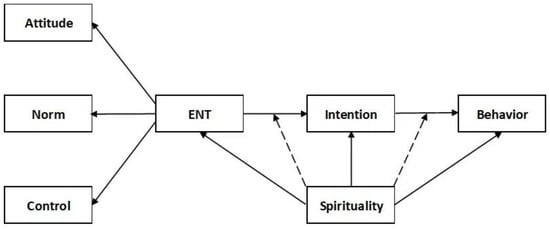
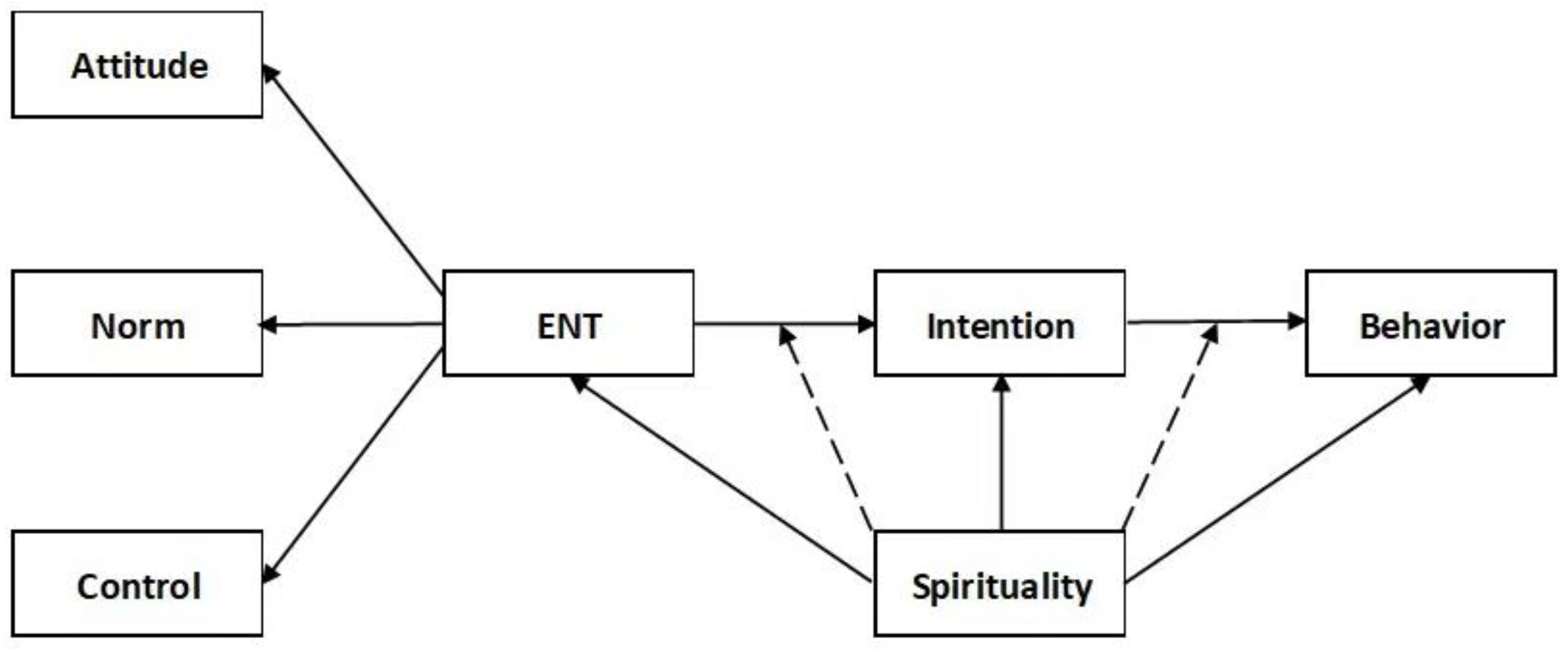
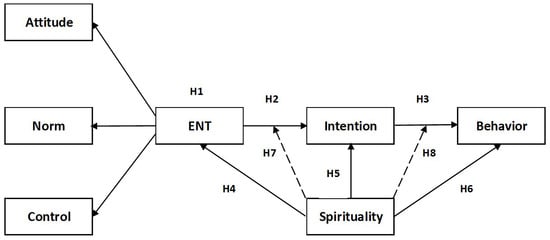
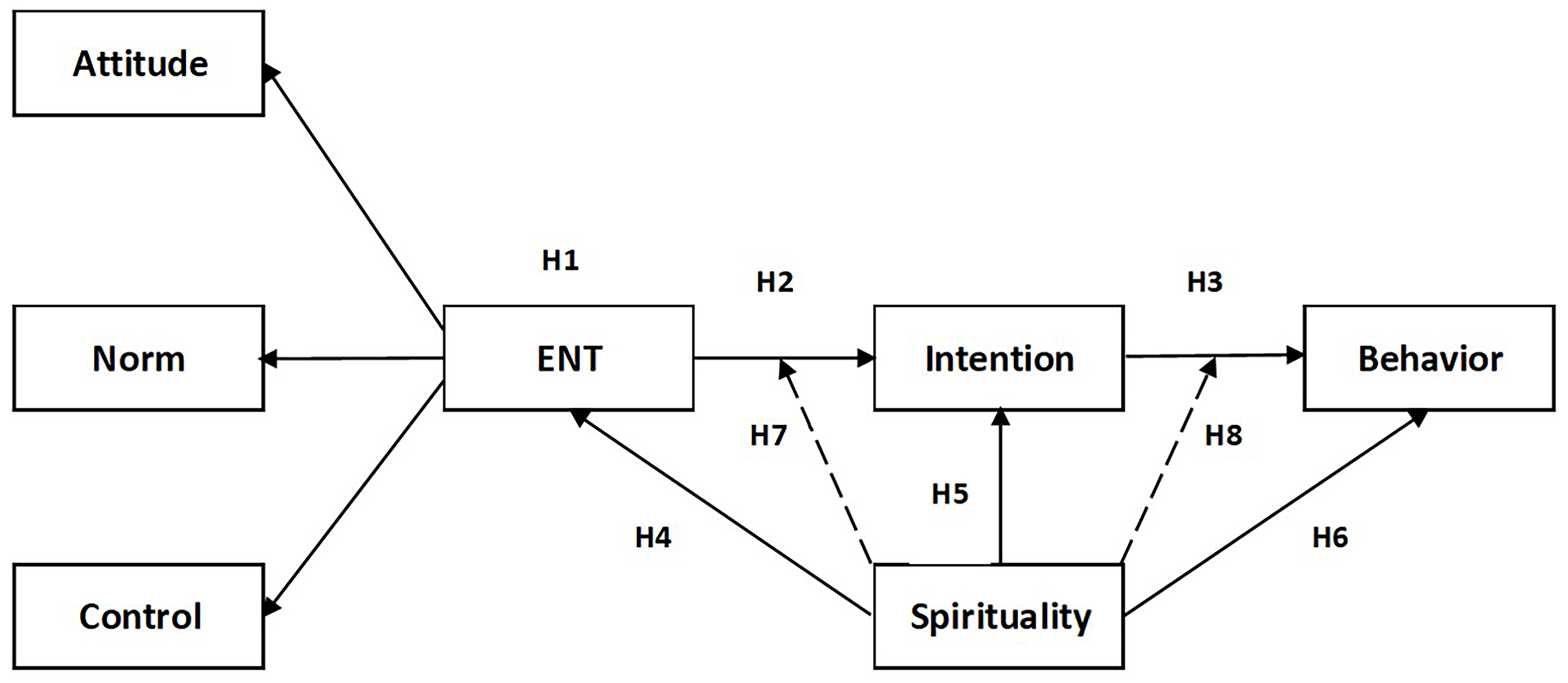
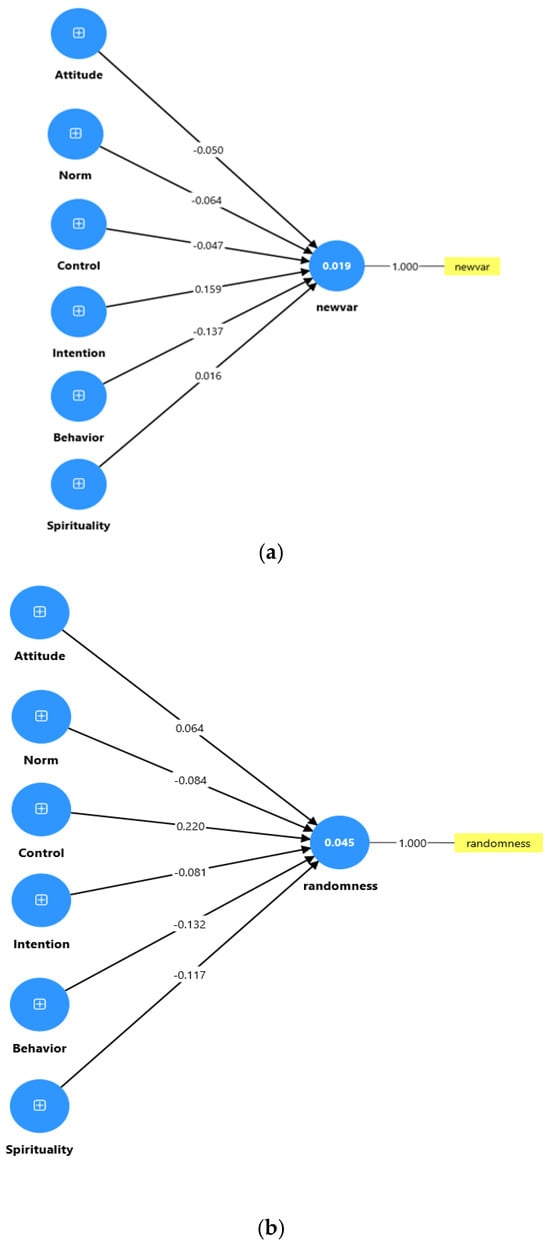
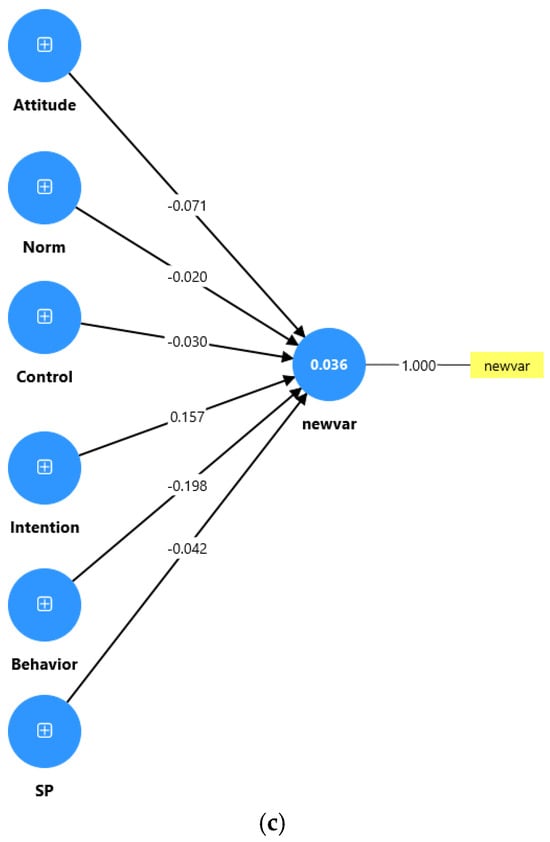
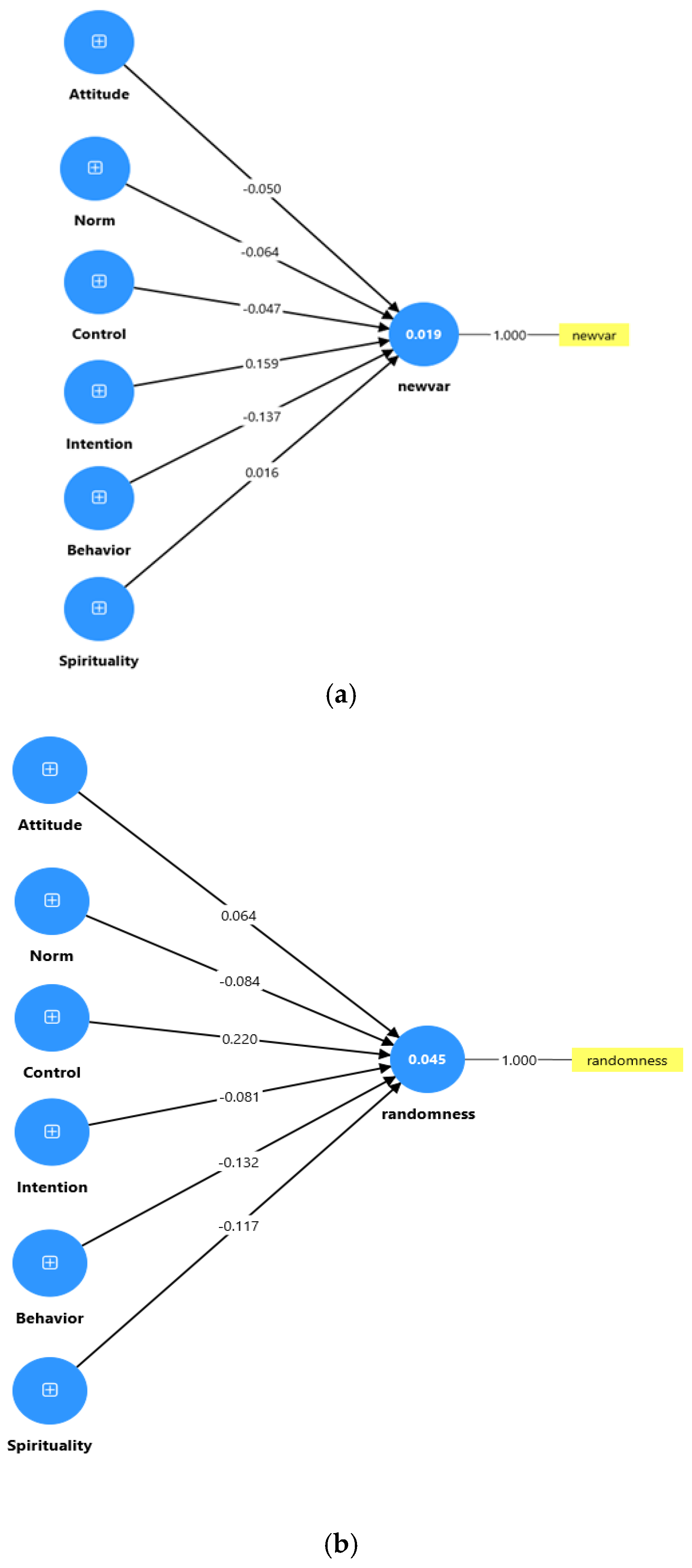

Disclaimer/Publisher’s Note: The statements, opinions and data contained in all publications are solely those of the individual author(s) and contributor(s) and not of MDPI and/or the editor(s). MDPI and/or the editor(s) disclaim responsibility for any injury to people or property resulting from any ideas, methods, instructions or products referred to in the content. |
© 2026 by the authors. Licensee MDPI, Basel, Switzerland. This article is an open access article distributed under the terms and conditions of the Creative Commons Attribution (CC BY) license.